Most nightlights exist to disappear. They’re meant to be small, soft, forgettable little things that plug into walls and glow just enough to keep you from stubbing your toe at 3 a.m. They’re not supposed to have personality. They’re definitely not supposed to stare back at you.
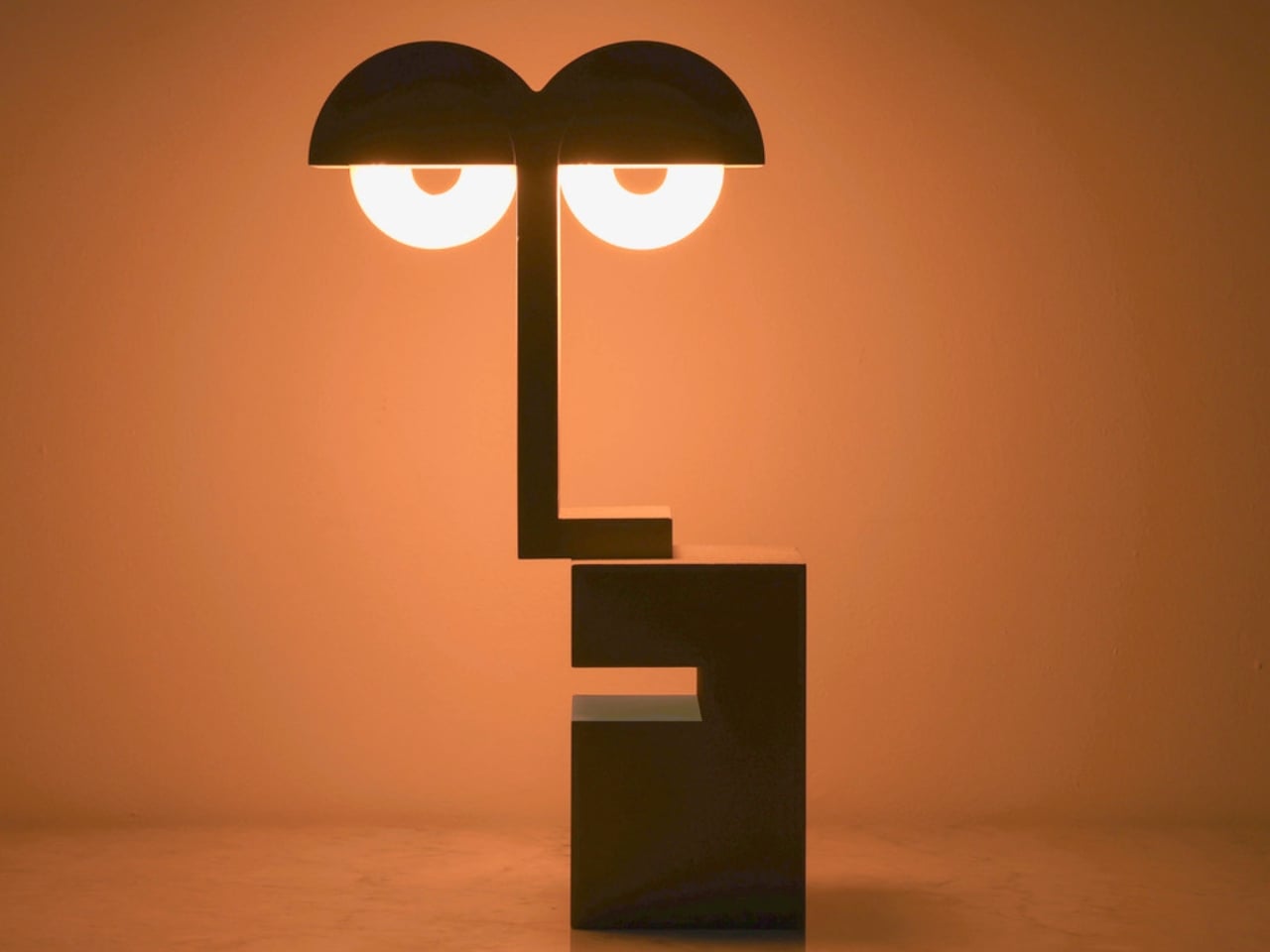
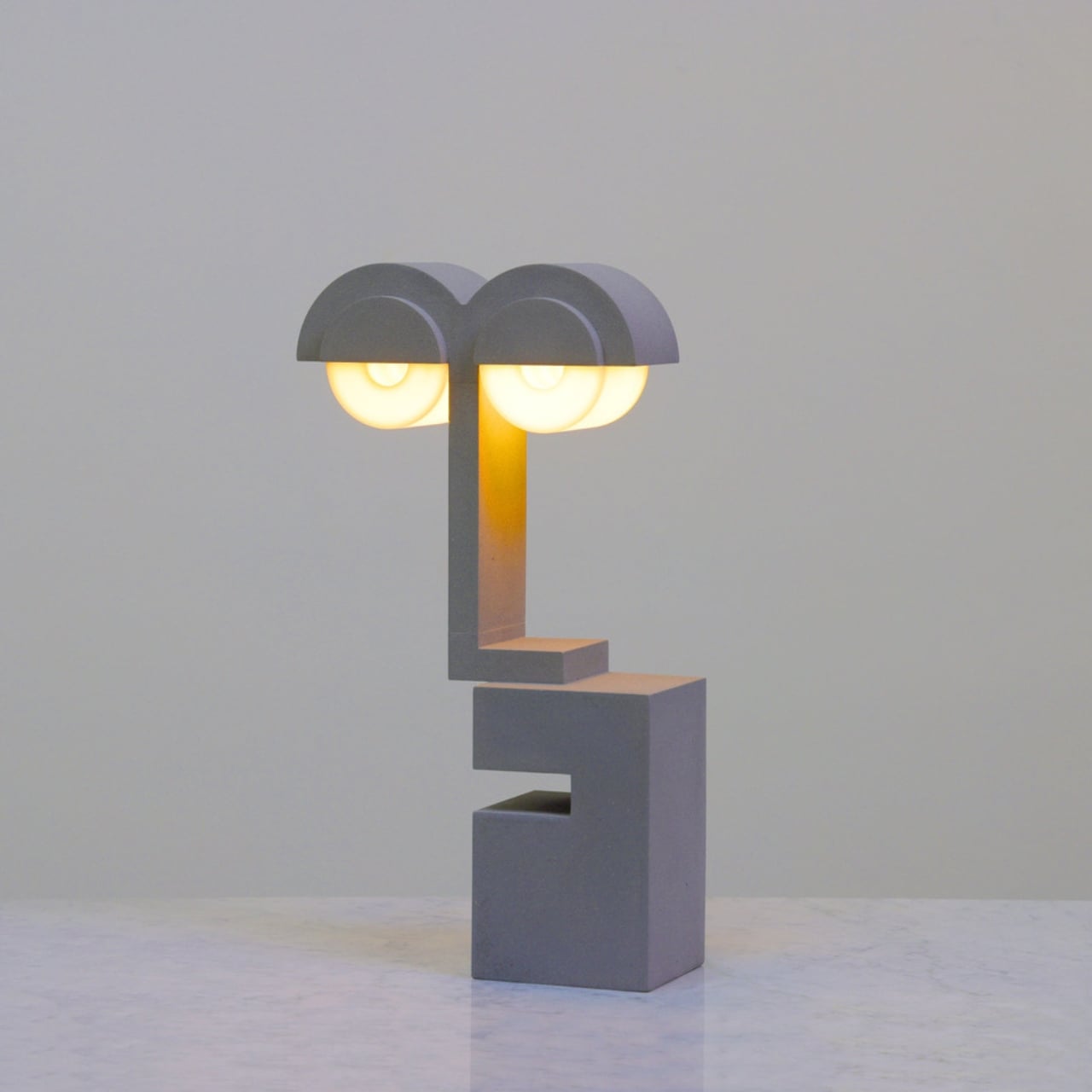
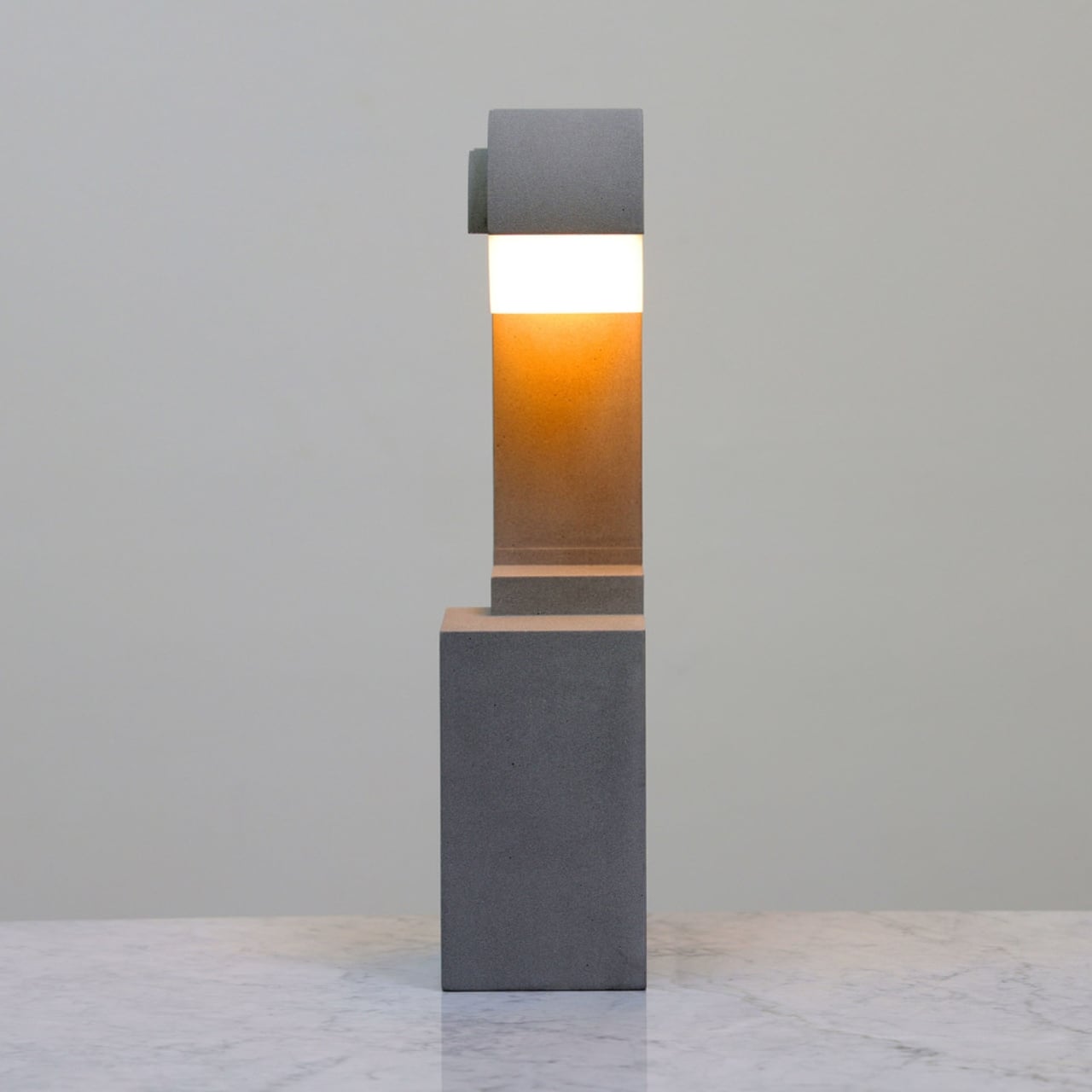
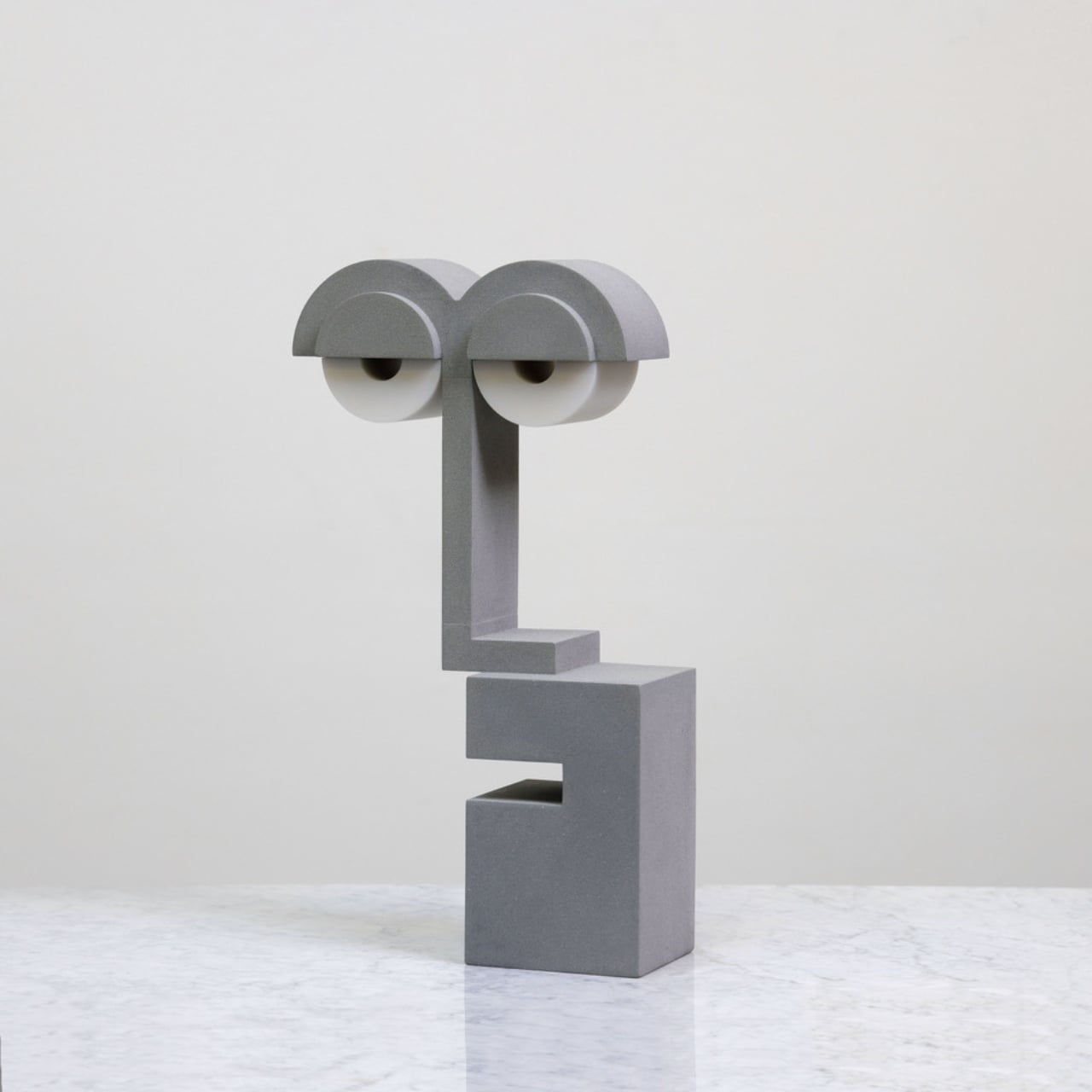
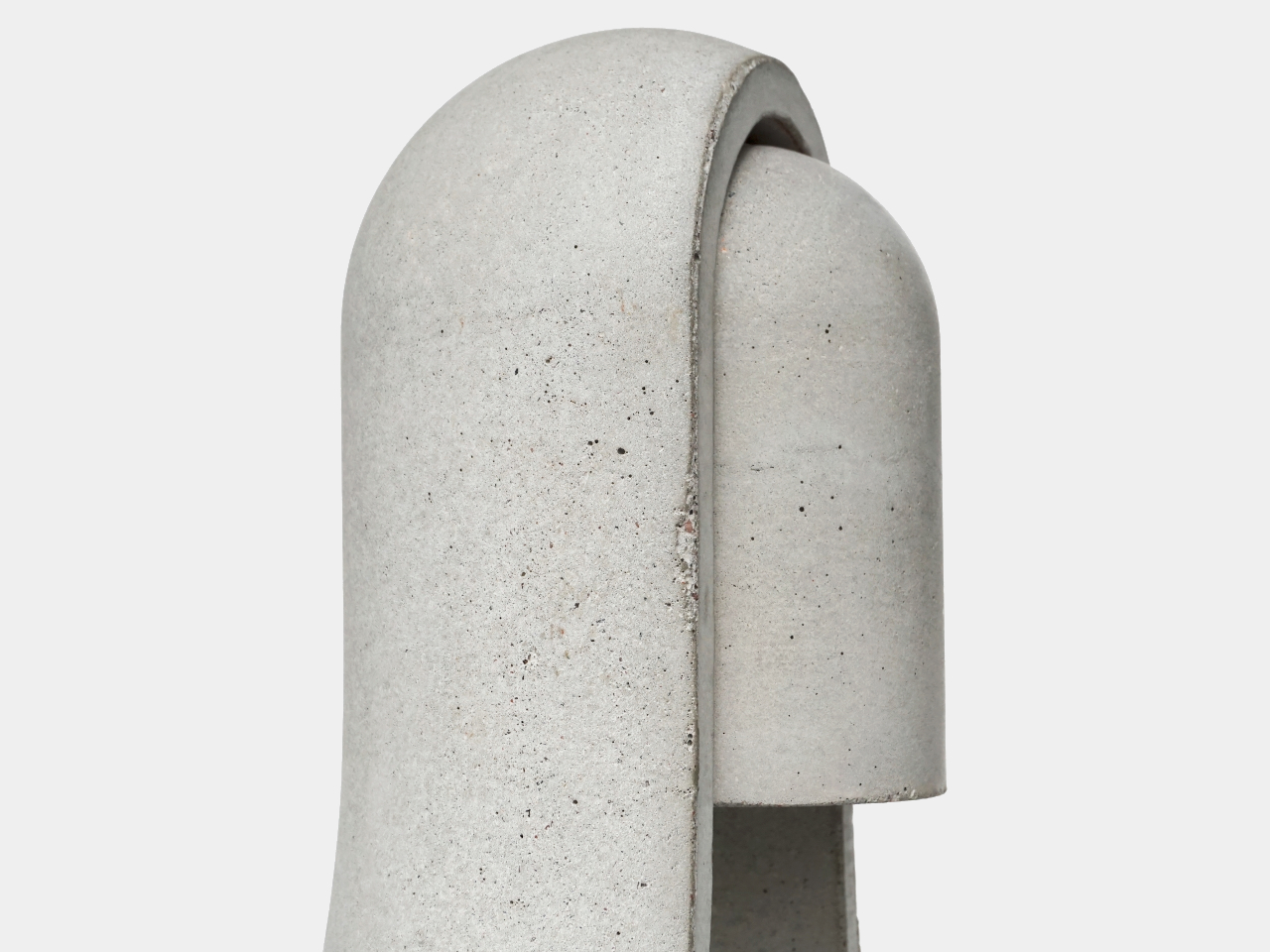
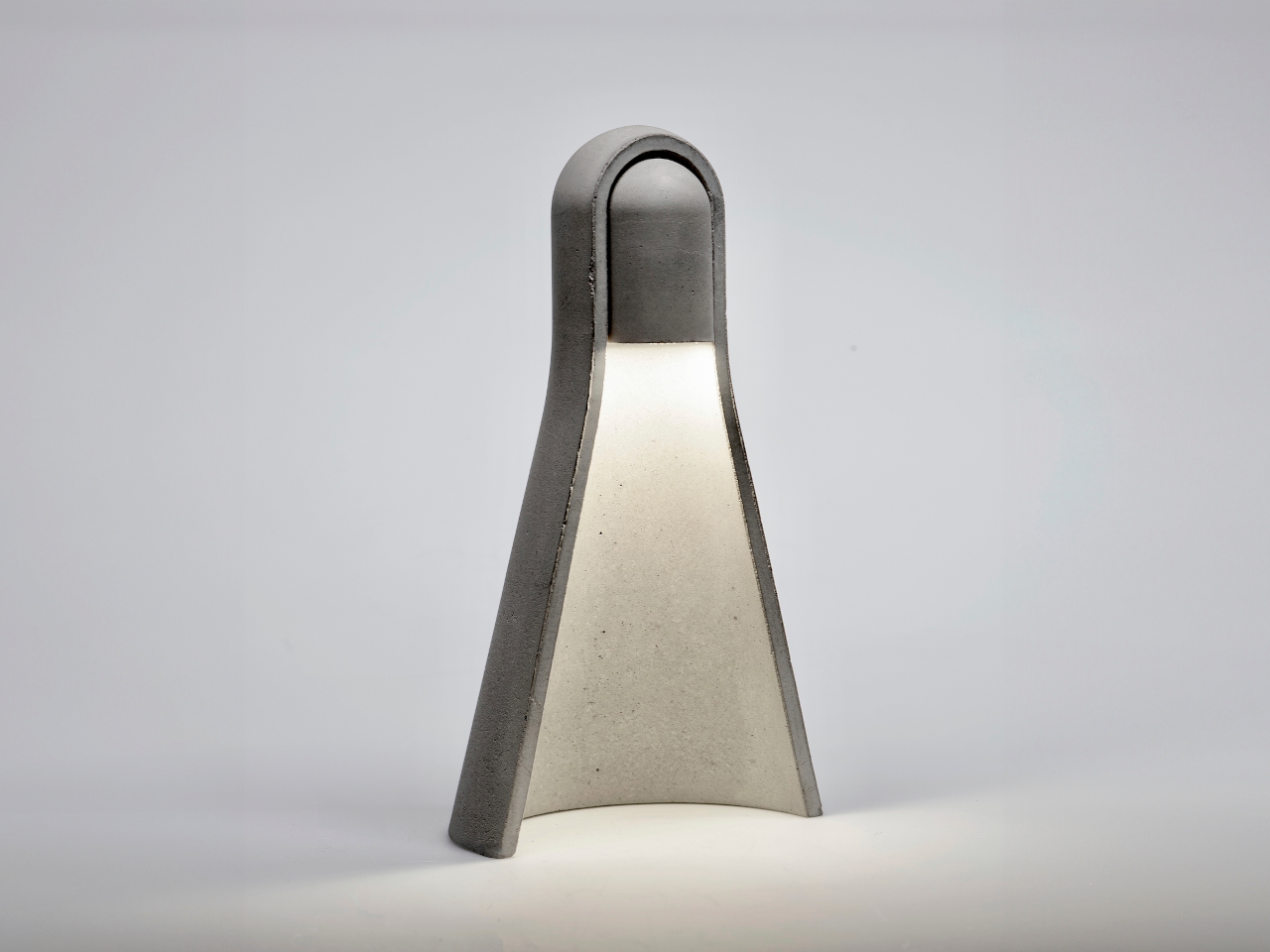
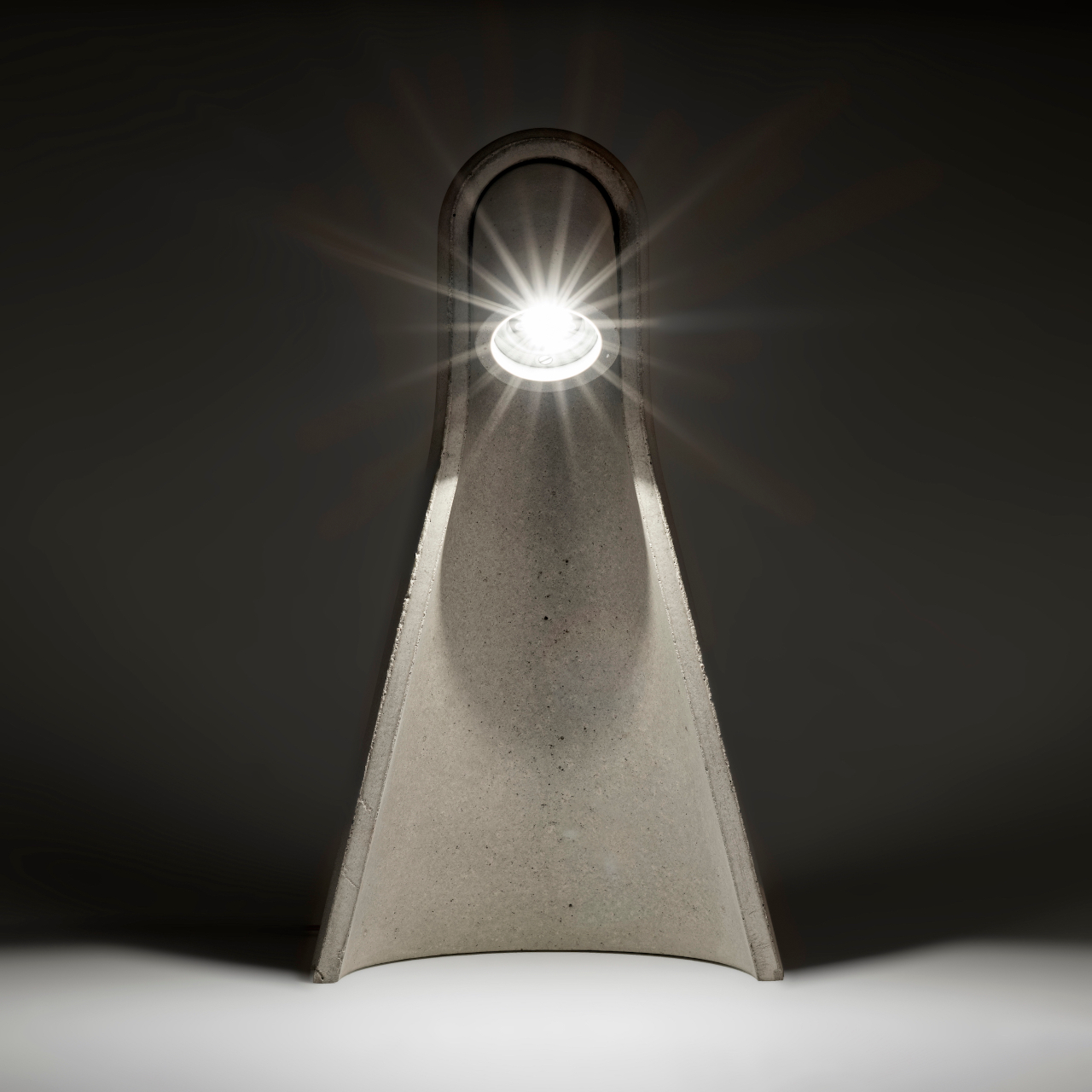
YAWN, a sculptural concrete nightlight by designer Roger Reutimann, does both. It glows. It stares. And somehow, despite being a solid block of cast concrete with two resin eyes, it manages to feel more alive than most of the smart gadgets cluttering our nightstands.
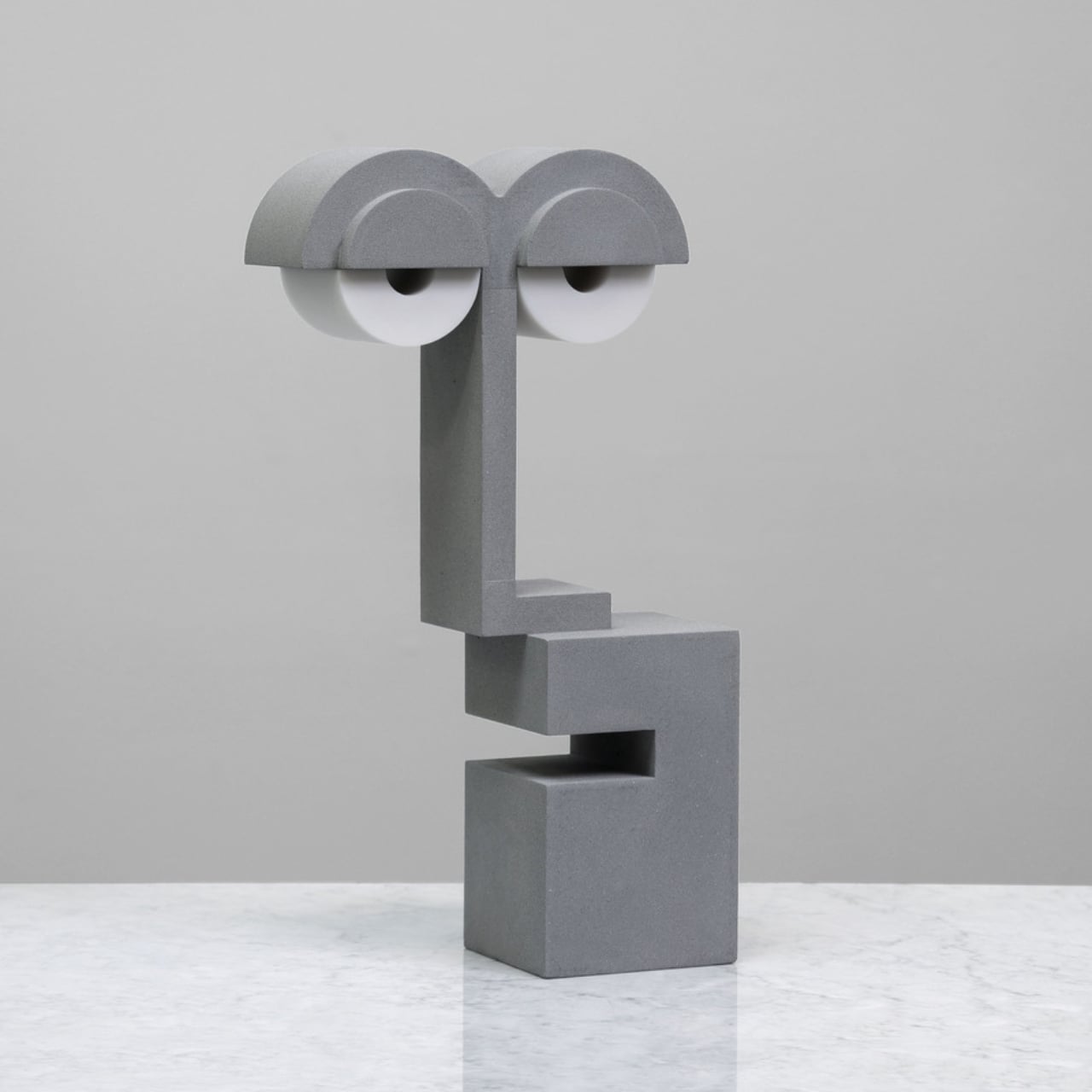
The lamp draws its design language from the Bauhaus movement, that brief but enormously influential period in early 20th-century Germany that insisted form, function, and craft could coexist without ornament getting in the way. YAWN takes that ethos seriously. Its geometry is sharp and stepped, with a cantilevered vertical element rising from a blocky base like a small architectural monument. The proportions are deliberate, the angles clean, the surface left raw and mineral. It looks less like something you’d find at a lighting store and more like a fragment of a brutalist building that wandered onto your bedside table.
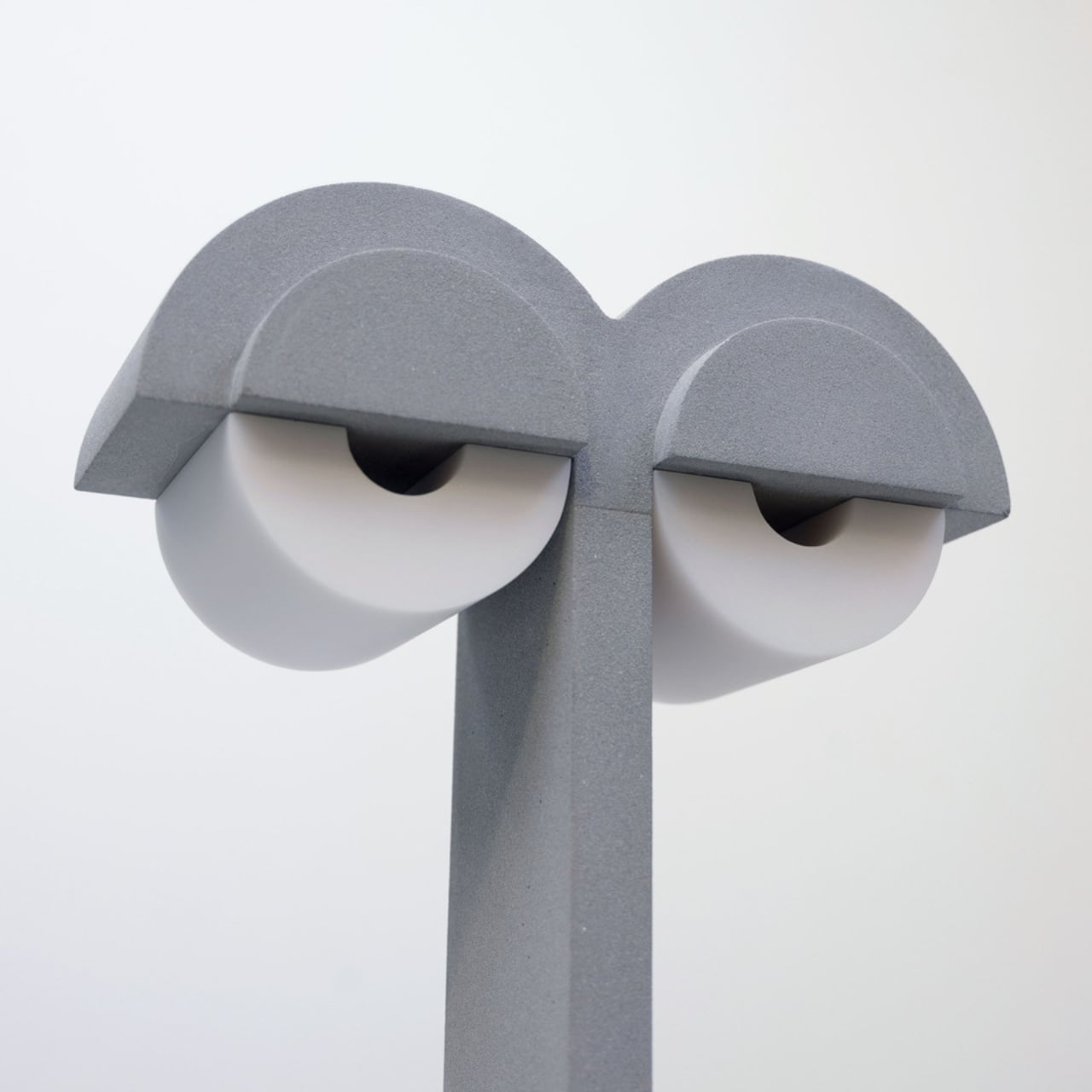
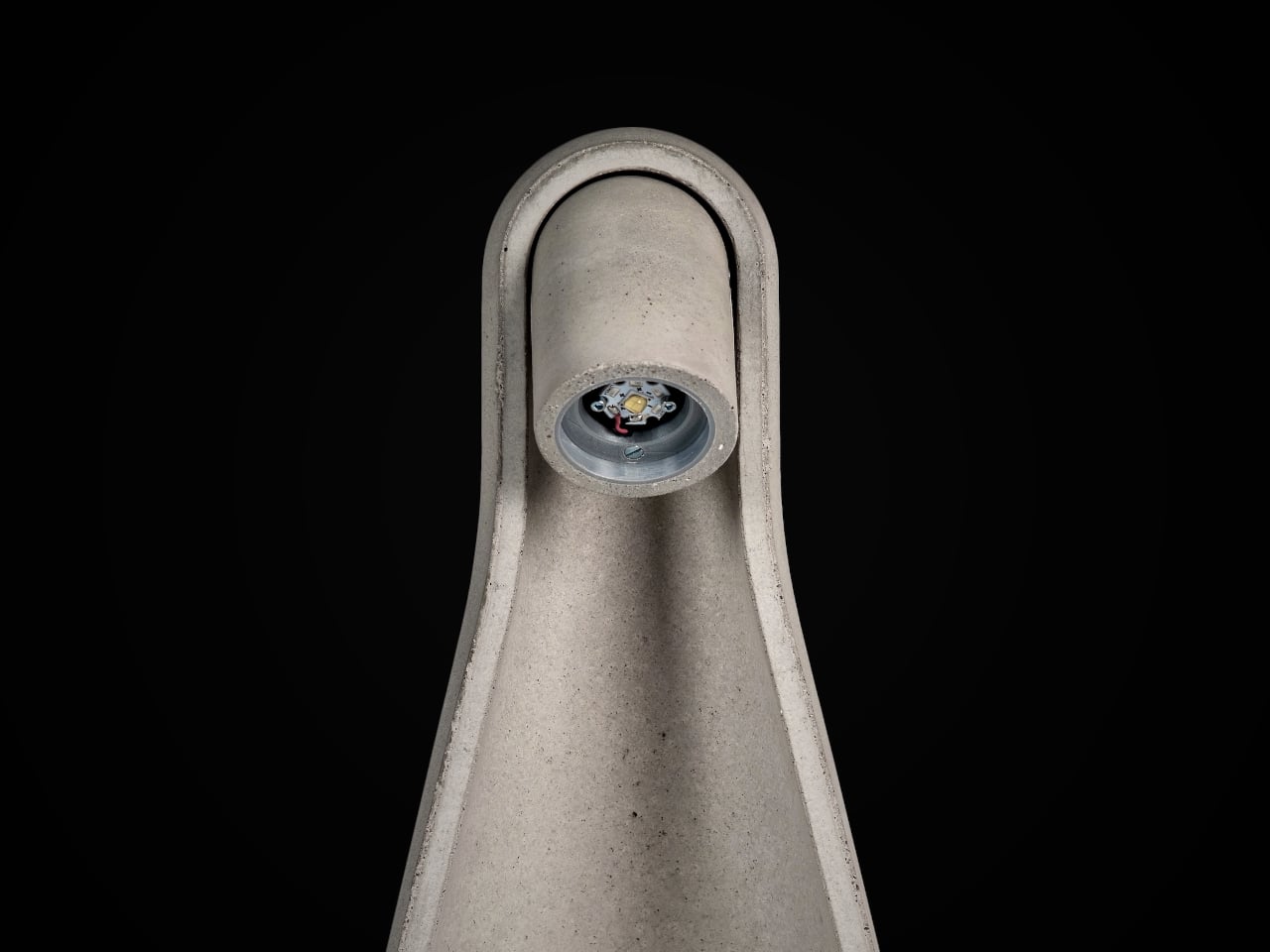
But then you notice the face. Two recessed lenses, made from diffused resin, sit beneath a pronounced overhang that reads unmistakably as a brow. The effect is a sleepy, slightly slouched expression, like the lamp itself has had a long day and would really rather not be awake right now. The humor is subtle and dry. It never tips into cuteness or kitsch. It’s more like a quiet joke between the object and whoever happens to glance at it in the dark.
I think that tension is what makes YAWN so compelling. Bauhaus-inspired design can sometimes feel austere to the point of being cold, all discipline and no pulse. And character-driven objects, the ones with faces and feelings, can easily become gimmicky. Reutimann manages to hold both impulses together without either one undermining the other. The lamp is rigorous and warm at the same time.
That balance probably comes from his background. Reutimann was originally trained as a sculptor and approaches lighting as a spatial and tactile study rather than a decorative accessory. You can feel that in how YAWN carries itself. It has weight and mass and a genuine sense of presence that most domestic lighting simply doesn’t aspire to. This isn’t an object that recedes into a room. It anchors a corner of it.
The production process reinforces that sensibility. Each piece is hand-cast in concrete, requiring precise mold fabrication, controlled aggregate selection, and vibration techniques to eliminate air pockets. The crisp edges and consistent surface finish come from repeated casting trials, and every unit is cured, sanded, and sealed by hand in the studio. The LEDs housed inside the resin eyes are dimmable and smart-home compatible, which is a nice practical touch for something that otherwise feels deliberately analog. Integrating electronics within a solid mineral body is no small feat, requiring concealed internal channels and careful thermal management.
YAWN is produced in a limited edition of 100 pieces, which feels right for something made this way. It sits comfortably at the intersection of industrial object and character study, a piece that takes modernist principles and reminds you that they were always supposed to serve people, not the other way around.
What I appreciate most is the restraint. It would have been easy to push the anthropomorphic quality further, to give the lamp a mouth, or make the eyes bigger, or lean into the cartoon of it all. Reutimann didn’t. The face emerges from proportion and placement alone, not from applied detail. That’s a sculptor’s instinct, knowing exactly how much to suggest before the material starts doing the storytelling for you.
In a market saturated with lighting that’s either purely functional or purely decorative, YAWN occupies a rare middle ground. It’s a lamp that does its job quietly, looks striking on a shelf, and manages to make you smile when you catch its eye at 2 a.m. Not bad for a block of concrete.
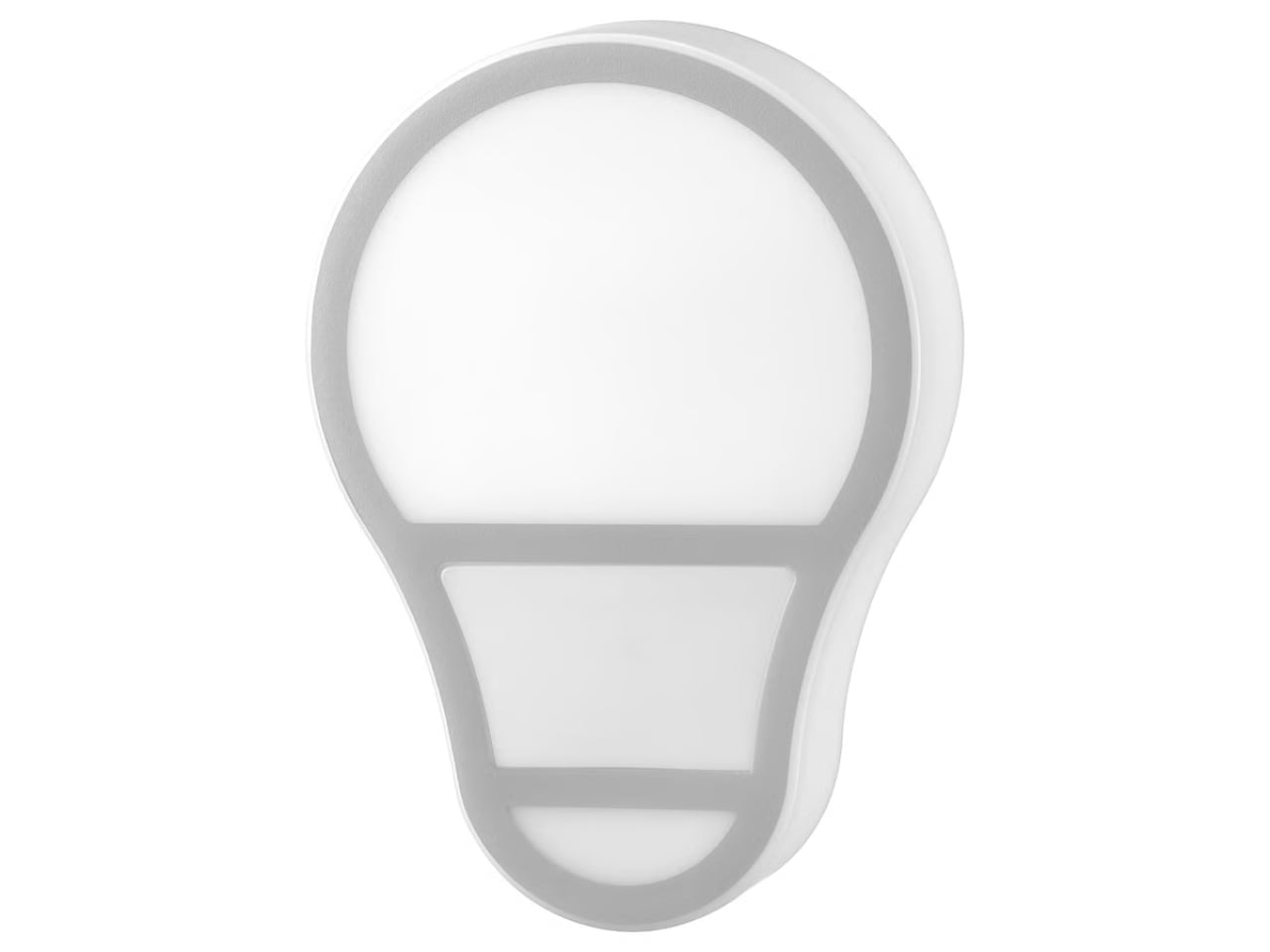
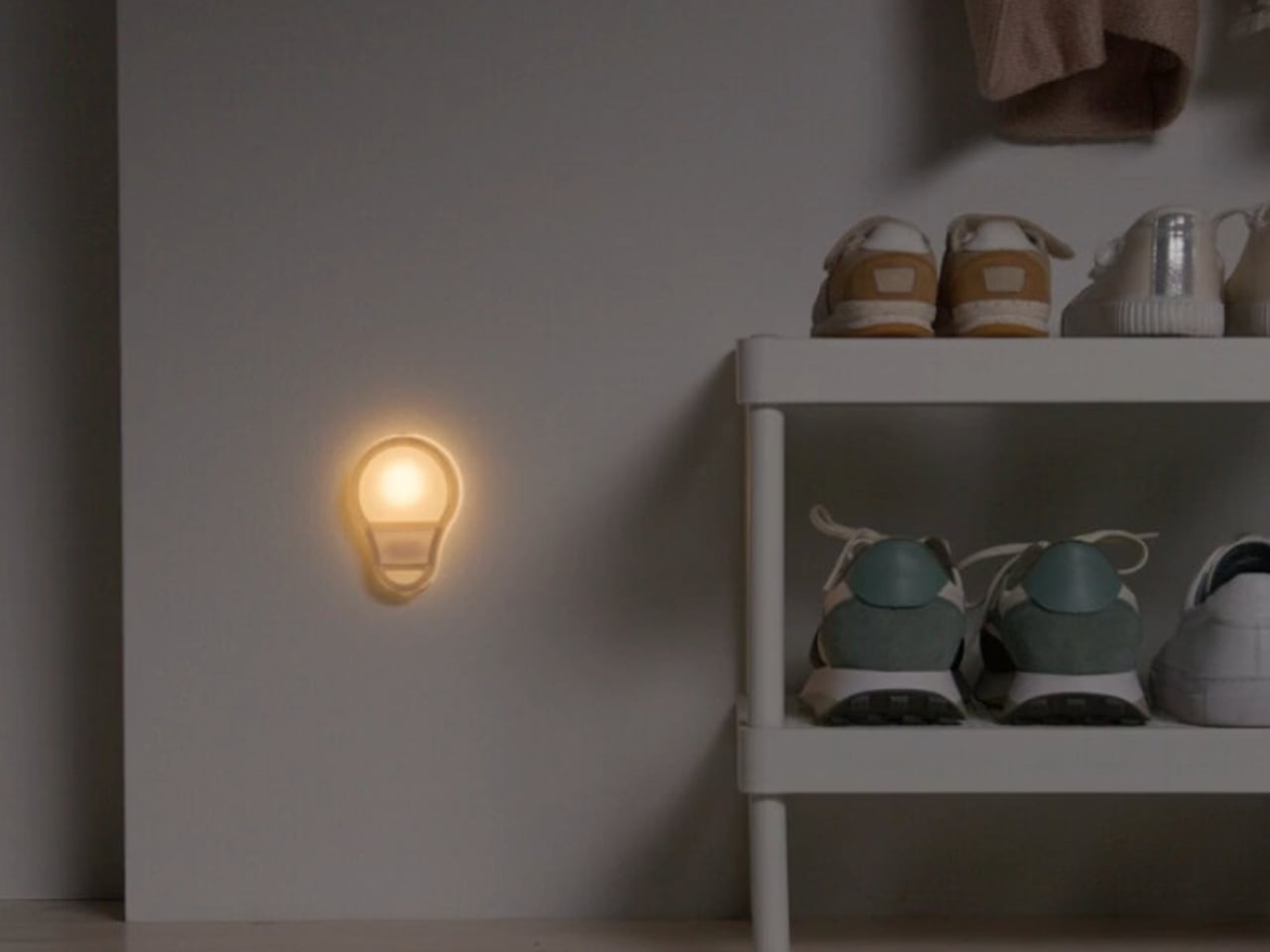
IKEA has always had a knack for making you feel clever. You walk into the store needing a bookshelf, and you leave with a bag full of small, inexpensive things you didn’t know existed but now can’t imagine living without. The ANKARLÄGG is exactly that kind of product. It’s a battery-operated LED nightlight shaped like a lightbulb, it sticks to any surface, and it costs about as much as a nice sandwich. On paper, it barely qualifies as news. In practice, it’s one of those quiet little design wins that remind you why IKEA remains so good at what it does.
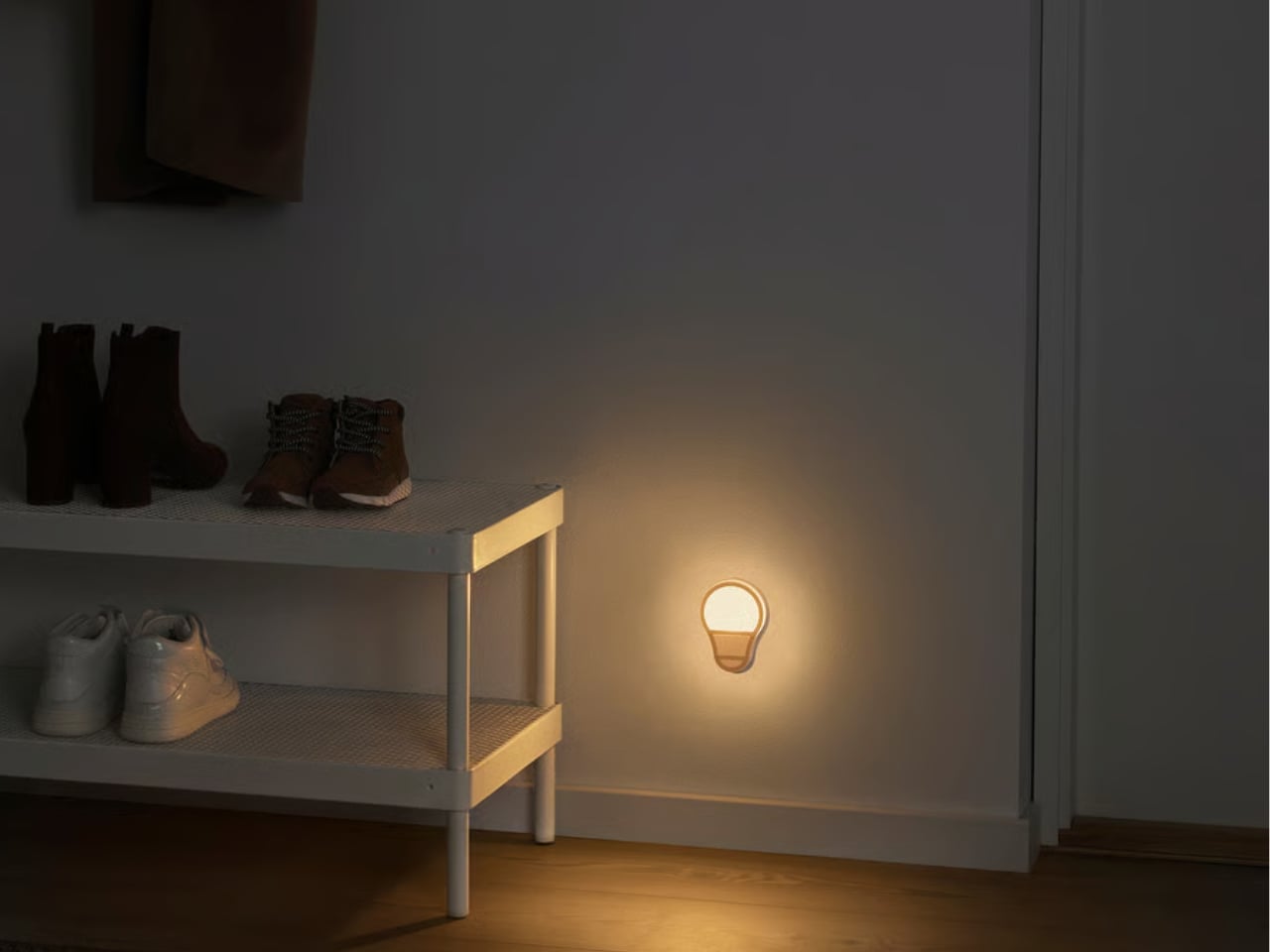
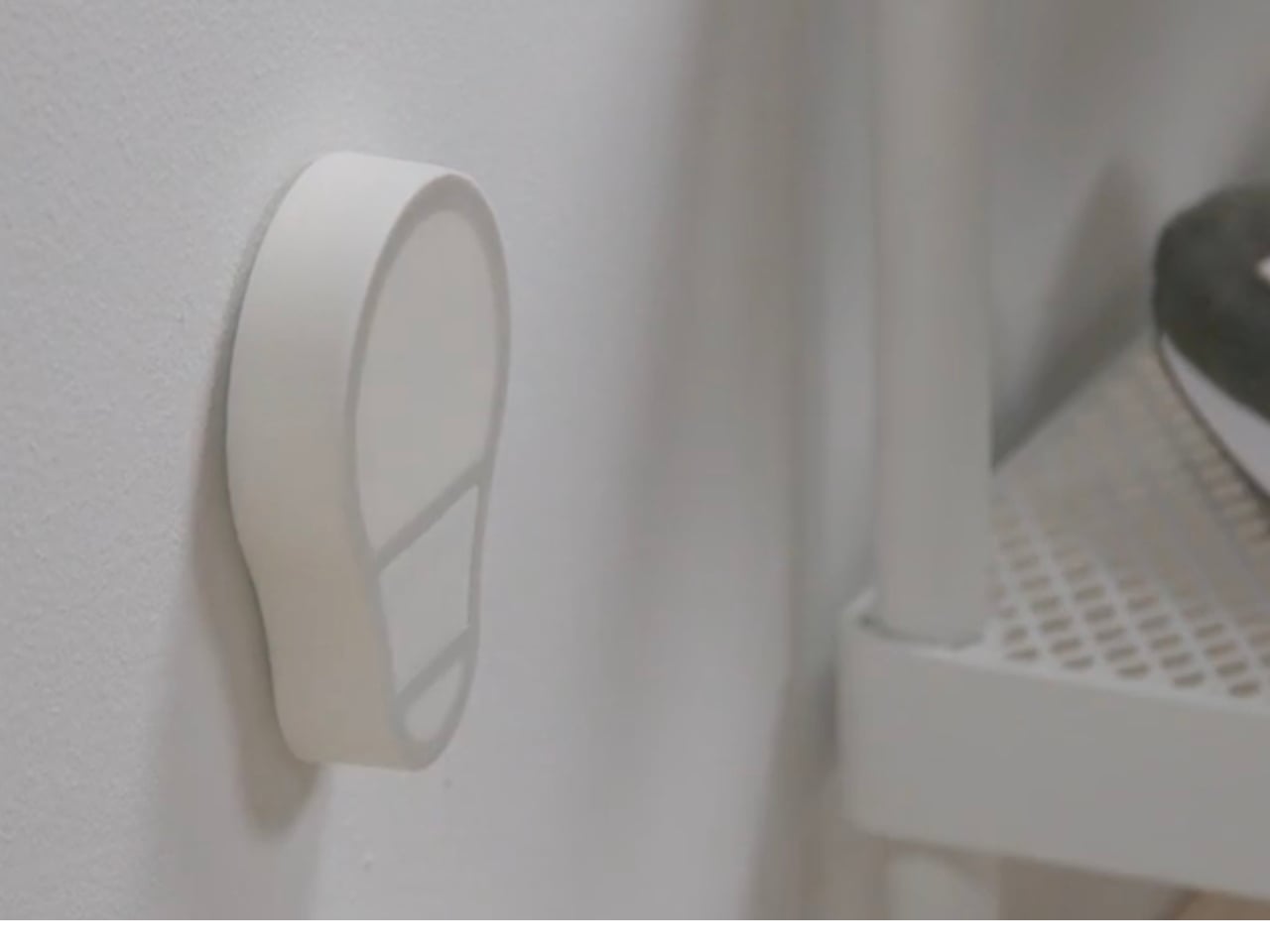
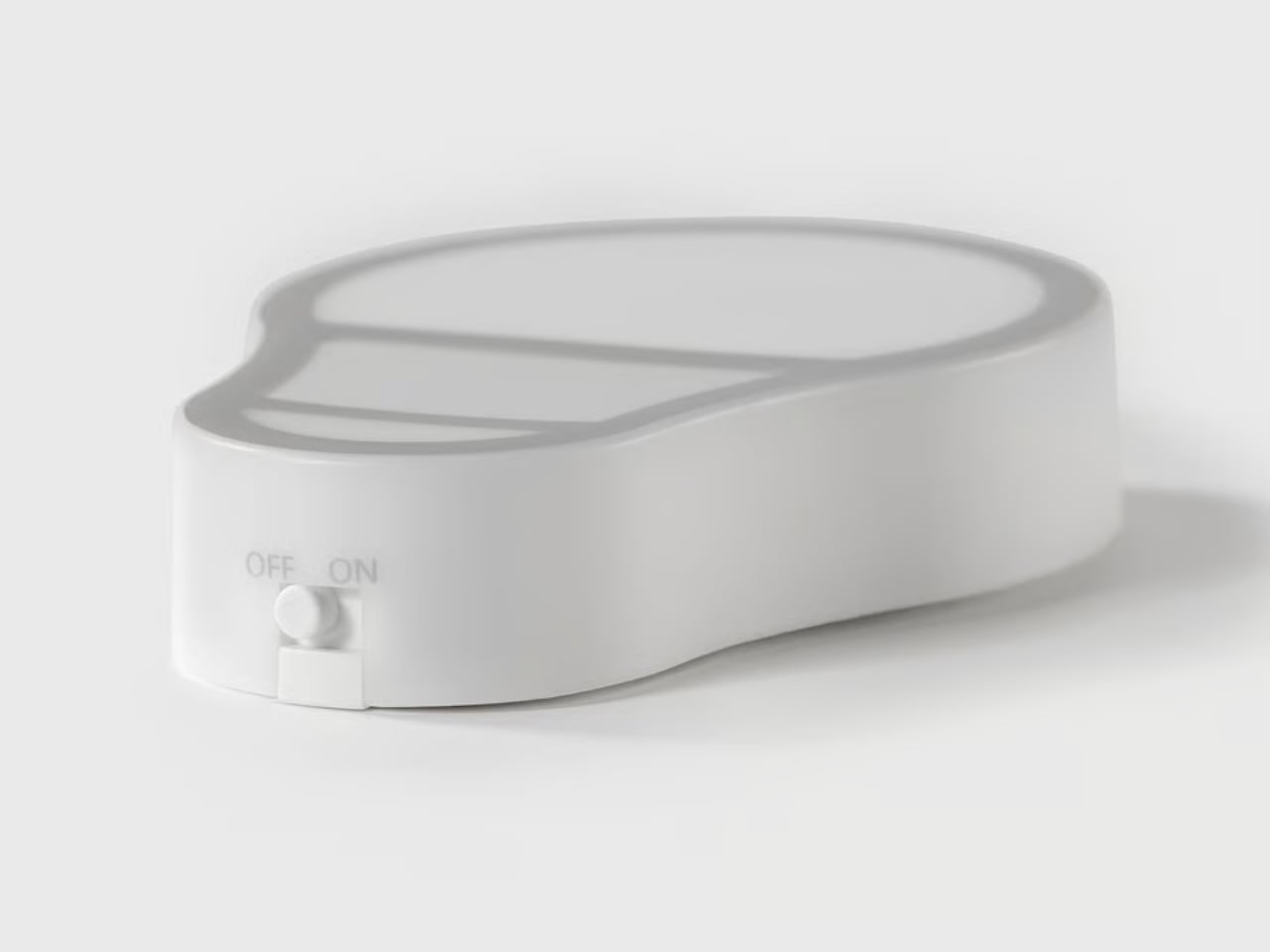
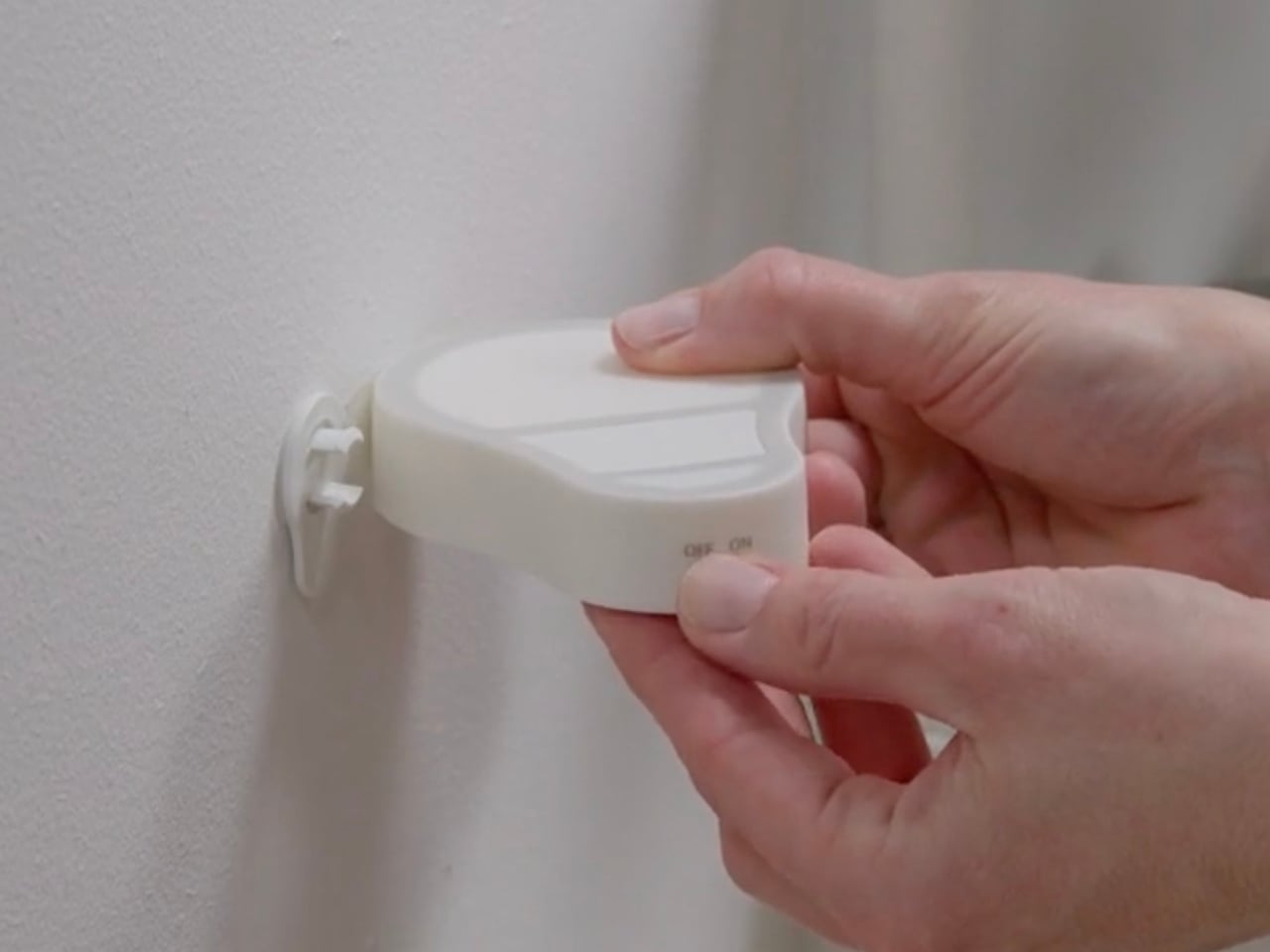
Designed by Bruno Adrien Aguirre, the ANKARLÄGG is a motion-sensing nightlight that runs on two AAA batteries. No cords, no plugs, no electrician. You peel the backing off a double-sided adhesive pad, press the light against a wall, and you’re done. When someone walks within three meters of it in a dark room, it switches on. Thirty seconds later, with no further movement detected, it turns itself off. During the day, even if you’re dancing in front of it, it stays dark. The batteries last about six months under regular use, which IKEA defines as roughly ten activations per day.
The shape is what gets me. The ANKARLÄGG looks like an outline of a classic lightbulb, almost like a cartoon sketch brought into three dimensions. It’s not trying to be invisible or blend into your wall. It’s a little wink, a product that acknowledges what it is by wearing the silhouette of the thing it’s replacing. The base is made from polycarbonate plastic, which gives it durability, while the frosted cover made from polypropylene helps diffuse the light into something soft and even. At 105 millimeters tall and 75 millimeters wide, it’s about the size of a pear. The whole unit weighs 80 grams, which is nothing.
I think the reason this kind of product resonates is that it solves a problem most of us have just learned to accept. We stumble down dark hallways at 2 a.m., we fumble around the inside of closets, we guide ourselves along stairways by muscle memory. We’ve been doing it forever, so we don’t really think of it as a problem. But then someone puts a tiny stick-on light in front of you that costs 39 Swedish kronor, and suddenly you realize how unnecessary all that fumbling was. Good design often works that way. It doesn’t announce itself with drama. It just quietly removes a friction you’d stopped noticing.
What I appreciate about the ANKARLÄGG is that it doesn’t try to be smart in the way tech companies define smart. It doesn’t connect to Wi-Fi. It doesn’t need an app. It doesn’t want to join your ecosystem. It uses a basic infrared sensor to detect motion and an ambient light sensor to know when it’s dark. That’s the entire feature set. In an era when even toothbrushes want to sync with your phone, the restraint here feels genuinely refreshing. It’s a product that knows exactly what it needs to do and does nothing more.
The installation simplicity is worth emphasizing too. IKEA products are famous for their assembly instructions, those wordless cartoon manuals that have spawned a thousand jokes. But the ANKARLÄGG barely needs instructions at all. Pop in two AAA batteries, stick it on a wall. That’s the whole process. You could explain it to a child. You could explain it to someone who has never installed anything in their life. This kind of radical simplicity is hard to achieve. It takes real discipline to resist adding features, modes, brightness settings, or app connectivity. Somebody had to say no to a lot of ideas to keep this product this clean.
The ANKARLÄGG is available now in selected IKEA stores and online. It’s a minor product in the grand scheme of the catalog, tucked somewhere between wall lamps and LED strips. But sometimes the minor products are the ones that tell you the most about a company’s design philosophy. IKEA still believes that useful, well-designed objects should be affordable and uncomplicated. The ANKARLÄGG is a small, glowing proof of that belief, shaped like the most universal symbol of a good idea.
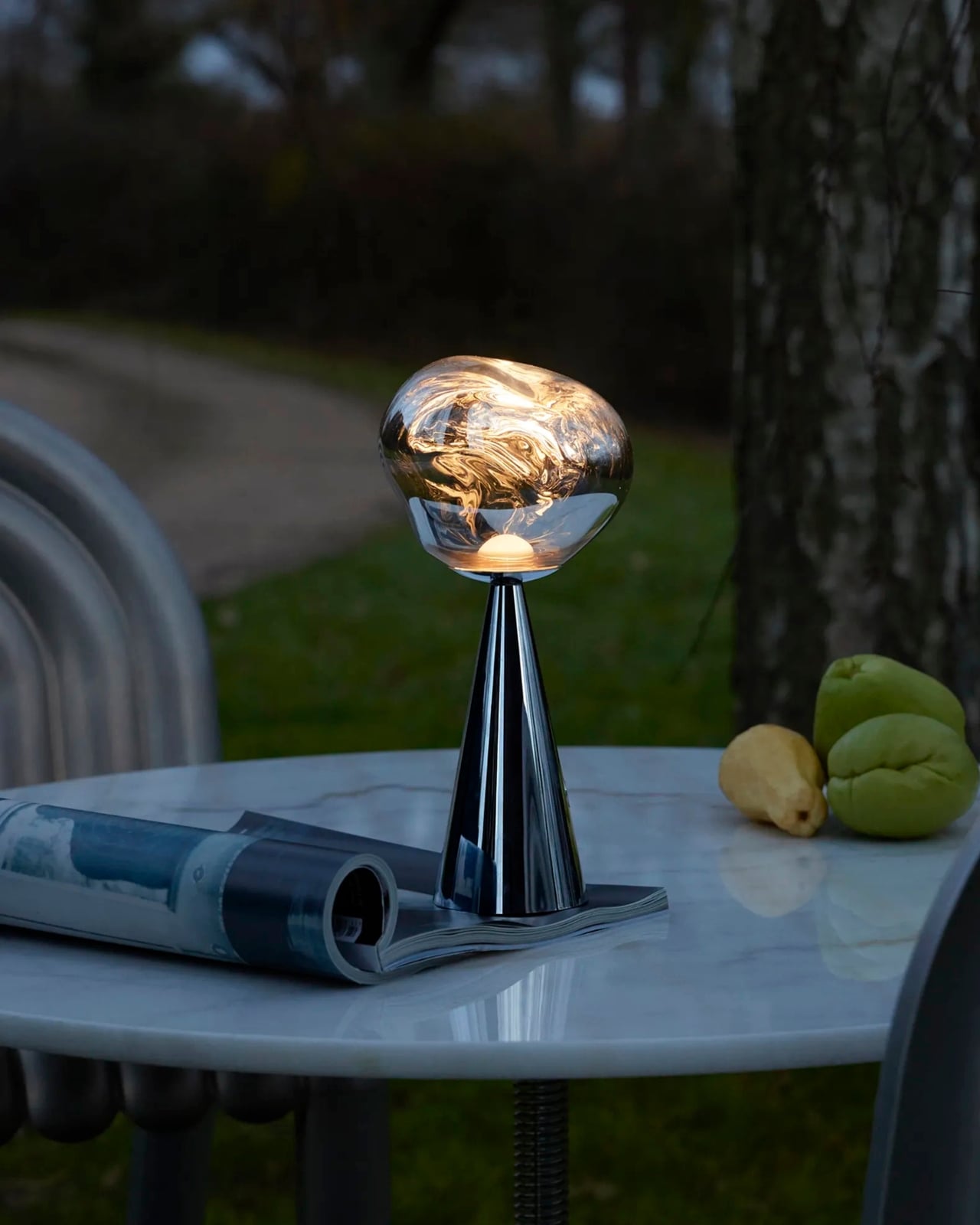
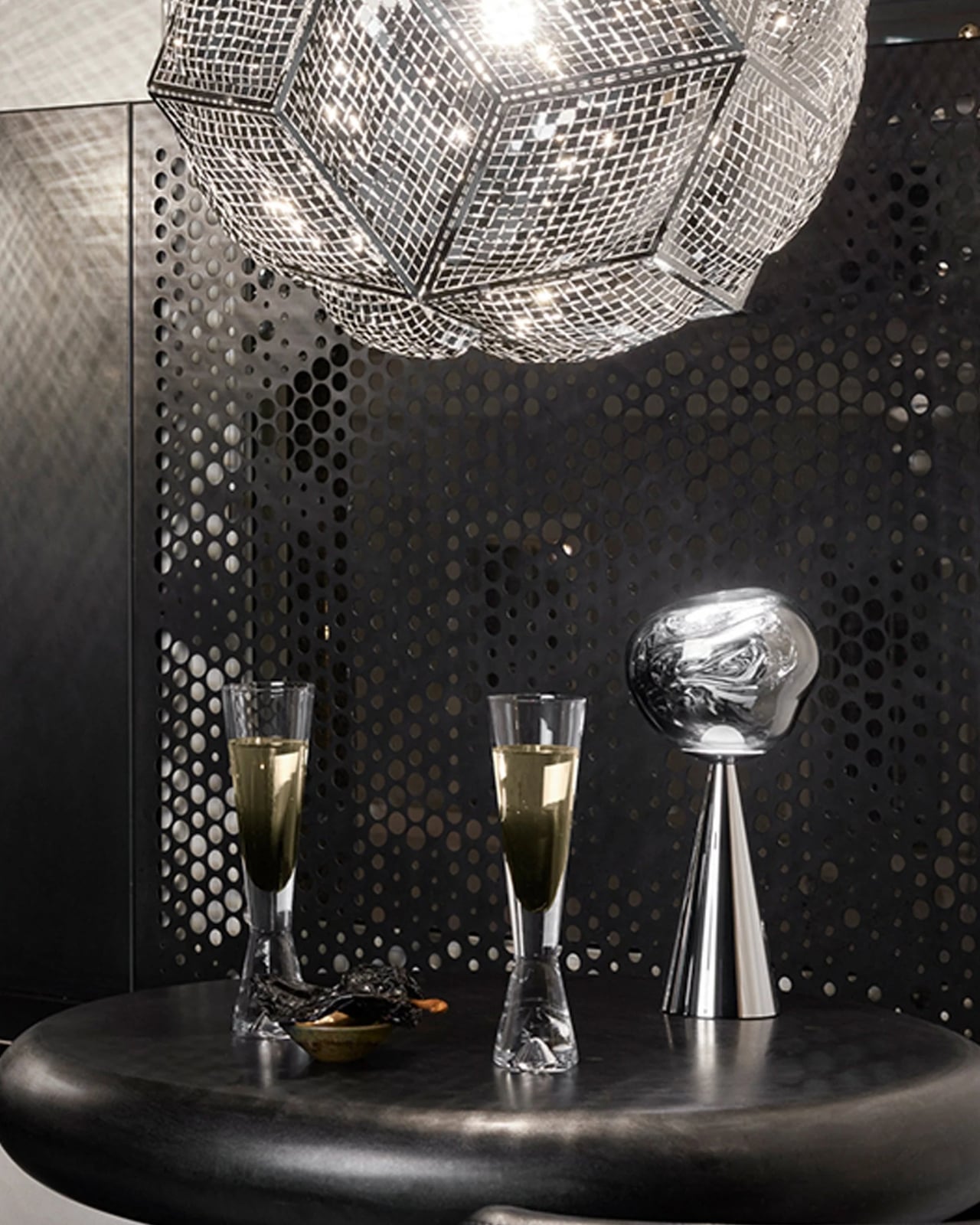
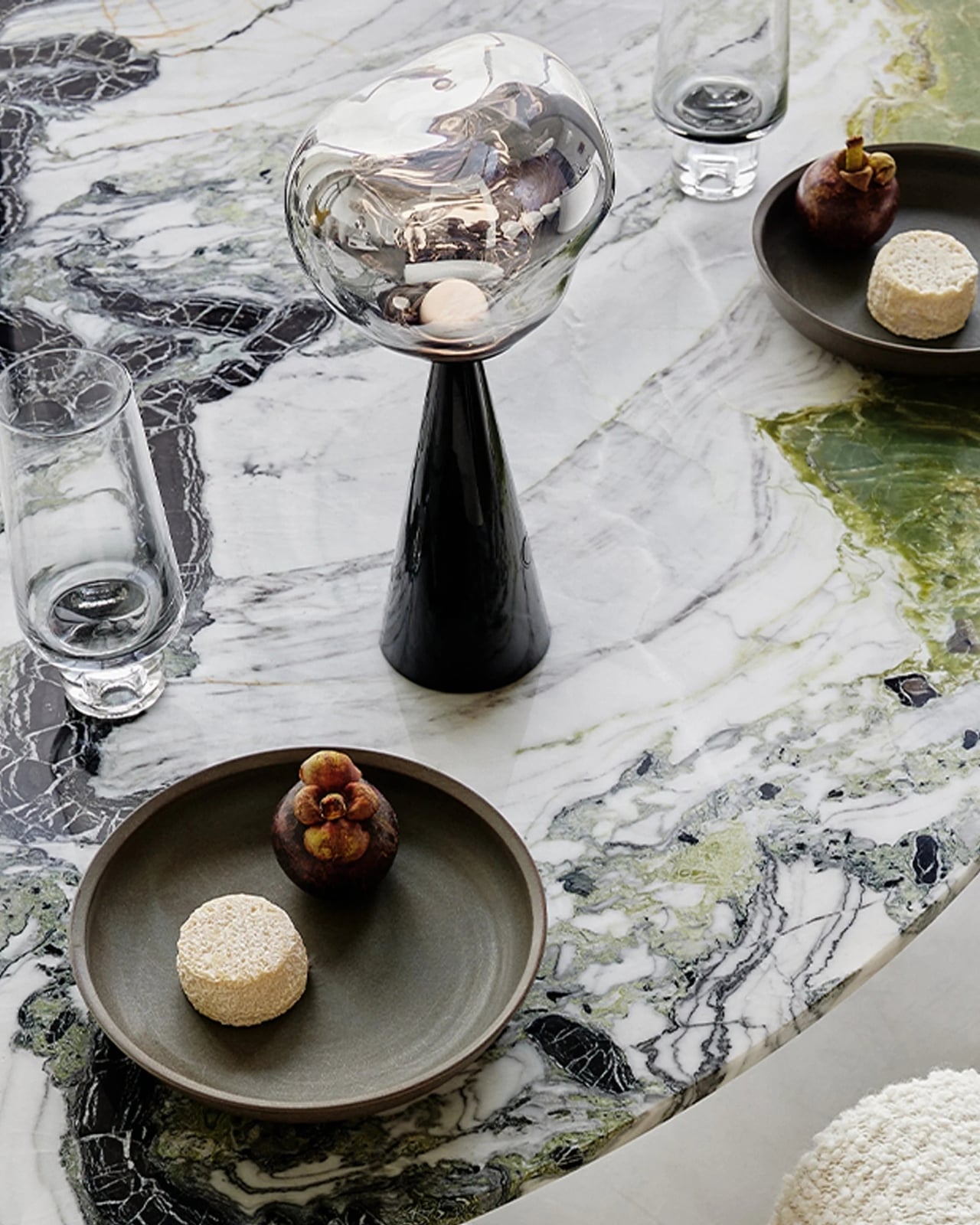
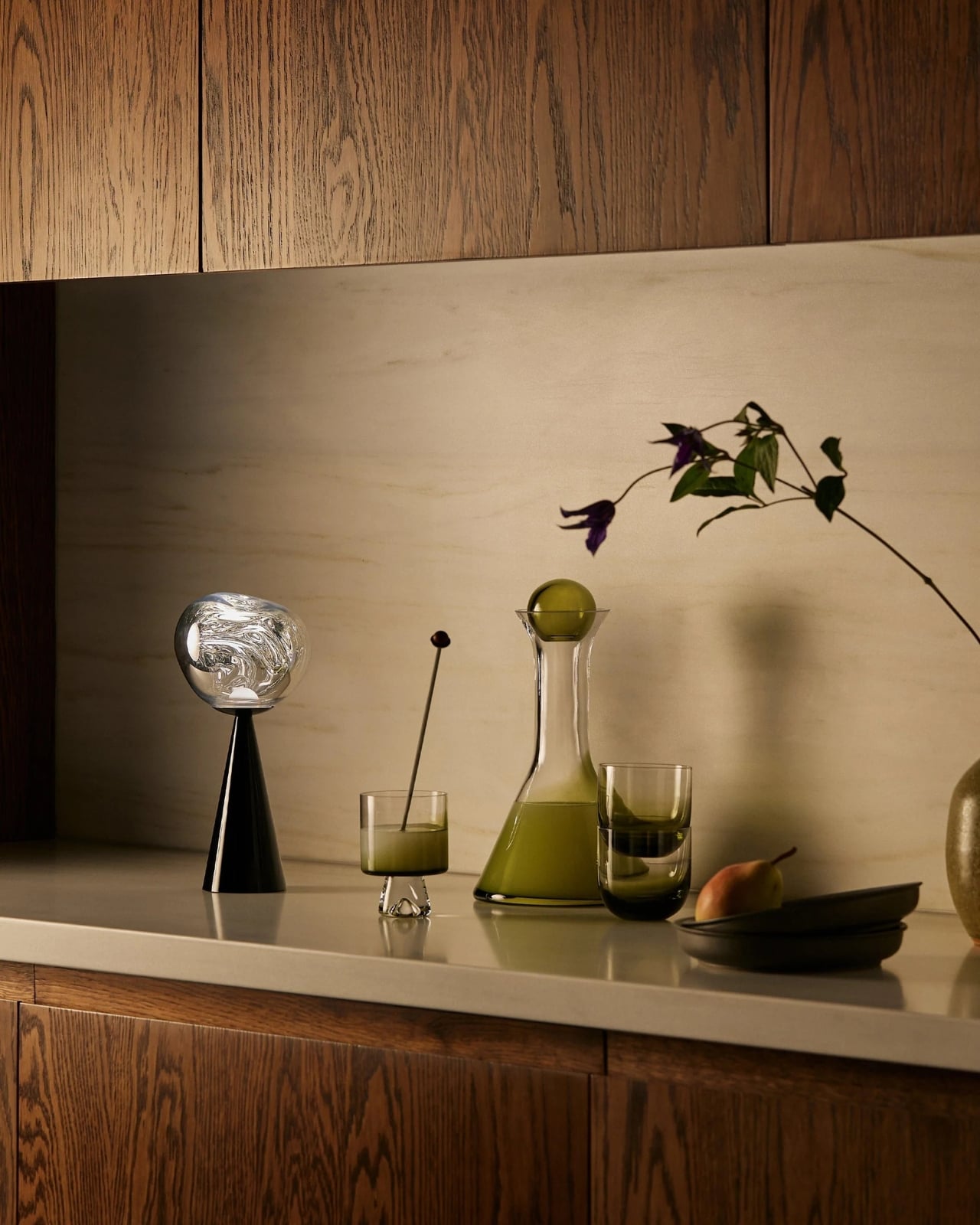
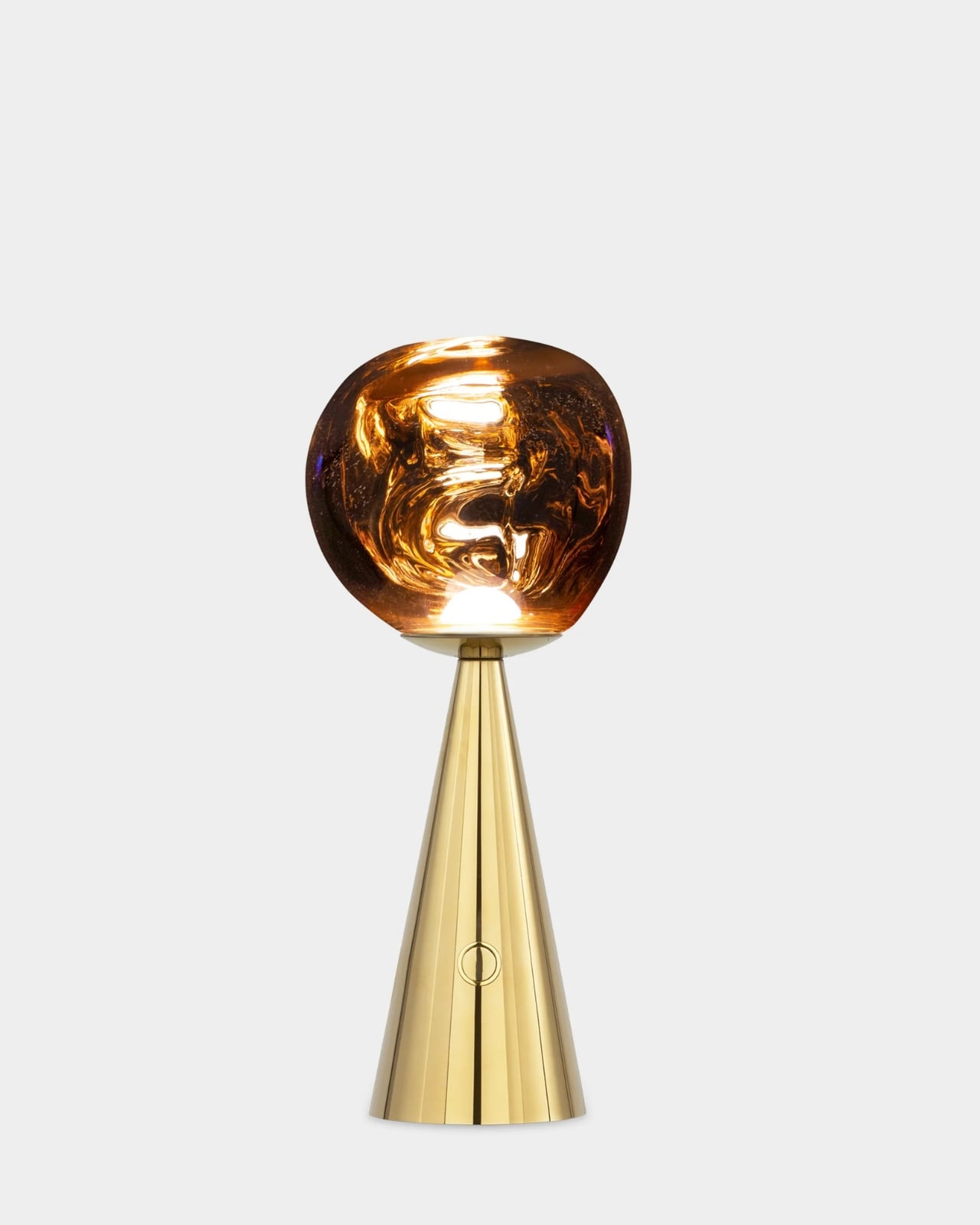
I’ve always believed that the best lighting doesn’t just illuminate a room. It changes the entire mood of a space, the way a good film score changes a scene. And for years, the Melt collection from Tom Dixon has been one of the strongest arguments for that idea. Now, with the Melt Small Portable Light, that same strange, beautiful glow can follow you just about anywhere, and I think that’s a bigger deal than it sounds.
Let me back up a little. The original Melt debuted around 2014, born from a collaboration between Dixon and FRONT, the Swedish design collective known for pushing conceptual boundaries. The inspiration behind it was wonderfully odd: melting glaciers and deep space. Not exactly the kind of mood board you’d expect for a home lighting fixture, but that’s precisely what made the result so arresting.
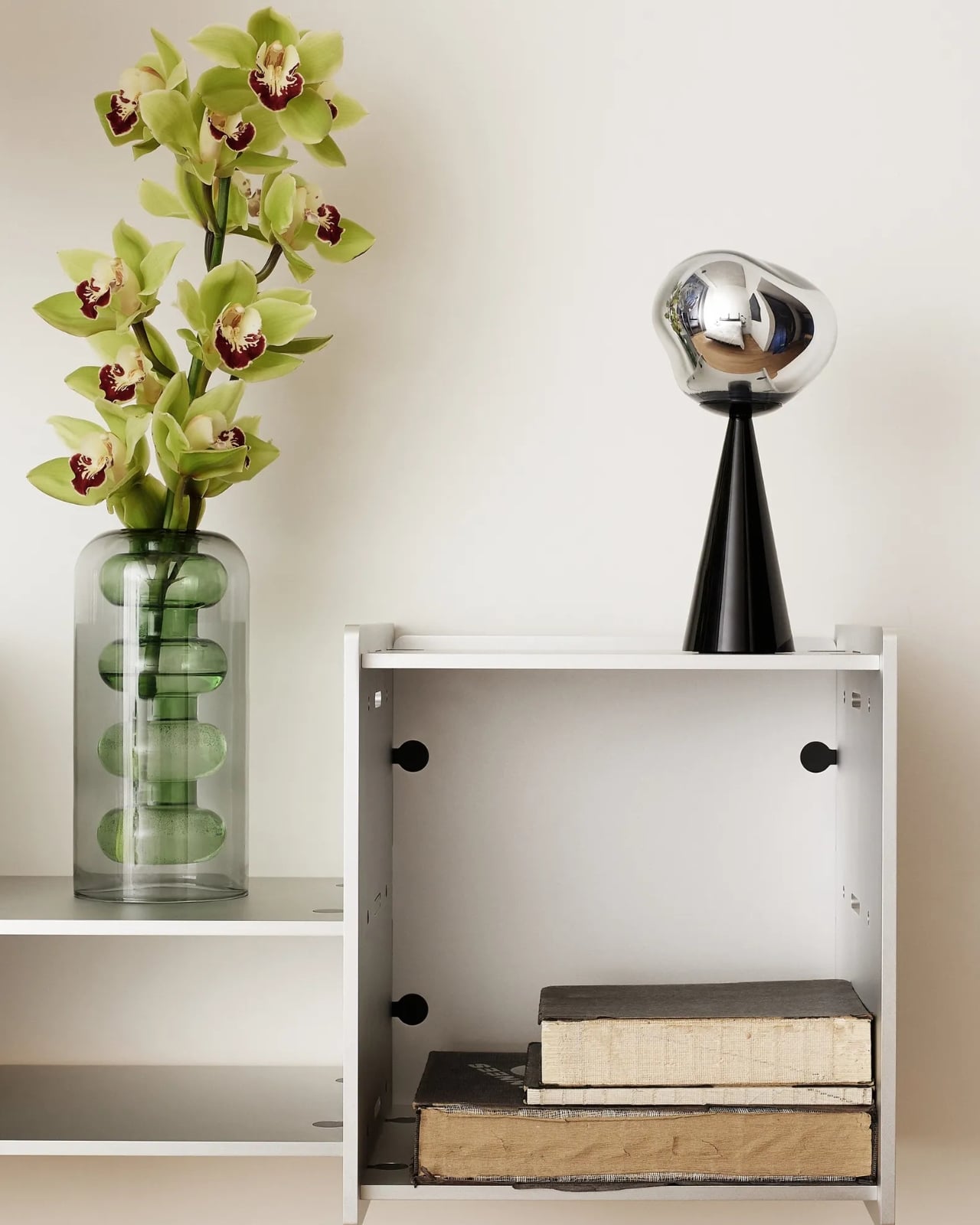
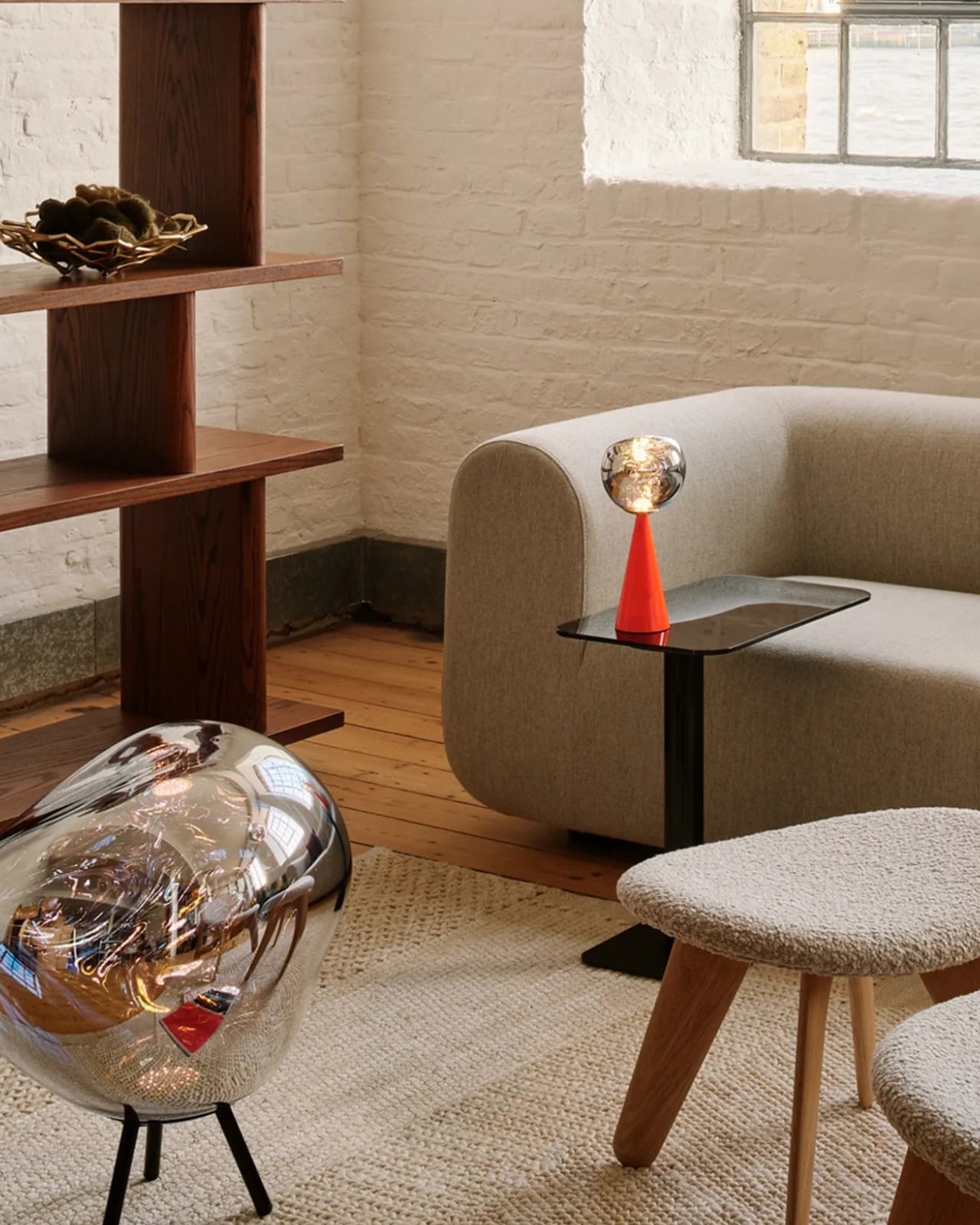
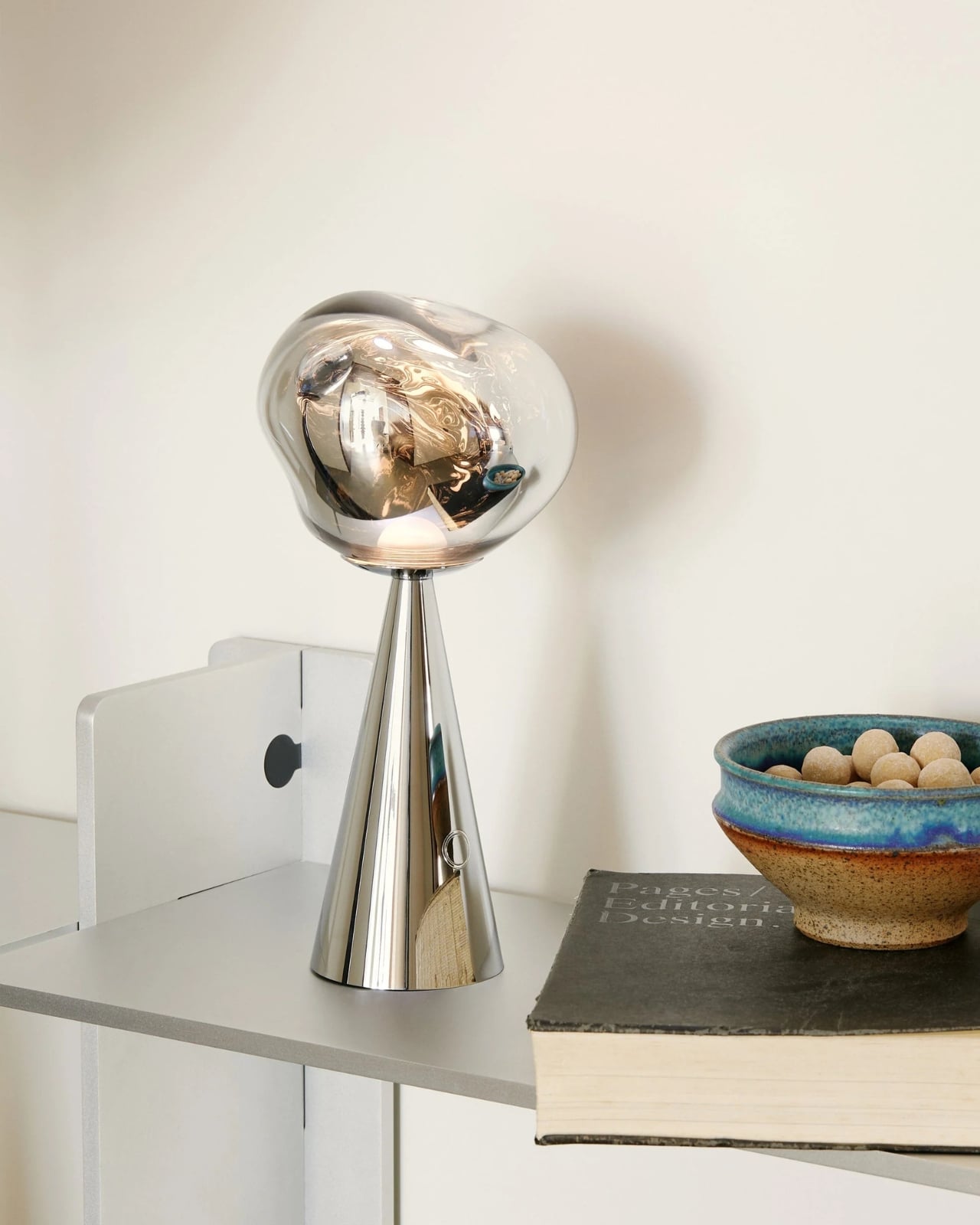
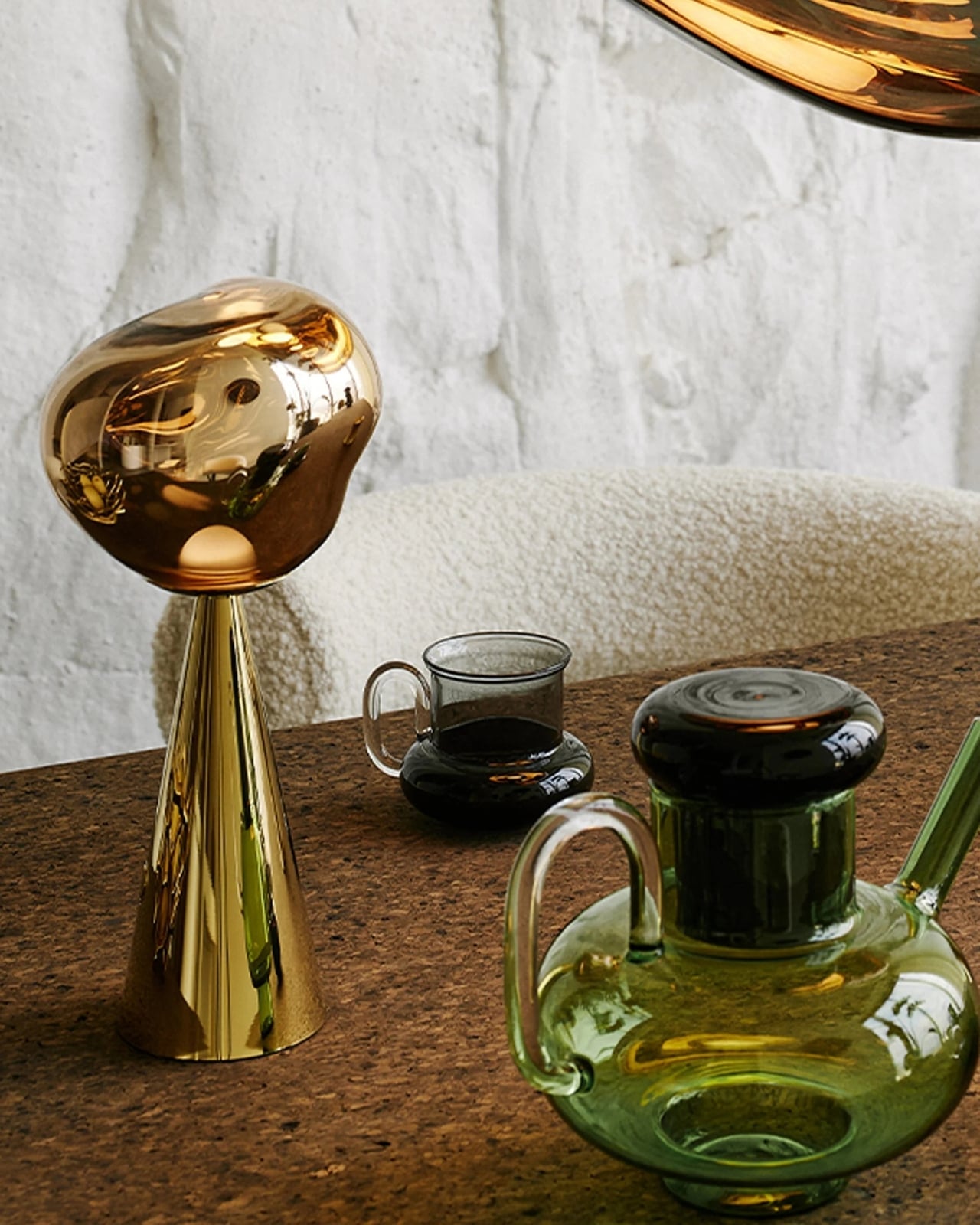
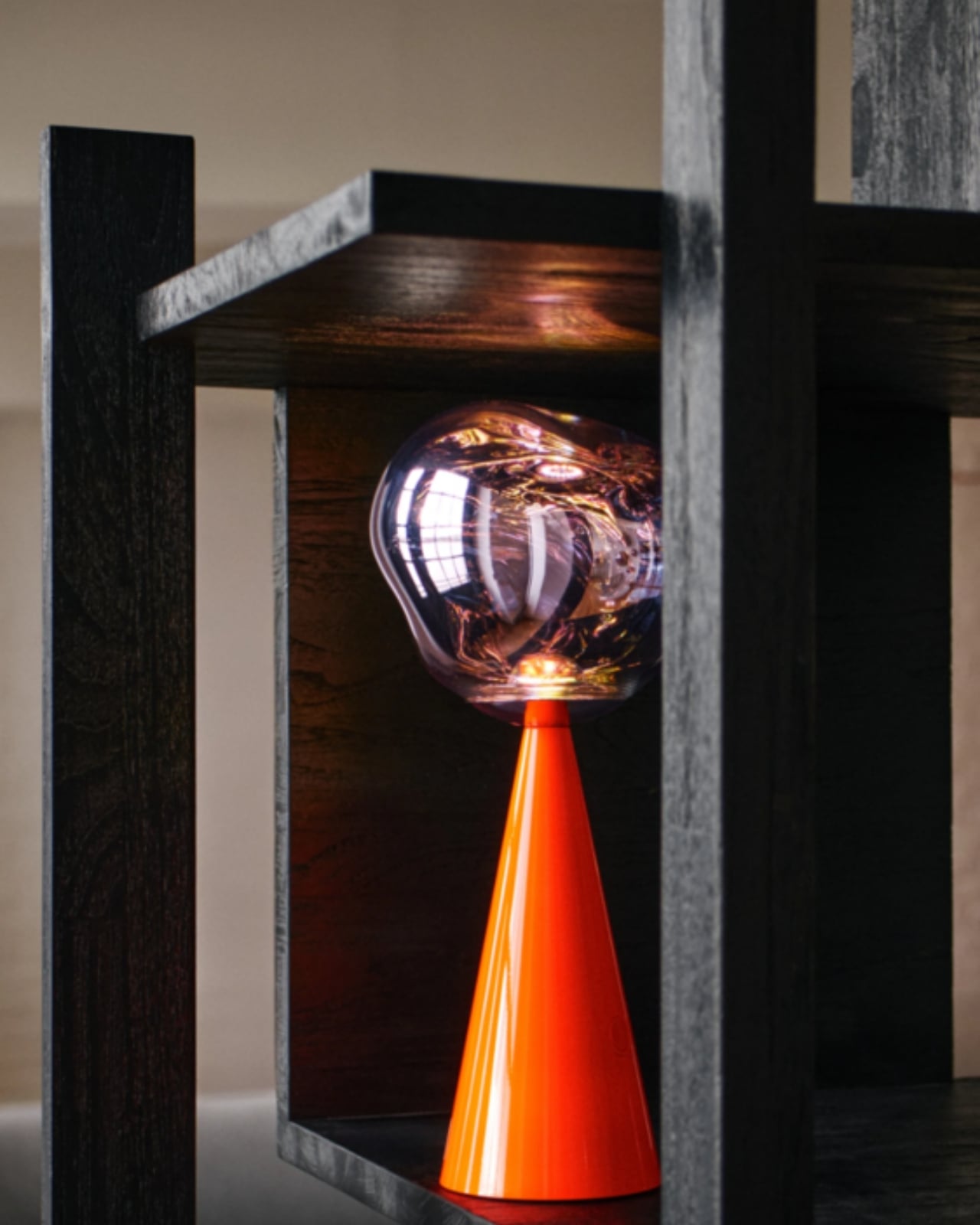
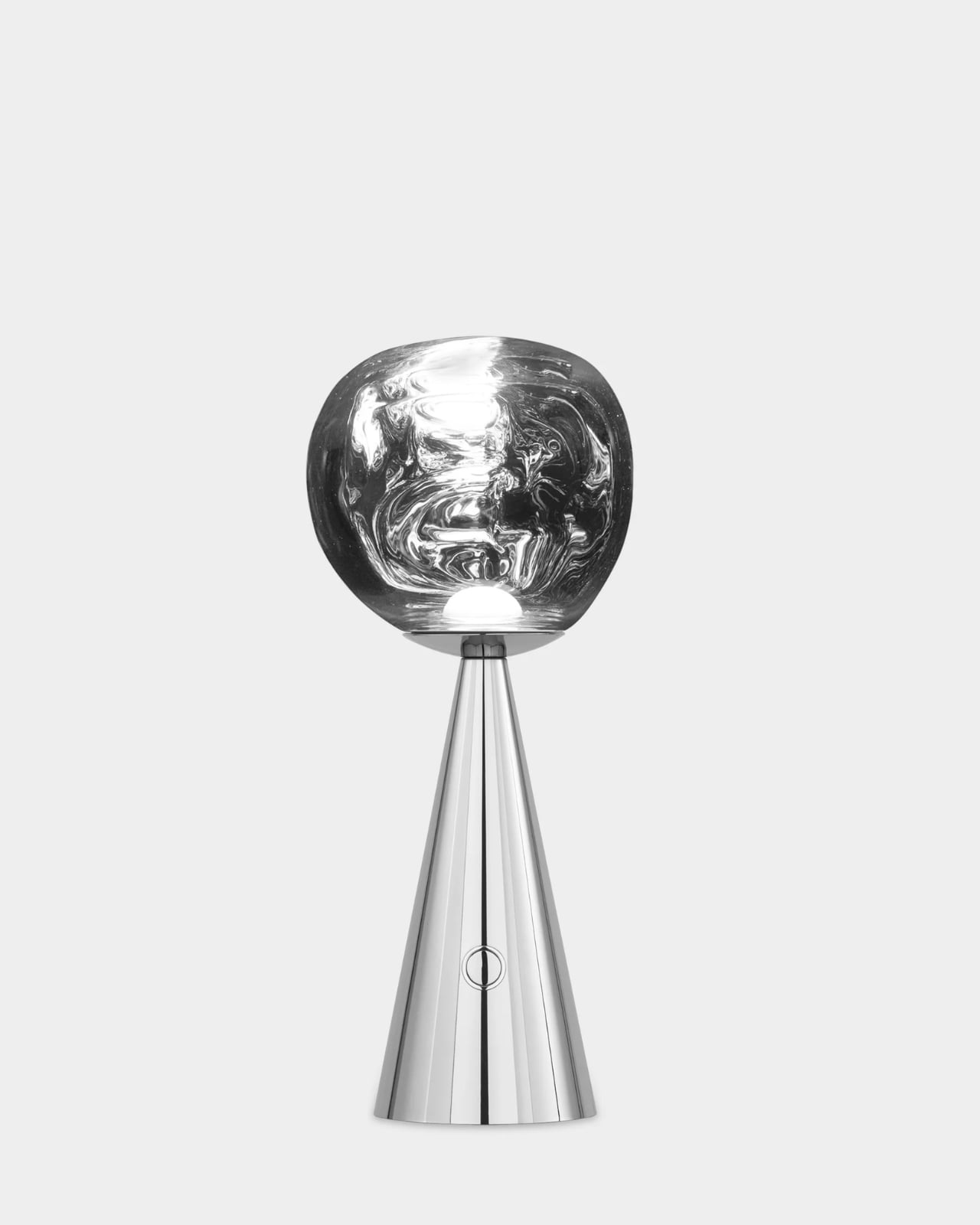
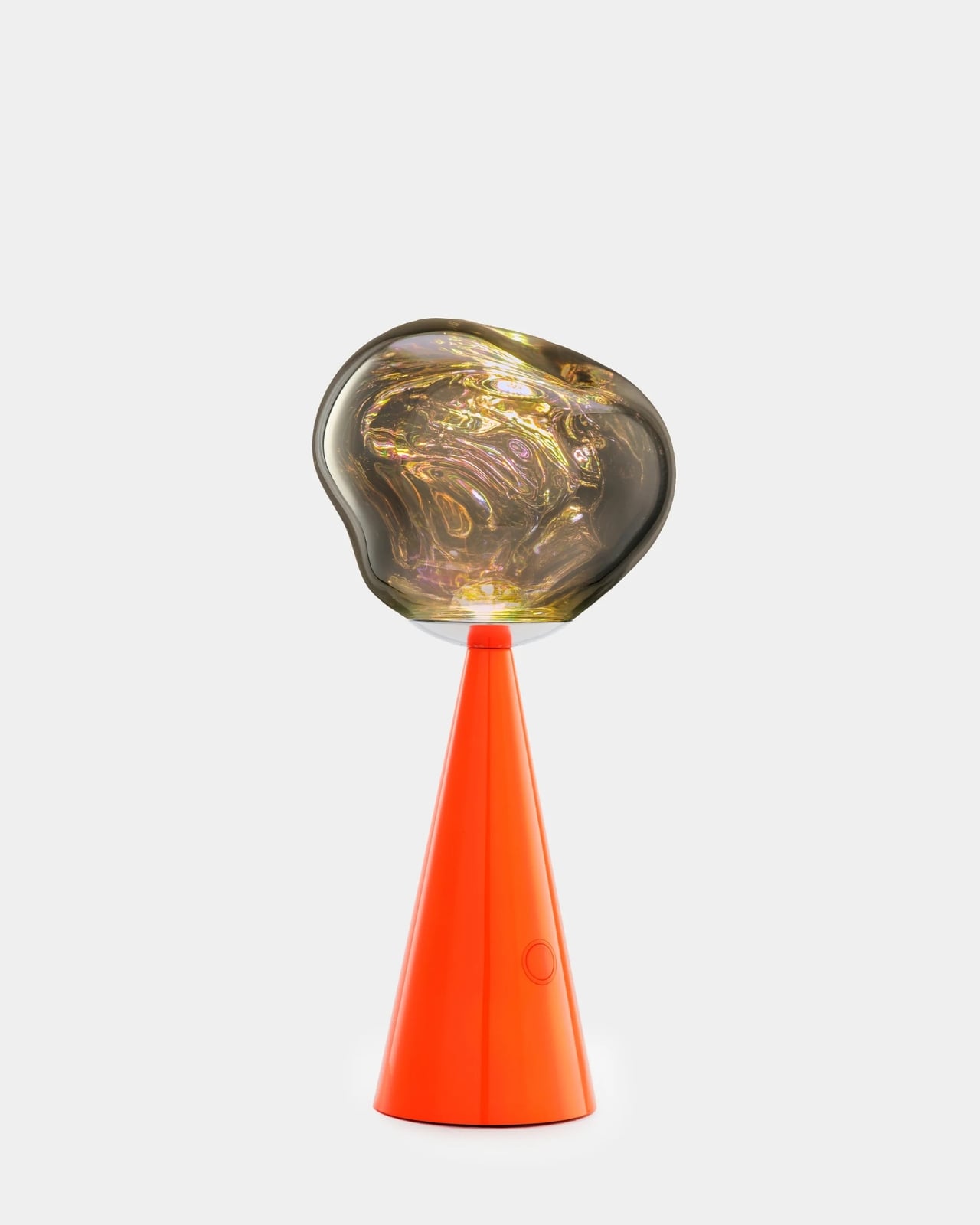
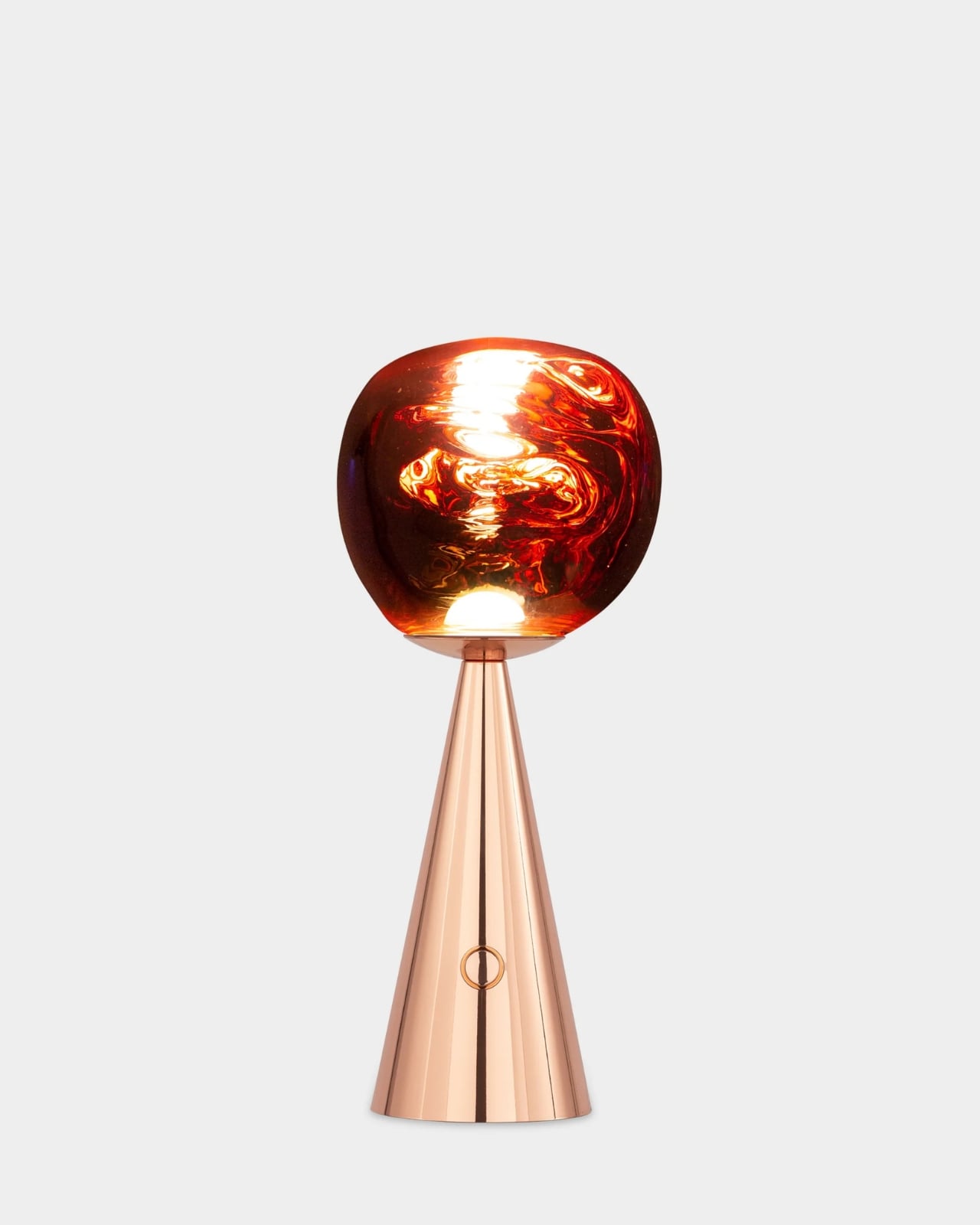
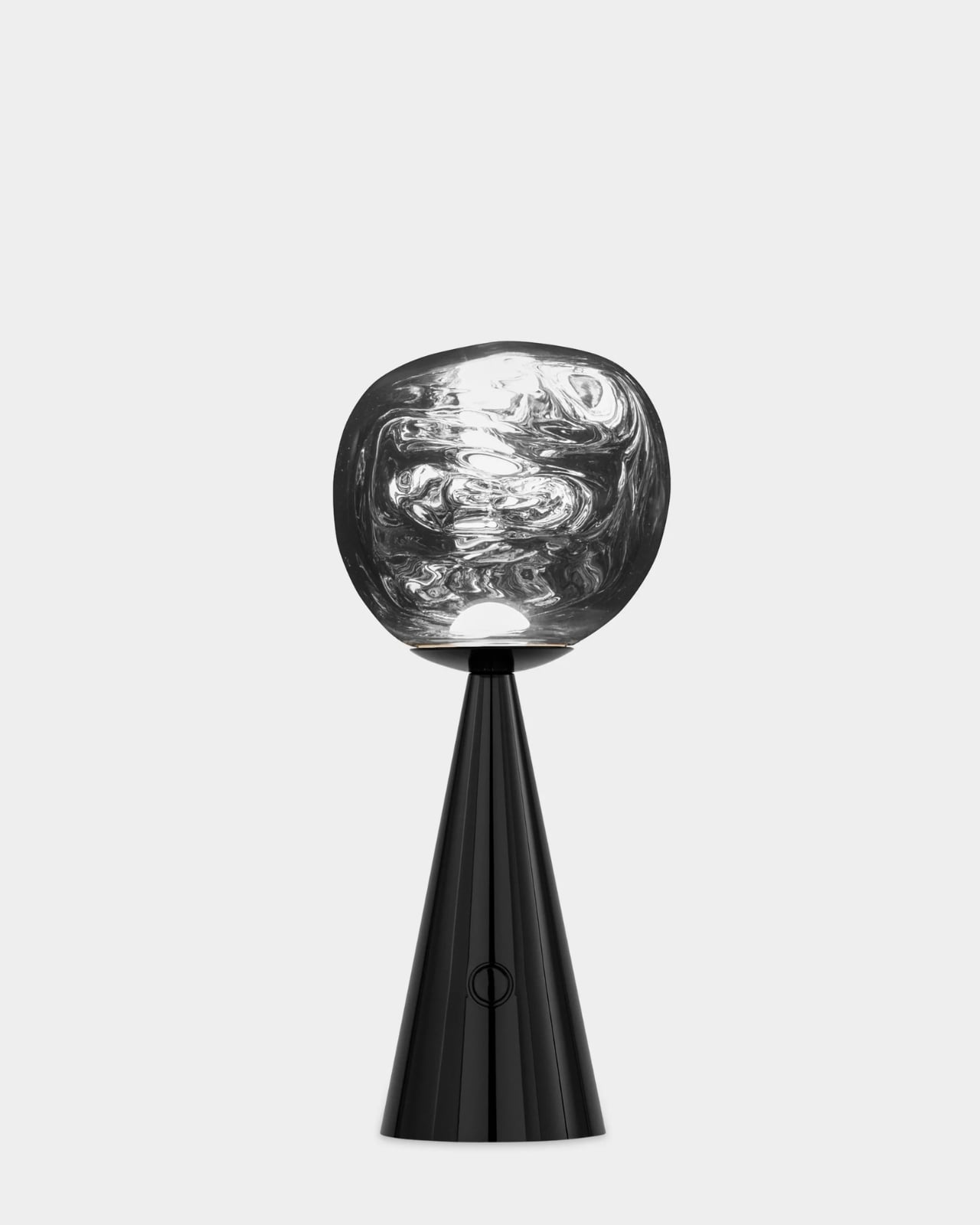
Through blow molding and vacuum metallization of polycarbonate, the team created these distorted, half-mirrored orbs that look like they were pulled from the surface of another planet. When switched off, the Melt is a sleek, reflective object. When turned on, it becomes translucent, casting a warm, almost liquid glow that feels alive. It’s a genuinely rare trick: a light that is two completely different objects depending on whether it’s working. The Melt went on to become one of Dixon’s signature pieces, taking shape as pendants, chandeliers, floor lamps, and surface lights. You’ve probably seen it in upscale restaurants or on the pages of interior design magazines without even knowing its name. It has that kind of quiet ubiquity among design-literate circles.
So what happens when you take all of that visual drama and shrink it down into a cordless, rechargeable form? You get the Melt Portable, and I think it represents something worth paying attention to beyond just its looks. Portable designer lighting has been having a moment. As rechargeable batteries and LEDs have gotten better and cheaper, brands from Umbra to Hay have released their own cordless lamps aimed at people who want flexibility without sacrificing aesthetics. It’s no longer just about a candle on the dinner table. But most of these portable options, as nice as they are, tend to play it safe with clean geometric shapes and neutral tones. The Melt Portable doesn’t do safe. It carries all the organic, almost alien character of its larger siblings into a palm-sized object, and that commitment to personality is refreshing.
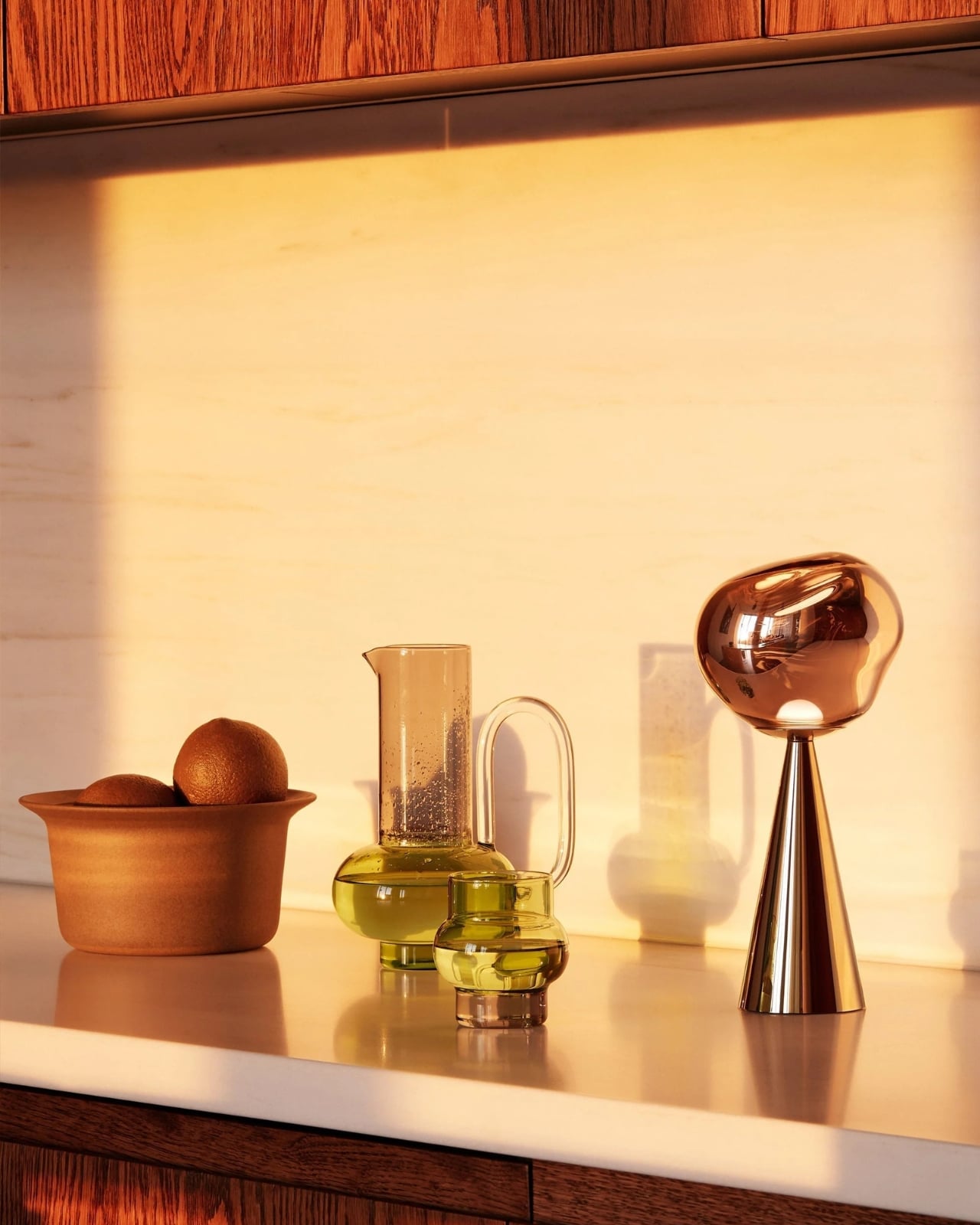
On the practical side, the specs are solid for what it is. The 2.5W LED puts out 100 lumens at a warm 3000K color temperature, which is right in that sweet spot for ambient, relaxing light. It’s touch-dimmable, runs for up to 10 hours on a single charge, and recharges via a magnetic USB-A connection in about five hours. It also carries an IP44 rating, meaning it can handle a splash of water, so taking it out to the patio or poolside isn’t going to end in tears. It comes in black, silver, gold, copper, and even a newer fluoro finish for those who want to go bolder.
At around $275 to $330 depending on where you buy it, the Melt Portable is not an impulse purchase. That’s real money for a small rechargeable light. But I’d argue you’re not really paying for lumens here. You’re paying for a decade-old design legacy that’s been miniaturized without losing its soul. Most portable lamps disappear into a room. The Melt Portable is the kind of object that starts conversations, that makes a nightstand or a garden table feel considered and intentional.
What I appreciate most is the underlying philosophy. Tom Dixon has always operated at the intersection of industrial process and visual drama, finding beauty in manufacturing techniques that most designers would treat as purely functional. The vacuum metallization that gives the Melt its signature look is borrowed from the way sunglasses are coated. That kind of cross-pollination between industries, repurposing a process from one field to create something unexpected in another, is what keeps design interesting.
The Melt Portable won’t be for everyone. If you want maximum brightness or the most efficient cost-per-lumen ratio, look elsewhere. But if you believe that light is as much about feeling as it is about function, and that good design deserves to be untethered, this little glowing orb makes a compelling case for itself.
Overhead lighting was never built for you specifically. It floods an entire room without discrimination, casting flat light across everything and solving nothing in particular. A well-chosen desk lamp operates differently — it targets exactly where concentration happens, reduces strain during long sessions, and brings something intentional to a space that a ceiling fixture simply cannot. The best ones do all of this while looking like they genuinely deserve to be there.
The five lamps here approach desk lighting from genuinely different directions — one learns your habits through AI, another is cast from real tractor headlight molds, one travels anywhere on AA batteries, and another chases a color accuracy standard most manufacturers don’t bother measuring. Each solves a real problem. Whether your workspace is a compact corner or a dedicated professional studio, there is a lamp on this list worth your full attention.
1. Anywhere-Use Lamp
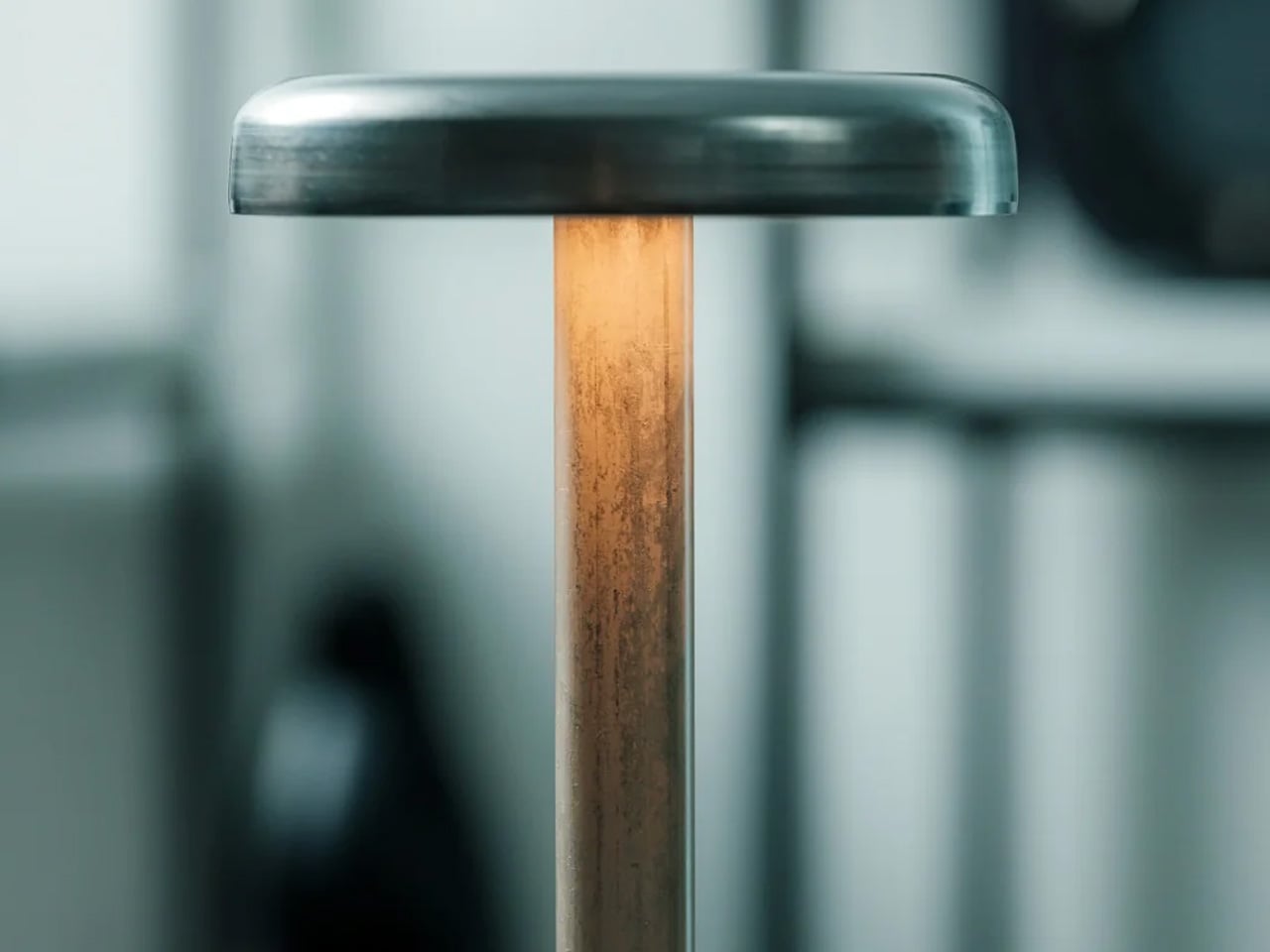
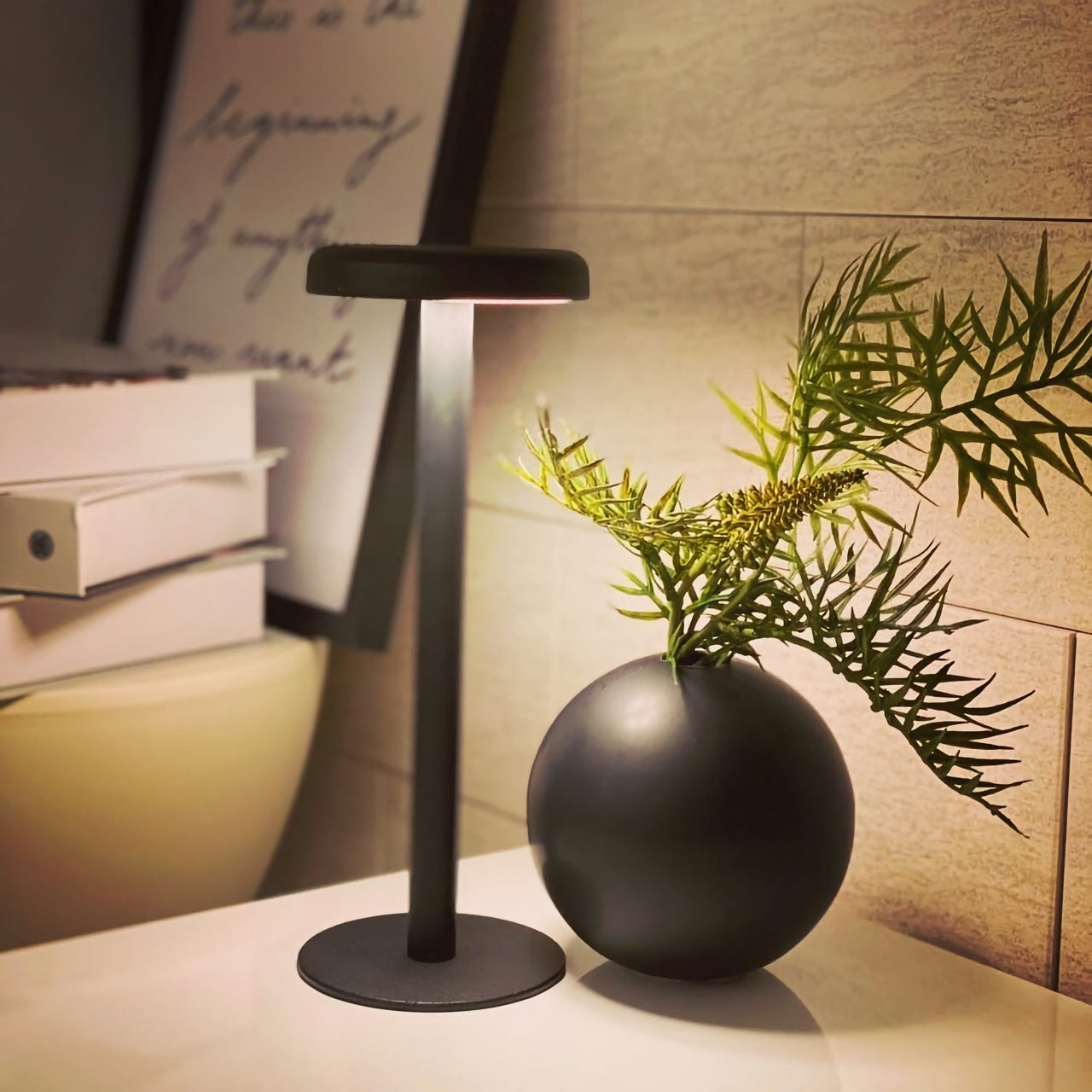
The Anywhere-Use Lamp is designed around one honest principle — good light shouldn’t be restricted to places with power outlets. Running on four AA batteries, it removes every dependency on wall sockets and charging cables, making it as useful in a hotel room or a garden corner as it is on a permanent desk. Six high color rendering LEDs produce warm, soft output that settles gently into a space rather than announcing itself as the primary light source in the room.
Available in black, white, and an Industrial edition with a scratch-detailed metal base that treats surface wear as character rather than damage, the Anywhere Use Lamp adapts across settings without effort. Pressing any edge of the cap cycles through four brightness levels with a satisfying haptic click that makes the interaction feel considered. The modular construction breaks down quickly enough to slip into a bag, and on a desk, it reads as a minimal sculpture — quietly impressive without demanding attention from everything around it.
AA battery power gives it genuine location freedom that no rechargeable or corded lamp on this list can honestly match.
The Industrial edition’s scratch-detailed metal base treats material imperfection as an intentional design quality rather than a manufacturing oversight.
What We Dislike
Four disposable AA batteries are less sustainable than a built-in rechargeable solution would be for users who run them daily.
Warm, atmospheric output may feel insufficient for task-heavy environments that demand stronger, more directional illumination.
2. The Lampster
The Lampster is the most funded lamp in crowdfunding history, a record that speaks to how rare genuinely characterful lighting actually is. Its head is cast from the same 40-year-old molds used for real tractor headlights, a material fact that sits at the center of everything the lamp is. Born as a side project between an architect and an engineer, it carries the kind of specificity that only arrives when something was made first for its creators, not for a market.
Functionally, the Lampster holds 120 LEDs across warm and cool white tones, controlled by a capacitive touch button on the head that adjusts intensity without needing a phone. An RGB light source connects to a mobile app that monitors power draw, saves custom settings for reading, writing, or focused work, and syncs the lamp to music. The head rotates 360 degrees while the aluminum neck bends freely in any direction. It sits on a desk and immediately becomes the most interesting object in the room.
What We Like
Cast from original 40-year-old tractor headlight molds, giving it a material provenance no competing desk lamp can replicate.
App-controlled RGB plus adjustable warm and cool white LEDs cover every working scenario without requiring separate hardware.
What We Dislike
Filling the hollow body with gravel for proper ballast adds a hands-on setup step that feels slightly misaligned with a premium purchase.
Full smart functionality depends on a mobile app, which may frustrate users who prefer straightforward, always-available physical controls.
3. DEEP
DEEP is what happens when a lamp decides your working environment should configure itself around you rather than the other way around. Turn it on with a spinning-top-inspired power button, tell it what you are about to do — studying, coding, reading, creative work — and it adjusts both lighting and ambient sound automatically. The AI underneath isn’t a selling point bolted on at the last stage. It actively shapes your workspace conditions before you’ve had to think about them yourself.
A camera positioned at eye level monitors your focus state in real time, functioning like a built-in productivity coach without requiring a separate device. Side buttons allow precise manual overrides, and when adjustments are saved, the system builds a personal profile that becomes more attuned the longer the lamp sits on your desk. Over repeated sessions, DEEP learns the exact conditions under which you concentrate best and begins applying them without being asked — a meaningfully different relationship with a piece of desk hardware.
What We Like
AI-driven environment configuration learns and refines your preferences over repeated sessions, becoming genuinely more useful the longer you use it.
Camera-based real-time focus monitoring replaces any need for an external productivity tracking application or additional device on your desk.
What We Dislike
A built-in camera positioned at eye level may not sit comfortably with users who value privacy in their personal workspace.
As a concept-stage design, software longevity, update support, and manufacturer reliability over time remain unconfirmed.
4. Lumio Ovo
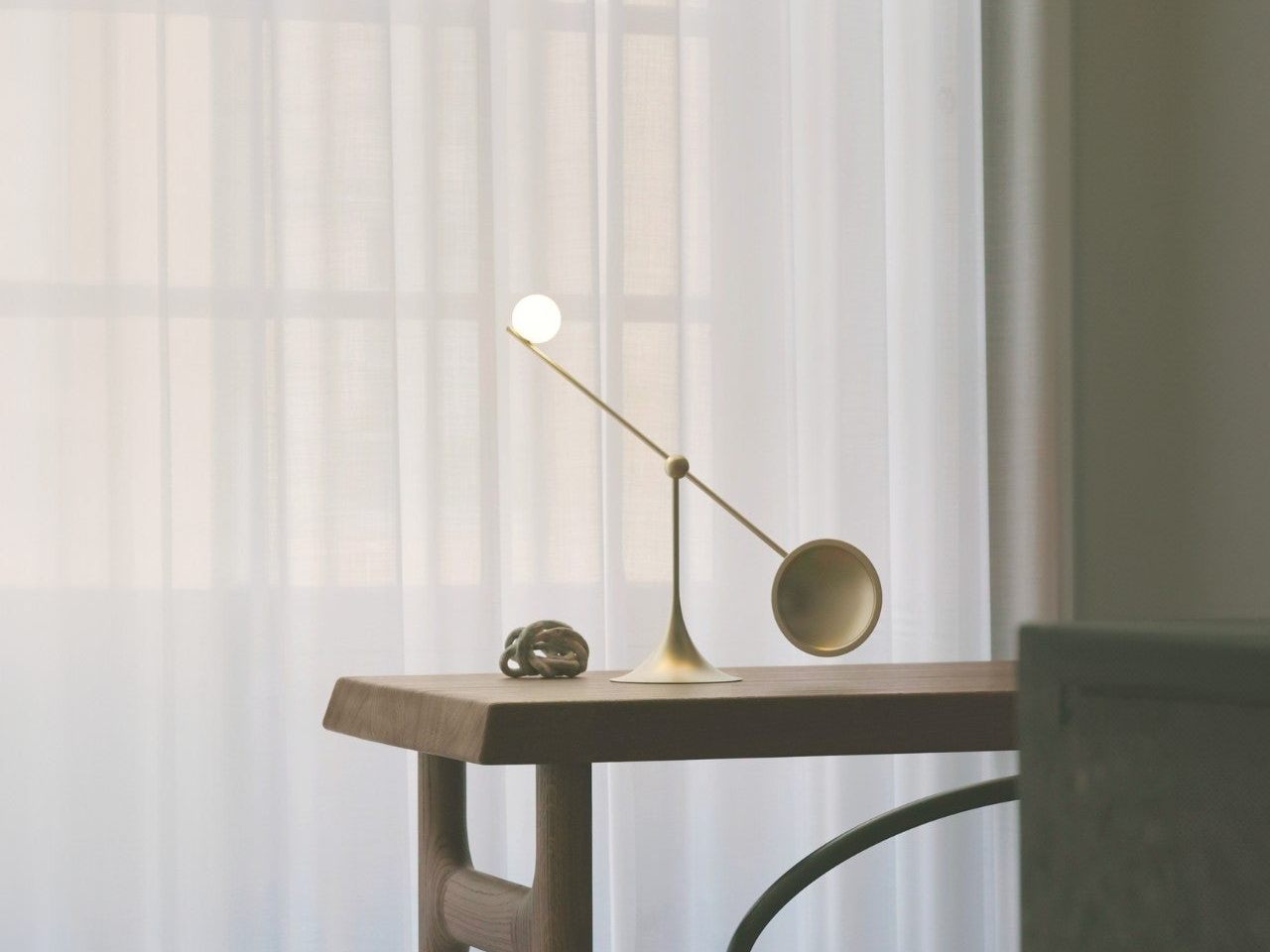
Most adjustable lamps eventually disappoint. Multiple joints accumulate play, precise positioning becomes a daily compromise, and what is marketed as flexible control quietly becomes a frustration. The Lumio Ovo addresses this by reducing the entire adjustment system to a single pivot — a seesaw-style motion that rotates a full 360 degrees around a central point and feels exact from the very first interaction. No creaking. No wobble. No accumulated looseness. Precise, repeatable directional control housed in a form that makes no apologies.
Lumio left the central pivot fully exposed rather than hiding it inside a casing, which turns the structural solution into the lamp’s most compelling visual element. At rest on a desk, the Ovo reads as a kinetic art object — the kind of piece that earns a comment from anyone who sees it for the first time. Nudge it gently, and it finds its new position with an ease that lamps carrying three times the moving parts rarely manage to deliver with the same quiet confidence.
What We Like
A single-pivot seesaw mechanism eliminates the joint loosening and positional drift that eventually compromise most multi-hinge desk lamps.
The exposed pivot transforms the engineering solution into the lamp’s defining aesthetic element, making form and function genuinely inseparable.
What We Dislike
Detailed light output and color temperature specifications are not widely published, making pre-purchase performance evaluation difficult.
The balance-based seesaw motion may not satisfy users who need a lamp to lock firmly into position without any residual movement.
5. Redgrass R9 Desk Lamp
Standard color rendering measurements evaluate eight color samples and call it accurate. Redgrass developed a methodology that evaluates 99 and achieved an extended CRI score of 98.5 — a number that places the R9 in a fundamentally different category. The practical result is light that renders color the way natural daylight does. For painters, illustrators, and anyone whose work depends on seeing accurate hues under artificial conditions, the difference is immediate and impossible to ignore.
At 1800 lumens and 3700 lux measured at 45 centimeters, the R9 delivers serious, sustained output from 96 custom-made LEDs arranged across two independently rotating bars. That dual-bar configuration isn’t decorative — it eliminates the shadows a single light source always casts across detailed work surfaces. It holds the Red Dot Best of the Best and iF Design Awards, and professional teams behind Avatar and The Lord of the Rings have adopted it as a standard studio tool.
What We Like
An extended CRI of 98.5 evaluated across 99 color sample sets is an accuracy benchmark that no conventional desk lamp currently comes close to reaching.
Two independently rotating light bars eliminate surface shadows in a way that a single light source is physically incapable of replicating.
What We Dislike
At $279.99, the R9 demands a meaningful financial commitment, even when the performance makes a fair and honest case for itself.
The clamp-based mount and larger physical footprint make it a less natural fit for compact or minimal desk setups.
The Right Light Changes Everything
Each lamp here solves something a ceiling fixture never bothered to think about. The Lampster gives a desk a genuine personality. The Anywhere Use Lamp follows you without conditions. DEEP maps your habits and builds the environment around them. The Ovo reduces all mechanical complexity to a single satisfying gesture. The R9 shows you the color the way it was actually meant to appear. All five refuse to treat workspace lighting as an afterthought worth quietly tolerating.
Good lighting doesn’t just help you see — it sustains concentration, reduces physical strain, and signals that a workspace was assembled with real intention. The difference between a desk lamp and an overhead light isn’t simply positional. One serves the room. The other serves you. Once that distinction becomes clear, returning to a fixture that has no idea what you’re working on or how long you’ve been sitting there becomes genuinely difficult to justify.
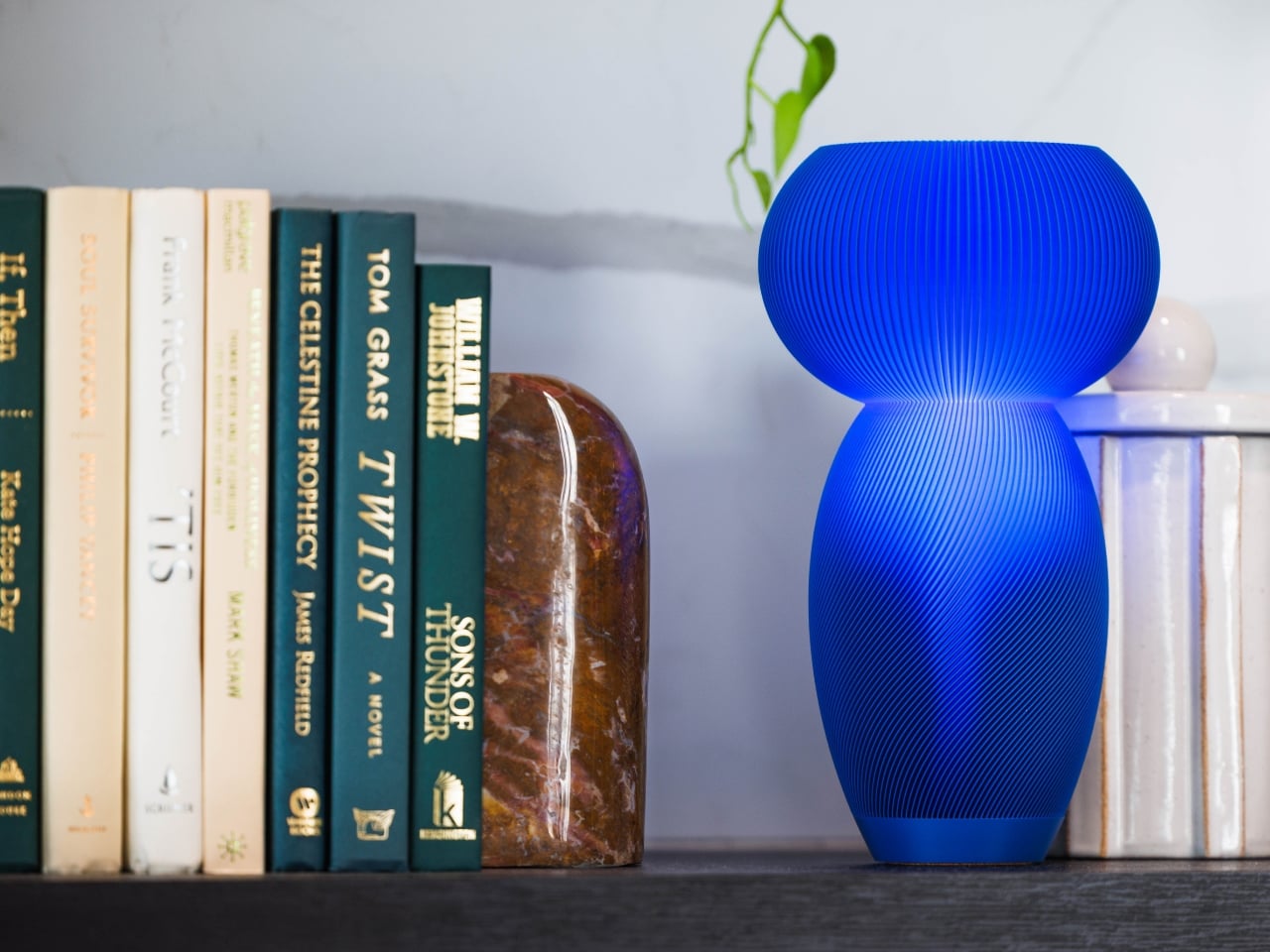
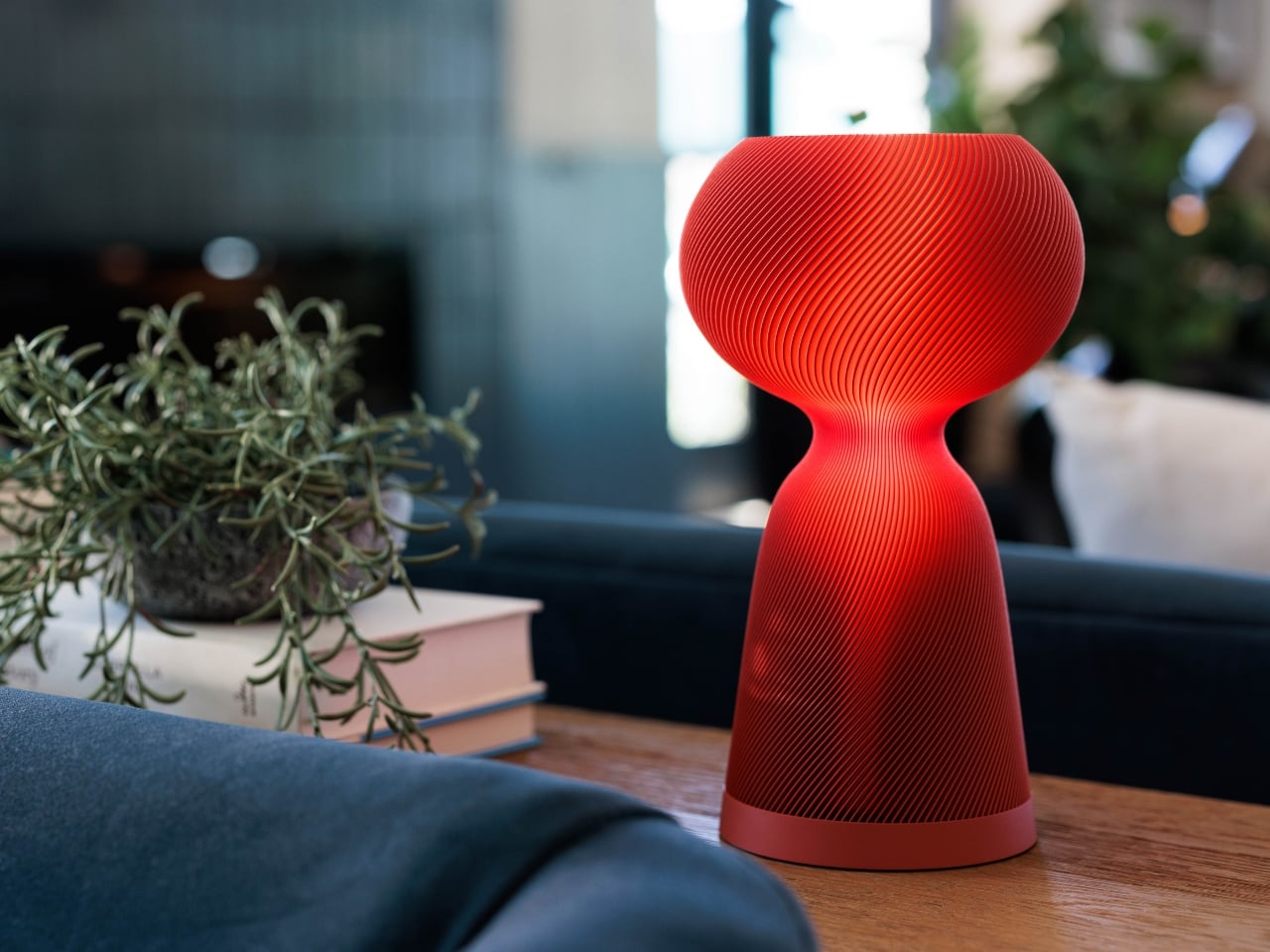
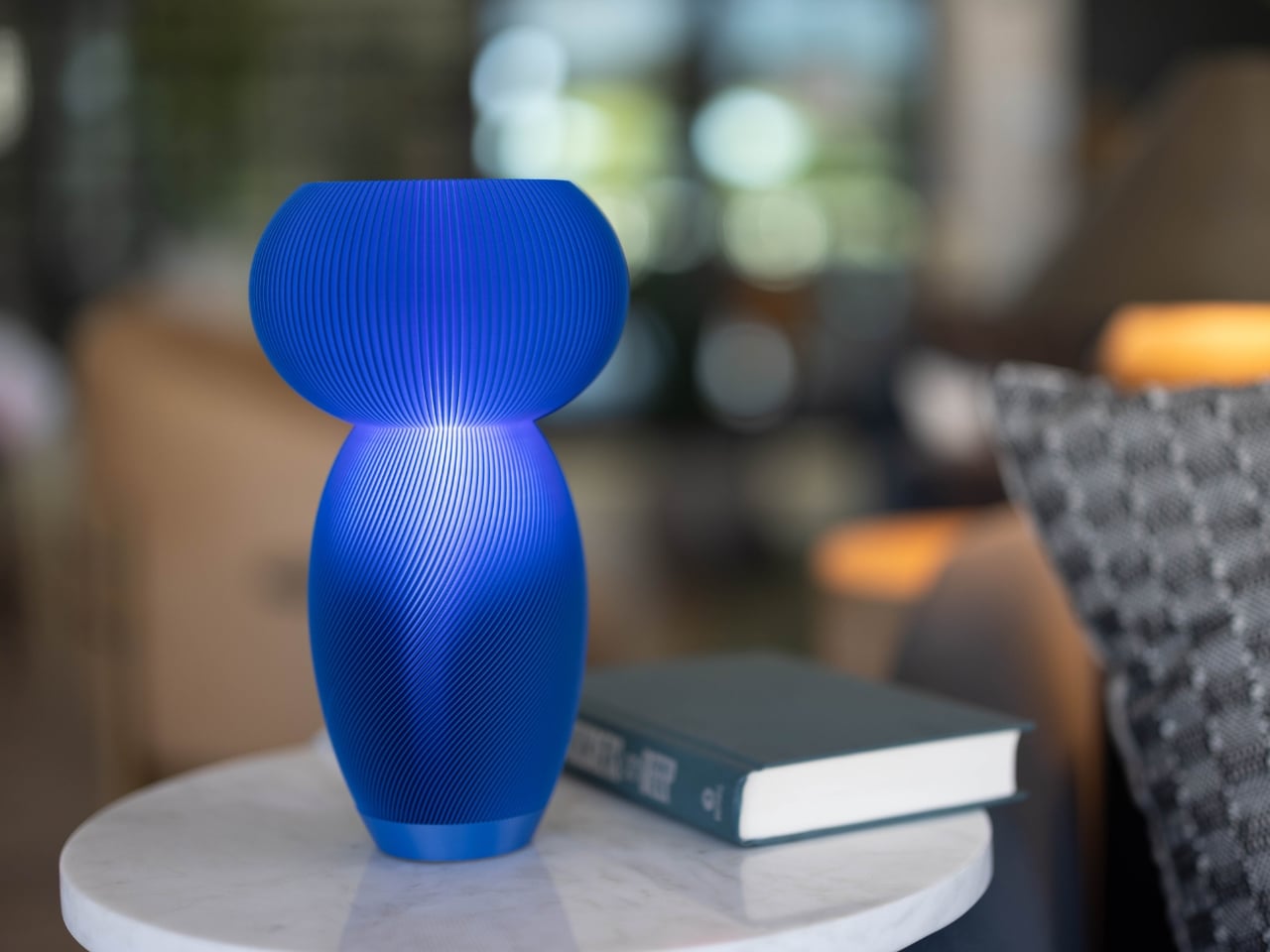
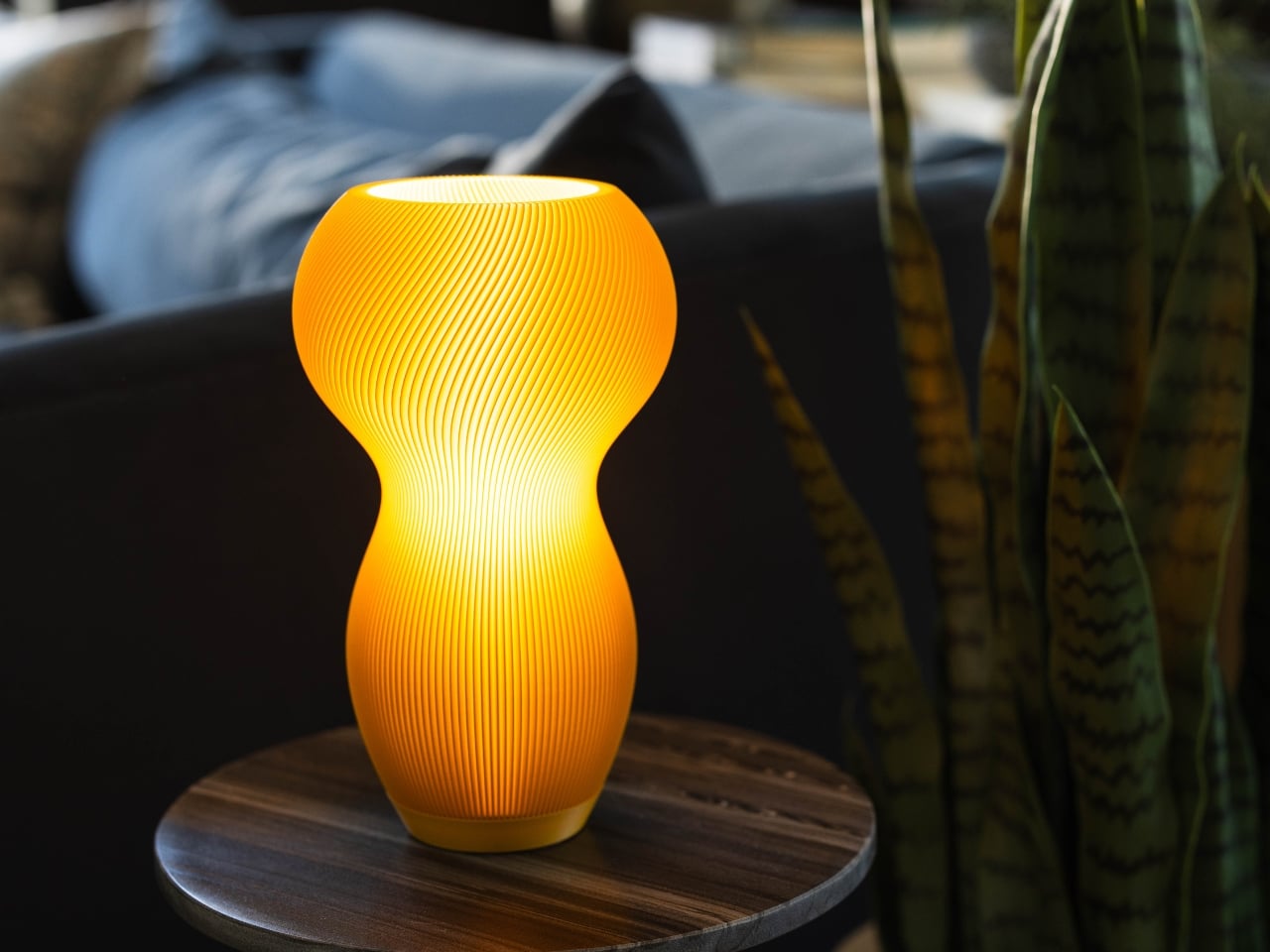
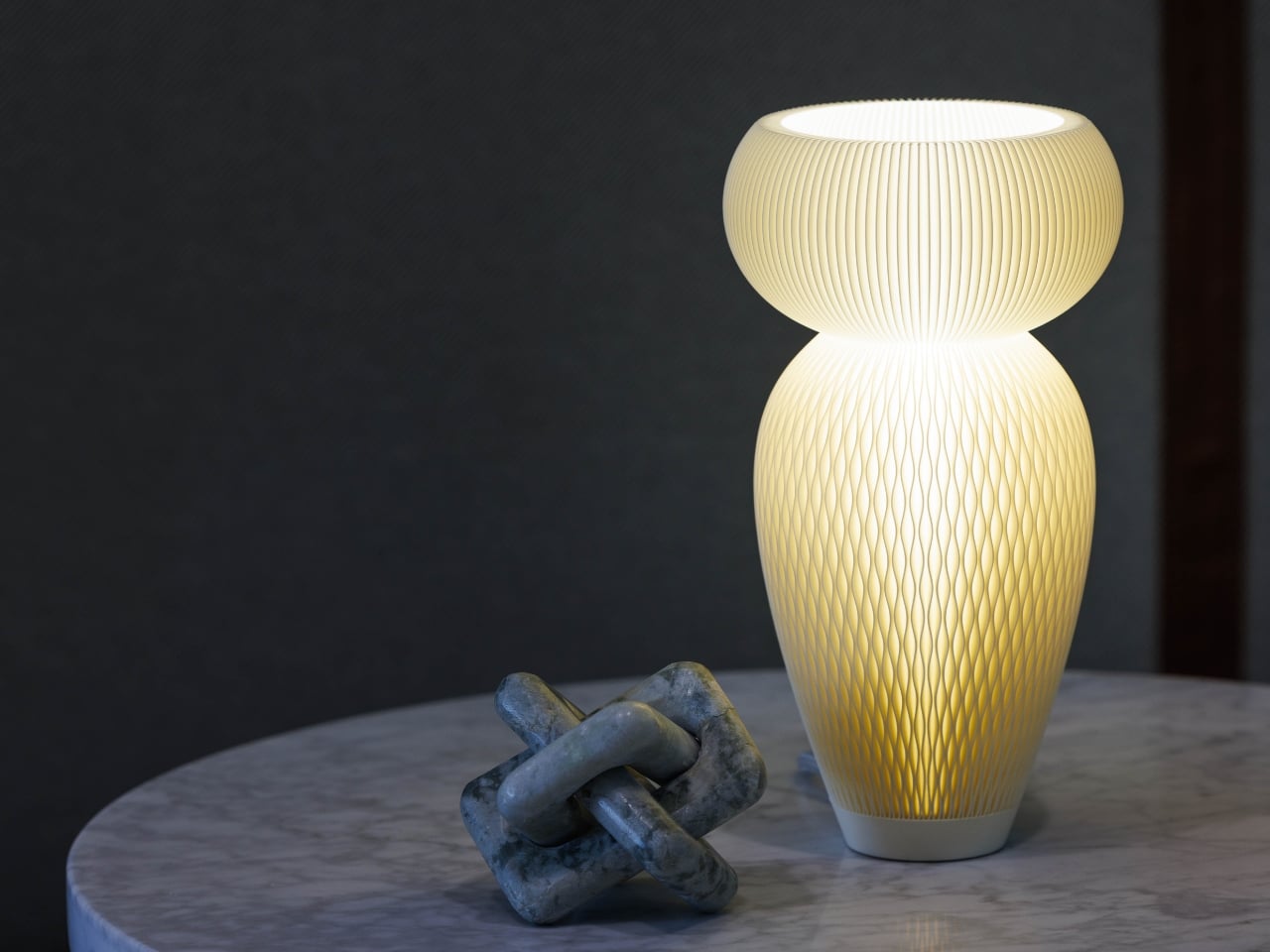
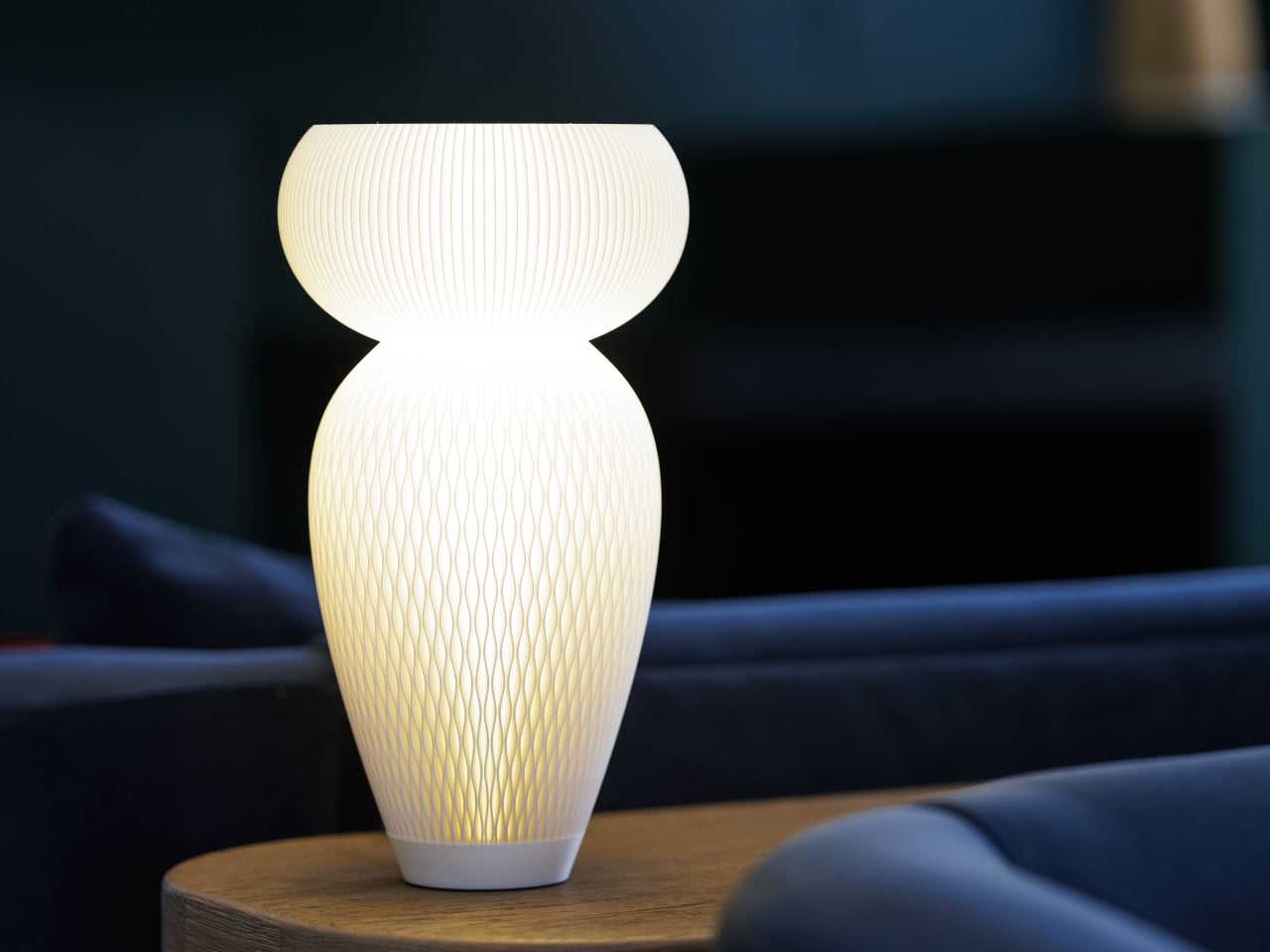
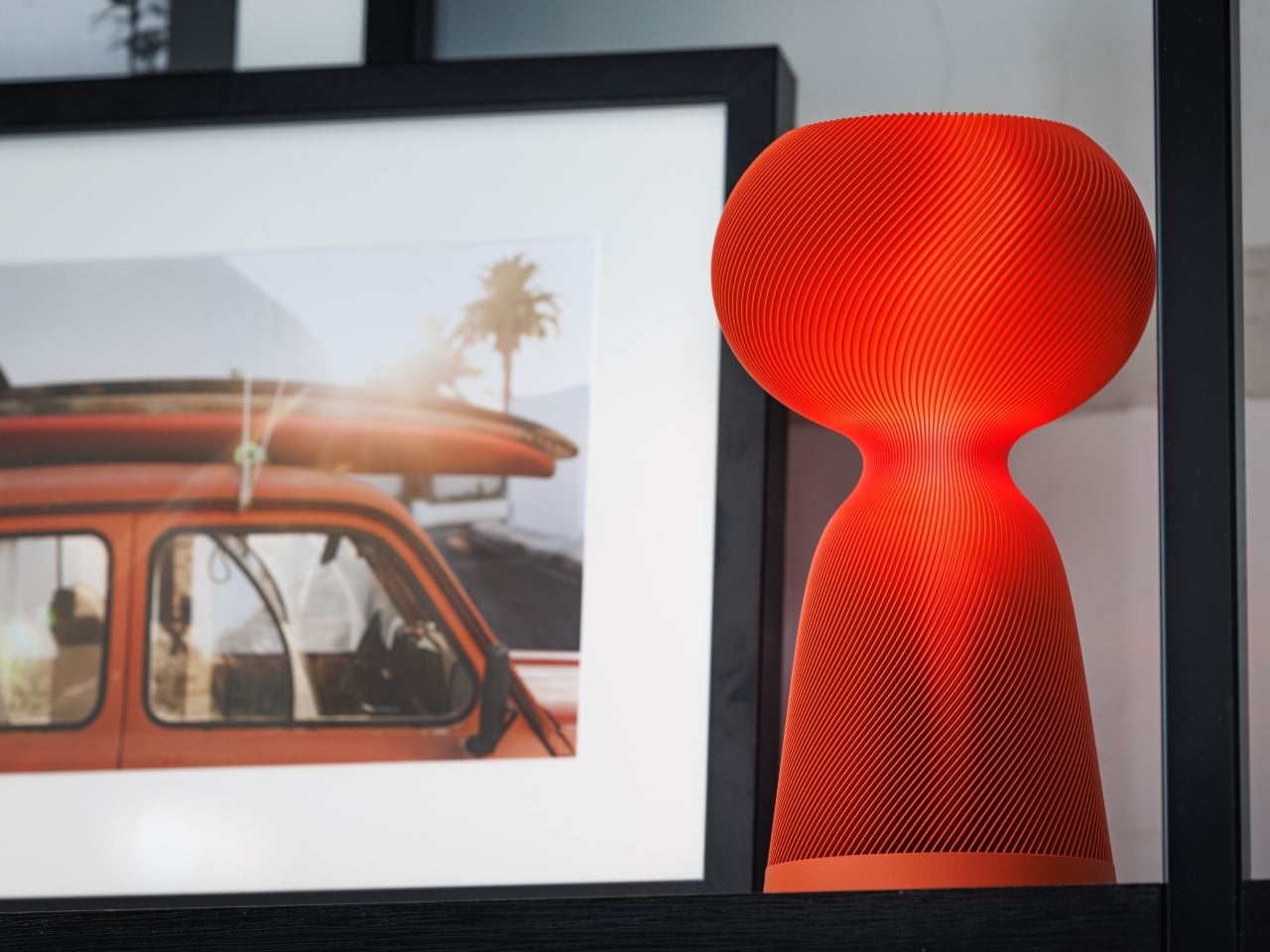
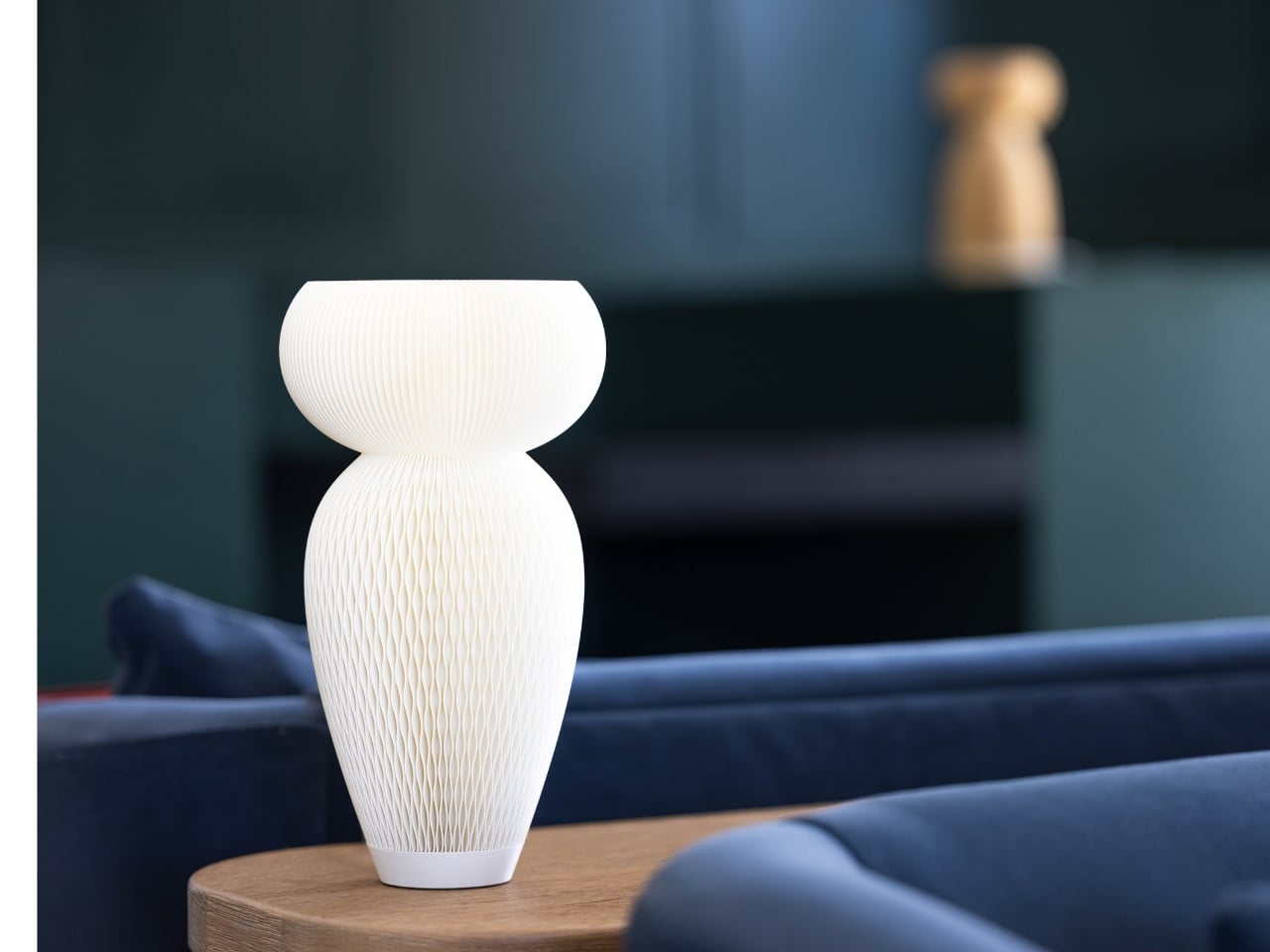
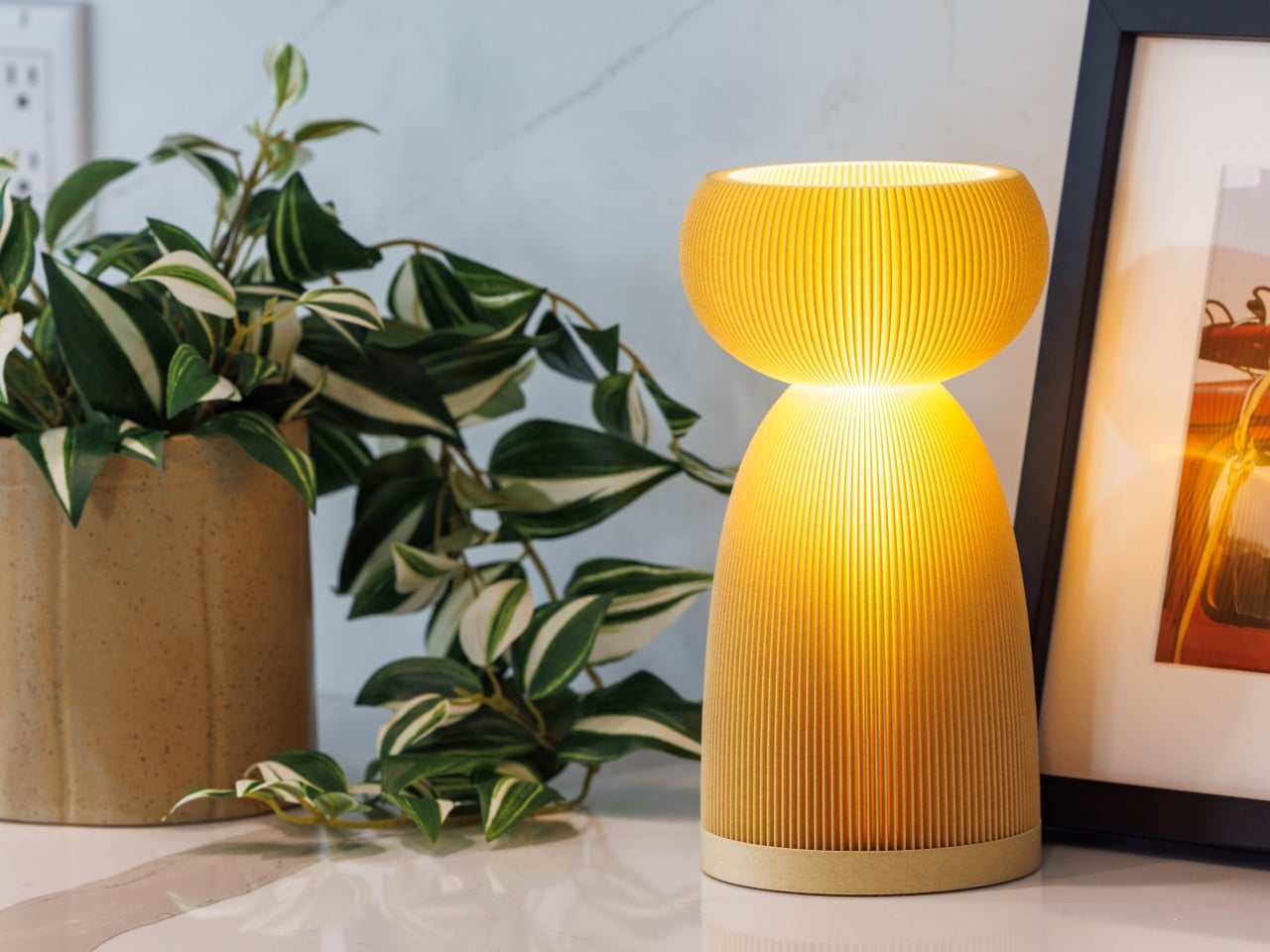
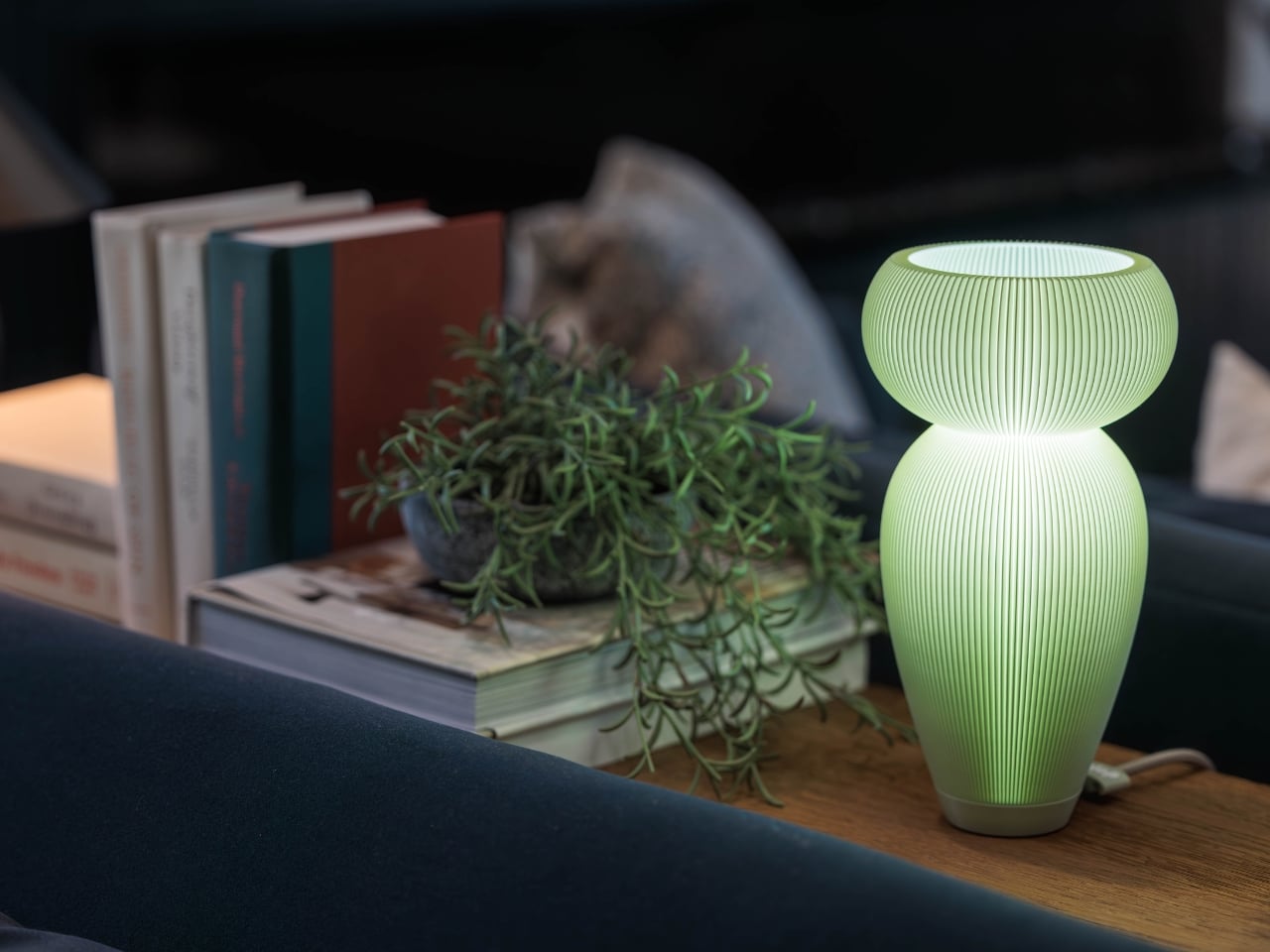
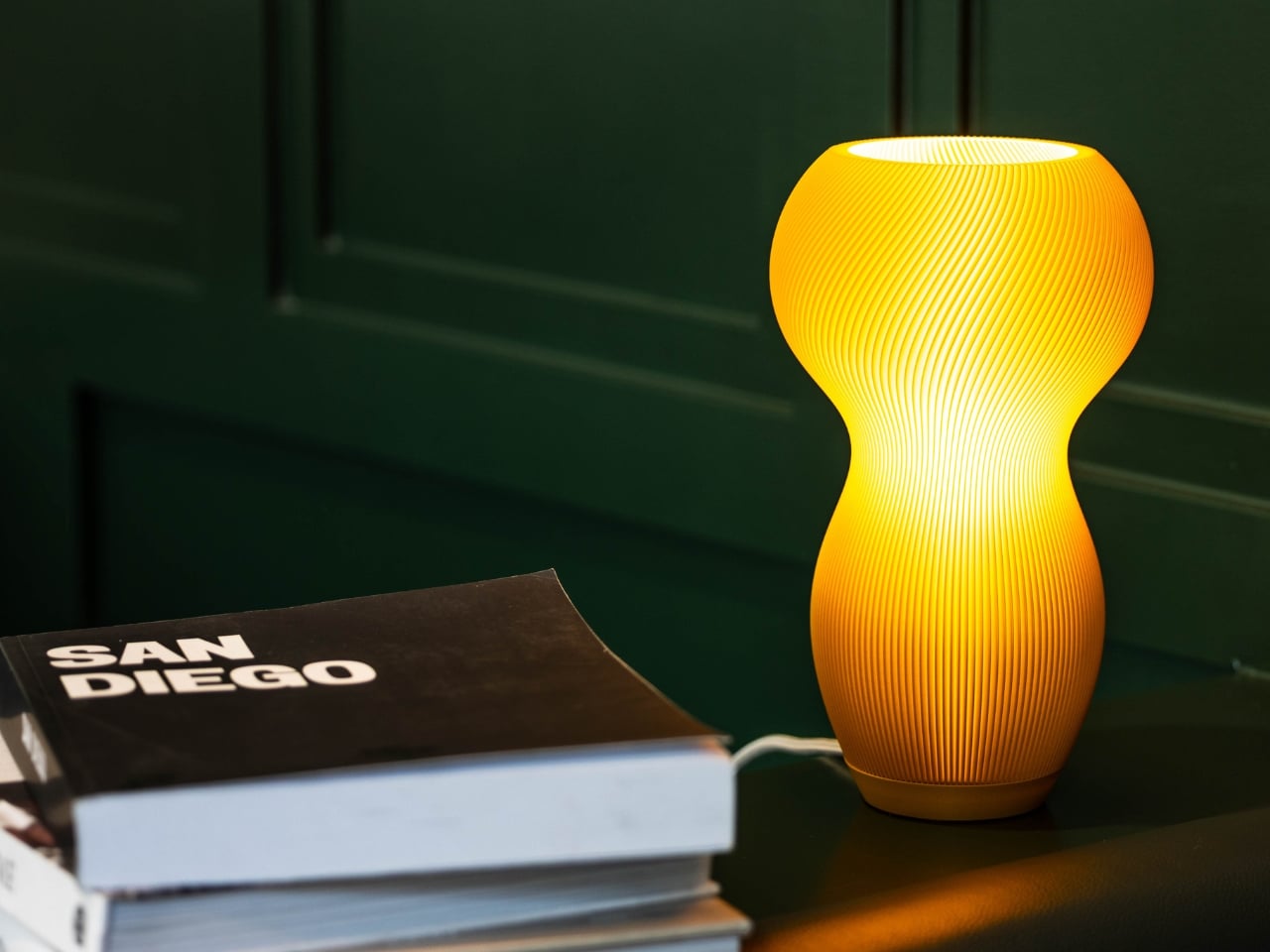
Some design objects earn their place on your table through sheer visual presence. The Dollight series from dolop does exactly that: a collection of sculptural table lamps that somehow manage to be playful, sophisticated, and deeply personal all at once. They’re the kind of lighting that makes you rethink what a lamp can be.
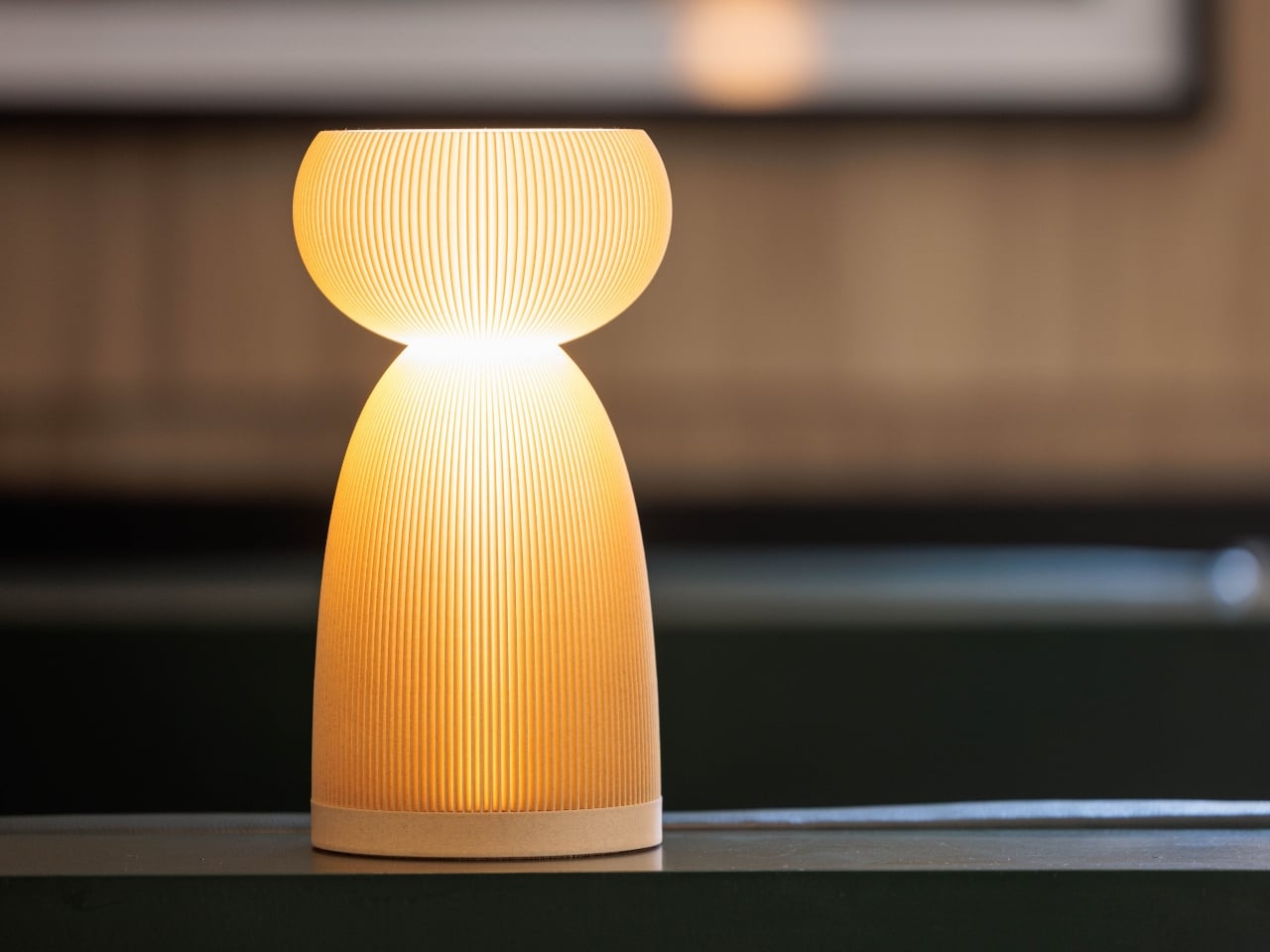
Designed by Michael Kritzer, an industrial designer with Red Dot, iF, and Cannes Lions awards to his name, Dollights are inspired by creative Kokeshi dolls, those beautifully varied Japanese wooden figures that range from traditional to wildly expressive. The connection isn’t literal. You won’t mistake these for dolls on a shelf. But the DNA is there in the proportions, that satisfying relationship between a rounded head and a tapered body, the way each silhouette feels like it has its own quiet personality.
Designer: Michael Kritzer
The origin story is a good one: Kritzer traveled to Japan with the woman who would become his wife, Sveta, and fell for the creative Kokeshi tradition. That trip first produced a Kokeshi-inspired porcelain line (which won the Red Dot), and eventually evolved into what we’re looking at now: five distinct lamp designs called Sweet, Bright, Savory, Rich, and Smooth. The names alone tell you something about the sensibility here. This isn’t a brand that takes itself too seriously, but it takes the work very seriously.
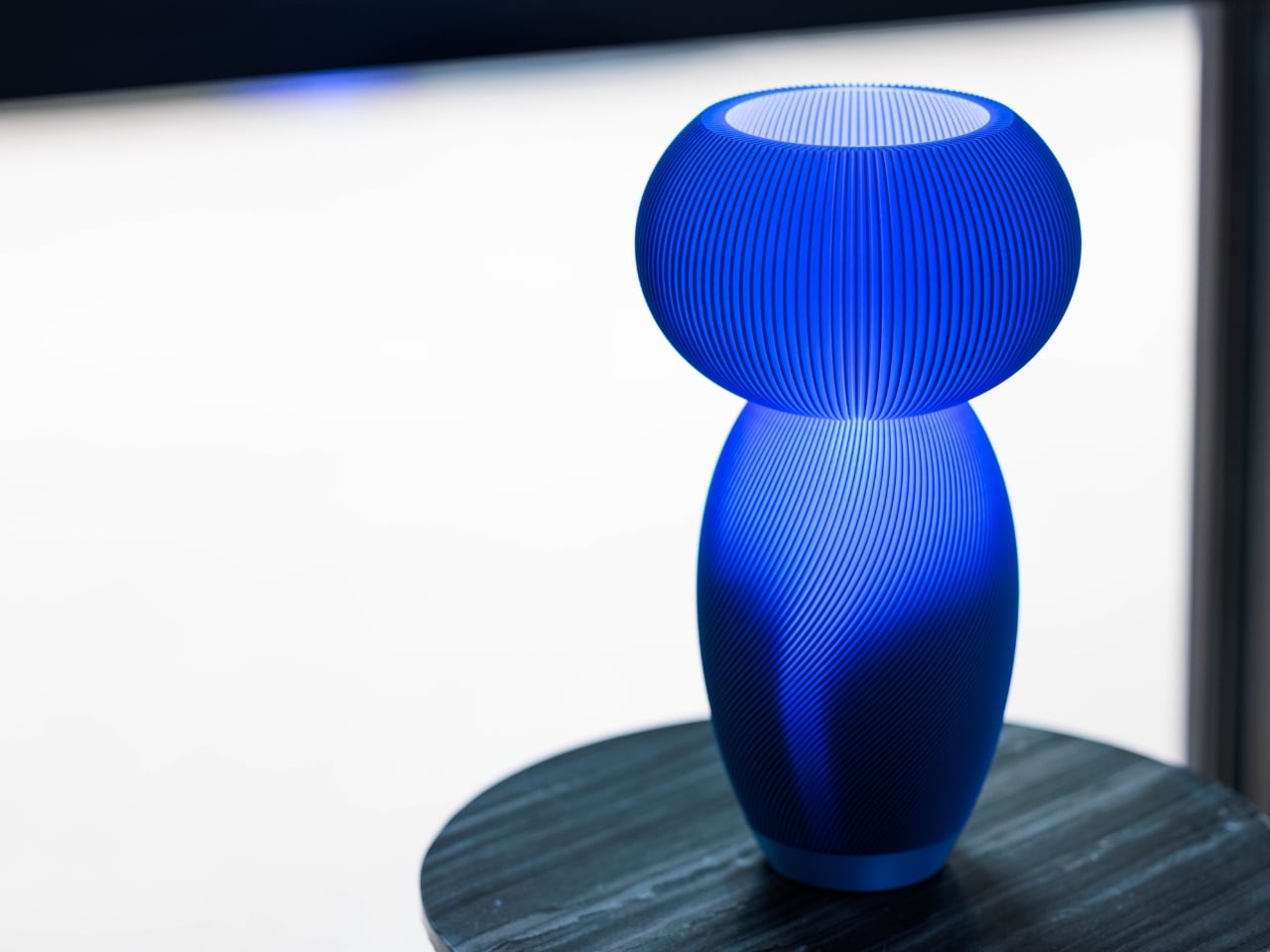
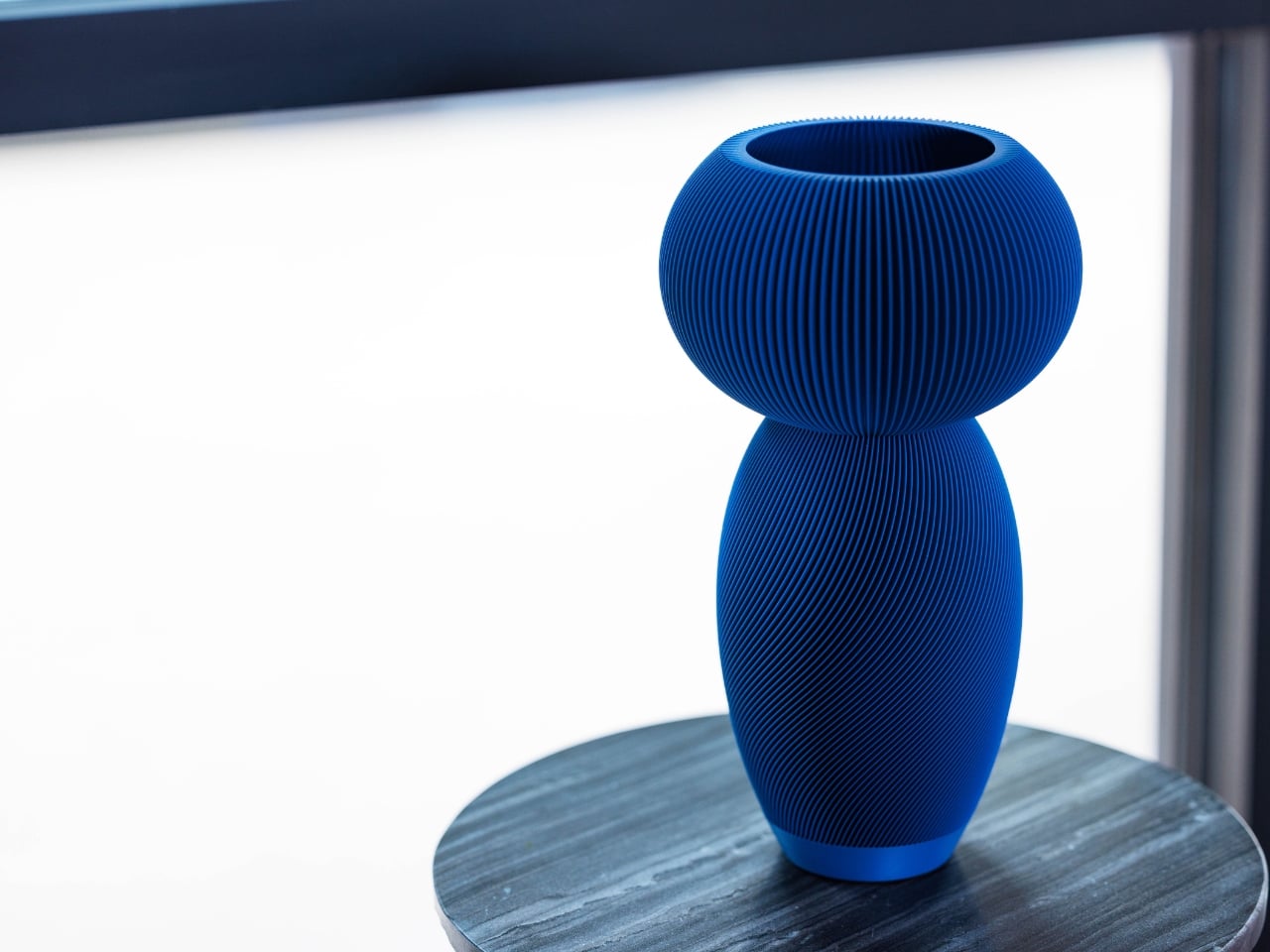
What makes Dollights genuinely interesting beyond their forms is the customization model. Each of the five designs can be configured in different colors (dolop calls them “flavors”) and textures, yielding close to 100 combinations per design. That’s a staggering amount of choice for a product in this price range, which sits between $150 and $250. We’re not talking about picking between white and black. We’re talking about making a real decision about what you want this object to be in your space: a bold red statement piece on a console table, a soft green glow on a nightstand, a warm golden accent next to a stack of books.
Every lamp is made to order in Kritzer’s San Diego workshop and ships in five to ten days. The production-on-demand approach is what enables all that variety without the waste of holding massive inventory in dozens of colorways. It also means each one is made fresh, which carries a certain appeal. There’s something satisfying about knowing an object was produced because you wanted it, not because a factory in another country bet that someone might.
The materials are worth noting too. Kritzer uses premium PLA sourced from the USA and recycled PLA from Europe. It’s a responsible choice that also happens to produce beautiful results. The ribbed and lattice textures across the collection catch and diffuse light in ways that make these lamps look completely different depending on whether they’re switched on or off. That duality is intentional. Kritzer describes them as “useful sculpture,” and I think that framing is exactly right. A Dollight earns its spot on your table around the clock, not just after sunset.
I find myself drawn to design that rewards close looking, and these lamps deliver on that front. The surface patterns are intricate without being busy. The forms are organic but clearly considered. There’s a confidence to the shapes that comes from someone who has spent real time studying proportion and knows when to stop refining.
A portion of every sale supports local San Diego charities through dolop’s Sweetest Slice program, which adds a layer of community intention that feels genuine rather than performative. It’s consistent with the overall ethos: small-batch, locally made, thoughtfully designed, and priced so that owning something special doesn’t require a bespoke budget or a six-month wait.
In a market flooded with either disposable lighting or unattainably expensive design objects, Dollights occupy a sweet spot that more brands should be aiming for. They’re accessible without being generic, personal without being precious, and beautiful without demanding that you build a room around them. That’s a harder balance to strike than it looks.
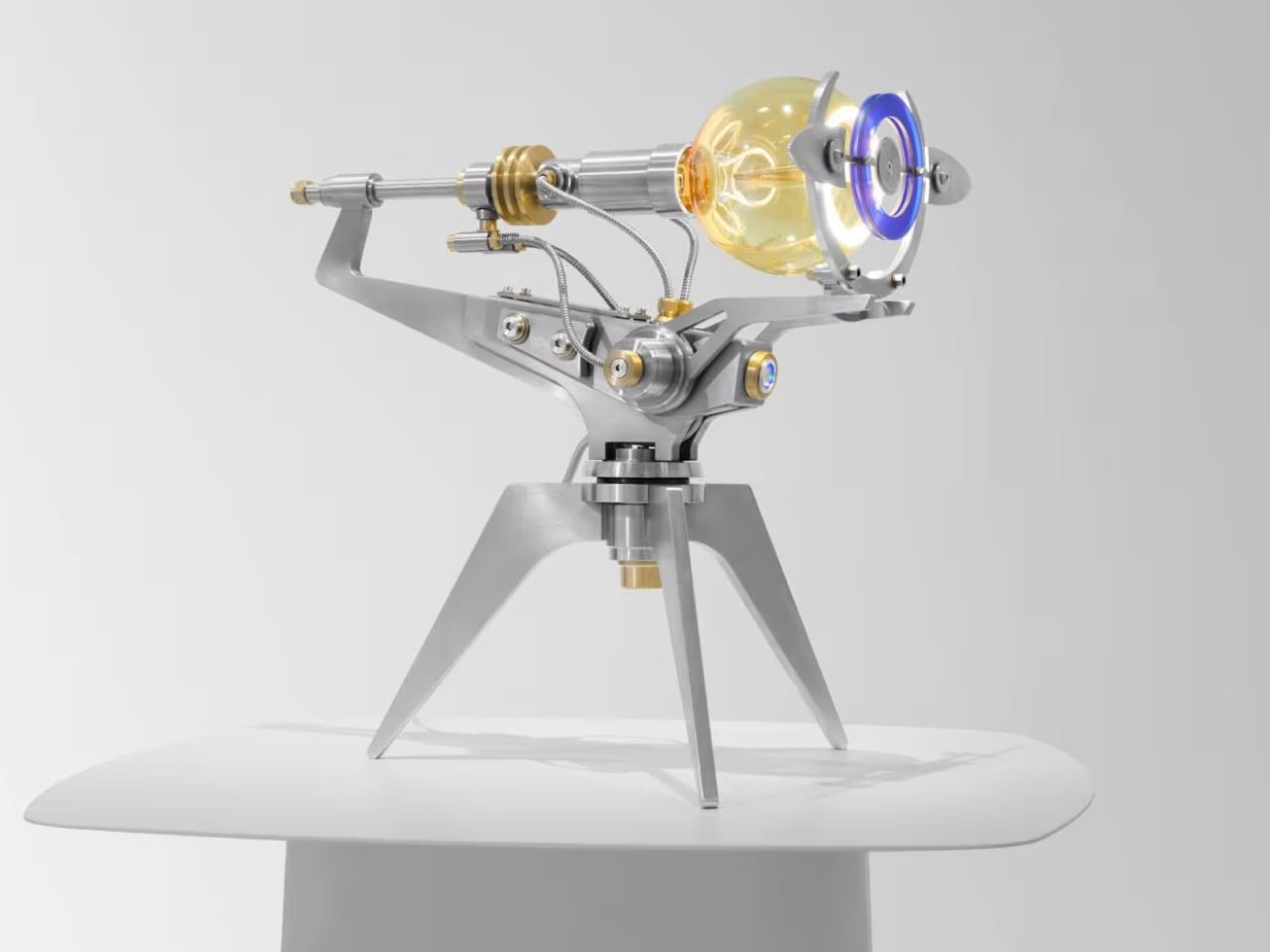
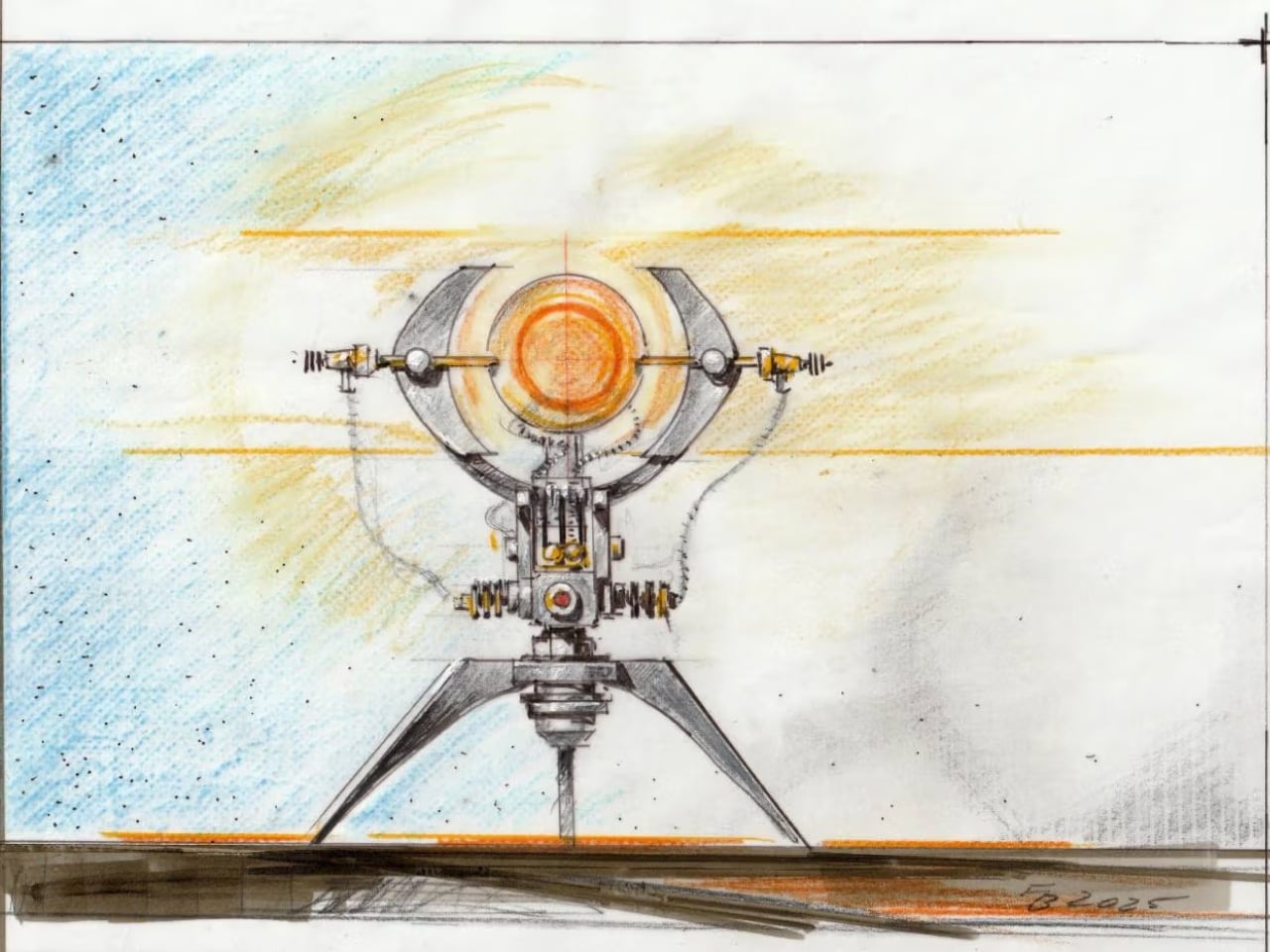
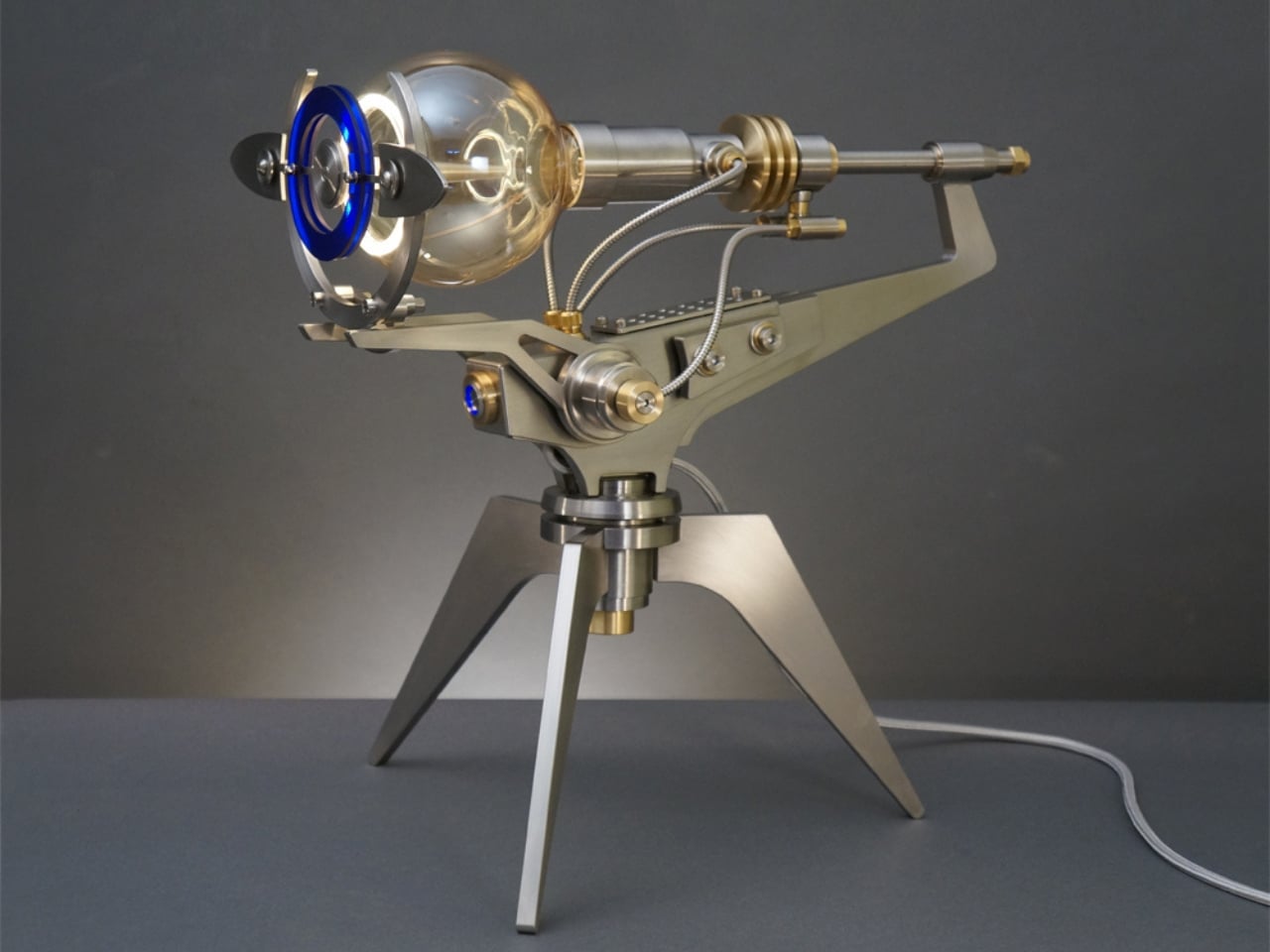
Most lamps want to disappear into a room, but every now and then, one shows up that demands the room reorganize itself around it. The ML15 Helios, designed by Berlin-based artist Frank Buchwald in collaboration with MB&F’s M.A.D.Gallery, is one of those objects. It’s a lamp, technically. It gives off light, it has a switch, it plugs into a wall. But calling it a lamp feels reductive in the same way calling a Porsche 911 a commuter car technically isn’t wrong but misses the entire point.
The ML15 Helios was created to mark the 15th anniversary of the M.A.D.Gallery, MB&F’s network of spaces dedicated to what they call Mechanical Art Devices. The gallery itself was born out of a kind of beautiful stubbornness. Back in 2011, MB&F founder Maximilian Büsser couldn’t get traditional retailers to properly display his three-dimensional watches, and art galleries told him his creations weren’t really art. So he opened his own space in Geneva’s Old Town and started curating the kind of work that lived between disciplines. Frank Buchwald was one of the very first artists to join.
The origin story between the two is almost too good. Büsser discovered Buchwald’s retro-futuristic Machine Lights online, visited his scarred industrial workshop in Berlin, and left having committed to buying the next ten lights for a gallery that didn’t even exist yet. That kind of instinct, that willingness to bet on something before the infrastructure is in place, is rare. Fifteen years later, the ML15 Helios feels like the natural product of a creative relationship built on that kind of trust.
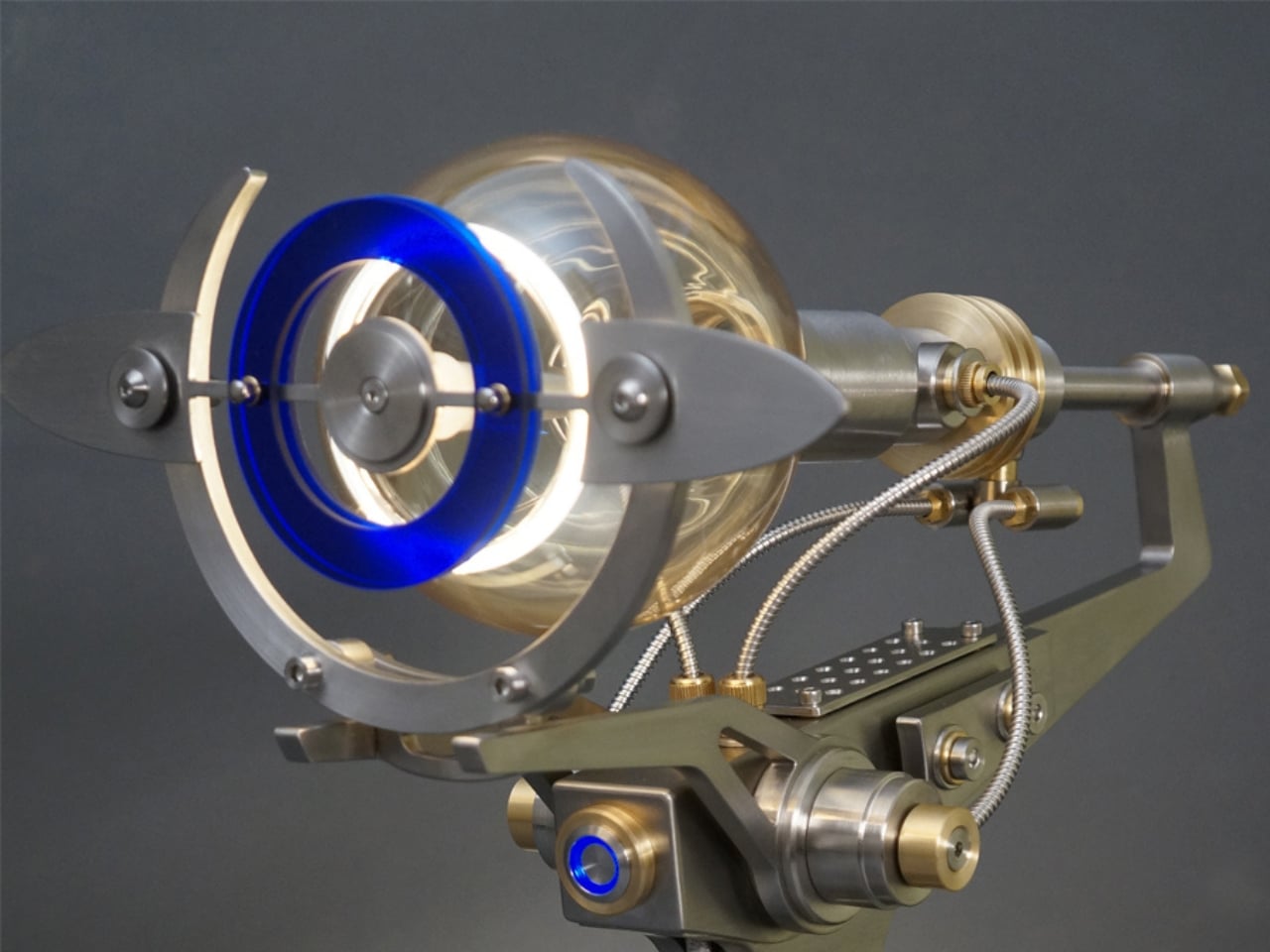
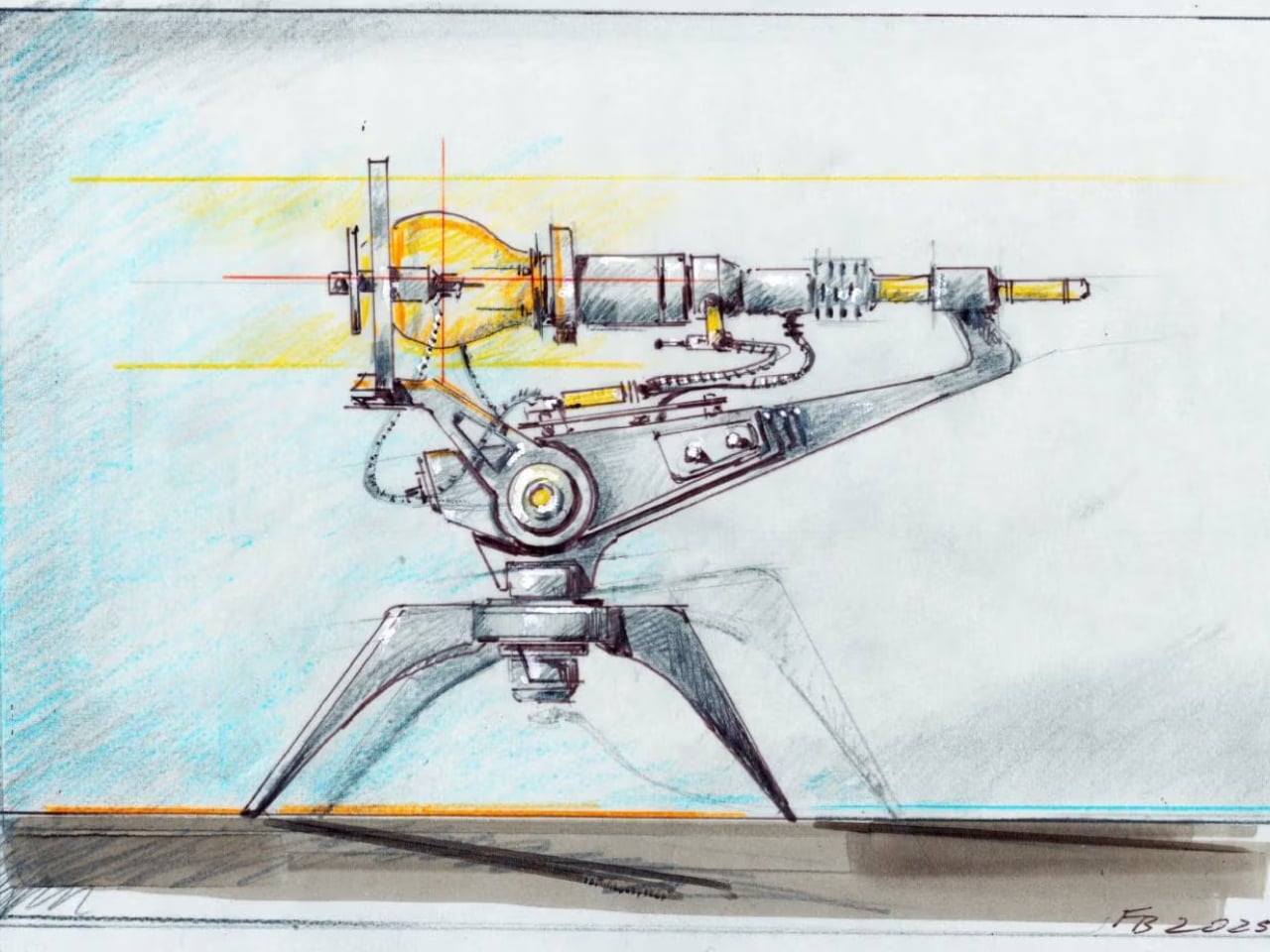
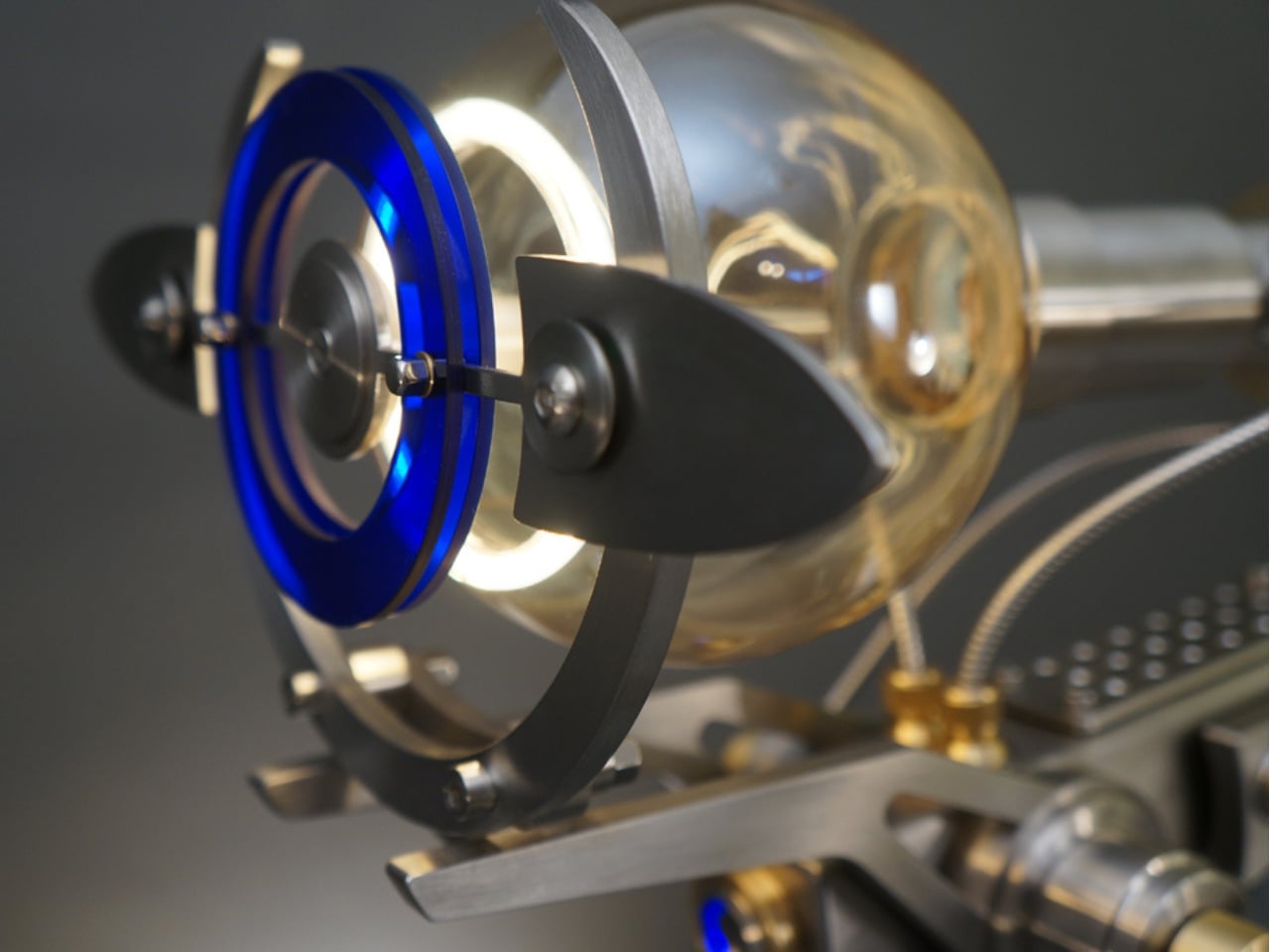
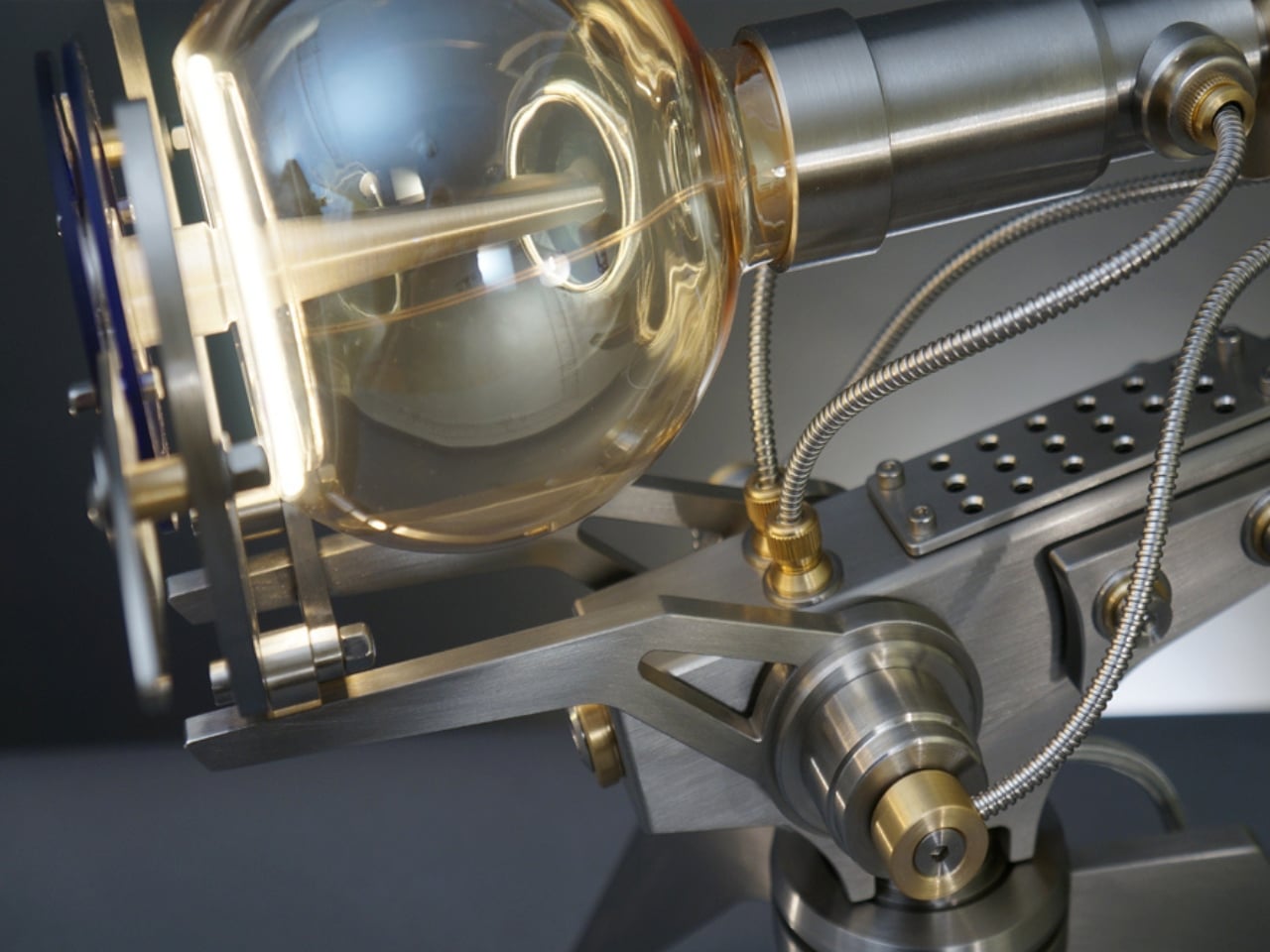
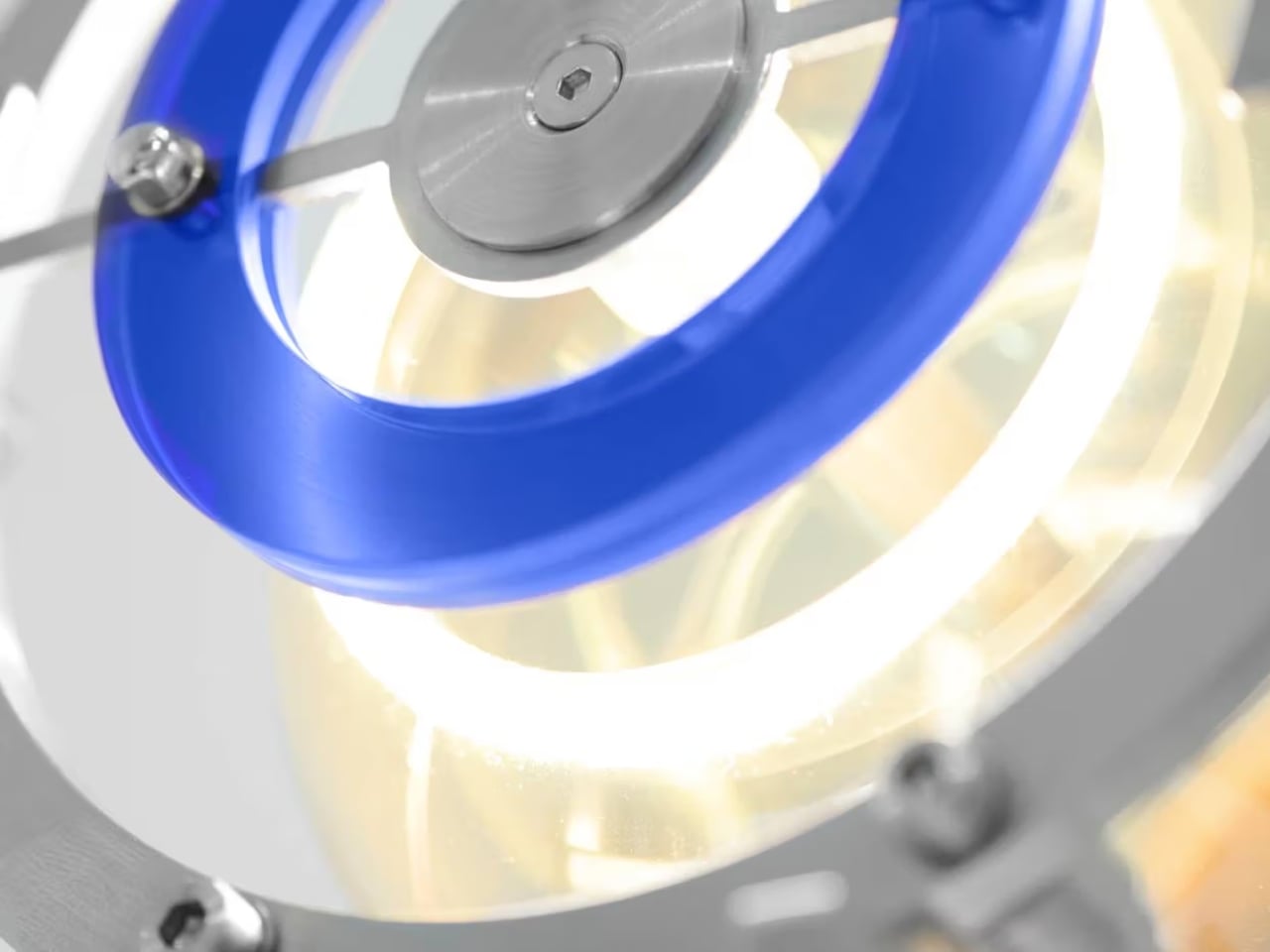
The piece itself is a 9-kilogram sculpture made from stainless steel and brass, standing on three legs that give it an almost biological quality, like something that evolved rather than was engineered. At its center sits a 120mm spherical globe bulb surrounded by a dimmable LED ring that replicates a solar corona. Two blue diffuser rings frame the sphere, and this is where the design gets interesting. Depending on your angle and your mood, the Helios can look like a celestial body, a precision scientific instrument, or a human eye staring back at you. That ambiguity is intentional, and it’s what separates Buchwald’s work from decorative lighting that simply tries to look expensive.
Every one of the 120 individual components is handcrafted in Buchwald’s Berlin workshop. The electrical wiring runs through flexible stainless steel tubes, kept visible rather than hidden, because Buchwald believes in showing the inner workings of his machines. Even the laser-cut parts get extensive manual reworking, and each piece takes several weeks to complete. The head rotates 90 degrees, which means the Helios isn’t just a static sculpture but something you physically interact with to direct light across a room.
What I find most compelling about the ML15 Helios is how it occupies a space that most designers avoid entirely. It’s not minimalist, it’s not maximalist, it’s not mid-century modern, and it doesn’t reference any trend you could pin to a specific decade. Buchwald was a science fiction illustrator before he started working with metal, and that background shows. There’s a narrative embedded in the object, a sense that it belongs to a fictional world where machines are revered for their beauty as much as their function.
Limited to just 15 pieces and exclusive to M.A.D.Gallery locations in Geneva, Dubai, and the MB&F Labs network, the Helios is priced on request, which in this world means it’s not for the casually curious. But I think the limitation is part of what makes it meaningful. In an era where everything scales, where even luxury brands chase volume, there’s something quietly radical about a handmade object that exists in a quantity of 15 because that’s all one artist can responsibly make.
The ML15 Helios isn’t trying to be the future of lighting design. It’s trying to be a singular object that earns its place in a room not through branding or spectacle, but through the sheer quality of its craft and the clarity of its vision. In that sense, Buchwald and Büsser have made something that the M.A.D.Gallery was always meant to celebrate: a machine that gives light, and in doing so, becomes art.
There’s a moment when you look at a well-designed object and feel something shift quietly inside you. Not a gasp, not a dramatic reaction, just a quiet recognition that someone thought deeply about what they were making and why. That’s exactly how I felt when I came across Aoi, a pleated lighting fixture by designer Ingrid Ng of InOutGrid, and I haven’t stopped thinking about it since.
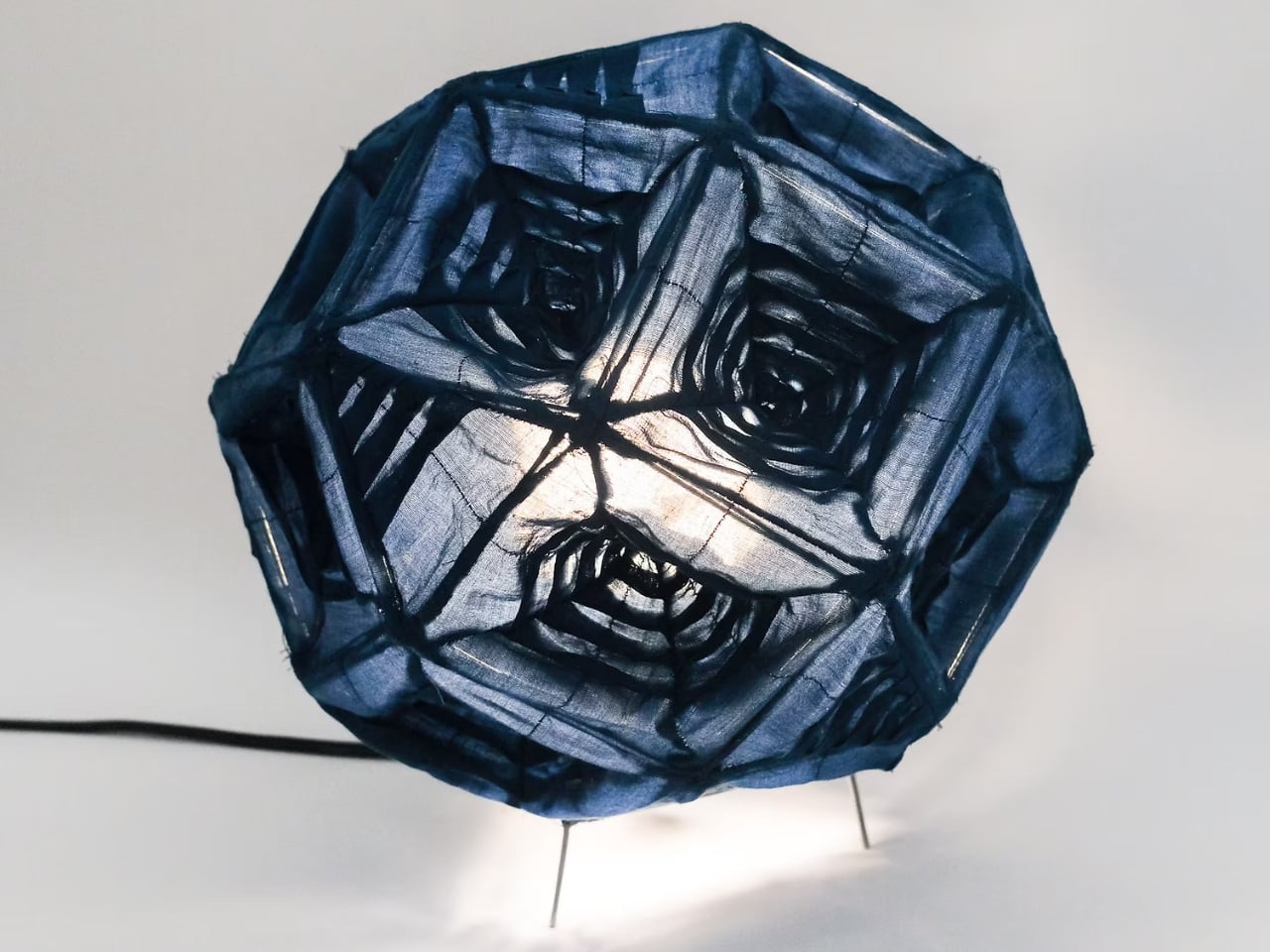
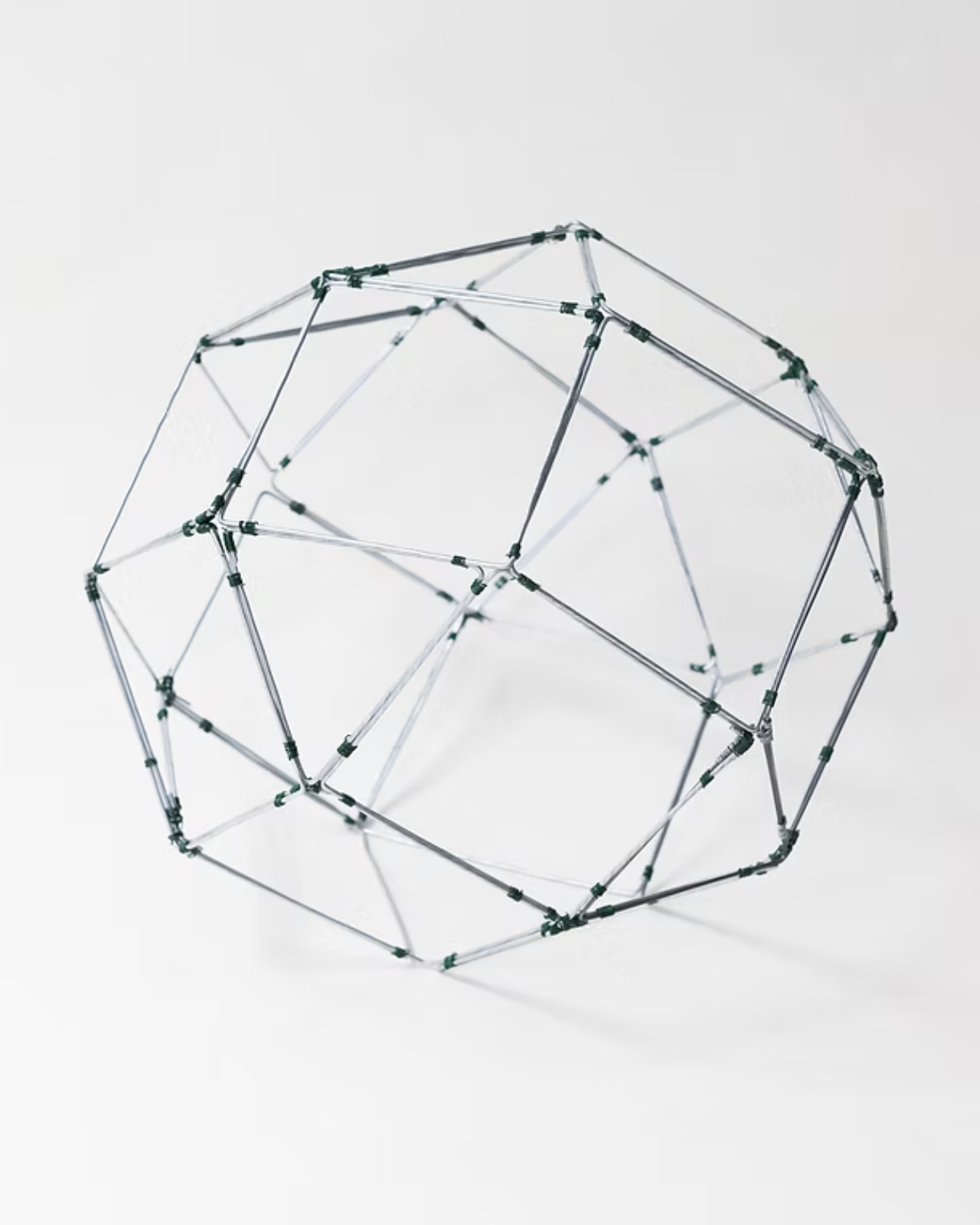
At first glance, Aoi looks like geometry made soft. The lampshade is built in the shape of a twenty-four-sided icositetragon, which sounds like something out of a math textbook but translates visually into something surprisingly graceful. It sits somewhere between origami and architecture, structured enough to feel intentional but tactile enough to feel human. And that tension, that careful balance between rigor and warmth, is really what makes the piece worth paying attention to.
Ng’s approach centers on traditional pleating techniques applied to sheer layered fabrics. Pleating, of course, is one of the oldest forms of textile manipulation we have. It’s been used in clothing, in paper crafts, in Japanese lanterns for centuries. What Ng does with Aoi is take that heritage and redirect it toward function and light in a way that feels both reverent and completely fresh. The design draws from the proportions and framing logic of traditional Japanese lanterns, and you can feel that lineage in the piece without it ever feeling like a costume or a direct reference.
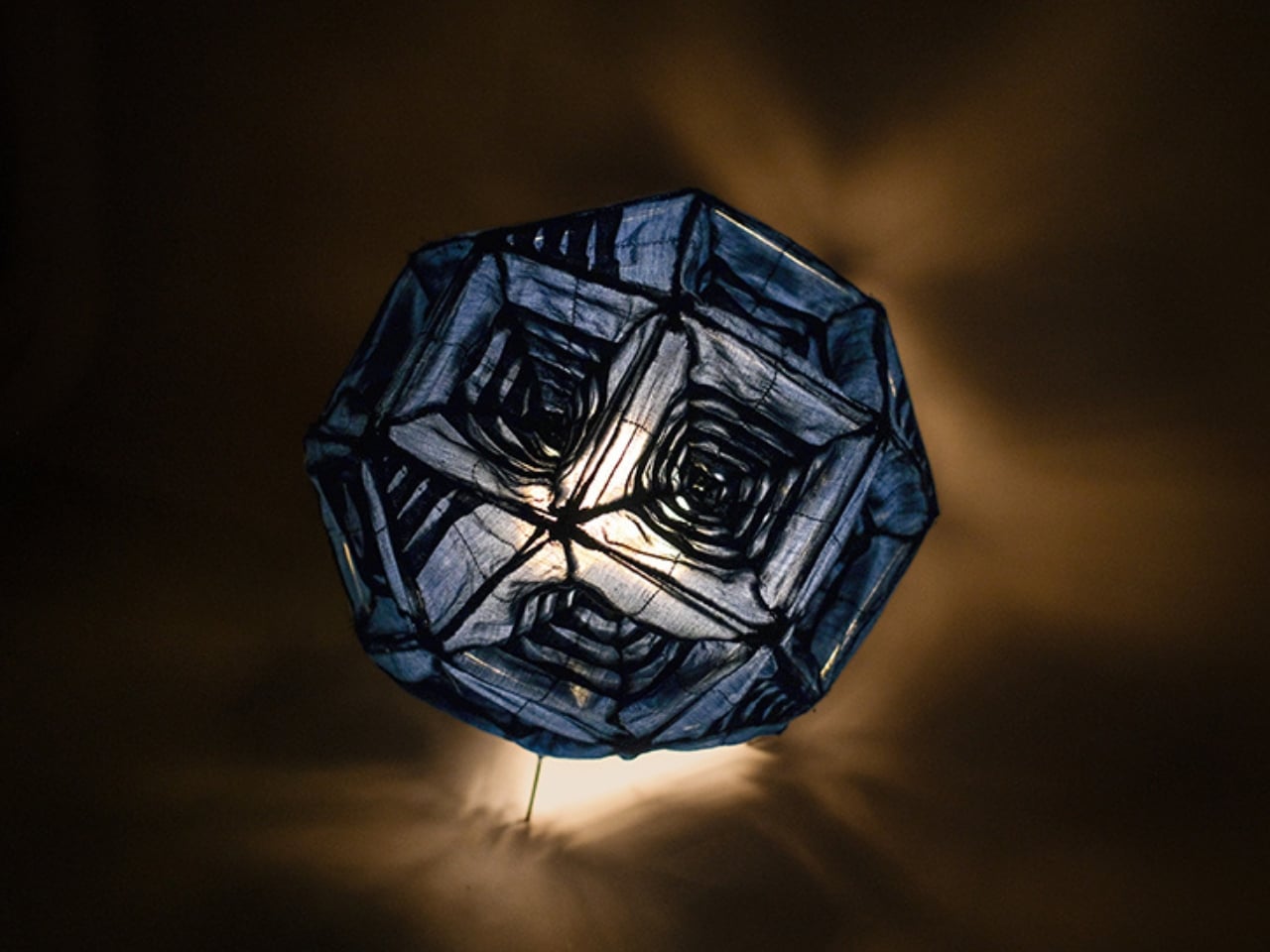
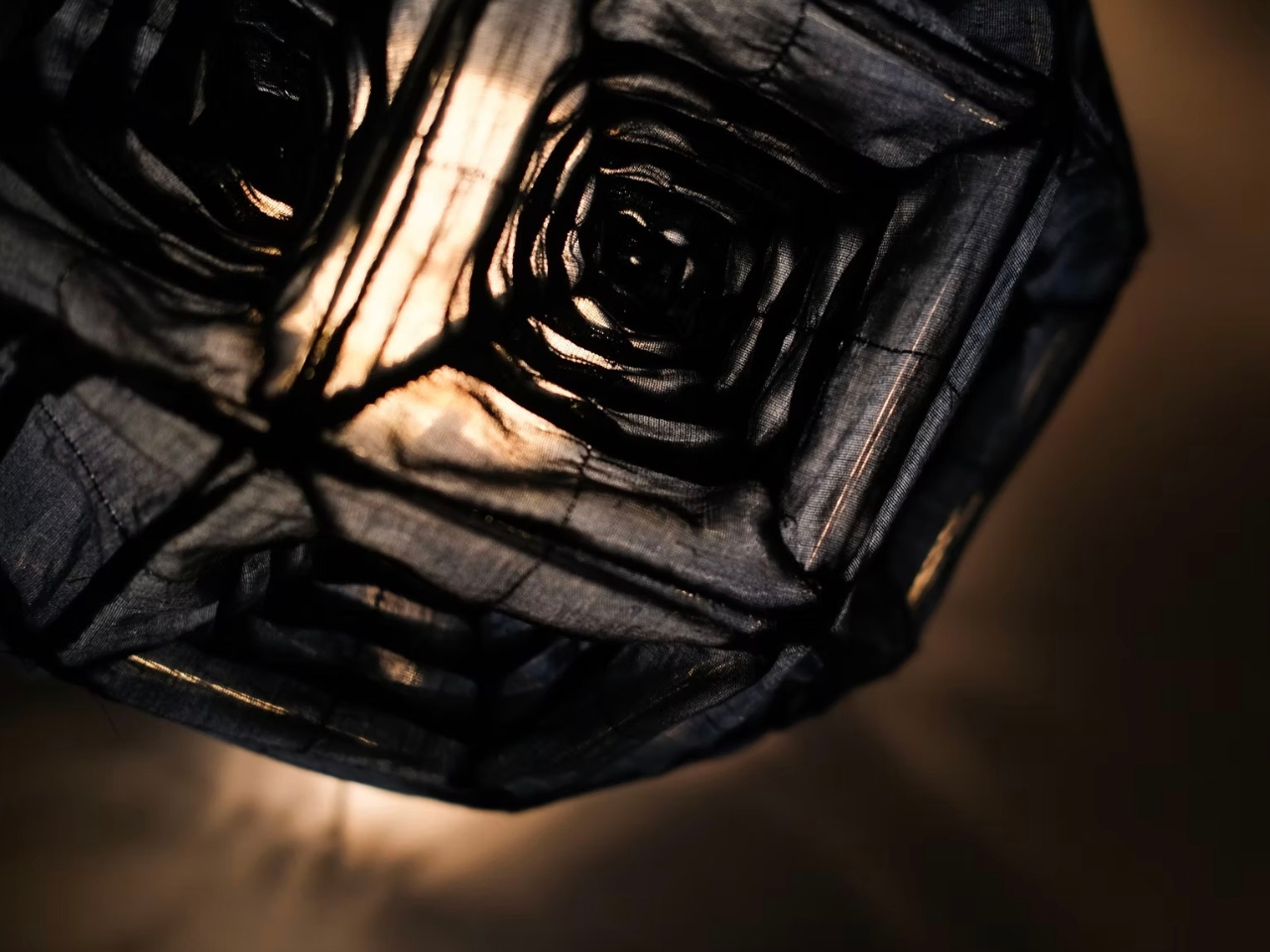
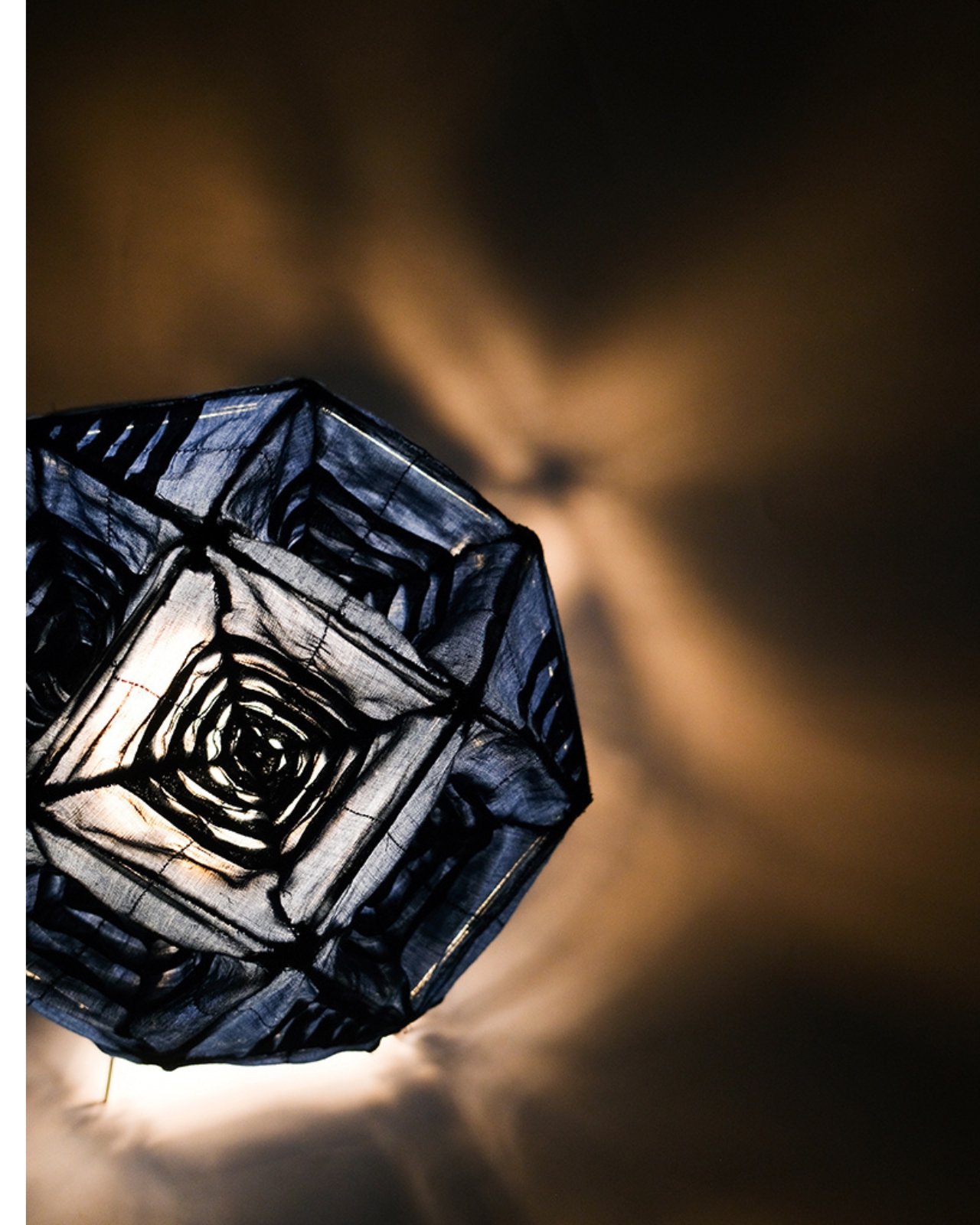
What’s genuinely clever about Aoi is what happens when you turn it on. In its unlit state, the exterior reads as mostly monochromatic, clean and composed. But the moment light is introduced, the superimposed sheer fabric layers begin to interact with each other in ways you wouldn’t predict from looking at it cold. Layered shades of blue emerge, arranged in geometric configurations. Shadows shift in calibrated patterns across surrounding surfaces. The lamp doesn’t just illuminate a room, it performs in it. And I mean that as a compliment, not a critique. There’s a meaningful difference between performance that’s gratuitous and performance that reveals something true about an object’s construction.
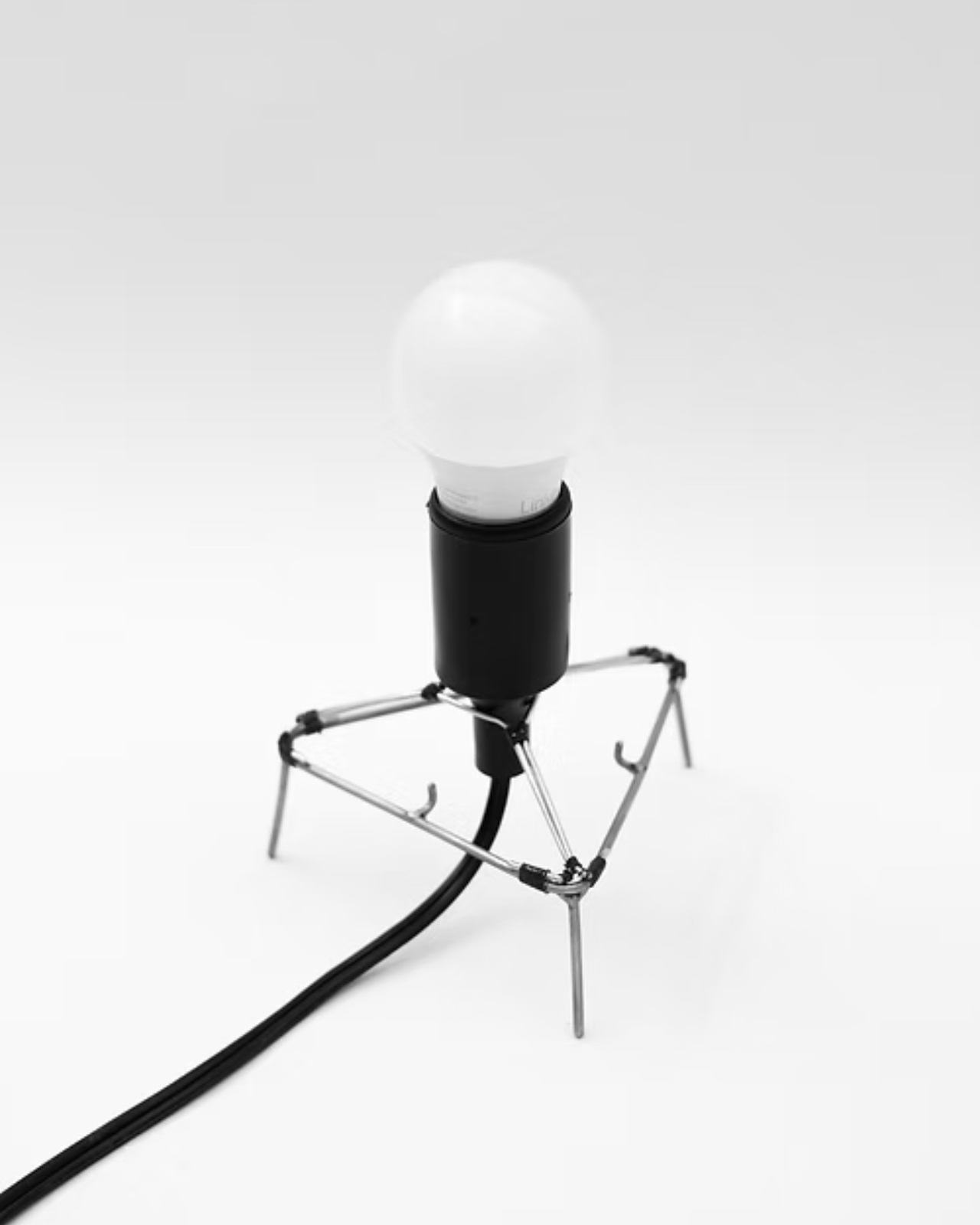
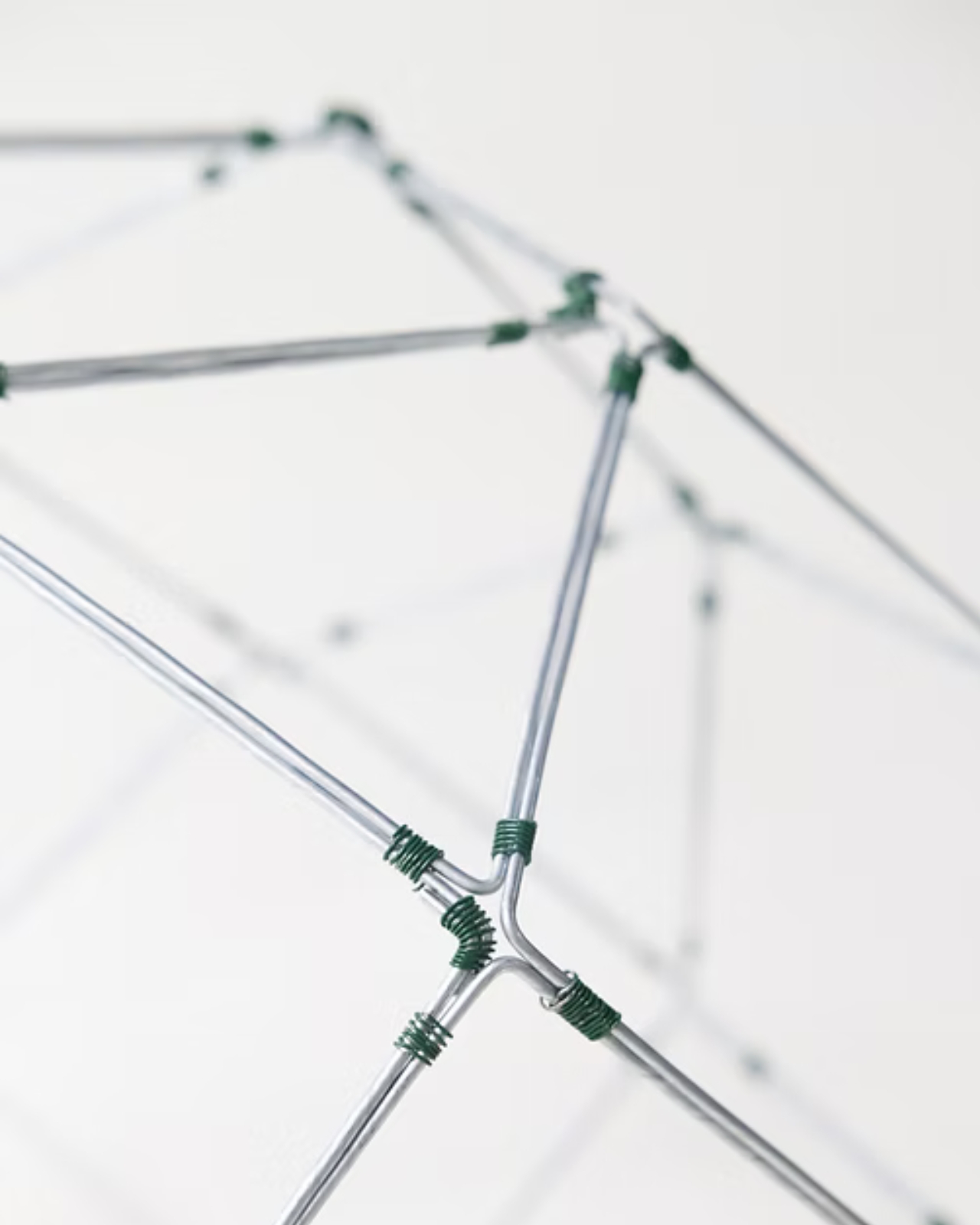
The internal structure is worth mentioning too. A wire armature supports the pleated fabric envelope, keeping everything stable without visually intruding on the lightness of the textile. It’s the kind of detail that rarely gets appreciated because when it works, you simply don’t notice it. The fabric appears to float and hold its shape simultaneously, which sounds contradictory until you see it and understand that the whole point was to let the material speak for itself, without interference.
What I appreciate most about Aoi is that it doesn’t overcomplicate its own thesis. So much of contemporary product design is about stacking features or making an aesthetic statement loud enough to be photographed. Ng does the opposite. The idea here is elegant in its restraint: fabric can be structural. Fabric can modulate light. Fabric, when handled with precision and care, can become a medium as rigorous as steel or glass. That argument doesn’t need a manifesto. The lamp makes it entirely on its own.
There’s also something meaningful about rooting contemporary work in craft traditions that predate digital tools by centuries. In an era where generative design and algorithmic aesthetics dominate so many design conversations, Aoi is a gentle but firm reminder that the fold, the pleat, the carefully stitched edge, these are not primitive precursors to modern design thinking. They are sophisticated techniques with as much to offer today as they ever did, perhaps more so, precisely because they require patience and physical understanding that no software can replicate or shortcut.
Aoi isn’t trying to reinvent lighting design. It’s doing something more interesting than that. It’s asking what happens when you apply genuine craft curiosity to a very ordinary object, and it keeps proving that the answer can be quietly extraordinary. Not every design needs to shout. Some of the best ones just glow.
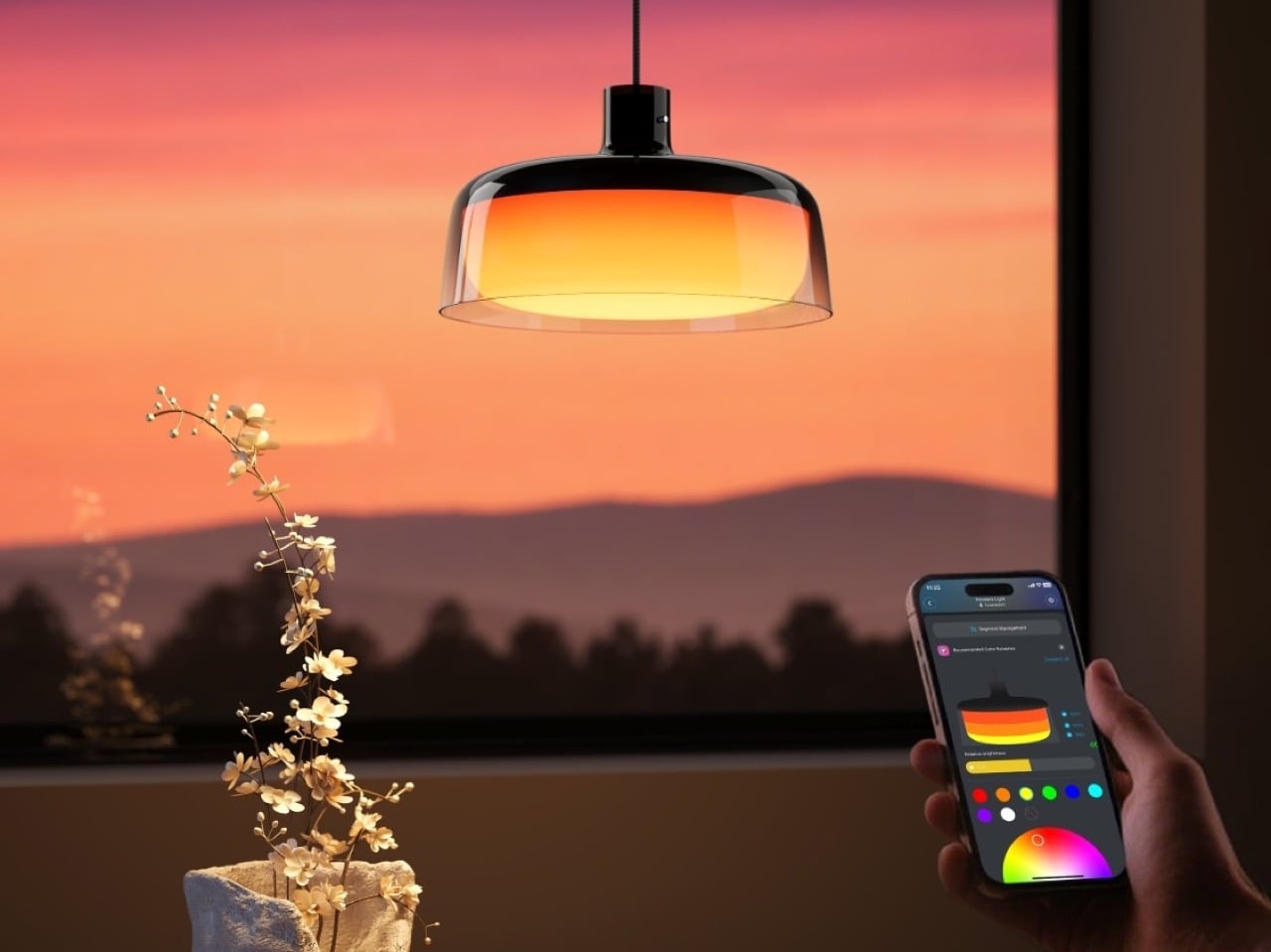
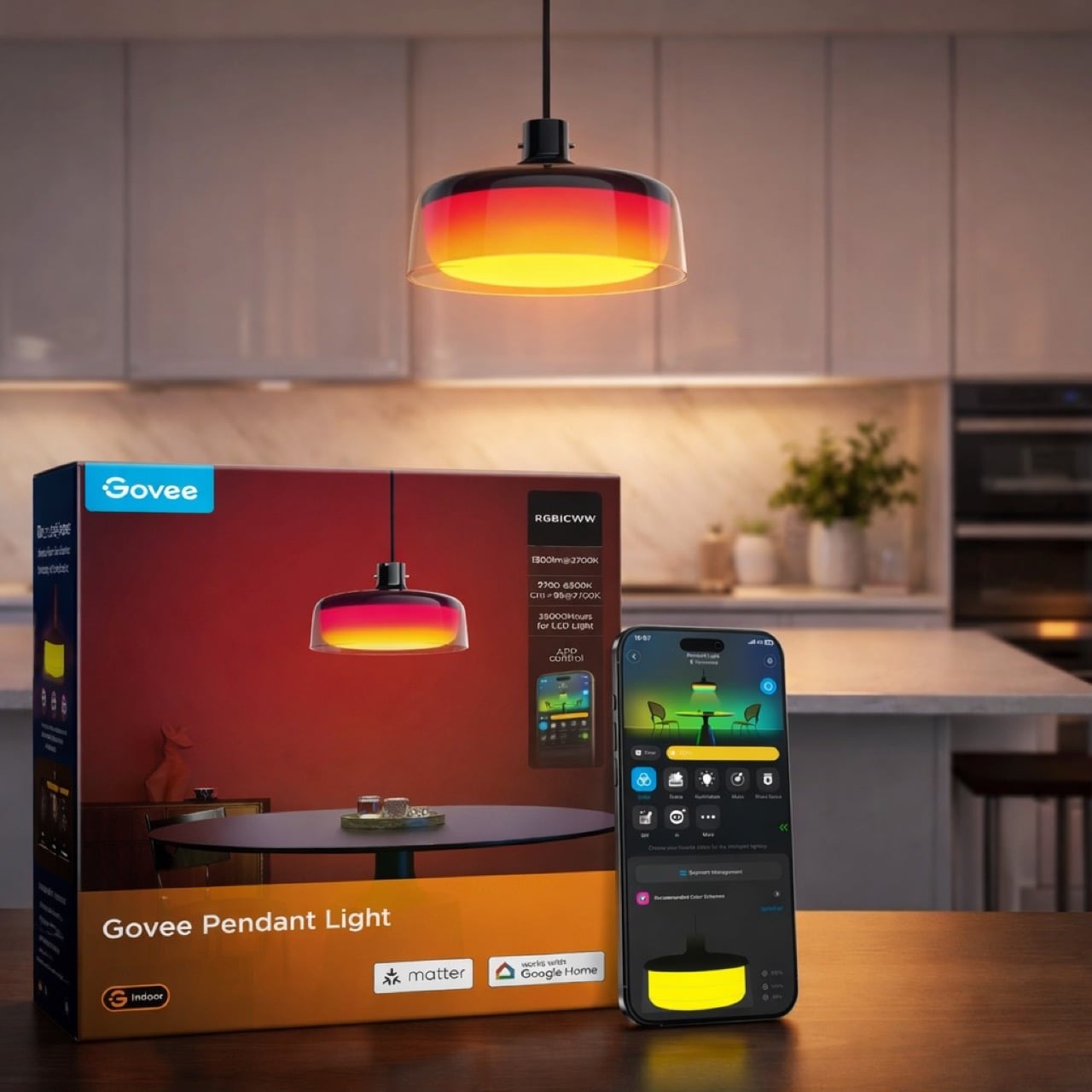
Temu sunset lamp, we had fun. The warm orange glow, the perfect circle on the wall, the way it made any room look like a soft launch music video. But the era of the single-trick ambient light is quietly wrapping up, and Govee’s new Pendant Light is part of what’s replacing it.
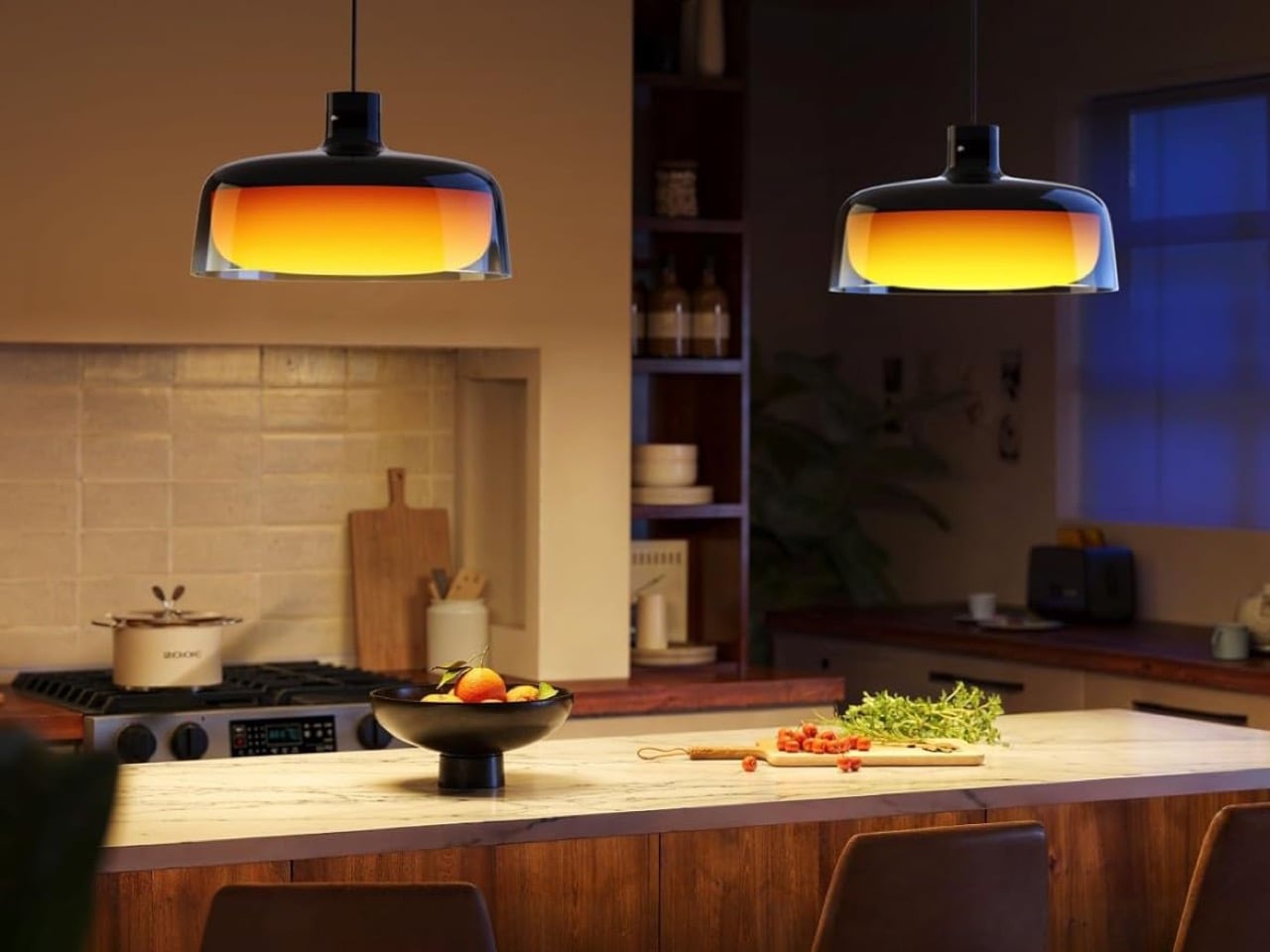
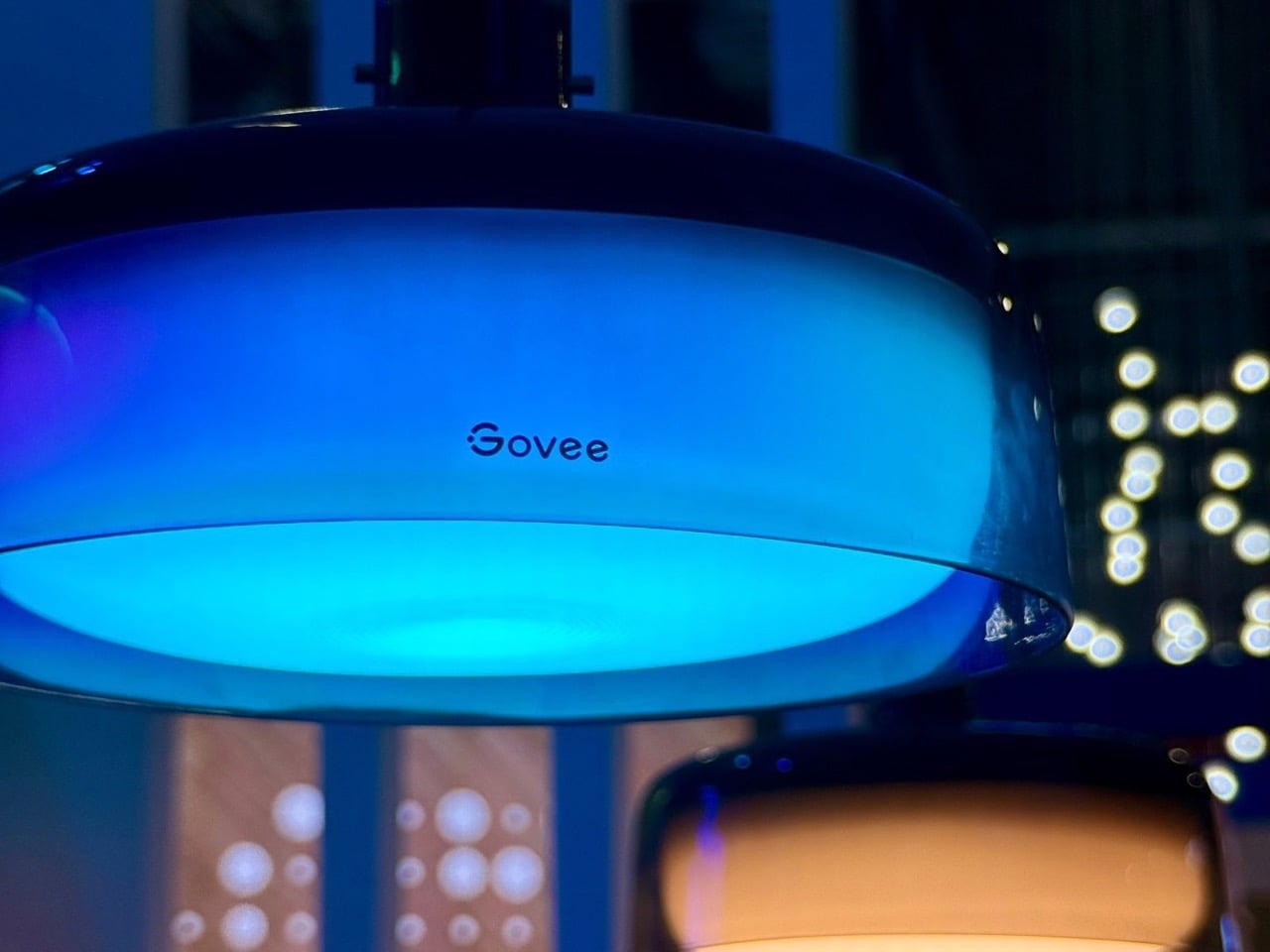
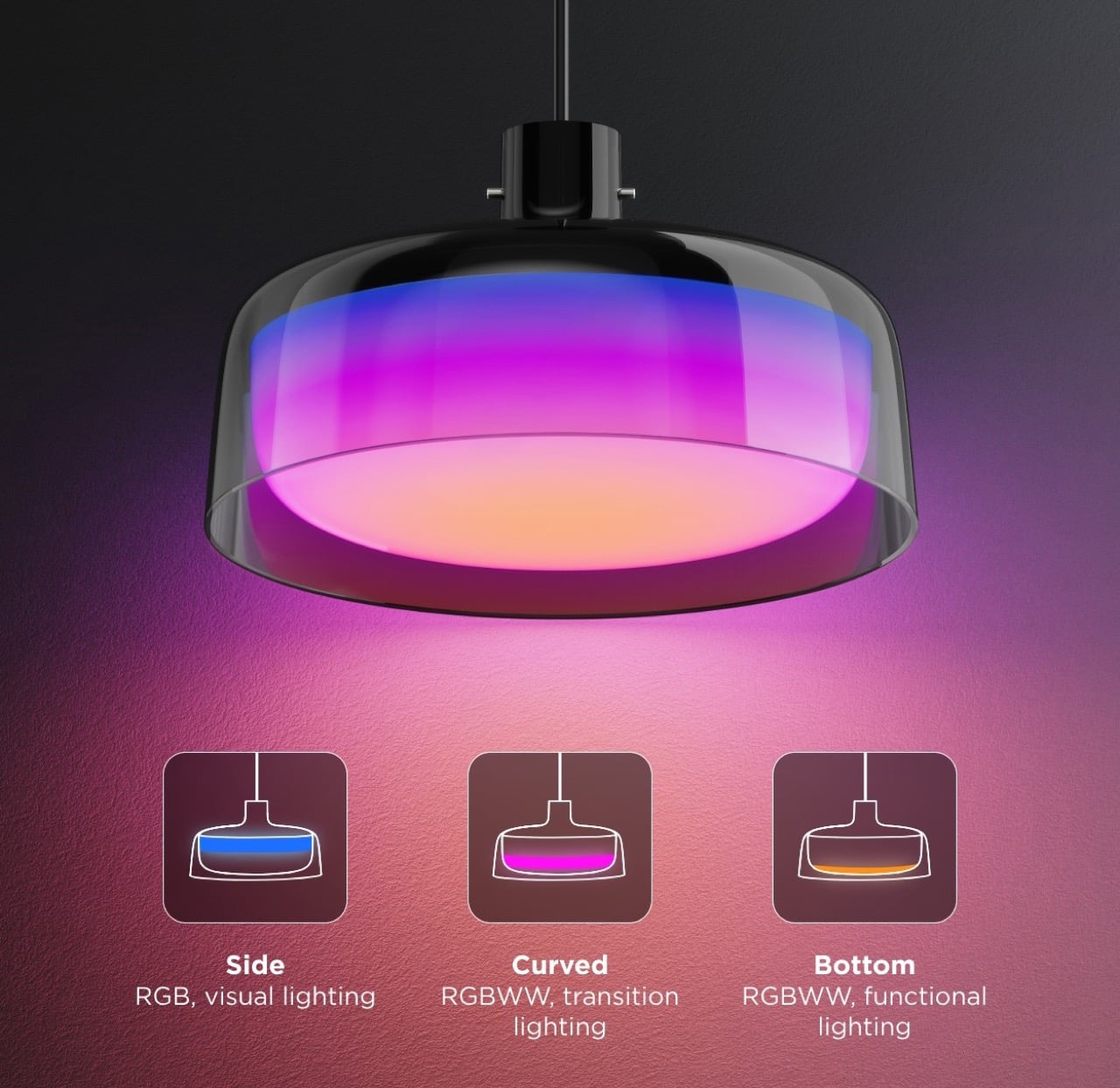
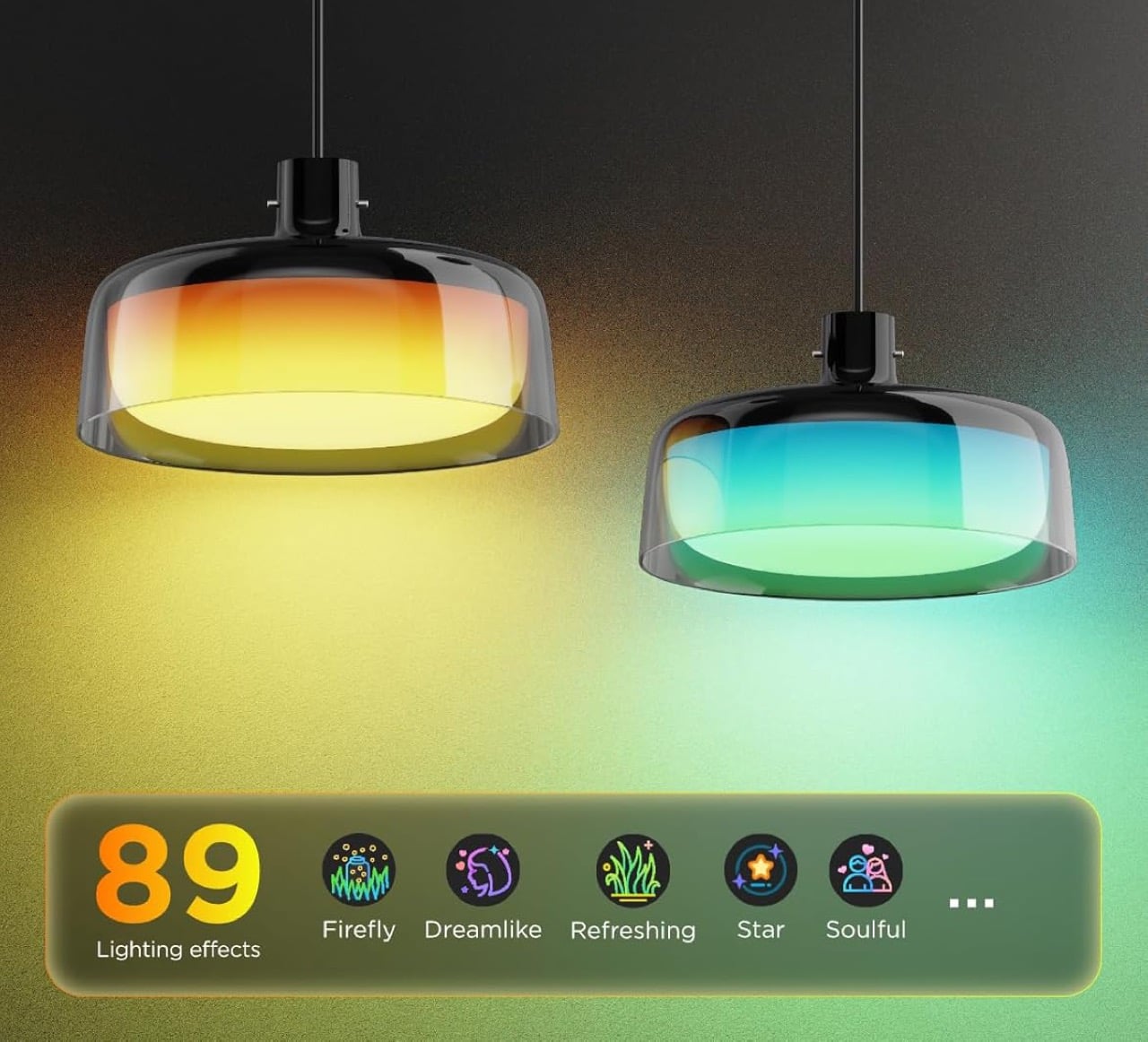
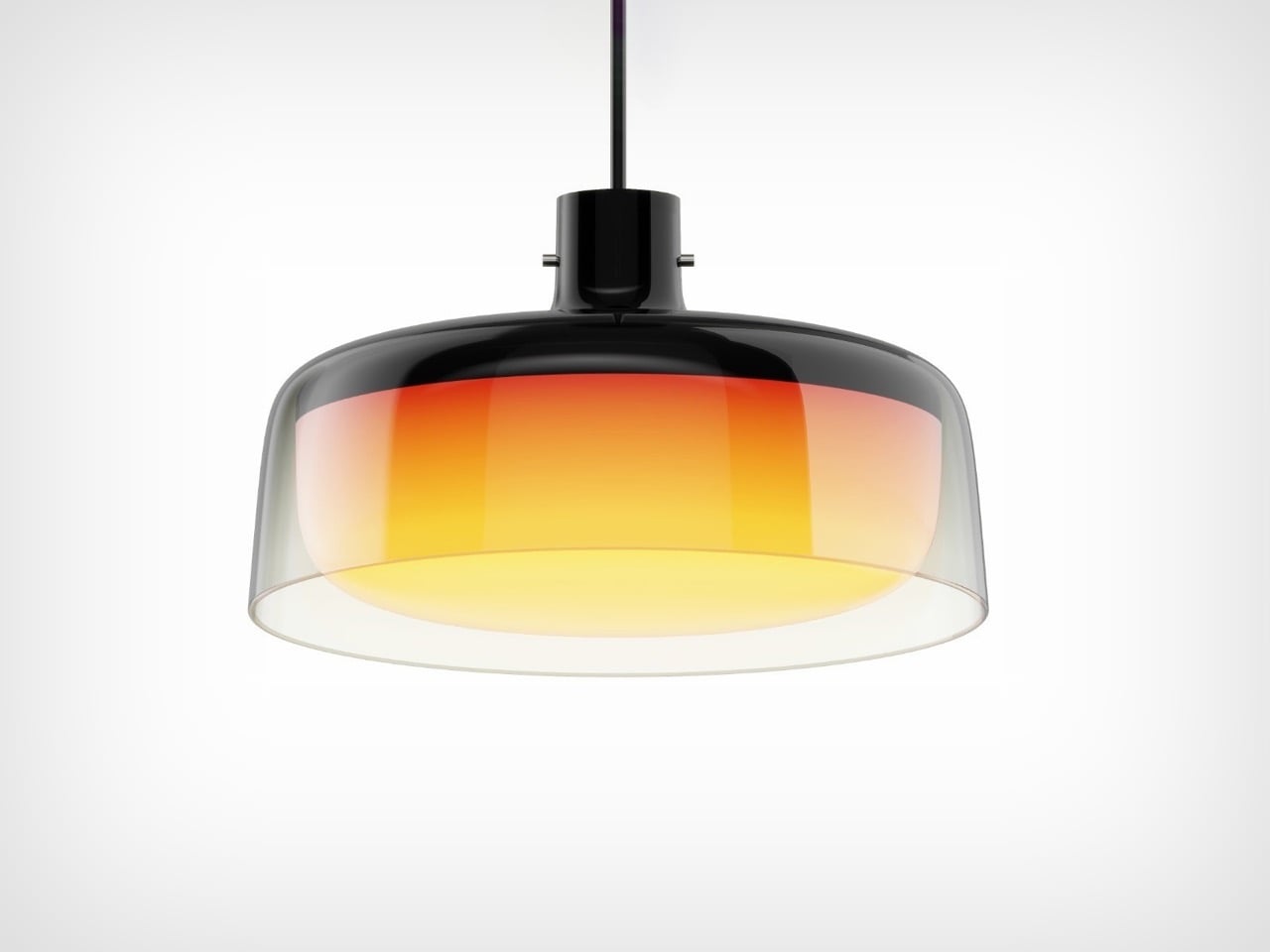
This one hangs from your ceiling like it always belonged there, a wide smoked-glass drum shade with the confident silhouette of a proper design fixture. Nothing about the exterior screams smart home gadget. And then you turn it on, and the whole thing comes alive in layers. RGB color pulses along the sides. A warm RGBWW gradient bleeds across the curved interior. Clean white light floods down from the bottom panel for actual task lighting. Three zones, one fixture, and a Govee app full of presets that range from “cozy Sunday breakfast” to “we are absolutely having a party in this kitchen.”
Three lighting zones make this pendant lamp an ambient gradient you can control. Govee splits the fixture into side, curved, and bottom segments, each independently addressable. The side strip runs RGB for pure color expression and visual drama. The curved middle section runs RGBWW, which is where those buttery gradient transitions happen, the kind that made the sunset lamp so irresistible in the first place. The bottom panel is also RGBWW, tunable from 2700K all the way to 6500K, with 1300 lumens and a CRI of 95. That last number matters because 95 CRI means colors rendered under this light look accurate, which is exactly what you want when you’re plating food or checking whether the steak is actually the right shade of pink.
Matter support ships standard, which in 2025 is table stakes for any smart fixture worth recommending. What that means practically is that the Pendant Light drops into Apple Home, Google Home, Alexa, and SmartThings without friction, no proprietary bridge, no separate hub sitting on your counter. The Govee Home app handles the deeper customization, 80-plus preset scenes, six music sync modes, and a full DIY color editor that lets you set each of the three zones independently. Sync it with up to seven other Govee devices and the whole room moves together. The light also responds to 2.4GHz Wi-Fi, so control is reliable and remote-accessible, not dependent on Bluetooth proximity.
Physically, the fixture weighs 5.29 pounds and the hanging cord adjusts up to 4.92 feet, which gives you enough flexibility to dial in the drop height over an island or a dining table without it feeling either too close or awkwardly ceiling-bound. The smoked glass shell does something clever optically: it reads as dark and sculptural when the light is off, almost like a piece of decorative glass, and then transitions into a glowing gradient object when it’s on. That kind of on/off personality shift is genuinely hard to engineer without the shade looking cheap in one of the two states.
Retail price is $149.99, though it’s been sitting comfortably at $109 on Amazon for months now. At that price, the comparison set shifts considerably. Proper designer pendants with a fraction of this functionality routinely run two to three times higher, and none of them pulse to your playlist.
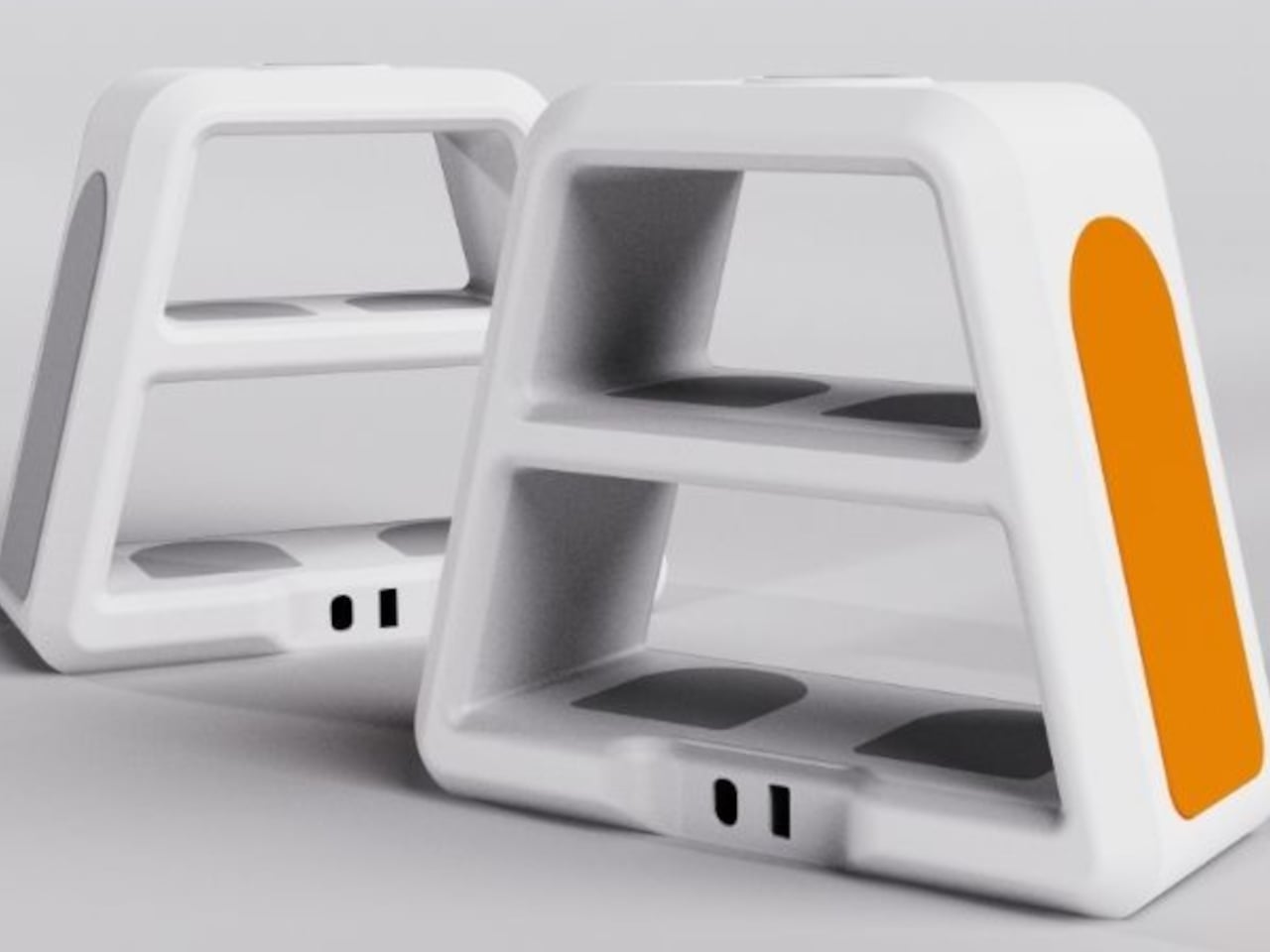
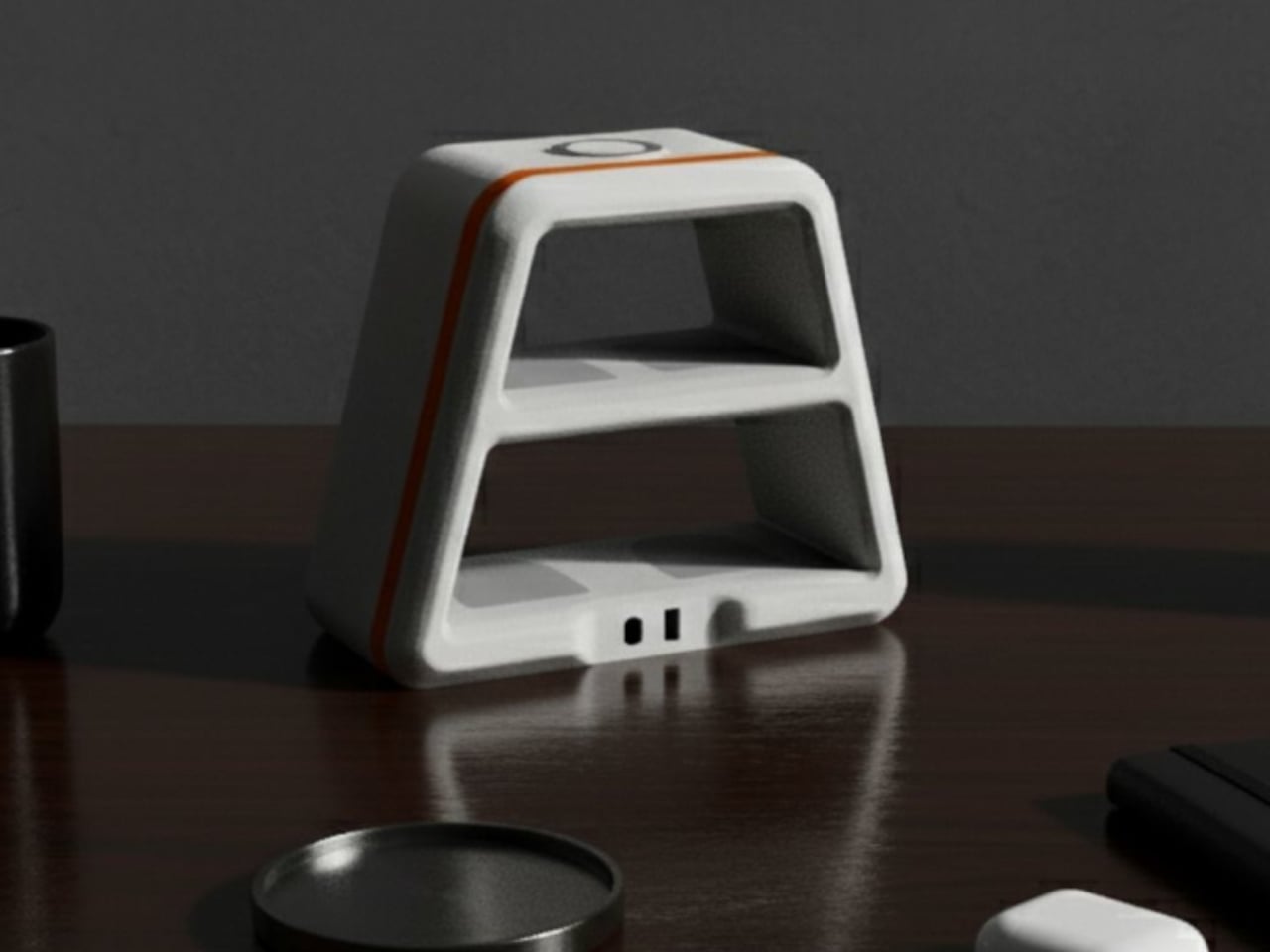
If your bedside table looks anything like most people’s, it’s basically a charging graveyard. There’s a phone, a smartwatch, a pair of earbuds, maybe a tablet, and enough cables to qualify as a fire hazard. The whole setup is functional, sure, but it’s also the kind of thing you instinctively hide behind a lamp so guests don’t judge you. Nova, a concept by designer Parth Amlani, thinks there’s a much better way to handle all of this.
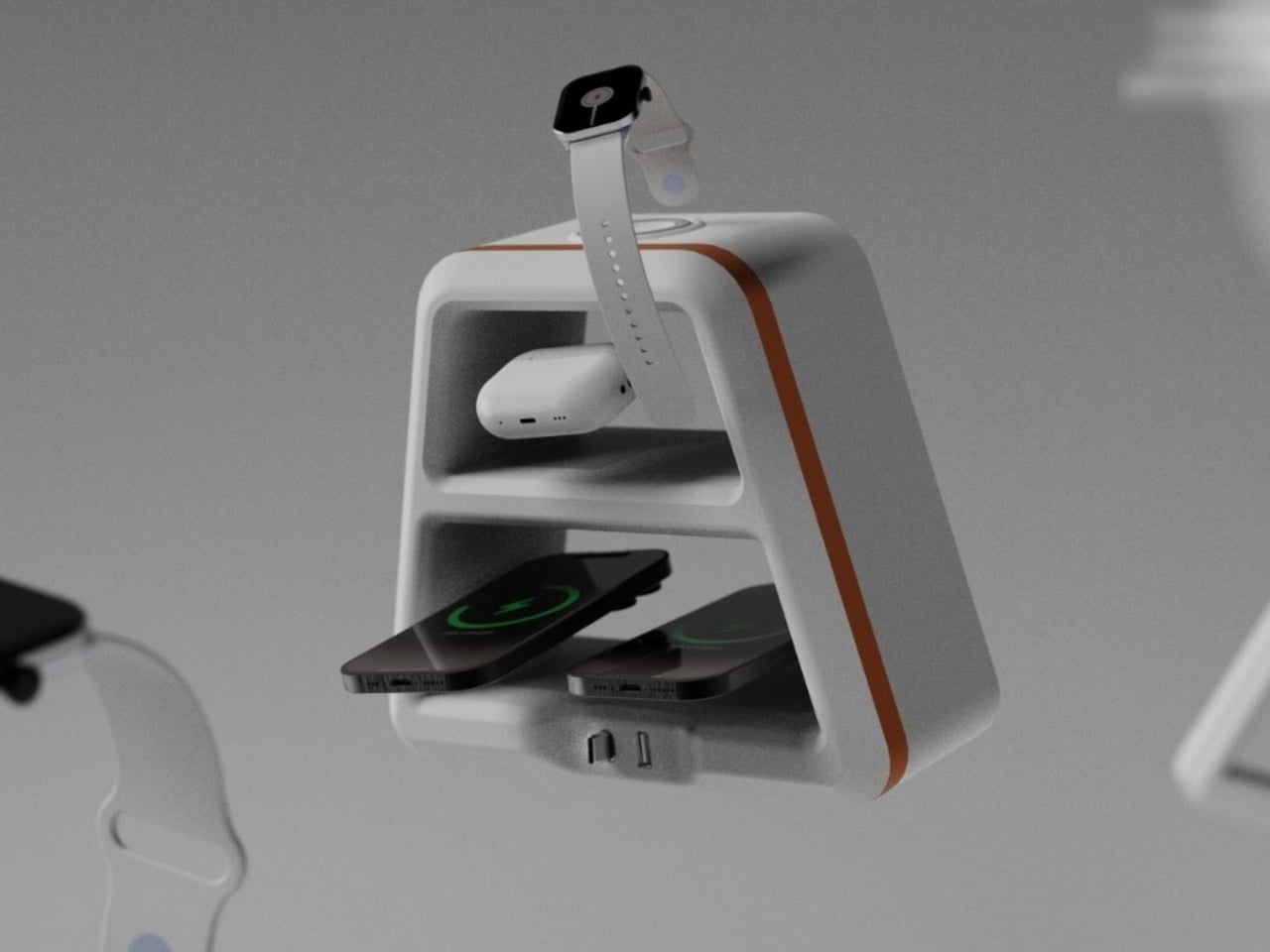
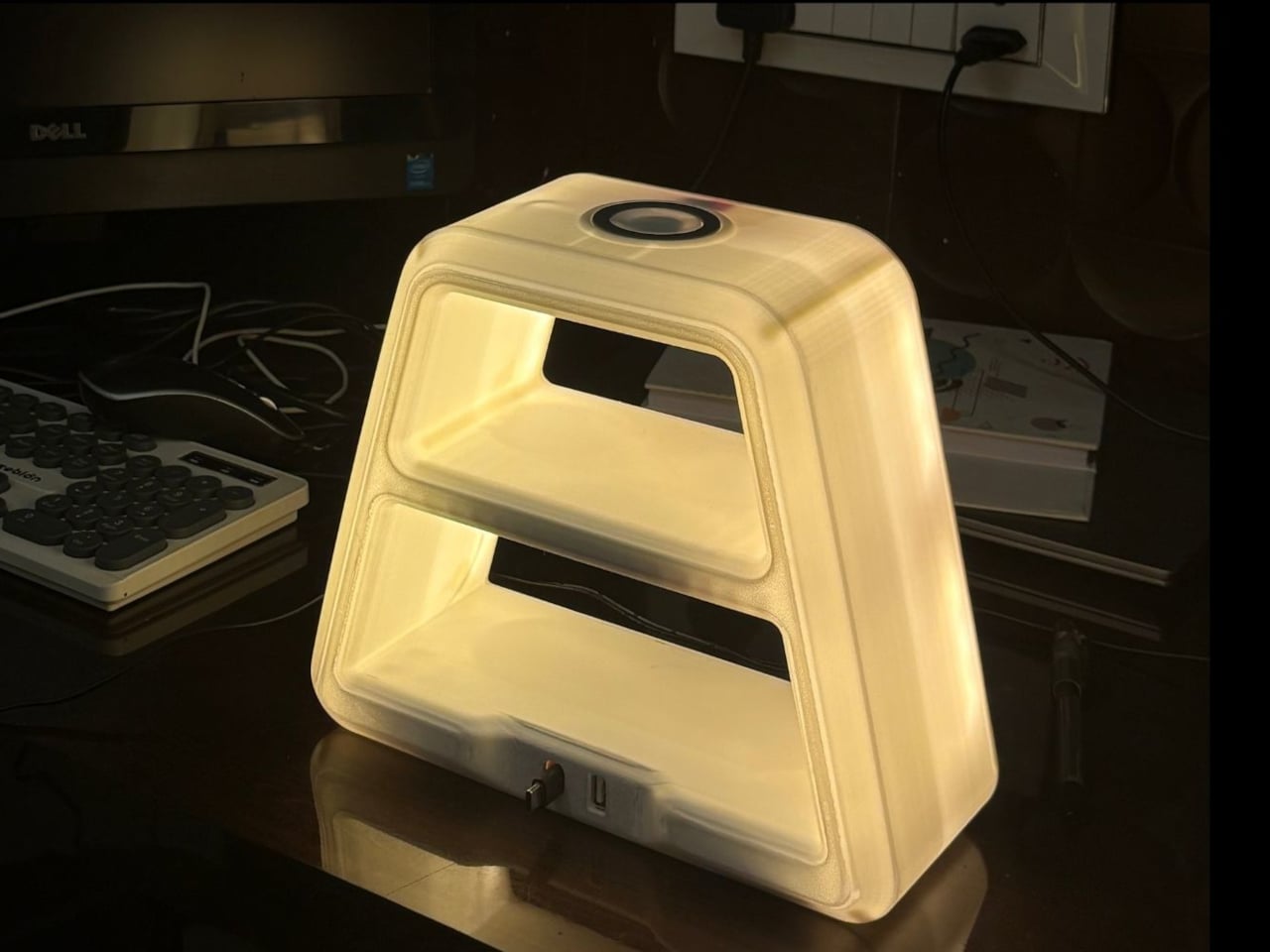
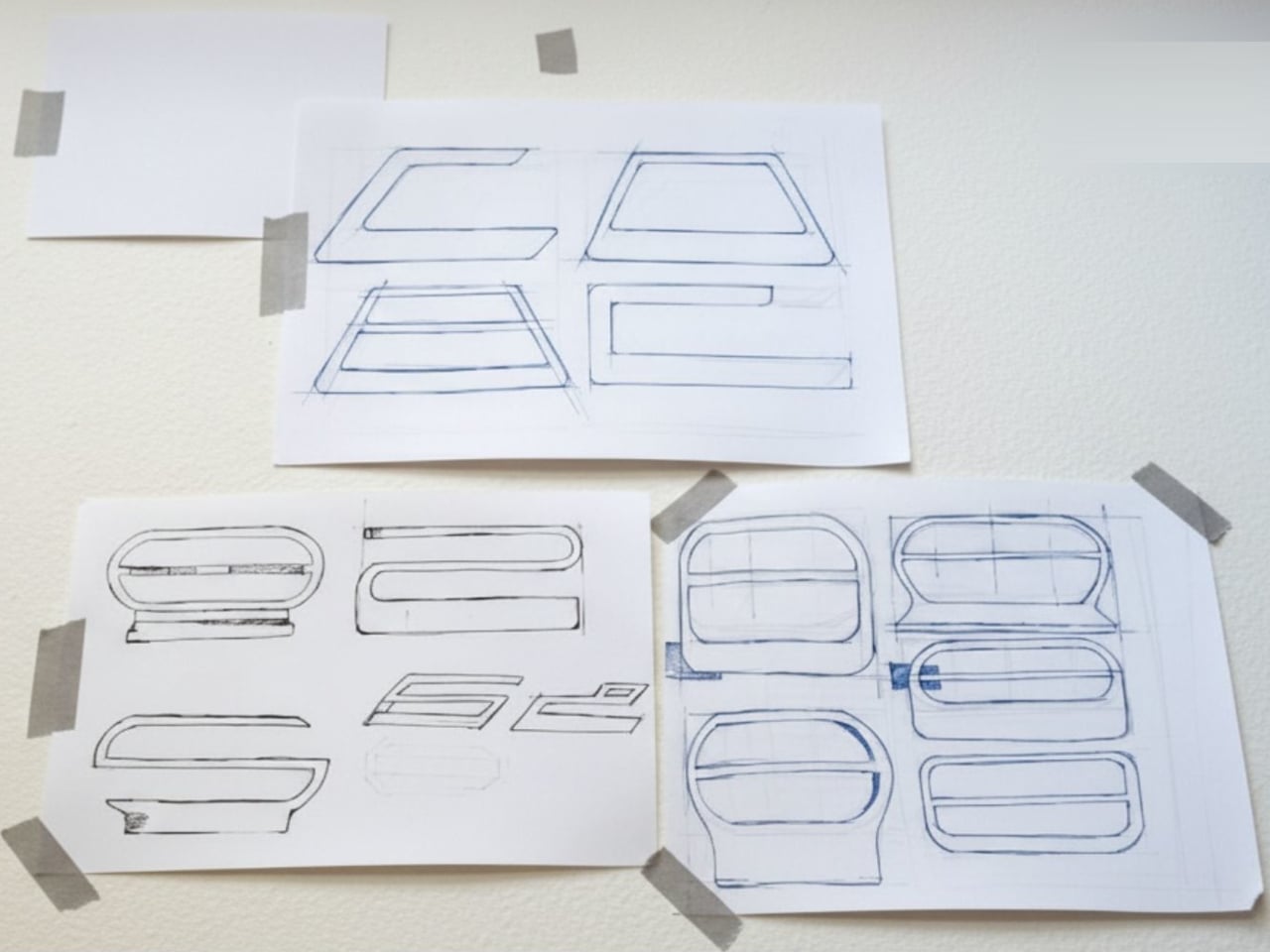
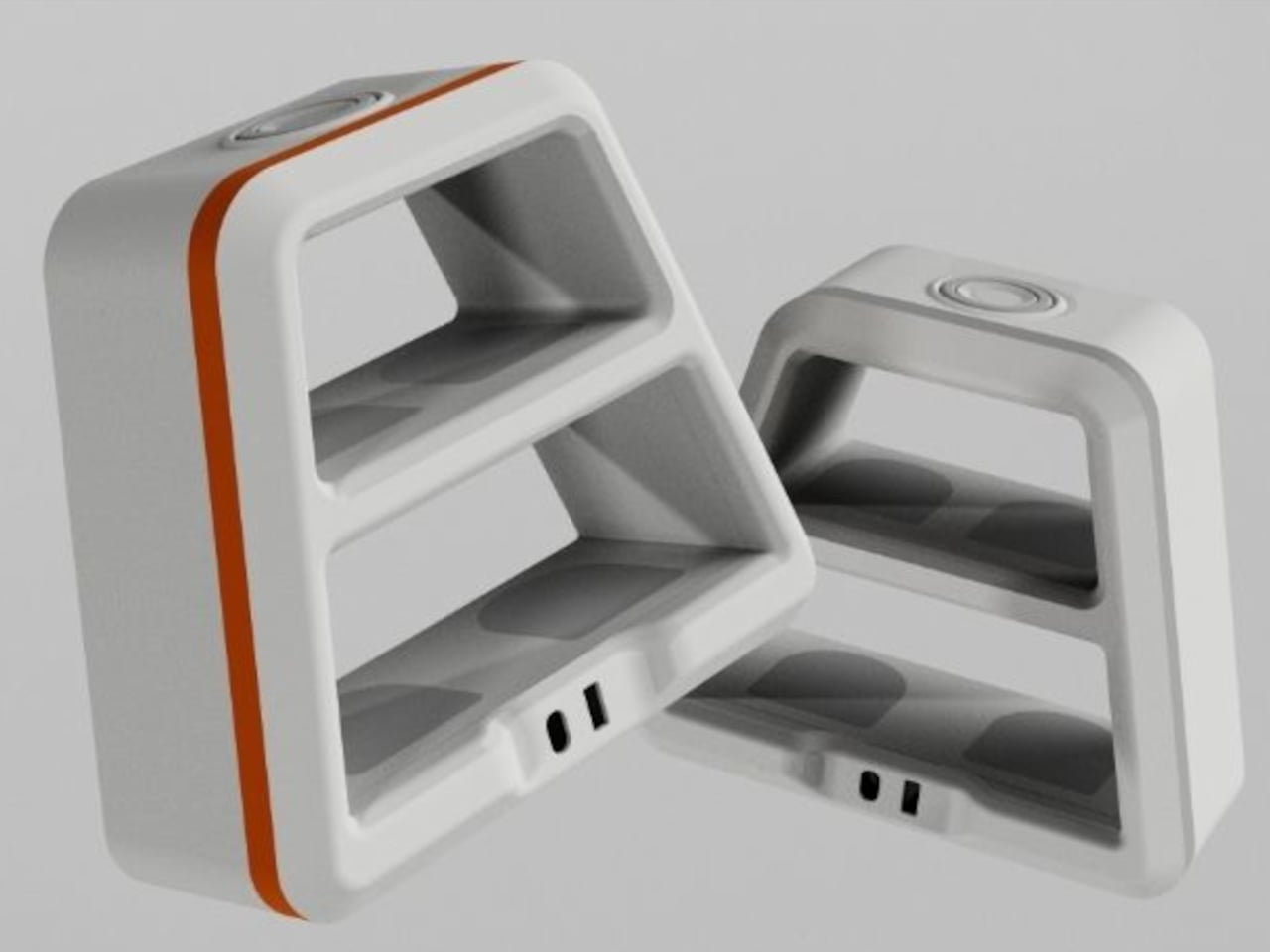
The idea behind Nova is simple but surprisingly rare: instead of designing yet another flat, forgettable charging puck, Amlani went for something you’d actually want to display. The result is a wide, trapezoidal charging station with a sculptural, almost pyramidal silhouette, two open horizontal bays running through its body, and a warm copper accent strip along one side. Put it on a nightstand, and it looks more like a decorative object than a piece of tech hardware.
What makes Nova genuinely clever, though, is that its translucent body doubles as a soft ambient light source, glowing warmly from within when the room goes dark. That means it can replace your bedside lamp entirely, or at the very least make a strong case for doing so. It stops being something you plug in and forget about, and starts being something that actually contributes to how a room feels at night.
The charging hardware underneath all that thoughtful design is no slouch, either. Nova can power up to seven devices at once, with four 15W wireless pads for phones, a 5W pad for earbuds, a 3W watch puck, and two retractable USB-C cables rated at 15W each for anything else that needs a wire. Those retractable outputs are a genuinely useful touch, handling the odd peripheral without leaving a permanent cable draped across your table.
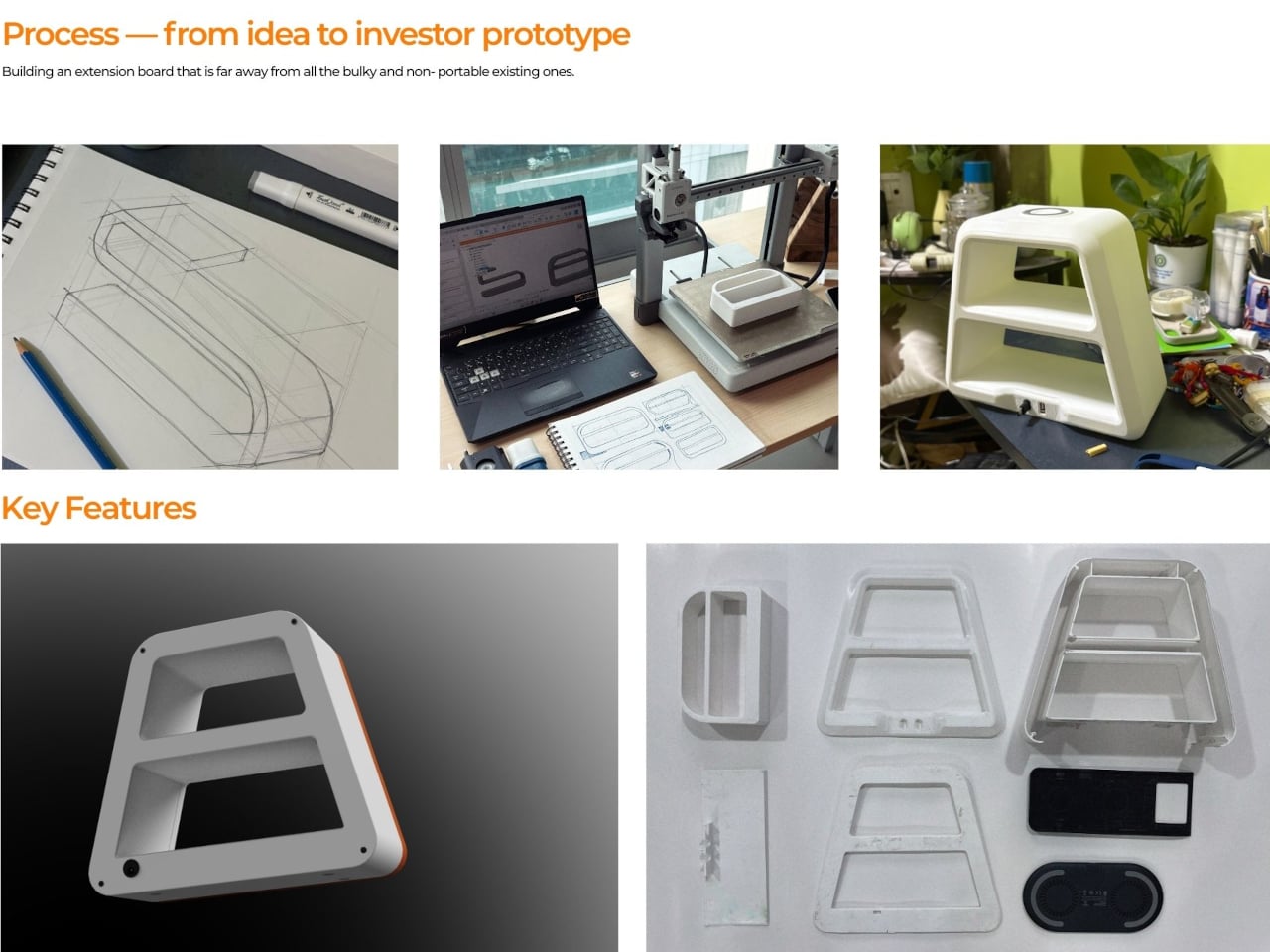
It’s also worth noting that Nova is much further along than the average design concept that looks great in renderings and never gets built. Amlani took it through full manufacturing refinement, including injection-moulding-ready geometry, a snap-fit structure, and a removable back panel for servicing.
The biggest open question is whether its ambient glow is bright enough to stand in for an actual bedside lamp or whether it just adds a nice atmospheric accent. That distinction will matter a lot to anyone hoping to clear some clutter from their nightstand. For now, though, it’s one of the more original answers to a problem that most charging products are content to completely ignore.
Concrete’s default mode in product design is heavy, rectilinear, and a little confrontational. It shows up in candles, bookends, and lamp bases that lean into the brutalist reference, as if rawness is the whole point. That aesthetic works in the right context, but it rarely feels calm or considered at desk scale, where the goal is usually a surface that helps you focus rather than one that announces itself at every angle.
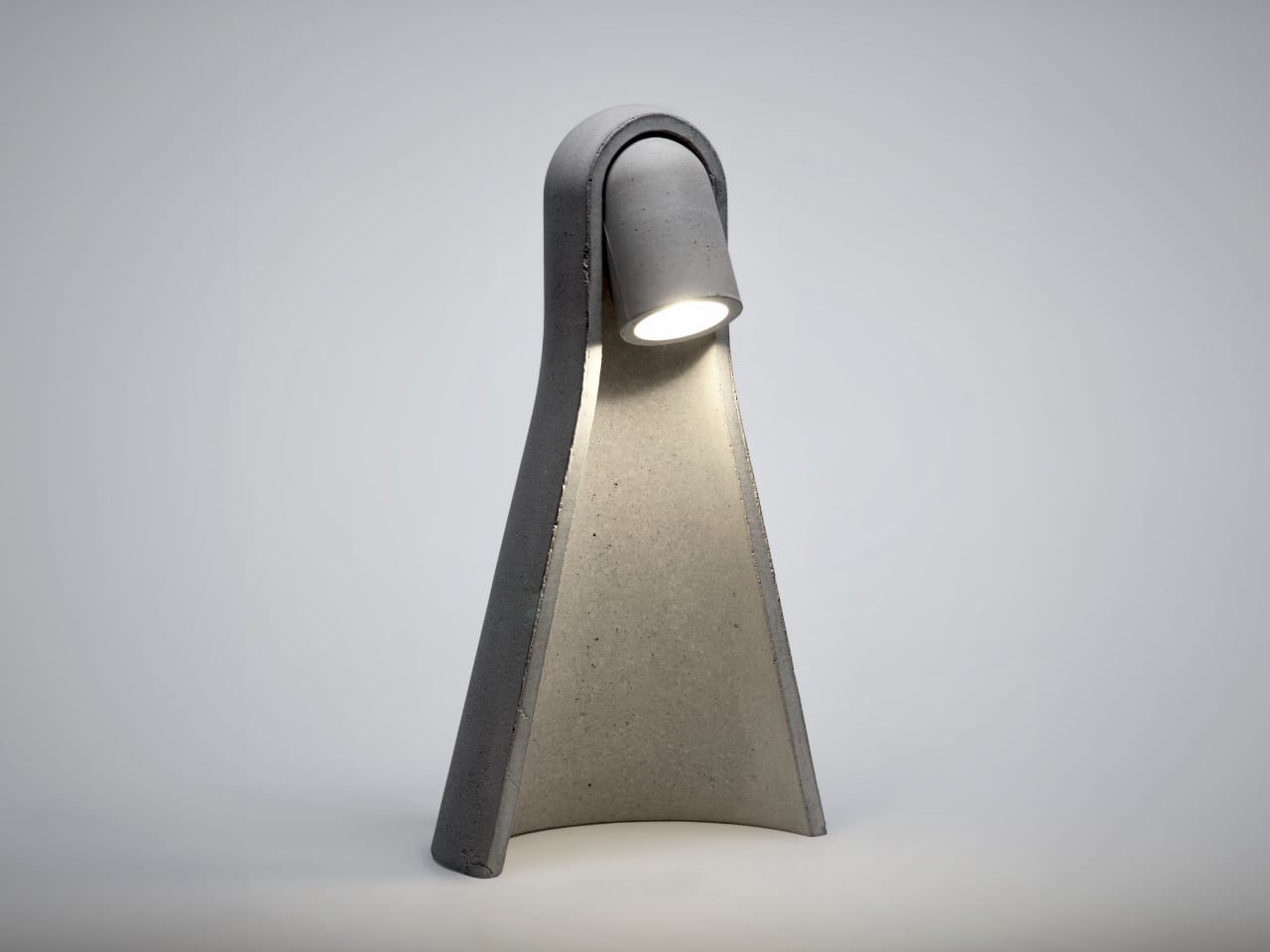
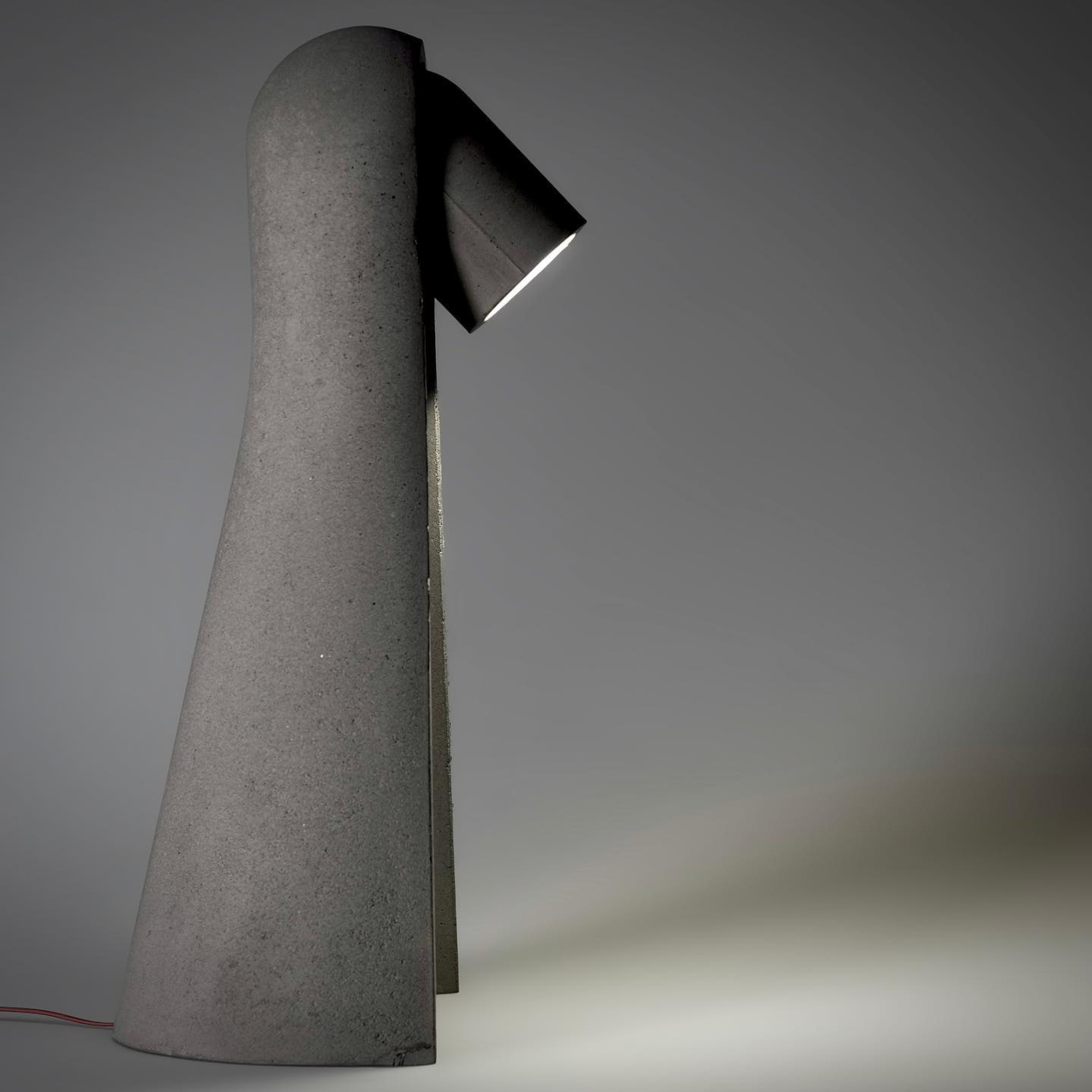
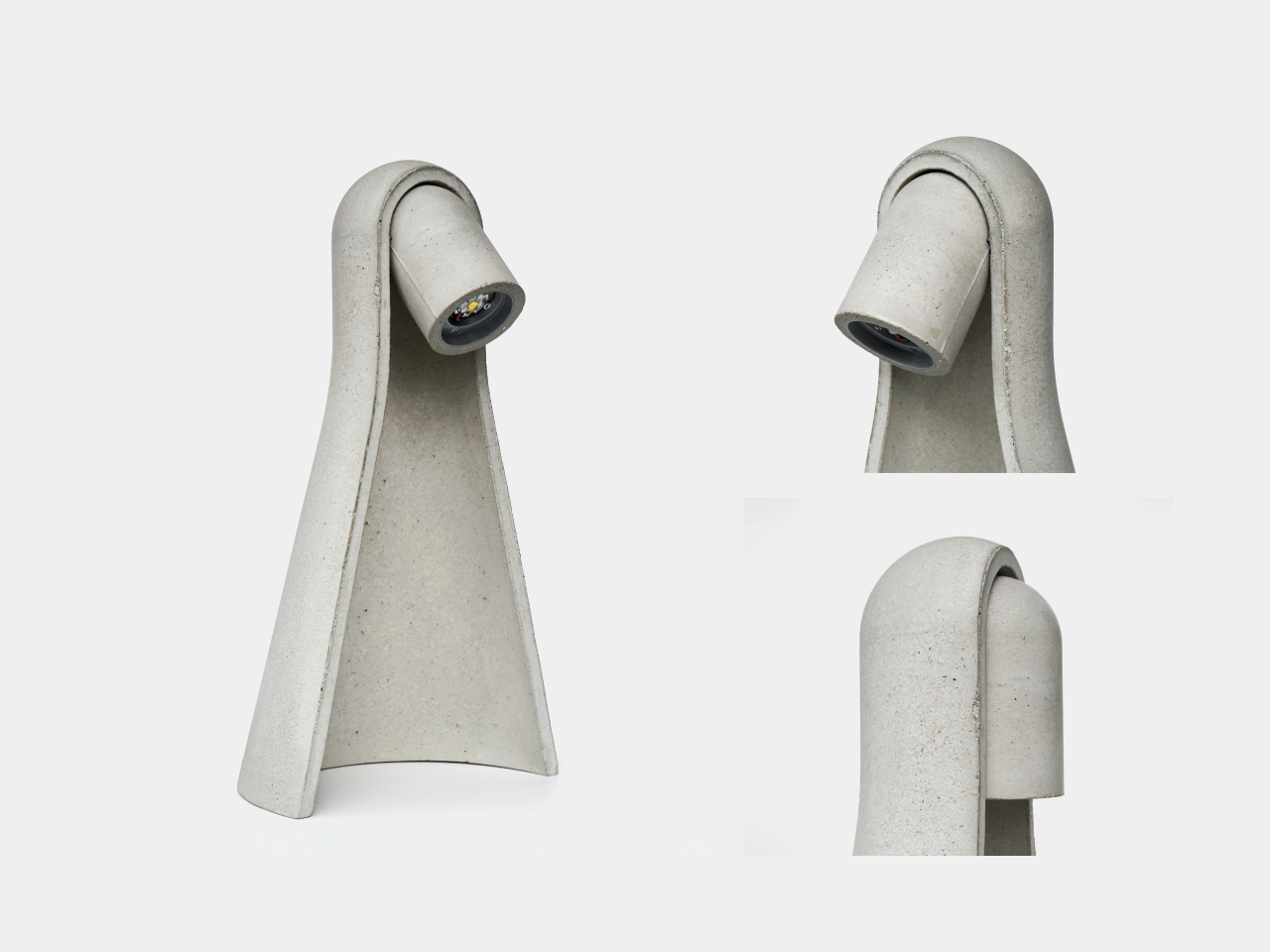
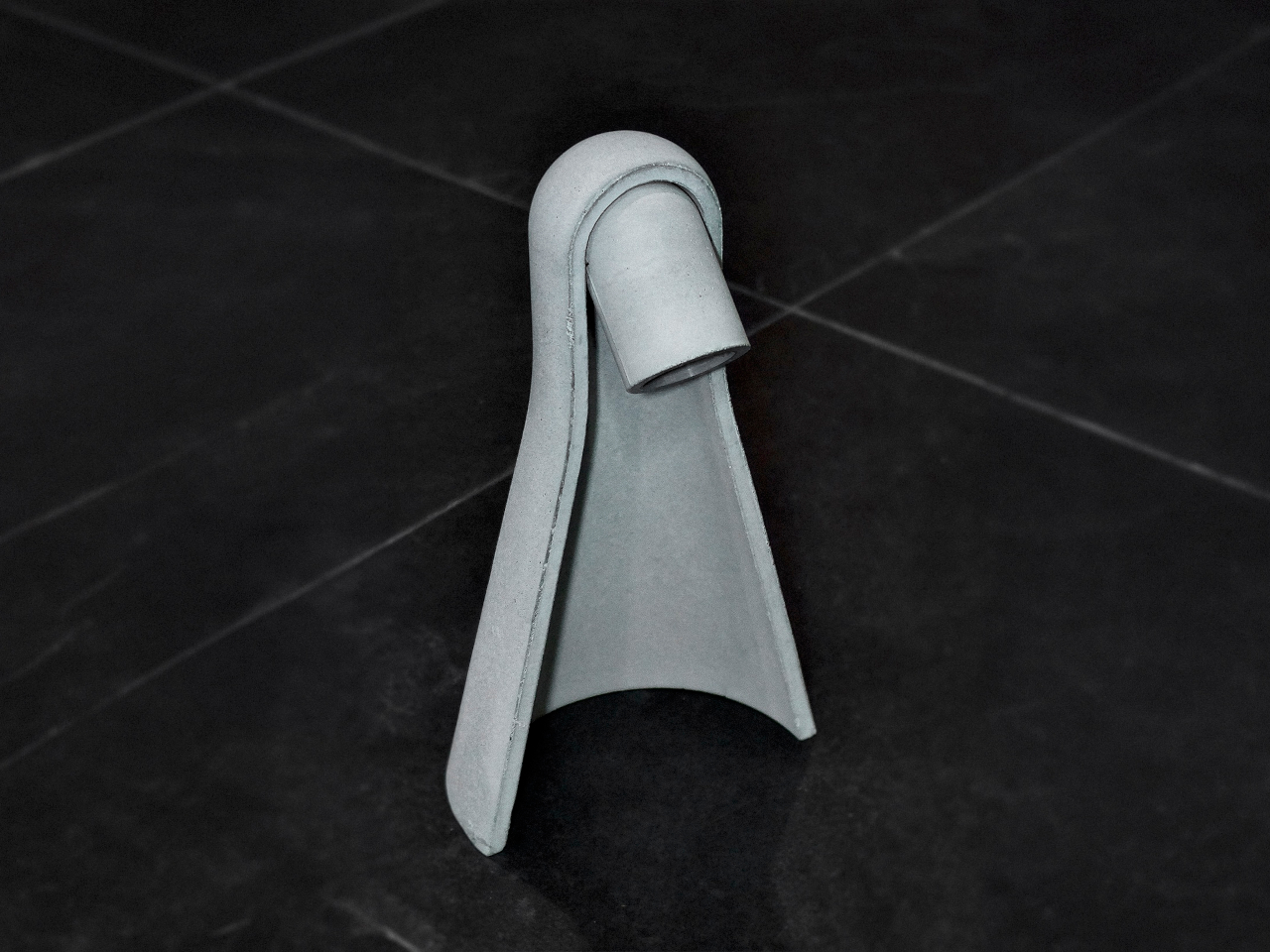
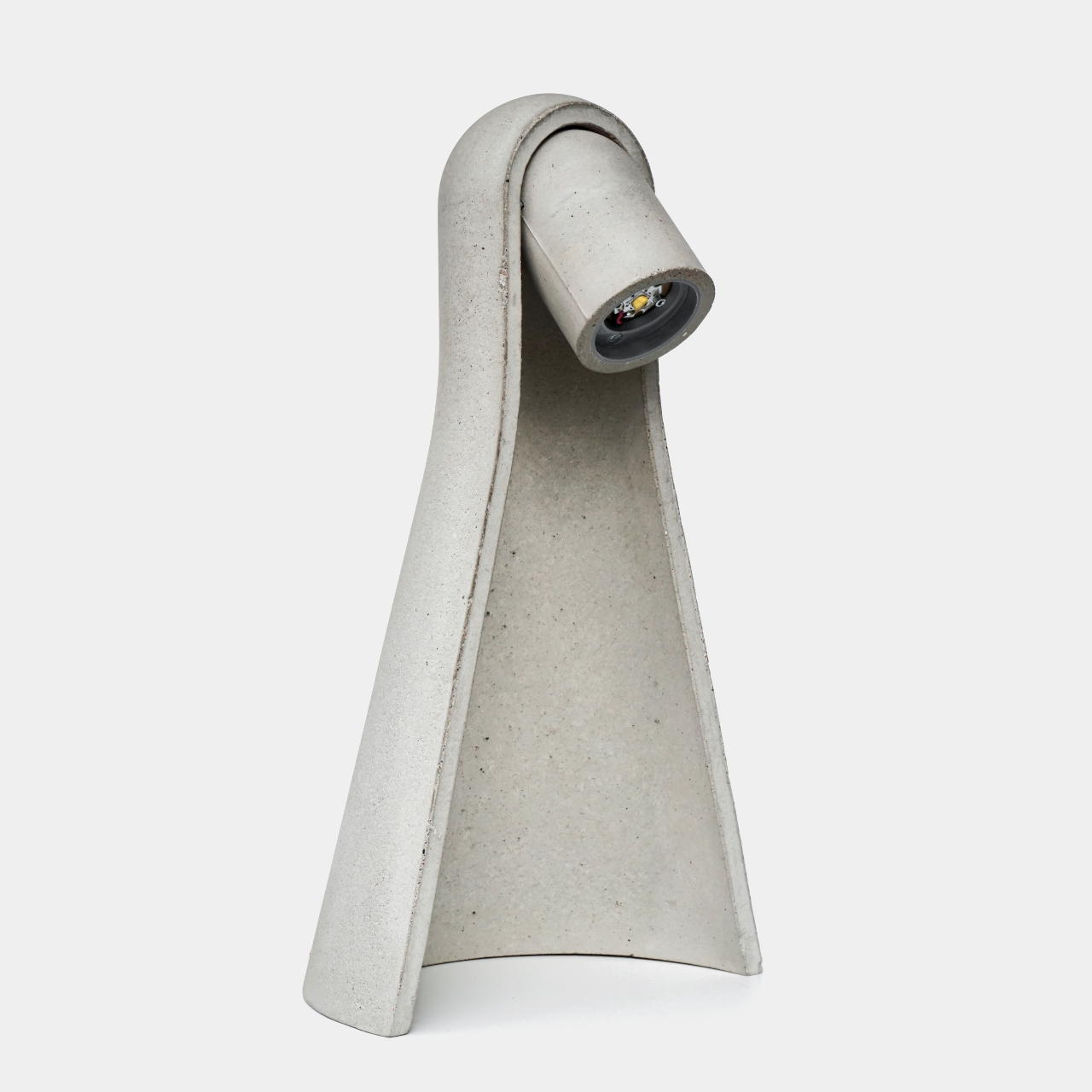
Mikka started as a question: what if cast concrete could feel light? The answer was a desk lamp with softened edges, carefully balanced volumes, and a silhouette that reads as calm rather than rigid. The intent wasn’t to disguise the material or pretend it’s something else, but to present concrete in a way that feels contemporary and approachable without stripping away what makes it honest.
The form does most of the work. Surface transitions are controlled and gradual, edges are rounded rather than chamfered, and the overall proportions avoid the solid block feel that makes most concrete objects look like they belong on a construction site. The negative space inside the body carves away visual mass, helping the lamp feel lighter than any concrete object has a right to feel when you know how dense the material actually is.
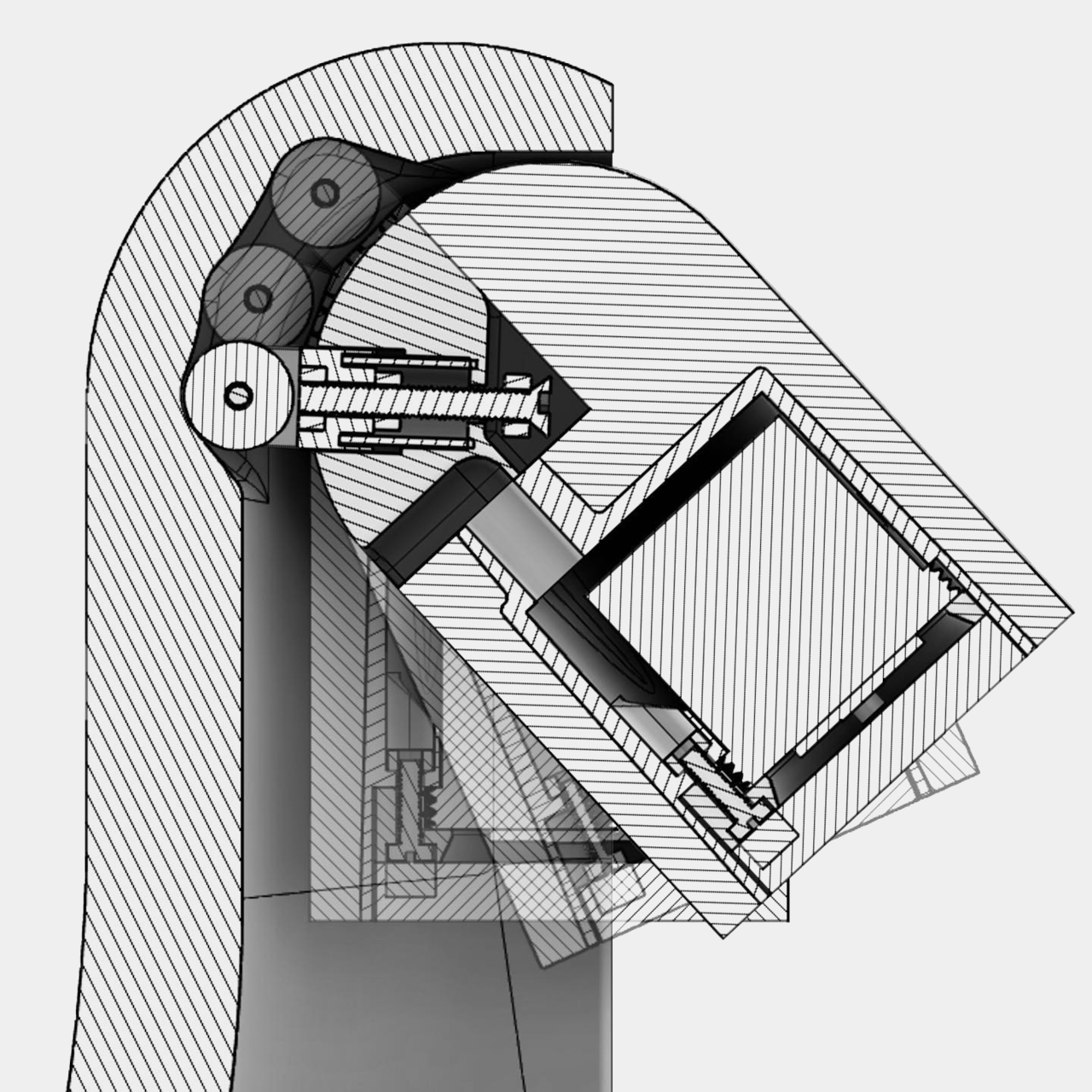
Manufacturing played a central role in making that geometry possible. The housing was cast using a precisely engineered 3D-printed mold, which enabled tight radii, consistent wall conditions, and a refined surface finish that would be difficult to achieve with conventional mold making. This is a hybrid workflow, additive manufacturing used as tooling for traditional casting, and it’s what allows the lamp to have the controlled, nuanced form language it’s going for rather than the rougher profile that hand-built molds often produce.
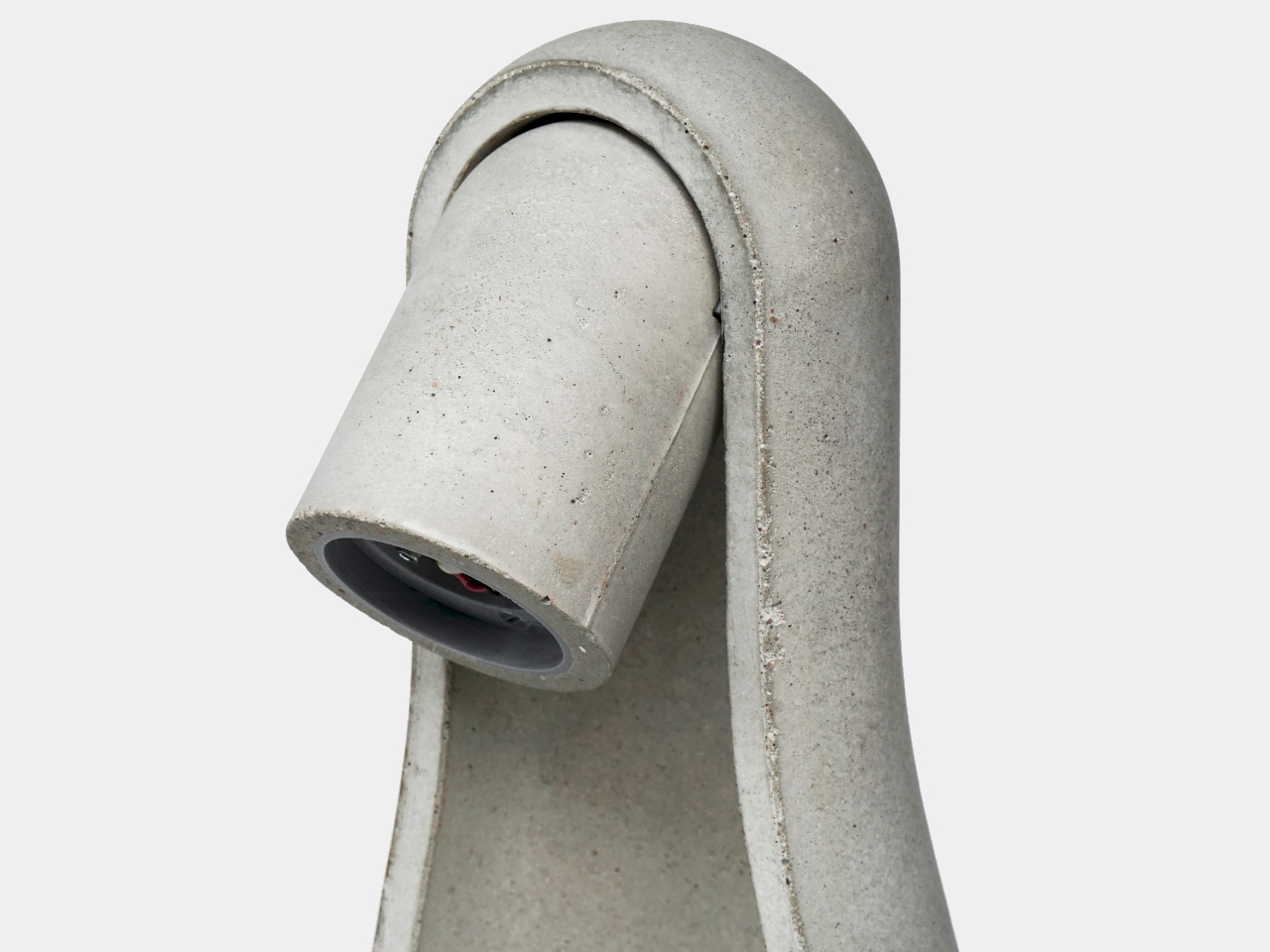
The pivot mechanism is where Mikka asks for interaction. Angle the head downward, and the beam grazes across the concrete surface, revealing subtle texture variations and the natural imperfections from the casting process. The lamp becomes almost self-referential in that mode, drawing attention to the material qualities that define it. Angle it outward, and it becomes a practical reading or work light, focused and direct. One gesture shifts the whole character of the object.
That duality is what keeps it interesting on a desk rather than just on a shelf. Late at night, angled inward, it’s a quiet ambient presence. During the day, aimed at a book or screen, it’s functional and unfussy. It doesn’t ask you to commit to one mode, which is a useful quality in a lamp that has to share space with other objects.
Mikka suggests that concrete at product scale doesn’t have to default to weight and aggression. When the form is thoughtful, and the mold is controlled, the material can carry a different kind of presence, one that fits on a desk at home without demanding to be the only thing you notice in the room.