This $2,899 Desktop AI Computer With RTX 5090M Lets You Cancel Every AI Subscription Forever

Look across the history of consumer tech and a pattern appears. Ownership gives way to services, and services become subscriptions. We went from stacks of DVDs to streaming movies online, from external drives for storing data and backups to cloud drives, from MP3s on a player to Spotify subscriptions, from one time software licenses to recurring plans. But when AI arrived, it skipped the ownership phase entirely. Intelligence came as a service, priced per month or per million tokens. No ownership, no privacy. Just a $20 a month fee.

A device like Olares One rearranges that relationship. It compresses a full AI stack into a desktop sized box that behaves less like a website and more like a personal studio. You install models the way you once installed apps. You shape its behavior over time, training it on your documents, your archives, your creative habits. The result is an assistant that feels less rented and more grown, with privacy, latency, and long term cost all tilting back toward the owner.

Designer: Olares

Click Here to Buy Now: $2,899 $3,999 (28% off) Hurry! Only 15/320 units left!

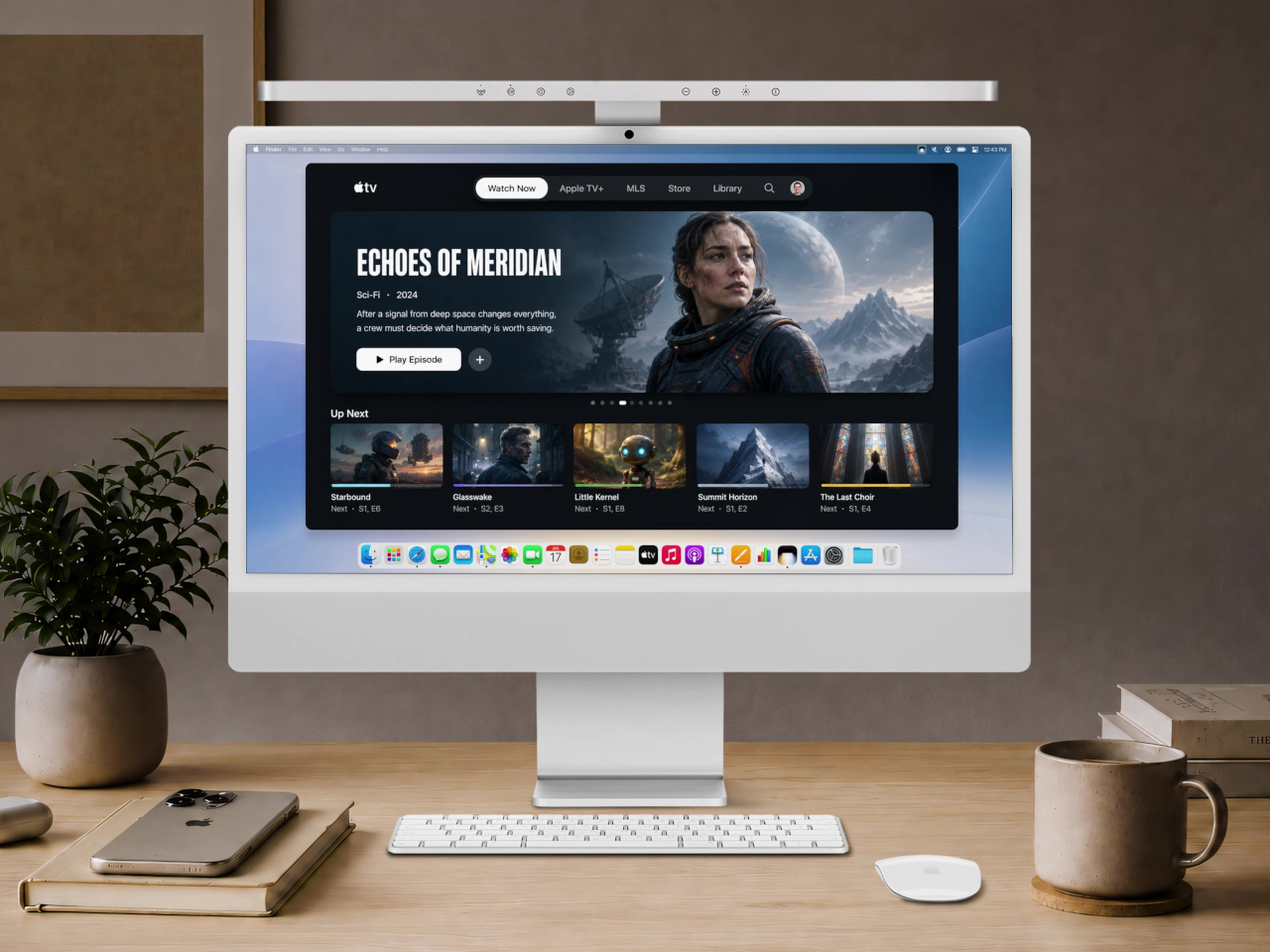
The pitch is straightforward. Take the guts of a $4,000 gaming laptop, strip out the screen and keyboard, put everything in a minimalist chassis that looks like Apple designed a chonky Mac mini, and tune it for sustained performance instead of portability. Dimensions are 320 x 197 x 55mm, weighs 2.15 kg without the PSU, and the whole package pulls 330 watts under full load. Inside sits an Intel Core Ultra 9 275HX with 24 cores running up to 5.4 GHz and 36 MB of cache, the same chip you would find in flagship creator laptops this year. The GPU is an NVIDIA GeForce RTX 5090 Mobile with 24 GB of GDDR7 VRAM, 1824 AI TOPS of tensor performance, and a 175W max TGP. Pair that with 96 GB of DDR5 RAM at 5600 MHz and a PCIe 4.0 NVMe SSD, and you have workstation level compute in a box smaller than most soundbars.

Olares OS runs on top of all that hardware, and it is open source, which means you can audit the code, fork it, or wipe it entirely if you want. Out of the box it behaves like a personal cloud with an app store containing over 200 applications ready to deploy with one click. Think Docker and Kubernetes, but without needing to touch a terminal unless you want to. The interface looks clean, almost suspiciously clean, like someone finally asked what would happen if you gave a NAS the polish of an iPhone. You get a unified account system so all your apps share a single login, configurable multi factor authentication, enterprise grade sandboxing for third party apps, and Tailscale integration that lets you access your Olares box securely from anywhere in the world. Your data stays on your hardware, full stop.

I have been tinkering with local LLMs for the past year, and the setup has always been the worst part. You spend hours wrestling with CUDA drivers, Python environments, and obscure GitHub repos just to get a model running, and then you realize you need a different frontend for image generation and another tool for managing multiple models and suddenly you have seven terminal windows open and nothing talks to each other. Olares solves that friction by bundling everything into a coherent ecosystem. Chat agents like Open WebUI and Lobe Chat, general agents like Suna and OWL, AI search with Perplexica and SearXNG, coding assistants like Void, design agents like Denpot, deep research tools like DeerFlow, task automation with n8n and Dify. Local LLMs include Ollama, vLLM, and SGIL. You also get observability tools like Grafana, Prometheus, and Langfuse so you can actually monitor what your models are doing. The philosophy is simple. String together workflows that feel as fluid as using a cloud service, except everything runs on metal you control.

Gaming on this thing is a legitimate use case, which feels almost incidental given the AI focus but makes total sense once you look at the hardware. That RTX 5090 Mobile with 24 GB of VRAM and 175 watts of power can handle AAA titles at high settings, and because the machine is designed as a desktop box, you can hook it up to any monitor or TV you want. Olares positions this as a way to turn your Steam library into a personal cloud gaming service. You install your games on the Olares One, then stream them to your phone, tablet, or laptop from anywhere. It is like running your own GeForce Now or Xbox Cloud Gaming, except you own the server and there are no monthly fees eating into your budget. The 2 TB of NVMe storage gives you room for a decent library, and if you need more, the system uses standard M.2 drives, so upgrades are straightforward.

Cooling is borrowed from high end laptops, with a 2.8mm vapor chamber and a 176 layer copper fin array handling heat dissipation across a massive 310,000 square millimeter surface. Two custom 54 blade fans keep everything moving, and the acoustic tuning is genuinely impressive. At idle, the system sits at 19 dB, which is whisper quiet. Under full GPU and CPU load, it climbs to 38.8 dB, quieter than most gaming desktops and even some laptops. Thermal control keeps things stable at 43.8 degrees Celsius under sustained loads, which means you can run inference on a 70B model or render a Blender scene without the fans turning into jet engines. I have used plenty of small form factor PCs that sound like they are preparing for liftoff the moment you ask them to do anything demanding, so this is a welcome change.

RAGFlow and AnythingLLM handle retrieval augmented generation, which lets you feed your own documents, notes, and files into your AI models so they can answer questions about your specific data. Wise and Files manage your media and documents, all searchable and indexed locally. There is a digital secret garden feature that keeps an AI powered local first reader for articles and research, with third party integration so you can pull in content from RSS feeds or save articles for later. The configuration hub lets you manage storage, backups, network settings, and app deployments without touching config files, and there is a full Kubernetes console if you want to go deep. The no CLI Kubernetes interface is a big deal for people who want the power of container orchestration but do not want to memorize kubectl commands. You get centralized control, performance monitoring at a glance, and the ability to spin up or tear down services in seconds.

Olares makes a blunt economic argument. If you are using Midjourney, Runway, ChatGPT Pro, and Manus for creative work, you are probably spending around $6,456 per year per user. For a five person team, that balloons to $32,280 annually. Olares One costs $2,899 for the hardware (early-bird pricing), which breaks down to about $22.20 per month per user over three years if you split it across a five person team. Your data stays private, stored locally on your own hardware instead of floating through someone else’s data center. You get a unified hub of over 200 apps with one click installs, so there are no fragmented tools or inconsistent experiences. Performance is fast and reliable, even when you are offline, because everything runs on device. You own the infrastructure, which means unconditional and sovereign control over your tools and data. The rented AI stack leaves you as a tenant with conditional and revocable access.

Ports include Thunderbolt 5, RJ45 Ethernet at 2.5 Gbps, USB A, and HDMI 2.1, plus Wi-Fi 7 and Bluetooth 5.4 for wireless connectivity. The industrial design leans heavily into the golden ratio aesthetic, with smooth curves and a matte aluminum finish that would not look out of place next to a high end monitor or a piece of studio equipment. It feels like someone took the guts of a $4,000 gaming laptop, stripped out the compromises of portability, and optimized everything for sustained performance and quietness. The result is a machine that can handle creative work, AI experimentation, gaming, and personal cloud duties without breaking a sweat or your eardrums.

Olares One is available now on Kickstarter, with units expected to ship early next year. The base configuration with the RTX 5090 Mobile, Intel Core Ultra 9 275HX, 96 GB RAM, and 2 TB SSD is priced at a discounted $2,899 for early-bird backers (MSRP $3,999). That still is a substantial upfront cost, but when you compare it to the ongoing expense of cloud AI subscriptions and the privacy compromises that come with them, the math starts to make sense. You pay once, and the machine is yours. No throttling, no price hikes, no terms of service updates that quietly change what the company can do with your data. If you have been looking for a way to bring AI home without sacrificing capability or convenience, this is probably the most polished attempt at that idea so far.

Click Here to Buy Now: $2,899 $3,999 (28% off) Hurry! Only 15/320 units left!

The post This $2,899 Desktop AI Computer With RTX 5090M Lets You Cancel Every AI Subscription Forever first appeared on Yanko Design.
This $7,000 Robot Shapeshifts Into 3 Different Machines

Imagine a robot that can transform like a high-tech LEGO set, swapping out legs for arms or wheels depending on what the day throws at it. That’s exactly what LimX Dynamics has cooked up with their latest creation, the Tron 2, and honestly, it’s making me rethink everything I thought I knew about what robots can do.

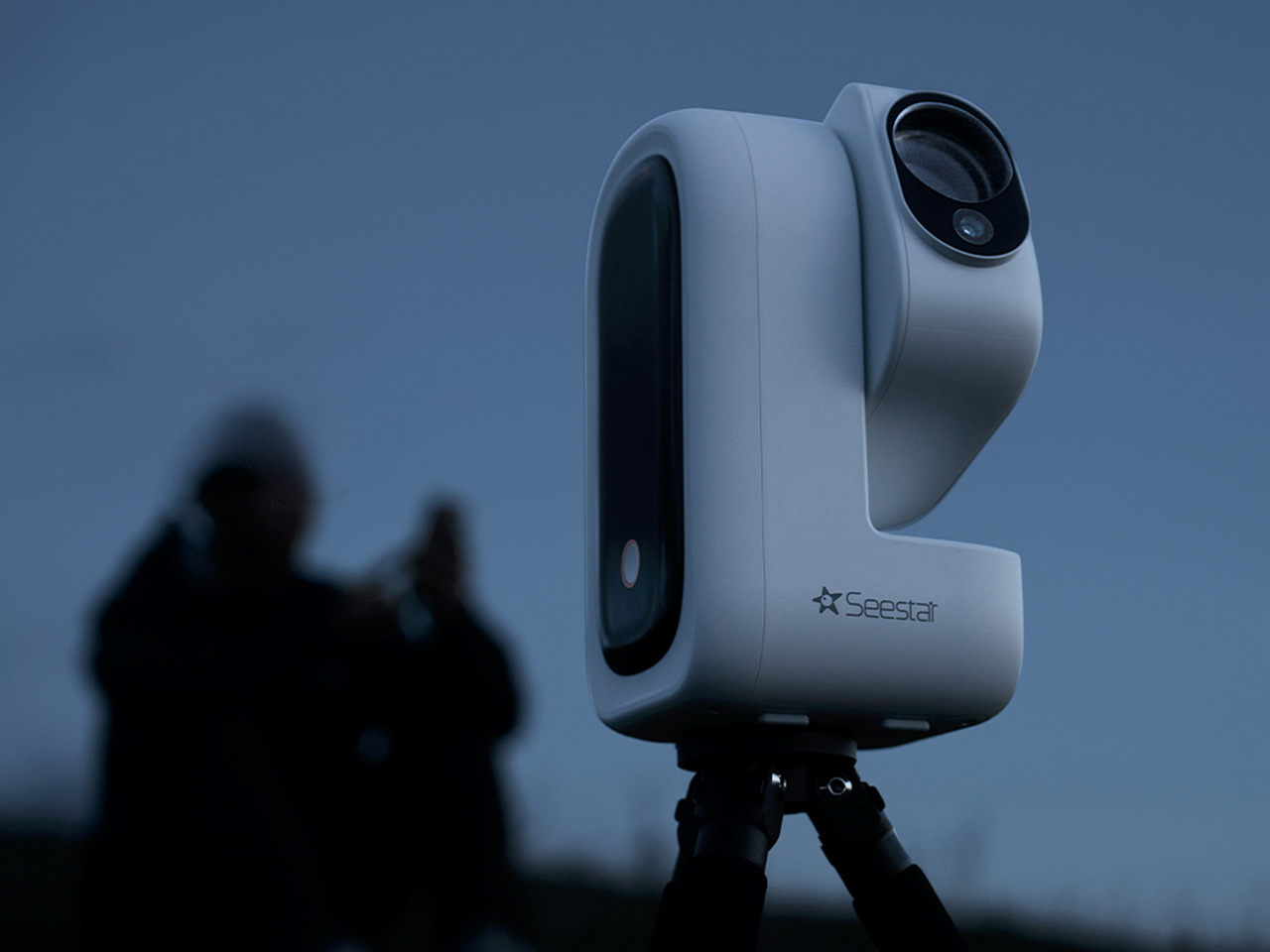
The Tron 2 isn’t your typical one-trick-pony robot. This thing is basically the Swiss Army knife of the robotics world. Chinese startup LimX Dynamics just unveiled this modular marvel that can morph between three completely different configurations: a dual-armed humanoid torso, a wheeled-leg explorer, or a bipedal walker that can actually climb stairs without making you nervous. And get this, you can switch between these forms with just a screwdriver. No fancy tools, no complicated procedures. Just some strategic unscrewing and you’ve got a whole new robot.

Designer: LimX Dynamics

The company’s demo video starts with something delightfully surreal: just a pair of robotic legs casually strolling along, completely headless and armless. Then, like watching a transformer come to life in real time, those same leg components get repurposed into arms, complete with a head and torso. Suddenly, you’ve got a full humanoid lifting heavy water bottles and showing off its surprisingly impressive strength.

What makes the Tron 2 particularly fascinating is its intelligence layer. This isn’t just a mechanical chameleon. It’s powered by advanced AI and built on what’s called a vision-language-action platform, which essentially means it can see, understand commands, and actually do something useful with that information. The robot comes with a fully open software development kit that plays nice with both ROS1 and ROS2, making it a dream for researchers and developers who want to experiment without fighting proprietary systems.

Performance-wise, the specs are genuinely impressive. Each of its dual arms features seven degrees of freedom with a reach of 70 centimeters and can handle up to 10 kilograms of payload together. The wheeled configuration offers about four hours of runtime and can haul around 30 kilograms of cargo, while the bipedal mode excels at navigating tricky terrain like staircases that would leave most wheeled robots stuck at the bottom. The demo footage shows Tron 2 doing things that feel almost show-offy: playing table tennis, performing cartwheels, rolling around smoothly on wheels, and conquering staircases with the confidence of someone who’s done it a thousand times. It’s the kind of versatility that makes you wonder why we’ve been so committed to single-purpose robots for so long.

And here’s where things get really interesting. LimX is positioning the Tron 2 as ideal for future Mars missions. Think about it: on Mars, you can’t exactly call a repair truck when something breaks or send a specialized robot for every different task. You need something adaptable, something that can switch roles as mission needs evolve. The modular design means you could potentially swap out damaged components or reconfigure for different tasks without needing an entirely new robot shipped from Earth.

For research labs, the Tron 2 offers something that’s been surprisingly rare: a flexible test bed that can support multiple types of projects without requiring a whole fleet of different robots. Whether you’re studying manipulation, locomotion, or AI integration, you can configure the same platform to suit your specific needs. Perhaps most surprisingly, this technological marvel starts at just 49,800 Chinese yuan, which translates to around $7,000 USD. For context, that’s dramatically cheaper than many specialized robots that can only do a fraction of what the Tron 2 offers. Pre-orders are already open, though LimX hasn’t fully disclosed all the pricing details or specified exactly who their target customers are.

The Tron 2 represents something bigger than just another cool robot demo. It’s pointing toward a future where adaptability matters more than specialization, where one well-designed platform can handle whatever challenges come its way. Whether it ends up exploring Mars or revolutionizing warehouse operations here on Earth, this shape-shifting bot is definitely one to watch.

The post This $7,000 Robot Shapeshifts Into 3 Different Machines first appeared on Yanko Design.

How AI Will Be Different at CES 2026: On‑Device Processing and Actual Agentic Productivity

Last year, every other product at CES had a chatbot slapped onto it. Your TV could talk. Your fridge could answer trivia. Your laptop had a sidebar that would summarize your emails if you asked nicely. It was novel for about five minutes, then it became background noise. The whole “AI revolution” at CES 2024 and 2025 felt like a tech industry inside joke: everyone knew it was mostly marketing, but nobody wanted to be the one company without an AI sticker on the booth.

CES 2026 is shaping up differently. Coverage ahead of the show is already calling this the year AI stops being a feature you demo and starts being infrastructure you depend on. The shift is twofold: AI is moving from the cloud onto the device itself, and it is evolving from passive assistants that answer questions into agentic systems that take action on your behalf. Intel has confirmed it will introduce Panther Lake CPUs, AMD CEO Lisa Su is headlining the opening keynote with expectations around a Ryzen 7 9850X3D reveal, and Nvidia is rumored to be prepping an RTX 50 “Super” refresh. The silicon wars are heating up precisely because the companies making chips know that on-device AI is the only way this whole category becomes more than hype. If your gadget still depends entirely on a server farm to do anything interesting, it is already obsolete. Here’s what to expect at CES 2026… but more importantly, what to expect from AI in the near future.

Your laptop is finally becoming the thing running the models

Intel, AMD, and Nvidia are all using CES 2026 as a launching pad for next-generation silicon built around AI workloads. Intel has publicly committed to unveiling its Panther Lake CPUs at the show, chips designed with dedicated neural processing units baked in. AMD’s Lisa Su is doing the opening keynote, with strong buzz around a Ryzen 7 9850X3D that would appeal to gamers and creators who want local AI performance without sacrificing frame rates or render times. Nvidia’s press conference is rumored to focus on RTX 50 “Super” cards that push both graphics and AI inference into new territory. The pitch is straightforward: your next laptop or desktop is not a dumb terminal for ChatGPT; it is the machine actually running the models.

What does that look like in practice? Laptops at CES 2026 will be demoing live transcription and translation that happens entirely on the device, no cloud round trip required. You will see systems that can summarize browser tabs, rewrite documents, and handle background removal on video calls without sending a single frame to a server. Coverage is already predicting a big push toward on-device processing specifically to keep your data private and reduce reliance on cloud infrastructure. For gamers, the story is about AI upscaling and frame generation becoming table stakes, with new GPUs sold not just on raw FPS but on how quickly they can run local AI tools for modding, NPC dialogue generation, or streaming overlays. This is the year “AI PC” might finally mean something beyond a sticker.

Agentic AI is the difference between a chatbot and a butler

Pre-show coverage is leaning heavily on the phrase “agentic AI,” and it is worth understanding what that actually means. Traditional AI assistants answer questions: you ask for the weather, you get the weather. Agentic AI takes goals and executes multi-step workflows to achieve them. Observers expect to see devices at CES 2026 that do not just plan a trip but actually book the flights and reserve the tables, acting on your behalf with minimal supervision. The technical foundation for this is a combination of on-device models that understand context and cloud-based orchestration layers that can touch APIs, but the user experience is what matters: you stop micromanaging and start delegating.

Samsung is bringing its largest CES exhibit to date, merging home appliances, TVs, and smart home products into one massive space with AI and interoperability as the core message. Imagine a fridge, washer, TV, robot vacuum, and phone all coordinated by the same AI layer. The system notices you cooked something smoky, runs the air purifier a bit harder, and pushes a recipe suggestion based on leftovers. Your washer pings the TV when a cycle finishes, and the TV pauses your show at a natural break. None of this requires you to open an app or issue voice commands; the devices are just quietly making decisions based on context. That is the agentic promise, and CES 2026 is where companies will either prove they can deliver it or expose themselves as still stuck in the chatbot era.

Robot vacuums are the first agentic AI success story you can actually buy

CES 2026 is being framed by dedicated floorcare coverage as one of the most important years yet for robot vacuums and AI-powered home cleaning, with multiple brands receiving Innovation Awards and planning major product launches. This category quietly became the testing ground for agentic AI years before most people started using the phrase. Your robot vacuum already maps your home, plans routes, decides when to spot-clean high-traffic areas, schedules deep cleans when you are away, and increasingly maintains itself by emptying dust and washing its own mop pads. It does all of this with minimal cloud dependency; the brains are on the bot.

LG has already won a CES 2026 Innovation Award for a robot vacuum with a built-in station that hides inside an existing cabinet cavity, turning floorcare into an invisible, fully hands-free system. Ecovacs is previewing the Deebot X11 OmniCyclone as a CES 2026 Innovation Awards Honoree and promising its most ambitious lineup to date, pushing into whole-home robotics that go beyond vacuuming. Robotin is demoing the R2, a modular robot that combines autonomous vacuuming with automated carpet washing, moving from daily crumb patrol to actual deep cleaning. These bots are starting to integrate with broader smart home ecosystems, coordinating with your smart lock, thermostat, and calendar to figure out when you are home, when kids are asleep, and when the dog is outside. The robot vacuum category is proof that agentic AI can work in the real world, and CES 2026 is where other product categories are going to try to catch up.

TVs are getting Micro RGB panels and AI brains that learn your taste

LG has teased its first Micro RGB TV ahead of CES 2026, positioning it as the kind of screen that could make OLED owners feel jealous thanks to advantages in brightness, color control, and longevity. Transparent OLED panels are also making appearances in industrial contexts, like concept displays inside construction machinery cabins, hinting at similar tech eventually showing up in living rooms as disappearing TVs or glass partitions that become screens on demand. The hardware story is always important at CES, but the AI layer is where things get interesting for everyday use.

TV makers are layering AI on top of their panels in ways that go beyond simple upscaling. Expect personalized picture and sound profiles that learn your room conditions, content preferences, and viewing habits over time. The pitch is that your TV will automatically switch to low-latency gaming mode when it recognizes you launched a console, dim your smart lights when a movie starts, and adjust color temperature based on ambient light without you touching a remote. Some of this is genuine machine learning happening on-device, and some of it is still marketing spin on basic presets. The challenge for readers at CES 2026 will be figuring out which is which, but the direction is clear: TVs are positioning themselves as smart hubs that coordinate your living room, not just dumb displays waiting for HDMI input.

Gaming gear is wiring itself for AI rendering and 500 Hz dreams

HDMI Licensing Administrator is using CES 2026 to spotlight advanced HDMI gaming technologies with live demos focused on very high refresh rates and next-gen console and PC connectivity. Early prototypes of the Ultra96 HDMI cable, part of the new HDMI 2.2 specification, will be on display with the promise of higher bandwidth to support extreme refresh rates and resolutions. Picture a rig on the show floor: a 500 Hz gaming monitor, next-gen GPU, HDMI 2.2 cable, running an esports title at absurd frame rates with variable refresh rate and minimal latency. It is the kind of setup that makes Reddit threads explode.

GPUs are increasingly sold not just on raw FPS but on AI capabilities. AI upscaling like DLSS is already table stakes, but local AI is also powering streaming tools for background removal, audio cleanup, live captions, and even dynamic NPC dialogue in future games that require on-device inference rather than server-side processing. Nvidia’s rumored RTX 50 “Super” refresh is expected to double down on this positioning, selling the cards as both graphics and AI accelerators. For gamers and streamers, CES 2026 is where the industry will make the case that your rig needs to be built for AI workloads, not just prettier pixels. The infrastructure layer, cables and monitors included, is catching up to match that ambition.

What CES 2026 really tells us about where AI is going

The shift from cloud-dependent assistants to on-device agents is not just a technical upgrade; it is a fundamental change in how gadgets are designed and sold. When Intel, AMD, and Nvidia are all racing to build chips with dedicated AI accelerators, and when Samsung is reorganizing its entire CES exhibit around AI interoperability, the message is clear: companies are betting that local intelligence and cross-device coordination are the only paths forward. The chatbot era served its purpose as a proof of concept, but CES 2026 is where the industry starts delivering products that can think, act, and coordinate without constant cloud supervision.

What makes this year different from the past two is that the infrastructure is finally in place. The silicon can handle real-time inference. The software frameworks for agentic behavior are maturing. Robot vacuums are proving the model works at scale. TVs and smart home ecosystems are learning how to talk to each other without requiring users to become IT managers. The pieces are connecting, and CES 2026 is the first major event where you can see the whole system starting to work as one layer instead of a collection of isolated features.

The real question is what happens after the demos

Trade shows are designed to impress, and CES 2026 will have no shortage of polished demos where everything works perfectly. The real test comes in the six months after the show, when these products ship and people start using them in messy, real-world conditions. Does your AI PC actually keep your data private when it runs models locally, or does it still phone home for half its features? Does your smart home coordinate smoothly when you add devices from different brands, or does it fall apart the moment something breaks the script? Do robot vacuums handle the chaos of actual homes, or do they only shine in controlled environments?

The companies that win in 2026 and beyond will be the ones that designed their AI systems to handle failure, ambiguity, and the unpredictable messiness of how people actually live. CES 2026 is where you will see the roadmap. The year after is where you will see who actually built the roads. If you are walking the show floor or following the coverage, the most important question is not “what can this do in a demo,” but “what happens when it breaks, goes offline, or encounters something it was not trained for.” That is where the gap between real agentic AI and rebranded presets will become impossible to hide.

The post How AI Will Be Different at CES 2026: On‑Device Processing and Actual Agentic Productivity first appeared on Yanko Design.
Music-reactive LED Christmas tree turns holiday decor into an interactive display

Holiday lighting has long relied on repeated patterns and static effects, but this music-reactive LED Christmas tree brings a new dimension to seasonal decor by turning sound into visual effects. The project is a simple wooden frame with off-the-shelf LEDs and an audio sensor to create a festive display that animates in real time with sound. Built around an ESP32 microcontroller running the open-source WLED software, the assembly combines woodworking, basic electronics, and wireless configuration into a project that is both instructive and visually striking.

The core of this DIY is an ESP32-D1 mini microcontroller, chosen for its built-in Wi-Fi, processing capability, and compatibility with WLED, a flexible lighting control platform. WLED runs on the ESP32 and provides a web-based interface for configuring LED lighting effects, colors, and patterns without requiring deep coding knowledge. In this tree, WLED’s audio-reactive mode analyzes sound input and drives the LED effects so that the lights flash, pulse, and change in response to music playing nearby. A small INMP441 digital microphone module is wired to the ESP32 to capture ambient audio, enabling this interaction between the physical decorations and sound.

Designer: DB Making

Structurally, the tree is made from common materials. A wooden frame cut into the triangular silhouette of a Christmas tree serves as the backbone. Addressable WS2812B LED strips are mounted along this frame, arranged to expose each LED through a round opening in a corresponding ping-pong ball acting as the light diffuser. These balls soften and spread the light emitted by each LED, creating a uniform glow rather than pinpoint beams. A 3D-printed jig assists in cutting consistent openings in the balls, which are then glued in orderly rows to complete the tree’s face.

Electronic assembly happens on a small perfboard, where the ESP32, microphone module, power connector, and LED strip connector are soldered together. Wiring the LEDs to follow the correct data flow direction and securing the controller board in a neat enclosure ensures reliable operation. Once built, a 5V DC supply powers the tree, and the ESP32 is connected to a computer or network to install WLED firmware via the official web installer. Within WLED’s setup interface, users enter Wi-Fi credentials, set the total number of LEDs, assign the correct data pin, and enable audio-reactive settings along with microphone parameters.

After configuration, the tree’s lighting can be controlled from a smartphone or computer, allowing owners to adjust brightness, choose effects, or simply enjoy music-responsive visuals. The sound-reactive mode responds to ambient audio captured by the microphone, translating beats and rhythms into dynamic light patterns that bring an interactive element to holiday decorations.

Beyond its immediate festive appeal, the project provides a learning platform for hobbyists seeking hands-on experience with microcontrollers, programmable lighting, and real-time sensor integration. By using off-the-shelf components and open-source software, builders can expand or modify the design. This can be done by increasing the number of LEDs, experimenting with alternative diffuser materials, or adding networked effects.

The post Music-reactive LED Christmas tree turns holiday decor into an interactive display first appeared on Yanko Design.
Your Unplayable CD Collection Just Got a $2,000 Solution

Remember when we all decided CDs were dead? When we shoved those jewel cases into storage bins and declared ourselves streaming converts, convinced that digital files and algorithm-curated playlists were the future? Here’s the embarrassing part: I have a stack of CDs sitting on my shelf right now with absolutely no way to play them. And I’m not alone. People are still buying CDs, especially in the K-pop world where physical albums are part of the whole experience, complete with photo cards, posters, and elaborate packaging. We’re collecting music we can’t even listen to properly. Pro-Ject Audio’s new CD Box RS2 Tube might actually fix that problem, and honestly, it’s making me want to finally do something about my unplayable collection.

This isn’t some nostalgic throwback designed to capitalize on retro vibes. Pro-Ject built this thing with the kind of serious engineering usually reserved for audiophile turntables. The Austrian company’s latest entry in their top-tier RS2 line is a top-loading CD player with a fully balanced tube output stage, featuring two premium E88CC vacuum tubes that add warmth and fluidity to digital playback. Think of it as the vinyl listening experience but for your CDs. You know that organic, emotionally engaging sound that makes you actually feel the music instead of just hearing it? That’s what these tubes are doing to your digital audio.

Designer: Pro-Ject Audio

What makes this particularly interesting is the SUOS DM-3381 Red Book drive at its core. This isn’t just any CD mechanism thrown into a pretty case. SUOS-HiFi, which used to be StreamUnlimited Optical Storage, was founded by former Philips CD engineers based near Vienna. These are literally some of the people who helped invent CD technology in the first place. The drive uses a BlueTiger CD-88 servo with predictive algorithms that can maintain accurate data retrieval even when your discs are scratched or less than pristine. We’ve all got a few of those CDs that have seen better days, right?

The integrated Texas Instruments PCM1796 DAC is where things get even more interesting. This means the CD Box RS2 Tube can connect directly to any amplifier with analog inputs without needing a separate digital-to-analog converter. The DAC operates in a fully differential configuration and feeds straight into that balanced tube output stage for maximum signal integrity. You get both XLR balanced outputs and single-ended RCA connections, each with its own dedicated output stage, so you can run both simultaneously without any impedance issues. And if you’re the type who already has a favorite external DAC, there are optical and coaxial digital outputs too.

The build quality is exactly what you’d expect from a product in this range. The entire chassis is precision-machined from aluminum, available in either silver or black finishes, and it’s absolutely gorgeous. The top-loading design means you actually get to interact with your music in a tactile way that tapping a screen just can’t match. There’s something satisfying about placing a disc on the magnetic clamp and watching it load. The big LCD display shows track information and CD-text when available, and it comes with a full aluminum remote control that feels substantial in your hand.

Power delivery matters for any high-end audio component, and Pro-Ject addressed this by using an external power supply to keep transformer noise away from the tube circuitry. For those who want to go even further down the rabbit hole, the player is compatible with Pro-Ject’s Power Box RS2 Sources linear power supply upgrade, which can improve soundstage depth and background silence.

What’s really striking about the CD Box RS2 Tube is how it positions physical media not as obsolete technology but as a deliberate choice for people who care about how music sounds and feels. The resurgence of CD collecting, particularly driven by fandoms like K-pop where physical albums are collectible art objects, proves that people still want to own their music. There’s something to be said for building a curated collection that reflects your actual taste rather than what an algorithm thinks you should like. And if you’re going to own CDs, why not finally be able to play them through something that does them justice?

The CD Box RS2 Tube is set to arrive at UK and EU dealers this month, priced at £1,749 or €1,900. US pricing hasn’t been announced yet, but it’s clearly positioned as a premium product for people who take their listening seriously. Maybe it’s time those of us with unplayed CD collections finally gave them the player they deserve.

The post Your Unplayable CD Collection Just Got a $2,000 Solution first appeared on Yanko Design.
TCL’s $199 Projector Puts a 120-Inch Screen in Any Room (And Costs Less Than AirPods Pro)

Home cinema has never been this affordable. The TCL Projector C1 brings 120-inch screen entertainment to your living room for just $199, making it cheaper than the AirPods Pro, which sounds wild considering one’s a tiny pair of earbuds and the other’s an entire cinema in your house. This isn’t a stripped-down compromise either. The projector packs Google TV, automatic focus, and a built-in battery into a portable package.

What makes this pricing remarkable is the complete feature set TCL has managed to include. Most projectors at this price point require external speakers, lack smart TV capabilities, or need constant manual adjustments. The C1 combines all these essentials in one device. You can set it up anywhere in your home, cast content from your phone, and enjoy Dolby Audio without buying additional equipment. For the cost of a mid-range streaming device, you’re getting an entire home theater system.

Designer: TCL

Click Here to Buy Now

TCL just launched their C1 projector in the UK for £249.99, though Americans get a fairly sizeable price slash of $199. I keep staring at that number trying to figure out where the catch is. You can project a 120-inch image for less than a pair of premium wireless earbuds. A full-size screen that dwarfs even the most absurdly large televisions, available for impulse-purchase money. And there isn’t some limited Black Friday offer anywhere – this is the MSRP on the box.

Obviously they cut corners somewhere. The projector outputs 230 ISO lumens, which isn’t the brightest out there by a fair mile. Yes, you can still watch movies and shows just fine, the only real caveat is that you’ll need absolute darkness – simply drawing one curtain in the afternoon won’t cut it, and watching a game with the lights on may prove to be less than satisfactory – but hey, two hundred bucks. Spend a few more on blackout curtains and you’re good. The LCD panel delivers 1080p natively with 4K support, and you need about 2.5 meters of throw distance to hit that 120-inch maximum.

Google TV comes baked in, which matters more than it should. Most cheap projectors force you to plug in a Chromecast or Fire Stick, adding another $50 and another remote to lose between your couch cushions. Netflix certification means proper app support instead of janky workarounds or browser-based streaming that buffers at the worst possible moments. Auto-focus and keystone correction handle the setup pain points that make most people abandon projectors after one frustrating evening. I’ve spent twenty minutes adjusting focus wheels on projectors that cost ten times this much, so having it happen automatically feels like cheating.

TCL included a 60 Wh battery, which gets you through a two-hour movie without trailing extension cords across your living room. Weighing 1.8 kilograms means you can actually carry this thing around from your living room to your bedroom. The integrated adjustable stand folds into the body instead of requiring a separate tripod purchase, and you can even rotate the C1 to face your ceiling for in-bed entertainment. HDMI and USB-A ports cover the basics, Wi-Fi 5 handles streaming without constant buffering, and Bluetooth 5.1 lets you pair actual speakers because that 8-watt built-in option with Dolby Audio support exists purely for emergencies. Nobody’s watching Dune on an 8-watt speaker and pretending they’re satisfied.

Projectors have always occupied this frustrating middle ground where cheap ones are genuinely terrible and good ones cost mortgage payment money. You either bought a $79 pico-projector that barely functioned or dropped $2,000 on something that required a dedicated room and professional calibration. TCL figured out that most people just want to watch movies on a big screen without taking out a loan or earning an engineering degree. The brightness limitations mean this won’t replace your main TV for daytime viewing, but it turns movie nights into actual events instead of just sitting on your couch scrolling through Netflix for forty minutes. Gaming on a 100-inch screen changes how you experience everything from racing games to sprawling RPGs. Your living room becomes the place where people actually want to gather instead of everyone staring at their phones in different corners.

Two hundred dollars removes most of the decision-making anxiety. You can buy this on a whim and if it doesn’t work out, you’re not crying into your pillow about wasted money. Although, considering TCL’s track record, this one might actually work out to be as good as, if not more reliable than, a 50″ smart TV that may cost 4-5x more.

Click Here to Buy Now

The post TCL’s $199 Projector Puts a 120-Inch Screen in Any Room (And Costs Less Than AirPods Pro) first appeared on Yanko Design.
AI-powered headphones for private conversations even in the most crowded places

We’ve come a long way when it comes to noise isolation used in headphones and earbuds. The Active Noise Cancellation technology employed in current-generation audio accessories has reached a level that allows for adaptive ANC levels depending on the ambient noise environment. A handful of brands even go the distance to implement turning on transparency mode automatically when someone is talking to you. That’s a novelty, but still, you’ll hear the voices of other people in the vicinity if you are in a crowded environment.

That could change with an innovation that aims to eliminate any unwanted voices in the conversation. For instance, when you are talking to your pal on the street, you’ll only hear his voice, and all the other voices of people will be muted out. This innovation will not be helpful as a daily driver, but it will assist people with hearing impairments in hearing better. The initial prototype developed by the group of researchers at the University of Washington is known as the proactive hearing assistant,” and it filters the conversation partner’s voice only and looks promising.

Designer: University of Washington

The AI-powered headphones do all the filtering automatically without any manual input which is a potent functionality current-gen headphones can hugely benefit from. The speech isolating technology suppresses the voices that don’t match the pattern of turn-taking conversation. The AI model on board keeps a tab on the timing patterns and filters out anything that doesn’t fit. Application of this exciting tech could not only be limited to audio accessories and hearing aids but also come integrated with wearable tech like smart glasses or VR headsets. The most practical implementation could come in handy at crowded places where you have to really focus on the person in conversation.

According to Senior author Shyam Gollakota, “Our insight is that when we’re conversing with a specific group of people, our speech naturally follows a turn-taking rhythm. And we can train AI to predict and track those rhythms using only audio, without the need for implanting electrodes.” The current prototype supports one wearer and up to four other people which is impressive. More so when you factor in the lag-free overall experience. Currently, the team is testing two different models of the iteration: one that runs a “who spoke when” check to look for any overlap between the speakers, identifying who’s speaking when. The second model cleans the raw signal and then feeds real-time isolated audio to the user. The latter, so far, has scored well with the 11 participants in the study.

Currently, these basic over-ear headphones are loaded with extra microphones, and the team is working on slimming down the size. In conjunction with the research that is going on, small chips are being developed that run these AI models, so that they can be fitted inside hearing aids or earbuds. So, are we ready for a future where intelligent hearing is part of our daily drive?


The post AI-powered headphones for private conversations even in the most crowded places first appeared on Yanko Design.
This 9mm Wireless Charger Just Made Power Banks Obsolete

You know that moment when your phone hits 10% and you’re nowhere near an outlet? We’ve all been there, frantically searching for a charging cable while our phone gasps its last breath. Power banks were supposed to solve this problem, but let’s be honest, carrying around a chunky brick in your bag never felt like the solution we actually wanted.

Enter ALMA, the wireless charger from Addition that’s basically saying “sorry, traditional power banks, your time is up.” This isn’t just another tech accessory trying to make its way into your everyday carry. It’s a genuinely thoughtful rethink of what portable power should look and feel like in 2025.

Designer: Addition

Here’s what makes ALMA different. First, it’s shaped like a slim oval that measures just 9mm thick. That means it actually slips into your jacket pocket or clutch without creating an awkward bulge. Compare that to the standard rectangular power bank that feels like you’re lugging around a paperweight, and you start to see why this matters.

But the real magic is in how it works. ALMA charges wirelessly and gets charged wirelessly too. Think about that for a second. No more hunting for the right cable, no more tangled cords at the bottom of your bag. You just place ALMA on the back of your phone when you need juice, and when ALMA needs recharging, you drop it on any Qi-compatible charging pad. The whole experience is designed around eliminating friction, which is exactly what good design should do.

The aluminum body gives it a quality feel that separates it from the usual plastic gadgets cluttering our lives. Addition offers 17 different designs across three finishes (black, champagne, rose gold, and silver), so you can pick something that actually matches your aesthetic rather than settling for boring black box number 47. What’s really clever is the packaging. The keepsake box ALMA comes in isn’t just pretty, it doubles as a charging pad. So you’re not buying another single-purpose accessory that ends up in a drawer. The box earns its keep on your nightstand or desk as a functional part of the ecosystem.

Robert Louey, Addition’s chief design officer, said they wanted everyday tech to feel like seven-star hospitality. That might sound a bit dramatic, but when you consider how much of our interaction with technology feels clunky and frustrating, aiming for that level of seamlessness makes sense. The oval shape isn’t just for looks. It’s designed to rest naturally in your palm, creating that satisfying tactile experience that Apple perfected with their products.

Under that sleek exterior, ALMA packs some serious innovation. It uses a custom round lithium-ion battery (the first of its kind for this application) and custom internal components to achieve that impossibly thin profile. LED indicators show you the charge status at a glance: one light means 1% to 33%, two lights mean 34% to 66%, and so on up to four lights at 96% to 100%. Simple, intuitive, no guesswork.

ALMA works with any Qi-enabled device, so whether you’re team iPhone, Samsung Galaxy, Google Pixel, or even rocking wireless AirPods, you’re covered. That universality matters in a world where we’re constantly switching devices or sharing chargers with friends who have different phones. At $85 for one or $170 for a set of two, ALMA isn’t exactly impulse-purchase territory. But here’s the thing: when you factor in what you’re actually getting, a beautifully designed object that solves a daily annoyance, eliminates cable clutter, and happens to be customizable, the price starts making more sense. This is clearly positioning itself as the luxury option in a sea of generic alternatives.

Addition is a female-founded company launched by Laura Schwab, who has decades of experience with luxury brands like Jaguar Land Rover and Aston Martin Lagonda. That pedigree shows in the attention to detail and the understanding that design isn’t just about how something looks, it’s about how it makes you feel when you use it.

A lot of tech accessories now are afterthoughts, designed purely for function with zero consideration for aesthetics. But ALMA represents something refreshing. It’s technology that doesn’t apologize for wanting to be beautiful. It’s portable power that doesn’t make you feel like you’re carrying around emergency equipment. It’s the wireless charger that finally delivers on the promise of being truly wireless.

The post This 9mm Wireless Charger Just Made Power Banks Obsolete first appeared on Yanko Design.
This Designer Just Built the Sleep Device Insomniacs Always Wanted

We’ve all been there. It’s 2:47 AM, and you’re staring at your ceiling, mentally calculating how many hours of sleep you’ll get if you fall asleep right now. Spoiler alert: that math never helps. Designer JeJun Park clearly understands this universal struggle, because Re:M tackles the insomnia problem from a completely fresh angle.

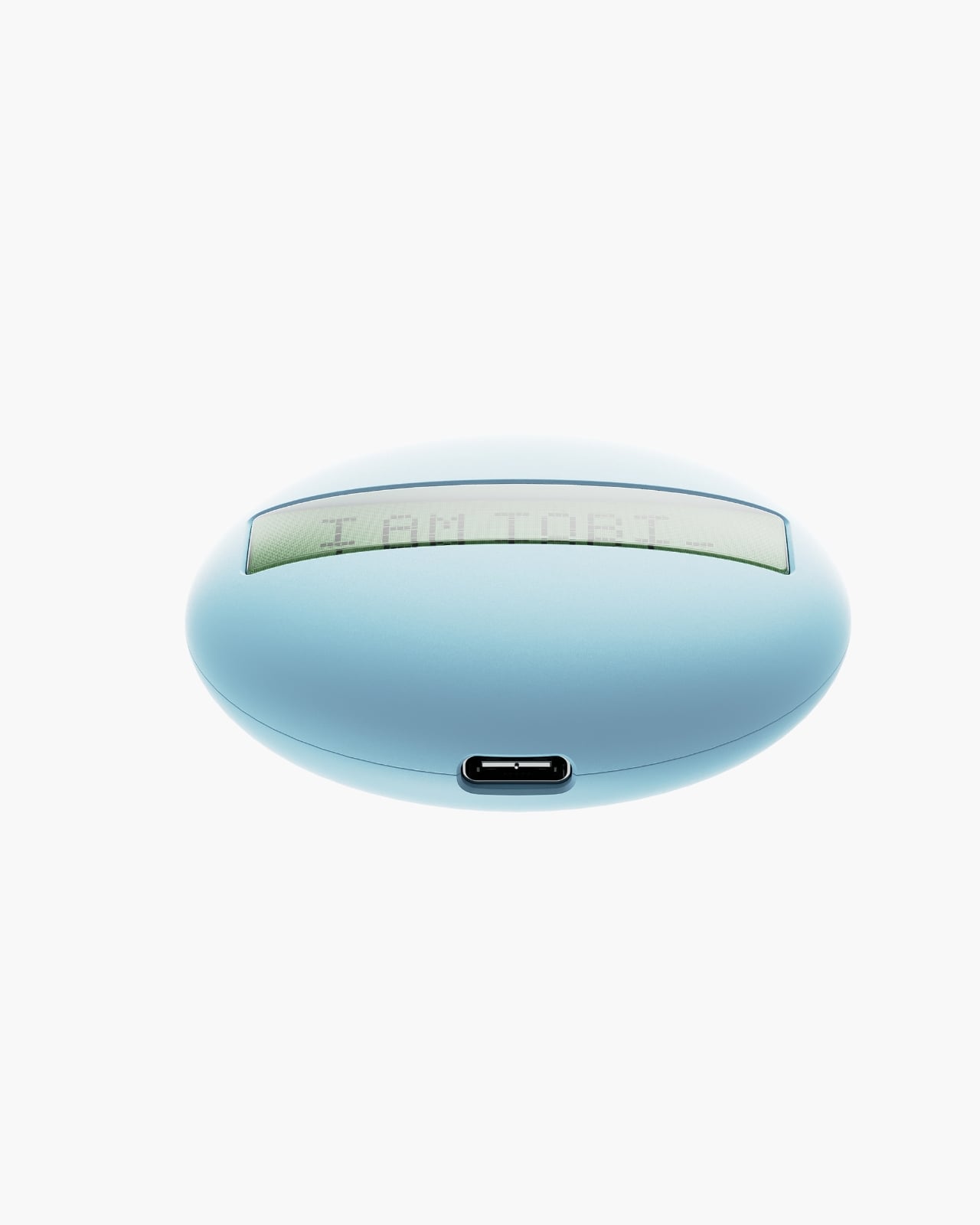
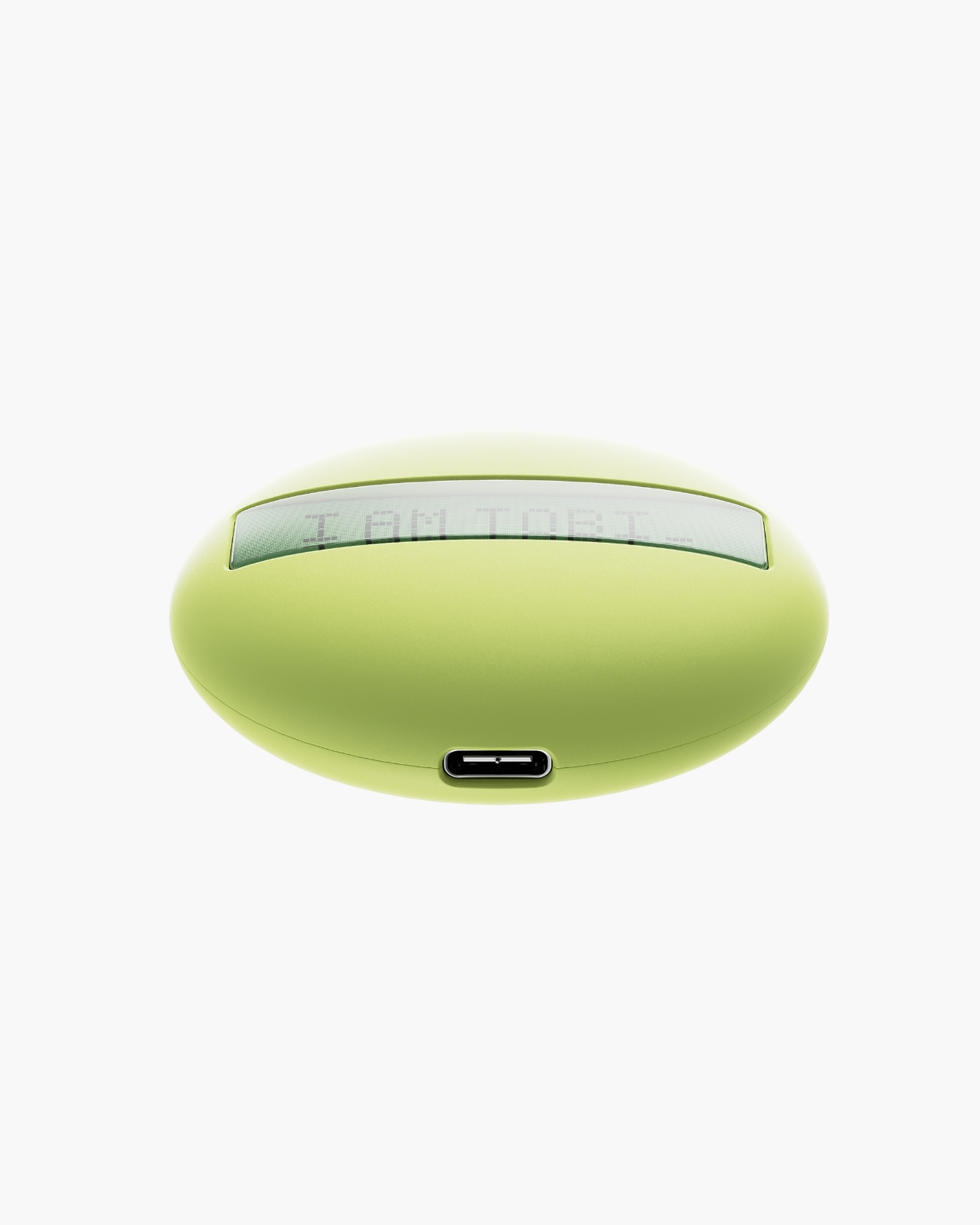
At first glance, Re:M looks like it wandered out of a minimalist’s dream. It’s got that soft baby blue finish that feels calming just to look at, and an oval speaker face that tilts upward like it’s ready to have a conversation with you. But here’s where it gets interesting. This isn’t just another white noise machine or smart alarm clock trying to do everything at once. It’s what Park calls a “sleep care object,” which is honestly a much better way to think about it.

Designer: JeJun Park

Create your own Aesthetic Render: Download KeyShot Studio Right Now!

The most brilliant design choice? Those numbers you obsessively check at 3 AM? Gone. Instead of a traditional clock face with digits taunting you about lost sleep, Re:M shows time through just a simple dot for the hour and a line for minutes. It sounds almost too minimal, but that’s exactly the point. When you’re not fixating on the exact time, you stop doing that awful mental math about your dwindling sleep window. You just… let go. The clock becomes ambient, flowing, present but not demanding your attention.

The whole device is built around this philosophy of removing anxiety triggers. Those aluminum dome speakers aren’t just there to look pretty (though they definitely do). They pump out everything from white noise to nature sounds, creating an audio cocoon that blocks out the neighbor’s dog or street traffic. You know that feeling when you’re camping and the gentle sounds of a stream or rustling leaves just knock you out? That’s what Re:M is going for, minus the mosquitoes and uncomfortable sleeping bag.

What really sets this apart from other sleep gadgets is how thoughtfully Park has considered every interaction. Notice there’s basically one button on the entire device? That’s because all the fiddly controls live in the companion app. You’re not fumbling with multiple buttons in the dark or accidentally blasting sound at full volume. The power button is tucked discreetly out of sight, and that side dial handles volume adjustments with precision that touchscreens could never match. It connects via Bluetooth, so you can fine-tune everything from your phone during the day, then just tap the device to turn it on at night.

Even the wake-up experience got a redesign. Instead of a jarring alarm, Re:M gradually increases both nature sounds and a gentle brightening light. It’s like having a sunrise on your nightstand, coaxing you awake instead of startling you into consciousness. Anyone who’s ever been jolted awake by a blaring alarm knows how that sets the tone for your entire day. The practical touches are there too. USB-C charging means you can power it with the same cable as your phone or laptop, and a small LED dot tells you the charging status without being intrusive. The device stands on a stable base with subtle grip pads, so it’s not going anywhere if you reach for it groggily at night.

What I really appreciate about Re:M is that it doesn’t try to be everything to everyone. It’s not tracking your REM cycles, syncing with seventeen other devices, or promising to revolutionize your entire life. It’s simply designed to help you fall asleep more easily and wake up more gently. That singular focus feels almost revolutionary when every product seems to wants to be your all-in-one solution. Park has created something that addresses a real problem (we’re all sleeping terribly) with thoughtful design rather than more technology. Re:M proves that sometimes the best solution isn’t adding features, but carefully removing the things that stress us out. And honestly? In our overstimulated, always-on world, that might be the most innovative thing of all.

The post This Designer Just Built the Sleep Device Insomniacs Always Wanted first appeared on Yanko Design.

DIY $15 Raspberry Pi Device Blocks Every Ad on Your Phone, TV, and Laptop Automatically

Cory Doctorow coined the term “enshittification” to describe how internet platforms inevitably decay, prioritizing advertisers and shareholders over users who made them successful in the first place. What begins as a useful service gradually transforms into an advertising delivery system wrapped around minimal functionality. Websites that once loaded instantly now take seconds to render as they auction off your attention to the highest bidder. Social media feeds become algorithmic nightmares designed to maximize engagement with sponsored content rather than connections with actual people. This isn’t accidental degradation but a deliberate business model that treats users as products to be packaged and sold.

Fighting back against enshittification requires taking control of your own infrastructure rather than hoping platforms will respect your time and privacy. The Raspberry Pi Zero 2W running Pi-hole software represents a practical form of digital self-defense that costs less than $30 and works continuously in the background. This tiny computer sits on your home network and blocks advertising domains before they reach your devices, creating a cleaner internet experience across phones, tablets, computers, and smart TVs simultaneously. Adding Tailscale extends this protection beyond your home, ensuring that your browsing remains uncluttered whether you’re traveling or working remotely. The setup takes an evening and requires no programming expertise, just a willingness to reclaim your digital experience from platforms that have forgotten who they’re supposed to serve.

Designer: Enrique Neyra

You’d expect an ad-blocker to be substantial on either the hardware or the software front, but this build proves just how small, easy, and cheap everything is. The Raspberry Pi Zero 2W running this entire thing measures 65mm by 30mm, smaller than most people’s wallets, drawing about 2 watts when it’s actually working. You could run this thing 24/7 for a year and spend less on electricity than a single trip to Starbucks. The whole shopping list is stupidly cheap too: the Pi itself runs $15, throw in an 8 dollar micro SD card and whatever USB cable you’ve got rattling around in a drawer. Thirty bucks max, and suddenly you’ve got hardware that can filter ads for every single device in your house.

The Pi runs headless, meaning no monitor, no keyboard, just sitting there quietly doing DNS work in the background. You flash Raspberry Pi OS Light onto the SD card using their imaging tool, which strips out all the desktop environment bloat since you’ll never actually see a screen. During setup you punch in your WiFi credentials, enable SSH so you can talk to it remotely, and give it a hostname. Three minutes later the OS is ready and you’re plugging the card into the Pi. Boot it up, SSH in from your laptop, and you’re looking at a command prompt on a computer the size of a pack of gum.

Pi-hole (an open-source software that blocks ads across the entire network) installs with one command. Literally paste it into the terminal and the script handles everything, walking you through prompts about which DNS provider you want upstream and whether you want query logging enabled. You absolutely want the web admin interface because that’s where you’ll watch the magic happen in real time. The trickier bit is the static IP assignment, which sounds intimidating but really just means logging into your router and clicking a button that says “reserve this IP for this device.” Most modern routers make this dead simple. ISPs like Spectrum have apps where you just scroll through connected devices, find your Pi, and hit reserve. Done.

Once the Pi has its permanent address, you point your router’s DNS settings at it instead of whatever your ISP provides by default. Every device on your network now funnels DNS requests through Pi-hole before connecting to anything. Pi-hole maintains these massive blocklists of known advertising and tracking domains, thousands of entries that get updated regularly. Your phone tries to load an ad from doubleclick.net? Blocked. Facebook wants to ping its analytics server? Blocked. The actual content you’re trying to see loads normally while all the parasitic garbage just vanishes. The Pi-hole dashboard shows you this happening in real time, queries flying in and getting either allowed or blocked based on the lists.

The really clever part is Tailscale, which turns your home setup into something you can use anywhere. Tailscale creates this encrypted mesh network between all your devices using WireGuard under the hood, and it’s shockingly easy to configure. Install it on the Pi with another single command, authenticate through their web console by clicking a link, and boom, your Pi appears in the Tailscale admin panel. Then you tell Tailscale to use your Pi’s IP as the DNS server for everything connected to your account. Now your laptop routes through your home Pi-hole whether you’re at a coffee shop in Brooklyn or an airport in Singapore. The VPN overhead adds maybe 10 milliseconds, completely imperceptible during actual browsing.

What you get is immediate and obvious. News sites that normally assault you with autoplaying video ads and popup overlays suddenly render clean. Mobile apps stop shoving interstitials between every interaction. Your smart TV’s interface becomes less cluttered with sponsored content tiles. Pi-hole typically blocks 20 to 30 percent of all DNS queries, which translates directly into faster page loads because your devices skip downloading megabytes of ad scripts and tracking pixels. Battery life improves on phones and laptops since they’re not constantly rendering and refreshing ad content in the background. The internet feels faster because it actually is faster when you’re not waiting for seventeen different ad networks to respond.

Now, the limitations. DNS blocking works great until it doesn’t, and the main place it fails is when ads come from the same domain as the content you want. YouTube is the classic example because Google serves ads from youtube.com subdomains that the platform needs for actual video playback. Block those domains and you break the whole site. Some news organizations have gotten smarter about this too, serving ads from their own CDNs to sidestep DNS filters. You’re looking at maybe 95 percent effectiveness across the broader web, which is substantial but leaves gaps. For the stubborn stuff you still need browser extensions (or use the Brave browser that even blocks YouTube ads) or just simply accept some ads will slip through. If you’ve reached this far, the latter clearly sounds like it isn’t an option.

The other consideration is dependency. If your home internet goes down and you’re traveling somewhere relying on Tailscale to route back through your Pi-hole, you lose DNS resolution entirely. You can mitigate this by configuring a secondary DNS server like Google’s 8.8.8.8 as a fallback, though that partially defeats the privacy angle. Some people solve this by running Pi-hole in the cloud on something like Google Cloud’s free tier, which gives you better uptime but requires more sophisticated networking to avoid creating an open DNS resolver that attackers can hijack for DDoS amplification. That’s a whole different level of complexity that I’m frankly not equipped to even explain.

The upside, even with this regular build, is massive. For thirty bucks and an evening of tinkering, you get network-wide ad blocking that follows you everywhere and works on every device you own without individual configuration. That’s precisely the practical digital self-defense Doctorow addresses about when he describes taking back control from platforms designed to extract value rather than provide it. The web becomes usable again, and I know that shouldn’t sound like a massive deal… but honestly, after seeing ads in Google, Gmail, Instagram, YouTube, Uber, heck, even ChatGPT, it kinda does feel game-changing.

The post DIY $15 Raspberry Pi Device Blocks Every Ad on Your Phone, TV, and Laptop Automatically first appeared on Yanko Design.