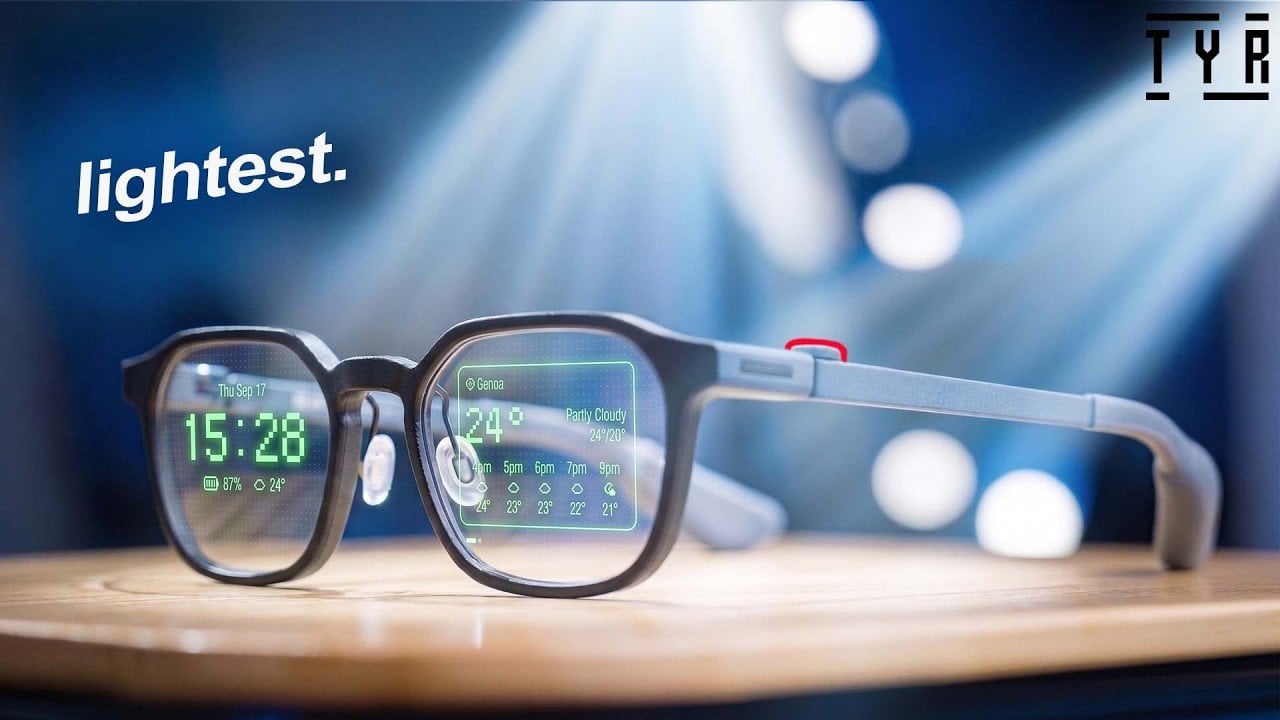
Have you ever felt like you’re only scratching the surface of a platform’s capabilities, knowing there’s so much more it can do? That’s the story with Gemini 3. While its headline features often grab attention, some of its most impactful functions fly under the radar. Below, Phillip Im breaks down four underrated features within Gemini […]
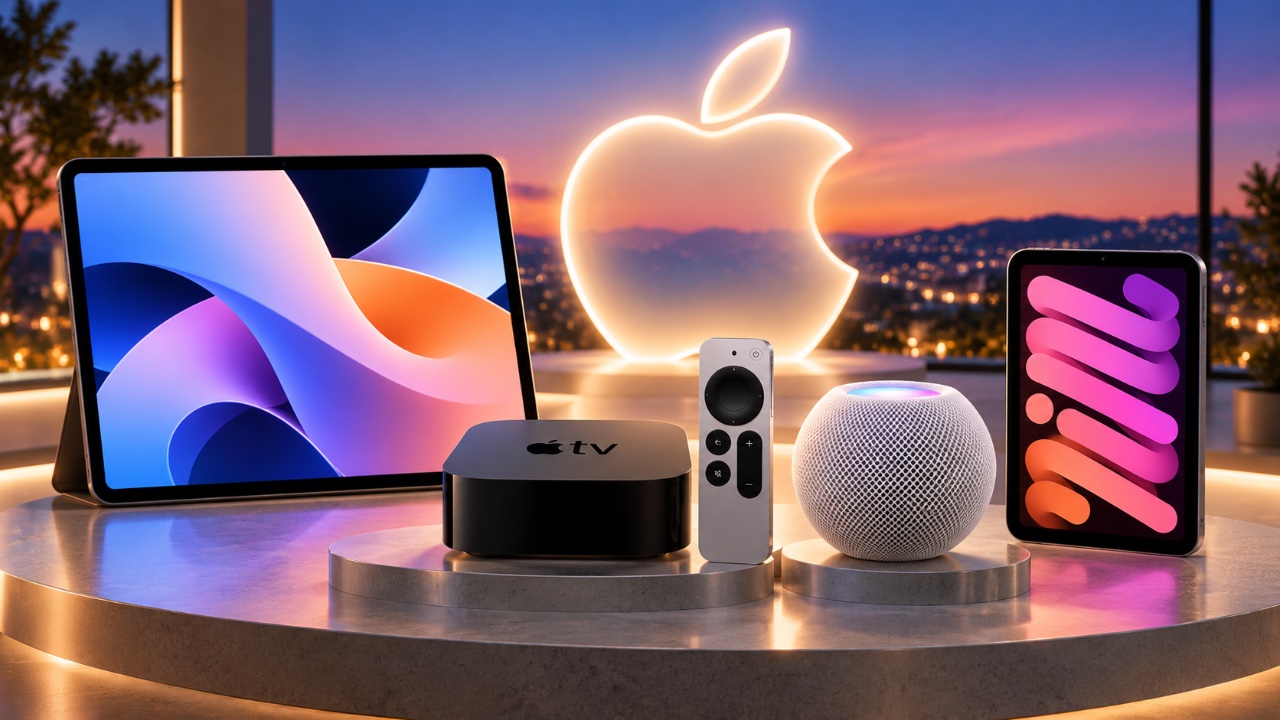
Apple is preparing to introduce significant updates to its iPad lineup in 2026, with a focus on enhancing display technology, boosting performance, and improving battery efficiency. Among the most notable changes is the introduction of OLED displays for select models, a move that underscores Apple’s commitment to delivering a superior user experience. These updates are […]
Starlink will lower the orbits of roughly 4,400 satellites this year as a safety measure, according to engineering VP, Michael Nicolls. In a post on X, Nicolls wrote that the company is "beginning a significant reconfiguration of its satellite constellation," in which all satellites orbiting at around 550 kilometers (342 miles) will be lowered to around 480 km (298 miles). The move is intended to reduce the risk of collisions, putting the satellites in a region that's less cluttered and will allow them to deorbit more quickly should an incident occur.
"Lowering the satellites results in condensing Starlink orbits, and will increase space safety in several ways," Nicolls wrote, also pointing to the coming solar minimum — a period in the sun's 11ish-year cycle when activity is lower — as one of the reasons for the move. The next solar minimum is expected to occur in the early 2030s. "As solar minimum approaches, atmospheric density decreases which means the ballistic decay time at any given altitude increases - lowering will mean a >80% reduction in ballistic decay time in solar minimum, or 4+ years reduced to a few months," Nicolls wrote.
A screenshot of an X post by Starlink VP of engineering Michael Nicolls announcing that satellites orbiting at around 500 kilometers will be lowered to 480km
The announcement comes a few weeks after Starlink said one of its satellites had experienced an anomaly that created some debris and sent it tumbling. Just a few days earlier, Nicolls posted about a close call with a batch of satellites he said were launched from China seemingly without any attempt to coordinate with operators of existing satellites in the space. With his latest announcement, Nicolls added that lowering Starlink's satellites "will further improve the safety of the constellation, particularly with difficult to control risks such as uncoordinated maneuvers and launches by other satellite operators."
This article originally appeared on Engadget at https://www.engadget.com/science/space/starlink-is-lowering-thousands-of-satellites-orbits-to-reduce-risk-of-collisions-030509067.html?src=rss
Technology moves fast, but 2025 feels like a distinct era. This year brought gadgets that challenged convention rather than followed it. From keyboards that fold into phone cases to power banks that communicate through light, these innovations prove that great design starts with questioning what we’ve accepted as normal. The products ahead represent a shift in thinking about portability, interaction, and what our devices should actually do for us.
What makes these ten gadgets stand out isn’t just their novelty. Each one addresses a real frustration with current tech, offering solutions that feel both refreshingly simple and genuinely innovative. Whether you’re tired of touchscreen typing, craving better smartwatch docks, or looking for portable computing power, these designs rethink familiar categories from the ground up. They remind us that the future of technology lies in thoughtful problem-solving, rather than merely adding more features.
1. Plumage: The Keyboard-Case Hybrid That Actually Makes Sense
Typing on touchscreens has never felt right, and bolt-on keyboard solutions create phones that resemble small tablets. The Concept Plumage solves both problems by integrating a physical keyboard directly into a phone case without extending the device’s footprint. Originally designed by Jet Weng in 2013, this concept flips open like peeling a banana to reveal a Blackberry-style layout with a screen on top and tactile keys below. The phone stays compact when closed, transforms for serious typing when open.
What makes this design brilliant is its acknowledgment that screens don’t need to cover every inch of our phones. The half-screen approach feels counterintuitive until you realize most typing happens in apps where the keyboard covers half the display anyway. Flip it open for confident typing during emails or messaging, navigate with the touch-sensitive upper screen, then flip it shut for pocket-friendly portability. This concept deserves resurrection because it prioritizes how people actually use their phones over chasing edge-to-edge displays.
What we like
The keyboard integrates without adding bulk to the phone’s footprint
Physical keys enable fast, accurate typing without sacrificing screen real estate when closed
What we dislike
The half-screen design requires adjusting expectations about display size
The flip mechanism could introduce durability concerns with repeated daily use
2. MSI Gaming PC Watch: When Wearables Go Full Desktop
Smartwatches pretend to be tiny phones strapped to your wrist, but the MSI Gaming PC Watch takes a radically different approach. This concept treats your wrist as a platform for an actual computer, complete with visible fans, graphics components, cooling systems, and motherboard elements right through the watch face. The design features subtle analog watch hand annotations and four side pushers for navigation. The metal alloy case proudly displays the MSI logo at 3 o’clock, where a traditional crown would sit.
This wearable computer represents a philosophical departure from smartphone-on-your-wrist thinking. By embracing computer periphery ideology rather than mimicking phone interfaces, the Gaming PC Watch suggests an alternative path for wearable innovation. The transparent components aren’t just aesthetic flourishes; they telegraph the device’s identity as genuine computing hardware miniaturized for portability. Whether checking system performance, monitoring temperatures, or simply appreciating the engineering, this watch makes technology itself the main attraction rather than hiding it behind glossy screens.
What we like
The transparent design showcases actual computing components with visual appeal
It reimagines the smartwatch’s purpose beyond smartphone replication
What we dislike
The gaming aesthetic may not suit professional or formal settings
Visible internal components could raise questions about durability and water resistance
3. Nothing Power 1: The Battery Bank That Speaks Through Light
Power banks typically hide their technology behind opaque shells, but the Nothing Power 1 concept revives the glyph interface that made the Nothing Phone famous. This 20,000 mAh battery bank features transparent layers with bold light paths that transform illumination into precise information. Every light on the back panel serves a purpose, indicating battery levels, charging status, and even smartphone notifications when connected. The design language echoes the circuit pathways and physical logic of Nothing’s original phone, maintaining the brand’s commitment to meaningful transparency.
Fast charging at 65W means reaching 50% capacity in under 20 minutes, while the substantial battery capacity delivers at least three phone charges before needing a refill. The glyph interface goes beyond simple battery indication by connecting with your smartphone to display alerts and charging progress through purposeful light patterns. This approach makes waiting for your phone to charge more informative and visually engaging. The design proves that power banks don’t need to be boring rectangular slabs; they can communicate status elegantly while celebrating the technology inside.
What we like
The glyph interface turns light into precise, purposeful information
The 20,000 mAh capacity with 65W fast charging delivers both power and speed
What we dislike
The transparent design may show dirt and fingerprints more readily
The unique aesthetic might not appeal to users who prefer minimal, discreet accessories
4. Oakley Aether: The AR Glasses Google Should Have Built
Google once led the smart headset space before abandoning it for one-off experiments, but the Oakley Aether concept imagines an alternate timeline where Google remained committed. Modeled after ski goggles, these performance-driven glasses enclose your eyes in a protective bubble with 100% visibility enhanced by Android AR and Gemini AI integration. The design suggests what happens when you combine Oakley’s athletic expertise with Google’s software prowess, creating headsets that reimagine movement, insight, and precision through immersive technology.
The goggle format provides advantages traditional glasses can’t match: full environmental protection, expanded display real estate, and room for cameras, LiDAR, and other sensors essential for convincing AR. Pop them on and view the world through a heads-up display showing contextual information, notifications, and activity recordings for later analysis. Gemini AI integration enables natural conversation with your headset, creating interactions reminiscent of talking to JARVIS in Iron Man. This concept proves that AR glasses don’t need to look like traditional eyewear; embracing the goggle format opens new possibilities for capability and comfort.
What we like
The goggle format allows superior sensor integration and displays real estate
Gemini AI enables natural voice interaction for hands-free control
What we dislike
The ski goggle aesthetic may feel too sporty for everyday urban use
The enclosed design could cause comfort issues during extended wear
5. TWS ChatGPT Earbuds: AI That Sees What You See
Most wireless earbuds focus exclusively on audio, but this concept adds cameras to each stem, positioned near your natural sight line. Paired with ChatGPT, those lenses become a constant visual feed for an AI assistant living in your ears. The system can read menus, interpret signs, describe scenes, and guide you through unfamiliar cities without requiring you to hold up your phone. The form factor stays familiar while the capabilities feel genuinely new, making AI feel less like a demo and more like a daily habit.
The industrial design resembles a sci-fi inhaler in the best possible way. Each lens sits at the stem’s end like a tiny action camera, surrounded by a ring that doubles as a visual accent. The colored shells and translucent tips keep the aesthetic playful enough to read as audio gear first, camera second. This positioning matters because cameras in your ears feel less invasive than cameras on your face. You maintain eye contact during conversations, avoid the social stigma of face-mounted recording devices, and gain AI vision capabilities that activate only when needed.
What we like
The ear-mounted cameras feel less socially awkward than face-mounted alternatives
ChatGPT integration provides practical AI assistance for navigation and information
What we dislike
Privacy concerns may arise from cameras pointed at people during conversations
Battery life could suffer from powering both audio and visual processing
6. Gboard Dial: When Keyboard Design Gets Delightfully Absurd
Google Japan’s annual keyboard concepts embrace playful absurdity, and the Gboard Dial Version spins this tradition in a new direction. Released on October 1st to honor the classic 101-key layout, this 14th entry features a wonderfully over-engineered dial mechanism where users insert fingers into positioned keyholes and rotate to select characters. The three-layer dial structure supposedly delivers three times faster input with parallel operation capability. The nostalgic grinding sound becomes a feature rather than a bug, promoting what the team calls a calmer thinking and input experience.
This satirical concept follows memorable predecessors like the Gboard Teacup, Stick, Hat, and Double-Sided keyboards. While obviously impractical for actual productivity, the Dial Version raises interesting questions about input methods and the assumptions we make about efficiency. The deliberate slowness forces more thoughtful composition, and the physical interaction provides tactile satisfaction missing from touchscreens and flat keyboards. Sometimes the best tech concepts aren’t meant for production; they’re meant to make us reconsider what we’ve accepted as optimal.
What we like
The playful design challenges assumptions about keyboard efficiency and input methods
The tactile interaction provides satisfying physical feedback
What we dislike
The intentionally slow input method makes it impractical for actual work
The three-layer dial mechanism would likely be fragile with regular use
7. NightWatch: The Apple Watch Dock That Does Everything Right
Charging docks for smartwatches typically amount to simple stands with integrated power, but the NightWatch transforms your Apple Watch into a proper bedside alarm clock through clever design. This solid lucite orb magnifies your watch screen, making the time clearly legible from several feet away. Strategic channels under the speaker units amplify sound naturally, similar to cupping your hands around your mouth, ensuring your alarm actually wakes you. The entire transparent sphere is touch-sensitive, allowing a simple tap to wake the watch display.
The brilliance lies in its simplicity. There are no hidden components, no electronic trickery, just thoughtful application of physics and material properties. The lucite magnification works optically, the sound amplification happens through shaped channels, and the touch sensitivity uses the material’s properties. Your Apple Watch docks inside, charges overnight, and becomes infinitely more useful as a bedside timepiece. The transparent design lets you appreciate the watch itself, while the orb form creates an appealing sculptural presence on your nightstand.
What we like
The optical magnification makes the time readable from across the room
Natural sound amplification ensures alarms are actually audible
What we dislike
The large orb form takes up significant nightstand space
The design works exclusively with the Apple Watch, limiting its audience
8. Pironman 5-MAX: Turning Raspberry Pi Into a Desktop Powerhouse
The naked Raspberry Pi 5 board looks humble, but the Pironman 5-MAX case transforms it into a legitimate desktop computer packed with serious capabilities. This miniature rig features dual NVMe SSD slots for lightning-fast storage, support for AI accelerators like the Hailo-8L for machine learning workloads, and clever design features that maximize the Pi’s potential. The compact desktop form factor punches well above its weight, proving that mini machines can handle tasks once reserved for full-sized computers.
What makes this case special is how it treats the Raspberry Pi with the seriousness of proper desktop hardware. The dual NVMe support brings storage speeds and capacity that enable media servers, project development, and even AI experimentation within this tiny chassis. Adding AI acceleration capabilities means your Pi 5 can tackle machine learning tasks, opening possibilities that seemed absurd for single-board computers just years ago. This case doesn’t just protect your Pi; it unlocks its full potential as a capable, expandable desktop machine.
What we like
Dual NVMe SSD slots deliver professional-grade storage speed and capacity
Support for AI accelerators enables machine learning on a compact platform
What we dislike
The added hardware increases the overall cost beyond the base Pi 5 investment
The compact form factor may limit cooling efficiency under sustained heavy loads
The Vetra Orbit One concept smartwatch steps away from attention-grabbing screens toward satisfying physical interaction blended with forward-thinking features. Imagine a rotating bezel providing nuanced control, textured surfaces offering rich sensory feedback, and design elements evoking classic timepiece pleasure. This approach integrates the satisfying feel of traditional watchmaking into modern smart technology without simply replicating the past. The minimalist aesthetics reject overwhelming visual noise in favor of clean lines, subtle details, and essential information presentation.
This philosophy prioritizes clarity and elegance, ensuring the watch functions as a sophisticated accessory rather than a distracting wrist billboard. The tactile nostalgia isn’t about rejecting progress; it’s about preserving what made traditional watches satisfying to wear and use. The concept combines physical interaction satisfaction with smart capabilities, creating a device that feels good to touch and operate. When every smartwatch chases more screen space and brighter displays, the Orbit One suggests that sometimes less really is more.
What we like
The tactile interface provides satisfying physical interaction, missing from touchscreen-only devices
Minimalist aesthetics create an elegant, unobtrusive accessory
What we dislike
Limited screen space may restrict app functionality compared to larger smartwatches
The focus on physical controls could slow certain interactions requiring screen input
10. OrigamiSwift: The Folding Mouse That Fits Anywhere
Most portable mice compromise on either size or comfort, but OrigamiSwift solves this dilemma through an origami-inspired folding design. This Bluetooth mouse delivers full-sized comfort and precision when deployed, then folds completely flat to slip into any bag or pocket. The transformation happens in under 0.5 seconds with a simple flip, instantly activating the device for use. At just 40 grams with an ultra-thin profile, it’s barely noticeable until you need it, making it ideal for digital nomads, frequent travelers, and anyone who works from multiple locations.
The triangular origami structure provides surprising durability despite its folding nature, maintaining shape through repeated daily use. Soft-click buttons and smooth gliding work across various surfaces for responsive, discreet operation. The USB-C rechargeable battery lasts up to three months per charge, eliminating disposable battery waste. Designed by Horace Lam, OrigamiSwift reflects the harmony between artistry and practicality, where intricate folds echo timeless elegance while sleek lines embody modern minimalism. This mouse becomes more than a tool; it’s a statement about refined portable tech.
The folding design offers full-sized comfort that collapses to pocket-portable dimensions
Three-month battery life provides long-term reliability between charges
What we dislike
The folding mechanism introduces potential durability concerns with intensive daily use
The origami-inspired form may not suit users who prefer traditional mouse shapes
The Future Feels Different This Year
These ten innovations share a common thread beyond their 2025 release timing. Each one questions assumptions we’ve made about how technology should look, feel, and function. They prove that innovation doesn’t always mean adding more features or making screens larger. Sometimes the most exciting advances come from designers willing to completely rethink categories we thought were settled.
What excites me most about these gadgets is their willingness to be different. They embrace tactile feedback when everyone else chases touchscreens, add cameras to earbuds while others focus solely on audio, and turn power banks into communication devices through light. These products suggest that the next decade of technology will be defined less by raw specifications and more by thoughtful design that genuinely improves daily experience. That’s a future worth getting excited about.
Samsung has upgraded its Freestyle portable projector for 2026. The company announced a new model, the Freestyle+, ahead of CES, touting twice the brightness of its predecessor at 430 ISO lumens, and AI-powered screen optimization features. As with Freestyles past, the Freestyle+ offers 180-degree rotation and 360-degree audio. This one also supports Q-Symphony so it'll work with some Samsung soundbars. Samsung hasn't revealed much else in the way of specs or pricing, but it'll be showing off the Freestyle+ at CES 2026, so we're likely to learn more details soon.
While previous iterations of Samsung's compact projector offered automatic screen adjustment features, like auto focus and auto leveling, the Freestyle+ uses AI to take optimization a step further. With AI OptiScreen, as the company is calling it, the projector offers 3D auto keystone to fix distortion on uneven or non-flat surfaces, real-time focus when the projector is moved, automatic screen fit for compatible accessories and wall calibration to reduce visual distractions from the projection surface. It'll also support Samsung's Vision AI Companion.
The company hasn't announced a specific release date yet for the new projector, but says it's targeting the first half of the year. It'll be released in phases globally.
This article originally appeared on Engadget at https://www.engadget.com/home/home-theater/samsungs-latest-freestyle-portable-projector-is-brighter-and-smarter-014026804.html?src=rss
Picture yourself hiking through the Italian mountains and suddenly there’s a wooden boat blocking the trail. Except it’s upside down. And it’s not actually a boat. This is La Barca, a timber pavilion that just won the 2025 Festival di Microarchitettura, and it’s one of those projects that works because it commits fully to a single odd idea.
Marina Poli, Clément Molinier, and Philippe Paumelle designed it for a trail in Piobbico, and the whole thing sits there like a beached hull that wandered way too far upstream. You can walk around it, sure, but there’s this narrow gap slicing through the middle that basically dares you to squeeze through. Once you’re inside, you get the full boat experience: curved timber ribs overhead, a proper keel running down the center organizing the floor planks, daylight pouring in from the open top. It’s using actual boat construction language, not just boat-ish shapes.
Designers: Marina Poli, Clément Molinier & Philippe Paumelle.
The sandwich-structure ribs are cut from regular boards, which keeps the whole thing light enough to be temporary but sturdy enough to handle weather and people climbing on it. Because let’s be honest, people are absolutely climbing on it. Six porticoes break up the interior corridor, the plank walls curve into proper half-hulls at each end, and they dropped four local stones inside as ballast. Another stone anchors the bow. These aren’t decorative choices, they’re the structural and conceptual glue holding the nautical metaphor together.
What’s interesting is how this thing refuses to be just one thing. Some people see a chapel for quiet contemplation. Others treat it like playground equipment. A few probably Instagram it as abstract sculpture and move on. The architects knew this would happen and designed for it. Instead of forcing a single reading, they built something slippery enough to mean different things depending on who’s looking.
We’ve seen a lot of temporary pavilions lately (especially at the Osaka Expo) that lean hard on parametric design or CNC fabrication to justify their existence. La Barca goes the opposite direction with traditional joinery and basic lumber, but it lands harder because the concept is so committed. An upturned boat. In the mountains. Blocking a hiking path. It’s absurd enough to stop you in your tracks, familiar enough to feel approachable, and strange enough that you’re still thinking about it three switchbacks later.
The real test for these festival installations is whether they earn the disruption they cause to the landscape. Most don’t. They show up, people take photos for a season, then they’re dismantled and forgotten. La Barca might actually stick around in memory because it understood something crucial: sometimes the best move is to drop something obviously wrong in exactly the right spot and let the tension do the work.
There’s something about a really good room divider that just makes sense. It’s like the furniture equivalent of a Swiss Army knife: part privacy screen, part statement piece, part space definer. But most dividers we see today are either clunky corporate leftovers or flimsy fabric panels that look like they belong in a college dorm. Enter the Breeze Divider by sa rina, and suddenly the conversation gets a whole lot more interesting.
At first glance, this piece looks like it escaped from a modern art gallery. Those circular, fan-shaped panels arranged in an organic pattern? They’re giving sculptural installation vibes. But here’s where things get really cool: this isn’t just another pretty piece of furniture that sacrifices function for form. The Breeze Divider is made entirely from natural hat-making hemp fabric, and every single component can be taken apart.
Designer: sa rina
Yes, you read that right. Hat-making hemp. It’s one of those materials that sounds both ancient and impossibly trendy at the same time, and honestly, that’s exactly what makes it perfect for this project. The fabric has this gorgeous translucent quality that reminds you of sunlight filtering through overlapping leaves. When you layer the panels, you get this depth and dimensionality that changes depending on where you’re standing and how the light hits it. It’s moody, it’s textured, and it’s way more visually interesting than your standard office partition.
But let’s talk about what really sets this design apart: the sustainability angle. We’re living in an era where “eco-friendly” gets slapped on everything, often with little substance behind it. The Breeze Divider actually walks the walk. Because everything detaches completely, the whole thing can be packed flat, which means significantly lower shipping costs and a smaller carbon footprint. It’s the IKEA philosophy taken to its logical, more elegant conclusion.
And here’s where the design gets genuinely smart: those fan-shaped panels aren’t just decorative. You can configure them however you need, creating different patterns and formations based on your space. Need a tall barrier for maximum privacy? Stack them high. Want something more open and airy? Keep it low and spread out. The adjustable height means you’re not locked into one look forever, which is kind of revolutionary when you think about how static most furniture is.
The translucency of the hemp fabric also serves a practical purpose beyond looking beautiful. Unlike solid dividers that block everything out and make spaces feel dark and cramped, the Breeze lets light and air flow through. It creates separation without isolation, privacy without stuffiness. In our post-pandemic world where so many of us are rethinking how we use our spaces (home offices, anyone?), this kind of flexible, breathable design feels incredibly relevant.
There’s also something refreshing about seeing traditional materials used in contemporary ways. Hemp has been around forever, used in everything from rope to clothing to, yes, hat-making. But here it’s been reimagined as this sophisticated, architectural element. It’s a reminder that innovation doesn’t always mean inventing something completely new. Sometimes it’s about looking at what’s already there and asking, “What else could this be?” The monochromatic black palette keeps things sophisticated and versatile. This isn’t a piece that’s going to clash with your existing aesthetic or feel dated in five years. It’s got that timeless quality that good design should have, where you can imagine it fitting just as easily into a minimalist loft as a bohemian studio or a sleek corporate space.
The Breeze Divider recently won recognition at the International Design Awards, which makes total sense. It’s exactly the kind of thoughtful, multi-functional, sustainable design that deserves attention. In a world overflowing with stuff, it’s nice to see something that actually earns its place in your space, both functionally and aesthetically. This is what happens when designers really think about the entire lifecycle of a product, from materials to shipping to how it actually gets used in real life. The result is furniture that feels less like an object you own and more like a tool that adapts to your needs. And honestly? That’s the kind of design we need more of.
The Portal franchise has earned its place in gaming history through ingenious puzzle design, dark humor, and an aesthetic so iconic that a simple orange and blue color scheme instantly evokes the Aperture Science testing facility. Now, LEGO builder KaijuBuilds has translated that sterile-yet-sinister world into brick form with the Portal 2: Test Chamber Creator, a project currently seeking support on LEGO Ideas.
The set features a sophisticated modular tile system with 18 unique configurations across 29 total modules, allowing builders to reconstruct famous test chambers or design entirely new challenges. With around 1,280 pieces, the build includes Chell, Wheatley, Atlas, P-body, turrets, portals, a Companion Cube, and even that infamous cake. The attention to detail extends to overgrown tiles that reference Portal 2’s decayed facility sections, complete with a white rat as a nod to the mysterious Rattman. The modular approach mirrors the in-game test chamber editor, which means you can actually play with spatial configurations rather than building a single frozen scene.
Designer: KaijuBuilds
The Aperture Science facility aesthetic translates surprisingly well to LEGO’s design language because both share a love of modular systems and clean geometric forms. Portal works on minimalist white panels, colored power conduits, and spatial reasoning. This build captures that by making reconfigurability the core feature. Tiles come in different sizes (8×8, 4×4, 4×8) and snap onto an orange base with visible connection points. Some tiles show pristine testing surfaces while others feature vegetation breaking through panels, directly referencing Portal 2’s narrative about a facility decaying over decades. The observation windows sit where GLaDOS would watch test subjects fail, and those structural details do heavy lifting in establishing atmosphere.
The character roster features all the iconic beings and bots and whatnots. Chell appears in her orange jumpsuit with the Aperture Science tank top. Wheatley exists as a buildable personality core with his blue eye. Atlas and P-body (the co-op robots from Portal 2) demonstrate awareness that the franchise extends beyond Chell’s story. The turrets manage to look simultaneously adorable and threatening with their white chassis, red sensors, and antenna stems. Two portal pieces come in translucent orange and blue, likely using curved or printed elements to create those characteristic oval shapes. The portal gun sits in Chell’s hands, completing the loadout any fan would expect.
Those 18 unique tile types across 29 modules provide enough variety to build compact chambers or combine everything into larger, more complex puzzles. Some tiles feature orange and blue power line conduits that connect mechanisms in the actual game. Dark grey tiles break up monotonous white surfaces. Button tiles, overgrown sections, observation windows, and the Heavy Duty Super-Colliding Super Button all serve gameplay purposes Portal fans recognize immediately. The structure uses long and short connectors with technic pins and 2L axles to hold everything together, which should make reconfiguration reasonably straightforward without constant collapse during redesign sessions. The orange base with its studded connection points does the critical work of making the whole modular system functional rather than theoretical.
The functional elements push this past display territory into actual play value. The Companion Cube dropper holds and releases cubes, mimicking those ceiling-mounted dispensers from the game. The aerial faith plate triggers manually to launch minifigures upward. A tilting elevated platform angles in different directions for variable chamber layouts. The door swings open for chamber entrances and exits. These mechanisms aren’t revolutionary in LEGO terms, but they’re deployed strategically to recreate specific Portal gameplay moments. The laser grid uses red transparent pieces across a 3×6 area. It won’t vaporize minifigs, but it provides the visual language of hazards you’d design chambers around. The deadly goo gets two 8×8 tiles in translucent orange, which is the correct color unlike some fan builds that use green acid from generic video game conventions.
There’s even a cake hidden somewhere because at this point it’s mandatory for Portal merchandise. The cultural penetration of “the cake is a lie” has been both blessing and curse for the franchise, but you can’t release Portal LEGO without acknowledging it. The white rat perched on structural pillars references Doug Rattmann, the Aperture scientist who left cryptic murals throughout the facility. That’s a deeper cut than casual fans would catch. The test chamber sign displays “25” along with hazard pictograms, grounding the build in Aperture Science’s obsessive signage culture. The facility loved warning test subjects about dangers they couldn’t avoid. Small crows appear on the pillars too, adding those environmental details that make the difference between a good build and one that captures a world.
Portal maintains relevance fifteen years after its 2007 release through memorable writing, innovative mechanics, and an aesthetic that spawned endless memes. GLaDOS remains one of gaming’s most iconic antagonists. “Still Alive” transcended the game to become a cultural touchstone. The orange and blue portal color scheme is instantly recognizable across demographics. Portal 2 expanded the universe in 2011 with co-op gameplay, more complex puzzles, and deeper lore about Aperture Science’s history. The games influenced puzzle design across the industry and demonstrated that shorter, tightly designed experiences could compete with sprawling open-world titles. That legacy makes Portal a strong candidate for LEGO treatment, especially given LEGO’s existing relationship with video game properties and Valve’s general receptiveness to licensed products.
LEGO Ideas operates as a platform where fans submit designs for potential official sets. Projects reaching 10,000 supporters enter review, where LEGO evaluates production feasibility, licensing complexity, and market viability. The Portal 2: Test Chamber Creator sits at roughly 1,700 supporters with 543 days remaining. Voting requires a free LEGO Ideas account and takes about thirty seconds (you can cast your vote here). Reaching 10,000 votes doesn’t guarantee production since LEGO considers factors beyond popularity (licensing negotiations with Valve, manufacturing costs, retail strategy), but fan support gets projects in front of decision-makers. LEGO has produced gaming sets before, from Minecraft to various Nintendo properties. Portal’s enduring cultural presence and Valve’s track record with merchandise partnerships suggest this build has legitimate production potential if it clears the voting threshold.
The grand piano has remained visually unchanged for generations, its familiar silhouette a fixture in concert halls and living rooms worldwide. Mohammad Limucci saw this consistency differently. Rather than accepting the traditional form as immutable, he recognized an opportunity to evolve the instrument’s aesthetic while preserving its acoustic soul. His creation, the Porochista Piano, applies automotive design principles to classical craftsmanship.
Measuring 8.7 by 6.2 feet, Porochista combines glass, metal, and matte black composites in flowing organic shapes reminiscent of Luigi Colani’s biomorphic philosophy. The rear section appears to float, creating visual tension between sculptural ambition and structural stability. A large integrated touchscreen offers digital functionality without compromising the acoustic purity professional pianists demand. This fusion of old and new earned recognition at the A’ Design Award, where judges appreciated its ability to attract modern design enthusiasts while respecting the instrument’s heritage. Porochista suggests what tradition might become when filtered through contemporary vision.
Designer: Mohammad Limucci
Designers slap touchscreens onto everything from refrigerators to bathroom mirrors these days, usually with results that make you question basic decision-making processes. A grand piano sporting what looks like a 20-inch display sounds like exactly that kind of misguided thinking. But Limucci clearly studied how supercar manufacturers like Pagani and Koenigsegg integrate function into form, where every curve serves both aerodynamic purpose and visual drama. That swept-back lid with its silver trim could’ve been lifted from a hypercar’s active aero system. The base, with its angular cutouts and geometric voids, solves the eternal design problem of making something massive feel light without actually compromising structural integrity. The solution here involves actual engineering rather than visual tricks.
The Colani influence runs deep, and anyone familiar with the German designer’s work will spot it immediately. Those seamless transitions between surfaces, the way hard edges soften into organic curves, the sense that this object could achieve flight velocity if you just gave it a runway. Colani designed everything from trucks to cameras using the same biomorphic language, always asking why objects should have corners when nature abhors them. Limucci applies that thinking to an instrument that’s been geometrically rigid since the 1700s. Production apparently requires CNC machining and molding techniques borrowed from automotive manufacturing, which makes sense given the compound curves involved. You can’t slap veneer on particleboard and achieve forms like these.
The touchscreen integration could’ve gone full sci-fi nightmare, all glowing edges and pulsing LEDs, but instead it sits flush and purposeful. The digital features (recording, playback, animated notation display) address actual pianist needs rather than adding gimmicks for marketing bullet points. There’s even a hidden compartment up top that slides out to hold sheet music, activated by touching a specific spot. That level of detail suggests someone actually thought about how musicians interact with their instruments over hours of practice, not just how the thing photographs for Instagram. The matte black finish with those copper-toned pedal details visible through the base cutouts gives it presence without screaming for attention, which is harder to achieve than it sounds.
Tehran to Zagreb doesn’t seem like an obvious design pipeline, but apparently that’s where this concept gestated. Whether it ever reaches production remains the question nobody’s answering yet, though the A’ Design Award recognition certainly helps with credibility. The manufacturing complexity alone suggests this won’t be competing with Yamahas at your local music store. Still, seeing someone finally treat piano design with the same innovative energy that automotive and consumer electronics enjoy feels overdue. Professional musicians deserve instruments that fit contemporary spaces without looking like props from period dramas.
CES has long felt like a full-on auto show, but the car-centric energy seems somewhat muted at CES 2026. Sure, the Afeela electric vehicle from the Sony-Honda joint venture is returning to the show floor, but with the Trump administration yanking most EV incentives from the market, the industry isn't offering a full-court press of new vehicles in Las Vegas this year.
That includes Hyundai. While the company's Mobis subsidiary will present "more than 30 mobility convergence technologies" during CES week — including its Holographic Windshield Display — we're hearing the Korean auto giant will instead use its press conference to focus on its AI Robotics Strategy. That will apparently include showcasing its new Atlas robot, as well as the wheeled MobED robot line. We'll get into the details below, along with how to watch it today.
How to watch Hyundai's presentation at CES 2026
Hyundai's presentation takes place today, January 5 at 4PM ET, and you can livestream it on either its HyundaiUSA YouTube channel or its global YouTube channel. (We've embedded the link below.)
We'll also post relevant news from the Hyundai presser in our main CES 2026 liveblog.
What to expect from Hyundai at CES 2026
Hyundai is putting a huge focus on its AI Robotics Strategy during its presentation today — the theme is "Partnering Human Progress." That'll include its strategies for commercializing AI-enhanced robotics, keeping with the very AI-centric focus of this year's CES.
We'll also get a first-ever look at the company's new Atlas robot. In the teaser image shown in the press release, Atlas looks rather dog-like, which makes sense when you remember that Boston Dynamics was purchased by the Korean multinational back in 2020.
"This next-generation Atlas represents a tangible step toward the commercialization of AI Robotics, highlighting the Group’s commitment to building safe and adaptable robotic co-workers," the company said in the same press release.
But Atlas isn't the only robot the company has up its sleeve. There's also the MobED Droid, a wheeled 'bot that scored a CES 2026 Innovation Award as the show opened this week.
While on stage, Hyundai says it will "reveal its strategic AI Robotics learning, training and expansion plans," via its Group Value Network and Software-Defined Factory approach. That includes a manufacturing strategy and an advanced smart factory.
We originally thought Hyundai would showcase its Holographic Windshield Display during its press conference, but a Hyundai representative notified us it won't be featured today. It will have a separate CES presence, though not a separate press conference.
Update, January 5 2026, 2:58PM ET: This story has been updated to include information on the MobED robot line, and to note that the Holographic Windshield Display likely won't be featured at the press conference.
This article originally appeared on Engadget at https://www.engadget.com/transportation/how-to-watch-the-hyundai-ces-2026-press-conference-live-190051823.html?src=rss