Governors Point is the Ultimate Eco-Luxury Escape You’ll Wish You Lived In

Governors Point, an exclusive residential enclave, sits on a pristine 125-acre peninsula in Washington’s Salish Sea. Envisioned by acclaimed architect Omer Arbel, this unique community offers an exquisite mix of luxury living and deep respect for the environment. The development features 16 custom waterfront homes that blend seamlessly into the surrounding landscape. Each home is crafted to celebrate the raw beauty of the area, ensuring it complements rather than overpowers the natural setting.

Designer: Omer Arbel

Image credit: Governors Point

Governors Point’s history adds depth to its current form. Originally, the site was slated for over 300 homes and multiple marinas, but a transformative partnership between design entrepreneur Randy Bishop and the Whatcom Land Trust shifted its destiny. Their focus was on conservation, turning Governors Point into a haven for both residents and nature.

Exterior Design: Blending With Nature

The exterior of each home at Governors Point reflects Omer Arbel’s innovative approach to merging architecture with nature. The homes are placed strategically along the peninsula, with some landward facades partially buried to reduce their visual presence and make them part of the landscape.

Image credit: Governors Point

On the west-facing side, a “cloudlike” exterior skin made from cedar burl offcuts adds a striking visual feature. These cedar pieces, described as “boulder-shaped modules,” are mounted on metal standoffs and gently sway, creating a kinetic effect. Over time, moss and lichens will grow on these surfaces, adding a living, evolving element to the design.

Roofs are designed to allow the forest to grow over them, making the homes seem like natural extensions of the landscape. This design choice also offers energy efficiency, as the forest provides natural insulation.

Paths leading to the homes are discreet, guiding residents through nature in a way that contrasts the enclosed feeling of the homes—often opening up dramatically to views over the cliffs. These paths are set between retaining walls, enhancing the contrast between entering underground spaces and emerging to cliff-edge views. Landscaping is restricted to just 3,000 square feet per 1.5-acre lot, ensuring that most of the natural flora is preserved. This careful planning maintains the native beauty of Governors Point, keeping ecological integrity at the forefront.

Image credit: Governors Point

The design also respects the existing kayak route along the shoreline, ensuring that the natural recreational pathways remain unobstructed and inviting for kayakers.

Interior Design: Seamless Flow Indoors and Out

The interior of each Governors Point home reflects Arbel’s commitment to creating harmony between luxury and nature. The homes are capped at 2,900 square feet, maintaining a modest size that fits within the environment.

Expansive floor-to-ceiling windows bring in sweeping views of the Salish Sea and San Juan Islands, flooding rooms with natural light. These windows create a seamless connection between the indoor and outdoor spaces, making the landscape a natural part of the home’s interior.

The living room design beautifully showcases this philosophy, featuring woven leather chairs and a low-profile marble coffee table. The living area opens directly to the outdoors, framed by boulder-like modules connecting the home to the natural world. The use of earthy tones and tactile fabrics throughout the living room maintains a sense of warmth and cohesion, while built-in shelves add functionality without overwhelming the space.

The materials used throughout the homes, like locally sourced wood and stone, add warmth and texture, while low-VOC paints and reclaimed wood floors keep the building process eco-friendly.

Fixtures from Arbel’s design firm, Bocci, are featured throughout, including custom glass pendants that bring a unique glow to the rooms. The collaboration between Omer Arbel and Bocci goes back nearly two decades, allowing Bocci’s luxurious finishes to integrate seamlessly into Arbel’s architectural projects. Skylights and open floor plans ensure that natural light fills every corner, enhancing the spaciousness while connecting each room to the outdoors.

Image credit: Governors Point

In the kitchen, an elegant concrete finish defines the space, with natural textures continuing to enhance the connection between indoor and outdoor environments. This description is based on conceptual design elements rather than a confirmed source from the images or documents provided. Large windows frame views of the sea, while the design focuses on subtle built-in features, such as hidden storage and a minimalist aesthetic, ensuring the kitchen is functional and stylish.

The Parametric Approach: Architecture With Variation

Omer Arbel takes a parametric design approach at Governors Point—meaning the homes are crafted within a set of guidelines that allow for natural variations. Each home follows core principles but adapts to the specific conditions of its location.

Image credit: Governors Point

For example, cedar burl offcuts on the west-facing facades are arranged within set parameters but come together in unique compositions. This gives every home its personality while maintaining a consistent architectural language across the community.

Arbel’s process involves setting constraints and letting materials and site-specific factors guide the final design. This approach allows the architecture to adapt to the environment, making each home a reflection of its surroundings.

It turns construction into a creative, evolving process that celebrates unpredictability and uniqueness. Arbel also extends this parametric philosophy to interior fixtures, using materials like copper and glass to adapt to the living spaces’ flow.

Image credit: Governors Point

The master bedroom continues the organic design language with a feature wall that mimics the boulder-shaped modules seen outside. The furniture, including the bed and integrated shelving, balances the ruggedness of natural materials and refined craftsmanship. Custom Bocci lighting adds a sculptural quality, casting soft light that enhances the serene atmosphere.

Image credit: Governors Point

A Commitment to Sustainability

Governors Point is a model of sustainable architecture, with 98 of the 125 acres set aside as a nature reserve managed by the Whatcom Land Trust. This area features a 2.5-mile public access loop trail, allowing residents and visitors to explore the peninsula’s stunning natural beauty, including access to beaches and viewpoints on both sides.

Image credit: Governors Point

Keeping most of the land as a nature reserve helps protect local ecosystems, balancing development and conservation.

Each residence is capped at 2,900 square feet, with an additional 1,100 square feet allowed for garages or outbuildings. By limiting the size of the homes and restricting manicured landscaping, the development ensures that the natural surroundings remain untouched as much as possible.

Using sustainable materials, such as repurposed cedar burl offcuts for exterior cladding, reduces waste and promotes regional resource efficiency. Governors Point also bans using pesticides and harmful chemicals, protecting the local flora and fauna.

Image credit: Governors Point

Energy efficiency is key in architectural planning, with large windows designed to optimize passive solar heating while offering stunning views. The project maintains a low-density footprint by limiting the development to only 16 homes on the 27 developed acres, reducing habitat disruption and preserving wildlife corridors.

The design blends the homes into the landscape with natural features like buried facades and forest-covered roofs, setting a new standard for eco-conscious luxury.

The post Governors Point is the Ultimate Eco-Luxury Escape You’ll Wish You Lived In first appeared on Yanko Design.

A Single Desk brings a minimalist aesthetic to your workspace

Desks don’t always have to be fancy and maximalist. Sometimes, all we need it to do is to hold our stuff while working or studying and to have space to put all the things we need while we’re doing that. Some desks are also designed to help you focus on what you need to do. Some are also created to add a bit of color or joy to the room you’re in so you won’t get bored while you’re doing what needs to be done.

Designer: found / Founded with Tamken

A Single Desk is just what its name says it is. It is a desk that was developed by a design company with a furniture company. It was created to have an “interior point” in a room so that one person will be able to work or study properly without being distracted by other people who may also be in the room with them. It is uncomplicated and minimalist with a splash of color thrown into it so that it also looks good even if it may be that simple.

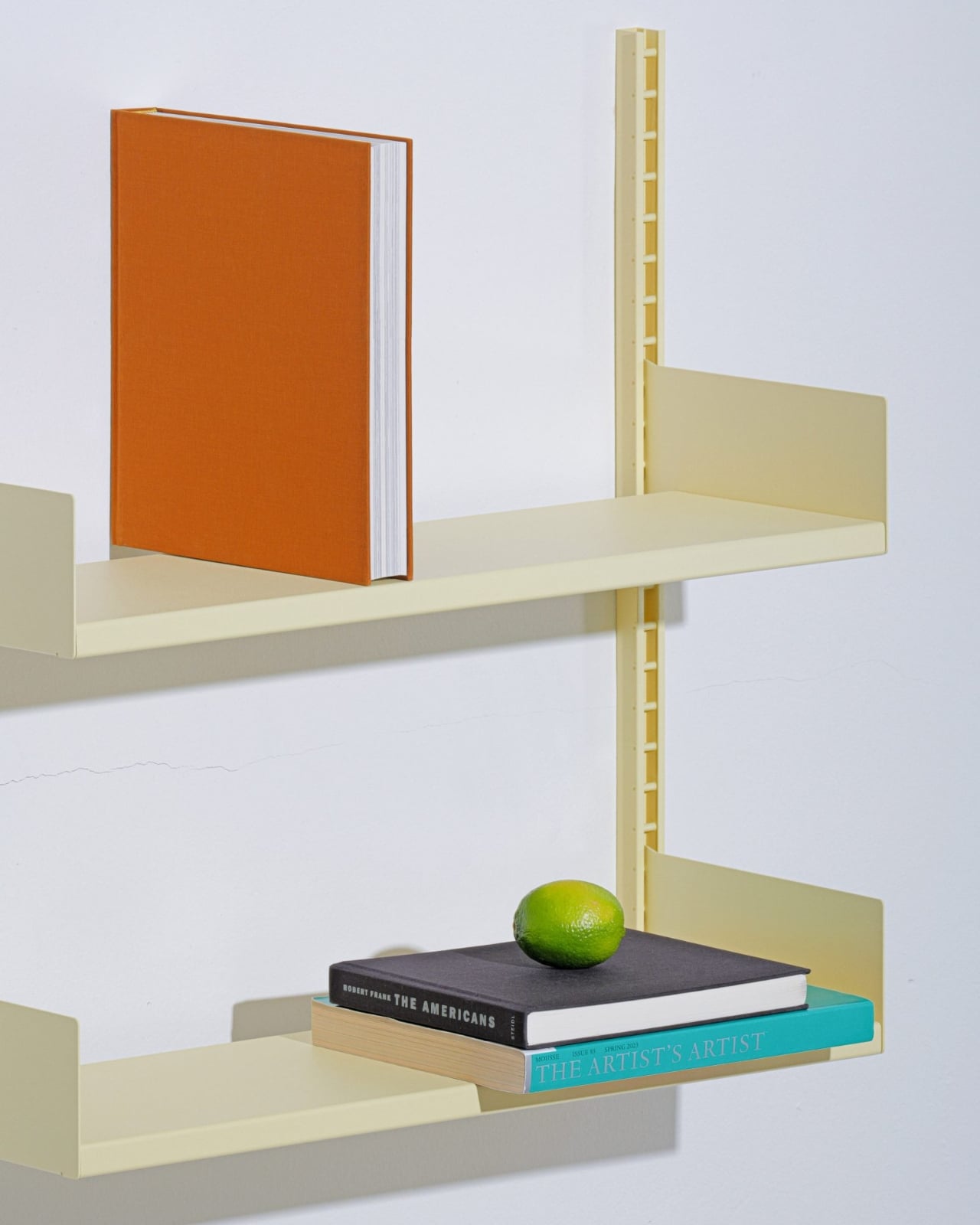
The focal point of this piece of furniture is the colorized iron screen sitting in front of the user. It can be used as a note board or to attach storage items that are magnetized. It also serves to obscure the view of the user or the people around them so that they will be able to focus. There’s also a thin drawer underneath to put other stuff you’d want to not place on top of the table as well as space on the tablet itself for your laptop, supplies, decorations, etc.

The sample shown of A Single Desk has a yellow color for the frame and iron screen but probably it will also come in other pastel or similar colors. It is also probably easy to assemble as it has a pretty simple design. It should be perfect for those going for a minimalist aesthetic and may have just a few items placed on their desk.

The post A Single Desk brings a minimalist aesthetic to your workspace first appeared on Yanko Design.

Sculptural coffee table hides secrets inside its legs

Coffee tables are the centerpieces of many living rooms, both visually and functionally. It is often an area where not only people but objects also gather, whether books, phones, or even food. That’s why it’s not unusual to see trays, boxes, and other containers on or under these tables, which may ruin the table’s charm. But what if the table had these storage spaces built into it and hidden from view until needed? That’s the genius design that this artistic Persian-inspired piece of furniture offers, turning a normal-looking coffee table into a cocktail table for social events and get-togethers.

Designer: Kouros Maghsoudi

Some coffee tables do have built-in shelves or levels used to store books, sometimes also knack-knacks and other objects. These, unfortunately, are often on display even when they’re not needed, and they’re definitely not that useful for things you need to put on top occasionally, like a bowl for fruits, an ice bucket for drinks, and the like. You can always just use any bowl or container for those purposes, but finding ones that match the design of the table could be a daunting task.

The Taarof Table solves this in a rather creative way by having those conventional “party” containers built into the table, specifically its legs. The low coffee slash cocktail table is held up by a stack of pouf-like circles that seem to extend beyond and above the tabletop. Those short cylinders, however, are where the magic happens.

Three of them have lids that reveal the secret inside them. One corner of the table has a perforated sheet of metal that serves as a pewter ashtray. Another can be used as a fruit basket or container for snacks like peanuts. Finally, one has a double-walled bucket for keeping drinks cold. It’s a simple yet effective design that offers functionality that integrates perfectly with the design of the table. You don’t have to remove them when not in use and they continue to serve as aesthetic parts of the table’s design.

Despite the glossy finish, the table is actually made from FSC-certified wood and MDF (medium-density fiberboard). It also uses zero-VOC (volatile organic compound) lacquer for that marble-like shine. Even with very simple and basic shapes, the Taarof Table adds a distinct charm to any living space while also providing functionality that doesn’t get in the way when not needed.

The post Sculptural coffee table hides secrets inside its legs first appeared on Yanko Design.
IKEA unveils Anchor and Unlock safety mechanism in two new collections

Every once in a while, I’ll come across a horror story on my feed about accidents involving furniture toppling over and badly hurting someone. As a regularly clumsy person, it is not outside the realm of possibility that I may be a victim of this someday. The STURDY Act (Stop Tip-overs of Unstable, Risky Dressers on Youth) is a welcome development for kids and grown-ups alike. IKEA has now become the first to apply this into their new furniture line.

Designer: IKEA

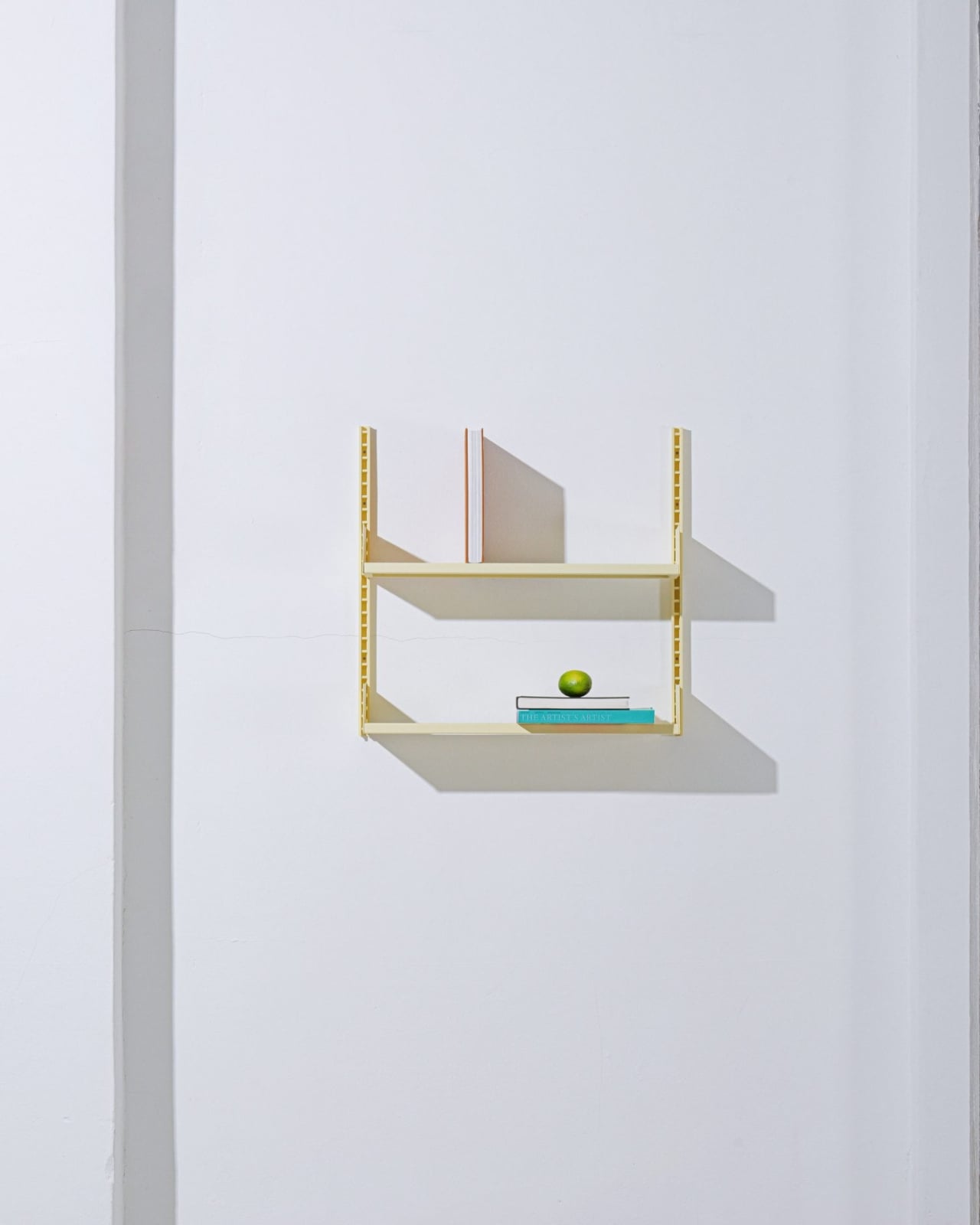
The Storklinta and Gullaberg collection from IKEA come with their patented Anchor and Unlock mechanism which took into consideration the aforementioned STURDY Act’s guidelines. This way, they have made sure that their furniture are safe especially for young kids but still have the design and style associated with the Swedish brand. When properly installed, this mechanism lets you use the items as they’re meant to be used without the risk of it tipping over, even when multiple drawers are opened.

The Gullaberg collection is classic IKEA with its framed sides, tapered legs, and white and gray finishes. There are several dressers, chests, wardrobes, nightstands, and combinations available in the collection. The Storklinta has a more sleek and contemporary design and also comes with chests, drawers, bedside tables, and wardrobe combinations with the PAX system. These furniture come with clean, integrated handles.

Both collections are already available in the IKEA US stores and online but there are still some items that have limited stocks. They will also be launching more safety-enhanced designs later this year. As always, these are items that are self-assembled so you still need to be able to follow instructions on these Anchor and Unlock mechanisms for the furniture to be truly safe.

The post IKEA unveils Anchor and Unlock safety mechanism in two new collections first appeared on Yanko Design.
This chair with floating backrest, ergonomic flexibility, and modular cushioning is designed for space travel

Space Perspective offers life-changing trips to the edge of space in the world’s first carbon-neutral spaceflight. This spaceship dubbed Neptune features a breathtaking design. It’s a capsule with special UV reflective coated largest glass windows ever flown to space providing occupants an unparalleled view from the space lounge inside containing eight state-of-the-art chairs designed both for comfort and aerospace experience.

The innovative seating solution for Neptune’s passengers is visibly inspired by the lounge chairs. It seamlessly merges the luxury and comfort of the lounge chair with the safety requirements of space travel to ensure the guests have not only a comfortable seat but a safe one at that.

Designer: Of My Imagination

Dubbed Aerospace Seat SPN-01, these eight dark-blue chairs in the space lounge are lightweight, functional, and safe. While meeting travel safety standards, these chairs also provide umpteen luxury courtesy of the floating backrest, ergonomic flexibility, and modular cushioning.

These aerospace seats blend a modular pad system with adjustable cushions for ergonomic comfort. Owing to their contoured shape and arced headrest, the chairs nicely cradle their passengers during the critical phases of launch and landing. Due to their positioning (each facing outwards) in the roomy space lounge, each seat has a panoramic 360-degree view through the large capsule windows.

Whilst being designed to comfort anxious passengers in their cocooning environment, the Aerospace Seat SPN-01 is easy to repair and has adjustable features to balance comfort with functionality. Designed by @ofmyimagination the chairs are twined in pairs inside of the space capsule designed to promote conversation and foster shared experiences. The chairs are placed adjacent to each other to encourage passengers to speak with each other. Each set of chairs features a mini wooden table in between that doubles as a desk. Every chair has a storage section underneath where passengers can stow their personal belongings.

The post This chair with floating backrest, ergonomic flexibility, and modular cushioning is designed for space travel first appeared on Yanko Design.
Bibliochaise lets you have your books at arm’s length

At one point or another, a bookworm has probably experienced this: you’ve just finished reading a very engrossing book and you want to start on another one but you’re too comfortable (or lazy) to get up from your chair. You wished another book was just within your arm’s reach. While you could always just have several books placed near where you are, you still wish you had a bookshelf near your favorite reading chair.

Designer: Alisée Matta and Giovanni Gennari

The Bibliochaise is one such piece of furniture that is a bookworm’s haven. It is a chair and a bookshelf in one as there are spaces around it that is designed specifically to hold your books. This way, you can spend hours just reading book after book without having to move an inch. It can also add to the visual styling of your living room and bedroom, further proof that you cannot live without your books.

The chair is able to hold around five linear meters of books if you fill in all the spaces in the arms and underneath your seat cushion. It comes in three different finishes to fit your aesthetic: glossy lacquered for the Glossy model, oak veneer and stained for the Plus variant, and open pore lacquered for the Home option. There’s also a Special Edition in open-pore oak essence that contains 24 or 18 carat gold leaf.

For the structure itself, you can choose from different colors. You can also match or contrast the color of your cushion which is available in superior quality full-grain leather. As a certified bookworm, it’s my dream to have a chair like this in my room, although that probably means less social life for me.

The post Bibliochaise lets you have your books at arm’s length first appeared on Yanko Design.
Design Mumbai 2024: Ready to Unleash Its Design Spirit at Jio World Garden

Mark your calendars: from November 6-9, the vibrant city of Mumbai will transform into a hub of international design creativity with the arrival of Design Mumbai 2024. Set against the lush backdrop of Jio World Garden, this event is India’s first international contemporary design show. If you’re into cutting-edge lighting concepts and meticulously crafted furniture or want to glimpse the future of design, this is where you’ll want to be. Designer to the above picture: Obeetee

Event Dates: 6-9 November 2024.

A Platform for Global and Local Talent

Presented by JSW Paints, the event gives local and international talent a platform to showcase the latest trends in design and craftsmanship. Expect a mix of the finest independent Indian designers alongside global icons, curated into a four-day showcase that brings a unique flavor of creativity to the heart of Mumbai. From installations by JSW Paints to a look at Royal Enfield’s latest take on the Classic 350, Design Mumbai is shaping up to be a must-visit for anyone passionate about creativity.

JSW Paints’ involvement as the Presenting Partner of Design Mumbai brings an added visual spectacle. AS Sundaresan, Joint MD & CEO of JSW Paints, shared, “At JSW Paints, innovation and ‘Think Beautiful’ is at the heart of everything we do. We’re delighted to present Design Mumbai 2024, which will transform Jio World Garden into a vibrant celebration of colour and creativity.” Their participation aims to create a visually inspiring event, encouraging everyone to reimagine their spaces boldly and beautifully.

Designer: andblack

Highlights and Exhibitors

Co-founder Ian Rudge describes the event as a milestone for India’s design community. “This event marks a significant milestone for India, offering an international platform unlike anything seen before. We’re bringing a whole host of innovative and pioneering designs to the show, along with specially commissioned installations from key partners such as JSW Paints and Royal Enfield, and exclusive appearances by some of the most recognised names in the industry. At the same time, we’re committed to celebrating India’s rich design and craft heritage.” Visitors can expect specially commissioned installations, exclusive product launches, and a celebration of India’s craft heritage—all curated to reflect the blend of tradition and innovation that defines modern Indian design.

Designer: Poltrona Frau

With names like Poltrona Frau, Richard Hutten, Studio Saar, Fern & Ade, Jaipur Rugs, VIATOV, VitrA, and de Sede participating, there is something for everyone—if you are interested in plush seating, thoughtful color palettes, or eco-conscious craftsmanship.

Designer: de Sede

Special Features and Installations

Design Mumbai promises an engaging array of special features, from award ceremonies to networking events, all aimed at celebrating the best in contemporary design. Exclusive collaborations, such as the concept hospitality space by THE Park Hotels, in partnership with Studio Saar, will provide attendees with a refreshing look at innovative hospitality design.

Designer: Royal Enfield

Royal Enfield will also feature prominently, showcasing its latest Royal Enfield Classic 350, highlighting its design expertise and the craftsmanship that goes into making these iconic motorcycles.

Live Talks and Keynotes

Design Mumbai is also packed with live industry talks and keynotes under the “Design Mumbai: Exchange” series. Confirmed speakers include key players from Dezeen, Dutch industrial designer Richard Hutten, and those involved in the $30 billion Mumbai infrastructure overhaul.

Richard Hutten

The discussions will cover the intersection of sustainability, design, and technology, providing insights into the future of the creative industry.

Ian Rudge added, “Our goal with Design Mumbai is to deliver top-tier quality and originality to the architecture and design community. We aim to provide a unique experience and diverse content if attendees are specifying for a private residential project or a commercial venture such as a hotel or restaurant.”

Culinary Experiences

Alongside the visual delights, visitors can indulge in culinary experiences from award-winning restaurants, including a pop-up from Soho House Mumbai.

Designer: Fern & Ade

Imagine exploring exhibits ranging from upcycled cotton tapestries by Morii Design to the latest Danish collections by Fern & Ade—all while enjoying a high-end dining experience.

Innovative and Sustainable Design

Innovation is a core theme of the event, which showcases creativity and sustainability, from VitrA’s recycled ceramic washbasins to VIATOV’s plexiglass mirrored art pieces.

Designer: Vitra

Visitors will also find inventive pieces from AKFD Studio, known for its unique lighting designs incorporating traditional Indian craftsmanship, and Studio Avni’s work, which experiments with materials like silicone and discarded silk saris.

Designer: Viatov Design

Craft Heritage and Modern Classics

Expect to see bold, modern pieces from the FAZO Project, which utilizes traditional carpet weaving techniques. Loco Design will present collections that blend Indian heritage with modern technology, while Shailesh Rajput Studio will exhibit art-inspired lighting pieces using aluminum, brass, and clay.

Designer: Loco Design

Loco Design’s efforts to blend heritage craftsmanship with modern aesthetics aim to redefine contemporary Indian design on a global scale. Under brands like Madheke, Pintark, and Taamaa, their new collections represent a convergence of Indian heritage and international practices, creating an engaging narrative for the audience.

Luxury Meets Modern Architecture

The hospitality space designed by THE Park Hotels in collaboration with Studio Saar offers a glimpse of luxury paired seamlessly with modern architecture.

Designer: Studio Saar

With exhibitors like Technogym, Timothy Oulton, Hästens, Michael Young, and Boss Design, Design Mumbai promises something to inspire all design enthusiasts.

Artful Forms and Everyday Simplicity

Other notable names include Seoul-based VIATOV, which presents mirrored objects, and Esvee Atelier, known for its functional art that enhances living spaces.

Studio Avni will also display its Hybrid series of stitched metal light pieces alongside projects like the Garland series, which are made from discarded silk saris.

Designer: Esvee Atelier

Esvee Atelier is set to introduce the VAV coffee table, inspired by Indian stepwells, and the Maya vanity dresser, which turns everyday routines into elegant rituals and embodies the spirit of thoughtful, functional design.

Design Mumbai is set to establish itself as a yearly pilgrimage for lovers of design—capturing the creative energy of India and ingenuity from around the world. Design Mumbai is also collaborating with the Association of Designers of India’s Mumbai Chapter, who is helping them curate speakers and building engagement with the design community. The creative pulse of Mumbai is about to get even stronger!

Event Dates: 6-9 November 2024.

The post Design Mumbai 2024: Ready to Unleash Its Design Spirit at Jio World Garden first appeared on Yanko Design.
Worknic is a portable work station if you need outdoor inspiration

Ever since employees discovered that they didn’t always have to be in the office to still be productive, there has been an increase in people who prefer working in another space instead of their cubicle. That also means there are more product designers thinking of furniture, tools, and accessories that would cater to this segment of digital nomads.

Designers: Seokoo Yeo, Woojin Jang, and Dowan Kim

Worknic is a portable desk that was developed through the Samsung Design membership program that is sponsored by Samsung Electronics. It lets you roll out and put up your desk in any space and change your working environment in case the walls of an office or your room are not doing it for you anymore. It also comes with a power source so you don’t always need to be beside a wall socket.

It’s a pretty big contraption to carry around but it comes equipped with wheels so you can roll it to wherever you plan to work. Once you’ve chosen your space, you just park it and pull out various bells and whistles to set up your desk, including stands, a worktable, and a power source. There also seems to have a stool that you can pull out to complete your office in the wilds.

There doesn’t seem to be much information about how long the power source will last or what are the other features of the work table or how heavy or light it will be. Design-wise however, it seems to be a pretty solid option for those who want to work in the park, at the beach, or wherever brings them more inspiration.

The post Worknic is a portable work station if you need outdoor inspiration first appeared on Yanko Design.
Herman Miller Gaming x FAILE artistic gaming chairs and character joysticks are impressive

Herman Miller is known better for its consortium of office chairs than for gaming chairs. But its gaming division: Herman Miller Gaming, has a new, artistic vision to turn some eyes its way. The furniture giant has partnered with FAILE, a brainchild of Patrick McNeil and Patrick Miller, to revive the nostalgia of the Arcades, Ataris, and Nintendos of the ‘80s through painting and printmaking approach on chairs, wooden Joysticks, and printed posters.

The initial idea for Herman Miller and FAILE collaboration was to work with the prints collection of the former. McNeil and Miller, however, saw varying opportunities in the furniture maker’s gaming repertoire and besides gaming-inspired printed posters and tangible painted joysticks with whimsical game-like characters, they have gone ahead to give colorful art love to Herman Miller’s ergonomic gaming seat.

Designer: Herman Miller Gaming x FAILE

Brooklyn-based collaboration between artists Patrick McNeil and Patrick Miller, FAILE, has been blurring the lines between fine art and popular culture through painting and printmaking. The choice of material is little of significance, since their collaboration since 1999, the two artists have worked with a range of materials ranging from traditional canvas to sculptures, from window pellets to wooden boxes and their idea of transforming the Embody Gaming Chair into a piece of exceptional art is therefore no surprise.

McNeil and Miller have characterized 12 variants of the Embody, using its seat and back as the canvas of distinction similar to skateboard decks. According to the duo, through the artwork, they intend to bring to ‘Herman Miller Gaming that which was not in the digital realm but captured some of the character making of gaming.’ This also extends into the creation of joysticks, which have a tactile wood feel and personality of their own that uniquely comes to life depending on the setting they’re used in.

FAILE and Herman Miller have created 100 unique characters, based on drawings and doodles. Each of these is handcrafted and painted with hand for uniqueness. While the chairs are designed exclusively for the Herman Miller Gaming archives, and are not available to purchase. Joysticks and prints are available for preorder and will go on retail starting October 1 for $995 and $250 respectively. If you want an experience of the artistic collection before committing to it, you can check them out in an installation in New York from September 27 through September 29.

The post Herman Miller Gaming x FAILE artistic gaming chairs and character joysticks are impressive first appeared on Yanko Design.

Walking wooden coffee table is equal parts mesmerizing and unsettling

In the prehistoric past, man’s survival relied on preserving as much energy as possible by using the least amount of effort possible to complete a task. Today, that might sound a little like laziness, but it was that spirit of necessity that gave birth to many of humanity’s greatest inventions, from cars to smartphones to this rather ingenious walking wooden table. A product of passionate craftsmanship, computer wizardry, and creative imagination, the Carpentopod and its 12 crawling legs could be the semi-automated table you’ve dreamed of that will bring your snack and drink at your command, or a sci-fi nightmare come to life that will haunt your waking hours.

Designer: Giliam de Carpentier

Given our advancements in robotics, you might think that making a table walk would be a trivial pursuit, but unlike a wobbling and bouncing quadruped, a table needs to be stable and level if it’s to be useful. The biggest puzzle to this project, therefore, is designing legs that would move the table without jiggling and potentially spilling its contents. To solve this, computer software was used to generate thousands of leg linkage variations and have them compete with each other based on certain criteria. In other words, a kind of machine learning to create the best leg design that can move smoothly in a horizontal direction.
The result is a design that looks like a fusion of Theo Jansen’s iconic Strandbeest mechanism and the movement of multi-legged creatures like centipedes. The table moves with no less than 12 legs in four groups, as each leg can only do a third of the walk cycle on the ground. As you can imagine, the assembly of this wooden machine is no trivial task. The leg linkages themselves were CNC’ed from laminated bamboo for the sake of precision. All in all, There were more than a hundred bamboo parts involved in the construction, each of which was sanded and lacquered.
The Carpentopod isn’t just a mechanical wooden sculpture, however. There are motors used to move the legs, specifically the smooth, brushless motors used for automated curtain products. There’s also plenty of electronics involved, though the majority of them are for controlling the table remotely. Curiously, these non-wooden parts are all hidden inside a central hollow compartment, almost like the belly of the beast, so to speak. The table can be controlled using a custom wand-like remote not unlike a Wii-mote.

It’s definitely mind-blowing how the table can walk so smoothly without toppling things on top of it or spilling their contents. There’s still a bit of shaking, of course, but still within safe ranges. One can only imagine how the basic design of the Carpentopod could be improved with some sensors and automation, delivering your food while you sit on your couch and then parking itself away once its job is done.

The post Walking wooden coffee table is equal parts mesmerizing and unsettling first appeared on Yanko Design.