It’s no longer free to use Claude through third-party tools like OpenClaw

Anthropic is no longer offering a free ride for third-party apps using its Claude AI. Boris Cherny, Anthropic's creator and head of Claude Code, posted on X that Claude subscriptions will no longer cover using the AI agent for third-party tools, like OpenClaw, for free. As of 3PM ET on April 4, anyone using Claude through third-party apps or software will have to do so with an extra usage bundle or with a Claude API key, according to Cherny.

Most of Claude's workload may come from simple user questions, but there are those who use the AI chatbot through OpenClaw, a free and open-source AI assistant from the same developer as Moltbook. Unlike more general AI solutions, OpenClaw is designed to automate personal workflows, like clearing inboxes, sending emails or organizing calendars, but leans on external large language models, including Claude, ChatGPT and Google Gemini.

Cherny replied to X users that this change is about engineering constraints and optimization. "We’ve been working hard to meet the increase in demand for Claude, and our subscriptions weren't built for the usage patterns of these third-party tools," Cherny explained on X. "Capacity is a resource we manage thoughtfully and we are prioritizing our customers using our products and API."

If OpenClaw users still want to use Anthropic as its LLM, they will have to buy a usage bundle, which are currently discounted, or switch to another AI integration like xAI, Perplexity or even DeepSeek. Of course, Anthropic has its own alternative, which tackles some similar tasks as OpenClaw, called Claude Cowork.

This article originally appeared on Engadget at https://www.engadget.com/ai/its-no-longer-free-to-use-claude-through-third-party-tools-like-openclaw-160912082.html?src=rss

The latest on the Artemis II mission to the moon, and more science stories

We got to share in a rare moment of collective awe this week as four astronauts blasted off toward the moon, beginning a 10-day journey that will take them farther from Earth than any humans have traveled in the last 50 years. It'll still be a little while before they reach their destination — the Orion spacecraft is expected to loop around the moon on Monday — but they've already seen some pretty incredible stuff on the way there. Here's the latest on the Artemis II mission, and other interesting science stories from this week. 

After years of planning, NASA astronauts Reid Wiseman, Victor Glover and Christina Koch, along with Canadian Space Agency (CSA) astronaut Jeremy Hansen, are finally on their way to the moon for the Artemis II mission. This test flight is a crucial step in NASA's plans to send humans to the surface of the moon again for the first time since Apollo 17, and the high-stakes launch went off without a hitch on Wednesday. 

The Artemis II crew is now more than halfway to the moon, according to NASA. When Orion reaches the moon on April 6, the astronauts will have a six-hour window of opportunity to observe the partially lit lunar far side, which can't be seen from Earth. If you're curious about where exactly the astronauts are at any given moment, you can track the mission by visiting NASA's Artemis Real-Time Orbit website. And, if you just want to see what space looks like from Orion, here's a livestream from outside the capsule. The moon is now in view!

The crew did experience some technical difficulties after leaving the ground, though all were resolved fairly quickly. Early Thursday morning, Wiseman contacted mission control to troubleshoot some issues with a Surface Pro he was attempting to use, noting, "I have two Microsoft Outlooks and neither one of those are working." Relatable. The Artemis II crew was also greeted by a malfunctioning toilet not long into the flight, and astronaut Koch had to work with the ground team to figure out a fix — which they thankfully were able to do. In a livestream later, the astronaut joked that she is now a space plumber. 

Small issues aside, the Artemis II mission is off to a pretty amazing start. The Orion spacecraft completed its translunar injection burn on Thursday, officially taking it out of Earth orbit and putting it on its way to the moon. Commander Wiseman shared some pictures of the view from Orion's windows afterward, and they are breathtaking. In one unbelievably crisp shot of Earth, you can even see two auroras. And there's plenty more observations to come. 

Using data from the Sloan Digital Sky Survey (SDSS), a group of undergraduate students at the University of Chicago has discovered what's thought to be one of the oldest stars ever observed. Their analysis indicates that the star, called SDSSJ0715-7334, was born in the nearby Large Magellanic Cloud billions of years ago before eventually making its way to the Milky Way.

The orbit of the ancient immigrant star plotted in comparison to the Milky Way
Vedant Chandra and the SDSS collaboration Background ESA/Gaia image, A. Moitinho, A. F. Silva, M. Barros, C. Barata, University of Lisbon; H. Savietto, Fork Research

The star was one of 77 that the students selected for closer observation after poring through the SDSS data in their "Field Course in Astrophysics” class, which is led by Professor Alex Ji, the deputy Project Scientist for SDSS-V. SDSS-V is an ongoing all-sky survey that's mapping the Milky Way. After creating their list, they set out to observe the stars during a field trip to Carnegie Science’s Las Campanas Observatory in Chile, and honed in on SDSSJ0715-7334 on day two. The team found it's made mostly of hydrogen and helium, with very little carbon and iron. In the paper published in the journal Nature Astronomy, the researchers note that this composition could be the product of a primordial supernova.

"This ancient immigrant gives us an unprecedented look at conditions in the early universe,” said Ji in a statement. Ji added, “The star has so little carbon that it suggests an early sprinkling of cosmic dust is responsible for making it. This formation pathway has only been seen once before.”


This article originally appeared on Engadget at https://www.engadget.com/science/space/the-latest-on-the-artemis-ii-mission-to-the-moon-and-more-science-stories-160000539.html?src=rss

Konel Just Built a Bag That Slows Your Heart Rate While You Wear It

We are all carrying more than just our belongings these days. The mental load, the relentless calendar, the low-grade hum of stress that follows you from your morning commute to your desk to your couch at night. Wearable tech was supposed to help with that. Instead, most of it just gives you more numbers to feel bad about, more data to scroll through while your cortisol levels do exactly what they want anyway.

That’s what makes the Pulse Pack, a translucent wearable bag by Japanese creative company Konel, feel like such a refreshing left turn. It debuted at Milan Design Week 2026, and the concept alone is worth pausing on. The bag measures your heartbeat in real time and then responds with a physical pulse of its own, timed at exactly half the frequency of what it detects. When your heart is racing, it hums back at you slowly and steadily. And over time, your body follows.

Designer: Konel

The science behind it is called entrainment, the process by which the nervous system synchronizes with a steady external rhythm when that rhythm is slower and more regular than its own. You’ve probably experienced it without realizing it. A slow drumbeat at a concert that settles you into your seat. A rocking motion on a long train ride. A repeated vibration against your palm. These things pull you down, not because they distract you from stress, but because the body literally adjusts its own pace to match them. Konel built the Pulse Pack around that mechanism entirely, and it’s a smarter premise than most wellness gadgets can claim.

What makes the design clever, beyond the concept itself, is where the haptic pulse actually lands on the body. Most wearable devices place their feedback at the wrist or fingertips, the places we are constantly paying attention to. The Pulse Pack positions its pulse against the spine and shoulder blades instead, areas that are far less consciously monitored. That feels intentional in the best possible way. Konel suggests that contact with the back is less intrusive and more grounding than stimulation at the extremities, and that logic holds up when you think about how a hand placed firmly on someone’s back can calm them in a way that a tap on the wrist rarely does.

Konel is also the company behind the ZZZN, a puffer jacket that doubles as a sleeping system with a built-in headpiece and red light therapy, designed for napping pretty much anywhere. So if you’re sensing a theme, you’re reading it correctly. This is a studio genuinely interested in designing objects that support the body’s quieter needs: rest, calm, recovery, rather than feeding the dopamine loop that most consumer tech seems structurally incapable of resisting. It’s an interesting design niche, and a necessary one.

The Pulse Pack is still a prototype. The version on display at Via Palermo 11 during Milan Design Week is not something you can order yet, and it’s fair to wonder how the technology translates into an actual production piece. The translucent material is striking in photos, beautiful and a little otherworldly, but bags live a rough life. The gap between a design week prototype and a durable everyday object is real and wide, and that’s a challenge Konel will have to solve if this ever ships.

Still, I keep coming back to the core premise. We have spent years watching tech companies try to solve stress by throwing more information at us. More graphs, more scores, more nudges, more optimizations. The Pulse Pack takes the opposite approach completely. It doesn’t tell you anything. It doesn’t suggest anything. It just slows itself down and quietly invites your body to do the same. Whether or not the Pulse Pack ever makes it to your back, it shifts the conversation about what wearable technology could actually be doing. Not louder. Not smarter. Just calmer. That’s a design philosophy I’d like to see a lot more studios take seriously.

The post Konel Just Built a Bag That Slows Your Heart Rate While You Wear It first appeared on Yanko Design.

Is Your iPhone on the List? iOS 27 Could Cut Off These Popular Models

Is Your iPhone on the List? iOS 27 Could Cut Off These Popular Models Close-up of an iPhone 11 Pro with a label indicating Apple’s vintage classification for older hardware.

Apple’s iOS 27 update marks another step forward in its software evolution, bringing new features and improvements while redefining device compatibility. Announced during the Worldwide Developers Conference (WWDC) on June 8, 2026, this update introduces significant changes, particularly for users of older iPhones. If you own an iPhone 11 series or a second-generation iPhone SE, […]

The post Is Your iPhone on the List? iOS 27 Could Cut Off These Popular Models appeared first on Geeky Gadgets.

Posted in Uncategorized

How Paperclip Turns Claude Code Into an Entire Automated AI Company

How Paperclip Turns Claude Code Into an Entire Automated AI Company Role-based AI agents in Paperclip, including CEO, marketer, designer, and QA, assigned to projects.

Below Nate Herk explores how Paperclip, an open source AI orchestration platform, enables businesses to create fully automated, AI-driven organizations. By integrating with frameworks like Claude Code, Paperclip allows users to deploy virtual agents capable of managing tasks, overseeing projects and even hiring additional agents. One standout feature is its centralized dashboard, which provides a […]

The post How Paperclip Turns Claude Code Into an Entire Automated AI Company appeared first on Geeky Gadgets.

Posted in Uncategorized

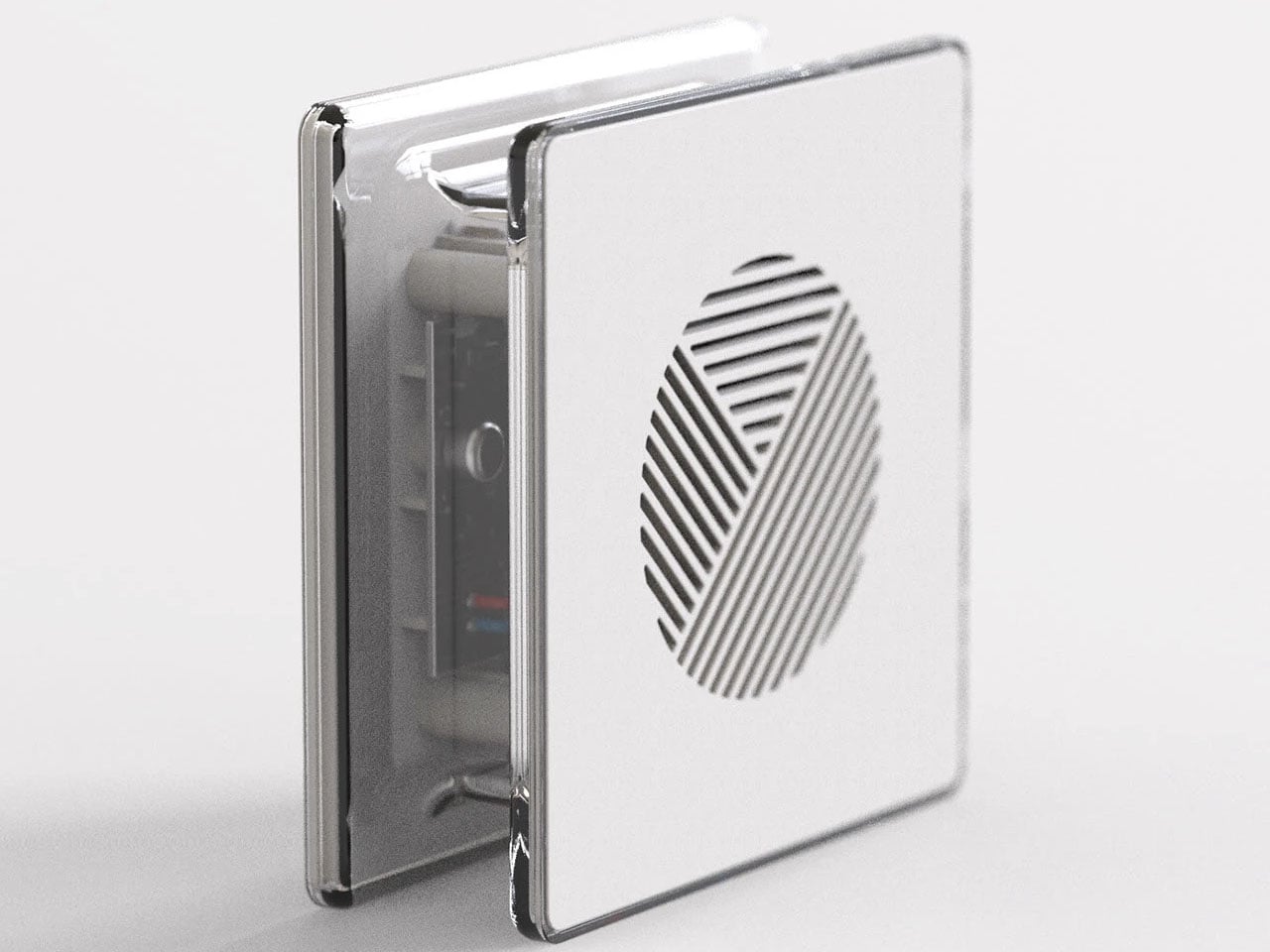
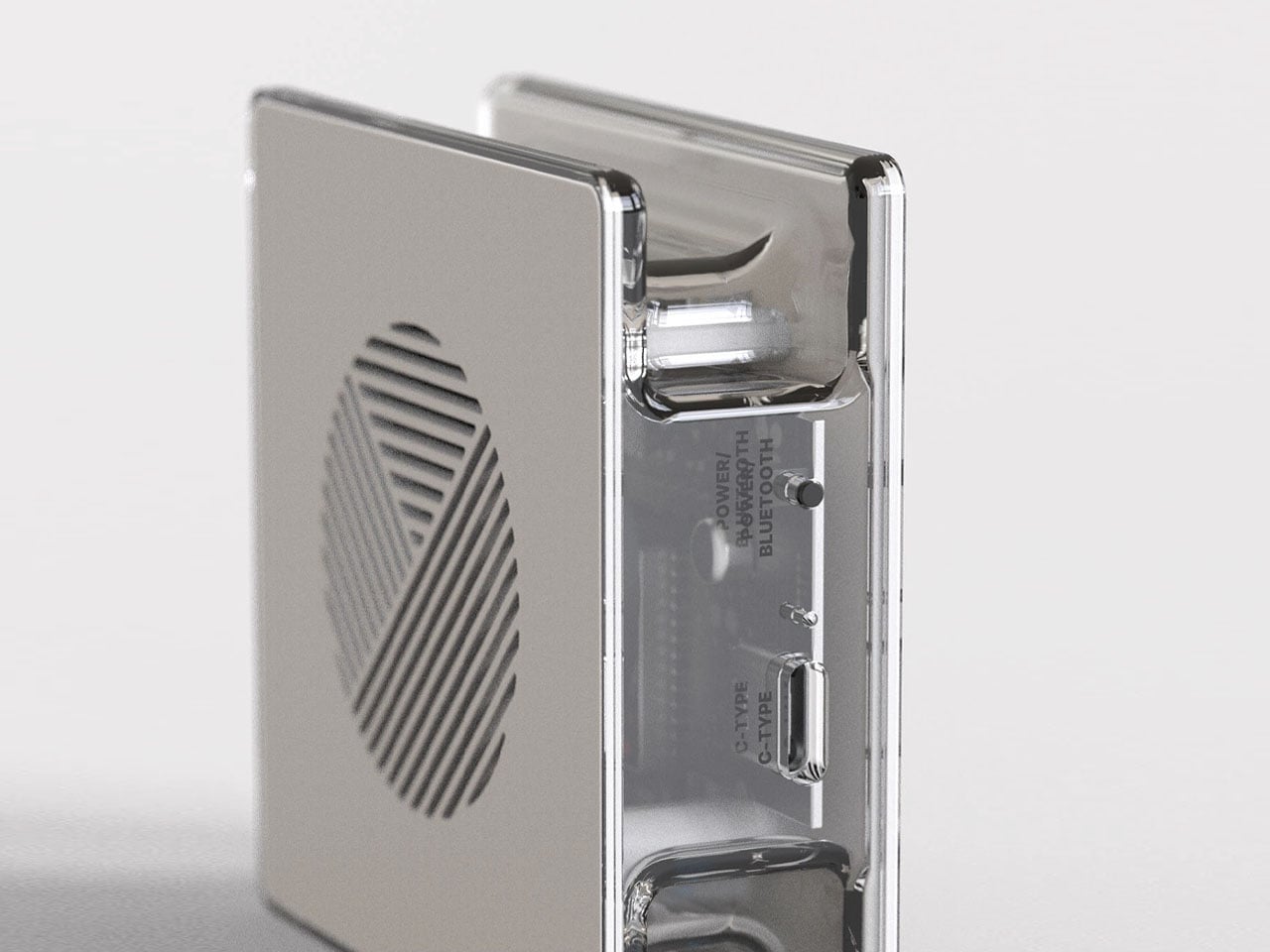
This transparent speaker celebrates the beauty of sound engineering

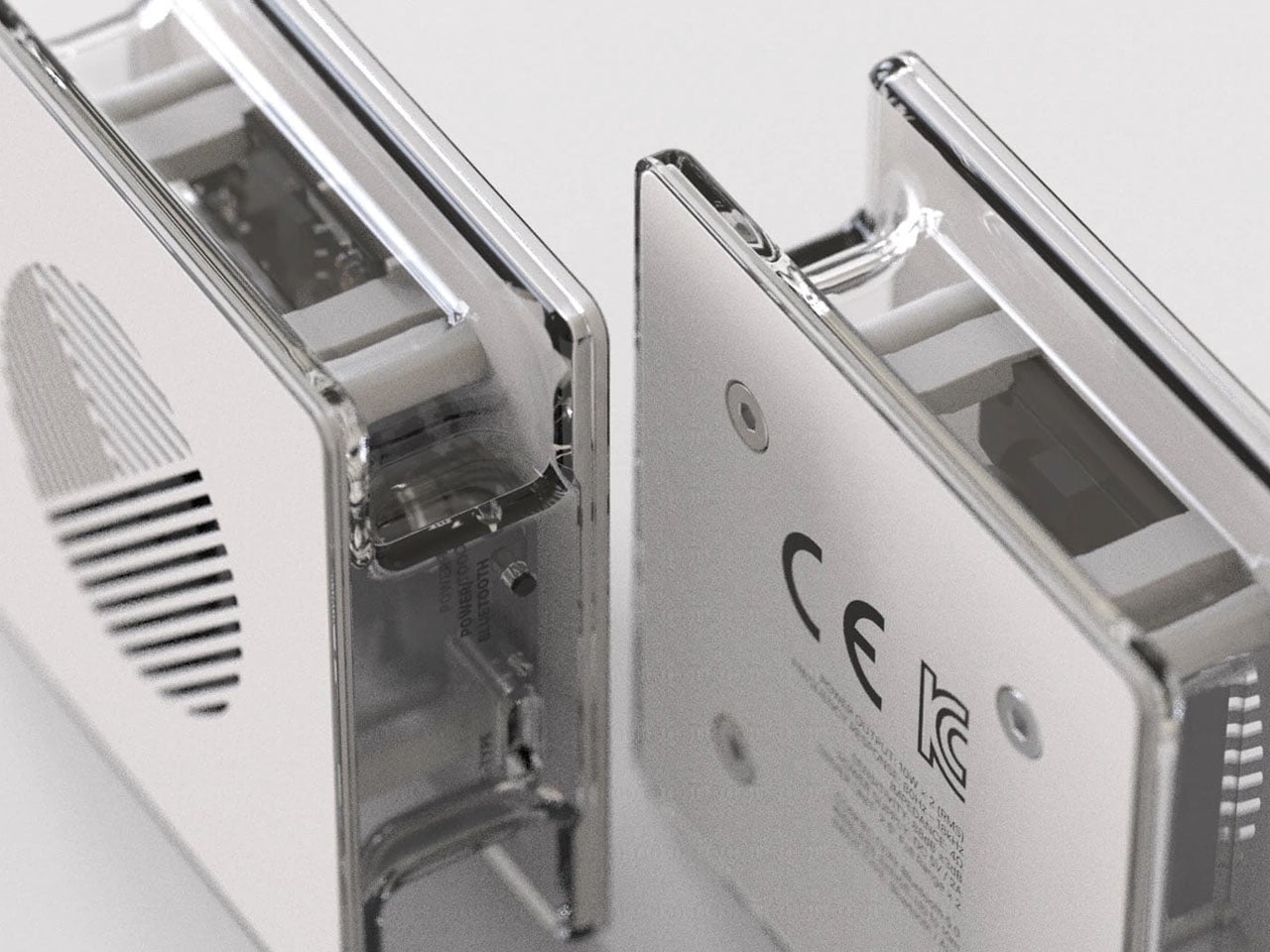
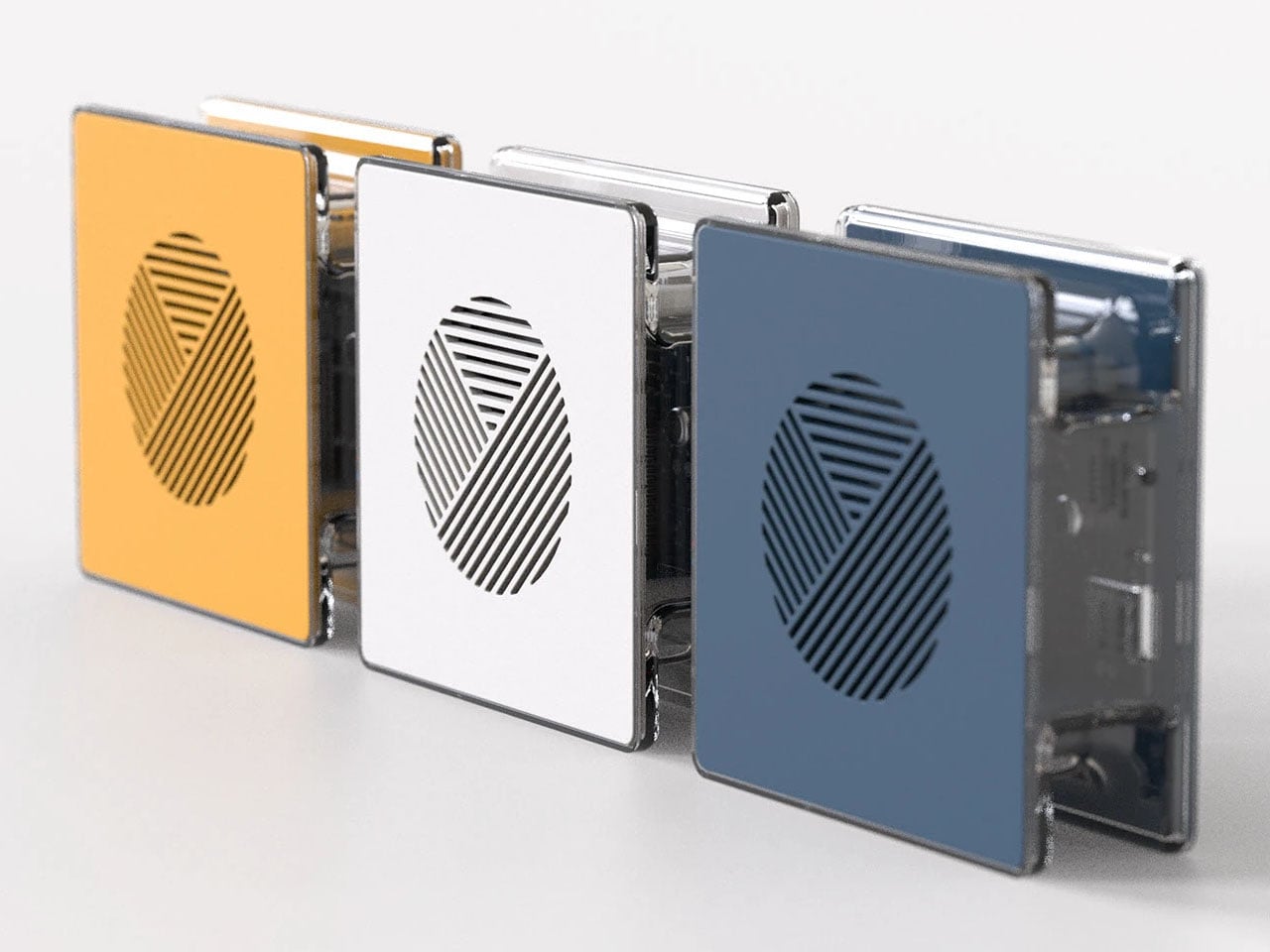
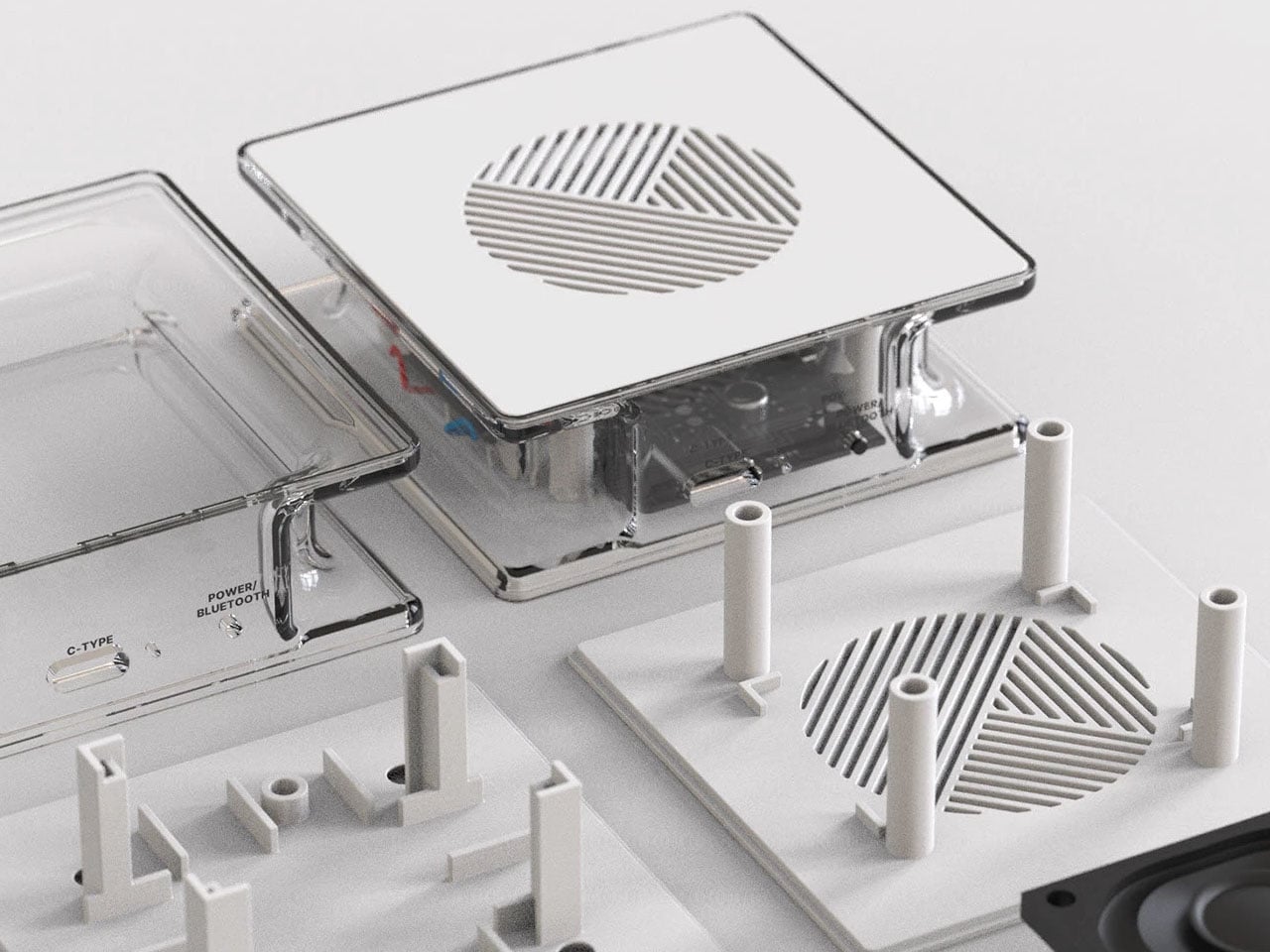
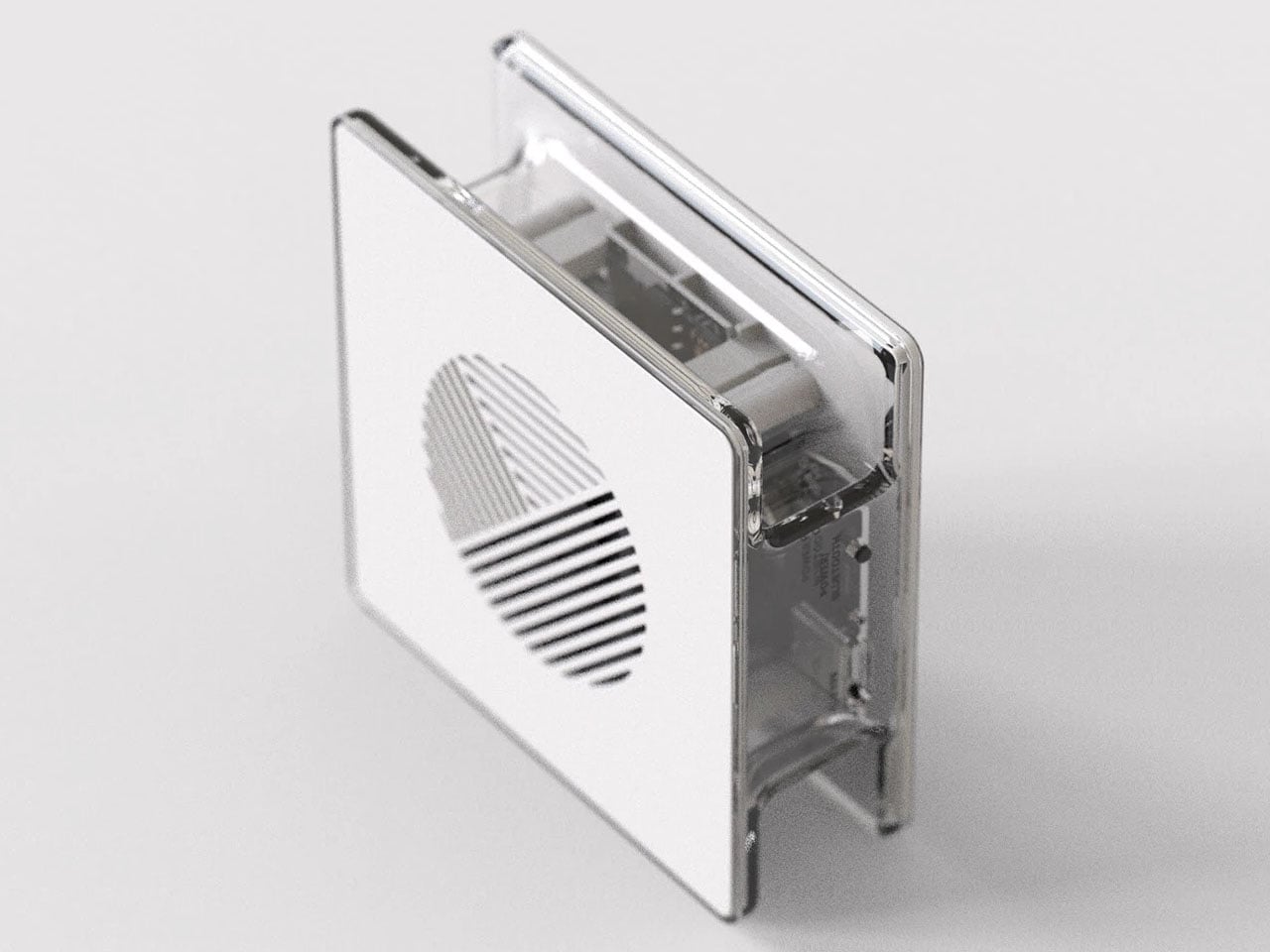
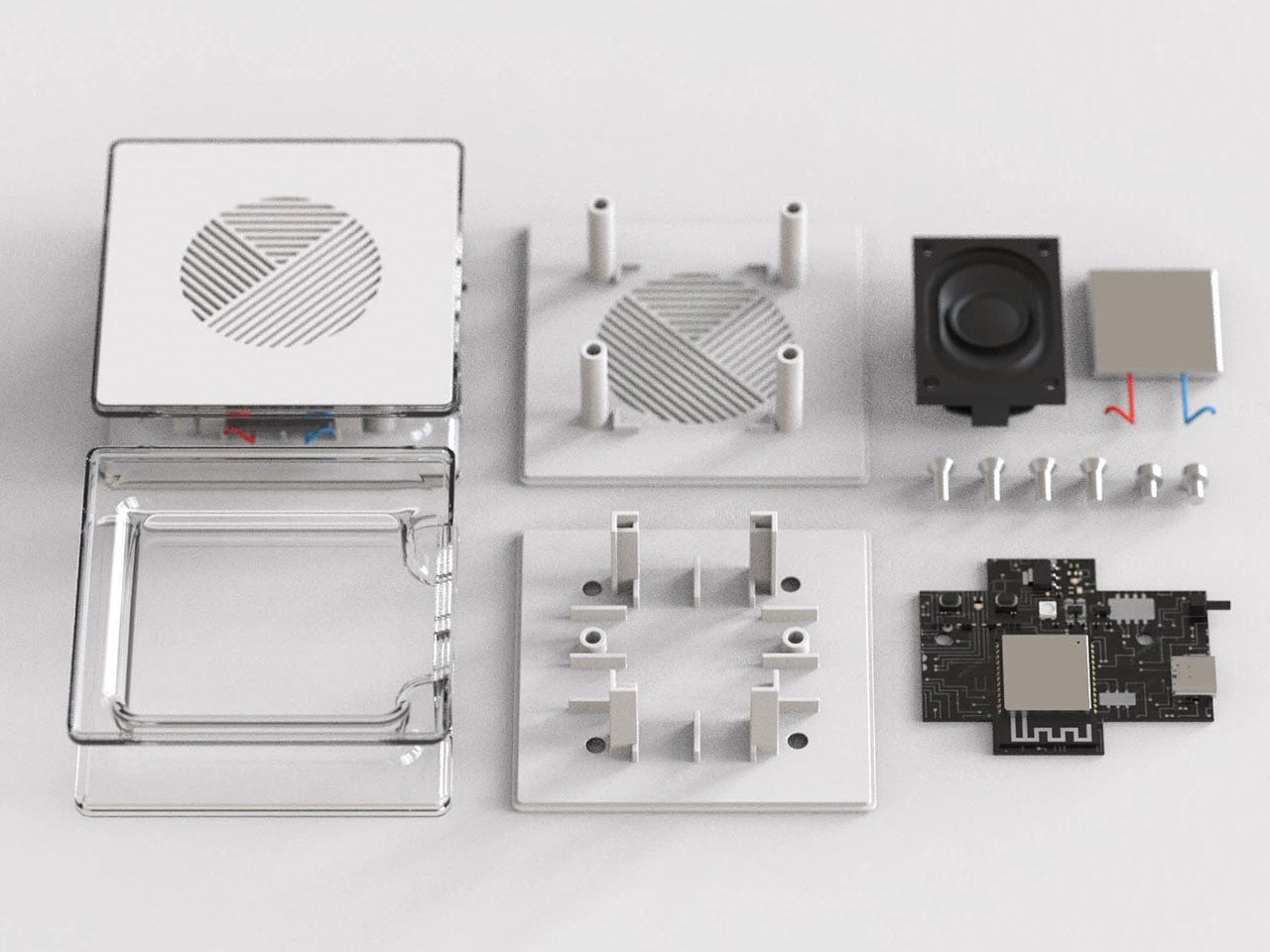
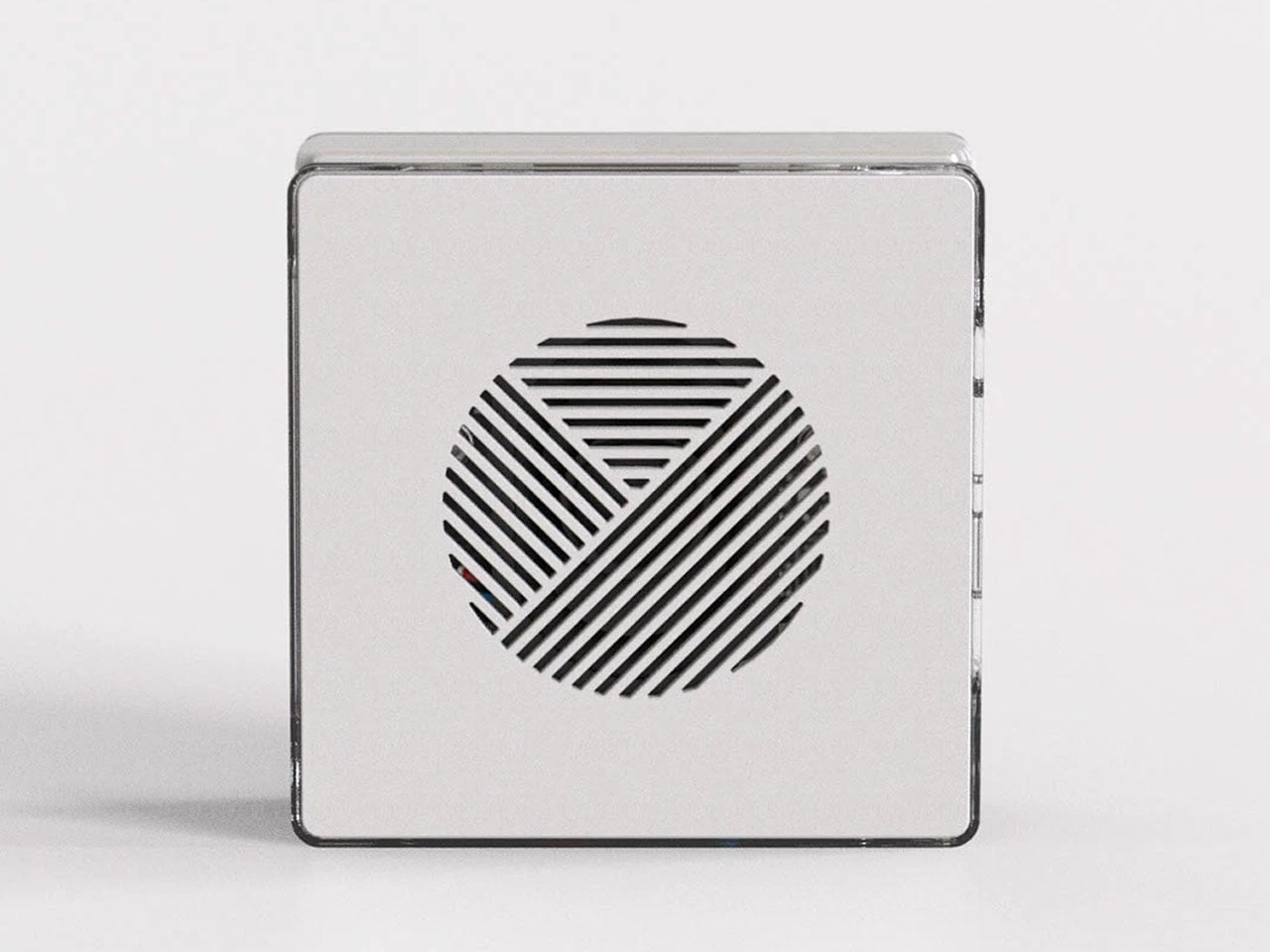
There’s something about transparent gadgets and audio gear that evokes a sense of retro-futurism. Although we’ve seen a fair share of transparent speakers, this one hits different. Rather than using transparency as a simple aesthetic trick, the design turns the internal structure of the speaker into a visual highlight. The clear enclosure reveals the driver, supporting frame, and internal layout that are usually hidden inside conventional speakers.

This approach transforms the product from a typical audio device into something more expressive, where the engineering becomes part of the visual story. The result feels less like a traditional gadget and more like a piece of functional design that celebrates the mechanics of sound.

Designer: Jinkyo Han

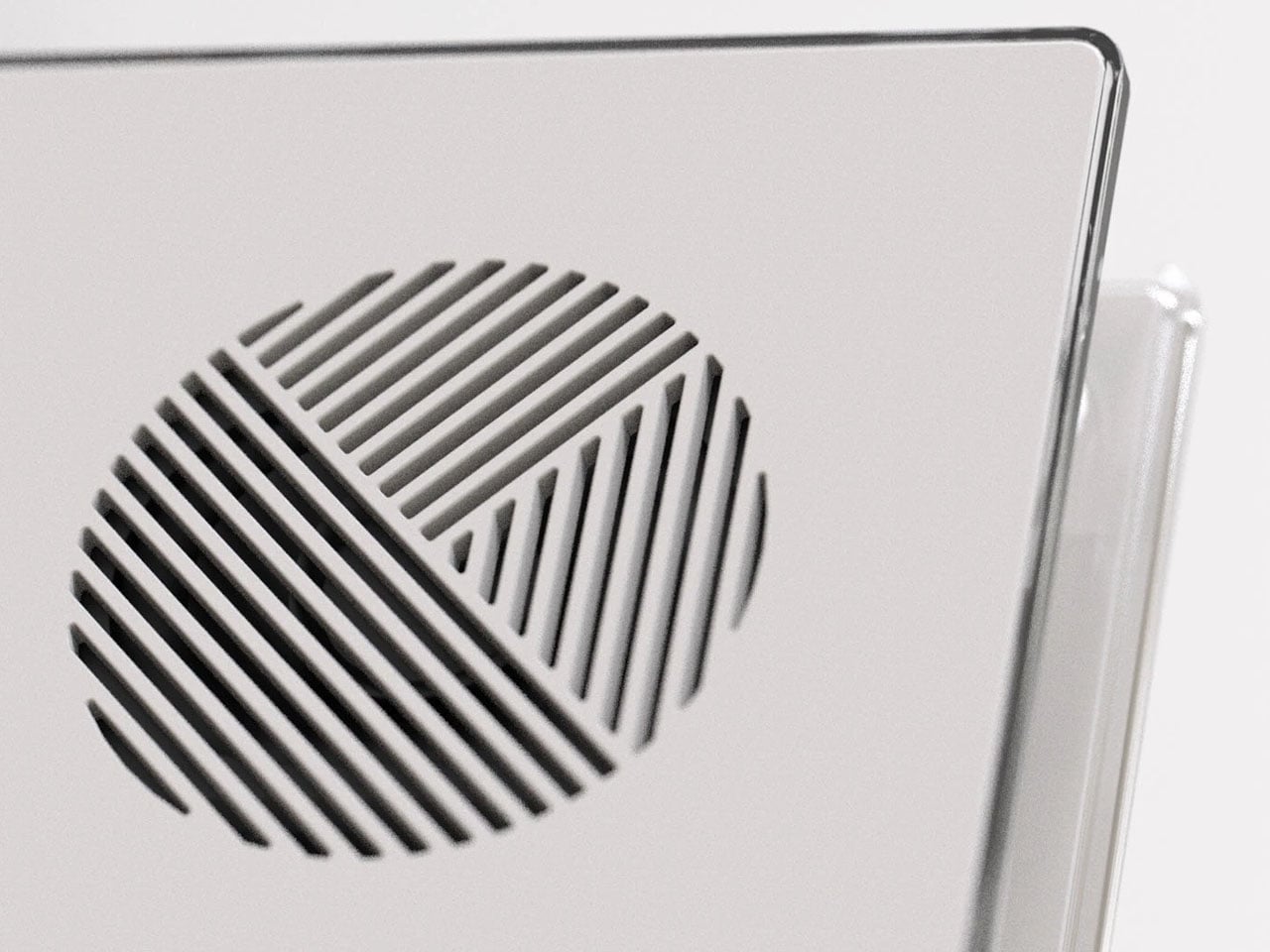
The form itself is minimal and geometric, allowing the transparency to remain the focal point. At the center sits the circular driver, clearly visible through the casing and positioned as the focal point of the entire design. Instead of concealing this critical component behind fabric or grills, the speaker proudly displays it. This not only creates a strong visual identity but also highlights the hardware responsible for producing the audio experience.

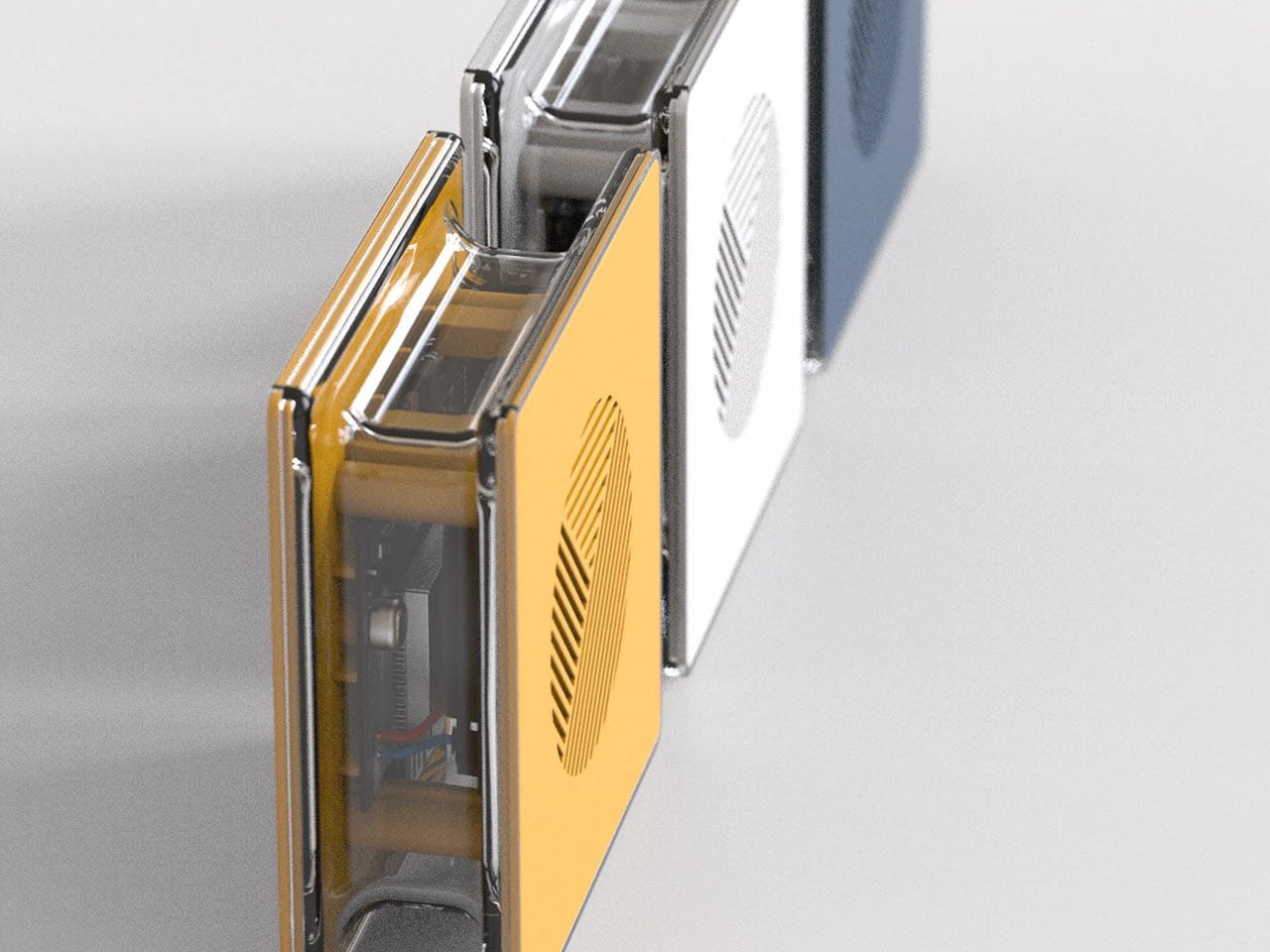
The internal elements appear carefully arranged to maintain balance and symmetry. With the casing fully transparent, every structural element becomes visible, which places greater importance on thoughtful layout and clean engineering. The frame surrounding the driver provides both support and visual structure, giving the speaker a refined, almost architectural appearance. Observing these internal layers gives users a rare glimpse into how a speaker is physically constructed.

Another benefit of the transparent enclosure is the way it interacts with light. Reflections and shadows passing through the clear surfaces add depth and dimension, making the device visually engaging even when it’s not in use. In modern living spaces where technology often blends with décor, a speaker like this can easily function as both an audio device and a decorative object. Placed on a desk, shelf, or side table, it naturally draws attention without being overly flashy.

Despite its artistic appearance, the concept remains grounded in practicality. Designed as a Bluetooth speaker, it emphasizes wireless connectivity and everyday usability. The simplicity of the overall form suggests that controls and functionality are kept minimal, ensuring the product remains intuitive while preserving the clean aesthetic. To add a bit of flair, the designer imagines the speaker in two sophisticated color options: Dusty Blue and Ocre.

The post This transparent speaker celebrates the beauty of sound engineering first appeared on Yanko Design.

The Apple CarPlay Widgets Every iOS 26 User Needs to Enable Right Now

The Apple CarPlay Widgets Every iOS 26 User Needs to Enable Right Now Apple CarPlay Widgets

The release of iOS 26 introduced a significant enhancement to Apple CarPlay with the addition of a dedicated widget page. This update supports both Apple and third-party widgets, offering a more dynamic and personalized driving experience. These widgets are designed to improve convenience, functionality, and entertainment, transforming your dashboard into a powerful tool for everyday […]

The post The Apple CarPlay Widgets Every iOS 26 User Needs to Enable Right Now appeared first on Geeky Gadgets.

Posted in Uncategorized

Google Just Released Gemma 4: Why This Open-Source AI is a Game Changer

Google Just Released Gemma 4: Why This Open-Source AI is a Game Changer Visual card highlighting Gemma 4’s Apache 2.0 license and download options on Hugging Face and Google Cloud.

Google’s release of Gemma 4 introduces a new era in AI development, combining advanced capabilities with open source accessibility. As highlighted by Sam Witteveen, this family of models is designed to address a diverse range of needs, from high-performance computing tasks to lightweight, on-device applications. Notable features include its multi-modal integration, which processes text, vision […]

The post Google Just Released Gemma 4: Why This Open-Source AI is a Game Changer appeared first on Geeky Gadgets.

Posted in Uncategorized

7 Best Tiny Home Outdoor Accessories That Turn a 300-Square-Foot Yard Into an Actual Living Room

Small outdoor spaces have a way of revealing exactly how much thought went into the objects inside them. When every square foot counts, the things you choose to bring outside need to earn their place — not just functionally, but visually. The best tiny backyard accessories fold away when you’re done, grow upward instead of outward, and look like they were designed rather than assembled. These seven picks do exactly that.

The difference between a cramped yard and a considered one rarely comes down to square footage. It comes down to objects that understand their role — a fire pit that manages its own smoke, a dining set that lives inside a cylinder, a herb garden that climbs the wall instead of spreading across the ground. Each of these seven accessories solves a real outdoor living problem without creating a new one, which is the baseline requirement for anything going into a space this deliberate.

1. All-in-One Grill

The first question any small outdoor space asks of a grill is whether it can disappear when not in use. This modular tabletop grill answers that cleanly. Its parts separate and stack to support barbecuing, frying, grilling, steaming, smoking, or slow-cooking a stew — all on a surface small enough to sit on any patio table. The design doesn’t try to be everything at once; it brings exactly what you need for the style of cooking you’re doing that evening, then gets out of the way.

There’s also a bottle-warming module in the mix, which sounds like a novelty until the first cold autumn evening when mulled wine becomes the plan. Cleanup is as thorough as cooking; every modular part disassembles for washing, and nothing requires more effort than it should. For a compact yard where a full outdoor kitchen isn’t on the table, this is the kind of object that makes the limitation feel like a deliberate choice rather than a compromise.

Click Here to Buy Now: $449

What we like:

  • Modular design covers six styles of cooking without occupying a permanent outdoor space
  • Parts disassemble quickly, keeping cleanup as easy as the setup

What we dislike:

  • Multiple components mean multiple things to keep organized between uses
  • Better suited for cooking for two or four than for a larger gathering

2. porTable
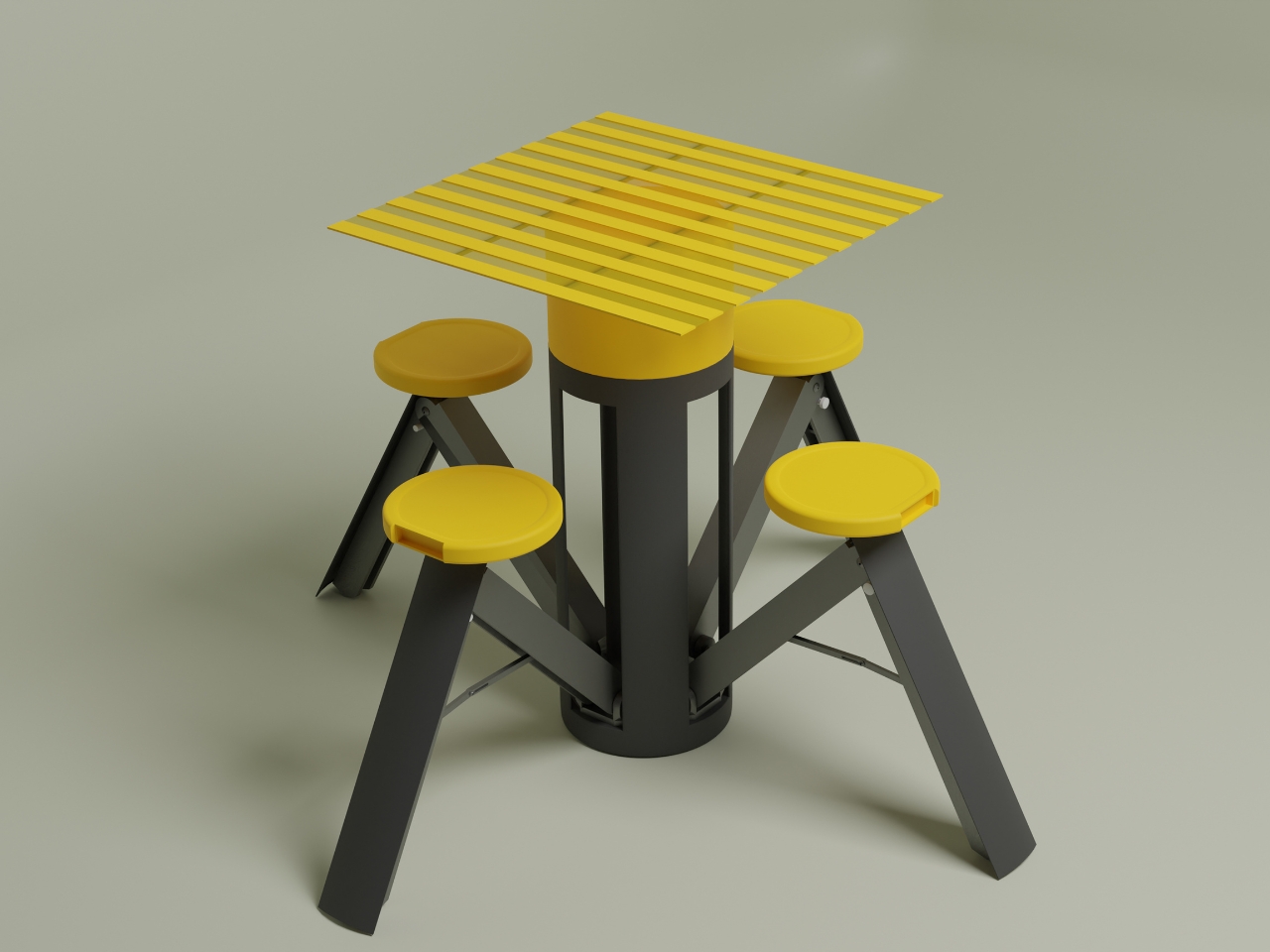
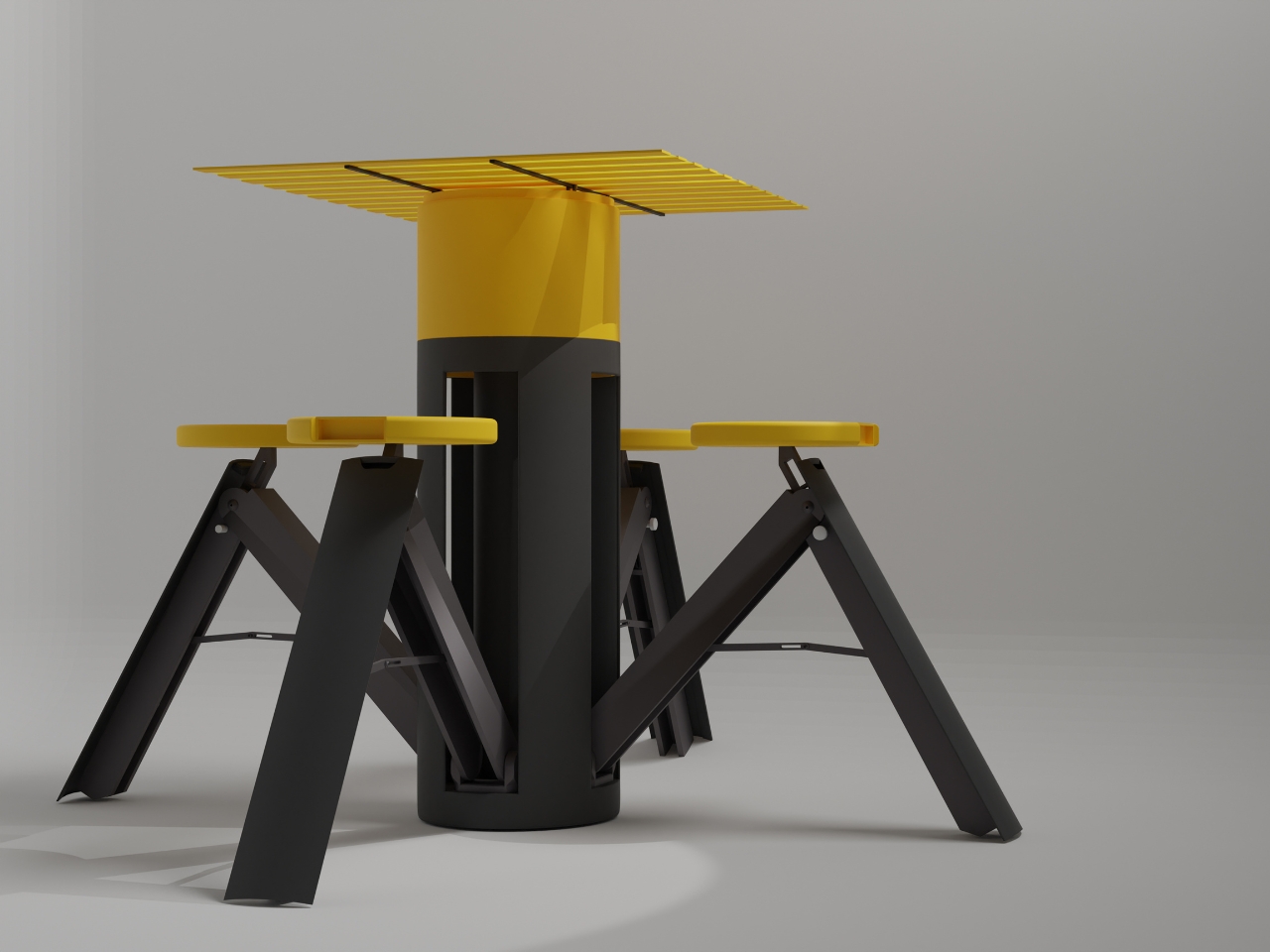
At rest, porTable looks like a bold geometric container — yellow lid, charcoal body, the kind of object you’d leave on a shelf without apology. In use, it becomes a complete outdoor dining setup for four: fold-out seats, a sturdy tabletop, no tools required, no leftover parts. The transformation from container to furniture takes under a minute, which means the decision to eat outside is never more than sixty seconds away from actually happening.

The yellow and charcoal palette is doing real design work here — friendly without being childish, modern without being cold. More importantly, the concept solves the core tension of tiny outdoor living: you want furniture, but you don’t want furniture taking up space when it’s not in use. porTable collapses that contradiction entirely. It lives as a single compact cylinder until the moment it’s needed, then opens into something genuinely functional and good-looking. That kind of thinking is exactly what a small yard rewards.

What we like:

  • An entire four-person dining set stores as a single portable object
  • No tools or assembly knowledge needed to set up or break down

What we dislike:

  • As a concept design, long-term durability in real outdoor conditions is still unproven
  • The bold yellow colorway is a personality commitment that won’t suit every space

3. Birdbuddy Pro Solar
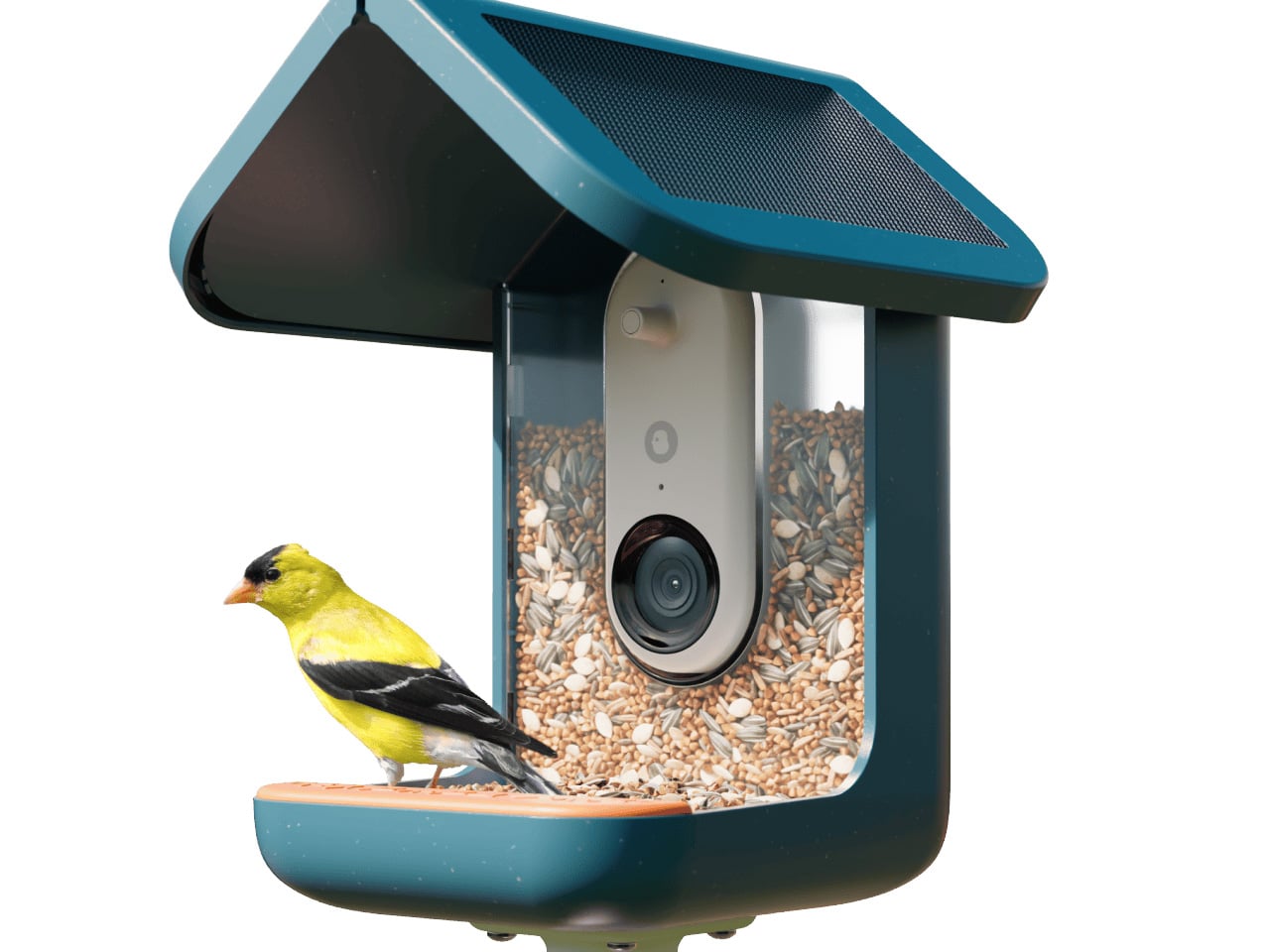
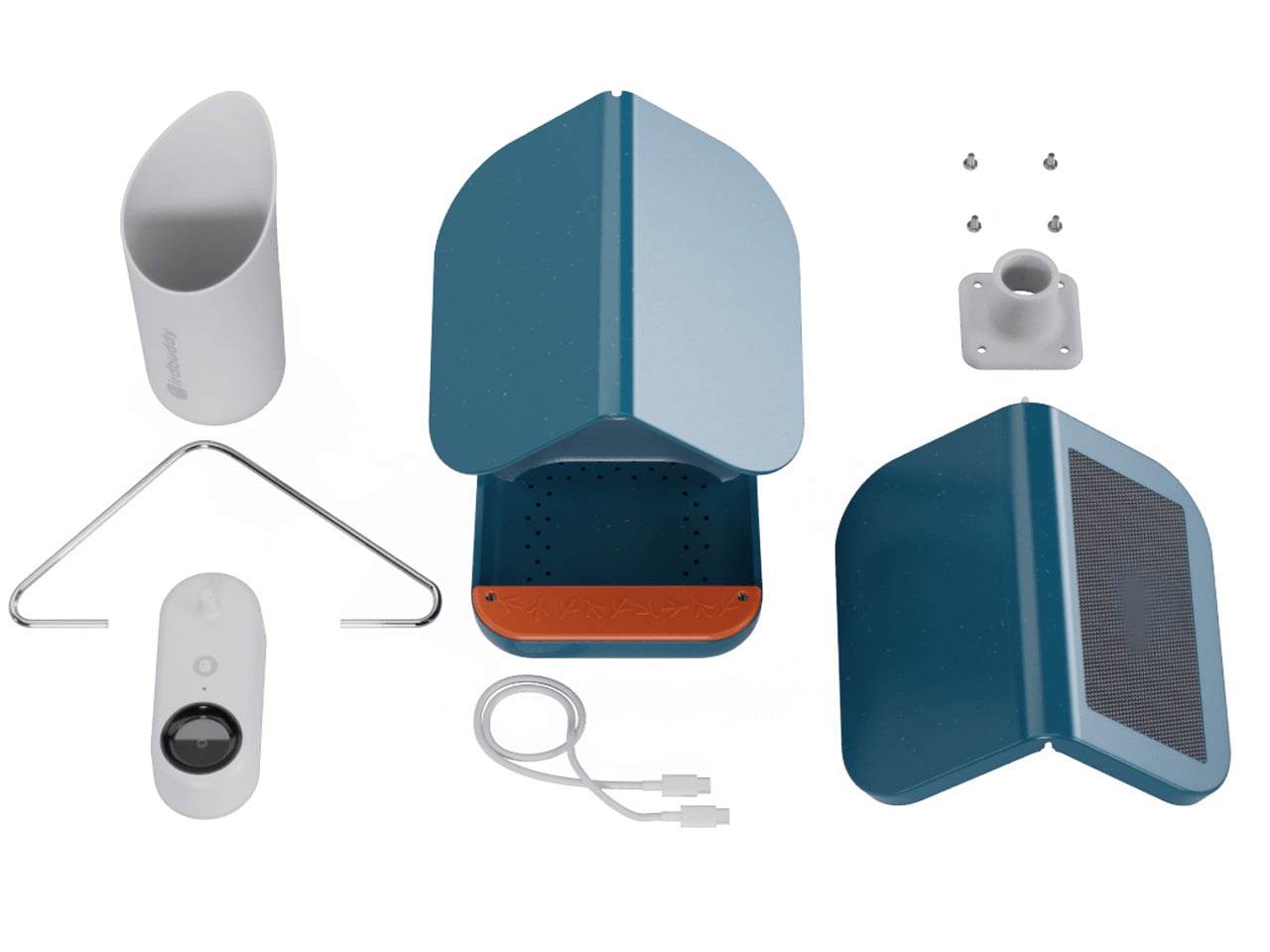
A bird feeder is, in most hands, a lump of plastic with seeds in it. The Birdbuddy Pro Solar is something else entirely — a solar-powered AI camera system that identifies visiting birds, captures slow-motion HD video, and delivers it to your phone via a free app. The expanded field of view and improved sensor handled dappled backyard light without washing out the image. What you get isn’t just a feeder. It’s a front-row seat to the wildlife that was already there.

For a tiny outdoor space, this might be the most meaningful addition on this list. It doesn’t take up floor area. It hangs from a fence or mounts to a wall, taking up exactly zero square footage. And it changes the character of the yard in a way that furniture simply can’t — from static backdrop to living environment. The AI identification runs automatically, building a personal record of every species that visits over time. It’s the rare outdoor product that gets better the longer it sits there.

What we like:

  • Solar-powered design means no cables crossing the yard
  • AI species identification works passively — no effort required from the user

What we dislike:

  • Full camera functionality depends on a consistent Wi-Fi signal reaching the yard
  • Ongoing seed refills add a small but real maintenance commitment

4. Slim Fold Dish Rack

Most dish racks are compromises — too large for small spaces, too flimsy for daily use, too visually noisy to leave out. The Slim Fold Dish Rack collapses this problem with a patent-pending spring mechanism that shrinks a full 14-inch rack to 1.2 inches in under a second. That’s the difference between a dish rack that permanently occupies counter space and one that lives in a bag or a pocket. For outdoor cooking situations where surface area is already borrowed, that distinction is significant.

The ventilation geometry is engineered for real airflow — plates, utensils, and cookware of any size dry properly without needing to be repositioned or fanned out. The design is minimal enough that leaving it out doesn’t create visual clutter; storing it away feels almost like a trick. It’s also dishwasher-safe, which closes the loop on a product that exists to make cleaning easier. In a space where every object has to justify its presence, this one earns it quietly and completely.

Click Here to Buy Now: $75.00

What we like:

  • Collapses to 1.2 inches — genuinely pocketable when not in use
  • Dishwasher-safe, so the cleaning tool is easy to clean

What we dislike:

  • The spring mechanism’s long-term durability across daily use remains to be tested
  • At full extension, very large pots and baking trays will likely overhang the edges

5. Stack & Sprout

A 1×1 square-foot footprint for a full working herb garden is not a compromise — it is the point. Stack & Sprout’s modular tower stacks as high as the wall and ambition allow, with each module holding individual growing pods loaded with smart soil capsules. Fill the water tank, add seeds, and the system manages hydration from there. The result is a vertical column of living herbs that climbs the fence instead of spreading across the ground, leaving every inch of floor space exactly where it was.

What makes this work for a small outdoor space is how little it asks of the person using it. No specialized knowledge, no guesswork about watering schedules, no particular green thumb required. The modular format means you can start with three modules — basil, mint, rosemary — and add more as confidence grows. Fresh herbs picked ten seconds before they go into a dish taste genuinely different from ones that have spent a week in a grocery bag. Stack & Sprout makes that difference accessible to anyone.

What we like:

  • Modular height adapts to any wall space, from a single tier to a full vertical installation
  • Self-watering system removes the most common reason home herb gardens fail

What we dislike:

  • Proprietary smart soil capsules create an ongoing replacement cost
  • Taller configurations may need wall anchoring to stay stable in the wind

6. Forest Cooperage Cedar Soaking Tub

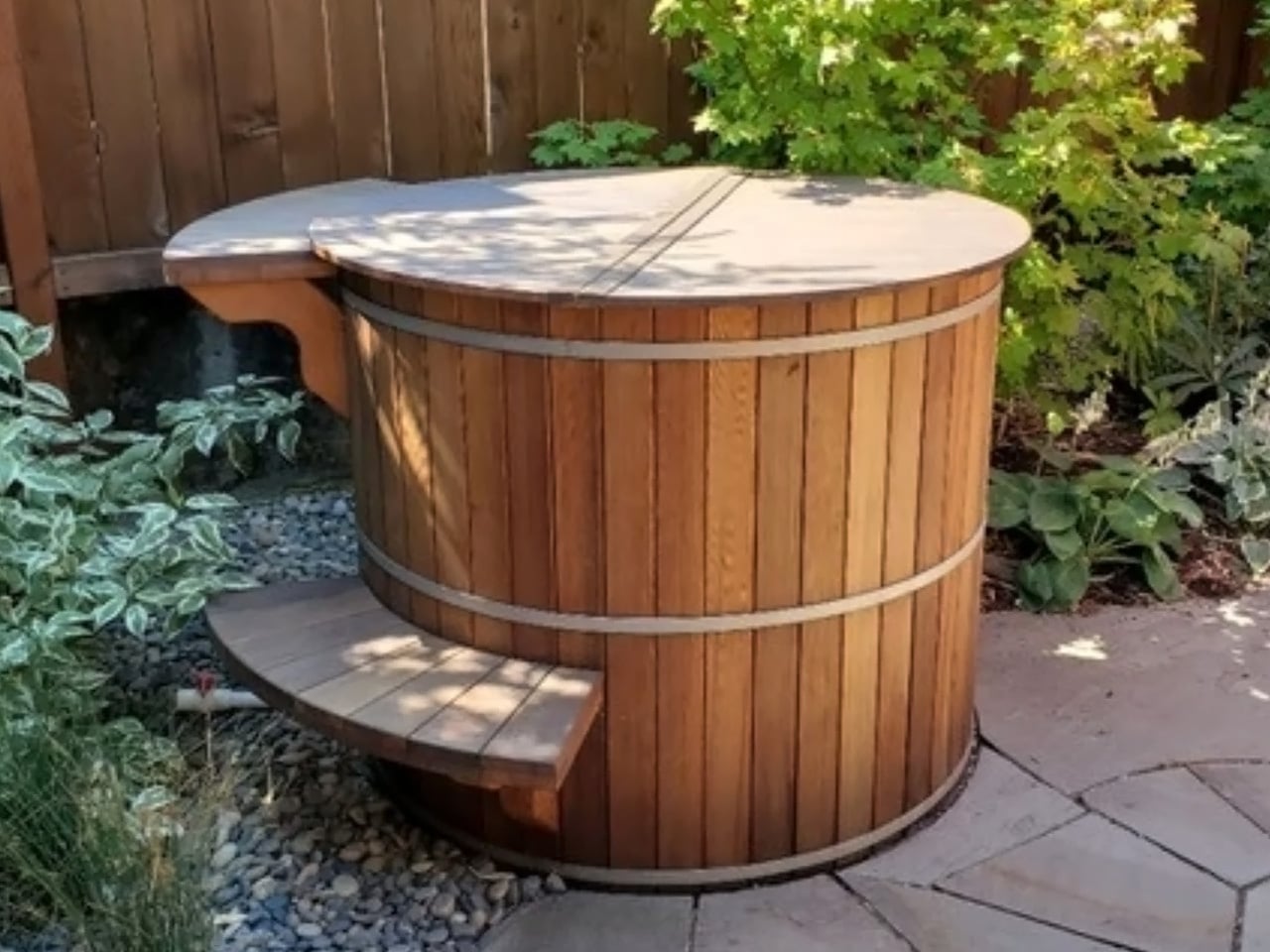
The Forest Cooperage cedar soaking tub is handcrafted on Vancouver Island from clear vertical grain Western Red Cedar, secured with stainless steel hoops. It sits directly on any level surface, fills from a garden hose, and heats with a wood-fired or electric immersion heater — no plumber, no electrician, no permanent installation required. The stave-and-hoop construction is the same method used in barrel-making for centuries, which is why it looks entirely at home outdoors next to bamboo, stone, and weathered wood.

What a cedar tub does to a small outdoor space is harder to explain than it sounds. It gives the space a reason to exist — not as a passageway or storage area, but as a genuine destination. An evening soak in a backyard cedar tub, surrounded by the natural scent of the wood and the quiet of a well-arranged small yard, is a genuinely different experience from anything else available at this price. In 300 square feet, this is the object that makes everything else around it feel intentional.

What we like:

  • No permanent installation — fills from a hose and heats without any plumbing
  • Cedar weathers beautifully outdoors, developing character rather than deteriorating

What we dislike:

  • Regular maintenance is needed to keep the cedar properly hydrated and sealed
  • Wood-fired heating requires planning ahead — this is not a spontaneous soak situation

7. Airflow 8-Panel Fire Pit

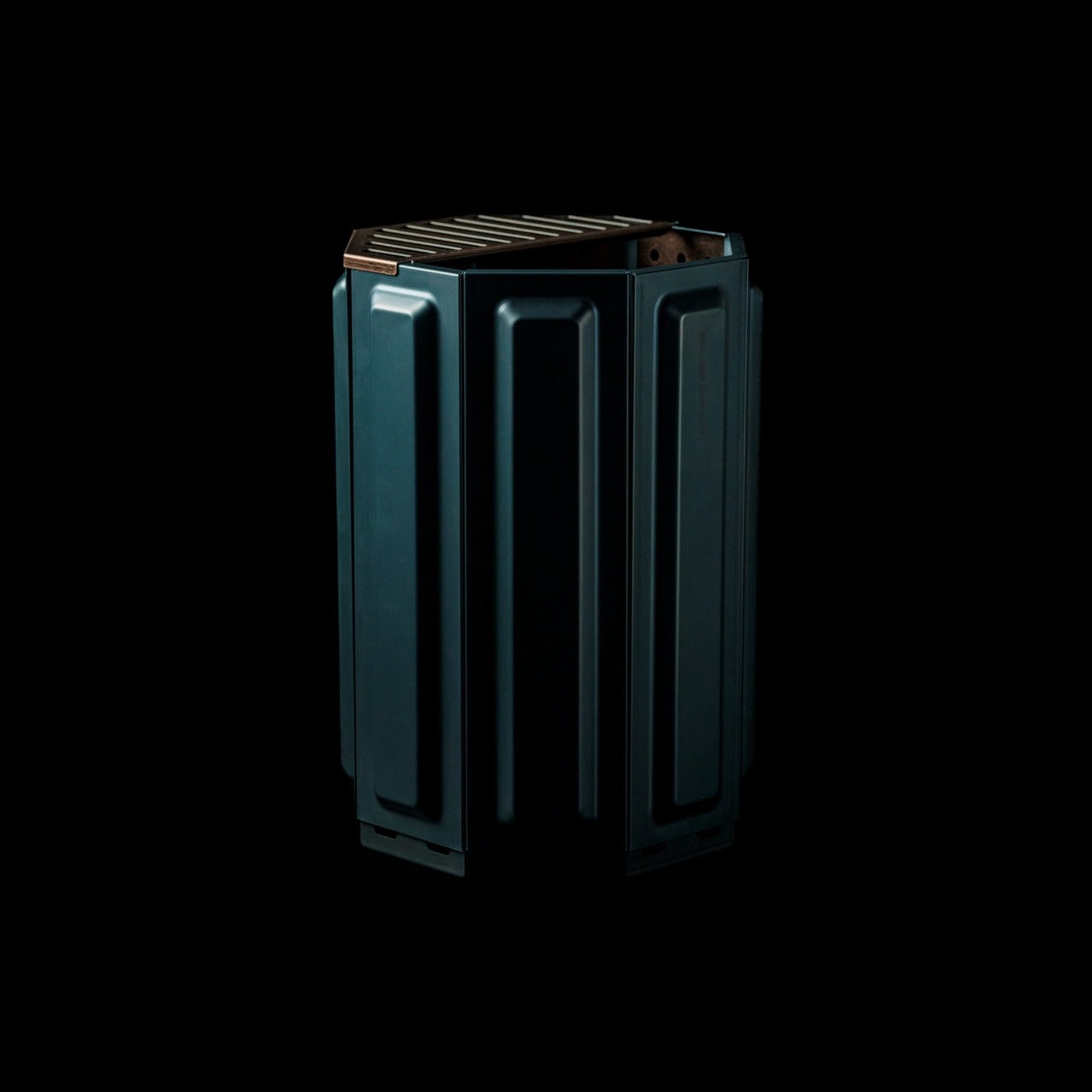
The Airflow fire pit is built around a single engineering insight: clean combustion requires oxygen at the base and a secondary combustion loop at the top. The eight removable panels form an octagonal cylinder with holes positioned precisely to channel fresh air to the base as the primary feed, then up through a double-walled cavity to the top vents as secondary combustion. The fire burns hotter, produces significantly less smoke, and leaves far less ash than a conventional open pit.

The eight-panel removable design does more than manage airflow — it gives you direct control over intensity. Remove panels to widen the burn; keep them assembled for a focused and efficient fire. For a small outdoor space where heavy smoke would ruin the evening entirely, this is the detail that separates a fire you can actually sit around from one that keeps everyone constantly repositioning their chairs.

Click Here to Buy Now: $325.00

What we like:

  • Eight removable panels allow direct, intuitive control over fire intensity
  • Secondary combustion system dramatically reduces smoke output in compact spaces

What we dislike:

  • Eight separate panels add to the number of components to store between uses
  • Steel construction will need occasional treatment to stay ahead of rust in wet climates

Small Space, Considered Objects

A well-used 300-square-foot yard doesn’t need more things in it. It needs the right things — objects that fold away cleanly, grow upward rather than outward, and look like someone thought carefully before placing them there. Each of these seven picks solves a real outdoor living problem without creating a new one, which is the baseline requirement for anything going into a space this small and this deliberately arranged.

The best version of a tiny outdoor space isn’t a smaller version of a large one. It’s something more deliberate — a set of objects that each do their job beautifully and step back when they’re not needed. Get these seven right, and a 300-square-foot yard stops feeling like a constraint entirely. It starts feeling like a choice you made on purpose.

The post 7 Best Tiny Home Outdoor Accessories That Turn a 300-Square-Foot Yard Into an Actual Living Room first appeared on Yanko Design.


Samsung Galaxy S27 Ultra: Something has FINALLY Changed (And It’s Not the Design)

Samsung Galaxy S27 Ultra: Something has FINALLY Changed (And It’s Not the Design) Samsung Galaxy S27 Ultra

The Samsung Galaxy S27 Ultra marks a pivotal moment in smartphone evolution, introducing significant advancements in camera technology, processing power, and user-centric features. Breaking away from the incremental updates of recent years, this flagship device is designed to meet the growing demands of modern users. With a focus on innovation and practicality, the Galaxy S27 […]

The post Samsung Galaxy S27 Ultra: Something has FINALLY Changed (And It’s Not the Design) appeared first on Geeky Gadgets.

Posted in Uncategorized