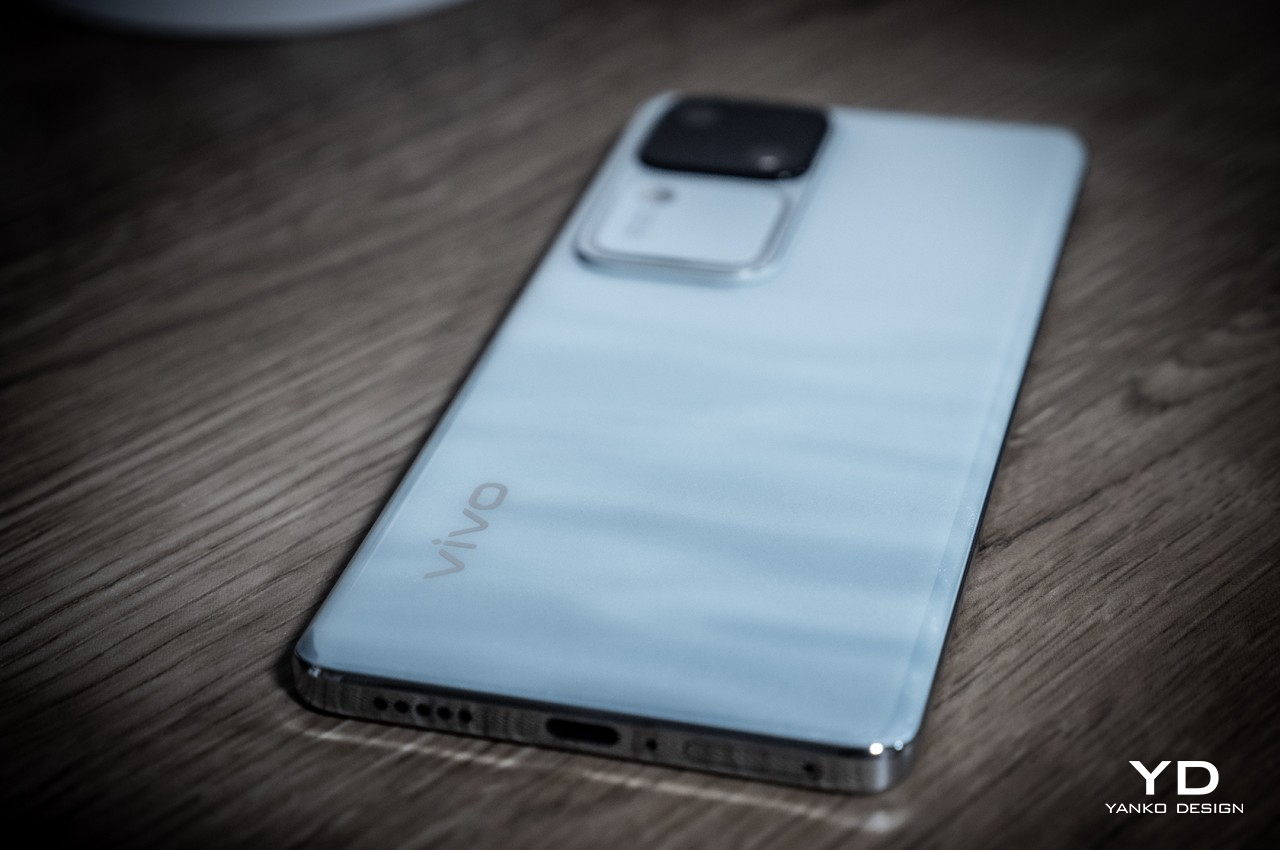
Rugged smartphone with a 5W speaker on its back looks out of this world

Although most smartphones are made to survive simple accidents (or should be), there is a certain class that takes durability to the extreme. Rugged smartphones are targeted at users who often venture into unknown territory, either for fun or for work, and need a partner that’s just as adventurous as them. These rugged phones are unapologetic in how they look like tanks ready for battle, but there have been a few that tried to break the mould and adopt designs that piqued interest without sacrificing what makes them special. That seems to be the inspiration behind what could be the weirdest rugged phone we’ve come across, built and looking like an alien or futuristic device, thanks to the rather large and very visible speaker sitting on its back.

Designer: Oukitel

Most of the time, you’d see large camera enclosures on the back of phones. To some extent, that’s also true with the Oukitel WP33 Pro, but in reality, its cameras are actually so small that they don’t take up much space. Instead, the biggest element center of attraction is 5W speaker. Yes, this phone 36mm diameter “pro-level” speaker that’s advertised to get as loud as 136dB. That’s plenty loud, especially for a smartphone.

Rather than the industrial work settings that most rugged phones try to target, the Oukitel WP33 Pro favors more fun and adventurous activities like camping, trekking, hiking, or even wildlife photography. The speaker is then used to set the mood for parties with friends or even for your lonesome self, though the loudspeaker is probably something you shouldn’t use around wild animals, especially at night.

Oukitel wants that latter to be one of the use cases for its latest rugged phone, especially with a 20MP Sony night camera vision. The main camera is a 64MP shooter, so it should at least be decent, while a 2MP macro might satisfy your extreme nature close-up urges. Part of the reason for the phone’s size is its humongous 22,000mAh battery, which you can use to charge the regular “main” phone you might have in your other pocket.

The rest of the Oukitel WP33 Pro’s specs are on par with late 2023 mid-range smartphones, so don’t expect record-breaking performance, especially for mobile games. Of course, the real value of this phone comes from its durability, with IP68 dust and water resistance rating joined by IP69K resistance against high-pressure water jets. It’s not going to win design awards, but it will definitely get you plenty of attention, especially when you start blasting out music from your rugged tank of a mobile device.

The post Rugged smartphone with a 5W speaker on its back looks out of this world first appeared on Yanko Design.

Infinix E-Shift Color promises near-infinite phone design customization

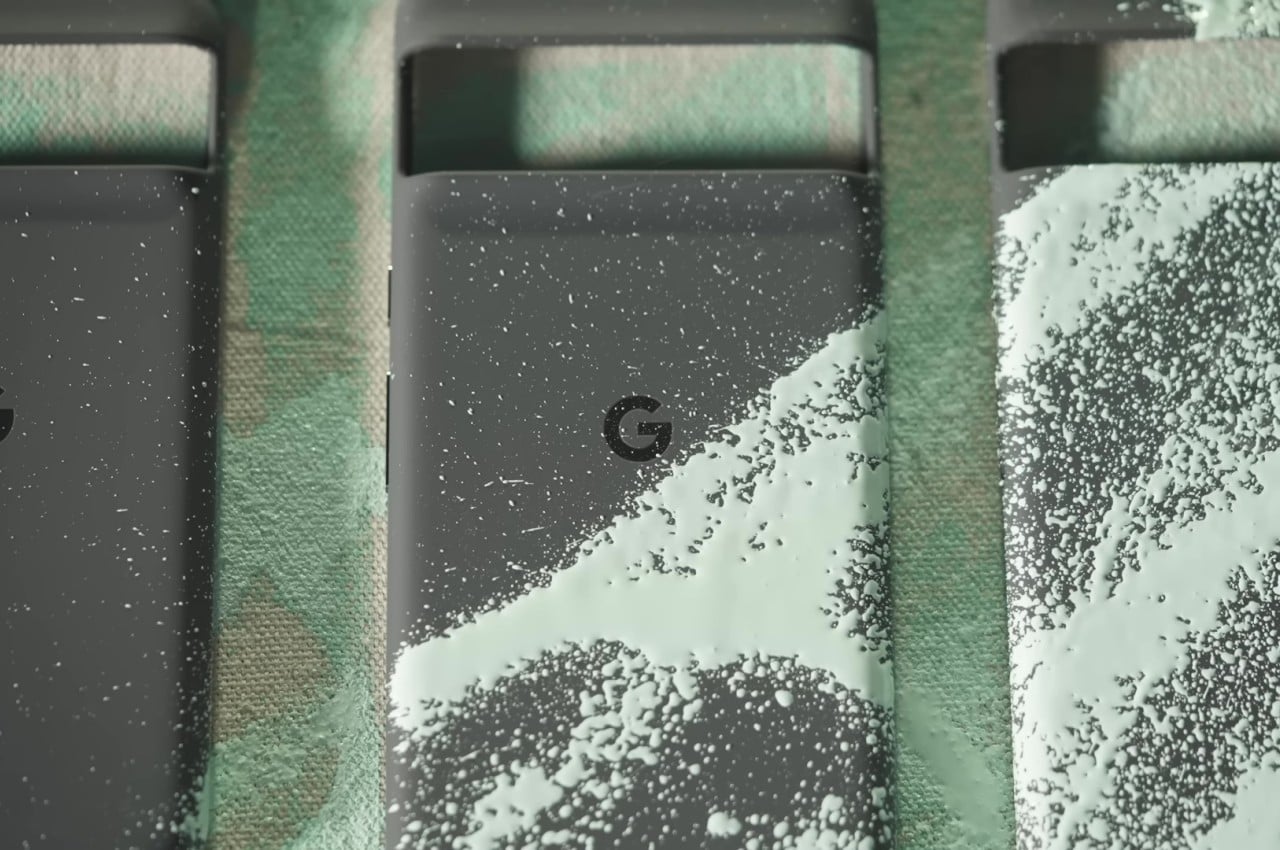
Although we look at our phone screens almost all the time, it is really the back of our phones that gives them their personality. From the colors to the textures of their back even to the camera bump or bumps, this side of the phone is what other people see the most and, therefore, provides the most motivation for personalization and customization. A phone’s design, however, is permanent once it leaves the factory, and unless you put stickers or cases on it, its appearance will never change. Infinix, however, is presenting a solution to that design problem with a piece of technology that adds an almost literal splash of color to the back of your phone and changes that into a mesmerizing display of colors as often as you want, especially while it’s charging.

Designer: Infinix

Putting stickers or whatnot on the back of your phone is a sure way to ruin its future. Cases, on the other hand, are more temporary, but they not only add bulk but also limit your design options to what’s already available. Wouldn’t it be rad if you could change the color or even the colorful patterns on the back of your phone on a whim, similar to how you’d change your wallpaper every so often? Infinix’s E-Shift Color technology first unveiled at CES 2024 does exactly that, and it’s getting a little help from the same technology that powers your favorite e-book reader.

E-Ink Prism 3 is the latest iteration from the e-paper display expert that brings color to this traditionally colorless screen. In a nutshell, it uses electric charges to cause microstructures in the panel to change their color, similar to how an E Ink screen works. And just like an E Ink screen, it only uses power when changing colors, so displaying that static colored pattern will use almost no power to maintain that appearance, unlike a typical LCD or OLED screen. In practice, this means that you can change the phone’s back to a particular color and have it stay that way for as long as you like without draining the battery.

This opens the door to dynamic designs and personalization, with users picking the colors they want and having it change when they grow tired of it. It even has the possibility of rapidly animating these color changes while charging the phone, presuming you like to put it down flat on its face. Either way, it’s a fun experiment that will definitely appeal to the more youthful audience that Infinix targets, and it’s not hard to see how brands can also take advantage of this feature for marketing.

Because of E-Ink Prism’s segmented nature, the Infinix E-Shift Color is also limited to following certain patterns only, patterns that are also set in stone during manufacturing. It’s not like having access to a digital canvas where you create arbitrary pixel art images or animations. That could probably come in future iterations of the technology, but even this first attempt could very well be a huge selling point for people who want to make their phones look as alive and expressive as they are.

The post Infinix E-Shift Color promises near-infinite phone design customization first appeared on Yanko Design.

ROG Phone 8 at CES 2024 arrives with a simpler, more premium design

What is a gaming phone? Since most smartphones can actually handle mobile games, especially the more expensive models, this breed of smartphones differentiates itself from the rest of the crowd with over-the-top performance and, more often than not, over-the-top aesthetics as well. Whether it’s in the form of flashy RGB lighting or an abundance of geometric shapes, the stereotypical gaming phone leaves no room for doubt that these gadgets are miniature versions of gaming desktops and laptops that grab people’s attention one way or another. Great for hardcore gamers who have embraced that aesthetic, not so much for others who want a gaming-worthy phone they can use everywhere as well. That’s the kind of redesign that the new ROG Phone 8 is now carrying, bringing its unparalleled performance for a wider audience to enjoy.

Designer: ASUS Republic of Gamers

There isn’t going to be any debate on the merits of the ROG Phone 8’s gaming prowess. Powered by the latest Qualcomm Snapdragon 8 Gen 3 processor and paired with the fastest memory and storage technologies in the market, it can handle any mobile game currently in existence and then some. The large 6.78-inch AMOLED display promises bright images even under sunlight, and an equally large 5,500mAh battery guarantees hours of enjoyment of games and streaming videos. Those specs are on par with most gaming phones of this caliber, but, for the first time, ROG is adjusting its specs and design to match what not just gamers but also the masses want.

For example, it has a more powerful camera system now, with a 50MP main Sony sensor joined by a surprising 32MP telephoto camera with 3x optical zoom. This is a huge step up from the macro shooter that the brand usually puts on its gaming phones, though the 13MP ultra-wide camera is still minimally decent. ROG has also ensured the durability of the ROG Phone 8 by giving it IP68 dust and water resistance, the first gaming phone to receive this certification. That’s thanks to a cooling system and thermal design that doesn’t require a tiny fan inside, though ASUS ROG will try to convince owners to buy and use the AeroActive Cooler X attachment as well.

The biggest change, however, is also the most obvious. Gone are the sci-fi-like design of the previous ROG phones, replaced by an aesthetic that still looks sleek and stylish but also cleaner. The pentagon-shaped camera island is off to the side, similar to many camera designs these days, and the back sports a dual-tone tone color theme, depending on the colorway. That’s not to say that the ROG Phone 8 completely ditches the hallmarks of gamer aesthetics, as the base model still has a customizable Aura RGB Lighting on the ROG logo. The ROG Phone 8 Pro, on the other hand, gets an “AniMe Vision” Mini LED display composed of 341 lighting elements that can display preset or custom animations.

It remains to be seen whether the ROG Phone 8’s sudden change of direction will help it appeal to more customers beyond the gamer crowd, or if it will actually turn gamers away toward competing brands. Suffice it to say, it’s a bold new design for a gaming phone, one that still packs the power that gamers require, now wrapped in a stylish design that could appeal to everyone as well. The ASUS ROG Phone 8 will be available in Q1 2024 with an SRP of $1,099 for the base model, $1,199 for the ROG Phone 8 Pro, and $1,499.99 for the ROG Phone 8 Pro Edition that includes the AeroActive Cooler X in the box.

The post ROG Phone 8 at CES 2024 arrives with a simpler, more premium design first appeared on Yanko Design.

OPPO Find X7 Ultra with four main cameras challenges the status quo

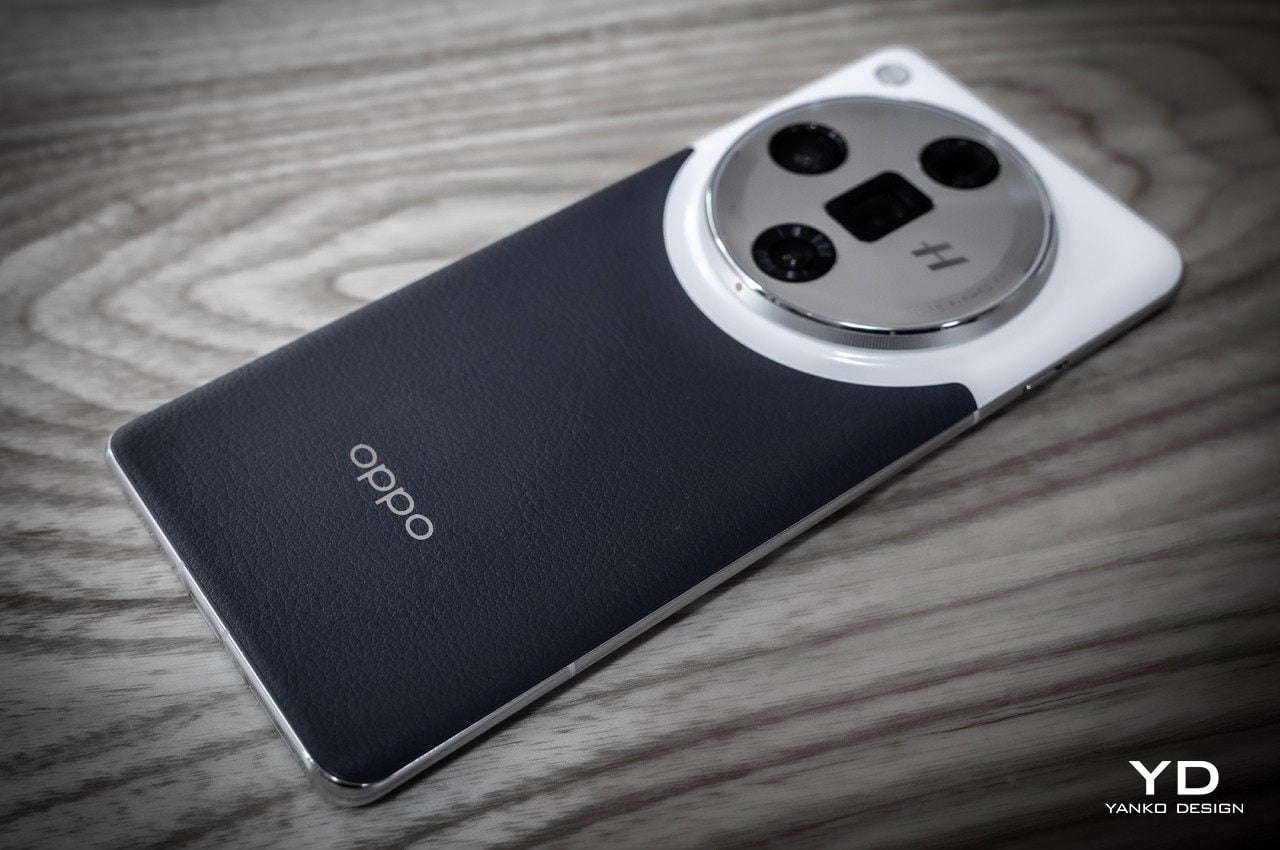
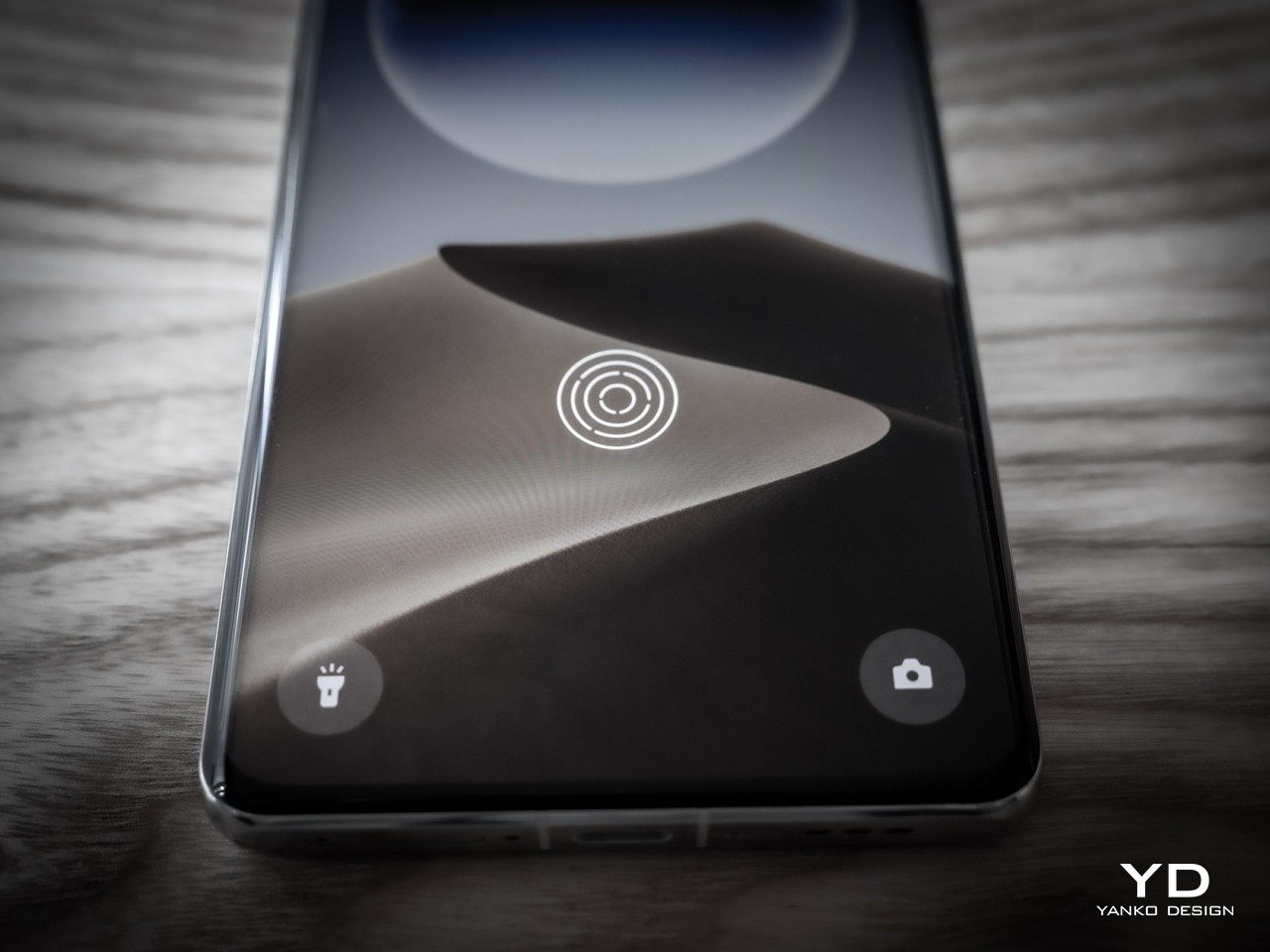
Smartphones have long been regarded to be ringing the death knell of digital cameras, but that has mostly been hyperbole. Sure, the old point-and-click cameras may have finally met their match, but professional-grade shooters like DSLRs will hardly feel threatened. While smartphones have quite a number of desirable features like advanced computational photography and filters, dedicated cameras win in the sheer raw power of their optics. That’s especially true since they can easily switch out lenses as they need to while keeping the same powerful sensor. Since that’s nearly impossible with smartphones, the OPPO Find X7 Ultra has made the bold decision to carry the world’s first Quad Main Camera system that’s poised to blow the competition out of the water and deliver stunning photos at every click.

Designer: OPPO

Smartphones have started using more than one camera to make up for the inability to switch lenses. Each camera used a different lens with a different focal point, but because of limitations in past technologies and design, phone manufacturers were forced to make do with different sizes of sensors to fit inside a smartphone’s cramped space. This meant that ultra-wide or telephoto cameras would have significantly different output qualities from the main camera, sometimes better, more often worse. Parity between these cameras is exactly what OPPO has been trying to deliver in the past generations, culminating in what is probably the most advanced smartphone camera system in the market to date.

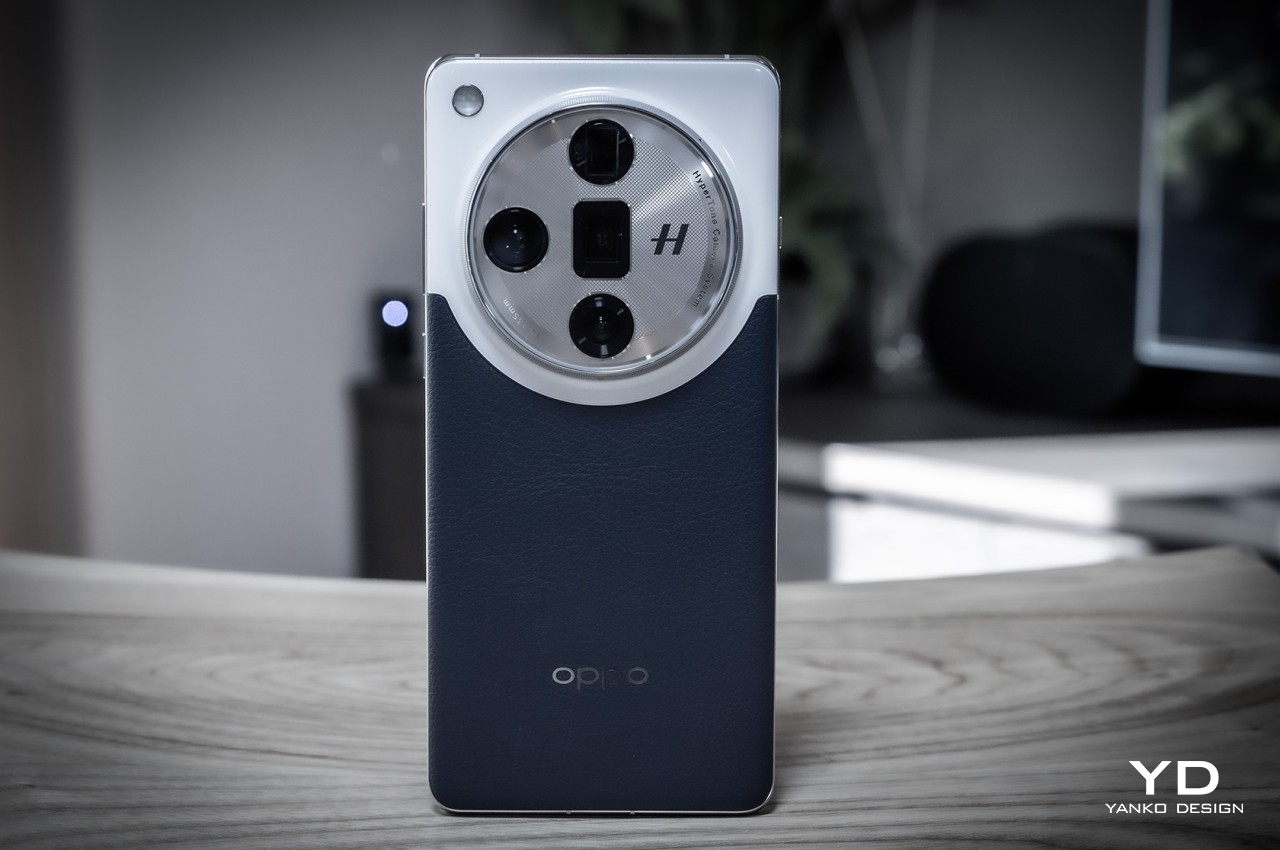
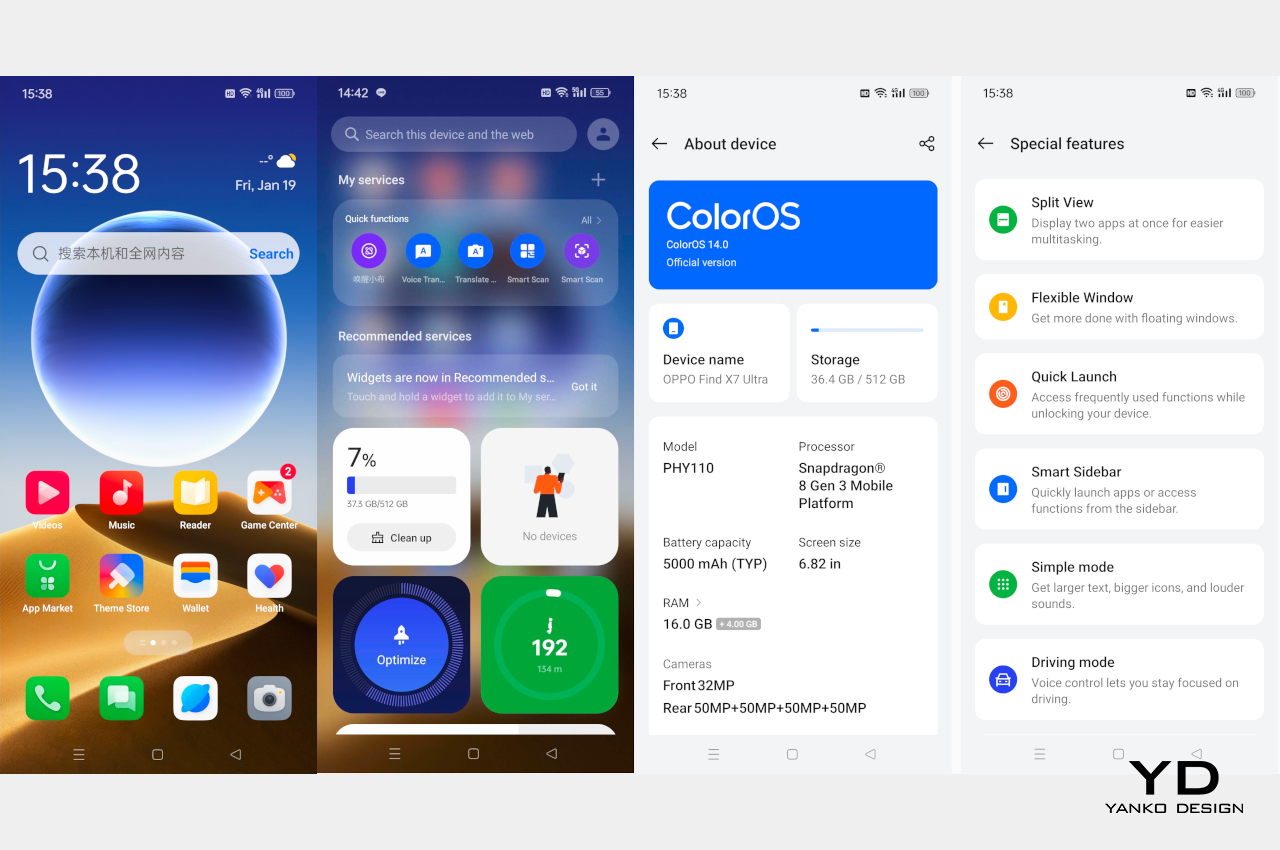
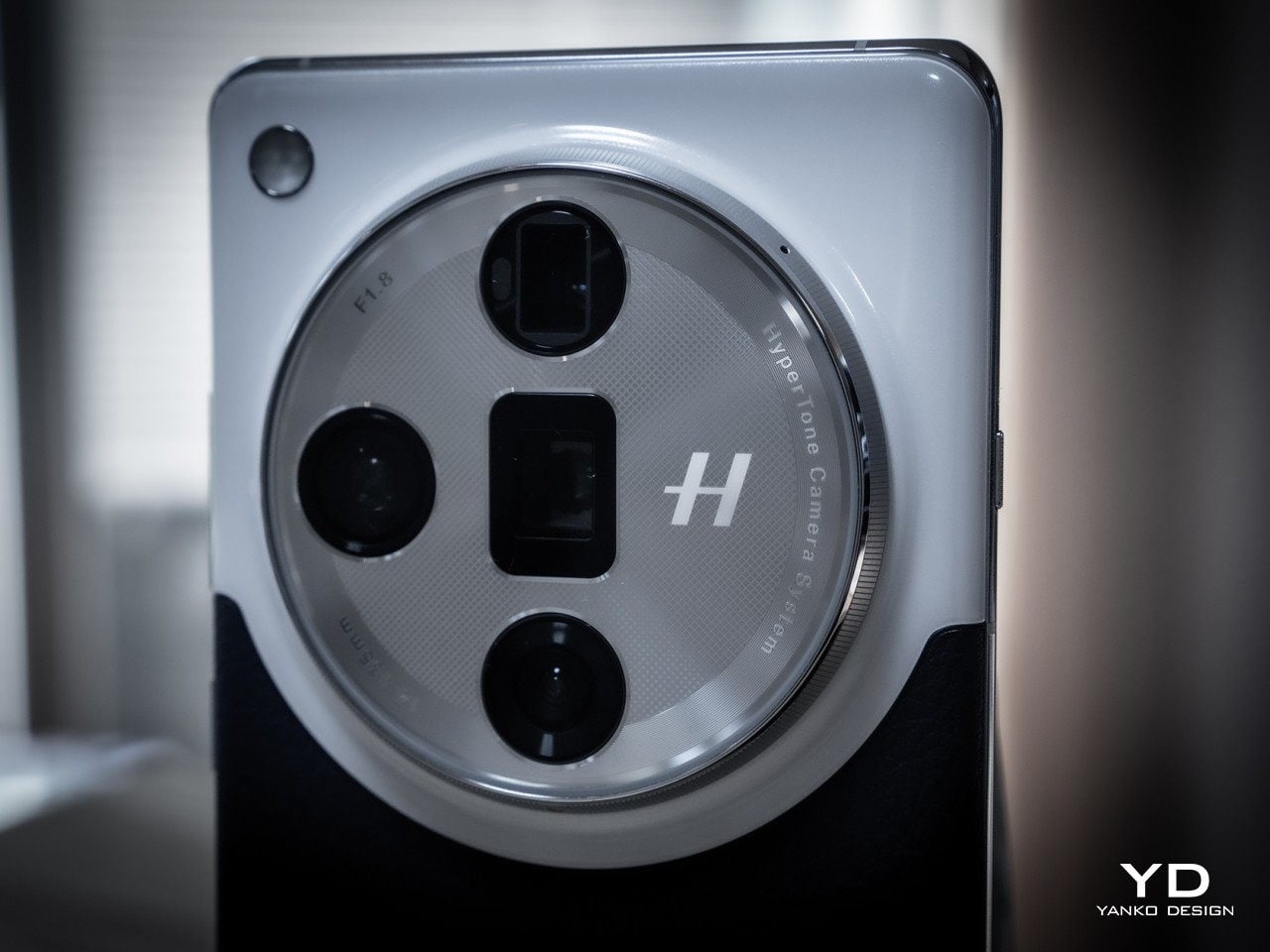
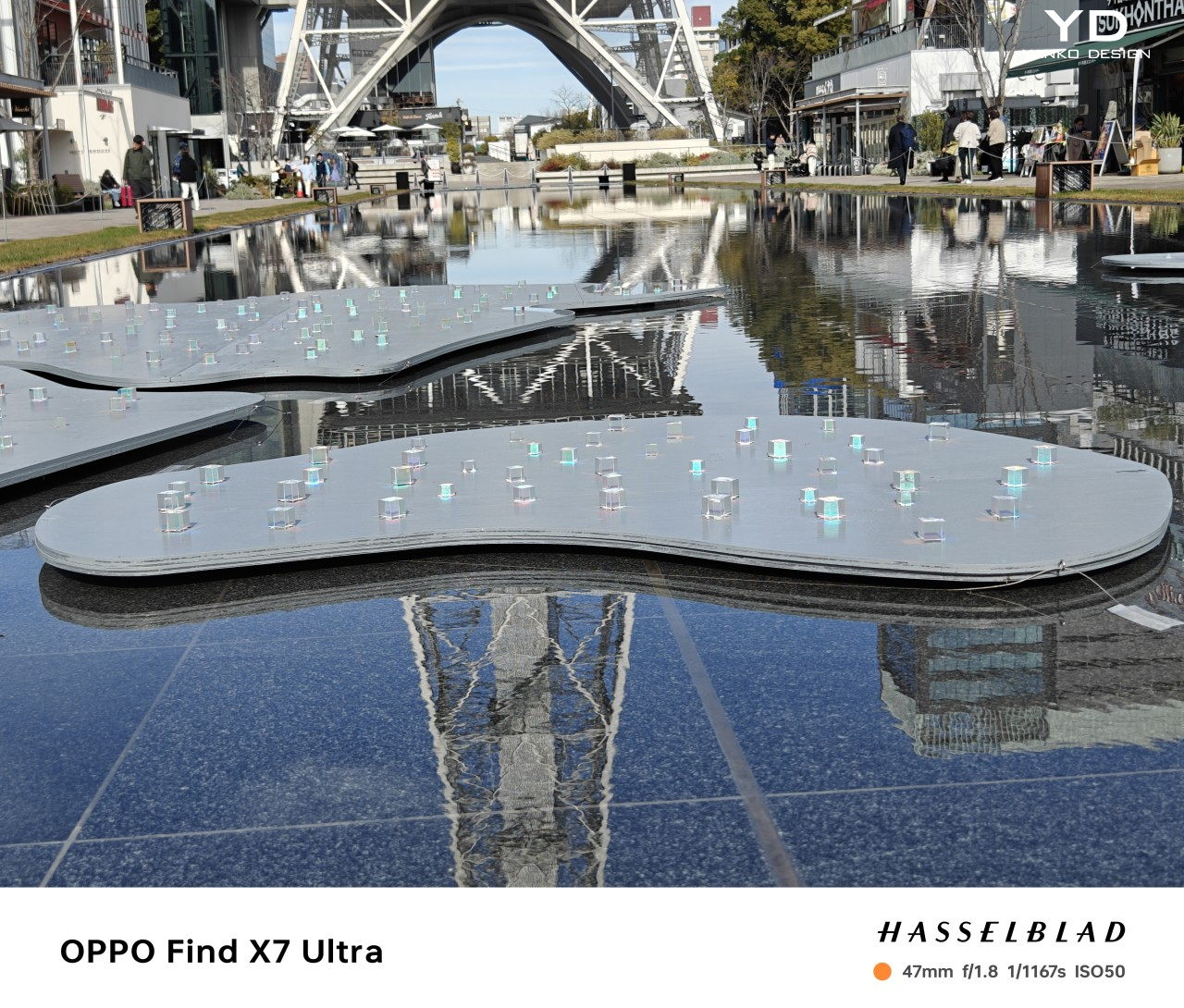
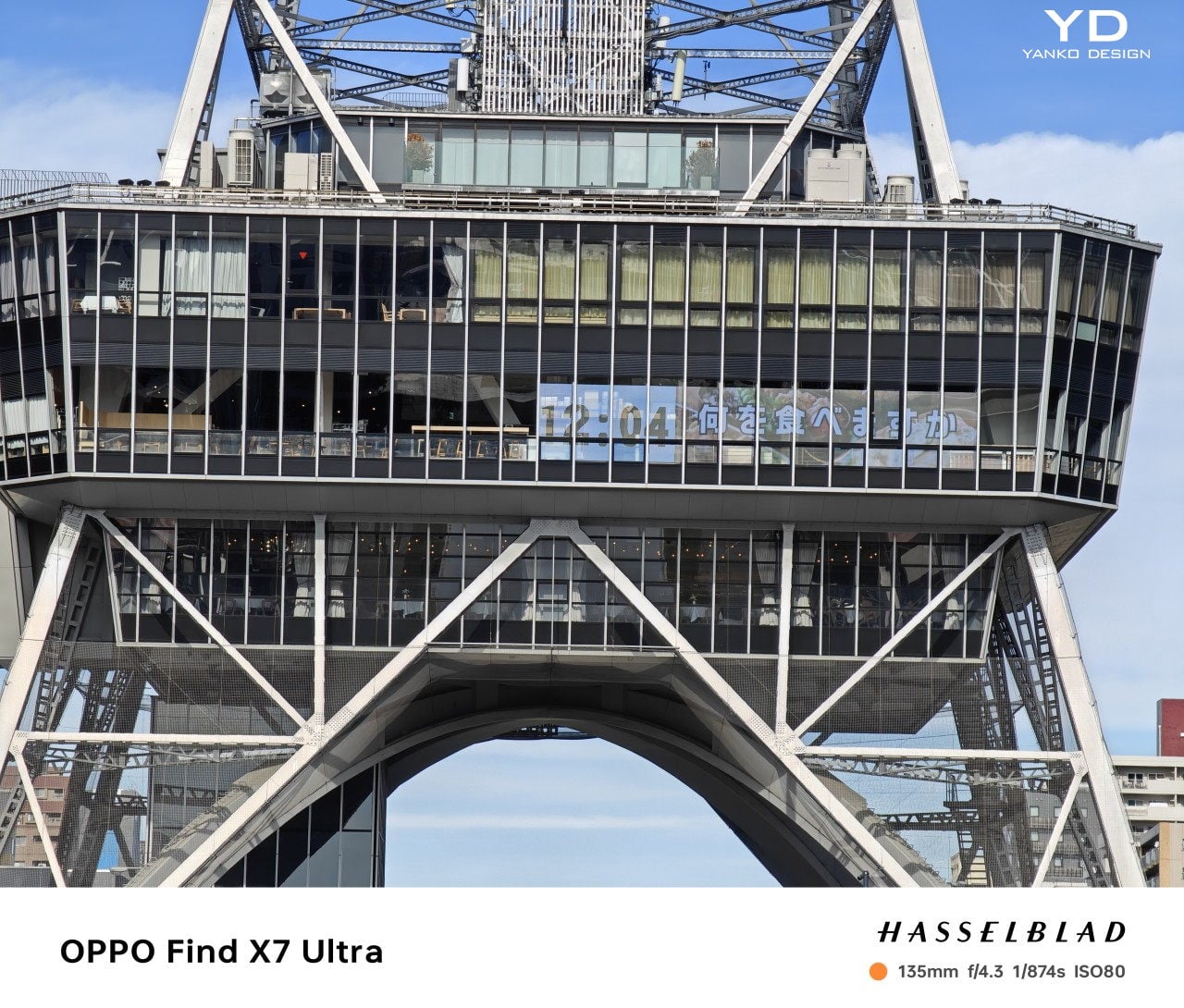
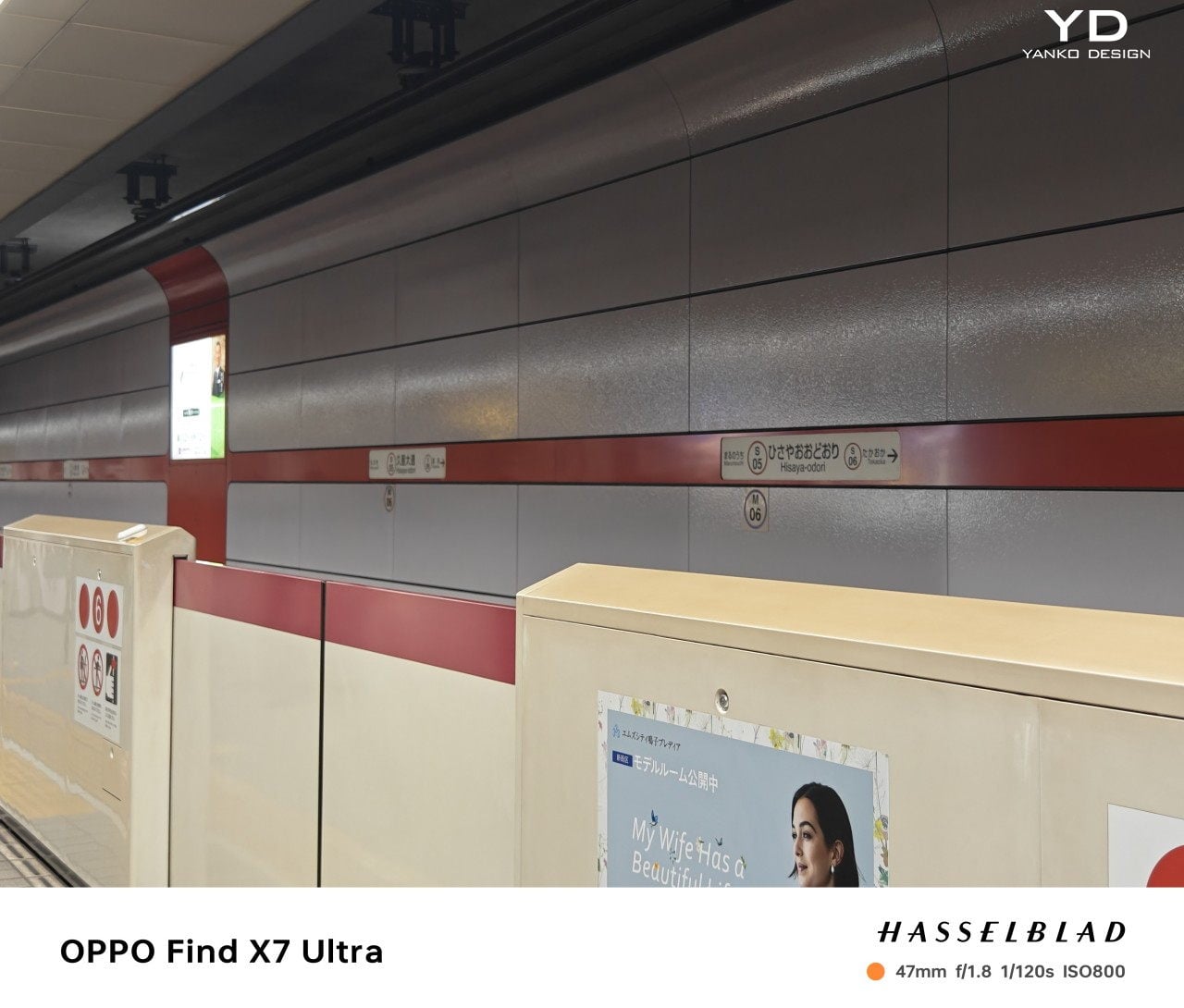
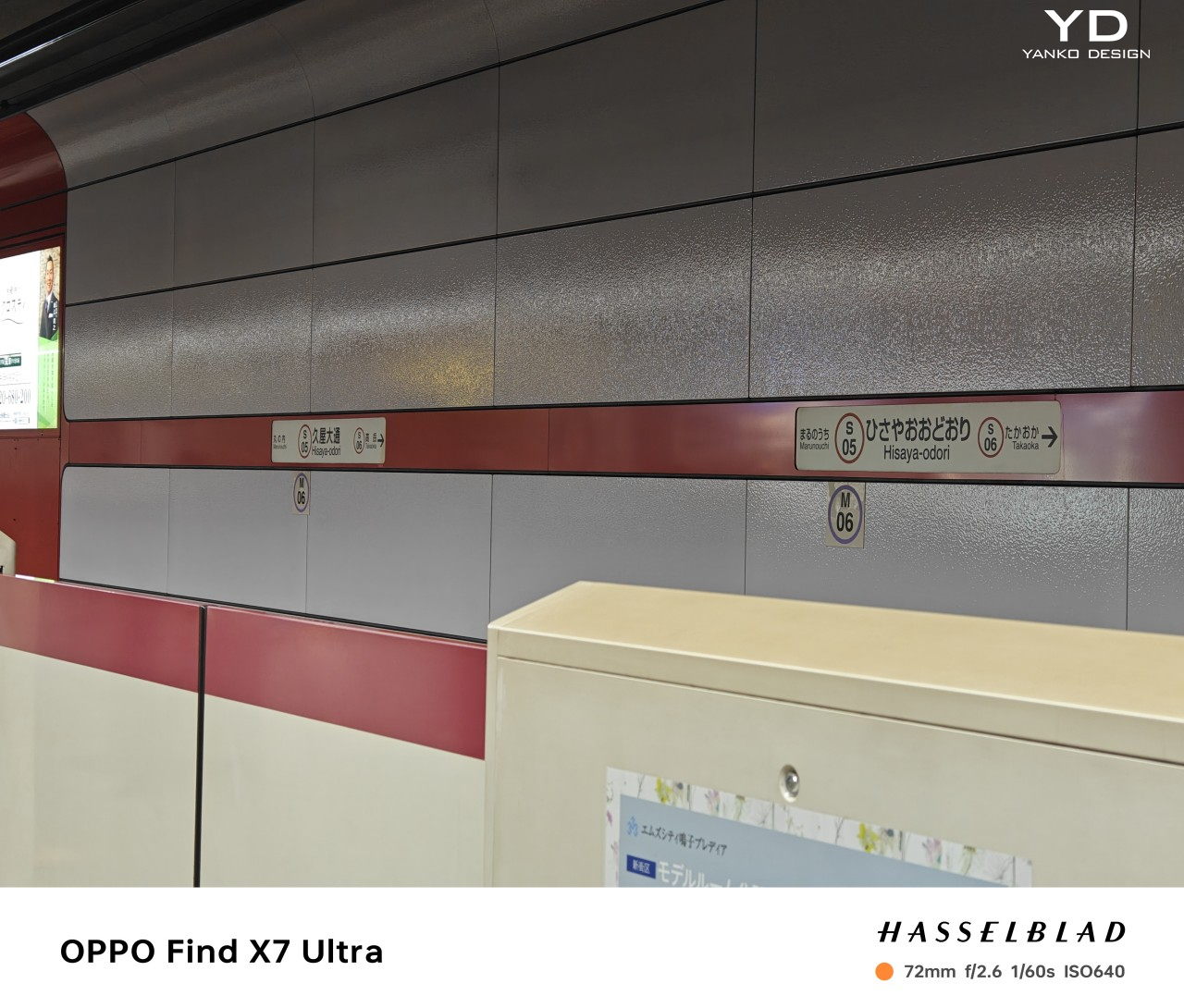
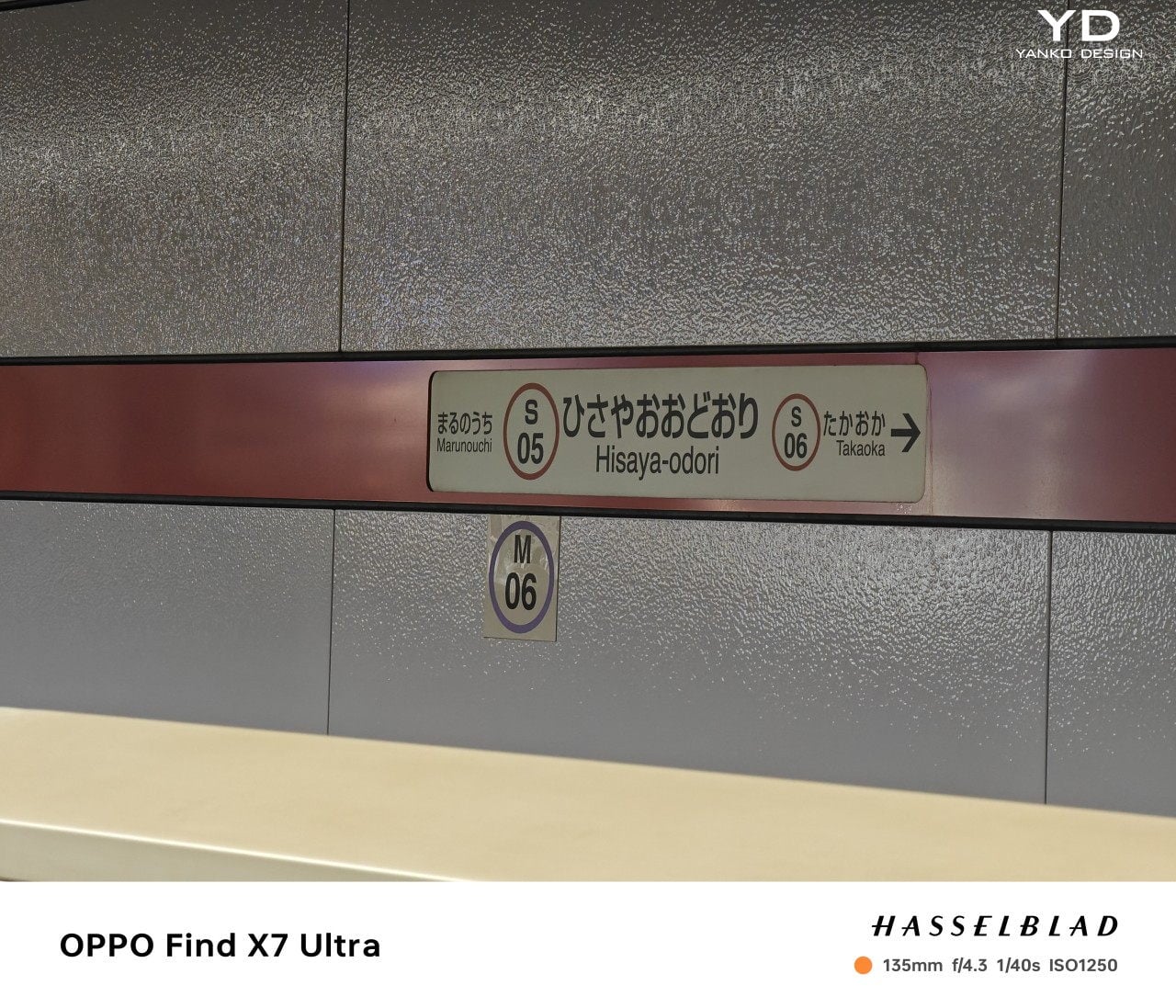
The OPPO Find X7 Ultra boasts not only a quad camera system but a Quad Main camera system. Although they differ slightly in terms of specific specs, all four use a 50MP sensor, lead by the new Sony LYT-900, the latest generation of that coveted 1-inch sensor. What this practically means is that there is no loss of quality and no disconcerting jitter when switching between wide, ultra-wide, 3x zoom, and 6x zoom cameras. And yes, the phone has two optical zoom telephoto cameras, both of them with periscope-style lenses. With this unprecedented combination, OPPO is able to seamlessly cover a wide range of focal points, from 14mm to 135mm to even 270mm as if it were changing DSLR lenses on the fly.

Combined with this impressive hardware is OPPO’s new HyperTone Image Engine, designed to combat the unnatural colors, exposure, and sharpening that most computation photography software produces on smartphones today. Along with the famed Hasselblad Portrait Mode that accurately emulates four iconic Hasselblad cameras, you are promised to get breath-taking and natural-looking images, as if they were taken with a professional DSLR or mirrorless camera. And if you’re the type to really get into the nitty-gritty of camera settings, the Hasselblad Master Mode upgrades the typical Pro Mode to add even more fine-grained control over image quality.

Despite all the camera hardware packed inside, not to mention the latest and greatest components available in the smartphone industry to date, the OPPO Find X7 Ultra remains slim, sleek, and stylish, belying its powerful capabilities. The two-tone design of the previous Find X6 generation returns with a bit more character this time, wrapping around the distinctive camera circle more loosely. Available in Ocean Blue, Sepia Brown, and Tailored Black, the OPPO Find X7 Ultra marries head-turning elegance and groundbreaking performance in a package that’s sure to give shutterbugs something to talk about.

The post OPPO Find X7 Ultra with four main cameras challenges the status quo first appeared on Yanko Design.

OnePlus 12R design will come with a familiar face, budget-friendly price

Although 2023 is practically over, that doesn’t mean brands have to stop teasing what’s to come. In fact, it’s the perfect time to dangle tempting treats, especially those that will be coming out early next year. OnePlus, for example, already revealed the OnePlus 12 earlier this December, but that’s only for the Chinese market. The rest of the world is still waiting for its turn, which will take place at the end of January 2024. Fans of the brand will also have something else to look forward to, it seems, with the OnePlus 12R also spotted over the horizon, bringing the same iconic design to what is expected to be a more affordable handset.

Designer: OnePlus (via Ishan Agarwal)

Smartphone names can be very confusing, especially over on the Android side where brands, model numbers, and variants create a sordid mess of hard-to-remember monikers. For example, it wasn’t too long ago that OnePlus started the tradition of having an “R” series alongside its main flagship, to offer a slightly watered-down smartphone with a price tag to match. That is the story with the OnePlus 12 and OnePlus 12R, but the gap between the two seems to be getting closer each year.

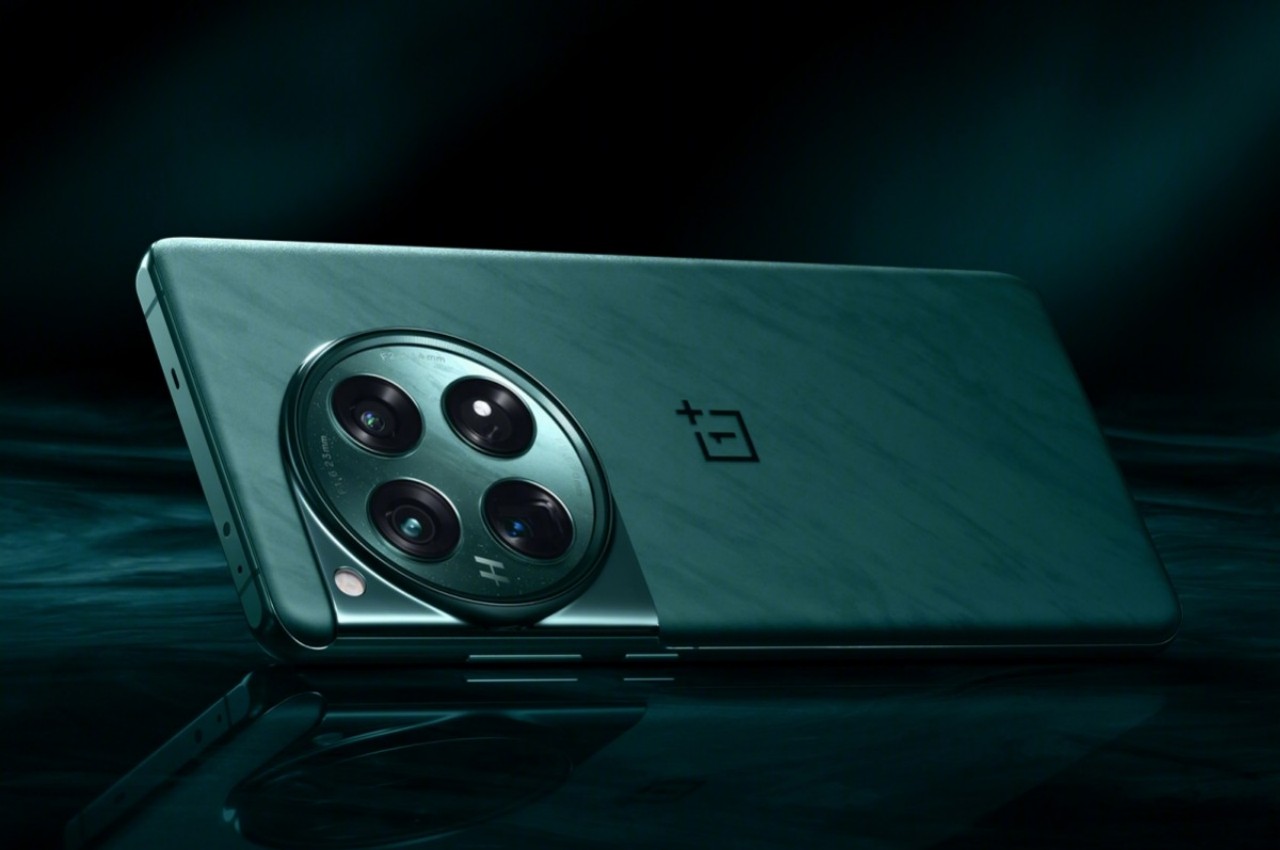
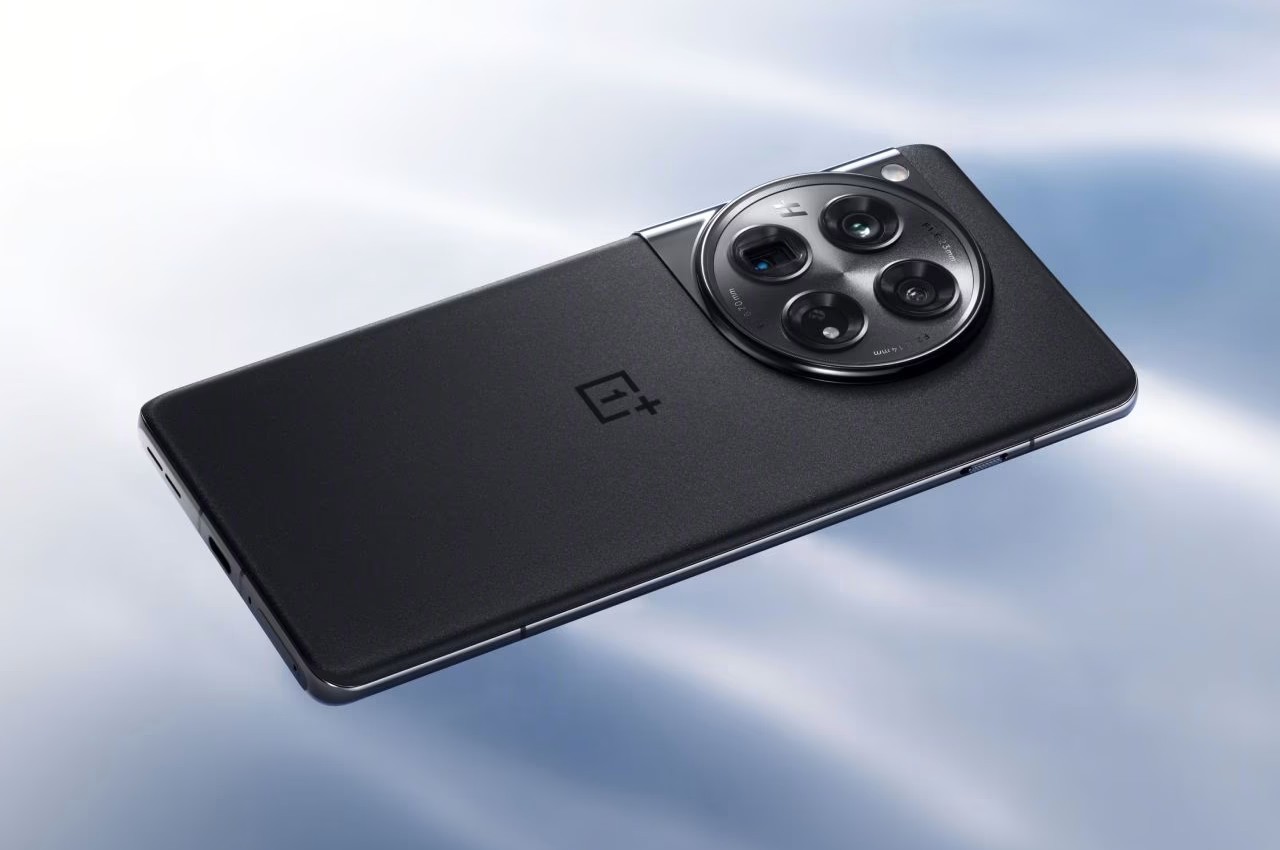
Based on the leaked announcement, the OnePlus 12R will have the exact same design as the OnePlus 12 that was announced this month. That means the exact same “monocle” design that the brand has used for the OnePlus 11, complete with the four black circles that are actually just three cameras. That, fortunately, also means that the OnePlus 12R has the same alert slider that has become a crowd favorite, even though it was “inspired” by the iPhone’s mute switch.

There are differences, of course, though not easy to spot. The color options, for example, are more limited and different, comprising only of Cool Blue and Iron Gray. The gray colorway is particularly interesting in that it might have a matte texture, maybe even a fabric-like cover. The latter is highly unlikely, though, given the target SRP of this product. It’s probably closer to a sandstone finish, a trick OnePlus is only too familiar with.

The biggest difference between the OnePlus 12 and OnePlus 12R will be the parts that you can’t see, like the Qualcomm Snapdragon 8 Gen 2 which will be one generation older by early 2024. The camera array is also less impressive, with only a 50MP camera accompanied by an 8MP ultra-wide shooter and a measly 2MP macro camera. That could mean reduced prices for the OnePlus 12R, though that might not make much of a difference if it won’t be available as widely as the OnePlus 12.

The post OnePlus 12R design will come with a familiar face, budget-friendly price first appeared on Yanko Design.
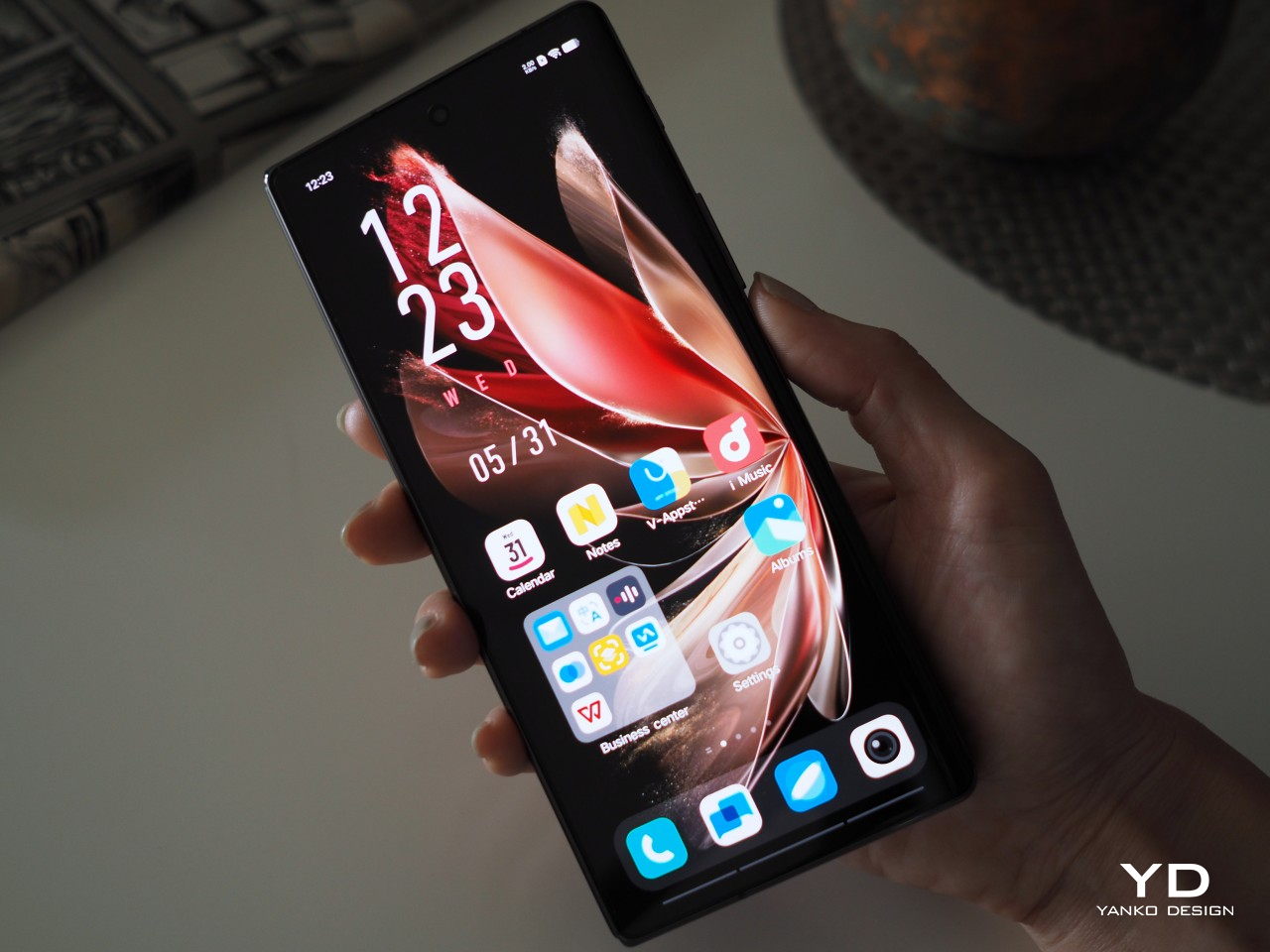
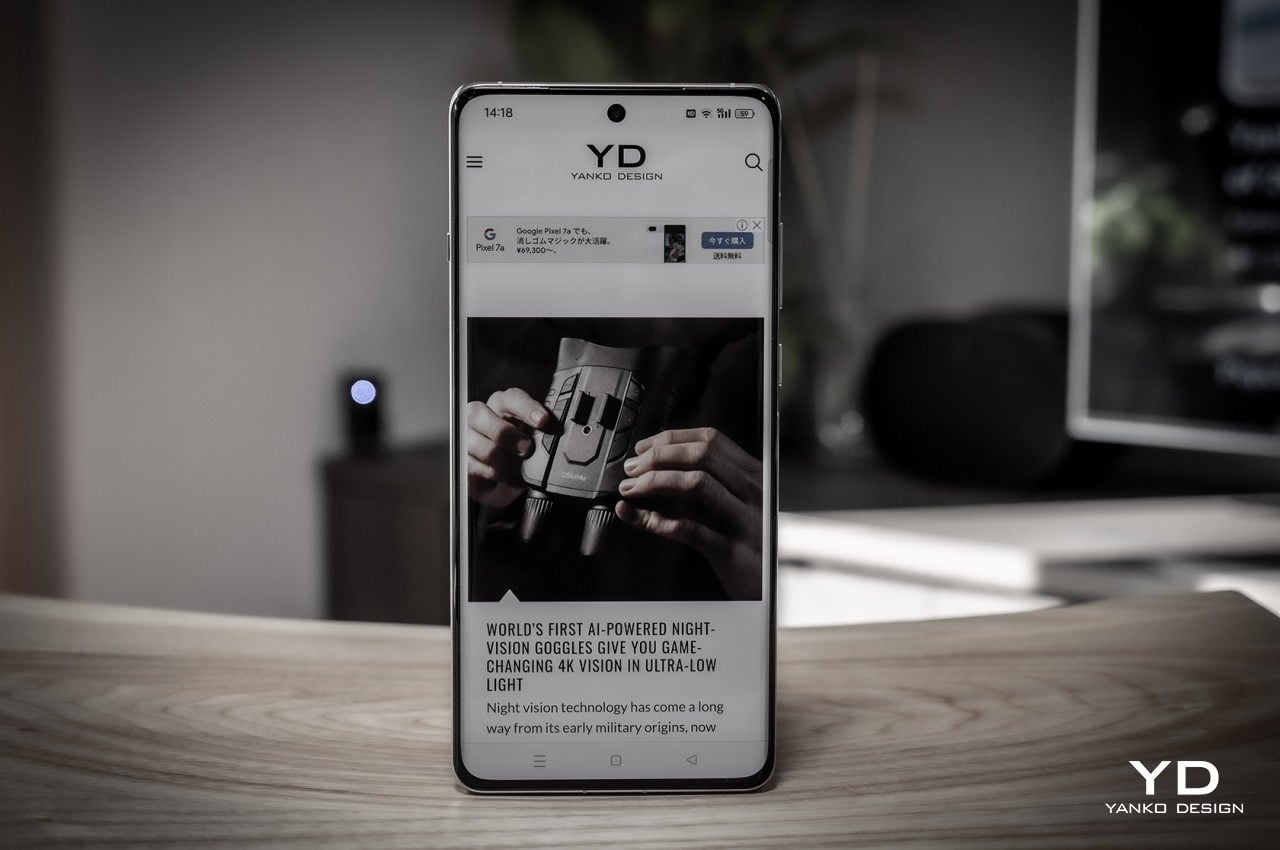
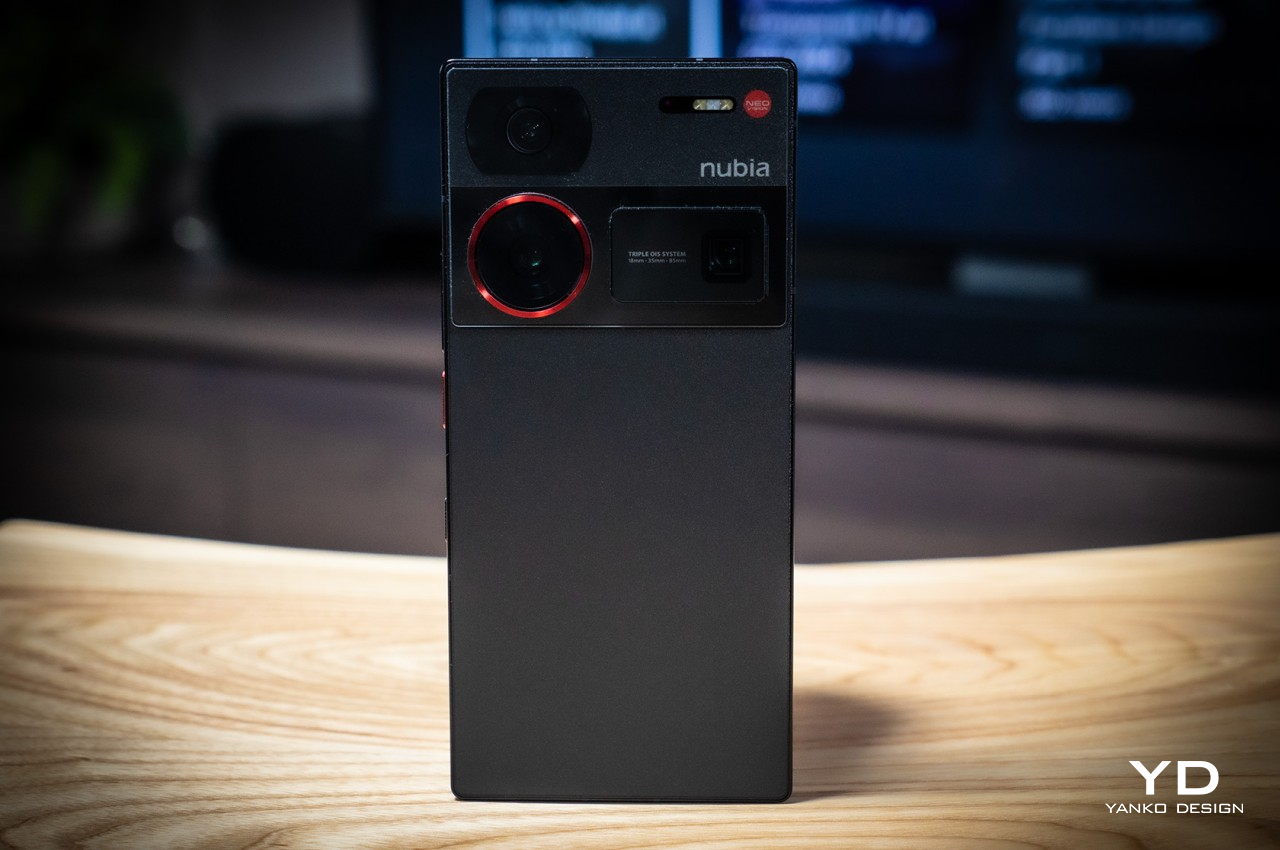
nubia RedMagic 9 Pro gaming phone arrives with a new design, same tiny fan

The year is almost over, but there’s plenty of time left to unveil new products, including new smartphones that could become gift ideas for people in some markets. We’ve seen quite a few make their way to the market a few days ago, but most of them revolve around “normal” phones for everyday use. Gaming phones, however, still make up a slice of that large pie, and one of the top brands in this market is taking out its big guns early. Former ZTE sub-brand nubia is reaching out to gamers with the latest RedMagic model, bearing a slightly new design that manages to keep key features that fans of the brand have grown fond of, whether they make sense or not.

Designer: nubia

What sets a gaming smartphone apart from regular smartphones, including those expensive ones, isn’t just their over-the-top performance. Most gaming-centric phones carry a certain aesthetic that really marks them for a certain crowd, one that appreciates a lot of RGB lighting, lines and geometric shapes, and other details that make the design look futuristic if not highly technical. The nubia RedMagic 9 Pro continues that tradition this year but makes a few tweaks that streamline the gamer design a little bit better.

Most notable is the relocation of the cameras from the middle of the phone to the side, something that’s almost a standard across all smartphone designs. The camera bump is also gone, with the lenses sitting flush against the entire back. That does mean that the phone is a little bit thicker than most of its kind, but a hefty and beefy handset is already expected for a device that’s designed to be a heavy-duty gaming machine. The rather odd design change is that only two of the three big circles are actually cameras, with the third deceptively hiding the cooling fan. The third camera is off to the side, though having a 2MP depth sensor makes it almost negligible.

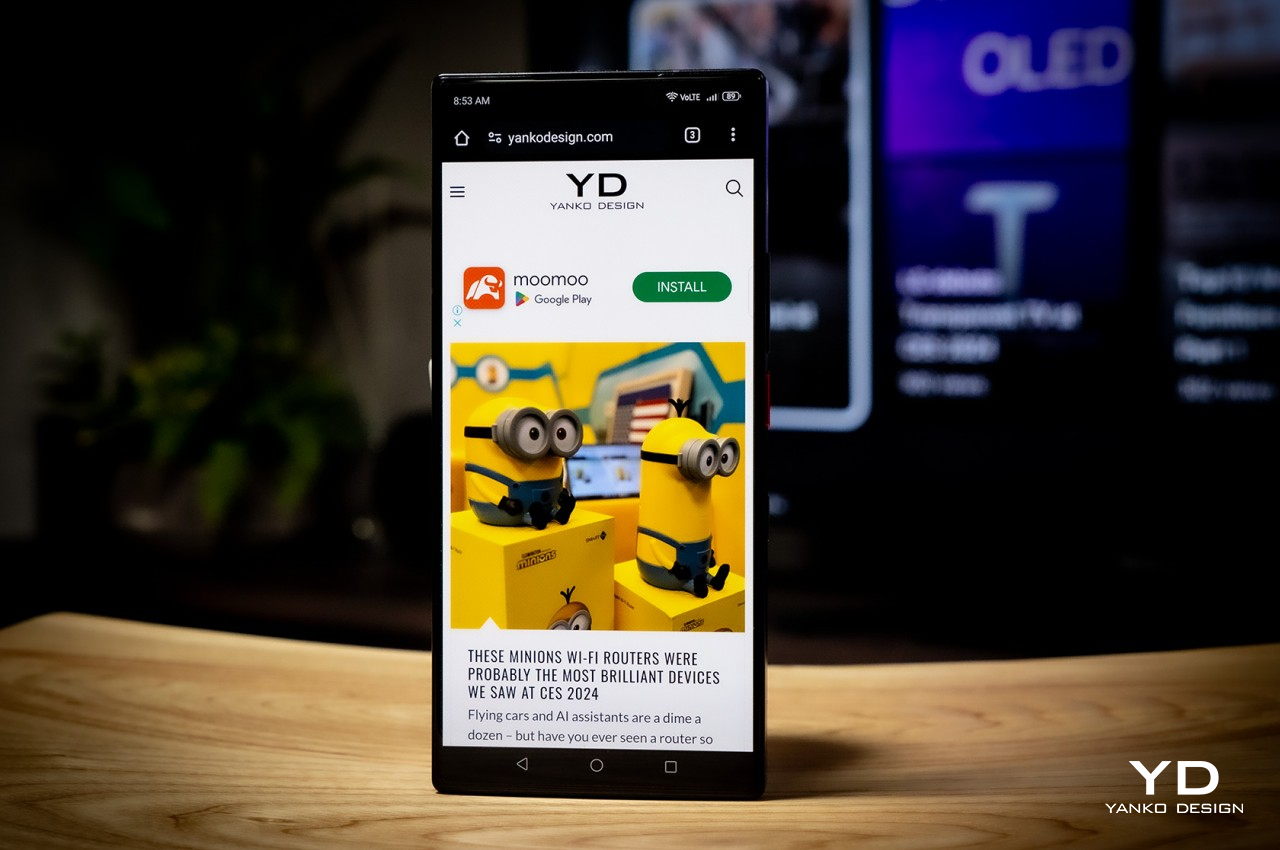
The rest of the RedMagic 9 Pro has a similar vibe to its predecessor, with lines and shapes on the back that give the semblance of panels that cover futuristic machines like ships, robots, and similar. For those who prefer a more subtle appearance, the Sleek model has an aesthetic closer to the typical black smartphones, masking its identity for more discreet uses. The front still has an under-display camera, which means there’s nothing visually breaking the large screen.

There’s also still that miniature cooling fan, one of the brand’s gimmicks to help keep things cool and prevent the phone from throttling its performance. It may be effective to some degree, but the price that is paid is having no dust or water resistance guarantee. With a more efficient Qualcomm Snapdragon 8 Gen 3 processor and a newer “ICE 13 Multi-Dimensional” cooling system, such a fan might no longer be needed and is becoming more of a liability than a selling point in the long run.

The post nubia RedMagic 9 Pro gaming phone arrives with a new design, same tiny fan first appeared on Yanko Design.
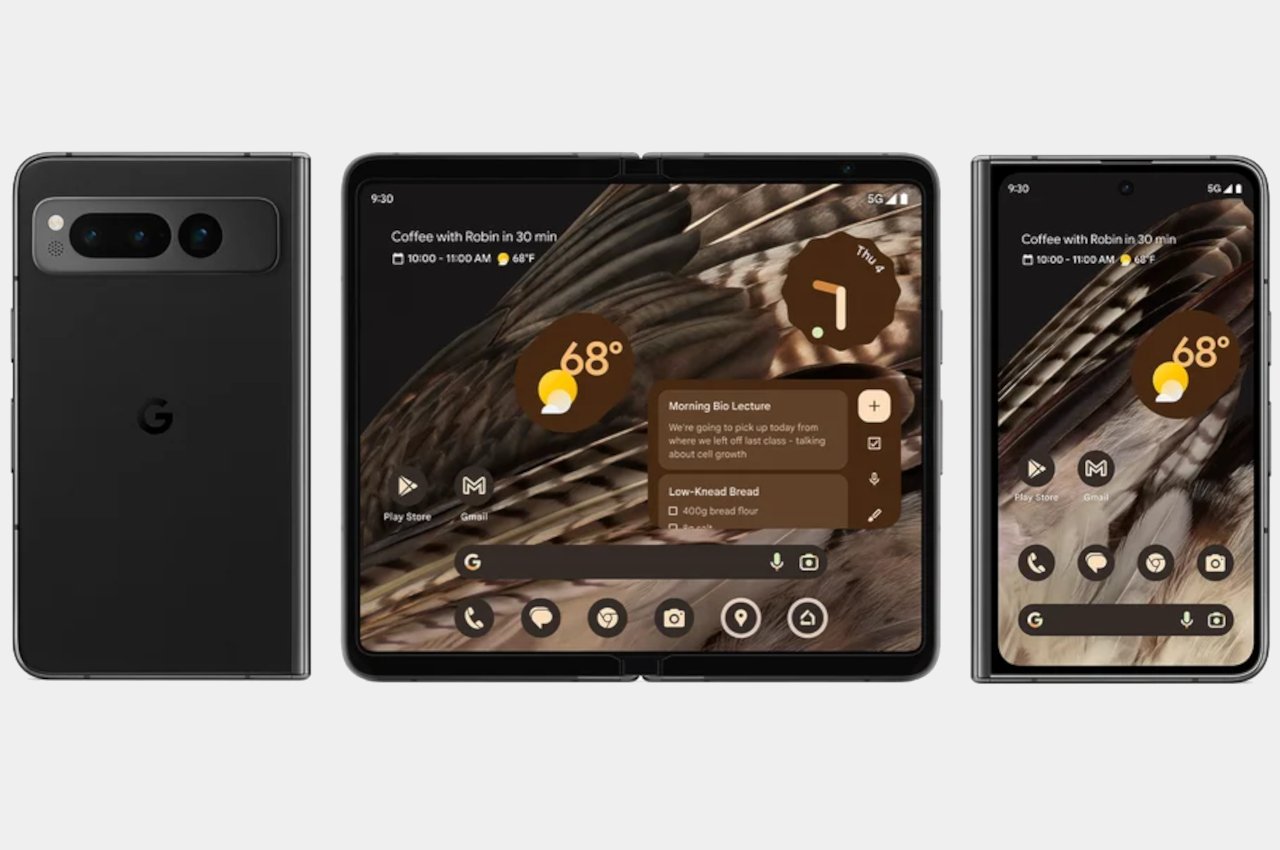
Motorola brigns Pantone Color of the Year 2024 Peach Fuzz to its smartphones

The moment Pantone announced their Color of the Year for 2024, we expected a lot of brands to officially and unofficially carry the Peach Fuzz tones for their respective products. If that is a color that you prefer or if you like that shade, then good for you as all year round you’ll see different brands and products carry the hue. If you’re not a fan, well, you’ll have to endure it and just look for other colors that match your preferences. If you’re the former and you’re looking for a new Android phone, then Motorola is a very good option.

Designer: Motorola

Motorola has come up with a tie-in with Pantone to bring Peach Fuzz versions of two of their newest smartphones, the motorola razr 40 ultra and the motorola edge 40 neo. The only difference between these versions of the smartphones and the original iteration is that they’re carrying the warm and cozy hues of the color of 2024, “highlighting the importance of shared moments” through the combination of Pantone’s “mastery of color” and Motorola’s “legendary design”

.

For those who prefer a more hip and modern device, the flippable design of the motorola razr 40 ultra / razr+ with the Peach Fuzz color with the vegan leather finish might appeal more as they’re branding it for the extroverts. It boasts of several camera modules like its 12MP dual cam, the 13MP ultrawide lens, and the 32MP wide selfie camera. Those looking for a more “sophisticated” smartphone can go with the motorola edge 40 neo with its 6.55-inch P-OLED display, 5,000 mAh battery, and camera setup (50MP main, 13MP ultrawide lens, 32MP selfie cam).

Both Motorola and Pantone believe that color deepens our interaction with our devices as they express our individuality and preferences. The Peach Fuzz color in particular was chosen to harness “connection, community, and personal wellbeing”, which is what Motorola also wants to encapsulate in their smartphones.

The post Motorola brigns Pantone Color of the Year 2024 Peach Fuzz to its smartphones first appeared on Yanko Design.
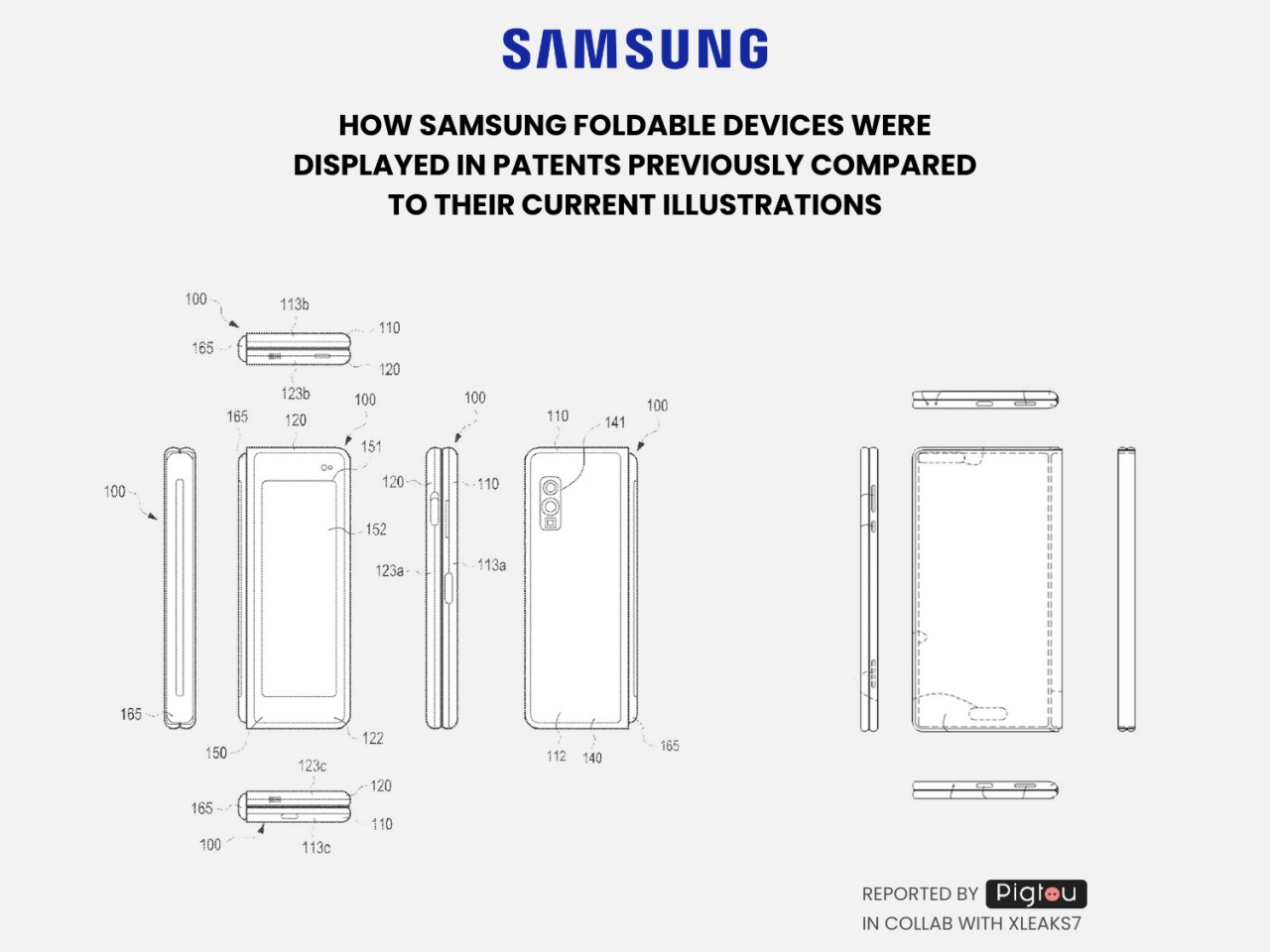
Samsung Galaxy A15 and A25 launched with an odd design element

Compared to its rather rowdy past, Samsung has been changing its phone designs less frequently these days. This allows the brand to cement its image, especially when those designs remain unique to it. The absence of a large camera bump, for example, has become a signature element in Samsung’s flagship Galaxy S phones, espousing a level of minimalism not found in other brands. It’s also becoming a standard even in its mid-range Galaxy A family, almost turning into Samsung’s design DNA. That’s not to say it no longer experiments with different designs, as demonstrated by its latest mid-range models that bear what might be the strangest design detail to have come across a Samsung phone in recent years.

Designer: Samsung

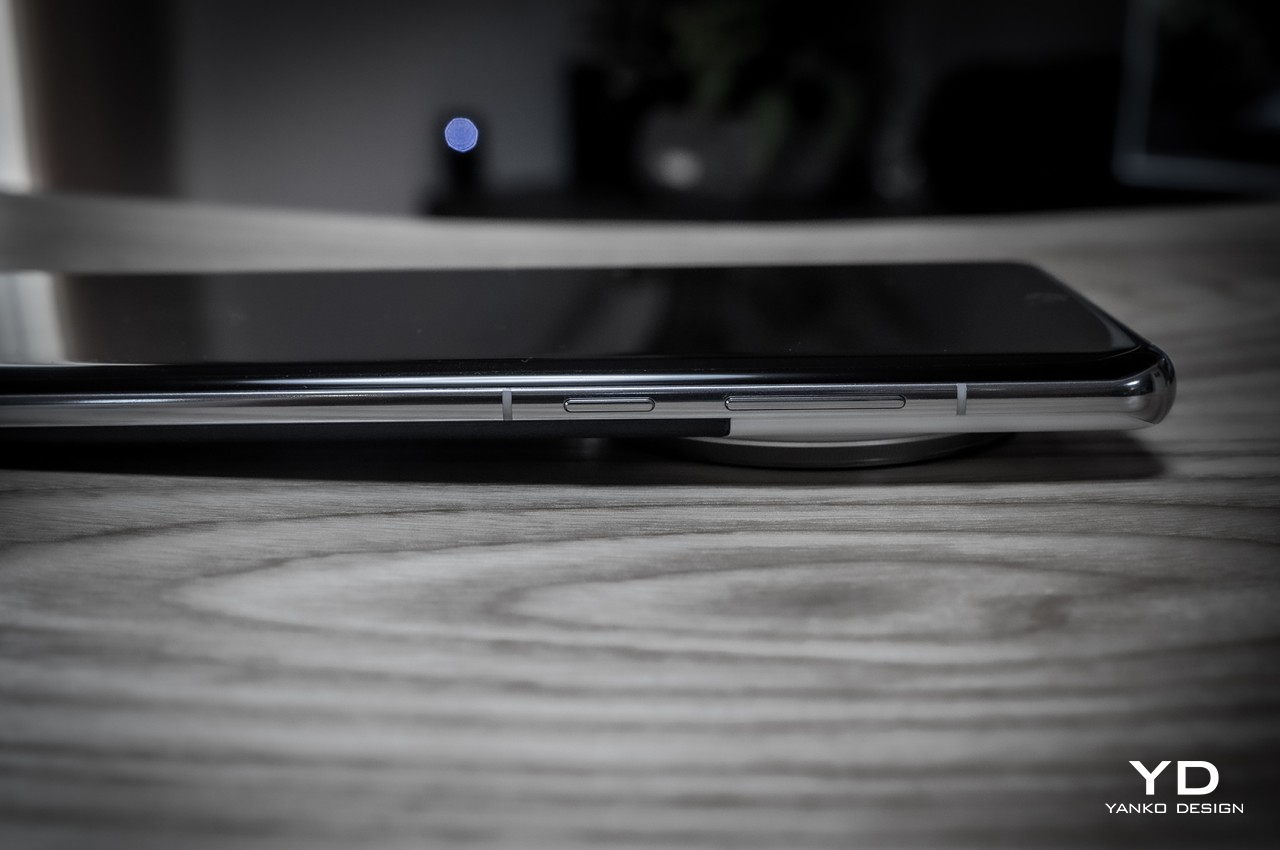
At first glance, the new Galaxy A15 and A25 look quite plain, almost like the smaller versions of the Samsung Galaxy S flagship. In fact, given what we know so far about next year’s upcoming Galaxy S24, you could almost say they prefigure Samsung’s next big thing. The Galaxy A15 and A25 feature very flat edges on all sides, at least except where the volume and power buttons are.

In most smartphones, the volume and power buttons are the only pieces that protrude from the side of an otherwise flat or featureless edge. It’s a necessary style to allow the fingers to immediately locate and press the buttons even without seeing them. Samsung, however, seems to have gotten the idea to raise not the buttons themselves but the area surrounding the buttons. It calls it “Key Island,” and it seems to be inspired by the common camera island or camera bump design on most smartphones.

The area flanking and in between these two buttons are raised almost to the same height as the buttons themselves. The sides of this mound gently curve upward while the island itself has a curved surface that contrasts with the flat edges of the rest of the phone. It’s not immediately clear, but it seems that the volume and power buttons still rise a little bit higher than the island, making it a two-step elevation also like some smartphone camera bumps.

While it adds a bit of visual uniqueness to the Galaxy A15 and A25, it is still puzzling why Samsung decided to go with this Key Island design in the first place. To some extent, it defeats the purpose of tactile physical buttons since it will be harder for fingers to sense where the correct buttons or areas actually are. The extruded portion might also snag more than simple buttons, not to mention taking up more space and becoming incompatible with cases that would have otherwise fit these two phones. Thankfully, these are mid-tier products and Samsung can afford to play around with what might become unpopular designs. Hopefully, this isn’t a foreshadowing of what the Galaxy S24 will have in a few months.

The post Samsung Galaxy A15 and A25 launched with an odd design element first appeared on Yanko Design.
ASUS ROG Phone 8 design takes a very different direction

Almost every smartphone these days can play games, especially the expensive high-end ones, but there are a few that definitely take the cake. They’re labeled gaming phones not just because of some special feature, such as a tiny fan spinning inside, but also because of the gamer aesthetics that they embrace. For years now, the ASUS ROG Phone has held the crown of having the most gamer-friendly design, but it seems that it’s finally willing to let that title go next year. Based on its own teasers, the next Republic of Gamers smartphone might be embracing a more mainstream design in exchange for what might finally be more capable cameras as well.

Designer: ASUS (via GSMarena)

ASUS ROG Phone 7

To be fair, there is no guidebook on how to apply a gamer aesthetic to products, but you can bet it will have plenty of RGB lighting and lines going in multiple directions that suggest the presence of machine panels. Indeed, the previous ROG Phones have employed those design elements, sometimes even going as far as using small LED screens for more dynamic accents. Of course, none of these are essential to the actual gaming experience, but they do add a nice touch that marks the product as something truly designed with gamers in mind.

ASUS ROG Phone 6

ASUS ROG Phone 6

ASUS ROG Phone 6

Given its history, it’s a bit surprising that the ASUS ROG Phone 8 might do away with those design elements almost entirely. Although nothing’s set in stone yet, the brand’s official teaser suggests that it might be adopting a more minimalist and subdued design, one that eschews the lines and RGB colors. What we see instead is a clean dual-tone composition that, given the gray colors, looks more industrial than futuristic. There could still be some lighting underneath the ROG logo, but could very well be the only place it shows up.

Perhaps more curious is the camera bump design, a thick pentagon laid on top of a square. For generations, the ROG Phones have carried mediocre cameras, so a switch to a triple camera system could be big news for fans of the brand. It’s not a clear win yet, of course, but it’s commendable that ASUS is willing to shake things up to improve its performance.

To its credit, the ROG Phones have slowly been moving towards more conventional and less spectacular designs, but the ROG Phone 8 could have the most drastic changes if the teasers are to be taken at face value. On the one hand, it does help make the ROG Phones more acceptable in “regular” scenarios and won’t stand out as much. On the other hand, if you want a more conventional-looking smartphone that can handle mobile games, there are already plenty of those in the market, making the ROG Phone 8 redundant.

ASUS ROG Phone 7

The post ASUS ROG Phone 8 design takes a very different direction first appeared on Yanko Design.
Tecno’s Future Lens 2023: Impressions on Unveiled Mobile Camera Tech

Tecno just introduced three super cool camera technologies during its Future Lens 2023 event in Shanghai. These innovations are set to change smartphone photography and take it to the next level. The W-shaped Adjustable Physical Aperture, which features a patented artificial cuttlefish lens, is a breakthrough in light management for photography. It effectively eliminates harsh glare, thus resulting in more balanced shots. On the other hand, the Liquid Telephoto Macro Lens is a compact yet powerful innovation that uses voltage-controlled curvature adjustment to enable the camera to adapt lens curvature in real time while maintaining a sleek form factor. Lastly, the Universal Tone multi-skin tone imaging solution uses extensive skin tone spectral data and advanced research methods to offer vibrant and true-to-life portraits and videos. These technologies exemplify TECNO’s commitment to pioneering solutions that improve photographic capabilities and enhance user experience, reflecting a significant step forward in mobile imaging.

Over dinner, sitting next to Laury Longfei Bai, Tecno’s global CMO, provided a deeper insight into Tecno as a company, its vision for the future, and target buyers. Tecno Mobile, a subsidiary of Transsion Holdings, is renowned for its affordable, feature-rich smartphones, primarily targeting emerging markets in Africa and South Asia. The company emphasizes local market needs, offering devices with region-specific features and designs. Known for competitive pricing, Tecno caters to budget-conscious consumers seeking high-quality mobile experiences. The brand has also made notable advancements in smartphone photography, frequently introducing innovative camera technologies in its products.

W-shaped Adjustable Physical Aperture

The W-shaped Adjustable Physical Aperture represents a significant advancement in smartphone photography. This ingenious technology addresses common issues associated with backlight photography, such as overexposure and loss of detail.

At its core, the W-shaped Adjustable Physical Aperture functions differently from the fixed apertures typically found in smartphone cameras. A standard fixed aperture limits the light entering the lens, which can be problematic in varying lighting conditions. In contrast, Tecno’s W-shaped aperture is dynamically adjustable, allowing for more precise control over the light that reaches the camera sensor.

This adjustability is crucial for enhancing photo quality in different lighting scenarios. In bright, backlit environments, narrowing the aperture reduces the amount of light entering the lens, preventing overexposure and preserving detail. Conversely, widening the aperture in low-light conditions allows more light to reach the sensor, improving image brightness and clarity.

The W-shaped design is particularly effective because it offers a broader range of aperture sizes compared to traditional circular apertures. This flexibility ensures that users can capture high-quality images regardless of lighting conditions, making it a versatile tool for amateur and professional photographers.

Moreover, the physical nature of this aperture system marks a departure from software-based solutions commonly used in smartphone photography. While software enhancements can improve image quality, they often cannot fully compensate for the limitations of a fixed aperture. Tecno’s approach, combining hardware innovation with software algorithms, provides a more comprehensive solution.

In practical terms, this technology translates to significantly improved performance in challenging photographic situations. Users can expect sharper, more detailed images when shooting against bright backgrounds, such as sunsets or brightly lit windows. Similarly, in dimly lit environments, the technology helps capture clearer, brighter images without the excessive noise often associated with high ISO settings.

The W-shaped Adjustable Physical Aperture is a testament to Tecno’s commitment to pushing the boundaries of smartphone imaging technology. By offering a hardware-based solution to a common photographic challenge, Tecno positions itself as a leader in the field, particularly in emerging markets where smartphone photography is rapidly evolving. This technology enhances the user experience and broadens the creative possibilities available to smartphone photographers.

Liquid Telephoto Macro Lens

Tecno’s Liquid Telephoto Macro Lens represents a groundbreaking advancement in smartphone camera technology. This lens system is designed to enhance macro photography capabilities, allowing users to capture highly detailed close-up images with greater clarity and precision than traditional smartphone cameras.

The innovation lies in the unique use of a liquid lens, a technology that differs significantly from the conventional solid lenses found in most smartphone cameras. The liquid lens can change its shape dynamically, allowing for rapid and precise focusing at varying distances. This adaptability is crucial in capturing high-quality macro images, where focusing accuracy is critical for detailed and sharp results.

One of the primary benefits of the Liquid Telephoto Macro Lens is its compactness. Traditional telephoto lenses, known for their bulkiness, are often challenging to incorporate into the slim form factor of a smartphone. However, the liquid lens technology enables a much more compact design without compromising on the telephoto capabilities. This allows users to enjoy advanced macro photography features in a portable, user-friendly device.

The functionality of the Liquid Telephoto Macro Lens is based on the principle of electrowetting, where an electrical charge is applied to alter the shape of the liquid within the lens. By adjusting the voltage, the curvature of the liquid lens changes, thus modifying the focal length. This process allows for quick and precise adjustments in focus, essential for capturing the tiniest details in macro photography.

Another advantage of this technology is its versatility. The lens can seamlessly switch between telephoto and macro modes, offering users a range of photographic options. This dual functionality enhances the user experience and expands the creative possibilities available to smartphone photographers.

In practical terms, users can expect to capture stunning close-up images with remarkable detail and clarity. The lens’s ability to rapidly adjust focus ensures that even the smallest subjects, such as insects or intricate patterns, are rendered with exceptional sharpness. Additionally, the telephoto capabilities allow for high-quality zoomed-in shots, making it a versatile tool for various photography scenarios.

So, Mr. Bai told me this new technology is coming out soon. He said it won’t be ready for a couple of years, but he did mention that we’ll be able to try it out at the Mobile World Congress in 2025. How cool is that?!
Tecno has committed to innovation in smartphone imaging with the Liquid Telephoto Macro Lens. This advanced lens technology addresses a common limitation in smartphone cameras, mainly macro photography. By integrating this development, Tecno is enhancing the capabilities of its smartphones and establishing itself as a pioneer in the industry, particularly in markets where mobile photography is increasingly popular.

Universal Tone Technology – UT

Tecno’s Universal Tone technology is a revolutionary multi-skin tone imaging technology, a key highlight of their Future Lens 2023 event. It uses the most extensive skin tone spectral data and rigorous research methods, ensuring vibrant, true-to-life portraits and videos. This technology is particularly beneficial for its ability to produce images that accurately and beautifully represent a wide range of skin tones. It addresses a long-standing challenge in photography of rendering diverse skin colors naturally and attractively.

The technology works by combining three computational engines powered by AI. The Multi-Skin Tone Restoration Engine uses a spectral matrix of skin colors, which has been derived from extensive research on chromatic skin colors. This engine adjusts and calibrates skin tones in portraits to make them appear more natural and harmonious. It is essential to avoid the common issue of inaccurately representing skin tones in photography.

Complementing this, the Local-Tuning Engine plays a vital role in ensuring the portrait harmoniously integrates with its surroundings. It reconstructs image tone mapping and uses an adaptive 3D-LUT (Look-Up Table) algorithm. This approach enables the technology to ensure perfect interaction between the human subject and the environment in the photo, and it can be customized per region or country. This localization aspect is significant, as it considers the diverse aesthetic preferences and cultural contexts of different user bases.

The third component, the AI-Powered Computational Portrait Engine, is designed to craft vibrant, personalized portraits. This engine considers Tecno’s localized aesthetic preferences and cultural nuances, ensuring that the portraits it produces are not just technically proficient but also culturally resonant and aesthetically pleasing.

Tecno’s Universal Tone technology thus represents a significant advancement in smartphone photography, particularly in its capacity to handle diverse skin tones with accuracy and sensitivity. By integrating these three sophisticated AI engines, Tecno has created a system that not only enhances the technical quality of images but also respects and celebrates the diversity of its users. This technology demonstrates their commitment to inclusive and user-centric technology development, setting a new standard in smartphone photography.

Final Thoughts

At Tecno’s Future Lens 2023 event in Shanghai, three groundbreaking camera technologies were introduced, impressing media attendees with their potential to revolutionize smartphone photography. The W-shaped Adjustable Physical Aperture, Liquid Telephoto Macro Lens, and Universal Tone technology showcase innovative approaches to light management, lens adaptability, and skin tone representation, signifying a substantial leap in mobile imaging. These advancements, eagerly anticipated for future experiences, highlight their dedication to pioneering photographic capabilities and enhancing user experiences.

The post Tecno’s Future Lens 2023: Impressions on Unveiled Mobile Camera Tech first appeared on Yanko Design.