Say Goodbye To Bottled Water: Kara Pure 2 Turns Air Into 99.99% Pure Water (Without The Microplastics)

We’re in the great age of unbundling. We’ve unbundled our power grids with solar panels, our entertainment with streaming, and our communication with the internet. We’re systematically severing the cords that tie us to centralized, aging systems. But what about the most essential utility of all – the water pipe? For decades, that’s been the one connection we couldn’t cut. You could go off-grid with power, but you were still tethered to the municipal water main. Until now. What if your home could perform a little bit of everyday alchemy? What if it could breathe in the invisible humidity hanging in the air and exhale pure, rich drinking water? This isn’t a far-future concept; it’s the game-changing revolution happening inside the all-new Kara Pure 2. This sleek, stainless steel tower isn’t just a water dispenser; it’s your home’s personal atmospheric hotspot. The award-winning technology doesn’t filter water from the grid; it creates the water instead, offering a glimpse into a future where the most precious resource on earth is no longer piped in, but simply harvested on demand.

At first glance, the Kara Pure 2 is a study in minimal-yet-effective industrial design. Standing at a confident 44 inches tall, its brushed stainless steel body feels both substantial and elegant, designed to complement a modern kitchen rather than dominate it. Its upgraded internal copper piping and five-stage water filtration signal a commitment to quality, suggesting this is a permanent fixture, not a temporary solution. The front is punctuated by a clean, 40% larger touchscreen and a gracefully curved dispensing area. There are no awkward plastic jugs, no complex pipework, no visible signs of the powerful process happening within. This deliberate minimalism is central to its appeal; it domesticates an industrial-grade technology, making the extraordinary feel approachable. The magic trick is only impressive if the magician makes it look easy, and the Kara Pure 2 looks effortless. Its only demand is a standard power outlet, and in return, it offers a bottomless well of 9.2 pH-balanced Alkaline water.

Designer: Cody Soodeen

Click Here to Buy Now: $3899 $5999 ($2100 off). Hurry, only 6/20 left! Raised over $371,000.

Kara Pure 2’s Patented AirDrive™ technology uses a clever desiccant material that acts like a super-sponge, aggressively grabbing water molecules from the air. Once saturated, the machine gently heats the desiccant, forcing it to release the captured moisture as perfectly pure water vapor, leaving dust and other airborne gunk behind. It’s an elegant and efficient method of harvesting, allowing the machine to perform even when the air feels less than tropical. This isn’t merely condensation; it’s a targeted extraction.

Once the water is harvested, it begins a journey through a multi-stage purification gauntlet. The process starts before the air even enters the machine, with a commercial-grade EPA air filter that scrubs the intake air, providing the side benefit of purifying about 200 cubic feet of room air per minute. After the water is condensed, it passes through a system that includes an advanced ultrafiltration (UF) membrane. With a pore size of just 0.01 microns, this stage is designed to physically block contaminants like bacteria, viruses, and microplastics. Finally, the water is exposed to a medical-grade UV-C sterilizer, which neutralizes any remaining microorganisms to ensure the final product is 99.99% pure.

But anyone who has tasted distilled water knows that “pure” can be boring. The filtration process strips out everything, good and bad, leaving a flat, lifeless liquid. Kara brings the water back to life in the final step by enhancing it with a carefully balanced cocktail of essential minerals like calcium and magnesium. This not only gives the water its clean, crisp taste but also nudges the pH up to an alkaline 9.2+, a nod to the modern wellness enthusiast. It even gets an antioxidant boost, completing its journey from humble humidity to what you might call high-performance hydration.

That whole process nets you up to 10 liters (or about 2.6 gallons) of water a day, storing it in an 11.5-liter reservoir so it’s always ready. Standing 44 inches tall and weighing a hefty 70 pounds, the Kara Pure 2 is a stainless steel monolith that feels more like a piece of modern sculpture than a kitchen appliance. The premium feel extends to the internals, with upgrades like 99% pure copper piping that signal this is a forever-appliance, not a disposable gizmo. The user experience gets the same love, with a spout moved forward for easy access and a pouring area now 20% larger, big enough to fit that ridiculously oversized 64-ounce water bottle you carry around.

The day-to-day command center is a 40% larger touchscreen that lets you dial in everything, including instant hot and cold water. But the most impressive feature might be what you don’t notice. At just 32 decibels, the Kara Pure 2 is quieter than your fridge’s late-night humming. This is the critical detail that makes it a viable housemate, allowing it to quietly perform its magic in the background of your life without driving you insane. It’s a testament to the engineering that went into making this complex process feel effortless and unobtrusive.

Naturally, a device this forward-thinking is making its debut on Kickstarter, the go-to platform for launching category-defining hardware. This is where early adopters can secure the Kara Pure 2 before it hits the broader market. The super early bird pricing is set at $3,899, which feels like a pretty good investment considering the average family spends upwards of $1,350 a year on bottled water (even more for 9.2pH+ alkaline water)… And after all, it’s an investment in a new kind of infrastructure for your home. I mean, you’re literally turning air into alkaline drinking water. Rumor has it that Kara’s next appliance will turn that water into wine!

Click Here to Buy Now: $3899 $5999 ($2100 off). Hurry, only 6/20 left! Raised over $371,000.

The post Say Goodbye To Bottled Water: Kara Pure 2 Turns Air Into 99.99% Pure Water (Without The Microplastics) first appeared on Yanko Design.
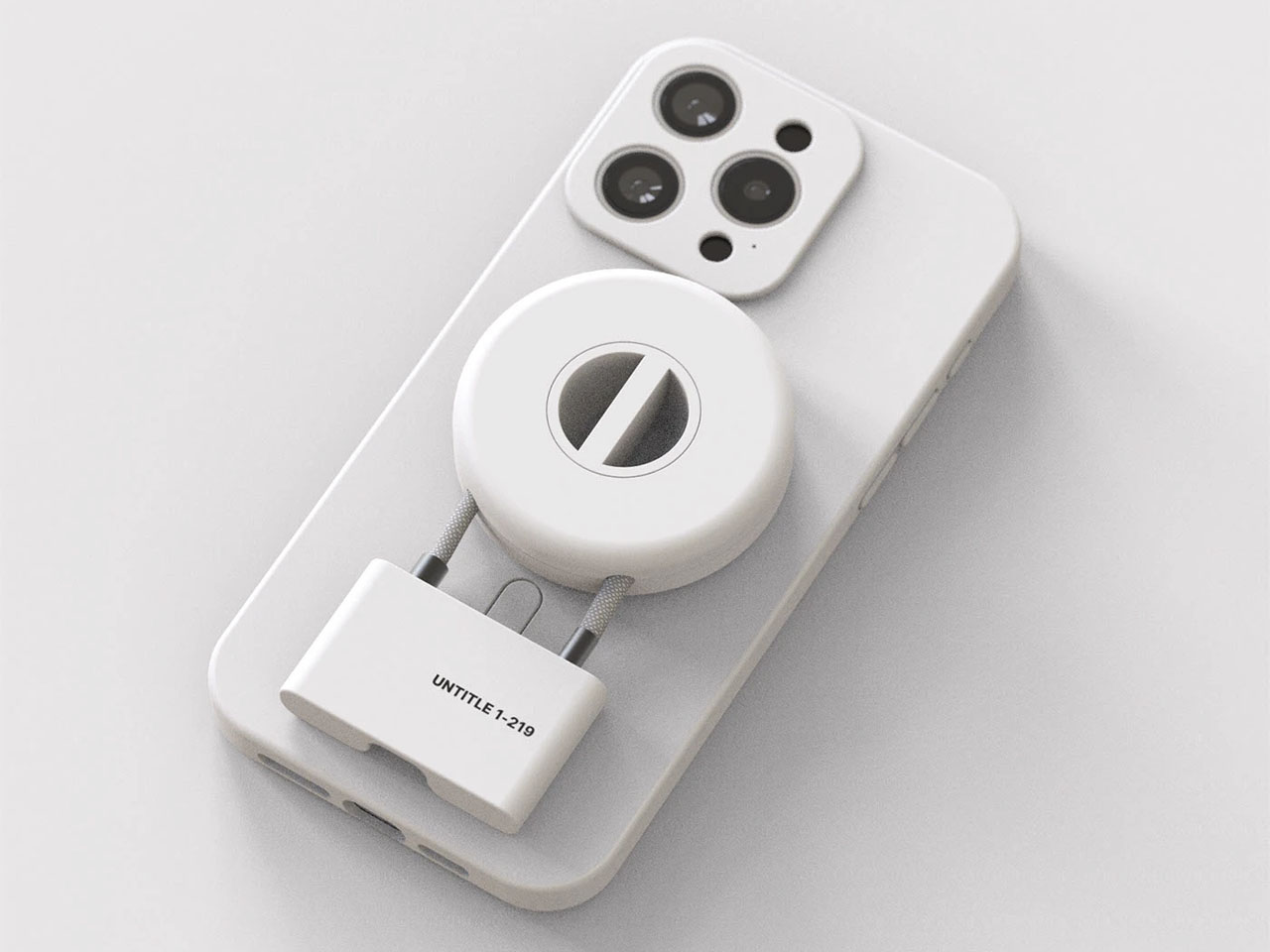
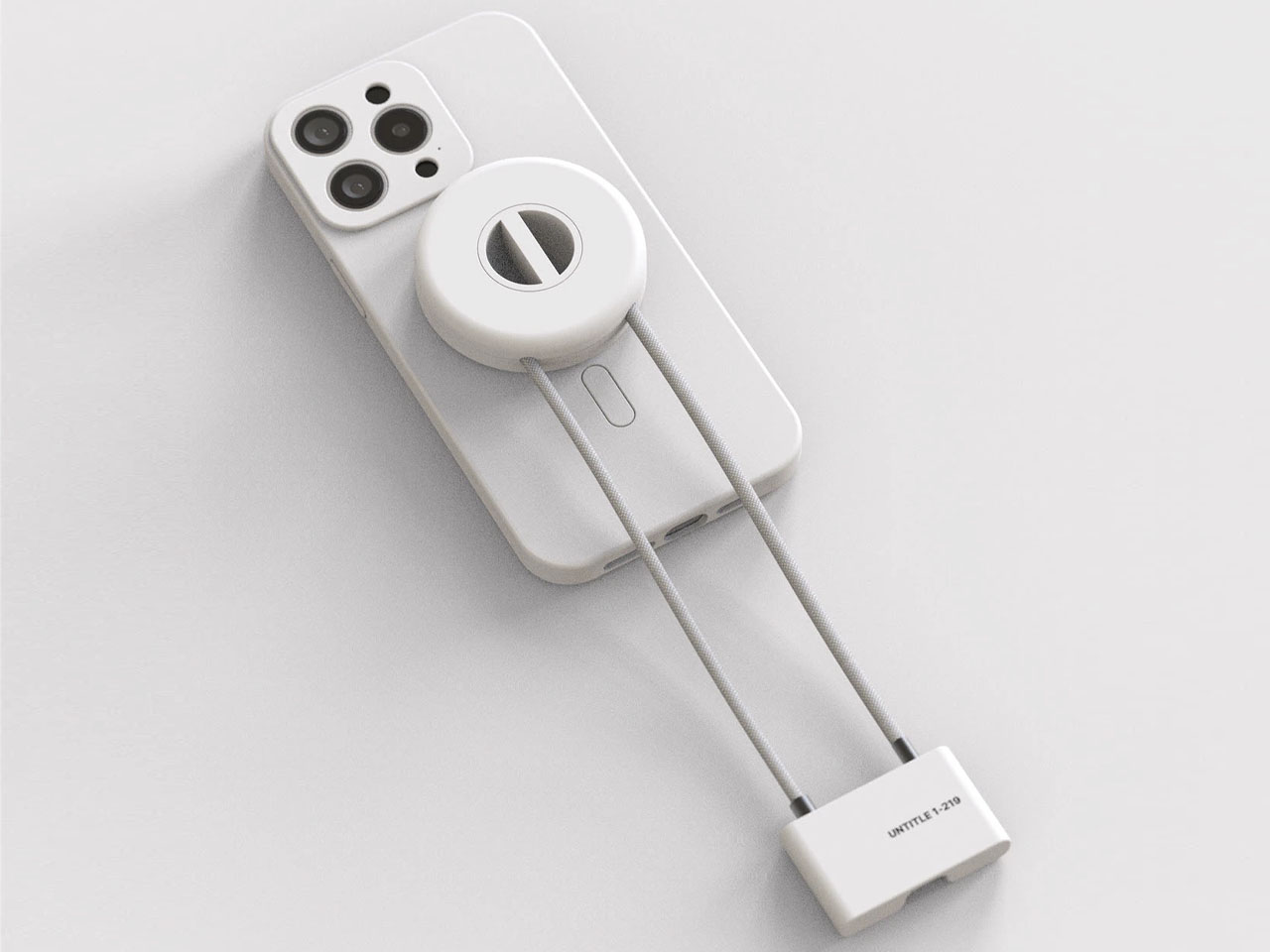
This MagSafe cable case wants to end the eternal bag-digging for good

The market is flooded with charging cables and MagSafe chargers. But both standalone ones only add to the inconvenience of carrying them. The endless toil in the bag for a cable is an everyday chore for me. I’m sure many of you have fished endlessly at the bottom of the backpack/handbag for a charging cable? To find a solution to this problem, I was scrolling through options for accessories with built-in charging cables, when I came across this interesting project for a MagSafe Multipurpose Charging Cable Case on Behance.

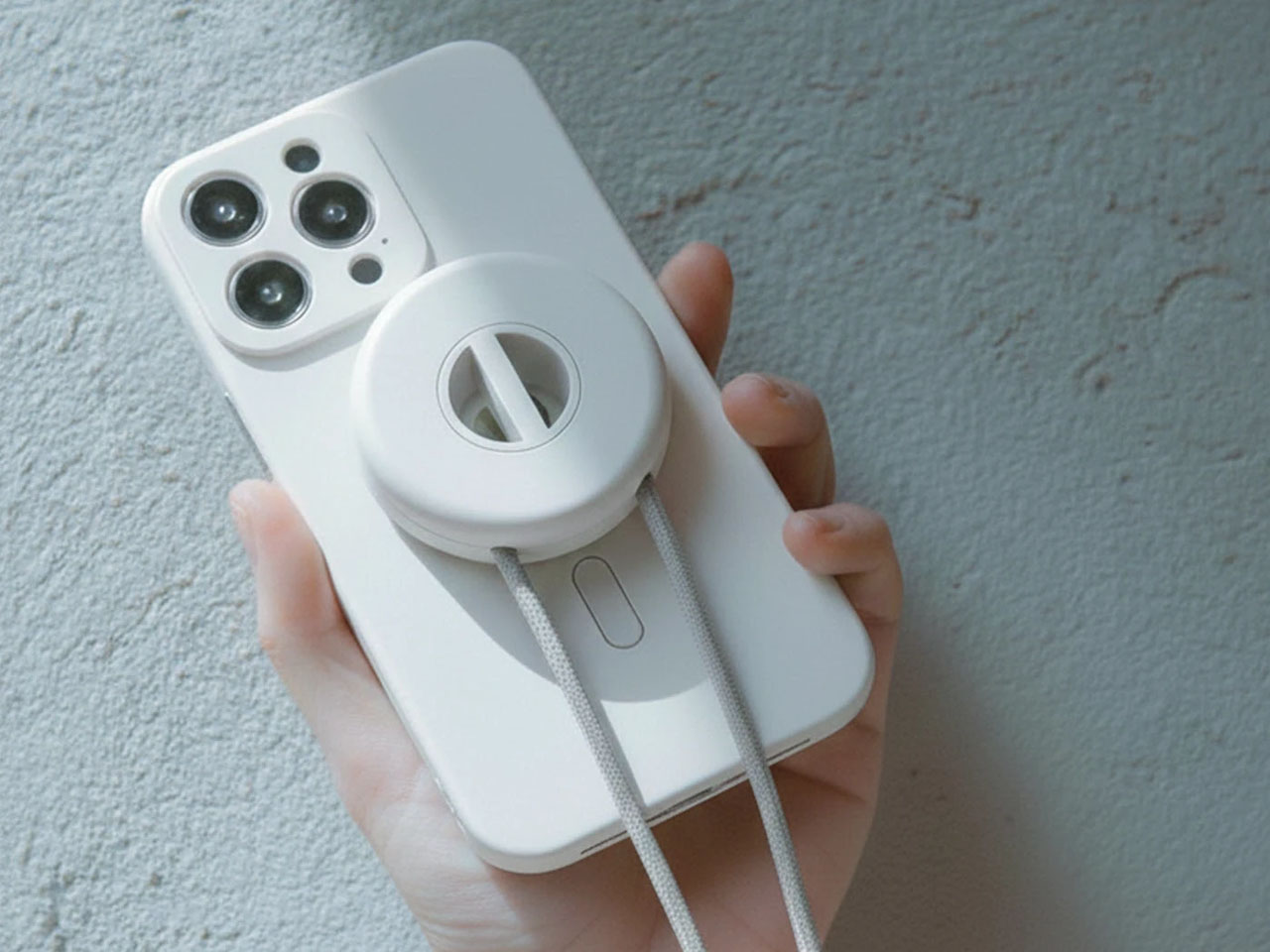
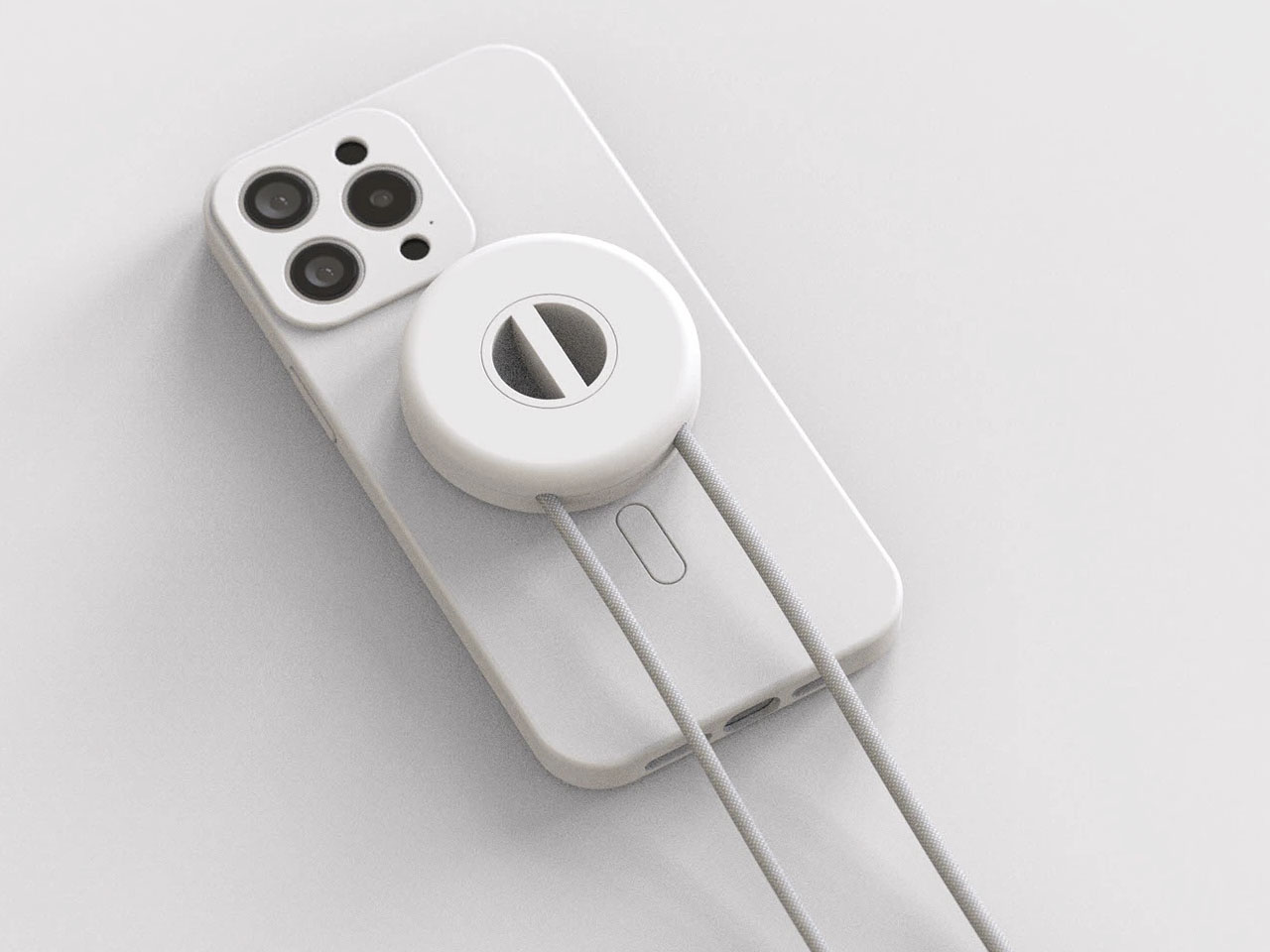
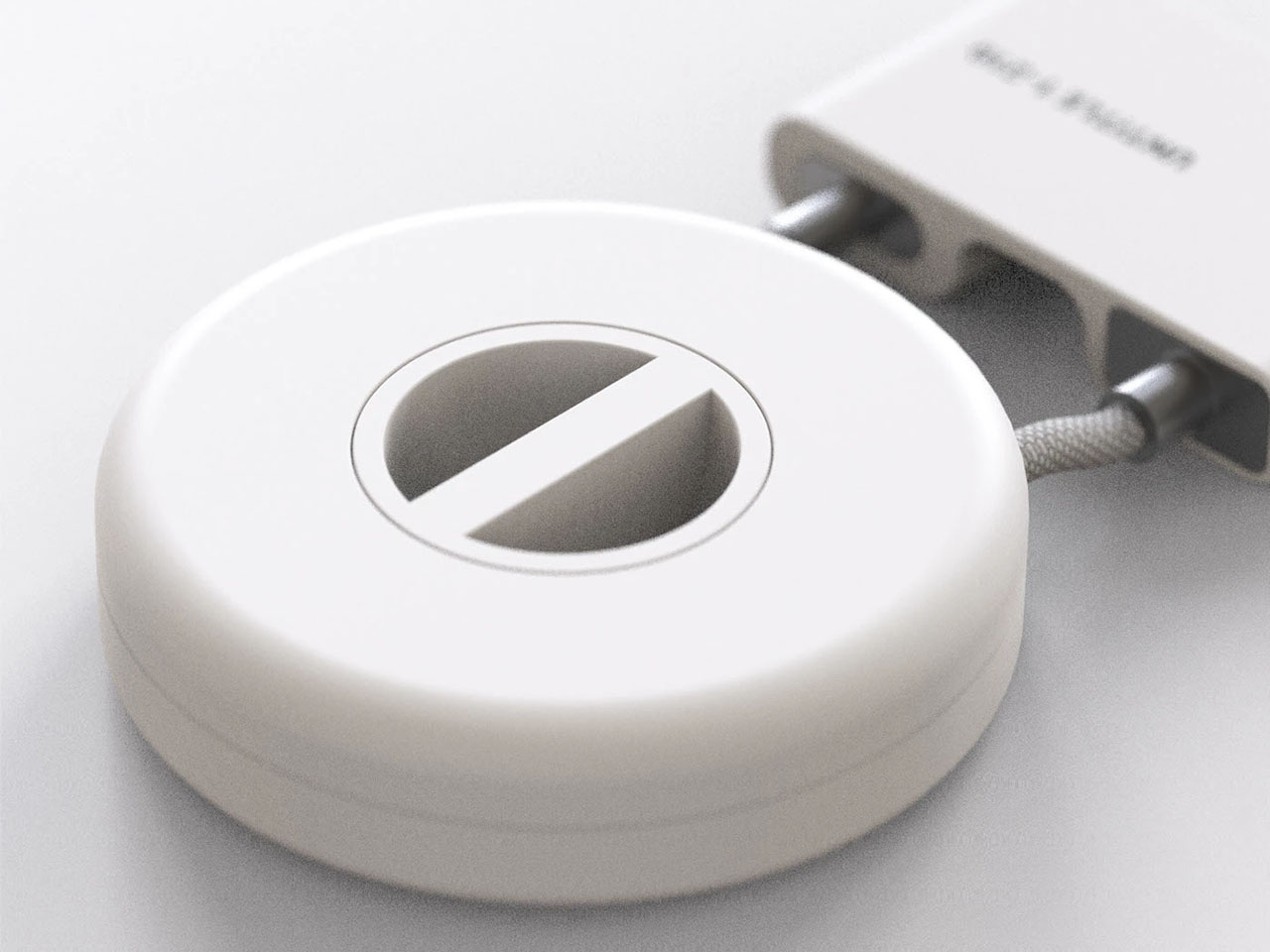
It is designed like a hand grip mobile holder, which I first presumed this guy to be, until I saw the dangling cable and thought there was more to it than its design. The cable case is designed in a way to store a charging cable within a MagSafe-compatible accessory. Sounds unfamiliar? It probably is, I haven’t seen a similar concept before.

Designer: Jinkyo Han

If you look over the last decade, charging cables (which still remain important after wireless charging and MagSafe options) haven’t meaningfully changed. Of course, universal acceptance of USB-C cable does help, but the standardization doesn’t stop the cables from tangling and getting lost in the bag. Maybe, a MagSafe case that allows the changing cable to literally attach to the back of your iPhone, could, in a way limit that.

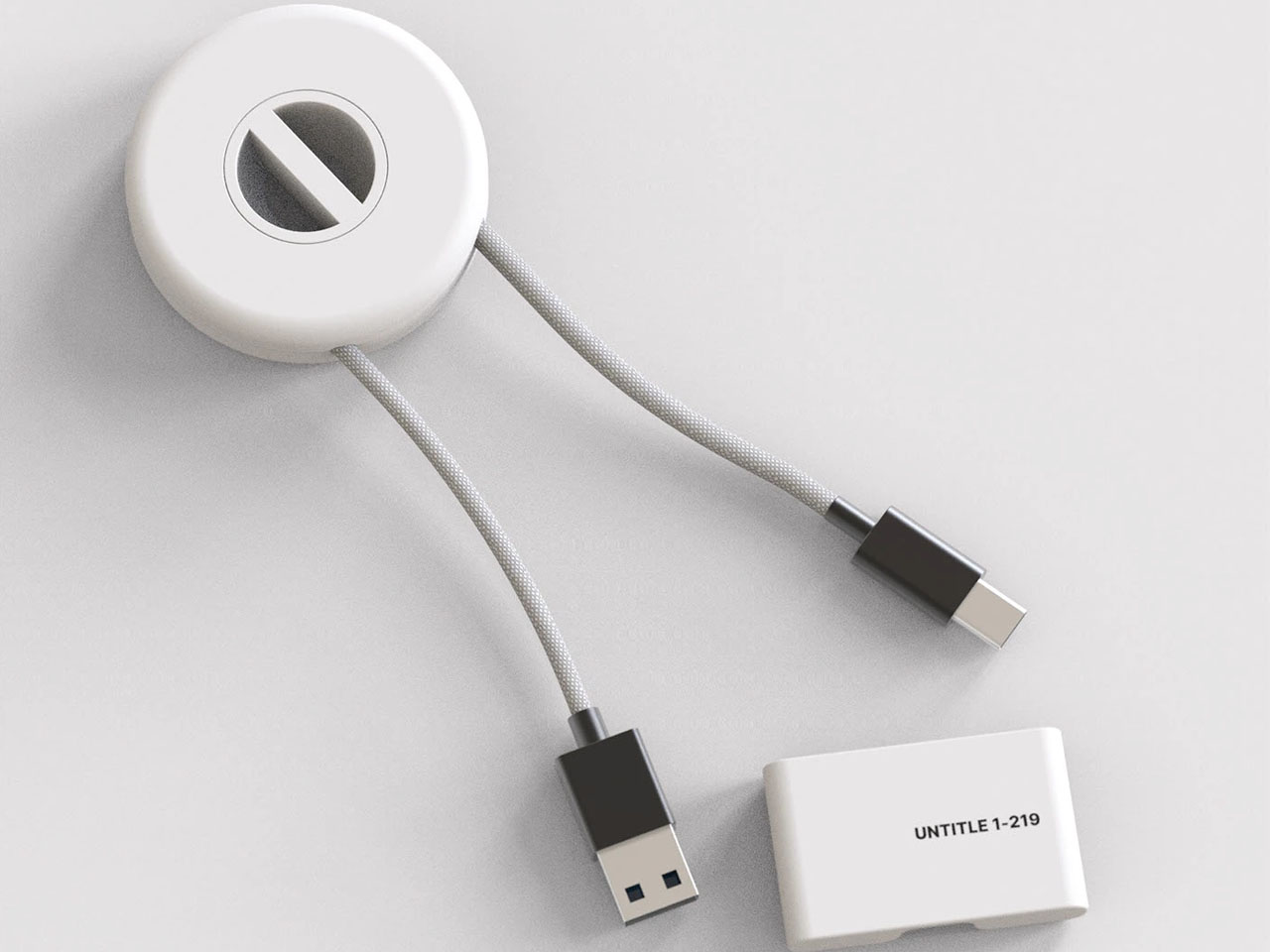
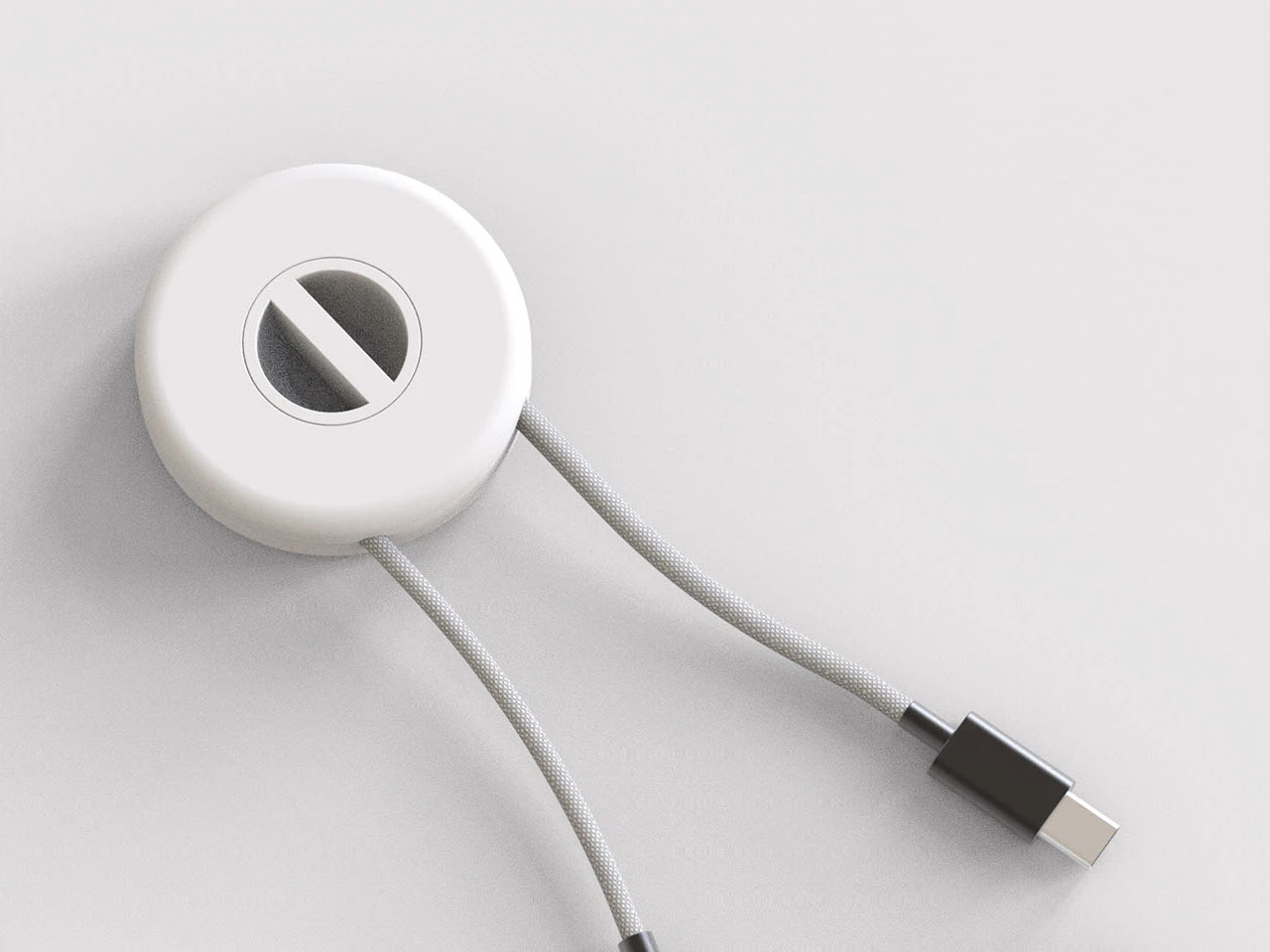
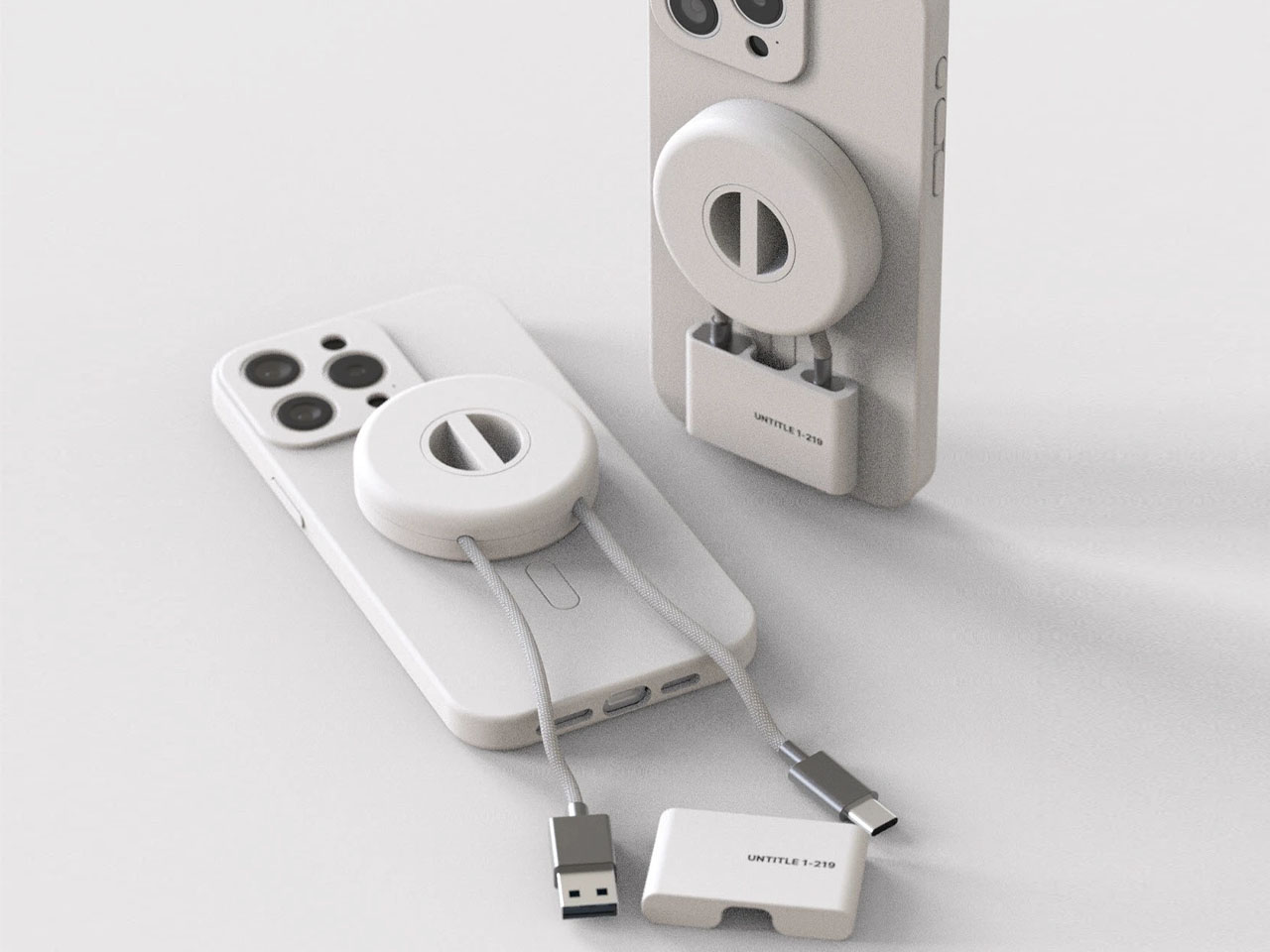
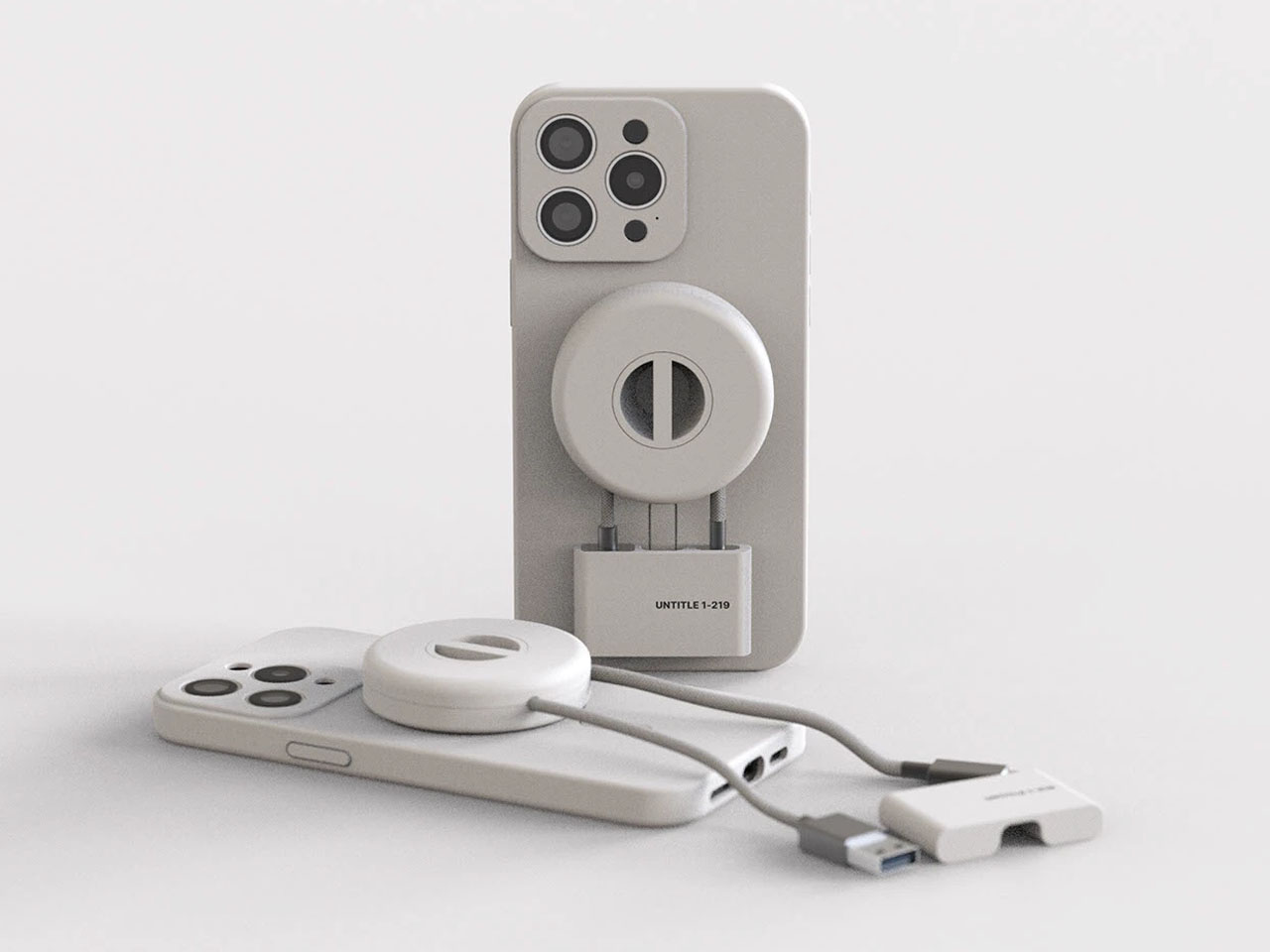
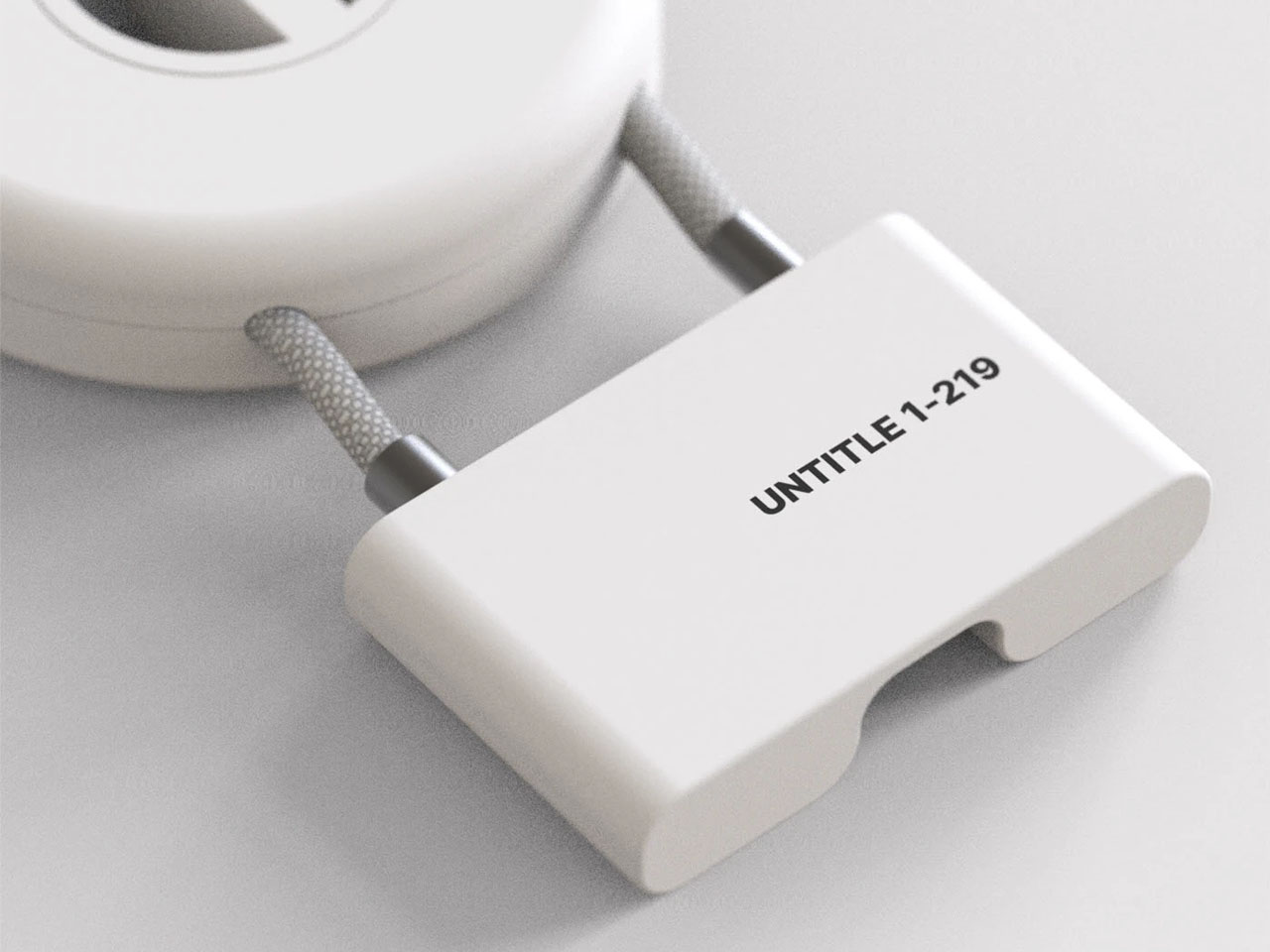
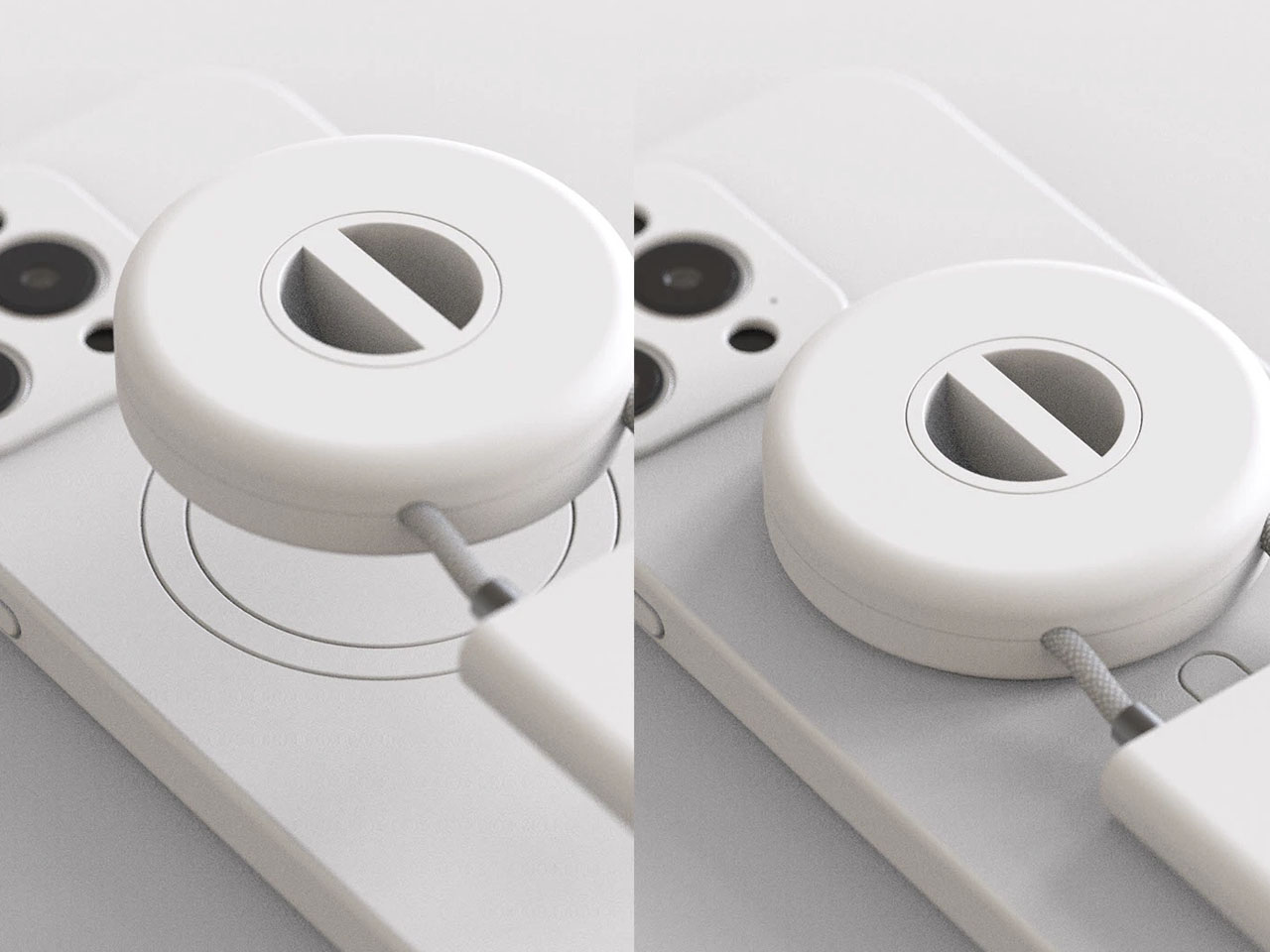
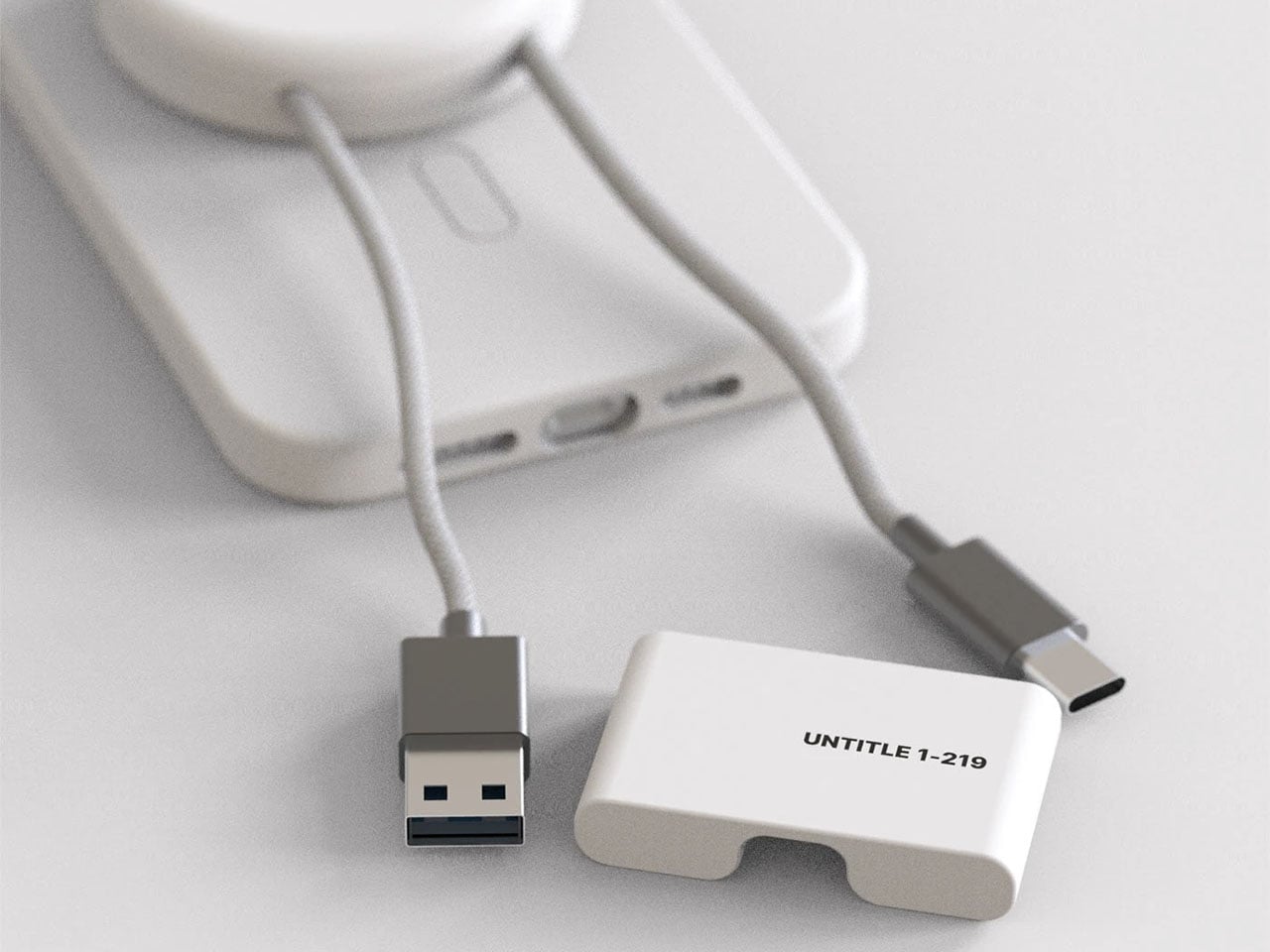
Therefore, Jinkyo has conceived this idea with a focus on convenience: “easy portability and instant charging when needed.” The accessory – called UNTITLE 1-219 – as imprinted on it, is divided into three parts, the MagSafe cable case, the changing cable that coils within it, and the clip end, which secures the dangling USB-A and USB-C ends on either side. This design does not consider the case and the cable as two easily lost appendages, instead imagines it as a MagSafe-compatible puck that snaps to the back of your phone and doubles as a storage, allowing changing cable to be coiled right inside; so, you can pull it out when you need to power your device.

And when you’re not using it, the case becomes a bit of drop prevention for the iPhone. The accessory may seem like a small – even useless – tweak to some, but for me, it is an accessory that has the potential to evolve past the drawing board. The idea of allowing the changing case to live on the phone instead of in the backpack is a logical option to the problem of tangling and lost cables. But how thick would this accessory make the phone and how much of an inconvenience it will be in daily usage, is, of course questionable. From where I see though, this accessory would mean one less thing to buy or lose.

The post This MagSafe cable case wants to end the eternal bag-digging for good first appeared on Yanko Design.
Samsung fully unveils its Galaxy Z TriFold phone, and it’ll be available in Korea in a few days

Samsung has unveiled its newest smartphone, and it's the highly-anticipated Galaxy Z TriFold. During an interview in July, a Samsung exec confirmed that the company was working on a three-panel phone that it aimed to release by the end of the year. The company said it expects the phone to be available for purchase in Korea on December 12, with markets including China, Taiwan, Singapore and the United Arab Emirates. For US shoppers, the TriFold will be available in the first quarter of 2026, but no specific date has been revealed yet.

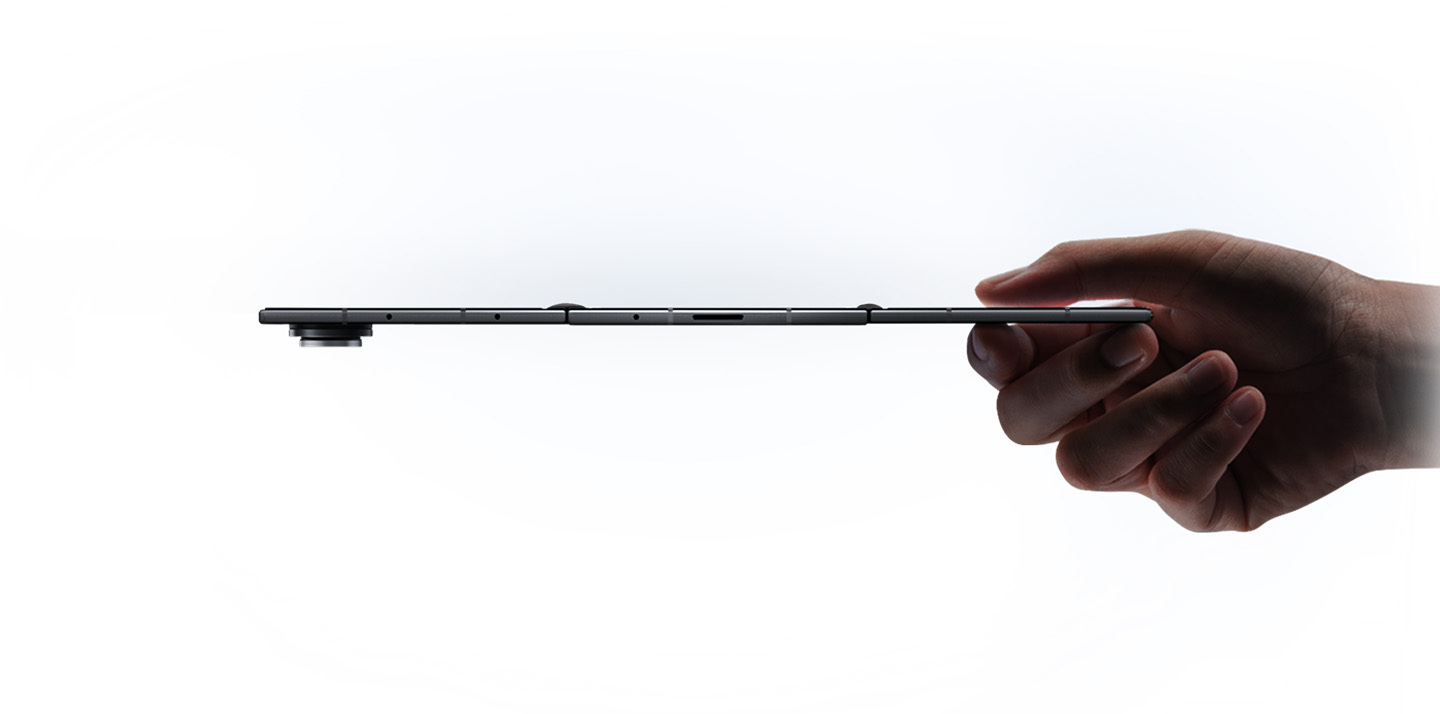
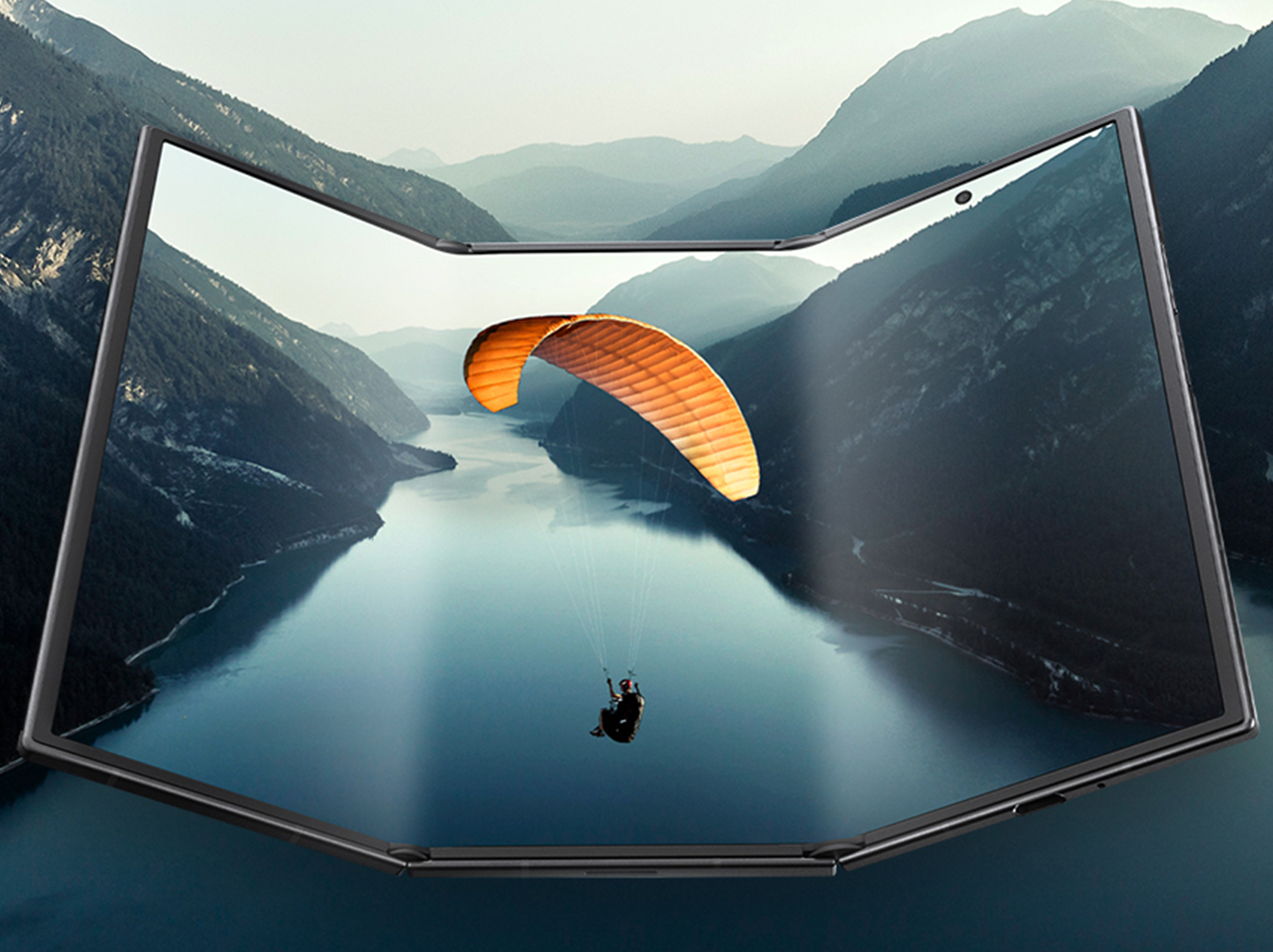
The phone has an inward-folding design intended to protect the main display. If it has been folded incorrectly, the device will automatically vibrate and show an on-screen alert to notify its user. When fully extended, the TriFold has a 10-inch screen and the cover screen is 6.5 inches when folded up. It is 3.9mm at its thinnest point when unfolded and then 12.9mm while collapsed. 

To give that some context, the Galaxy Z Fold 7 is a traditional foldable that also has a 6.5-inch exterior screen and an internal display that opens to 8 inches wide diagonally. It has a profile of 8.9mm when folded and weighs 215 grams compared with the TriFold's 309 grams. With its two-hinge form, the TriFold makes it so you have basically a ten-inch tablet that folds down to a slightly heftier version of the Z Fold 7.

A side view of the Samsung Galaxy Z TriFold showing its thickness in the unfolded state
Samsung

Foldables introduce some additional design demands, and Samsung said that the screen panels meet with minimal gap but no actual contact when they are closed. The hinges have been designed to resist wear and the screen received a new reinforced overcoat to improve resistance. 

The phone runs on a custom Snapdragon 8 chip. It has a 5,600mAh three-cell battery system and offers 45W super-fast charging. The rear camera lineup includes a 12MP ultra-wide lens, a 200MP wide-angle lens and a 10MP telephoto lens, which is identical to the setup on the Z Fold 7. The main screen and the cover screen both have 10MP front cameras. 

No pricing information is currently available, but it seems like a safe assumption that this will be expensive. The Z Fold 7 starts at $2,000, so expect to pay a premium for that second hinge.

Promo image showing the fold angles of the Samsung Galaxy Z TriFold
Samsung

This article originally appeared on Engadget at https://www.engadget.com/mobile/smartphones/samsung-fully-unveils-its-galaxy-z-trifold-phone-and-itll-be-available-in-korea-in-a-few-days-010000499.html?src=rss

This 3D-Scanned Wooden Shelter Blends Into the Alps and Powers Itself Off the Grid

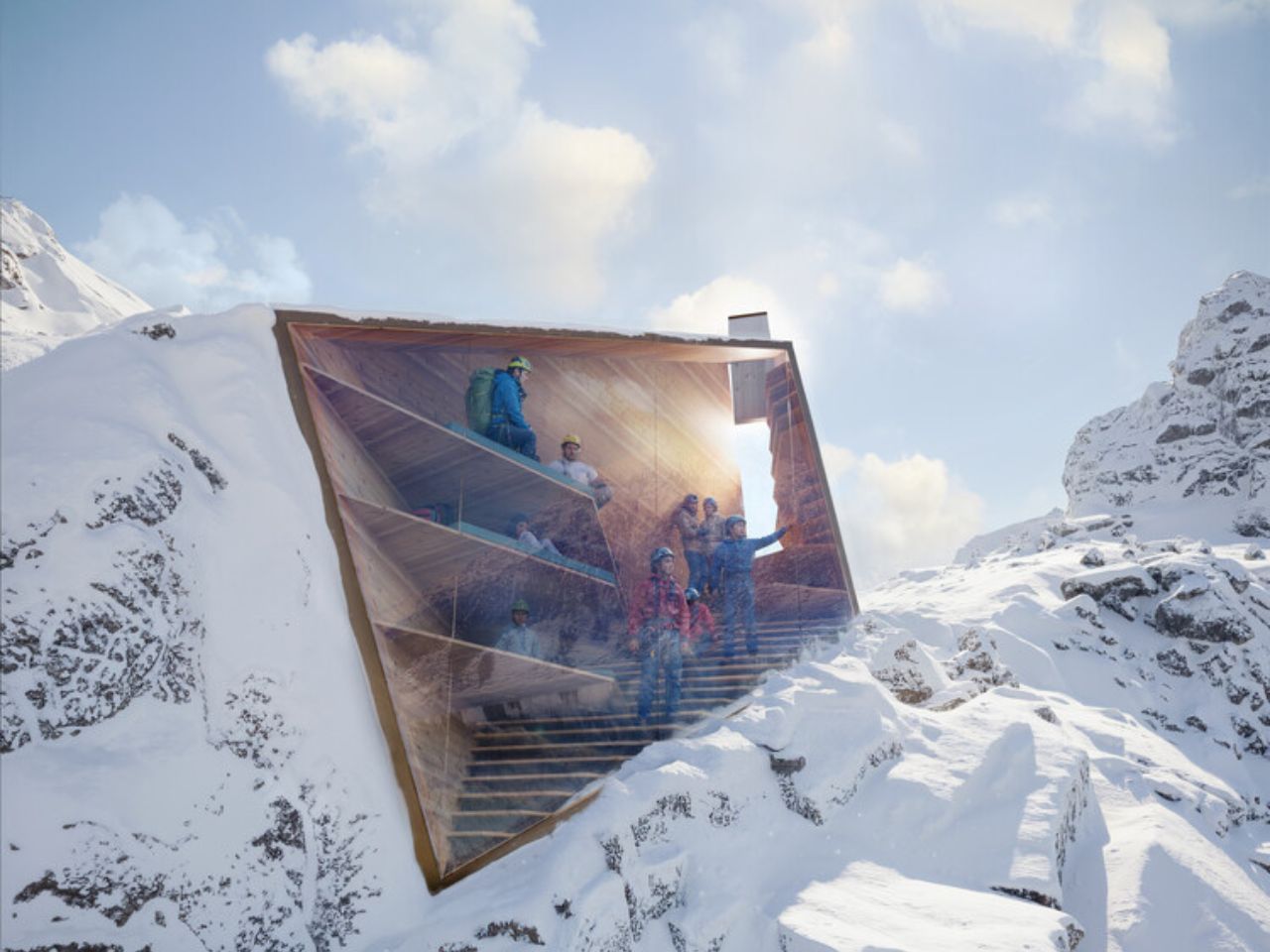
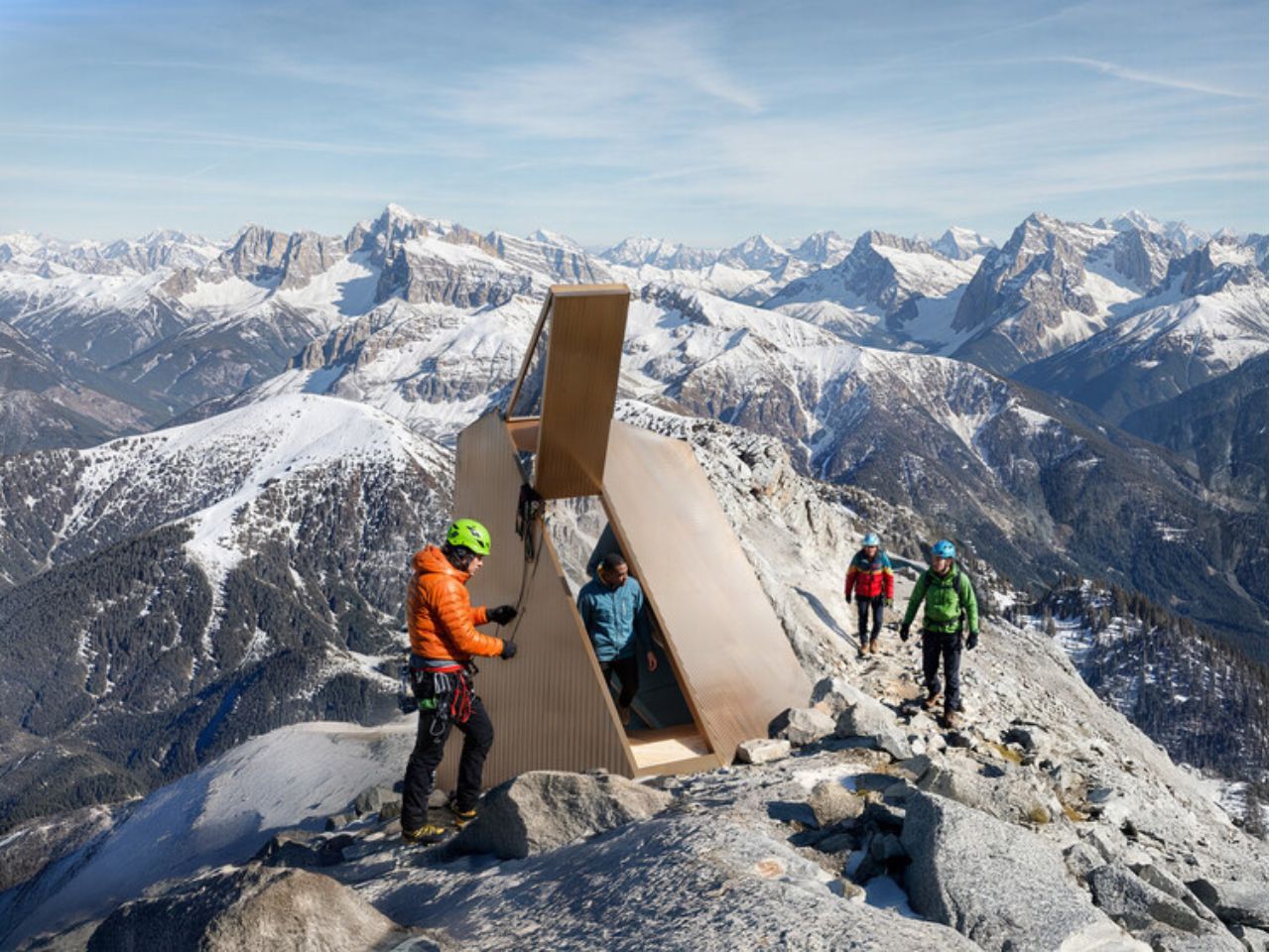
CRA–Carlo Ratti Associati, in collaboration with Salone del Mobile.Milano, has revealed a striking new architectural experiment for the 2026 Milano Cortina Winter Olympics, a digitally fabricated, self-sufficient wooden bivouac that blurs the boundaries between natural terrain and human ingenuity. What begins as a temporary urban pavilion in Milan will later embark on a second life high above the clouds, airlifted by helicopter to the Italian Alps, where it will stand as a permanent mountain refuge for adventurers and climbers.

The pavilion’s design is guided by the philosophy of harmonizing with the landscape rather than dominating it. The process started with a 3D scan of Alpine rock formations, capturing their raw geometry to inform the pavilion’s organic structure. Every angle, curve, and edge of the shelter echoes the crystalline formations of the surrounding peaks. The result is a sculptural wooden structure that appears to have grown from the rock itself, modern technology molded by nature’s blueprint.

Designer: CRA–Carlo Ratti Associati and Salone del Mobile.Milano

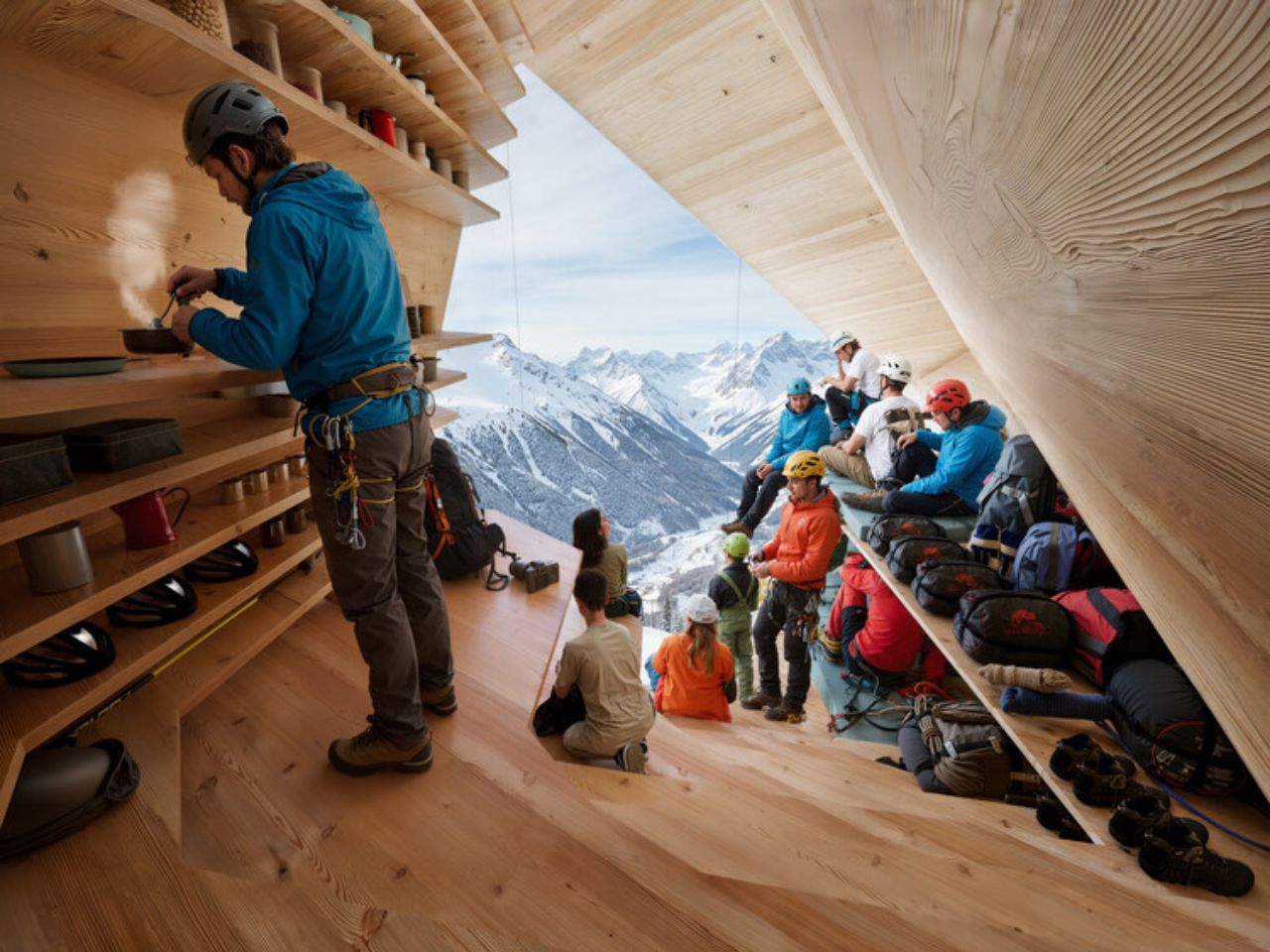
Built primarily from cross-laminated timber (CLT), enhanced with aerogel insulation and metal reinforcements, the pavilion merges craftsmanship with digital precision. It integrates a 5 kW photovoltaic system for renewable power generation and an energy storage system that enables off-grid operation. Complementing its energy independence, an air condensation mechanism extracts humidity from the atmosphere, generating fresh drinking water each day. Together, these features make the structure entirely self-reliant, capable of supporting life in remote alpine conditions.

The design also breaks from the conventional visual language of mountain shelters. Rather than adopting high-visibility colors that disrupt the natural setting, CRA’s bivouac is designed to blend seamlessly with its environment. The wooden surfaces are left exposed, weathering naturally over time to mirror the tones of the landscape. A subtle red light beacon activates only in fog or low-light conditions, ensuring safety while preserving the bivouac’s minimal visual footprint. Inside, a panoramic glass wall frames sweeping Alpine views, transforming the compact interior into a tranquil observatory for reflection and rest amid nature’s grandeur.

Beyond its architectural form, the bivouac embodies circular design thinking, a structure that adapts, relocates, and endures. Its ability to function both as an urban pavilion and a high-altitude shelter showcases a flexible design model that can evolve across contexts without waste or redundancy.

This innovative pavilion joins CRA’s broader contributions to Milano Cortina 2026, which include the Olympic torch design, reflecting the same minimalist ethos and focus on elemental beauty. The 2026 Winter Olympics, running from February 6 to 22, will mark the most geographically diverse Games in history, spanning multiple cities, regions, and provinces while relying heavily on existing and repurposed infrastructure.

CRA–Carlo Ratti Associati’s bivouac stands as a symbol of architecture’s evolving dialogue with nature, a structure that not only shelters but also breathes, harvests, and adapts. In a world seeking balance between innovation and environment, it represents a poetic fusion of technology, sustainability, and Alpine serenity, where architecture doesn’t conquer the landscape but becomes part of it.

The post This 3D-Scanned Wooden Shelter Blends Into the Alps and Powers Itself Off the Grid first appeared on Yanko Design.

Texas AG opens probe into Shein

Texas Attorney General Ken Paxton has opened an investigation into online fast fashion retailer Shein. The probe will examine whether the company violated state laws related to labor practices and product safety. According to a release, Paxton's office wants to know if Shein uses toxic or hazardous materials and whether it misleads consumers about product safety and ethical sourcing. The Texas investigation will also look into privacy concerns and data collection at Shein, which isn't the first time those topics have arisen for the business.

Shein also drew criticism last month after a French consumer protection watchdog discovered illegal weapons and childlike sex dolls available on its website. France is now taking steps to suspend Shein's business in the country. Last year, the US government also seemed ready to take action against Shein and fellow low-cost retailer Temu over issues of product safety.

This article originally appeared on Engadget at https://www.engadget.com/big-tech/texas-ag-opens-probe-into-shein-000812688.html?src=rss

Apple hires Google veteran as its new vice president of AI

Apple has tapped AI researcher Amar Subramanya, a longtime Google exec who was most recently corporate vice president of AI at Microsoft, as its new VP of AI. The company also announced that current AI exec, John Giannandrea, will retire in 2026.

Subramanya, who Apple describes as a "renowned AI researcher," spent 16 years at Google, where he was head of engineering for Gemini. He left Google earlier this year for Microsoft. In a press release, Apple said that Subramanya will report to Craig Federighi and will "be leading critical areas, including Apple Foundation Models, ML research, and AI Safety and Evaluation." 

It's not entirely surprising that Apple is shaking up its AI leadership. Giannandrea joined Apple in 2018 after a stint at Google that included VP of search. While his hiring was seen as a major coup for Apple at the time, the company has faced some significant setbacks since. Most notably, its failure to deliver a more personalized, AI-centric version of Siri that it previewed last year. Giannandrea, who oversaw Siri for years, has shouldered much of the blame for the delays. Bloomberg reported earlier this year that Apple CEO Tim Cook had "lost confidence in the ability of AI head John Giannandrea to execute on product development" and put other executives in charge of Siri instead. 

In a statement, Cook said he was "thankful" for Giannandrea's contributions to the company and credited Federighi with pushing the revamped Siri forward. "In addition to growing his leadership team and AI responsibilities with Amar’s joining, Craig has been instrumental in driving our AI efforts, including overseeing our work to bring a more personalized Siri to users next year.”


This article originally appeared on Engadget at https://www.engadget.com/big-tech/apple-hires-google-veteran-as-its-new-vice-president-of-ai-234820021.html?src=rss

Every MoonSwatch Cold Moon Has a One-of-a-Kind Laser-Engraved Snowflake

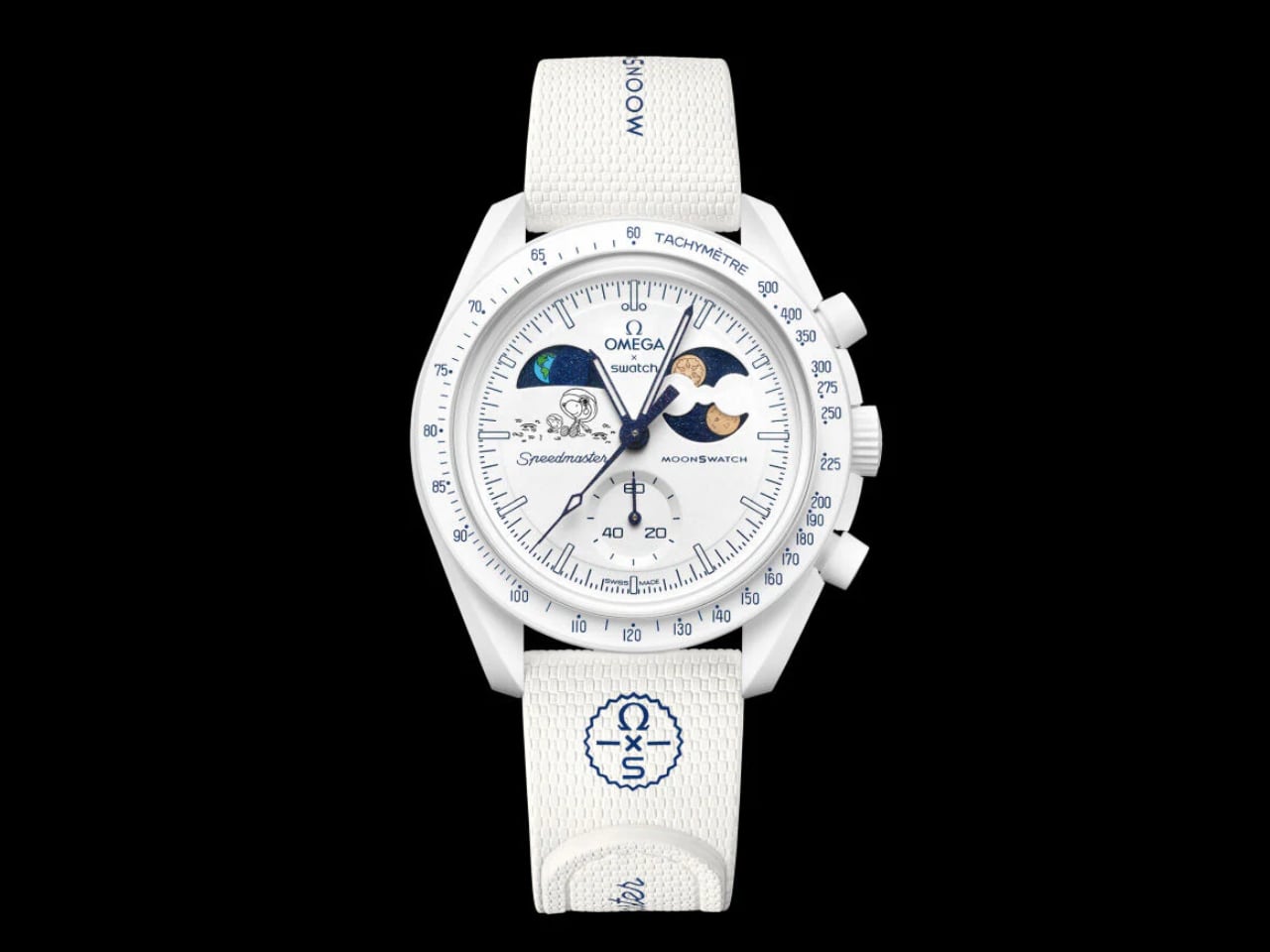
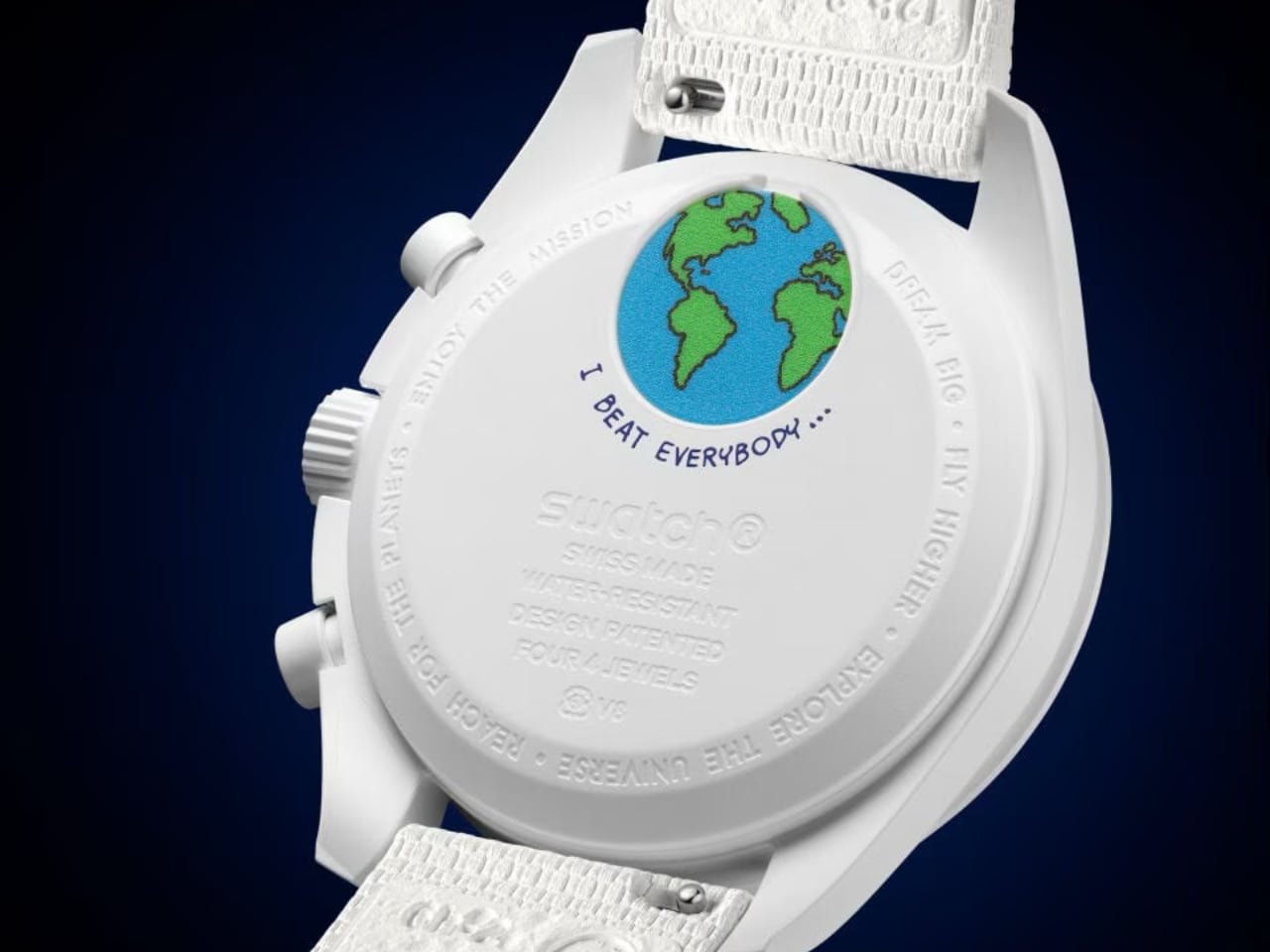
Swatch looked at December and thought: what if a watch could feel like the quiet before snowfall? The MoonSwatch Mission to Earthphase Moonshine Gold “Cold Moon” drops the navy-and-white palette of its predecessor for something bolder in its restraint. Pure white Bioceramic. White crown. White pushers. White strap. The effect is startling, almost clinical, until you notice the blue hands catching light like ice crystals at dawn.

Designer: Swatch

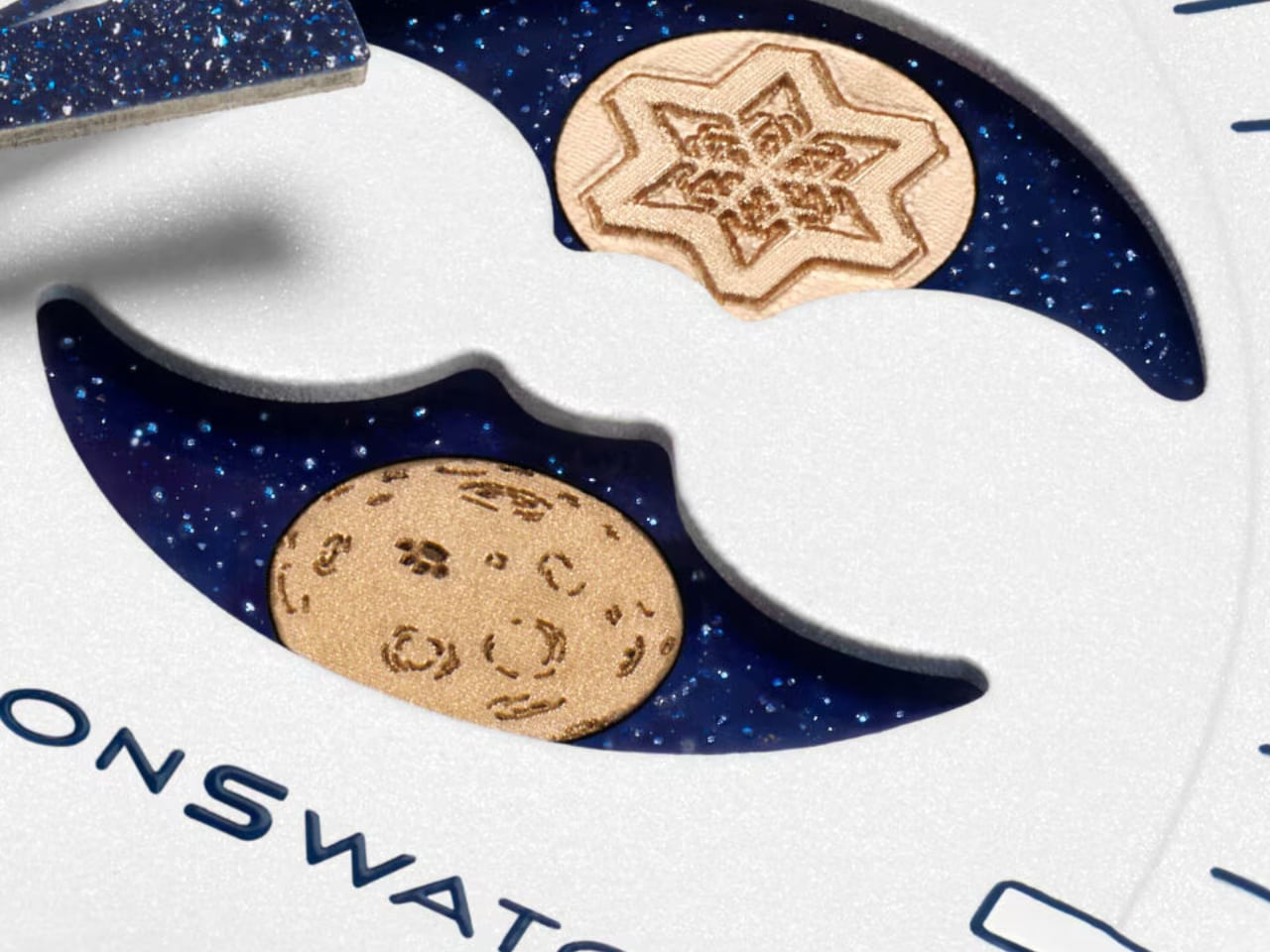
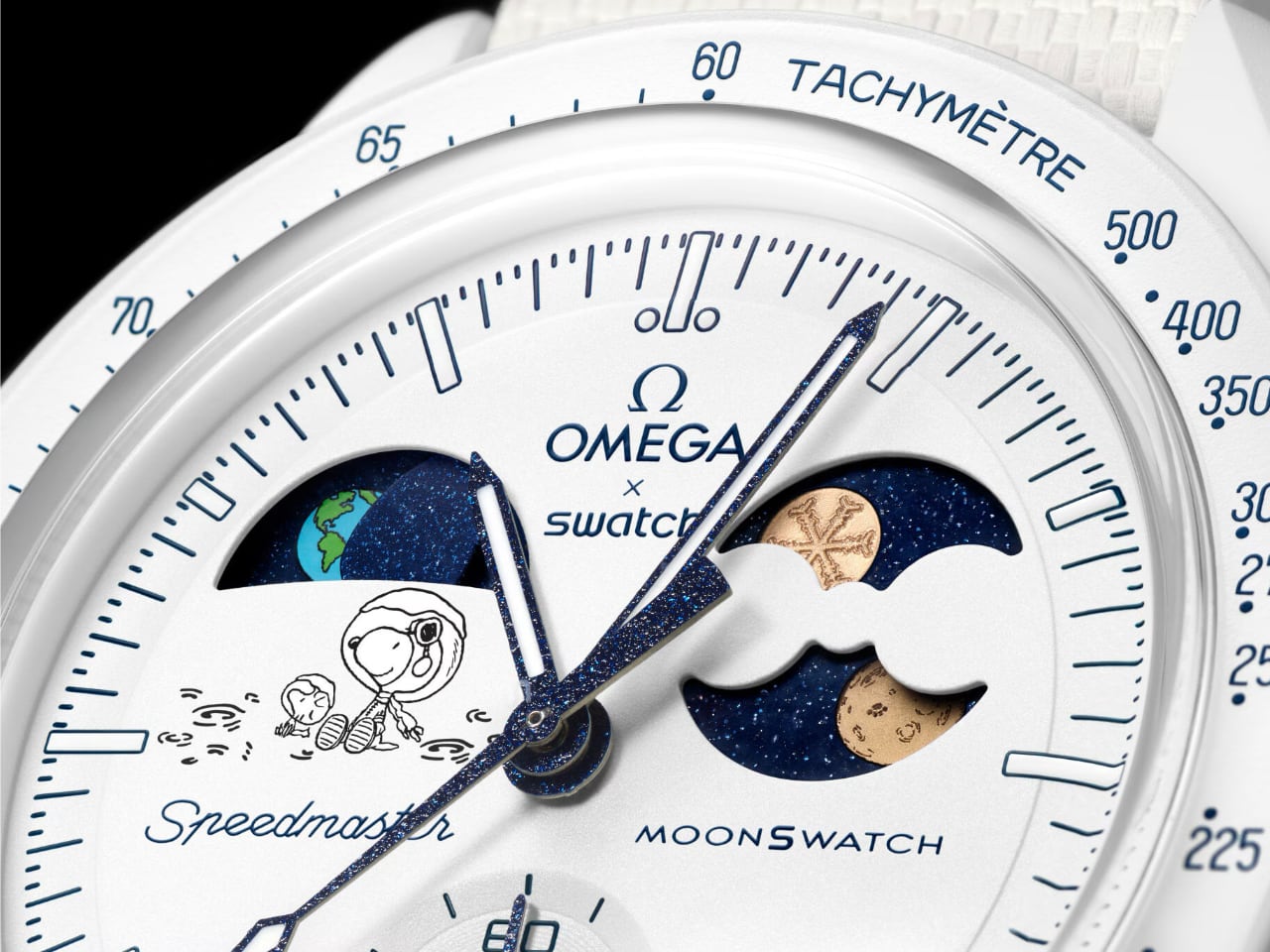
The moonphase disc carries two Moonshine Gold moons, and this is where the Cold Moon earns its place in the MoonSwatch lineup. One wears Snoopy’s face (the beagle’s NASA credentials run deep). The other? A laser-engraved snowflake. And here is the trick: every single snowflake pattern is unique. Swatch somehow turned quartz mass-production into something resembling one-of-a-kind craft. Your Cold Moon is literally not like anyone else’s.

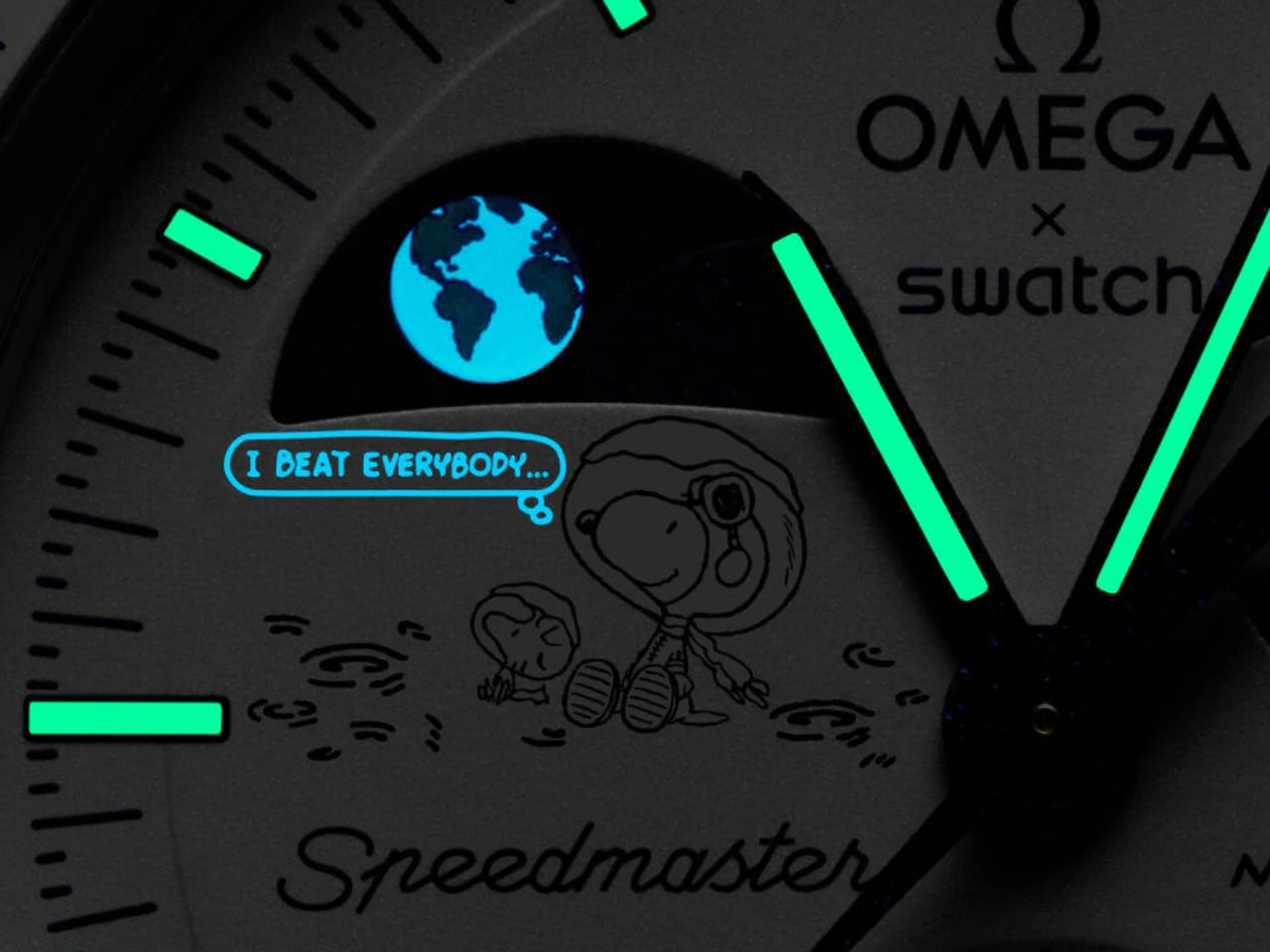
The earth phase complication at 9 o’clock shows our planet as seen from the lunar surface. It cycles backward compared to a traditional moonphase, which is the kind of detail that rewards the people who actually think about what they’re wearing. Below it, Snoopy and Woodstock in winter gear watch Earth spin. Playful? Yes. But also weirdly poetic for a $450 watch.

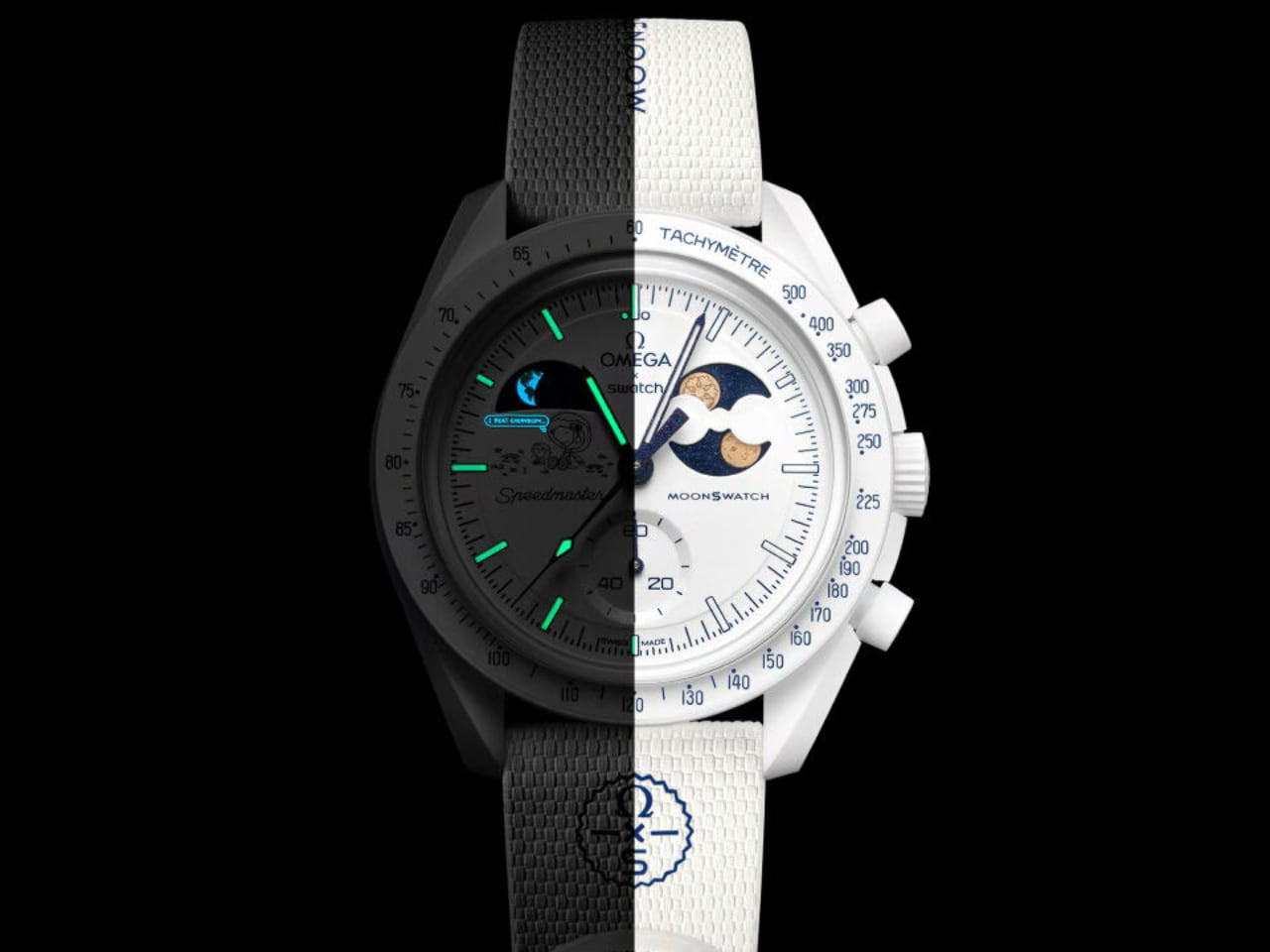
Blue printing appears throughout the design: tachymeter text, dial markings, the “dot over ninety” detail Speedmaster collectors obsess over. Against all that white, the blue reads like ink on fresh paper. Grade A Super-LumiNova on the hour markers glows green in darkness, adding functional contrast to the monochromatic scheme.

There is also a UV-reactive hidden detail somewhere on the dial. Swatch is not saying what or where, which is exactly the kind of Easter egg that turns casual owners into obsessive hunters. You will need a black light and some curiosity.

The theatrics extend to availability. It launches December 4, 2025 (the actual Cold Full Moon) and stays in stores until the last day of winter. But after launch day, it only goes on sale when snow is falling in Switzerland. Social media will absolutely lose its mind tracking Swiss weather forecasts. Swatch knows exactly what it is doing.

The Design Read

Seasonal watch releases usually fail because they treat “theme” as decoration. Slap some snowflakes on the dial, call it winter, move on. The Cold Moon succeeds because the design team inverted an entire color system. The white Bioceramic case (a plant-derived ceramic-plastic composite with a matte, almost powdery texture) becomes the dominant material story. Everything else, the blue accents, the gold moons, the starry moonphase backdrop, exists in service to that white.

The 42mm case at 13.75mm thick carries the familiar Speedmaster asymmetry. The biosourced crystal has a box shape with an etched “S” at center. None of this is new to MoonSwatch. What is new is how different these familiar elements feel when the entire palette shifts to winter.

It is still a quartz chronograph. It still costs a fraction of the Omega original. But this one might actually be the most considered design the collaboration has produced.

Spec Detail
Case 42mm x 13.75mm, white Bioceramic
Lug-to-lug 47.30mm
Movement Quartz chronograph, earth phase, moon phase
Crystal Biosourced plastic, box-shaped
Water resistance 3 bar
Strap White rubber, Velcro closure

The post Every MoonSwatch Cold Moon Has a One-of-a-Kind Laser-Engraved Snowflake first appeared on Yanko Design.
This Whale Bed Goes From Bedroom to Poolside in Seconds

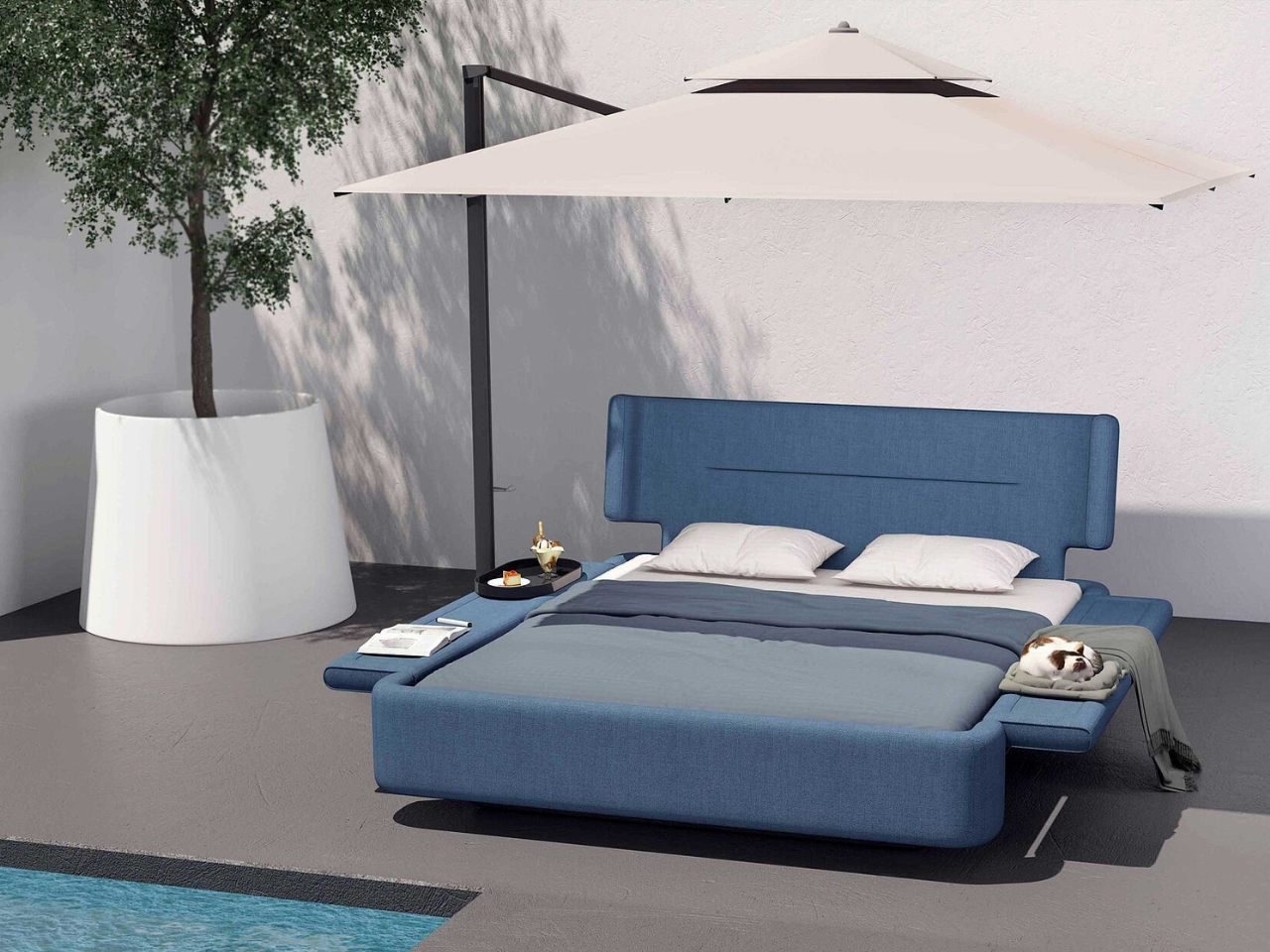
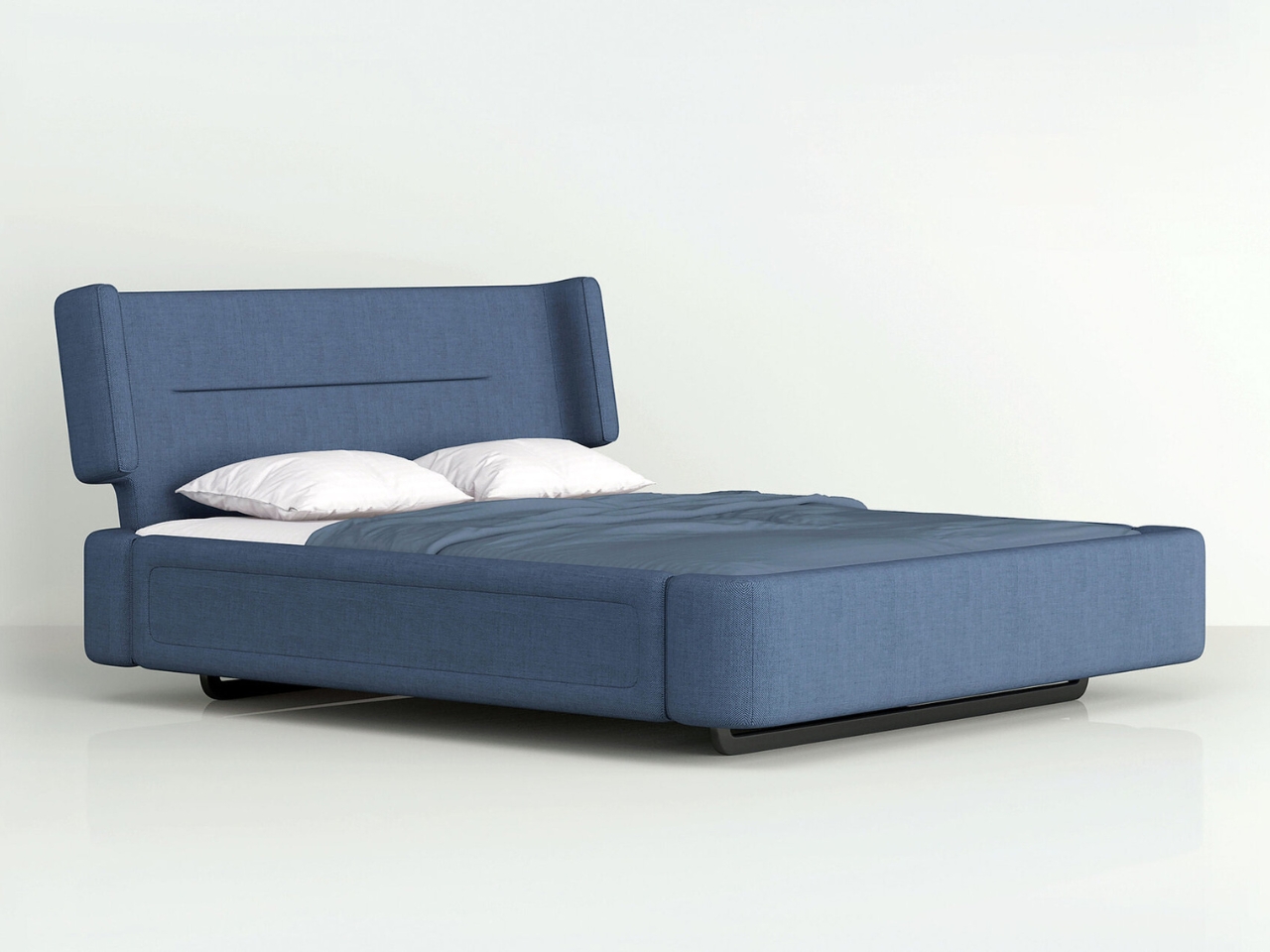
There’s something absolutely magical about furniture that makes you do a double take, and the Whale Bed by designers Zeng Haojie and Chen Zhe is exactly that kind of piece. At first glance, you might wonder if you’re looking at a luxurious lounger or an art installation, but this Red Dot Award-winning design is actually both and so much more.

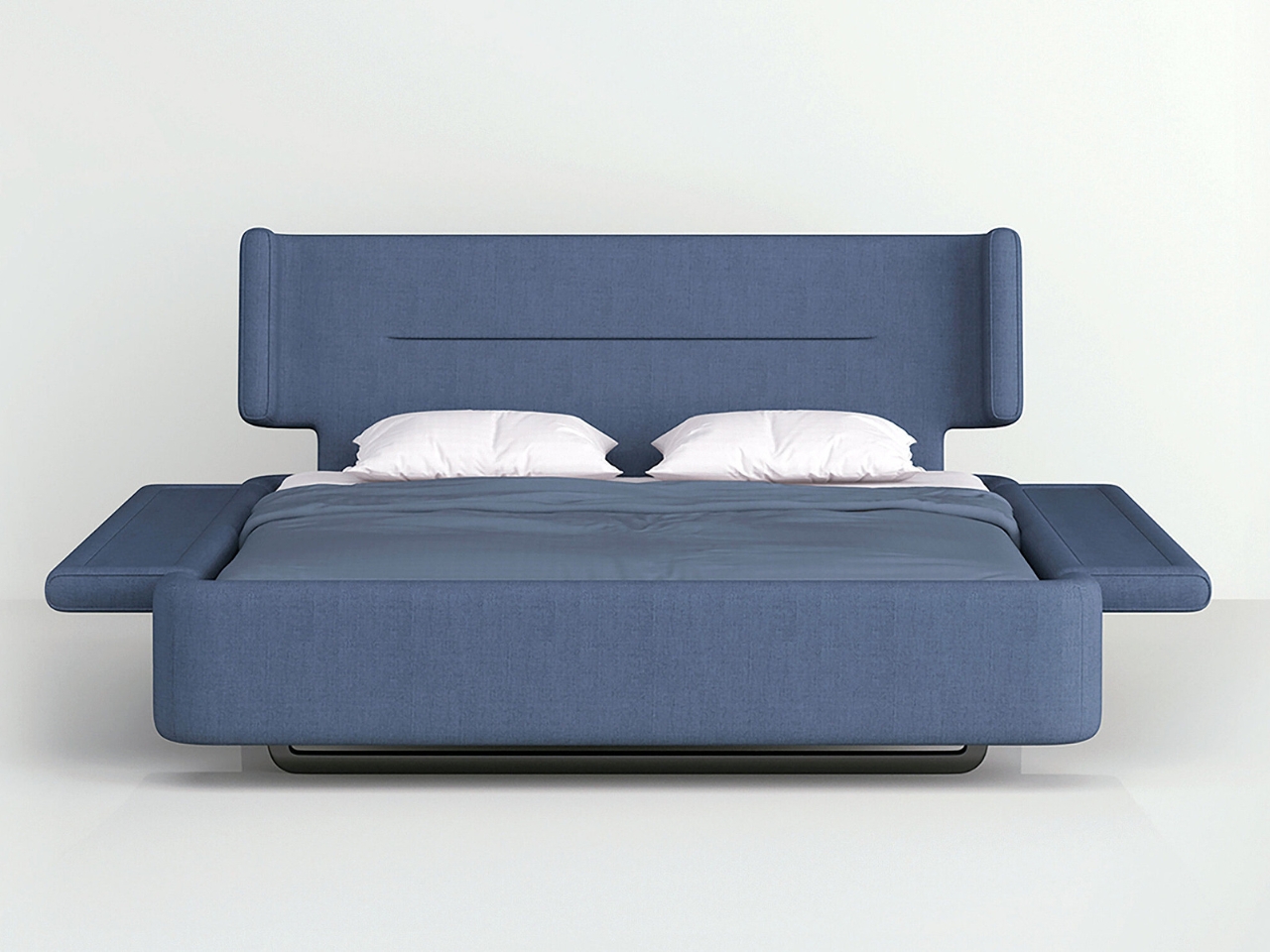
Picture this: a bed that looks like a gentle whale gliding through calm waters, complete with fin-like panels extending from both sides. It’s the kind of piece that makes you want to immediately redesign your entire space around it. But beyond its striking ocean-inspired silhouette, the Whale Bed represents something we desperately need more of in the design world: thoughtful innovation that doesn’t sacrifice style for sustainability.

Designers: Zeng Haojie, Chen Zhe

What makes this design so clever is how it manages to pack multiple functions into one sleek package without going overboard on materials. The adjustable backrest is a game changer, letting you shift between different positions whether you’re reading, scrolling through your phone, or settling in for a Netflix marathon. It’s like having a bed, a lounge chair, and a reading nook all wrapped into one streamlined piece.

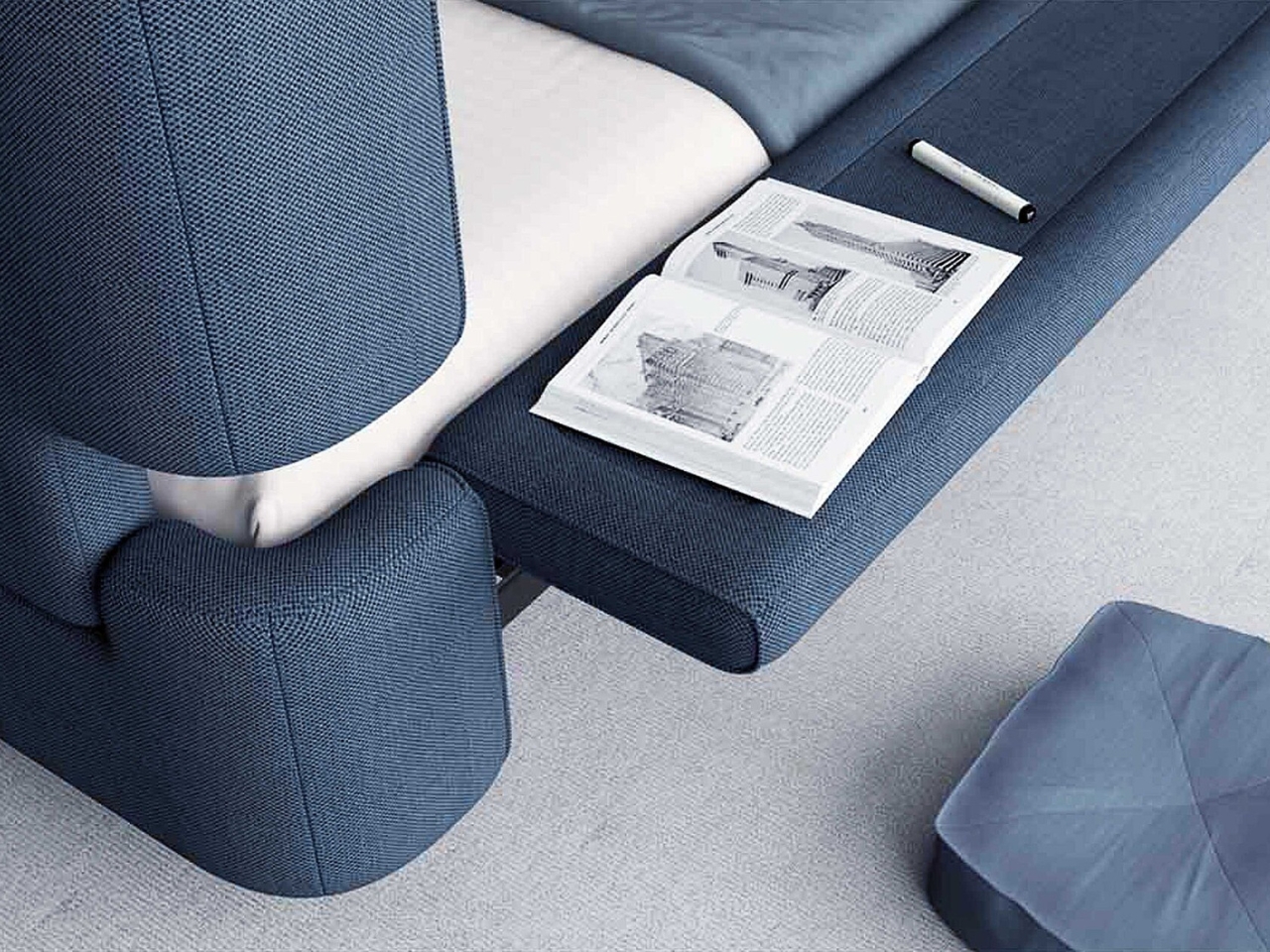
Those fin-like panels aren’t just there to complete the whale aesthetic (though they absolutely nail that vibe). They serve as practical side extensions that give you extra surface area for whatever you need. Morning coffee? Check. Favorite book? Done. Laptop for those work-from-anywhere days? You got it. It’s the kind of multipurpose thinking that makes small spaces feel more livable and large spaces feel more intentional.

But here’s where things get really interesting. The Whale Bed is crafted from environmentally friendly plant fiber material, which means you can take this beauty from your bedroom to your backyard without worrying about weather damage or environmental impact. Imagine lounging poolside on this stunning piece, or creating an outdoor sanctuary in your courtyard where the lines between indoor comfort and outdoor freedom completely blur. We’re now increasingly conscious about our carbon footprint and the lifecycle of the products we bring into our homes so the Whale Bed’s approach to reducing material consumption is refreshing. The designers didn’t just slap an eco-friendly label on it and call it a day. They actually reimagined the structure itself to minimize waste during production. That’s the kind of innovation that moves the industry forward.

The color shown in the images, a sophisticated ocean blue, feels like an obvious choice that somehow still surprises. It’s calming without being boring, bold without being overwhelming. You can easily imagine it working in a minimalist Scandinavian-inspired bedroom, a boho outdoor oasis, or even a contemporary loft space. That versatility is part of what makes this design so compelling. What really strikes me about the Whale Bed is how it challenges our assumptions about what furniture should be. We’re so used to pieces being designated for one specific room or purpose. A bed stays in the bedroom. Patio furniture stays outside. But why? The Whale Bed asks us to think differently about how we use our spaces and how our furniture can adapt to our lives rather than the other way around.

There’s also something wonderfully playful about the whole concept. In a design landscape that can sometimes take itself too seriously, a bed inspired by the largest creatures in our oceans brings a sense of wonder and whimsy. It reminds us that sustainable design doesn’t have to be austere or preachy. It can be joyful, imaginative, and utterly desirable. For anyone who’s been watching the intersection of sustainability and design, pieces like the Whale Bed represent where we’re headed. It’s not about choosing between beautiful design and environmental responsibility anymore. The best designers are proving we can have both, and they’re doing it with creativity and innovation that makes us excited about the future of our living spaces.

The post This Whale Bed Goes From Bedroom to Poolside in Seconds first appeared on Yanko Design.
Fire-Proof & Forest-Focused: A Holiday Home That Embraces The Australian Bush

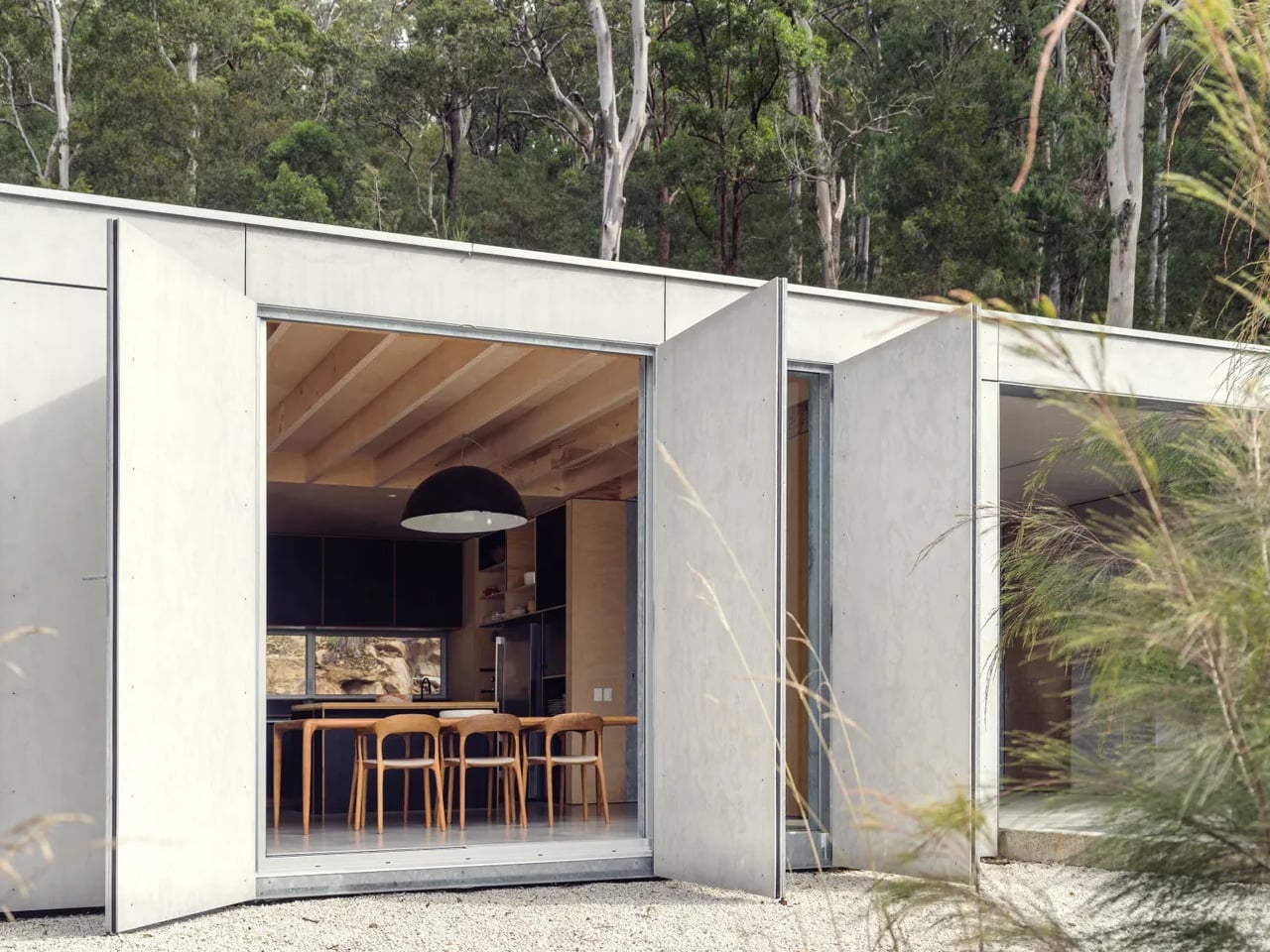
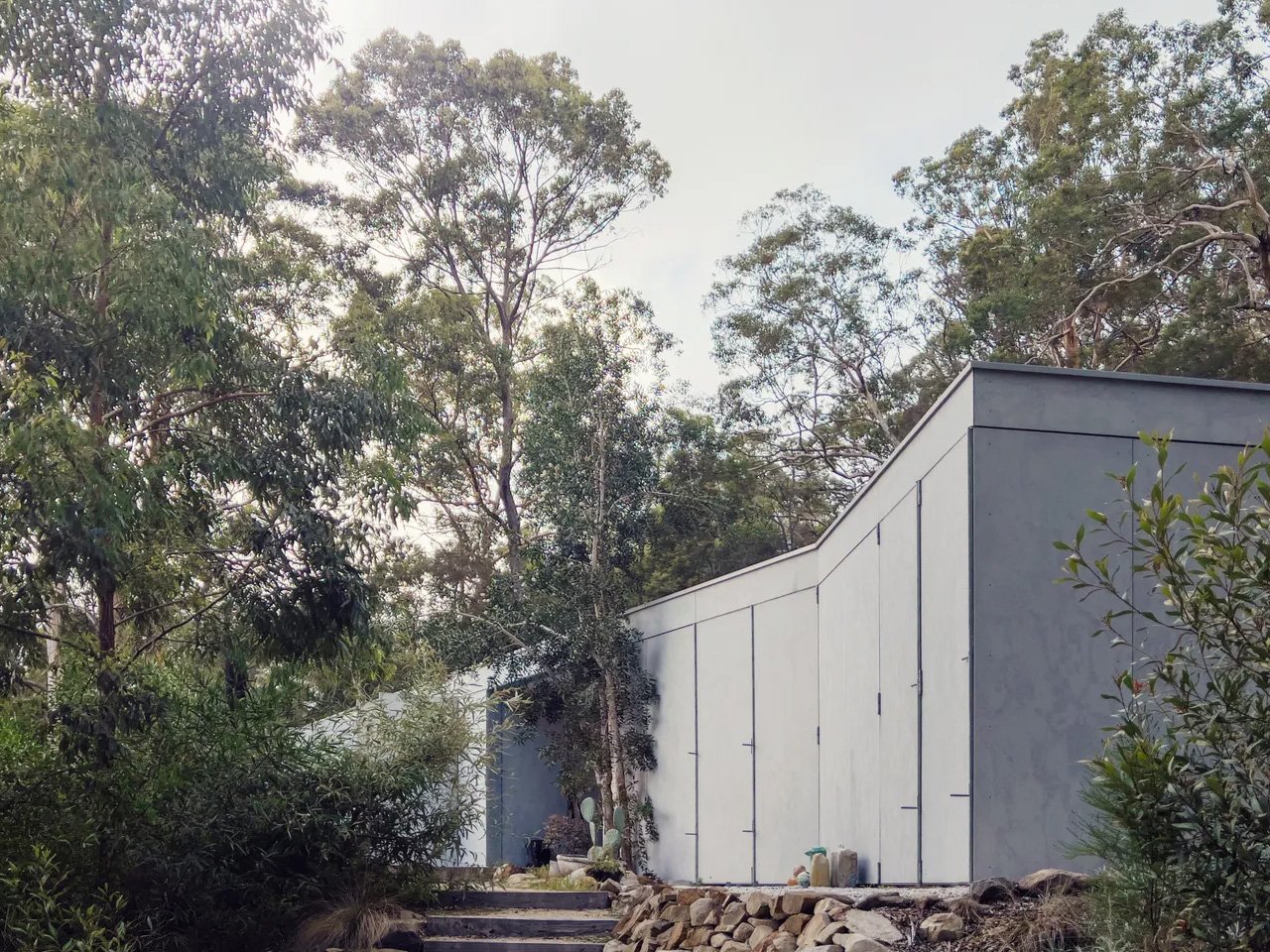
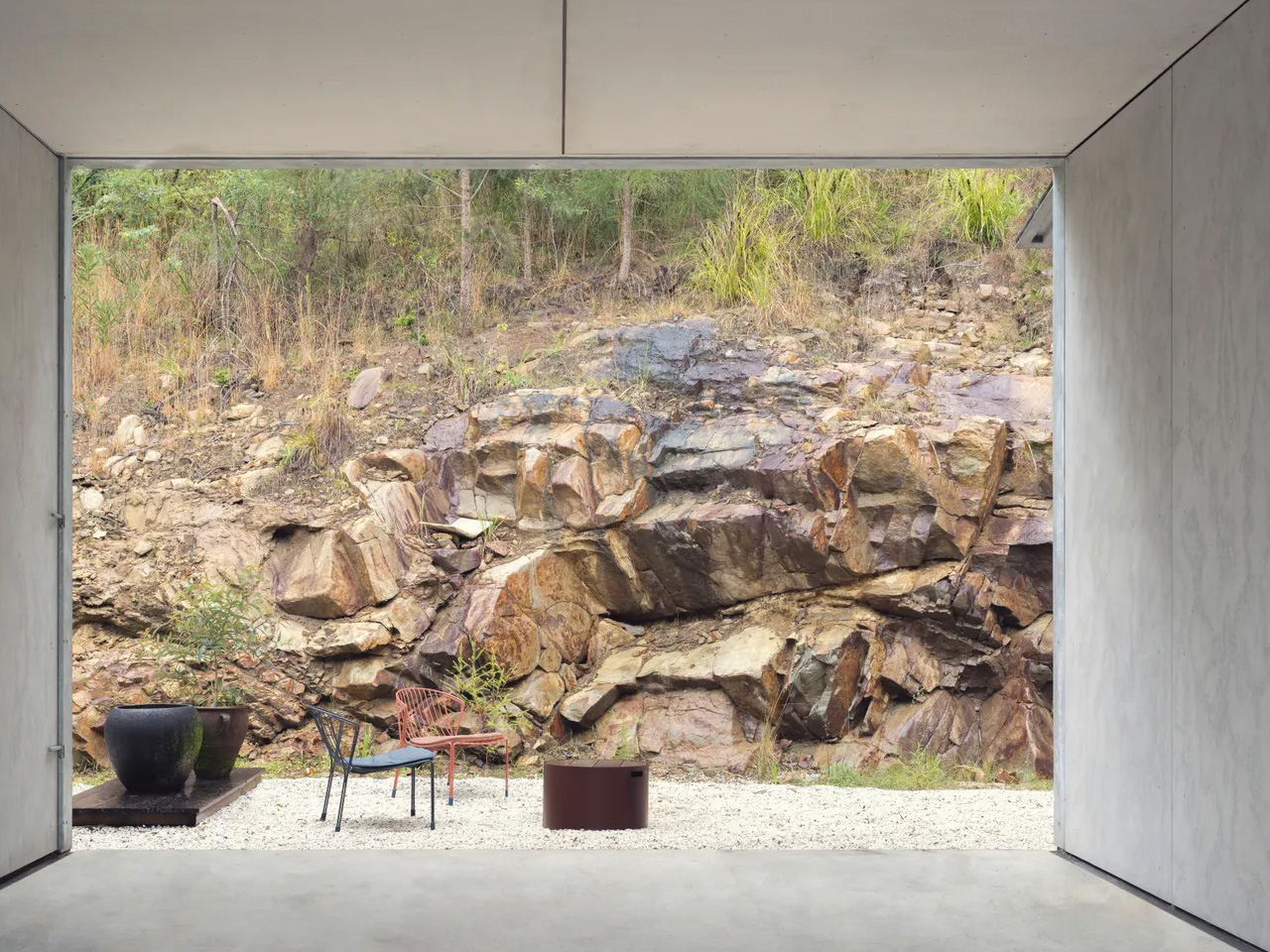
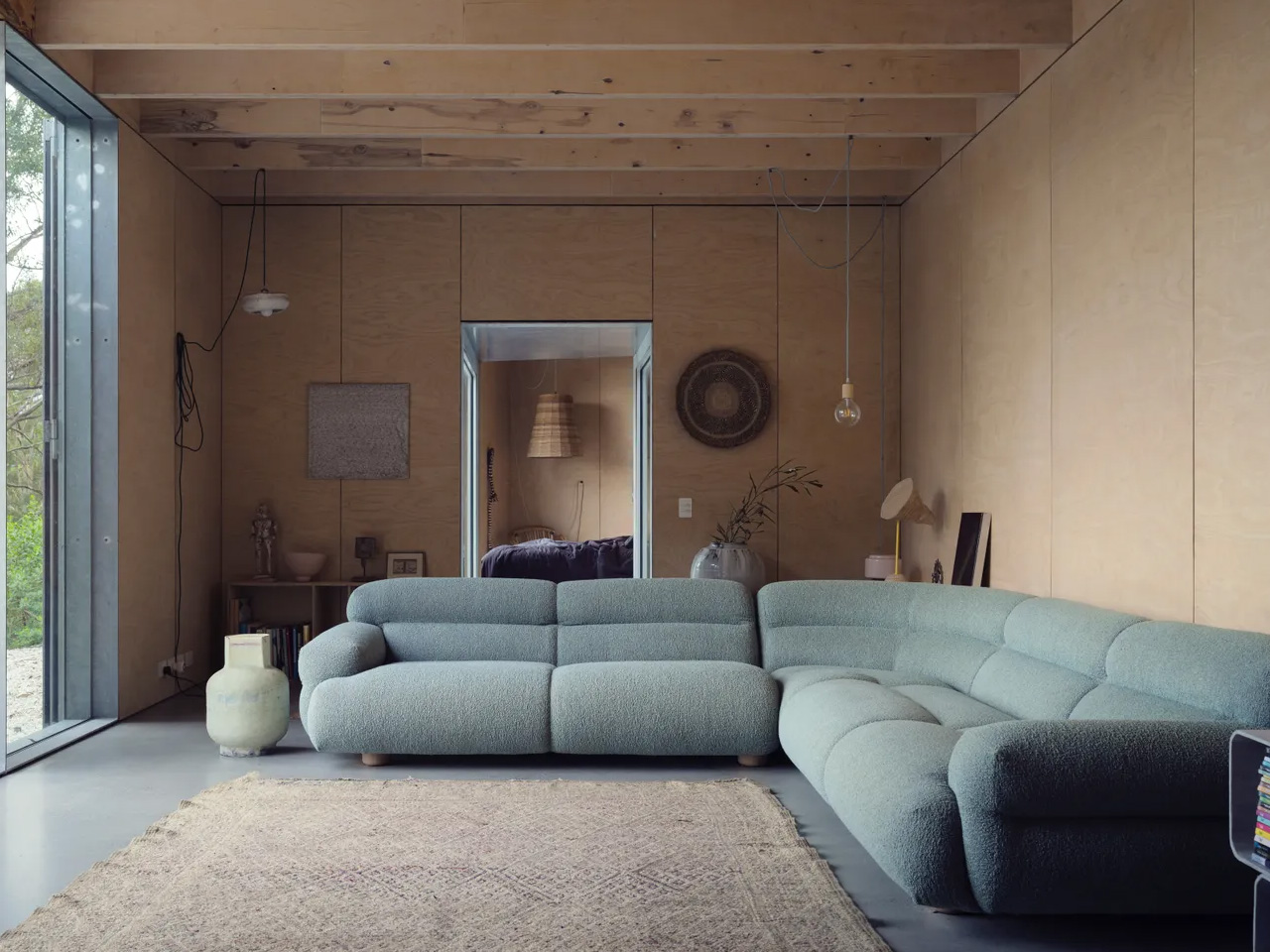
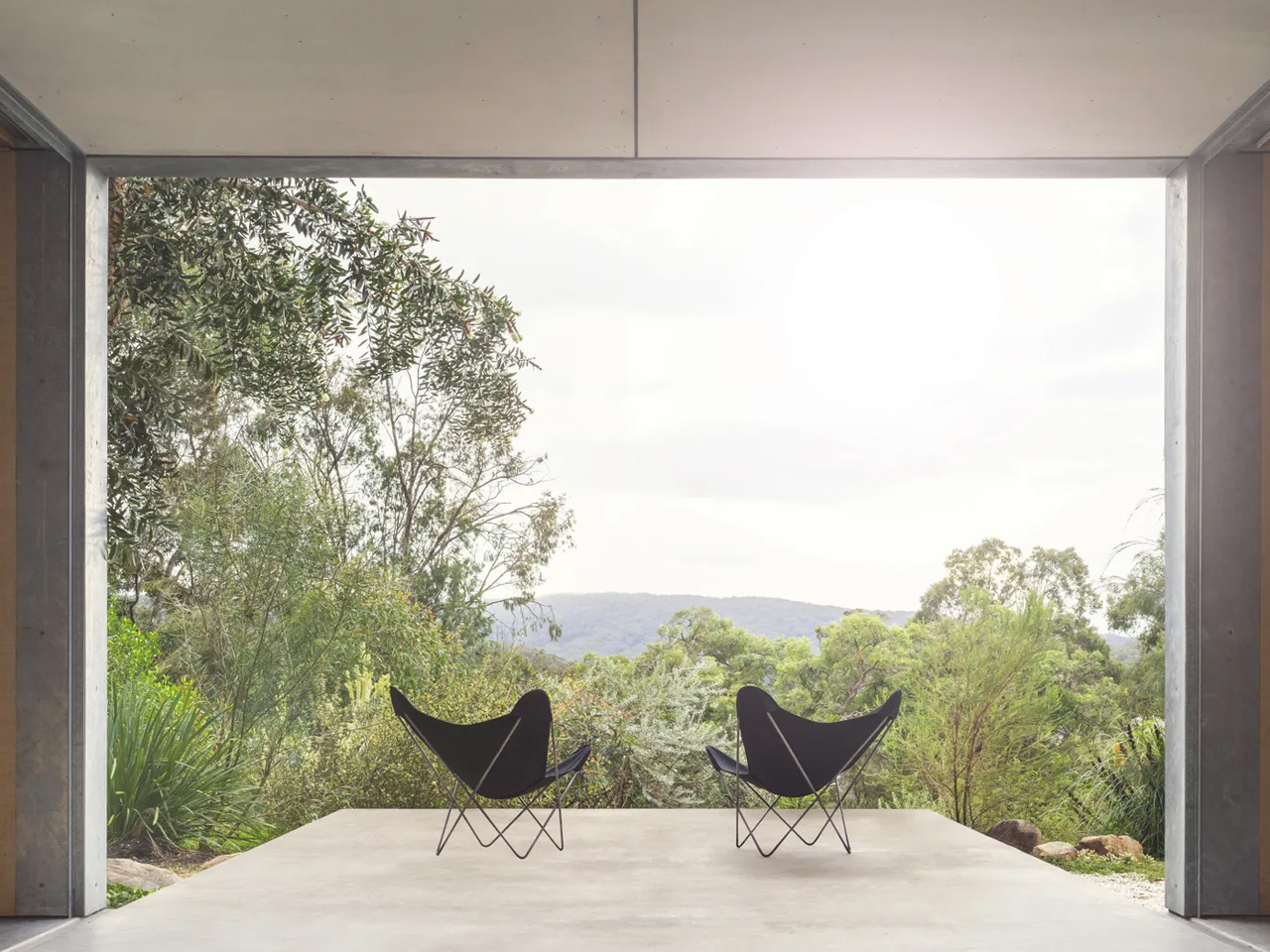
High in the canopy of a eucalyptus forest in New South Wales, a holiday home sits perched like an eagle’s nest, looking out over the landscape with quiet confidence. Amongst the Eucalypts, designed by Jason Gibney Design Workshop, reimagines what it means to live within fire-prone Australian bushland, creating a space that embraces nature while respecting its volatile temperament. The clients came to JGDW with a vision that might seem contradictory: they wanted both refuge and connection, a home that could evoke the immersive experience of camping in nature’s vastness while offering protection from its extremes. They sought a place where family and friends could gather communally yet still find moments of solitude within nature’s embrace.

The architectural response is a study in balance. Set high behind the tree line on a steeply sloped site, the house grounds itself along the hill’s natural contour. Its split form creates intimate, private moments while maintaining what the NSW Architecture Awards jury described as “a quiet dialogue between space and landscape beyond.” This isn’t a home that dominates its setting or shrinks from it. Instead, it unfolds to meet the upper realm of the forest, positioning itself as both observer and participant in the landscape.

Designer: Jason Gibney Design Workshop

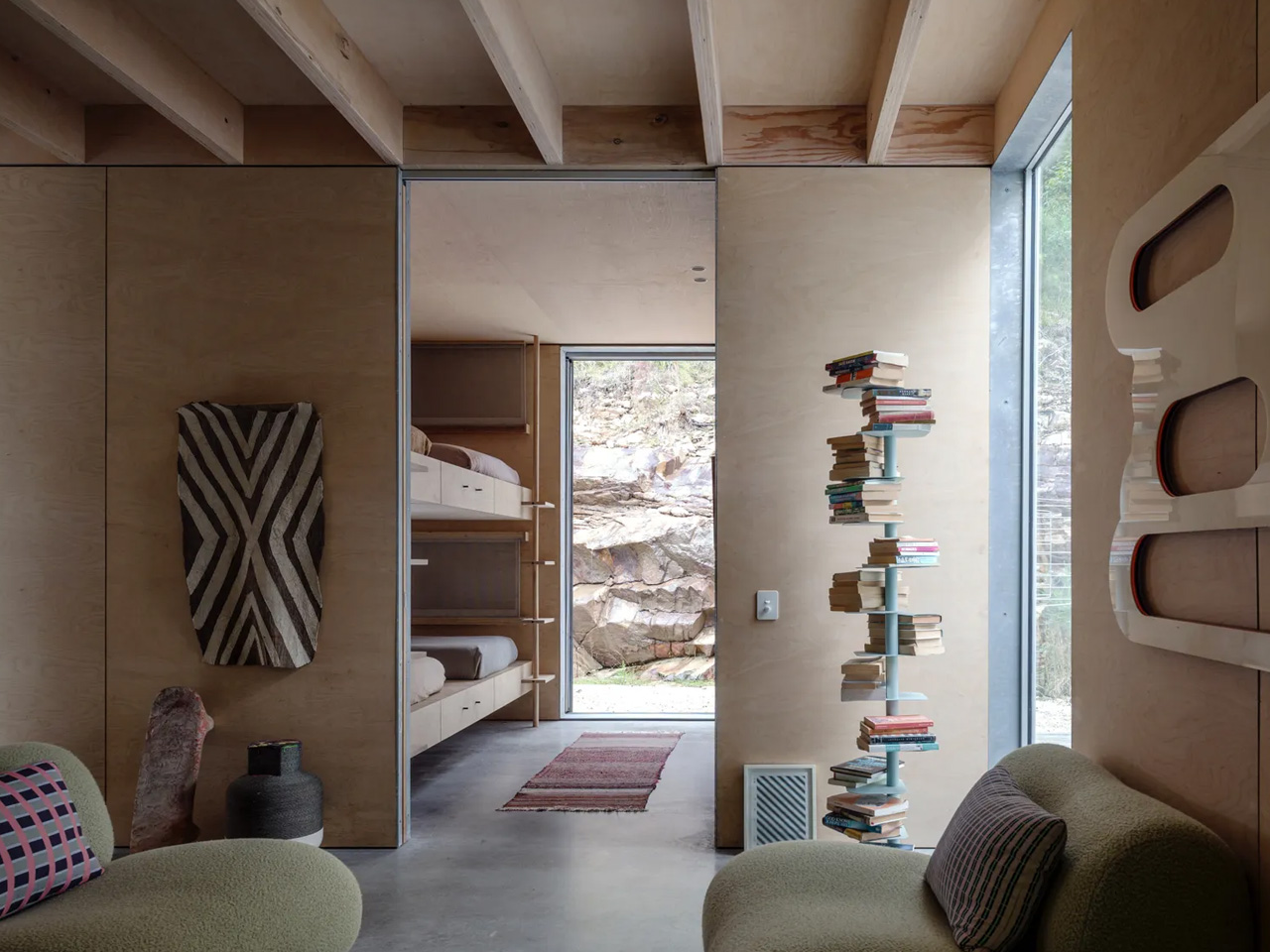
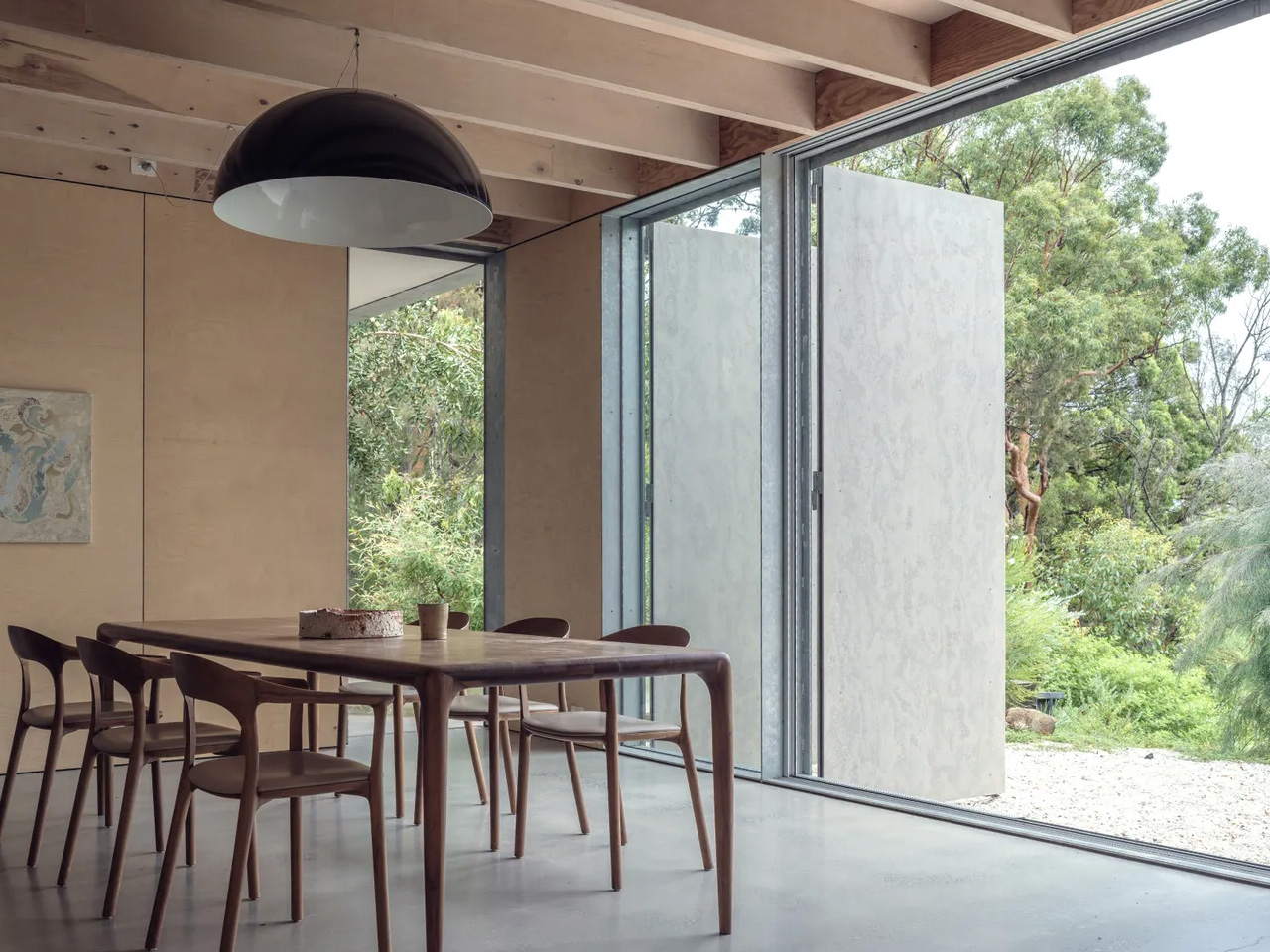
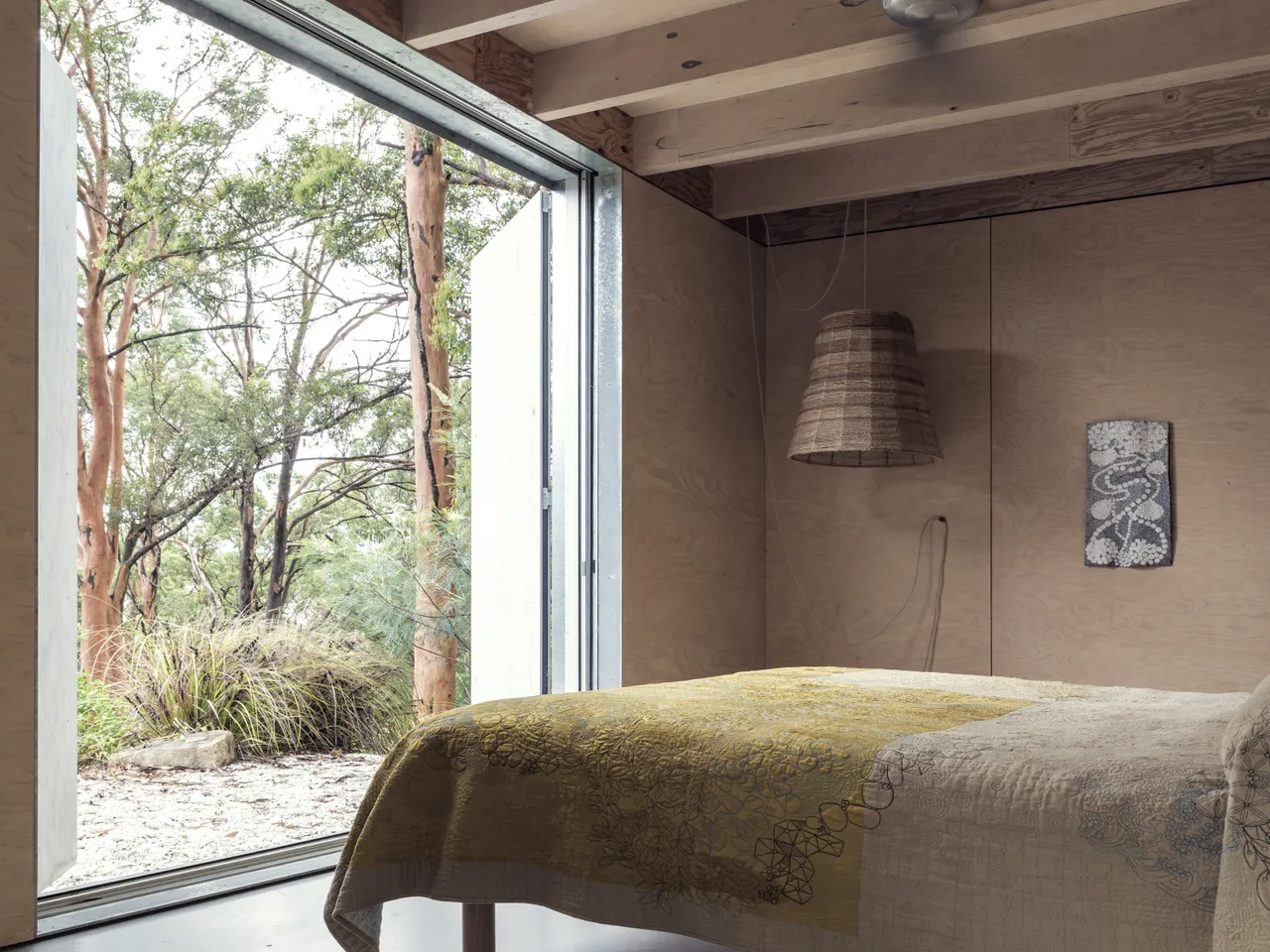
Material choices reflect the reality of building in bushfire country. The palette is deliberately raw and robust: plywood, lightweight cladding, and metal sit comfortably within the remote setting, offering low maintenance and crucial protection from fire. These aren’t just practical selections. They’re materials that age gracefully in the elements, developing character rather than requiring constant intervention.

What sets this project apart is its embrace of impermanence. The operable facade allows the home to open and close to the elements, transforming its relationship with the outdoors. Outdoor washrooms and a loose-fit interior reinforce this camping-inspired approach, where the boundaries between inside and outside become negotiable rather than fixed. The architecture suggests a way of living that’s more adaptable, more responsive to seasonal changes and the rhythms of nature.

Built by Midcoast Construction on Worimi land, the home earned a Commendation for Residential Architecture at the 2025 NSW Architecture Awards and recognition in the Sustainable Architecture category at the National Architecture Awards Program. The jury commended the design team for creating a home that addresses the pressing question of how to build responsibly in fire-prone landscapes. Photography by Justin Alexander captures the home’s unique position, revealing how it sits suspended among the eucalypts, neither floating above nor buried within the forest but existing in comfortable coexistence with it.

As climate change intensifies fire seasons across Australia, projects like Amongst the Eucalypts offer more than aesthetic pleasure. They demonstrate that building in bushland doesn’t require choosing between connection to nature and protection from it. The home stands as evidence that thoughtful design can create spaces of genuine sanctuary and contemplation, places where engaging with the landscape occurs with the solace of protection from the extremes.

The post Fire-Proof & Forest-Focused: A Holiday Home That Embraces The Australian Bush first appeared on Yanko Design.
Instagram mandates total return to office for employees in 2026

Instagram employees will be back at their desks full time next year. Beginning February 2, workers with the social media network will be expected to spend five days a week working in person in offices. Instagram leader Adam Mosseri announced the change in an internal memo first reported by Alex Heath's Sources newsletter. "It's clear we have to evolve," he told the staff, also closing with the note that "2026 is going to be tough." 
The full return to office mandate applies to Instagram's US employees in offices with assigned desks. The memo allowed that people will still be able to work remotely "when you need to," but gave an open-ended call to "use your best judgment" about when to take advantage of that flexibility. 

Many tech companies have adopted a hybrid approach to office work in the years following the COVID-19 pandemic. For instance, Meta instituted a policy of three days a week spent in the office in 2023. Although the messaging from executives insists that in-person work has important benefits, employees have often resisted the shift back to old ways. 

Mosseri outlined other planned changes intended to make the social media company "more nimble and creative." One shift that's probably more welcome than the return to office is to scale back recurring meetings. Any recurring meetings will be canceled every six months unless they're deemed "absolutely necessary." He also plans the team to have more prototypes of product overviews rather than decks, and a faster process for unblocking and decision-making.

This article originally appeared on Engadget at https://www.engadget.com/social-media/instagram-mandates-total-return-to-office-for-employees-in-2026-212738225.html?src=rss