Why Huawei’s Former PR Leader Says Most Brands Get Global Marketing Completely Wrong

Every week, Yanko Design’s podcast Design Mindset powered by KeyShot brings you conversations with design leaders who are shaping how products, brands, and experiences connect with people around the world. Hosted by Radhika, the show explores the intersection of design thinking, strategic communication, and the human stories behind successful brands. Whether you’re a designer, entrepreneur, or simply curious about how intentional design shapes our world, this weekly series offers insights you won’t find anywhere else.

In episode 12, Radhika sits down with Chris Pereira, founder and CEO of iMpact, a China-Western communications and go-to-market firm based in Shenzhen. With nearly two decades in China, fluency in Mandarin, and a notable stint as a Huawei PR leader, Chris brings a rare perspective to the table. Named one of Forbes India’s Top 30 Globalization Innovators, he’s spent his career helping brands navigate the treacherous waters between cultural intention and reception. What emerges from this conversation is a masterclass in how design decisions carry meaning, whether you intend them to or not.

Download your Free Trial of KeyShot Here

When “On Brand” Goes Off the Rails

Chris opens with a stark reality check: “Design isn’t neutral, especially across cultures. A font, a color, a slogan that wins in New York can really backfire in Nanshan in Shenzhen, China.” The challenge isn’t just about translation in the linguistic sense, it’s about making intention travel across borders intact. Every design choice tells a story about your values, and Chris emphasizes this with a striking insight: “The question isn’t if your design will tell a story, but what story you’re telling. So it’s whether you’ll own that narrative or let it own you.”

When brands think they’re “on brand” with a global strategy, that’s often exactly when things break down in local markets. Chris shares a personal anecdote that illustrates the stakes: “I had a friend a few years ago in China and he always liked to wear a green hat… But in China, there’s a specific phrase. If you’re wearing a green hat, it means your partner is cheating on you in the relationship.” What’s an innocuous fashion choice elsewhere becomes a cultural faux pas in China. For brands, this translates directly to sales, green hats simply don’t sell in Chinese markets, regardless of how well they perform globally.

Why Respect Can Look Like Disrespect (and Vice Versa)

Cultural landmines extend far beyond color choices. Chris recounts a dinner meeting where cultural respect signals completely misfired: “The Chinese host used chopsticks and before he ate he put food onto my client’s plate… But my business partner, my client, he got very angry all of a sudden. He said, I know how to use chopsticks. I’m not a kid.” The Chinese host was showing respect; the Western guest felt insulted. Both sides wanted to build trust, but the trust was actually eroded by the interaction.

These seemingly small details matter enormously for visual communication too. Sticking chopsticks upright in rice is a cultural taboo in China associated with funeral rites, an advertising image showing this would be deeply inappropriate, yet a Western creative team might not know to avoid it. Chris’s firm uses a systematic 10-item pre-mortem checklist that expands into roughly 100 specific considerations, covering everything from brand names and color schemes to who appears in imagery and what scenarios are shown. The goal should be consistent across markets, Chris explains, but the methods must adapt: “The result or what we want to convey in every country is the same. We care about the local community… How we get there is very different.”

Stop Saying You’re Great (Get Someone Else to Say It)

Perhaps the most critical insight Chris offers is about trust-building through third-party endorsement. “If I sit here and tell you, Radhika, I’m really great. I’m amazing… Honestly, that’s not a good way to convince the other person. The better way is to say, this professor has given me a letter of introduction. I was on TV last week on that media.” From a brand perspective, advertising says “I’m great,” while third-party endorsement says “he’s great” or “she’s really trustworthy.” Chris’s advice is direct: “If you don’t have the third-party endorsement, you shouldn’t do advertising.”

He encourages brands to “stand on the shoulders of giants,” pointing to the “Intel Inside” label on laptops as a perfect example. Industry awards, professional association endorsements (like dental associations for toothpaste), and partnerships with established entities all build the trust foundation necessary before spending on advertising. For product launches, Chris advocates showcasing customer success stories: “Maybe we can donate some of our products while we’re doing our announcement. And they can come and say how much that means to them for their community.” This provides powerful, authentic validation that no amount of paid advertising can replicate.

What Huawei’s Crisis Taught About Winning Together

Chris’s time at Huawei during one of the most challenging periods in the company’s history taught him invaluable lessons about resilience and messaging. When he joined in 2016, the message was all about dominance: “We’re number one in this industry. We’re number two in this industry. We have a huge end to end supply chain.” That message made employees proud but scared competitors. “If you’re in the United States at your Apple or Google, you’re like, oh, crap, this is kind of scary. Right. And they’re going to take our business,” Chris recalls.

The lesson? “The importance of win win or finding ways to work together in a way that’s good for everyone in the community is important.” Huawei eventually shifted its messaging toward building an open ecosystem, helping everyone in the supply chain succeed together. Chris also learned about the long-term mindset necessary for trust-building. When the Meng Wanzhou crisis hit in 2018-2019, many questioned whether Huawei would survive. Yet the company had a record year recently, expanding into new sectors like automotive. This taught Chris the importance of resilience and “thick skin” for both brands and individuals, and that trust requires time and consistency to build properly.

Redefining Speed: Why “Shenzhen Speed” Isn’t What You Think

The concept of “Shenzhen Speed” came up multiple times, but Chris is careful to define it properly. It’s not about rushing business relationships or pushing for quick deals. Rather, “when we say Shenzhen speed, we’re not talking about the speed of your business development… the speed is response. So if you send me a message and I respond quickly, we close the loop quickly.” Trust, conversely, needs time.

As Chris puts it, quoting a German friend: “Going in the wrong direction very quickly is not efficient. So in other words, if you’re going in the right direction slowly, that’s actually maybe better than going super fast and going in circles.” This is especially true for Chinese companies going overseas. Chris identifies cross-cultural communication as the primary challenge: “They all have great products, but they still lack a ability to communicate in a cross-cultural setting.” And crucially, human connection matters more than technology: “Get on an airplane and be on site at a trade event, visit your clients in person, have coffee with them. So none of that can be done by AI, interestingly.”

The Three Non-Negotiables Every Brand Needs

When asked about his non-negotiables, Chris identifies three foundational principles. First, compliance, “You need to follow the law anywhere you go,” he states simply. Second, authenticity: “If you’re not authentic, you will lose the trust of the local market.” Chris shares what he calls the 20-60-20 rule: 20% of people will always love you, 60% don’t really care either way, and 20% will actively dislike you. “When we’re doing our design work and business work, it’s important to bring your true self to the table because then you’ll attract the consumers, your customers, your partners, your friends who are like minded.”

Third, purpose beyond profit. “We’re not just doing business and doing design work and doing PR for money. I think we want to make the world a better place,” Chris reflects. For him, this is personal: “I have a nine year old son who’s half Chinese. So what we’re doing is helping Chinese companies and helping China tell their story in a more effective way overseas and building more trust and friendship.” In the rapid-fire segment, Chris crystallizes several key insights. His quickest litmus test for international success? “The team, the team behind the product.” The most underused asset in cross-border launches? “The actual relationships… in the local market.” And what beats beautiful design every time? “A brand mission. So a mission, a worthwhile cause to do something.”

Making Intention Travel

What emerges from this conversation is a fundamental truth: design is never neutral. Every choice, from fonts to colors to the people you feature in your imagery, communicates values. The challenge is ensuring those values translate as intended across cultural boundaries. Chris’s approach is both systematic and deeply human: use checklists and structured processes, but never forget that trust is built person to person, through authentic relationships and genuine commitment to local communities.

For designers and brand strategists working in an increasingly global marketplace, the message is clear: you can’t afford to be culturally naive. What “works” in your home market may actively harm you elsewhere. But with the right approach, thoughtful localization, authentic partnership, and patience, brands can successfully make their intention travel across borders. Chris Pereira can be found on LinkedIn, and Design Mindset releases new episodes every week, bringing you more conversations with leaders who understand that great design isn’t just beautiful, it’s meaningful.


Listen to the full conversation on Design Mindset (powered by KeyShot), available every week, to hear more insights from one of the industry’s most decorated design leaders.

Download your Free Trial of KeyShot Here

The post Why Huawei’s Former PR Leader Says Most Brands Get Global Marketing Completely Wrong first appeared on Yanko Design.


The most popular social media platform among US adults isn’t Instagram or TikTok

Social media is an overwhelming part of our lives these days, but the Pew Research Center provided an in-depth look at just how much we rely on these platforms. In a 2025 report that looks at social media usage with American adults, the data-driven think tank revealed some nitty-gritty details like year-to-year changes, age gaps and most importantly, frequency of use.

At the number one spot, YouTube holds a dominant position, with 84 percent of the 5,022 adults surveyed saying they use Alphabet's video-sharing platform. Meta earns silver and bronze medals since 71 percent of adults said they use Facebook, while 50 percent responded positively when it comes to Instagram use. However, not all of Meta's social media outlets are doing well. Threads may have hit 400 million monthly active users this summer, but only eight percent of adults surveyed said they use it. Rounding out the bottom of the list, only 21 percent of adults surveyed said they use X, while four percent of adults said they're on Bluesky and three percent are on Truth Social.

Besides popularity, the Pew Research Center also explored the frequency with which American adults use their preferred social media platforms. In a separate survey with 5,123 adults, the report uncovered that 52 percent of adults go on Facebook daily, with 37 percent of them logging on several times a day. Nearly as frequently, 48 percent of adults use YouTube daily, including 33 percent of that demographic watching videos on the platform several times a day. When looking at frequency through the lens of age gaps, the starkest difference is found with 47 percent of adults between 18 and 29 using TikTok at least once a day, while only five percent of those aged 65 or older use the ByteDance-owned app every day.

When looking at annual trends, YouTube and Facebook have largely maintained stable usage — and even some growth — since 2021. Even though it may feel like Facebook has begun to stagnate, the report shows that it has a loyal user base that's still growing at a consistent rate. On top of that, Meta is still continuing to update the social media platform, including recently revamping Facebook Marketplace. 

This article originally appeared on Engadget at https://www.engadget.com/social-media/the-most-popular-social-media-platform-among-us-adults-isnt-instagram-or-tiktok-195823871.html?src=rss

Valve says that the Steam Machine’s price will be more ‘in line with current PC market’

Valve shook up the gaming world with the announcement of the Steam Machine, but we're all still curious about the million-dollar question of pricing. While there's plenty of speculation, we finally have some sort of indication from Valve directly. In an interview with Skill Up's Friends Per Second podcast, Valve's Pierre-Loup Griffais revealed that the Steam Machine will not be subsidized but will still have competitive pricing.

"I think that if you build a PC from parts and get to basically the same level of performance, that’s the general price window that we aim to be at," Griffais said on the podcast. "Obviously, our goal is for it to be a good deal at that level of performance, and then you have features that are actually really hard to build if you’re making your own gaming PC from parts."

Griffais didn't offer a concrete price range since Valve was still early in the process, adding that "right now is just a hard time to have a really good idea of what the price is going to be because there’s a lot of different things that are fluctuating." When asked if the Steam Machine would be subsidized like how other companies often sell new consoles at a loss or slim profit margin to generate early momentum, Griffais said no and that it would be "more in line with what you might expect from the current PC market."

However, Griffais also revealed that Valve is potentially interested in doing a Steam Machine Pro, but that the company is currently focused on this mid-range level as a "good trade off between affordability and the level of power we get."

This article originally appeared on Engadget at https://www.engadget.com/gaming/valve-says-that-the-steam-machines-price-will-be-more-in-line-with-current-pc-market-182213173.html?src=rss

This Swedish Tiny Cabin Starts At $16,600 & Brings Rustic Scandinavian Living Within Reach

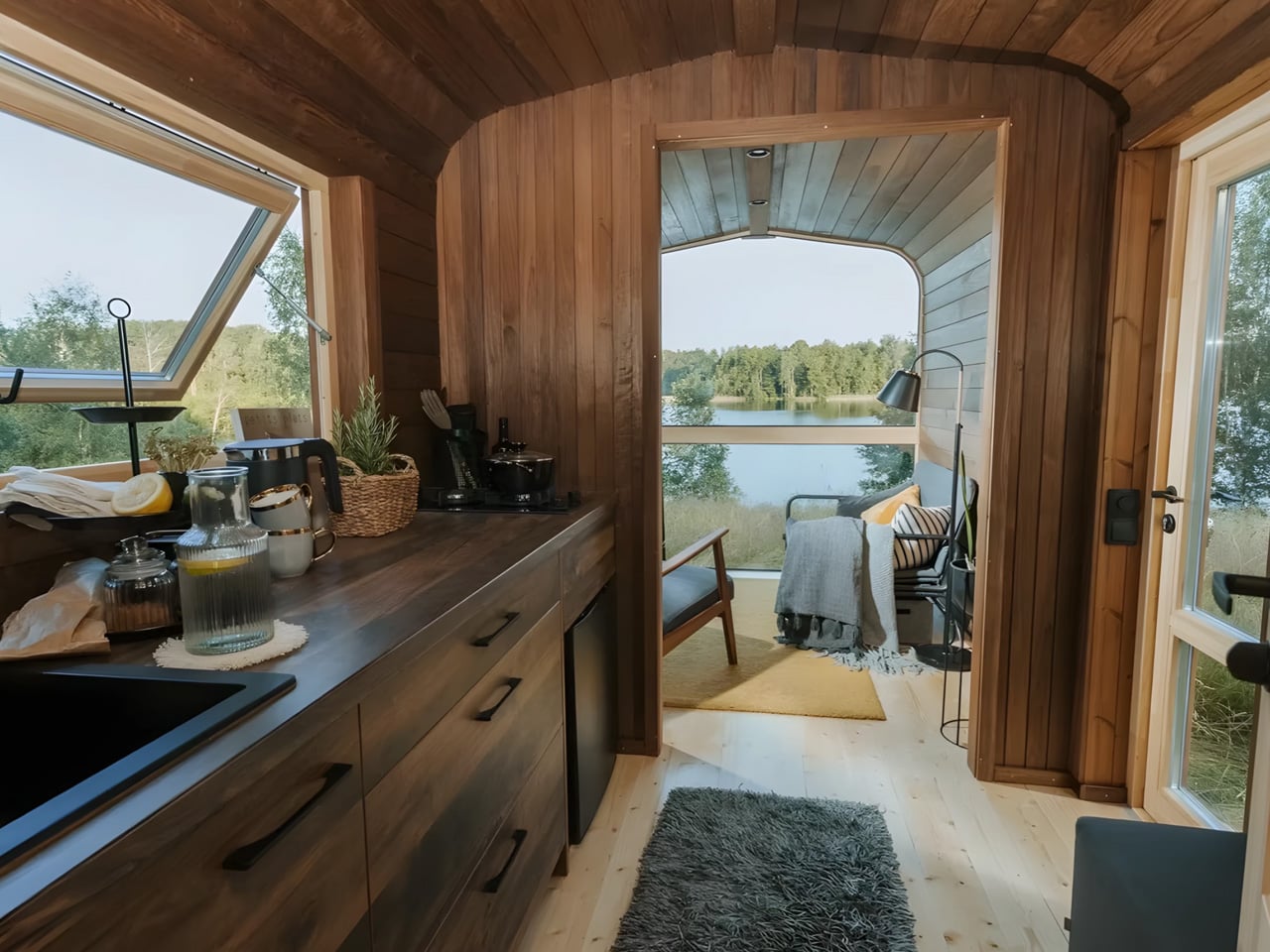
Sweden’s Vagabond Haven has crafted something special with the Nature Pod, a compact tiny house that proves you don’t need a massive budget to embrace small-space living. Starting at just €14,380 (roughly US$16,600), this charming cabin-inspired dwelling delivers rustic aesthetics without the premium price tag typically attached to custom tiny homes. The Nature Pod feels like a breath of fresh air in a market where prices keep climbing, offering an accessible entry point for anyone curious about downsizing. Large windows flood the interior with natural light, creating an open atmosphere that makes the compact footprint feel intentional rather than restrictive.

Measuring a modest 6 meters in length, the Nature Pod sits comfortably on a double-axle trailer, making it perfectly sized for European roads and regulations. What really sets this tiny house apart is its innovative construction method. Vagabond Haven eliminated traditional timber framing, replacing it with four inner-wall segments that support the outer walls built from 45-mm-thick ThermoWood. This streamlined approach reduces both material costs and assembly time while keeping the overall weight manageable. The engineered wood cladding and fiberglass roof shingles add durability without unnecessary expense, and buyers can even opt for an outdoor shower attachment for those warm summer evenings.

Design: Vagabond Haven

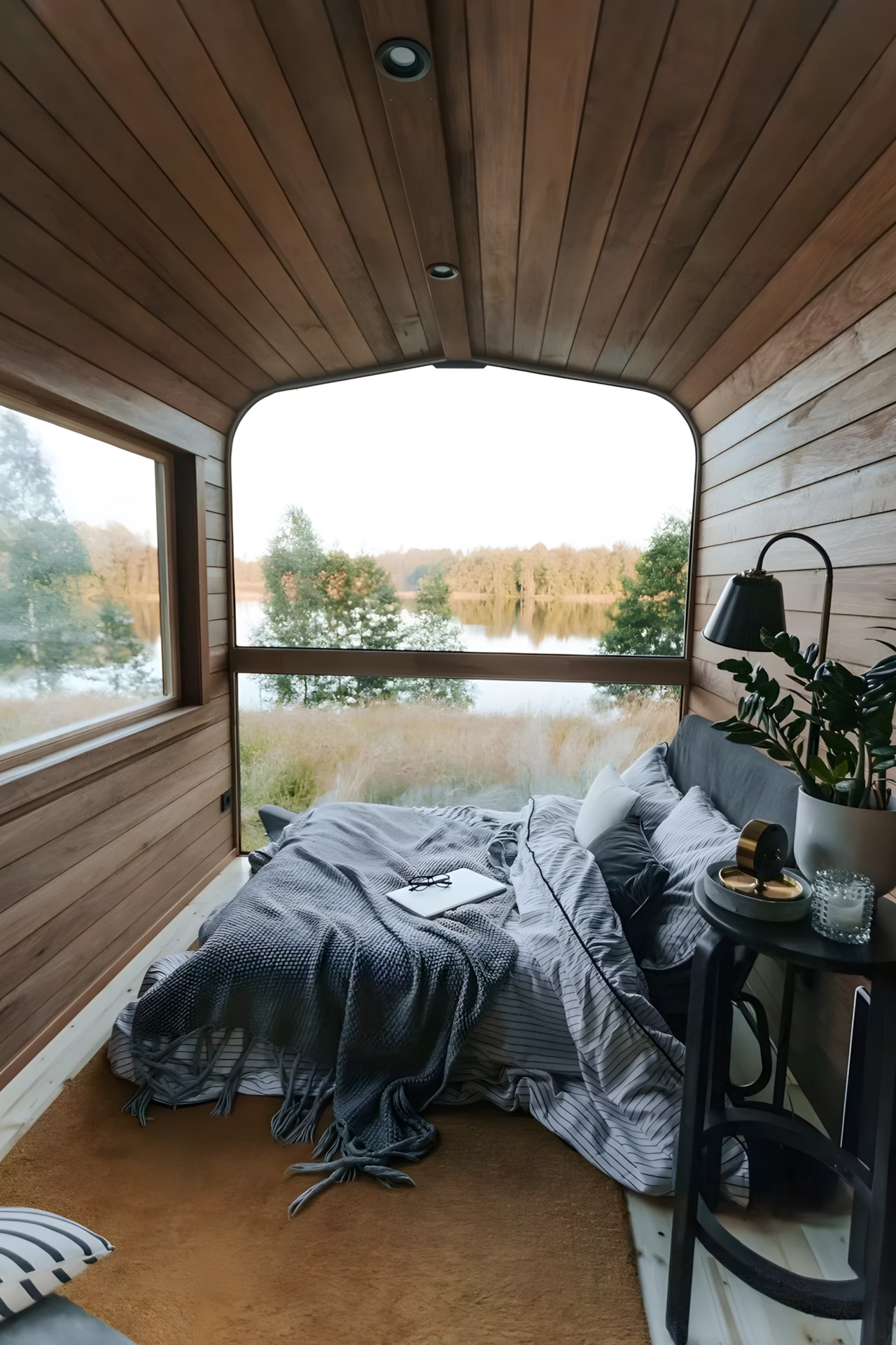
Inside, the wood-finished interior radiates warmth and invites relaxation. The living room and bedroom occupy the rear section, anchored by a stunning floor-to-ceiling window that frames the outdoors like living artwork. A sofa bed provides sleeping space for two, with enough room for additional seating during waking hours. The layout feels intuitive, with the bedroom positioned to capture the best views while maintaining privacy from the rest of the home. Everything about this space encourages you to slow down and appreciate your surroundings.

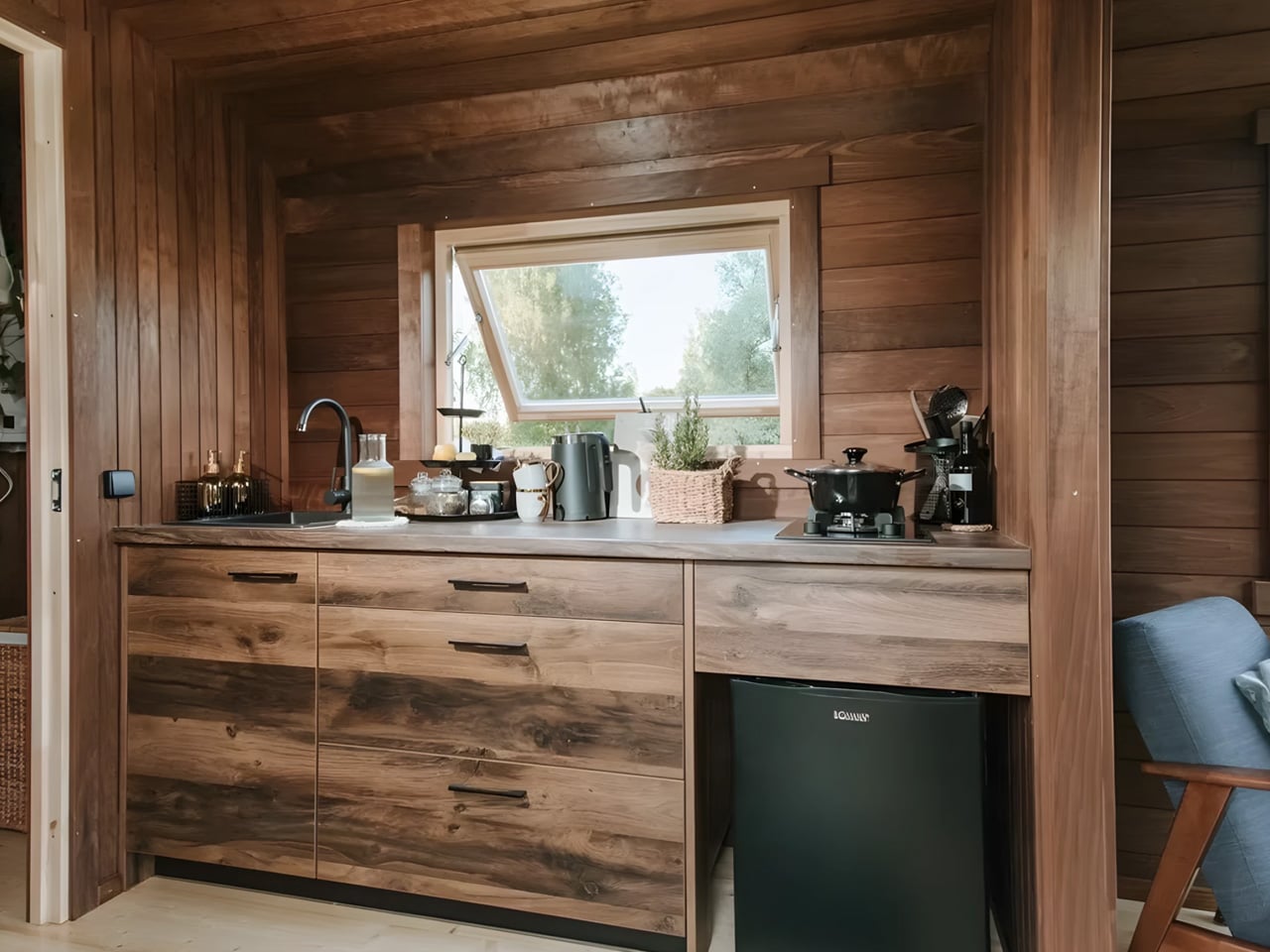
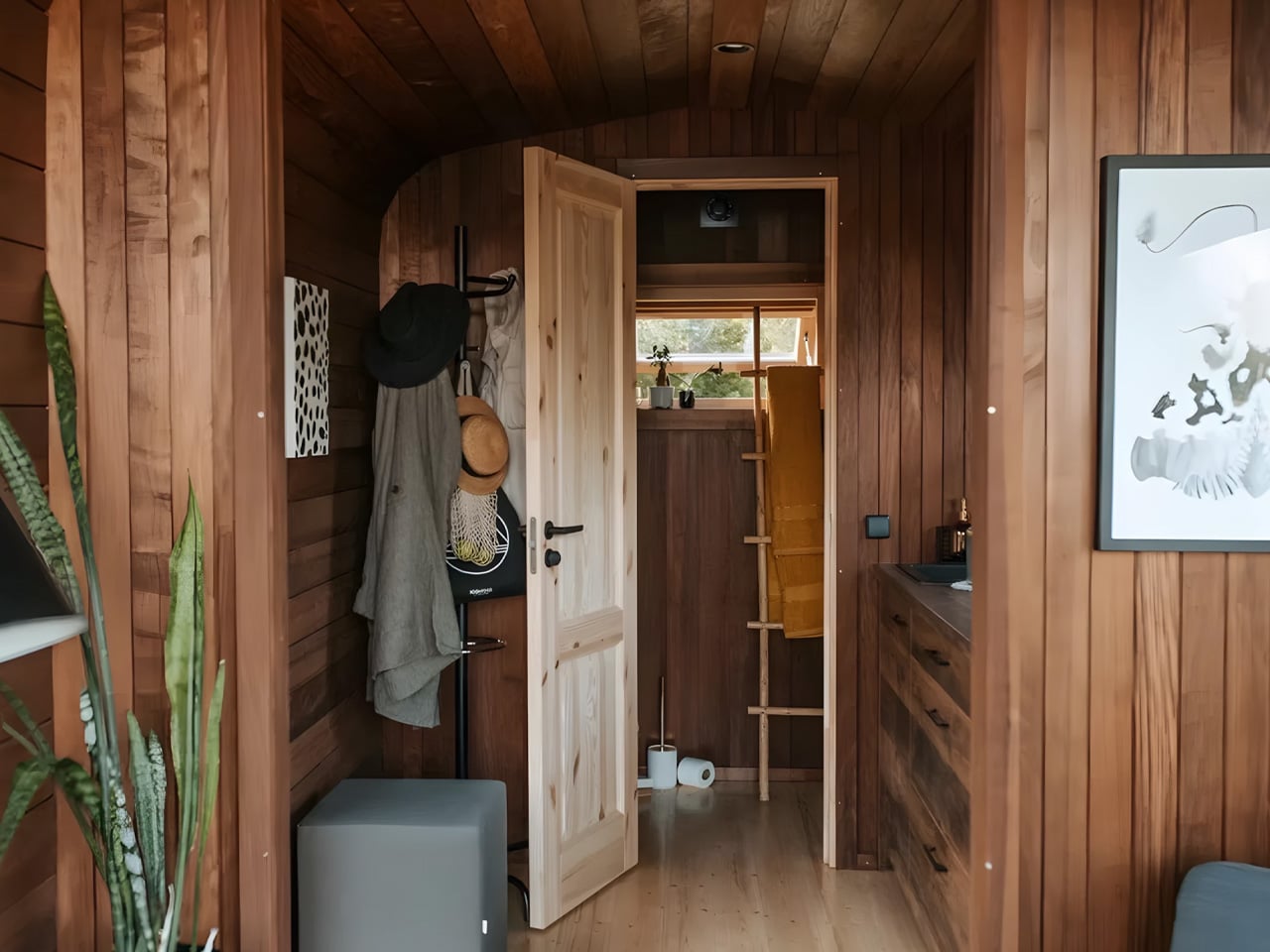
The kitchen occupies a central position and embraces minimalism out of necessity. A small fridge, sink, and two-burner propane cooktop handle essential meal preparation, while cabinetry provides storage for dishes and pantry items. Space remains for either a wardrobe or a wood-burning stove, letting owners customize based on their priorities and climate needs. The propane cooktop offers flexibility for off-grid living situations where electrical connections aren’t available. At the front of the home, the bathroom keeps things simple and functional with a toilet, sink, and shower—all the necessities without excess. The straightforward design makes cleaning easy and maintenance minimal.

Vagabond Haven includes ventilation and electrical installation in the base price, though the starting cost excludes furniture. The real customization potential emerges through the extensive options list. Buyers can choose between mounting the home on a trailer for mobility or placing it on simple foundations for a permanent installation. Off-grid enthusiasts can add solar panels and battery systems to achieve complete energy independence, though these upgrades will substantially increase the final price. The flexibility here means you can start basic and add features as your budget allows.

The Nature Pod represents a refreshing approach to tiny house design. It strips away unnecessary complexity while preserving the essential elements that make small-space living appealing. The rustic aesthetic feels genuine rather than manufactured, and the Scandinavian influence brings a sense of calm simplicity to every detail. For those ready to downsize without compromising on style or comfort, this compact cabin offers a genuinely accessible way into the tiny house movement.

The post This Swedish Tiny Cabin Starts At $16,600 & Brings Rustic Scandinavian Living Within Reach first appeared on Yanko Design.
iOS 27 will reportedly focus on performance improvements and AI upgrades

After years of introducing major changes with its annual iOS releases, Apple may be altering its approach next time around, instead focusing on refinement over a bevy of flashy new features. According to Mark Gurman in this week's Power On newsletter, for iOS 27, Apple is "focused on improving the software’s quality and underlying performance." That, and beefing up its AI offerings.

On the heels of iOS 26, which brought the Liquid Glass design overhaul, and the trickle of underbaked AI features that have arrived since the rollout of Apple Intelligence last year, Apple is reportedly honing in to improve the experience. Gurman writes that "engineering teams are now combing through Apple’s operating systems, hunting for bloat to cut, bugs to eliminate, and any opportunity to meaningfully boost performance and overall quality." Gurman compares the strategy to 2009's Snow Leopard release for Mac, which focused on bug fixes, decluttering and efficiency. 

Catching up on AI is a major priority as well, the report notes. The company is working on an AI web search tool and an Apple Intelligence overhaul, alongside plans to integrate its AI into more apps. We still have yet to see the smarter, more personal AI-powered Siri the company has been talking about since 2024, but that's expected to arrive before iOS 27 — possibly with iOS 26.4 this coming spring, according to Gurman. 

This article originally appeared on Engadget at https://www.engadget.com/mobile/smartphones/ios-27-will-reportedly-focus-on-performance-improvements-and-ai-upgrades-175700261.html?src=rss

Snapdragon devices will soon be able to transfer files to iPhones via Quick Share

Building on Google's recent announcement that Android's Quick Share will work with iOS' AirDrop for Pixel 10 smartphones, Qualcomm revealed in a post on X that the cross-platform file-sharing feature will be available on devices powered by its Snapdragon chips. In the post, Qualcomm said that it "can't wait for people to use this once enabled on Snapdragon in the near future."

It's not a complete surprise since Google mentioned in its announcement that Quick Share to AirDrop would come to more Android devices. However, the Snapdragon confirmation acknowledged that this new compatibility wouldn't be limited to Pixel smartphones or devices running Google Tensor chips. Soon, we could have the ability to share files with iPhone users, even if it's with a Samsung Galaxy smartphone, a OnePlus device or even Nothing phones.

Qualcomm didn't specify exactly when or which smartphones will get this Quick Share to AirDrop feature, but we might see it come to more devices than just smartphones, like tablets or laptops. Along with this latest file-sharing feature, Apple's announcement of iOS 18 getting RCS compatibility has reduced the longstanding friction between smartphone operating systems.

This article originally appeared on Engadget at https://www.engadget.com/mobile/smartphones/snapdragon-devices-will-soon-be-able-to-transfer-files-to-iphones-via-quick-share-164835065.html?src=rss

This Designer Just Solved Cold Coffee With One Candle

You know that moment when you’re deep into a project, finally hitting your flow state, and you reach for your coffee only to find it’s gone stone cold? It’s one of those tiny frustrations that can derail your entire momentum. But it’s also part of the workflow that you forget you have a warm cup waiting for you to wake you up since you’re engrossed with whatever it is you’re doing. So when you realize it’s gone cold, you either just slurp it down or you make a new cup.

Designer Germain Verbrackel clearly understands this universal struggle, because his new concept called Warmer tackles it with the kind of elegant simplicity that makes you wonder why it hasn’t been done before. Why not have something that will keep your coffee or any beverage warm so you won’t suffer through drinking something lukewarm?

Designer: Germain Verbrackel

Create your own Aesthetic Render: Download KeyShot Studio Right Now!

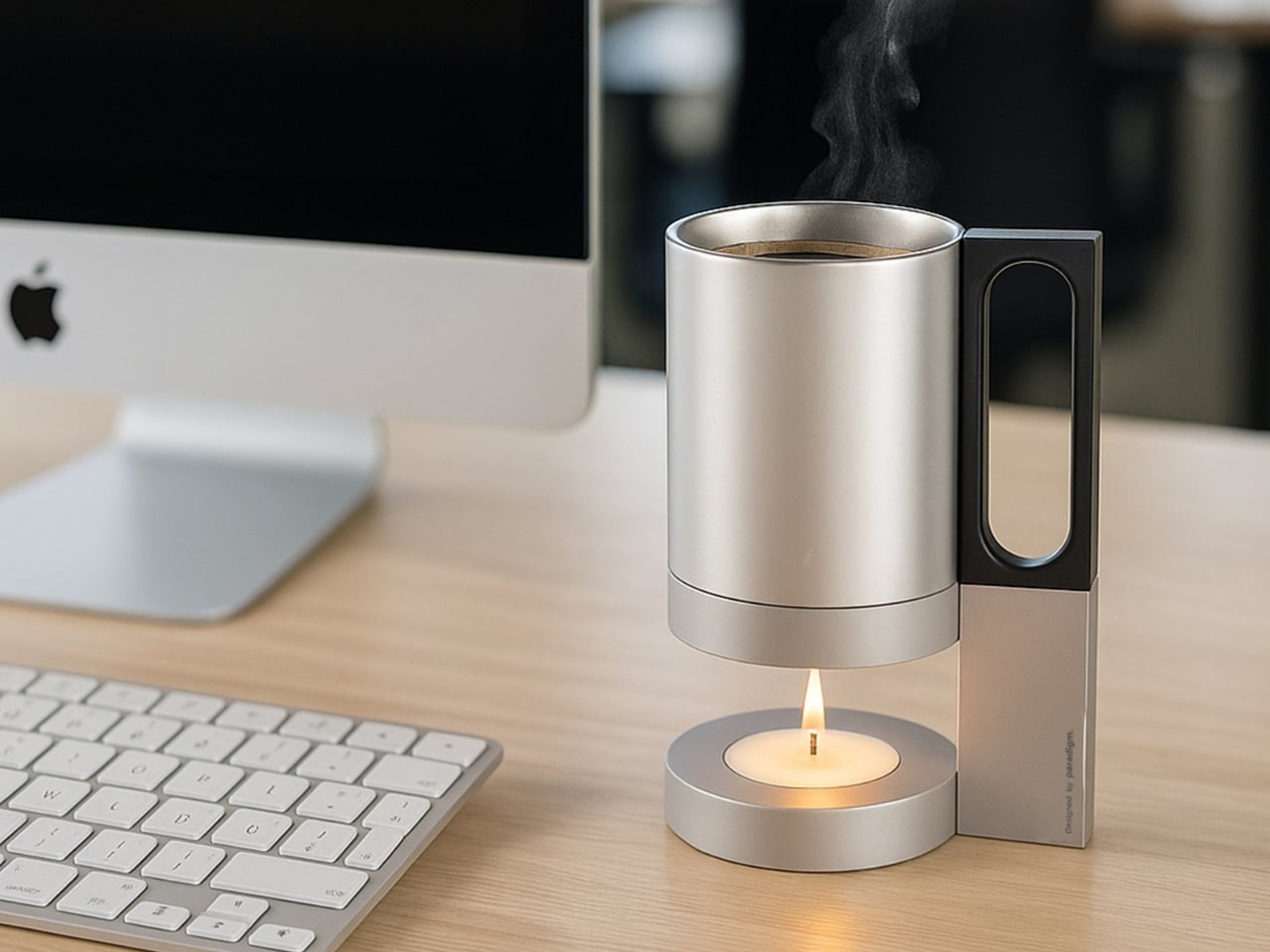
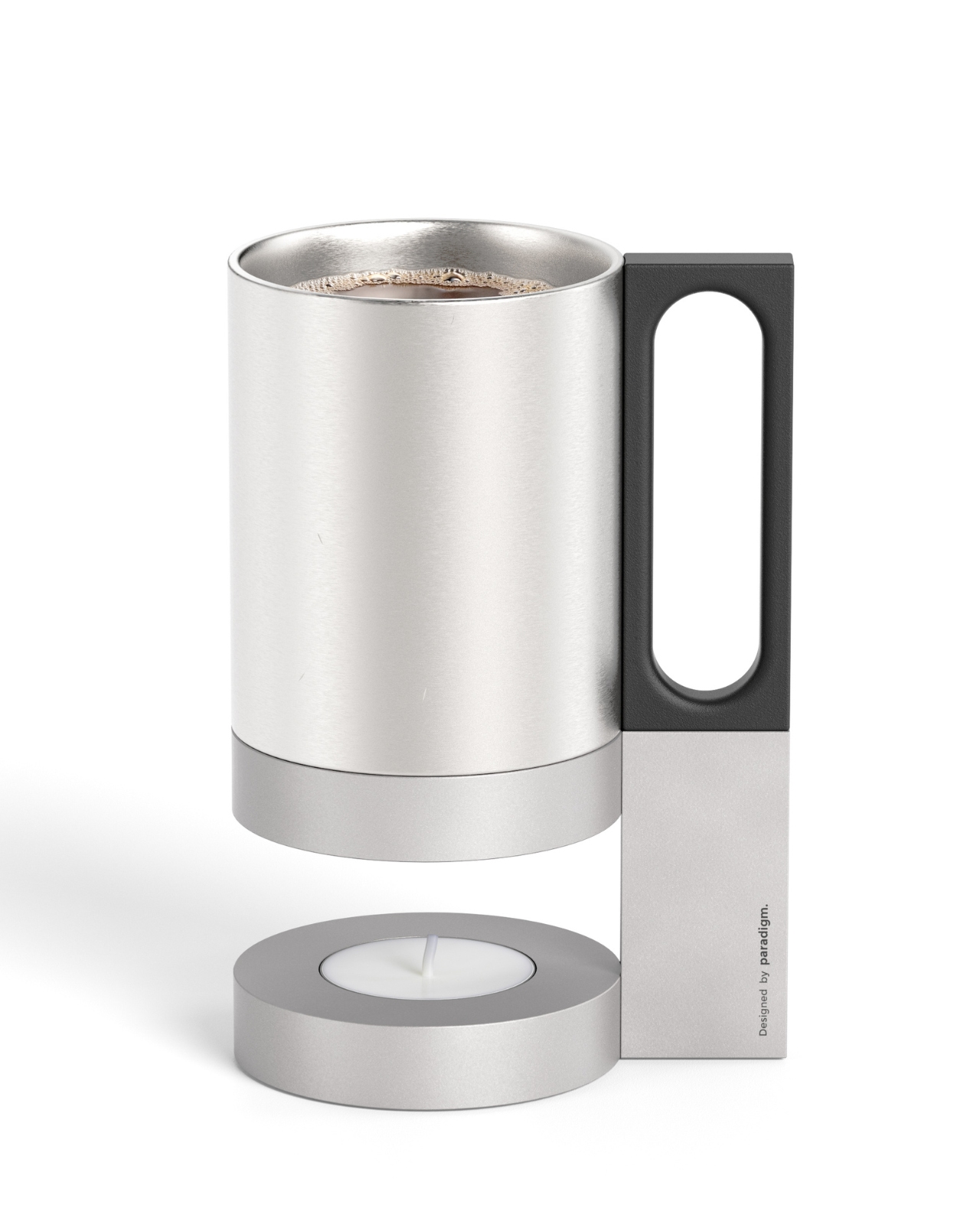
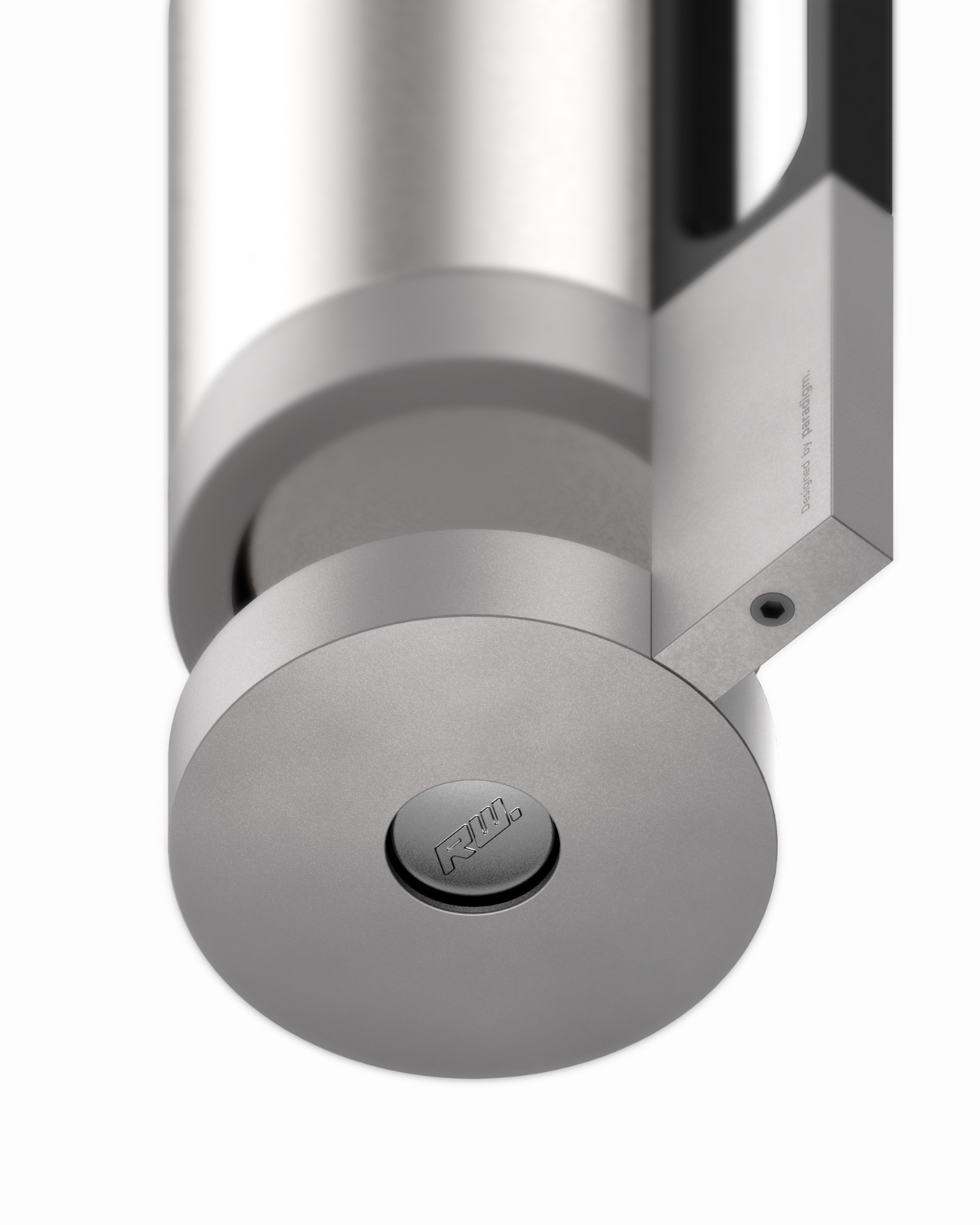
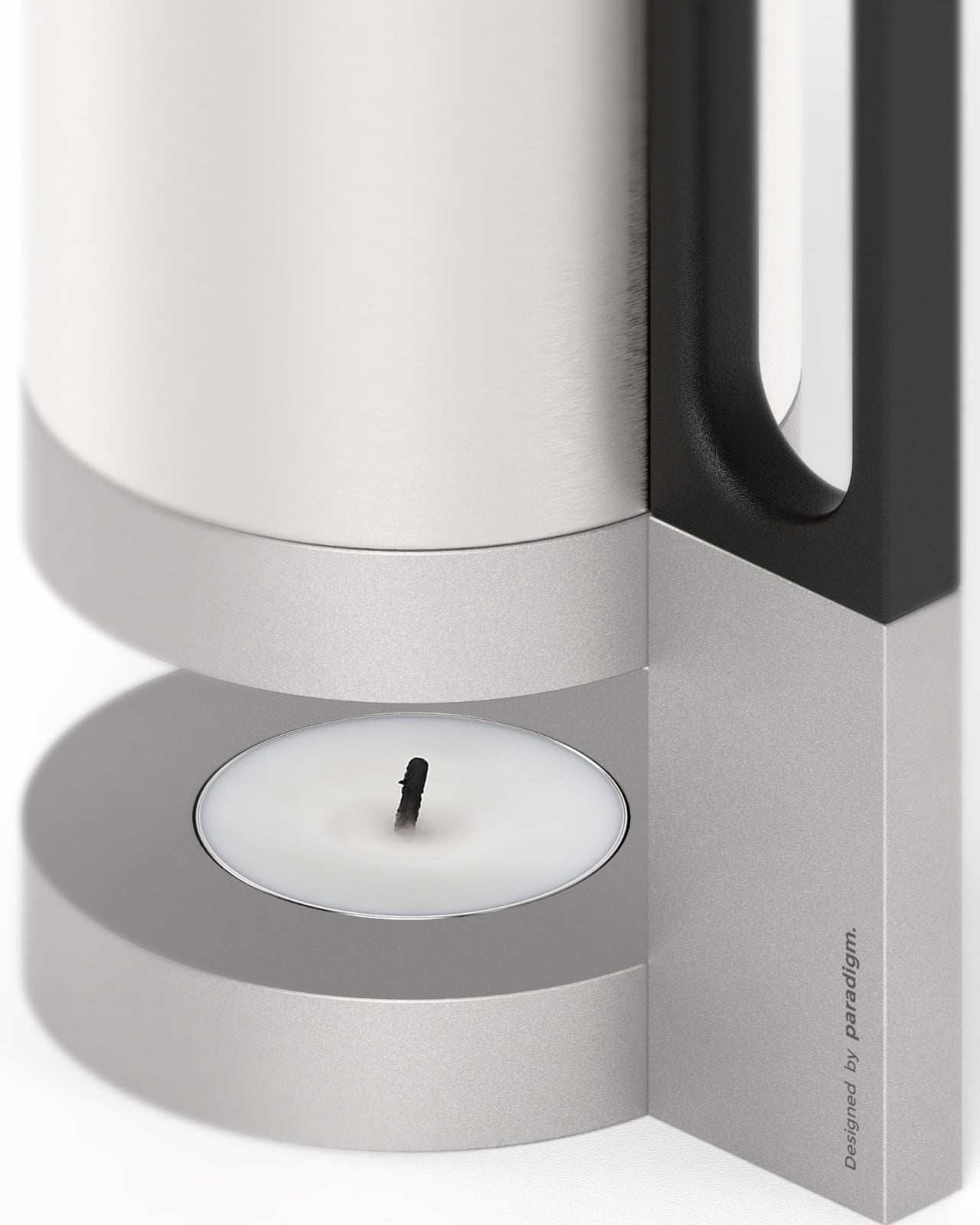
At first glance, Warmer looks like something that could sit comfortably on the desk of a minimalist tech enthusiast or grace the pages of a Scandinavian design magazine. Crafted from aluminum and brushed steel, it has that industrial-yet-refined aesthetic that never goes out of style. But what makes it particularly interesting is that it’s completely analog in our hyper-digital world. No USB cables, no app to download, no Bluetooth connectivity. Just a simple tea light candle providing gentle, sustained heat.

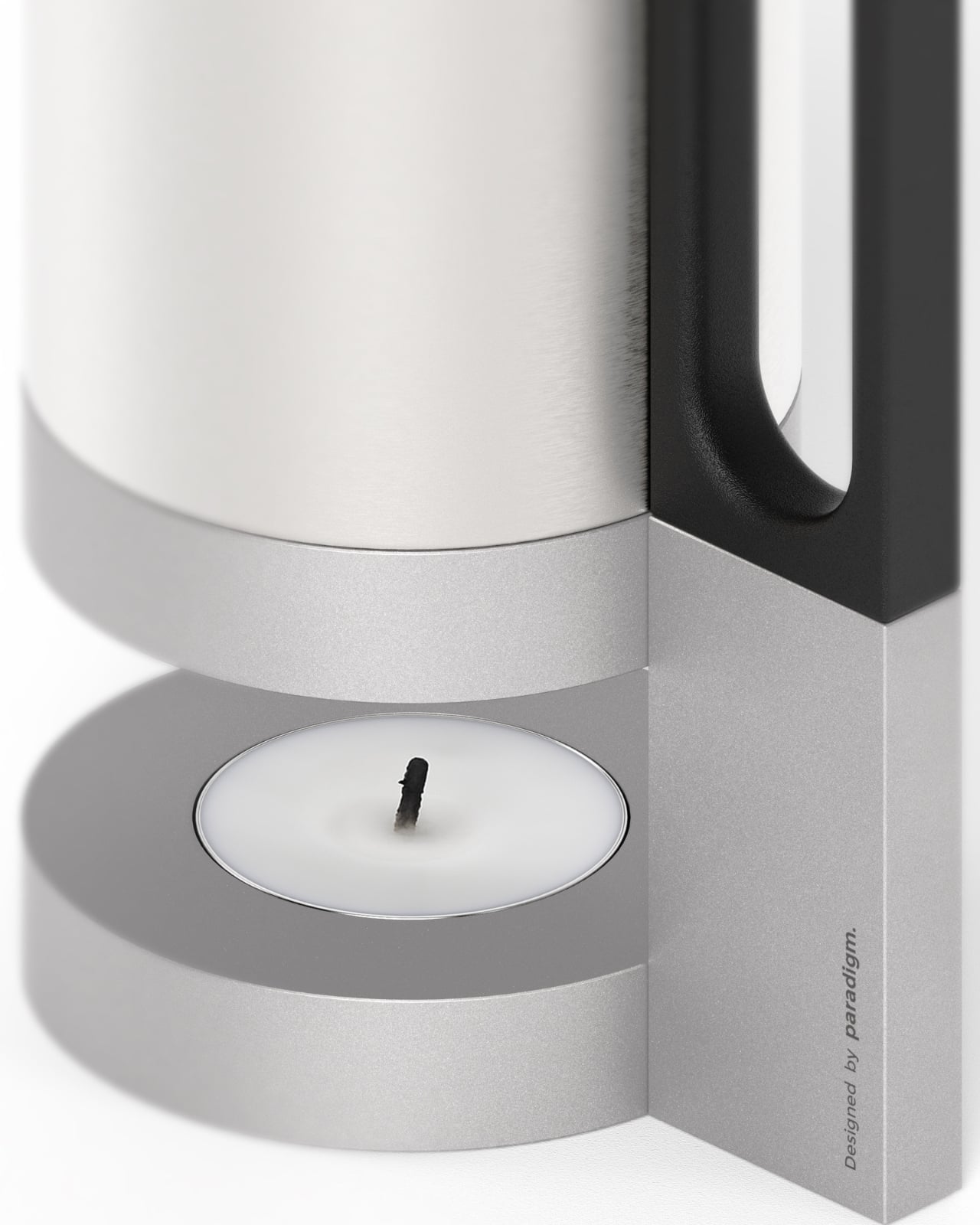
The design itself is brilliantly straightforward. A circular base houses the candle, and a vertical support structure rises up to hold your cup, bowl, or small pan at the perfect distance from the flame. That black geometric handle detail adds a nice visual contrast to all that brushed metal, giving it a touch of contemporary flair without feeling overdone. It’s functional sculpture, really.

1

What I love about this concept is how it challenges our default assumption that every solution needs to be high-tech. We’ve become so accustomed to electric mug warmers with their glowing LED indicators and temperature controls that we’ve forgotten about the simple physics of a candle flame. There’s something almost meditative about watching that tiny flame flicker while you work, knowing it’s quietly doing its job without demanding anything from your power strip or Wi-Fi network.

The versatility factor is pretty smart too. Sure, keeping your morning coffee at the perfect sipping temperature throughout those long Zoom meetings is great, but Verbrackel designed Warmer to accommodate different container types. Need to keep soup warm during lunch at your desk? Done. Want to gently heat something small in a bowl or pan? It can handle that. This multi-purpose approach gives it staying power beyond being a one-trick pony.

From a practical standpoint, there are some real advantages to this candle-powered approach. Tea lights are incredibly cheap, widely available, and burn for hours. There’s no complicated maintenance, no heating element to burn out, and no worrying about forgetting to turn it off (though obviously, you still need to be mindful of open flames). It’s the kind of product that would work just as well in a modern office as it would in a cabin without electricity. The material choice speaks to durability and heat conductivity. Aluminum and steel can handle constant exposure to heat without degrading, and that brushed finish will age gracefully rather than looking worn. It’s clearly designed to be something you’d keep on your desk as a permanent fixture rather than tucking it away in a drawer.

1

There’s also something quietly rebellious about Warmer in our current moment. While tech companies are racing to make everything “smart” and connected, this design deliberately goes the opposite direction. It’s almost making a statement about intentional simplicity and questioning whether we really need to digitize every aspect of our daily routines. In a world of planned obsolescence and constant software updates, a candle-powered warmer feels almost radical in its simplicity.

Of course, this is still a concept design showcased on Behance, so we don’t know yet if it will make it to production. But that’s part of what makes following industrial design so fascinating. These concepts give us a glimpse into how designers are thinking about everyday problems and push us to reconsider assumptions we didn’t even know we were making. Whether Warmer ever hits store shelves or not, it’s a beautiful reminder that good design doesn’t always mean more complexity. Sometimes the best solution is the one that strips away everything unnecessary and gets back to basics. And honestly, your coffee deserves to stay warm while you conquer your to-do list.

The post This Designer Just Solved Cold Coffee With One Candle first appeared on Yanko Design.

Is $599 Too Cheap for Apple? The Truth About the 2026 Budget MacBook

Is $599 Too Cheap for Apple? The Truth About the 2026 Budget MacBook

Apple is preparing to make a significant move in the affordable laptop market with its upcoming budget MacBook, slated for release in spring 2026. With a projected price range of $599 to $899, this device is positioned to compete directly with Chromebooks, targeting a broad audience that includes students, casual users, and first-time buyers. By […]

The post Is $599 Too Cheap for Apple? The Truth About the 2026 Budget MacBook appeared first on Geeky Gadgets.

Posted in Uncategorized

Stop Chasing AI Skills, Start Mastering Judgment with These 10 Principles

Stop Chasing AI Skills, Start Mastering Judgment with These 10 Principles

What’s the one skill that even the most advanced AI can’t replicate? It’s not coding, data analysis, or even creativity, it’s human judgment. As artificial intelligence reshapes industries and automates tasks once thought untouchable, the ability to make nuanced, context-aware decisions has become a rare and invaluable asset. AI can process massive datasets in seconds, […]

The post Stop Chasing AI Skills, Start Mastering Judgment with These 10 Principles appeared first on Geeky Gadgets.

Posted in Uncategorized

Apple’s $70 Hikawa Grip Proves Accessibility & Art Can Coexist

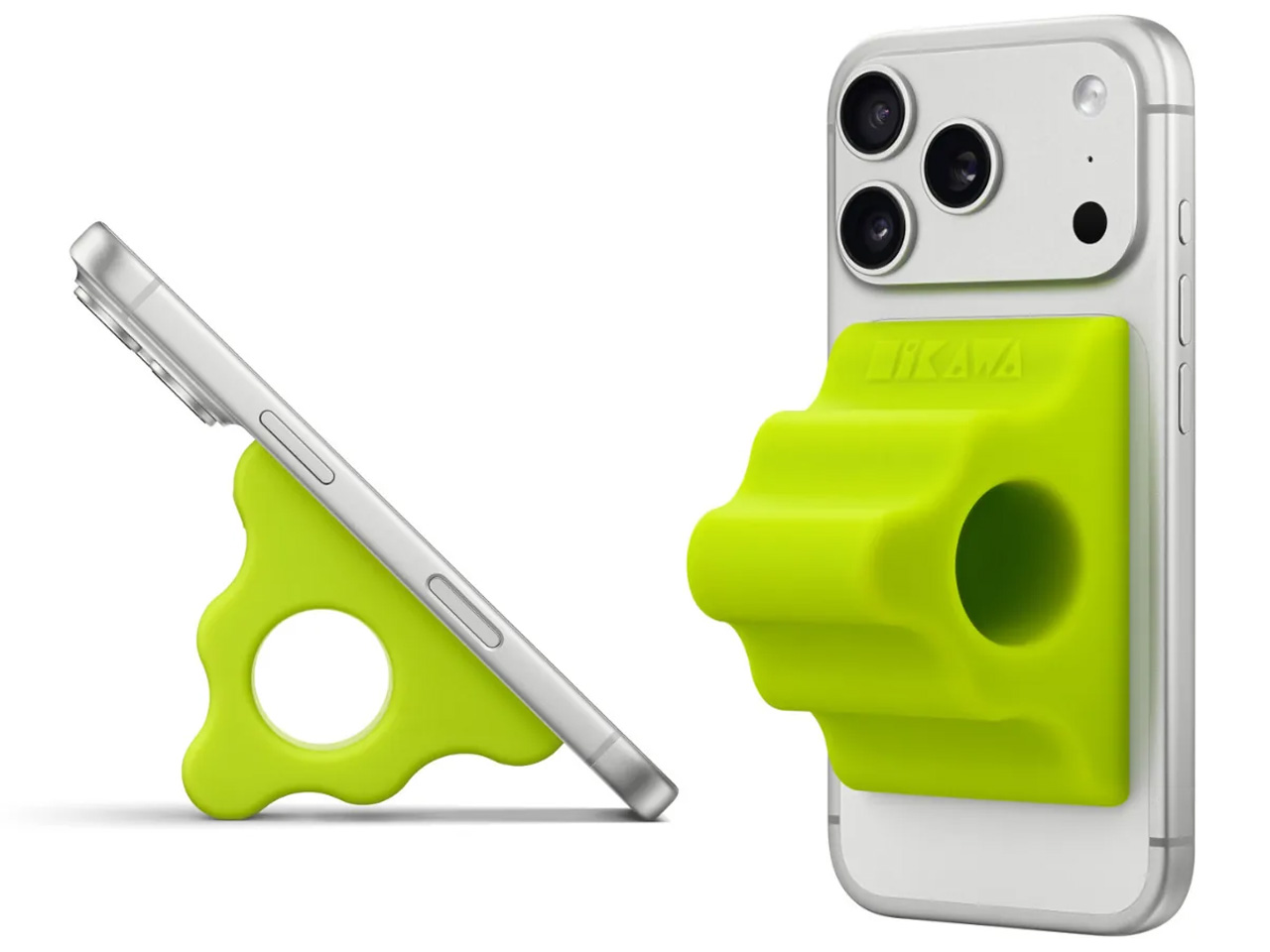
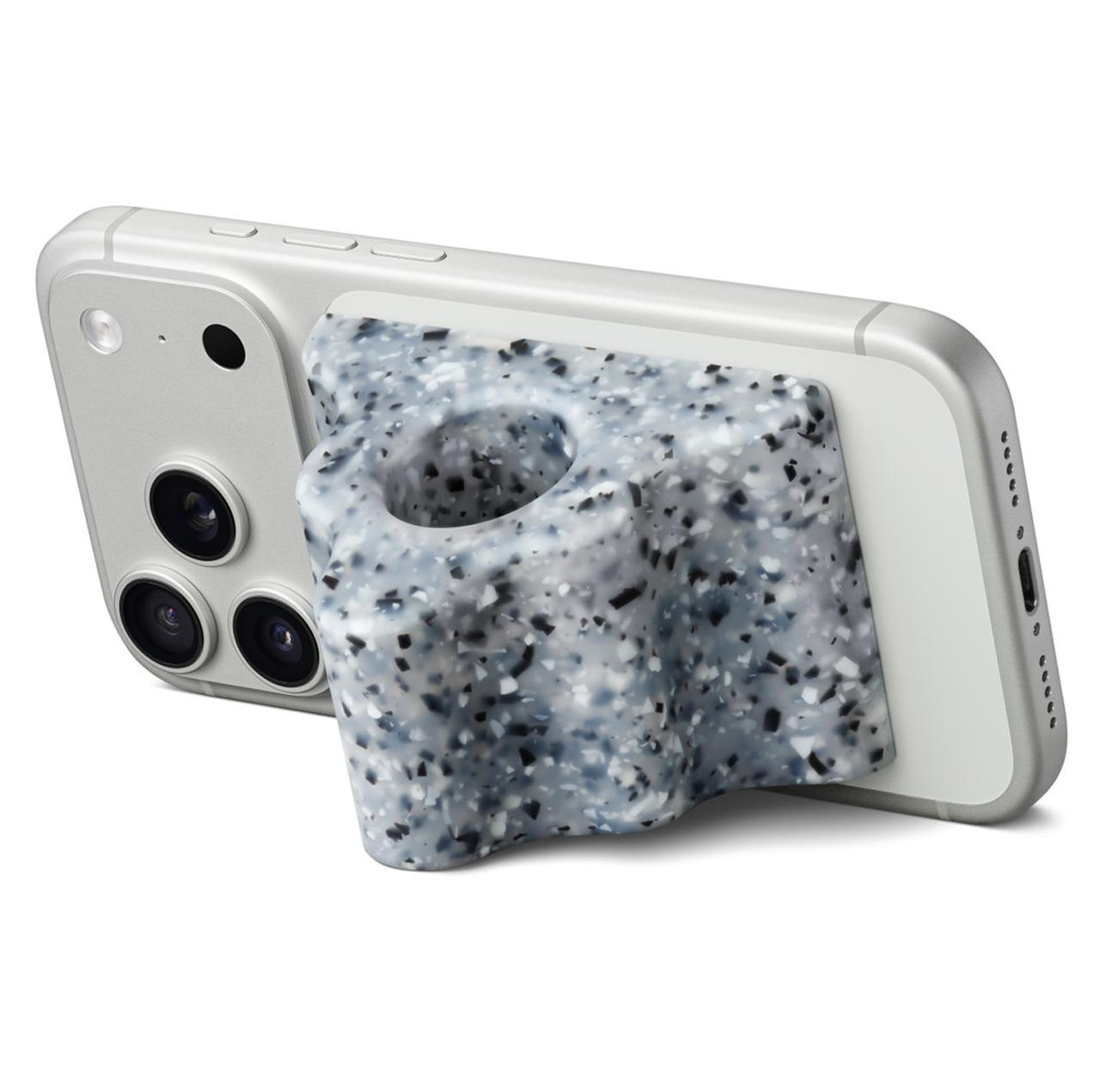
Apple just dropped something unexpected and pretty cool: the Hikawa Phone Grip & Stand, a $69.95 MagSafe accessory that looks more like a piece of modern art than your typical phone attachment. What makes this launch special isn’t just the design, though. It’s Apple’s way of marking 40 years of accessibility work, and honestly, it shows in every curve and ridge of this thing.

Los Angeles designer Bailey Hikawa didn’t just sketch this grip at a design table. She worked directly with people who deal with limited muscle strength, reduced dexterity, and various hand control challenges. That kind of collaboration makes a difference you can actually feel. The triangular silicone form accommodates different grip styles, letting users hold their phones with way less effort than usual. The magnetic MagSafe connection stays secure during use but snaps off easily when you’re done.

Designer: Apple

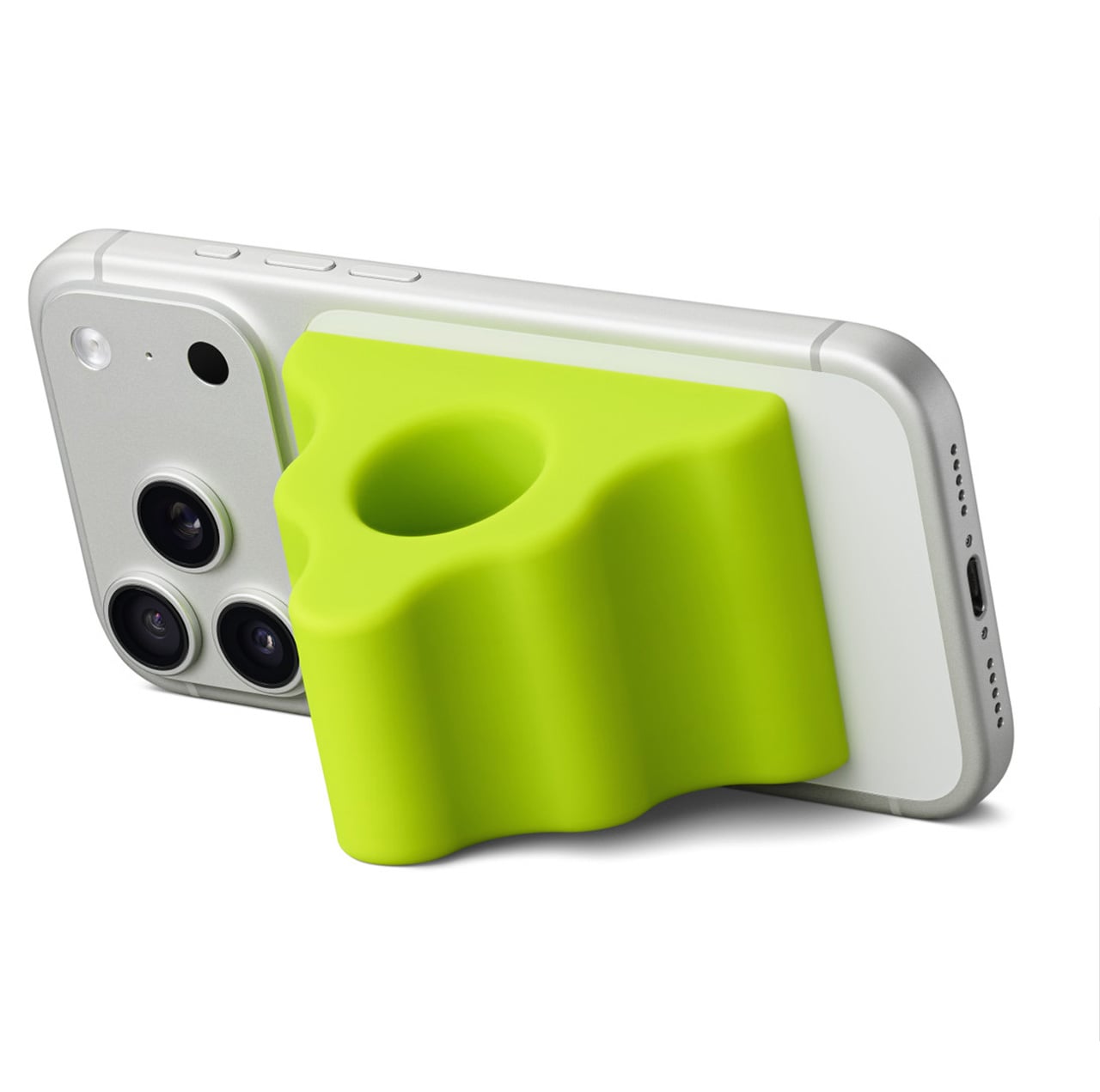
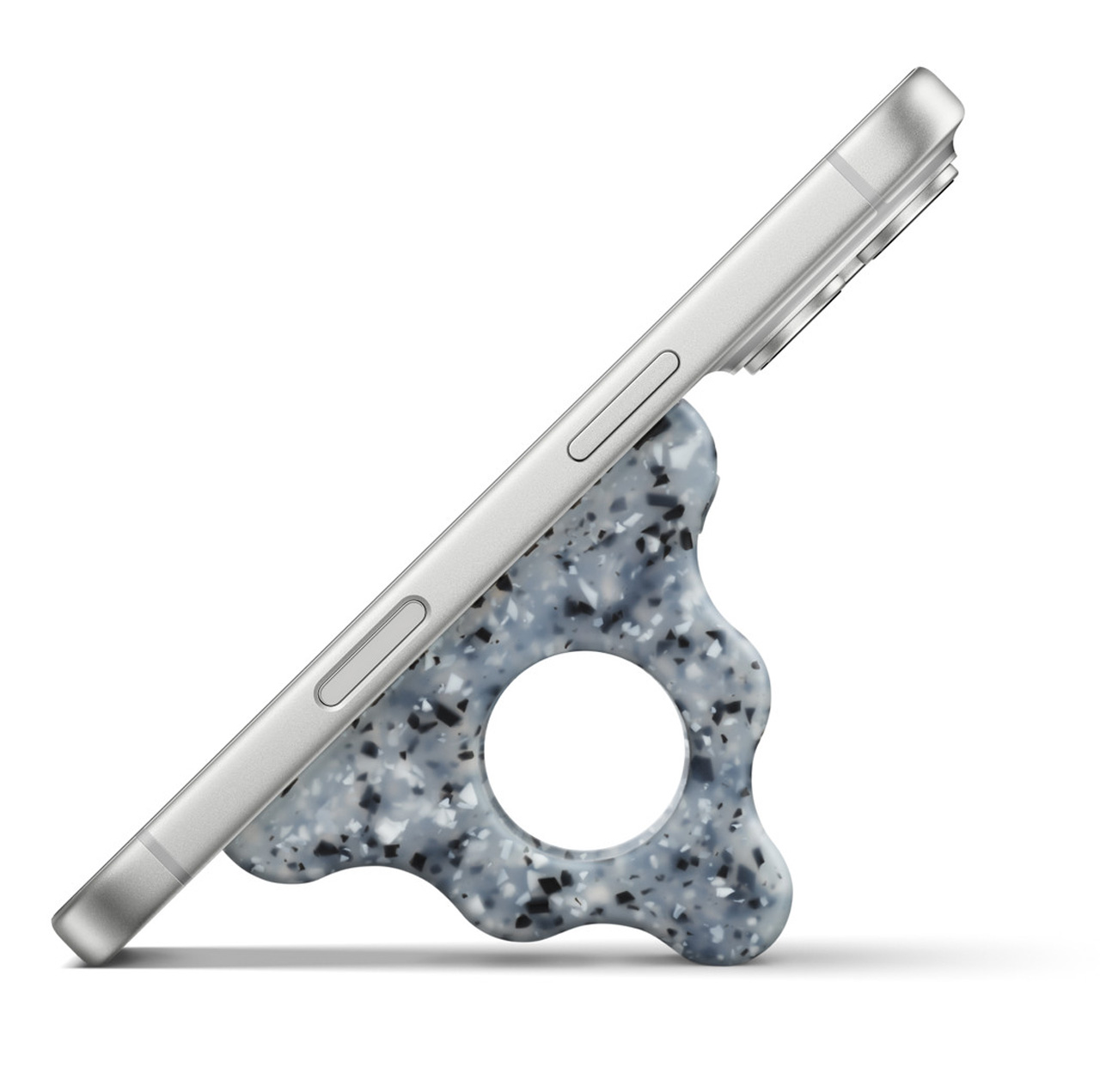
Here’s where it gets practical. The grip doubles as a stand that works in both portrait and landscape modes. Propping up your iPhone for a FaceTime call or binge-watching session suddenly doesn’t require awkward hand positions or makeshift setups. The premium silicone has that soft-touch feel that doesn’t irritate your hands during extended use, which matters more than you’d think.

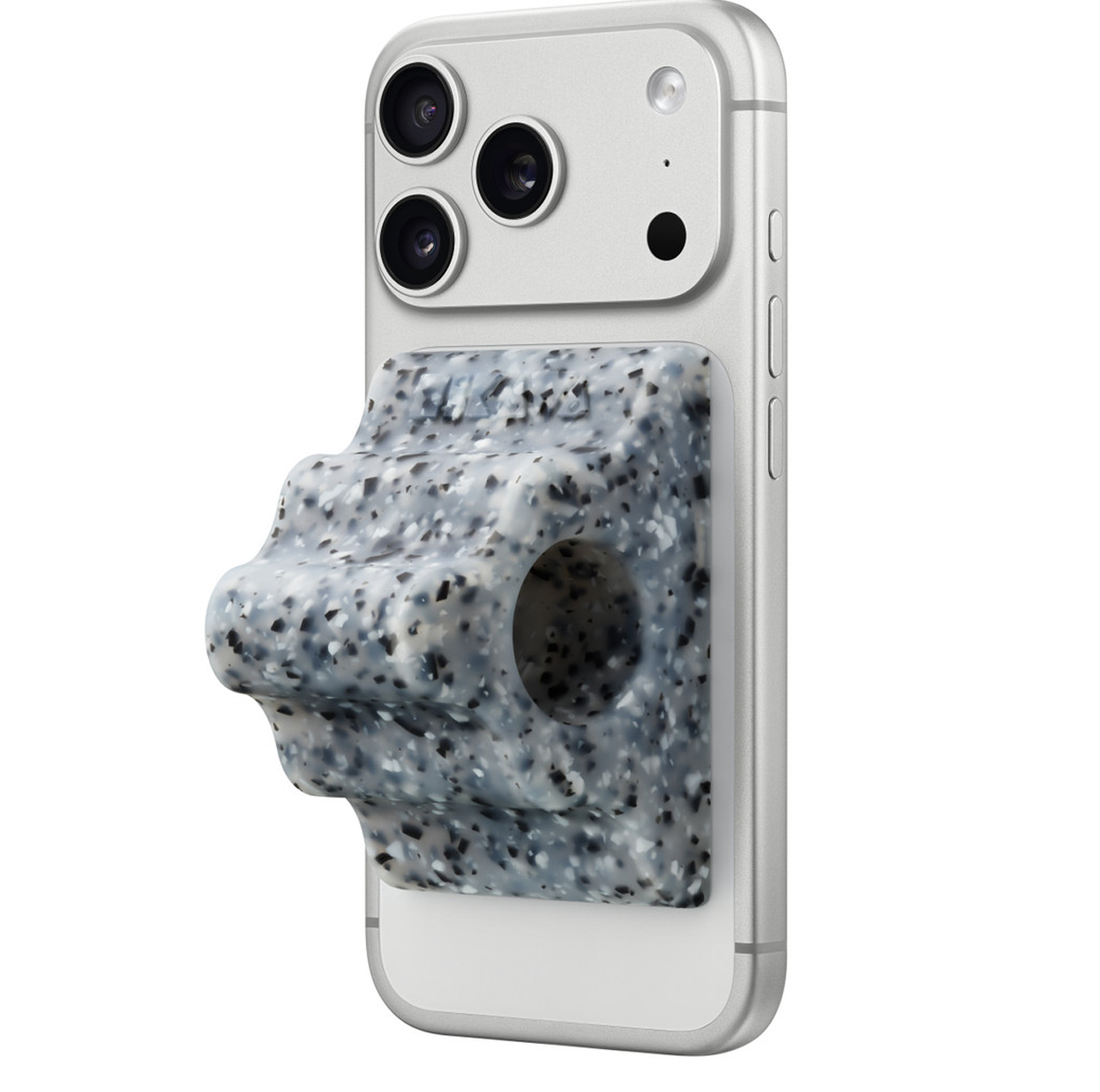
Hikawa’s artistic background really shines through in the sculptural form. Each grip genuinely looks like something you’d see in a contemporary art gallery. Apple is offering two exclusive colors: Chartreuse, a bold greenish-yellow picked specifically for high visibility, and Crater, a recycled finish with gray, black, and white specks that feels surprisingly sophisticated. At 3.1 by 2.3 inches, it adds just enough bulk to be useful without turning your phone into a brick.

Compatibility spans everything from the iPhone 12 through the upcoming iPhone 17 lineup, including the new iPhone Air. Any MagSafe-enabled device works right out of the box. Sarah Herrlinger, Apple’s Head of Accessibility, made an interesting point about this product. She acknowledged that it’s designed to solve specific problems for certain users, and that’s perfectly fine. Not every accessibility tool needs to appeal to everyone.

This limited edition grip is exclusive to Apple’s U.S. online store, and given how fast their recent iPhone Pocket sold out, you might want to move quickly if it catches your eye. What strikes me most is how Apple’s bringing attention to accessible design without making it feel like charity or an afterthought. The Hikawa grip works because it’s genuinely useful and genuinely beautiful, proving those two things don’t have to be mutually exclusive.

The post Apple’s $70 Hikawa Grip Proves Accessibility & Art Can Coexist first appeared on Yanko Design.