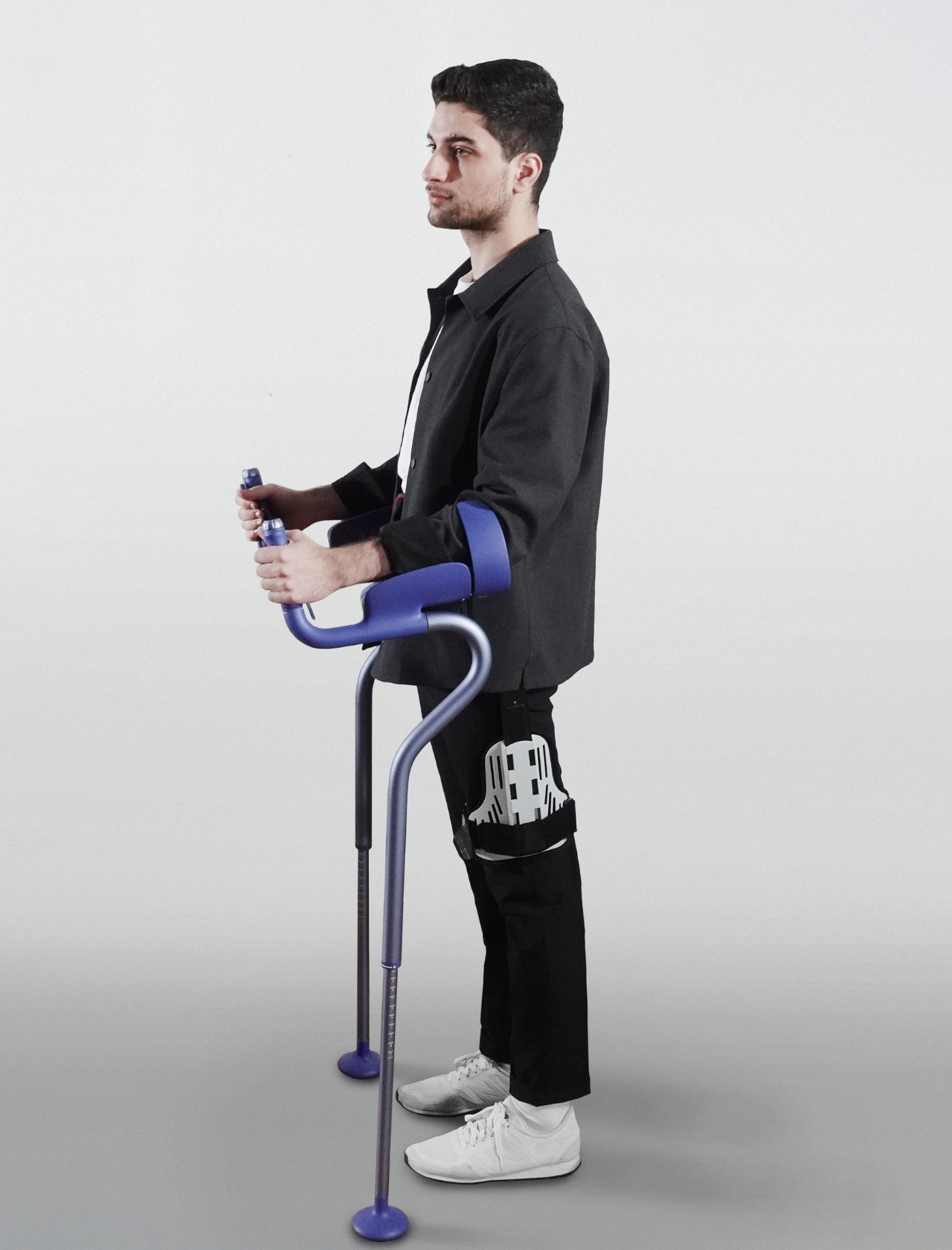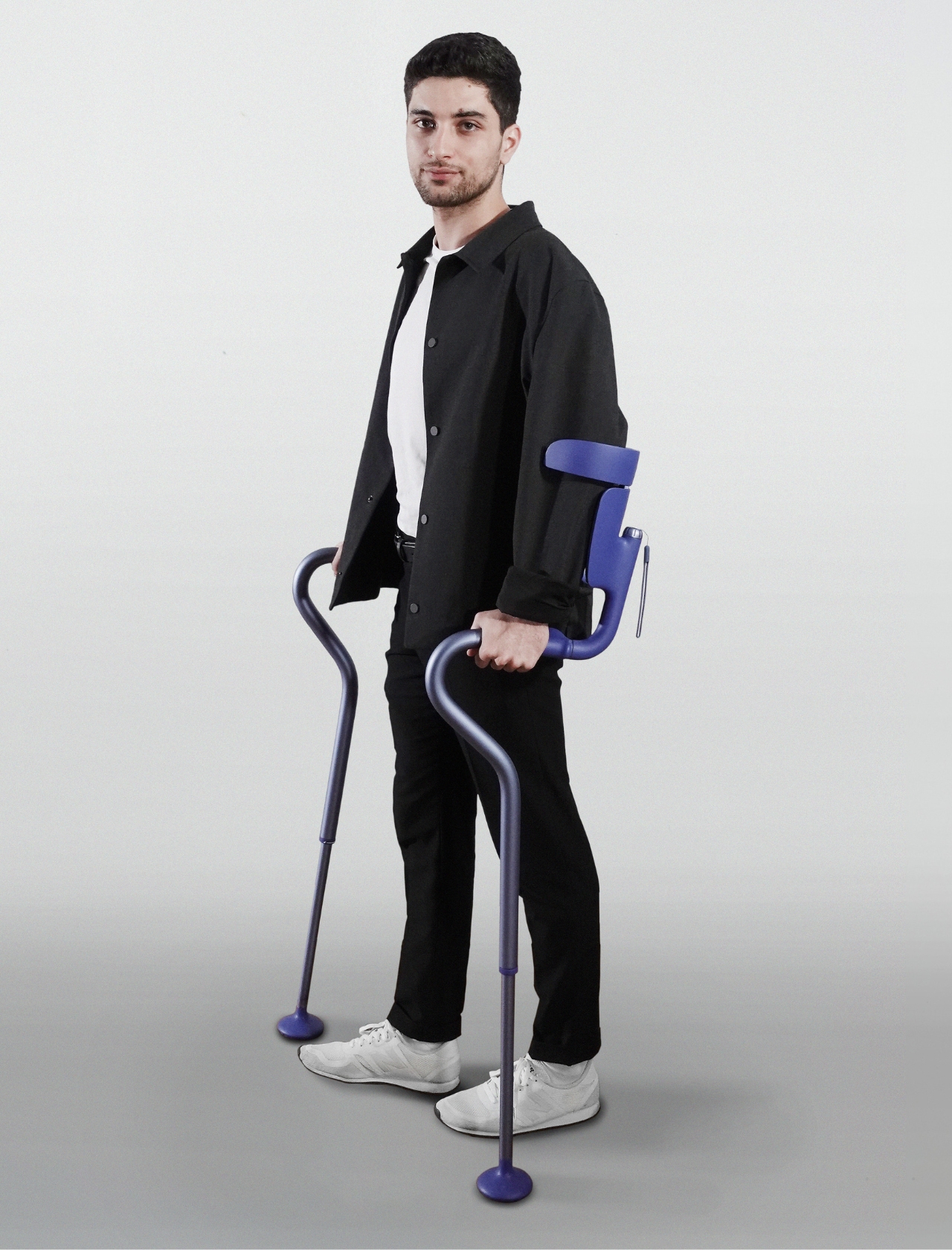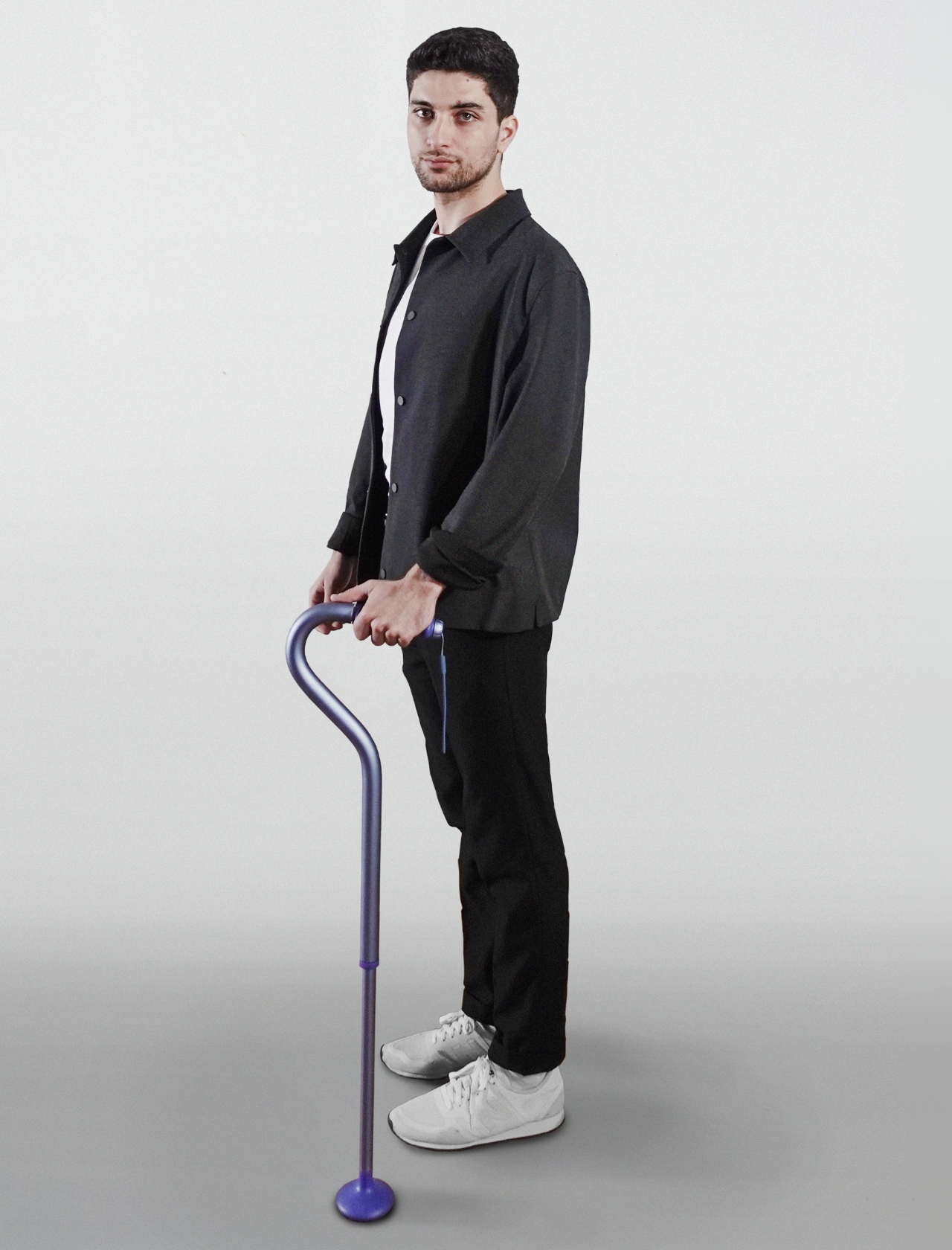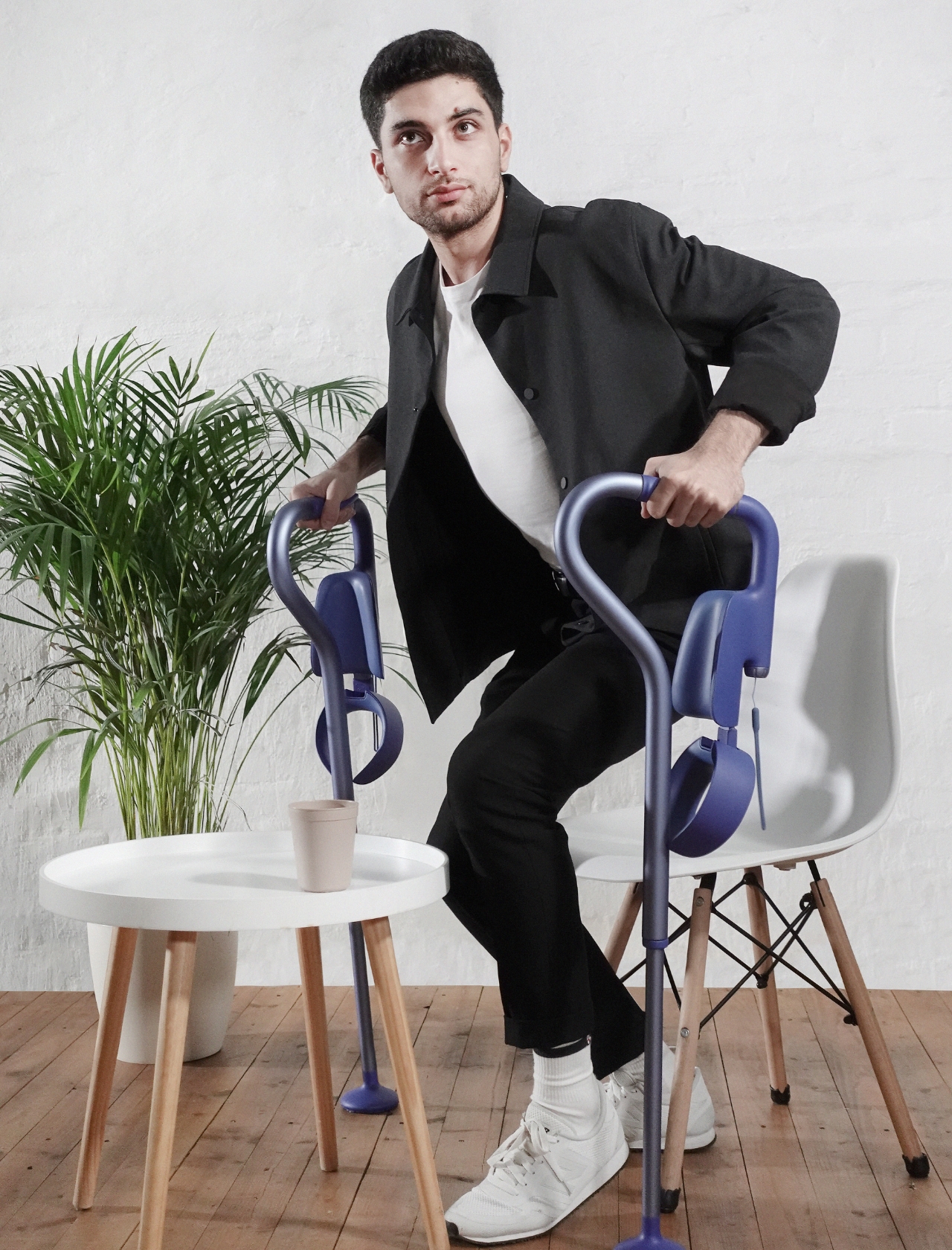
Beautiful walking cane transforms into a compact wooden stool in a snap

No one can escape the passage of time or how the body grows old and frail. We can really only delay the inevitable with a healthy lifestyle, but there will always come a time when we’ll need someone or something to lean on while walking or need to sit down more regularly even if there’s not a chair in sight. Walking aids and stools are common sights in everyday life, and products that combine these two are also no longer alien to our eyes. Unfortunately, most of them, while functional, are also unattractive and sometimes even difficult to use. They’re often a cause of embarrassment for users who’d rather leave these at home and endure discomfort rather than be seen using them. Fortunately, all hope is not lost and this rather unique “sitting cane” shows how a well-designed tool can be functional, beautiful, and uplifting all at the same time.

Designer: Anker Bak

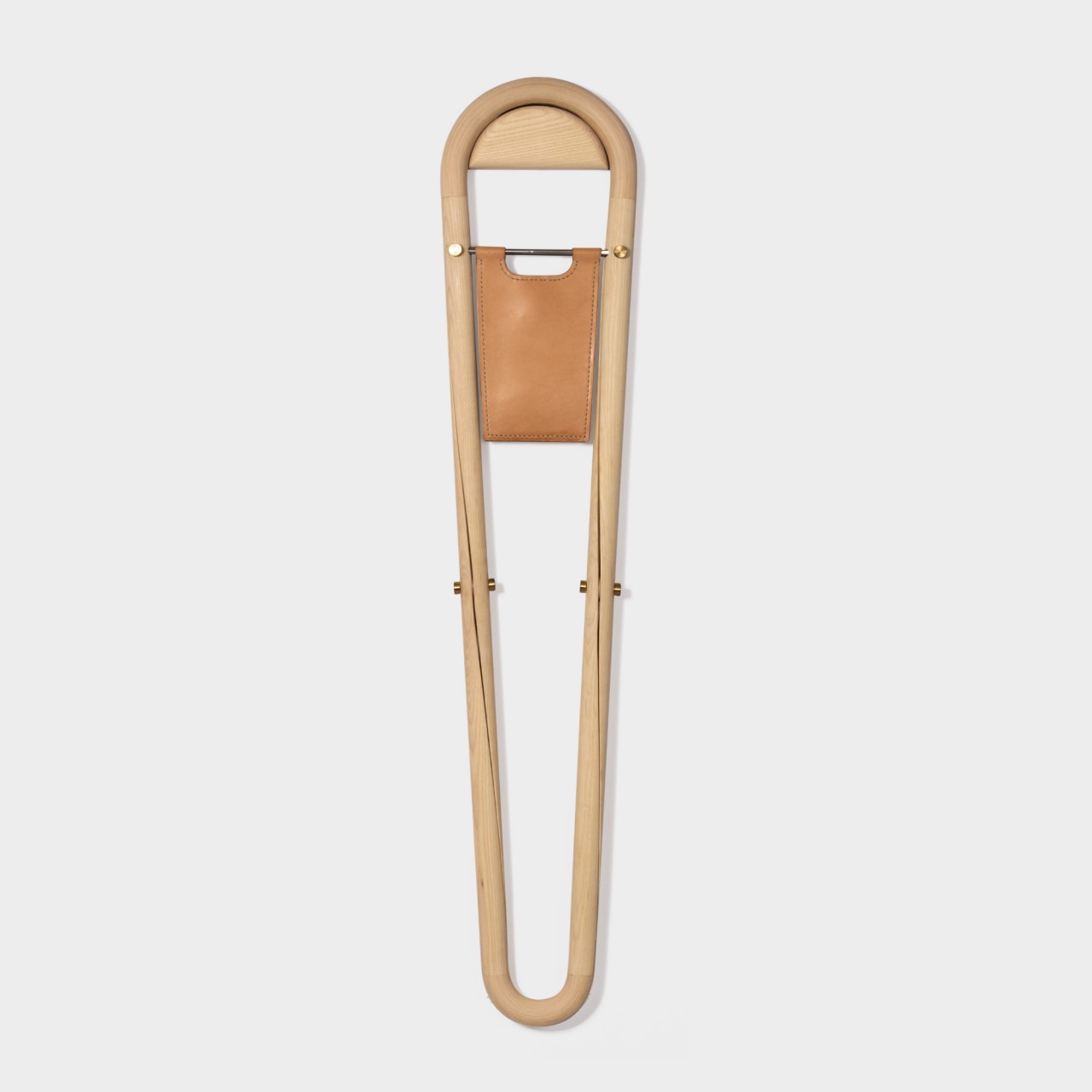
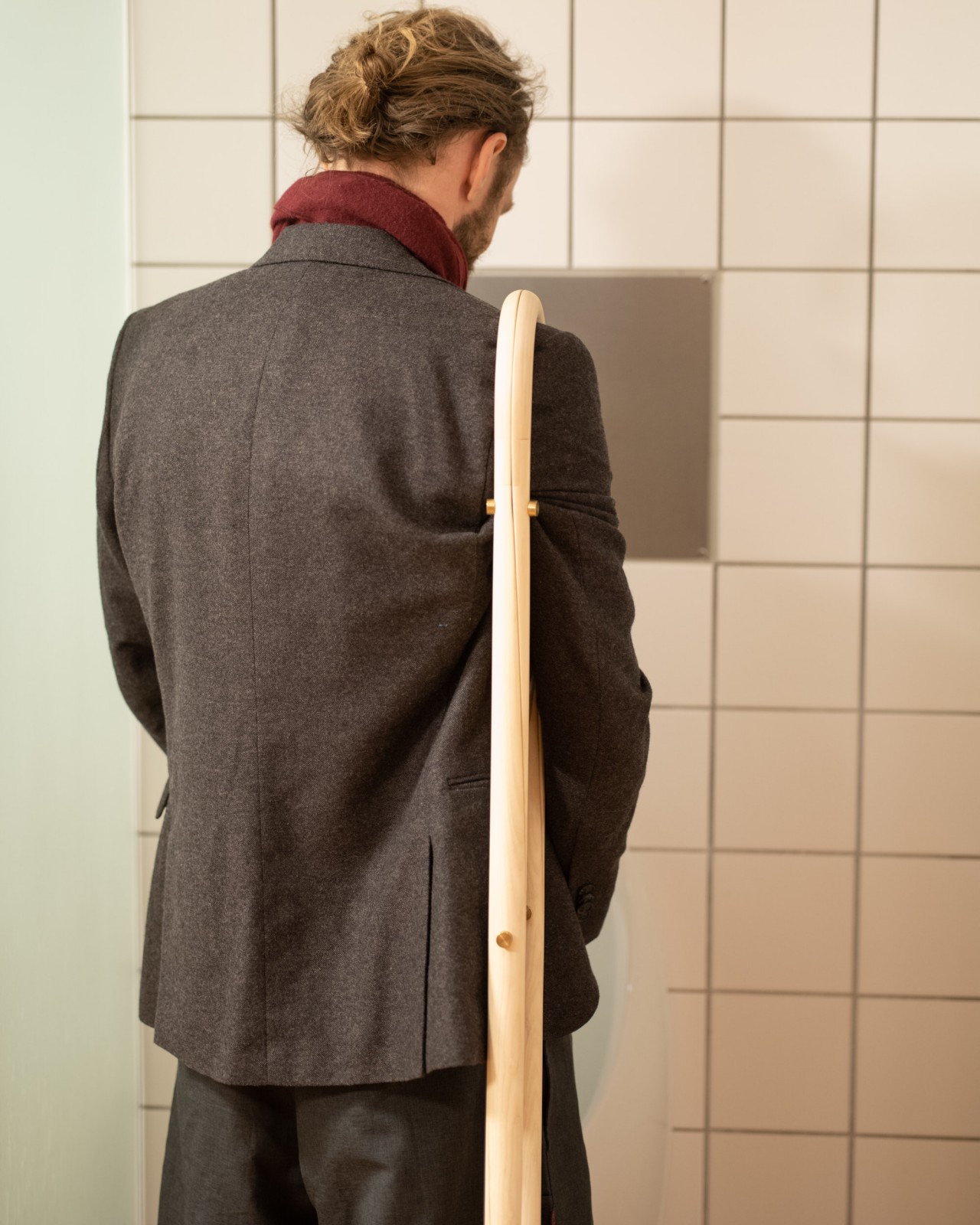
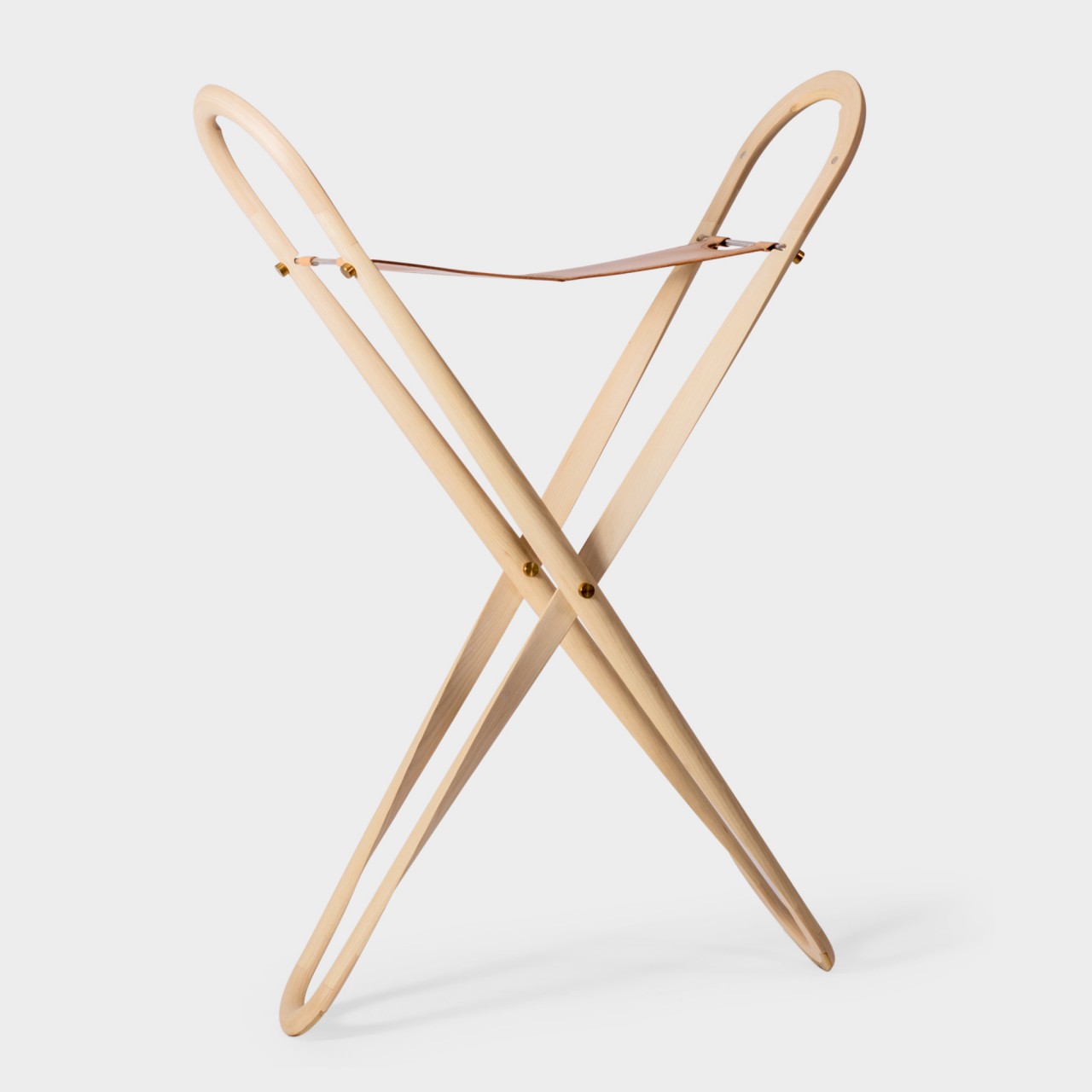
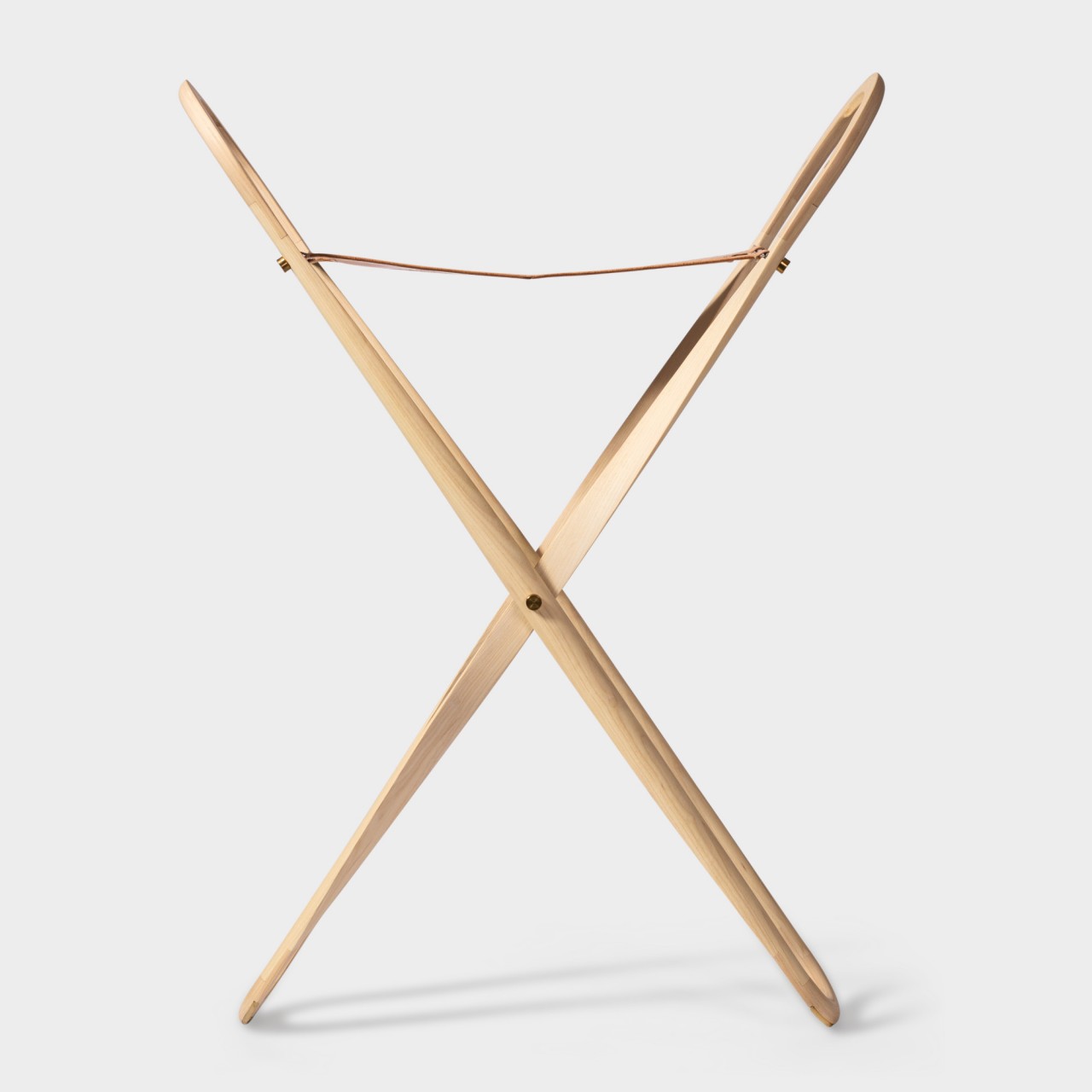
Made from a single piece of solid ash wood split in the middle and held together with six brass bolts, the SNILD, the Danish word for handy or dextrous, shatters expectations of what a walking aid should look like. Rather than a traditional stick or a rod that ends with legs at the bottom, it looks more like a tapered paper clip viewed from the front. The curved top and bottom edges along with the sloping sides give the tool a more elegant and stylish appearance, while also providing bigger surface areas for holding or standing on the floor. The loop at the top also lets you hoist the sitting cane over your shoulder if you need to make use of both hands.

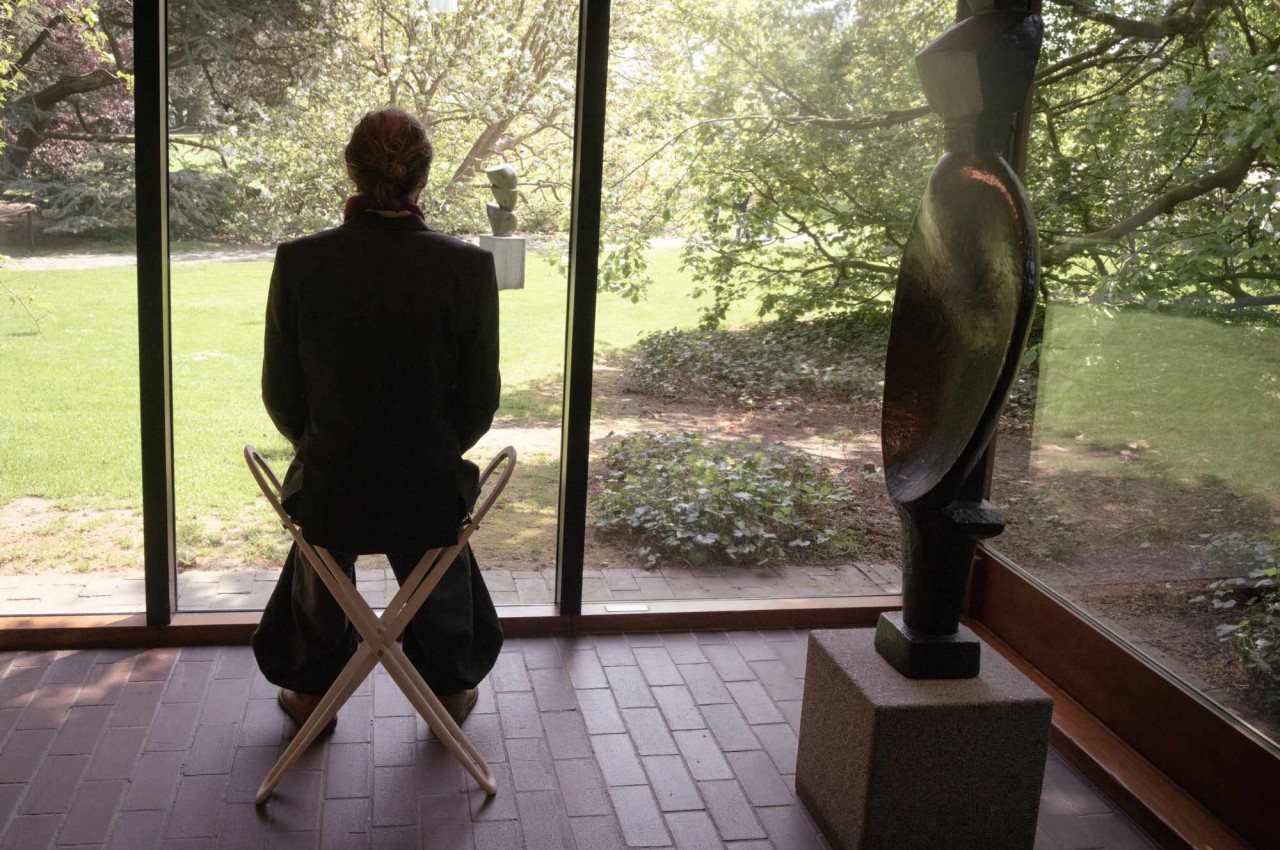
Unlike walking aids that also function as stools, transforming the SNILD is as easy as pulling the top halves apart. This reveals a leather seat that is both durable and comfortable, and it uses simple physics to hold the person up. The rubber feet of the legs provide the necessary grip to prevent the stool or the cane from sliding.

More than its functionality, it’s the design and aesthetic that puts the SNILD above the rest. It has a dignified appearance that goes beyond a simple walking aid or seat, and that sense of dignity is transferred to the user who no longer feels the shame of carrying one. It is a part of the designer’s vision of Everyday Assistive Furniture (EAF) design furniture that’s not only a tool but can even be a source of pride and an heirloom for future generations.

The post Beautiful walking cane transforms into a compact wooden stool in a snap first appeared on Yanko Design.

Odd modular game controller gives Xbox players with disabilities a helping hand

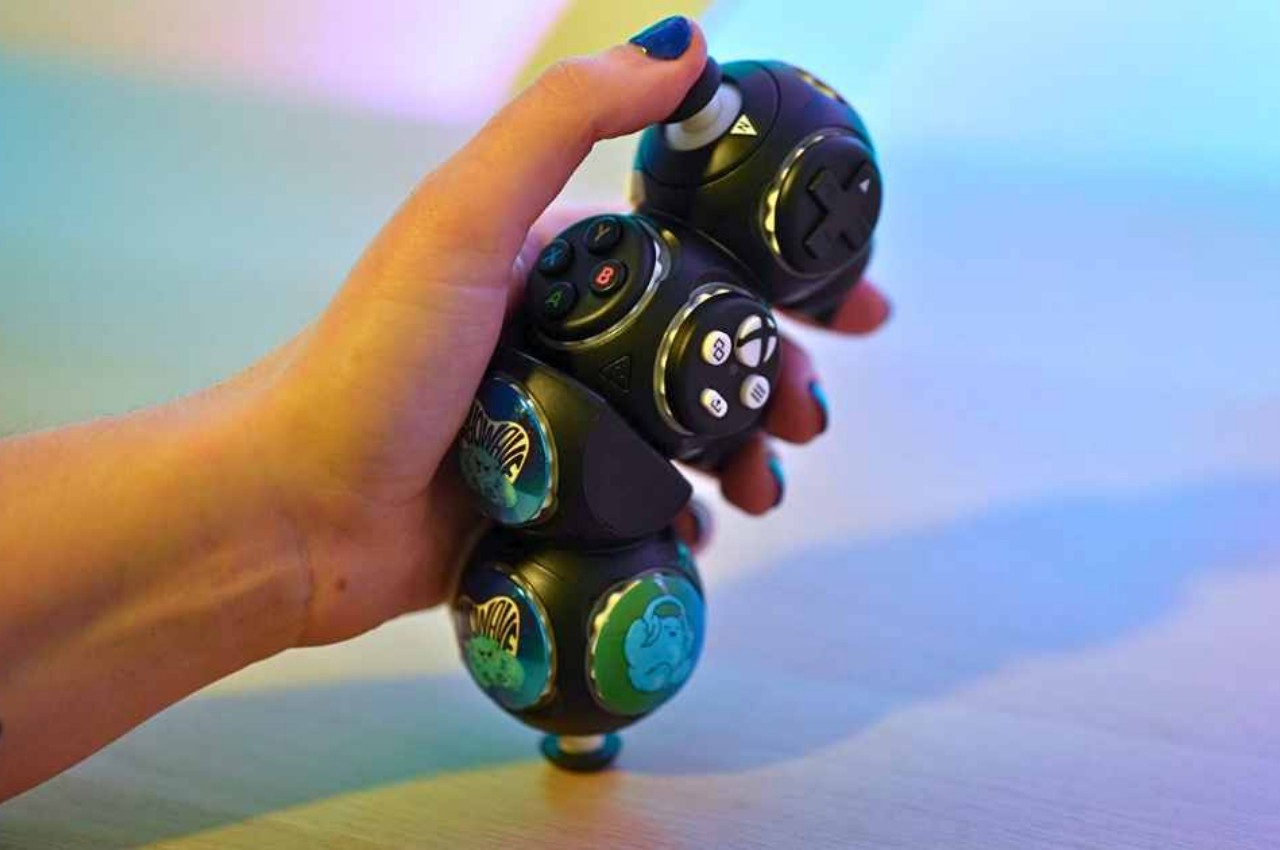
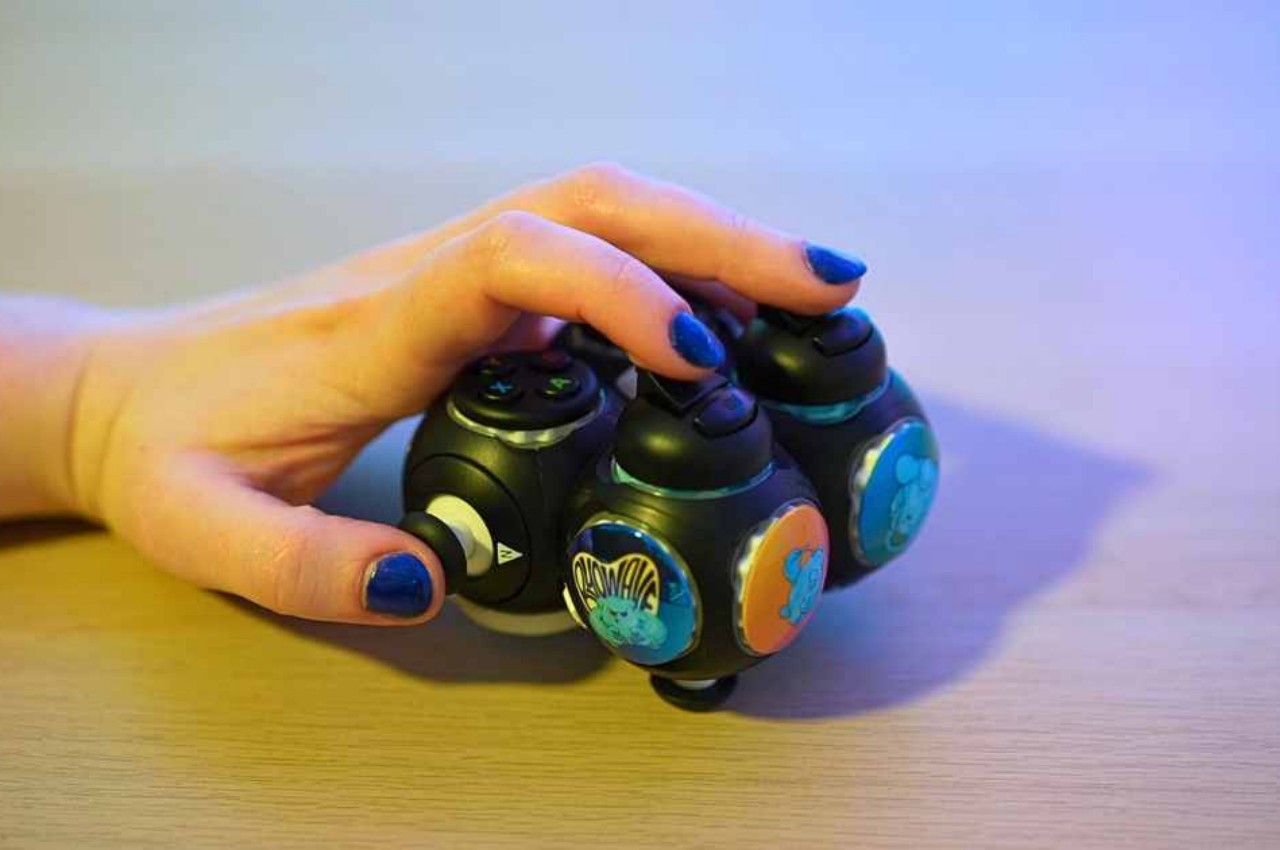
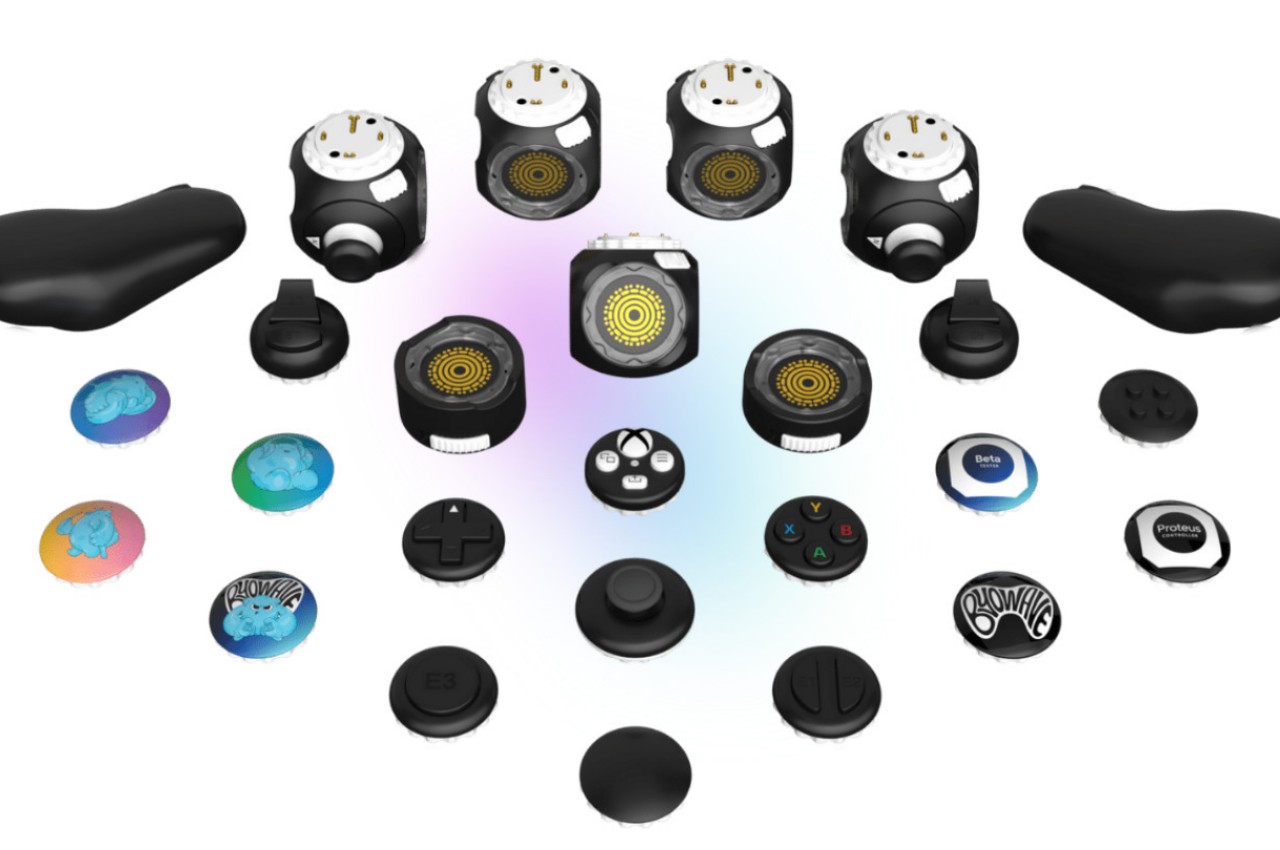
It’s about time that gaming companies and studios realize that there are people who would love to play their games and use their consoles but are hindered because of one physical disability or another. Accessibility has only recently been an advertised feature of games and gaming hardware, and it might take a while before it actually becomes a standard in the industry. Thankfully, major companies are leading the accessibility charge, giving birth to accessibility devices that may look weird but give all gamers, even those perfectly capable ones, incredible powers to enjoy games the way they want them. Take for example this newly announced Xbox-certified accessibility controller that almost looks like a small alien swarm thanks to its modular design.

Designer: ByoWave

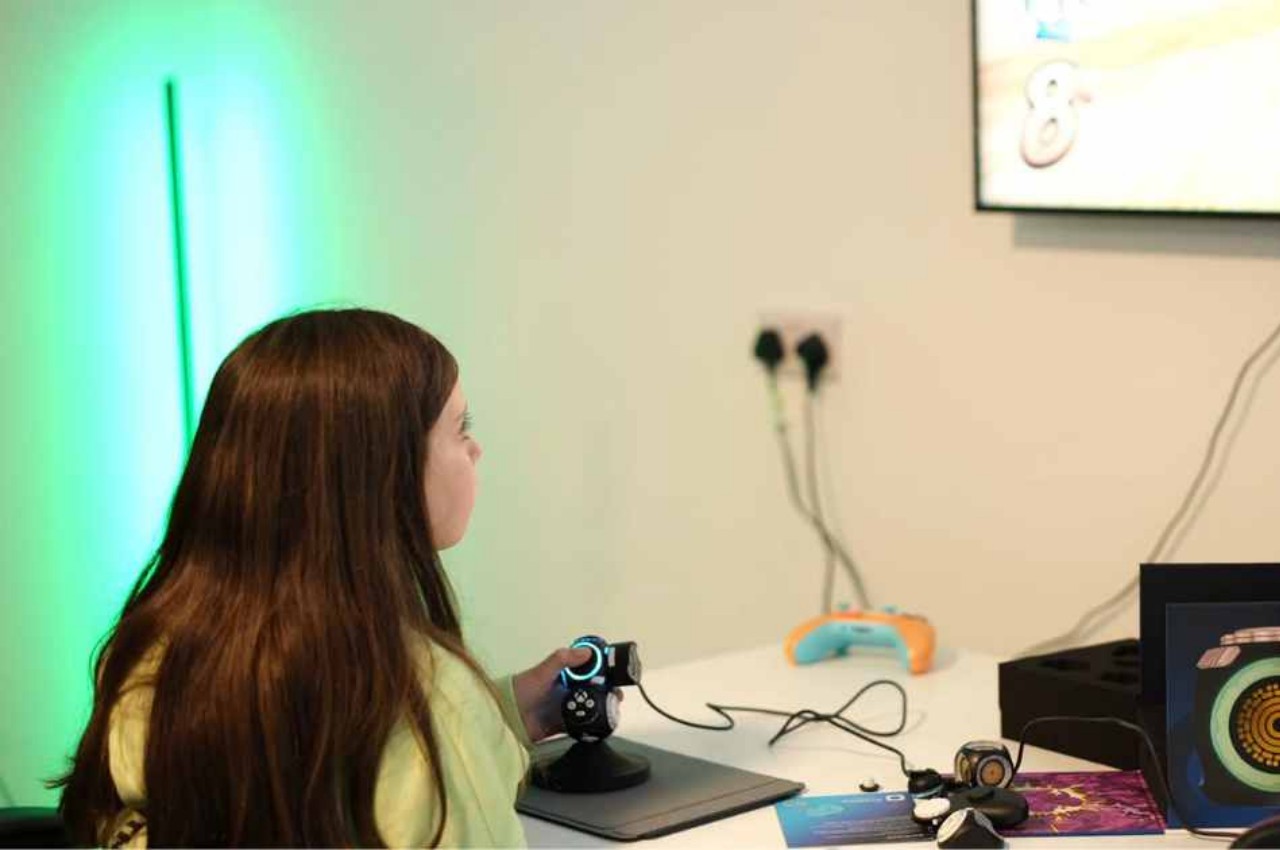
For gamers with physical disabilities that relate to their hands or fine motor control, the typical game controller or keyboard, despite their ergonomic designs, is sometimes impossible to use. Thankfully, there has been an increased interest in developing more accessible control devices, spearheaded by the Xbox Adaptive Controller in 2018 and followed by the Sony Access Controller, previously dubbed “Project Leonardo,” last year. Of course, there are more than just two ways to design for accessibility, and ByoWave’s Proteus Controller is just the latest to turn heads with its unconventional mechanism and innovative idea.

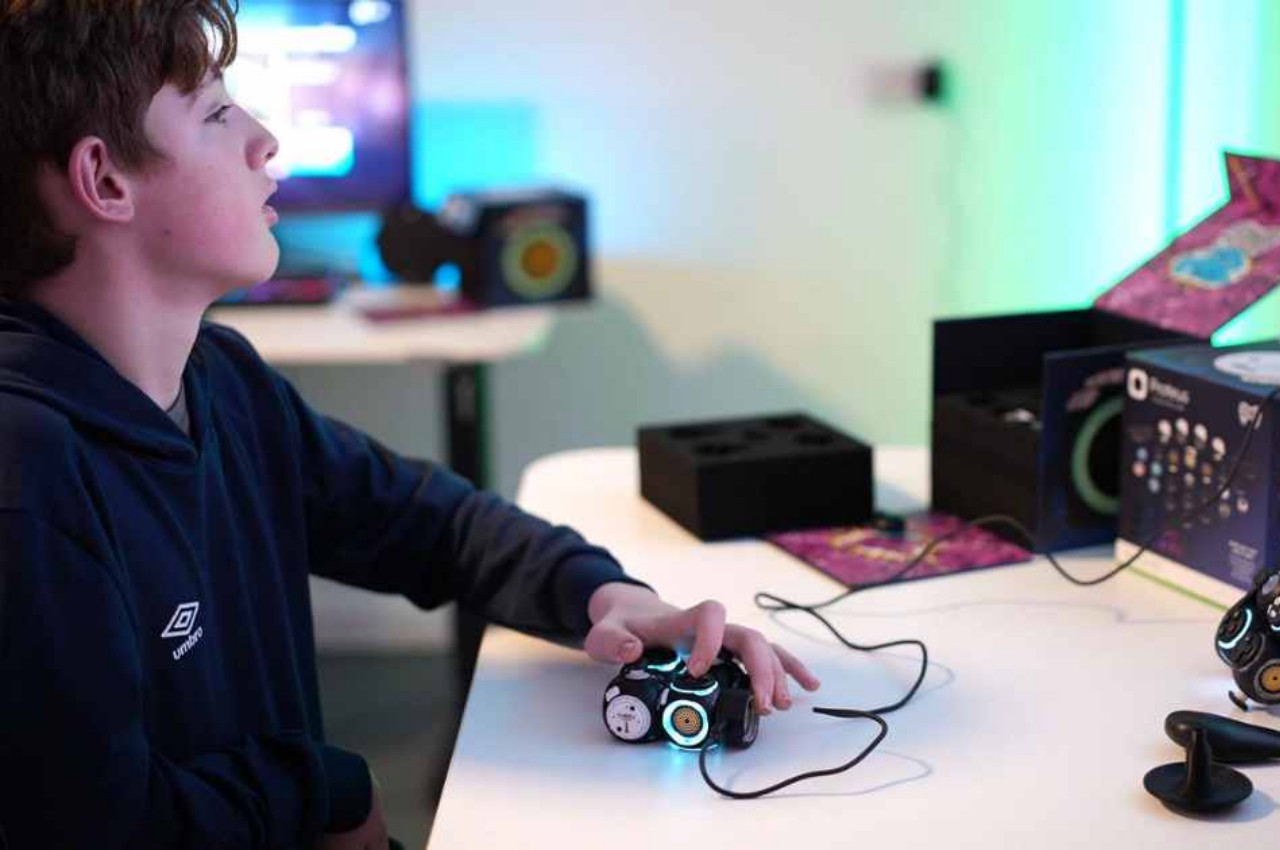
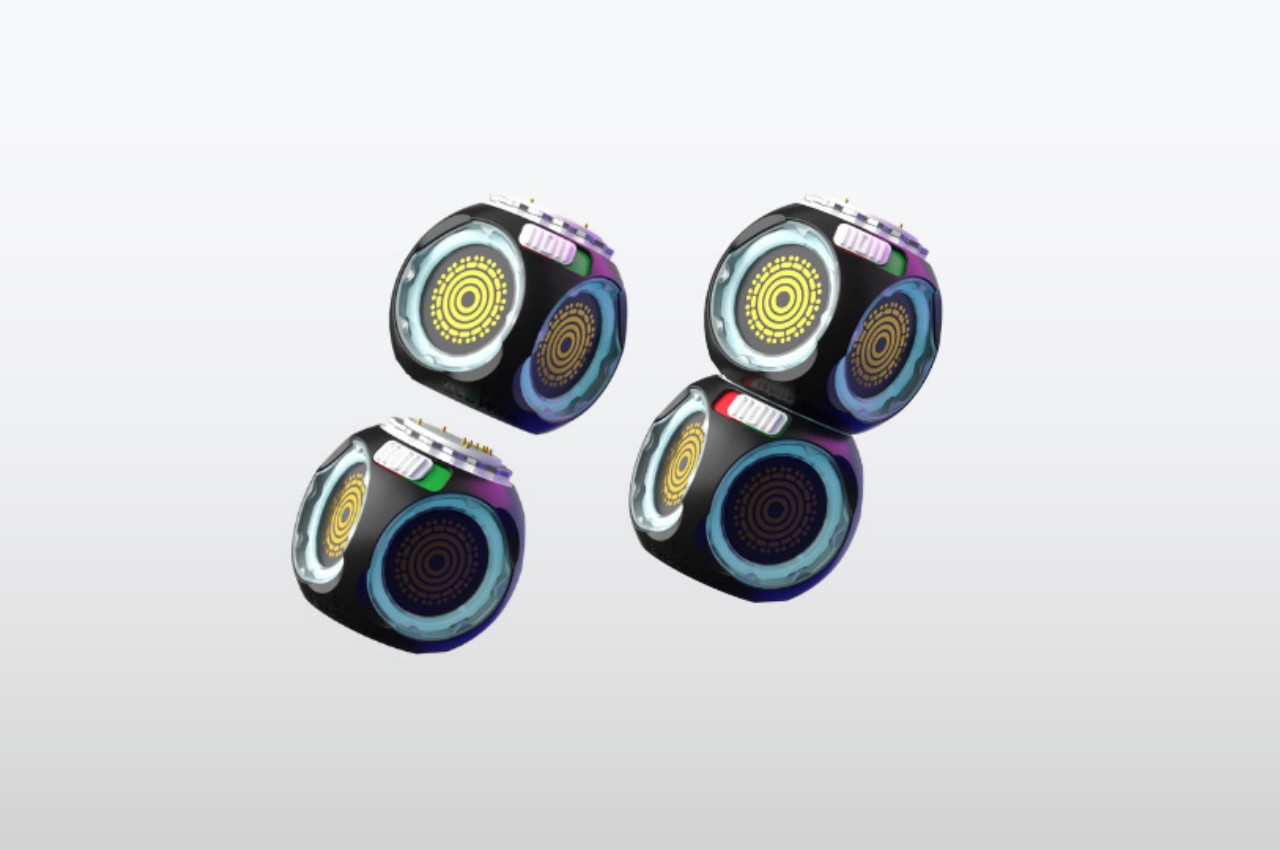
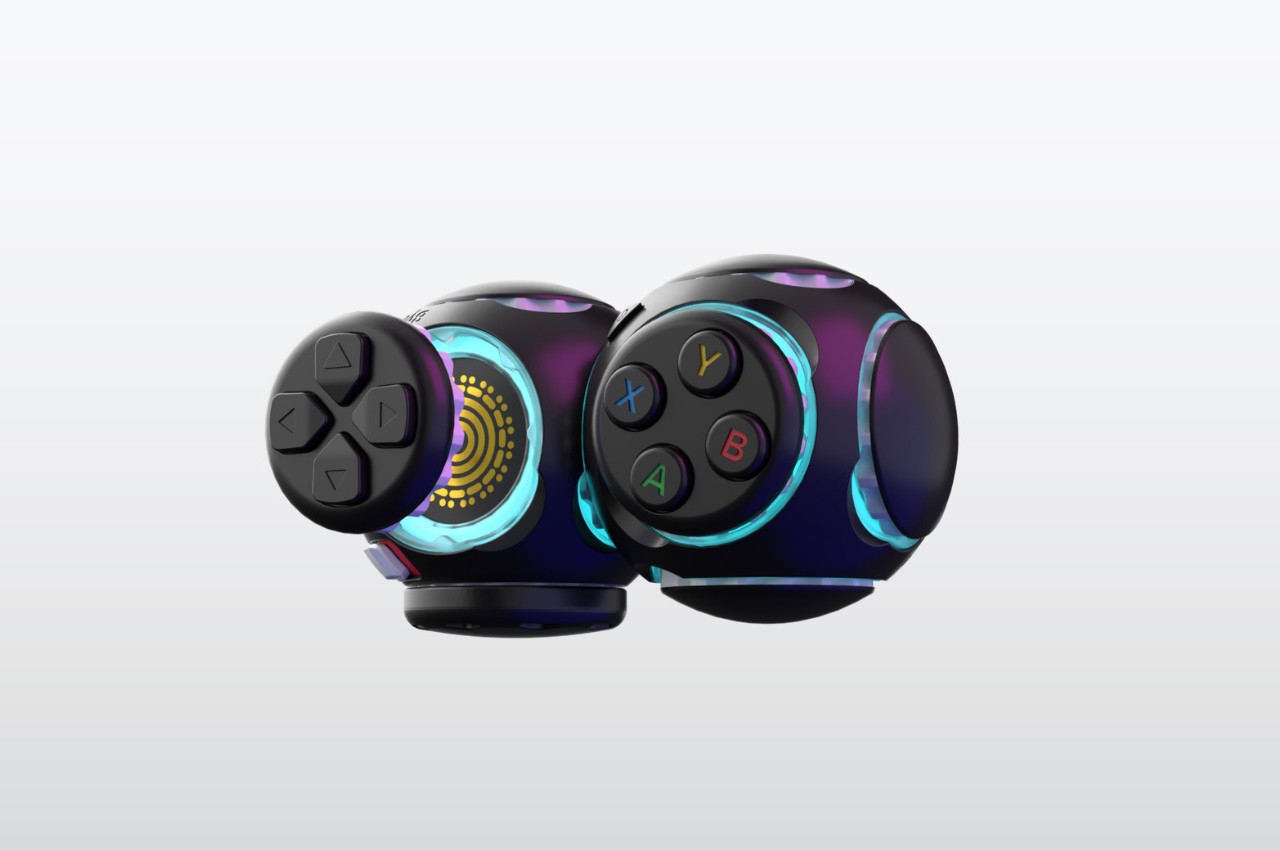
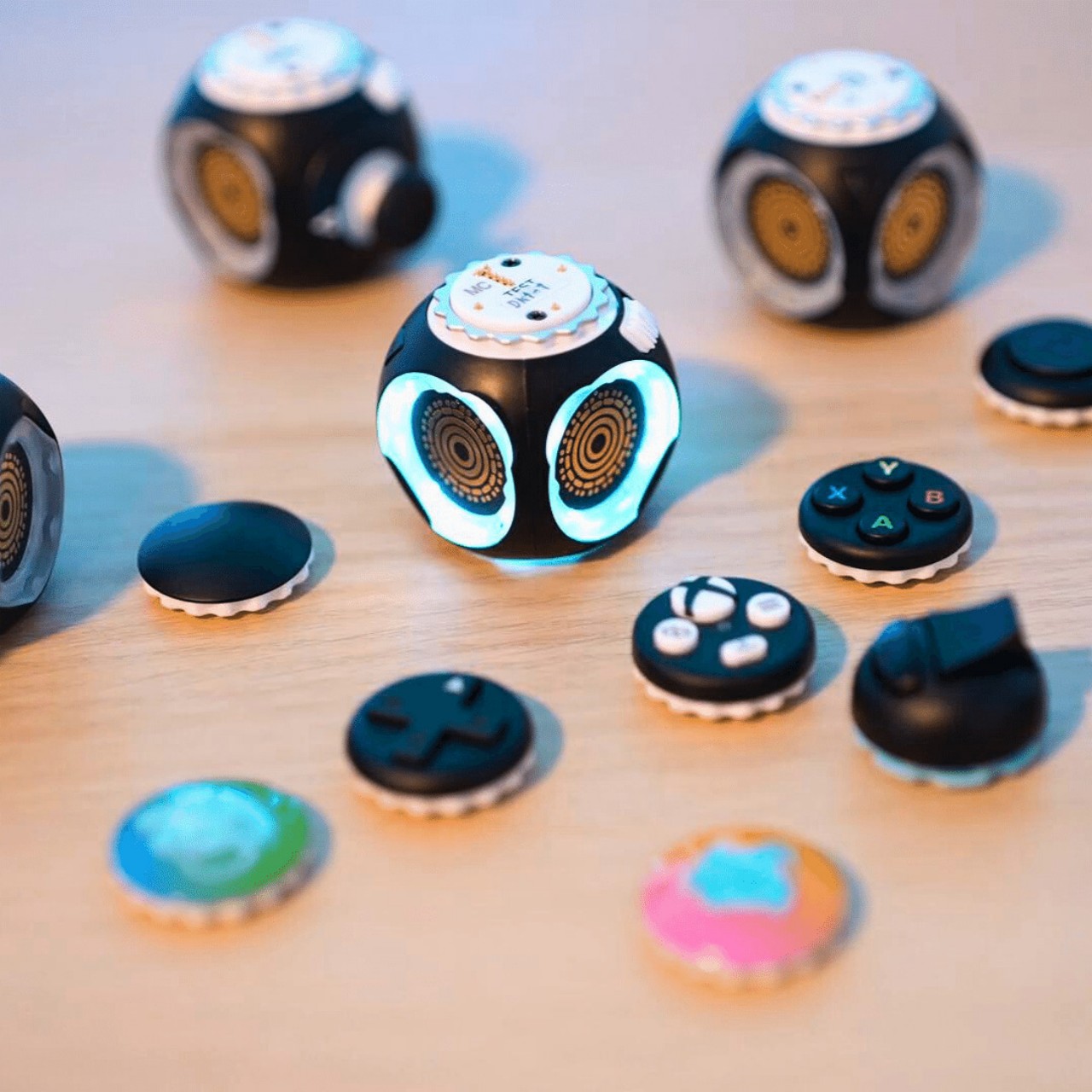
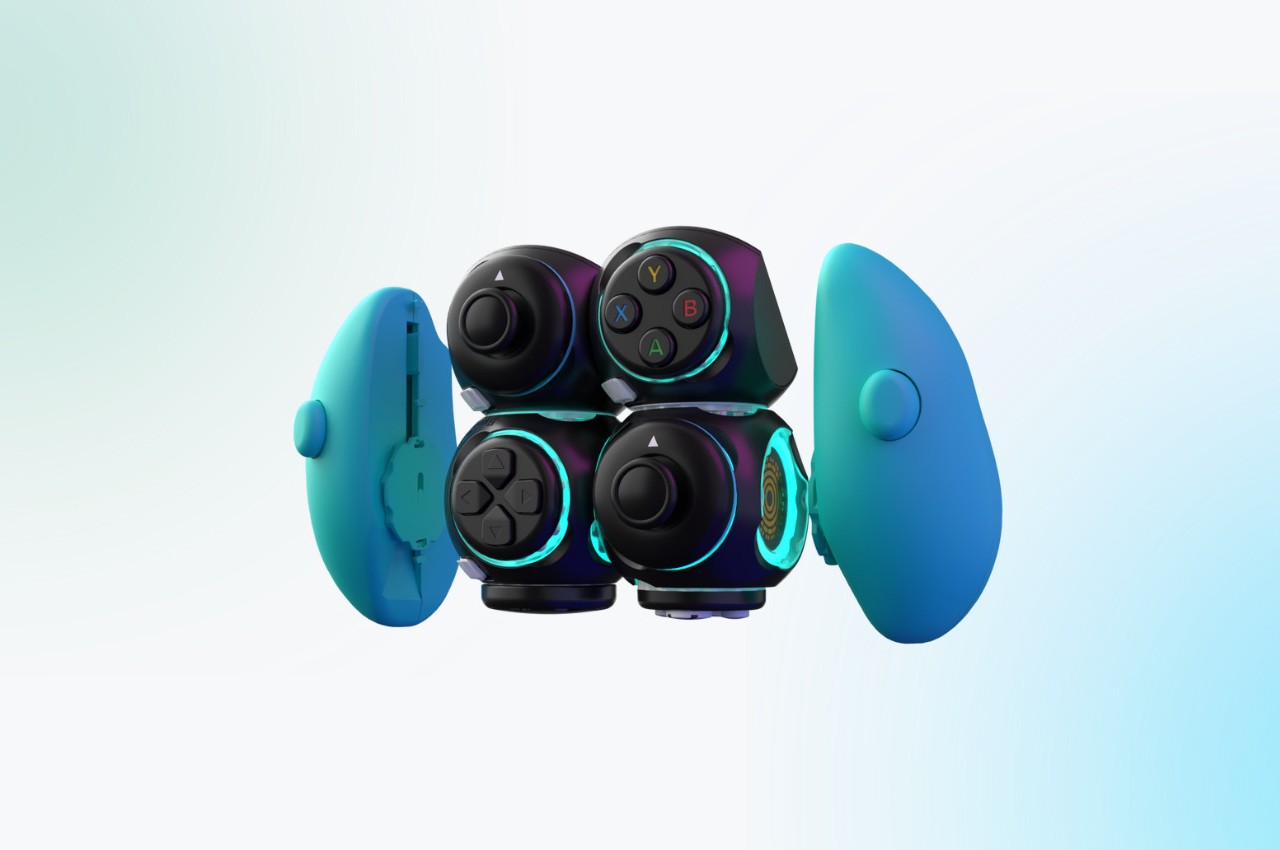
In a nutshell, the Proteus Controller is made up of small, rounded cubes with some faces that can be changed to be a button, a D-Pad, a joystick, and more. These cubes can then connect to each other to form different shapes that cater to the needs of the gamer. It can, for example, be a single, curving stack that you can hold like a joystick, a 2×2 grid that you can mash like arcade buttons on a table, or even a conventional gamepad layout with the right accessories and connectors. It can support over a hundred such configurations and LED lighting combinations, letting the user decide how they want to play depending on their circumstances.

Of course, the controller is primarily designed to address the needs of gamers with disabilities, but it’s not hard to see how this will be popular with almost any gamer, especially those on the Xbox platform. The sheer number of options and combinations is mind-blowing, and some might even just make new controller designs just for the fun of it. It’s a clear example of how accessible design actually benefits everyone, and gamers will probably be excited for the arrival of the Proteus accessibility controller in the fall, especially given its starting price of $299.

The post Odd modular game controller gives Xbox players with disabilities a helping hand first appeared on Yanko Design.
Moonwalker X robotic shoes arrive at CES 2024 with improved maneuverability and lightweight modular design

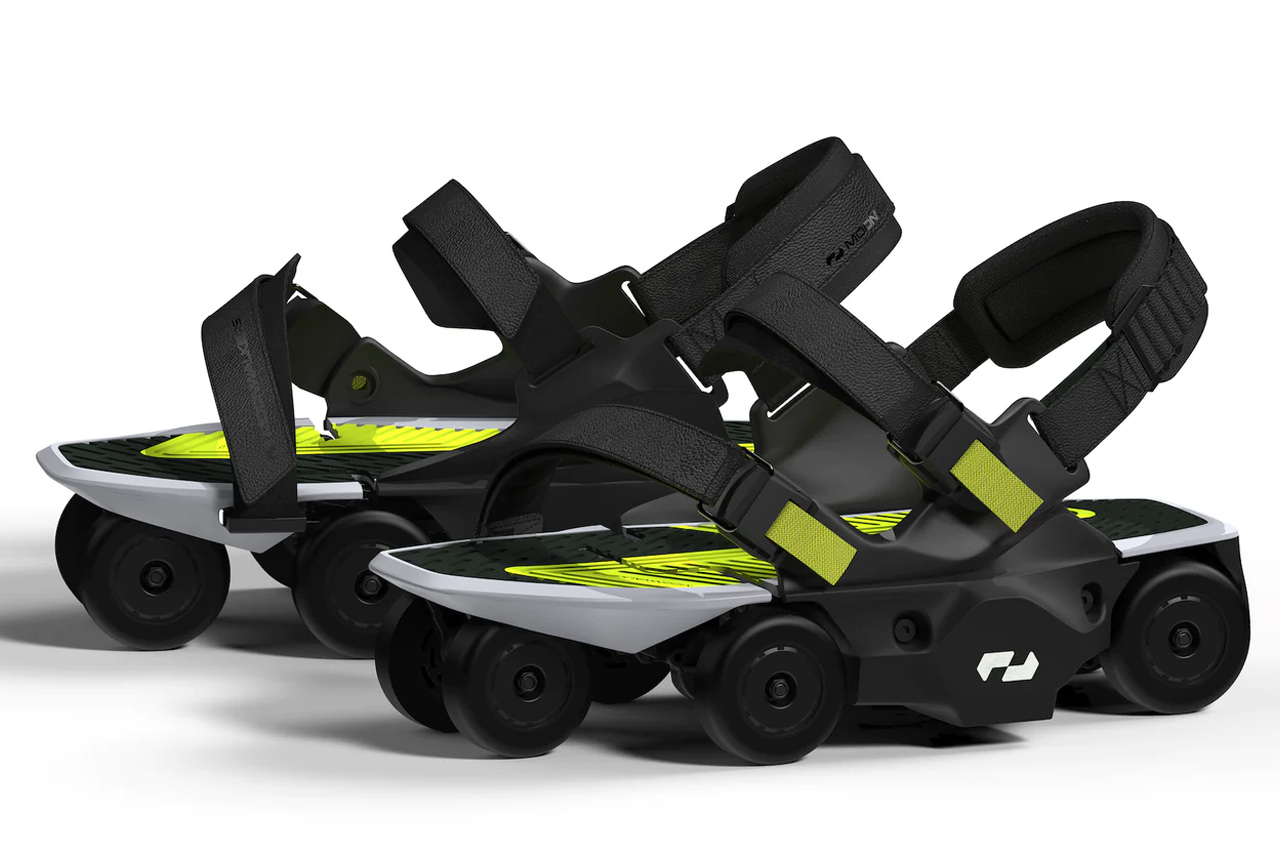
Back in 2022, a pair of motorized shoes dubbed Moonwalker burst into the scene, promising to be the fastest pair on the planet. Developed by Shift Robotics, they hook onto your regular shoes and give you superhuman abilities to glide, as if you’re you are moonwalking.

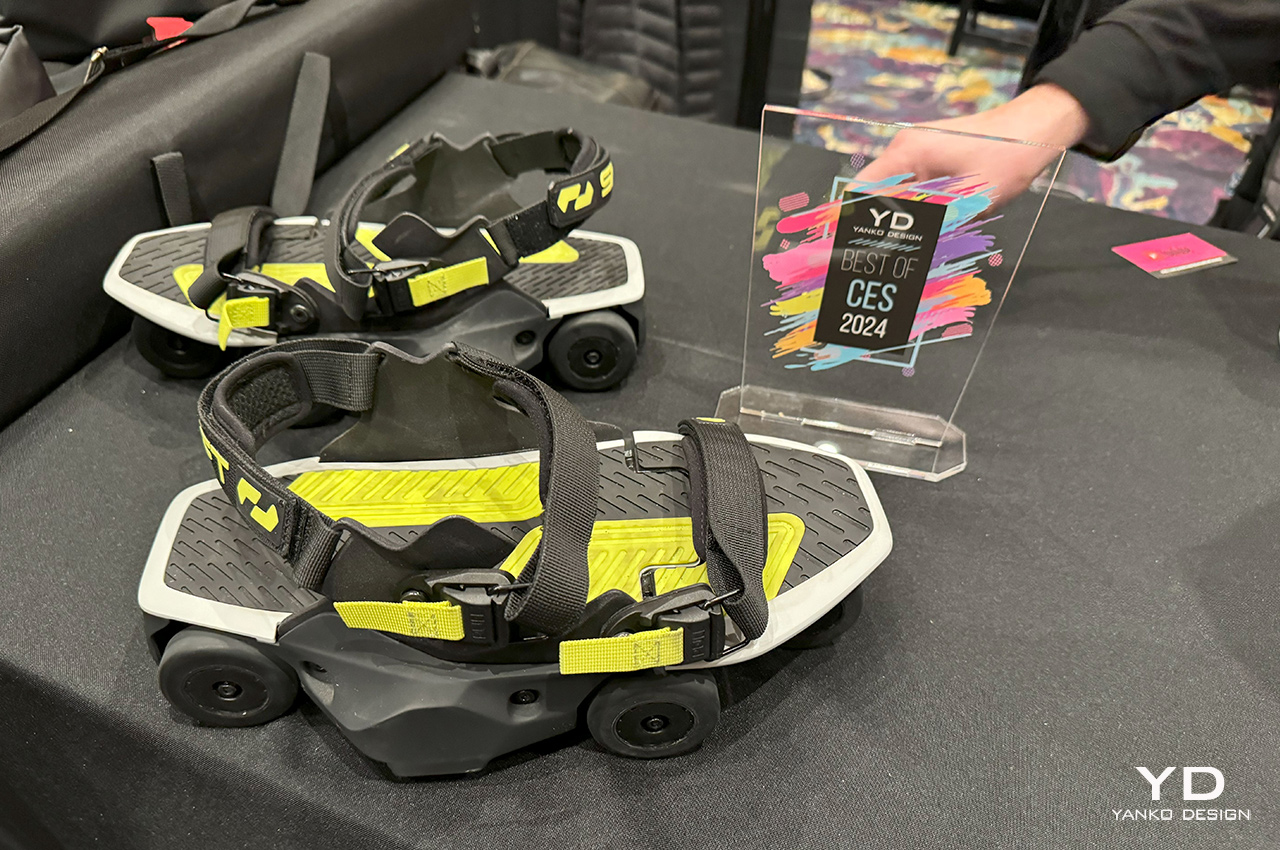
The Austin-based maker has again touched base at CES 2024 with an improved version called Moonwalker X, and we got hands-on time with these AI-powered shoes at the event. According to founder and CEO Xunjie Zhang, “In developing X, our focus was clear: enhancing productivity without compromising safety.” We second this vision as the product is proud recipient of the “Best of CES 2024” award.

Designer: Shift Robotics

The intended use for these robotic shoes is for commercial and business applications where speed and productivity is the key. For example, in a warehouse or manufacturing facility where human movement needs to be optimized while saving effort for efficiency. That said, the Moonwalker X’s can be put to good use in daily life too – for instance – hurrying to your office in the morning time or commuting in the crowded city streets. There have been other iterations of such rollerblades on steroids like the Segway – Ninebot Drift W1 and Hoverwheel, but they’ve not smashed the popularity button as expected.

In our experience with the robotic shoes at the event in Las Vegas, they do feel lighter being 3.2 pounds each – almost a pound lighter than the original version. Compared to the previous iteration they are slightly smaller and as an added perk are highly modular too for repairability. The AI control system has been re-engineered for better control in tight spaces and the shock absorption capabilities have also been honed. If you’ve keenly followed the progress of the Moonwalker, you’ll notice the number of wheels on each shoe has now been reduced to six from the 10 wheels on the original version.

Shift Robotics has not yet revealed anything about the pricing and says that it’ll be announced in the first half of 2024 when they’ll be ready to ship.

The post Moonwalker X robotic shoes arrive at CES 2024 with improved maneuverability and lightweight modular design first appeared on Yanko Design.
Smart belt with haptic feedback can replace white canes for visually impaired

For those that do not have any visual impairments or don’t know have anyone close to them that has this condition, the simple act of walking down a street is something that we probably take for granted. Being aware that not everyone will have that privilege is something that we should occasionally remind ourselves. There are brands and product designers that are constantly working to develop gadgets and tools that can help those that need assistance living their every day lives.

Designer: AI Guided

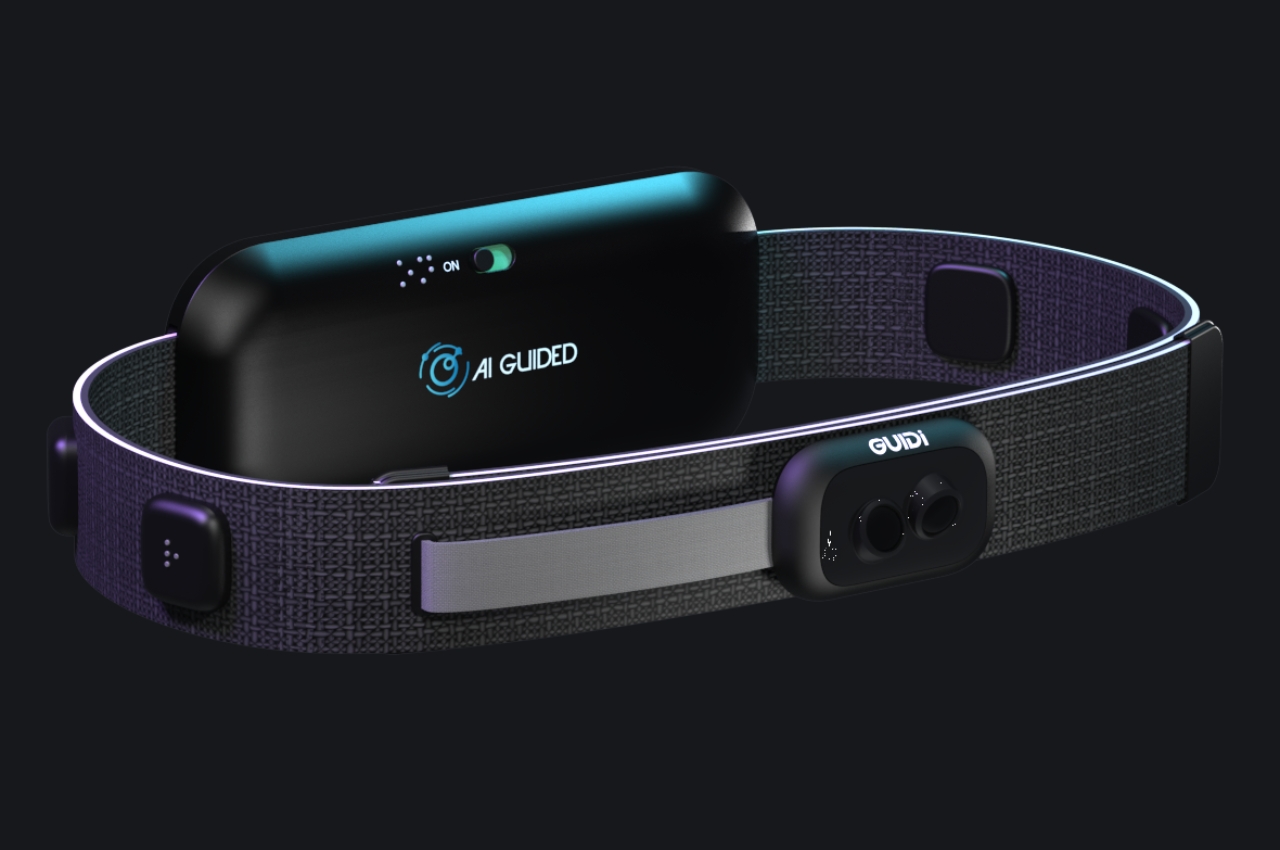
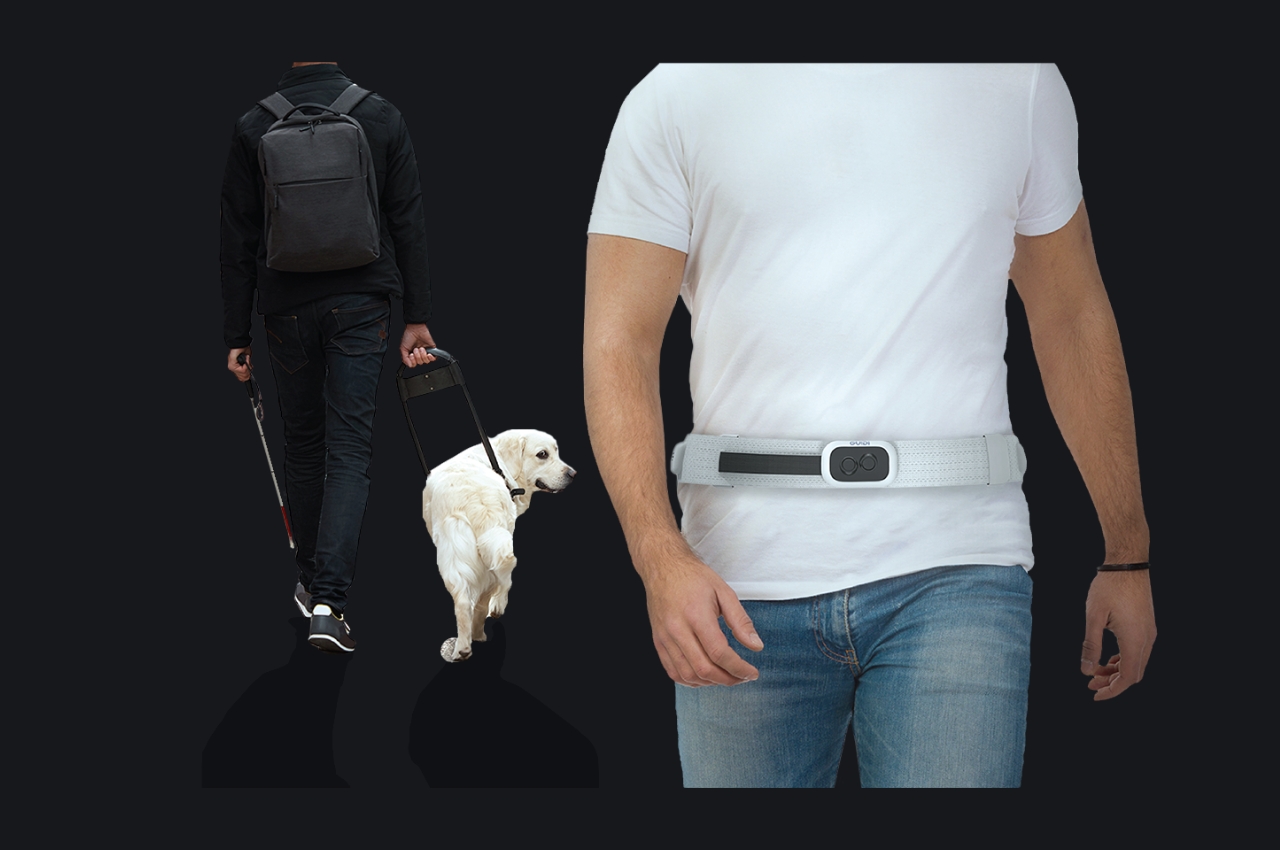
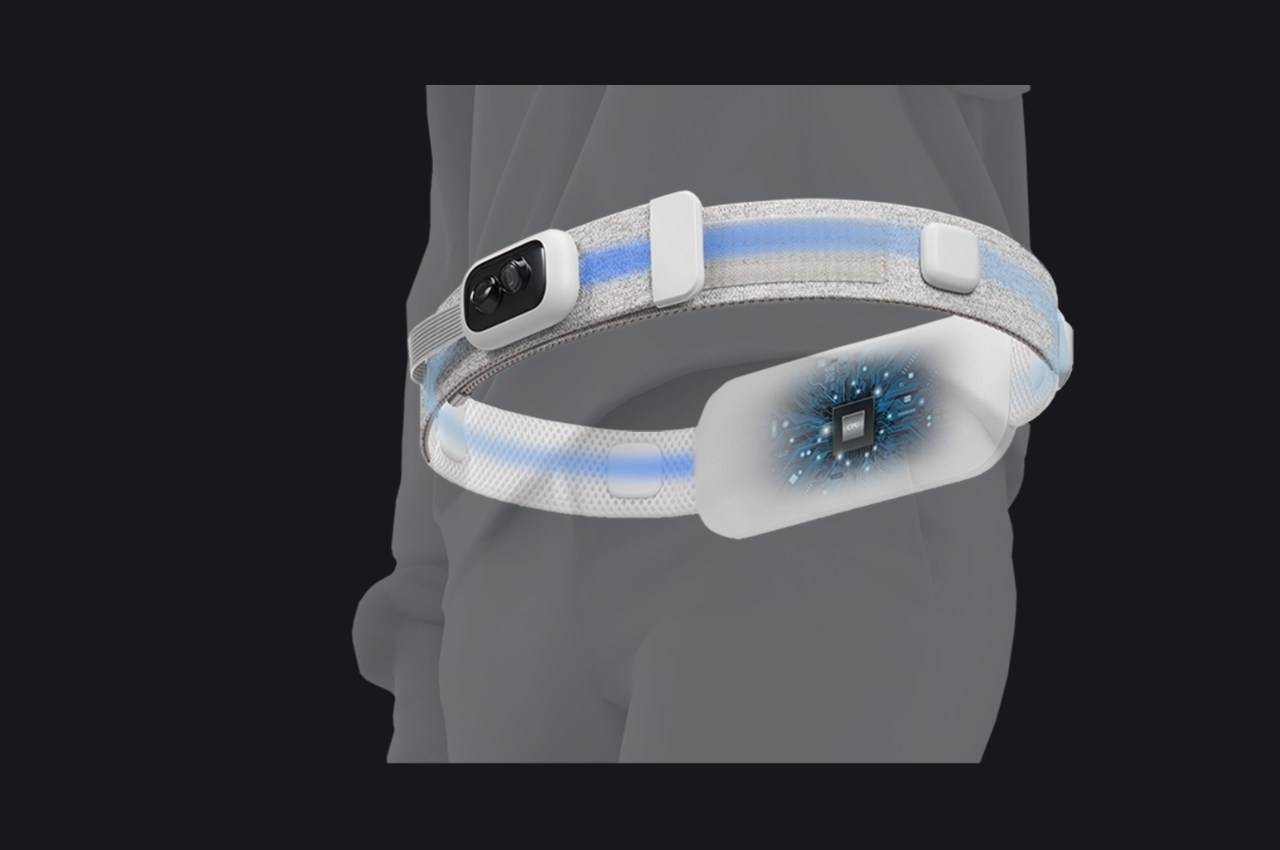
GUIDi is a concept for a device that can replace the white cane that a lot of visually impaired individuals use to navigate their way through busy streets. It is a device that the user wears on their waist and includes camera and microprocessor modules, and haptic feedback units that will assist them as they walk. There are two 8-megapixel cameras that are forward-facing and will scan the environment as they are walking. The images captured will be analyzed by AI-based software which will be able to identify things like trees, trash cans, sign posts, and other items that the user may face on the street or sidewalk.

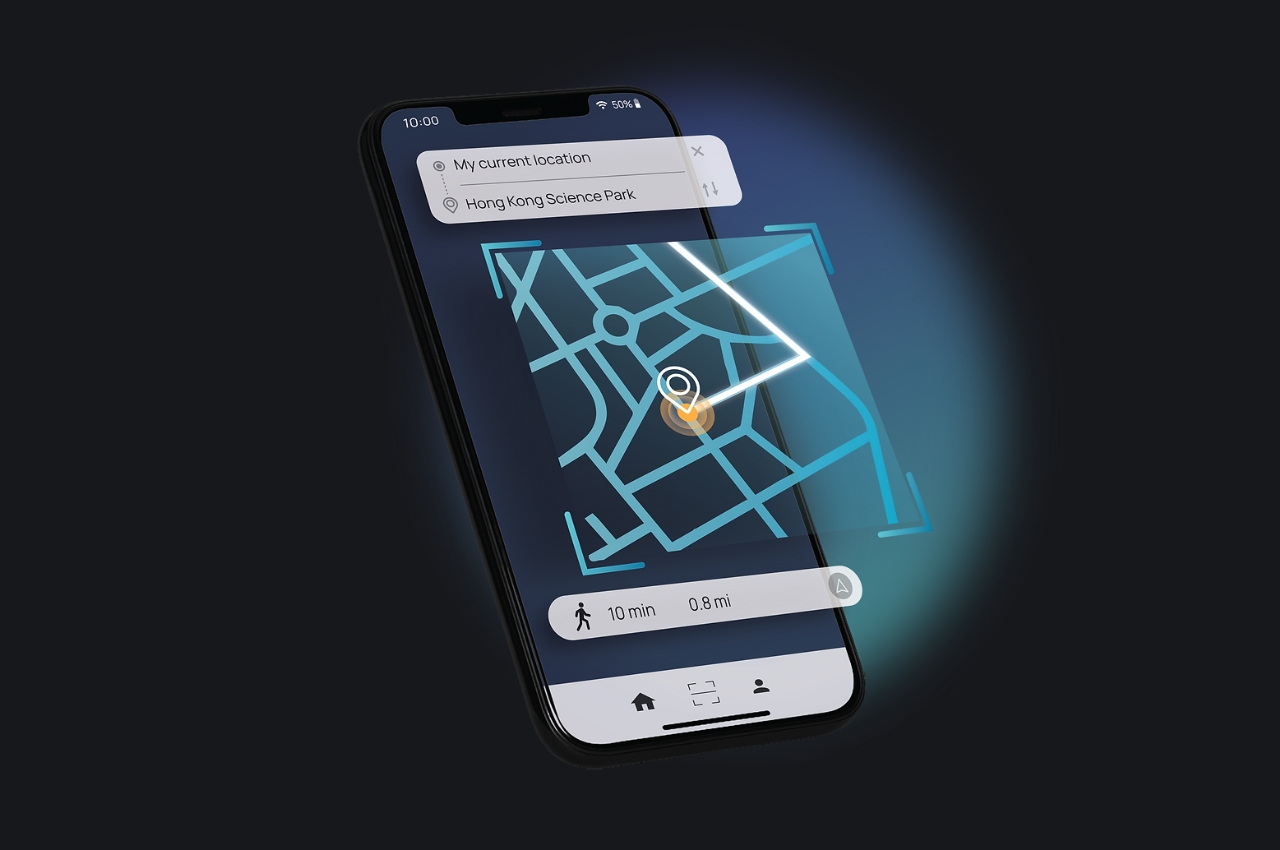
The haptic feedback units will vibrate to alert the user that there may be some obstruction in their direction. It will even be able to detect things like branches, wires, and other overhanging items that a regular cane may miss since it’s basically on the ground. The device can also be connected to an app on their smartphone through Bluetooth connectivity where they can choose a specific location and they will be guided by GUIDi accordingly. The battery life is around 8-10 hours on a single charge.
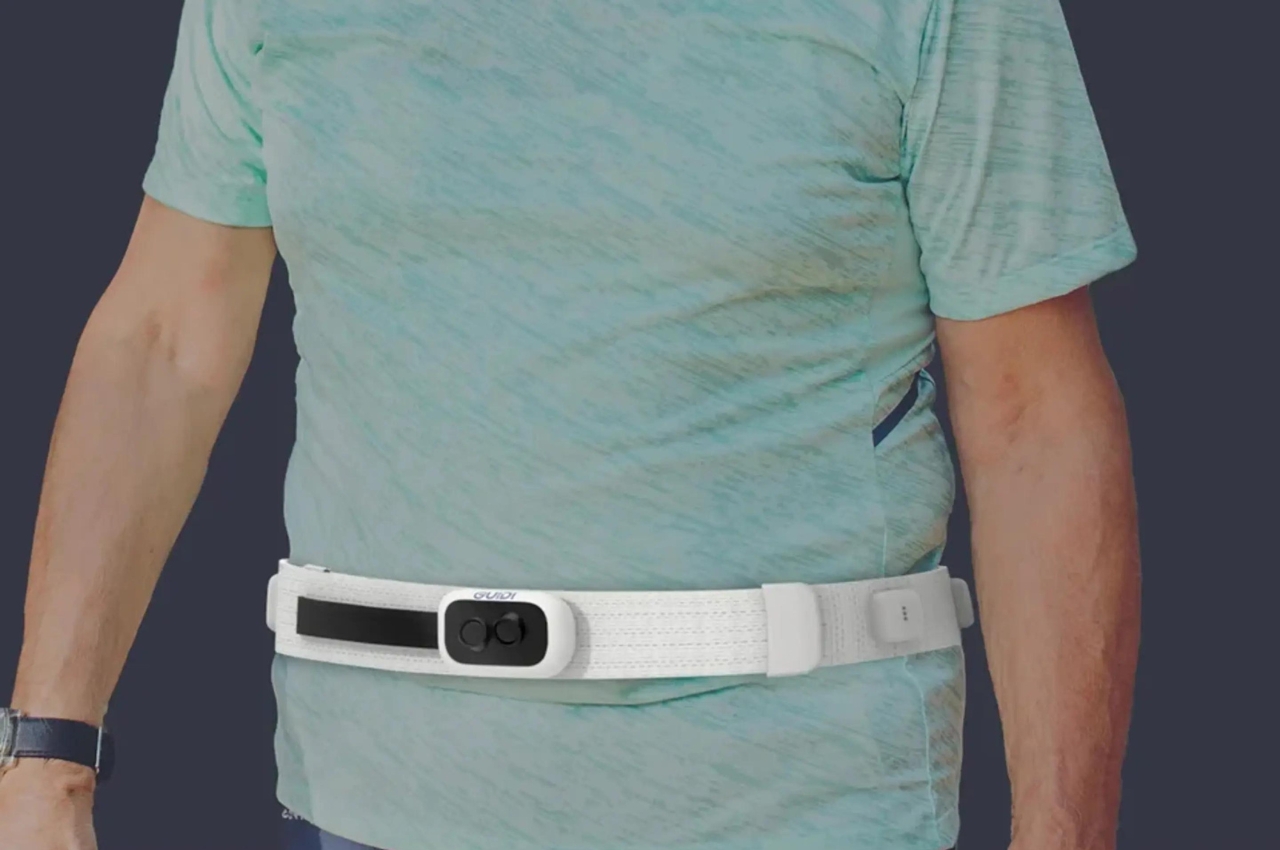
Design wise, it’s pretty much a no-frills device that you can wear on your waist and should not be that obstructive or uncomfortable. The two haptic feedback units on each side should be enough to give the user signals on possible obstacles but also not give sudden vibrations that might surprise the user. The GUIDi is not yet in production but those who are interested can try joining the free trial that the company is offering.

The post Smart belt with haptic feedback can replace white canes for visually impaired first appeared on Yanko Design.