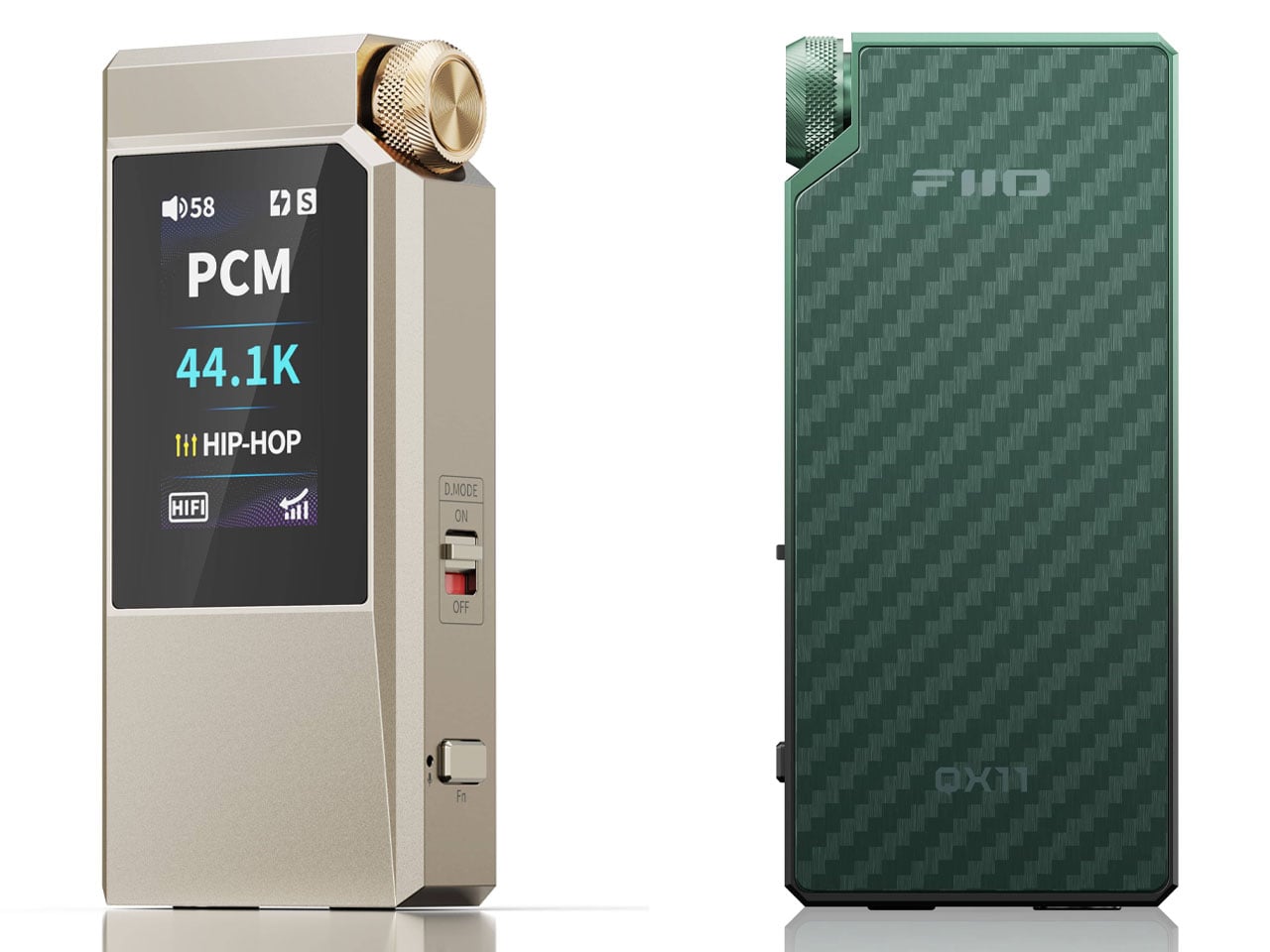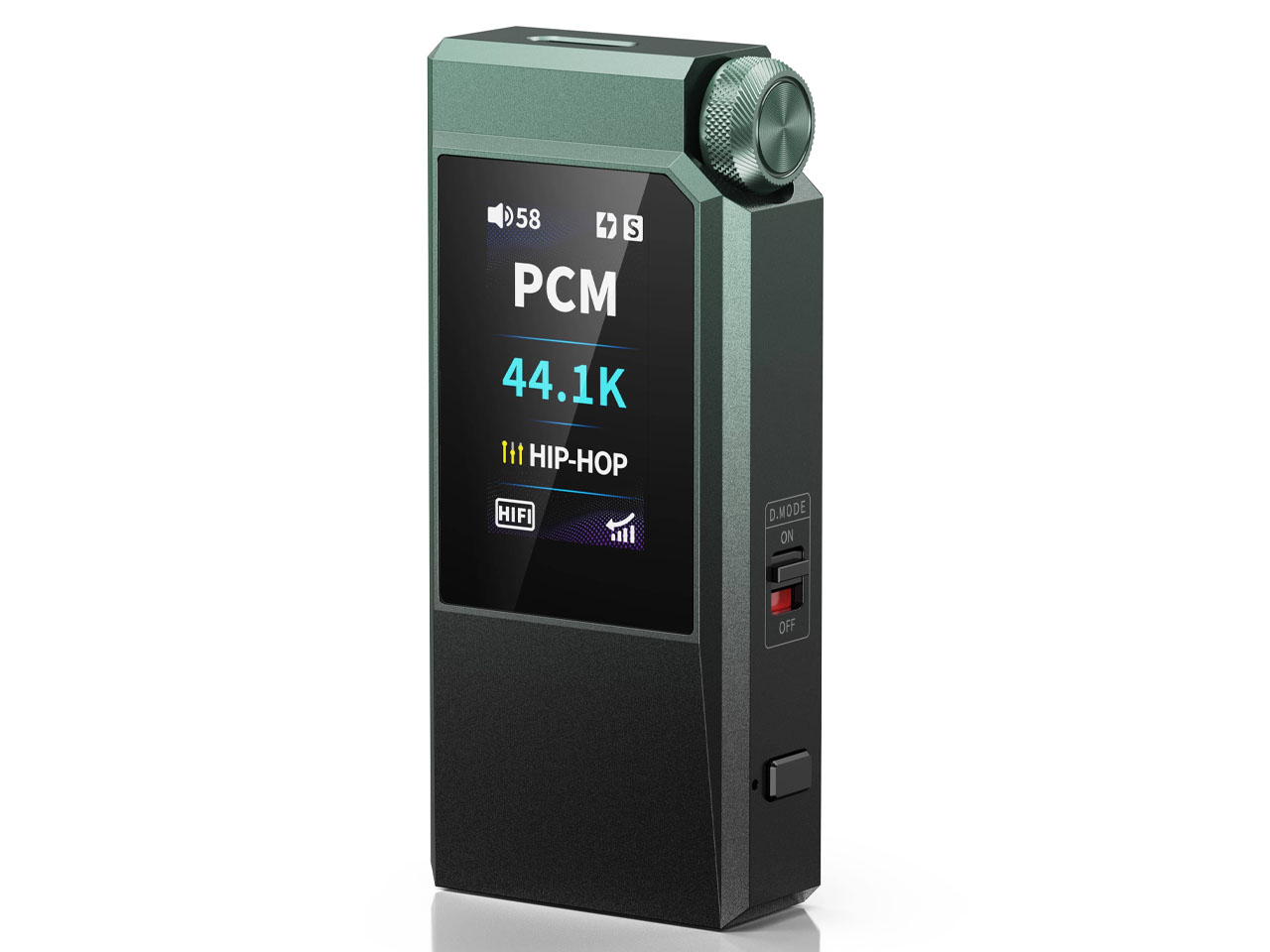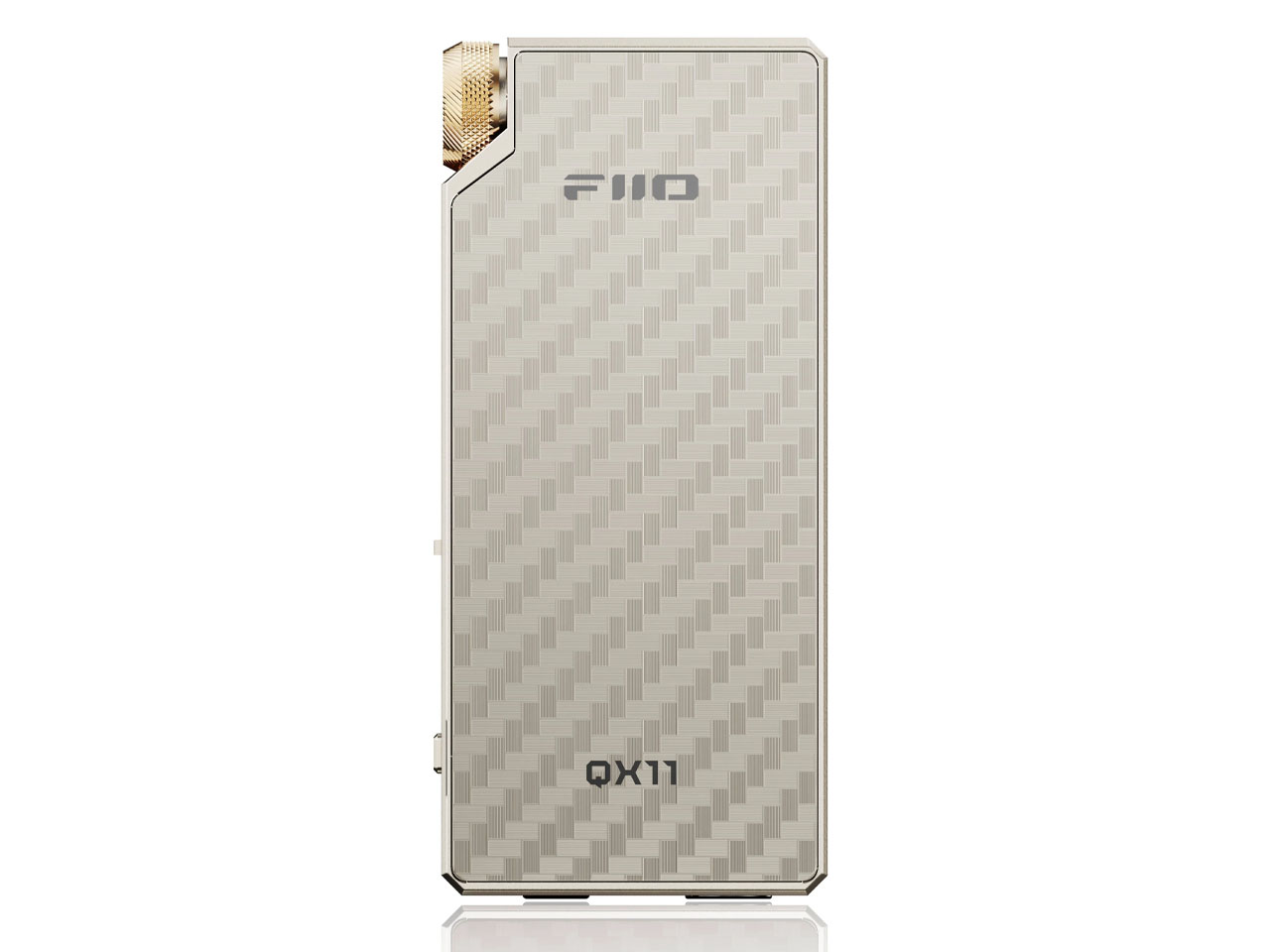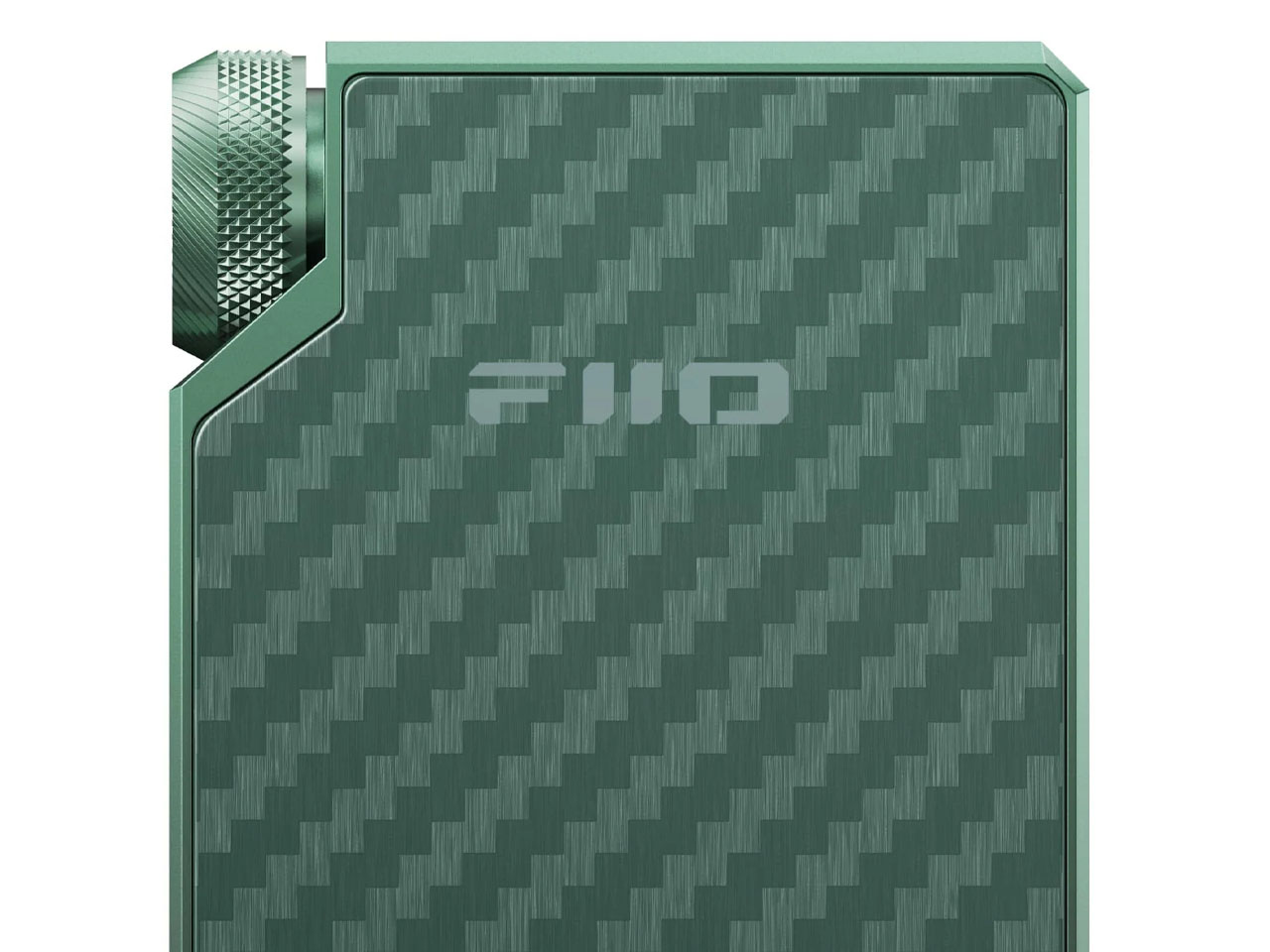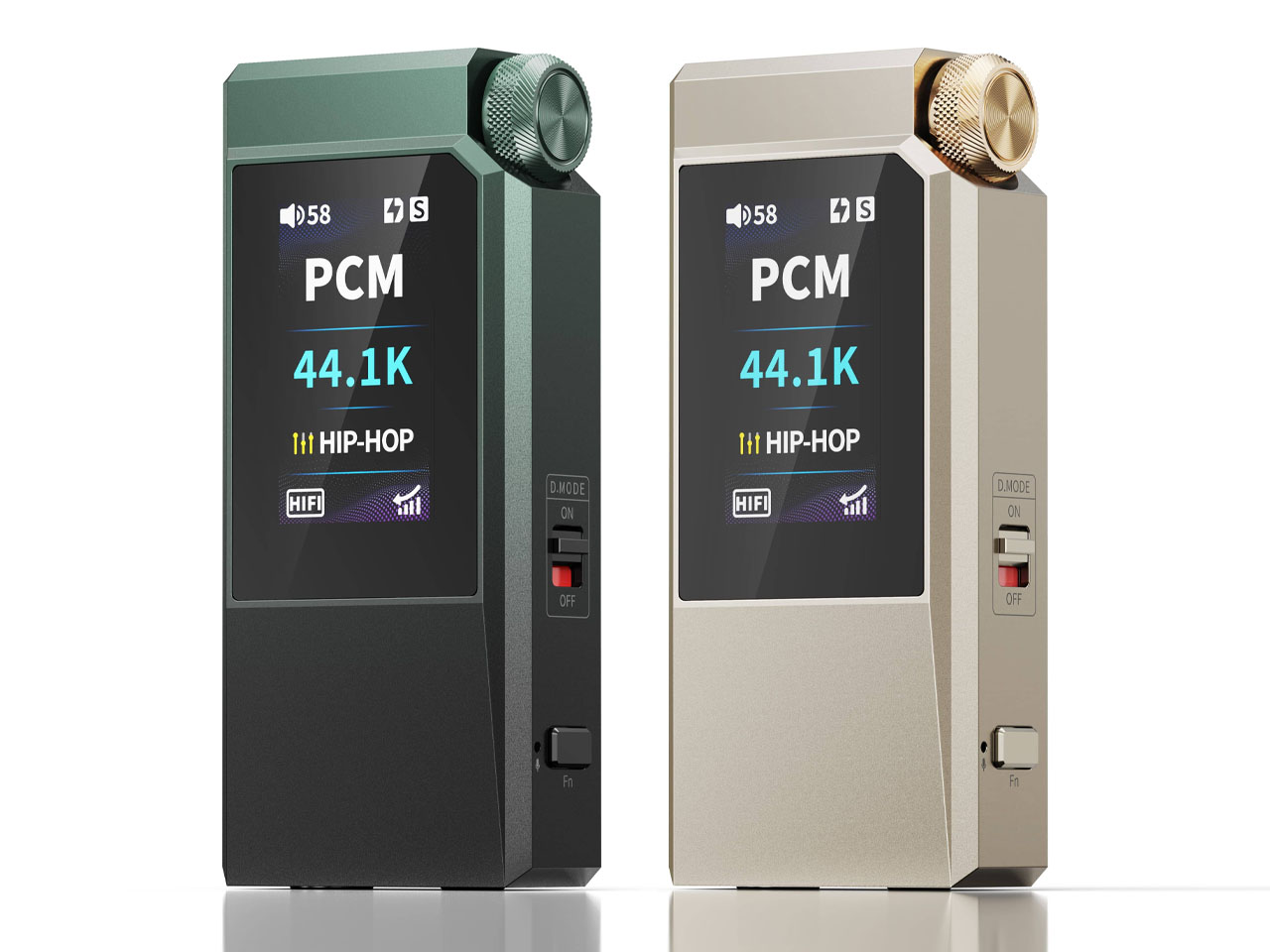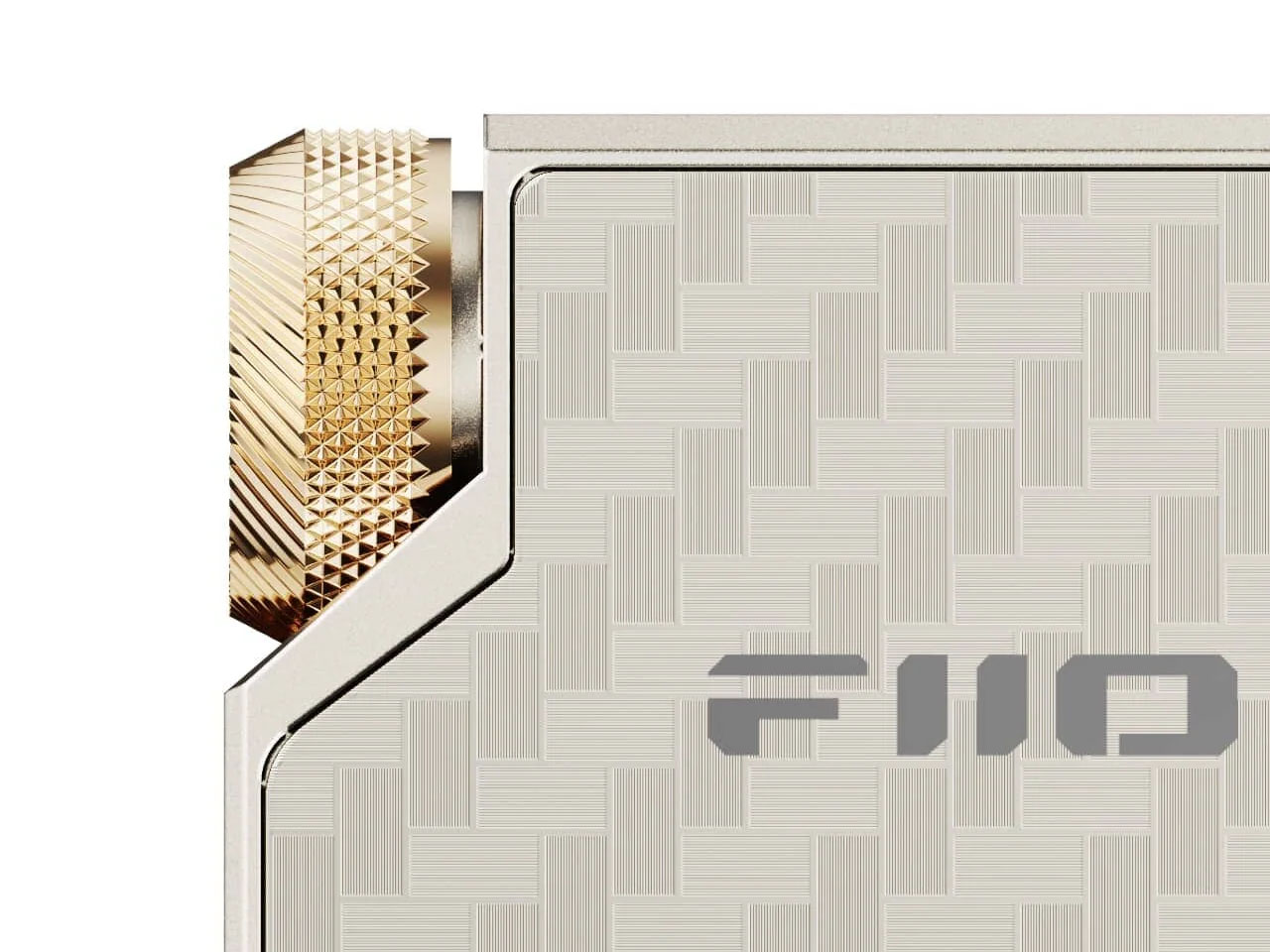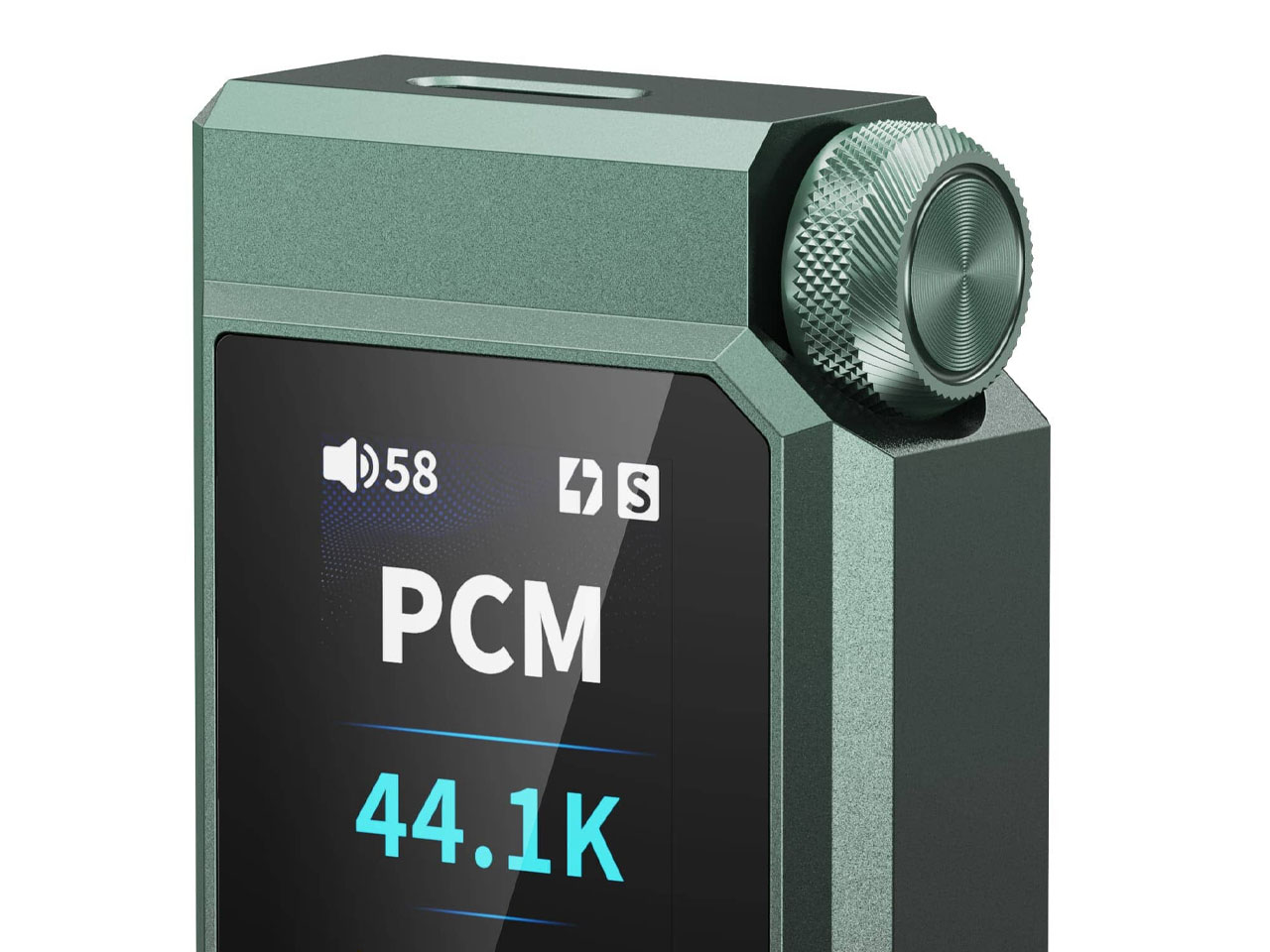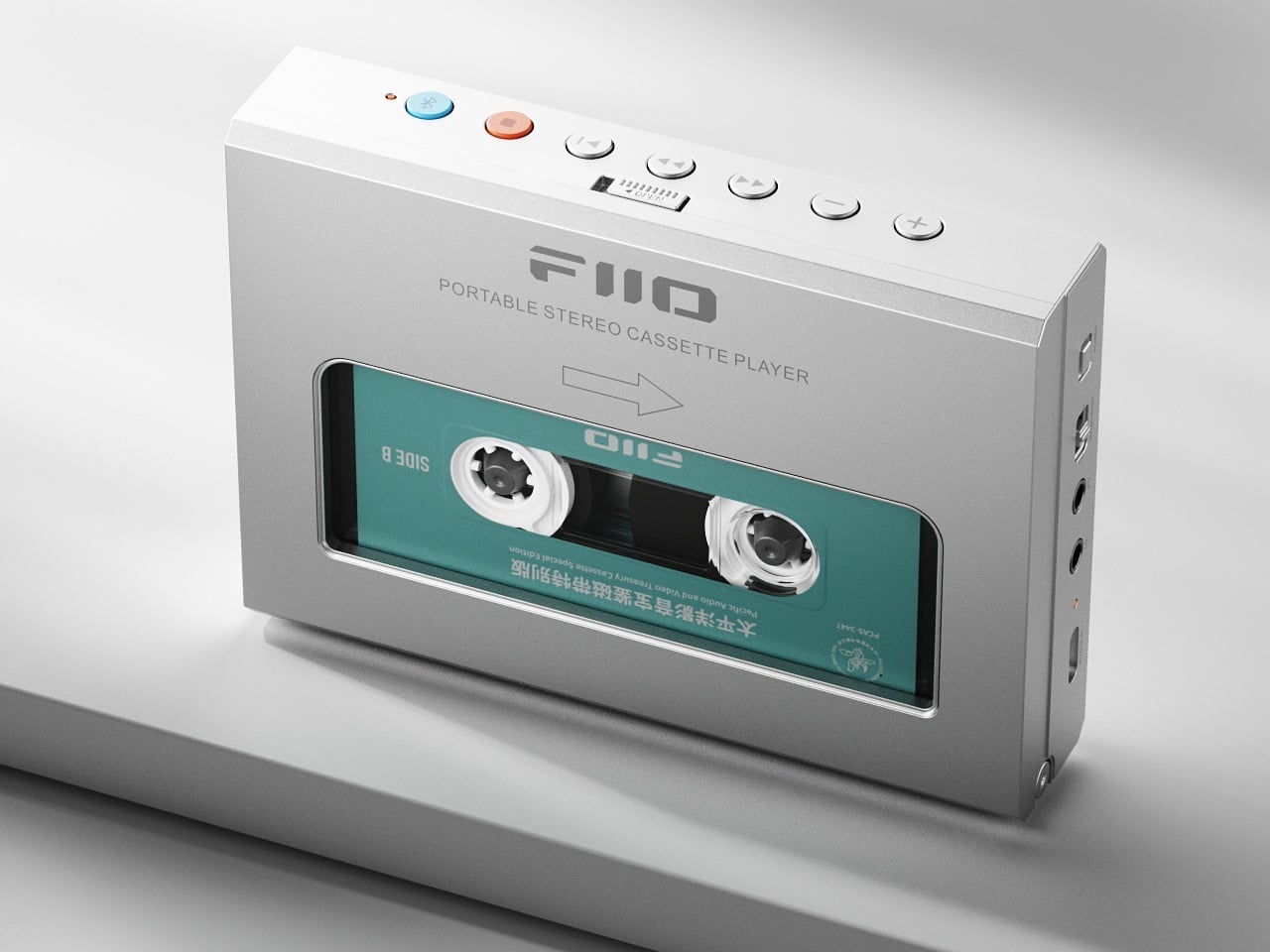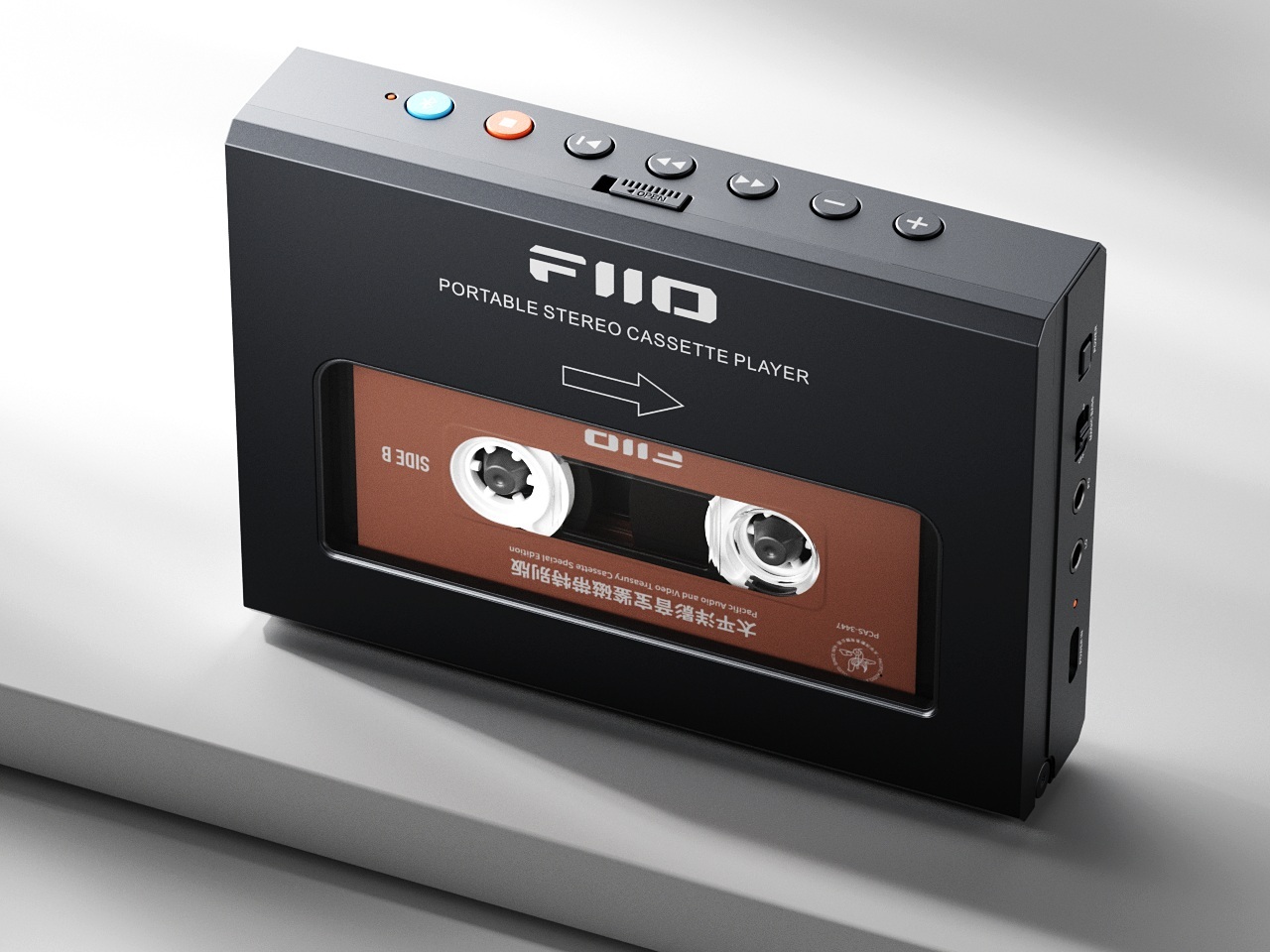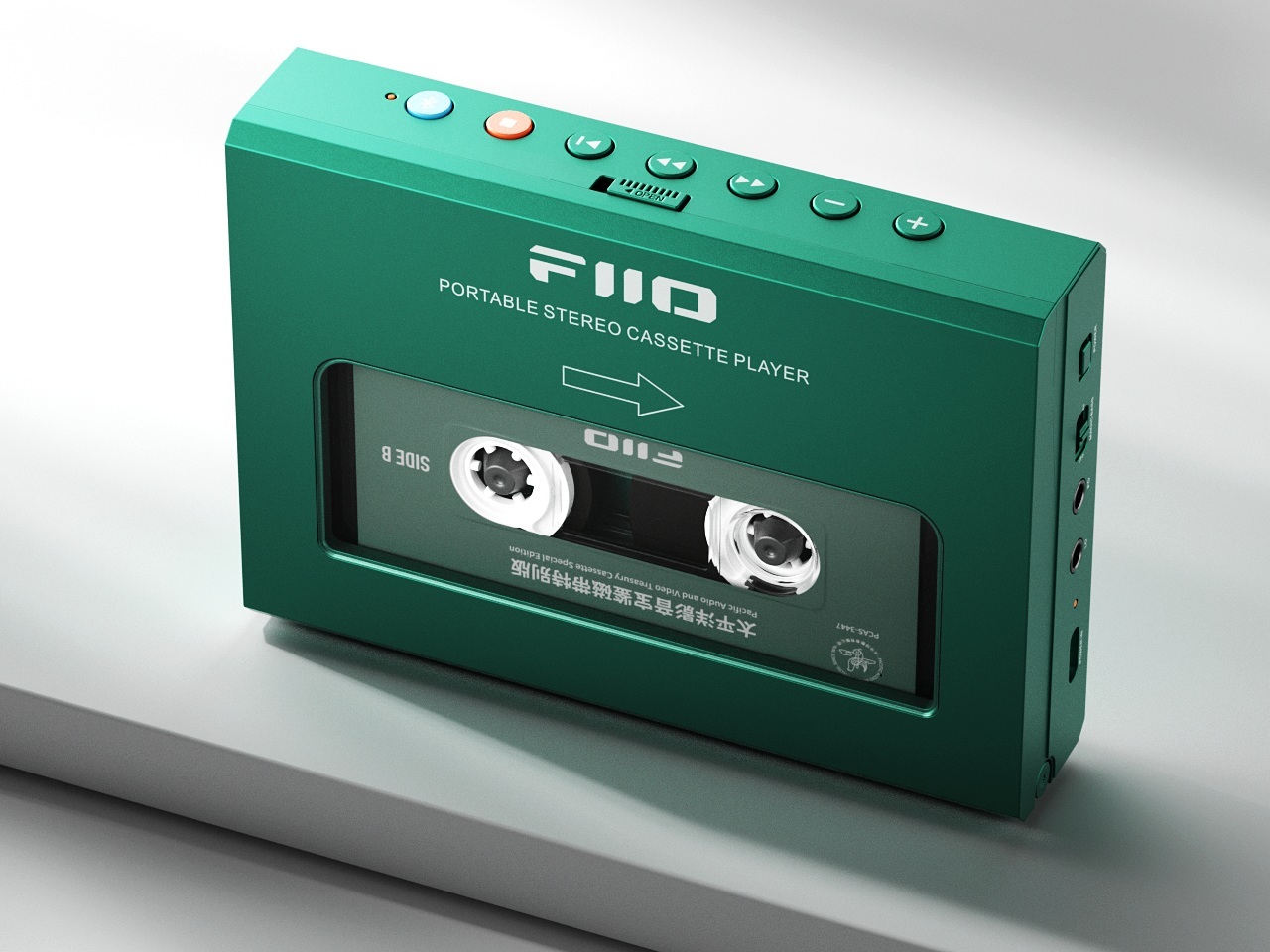
Fiio DM15 R2R CD Player fuels compact disk revival with modern day functionality

The music industry is in turmoil lately, as streaming services are seeing many musicians pull their music due to dismal royalty payments and AI-generated content being pushed to listeners. Thus, direct-to-fan models are preferred by artists to at least have a livelihood. This marks a moment that is highly conducive to CD listening, which in most instances, delivers better audio quality compared to streaming services that prioritize mediocre audio delivery as the basic plan offered.

Apart from those reasons, physical media is seeing a revival for more reasons than not. Beyond the vinyl-loving crowd, the next best thing is playing your favorite albums on a CD player. Yes, CD players are again hitting popularity, and Fiio wants to serve its audiophile community with all the possible options. The DM15 R2R Portable CD Player is their modern take on a CD player, since the silver disk is seeing a serious revival in 2025.

Designer: Fiio

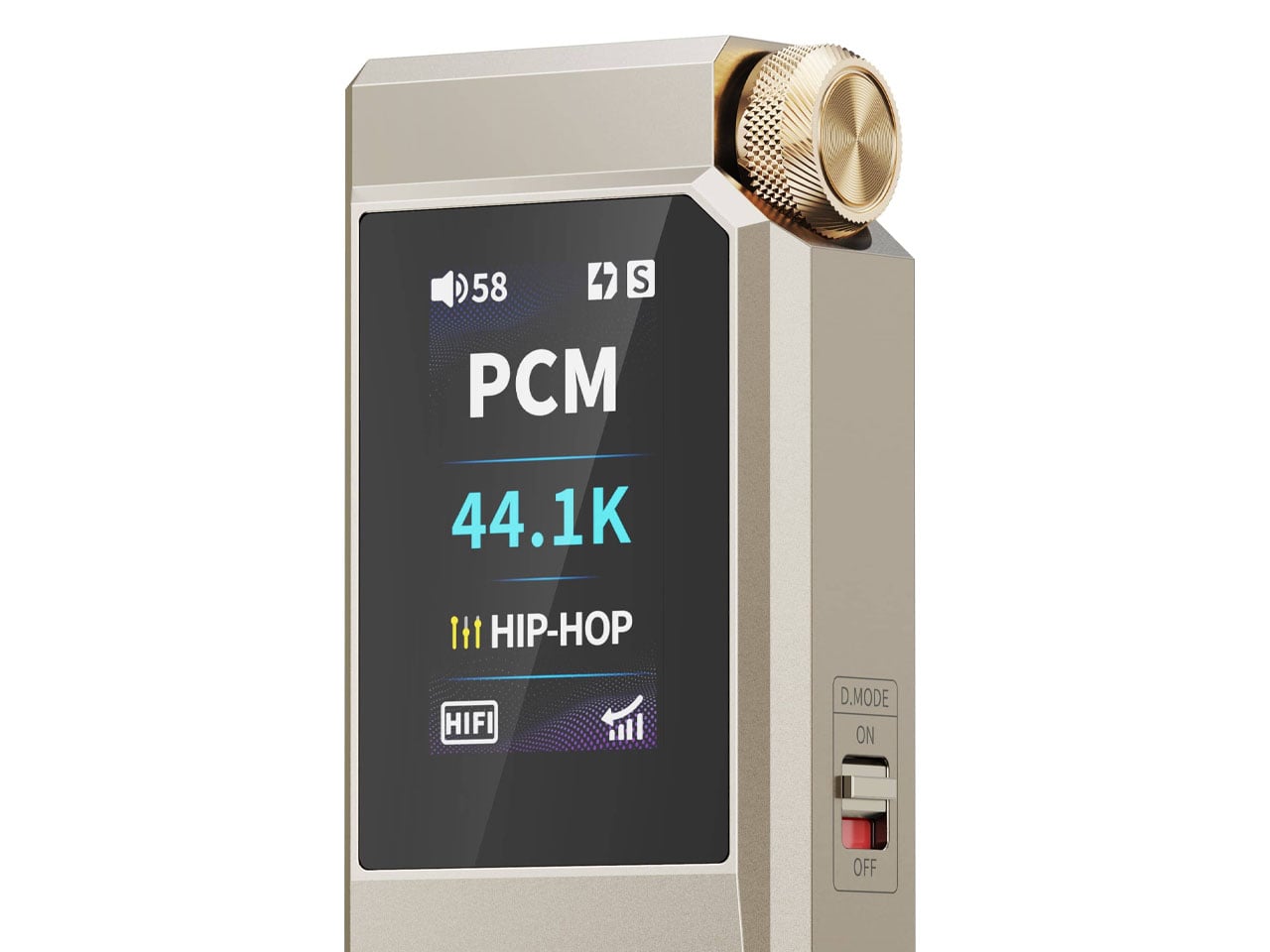
This one is a successor to the DM13 deck, which is also liked by the audio community. The DM15 R2R is made out of a compact aluminium chassis with a transparent top panel that displays the disc as it spins and plays your favourite tunes. To keep things wire-free, the CD player has an in-built rechargeable battery that gives you around seven hours of non-stop music. Extending the use case scenario beyond just playing your CDs, the player comes with a USB DAC, Bluetooth mode, and Hi-Fi playback with the in-built optical and coaxial ports. To extend the functionality further, it has the customary 3.5mm jack and the balanced 4.4mm line output. In the USB DAC mode, the player outputs music at up to 32-bit/384kHz PCM and native DSD256.

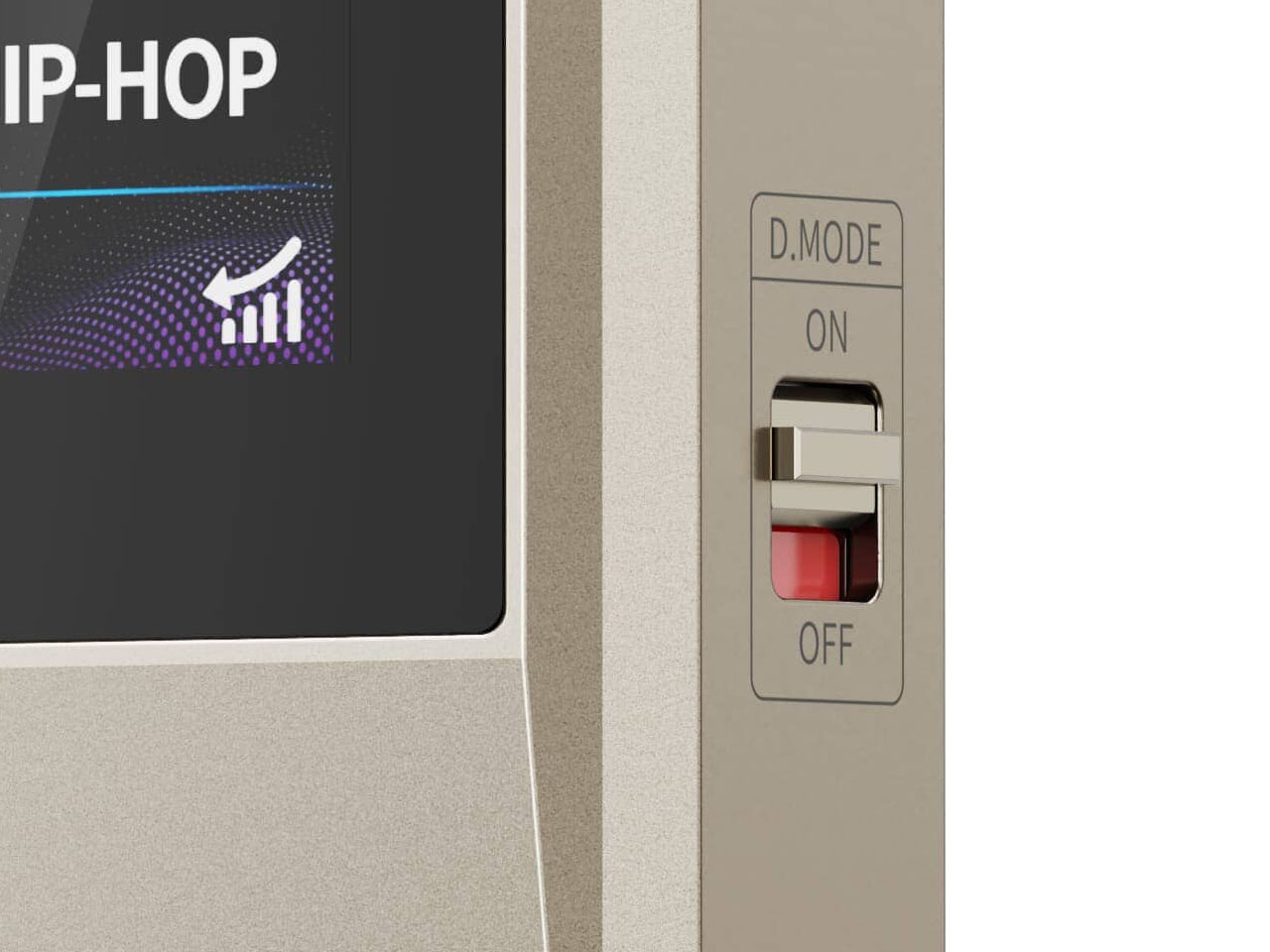
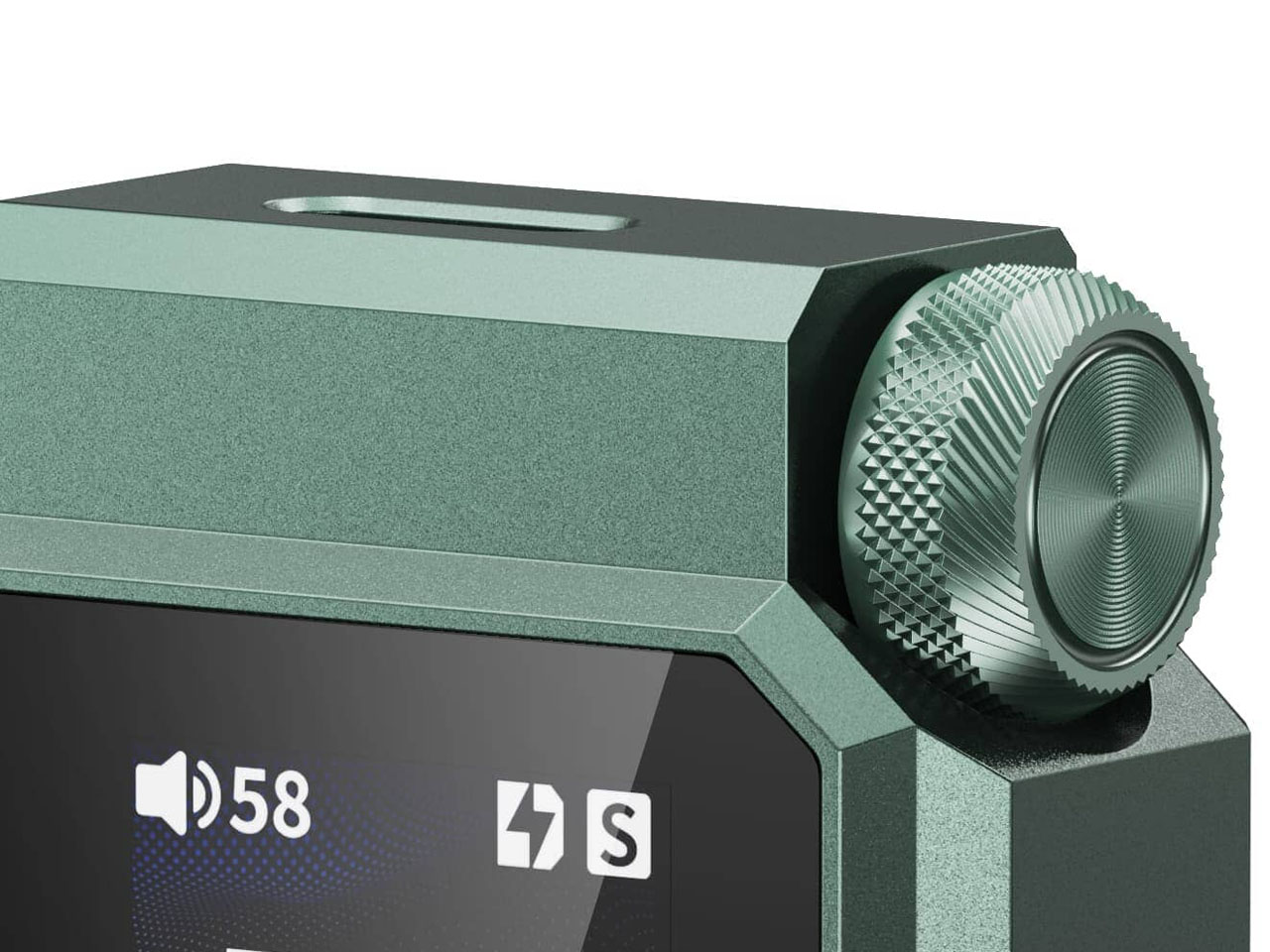
You can stream high-res audio to your wireless headphones or speakers as the player supports codecs including aptX, aptX HD, aptX Adaptive and aptX Low Latency. The CD player comes with an ESP (Electronic Shock Protection) switch to eliminate skipping issues. This comes really handy when travelling as the movement of the CD player can heighten this problem. As an upgrade, the CD player comes with playback and control buttons on the front panel, paired with a tactile volume dial. As suggestive of the name, the CD player employs a resistor ladder to convert digital signals into analog waveforms, which, according to Fiio, translates to a smoother, more organic style of playback many listeners prefer.”

The premium build quality, added features and useful functionality come at a higher price of $270, but they are absolutely justified given what’s on offer. The CD player will be offered in four attractive finishes with pre-orders starting now. The silver and red variants will start shipping. If you want most of the features and functions at a lesser price, the $170 DM13 is the next best thing.

The post Fiio DM15 R2R CD Player fuels compact disk revival with modern day functionality first appeared on Yanko Design.
Retro Gadgets For Vintage Lovers: 5 Nostalgic Gifts That Actually Work In 2025

Nostalgia isn’t about living in the past—it’s about celebrating design moments when objects had soul, character, and tangible presence. For vintage lovers, the aesthetic pull of retro gadgets runs deeper than mere styling. These are people who appreciate the warmth of analog sound, the satisfaction of physical controls, and the beauty of mechanical precision. They understand that technology doesn’t need to be disposable to be functional, and that timeless design speaks a universal language across decades.

This collection honors that perspective by bringing together five exceptional gadgets that bridge eras beautifully. Each piece captures authentic retro aesthetics while embracing modern conveniences that make them genuinely usable today. From cassette-inspired speakers to mechanized solar systems, these gifts prove that looking backward and moving forward aren’t mutually exclusive. They’re perfect for the person whose shelves mix vinyl with streaming devices, whose taste transcends trends, and who believes the best design is always worth reviving.

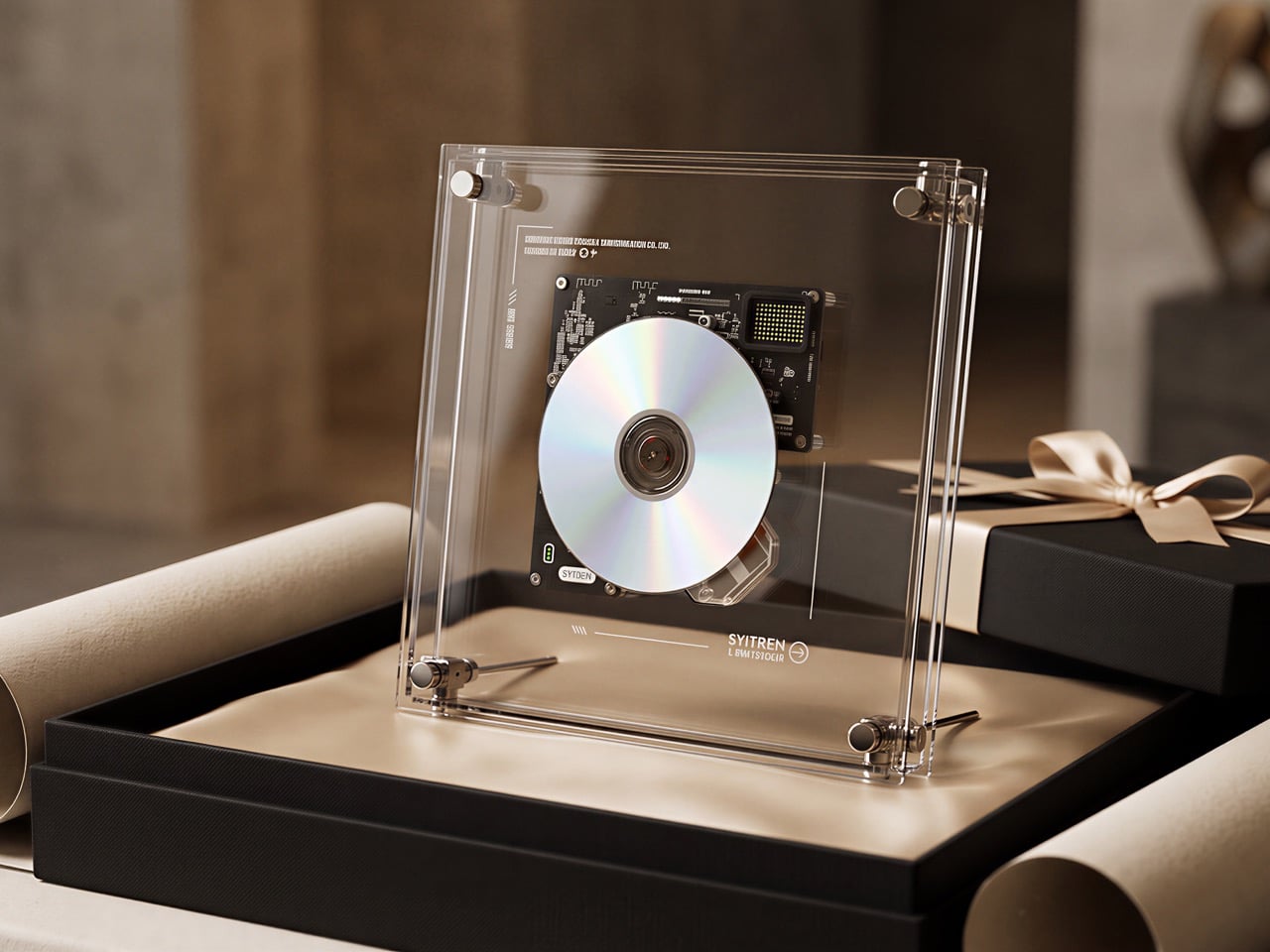
1. SYITREN R300 Portable CD Player

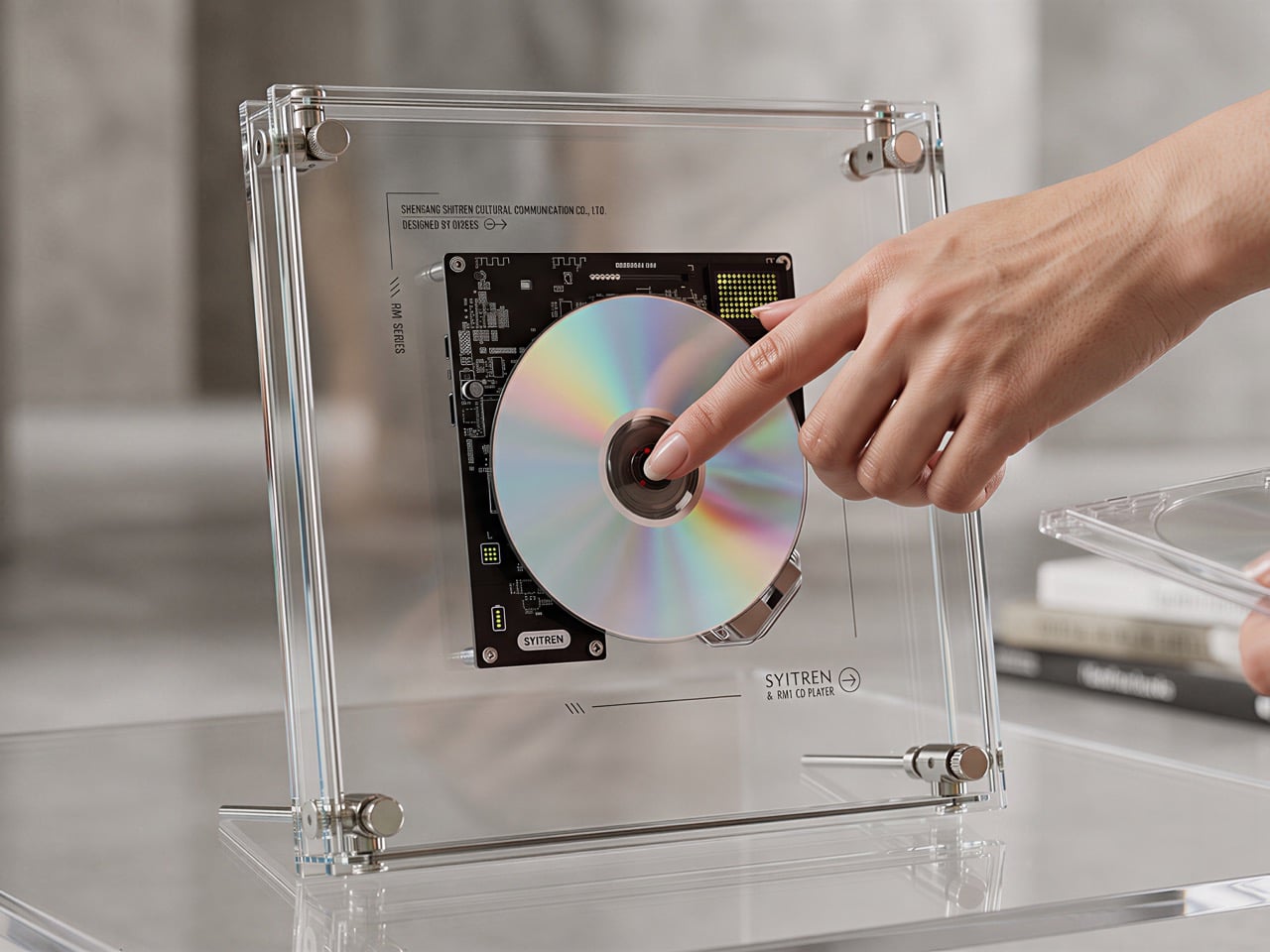
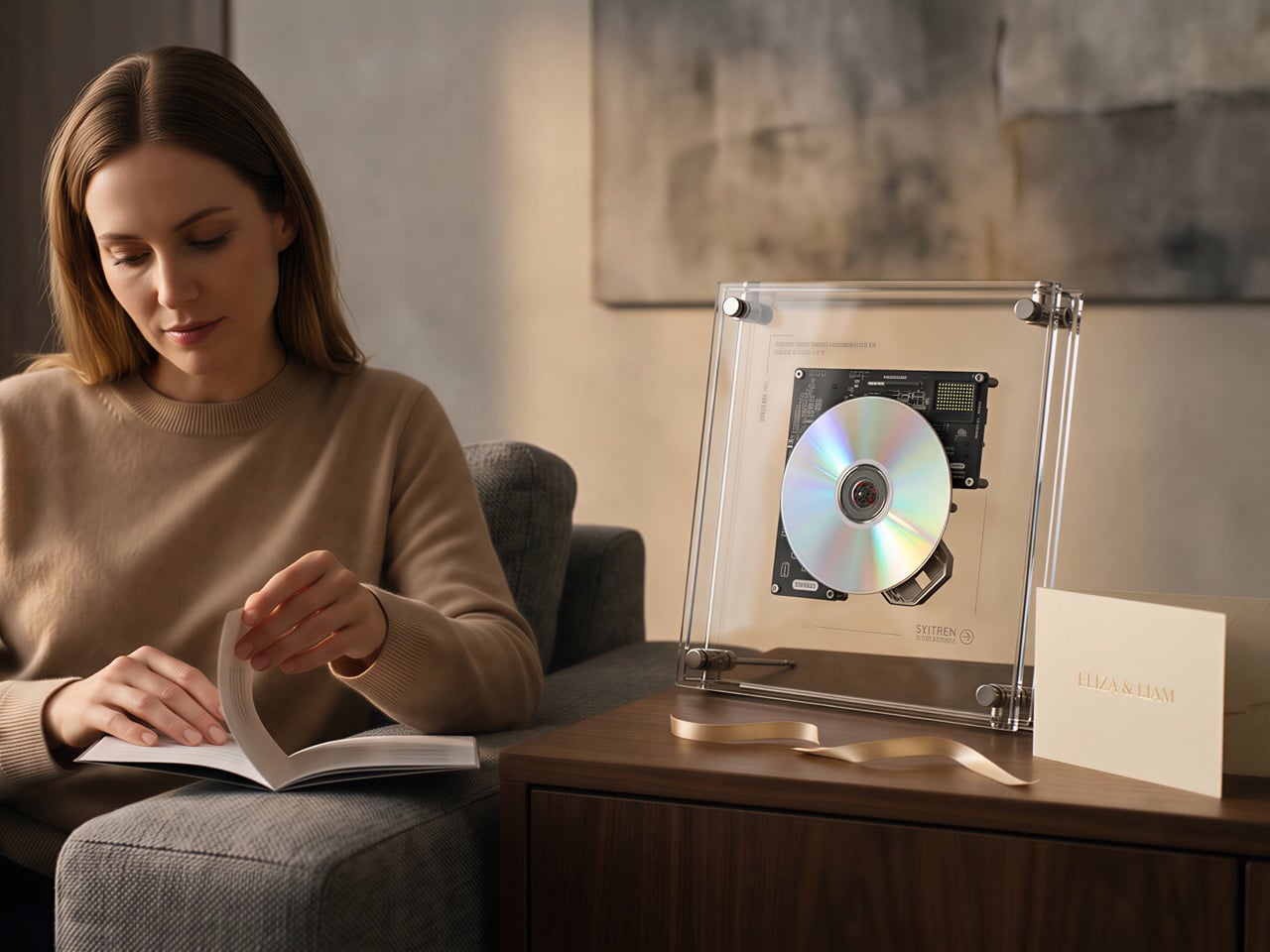
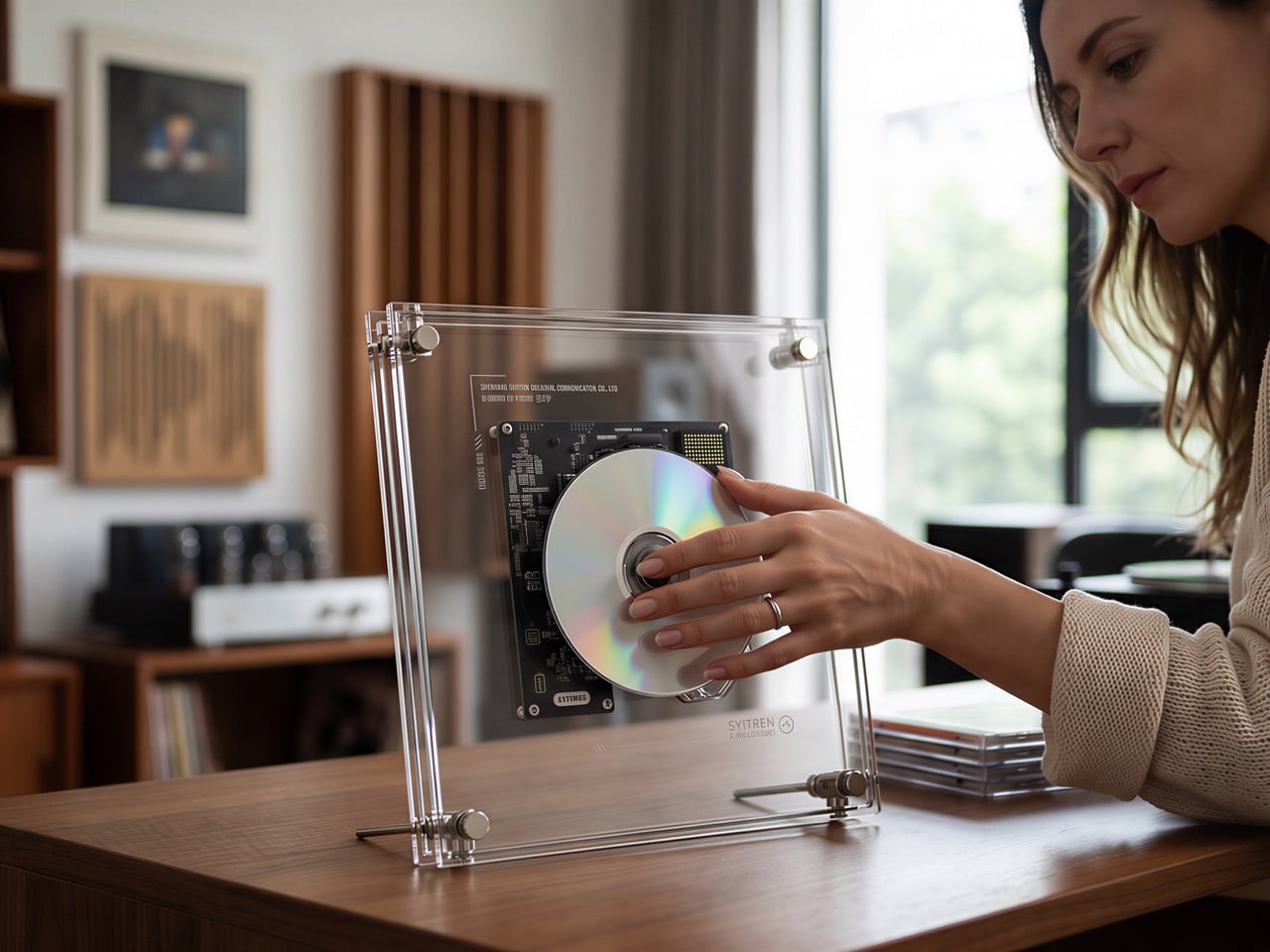
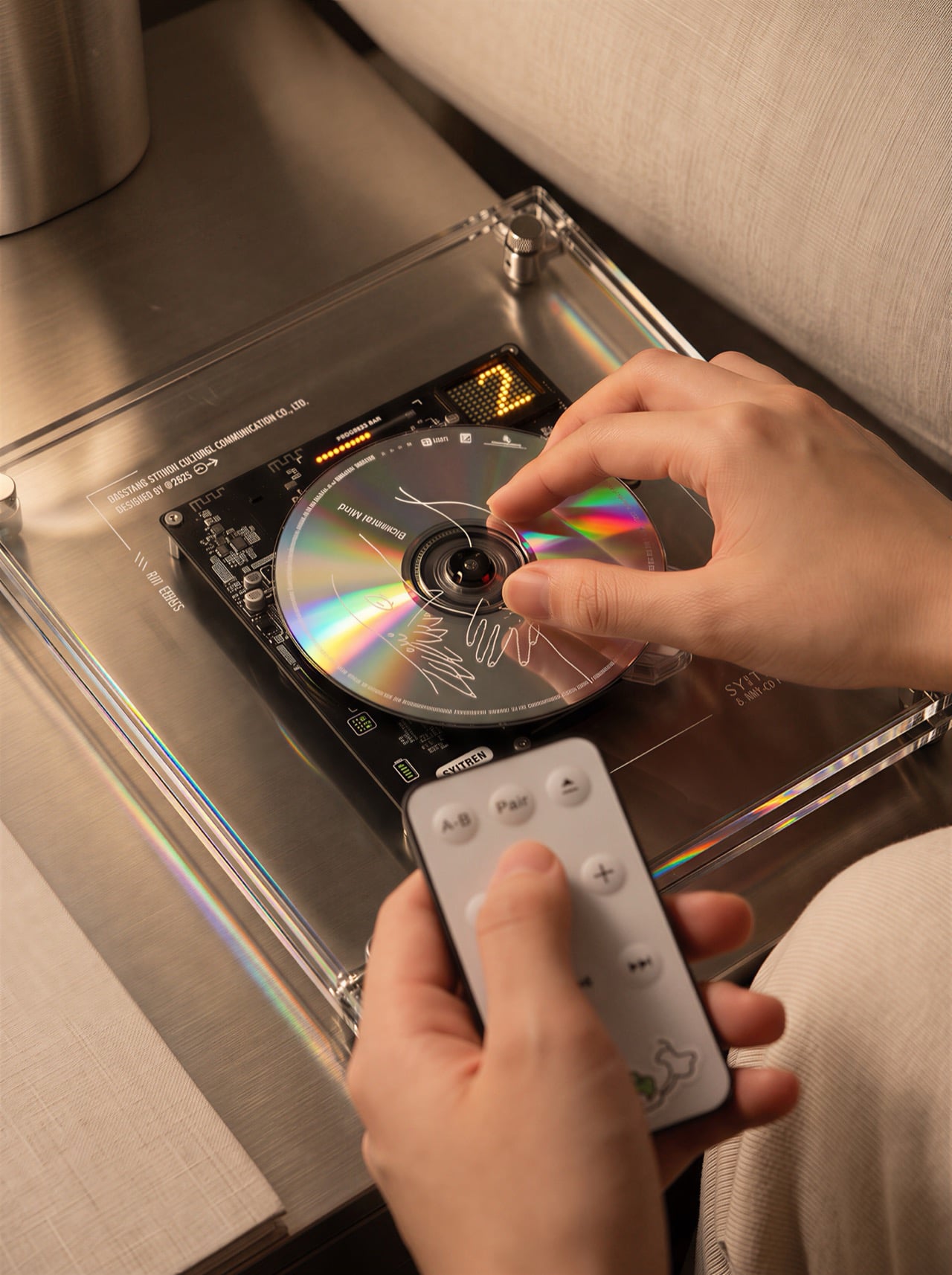
The compact disc never truly left—it just waited for design to catch up. The SYITREN R300 recognizes this truth, delivering a portable CD player that feels simultaneously nostalgic and contemporary. Available in wood grain, classic white, or vibrant fruit green finishes, the R300 captures the clean-lined aesthetic of early audio equipment without feeling dated. The dynamic area button on the right side offers intuitive, tactile operation that satisfies in ways touchscreens never will.

What elevates the R300 beyond pure nostalgia is its refusal to compromise on modern functionality. Bluetooth 5.3 connectivity means wireless freedom with contemporary headphones and speakers, while the traditional 3.5mm headphone jack and Toslink optical output accommodate wired purists and audiophile setups. The player handles standard CD, CD-R, and CD-RW formats plus digital files in MP3, WAV, and WMA. A 2000mAh battery delivers over six hours of playback, making it genuinely portable. Audio output thrust reaches 600mV with an 80dB signal-to-noise ratio, ensuring the listening experience matches the visual appeal. For vintage lovers who never abandoned their CD collections, this player acknowledges their format loyalty while meeting them where modern listening happens.

What we like

  • MUSE Design Gold Award-winning retro aesthetic available in wood, white, and fruit green finishes.
  • Bluetooth 5.3 provides wireless connectivity to modern headphones and speakers.
  • Multiple output options, including 3.5mm jack and Toslink optical for audiophile setups.
  • 2000mAh battery delivers over six hours of portable playback.

What we dislike

  • CD-only format limits functionality compared to multi-format vintage players.
  • Portable design may lack the substantial build quality of classic stationary models.

2. Side A Cassette Speaker

Mixtapes represented something more than music—they were tangible artifacts of care, time, and curation. The Side A Cassette Speaker resurrects that emotional resonance through faithful aesthetic mimicry wrapped around thoroughly modern technology. Shaped precisely like a cassette tape, complete with a transparent shell and a side A label, this pocket-sized speaker does not attempt to hide its inspiration. The clear case doubles as a stand, transforming it from a portable audio device into a proper desk sculpture. For vintage lovers who remember making mixtapes or wish they’d experienced that era, this speaker bridges the gap between memory and modernity with charm and authenticity.

The Side A succeeds because it respects both form and function equally. Bluetooth 5.3 connectivity ensures seamless pairing with phones, tablets, and laptops for wireless listening that analog tapes could never provide. MicroSD card support means offline playback without streaming dependencies, recapturing some of that physical media permanence. The sound profile leans deliberately warm and cozy, tuned to evoke tape playback character rather than clinical digital reproduction. At under fifty dollars, it delivers nostalgic design and functional audio in a package small enough to travel everywhere. This isn’t a gimmick trading entirely on looks—it’s a genuinely useful speaker that happens to look fantastic doing its job.

Click Here to Buy Now: $45.00

What we like

  • Authentic cassette tape styling with a transparent shell and a side A label captures mixtape nostalgia perfectly.
  • Bluetooth 5.3 ensures reliable wireless connectivity with modern devices.
  • MicroSD card support enables offline playback without internet dependency.
  • Warm analog-inspired sound profile distinguishes it from typical digital speakers.

What we dislike

  • Compact size naturally limits bass response and overall volume compared to larger speakers.
  • Cassette aesthetic may feel too niche for spaces requiring neutral design.

3. RetroWave 7-in-1 Radio

Vintage aesthetics meet survival preparedness in the RetroWave, a multi-function radio that refuses to be just one thing. Wrapped in retro Japanese design language, complete with a tactile tuning dial, it immediately signals its nostalgic intentions. That exterior houses seven distinct functions: AM/FM/shortwave radio, Bluetooth speaker, MP3 player, flashlight, clock, power bank, and SOS alarm. This comprehensive capability set makes it equally appropriate for daily desk use, camping adventures, or emergency kits. For vintage lovers who appreciate both form and practical preparedness, the RetroWave delivers aesthetic satisfaction with genuine utility layered underneath.

The brilliance lies in making preparedness beautiful. Solar panel and hand-crank charging mean the RetroWave stays operational when power grids fail, while USB and microSD playback provide offline music access. The radio functionality spans AM, FM, and shortwave bands, offering connection to broadcasts when internet streaming isn’t available. Bluetooth streaming accommodates modern listening habits during normal circumstances. The flashlight and SOS siren transform it from an entertainment device into safety equipment. This convergence of retro design and emergency readiness creates a gift that vintage lovers can display proudly while knowing it serves serious backup purposes. It’s nostalgia that works, beauty that prepares, and design that respects both past aesthetics and future uncertainty.

Click Here to Buy Now: $89.00

What we like

  • Seven functions in one device, including radio, speaker, flashlight, power bank, and SOS alarm.
  • Solar panel and hand-crank charging ensure operation during power outages.
  • AM/FM/shortwave radio provides broadcast access without internet dependency.
  • Retro Japanese design with tactile tuning dial satisfies vintage aesthetic preferences.

What we dislike

  • Multi-function design may compromise individual feature quality compared to dedicated devices.
  • Emergency-focused features add bulk that might exceed typical portable speaker expectations.

4. Perpetual Orrery Kinetic Art

Some vintage inspiration reaches back centuries rather than decades. The Perpetual Orrery draws from 18th-century European Grand Orrery tradition, recreating solar system mechanics through intricate clockwork mechanisms. Planets orbit the sun, the moon cycles through phases, and even the Tempel-Tuttle comet follows its elliptical path—all driven by the same precision engineering found in sophisticated mechanical watches. This isn’t a static model but kinetic art that moves in real time, capturing celestial mechanics in miniature. For vintage lovers who appreciate mechanical complexity and astronomical beauty, the Orrery represents the ultimate intersection of science, history, and craft.

What makes this gift exceptional is its timeless appeal. While most retro gadgets reference the mid-20th century, the Orrery looks back to pre-industrial scientific instruments when astronomy required mechanical ingenuity rather than digital computation. The continuous motion provides meditative visual interest—planets slowly circling, gears turning, the whole system moving in silent harmony. As desk or shelf decoration, it commands attention without demanding it, offering something genuinely mesmerizing to watch during thinking breaks. For the vintage lover who has everything modern nostalgia offers, the Orrery goes deeper, connecting to an era when understanding the heavens required building beautiful machines to mirror their movements. It’s educational, decorative, and hypnotic in equal measure.

Click Here to Buy Now: $449.00

What we like

  • 18th-century Grand Orrery-inspired design connects to pre-industrial scientific instrument tradition.
  • Intricate clockwork mechanisms mirror sophisticated mechanical watch engineering.
  • Continuous kinetic motion, including planetary orbits and lunar phases, provides meditative visual interest.
  • Functions as both an educational model and a striking decorative art piece.

What we dislike

  • Mechanical complexity may require periodic maintenance or calibration over time.
  • Premium mechanical construction results in a higher price point than decorative alternatives.

5. Portable CD Cover Player

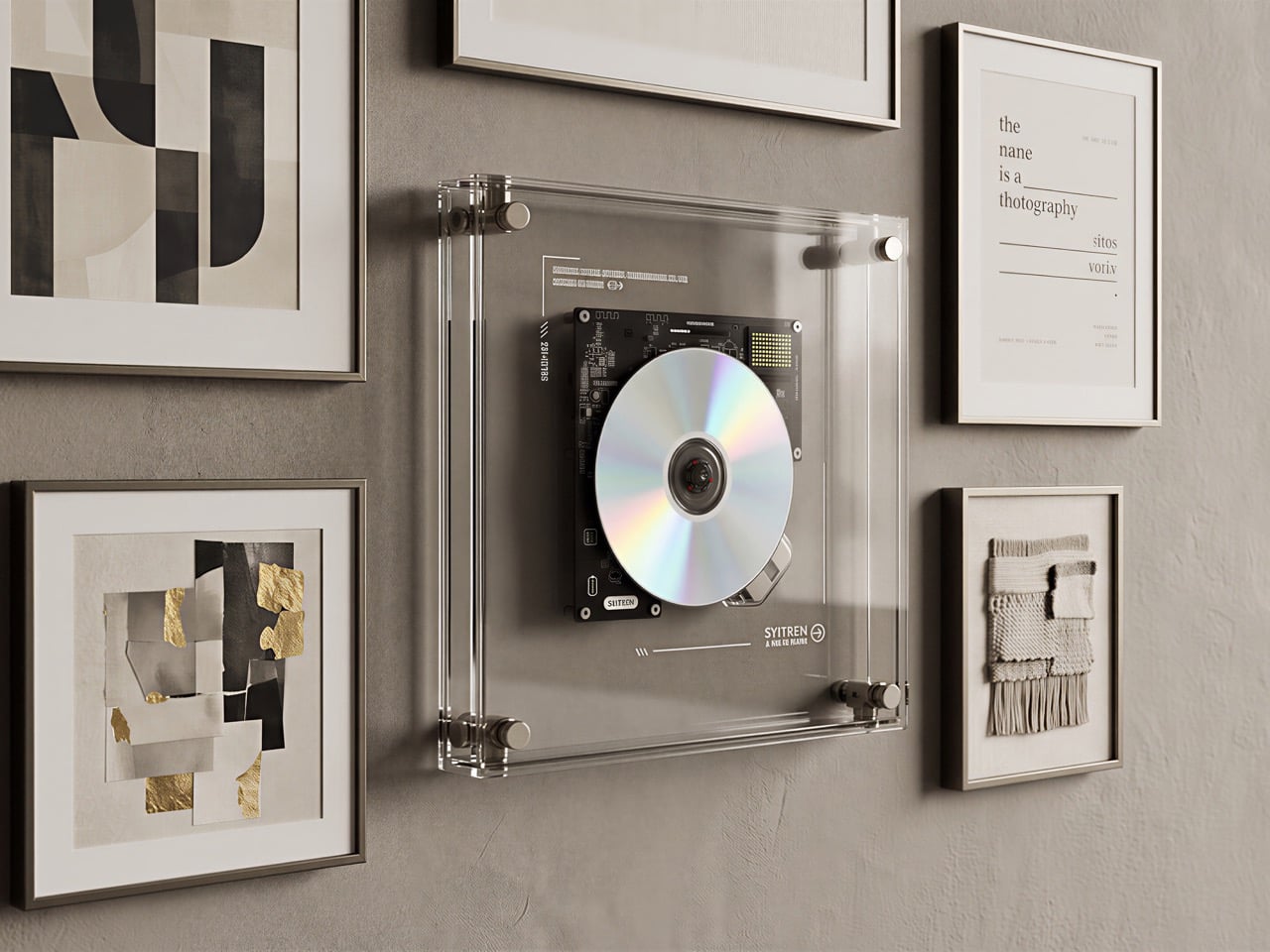
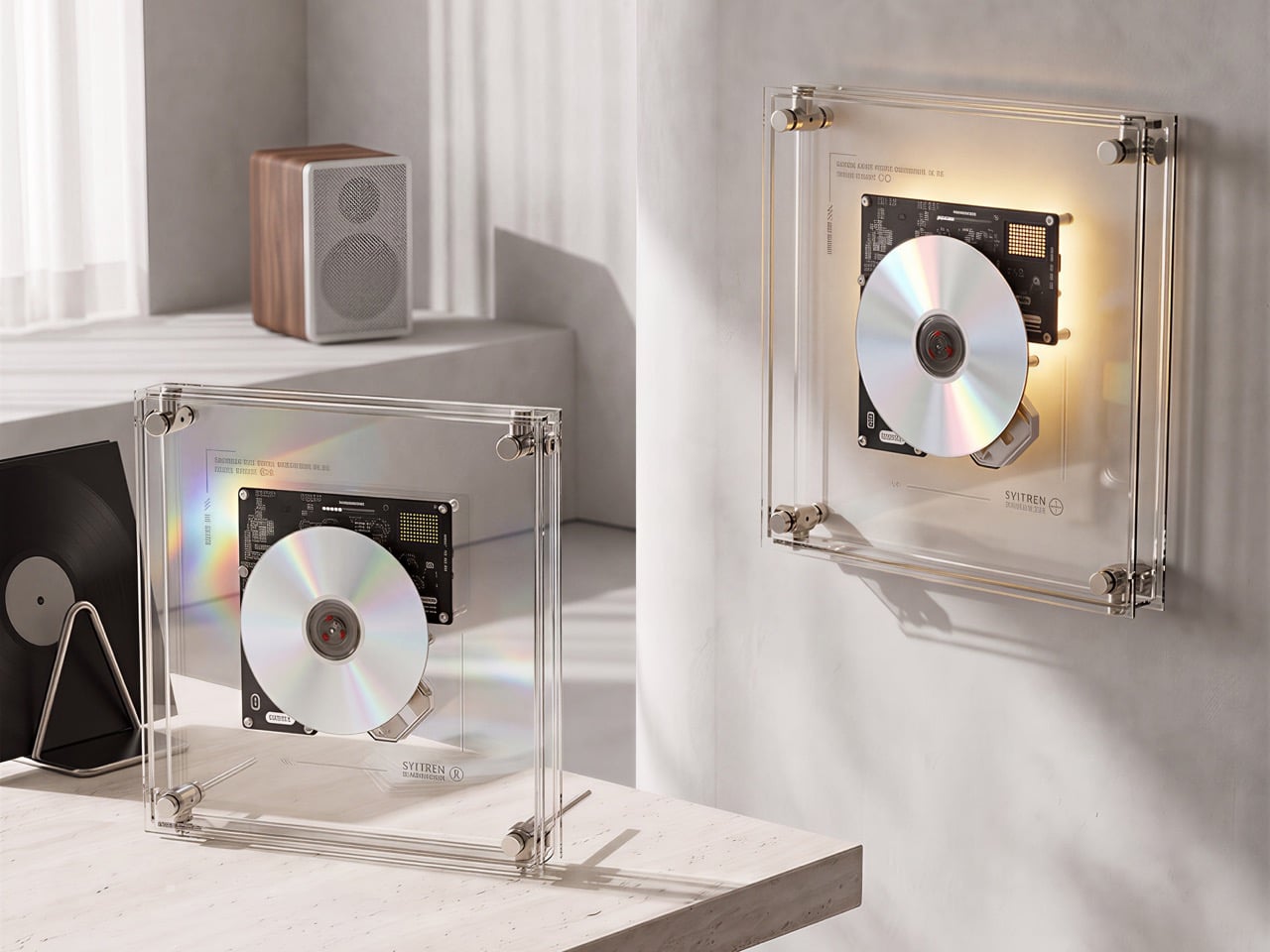
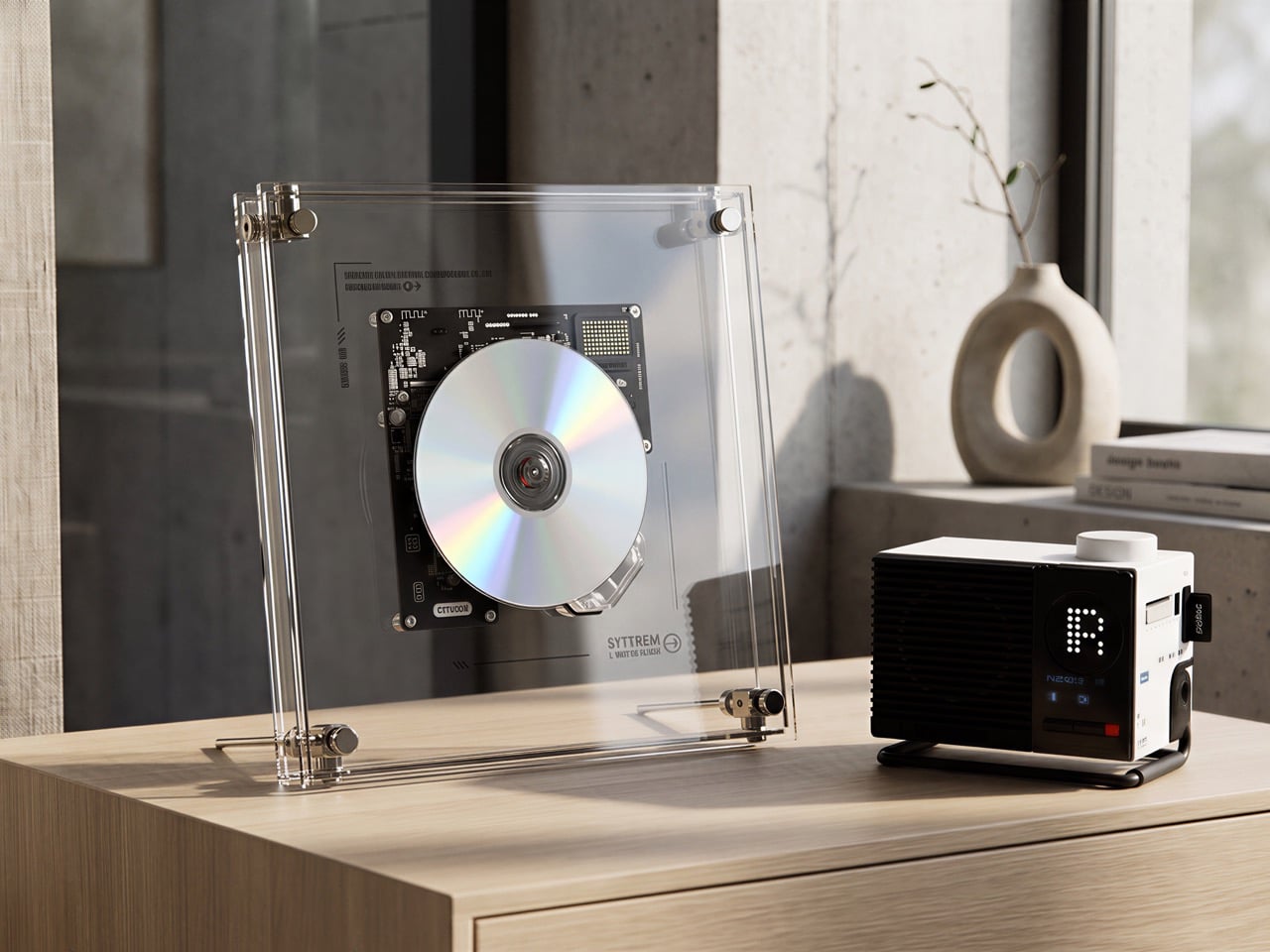
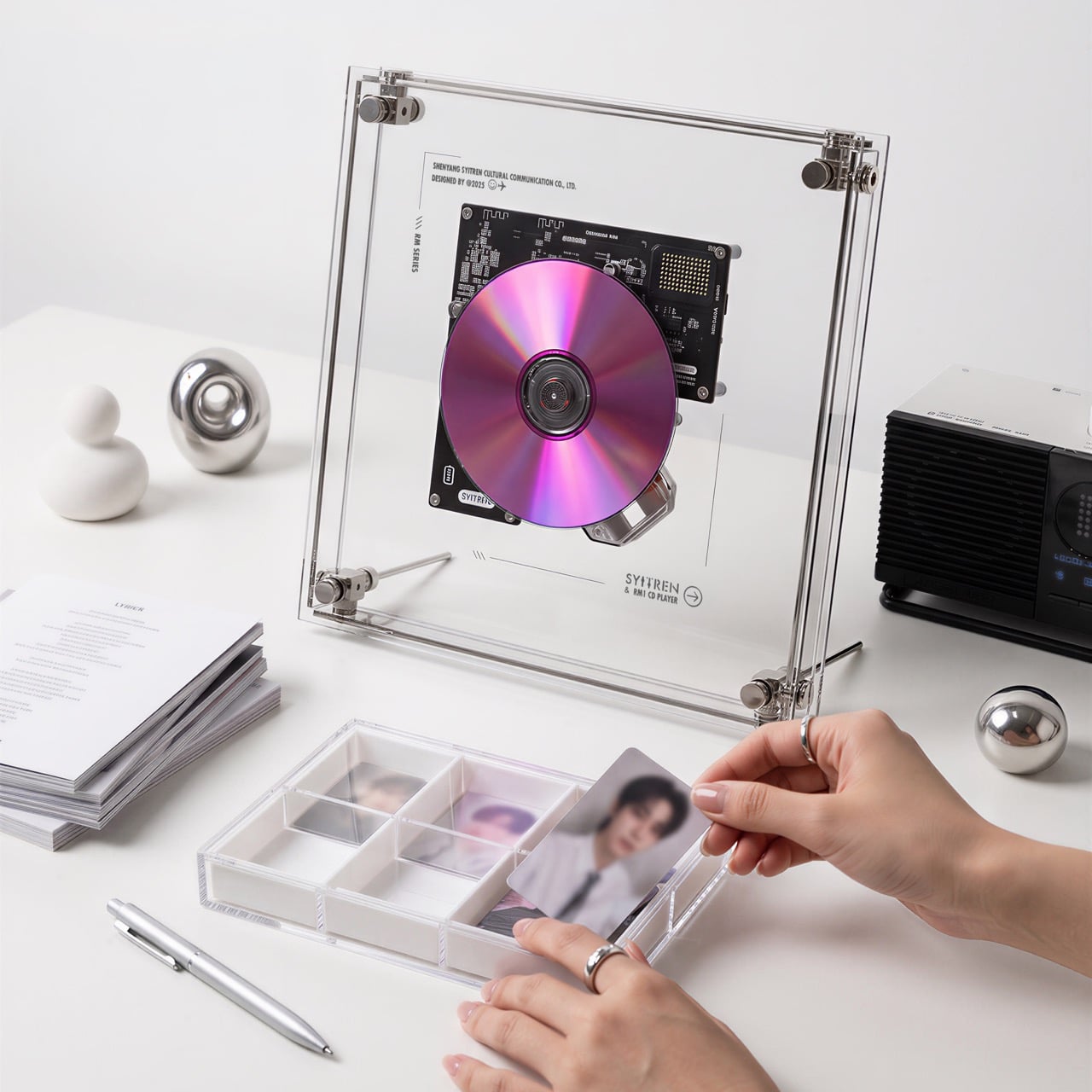
Album art deserves equal billing with the music it represents. The Portable CD Cover Player acknowledges this truth through clever design that displays the CD jacket while playing the disc inside. A convenient pocket holds the cover art front and center, creating an audiovisual experience that honors how albums were meant to be consumed—as complete artistic packages. The built-in speaker means genuine portability, taking your music and its visual identity anywhere. Wall-mountable design transforms it into a room decoration that actively plays rather than just displaying static art. For vintage lovers who understand that album covers represent significant graphic design history, this player finally gives physical media the presentation it deserves.

The minimalist design philosophy lets the album art itself become the visual centerpiece. Clean lines and simple operation keep the focus on the music and imagery rather than the player’s own aesthetic. The built-in speaker and rechargeable battery provide authentic portability without requiring external amplification. This solves the eternal collector’s dilemma: beautiful album covers hidden in storage because there’s no good way to display them while playing. The Portable CD Cover Player makes your music collection into a rotating art gallery, celebrating the graphic design, photography, and typography that made physical music formats so visually rich. It’s nostalgia that understands albums were always multi-sensory experiences, and that separating audio from visual diminishes both.

Click Here to Buy Now: $199.00

What we like

  • Integrated pocket displays CD jacket art during playback, honoring a complete album experience.
  • Built-in speaker and rechargeable battery enable genuine portability without external equipment.
  • Wall-mountable design transforms music playback into active room decoration.
  • Minimalist aesthetic lets album artwork become the visual focus.

What we dislike

  • Built-in speaker quality is likely compromised compared to dedicated audio systems.
  • The wall mount bracket, sold separately, adds cost beyond the base player price.

Gifting Timeless Design

Vintage lovers aren’t stuck in the past—they’re selectively mining it for design wisdom the present often forgets. These five gadgets honor that philosophy by capturing retro aesthetics without sacrificing modern functionality. From CD players that embrace Bluetooth to mechanical orreries that predate electricity itself, each gift proves that timeless design transcends any single era. They’re conversation pieces that actually function, nostalgic objects that genuinely serve contemporary needs, and beautiful things that happen to be useful.

The best retro gifts acknowledge why certain designs endure while making them accessible to how we actually live today. These gadgets don’t force you to abandon modern conveniences to appreciate vintage aesthetics. They bridge eras elegantly, letting vintage lovers enjoy the warmth of analog inspiration through contemporary functionality. Whether celebrating a birthday, marking an occasion, or simply recognizing someone’s refined taste, these gifts speak a language of quality, character, and enduring style that transcends temporary trends.

The post Retro Gadgets For Vintage Lovers: 5 Nostalgic Gifts That Actually Work In 2025 first appeared on Yanko Design.
PERLEGEAR Black Friday: Home Entertainment Lights That Pulse to Music

Black Friday deals usually mean hunting for discounts on the same boring products everyone already owns. TV mounts that do the bare minimum, speaker stands that hold things up and nothing more, and entertainment furniture that treats lighting as an afterthought. It’s all functional enough, but there’s rarely anything that makes you excited about setting up your living room. Most people settle for whatever gets the job done, then spend years looking at the same bland hardware every time they sit down to watch something.

PERLEGEAR’s AuraFrame™ and SonicBeam™ collections take a different approach. Instead of treating mounts and stands as purely mechanical necessities, the brand integrates customizable RGB lighting that syncs with your music and creates actual ambiance. It’s the kind of upgrade that makes your entertainment space feel more intentional, turning functional hardware into something that enhances the entire experience. Heck, you might actually want to show off your setup for once instead of hiding cables and hoping nobody notices the generic black brackets holding everything together.

Designer: PERLEGEAR

AuraFrame™ Pre-Assembled TV Wall Mount

The AuraFrame wall mount handles TVs from 26 to 65 inches and up to 99 pounds, with full-motion articulation that includes 16.4 inches of extension, 45-degree swivel, and tilting between negative 15 and positive five degrees. That flexibility is standard for premium mounts, but the integrated LED light bars are what set this apart. You get 16 million colors, multiple lighting modes, and music sync that pulses in rhythm with whatever you’re watching or listening to.

Installation is refreshingly straightforward thanks to pre-assembled arms and a wall plate that cuts setup steps by about 30 percent. The mount also includes three height settings and leveling adjustments, so you can fine-tune positioning even after everything’s mounted. The reinforced steel frame and thicker articulating arms mean the thing holds your TV securely without any wobbling, which is reassuring when you’re extending a 65-inch screen nearly a foot and a half from the wall.

Click Here to Buy Now: $55.98 $69.99 (20% off). Hurry, deal ends in 48-hours!

AuraFrame™ Pre-Assembled TV Stand

For those who’d rather not drill into walls, the AuraFrame™ TV stand offers a floor-standing alternative that fits TVs from 32 to 75 inches and up to 110 pounds. The same RGB lighting system runs down both sides of the stand’s pillars, creating a backlight effect that’s controlled via app, remote, or in-line switch. The solid wood base adds a premium touch, and the entire setup feels stable enough to trust with larger screens.

What makes this stand genuinely practical are the 12 height configurations and the tilt and swivel adjustments. You can position the screen exactly where it needs to be for comfortable viewing, whether you’re sitting on the couch or standing in the kitchen. Cable management keeps wires hidden inside the stand’s frame, so you’re not looking at a tangled mess every time the lights are on.

Click Here to Buy Now: $109.99 $139.99 (21% off). Hurry, deal ends in 48-hours!

SonicBeam™ Speaker Stands with RGB Lighting

The SonicBeam™ stands won an iF Design Award for their minimalist double-pole design, which makes sense once you see them in person. They’re slim, clean, and designed to blend into modern interiors rather than dominate them. Each stand supports up to 22 pounds and includes two top plates, one specifically shaped for the Sonos Era 300 and a universal flat tray for other speakers like the Era 100, HomePod, or KEF models.

The built-in RGB lighting runs vertically along both poles, syncing with your TV or audio content to create a cohesive audiovisual atmosphere. You can control everything through the app or remote, choosing from modes like Pure Color, Rhythm Pulse, or Music Sync. The aluminum alloy construction feels solid, and the dual-side cable channels keep wires completely out of sight. It’s the kind of setup that makes you realize speaker placement can actually contribute to a room’s aesthetic instead of just being another thing to work around.

Click Here to Buy Now: $199.99.

AuraFrame™ Universal Swivel TV Stand

This tabletop stand is the most compact option, fitting TVs from 32 to 70 inches and up to 88 pounds. The tempered glass base and alloy steel frame give it a sleek, modern look, while the integrated RGB lighting offers the same customization options as the other AuraFrame products. Nine height levels let you position the screen between 18 and 24.5 inches, with tilt and swivel adjustments for finding the right angle.

Assembly takes about 10 minutes with no tools required, which is almost suspiciously easy compared to most furniture you’d buy. The pyramid-shaped structure keeps everything stable, and there’s enough room underneath for soundbars or media players. It’s perfect for bedrooms, offices, or anywhere you want a TV without committing to wall mounts or floor stands.

Click Here to Buy Now: $69.99 $99.99 (30% off). Hurry, deal ends in 48-hours!

Black Friday is one of those rare opportunities to upgrade your entertainment setup without immediately regretting the expense. PERLEGEAR’s lighting-integrated collection offers a way to do that while actually improving how your space looks and feels, not just adding more functional hardware that disappears into the background. Whether you’re mounting a TV, setting up speakers, or rearranging your living room layout entirely, having lighting that adapts to what you’re watching makes the whole experience feel more considered.

The post PERLEGEAR Black Friday: Home Entertainment Lights That Pulse to Music first appeared on Yanko Design.
JVC’s Victor WOOD Master earbuds boast self-healing exterior, authentic wooden drivers for pristine sound

Options for true wireless earbuds have exploded in the last couple of years owing to technological innovations and the affordability of owning them. The marketplace is flooded with so many TWS earbuds that you, as a buyer, find it hard to decide which one fits your set of priorities. For a manufacturer, the ideal strategy is to come up with a pair that is distinct from the other available options.

In the audio world dominated by the likes of Sony, Bose, Sennheiser, Technics, and many more, JVC has revealed its pair of earbuds that are unlike any one of them, at least in form. The unique distinction that the company is pitching these earbuds is their ability to self-heal from minor scratches. Meaning, they’ll look in pristine condition even if you are one of those users who stashes earbuds and keychains in the same pocket.

Designer: JVC Kenwood

Meet the Victor WOOD Master earbuds by the Japanese audio pioneer, which have a self-healing paint coated on the exterior of the shell. Whenever there are hairline scratches on the earbuds, they self-heal over time when exposed to heat from sunlight or other sources. This is the same technology that’s used in car paints, employing a polymer structure for the pristine magic. The USP extends to the interior as well, where the use of exclusive materials for the drivers promises an ear-pleasing sound signature. They get the industry’s first hybrid WOOD Driver that has pulp and African rosewood in the diaphragm of the 10mm drivers.

The result, pristine vocals and studio-like sound across all the frequencies. All the audiophiles out there will have keen ears on these ones, I’m sure, especially if looking for an audio profile that is distinct from any other pair out there. JVC also promises the highest noise cancellation levels in the world, courtesy of the dedicated high-performance IC and Knowles microphones. Now, that’s a claim we’ll have to test, and if true, Bose and Apple better watch out.

The buds are accompanied by the oval-shaped Spiral Dot Pro SF ear tips, which improve the reproduction of high-frequency sounds without any bloating. Their oval shape ensures a snug fit and reduced pressure with long-term use. To make the audio sound as good as it is perceived, the Personalized Sound system scans the user’s ears to toggle the audible output. Spatial Audio is another great feature that’ll make these buds appeal to users who want bang for their buck.

Apart from the self-healing paint, the Hi-Res Audio earbuds boast an IP55 rating for dust and water resistance. Three-year warranty by the maker reflects the trust they have in their product, which is another assuring point.  Support for SBC, AAC, and LDAC codecs over Bluetooth 6.0 is good news for users who like to own their pair of earbuds for more than a couple of years. Another compelling reason for advanced listeners to consider these is the two-device multipoint connectivity and low-latency gaming mode.

Victor WOOD Master earbuds have a battery life of around 10 hours on a single charge, which extends to 31 hours in the case. With ANC on, these numbers slip down to 7 hours on the buds and 14 hours in the case, respectively. The case is Qi wireless charge compatible, and a quick charge of 15 minutes will be good for over one and a half hours of listening time. The earbuds are slated for late November release in two color options: Sunburst Brown and Piano Black, for a price of around $270 in Japan.

The post JVC’s Victor WOOD Master earbuds boast self-healing exterior, authentic wooden drivers for pristine sound first appeared on Yanko Design.
Memoreel captures nostalgic sensibility, fuses it with AI to create music and art from recorded emotions

Generative AI has the power to create music, images, content and videos from your input. Now, someone believes that not only words and text, but even memories need to be created into music. If you talk about preserving memories, photo frames and albums (digital or physical) are the best options that come to mind. Now memo:reel (yes, it’s an interesting wordplay) is designed to let you transform your memories into music and art.

This emotion-driven AI device for music and art generation is conceptualized to allow each recorded emotion to be expressed through sound and visuals. And for this, one part of it is designed to resemble a traditional cassette player, whose speakers are used to play the created sounds. The recording and generation are done on separate devices. The idea behind the memoreel concept is to provide users with a new way to reconnect with themselves through the creative interpretation of their emotions.

Designers: Ji Hun Lee and CAU ID


To simply understand, memoreel uses a combination of the records of your daily moments and emotions and generative AI that creates music and artwork from these emotions, so you can relive them in a new format. The device basically comprises three primary units: a Speaker, a Frame, and the Record unit. The recording unit – a note taker (for written and verbal input) passes the recorded moments and emotions you want to remember either to the Frame (a monitor-like device) or the speaker unit (which is the cassette player-like contraption).

The Frame is a tiny monitor that generates and replays your emotional input as your own artwork, while the Speaker generates and replays them as your own music. The Speaker unit here is not just a look-alike of the cassette player; in fact, with its tactile knobs, it functions like one. In addition, a reminiscent façade – with a cassette-like slot for the Record unit – the top of the Speaker has a volume knob, a Track knob, and a power switch to turn the system on and off.

So, record your memories and emotions into layers of records and they turn them into music in your own sound. Yes, the memoreel’s built-in AI allows you to record your voice and then learns your voice and creates music sung in your own tone. You can pick the genre and style, enter prompts to express your mood and your own song comes to life that you can listen to or get others involved in your mood.

If the Speaker captures the nostalgic sensibility of a retro cassette player, the Frame is a rendition of a television set with a recording antenna on the top, a power switch at the back, and an interesting memory knob on the front. The knob lets you change between different memory-based artworks. Making things most interesting is the Note unit, which can attach to the back of your smartphone to record your emotions and feelings on the go.

The post Memoreel captures nostalgic sensibility, fuses it with AI to create music and art from recorded emotions first appeared on Yanko Design.
Nintendo Switch-inspired DJ Console Splits Into Two So You Can Deejay With A Friend

It was pretty game-changing back in 2015 when Nintendo dropped the Switch, ushering in a wave of 2-player gaming on the same console. Two joy-cons, one console, mano-a-mano gaming. You didn’t need an extra controller – Nintendo built right one into the Switch. Designer Eunjun Jang wants to bring that same modular multiplayer culture to deejaying… because it’s an activity that is conducive to socializing.

Nobody plays music alone, the act of deejaying is inherently social. Look at the Boiler Room sets, where the deejay is surrounded by sometimes a hundred or more people, absorbing the energy emanating from the console and the speakers. The ‘Twin’ DJ Console just turns that emotionally social activity into a physically social one. Two player decks, one mixer in the middle, quite like a Nintendo Switch but for music. The units snap together to create a single 2-player console, but split them apart and they’re like a mano-a-mano setup for two deejays trying to collab in real-time.

Designer: Eunjun Jang

The Twin has this clean-yet-fun design, sort of like if Teenage Engineering met Braun. The console strays away from extra fluff, giving each player just a tiny screen that lets them monitor effects and whatnot. The music itself plays from smartphones which pair with each of the player units. Run the Twin app and place each phone above the player and you sort of see how the entire setup looks like a Pioneer XDJ or something. The controls are simplified, and the entire device is nearly 60-70% smaller than your average DJ console. This makes the Twin perfect for using on the go, in your bedroom, or at a café.

The design is truly fascinating, although it begs for some color and vibrancy. You’ve got the mixer front and center, with EQ knobs, a cue button for each deck, channel faders, and a crossfader that lets you swap between left and right decks, so you’re shifting between songs. On the player themselves, you’ve got a tempo key to let you manually sync songs, a cue key that lets you trigger a particular part of a song, and a play-pause key that form the most crucial set of controls. There are 4 extra keys on the top corner, along with a shift key, and while most DJ consoles have a disc that you spin to rewind/forward or scratch music, the Twin ditches that for an elegant jog-wheel on the side. It’s cute, and it gets the job done, although seasoned deejays may have their own hot-takes.

The modularity is what sets the Twin apart. You can pull the individual parts together and sit across each other, mixing music from your phones. Why build a Spotify playlist when you can literally play a deejay set in your jammies? It feels much more involved, allowing friends to bond and jam together in a way that Spotify or Apple Music just won’t let you.

Pogo pins allow you to snap the elements together or pull them apart, quite like the Nintendo Switch. Ultimately, that’s exactly the vibe Eunjung was going for. Games are nice, but music is just *chef’s kiss*. Each player gets their own dedicated deck, but you might end up fighting for the mixer if you’re not careful! You want to vibe together like Disclosure, not call it quits like Daft Punk!

That said, the Twin still feels like just a toy right now. It lacks the extra features that most professional DJs would really need. Proper effects, looping, the ability to add separate vocal channels, or even shift pitch. Then again, most amateur-level DJ kits stick to the basics, allowing for more simple techniques so that people can master those before moving onto larger tasks. Although, that’s where Twin’s modularity does come in handy. Imagine if Eunjung just designed a set of Pro-grade players that you could snap to your mixer, turning your entry-level DJ set into something enough to sustain a bloc party!

The post Nintendo Switch-inspired DJ Console Splits Into Two So You Can Deejay With A Friend first appeared on Yanko Design.

Bang & Olufsen celebrates 100 years with the Beolab 90 Titan Edition floorstanding speakers

I haven’t seen a speaker with an awkward shape like this. But then, I haven’t seen a lot of things, and that especially includes what’s under the hood of Beolab 90 floorstanding speakers from Bang & Olufsen. For its 100th anniversary, the Danish giant has taken its flagship speaker, stripped it down to its skeleton, and made it to look as striking as it could be with volcanic rocks and aluminum construction. And now I know what with the looks!

Centenary celebrations bring out the best in the iconic brands that have stood the test of time and the change in generations. Arguably, watchmakers are the best at revisiting their iconic timepieces and launching them with charisma and finesse to celebrate their 100th year; furniture makers follow closely. Now, Bang & Olufsen is treading the route with this stunning speaker – if you like what you see i.e., by reimaging its star from a decade ago.

Designer: Bang & Olufsen

The revisited stunner is called the Beolab 90 Titan Edition, and it highlights a raw, textured finish achieved with 65kg aluminum sandblasted using particles from crushed volcanic rock. It is decorated with commemorative laser-engraved details on each speaker fastener and drivers, and forms part of a series of interesting products the brand has designed to commemorate its 100th anniversary.

Bang & Olufsen, earlier this year, launched another sensation: Atelier Limited Edition Art Deco collection comprising Beolab 28 speakers and the Beovision Theatre soundbar. And recently, we were privy to the three special edition pieces. These, if you are unaware, were the gorgeous pair of Beoplay H100 headphones, Beosound A5 portable wireless speaker that charmed with its vintage radio vibes, and the showstopper, the Beosound A9, which flaunted Kvadrat’s Centennial Cadence fabric alongside a natural aluminum ring and brushed legs.

The new Titan Edition floorstanding speakers are fundamentally the most interesting entrant in the brand’s Centennial Collection. By the sight of it, the speakers are a replica of the original Beolab 90. It looks stunning, but really, it’s almost the same speaker with the outer housings removed to showcase the impressive array of drive units, which were earlier in the hiding beneath it.

The angular design and solid aluminum construction make the speakers seem unearthly, but a calm, closer look reveals the magnanimity of their 360-degree design, where no less than 18 premium drivers are firing in different directions to create the most thrilling surround sound in the room. The speakers also feature seven 30mm tweeters, as many 8.6cm midrange drivers, a trio of 21cm side and rear woofers, and the solitary 26cm front woofer.

The Beolab 90 Titan Edition floorstanding speakers are available, but we are short on the pricing information. The Titan Edition will be built to order, so its anyone’s guess that it will be way more expensive than the OG Beolab 90, that’s $185,000 for a set. B&O says four more editions of the Beolab 90 will be released in the coming months, also as part of the centenary celebrations.


The post Bang & Olufsen celebrates 100 years with the Beolab 90 Titan Edition floorstanding speakers first appeared on Yanko Design.
Harman Kardon Aura Studio 5 revives an iconic design with modern glow and immersive sound

Few brands have successfully merged sound and sculptural elements quite like Harman Kardon. For decades, the New York-based company has treated speakers not merely as audio devices but as design objects. More than just audio accessories, they are pieces that add emotion and visual rhythm to any interior space. From the transparent SoundSticks that became a millennial desktop icon to the elegantly curved Aura series, every release has carried that distinctive harmony of sublime clarity and unique form.

The newly introduced Aura Studio 5 builds on that legacy, reinterpreting Harman Kardon’s classic dome aesthetic for a generation that values both sensory immersion and timeless design. Its combination of audio performance, ambient lighting, and sculptural form positions it not just as a speaker but as an artful centerpiece for modern interiors. In the age of portable sound and smart assistants, the Aura Studio 5 stands apart by focusing on the audio and visual experience. The sculptural speaker is designed to fill a room not only with rich sound but with presence. For longtime admirers of Harman Kardon’s design language, this evolution feels like a thoughtful homage. One that reconnects with the brand’s expressive past while embracing a distinctly modern sensibility.

Designer: Harman Kardon

At first glance, the Aura Studio 5 feels familiar yet freshly refined. The transparent dome remains its signature feature, offering a glimpse of the internal architecture while softly diffusing light. On the Inside, there’s a carefully engineered 360-degree sound system that combines a 25 mm tweeter, six 40 mm mid-range drivers, and a 143 mm subwoofer driven by a powerful 160-watt amplifier. Together, they deliver Harman Kardon’s “Constant Sound Field” experience, balancing acoustics that maintain their character no matter where you sit in the room. With a frequency response from 45 Hz to 20 kHz, the speaker captures both the warmth of low-end depth and the sparkle of treble detail with remarkable precision.

This new model, replacing the Aura 4, introduces a refreshed layer of sensory engagement through its ambient light projection system. Nature-inspired themes like Snowy Fireplace, Sunrise, Blossom, Aurora, and Ocean, cast subtle, dynamic visuals across walls and ceilings, transforming listening sessions into immersive environments. Through the companion Harman Kardon app, users can control lighting effects, adjust brightness, fine-tune the equalizer, install firmware updates, or even link two Aura Studio 5 units for a stereophonic setup.

Modern connectivity keeps the overall experience seamless. Bluetooth 5.4 ensures stable wireless streaming with minimal latency, while the 3.5 mm auxiliary input offers a wired alternative for traditional audio sources. This versatility makes the speaker equally at home in a contemporary living space, creative studio, or office setting. The Aura Studio 5 debuted in Japan at around 46,200 Yen (approximately $300) with sales starting on 13 November. Availability in other markets such as the United States, the United Kingdom, and Europe is expected soon.

The post Harman Kardon Aura Studio 5 revives an iconic design with modern glow and immersive sound first appeared on Yanko Design.
The Sleekest Vinyl Player of 2025 Hides Its Turntable Mechanism

Here’s the thing about most vinyl record players: they’re either trying way too hard to look vintage, complete with faux leather suitcase vibes and knobs that belong in your grandparents’ attic, or they’re sleek modern machines that feel more like lab equipment than music players. The PARON III from Shenyang Orgot Design? It’s neither, and that’s exactly why it works.

This award-winning turntable is what happens when designers actually think about how modern life happens. You know how we’re all supposed to be downsizing, living with intention, and making every object in our homes earn its spot? The PARON III gets it.

Designer: Shenyang Orgot Design

What makes this player different starts with that lowered platter design. Instead of sitting on top of the unit like a hat that doesn’t quite fit, the turntable mechanism is recessed into the body. It’s a subtle move, but it completely changes the visual profile. The whole thing becomes more compact and unified, with this gorgeous layered depth that makes it actually interesting to look at, not just functional.

The materials tell their own story here. Black wood grain paired with metallic paint finishes creates this interesting tension between warmth and precision. It’s the kind of combination that reads as both reliable and refined without screaming for attention. And that slim transparent dust cover? It does its job protecting your vinyl without adding unnecessary visual weight. The whole aesthetic feels considered rather than calculated.

Let’s talk about what this means for your actual space. Traditional turntables demand real estate. They sprawl. They dominate. They require you to build your room around them. The PARON III’s minimalist square form takes up less footprint while somehow feeling more substantial. It’s the design equivalent of that friend who’s quietly confident rather than loudly insecure. The team behind this clearly understood that people who buy vinyl in 2025 aren’t doing it purely for nostalgia. Sure, there’s romance in the ritual of dropping a needle, but we also want that ritual to fit into homes that don’t look like vintage record shops. We want our tech to integrate, not dominate.

This is part of a larger shift happening in audio design. As vinyl has made its comeback, the market has been flooded with all-in-one players that prioritize convenience over quality or retro reproductions that prioritize aesthetic over integration. The PARON III splits that difference beautifully. It delivers high-quality audio performance (which, let’s be honest, is the actual point) while looking like something that belongs in a contemporary space.

What’s particularly smart is how the design enhances mechanical precision. That lowered platter isn’t just about looks. It actually improves performance by centralizing weight and reducing vibration. Form following function, function enhancing form. It’s the kind of circular design thinking that separates good products from great ones. There’s also something quietly rebellious about this approach. In a market that keeps telling us retro is cool, vintage is authentic, and older is better, the PARON III says: what if we just made something that worked really well and looked clean doing it? What if we stopped pretending we live in 1972 and designed for the homes and lives we actually have?

The PARON III doesn’t need to cosplay as vintage to justify its existence. It’s confident enough in what vinyl actually offers (that tangible connection to music, the intentionality of listening, the superior sound quality when done right) to present itself honestly. No fake wood grain, no retro fonts, no winking nostalgia. For anyone who’s been wanting to get into vinyl but couldn’t stomach another clunky conversation piece, this feels like permission. The PARON III proves that loving analog music doesn’t mean sacrificing modern design sensibilities. Sometimes the best way to honor tradition is to stop trying to recreate it and instead figure out what it means for right now.

The post The Sleekest Vinyl Player of 2025 Hides Its Turntable Mechanism first appeared on Yanko Design.
Teenage Engineering’s latest Microphone is the most unserious yet brilliant piece of music tech we’ve seen

Teenage Engineering has never been content to stay within conventional product categories, consistently pushing boundaries between instruments, toys, and art objects. Their approach to music hardware combines Swedish design sensibilities with genuine technical innovation, creating devices that feel both familiar and revolutionary. The company’s latest announcement signals another bold expansion into uncharted territory, moving beyond synthesizers and samplers into the world of vocal performance.

Today’s unveiling of the “Riddim N’ Ting” bundle showcases this adventurous spirit, pairing the recently released EP-40 Riddim sampler with the brand-new EP-2350 Ting microphone. The Ting represents Teenage Engineering’s first foray into microphone design, but it is far from a traditional vocal mic. Instead, it is a compact effects processor, sample trigger, and vocal manipulator rolled into one handheld device, complete with motion sensors and live-adjustable parameters that let performers tilt and move the mic to control everything from echo intensity to robotic voice modulation in real time.

Designer: Teenage Engineering

So the Ting itself is this ridiculously lightweight object, weighing a scant 90 grams, that feels less like a piece of serious audio equipment and more like a prop from a retro sci-fi film. That’s the point. It houses four primary effects: a standard echo, an echo blended with a spring reverb, a high-pitched “pixie” effect, and a classic “robot” voice. A physical lever and an internal motion sensor allow you to manipulate the effect parameters by physically moving the mic, turning a vocal performance into a kinetic activity. Four buttons on the side are dedicated to triggering samples, which come preloaded with sound system staples like air horns and lasers but are fully replaceable. It’s a dedicated hype-mic, a performance tool designed for immediate, tactile fun rather than pristine vocal capture.

Its lo-fi audio character is a feature, not a bug, leaning into the saturated, gritty vocal sounds that define dub and dancehall sound system culture. While you could draw parallels to devices like Roland’s VT-4 for vocal processing or Korg’s Kaoss Pad for real-time effects, the Ting’s genius is its form factor. It integrates these functions directly into the microphone itself, removing a layer of abstraction and making the performance more immediate. It connects to any system via a 3.5mm line out, but it’s clearly designed to be the perfect companion for its partner device. This is where the workflow becomes a self-contained creative loop.

That partner, the EP-40 Riddim, is the anchor for all the Ting’s chaotic energy. While it follows the established format of the EP-series, its focus is sharp. It’s a sampler and groovebox loaded with over 400 instruments and sounds curated by legendary reggae producers like King Jammy and Mad Professor. The specs are solid: 12 stereo or 16 mono voices, a 128MB system memory, and a subtractive synth engine for crafting classic bass and lead tones. It includes seven main effects and twelve punch-in effects, all tailored for dub-style mixing. Connectivity is standard for Teenage Engineering, with stereo and sync I/O, MIDI, and USB-C. It’s a capable sampler on its own, but its true purpose is realized when paired with the Ting.

Together, they form a portable, battery-powered sound system in a box. The workflow is obvious and effective: you build a beat on the Riddim, then plug the Ting directly into its input to lay down vocals, trigger hype samples, and perform live dub-outs with the effects. For their launch, Teenage Engineering is bundling them together and offering the Ting for free, a clever move that ensures this new, weirder device gets into users’ hands immediately. It’s a compelling package that champions spontaneity and play. It proves that the most engaging technology isn’t always about higher fidelity or more features, but about creating a more direct and enjoyable path from an idea to its execution.
The post Teenage Engineering’s latest Microphone is the most unserious yet brilliant piece of music tech we’ve seen first appeared on Yanko Design.