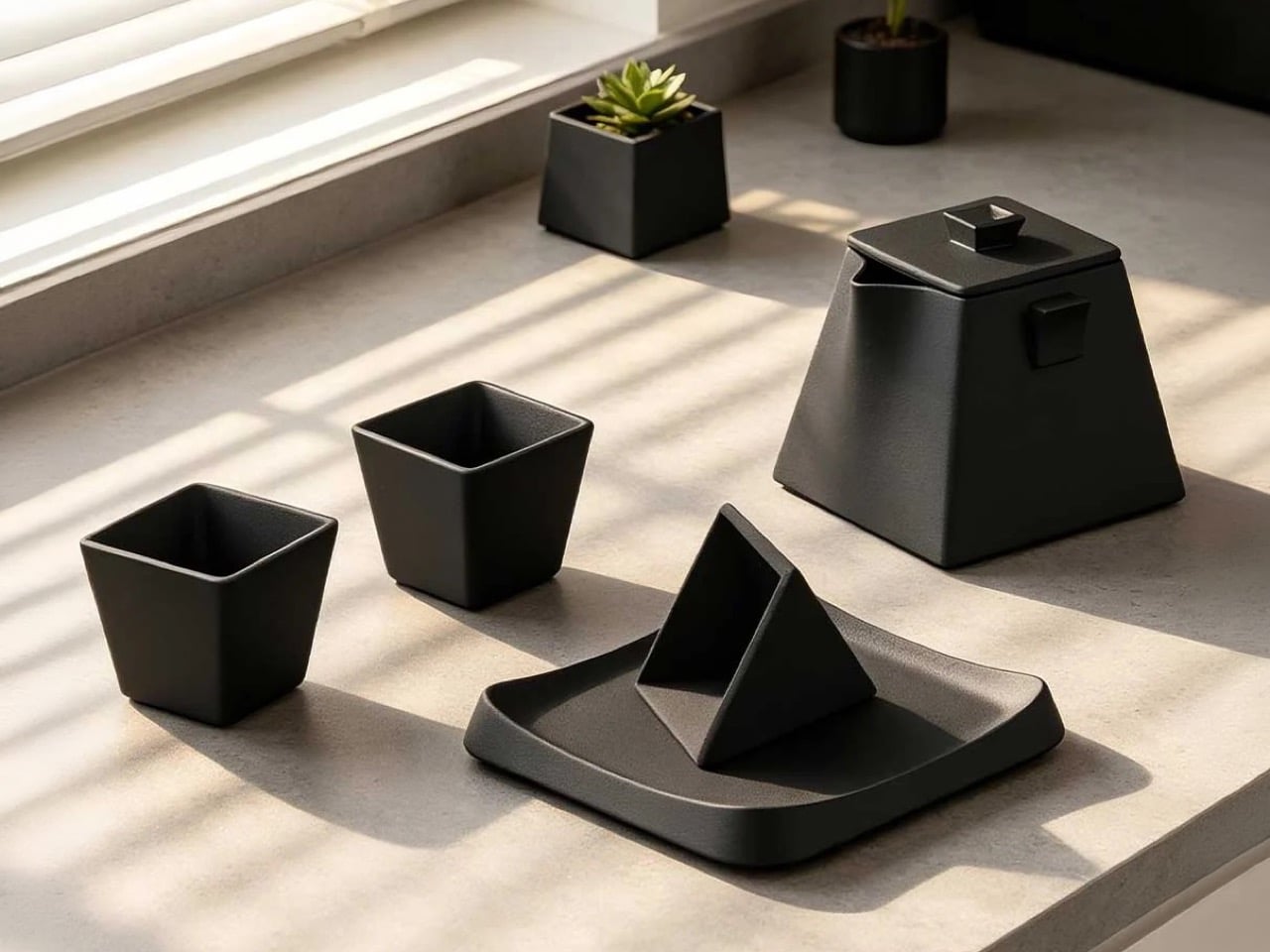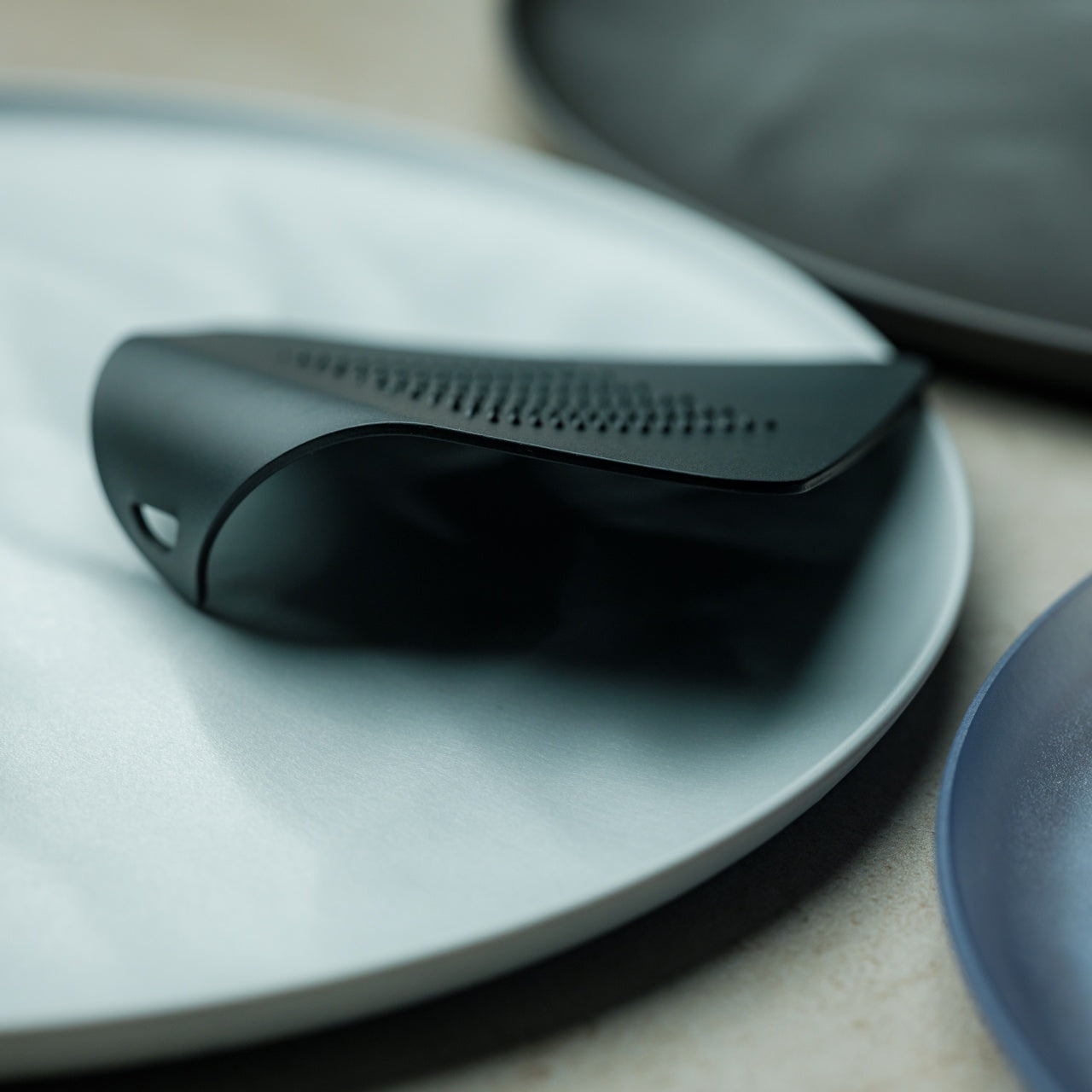
The All-Black Kitchen Is 2026’s Hottest Design Trend — Here Are 8 Products That Nail It

Black has always carried weight in design. Authority, restraint, a quiet elegance that needs no announcement. In 2026, the all-black kitchen has shifted from a bold statement to a genuine design movement. What once felt too dramatic for the most-used room in the home now feels precisely considered. Designers and homeowners alike are gravitating toward the palette for its ability to make a space feel curated, intentional, and deeply sophisticated when executed well.

The shift runs deeper than cabinetry and countertops. It lives in the tools, the cookware, the lighting, every touchpoint that shapes how a kitchen performs and how it looks doing it. Finding pieces that commit to the aesthetic without sacrificing function is the real challenge. These eight products do exactly that, from carbon graphite cookware rooted in Japanese craft to a precision pour-over kettle engineered for serious brewing.

1. ANAORI Kakugama

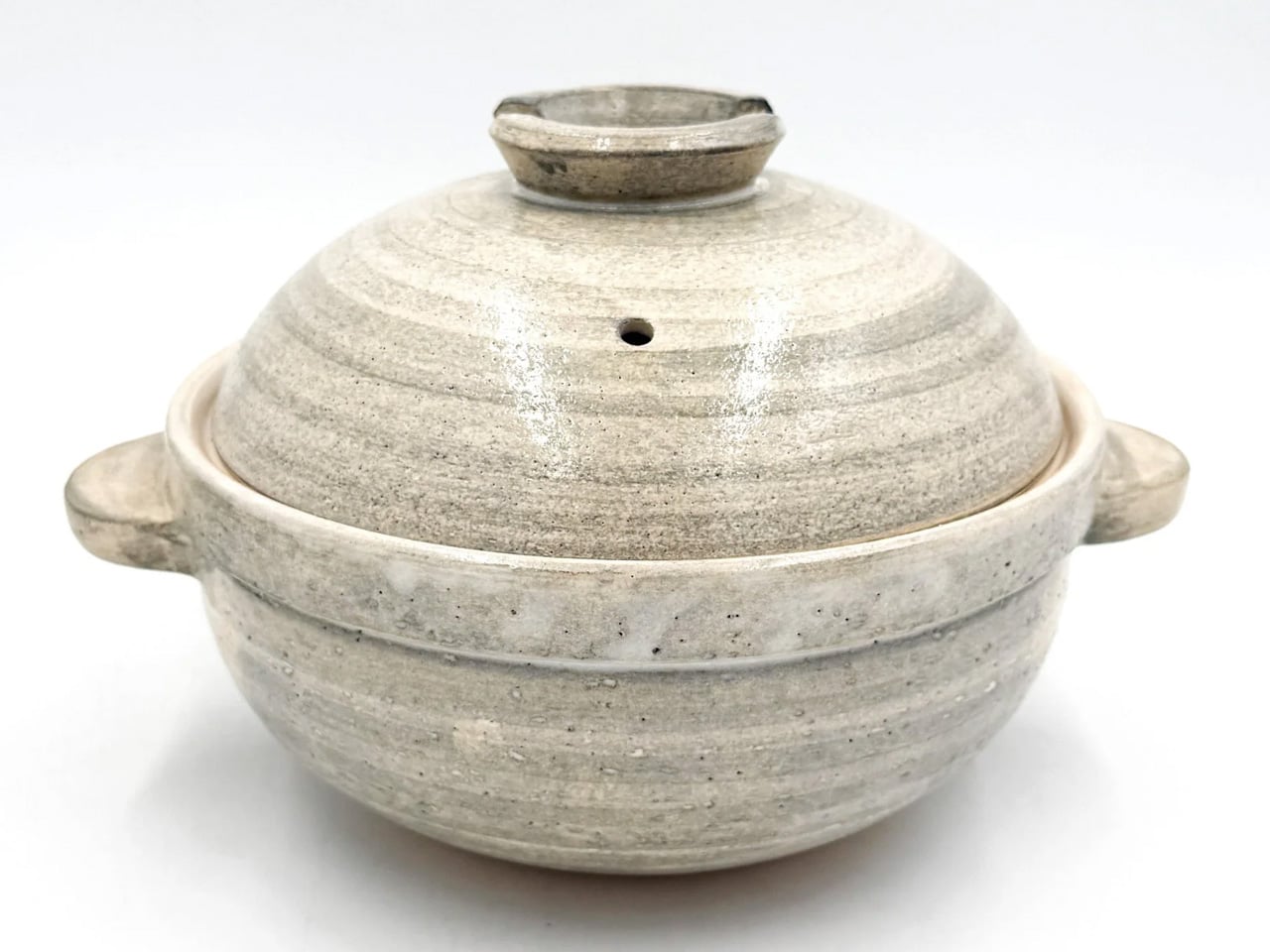
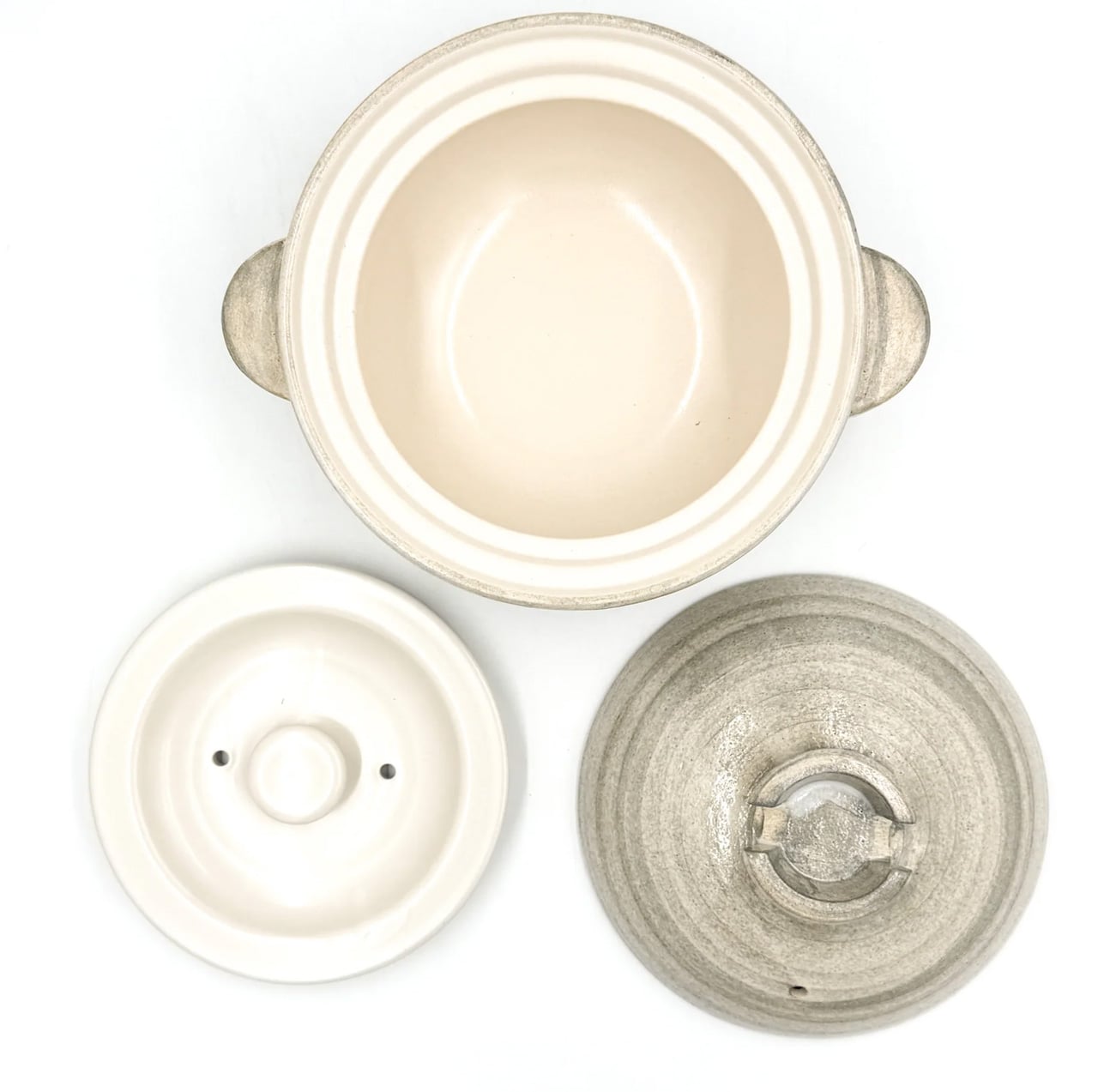
Carbon graphite isn’t a material you encounter in the kitchen, which is precisely what makes the ANAORI Kakugama so compelling. Crafted from solid carbon graphite, this Japanese cooking vessel carries a physical and conceptual weight that coated pans simply can’t match. Its matte black surface distributes heat with uncommon efficiency, significantly reducing the risk of scorching while preserving the natural flavors and nutrients of whatever is being prepared. This is cookware that approaches food with genuine respect.

The kakugama’s range is quietly impressive. Designed to steam, poach, simmer, grill, and fry, it handles each technique without compromise, making it the kind of piece that earns a permanent position in the kitchen. The fragrant Japanese cypress lid adds something unexpected: as it heats, it releases a subtle, earthy aroma that transforms an ordinary cooking session into something closer to ritual. For the design-conscious cook who values craft as much as performance, this vessel is essentially irreplaceable.

What We Like

  • Carbon graphite construction delivers exceptional, even heat retention across every cooking method
  • The Japanese cypress lid adds a rare aromatic quality to cooking that no synthetic material can replicate

What We Dislike

  • The premium material and craftsmanship place this vessel at a significant price point above conventional cookware
  • Carbon graphite requires more attentive handling and care than standard kitchen materials

2. Obsidian Black Precision Chopstick Tongs

There’s a particular satisfaction in a kitchen tool that commits fully to its concept. Part of the Obsidian Black Kitchen Collection, the Precision Chopstick Tongs take their form directly from traditional Japanese chopsticks and engineer it for the demands of a modern kitchen. Made from SUS821L1 stainless steel, they’re light enough to handle delicate pieces of sushi yet durable enough for daily stovetop use. The result is a utensil that genuinely bridges the line between cooking instrument and tableware.

What sets these tongs apart from anything else in the drawer is the finish. A special metal processing technique ensures the obsidian’s black color resists scratching and peeling, maintaining its appearance through repeated use and washing. They work just as confidently plating sashimi at the table as they do flipping proteins in a pan. That dual-purpose quality is rare, and it’s exactly what earns a piece a permanent place in a kitchen where aesthetics and performance are equally weighted.

Click Here to Buy Now: $25.00

What We Like

  • The obsidian black finish is scratch and peel-resistant, holding its appearance through sustained daily use
  • Designed to function as both a cooking utensil and tableware, bridging the kitchen and dining with a single tool

What We Dislike

  • The chopstick form may require a brief adjustment period for those accustomed to conventional tong grips
  • The precision-focused design is less suited to tasks requiring wide or bulky gripping

3. Samsung Bake Ultra Concept

Concept appliances rarely look this resolved. Designed by Octavio Leon Villareal, the Samsung Bake Ultra approaches the compact electric oven with a formal discipline that separates considered design from merely clever design. Its two-tone composition, a soft gray body anchored by a black glass front, achieves a visual balance that reads as both contemporary and enduring. This isn’t minimalism for its own sake. It’s a deliberate formal decision that allows the Bake Ultra to feel entirely at home in kitchens ranging from industrial-chic to warm and considered.

The rounded edges are doing significant work. By softening what could easily have read as an overly boxy silhouette, Villareal gives the Bake Ultra an approachability that most compact ovens lack entirely. It doesn’t demand attention, but it consistently earns it. In an all-black kitchen where every object contributes to the room’s visual tone, an appliance this compositionally assured is genuinely valuable. The Bake Ultra wasn’t designed just to function. It was designed to belong.

What We Like

  • The two-tone design with black glass front integrates cleanly into an all-black kitchen without disrupting the visual flow
  • Rounded edges give the compact form an approachability that’s rarely achieved in kitchen appliance design

What We Dislike

  • As a concept design, the Bake Ultra is not yet available for consumer purchase
  • The soft gray body, while elegant, slightly departs from a fully committed all-black aesthetic

4. Iron Frying Plate

The Iron Frying Plate operates on a beautifully simple premise: eliminate the plate. Made from 1.6mm-thick mill scale steel, this uncoated, rust-resistant piece of cookware is designed to go from stove to table without interruption. There’s no ceramic coating to chip, no synthetic surface to question, just raw, well-engineered steel that builds character and natural seasoning with every use. The matte black mill scale finish slots into an all-black kitchen without any deliberate effort at all.

Its detachable wooden handle is one of those small design decisions that reveal serious thought about every moment of use. Attach it for cooking, remove it for serving, one-handed, no tools required. That seamless transition from cooking vessel to serving piece is exactly the kind of dual-function thinking that earns a product permanent space in a curated kitchen. JIU doesn’t try to be more than it is. It’s a frying plate, and it’s an excellent one.

Click Here to Buy Now: $69.00

What We Like

  • The uncoated mill scale steel surface develops natural seasoning over time, building flavor with every use
  • The one-handed detachable wooden handle enables a smooth transition from stovetop cooking directly to table service

What We Dislike

  • An uncoated steel surface requires regular seasoning and more attentive care than nonstick alternatives
  • The minimal form is best suited to simple preparations rather than sauce-heavy or complex dishes

5. HA1 Expert Hard Anodized Nonstick 10-Piece Set

If the all-black kitchen needs a workhorse, the All-Clad HA1 Expert set fills that role without compromise. Ten pieces of hard anodized, scratch-resistant nonstick cookware finished in a deep, uniform black that holds up to both heavy daily use and visual scrutiny. The anodized aluminum construction is reinforced with a stainless-steel base, delivering warp resistance and the kind of even, consistent heat distribution that makes routine cooking genuinely more reliable. This is a set built for people who cook seriously and care deeply about how their kitchen looks.

The range covers everything a fully functioning kitchen demands: two fry pans, two saucepans, a sauté pan, and a stockpot, each paired with a matching lid. Oven-safe to 500°F and induction-compatible, very little is left unaddressed. Double-riveted stainless steel handles hold securely through extended use, while tempered glass lids allow for monitoring without lifting. As a complete, coherent system in black, this set reads less like a collection of pots and more like an intentional design decision.

What We Like

  • Hard-anodized, scratch-resistant construction paired with long-lasting PTFE nonstick delivers durable, professional-grade performance
  • Fully induction compatible and oven safe to 500°F, covering virtually every cooking scenario without exception

What We Dislike

  • Glass lids are only oven safe to 350°F, considerably lower than the pans themselves
  • PTFE nonstick requires careful utensil choice and hand washing to preserve its surface longevity

6. Precision Chef Kitchen Scissors

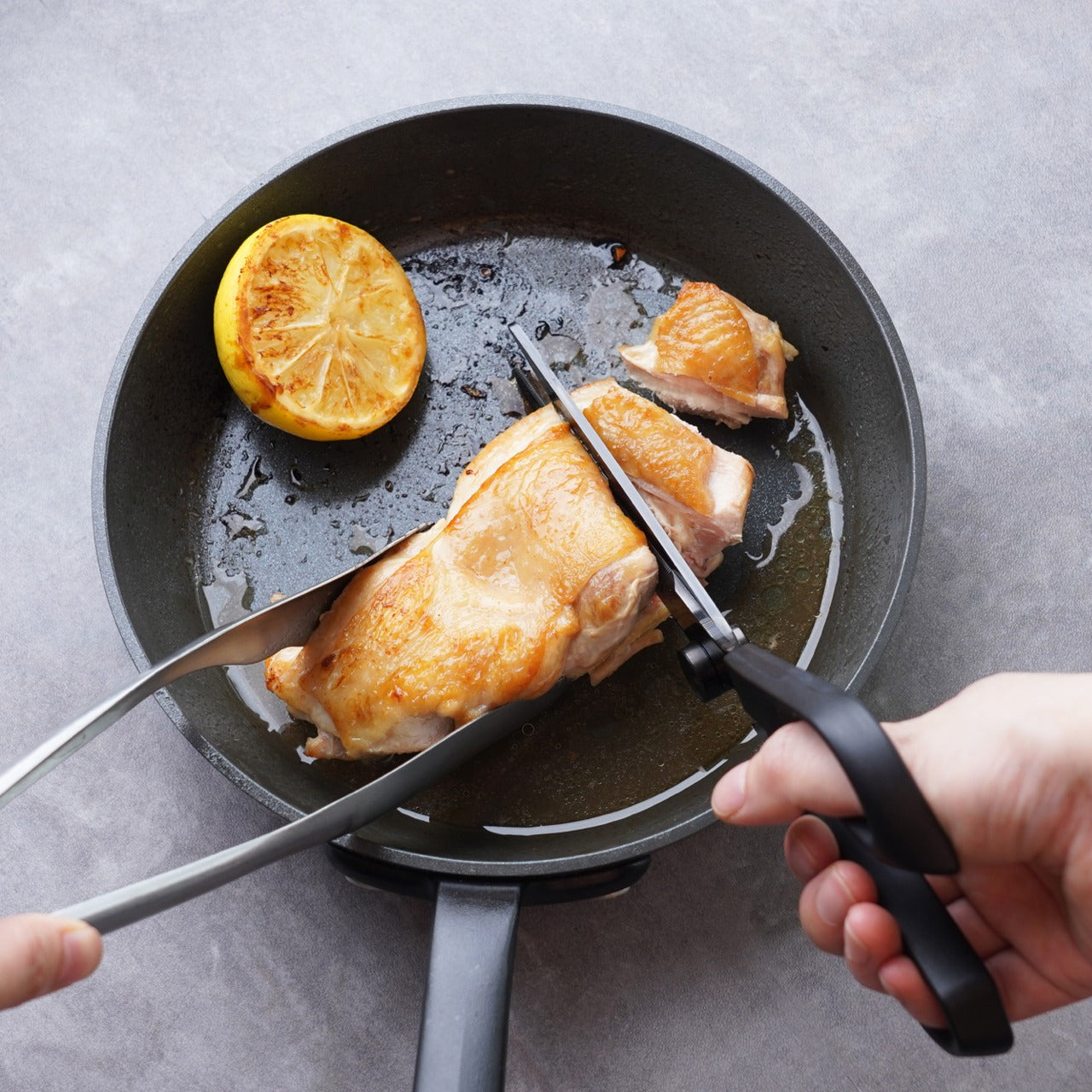
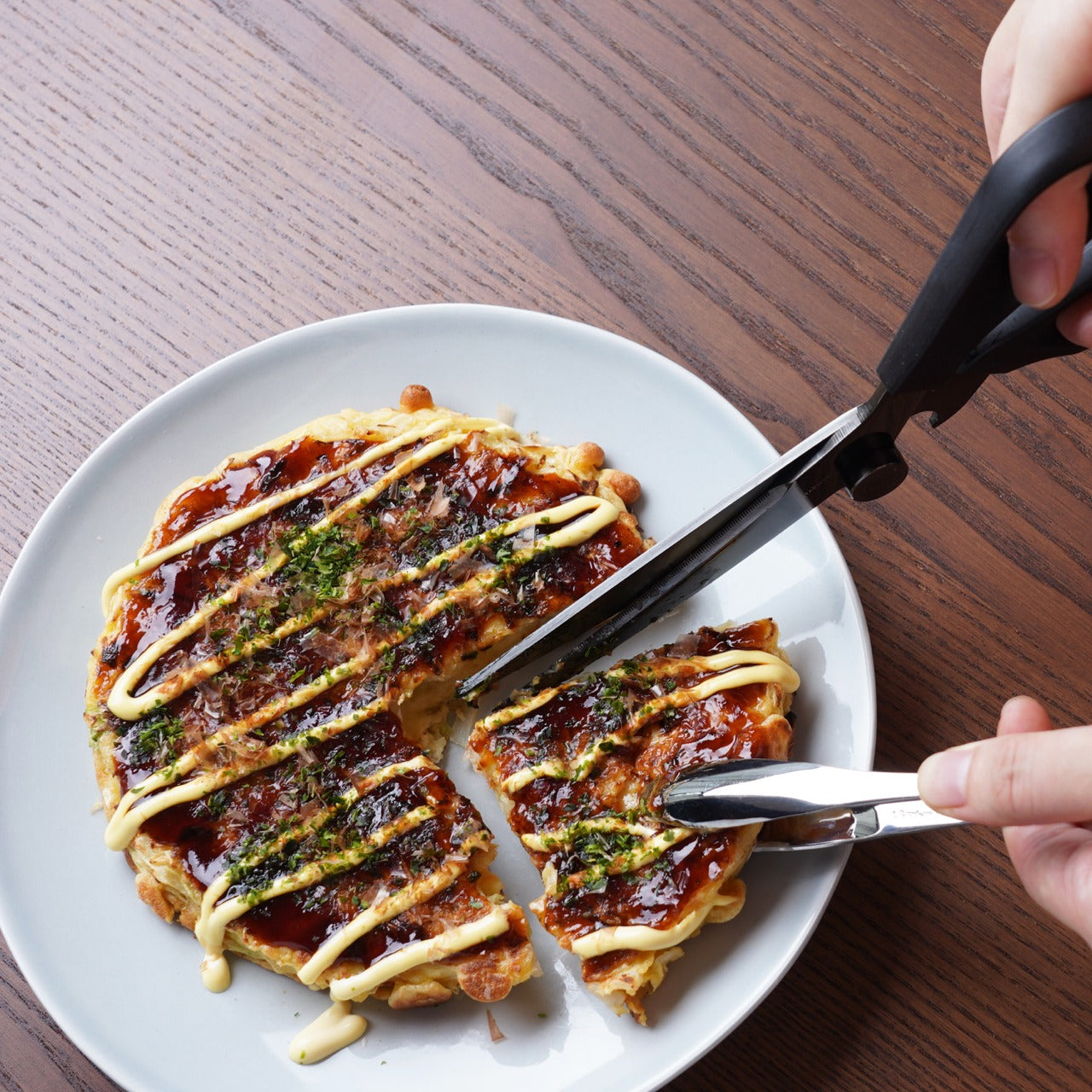
Kitchen scissors rarely receive the design attention they deserve. The Precision Chef Kitchen Scissors are a deliberate exception. The oxidation-colored black finish isn’t cosmetic; it’s a durable surface treatment that resists deterioration, holding its appearance through years of regular use. The curved serrated blade is engineered specifically for cutting meat, reducing effort while improving both control and safety. In a kitchen where every object is chosen with intention, a pair of scissors is considered a meaningful detail that most kitchens quietly overlook.

The ergonomic structure goes beyond grip comfort. When laid flat, the blade is designed to avoid contact with the counter surface, a small but precise detail that speaks to the level of thought invested in this tool. Cutting through steaks, portioning pizza, or trimming vegetables, these scissors approach each task with the same quiet authority that an all-black kitchen demands. They are scissors genuinely designed to be seen as well as used, and they meet that standard on both counts.

Click Here to Buy Now: $95.00

What We Like

  • Oxidation coloring creates a durable black finish that resists fading and surface deterioration through sustained use
  • The curved serrated blade is purpose-engineered for meat cutting, improving control and reducing the effort required

What We Dislike

  • The specialized curved blade may feel less versatile for tasks that go beyond protein and general food prep
  • Ergonomic scissors with complex geometry can be more difficult to sharpen at home than straight-bladed alternatives

7. Melrose Pendant Light

Lighting in an all-black kitchen isn’t merely functional; it’s structural. The Steel Lighting Co. Melrose pendant operates as both. The 18-inch industrial dome in matte black is proportioned specifically for kitchen island use, casting a wide, even wash of light across the work surface below. American-made and UL-approved for both indoor and outdoor installation, this is a pendant built to perform as well as it looks. At 300 watts, it carries the capacity to anchor a kitchen island with genuine visual authority.

What makes the Melrose particularly thoughtful is its configurable interior. Available in white, matte black, or brass, the interior color shapes both the quality of reflected light and the overall tone of the fixture without altering its profile. In a black kitchen, a brass interior introduces a warm, considered counterpoint that prevents the space from reading as flat or one-dimensional. The matte black exterior remains constant throughout: commanding, clean, and entirely at home in a kitchen built around the same commitment to the color.

What We Like

  • Configurable interior color options in white, matte black, or brass allow for subtle tonal customization within a consistent exterior
  • American-made with indoor and outdoor UL approval, signaling a meaningful commitment to build quality and longevity

What We Dislike

  • At 12 pounds, installation may require additional structural consideration, depending on the ceiling construction
  • The industrial farmhouse silhouette may not suit kitchens with a strictly contemporary or ultra-minimal design direction

8. Fellow Stagg EKG Pro Electric Pour-Over Kettle

The Fellow Stagg EKG Pro is the kind of object that reframes where coffee fits in the morning. Its signature gooseneck spout delivers precise control over flow rate and stream consistency, the kind of control that produces a measurable difference in pour-over extraction. To the degree, temperature control heats and holds water exactly as programmed, while a high-resolution color display allows complete customization of brewing schedules, altitude adjustments, and temperature units. This is a kettle engineered with the seriousness typically reserved for professional brewing equipment.

The EKG Pro’s WiFi connectivity and scheduling capabilities are where it shifts from impressive to genuinely integrated into daily life. Program brewing schedules that adapt to your routine so the kettle is ready precisely when you are, no preheating, no guesswork. The sleek industrial design holds its own on a countertop alongside thoughtfully chosen cookware and tools. The hold function maintains brewing temperature for extended periods without wasting energy. In an all-black kitchen, this kettle earns its visible place every single morning.

What We Like

  • To-the-degree temperature control, combined with a gooseneck spout, delivers precision that measurably improves pour-over coffee quality
  • WiFi connectivity and programmable scheduling mean the kettle is ready exactly when needed, without any manual preheating

What We Dislike

  • Advanced features like WiFi and the color display come at a price point that significantly exceeds basic kettle alternatives
  • The gooseneck form is optimized for pour-over brewing and is less suited to general-purpose boiling tasks

The Kitchen Finally Got the Design Treatment It Deserved

The all-black kitchen doesn’t ask for compromise. Every product here demonstrates that designing in black means choosing objects with a strong point of view, ones crafted carefully, finished deliberately, and considered at every stage. The color is what makes the curation visible. It’s a shared language between objects that have little else in common except that they were each made to last, made to perform, and made to matter in the space they occupy.

What’s striking about 2026’s black kitchen movement is how completely it spans every category. Cookware, utensils, lighting, kettles: the commitment runs through the entire room. When each element carries the same visual weight, a kitchen stops being a collection of appliances and tools and becomes a genuinely designed space. That’s the standard these eight products are held to, and without exception, it’s the standard each one meets.

The post The All-Black Kitchen Is 2026’s Hottest Design Trend — Here Are 8 Products That Nail It first appeared on Yanko Design.
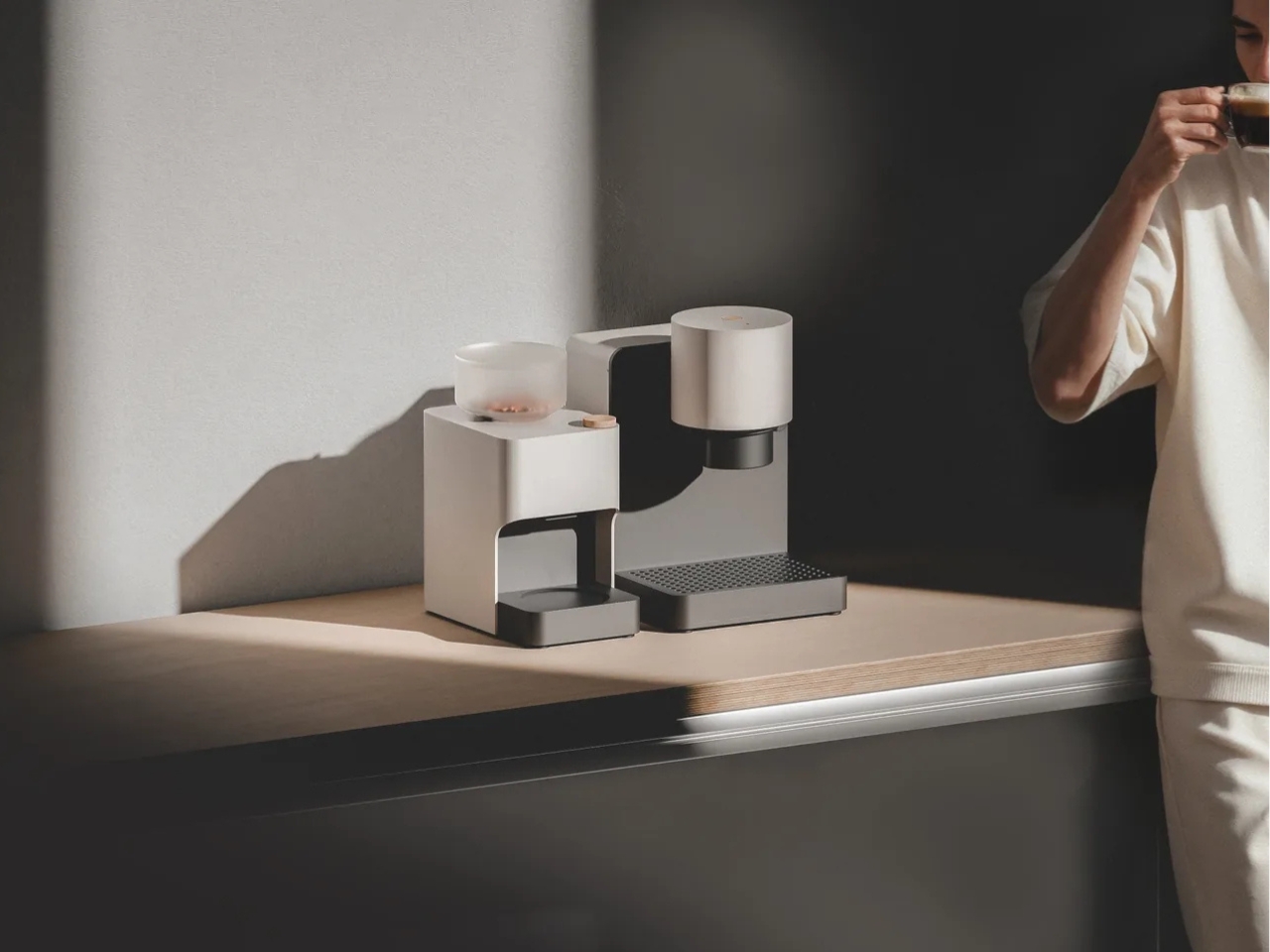
De’Longhi Just Turned 5 Coffee Machines Into Tiny Cafés

If you’re a coffee lover, chances are you’re also a fan of going to coffee shops. While most die-hard connoisseurs would probably prefer to make a cup for themselves, apparently 72% of consumers still believe that the best coffee can only be made in a café, by actual experts who trained for it (well, unless you did train as an actual barista and have the complete equipment at home).

De’Longhi wanted to show that you can have café-quality coffee at home, and they did it in the most charming, unexpected way possible: by turning their machines into miniature versions of the world’s most iconic cafés. The campaign is called “The World’s Smallest Coffee Shop,” developed in partnership with creative agency LOLA Madrid and brought to life by master miniaturist Simon Weisse and his collaborator Cindy Schnitter. Weisse is no stranger to creating miniature movie magic; he is best known for his work with director Wes Anderson on films like The Grand Budapest Hotel and Asteroid City, where his tiny, hand-crafted worlds became just as iconic as the stories themselves.

Designer: Simon Weisse and Cindy Schnitter for De’Longhi

The idea was simple yet brilliant: create five intricate, handcrafted miniature café façades and mount them directly onto De’Longhi’s bean-to-cup coffee machines. Each of these five miniature coffee shops is inspired by an iconic global coffee culture city and paired with an elite De’Longhi machine:

🇫🇷 Paris mounted on the Rivelia
🇯🇵 Tokyo mounted on the Magnifica Evo Next
🇮🇹 Milan mounted on the Eletta Ultra
🇩🇰 Copenhagen mounted on the Eletta Explore
🇩🇪 Berlin mounted on the Primadonna Aromatic

It’s not just a simple miniature, of course, given the credentials of the designers and their team. Each piece was hand-built over 1,500 hours total using traditional model-making techniques by specialist model makers. They incorporated architectural textures, aged finishes, and intricate detailing, including tiny windows and miniature signage, just as if they were crafting a set for a major film production. The level of care poured into every surface and every tiny detail is nothing short of extraordinary.

What makes this campaign particularly compelling is the signature technique Weisse’s studio brings to the table: “forced perspective,” the same cinematic method used on film sets to make miniature environments appear life-sized and completely believable. When De’Longhi approached the studio, Weisse immediately recognized an opportunity to apply this storytelling craft to something most of us interact with every single morning: a coffee machine. The goal wasn’t just to create something beautiful to look at, but to shift the way we think about where great coffee truly comes from.

The result is nothing short of a collector’s dream. Looking at each machine, it’s hard not to imagine yourself sitting at a tiny cobblestoned café in Paris, warming your hands around a bowl of café au lait, or perched on a Tokyo street corner, breathing in the scent of a perfectly pulled espresso. The detail is so immersive and so deliberate that the machine stops being an appliance and becomes an experience, or rather, an entire world in miniature.

The campaign made its stunning debut at Milan Design Week 2026, one of the most prestigious design events in the world, where all five machines were showcased together for the very first time. And the timing couldn’t be more fitting: in a world where home has become our office, our restaurant, and our gym, why shouldn’t it also be our favorite café?

De’Longhi CMO Aparna Sundaresh summed it up beautifully: “The café hasn’t just been miniaturised; it has been brought home.” Whether you’re a collector drawn to the artistry, a coffee lover chasing the perfect cup, or simply someone who appreciates craftsmanship that makes you stop and stare, The World’s Smallest Coffee Shop is a masterclass in how great design can transform the everyday into something truly extraordinary, one tiny façade at a time.

The post De’Longhi Just Turned 5 Coffee Machines Into Tiny Cafés first appeared on Yanko Design.
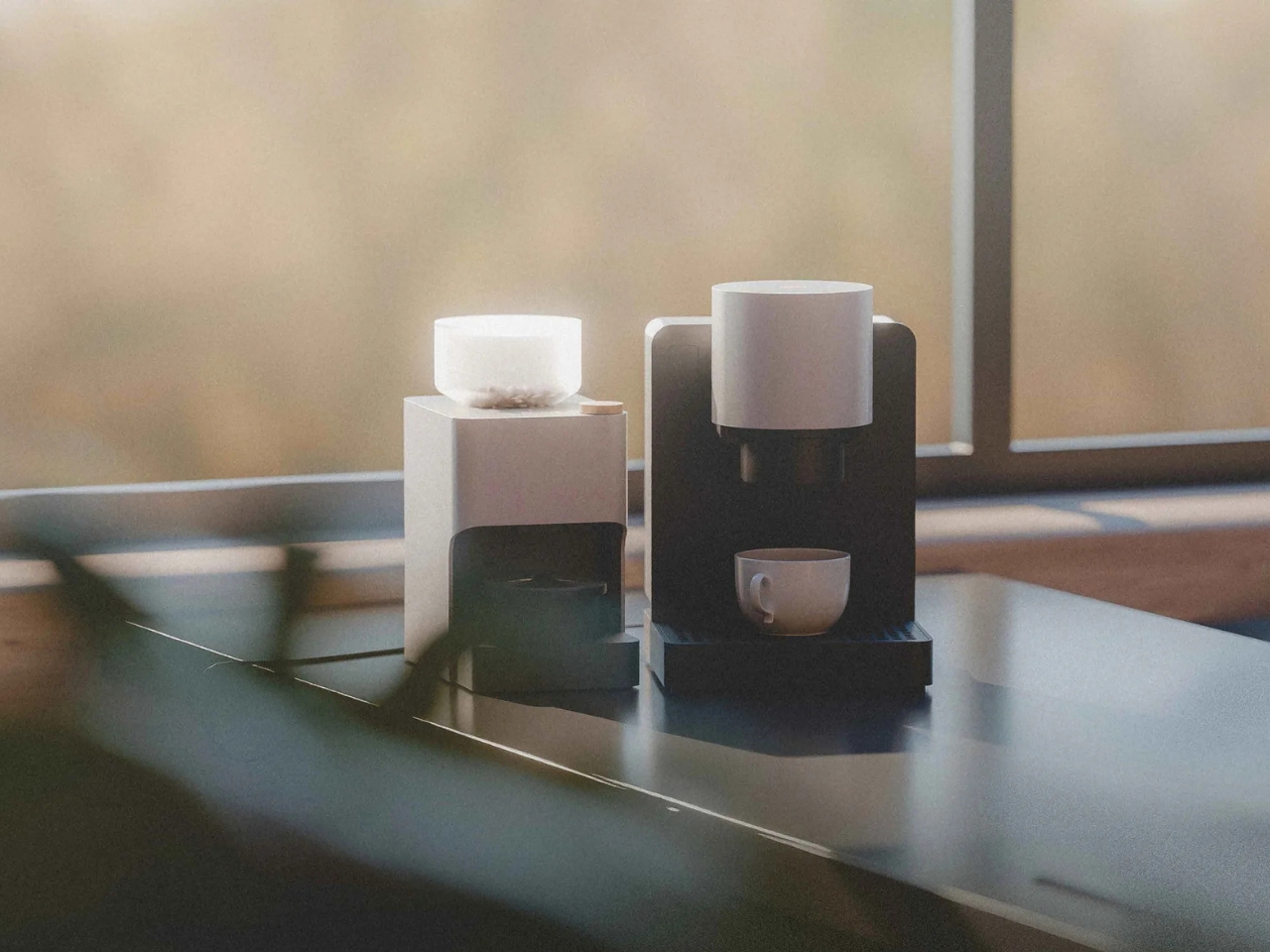
5 Coffee Gadgets & Tools Every Pour-Over Obsessive Is Quietly Adding to Their Morning Ritual Right Now

Pour-over coffee has never been a casual pursuit. It asks attention, patience, and a genuine interest in the variables between a bag of beans and a great cup. That commitment tends to attract a certain kind of person: someone who reads grinder reviews the way others read menus and talks freely about bloom times and water ratios. For that person, the morning ritual isn’t just caffeine. It’s a practice.

What makes that practice worth exploring right now is the quality of tools available to support it. Design and technology have both raised the bar considerably, making it easier to get consistently excellent results at home without sacrificing the ritualistic qualities that make pour-over worth pursuing in the first place. These five gadgets represent the best of what’s quietly finding its way into the routines of pour-over devotees right now.

1. xBloom Coffee Machine

No coffee machine on the market right now does more to close the gap between home brewing and the work of a trained barista than the xBloom. Designed by former Apple employees and dubbed the “Tesla of Coffee Machines,” it identifies, grinds, dispenses, brews, and pours your coffee entirely on its own. It uses RFID-tagged xPods, sourced from top roasters around the world, to recognize each bean’s specific profile and apply the exact grind size, water temperature, and spiral pour pattern required to extract it properly. The nanofilm instant heater brings water to temperature with precision, and the kinematic spout delivers it in a controlled, consistent flow onto the coffee bed. The result is a pour-over calibrated not just to your taste but to the specific character of the bean in your pod, every single time.

The machine operates across three distinct modes: Autopilot, which handles the entire process hands-free from scan to serve; Copilot, which lets you use your own beans and customize every variable through the companion app; and FreeSolo, which gives you complete manual control via the onboard dials. Inside, it packs a 48mm conical burr grinder, an integrated scale with 0.1g resolution, and a 700ml water reservoir alongside direct plumbing support for higher-volume use. The build is metal throughout, with a compact footprint that sits comfortably alongside high-end kitchen equipment. For a pour-over devotee who wants the precision of craft without the daily labor of pulling it off manually, the xBloom doesn’t feel like a shortcut. It feels like the most intelligent version of the ritual available.

What we like:

  • Fully automated pour-over with RFID bean recognition that adjusts grind, water temperature, and spiral pour pattern to the specific coffee in the pod
  • Three distinct brewing modes accommodate everything from total hands-free automation to fully manual pour-over control for when you want to stay involved

What we dislike:

  • The premium price point is a significant investment that will give casual or budget-conscious drinkers pause before committing
  • The Autopilot mode performs best within the proprietary xPod ecosystem, which adds a recurring cost to the overall experience

2. Ceramic Cup

The mug you drink from is part of the experience, and the MUGR Ceramic Cup understands that in a way most drinkware simply doesn’t. Its exterior takes visual cues from cast iron, giving it a quiet, grounded presence on any surface. At closer range, the Japanese ceramic body reveals itself as something far more refined: smooth against the lips, satisfying in the hand, and carrying the kind of material honesty that sets it apart from the ceramic mugs most people have stacked in their cabinets. At 350ml, the capacity is precisely right for a focused pour-over serving. The wooden handle adds warmth without visual noise, and the overall silhouette carries enough restraint to make the coffee it holds the clear focal point of the moment.

There’s something worth considering in the choice of vessel for pour-over coffee. The process itself is intentional: you’re measuring, timing, and pouring with care, so the cup receiving that work should reflect some of that seriousness. Ceramic is the ideal material here. It retains heat at a measured rate, doesn’t absorb or impart flavor, and rewards the kind of slow, present drinking that pour-over tends to inspire. The MUGR occupies a space that generic mugs can’t. It’s an object with enough considered design to elevate the experience without becoming precious or impractical. The earthy tones and Japanese ceramic texture create a visual and tactile language that feels cohesive, unhurried, and completely right when paired with a freshly brewed cup.

Click Here to Buy Now: $60.00

What we like:

  • Japanese ceramic construction delivers a satisfying tactile quality with a cast iron-inspired aesthetic that complements any thoughtfully designed brew station
  • At 350ml, the capacity is ideally sized for a single deliberate pour-over serving, making every cup feel properly portioned

What we dislike:

  • Hand wash only care instructions make it a more demanding choice for anyone who relies on a dishwasher for daily cleanup
  • It cannot be microwaved, which narrows its functional range to its primary role as a dedicated coffee vessel

3. FinalPress V3

The FinalPress V3 proves that great coffee doesn’t require an elaborate setup, just a well-engineered one. It measures 1.3 x 6.5 inches, weighs 3.6 oz, and brews a full-flavored cup in under two minutes. CNC machined from solid 304 stainless steel, it’s plastic-free and built to resist rust, warping, bending, and cracking indefinitely. The brewing process is stripped back to its essentials: add grounds, stir, wait, then press. A patented plunger system pushes water through a 200-micron super-fine filter, extracting flavor with more nuance and clarity than any other portable brewer in its size range. There are no paper filters to buy, no pods to source, and no capsules to discard. What you end up with is a tool that respects your coffee and your time in equal measure.

Where the FinalPress becomes genuinely impressive is in its 3-in-1 brew capability. Hot, iced, and cold brews are all achievable with the same compact tool, making it as relevant at a hotel room desk as it is at a campsite or your home counter between longer brewing sessions. The plastic-free stainless steel construction means no material compromise and no flavor contamination from plastic contact with your brew. For pour-over devotees who travel and refuse to accept substandard coffee as the cost of mobility, the FinalPress compresses a real brewing philosophy into its smallest and most portable form yet, without sacrificing any of the quality that made the practice worth caring about in the first place.

What we like:

  • Ultra-portable at just 3.6 oz and entirely plastic-free, with solid 304 stainless steel construction built to last indefinitely without rust or warping
  • Brews hot, iced, and cold coffee using the same tool with no paper filters, pods, or capsules required

What we dislike:

  • There is a short learning curve in getting the press technique right to avoid over-extraction, especially when starting out
  • The single-serve capacity makes it less practical when you need to brew for more than one person at a time

4. NanoFoamer PRO

The NanoFoamer PRO addresses a very specific problem with a very precise solution: producing genuine microfoam at home without the equipment, training, or noise of a commercial espresso setup. For pour-over drinkers who want to occasionally cross into latte territory without compromising on quality, it removes every barrier to doing it properly. The appliance heats and foams milk simultaneously, timing its process to sync with an espresso pull so that your shot and your foam arrive ready at the same moment. The crema stays intact, the foam is fine and velvety rather than large and airy, and the result looks and tastes like something a trained barista handed you. For a home setup, this is a notable achievement, and it happens without requiring any of the manual skills that professional foaming normally demands.

The distinction between microfoam and standard frothed milk matters more than it may first appear. Conventional frothers create large, unstable bubbles that float above the espresso rather than integrating with it. The NanoFoamer PRO produces the fine-textured, glossy foam that makes latte art achievable and milk-based drinks genuinely enjoyable rather than merely acceptable. For a pour-over obsessive with an espresso machine already sitting on the counter, this is the component that completes the home setup in a way it couldn’t before. The workflow is clean, both elements finish at the same time, and the pour goes exactly as intended. The NanoFoamer PRO earns its counter space not by demanding attention but by quietly doing the most technically demanding part of the job better than anything else available.

What we like:

  • Produces professional-grade microfoam by heating and foaming milk simultaneously, timed to sync perfectly with an espresso pull
  • The streamlined workflow ensures espresso crema and milk foam are ready at the same moment, with no compromise to either element

What we dislike:

  • Designed as a companion to an espresso machine rather than a standalone appliance, which limits its role in a strict pour-over-only setup
  • Pour-over purists who never incorporate milk will find minimal daily utility in adding this to an otherwise black-coffee-focused morning routine

5. Three-Cup Handblown CHEMEX

The handblown CHEMEX occupies a rare category among coffee equipment: it’s a brewing tool that also qualifies as a genuine work of art. Each piece is individually crafted by skilled glassblowers in Croatia using traditional European techniques, meaning no two are exactly alike. The borosilicate glass construction meets laboratory-grade standards, delivering complete flavor neutrality while comfortably withstanding the thermal shock of repeated hot water pours. Paired with CHEMEX Bonded filters, the system removes oils, bitterness, acidity, and sediment to produce a coffee with clarity and cleanliness that neither a French press nor a standard drip machine can approach. The result is a cup that lets the bean speak for itself, completely unobstructed by the residual compounds that other brewing methods leave behind.

Beyond its brewing performance, this CHEMEX invites a different kind of relationship with the ritual. The polished wood collar and leather tie are both functional and beautiful: they insulate the vessel during handling and add a warm material contrast to the cool transparency of the glass. Brewing with it is a slow, deliberate process, and the object rewards that pace. Each pour looks considered, each session takes on a ceremonial quality that machine-made glass simply doesn’t generate. The small-batch production behind each handblown piece adds to that sense: this is not mass-market equipment, and it doesn’t feel like it. For pour-over devotees who want their brew station to reflect the same level of care they bring to every cup, the handblown CHEMEX is the most visually and functionally complete answer available.

What we like:

  • Individually handblown by skilled glassblowers in Croatia, combining borosilicate precision with a one-of-a-kind artisan aesthetic that makes each piece genuinely unique
  • The polished wood collar and leather tie provide practical heat protection while adding a considered, elegant material contrast to the glass body

What we dislike:

  • The glass construction is inherently fragile and requires thoughtful handling and careful storage to avoid breakage over time
  • The three-cup capacity may feel limiting for households where multiple people want coffee from the same vessel at the same time.

The Ritual Is Only as Good as the Tools Behind It

The morning ritual of a pour-over devotee is, at its core, a commitment to paying attention. Every gadget on this list honors that commitment in a different way: some by removing friction, some by elevating the sensory experience, and others by making excellence achievable in the places and moments where it matters most. Pour-over culture has moved beyond a niche. It’s a serious practice, and these are the tools reflecting how seriously people are choosing to take it.

Building a great brew station doesn’t happen in one purchase. It happens gradually, through the accumulation of objects that each serves a real purpose and earn their place. Whether the xBloom’s automated precision speaks to you, or the quiet beauty of a handblown CHEMEX does, the principle is the same: start with what resonates, use it well, and let the ritual build from there. The best cup you’ve ever made is probably still ahead of you.

The post 5 Coffee Gadgets & Tools Every Pour-Over Obsessive Is Quietly Adding to Their Morning Ritual Right Now first appeared on Yanko Design.
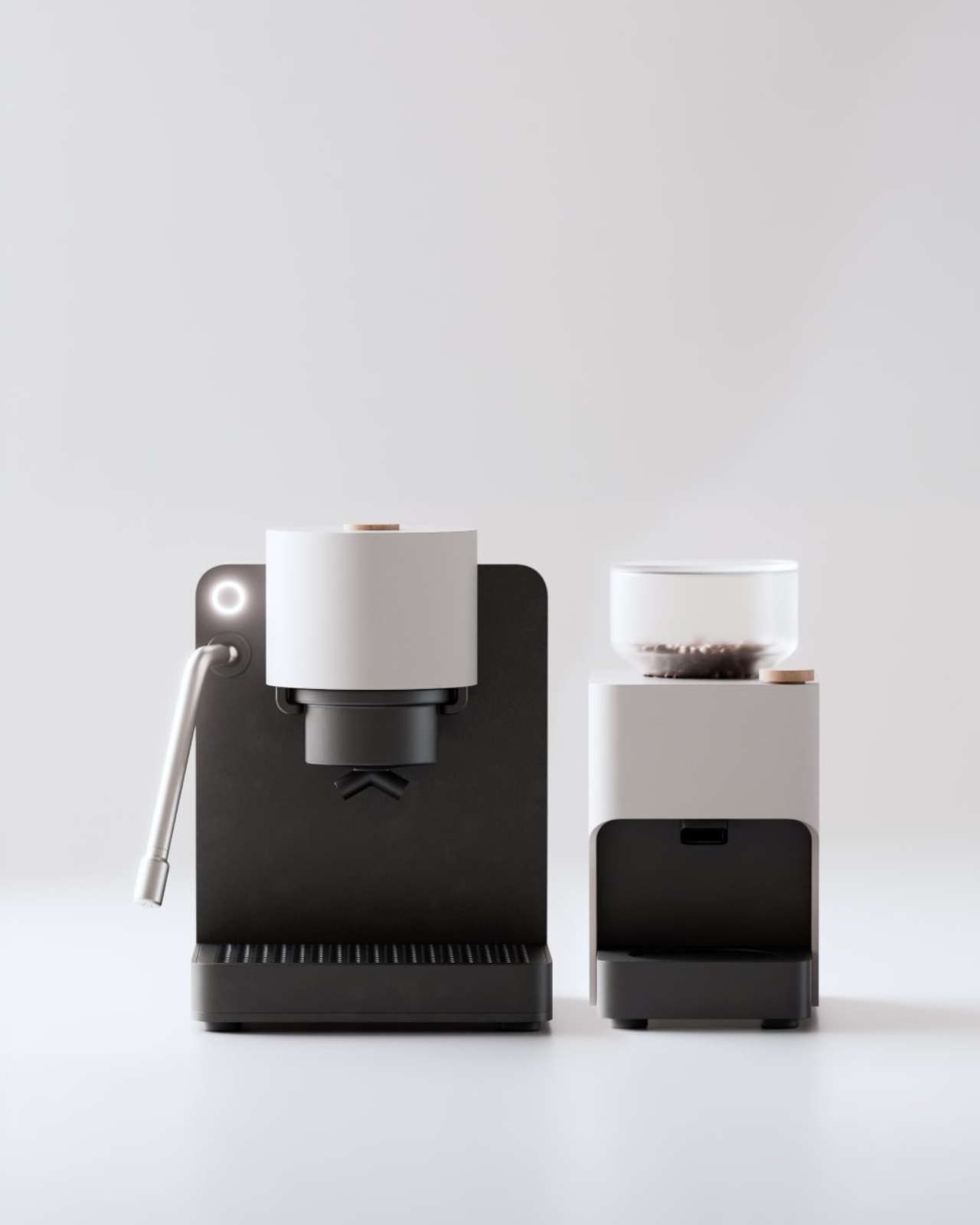
5 Vertical Farm Designs That Grow Food Inside Your Home and City

Vertical farming is redefining how food is grown, distributed, and consumed in an increasingly urban world. As populations rise and arable land becomes scarce, growing food vertically offers a practical, efficient alternative to traditional agriculture. By producing crops closer to where people live, vertical farming reduces dependence on long supply chains, minimizes food waste, and ensures year-round access to fresh produce. It also uses significantly less water and land, making it a more sustainable approach to feeding cities.

Beyond efficiency, vertical farming is reshaping the relationship between people and food. It brings food production back into daily life, increasing awareness of how produce is grown and encouraging healthier eating habits. Advanced systems that combine controlled lighting, irrigation, and monitoring technologies allow consistent yields with minimal environmental impact. Here is how vertical farming is not just a growing method, but a shift toward resilient, localized, and future-ready food systems.

1. High-Rise Agritecture

Skyscrapers are transforming into living, productive organisms. Static glass facades are giving way to “living skins” that integrate vertical farming, allowing cities to grow food within minimal footprints. This approach reduces transportation emissions and creates a seamless dialogue between architecture and the surrounding urban landscape.

These vertical farms use double-height glazing tuned for optimal light absorption, maximizing photosynthesis and crop yield. Dense vegetation also provides natural insulation, lowering energy use while diffusing sunlight for residents. By merging agricultural efficiency with architectural elegance, these spires redefine urban living, offering sustainable food production and serene, light-filled interiors.

By integrating large-scale vertical agriculture directly into a high-rise typology, the tower addresses food insecurity in Chicago’s underserved neighborhoods, where access to fresh, affordable produce remains limited. Food production is embedded within the building core, allowing crops to be grown, processed, and distributed locally. This approach reduces reliance on long-distance supply chains, lowers carbon emissions, and transforms the skyscraper into a productive, self-sustaining system that supports urban resilience and food equity.

The tower’s form and systems are designed to support continuous agricultural performance. A fluid, water-inspired massing optimizes light penetration, airflow, and water circulation, while cloud harvesting, rainwater reuse, and renewable energy systems sustain year-round cultivation. Residential, educational, and commercial programs are organized around farming zones, reinforcing food production as a shared civic function. Structurally, a diagrid exoskeleton enables large inner voids for light and ventilation, allowing the skyscraper to operate as a vertical landscape where agriculture, architecture, and urban life are fully integrated.

2. Reconfigurable Modular Planter

Modular planters introduce a layered spatial rhythm where planting systems evolve alongside everyday living. Designed with architectural precision, these elements use high-performance bio-composites that express material honesty while functioning as adaptable interior features. Acting as spatial dividers and living furniture, they create biophilic zones that improve air quality and soften the hard lines of contemporary interiors.

The long-term value of modular planters lies in flexibility and design longevity. Systems can be rearranged as spatial needs shift, allowing interiors to remain responsive rather than fixed. More than decorative objects, these planters operate as architectural components, seamlessly connecting interior design with agricultural thinking while preserving the coherence and integrity of the home’s-built form.

As home gardening gains popularity, the challenge of growing food in compact living spaces has become increasingly apparent. Many planters designed for small homes limit the number of plants they can support, restricting both yield and flexibility. Chilean designer Lorenzo Vega addresses this issue through a modular vertical planter system inspired by LEGO-style construction. Beginning with a single cubic unit, the system allows users to grow vegetables using traditional methods, then expand vertically by stacking additional modules as space permits. This scalable approach enables efficient food cultivation without demanding a larger footprint.

Each module consists of a planting dish encased within a cubic frame that provides sufficient depth for crops to grow to full height. The design draws visual and structural influence from Japanese Metabolism and Social Modernist architecture, resulting in a clean, stripped-back aesthetic. Its stackable form maximizes vertical space, transforming underused areas into productive growing zones.

3. Indoor Vertical Farms

Integrating an indoor vertical farm into the heart of the home has become a defining marker of contemporary luxury. This residential biosphere transforms everyday living into a sensory experience, where the presence of living greens, natural aromas, and visual vitality elevates well-being. Rather than serving as ornamentation, the farm prioritizes nourishment, mindfulness, and a deeper connection between occupants and their environment.

Functioning as an architectural system, these vertical farms actively regulate the home’s internal climate. Layered hydroponic structures support thermal performance, operating as natural heat moderators within the interior. Treated as sanctuaries of softened light, the grow zones conceal advanced technology behind refined joinery, creating a seamless balance between precision engineering and calm, restorative spatial design.

Berlin-based design studio The Subdivision introduced Agrilution as an indoor vertical farming solution that turns sustainable living into an intuitive, everyday experience. Designed with ease of use in mind, the concept focuses on making home-grown food practical for modern lifestyles, particularly for those living in compact urban spaces.

Also known as the Plantcube, Agrilution resembles a small refrigerator and features two sliding shelves for soil planters and crops. Built-in LED grow lights deliver consistent artificial light, supporting plant growth throughout the year. A connected app tracks plant health and alerts users when watering or maintenance is needed. With its clean black-and-white finish, Agrilution integrates effortlessly into contemporary interiors, offering a discreet and efficient way to grow fresh produce at home.

4. Integrating Community Lifestyle

Vertical farming is increasingly understood as a catalyst for social connection within contemporary developments. Shared growing spaces transform food production into a collective ritual, offering a form of psychological value that conventional luxury amenities rarely achieve. These communal agricultural zones function as biophilic environments where residents connect not only with nature but with one another, strengthening the relationship between architecture and social well-being.

Designed as central spatial anchors, these farms are embedded within primary circulation routes to encourage movement, pause, and interaction. Positioning agriculture at the core of daily life reframes it as a cultural act rather than a background utility. In dense urban settings, such spaces counter isolation, fostering shared responsibility and turning the productive landscape into a lived, communal experience.

Urban farming adapts to the character and constraints of each city, taking forms that range from backyard gardens to rooftop plots and hydroponic systems. In Malmö, where space is limited, small-scale community farming has become an important part of urban life. Designer Jacob Alm Andersson developed Nivå, a vertical farming system shaped by the practices and shared experiences of local urban farmers. Through interviews, Andersson discovered that many residents began growing food after being inspired by their neighbors, highlighting the role of community exchange in sustaining urban agriculture and encouraging participation across generations.

Responding to Malmö’s spatial limitations, Nivå is designed to function efficiently on a vertical plane while remaining adaptable and robust. The system is constructed from stacked steel beams reinforced with wood, creating stable shelving for cultivation. Heat-treated pine planters attach using a hook-and-latch mechanism, eliminating the need for screws. Beyond growing food, Nivå operates as a communal workstation, complete with a central work surface that supports planting, harvesting, and maintenance, reinforcing urban farming as both a productive and social activity.

5. Automated Irrigation

Automated irrigation operates as the quiet intelligence behind productive, plant-integrated architecture. IoT-enabled systems regulate water and nutrient delivery with extreme accuracy, supporting healthy growth while drastically reducing waste. This technical layer is carefully concealed within recessed channels and shadow gaps, preserving the visual integrity of stone, timber, and other primary finishes while allowing the architecture to read as calm and resolved.

Beyond performance, automation enhances long-term value and resilience. By controlling moisture precisely, these systems protect the building envelope and ensure consistent yields without constant human intervention. The result is a biophilic environment that feels effortless to inhabit where advanced engineering and natural growth work in harmony to create a self-sustaining, low-impact domestic ecosystem.

Loop is a smart, modular plant pot designed specifically for compact urban interiors. Created by designer Elif Bulut, the system addresses common challenges of indoor gardening, such as limited space, inconsistent light, and irregular watering. Its sculptural, plume-inspired form allows plants to grow from both the top and bottom, with detachable seed modules arranged in a radial configuration. Each module securely locks into place, enabling easy customization and maintenance while keeping the system compact and visually cohesive.

At the core of Loop is an automated irrigation and lighting system that simplifies plant care. An adjustable top-mounted water reservoir controls the flow of water to each module, allowing users to fine-tune irrigation based on plant needs. Integrated LED lights beneath the lid distribute balanced light throughout the day, supporting healthy growth indoors. Once set up, Loop’s smart technology monitors plant conditions and maintains optimal settings, making indoor gardening intuitive, low-maintenance, and well-suited to city living.

Vertical farming is transforming how we inhabit cities and homes, blending architecture, sustainability, and community. From towering agricultural skyscrapers to modular indoor systems, these innovations create resilient, biophilic environments that nourish both people and planet.

The post 5 Vertical Farm Designs That Grow Food Inside Your Home and City first appeared on Yanko Design.

Alessi Just Built an Espresso Maker Shaped Like a Screw

The trash or scrapyard is probably the last place you would look for inspiration when trying to come up with a design for food or drink-related products. But apparently, the new Vite espresso maker from Alessi did just that. Designer Philippe Malouin used his Scrapyard Works process to develop the concept for this coffee maker, drawing inspiration from an unexpected item: the screw. In fact, this approach is completely unprecedented in the history of Alessi, making the Vite one of the most conceptually bold things the brand has released in years.

Vite literally means “screw” in Italian, and the coffee maker looks exactly like what it’s named after. It is apparently what caught Malouin’s attention as he sifted through metal fragments, pieces that could be brought to new life through recomposition and reinterpretation. What you get is a coffee maker with a distinct industrial feel that can still deliver one of the best cups of fresh espresso you can get from a stovetop brewer.

Designer: Philippe Malouin

London-based industrial designer Philippe Malouin is no stranger to turning bold concepts into beautifully functional objects. Born in Laval in 1982, he founded his studio in 2008 and has since built a reputation for work spanning furniture, lighting, objects, and installations. He has taught at prestigious institutions like the Royal College of Art in London and ECAL in Lausanne, earning international recognition through awards from Wallpaper*, Archiproducts, and Dezeen. With the Vite, he brings that same thoughtful, concept-driven approach to your morning coffee ritual, and honestly, your kitchen counter will never look the same.

The Vite is made from die-cast aluminum, which gives your espresso a rich, rounded, full-bodied flavor. That choice of material is not just aesthetic, as aluminum has long been favored in traditional Italian coffee making for exactly this reason. The boiler is shaped to echo the form of a screw, a nod not only to the name but also to the physical gesture of twisting or screwing the two halves of the device together to brew your perfect cup. It’s a rare case where the name, the form, and the function all tell exactly the same story.

The small flared base of the boiler mirrors the head of a screw, keeping the theme consistent from top to bottom. This section is crafted from thermoplastic resin, and the color variants were actually sampled directly from the machinery and tools inside the Alessi workshop, meaning what sits on your stovetop is literally a piece of Alessi’s factory floor translated into design. Available shades include Sage Green and Brown, among other workshop-inspired options. It’s a small detail, but it’s exactly the kind of thoughtful decision that Alessi collectors tend to fall in love with. If you’d prefer a cleaner, more minimalist look, there’s also an exclusive natural aluminum version available only on alessi.com and in select Alessi stores.

Beyond its striking looks, the Vite is impressively practical. It brews three cups of espresso at a time and is compatible with all types of cooktops, including induction. That’s a major win for anyone who has had to retire a beloved moka pot simply because of a kitchen upgrade. At just 17 cm tall and 10 cm in diameter, it’s compact enough to tuck away but distinctive enough that you’ll probably want to leave it on permanent display.

And that’s really what sets the Vite apart in a crowded market of coffee makers: it’s as much a collectible as it is an appliance. Alessi has always walked the line between industrial design and art, and the Vite is a near-perfect example of that philosophy in action. Whether you’re a design collector, a devoted espresso lover, or simply someone who believes your kitchen deserves beautiful things, this screw-shaped little brewer is worth every bit of the attention it’s getting. Sometimes, the best ideas really do come from the scrapyard, and this one just happens to make a really great cup of coffee too.

The post Alessi Just Built an Espresso Maker Shaped Like a Screw first appeared on Yanko Design.
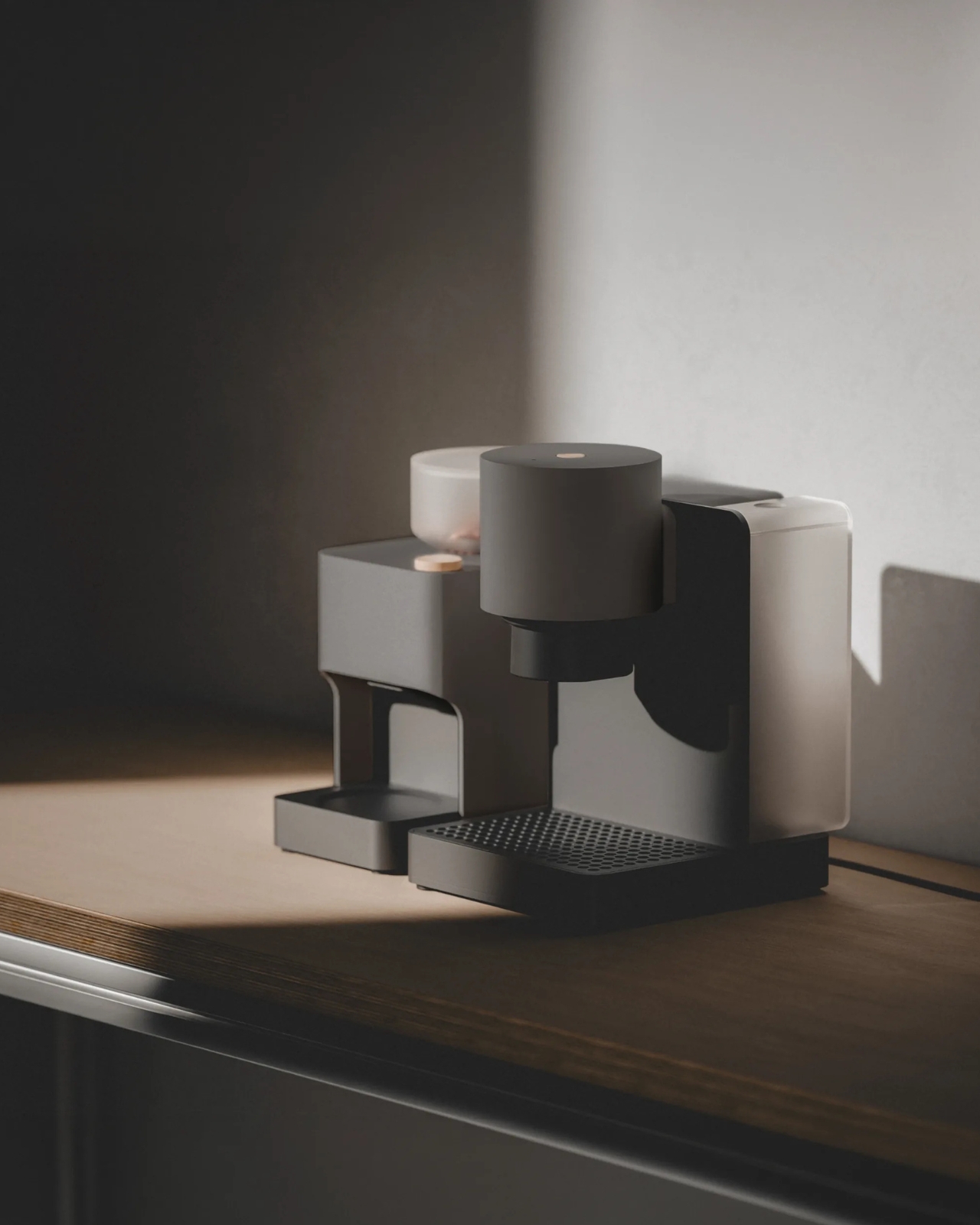
Soft Means Spoiled, and That’s Actually Brilliant

Most kitchen appliances are desperate for your attention. They beep, flash, and send you notifications just to remind you that they exist. Dolce, a conceptual refrigerator handle designed by Zhujun Pang, goes in the opposite direction entirely, and that restraint is exactly what makes it so interesting.

The premise is deceptively simple. The handle, made of frosted silicone with a clean, pill-shaped profile, changes its physical firmness based on the freshness of the food stored inside the refrigerator. When everything’s fine in there, the handle feels firm to the touch. When something is going bad, it softens. No beep. No notification. No app to check. You just reach for the fridge and the handle tells you what you need to know before you’ve even opened the door.

Designer: Zhujun Pang

The metaphor doing the heavy lifting here is the banana. Firm when fresh, soft when it’s past its prime. It’s one of those pieces of embodied knowledge so universal it barely registers as knowledge at all. Pang took that intuition and designed around it, which is the kind of thinking that tends to produce the best objects: not inventing a new language for a user to learn, but borrowing one they already speak fluently.

Aesthetically, Dolce is striking in a way that sneaks up on you. The handle has a warmth and softness even in its “firm” state, that frosted translucency sitting beautifully against the warm wood grain of a cabinet door. It looks almost like a piece of cast glass or a studio ceramics piece. It doesn’t scream “smart home gadget,” and that’s a huge point in its favor. A lot of connected objects fail because they look like what they are: gadgets strapped onto otherwise elegant things. Dolce looks like it belongs.

What Pang identified at the core of this problem is quietly profound. The refrigerator is, in a sense, a box that separates us from our food. You can’t smell your leftovers through the door. You can’t see whether that cucumber at the back is starting to go. The fridge solves the preservation problem but creates an information problem in the process. Dolce’s answer isn’t to add a screen or a camera interface or a connected app. It’s to restore something tactile and immediate at the one point of contact you already have with the appliance every single day.

It’s also worth noting that the handle looks exactly like what a modern refrigerator handle should look like right now. That matters more than it might seem. Design that carries function without calling attention to its function has a longer life. Trends come and go, but an object that is quietly beautiful tends to stay relevant. Dolce is the kind of piece that could sit in a design museum or in an IKEA kitchen and feel at home in either setting.

The technology underneath is also worth a moment of appreciation, even if we’re not deep-diving into the engineering. Internal sensors read the fridge’s environment, an onboard microcontroller processes that data, and a small air pump inflates or deflates a silicone bladder inside the handle. The firmness you feel when you grab it is literally driven by air pressure responding to actual conditions inside the fridge. That the end result of all that is just “firm” or “soft” is the whole point. Complex input, simple output. The user carries none of the cognitive load.

It would be easy to dismiss this as a design concept that will never see production, and maybe it won’t. But the thinking it represents is what the appliance industry desperately needs more of. Most smart home products are still asking us to do more, check more, manage more. Dolce asks us to do less. It removes a small decision from your day and delivers the answer at the precise moment you need it, through the sense that requires the least interpretation of all.

The post Soft Means Spoiled, and That’s Actually Brilliant first appeared on Yanko Design.
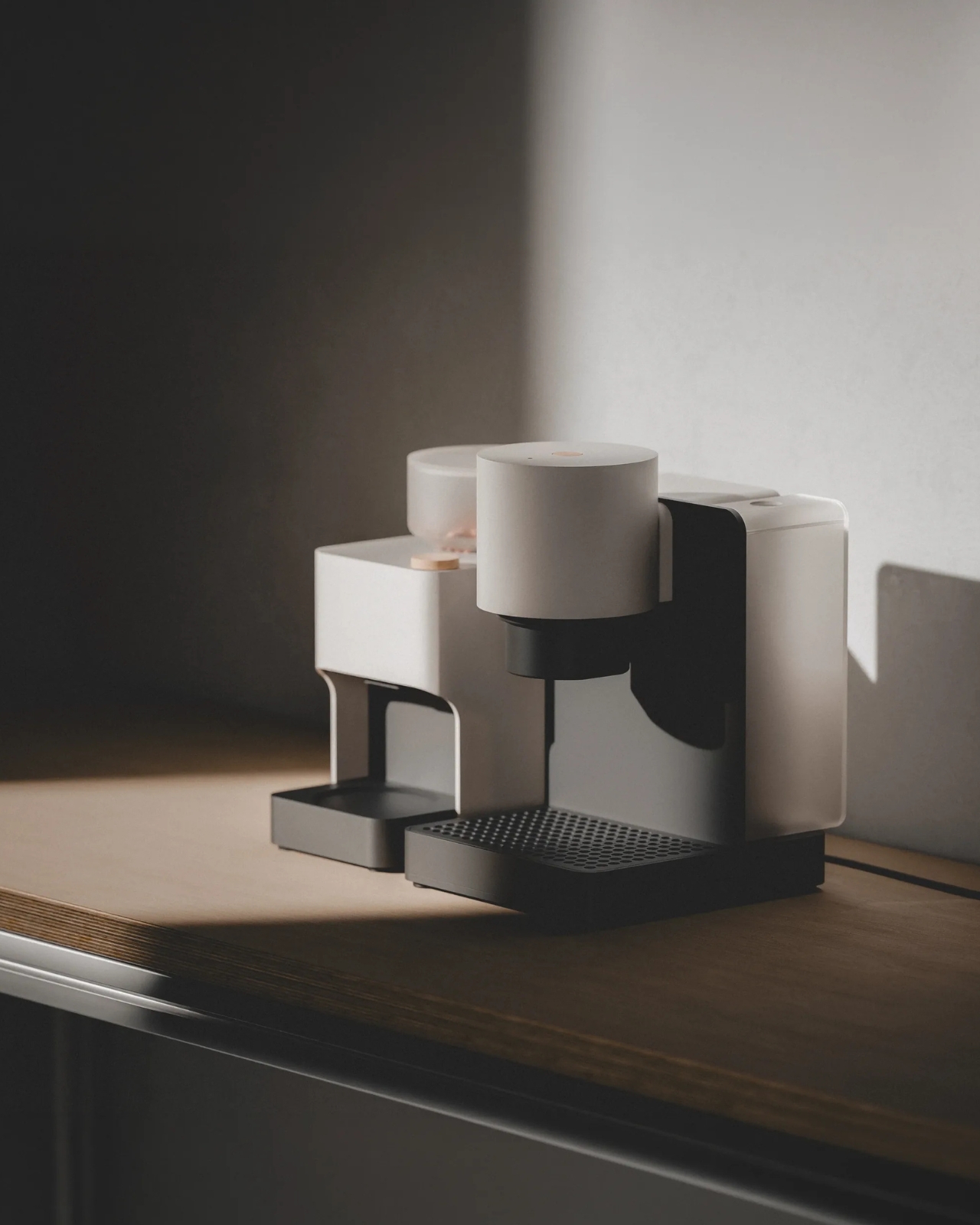
5 Best Waterdrop Filter Systems for Spring 2026, From Renters to Full Family Kitchens

The water coming out of your tap has traveled through infrastructure that, in many American cities, predates the internet by several decades. Municipal treatment plants catch most of what they’re supposed to catch, but aging pipes, PFAS compounds from industrial and agricultural runoff, and lead from corroding plumbing each leave their own signature in what eventually fills your glass. Two people living thirty miles apart can have genuinely different water problems, and the solution that works perfectly in one kitchen may be entirely wrong for the other. Spring tends to be when many families actually act on this, a natural reset point where the habits and home conditions worth changing finally get real attention.

Waterdrop Filter has spent the better part of the last decade building a filtration lineup that treats water quality as a variable, not a constant. Five of their systems are currently on sale on Amazon through March 31st, spanning the full range of how people actually live: renters who can’t drill into cabinets, families running a high-demand kitchen with PFAS and lead on their radar, people who want their minerals preserved, and anyone who wants instant hot filtered water without the plumbing commitment. Each one is built around a different problem, and this guide helps narrow down which one is built around yours.

Waterdrop Filter G3P800 Tankless RO System: The Under-Sink Performer That Stays Out of Sight

For families thinking seriously about what’s actually in their water this spring, the G3P800 is where Waterdrop Filter’s under-sink lineup earns its bestseller status. The concerns driving most of those conversations, PFAS compounds, lead from aging pipes, chlorine byproducts, are precisely what this system addresses. Its 10-stage RO filtration achieves 98% PFOA reduction, 99% PFOS, and over 99% lead, numbers that carry particular weight for households with infants, pregnant women, or elderly members. NSF/ANSI certifications across standards 42, 53, 58, and 372 back those claims with third-party verification. The tankless design reclaims 50 to 70 percent of under-sink cabinet space, and the UV sterilization stage catches bacteria and viruses that even a high-precision RO membrane cannot address alone.

At 800 gallons per day, the G3P800 handles the full rhythm of a busy family kitchen, from drinking water and cooking to coffee and baby formula preparation. A brushed nickel smart faucet displays real-time TDS readings and filter status at a glance, keeping the system legible without demanding attention. The 3:1 pure-to-drain ratio reflects a genuine shift in responsible RO design, producing meaningfully less drain water than older systems. Spring tends to be the moment families finally act on water quality concerns sitting in the back of their minds, and the G3P800 meets that decision with something durable, rigorously certified, and quietly capable of handling daily household demand for years.

Click Here to Buy Now: $699 $999 (30% off). Hurry, deal ends in 48-hours! Website Here.

Waterdrop Filter X12 RO System: The Flagship That Puts Minerals Back Where They Belong

Where the G3P800 is built for families who want serious filtration at serious capacity, the X12 is for those willing to push further. At 1,200 gallons per day across 11 stages of precision RO filtration, it represents Waterdrop Filter’s most complete answer to the growing list of contaminants giving health-conscious households pause this spring. The PFAS reduction figures here are among the strongest in the lineup, achieving 98.88% PFOA and 98.97% PFOS reduction, alongside a greater than 99.87% lead reduction rate. Certified against NSF/ANSI standards 58 and 372, the X12 carries the kind of third-party verification that families with infants or elderly members look for before trusting a system with daily drinking water and formula preparation.

What genuinely separates the X12 from most flagship RO systems is what it does after filtration. Reverse osmosis at this level of thoroughness strips water down comprehensively, which is where the built-in alkaline mineralization stage earns its place. Calcium and magnesium are reintroduced post-filtration, supporting bone health over time and restoring the balanced, naturally mineral-rich character that makes water taste the way good water should. For families prioritizing both purity and nutritional quality, particularly those with growing children, that combination is difficult to replicate elsewhere. The smart digital faucet handles real-time TDS monitoring and filter life tracking with the same quiet intelligence found across the range. Spring health resets tend to go deeper for some households, and the X12 is designed for exactly that level of commitment.

Click Here to Buy Now: $854.05 $1299 (34.2% off). Use code YKSPRING26 during checkout. Hurry, deal ends in 48-hours! Website Here.

Waterdrop Filter DLG-P: Serious PFAS Protection Without the Installation Headache

The conversation around PFAS and lead tends to center on high-capacity RO systems, and for good reason. But the reality of how many people actually live, in rentals, in first homes, in apartments where permanent under-sink modifications are off the table, means that access to serious water filtration has historically required commitment that many households simply couldn’t meet. The DLG-P is Waterdrop Filter’s answer to that gap. It installs in around three minutes without specialist tools, routes filtered water through an innovative dual-outlet design serving both a dedicated drinking faucet and the main kitchen tap, and achieves 99.7% PFOA and 99.6% PFOS reduction that rivals systems at considerably higher price points. For renters prioritizing PFAS protection this spring, those numbers reframe what budget-friendly filtration can actually deliver.

The system reduces chlorine, fluoride, sediment, and odors across its filtration stages, covering contaminants that affect daily drinking water quality in the most direct ways. A smart filter life indicator removes guesswork from maintenance, flagging replacement needs before performance drops. Filter cartridge replacement takes around three seconds, keeping upkeep genuinely frictionless for fast-paced households where the water filter is expected to work reliably in the background. The black finish gives it a contemporary presence that holds up in modern kitchen environments, and the compact footprint respects the limited under-sink space that comes with rental kitchens. For those who have looked at the G3P800 or X12 with interest but need a solution that fits a different budget and living situation, the DLG-P covers more ground than its entry price suggests.

Click Here to Buy Now: $91.19 $119.99 (24% off). Use code YKSPRING26 during checkout. Hurry, deal ends in 48-hours! Website Here.

Waterdrop Filter TSU: The Case for Filtration That Knows When to Stop

Not every household is starting from the same water quality baseline. In homes where municipal supply is reasonably clean but carrying chlorine taste, sediment, bacteria, and trace heavy metals like lead, deploying a full reverse osmosis system is a longer route than necessary. The TSU operates on that logic. Its 0.01-micron ultrafiltration membrane reduces 99.9% of bacteria, intercepts rust, sediment, fluoride, and heavy metals including lead, while leaving the water’s natural mineral content completely intact. Where the X12 reintroduces calcium and magnesium through a dedicated remineralization stage, the TSU simply never removes them, which for households with acceptable source water is both more efficient and more elegant.

What makes the TSU particularly compelling as a spring upgrade is what it doesn’t require. No electricity, no pump, zero wastewater, running entirely on standard water line pressure with nothing added to the utility bill. The 3-stage tankless system saves 50 to 70 percent of under-sink cabinet space. A brushed nickel dedicated faucet comes included, and the filter lifespan runs up to 24 months, meaning maintenance stays minimal across nearly two years. For busy families where easy installation and low ongoing upkeep matter as much as performance, the zero-waste design also reduces environmental impact and running costs over time. For households that want clean water supporting healthier spring routines without rebuilding their entire under-sink setup, the TSU makes a case that’s difficult to argue with.

Click Here to Buy Now: $123.99 $189.99 (34.7% off). Use code YANSPRING26 during checkout. Hurry, deal ends in 48-hours! Website Here.

Waterdrop Filter C1H: Countertop RO With a Trick Up Its Sleeve

Every system covered in this guide has required going under a sink. The C1H abandons that requirement entirely. It sits on the counter, plugs into a standard outlet, connects to a water source without drilling or permanent modification, and starts delivering six-stage reverse osmosis filtered water with no installation window and no landlord conversation. The 0.0001-micron RO membrane targets the same field of contaminants that motivates most spring filtration upgrades, including PFAS, chlorine, heavy metals, and TDS. The detachable tank design means it moves between a kitchen, an office, or a bedroom without friction, which matters for parents with young children or elderly family members who want safe, filtered water accessible across different rooms rather than anchored to a single tap.

The feature that sharpens the C1H’s appeal for spring routines is instant hot water delivered in three seconds across five adjustable temperature settings. Morning tea, pour-over coffee, baby formula, and quick meal preparation all lose the waiting step that a separate kettle introduces. A Favorite Mode remembers preferred temperature and volume combinations so the same result comes out consistently. Smart touch controls manage everything from volume selection to real-time TDS monitoring and filter life tracking. The 3:1 pure-to-drain ratio and a twelve-month filter lifespan keep both environmental impact and ongoing upkeep to a minimum. For households that have followed this guide and still need a solution on entirely different terms, the C1H closes that gap with confidence.

Click Here to Buy Now: $219 $279 (22% off). Hurry, deal ends in 48-hours! Website Here.

The post 5 Best Waterdrop Filter Systems for Spring 2026, From Renters to Full Family Kitchens first appeared on Yanko Design.
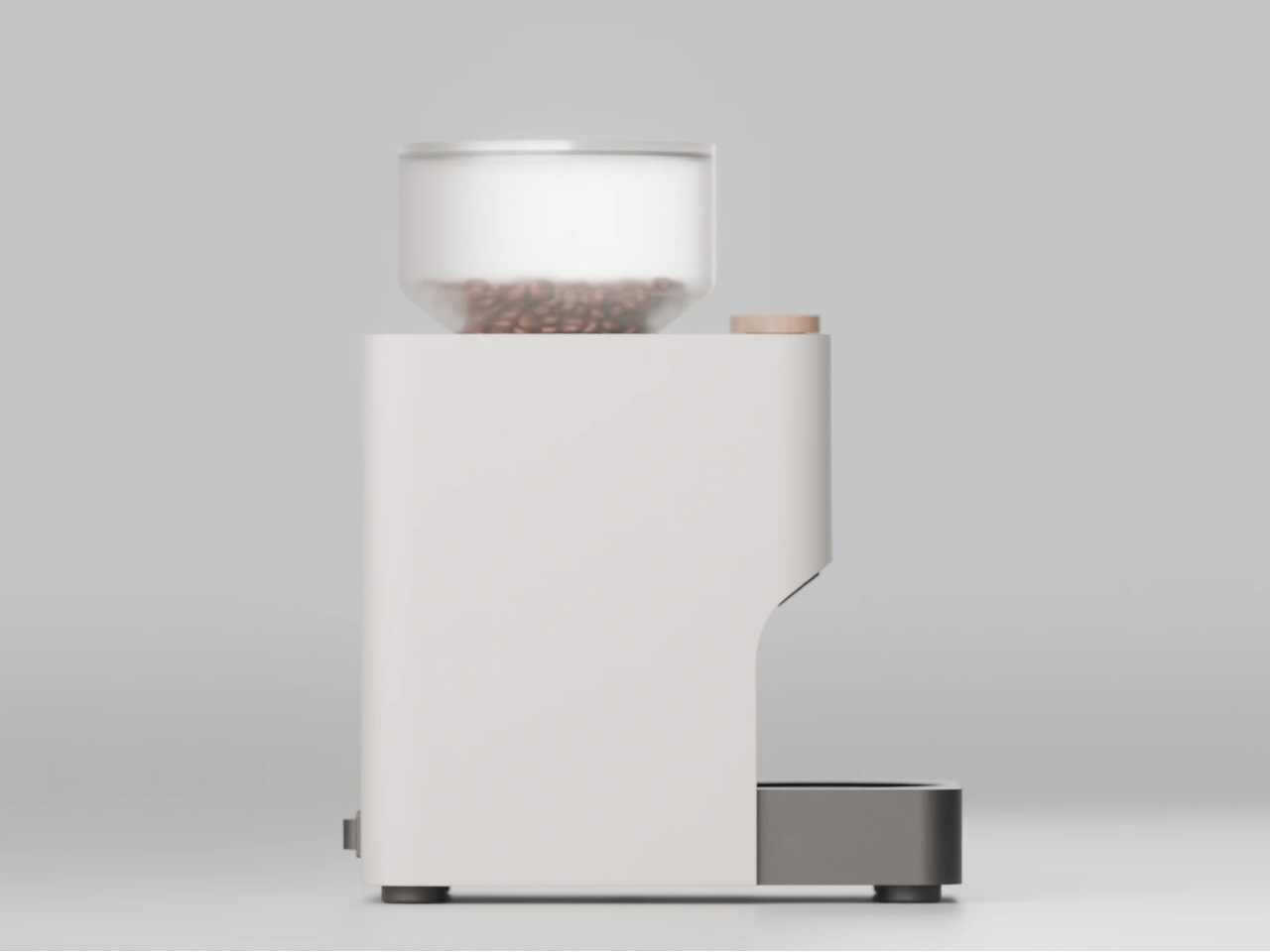
LPG Shortage Has Millions Unable to Cook. This Battery Induction Cooktop Never Needed Gas Anyway.

The street food vendors of Mumbai did not negotiate the terms of the Iran conflict. Neither did the factory managers in Vietnam, the government officials in Colombo, or the home cooks across a dozen nations who depend on liquefied petroleum gas. Yet the military standoff in the Strait of Hormuz, the chokepoint for 30% of the world’s traded LPG, is landing in their kitchens and economies with uncomfortable speed. In India, the government is rationing supply. In Sri Lanka, officials declared national holidays on Wednesdays specifically to curb fuel consumption. In Japan and South Korea, two of the world’s largest LPG importers, the primary energy artery is tightening, while European markets are bracing for wholesale gas prices to triple. A single geopolitical flashpoint is now determining whether millions can cook dinner.

Against that dystopian backdrop, the Impulse cooktop occupies a category with very little company. The appliance, which earned the Red Dot’s Best of the Best and won Fast Company’s 2024 Innovation by Design Award, builds a battery directly into the cooktop body. It draws from stored charge and the grid simultaneously to deliver a staggering 10,000 watts per burner. BLOND, the industrial design firm behind it, gave the object the physical language of a considered luxury kitchen piece. The engineers gave it freedom from every fuel supply chain that currently has Asia and Europe in a headlock. Both things matter here; right now, one of them lands with a global urgency that the designers probably never anticipated.

Designer: BLOND

BLOND stripped the Impulse cooktop down to a precise, slab-like form with a magnetic control knob that carries the rotational weight of something deliberately engineered, and a ceramic cooking surface that reads more like high-end DJ equipment than kitchen accessories. The battery pack lives entirely inside the appliance body, with no external modules and no separate storage unit. That battery and the grid work in simultaneous tandem, together pushing up to 10,000 watts per induction zone, which is three times the output ceiling of the most powerful competing induction cooktop on the market. A standard gas burner tops out between 1,500 and 2,000 watts. A premium gas hob might hit 4,000. Impulse doubles that, through induction, from a domestic plug.

Impulse became the first battery-integrated appliance to earn UL 858 certification, the U.S. standard applied to household electric ranges, which matters because it signals a tested, production-ready product rather than a clever concept that survived the prototype stage. Most residential kitchens cannot realistically pull 10,000 watts through standard wiring without a costly electrical panel upgrade, which is the single biggest friction point in induction adoption globally. The onboard battery eliminates that bottleneck by buffering the peak load and recharging from a normal household outlet during lower-intensity cooking. The result is extreme performance on ordinary electrical infrastructure. Getting 10,000 watts into a domestic kitchen without rewiring the house turns out to be a harder problem than building a burner that can hit those numbers, and Impulse solves both in the same enclosure.

Amazon India reported induction cooktop sales jumping more than 30 times their normal volume last week as the LPG shortage deepened. That number tells you how fast behavior shifts when a supply chain snaps. The problem is that most of those units being panic-bought are budget induction plates capped around 2,000 watts, which work fine for boiling water but flounder with the kind of cooking that defines South and Southeast Asian cuisine. High-heat wok cooking, crispy dosas on cast iron, intense stir-fry; all of these demand fast, concentrated thermal output that conventional induction simply cannot generate. Impulse at 10,000 watts per zone changes that equation entirely, and it does so without a gas line anywhere in the picture.

At KBIS 2026, THOR Kitchen debuted a full induction range built on Impulse’s battery-integrated platform, and it got recognized at the show. That partnership reveals the bigger picture: Impulse Labs is positioning its engineering as a licensable platform for the appliance industry broadly, treating the consumer cooktop as proof of concept rather than end product. If that model scales, the 10,000-watt battery system becomes the architecture that a generation of kitchen appliances gets built on, with real implications for manufacturers trying to electrify product lines without sacrificing performance. Whether the business reaches that scale fast enough to meet this particular moment depends on manufacturing capacity and pricing the company has not widely publicized. But the Strait of Hormuz did not ask for a roadmap before closing, and the people queuing for gas cylinders at 3am in New Delhi are not waiting on a product launch schedule either.

The post LPG Shortage Has Millions Unable to Cook. This Battery Induction Cooktop Never Needed Gas Anyway. first appeared on Yanko Design.
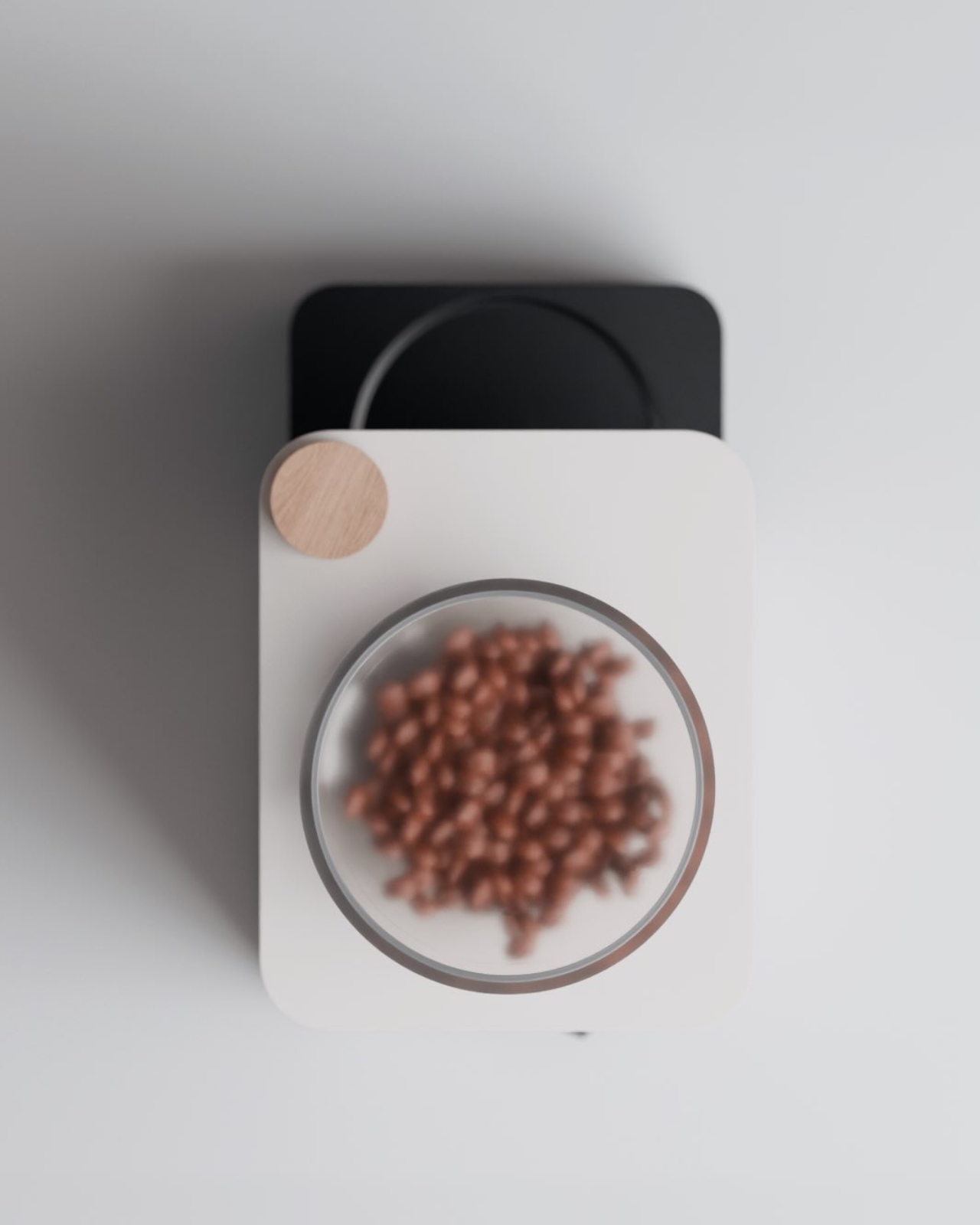
These $18 Chattering Teeth Pot Holders Are Stupidly Adorable and Oven-Safe, and I Need Them Immediately

Your kitchen drawer probably has a sad, stained oven mitt that you keep meaning to replace. Chomp is the universe telling you it’s time. Fred’s newest pot holders are shaped like classic wind-up chattering teeth, molded in heat-resistant silicone, and completely aware of how ridiculous they look gripping both sides of your Sunday pot roast. You will use them once, cackle, and then refuse to use anything else for the rest of your cooking life. This is not a warning. This is a promise.

The concept is almost insultingly simple: a set of two silicone pot holders shaped like classic wind-up chattering teeth, designed to grip hot pots and handles while looking like your cookware is being accosted by novelty dentures. You slip your fingers into the top jaw, curl them around a handle, and suddenly a completely ordinary Tuesday pasta situation becomes a bit. The pot is being chomped. The pot has opinions. The pot wants to talk. Nobody at the dinner table will be able to explain why this is so funny, but everyone will agree that it is.

Designer: Jennifer Norwood (Fred Studio)

Click Here to Buy Now

Functionally, the Chomp hasn’t cut corners to serve the joke. They’re made from BPA-free, heat-resistant silicone rated up to 450 degrees Fahrenheit (230 degrees Celsius), which covers everything from stovetop handles to oven roasting pans without breaking a sweat. The inside surface is grippy, the mitts lay flat for drawer storage, and the whole set is dishwasher safe, so post-roast chicken cleanup doesn’t require any special handling of your unhinged dentistry accessories. The compact form factor is a deliberate choice too. These work as mini mitts for grabbing handles, lifting lids, and pulling racks rather than full-coverage gloves, which is honestly the more useful format for everyday cooking anyway.

Fred (a kitchen accessory company, not a person named Fred), based out of Pawtucket, Rhode Island, has always been in the business of taking functional everyday products and twisting them into something unexpected and funny. They’ve done creature-mouth oven mitts before, but Chomp hits differently because the chattering teeth aren’t just a cute mouth shape lifted from nowhere. The wind-up chattering teeth toy has been a Halloween staple, a joke shop fixture, and a universal shorthand for low-budget absurdist comedy for decades. Applying that specific cultural weight to kitchen silicone is a genuinely sharp act of object quotation, the kind that makes you wonder why nobody did it sooner.

The set was designed by Jennifer Norwood at Fred Studio, and the sculpting earns its keep. The white molded teeth have the right rounded, cartoonish geometry that reads as instantly recognizable rather than vaguely tooth-shaped, the red gum color lands vivid without tipping into garish, and the two pieces together form a perfectly matched pair. Sitting on a counter, they look like a prop from a sketch show. Clamped onto a cast iron skillet, they look like the skillet has developed a strong personality and several unresolved grievances. Both are correct. Both are good.

At $18.60 for the pair, Chomp is an easy call. It’s a justifiable impulse buy for yourself and a completely effortless gift decision for anyone who spends time in a kitchen, which is most people. The bar for a great housewarming gift is “useful and memorable,” and a pot holder that makes someone laugh out loud the first time they use it clears that bar with room to spare.

Click Here to Buy Now

The post These $18 Chattering Teeth Pot Holders Are Stupidly Adorable and Oven-Safe, and I Need Them Immediately first appeared on Yanko Design.
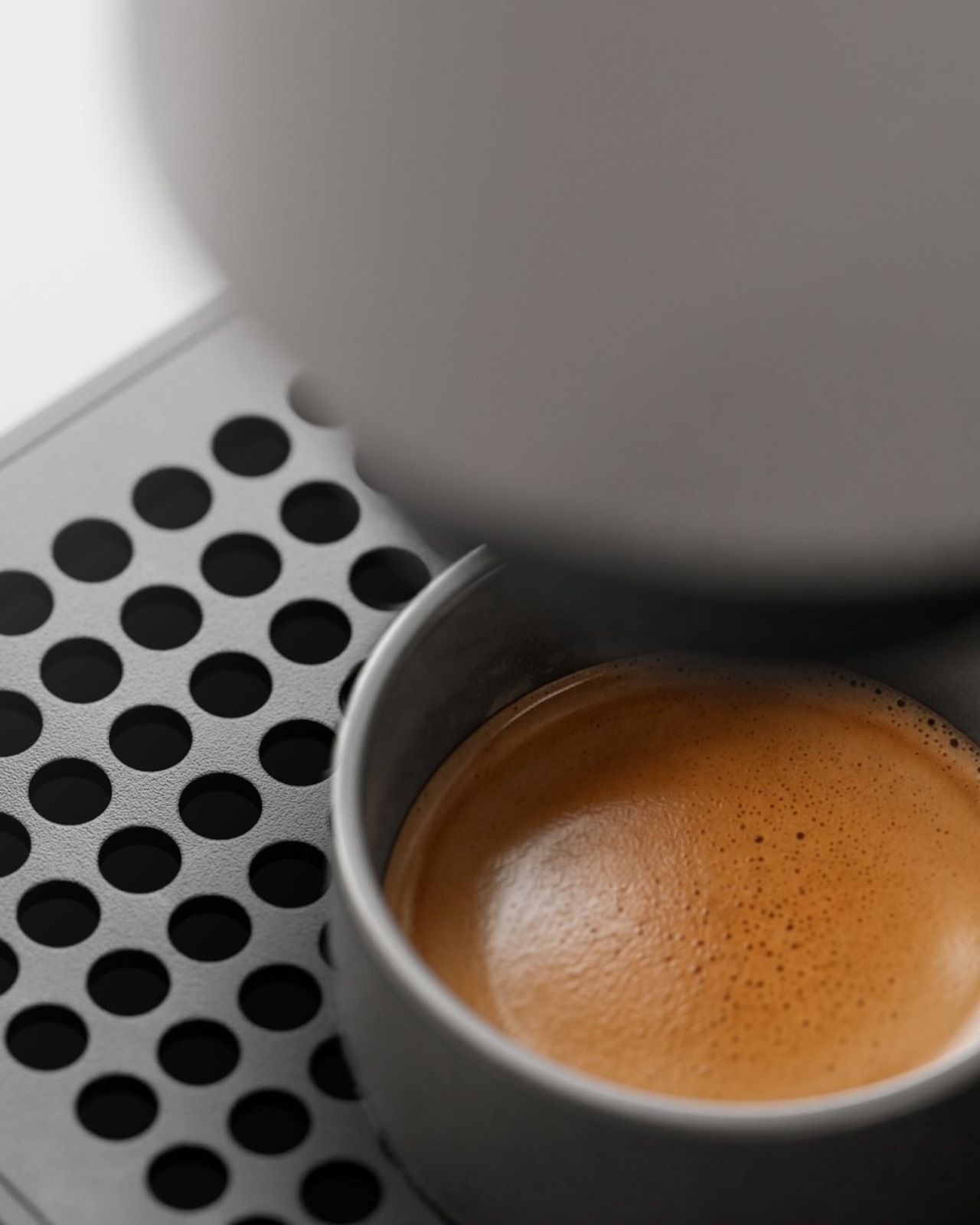
Alessi Just Made a Moka Pot That Looks Like a Giant Screw

If you’ve ever watched someone twist the top half of a moka pot onto its base, you already understand the Vite. You just didn’t know it yet. That twisting motion, the one you do without thinking every morning, the mechanical ritual of threading metal against metal until it locks into place: that’s the entire design concept, made physical. Philippe Malouin took the gesture and turned it into the object itself, which is the kind of move that seems so simple you wonder why it took this long for someone to try it.

Alessi has just unveiled its latest moka pot, designed by Anglo-Canadian designer Philippe Malouin, and the concept is so obvious in hindsight that it’s almost frustrating nobody did it sooner. The pot is shaped like a screw. The boiler, which is the bottom chamber you fill with water, is wrapped in a pronounced helical thread that mirrors the exact twisting gesture you use to seal the two halves together. Form literally follows function, except here the form is the function, made visible and tactile and almost theatrical.

Designer: Philippe Malouin for Alessi

What makes the design work is how committed it is to the concept. Malouin didn’t soften the industrial reference or add decorative elements to make it friendlier. The thread is deep and aggressive, giving the aluminum body a tactile grip that feels engineered rather than styled. The upper chamber sits on top like a bolt head, clean and geometric, while a tapered pedestal at the base anchors the whole composition. That pedestal isn’t just aesthetic, it’s functional, designed to work on both gas flames and induction cooktops. Every element serves the central idea without compromise.

The construction is straightforward in the way good tools are straightforward. The helical form creates natural contours that make the pot easier to hold and twist, which means the design logic actually improves usability rather than sacrificing it for concept. The thread grooves catch light in a way that makes the object more visually dynamic depending on the angle, and the repetition of the spiral gives it a kinetic quality even when it’s sitting still on a counter.

Malouin has described his research process as drawing from “scrapyard works,” recovering discarded metal parts and recombining them into something new. That approach is visible here. The Vite looks like it was pulled from a bin of machine components and repurposed, which gives it an honesty that a lot of contemporary design lacks. It doesn’t try to hide what it is or smooth over its mechanical origins. The aluminum stays raw and utilitarian, the proportions stay true to hardware logic, and the result is something that feels more like a precision instrument than a kitchen accessory.

The name reinforces the concept. “Vite” is Italian for screw, but it also means “quickly” or “fast,” which layers in a reference to espresso culture and the speed of the brewing ritual. Whether that double meaning was intentional or accidental, it works. Good design tends to accumulate meaning like that, where the formal decisions align with the cultural context in ways that feel inevitable once you notice them.

What I find most compelling is how the design makes you pay attention to something you normally ignore. Every time you screw a moka pot shut, you’re performing the exact motion the Vite is built around, but the traditional design doesn’t acknowledge it. Malouin’s version does. It takes an unconscious gesture and makes it conscious, turns routine into ritual, and does it without adding complexity or decoration. The form just clarifies what was always there.

That clarity is what separates this from novelty design. The screw isn’t a gimmick. It’s the logic of the object, made legible. The thread pattern serves the function, the industrial aesthetic serves the origin, and the overall composition serves the experience of using it. Everything aligns, which is harder to achieve than it looks.

The post Alessi Just Made a Moka Pot That Looks Like a Giant Screw first appeared on Yanko Design.