Minimalist Side Table Hides a Simple But Effective Cable Management System

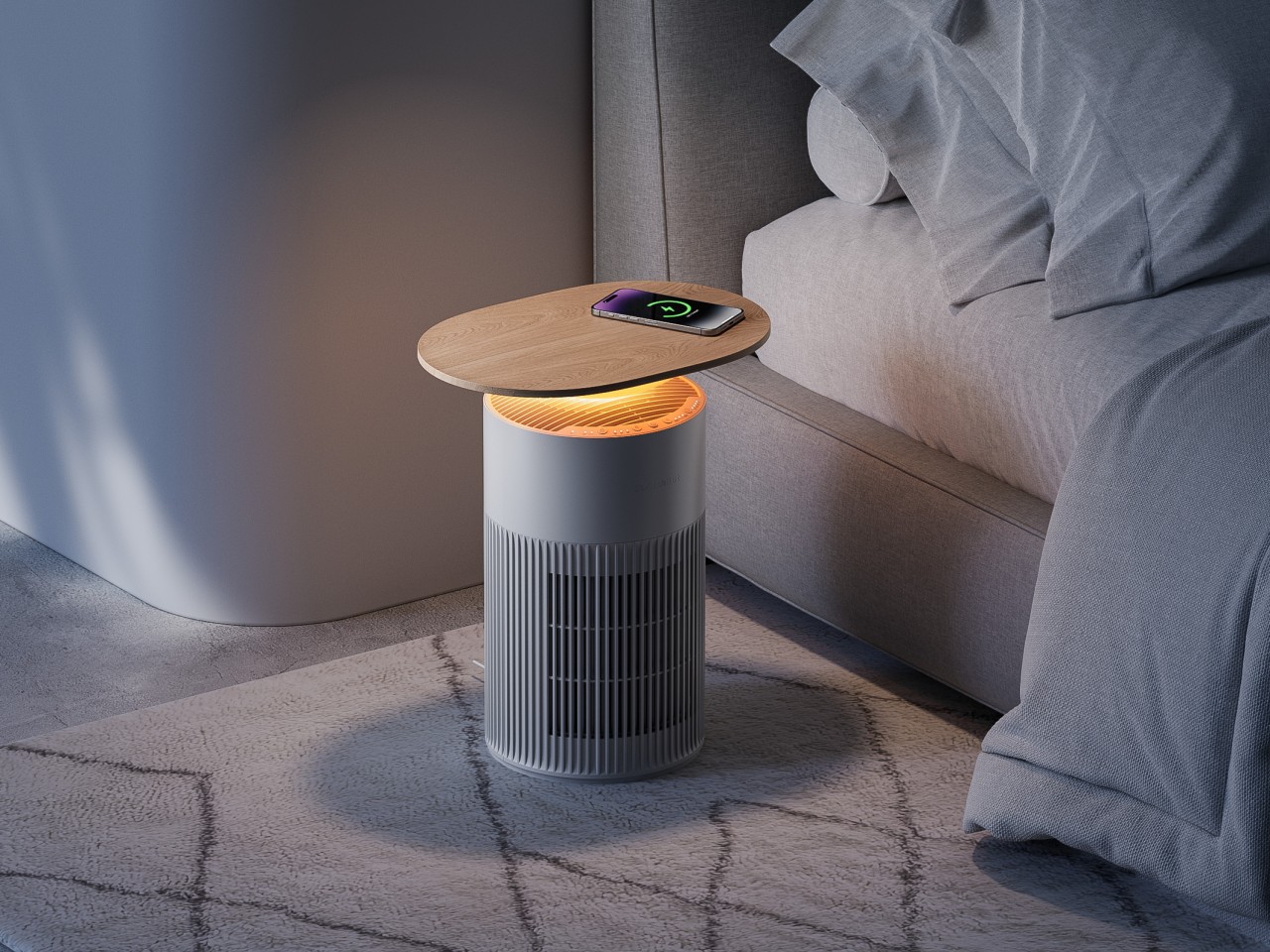
Many of our everyday items find their way to the side tables sides couches, desks, and beds, and some of these items have cables that snake their way down and across the floor. These wires might not always ensnare your feet, but they definitely turn any beautiful interior into a dangling mess of cables. There are some side tables these days with built-in power outlets, but those still show the wires that crisscross each other. Some might even have the uninspiring charging bricks also rearing their ugly heads. This simple side table, on the other hand, has an equally simple solution that makes sure that nothing but your phones or tablets get the spotlight.

Designer: Rudolph Schelling Webermann

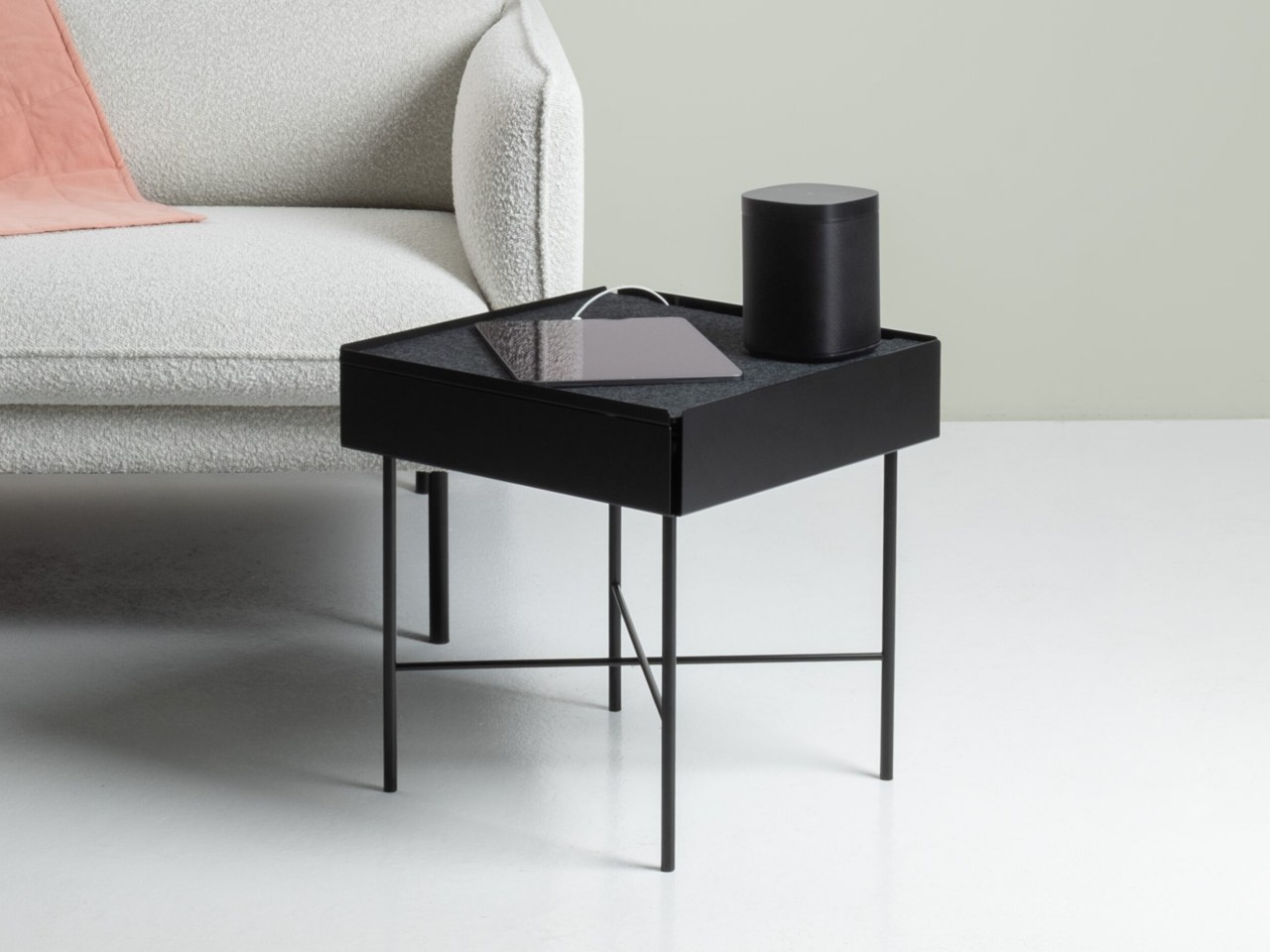
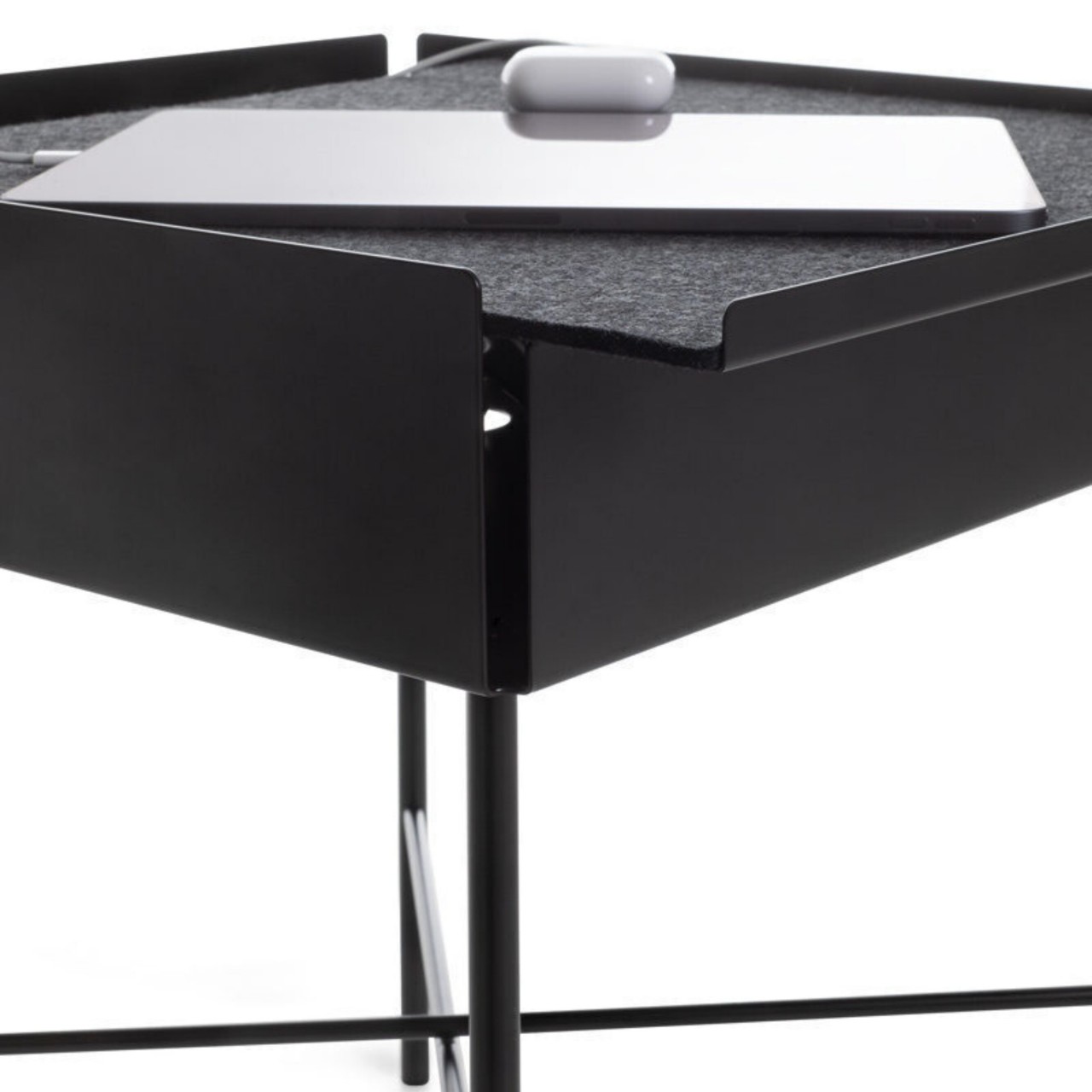
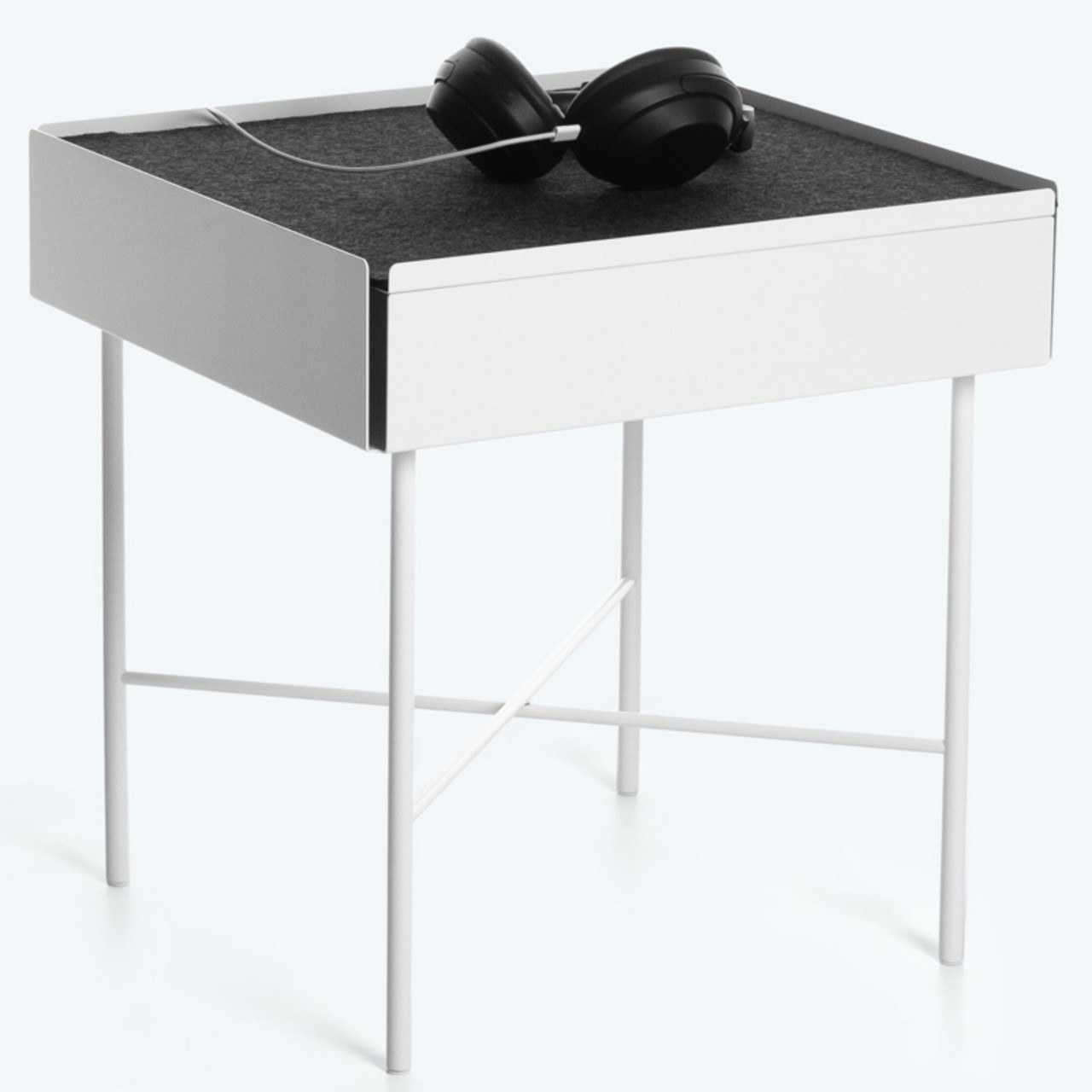
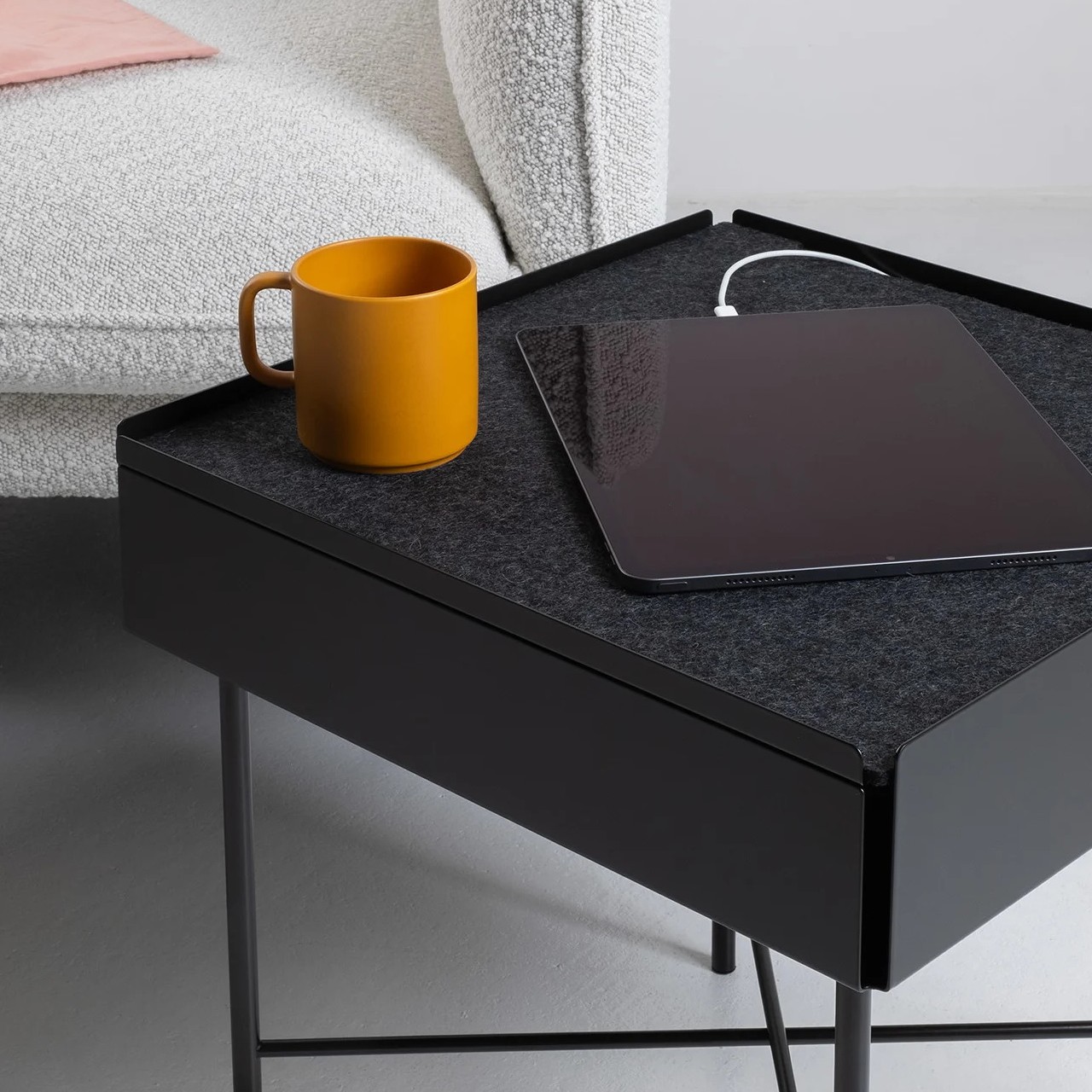
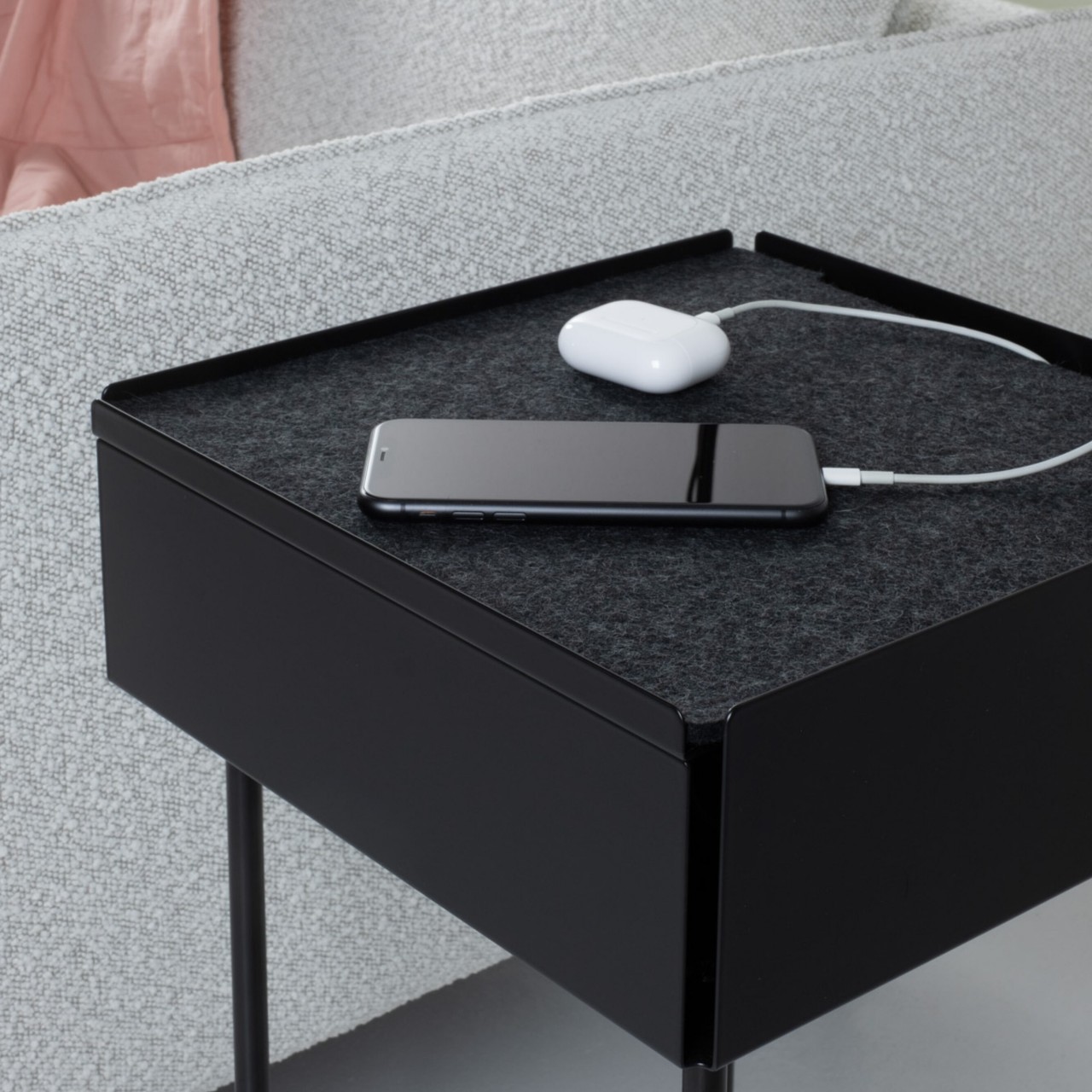
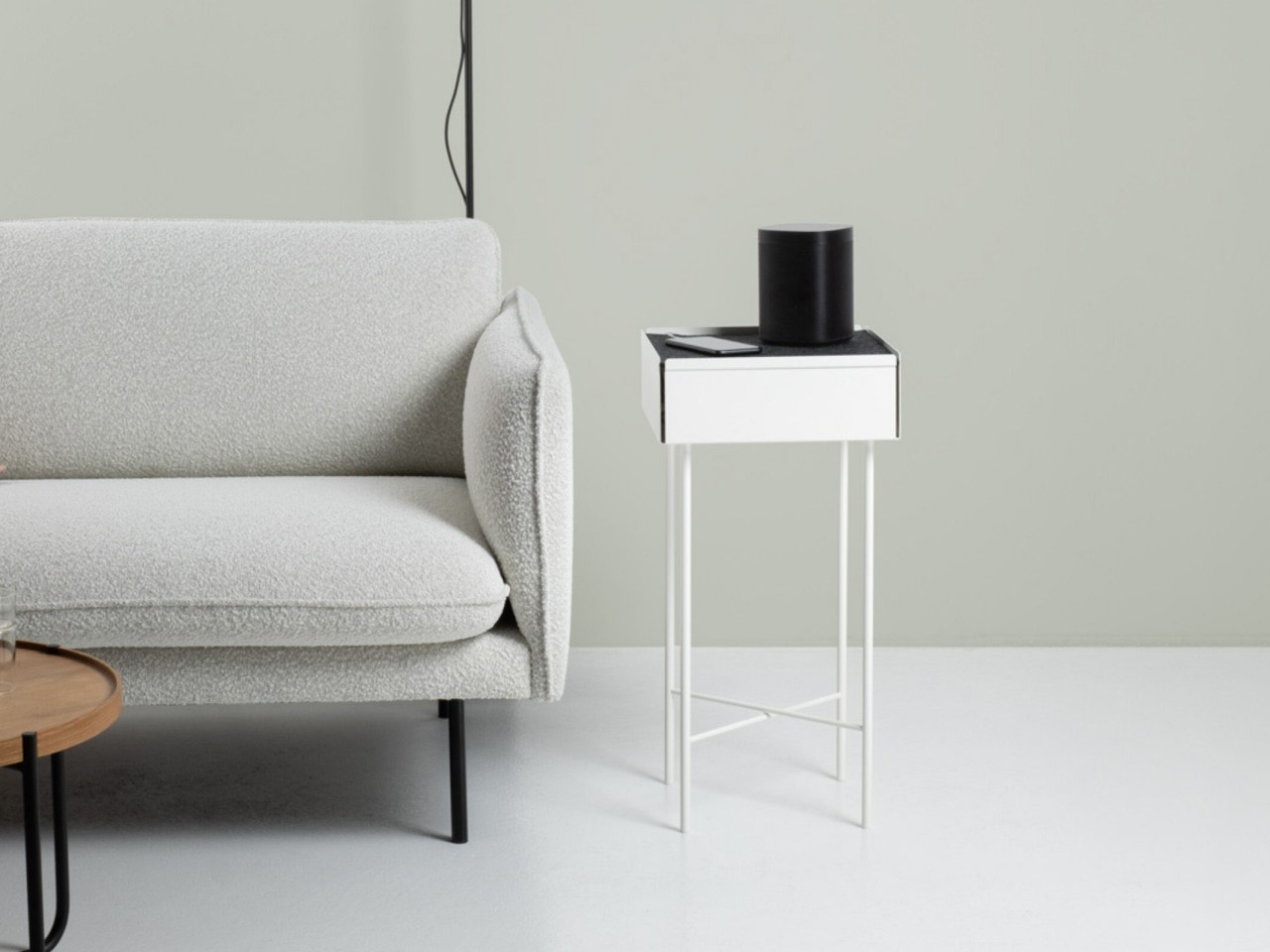
At first glance, the Charge Table looks like a pretty nondescript side table, albeit one with some elegance thanks to its minimalist design. The body itself is made from sturdy powder-coated steel that provides stability and handsome looks. The top of the table is lined with soft felt that protects your devices from scratches and bumps. It also gives a rough surface for mugs and cups to grip, keeping them from sliding.

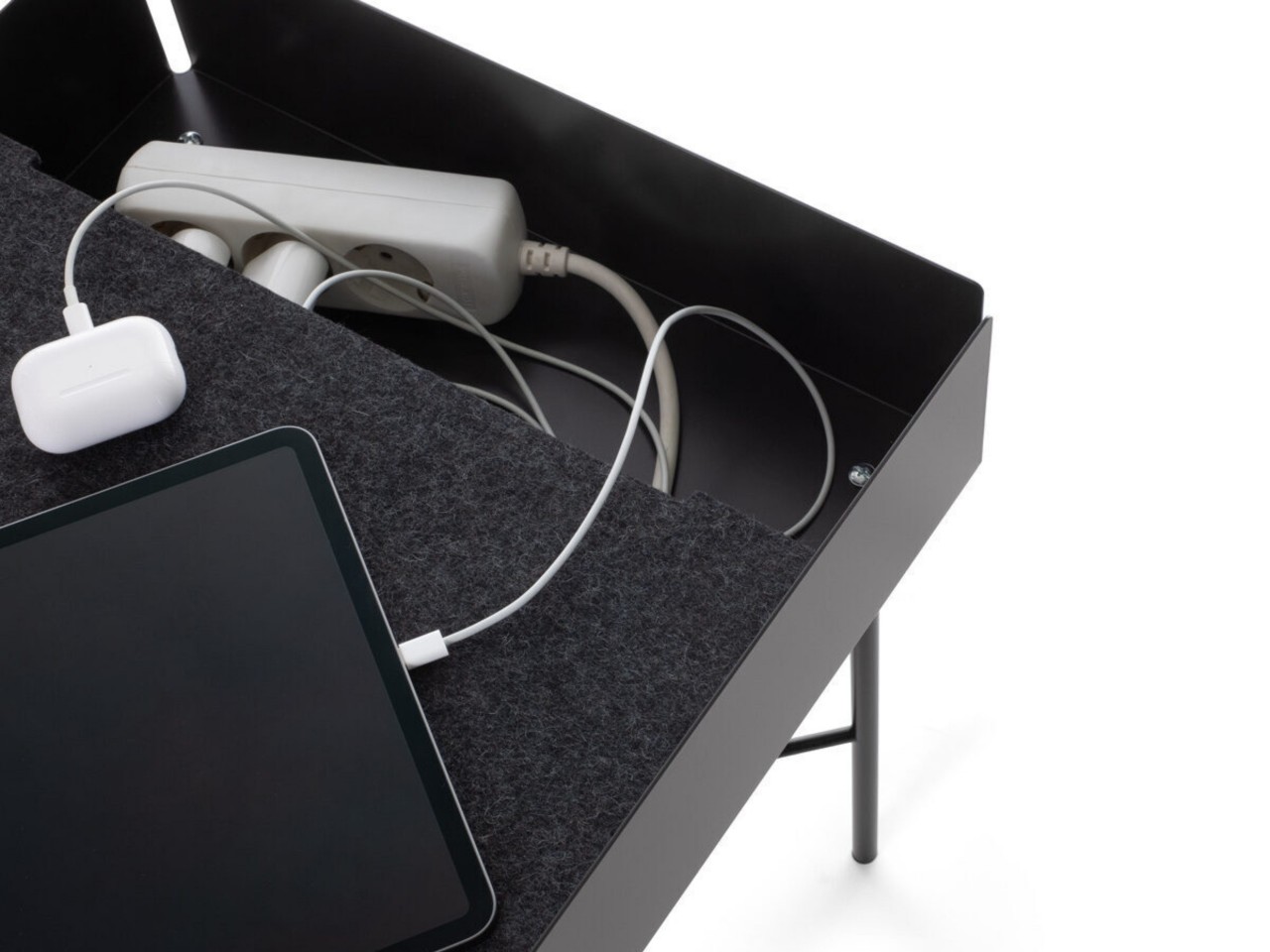
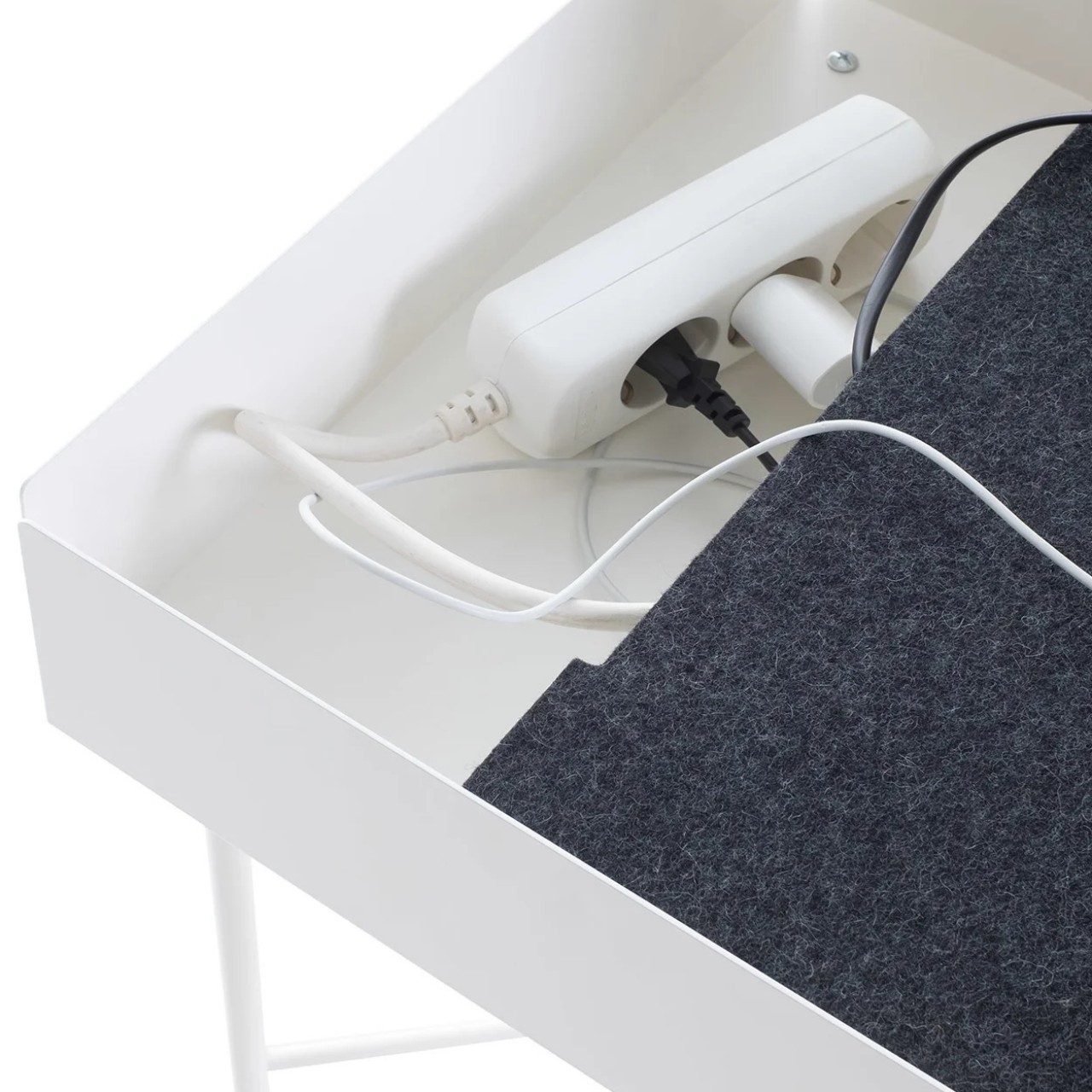
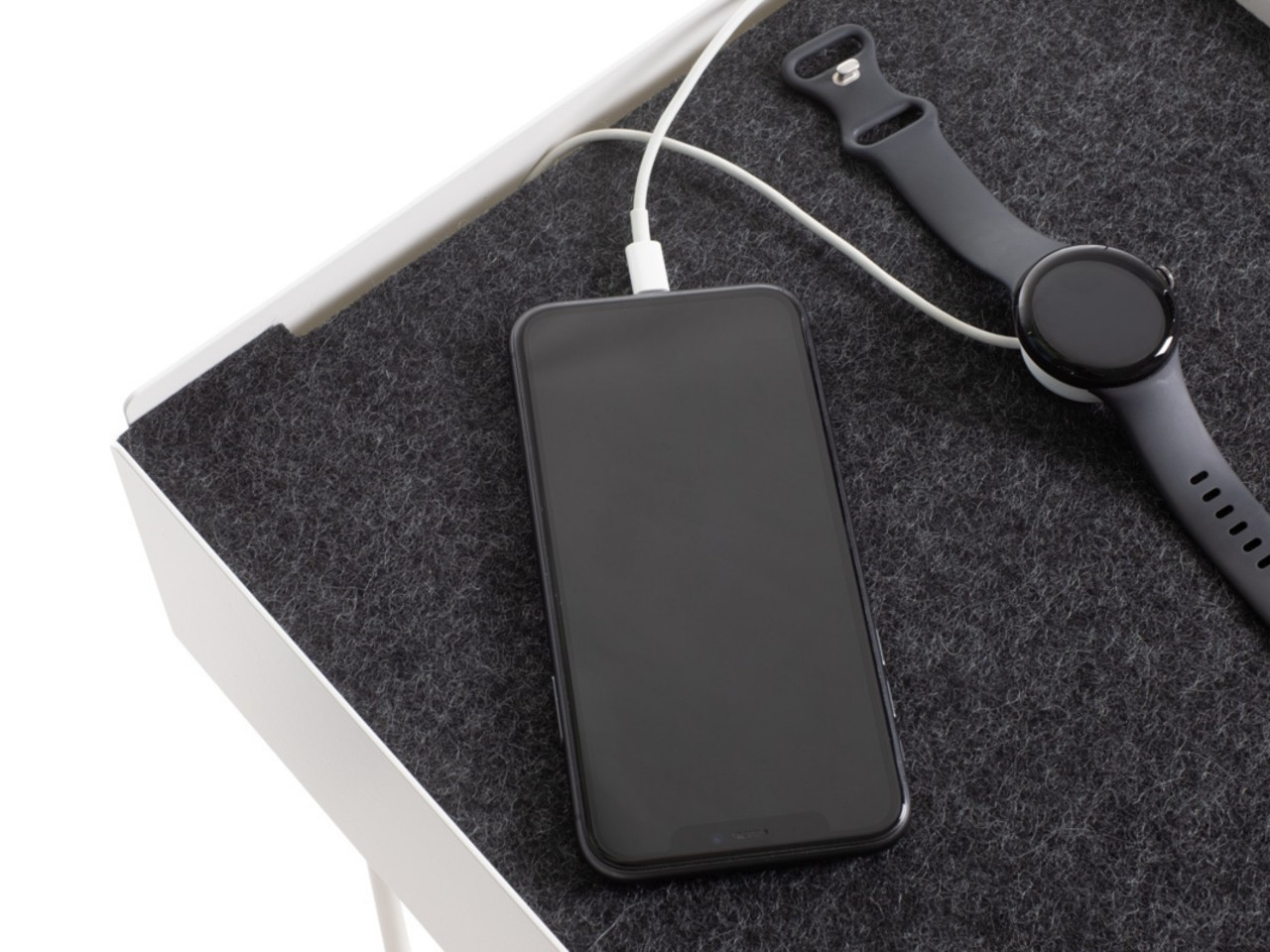
This simplicity, however, is deceptive, because that tabletop slides out a bit to reveal a hidden compartment inside. This storage space has one primary function: to house a power strip that can charge your devices. You simply plug in your chargers, slide the tabletop back in, and have the charging cable discreetly coming out from the small gap at the side. And when you need to leave with that charger, simply slide the tabletop out again, unplug the charger, and go. You can also leave as many chargers in there thanks to the compartment’s spacious area.

As for the power strip’s own thick cable, a hole in the middle of that hidden storage for it to pass from beneath the table. Ideally, you’d have it find its way down one of the table’s legs or across to a nearby couch or chair, completely hiding it from view. Admittedly, it’s going to be trickier than keeping devices’ charging cables hidden, but at least there’s only one snake to wrangle.

The Charge Table offers a simple, elegant, yet very effective solution to ensuring that unsightly wires don’t ruin the aesthetics of your interior, though the compact size of the table does present another problem. Given today’s practice of owning more than one device per person, it might not be big enough to charge a phone and a tablet or a combination of multiple devices at the same time. Then again, the very design of the table itself encourages simplicity and frugality, and it might give people pause for thought on what’s really important, at least as far as the devices they keep close are concerned.

The post Minimalist Side Table Hides a Simple But Effective Cable Management System first appeared on Yanko Design.
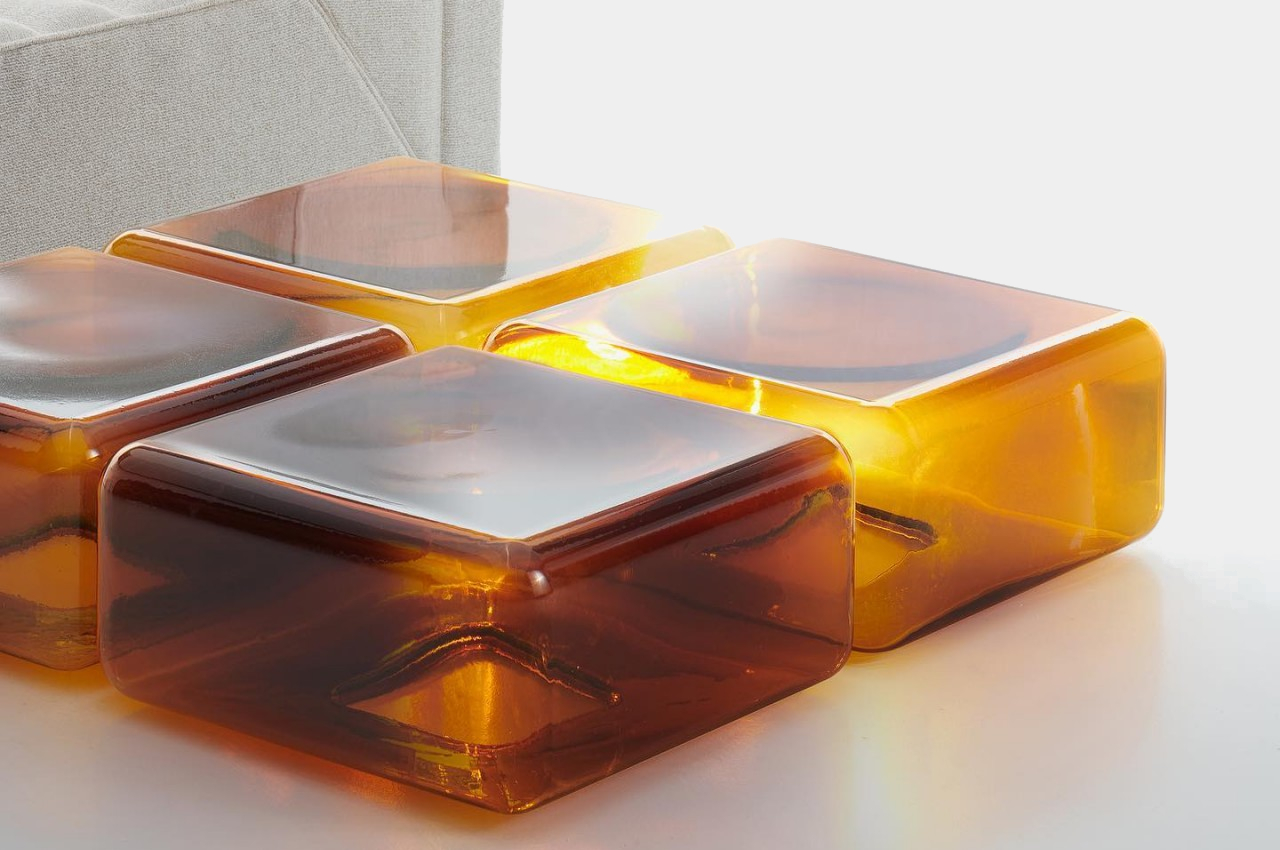
Blown glass side tables look delicious enough to lick

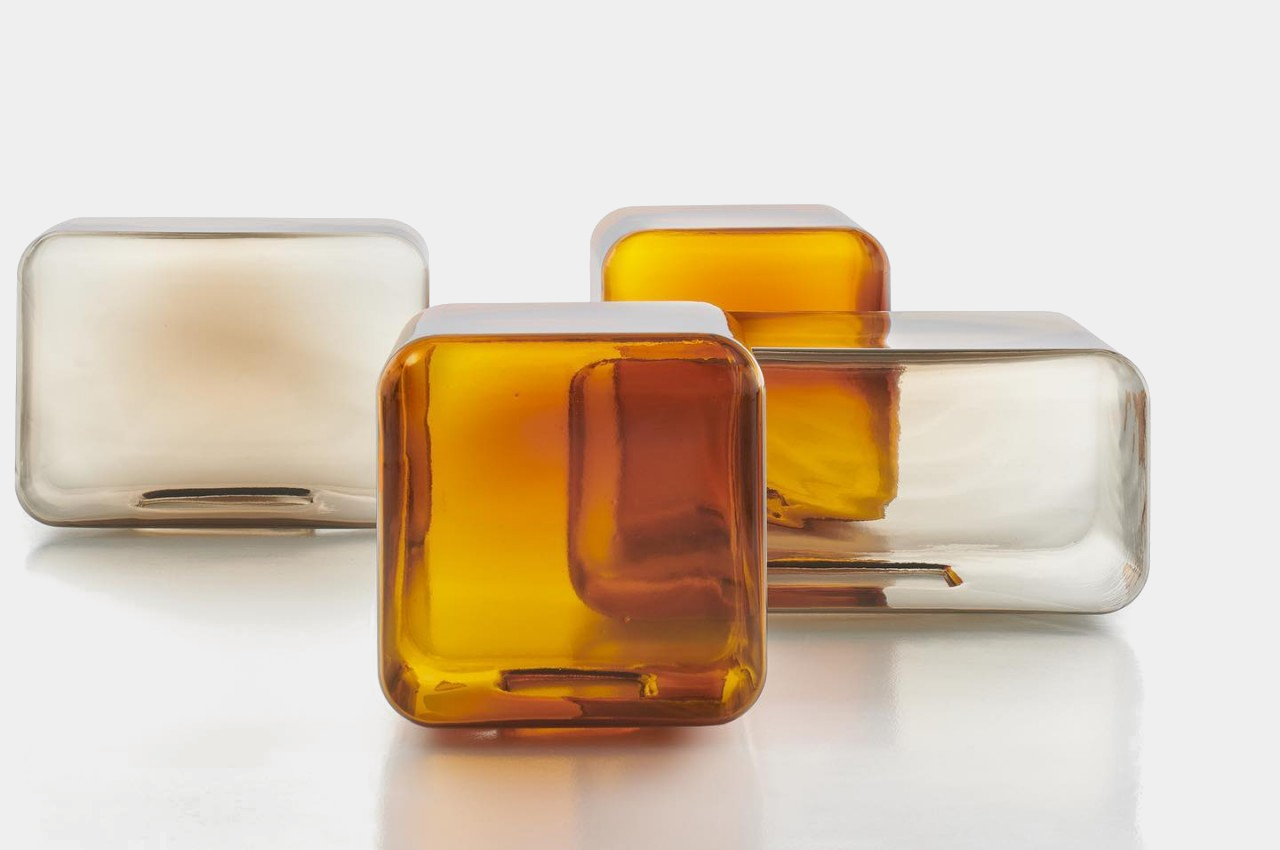
Glass isn’t often used for tables and even when it is, it’s usually only limited to the tabletop part. Glass is strong yet also brittle, so you would rarely want to have it in something that meets a lot of accidents in daily use. At the same time, however, glass also has an exquisite quality to its appearance that has even made it the favored material for counterfeit jewelry. There’s a certain artistry in glassware, especially when their production involves more traditional methods like glass blowing, embracing imperfections and flaws as unique traits that give the design a personality of its own. These side tables, simple as their shapes may be, are fine examples of how skilled craftsmanship can turn glass into something so beautiful that they might be good enough to eat.

Designer: Sabine Marcelis

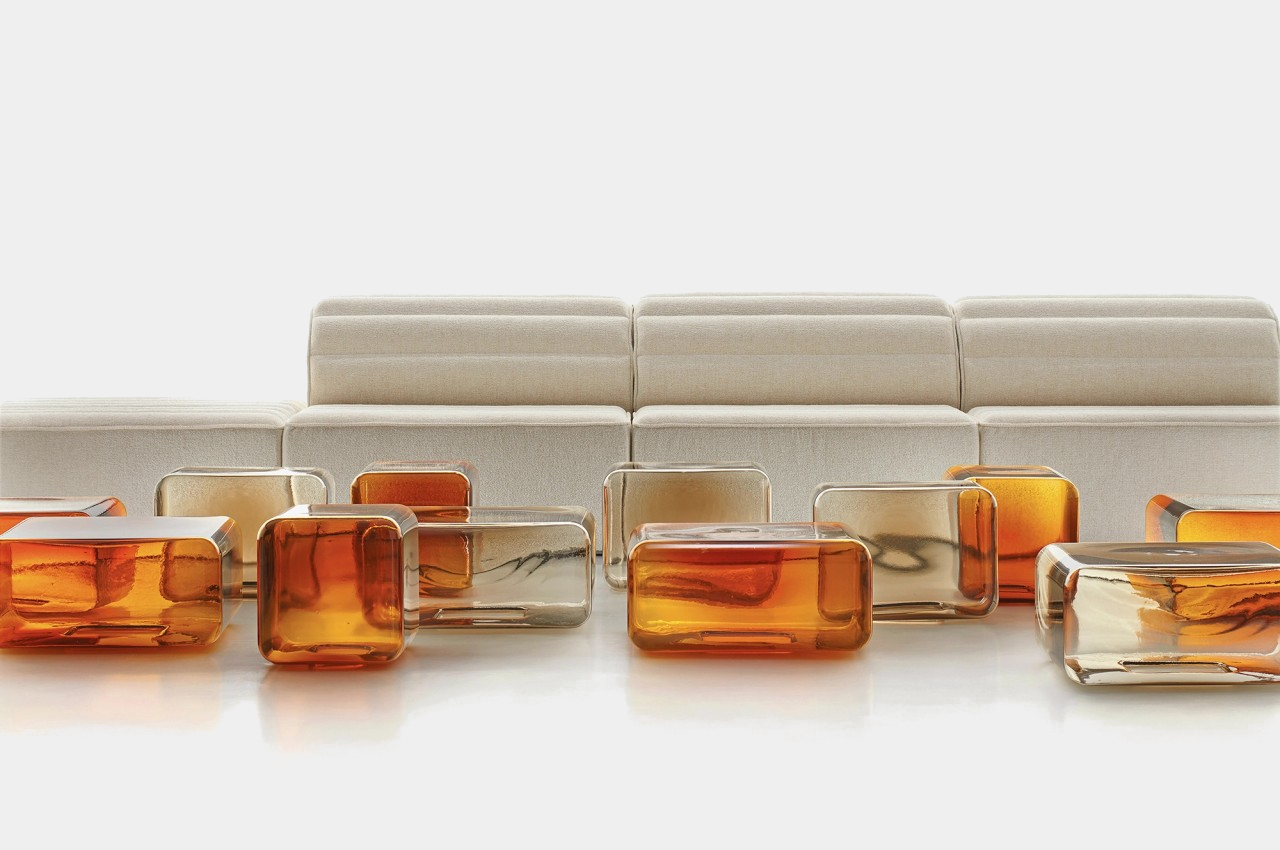
Although they are completely functional, side tables often act more as decorative pieces, making them the perfect subject for design experimentation and thinking outside the box. There’s never a scarcity of concepts that explore different forms and functions for side tables, from transforming furniture to tables that serve both humans and pets at the same time. There are also plenty of more artistic renditions of what a side table is, like this collection that looks like tempting gigantic hard candy.

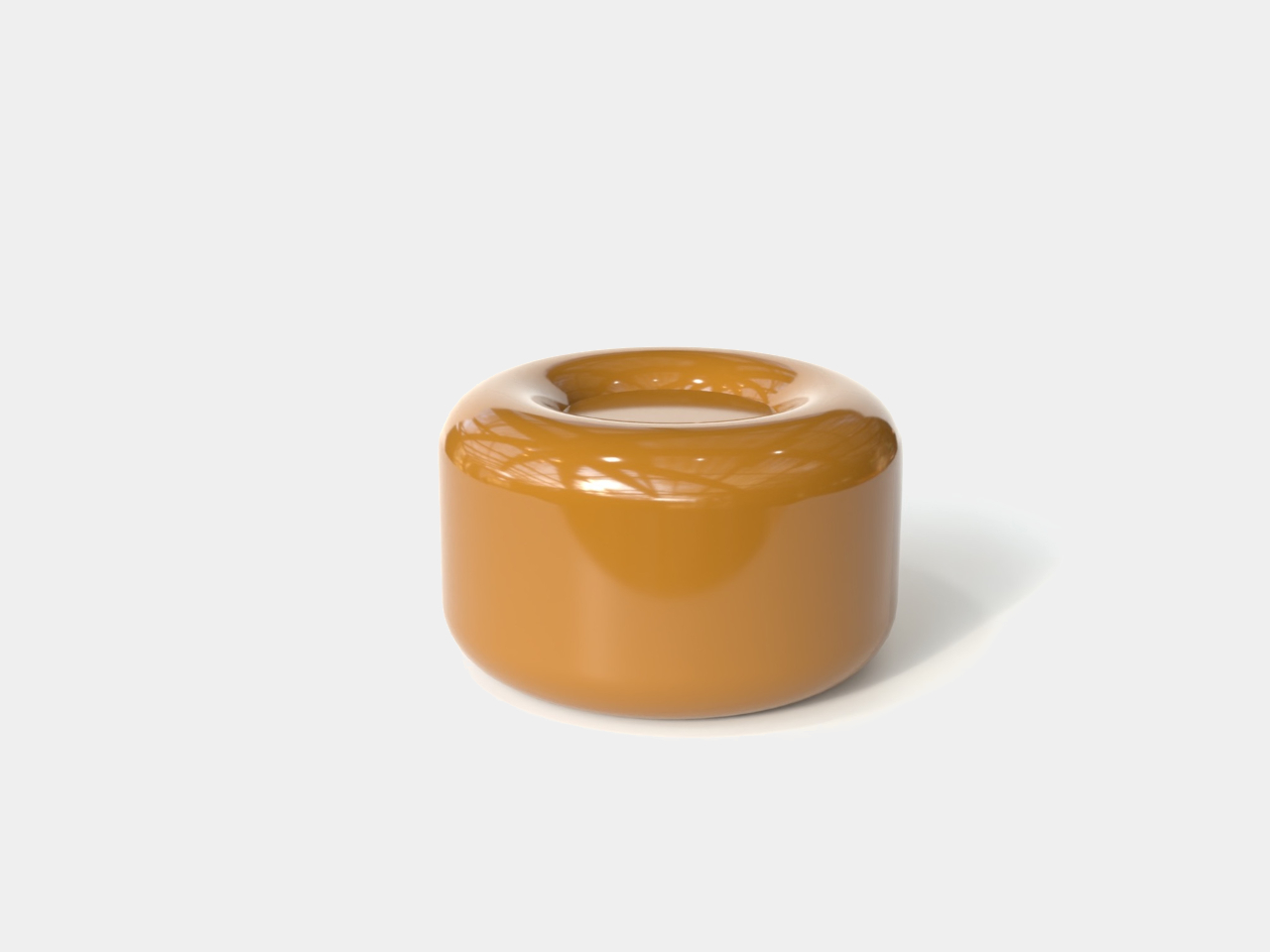
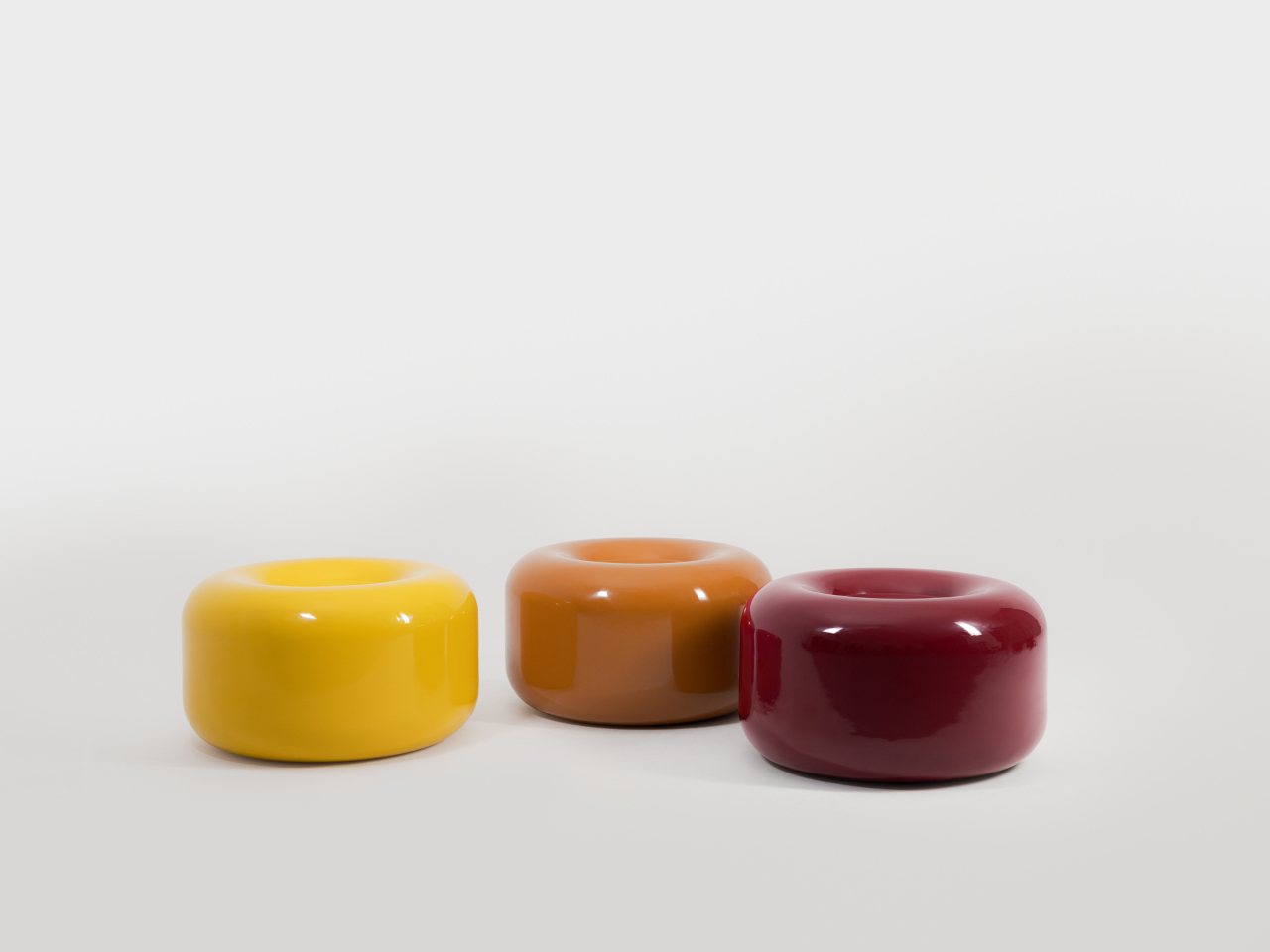
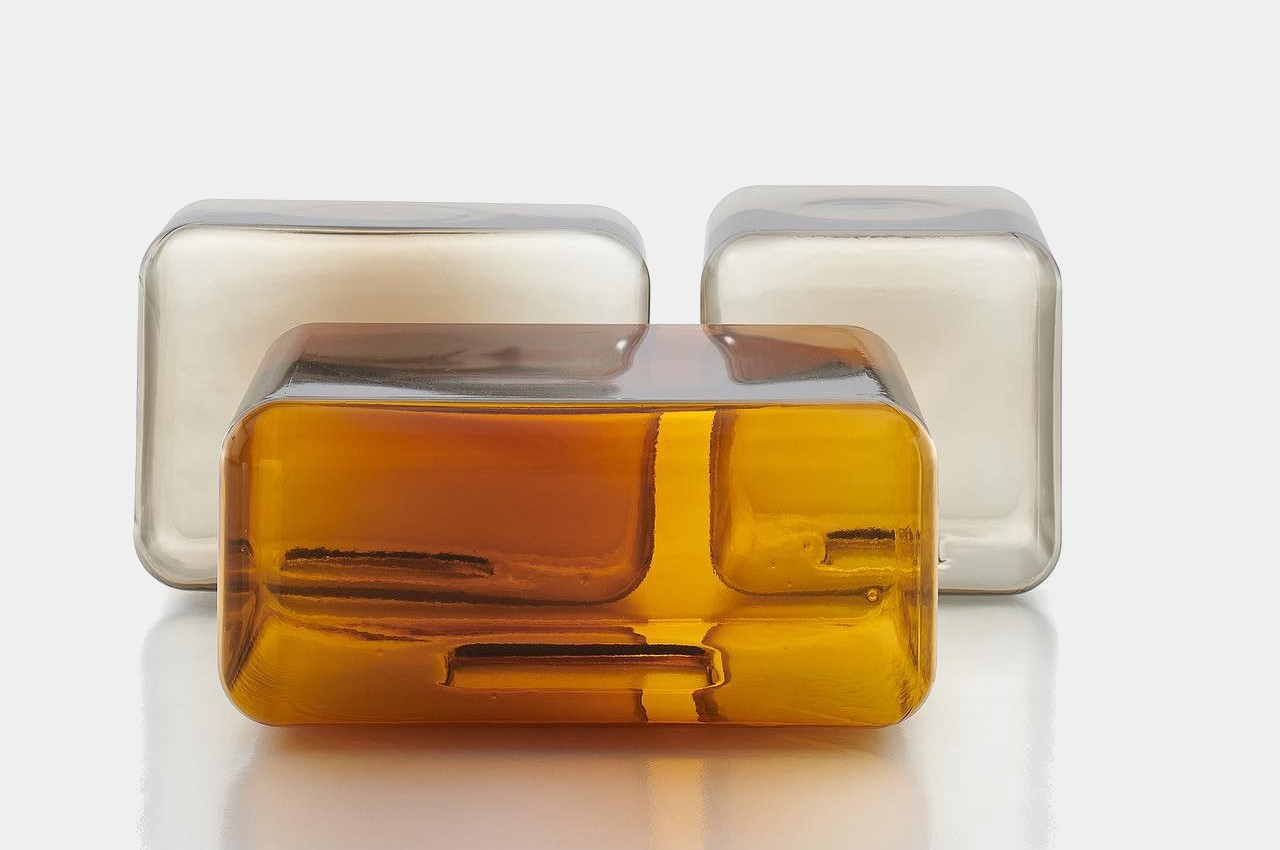
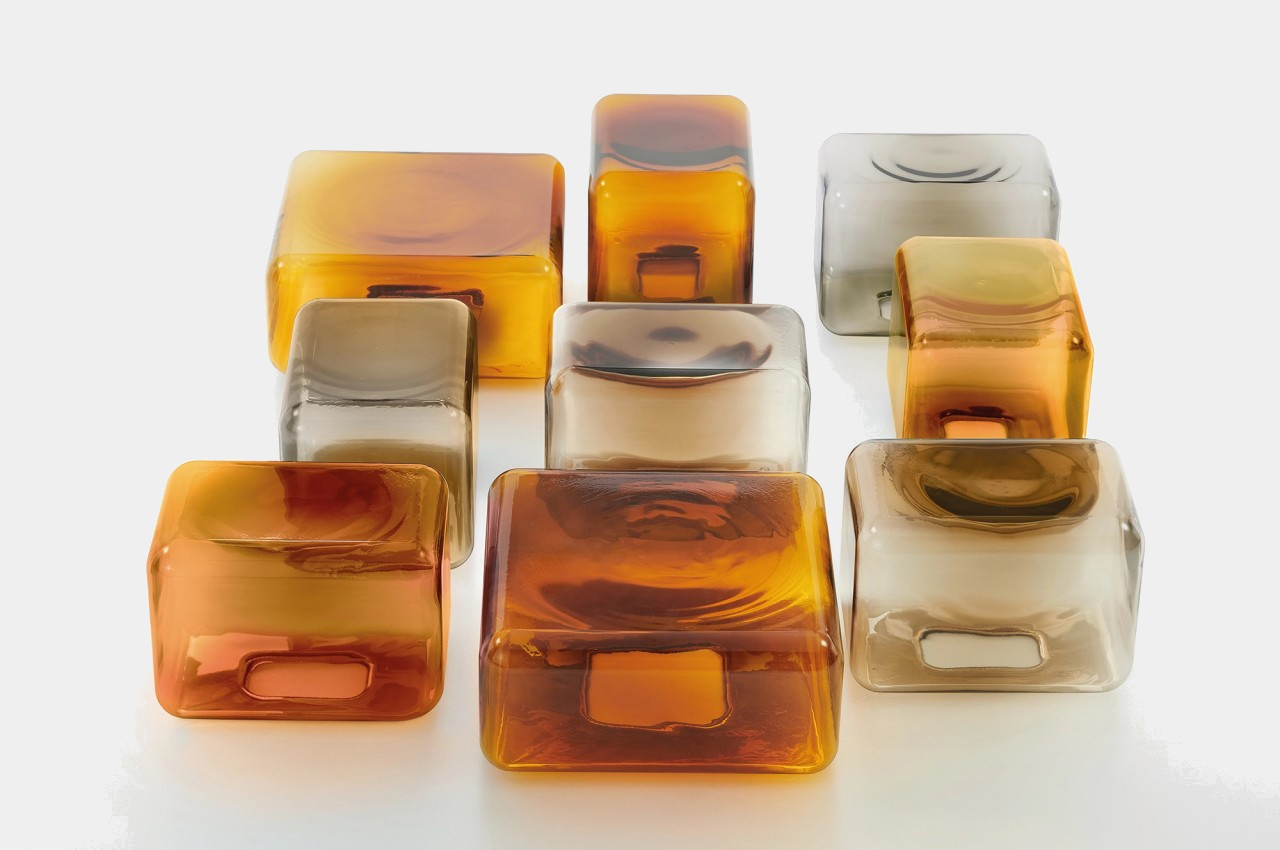
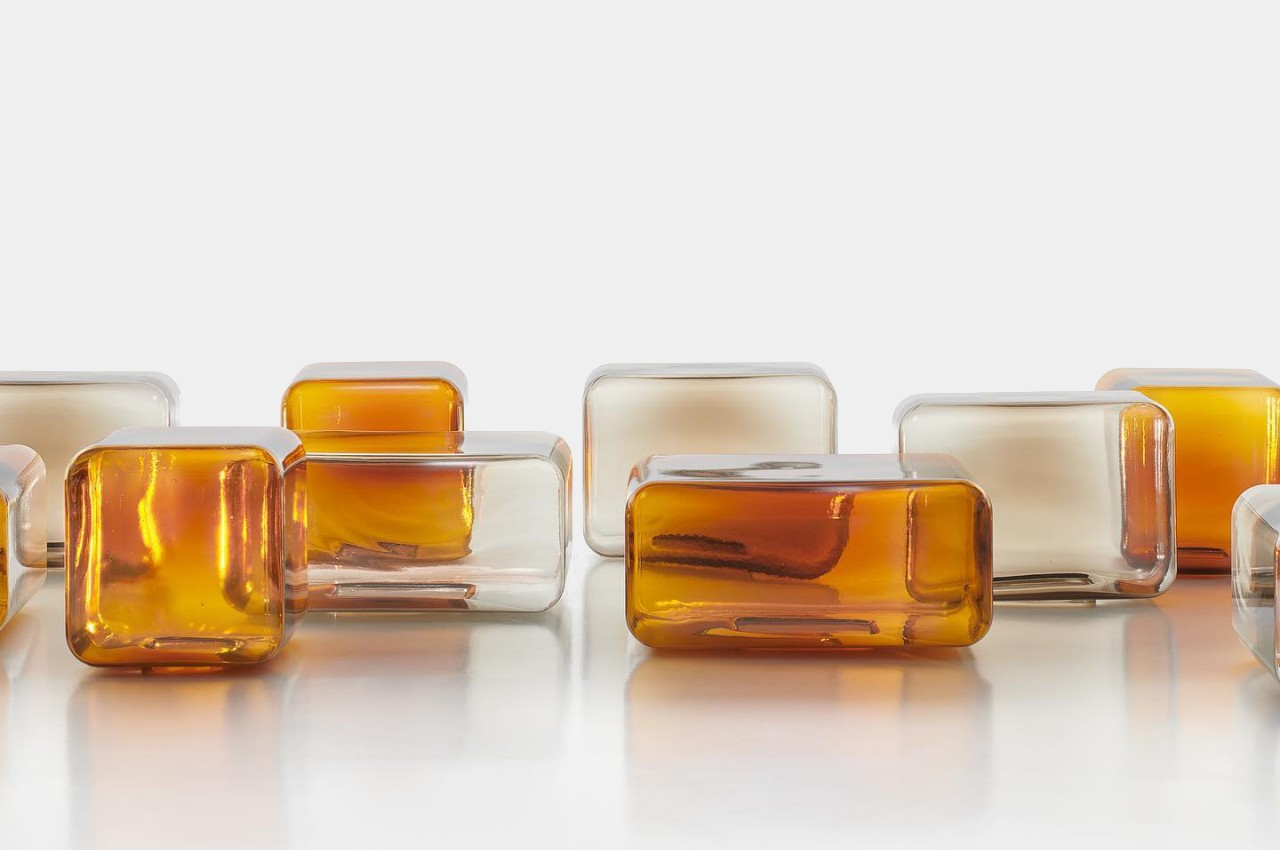
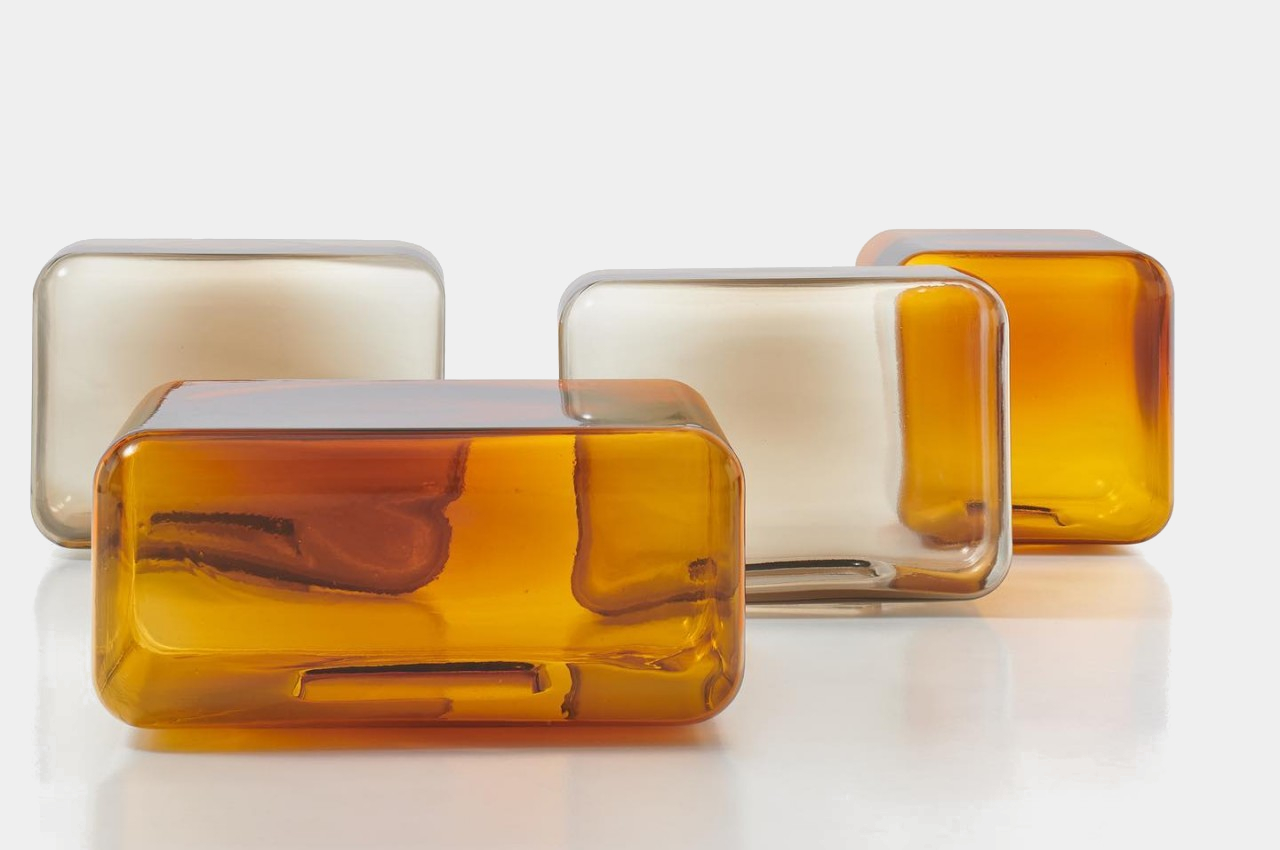
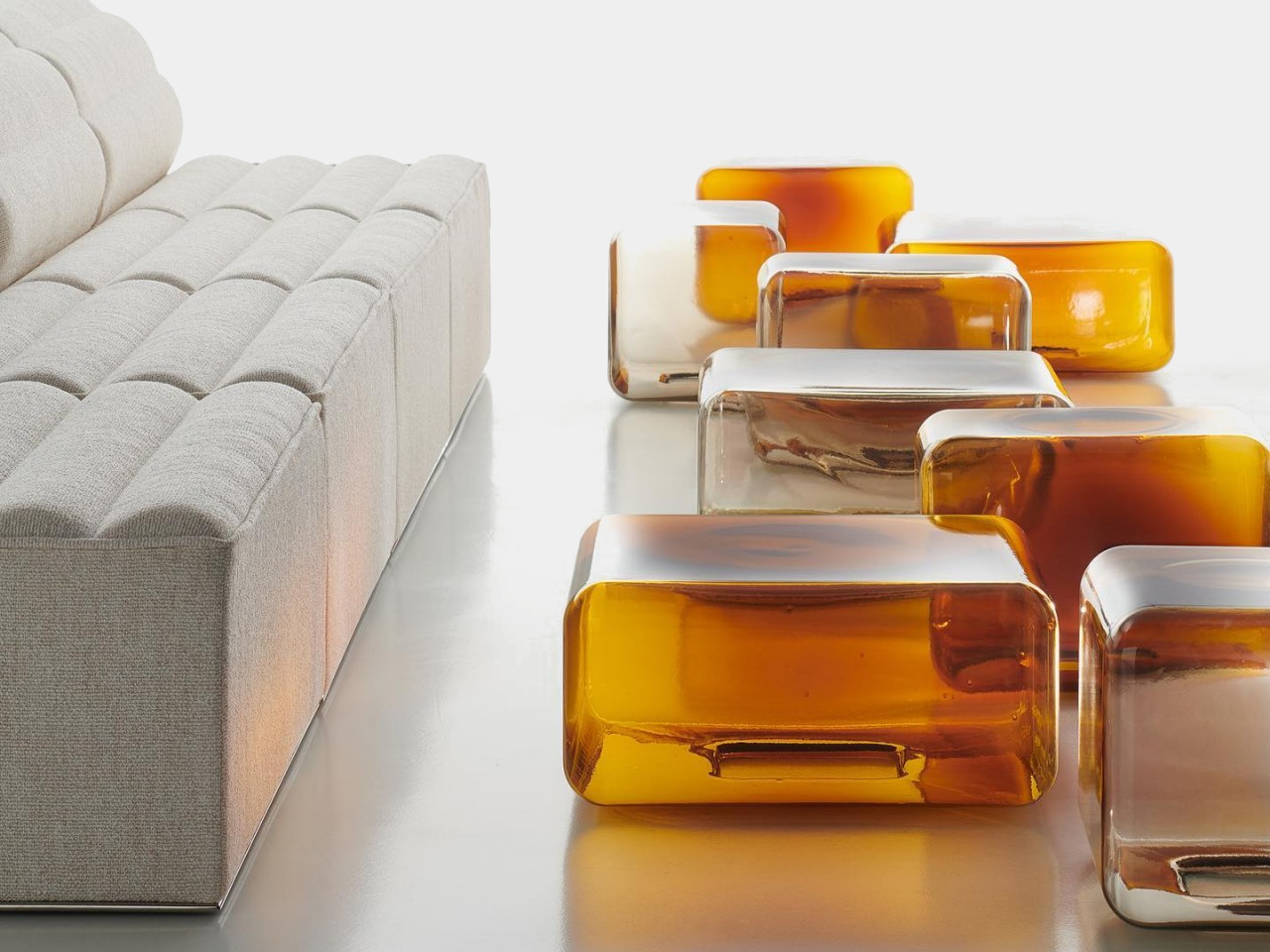
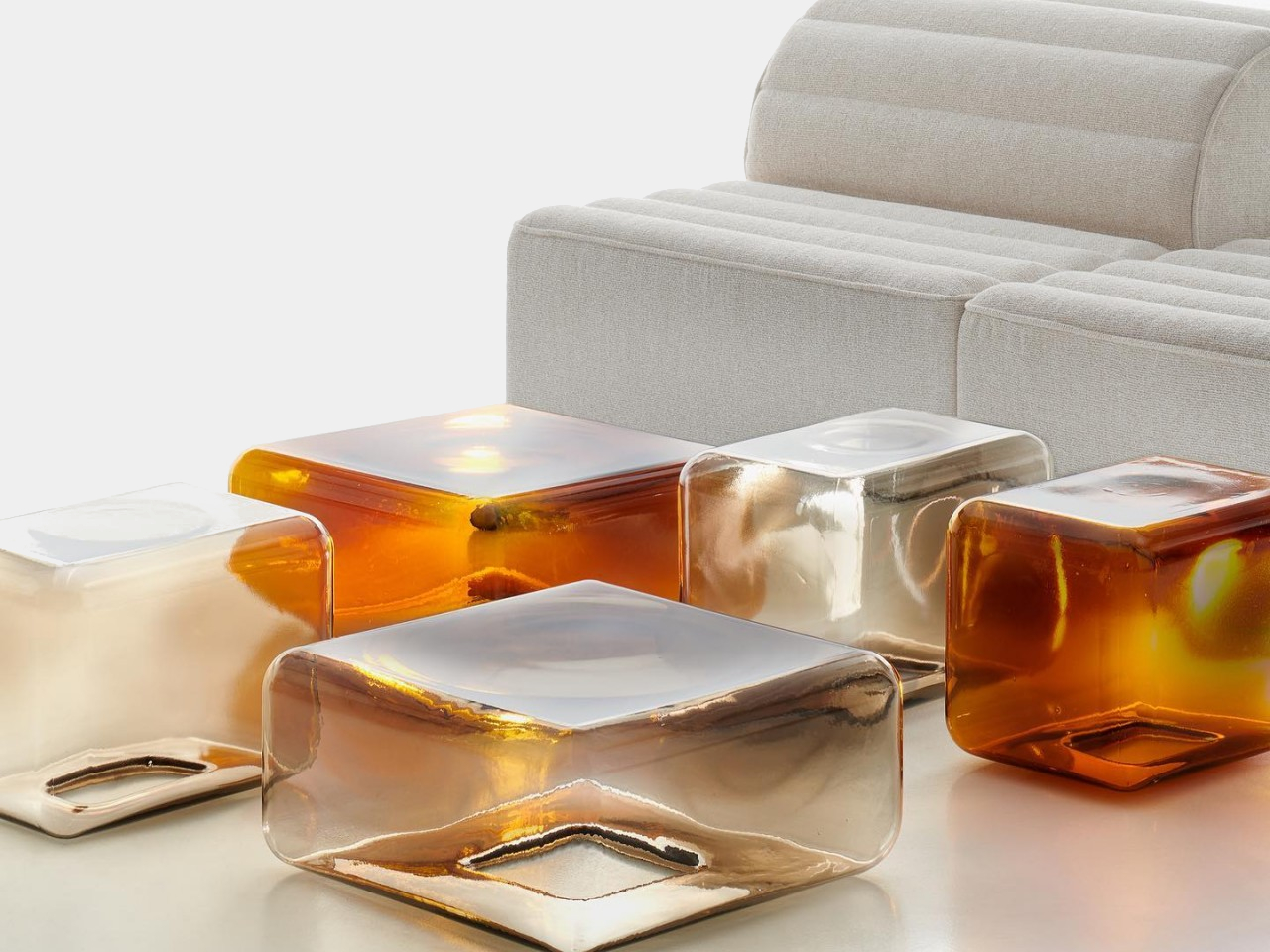
Coming in a variety of sizes, these square and rectangular glass boxes create a playful display of light and color through their translucent materials and even through the imperfections inside that material. The smoky gray and amber hues make the glass look less like jewelry and more like sweet treats that are too big to put in your mouth. Despite what would normally be boring shapes, the Lokum side tables have a certain aura of fun owing to the design’s charming character.

The simple boxy shapes of the side tables would normally be perfect for using mass-produced techniques, but these are instead blown glass into their geometric forms as evidenced by the traces of ripples in the glass. What would normally be seen as flaws actually enhance the glass tables’ playful image, adding a touch of dynamism to a rather static form. It also affects the way light passes through and bounces off, creating shadows and patterns that draw your attention further.

Elegant, entertaining, and ephemeral all at the same time, these blown glass side tables definitely do more than just provide a temporary place for books or cups. They turn imperfections into beautiful impressions, transform plain shapes into mouth-watering forms, and give life to any space through their simple yet eye-catching design. All these, using a technique that’s been around for centuries and a material that is as common as the sand.

The post Blown glass side tables look delicious enough to lick first appeared on Yanko Design.
Quirky wooden side tables bring delight with geometric holes like a kid’s game

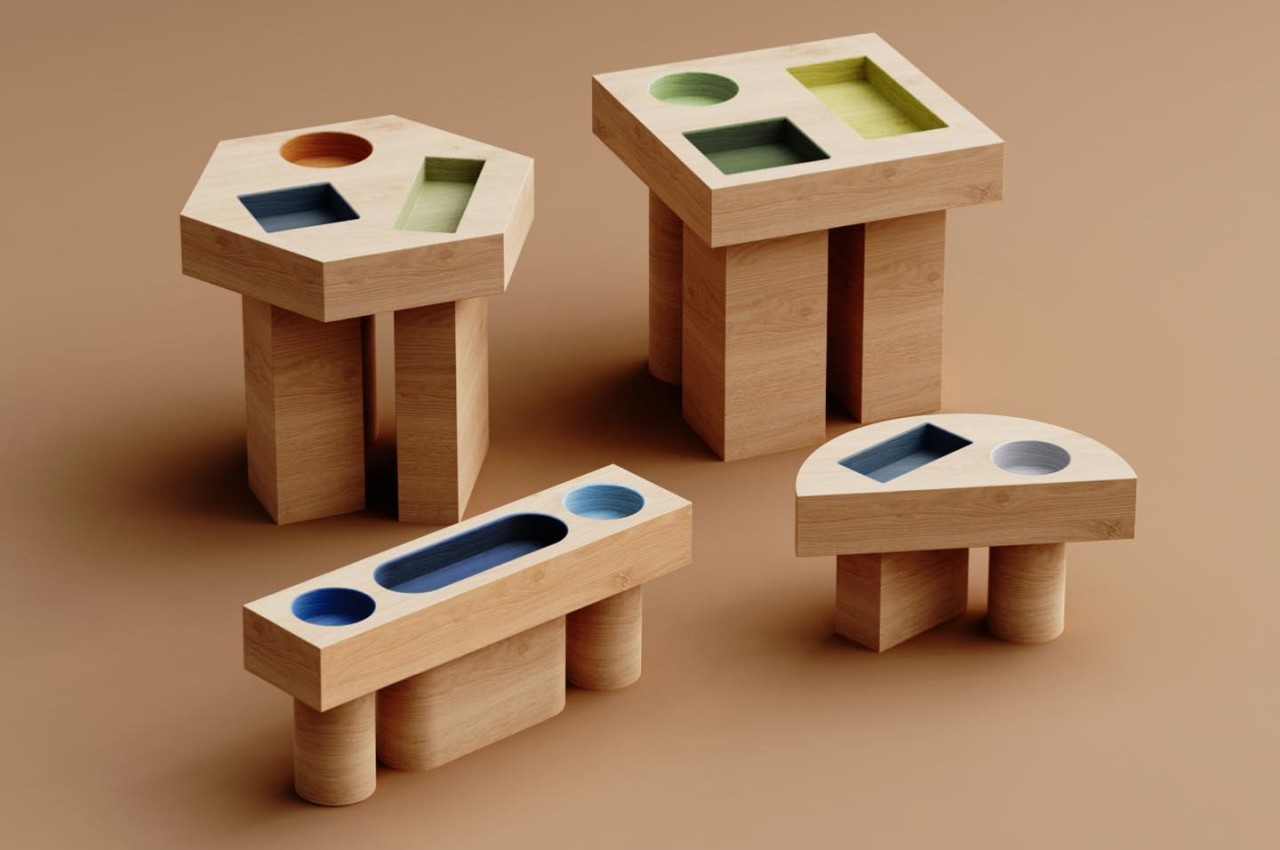
Almost all tables have tops that are flat and horizontal mostly because of the function they serve. You wouldn’t want your glass to tilt over or your phone to slide down just because of an uneven or inclined surface, right? But as long as you are able to place things down on the table without having them wobble, fall, or roll off to the side, then the tabletop can almost be open to any design or shape. That seems to be the reasoning behind these fun-looking side tables that, at first glance, don’t look reliable or functional, at least until you realize that using them is almost like playing that educational game of fitting shapes inside the right holes.

Designer: Chien Yuoning

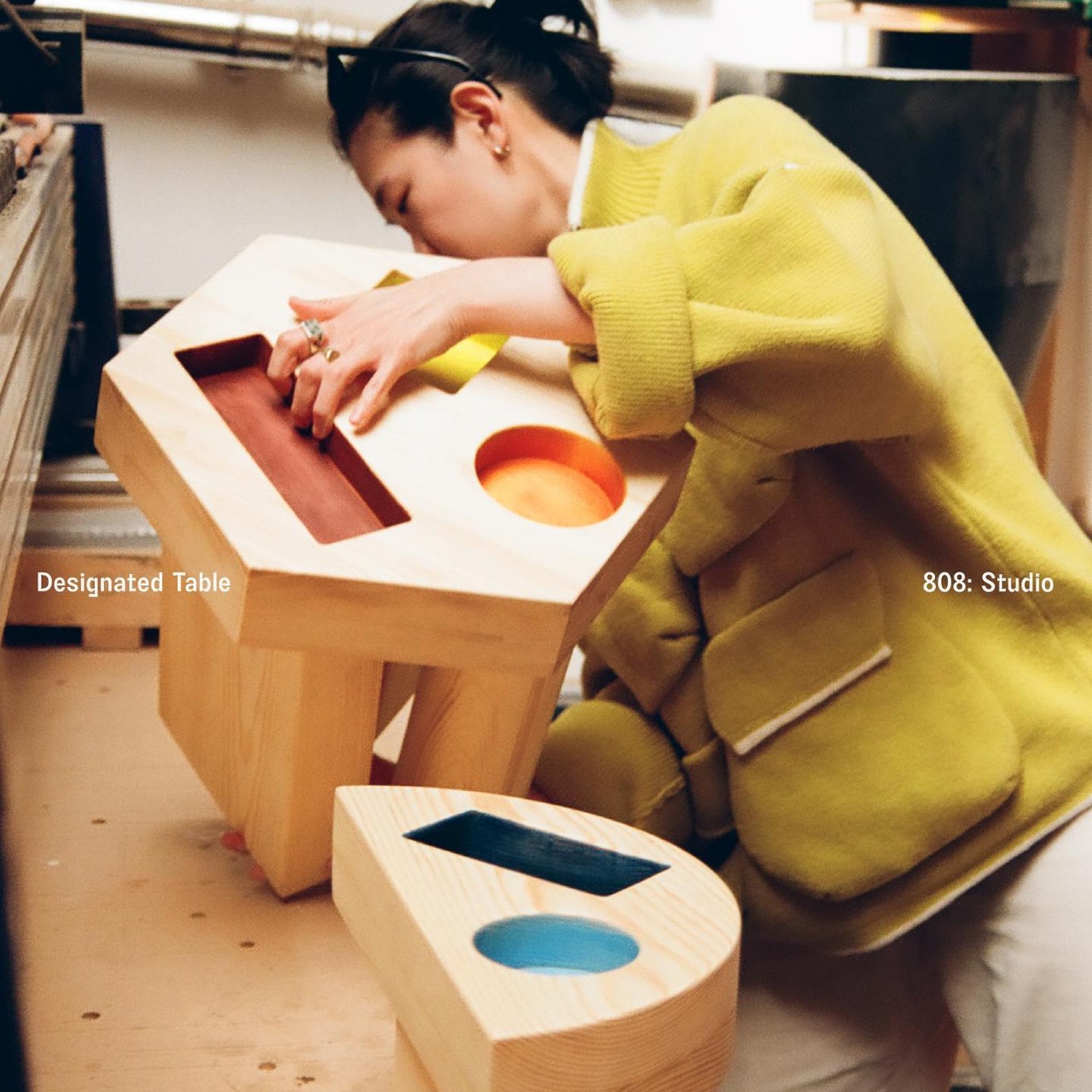
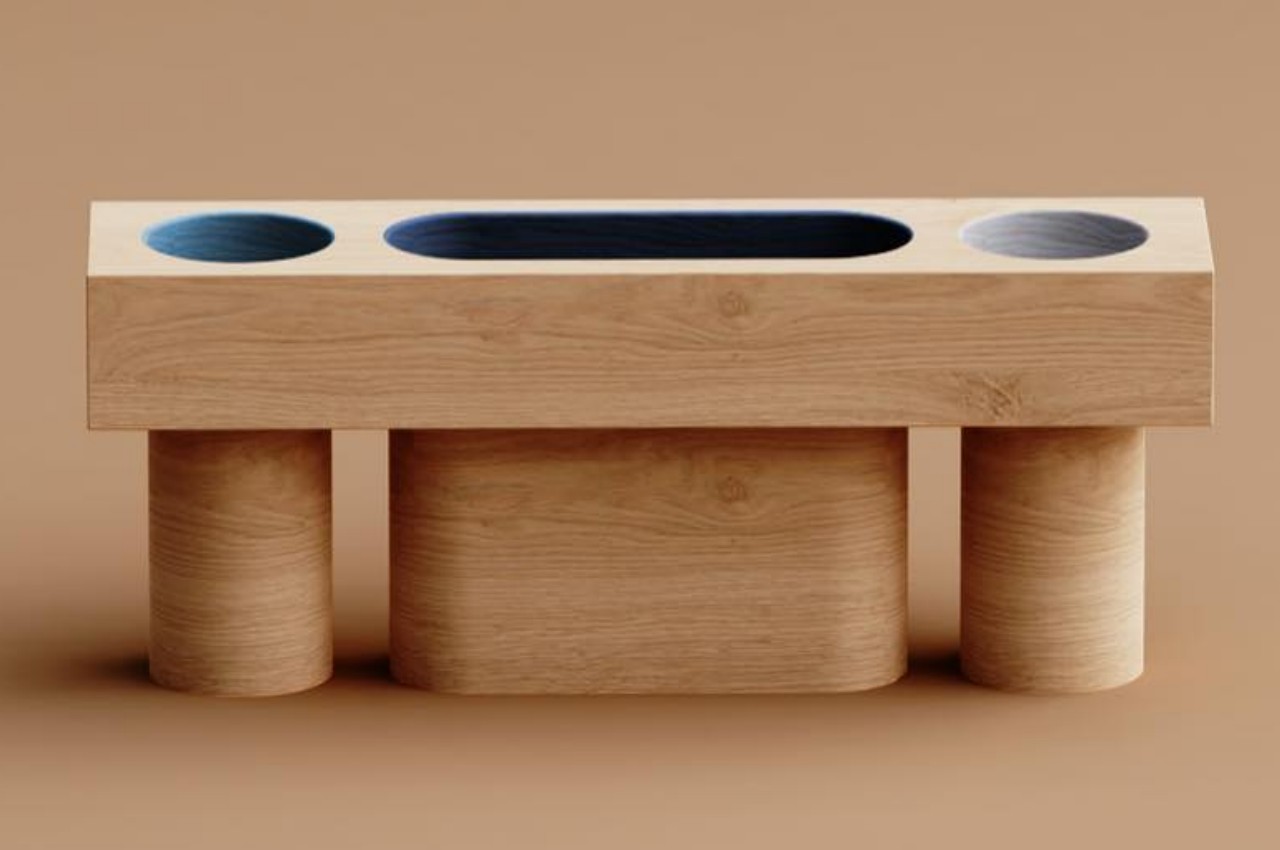
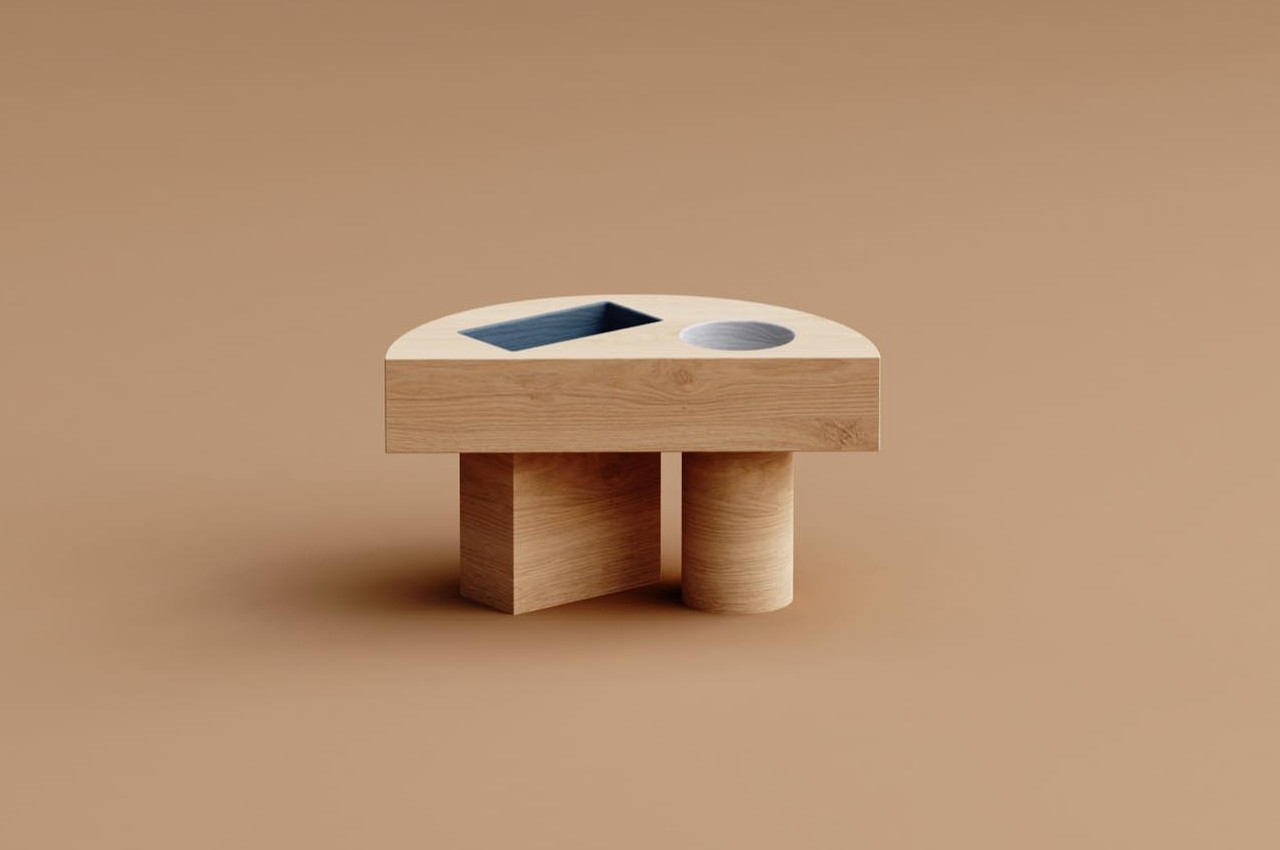
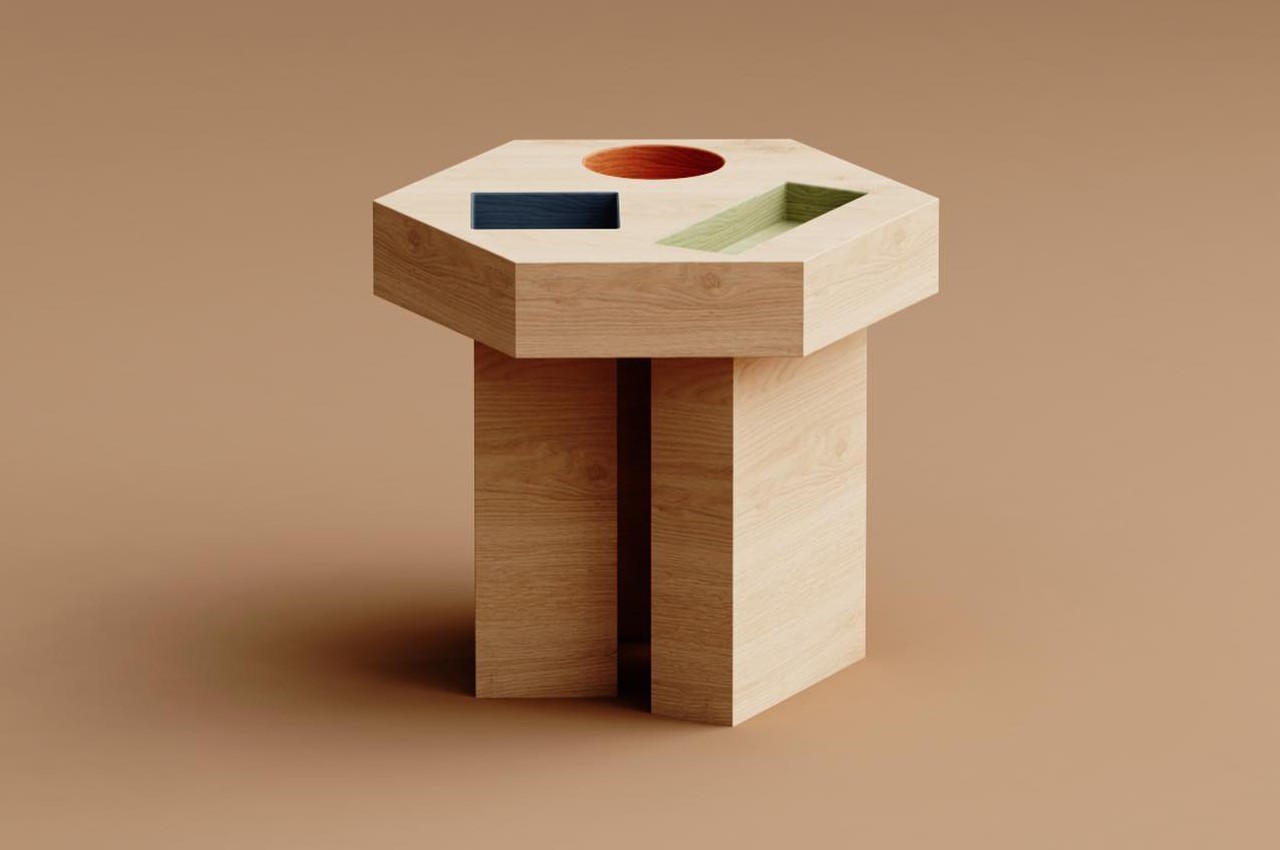
Many parents or even kids might be familiar with that toy where you have holes in a geometric shape and you’re supposed to drop matching geometric blocks inside them. This side table collection might immediately remind people of those toys and, unfortunately, might also give them the wrong impression of the practicality of such a design. Fortunately, it isn’t just a whimsical decision as these geometric holes can actually act as helpful organization aids in addition to being quite interesting to look at.

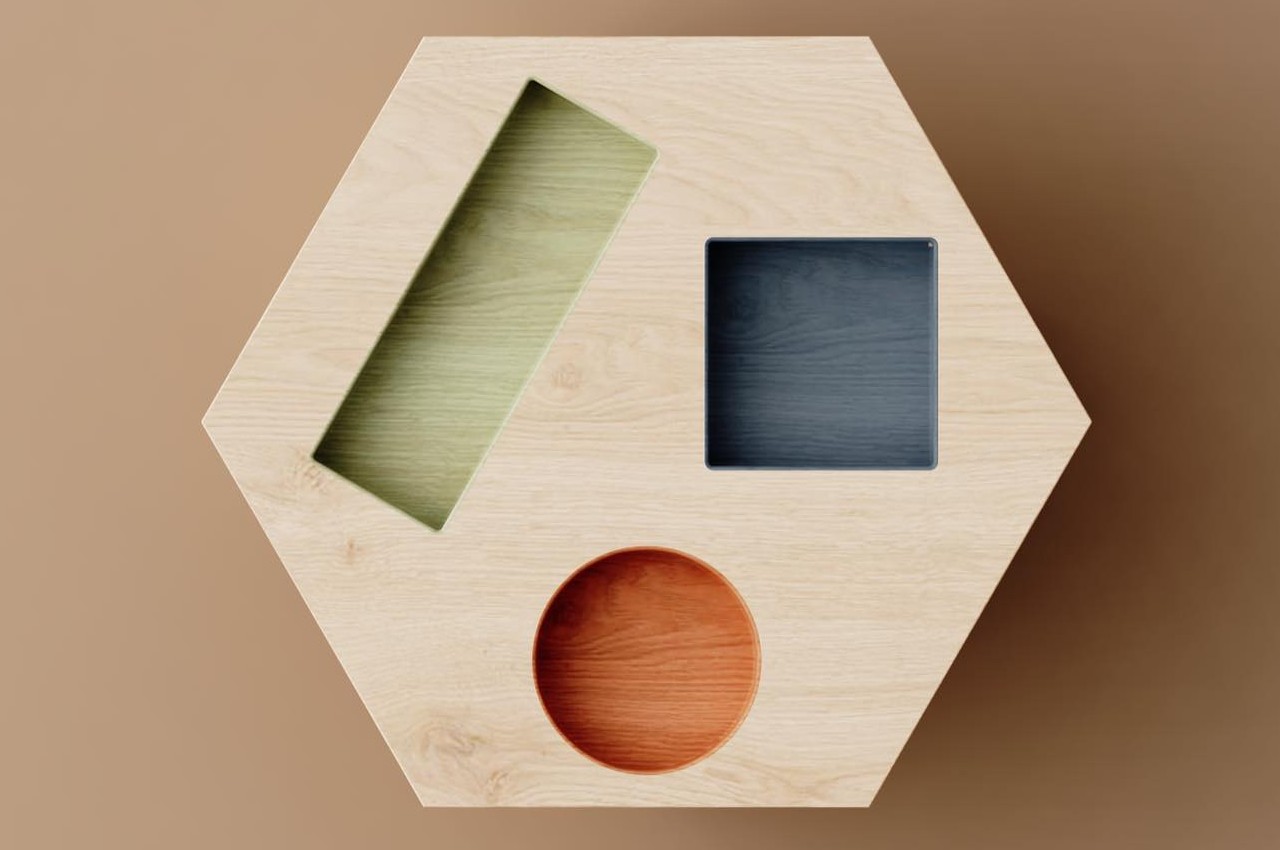
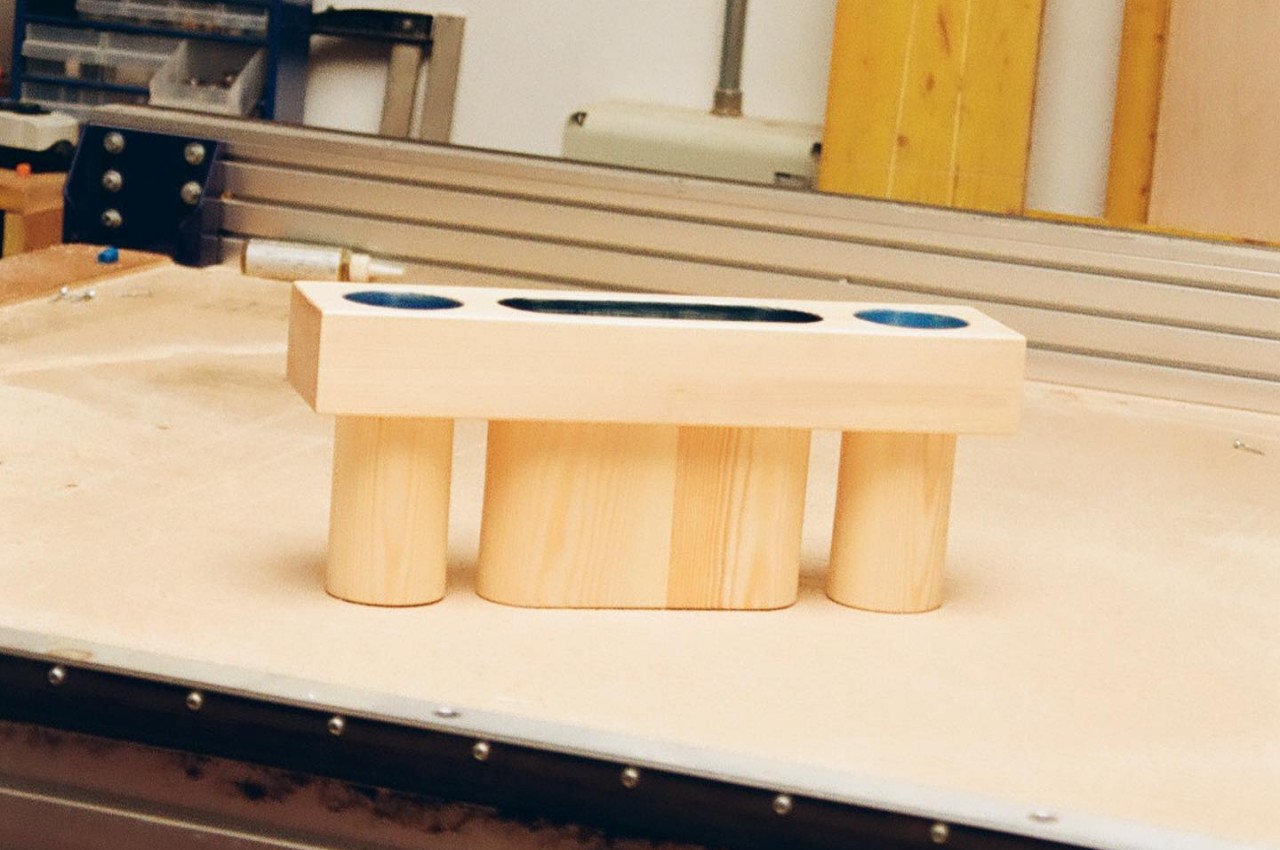
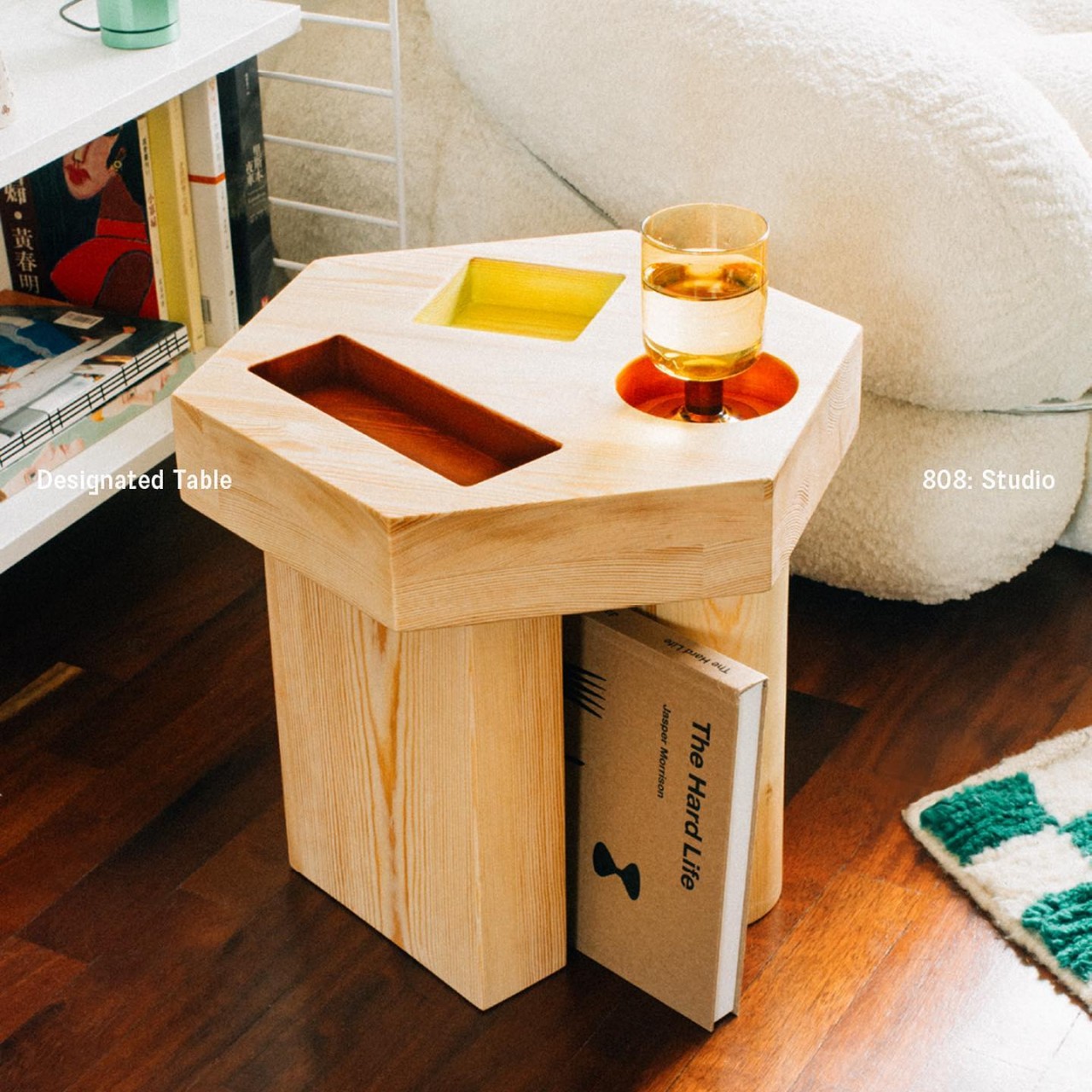
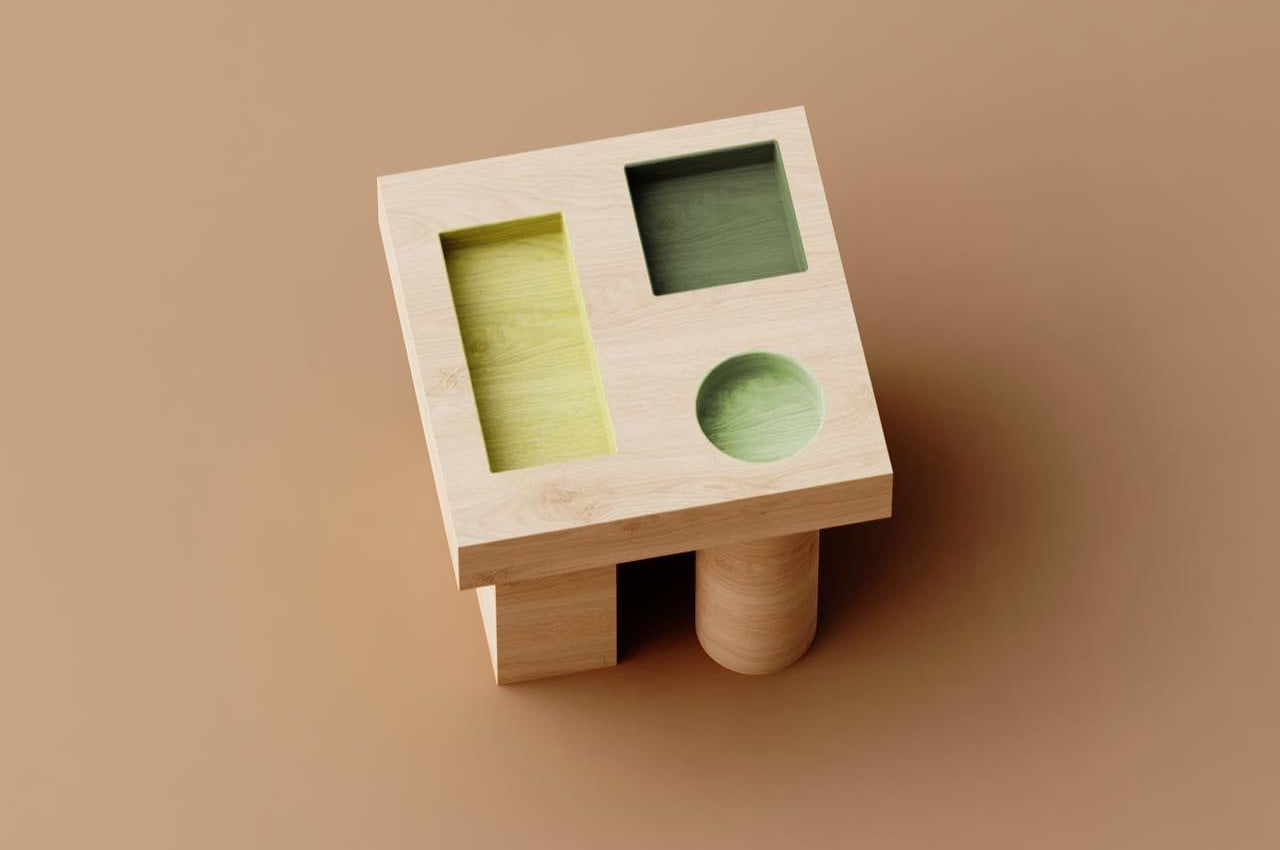
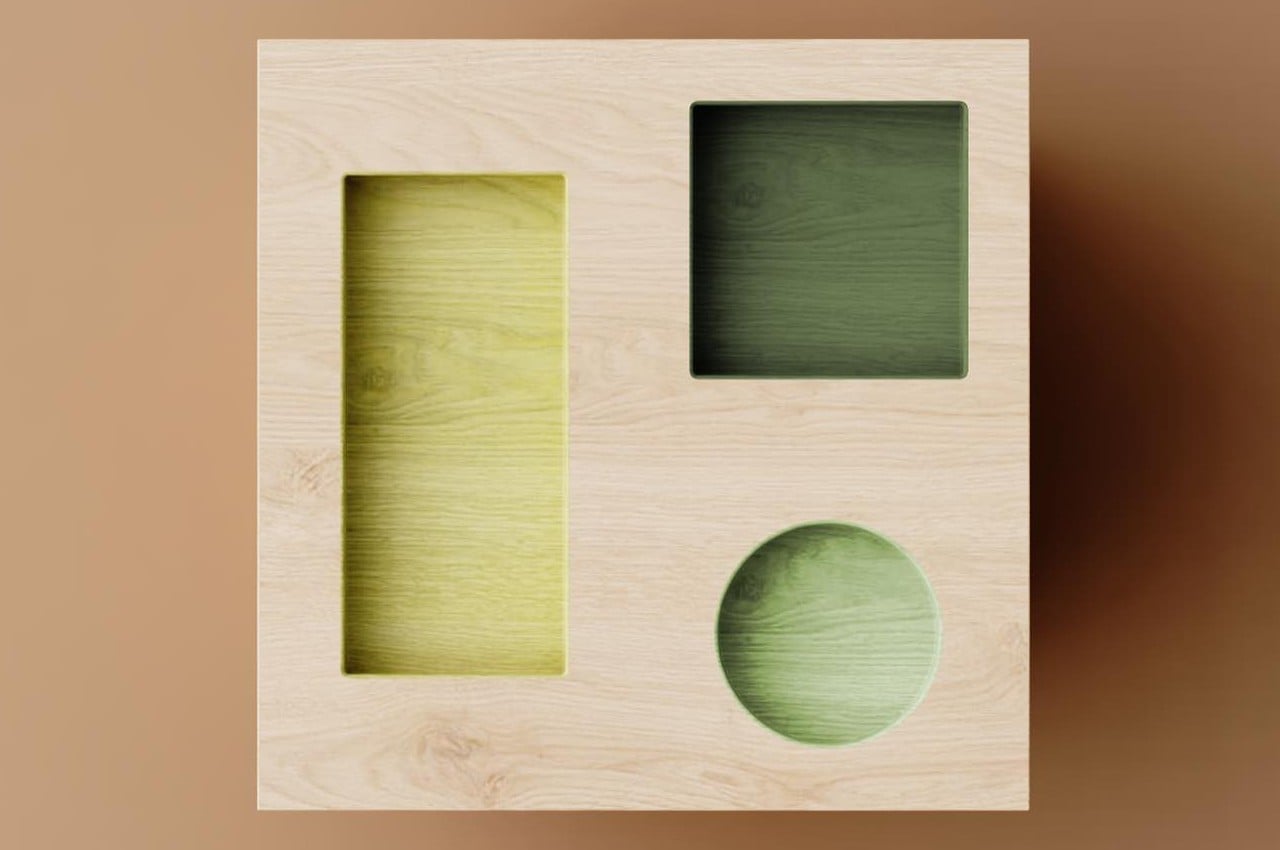
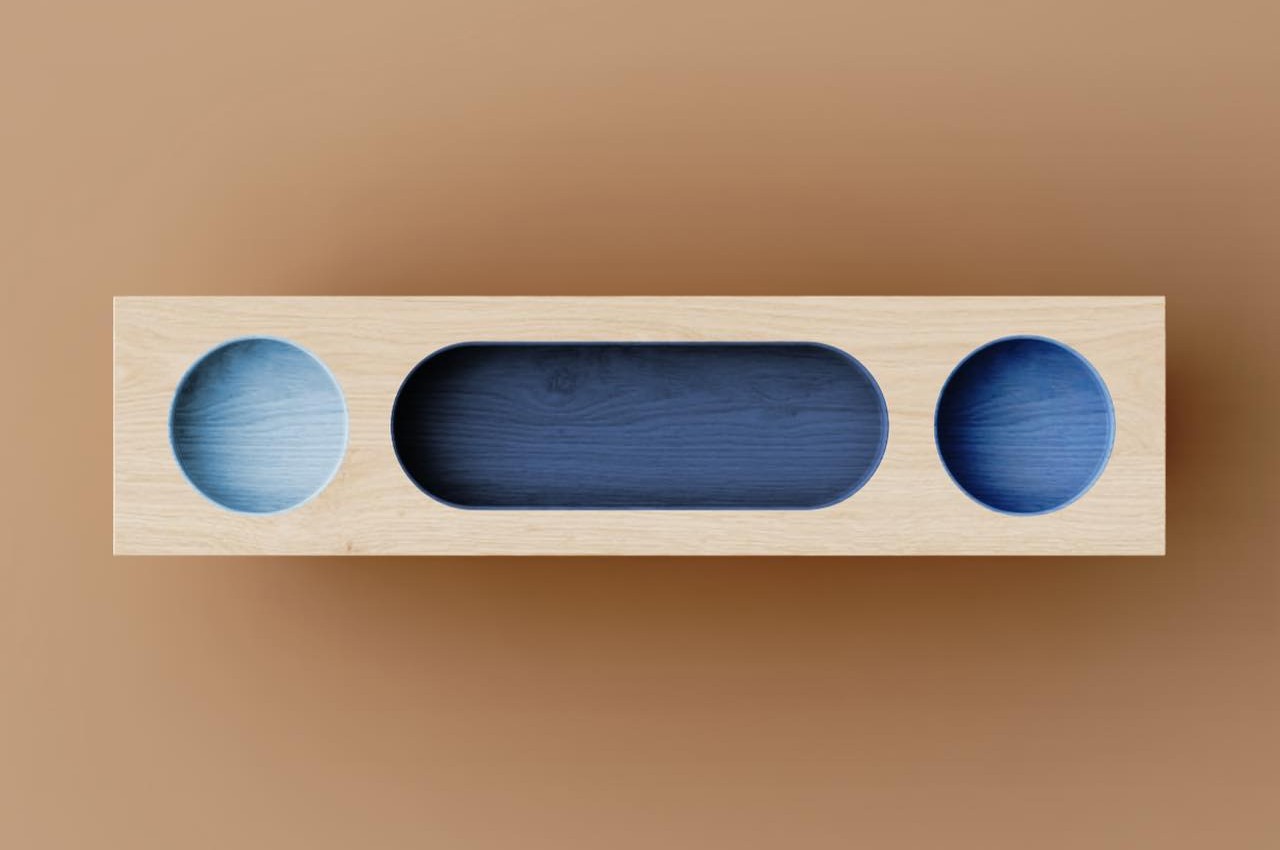
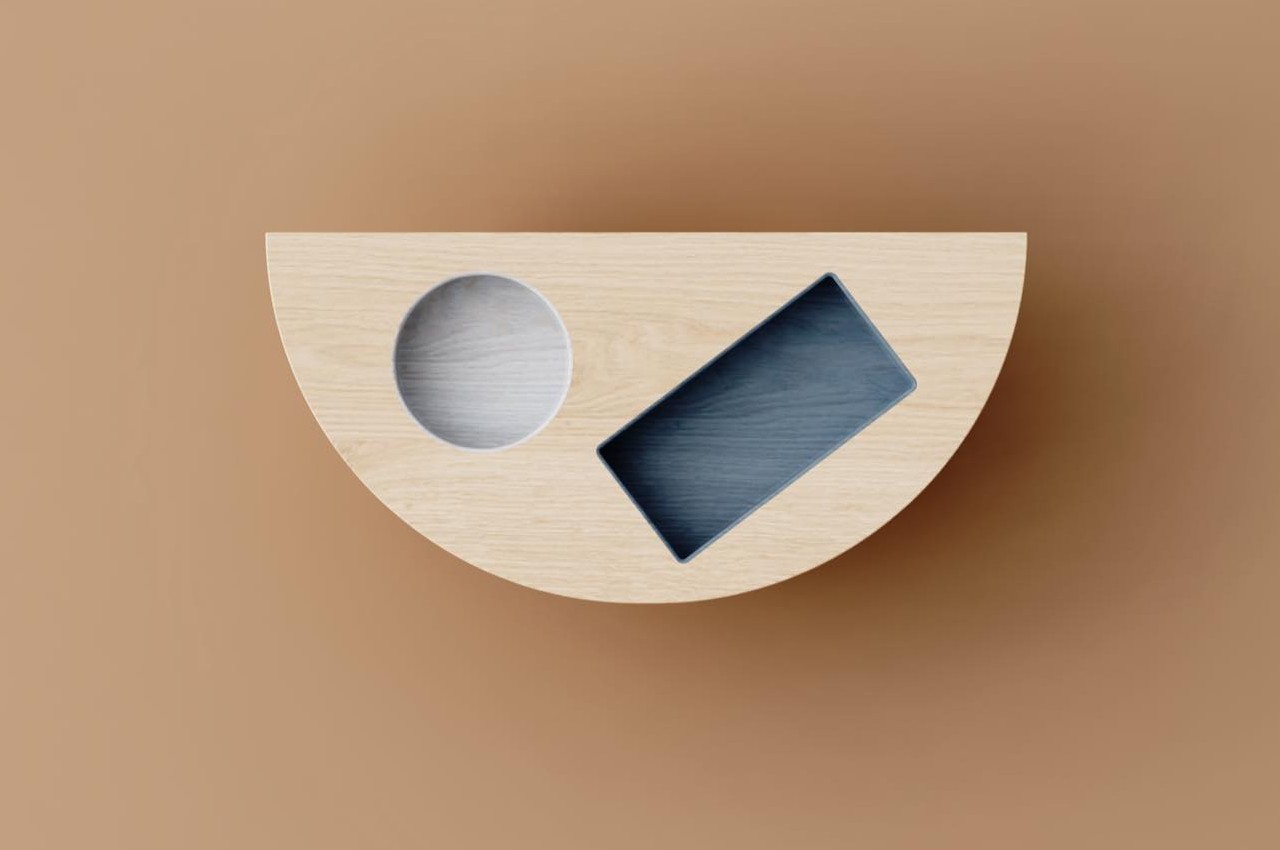
The Designated Table collection has geometric shapes like circles, squares, rectangles, and even pills cut out from the tabletop. While they might look like a loss in terms of usable space, they act as designated containers for things like glasses, phones, books, or whatnot. These compartments let you separate different things while also providing a bit of support to some extent. It’s harder for a glass to topple over if its area is constricted.

At the same time, the shapes add a playful character to the tables, especially since the shapes have a different color from the natural finish of the rest of the wooden table. The tables themselves come in different shapes, including a hexagon and a half circle, doubling the fun factor of each side table. That, however, also determines where some of these side tables can be placed, like the hexagon-shaped side table making a poor fit for a nightstand or anywhere the table needs to be flush against a flat surface like a wall, a couch, or a bed.

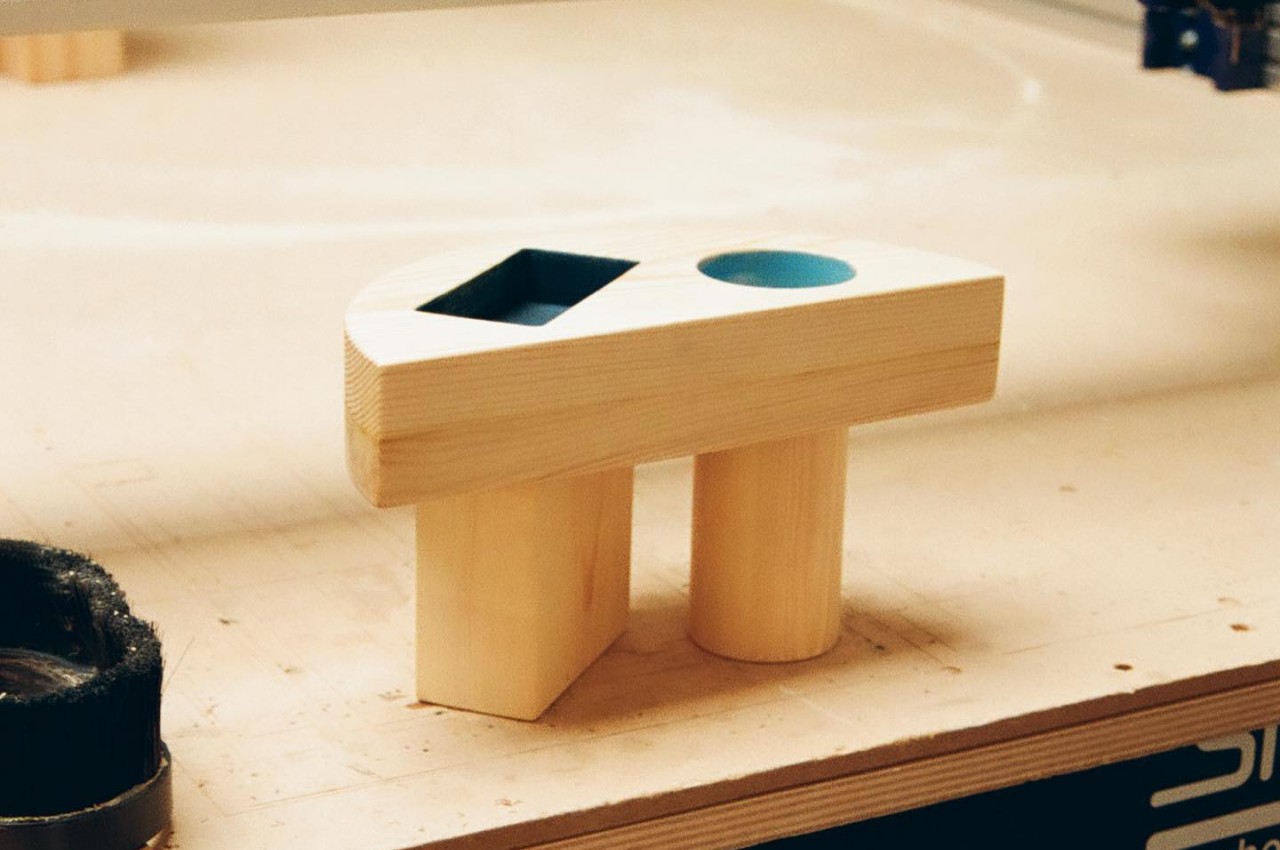
Another interesting aspect of the Designated Table’s design is that the legs follow the shape and orientation of those seemingly random shapes. That makes it feel like the wooden legs flow from these geometric indentations or vice versa, giving the tables an almost whimsical flavor that doesn’t sacrifice their stability. The gaps between the legs can even become a place for magazines, taking advantage of the narrow space. The geometric design of the Designated Table feels jovial and delightful but still makes the side tables completely functional and, perhaps, even more effective in keeping your things in their proper places.

The post Quirky wooden side tables bring delight with geometric holes like a kid’s game first appeared on Yanko Design.
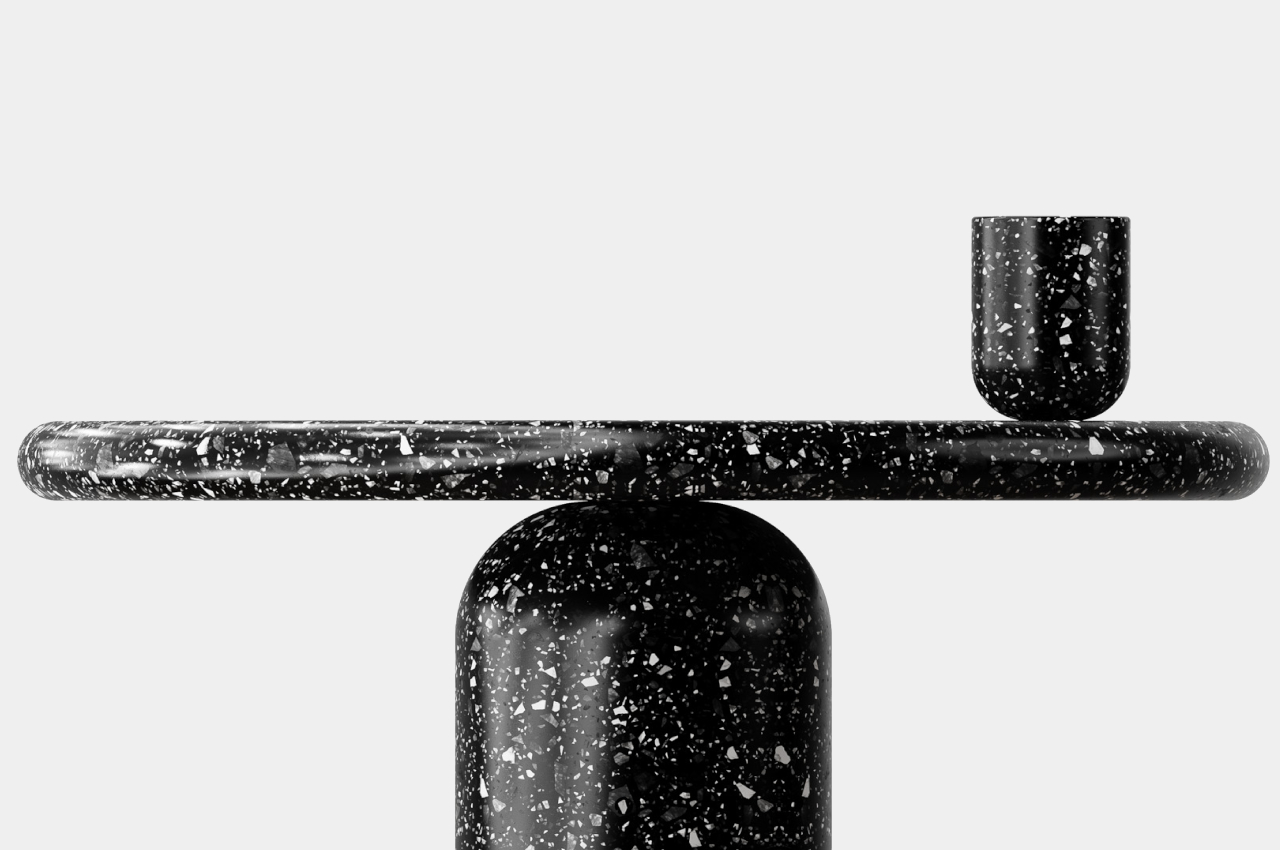
Terrazzo side table concept seems to tempt fate and defy the laws of physics

Tables come in all shapes and sizes, but regardless of the design, they all need to have a single critical trait: they have to be stable. No matter how breathtaking a table might be, it is nothing but a piece of art if it comes crashing down under the lightest of weights. Stability can be achieved through many means, but for something like a coffee table or even a side table, that mostly means having a flat surface that doesn’t wobble or, more importantly, doesn’t tip over. That’s the behavior that people have come to expect from even the most beautiful table, which is why this side table concept is striking both for its elegant looks as well as its rather worrying composition that precariously balances the tabletop on a curved surface, or at least it would seem like it.

Designer: Stuart Cole

Objects that boggle the mind and seem to defy the laws of physics have always been a fascination for us, which is probably why balancing toys or levitating speakers have always been popular products. That, however, doesn’t apply to furniture, especially ones that we expect to be stable or fixed. Seeing a table that’s about to topple over is enough to give some people a heart attack, but fortunately, that’s not the case for the aptly named “Balance” side table design concept.

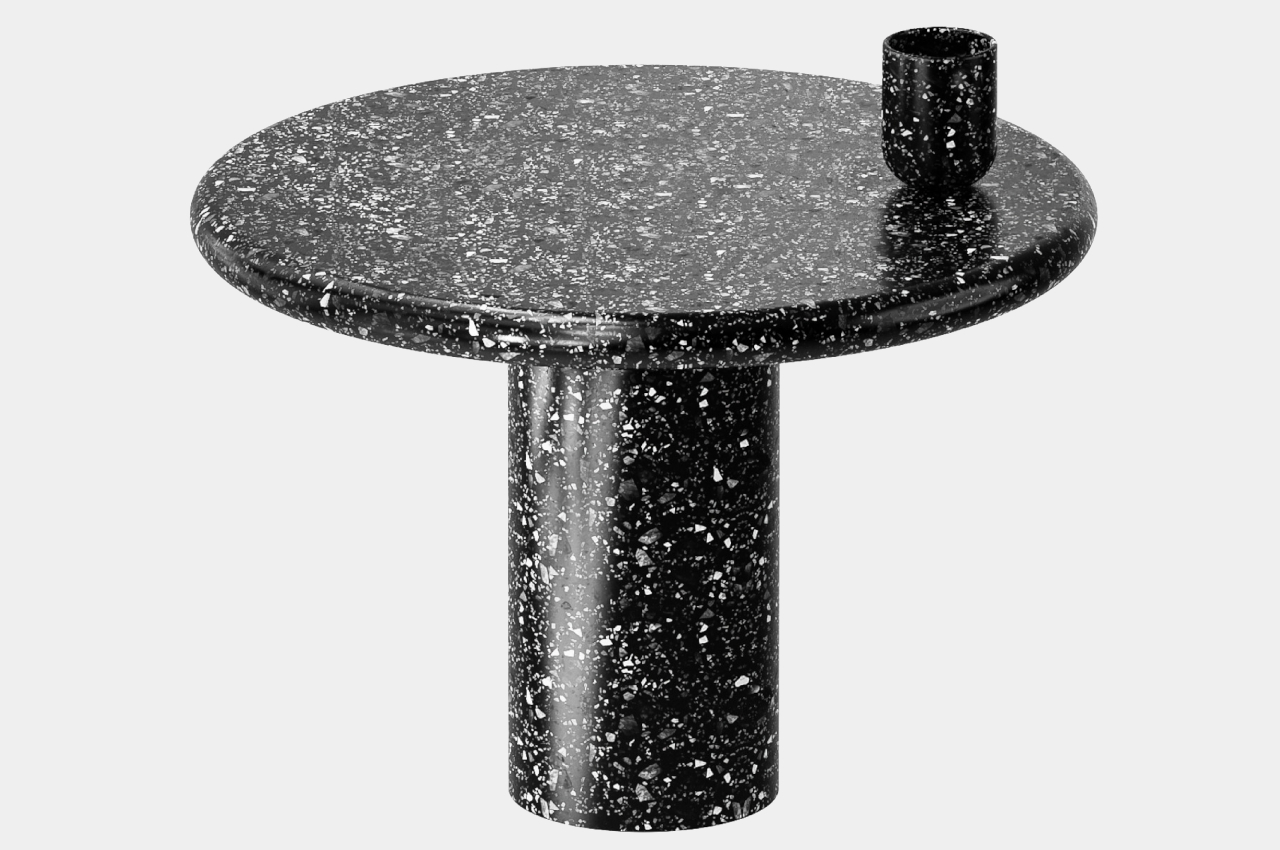
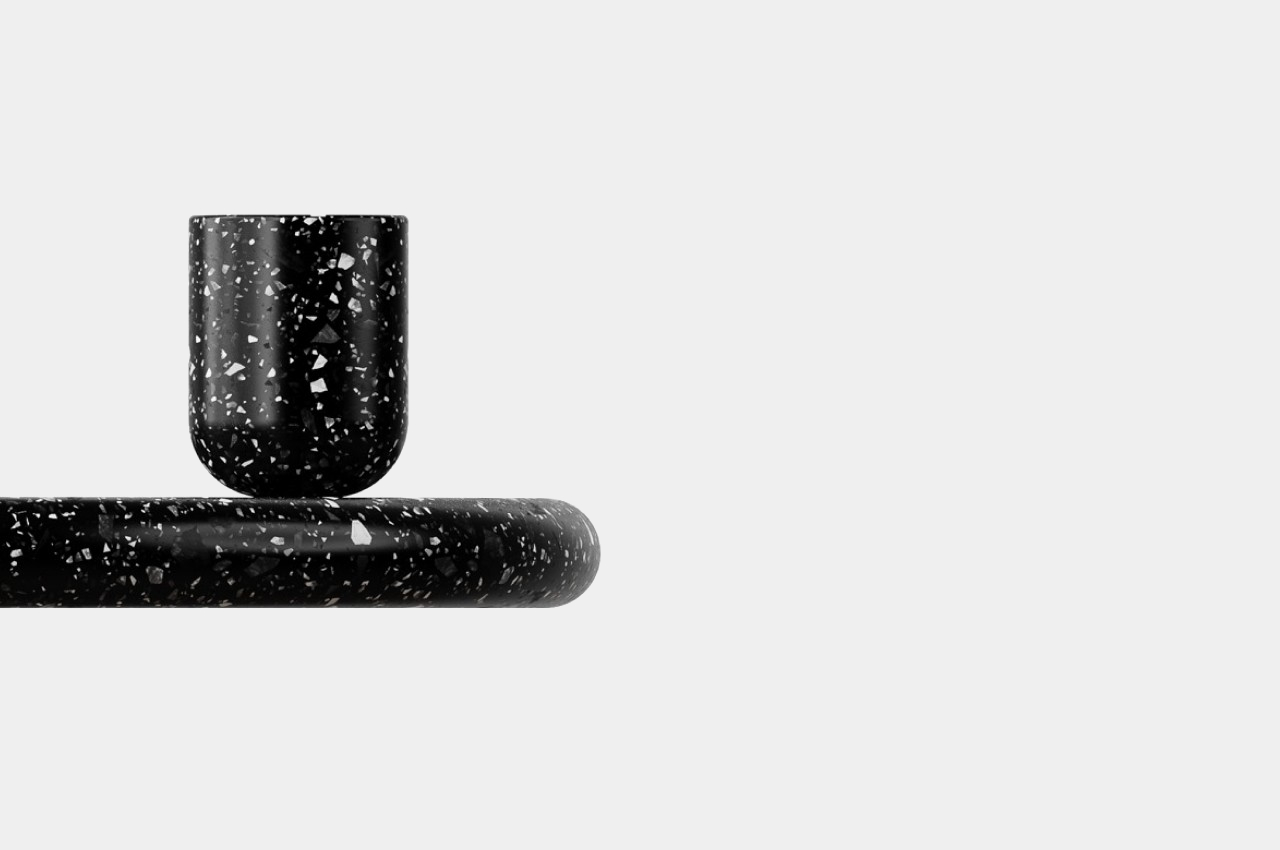
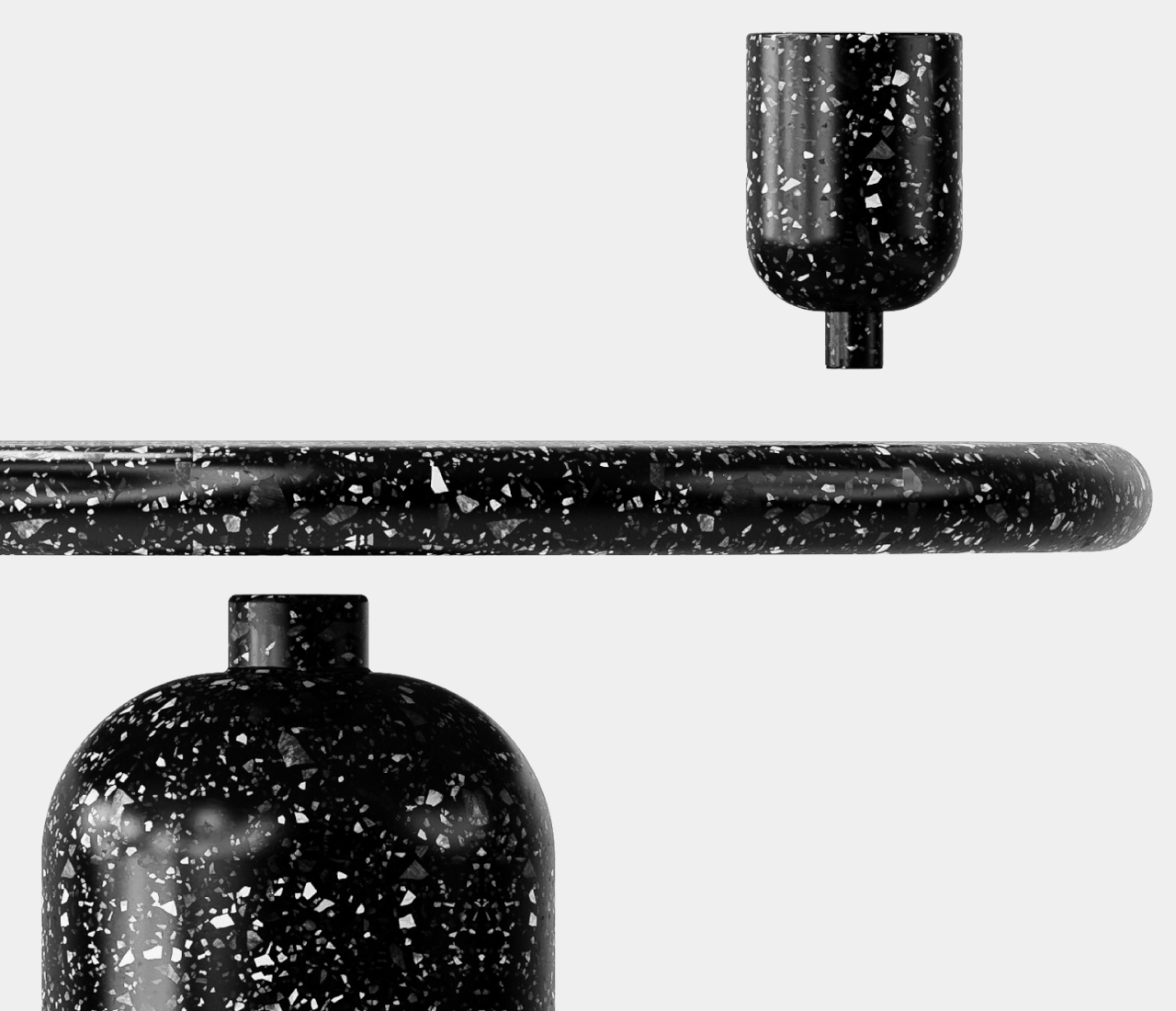
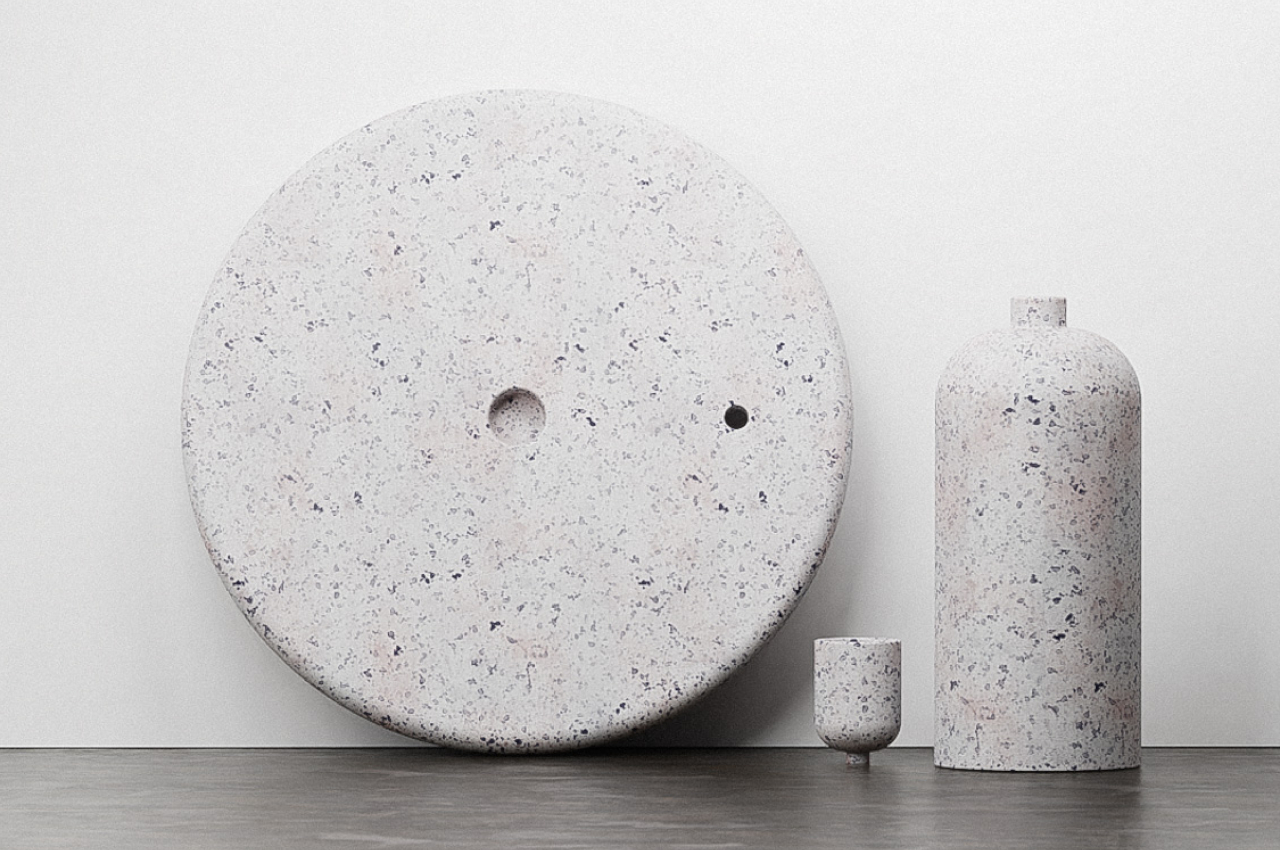
The table’s form is actually pretty simple, utilizing basic geometrical shapes like a disc and cups. It’s the tension between these shapes, however, that gives Balance its dynamic and rather unstable appearance. It’s almost as if the circular tabletop would topple and fall off the upside-down bowl shape of its base, or that the cup would similarly fall over the edge and break. Of course, it’s all just an illusion because all three parts are joined using interlocking mechanisms that prevent them from falling apart, at least not without much effort.

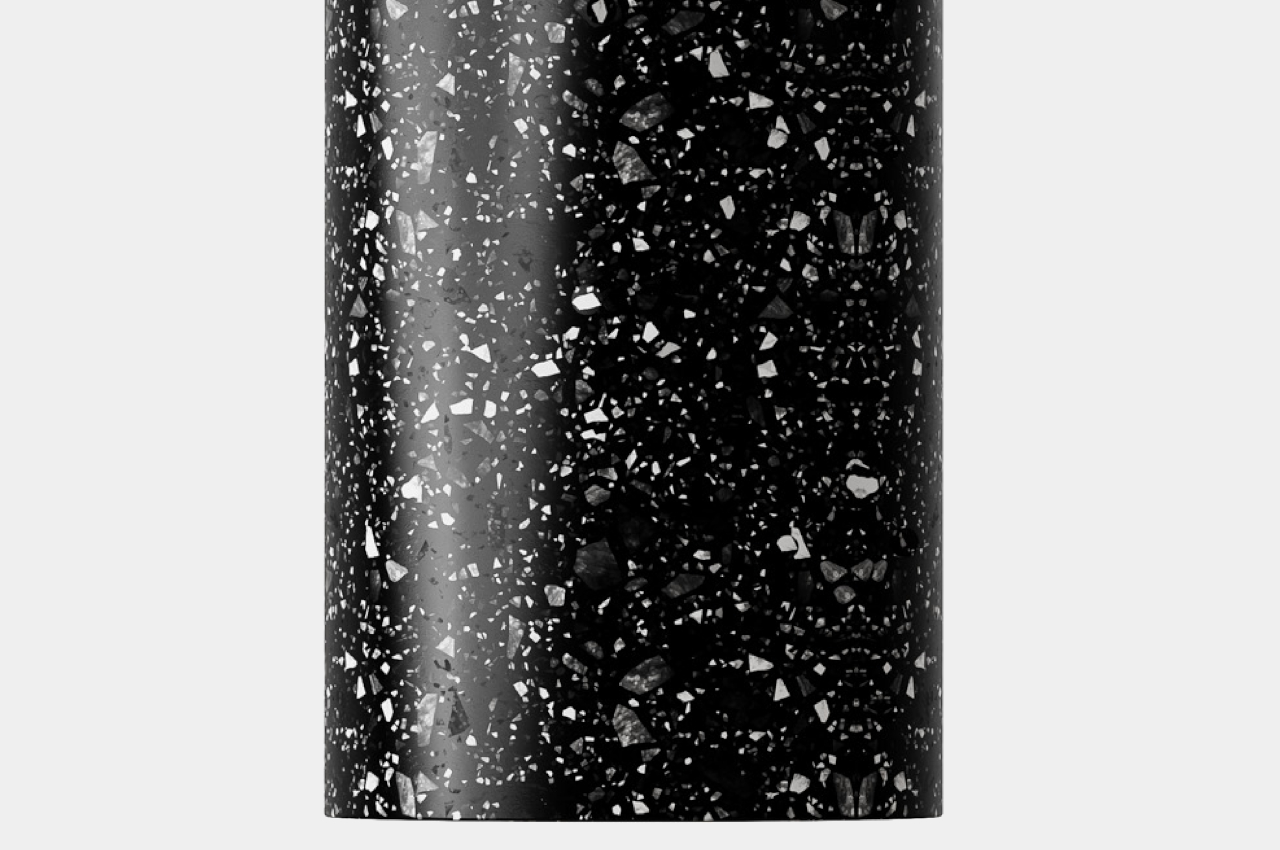
Balance’s appeal doesn’t stop at its eye-catching shape. Its unique appearance is due not only to the use of terrazzo but also from employing recycled materials. This gives the side table not only a distinctive visual character but also a sustainable narrative that will surely be a topic of conversation for envious visitors. You might even be tempted to use it as a coffee or center table, rather than just leaving it off to the side, though that temptation might also be tempered by unfounded worries that the table will eventually become unbalanced and send your cups and books crashing down.

The post Terrazzo side table concept seems to tempt fate and defy the laws of physics first appeared on Yanko Design.
Triangle Side Table offers an interesting way to show off your books

As the name suggests, a side table is a piece of furniture that’s often placed on the periphery, serving a secondary purpose to hold small objects temporarily. They’re a great location for placing drinks while you lounge on the couch and read a book, or for placing that same book when you need to put it down for a bit. Because of this function, it’s sometimes possible to let side tables take on less conventional forms, at least compared to common desks and tables. You might even be able to stretch the definition of a table to something that might not look like a table at all, like this hollow triangular prism that functions as a decorative piece and a resting place for your books.

Designer: Matthew Soule

The standard definition of a table is an elevated flat horizontal surface supported by vertical legs, but the exact interpretation of these elements is sometimes left to imagination and creativity. The only real requirement is that it should have a stable structure to hold items, though what objects it can hold is again open to interpretation. Side tables are often used to hold cups, mugs, pens, phones, notebooks, and books, and they sometimes have separate storage space for other, less-used objects.
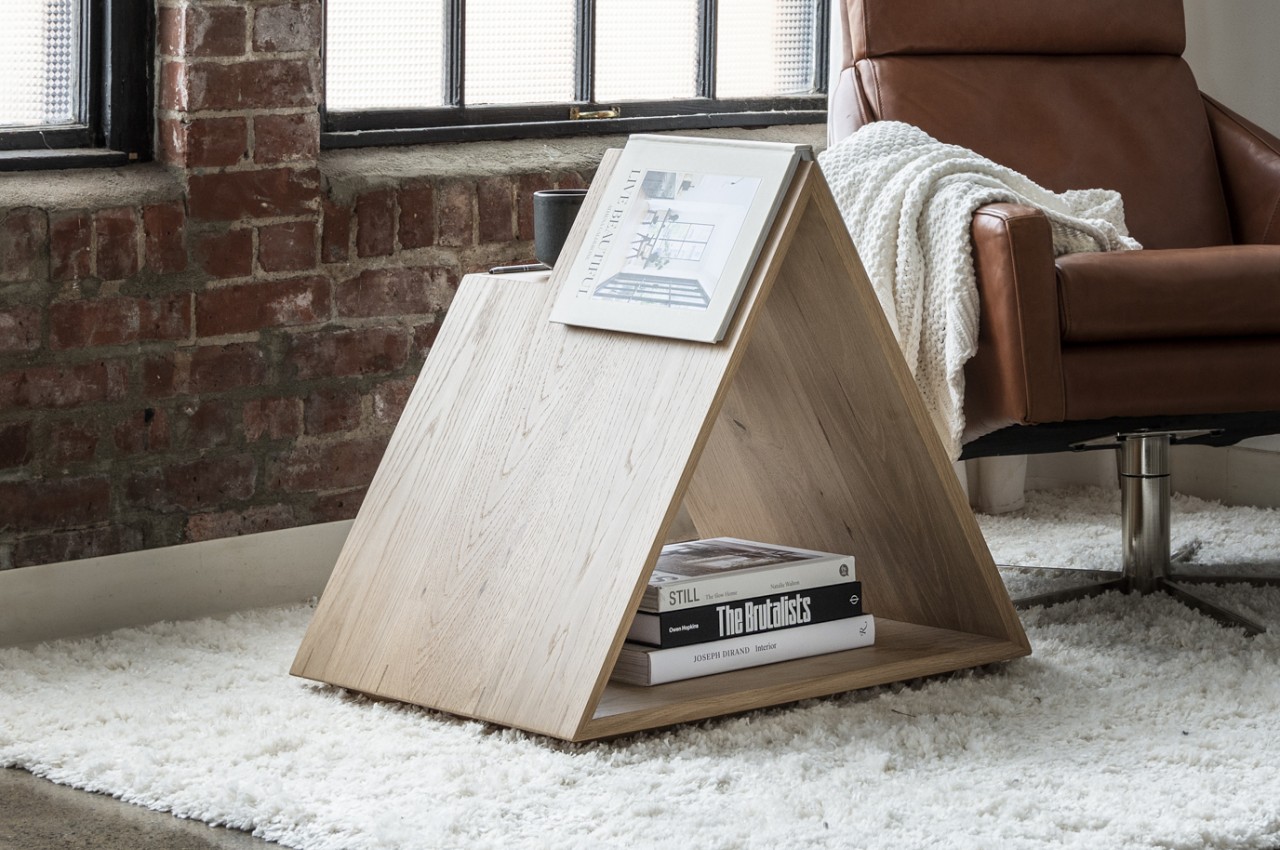
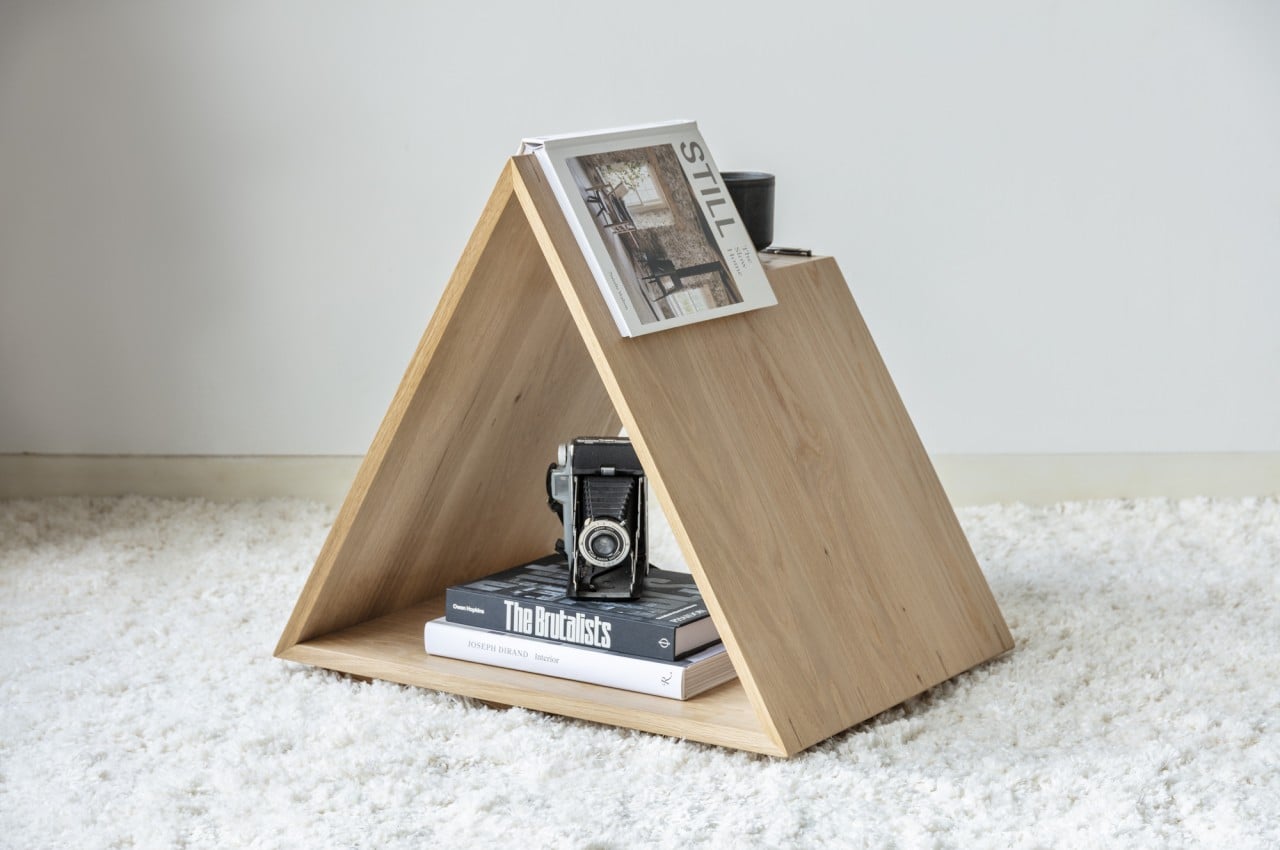
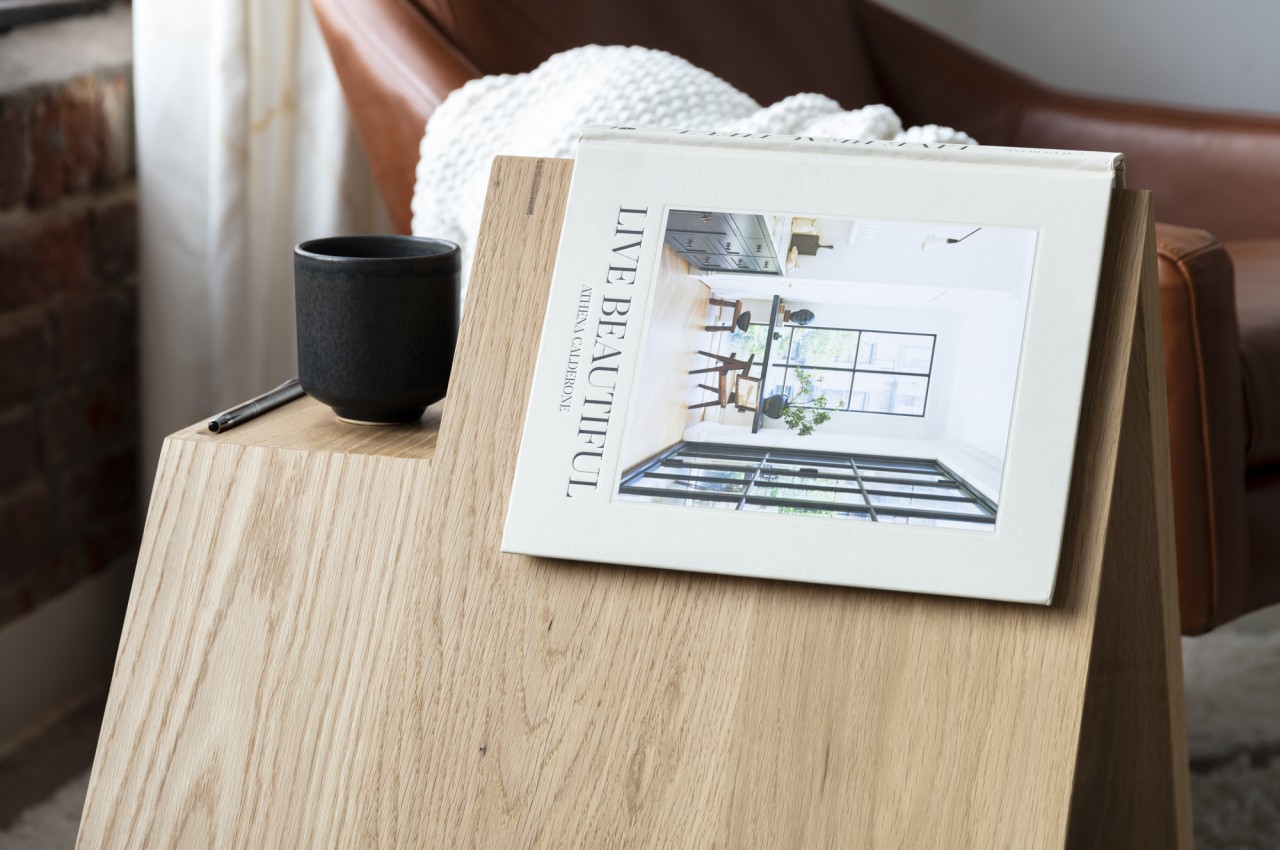
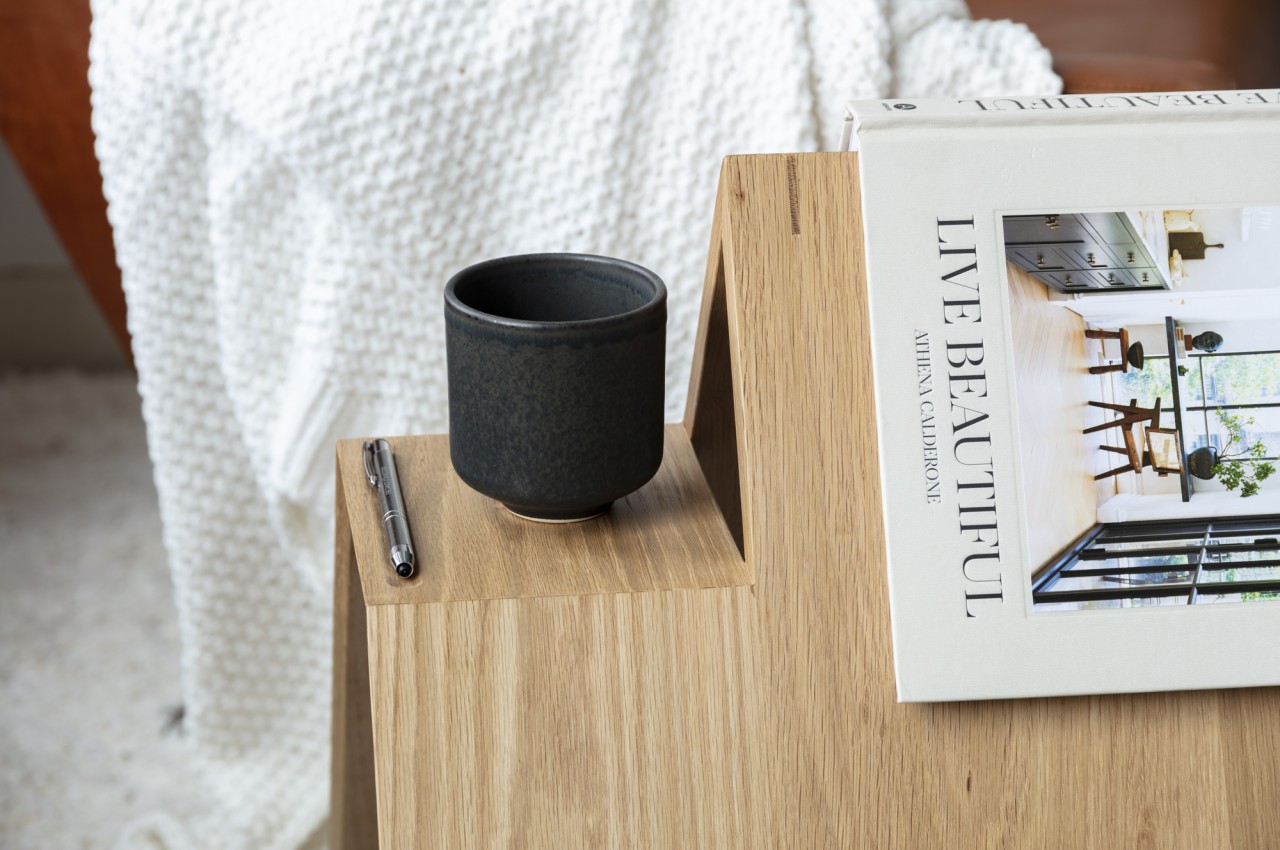
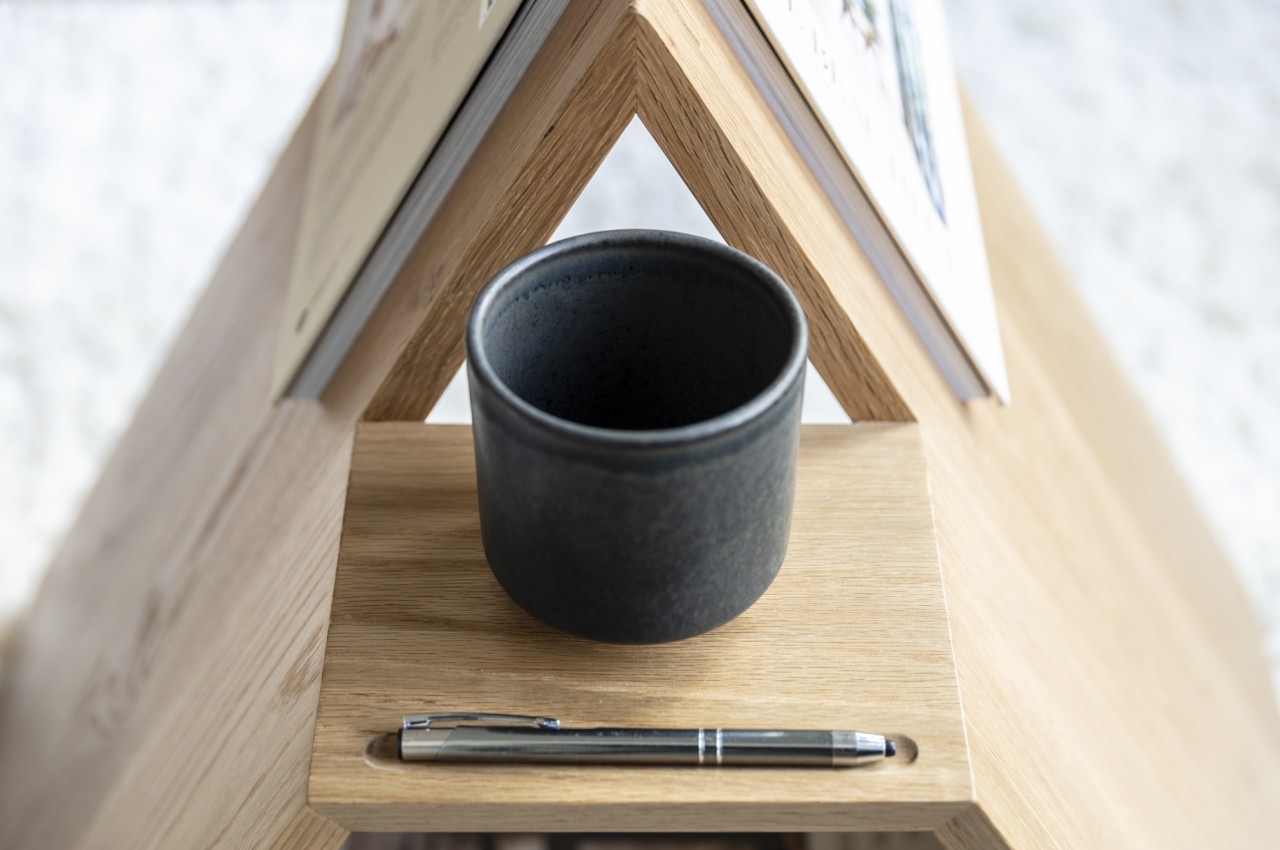
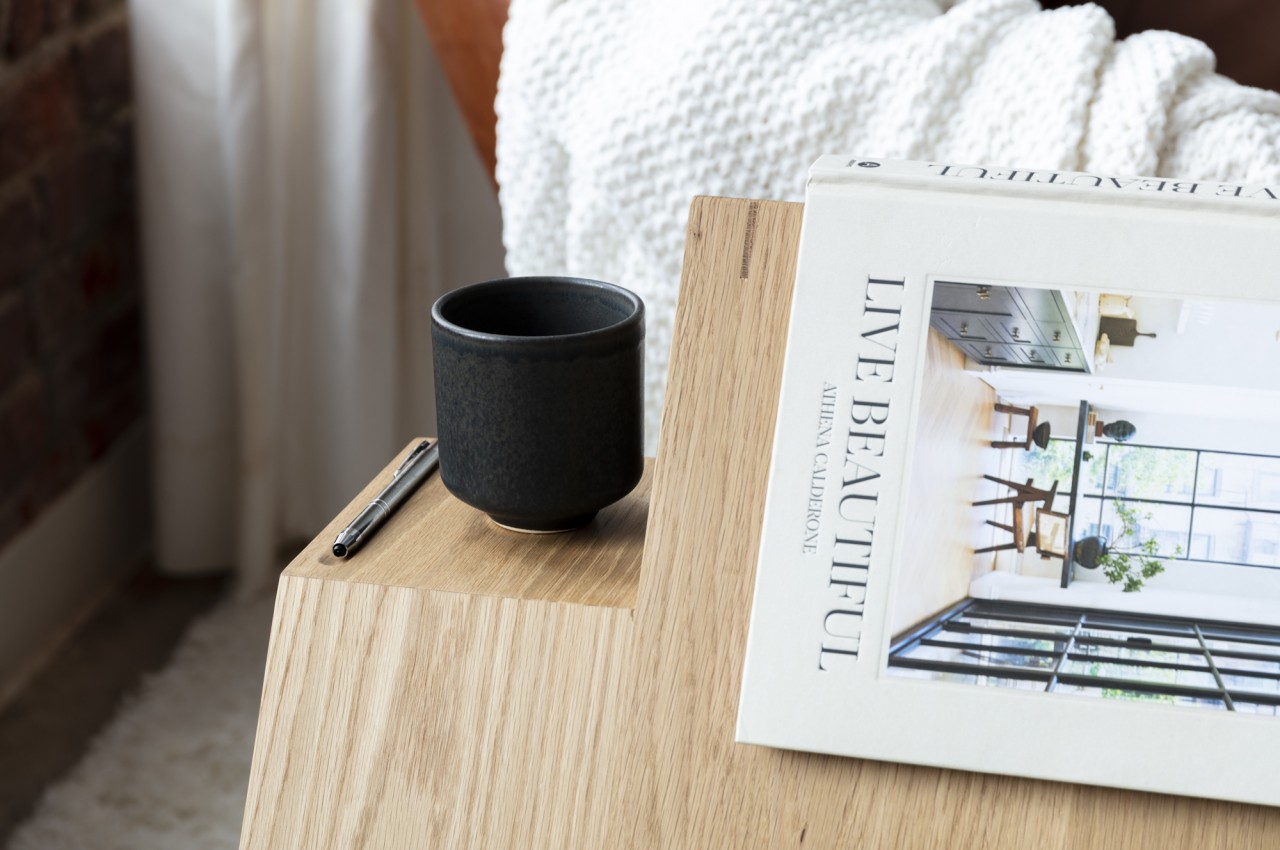
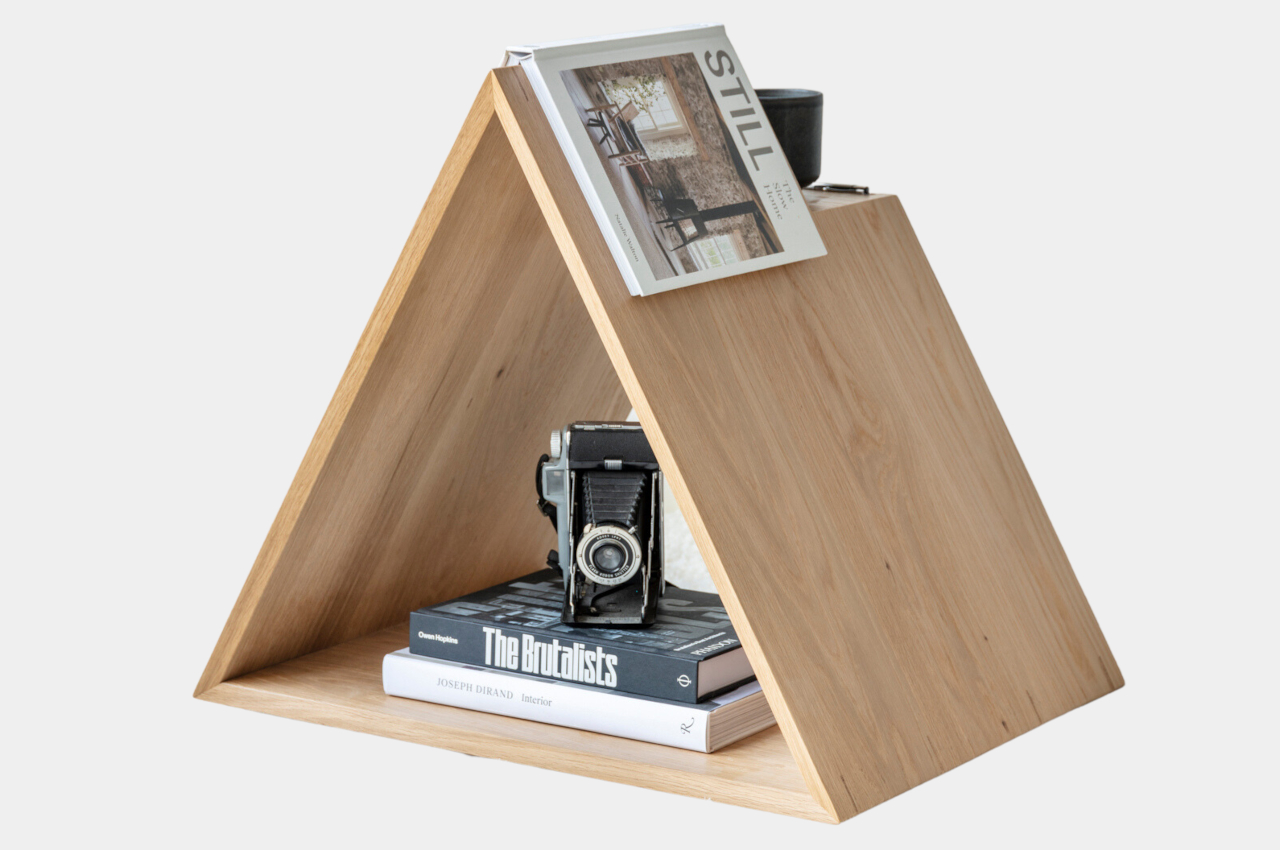
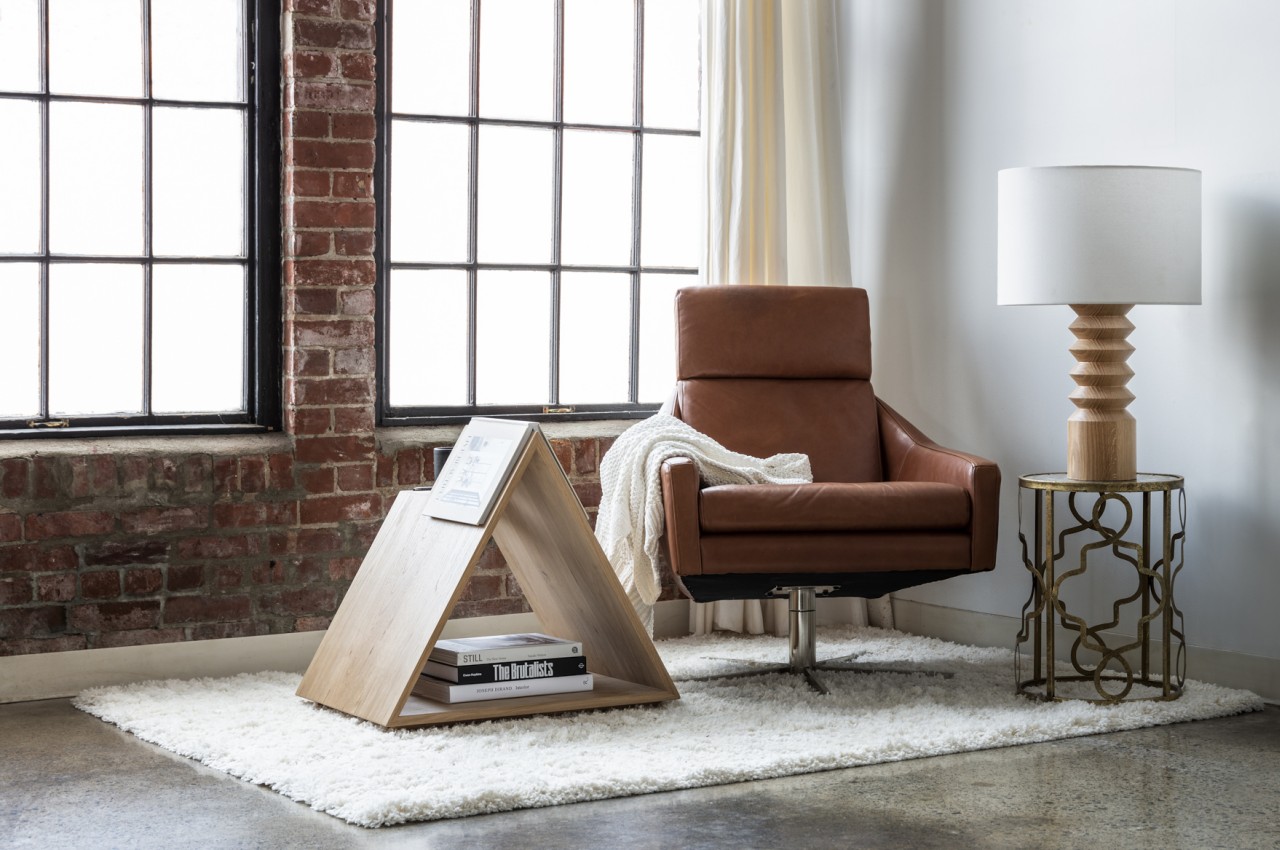
With that in mind, there are plenty of sources for design ideas, like this Triangle Side Table that was supposedly inspired by kids’ toy blocks. It definitely challenges the definition of a table having a flat horizontal surface, though there is definitely an area for that on the back of the apex, like a ledge for your things. That flat area, however, is barely enough to hold a mug, a small notebook, or a smartphone, but only one at a time. There’s also a groove for securing a writing instrument, but you’ll have to make it your favorite or most-used tool since there’s only room for one.

The main focus, instead, is to have a resting place for what you’re currently reading, be it a book or a magazine. You place the partially opened book on top of the triangle, using the tip as a bookmark. It’s a popular design in many minimalist products these days, though it’s uncertain whether it will harm the book’s binding in the long run.

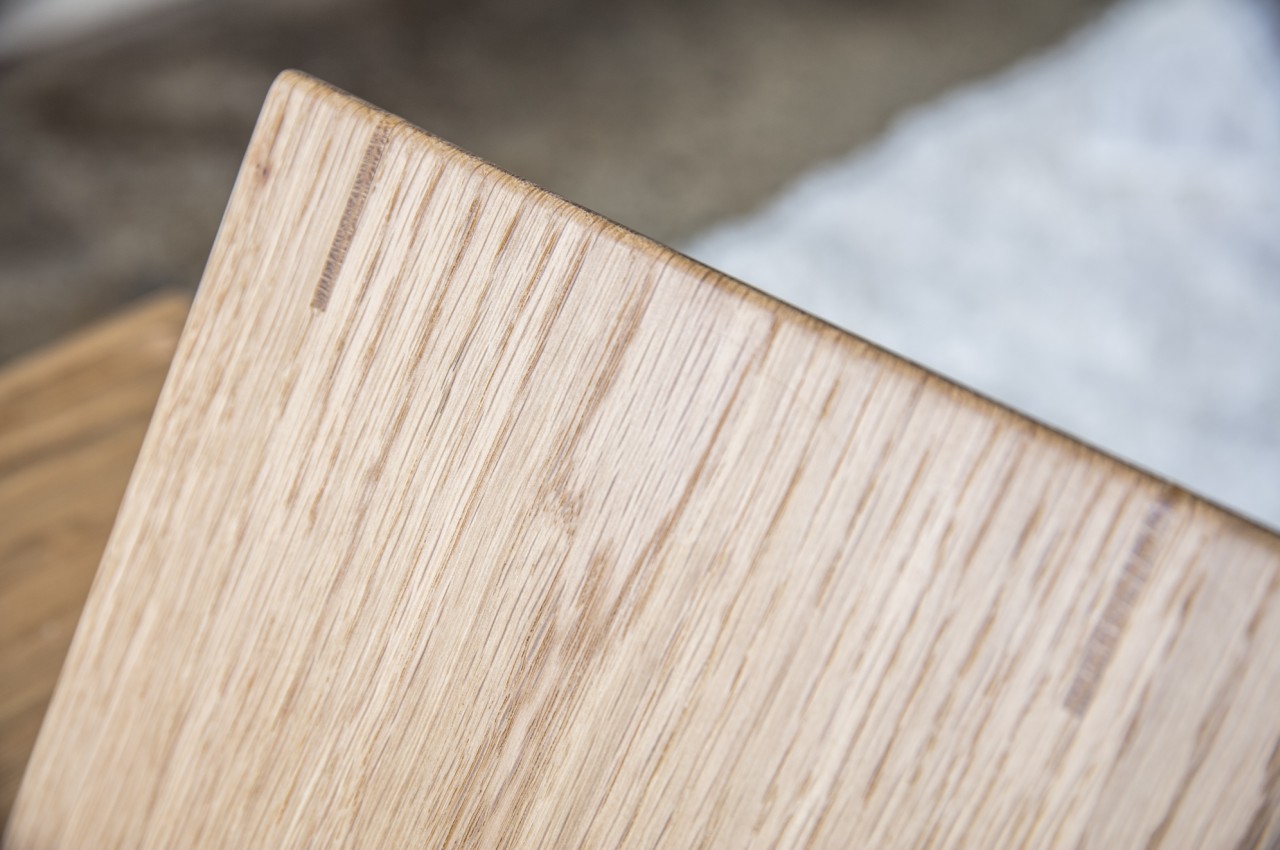
The open interior of the triangle is also another place to showcase reading materials, though it can also house a potted plant or even a pet mattress. The unique shape of the side table, its natural wood material, beveled edges, and the minimalist base that makes the table look like it’s magically floating all contribute to making the odd side table an attention-grabbing piece of furniture. Unfortunately, it’s also quite poor at actually functioning as a regular table, so you’ll definitely want to put it at the sides only.

The post Triangle Side Table offers an interesting way to show off your books first appeared on Yanko Design.