Dreame Kosmera Nebula 1 electric supercar concept has serious ambitions

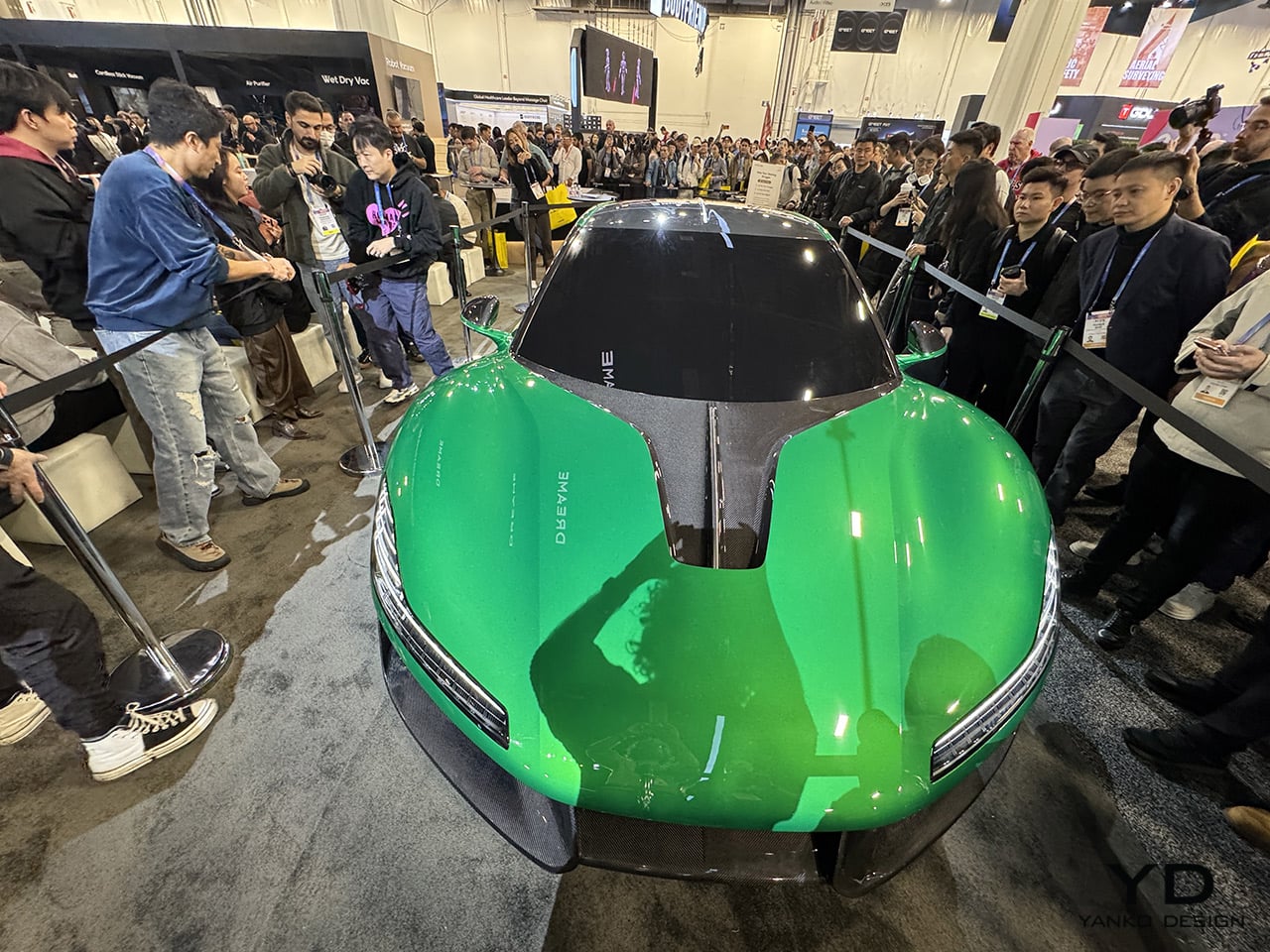
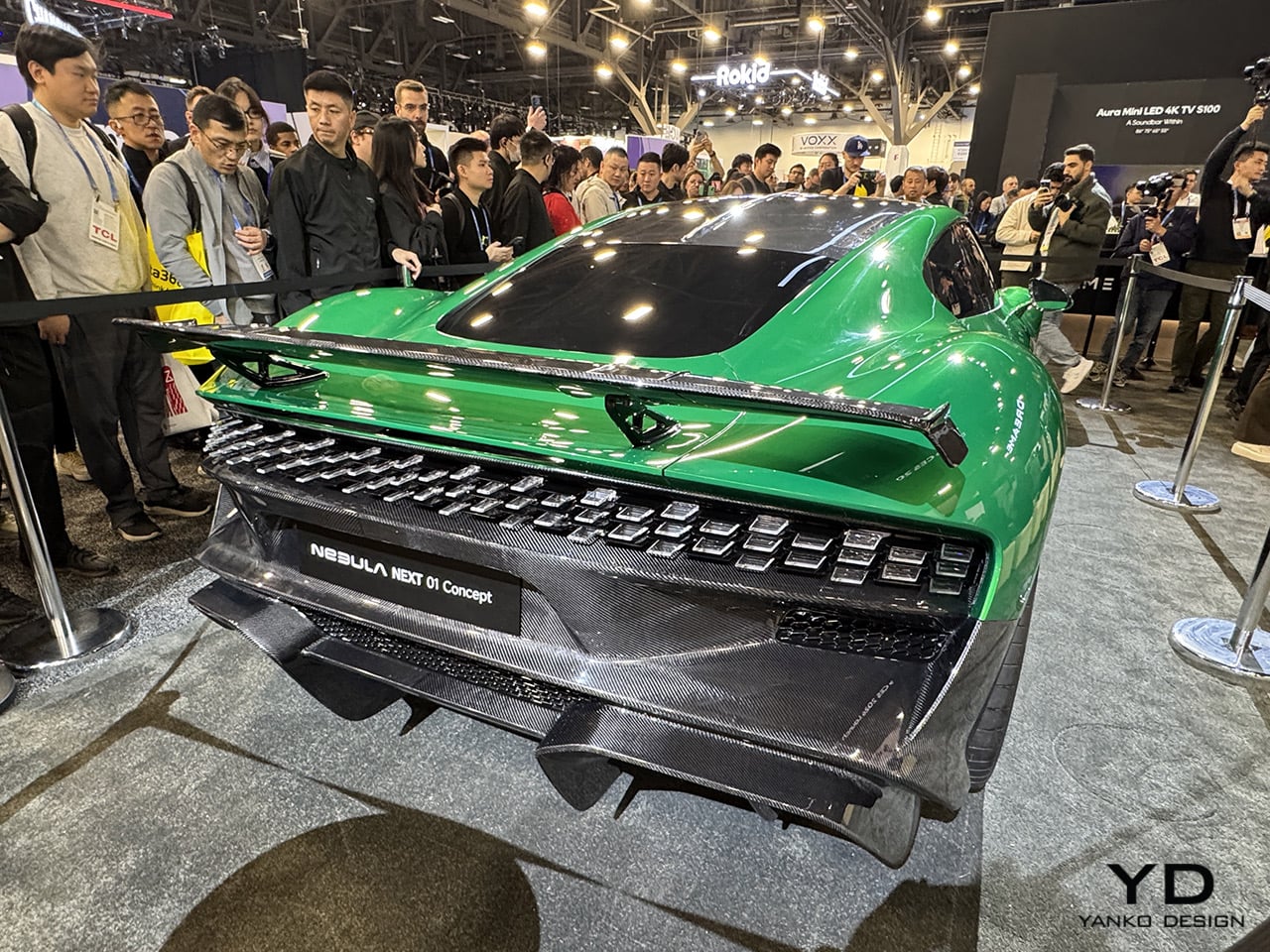
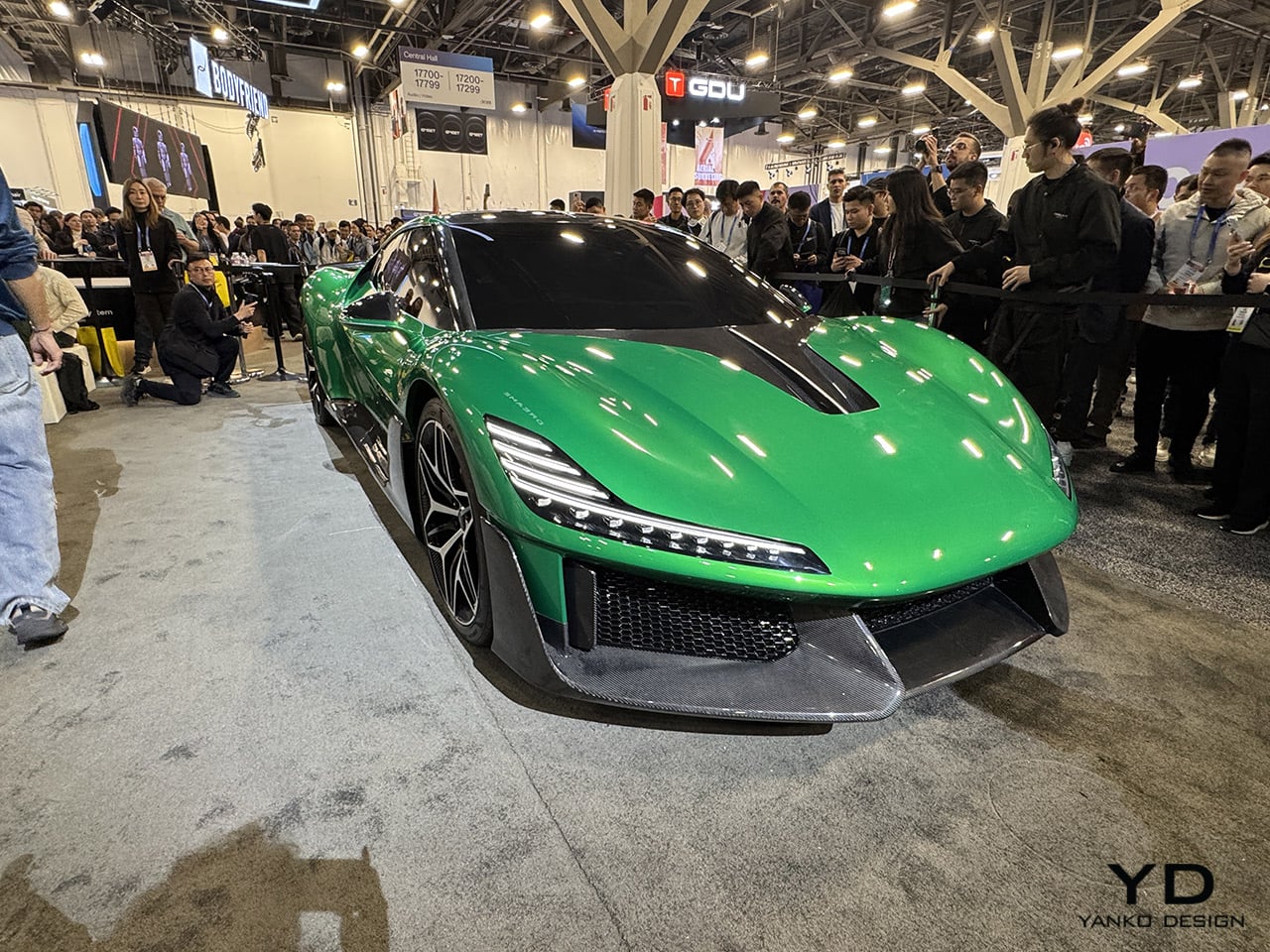
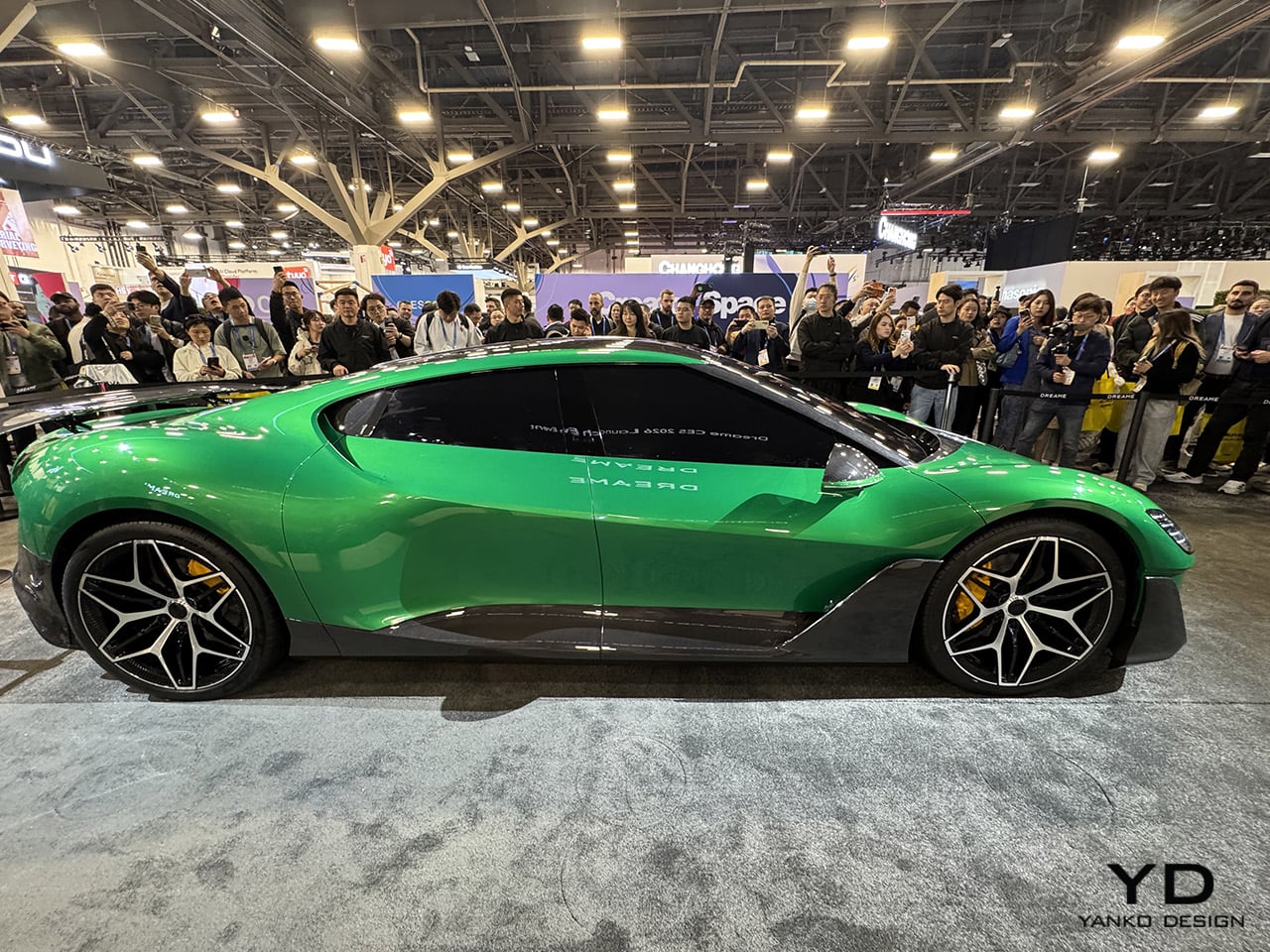
Dreame is better known for its vacuum cleaners, but the Chinese company surprised everyone at CES 2026 with an electric car. Created under the new sub brand, Kosmera, the EV had a good first impression at the mega event. Called the Kosmera Nebula 1, the four-door electric supercar concept produces 1,876 hp courtesy of the quad-motor electric drivetrain rated at a combined 1,399 kilowatts. The company says the performance car goes from zero to 62 mph in just 1.8 seconds, which is better than the Xiaomi SU7 Ultra. That signifies a serious horizon for the brand’s automotive future.

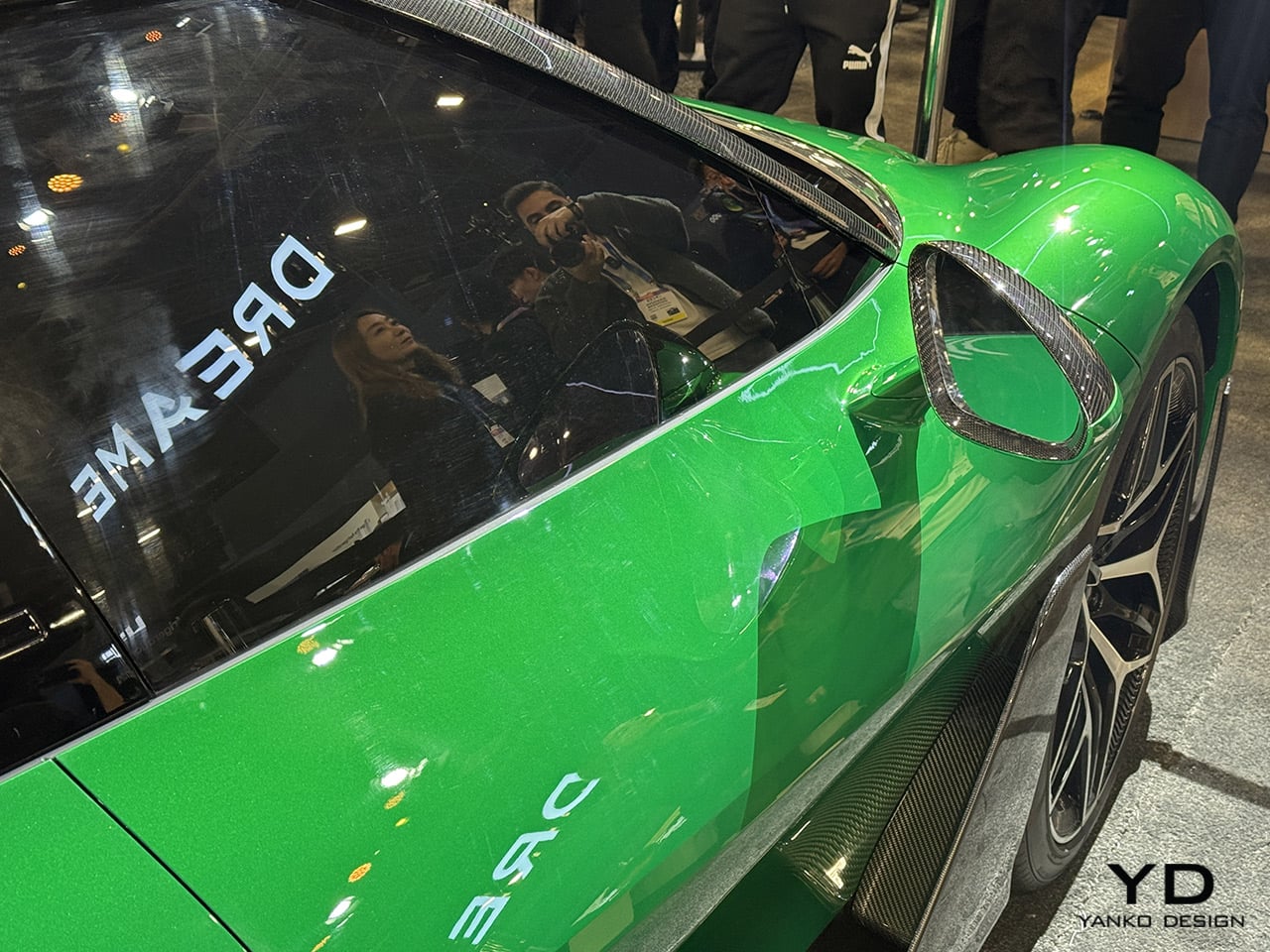
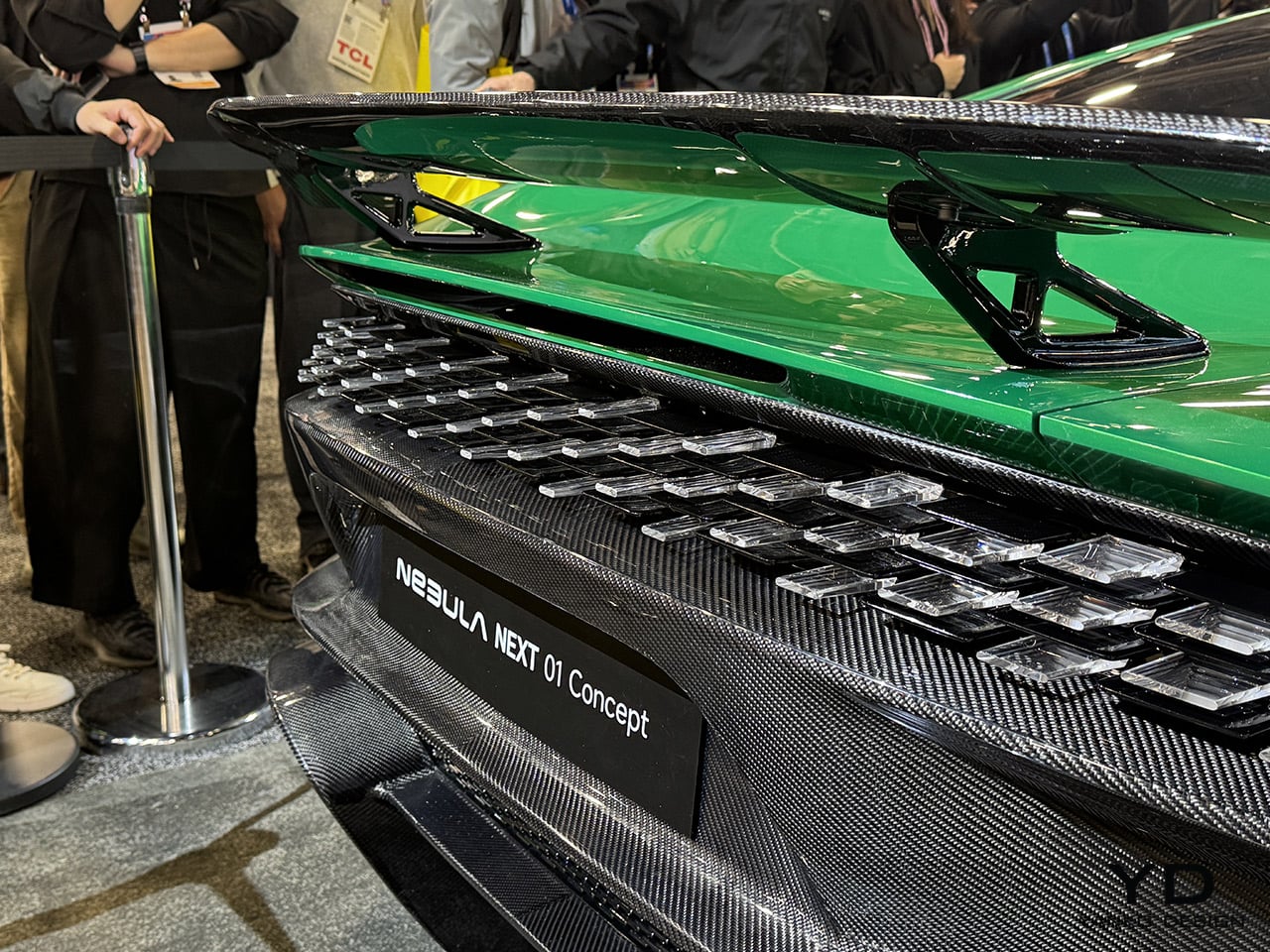
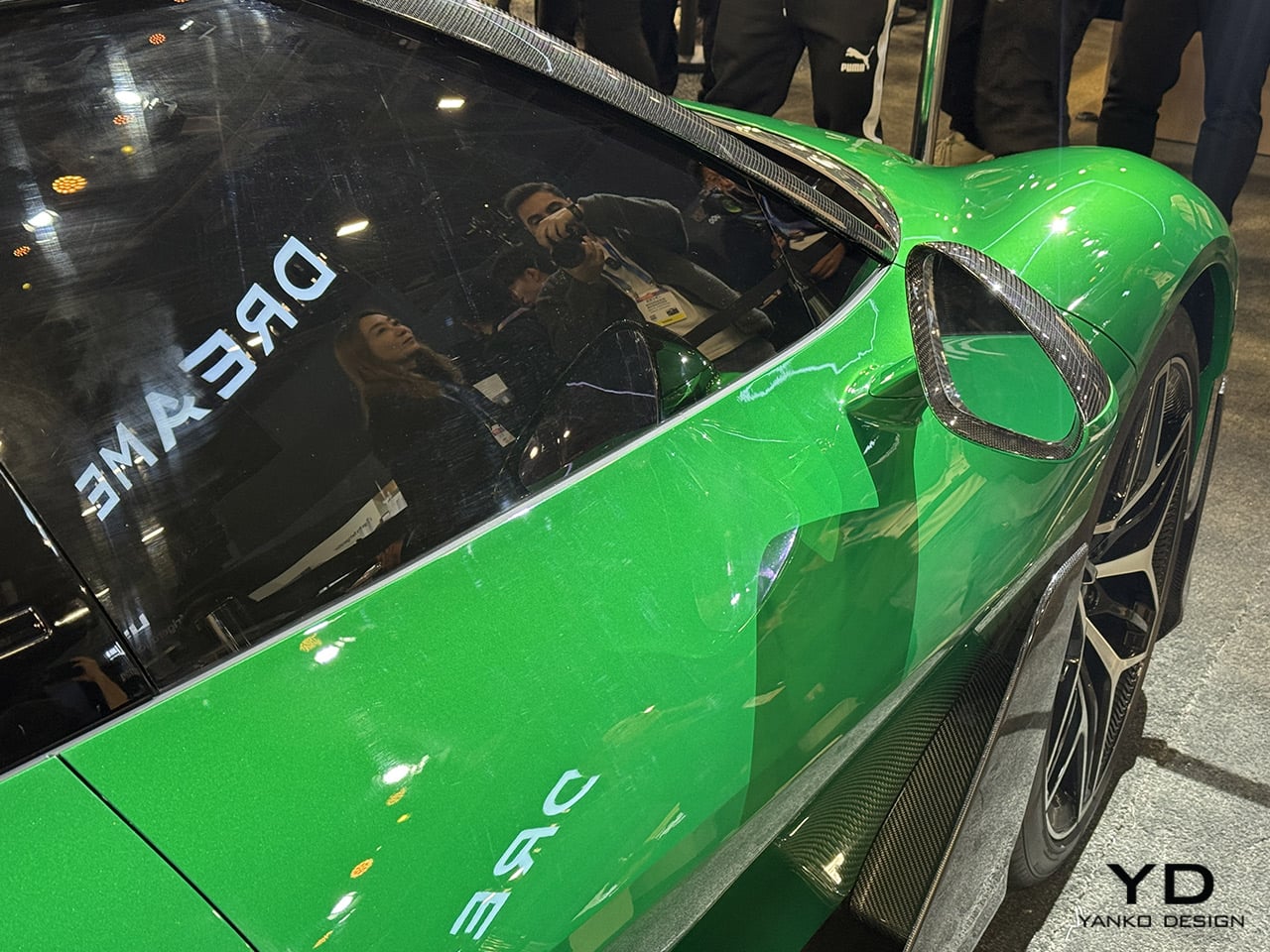
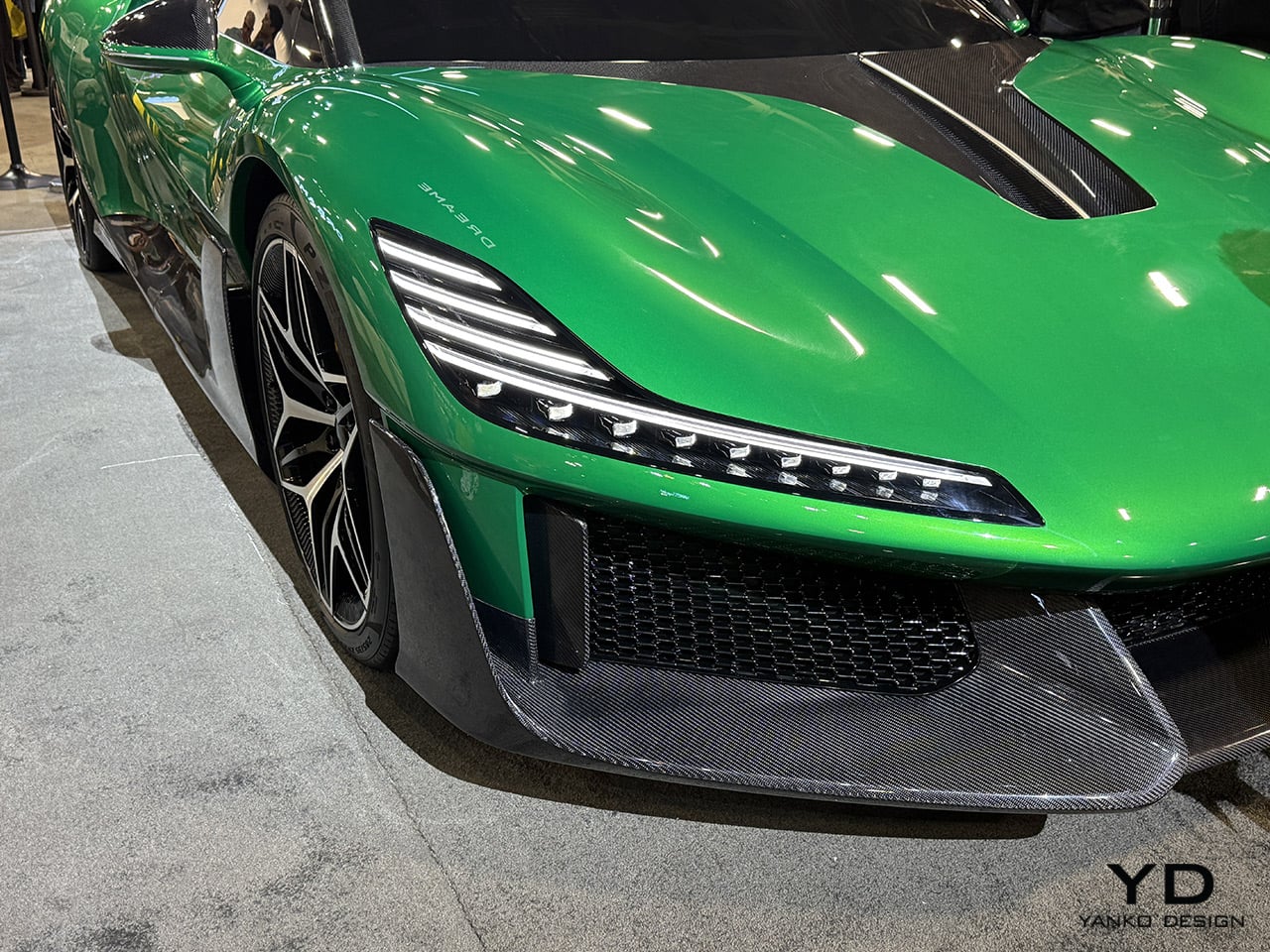
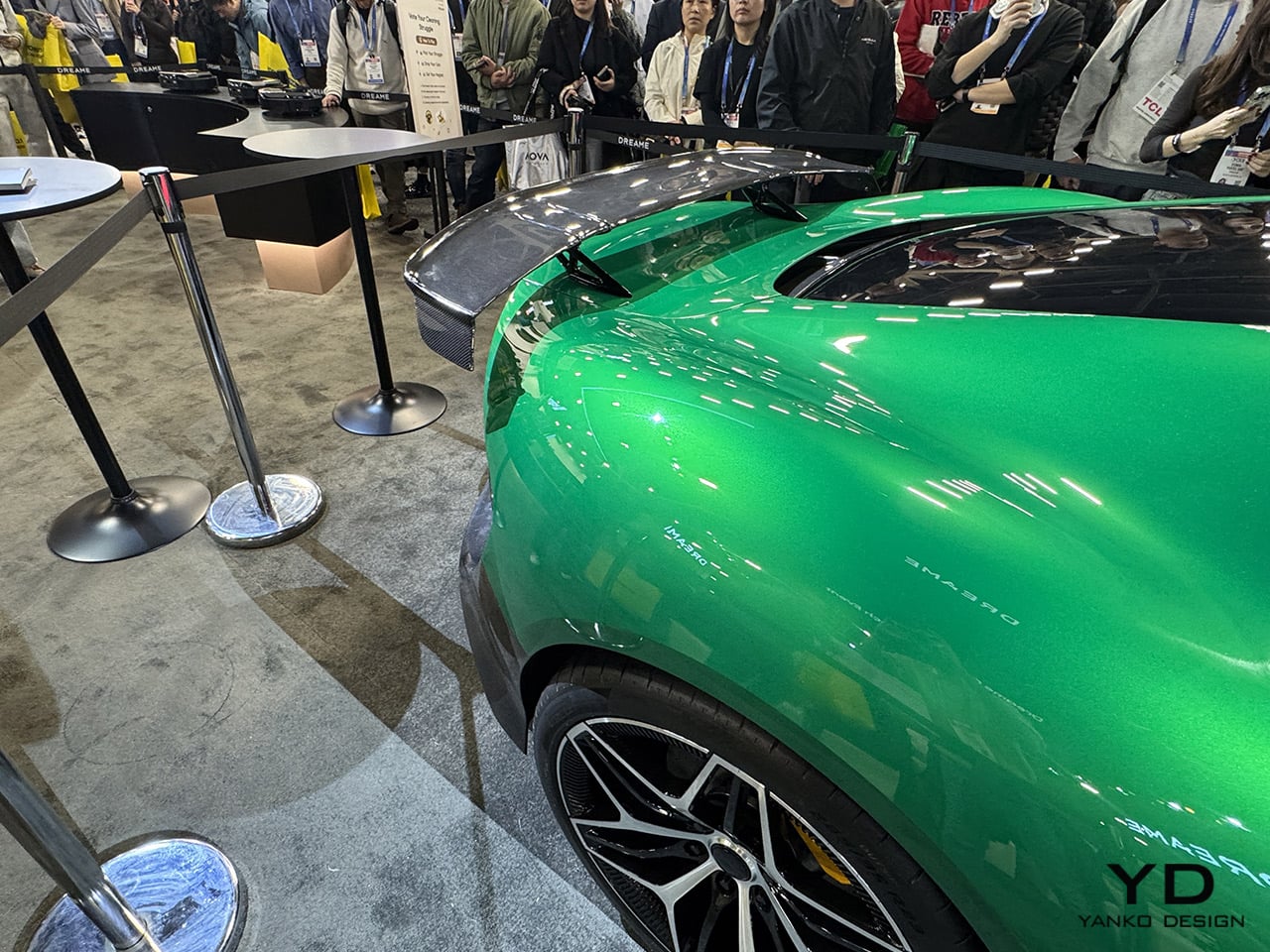
Aerodynamics and active airflow are the talking points as Nebula 1 boasts large dual-layer cooling vents on both sides. The front bumper also gets the flow channels to redirect the air flow to the sides for reduced drag and improved performance. The car has hidden door handles, a full-width taillight design, an oversized diffuser, and a rear spoiler to explain the buzz around it.

Designer: Dreame

The hypercar-level performance stats of the EV signal serious ambitions for the company, as they look beyond just household tech. Success in high-end mobility demands a cohesion of design, performance, and appeal. Nebula 1 seems to have it all, with founder Yu Hao confident of competing with the big names like Bugatti and Rolls-Royce. Earlier in August, the brand hinted at their automotive ambitions with hints pointing to a Bugatti-inspired design. The final concept revealed at CES 2026 confirms otherwise with a more streamlined shape.

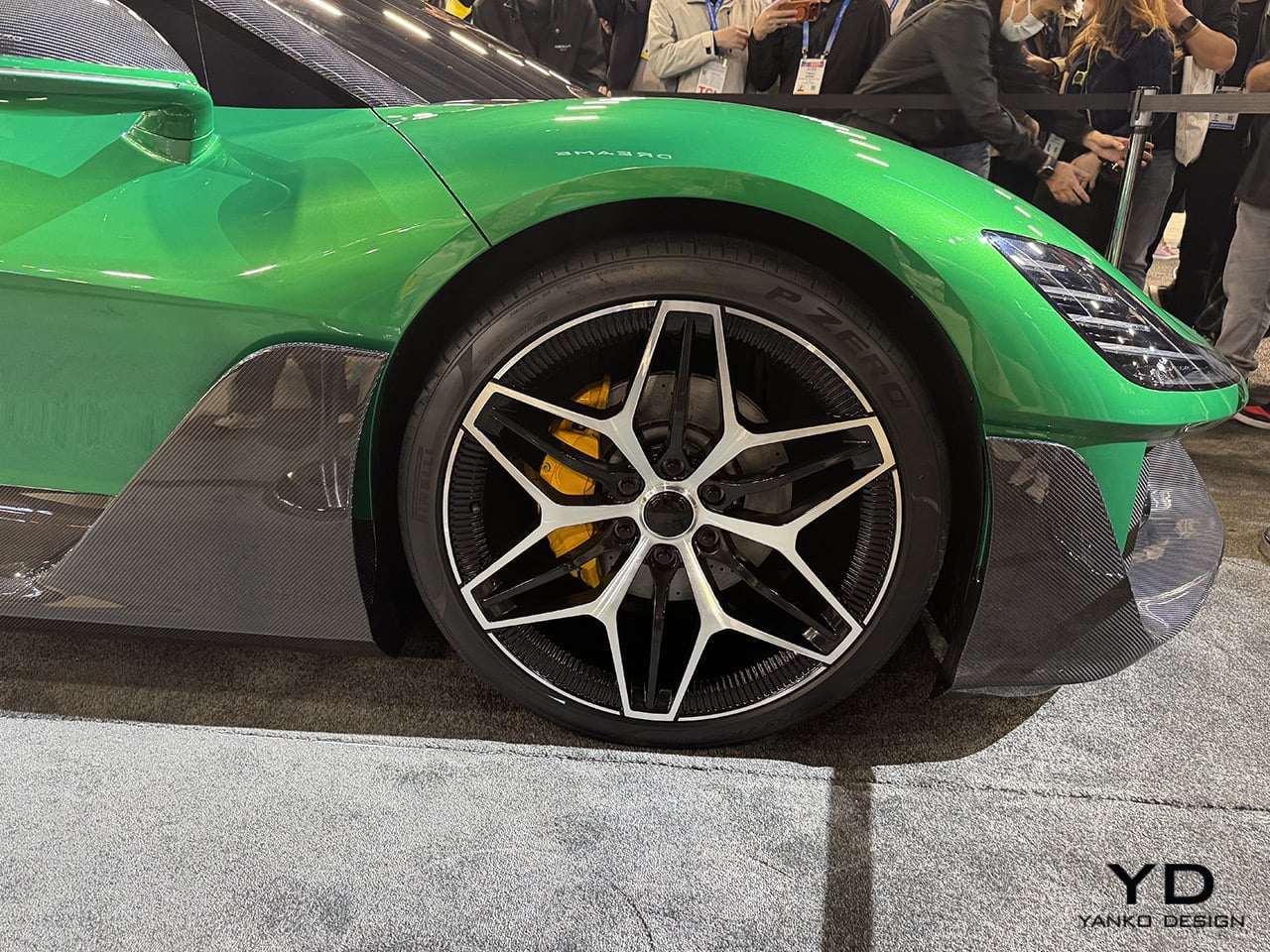
Kosmera Nebula 1 turned eyeballs at the event in green skin complemented by the extensive carbon fiber trim all across the body. The front section resembles Italian supercars as the low-scooping hood cements the powerful character. Pillars are also made out of carbon fiber to reiterate the performance-centered approach in the build. The rear balances the look with the flowing roofline, full-width taillights, and dual-layer diffuser.

Not much was revealed about the interiors, and we’ll have more in the coming months. The company is targeting a global market release in 2027 as they’ve plans to build a new manufacturing plant in Berlin. So far, they are intent on partnering with French banking giant BNP Paribas to build the factory, which will apparently not be far from Tesla’s Gigafactory.

The post Dreame Kosmera Nebula 1 electric supercar concept has serious ambitions first appeared on Yanko Design.

This 3-Storey DIY Camping Trailer Is As Tall As A Semi-Truck And It’s Legal

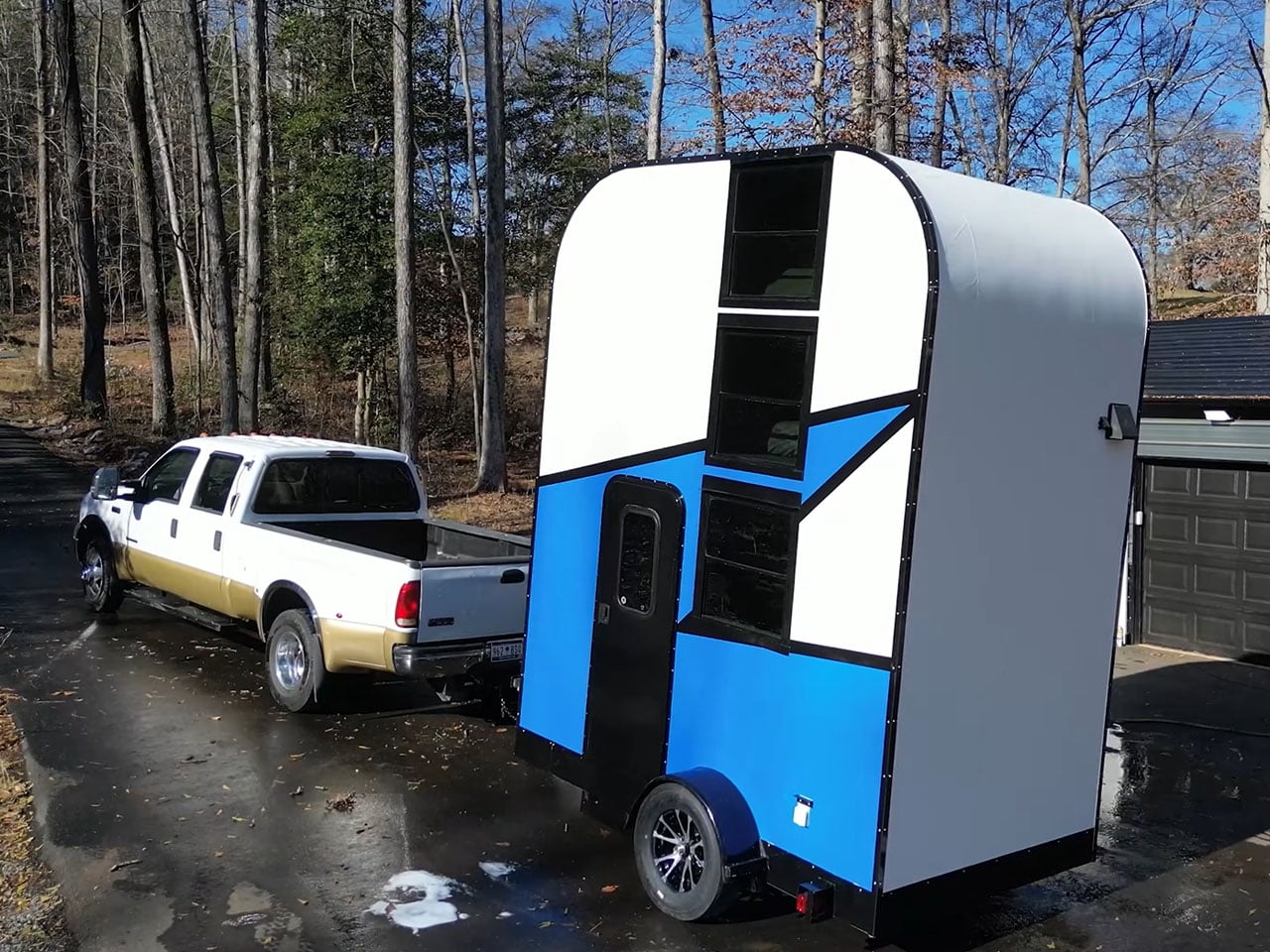
It’s not every day that we come across something as crazy as this triple-decker micro camper that YouTuber President Chay has put together. The entire build has been recorded on his channel, and the process – right from purchasing the trailer it’s based on to the completion, when it’s taken out on the road – is immensely satisfying.

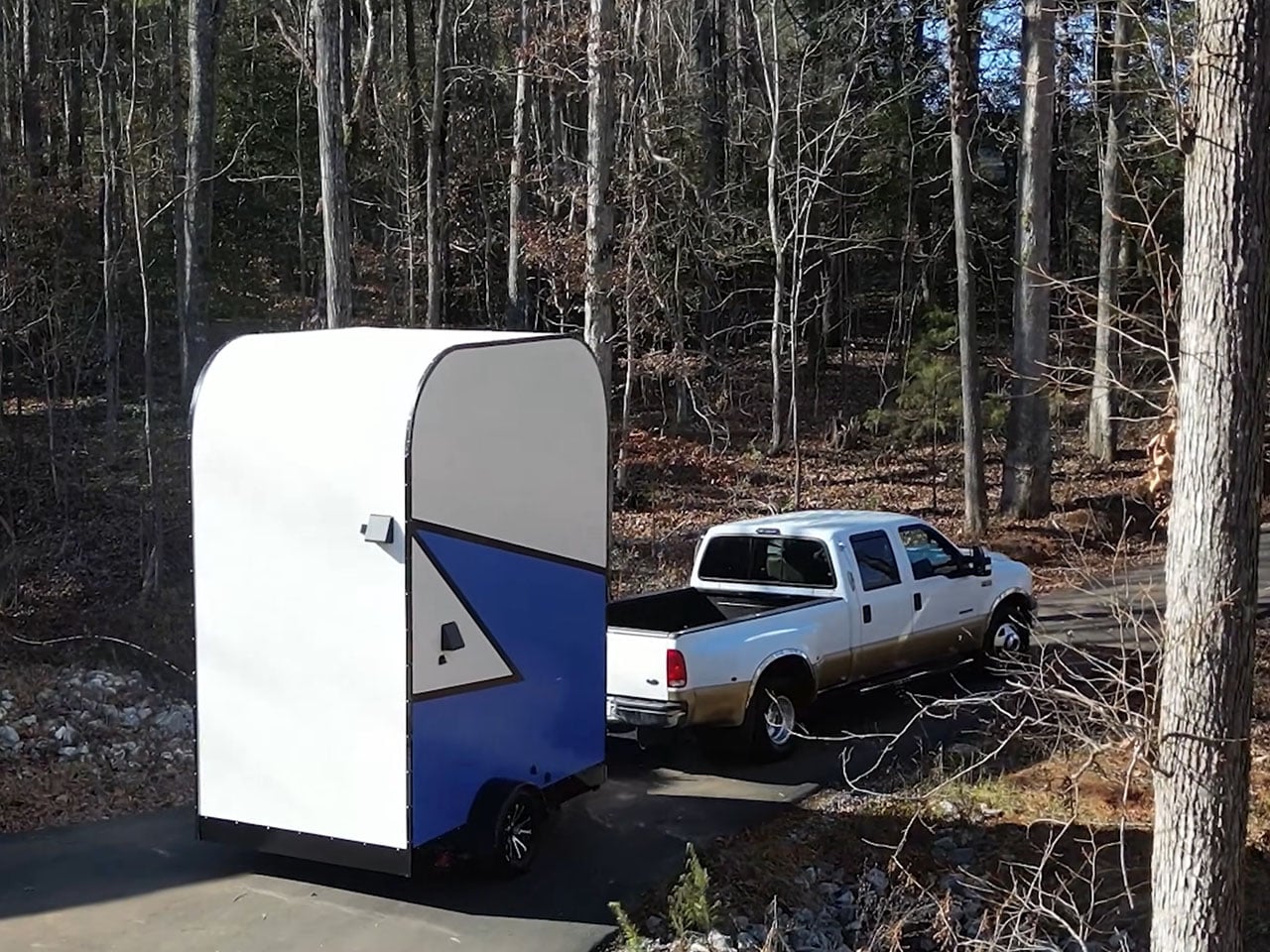
There are two reasons for that. One, we don’t regularly see three-story campers, this one is a rare exception in the hoard of similarly designed options that follow the single, or at max, double story script. And second, that in spite of its peculiar design, the triple-story micro trailer is completely street legal.

Designer: President Chay

Chay Denne of President Chay is not a newcomer to building such unique camping solutions. It was just a couple of years back when the YouTuber surprised us with an exceptional double-decker micro camper, which was only left to rot in the corner later. This time the approach was not to build on the existing model, but to start from scratch. The journey thus started with a beefy trailer brought off a marketplace.

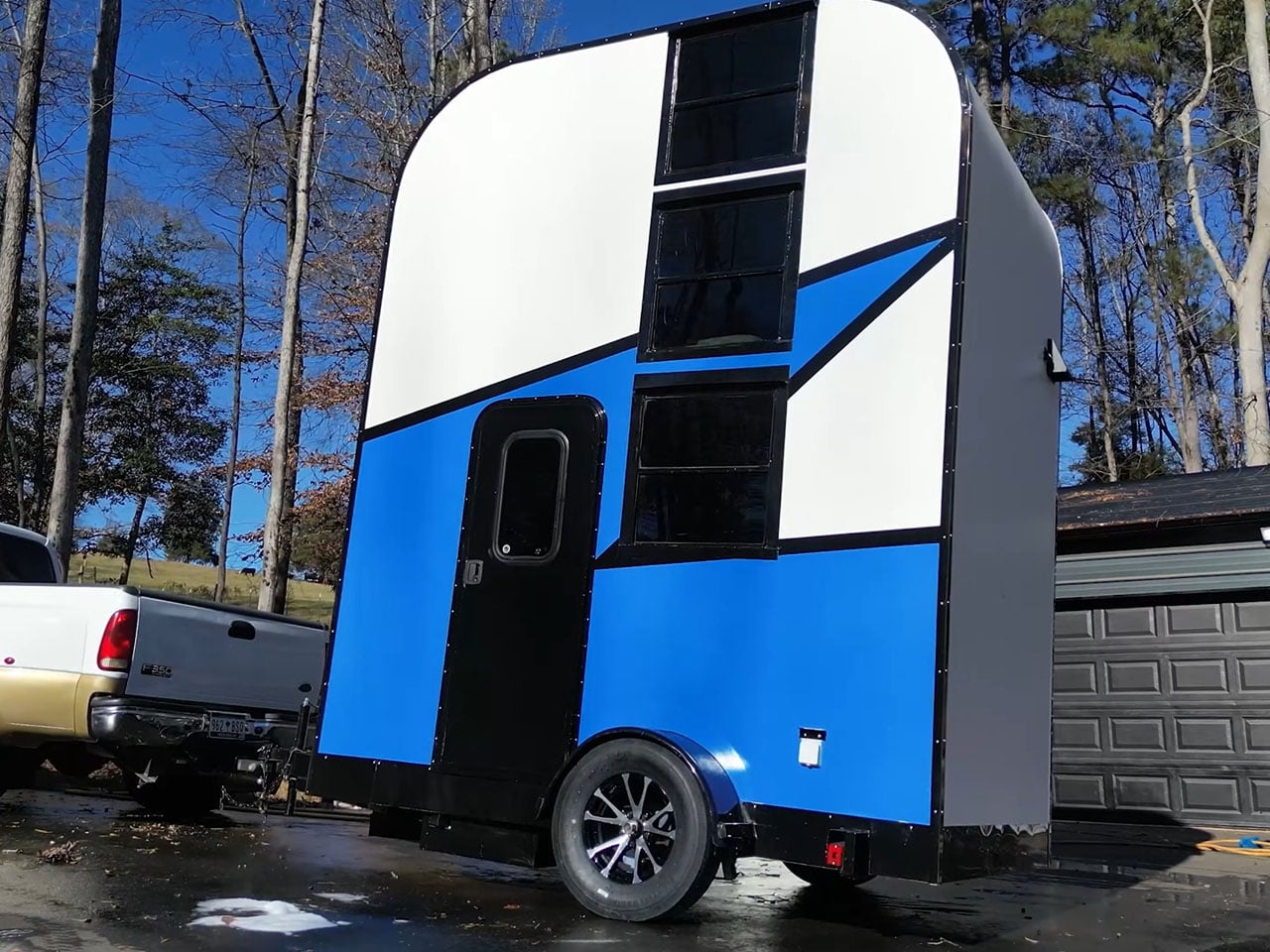
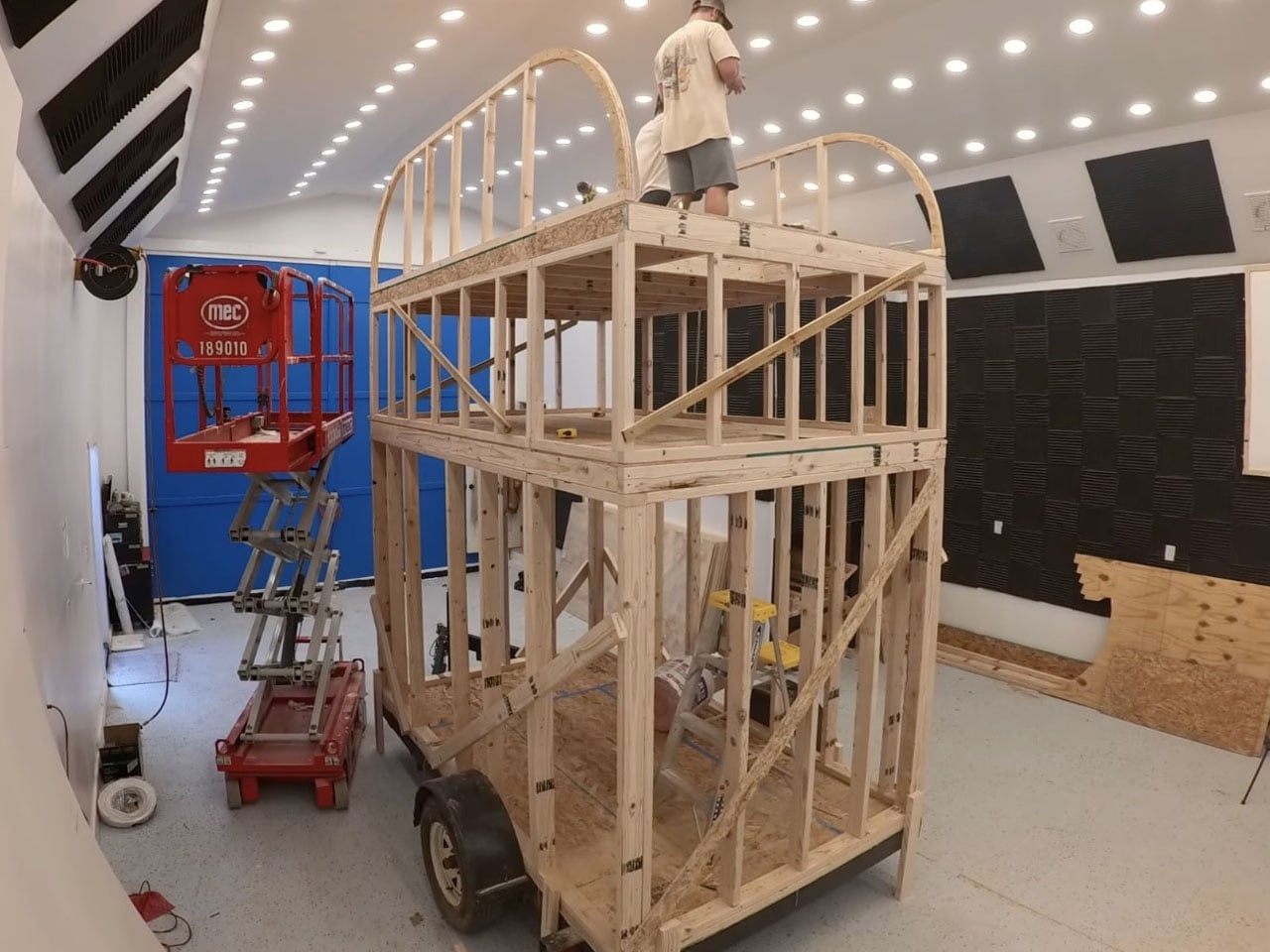
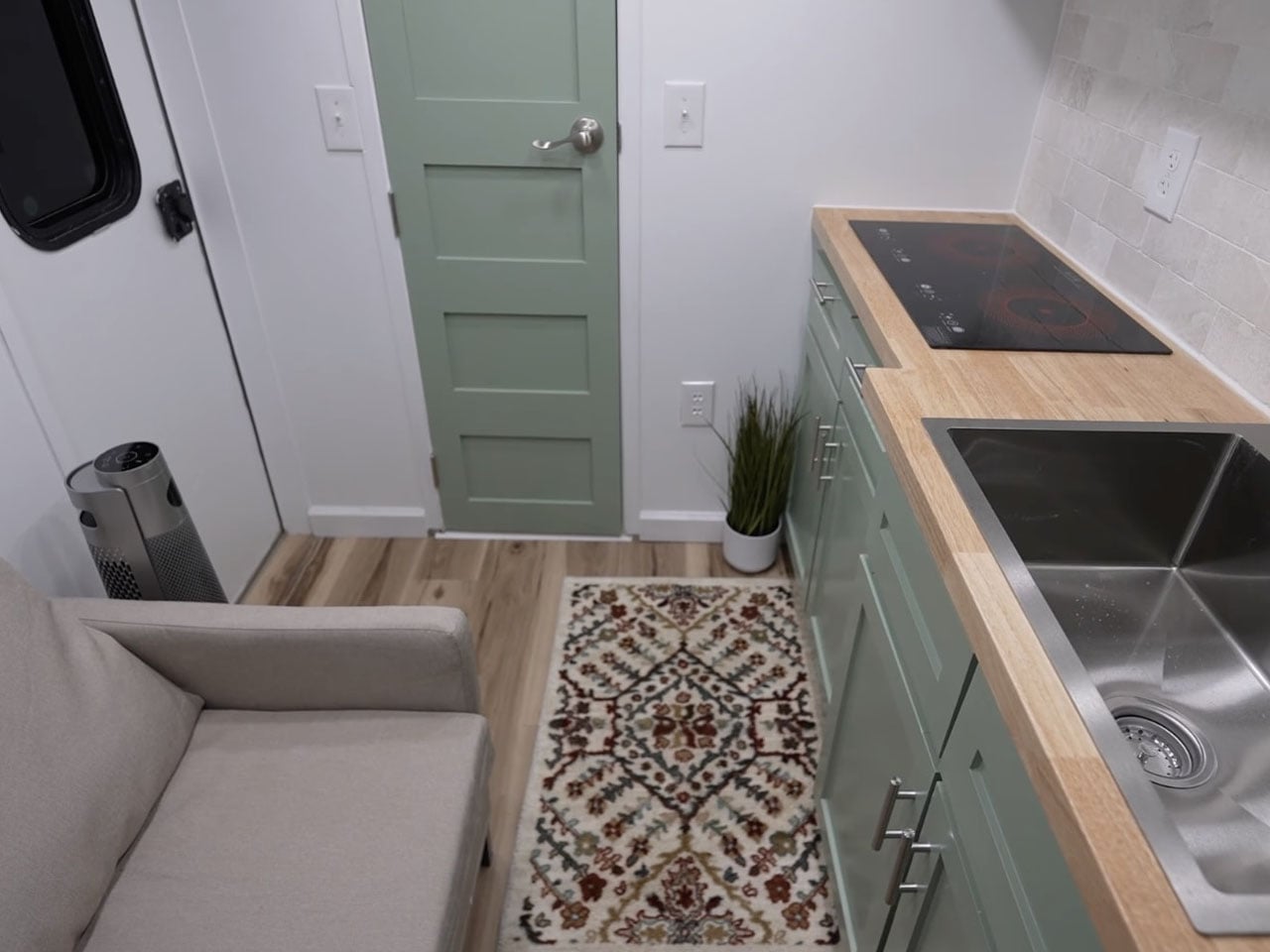
Building on the trailer, the YouTuber, along with his brother and father, setup the entire contraption painstakingly using wood. The three-story camping trailer is not just a gimmicky setup. It’s purposely designed to appear like a toaster on the outside, and on the inside, this mobile home packs a sizable kitchen, a living room, and a bathroom with a toilet and a shower. Measuring 13 ft high, it is the same height of a semi-truck, making it street-legal to drive.

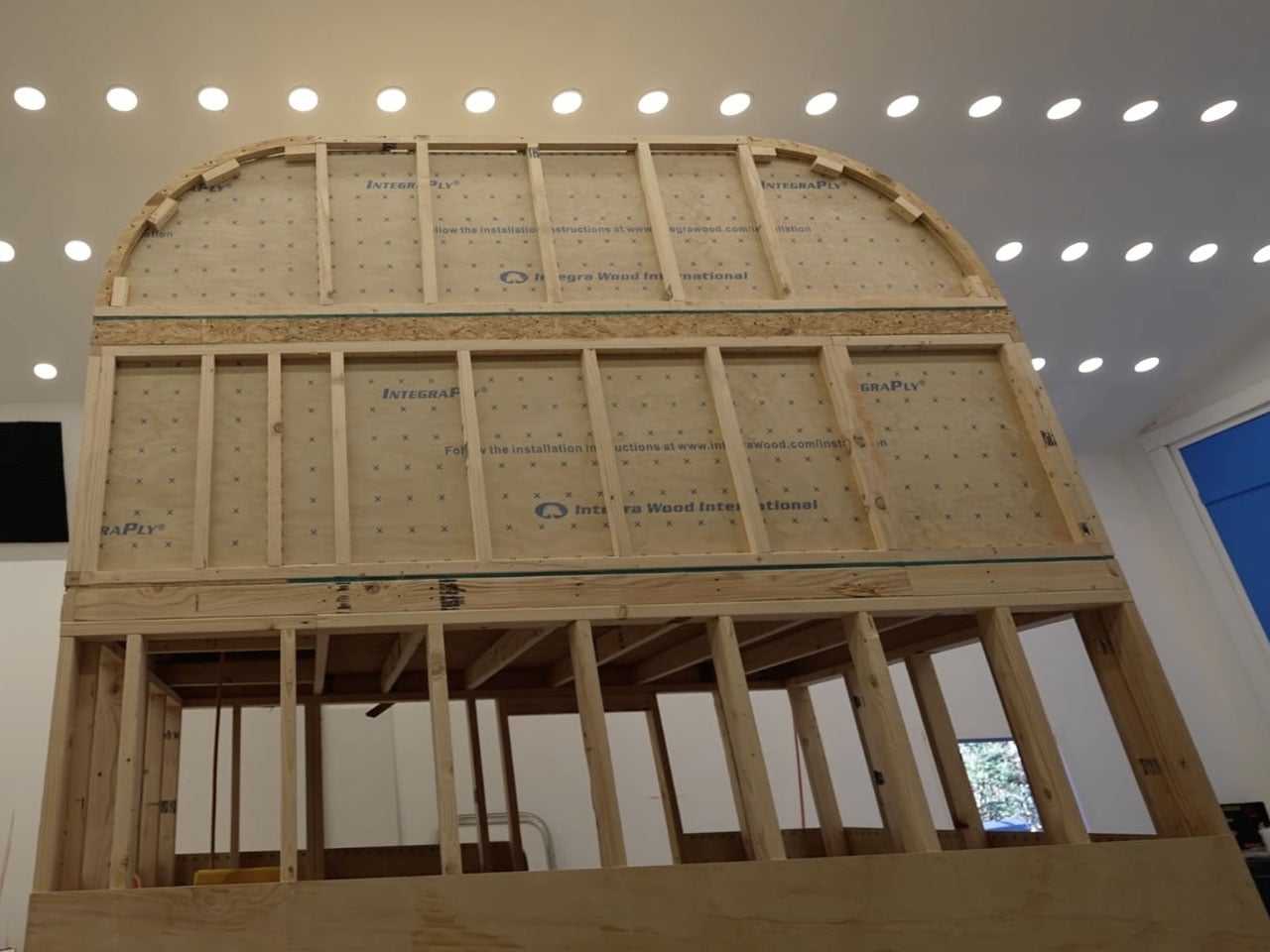
The builder family starts on the trailer, layering it with plastic sheets for a moisture barrier and topping it with insulation for the floor. Particle board is used to build the individual floors both inside out, and all the floors are aptly insulated. Spray foam is used for insulating the top two levels, while the lower (entry level) uses batt insulation. As we are at it, the lower level is where most of the living space is created. The bathroom on the front is covered on the inside with concrete walls in order to ensure more weight can be added to the hitch for stability on the road.

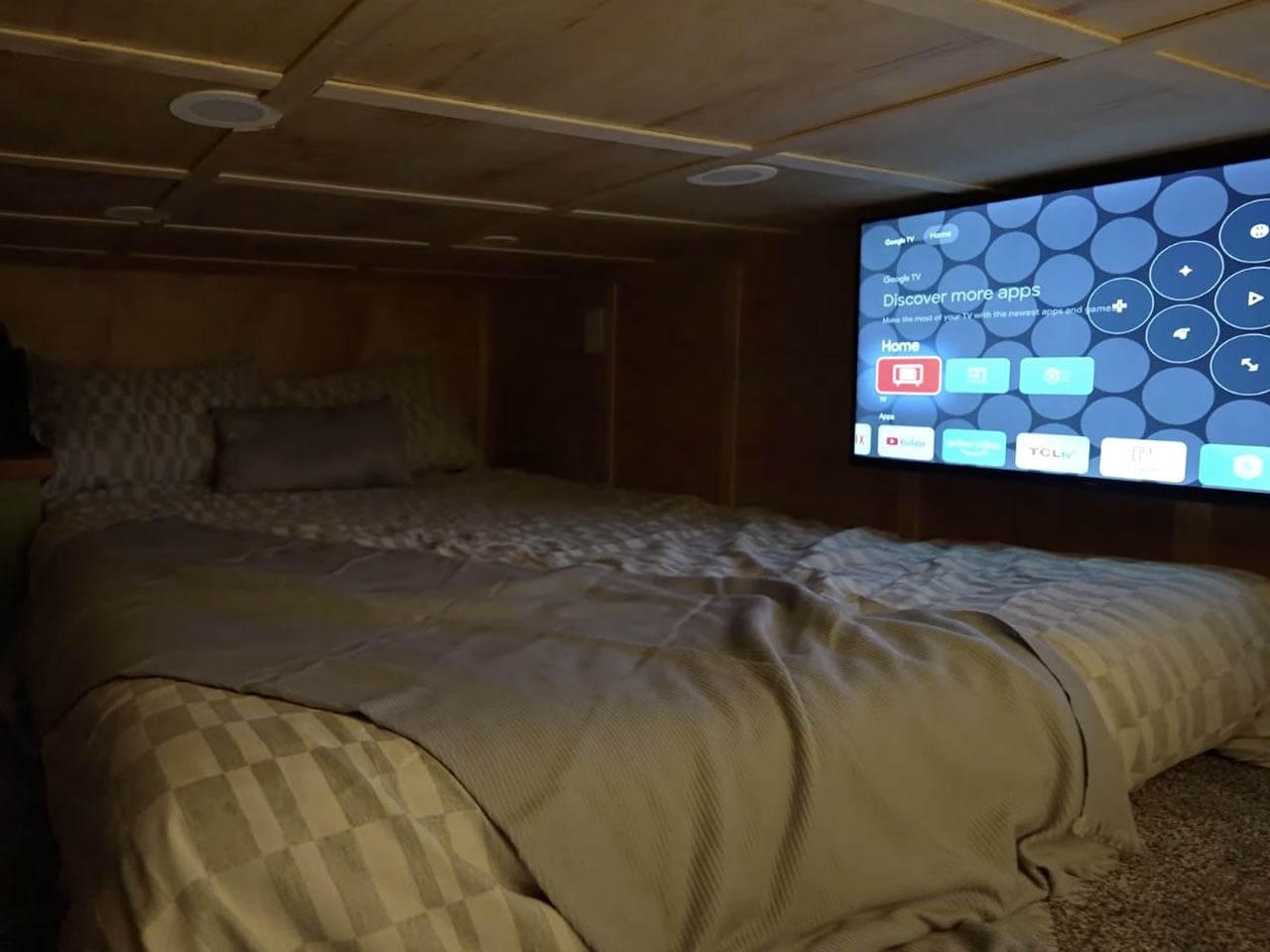
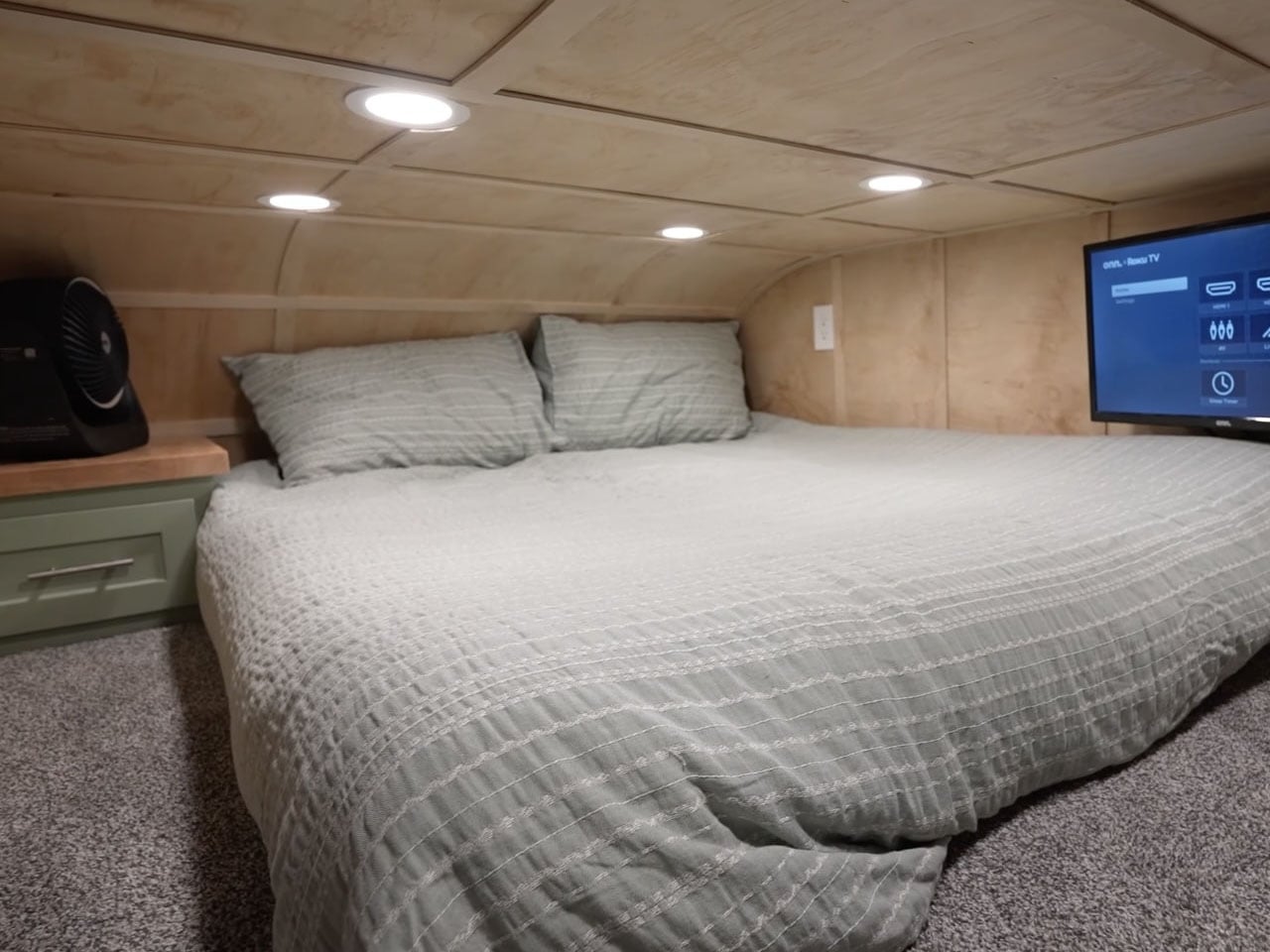
Here at the entrance, you also have a furnished living room and a full-fledged kitchen with a cooktop and sink. The two levels above, accessible via ladders, have just enough headroom for the user to crawl onto their provided beds and watch some TV, which rests on a swivel arm to be moved into a position you want. TVs are available on both the first and second floors. To make the entire construction waterproof, a layer of fiberglass is used on the side walls, and the roof is completed with a layer of vinyl. Chay Denne and family have been able to keep the weight of this three-story trailer at roughly 3,700 lbs, which is incredible. Being street legal and perfectly balanced to ride behind your capable vehicle, it can handle up to 60 mph.

The post This 3-Storey DIY Camping Trailer Is As Tall As A Semi-Truck And It’s Legal first appeared on Yanko Design.

Cyclone RA1000 vs Ducati Diavel: How Close Does China’s 996cc V‑Twin Really Get

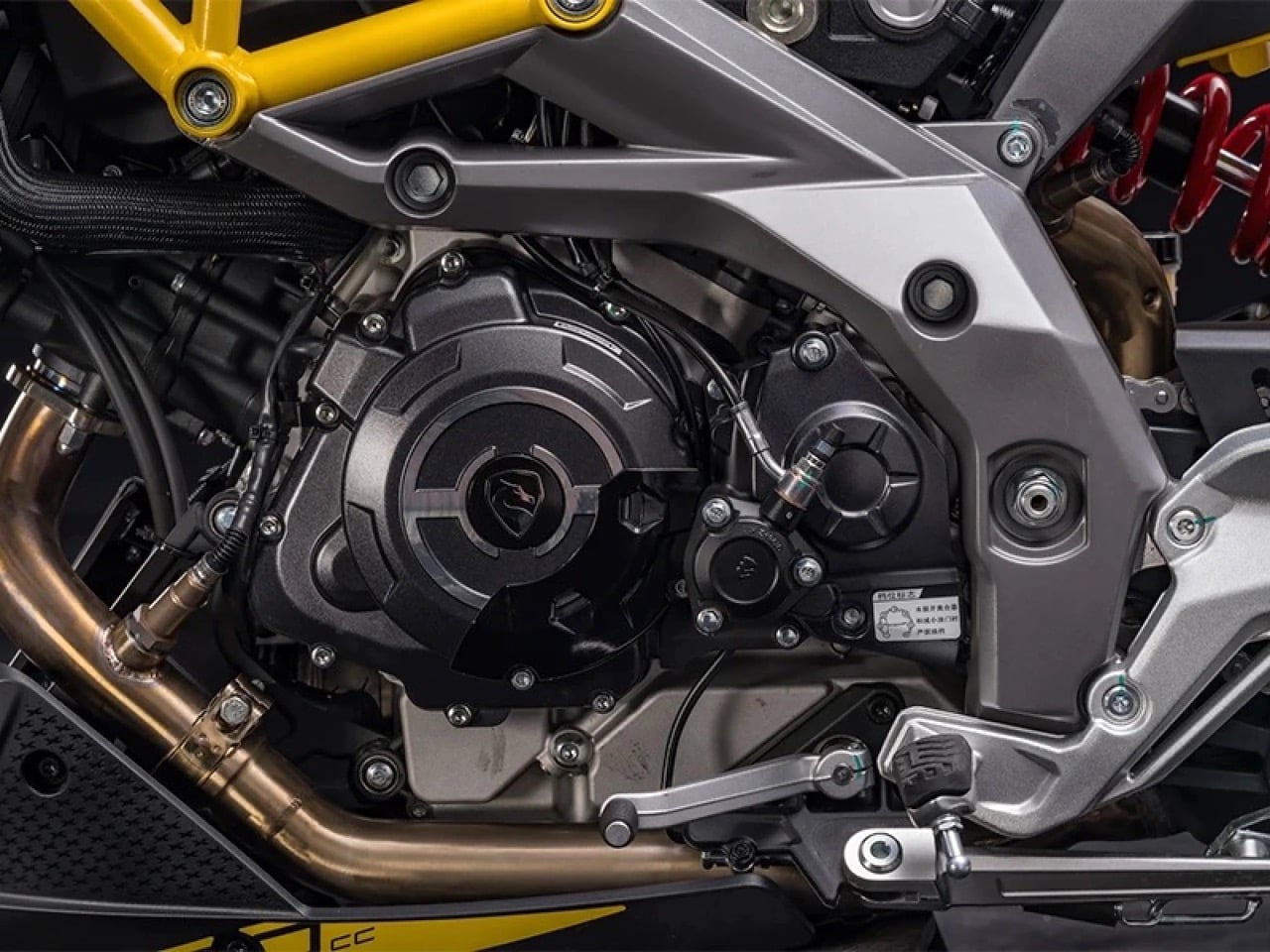
Access to Aprilia’s engine tech gave Cyclone a shortcut most emerging manufacturers would kill for. The RA1000’s 996 cc V-twin starts from the Aprilia Shiver 900 architecture, then gets a bigger 97 mm bore and a 12:1 compression ratio, landing at 105 hp at 9,000 rpm and 70 lb ft at 6,500 rpm. That is a very solid middleweight performance envelope hiding inside something that looks like a full fat power cruiser. Instead of spending a decade learning how to build a reliable big twin, Zongshen leans on its joint venture with Piaggio and fast forwards straight to a mature engine platform. It is a very modern kind of cheating, and frankly, a very smart one.

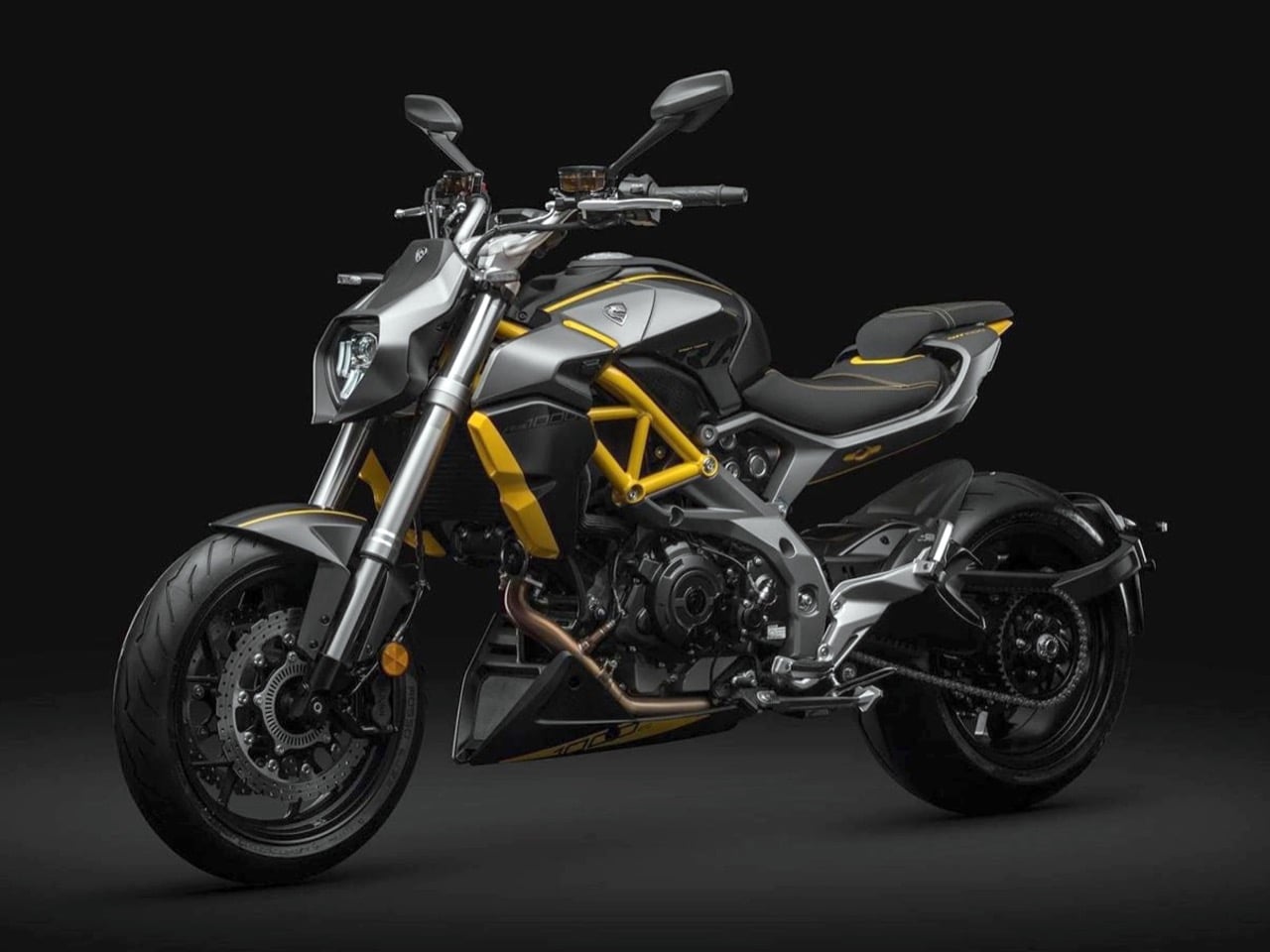
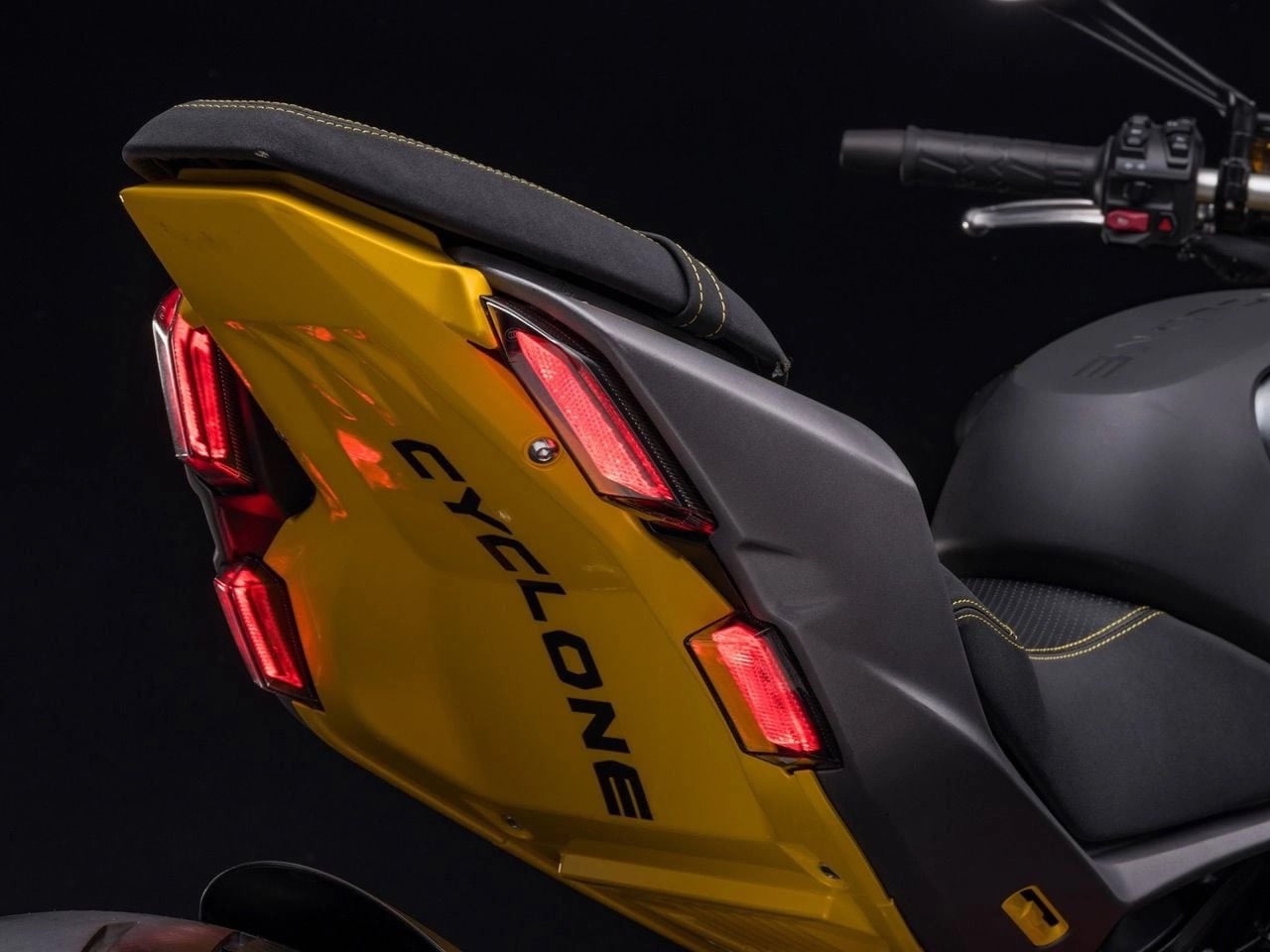
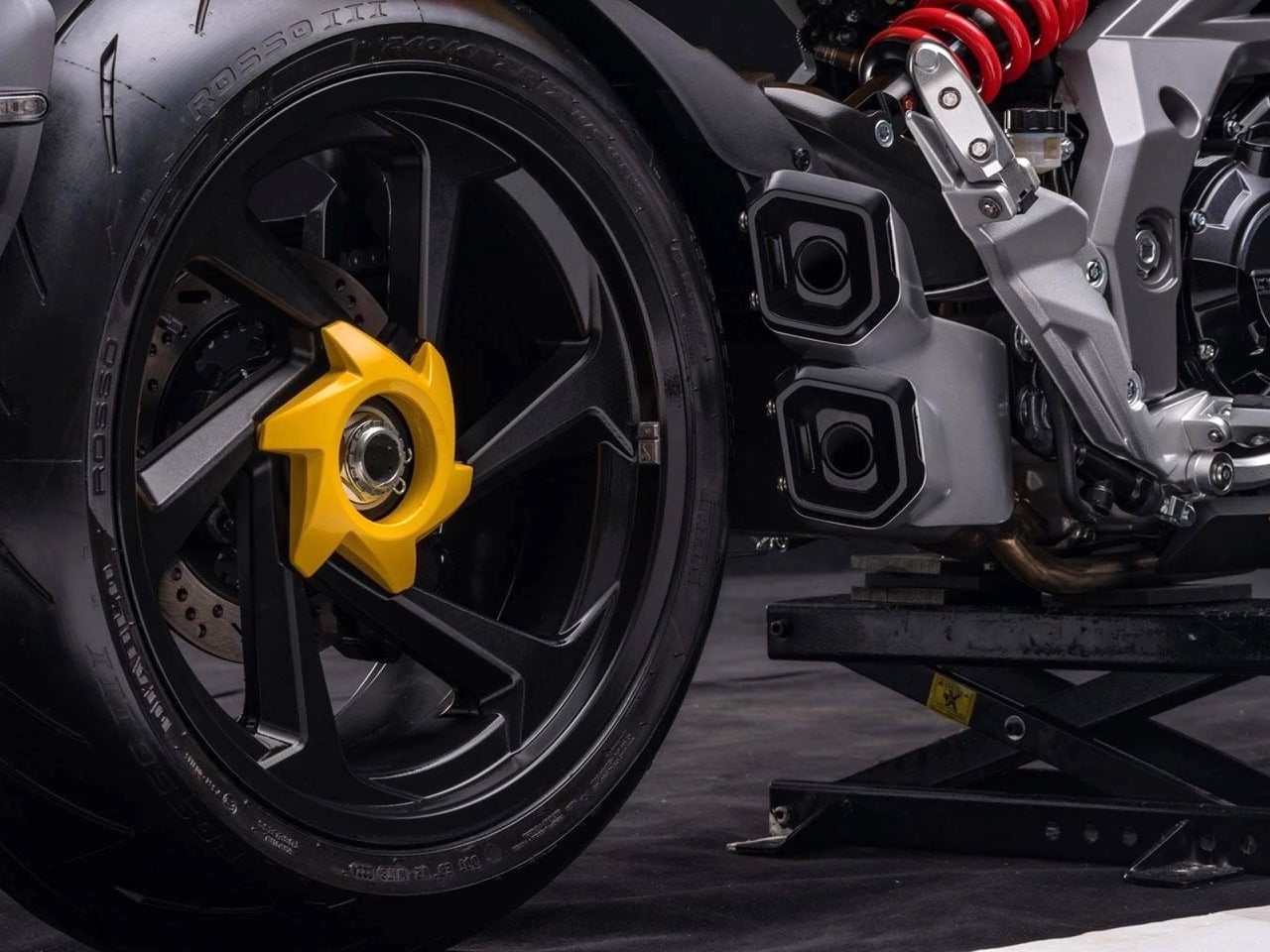
The bodywork tells a slightly louder story. The Cyclone RA1000 walks into the room wearing what is essentially a Ducati Diavel cosplay outfit, right down to the stubby tail, 240 section rear tire, and stacked side exhausts that visually anchor the whole rear half of the bike. You get a single sided swingarm, a low, muscular stance, and proportions that scream Italian power cruiser at a glance. There is no subtlety here. If you have ever seen a Diavel, your brain fills in the blanks instantly. The difference is that this silhouette is now being mass produced in China, powered by an Aprilia derived V-twin, and priced to hurt feelings in European boardrooms.

Designer: Cyclone

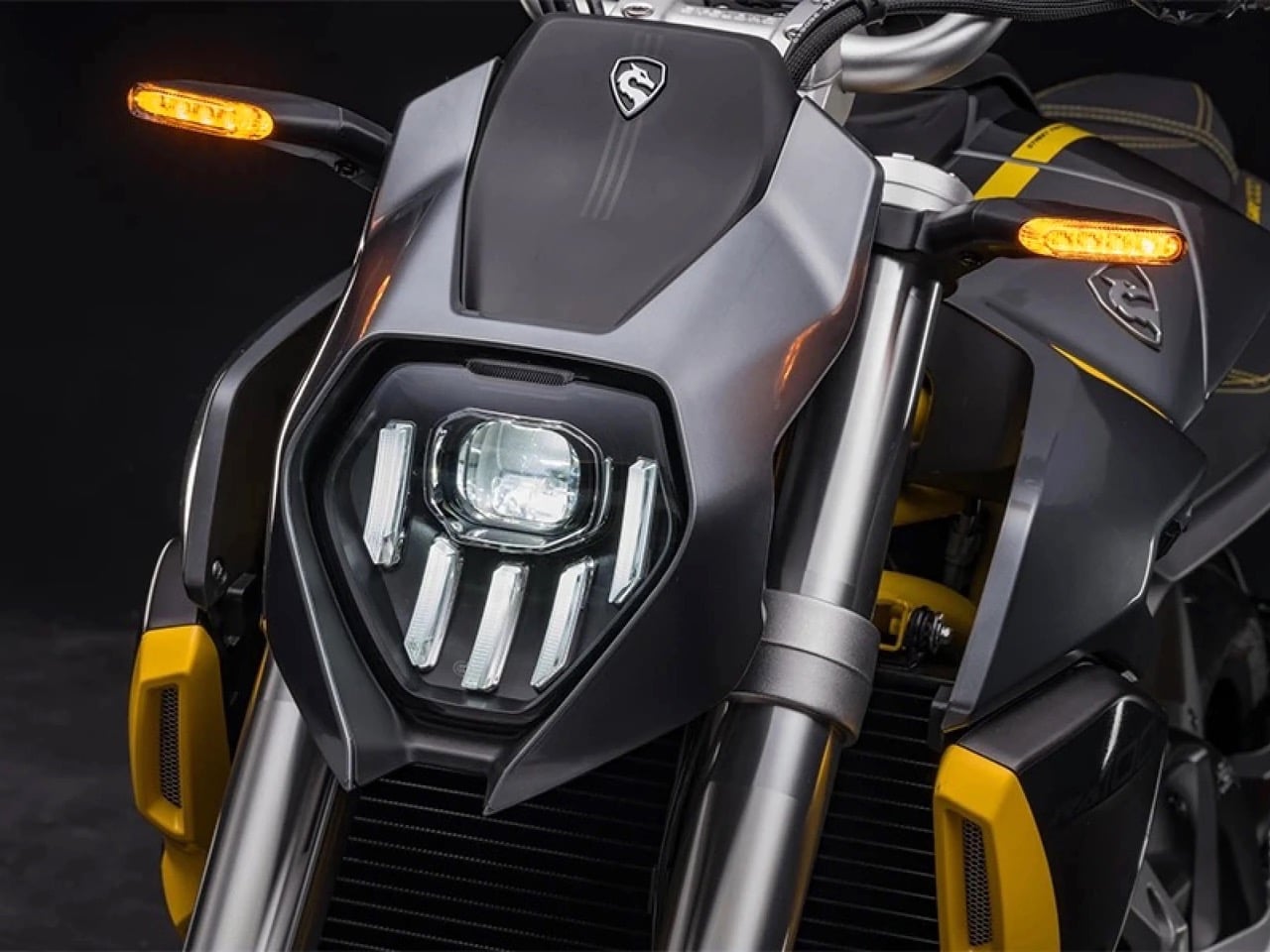
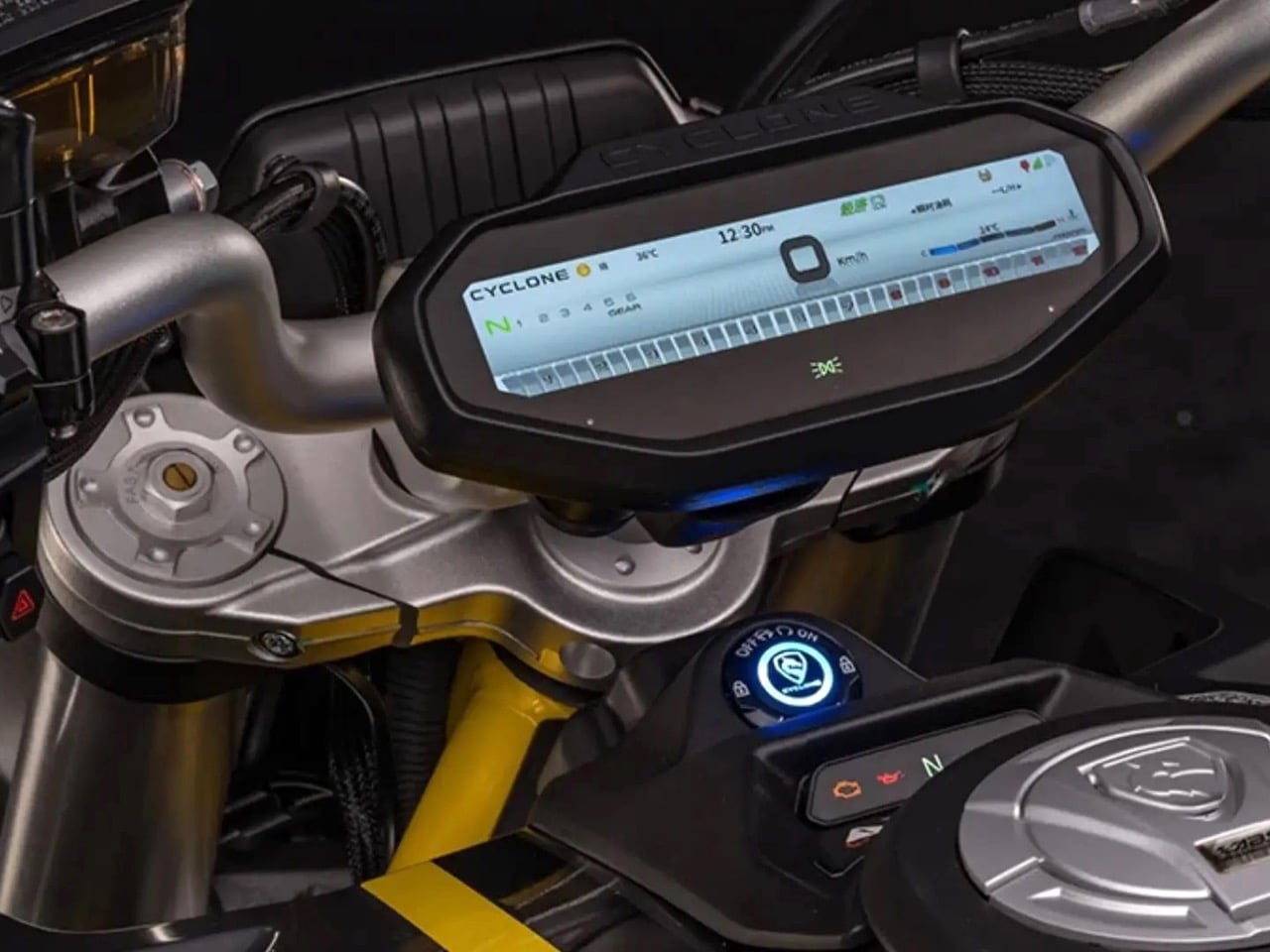
Look closer and the parts bin tells its own little international story. Brakes are from J.Juan in Spain, a known quantity with decent performance credentials. The engine lineage traces back to Noale via the Shiver, with Cyclone tweaking bore and compression to squeeze out that 105 hp figure. Electronics live on a 6 inch TFT display, backed by full LED lighting and modern switchgear that would not look out of place on a European naked. The frame and swingarm package are clearly engineered to visually showcase that enormous 240 section rear tire, which is the whole point of a bike like this. Subtlety is for commuters. This thing exists to make parking lots feel like a catwalk.

When Cyclone showed the RA9 concept back in 2021, a near 1000 cc Chinese V twin with premium styling felt like a big statement. Fast forward four years and the home market has moved the goalposts into another stadium. QJMotor is selling 900 plus cc fours with MV Agusta roots. CFMoto is prepping a 210 hp V4 superbike. Souo is out there building a 2000 cc flat eight like that is a normal thing to do. In that arms race, the RA1000 looks positively restrained. Which, if you care about actually riding your motorcycle instead of bench racing spec sheets, is not a bad place to land.

On the road, that 105 hp number tells you exactly what to expect. This is not a bike built to chase Panigales up a mountain pass. It is built to hammer out fast, satisfying acceleration from midrange torque, lean over enough to keep you entertained, and look outrageous parked outside a café. The 240 section rear tire is more about theater than lap times. The single sided swingarm is pure poster material. The ergonomics and geometry sit in that sweet spot between power cruiser and naked, closer to Diavel than Shiver in attitude. You buy this because you like the way it looks and you want an engine with proven manners.

The more interesting question is philosophical. At what point does a Chinese brand using licensed European tech and very familiar styling cues stop being an “imitator” and just become part of the same global design conversation. Cyclone is not reverse engineering an engine here, it is building a licensed evolution of one. It is not making a budget commuter with vague Diavel vibes, it is going all in on the silhouette and backing it with credible hardware. You can absolutely argue about originality, but you cannot argue that this is a throwaway product. The RA1000 is a sign that the game has changed. The question now is whether riders are ready to let go of old assumptions and judge it on what it does, not where it comes from.

The post Cyclone RA1000 vs Ducati Diavel: How Close Does China’s 996cc V‑Twin Really Get first appeared on Yanko Design.

Remember the Saleen S7? This 1,200‑Piece LEGO Build Brings Back America’s Wildest Supercar

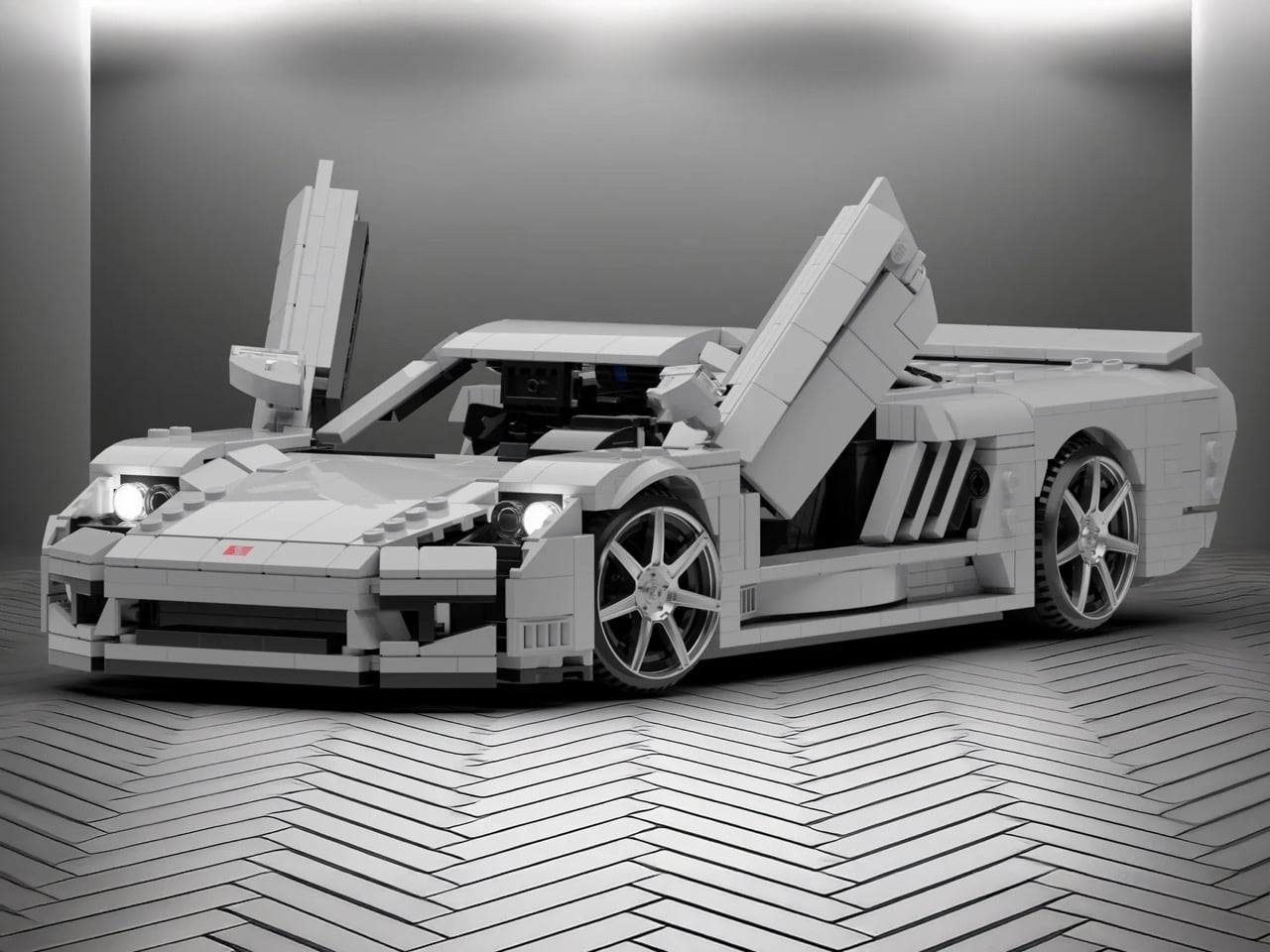
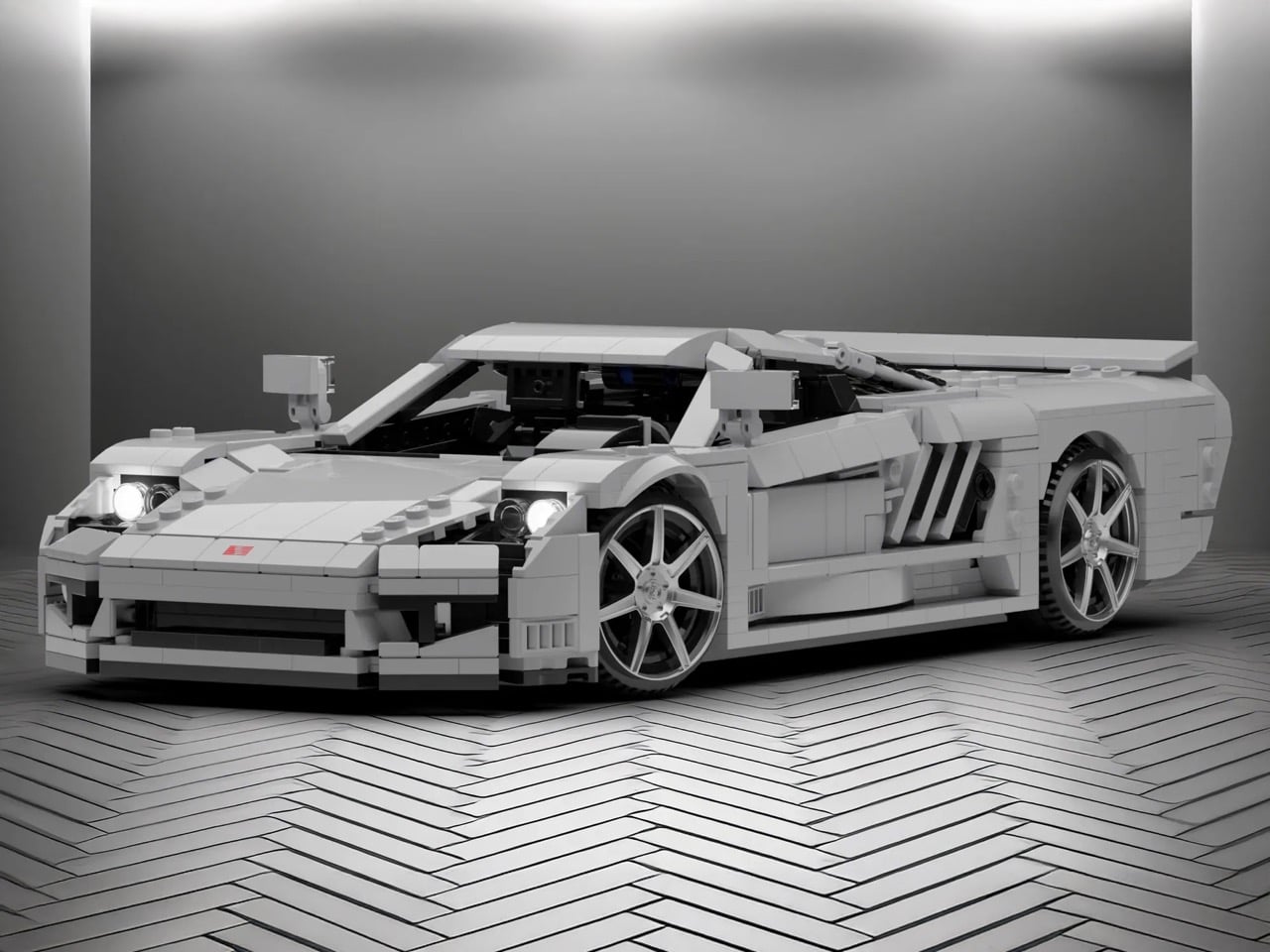
LEGO’s Speed Champions line has given us countless Ferraris, Porsches, and McLarens. Meanwhile, one of America’s most ambitious supercar projects sits conspicuously absent from the brick-built garage. The Saleen S7 deserves better than obscurity, and builder Nytedance has created a 1,200-piece proposal that makes the case beautifully. This isn’t a quick parts-bin creation but a thoughtfully detailed tribute to a car that once proved American manufacturers could play in the supercar sandbox.

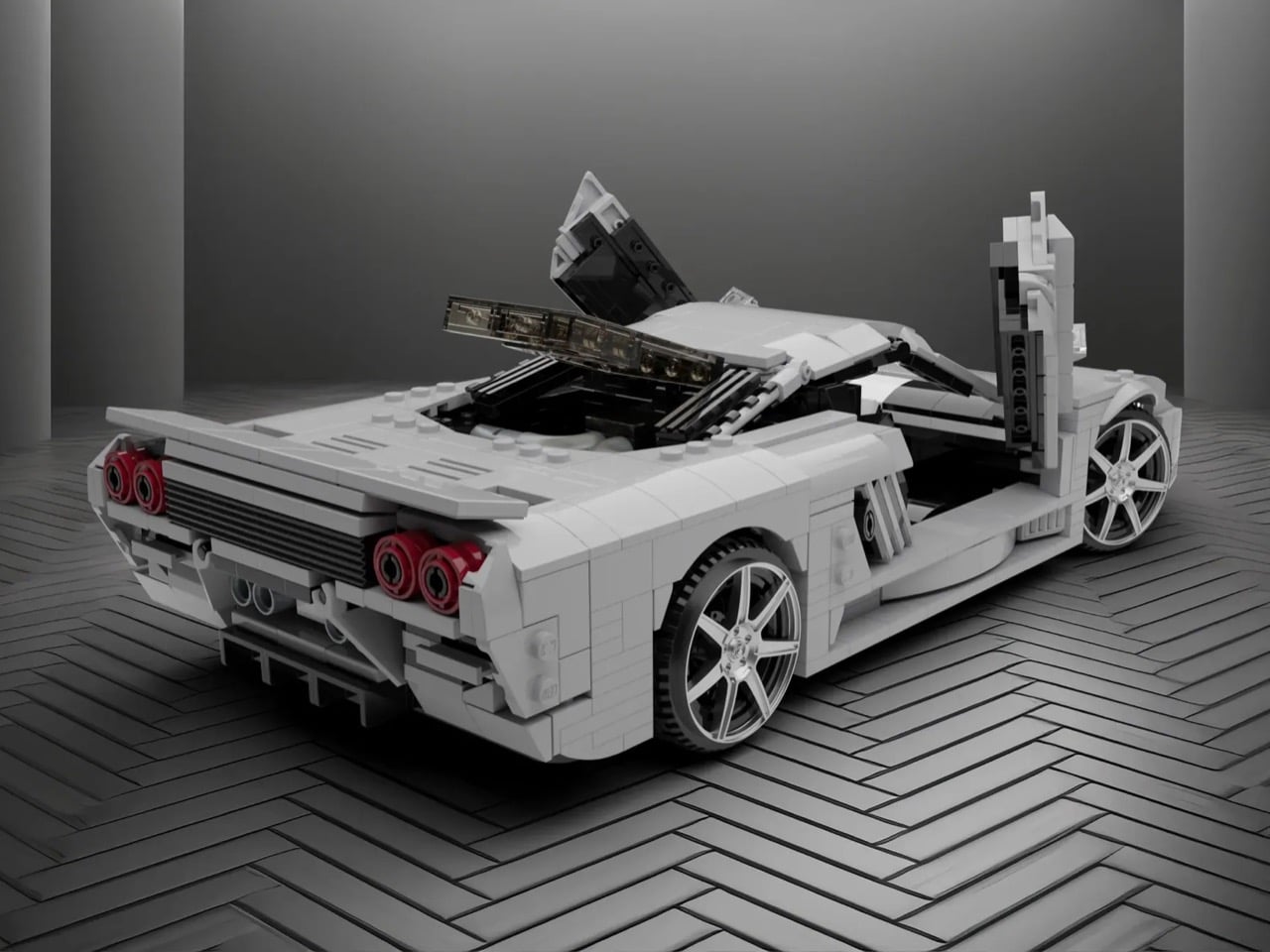
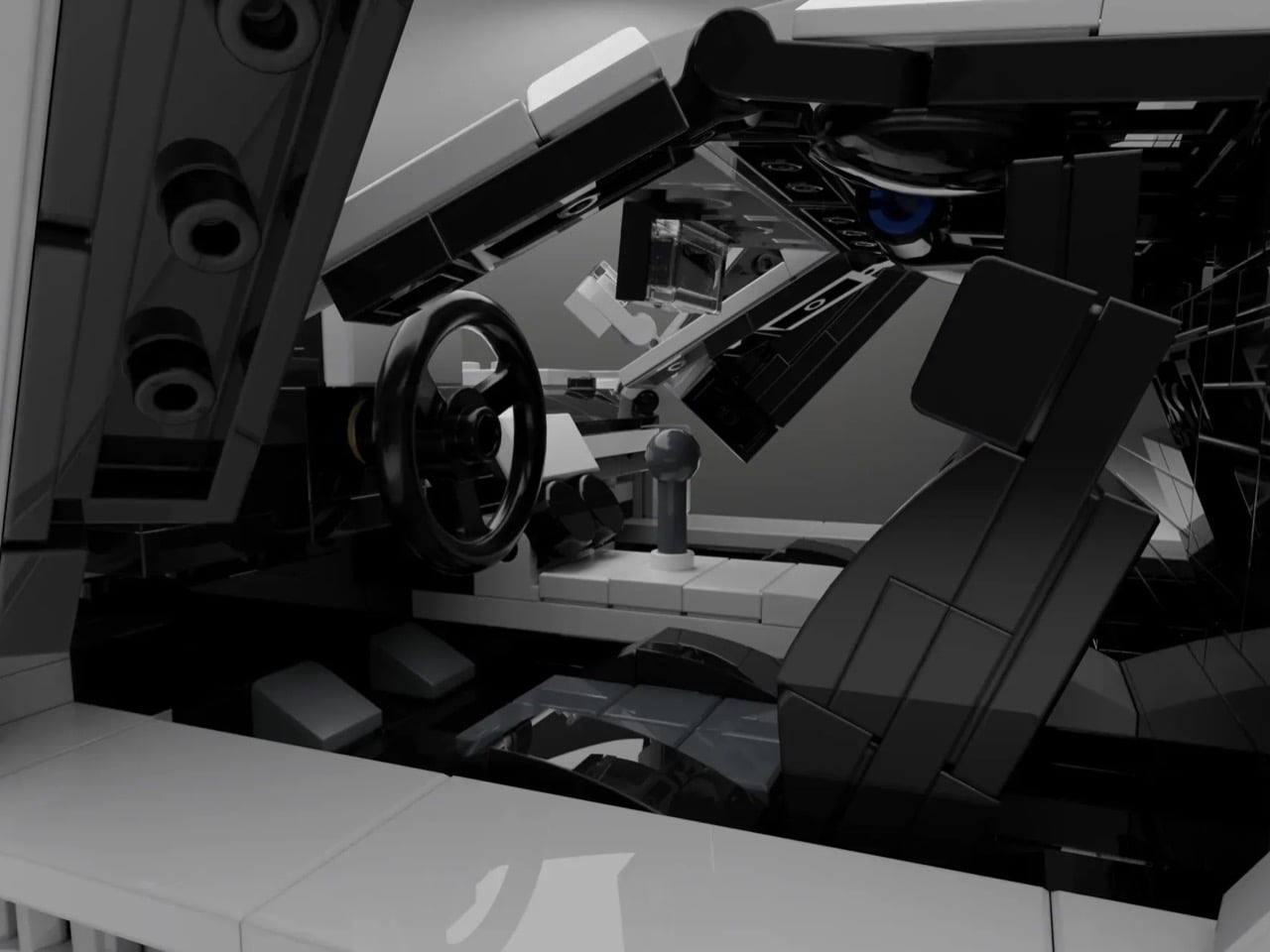
The build captures everything that made the S7 special: those dramatic scissor doors, the trio of diagonal side vents that channeled air to the mid-mounted engine, and the low-slung stance that telegraphed serious performance intentions. Nytedance included opening hood and engine bay access alongside a detailed interior, giving the model the same display-worthy presence the real S7 commanded on showroom floors. At a time when automotive design often feels derivative, this MOC celebrates a machine that carved its own identity through pure American audacity and engineering ambition.

Designer: Nytedance

Here’s the thing about the S7 that most people forget: it was legitimately fast. Like, 2000-era supercar fast when that still meant something. The naturally aspirated version put out 550 horsepower from a 7.0-liter V8, which sounds almost quaint now until you remember the whole car weighed 2,865 pounds. Then in 2005 they strapped turbos to it because why not. Steve Saleen had spent years building hot rod Mustangs, so when he decided to build a proper supercar, he didn’t half-ass it. Carbon fiber monocoque, mid-engine layout, the whole European playbook executed by a company in Irvine, California. And somehow this car gets forgotten while we endlessly rehash which Ferrari from that era was best.

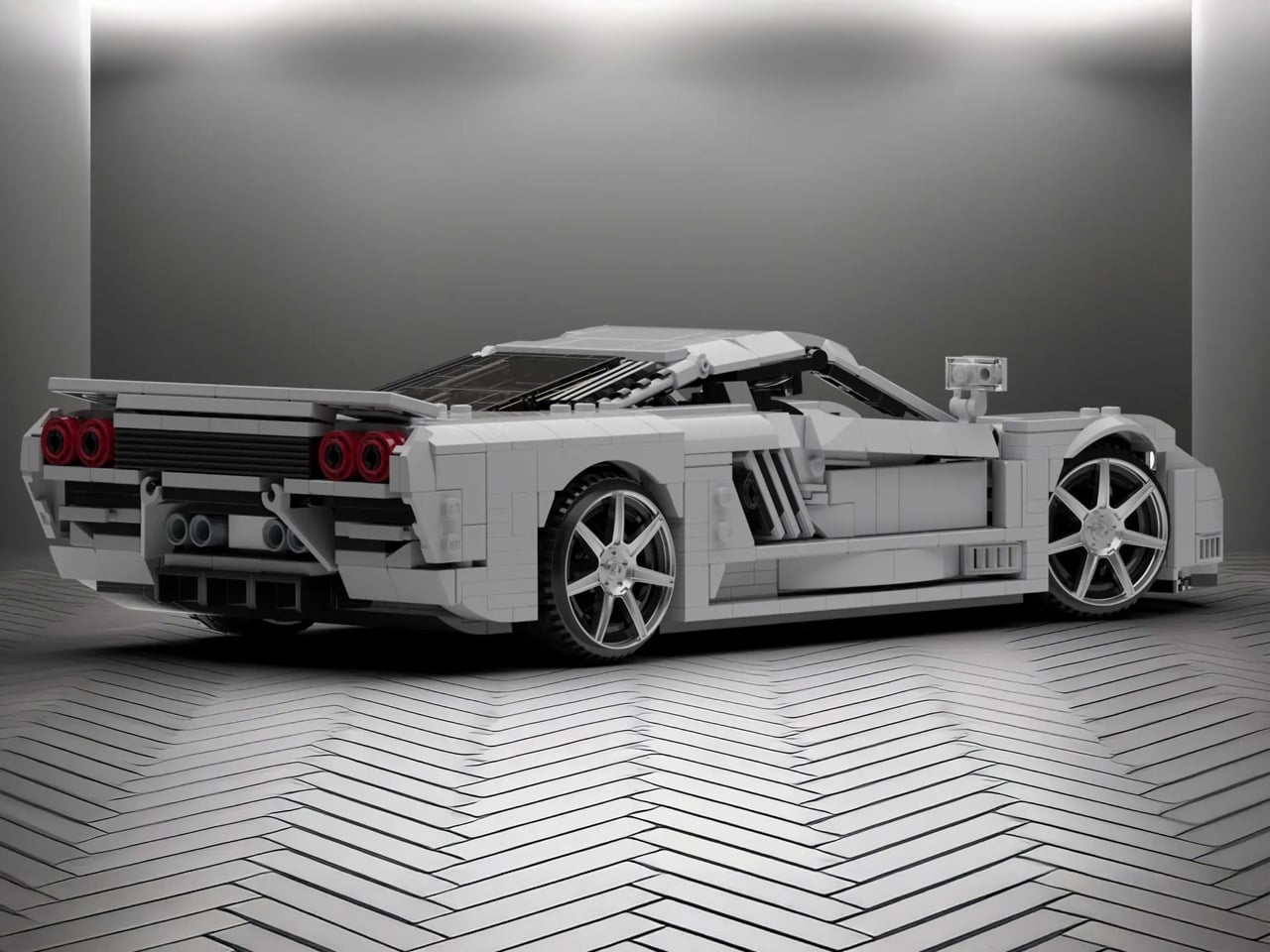
Those proportions are tricky because the car sits so low and wide, but the MOC nails that aggressive wedge shape without looking like a doorstop. The side intakes are the hero detail here, three diagonal slashes that became the car’s signature move. They’re rendered in white against black internals, creating the contrast you need for them to read properly at this scale. The scissor doors actually function, which feels mandatory given that half the reason anyone remembers the S7 involves those doors opening at car shows. Look at the rear haunches and how they flare out over the wheels. That’s not easy to pull off with LEGO’s predominantly rectangular vocabulary, but it works. The builder used curved slopes intelligently instead of trying to force angles that would look chunky.

The white color is clean enough to let you study the form without distraction, plus it matches one of the more common S7 liveries. Those red taillights pop against the white body, four circles arranged in a quad pattern that anyone who spent time with Need for Speed games will recognize instantly. The wheels use those multi-spoke pieces that suggest performance without going full boy racer. At 1,200 pieces, this sits in an interesting spot between impulse purchase and serious investment. You’re committed enough to display it properly but you’re not dropping Technic Bugatti money.

LEGO Ideas is basically democracy for brick nerds. You submit a design, people vote, and if you hit 10,000 supporters, LEGO actually reviews it for potential production. Get approved and your MOC becomes a real set with your name on the box and royalties in your pocket. Nytedance’s Saleen S7 is live on the platform now, so if you think American supercar history deserves shelf space next to all those Prancing Horse sets, go vote for it. The S7 spent too long in obscurity already.

The post Remember the Saleen S7? This 1,200‑Piece LEGO Build Brings Back America’s Wildest Supercar first appeared on Yanko Design.

This Yacht is actually powered by a Detachable Jet-ski

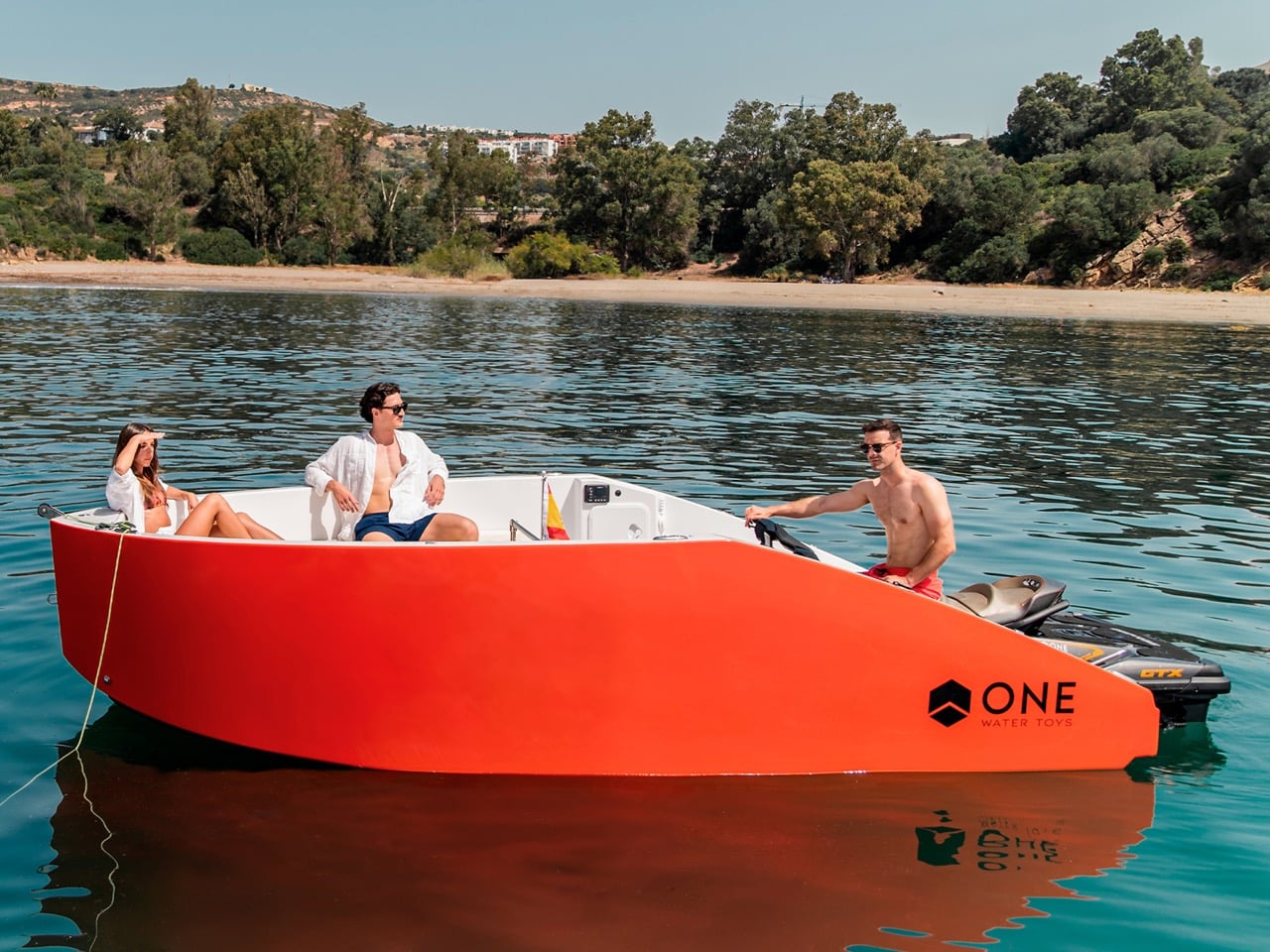
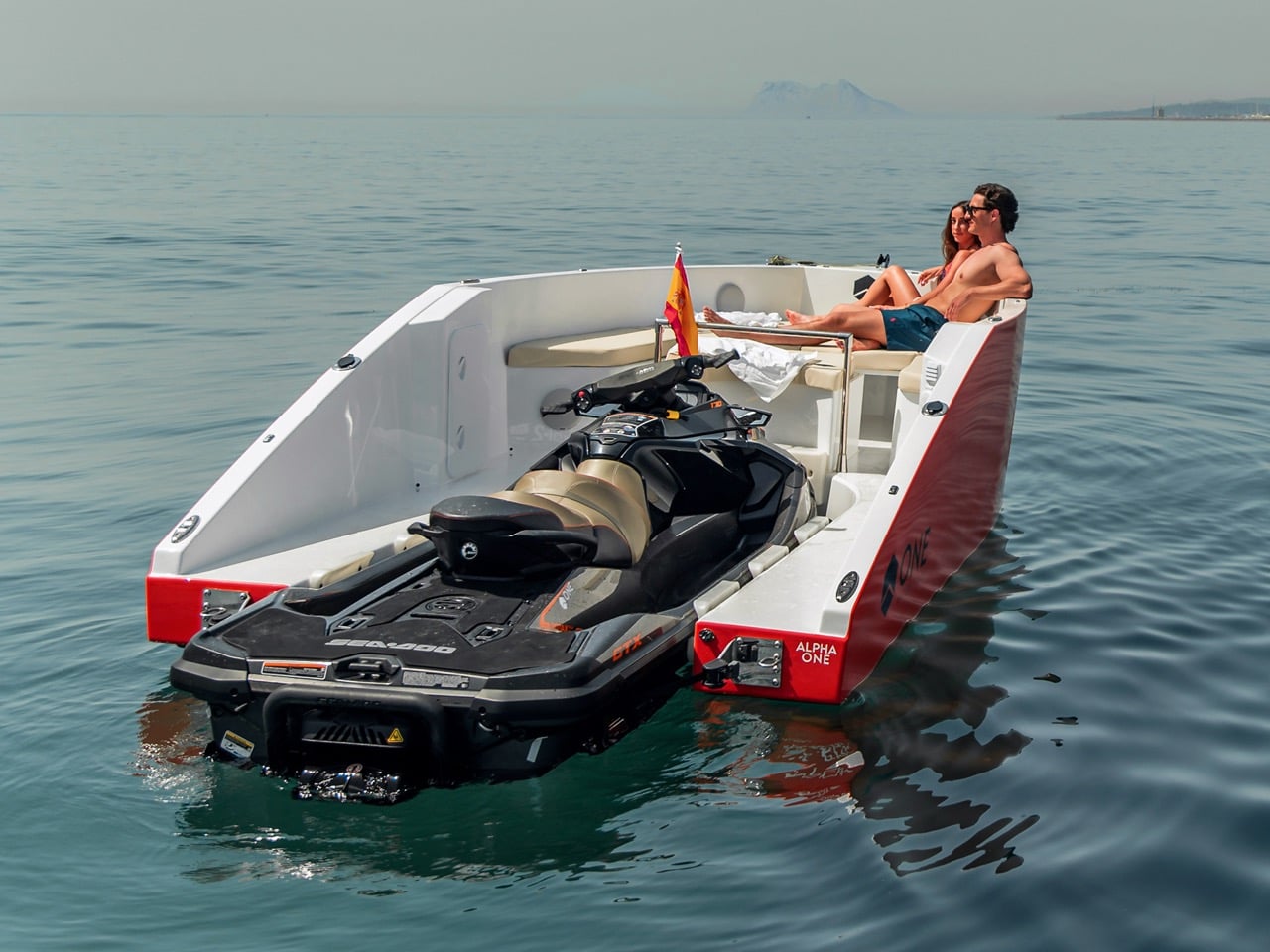
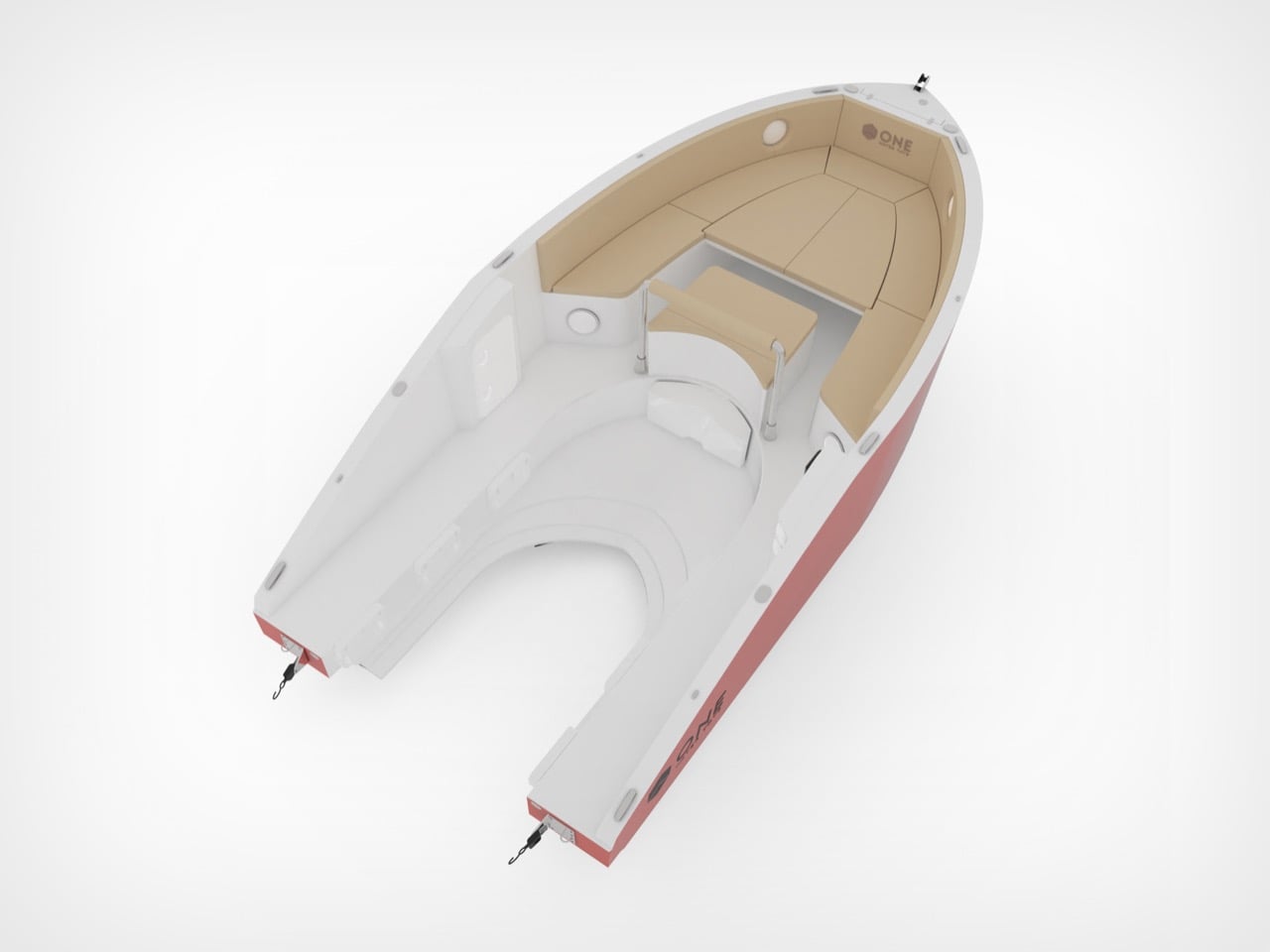
Jet skis rip through water with ridiculous speed and agility. They’re also terrible at everything else. Try bringing friends along for the ride, or packing anything beyond a phone in a waterproof case. Yachts fix the space issue completely, but they cost a small fortune and require actual skills to operate. Spanish designer Amor Jimenez Chito created the One 16 to split the difference: it’s a six-meter boat powered by a jet ski that detaches when you want to go full throttle solo. The design won the Golden A’ Design Award for 2025, which apparently goes to projects that solve problems nobody else bothered to address.

The engineering is surprisingly straightforward. Your jet ski slots into the hull and becomes the propulsion system for the entire boat. The plug-and-play setup works with major jet ski brands, so you can use whatever you already own or prefer. Six people fit comfortably on deck, where a convertible bow switches between table mode and sunbathing platform depending on the vibe. The hull keeps weight distributed properly so the whole thing stays stable instead of feeling like you strapped a picnic table to a rocket. You get two vehicles in one without paying marina fees for two vehicles. That’s the entire pitch, and it actually makes sense.

Designer: Amor Jimenez Chito

This kind of modularity has been tried before, usually with clunky results that looked like a science fair project gone wrong. The reason the One 16 works, at least conceptually, is that it doesn’t try to hide what it is. The jet ski integration is a core feature, not an afterthought. Chito’s background in industrial design engineering clearly shows in the execution, where the docking mechanism appears both robust and user-friendly. Making it compatible with Sea-Doo, Yamaha, and Kawasaki from the get-go is the smartest decision they could have made. It bypasses the proprietary ecosystem trap and opens the concept up to the entire existing PWC market, which is a massive advantage.

Of course, the real test is how it handles chop with a 300-horsepower jet ski bolted into its spine. The weight distribution is supposedly optimized, but there’s a big difference between a CAD rendering and a windy afternoon on the water. Aesthetically, it’s clean and inoffensive, which is probably the right call for a product aiming for broad appeal. It won’t turn heads like a Wally tender, but it’s not supposed to. The One 16 is a clever piece of problem-solving that prioritizes function over form. It’s a utility player, a waterborne multitool for people who want more options without owning an entire fleet.

The post This Yacht is actually powered by a Detachable Jet-ski first appeared on Yanko Design.

This LEGO Bobber Uses Ballpoint Pen Springs for Suspension and It Actually Fits Perfectly

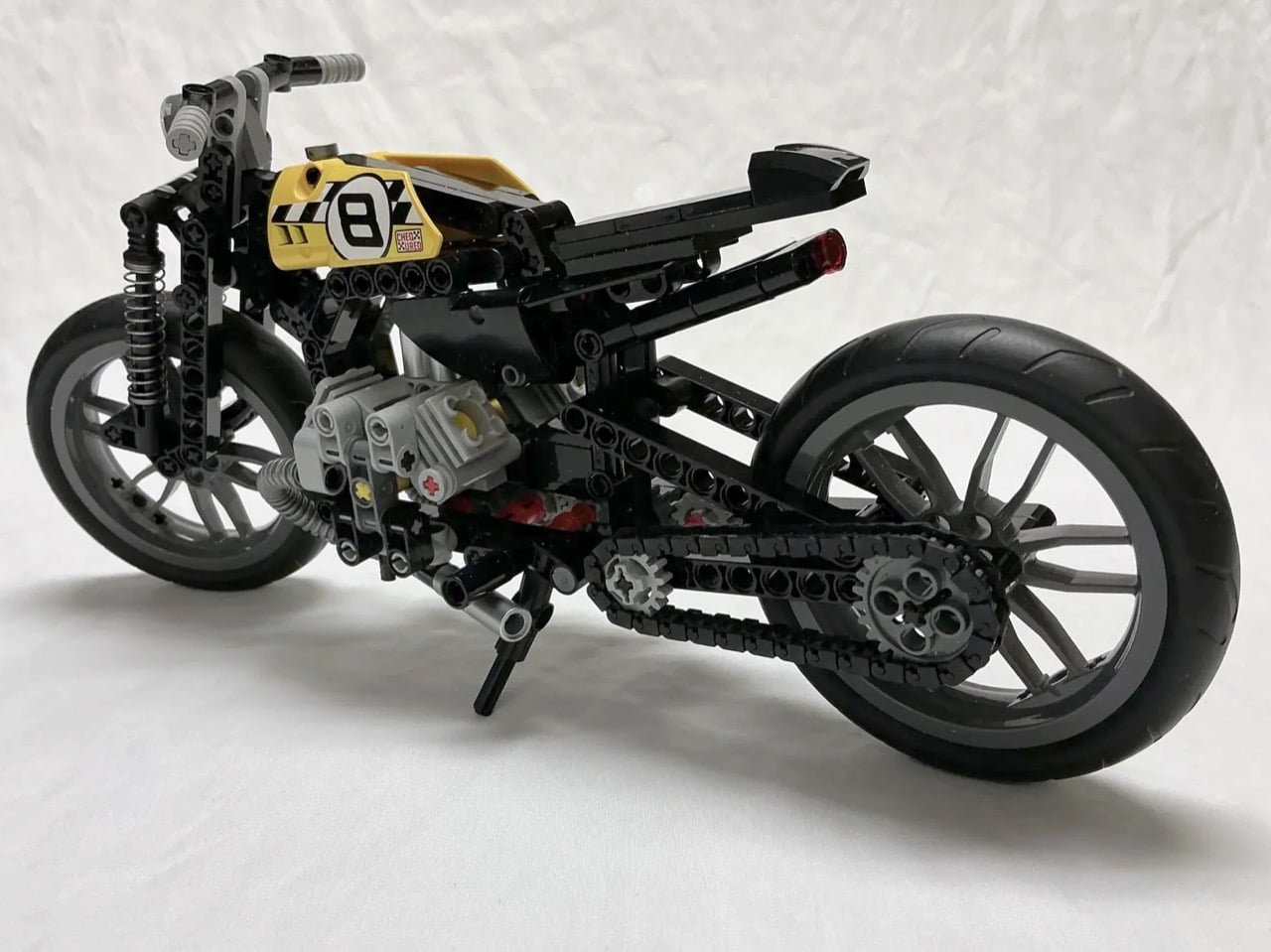
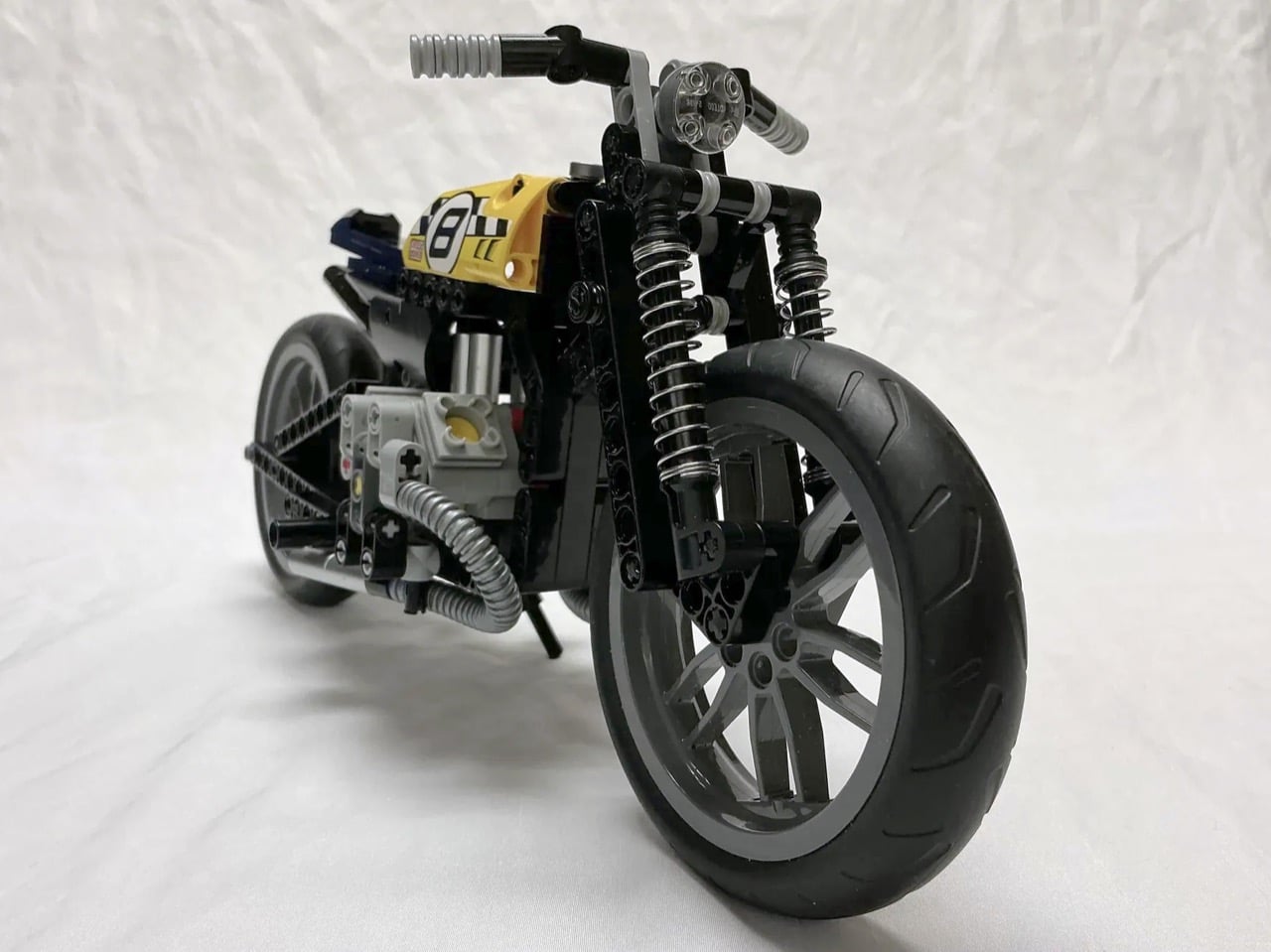
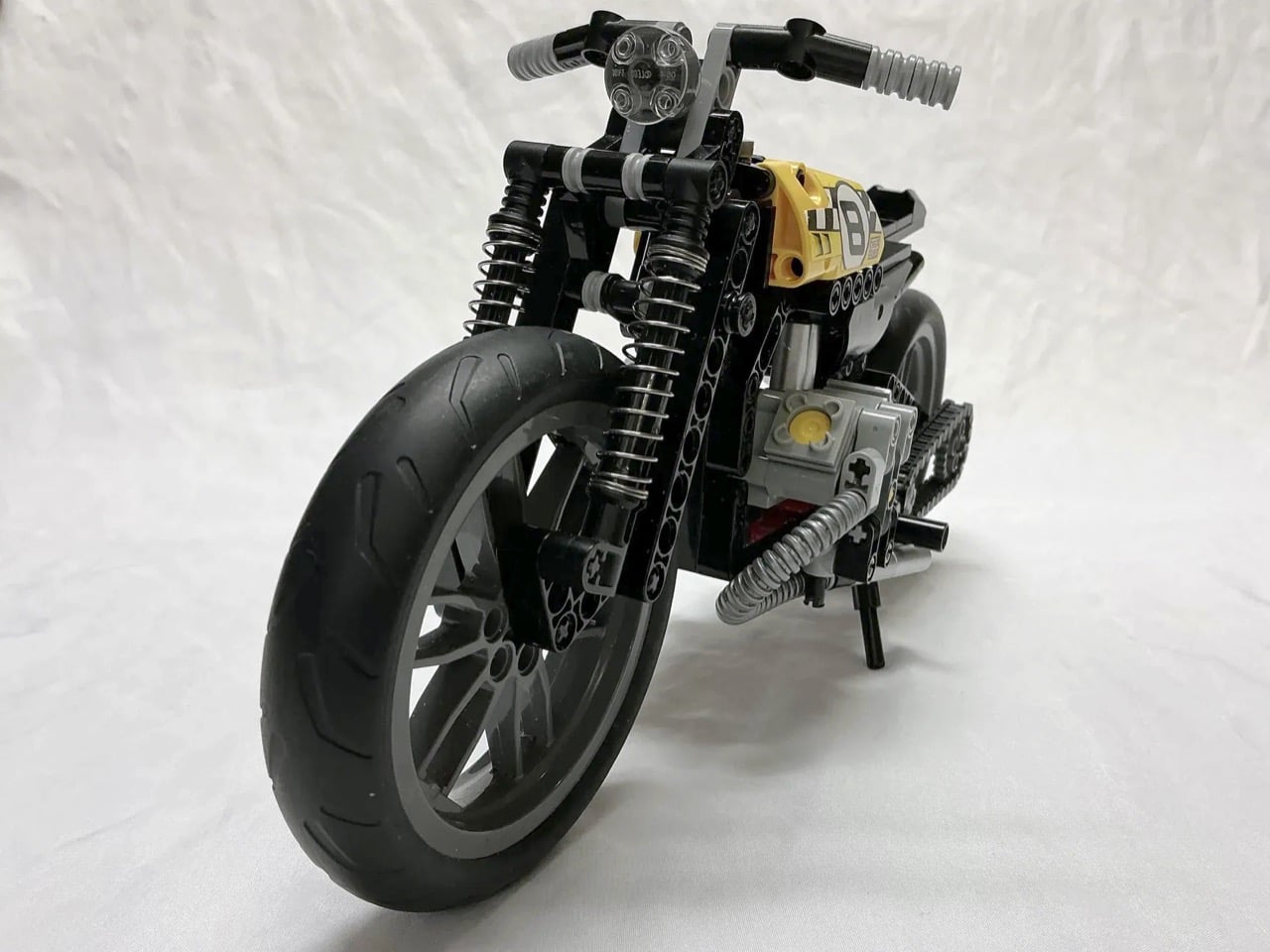
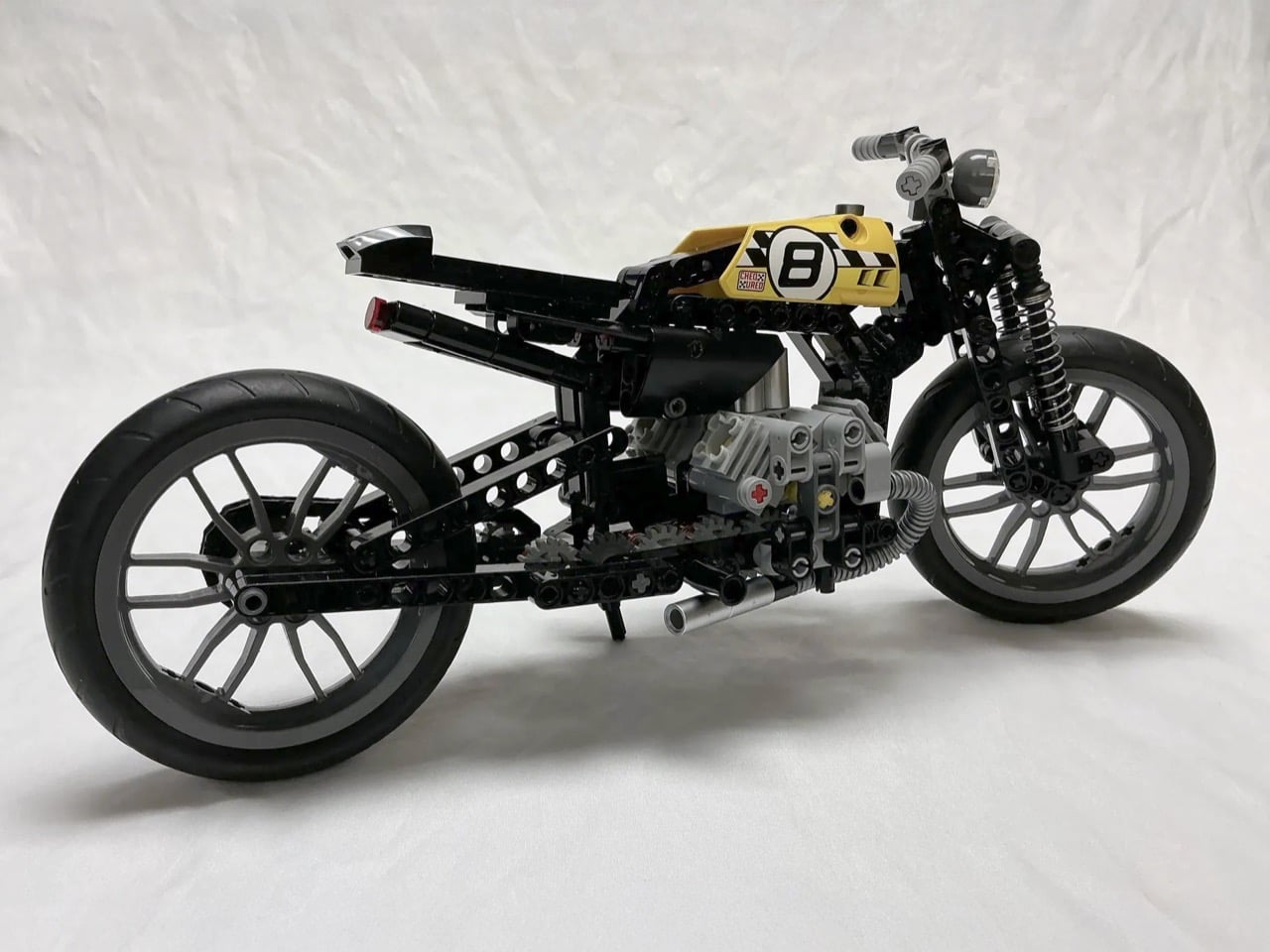
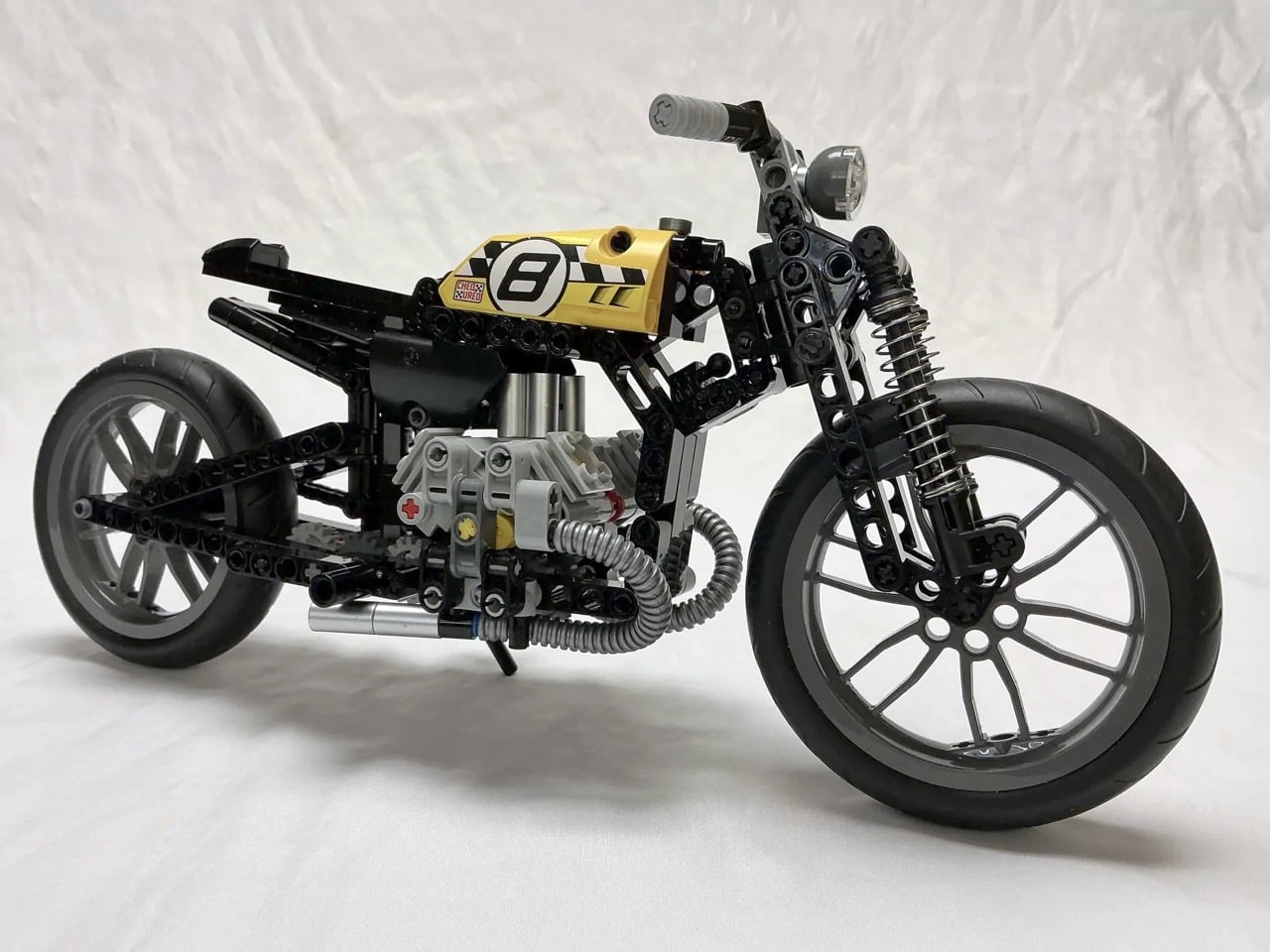
Ballpoint pen springs probably weren’t on your list of unofficial-yet-essential LEGO Technic parts, but this bobber MOC (My Own Creation) makes a compelling case for raiding your desk drawer. The twin coiled springs flanking the front forks and tucked behind the rear wheel handle suspension duties with surprising visual authenticity. They compress and extend just like real motorcycle shocks, adding functional movement to a build that already nails the stripped-down bobber aesthetic.

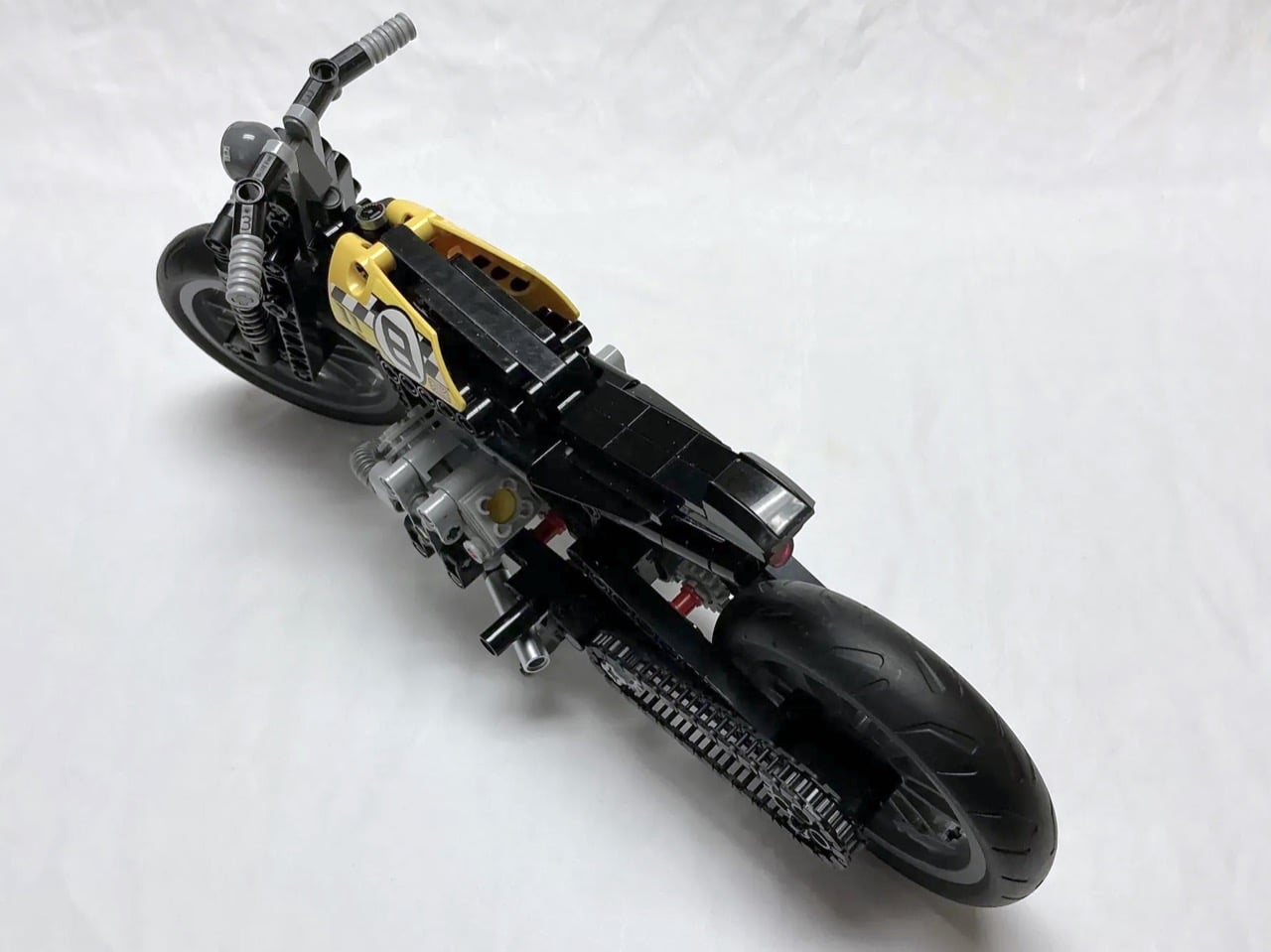
Bobbers emerged from post-war American garages when riders started cutting away everything unnecessary from their motorcycles. The philosophy was simple: lose the extra weight, keep what makes it run. This LEGO version channels that same spirit with its exposed twin-cylinder engine, bare-bones frame, and that yellow racing tank sporting a bold number 8. The builder modified LEGO Technic set 42036 into something far leaner and more specialized, swapping the original suspension components for those ingenious pen springs and repositioning elements to achieve proper bobber proportions.

Designer: MadamMelodicRaisin104

The pen spring hack solves a real problem in LEGO motorcycle builds. Technic sets come with their own suspension systems, sure, but they’re often bulky or visually clunky at this scale. Real bobber shocks are these long, exposed coil-over units that sit right out in the open, part of the bike’s visual language. Standard LEGO shock absorbers don’t quite capture that look. They function fine mechanically but lack the visual density and tight coil pattern you see on actual motorcycles. Pen springs nail the aesthetics, which works perfectly for this MOC because visuals are everything. The Bobber isn’t entirely functional, but the suspension (even if static) looks the part.

Set 42036, the donor bike here, originally builds into either a chopper or a street bike configuration. Both versions skew whimsical, which works for LEGO’s typical audience but doesn’t scratch the itch if you’re after something with genuine mechanical credibility. The builder kept the core engine assembly and frame geometry but ditched the fanciful proportions. Bobbers sit low, with the seat almost directly over the rear axle and minimal distance between components. This build compresses everything into that tight package, pulling the handlebars back into a more neutral position and mounting the foot pegs mid-frame rather than forward where cruisers typically place them. Mid-controls make sense for bobbers because the whole point was maneuverability and quick handling, not long highway cruises with your feet stretched out front.

The kickstand correction might seem minor but it speaks to the builder’s attention to detail. The original Technic chopper configuration puts the stand on the right side, which is wrong for actual motorcycles. Real bikes park on the left because that’s where the shifter lives and you need clear access when you’re mounting from the curb side. Swapping it over takes maybe five minutes but it shows someone who actually rides or at least understands how these machines work in the real world. Same logic applies to adding the foot pegs, which the kit omits entirely. You can’t have a rideable motorcycle without somewhere to put your feet, even in miniature form.

The yellow racing livery with that big number 8 pulls the aesthetic away from typical black-on-black bobber builds and into flat track racing territory. Flat trackers are bobbers’ dirt-slinging cousins, stripped down for speed on oval dirt tracks. The color choice keeps the build from looking too generic while the racing plate gives it a story beyond “stripped motorcycle.” The tail section stays minimal, just a small seat cowl and rear fender. Nothing to disturb the clean line running from tank to tail. The fat rear tire balances against that narrow front wheel, classic bobber proportions that suggest power and grip where it matters most. Those pen springs keep catching your eye though, because they’re so perfectly scaled and so absurdly obvious that you wonder why more builders haven’t figured it out.

The catch, however, is that this Bobber only exists in the metaverse… or rather LEGO’s own virtual verse, called the LEGO Ideas forum. Designed as an online platform for LEGO enthusiasts to share their own creations and vote for their favorites. MOCs that cross the 10,000 vote threshold get sent to LEGO’s internal team for review, and if successful, get turned into a box set that all of us can buy! I don’t see LEGO launching kits that require dismembering ballpoint pens for their springs (because that’s technically an ‘illegal’ form of building a brickset), but I’m sure there’s a pneumatic Technic part somewhere in LEGO’s arsenal that will work. If you want to see that happen, however, step 1 is to cast your vote for this gorgeous build on the LEGO Ideas website.

The post This LEGO Bobber Uses Ballpoint Pen Springs for Suspension and It Actually Fits Perfectly first appeared on Yanko Design.

2025 Audi Q5 TFSI quattro Prestige Review: Evolution as a Design Strategy

PROS:


  • Interior material quality exceeds what the segment typically delivers

  • Screen integration feels intentional rather than bolted on afterward

  • Adaptive air suspension transforms ride character between driving modes

  • Acoustic glass creates genuinely quiet cabin at highway speeds

  • Real exhaust outlets signal design honesty throughout the vehicle

CONS:


  • Rearward visibility compromised by styling choices and roofline rake

  • No hands-free liftgate gesture system like competitors offer

RATINGS:

AESTHETICS
ERGONOMICS
PERFORMANCE
SUSTAINABILITY / REPAIRABILITY
VALUE FOR MONEY

EDITOR'S QUOTE:

Evolution as philosophy: when restraint becomes the boldest design choice.

I spent a week with the third-generation Audi Q5 Prestige in Tambora Gray Metallic, and what struck me first was not any single feature but the accumulation of considered choices. Built on Volkswagen Group’s Premium Platform Combustion architecture with a turbocharged 2.0-liter TFSI four-cylinder producing 261 horsepower and 273 lb-ft of torque, this compact luxury SUV occupies familiar territory at $63,290 as tested. The design decisions embedded in its surfaces, proportions, and material selections tell a more nuanced story. The Q5 represents what happens when a manufacturer chooses careful iteration over spectacle.

Designer: Audi

What distinguishes this generation from its predecessor is not a single dramatic gesture but rather an accumulation of details that reveal themselves over days rather than minutes, over highway miles rather than showroom walks, over lived experience rather than specification comparisons. The raked silhouette borrows visual vocabulary from the larger Q7, establishing family resemblance without direct mimicry. Panel gaps have tightened to tolerances that reward close inspection. The decorative exhaust finishers have been replaced with genuine rectangular outlets, a small change that signals larger philosophical shifts about authenticity in automotive design. These aren’t features that demand attention at first glance. They’re details that accumulate into a stance that reads as resolved rather than aggressive, as confident rather than desperate to impress, as the work of engineers and designers who understood that restraint requires more discipline than excess.

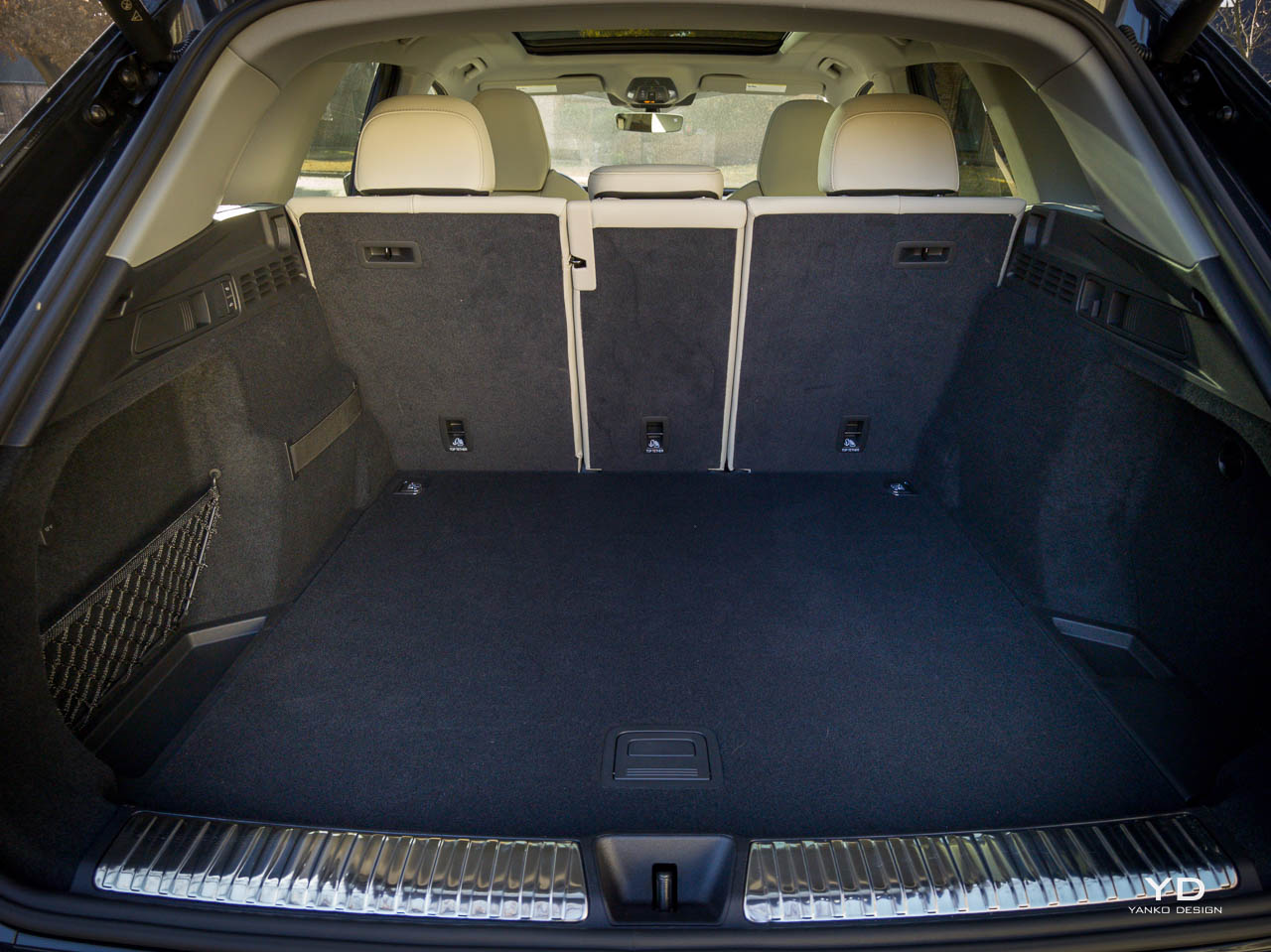
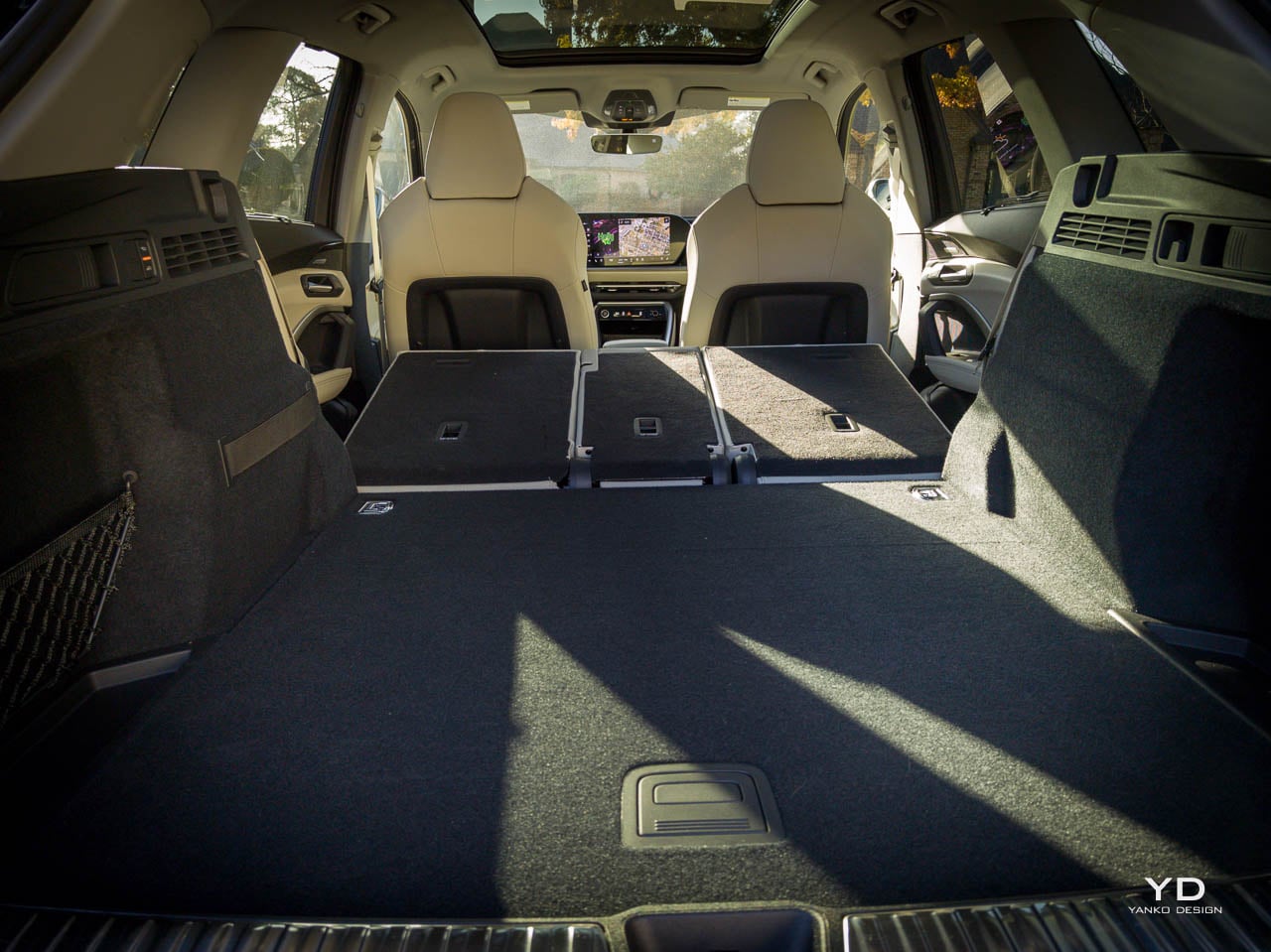
The vehicle’s proportions establish its intent before any specification sheet is consulted. Wheelbase dimensions remain close to the previous generation, but cargo volume has expanded to 56.9 cubic feet with rear seats folded, a gain of 2.8 cubic feet. That’s design as problem-solving.

Exterior Form Language

The singleframe grille anchors the front fascia with a presence that has become signature Audi vocabulary, wider and higher than before, flanked by functional air curtains that channel airflow along the body sides, reduce turbulence around the front wheels, and contribute measurably to the 25 mpg combined fuel economy figure while adding horizontal emphasis to the front that grounds the vehicle’s face as the LED lighting signatures lift the eye upward, creating a tension between opposing visual forces that produces dynamism without chaos. In person, the Tambora Gray Metallic finish shifts subtly between cool silver and warm graphite depending on the light, a $595 option that flatters the Q5’s surfacing without demanding attention, revealing the gentle curves of the fender flares and the controlled tension of door panel surfacing in ways that more dramatic colors would overwhelm. I walked around this vehicle at least a dozen times during my week with it, and each angle revealed something slightly different about how Audi’s design team approached the challenge of updating a successful shape without losing what made it work.
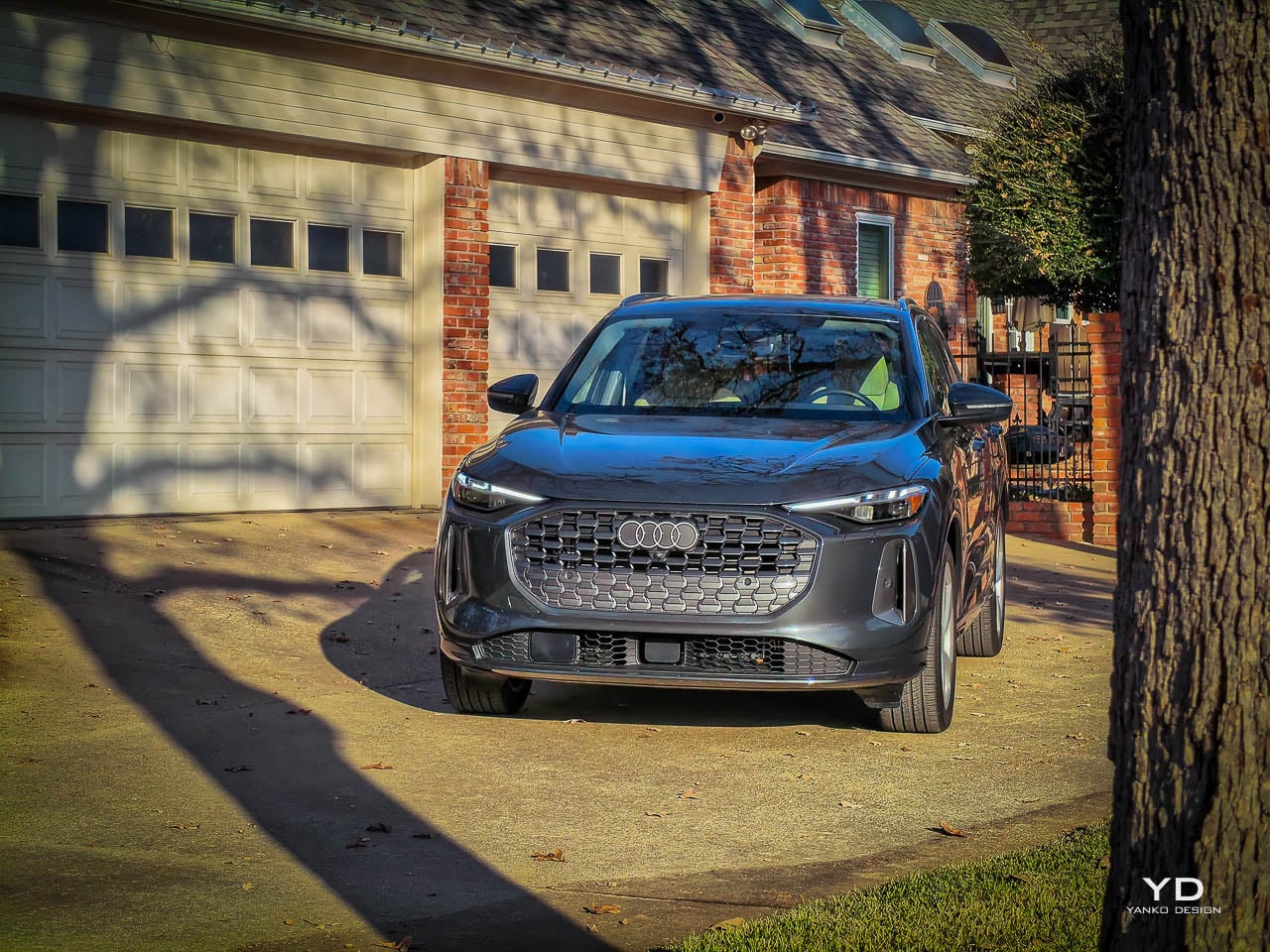
That’s restraint as design strategy.

The Prestige trim’s LED headlights plus with eight digital DRL signatures represent a departure from the notion that headlights are merely functional, allowing personalization within boundaries that maintain brand coherence, while the digital OLED taillights transform the vehicle’s nighttime presence entirely with a full-width light bar and dynamic animation sequences that other drivers will notice before they recognize the Audi badges. Front and rear lighting can now express personality. You can choose character, but the character stays on-brand, never straying into the visual vocabulary of competitors or aftermarket modifications.
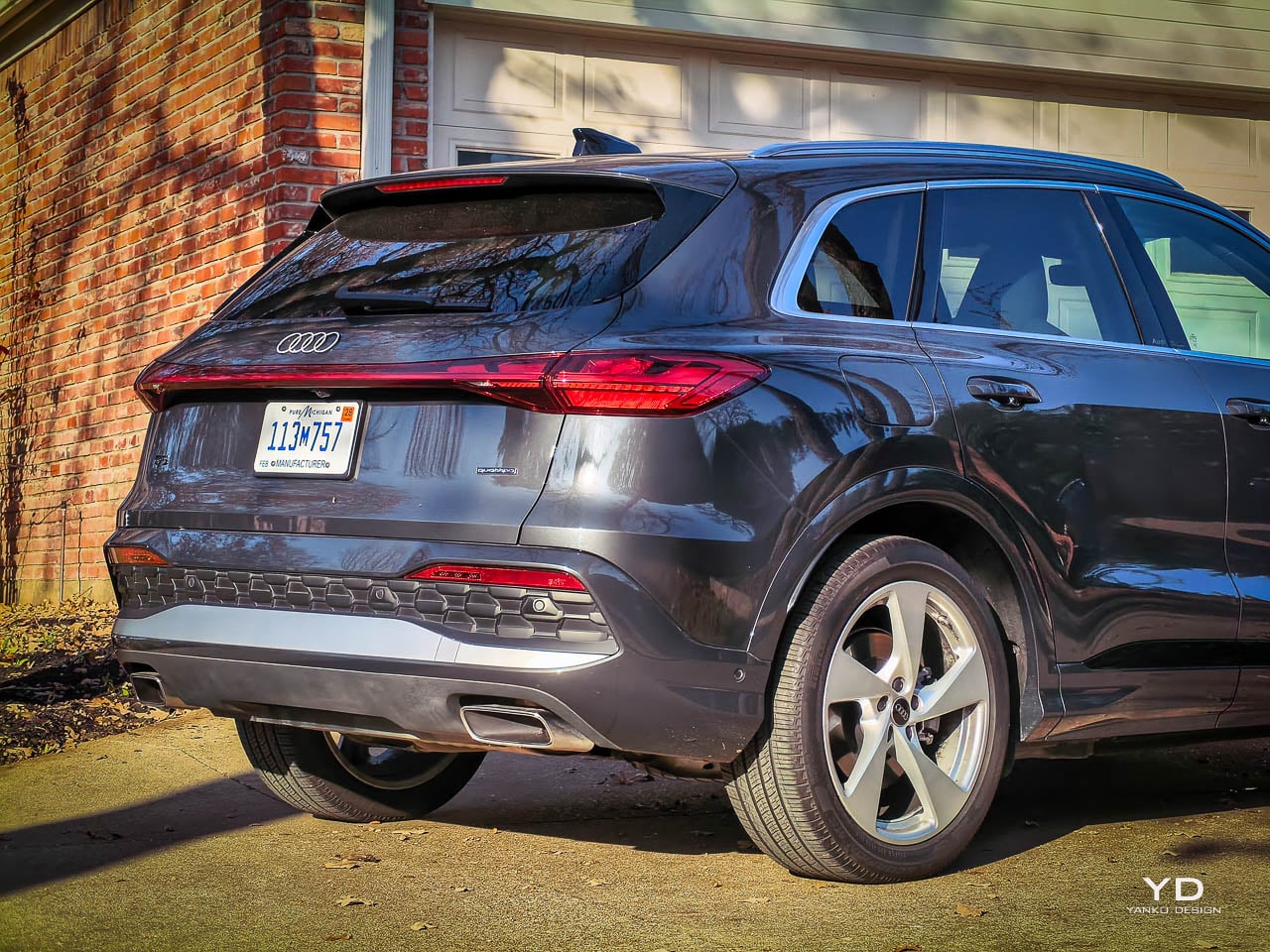
The shoulder line carries through the side profile without interruption, a decision that prioritizes visual length over sculptural drama, that trusts the basic proportions to create interest rather than relying on creases and vents and stamped-in details that would only compete for attention. Where competitors might break this line, the Q5 maintains continuity. The 20-inch 5-arm design wheels from the $800 optional wheel package fill the arches convincingly, and the roofline’s rake creates forward momentum even at rest, suggesting capability without the aggressive stance that defines sportier alternatives.
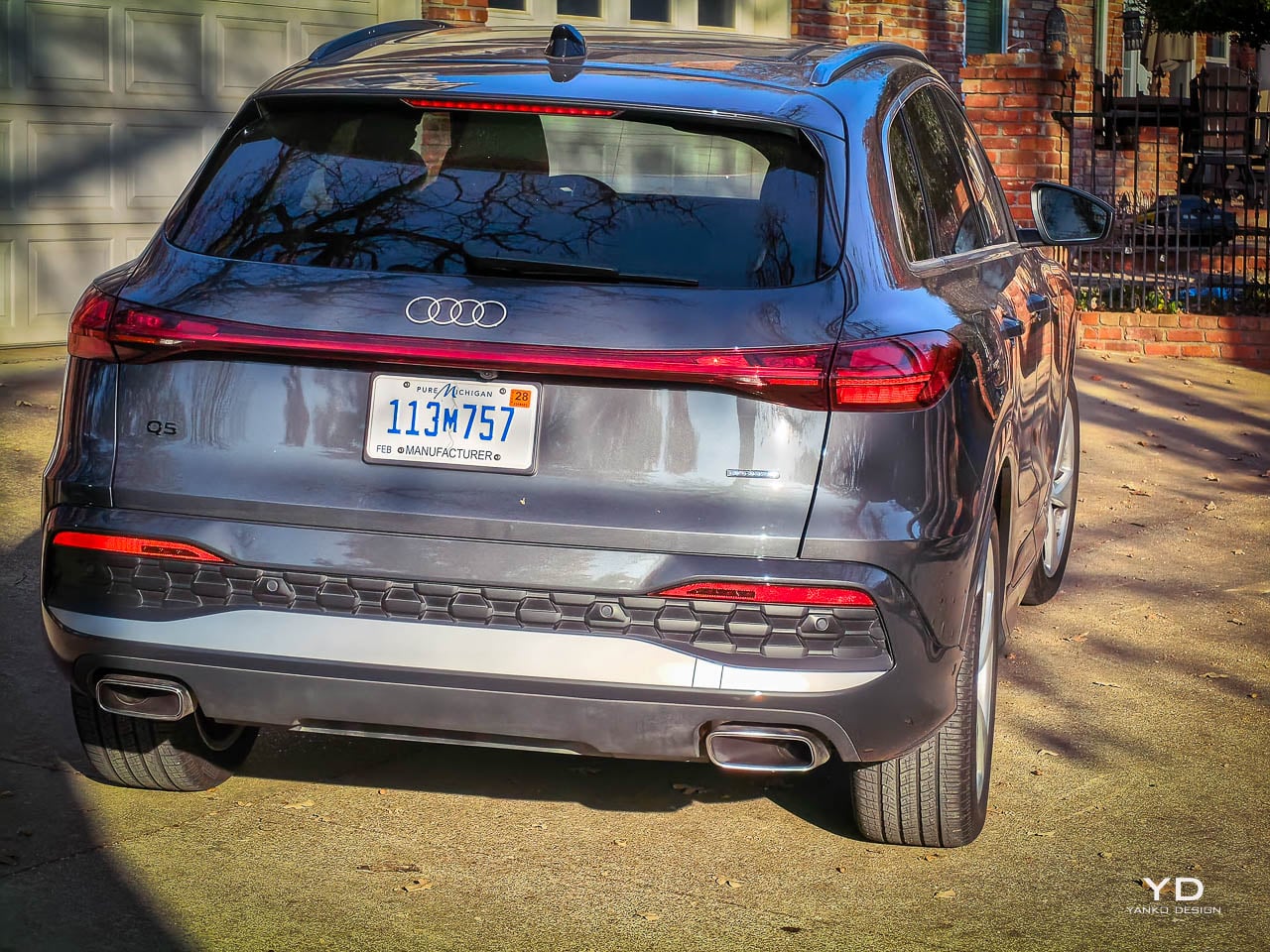
Real exhaust outlets replace the decorative finishers of the outgoing model, communicating mechanical honesty in a market where many competitors still rely on chrome trim pieces that hide the actual exhaust routing somewhere underneath the bumper, a detail that speaks to broader shifts in automotive design thinking about authenticity versus theater, about what we show versus what actually exists, about whether buyers notice or care about such distinctions and what it says about a brand that assumes they do. The previous generation’s false tips suggested performance that the actual exhaust system didn’t support. What you see is what exists. Light catches the fender flares and door panels in ways that reveal gentle curves rather than aggressive angles, while the 12-volt mild hybrid system recovers energy during deceleration invisibly, feeding it back into the electrical architecture that powers the countless systems modern buyers expect, the design absorbing the technology rather than announcing it, integrating engineering advances into surfaces that look simpler than they are.

Interior Architecture

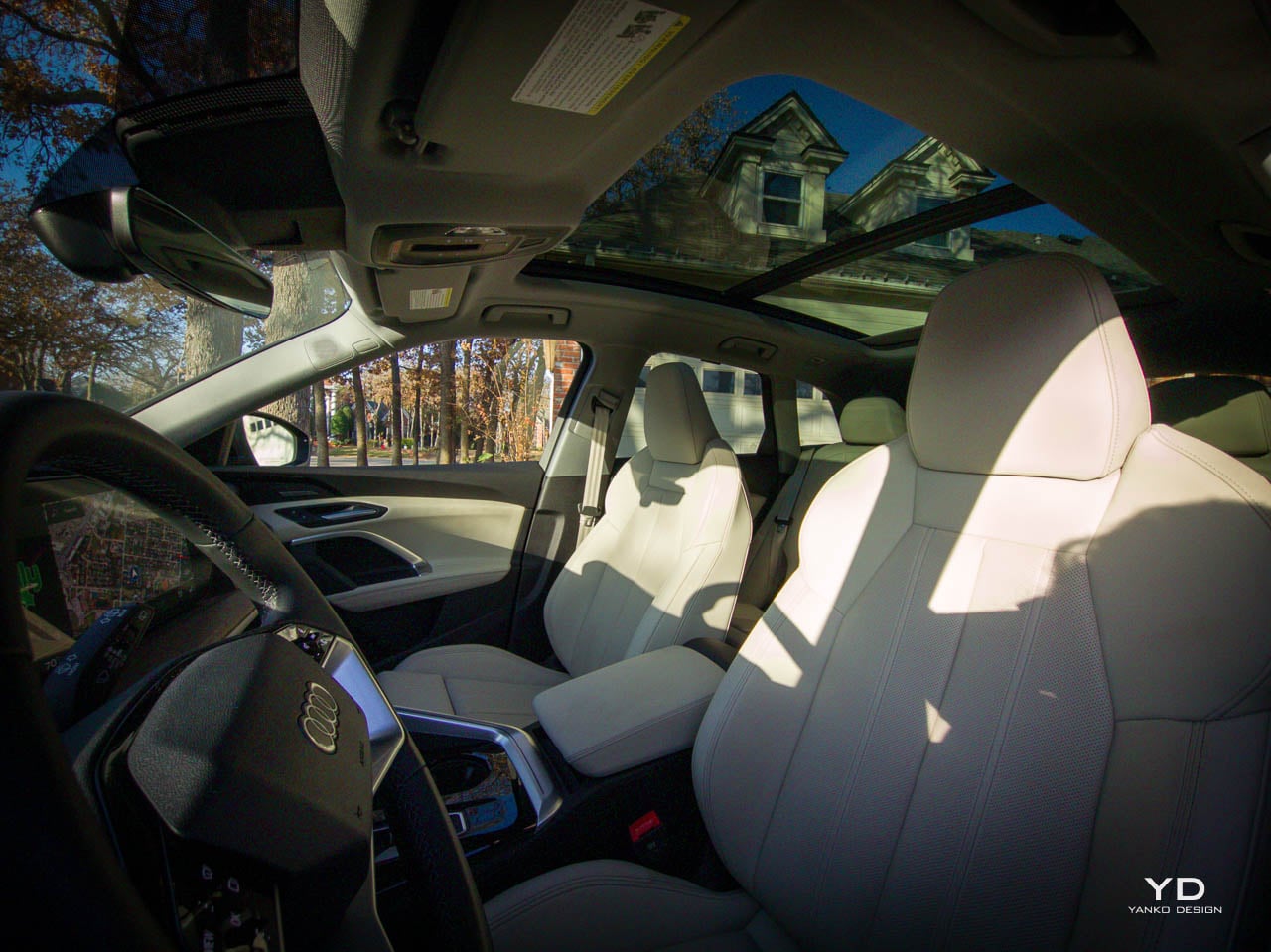
The cabin represents the most significant departure from the previous generation. Sliding into the Pearl Beige interior for the first time, you notice the difference immediately. Where the predecessor was criticized for visual austerity, the new interior addresses this through layered materials and deliberate contrast.

The 14.5-inch MMI touch display dominates the center stack with a presence that might overwhelm in lesser integrations, but here it sits within the dashboard architecture rather than perched atop it like an afterthought, paired with the 11.9-inch Audi virtual cockpit plus that renders navigation and vehicle information with the kind of clarity and customization that once defined luxury flagships, while the Prestige package adds a 10.9-inch MMI passenger display that allows front passengers to manage navigation or entertainment without distracting the driver, though I found myself wondering whether the additional screen complexity serves real needs or simply provides another differentiator on specification sheets that buyers compare without understanding what they actually want. Screen integration matters more than screen dimensions. Too many competitors treat displays as afterthoughts, floating tablets stuck to dashboards designed before touchscreens became standard. Here, the screens belong, and that belonging required more engineering effort than simply making them larger.
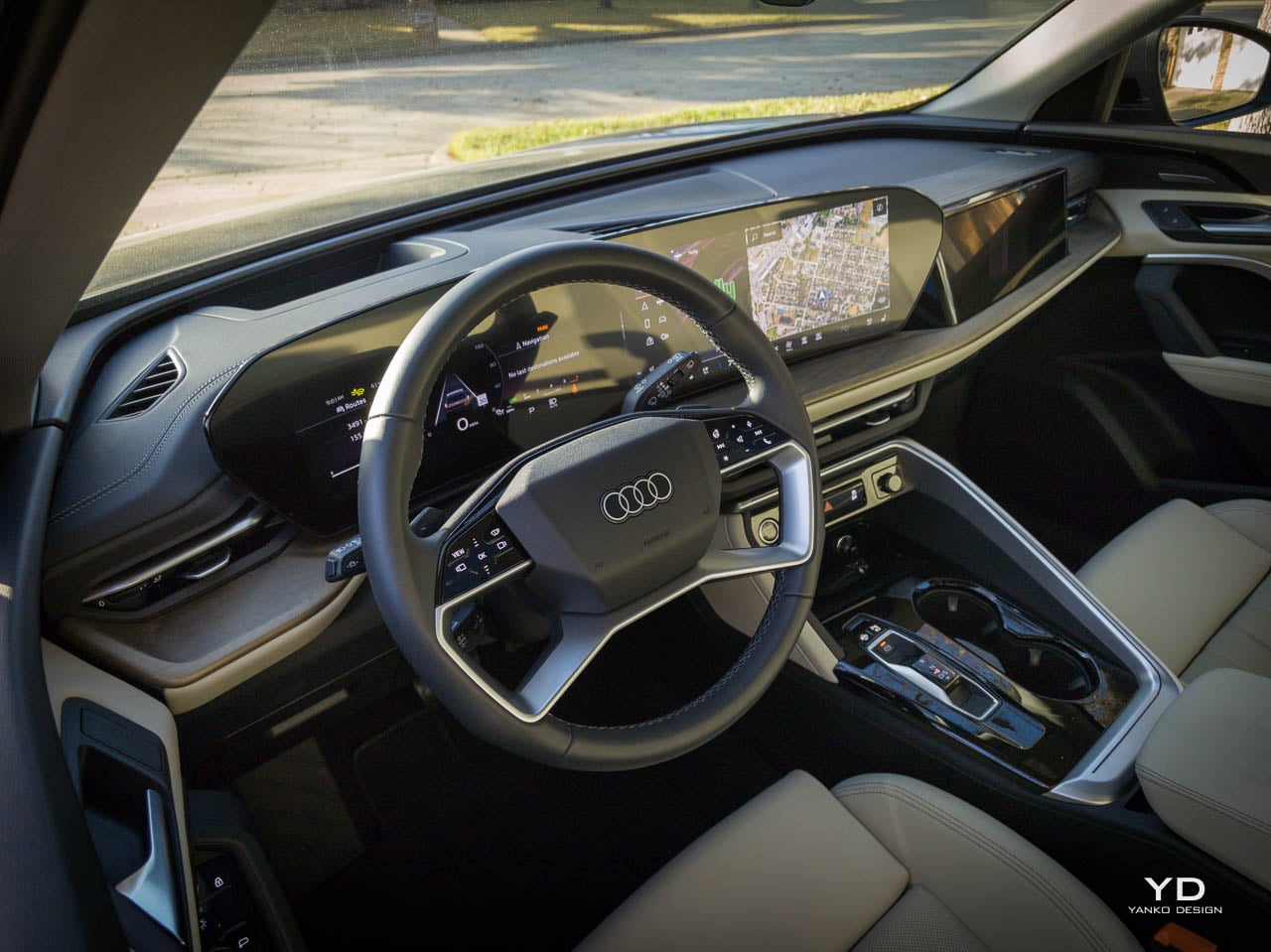
The driver’s position establishes immediate relationship to the controls. Power tilt-and-telescopic steering allows precise positioning. The head-up display projects information directly into the sightline. Tri-zone climate control divides the cabin into manageable thermal territories. These are ergonomic solutions dressed in premium materials.
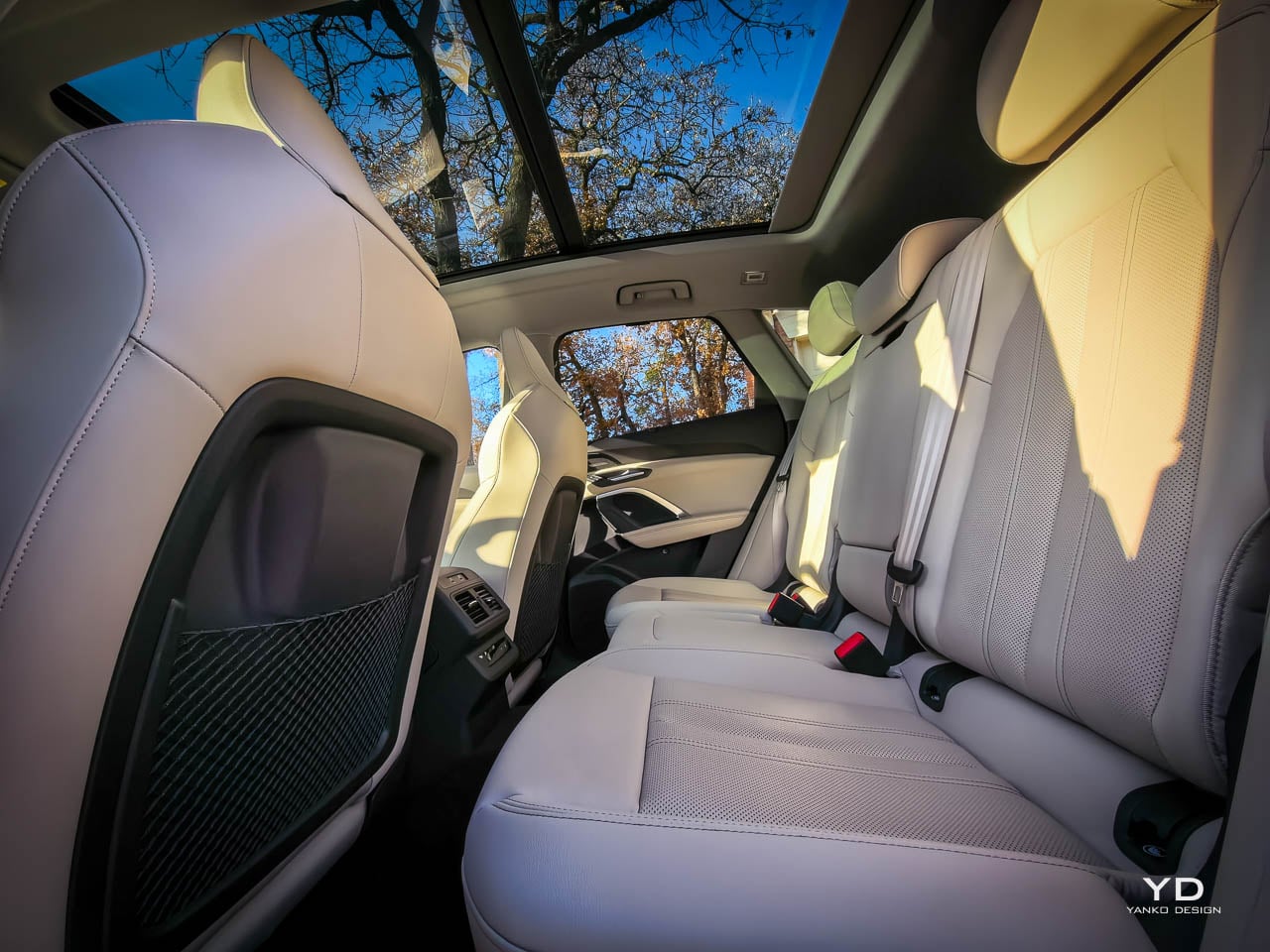
Rear seat architecture employs a 40/20/40 split-folding configuration with sliding capability. The center section folds independently. This configuration solves real-world problems.

Storage solutions throughout the cabin demonstrate attention to daily use patterns, expanding door bins and reorganized center console compartments creating a space that feels designed by people who actually load groceries and manage coffee cups during commutes rather than by stylists optimizing photography angles, while the LED interior lighting pro package adds atmosphere without distraction, touching surfaces that matter at night, transforming the Pearl Beige leather into warmer tones under ambient illumination that makes the cabin feel like a different space after dark, more intimate, more considered, without requiring any adjustment from the driver beyond the simple act of driving into evening.

Material Composition

Material selection in the Q5 follows a hierarchy of touch frequency that allocates budget where it matters most to perceived quality, soft-touch plastics yielding appropriately under pressure on surfaces that hands contact regularly, leather wrapping appearing where fingers rest during normal driving, metal accents providing cool contrast to warmer materials, while lower surfaces that are seen but rarely touched employ more practical materials that clean easily and resist the wear that comes from thousands of entries and exits, from muddy shoes in winter and sandy feet in summer, from the accumulated debris of lives actually lived in vehicles rather than merely photographed in them. This graduated approach represents mature design thinking.
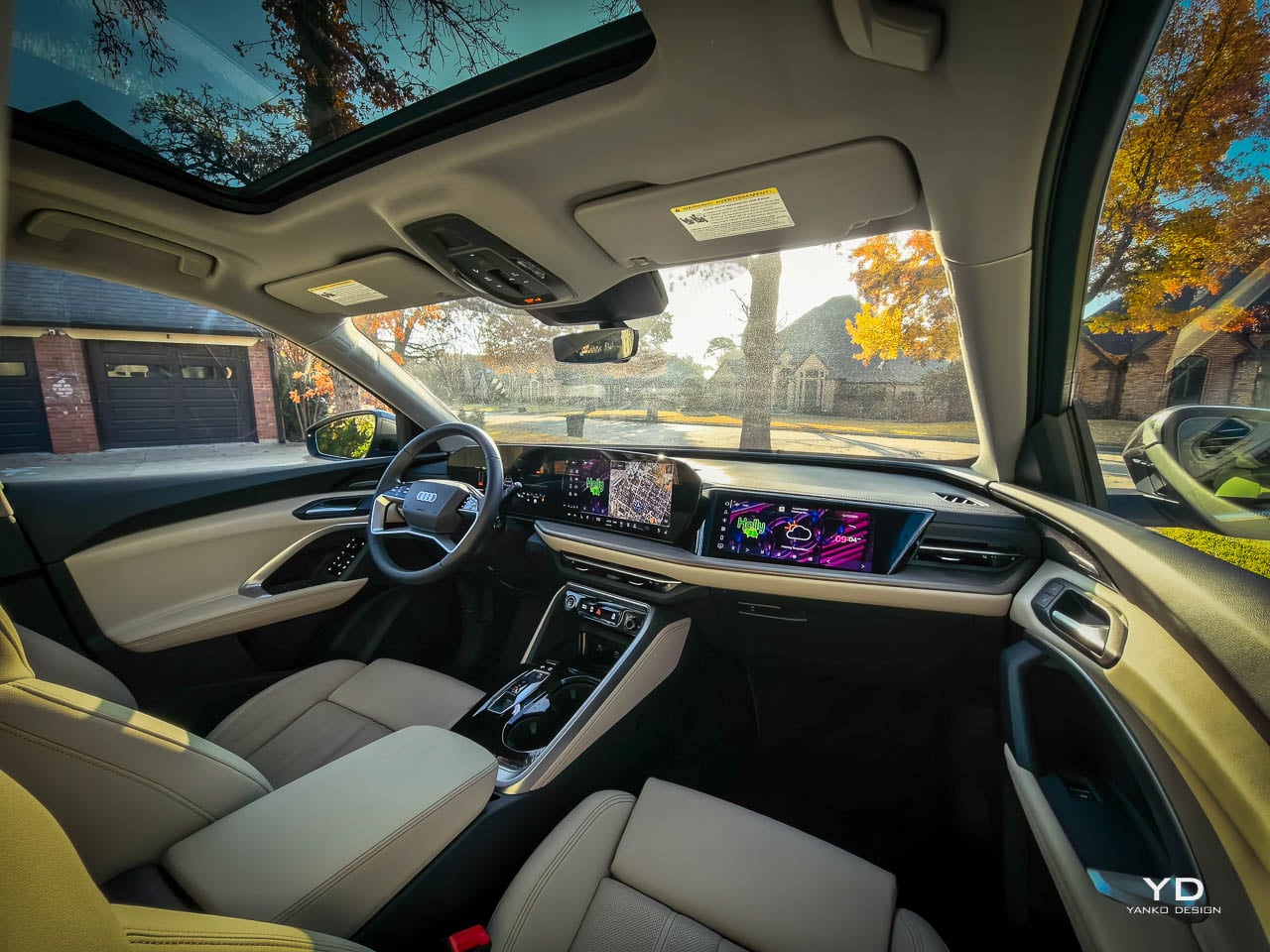
Run a hand across the dashboard, and you feel seams, grain, the subtle undulation of material stretched over structure.

Technology Integration

The MMI interface operates through that 14.5-inch touchscreen with a responsiveness that has improved markedly from previous generations, haptic feedback providing confirmation of inputs, menu structures reorganized to reduce navigation depth for common functions, Apple CarPlay and Android Auto integration appearing as expected equipment alongside smartphone mirroring that handles the connection without the lag that plagues some competitors, while navigation through the MMI Navigation plus system renders on either the center screen or the Virtual Cockpit depending on preference, allowing drivers to keep route guidance in their primary sightline rather than glancing repeatedly toward the center stack. The system works. It doesn’t delight, but it doesn’t frustrate either, which may be the more important achievement.

Driver assistance helps without replacing. Adaptive cruise assist maintains distance. Lane-keeping provides gentle input. Blind-spot monitoring illuminates warnings where they belong.

The Bang & Olufsen sound system with 3D sound represents the kind of feature that separates luxury from mainstream, speaker placement optimized for the cabin’s acoustic properties, resulting sound quality rewarding careful listening with spatial depth that the 3D processing enhances without artificiality, dialogue in podcasts and calls maintaining clarity at any volume level, bass response that never overwhelms or distorts, treble that sparkles without harshness, and an overall presentation that treats sound as part of the ownership experience rather than as a checkbox on a features list, though whether the additional cost over the standard Audi sound system justifies itself depends on how much time you spend with music versus podcasts versus phone calls versus the blessed silence that the acoustic front door glass enables.

That’s considered acoustic engineering. Not afterthought. Not badge upgrade.

Powertrain Character

The 2.0-liter turbocharged TFSI four-cylinder delivers 261 horsepower through a seven-speed S tronic dual-clutch transmission with standard quattro all-wheel drive, acceleration to 60 mph arriving in approximately 5.7 seconds. Quick enough to merge confidently. Not so aggressive that the Q5 pretends it’s something else.
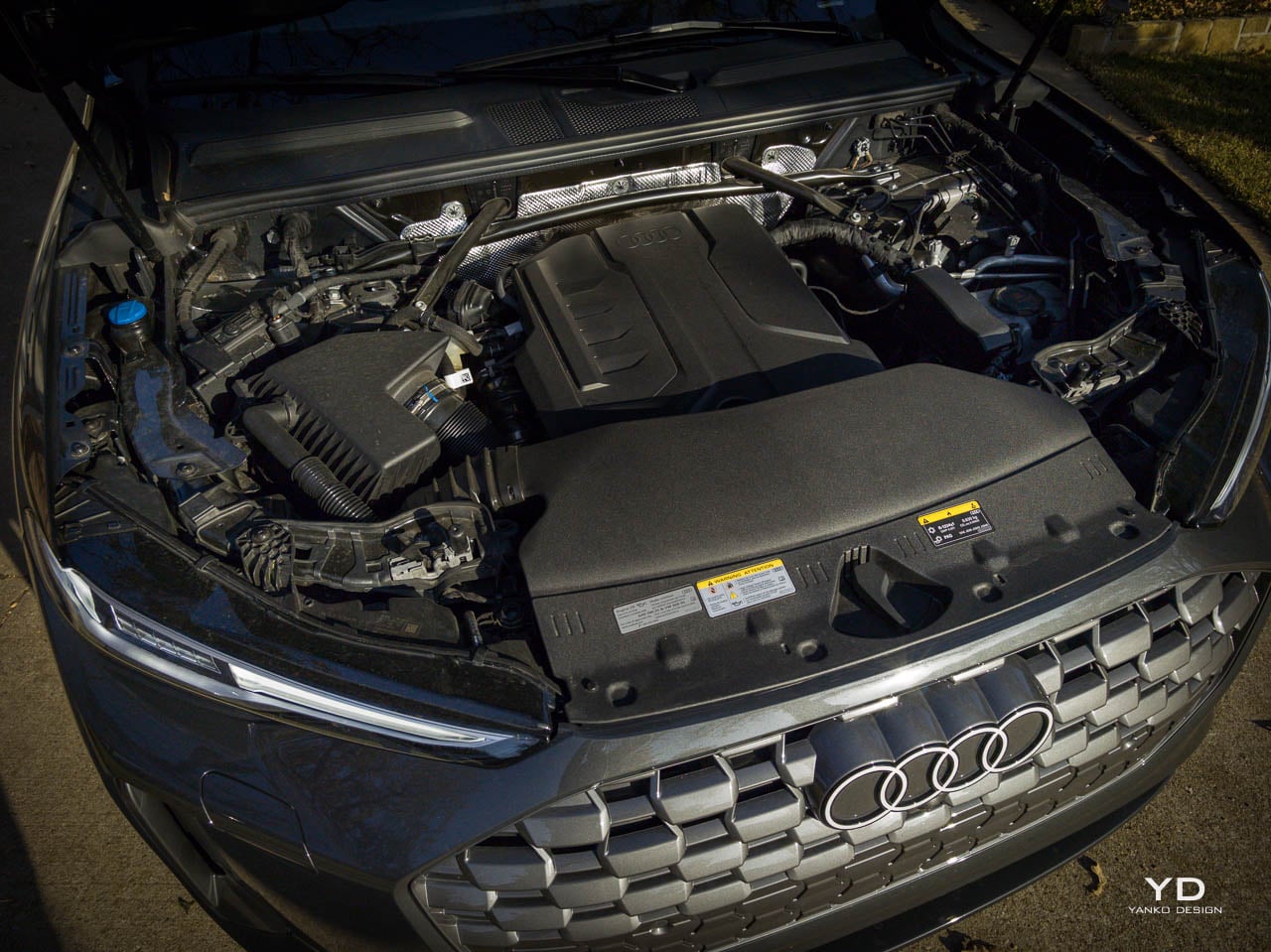
The throttle response sharpens noticeably in Dynamic mode, and you feel the adaptive air suspension firm up within the first few corners, the brake pedal maintaining consistent firmness through repeated stops rather than going soft the way some competitors do when you start pushing harder than normal driving requires, which builds confidence when you find yourself on twisting roads that the Q5 wasn’t explicitly designed for but handles with more composure than its luxury SUV positioning might suggest, the steering weighting up appropriately, the body roll decreasing to levels that keep passengers comfortable rather than alarmed, the overall character shifting from relaxed cruiser to willing partner in ways that feel genuine rather than programmed, the 12-volt mild hybrid system contributing invisibly by recovering energy during deceleration and allowing the engine to shut down earlier during coasting and restart with less perceptible vibration than previous generations managed. Road surface changes come through the floor clearly enough to tell you about grip conditions without intruding on comfort.

Comfort mode isolates. Dynamic mode engages. The vehicle accommodates different moods.

Daily Reality

The quiet cabin emerges from engineering investments that never appear on feature lists, the Prestige’s acoustic front door glass joining sound-deadening materials lining the firewall and floor, upgraded door seals creating tighter barriers against road and wind noise, the panoramic sunroof’s surprisingly effective isolation preventing the drumming that open glass surfaces often produce at highway speeds, all of it combining to create a space where conversation happens at normal volume, where phone calls require no raised voice, where the outside world maintains a respectful distance, where you can think clearly during commutes that would exhaust you in lesser vehicles.
I fit a carry-on, camera bag, and weekend groceries back there without much fuss.

Cargo capacity numbers tell only part of the story, the 56.9 cubic feet available with rear seats folded accommodating large items in theory while the cargo floor’s height and liftgate opening dimensions determine what actually fits in practice, the Q5 managing these secondary measurements well with a floor sitting at reasonable height for loading, an opening wide enough to accept furniture and sporting equipment without excessive maneuvering, a power liftgate that operates with sufficient speed that waiting never feels burdensome, though I wished for a hands-free gesture system that competitors offer, the kind of feature you don’t appreciate until you approach with arms full and discover that someone else’s design team thought further ahead about your actual usage patterns.
The mild hybrid system represents the kind of engineering that never announces itself, recovering energy during deceleration and feeding it back into electrical systems that power climate control, screens, and driver assistance without drawing from the primary powertrain. The 12-volt architecture operates beneath conscious awareness, its presence detectable only in the slightly smoother restart behavior after traffic stops and the fractionally quicker throttle response during initial acceleration. Audi has chosen integration over declaration, embedding efficiency gains into the driving experience rather than celebrating them with dashboard displays or efficiency modes that remind you constantly of their existence.
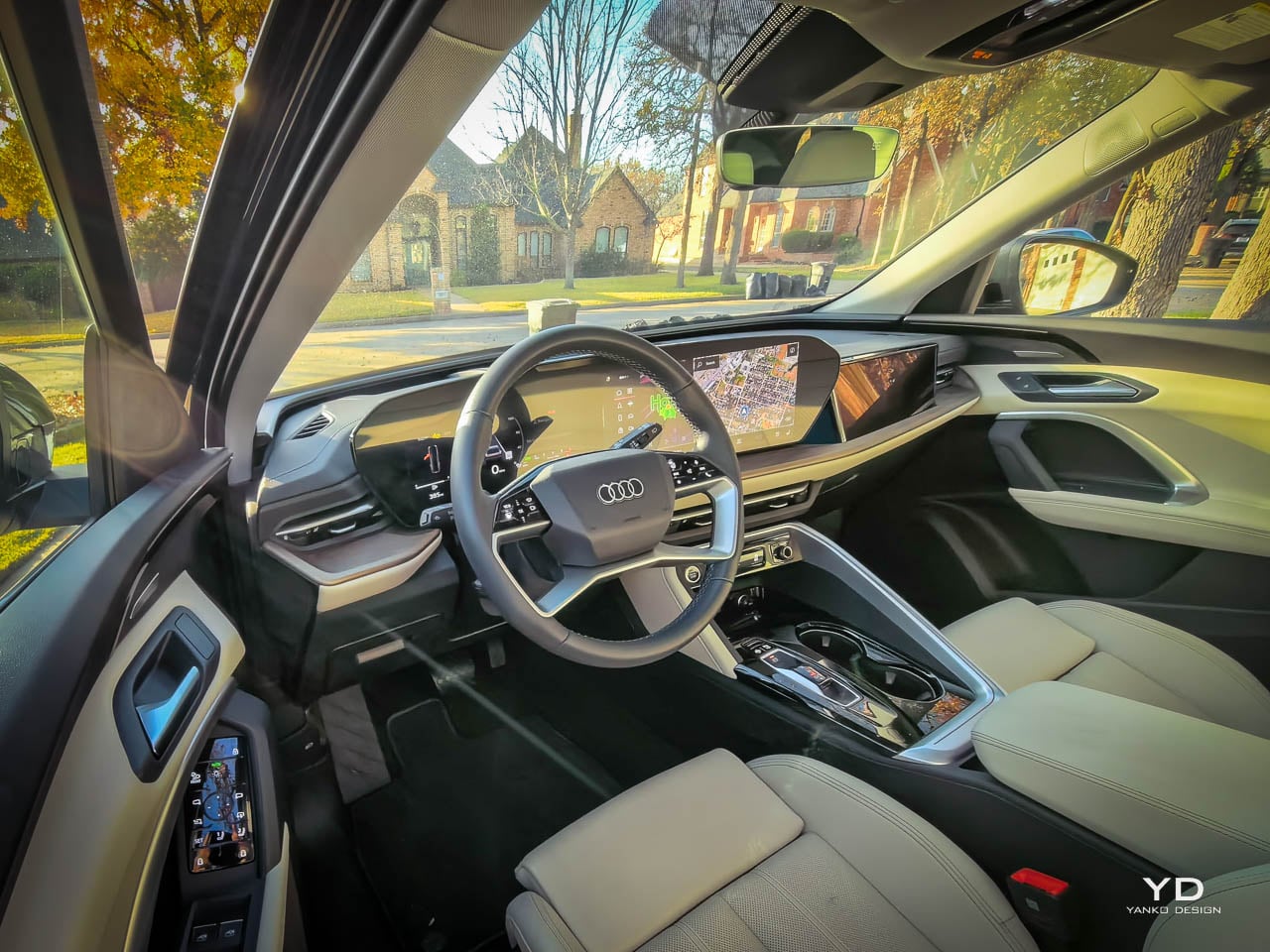
Visibility from the driver’s seat balances the rakish roofline against practical sightline needs, rearward vision compromised somewhat by styling priorities, the top view camera system compensating effectively during parking maneuvers with its overhead perspective, the ventilated front sport seats proving their worth during warmer days, the side mirrors sized appropriately, the A-pillars intruding less than some competitors, the overall sense being adequate rather than exceptional outward vision, a common trade-off in the segment that the Q5 navigates without distinguishing itself positively or negatively, simply accepting the compromise that modern design priorities impose on driver awareness in exchange for the sleeker proportions that buyers say they want when surveyed about preference and prove they want by opening their wallets.

The ventilated seats earned their keep. The head-up display reduced my glances away from the road. The adaptive cruise made highway miles disappear.

Competitive Context

The compact luxury SUV segment has become perhaps the most contested territory in the automotive market, with the BMW X3 emphasizing driving dynamics, the Mercedes-Benz GLC projecting traditional luxury, the Lexus NX offering advanced hybrid technology, and the Volvo XC60 pursuing Scandinavian restraint, all targeting similar buyers with similar vehicles at similar price points, differentiating through philosophy rather than fundamental capability, through brand values rather than objective superiority, through heritage and design language rather than measurable advantages that would make one choice clearly correct and the others clearly wrong.

Buyers who prioritize sharp handling find the BMW more engaging. Those seeking hybrid efficiency examine the Lexus.

At $63,290 as tested, this Prestige-trimmed Q5 with the 20-inch wheel package enters territory where buyer expectations rise accordingly, the base Q5 starting at $52,200 before destination, the $8,400 Prestige package adding adaptive air suspension, head-up display, digital OLED taillights, panoramic sunroof, ventilated seats, and the Bang & Olufsen 3D sound system among extensive equipment, creating a vehicle that competes not only against segment rivals but against entry-level offerings from Porsche and higher-trim vehicles from mainstream luxury brands, forcing buyers to consider what they actually value and whether the Audi badge, the Virtual Cockpit interface, the specific execution of materials and technology justifies choosing this over alternatives that might offer more in one area while offering less in others.

Who Should Buy This

The Q5 Prestige suits buyers who have arrived, not those announcing their arrival. It rewards those who appreciate quality construction over attention-seeking design, who prefer refinement to drama, and who’ll notice the material choices and ergonomic solutions that accumulate into daily satisfaction. This isn’t a vehicle for people still trying to prove something.
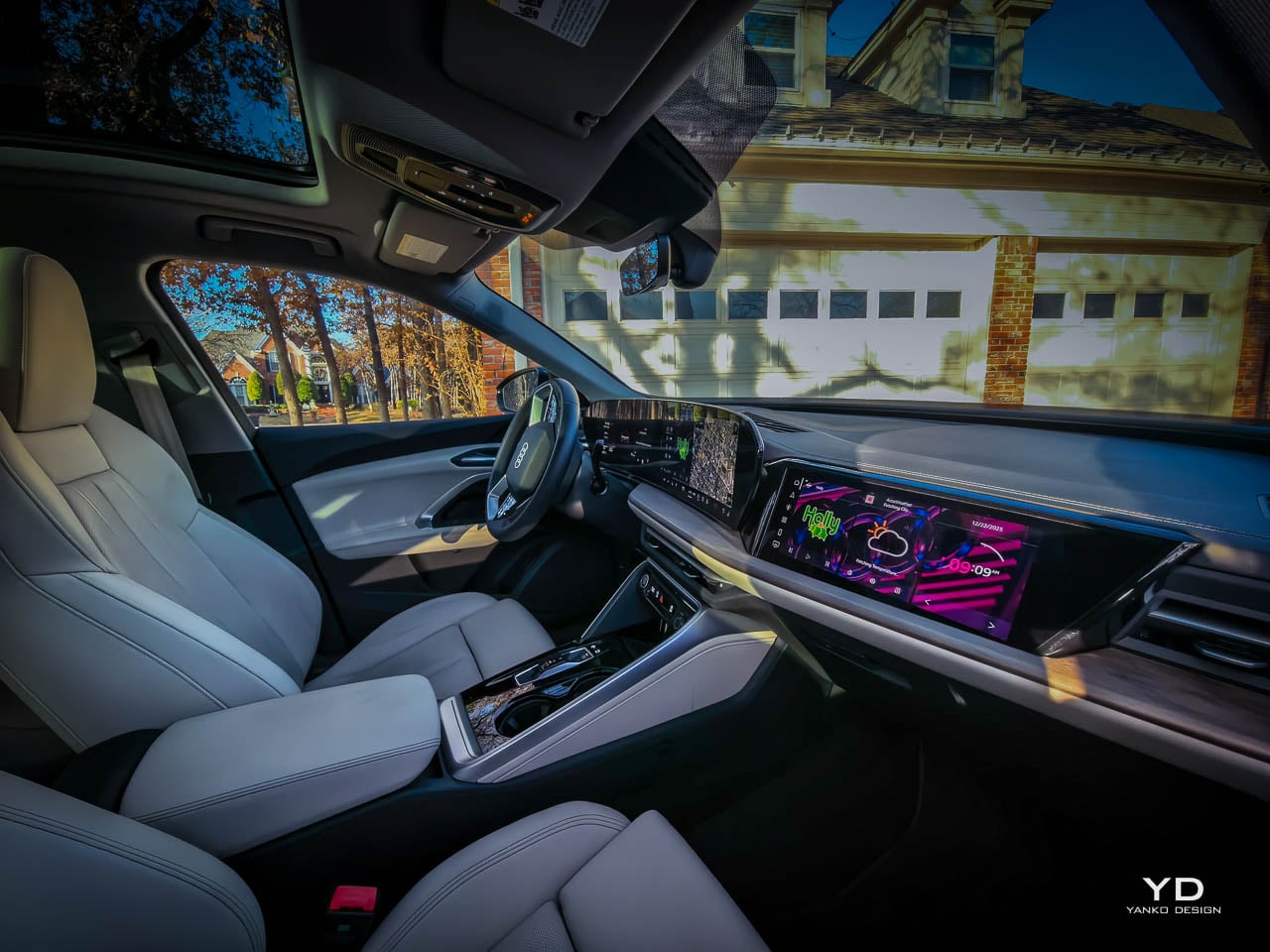
If you want sharp handling, the BMW X3 will engage you more directly. If you want the most advanced hybrid technology, the Lexus NX deserves serious consideration. If you want Scandinavian minimalism, the Volvo XC60 delivers that aesthetic more purely. The Q5 Prestige targets those who want competence across all dimensions rather than excellence in any single one, those who value the cumulative effect of many good decisions over a few dramatic gestures.

Design Verdict

Audi has chosen evolution over revolution with this third-generation Q5, and the choice reflects confidence in the existing formula rather than desperation to change perception, the design improvements real but subtle in ways that require time to appreciate fully, better proportions becoming apparent only when parked beside the previous generation, more honest details revealing themselves only to those who look closely at exhaust outlets and lighting signatures and panel fit, richer interior materials rewarding touch rather than just sight, more advanced technology integrated more thoughtfully into an architecture that anticipates where drivers will look and reach rather than simply adding screens to surfaces that accommodate them.
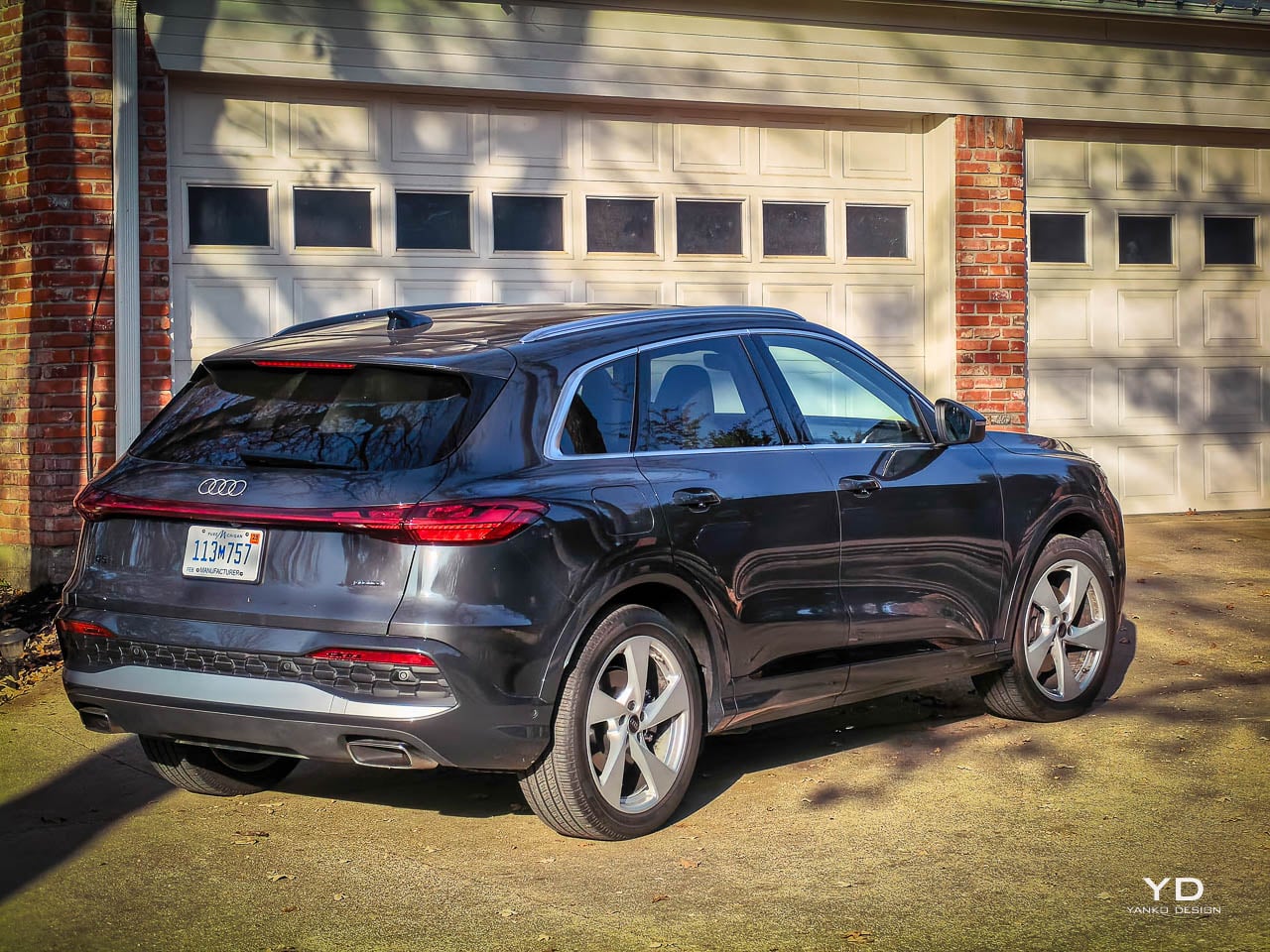
I think the Q5 makes one of the stronger cases in this segment for quiet competence over dramatic gesture. Whether that philosophy connects depends on what buyers seek.

The post 2025 Audi Q5 TFSI quattro Prestige Review: Evolution as a Design Strategy first appeared on Yanko Design.
This Blade-Like eVTOL Makes the Cybertruck Look Like A Child’s Sketch

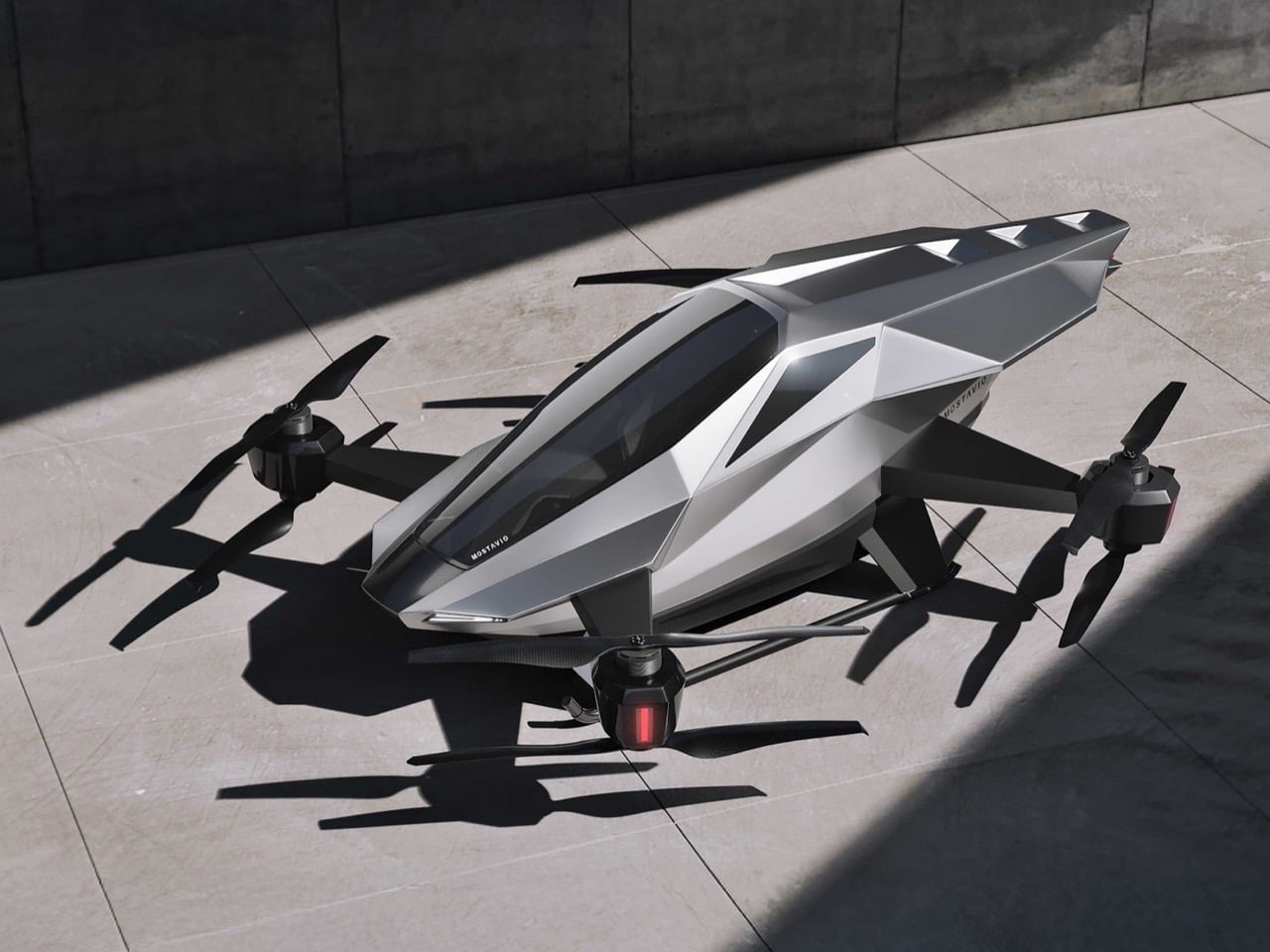
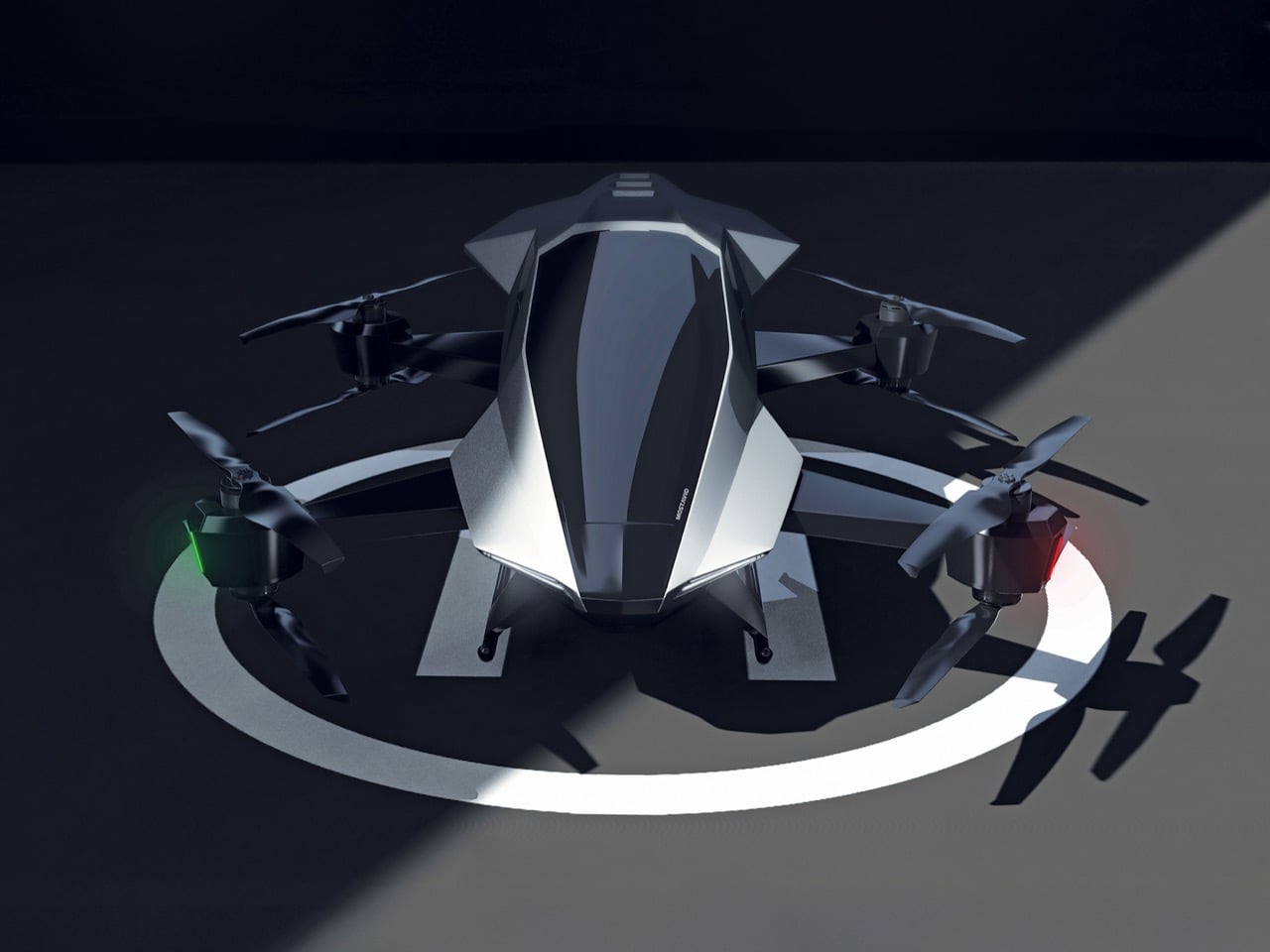
Flying cars have been vaporware for so long that most concepts blur together into the same generic pod-on-rotors aesthetic. Then MOSTAVIO’s MX1 lands in your feed, and suddenly you’re reminded why great industrial design still matters. The angular, almost origami-like bodywork earned this Toronto startup the 2025 Red Dot Award: Design Concept, validating what your eyes already know. Unlike the Cybertruck’s deliberately unfinished brutalism, the MX1 feels thought through to the last crease. Every facet serves both form and function, channeling the legendary design philosophy of masters like Giugiaro and Gandini.

The single-seat cockpit opens like a fighter jet, the panoramic window stretches wide for an unobstructed view, and the whole package sits on co-axial rotors that look more like sculptural elements than utilitarian hardware. MOSTAVIO wrapped these features in composite bodywork that appears to shift in the light, aggressive yet refined. The VR-based autonomous control system means you don’t need a pilot’s license to appreciate what they’ve built here, just an appreciation for design that refuses to compromise. This is what happens when someone actually cares about making future mobility look like it belongs in the future.

Designer: MOSTAVIO

What makes the angularity work here, where other attempts have failed, is the controlled complexity of the surfacing. The body isn’t made of simple, flat planes. Look at the way light travels across the fuselage in the photos; you can see subtle curvature and tension in every facet, creating highlights that define the form. This is sophisticated stuff, the kind of surfacing you see on a Lamborghini, where every crease is intentional and contributes to the whole. It’s a design that looks like it was sculpted, not just extruded. The result is a visual language that feels lightweight, technical, and incredibly sharp, like a high-end piece of architectural hardware given flight.

That design discipline extends to the integration of functional parts. The co-axial rotor arms blend into the body with carefully managed fillets, making them feel like organic extensions of the main form instead of bolted-on appendages. The canopy shut-lines follow the body creases perfectly, and the single rear light is tucked neatly into the tail. This is the hard part of vehicle design, where engineers and designers usually fight to a clumsy compromise. Here, it feels like the designers won. They took the necessary components of a quadcopter and made them integral to the aesthetic, creating a cohesive object that looks right from every angle.

Of course, winning a Red Dot for a concept is the design world’s equivalent of getting a screenplay optioned. It doesn’t mean the movie is getting made tomorrow, but it confirms the script is brilliant. So before you get your wallet out, know that the MX1 is a proof-of-concept. You can’t buy one. Its job is to attract attention, secure funding, and serve as a design study for a future 2-3 passenger vehicle that MOSTAVIO plans to develop. It’s a physical mission statement, a declaration of intent. And as far as intentions go, this one is about as compelling as it gets. We’ll be watching.

The post This Blade-Like eVTOL Makes the Cybertruck Look Like A Child’s Sketch first appeared on Yanko Design.
This teardrop trailer with fiberglass body tows efficiently behind an electric bike

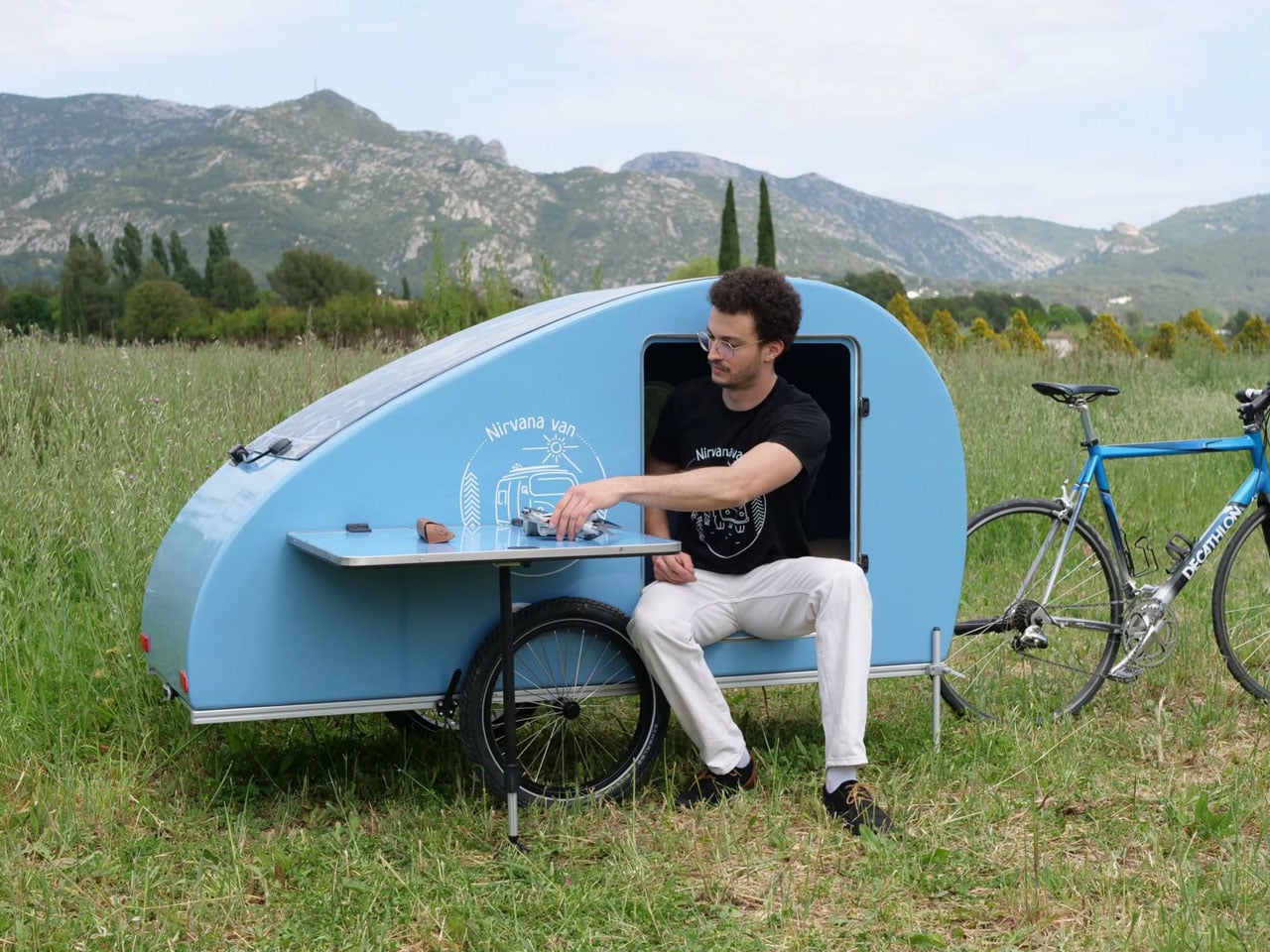
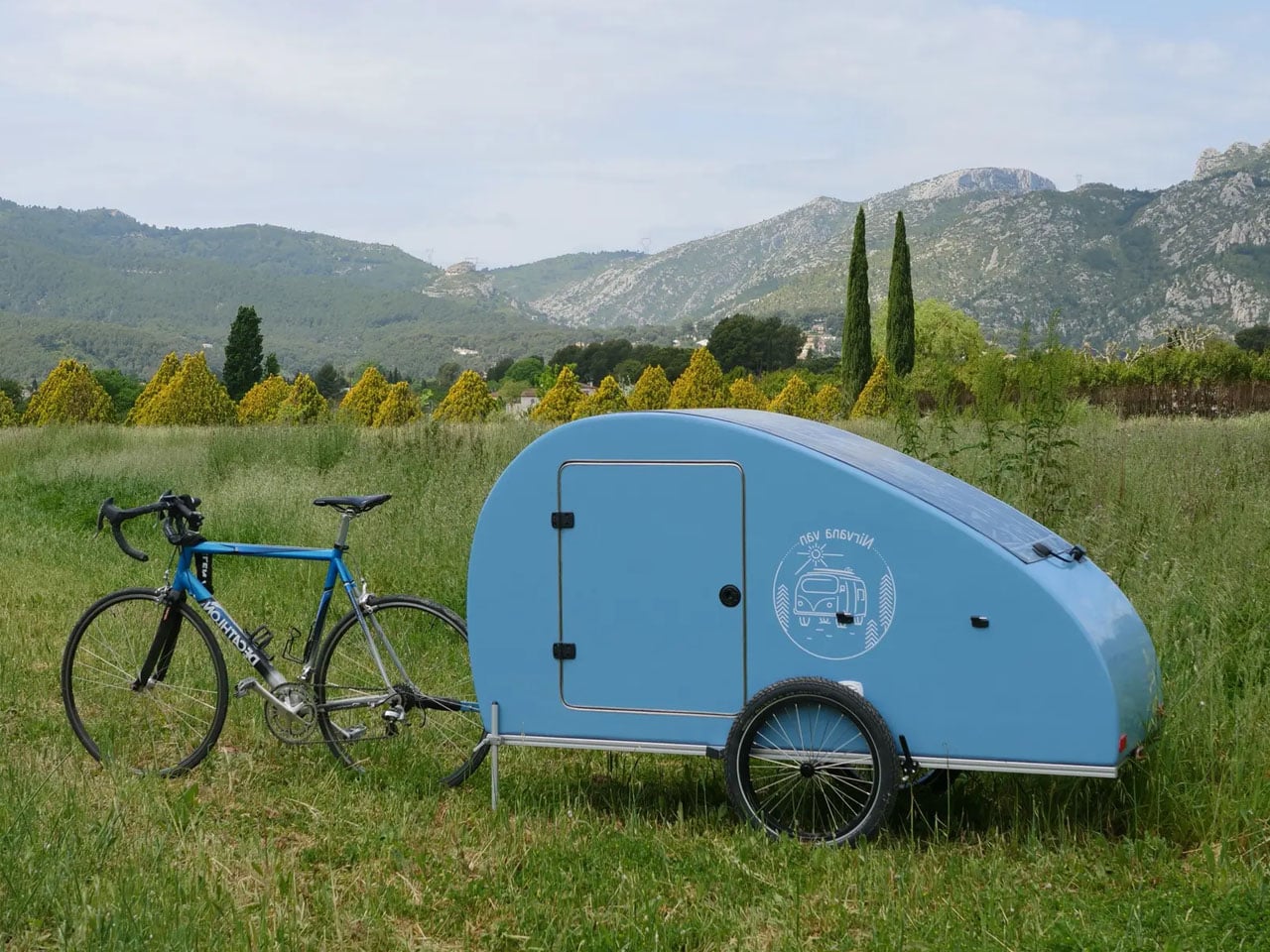
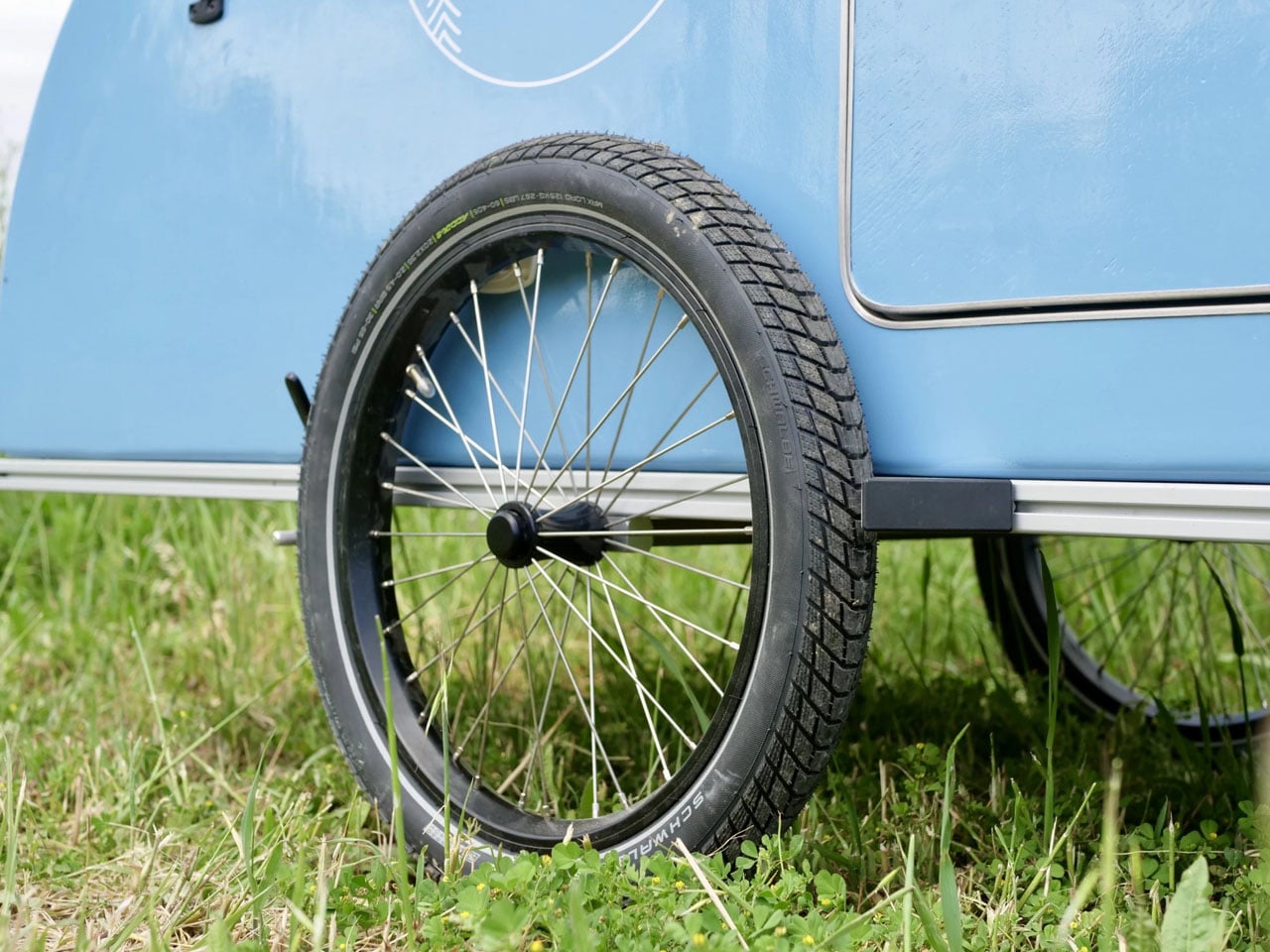
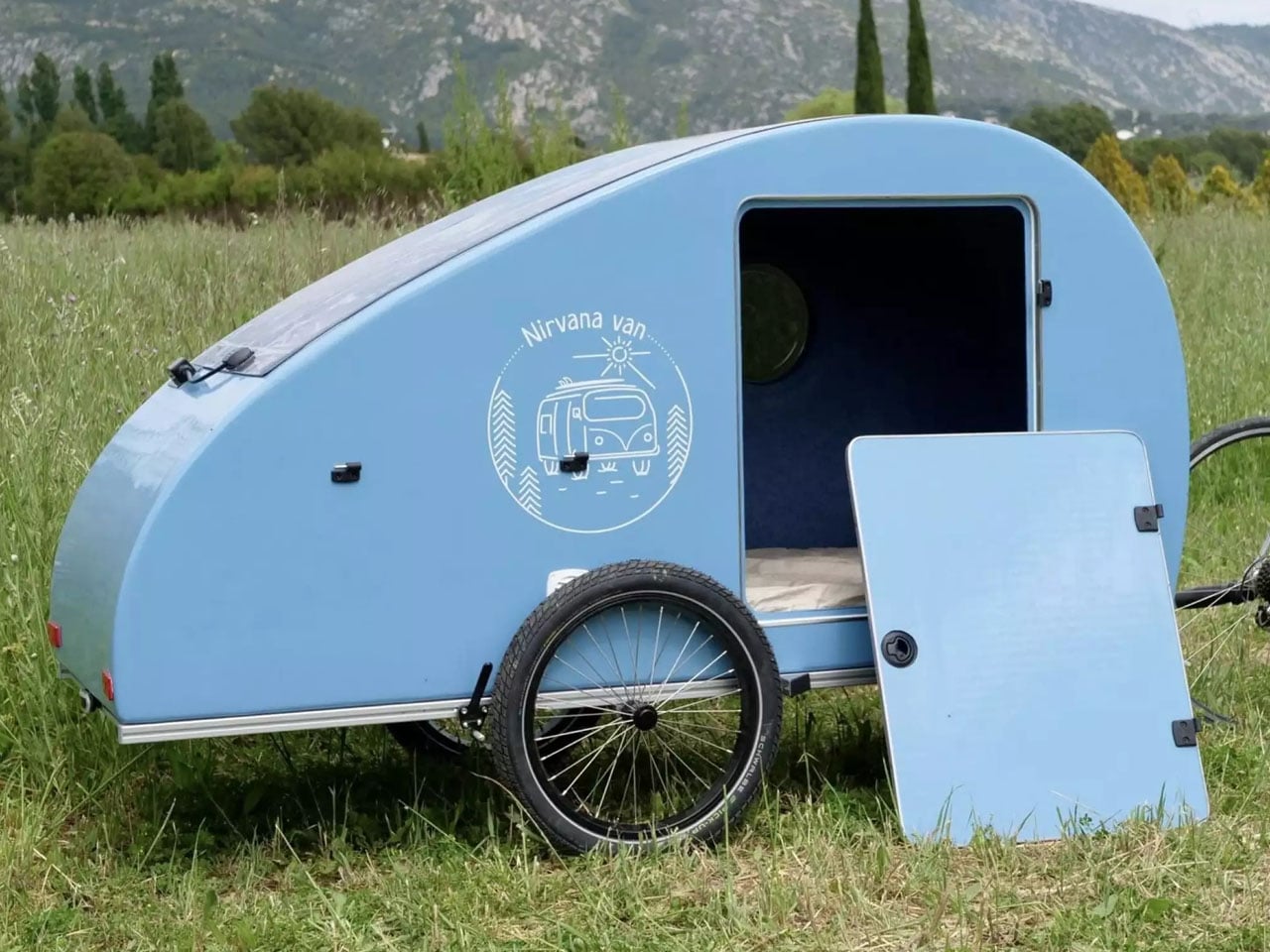
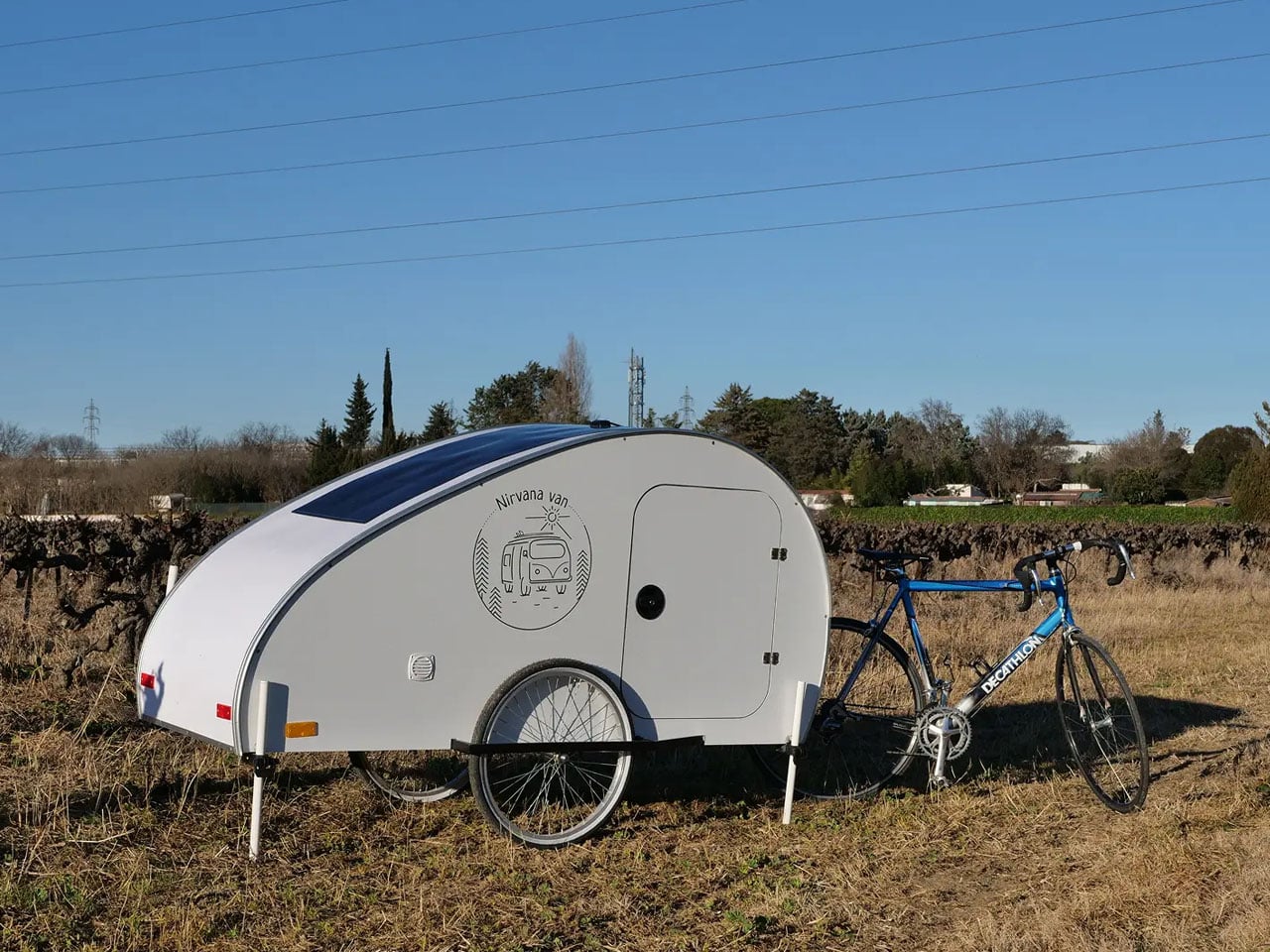
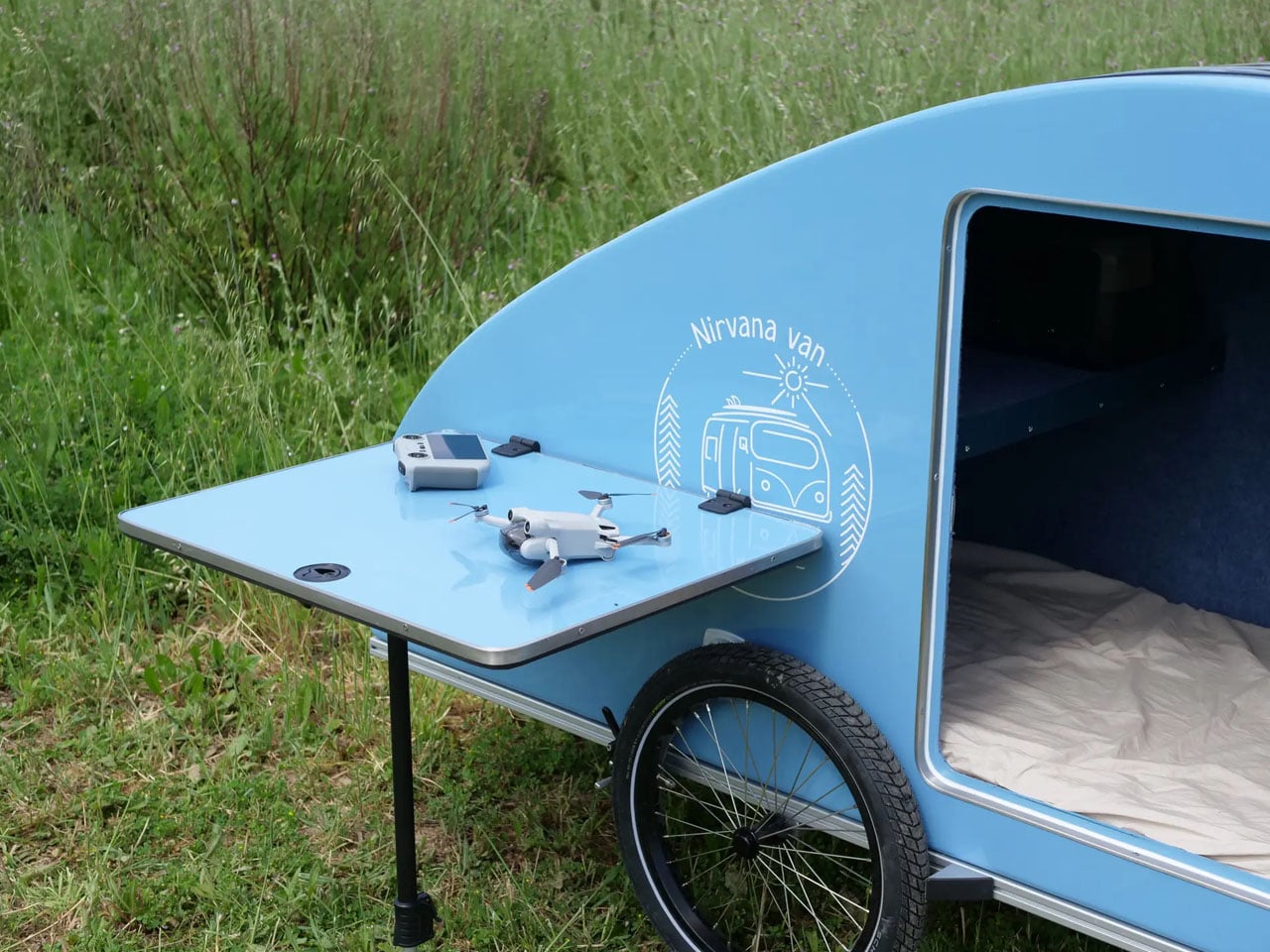
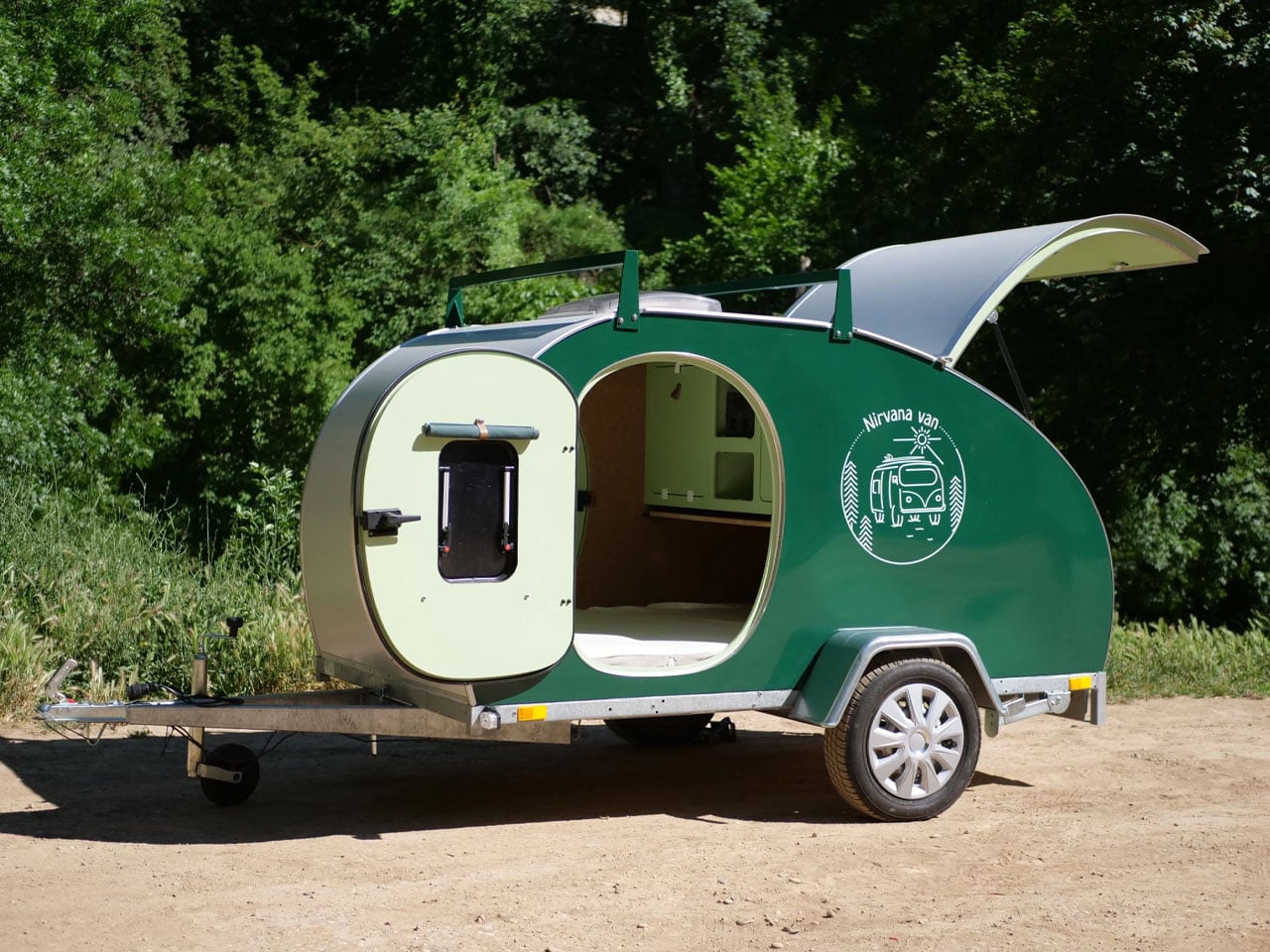
For me, the ultimate luxury of biking is the combination of self-fitness and environmental friendliness. If there were another dimension to add, it would be the wonder of knowing where to sleep or relax after a tiring day riding up to the favorite spot in the wilderness. This is where the all-new bike camper, from Nirvana Van based in France, pedals in, towing behind a capable e-bike.

The makers argue, it can tow behind a regular bike without much effort on a level path, but that’s not what you want the trailer for. You want the towing residence to go where your electric bike, grit, and adventure take you, and that’s what the bike camper promises to do without a hiccup.

Designer: Nirvana Van

Bike campers like this one have been around for a while. Towable teardrop trailer from ModyPlast is a good example. Such compact teardrop trailers present the eco-conscious camping enthusiasts with an undeniable reason to ride, explore, and live at the place of their choosing. It is, in comparison, a cheaper and more environmentally-friendly way to spend a weekend in a picturesque location, something the regular trailers fail to do. They are luxurious and designed for more than a couple. But if you’re adventuring on a bike, surely you are doing so to go solo, and for that, the compact bike camper is a good choice.

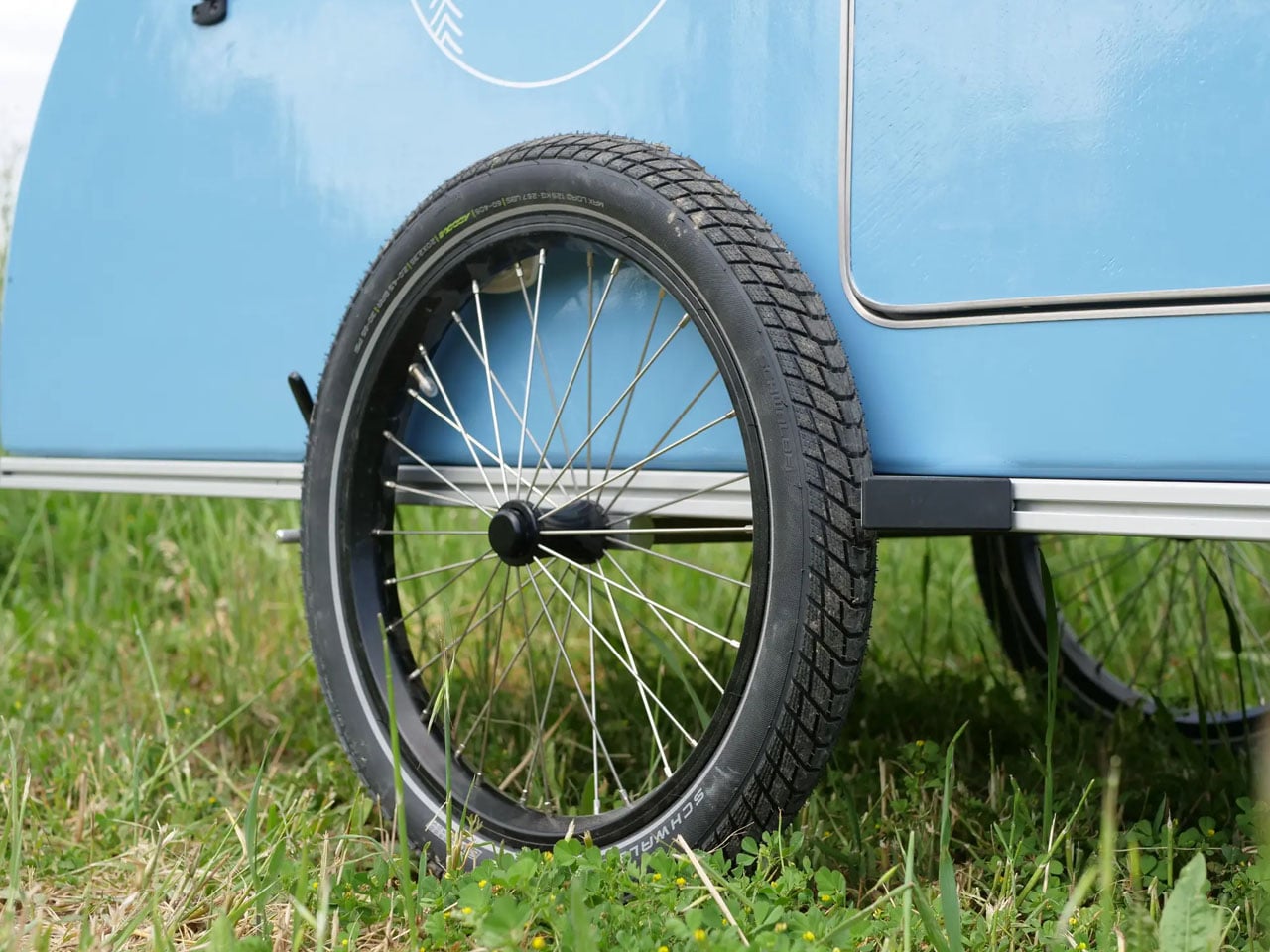
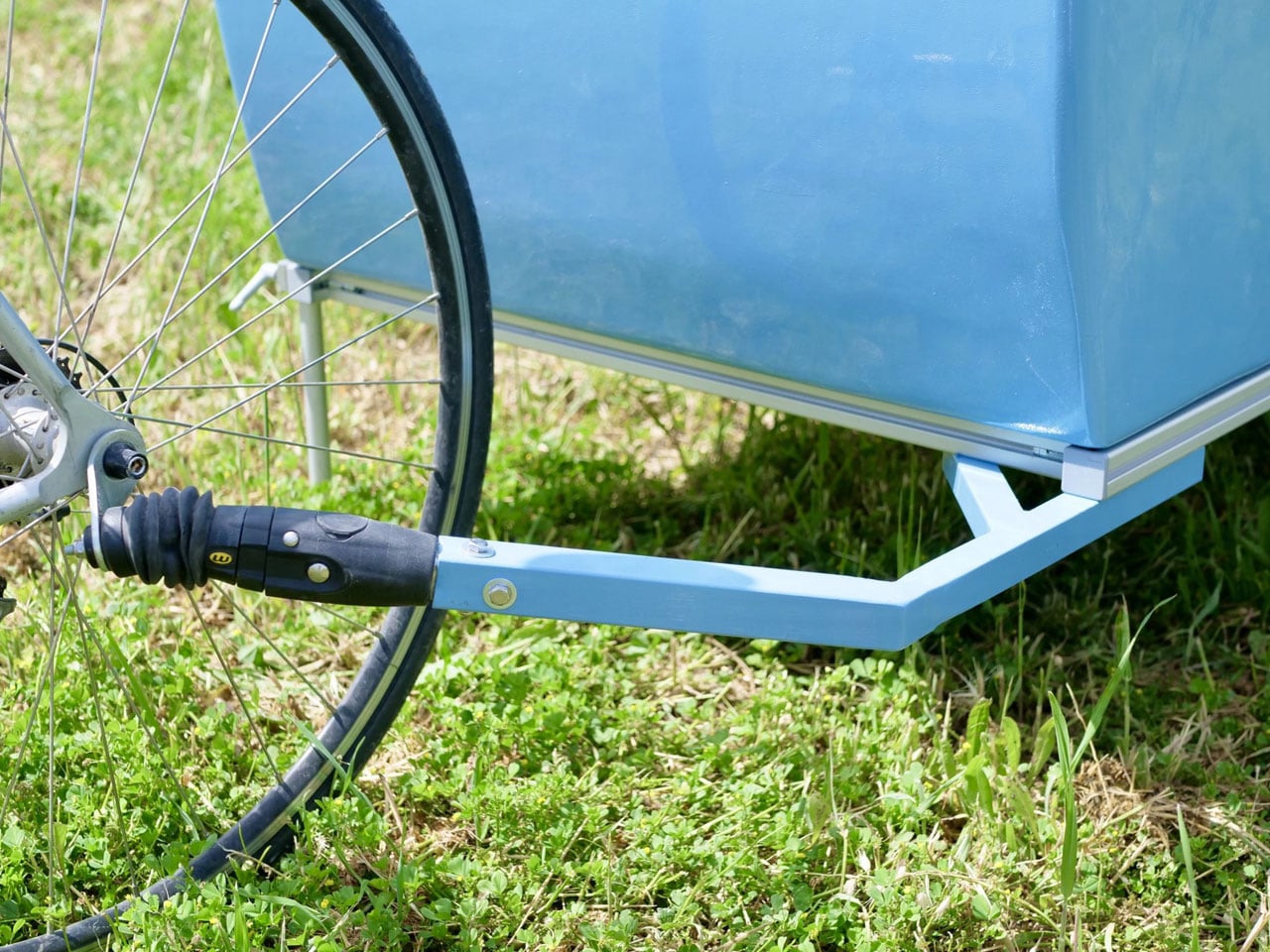
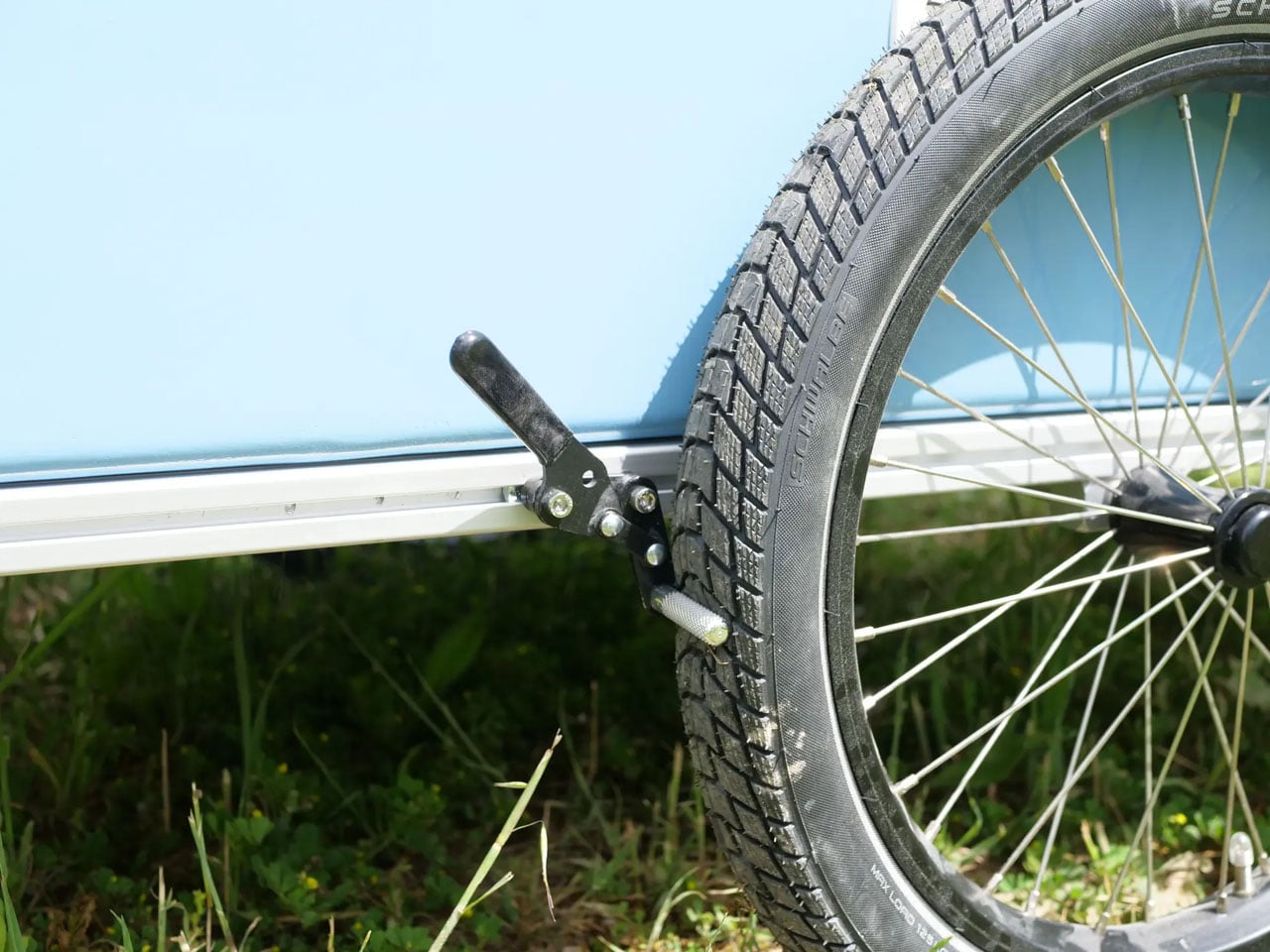
If you remember the SpaceCamperBike, it was an electric bike you can ride, work, sleep, and camp in. The Nirvana Van’s idea of the teardrop trailer is pretty traditional: a trailer to tow behind. The company can customize the trailer hitch to suit a varied choice of electric bikes, making it compatible with whatever brand you own. The bike camper’s efficiency and durability have been put to the test by Raphaël Dakiche of Nirvana Van with over 1200 km journey across France: living out of the trailer riding behind the electric bike.

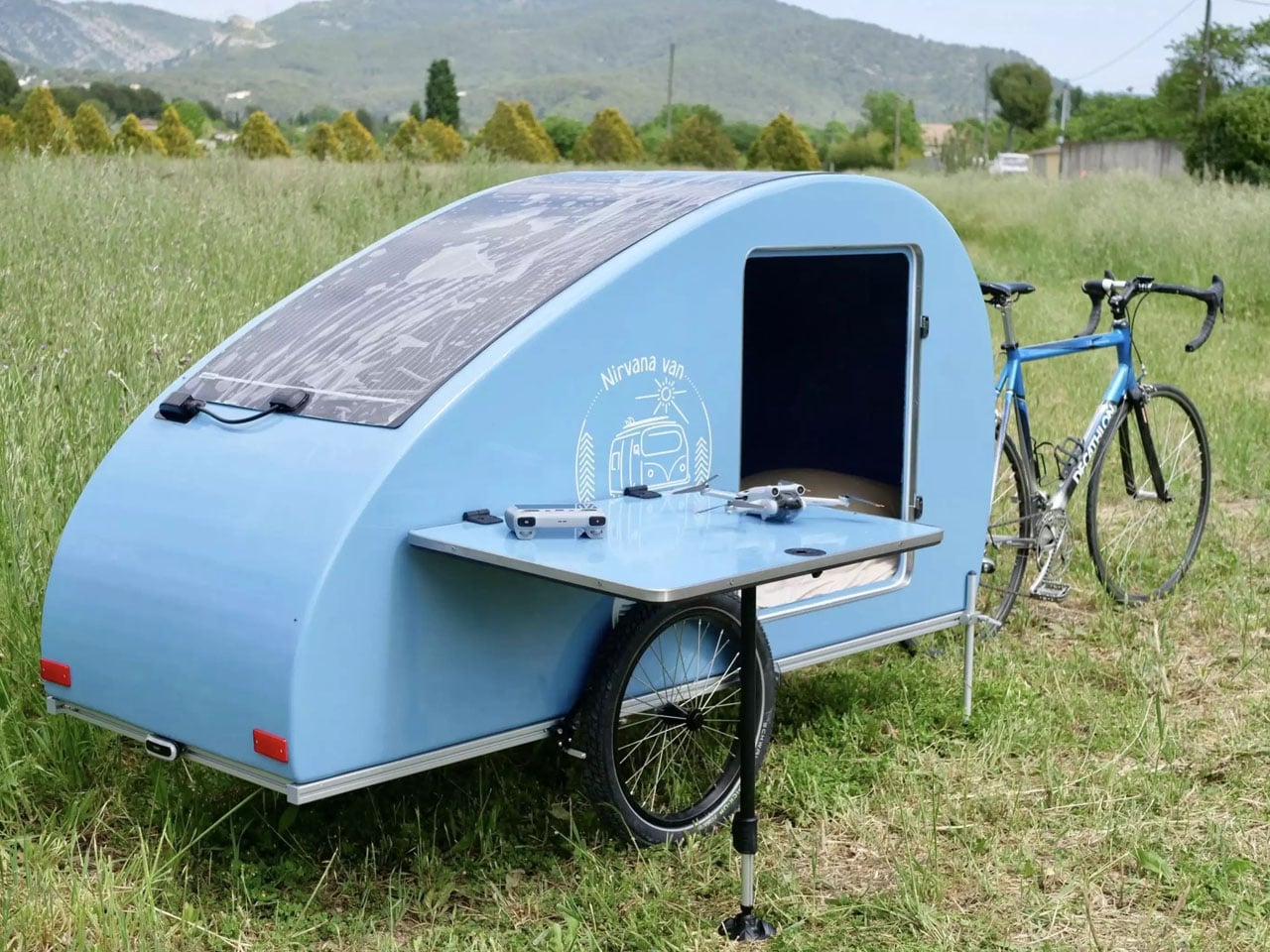
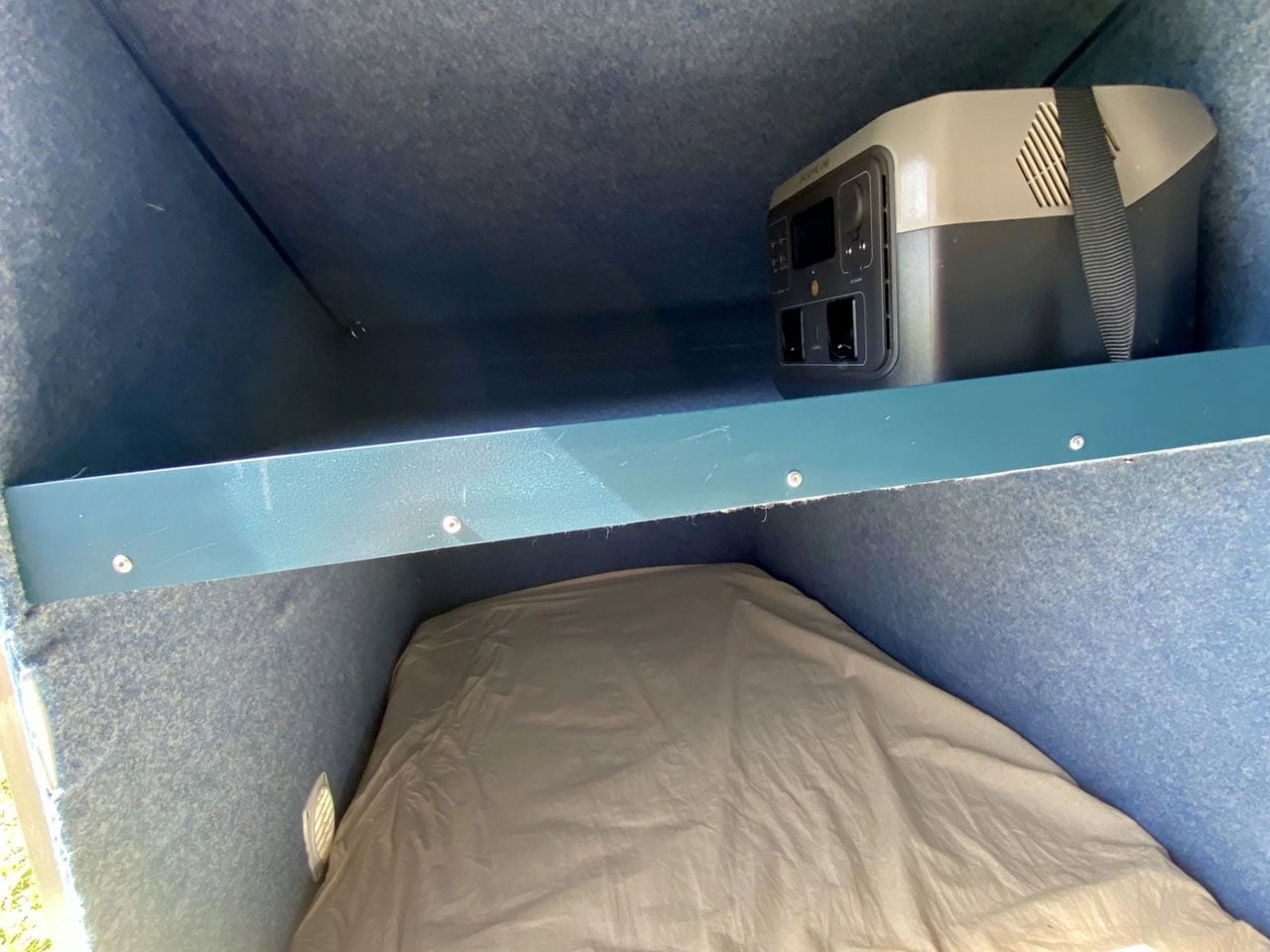
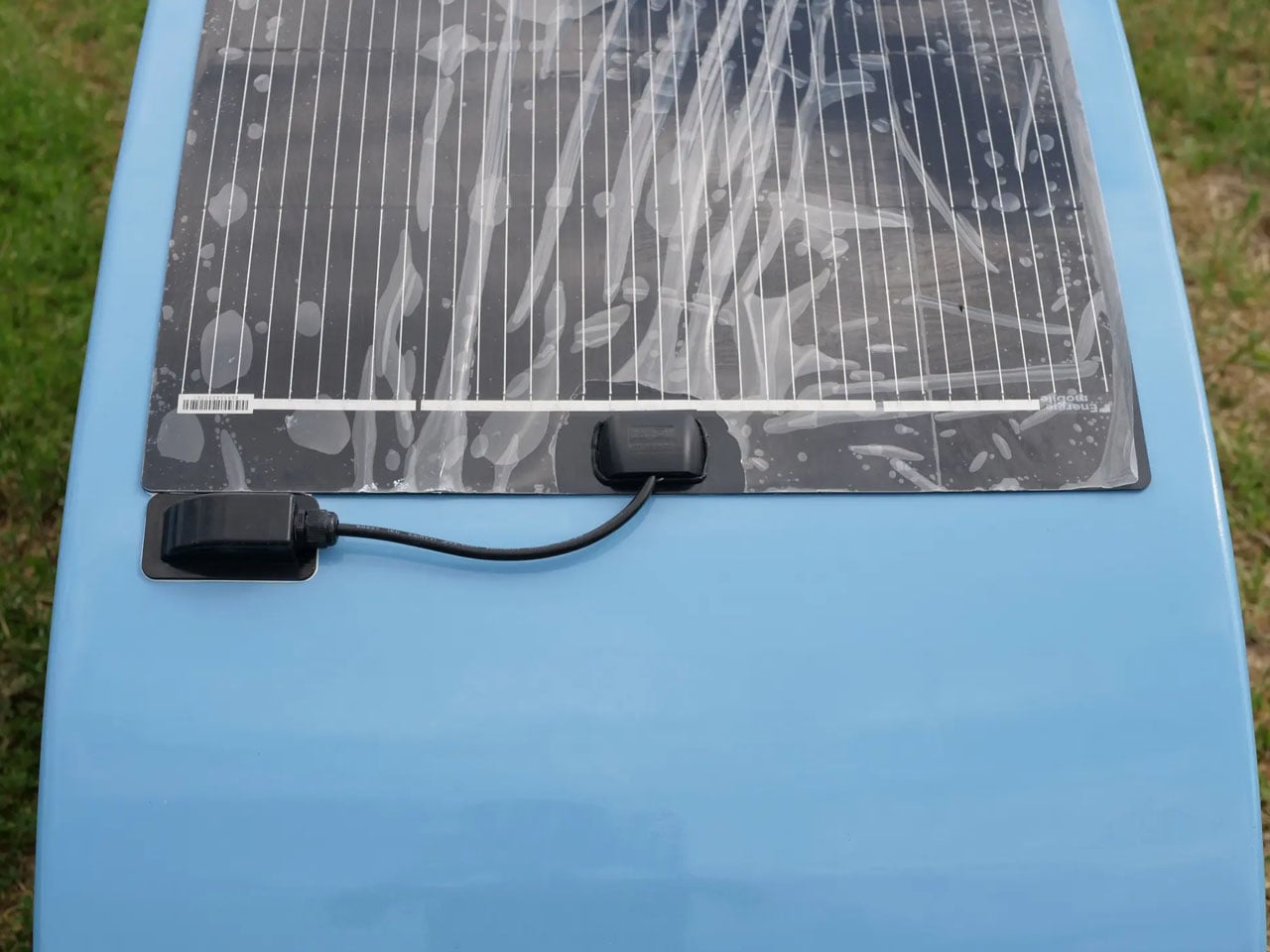
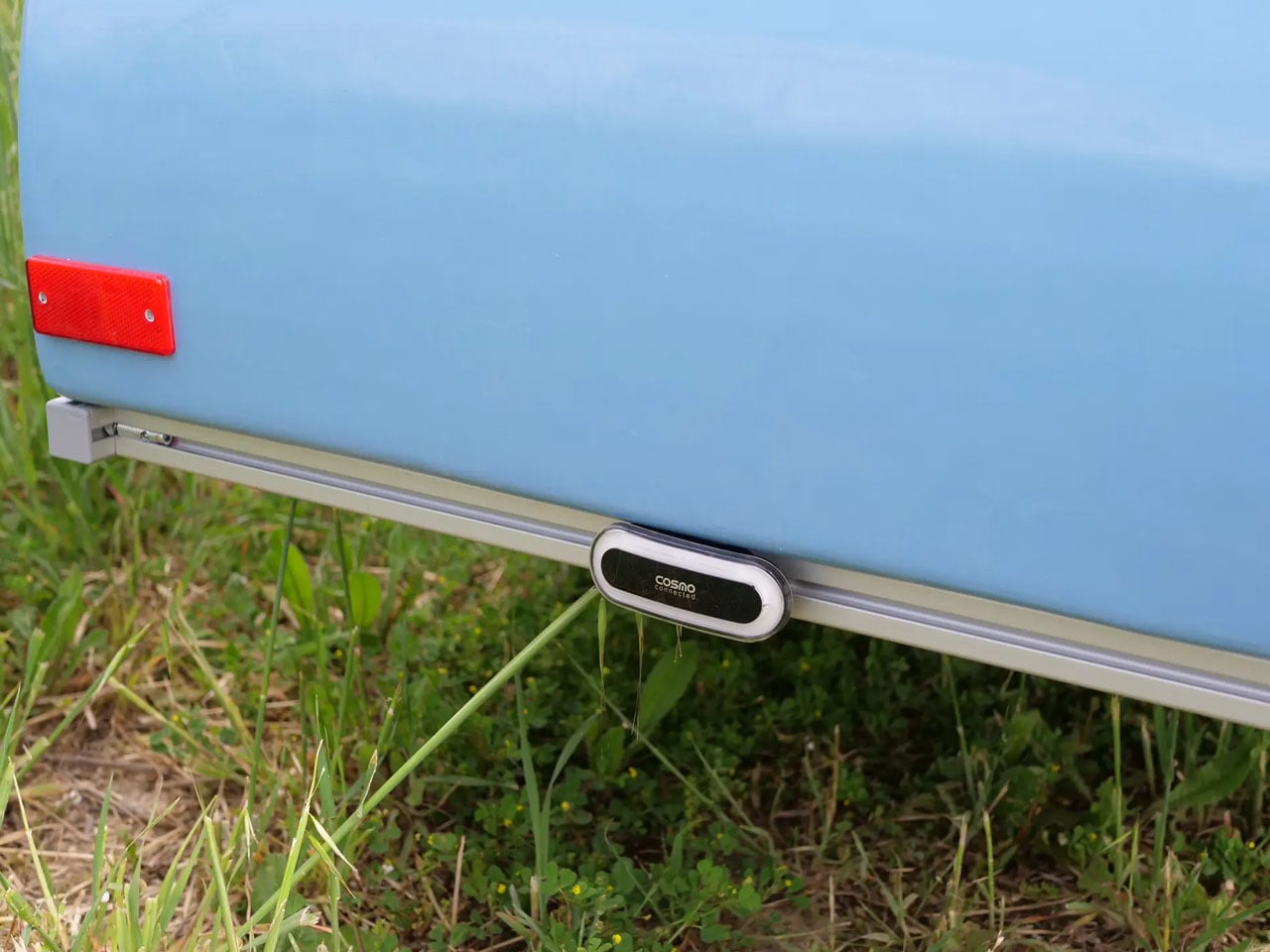
So, whether you are planning a long-distance adventure or just a short weekend trip, the camper is ready to go where you want it to. The easy-to-tow and set-up trailer, which is proposed to be a reliable and comfortable shelter at every stop, is made available in two variants: 67kg Classic and 57kg Premium. The former is made using a cellular polypropylene shell and a steel chassis, while the latter is a fiberglass shell on an aluminum chassis. These come with optional 250Wh or 850Wh batteries, and the choice of either 105W or 190W roof-mounted solar panels.

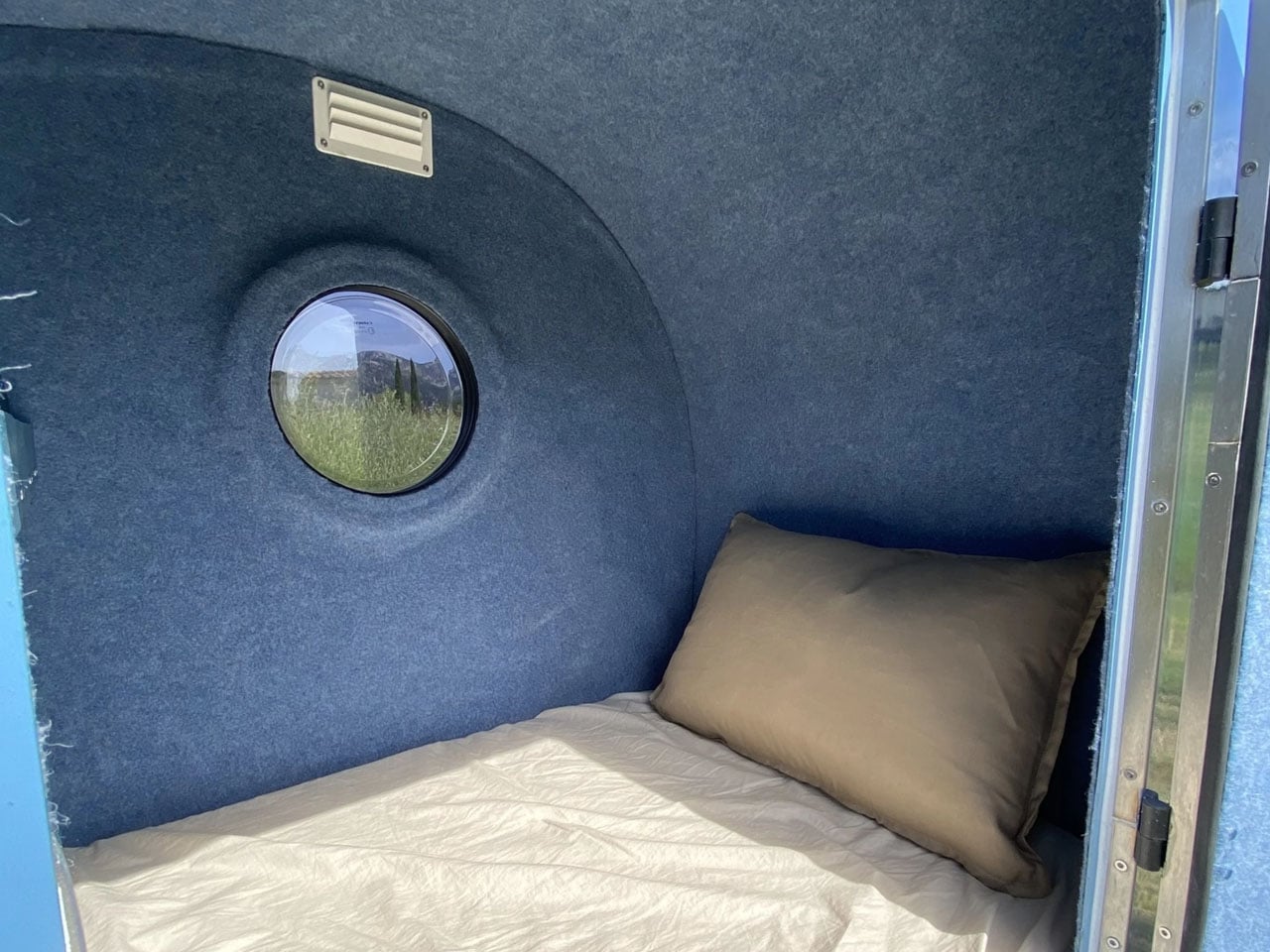
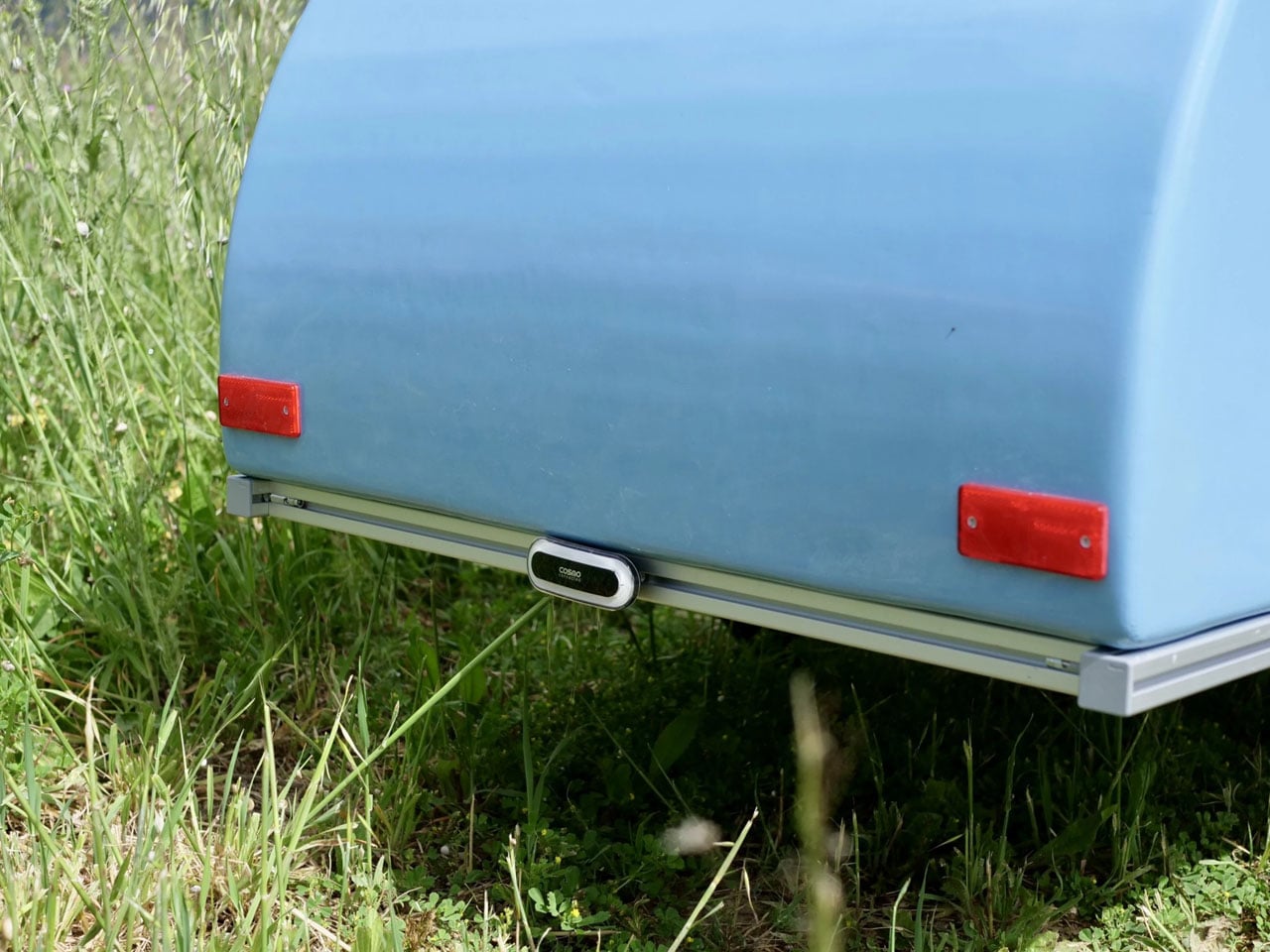
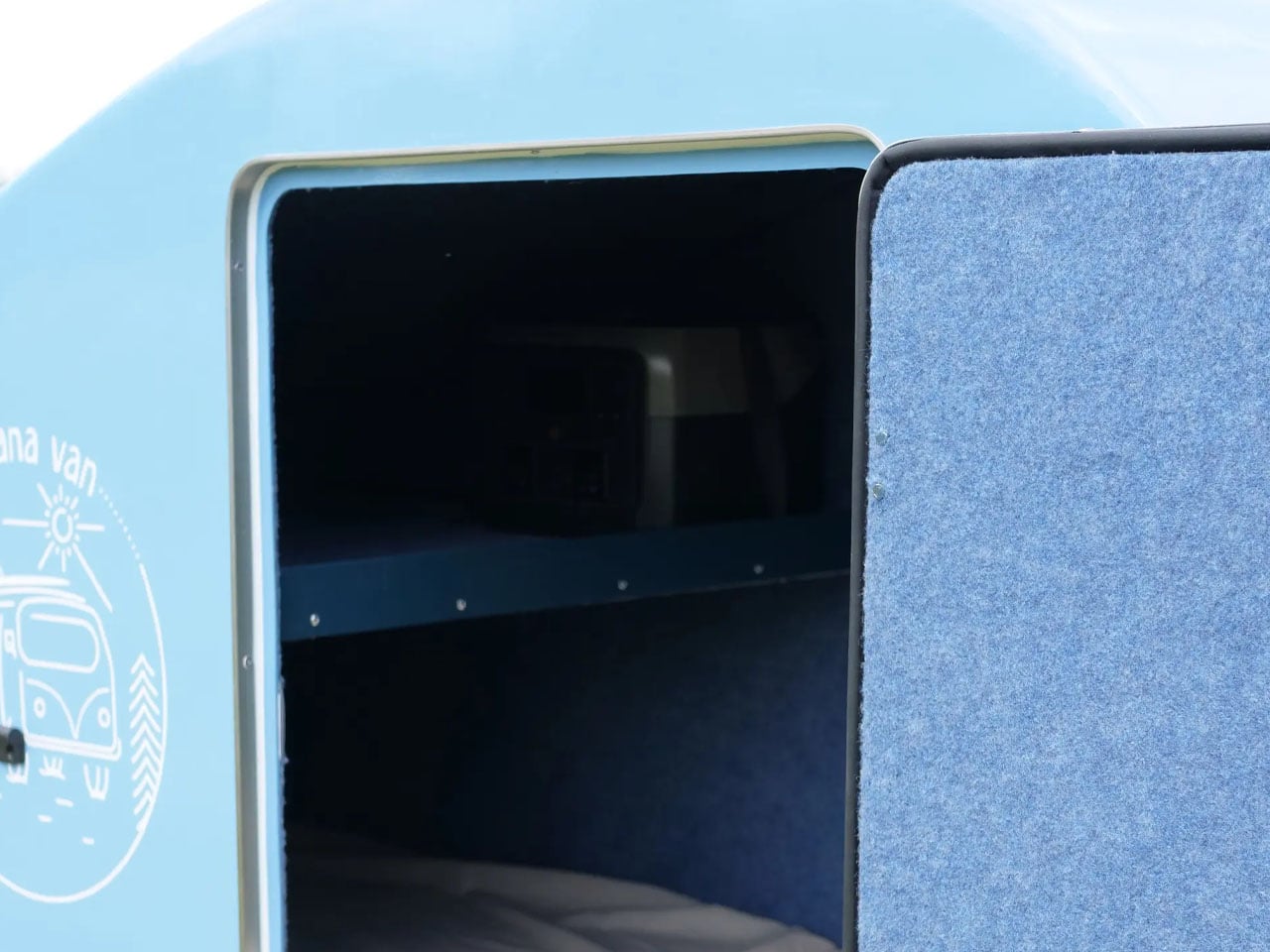
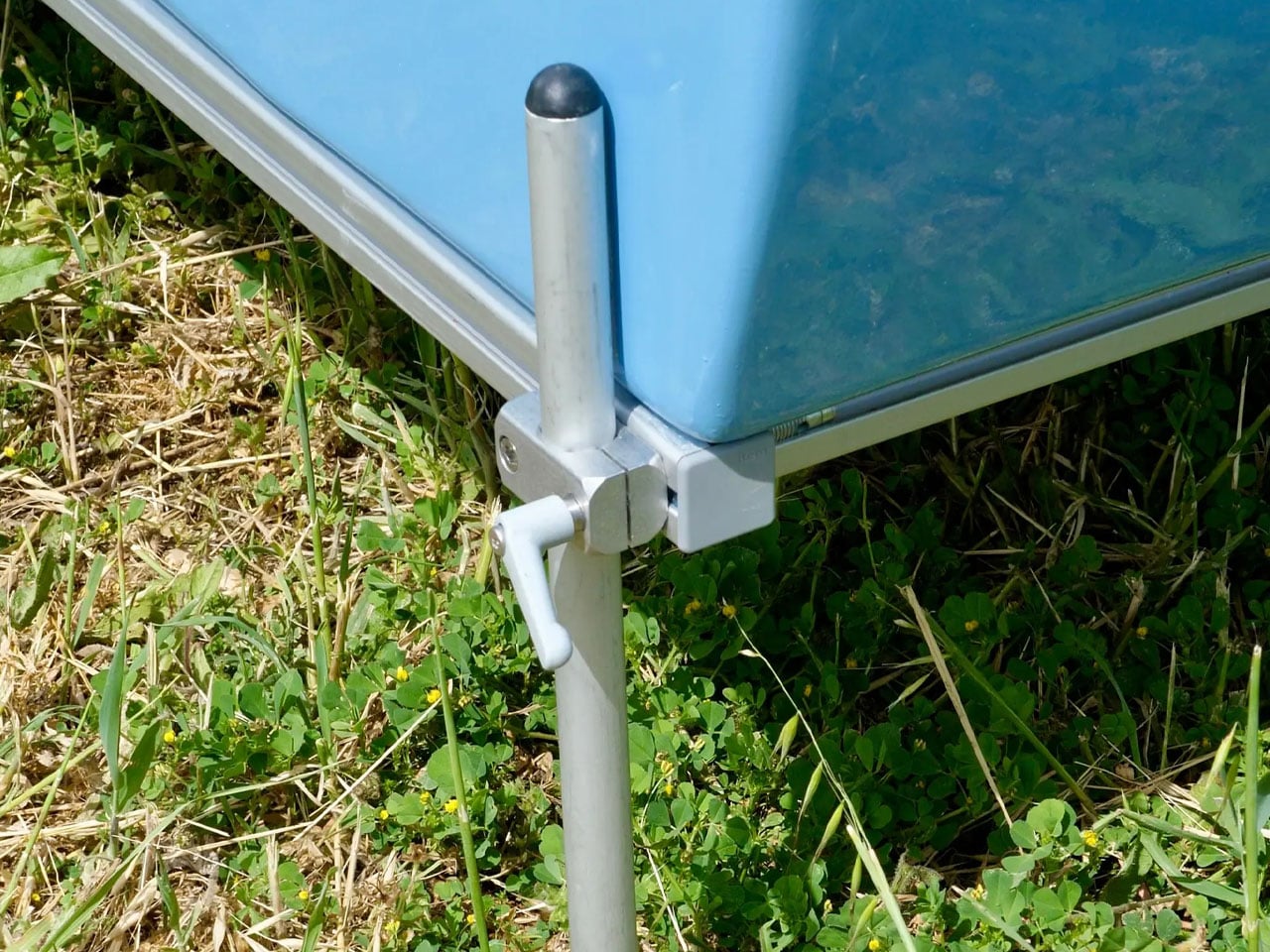
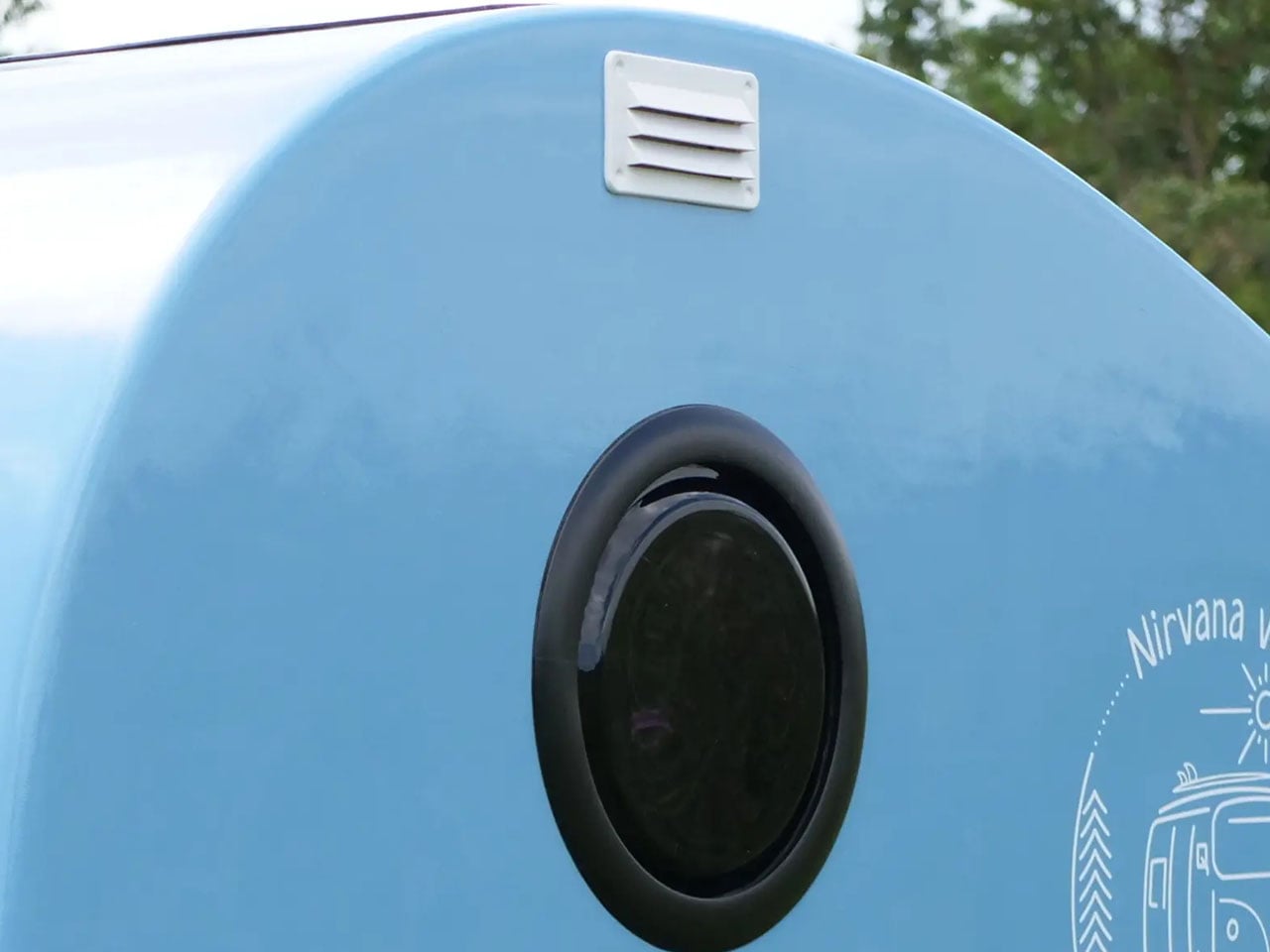
Irrespective of the model, the teardrop trailer is provided in a size measuring 6.8 feet long and 3.1 feet wide. The bike camper is made comfortable for year-round camping with 20mm extruded polystyrene (XPS) foam insulation and safety on the road is managed by the lockable door and leg stabilizers. The circular window makes for ventilation inside, where you get a bed and ample storage. The Classic starts at €3,500 ($4,100) and the Premium costs €3,900 ($4,300).

The post This teardrop trailer with fiberglass body tows efficiently behind an electric bike first appeared on Yanko Design.
Tech-savvy YouTuber builds a cardboard airplane with detachable landing gear

The Wright Brothers changed the course of history when they took the first ever flight on December 1903. Their biplane, crafted from wood and fabric, had a rudder for yaw control, wing warping for roll control, and front elevators for pitch control. The first flight lasted for just 12 seconds, driven by the custom 12-horsepower engine and propellers.

The aviation industry has come a long way since that decisive event, and it’s always good to have a similar nostalgic feel again. Peter Sripol, along with his team, has built a cardboard airplane that has plywood-structured wings (just like the Wright Brothers’ airplane) and is capable of flying one person with ease. Interestingly, the DIYer uses a Pizza box to fit in the altimeter, air speed gauge, and the attitude indicator. According to his estimation, the plane is a giant shipping box, given that it has around 95 percent cardboard parts, which in itself is a feat.
Designer: Peter Sripol

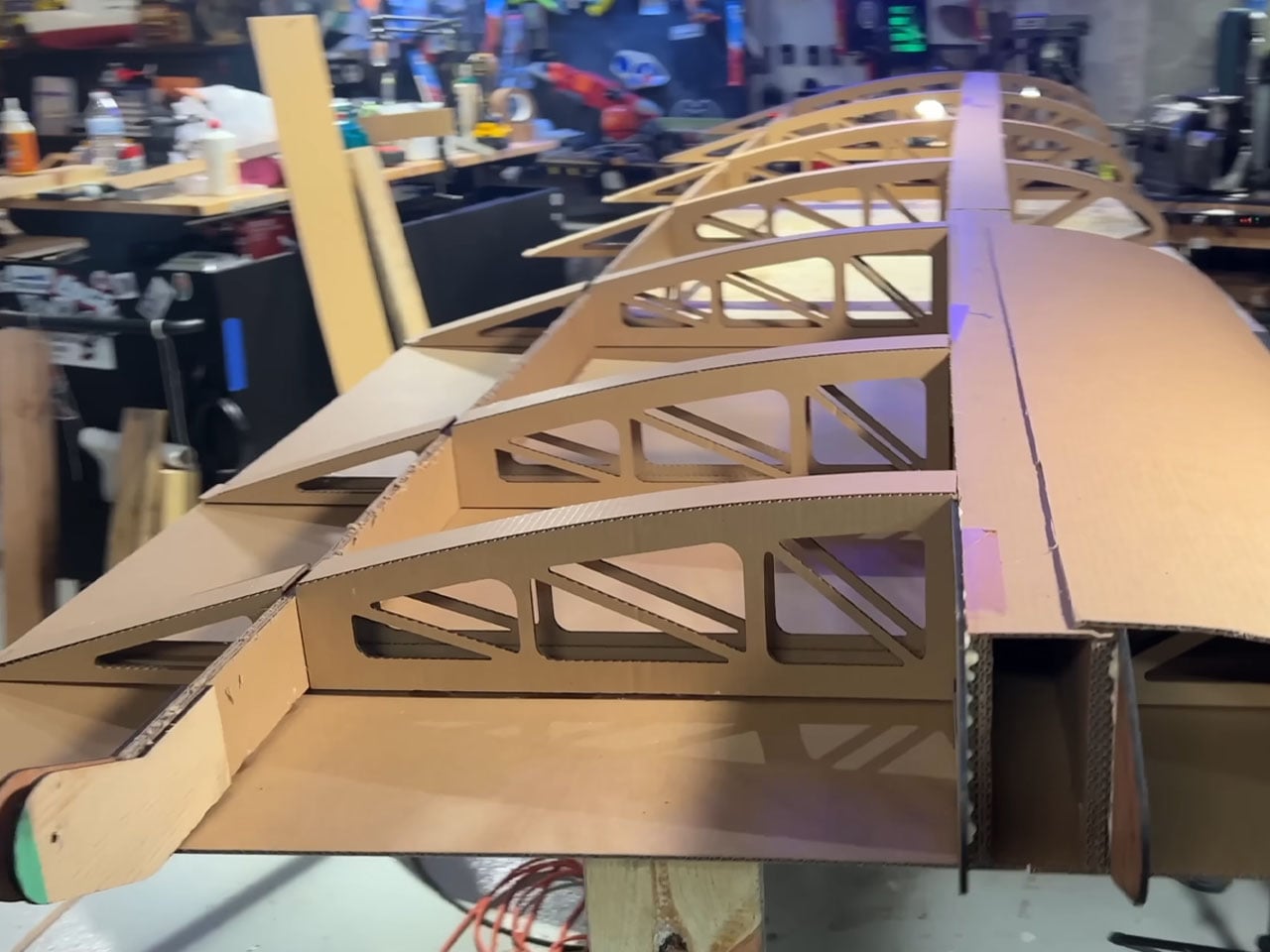
The shape of the fully assembled airplane is just like any other double-propeller plane that’s commercially produced. It is narrower on the tail end and wider near the seating section for aerodynamic efficiency. Just that it’s not as polished and fine-tuned since it is just a prototype for now. After putting together the fuselage, wings, and the custom-made wheel assembly that ejects once the thing is airborne to shed extra weight, Peter drove around the plane in taxing mode to check if all the basics are working fine. The wheels seemed to drag a little, and the batteries powering the thing were not enough for the flight speed.

After fixing the initial kinks, he managed to get off the ground a few feet, but as soon as the landing gear assembly detached, the cardboard airplane flew for a few feet and veered off course to land abruptly. Coming back to the design, the corrugated cardboard parts of the plane are glued together for structural integrity. There are small cutouts on the sides and on the front to have a clear view. The DIY project is in work, and the maker plans to install the controls on the sides and the rudder pedals on the floor. For now, Peter uses the wireless controller to actuate the inputs for the drive and flight tests. Fitting the flight controls inside is going to be touch-and-go, given that there is only one entry and exit opening on the plane from the front. The tail section has folded cardboard skins that take the shape of the stabilizers, elevator, and rudder.

The wing is the most challenging section to build, as during flight, cardboard is not the most ideal material due to its low compression tolerance, hence the small plywood plates embedded inside the wing structure. For a secure embodiment, the wings are attached to the fuselage with bolts and reinforced cardboard doublers. The electric motors for propulsion are mounted on the reinforced cardboard structure, while the batteries, speed controls, and the messy wiring are housed inside the fuselage. We’ll have to wait for a few weeks, when the next video arrives, and hopefully Peter will take flight in this DIY cardboard airplane.

The post Tech-savvy YouTuber builds a cardboard airplane with detachable landing gear first appeared on Yanko Design.