Top 10 Smartphone Alternatives To The iPhone To Watch In 2024

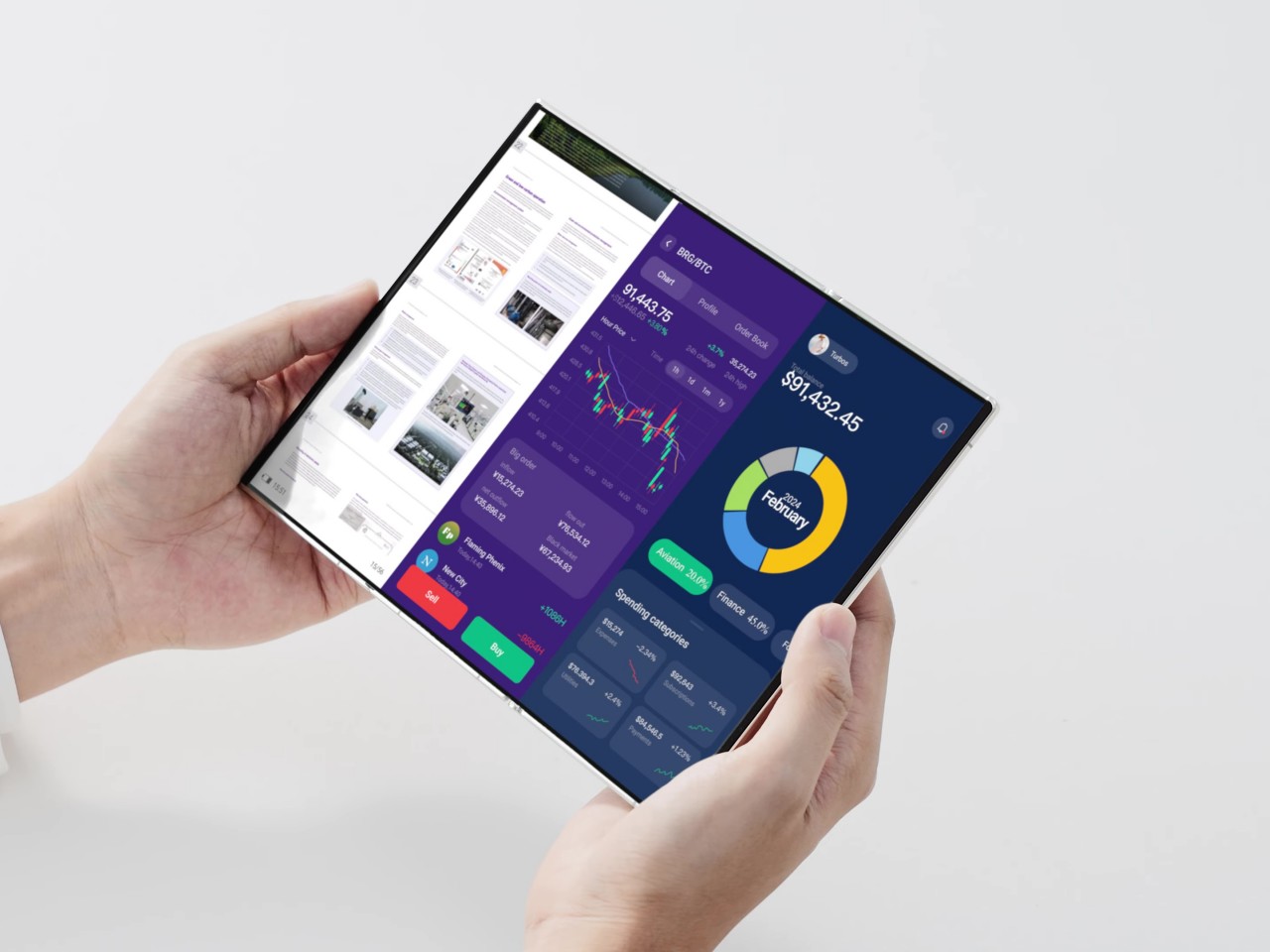
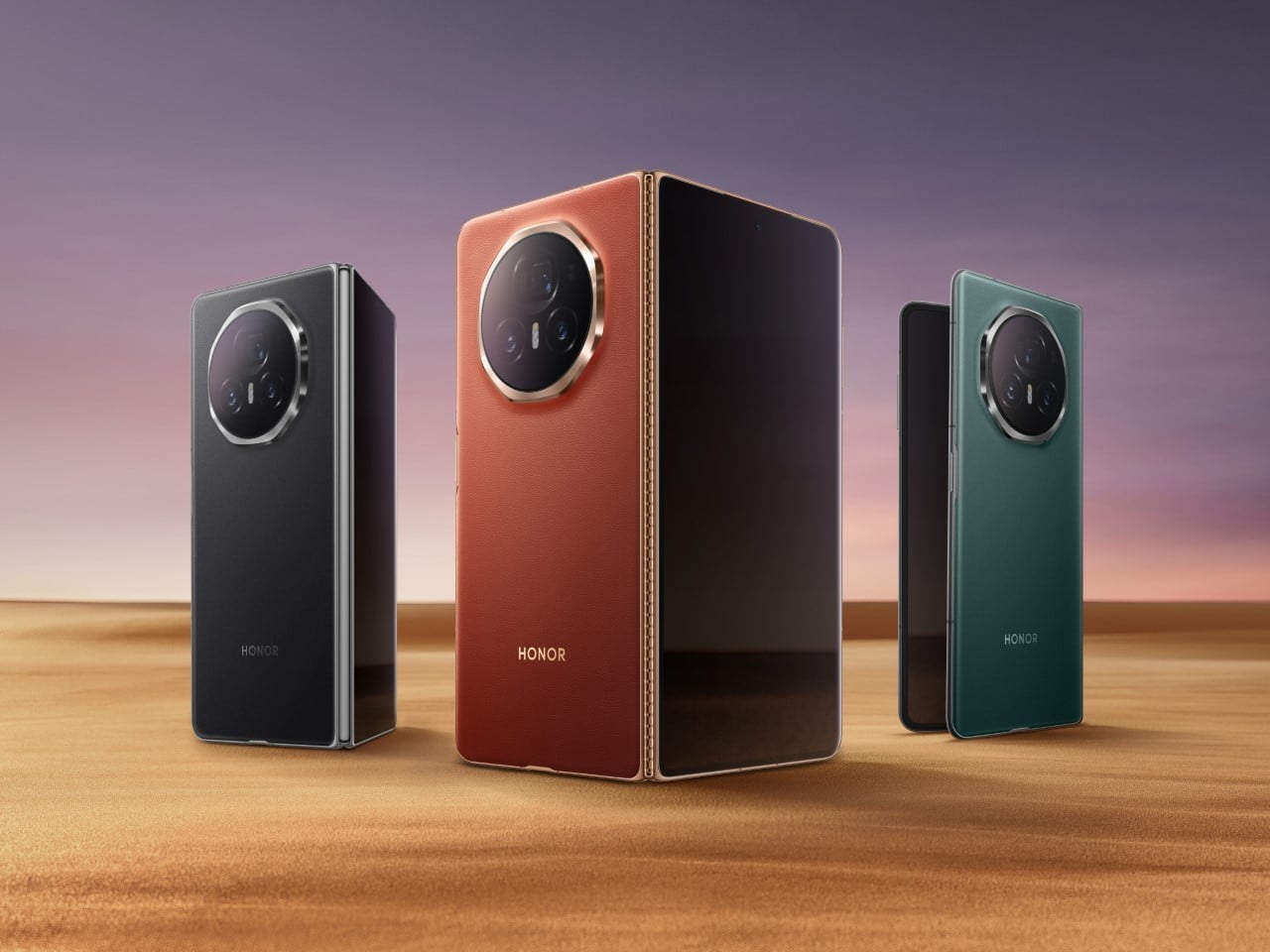
In today’s world, absolutely no one can live without their smartphones! I mean, I need mine by my side at all times, and I am quite heavily dependent on it. , The iPhone is pretty much one of the most popular phones in the world. I mean I’ve been using one for the past 7 years, and I don’t think I’m transitioning to any other smartphone company anytime soon. Designers and brands have been pushing all boundaries and have managed to design innovative smartphones that in all honesty are even better than the iPhone. From a bendable phone by Motorola to a Rabbit smartphone concept – these smartphone designs are truly better alternatives to the iPhone.

1. Rabbit R2

Shreyansh Onial designed the Rabbit R2 – a conceptual smartphone that seems to be the logical next step for the Rabbit brand. This smartphone not only offers apps but also a form of AGI (Artificial General Intelligence). The R2 may look like a smartphone, but it also features a virtual assistant that does everything you need it to do. It is equipped with a screen, camera, USB-C port, as well as basic hardware.

2. Pulloof: Smart Phone Concept

Designed by Gisung Han, the Pulloof: Smart Phone Concept is created to survive beyond its lifetime in memory and as an innovative device that is fresh to utilize and touch, besides its functionality. It is inspired by a vintage B&Q radio, and intended to be a smartphone that delivers people’s music consumption through phone. It is intended to be “a sustainable speaker by emphasizing the speaker” functionality.

3. The Polestar Phone

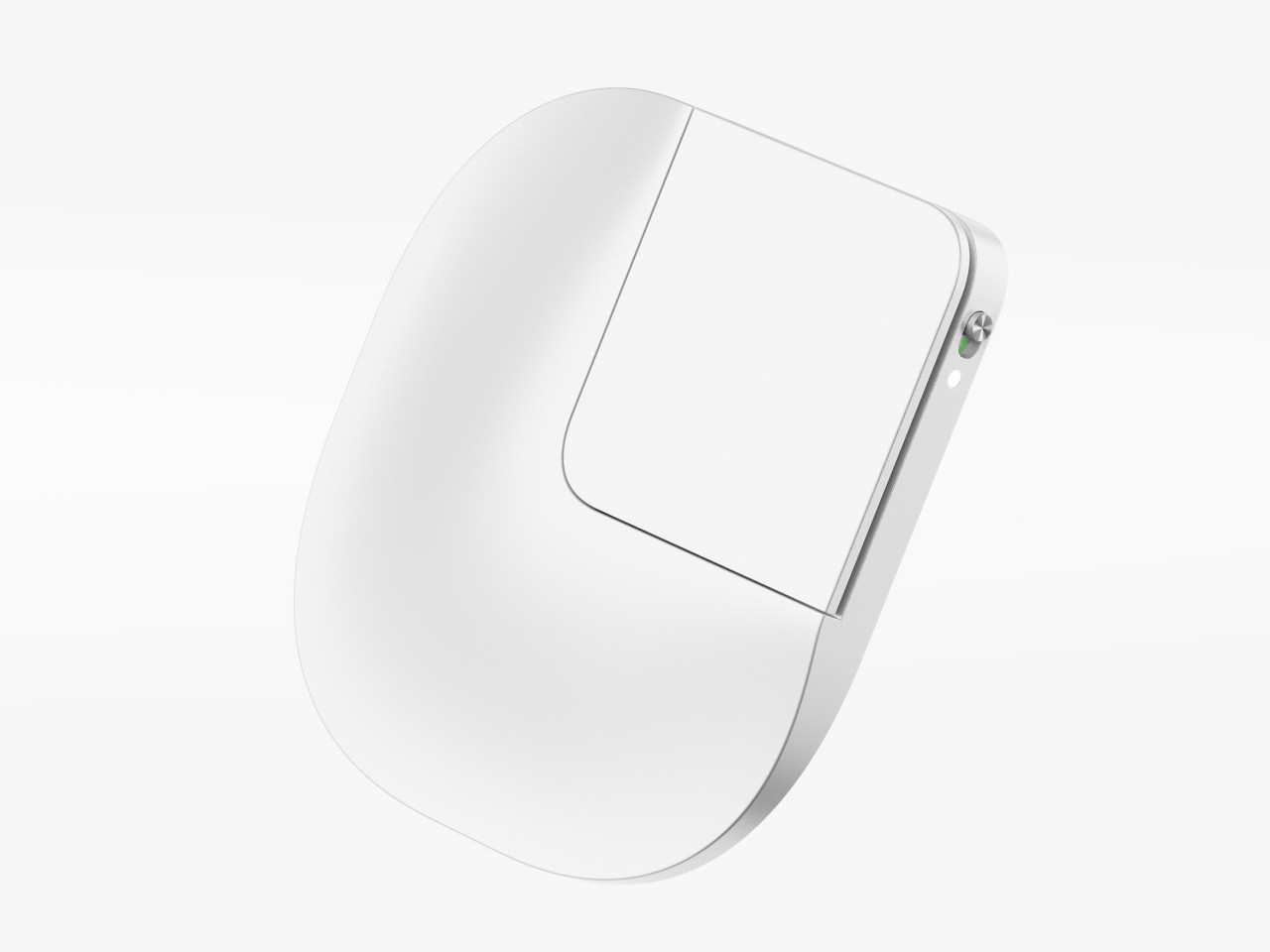
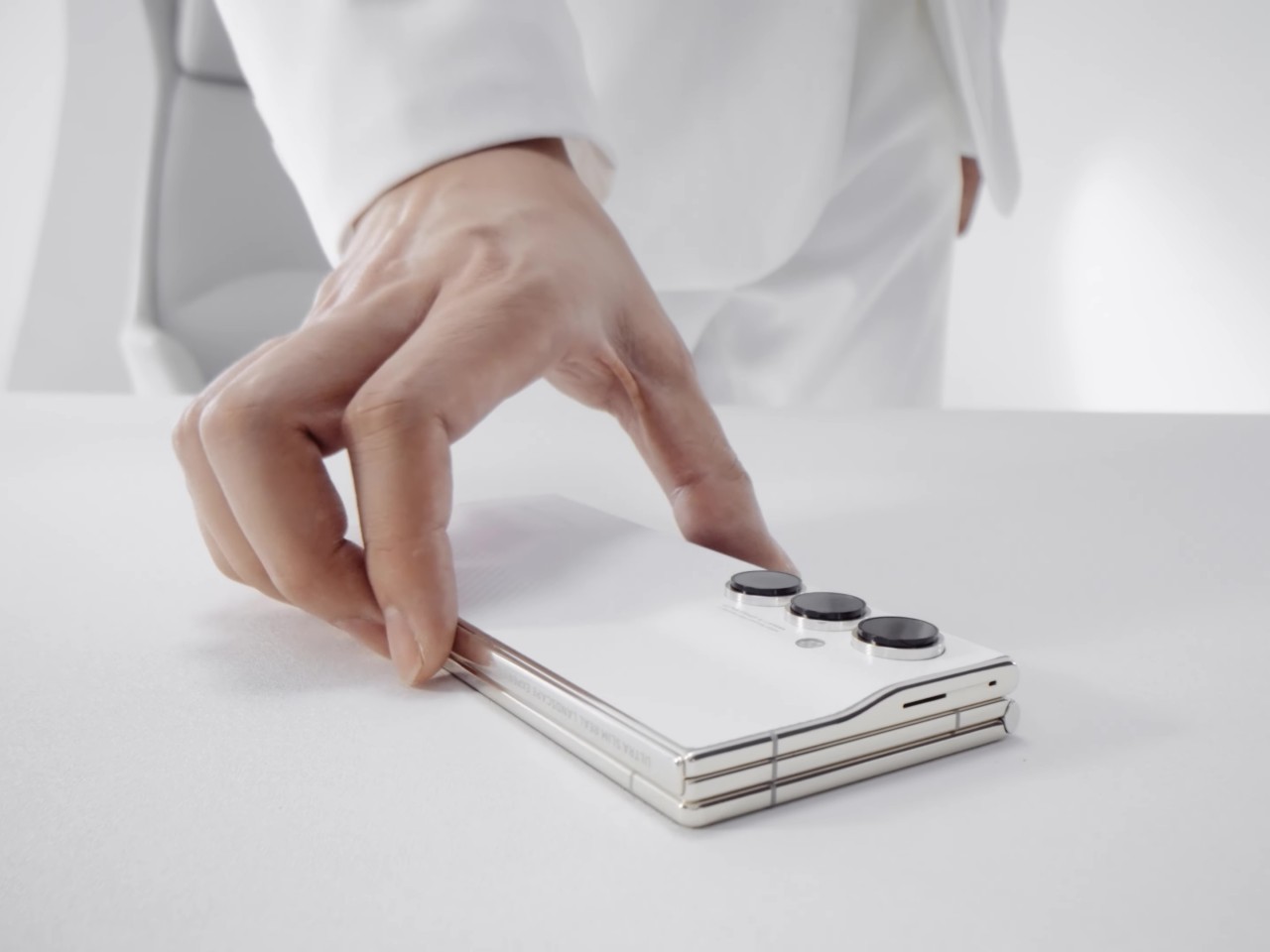
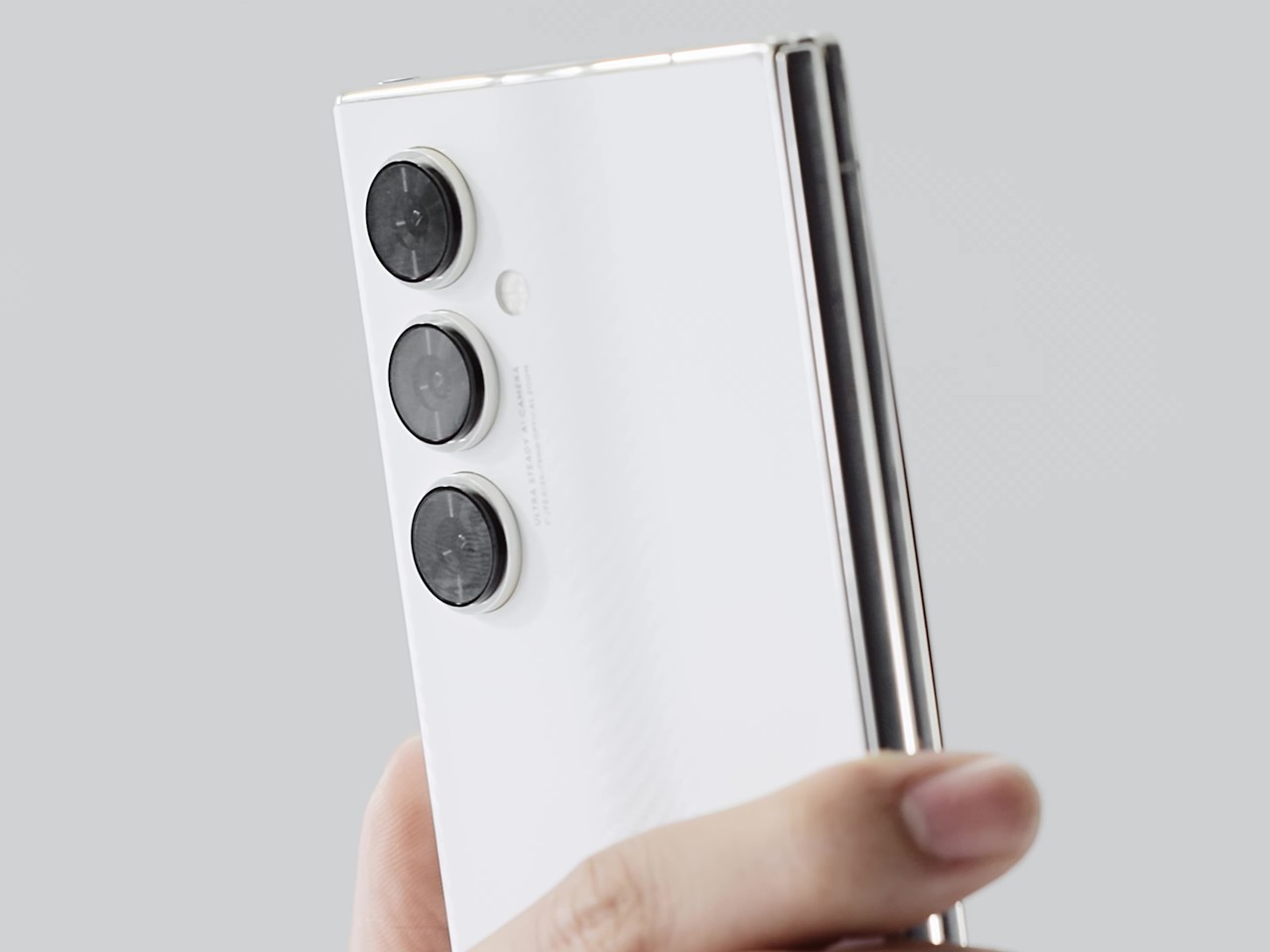
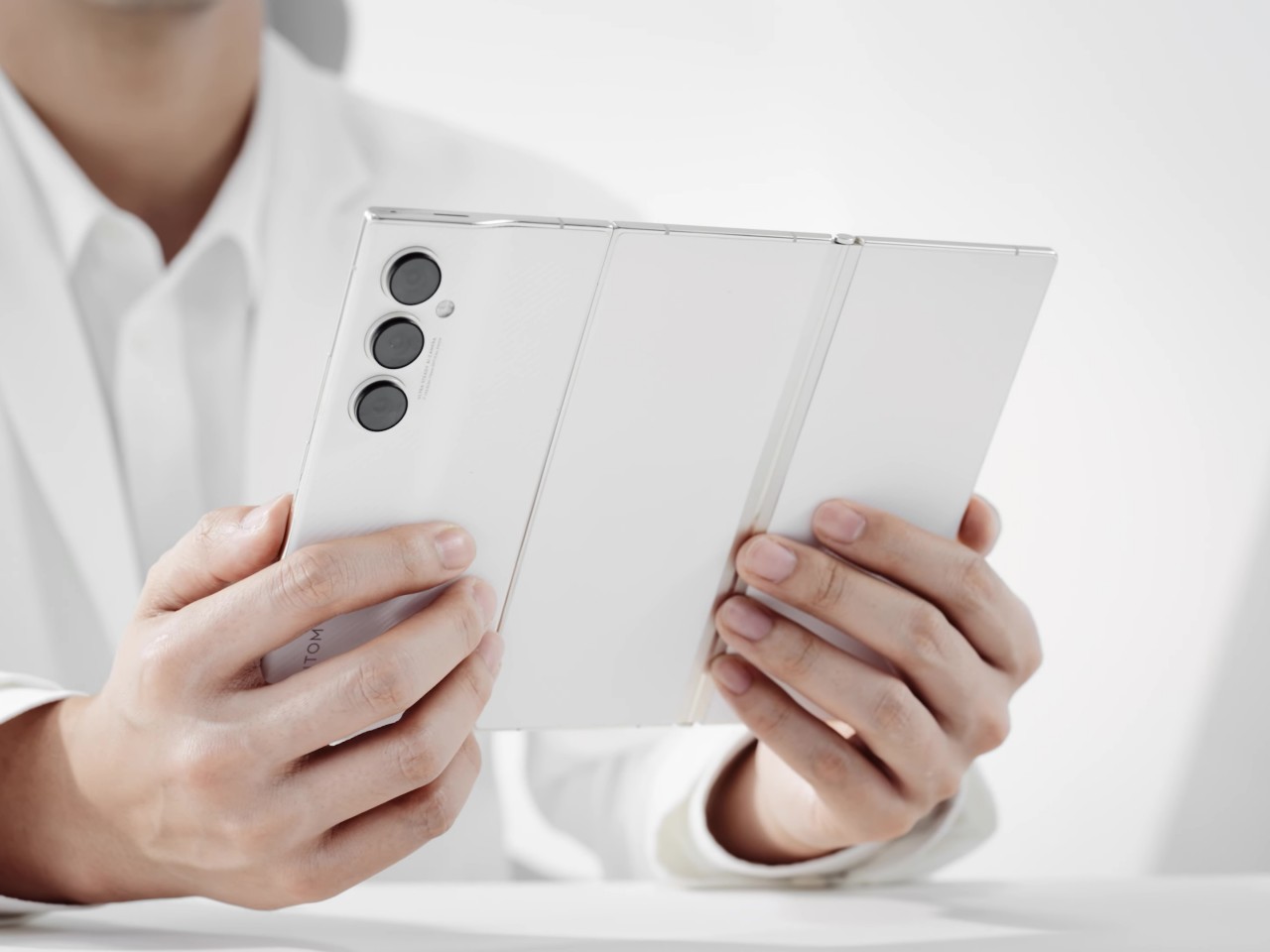
Designed by Polestar, the Polestar Phone features an all-white and silver colorway with clean lines, tight curves, and perfect surfaces,   just like its cars. The smartphone features a clean design which cannot be attributed to Polestar entirely. The phone is supposed to be a rebranded and rejuvenated version of the Meizu 21 Pro, and it runs a different OS and features Polestar’s iconic branding on the back as well as the sides.

4. Phone One

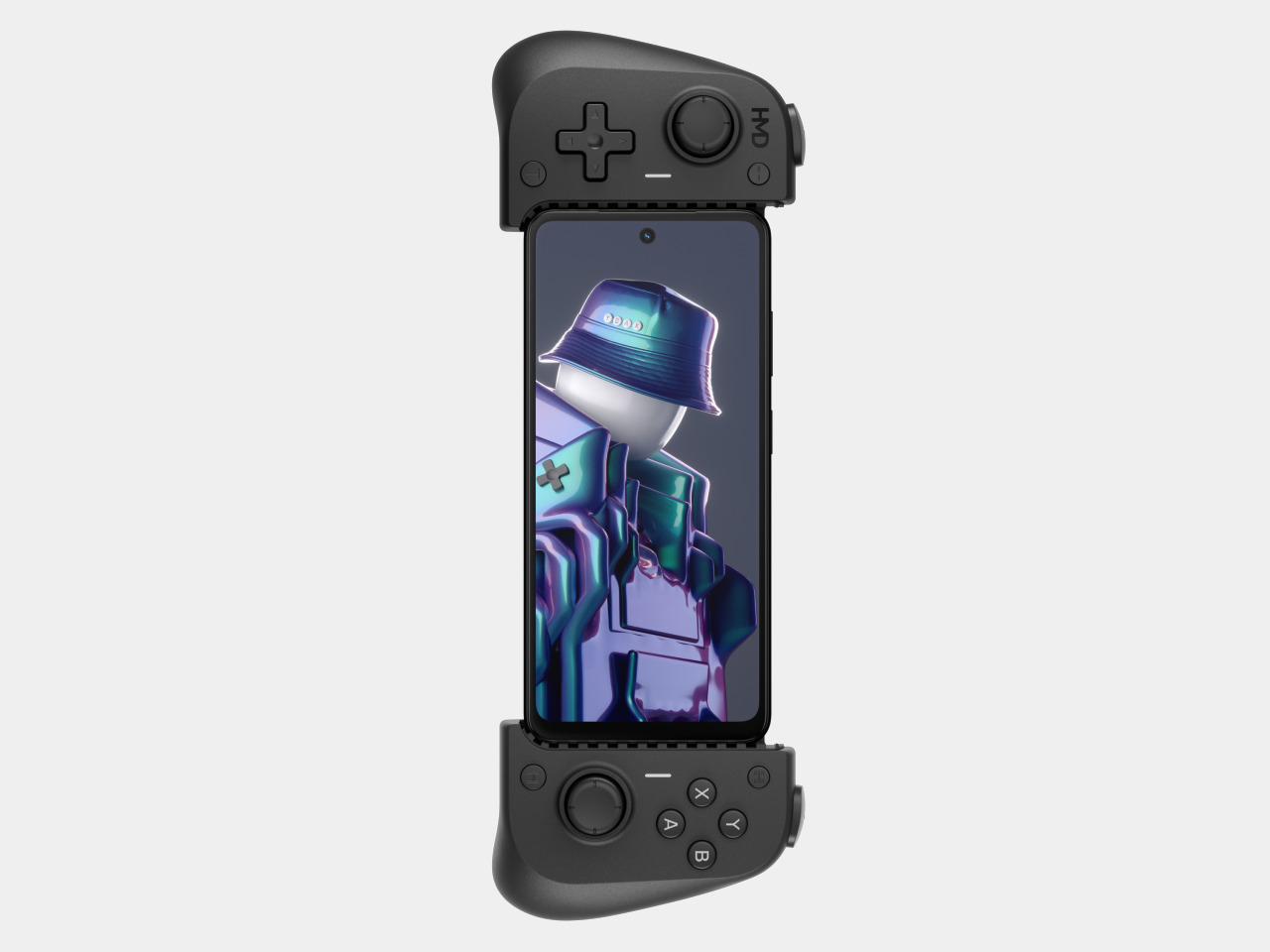
Dubbed the Phone One, this multi-mode smartphone is equipped with physical buttons to offer an amazing tactile feel. What makes this smartphone unique is that the buttons do not take much of the screen space, and have been designed in a unique and innovative form to support a three-pivot side panel of the smartphone.

5. Adaptive Display Concept

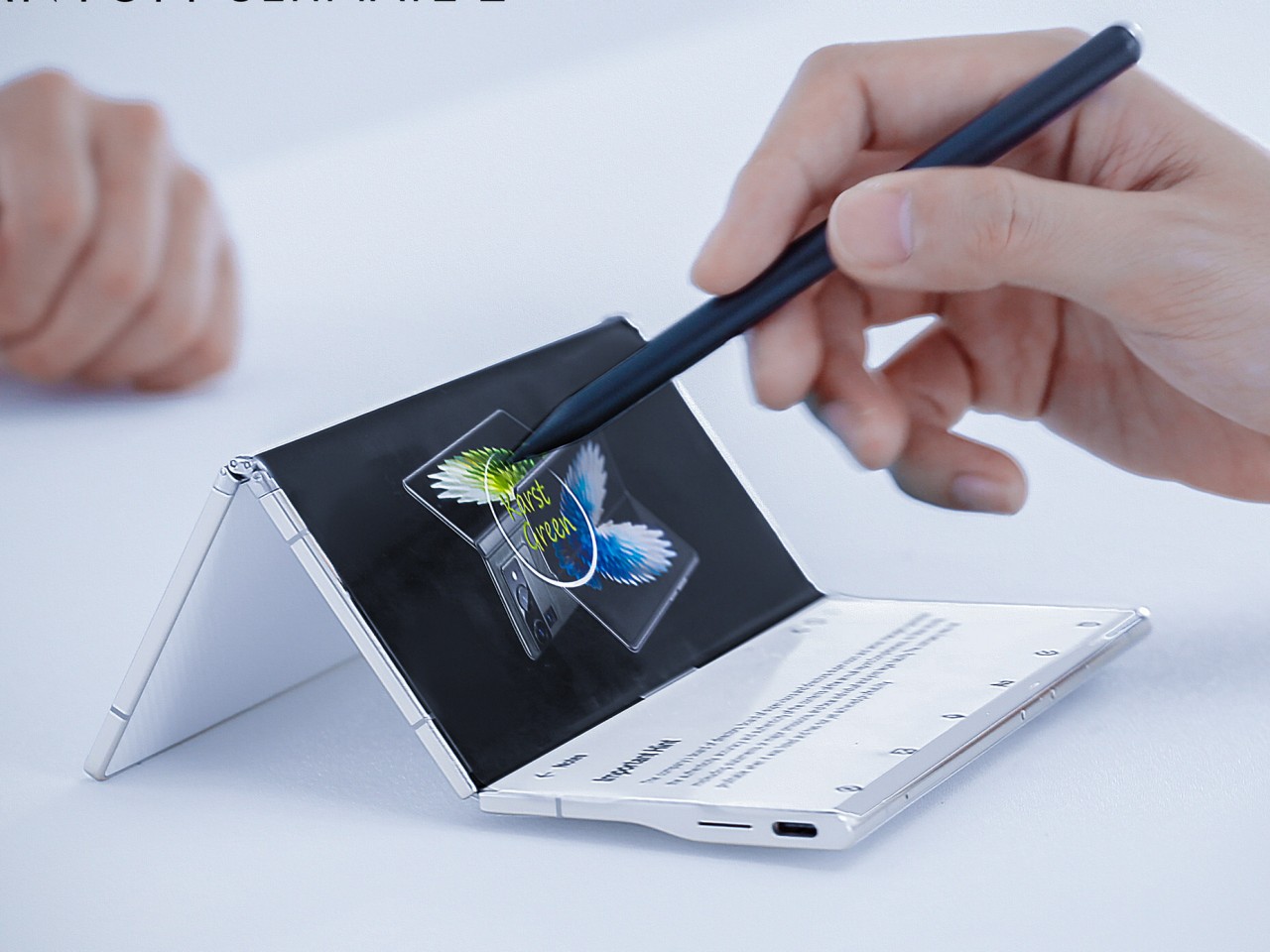
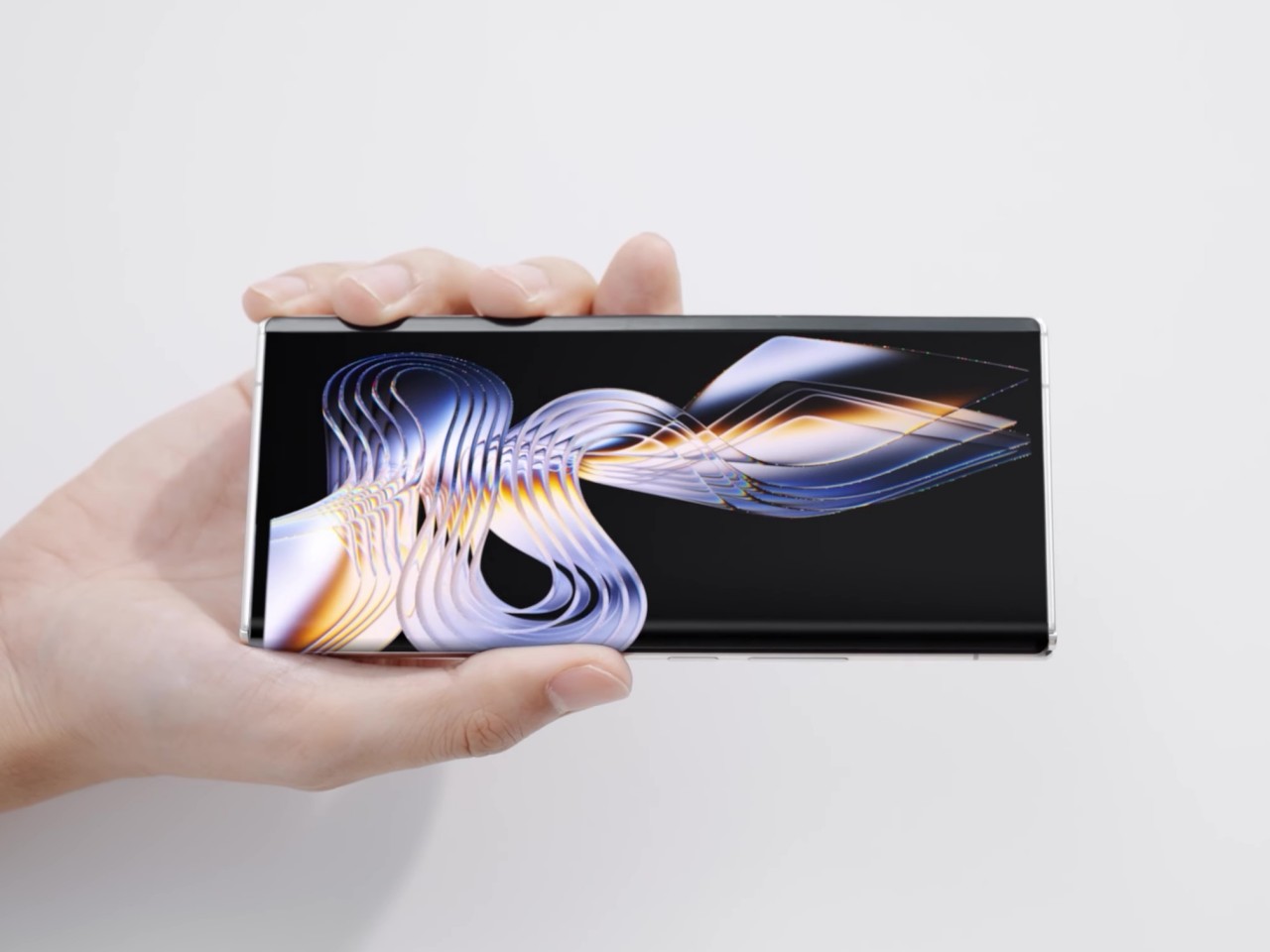
Motorola’s Adaptive Display Concept features a 6.9-inch screen which functions as a smartphone. When bent upright, the 6.9-inch Android phone can be used to take video calls, and it can even be worn around your wrist, allowing it to function as a super cool smartwatch. It is equipped with a bendable FHD + pOLED display. The bendable display can be wrapped around your wrist magnetically on top of a metal band.

6. Sharp AQUOS R9


Sharp’s new smartphone is the perfect encapsulation of minimalism, to an almost extreme. The phone doesn’t have any branding on the back, except for the small AQUOS and LEICA texts in the camera circle. The smartphone features flat surfaces and edges, plain colors, and doesn’t include any embellishment. It is designed to be a breath of fresh air, something different and unique as compared to other smartphones on the market.

7. Motorola Edge 50 Pro

Called the Motorola Edge 50 Pro, this smartphone runs on a Qualcomm Snapdragon 7 Gen 3, and it features a decent yet not too impressive set of cameras which are led by a 50MP main sensor. Another 50MP selfie camera is placed in a punch-hole cutout on the forehead of the 6.7-inch 1220p 144Hz screen. A pretty awesome feature of the smartphone is the 4,500 mAh battery amped with a 125W super-fast charging speed and support for 50W wireless charging.

8. Object-X

Designer Antonio De Rosa had a fantastic idea, and he built a smartphone focused on a smartphone-centric company. Called the Object-X, the smartphone is every microblogger’s dream device, and it features a dedicated display just for X. You can see the notifications, browse the app, and even send tweets, or access your Tesla right through the rear display. The front display is otherwise quite normal, while the camera bump is X-shaped.

9.Oukitel WP33 Pro

This rugged phone is called the Oukitel WP33 Pro, and unlike most rugged phones, it is designed to support fun and adventurous activities like camping, trekking, hiking, or even wildlife photography. You can use the speaker to set the mood for fun parties with your friends or to enjoy your favorite tunes when you’re alone. However, you shouldn’t use the loudspeaker around wild animals, especially at night.

10. The Bigme HiBreak

The Bigme HiBreak is a true smartphone, and it runs on Android 11. It has Google Play Support as well, allowing you to install any app available that supports the old OS version. The experience however may not be as smooth as a regular phone. But it has a 3300 mAh battery which will last you days and not just hours. It also has a 13MP main camera for scanning documents. It merges an eBook reader, and smartphone in one pocketable design.

The post Top 10 Smartphone Alternatives To The iPhone To Watch In 2024 first appeared on Yanko Design.
Google Pixel 9 Pro XL Leaked Hands-on: A First Look at Its Stunning New Design and Features

The Google Pixel 9 Pro XL is generating buzz even before its official release. Thanks to a lucky break, a YouTuber on Andro-News.com managed to get their hands on one early. While we might wonder how they pulled it off, the real excitement comes from seeing the device in action. My initial impression? The design is quite impressive.

Designer: Google

The Pixel 9 Pro XL marks a significant shift for Google in aesthetics. The flat edges, reminiscent of the iPhone, give it a sleek, modern look that sets it apart from previous models with rounded edges. This change makes the phone look more streamlined and sophisticated. The polished metal frame feels premium, although it might be prone to scratches like the iPhone 13 Pro Max. The back of the phone is made of Gorilla Glass Victus 2 with a matte finish, combining durability with a refined appearance. The phone is also IP68 certified, protecting against dust and water.

Another highlight is the 6.8-inch LTPO display on the Pixel 9 Pro XL. With a resolution of 1344×2992 pixels and a 120 Hz refresh rate, the screen offers vibrant colors and excellent contrast, perfect for watching videos and browsing photos. The flat screen, a departure from the 2.5D curved edges of earlier models, enhances the device’s sleek and modern look. HDR10+ support ensures that the visual experience is top-notch.

One of the Pixel 9 Pro XL’s most talked-about features is its camera system. The camera bump houses three lenses: a 50 MP wide-angle, a 48 MP ultra-wide with autofocus, and a 48 MP periscope telephoto with 5x optical zoom and optical image stabilization. Additional elements like a temperature sensor, flash, extra microphone, and a white balance sensor enhance its photographic capabilities. The front camera has been significantly upgraded to a 42 MP sensor, promising sharper selfies and video calls.

Under the hood, the Pixel 9 Pro XL runs on Google’s Tensor G4 chip, offering a 15% performance boost over the previous generation and emphasizing energy efficiency. While it might not compete directly with the latest Snapdragon chips in sheer power, the Tensor G4 ensures smooth performance for everyday tasks. The battery is confirmed to be 5,050 mAh, improving efficiency for more prolonged use between charges.

The Pixel 9 Pro XL ships with Android 15 and will receive updates for seven years, ensuring long-term support and security. AI features like the Pixel Screenshot function use artificial intelligence to provide contextual information based on user screenshots. Additionally, the device includes a one-year subscription to Gemini Advanced, offering advanced language models, cloud storage, and document analysis tools.

The Pixel 9 Pro XL holds up well compared to the iPhone 15 Pro Max and Galaxy S24 Ultra. It offers a comfortable grip with dimensions similar to the iPhone 15 Pro Max but is slightly taller. The flat edges might appeal to users who prefer a less sharp-edged device compared to the Galaxy S24 Ultra. The new color options — black, gray, pink, and porcelain — offer more personalized choices.

Overall, the Google Pixel 9 Pro XL impresses with its sleek design, solid performance, and innovative AI features. While it might not lead in raw processing power, its focus on energy efficiency, excellent cameras, and long-term software support make it a compelling choice in the flagship smartphone market. The various memory options and colors offer a premium experience that caters to a wide range of users.

The post Google Pixel 9 Pro XL Leaked Hands-on: A First Look at Its Stunning New Design and Features first appeared on Yanko Design.
Samsung unveils recycled Hershey’s-themed accessories for new Flip, Fold, and Galaxy watch

The loved chocolate company, Hershey’s, is a household name, but it contributed roughly 24,000 metric tons of waste in 2023. Through a collaborative and conscious effort, The Hershey Company is assisting Samsung develop custom accessories for its lineup of phones, watches, and earbuds. All of these are made from recycled material comprising Hershey’s plastic packaging waste that would otherwise end in landfills.

Interestingly, the collaborative accessories are part of the new Samsung Friends lineup. Samsung Friends is a lifestyle accessories wing of the South Korean tech giant, which aligns partnerships with different brands to create collaborative accessories through the uses of eco-friendly materials. It currently has 17 such collaborations – with Minions, Disney, Pokémon and more – to its credit and with accessories made using recycled material from Hershey’s confectionary packaging waste, it is making a new story.

Designer: Samsung x Hershey’s

Samsung Friends x Hershey’s collection was officially launched in South Korea on 29 July, 2024. Inspired by the packaging of Hershey’s Kisses, milk chocolate bars, and more; the 12 unique accessories include Galaxy Z Fold6, Galaxy Z Flip6, Galaxy Watch7 and Galaxy Buds3 series cases and bands.

There is no word on the pricing structure of the accessories, but Samsung Friends will allow customers to interact and customize their accessories in Hershey’s pop-up at Samsung’s Gangnam through 11 August, 2024. Customers can live experience the cases and bands made from 100% recycled material and also savor Hershey’s limited-edition chocolate beverages alongside.

Currently, the lineup of these Hershey’s-themed accessories is only available in South Korea, but the US release is likely in the near future. Tech company informs that the Samsung Friends x Hershey’s collection will also be made available in Japan, Indonesia, and the Philippines soon.

The post Samsung unveils recycled Hershey’s-themed accessories for new Flip, Fold, and Galaxy watch first appeared on Yanko Design.
Nothing Phone (2a) Plus Review: It Keeps Getting Better

PROS:


  • Elegant transparent design and Glyph Interface

  • Improved performance across the board

  • 50MP selfie camera

  • Sustainabile design

CONS:


  • No telephoto camera

  • No wireless charging

  • Spotty operator compatibility in the US

RATINGS:

AESTHETICS
ERGONOMICS
PERFORMANCE
SUSTAINABILITY / REPAIRABILITY
VALUE FOR MONEY

EDITOR'S QUOTE:

The Nothing Phone (2a) Plus delivers on its promise of an optimal and accessible daily driver that builds on the essentials and gets it almost perfect.

It hasn’t been that long since we reviewed Nothing’s latest masterpiece, the Phone (2a) which was designed to offer an “optimal” daily smartphone. It was another way of describing what most would bill as a mid-tier device, though it was definitely one that lived up to its hype in both design and performance. It was far from perfect, of course, but it wasn’t bad either. And yet here we are now with a “Plus” version out of nowhere, not a larger version but one that promises a more premium experience, at least compared to the Phone (2a). Color us intrigued, despite the obvious monochrome motif, so we gave the Nothing Phone (2a) Plus a few spins to see if it really has something to be proud of.

Designer: Nothing

Aesthetics

By now, Nothing’s design identity has been well established. It may not be the geeky full transparency many have hoped for, but it definitely managed to strike a beautiful balance between technology and art in its phones. To some extent, that design is even more refined in the Phone (2a) series, with its own unique patterns of opaque lanes snaking down the phone’s back, not unlike roads on a map. It feels like it has a story to tell, not just a composition of shapes, lights, and shadows.

Nothing also embraced that cute little oddity we noticed on the Phone (2a): a face on the back of your phone. The placement of the two cameras in the middle of the NFC coil is no accident, and the company says it gives an anthropomorphic character, almost literally. It’s like having a pair of eyes on a cartoony circular face looking at you, or at least at the person in front of you. It is not by coincidence, either, that the Phone (2a) Plus’s silicon brain actually sits beneath this face as well.

There’s also the Glyph Interface, of course, at least the toned-down version. It might not have the same head-turning effect as the TRON-like Phone (2), but it’s more practical, more efficient, and also longer-lasting. It remains useful and visible even after the novelty has worn off.

Of course, these are design elements that the Phone (2a) also has, but what sets the “Plus” model apart is its more elegant finish. The Phone (2a) Plus has a metallic edge that’s not simply machined and then polished but is actually a product of multiple intricate processes, which is to say it’s quite a laborious and somewhat costly design. It’s well worth it, however, if only for the fact that it gives the Nothing Phone (2a) Plus a more stylish and premium look that raises its profile to the same level as more expensive handsets.

Ergonomics

The Nothing Phone (2a) Plus has a few upgrades inside that we’ll get to in a moment, but despite the internal and material changes, it remains just as lightweight as the Phone (2a), exactly 190g light, in fact. This makes the phone incredibly easy to hold without feeling flimsy or cheap. That’s very important given how large the phone actually is.

The design of the edges also helps improve that grip. Nothing adheres to that modern flat design school that gives phones more angled edges that lodge themselves into your hand without biting into your skin. It is yet another balancing act that Nothing gets right, allowing users to hold such a big phone with confidence.

Performance

The biggest divide that separates the Phone (2a) and Phone (2a) Plus can be found inside, starting with the new MediaTek Dimensity 7350 Pro 5G that Nothing says was developed exclusively for the brand. It’s definitely a step up from the stock Dimensity 7200 of the Phone (2a), especially by the fact that it can run at 3.0GHz max. It also has a stronger GPU with the Mali-G610 MC4 clocked 30% faster at 1.3GHz. What all these mean in practice is that the phone is even better equipped to handle mobile games, let alone the everyday tasks you throw at it. You’ll still have to dial down the settings, of course, but not to the point that games lose their visual flavor and appeal.

The large 6.7-inch FHD+ AMOLED screen definitely contributes to an enjoyable multimedia experience, especially with its 120Hz refresh rate. The display is vibrant and bright, but not so bright that it will strain your eyes. For that, it supports 2160Hz PWM (Pulse-Width Modulation) dimming, supporting longer screen time use, though it’s still advisable to take regular breaks, regardless.

The other big upgrade that the Phone (2a) Plus boasts of is the triple 50MP camera system. No, there are still only two cameras on the back, and both definitely produce impressive output. The newcomer is the 50MP front-facing camera, up from the already good 32MP shooter from the Phone (2a). This is a Samsung JN1 with an F2.2 aperture lens and a wide 81.2-degree field of view. Suffice it to say, whether you’re taking selfies or food pics, you’ll be treated to clear, crisp, and detailed photos, even at night.

Despite the slightly more powerful hardware, the Nothing Phone (2a) Plus retains the same 5,000 mAh battery. It’s still a large and generous serving by today’s standards, so you shouldn’t be worrying about going empty in the middle of the day. For the Plus model, Nothing upped the charging speed a bit to 50W from 45W. It’s not exactly the fastest on the block, but bigger brands have done worse. Sadly, there’s still no wireless charging here, which is disappointing but not unexpected. In the grand scheme of things, that is probably the least of people’s needs for a phone on this tier.

Part of the Nothing Phone’s appeal is its take on the Android experience, and the Phone (2a) Plus definitely has that down to a “T,” including the new AI buzzword. Nothing OS has been famed for its minimalist aesthetic, especially when it comes to home screen widgets. Version 2.6 adds new widgets to that set, and productivity buffs will love the new Date widget for important reminders. There’s also ChatGPT integration for getting the answers you need quickly, though it might be a controversial feature considering some privacy concerns.

Sustainability

Nothing has always positioned itself as a design-conscious company, and designers these days are also conscious of the impact that their designs have on the environment. This is especially true in the smartphone industry where material waste from production and electronic waste from discarded products continue to rise each year as more and more devices are made. That’s why it’s quite encouraging to see Nothing’s efforts in this area, from using 100% recycled aluminum for the midframe to sustainably sourcing over 50% of the Phone (2a) Plus’ plastic parts. It even reuses plastic waste from the production of the Ear (2) buds for this phone.

The Phone (2a) Plus also scores a few points for longevity, particularly with its IP54 dust and water resistance rating. We wish it had a longer software support period, which currently stands at 3 years for Android updates and 4 years for security patches. That can change somewhere down the road, and we hope it does. Where it doesn’t do well is repairability, which isn’t all that surprising considering its uncommon design. Nothing is still young, though, and with the CMF sub-brand, we could see some improvement in that regard as well.

Value

If the Phone (2a) already provided great value for its price, the Phone (2a) Plus takes that a step further. Better performance, a better selfie camera, a slightly faster charging battery, and a great distinctive design all make this handset a great sell. At only $399 for 12GB of RAM and 256GB of storage, it even practically makes the $349 Phone (2a) almost ignorable, strange as that may sound. It is definitely worth considering for your everyday driver, presuming you can get your hands on one.

That is the bit that slightly takes away some of the Phone (2a) Plus’ appeal. You can always import the phone if no local store or carrier offers it, but you will have to do your own research to make sure you can actually use it in your locale. In the US, for example, it doesn’t support AT&T’s 5G network at all and only some of T-Mobile’s 5G bands. Verizon has “limited support,” which means you can use it at your own risk. It’s hardly Nothing’s fault, but it does show some of the disadvantages of being a small fish in such a large pond.

Verdict

The arrival of the Phone (2a) Plus was quite a surprise. Definitely a pleasant one, but a surprise nonetheless. It’s not like the Phone (2a) wasn’t a good phone, but now there might be even fewer reasons for people to want one other than availability and that $50 difference. That’s because the Phone (2a) Plus practically addresses some of the imperfections of its older sibling without taking away any of its charm. It definitely lives up to its promise of a powerful everyday driver, whether you’re scrolling through social media, responding to emails, or even passing the time with games.

The post Nothing Phone (2a) Plus Review: It Keeps Getting Better first appeared on Yanko Design.
Tecno Camon 30 Premier 5G Review: Flagship Specs for Budget Conscious Consumers

PROS:


  • Impressive Camera Setup: Triple 50MP camera system for high-quality photos in various lighting.

  • Elegant Design: The sleek design with a vegan leather back and aluminum frame gives the phone a premium feel.

  • Ample Storage and Memory: With 12GB of RAM and 512GB of storage, the device ensures smooth multitasking and plenty of space for apps and media.

  • Fast Charging: The 70W fast charging capability quickly powers up the 5000mAh battery, providing convenience for users on the go.

CONS:


  • Limited Availability: The device is not widely available in Western markets, making it difficult for some consumers to purchase.

  • Average Software Experience: While HiOS 14 is functional, it can feel cluttered with bloatware and lacks the polish of more refined interfaces.

  • Brightness Issues: The display's maximum brightness is lower than some competitors, which can impact visibility in bright outdoor conditions.

RATINGS:

AESTHETICS
ERGONOMICS
PERFORMANCE
SUSTAINABILITY / REPAIRABILITY
VALUE FOR MONEY

EDITOR'S QUOTE:

The Tecno Camon 30 Premier 5G sets a new standard in the budget smartphone market with its flagship-level camera performance and sleek design at an unbeatable price.

The Tecno Camon 30 Premier steps into the mid-range market with a clear focus on camera capabilities. It offers high-tier features at a price that won’t break the bank. For photography enthusiasts on a budget, this phone promises a lot. But how does it hold up in everyday use? After putting it through its paces, it’s clear that the Camon 30 Premier has plenty to offer.

Designer: TECNO

Aesthetics / Design

First impressions matter, and the Tecno Camon 30 Premier doesn’t disappoint. It sports a sleek design with a Gorilla Glass 5 front, an aluminum frame, and a stylish vegan leather back. You can choose between Alps Snowy Silver and Hawaii Lava Black, both of which look premium and feel great in hand. The IP54 rating means it can handle dust and splashes, though you’ll want to keep it away from water.

The 6.77-inch LTPO OLED panel, with its slim bezels, gives the phone a modern look. It supports HDR and a 120Hz refresh rate, making everything from scrolling to streaming smooth and vibrant. The flat-edged frame and gently curved edges ensure it’s comfortable to hold despite its weight. The buttons are conveniently placed, though the power button might be a stretch for smaller hands. The under-display fingerprint reader is quick and responsive, albeit a bit low on the screen.

Ergonomics

Holding the Tecno Camon 30 Premier feels like holding a piece of art. The aluminum frame, combined with the vegan leather back, offers a touch of sophistication that’s uncommon at this price point. The leather finish adds a premium feel and provides a good grip, making it less likely to slip out of your hand. The phone’s weight is balanced well, so it doesn’t feel cumbersome during extended use.

The placement of the buttons is intuitive. While the power button on the right is easy to reach, the volume buttons on the left might require some adjustment if you’re used to having them on the same side. The large, responsive buttons are easy to press, which is a nice touch. Although positioned a bit low, the fingerprint sensor is snappy and unlocks the phone quickly.

Performance

Under the hood, the Tecno Camon 30 Premier 5G packs a punch with the Mediatek Dimensity 8200 Ultimate chipset. Paired with 12GB of RAM and 512GB of storage, it handles multitasking effortlessly. Whether you’re streaming videos, playing games, or juggling multiple apps, the phone keeps up without a hitch.

The 6.77-inch LTPO OLED display supports a 120Hz refresh rate, delivering vibrant colors and deep contrasts. While the screen is bright and clear, it could benefit from more peak brightness for those sunny days outside.

Software Experience

Running on HiOS 14, based on Android 14, the Camon 30 Premier offers a user-friendly experience. HiOS 14 introduces cool features like Dynamic Port 2.0, Tecno’s version of Apple’s Dynamic Island. This handy feature provides contextual info and easy interaction with system apps. Tecno has promised two major software updates and three years of security patches, which is great for staying current and secure.

Benchmark Performance

The Dimensity 8200 Ultimate chipset is built on a 4nm process, ensuring a good balance of power and efficiency. The CPU’s configuration allows it to handle demanding tasks with ease. The Mali-G610 MC6 GPU ensures smooth graphics performance, enabling it to run games and apps without lag.

The Camon 30 Premier performs admirably in benchmarks, holding its own against other mid-range contenders. It scores well in Geekbench and AnTuTu tests, proving it can handle various tasks smoothly. The phone maintains solid performance even under extended use, thanks to efficient thermal management.

Camera Performance

The Tecno Camon 30 Premier’s camera is its crowning jewel, making it a compelling choice for anyone keen on photography.

Daylight Photography

The primary 50MP Sony IMX 890 sensor shines in good lighting, capturing vivid colors and sharp details. The dynamic range is impressive, and the highlights and shadows are handled well. Occasionally, foliage might look smudged, but overall, the quality is top-notch. With its 3x optical zoom, the telephoto lens matches the primary sensor’s quality, though it adds more saturation to the colors. Indoors, it performs slightly softer but still delivers solid results.

Low-light Photography

Low-light performance is equally impressive. The automatic Night mode balances exposure and reduces noise, producing clear, vibrant images. The primary camera produces natural-looking night shots with excellent detail. The telephoto and ultrawide lenses also benefit from Night mode, maintaining good detail and color accuracy even in dim settings.

Selfies and Portraits

The 50MP front camera with autofocus is a game-changer. It captures detailed and well-exposed selfies, making you look your best. Portrait mode is particularly effective, providing a nice bokeh effect while keeping the subject sharp. The telephoto lens adds depth to portrait shots, capturing natural skin tones and beautiful depth of field.

Video Recording

Video recording on the Camon 30 Premier is robust, supporting 4K resolution at 30/60fps across all lenses. The primary camera produces sharp, detailed footage with vibrant colors. While the Ultimate video enhancement mode adds sharpness and brightness, the standard mode delivers more natural results. The telephoto and ultrawide lenses maintain high-quality video, preserving detail and dynamic range. The standard mode outperforms the enhanced mode in low light, offering accurate colors and less noise.

Overall, the Tecno Camon 30 Premier’s camera system is versatile and reliable, making it a fantastic choice for those who love to capture moments.

Sustainability

Tecno is making strides in sustainability with the Camon 30 Premier. The vegan leather back looks and feels good and aligns with eco-friendly practices. Tecno’s commitment to providing software updates and security patches extends the device’s lifespan, reducing electronic waste. This approach promotes sustainability by ensuring the phone remains functional and secure for years.

Verdict

The Tecno Camon 30 Premier 5G is a standout choice for budget-conscious consumers who prioritize camera performance. Its robust design, vibrant display, and versatile camera system make it a great option in the mid-range market. Thanks to the Dimensity 8200 Ultimate chipset, the performance is smooth, and HiOS 14’s user-friendly features enhance the software experience.

While the display could be brighter and the IP54 rating is basic, these are minor trade-offs for an otherwise excellent package. For those looking to capture stunning photos and videos without spending a fortune, the Tecno Camon 30 Premier 5G is a smart buy.

The post Tecno Camon 30 Premier 5G Review: Flagship Specs for Budget Conscious Consumers first appeared on Yanko Design.
Infinix NOTE 40 Pro+ Racing Edition Review: A high-speed performance for motorsports fans

PROS:


  • Sleek profile and stylish design

  • Good battery life and fast charging

  • Included wireless charger

CONS:


  • Underwhelming Camera capability

  • No ultrawide camera

RATINGS:

AESTHETICS
ERGONOMICS
PERFORMANCE
SUSTAINABILITY / REPAIRABILITY
VALUE FOR MONEY

EDITOR'S QUOTE:

Infinix and BMW Deisgnworks have successfully captured the essence of speed and performance with this model, making it an attractive choice for those seeking a reliable, stylish smartphone that embodies the thrill of racing and the promise of speed.

On March 18th of this year, Infinix unveiled its NOTE 40 series at the iconic Sepang International Circuit in Malaysia. The choice of venue was no coincidence; the world-renowned Formula 1 racetrack served as the perfect backdrop to showcase the NOTE 40’s speed and performance. Among the NOTE 40 Series announced at the event was the Racing Edition in collaboration with BMW Deisgnworks. Now, the Infinix NOTE 40 Series Racing Edition has become available globally.

While smartphone collaborations with car brands aren’t uncommon, the opportunity to review the Racing Edition as a motorsports enthusiast was irresistible. The Note 40 Pro+ 5G Racing Edition Gift Box I received included a plethora of speed-inspired gadgets and goodies beside the phone, including the XWATCH 3 WE, XBUDS 3 WE, a 68W GaN fast charger, a USB-C to USB-C braided cable, MagPower wireless power bank, MagWallet, sunglasses, and a keychain. While these accessories undoubtedly contribute to the overall package, this review will focus exclusively on the smartphone itself.

Designer: Infinix

Aesthetics

The Infinix NOTE 40 Pro+ 5G Racing Edition comes in Racing Gray while the regular model offers a choice of Vintage Green with a vegan leather finish or Obsidian Black with matte texture. The Racing Edition showcases what Infinix calls “Wings of Speed”, featuring dynamic vertical ridges on its back panel that evoke a sense of motion. The sleek ridges are crafted through a UV transfer printing process. Composed of composite materials, the ridged texture not only enhances tactile satisfaction but also captivates with shifting lights and shadows as the phone moves.

The phone sports a rectangular-shaped camera module on its back panel, housing a triple camera setup, an Active Halo, and BMW’s iconic tri-color emblem, as you’d expect. The Active Halo offers customizable AI lighting for notifications, gaming, charging, and more, and can also function as a fill light for enhanced photography and videography. The camera module’s minimal protrusion contributes to the phone’s sleek profile, complemented by the Infinix logo and 5G insignia in grey which are positioned vertically at the lower left of the back panel, ensuring a minimalist and polished appearance.

Ergonomics

Merely 8.1mm thin, the phone is sleek and fits comfortably in your hand. Weighing 190g and measuring 6.47 x 2.93 x 0.32 inches, it’s effortlessly portable. The slim profile, coupled with curved edges and a textured back panel, provides excellent grip without digging into your hands, ensuring it won’t slip out of your hands. While a textured finish enhances grip, it is not free from fingerprints and smudges, although a lot less noticeable compared to glossy non-textured surfaces.

To utilize the phone’s wireless magnetic charging feature, you’ll need to attach the included magnetic case. While the case itself is a simple black design, it thankfully maintains the same leather-like texture found on the back panel of the Vintage Green model, preserving the phone’s overall grip and feel.

As for the placements of buttons and ports, the power button and the volume locker are located on the right side of the phone, and nothing on the left. The top of the device houses the speaker grill, microphone, and IR blaster while the bottom houses the dual nano-SIM card tray, microphone, UBC-C port, and speaker grill.

Performance

Aside from its distinctive Race Edition back panel design and customized UI, the rest of the device is the same as its regular NOTE 40 Pro+ 5G counterpart. Emphasizing speed and performance, it runs on the MediaTek Dimensity 7020 5G chipset paired with a generous 12GB of RAM (expandable virtually to 18GB) and 256GB of UFS 2.2 storage. This hardware combination ensures smooth multitasking and efficient app handling, making it suitable for both casual use and more demanding tasks.

Running on Infinix’s XOS 14 based on Android 14, the device delivers a smooth user experience. The phone comes with a special Racing Edition wallpaper and UI. While the exclusive wallpaper is a nice touch, users hoping for multiple options might be disappointed. Fortunately, the device offers a vast library of wallpapers both on-device and online. Additionally, Infinix’s AI Wallpaper Generator lets you create custom wallpapers, with up to six daily creations. Moreover, Infinix introduced AI Wallpaper Generator, allowing users to create up to six custom wallpapers daily, enhancing personalization options for users who enjoy changing their phone’s look frequently. As for support, Infinix offers two major Android updates and three years of security patches.

One of the standout features of the phone is the robust battery and versatile charging options. Sporting a 4,600mAh battery, the device supports rapid 100W wired charging and convenient 20W wireless charging. Infinix goes the extra mile by including a 100W charger, a MagCase, and a MagPad wireless magnetic charger in the box. Additionally, Infinix offers a sleek Qi wireless power bank with a 3020mAh capacity. And, if you want to charge your other device, Note 40 Pro+ 5G is capable of reverse charging, although the included MagCase is needed to utilize this feature.

Equipped with Infinix’s first self-developed Cheetah X1 chip and features All-Round FastCharge 2.0, the device optimizes battery health and charging efficiency. There are three different charging modes that cater to your needs. Smart Charge offers optimal charging speed, while Hyper Charge delivers an impressive 50% charge in just 8 minutes. For those concerned about overheating, Low-Temp Charge gently charges the device to maintain a comfortable temperature. Additionally, AI Charging Protection safeguards battery longevity by learning charging patterns and preventing overcharging. In real-world testing, the battery easily lasted a full day of intense use on a single charge, and charging speeds were remarkably close to the advertised speeds.

The Note 40 Pro+ 5G boasts a 6.78-inch curved AMOLED display with a resolution of 1080p, a refresh rate of 120Hz, and a peak brightness of 1,300 nits. The display is safeguarded by Corning Gorilla Glass, although the specific generation is unspecified. While there is no LTPO technology implemented, which is understandable given the phone’s budget-friendly price point, there is an auto-switch option that automatically adjusts the refresh rate to 60Hz or 120Hz based on content and battery life, balancing performance and power efficiency. The dual speakers branded with JBL professional tuning certification deliver good sound, enhancing the multimedia experience with clear audio output and immersive viewing.

While the Note 40 Pro+ 5G’s performance and battery life are commendable, its camera capabilities are less impressive. The Infinix NOTE 40 Pro+ 5G boasts a triple camera system consisting of a 108MP main camera with f/1.75 aperture and OIS, a 2MP macro with F/2.4 aperture, and a 2MP depth sensor. The 108MP main sensor captures decent shots in well-lit conditions, but color accuracy can be over-saturated. The macro photos are grainy and non-usable, although I’m certain not many people care about this. The 32MP front-facing camera provides passable selfies under optimal lighting conditions but struggles in low-light environments, resulting in softer details and increased noise.

1x

2x

1x

3x

Sustainability

Infinix has positioned itself as a youth-centric brand with a strong commitment to sustainability and social responsibility. The company’s partnership with UNESCO to promote STEM education globally is a testament to this commitment.

While features like the Note 40 Pro+ 5G’s IP53 rating, Corning Gorilla Glass protection, and battery optimization contribute to device longevity and reduce environmental impact, they represent only part of the sustainability equation. A comprehensive approach encompassing material selection, repairability, and end-of-life management is essential for creating truly eco-friendly smartphones. Given Infinix’s established dedication to social responsibility, we hope that the brand will continue to innovate in these areas.

Value

Priced competitively at $329, the Infinix NOTE 40 Pro+ 5G Racing Edition offers excellent value with its combination of design, display quality, and robust performance. Despite some camera performance limitations, it remains a solid choice for budget-conscious consumers looking for a stylish and capable smartphone that delivers on speed and endurance. The inclusion of essential charging accessories, such as the 100W charger, MagCase, and MagPad, further enhances its appeal, making it a standout choice in the budget smartphone market.

Verdict

The Infinix Note 40 Pro+ 5G Racing Edition is a stylish and capable mid-range smartphone with strong points in design, display, and battery life. The incorporation of racing-inspired aesthetics, such as the dynamic ridged back panel and the exclusive Racing Edition UI, adds a unique flair that resonates with enthusiasts of speed and performance. While the camera could benefit from improvements, the device’s overall package is solid. Infinix and BMW Deisgnworks have successfully captured the essence of speed and performance with this model, making it an attractive choice for those seeking a reliable, stylish smartphone that embodies the thrill of racing and the promise of speed.

The post Infinix NOTE 40 Pro+ Racing Edition Review: A high-speed performance for motorsports fans first appeared on Yanko Design.
DON’T Throw Your Old Phone – Here Are 6 Ways You Can Still Use It

Image Credits: MKBHD

Ever had a spare phone lying around at home and wondered what the resale value on it was? Then you went and checked online and it was probably a measly few hundred dollars. Yeah, me too. The last phone I owned depreciated by a whopping $700 in two and a half years, and that just made me want to not sell it or discard it, because it would be a financial loss. Instead, I decided to keep it (since it was working perfectly well), and repurpose it into a dedicated WiFi Hotspot. If you too have an old phone lying around the house that you’re thinking of discarding, I’m here to tell you to stop! Your old phone may not be capable of handling the requirements of your day-to-day life… but it’s still essentially a computer with a touchscreen and a bunch of sensors. Here are 6 clever things you can do with an old device instead of reselling it, discarding it, or passing it down to a kid.

01. Turn It Into a CCTV or Motion Detection Device

One of the most practical ways to repurpose your old phone is to turn it into a security camera or motion detection device. Designed by Edward Snowden (yes, the cybersecurity expert), the Haven: Keep Watch app turns your existing smartphone into a full-fledged surveillance device, leveraging your phone’s camera and sensors to keep an eye out on your home, alerting you of any movement or sudden changes that may require your attention.

Setting up your old phone as a security camera is straightforward. Download the Haven app, place your phone in a strategic location where you want surveillance, and ensure it’s plugged into a power source to avoid running out of battery. Haven utilizes the phone’s camera, microphone, and even accelerometer to detect movement and sounds, sending alerts to your primary phone. This setup is perfect for monitoring pets, keeping an eye on your front door, or even ensuring the safety of your belongings while you’re away. Instead of investing in expensive CCTV systems, you can use your old phone to keep everything in check. The best part? This solution is cost-effective and can be set up in minutes.

02. Use It as a Dedicated Music Player

You know what’s better than Spotify’s now-dead Car Thing? An old phone that you can use as a dedicated audio player for both your home AND your car. Turning your old phone into a dedicated music player is a great way to keep your tunes handy without impacting the performance of your primary device.

Start by wiping your old phone clean to free up space. Then, download your favorite music streaming apps like Spotify, Apple Music, or Amazon Music. You can also transfer your personal music collection to the device. Once your music library is set up, you can use your old phone exclusively for music, whether you’re at the gym, in the car, or relaxing at home. For those who love high-quality audio, pairing your old phone with a good set of Bluetooth headphones or speakers can provide a rich listening experience. Plus, if your primary phone’s battery is running low, your music won’t have to stop.

03. Create a Portable Gaming Console

Your old phone doesn’t need to retire from providing entertainment. Instead, transform it into a portable gaming console. Pair it with a nice phone-holding controller from Backbone or Razer and you have yourself a bonafide Nintendo Switch replacement!

First, ensure your old phone has enough storage space by removing unnecessary apps and files. Next, download your favorite games from the app store. You can also install emulators for classic games, turning your phone into a portable arcade. Many Bluetooth controllers are compatible with smartphones, offering a console-like experience on the go. Picture yourself on a long flight or a road trip, and instead of draining your new phone’s battery with games, you have a dedicated gaming device. Games like “Call of Duty: Mobile,” “PUBG Mobile,” and classic arcade games can provide hours of entertainment without compromising your primary phone’s battery life or storage.

Moreover, this setup can be a great way to keep kids entertained without giving them access to your new phone. Set up parental controls, download educational games, and let them enjoy without any worries.

04. Set It Up as a Smart Home Controller

Smart homes are becoming increasingly common and nobody here likes the idea of having 20 different remotes for their different smart gadgets, or having 5-6 different IoT apps cluttering their existing smartphone. Here’s where your old phone can serve as a dedicated smart home controller, making it easy to manage your various smart devices from a single screen.

Start by downloading apps for all your smart home devices, such as smart lights, thermostats, security cameras, and speakers. Group these apps into a single folder on your old phone’s home screen for easy access. This setup can help you control your home’s environment efficiently and conveniently while turning that old phone into a universal remote… so that you don’t have to turn your existing phone into one. It’s clean, efficient, and acts as your dedicated control center that anyone in your home can use, rather than 5 members of your house installing multiple apps on all their devices.

05. Use It as a Digital Photo Frame

Your old phone can serve as a beautiful digital photo frame, showcasing your favorite memories on your desk, shelf, or bedside table. This use not only breathes new life into the device but also brings a touch of nostalgia and personal touch to your space.

Start by wiping your old phone clean and downloading a digital photo frame app, such as Digital Photo Frame Slideshow. Transfer your favorite photos to the phone, either through a cloud service or by connecting the phone to your computer. Set the app to display a slideshow of your images, and place the phone in a location where you can enjoy the rotating gallery of your cherished moments. This setup is particularly useful for displaying family photos, travel memories, or even a rotating selection of your best shots if you’re a photography enthusiast.

06. Convert It Into a Portable Wi-Fi Hotspot

Another fantastic way to utilize your old phone is to turn it into a portable Wi-Fi hotspot. This can be particularly useful when traveling or in areas with poor internet connectivity, allowing you to stay connected without relying on public Wi-Fi. I still use my OnePlus phone as a hotspot while traveling, because of its highly underrated ORoaming feature that lets me use mobile internet in practically any country for a small fee.

To set this up, ensure your old phone is still functional and can connect to your cellular network or can support e-SIM apps internationally. Activate the mobile hotspot feature in the phone’s settings, and configure the hotspot with a secure password. Once set up, you can connect your other devices, such as laptops, tablets, and even your new phone, to the hotspot.

This solution is ideal for road trips, camping, or any situation where reliable internet is essential. It provides a secure and stable connection, helping you avoid the risks associated with using public Wi-Fi networks. Additionally, if you’re working remotely, having a dedicated hotspot can ensure you stay productive without interruptions.


Before you toss your old phone into a drawer or, worse, the trash, consider these six creative ways to repurpose it. From enhancing your home security to enjoying your favorite music and games, your old phone still has plenty of potential. These solutions not only save you money but also provide practical benefits that can improve your daily life.

So, the next time you upgrade to the latest model, remember that your old phone is far from obsolete. With a bit of creativity and the right apps, you can transform it into a useful tool that continues to serve you well beyond its intended lifespan.

The post DON’T Throw Your Old Phone – Here Are 6 Ways You Can Still Use It first appeared on Yanko Design.
Leaked Images show Anker’s MagSafe SD Card Reader that lets you Locally Back Up your iPhone Gallery

iCloud who??

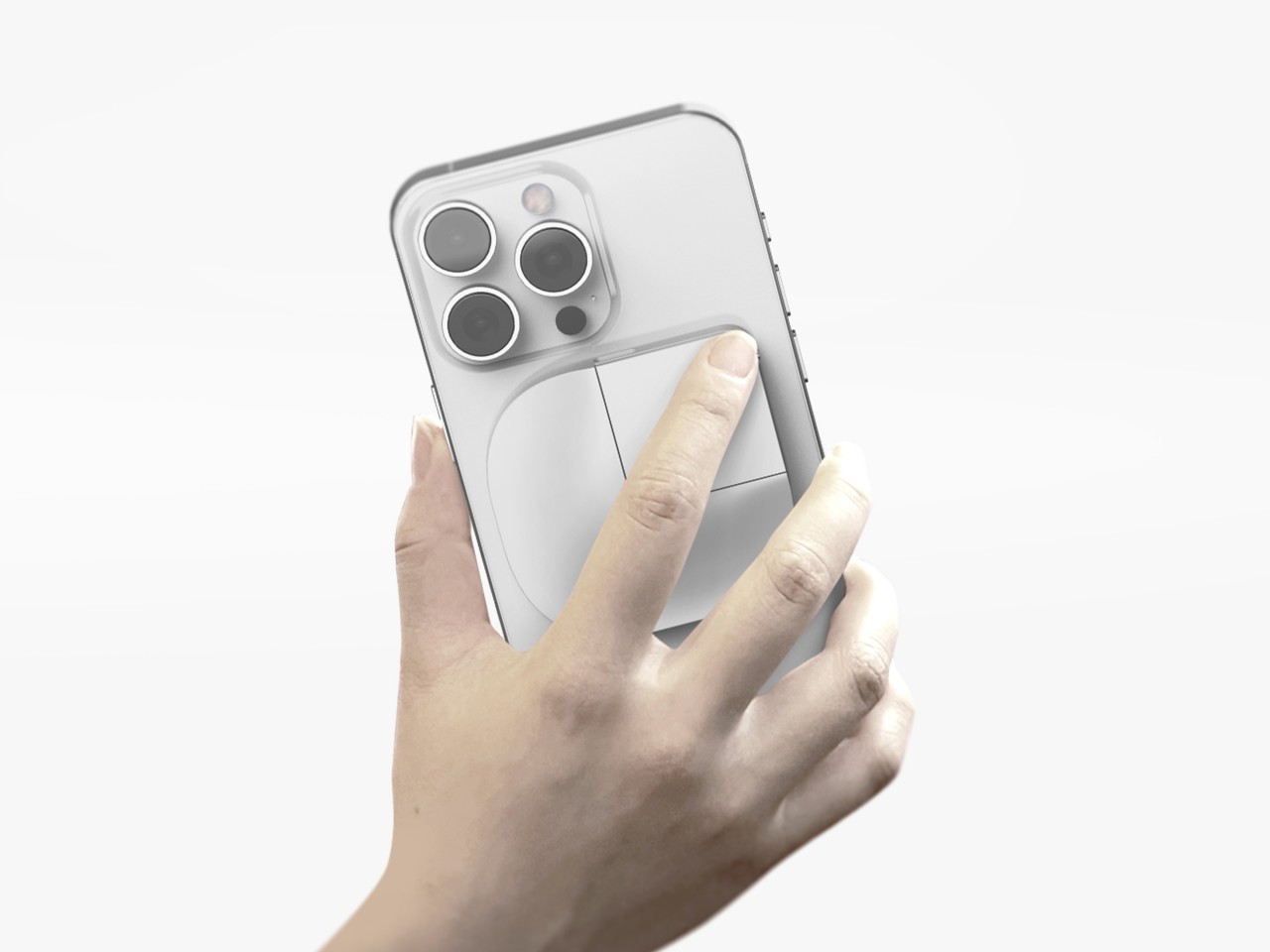
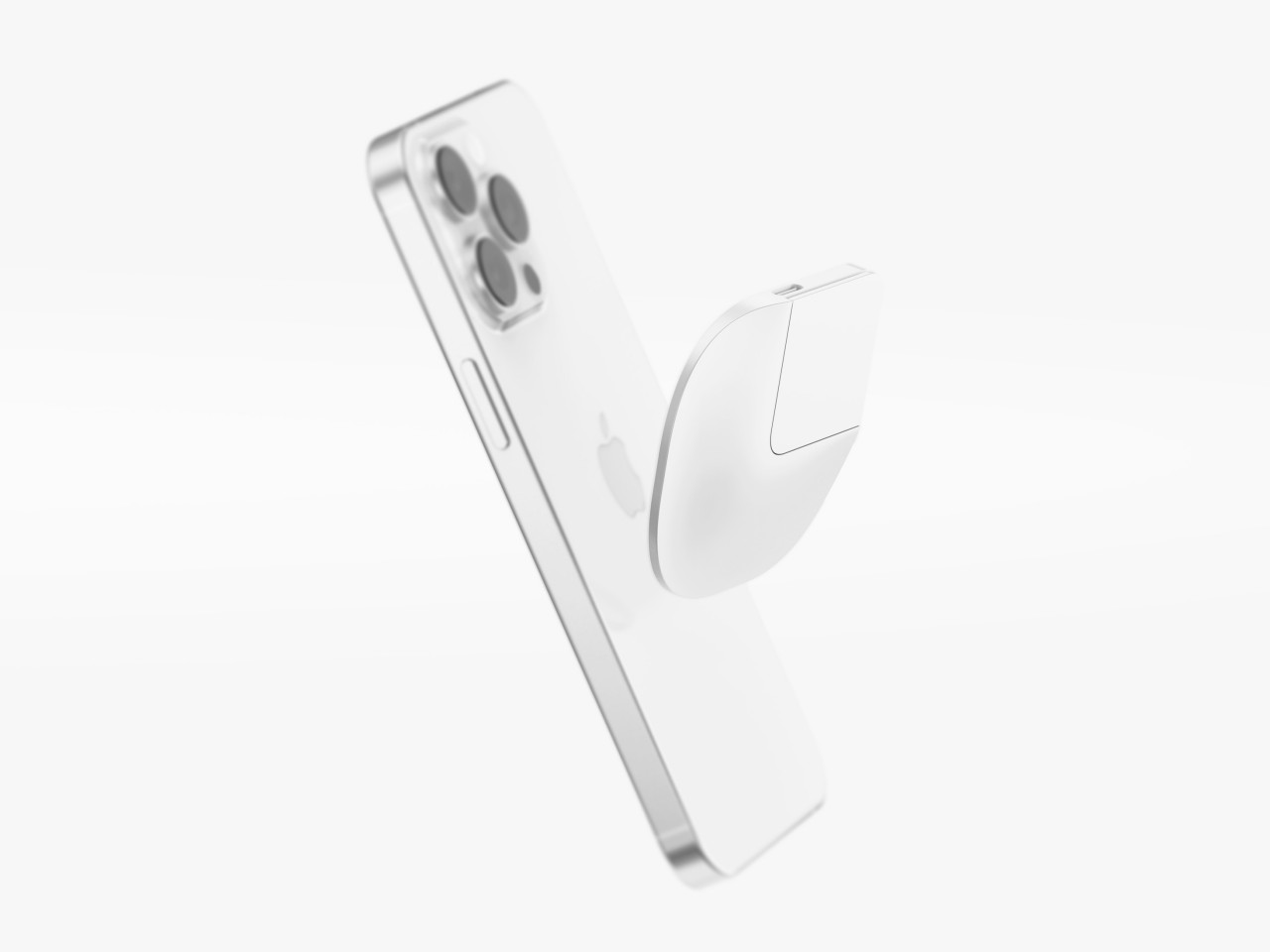
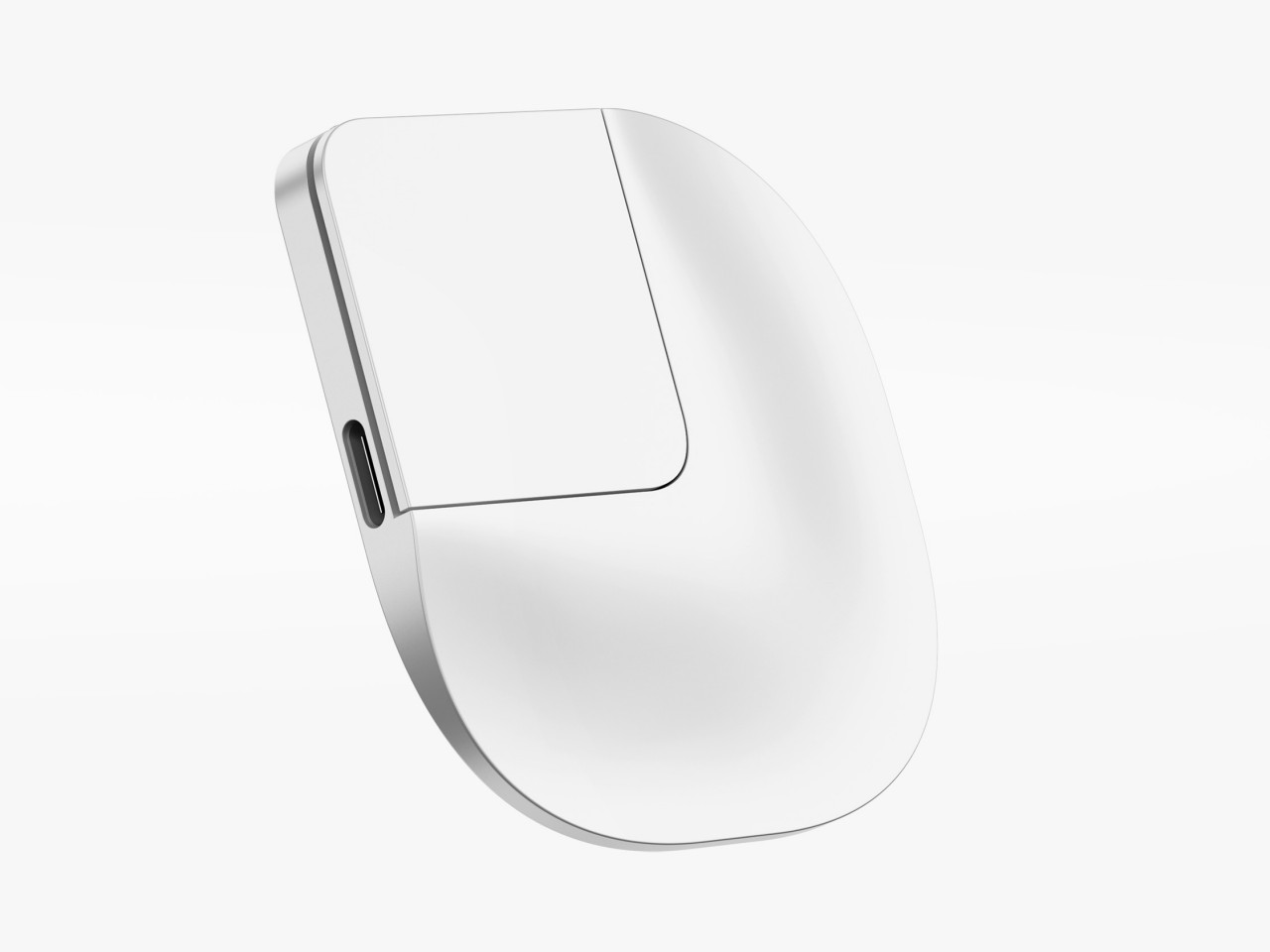
With this one single device, Anker aims to upend cloud storage by allowing you to access and even back up your files on SD cards. Imagine not needing a laptop while shooting on a DSLR, or not needing to worry about all your iPhone photos clogging up your system. The MagGo Nano (whose alleged images were leaked on Reddit not too long ago) is Anker’s way of allowing your iPhone to interface with memory cards. A part of the MagGo series, the adapter looks sort of like the old Chromecast devices, and snaps to the back of your iPhone using MagSafe tech. A fold-out cable lets you connect the MagGo Nano to your phone (or you can even connect it to a tablet, laptop, etc.), and a flip-top presents the Nano’s card slot. Insert an SD card in and you’ve instantly got extra storage + file access.

Designer: Anker

Images of the MagGo Nano (we aren’t even sure if that’s the official name) were shared on Reddit by credible leaker ‘Joshuadwx’. The images show a pretty compact device that looks and feels just like (if not smaller than) a Chromecast device. Under the lid of the accessory, there appear to be both SD and TF card slots, offering data transfer speeds up to 312 Mbps… reportedly. The device seems to be powered by USB-C, which means it’ll be compatible with more than just iPhones (you can attach a MagSafe sticker to your Android device and use it with that too), and rumors suggest it’ll be available in three colors: white, gray and green, with a tentative price range of $30-$40.

The MagGo Nano is a boon for photographers who like the idea of being able to quickly transfer photos from cameras/drones to their phones for editing and uploading on social media. However, for the rest of us, it’s a great way to extend your phone’s storage by uploading things to an SD card. Sure, USB-C thumb drives do exist too, but there’s something much more elegant about using an SD card to take photo backups – be it from a smartphone, a professional camera, an action camera, or a drone.

Images via u/joshuadwx

The post Leaked Images show Anker’s MagSafe SD Card Reader that lets you Locally Back Up your iPhone Gallery first appeared on Yanko Design.
The Future of Apple design language: iPhone 17 Slim and the Shift Towards Ultra-Thin Devices

Rumors are swirling that Apple might be dropping its “Plus” iPhone models, starting with the iPhone 17, potentially replacing them with a more premium offering. Over the years, the appeal of the “Plus” models has waned as standard, and Pro models have become more capable. The latest leaks suggest Apple is set to introduce a new “Slim” iPhone to fill this gap, a move that could revolutionize the future of Apple’s products and excite tech enthusiasts.

Designer: Apple

Remember that iconic moment when Steve Jobs wowed the world by pulling the MacBook Air out of a manila envelope? Could Apple be gearing up for another “MacBook Air moment” with the iPhone 17 Slim? If the rumors are true, we might witness a similarly groundbreaking reveal that redefines expectations for smartphone design and performance.

On July 20, details emerged on Weibo indicating that the iPhone 17 line-up will not include a Plus model. Instead, Apple is reportedly planning to launch an “iPhone 17 Slim,” set to become the most premium model in the line-up, much like the Apple Watch Ultra. This new model will take design cues from the ultra-thin iPad Pro M4, launched in May.

iPhone Concept

The iPhone 17 Slim is rumored to be significantly thinner than its predecessors and other models in the line-up. It is also said to feature an LTPO display with a 120Hz refresh rate, a feature currently exclusive to Pro models. This shift means every iPhone 17, from the base model to the Pro Max, will offer ProMotion technology.

Speculation also suggests that the iPhone 17 series will be powered by Apple’s A19 and A19 Pro processors. The iPhone 17 Slim will likely include the A19 Pro, making it the most advanced and expensive model in the range. Rumors suggest a starting price of $1,299, making it pricier than the current iPhone 15 Pro Max. However, the potential of the iPhone 17 Slim to meet and exceed consumer expectations in terms of performance and design is reassuring.

Here’s a look at the potential iPhone 17 line-up:

  • iPhone 17: $799, A19 processor, 6.27-inch LTPO (ProMotion) display, 8GB of RAM
  • iPhone 17 Pro: $1,099, A19 Pro processor, 6.27-inch LTPO (ProMotion) display, 12GB of RAM
  • iPhone 17 Pro Max: $1,199, A19 Pro processor, 6.86-inch LTPO (ProMotion) display, 12GB of RAM
  • iPhone 17 Slim: $1,299, A19 Pro processor, 6.65-inch LTPO (ProMotion) display, 12GB of RAM

Apple’s push towards thinner designs extends beyond the iPhone. The company is rumored to work on slimmer versions of all its main products, including MacBooks and Apple Watches. This ambition presents significant challenges, particularly regarding battery life and durability. A thinner design often means a smaller battery, which could compromise battery life. Ensuring the iPhone 17 Slim has comparable or superior battery performance to existing Pro Max models will be crucial.

Interestingly, with the development of the M4 and potentially M5 chips, these processors are expected to be much more efficient by the time the iPhone 17 is released. This efficiency could allow Apple to use a smaller battery while retaining the same battery life as current models. While battery capacity is a significant factor, I would much rather have a faster wired and wireless charging rate to top off as needed quickly.

The design elements of the iPad Pro M4 are noteworthy, with its skinny profile and raw processing power setting a new standard for Apple’s devices. Imagine the iPhone 17 Slim adopting this same level of thinness combined with the A19 Pro processor. This would not only deliver a powerhouse device with exceptional performance and a gorgeous display but also set a new benchmark for smartphone design in the tech industry. Additionally, thinner devices can be more susceptible to bending and other durability issues, making robust design and engineering essential. However, Apple seems to have resolved this issue with the iPad Pro M4, giving confidence that the iPhone 17 Slim will be both durable and sleek—hallelujah!

Interestingly, recent leaks about the Pixel 9 Pro and the newly released Galaxy Fold6 and Flip6 show a trend towards flat edges, similar to the iPhone 15 Pro and Max. This design trend across brands highlights the industry’s move towards sleek, flat-edged devices. The Pixel 9 Pro will feature a refined design focusing on high-end performance. At the same time, the Galaxy Fold6 and Flip6 continue to innovate in the foldable phone market, combining cutting-edge technology with stylish designs.

Samsung Galaxy Fold6

Pixel 9 Pro Fold

The iPhone 17 Slim’s anticipated ultra-thin design would fit right into this trend, offering a visually stunning and powerful device that appeals to users looking for the best form and function. The ultra-thin design not only enhances the device’s aesthetics but also makes it more portable and comfortable to use, thereby enhancing the overall user experience.

Apple’s ultra-thin tech game plan doesn’t stop at the iPhone. The upcoming MacBooks and Apple Watches are also expected to feature thinner designs, making them more portable and stylish while maintaining high performance. The challenge will be to balance this thinness with functionality, ensuring that battery life and durability are not compromised.

MacBook Concept

With the iPhone 16 around the corner, are these early iPhone 17 leaks compelling enough to keep you holding on to your current device for another cycle? The promise of the iPhone 17 Slim, with its ultra-thin design, powerful A19 Pro processor, and stunning LTPO display, could be worth the wait. As Apple continues to innovate, we can expect these design principles to set new industry technology and design standards, inspiring the tech industry and consumers alike.

The post The Future of Apple design language: iPhone 17 Slim and the Shift Towards Ultra-Thin Devices first appeared on Yanko Design.
Essential PH-2 prototype reveals the super-narrow smartphone that never was

Smartphone companies come and go, but the more notable ones usually stick around long enough to leave a mark. Essential, however, was fated to just be a bright, short-lived spark. Founded by Android creator Andy Rubin after leaving Google, the brand was supposed to mark a return to the essentials of the smartphone experience, hence the name, but it only ever got to release one product, which admittedly met a warm reception. The rest, as they say, is history, and most of us have probably forgotten the Essential PH-2 that made waves in the days before the company’s demise. Thanks to a few prototypes floating around the Web, we finally get to see this oddity in action, making us wonder whether it would have been a revolutionary success or if it’s fortunate it never got to see the light of day.
Designer: Essential (via Rob Wainright)

If Essential was staging a rebellion against mass-produced smartphones, the Essential PH-2 would be its perfect representative. While most devices were getting larger, this ultra-slim candy bar phone felt like someone had split a phone in half along its length. What you get is similar to a tiny smart TV remote with only a screen for its face. Handy, yet awkward and puzzling.

The front sported a 5.7-inch AMOLED display with a resolution of 2160×560, refusing to match any of the standard aspect ratios supported by display industries. The back is an all-glass affair as well as a fingerprint magnet, smooth and plain with only a small lump for a single camera and a dimple for a fingerprint sensor. It’s clear that the Essential PH-2 was designed for ergonomics primarily, something that can’t be said of most smartphones today, but some equally important things might have gotten lost along the way.

The Android-based interface revolves around a metaphor of cards or tiles arranged in a long, scrolling column, with each card representing an app. Given the unfinished nature of the device, it’s not surprising that many of these apps simply didn’t work, but those that did work revealed how the phone would have worked in people’s hands. Suffice it to say, watching YouTube won’t be the most enjoyable experience, even if turn the phone on its side for a 480p quality video.

This does raise the question of who this phone was targeted at. Or better yet, who would have bought such an oddity even back then? It wouldn’t be a fun social media experience, given how small images would be and how narrow text would have to be, nor is it good for watching videos. It might appeal to music lovers and maybe vloggers who want a handy camera to hold, though the prototype’s camera quality wasn’t exactly reassuring in that regard. We’ll probably never know now, though Essential still deserves some praise for daring to think outside the box, whether or not it cost them their business in the end.

The post Essential PH-2 prototype reveals the super-narrow smartphone that never was first appeared on Yanko Design.