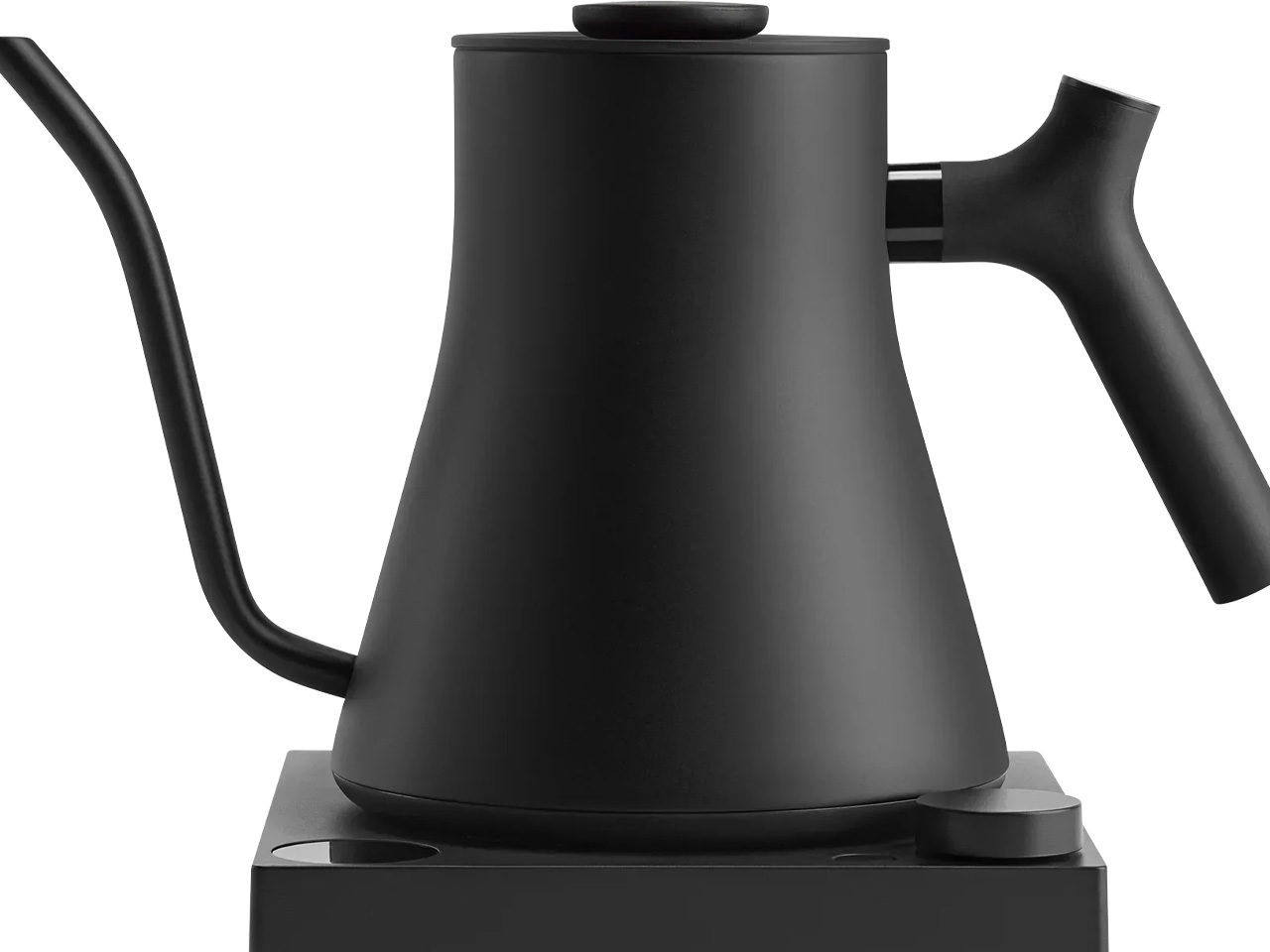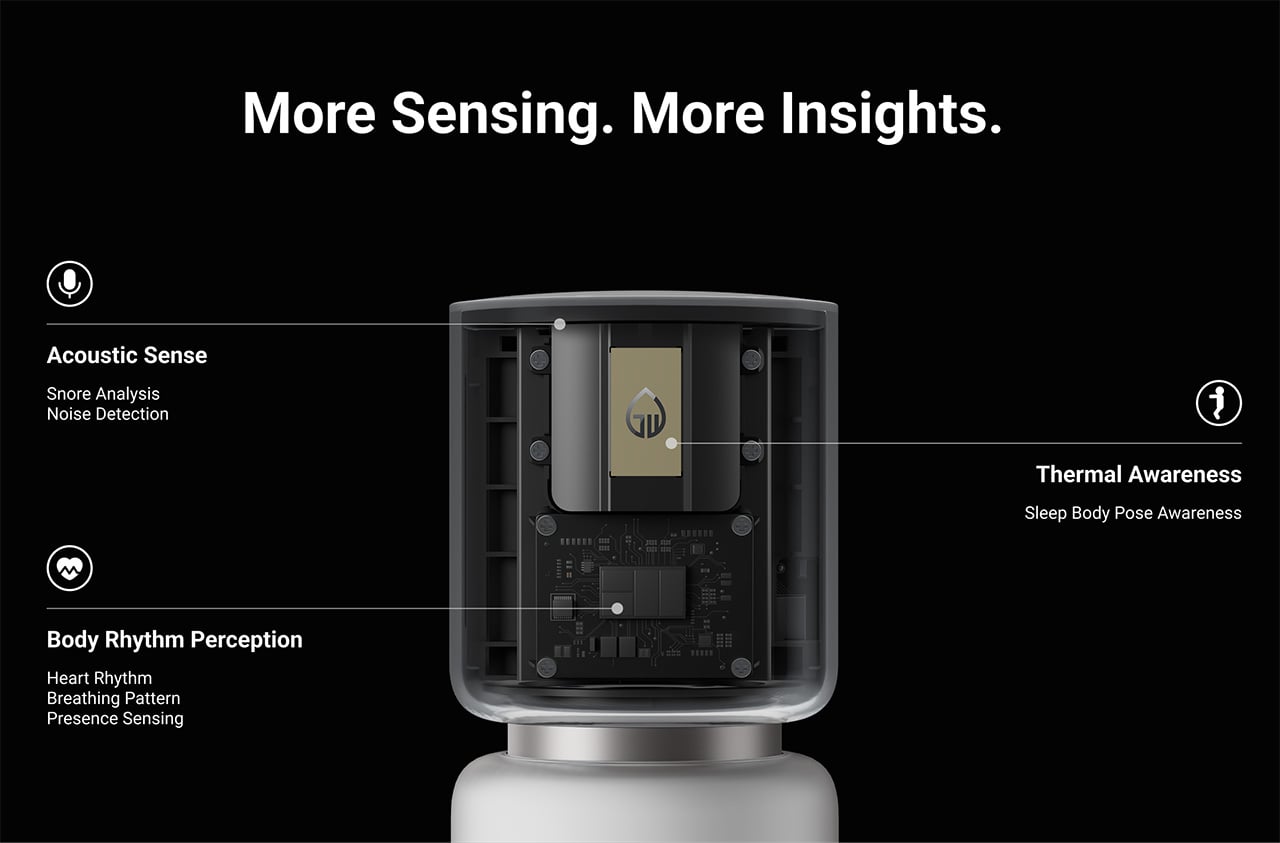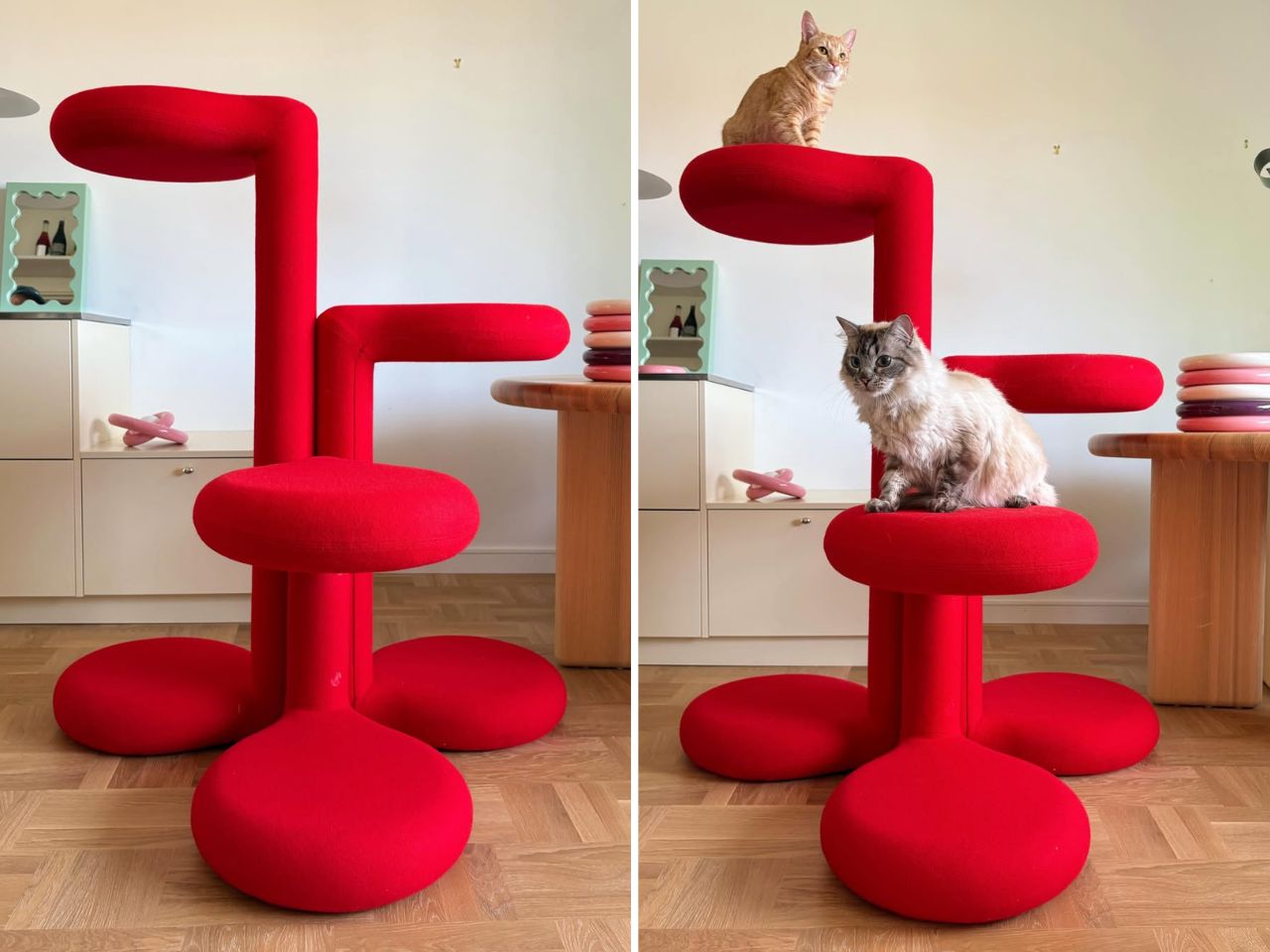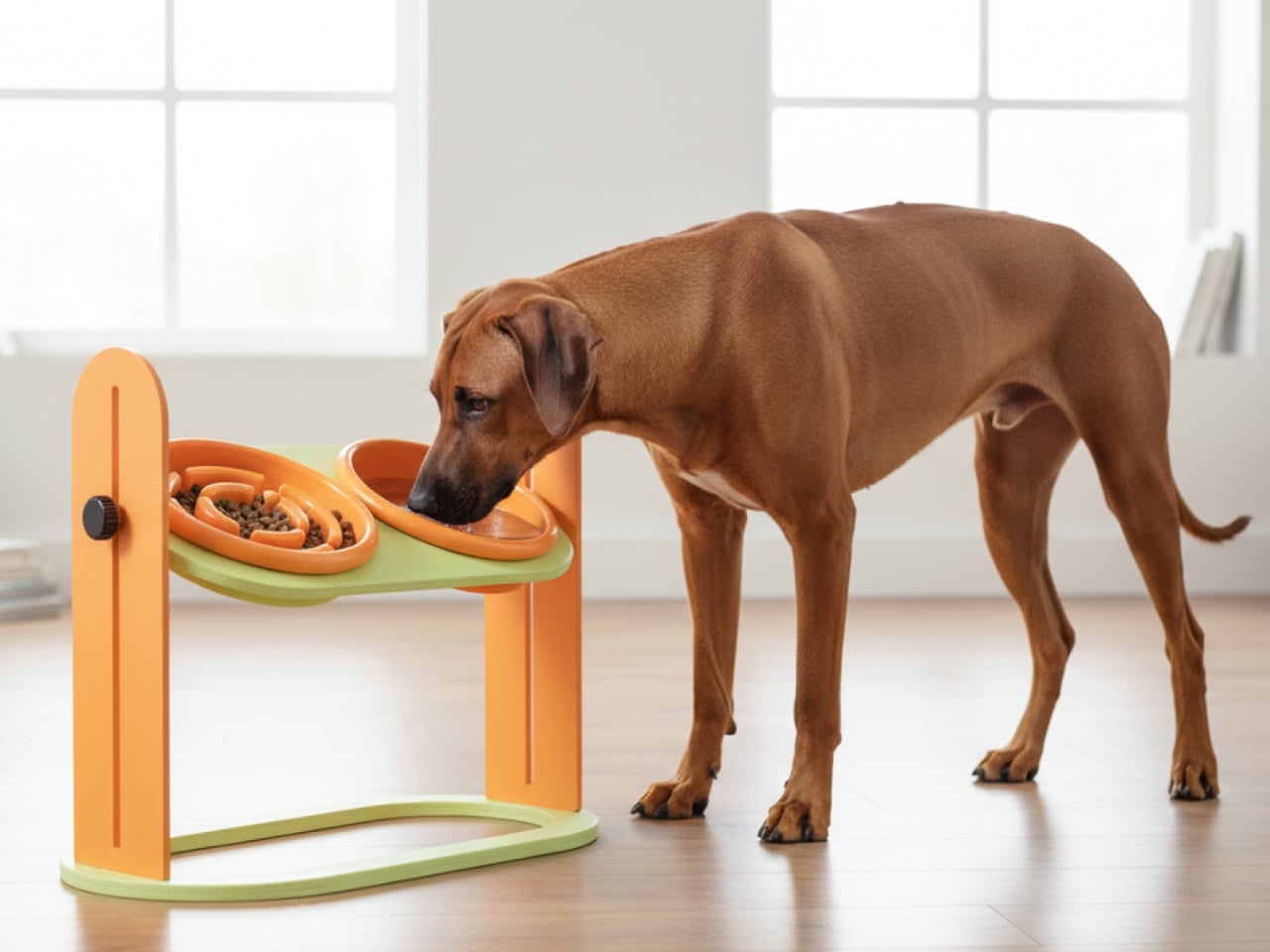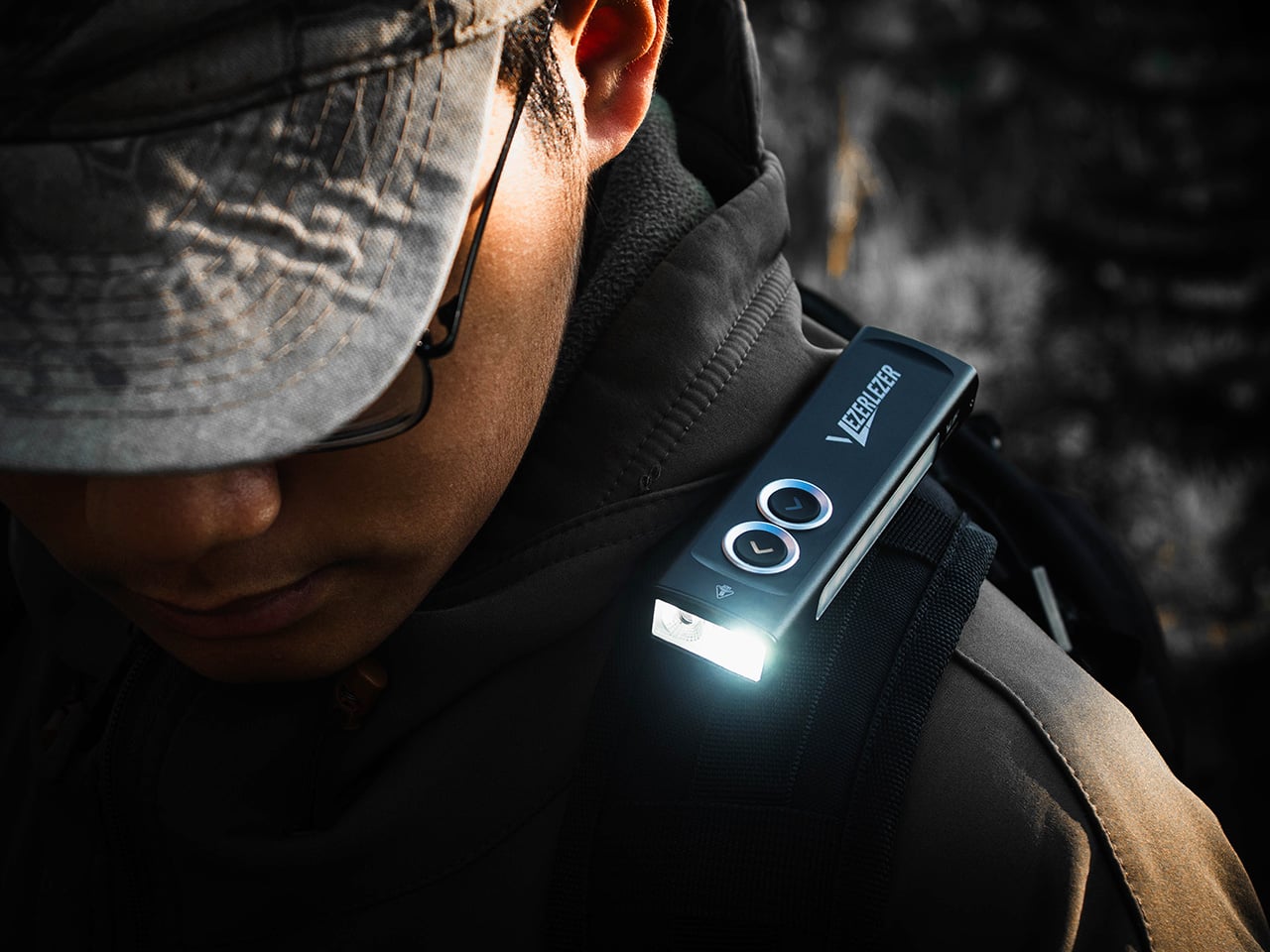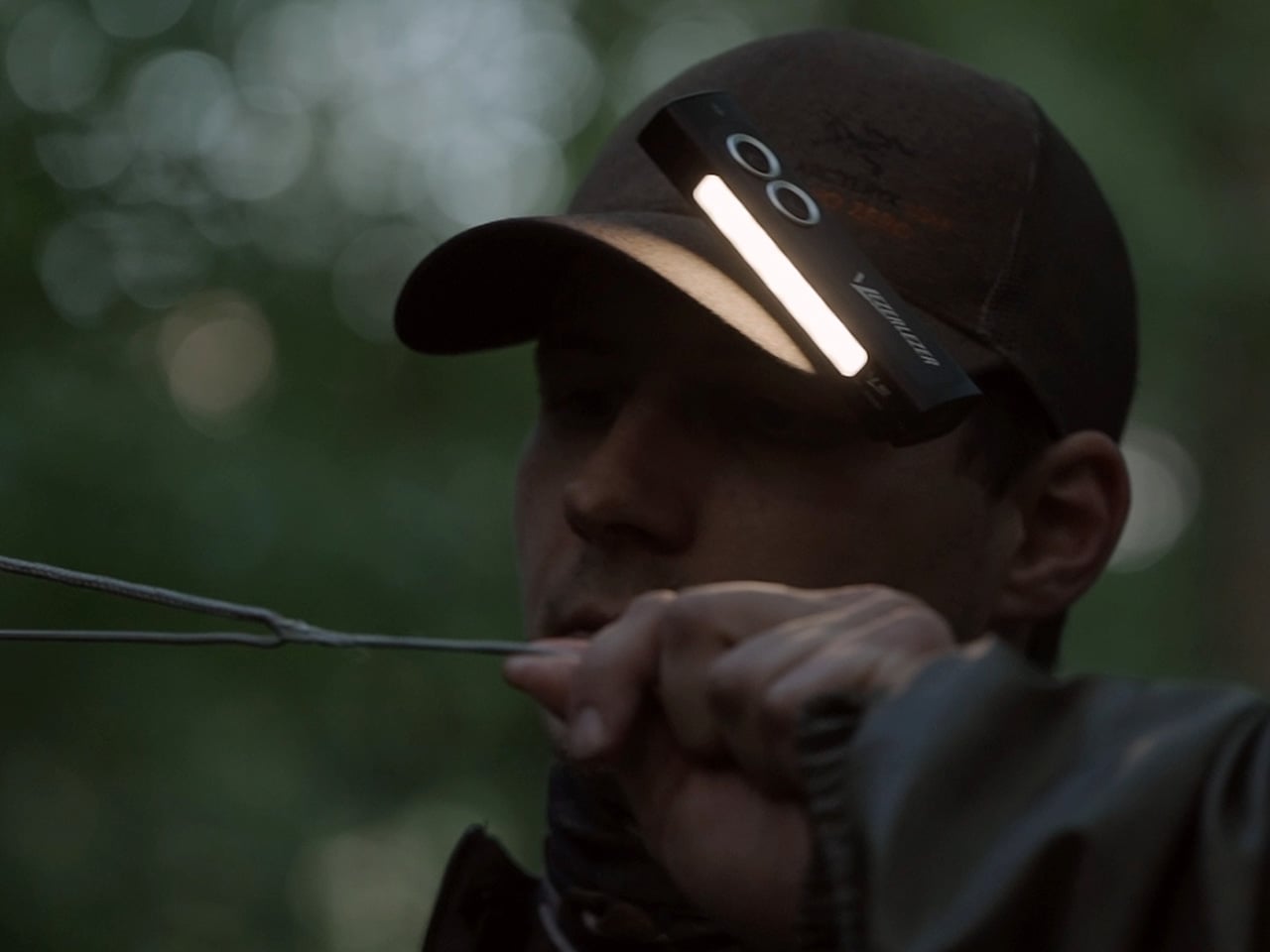
5 Best Spring Gadgets That Are Taking Over Every Tech-Savvy Student’s Wishlist

Spring changes the way students think about their tools. The semester finds its stride, the days stretch longer, and the quiet audit of what is actually working versus what has simply been tolerated becomes impossible to defer. For tech-savvy students, this impulse is never casual. It turns into a deliberate reckoning with every device in the bag, every cable on the desk, and every piece of hardware that earns or fails to earn its place in a schedule already running at capacity.

Most gadget guides aim too low. They recycle the same categories, suggest the predictable safe picks, and miss the specific texture of what a tech-savvy student’s day actually looks like in spring. Tools that genuinely serve that day are portable without sacrifice, precisely designed, and specific enough in their purpose to feel built for the exact problem they solve. The wishlists circulating among students who think carefully about design land on exactly that — and every product here was chosen to reflect it.

1. OrigamiSwift Folding Mouse

The mouse is the peripheral that students consistently overlook until a trackpad fails them mid-session. The OrigamiSwift changes that calculation. Drawing on origami’s structural logic, this Bluetooth 5.2 mouse collapses flat and springs into a full-sized ergonomic device in under 0.5 seconds. At 40 grams and 0.18 inches thin when folded, it disappears into a jacket pocket without adding noticeable weight. Soft-click buttons suit shared study spaces, and a USB-C battery sustains three months on a single charge.

For students moving between a library desk, a café table, and a campus bench in one afternoon, this is the mouse that travels without being noticed until needed. Compatible across Mac, Windows, Android, and iPadOS, it works equally on a personal laptop and a shared lab machine with no additional setup. The ergonomic form handles extended sessions without fatiguing the wrist, turning a recurring compromise into a peripheral that finally earns its place.

Click Here to Buy Now: $85.00

What We Like:

  • Folds to 0.18 inches and 40 grams, fitting into a jacket pocket without adding meaningful bulk to the daily carry
  • Three-month USB-C battery life removes it entirely from the weekly charging routine, so one less thing to think about

What We Dislike:

  • Bluetooth-only connectivity limits use on older shared desktops or lab machines that lack wireless support
  • The folding mechanism takes a brief adjustment period for students accustomed to the immediate grip of a conventional fixed-body mouse

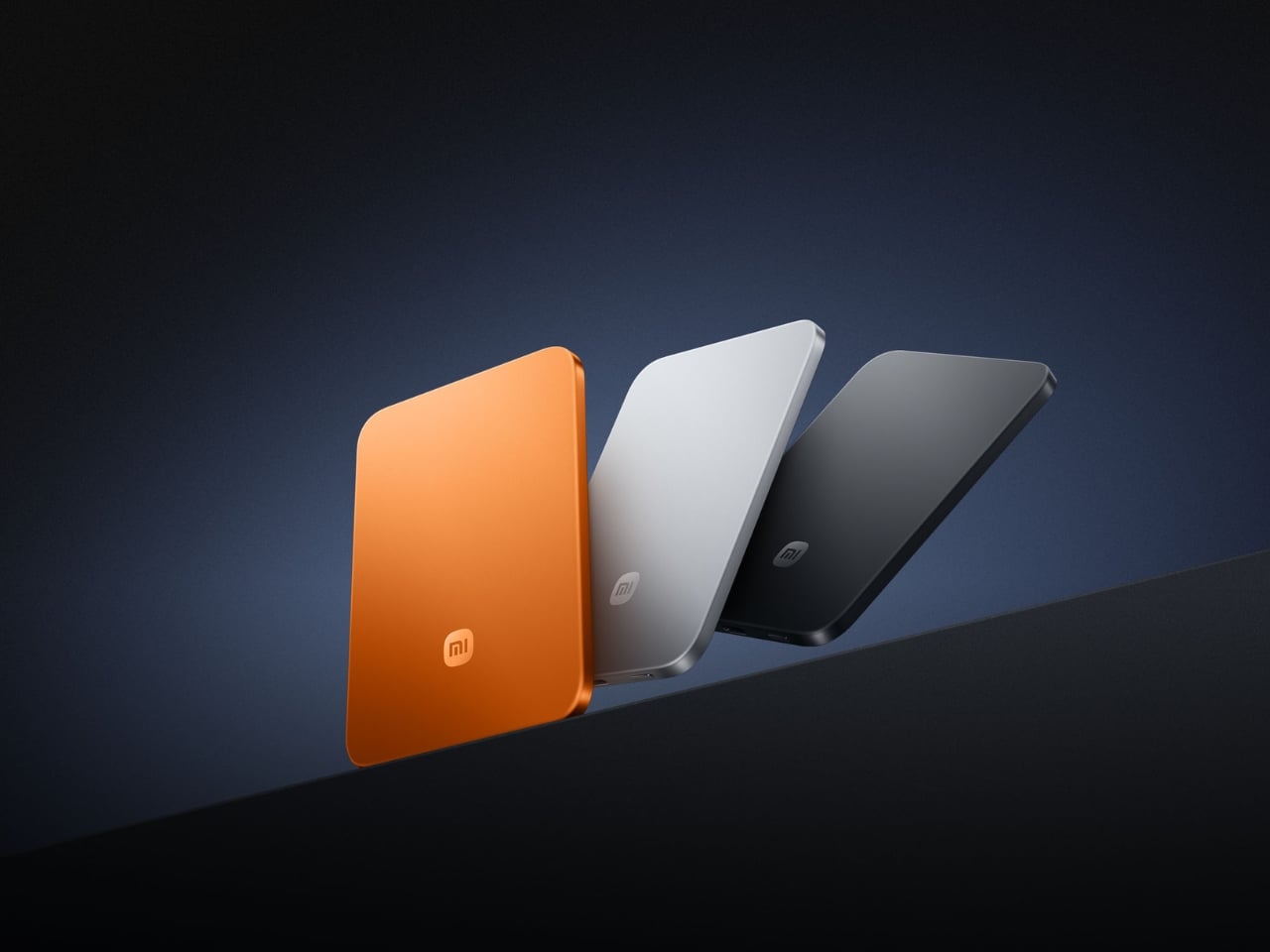
2. Xiaomi UltraThin Magnetic Power Bank 5000 15W

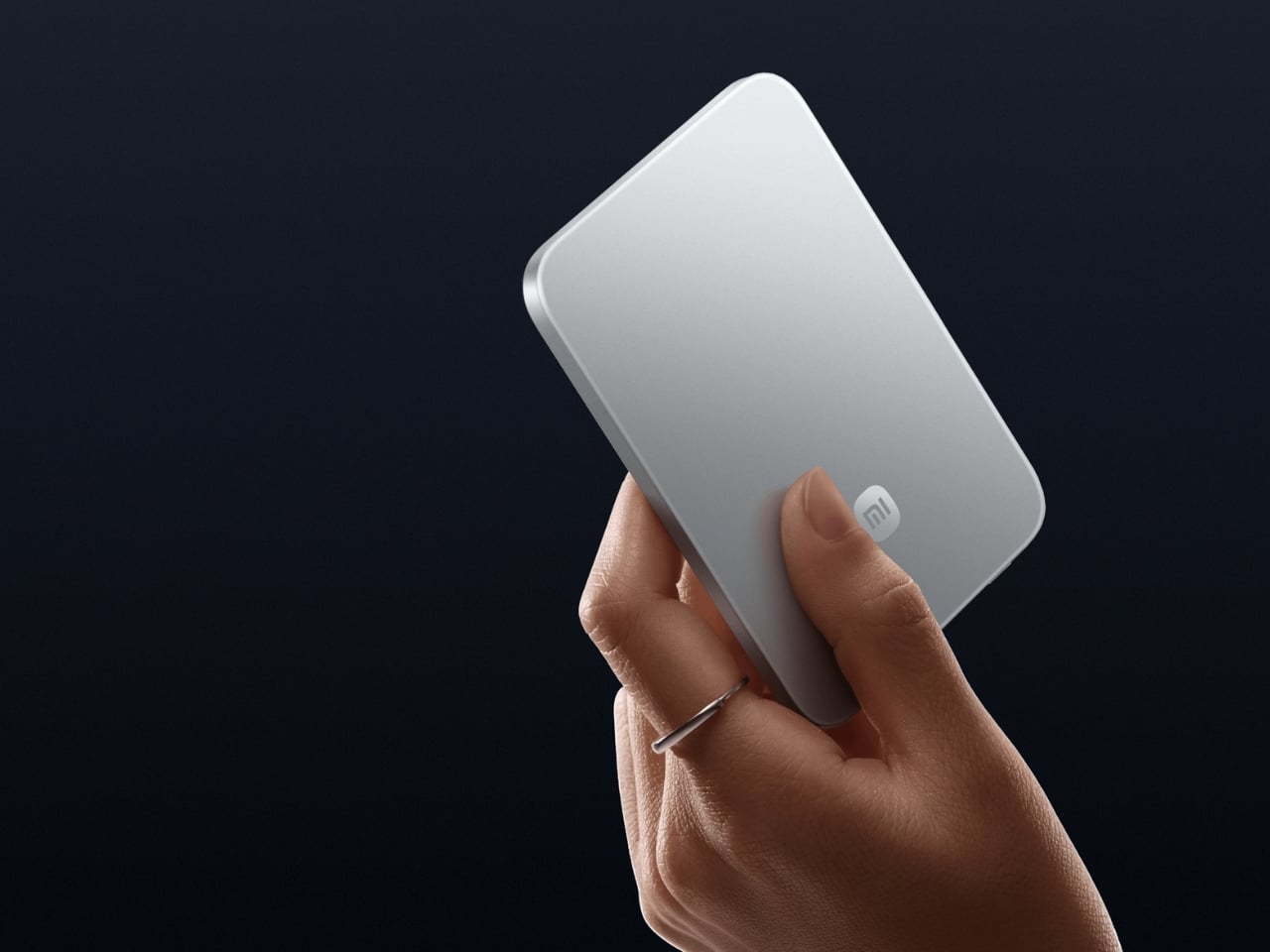
Power banks occupy a strange design dead zone. Most work as promised and are forgotten the moment they enter a bag. The Xiaomi UltraThin Magnetic Power Bank 5000 15W reframes the category. At 6mm thin — slimmer than any current smartphone — it holds 5,000mAh inside an aluminum alloy shell. Silicon-carbon battery chemistry with 16% silicon content enables higher energy density without expanding the footprint, and a fire-resistant fiberglass rear surface manages heat during wireless charging.

This solves the persistent problem of the charging backup that stays home because it feels too heavy to justify. At 6mm, it sits magnetically against a compatible phone and delivers 15W wirelessly while moving between buildings, sitting through a lecture, or waiting at a transit platform. No cable between bank and phone, no rummaging for the right end. It sits in a pocket as an extension of the device rather than a separate burden to manage throughout the day.

What We Like:

  • Silicon-carbon chemistry achieves 5,000mAh within a 6mm profile, making it the thinnest power bank available at this capacity tier
  • Magnetic cable-free attachment delivers 15W wirelessly while the phone stays pocketed between classes, with zero management required

What We Dislike:

  • 5,000mAh covers roughly one full smartphone charge, which falls short on heavy-use days involving continuous navigation, recording, and streaming
  • Magnetic wireless charging is limited to compatible phone models, restricting the cable-free feature for students outside that ecosystem

3. HubKey Gen2

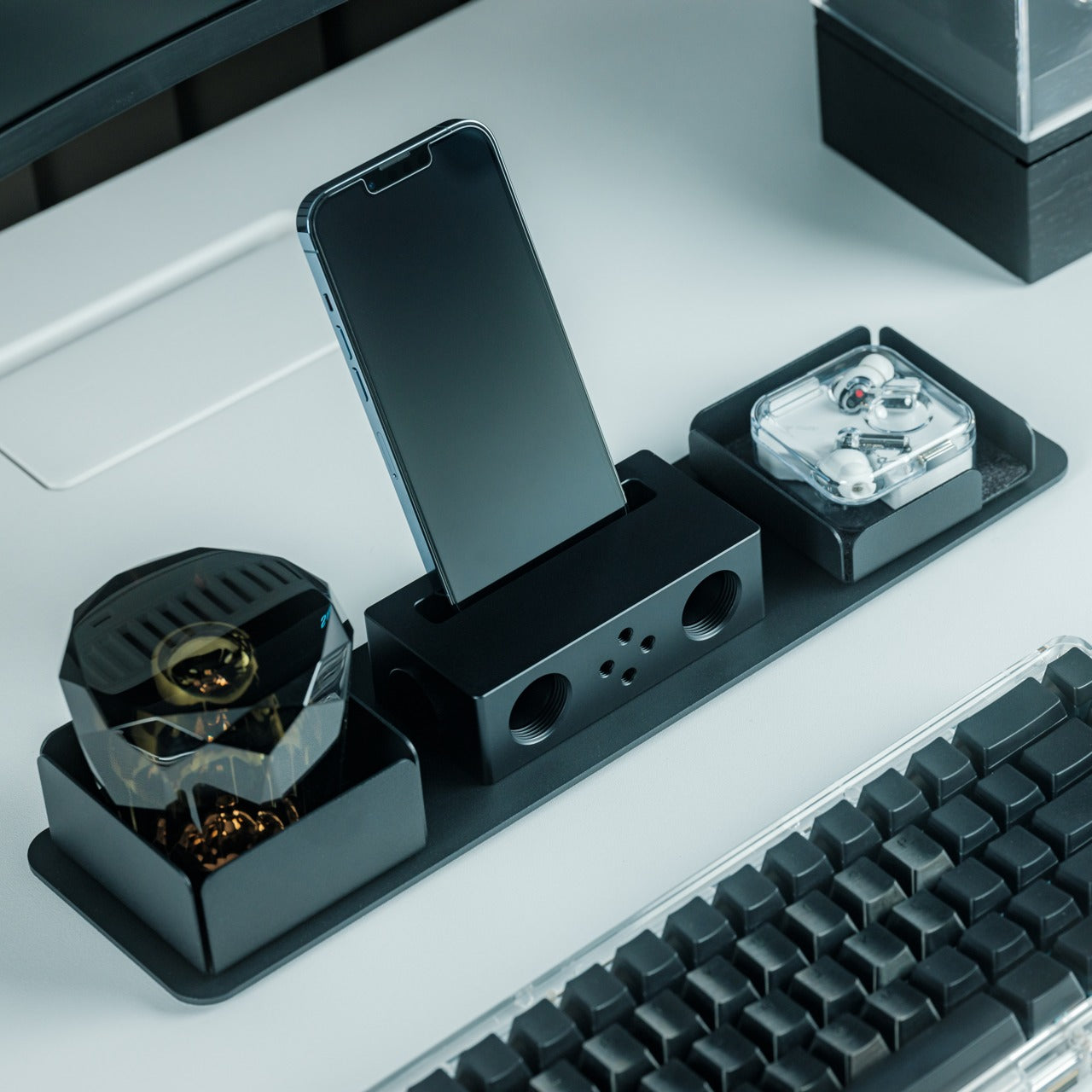
The average student laptop setup involves a quiet accumulation of compromises: a dongle for the display, a separate hub for ports, a cable for audio, and none of it cohering. The HubKey Gen2 addresses this from a single USB-C connection. An 11-in-1 hub in a compact cube, it adds two HDMI ports, each capable of driving a 4K display at 60Hz, four fully customizable physical shortcut keys, and a central control knob that handles everyday actions without navigating software menus.

Spreading a research document across two 4K panels changes the quality of a work session in ways only understood from the inside. Reference material stays open while the draft stays active. Code and documentation share the same eyeline. The shortcut keys reduce the cognitive overhead of memorizing keyboard combinations, and the central knob delivers volume control with tactile immediacy that no software slider replicates. For students working across design, development, or video, this cube earns its place on day one.

What We Like:

  • Dual 4K HDMI outputs at 60Hz each simultaneously expand a laptop into a proper two-monitor workstation from a single connection
  • Physical shortcut keys and a central control knob bring immediate, tactile control to routine tasks that software menus handle more slowly

What We Dislike:

  • Cube form factor suits a stationary desk, but does not pack into a travel bag as cleanly as a flat or cable-style hub alternative
  • Full 11-in-1 performance depends on the connected laptop’s USB-C port supporting the required power delivery and data bandwidth specifications

4. BraX open_slate

Almost every tablet arrives sealed, with decisions already made inside the chassis: fixed storage, an inaccessible battery, a software support window that closes on the manufacturer’s schedule. The BraX open_slate rejects that model. This 12-inch 2-in-1 includes an M.2 2280 slot for user-swappable storage, a replaceable 8,000mAh battery rated at 20 hours of runtime, and a 120Hz display driven by a MediaTek Genio 720 chip paired with either 8GB or 16GB of RAM.

The open_slate removes the most predictable frustration of the tablet ownership cycle: the moment a device slows enough to become an obstacle, and the only available response is full replacement. Swappable storage means a capacity upgrade takes an afternoon. A user-replaceable battery means two years of student use does not write off the entire device. For students making a deliberate, multi-year investment in one tablet, this is currently the only option making that argument with hardware to back it.

What We Like:

  • User-replaceable M.2 storage and battery extend the device’s usable lifespan well beyond the typical two-to-three year sealed-tablet replacement cycle
  • A 20-hour claimed battery runtime on a 120Hz display covers a full academic day without requiring a charge mid-session

What We Dislike:

  • MediaTek Genio 720 is a capable mid-range chip, but it is not suited for students with intensive video rendering or compute-heavy creative workloads
  • The open modular hardware requires a degree of technical confidence that students coming from fully managed, sealed device ecosystems may need time to build

5. Battery-Free Amplifying iSpeakers

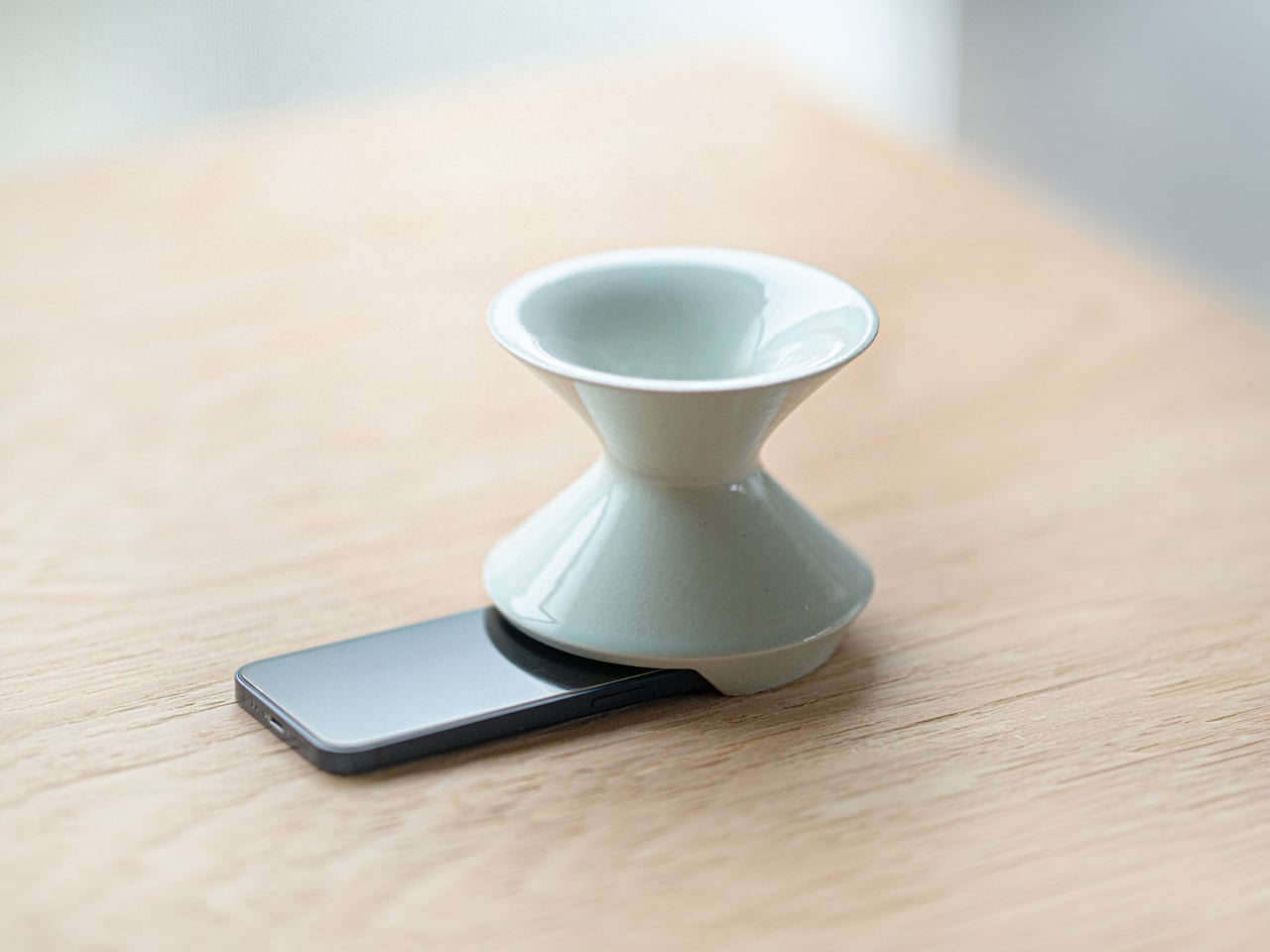
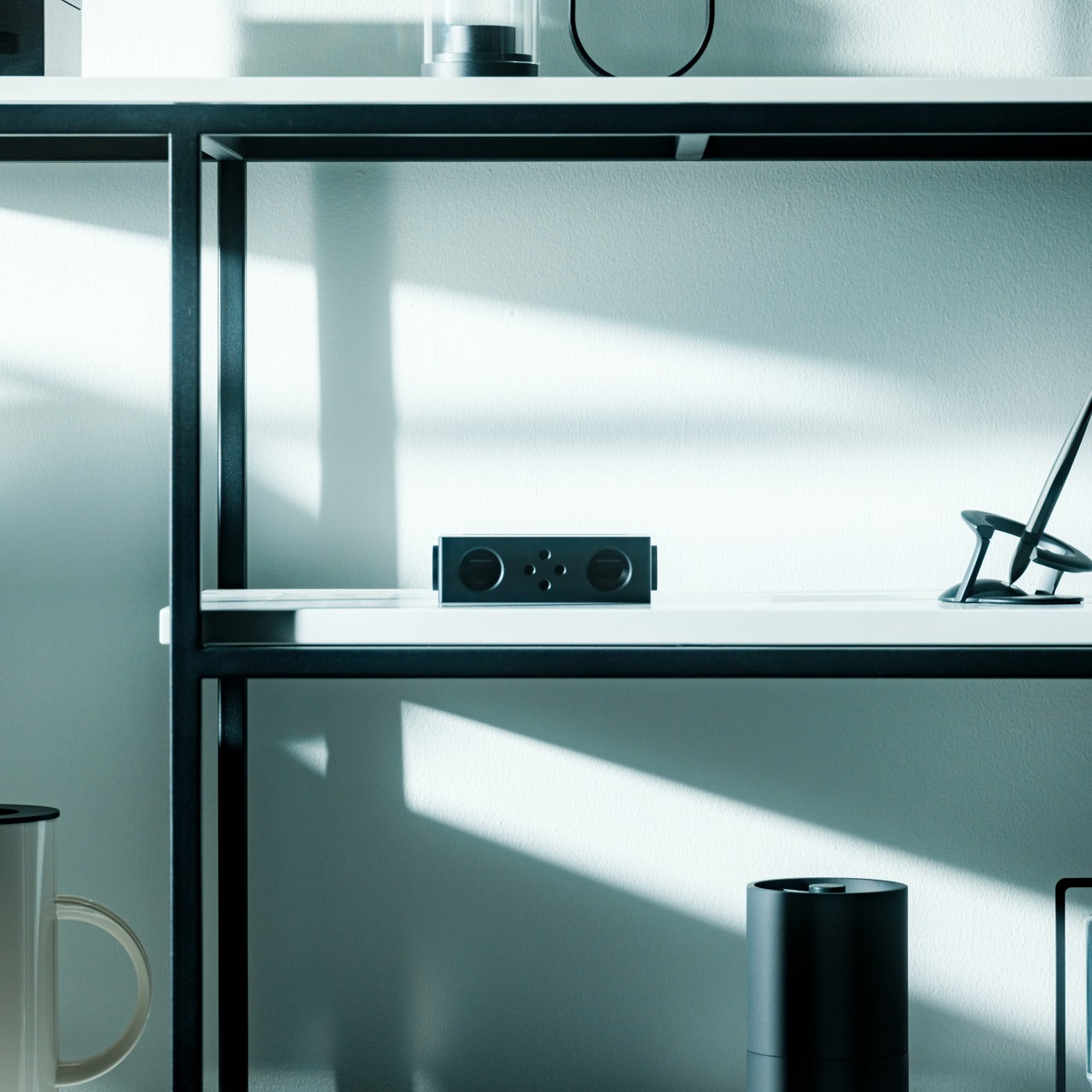
The Battery-Free Amplifying iSpeakers operate on a principle that is easy to underestimate until the sound fills the room. A smartphone sits in the machined Duralumin cradle, and sound waves are directed and amplified through the chamber without any electrical input. The body is the same aluminum alloy used in aircraft construction, chosen for its vibration resistance and acoustic properties. Chamber proportions were developed using the golden ratio, a structural decision that shapes the internal acoustic geometry deliberately.

No charging reminder, no Bluetooth pairing, no firmware update mid-session. A phone in the cradle and the room shifts immediately, audio gaining presence and warmth that a phone speaker lying flat on a desk cannot approach. For study sessions running on focus music, ambient sound, or a lecture replay, the difference registers in seconds. Duralumin handles daily movement without showing wear, and because it operates entirely outside the electrical ecosystem, it performs identically in ten years as it does today.

Click Here to Buy Now: $179.00

What We Like:

  • Zero power requirement means no charging, no battery degradation, and no dependency on any cable or power source at any point
  • Aircraft-grade Duralumin construction delivers acoustic quality and physical durability that holds across years of regular daily use without deterioration

What We Dislike:

  • Passive acoustic amplification improves meaningfully on bare phone speaker output, but cannot match the volume or bass depth of even entry-level powered speakers
  • Cradle sizing is optimized for specific smartphone dimensions, and compatibility may vary with larger phones or thick protective cases

The Setup That Actually Works for You

The five products here do not share a category, price point, or use case. What they share is design precision that addresses real daily friction rather than just performing a feature list. A wishlist built on that standard holds up across the full stretch of any semester. These are tools chosen because someone thought carefully about the problem first, and that clarity comes through every time you reach for one.

Spring is short. It moves quickly from the first warm afternoon to the last exam, and the tools you work with shape how much of that time goes toward actual output. The difference between owning something well-considered and tolerating what came with freshman year becomes obvious around week ten. Choosing now means spending the rest of the semester working with something that performs exactly the way a well-chosen tool should.

The post 5 Best Spring Gadgets That Are Taking Over Every Tech-Savvy Student’s Wishlist first appeared on Yanko Design.

The 5 Best Furniture Designs of March 2026

March brought the kind of furniture that doesn’t need to announce itself. A student chair that shifts between sitting and lounging through physics alone. A coffee table whose legs look like they’re caught mid-step toward the door. A stool that opens from flat with a single press and no tools required. An office system built to reconfigure whenever the day asks for something different. A footstool that handles posture quietly, without making it your problem to manage.

What connects these five pieces isn’t a shared material or a shared aesthetic. What connects them is the absence of excess. Each one solves something real, and each one does it without layering on complexity to get there. That kind of restraint is harder to land than it looks. Most furniture design in 2026 is reaching for the new, for the bold, for the statement piece. These five reach for the right answer instead, and find it.

1. Tilt Chair

Manuela Hirschfeld is an industrial design student at Germany’s Hochschule Pforzheim, and her Tilt chair does exactly what the name suggests. Built from bent plywood, it shifts between upright and reclined with a single forward tilt. No levers, no hardware, just physics and balance. The restraint here is rare for student work. Most student designs reach for the complex or the speculative. Tilt strips everything back until the idea stands entirely on its own.

What makes it genuinely useful is how naturally it handles the shift between focused work and winding down. Most chairs make you choose one mode and stay there. Tilt lets your body make that call instead. Lean it forward, and the geometry changes. The bent plywood keeps it light and easy to move, so it works as well in a small apartment as it does in a studio or home office.

What We Like

  • No mechanical parts means nothing to replace or service over time
  • Dual function in a single lightweight form, no extra hardware needed

What We Dislike

  • The minimal plywood aesthetic may feel too sparse for warmer, more layered interiors
  • May not offer enough firm back support for users who need a fixed, stable position

2. Barefoot Collection

The Barefoot Collection started with a single image: a coffee table that looks like it’s walking away. The legs are carved from solid wood to simulate the arc and flex of a bare foot mid-step, while the tabletop stays completely flat and rectilinear. Stillness above, motion below. That contrast is the whole point, and it works better than it has any right to. The piece reads as coherent long before it reads as clever.

What you actually get is a coffee table that functions without apology and sparks a real conversation without ever trying to. Set a cup on it and forget the concept entirely. Then a guest walks in, does a double-take, and suddenly the room is talking. Most concept-led furniture exhausts you after a few weeks. Barefoot earns its place by being genuinely useful first and genuinely interesting second. That’s always the right order.

What We Like

  • Solid wood construction gives it real longevity, well beyond its visual appeal
  • Works as a fully functional surface while quietly holding a strong point of view

What We Dislike

  • The sculpted legs make it difficult to pair with more conventional, straight-lined furniture
  • The level of craft involved likely puts it at a higher price point

3. Press Stool

The Press Stool borrows its structural logic from folded paper. A flat sheet has no load-bearing strength, but fold it, and the forces redistribute across the geometry. Crease it further, and the form resists compression. That principle does all the work here. In its flat state, it collapses into a wide oval with a crinkled metallic silver surface that lands somewhere between industrial foil and fabric. One press and it opens. No legs, no bolts, no tools.

For anyone in a small apartment, it solves a storage problem while putting something worth looking at in the room. It ships flat, weighs little, and can slide under a bed or lean against a wall when it isn’t needed. Most fold-flat furniture looks like a compromise. The Press Stool looks intentional. The crinkled surface and gathered folded ends give it a presence that holds up even when it’s closed.

What We Like

  • Ships and stores completely flat, ideal for smaller homes and tight living spaces
  • No assembly required, the folded form does all the structural work

What We Dislike

  • The metallic silver finish is a strong statement that won’t suit every interior palette
  • Load capacity may be more limited compared to stools with conventional structural frames

4. Kylinc Modular Office System

Kylinc treats the workspace like something that should change whenever the day asks it to. Each piece rolls on oversized wheels, which makes reconfiguring your office feel genuinely effortless rather than theoretically possible. Push pieces apart for a collaboration zone, pull them together for focused work. Power management is built directly into the furniture, with smart cable organization that keeps surfaces clean without any additional accessories to track down or manage.

The benefit shows up most for people working from home across a day that never asks the same thing twice. A static configuration works well some of the time and poorly the rest. Kylinc changes that without requiring much effort, which is the real difference between a system that actually gets used and one that stays fixed out of habit. The built-in cables move with the furniture. Your layout becomes something you actually control.

What We Like

  • Oversized wheels make real reconfiguration effortless, not just possible on paper
  • Integrated power and cable management keep the workspace clean without extra accessories

What We Dislike

  • Rolling furniture may feel less stable than fixed pieces for users who prefer an anchored setup
  • A full modular system likely carries a significantly higher upfront cost than standard office furniture

5. OTTO Footstool

OTTO takes its name from the Korean roly-poly toy Ottogi, a round-bottomed figure that always rights itself because of its convex base. Designer Woonghee Ma applied that same logic to a footstool. The convex base means it rocks and shifts as your body moves throughout a long sitting session. No adjustment needed, no settings to configure. You shift weight, the stool moves with you, and that’s the whole mechanism.

For a home office that needs to support you without making a production of it, OTTO is exactly right. Most ergonomic products demand your attention to work. OTTO doesn’t. The passive rocking base handles posture support quietly while you stay focused on everything else. It also looks good, which matters more than it might seem for something you’ll look at every working day. Clean, compact, and entirely unpretentious about what it is.

What We Like

  • Passive rocking base provides ergonomic support through natural weight shifts, no settings required
  • Compact and well-proportioned, it works equally well in home and professional office settings

What We Dislike

  • The rocking motion may feel unfamiliar at first for users accustomed to fixed support
  • May not suit very low seating arrangements where foot elevation isn’t part of the setup

March Didn’t Make a Noise. It Made a Point.

What connects these five pieces isn’t an aesthetic or a material. It’s restraint. A chair that changes mode with one gesture. A table that earns its concept by being useful first. A stool that ships flat and opens in a second. A workspace that adapts without asking for your help. A footstool that supports you without ever drawing your attention to the fact that it’s doing so. That quiet confidence is what good design actually looks like in practice.

Most design coverage this month was busy chasing the big swing. The sculptural statement, the unexpected material, the idea that needs a paragraph of explanation before it lands. What these five pieces share is something quieter. They ask less of you. They make their case by fitting into your life rather than reshaping it around themselves. March didn’t produce the loudest furniture of the year. It produced some of the most considered. That’s always the better result.

The post The 5 Best Furniture Designs of March 2026 first appeared on Yanko Design.

Gen Z Is Obsessed With These 5 Cassette-Era Gadgets & They Just Got a Full Design Upgrade for 2026

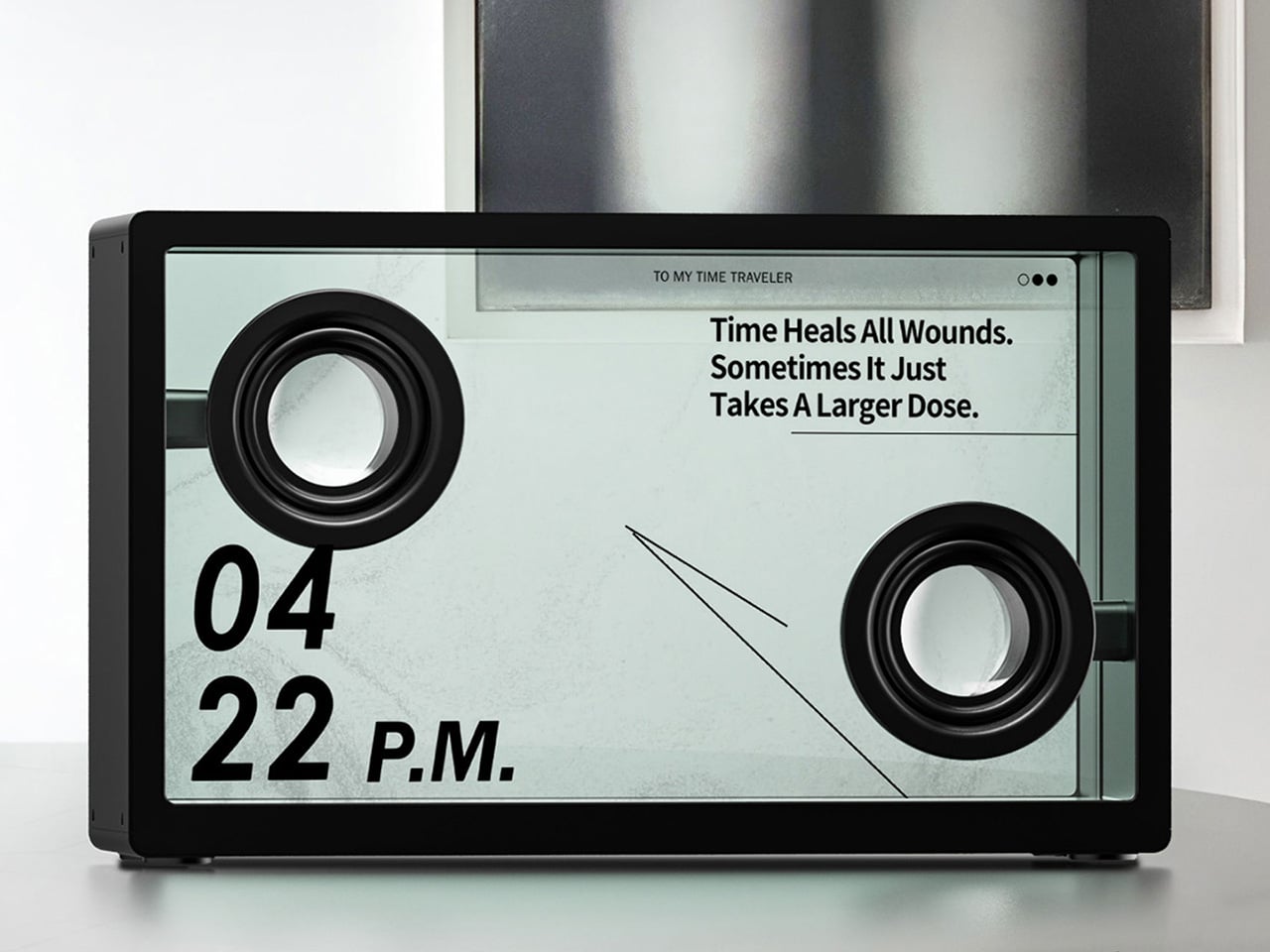
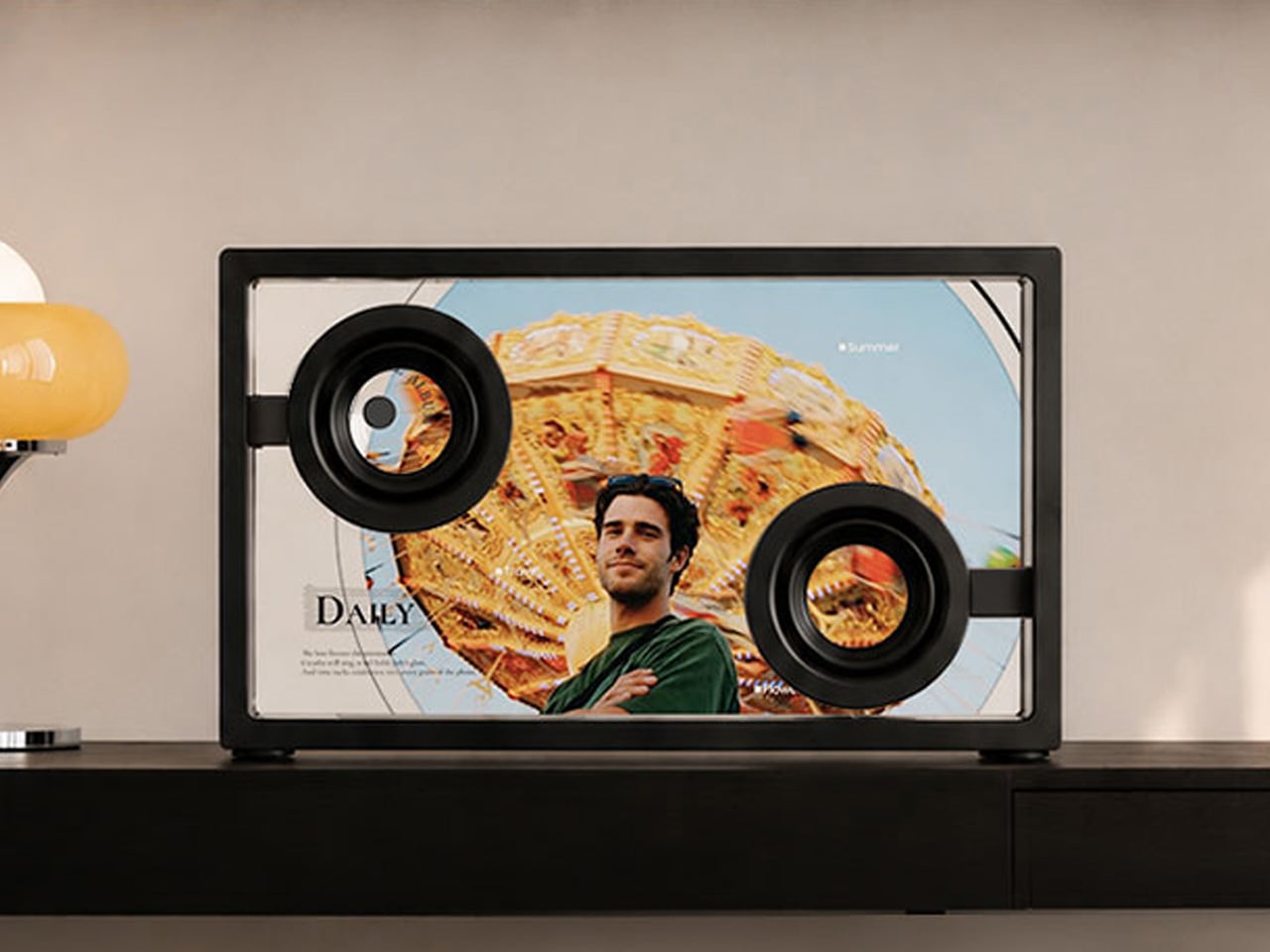
Something shifted in how people want to listen to music. Streaming gave everyone access to everything, and somewhere in that abundance, the experience got thinner. You stopped owning albums. You stopped reading liner notes or staring at cover art while the opening track played. The playlist just kept moving forward. That isn’t nostalgia talking. It’s a design problem, and one the cassette era solved without knowing it was solving anything.

The products worth paying attention to in 2026 absorbed the analog era’s lessons and built something genuinely new from them — better components, better battery life, cleaner construction. Cassette-era warmth, fully reengineered for a world that also has Bluetooth and USB-C. From a $49 speaker shaped exactly like a real mixtape to a 104-watt boombox covered by WIRED and Forbes at launch, each one makes a specific case for listening differently.

1. Side A Cassette Speaker

The cassette tape was always more than a format. It was an object you labeled by hand, kept in a glove compartment, or assembled specifically for someone who needed to hear certain songs in a certain order. The Side A Cassette Speaker takes that intimacy and wraps it around a Bluetooth speaker that earns a second look before it plays a note. Shaped faithfully like a real mixtape, transparent shell and Side A label intact, it sits in its clear case-turned-stand like a relic that also connects to your phone. At $49, it is the most honest nostalgia product in this category right now, because it commits to the premise completely rather than gesturing at it from a polite distance.

What keeps it practical day to day is how little it demands from you. Bluetooth 5.3 handles pairing, a microSD slot covers offline listening, and at 80 grams, it disappears into a jacket pocket without thought. Battery life runs six hours at maximum volume, and a full recharge takes two, which means it soundtracks a full workday and refuels overnight. The sound is tuned warm, which suits the object better than raw precision ever could. For anyone who spent time making mixtapes, or anyone who didn’t but understands why people did, this is the version of that feeling you can carry and actually hear in 2026 rather than only remember.

Click Here to Buy Now: $49.00

What We Like

  • Cassette-faithful design works as a display piece when it isn’t playing
  • Bluetooth 5.3 and a microSD slot give you two reliable ways to listen

What We Dislike

  • A single-driver setup won’t satisfy anyone looking for real volume or full-range sound
  • Only three units available at the time of writing

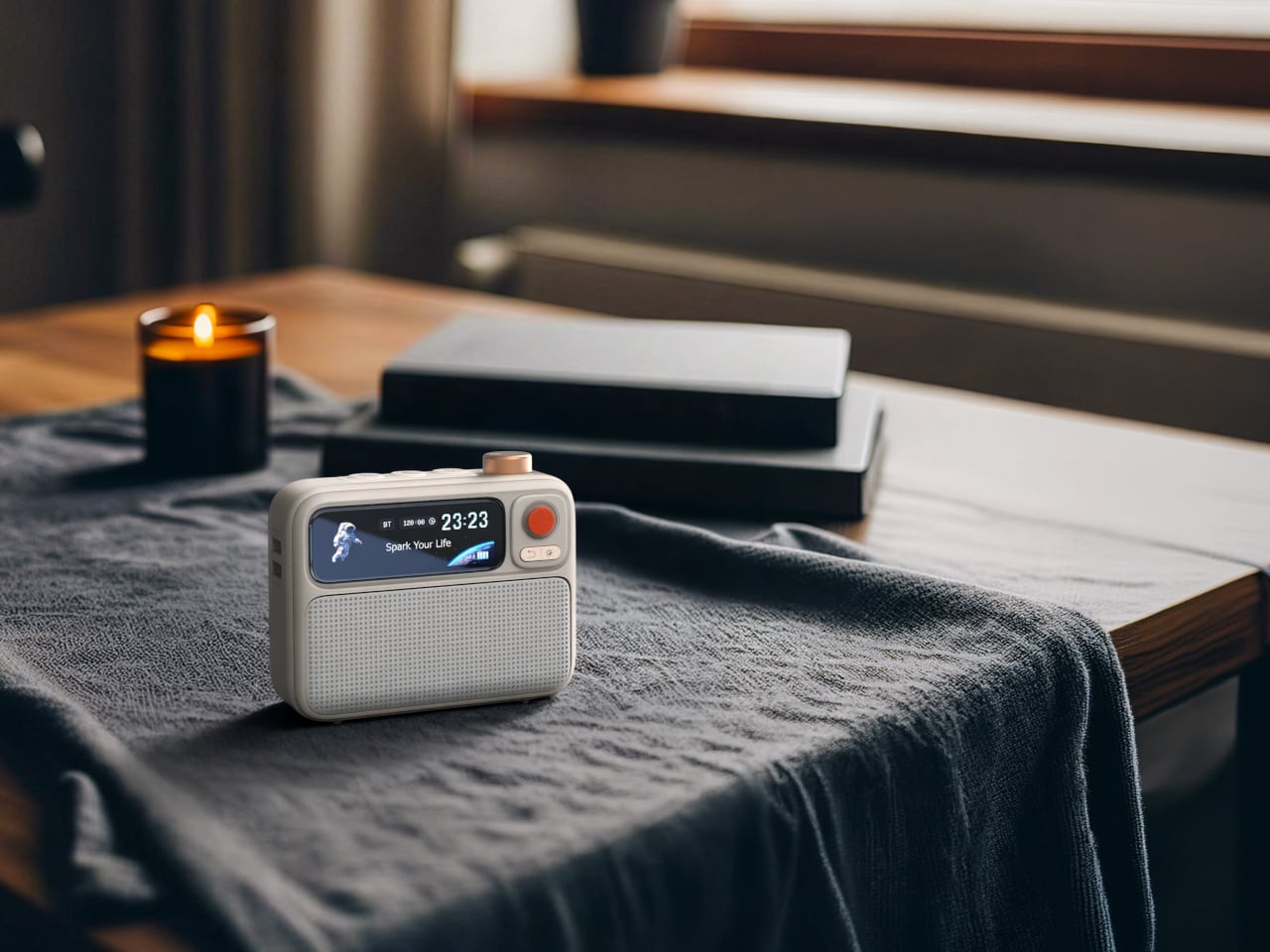
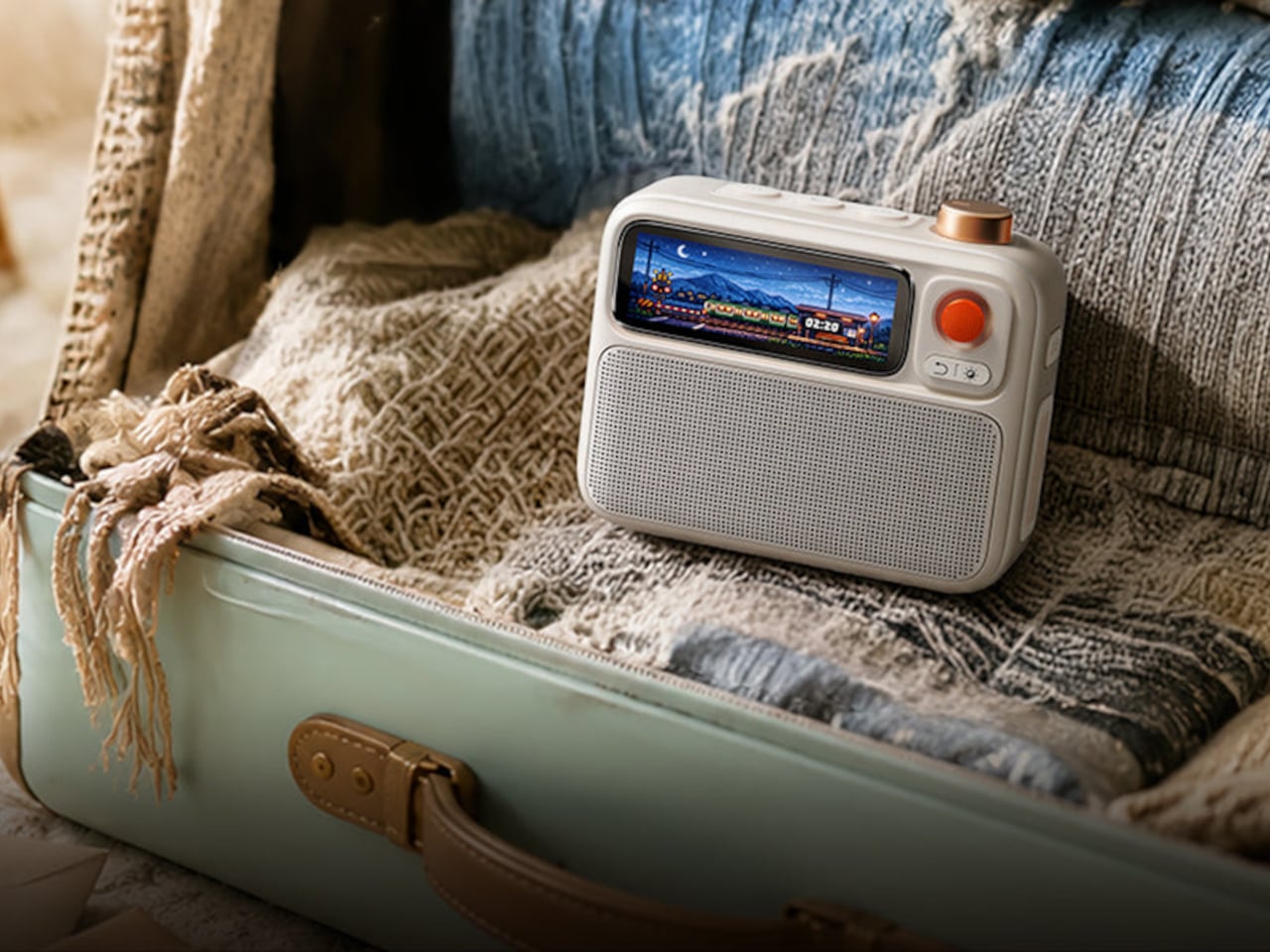
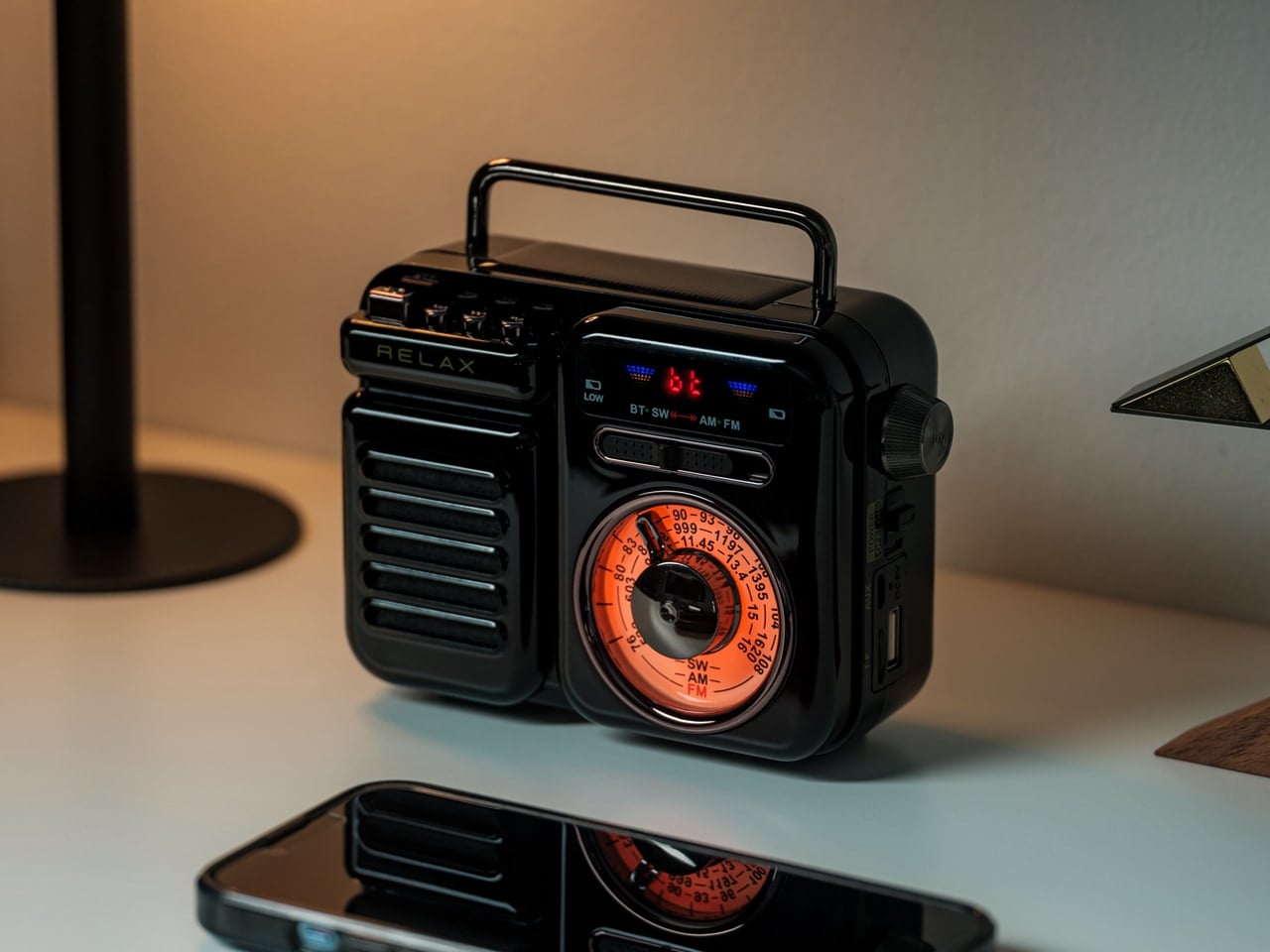
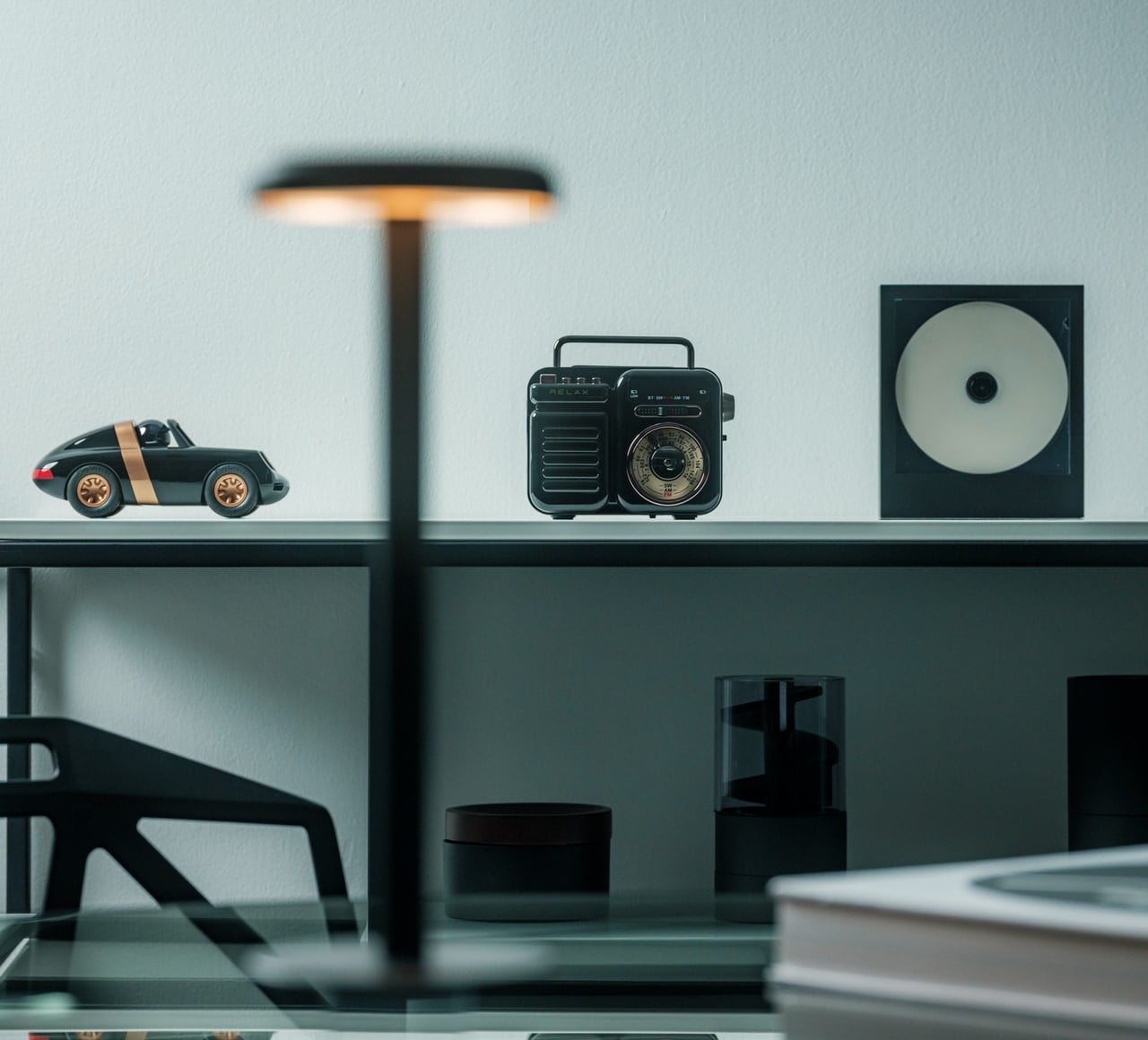
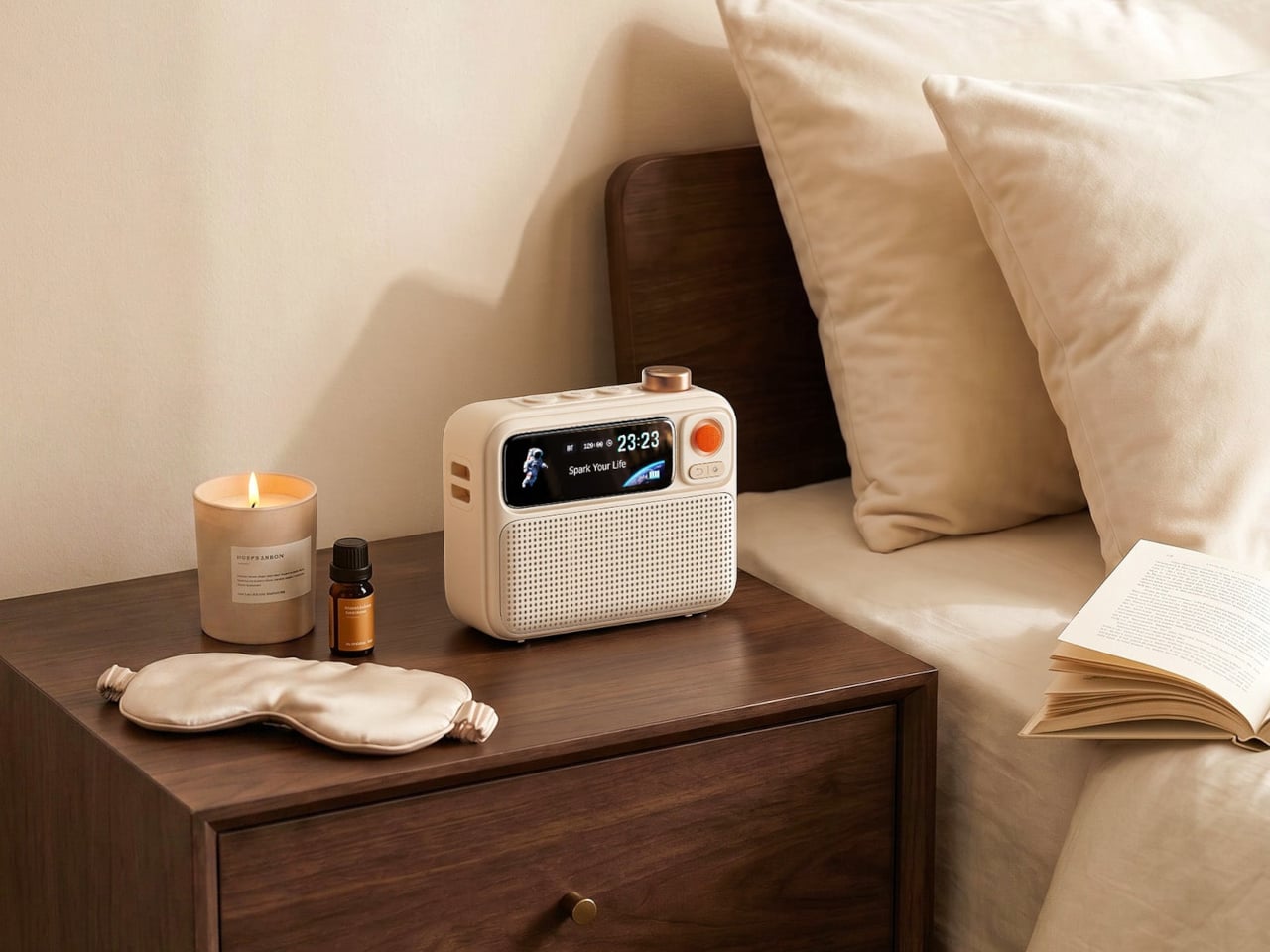
2. RetroWave 7-in-1 Radio

The boombox era was about more than cassette decks. It was about radios you could carry anywhere, tuning dials you could feel through your fingers, and sound that filled a room without asking permission first. The RetroWave 7-in-1 Radio captures that in a compact, Japanese-inspired frame. The tactile tuning dial, the warm retro casing, and AM/FM/shortwave reception give it the presence of something lifted from a 1984 shelf. It also streams Bluetooth, plays MP3s from USB or microSD, runs an LED flashlight, an SOS alarm, a hand-crank and solar charging, and a 2000mAh power bank that charges other devices when yours runs low. Seven functions in one object, packaged inside something that earns its place on a shelf every single day.

The seven functions working together are where the RetroWave earns its position in a 2026 home rather than a nostalgia market. Daily desk companion and off-grid emergency tool are roles that typically live in completely separate product categories, and the RetroWave collapses them into one object without obvious compromise on either side. The battery delivers up to 20 hours of radio time on a single charge. Solar and hand-crank inputs keep it running when the grid fails or the trail goes deeper than expected. At $89, it solves problems you haven’t had yet while looking precisely right sitting on a counter, a shelf, or inside a go-bag. That specific combination is considerably harder to design than it appears.

Click Here to Buy Now: $89.00

What We Like

  • Seven functions cover daily listening, emergency power, and off-grid communication in one device
  • AM/FM/shortwave reception works without any internet connection

What We Dislike

  • 8W speaker output is modest for anyone expecting outdoor or large-space sound
  • Solar charging acts as backup only and cannot fully recharge the battery independently

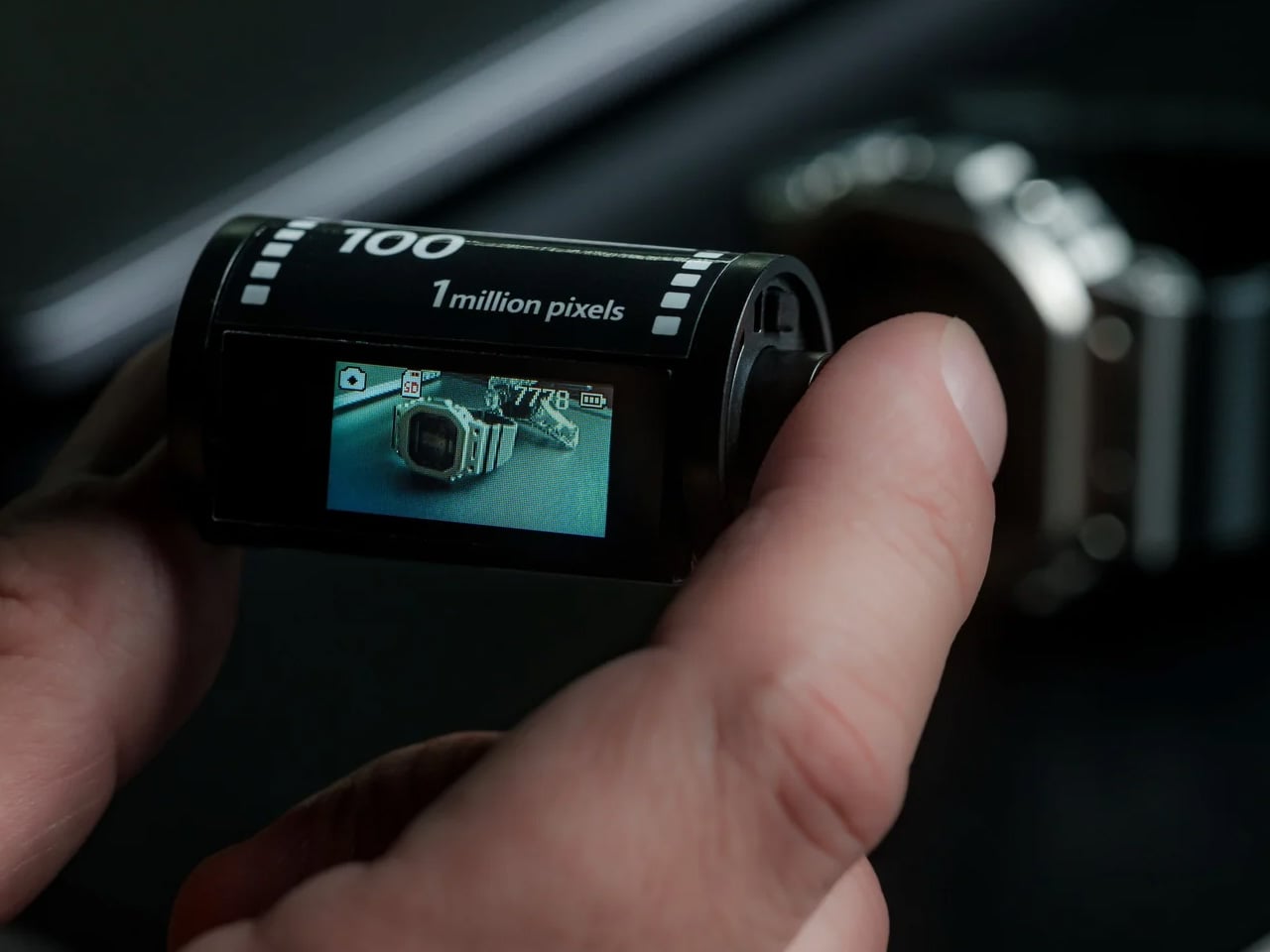
3. FiiO Echo Mini (Snowsky)

The Walkman moment was never really about audio quality. It was about having your music with you, completely yours, untouched by anyone else’s programming or curation. The FiiO Echo Mini, released under the Snowsky imprint, brings that feeling back in a form that looks exactly like a vintage cassette player from the outside and performs like a current hi-res audio device from the inside. Dual CS43131 DAC chips from Cirrus Logic handle the audio processing, earning it Hi-Res certification from the Japan Audio Society. The retro interface and cassette-player proportions are a direct reference to early Sony and Aiwa portables, down to the tactile controls and the way it sits in the palm of your hand.

Where the Echo Mini separates itself from the nostalgia-only tier is in what it can actually do for your listening. It supports FLAC, DSD, WAV, OGG, and other lossless formats, and accepts microSD cards up to 256GB, which means a library that would have filled an entire shelf of cassette cases in 1988 now fits in a slot smaller than your thumbnail. Dual headphone outputs and Bluetooth connectivity cover both wired and wireless listening from the same device. An independent power supply keeps the audio circuitry isolated from interference, which is the kind of engineering detail that doesn’t show up in the design but surfaces immediately in how it sounds. This is what a Walkman would have become if the engineers had forty more years to keep working on it.

What We Like

  • Dual DAC chips and Hi-Res certification deliver audio quality that the original Walkman never came close to
  • 256GB microSD support with multi-format lossless playback builds a serious portable library

What We Dislike

  • Playback-only with no recording function, which rules it out for anyone who wants to make tapes
  • The deliberate retro cassette aesthetic won’t suit every listener or every room

4. Retrospekt CP-81 Portable Cassette Player

The CP-81 is the cassette player that stopped trying to be a hi-fi device and leaned fully into being a cultural artifact, and somehow that turned out to be exactly right. The clear plastic body shows the mechanism in full, the controls are exactly where you expect them, and the included RFH-01 headphones with their orange foam cushions make the whole package feel like something pulled from a very specific and beloved corner of 1983. Sold at MoMA Design Store, Nordstrom, and Urban Outfitters, it has collaboration editions with Miffy, Peanuts, and Hello Kitty that treat the cassette player as a canvas rather than just a device. It has 4.8 stars across 174 reviews, which is noteworthy.

What grounds it is that it actually works as a cassette player, not just as a shelf piece. The CP-81 plays, fast-forwards, rewinds, and records, with a line-in microphone jack that most modern cassette players quietly dropped from the spec sheet. Power comes from two AA batteries or a USB-C input, so it runs on whatever you have available. The people who buy it tend to keep it out on a desk rather than in a drawer. That’s partly the design doing its job, and partly because a cassette player that looks this considered, at this price, with this many ways to use it, is genuinely hard to put away.

What We Like

  • Records as well as plays, with a microphone jack that makes line-in recording straightforward
  • USB-C and AA battery power options mean it works wherever you need it to

What We Dislike

  • The clear plastic body shows every fingerprint, which matters more than it should for something this tactile
  • Collaboration editions sell out quickly, and availability varies across retailers

5. We Are Rewind Curtis Boombox GB-001

The boombox never fully disappeared. It got quieter, more compact, and less certain of what it was trying to be. The We Are Rewind Curtis GB-001 has none of that uncertainty. At 19 inches wide and 15 pounds, it is a proper boombox in the original meaning of the word: something you carry by its full-width folding handle and set down in a room that then belongs to the music. Four hi-fi speakers, two Class D woofer amplifiers, and two tweeters, push 104 watts across a frequency response of 40 to 20,000Hz. The cassette deck plays and records. The guitar amp input takes a real guitar. These are functional commitments, not marketing features, and they give the GB-001 the same confidence the original boombox had before the category forgot what it was for.

What lifts the GB-001 beyond a premium nostalgia product is how fully it commits to every part of the premise. Bluetooth 5.4 covers streaming when the tapes run out. The backlit VU meters — the detail WIRED noted immediately in its January 2026 review and the first thing every Gen X person in the room points out without being asked — are deliberately and gloriously analog. Forbes covered the North American launch the same week. Techmoan put it on camera in December 2025. The coverage it has earned reflects what the product actually is. At $579, this is the most serious purchase on this list, and also the most direct one: if you want a boombox that means it, this is the only new boombox in 2026 that does.

What We Like

  • 104 watts across four hi-fi speakers produces real, room-filling sound rather than novelty volume
  • Cassette recorder and guitar amp input make it a functional, creative instrument, not only a playback device

What We Dislike

  • At $579, the full value rewards buyers who use the cassette deck regularly, not just Bluetooth
  • Battery life has been flagged across multiple reviews as shorter than expected for a unit of this size and price

The Cassette Era Didn’t Come Back. It Came Back Better.

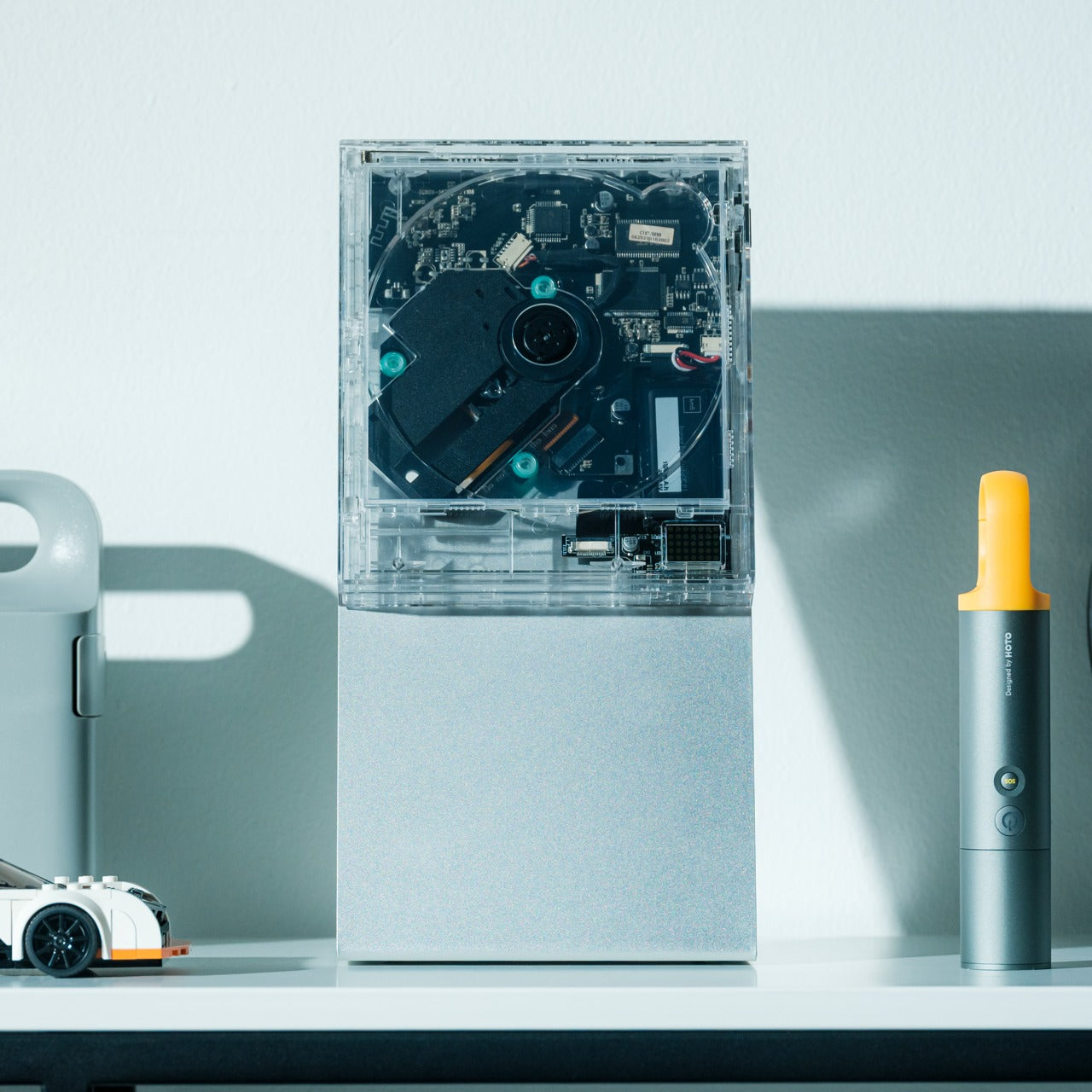
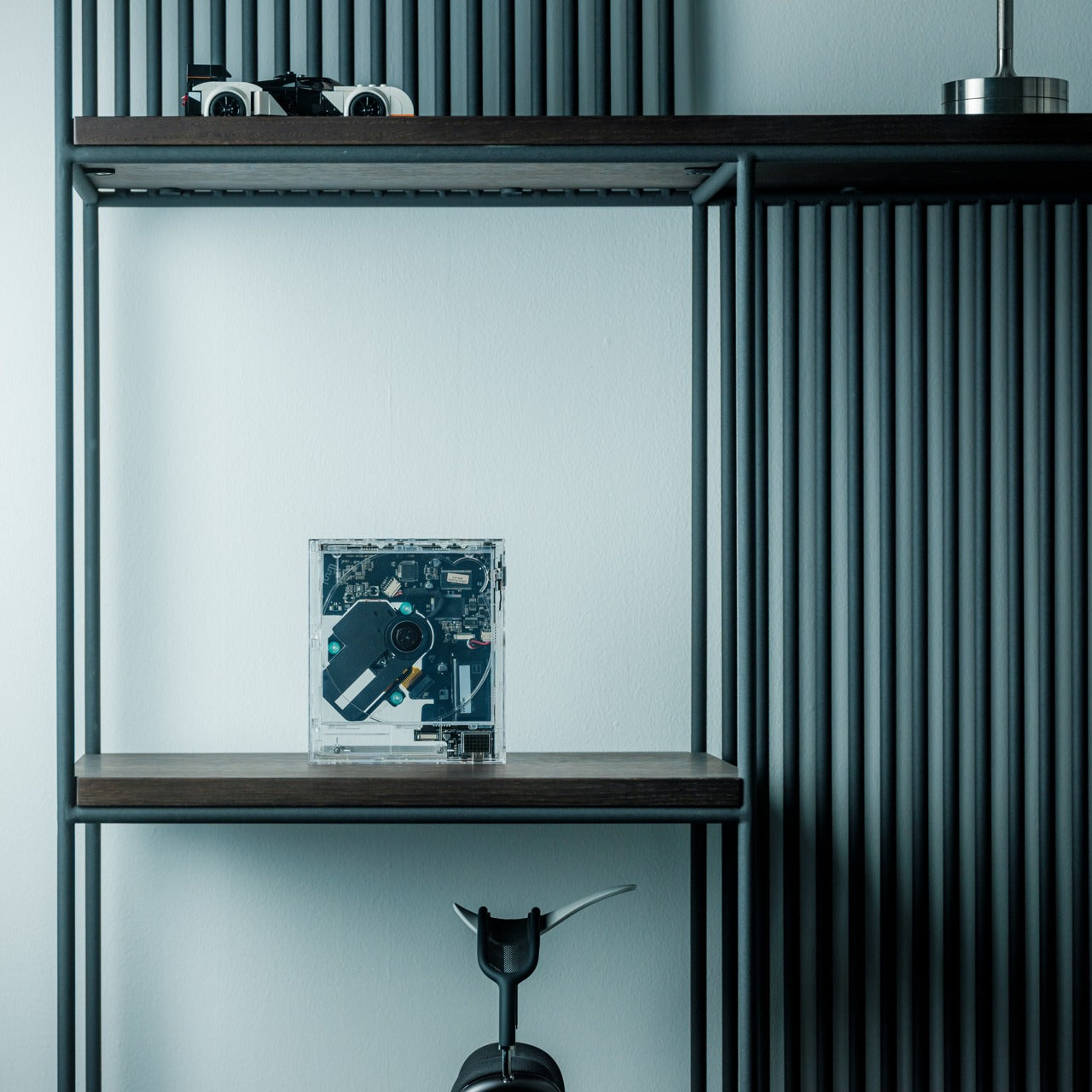
None of these products asks you to give up modern life for a feeling. The Side A speaker pairs over Bluetooth. The RetroWave runs 20 hours without a socket. The Echo Mini carries a full lossless library on a card smaller than a thumbnail. The CD Cover Player hangs on a wall. The Curtis boombox records. The best version of the cassette era is the one being made right now.

What makes each worth the attention isn’t nostalgia as a pitch. It’s the specific design decision behind each object. A speaker shaped like a tape because that was the only honest form. A radio that belongs in a go-bag as much as on a shelf. A CD player that brings the artwork along. These are for people who want music to feel like something. That instinct is now being answered.

The post Gen Z Is Obsessed With These 5 Cassette-Era Gadgets & They Just Got a Full Design Upgrade for 2026 first appeared on Yanko Design.

5 Best Surreal Bookstores That Make You Forget You’re Inside a Building

A bookstore should do more than sell books. At its best, it alters how you perceive the act of reading, the space around you, and the relationship between the two. The five bookstores in this list abandon conventional retail interiors entirely. They borrow from astronomy, geology, wetland ecology, and mountain landscapes to create spaces where the architecture becomes as absorbing as anything on the shelves. These are rooms that make you forget walls exist.

What connects them is a shared refusal to treat books as products needing display. Instead, each project treats the book as a spatial protagonist, something that informs the shape of ceilings, the curve of shelves, and the way light enters a room. From a portal to deep space in Jiangsu to a mountaintop perch above a river canyon, these bookstores prove that the most effective retail design does not sell to visitors. It transports them.

1. X+Living Bookstore

Located in Jiangsu Province and completed in 2023, this bookstore by Li Xiang of X+Living studio is the furthest thing from a cozy reading nook. The space is built around massive three-dimensional structures that resemble astronomical instruments, concentric rings, and geometric forms inspired by celestial mechanics, reimagined as bookshelves and display zones. Books sit on these structures in positions that seem to defy gravity, creating the sensation of browsing a library adrift somewhere in deep space. The project won the 2025 Platinum A’ Design Award in Interior Space and Exhibition Design, which signals how far the concept pushes beyond conventional bookstore interiors.

The spatial ambition is the story here. Most bookstore designers work with shelving grids and lighting schemes. X+Living built a set piece. The concentric ring structures occupy the room not as furniture but as architecture within architecture, turning navigation into an experience of orbiting through layers of books arranged on curving, tilted surfaces. The scale of the installation relative to the room makes it impossible to separate the act of browsing from the act of inhabiting the space. Visitors are not walking through a store. They are moving through a constructed universe that happens to contain books.

What we like

  • The astronomical instrument forms function as both structural shelving and immersive scenography, collapsing the boundary between retail and installation art.
  • The Platinum A’ Design Award validates a level of spatial ambition that most bookstore designs never attempt, let alone execute at this scale.

What we dislike

  • The dramatic structures may prioritize visual spectacle over browsing comfort, making it difficult to linger and read in a space designed to overwhelm.
  • Wayfinding through concentric, gravity-defying shelving is disorienting by design, which can frustrate visitors looking for specific titles rather than an experience.

2. Toyou Bookstore

Wutopia Lab designed Toyou bookstore inside a red-brick building by Jean Nouvel in Shanghai’s Huangpu district, using traditional Chinese garden techniques as spatial logic rather than decoration. The interior is organized around two abstract mountains, “Big You” and “Little You,” which form interlocking cave-like spaces out of burgundy perforated aluminum panels and white artificial stone. The “Little You” mountain greets visitors at the entrance as a glowing white bookshelf, while the larger “Big You” mountain houses the main reading and living areas behind layers of bookshelves that create new views at every turn.

The garden-design principle at work here is “a view at every step,” and the architects execute it with the kind of precision that makes each transition between spaces feel composed rather than accidental. A circular “secret place” sits between the two mountains as a private reading zone, while hidden metaphors (a well, a dripping spring) reference classical Chinese poetry. Lead architect Yu Ting has described the bookstore as a tool for understanding Shanghai itself, a miniature cultural complex that accepts readers and non-readers alike. The result is a space that feels ancient and contemporary at once, where cave walls are made of perforated aluminum and mountain peaks are bookshelves.

What we like

  • The garden-design approach creates a sequence of spatial discoveries that rewards slow movement and repeated visits rather than efficient browsing.
  • Wutopia Lab’s decision to house the bookstore inside a Jean Nouvel building creates a layered dialogue between two architectural languages.

What we dislike

  • The cave-like enclosures and perforated panels limit natural light penetration, which could make extended reading sessions uncomfortable without careful artificial lighting.
  • The density of metaphor (mountains, wells, springs, caves) risks reading as overwrought to visitors unfamiliar with Chinese garden-design traditions.

3. Xixi Goldmye Bookstore

What started as a forgotten 20-year-old office building in Hangzhou’s wetlands is now one of the most compelling adaptive-reuse bookstores in China. Atelier Wen’Arch stripped the structure to its bare concrete columns, dismantled the existing roof and wall systems completely, and rebuilt an 880-square-meter space that opens generously to the surrounding Xixi National Wetland Park. The U-shaped building, once closed off and disconnected from its natural setting, was completed in April 2025 as a structure that treats the wetland landscape as its primary interior surface.

The defining feature is a system of laminated pine timber “book beams” that intersect with the original concrete columns and extend outward in measured cantilevers. These double-beam elements integrate lighting and air conditioning return channels between each timber pair, turning mechanical infrastructure into an architectural rhythm that runs through the entire interior. The beams frame views of the wetland, so the surrounding nature becomes a living artwork visible from every reading position. The structural intervention aligns with the original building grid while introducing warmth and human scale to what was once sterile office space. It is renovation as reinterpretation, where the old bones inform a new spatial logic.

What we like

  • The “book beam” system transforms structural engineering into the primary design language, making infrastructure legible and beautiful rather than hidden.
  • Opening the formerly closed U-shaped plan to the wetland park turns the surrounding landscape into the bookstore’s most powerful design element.

What we dislike

  • Wetland-adjacent construction faces ongoing humidity and moisture challenges that will test the longevity of the laminated pine timber beams.
  • The remote wetland location, while scenic, limits foot traffic compared to urban bookstores, raising questions about long-term commercial viability.

4. Xinglong Lake Citic Bookstore

MUDA Architects designed this waterfront bookstore around a single image: a book falling from the sky. The rectangular structure sits at the edge of Xinglong Lake in south Chengdu, and its swooping roof extends for 3 meters with both ends elevated at different heights (16 meters at the southwest, 7.5 meters at the northeast). The curve mimics a nearby grass slope, creating a continuous visual line between the built form and the landscape. Massive windows extend below the waterline, merging the reading interior with the surface of the lake.

The roof is the architectural argument. Its curved surface reinterprets the pitched roof of traditional Chengdu vernacular architecture while functioning as a structural analog for the pages of an open book. The asymmetric elevation creates interior volumes that shift dramatically from one end to the other, high and cathedral-like at the southwest, compressed and intimate at the northeast. That gradient gives each section of the bookstore a different spatial character without partition walls. The underwater windows are the most disorienting detail: readers seated near the water level see the lake from inside it rather than above, which dissolves the expected boundary between interior and landscape in a way that no amount of floor-to-ceiling glazing can replicate.

What we like

  • The asymmetric roof creates a gradient of spatial experiences within a single open interior, from expansive to intimate, without any walls.
  • Below-waterline windows dissolve the boundary between the reading space and the lake, producing a perspective that no conventional glazing strategy can achieve.

What we dislike

  • The roof’s dramatic curvature dominates the structure so completely that the bookstore’s identity is inseparable from a single architectural gesture, leaving little room for the interior to develop its own language.
  • Waterfront and below-waterline glazing demand constant maintenance and waterproofing attention that will compound as the building ages.

5. Nujiang Grand Canyon Bookstore

Perched on top of the Gaoligong Mountains in Yangpo Village, the Nujiang Grand Canyon Bookstore is built to feel like it belongs to the terrain rather than sitting on it. The structure extends outward from the mountainside like a sharp arrow, a form that references the Lisu people’s historical connection to crossbows. Reinforced concrete and locally sourced materials anchor the building to the slope while keeping its environmental impact low, and wall openings frame specific views of the Nujiang River and surrounding peaks.

The architectural intelligence is in how the building negotiates the slope. Rather than flattening the site or building a conventional foundation, the structure adapts its footprint to the mountain’s gradient, creating a subtle sense of elevation that rises with the terrain. The framed canyon views through the wall openings function as curated compositions rather than generic panoramas, each one selecting a specific relationship between river, peak, and sky. The combination of contemporary concrete construction and local material traditions creates an object that reads as both modern and rooted, a building that could not exist anywhere else. For a bookstore, that site-specificity is the rarest quality of all: a space where the location is not a backdrop but the reason the architecture exists.

What we like

  • The arrow-like form references Lisu cultural heritage in a structural gesture rather than a decorative motif, embedding local identity into the building’s shape.
  • Framed wall openings curate specific canyon views as compositions, turning the landscape into a series of deliberate artworks rather than a passive backdrop.

What we dislike

  • The remote mountaintop location, while spectacular, creates significant accessibility challenges for visitors without private transport.
  • Reinforced concrete construction on a steep mountain slope carries long-term structural monitoring requirements that increase maintenance complexity.

When The Room Is The Story

These five bookstores share one conviction: that the space around a book matters as much as the words inside it. A celestial instrument in Jiangsu, a pair of abstract mountains in Shanghai, timber beams framing a wetland in Hangzhou, a roof shaped like a falling book in Chengdu, and an arrow launched from a mountaintop above the Nujiang River. None of these projects treats architecture as a container. Each one treats it as content.

The best bookstores have always understood that reading is a spatial act. Where the body sits, what the eyes see between paragraphs, how light changes across an afternoon, these conditions shape the experience of a book as much as the typography on the page. These five take that understanding and build entire worlds around it. Walk into any of them, and the building becomes the first chapter.

The post 5 Best Surreal Bookstores That Make You Forget You’re Inside a Building first appeared on Yanko Design.

5 Best Tech Gadgets of March 2026

March has a habit of delivering the products that January only promised. CES demos become preorders, concept renders start circulating with real specs attached, and the gadgets worth paying attention to separate themselves from the ones that were only ever meant to look good on a stage. This month’s picks share a common thread: each one challenges an assumption about how a familiar product category should behave, look, or fit into daily life.

What makes these five stand out from the usual parade of iterative upgrades is their willingness to subtract. Less screen time, less bulk, less noise, less compromise between form and function. They are not chasing specs for the sake of benchmarks or piling on features to pad a marketing sheet. From a handheld PC that refuses to apologize for its ambition to a concept camera that wants nothing more than for its user to look up from a screen, these gadgets are worth your time and attention this month.

1. GPD Win 5

The PSP’s body plan endures, and the GPD Win 5 is its most ambitious descendant yet. Packed with an AMD Ryzen AI Max+ 395 processor, up to 4TB SSD storage, and 32GB of LPDDR5X RAM, this handheld runs a 7-inch 1080p display at 120Hz with Radeon 8060S integrated graphics. Starting at $1,400, this is not a portable console pretending to be a PC. It is a full PC compressed into two hands.

GPD removed the internal battery entirely, replacing it with a detachable 80 Wh pack that clips to the back. A quad heat pipe cooling system handles thermal loads across a TDP range from 28W to 85W on mains power. Hall effect triggers and capacitive joysticks eliminate drift and deadzone, while a proprietary Mini SSD slot pushes transfer speeds beyond microSD limits. Every design choice solves a problem created by one stubborn, central ambition: desktop-class performance in a handheld shell.

What we like

  • The external battery swaps in seconds, and plugging into the 180W adapter unlocks full 85W TDP performance that rivals many desktop setups.
  • Hall effect triggers and capacitive joysticks eliminate the drift issues that plague most handheld PCs after months of heavy use.

What we dislike

  • The external battery makes the device awkward to hold when attached, and the proprietary charger adds bulk to an already heavy travel kit.
  • Pricing starts at $1,400 and climbs past $2,000 for the top configuration, placing it deep into enthusiast-only territory.

2. NanoPhone Pro

Smartphones have spent a decade getting bigger. The NanoPhone Pro walks in the opposite direction with a credit-card-sized body measuring 0.4 x 3.8 x 1.8 inches and weighing just 2.8 ounces. Running Android 12 with Google Play certification, this 4G device handles calls, messages, navigation, and basic apps without demanding pocket real estate. At $99, it is built for minimalists, travelers, and anyone tired of their phone being the loudest object in the room.

The spec sheet is an exercise in deliberate restraint. A 4-inch edge-to-edge IPS touchscreen, dual SIM support, 2MP front and 5MP rear cameras, a 2000mAh battery, and expandable storage via microSD. Face ID handles unlocking. The NanoPhone Pro does not pretend to compete with flagships, and that restraint is the entire point. It is a quiet, pocketable alternative that runs WhatsApp, Google Maps, and everything else that matters without the attention-hungry weight of a modern slab phone.

What we like

  • The credit-card form factor disappears into wallets and running shorts, making it ideal for situations where a full-sized phone feels like overkill.
  • Google Play certification means the app ecosystem works without sideloading, so daily essentials like navigation and messaging run without friction.

What we dislike

  • The 5MP rear camera produces images that are functional at best, making this a poor choice for anyone who photographs anything beyond the occasional note or receipt.
  • Android 12 on a 4-inch screen feels cramped, and typing requires patience and smaller-than-average fingers.

3. Camera (1)

Photography migrated into phones and got buried under notifications. Camera (1), a concept posted on the Nothing Community forum by designer Rishikesh Puthukudy, imagines shooting as a tactile act again. The compact metal body fits a pocket but fills a hand, with all controls on a single edge: a shutter, a circular mode dial with a glyph display, and a D-pad reachable without shifting grip. The design draws from Nothing’s hardware-forward language with circuit-like relief and bead-blasted metal.

A curved light strip around the lens pulses for self-timers, confirms focus, or signals active recording. The engraved lens ring invites twisting rather than pinching. A rear display exists but stays deliberately out of the way, letting physical controls carry most of the interaction. Camera (1) is a student concept, not an official Nothing product, but the question it asks is worth sitting with: in a world where every screen demands something, what would a camera look like if it just wanted its user to notice what was in front of them?

What we like

  • The single-edge control layout keeps eyes on the scene rather than buried in menus, restoring a tactile shooting workflow that phone cameras abandoned years ago.
  • Nothing’s glyph design language translates well to a camera body, delivering mode feedback through simple icons rather than nested software screens.

What we dislike

  • As a concept, Camera (1) exists only as rendered images and community discussion, with no confirmed path to production or a working prototype.
  • The absence of a sensor, lens, and video specs makes it impossible to judge whether it could compete with even entry-level dedicated cameras.

4. Samsung Slac

Earbuds have looked like earbuds for too long. Samsung’s Slac concept, developed within the company’s design incubation programs, reimagines wearable audio as jewelry. Three components make up the system: an open ear ring for audio output, a wrist-worn ring that tracks listening data and doubles as a magnetic dock, and a home charging station. The circular form wraps around the ear without entering the canal, maintaining awareness of surrounding sound while layering music on top.

When listening ends, the ear ring snaps magnetically onto the wrist component, transforming into something that reads as a chunky bracelet rather than stowed tech. AI tracks a full 24-hour audio cycle, building preference profiles from sound intensity, pitch variation, and tonal characteristics. The design team behind Slak understands that Gen Z treats audio devices as expressions of taste, not utilitarian tools. Whether Slac reaches production is an open question, but the proposition that wearable tech should earn its place on the body through aesthetics feels like a direction the entire industry needs to follow.

What we like

  • The open-ear design preserves environmental awareness while delivering audio, solving the isolation problem that makes traditional earbuds socially awkward in many settings.
  • Magnetic docking between ear ring and the wrist component eliminates the pocket-case fumble and turns storage into a wearable moment.

What we dislike

  • Concept status means no confirmed specs on audio quality, battery life, or connectivity, making it impossible to evaluate whether the sound matches the visual ambition.
  • Open-ear audio struggles in noisy environments, and without active noise cancellation, Slac may underwhelm on busy streets or public transit.

5. DAP-1

Vinyl got its comeback, and dedicated digital audio players have been staging a quieter return. The DAP-1 concept by Frankfurt-based 3D artist Florent Porta is one of the most compelling arguments for why that return matters. The device carries a slim rectangular body with an OLED touchscreen, a perforated front-facing speaker grille, and an aesthetic sitting between Teenage Engineering and Nothing’s CMF line. It looks like it arrived from a timeline where iPods evolved into something more considered.

The standout decision is the built-in speaker, a feature most high-end DAPs skip entirely. Porta’s inclusion acknowledges that music is sometimes shared, not just private. The DAP-1 is built around FLAC playback, preserving audio quality without streaming compression artifacts. A USB-C port, 3.5mm AUX output, and illuminated power switch line the top edge, while rubberized feet and torx screws on the rear give the device a repairable, tool-like quality. As a concept, it exists only in renders, but the conversation it starts outweighs most finished products on the market.

What we like

  • The built-in speaker turns a solitary listening device into something social, removing the need for external hardware to share a track with someone next to you.
  • FLAC-first design philosophy treats audio fidelity as the primary feature rather than an afterthought buried in a settings menu.

What we dislike

  • Concept-only status means no production timeline, no pricing, and no way to evaluate real-world audio performance beyond what renders suggest.
  • Dedicated music players occupy a narrow niche, and carrying a separate device for audio requires commitment most listeners will not make.

Where March leaves us

Three of this month’s five picks are concepts. That ratio says something about where consumer tech sits in early 2026: the most exciting ideas are still in render engines, while the products that actually ship tend to iterate rather than invent. The GPD Win 5 and NanoPhone Pro prove that real, purchasable hardware can still surprise, but Camera (1), Slac, and DAP-1 suggest the most interesting design thinking is happening outside production timelines and quarterly earnings calls.

What connects all five is a shared instinct to push back against the default. Against bigger screens, against feature bloat, against the assumption that technology should demand attention rather than earn it. March’s best gadgets respect the space they occupy, whether that space is a pocket, an ear, or the palm of a hand. If even a fraction of these concepts make the jump to production, the rest of 2026 could be far more interesting than the usual upgrade cycle suggests.

The post 5 Best Tech Gadgets of March 2026 first appeared on Yanko Design.

Forget Spotify: These 5 Designer Turntables Are the Real Reason Vinyl Is Having a Moment

Vinyl outsold CDs in the U.S. for the first time since 1987 back in 2022, with 41 million records moved compared to 33 million compact discs. That number was not driven by audiophiles chasing warmer bass response. It was driven by people who missed the ritual: pulling a record from its sleeve, lowering a needle, and sitting with an album the way its creators intended. Streaming made music frictionless, and in doing so, it made music forgettable.

The turntables on this list understand that tension between convenience and ceremony. None of them are trying to replace a Spotify subscription, and none of them should. What they offer instead is a physical relationship with music that no algorithm can simulate, wrapped in design languages that range from invisible minimalism to brutalist sculpture. These five are worth the counter space.

1. Miniot Black Wheel

The turntable has not changed much in form since the 1970s: platter, tonearm, plinth, visible mechanism. Miniot’s Black Wheel throws all of that away. Every electronic and mechanical component sits inside a thin circular body that disappears completely once a record is placed on top. What remains visible is the record itself, spinning in what looks like mid-air.

Standing the Wheel upright amplifies the illusion, turning a turntable into a floating disc of sound. A tactile Slide Track hidden along the edge handles volume, track selection, and even stylus weight adjustment through a single physical interface. Slide or push, and the controls respond without ever breaking the visual spell. Despite the impossibly slim profile, Miniot has not sacrificed audio quality for the sake of the trick, which is the part that separates this from a design exercise.

What we like

  • The disappearing-body design makes the record the only visible element, turning playback into a visual experience as much as an auditory one.
  • The hidden Slide Track control system is intuitive and tactile, eliminating buttons and knobs without removing physical interaction from the equation.

What we dislike

  • The minimal form factor means no dust cover, leaving the record and stylus exposed to the environment between listening sessions.
  • Repairing or servicing the internals of such a tightly integrated body is likely far more complex than working on a traditional turntable.

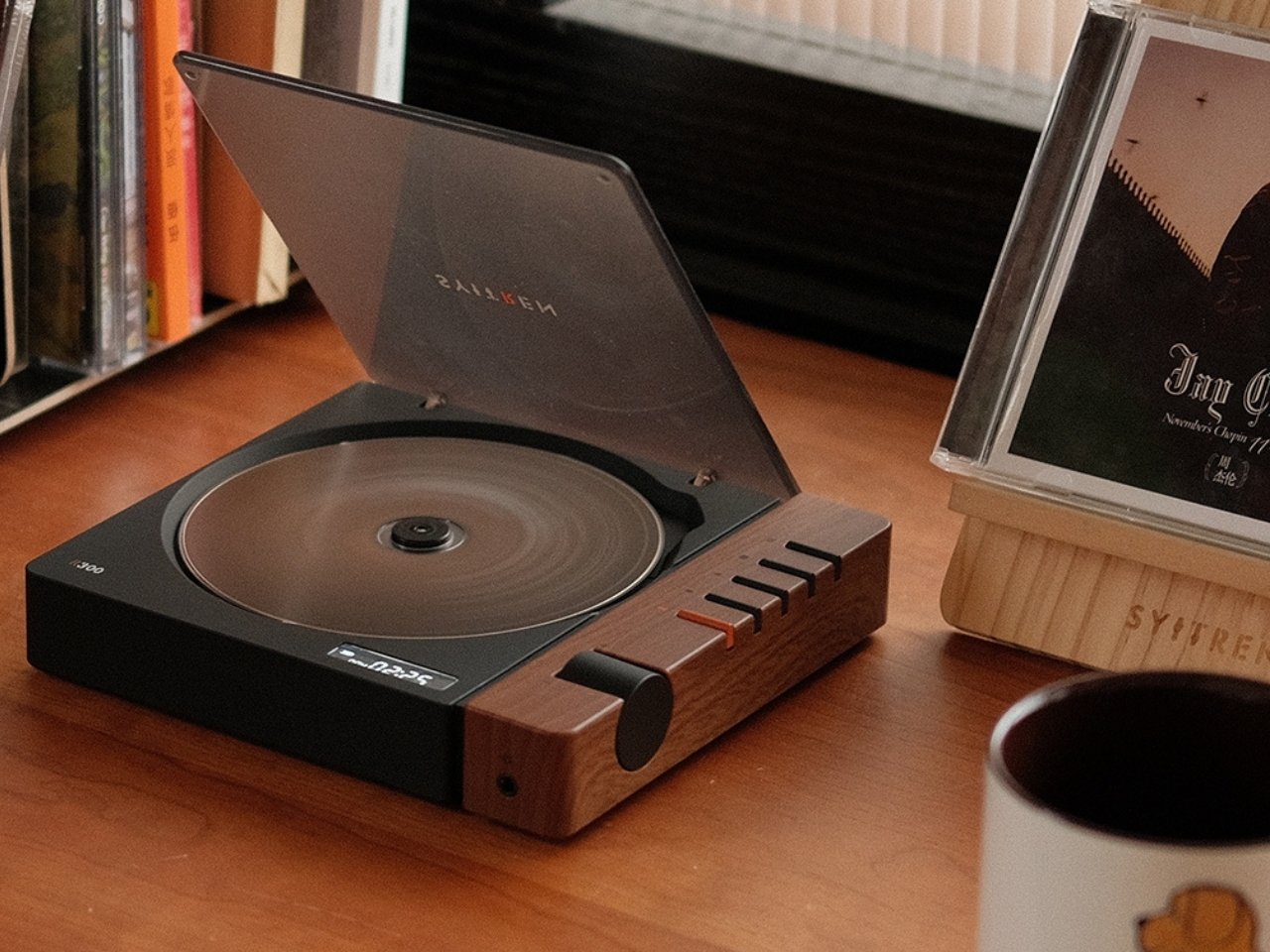
2. Vivia CD Turntable

Here is where this list takes a deliberate left turn. Vivia is not a vinyl turntable at all. It is a turntable designed for compact discs, and the audacity of that idea is exactly why it belongs here. The concept takes the ritualistic appeal that drove vinyl’s comeback and applies it to a format that the industry abandoned in favor of streaming, even though CDs deliver superior audio clarity to most compressed digital files.

Vivia reimagines the CD listening experience as something tactile and intentional. Loading a disc, watching it spin, and physically interacting with playback controls recreates the ceremony that made vinyl appealing again, but for a format that has spent two decades collecting dust in storage boxes. The design borrows the visual grammar of analog turntables (the platter, the visible rotation) and translates it into a CD context that feels more like a statement about how we consume music than a product trying to compete on specs alone.

What we like

  • Visual design language borrows from analog turntables in a way that makes CD playback feel deliberate and special rather than outdated.

What we dislike

  • This remains a concept with no confirmed production timeline, pricing, or technical specifications to evaluate.
  • CD collections have shrunk dramatically, so the audience for a premium CD turntable is narrow compared to the growing vinyl market.

3. McIntosh x Sun Records Limited Edition MTI100

McIntosh has been building audio equipment since 1949, and the MTI100 carries that lineage into a format that appeals to listeners who want a complete system without a rack full of separates. This special edition, created in collaboration with Sun Records (the label that launched Elvis Presley, Johnny Cash, and Jerry Lee Lewis), packs a turntable, preamplifier, and amplifier into a single integrated unit with Bluetooth and auxiliary inputs.

The catch, and it is a deliberate one, is that speakers are not included. McIntosh recommends pairing with their own XR50 bookshelf or XR100 floorstanding speakers, but the unit connects to any audiophile-grade loudspeaker or even a pair of headphones for private listening. That flexibility is the real design move here. Instead of locking buyers into a closed ecosystem, the MTI100 acts as a hub that adapts to whatever speaker setup already exists in a room. The Sun Records branding adds a layer of music history that gives the limited edition a collectible weight beyond its audio performance.

What we like

  • The all-in-one integration of turntable, preamp, and amplifier eliminates the need for a multi-component audio rack while preserving high-fidelity output.
  • Bluetooth and auxiliary inputs mean the unit pulls double duty as a hub for digital sources alongside its vinyl playback function.

What we dislike

  • Speakers sold separately means the total system cost climbs well above the sticker price, especially if pairing with McIntosh’s own recommended models.
  • The limited edition Sun Records branding, while collectible, adds a premium that does not change the underlying audio performance of the base MTI100.

4. Samsung AI OLED Turntable

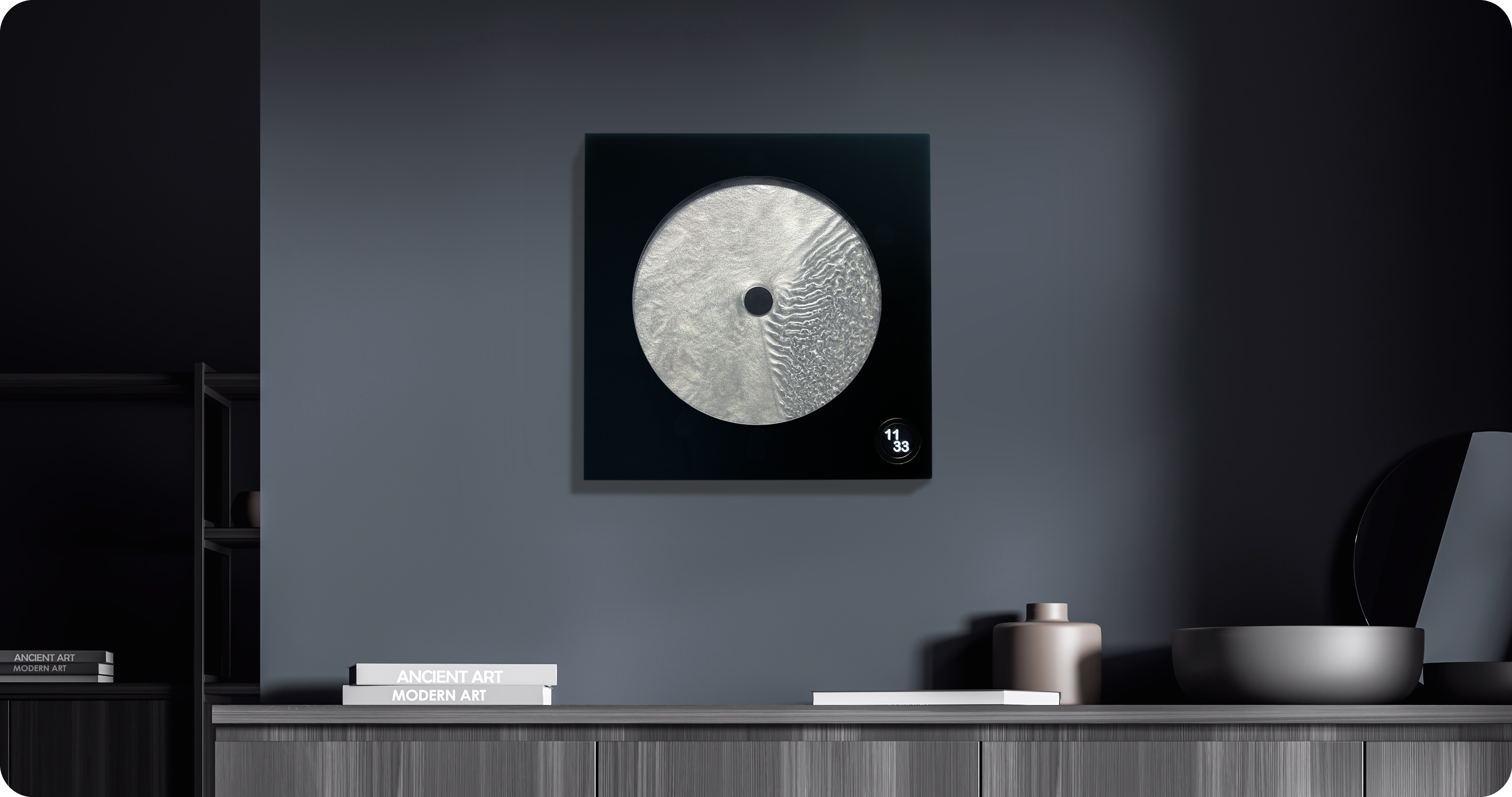
Samsung’s concept entry takes the turntable form factor and fills it with a 13.4-inch circular OLED touchscreen, turning the platter into a display surface that shows images, videos, and ambient visuals while music plays. It is part music player, part art installation, part conversation piece, and it makes no apologies about prioritizing spectacle over audiophile purity.

The circular OLED display becomes the centerpiece of whatever room it occupies, commanding attention in a way that most modern tech actively avoids. Imagine hosting friends and having the turntable surface shift between album art, ambient animations, and visual patterns that respond to the music. The design asks whether a turntable needs to be functional in the traditional sense to earn its place in a room, or whether the experience around the music matters just as much as the playback itself. Samsung has not confirmed production plans, but as a direction for where music hardware could go, this concept is more provocative than most finished products.

What we like

  • The 13.4-inch circular OLED display transforms a turntable into a visual centerpiece that adds ambiance to any room, not just sound.
  • The concept pushes the definition of what a music player can be, treating the listening experience as multi-sensory rather than purely auditory.

What we dislike

  • Concept status with no production timeline means this exists as a provocation rather than something listeners can actually buy and use.
  • The emphasis on visual spectacle raises questions about whether audio quality is a priority or an afterthought in the design.

5. RA84 Reycycled Plastic Turntable

Ron Arad’s original Concrete Stereo from 1984 was a brutalist statement piece that treated audio equipment as sculpture. Stu Cole’s RA84 revives that same energy, but swaps the concrete for recycled plastic that mimics the look and weight of stone so convincingly that the difference is nearly impossible to detect without touching it. Available in concrete grey or a black finish that reads like expensive terrazzo, the RA84 is a turntable that doubles as furniture.

The material choice is more than an environmental gesture. That heft and density kill vibration, which is the enemy of clean vinyl playback. Recycled plastic performs surprisingly well acoustically in this application, delivering isolation results that rival traditional stone or concrete builds. Built-in speakers make this a complete system out of the box, and the deliberately chipped corners reveal the recycled material’s texture in a way that turns sustainability into a design detail rather than a hidden compromise. Cole’s execution proves that environmental responsibility and luxury do not need to compete with each other.

What we like

  • Recycled plastic construction achieves the vibration-dampening performance of concrete while being lighter and more environmentally responsible.
  • Built-in speakers deliver a complete, ready-to-play system that does not require separate components or additional purchases.

What we dislike

  • The brutalist aesthetic is polarizing, and the sheer visual weight of the RA84 will dominate a room whether the owner wants it to or not.
  • Built-in speakers, while convenient, limit upgrade paths for listeners who want to evolve their audio setup over time.

The needle and the algorithm

These five turntables (and one very bold CD player concept) share a common argument: that music playback is a designed experience, not just a data delivery mechanism. Streaming solved the problem of access. Every song ever recorded lives in a pocket now. But access without friction created a generation of listeners who consume music the way they scroll feeds, passively and endlessly. The turntable is the antidote to that passivity.

What makes this current wave of designer turntables different from the vinyl nostalgia of a decade ago is the ambition of the design thinking behind them. These are not retro objects cosplaying as vintage gear. They are new ideas about what a music player can look like, what it can be made from, and what role it plays in a room and a life. The best turntable in 2026 is not the one with the flattest frequency response. It is the one that makes someone sit down and listen to an entire album, start to finish, without reaching for their phone.

The post Forget Spotify: These 5 Designer Turntables Are the Real Reason Vinyl Is Having a Moment first appeared on Yanko Design.

5 Best Spring EDC Gear Upgrades for 2026 That Actually Deserve a Permanent Spot in Your Pocket

Spring has a way of resetting what we carry. The heavy layers come off, pockets shrink, and that overstuffed pouch of winter tools starts feeling like dead weight. This is the season where everyday carry gets honest about what actually earns space against your body, and what was just riding along out of habit. The five products on this list survived that edit. They are compact, functional, and built with enough design intelligence to justify displacing whatever is currently rattling around in your jacket.

What ties these picks together is a shared rejection of bulk for its own sake. The EDC market loves to pile features into objects that end up living in drawers because they are too heavy or awkward to carry daily. These five go the other direction, packing serious utility into forms that disappear into a pocket or clip onto a keyring without protest. Each one solves a real, recurring problem with clean engineering and a material palette that does not apologize for looking good while doing it.

1. Pockitrod Multitool Pen

The pen is the oldest item in pocket carry, and it has been the target of designers trying to cram more function into that slim cylinder for decades. Most tactical pens add a single trick (usually a glass breaker nobody ever uses) and call it innovation. The Pockitrod takes a fundamentally different approach, treating the pen form as a modular platform rather than a finished object. Its body is machined from 6061-T4 aluminum with a hex cross-section that doubles as a driver grip, a detail that sounds minor until the first time a screw needs tightening and the tool is already in hand.

The system is organized around a central driver assembly inside the handle, with additional modules that thread on as extensions: a box opener with interchangeable 20CV steel tips, an inkless writing implement, and a magnetic-base LED flashlight. Etched measurement markings run along the body with a zero-reference aligned to the edge, turning the entire tool into a ruler that actually measures from where objects begin rather than from some arbitrary point inset from the tip. What makes this work different from other multitool pens that collapse under their own ambition is the threading system. Each module is a self-contained unit, so the Pockitrod can be as simple or as loaded as the day demands.

What we like

  • The hex-shaped body provides a non-slip grip when used as a screwdriver, which most round pen multitools completely ignore.
  • Modular threading means the tool adapts to different carry needs without requiring a full kit commitment every day.

What we dislike

  • The added modules increase overall length, which could push the pen past comfortable shirt-pocket territory.
  • An inkless writing tip is a niche preference, and some users will want a ballpoint option that is not currently part of the system.

2. BlackoutBeam Tactical Flashlight

Flashlights are one of those categories where specs have outpaced what most people need, and manufacturers keep chasing lumen counts that look impressive on paper but blind the user as much as the target. The BlackoutBeam lands at 2300 lumens with a 300-meter throw, which is serious output, but the detail worth paying attention to is the 0.2-second response time. There is no lag, no warm-up flicker, no half-second of wondering whether the switch registered. Light appears the instant the button moves, and in a power outage or a dark parking lot, that immediacy changes the entire experience of using a flashlight.

The body is aluminum with an IP68 rating for water and dust resistance, which means submersion rather than just rain tolerance. Where most tactical flashlights lean into an aggressive, knurled aesthetic that screams preparedness, the BlackoutBeam keeps its lines industrial and clean. It is a tool that communicates function through proportion and material rather than surface decoration. The multiple lighting modes provide range for different scenarios, from full-blast flood to something more conservative for close work. Spring carries a flashlight that handles the transition from late-winter darkness to longer evenings without demanding a separate headlamp or phone-screen compromise.

Click Here to Buy Now: $89.00

What we like

  • The 0.2-second activation eliminates the hesitation gap that plagues cheaper flashlights in urgent situations.
  • IP68 waterproofing means genuine submersion protection, not just a splash rating that fails in real rain.

What we dislike

  • At 2300 lumens, the beam can be excessive for indoor or close-range tasks where a lower floor would be more practical.
  • Battery drain at full output will be aggressive, and the frequency of recharging could become a friction point for daily carriers.

3. Bullet SSD

Cloud storage has convinced most people that physical drives are obsolete, right up until the moment a file transfer stalls over weak Wi-Fi, a client meeting has no internet access, or a backup needs to happen without trusting data to someone else’s servers. The Bullet SSD is built for those moments. It measures 51 x 16 x 8mm, weighs 18 grams, and clips onto a keyring with the same casual permanence as a house key. Inside that shell sits up to 2TB of TLC NAND storage with USB-C 3.2 connectivity and read/write speeds around 500 MB/s.

The body is machined from a single piece of aerospace aluminum, which gives it structural rigidity that a plastic thumb drive cannot match, and the IP67 certification means water and dust exposure are non-issues. What separates this from a standard flash drive is the SSD architecture running underneath. Transfer speeds are fast enough to edit video and photos directly from the drive without copying files to a local machine first. For creatives, field workers, or anyone whose workflow involves moving large files between devices that do not share a network, the Bullet SSD turns a keychain into a portable workstation. The form factor is the real argument here: it is small enough to carry without thinking about it, and fast enough to use without compromise when the moment arrives.

What we like

  • The 18-gram weight and keychain form factor mean this drive is always present without occupying dedicated pocket space.
  • USB-C 3.2 with 500 MB/s speeds makes direct editing from the drive a practical reality rather than a spec-sheet fantasy.

What we dislike

  • The compact body limits heat dissipation, which could throttle sustained write speeds during large, continuous transfers.
  • At this size, the USB-C connector is exposed to pocket debris and lint, and there is no integrated cap or cover to protect it.

4. CraftMaster EDC Utility Knife

The utility knife is one of the most used and least respected tools in everyday carry. Most people settle for a flimsy box cutter from a hardware store or a folding knife that is overkill for opening packages. The CraftMaster occupies the gap between those extremes with a metal body that measures just 8mm thick and 12cm long, paired with an OLFA blade deployed through a tactile rotating knob. The thinness is not a gimmick. At 0.3 inches, this knife slides into a pocket alongside a phone without creating a noticeable bump, which is the difference between a tool carried daily and one left in a bag.

The companion metal scale docks magnetically to the knife’s back, adding dual-scale ruler markings in metric and imperial alongside a blade-breaker for snapping off dull OLFA segments. A 15-degree curvature on the ruler edge protects fingers during cutting, a small detail that reveals how much thought went into the interaction design rather than just the object’s appearance. OLFA blades are replaceable and widely available, which means the CraftMaster avoids the trap of proprietary consumables that plague many premium EDC knives. The 45-degree blade inclination is optimized for box opening, making this a tool that excels at the single task most people actually need a blade for, rather than pretending to be a wilderness survival instrument.

Click Here to Buy Now: $79.00

What we like

  • The magnetic-docking ruler scale transforms the knife into a measuring tool without adding bulk or requiring a separate carry item.
  • OLFA blade compatibility means replacements are cheap, universal, and available at any hardware store on the planet.

What we dislike

  • The rotating knob deployment, while tactile, is slower than a thumb-stud or flipper mechanism for one-handed opening.
  • At 12cm total length, the cutting depth is limited to anything beyond packages and light materials.

5. TPT (Titanium Pocket Tool)

Multitools love to advertise tool counts, but most of those numbers are inflated by variations on the same function (three slightly different screwdriver tips, two redundant pry edges). The TPT earns its ten-tool count because each function occupies its own distinct geometry on a body that measures just three inches long and weighs 28 grams. Grade 5 titanium alloy (6AL4V) gives it a strength-to-weight ratio that steel multitools cannot touch at this size, and the TSA-approved design means it travels without the anxiety of confiscation at airport security. That alone removes one of the biggest barriers to consistent carry.

The tool set includes a full wrench array covering 15 socket sizes (both SAE and metric), a bottle opener, a hex bit driver, a scraper edge, a mini pry bar, measurement cues, and a retractable insert that functions as both a box opener and a camp fork. The stainless steel insert is dual-function, with a fork-tined end for eating and a conventional cutter shape on the other, which is a clever use of a single replaceable component. A removable pocket clip and paracord lanyard provide carry options, and the included leather sheath protects both the tool and whatever pocket it lives in. The TPT does not try to replace a full-sized Leatherman. It targets the 90% of daily situations where a compact, always-present tool solves the problem faster than digging through a bag for something bigger.

What we like

  • TSA approval means this tool crosses through airport security without issue, making it one of the few multitools suitable for travel carry.
  • The 15-size universal wrench built into the body handles quick fixes that would otherwise require a dedicated wrench set.

What we dislike

  • The retractable blade insert can be difficult to swap one-handed, and some users report that the magnet holding it in place could be stronger.
  • At three inches, the wrench openings are small, limiting torque and access in tight spaces where a longer tool would provide better leverage.

Where spring carry is heading

These five tools share a common design philosophy: carry less, carry better. The days of stuffing pockets with redundant gear are giving way to a more considered approach where each item earns its real estate through daily use rather than hypothetical scenarios. A pen that is also a driver and a ruler. A flashlight that responds before the thought finishes forming. A solid-state drive disguised as a keychain. A utility knife is thinner than most phones. A titanium multitool that flies through security.

The best EDC gear in 2026 does not demand attention or lifestyle changes. It occupies the margins of a pocket, a keyring, or a clip, and waits for the moment it is needed. Spring is the right season to audit what makes the cut and what gets retired. These five have earned permanent rotation.

The post 5 Best Spring EDC Gear Upgrades for 2026 That Actually Deserve a Permanent Spot in Your Pocket first appeared on Yanko Design.

The 5 Best Accessories That Look Like They Shipped in an Apple Box (They Didn’t)

Apple has always had this gravitational pull when it comes to design — clean lines, considered materials, and that unmistakable restraint that somehow still feels exciting. It’s the reason a whole ecosystem of third-party accessories exists that speaks the same visual language, sometimes so fluently you’d swear they came out of Cupertino.

The five products on this list sit right in that sweet spot. They’re designed for your Apple devices, they match that premium sensibility, and yet they each bring something Apple itself hasn’t thought of (or wouldn’t dare try). From a keyboard that brings BlackBerry nostalgia to your iPhone to a carabiner that turns your AirTag into a proper adventure companion, these are the accessories that deserve a spot in your setup.

1. Akko MetaKey

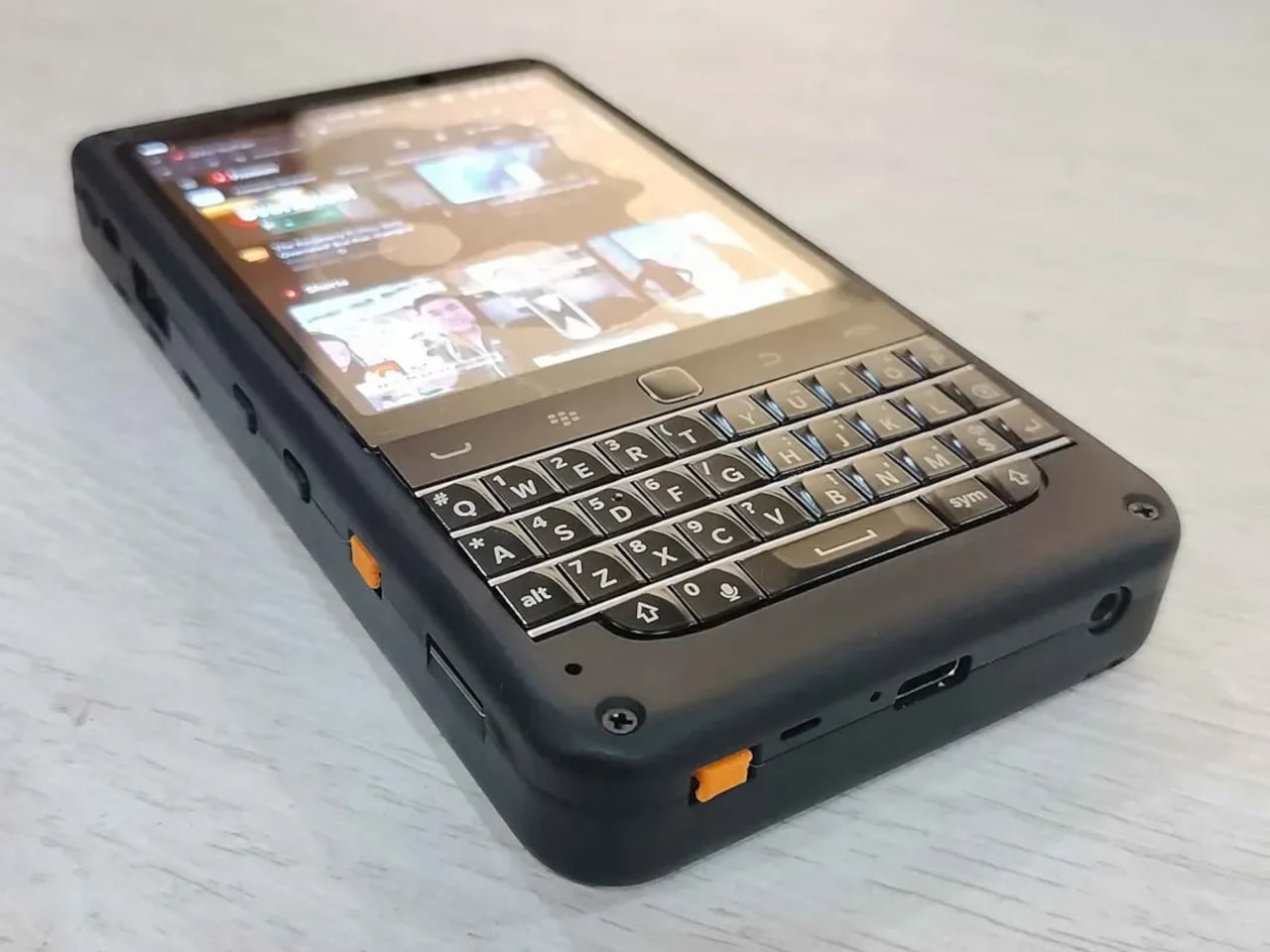
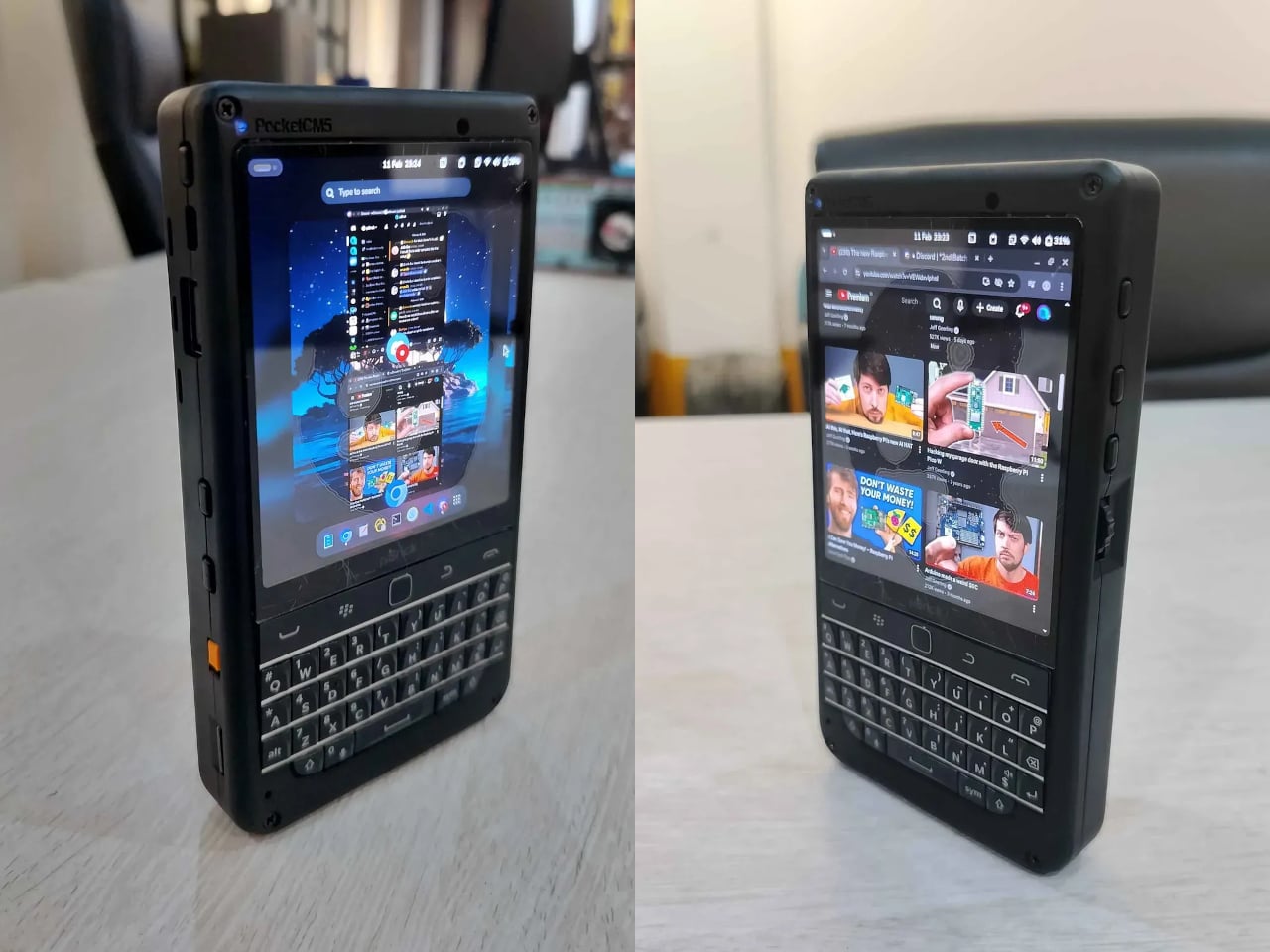
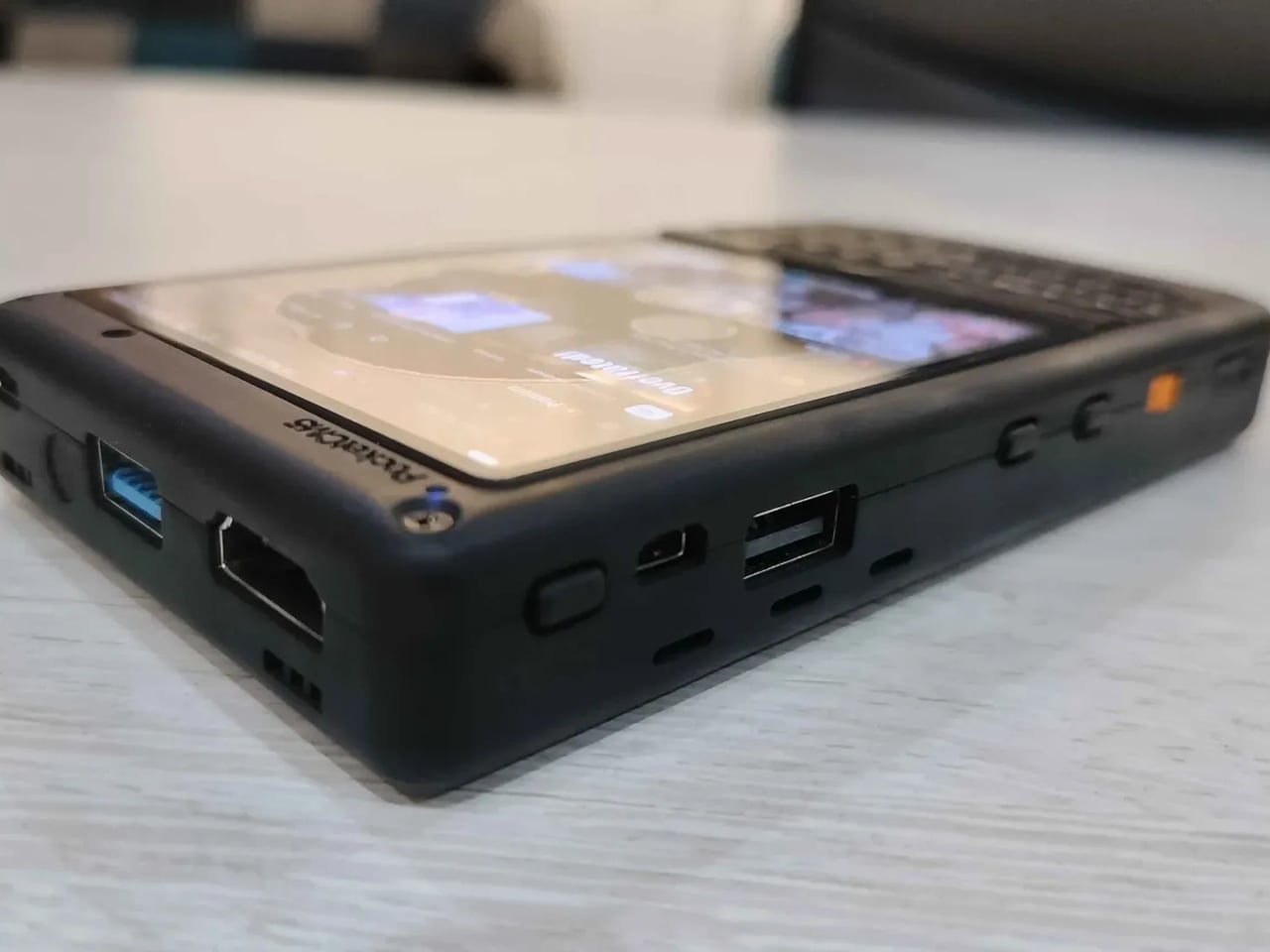
There’s something almost rebellious about strapping a physical keyboard to an iPhone in 2026. Akko, a company celebrated in the mechanical keyboard community for its switches and keycap artistry, decided to do exactly that with the MetaKey. It connects to the iPhone 16 Pro Max and 17 Pro Max via USB-C and features a passthrough port, so you can still charge or transfer data without detaching the whole thing. It’s clever, it’s niche, and it’s built with the kind of intentionality that makes you pause and appreciate the craft.

The keyboard layout is compact and BlackBerry-inspired, with backlit keys that work comfortably in low light. What really sets it apart, though, is the thoughtfulness in the details — dedicated shortcuts for Siri, voice dictation, and number input, plus a scroll mode that transforms the top rows into navigation buttons for breezing through long feeds. Akko even includes a tiny nine-gram counterweight that clips behind the keyboard to keep your phone balanced in your hand. It’s the kind of consideration that separates a gimmick from a genuine tool for your Apple device.

What We Like

  • The USB-C passthrough is a smart move — you never have to choose between typing and charging your iPhone, which makes the MetaKey feel like a seamless extension of the phone rather than an inconvenient add-on.
  • The scroll mode is a surprisingly intuitive touch. Turning keyboard rows into navigation buttons for scrolling through social feeds or documents on your iPhone shows that Akko was thinking beyond just text input.

What We Dislike

  • The added length and weight, even with the counterweight, will take some getting used to. It shifts the balance of the phone noticeably, and one-handed use becomes a bit of a juggling act.
  • Compatibility is limited to just two iPhone models. If you’re on an older device or a non-Pro model, you’re out of luck — and that narrows the audience considerably for something this well-designed.

2. AirTag Carabiner

If you’ve ever attached an AirTag to something and felt like the holder was letting down the tracker, this one’s for you. The AirTag Carabiner is made from Duralumin composite alloy — the same material found in aircraft and marine vessels — so it’s as tough as it is minimal. It snaps onto bags, bikes, umbrellas, or whatever else you tend to misplace, and it lets Apple’s Find My network do the rest. There’s a quiet confidence in how understated this thing looks, like it was always supposed to be part of the AirTag’s story.

Each carabiner is individually handcrafted, which gives it a tactile quality that mass-produced holders simply can’t match. It’s also available in untreated brass and stainless steel finishes, so you can match it to your personal style or let it develop a patina over time. For anyone deeply embedded in the Apple ecosystem who uses AirTags on everything from luggage to keys, this is one of those small upgrades that quietly elevates the entire experience.

Click Here to Buy Now: $129.00

What We Like

  • The Duralumin construction means it’s lightweight yet remarkably strong — suitable for use in water and at high altitudes, which makes it a genuine companion for outdoor adventures, not just a desk accessory for your AirTag.
  • The handcrafted quality and multiple finish options (brass, stainless steel) add a personal, artisanal dimension that feels right at home next to Apple’s own hardware.

What We Dislike

  • The AirTag itself isn’t included, which is expected but still worth noting — you’re investing in the holder alone, and the overall cost of the tracker plus carabiner adds up.
  • For something this minimal, the design language is almost too subtle. If you like your accessories to make a visual statement, this one deliberately doesn’t — it disappears, which is the point, but not everyone wants that.

3. Nomad Icy Blue Glow Stratos Band

The Apple Watch Ultra was built for people who push limits, and Nomad’s Stratos Band has always matched that energy. But the Icy Blue Glow edition adds something unexpected — a fluoroelastomer cast that lights up in Tron-like hues after dark. It’s a limited-run release, and it bridges the gap between serious performance gear and something you’d actually want to show off at a dinner table. Nomad describes it as proof that performance and fun can coexist, and honestly, it’s hard to argue.

Underneath the glow, the engineering is just as considered. Grade 4 titanium hardware handles the structural work, while compression-molded FKM fluoroelastomer links sit against the skin for comfort and flexibility. The dual-material design creates natural ventilation spaces between the links, helping with moisture and breathability during workouts or just everyday wear. For Apple Watch Ultra owners who’ve cycled through the usual band options and want something that feels both premium and a little playful, this Stratos edition is a standout.

What We Like

  • The hybrid construction of titanium and FKM fluoroelastomer strikes a rare balance — you get the refined, metallic look that matches the Apple Watch Ultra’s hardware with the comfort of a sport band, all in one piece.
  • The glow-in-the-dark feature isn’t just a novelty. It adds genuine visibility during nighttime runs or low-light conditions, making it functional for the adventure crowd the Ultra was designed for.

What We Dislike

  • It’s a limited-run release, which means if you don’t move quickly, it’s gone. For a band this well-made, it would be nice to see it as a permanent option in Nomad’s lineup for Apple Watch Ultra.
  • The glow effect relies on light absorption, so its intensity fades over time in darkness. After a few hours, you’re back to a regular (still great-looking) band — manage expectations accordingly.

4. Battery-Free Amplifying iSpeakers

There’s an elegance to things that work without electricity. The Battery-Free Amplifying iSpeakers from Yanko Design Select take your smartphone’s built-in speaker and amplify the sound purely through acoustic design — no charging, no Bluetooth pairing, no cables. You simply place your iPhone into the cradle and let the Duralumin metal body do the work, channeling and projecting sound waves across the room. It’s the kind of product that makes you appreciate physics as a design material.

Beyond the clever engineering, the speaker itself is designed using the golden ratio, so its proportions feel inherently pleasing on a desk or shelf. The vibration-resistant Duralumin construction — the same aerospace-grade material — means the body stays stable even when the sound is full. There are also optional add-on modules called +Bloom and +Jet that let you direct the sound in different patterns, which is a nice touch for people who care about how audio fills a space. For your iPhone, it’s a zero-fuss, zero-power way to fill a room with music.

Click Here to Buy Now: $179.00

What We Like

  • The completely passive, battery-free design is refreshing in a world of chargers and cables. You just drop your iPhone in and go — no setup, no pairing, no power source needed.
  • The golden ratio proportions and aerospace-grade Duralumin make it as much a desk sculpture as an audio accessory. It genuinely enhances the look of whatever space it sits in alongside your Apple devices.

What We Dislike

  • Acoustic amplification has its limits. Don’t expect it to compete with a powered Bluetooth speaker — it’s best suited for casual listening and background music with your iPhone, not filling a large room for a gathering.
  • The +Bloom and +Jet sound-directing modules are sold separately, which means getting the full experience requires additional investment beyond the base speaker.

5. Triple Boost 14 Pro

Dual monitors are fine. The Triple Boost 14 Pro thinks bigger. This accessory attaches to your MacBook and unfolds into three additional 14-inch IPS displays — two flanking the sides and one rising from the top — turning your laptop into a four-screen workstation that looks like it belongs in a mission control room. It connects via a single cable, and once you set it up, your MacBook’s workspace expands in a way that fundamentally changes how you multitask.

Each panel delivers 1920×1080 resolution at 60Hz with 300 nits of brightness and a matte finish that tames reflections. These aren’t color-accurate screens for photo editing or design work — they’re built for volume, for keeping your spreadsheets, code editors, Slack channels, browser tabs, and terminal windows all visible simultaneously on your MacBook. It’s a tool for people who work across multiple apps at once and hate the alt-tab dance. For MacBook users who’ve always wished their laptop could do more without being tethered to a desk setup, the Triple Boost 14 Pro is a compelling, portable answer.

What We Like

  • The sheer screen real estate is transformative for MacBook productivity. Going from one display to four means you can keep everything visible — no more cycling between windows or losing your place in a workflow.
  • The matte finish on all three panels is a smart, practical choice. It keeps reflections and glare under control, which matters when you’re staring at this much screen area on your MacBook for extended work sessions.

What We Dislike

  • At 1080p and 60Hz, the panels don’t match the Retina quality of your MacBook’s built-in display. The resolution difference is noticeable when you glance between screens, especially with text rendering.
  • Portability is relative here. While it technically travels with your MacBook, the bulk and setup process of three additional screens make this more of a semi-permanent desk solution than a true grab-and-go accessory.

Designed Different, But Designed Right

What ties all five of these accessories together isn’t just compatibility with Apple devices — it’s a shared design philosophy. They’re restrained where they need to be, bold where it counts, and built with materials and details that punch well above what you’d expect from third-party products. Each one feels like it belongs in the Apple ecosystem without trying too hard to imitate it, and that’s a difficult line to walk. These are products made by people who clearly care about craft.

If you’re particular about what sits next to your iPhone, MacBook, or Apple Watch, this list is for you. Not every accessory deserves a place in a carefully considered setup, but these five earn it. They solve real problems, they look good doing it, and they bring ideas that Apple hasn’t explored yet. Sometimes the best additions to your ecosystem are the ones that didn’t come from Cupertino at all.

The post The 5 Best Accessories That Look Like They Shipped in an Apple Box (They Didn’t) first appeared on Yanko Design.

5 Best Desk Lamps That Light Your Workspace Better Than Any Overhead Light Ever Could

Overhead lighting was never built for you specifically. It floods an entire room without discrimination, casting flat light across everything and solving nothing in particular. A well-chosen desk lamp operates differently — it targets exactly where concentration happens, reduces strain during long sessions, and brings something intentional to a space that a ceiling fixture simply cannot. The best ones do all of this while looking like they genuinely deserve to be there.

The five lamps here approach desk lighting from genuinely different directions — one learns your habits through AI, another is cast from real tractor headlight molds, one travels anywhere on AA batteries, and another chases a color accuracy standard most manufacturers don’t bother measuring. Each solves a real problem. Whether your workspace is a compact corner or a dedicated professional studio, there is a lamp on this list worth your full attention.

1. Anywhere-Use Lamp

The Anywhere-Use Lamp is designed around one honest principle — good light shouldn’t be restricted to places with power outlets. Running on four AA batteries, it removes every dependency on wall sockets and charging cables, making it as useful in a hotel room or a garden corner as it is on a permanent desk. Six high color rendering LEDs produce warm, soft output that settles gently into a space rather than announcing itself as the primary light source in the room.

Available in black, white, and an Industrial edition with a scratch-detailed metal base that treats surface wear as character rather than damage, the Anywhere Use Lamp adapts across settings without effort. Pressing any edge of the cap cycles through four brightness levels with a satisfying haptic click that makes the interaction feel considered. The modular construction breaks down quickly enough to slip into a bag, and on a desk, it reads as a minimal sculpture — quietly impressive without demanding attention from everything around it.

Click Here to Buy Now: $149.00

What We Like

  • AA battery power gives it genuine location freedom that no rechargeable or corded lamp on this list can honestly match.
  • The Industrial edition’s scratch-detailed metal base treats material imperfection as an intentional design quality rather than a manufacturing oversight.

What We Dislike

  • Four disposable AA batteries are less sustainable than a built-in rechargeable solution would be for users who run them daily.
  • Warm, atmospheric output may feel insufficient for task-heavy environments that demand stronger, more directional illumination.

2. The Lampster

The Lampster is the most funded lamp in crowdfunding history, a record that speaks to how rare genuinely characterful lighting actually is. Its head is cast from the same 40-year-old molds used for real tractor headlights, a material fact that sits at the center of everything the lamp is. Born as a side project between an architect and an engineer, it carries the kind of specificity that only arrives when something was made first for its creators, not for a market.

Functionally, the Lampster holds 120 LEDs across warm and cool white tones, controlled by a capacitive touch button on the head that adjusts intensity without needing a phone. An RGB light source connects to a mobile app that monitors power draw, saves custom settings for reading, writing, or focused work, and syncs the lamp to music. The head rotates 360 degrees while the aluminum neck bends freely in any direction. It sits on a desk and immediately becomes the most interesting object in the room.

What We Like

  • Cast from original 40-year-old tractor headlight molds, giving it a material provenance no competing desk lamp can replicate.
  • App-controlled RGB plus adjustable warm and cool white LEDs cover every working scenario without requiring separate hardware.

What We Dislike

  • Filling the hollow body with gravel for proper ballast adds a hands-on setup step that feels slightly misaligned with a premium purchase.
  • Full smart functionality depends on a mobile app, which may frustrate users who prefer straightforward, always-available physical controls.

3. DEEP

DEEP is what happens when a lamp decides your working environment should configure itself around you rather than the other way around. Turn it on with a spinning-top-inspired power button, tell it what you are about to do — studying, coding, reading, creative work — and it adjusts both lighting and ambient sound automatically. The AI underneath isn’t a selling point bolted on at the last stage. It actively shapes your workspace conditions before you’ve had to think about them yourself.

A camera positioned at eye level monitors your focus state in real time, functioning like a built-in productivity coach without requiring a separate device. Side buttons allow precise manual overrides, and when adjustments are saved, the system builds a personal profile that becomes more attuned the longer the lamp sits on your desk. Over repeated sessions, DEEP learns the exact conditions under which you concentrate best and begins applying them without being asked — a meaningfully different relationship with a piece of desk hardware.

What We Like

  • AI-driven environment configuration learns and refines your preferences over repeated sessions, becoming genuinely more useful the longer you use it.
  • Camera-based real-time focus monitoring replaces any need for an external productivity tracking application or additional device on your desk.

What We Dislike

  • A built-in camera positioned at eye level may not sit comfortably with users who value privacy in their personal workspace.
  • As a concept-stage design, software longevity, update support, and manufacturer reliability over time remain unconfirmed.

4. Lumio Ovo

Most adjustable lamps eventually disappoint. Multiple joints accumulate play, precise positioning becomes a daily compromise, and what is marketed as flexible control quietly becomes a frustration. The Lumio Ovo addresses this by reducing the entire adjustment system to a single pivot — a seesaw-style motion that rotates a full 360 degrees around a central point and feels exact from the very first interaction. No creaking. No wobble. No accumulated looseness. Precise, repeatable directional control housed in a form that makes no apologies.

Lumio left the central pivot fully exposed rather than hiding it inside a casing, which turns the structural solution into the lamp’s most compelling visual element. At rest on a desk, the Ovo reads as a kinetic art object — the kind of piece that earns a comment from anyone who sees it for the first time. Nudge it gently, and it finds its new position with an ease that lamps carrying three times the moving parts rarely manage to deliver with the same quiet confidence.

What We Like

  • A single-pivot seesaw mechanism eliminates the joint loosening and positional drift that eventually compromise most multi-hinge desk lamps.
  • The exposed pivot transforms the engineering solution into the lamp’s defining aesthetic element, making form and function genuinely inseparable.

What We Dislike

  • Detailed light output and color temperature specifications are not widely published, making pre-purchase performance evaluation difficult.
  • The balance-based seesaw motion may not satisfy users who need a lamp to lock firmly into position without any residual movement.

5. Redgrass R9 Desk Lamp

Standard color rendering measurements evaluate eight color samples and call it accurate. Redgrass developed a methodology that evaluates 99 and achieved an extended CRI score of 98.5 — a number that places the R9 in a fundamentally different category. The practical result is light that renders color the way natural daylight does. For painters, illustrators, and anyone whose work depends on seeing accurate hues under artificial conditions, the difference is immediate and impossible to ignore.

At 1800 lumens and 3700 lux measured at 45 centimeters, the R9 delivers serious, sustained output from 96 custom-made LEDs arranged across two independently rotating bars. That dual-bar configuration isn’t decorative — it eliminates the shadows a single light source always casts across detailed work surfaces. It holds the Red Dot Best of the Best and iF Design Awards, and professional teams behind Avatar and The Lord of the Rings have adopted it as a standard studio tool.

What We Like

  • An extended CRI of 98.5 evaluated across 99 color sample sets is an accuracy benchmark that no conventional desk lamp currently comes close to reaching.
  • Two independently rotating light bars eliminate surface shadows in a way that a single light source is physically incapable of replicating.

What We Dislike

  • At $279.99, the R9 demands a meaningful financial commitment, even when the performance makes a fair and honest case for itself.
  • The clamp-based mount and larger physical footprint make it a less natural fit for compact or minimal desk setups.

The Right Light Changes Everything

Each lamp here solves something a ceiling fixture never bothered to think about. The Lampster gives a desk a genuine personality. The Anywhere Use Lamp follows you without conditions. DEEP maps your habits and builds the environment around them. The Ovo reduces all mechanical complexity to a single satisfying gesture. The R9 shows you the color the way it was actually meant to appear. All five refuse to treat workspace lighting as an afterthought worth quietly tolerating.

Good lighting doesn’t just help you see — it sustains concentration, reduces physical strain, and signals that a workspace was assembled with real intention. The difference between a desk lamp and an overhead light isn’t simply positional. One serves the room. The other serves you. Once that distinction becomes clear, returning to a fixture that has no idea what you’re working on or how long you’ve been sitting there becomes genuinely difficult to justify.

The post 5 Best Desk Lamps That Light Your Workspace Better Than Any Overhead Light Ever Could first appeared on Yanko Design.

5 Best Gadgets Every Tech-Savvy Digital Nomad Is Quietly Packing Right Now

The digital nomad bag has evolved past the obvious picks. Laptop, charger, earbuds, done. That kit worked five years ago when remote work meant answering emails from a beach hostel. Now, the people doing this full-time run dual-monitor editing setups from Lisbon apartments, take client calls from co-working spaces in Chiang Mai, and file deadlines from airport lounges without missing a beat. The gear that makes that possible is not the laptop itself but the small, clever peripherals around it, the ones that turn a single USB-C port into a proper workstation and collapse back into a carry-on when it is time to move again.
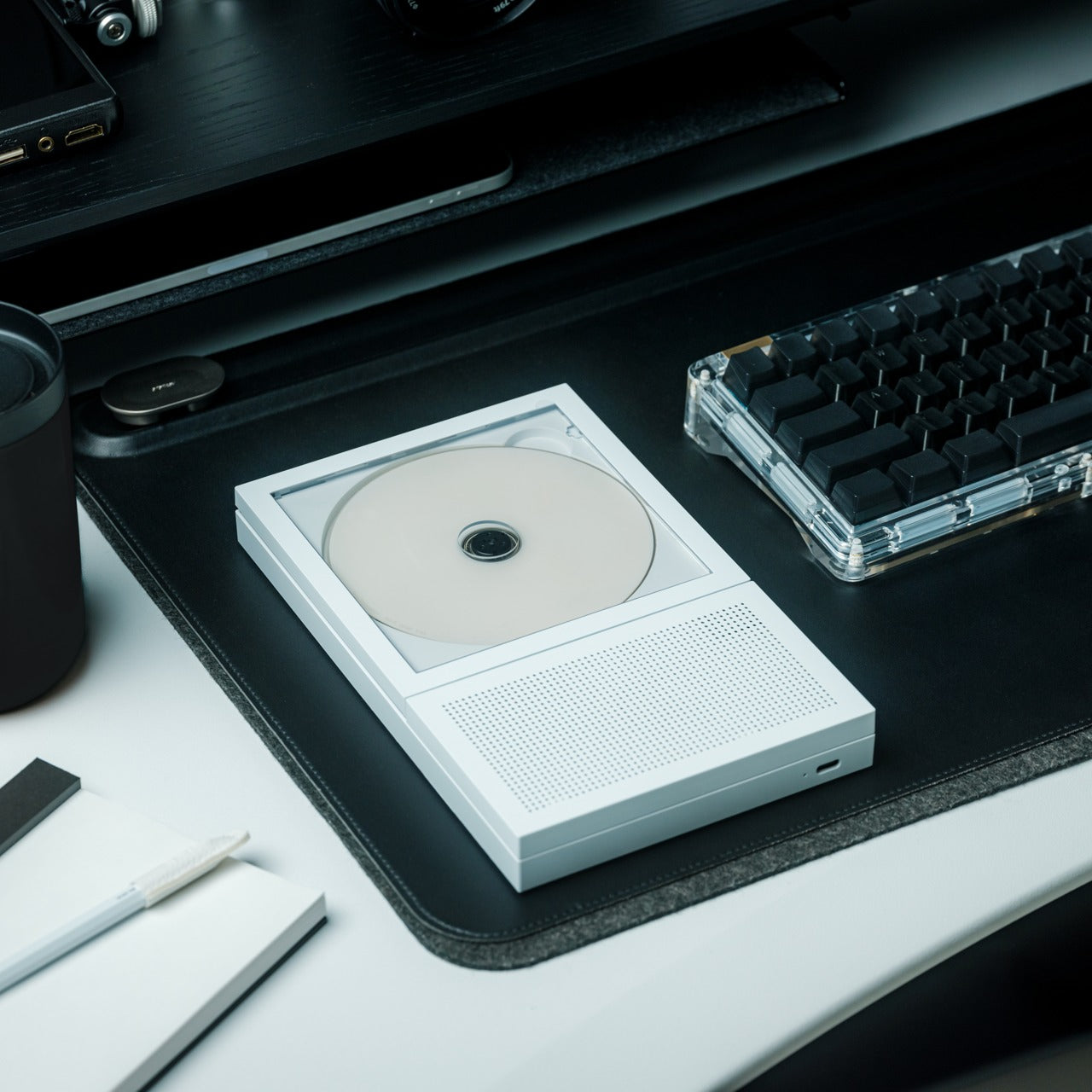
We have been tracking the gadgets that keep surfacing in nomad communities and tech-forward travel kits this year, and five products stood out for the same reason: they each solve a specific friction point that remote workers hit repeatedly. Not gimmicks, not luxury upgrades, but tools that collapse the gap between a fixed desk setup and a backpack-based office. Some are shipping now, others are in the crowdfunding stage with strong traction. All of them earn space in a bag that has no room to waste.
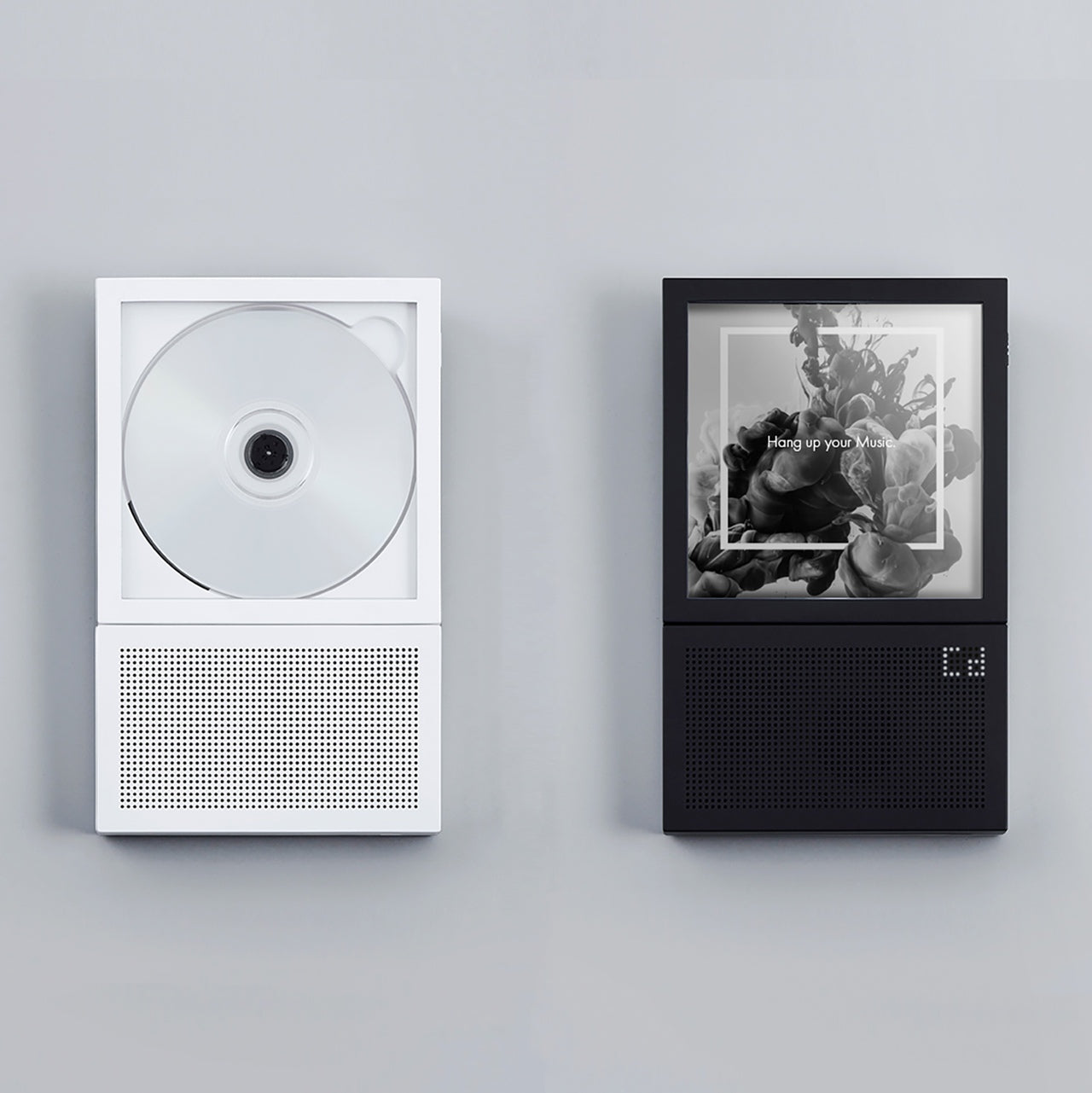
1. Nothing Power (1)

Power banks are the least glamorous item in any travel kit, which is exactly why most of them look like featureless plastic bricks. The Nothing Power (1) is a concept design that imagines what Nothing’s Glyph interface would look like on a battery bank: transparent layers, LED light paths that show charging status and notifications, and the same design language that made the Nothing Phone (1) and Phone (2) stand out in a sea of identical smartphones.

The concept proposes a 20,000mAh capacity with 65W fast charging, enough to hit 50% battery on a phone in under 20 minutes. Dual USB-C ports handle two devices simultaneously. The Glyph LEDs do more than look interesting; they provide intuitive visual feedback for charging status and battery levels without needing to press a button or check a display. Nothing actually had a power bank in development at one point, but scrapped it due to durability concerns with the transparent casing cracking on impact. This concept reimagines that idea with a cleaner silhouette and enough surface area to make the Glyph interface feel purposeful rather than decorative. For nomads who carry a power bank every single day, the idea that it could be a well-designed object instead of an anonymous slab is appealing. This is not a production product yet, but the demand in Nothing’s community forums suggests it is an idea the brand should revisit.

What we like

  • Glyph LED interface provides at-a-glance charging status without screens or buttons, which is faster and more intuitive than hunting for a tiny indicator light on a conventional power bank.
  • 20,000mAh capacity with 65W fast charging (as proposed in the concept) would cover a full day of heavy device use for multiple gadgets.

What we dislike

  • This is a concept design, not an official Nothing product, and the transparent casing durability issue that killed the original project remains unsolved.
  • Transparent construction would likely show internal wear, dust, and scratches over time, especially in a bag that gets tossed around daily.

2. KeyGo Gen2

1

Carrying a laptop, a portable monitor, and a separate keyboard creates a three-device problem that digital nomads have been trying to solve with lighter versions of each. KeyGo Gen2 collapses all three into one folding slab. It is an ultra-slim keyboard with a built-in 13-inch 4K/60Hz IPS touchscreen, CNC-machined aluminum construction, built-in speakers, and a 180-degree hinge that folds everything flat to 19.3mm thick when closed. A single USB-C cable handles video, power delivery (up to 65W), and data.

The original KeyGo raised over $185,000 in its first campaign, featuring a 720p screen. Gen2 bumps that to full 4K at 3,840 x 2,160, ten-point multitouch, adjustable brightness up to 300 nits, and a weight of about 1 kilogram (2.2 pounds). Unfold it, plug in a USB-C cable, and a laptop instantly gains a second display sitting right below eye level with a full keyboard beneath it. It works with Windows, macOS, Linux, and Android, which means it also pairs with mini PCs and tablets for people building ultra-compact travel rigs. The crowdfunding campaign has already passed $300,000 in pledges, with early bird pricing around $279 and estimated delivery in May 2026. For nomads editing video on cafe tables, managing spreadsheets in airport lounges, or running code with documentation on a secondary panel, this eliminates the portable monitor and keyboard as separate line items in the bag.

Click Here to Buy Now: $329 $658 ($329 off). Raised over $521,000.

What we like

  • Replaces a portable monitor and external keyboard with a single folding device, cutting significant weight and bag space from a travel workstation.
  • 4K touchscreen with 10-point multitouch and 300-nit brightness makes it genuinely usable for detail work like photo editing and timeline scrubbing.

What we dislike

  • At 1 kilogram, it is not featherlight, and the 19.3mm closed profile is thicker than a standalone portable keyboard would be.
  • Crowdfunding status means the product is not shipping yet, and the final typing experience can only be judged once production units are in hand.

3. TWS ChatGPT Earbuds

Wearable AI has spent the last two years stuck in an awkward phase. Smart pins looked strange. Pendant cameras felt forced. Smart glasses screamed, “I am recording.” This concept hides cameras inside TWS earbud stems, positioned near the natural line of sight, and pairs them with ChatGPT to create a visual AI assistant that lives entirely in the ears. No screen. No conspicuous hardware. Just a familiar form factor doing something new.

For digital nomads navigating foreign cities, the use cases are immediate. The earbuds can read menus in unfamiliar languages, interpret street signs, describe scenes, and guide navigation through voice alone, all without pulling a phone from a pocket. The social advantage is that earbuds are already normalized. People wear them everywhere without drawing attention, which removes the friction of face-mounted cameras that make conversations uncomfortable. Voice interaction keeps hands free for luggage, laptops, or coffee. The AI processes visual input in real time and responds through audio, creating an assistive loop that does not require staring at a screen. This is a concept at this stage, not a shipping product, but it represents the direction wearable AI is heading. For nomads who spend their weeks moving between cities and languages, an AI assistant that sees what the wearer sees and speaks directly into the ear could replace a handful of translation apps, navigation tools, and accessibility aids with a single pair of earbuds.

What we like

  • Familiar earbud form factor avoids the social awkwardness of face-mounted cameras, making it usable in meetings, cafes, and public spaces without drawing stares.
  • Hands-free visual AI assistance for translation, navigation, and scene description addresses real daily friction for nomads moving between countries.

What we dislike

  • Concept status means no confirmed specs, battery life, or pricing, so the product’s real-world viability is unproven.
  • Privacy concerns around always-available cameras in earbud stems will be unavoidable once production models enter public spaces.

4. HubKey Gen2

The typical nomad desk involves a laptop teetering on a cafe table surrounded by a small constellation of dongles, adapters, and cables fighting for two USB-C ports. HubKey Gen2 consolidates that mess into a single compact cube. It is an 11-in-1 USB-C hub with dual HDMI ports (both 4K at 60Hz), two USB-A 3.1 ports, one USB-C 3.1 port, SD and TF card readers, a 2.5 Gbps Ethernet jack, a 3.5mm audio port, and a 100W USB-C PD charging port. One cable from the cube to the laptop brings everything online.

What separates it from standard hubs is the top panel. Five programmable shortcut keys and a central control knob sit above the ports, turning the hub into a mini control surface. Volume, mute, screen lock, screenshot, display off: tasks that normally require keyboard shortcuts or menu diving can be done with a single tap or twist. The driver system offers 170 presets with full macro customization across Windows, macOS, Linux, and Steam Deck. At 7 x 7 x 3 cm, the cube disappears into a laptop bag pocket. For photographers and videographers constantly offloading cards while driving external displays, this removes the need for three or four separate adapters.

What we like

  • Dual 4K/60Hz HDMI output from a single hub means a nomad can build a two-monitor setup at any co-working space without carrying separate adapters for each display.
  • Programmable shortcut keys and a physical knob add hands-on control that standard hubs do not offer, cutting repetitive menu navigation during editing and video calls.

What we dislike

  • The compact form factor means ports are tightly packed along the edges, which can cause thicker cables or drives to crowd each other.

5. OrigamiSwift Mouse

Trackpads work fine until they do not. Precise selections in spreadsheets, long editing sessions, and detailed design work all benefit from a real mouse, but carrying a conventional one eats bag space that nomads cannot spare. OrigamiSwift solves this by folding a full-sized Bluetooth mouse down to a 4.5mm-thick slab that weighs just 40 grams (1.41 ounces). Magnetic snaps lock the two sides together in under half a second, and the mouse powers on automatically when assembled. Fold it flat again, and it slides into a laptop sleeve or even a shirt pocket.

Under the origami-inspired exterior sits a 4000 DPI HD infrared sensor capable of tracking at up to 30 inches per second, paired with Bluetooth 5.2 for stable, dongle-free connectivity across Mac, Windows, Android, and iPadOS. A 500mAh lithium polymer battery charges via USB-C and lasts up to three months on a single charge, which effectively removes battery anxiety from the equation. The vegan leather skin adds grip and surface compatibility, while mechanical click switches on the left and right buttons provide tactile feedback. A touch-sensitive scroll area replaces a physical wheel, which keeps the profile flat. At around $49 to $69, depending on the retailer, it sits in a reasonable range for a travel peripheral that genuinely disappears when not in use. The trade-off is that it is not built for gaming or high-speed precision work, but for the spreadsheet-to-email-to-design workflow that defines most nomad days; it handles everything a full-sized mouse would.

Click Here to Buy Now: $85.00

What we like

  • Folds to 4.5mm flat and weighs 40 grams, making it the most packable full-sized mouse option available for nomads who cannot sacrifice bag space.
  • Three-month battery life on a single USB-C charge means one less device to worry about charging between cities and time zones.

What we dislike

  • The touch scroll area, replacing a physical scroll wheel, takes adjustment, and some users report that it lacks the tactile precision of a traditional wheel during fast scrolling.
  • Not suitable for gaming or tasks demanding sub-millisecond response times, so users with hybrid work-and-play setups will still need a second mouse.

What the nomad bag looks like now

These five gadgets share a design philosophy that would have seemed niche a few years ago: they treat portability not as a marketing checkbox but as the primary constraint around which everything else is engineered. A hub that replaces four dongles. A keyboard that is also a 4K monitor. A mouse that folds into a credit card sleeve. A power bank that communicates through light. Earbuds that double as a visual AI assistant. Each one subtracts something from the bag while adding a capability that used to require a dedicated device.

The shift is worth paying attention to. Remote work hardware is no longer about miniaturizing desk products and hoping they survive a carry-on. The best nomad gear now starts from the constraints of movement, weight, and setup speed, then works backward to figure out how much functionality can fit inside those limits. Two of these products are concepts, two are crowdfunding, and one is shipping today. That ratio will flip fast. The bag is getting lighter, the workspace is getting more capable, and the gap between a fixed office and a cafe table keeps narrowing.

The post 5 Best Gadgets Every Tech-Savvy Digital Nomad Is Quietly Packing Right Now first appeared on Yanko Design.