Someone Finally Gave Apple’s Biggest Gaming Failure a Second Chance

Handheld gaming has grown into a serious market, but no single device has managed to satisfy every trade-off at once. The Nintendo Switch sacrifices power for portability, the Steam Deck adds weight and Linux friction, and the ROG Ally costs too much while battery anxiety lingers. Every existing option addresses one frustration and sidesteps another, leaving a gap that’s wide enough for something genuinely different.

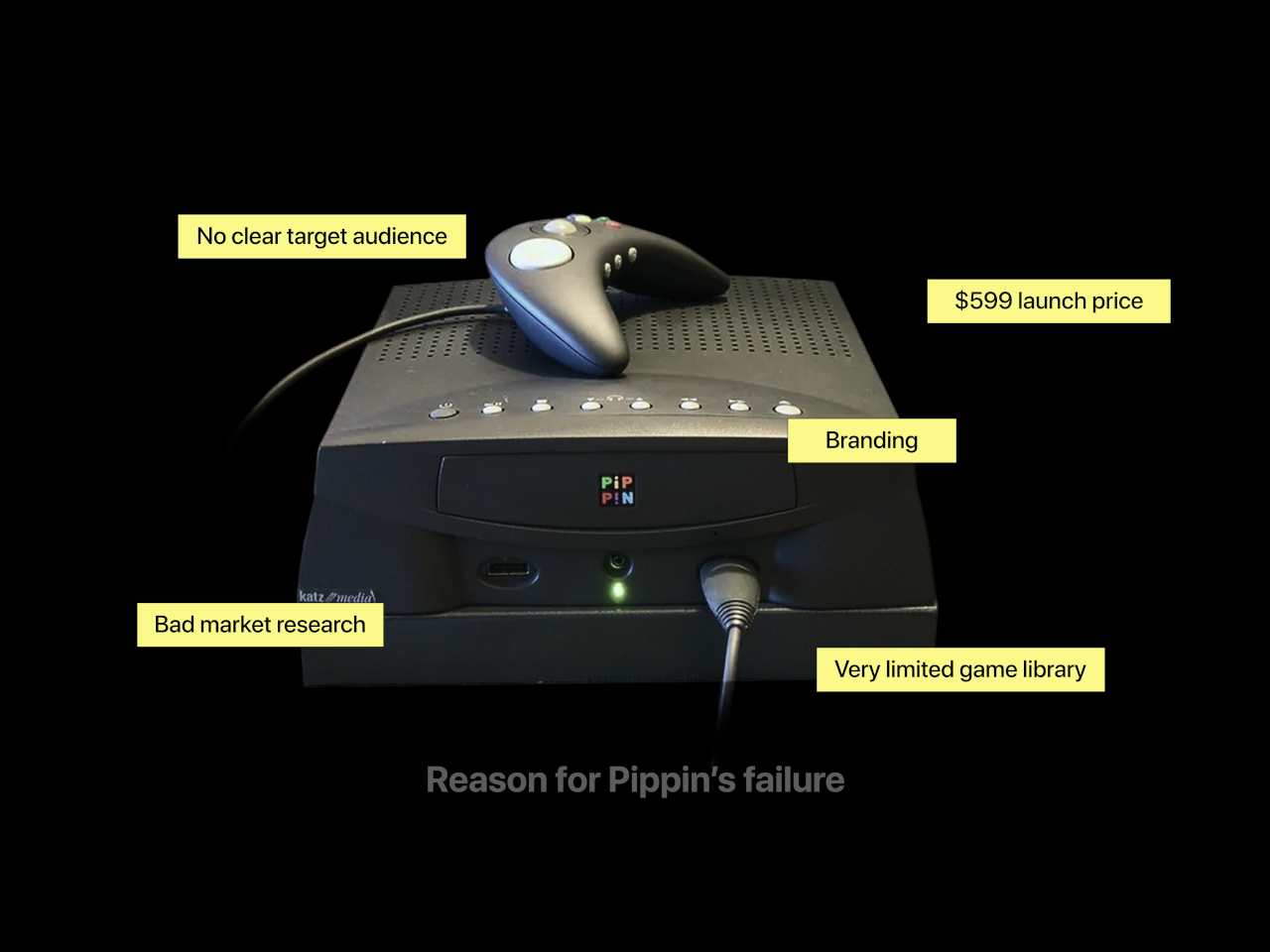
That gap is what Pippin V2 sets out to fill. The concept takes its name from one of Apple’s biggest failures: the Bandai Pippin, a gaming console launched in 1996 that folded within a year because of poor market research, no clear audience, and a $599 price tag most wouldn’t pay. This project poses one straightforward question: What would it look like if someone finally got it right?

Designer: Aditya Rajiv
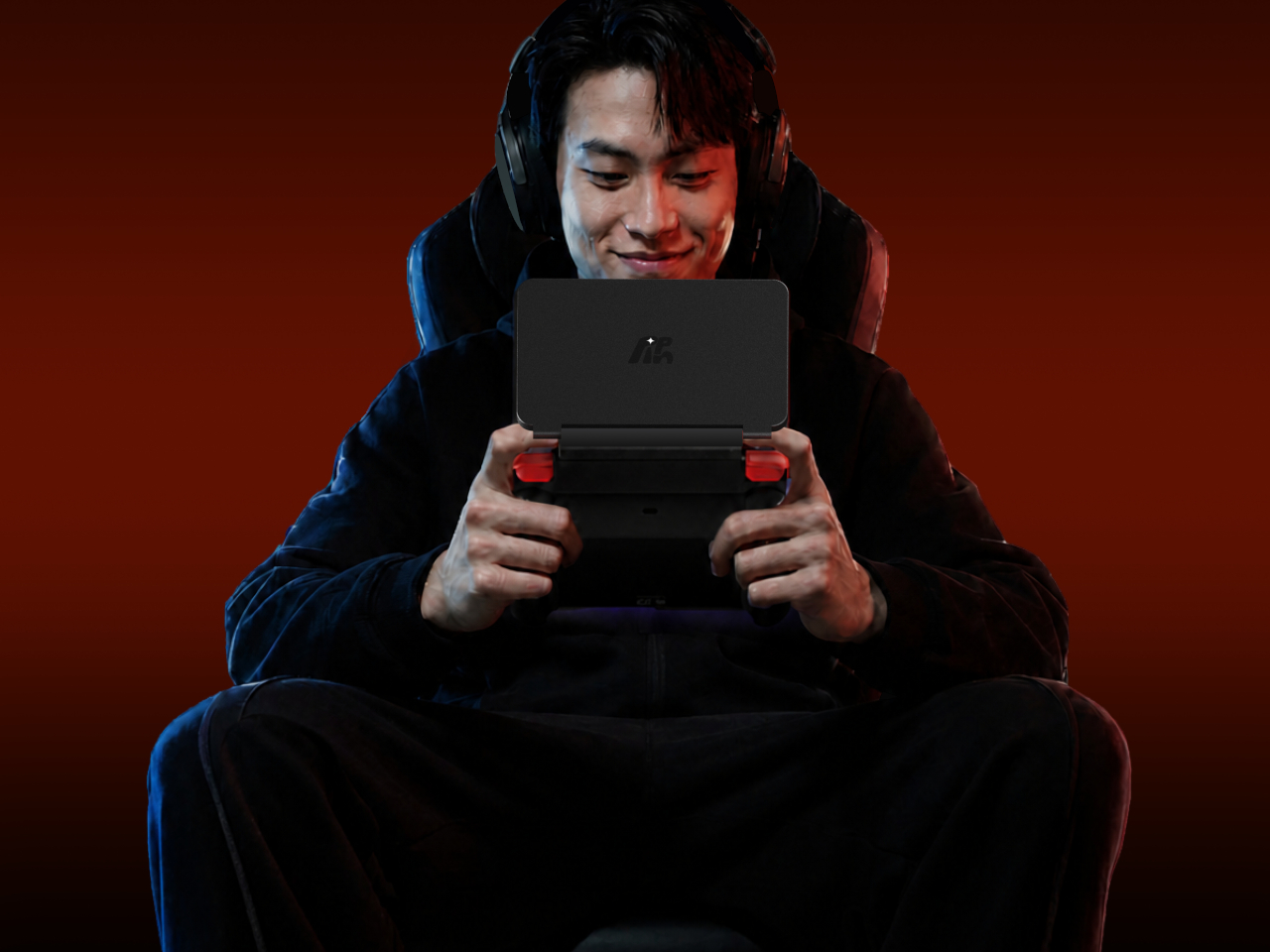
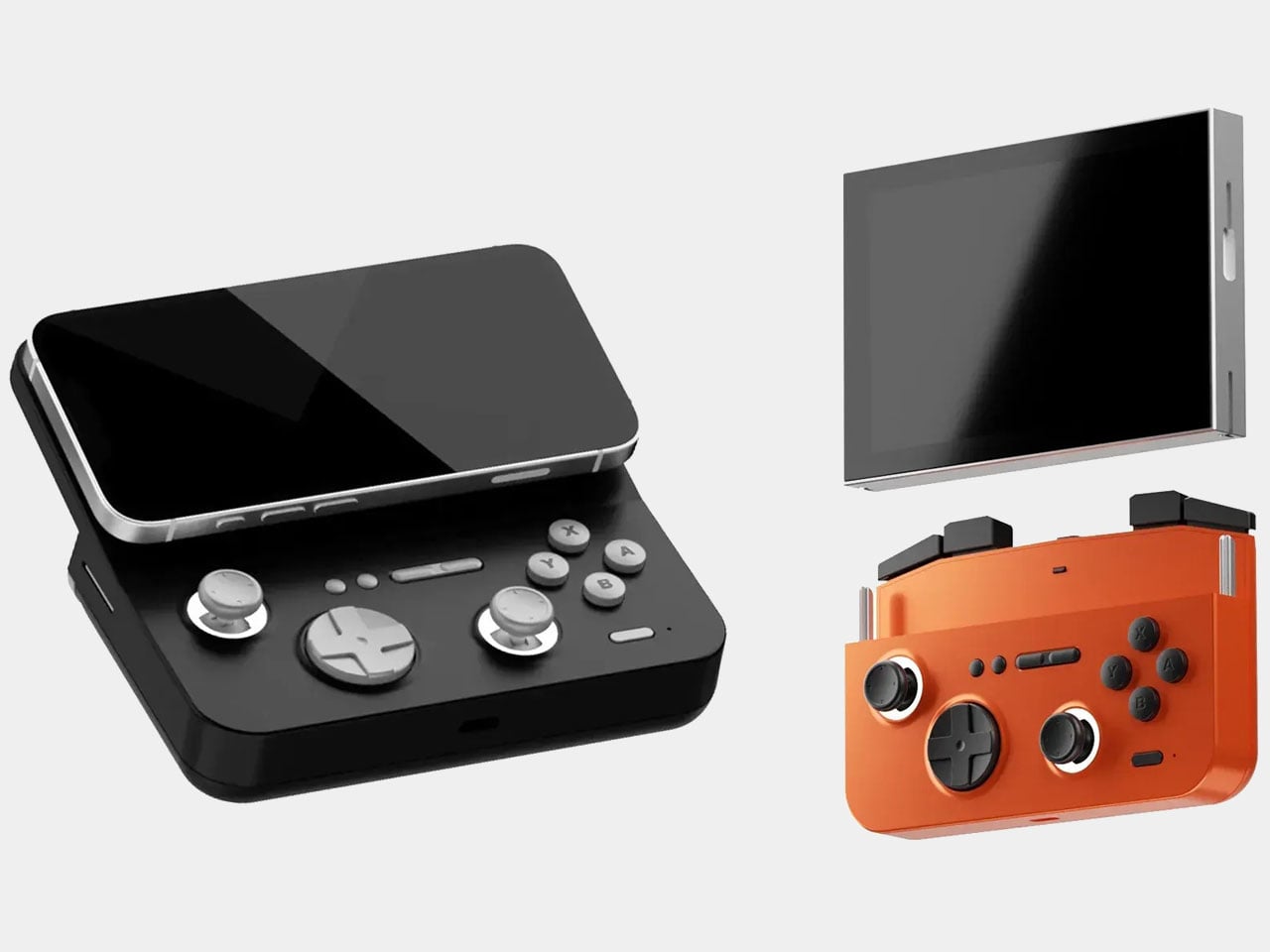
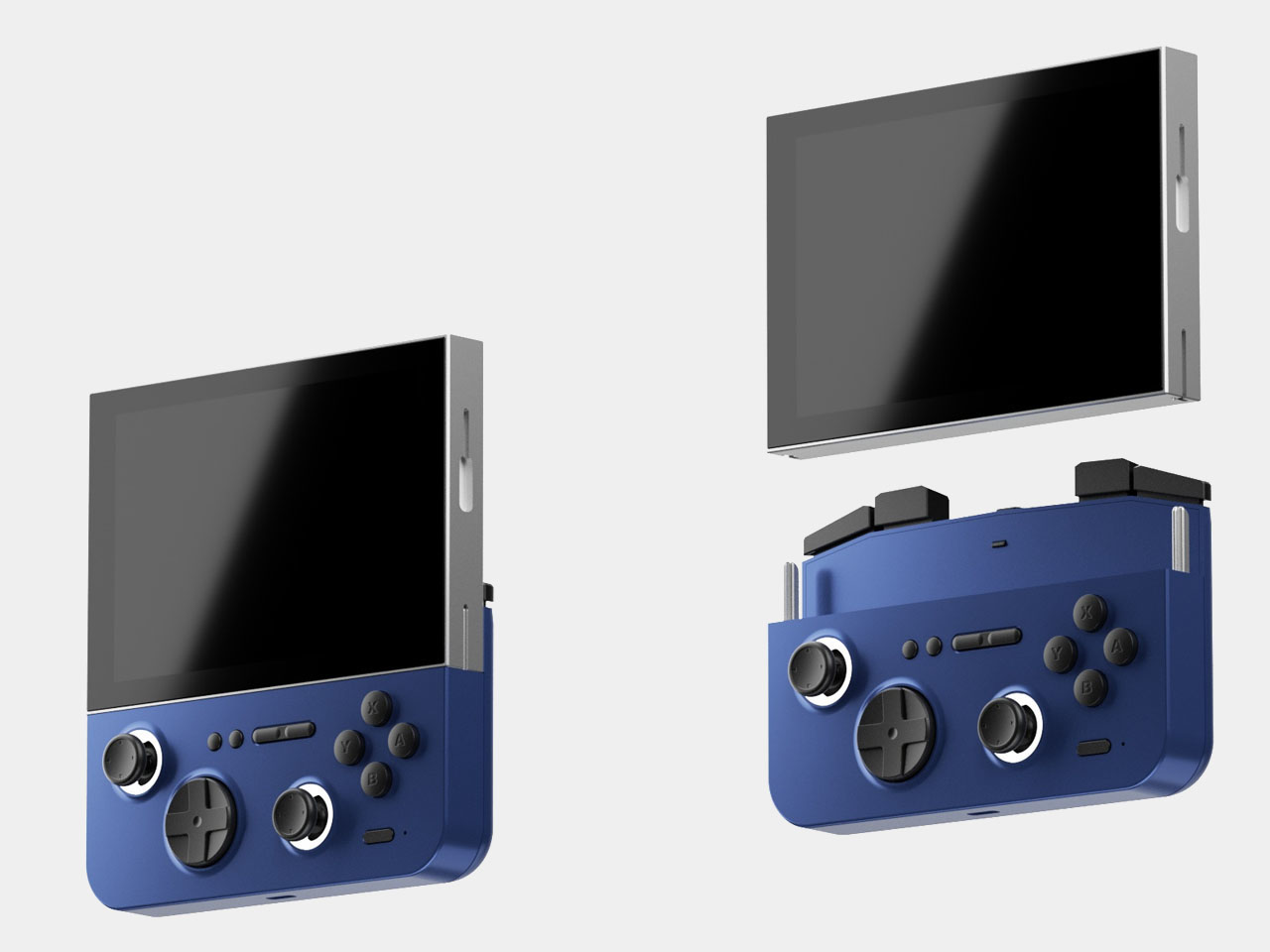
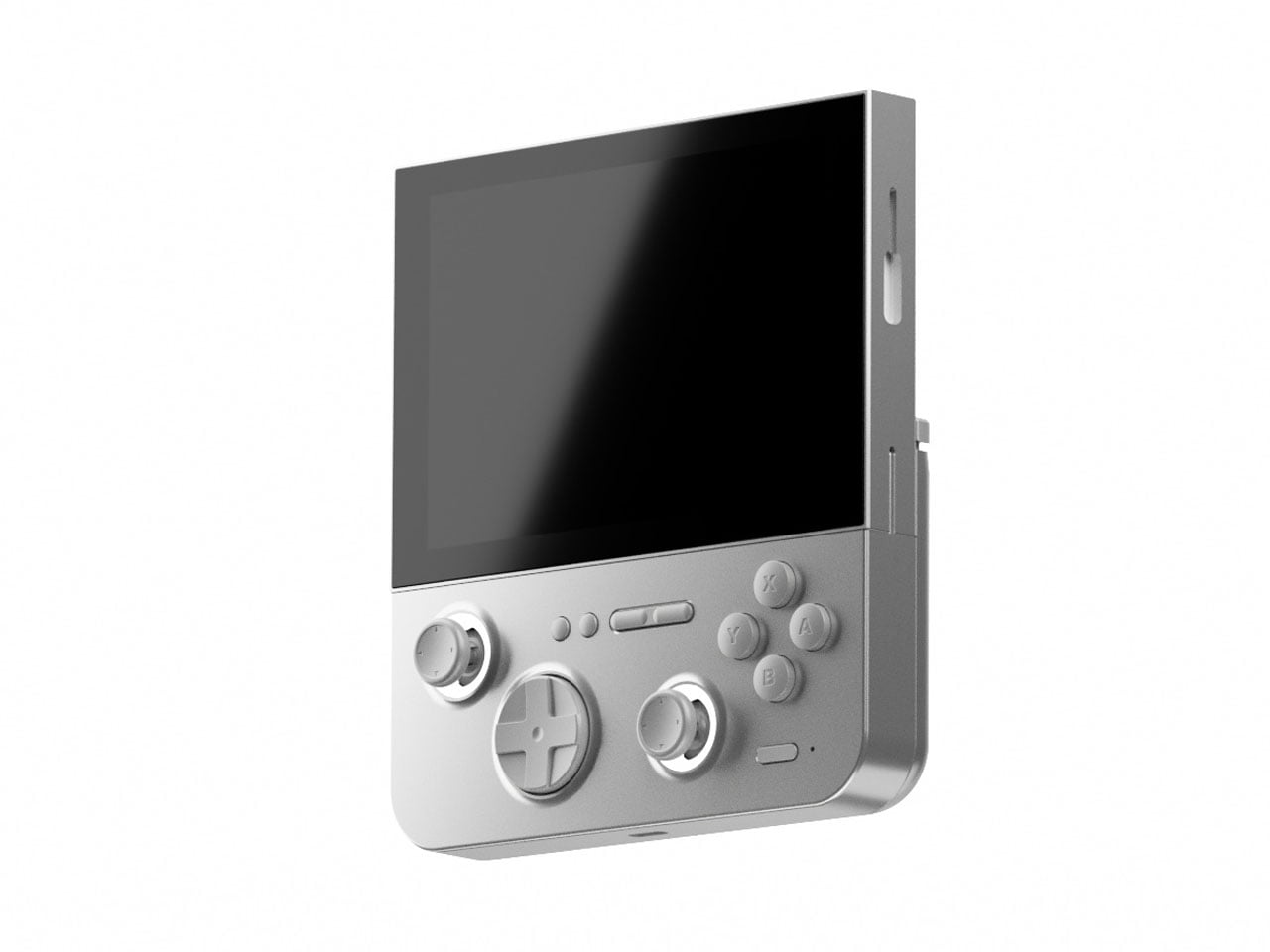
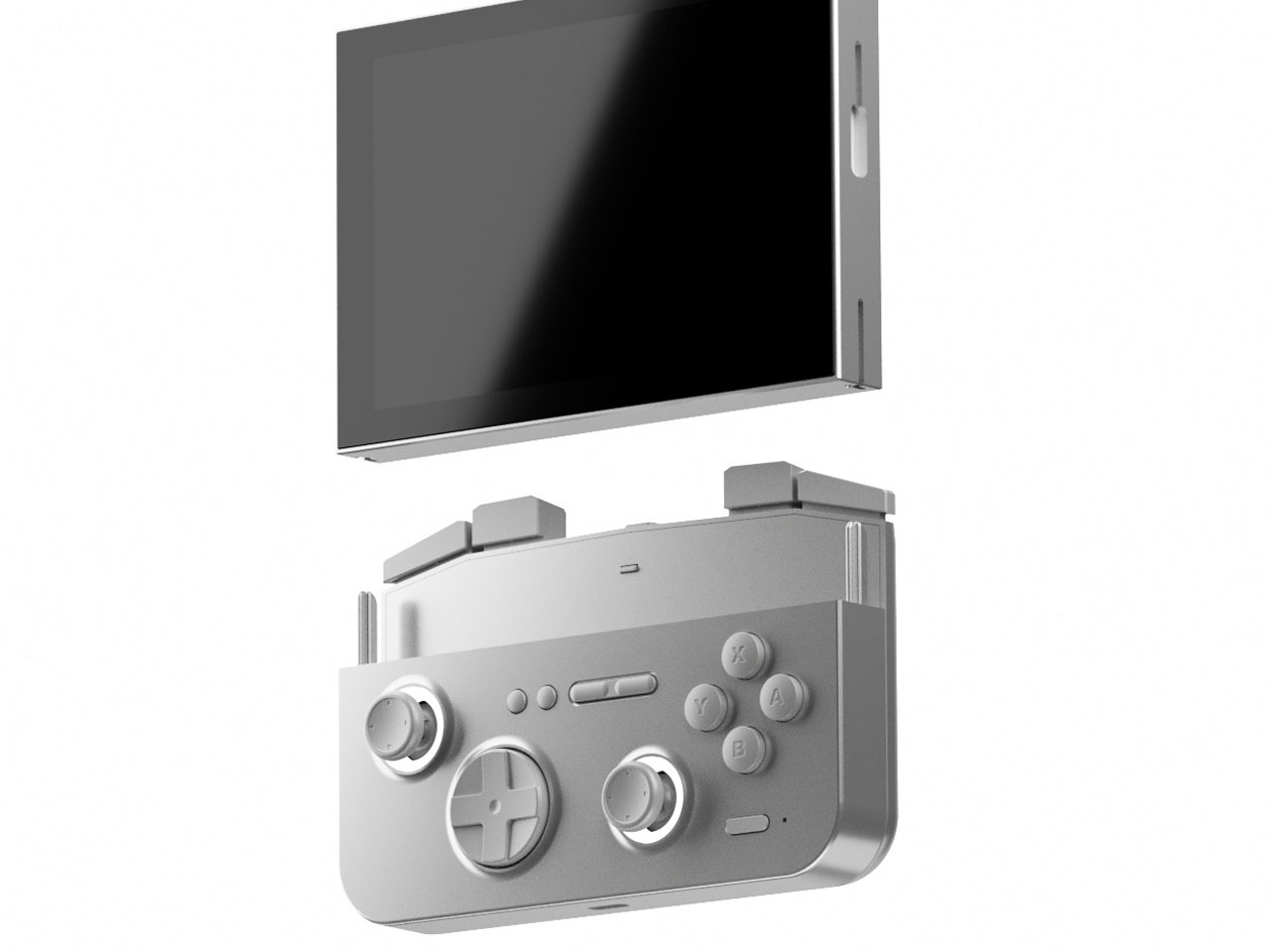
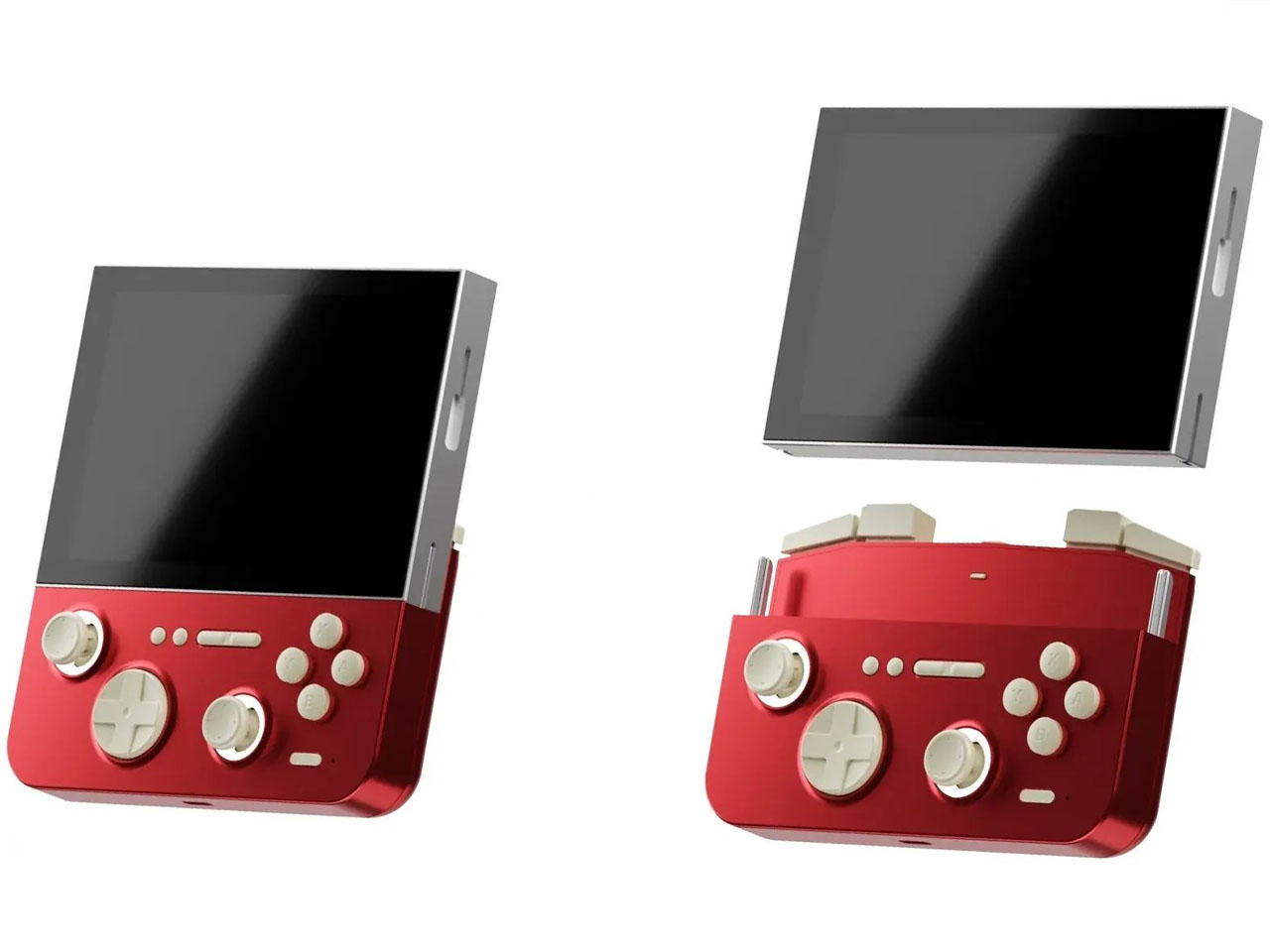
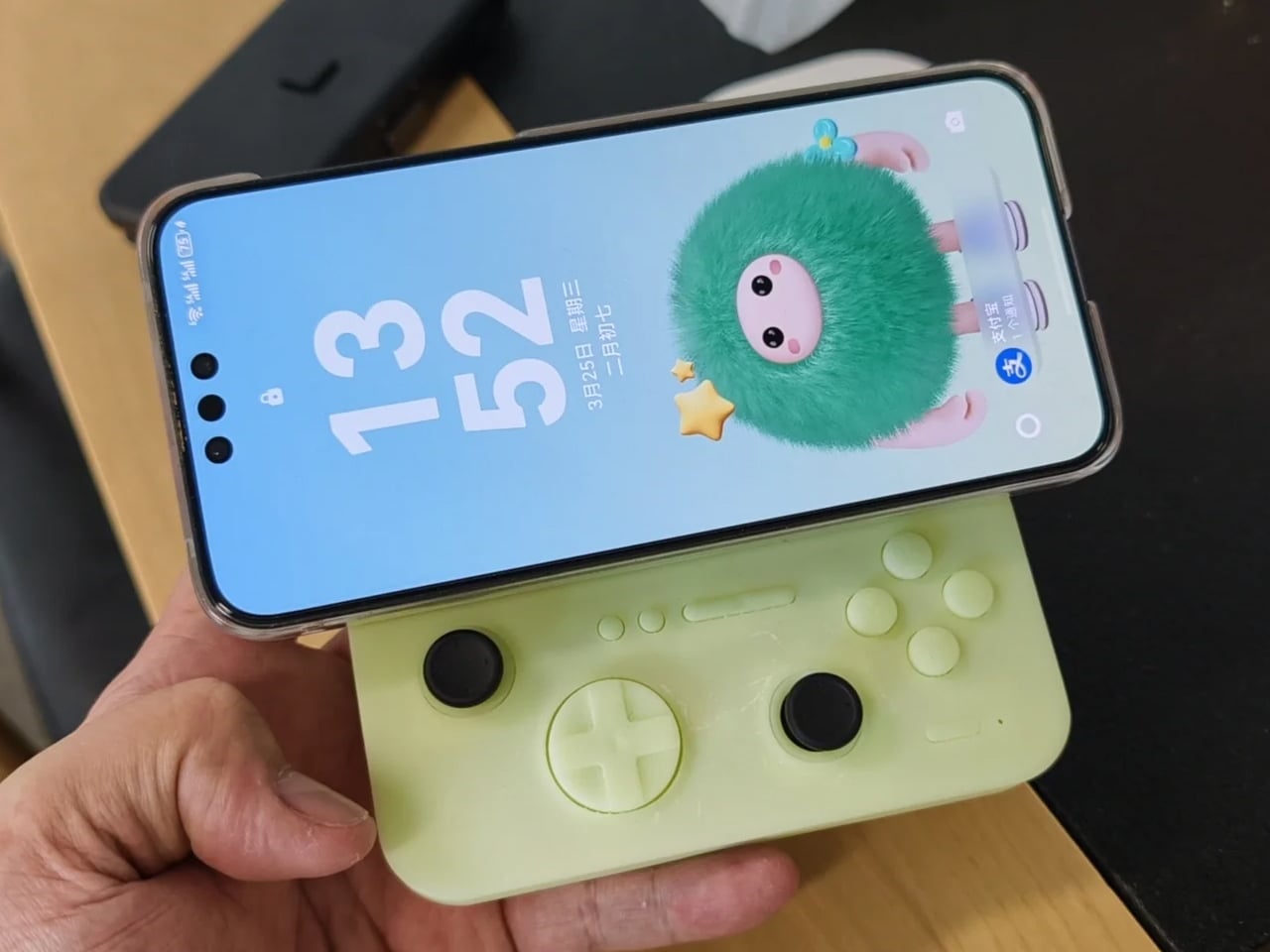
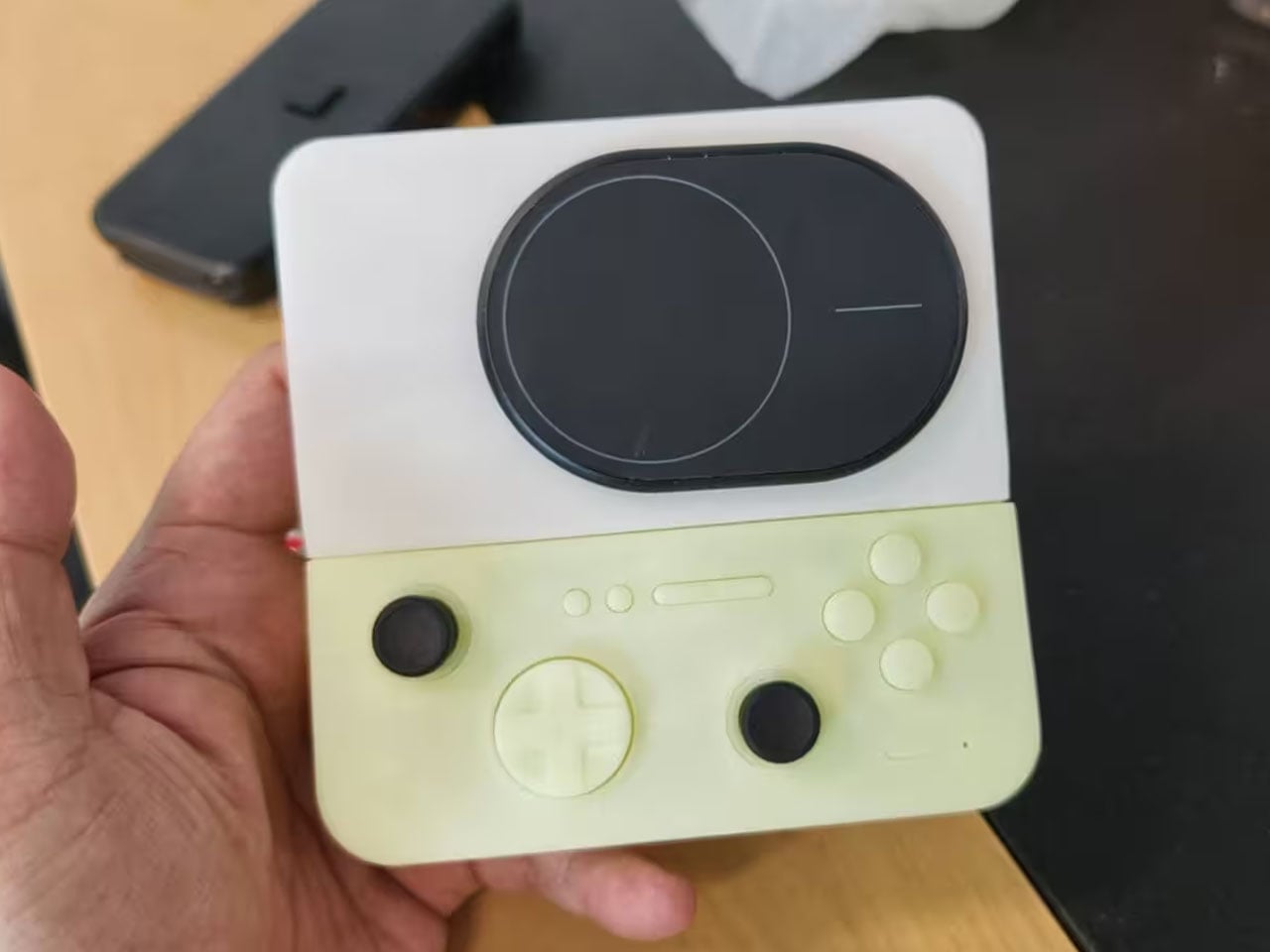
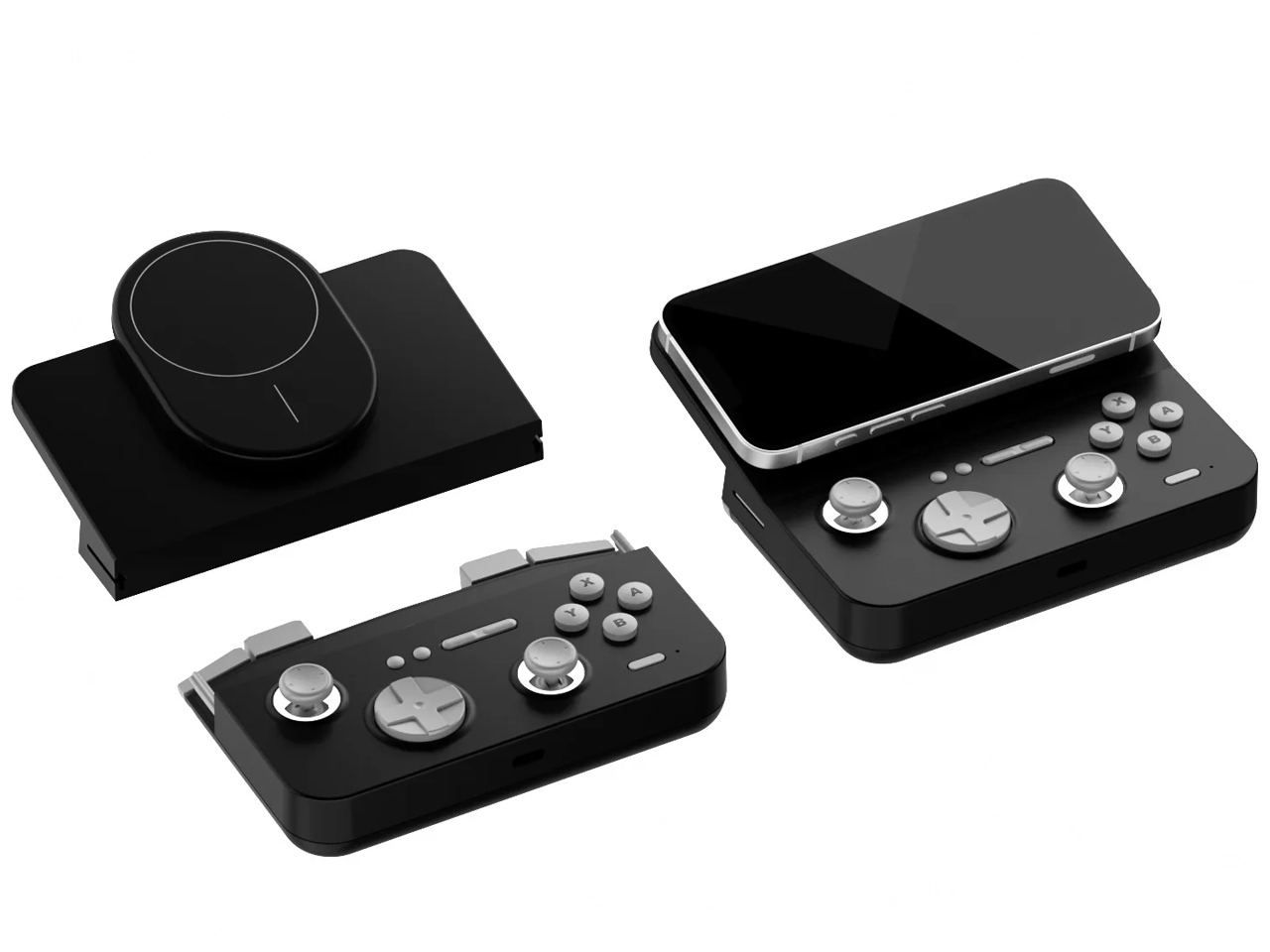
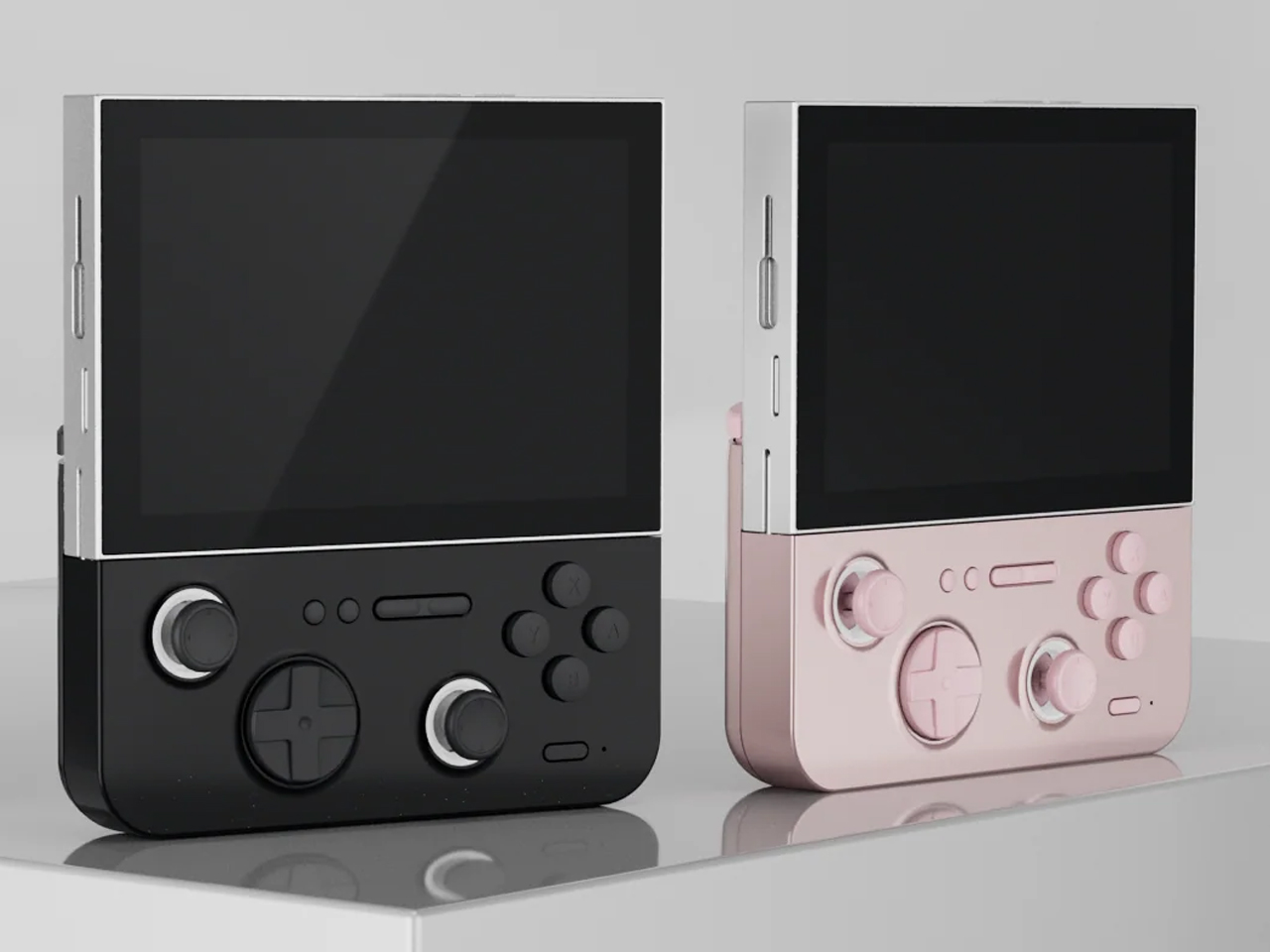
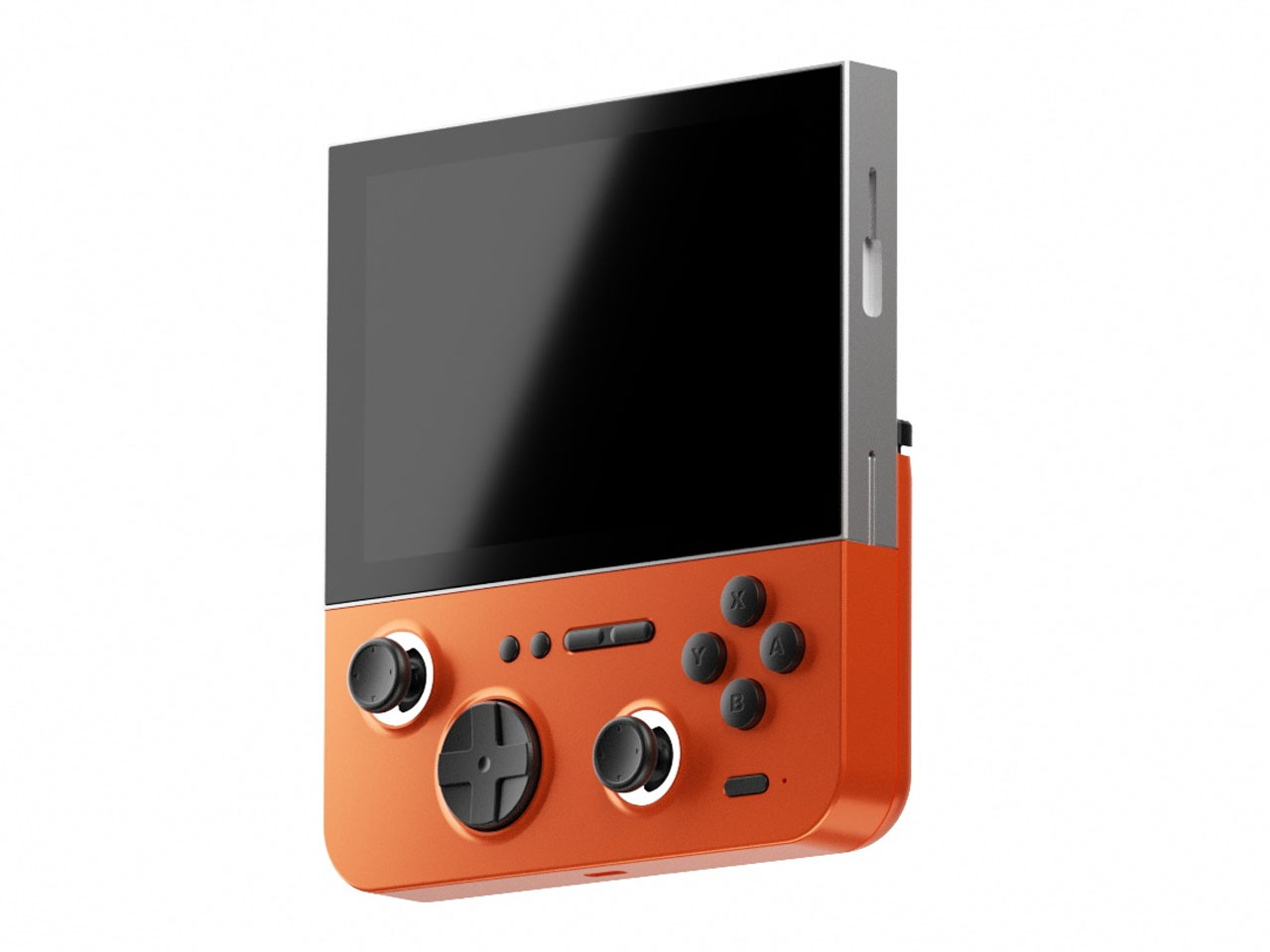
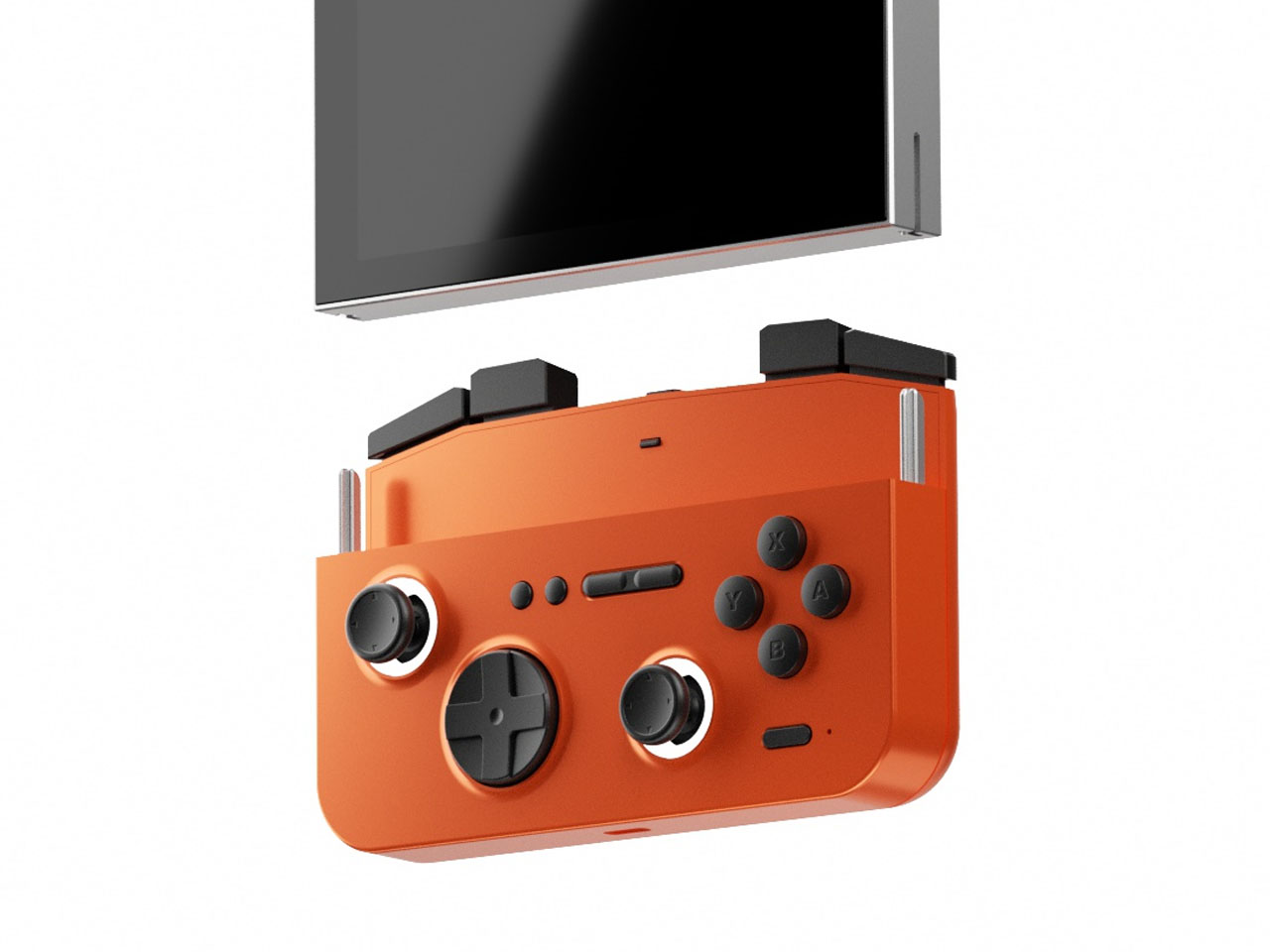
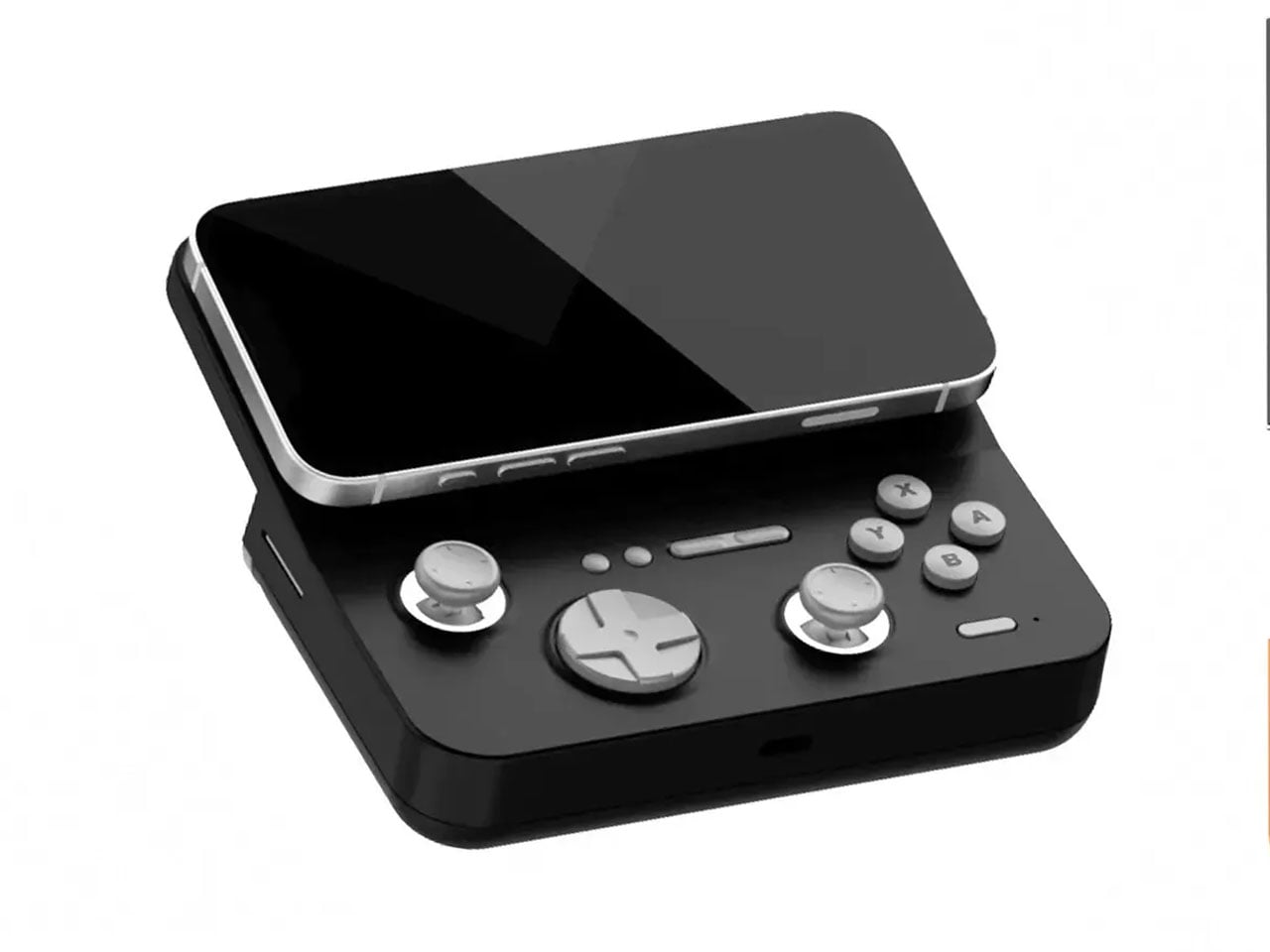
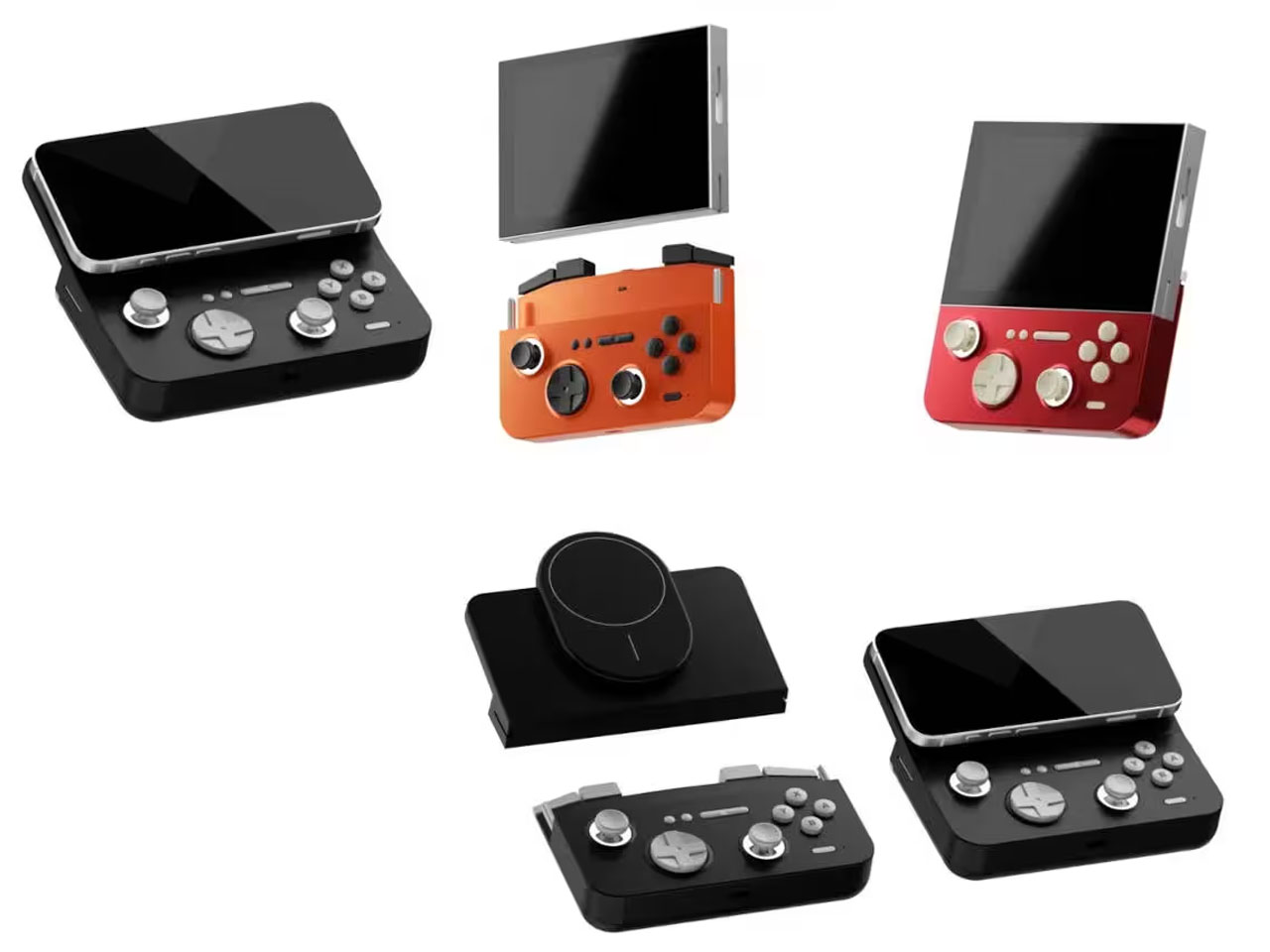
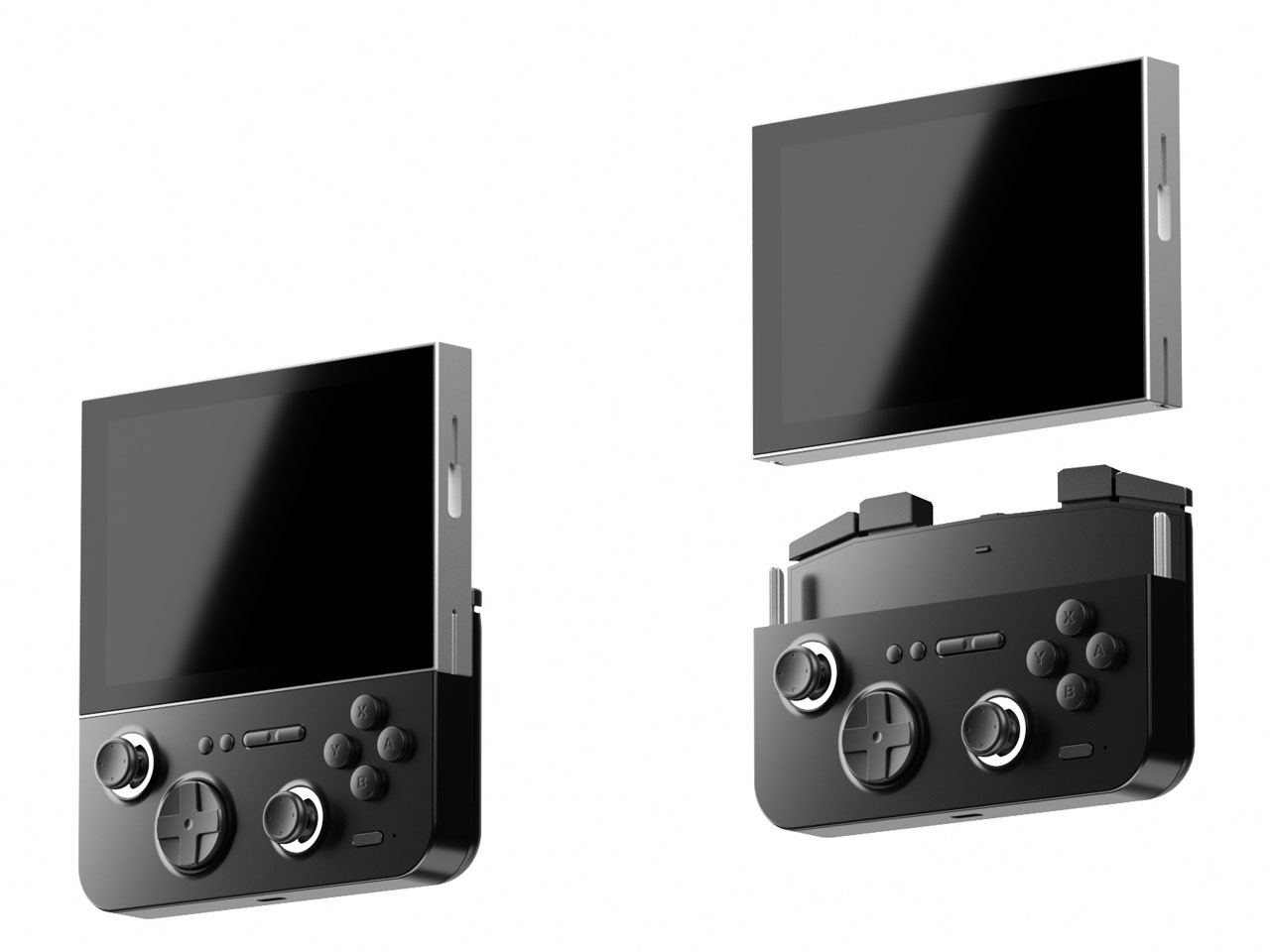
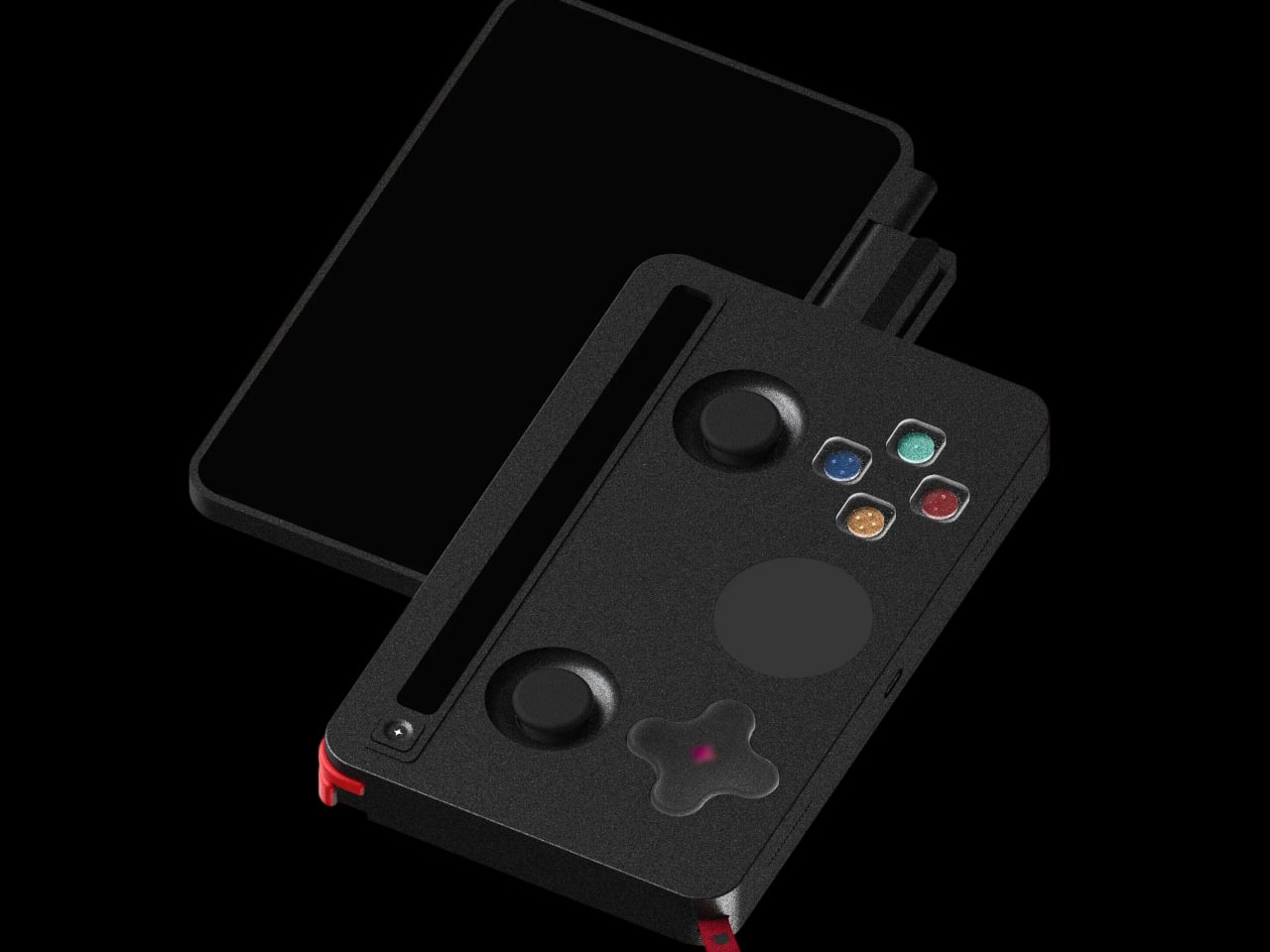
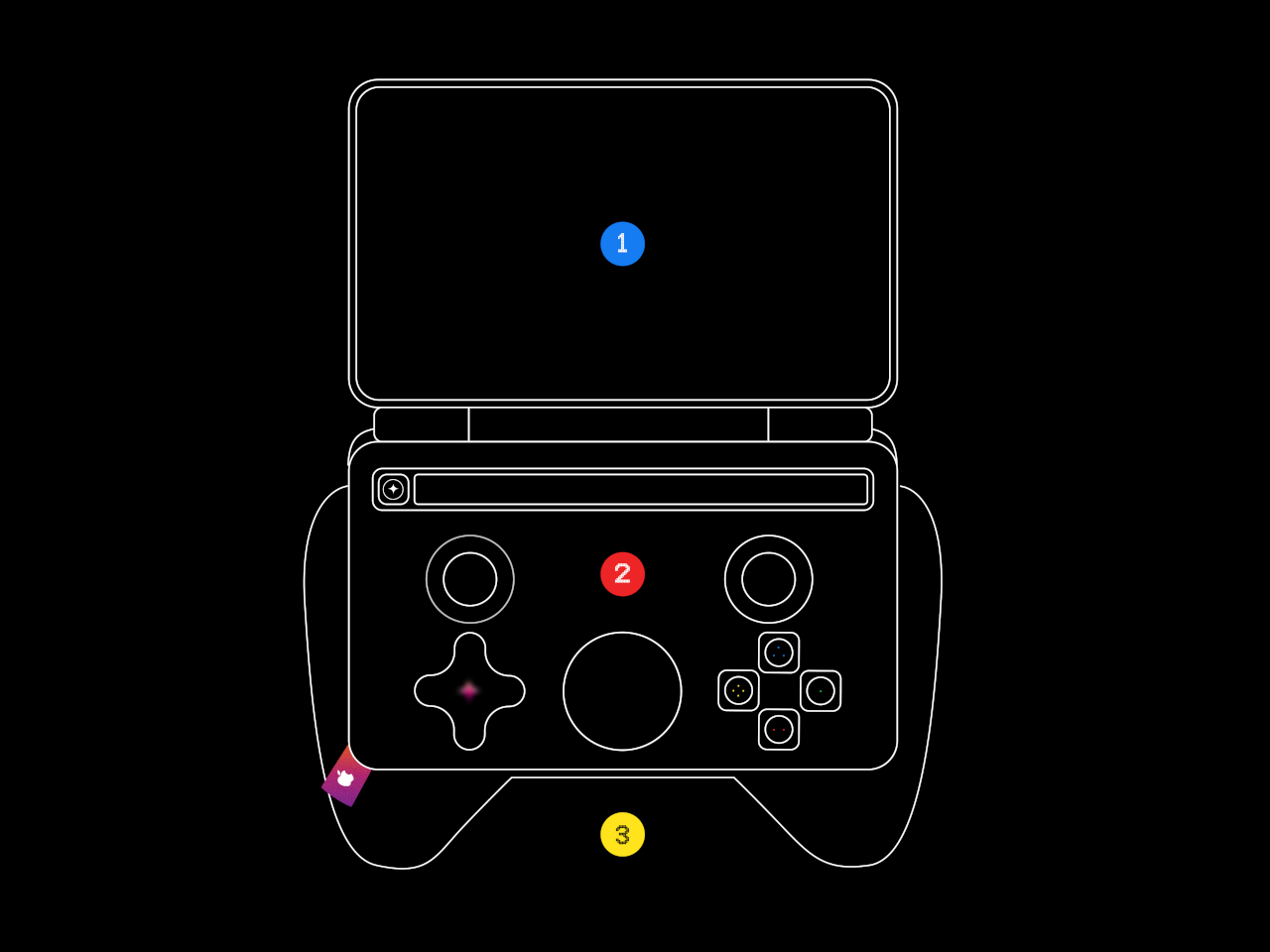
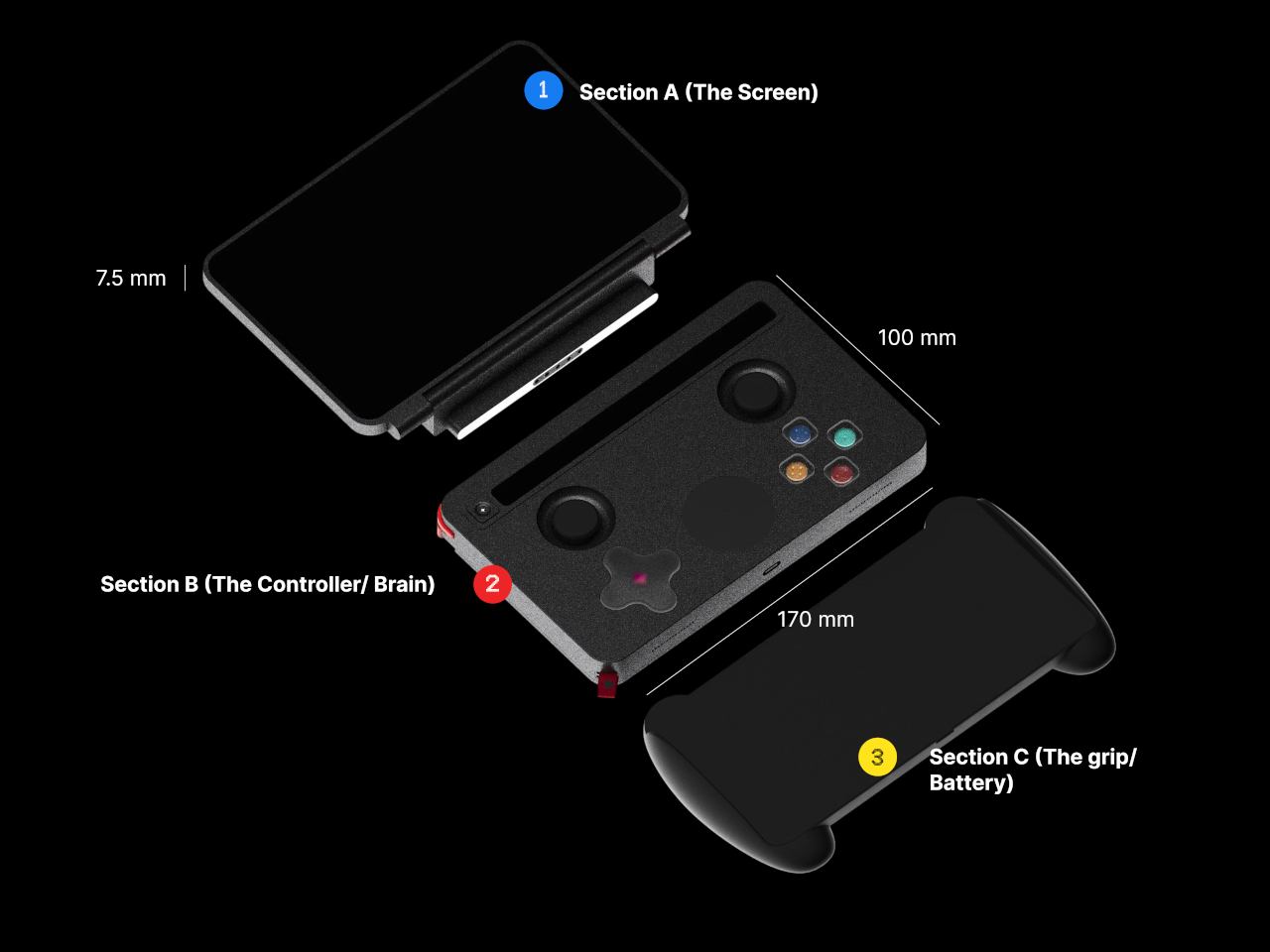
The design breaks into three separable parts. Section A is the display, a panel just 7.5 mm thin that detaches from the controller and works on its own. Section B is the controller and processing brain, housing an Apple M4 chip and the full input layout at 100 by 170 mm. Connect it wirelessly to any screen you already own, and the built-in display isn’t the only option anymore.
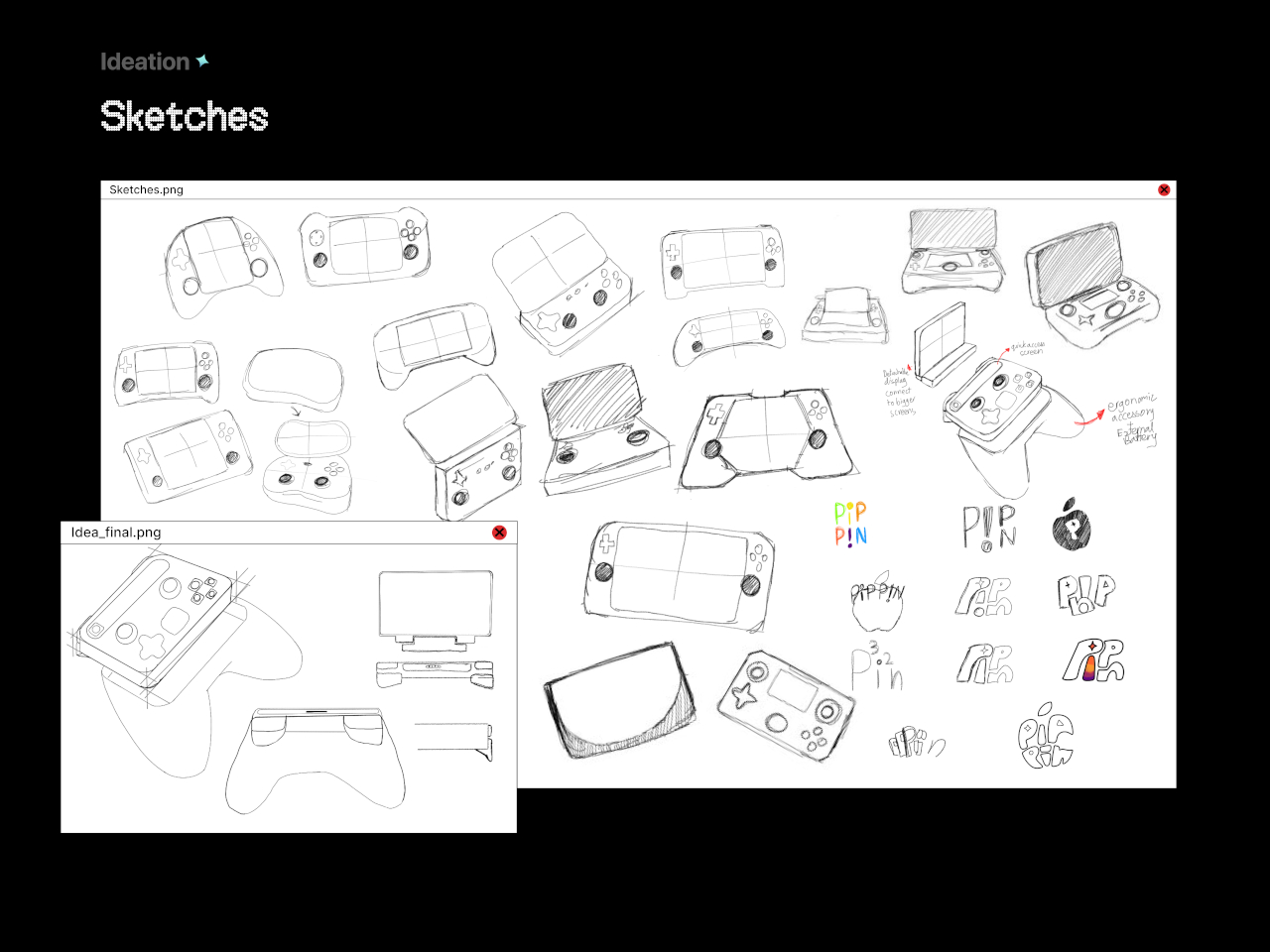
The third piece is the battery grip. Most portable gaming devices pit battery life and ergonomics against each other: longer sessions demand bigger batteries, and bigger batteries add bulk and strain. The grip attachment resolves both at once, adding play time while its ergonomic contour eases hand fatigue during extended sessions. Attach it for a long night of gaming; leave it off when you don’t need the extra weight.
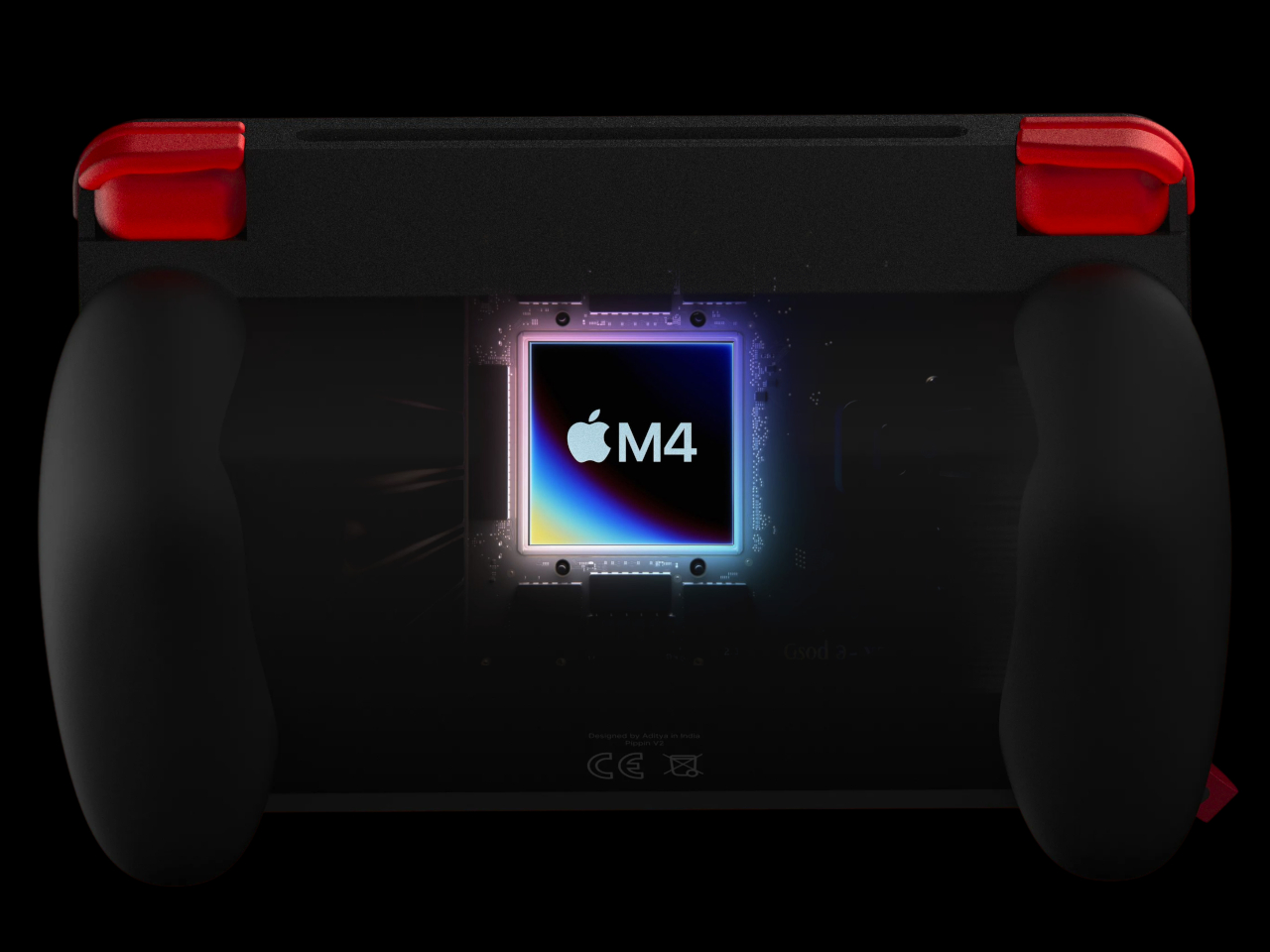
The M4 chip is what makes AAA game support credible in this form factor. Apple’s silicon handles workloads that typically require desktop-class cooling and dedicated GPU memory, without the thermal runaway that plagues other handheld competitors. For someone who plays Cyberpunk 2077 or God of War on a home console but wants to continue on a commute, the power ceiling doesn’t require compromising on which games you can actually run.
Cross-device continuity is the other argument for an Apple-branded handheld over another gaming PC alternative. Survey research conducted for this project found that nearly 75% of users were open to handheld gaming, and the biggest complaint about mobile gaming was the lack of physical controls. A device that’s already inside the existing iPhone and Mac ecosystem removes the friction of starting from scratch on a new platform.
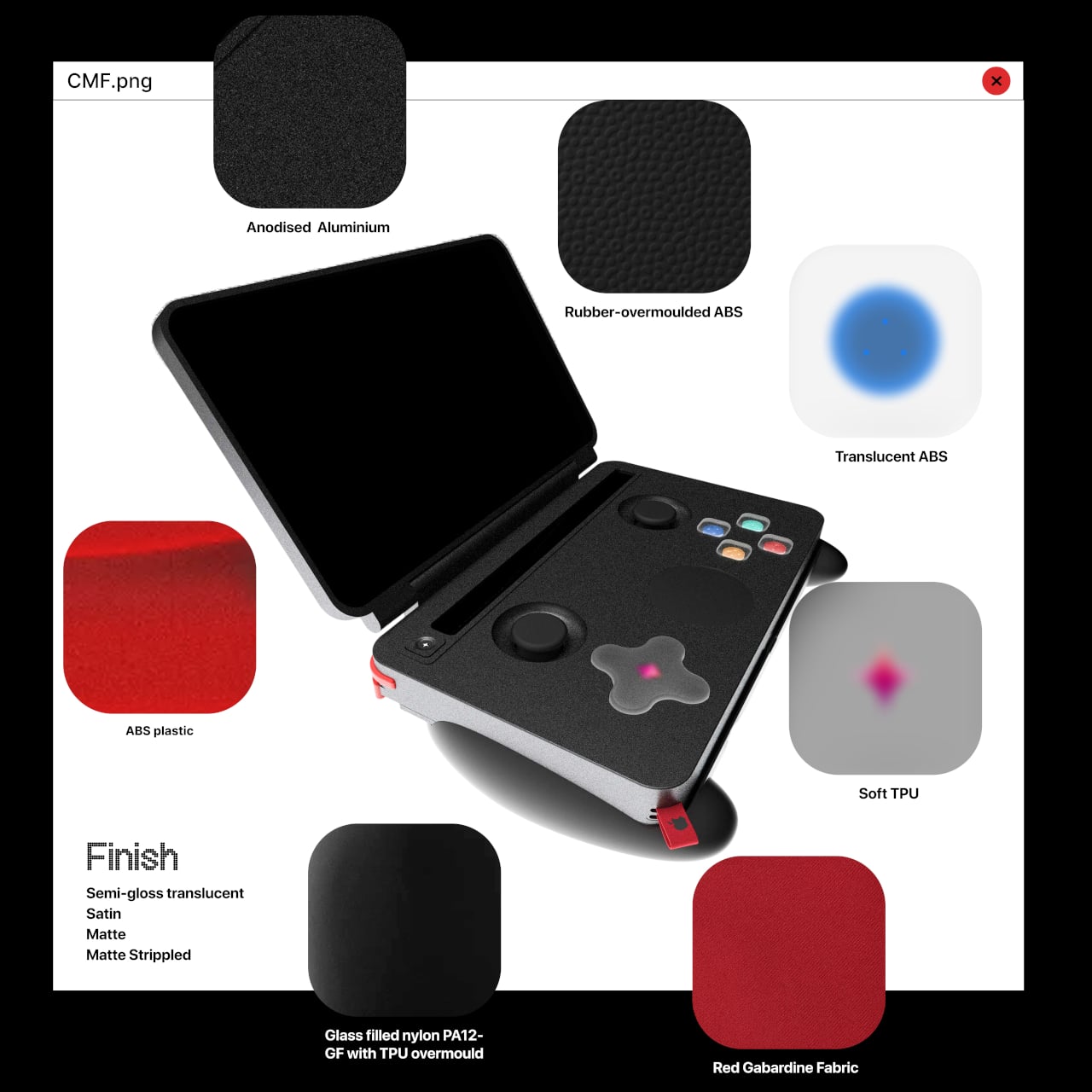
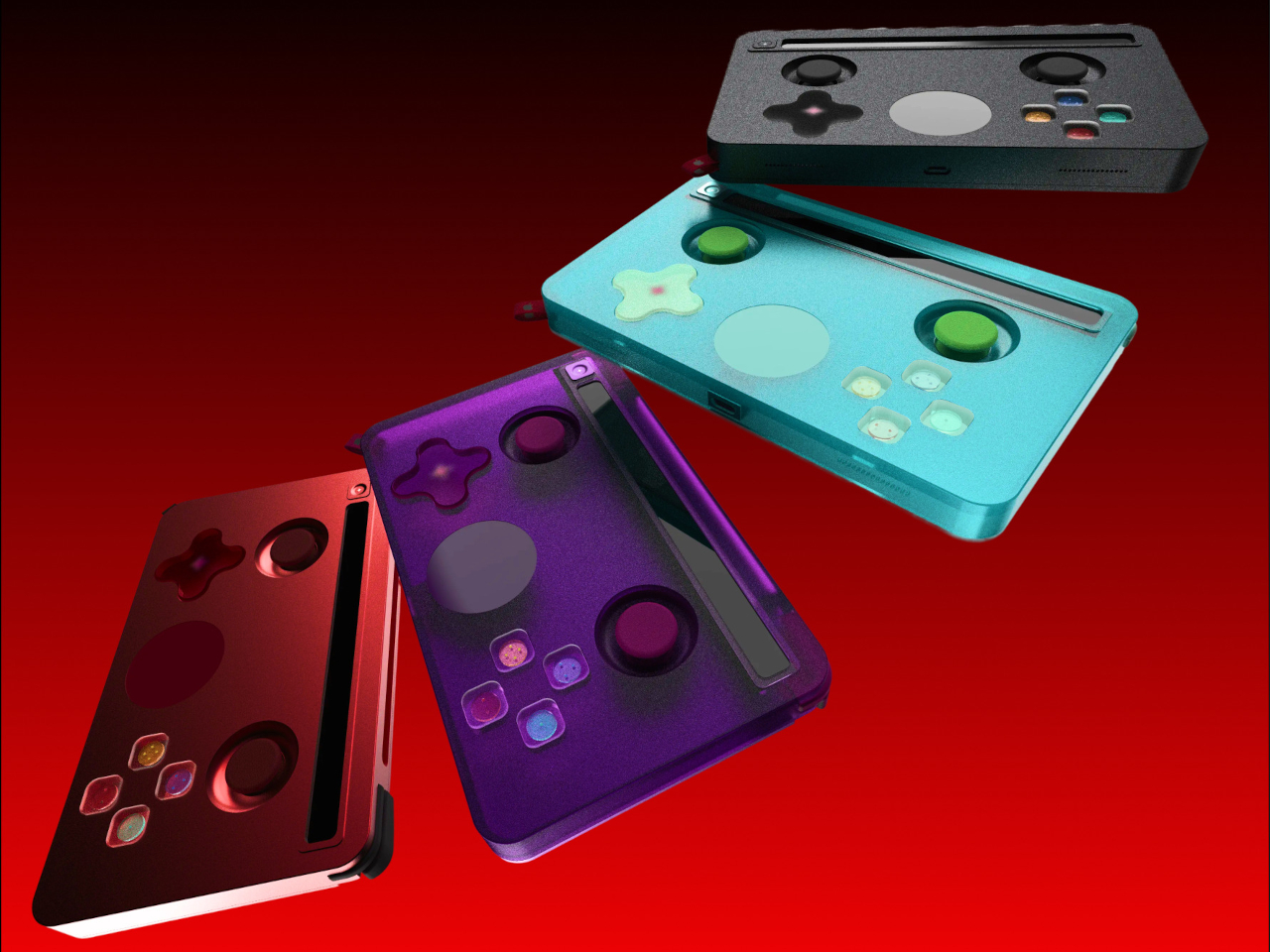
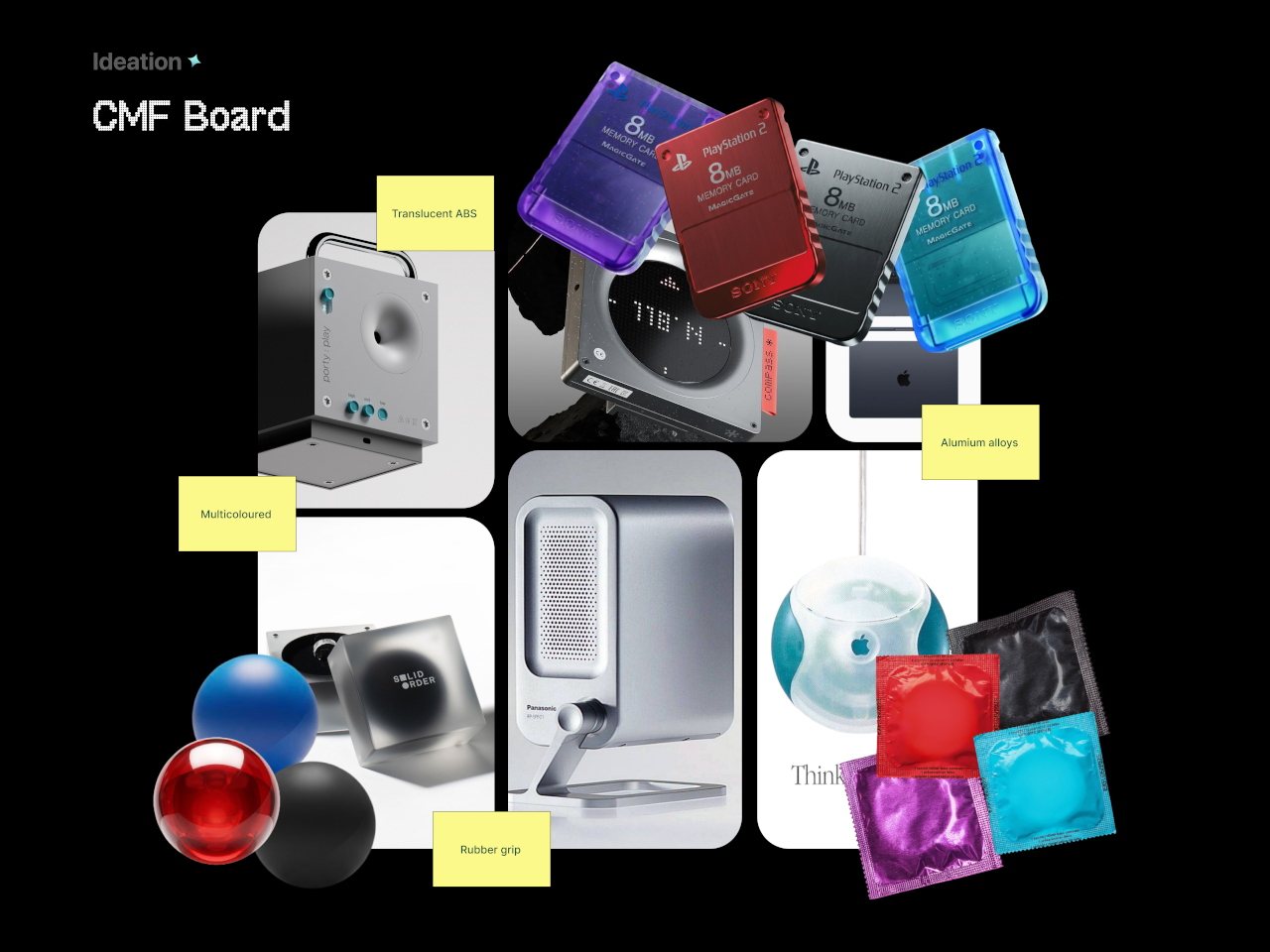
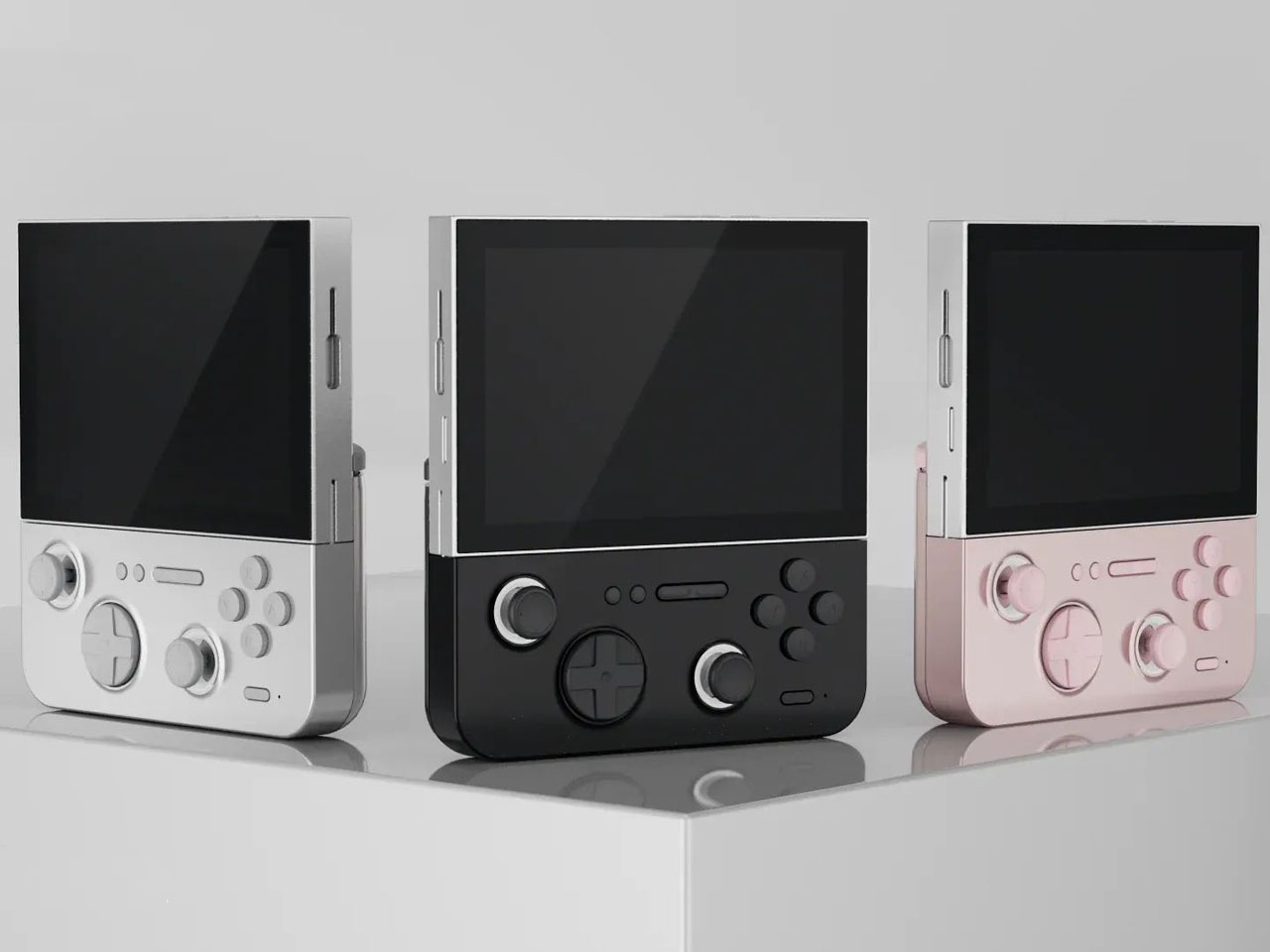
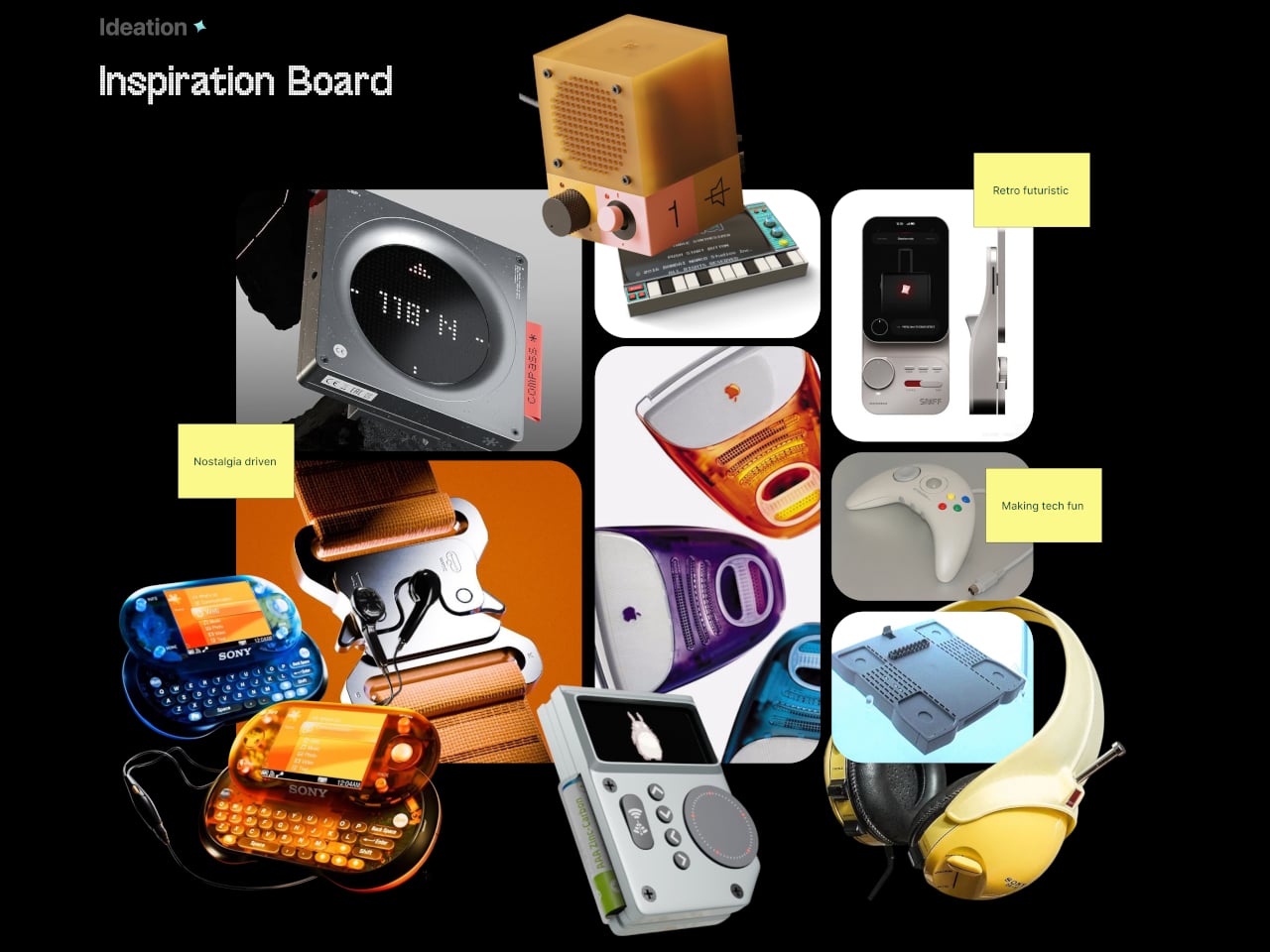
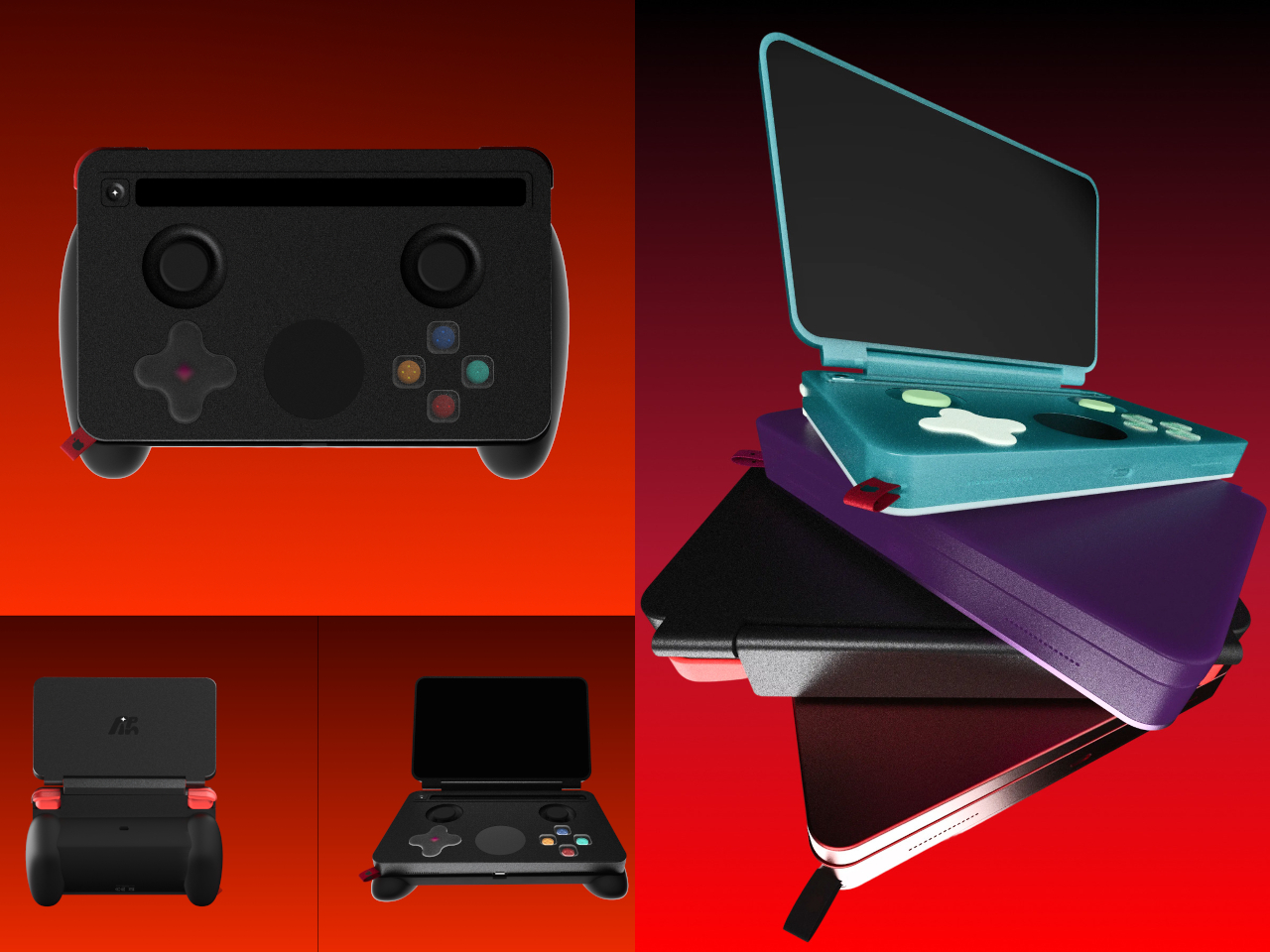
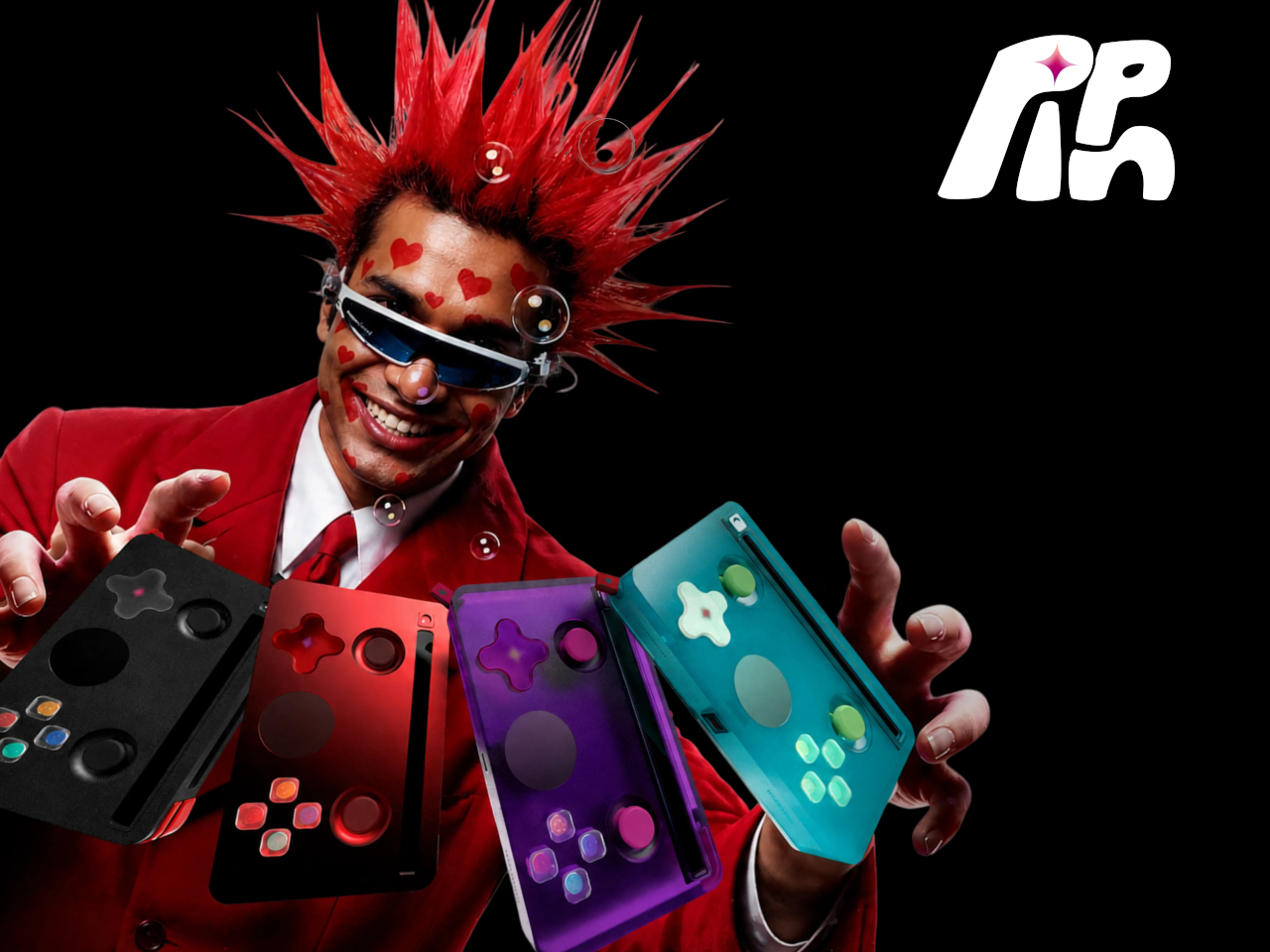
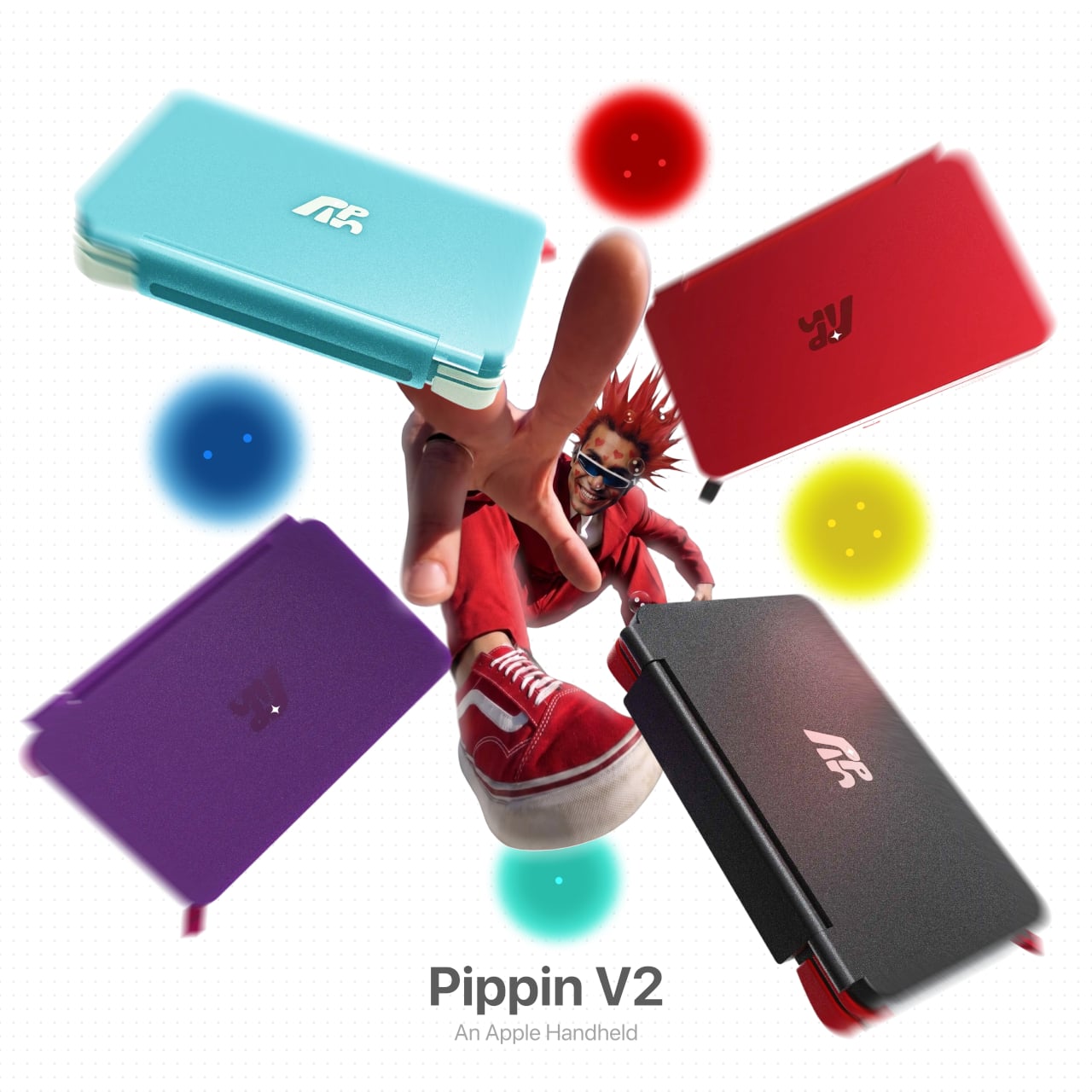
The materials reflect the dual identity between Apple’s refined aesthetic and the tactile demands of gaming hardware. The controller body uses anodised aluminium and ABS plastic, with rubber-overmoulded sections for grip and soft TPU for the control surfaces. There are four color options: Metallic Black, Metallic Red, Grape, and Bondi Blue, each carrying translucent and satin finishes that the iMac G3 would’ve recognized.
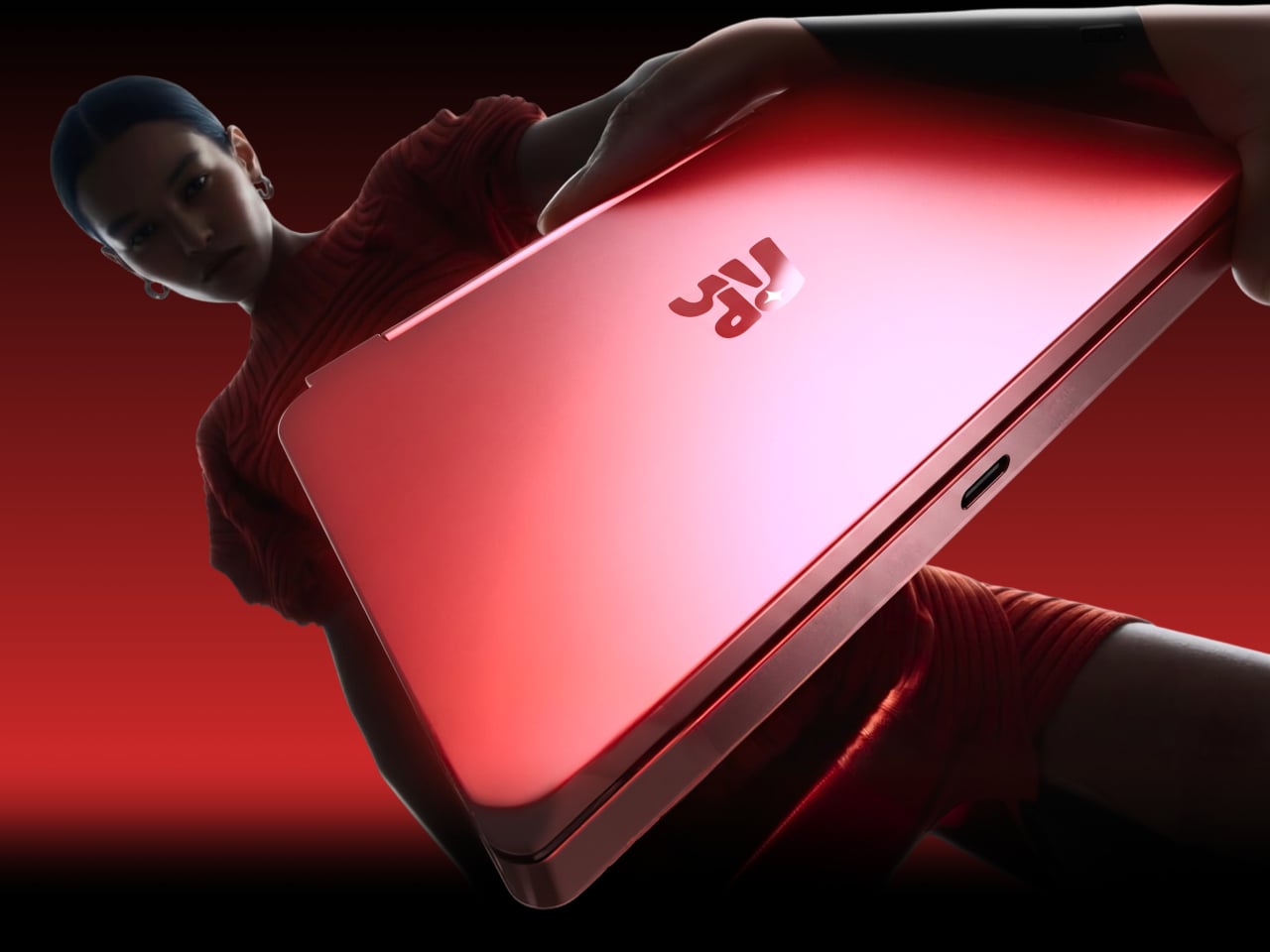
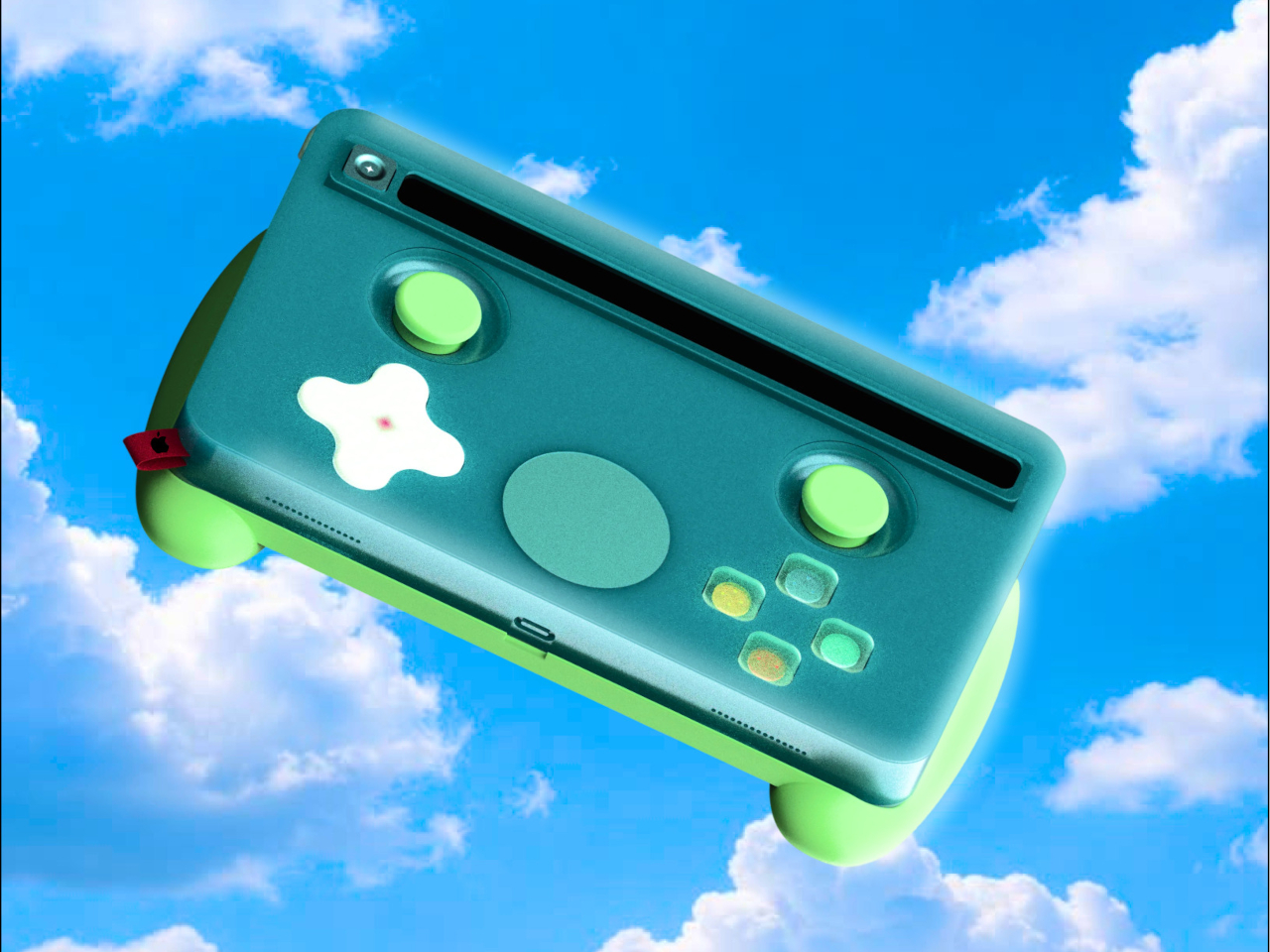
Pippin V2 is still a concept, with no indication Apple will actually build anything like it. The gap it addresses is real, though, and the research behind it points to an audience that’s already there. Apple’s biggest untapped strength in gaming has always been its ecosystem, and this concept makes the argument that the same infrastructure powering your iPhone and Mac could power something worth playing seriously.
The post Someone Finally Gave Apple’s Biggest Gaming Failure a Second Chance first appeared on Yanko Design.
Acer’s Nitro Blaze Link Is a Gaming Handheld That Skips the Processor

Gaming PCs have fractured into more categories than any single device can cover. The player who needs maximum frame rates for competitive play sits on one end, the person who just wants to game from the couch without moving their rig sits on the other, and every setup in between has its own distinct demands. Most gaming hardware picks a side and leaves the rest unaddressed.

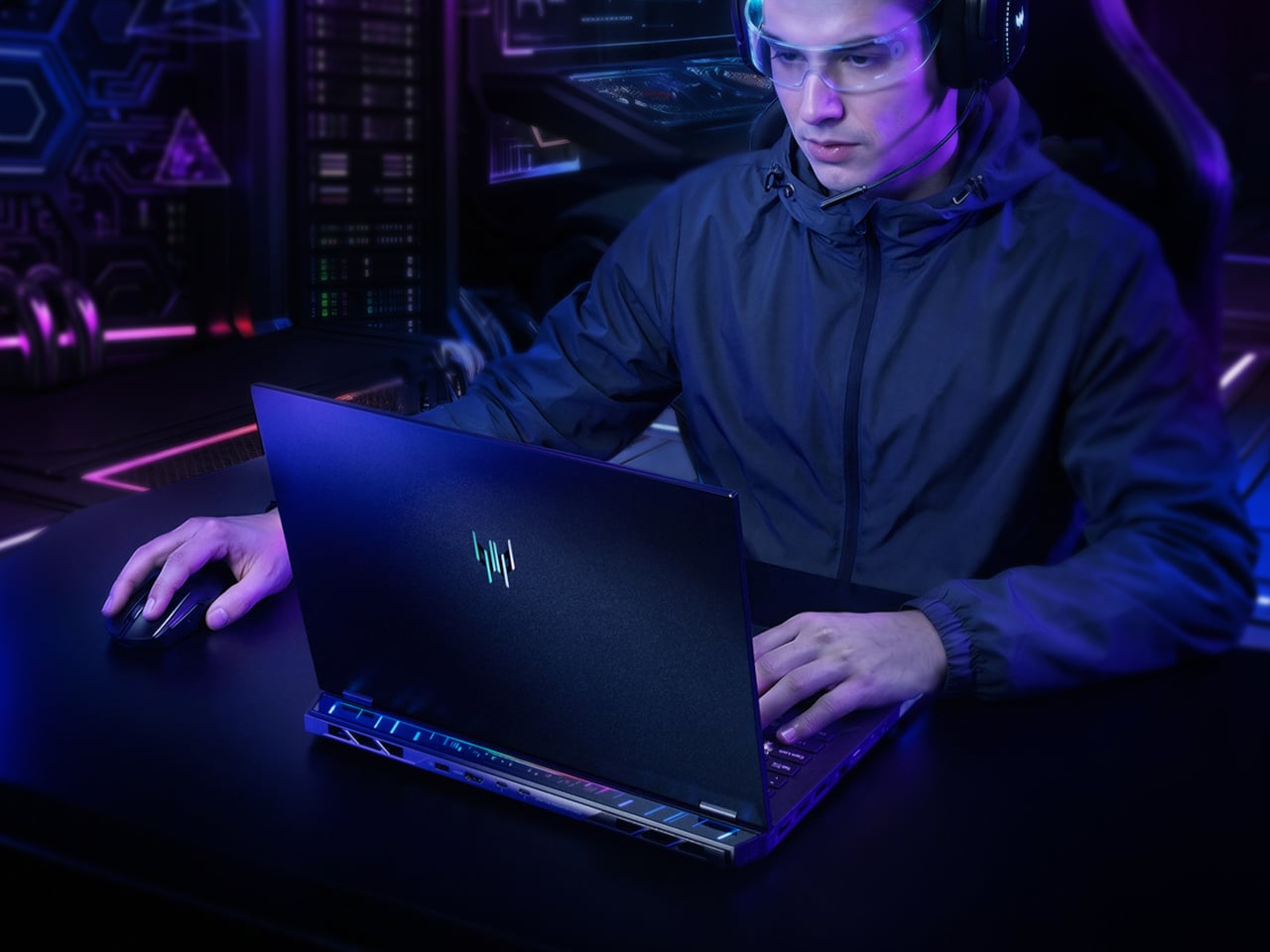
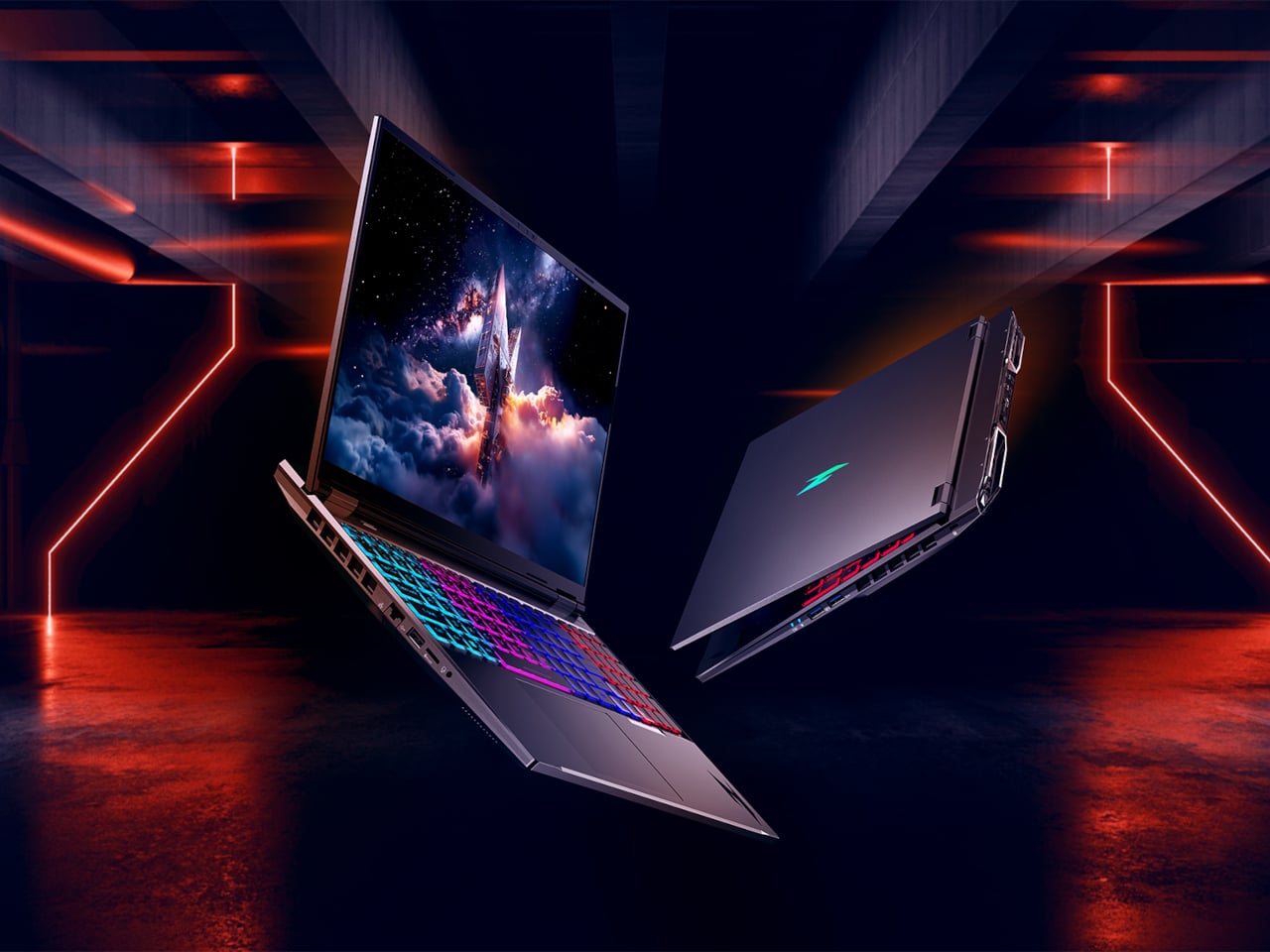
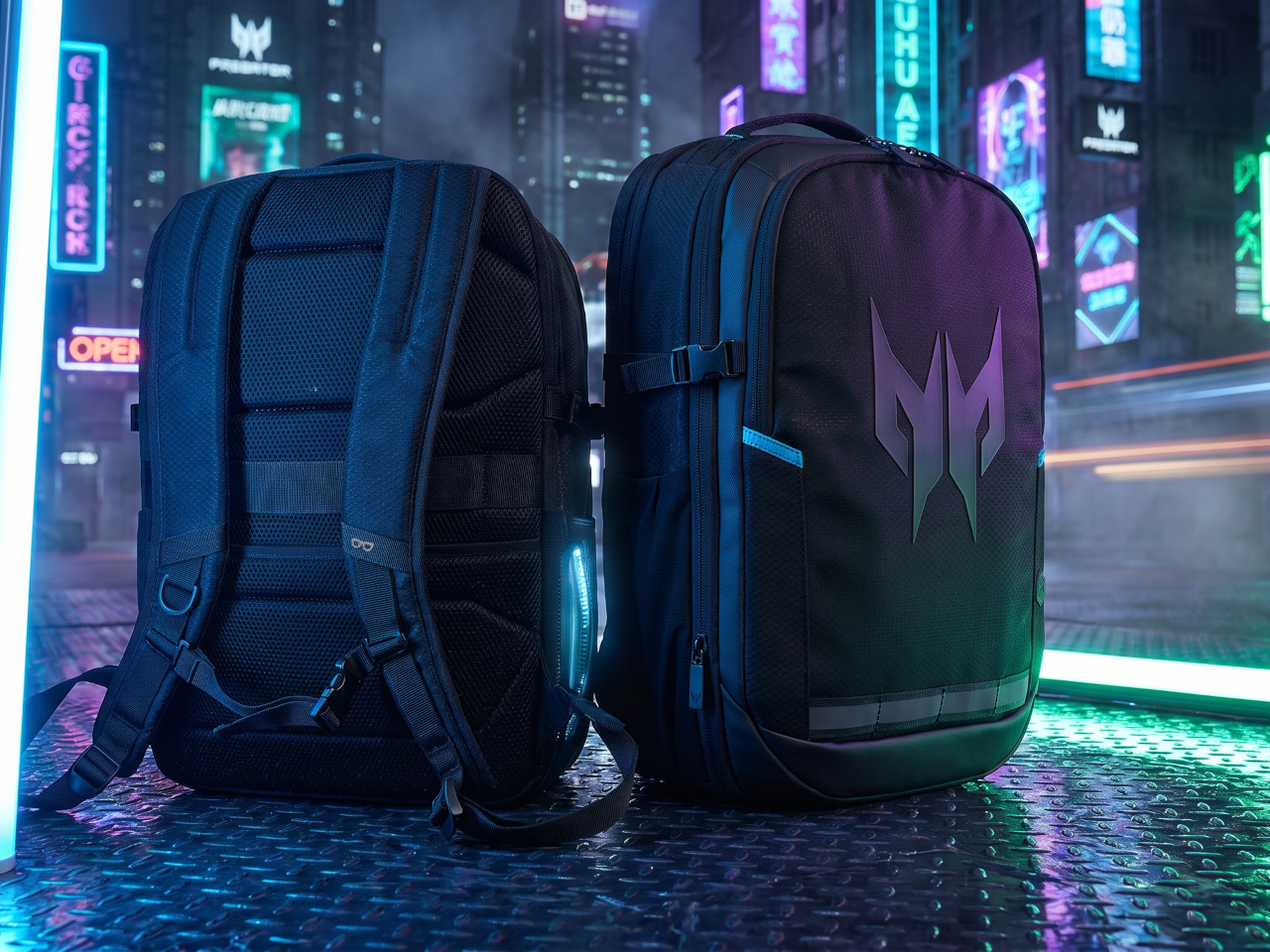
At Computex 2026, Acer addressed nearly the whole range at once with five new products. The lineup runs from the iF Design Award-winning Predator Helios 18 AI at the performance ceiling, through the Nitro 16 and the Nitro Blaze Link streaming handheld, and rounds out with the Predator Aethon 750 TKL keyboard and the Predator Robust Plus Backpack for getting all of it from place to place.

Designer: Acer

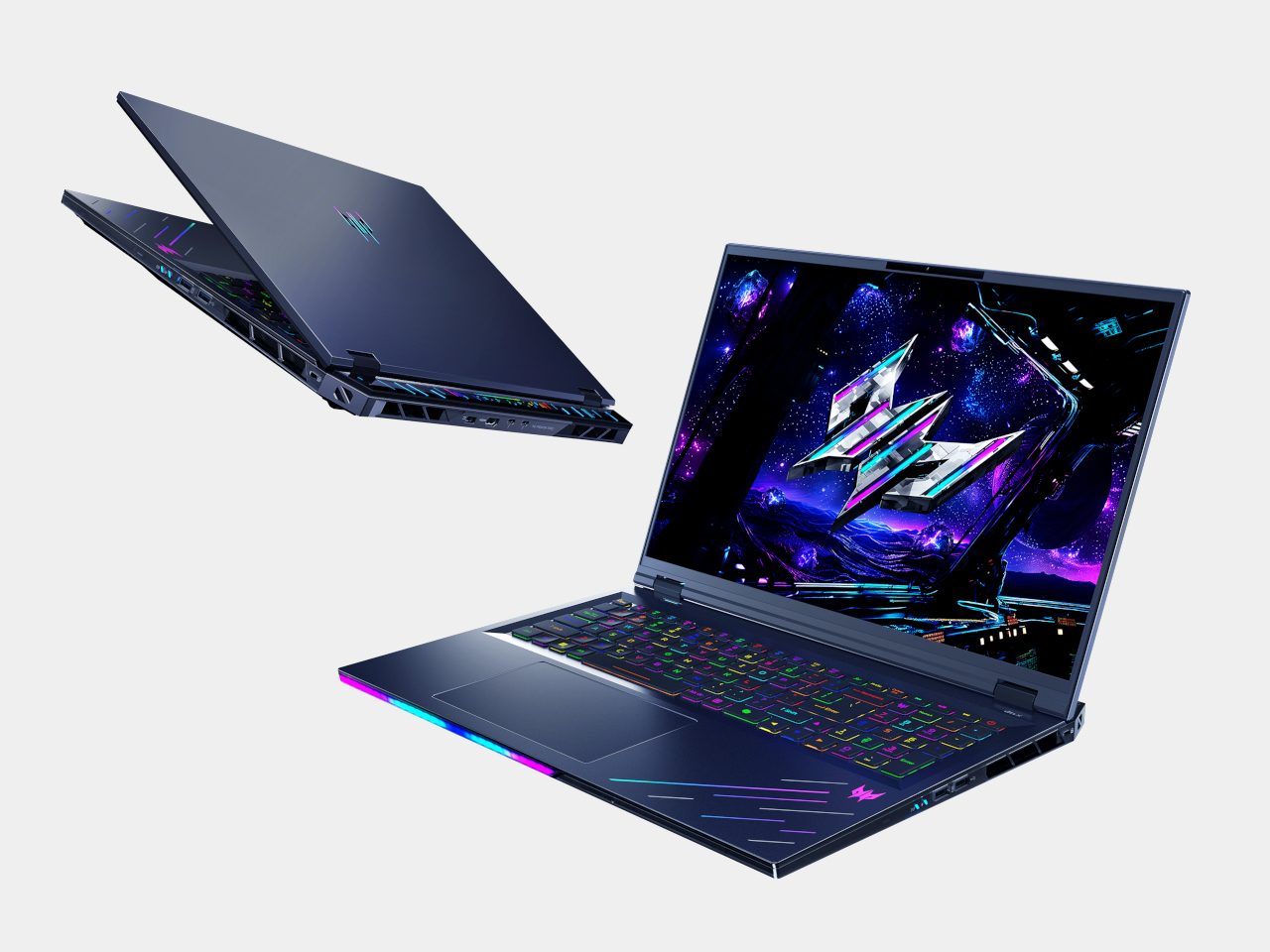
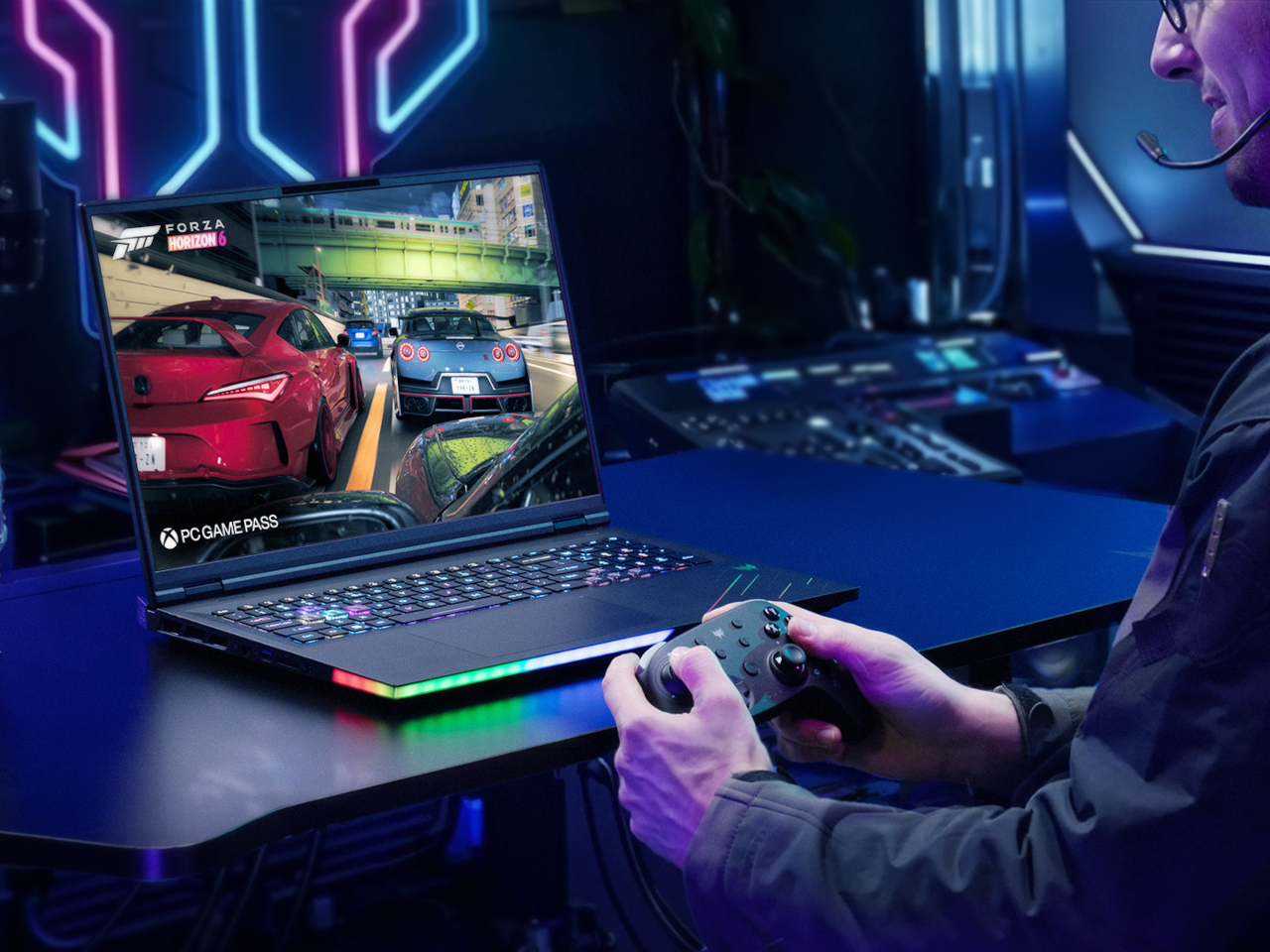
The Predator Helios 18 AI is where Acer went all out. Powered by an Intel Core Ultra 9 290HX Plus processor and up to an NVIDIA GeForce RTX 5090 Laptop GPU with 24GB of GDDR7 VRAM, it’s configurable with as much as 256GB of DDR5 memory and 6TB of storage spread across three PCIe Gen 5 NVMe slots. For a laptop, that’s a desktop workstation argument.

The 18-inch Mini LED display switches between 4K at 120Hz and Full HD at 240Hz through Acer’s Dual-Mode Display system. It reaches 1,000 nits in HDR mode and delivers Calman Verified color accuracy at 100% DCI-P3 coverage with NVIDIA G-SYNC. For a long competitive session or an extended run through an open-world RPG, the panel is built to match whichever demand comes first.

Keeping those specs from throttling requires hardware to match. Dual 6th Gen Predator AeroBlade 3D Fans each pack 100 metal blades at just 0.05mm, delivering a claimed 20% increase in airflow over plastic fans, supported by liquid metal thermal grease and vector heat pipes. Six speakers with Predator Vox technology handle audio, while Intel Killer DoubleShot Pro combines Wi-Fi 7 and Ethernet to keep online play stable.

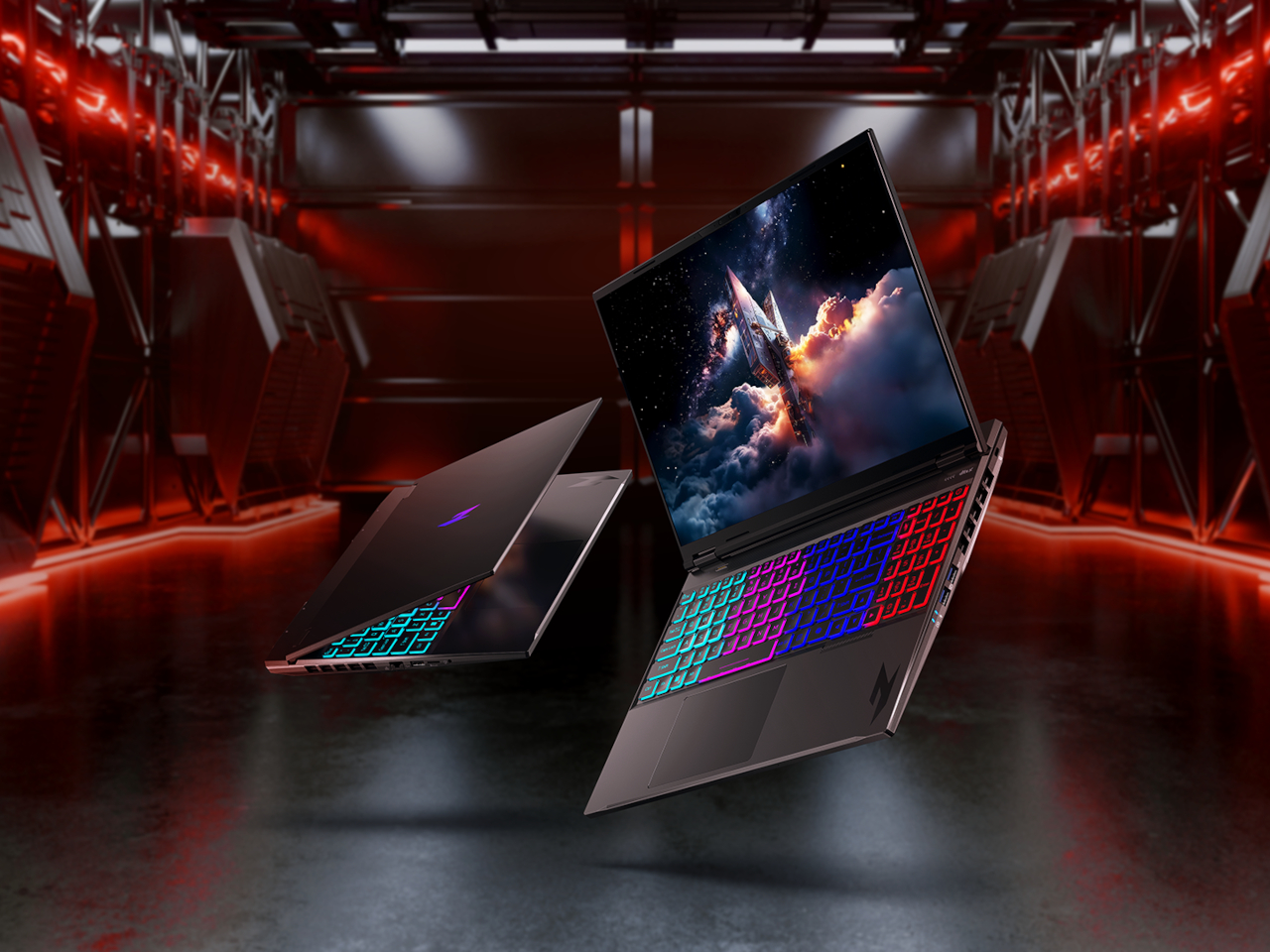
The Acer Nitro 16 doesn’t reach the Helios’s ceiling, but it earns its own headline. It’s the first Acer gaming laptop to feature the AMD Ryzen 9 9955HX3D processor, using 2nd Gen AMD 3D V-Cache technology to stay competitive even when unplugged. Paired with up to an NVIDIA GeForce RTX 5070 Ti Laptop GPU carrying 12GB of GDDR7 VRAM, it covers most of what serious gaming demands.

The 16-inch WQXGA panel runs at up to 240Hz with a 3ms response time and 100% DCI-P3 coverage, backed by G-SYNC. A dual-fan, quad-intake, quad-exhaust cooling system with vector heat pipes keeps thermals in check. At 2.5kg with a 92 Wh battery, USB 4 connectivity, and Wi-Fi 6E, it’s a more practical travel machine than most competing laptops in its performance class.

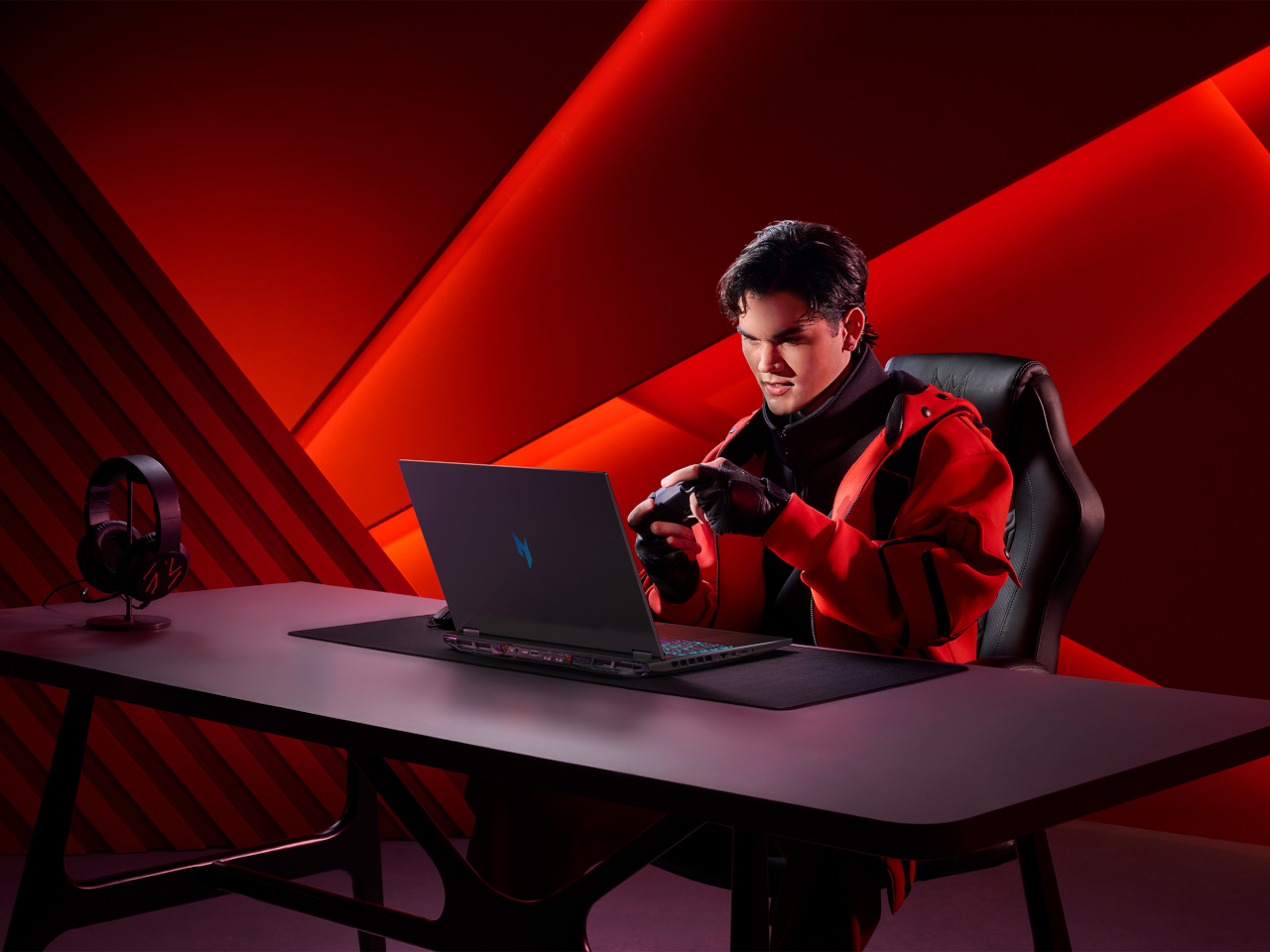
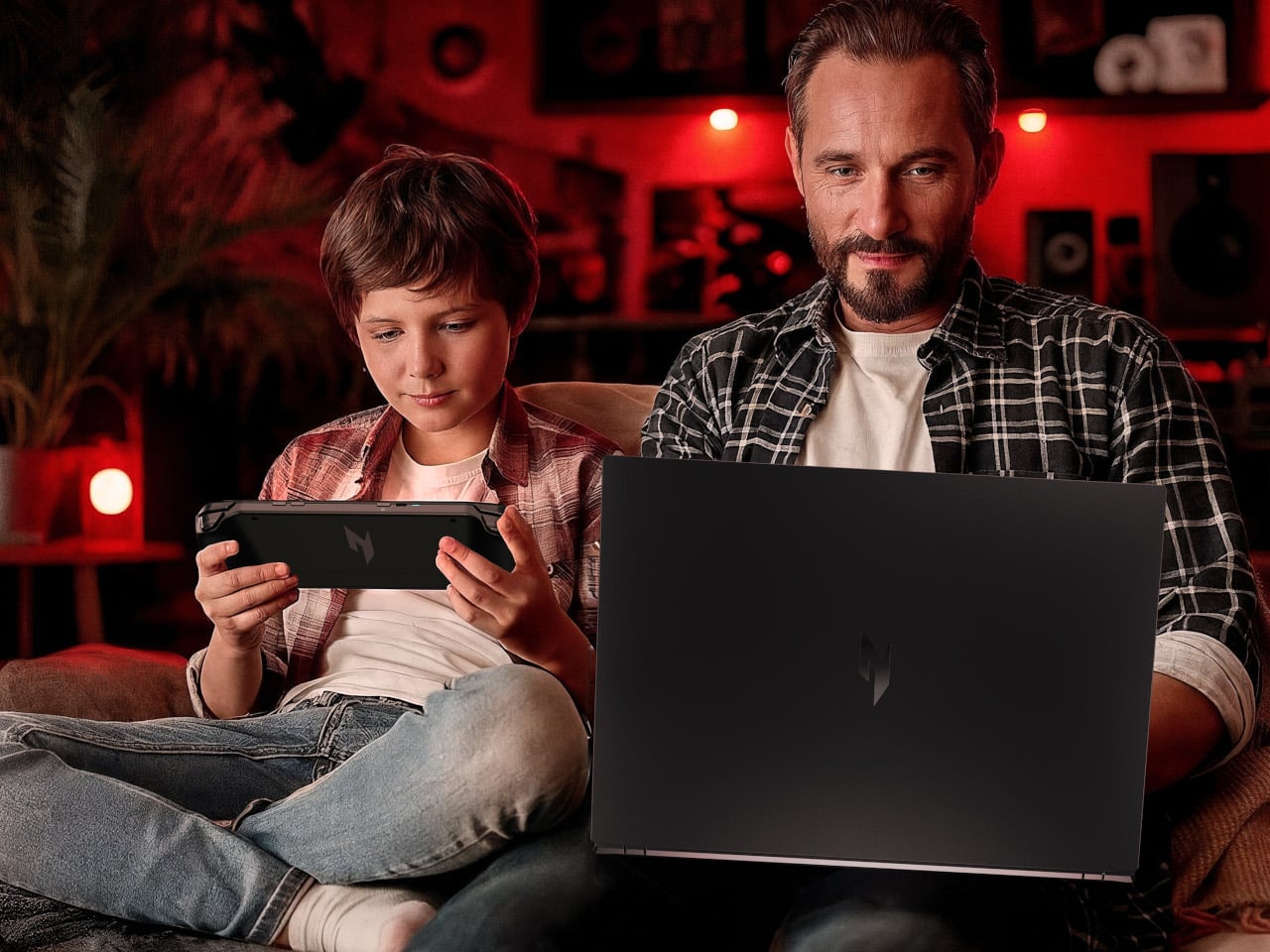
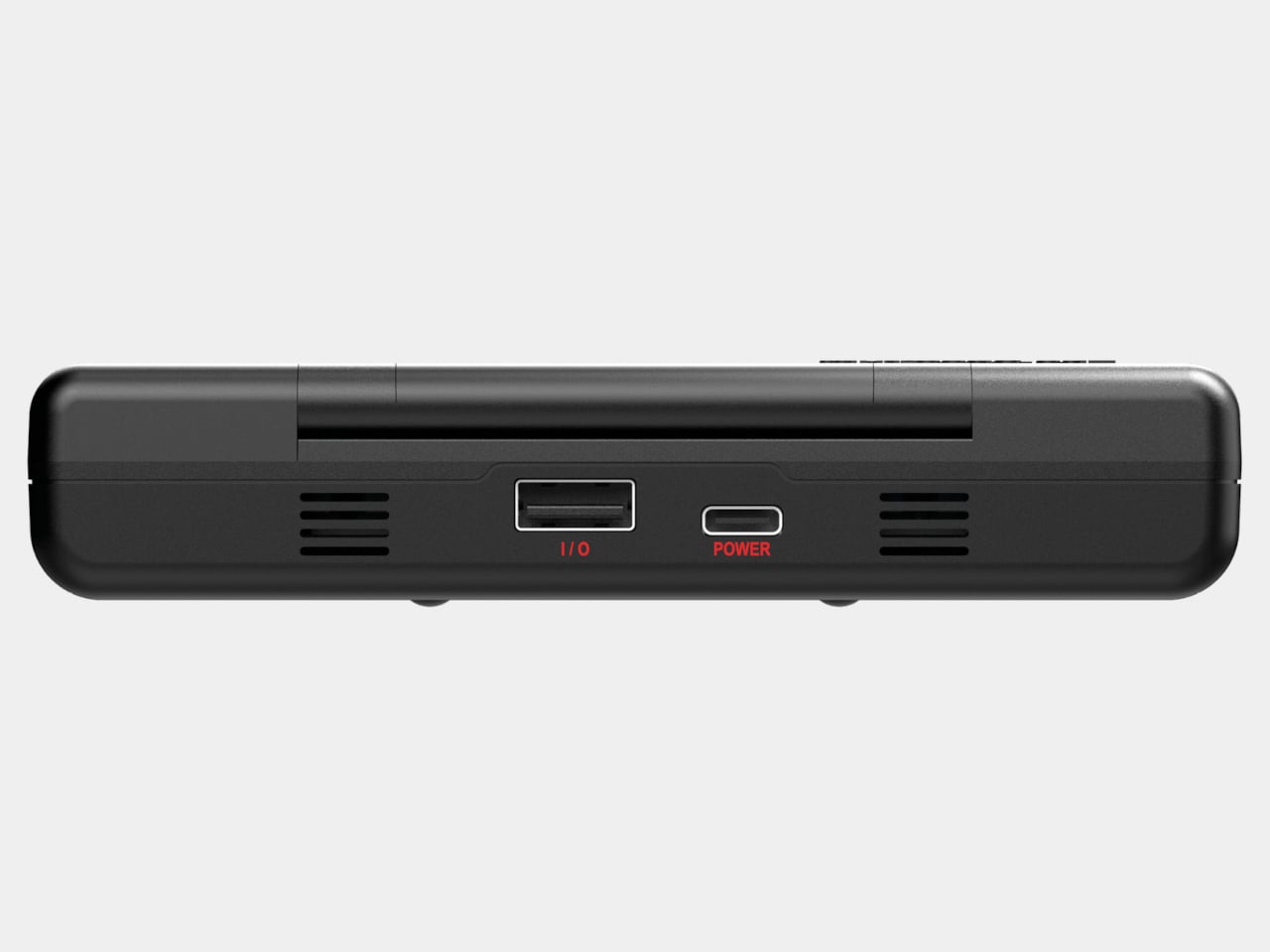
The Nitro Blaze Link puts a twist on the gaming handheld design and skips local processing entirely, opting to stream games wirelessly from a connected PC over Wi-Fi 6 via Sunshine and Moonlight services. It pairs naturally with the Helios 18 AI or Nitro 16, letting someone else in the household play from the couch while the main machine stays occupied elsewhere. The 7-inch WUXGA touchscreen and full controller layout handle the experience at a light 464 g.

The Predator Aethon 750 TKL keeps the desk focused with a Tenkeyless layout that removes the number pad and anything non-essential for gaming. Custom Predator magnetic switches support WASD Rapid Trigger, Global Actuation, and Fine Actuation modes, while an 8,000 Hz polling rate and N-key rollover keep every input registering cleanly. Wired, 2.4 GHz wireless, and Bluetooth connections add flexibility for different setups.

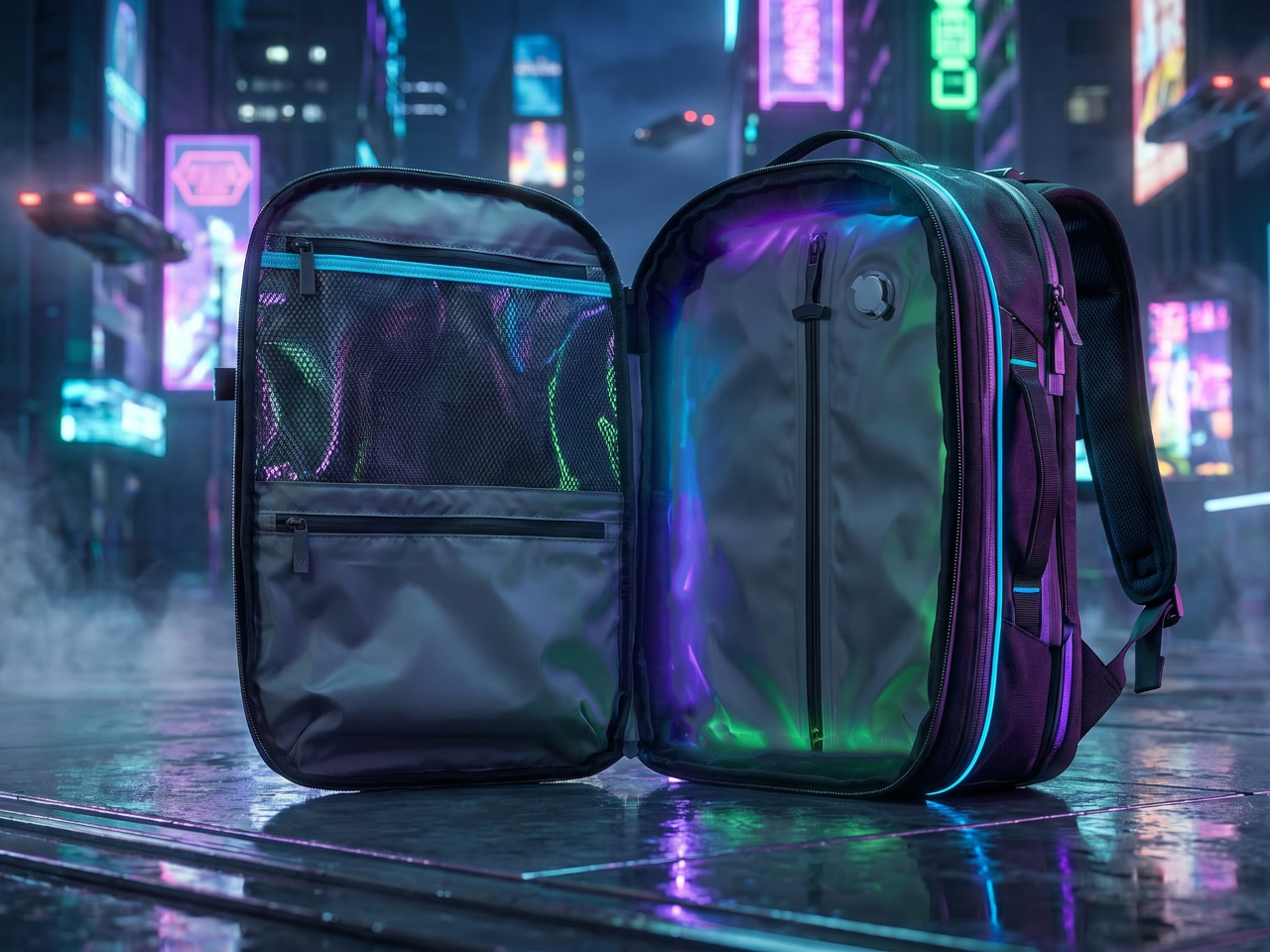
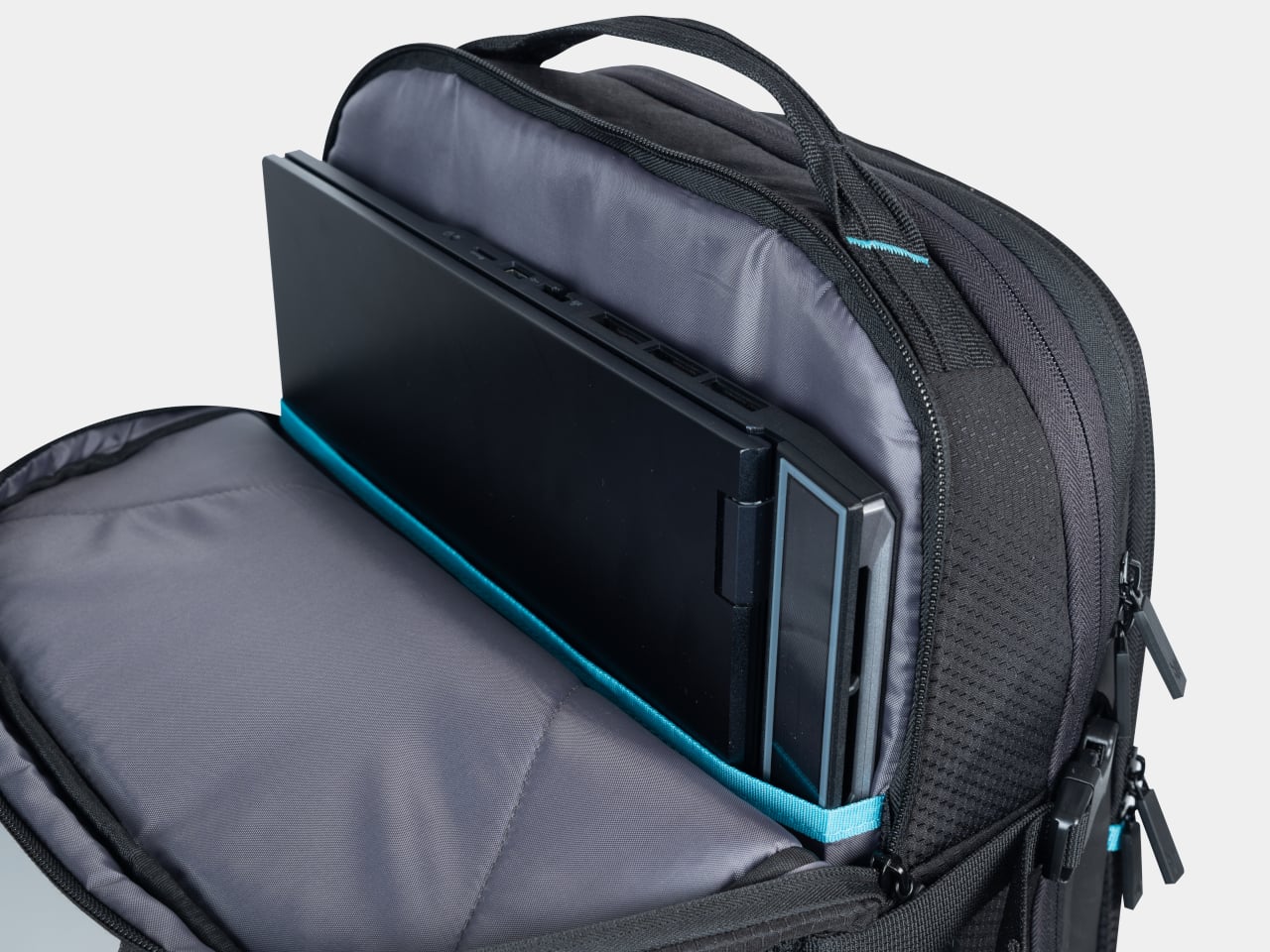
The Predator Robust Plus Backpack handles transport, expanding from 25L to 32.5L with a padded compartment for laptops up to 18 inches and a charging cable pass-through for keeping devices topped up on the move. A waterproof inner section and compression compartment round it out. The backpack arrives in North America in Q3 2026 at $199; the Aethon 750 TKL launches in EMEA in Q4 at €149.

The post Acer’s Nitro Blaze Link Is a Gaming Handheld That Skips the Processor first appeared on Yanko Design.
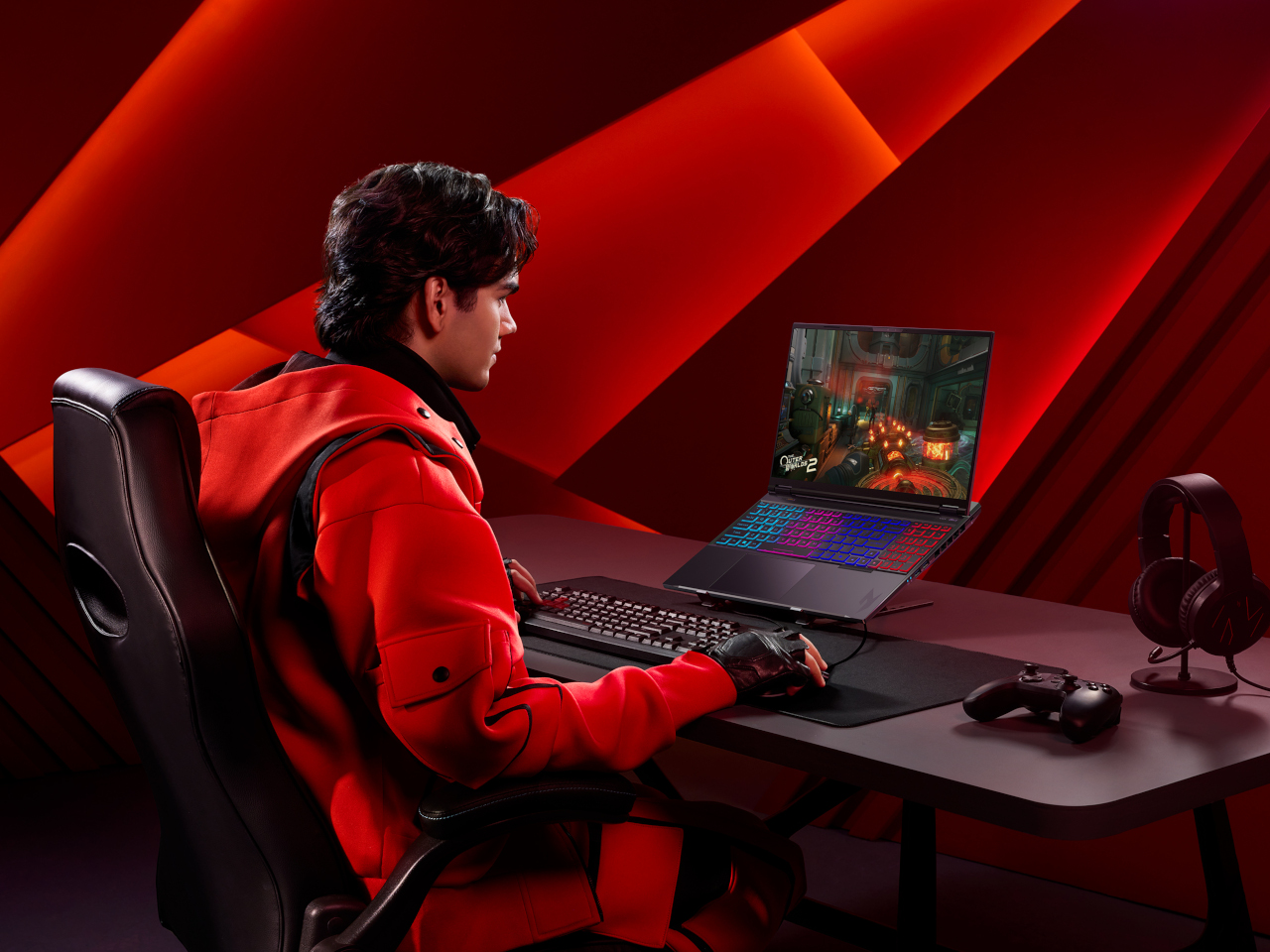
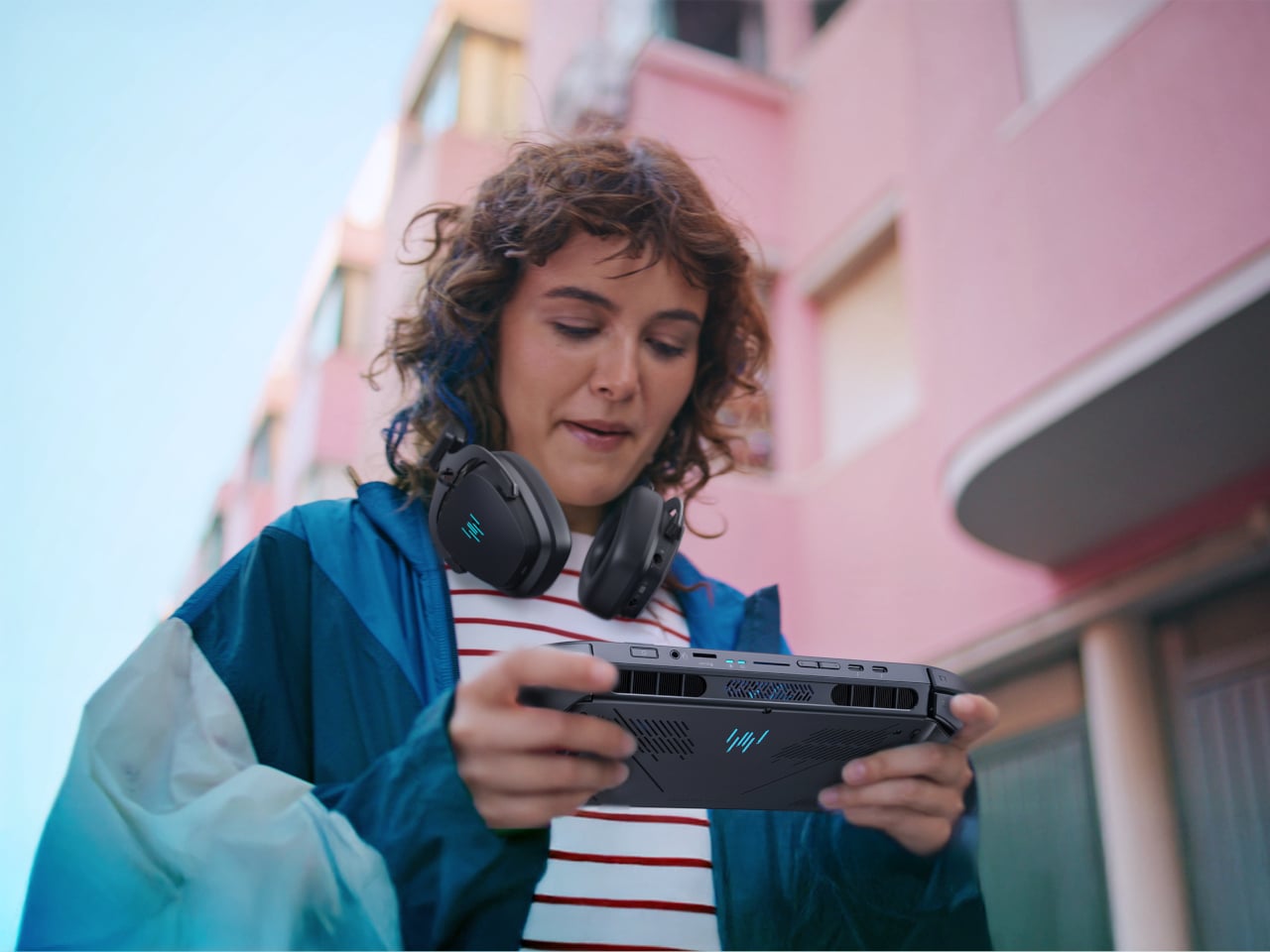
Acer’s Predator Atlas 8 Is the First Gaming Handheld With a Metal Fan

Handheld gaming PCs have come a long way in a short time, but two problems follow every device in the category. Performance peaks early in a session and then quietly retreats as thermals climb, and battery life forces a trade-off that no amount of power management has fully resolved. The Steam Deck addressed portability. The ROG Ally pushed performance. Both still leave room for something that takes thermal management seriously at the hardware level.

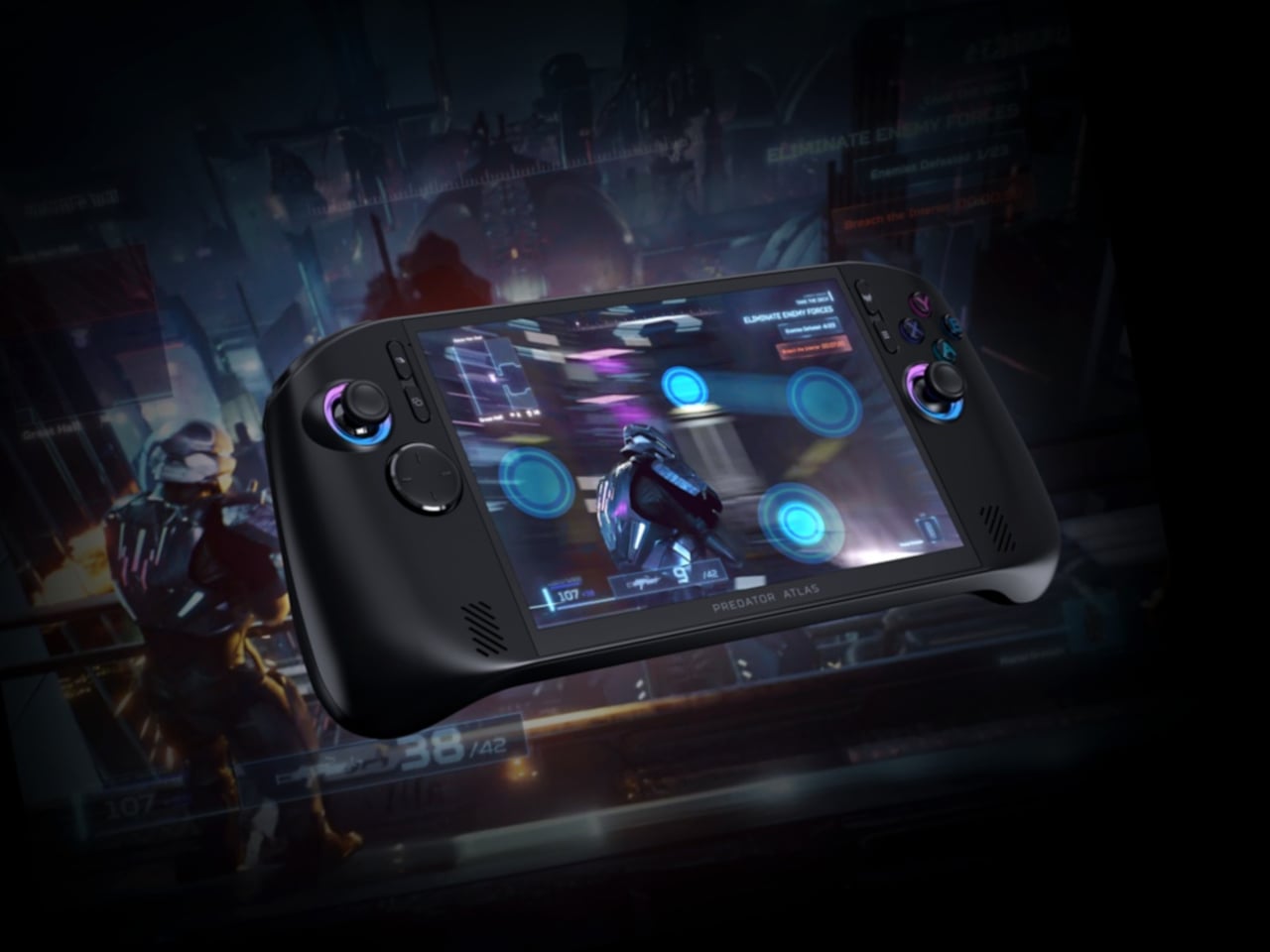
Acer’s answer is the Predator Atlas 8, a Windows 11 handheld announced at Computex 2026 and built directly from the same engineering philosophy behind the Predator laptop line. Rather than adapting a tablet platform, Acer treated the Atlas 8 as a PC that happens to be handheld, pulling familiar solutions into a smaller chassis. It arrives in North America, EMEA, and Australia in October 2026.

Designer: Acer

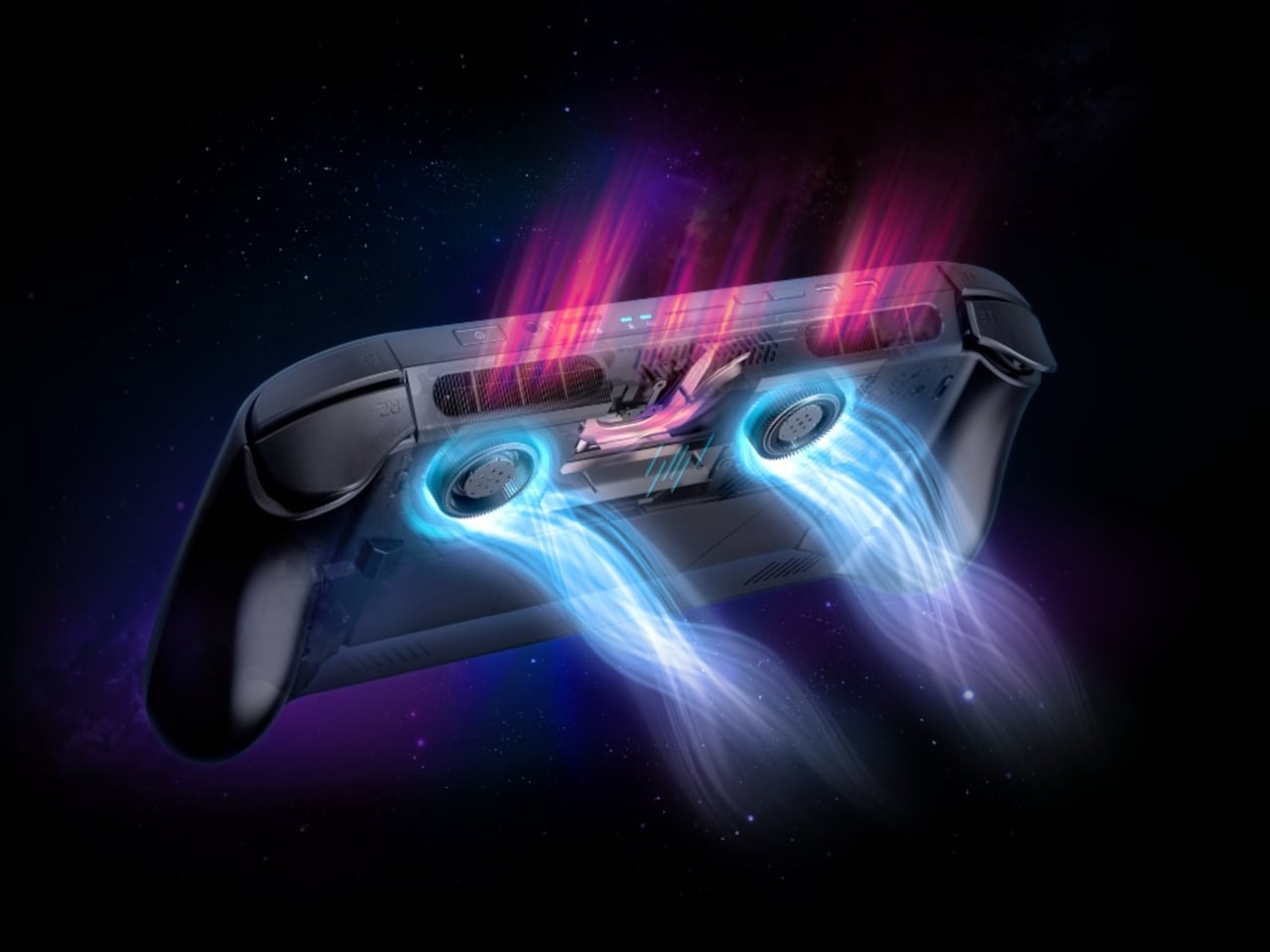
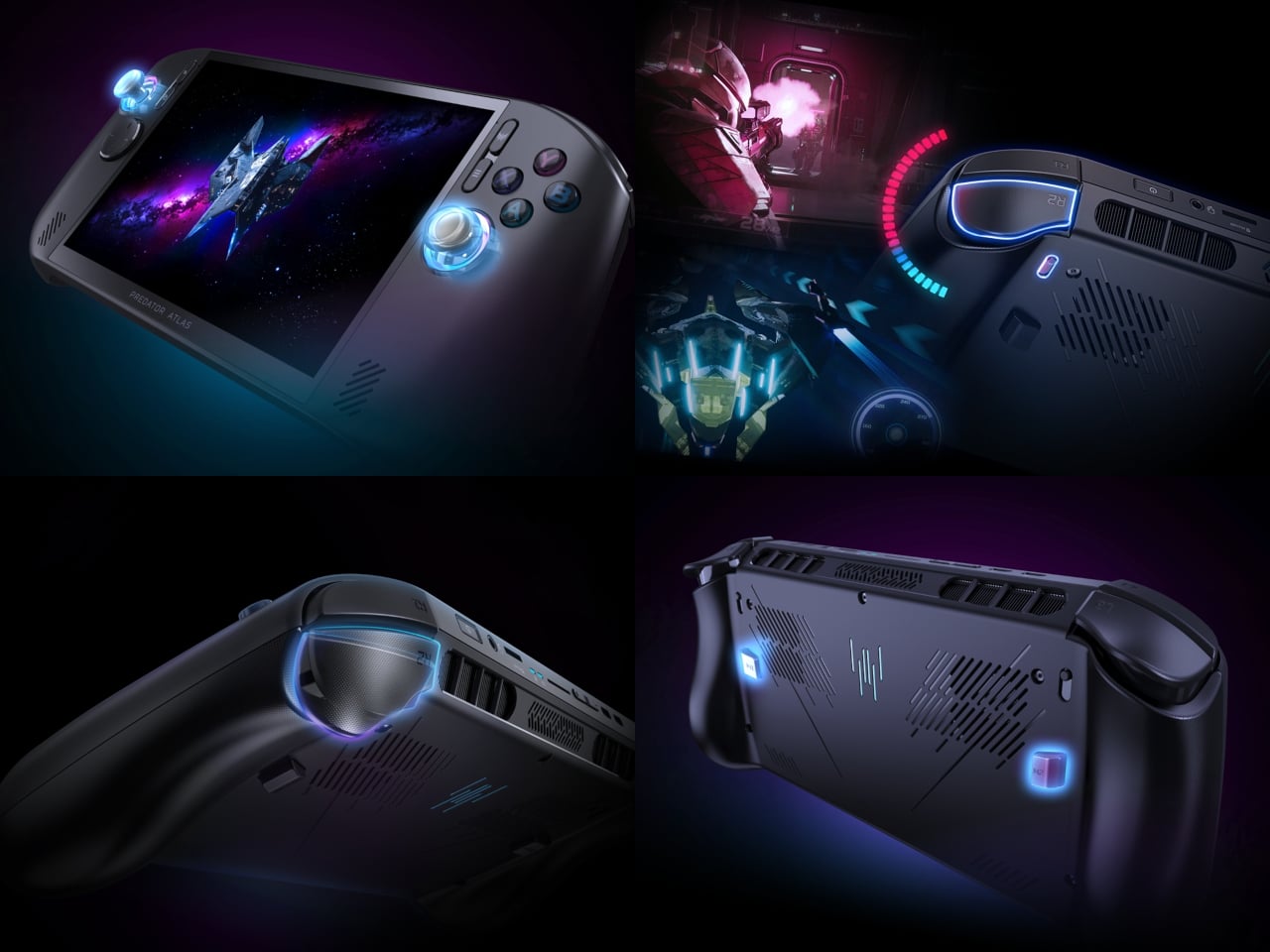
The cooling system is the headline. The Predator AeroBlade fan, a fixture in Predator laptops, makes its handheld debut here and brings a genuine first with it: the first metal fan in any gaming handheld. At 89 blades and just 0.1mm of thickness, it delivers up to a 10% increase in airflow compared to a plastic equivalent. A second plastic fan works alongside it, with Vortex Flow tuning directing air through angled internal channels so heat exits faster.

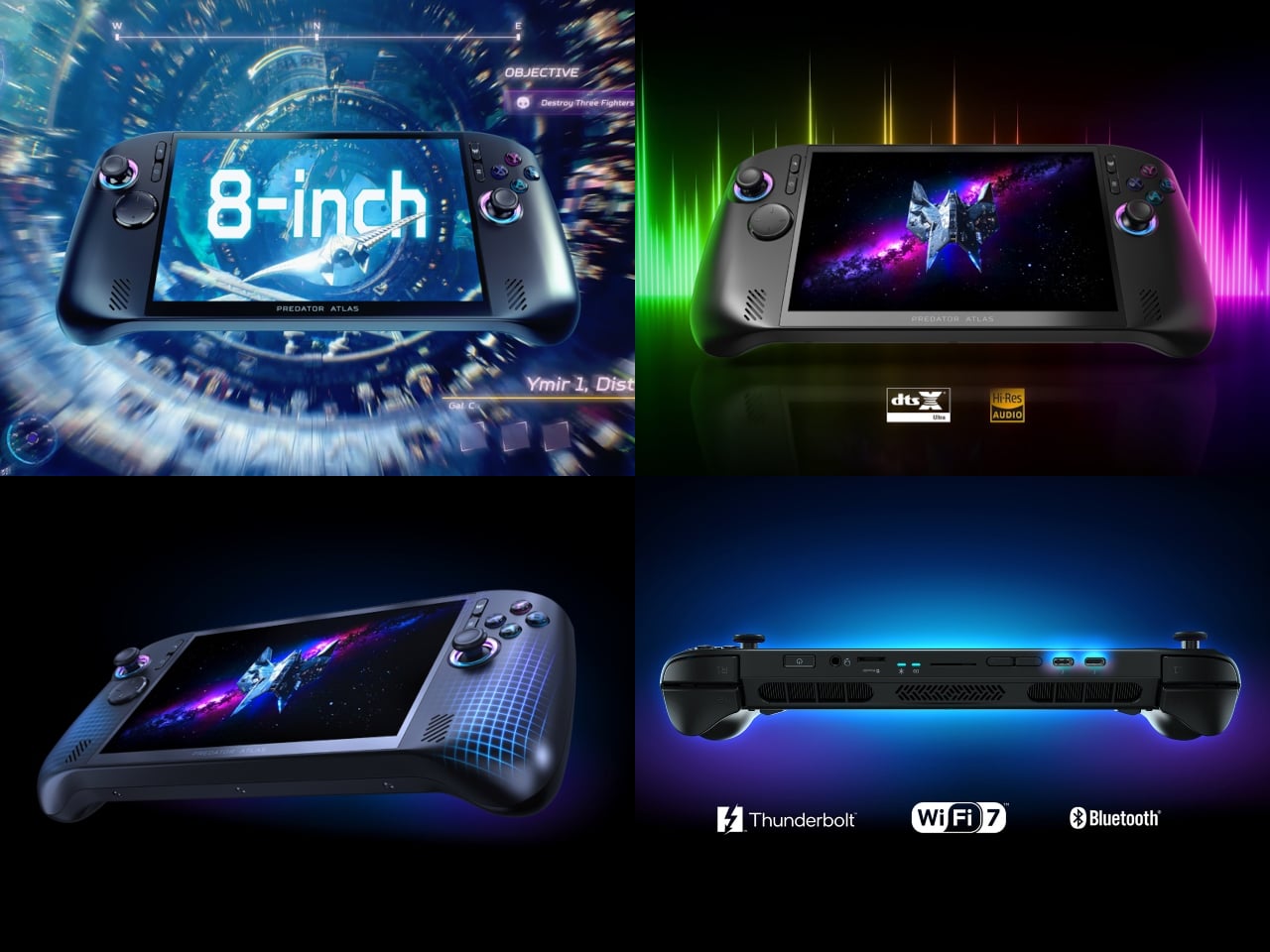
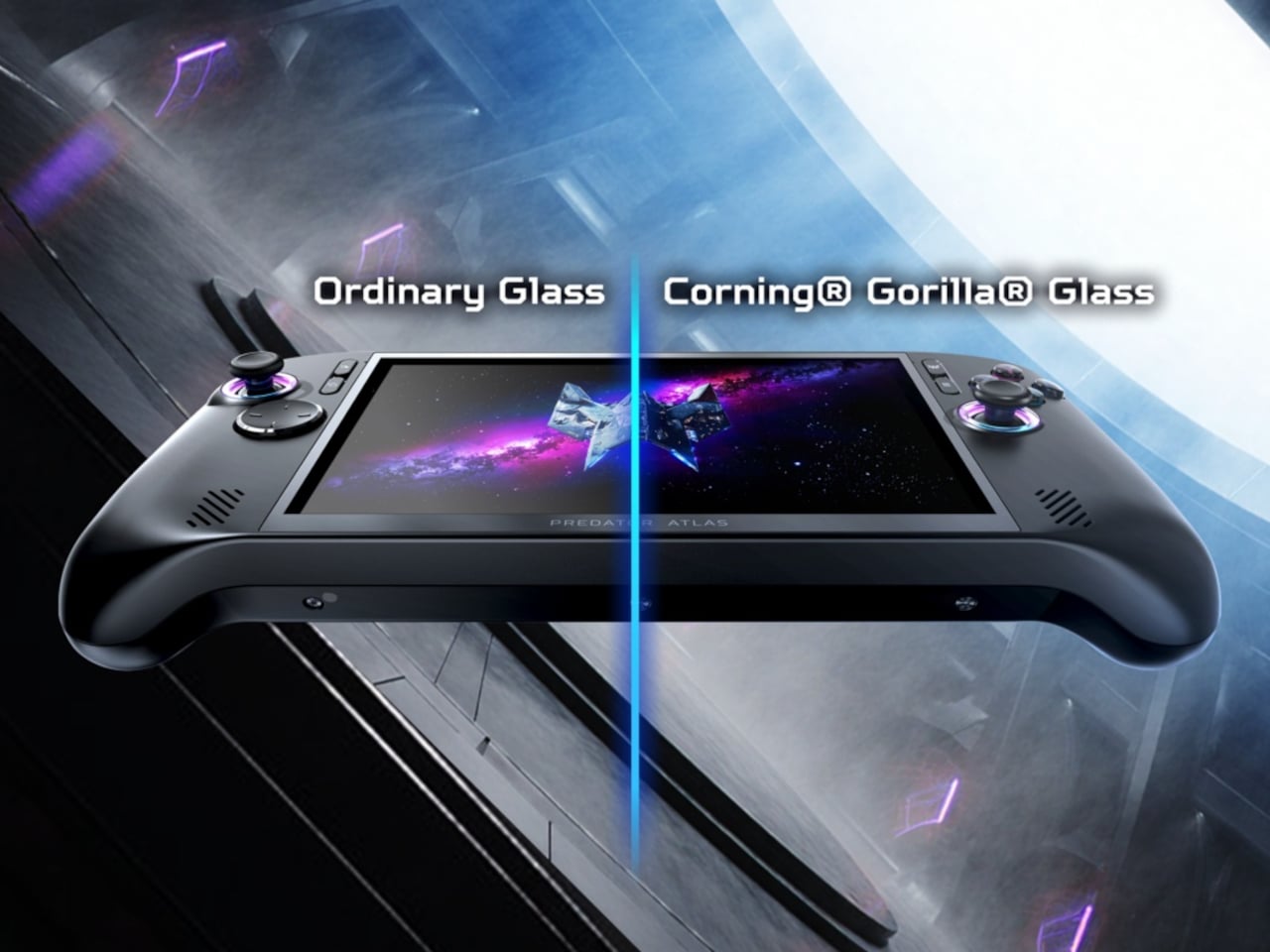
The display is a 16:10, 8-inch WUXGA panel running at 120Hz with Variable Refresh Rate (VRR) support and 500 nits of peak brightness. Corning Gorilla Glass Victus with DXC covers glare and scratch resistance for outdoor play. Audio runs through dual 2 W speakers with DTS:X Ultra, and dual microphones backed by Acer PurifiedVoice AI noise reduction keep voice chat clean even when the game gets loud.

The top configuration pairs the Intel Arc G3 Extreme processor with Intel Arc B390 graphics, adding ray tracing support and Intel XeSS 3 AI-powered upscaling to sustain high frame rates during heavy GPU workloads. Paired with an 80Wh battery and Intel Endurance Gaming, which balances frame rate against power draw dynamically, the Atlas 8 makes a credible case for longer sessions away from a wall without sacrificing visual quality.

The trigger system earns its own mention. A physical switch on each trigger toggles between two distinct response modes on the fly. Micro-switch mode provides an instant click suited to first-person shooters, while Hall-effect analog mode gives racing games and flight simulators the full pressure range they need. Switching between the two mid-session takes a moment, not a menu.

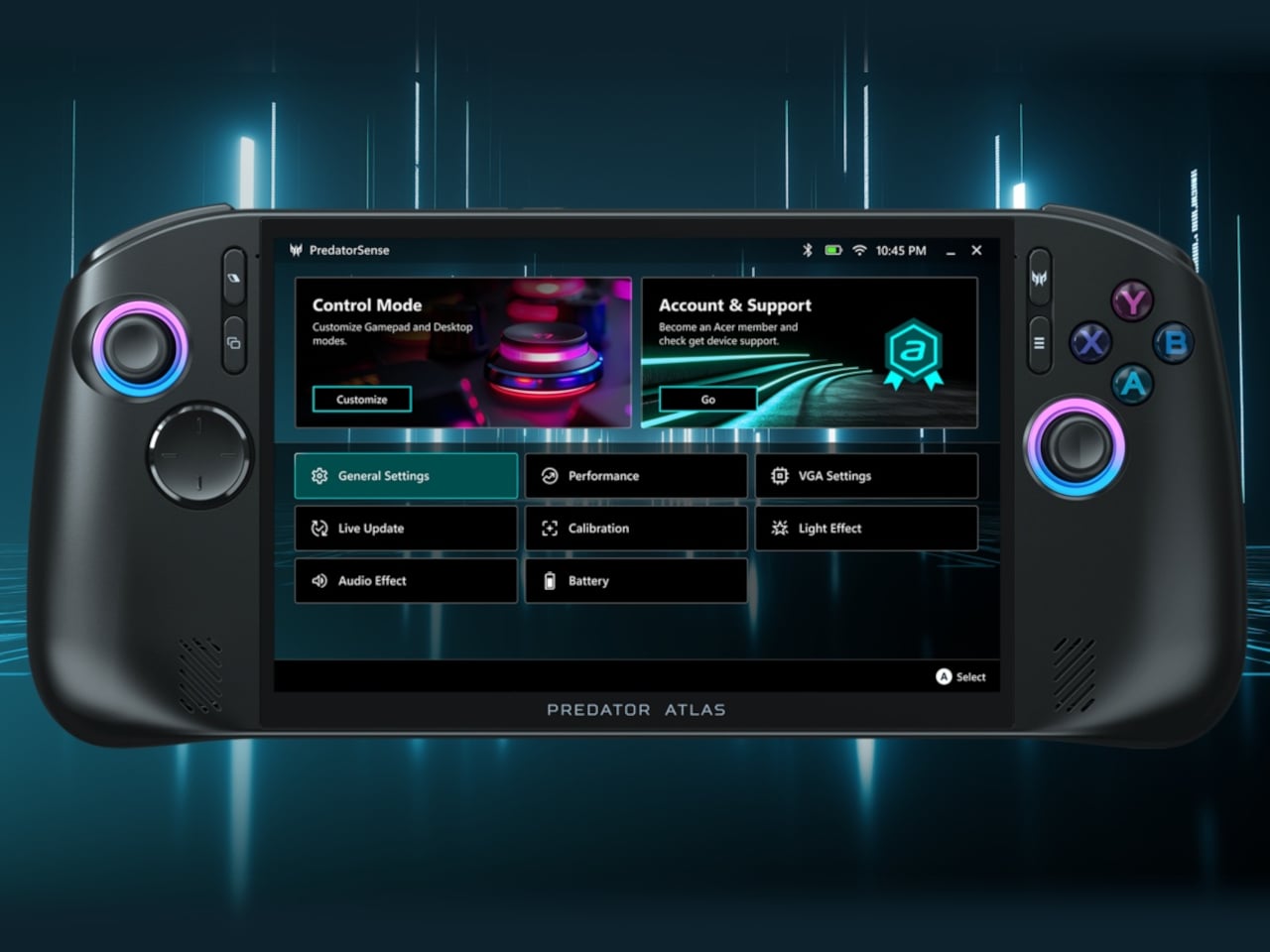
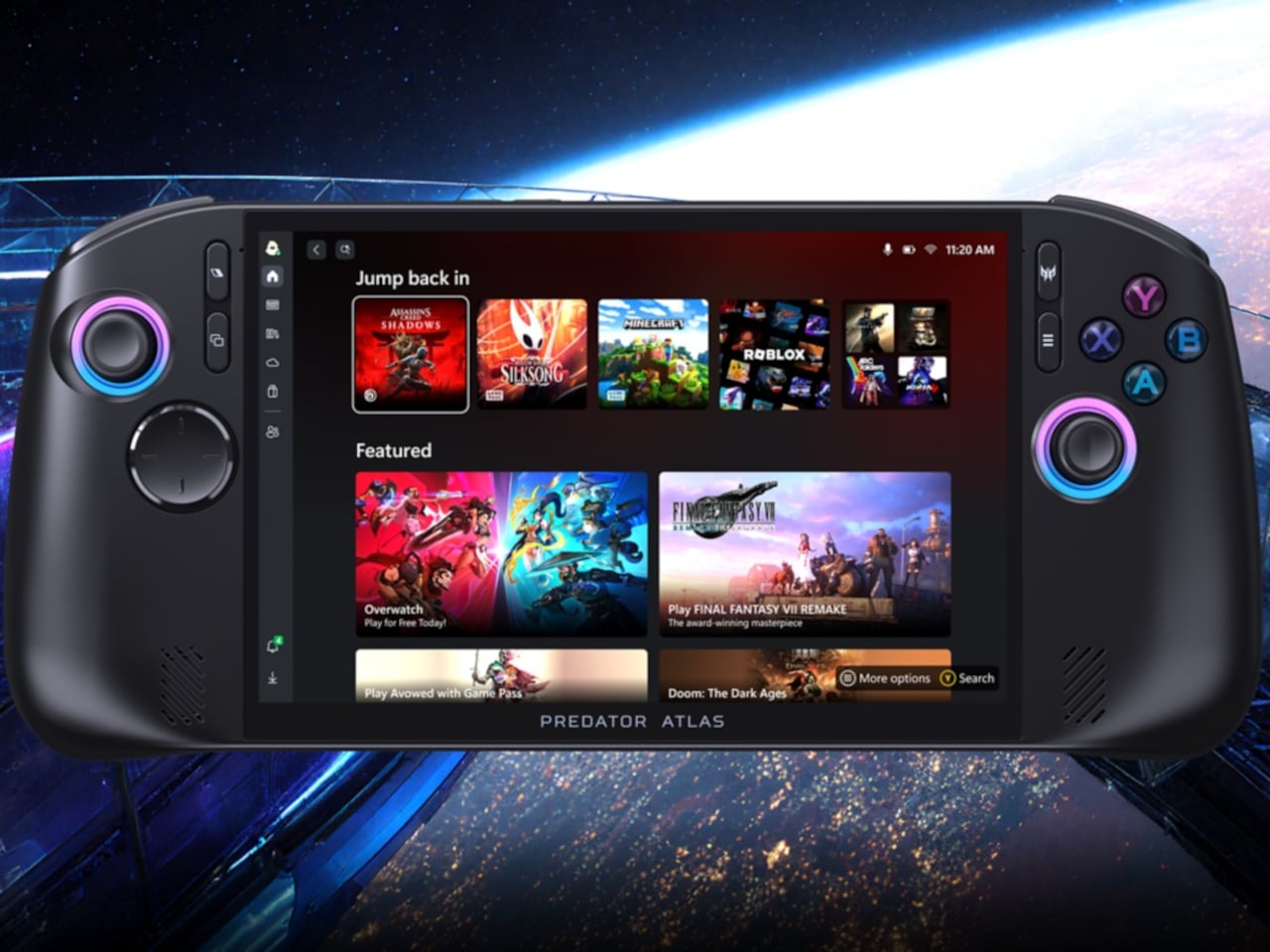
PredatorSense makes its handheld debut here, too. The app, which has been a cornerstone of Predator laptops for years, now sits behind a dedicated button on the device, bringing live system monitoring, performance modes, RGB lighting, and gameplay settings into one fast-access dashboard. XBOX Mode and an included XBOX Game Pass subscription reduce the friction of getting into a library of hundreds of titles from the first boot.

Memory reaches up to 24 GB of LPDDR5x, storage goes up to 1 TB via PCIe Gen 4, and the Atlas 8 weighs under 810 g with the larger battery. Dual Thunderbolt 4 ports, Intel Killer Wi-Fi 7, and Bluetooth 5.4 round out the connectivity. Pricing hasn’t been confirmed, but for a handheld that’s drawing from a decade of Predator laptop engineering, October 2026 can’t come fast enough.

The post Acer’s Predator Atlas 8 Is the First Gaming Handheld With a Metal Fan first appeared on Yanko Design.
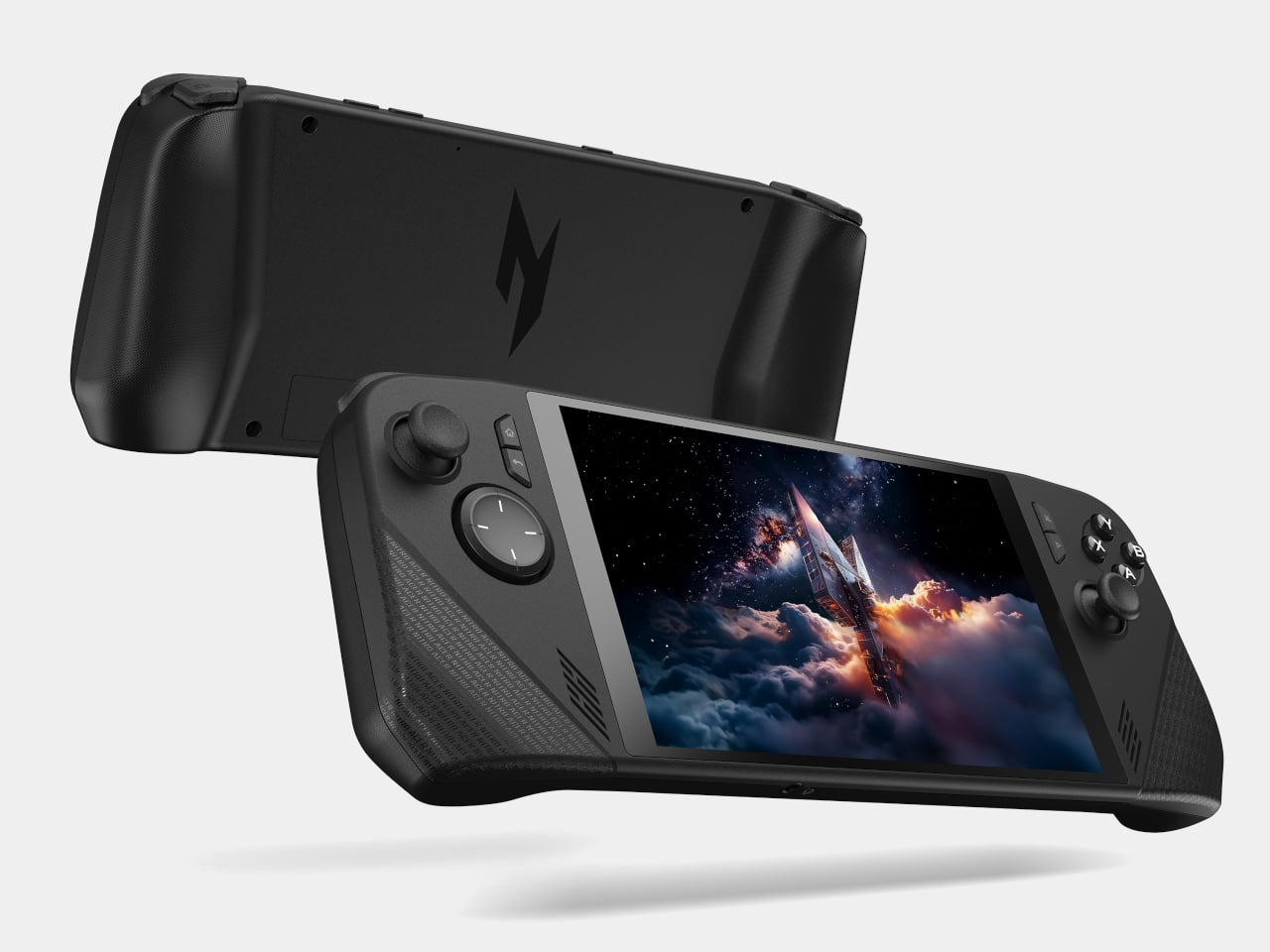
This Handheld Concept Swaps Between Gamepad, D-Pad, and Keyboard

The retro handheld market has rarely been this crowded or creative. Manufacturers are shipping devices with sliding screens, dual-display clamshells, and rotating form factors, all competing for a growing nostalgia-driven audience. Yet for all that variety in hardware, the controls themselves rarely change. You get what you get, and if the layout doesn’t suit how you like to play, that’s not the manufacturer’s concern.

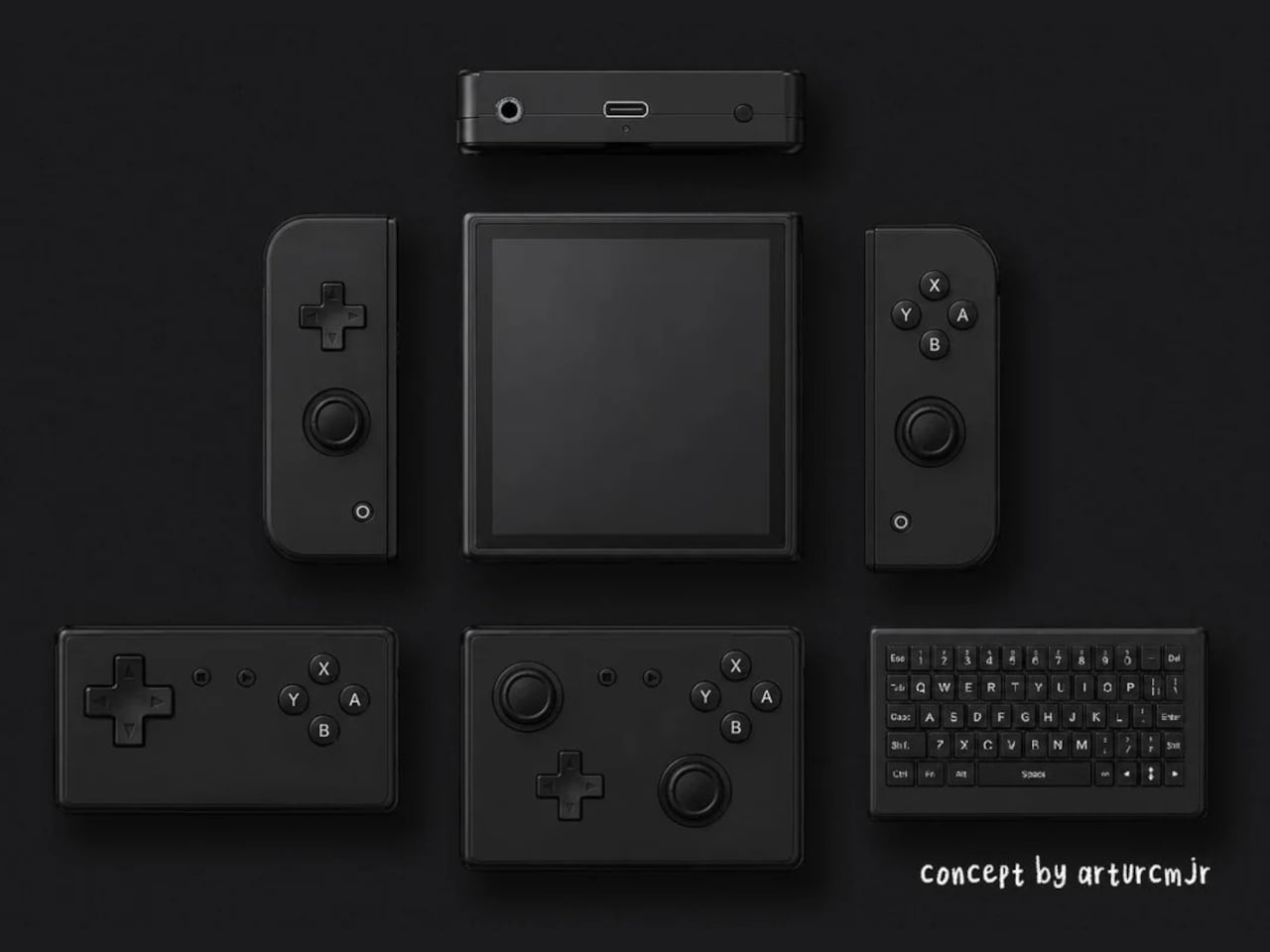
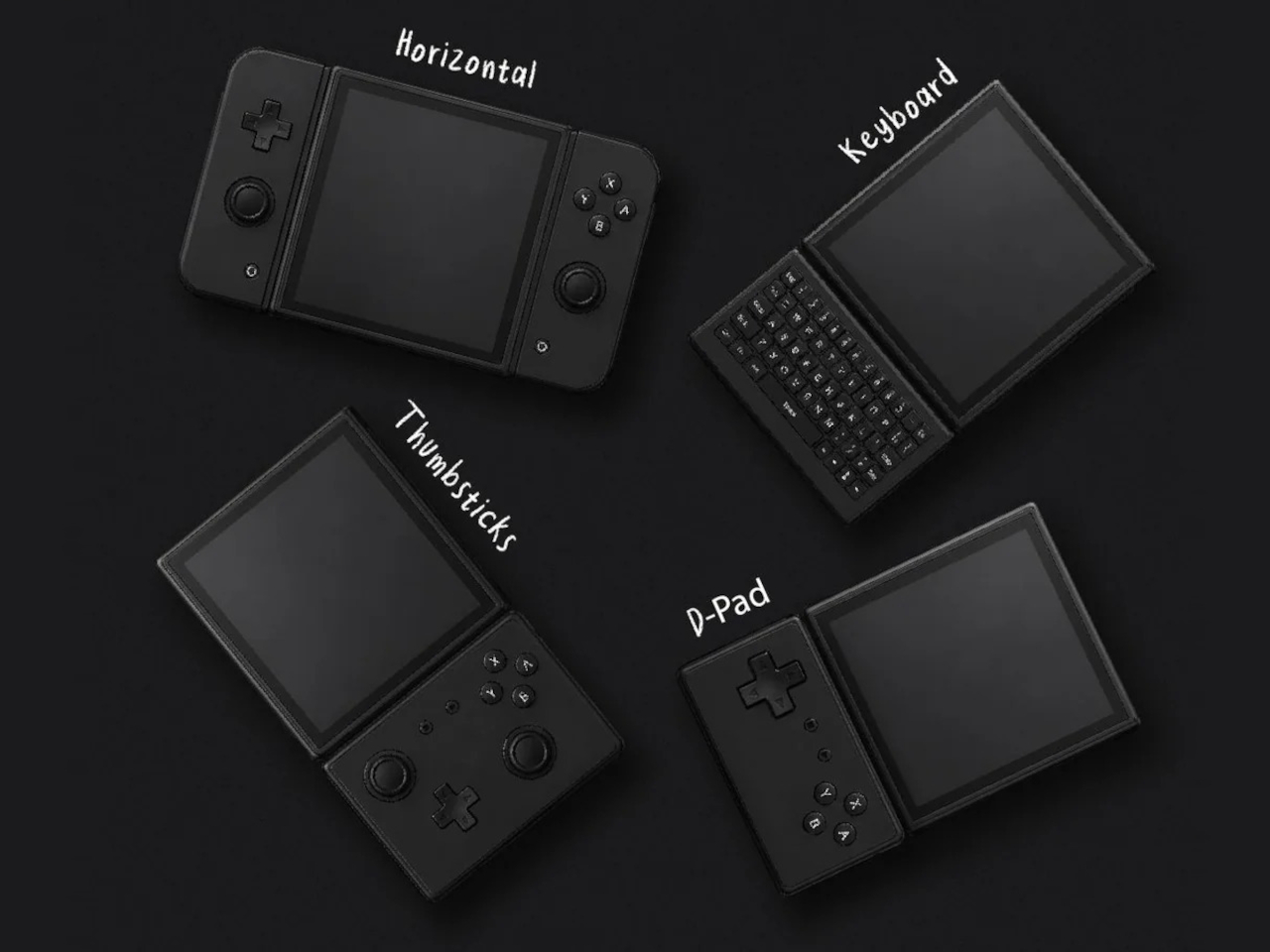
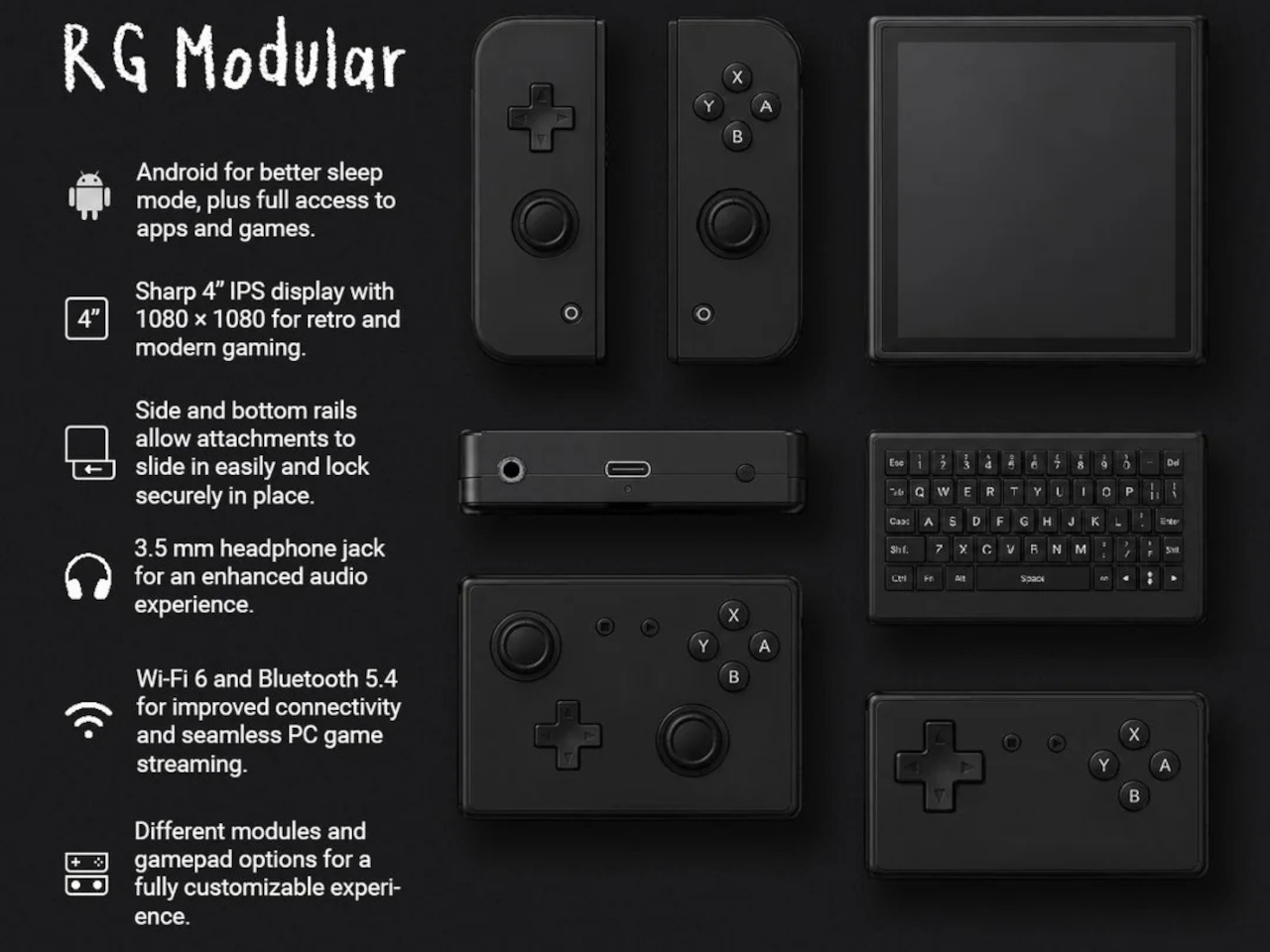
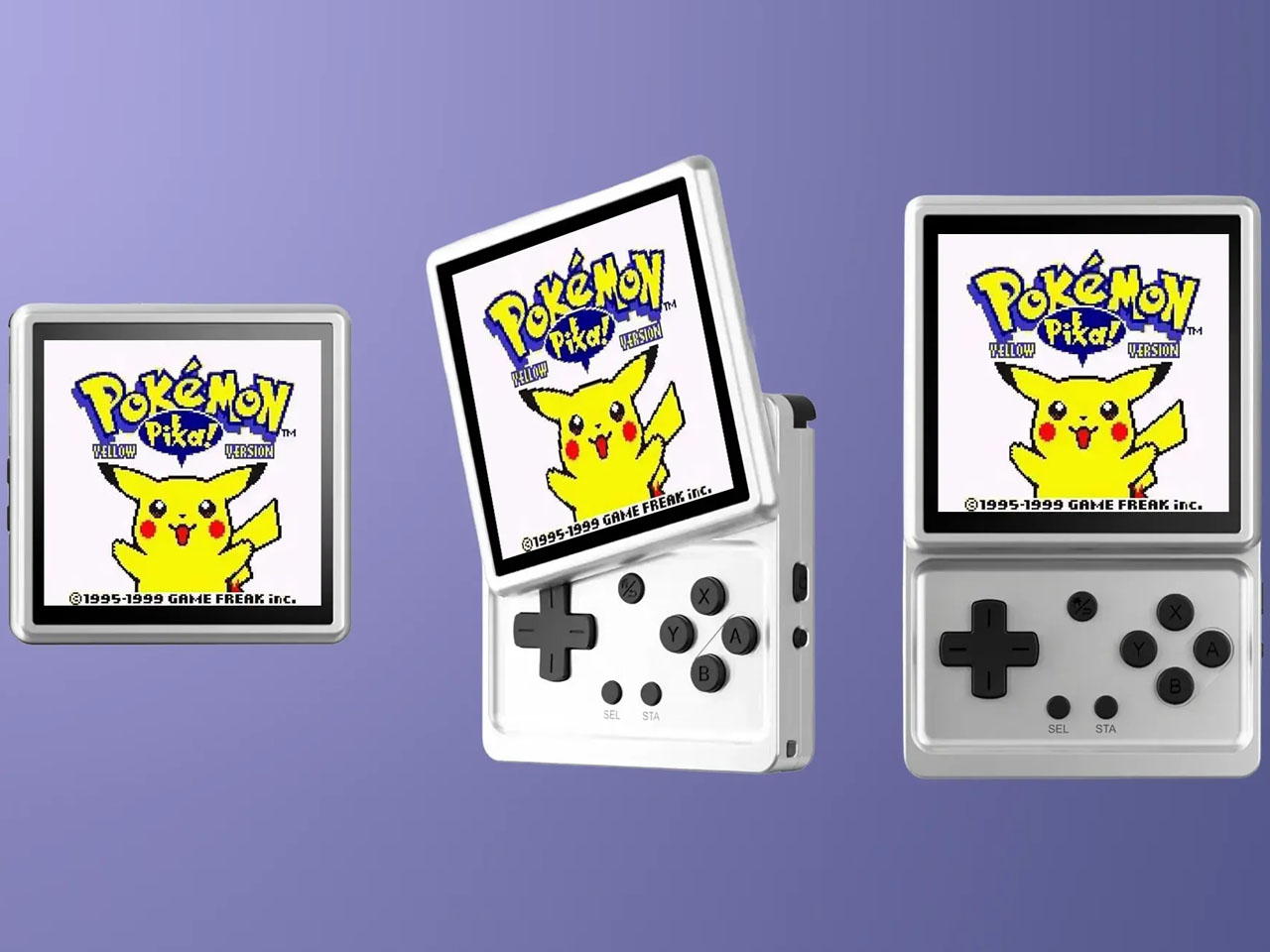
That’s the gap one Reddit user set out to address with the RG Modular, a fan-made concept that came shortly after the release of Anbernic’s RG Rotate. Rather than locking players into a single control layout, the concept centers on a core screen unit with swappable modules that slot into side and bottom rails. The game dictates the controller, not the other way around.

Designer: Snow (Snoo_6285)

At the center of the RG Modular is a 4-inch IPS display running at 1080×1080 pixels, a square format that works cleanly for both retro and modern titles. Android powers the device, offering full app access, proper sleep mode behavior, Wi-Fi 6, Bluetooth 5.4 for wireless streaming, and a 3.5 mm headphone jack for when you’d rather keep the audio to yourself.

Blast through a library of classic arcade titles or beat-’em-ups, and the D-pad module is all you’d need. It’s compact, locks cleanly into the bottom rail, and keeps the whole assembly slim enough to hold comfortably in portrait mode. The result feels close to something from the original Game Boy era, scaled up just enough to feel substantial but still pocket-friendly enough to bring along.

Pop on the horizontal configuration for something more demanding, and the RG Modular begins to feel like a contemporary gaming device. A left module with a D-pad and analog stick snaps to one side, a right module with face buttons and a second stick clicks onto the other, and suddenly the same screen unit that ran retro arcade titles now handles 3D games and wirelessly streamed content.

Perhaps the most unexpected addition in the lineup is the QWERTY keyboard module. Swapped in for the standard controls, it nudges the device toward productivity, text entry, or emulating handheld systems that relied on keyboards. It signals that the concept isn’t purely about gaming, and that a modular form factor can cover considerably more ground than any one fixed layout could manage.

The post drew enthusiastic praise, but the community did raise practical questions. Some users noted that a D-pad-only module might leave the device feeling top-heavy, and the broader modular concept raises fair concerns about cost, connection point durability, and whether the rail system can stay snug through regular use.

It’s not the first attempt at a shape-changing handheld console, either, with the likes of the GAMEMET E5 and ONEXSUGAR testing the waters first. It’s worth noting that the RG Modular is only a concept, but concepts like this one carry weight in the retro handheld community. Manufacturers have also occasionally taken cues from what enthusiasts build, turning fan ideas into products people didn’t know they needed.

The post This Handheld Concept Swaps Between Gamepad, D-Pad, and Keyboard first appeared on Yanko Design.

The C64 and ZX Spectrum Finally Got the Handhelds They Never Had

The retro gaming revival has been gathering steam for years, spilling from niche emulation communities into mainstream retail. Mini consoles, plug-and-play sticks, and budget handhelds have all taken a crack at the classics with varying degrees of success. Home computers like the Commodore 64 and ZX Spectrum have had their own official revivals, too, but they’ve always been tied to a desk and a television.

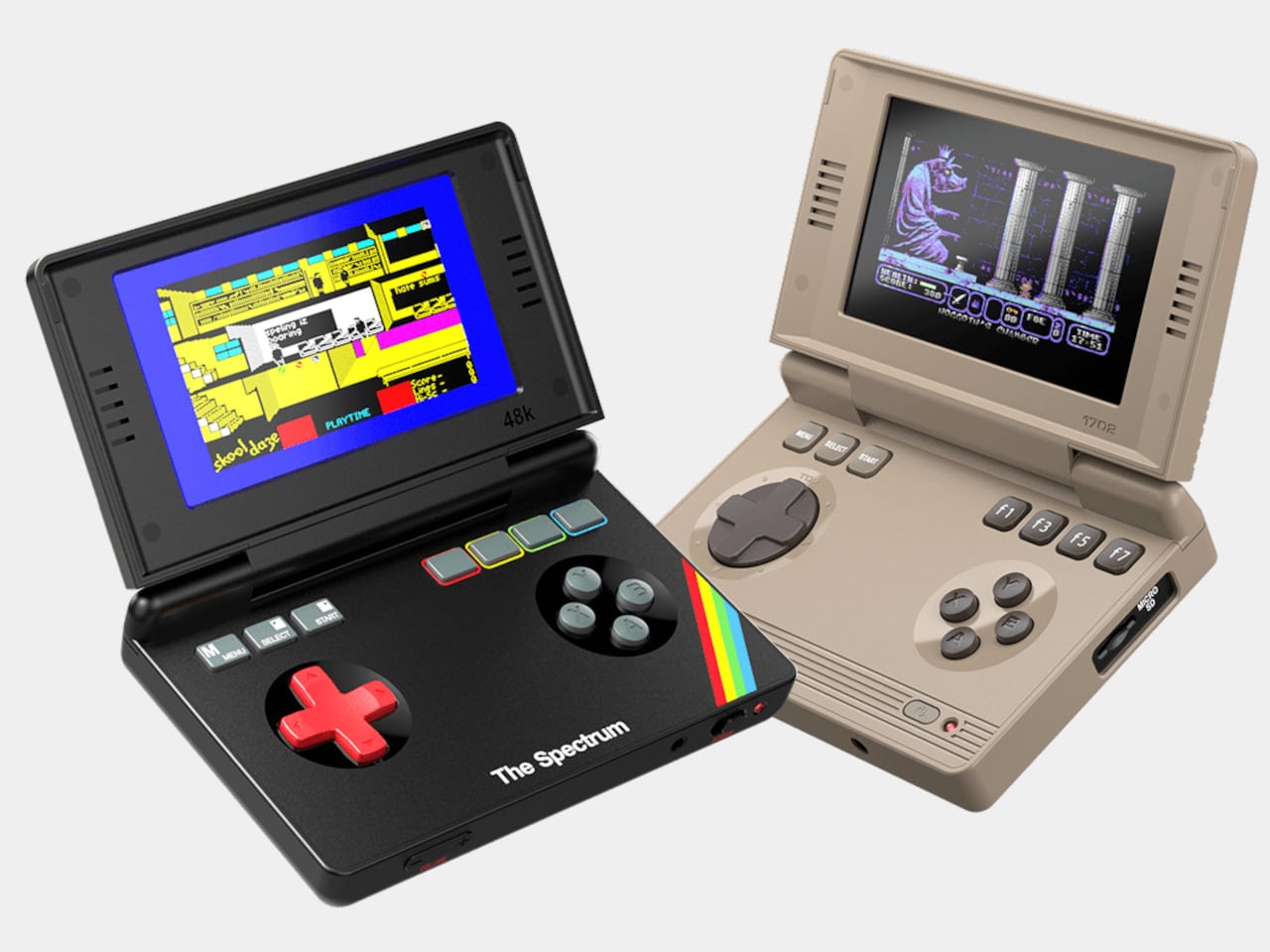
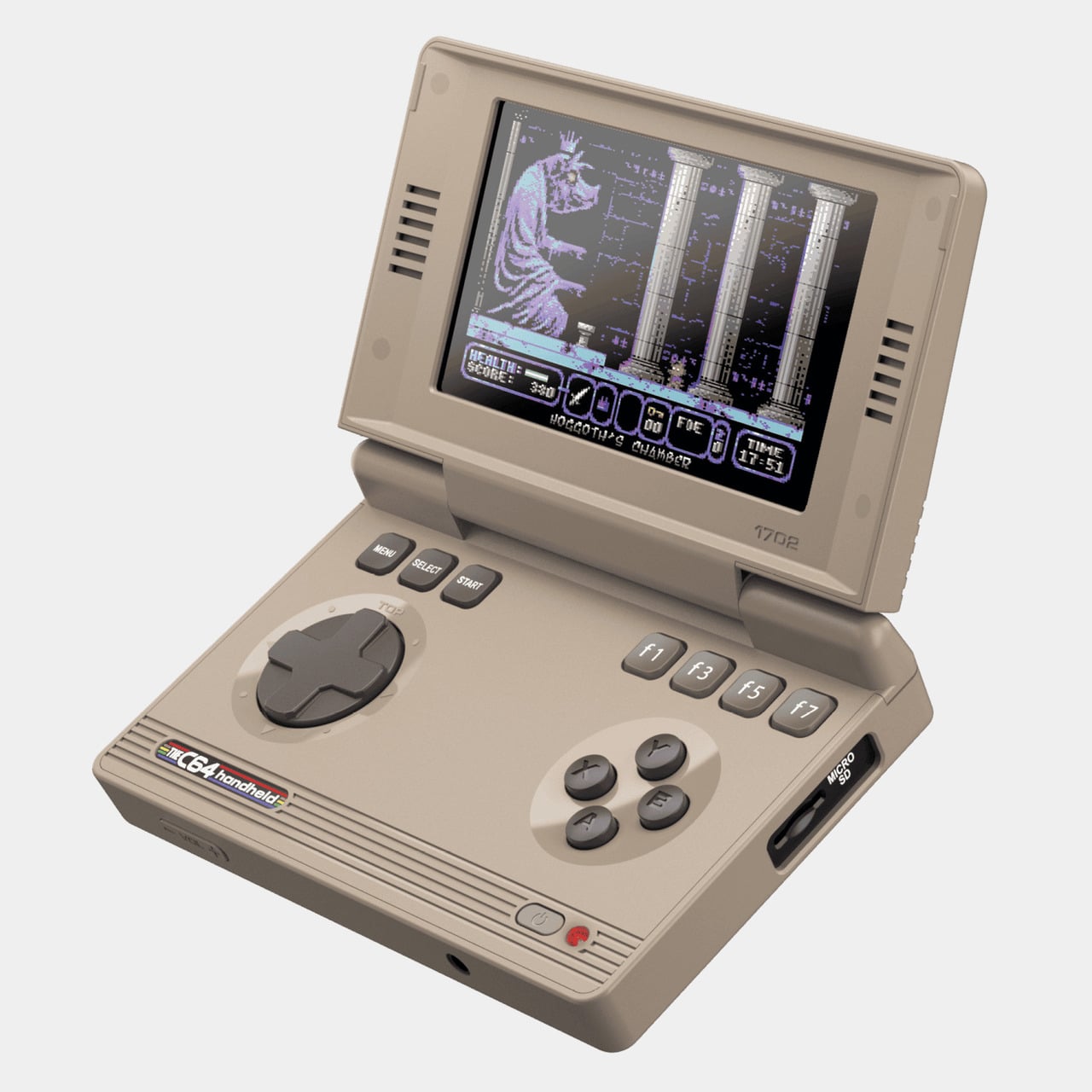
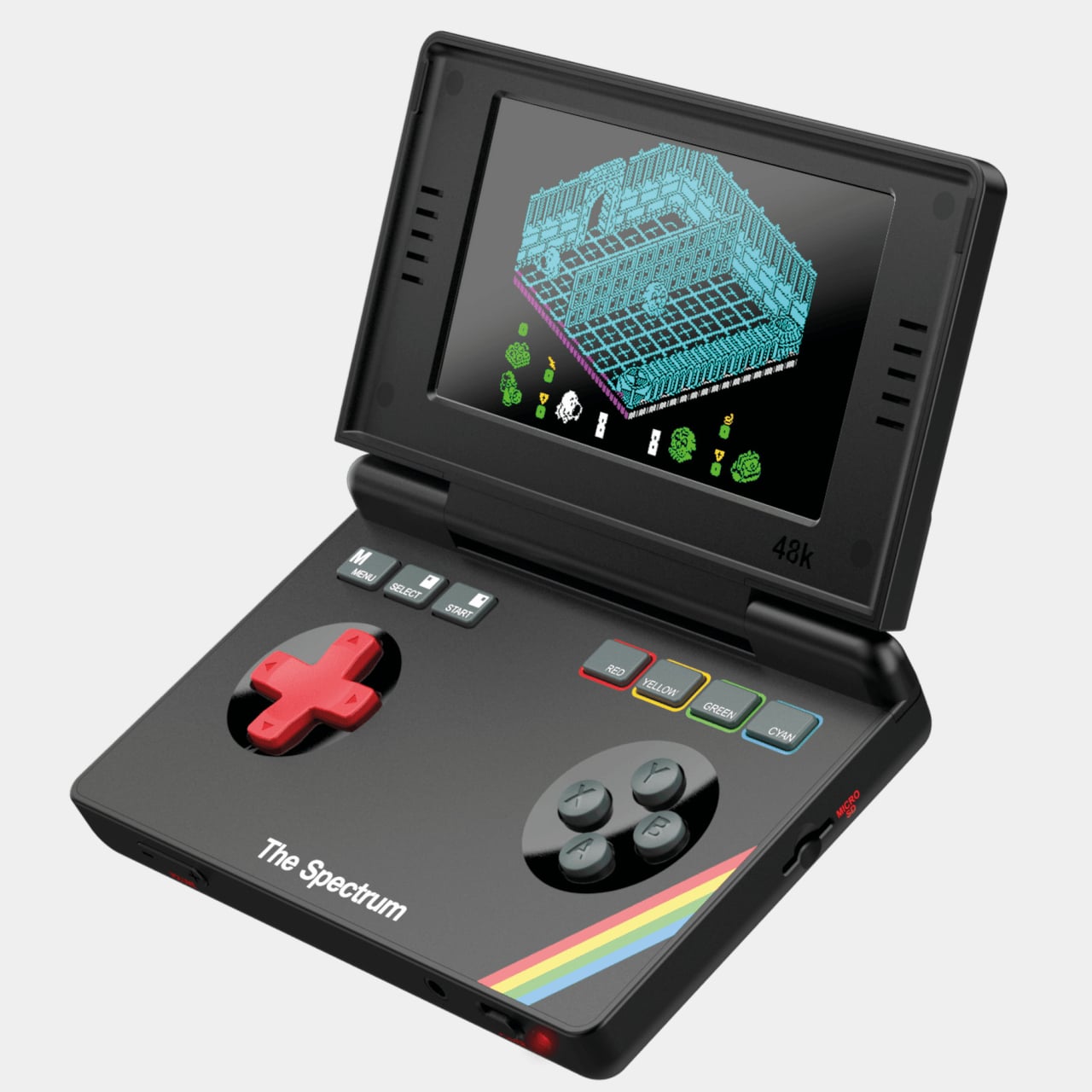
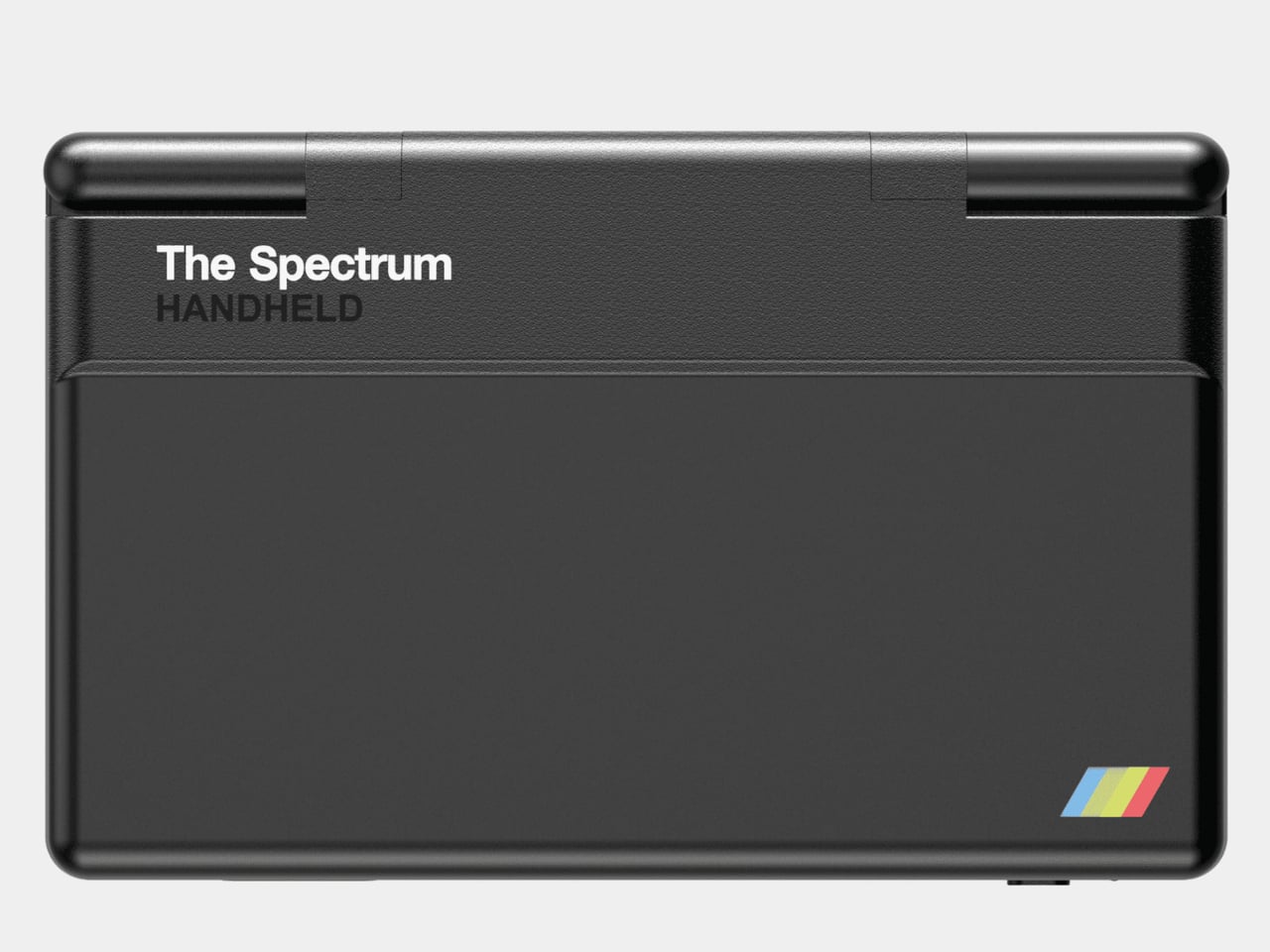
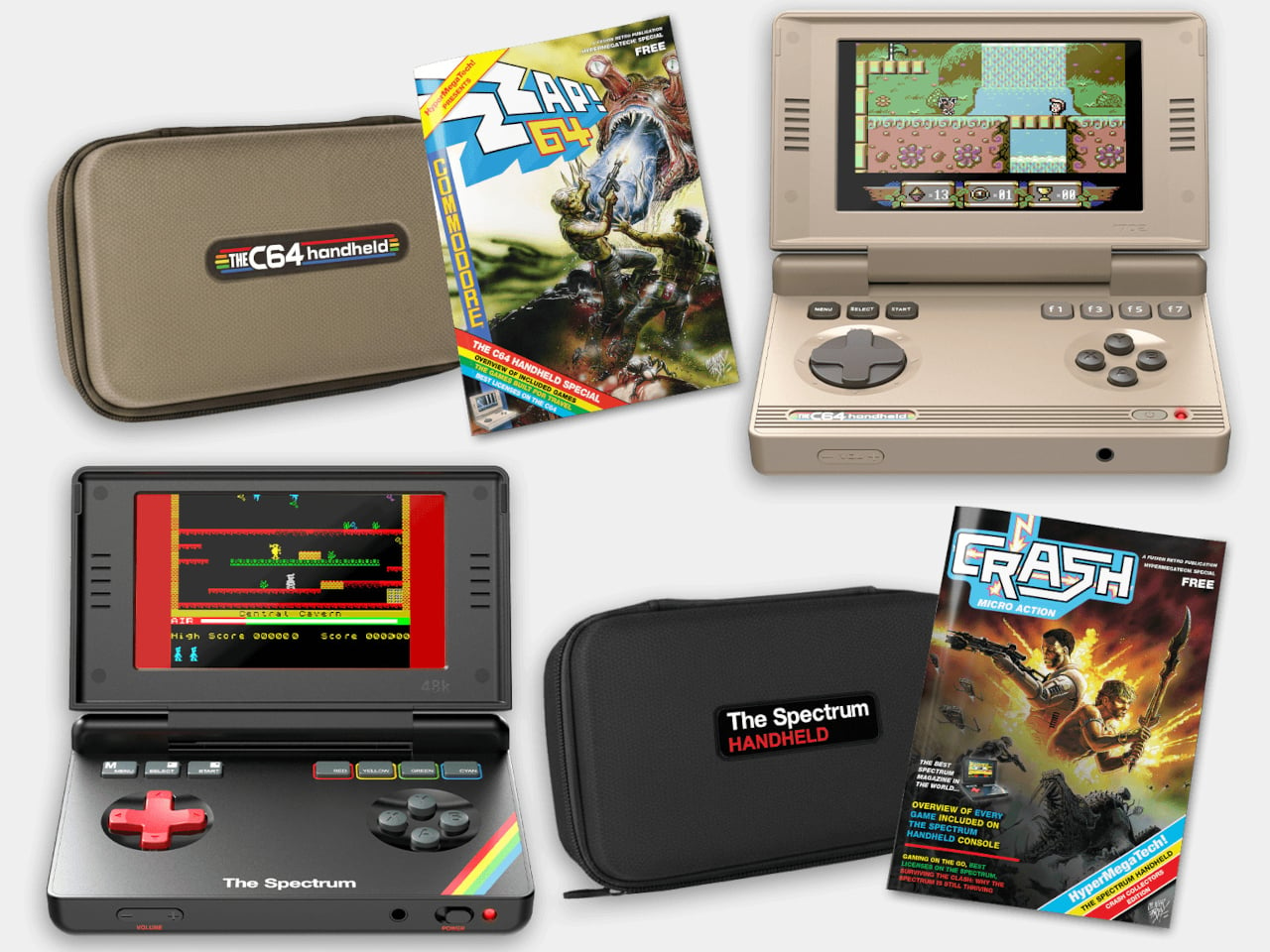
Blaze Entertainment and Retro Games Ltd have finally asked the obvious question: what would those machines have looked like if portable computing had caught on in the 1980s? The answer is THEC64 Handheld and The Spectrum Handheld, two new clamshell retro gaming consoles built to bring those beloved libraries off the shelf and into your bag, your commute, or anywhere else the nostalgia takes you.

Designer: Evercade (Blaze Entertainment)

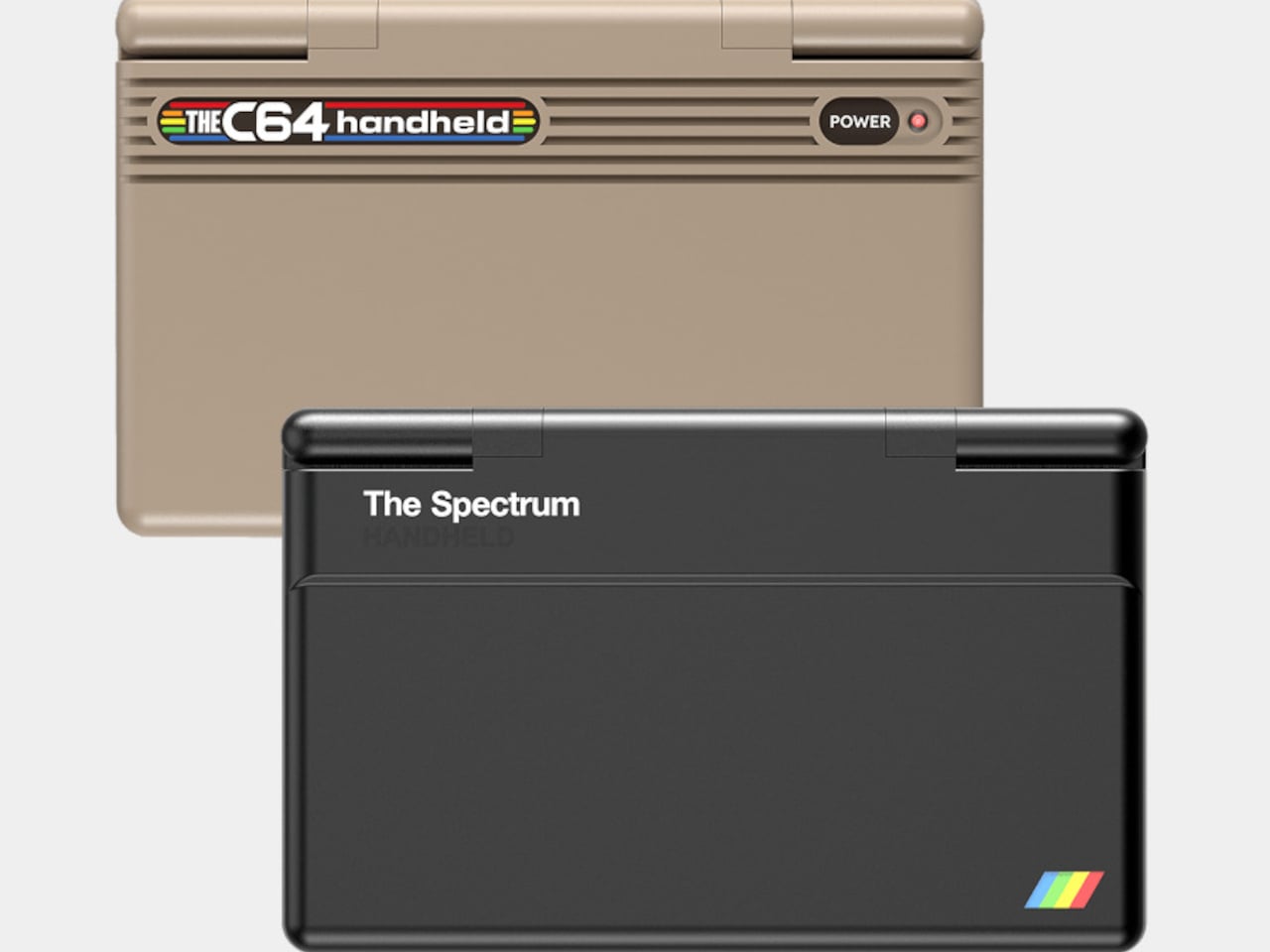
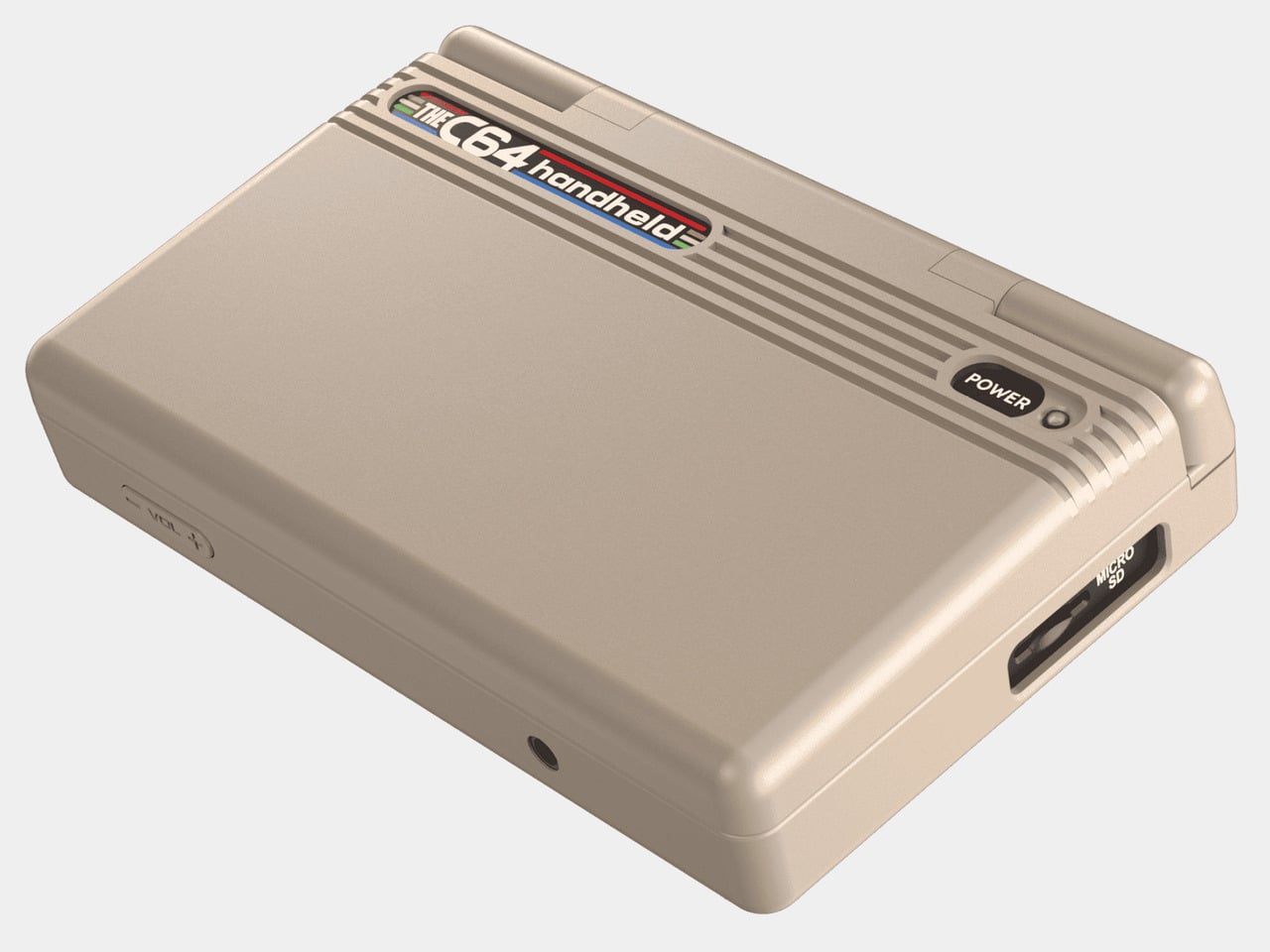
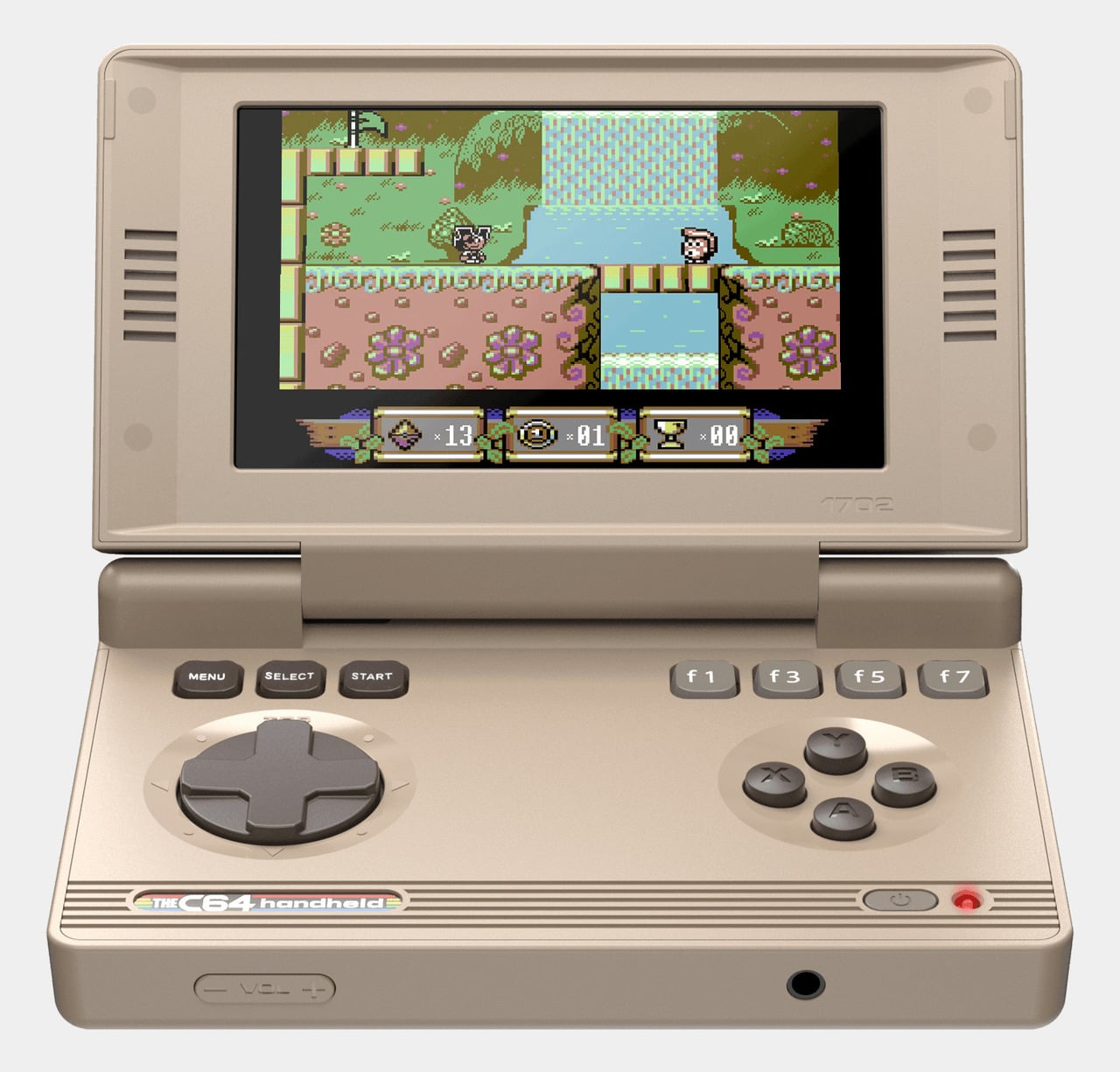
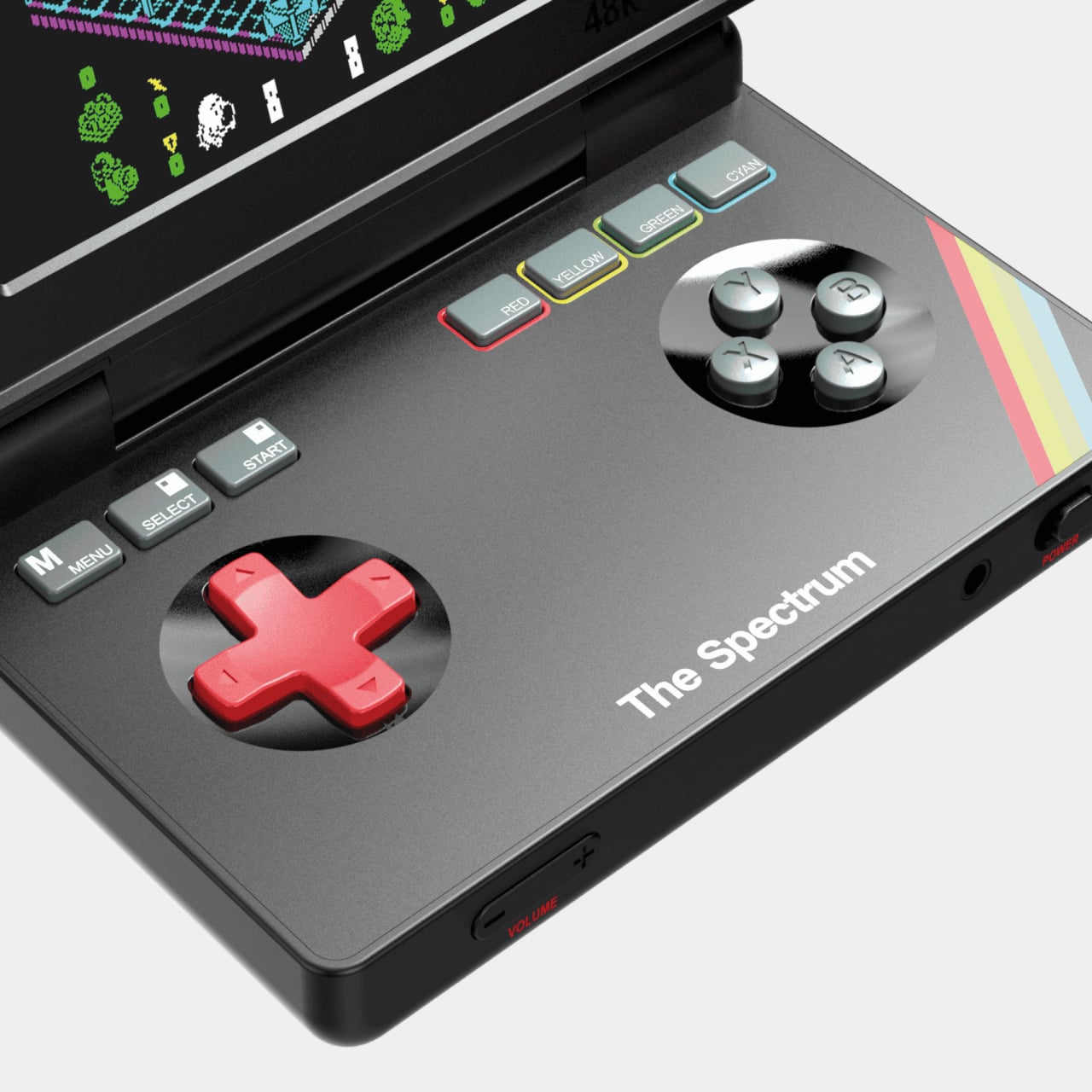
Both devices wear their inspirations openly. THEC64 Handheld comes in a warm retro beige that echoes the Commodore 64C, while The Spectrum Handheld goes with a classic black that fits the original Sinclair machine perfectly. The clamshell form factor draws as much from the palmtops and organizers of that era as it does from successful gaming handhelds, making both feel oddly familiar on first contact.

The controls have been designed with the same care. THEC64 Handheld uses tactile plastic function keys that feel snappy under the fingers, while The Spectrum Handheld opts for rubber buttons, a direct nod to the membrane keyboard that made the original ZX Spectrum so recognizable. Both include four mappable function keys alongside the D-pad and face buttons, so keyboard-heavy games aren’t completely unplayable without one.

Flip either one open, and you’re greeted with a 4.3-inch IPS screen at 840×480 resolution, crisp enough to do justice to games originally built for home television sets. A quad-core 1.2GHz processor handles the emulation cleanly, and the 2,000mAh battery is rated for over three hours of play. A 3.5mm headphone jack and USB-C charging round out the basics, keeping the whole thing portable-friendly.

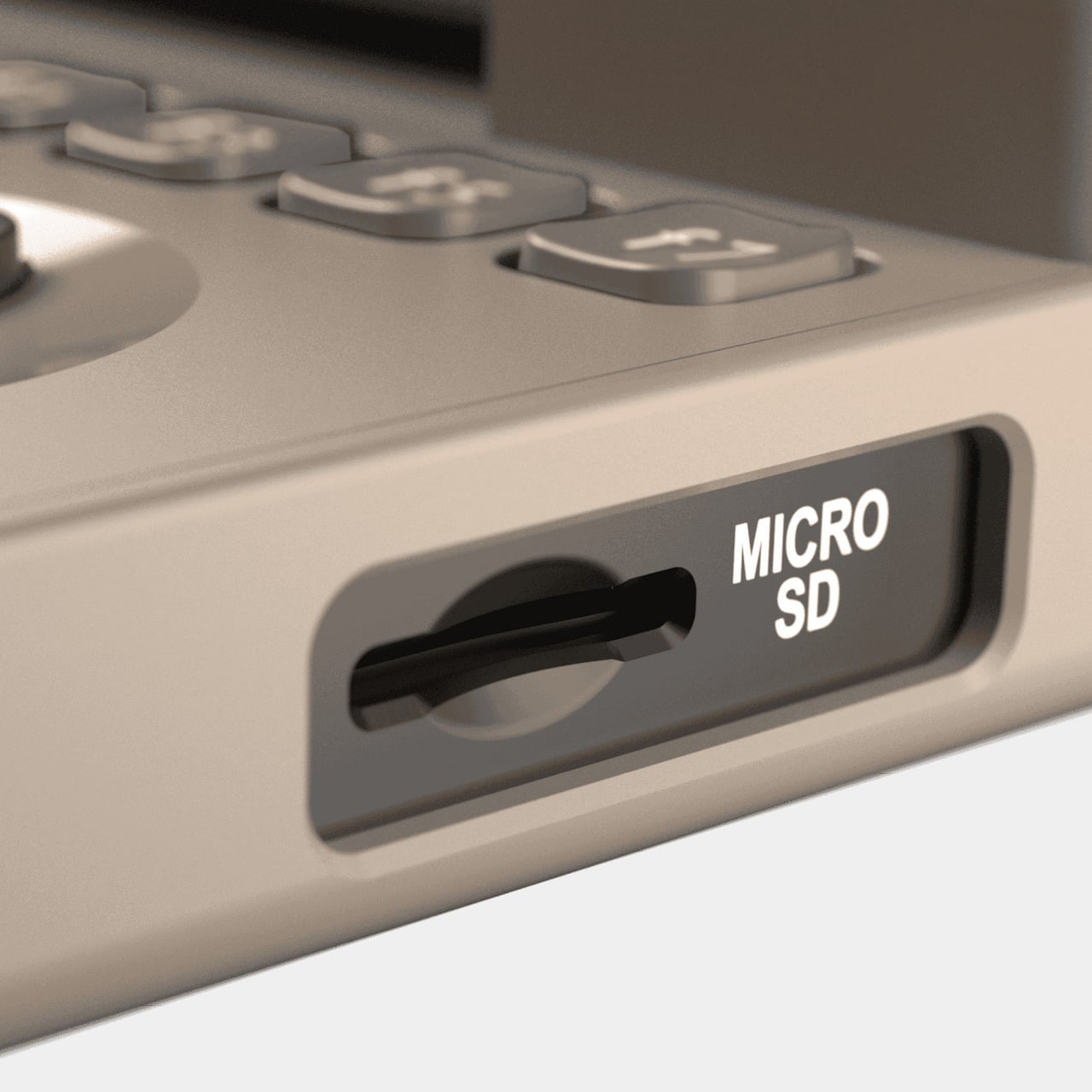
Each handheld arrives with 25 preloaded games, so you could pick one up and be knee-deep in Boulder Dash or Paradroid on the C64 side, or Starquake and Zynaps on the Spectrum, within minutes. A MicroSD slot lets you expand beyond those 25 if you’ve got your own collection, and a rear USB-A port even accepts a physical keyboard when the gamepad layout falls short.

The emulation goes deeper than just one flavor of each machine. THEC64 Handheld lets you switch between C64 PAL and NTSC variants, and The Spectrum Handheld covers formats from the 16K to the 128K and beyond. Collector’s Edition versions, limited to 2,000 units each, also include a hard-shell case and an exclusive print magazine, Crash for the Spectrum and Zzap for the C64.

Both standard editions are priced at $129.99 and launch in October 2026, with pre-orders already open. It’s a step up from a generic emulation handheld, and the gap is hard to miss. But for anyone who grew up loading games from a cassette tape and staring at a loading screen for far too long, it’s a price that’s surprisingly easy to justify.

The post The C64 and ZX Spectrum Finally Got the Handhelds They Never Had first appeared on Yanko Design.
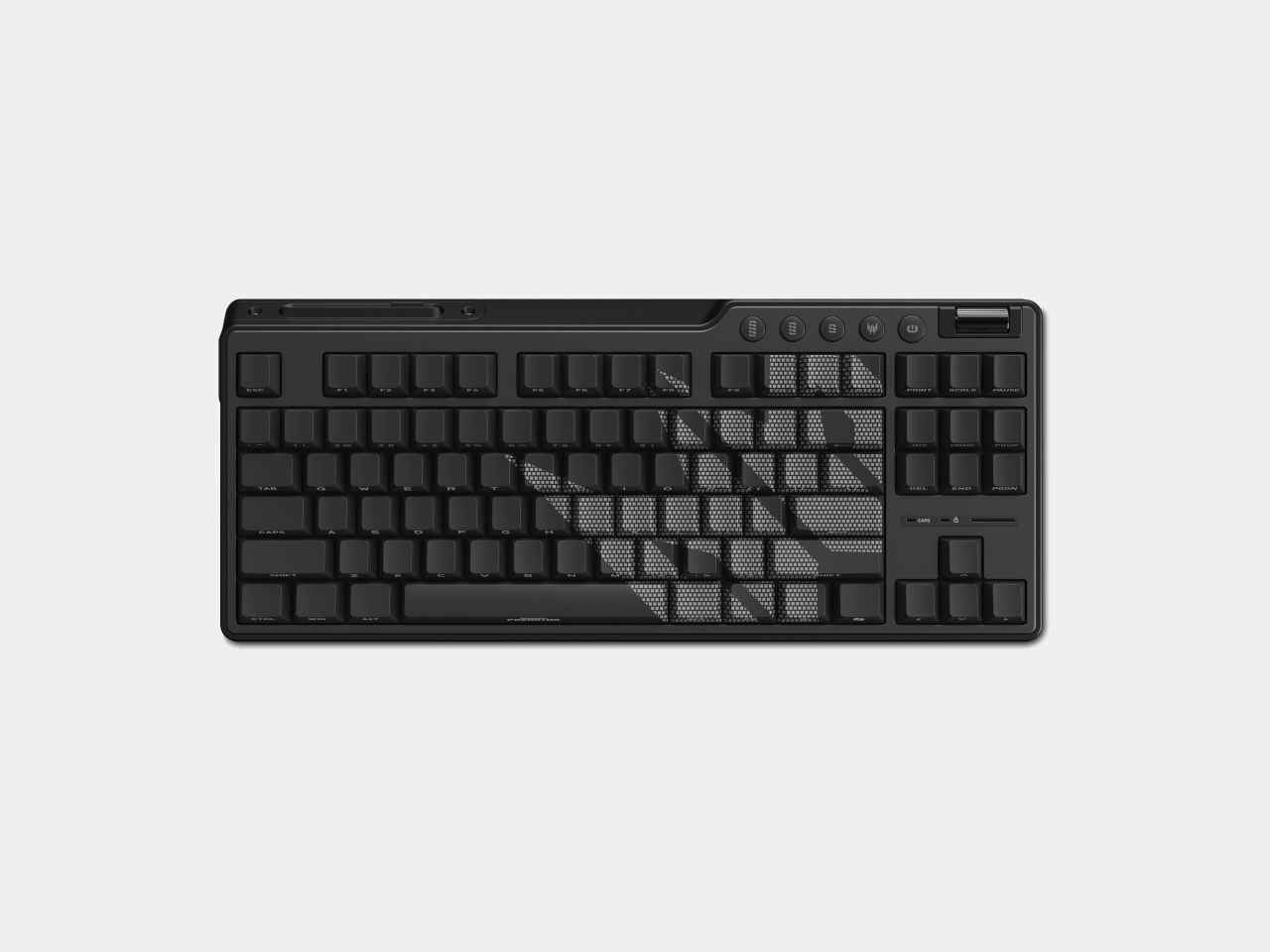
ANBERNIC RG Rotate handheld with swivelling display doubles as a music player

Handheld gaming has just exploded in the last year or so with players like Ayaneo, Analouge, ANBERNIC and Retroid catching the pulse of handheld gamers. There’s one for every type of gamer, whether someone who likes things arcade, retro modern, or a demanding nerd who wants to have a compact console to play AAA titles.

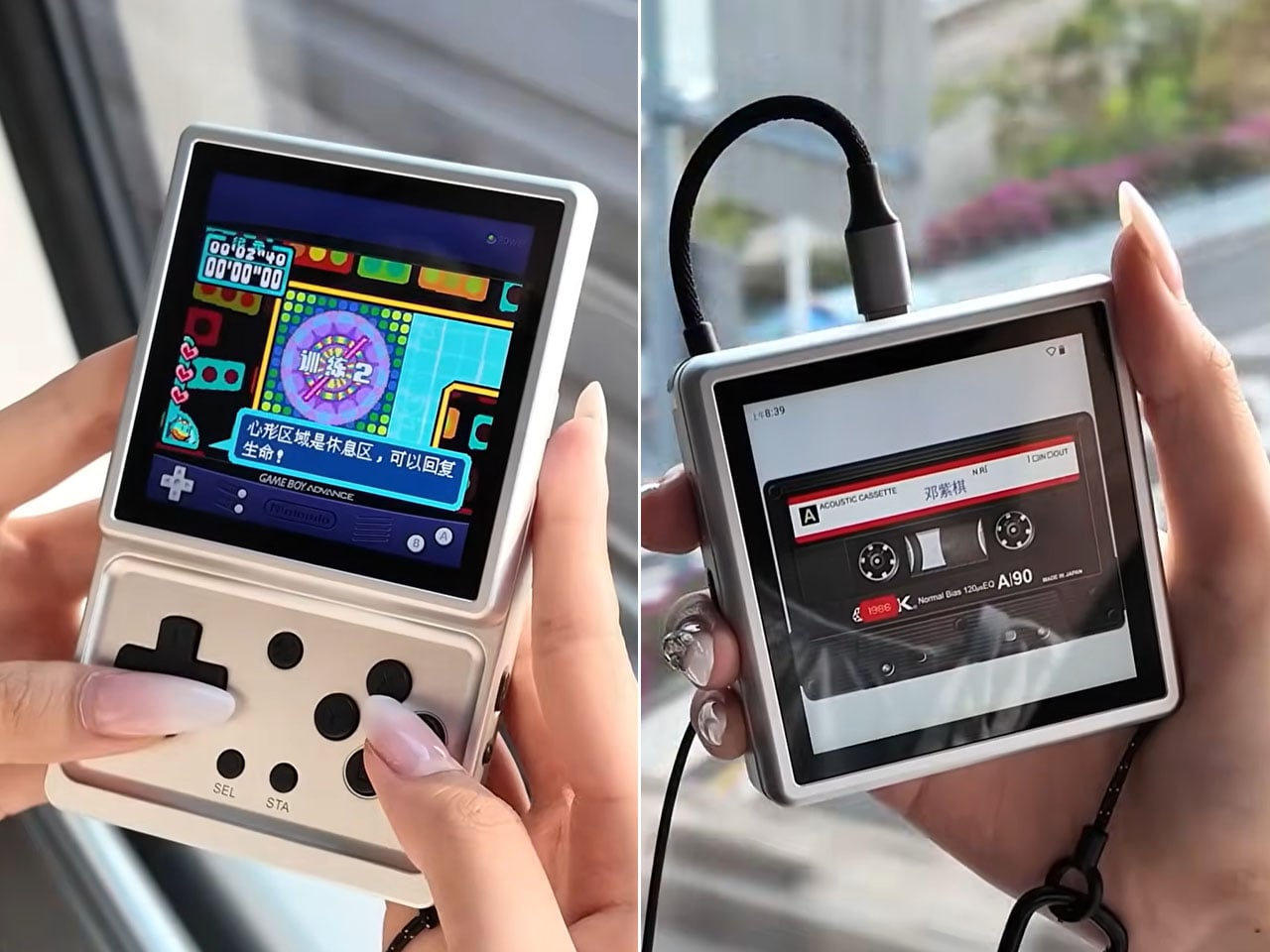
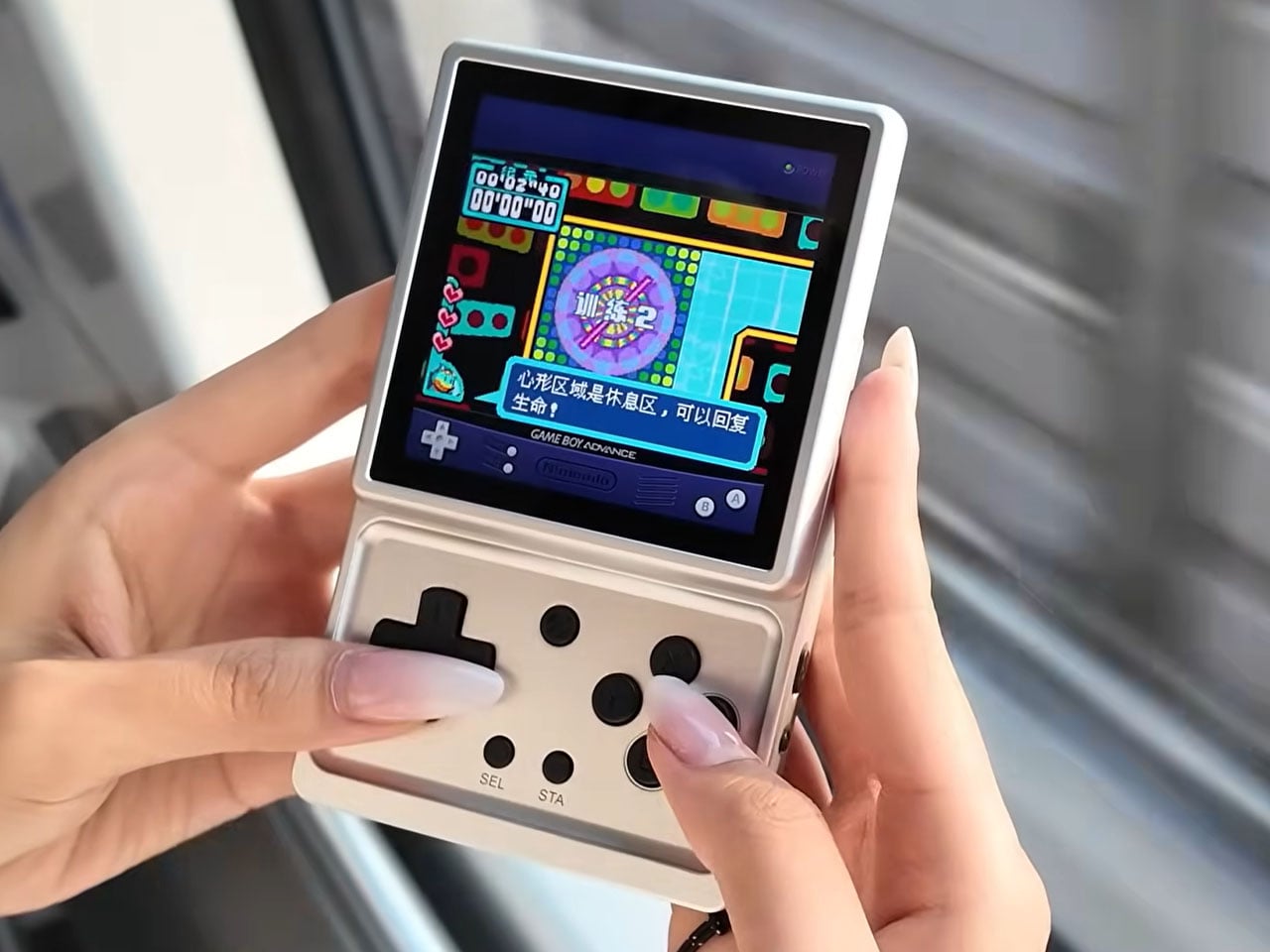
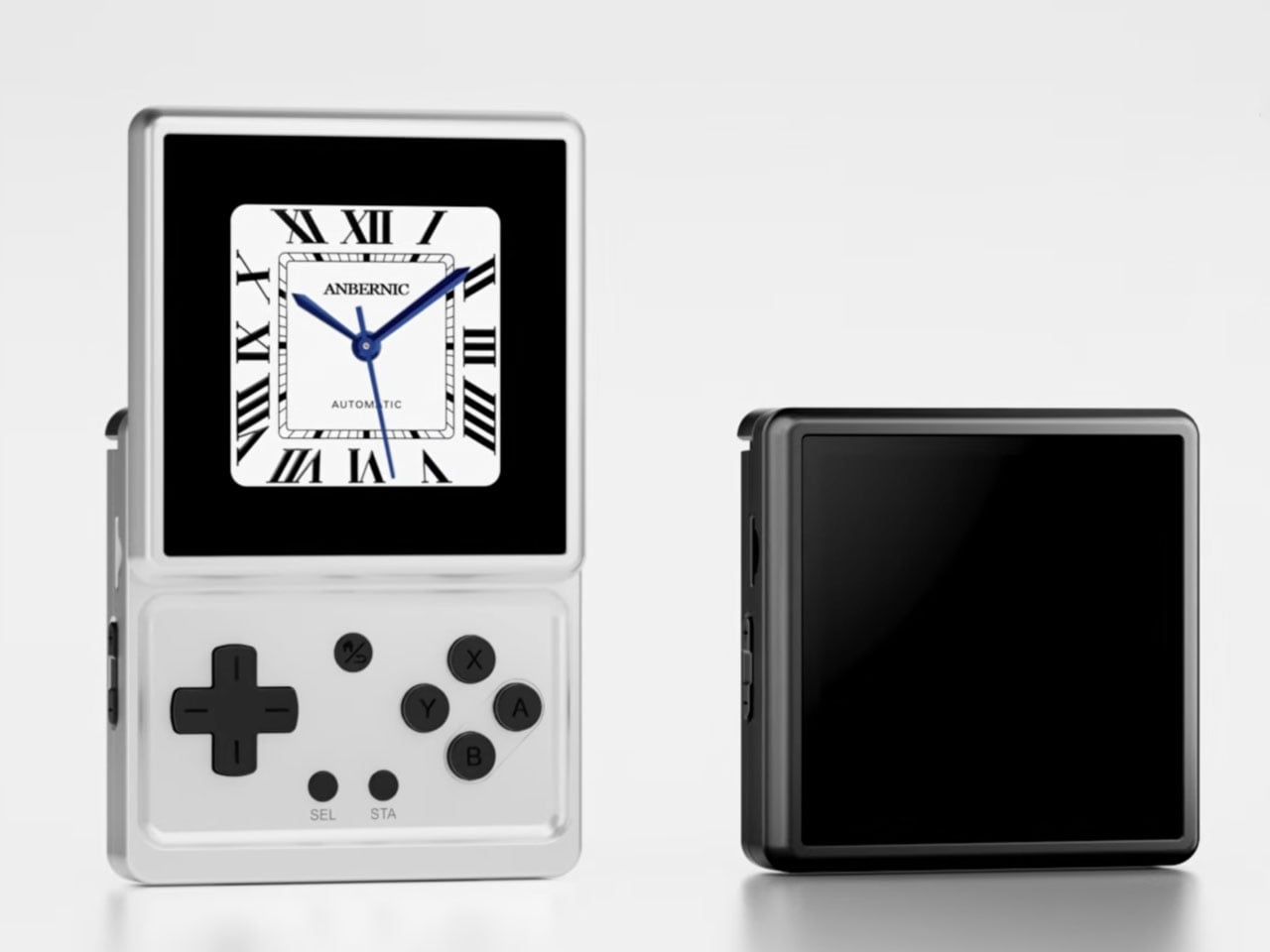
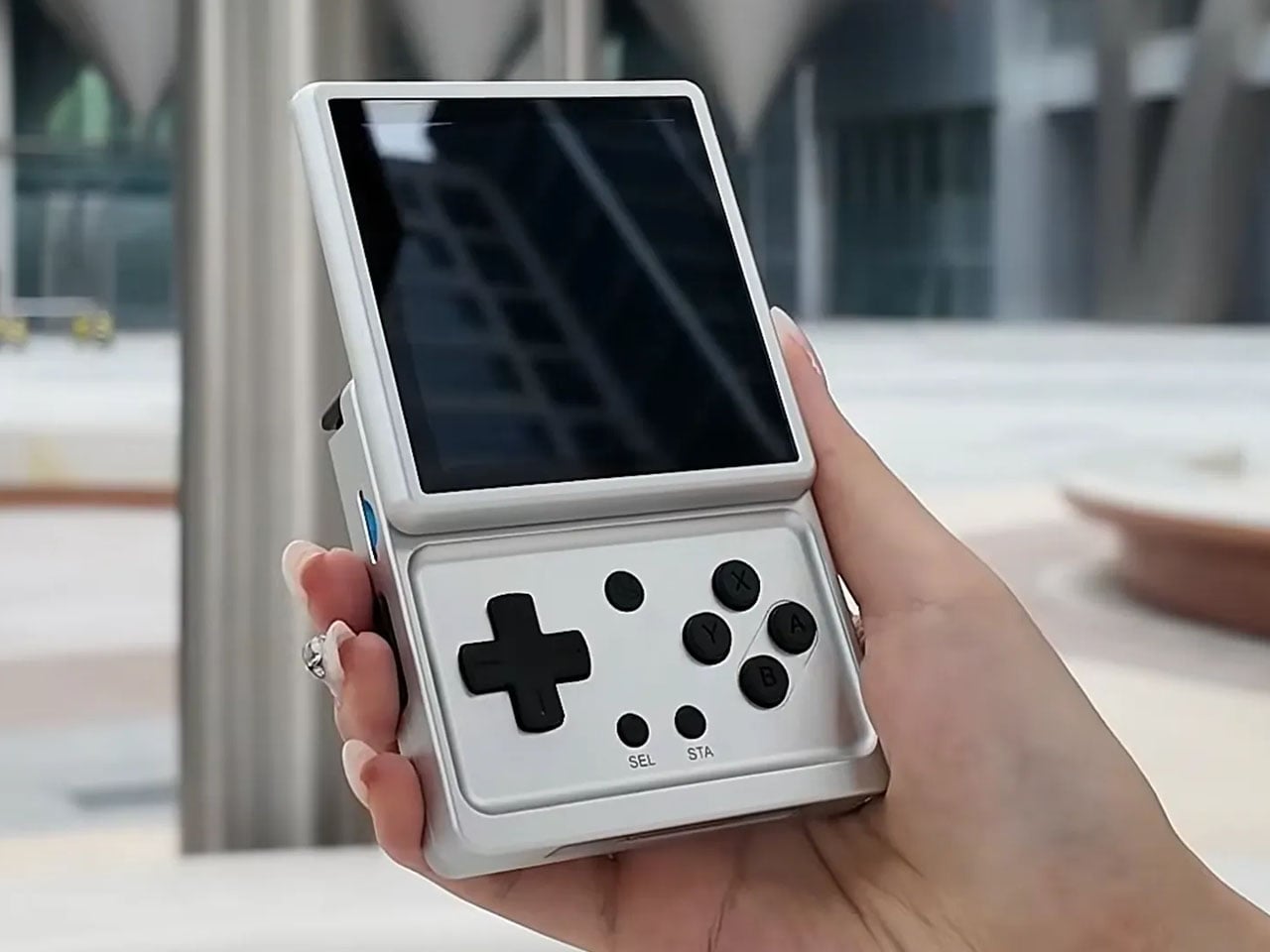
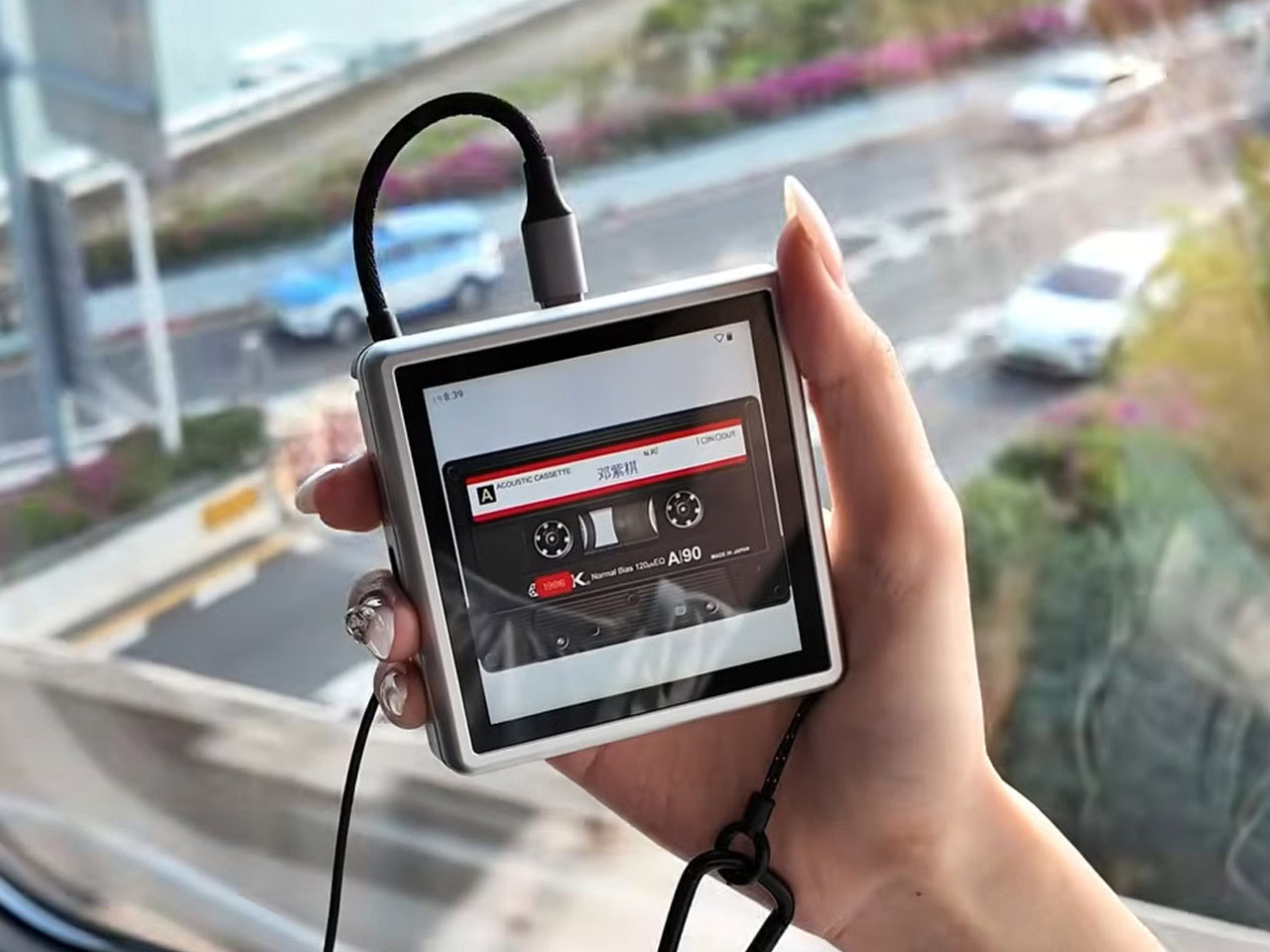
ANBERNIC has been in the news lately due to their rumoured handheld with a rotating screen, and now things are official. Their next retro gaming handheld, called RG Rotate, looks somewhat like the Motorola FlipOut phone, which was released way back in mid-2010. The idea here is to emulate classic console titles and also double as a music player since the device can play MP3 files.

Designer: ANBERNIC

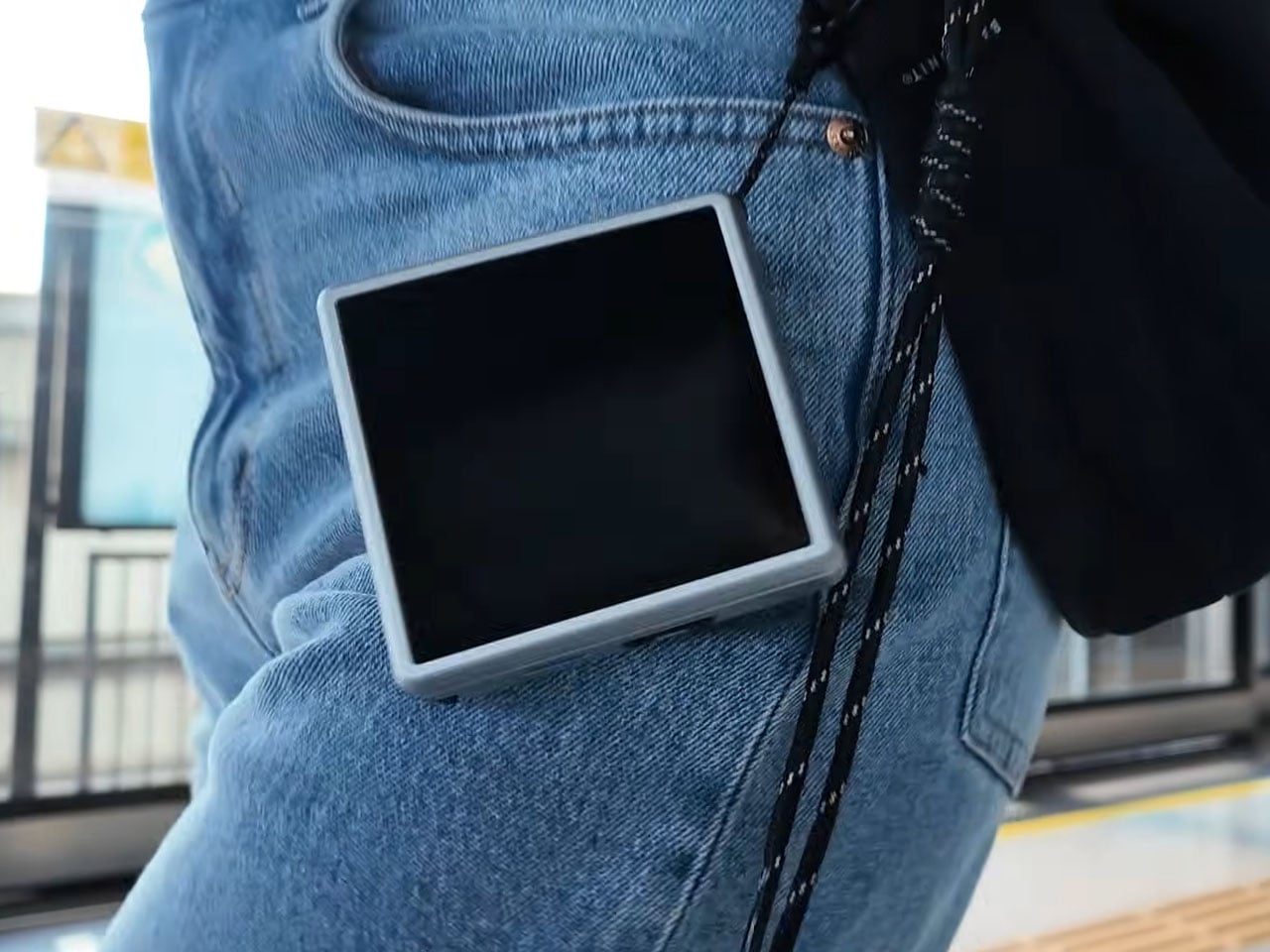
Building on the success of the RG Slide and the exciting prospect of the RG DS, the brand was confident enough to introduce a rotating-screen handheld to its gaming community. The result is an Android handheld that is compact enough to fit in a pocket yet powerful enough to play demanding arcade classics without breaking a sweat. This device has a peculiar pivoting square display that hides the D-pad and the buttons.

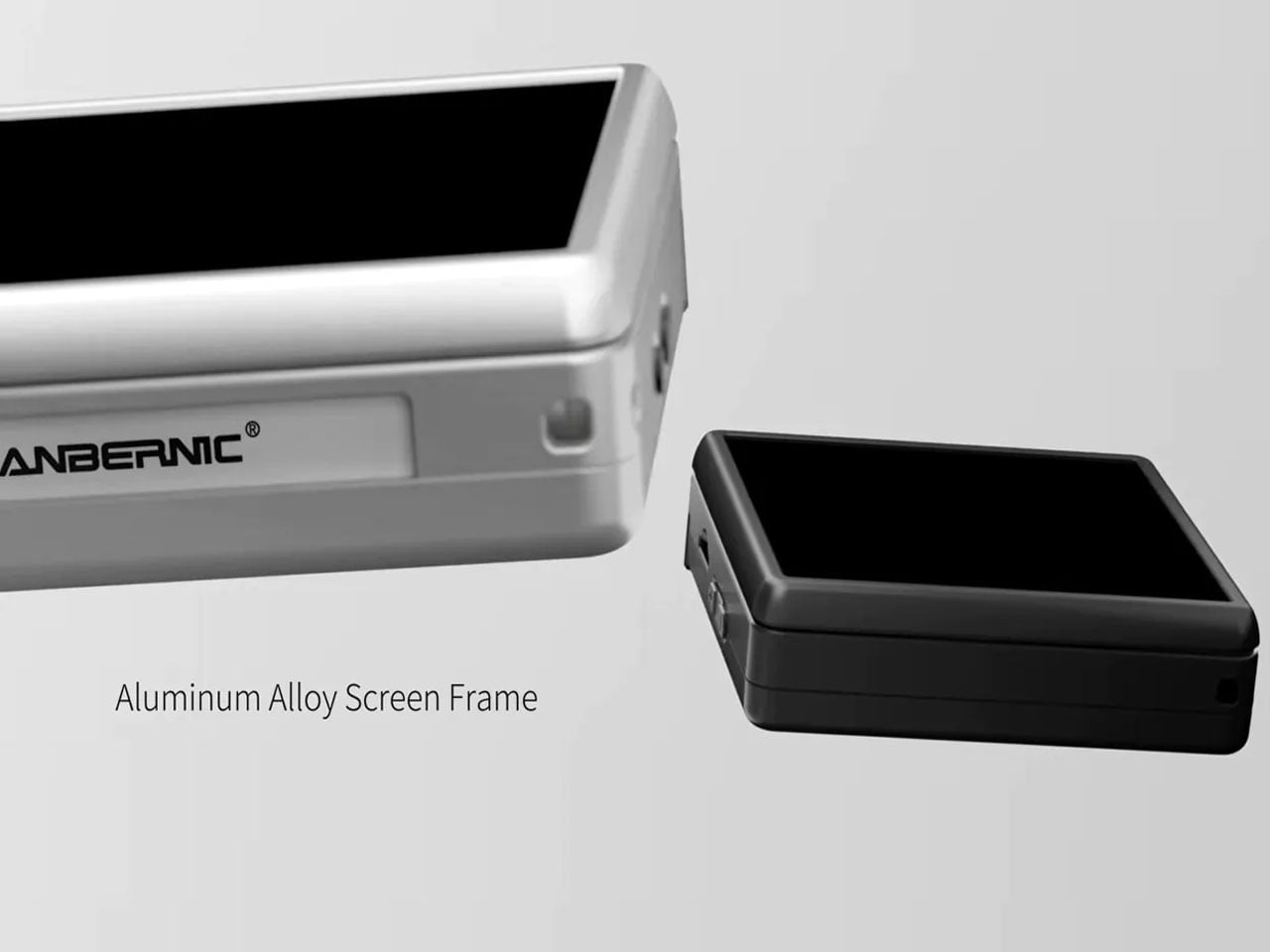
This rotating action relies on the proprietary ultra-thin alloy hinge mechanism, which should be durable enough to take on the constant movement that gamers are going to put it through. After all, it has gone through high durability testing, even though it was an engineering challenge for the brand. The confidence of a successful hinge mechanism and the constant movement on the RG DS should have brought enough input to go with this form factor.

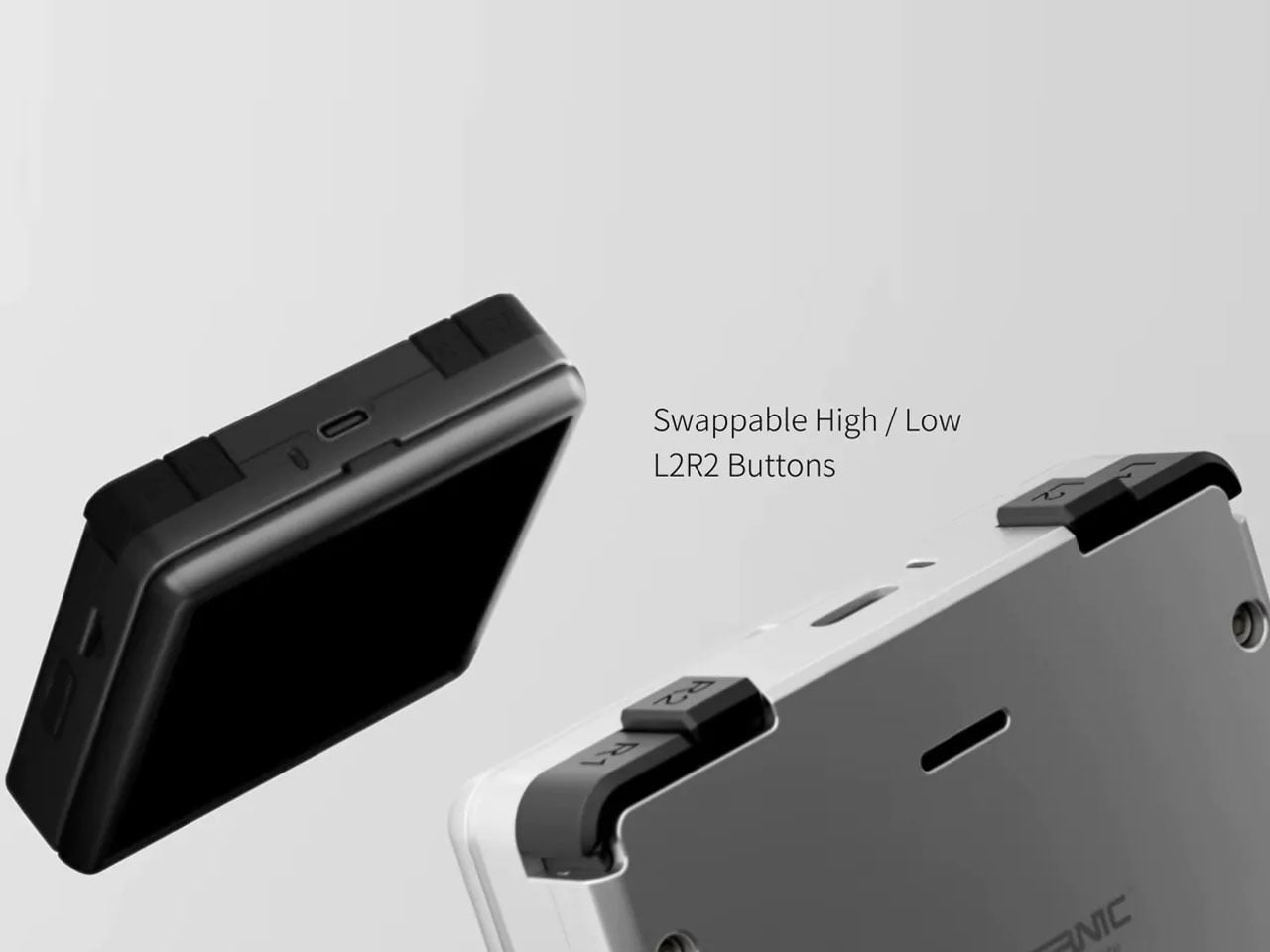
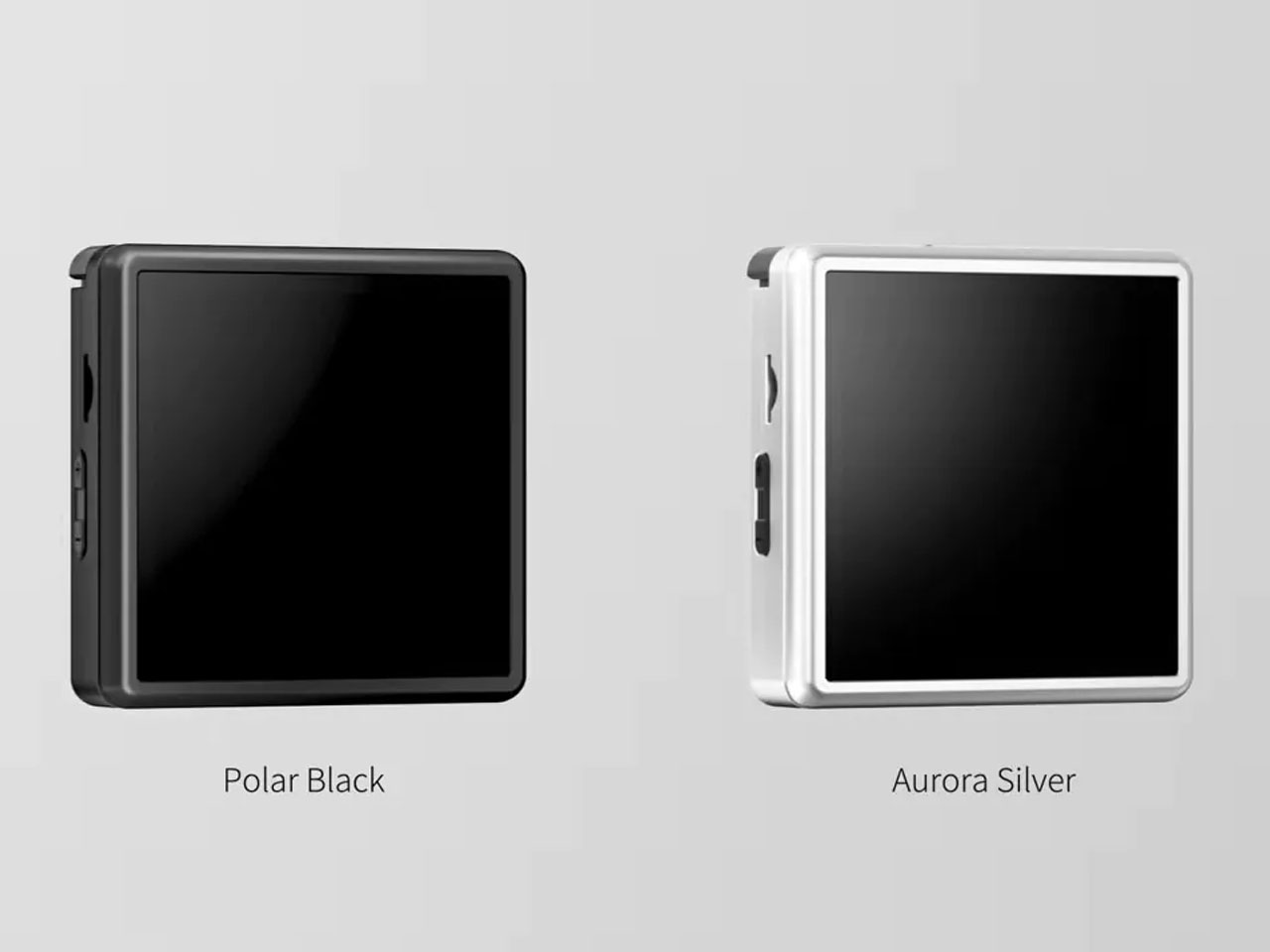
The RG Rotate comes with swappable in-line L2 and R2 buttons to toggle the height of the shoulder buttons as per liking. This handheld also comes with a single USB-C port and a microSD card, but surprisingly, it doesn’t have a 3.5mm headphone jack, given that it has built-in capability to play MP3 files. The only option left is to play music via the Type-C port. The aluminium screen frame handheld comes in two color options: Polar Black and Aurora Silver, which both have different body builds. One has an aluminum body frame, while the other has an ABS plastic body.

There is no word yet about the pricing or the availability of the rotating screen handheld. Also, there is no confirmation whether the two different body frame options will be released together or at different times.

The post ANBERNIC RG Rotate handheld with swivelling display doubles as a music player first appeared on Yanko Design.
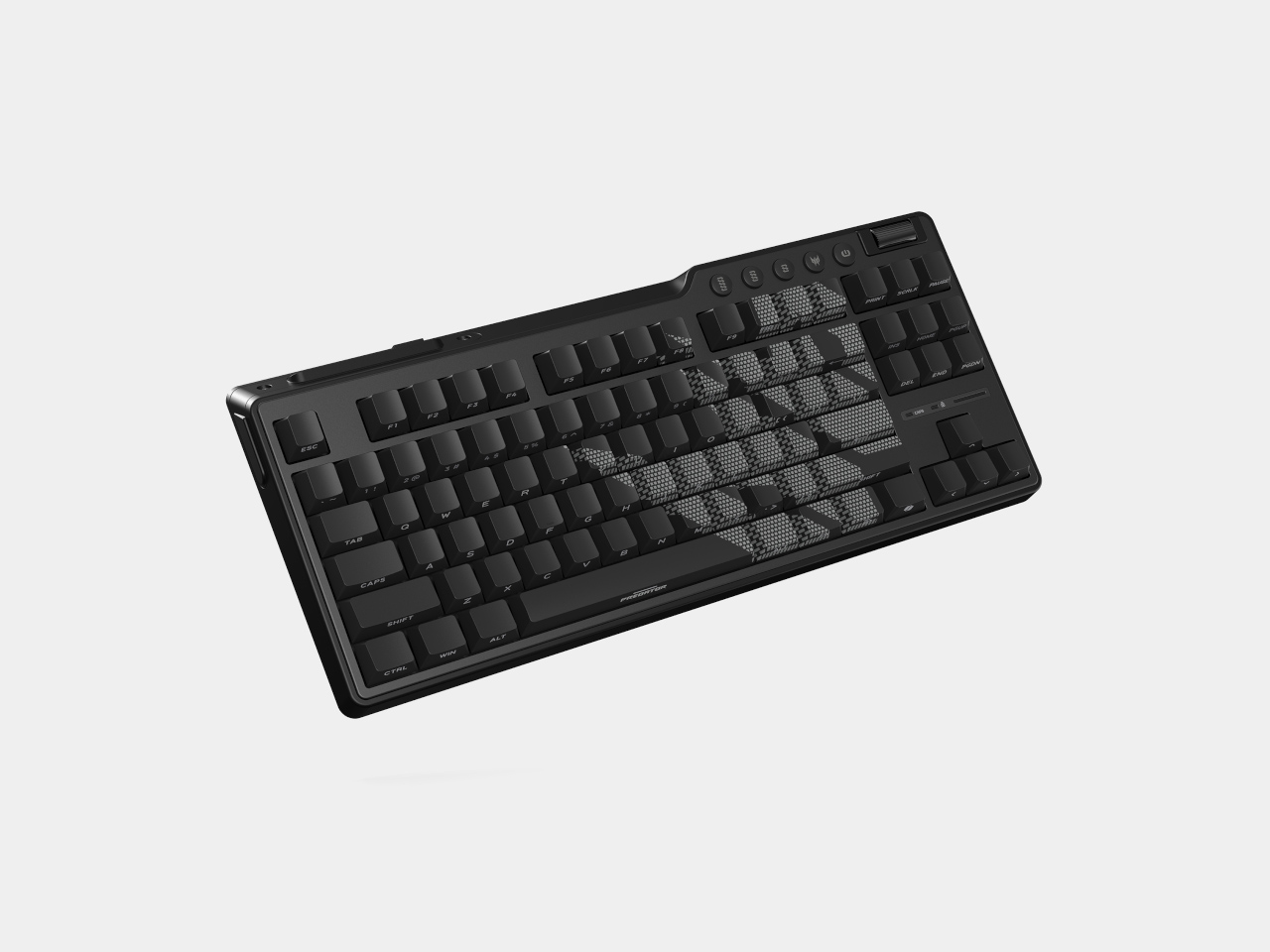
GAMEMT E5 MODX handheld’s detachable control module can be connected to Magsafe phones

The craze for handhelds over the last 24 months has driven a surge in portable gaming consoles. We’ve seen it all, right from retro handheld devices to modern consoles that can handle AAA titles without breaking a sweat. GAMEMT has been in the thick of things with a Android handheld released last month and a unique portable console with a dial knob.

Now the Chinese manufacturer has revealed yet another handheld, which is an eye turner for sure. This is the E5 MODX console based on the original E5 released in 2024. The console has a removable modular display that can be connected to your MagSafe-compatible smartphone. It would be safe to say that the handheld draws inspiration from the MCON controller, but we haven’t seen a detachable-display handheld yet. Now, that’s downright cool.

Designer: GAMEMT

In its native form, the handheld looks and feels just like any other 3:4 display device. However, when you detach the 5.5″ screen (1024 x 768) and connect its controller module magnetically to a mobile phone, it turns into an altogether different beast. The gaming machine comes with the MTK6771 Helio P60 chipset, which is not that highly rated in the tech circles, given its inconsistent performance. Still, it’ll be interesting to see what GAMEMT has managed to achieve with this microchip in terms of hardware and software compatibility in the E5 MODX. The chipset is paired with a 3GB RAM for optimized performance, and 32 GB internal memory is more than enough to store the suite of AA games.

You can expect to emulate PS1 games, or the option to pair with the Dreamcast/N64/PS2 and GameCube emulation. Clearly, you would better explore the retro arcade game library with this one, to be honest. The real magic happens when you connect the device to your flagship smartphone, and the fun of playing AAA games is again real. For now, it is unclear whether the magnetically detachable accessory pairs via Bluetooth or works with the physical connection, and also for low latency.

According to GAMEMT, the first 3D prototype of the E5 Modx is in the works, and there is no word yet on when the handheld will be released. For now, the idea sounds very interesting, given the landscape of handheld consoles that gamers now can choose from.

The post GAMEMT E5 MODX handheld’s detachable control module can be connected to Magsafe phones first appeared on Yanko Design.
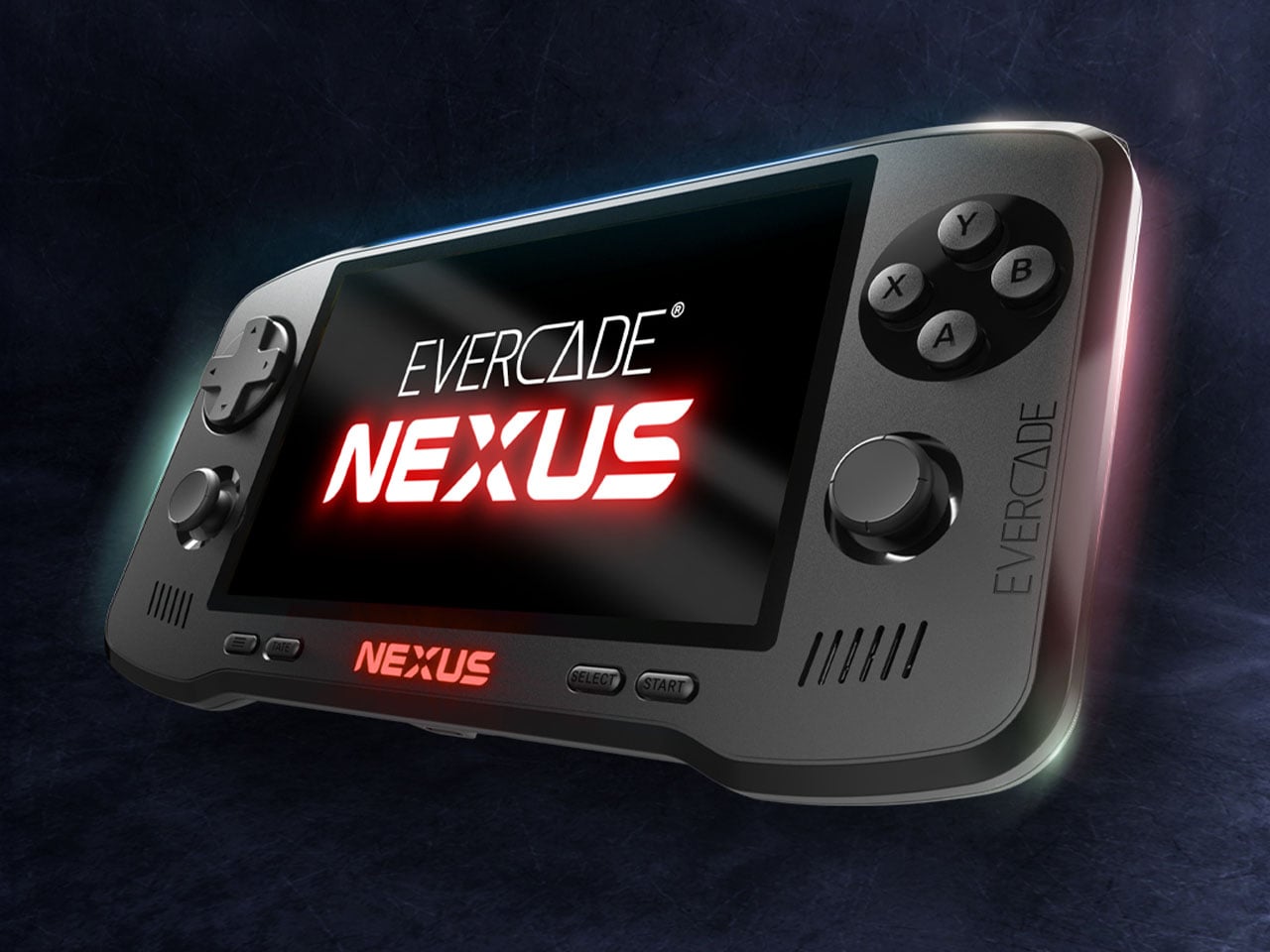
Evercade Nexus upgrades retro gaming with widescreen play and refreshed modern controls

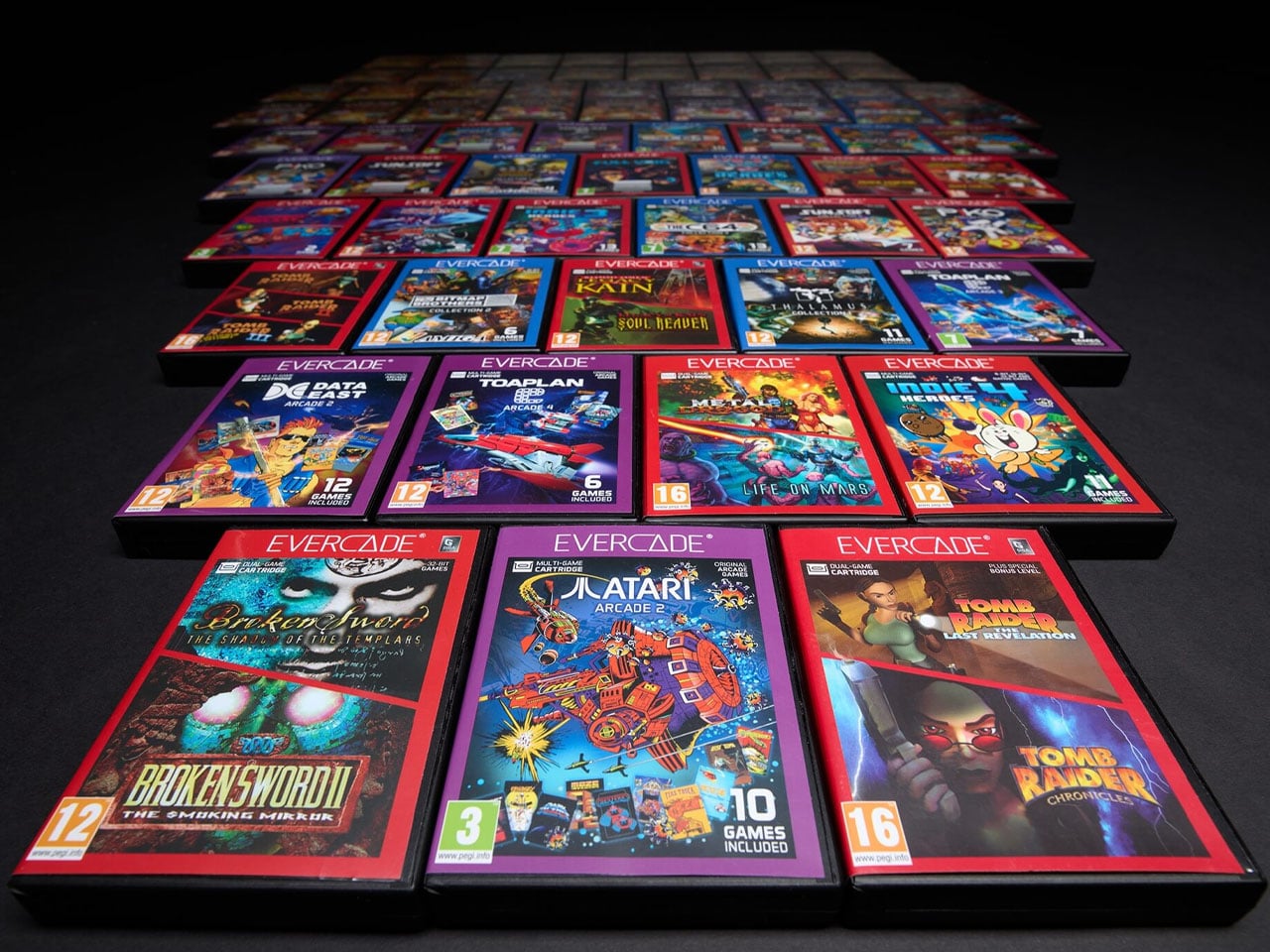
For retro gaming enthusiasts, few platforms have embraced nostalgia with the same dedication as the Evercade lineup. Developed by Blaze Entertainment, the Evercade ecosystem has steadily carved out a niche by doing something many modern gaming platforms have abandoned, delivering classic games through collectible physical cartridges.

Since the original Evercade gaming handheld console arrived in 2020, the brand has built a reputation for preserving classic titles while presenting them in a curated, officially licensed format. Now the company is taking a more ambitious step forward with the Evercade Nexus, a device designed to modernize the handheld experience without losing the retro soul that defines the platform.

Designer: Evercade

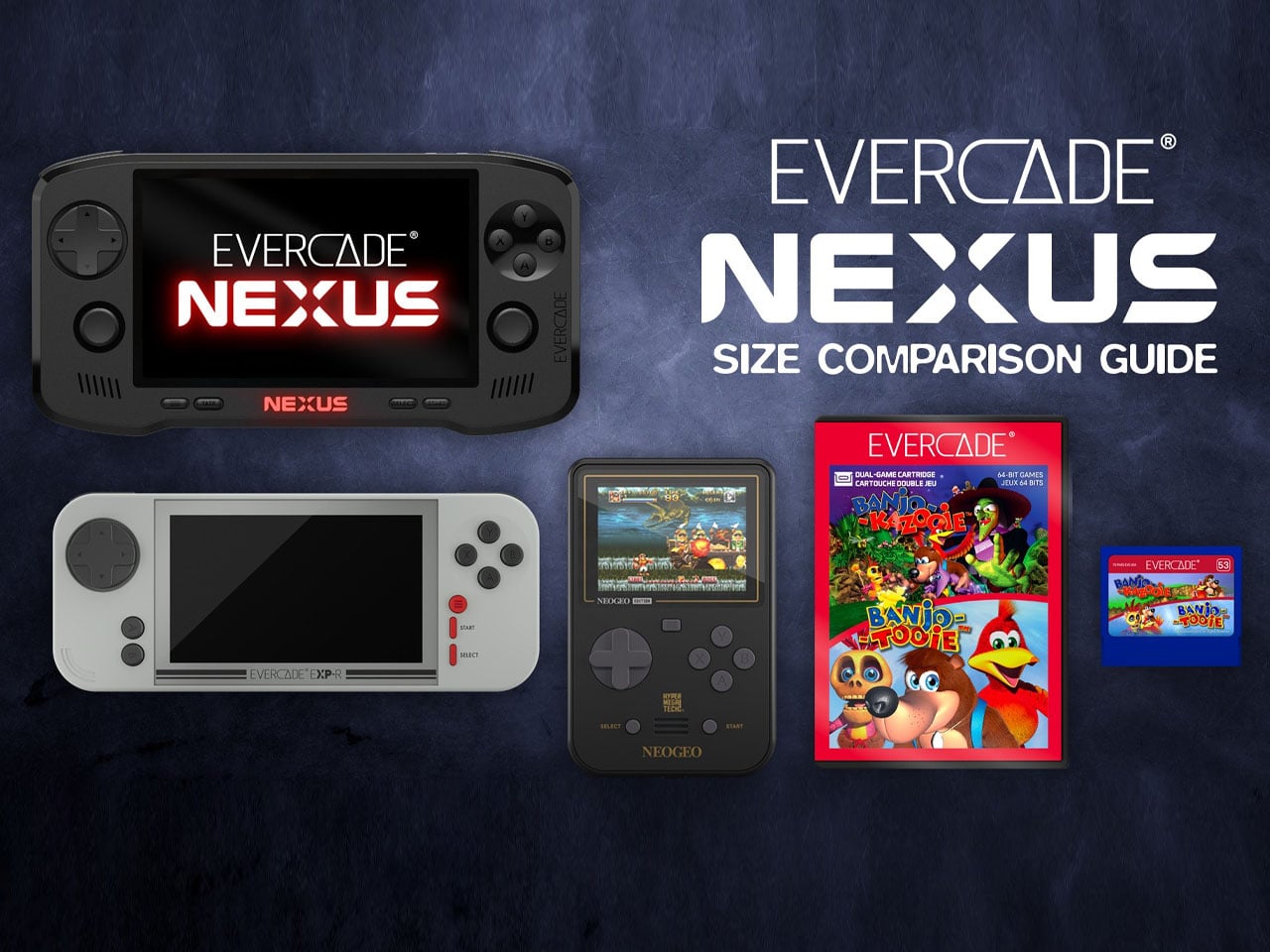
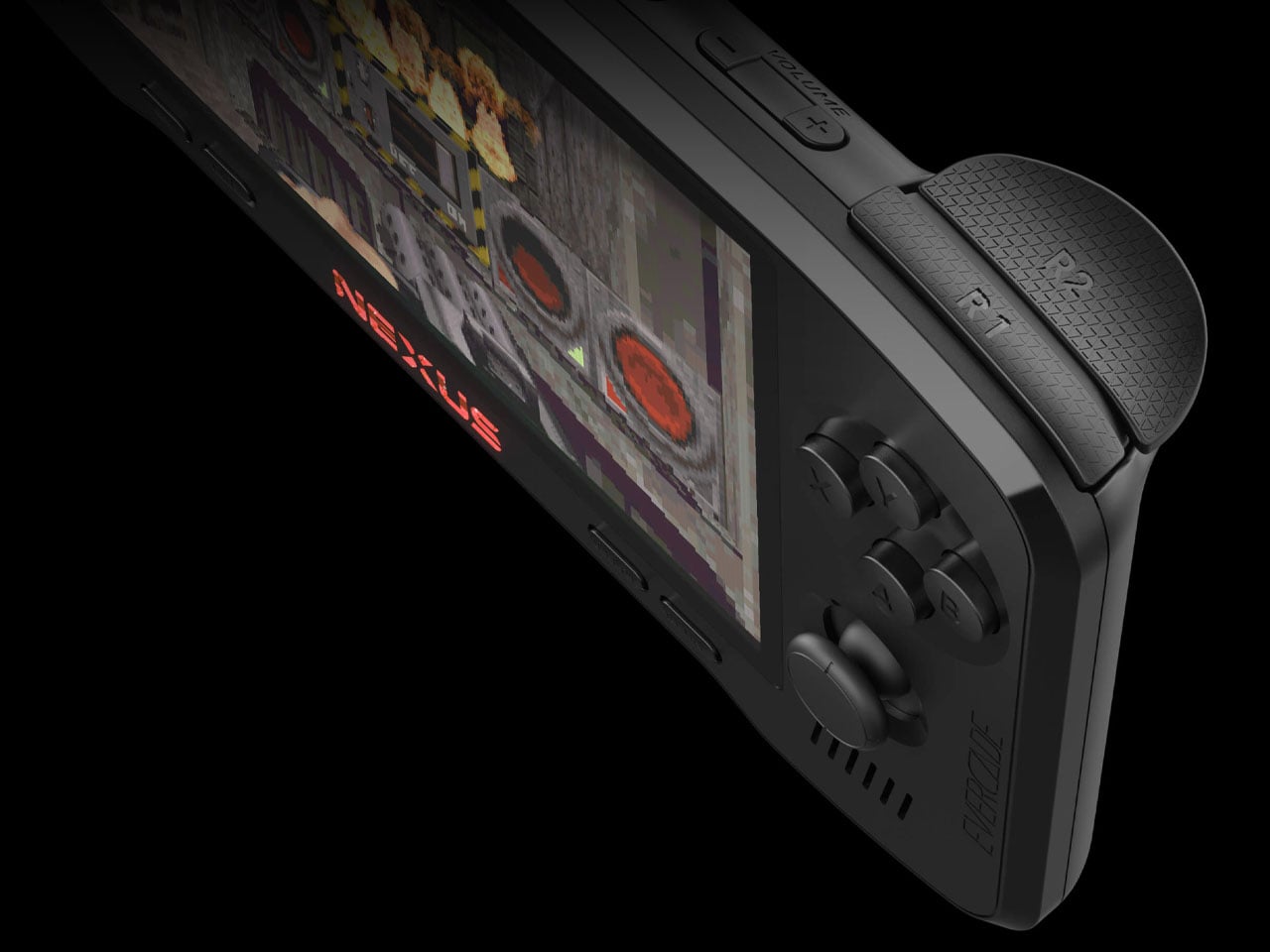
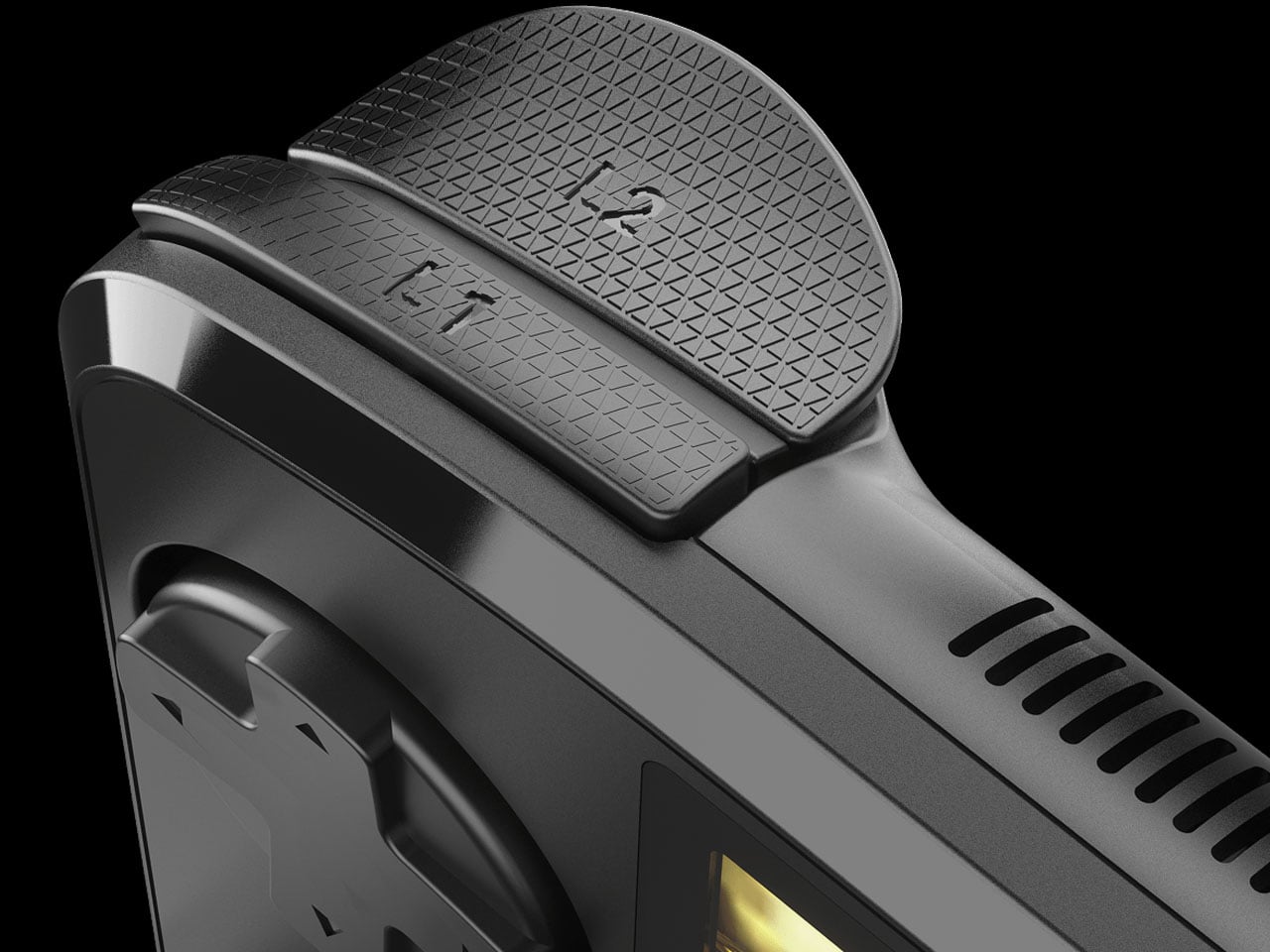
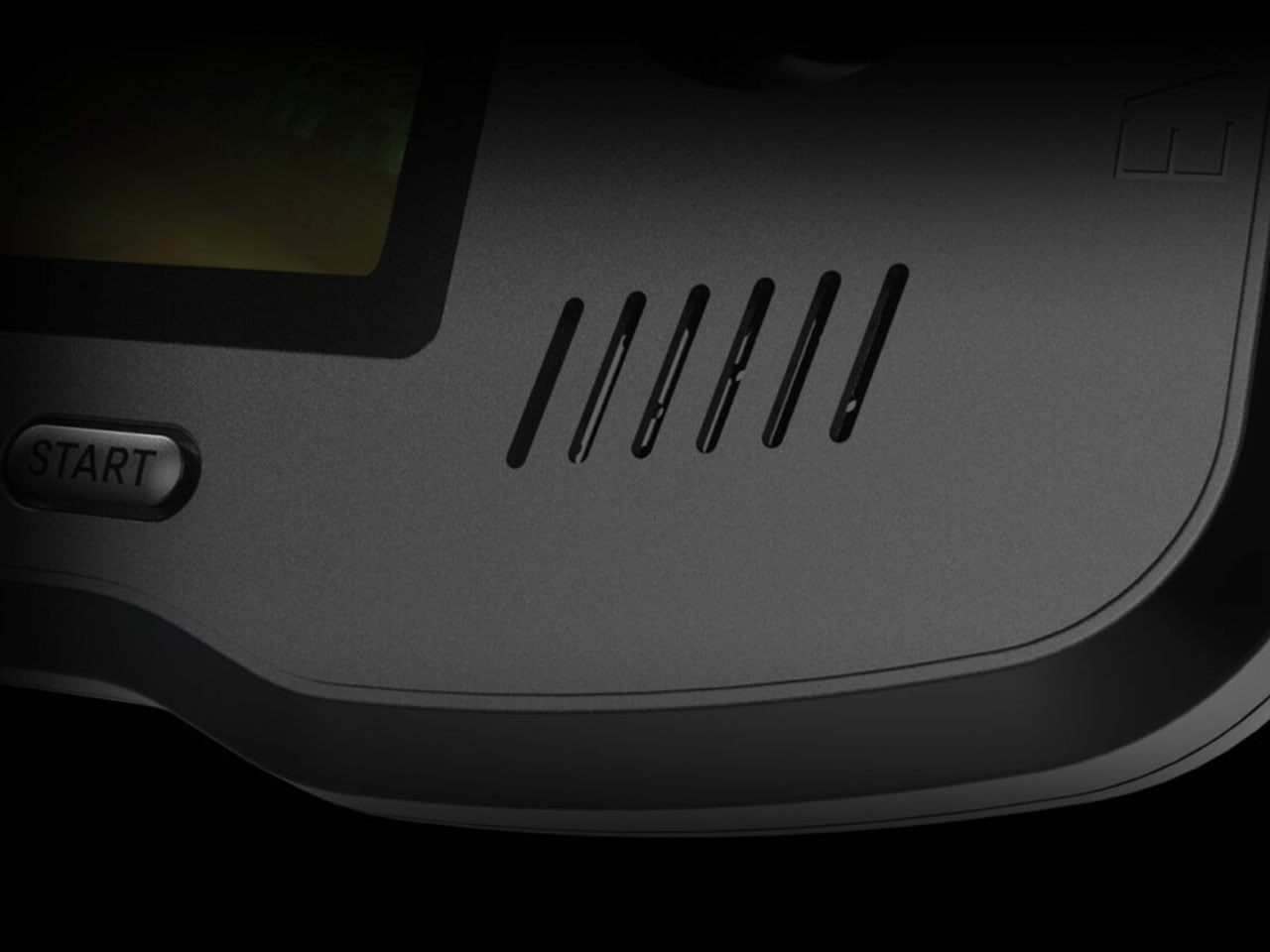
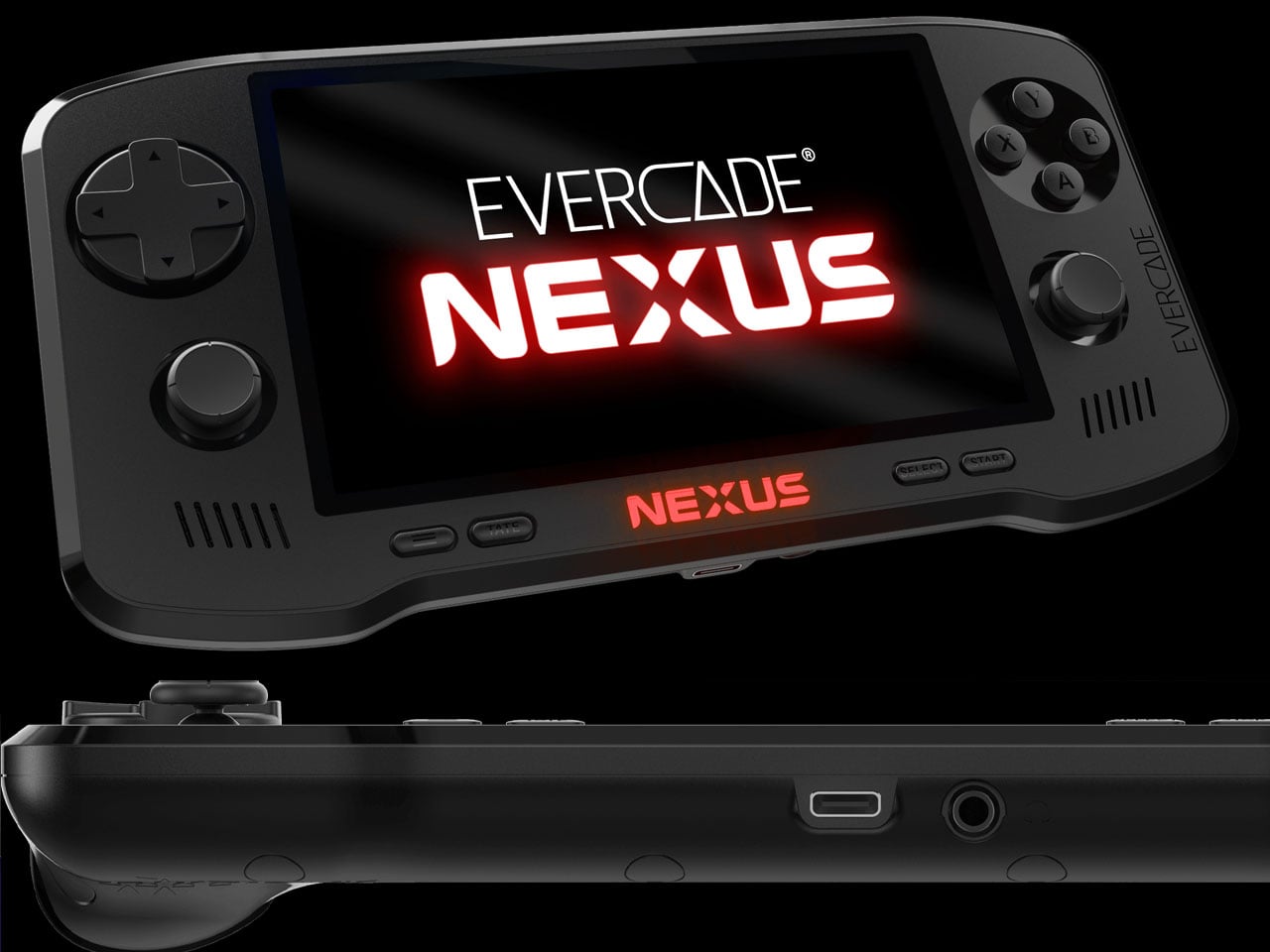
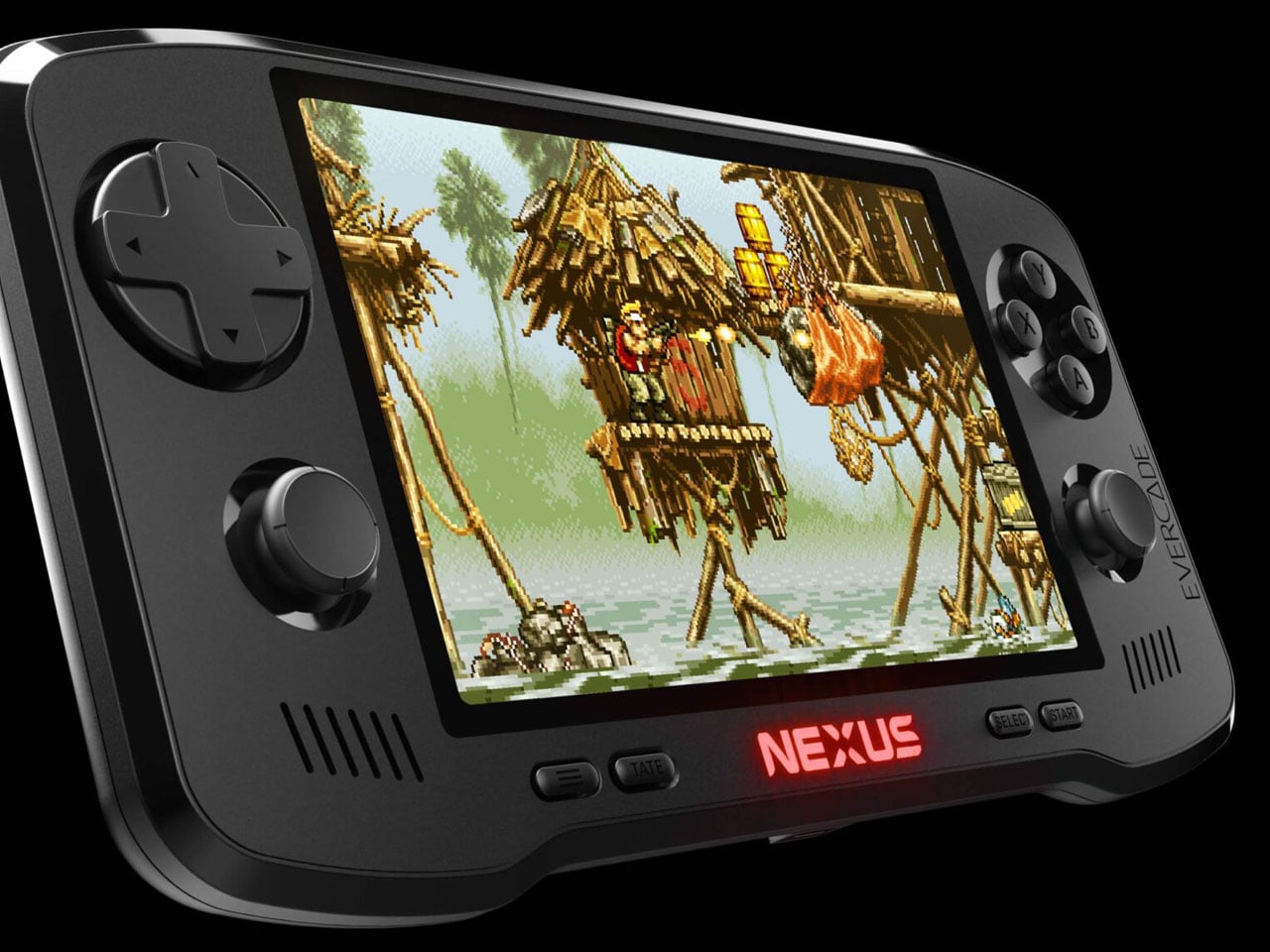
The Nexus is a significant leap in hardware compared to earlier Evercade devices. One of the most noticeable changes is the 5.89-inch IPS screen (with 840×512 resolution) having a wider 16:9 aspect ratio. Previous Evercade systems focused primarily on the classic 4:3 format used by older consoles, but the wider screen allows the Nexus to better support enhanced versions of classic games as well as titles that benefit from a broader viewing area. The larger display also improves overall comfort for handheld play, giving retro games more space while maintaining the pixel clarity enthusiasts expect.

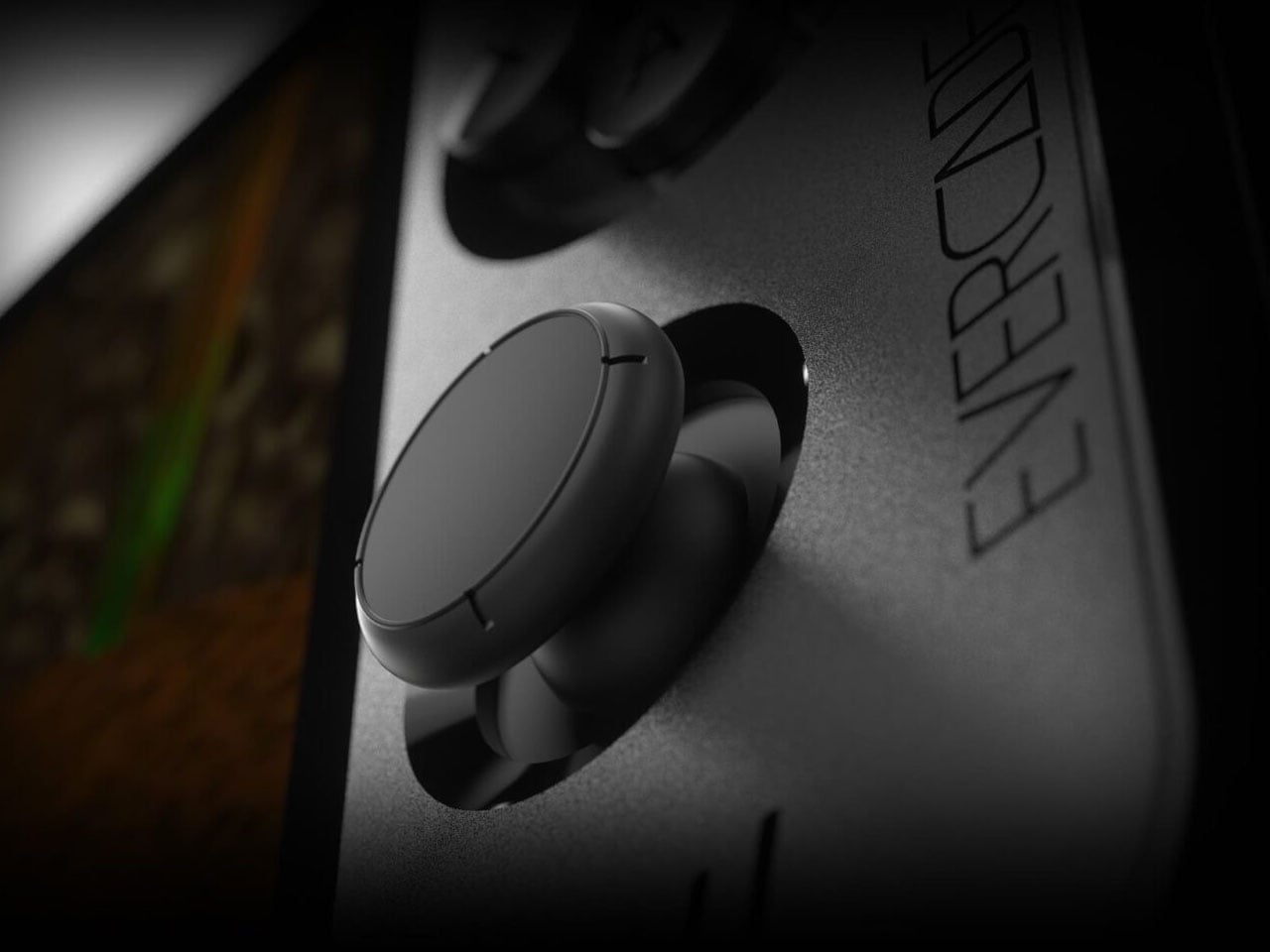
Controls have also received a major update. For the first time in the Evercade lineup, the Nexus includes dual analog sticks alongside the traditional D-pad and face buttons. While retro gaming is often associated with simpler control layouts, the addition of analog sticks expands the handheld’s compatibility with early 3D titles and games that demand more precise movement. The system also introduces TATE mode, allowing the console to be rotated vertically. This feature is particularly useful for classic arcade shooters originally designed for upright cabinets, recreating their intended orientation on a handheld device.

Under the hood, the Evercade Nexus runs on a quad-core processor clocked at around 1.5GHz. Power comes from a 5,000mAh battery that provides roughly five hours of gameplay on a single charge, while modern conveniences such as wireless headphone support bring the device closer to contemporary handheld expectations without sacrificing portability. Another notable addition is EverSync, a wireless multiplayer feature that allows two Nexus systems to connect locally. With EverSync, players can temporarily share a game from a single cartridge so both devices can participate, offering a simple way to enjoy multiplayer titles without requiring multiple copies.

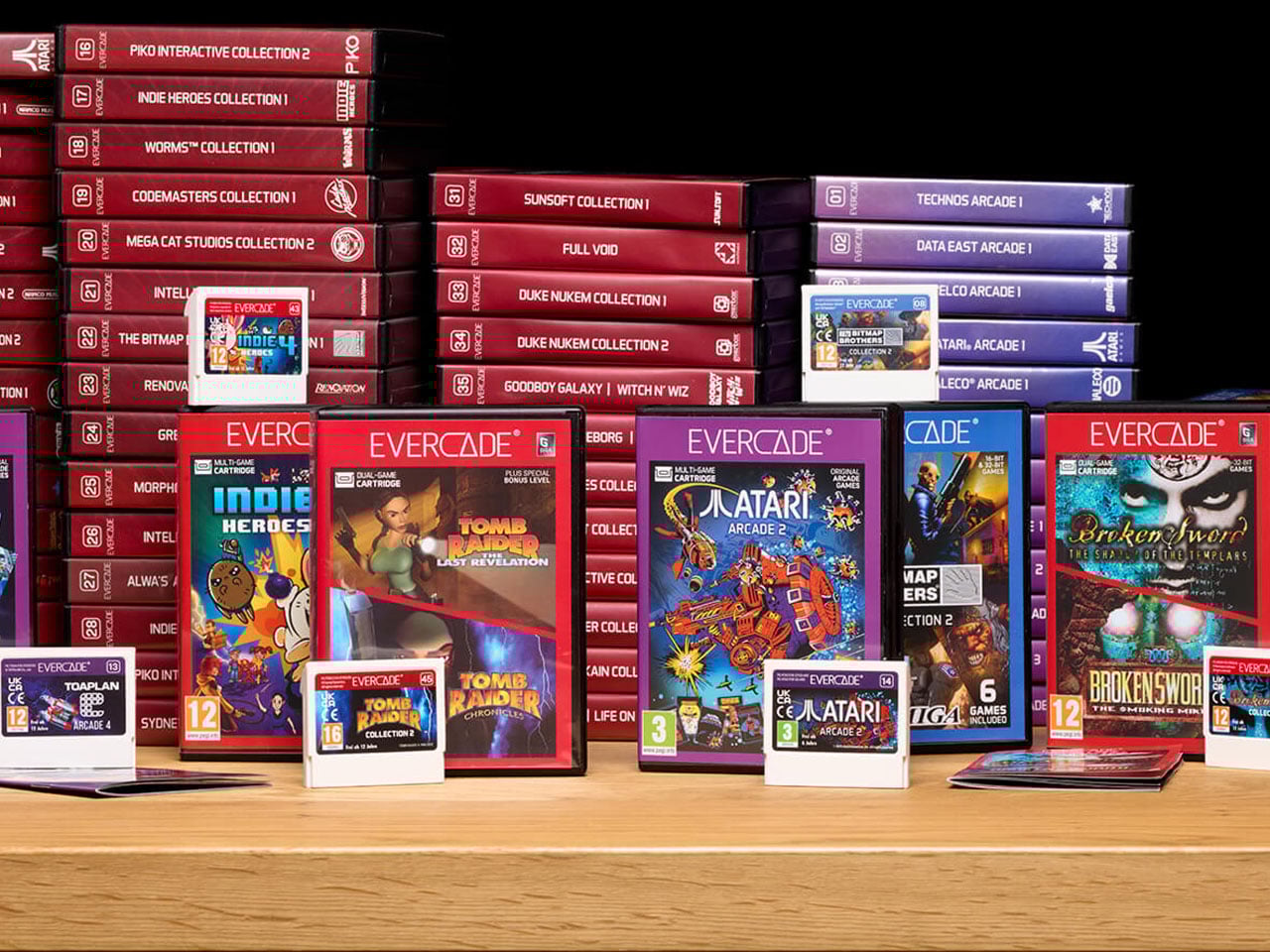
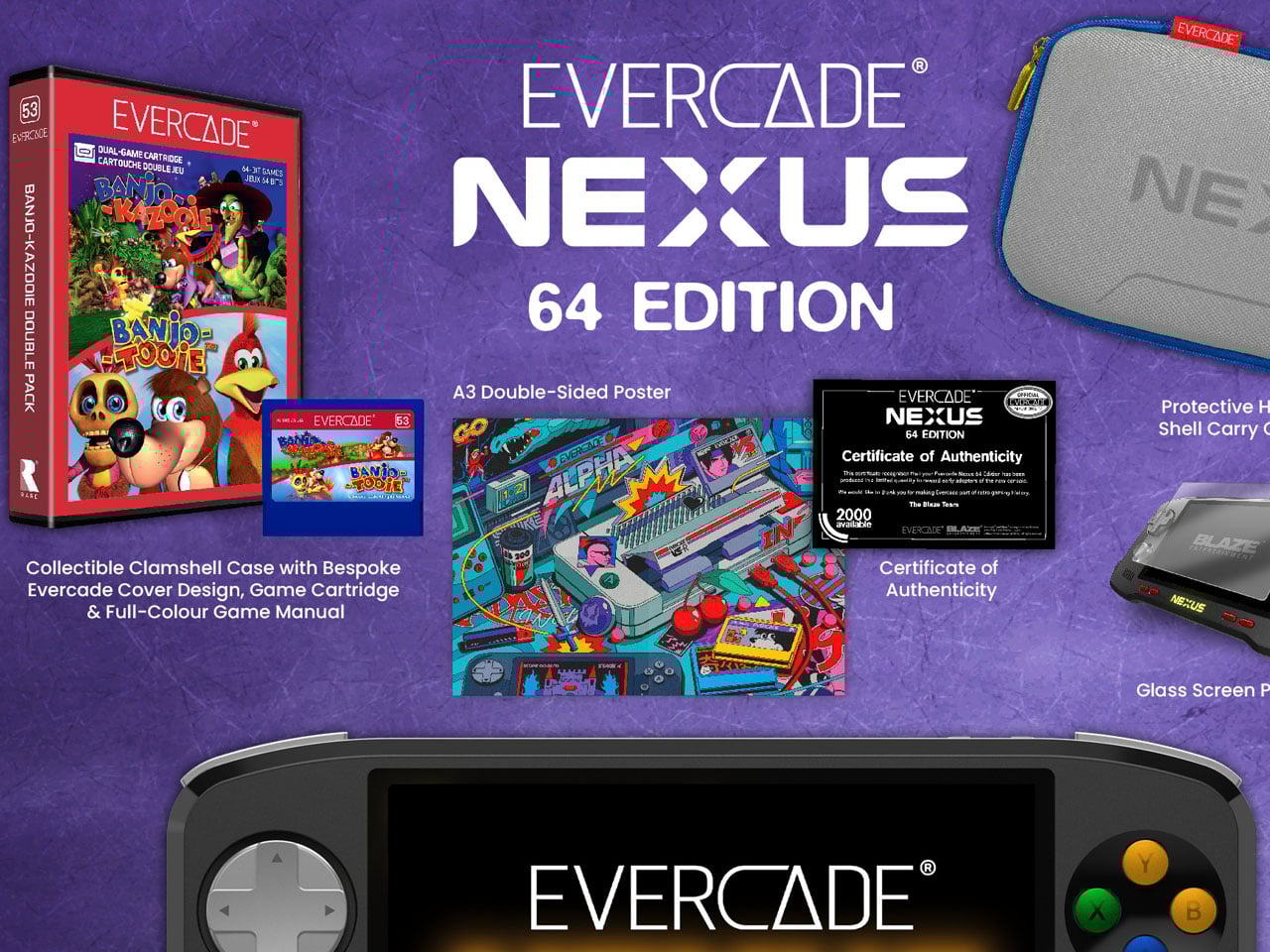
Like every Evercade device, the Nexus remains fully compatible with the platform’s growing library of physical cartridges. The ecosystem now includes more than 700 officially licensed retro games spread across dozens of curated collections from classic publishers and arcade developers. Instead of relying on digital downloads, the Evercade philosophy continues to center on physical ownership and preservation. At launch, the Evercade Nexus will include a special cartridge featuring enhanced versions of classic titles such as Banjo‑Kazooie and Banjo‑Tooie, optimized for the handheld’s widescreen display.

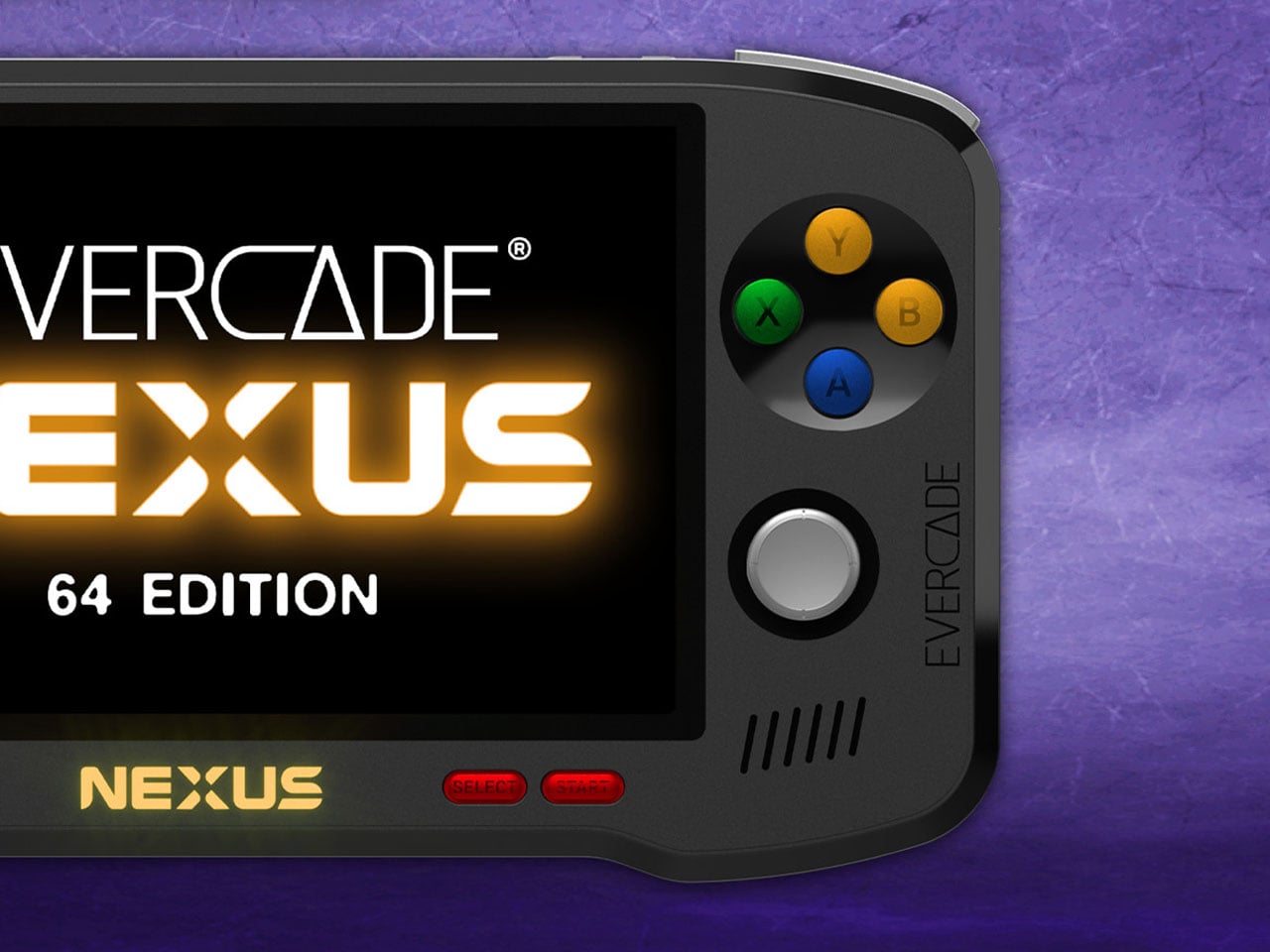
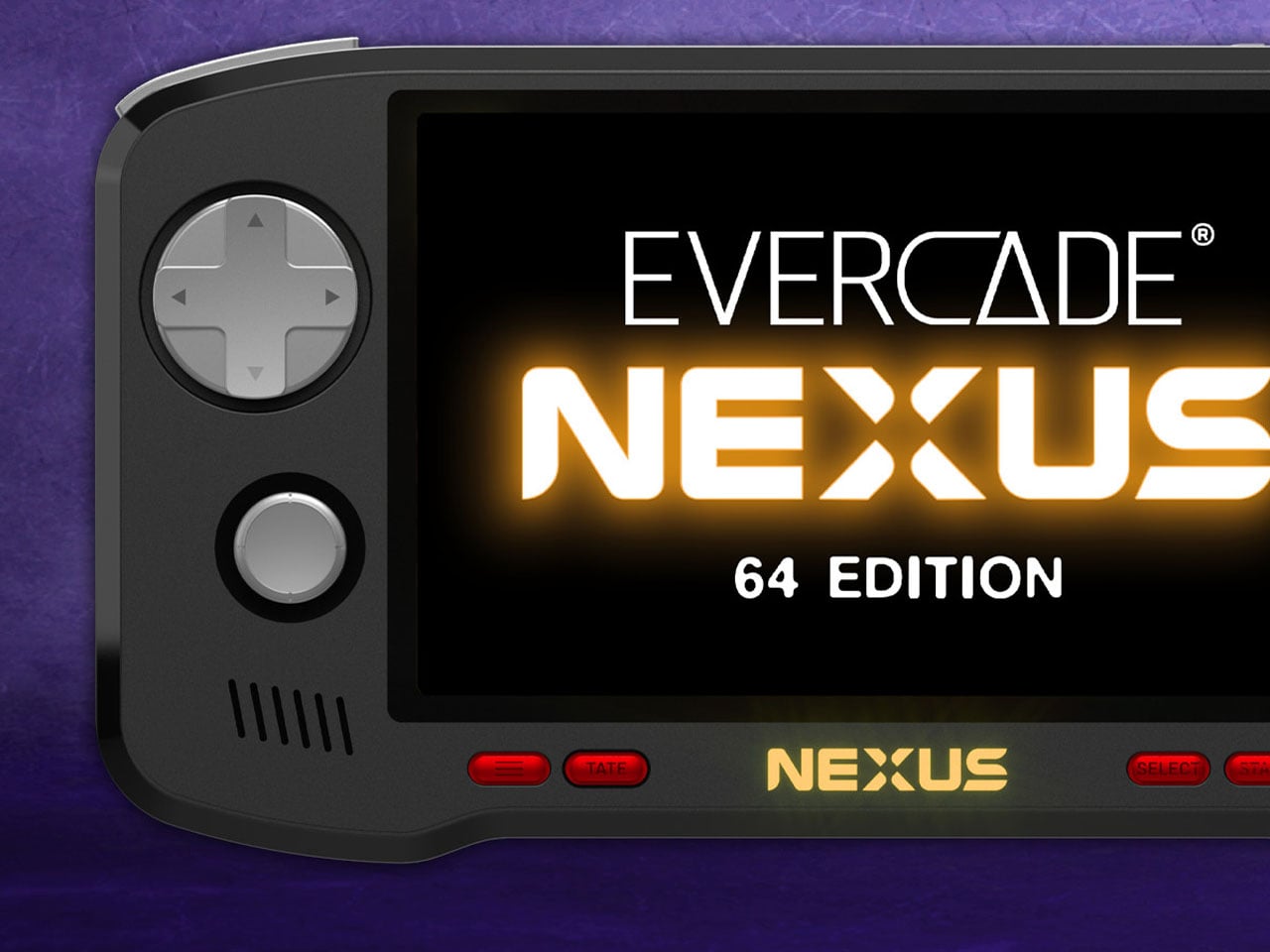
Evercade Nexus handheld is up for preorder at $199.99 with release set for October 2026, which is a long time away if you are already curious. You can also go for the $229.99 Nexus 64 Edition, which boasts an exclusive Hard Shell EVA Case themed with the Evercade Nexus 64 Edition style, screen protectors, and of course, the certificate of authenticity. It is going to be limited to 2,000 units with pre-order availability on Funstock.

The post Evercade Nexus upgrades retro gaming with widescreen play and refreshed modern controls first appeared on Yanko Design.
This Fan Made the Sony-Nintendo Handheld the Companies Never Would

The retro handheld market has a strange problem. The hardware keeps getting better, the screens get sharper, the processors get faster, and yet most of these devices land looking like prototypes someone forgot to finish. Generic shells, forgettable proportions, and LED lighting as a substitute for actual design thinking. For a category built entirely on nostalgia, very few of these devices actually look like they belong to any era at all.

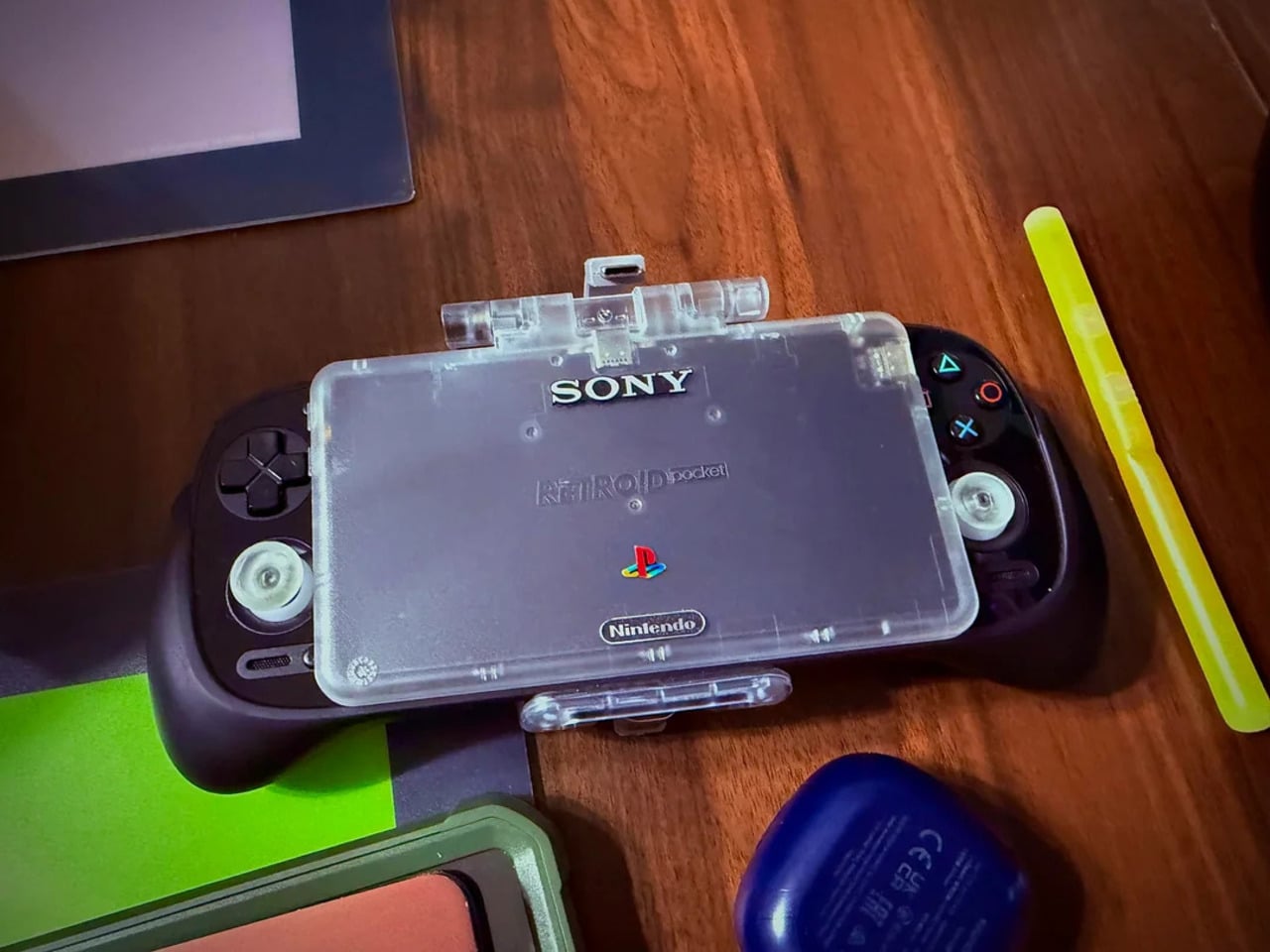
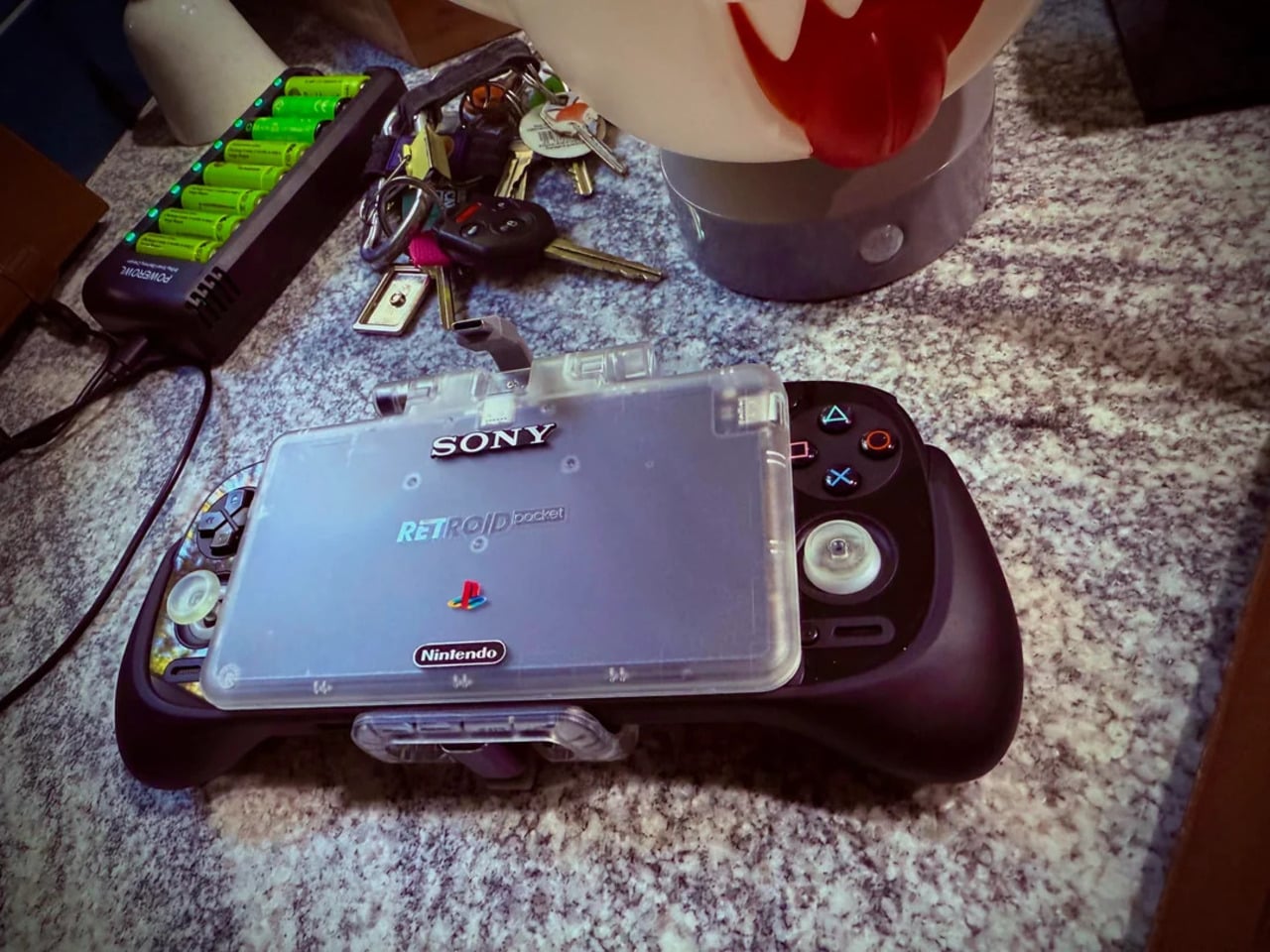
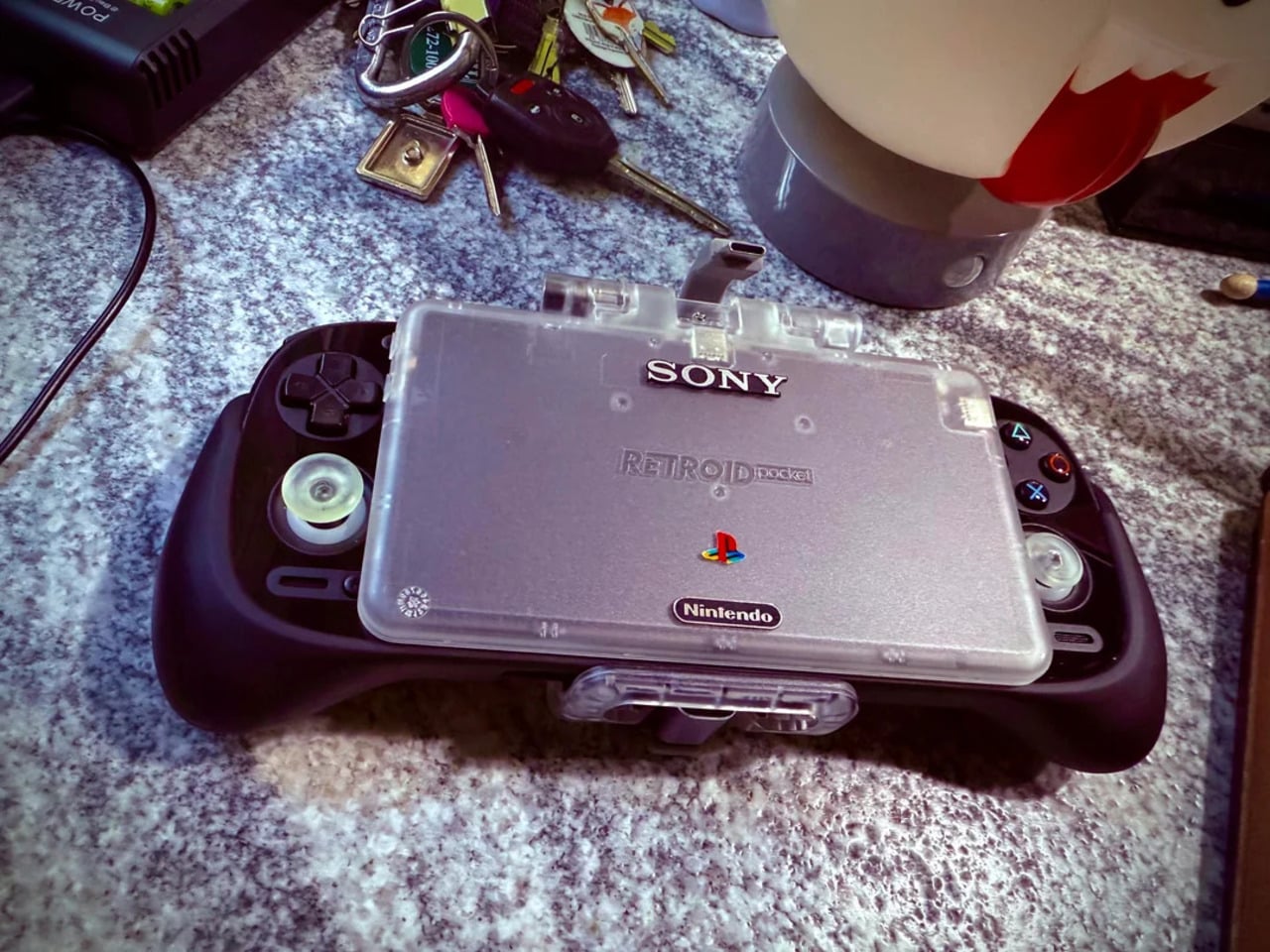
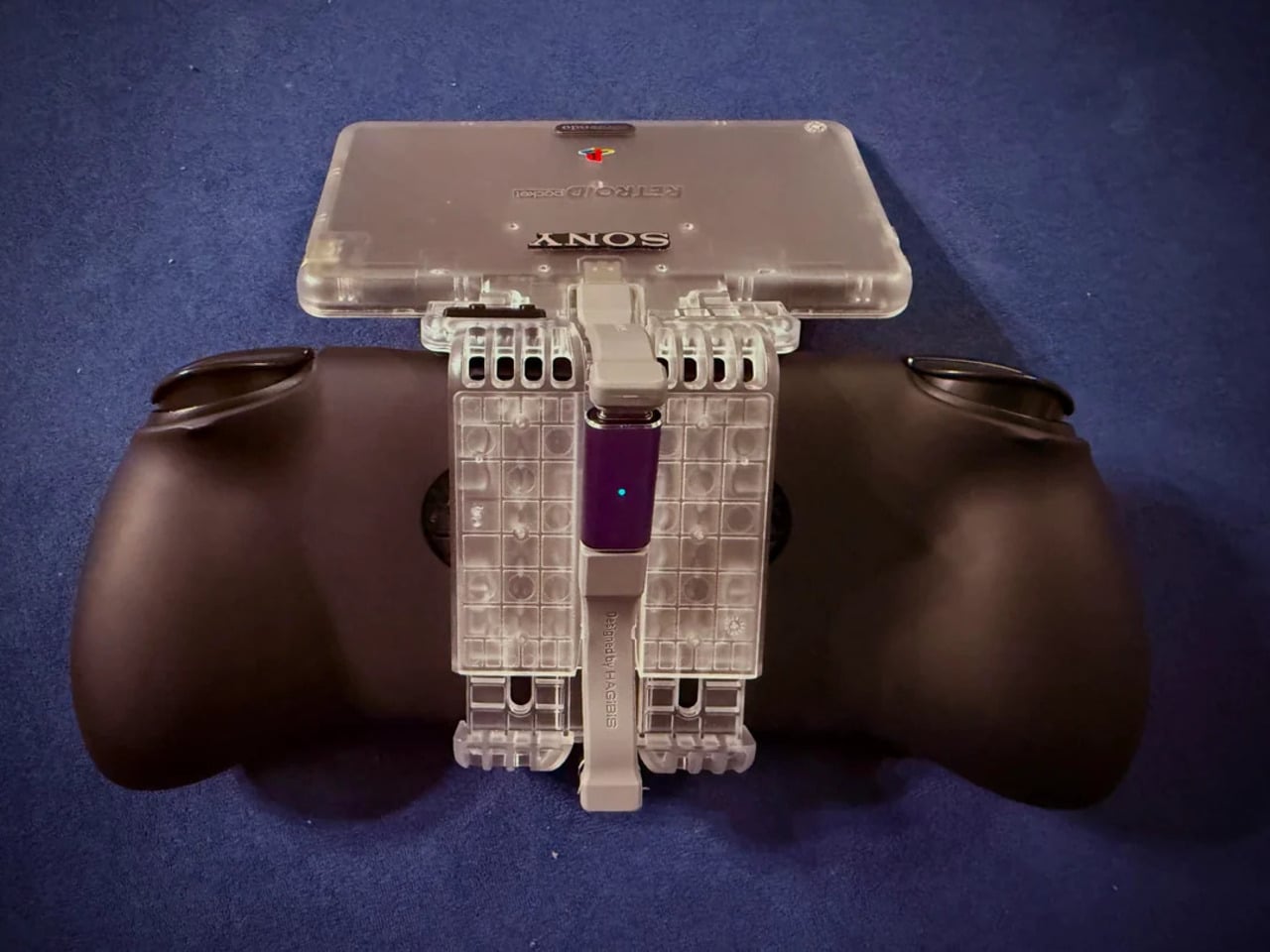
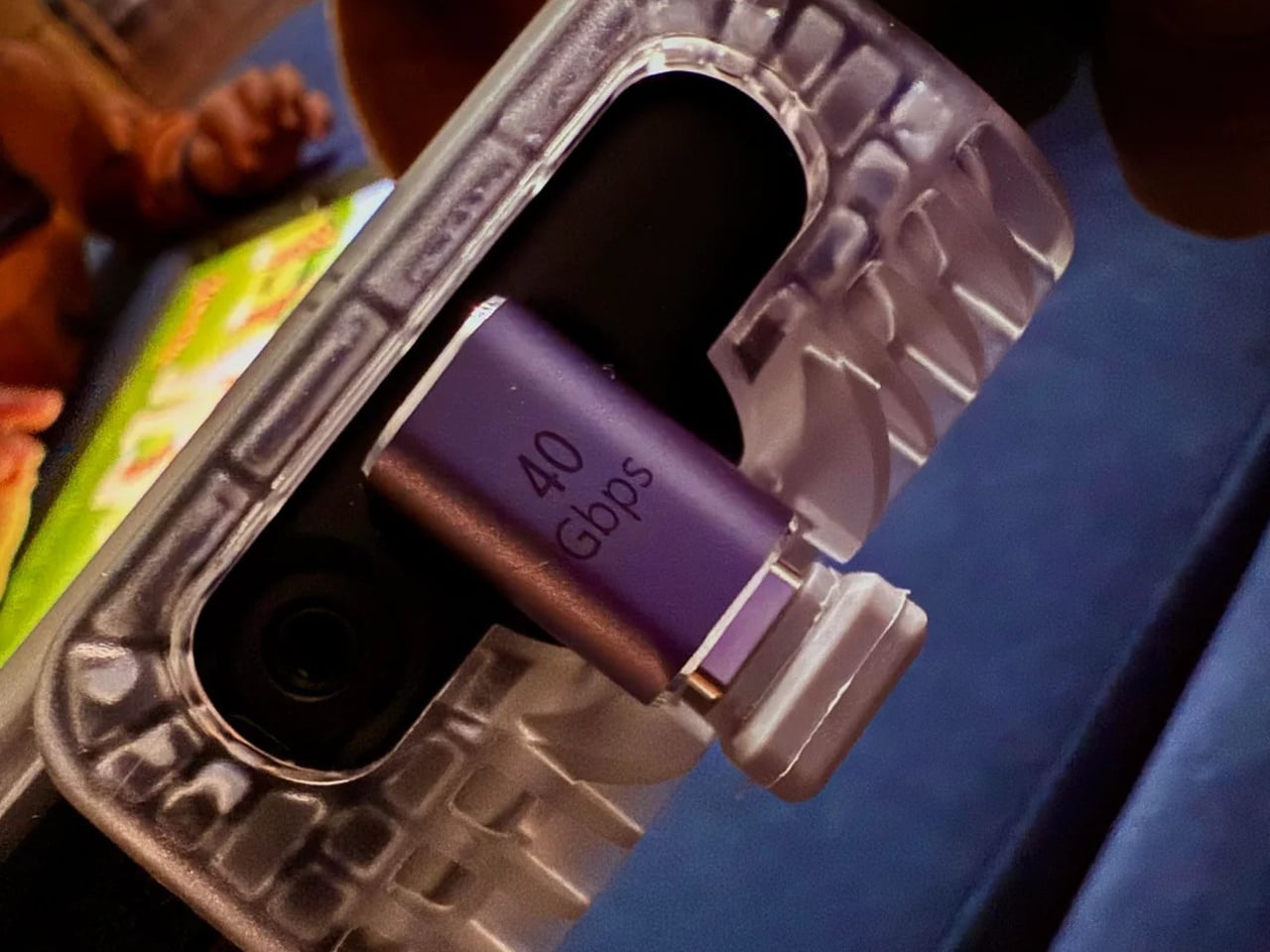
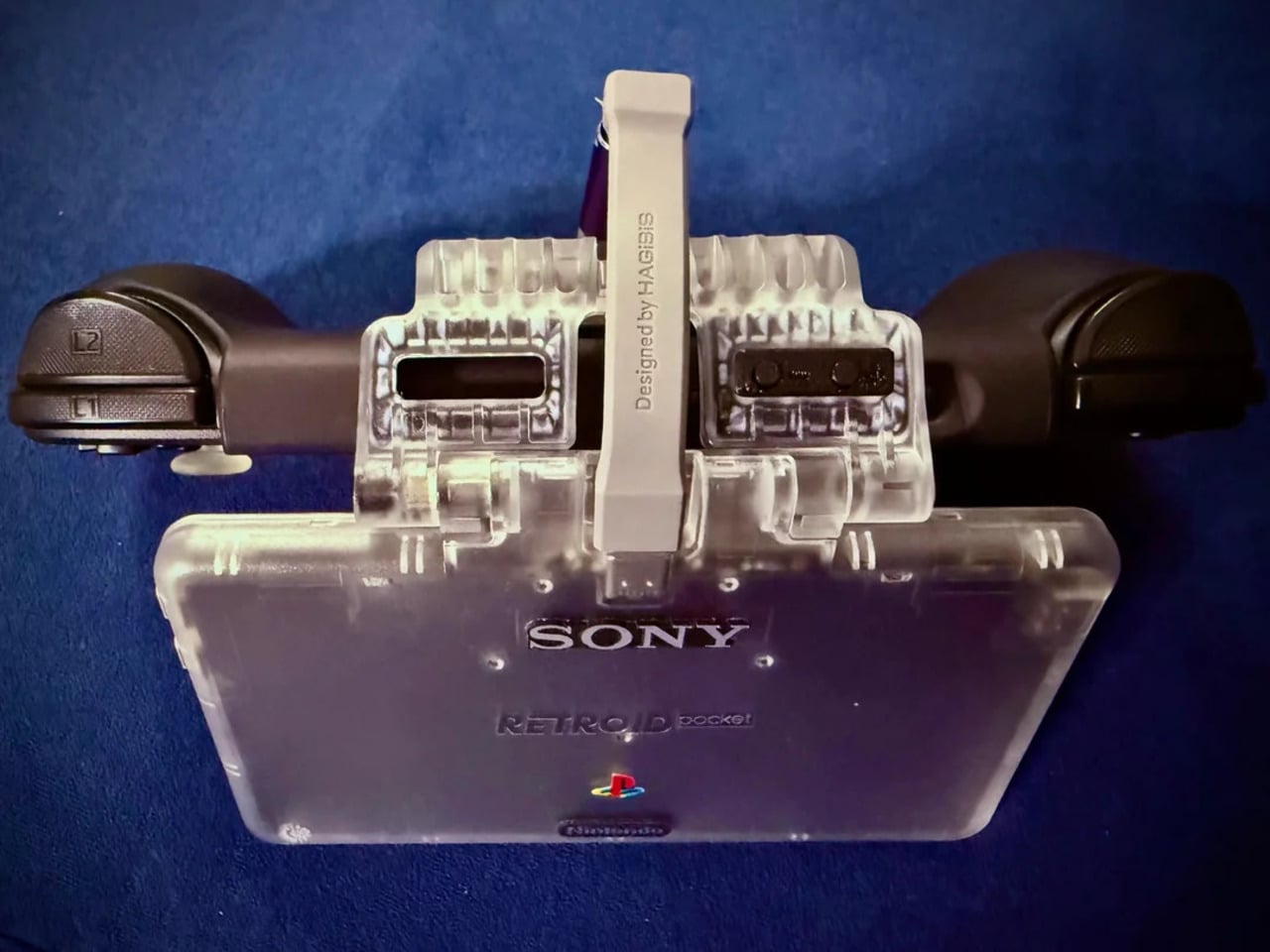
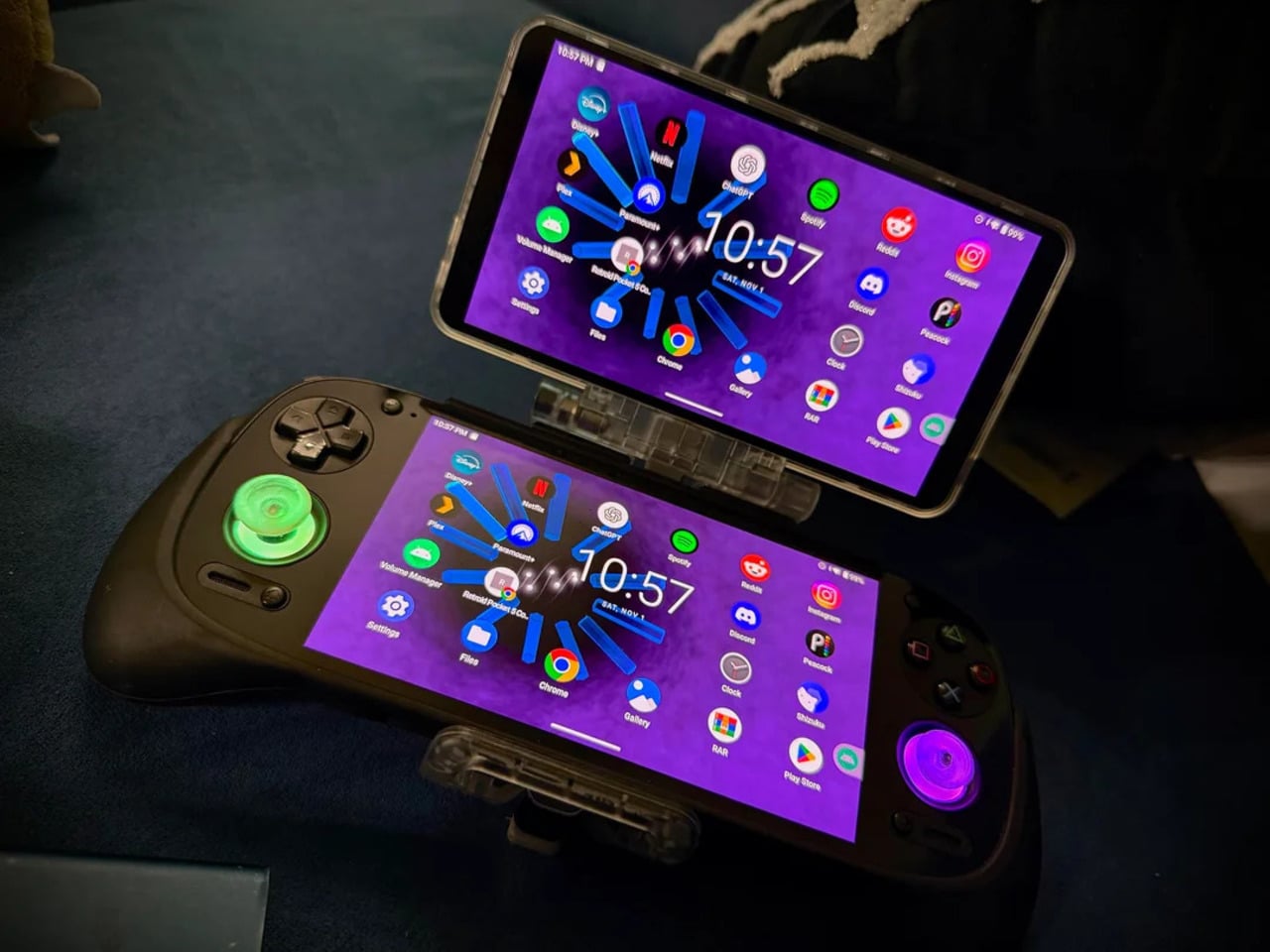
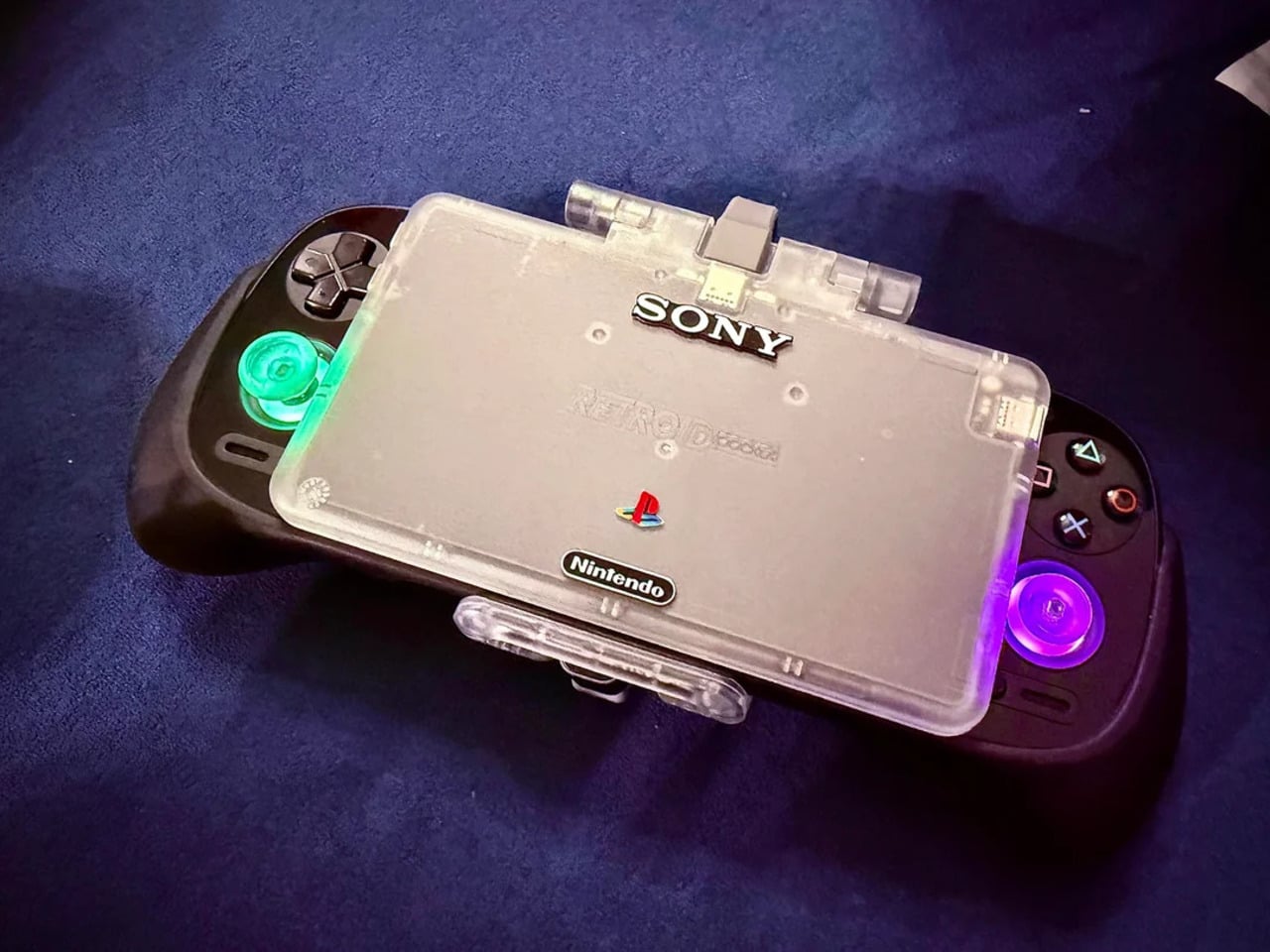
That tension is what one Reddit user decided to address. Starting with a Retroid Pocket 5, a $199 Android handheld running a Snapdragon 865 and a 5.5-inch AMOLED display, the mod layers Sony and Nintendo branding onto the same shell. Vinyl decals, translucent polycarbonate, a 3D-printed volume rocker from Etsy, and a cable replaced in PS2 color. The result looks less like a sticker job and more like a concept render from an alternate 1999.

Designer: Mitchieyan

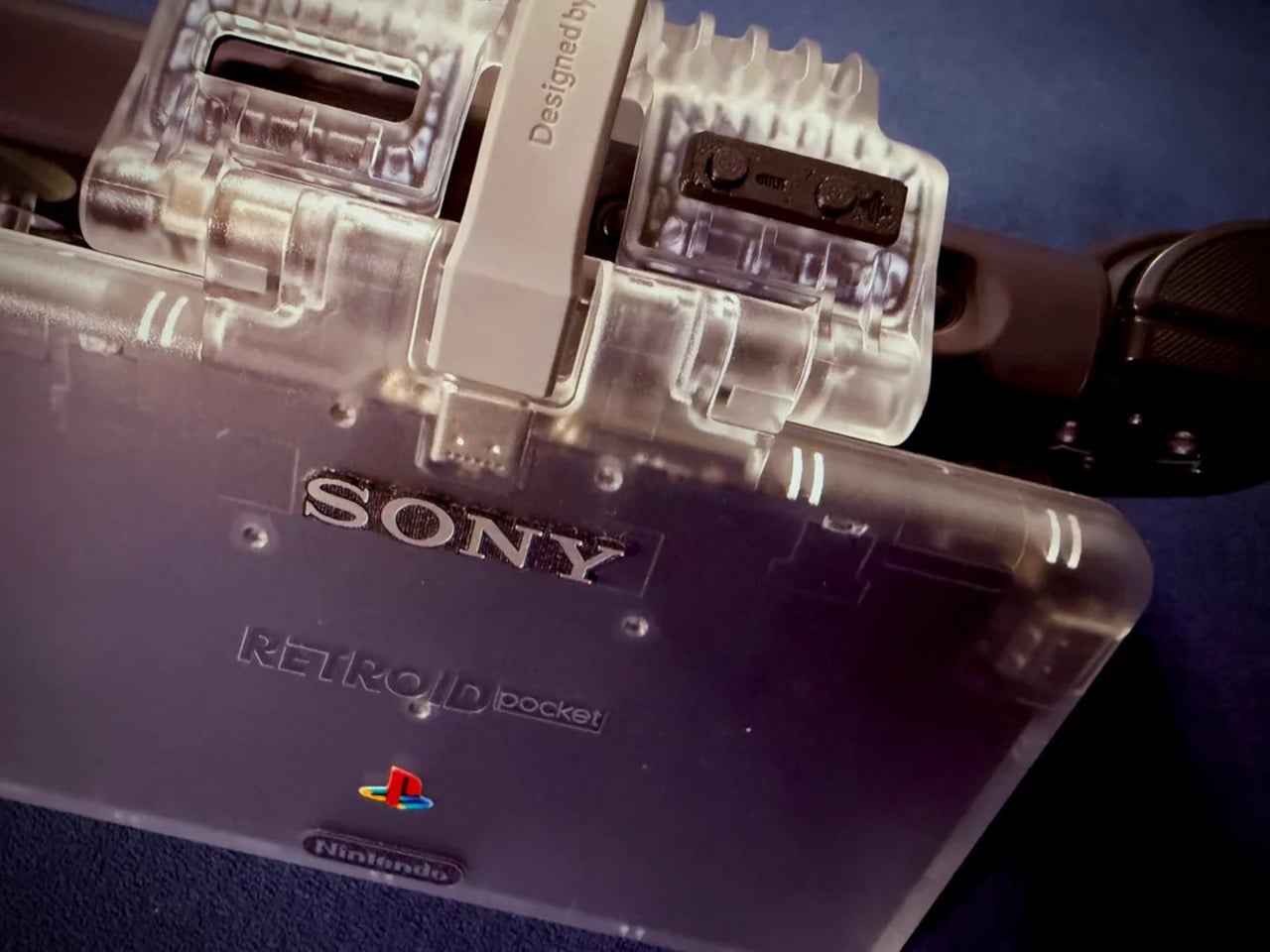
The translucent shell is doing most of the work. It pulls from the visual language of the N64’s Funtastic series, those clear and atomic-purple controllers Nintendo released in the late 1990s, where showing the circuitry was the design choice rather than concealing it. Over a piano-black grip body with PlayStation-colored face buttons, the frosted polycarbonate shifts from grey to near-white depending on the light. It shouldn’t feel considered. It does.

The branding placement is where intent becomes clear. The Sony wordmark sits centered on the upper face, exactly where it appeared on a PSOne. Below it, the PlayStation four-color logo. At the bottom bezel, the Nintendo badge mirrors its position on a Game Boy Advance SP. None of it is licensed, of course. These are adhesive vinyls placed by someone who grew up with both systems and wanted their coexistence on one device to feel inevitable rather than absurd.

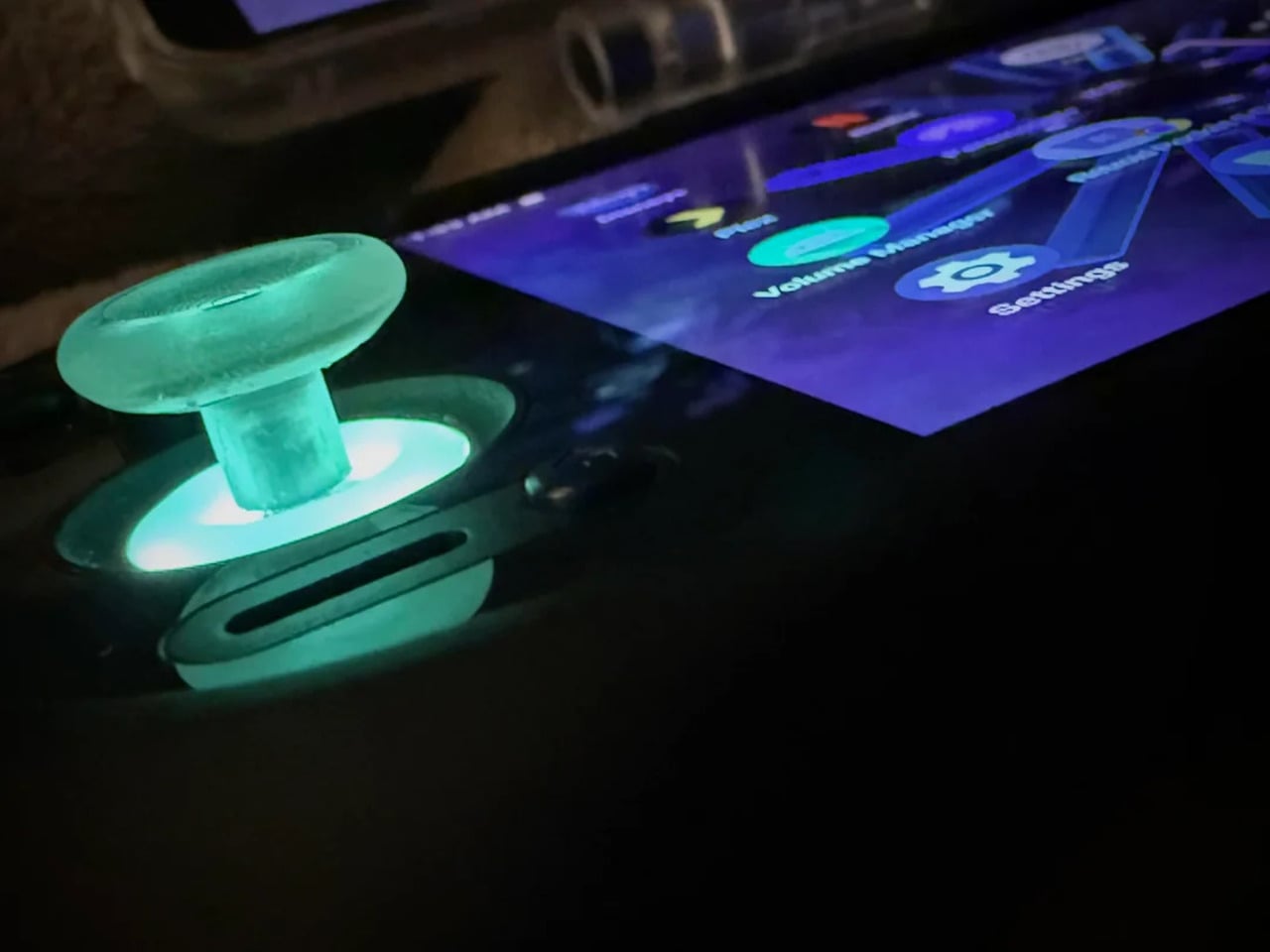
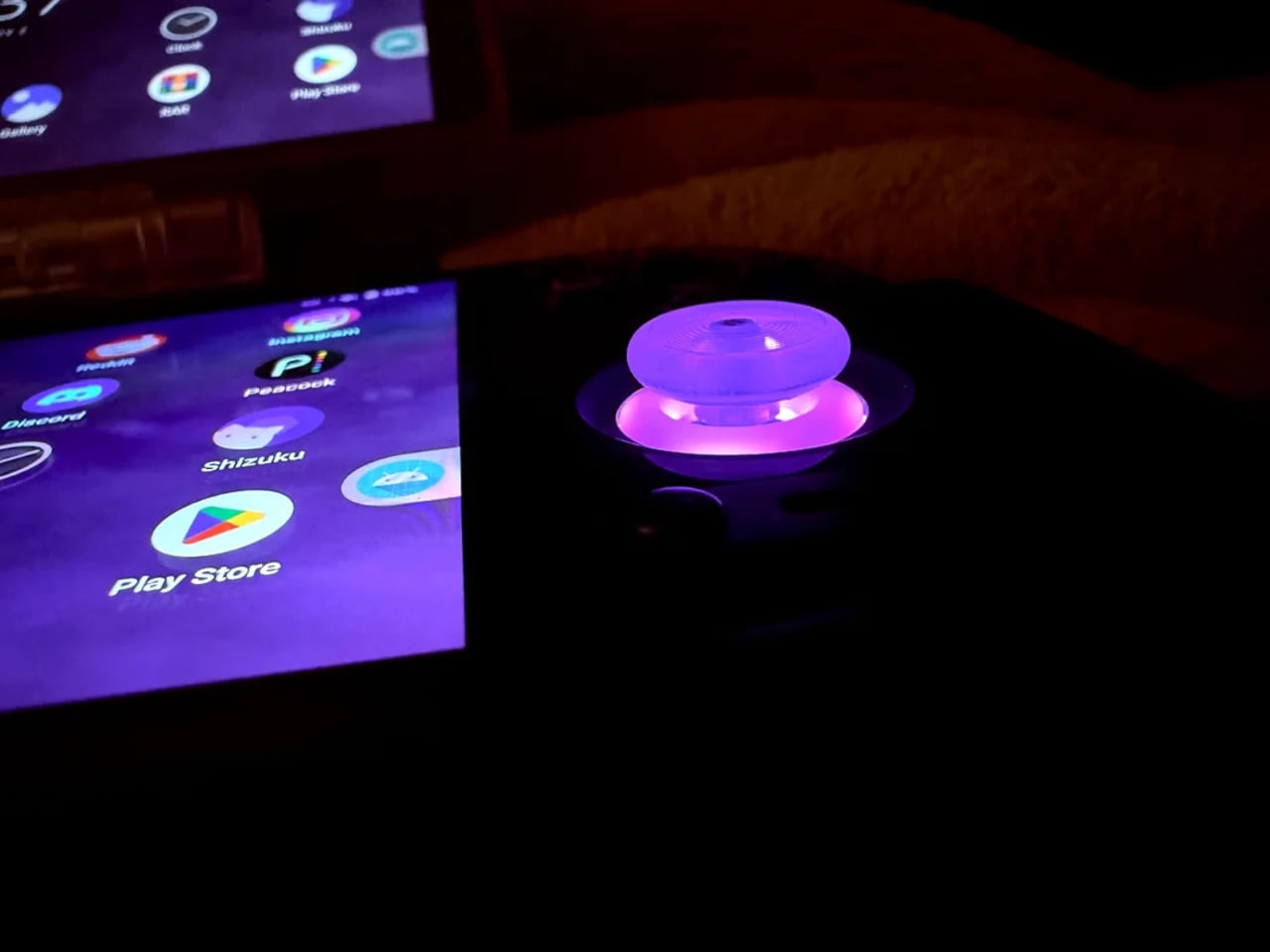
Not everything here reaches backward. The analog sticks are translucent caps over hall-effect sensors, lit teal on the left and purple on the right, owing nothing to 1999. That generation didn’t have RGB anything. The lighting reads as a concession to the present; the one feature announcing this is still an Android device in 2025, not a prototype from some alternate Sony-Nintendo licensing meeting. Whether it sits comfortably alongside the retro shell is a fair question.

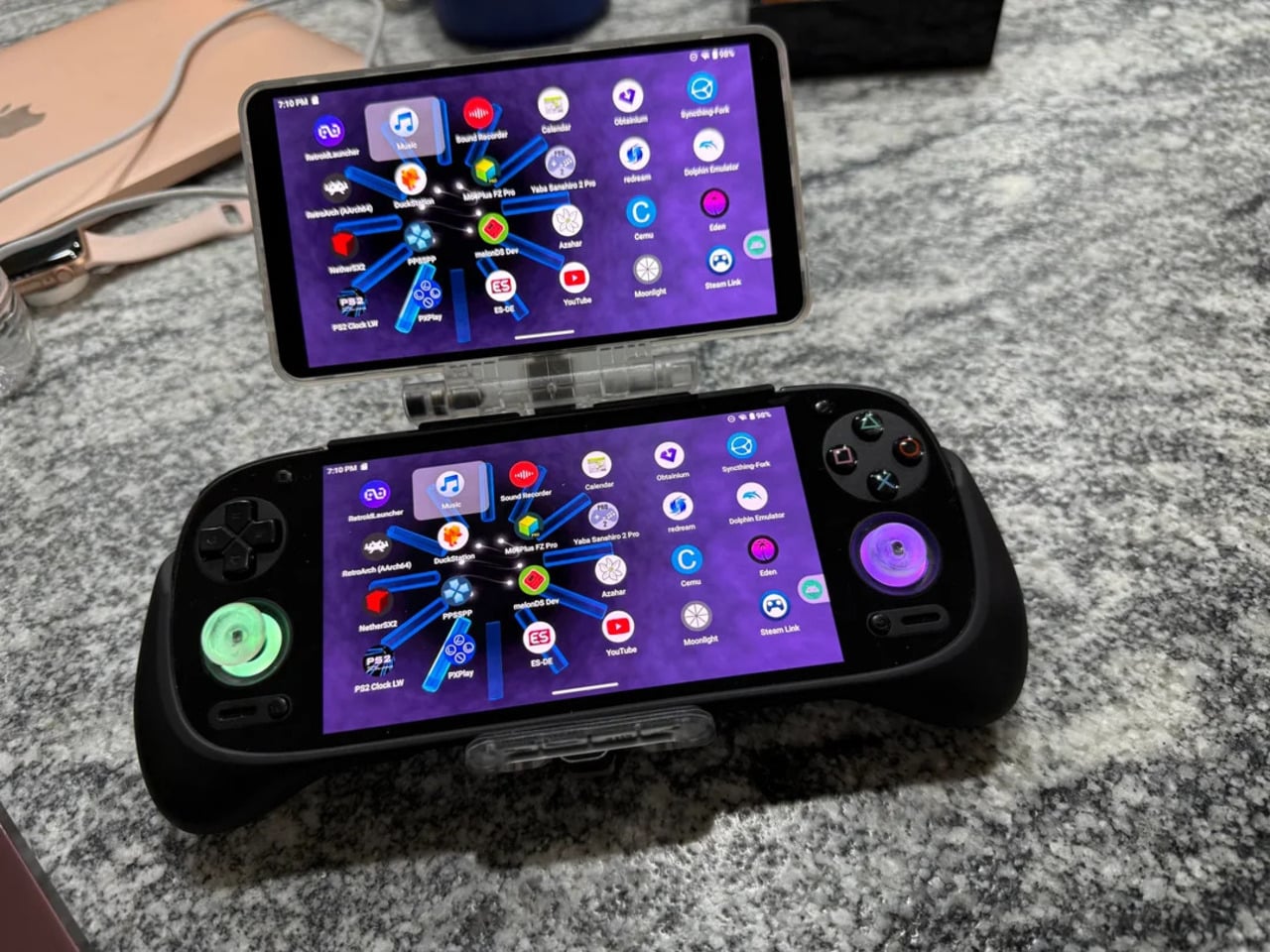
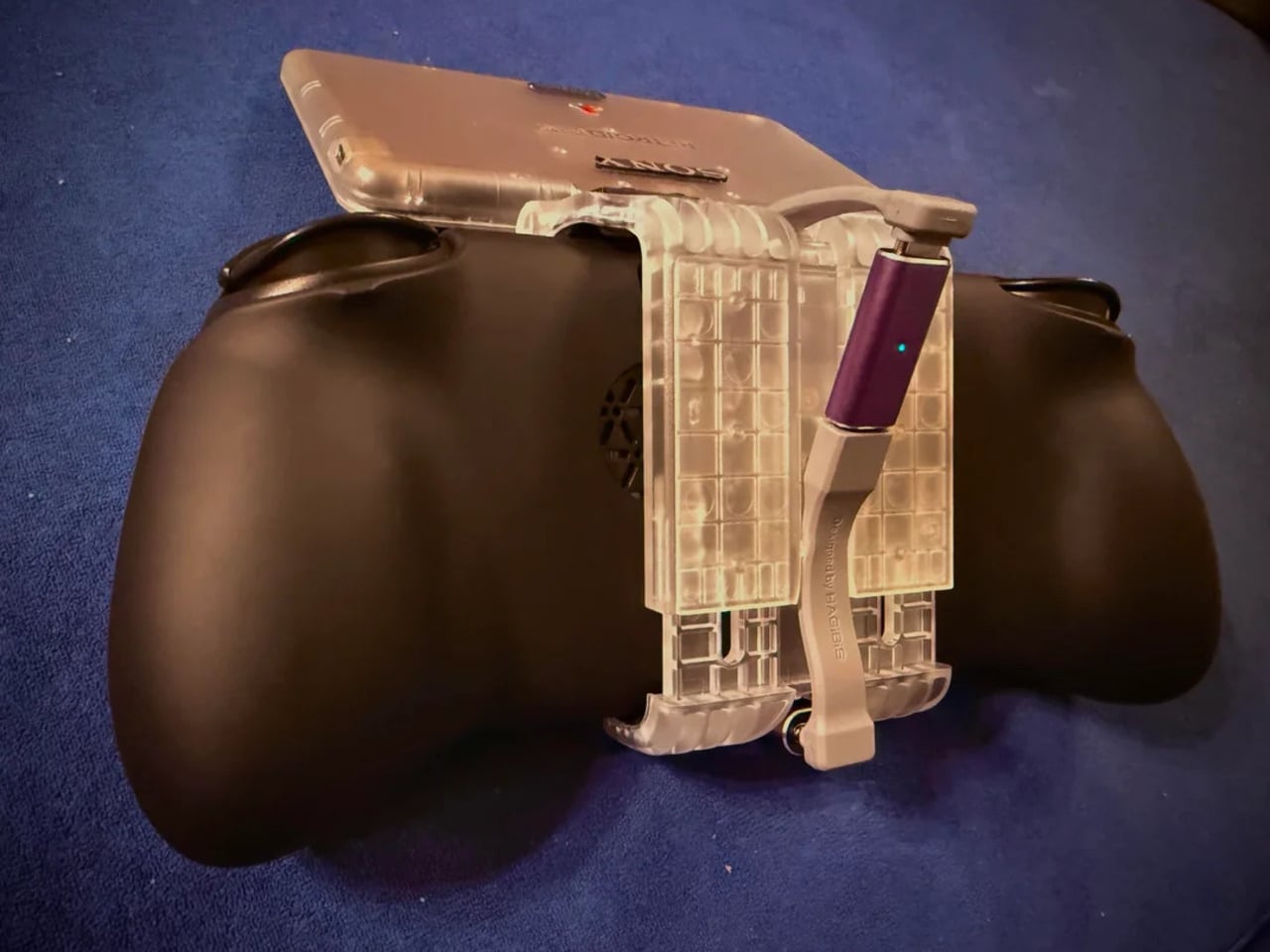
The rear view shifts the frame again. A large dual-grip body in smooth black rubber dominates the back, a clear plastic hinge connecting the screen to grip in full view, structural and unapologetic. The 3D-printed volume rocker at the top edge puts a physical control where fingers naturally land. The back half feels closer to a DualShock than a Game Boy, which is either the point or the problem, depending on what you wanted this thing to be.

Flip to the front screen, and the emulator grid makes the whole thing literal. DuckStation for PS1, Dolphin for GameCube, PPSSPP for PSP, melonDS for Nintendo DS, and a live PS2 wallpaper cycling behind all of it. This device runs both companies’ libraries simultaneously without asking permission from either. The branding on the shell, in that context, stops being a novelty and starts reading as a plain statement of what the hardware already does.

The retro handheld category is large enough now that sameness has become its default. The Retroid Pocket 6, the current flagship from the same manufacturer, drew community criticism for being indistinguishable from competitors: glass front, LED sticks, rounded edges, and no particular character. A fan mod building identity out of borrowed logos is one response to a problem the manufacturers haven’t solved. It’s also just someone enjoying a hobby and being honest about what they want.

The hardware to play PS1, PS2, GameCube, and Game Boy Advance all on one screen already exists and costs under $200. What the market hasn’t resolved is what that device should actually look like, or whose name should go on it. This mod doesn’t answer either question. It just makes the gap between what’s technically possible and what anyone has bothered to design feel a little harder to dismiss.

The post This Fan Made the Sony-Nintendo Handheld the Companies Never Would first appeared on Yanko Design.
GameMT EX8 debuts as a budget Android handheld tailored for retro gaming

The gaming handheld continues to expand with new devices aimed at retro enthusiasts and mobile gamers. One of the latest additions is the GameMT EX8, a portable gaming console designed to deliver a capable Android-based gaming experience while maintaining a relatively affordable price point. With a high-resolution display, a familiar handheld layout, and hardware suited for emulation and mobile gaming, the EX8 represents GameMT’s attempt to compete with other budget-friendly handhelds in the growing retro gaming segment.

The handheld features a 4.88-inch display with a resolution of 1080 × 1620 pixels and a 3:2 aspect ratio. This format is particularly appealing for retro gaming because it better accommodates older console titles that do not match modern widescreen displays. The panel is also noticeably sharper than the screen used in some competing handhelds, such as the Ayaneo Pocket Micro, which uses a smaller 3.5-inch display with a lower resolution. The larger and sharper screen is expected to improve the visual experience when playing classic games from platforms like the PlayStation and PSP. With its combination of a high-resolution 3:2 display, capable mobile processor, and expandable storage, the GameMT EX8 aims to deliver a balanced handheld gaming experience.
Designer: GameMT

Powering the device is MediaTek’s Helio G99 processor, a chipset commonly found in mid-range smartphones. The chip is paired with 6GB of RAM and 128GB of internal storage, providing enough performance for Android gaming and a wide range of emulated titles. The Helio G99 has already proven capable of handling many retro systems and even some more demanding platforms through emulation, making it a practical choice for a handheld of this category. For users with larger game libraries, the EX8 also includes a microSD card slot that allows the storage to be expanded beyond the built-in capacity.

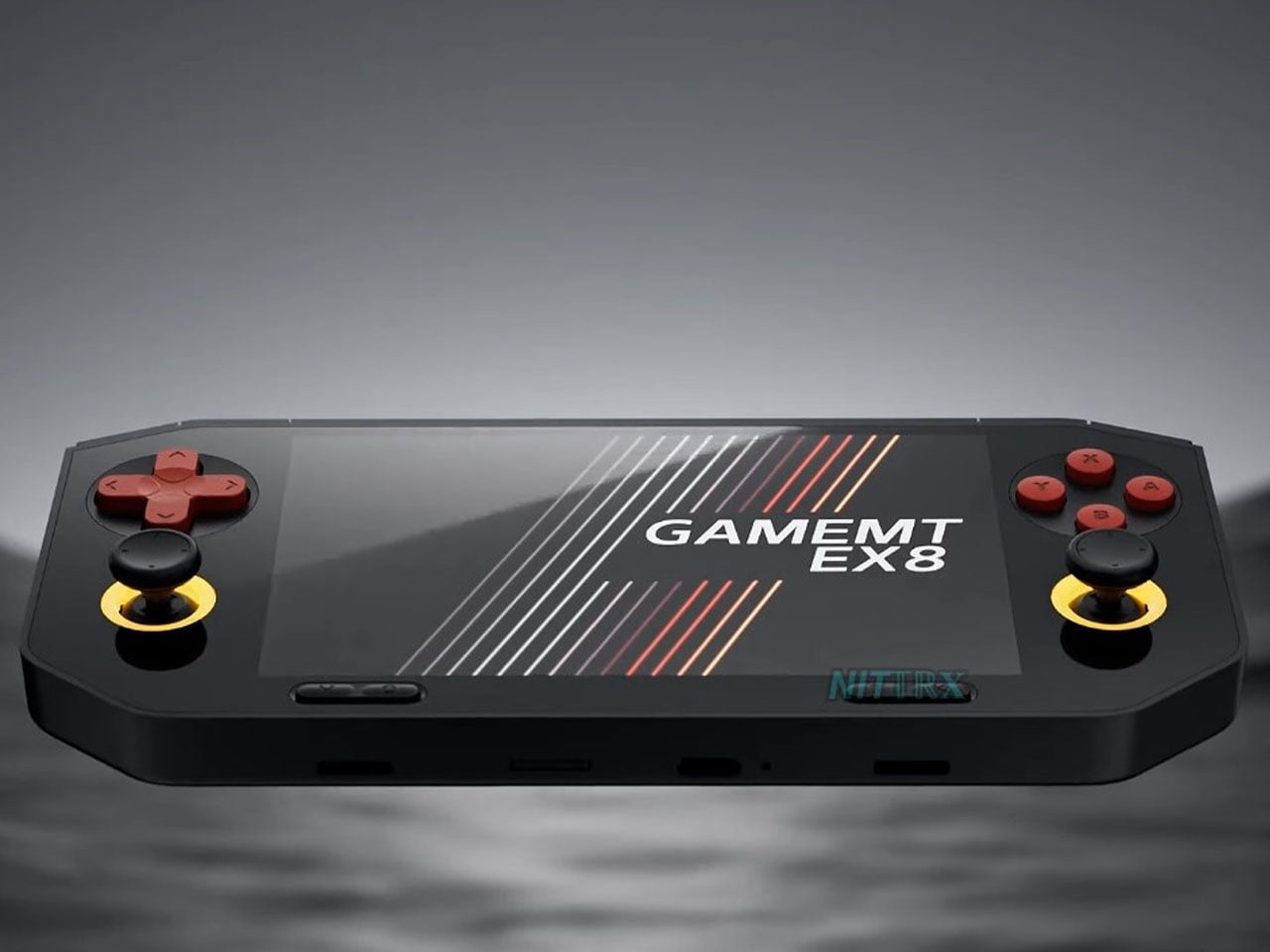
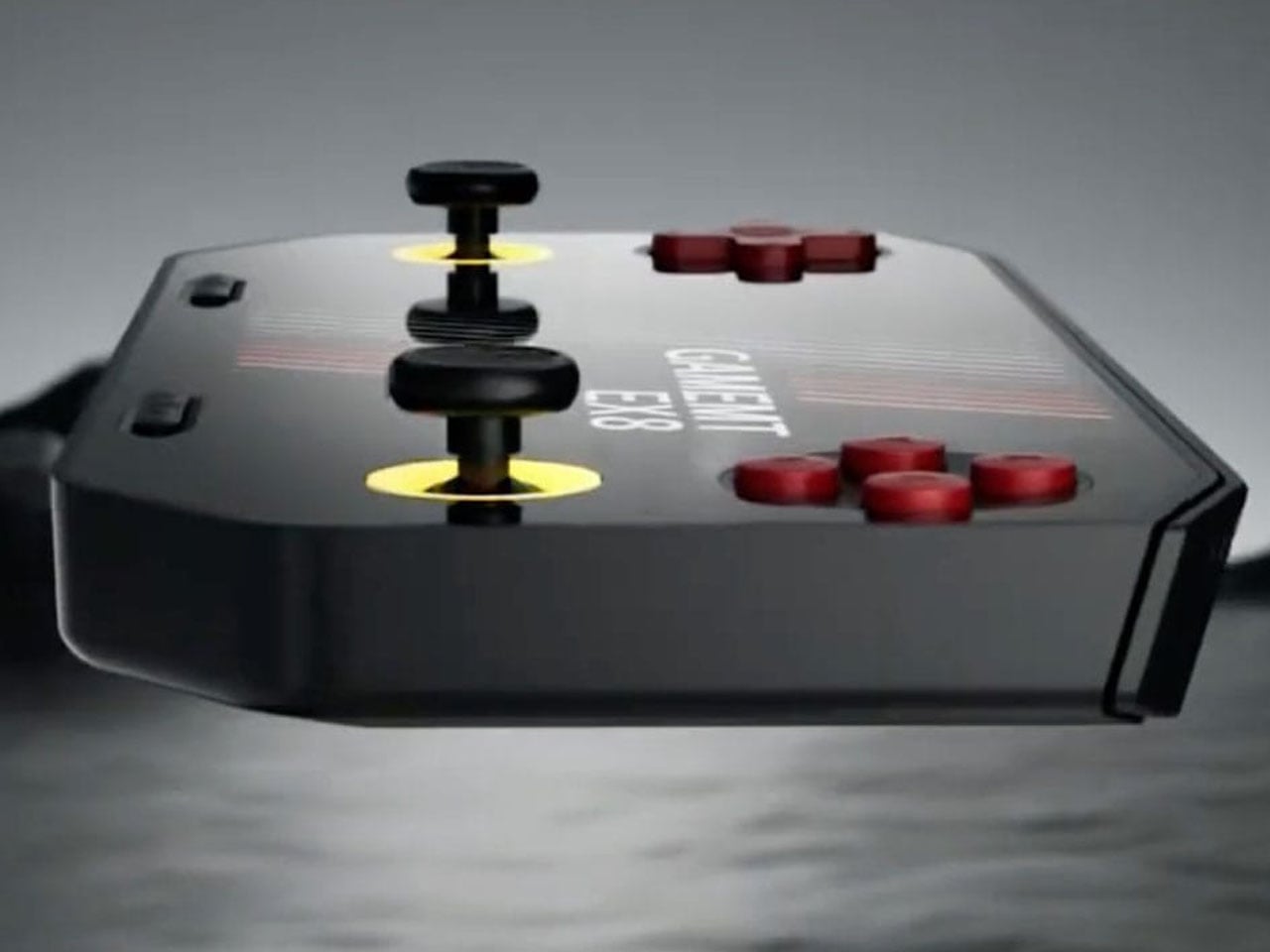
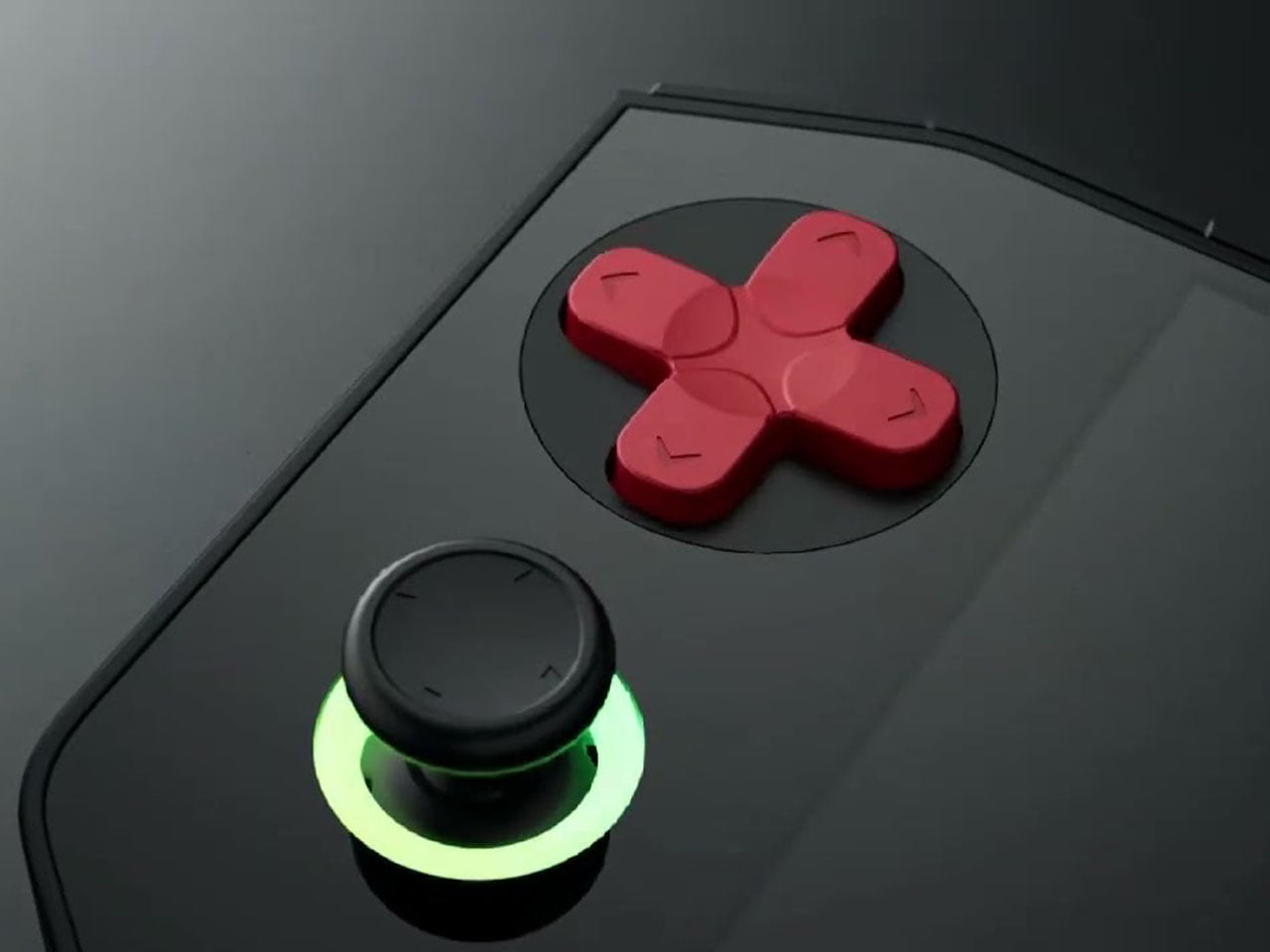
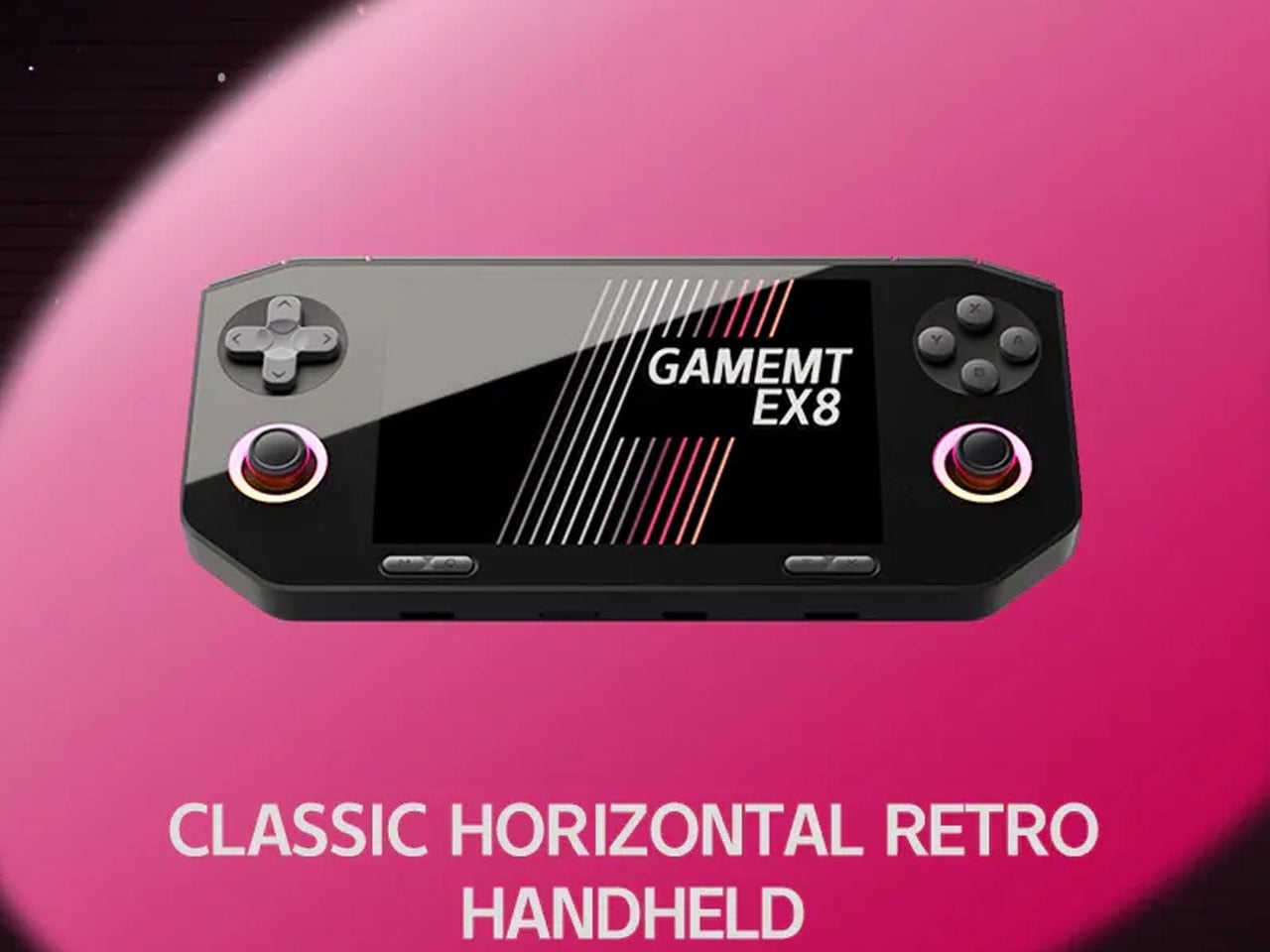
In terms of design, the EX8 adopts a horizontal handheld layout with symmetrical analog sticks positioned on both sides of the display. Each thumbstick is surrounded by an RGB ring light, giving the device a more modern aesthetic. A traditional D-pad and ABXY button arrangement sits alongside the sticks, while shoulder buttons are integrated along the top edge. The device also appears relatively thick compared to some competitors, likely to accommodate its internal hardware and cooling system. Thermal management is supported by an internal cooling fan, which helps maintain stable performance during extended gaming sessions. Audio is delivered through bottom-firing speakers, and the handheld is powered by a 5,000 mAh battery that charges through a USB-C port. These features are designed to ensure the device can sustain longer play sessions without overheating or running out of power too quickly.

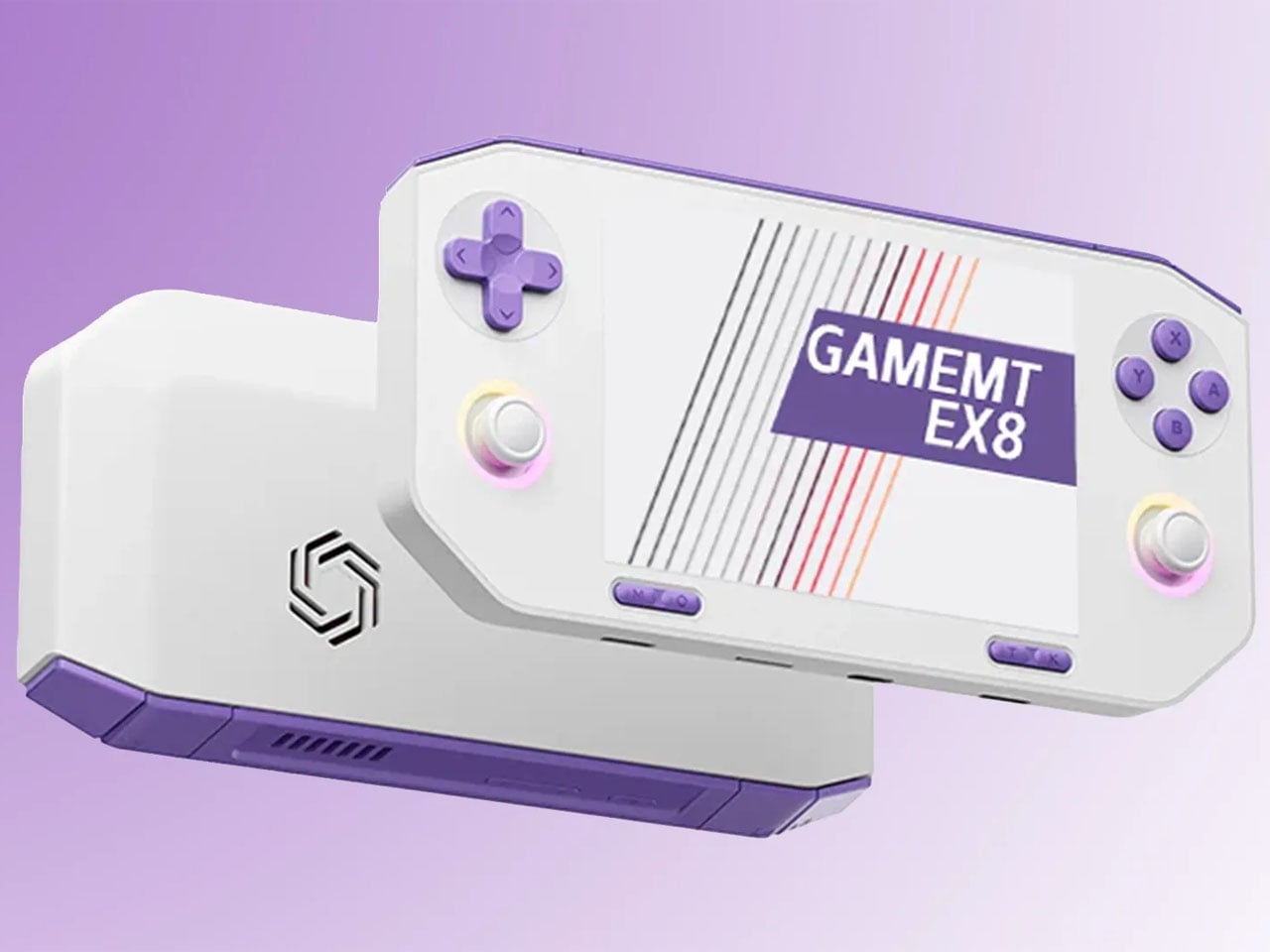
The GameMT EX8 will be available in two color options. A black version pairs dark hardware with red D-pad and face buttons, while a white variant features purple buttons and matching accents. This contrast gives the handheld a distinctive visual identity within the crowded retro gaming market.


The post GameMT EX8 debuts as a budget Android handheld tailored for retro gaming first appeared on Yanko Design.