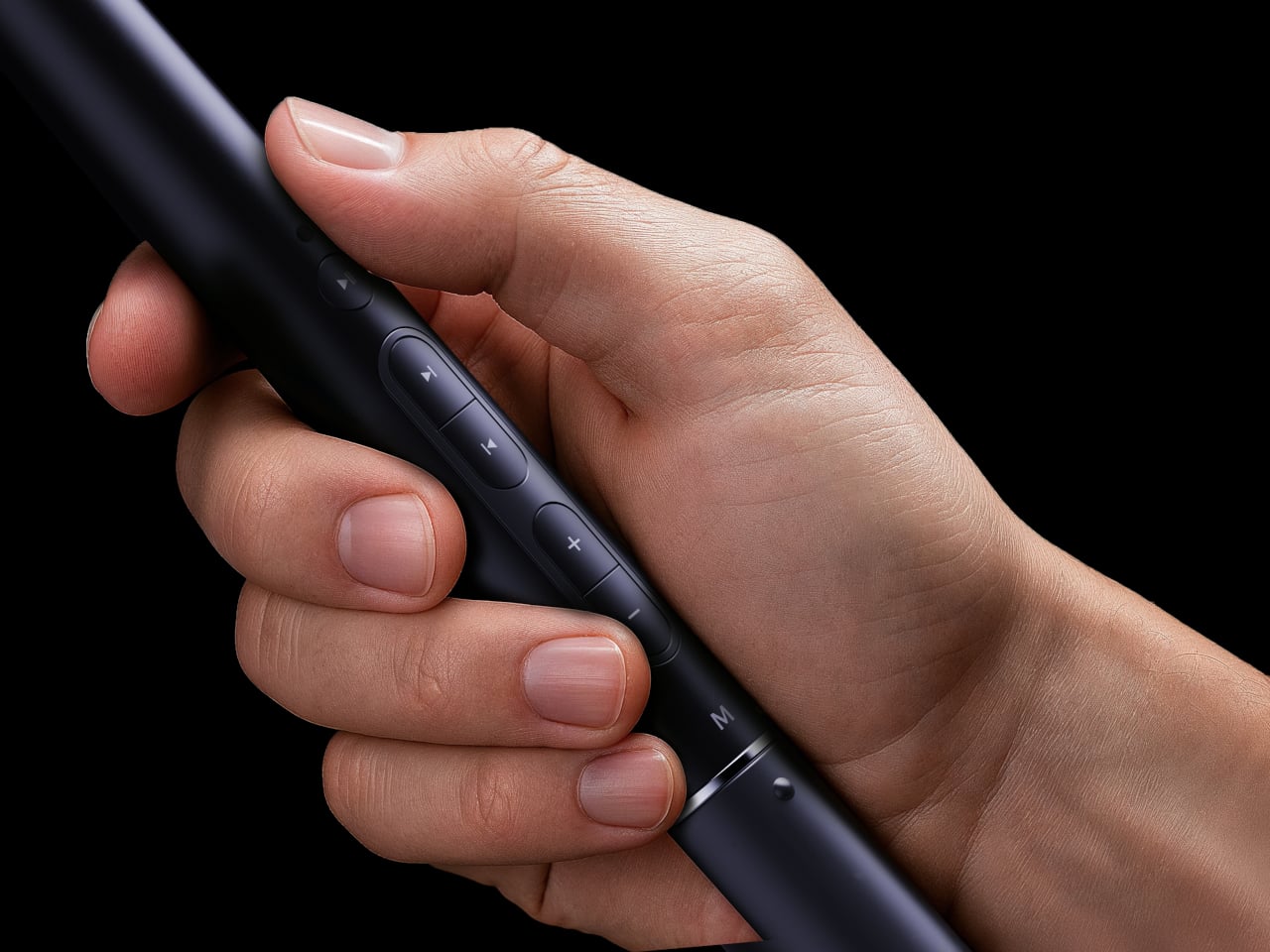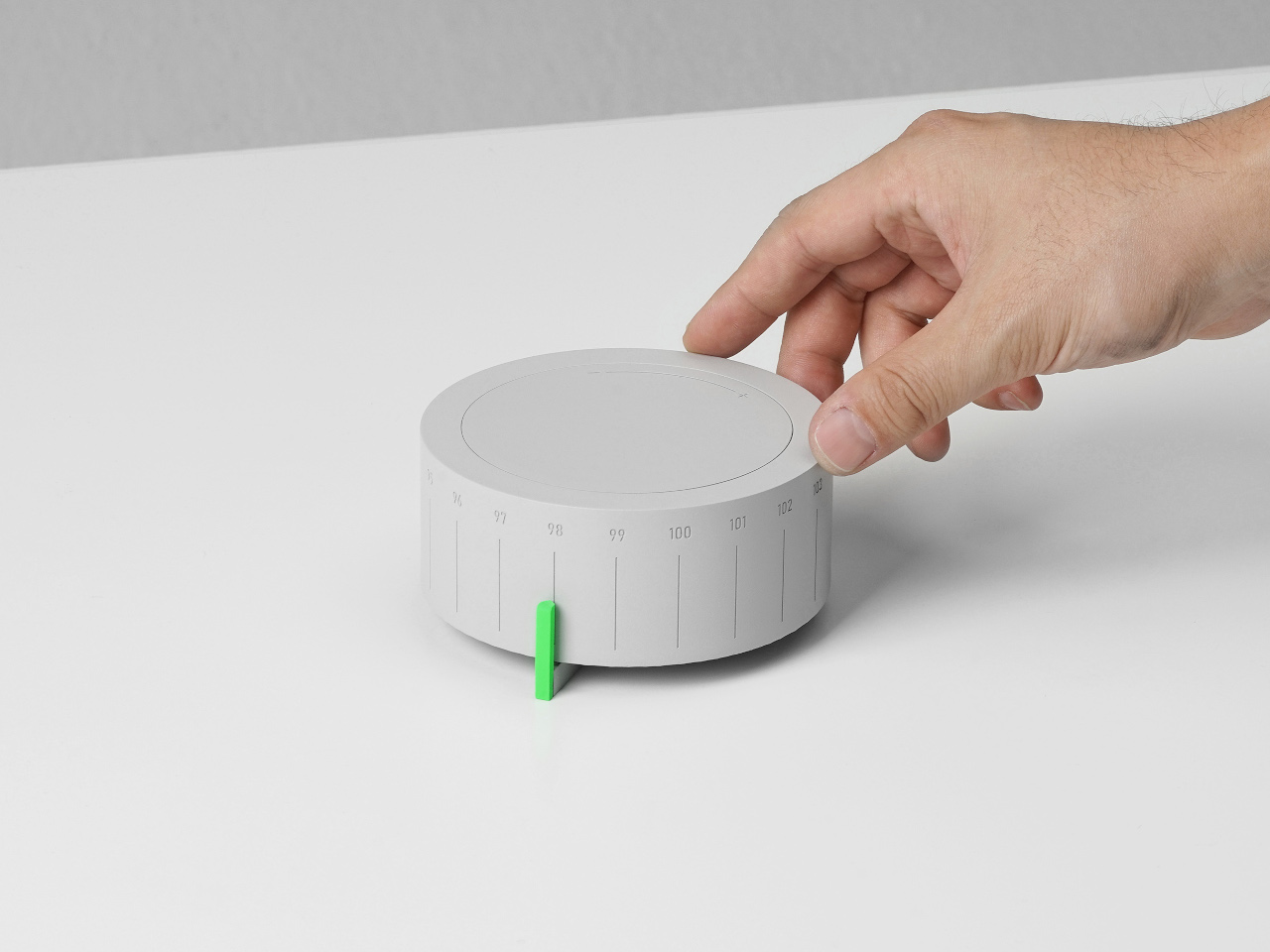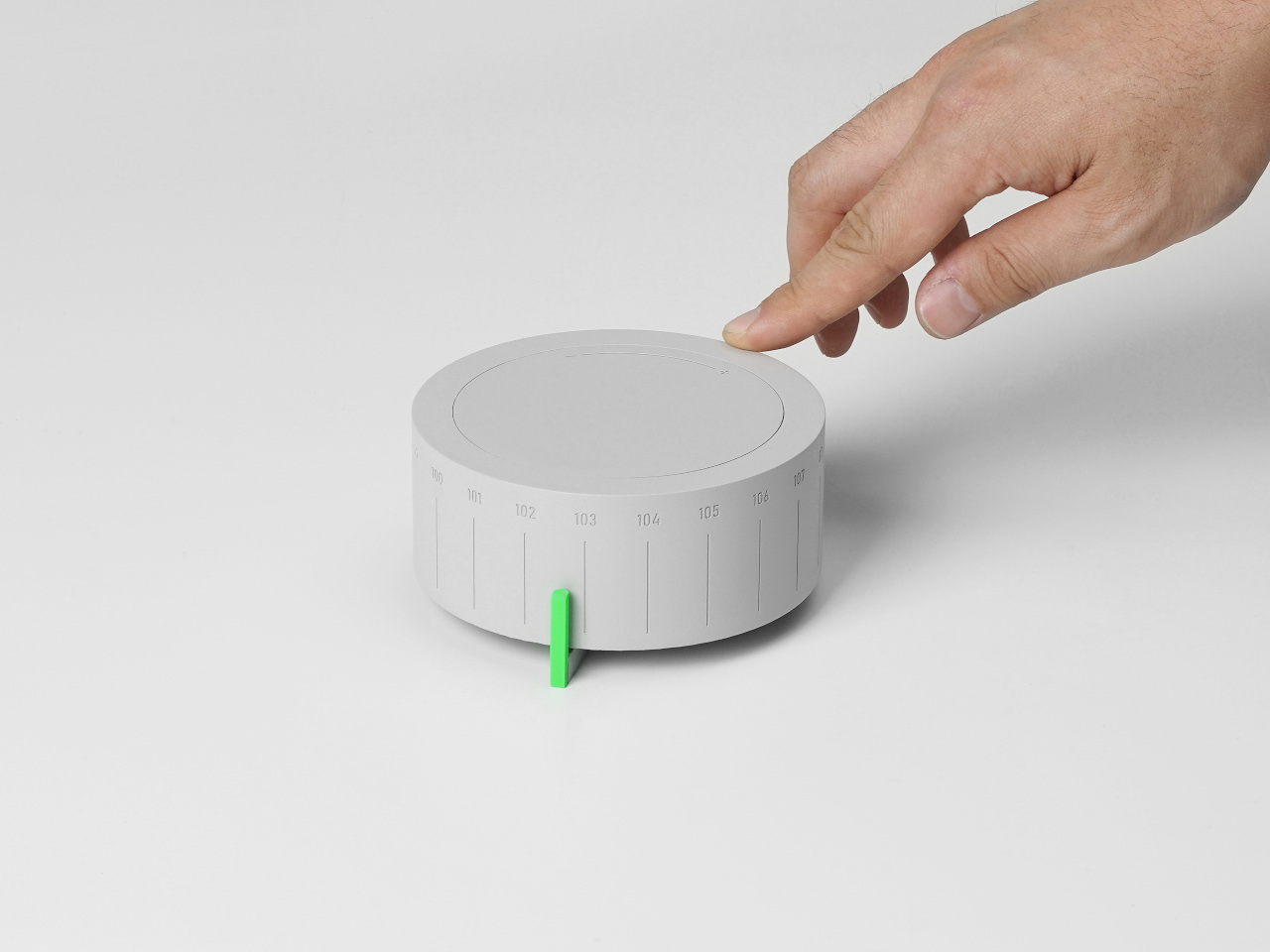
Space-saving bookends double as a modular wireless speaker system

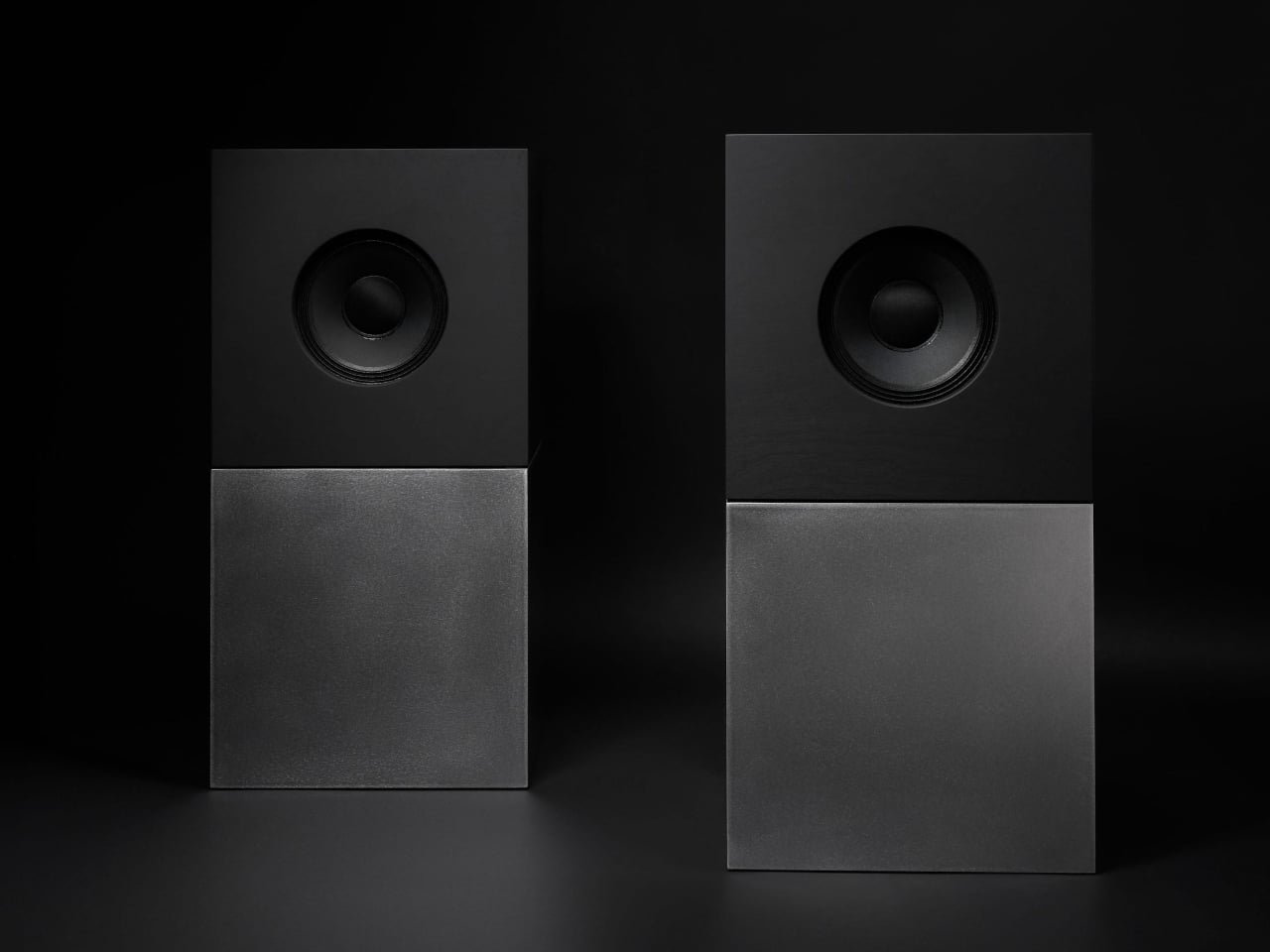
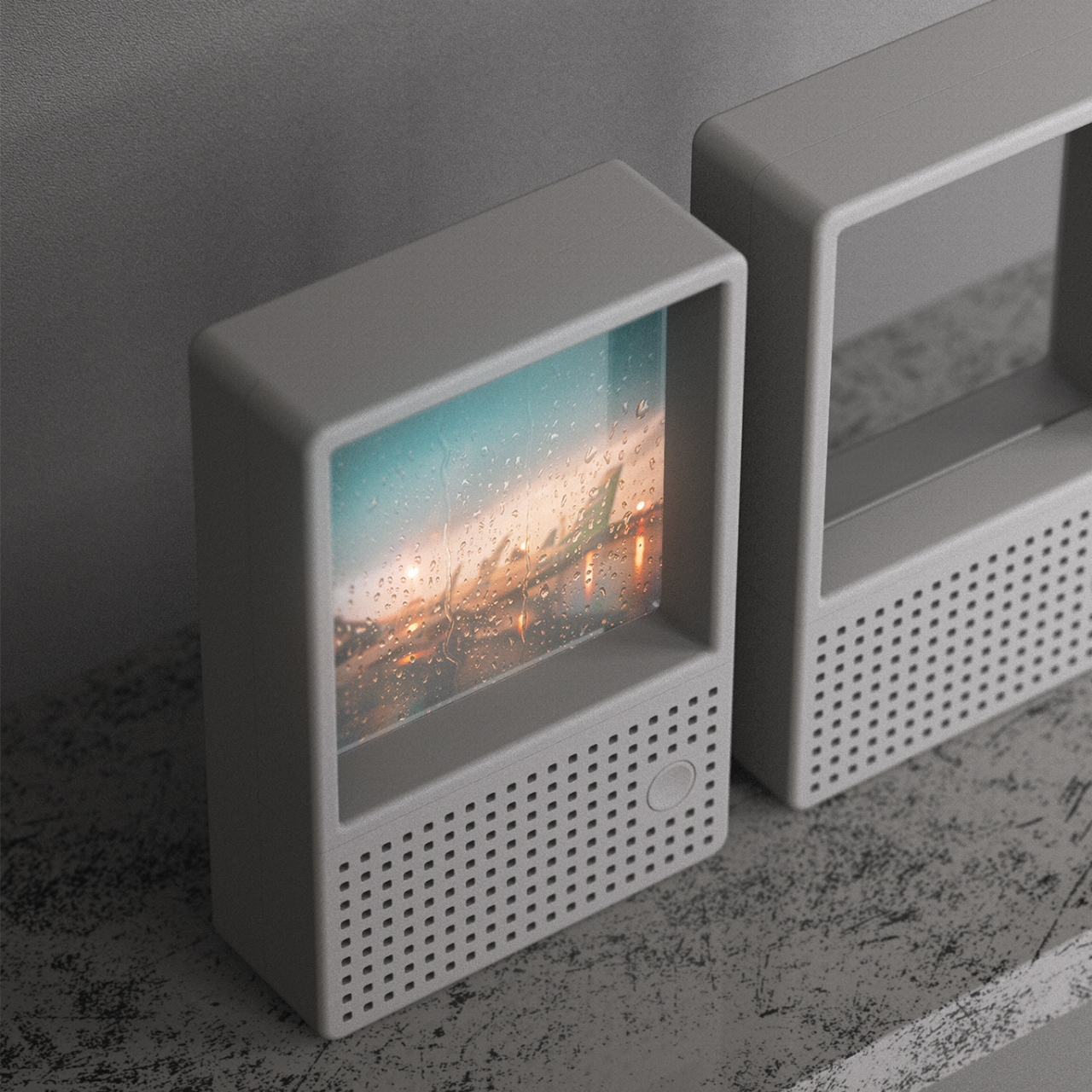
We seem to always be running out of space on our desks. Any free area that we get often quickly becomes occupied by a new thing, a tool, or a book, that we can always justify as necessary. And then there are purely decorative items that, while not serving any practical function, serve to put us in a good mood. Sadly, those reasons don’t remove the fact that they still take up precious space that could have been used for other things. Cutting down on the amount of “stuff” on your desk is one possible solution to this conundrum, but another is to use multi-functional products that serve more than one purpose, like these rather aesthetic bookends that are actually speakers in disguise.

Designer: Liam de la Bedoyere

If there are two things that are standard on a modern desk, it would be books and speakers. The former is often essential for work, even if just for appearance’s sake, while the latter is necessary to keep our minds sane with our favorite music and podcasts. They might even be necessary for the video meetings that are becoming more common these days. Naturally, these things will need some space on your desk, so why not combine them in a way that still retains each product’s identity while also bringing a fresh twist to their designs?

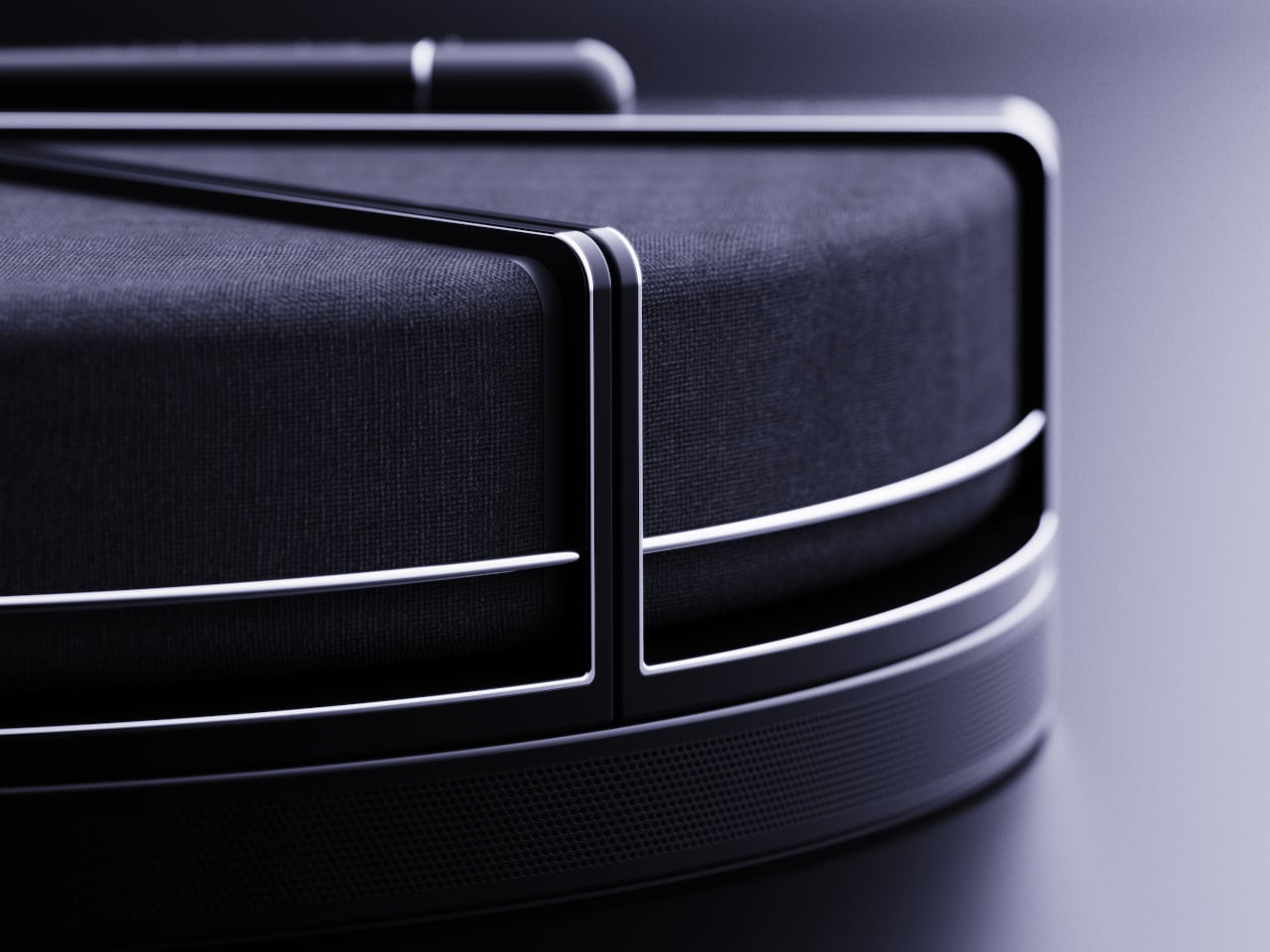
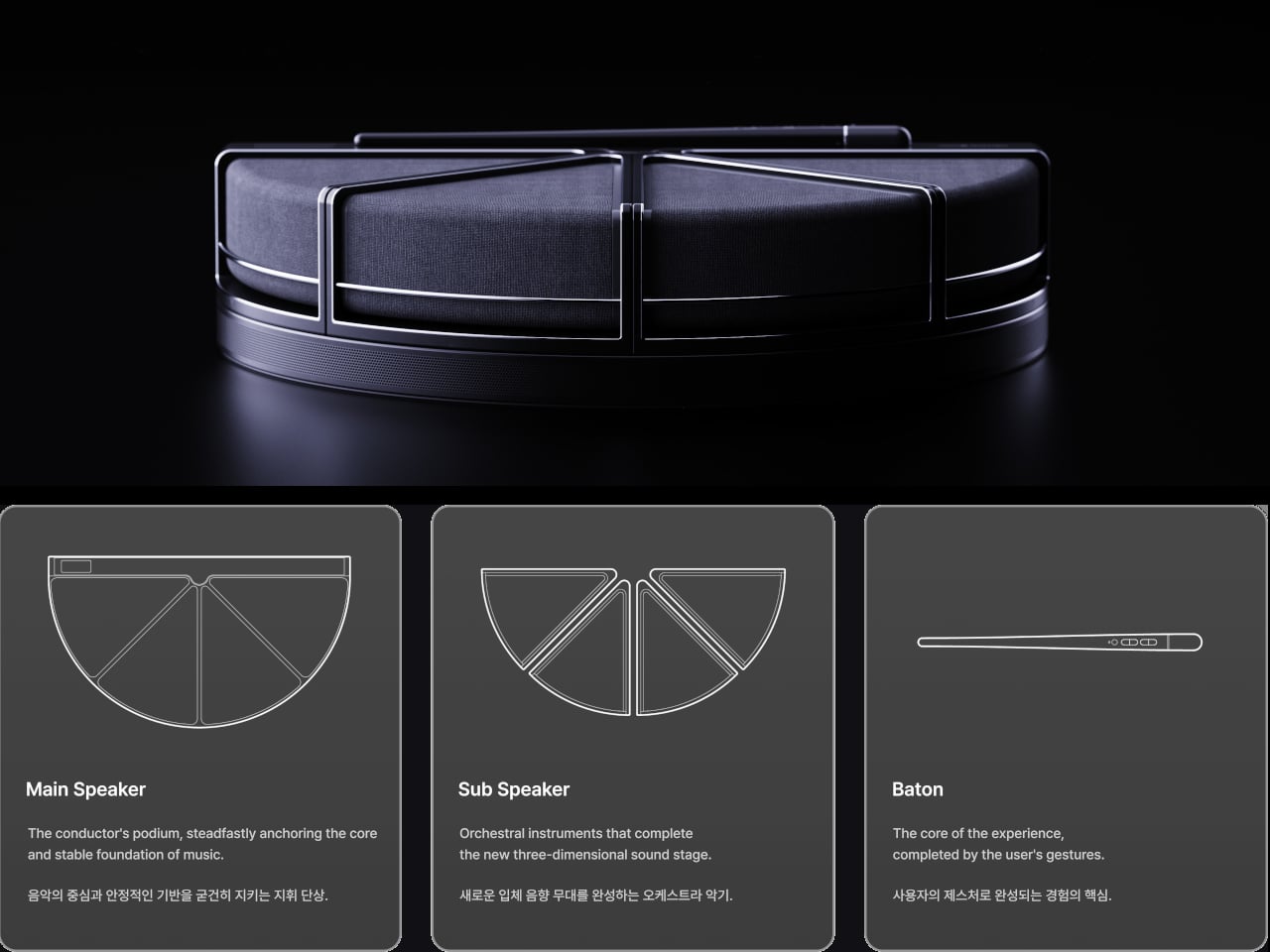
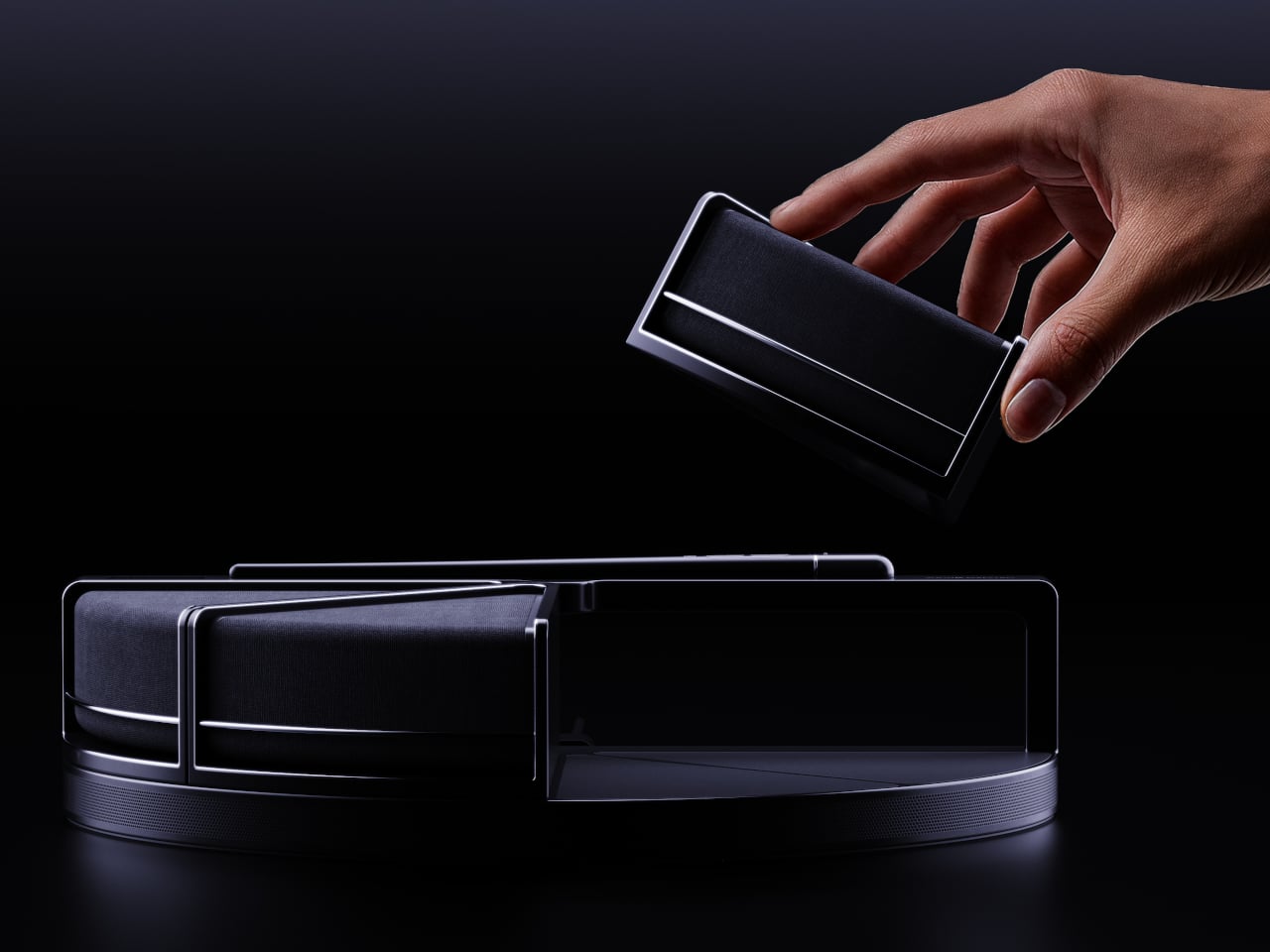
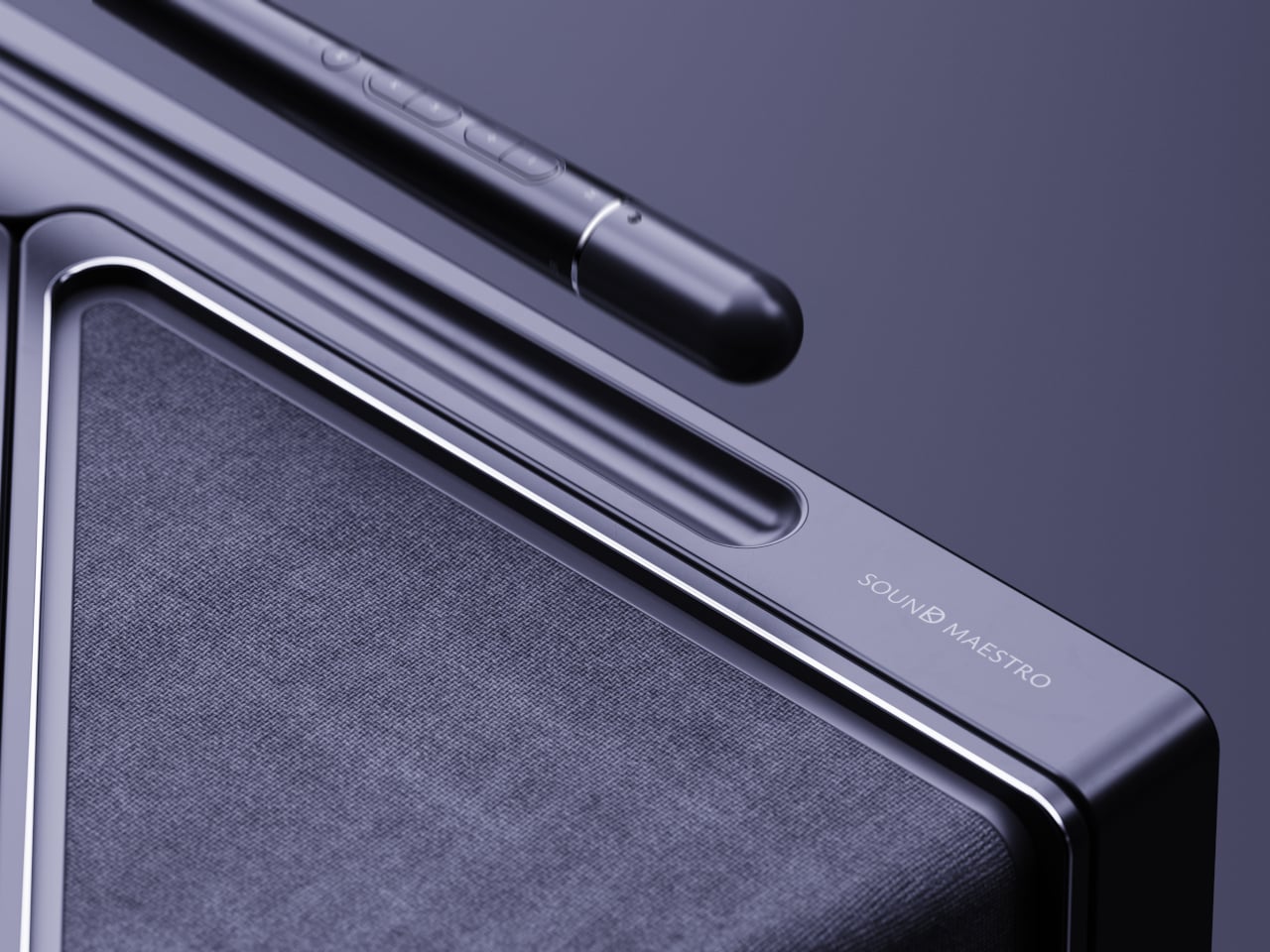
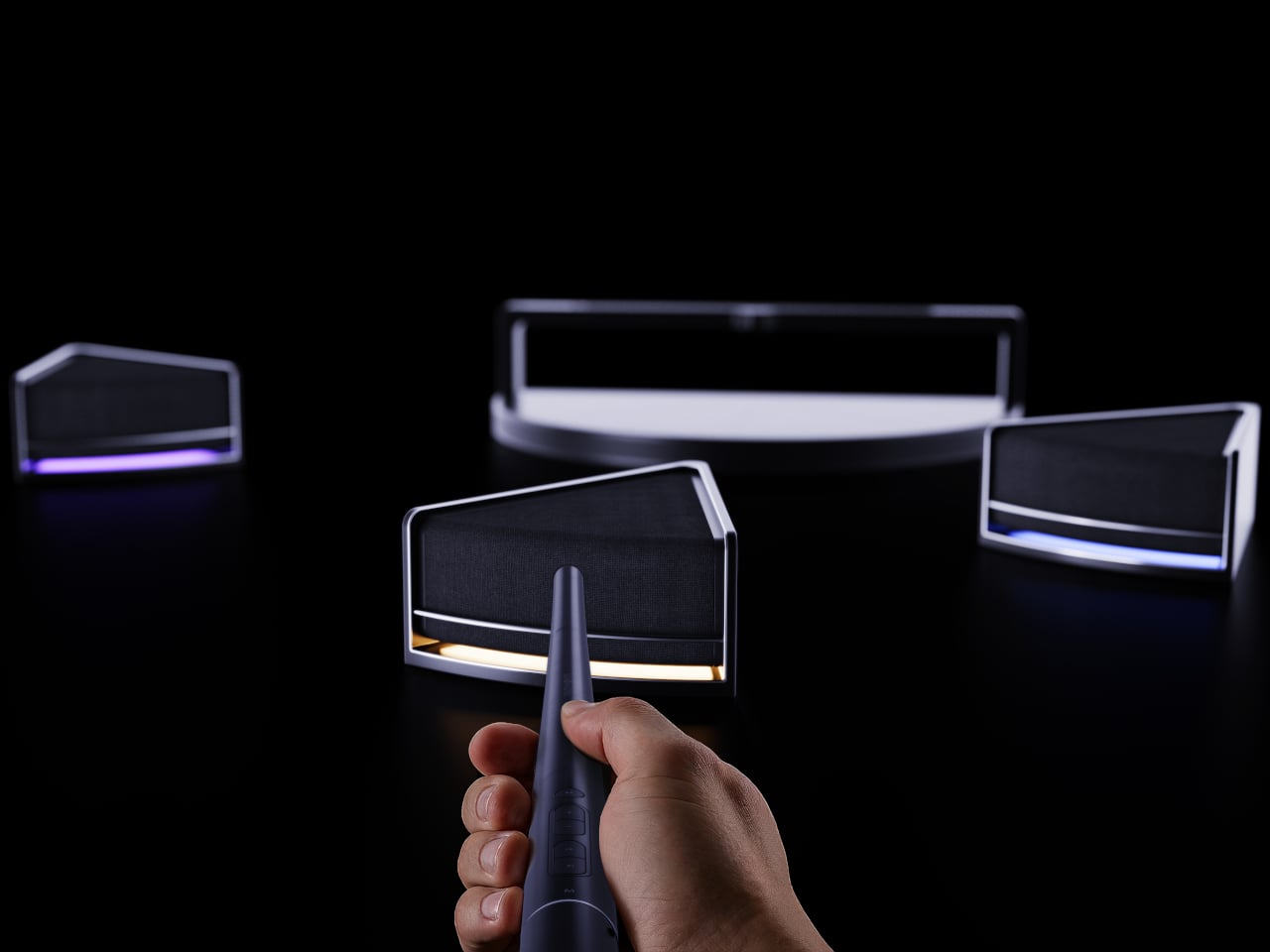
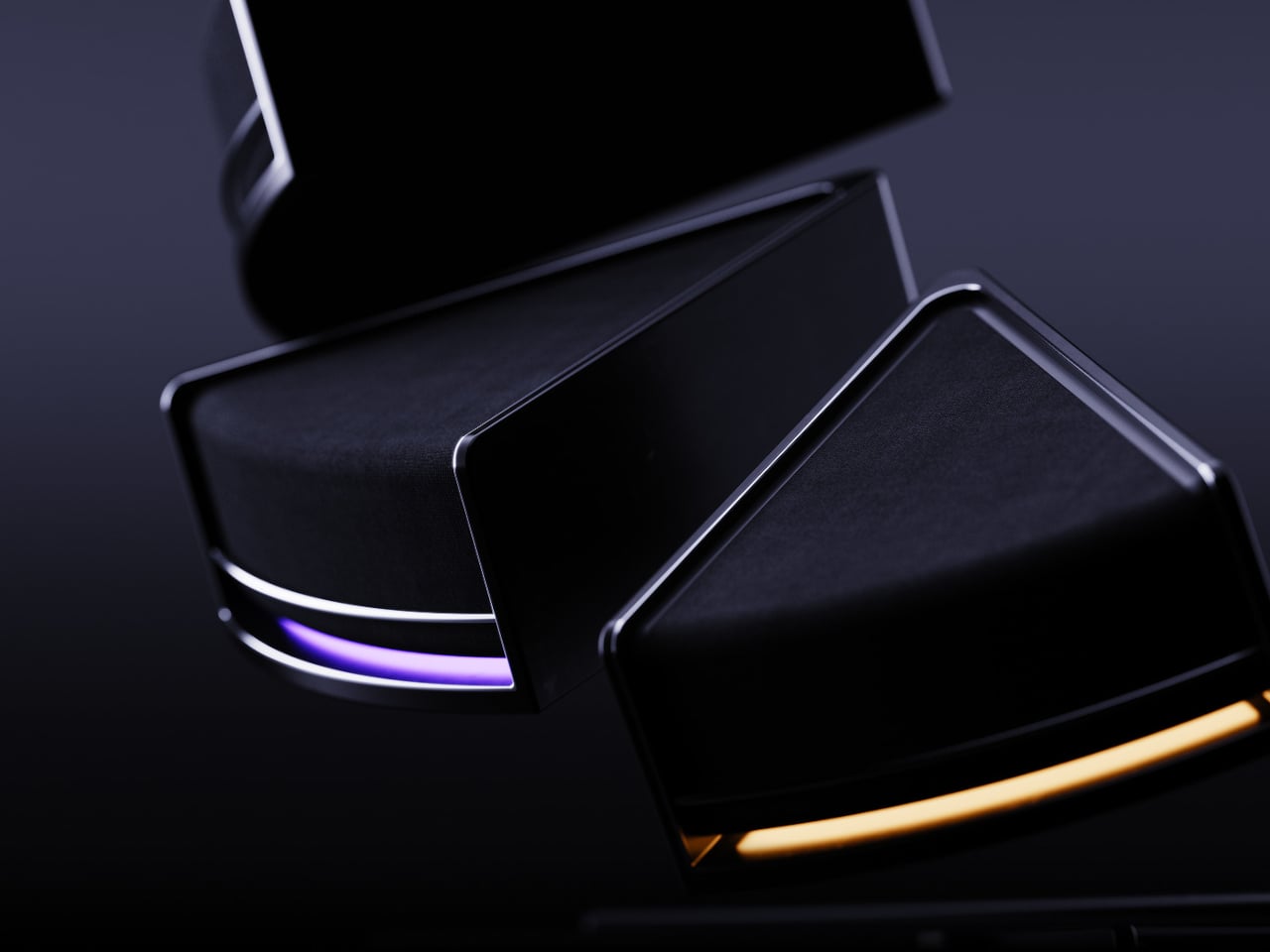
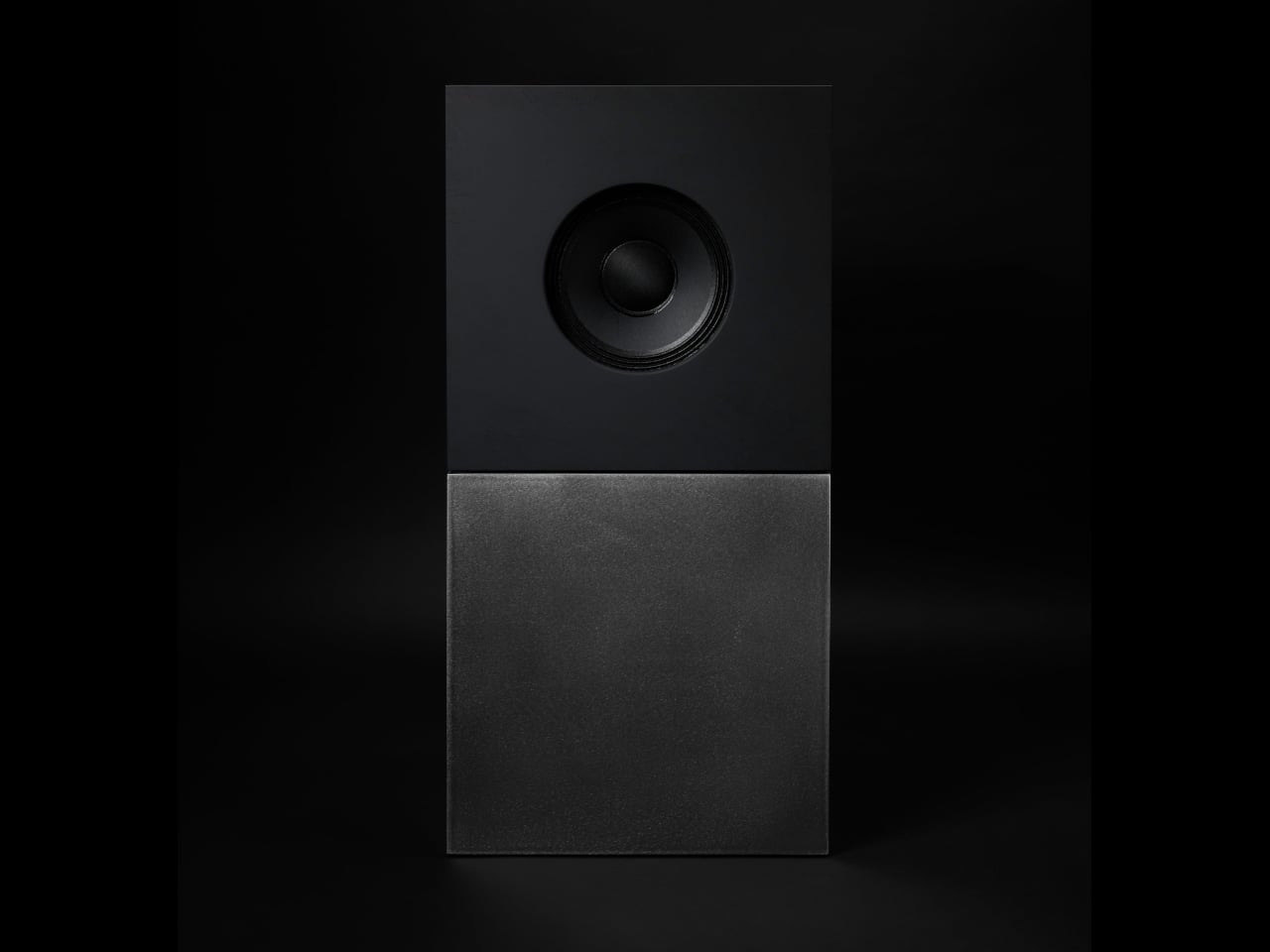
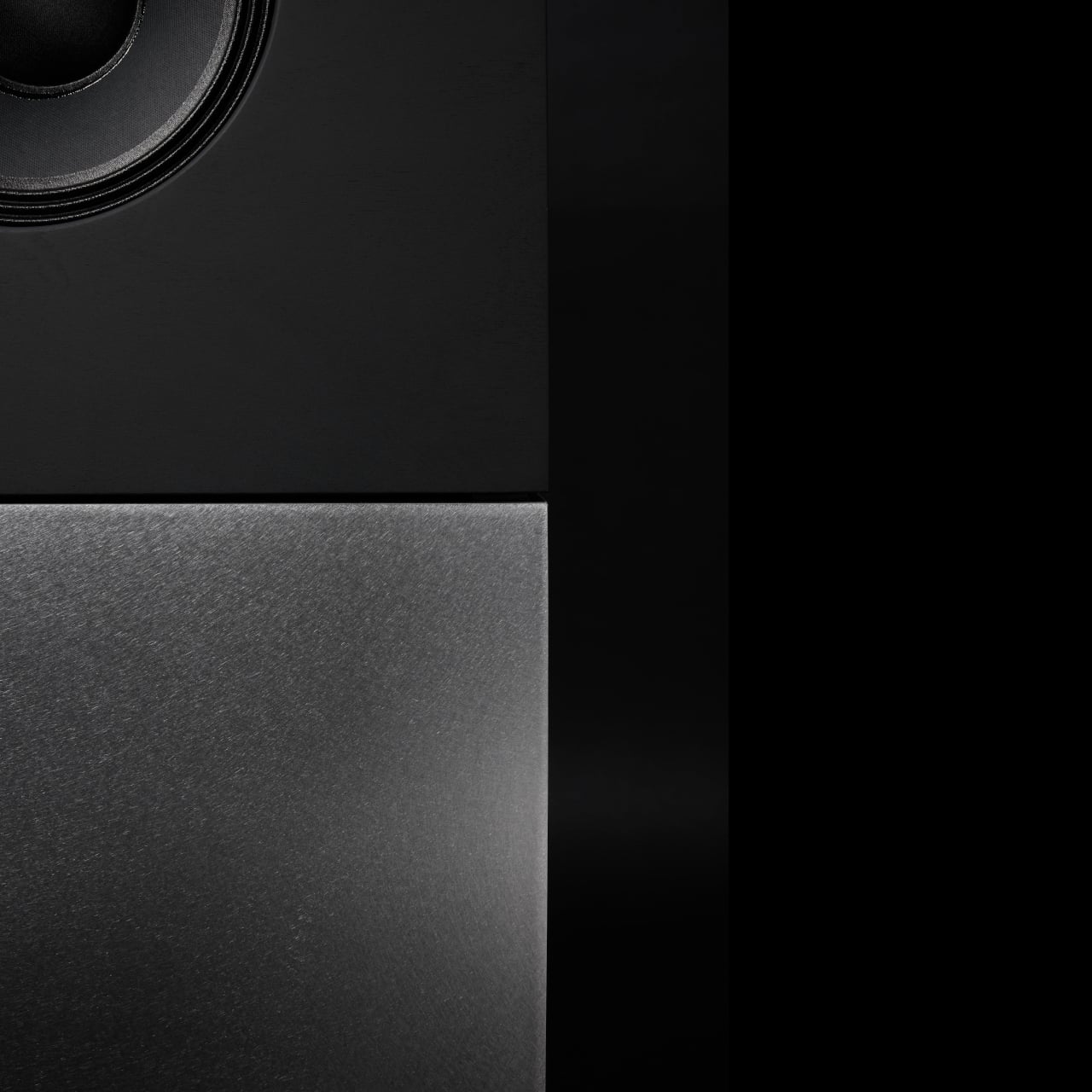
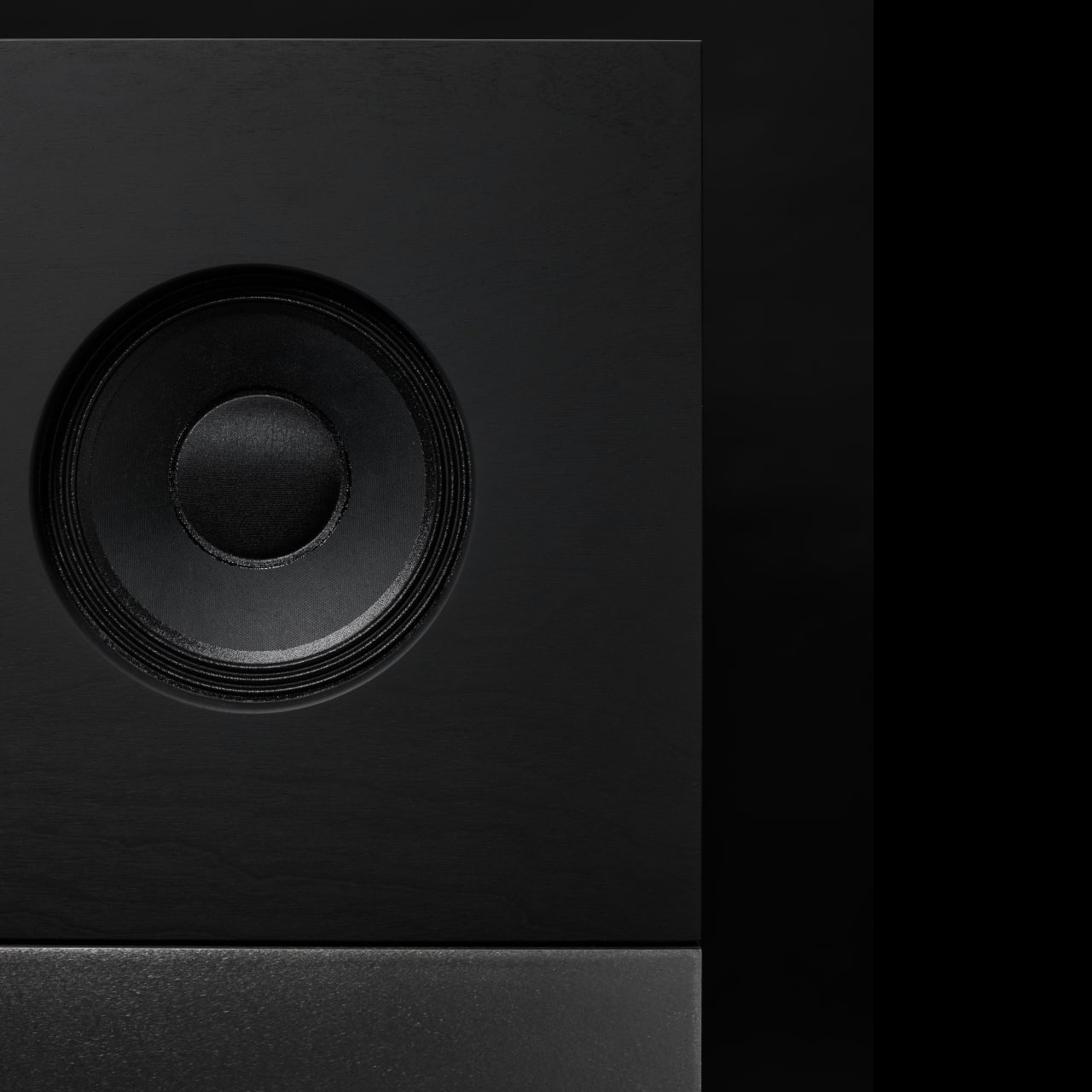
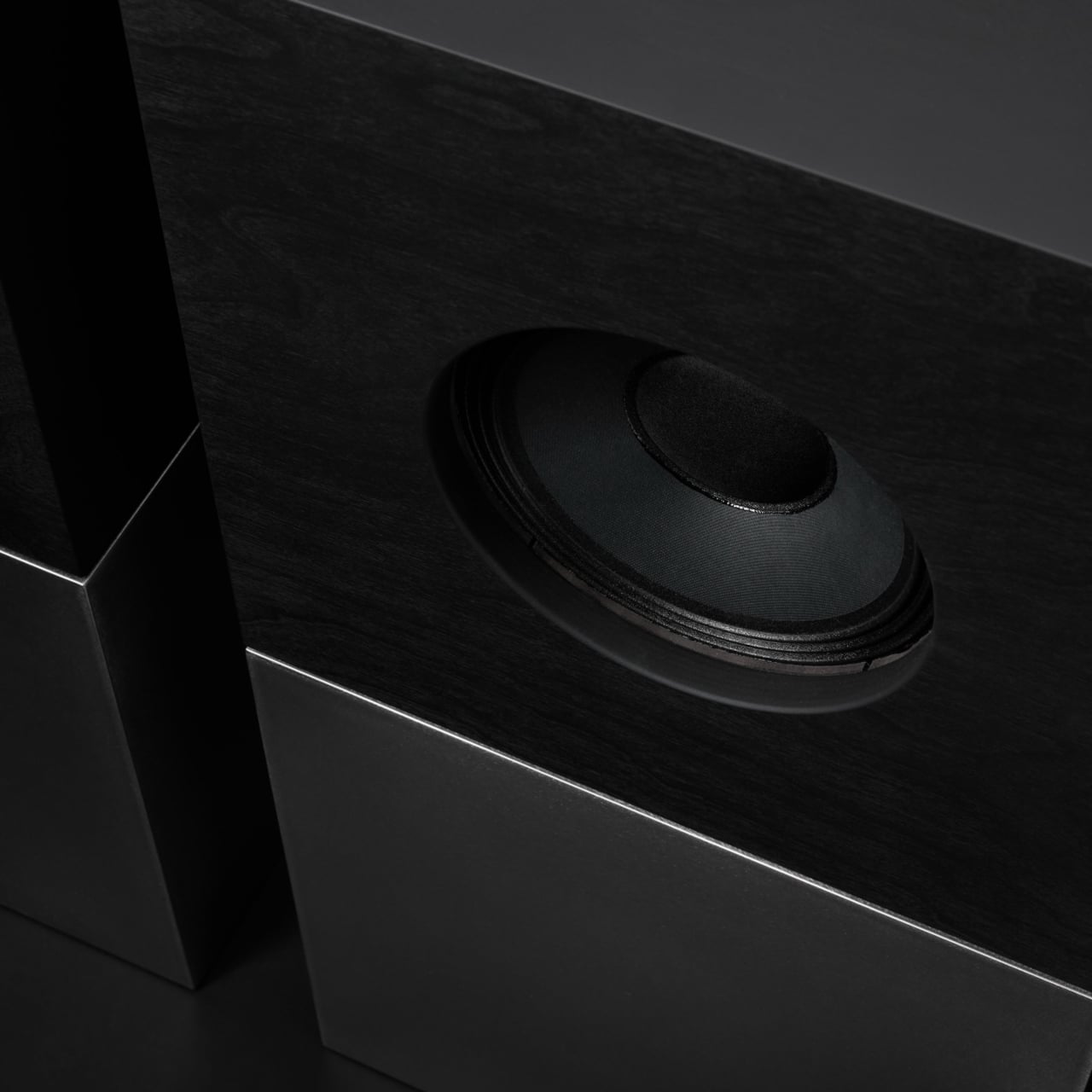
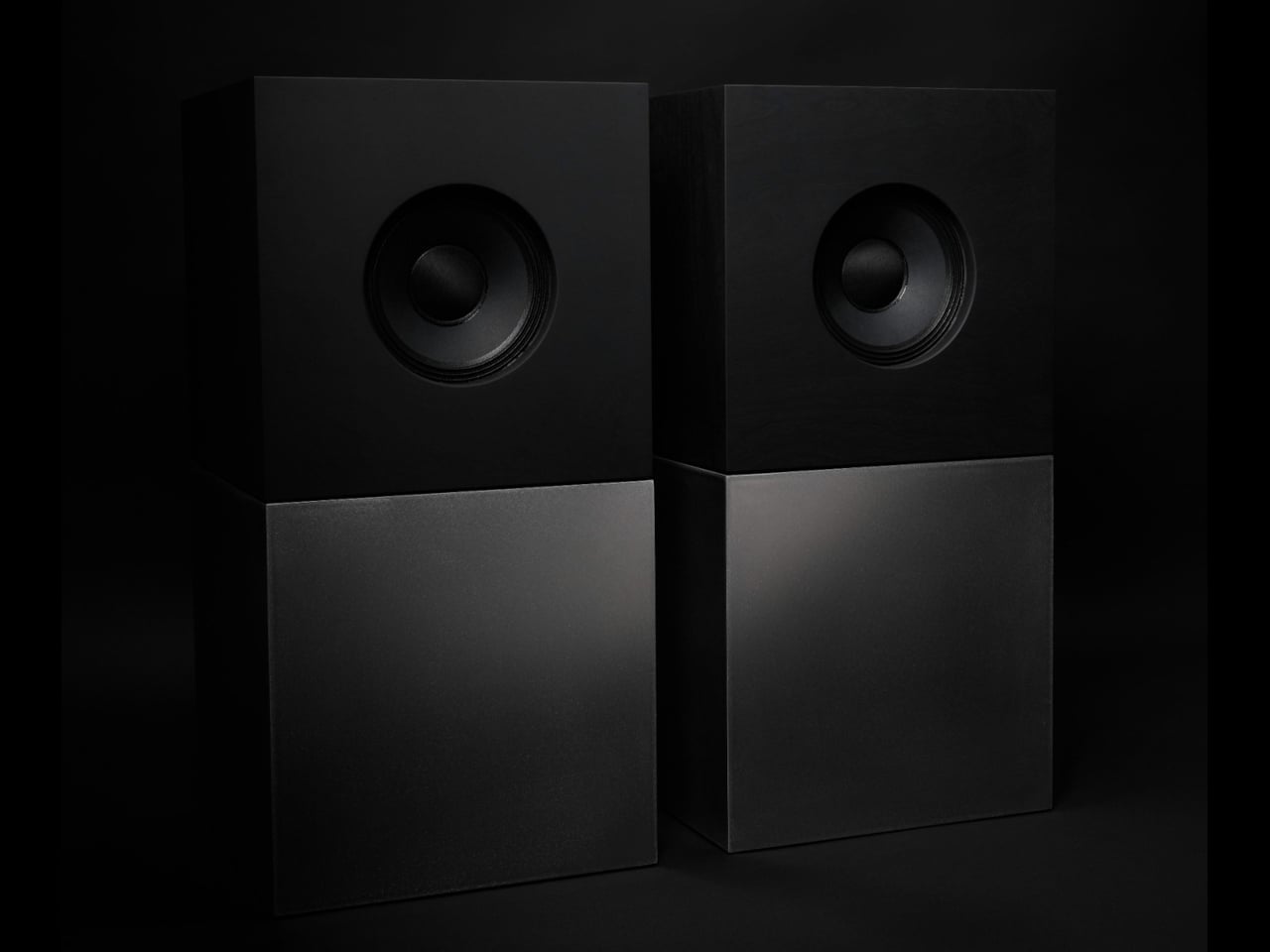
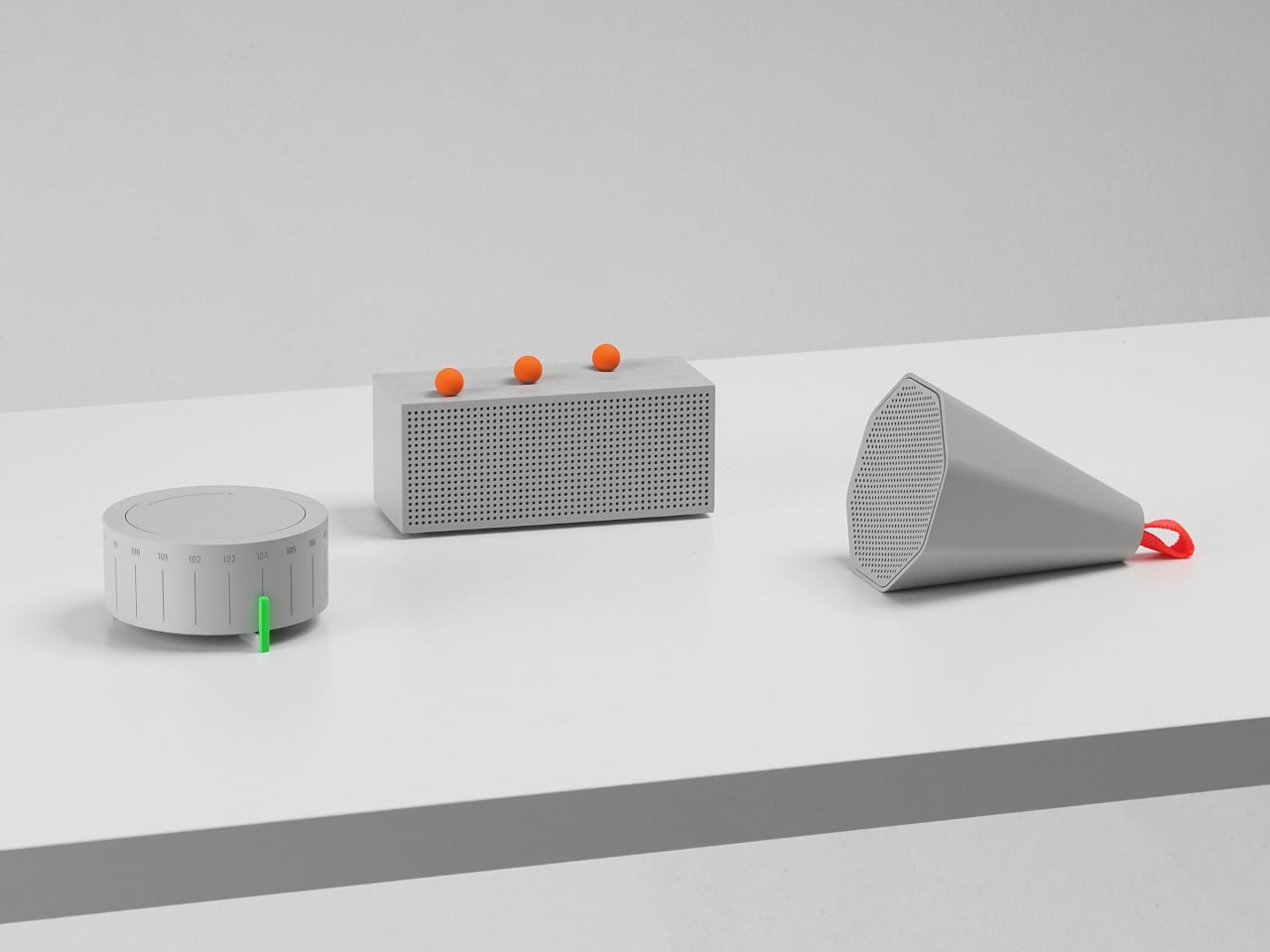
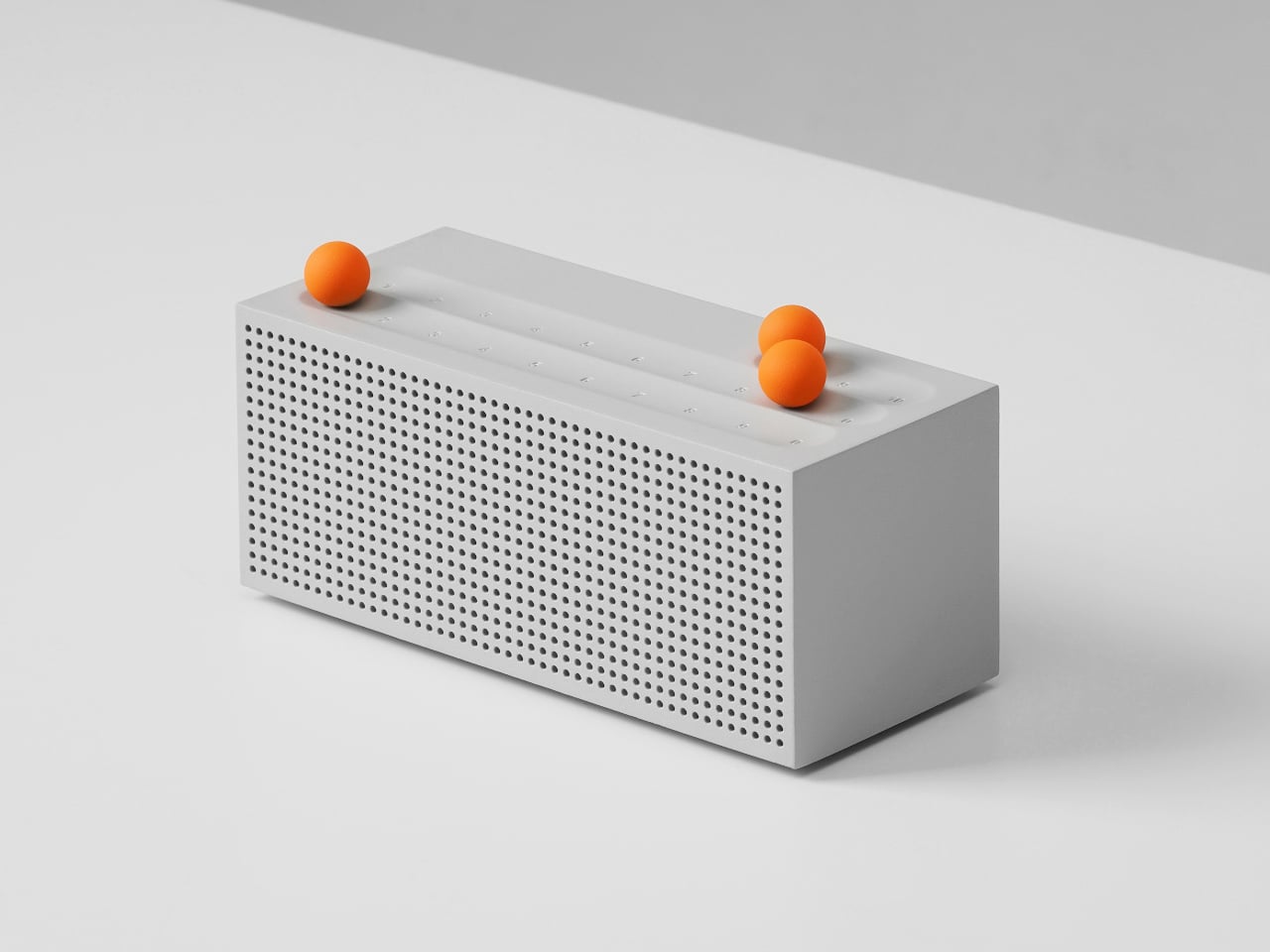
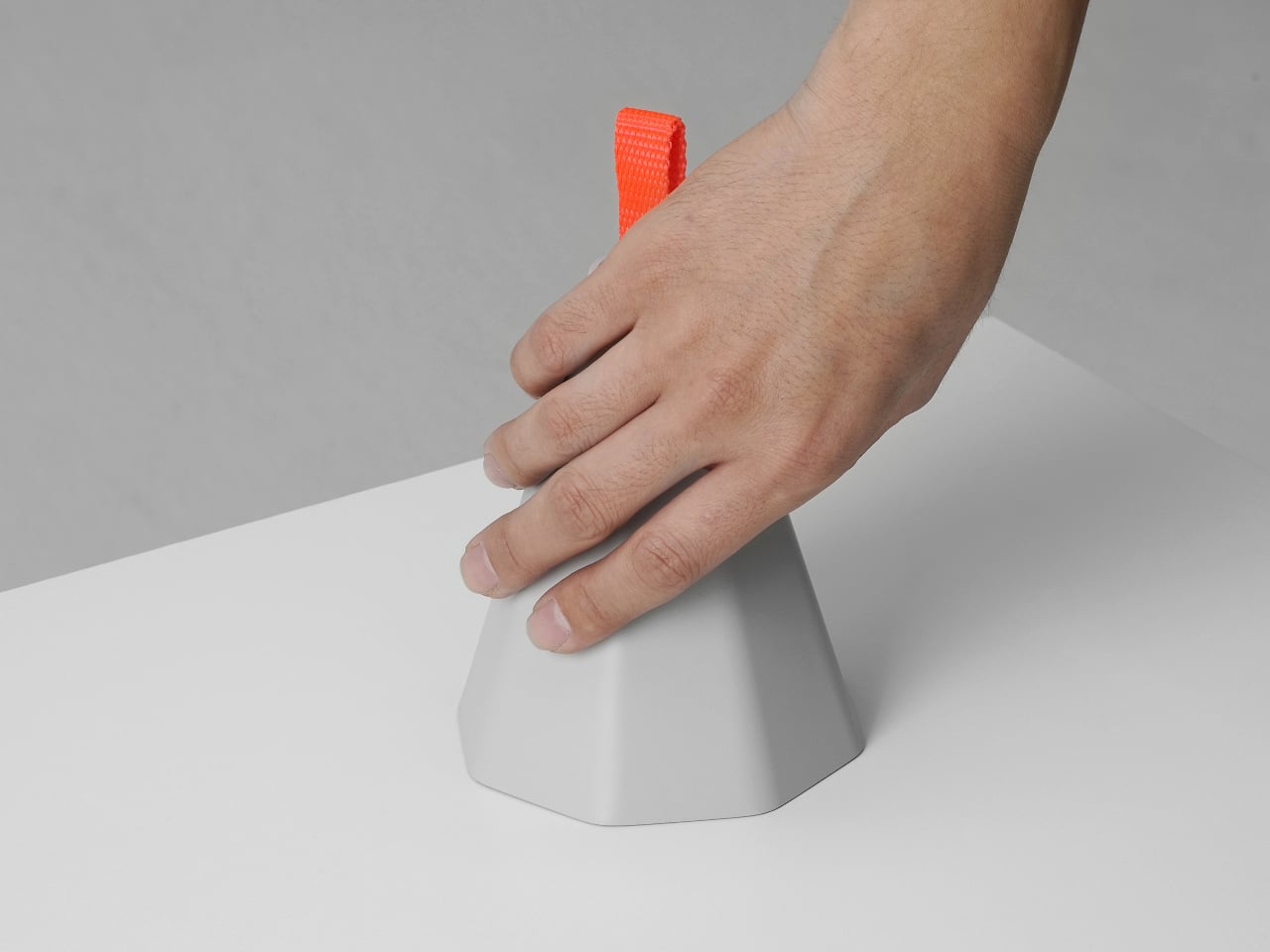
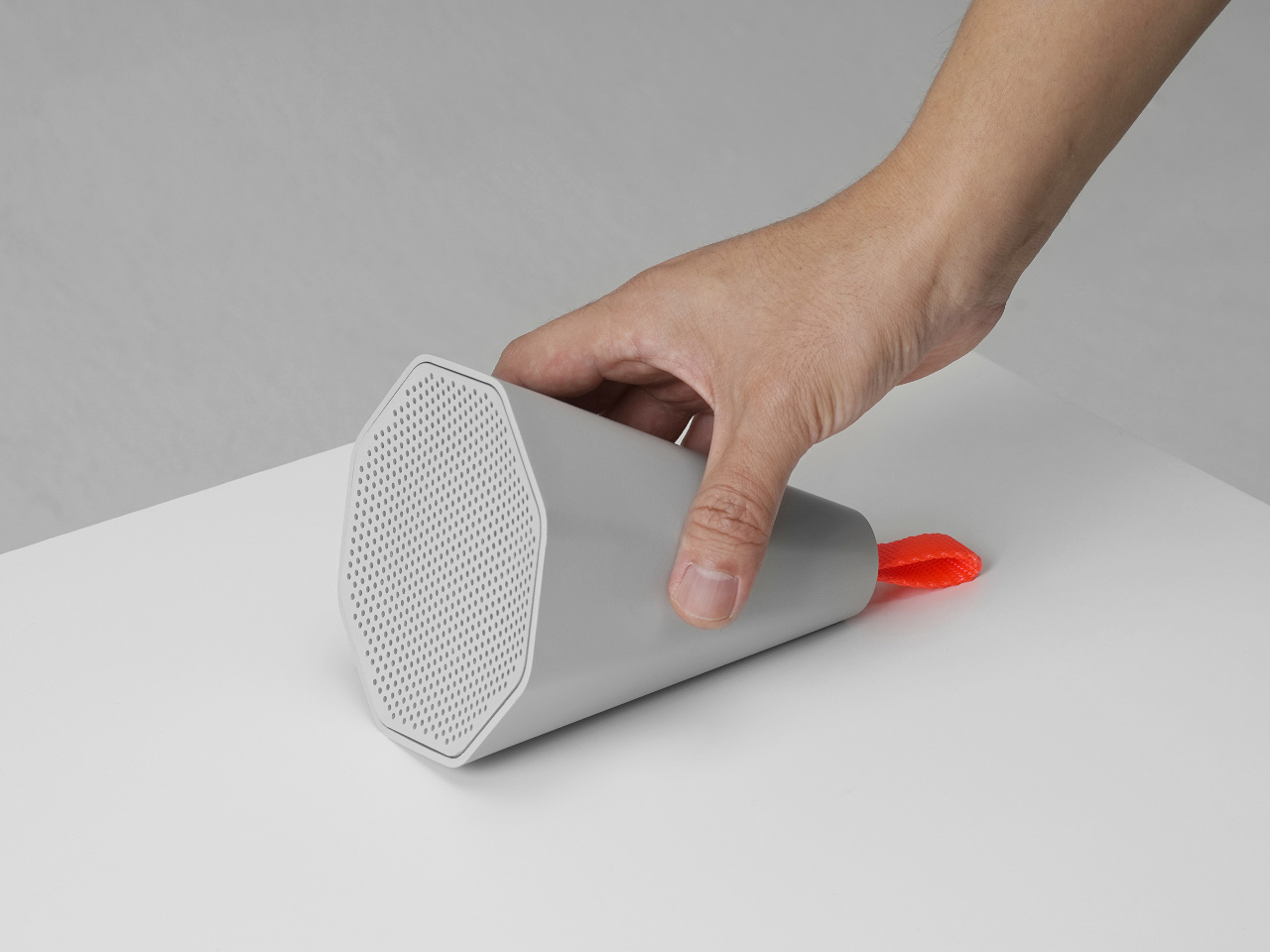
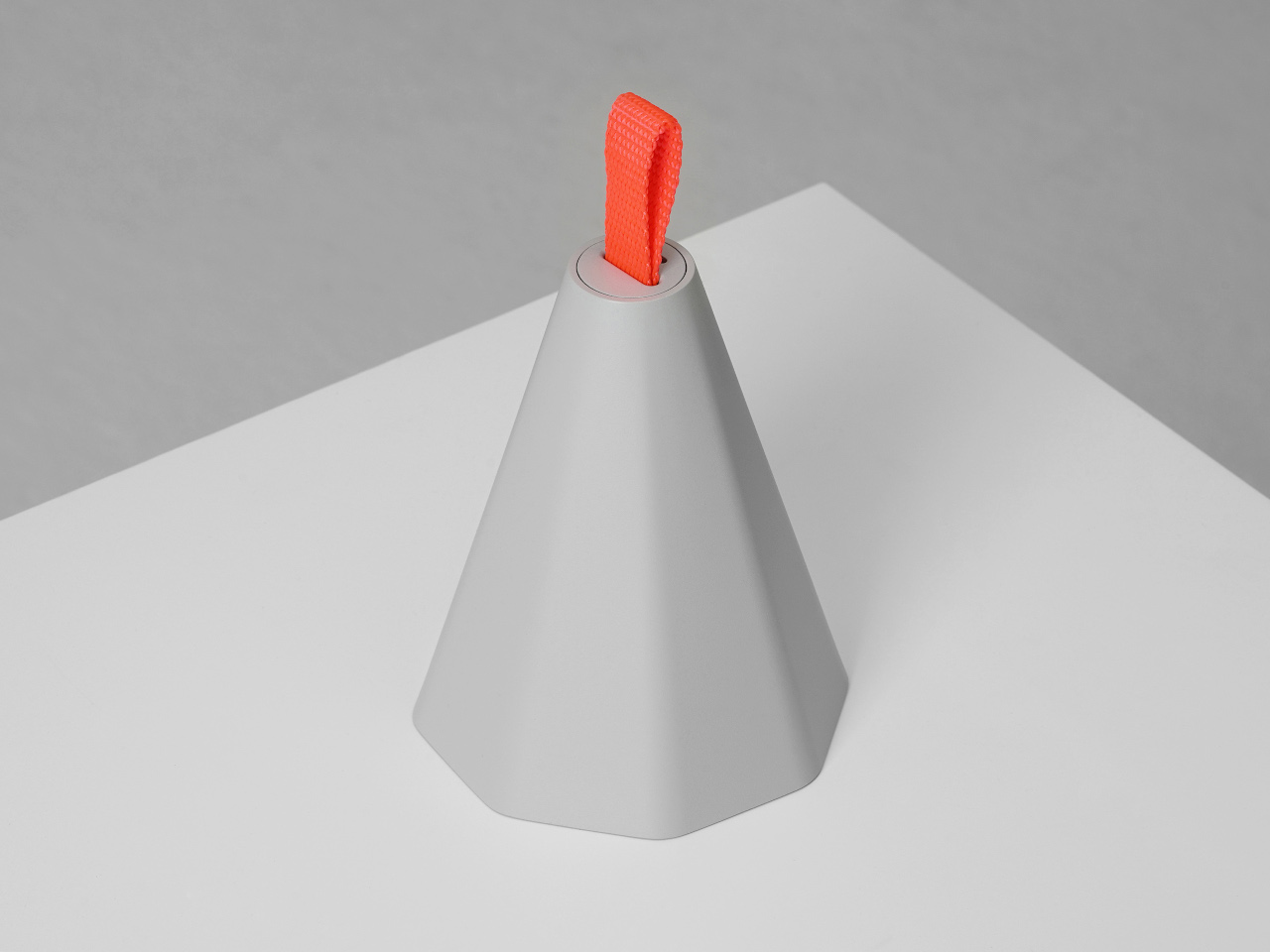
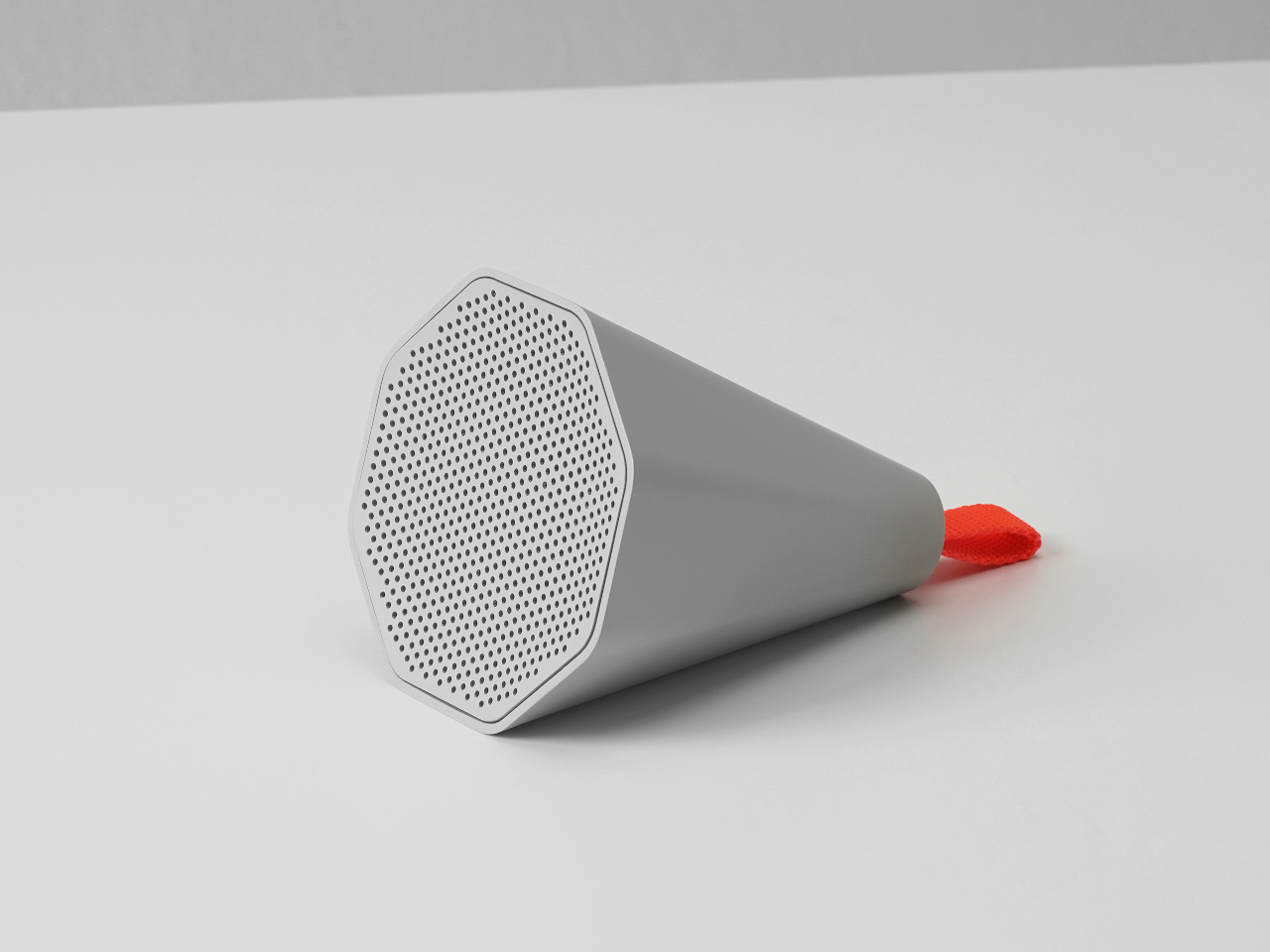
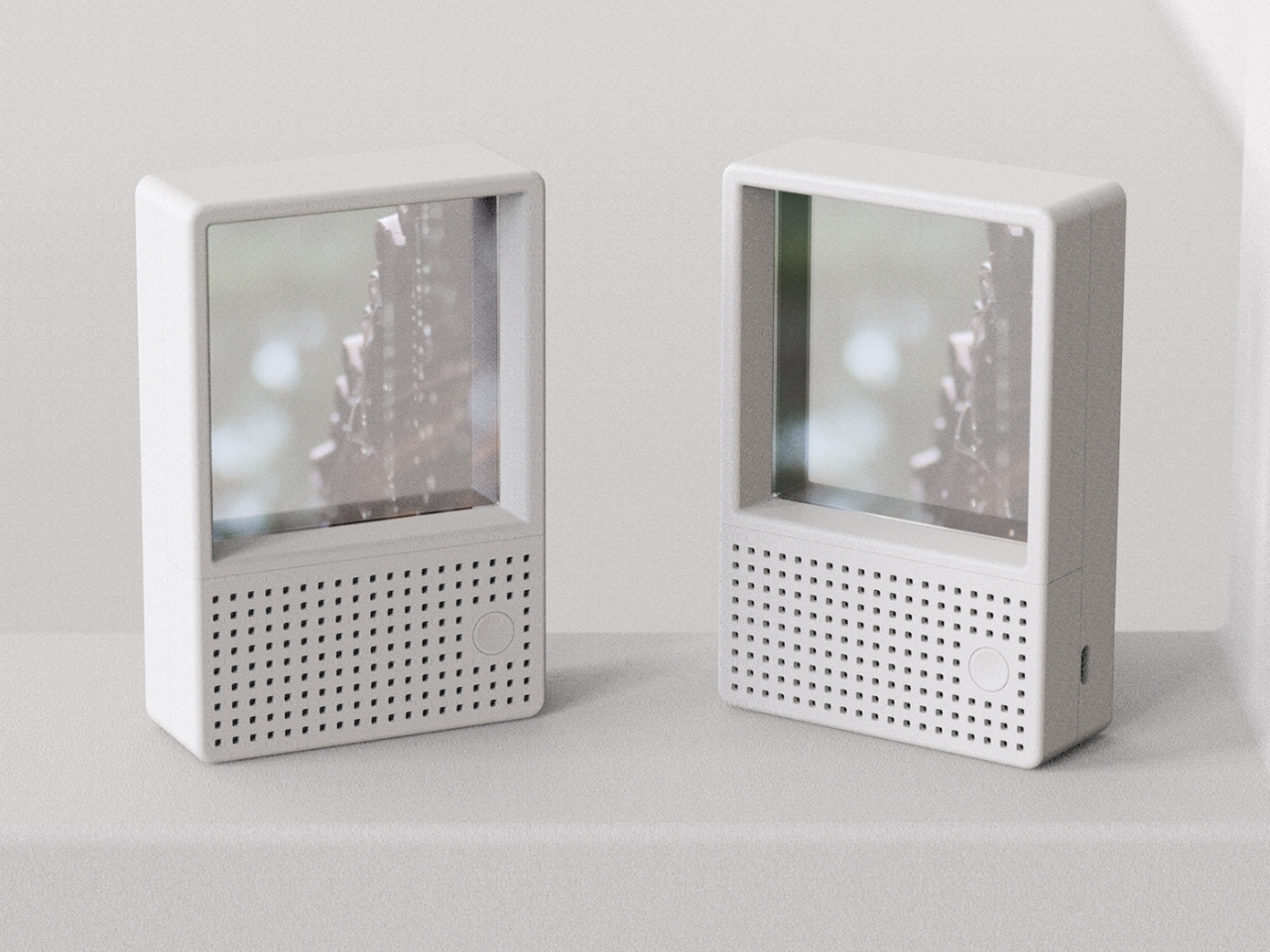
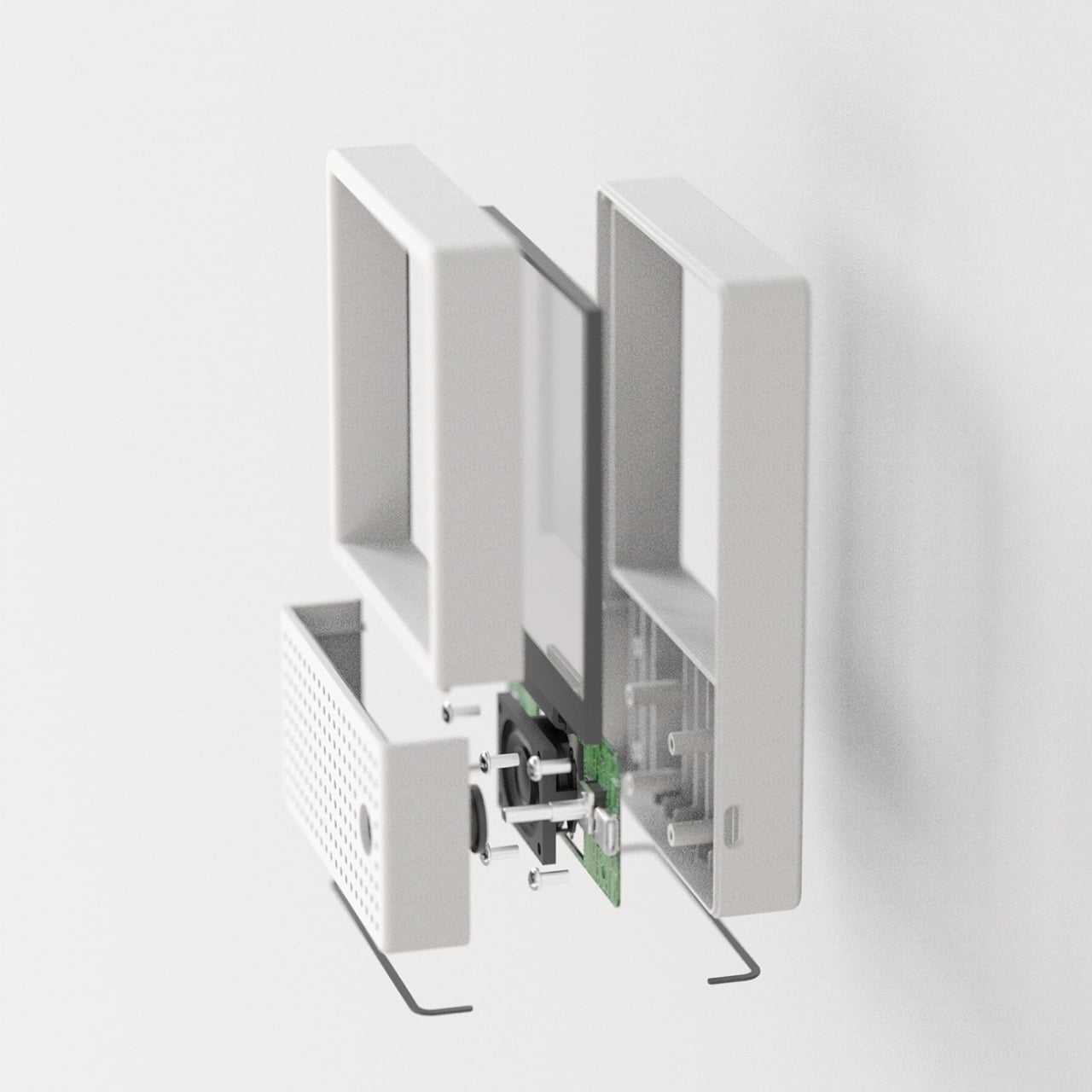
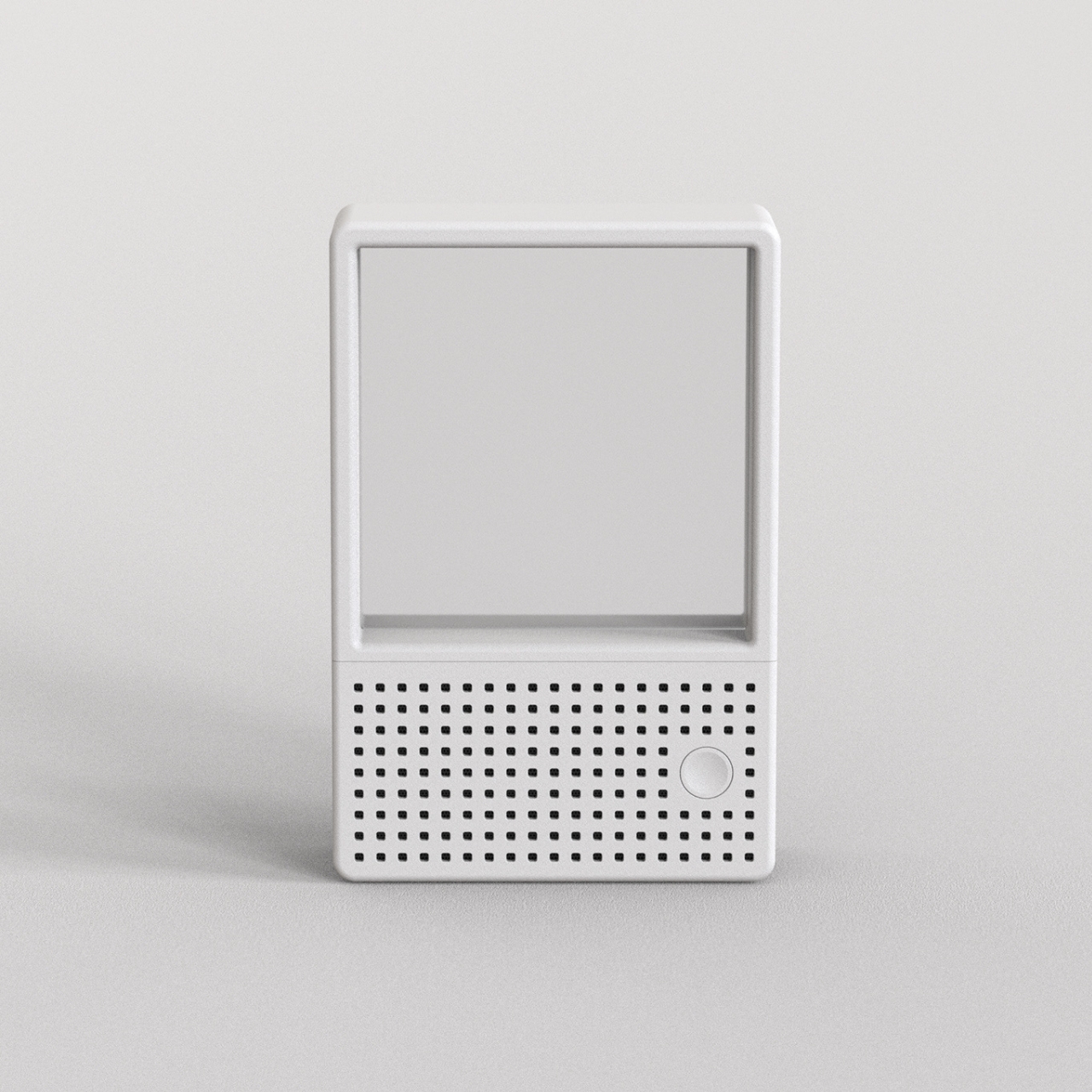
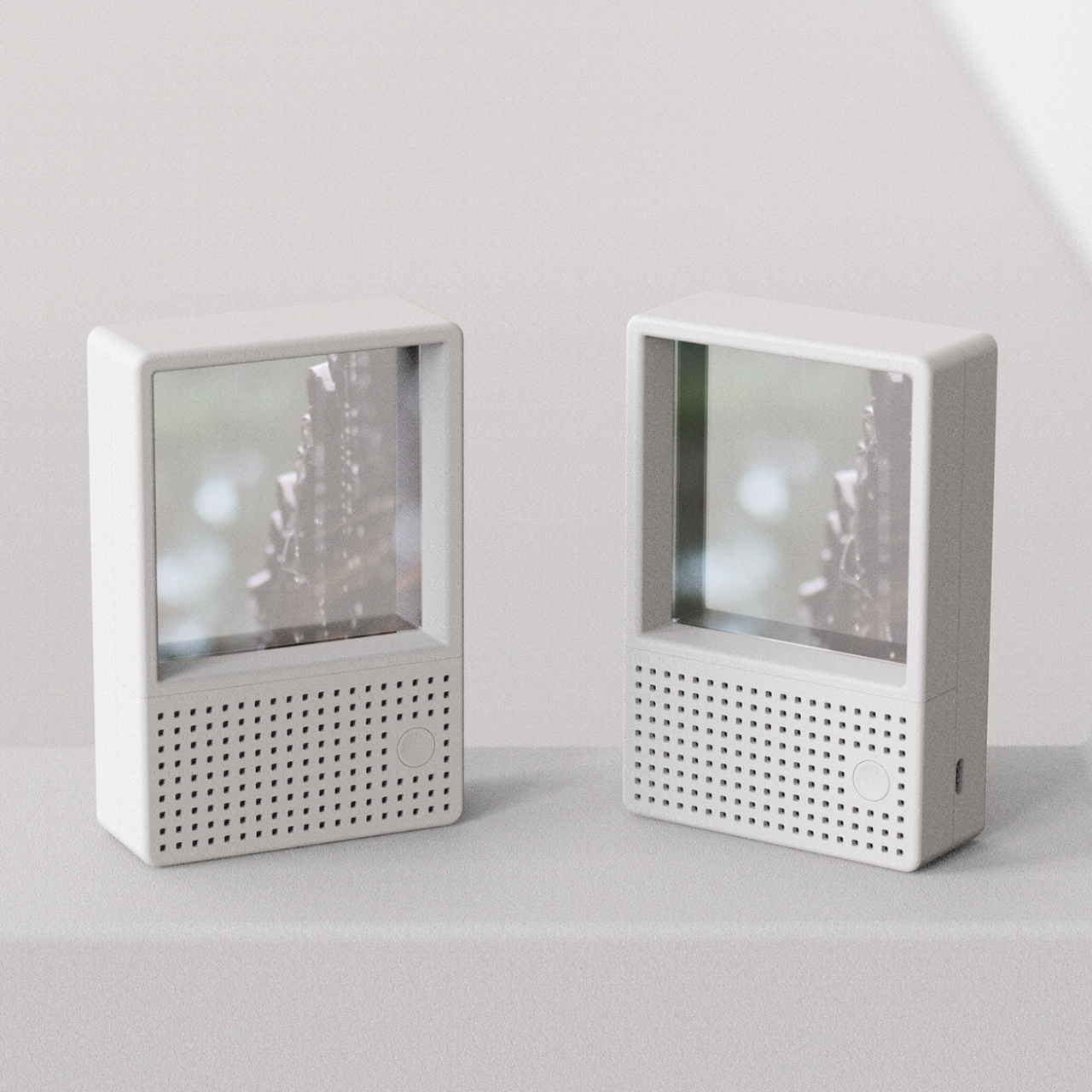
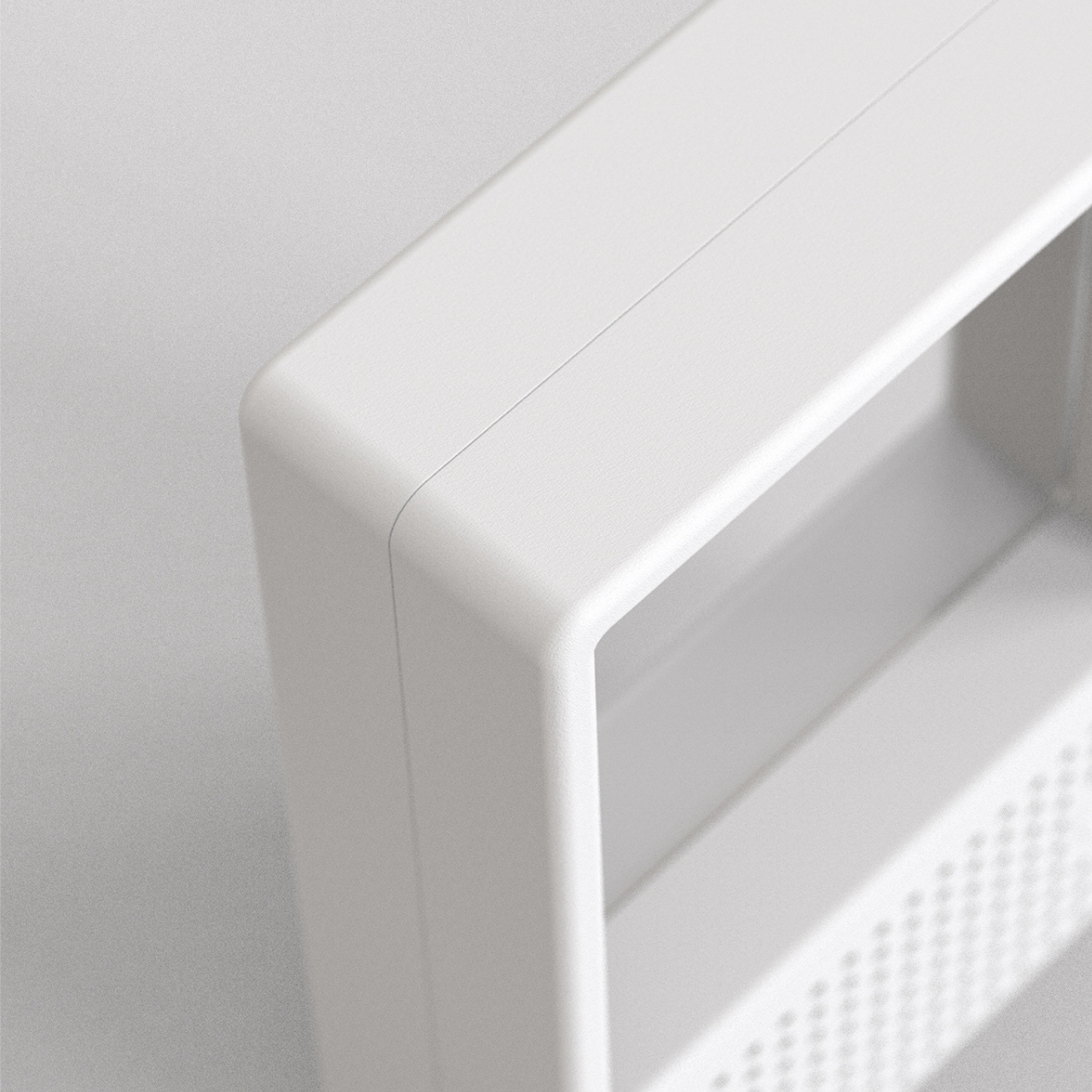
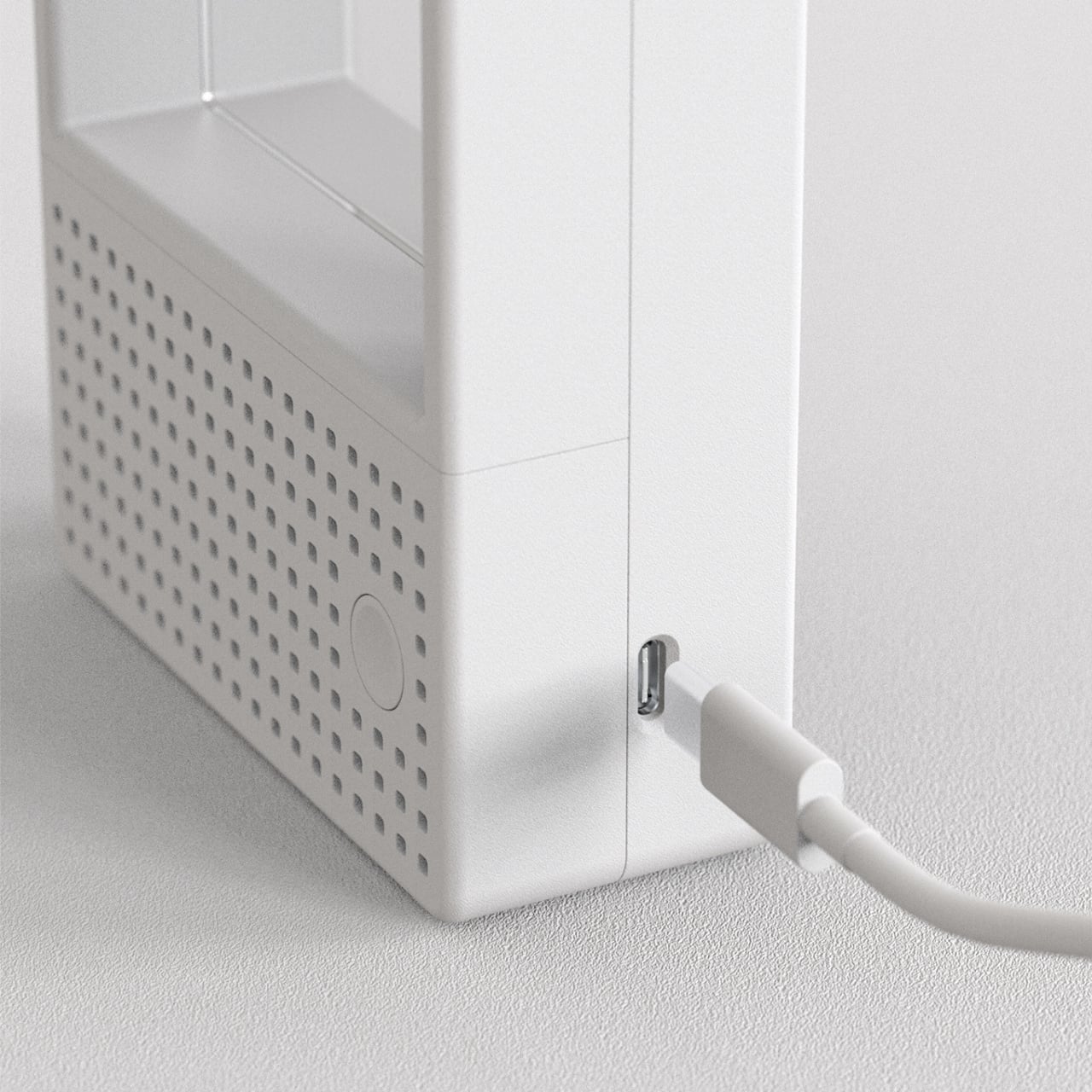
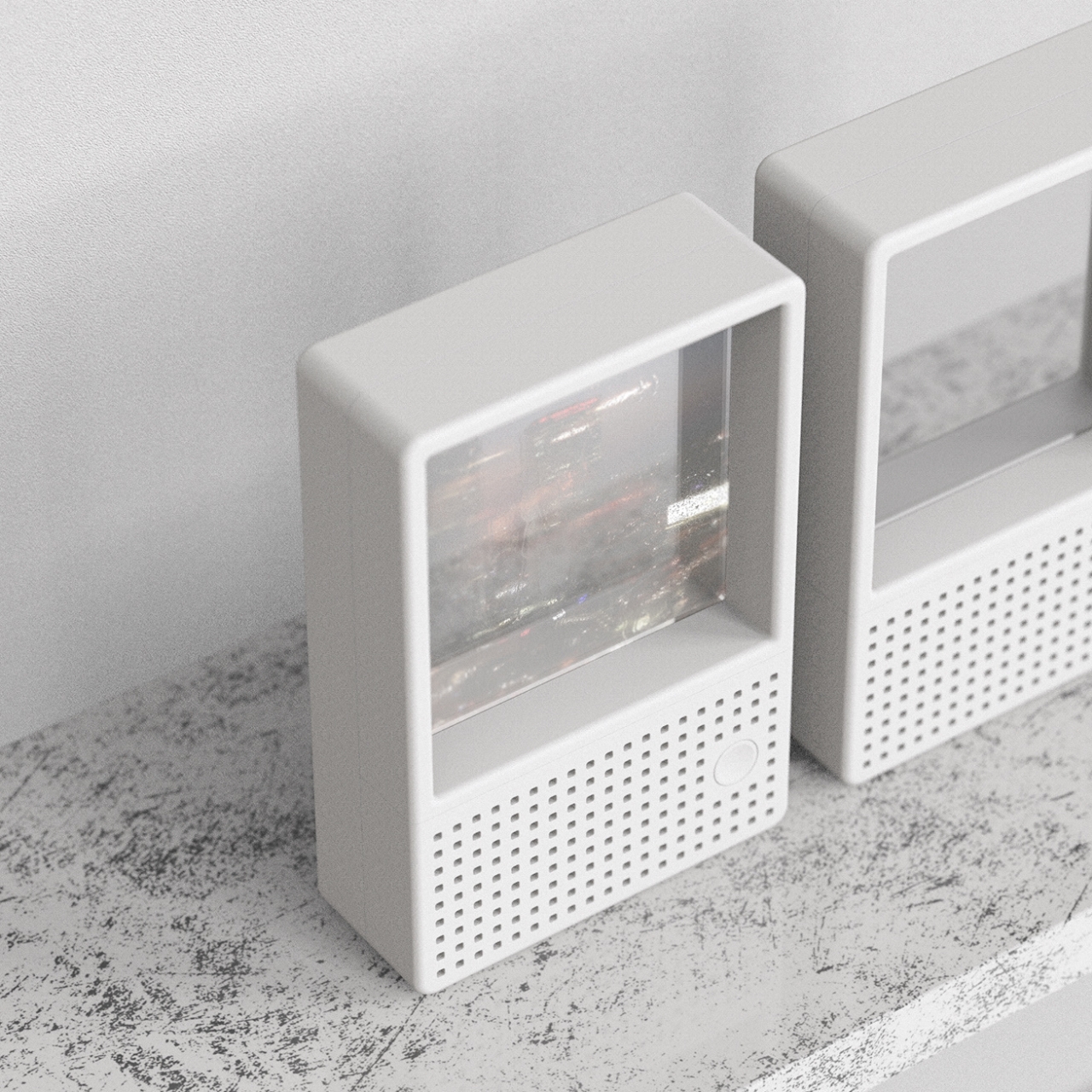
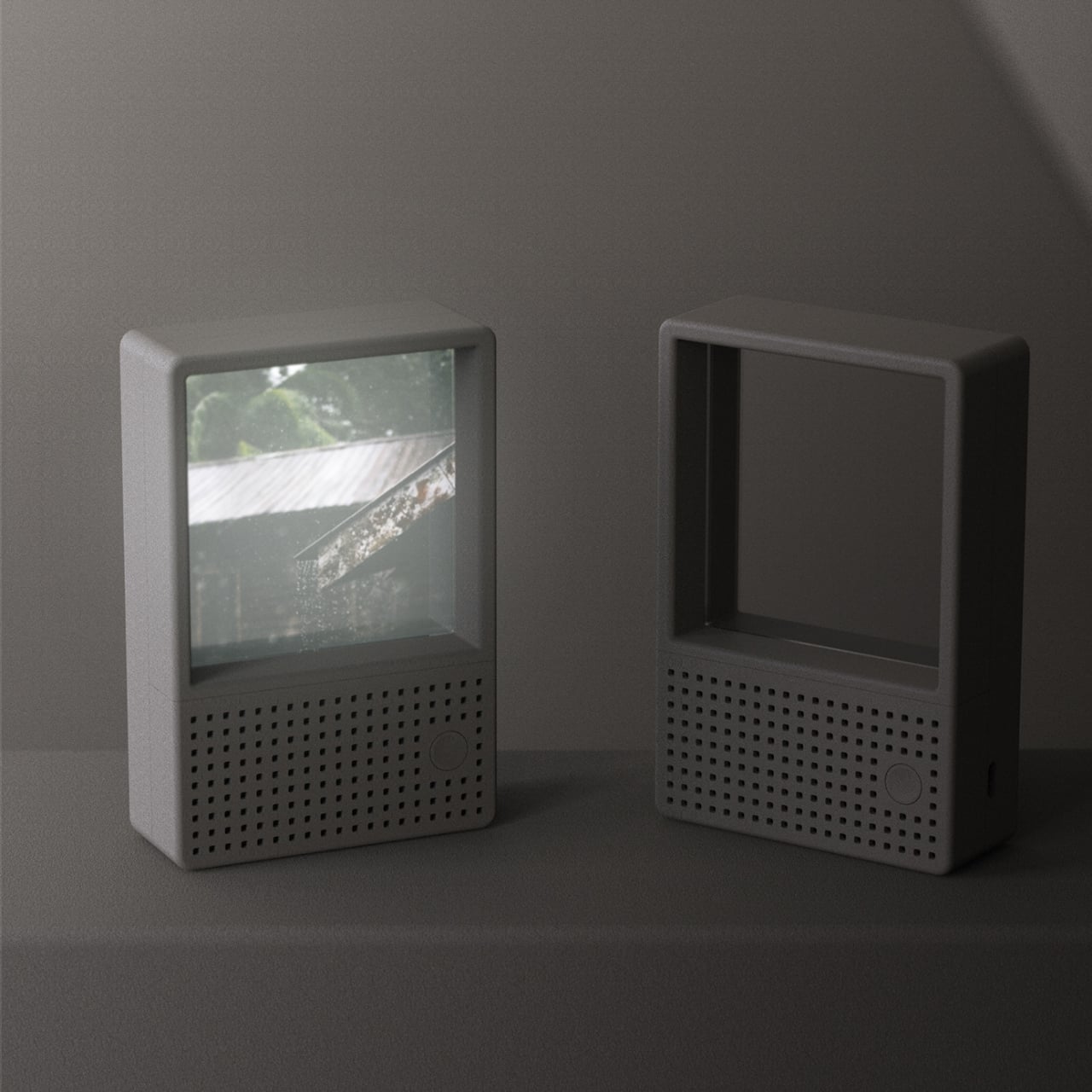
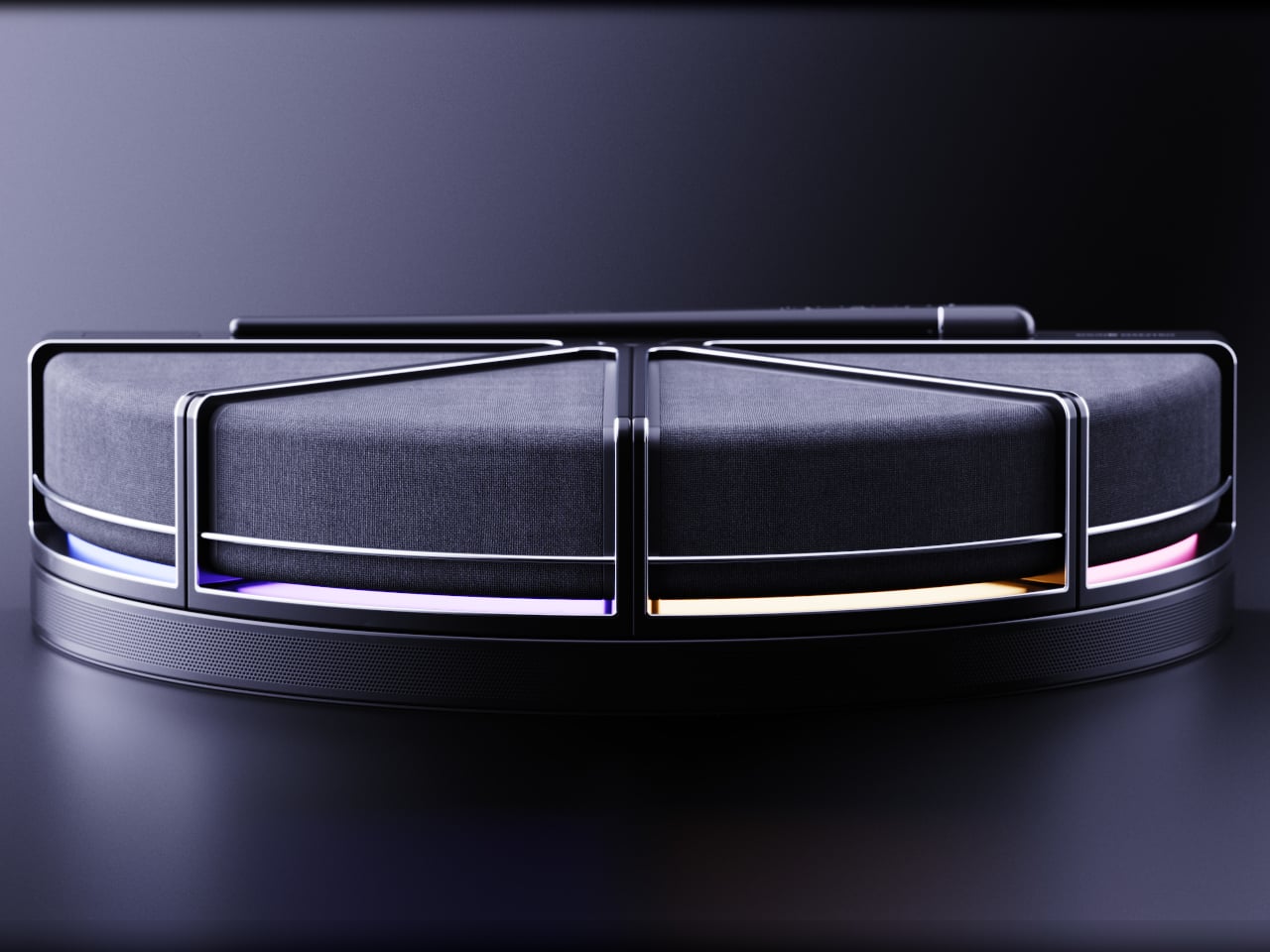
The Beat Bookends concept does exactly that by transforming bookends into two parts of a speaker system. Specifically, the triangular shapes that sit on either end of a row of books act not only as stable structures to keep your reading materials upright but also serve as front-firing speakers. Although it probably would have been enough to just have two wireless speakers performing this function, the design concept actually includes one or two more speakers for an even better audio experience.

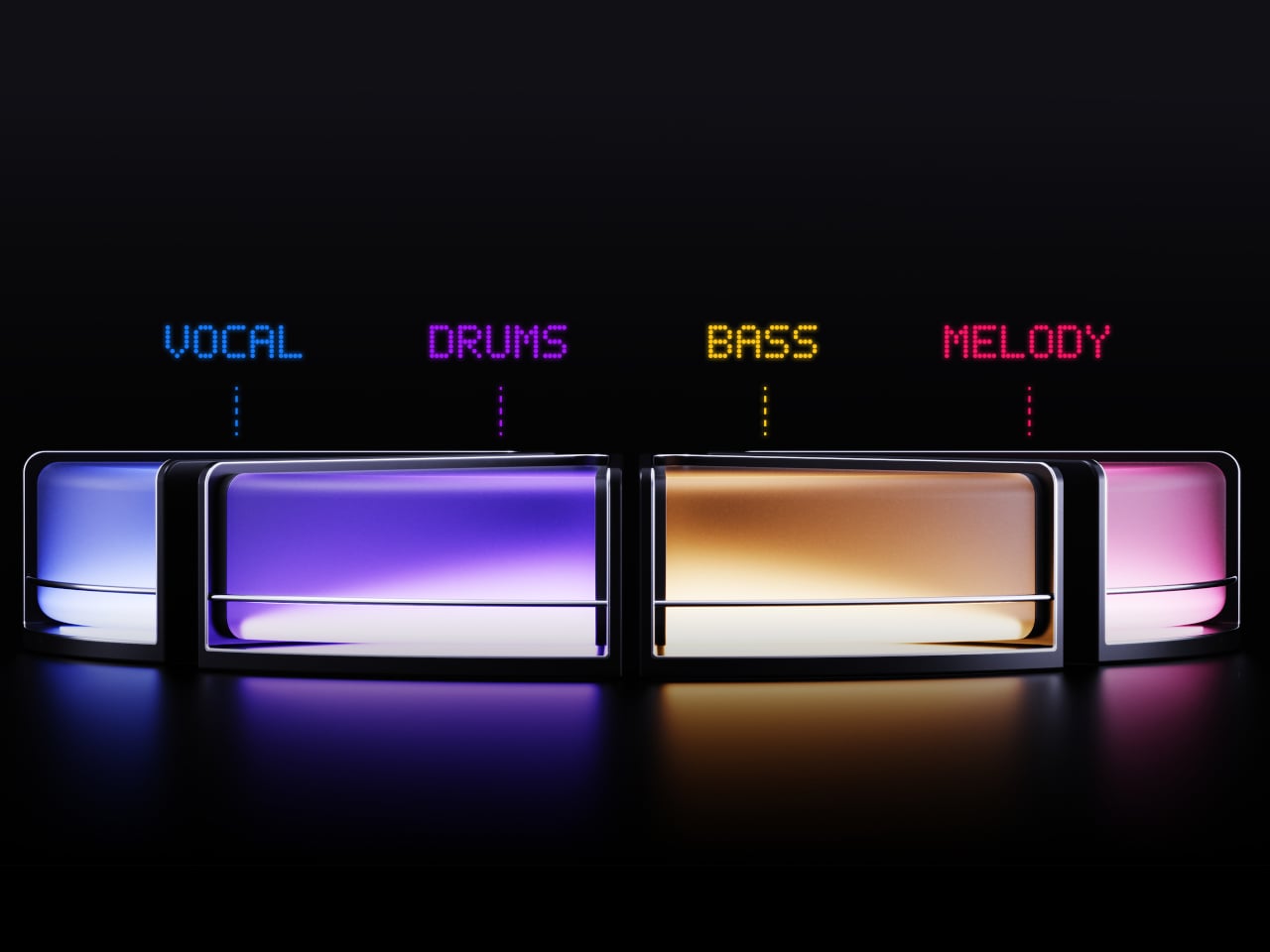
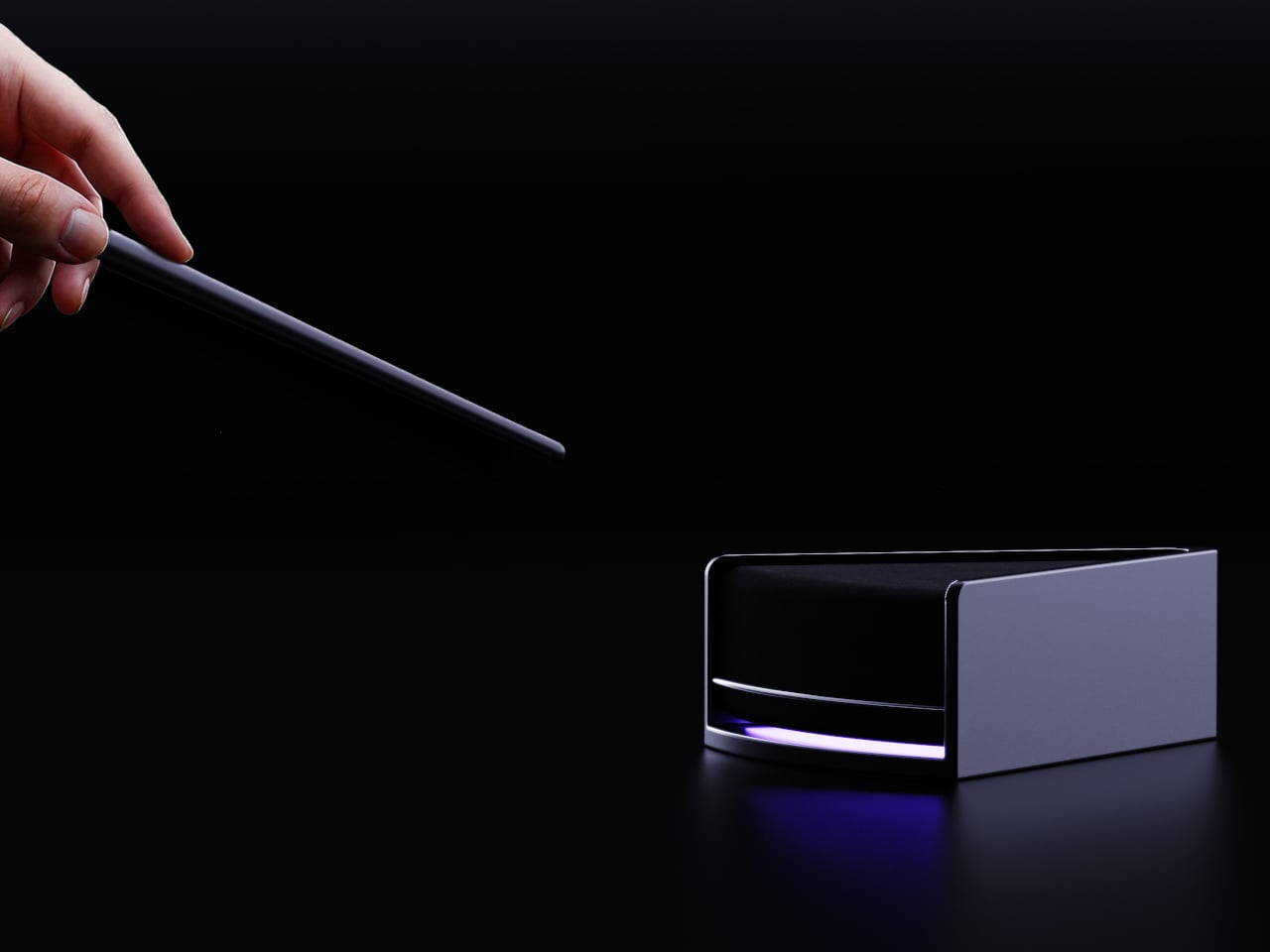
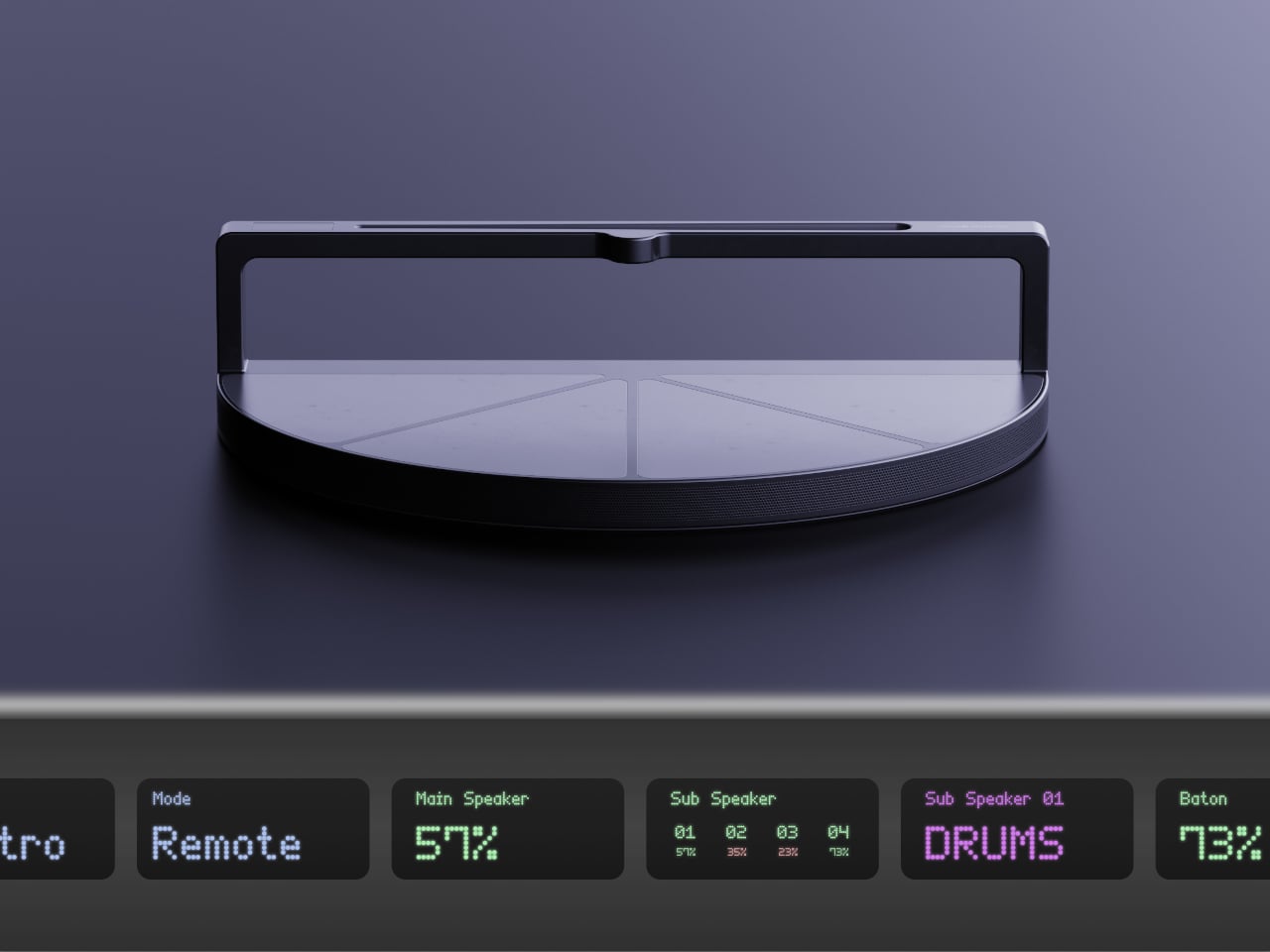
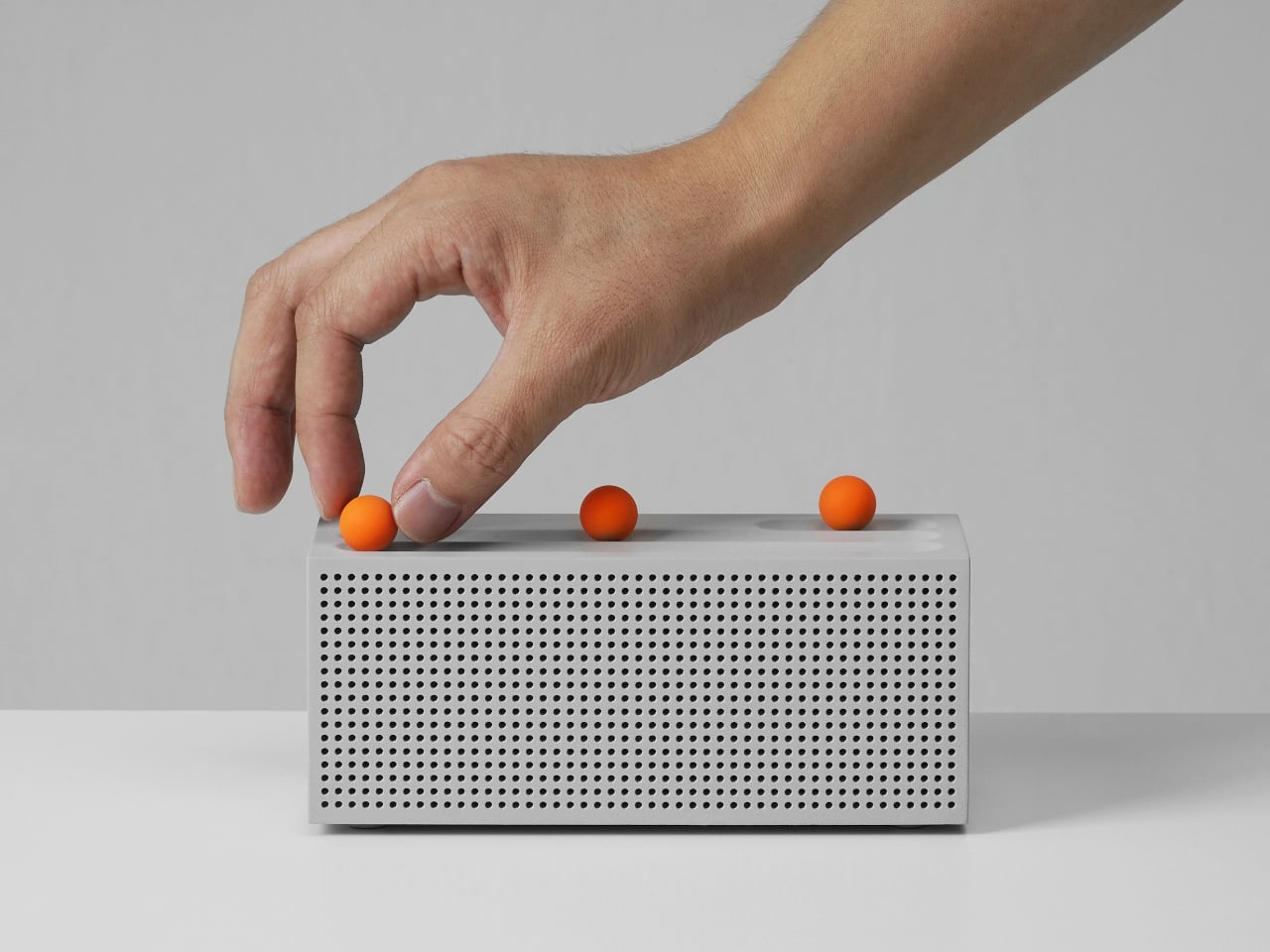
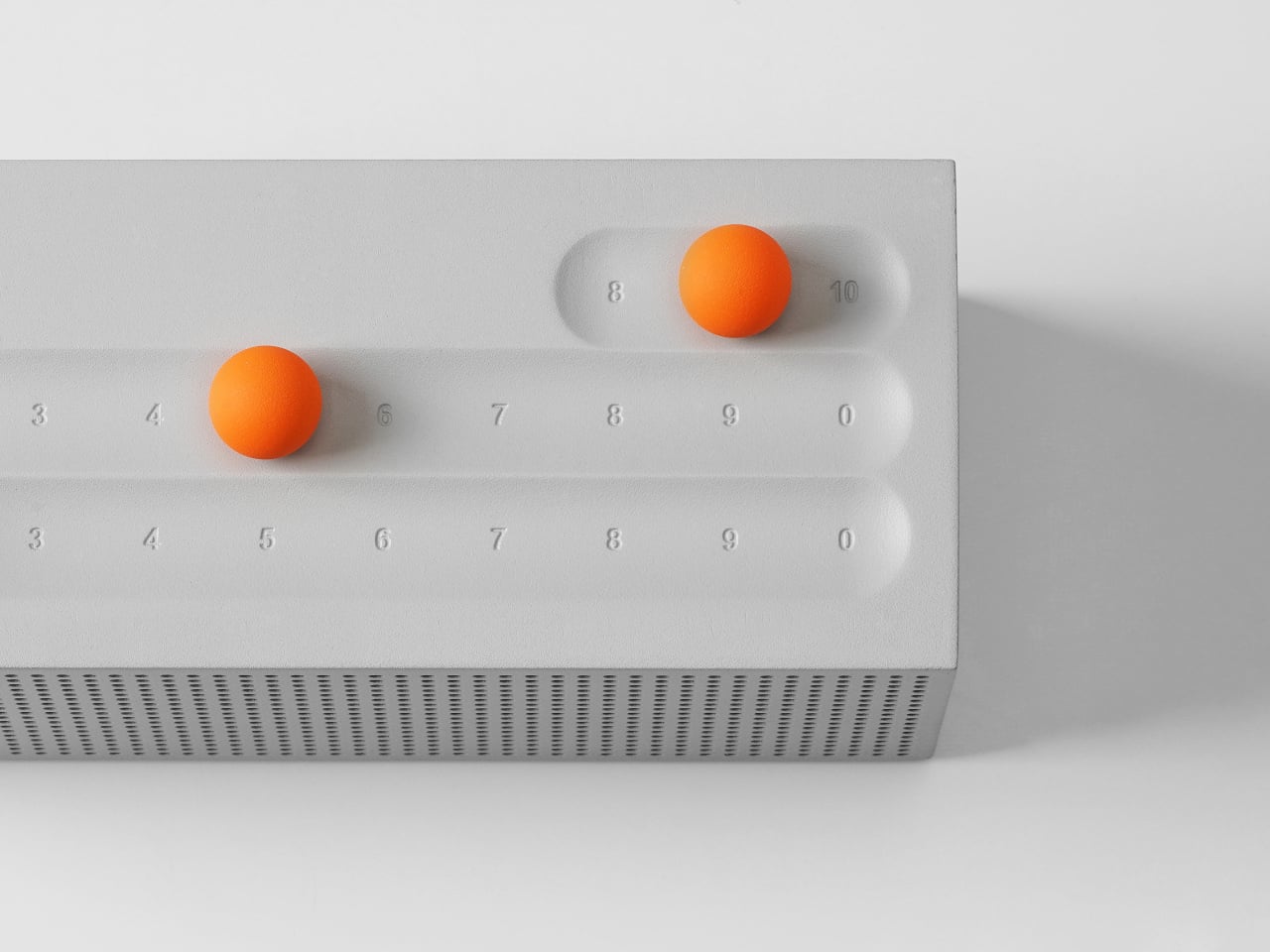
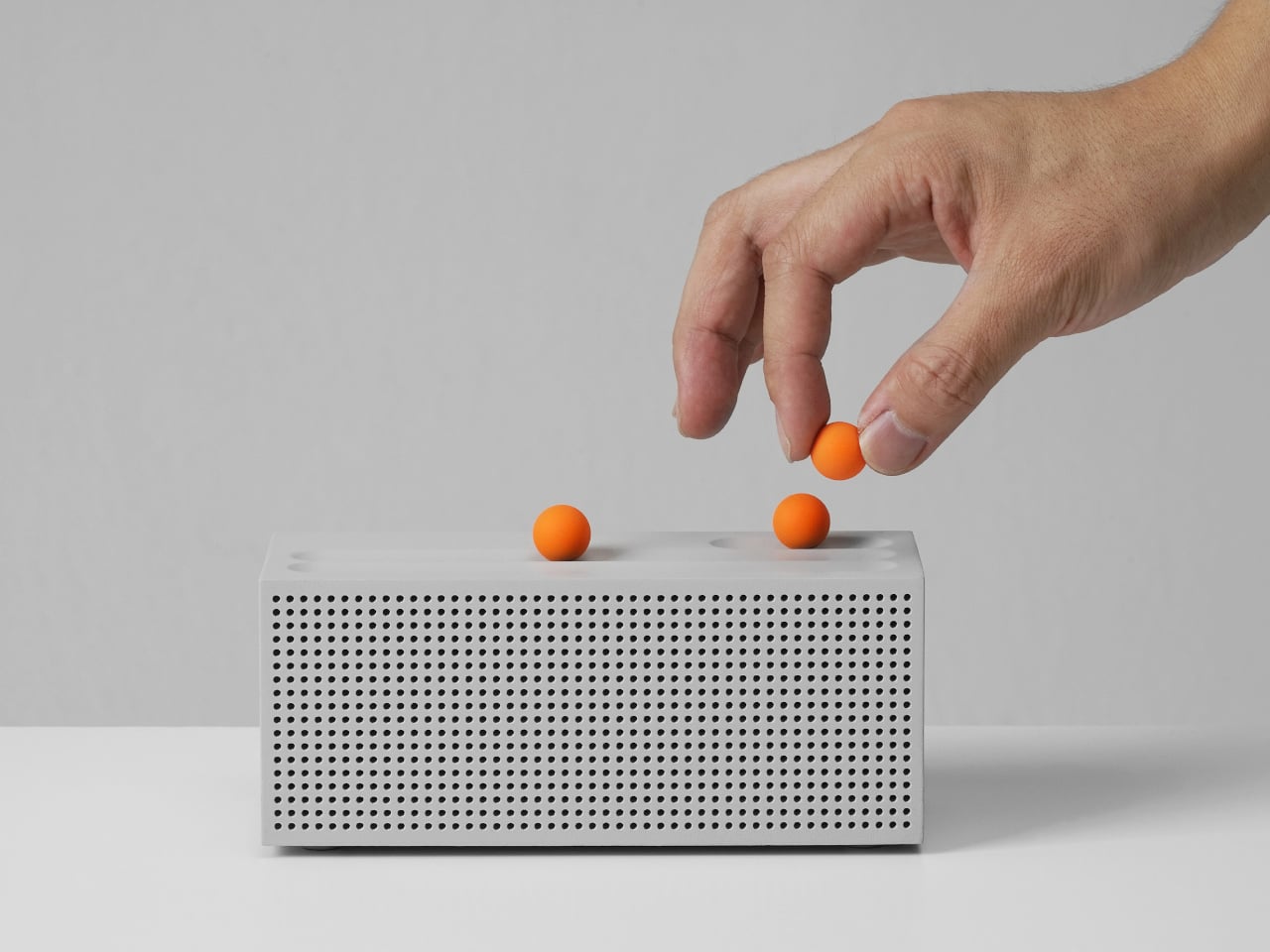
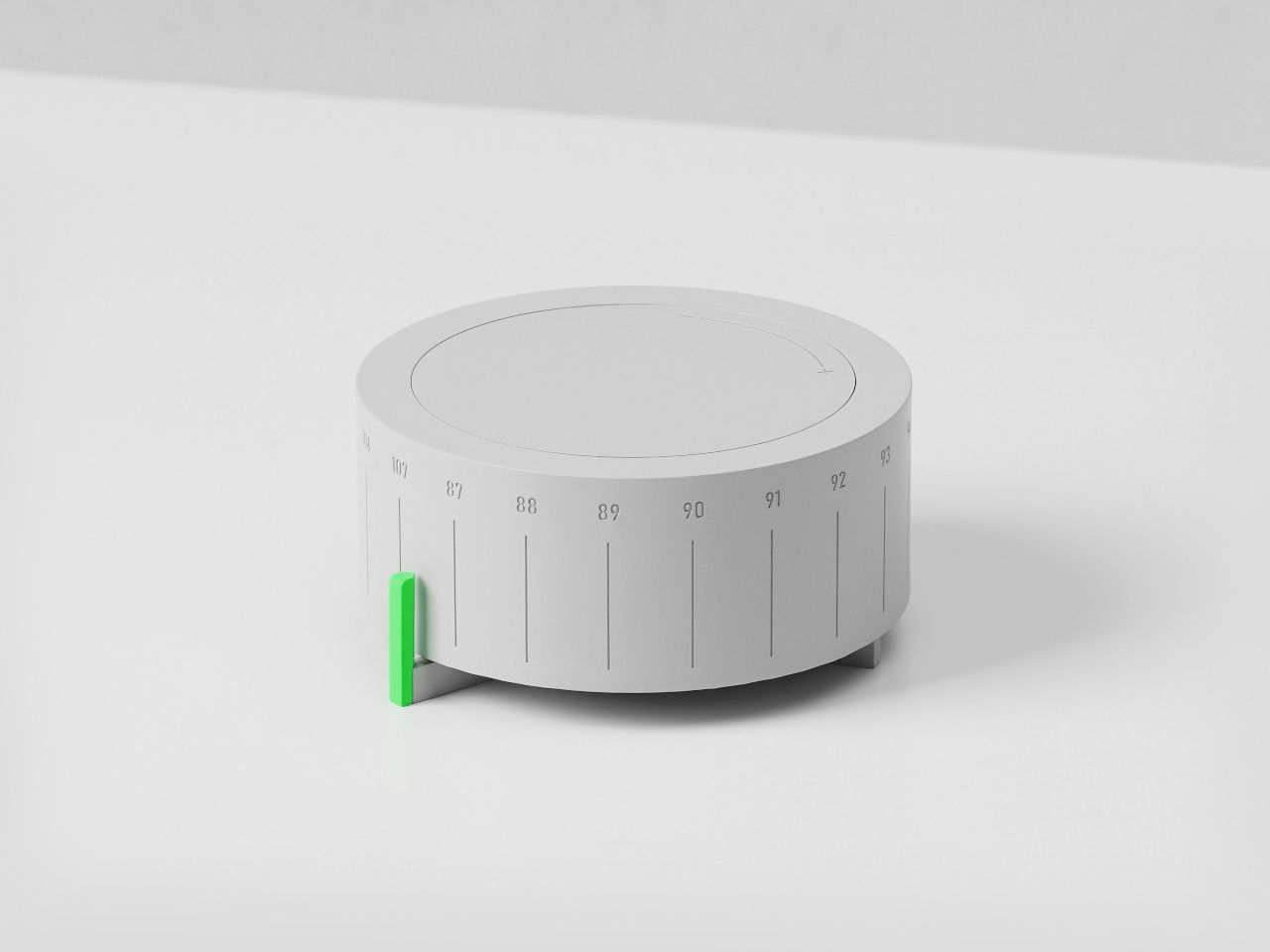
The bookend speakers are actually just the “satellite” speakers, and a rectangular block serves as the main unit you connect to. This piece can stand in the middle of your row of books to add a bit of variety to the composition, or it can even be placed anywhere else to set up a spatial audio arrangement of sorts. Another rectangular speaker block can even be added to the mix for an even louder and more distributed audio output.

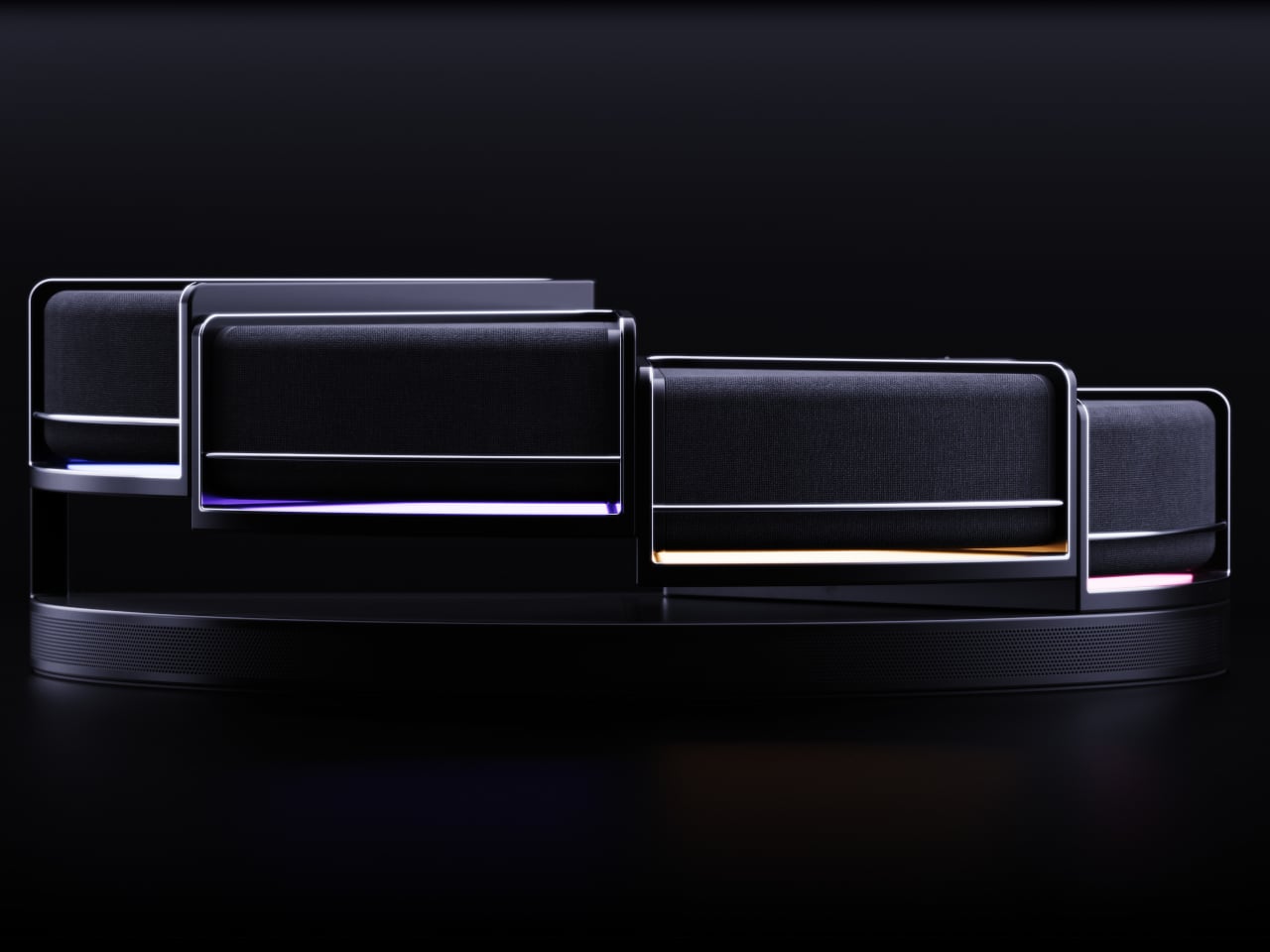
What’s interesting about the Beat Bookends concept is that it isn’t limited to actually being used as bookends only. With a flexible building block concept, you can mix and match pieces and arrange the speakers in different ways, even if you don’t have books to stand on your desk or shelf. You can combine the speakers in more interesting arrangements to provide not only audio but also a bit of decoration on your desk, hitting two birds with a single stone.

The post Space-saving bookends double as a modular wireless speaker system first appeared on Yanko Design.

Phone-powered smart speaker concept reads your mood to play the right music for work

Not everyone likes listening to music, but even those will perhaps begrudgingly agree that certain kinds of music can have different effects on one’s mood or mental state. Next to entertainment or the sheer joy of listening to favorite tunes, the most common use of music is to set the right mood, whether it’s to relax, to get pumped, or to be more productive. That said, musical tastes can be quite subjective, and even the kind of harmonies that you like could be affected by your mood at any given time. It can be quite taxing to change playlists or tracks every time, so rather than relying on your fingers and your own mind, why not let your phone do the work for you? This desk speaker concept does exactly that, analyzing your mood and picking the right music to help you finish your work, studies, or any other task you need to get done.

Designer: Junyoung Lee

People who love playing music while they work most likely have a library of tunes selected to help massage their grey matter, especially during slow hours. Unfortunately, the effectiveness of music can be thwarted by moods, emotions, and physical conditions. Sometimes we’re just stuck in a slump and manually picking out a more appropriate playlist only adds to the stress and traps you in a vicious mental cycle.

MIX:X is a smart speaker system that uses the power of your smartphone and machine learning to automate that process so you won’t have to lift a finger when your brain or heart is just too tired to care. You simply dock the phone in front of the tall, boxy speaker to start the process. The large camera at the bottom keeps a constant watch on the person’s face in front of it, particularly their facial expressions, and using computer vision, machine learning, and algorithms, it tries to identify the mood that the person is in. Depending on what mood that is, it will switch to a different playlist that will help get you into a more productive working state.

Part of the MIX:X speaker’s solution is actually not the device itself but the app that comes with it. Here you select the songs that you like and associate them with certain moods. The app’s AI analyzes the music selection and uses that as a pool to choose from when your mood shifts one way or another. It doesn’t simply get music out of thin air (or the Internet), giving you some amount of control to limit the choices to your preferences.

In that sense, the MIX:X speaker is simply a box with speakers facing sideways and a camera, though it definitely has an interesting aesthetic. It has transparent panels for its sides and back, putting the sophisticated electronics inside on display. The rest of the device’s design is pretty minimal, with a single dial for the volume. If there’s one glaring flaw in its design, it’s the fact that it seems to support only a specific model or size of a specific phone, namely an iPhone, which severely limits how much this concept can be used outside of that single device.

The post Phone-powered smart speaker concept reads your mood to play the right music for work first appeared on Yanko Design.

Towering speaker gets the party started with 360-degree lights and powerful bass

The majority of new home speakers coming out these days embrace more minimalist and discreet designs that make them blend with the rest of the room. After all, it’s really their sound that counts more than their appearance, though aesthetics also play an important role when it comes to integrating such devices into your overall interior decor. Of course, there will always be exceptions, including speaker designs that are meant to be seen with their more artistic and elegant appearances. This large and tall speaker, however, is none of those but unabashedly makes its presence known with psychedelic lighting and overwhelming audio output, making it better suited for home parties than a mellow movie night.

Designer: Sony

There’s no escaping how speakers need to be large in order to be really loud, though there are designs that try to get around this physical limitation through tricks and sleights of hand. The new Sony ULT Tower 10 speaker, however, makes no excuses for its size. In fact, it uses its hulking form to its advantage, making sure that partygoers not only feel but also see the power that it holds inside its towering form.

As part of Sony’s new ULT POWER SOUND series, the ULT Tower 10 bears two specially marked buttons that activate bass-related features. One enables deeper, low-frequency bass while the other turns on powerful, punch bass, presuming you can differentiate between these two distinct modes. Either way, the omnidirectional audio coming from this large speaker is more than enough to fill a whole room, ensuring all your guests hear the rumbling music as they dance to the beat.

The Sony ULT Tower 10 is made for parties in more ways than just its powerful output. With 34 different LED light zones, the tall speaker also boasts 360-degree light shows that can synchronize with the music. And given how many people love belting out songs during these parties, the speaker actually comes with a wireless microphone in addition to two other mic inputs. And though it was designed for such music-filled gatherings, the speaker can also connect wirelessly to other sound systems and TVs for an immersive movie-watching experience.

Given its size and power, not to mention its 29kg weight, it’s no surprise that the Sony ULT Tower 10 speaker isn’t something you’ll want to move around a lot, unlike its more portable ULT speaker siblings. It also needs to be plugged in, which limits its outdoor use. Besides, only its top, which houses the physical controls, is splashproof, which is meant to protect it more from accidental beverage spills than a rain shower. Admittedly, this speaker seems to target a very specific and niche market, one that will be willing to spend $1,199.99 for a speaker that’s clearly made to party.

The post Towering speaker gets the party started with 360-degree lights and powerful bass first appeared on Yanko Design.

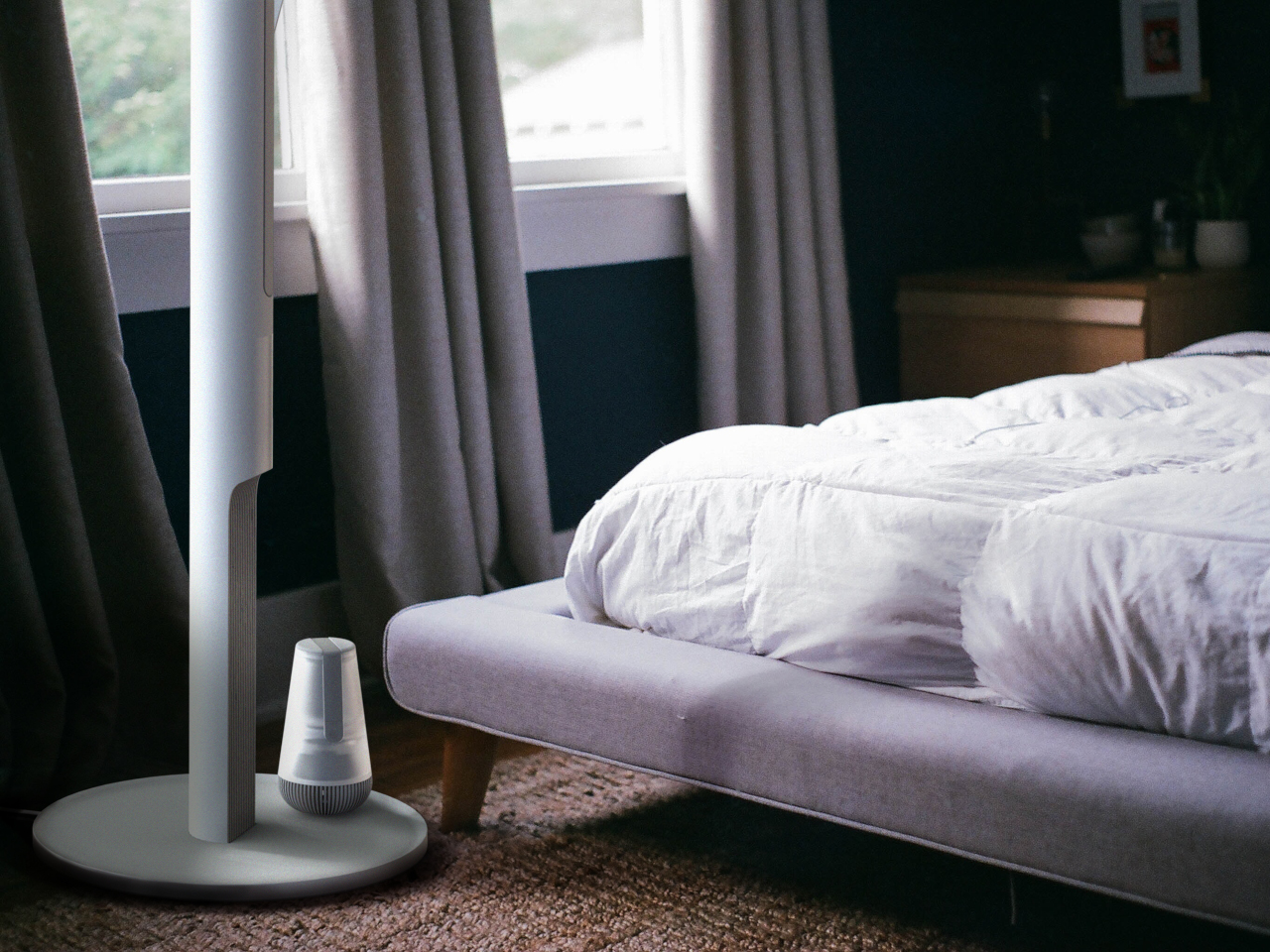
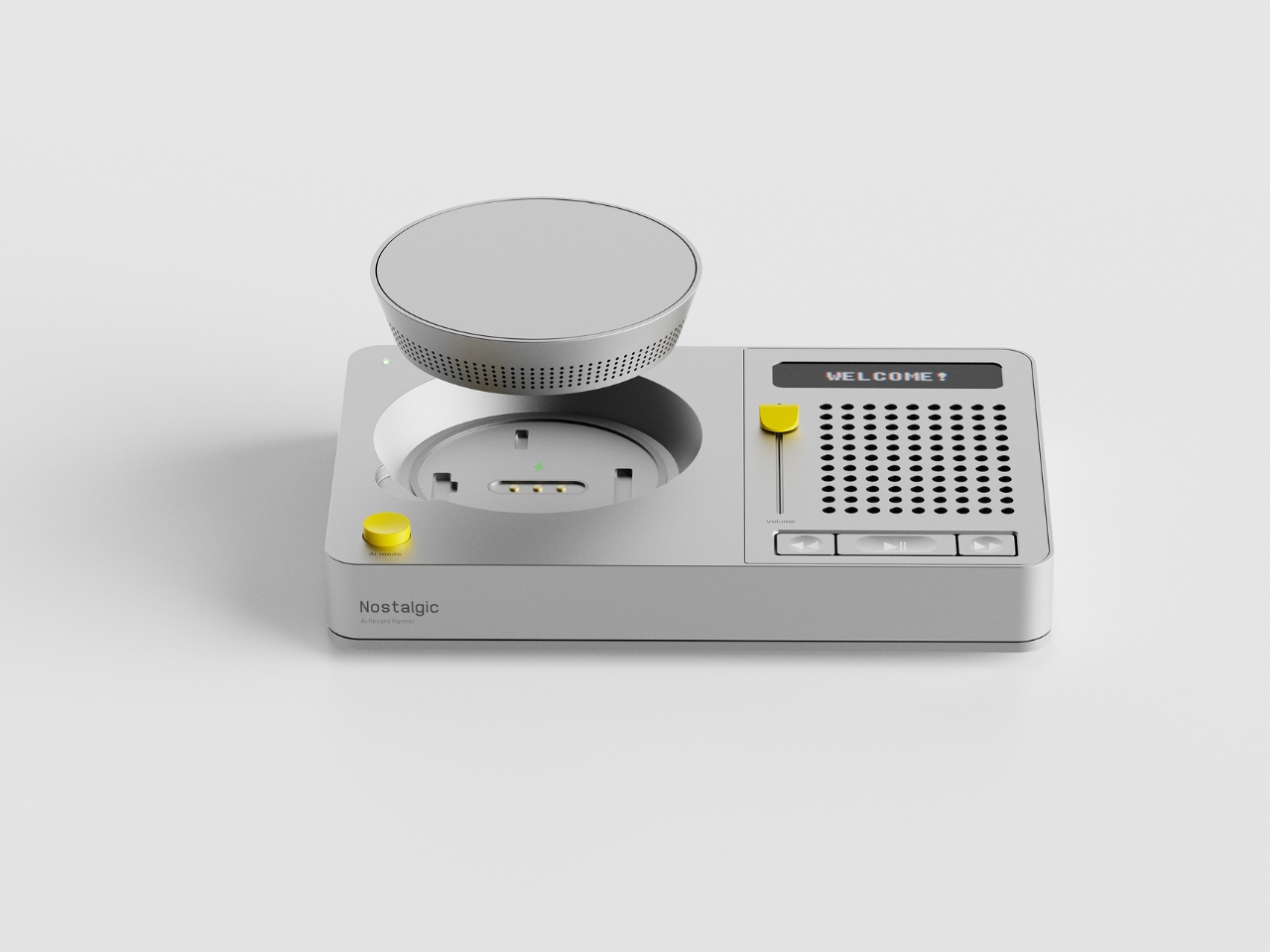
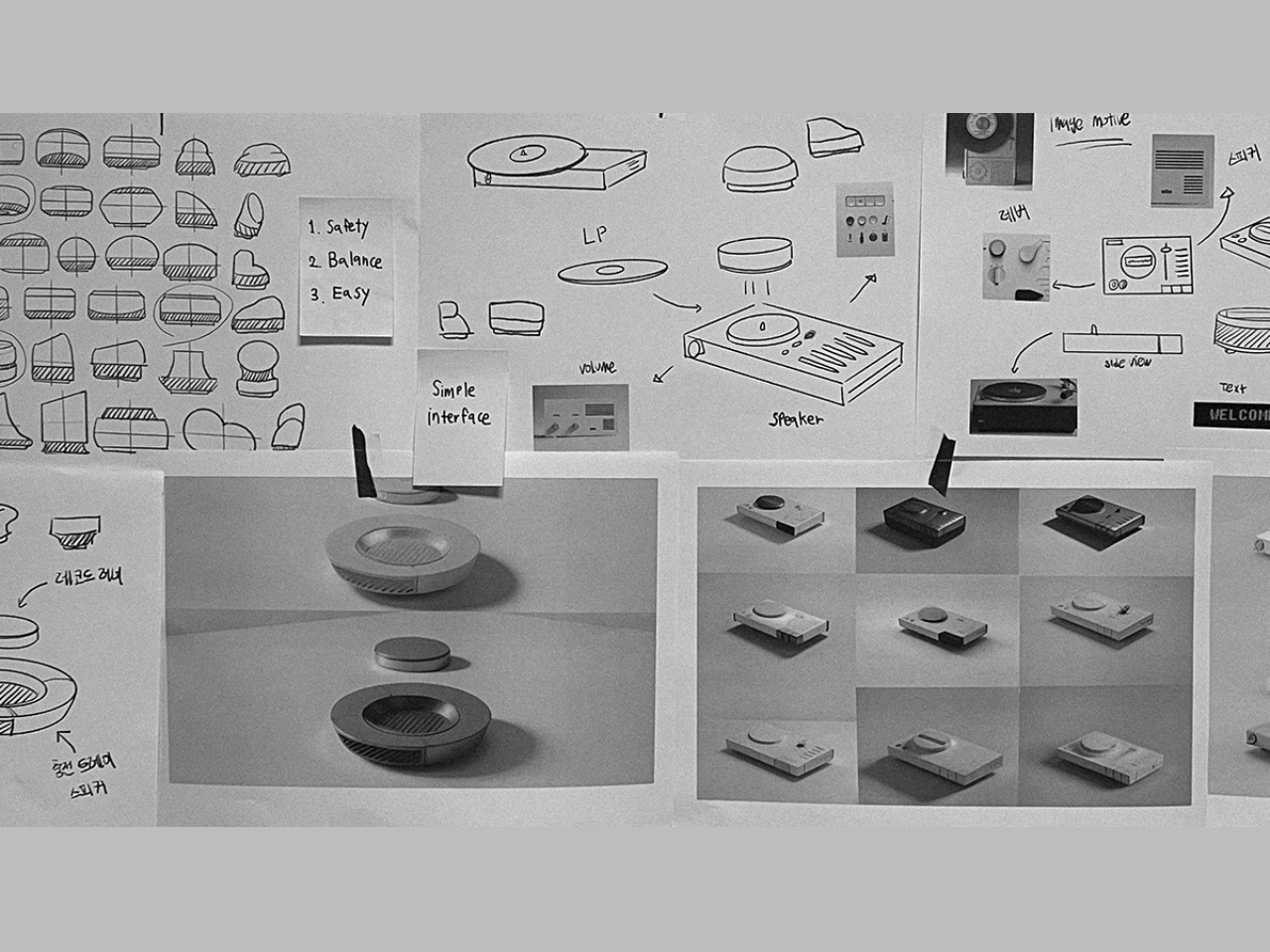
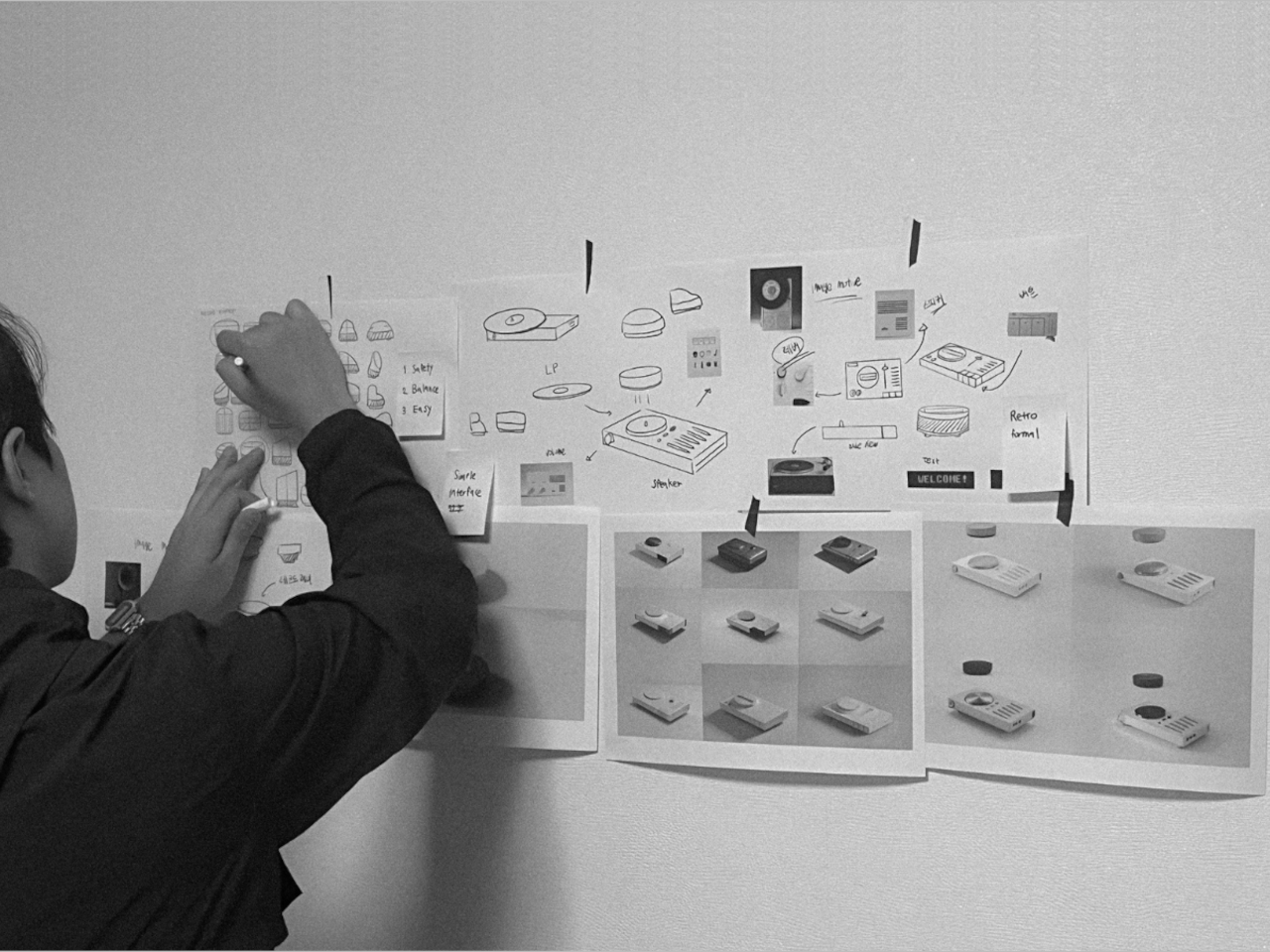
This modular LP player with detachable controller is modernized digital player for your vinyl collection

Consuming music in digital format is as easy as compressing thousands of MP3 files into your phone storage and playing it with just a few taps on the screen. This is not the case with long play discs that ensure the unmatched sensory experience of sliding a record from the sleeve – featuring an artful cover design, – placing it on the turntable, adjusting the needle on the groove, and then enjoying the clean, clear music watching the disc rotate in visual ecstasy.

With vinyl disc players, you are treated to analog music where sound revibrates unlike any other medium. This fascination in the otherwise digitalized world has triggered a resurgence of record players in the last decades. Now, with the booming sales of vinyl, designers are willing to take the dive, presenting digital ways to playback LP’s and make them time-relevant without compromising the rich sound quality.

Designer: found/Founded

Case in point the Vibrary Digital LP Player that is more than its vibrant orange color and pleasant design. It is a modernized high-quality player for your vinyl collection that features a modular design you can customize with colors and materials of choice to match the artist’s official color and more. Of course, it’s not the most fascinating collector’s item still, but if you’re someone who is generally on the move and wants to carry their love for LPs along, the Vibrary Digital is a remarkable option.

While turntables offer a warm vinyl sound; this new design offers a tangible click-through operation for ease of use, and promises to match the sound experience through its long speaker body that houses the record.  The new Vibrary Digital concept digital album player, as it is referred to, is designed to enjoy your favorite records whenever and wherever you want.

It is envisioned with a detachable – cylindrical – wireless controller stationed next to the speaker (also with onboard controls), which would allow you to play music from the slotted record from a distance. Digitalizing the idea of a record player is not limited to size and altered vertical design, it is presented with state-of-the-art listening modes including spatial sound mode and a voice-specific mode that would allow you to customize sound according to the artist’s content.

The post This modular LP player with detachable controller is modernized digital player for your vinyl collection first appeared on Yanko Design.
Four speakers masquerade as table legs for a tidier living room

Sound is finally getting the attention it rightfully deserves. Even the most stunning visuals wouldn’t be immersive without matching good audio unless you’re viewing a photo or an animated GIF. That’s why speakers are now a more common sight in homes, including those that are separate but connected to TVs. Unfortunately, that also means they can become an eyesore, especially if you have multiple units spread around, either near the TV or even on tables and shelves. There are speaker designs that try to hide their presence, and this particular concept does so ingeniously by making the speakers, which usually take on a cylindrical form, function as legs for a minimalist yet stylish glass table.

Designers: Jiung Yun, Eunbyeol Yun, Jisu Lee, Seonjin Baek

Smart home speakers try to dress up as decorations or art objects, but they are still very visible and take up space on tables and shelves. That’s not even considering the more numerous soundbars and TV speakers that are situated near the screen. They might not block your view, but they can still be a distraction by their mere presence, breaking what should have been an immersive experience.

verre is a concept for a living room table that addresses that design problem in a rather creative and unusual way. Many wireless speakers these days are simply variations on a cylindrical shape, so why not use them for something that’s innately cylindrical? That’s why all four legs of this glass table are actually speakers, though you will definitely not know it at first glance.

The speakers have a powder-coated finish that’s not unusual for tables that combine a glass surface with a metal frame. And while the speaker grilles do catch your attention, they’re not exactly alien to a design that has a teeny bit of an industrial design vibe to it. What’s really impressive is that you won’t see any of the controls for the speakers at all, save for the power button hidden on one of the frames. Physical controls for the speaker are embedded in the fabric-covered discs that sit on top of each “leg,” perfectly blending into their surroundings.

While this LG-inspired speaker concept is visually interesting, it does have some practical considerations that need to be addressed. For one, having the speakers be that low could actually affect the very immersion that they’re supposed to enhance since not all sounds come from the bottom. Additionally, speakers will naturally generate some amount of vibration, so having a glass tabletop might not exactly be the smartest choice for this design.

The post Four speakers masquerade as table legs for a tidier living room first appeared on Yanko Design.

Modular speaker concept creates an immersive audio experience anywhere

Portable wireless speakers are becoming quite ubiquitous these days as a way to enjoy your favorite music anywhere you are, whether you’re outside or just in another room. In exchange for their portability, however, the quality of the sound these speakers produce is less impressive compared to bigger and more stationary equipment found at home. It would be nice if you could have the best of both worlds, enjoying an audio system that follows you around the house without missing a beat. You could try to buy multiple wireless speakers and hope they can be connected to each other, or you can hope that this peculiar speaker system concept becomes a reality, allowing you to pick up one or two speakers from their base as easily as you would pick up your takeout meal.

Designers: Junwoo Kim, Yoonjeong Lee, Heeyeol Yang, Jaehoon Jeong

For an audio experience to be considered truly immersive, it has to sound like it’s coming from all around you. More specifically, the right sounds have to come from the correct direction rather than equally from all directions. Making this possible with a single speaker or even a pair of headphones is possible but difficult to accomplish, requiring sophisticated algorithms and precise control to create the illusion of surround sound. Of course, you could set up a surround sound system in your entertainment den, but then that magic only takes effect in that room.

TakeOut is an LG-inspired concept for a modular speaker system that lets you design your own audio space in a snap. At its core is a 360-degree soundbar that tries to bring the sound to you wherever you are in the room by blasting it in all directions. But when you push down on one of the circles on the top of the soundbar, a short cylindrical wireless speaker pops up. It’s not a completely independent speaker and it works in tandem with the soundbar, but its most important feature is that you can take it anywhere with you in the house.

This portability means that you can set up your audio experience just the way you want it, whether you’re listening in the same room or elsewhere. Need to go to your home office for a while? Just pop out one of the speakers and let the music follow you there. You can also create your surround sound setup in a flash by positioning the four “sub-speakers” around the room, though that doesn’t necessarily mean that the system will know which sound needs to come from which speaker.

While the design of TakeOut is quite interesting, there might be some practical issues with it as well. For one, the concept doesn’t clarify if the individual speakers can be used separately from the soundbar or if they’re completely dependent on it. If it’s the latter, it also means that the speakers won’t function properly if they ever go out of range of the soundbar or if the data can’t reach them because of obstacles like walls. Those details, however, could actually be ironed out with some features that don’t take away anything from the spirit of this modular and immersive audio system.

The post Modular speaker concept creates an immersive audio experience anywhere first appeared on Yanko Design.
Futuristic-looking chair concept immerses you in a world of sound

People are now becoming more aware of how poor-quality audio can ruin an otherwise impressive movie or game, but we can only do so much when we’re trying to experience these activities at home. Headphones and earbuds try to use smart algorithms to recreate the effects of 360-degree surround sound, but that’s only an approximation at best. You can also deck your TV room with the latest in Hi-Fi audio equipment but also lose some privacy in the process. There’s almost no middle ground, at least if you think of conventional solutions. This odd spherical chair is one such unconventional solution that tries to offer the best of both worlds to plunge you into your own personal listening space.

Designer: Swift Creatives Studio

The problem with ordinary home speakers and earbuds is that they often just blast sound in a single direction, either from our front or our sides. The way we naturally hear, however, is to take in all the audio waves around us, Which is why surround sound systems put multiple speakers around the room to emulate that effect, but at the expense of everyone within hearing range knowing what you’re doing. It would be nice if you could just sit inside a bubble and have the 360-degree listening experience without sacrificing your privacy, which is exactly what the XEO POD is promising.

Looking like a hollow polygonal sphere with its front chopped off, the pod-like chair actually hides as many as 20 speaker cones underneath the textile surface that lines the interior of the futuristic-looking furniture. It’s like having a mini surround sound system, one that’s confined to your immediate personal space to prevent sound from leaking out and bothering others. There’s a retractable overhead camera that can track your head’s movement and adjust the delivery of the sound instantly, giving the illusion of being in the middle of the scene whichever way you look.

The XEO POD isn’t just made for listening, though; it’s also made to make that activity as comfortable as it can be. Despite the hard, spaceship-like exterior, the upholstered interior offers comfort and style, regardless of the way you sit. A few extras also take the experience to whole new levels, like a swivel arm mount for a 42-inch TV and a side table with a built-in cup holder and wireless charging.

As a chair, the XEO POD isn’t limited to just one position either. You can sit upright while playing games or recline comfortably when watching a film. The pod will support you and make you forget about your surroundings, fully immersing you in the audiovisual experience in front of your very eyes and ears.

The post Futuristic-looking chair concept immerses you in a world of sound first appeared on Yanko Design.

Brutalist speaker concept is inspired by an equally brutalist church building

Regardless of religious inclination or lack thereof, the word “church” would often conjure up images of lofty buildings designed to inspire awe or command respect. Of course, church architecture often reflects the trends and styles of their times, and there are indeed churches today that wouldn’t look out of place beside commercial buildings and structures. Of these, the former Church of Saint Agnes in Berlin, now home to the Konig gallery, is perhaps one of the most striking examples of the modern brutalist movement applied to such a structure, and its imposing character happens to be the almost literal inspiration for a desk speaker concept that similarly embraces that spirit of extreme austerity in a beautiful and memorable way.

Designer: Philipp Emrich

Designed by architect Werner Duttmann and finished in 1967, the former Church of St. Agnes, now the Gallery of Konig, stands almost in opposition to common church architectures of that period and the ages before it. Its unadorned, boxy shapes don’t stand out among the rows of concrete buildings that line up most cities, making it feel like just another part of the community. At the same time, however, its austere appearance still cuts an imposing figure that gives the impression of something that is meant to exist on a completely different and higher level.

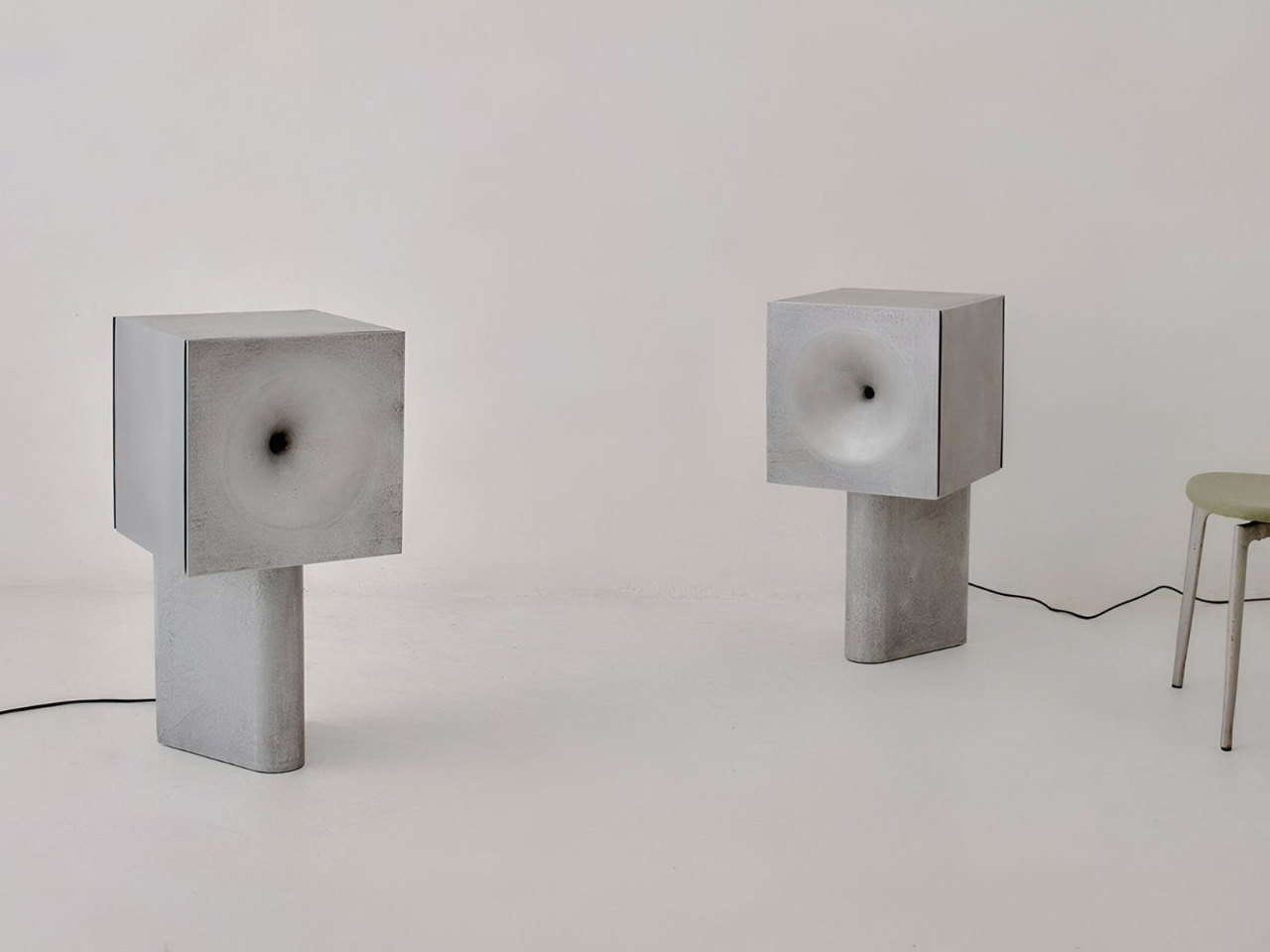
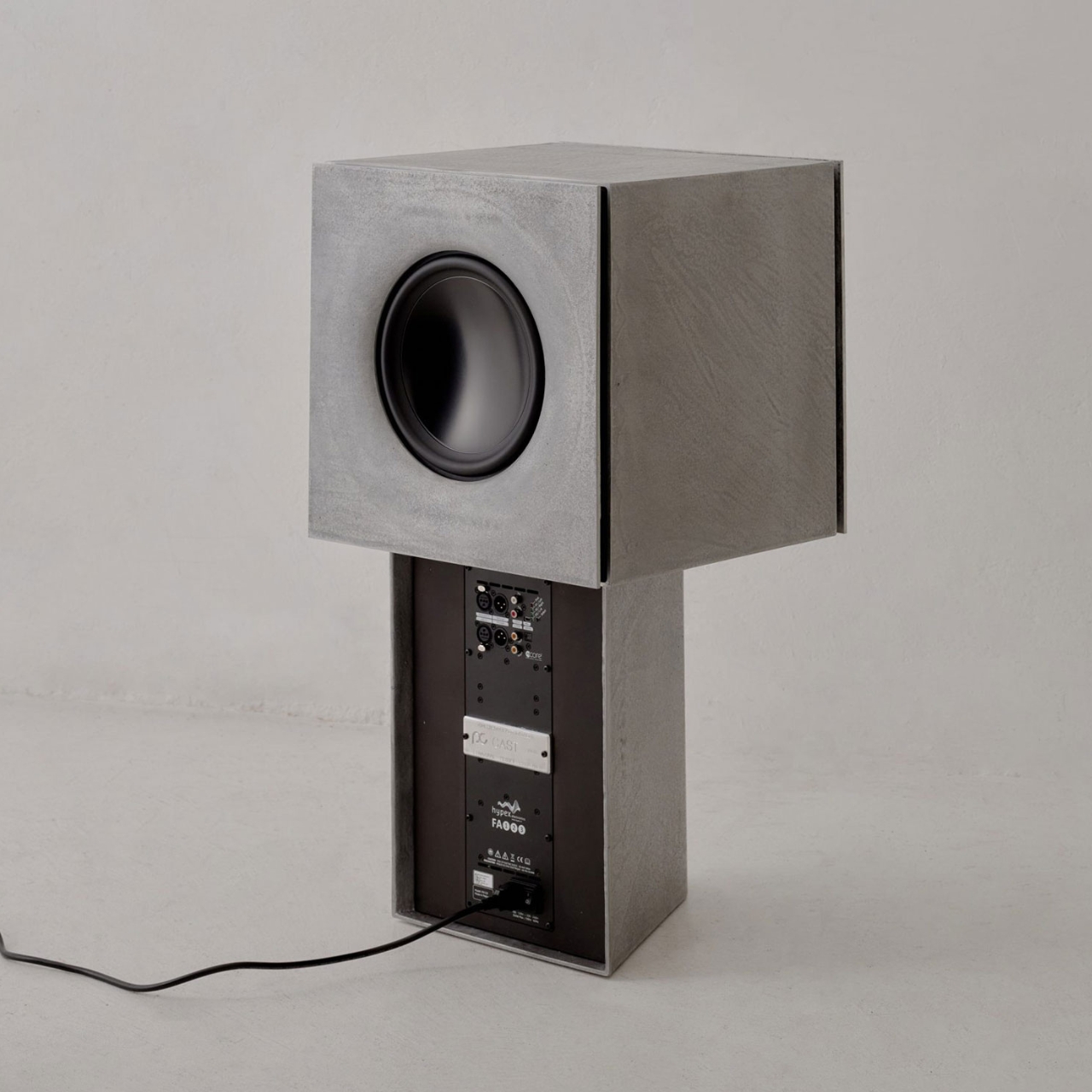
It’s that same stunning characteristic that the Agnes desk speaker concept tries to convey on a smaller scale. Like the church it takes both its shape and name from, the design is made from two plain rectangular pieces, though the roles are switched. The vertical “bell tower” is actually the main speaker, with the top box providing 360-degree output, while the larger detachable box provides bass on demand.

Like any brutalist design, the speakers express rawness, expressed through metal instead of concrete and accentuated by the use of the simplest geometrical shape and sharp edges. In terms of functionality, however, there is nothing unrefined about the Agnes speaker concept, and it even imagines a feature not found in any 360-degree speaker today. While the lower knob controls the speaker volume, the one above it determines where sound is directed, whether it’s only from the front, from the front and the sides, or from all four sides.

Smart speakers today are trying their best to blend into their surroundings, namely your interior decor, and just like its inspiration, the Agnes desk speaker concept presents a duality in that regard. It definitely mixes well with minimalist designs, but its raw appearance and imposing stature also make it stand out easily, turning what would normally be just a functional appliance into a unique work of art that looks almost out of place and out of time.

The post Brutalist speaker concept is inspired by an equally brutalist church building first appeared on Yanko Design.
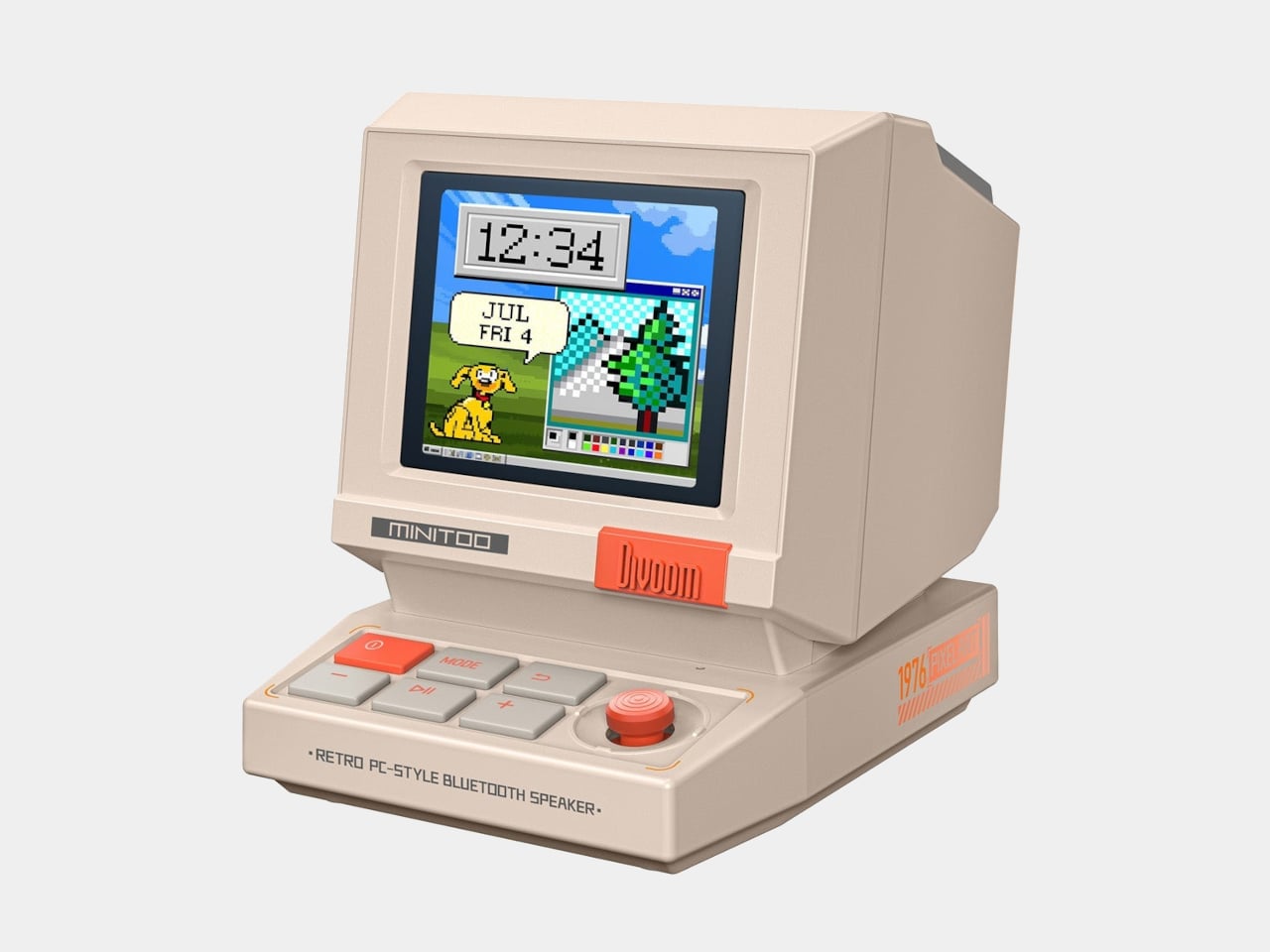
LG’s new Bluetooth speaker will sync with battery-powered StanbyMe lifestyle TV for immersive sound

LG placed battery in a television set and the StanbyMe was born. The portable, touchscreen display, Korean tech giant sells for $1,000, is completely wireless and comes on a height-adjustable stand so it can swivel in landscape and portrait orientation to facilitate viewing angle depending on the content you are watching. Adding to the versatility of this battery-powered TV, LG has launched StanbyMe Speaker. A soundbar that works standalone or can hook up to the StandbyMe stand using its own mounting cradle.

The cylindrical portable Bluetooth speaker wirelessly syncs with the StanbyMe display offering it a powerful sound without compromising the quality of the internal volume. The speaker weighs roughly 2.2 pounds making it extremely lightweight and portable to take anywhere you like. It comes with an IPX5 rating, so you can carry it to the poolside, but don’t take it further from there. An accidental splash is doable but it won’t survive being submerged in water.

Designer: LG

Connected to the StanbyMe, and using LG’s Wow Orchestra feature, the audio is delivered in harmony through the StanbyMe Speaker and the display’s internal speaker. When the two are linked, the display’s remote can be used to control the onboard speakers and the immersive audio output of the external speaker.

LG claims, the StanbyMe Speaker can provide 16 hours of playtime under normal usage. The Bluetooth speaker can be recharged using USB-C. The impressive run-time means you can use the speaker for viewing a series on OTT, game for hours without a stop, to join friends at home for a house party playing music all night. For the latter, the speaker has LED lights customizable (via app) to the vibe of the music you’re playing and create the desired atmosphere.

Taking care of the most integral aspects, the stereo sound of the StanbyMe Speaker is two 20mm tweeters paired with a single woofer. The dual passive radiator on the speaker helps deliver a deeper and more compelling bass, LG notes. LG StanbyME Speaker is now available in the U.S. and Korea. Through the website, LG.com the speaker is retailing for $200 in the US. The company has a plan to roll out the speaker in other markets globally, but when, is not clear at the time of writing.

The post LG’s new Bluetooth speaker will sync with battery-powered StanbyMe lifestyle TV for immersive sound first appeared on Yanko Design.

Saturn-inspired Bluetooth speaker brings a unique look to your music

There are a lot of Bluetooth speakers in the market, from simple and minimalist ones to the more luxurious and expensive-looking ones. When it comes to design though, there aren’t that many that go out of the box so to speak so we see either circular, box-shaped, dome-shaped, spherical, and other common shapes. So when we see uniquely-designed ones, even if they’re still just in the concept stage, then it catches our attention.
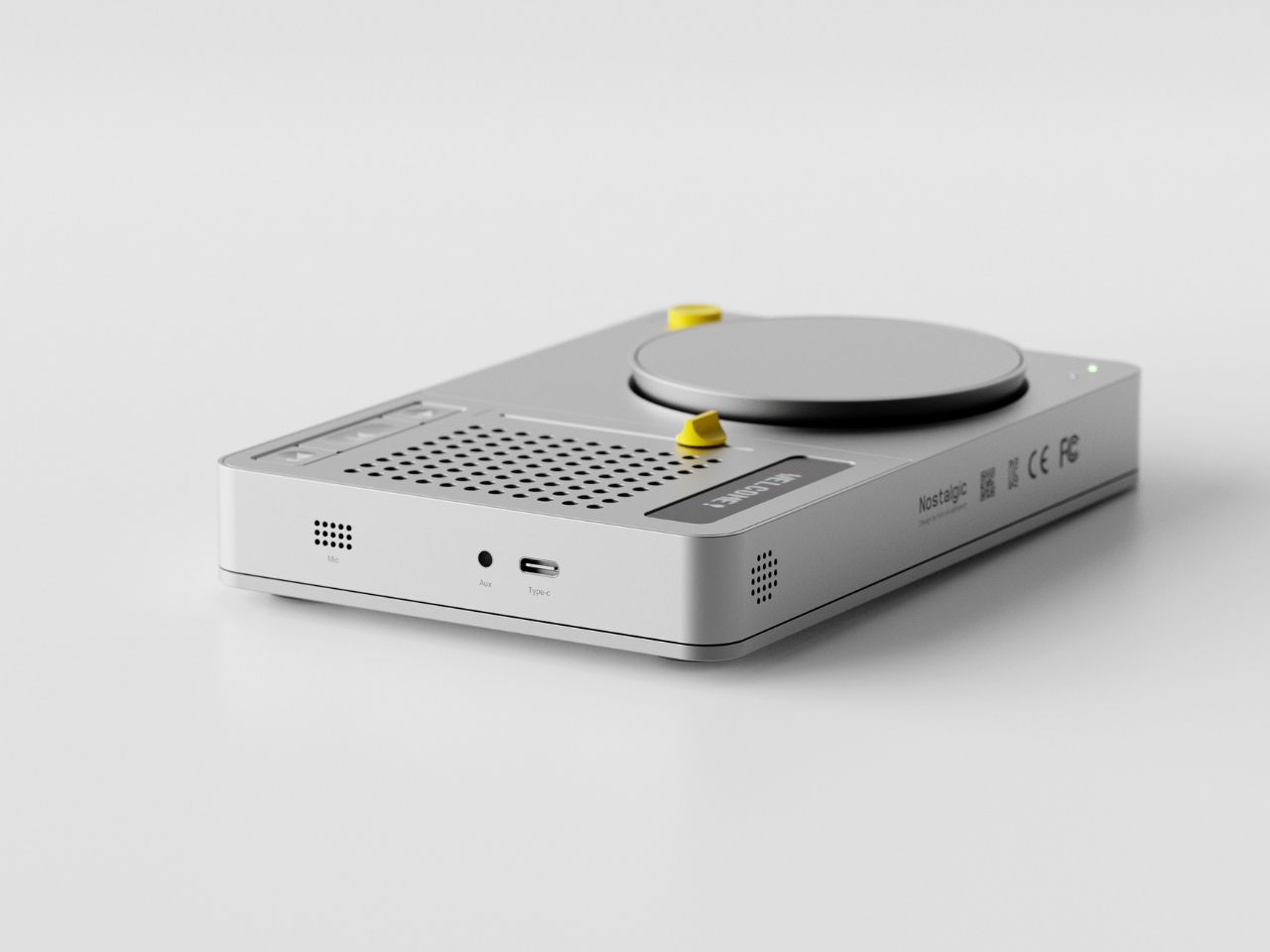
Designer: Hyunjae Noh

The concept for the Saturn Bluetooth speaker is inspired by, you guessed it, the planet Saturn. It’s one of the more “unique” planets in a sense that it has countless rings surrounding it made from ice and rock particles. It also has a yellow-brown golden hue when viewed from earth because of gases like helium and hydrogen. The designer was able to adapt these qualities into a design for a speaker that would most likely stand out. It would look like a sculpture of the planet but once you start playing music from it, then it would be a conversation starter as well.

But it just doesn’t emulate the look of Saturn. There’s a functional purpose for the parts as well. There is an upper body, a lower body, and a singular ring. The last one is what you will use to adjust the volume of the music or podcast streaming from the speaker. Because there is an upper and lower part, the support between the two is there to minimize the vibration interference from the woofer, midrange, and tweeter as well as minimizing interaction between them. This means there should be better sound quality and accuracy of sound reproduction.

The 360 degree speaker placement means your sound can be distributed around the room. The multi-way system is also able to accurately separate low, mid, and high-frequency ranges. You get 10 hours of playback on a full wireless charge, so it means you can also bring it around with you if you don’t mind carrying around a planet.

The post Saturn-inspired Bluetooth speaker brings a unique look to your music first appeared on Yanko Design.