Amazon Prime Day 2024 dates announced: Shop the summer sale on July 16 and 17

Amazon made it official this morning: Amazon Prime Day 2024 will be on July 16 and 17 this year. The shopping event will start at 12:01AM PT/3:01AM ET on Tuesday, July 16, and conclude at the end of the day on Wednesday, July 17. As it has been for the past few years, Prime Day will actually last two full days, and it will bring thousands of exclusive, members-only deals on everything from electronics to household goods to fashion. If you can't wait a few more weeks, there are some Prime Day deals you can already shop now.

In addition to spurring a large number of sales in a short period of time, Amazon Prime Day has always been a way for the online retail giant to increase the overall number of Prime subscribers. Prime Day isn’t necessarily a perk of the service like access to Prime Video content or free two-day shipping are, but it certainly helps that most deals you’ll find on Amazon during the two-day event are exclusively available to Prime members. However, it’s worth noting that the cost of Prime has increased significantly since the service debuted in 2005: an annual membership will set you back $139 right now, nearly double the price it was at launch ($79 per year).

Prime Day in July has been the main shopping event for Amazon for a decade now, but that hasn’t stopped the company from expanding the event’s reach. For the past couple of years, we’ve seen a “fall Prime Day” of sorts pop up in October, presumably as Amazon’s official kickoff for the holiday shopping season. There’s no word on if October Prime Day will return for 2024, but since most online retailers have started their holiday sales earlier and earlier since 2020, we think there’s a good chance it’ll return this year as well.

If you do plan on putting that Prime membership to use next month, you can turn to Engadget to find the tech deals worth your month during the two-day event. Unsurprisingly, Amazon Prime Day is one of the best times of the year to get Amazon devices, since most of them will likely be down to all-time-low prices. But we also expect to see worthwhile sales on headphones, robot vacuums, laptops, SSDs and much more. You can also follow Engadget Deals on Twitter for the latest news during Prime Day, and sign up for the new Engadget Deals newsletter to get the best deals delivered right to your inbox.

Your Prime Day Shopping Guide: See all of our Prime Day coverage. Shop the best Prime Day deals on Yahoo Life. Follow Engadget for Prime Day tech deals. Hear from Autoblog’s experts on the best Amazon Prime Day deals for your car, garage, and home, and find Prime Day sales to shop on AOL, handpicked just for you.

This article originally appeared on Engadget at https://www.engadget.com/amazon-prime-day-2024-dates-announced-shop-the-summer-sale-on-july-16-and-17-050559496.html?src=rss

iOS 18 Beta 2 Deep Dive: The Features That Will Change Your iPhone

iOS 18 Beta 2

Apple has released iOS 18 Beta 2 for developers, introducing a wealth of new features and enhancements that promise to transform your iPhone experience. This update focuses on improving messaging capabilities, introducing satellite connectivity, expanding customization options, and refining various system functionalities. Additionally, it addresses a range of bugs and performance issues that were present […]

The post iOS 18 Beta 2 Deep Dive: The Features That Will Change Your iPhone appeared first on Geeky Gadgets.

Julian Assange has been released from prison in a plea deal with the US

WikiLeaks founder Julian Assange has been released from prison and has agreed to plead guilty to violating the Espionage Act. The WikiLeaks account on X, formerly Twitter, has announced his release after being granted bail by the High Court in London. It also tweeted a video that appears to show Assange boarding a plane at Stansted Airport. The WikiLeaks founder and former editor-in-chief is expected to appear in a courtroom in the US Northern Mariana Islands on June 26 in order to finalize his plea deal with the US government. 

According to a letter from the US Department of Justice obtained by The Washington Post, Assange is specifically pleading guilty to "conspiring to unlawfully obtain and disseminate classified information relating to the national defense of the United States." He will also be returning to Australia, his country of citizenship, right after the proceedings. CBS News reports that Justice Department prosecutors recommended a sentence of 62 months, and seeing as Assange already spent more than five years in a UK prison, he won't be spending any time behind bars in the US. 

Assange was the editor-in-chief of WikiLeaks when the website published US classified information, obtained by whistleblower and former Army intelligence officer Chelsea Manning, about the wars in Afghanistan and Iraq. In 2010, Sweden issued an arrest warrant for Assange over allegations of sexual assault by two women. Swedish authorities dropped their investigation into the rape allegations in 2017. 

Assange sought asylum at the Ecuadorian Embassy in London after losing his appeal against the warrant, and he lived there for seven years until he was evicted. Lenín Moreno, the president of Ecuador at the time, explained that his asylum was "unsustainable and no longer viable" because he displayed "discourteous and aggressive behavior." London's Metropolitan Police Service removed Assange from the embassy and arrested him on behalf of the US under an extradition warrant.

In WikiLeaks' announcement of his release, it said Assange left Belmarsh maximum security prison "after having spent 1,901 days there." The organization said that the "global campaign" by "press freedom campaigners, legislators and leaders from across the political spectrum" enabled "a long period of negotiations with the US Department of Justice" that led to the plea deal. 

This article originally appeared on Engadget at https://www.engadget.com/julian-assange-has-been-released-from-prison-in-a-plea-deal-with-the-us-044226610.html?src=rss

Overalls are making a Glorious Comeback, and they’re now made from High-Performance Fabrics

The overalls have a fashion journey quite similar to that of the spectacle. Spectacles were created as vision-correction devices that went from functional to fashionable. Overalls too, were designed for the working class during the Gold Rush, but were soon appropriated as fashion garments with a distinct, effortless style. The problem, however, is that overalls just made a comeback – they didn’t evolve at all. Current overalls look good, but aren’t breathable, stretchy, pocket-dense, or designed to be worn all day – that’s where LIVSN’s Ecotrek Overalls come in. Building on the success of their Ecotrek pants (which raised over half a million on Kickstarter), the Ecotrek Overalls turn a classic garment into future-friendly fashion. The overalls are made from a rugged fabric that’s abrasion-resistant and water-resistant, yet quick-drying and moisture-wicking, while being equipped with 11 pockets and reinforced stitching. These overalls are comfortable enough to wear all day, have a 4-way stretch that gives you movement freedom for all sorts of activities, and most importantly, give you that understated urban-meets-rustic aesthetic that’s so in fashion these days.

Designer: LIVSN Designs

Click Here to Buy Now: $169 $229 ($60 off). Hurry, only 11/100 left! Raised over $130,000.

These aren’t the same 30-buck overalls you’d pick up at the Salvation Army or Shein. Every part of the Ecotrek Overalls has intent and engineering woven into the design. The overalls boast a classic aesthetic, but come made from LIVSN’s Ecotrek fabric – a high-performance, high-comfort fabric made from 70% recycled nylon (retrieved from discarded ocean buoys), 25% virgin nylon, and 5% spandex. The resulting fabric is a clever blend of durable yet soft and breathable. The nylon and the weave make the fabric abrasion-resistant (no more ripped or scuffed cloth), while still having the plush comfort of your favorite pair of sweatpants. A water-repellent coating allows the overalls to be stain-resistant and hydrophobic, so they never get dirty, and you can wear them in the rain without getting soaking wet. Even if you do, the fabric dries fast, getting you back in action quicker than you would with cotton or denim clothes.

Women’s Ecotrek Overalls feature Gnara’s patented GoFly® Technology: a zipper design that will change your life next time you “go” outside.

The fabric is just half of what makes the Ecotrek Overalls what they are. The garment’s design is an eclectic blend of fashionable yet outdoor-friendly. Available in a variety of earthy colors and with a perfect fit thanks to the flexible, body-hugging design and adjustable straps, the overalls can be worn on treks, at campsites, while tailgating, on the subway, at a friend’s place, a barbecue, or even in bed. 11 pockets make the overalls perfect for storing all your gear while keeping them fairly accessible. Kangaroo-style pockets on the front let you dig your hands in to warm them, while multiple pockets on the sides, the rear, around the thigh, or even on the front and the inside give you a place to store all your EDC from your phone/wallet/keys to your multitools, sunglasses, and even some snacks if you find yourself getting hungry on the road.

The design surprises with a few rather clever details too, from double knee and double seat fabrics that let you kneel and sit for hours without worrying about the overalls getting scratched, to adjustable cuffs on the base that let you tighten the pants around your ankles. Reinforcements at common failure points make the overalls last longer than most, and YKK zippers ensure top-of-the-line hardware. For men, the overalls come with a gusseted crotch that provides extra comfort and stretch, while for women, LIVSN partnered with Gnara to incorporate patented GoFly zippers that travel all the way down the front to the back, allowing you to answer nature’s call in the wilderness without having to take your entire overall off.

LIVSN designed the Ecotrek Overalls to be perfect for the active lifestyle. The evergreen aesthetic works well on hikes, camping trips, cycling expeditions, skating at the park, or even urban living. Each Ecotrek Overall comes in 3 colors, olive, caramel, and a men-exclusive grey, or a women-exclusive plum truffle. Men have 7 sizes to choose from, while women get 13 size options. The Ecotrek Overalls are backed by a lifetime guarantee on manufacturing defects, and if the garment suffers wear and tear or damage with regular use, LIVSN promises lifetime at-cost repairs without any markups or extra fees. The overalls start at $169 on Kickstarter, giving you a chance to grab a cool $60 discount from the original MSRP of $229.

Click Here to Buy Now: $169 $229 ($60 off). Hurry, only 11/100 left! Raised over $130,000.

The post Overalls are making a Glorious Comeback, and they’re now made from High-Performance Fabrics first appeared on Yanko Design.

Google is reportedly building AI chatbots based on celebrities and influencers

Google is reportedly building new AI-powered chatbots based on celebrities and YouTube influencers. The idea isn’t groundbreaking — startups like Character.ai and companies like Meta have already launched products like this — but neither is Google’s AI strategy so far.

Google’s celebrity chatbots will be powered by the company’s Gemini family of large language models according to The Information, which broke the story on Monday. The company is trying to strike partnerships with influencers as well as celebrities, and is also working on a feature that will let people create their own chatbots simply by describing their personalities and appearance — something that Character.ai already lets you do. A fun fact: Noam Shazeer, one of the co-founders of Character.ai, is a former Google engineer and one of the creators of “transformers,” the fundamental tech that made today’s generative AI possible.

It isn’t yet clear which celebrities or influencers Google might partner with. Meta’s chatbots, for instance, are based on personalities like TikTok star Charli D’Amelio, YouTube phenomenon Mr. Beast, Snoop Dogg, Tom Brady and Paris Hilton among others, while Character.ai’s characters include politicians, philosophers, fictional characters, and even objects like a block of cheese that talks. Google’s project is reportedly being led by a longtime executive called Ryan Germick who works on Google Doodles, and a team of ten.

It also sounds like Google’s bots could be just an experiment — according to the report, the bots might only show up on Google Labs, the company’s website for experimental products, instead of being available more broadly.

It isn’t clear why Google’s doing this. Meta’s AI chatbots based on celebrities never really took off despite the company stuffing them in every product it makes. As The Information pointed out, the company’s chatbot based on Snoop Dogg has only 15,000 followers on Instagram compared with 87.5 million followers who follow the human rapper.

This article originally appeared on Engadget at https://www.engadget.com/google-is-reportedly-building-ai-chatbots-based-on-celebrities-and-influencers-235731655.html?src=rss

Top 10 Smallest Gear And Gadgets to Absolutely Upgrade and Elevate your Life

With time, and with innovation, humanity has the ability to shrink some amazing technologies down to size. See televisions today versus 50 years ago. Or look at storage from the decades gone by and take a look at how much bizarre storage today’s SSDs offer. The way it works is that innovation catches up with intent, allowing humans to make things better, sleeker, and more efficient. What we’ve managed to do today is take a look at 10 products that have benefitted from this fusion of innovation and intent. These ten tiny thingamajigs here (I have a thing for alliterations) aren’t just ‘small for the sake of small’… they’re highly functional too, from being the most compact and powerful espresso maker we’ve seen, to 4K VR headsets the size of swimming goggles. The only thing that isn’t tiny here is this list!

1. Smallest EDC Multitool – KeyMaster Titanium Multitool

A key unlocks a lock… the KeyMaster unlocks life. Named clearly after its tiny, key-shaped design that’s small enough to sit on your keychain, the KeyMaster is a pocket-sized powerhouse. Crafted from ultra-durable Grade 5 titanium, it effortlessly tackles tasks from opening bottles to fixing your bike. Despite its comprehensive functionality, the KeyMaster’s unique design keeps it remarkably lightweight at just 29 grams (1 ounce), ensuring it remains a lifelong companion on your keychain. Despite its ridiculously small size, the KeyMaster packs a whopping 14 tools, including a foldable knife with a removable blade. Why a removable blade, you ask? So that it’s easy to maintain, and it’s TSA friendly!

2. Smallest Espresso Maker – Wacaco Minipresso GR2

An impressive 5 centimeters (2 inches) smaller than the original Minipresso, the Wacaco Minipresso GR2 is a tinier yet mightier espresso maker that gives you strong, fresh coffee on the fly. The new design has an adjustable basket letting you load anywhere between 8 to 12 grams of coffee, with a double-walled container that holds 80ml of water. The way you use the Minipresso remains the same. A hand-powered pump lets you manually create 8 bars of pressure (the perfect amount for espresso), giving you the perfect extraction with zero electricity. The entire device is about as small as a beer can, and comes with its own cup that you can extract your espresso into. No more compromising with instant coffee while traveling – the Wacaco Minipresso GR2 lets you brew fresh coffee anywhere… no questions asked.

3. Smallest Device Charger – MELLO 20W GaN Charger

It looks like a key-fob, but can fast-charge your phone. Sounds magical, doesn’t it? Well, MELLO holds the title of being the world’s tiniest/sleekest charger. Built using GaN technology, the ridiculously small charger outputs 20W of power, giving your phone enough juice to charge faster than your standard 15W charger. The MELLO sports a foldable design, with the pins tucking right into its unique framework. It comes in three plug styles, and you can choose the variant based on the type of socket you’ve got in your own country. What’s more, the MELLO comes with its own lanyard-shaped USB-C charging cable too, so this tiny little thing that can strap to your keychain transforms into a full-fledged charger for your phone or earbuds – adapter, cable, and all!

4. Smallest Bluetooth Speaker – Marshall Willen

Before you come for me, I’d like to explain myself. The idea with this collection of gadgets and gear was to balance size with functionality. A sachet of instant coffee might be smaller than the Wacaco coffee machine we described earlier, but it isn’t superior to fresh-brewed coffee. Similarly, the internet is filled with tiny Bluetooth speakers that provide a pathetic excuse for sound, but they don’t stand up to the Marshall Willen. Measuring just 4 inches tall, this palm-sized speaker has a 10W amp and a passive radiator, giving you sound you wouldn’t believe could come from something so small. 15 hours of playback, IP67 water and dust resistance, and the ability to ‘stack’ or connect multiple Willen speakers together makes this a true portable powerhouse of punchy audio.

5. Smallest Power Bank – Statik Snap-n-Charge (3000mAh)

The Snap-n-Charge from Statik is yet another example of balancing size with ability rather well. It’s a compact, pill-shaped charger that quite literally snaps onto the bottom of your phone using a novel magnetic charging port architecture, giving your phone a 3000mAh battery boost. Sure, most will say that 3000mAh isn’t great by today’s standards, but it’s enough to get you through about a weekend. Most smartphones have batteries maxing out at 4000 or 5000mAh, so the Snap-n-Charge should get you from 20% or battery-saving mode to 100% in no time. The power bank comes with its own snap-on adapter that you plug into your phone, allowing you to attach the power bank using a magnetic fixture sort of like the MagSafe seen on MacBooks back in the day. Quite impressive for a $29 power bank, am I right?

6. Smallest 4K Camera – Insta360 GO 3S

You look at the Insta360 GO 3S and your first reaction is probably “That isn’t so small”. The GO 3S looks like it’s the size of a regular action camera… but what you don’t realize at first is that the camera isn’t the entire device, it’s the small pill-shaped module that sits inside the device. Touted as the world’s smallest 4K action cam, the GO 3S weighs a paltry 35 grams and is tiny enough to fit wherever you want it. A magnetic design lets it snap onto a variety of accessories for a unique PoV, and the larger housing itself gives you the added advantage of a battery boost, along with a flip-out display that lets you see what your camera sees. The camera records in 16:9 landscape and portrait formats, as well as a 1:1 square ratio for the ‘gram. It captures in 4K, has a total recording time of 170 minutes (with the larger camera body), comes with stabilization, and is IPX8 waterproof up to 16 feet. Content creation never looked this compact.

7. Smallest 4K Projector – LG CineBeam Q

You can’t follow a 4K camera with a 1080p projector, now can you? In the spirit of going big or going home, this is the LG CineBeam Q, a portable projector that comes with its own handle that doubles as a kickstand. Debuted at CES 2024 this year, the CineBeam Q is an oddly appealing projector that takes on a Braun-esque design language and an avant-garde functional approach. Once you’ve set the projector up, using the handle to prop it at any angle, the CineBeam Q outputs a 4K projection up to 120 inches diagonally, giving you a bona fide cinema experience wherever you go. 500 ANSI lumens means a bright projection that’s good even in dimly lit settings, and a smart design lets you tap into all kinds of content without needing an extra Chromecast or what have you. At $1,299, it might be a little prohibitively priced for the mid-range consumer, but if design, functionality, and compactness are what matter to you, the LG CineBeam Q makes for a terrific pick.

8. Smallest VR Headset – Bigscreen Beyond

Speaking of prohibitive pricing, it does make sense for some products to get more expensive as they grow more compact. Take the Bigscreen Beyond VR headset – currently the world’s tiniest immersive virtual reality headset. No larger than a pair of swimming goggles, the Beyond may not look like much, but it comes with two 1-inch OLED microdisplays, each at a resolution of 5120×2560, and support for 75Hz and 90 Hz refresh rates. You’ve got 6DoF movement, giving you the most comfortable immersive VR experience in an ergonomic, tiny form factor. I say ergonomic because the Beyond’s eye-guard comes 3D printed to your own face’s measurements, ensuring a perfect fit. The entire device weighs a paltry 127 grams (4.4 ounces), and given its small size, it doesn’t work standalone – so you need to tether it to a device running VR software. The caveat here, is that the Beyond is priced at $999, which enters Quest Pro territory (that offers pass-through, hand-tracking, and runs on a standalone OS)… but like I said, if you want the smallest, most powerful VR headset money can buy, the Bigscreen Beyond is where it’s at.

9. Smallest Gaming Device – Tiny Circuits Thumby

Let’s also indulge the absurd for a second here with the Tiny Circuits Thumby. Quite literally the size of a thumbnail, the Thumby holds the title of the smallest gaming console to be publicly available to consumers. Tiny but mighty, the actually lets you play games on it, even though it’s less than an inch tall and weighs about as much as an individual AirPod. This keychain-sized console boasts a 72×40 monochrome OLED display and 2MB of storage, letting you play 5 pre-loaded games with the option to expand your library via MicroUSB. And yes, it can even run a version of Doom! The Thumby’s tiny frame belies its powerful core. A Raspberry Pi Pico RP2040 processor brings games to life on the crisp 72×40 monochrome OLED display. Navigate worlds and unleash actions with the intuitive 4-way D-pad and 2 buttons. With a surprisingly large 2MB of storage, the Thumby keeps you entertained for hours on its 40mAh battery.

10. Smallest Outdoor Flashlight – MiCoin Rechargeable Flashlight

Roughly the size of an AirTag, the MiCoin is portable, powerful, and durable flashlight that’s designed to sit on your keychain and outshine your smartphone’s pithy torchlight. It comes with a titanium shell that makes it destruction-proof (you could literally run over it with your car and the MiCoin would shrug it off), and houses a 300-lumen light that has a whopping 32-meter range. For comparison, the smartphone flashlight outputs not more than 10 lumens. This means the MiCoin is vastly better at illuminating the world around you than your phone is, making it exceptionally handy in the outdoors, or even indoors. It attaches to your keychain, comes with a USB-C port for charging, has tritium slots that let you find the flashlight in the dark, and boasts a single button that lets you cycle through the MiCoin’s 5 lighting modes – 4 brightness levels, and 1 strobe mode for emergencies. Quite impressive for something that’s literally the size of a coin, no?

(Bonus) Smallest/Slimmest Mechanical Keyboard – lofree EDGE

I’d be remiss if I left the lofree EDGE out of this curation. Sure, it isn’t the smallest keyboard out there, but the lofree EDGE holds the distinction of being the thinnest mechanical keyboard ever made. Weighing just a pound and measuring a mere 5.4mm at its thinnest point, the EDGE still manages to retain its mechanical keyboard status thanks to a completely re-engineered internal AND external structure. The outside uses a magnesium frame and a carbon-fiber upper plate, along with redesigned keycaps that are slick but still boast ergonomics. On the inside, redefined Kailh mechanical switches provide the oomph of a mechanical keyboard in the form factor of something that looks as sleek as a laptop keyboard. It might seem trivial to the eye, but the amount of engineering gone into building the EDGE feels dizzying. Think about it, a mechanical keyboard that weighs less than half of its competition, and measures about as much as two smartphones at its thickest point… and just more than the new M4 iPad Pro at its thinnest.

The post Top 10 Smallest Gear And Gadgets to Absolutely Upgrade and Elevate your Life first appeared on Yanko Design.

The TATAMI ReFAB PROJECT Is A Product Of Fusing Japanese Traditions With 3D-Printed Sustainability

At the prestigious Salone Del Milano 2023 in Milan, Italy, the design lab HONOKA showcased their innovative TATAMI ReFAB PROJECT furniture series. This project, conceived by a team of forward-thinking product designers, leverages advanced manufacturing techniques like 3D printing to breathe new life into traditional Japanese tatami mats. The result is a fusion of heritage and cutting-edge technology that reintroduces the essence of tatami into contemporary living spaces.

Designer: HONOKA LAB

Tatami mats have been a staple of Japanese interiors for centuries, renowned for their aromatic qualities, humidity regulation, and odor reduction capabilities. HONOKA’s project aims to integrate these traditional benefits into modern furniture design. By blending recycled tatami with biodegradable plastic, they have created a sustainable material that is both adaptable and durable. This innovative composite can be 3D printed into a variety of functional and decorative home products, embodying the future of artisanal design while retaining a distinct connection to Japanese culture.

One of the key highlights of this project is its commitment to sustainability. Traditional tatami production often results in significant material waste, with nearly half of the plant-based material discarded. Honoka addresses this issue by recycling tatami waste and combining it with biodegradable plastic, significantly reducing the environmental impact. This material is not only eco-friendly but also versatile, allowing designers to explore new aesthetic possibilities and create unique forms that enhance modern living spaces.

The collection features several distinctive pieces that exemplify the versatility and beauty of the tatami-resin composite:

SORI and MUKURI:

These knitted tatami-resin furniture pieces reinterpret traditional Japanese shapes and textures through 3D printing. The unique structure of these items offers moderate transparency and varying visual expressions depending on the viewing angle. They are sturdy enough to support glass and other heavy materials, making them ideal for dining tables.

CHIGUSA:

Inspired by the traditional Japanese “Sen-suji” pattern, this stool combines multiple 3D-printed parts. The vertical pattern of the elastic and durable tatami-mixed resin provides a resilient and comfortable seating experience.

TABA:

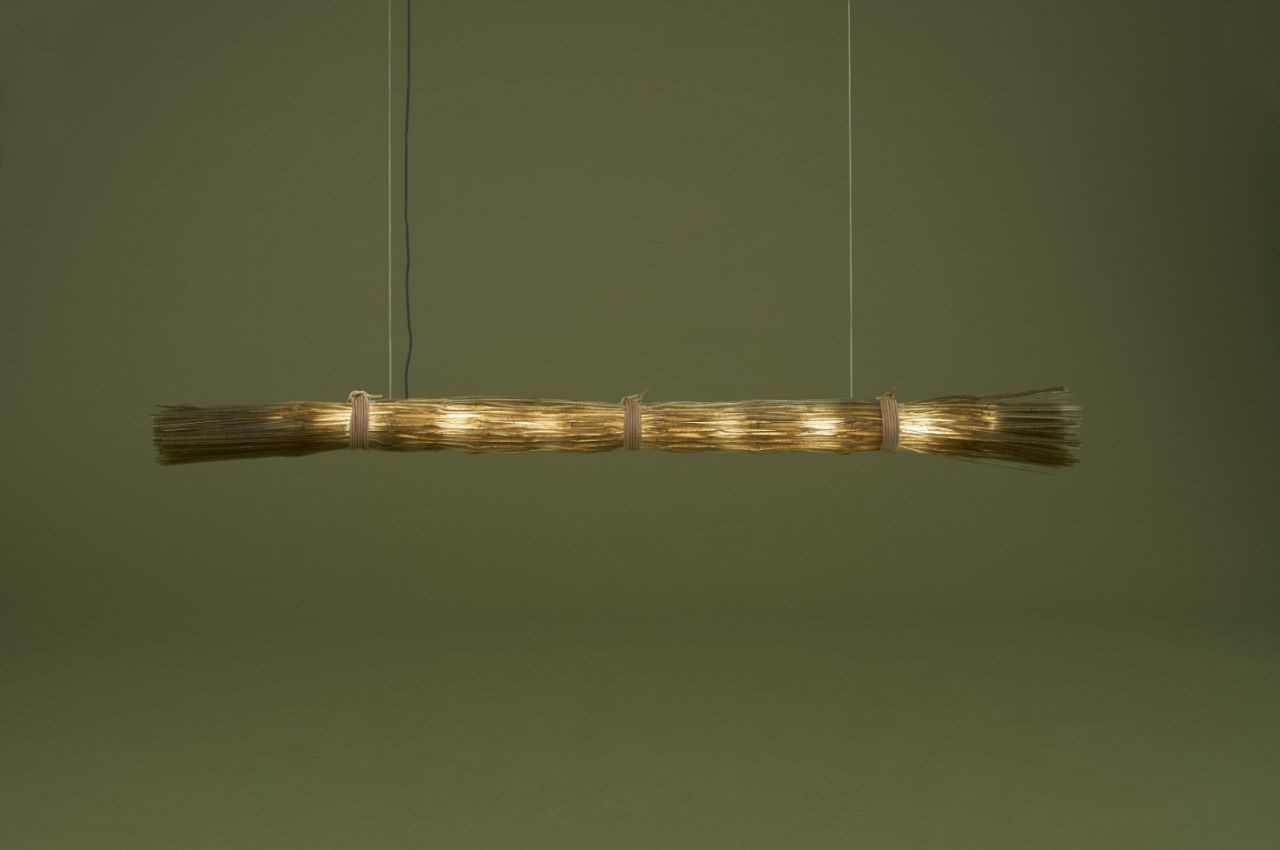
A lighting fixture designed to resemble bundled grass, TABA uses a dripping technique in its 3D printing process. The tatami-mixed resin diffuses light beautifully, with light spilling through the gaps in its branches, creating a soft, natural ambiance.

TACHIWAKI:

This self-standing basin, inspired by the Japanese “Tachiwaki” pattern, features multiple stripes created by varying the purging speed of the 3D printer. Its water-resistant nature makes it suitable for innovative bathroom designs.

YOCELL:

A stool that draws from the traditional Japanese “Asanoha” pattern, it uses the layer marks of the 3D printer to create unique visual effects by aligning them in different directions. The modular shape makes it sustainable even for transportation and packaging.

AMI:

Combining the aesthetics of traditional Japanese 2D weaving with modern 3D printing, the AMI stool and lampshade feature intricate designs created by dripping resin from the air. The resulting pieces change their expression based on the viewing angle.

KOHSHI:

This lattice-like vase is reminiscent of Japanese architecture and allows for flexible plant arrangements, inspired by the art of Ikebana. This design has such a lightweight aesthetic, making any room feel airy. It’s perfect for minimalistic homes.

The post The TATAMI ReFAB PROJECT Is A Product Of Fusing Japanese Traditions With 3D-Printed Sustainability first appeared on Yanko Design.

Uber is locking New York drivers out of its apps and blaming a city pay rule

For the last month, Uber has been locking New York City drivers out of its apps during low-demand periods, and Lyft has threatened to do so, too. Bloomberg reports that the ride-hailing companies blame a New York City Taxi and Limousine Commission (TLC) rule for their behavior. At least one drivers’ union says it may consider striking if the lockouts continue.

The mid-shift lockouts stem from a six-year-old NYC pay rule that requires ride-sharing companies to pay drivers for idle time between fares. Capping how long drivers without passengers can be paid means Uber pays less, but it also means drivers are taking home much less money for the same amount of time on the clock. And they can’t predict when they’ll lose access to the app.

Drivers are understandably angry. “I used to work 10 hours and make $300 to $350,” Nikoloz Tsulukidze, a full-time Uber driver, told Bloomberg. “Now, I just worked 10 hours and barely made $170. I was so disappointed. I’m paying for my gas and cannot make money.”

Uber and Lyft are deploying the “Look what you made me do!” strategy, pointing fingers at the TLC’s pay rule (and each other) while trying to turn drivers into lobbyists against the regulation. An Uber email to its drivers from last month, viewed by Bloomberg, encouraged drivers to “let the TLC know the effect their rules have had” on their wages.

The way the rule affects the companies differently is also a factor in their blame games. Uber’s drivers have been busier this year, meaning its numbers have more weight on the city’s averages, which determine the minimum-pay limits. “The city’s rule bizarrely holds Uber responsible for Lyft’s failures,” Uber spokesperson Freddi Goldstein told Bloomberg. “With Lyft struggling to keep drivers busy, we don’t have other options.”

Meanwhile, Lyft (naturally) views the situation in reverse. “Uber wants to change the rules so that Lyft is penalized,” the company wrote in a June email to drivers. “The current NYC pay formula is broken,” Lyft spokesperson CJ Macklin told Bloomberg. “It forces rideshare companies to limit when drivers can earn, and therefore how much they can earn.”

A drivers’ union says Uber’s over-hiring is the root cause of the ordeal. Bhairavi Desai, president of the New York Taxi Workers Alliance, told Bloomberg that the company “mismanaged” hiring by allowing too many drivers to join its ranks — and the workers are now left to foot the bill. She accused Uber of “gaming the system” by using the TLC’s rule to withhold “time that should be paid under the law and making it unpaid.” Desai says the union will consider striking if necessary.

Although Lyft hasn’t yet begun locking out drivers, it might. A June email to the company’s drivers warned that it would soon “have to” adopt a similar practice.

The current mess in NYC follows a long trail of ugly fights across the country between ride-sharing companies and city regulations. Uber and Lyft staged similar lockouts in 2019 in response to a flat minimum wage requirement for drivers that continued until the following spring. Earlier this year, the two companies threatened to pull out of Minneapolis after the city tried to force a driver pay raise that would push their rates up to the equivalent of minimum wage.

This article originally appeared on Engadget at https://www.engadget.com/uber-is-locking-new-york-drivers-out-of-its-apps-and-blaming-a-city-pay-rule-204737818.html?src=rss

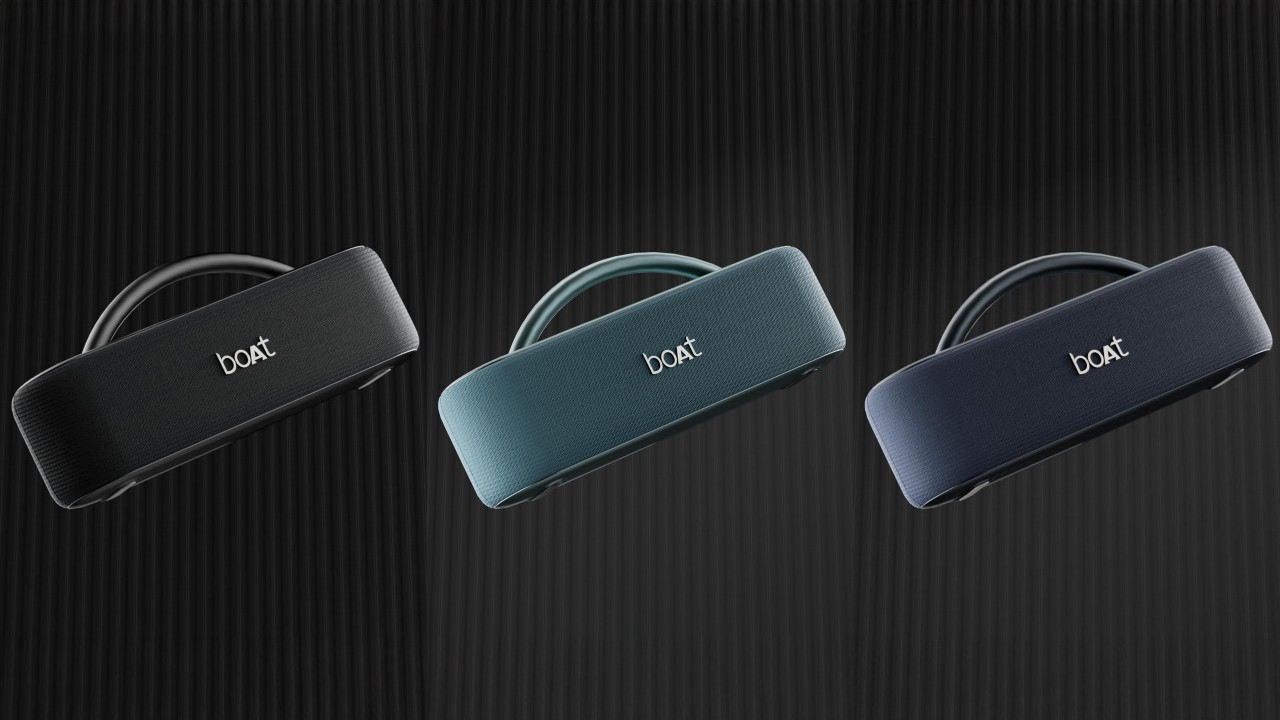
The new boAt Stone Lumos Wireless Speaker will project galaxies on your ceiling while you listen to music

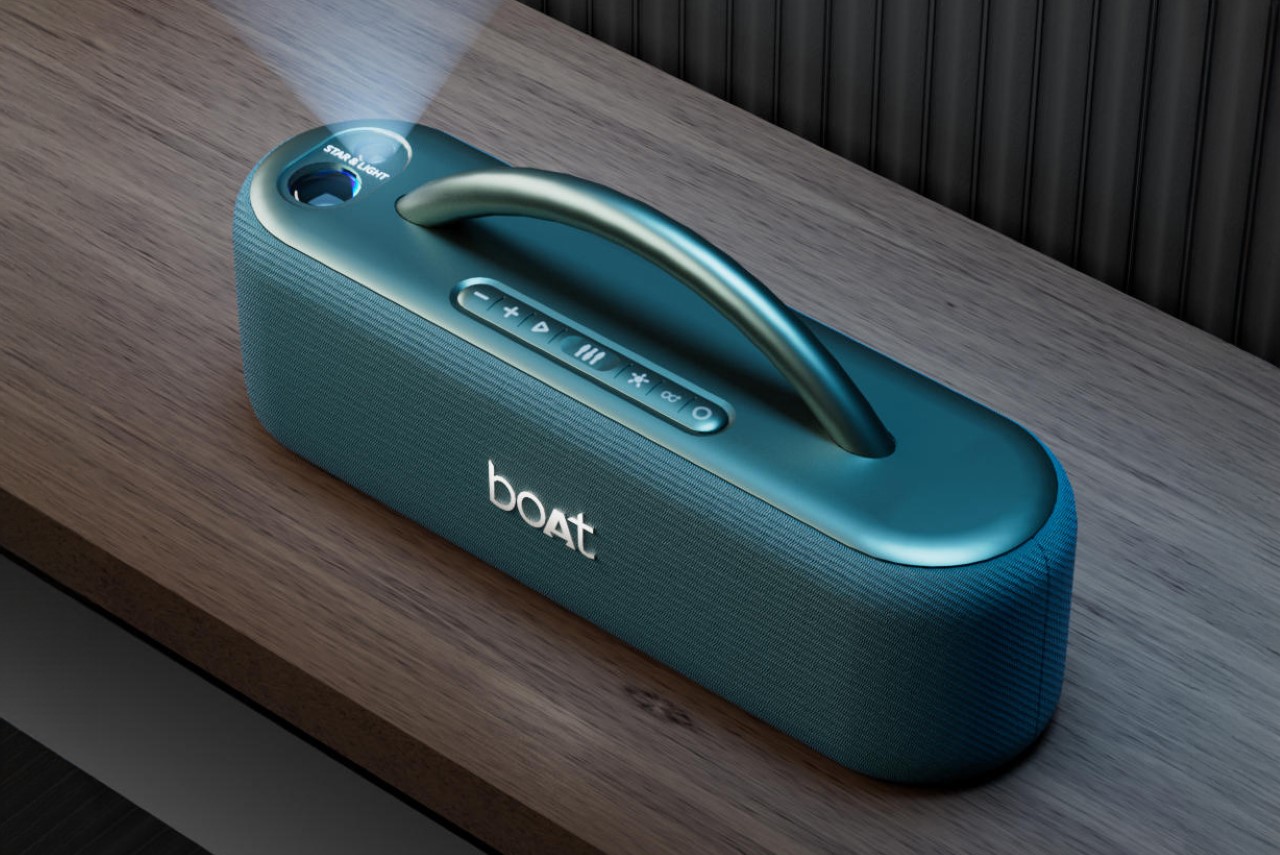
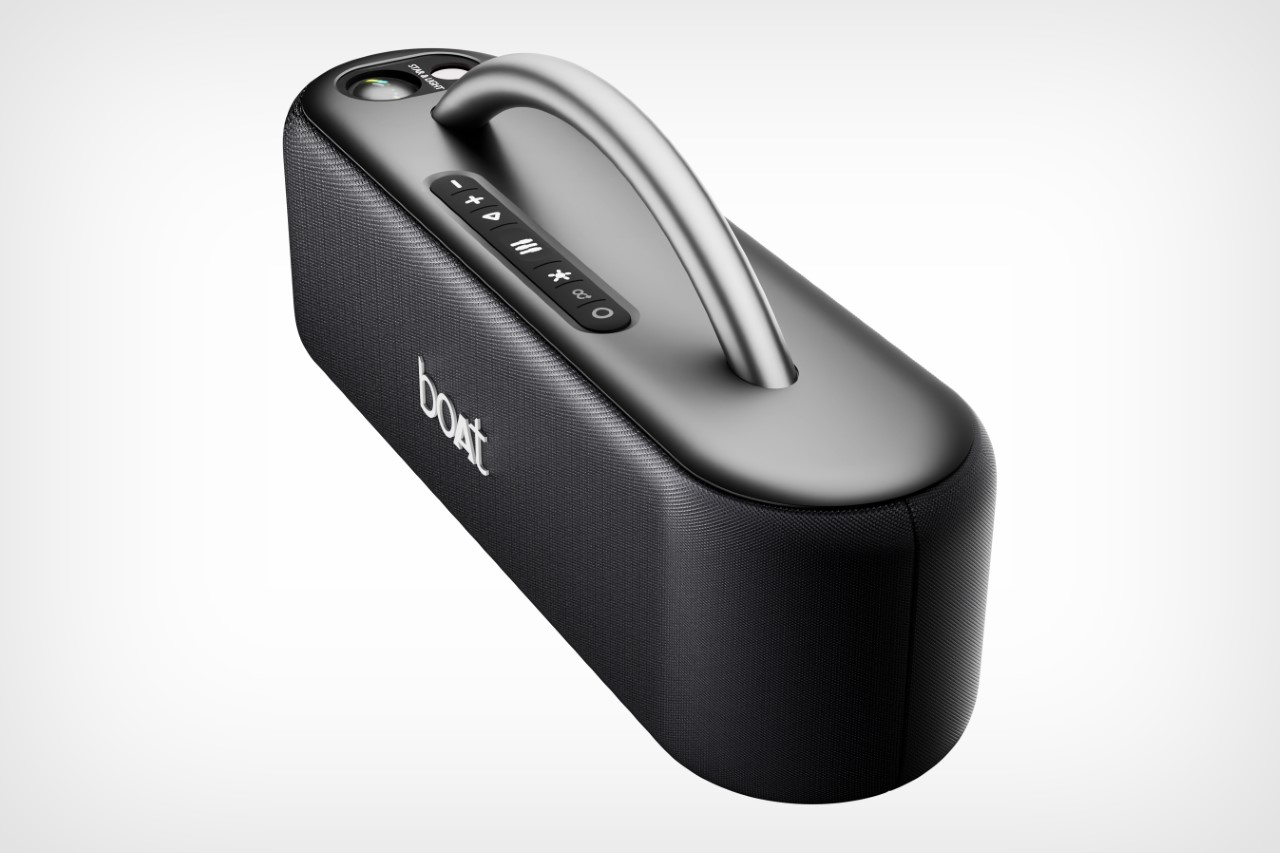
Why buy a sunset lamp AND a Bluetooth speaker when you could have both in the same device?! boAt Lifestyle (India’s largest audio hardware brand) just announced the boAt Stone Lumos, a speaker with its own built-in LED projector that casts ambient scenery onto your ceiling while you listen to music.

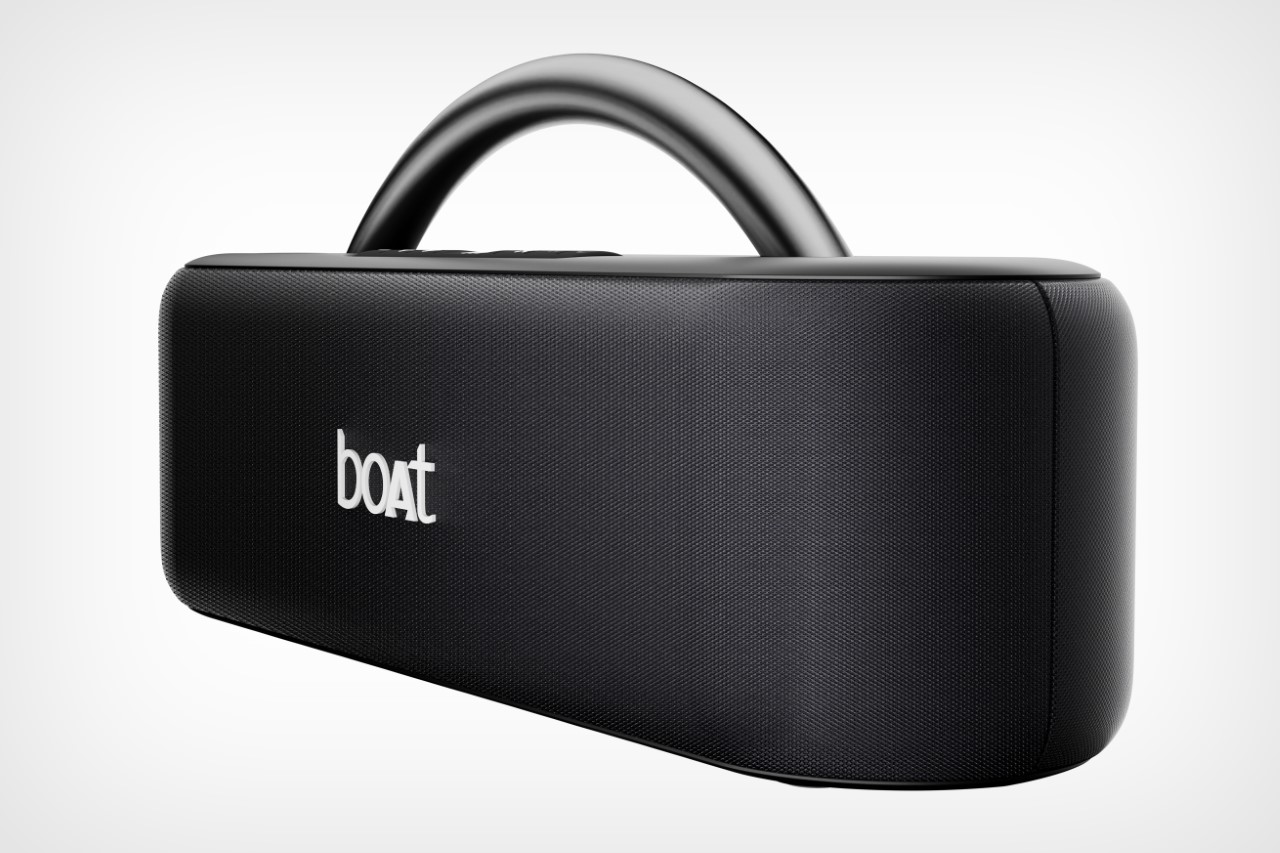
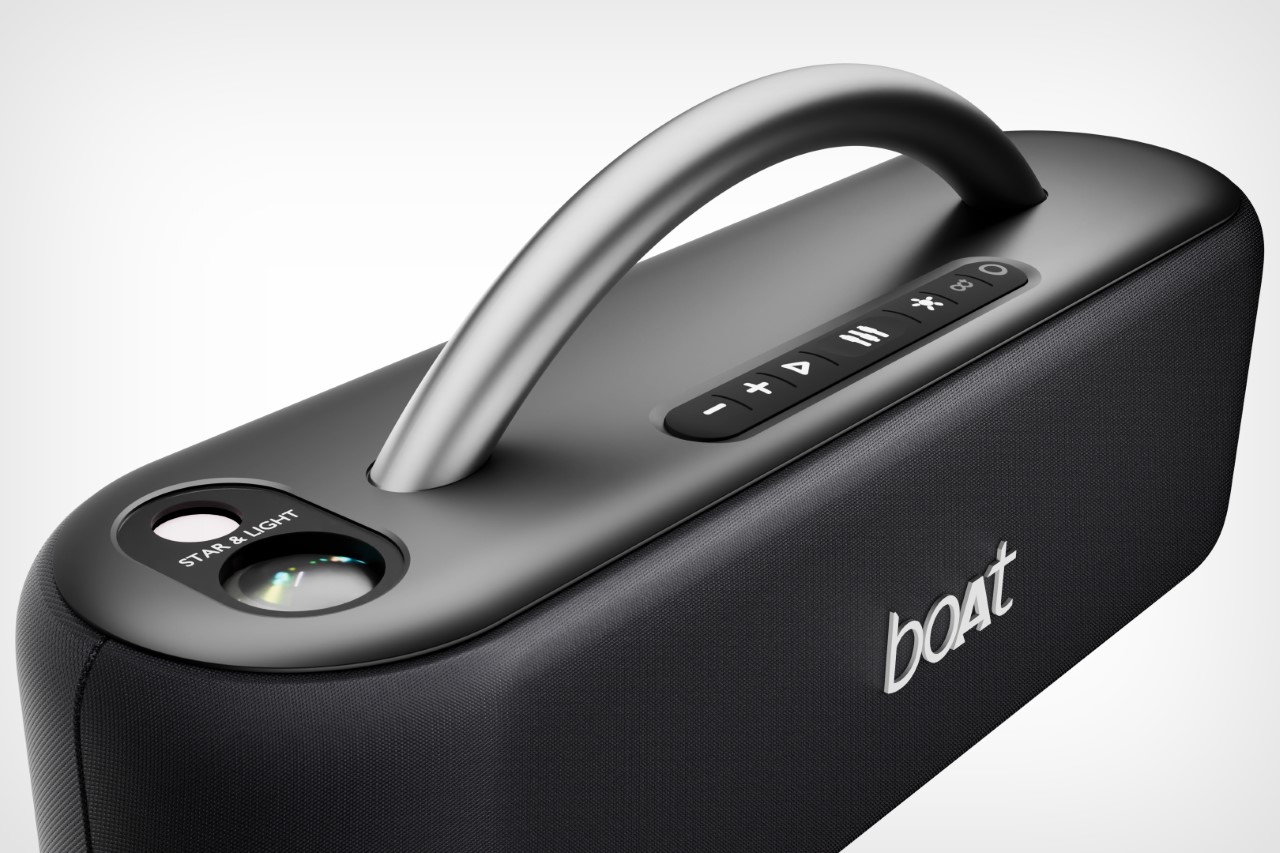
Scheduled to launch in India today (June 25th), the boAt Stone Lumos is a fairly hefty boombox-style portable speaker boasting a 60W output. However, its crown jewel isn’t the audio, it’s the integration of a projector on the top left of the speaker, which reportedly shines ‘stars and lights’ on the ceiling to create am ambiance that goes together with the music you’re listening to. Details on the projector seem scarce at this point, but given the Rs. 6,999 INR ($83.8 USD) price point, we wouldn’t expect anything too immersive or detailed.

Designer: boAt Lifestyle

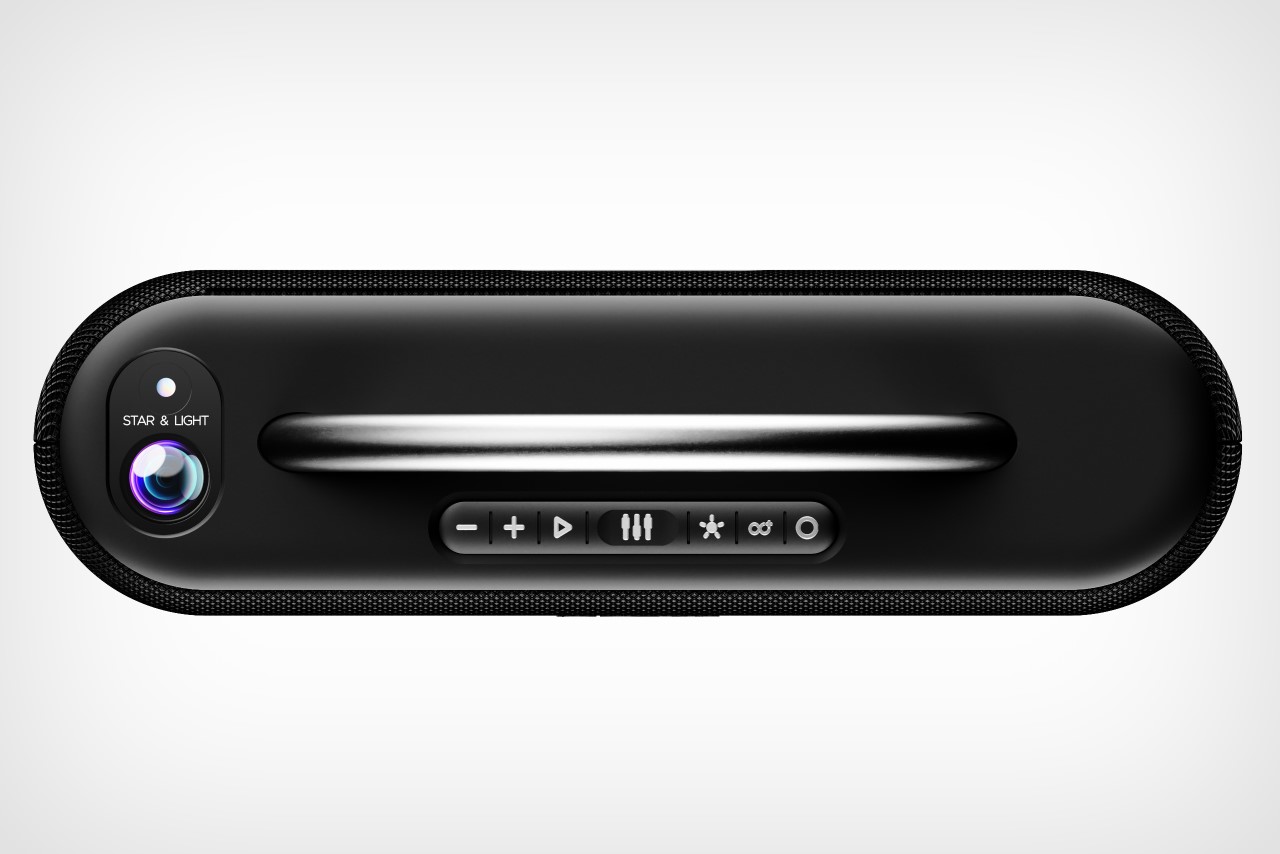
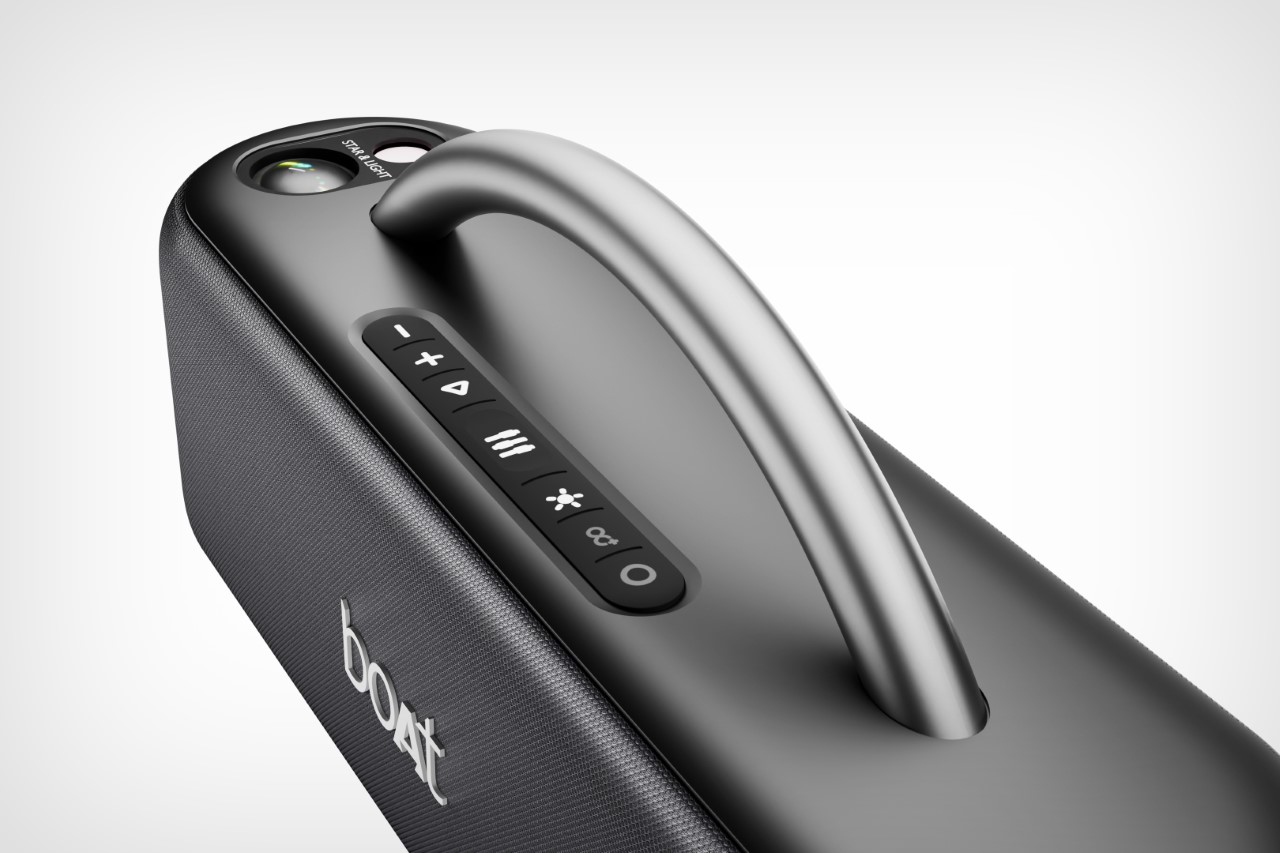
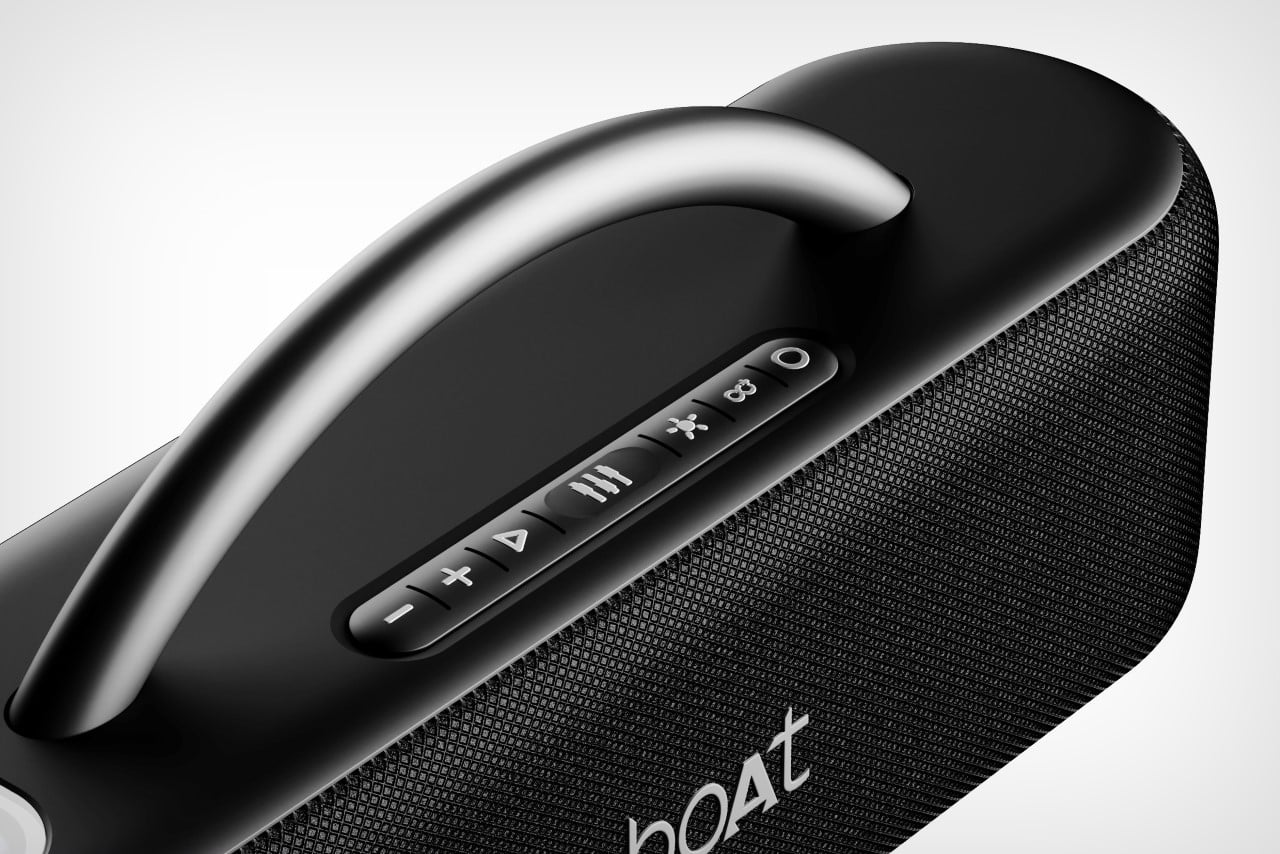
The speaker packs a lot of punch for its price tag, boasting a 60W output. A control panel on top of the boAt Stone Lumos lets you adjust various parameters, like playback, volume, EQ, and even cycle through the 7 different projection modes the speaker has to offer.

The control panel offers a variety of adjustments, while a two-part LED projector casts light and stars onto the ceiling above, creating a soothing atmosphere.

The speaker comes with a maximum of 9 hours of playback (with the projector off), has support for the boAt Hearables app, is IPX4 splash and water resistant, and has a built-in mic for hands-free calling. The boAt Stone Lumos also packs Bluetooth 5.3 for a crisp connection, although if you’re old school, there’s 3.5mm aux and USB connectivity too!

What the boAt Stone Lumos does is rather unusual, but seems pretty fitting. Most mid-range Bluetooth speaker do pack their own ambient backlights and LED strips for an extra audio-visual oomph, so the fact that this speaker actually turns your room into a makeshift galaxy just feels like taking wireless speakers to their logical next-step. Now to just play Sky Full Of Stars by Coldplay on this bad boy!

The post The new boAt Stone Lumos Wireless Speaker will project galaxies on your ceiling while you listen to music first appeared on Yanko Design.

Apple TV+ subscribers will get early access to the company’s latest original podcast

Apple will release its first premium podcast with early access available to Apple TV+ subscribers. The company made the announcement in a press release today that its first dual-language podcast, My Divo, will be the first podcast tied to an Apple TV+ subscription.

All eight episodes of My Divo will be available in English and Spanish for Apple TV+ subscribers when they connect their subscriptions to Apple Podcasts starting July 1. Non-subscribers will listen to new episodes every week. However, they will get access to the first two episodes on launch day. Apple indicated that My Divo will serve as an example of its new business model for podcast distribution going forward, saying that “all upcoming Apple TV+ podcasts will also be made available in full to subscribers.”

My Divo is a podcast about Mexican singer Juan Gabriel, also known as El Divo de Juárez (hence the title), hosted by award-winning journalist Maria Garcia as she tries to reconcile her identity with the legacy of the flamboyant Latino performer. She reexamines similarities within their Mexican heritage, including their sexualities and their upbringing in Ciudad Juárez.

Apple releasing a podcast behind an Apple TV+ paywall is similar to its plan of producing companion podcasts to Apple TV+ shows, which happened shortly after the launch of the streaming service four years ago. My Divo is the first Apple podcast not tied to an Apple TV+ show of the same name.

This article originally appeared on Engadget at https://www.engadget.com/apple-tv-subscribers-will-get-early-access-to-the-companys-latest-original-podcast-195756992.html?src=rss