Japanese Designers Just Solved the Dead Battery Diffuser Problem

There are several times a day when you’ll want to sit down and take in the aroma of your favorite essential oils. It might be early in the morning to help you wake up, right when you start work and need a boost of energy, at the end of the day when you’re relaxing, journaling, or reading, or right before bed so the scent can help you settle into a good night’s sleep. At any of those moments, your oil diffuser is your best friend, that is, unless it runs out of battery or charge right in the middle of your routine.

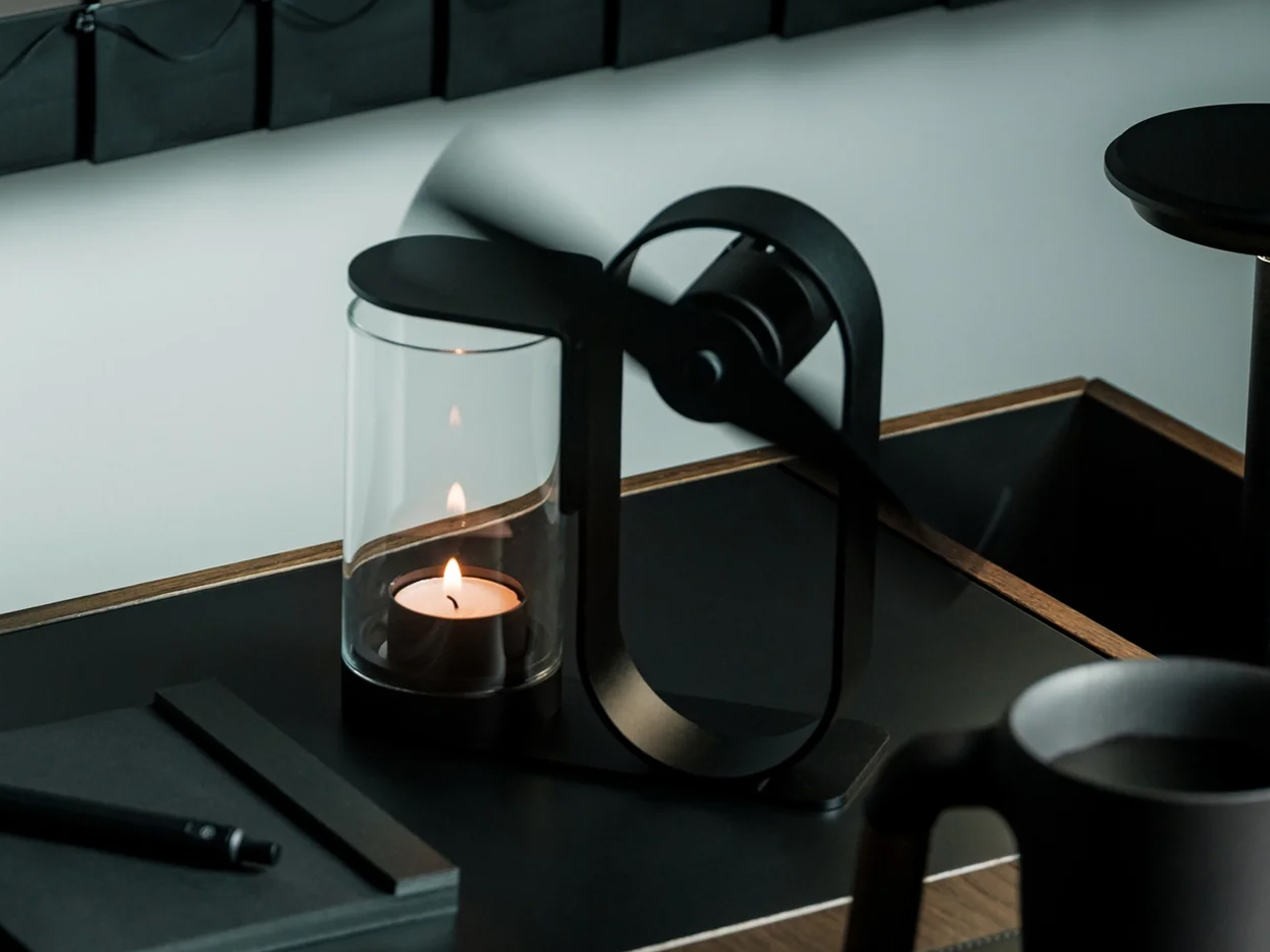
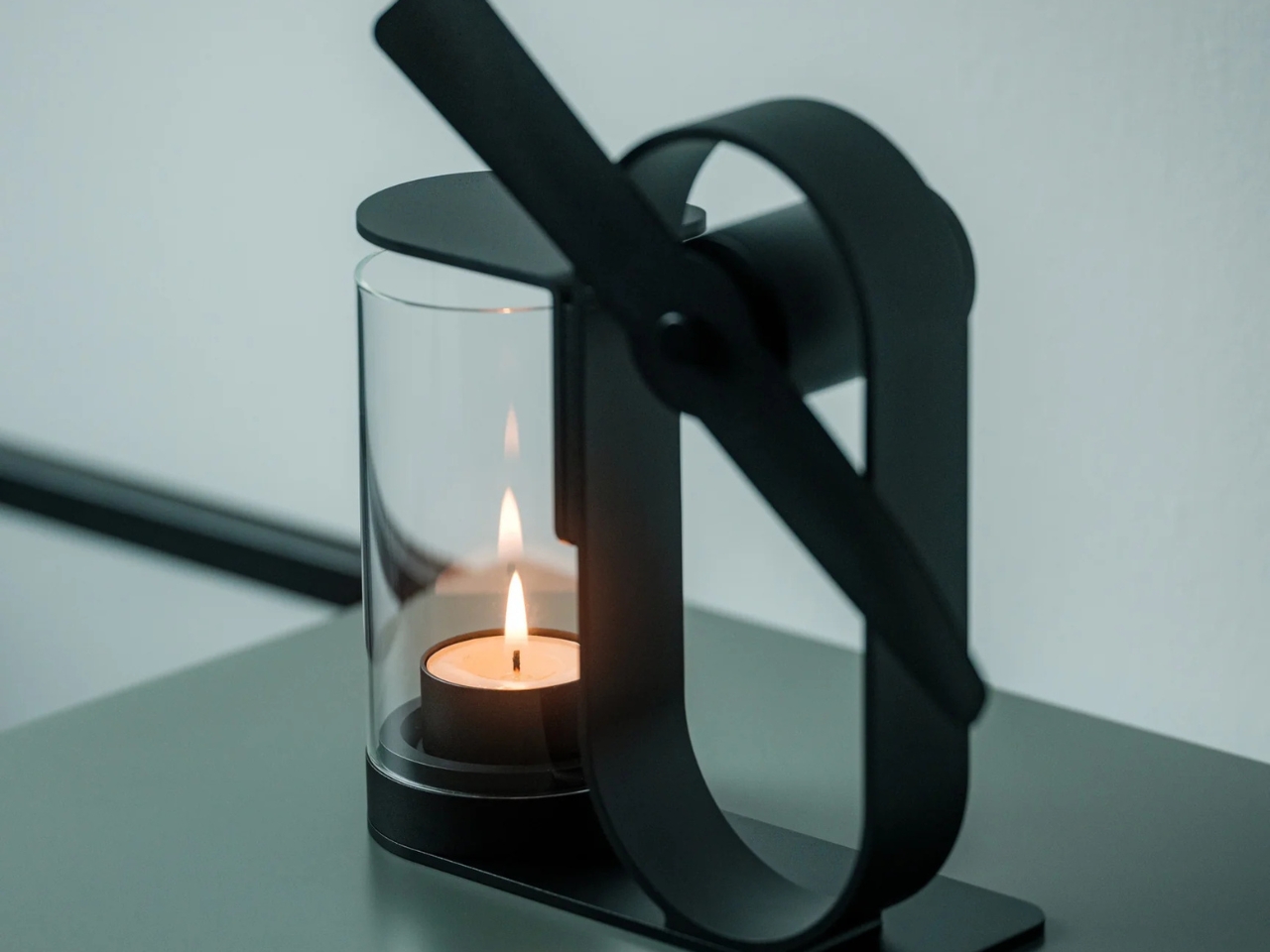
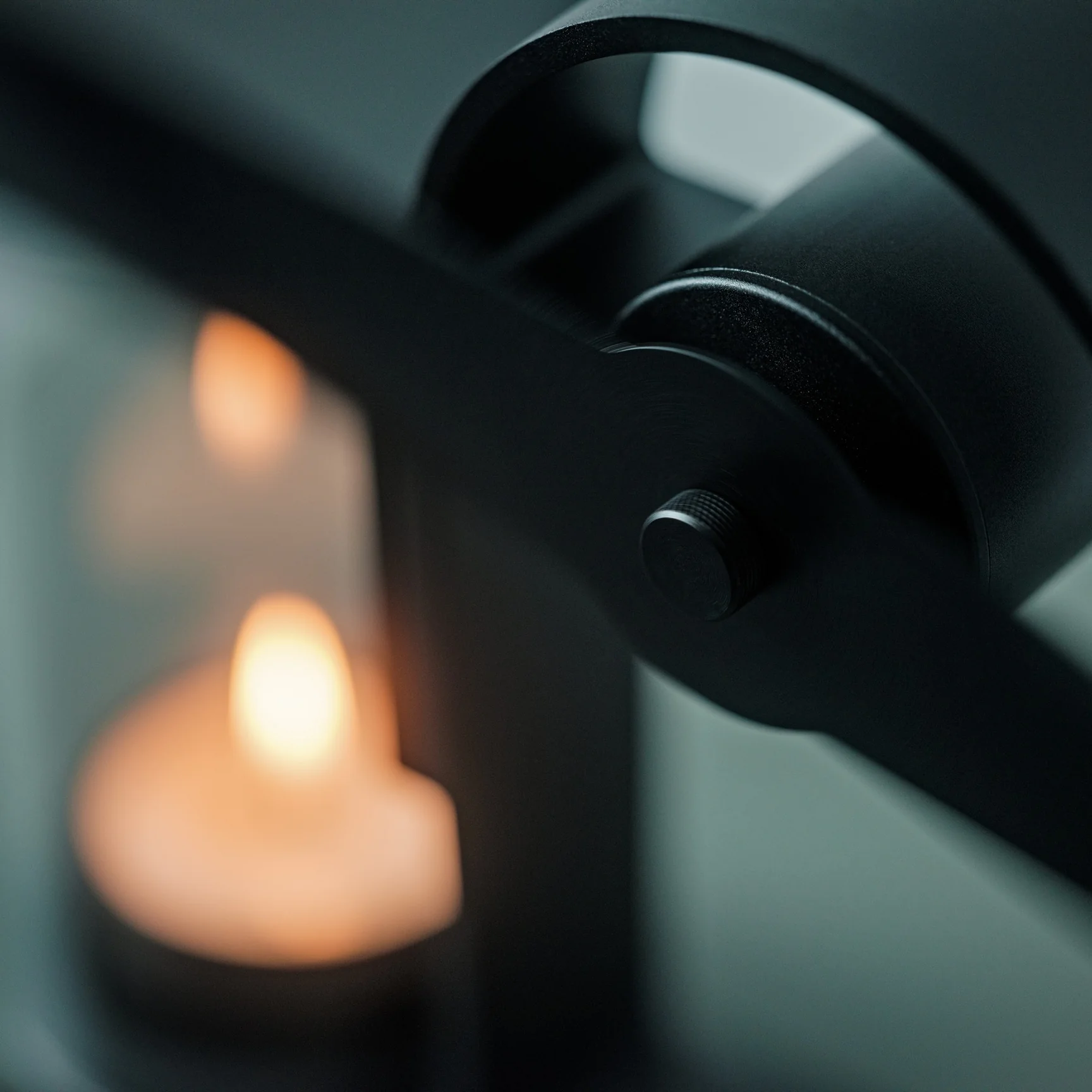
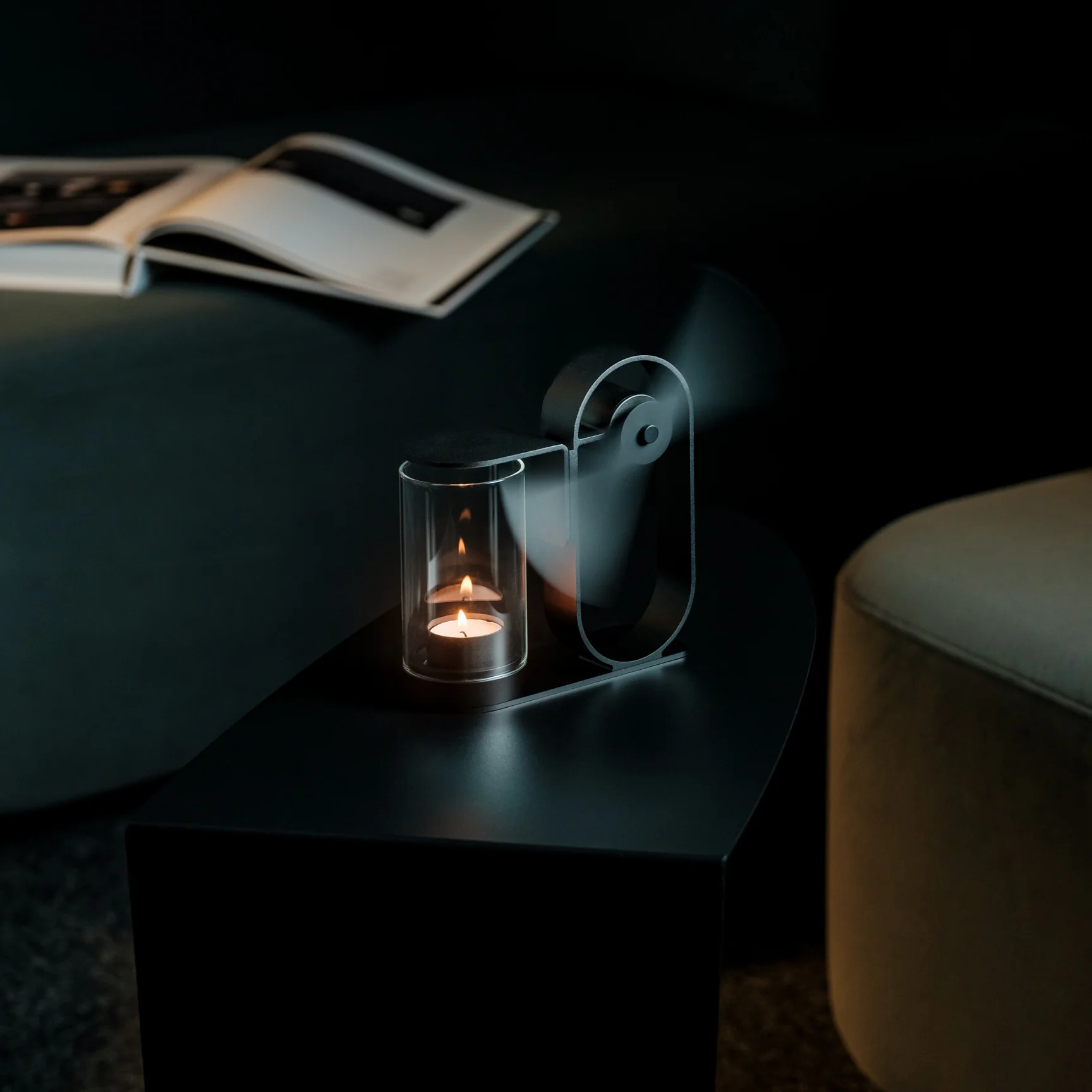
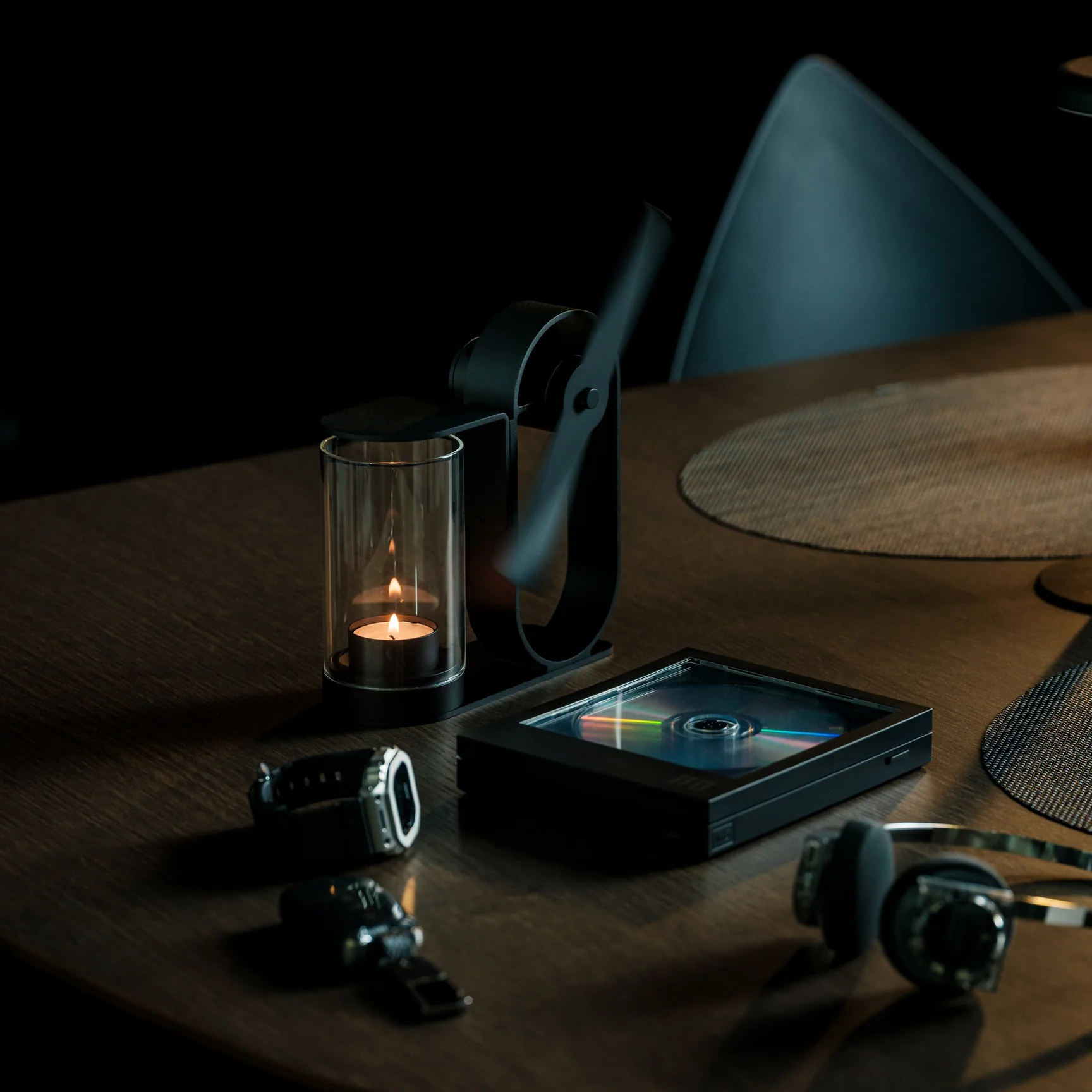
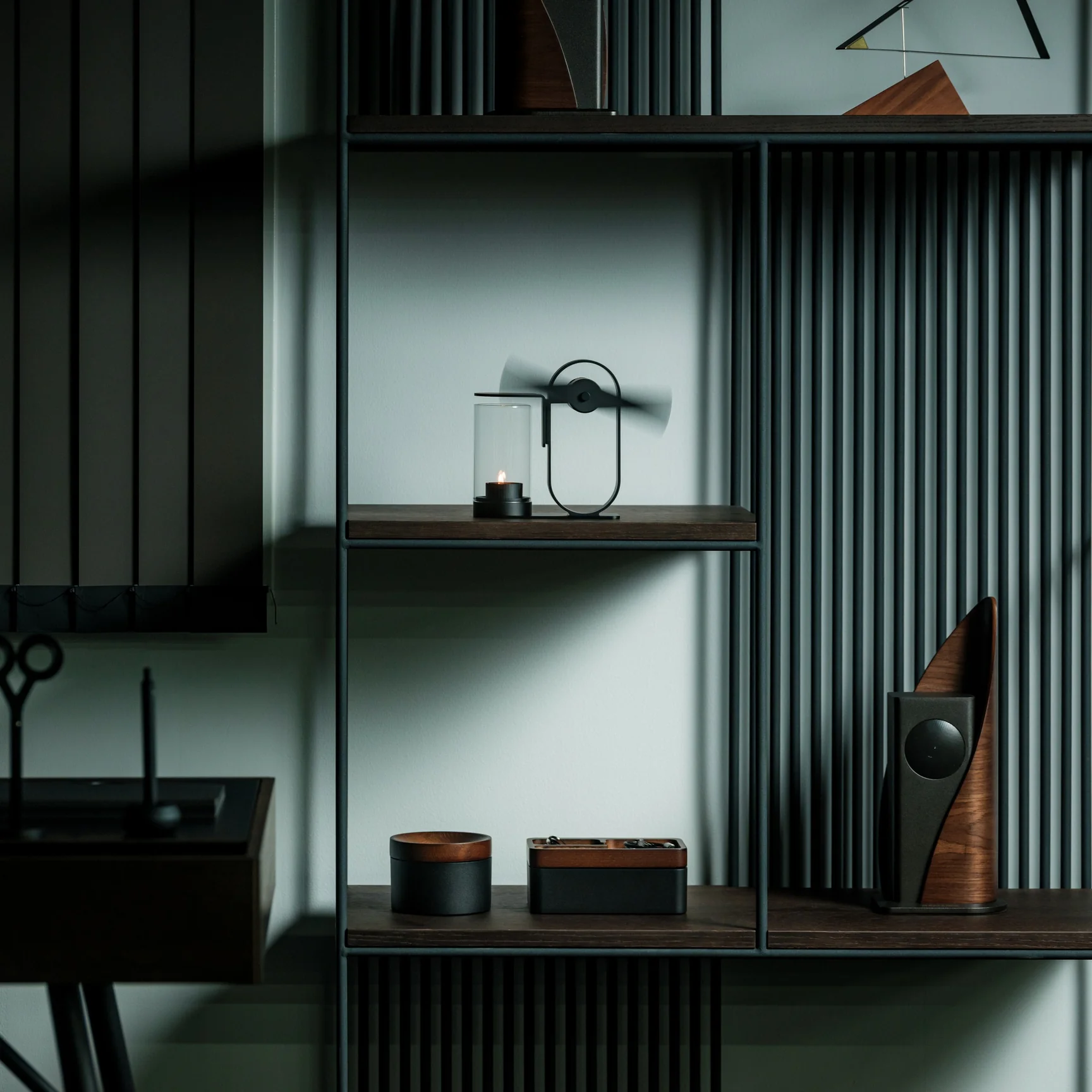
If you’re using the Battery-Free Aroma Diffuser, that’s one problem you’ll never have. As the name suggests, it’s completely battery-free and skips the fancy ultrasonic tech found in most diffusers on the market. All you need is a candle; its rising heat spins a built-in propeller that carries the scent of your essential oil of choice, and you’re all set to relax or recharge, whichever one you need. Setting it up becomes part of your morning or nighttime ritual, giving you what’s been called “magic powered by a single flame.”

Click Here to Buy Now: $290.00
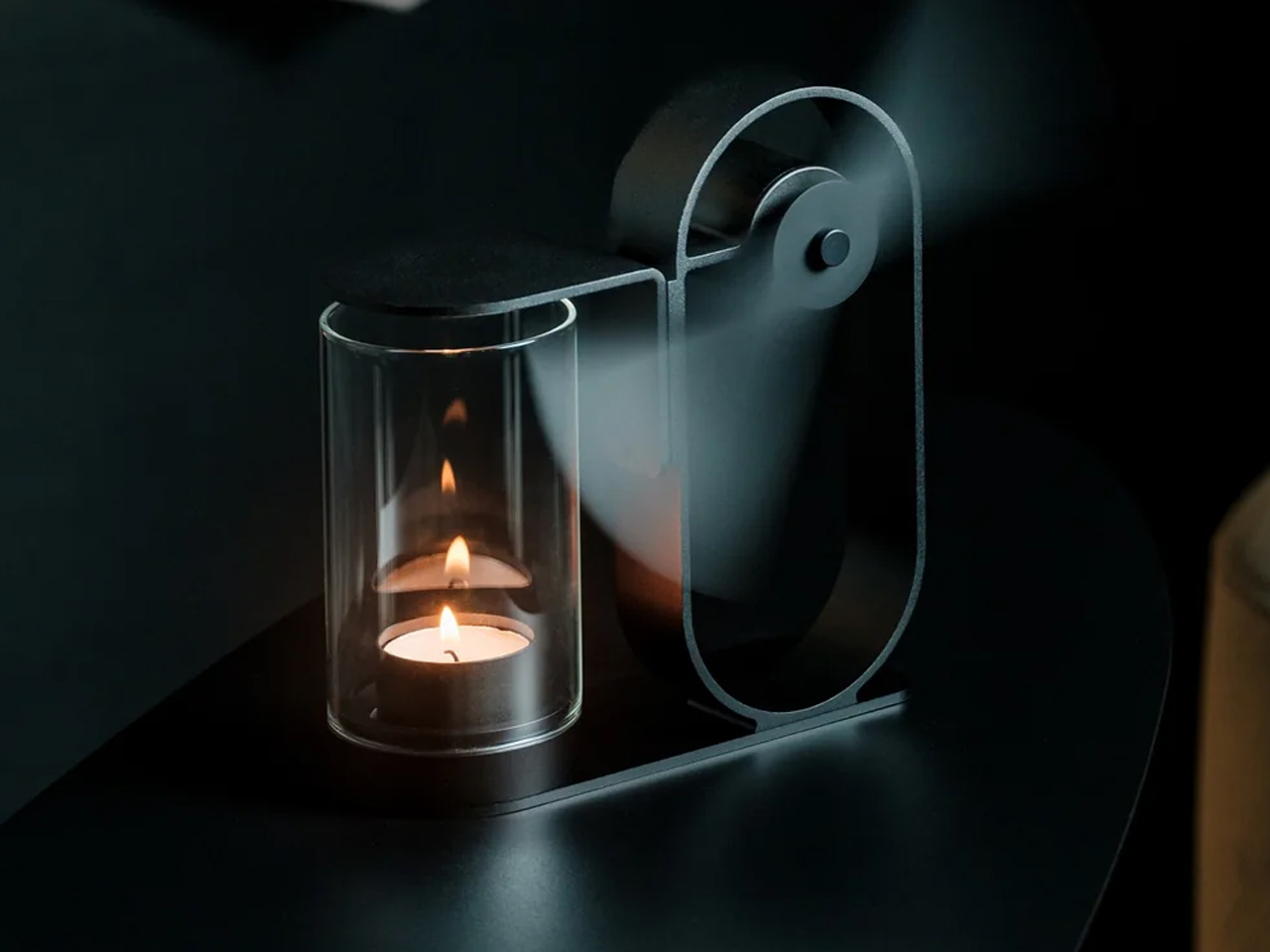
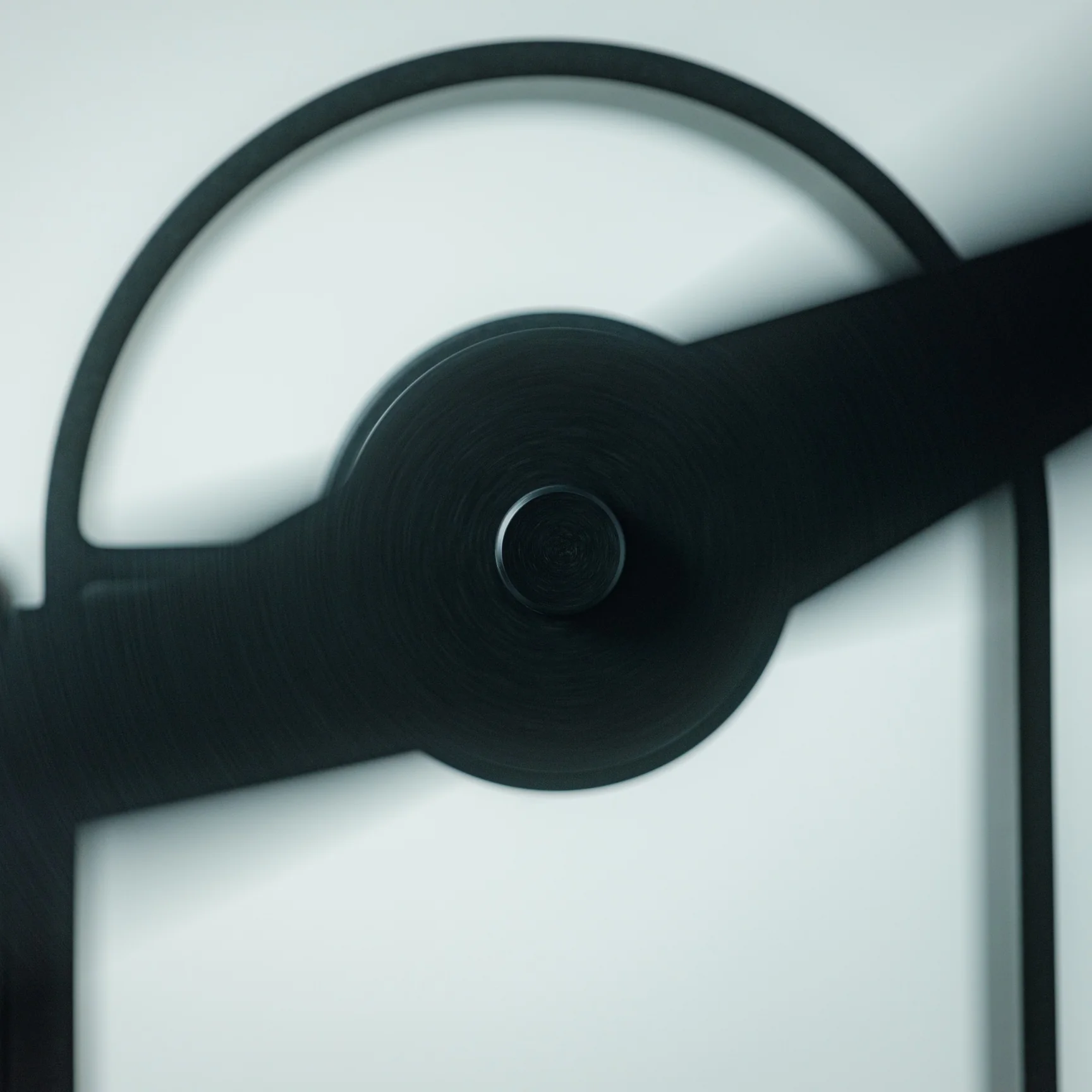
This diffuser was designed by Yu Ito and Yoshimi Kemmotsu of SOL style. Most diffusers on the market run on batteries, charging cables, and plastic ultrasonic components. This one skips all of that and works on nothing more than physics, heat, and fire. Its minimalist, elegant design only adds to the “magic” of the experience, as you watch your essential oils fill the room in a way that feels almost mystical. Because so much of the piece is transparent, you can see exactly how it works, from the flickering candle flame to the visibly spinning propeller above it.
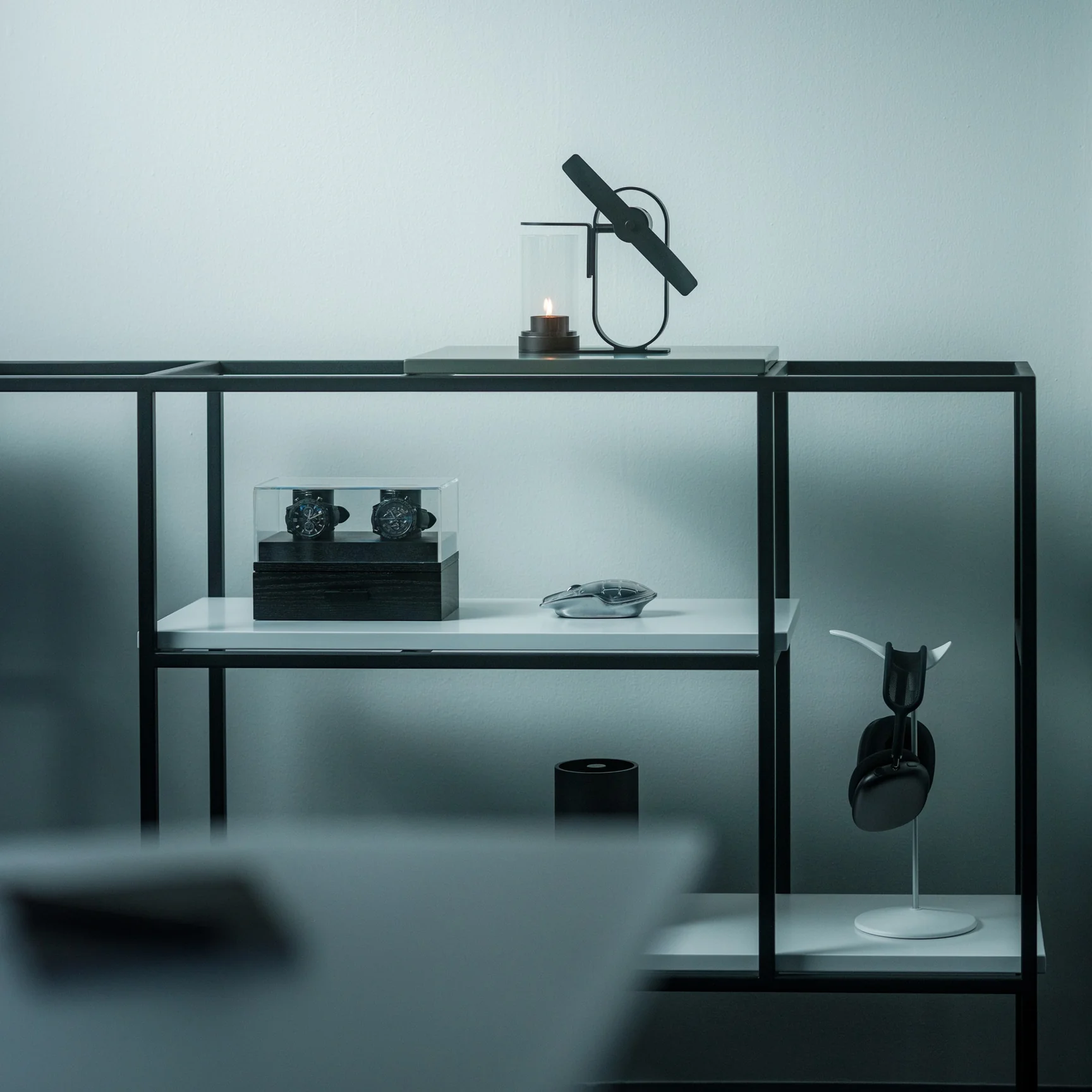
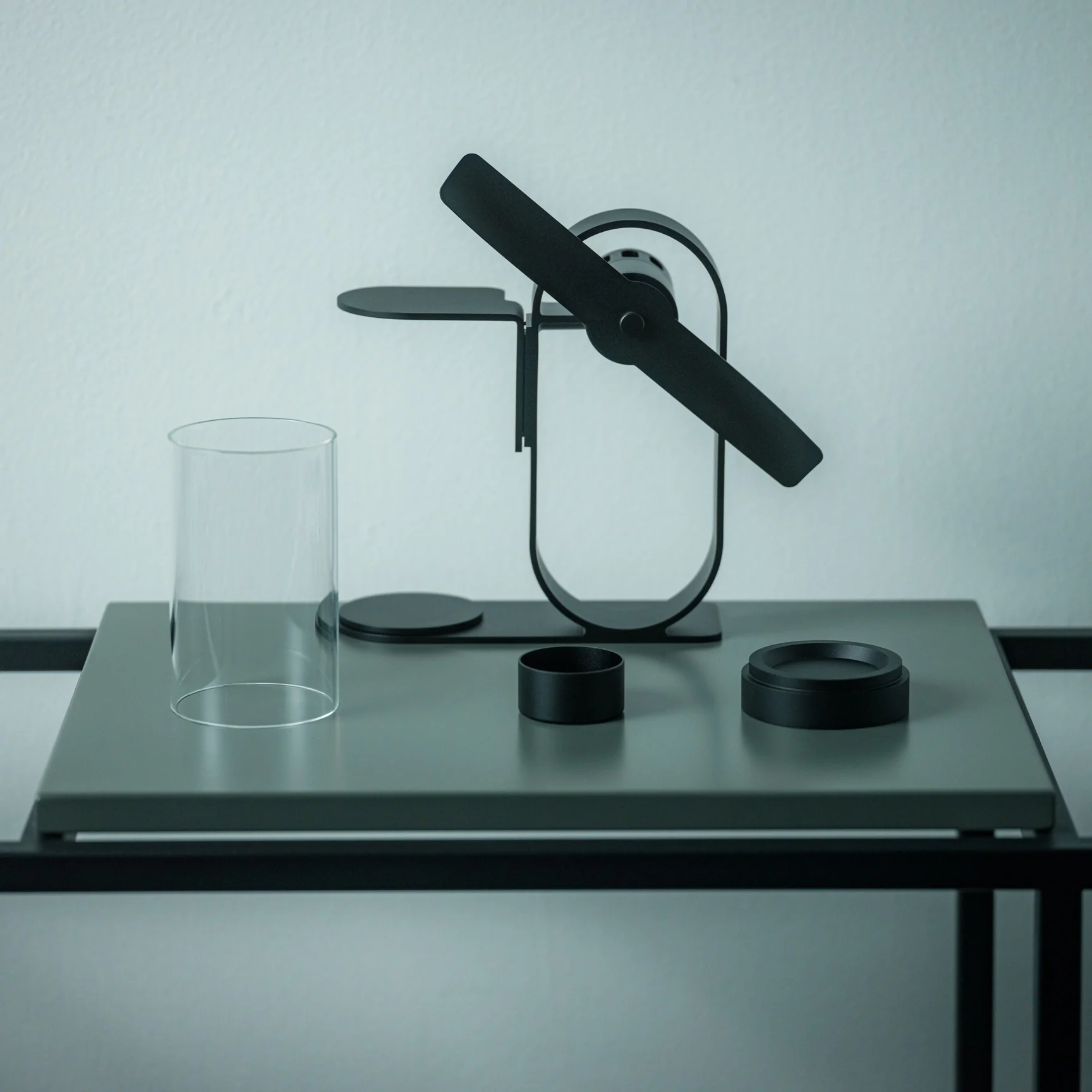
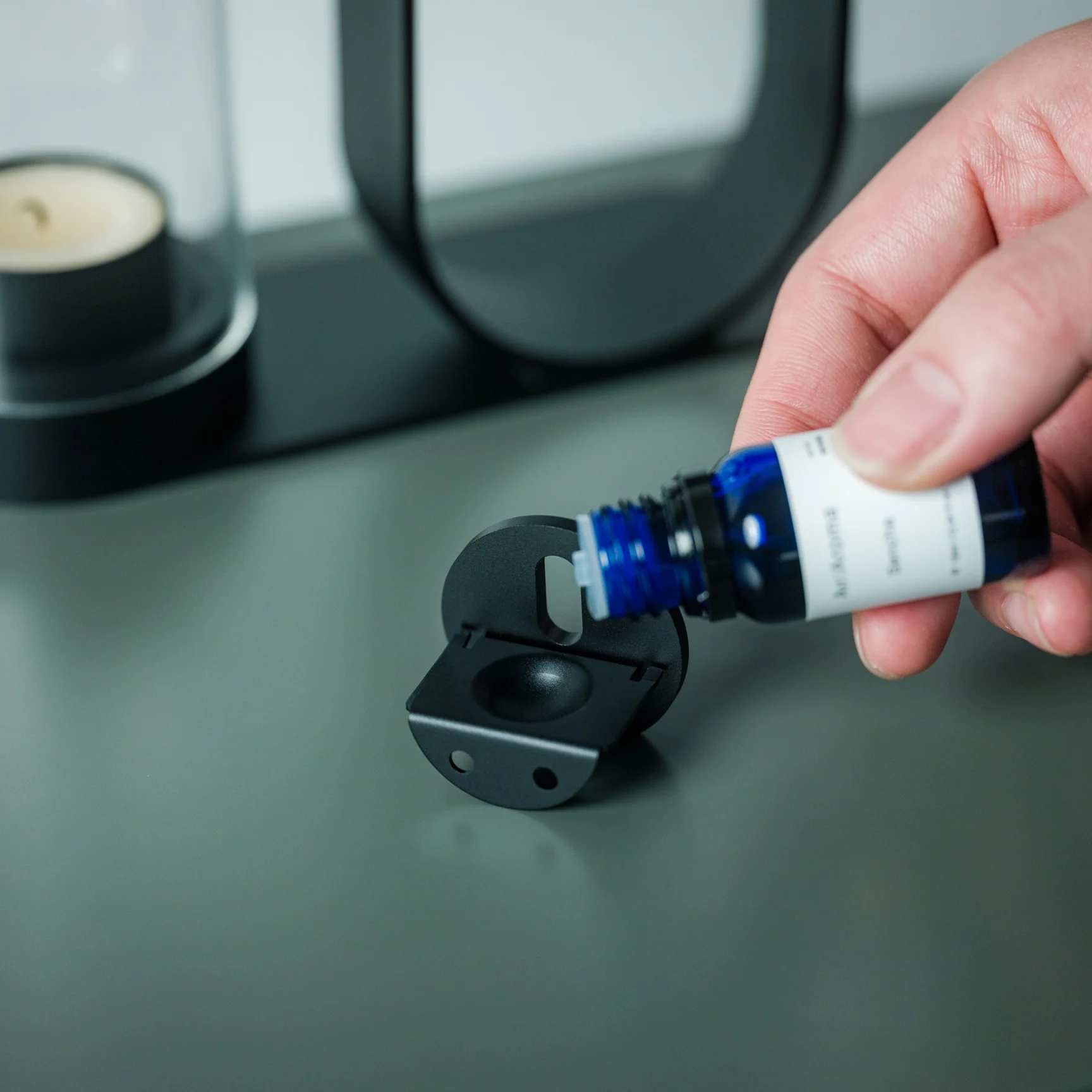
The process of using the diffuser is refreshingly simple and doesn’t involve a lot of steps. Start by placing your essential oil of choice in the dedicated compartment located at the center of the propeller. Light a candle and set the cover in place. Wait about two to three minutes for the rising heat to spin the built-in propeller, and once it’s turning, it will carry the scent of your oils and fill the space around you.
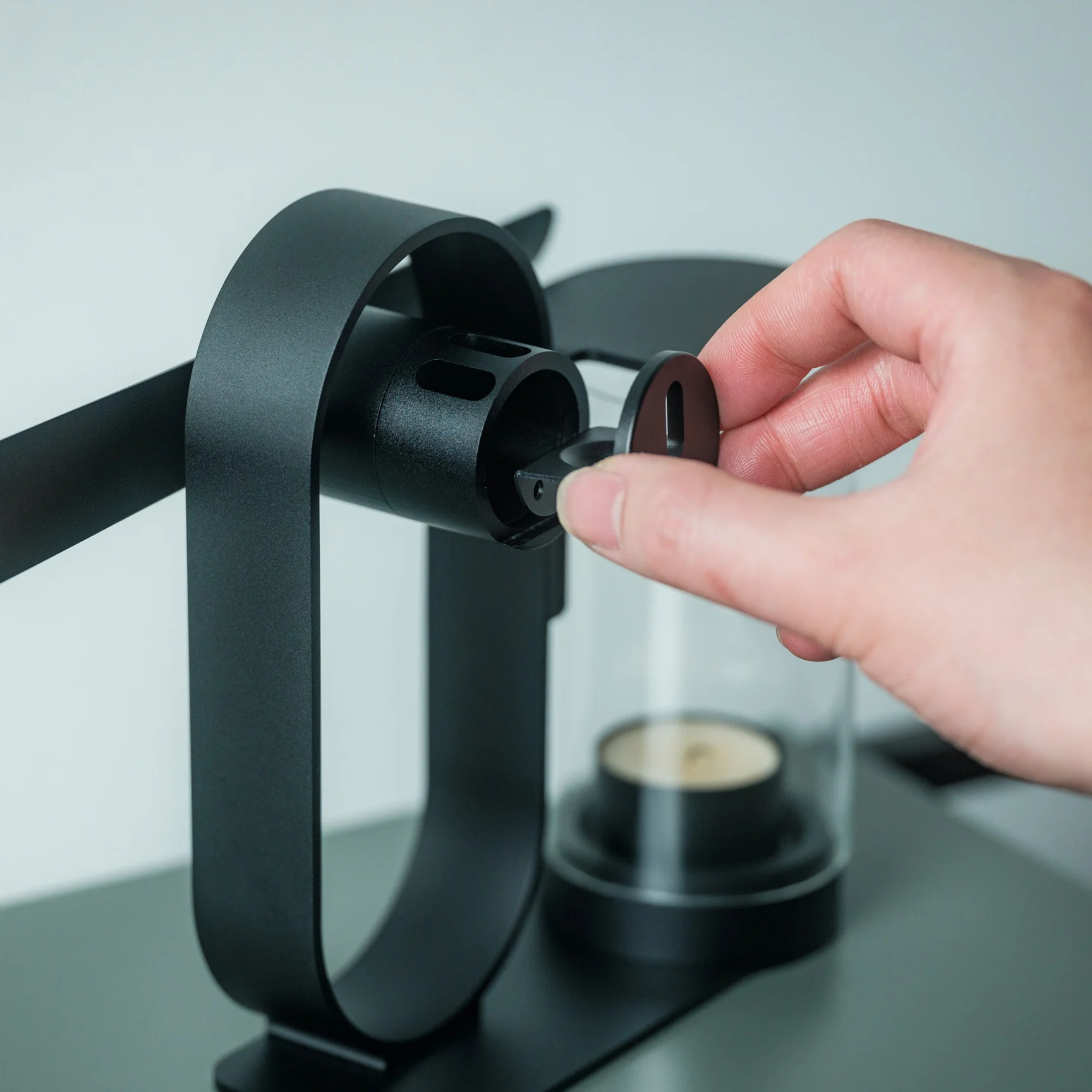
The diffuser itself is built from aluminum, glass, and iron, materials chosen for being sustainable and long-lasting, so you’re not contributing to the pile of dead batteries or broken plastic housings that come with most electric diffusers. Because it needs no outlet and no batteries, it’s also completely portable. Set it up on your dining table, your nightstand, or even take it outside for a quiet evening on the patio.
If you’ve shopped for a diffuser before, you’ve likely come across a big name like Vitruvi, whose Stone Diffuser is frequently ranked among the best overall by outlets like Wirecutter and InStyle. Vitruvi’s design is genuinely beautiful, but it’s still an electric, ultrasonic device that needs to be plugged in or charged to run. More budget-friendly brands like InnoGear and Urpower take a similar ultrasonic approach at a much lower price, but they typically trade craftsmanship and material quality for affordability, leaning on plastic components that don’t hold up as well over time.
The Battery-Free Aroma Diffuser doesn’t try to compete on mist output, app connectivity, or color-changing lights. Instead, it carves out its own lane by focusing on ritual, sustainability, and craftsmanship. You won’t get smart features or adjustable settings, but you also won’t ever need to charge it, replace a battery, or worry about internal electronics failing. It does come at a premium, priced around $249 compared to the roughly $30 to $130 range most ultrasonic diffusers occupy, but for design lovers and sustainability-minded shoppers, that price reflects a genuinely different kind of product rather than just another gadget competing on specs.
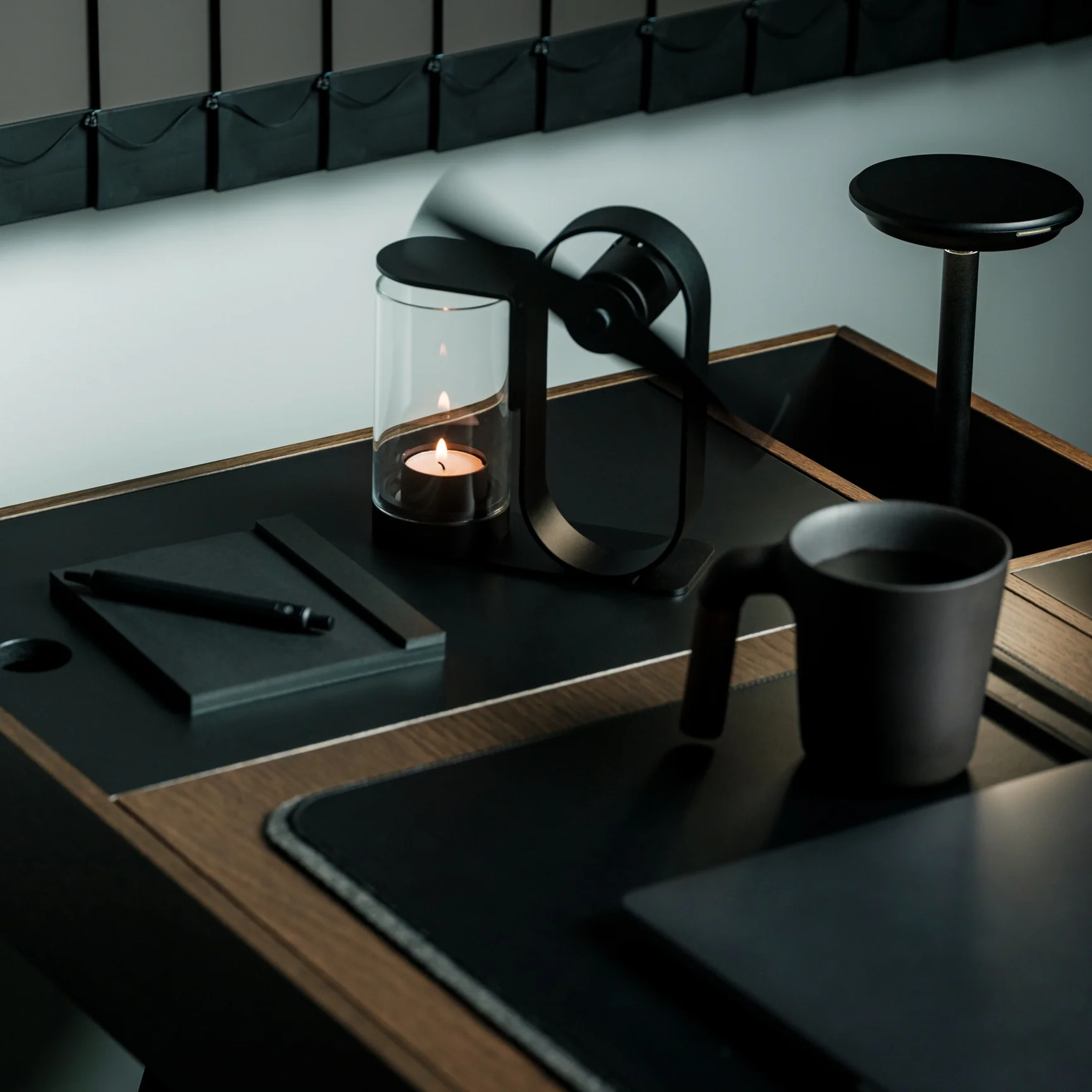
At the end of the day, the Battery-Free Aroma Diffuser isn’t trying to be the most powerful or the most tech-forward diffuser on your shelf, it’s trying to be the most memorable. Whether you’re using it to ease into your morning coffee, get into a work groove, unwind after a long day, or settle in before bed, lighting that single candle and watching the propeller slowly spring to life feels far more intentional than simply pressing a power button. It won’t die mid-session, won’t need a replacement battery, and won’t end up as e-waste a few years down the line. For anyone looking to turn aromatherapy into an actual experience rather than just another appliance to switch on, this quiet, flame-powered design might be one of the most beautiful ways to get there.
The post Japanese Designers Just Solved the Dead Battery Diffuser Problem first appeared on Yanko Design.


Two Bedrooms, a Loft, and 396 Square Feet That Sleep Six Without Anyone on the Couch

Most park models ask you to choose between space and portability. Zook Cabins’ Cascade doesn’t entertain that conversation. At 13 feet wide — nearly 4.5 feet wider than the standard park model chassis — the Cascade lands in a category of its own: a compact footprint that genuinely lives large.

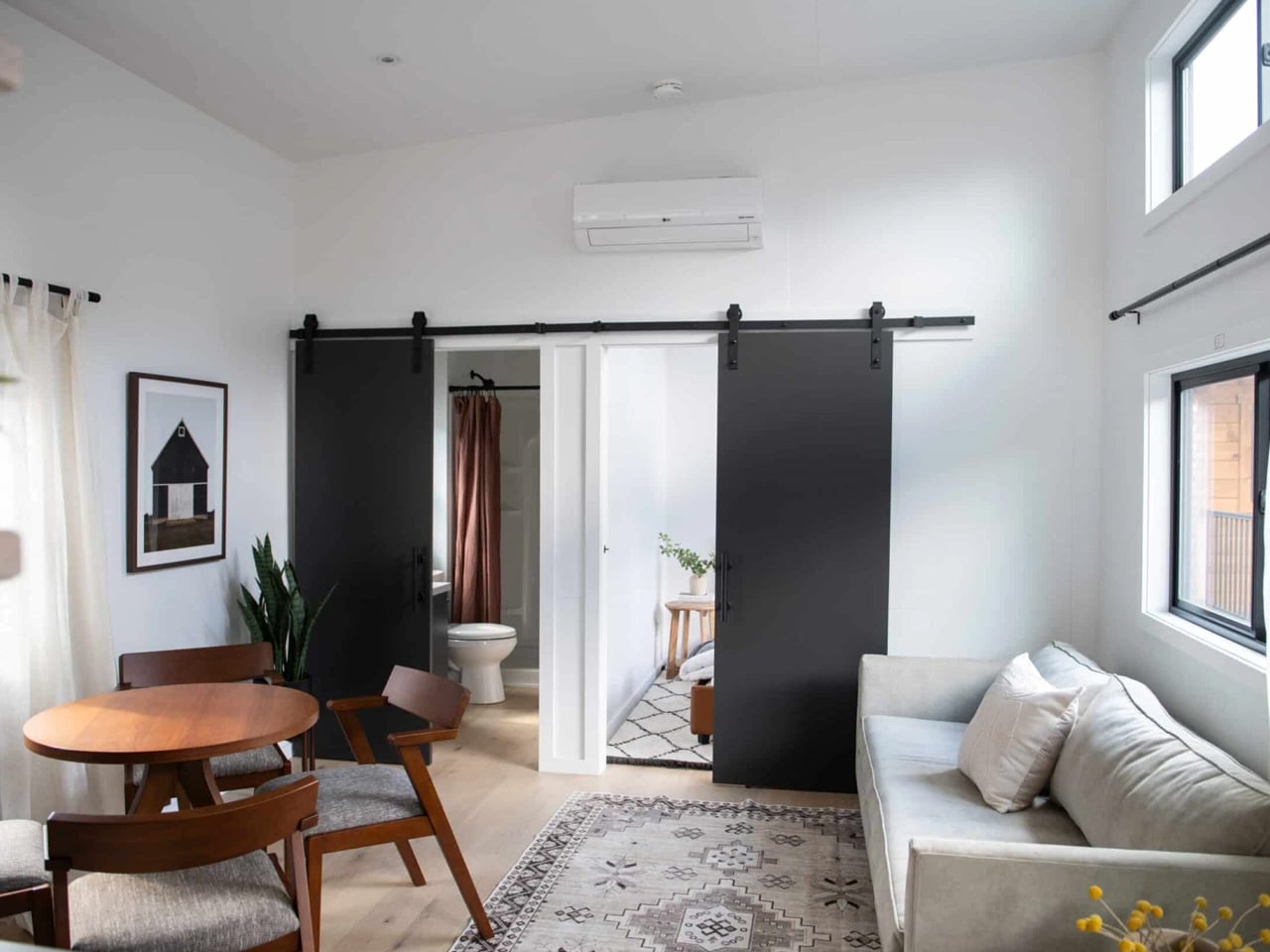
Sitting on a quad-axle trailer and stretching 31 feet in length, the Cascade clocks in at 396 square feet of finished interior space. That number sounds familiar — typical park model territory — but the extra width changes everything about how the interior feels and functions. The central zone opens into a combined living room and kitchen that doesn’t force you into the tight, galley-style compromises you’d expect at this scale.

Designer: Zook Cabins

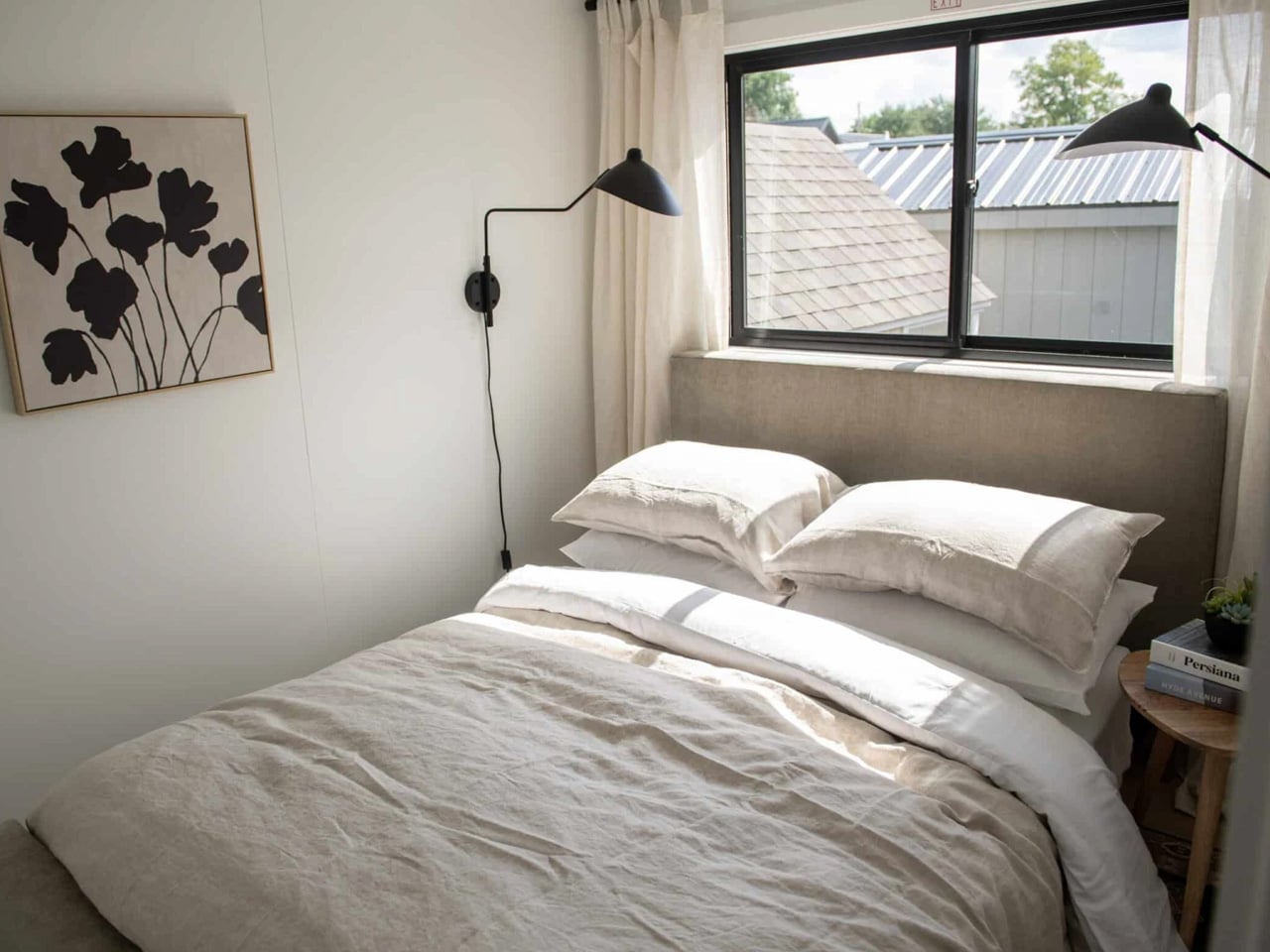
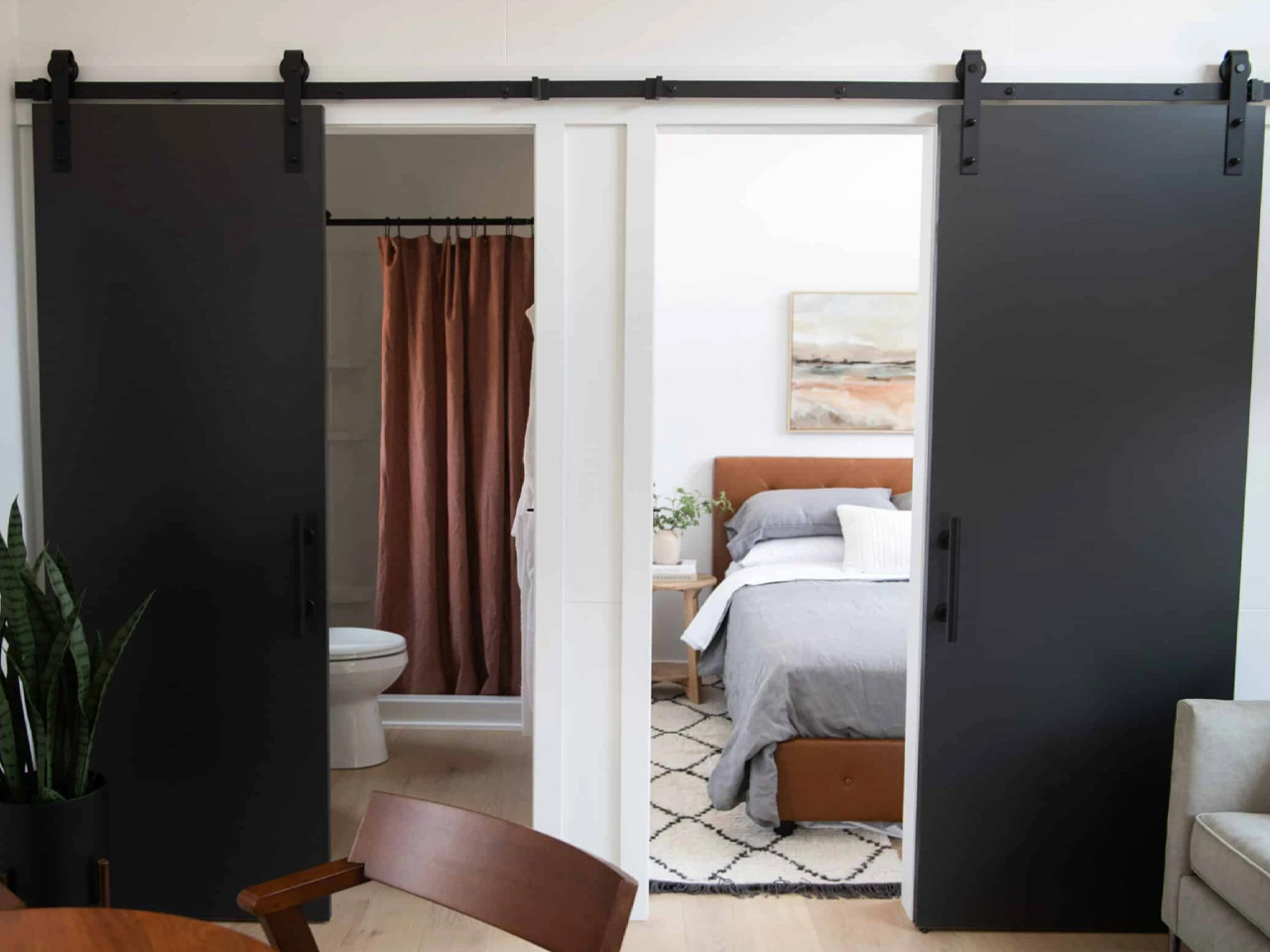
The layout pulls off something genuinely unusual: two full bedrooms sit on the ground floor, each fitted with a double bed, flanking that central living core. Most builders at this size would push a second sleeping area up into a loft and call it a bunk. Zook gives you actual bedrooms — doors, walls, privacy. The loft exists too, accessible via a proper staircase, and functions as a third sleeping zone or dedicated storage depending on your needs. That configuration means the Cascade sleeps up to six people without anyone drawing the short straw.

Finish quality lands where you’d want it for a cabin meant to sit at a resort or retreat. Luxury vinyl plank flooring runs throughout, flat 1×3 window trim keeps the aesthetic clean, and the exterior pairs metal and wood siding in a combination that reads as contemporary without leaning too hard into the trend. The craftsmanship reflects Zook’s Pennsylvania roots — the company builds out of Amish country, and the attention to structural detail shows in the joinery and cladding.

Where the Cascade makes its clearest argument is for campground operators, retreat center owners, or families looking for a getaway property that doesn’t require guests to sacrifice comfort. Two bedrooms, a functioning kitchen, a full bathroom, and a loft that adapts — it’s a legitimate hosting unit, not just a seasonal shelter.

The 13-foot width does mean the Cascade is less mobile than a standard-width tiny home and requires permits or escorts for road transport. But for anyone who plans to settle it on a lot and leave it there, that tradeoff barely registers. What you get in return is a small home that actually feels like one.

The post Two Bedrooms, a Loft, and 396 Square Feet That Sleep Six Without Anyone on the Couch first appeared on Yanko Design.
Anker’s Sleep Earbuds 4 Pro Silence Snoring in Real Time With Adaptive Masking: Hands-on at IFA 2026

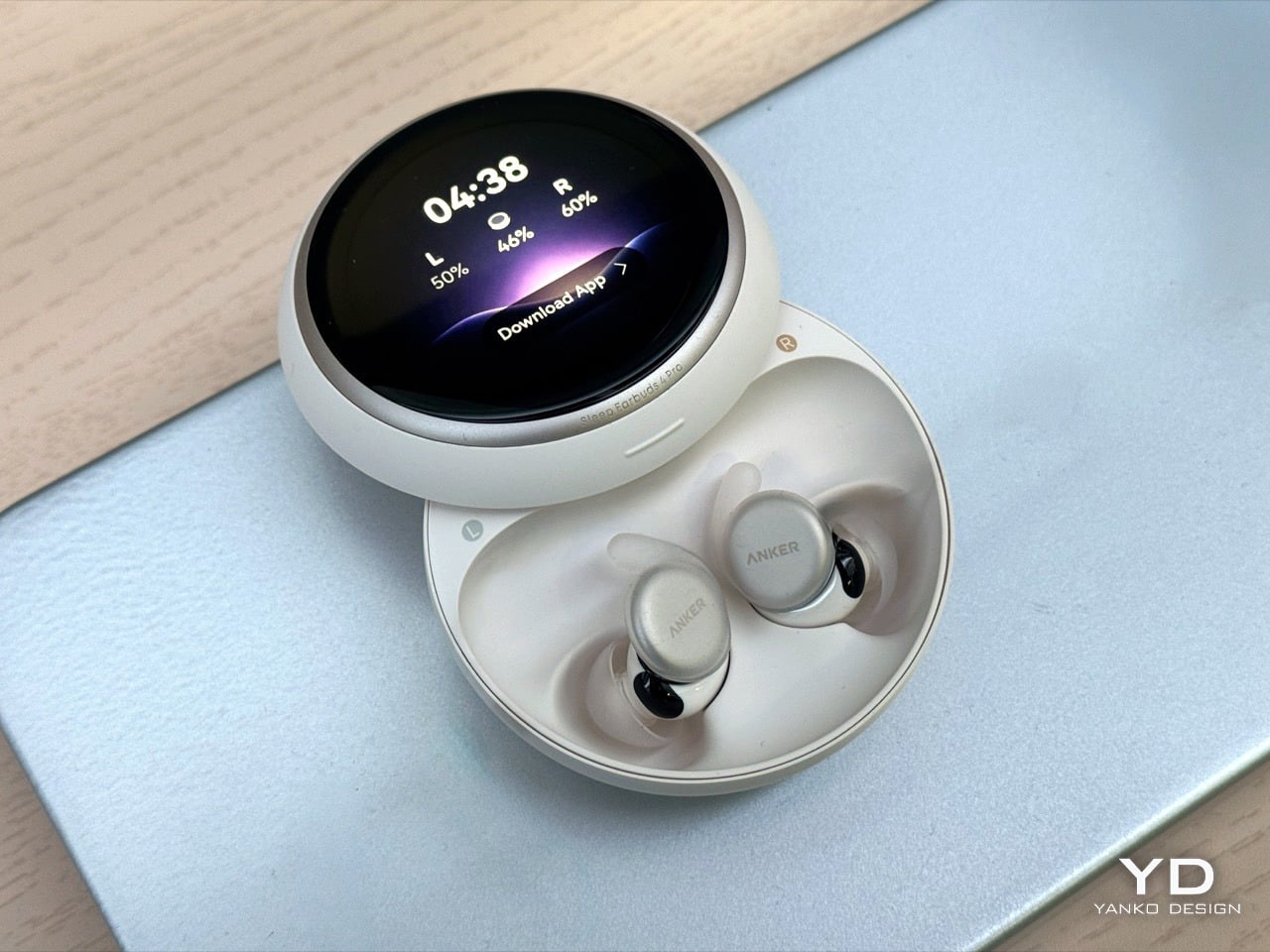
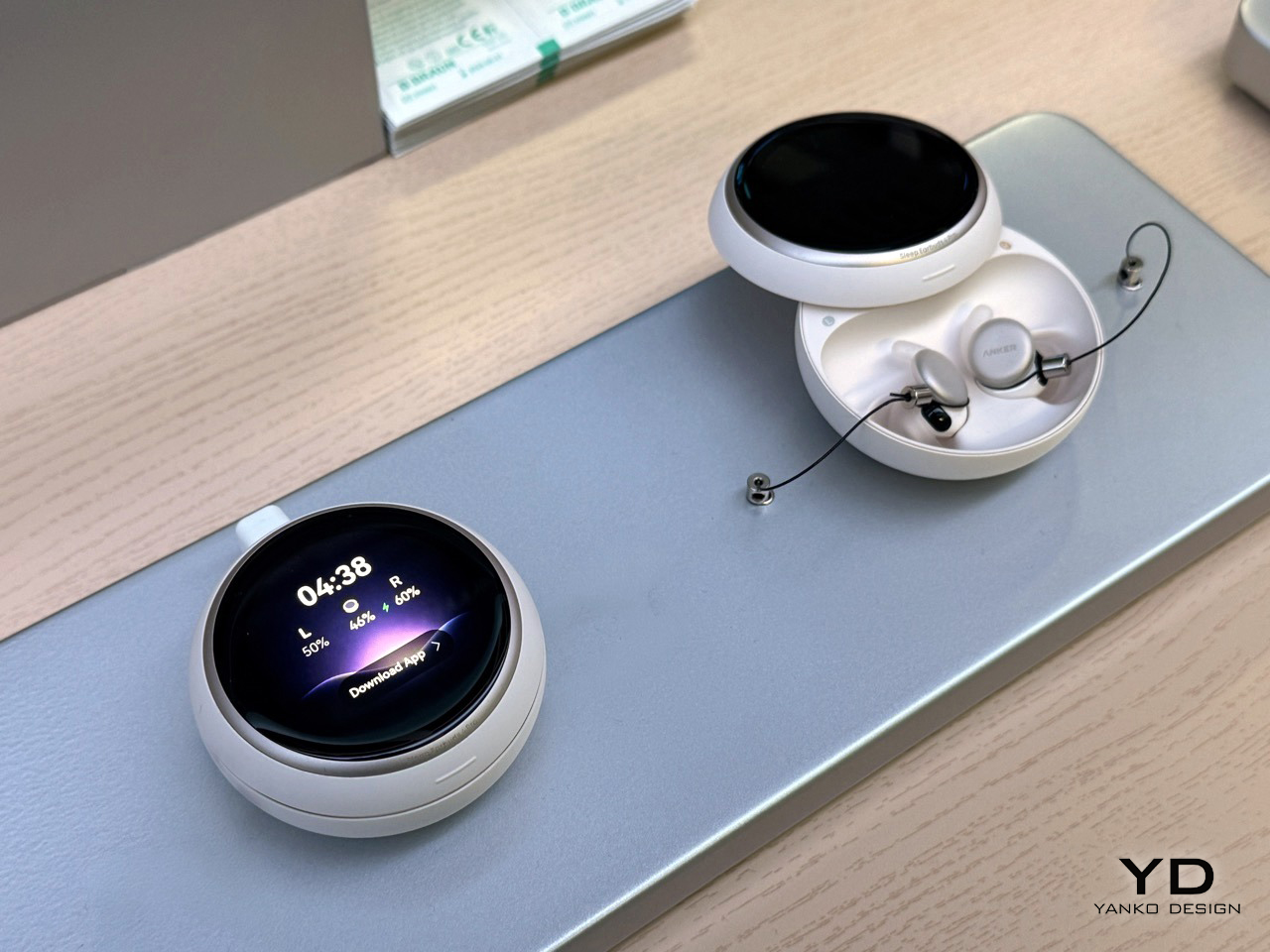
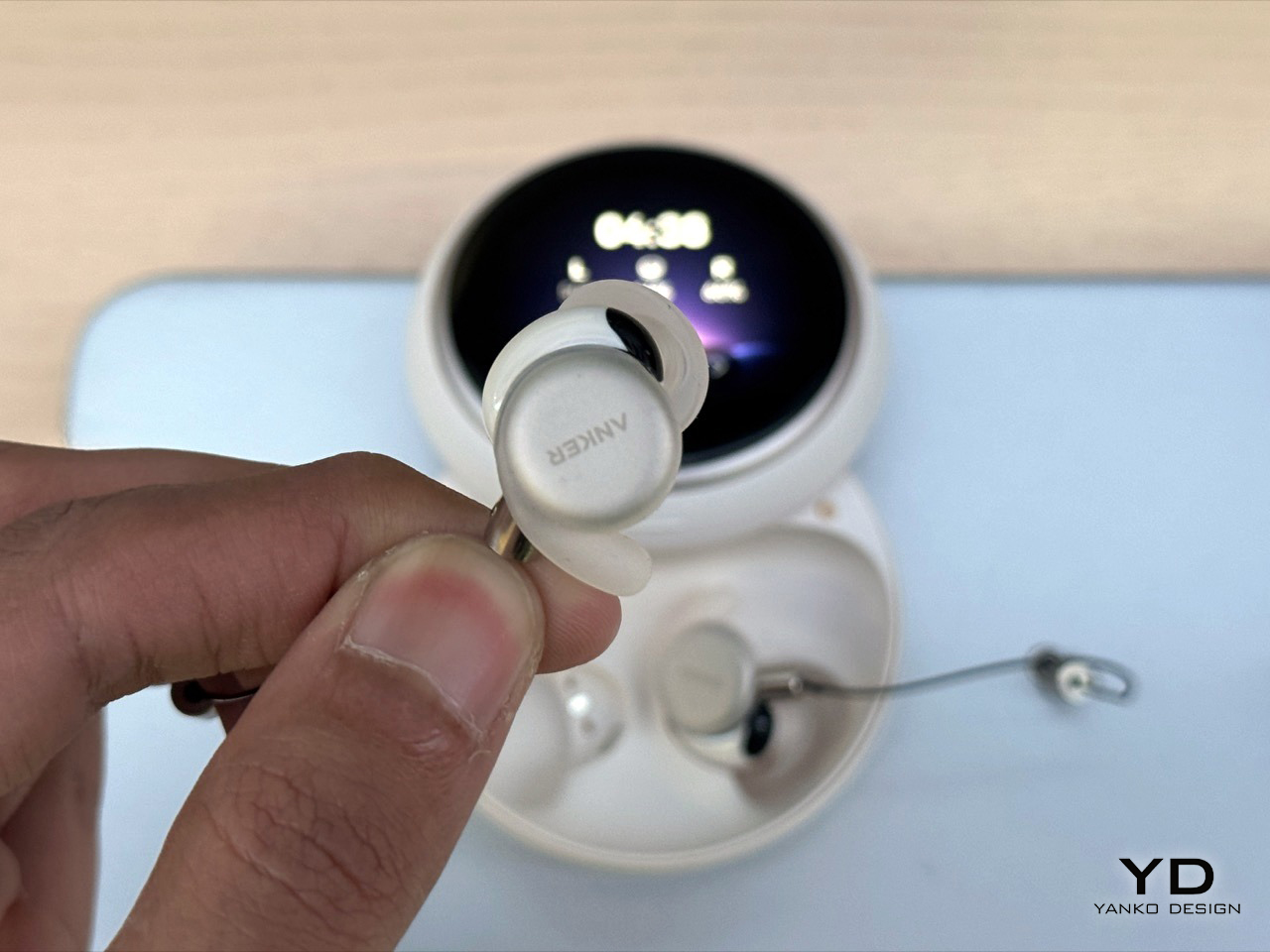
Anker’s new Soundcore Sleep Earbuds 4 Pro stuff a heart rate sensor into your ear canal and bolt a round AMOLED touchscreen onto the charging case, so bedtime happens without your phone anywhere near the pillow. Each bud is a flat three gram disc with a soft silicone fin that wedges into the ridge of your ear, sitting 20 percent flatter against your head than the old Sleep A30 so side sleepers can actually lie on them. A microphone in the case listens for your partner’s snoring and reshapes the masking audio as the snore shifts pitch. It arrives in November for $349.99.

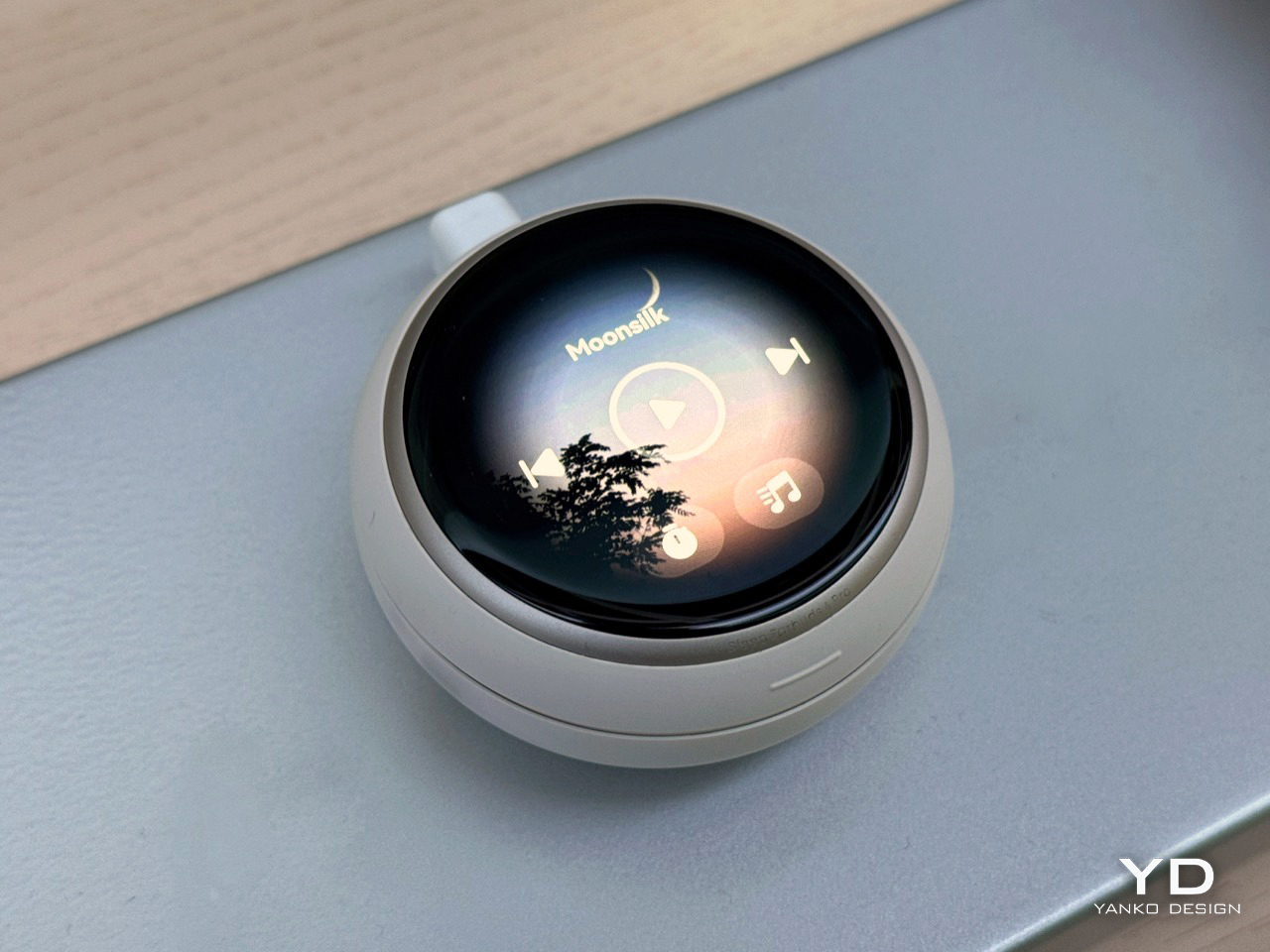
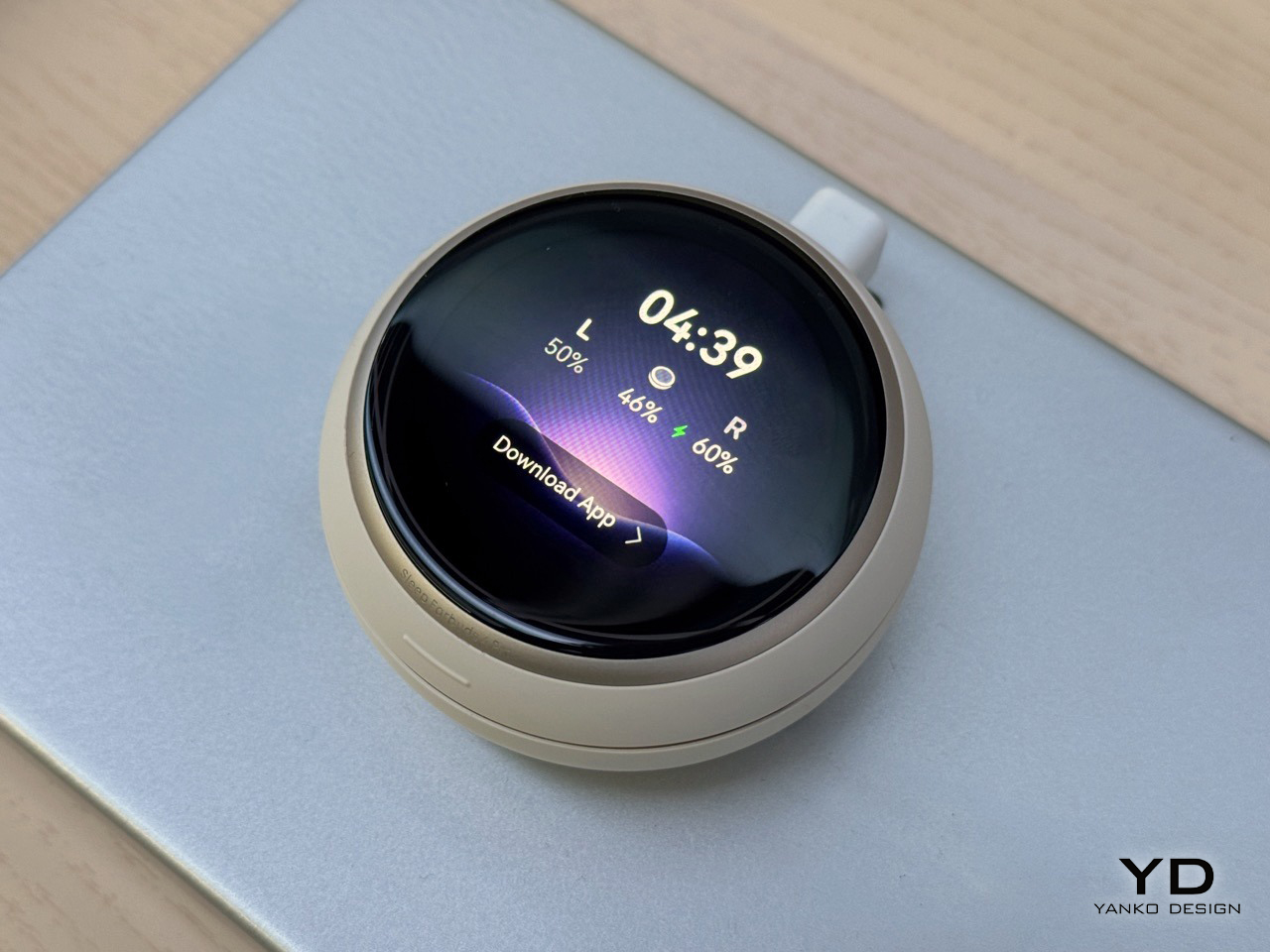
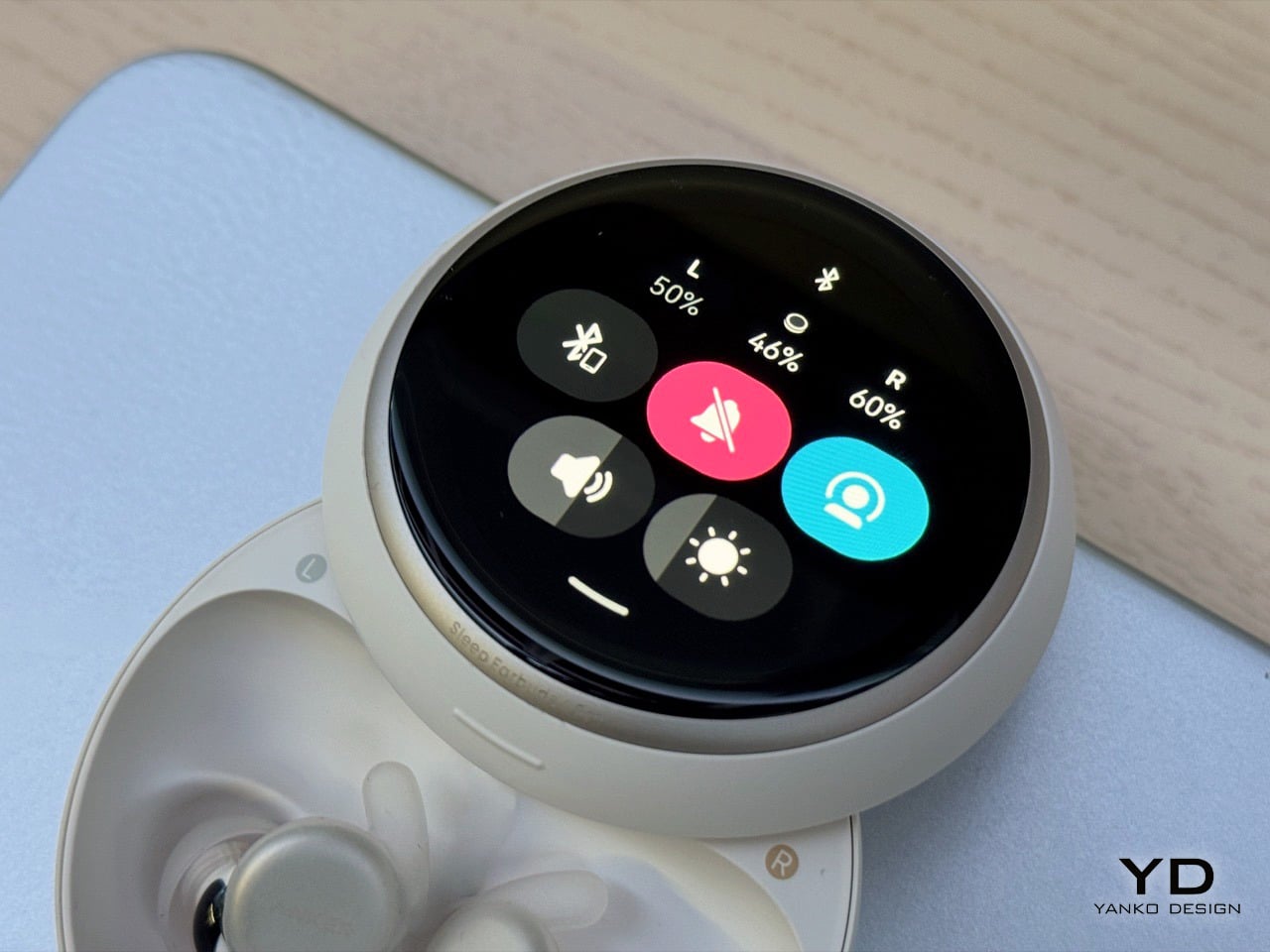
Handling them at IFA, the thing that struck me was the hierarchy. The case is the brain here, with its own screen, chip and local storage, while the buds have quietly demoted themselves to sensors you happen to wear. Pop the lid and a circular display shows the time and battery for each side. Tap through for playback controls, a brightness slider, an alarm toggle. Your phone, the single worst object to hold at midnight, has been designed out of the room entirely.

Designer: Anker

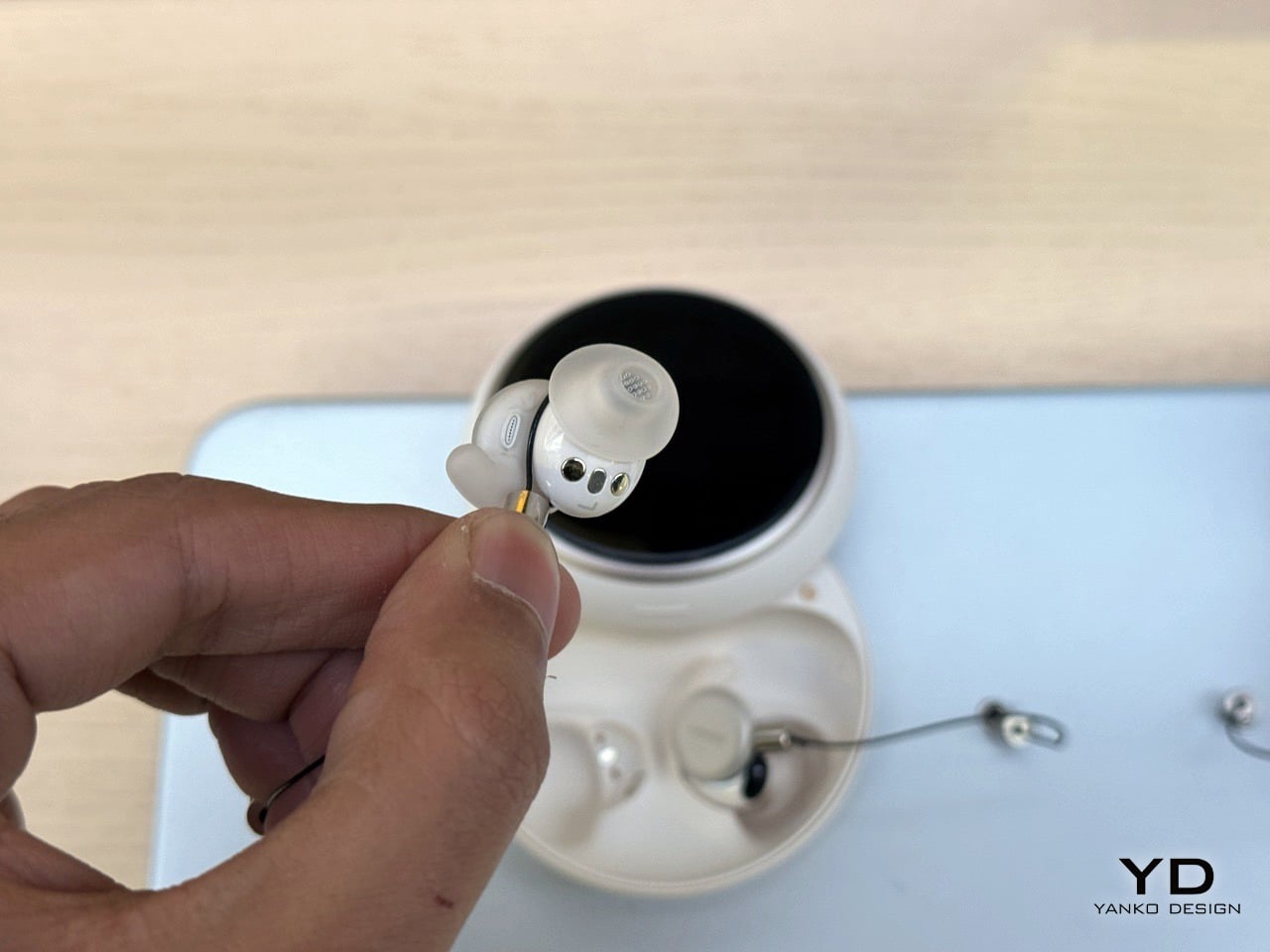
Sleep earbuds run on a brief that works backward from every other earbud, since the real question is what happens when a skull presses the thing into a pillow for eight hours. Anker’s bud is a flat disc with no stem and no nozzle, and the silicone fin locks into the ear ridge instead of pushing inward. I picked one up at the booth and it felt closer to a hearing aid component than a music earbud, the correct lineage for something meant to disappear under the weight of your head. The case carries the real design budget: a round AMOLED display, its own chip, and local audio storage, so soundscapes play offline.

Inside the ear, a 100 Hz optical PPG sensor tracks heart rate and HRV through the night, feeding BioSync, a system that checks relaxation roughly every five minutes and nudges the tempo, soundscape and binaural beats accordingly. Anker calls this an experimental lab feature, not a medical grade one, honest framing for a claim this ambitious. Snore masking runs on a separate loop: the case mic picks up snoring nearby and reshapes the masking sound as pitch and rhythm change, rather than looping one fixed track all night. Anker recommends keeping the case within two meters of the sleeping culprit with the mic aimed their way, the most savage guidance to come out of IFA this year.

The cheaper $229.99 Sleep Earbuds 4 skips the PPG sensor and the touchscreen entirely, yet it can recognize a baby crying or a fire alarm through its case mic and duck the masking audio into transparency. The Pro, despite carrying all the sensor hardware, does not do this. It reads as two products, two timelines, with no merge forced before launch. Paying $120 more buys a heart rate graph and a screen, not the feature that wakes you when something is actually wrong. That tradeoff is worth Anker addressing before the Pro ships in November.

Anker took the accessory and made it the computer, while the wearable itself got smaller and closer to invisible, the reverse of how most earbud lines evolve. Cases usually shrink as buds gain features. Here the buds vanish and the case gets a face. Whether BioSync improves anyone’s sleep needs real nights and real data, not a show floor. But a screen you check instead of a phone you scroll is the right instinct for something built to sit beside your head while you’re unconscious.

The post Anker’s Sleep Earbuds 4 Pro Silence Snoring in Real Time With Adaptive Masking: Hands-on at IFA 2026 first appeared on Yanko Design.
The Paper Clock That Hides Its Hands in Plain Sight

Most clocks announce the time whether you asked or not. Digital displays blink at you in red or blue, counting down like they’ve got somewhere better to be. Even a classic analog face, the kind you’d find above a mantel or in a hotel lobby, still demands you stop and decode two hands sweeping past a dozen numbers. It’s efficient, sure, but it’s also a little relentless. Time gets shoved in your face instead of simply existing around you.

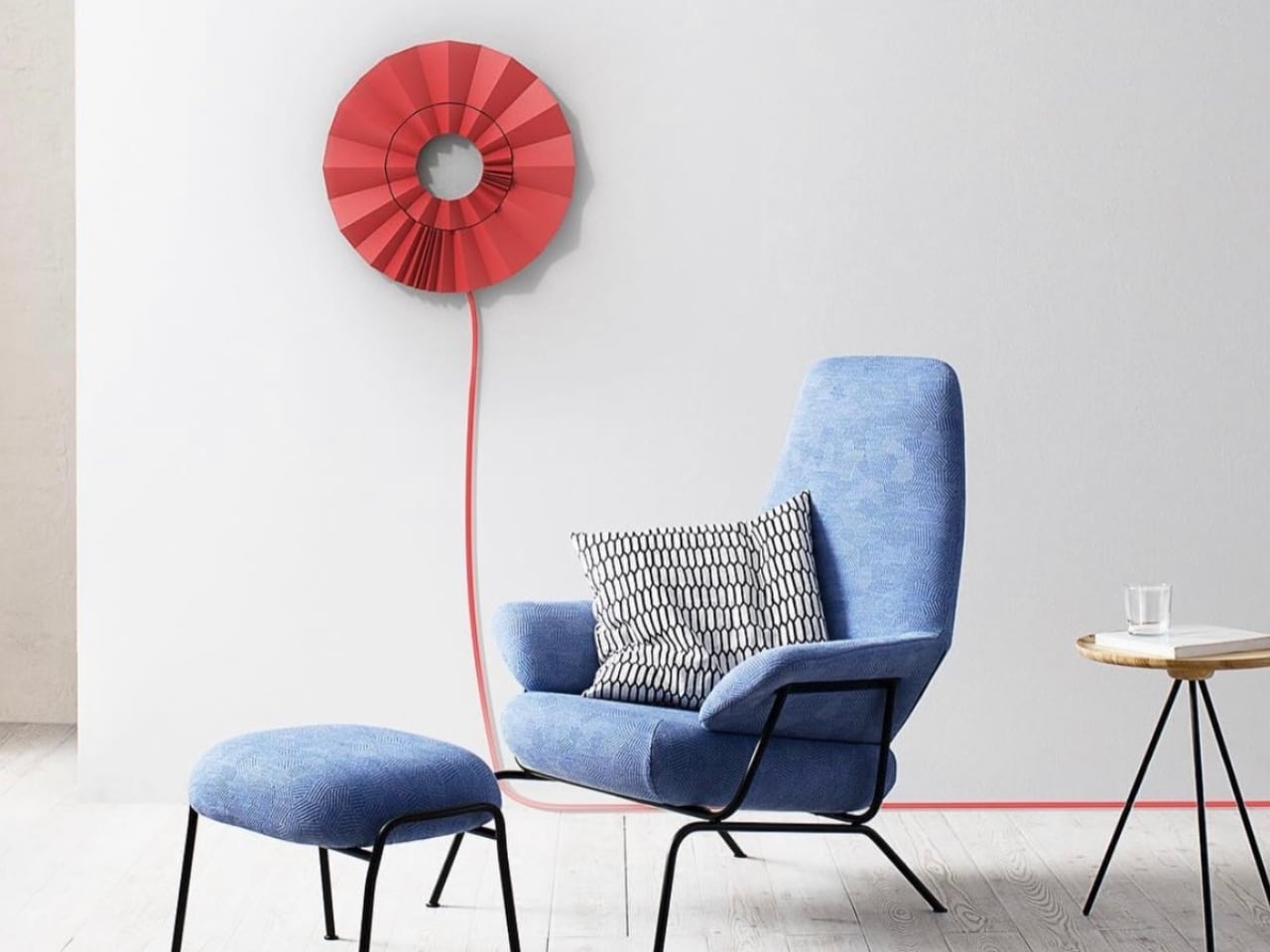
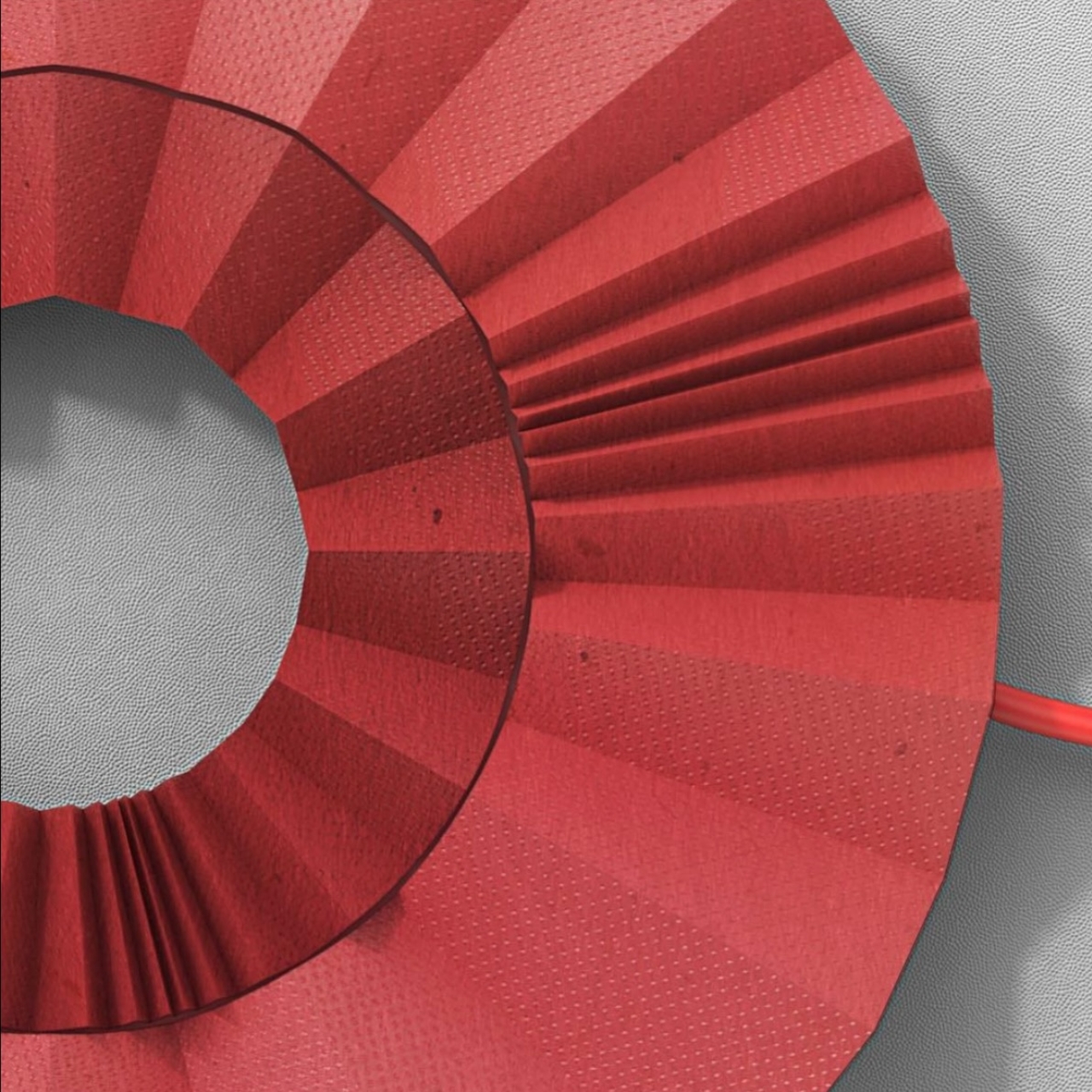
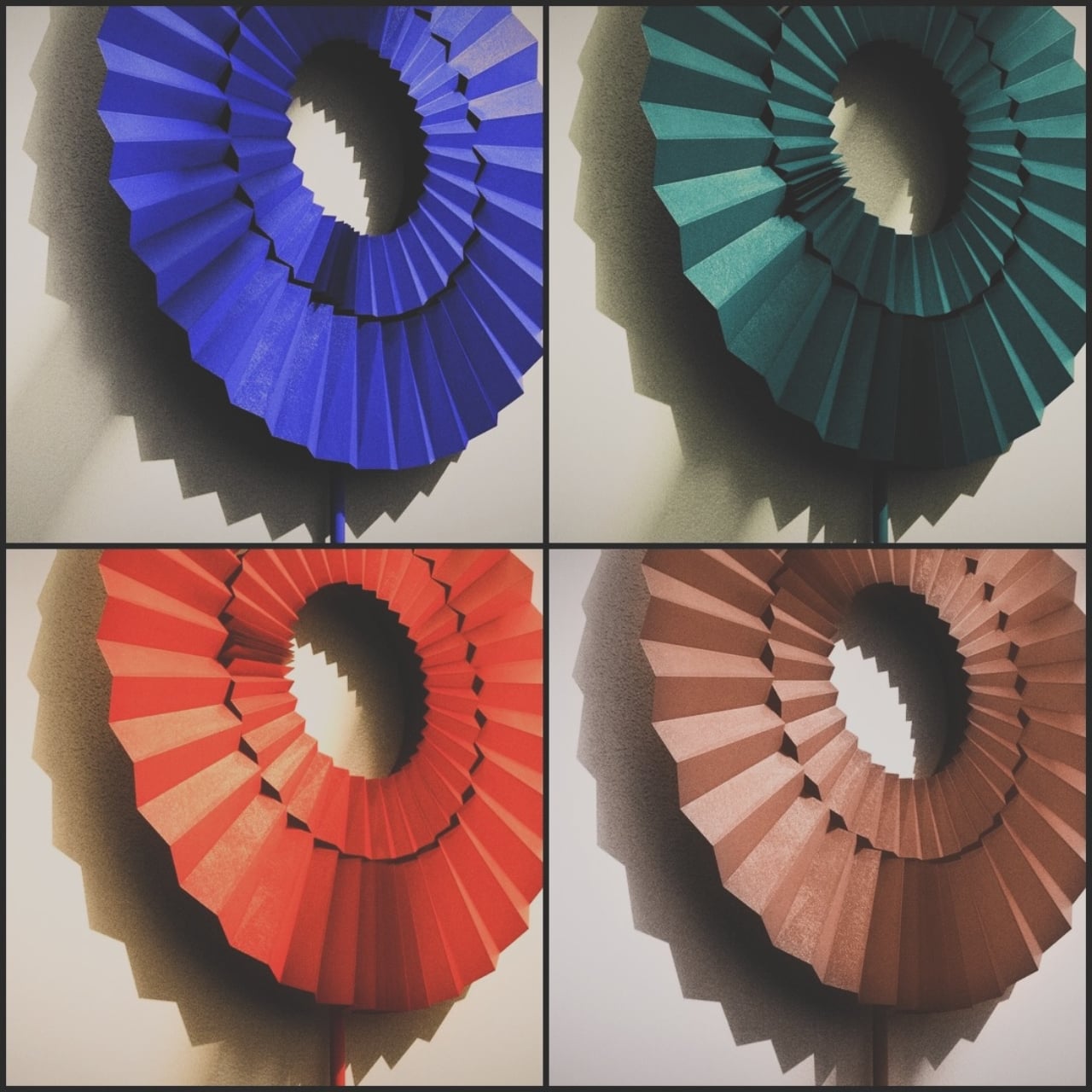
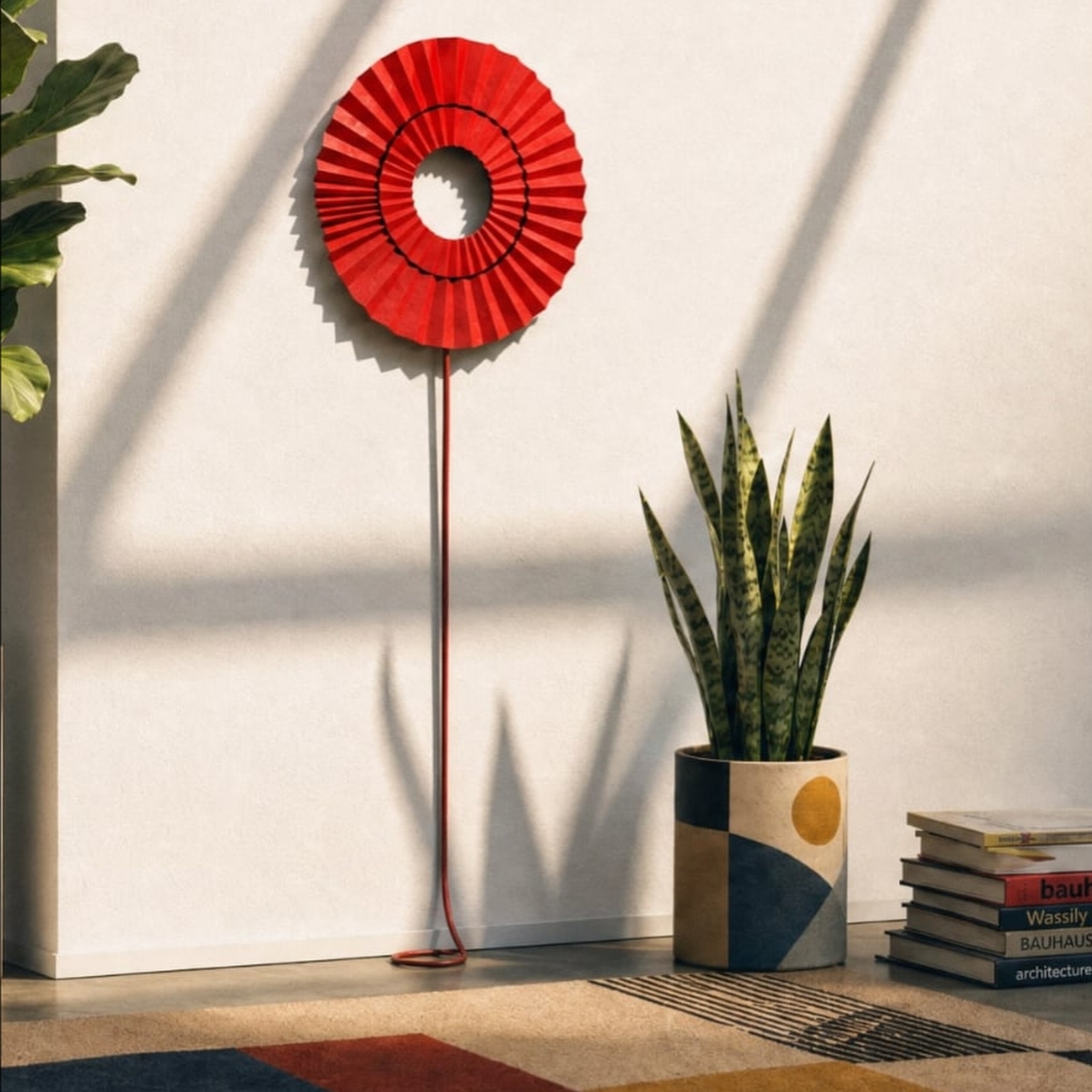
Mauricio Romano’s corrugated paper clock takes the opposite approach. There are no hands. No numbers. No glowing digits. Instead, a pleated disc of paper, folded like an oversized fan or a flower caught mid-bloom, hangs on the wall with a colored cord trailing down from its center. A hidden magnet inside nudges individual pleats open or closed to mark the hours, so the clock doesn’t tell you the time so much as it lets you notice it, if you’re paying attention.

Designer: Mauricio Romano

Romano first sketched this idea more than a decade ago as a design student, back when he was exploring his own synesthesia and how shapes could stand in for things that usually live in other senses. That early version, called the Geometry Clock, used triangles that shifted to represent numbers once you learned the logic. This corrugated version feels like the same instinct, matured. Instead of geometry you memorize, you get folds you feel. The mechanism is quieter, the material is warmer, and the whole object reads less like a gadget and more like a piece of kinetic sculpture that happens to keep honest time.

What actually gets me about this piece is the material choice. Corrugated paper is cheap, disposable, the stuff of shipping boxes and school projects. Romano folds it into something that looks closer to a paper lantern or an accordion caught in a gust of wind, then colors it in deep red, cobalt, teal, and a dusty terracotta that all photograph beautifully against a plain wall. It’s the kind of object that could sit in a design gallery just as easily as a living room, and it doesn’t apologize for being decorative first and functional second.

That ordering matters. A clock you have to study for a second before you understand what hour it is isn’t a clock built for glancing. It’s built for living with. You walk past it a dozen times a day and maybe don’t register the time at all, and then one afternoon you actually stop, trace the folds, and realize it’s later than you thought. That small delay, the beat between seeing the object and understanding what it’s telling you, is the whole point. It turns timekeeping into something closer to noticing the light change outside a window.

There’s an argument that this makes the clock less useful, and that argument isn’t wrong. Nobody is checking a corrugated paper sculpture to catch a train. But plenty of design right now is chasing that same tension between object and instrument, blurring the line until function becomes almost secondary to the experience of owning something beautiful. A speaker that looks like a piece of pottery. A lamp that looks like folded silk. This clock belongs to that same family, and it makes its case well.

As of now, Romano’s corrugated clock exists mostly on Instagram, shared in different colorways without a confirmed release date or price. It might stay a study piece, the kind of concept that circulates and inspires without ever hitting a shelf. I hope it doesn’t. A wall clock that refuses to shout, that asks you to slow down and read folded paper instead of glancing at a screen, feels like exactly the kind of quiet object worth having in a house full of louder things.

The post The Paper Clock That Hides Its Hands in Plain Sight first appeared on Yanko Design.