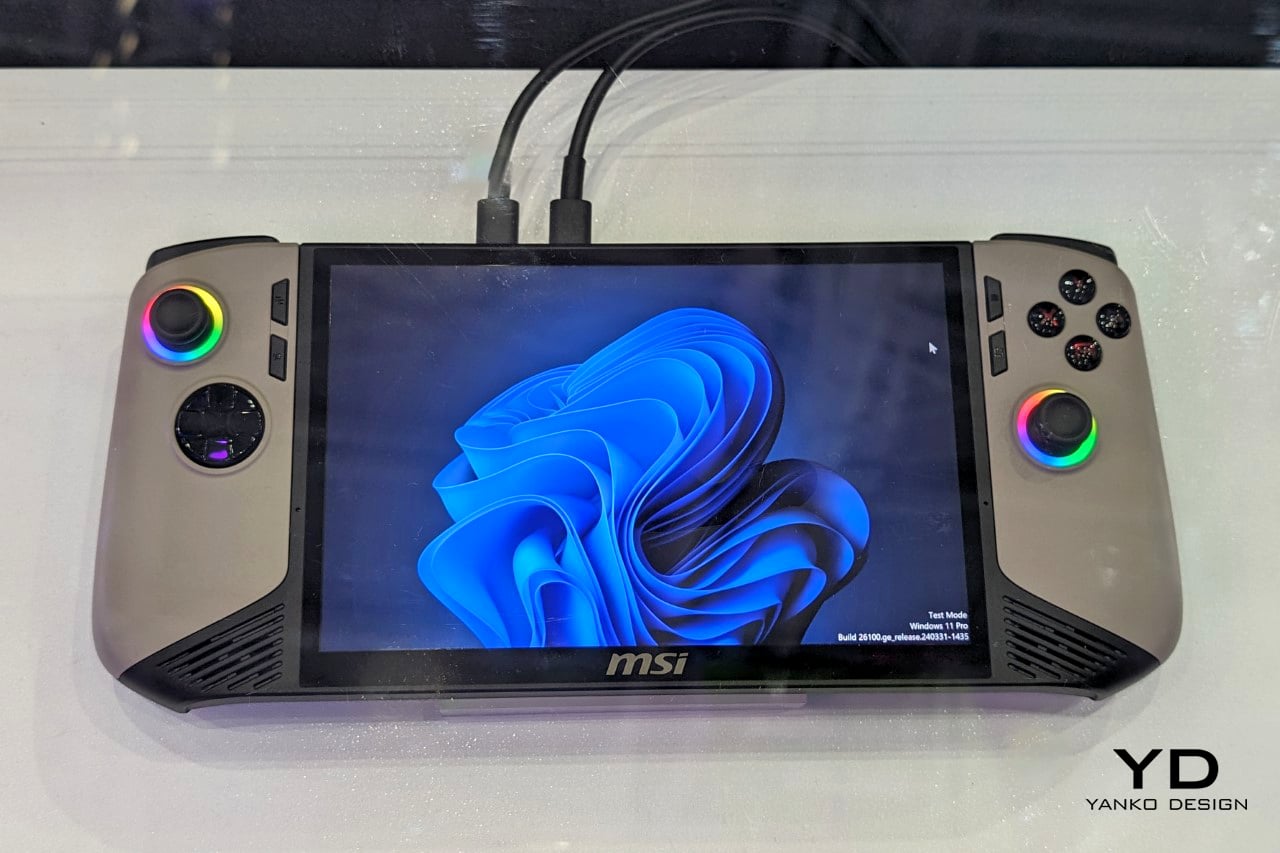
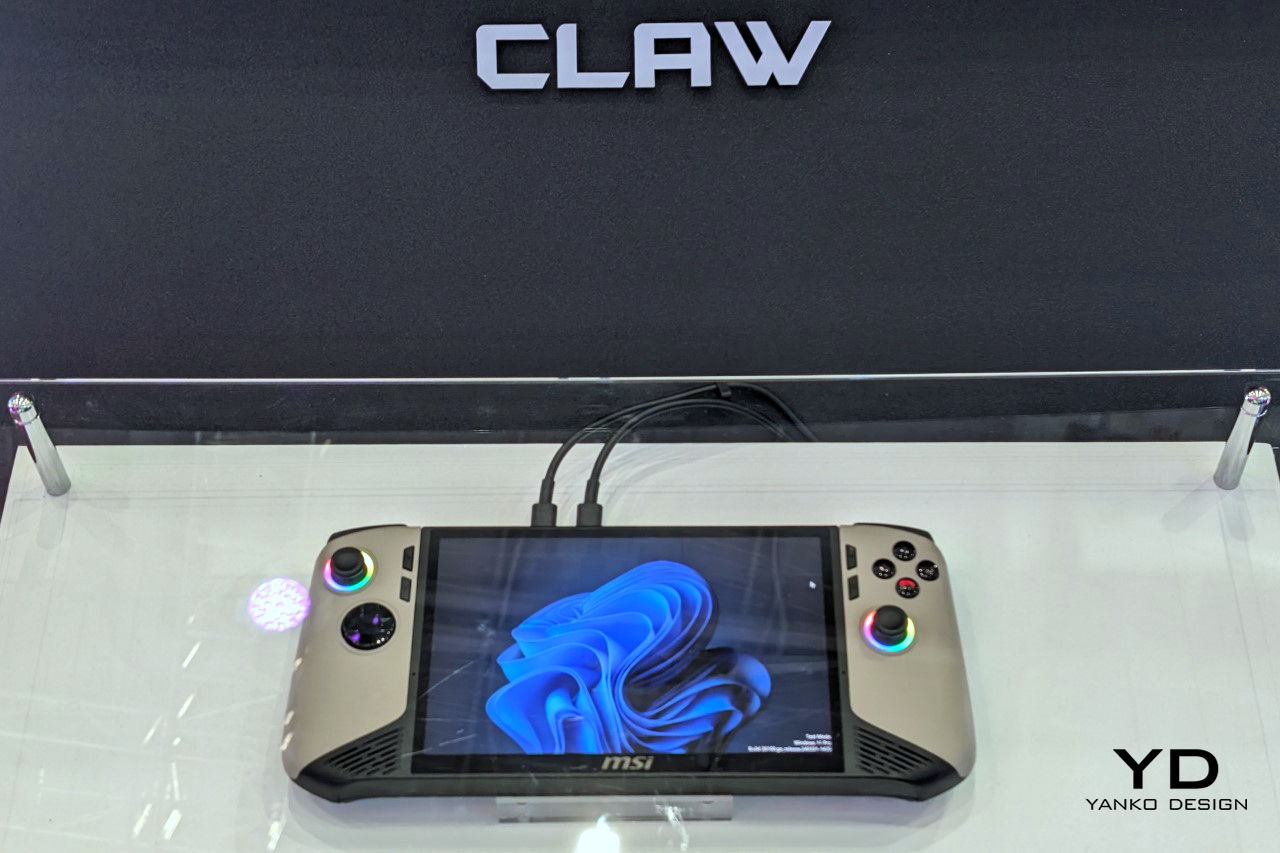
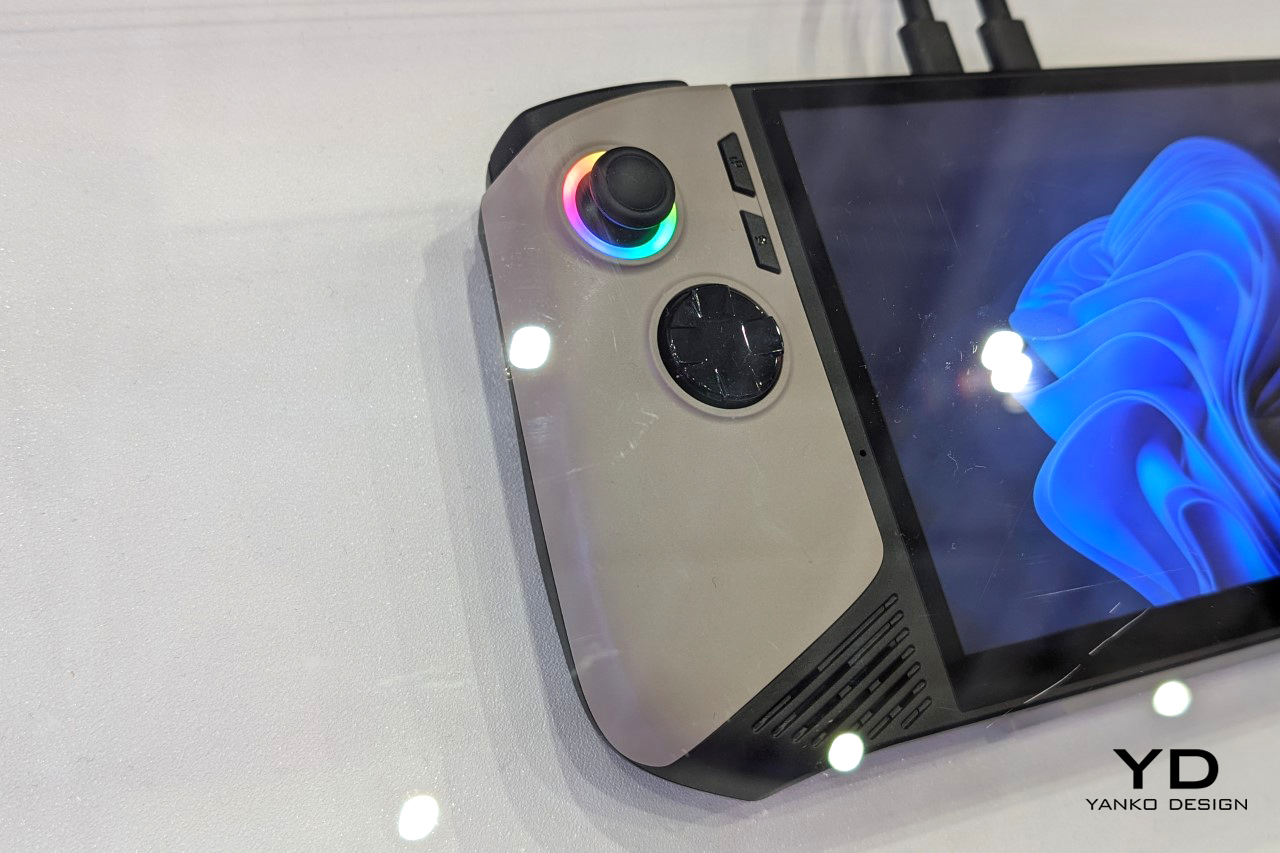
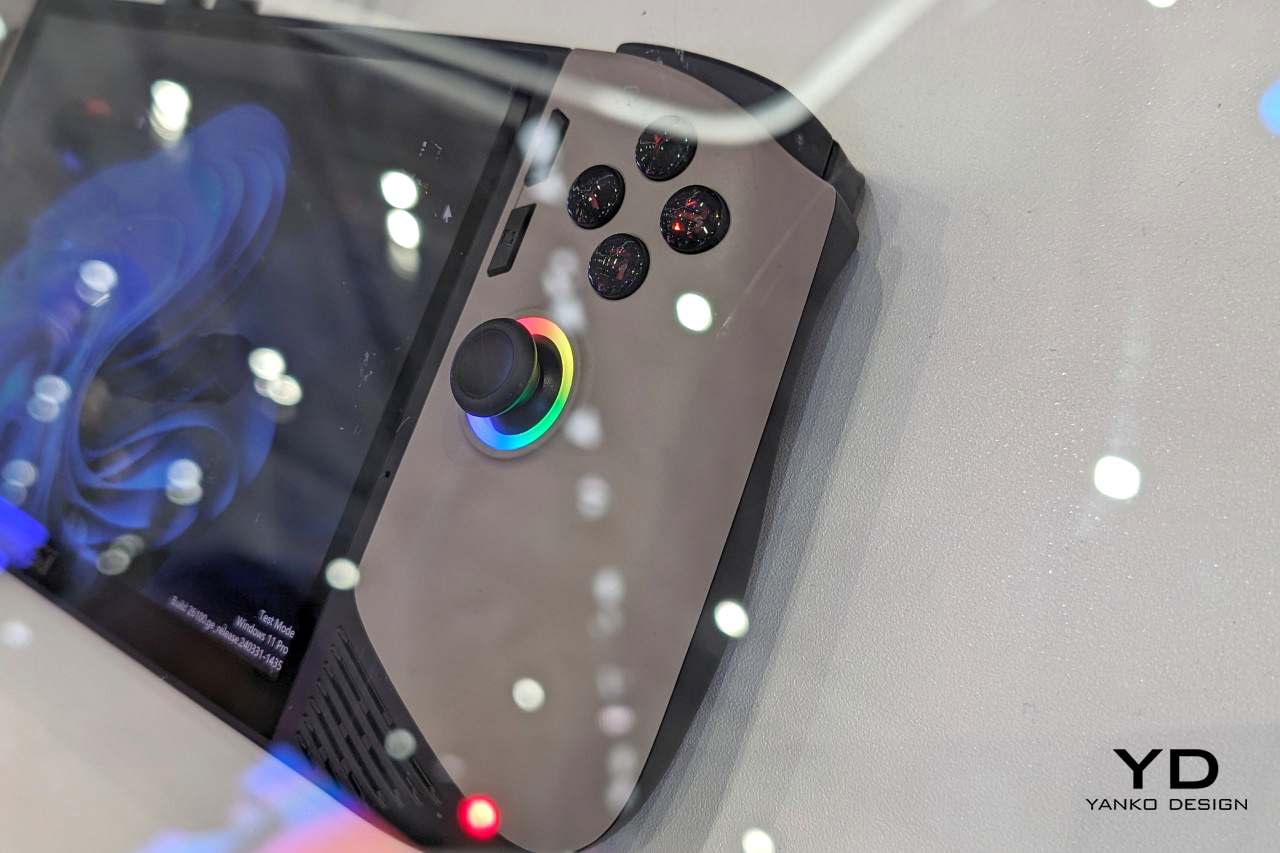
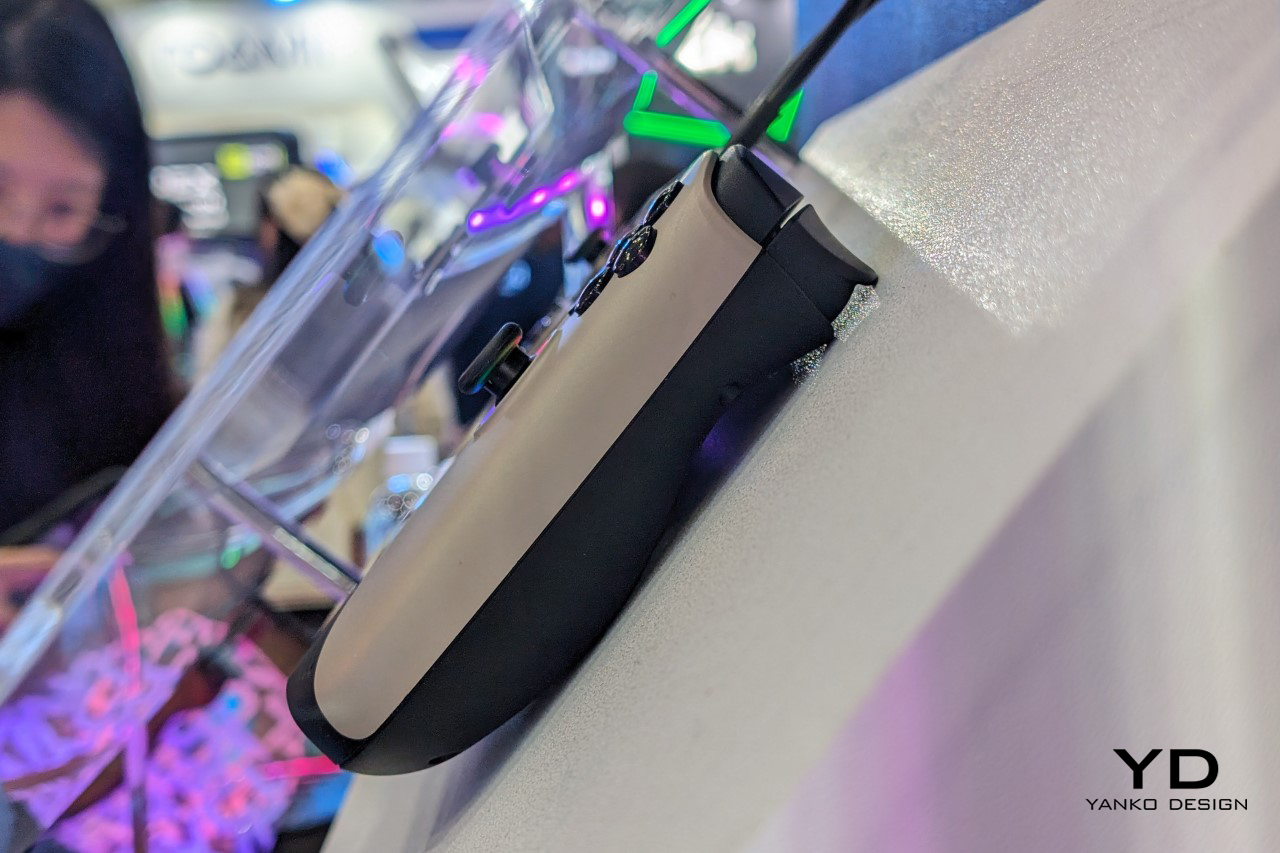
Just months after its initial launch, MSI is showcasing the next version of its handheld gaming PC, the Claw, at Computex 2024. The new iteration, dubbed the Claw 8 AI+, boasts a complete hardware overhaul and aims to address the shortcomings of its predecessor. Although the design language remains arguably the same, the Claw 8 AI+ now comes with a gray body that helps highlight the controls better, a larger screen, and a much more comfortable ergonomic design.
MSI isn’t revealing the specific Lunar Lake CPU model powering the Claw 8 AI+, but it confirms the presence of this next-generation Intel chip. This is coupled with up to 32GB of speedy LPDDR5x RAM and a 1TB SSD. The storage solution is an M.2 2280 SSD, mirroring the ASUS ROG Ally X, potentially allowing for easier upgrades in the future.
Designer: MSI
Beyond internals, the Claw 8 AI+ sports a redesigned chassis that appears more comfortable to hold compared to the original Claw. The device was kept under a glass display so we couldn’t get a handheld experience. It accommodates a larger 8-inch display, though the resolution remains 1080p with a smooth 120Hz refresh rate. Dual Thunderbolt ports are a welcome addition, offering versatility for connecting external displays or high-speed peripherals.
Battery life was a major pain point for the original Claw. MSI is rectifying this with a substantial leap in capacity for the 8 AI+. The new model boasts an 80-watt-hour battery, matching the ROG Ally X and offering a significant improvement over the original’s disappointing 53-watt-hour unit. This rapid turnaround from MSI highlights their determination to carve a space in the competitive handheld gaming market. They assure continued support for the original Claw with ongoing driver updates, including one released recently.
The success of the Claw 8 AI+ hinges heavily on the capabilities of the Lunar Lake CPU. Intel boasts a “radical low-power architecture” ideal for handheld devices, alongside improved integrated graphics powered by their Battlemage architecture. While details are scarce, the potential for efficient performance and impressive visuals is promising.
However, past experiences with the original Claw, hampered by the Meteor Lake CPU, serve as a cautionary tale. While other manufacturers opted for AMD processors, MSI’s choice limited performance. Here’s hoping the pairing of Lunar Lake and the Claw 8 AI+ proves fruitful.
Pricing details remain under wraps, but a September launch window is expected. While the final design might differ slightly from the prototype showcased at Computex, a potential price drop for the original Claw is also hinted at.
Twitch has entered into a first-of-its-kind partnership with all of the major record labels that will force DJs who monetize to pay a fee to use songs in livestream sets. The actual percentage being paid out to these labels is being kept under wraps and varies according to the chosen monetization method, but the DJs and Twitch will reportedly split these fees 50/50. The company also says that it'll cover more than 50 percent at first, but didn't get into numbers.
Twitch will also be offering a one-year subsidy to select DJs to help cover the difference between earnings and money paid to labels. The company didn’t announce how it would award these subsidies or if it would cover all of the required licensing fees. It did say that the subsidy amount would reduce over time as the program increases in popularity. There are thousands upon thousands of DJs on Twitch, so it’d be nice to get a little bit of clarification here. We’ve reached out to the company and will update this post when we hear back.
🎉 Attention DJs on Twitch! 🎉
We're launching a new DJ Program that will let you stream the vast majority of popular music in a new DJ Category launching later this summer.
🎧 Made possible by a first-of-its-kind partnership with hundreds of companies, including all major… pic.twitter.com/qblcnS7BTR
There’s a sliver of good news here. This move is only for DJs who monetize their streams. If you’re an amateur record spinner, you won’t have to pay out of pocket. The labels will still get money from these streams, because non-partnered channels still contain ads, but Twitch will cover the costs. It remains to be seen just how long the company will continue this act of altruism.
Why did Twitch do this in the first place? The company says the previous model, which didn’t pay out to labels or artists, was “not sustainable,” calling out a “variety of copyright issues that need to be considered that vary across regions.” Twitch says it's trying to avoid DMCA takedown notifications and copyright penalties. Up until this point, DJs have been personally responsible for dealing with these issues.
The program officially goes live this summer, along with a new DJ category for streamers. As a note, the aforementioned deal is with the record labels and not the actual artists. I’m sure these labels will fairly distribute funds to the creators in a timely fashion. That was sarcasm.
This article originally appeared on Engadget at https://www.engadget.com/record-labels-will-start-reaching-into-the-pockets-of-twitch-djs-180621639.html?src=rss
If you have one of Apple's non-iMac desktops or a MacBook you’d like to plug into a monitor, perhaps it’s time for an upgrade (or to buy a dedicated display in the first place). As it happens, Apple’s Studio Display is on sale right now. The price has dropped by $300 to $1,300 for the VESA mount and tilt-adjustable models, marking a record low for both. It's worth noting that the discount applies to the variants with standard glass, not nano-texture glass.
We gave the Apple Studio Monitor a score of 80 in our review in 2022. We appreciated the quality of the build and the audio, as well as the bright and color-accurate screen. On the downside, restricting the monitor to single-zone backlighting was a disappointment, as were the 60Hz refresh rate (which is becoming increasingly paltry) and the lackluster webcam. The lack of HDR in such an expensive monitor is a bummer too.
Still, for those heavily invested in the Apple ecosystem, this is a solid 5K LCD monitor. The 27-inch, 2,880p display supports 1 billion colors and the P3 wide gamut. The six-speaker array supports spatial audio and there's a triple-mic setup for calls and voice recordings. On the connectivity front, there's a Thunderbolt 3 port and three USB-C slots. The Studio Monitor can also deliver a 96W charge to your MacBook.
The US has banned companies like Nvidia from selling their most advanced AI chips to China since 2022. But if loopholes exist, profit-hungry corporations will find and exploit them. The Informationpublished a bombshell report on Thursday detailing how Oracle allows TikTok owner ByteDance to rent Nvidia’s most advanced chips to train AI models on US soil.
ByteDance, which many US lawmakers believe has direct ties to the Chinese government, is reportedly renting US-based servers containing Nvidia’s coveted H100 chips from US cloud computing company Oracle to train AI models. The practice, which runs against the spirit of the US government’s chip regulations, is technically allowed because Oracle is merely renting out the chips on American soil, not selling them to companies in China.
The US government has cracked down on exporting the chips to China as an extension of the tensions between the two nations. The Biden Administration fears the nation could use advanced AI for military or surveillance purposes or to gain an economic upper hand. The US government passed bipartisan legislation in April that will force ByteDance to either sell its US operations or face a ban. But ByteDance still has until early next year to close a deal, and it’s suing the US government, which could delay enforcement.
Although ByteDance is training its models in the US, “it could be difficult to stop them from sending the models they produced back to their headquarters in China,” according to US-based cloud providers and a former Nvidia employee who spoke to The Information. Quite the loophole, indeed.
ByteDance’s Project Texas initiative, which the company claims siloes off TikTok’s US operations from its Chinese leadership to allay US fears, is at the heart of the arrangement. However, former ByteDance employees have described Project Texas as “largely cosmetic,” as they claim the company’s US wing regularly works closely with its Beijing-based leadership.
ByteDance isn’t the only Chinese company looking to game the rules. The Information says Alibaba and Tencent are discussing similar arrangements to gain access to the sought-after chips. Those deals could be harder to squash because they have their own US-based data centers and wouldn’t have to rent servers from American companies.
US cloud computing company Oracle reportedly enables ByteDance’s training of AI models in the US.
Oracle
Not every company has been as willing as Oracle to skirt the law’s intent. “Two small American cloud providers” reportedly turned down offers to rent servers with Nvidia’s H100 chips to ByteDance and China Telecom because “they seemed to go against the spirit of U.S. chip restrictions.” However, Oracle, cofounded by American businessman Larry Ellison and run by current CEO Safra Catz, apparently found the opportunity for profit through technically legal workarounds too tempting to pass up.
The US Commerce Department, the bureau that could close the loophole, may already be aware of the practices. Earlier this year, the department proposed a rule that would require US cloud providers to verify foreign customers’ identities and notify the US if any of them were training AI models that “could be used in malicious cyber-enabled activity.” However, the Commerce Department recently said most cloud providers disapproved of the proposal, claiming “the burden of additional requirements might outweigh the intended benefit.” In the meantime, the proposed rule, which could theoretically plug the loophole, remains in limbo.
But even if the US manages to shut down that exploit, The Information says it wouldn’t cover Chinese cloud providers like Tencent and Alibaba from buying Nvidia’s chips and using them to train AI models in their own US-based data centers. The Commerce Department will have its hands full figuring this one out as business and defense interests wrestle for control.
This article originally appeared on Engadget at https://www.engadget.com/tiktoks-ai-efforts-reportedly-exploit-loopholes-to-use-premium-nvidia-chips-173432988.html?src=rss
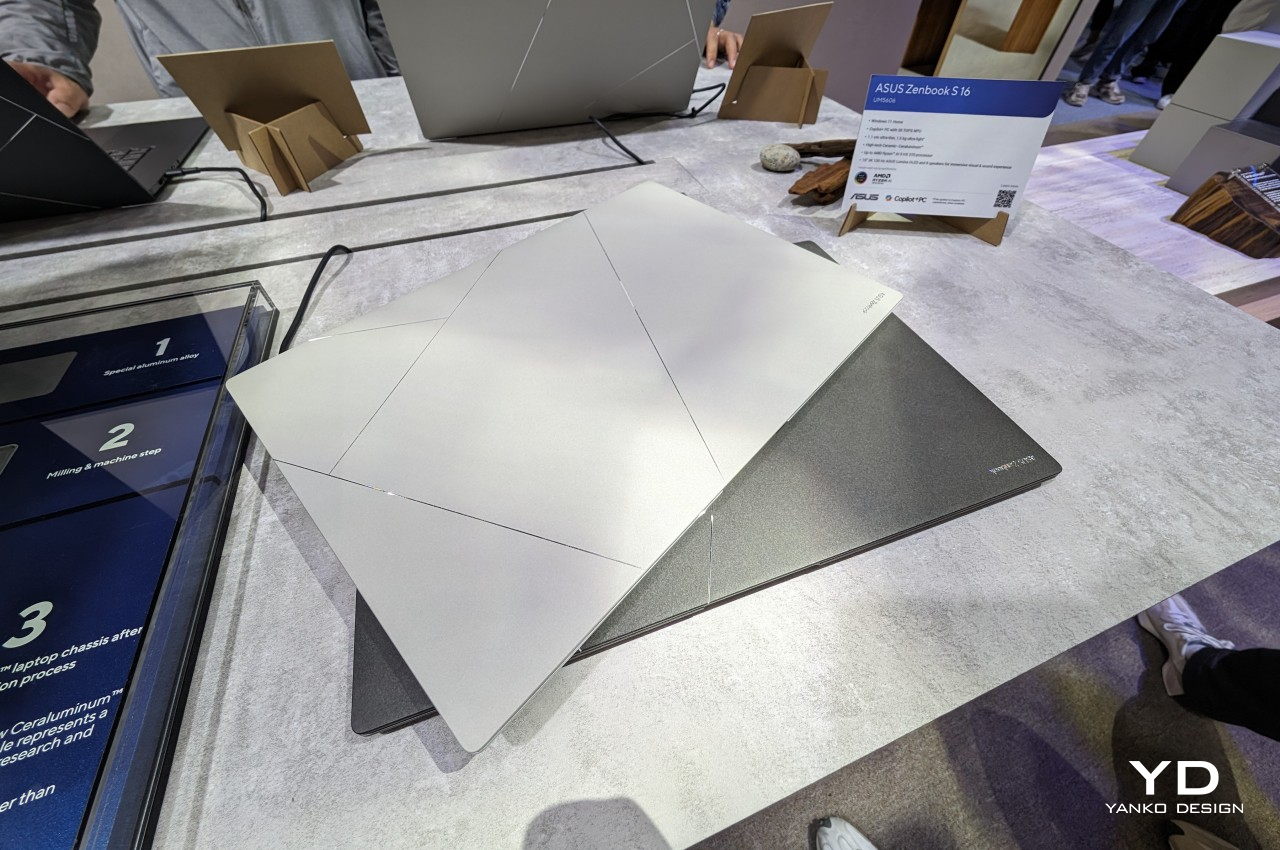
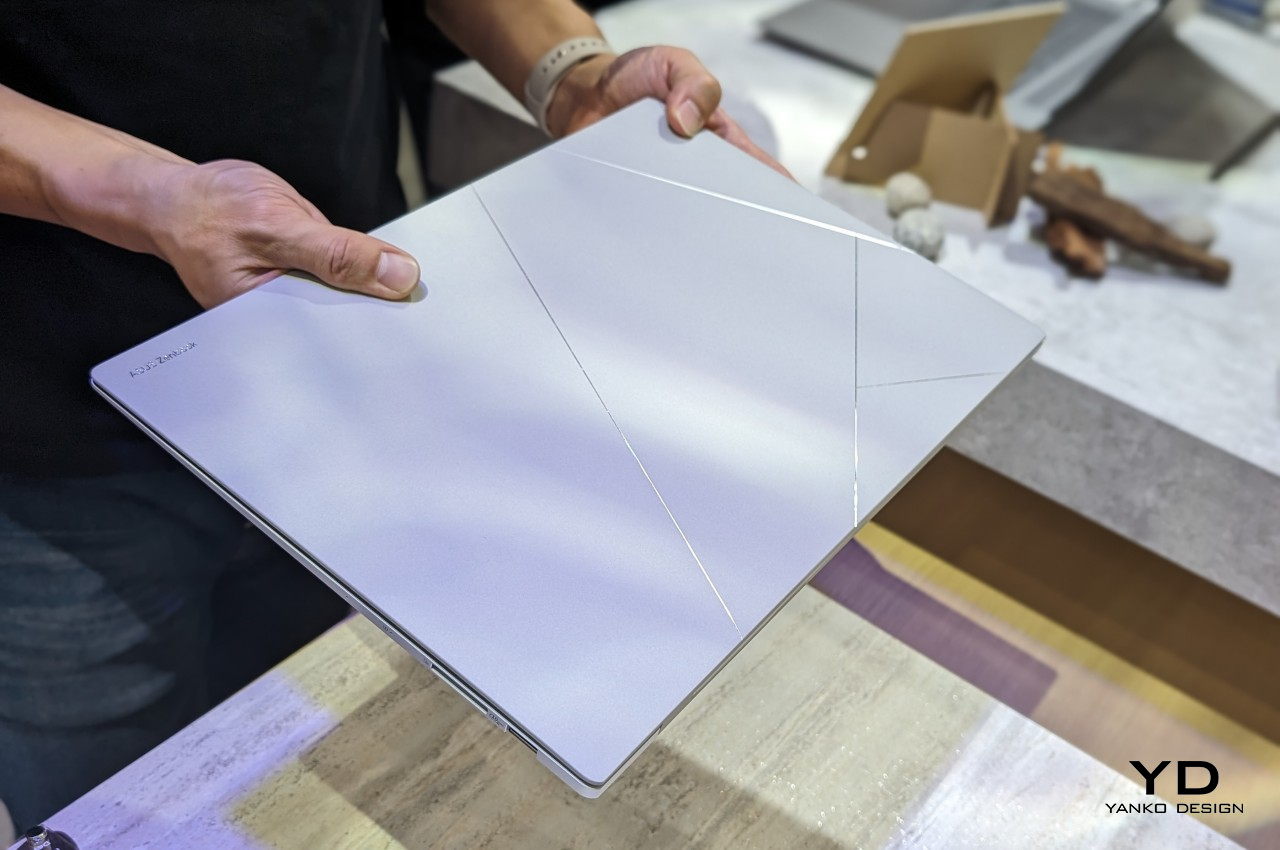
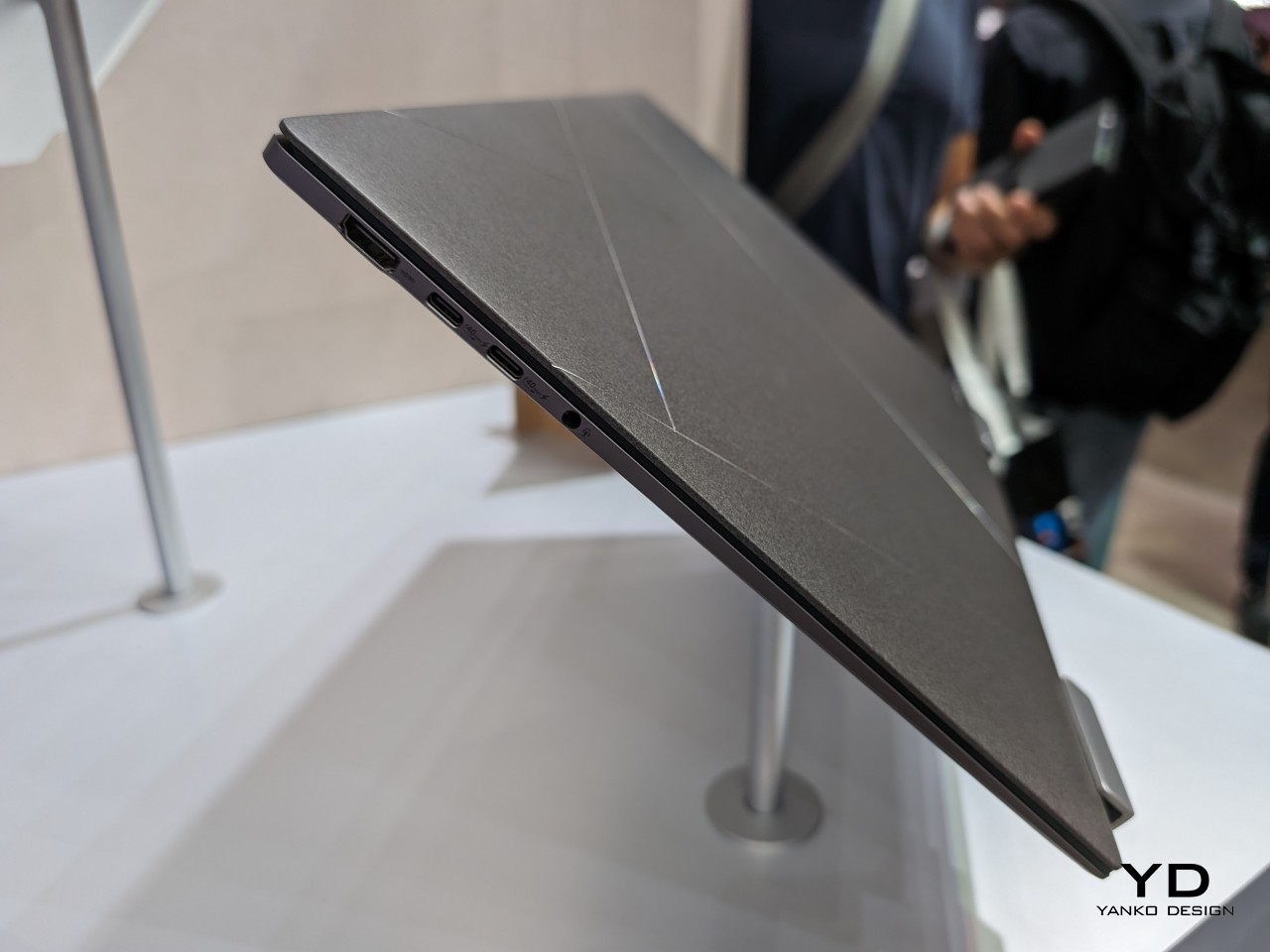
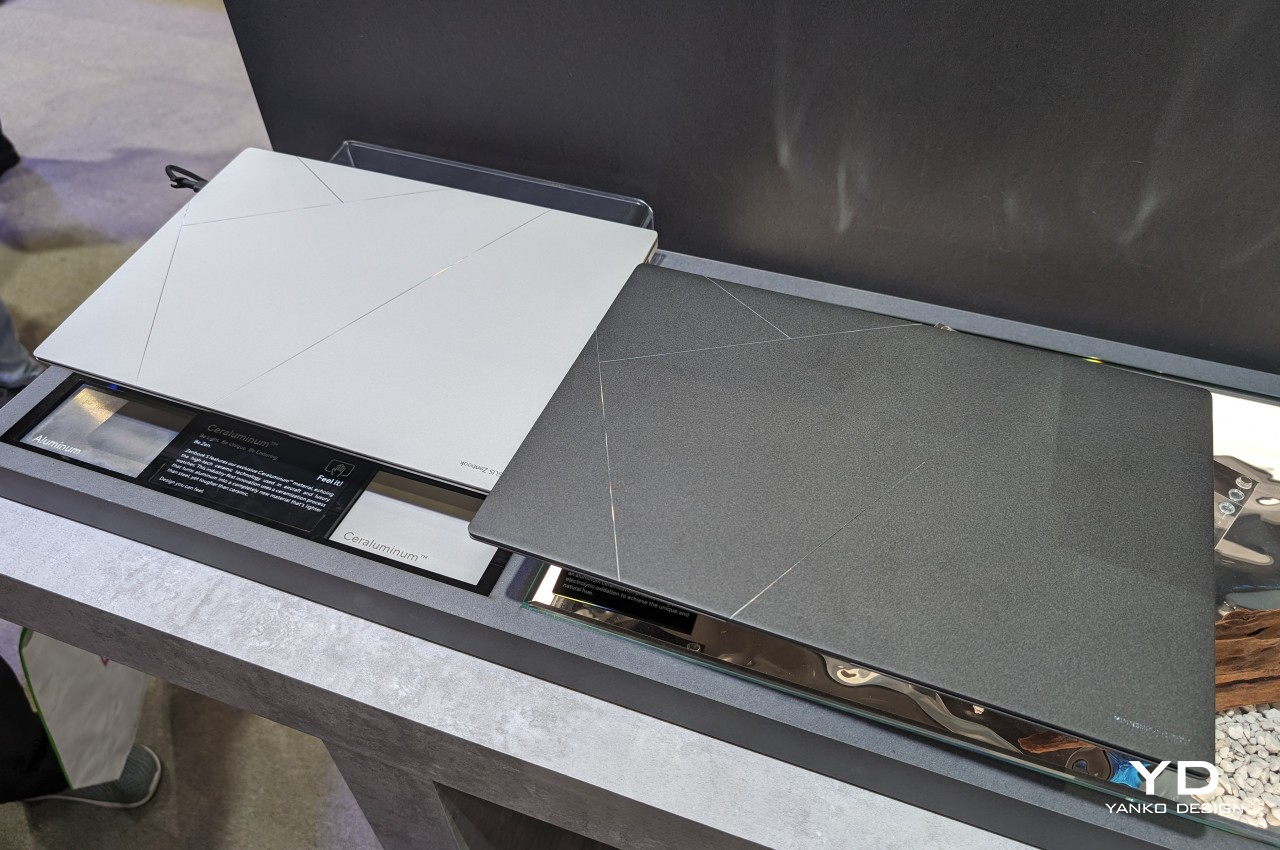
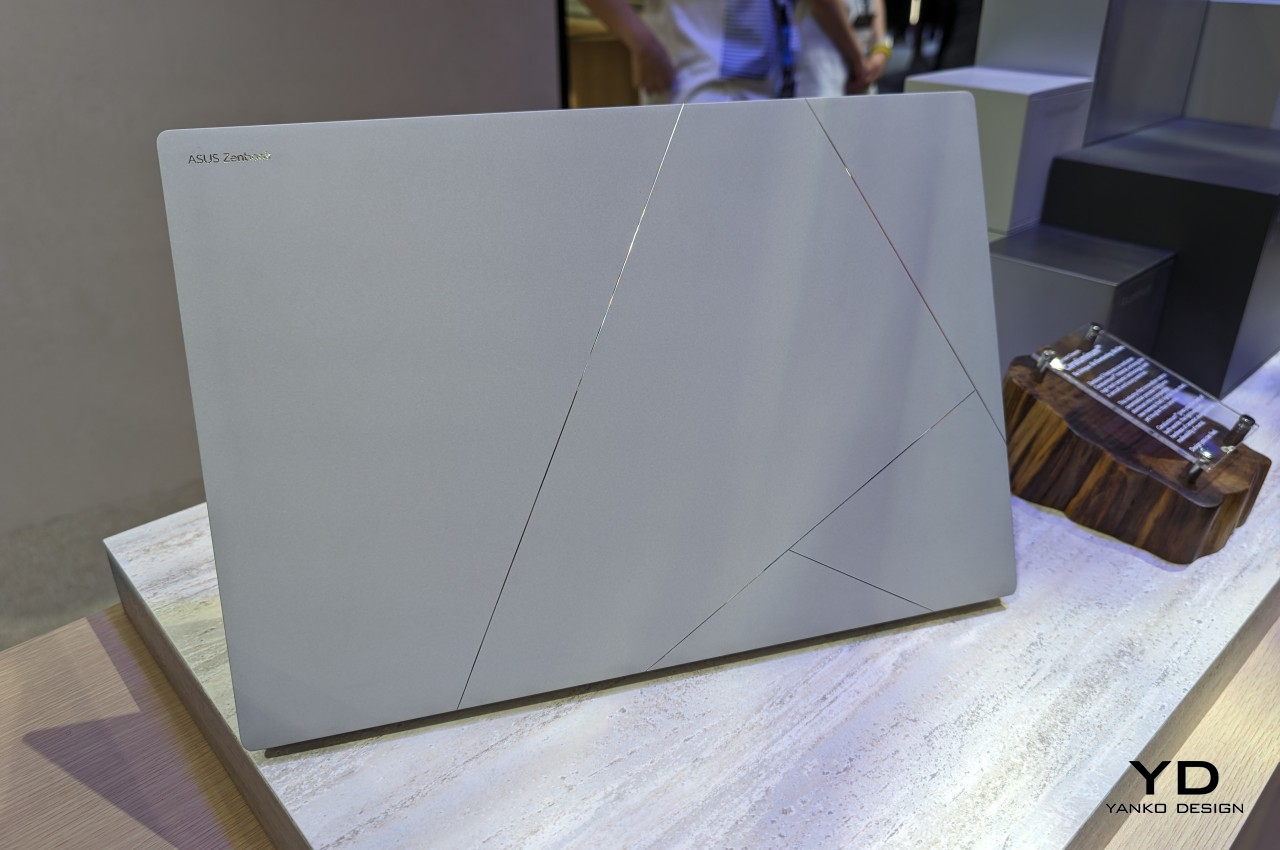
Gone are the days when laptops were seen just as technical equipment needed to get work done. Just like with smartphones, they have also become part of our modern lifestyles and a reflection of our own selves. What all these mean is that people are now more conscious of the design of the laptops they purchase, not just the specs or the brand. Yes, there are still many that look like tanks with rainbow lighting accents, but even some more powerful notebooks now have sleeker and more refined aesthetics as well. To keep up with more discerning consumers, ASUS has engineered a new kind of material for the outer lid of their newest and most premium laptop that combines the lightness of ceramic with the durability of aluminum into an elegant surface that just screams “luxury.”
Designer: ASUS
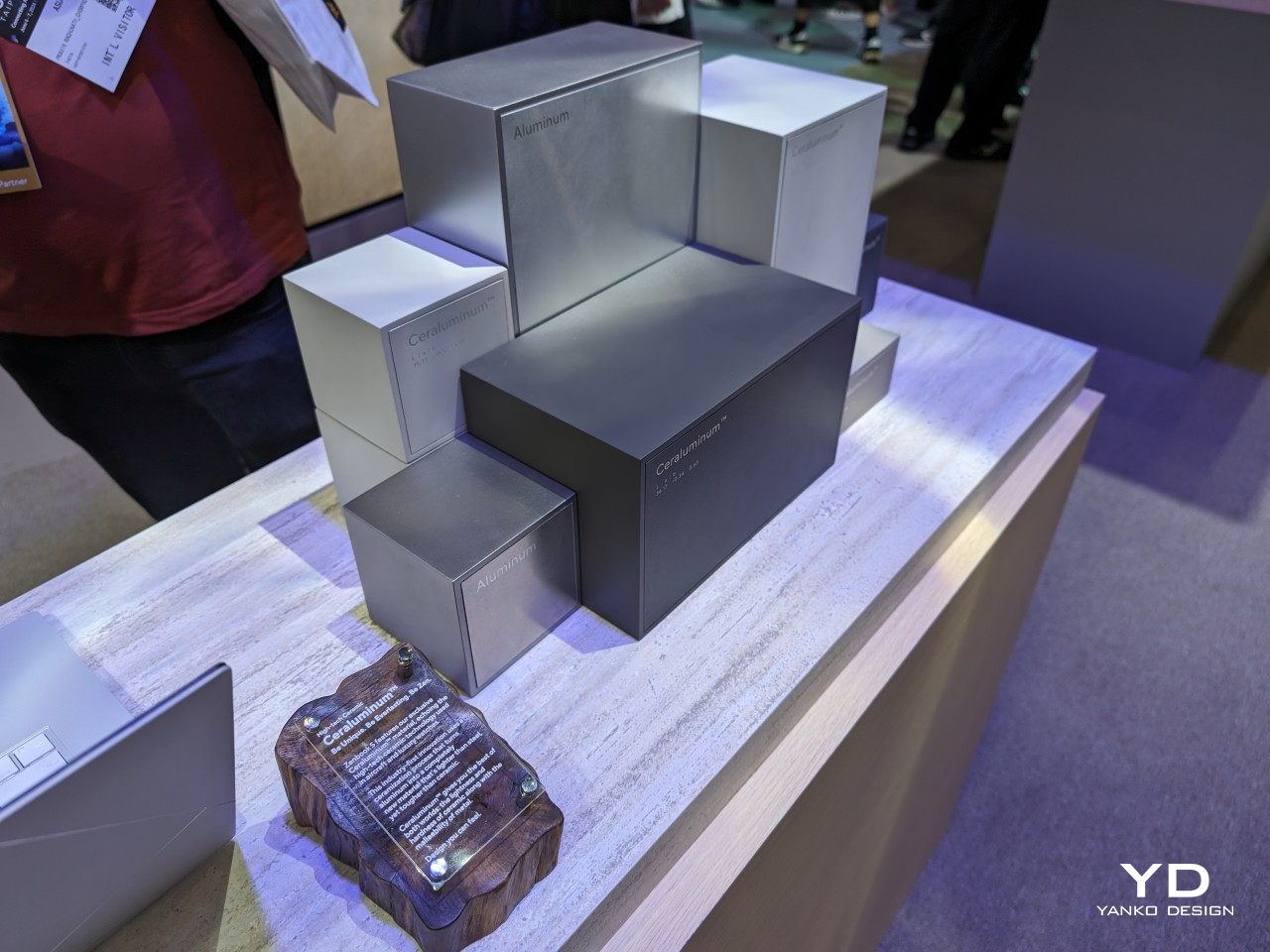
Laptop lids are often made of either plastic or metal because of their resilience and durability. Of the two, metal, which usually means aluminum, is considered more premium but also tends to be heavier and sometimes uncomfortable due to how cold it is to the touch. In contrast, ceramic is equally premium yet almost the opposite of metal: lightweight, warm to the touch, and sadly also fragile.
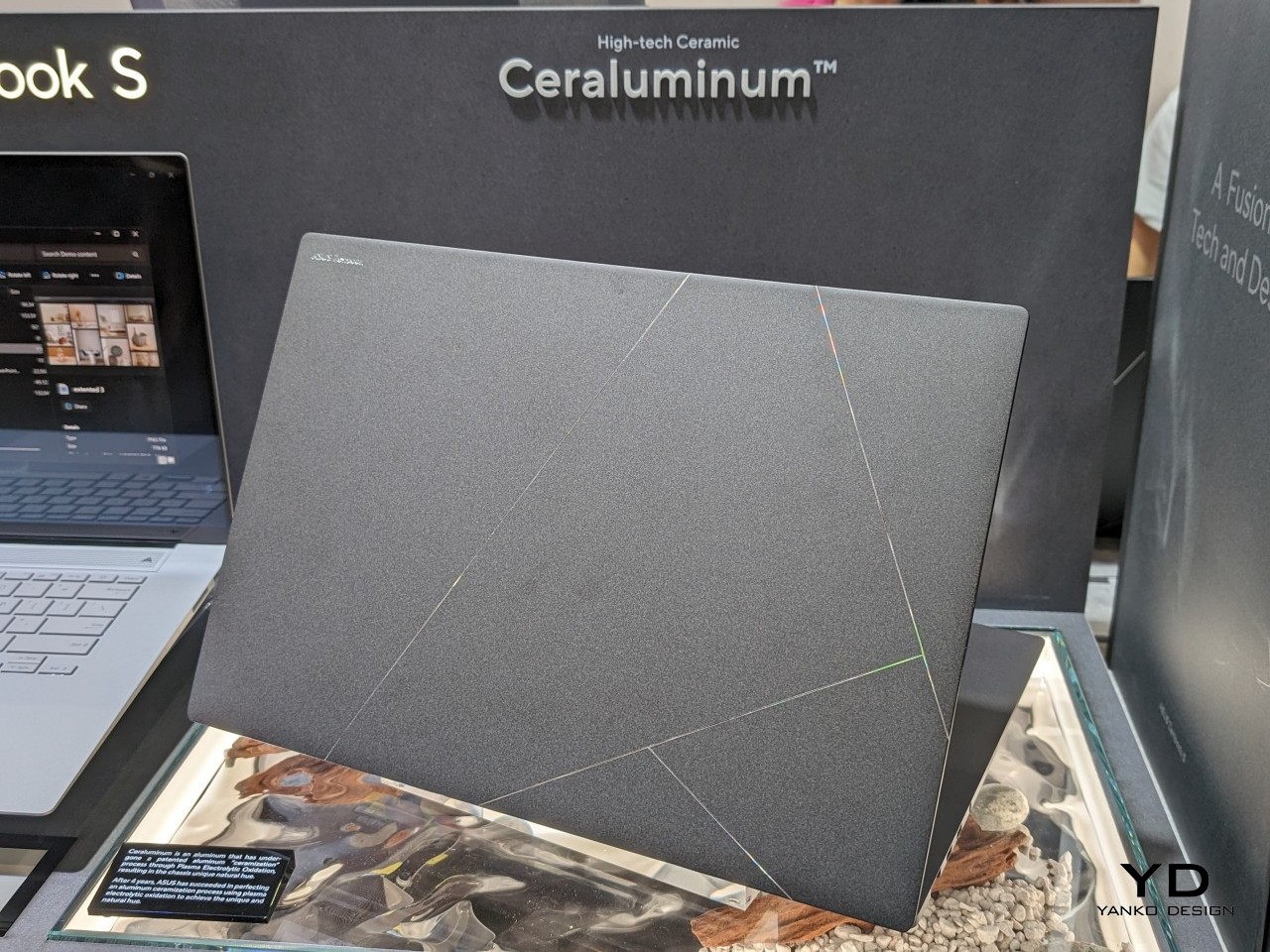
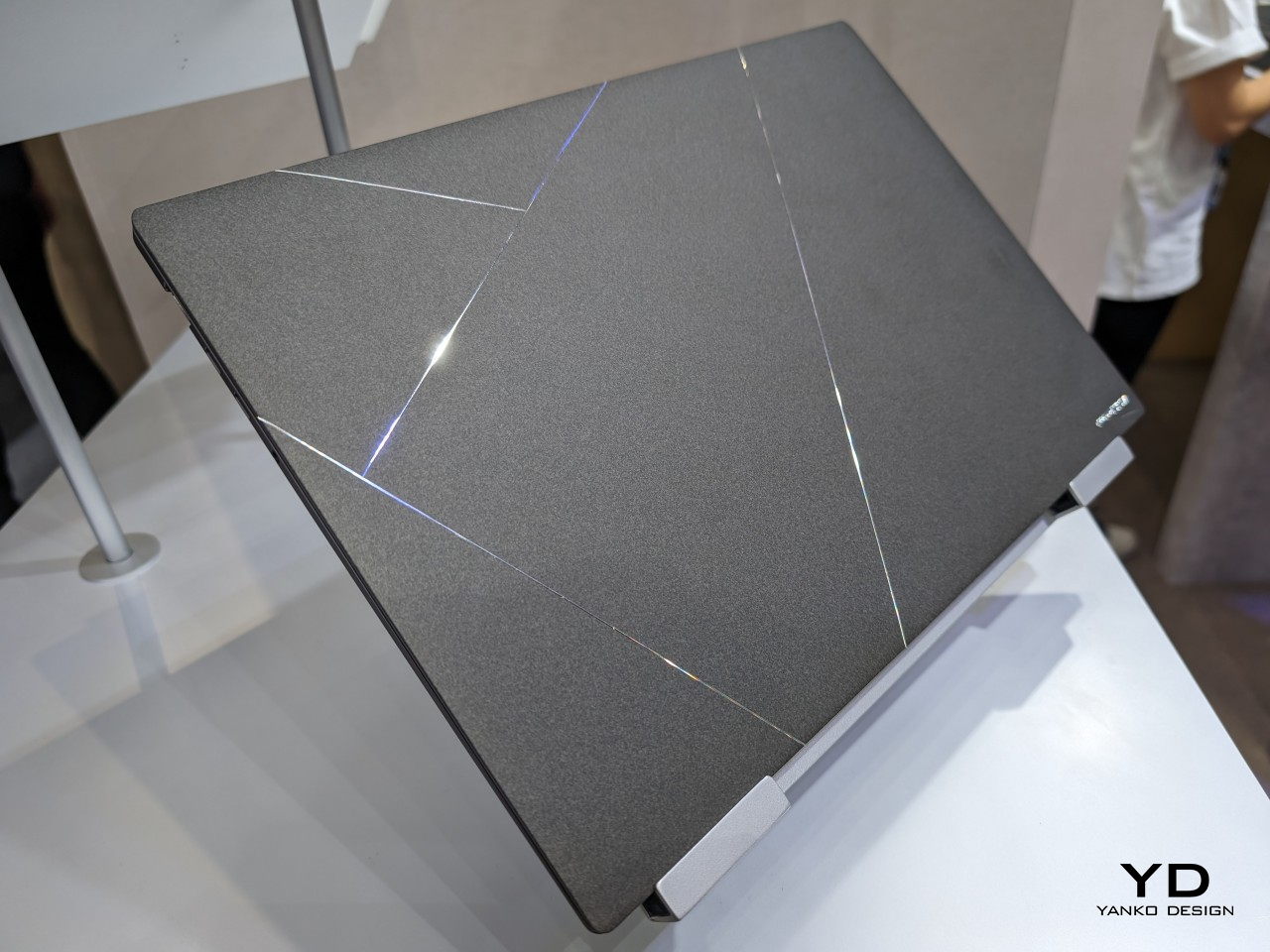
ASUS has aimed to bring the best of these worlds together and has created the portmanteau “Ceraluminum” to mark the success of their years of research and experimentation. In reality, it is actually aluminum but treated in a special process, which it unsurprisingly calls “ceramization,” which gives it the properties of ceramic. This “hi-tech” new material boasts being lighter than steel yet also more durable than actual ceramic. More importantly, the material focuses as much on the tactile experience as on the aesthetics. Like ceramic, Ceraluminum is not only cool to the touch but also gives the fingers a better grip on the laptop’s lid.
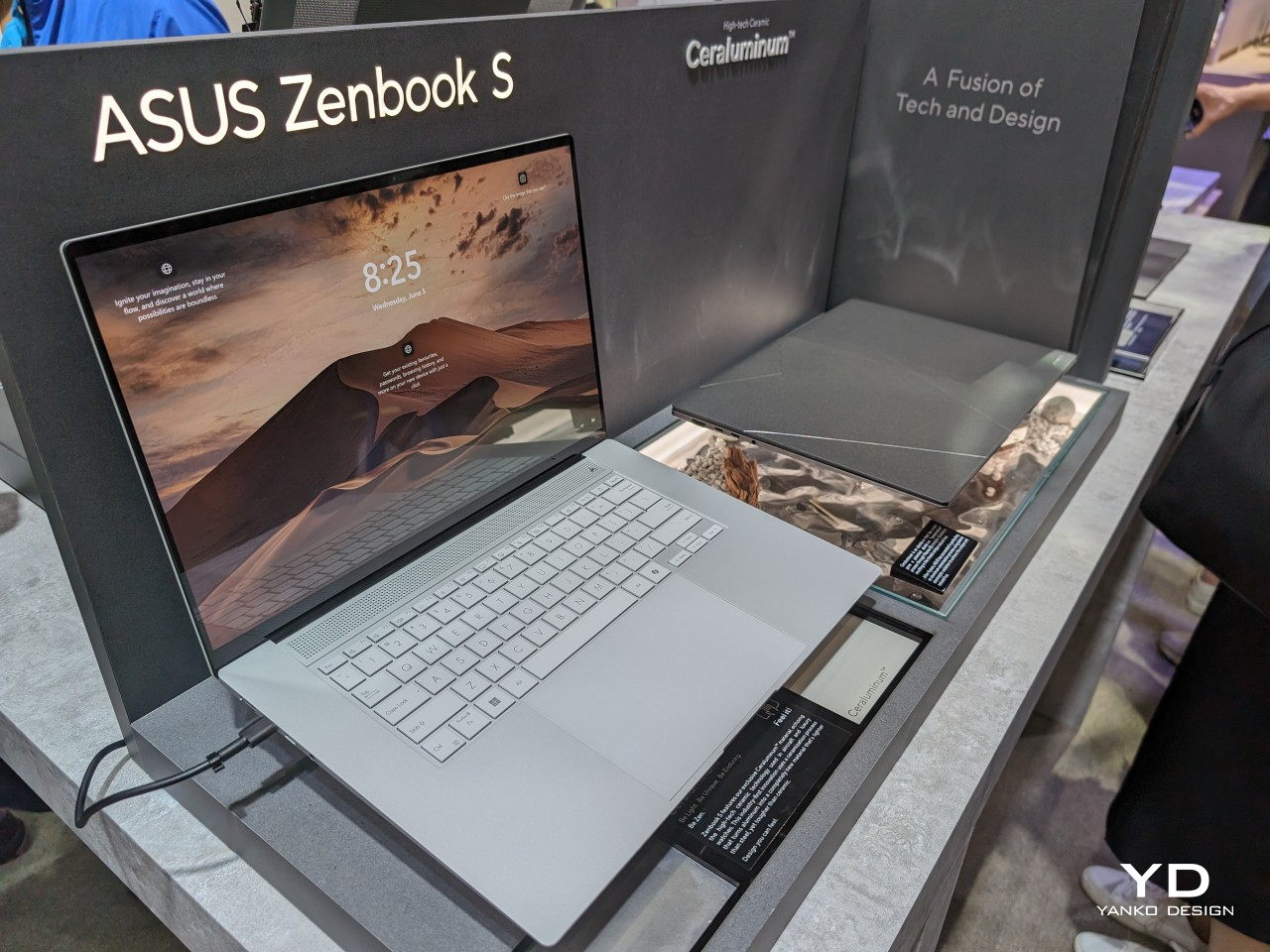
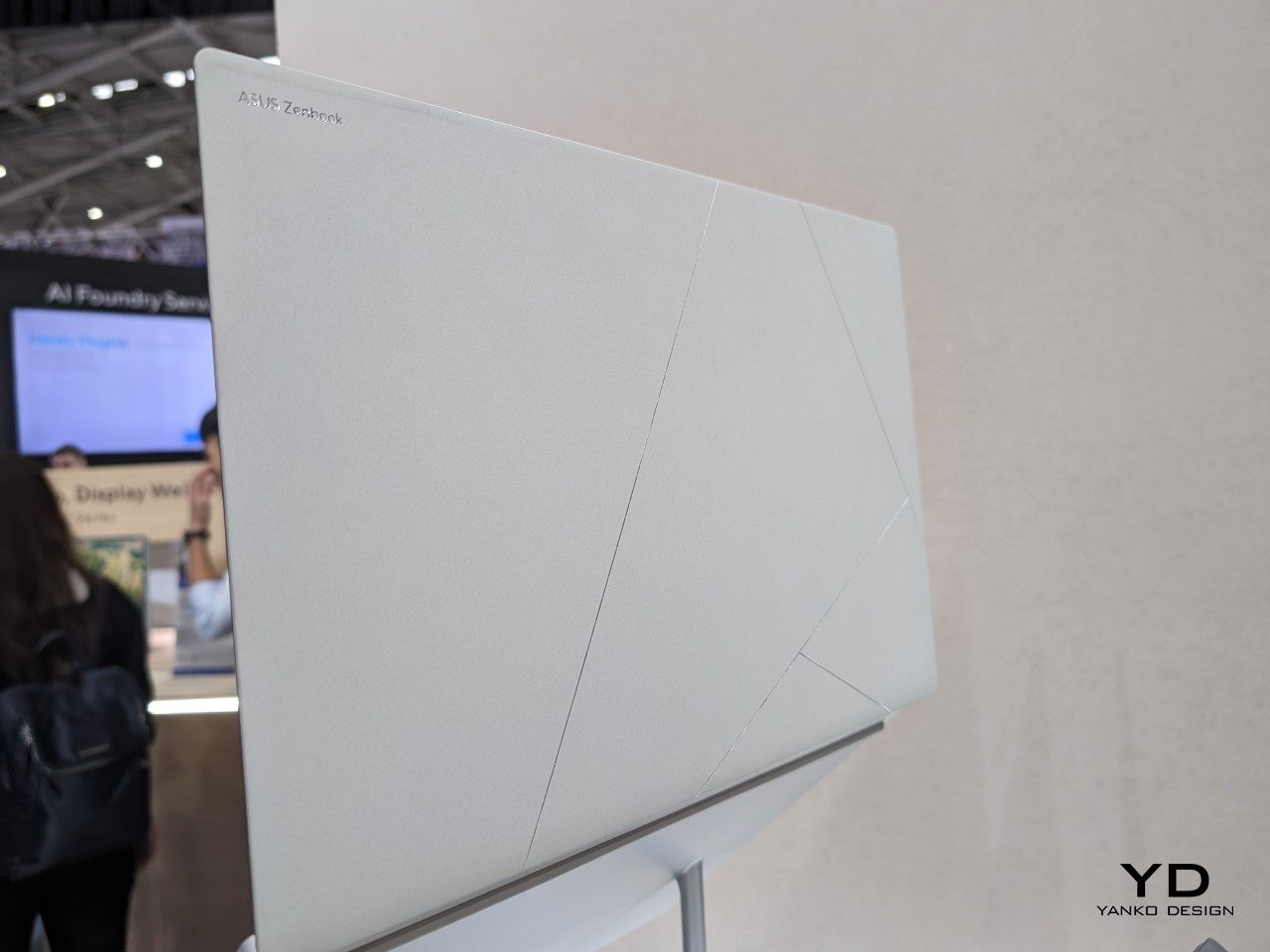
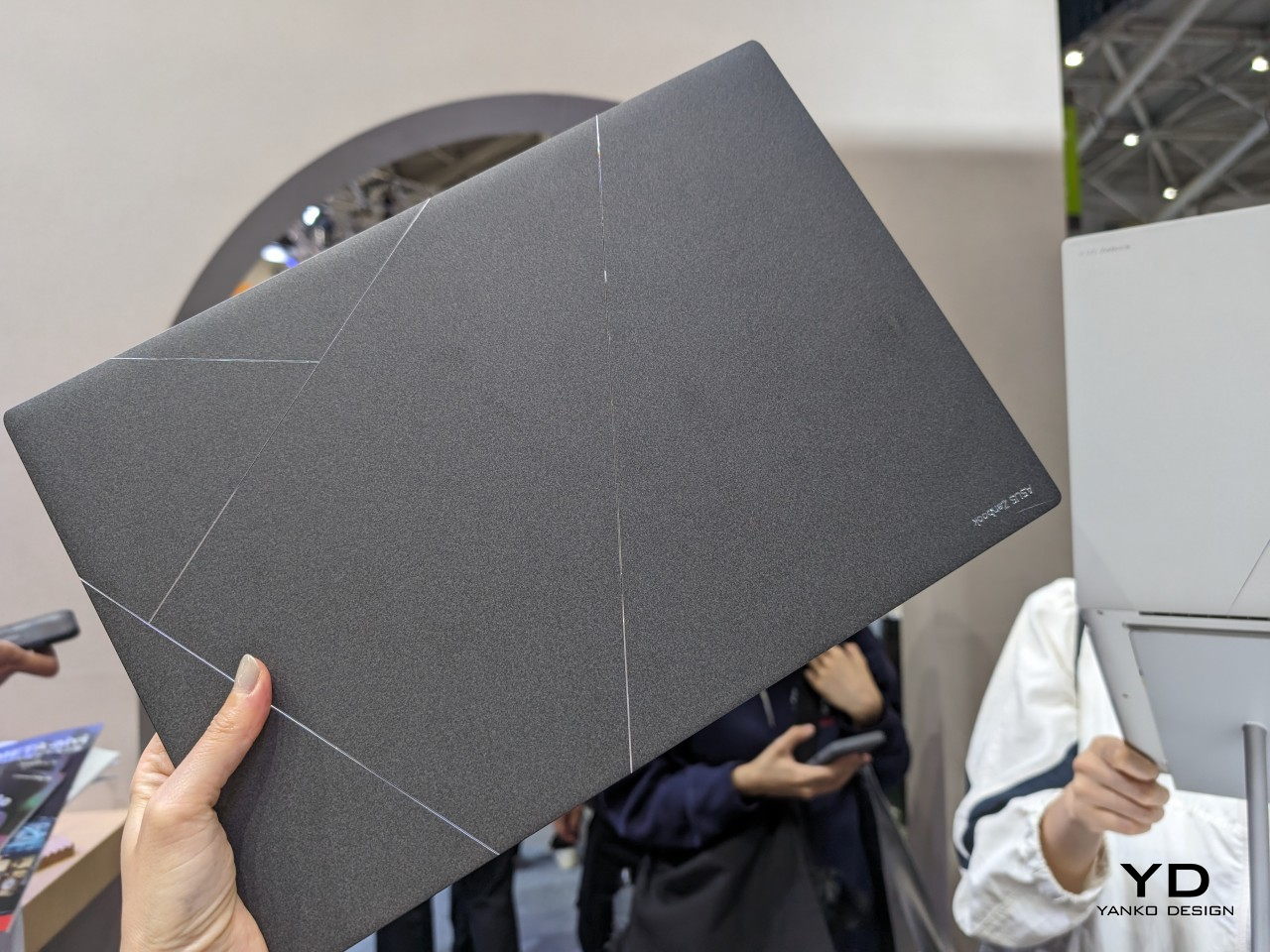
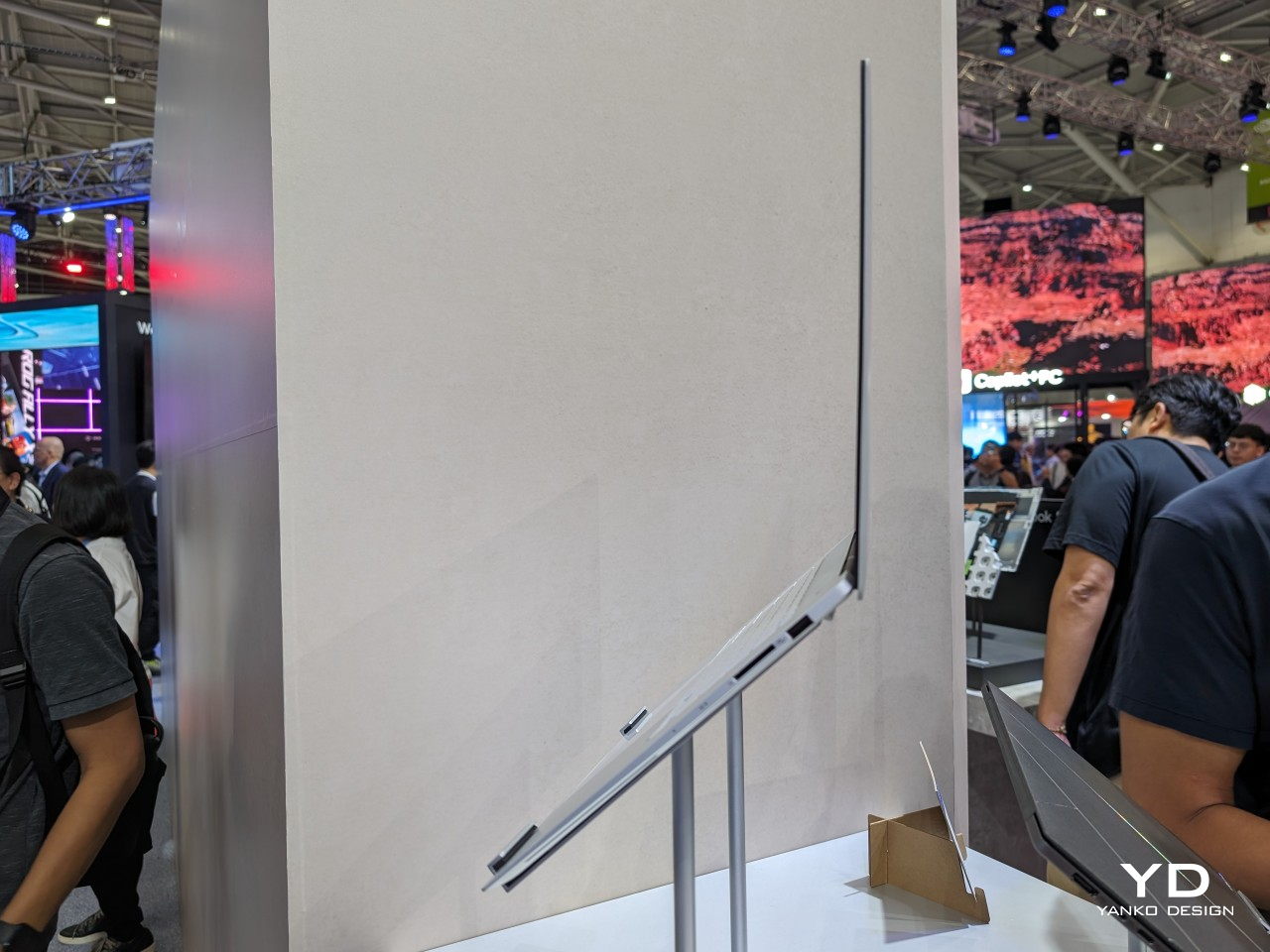
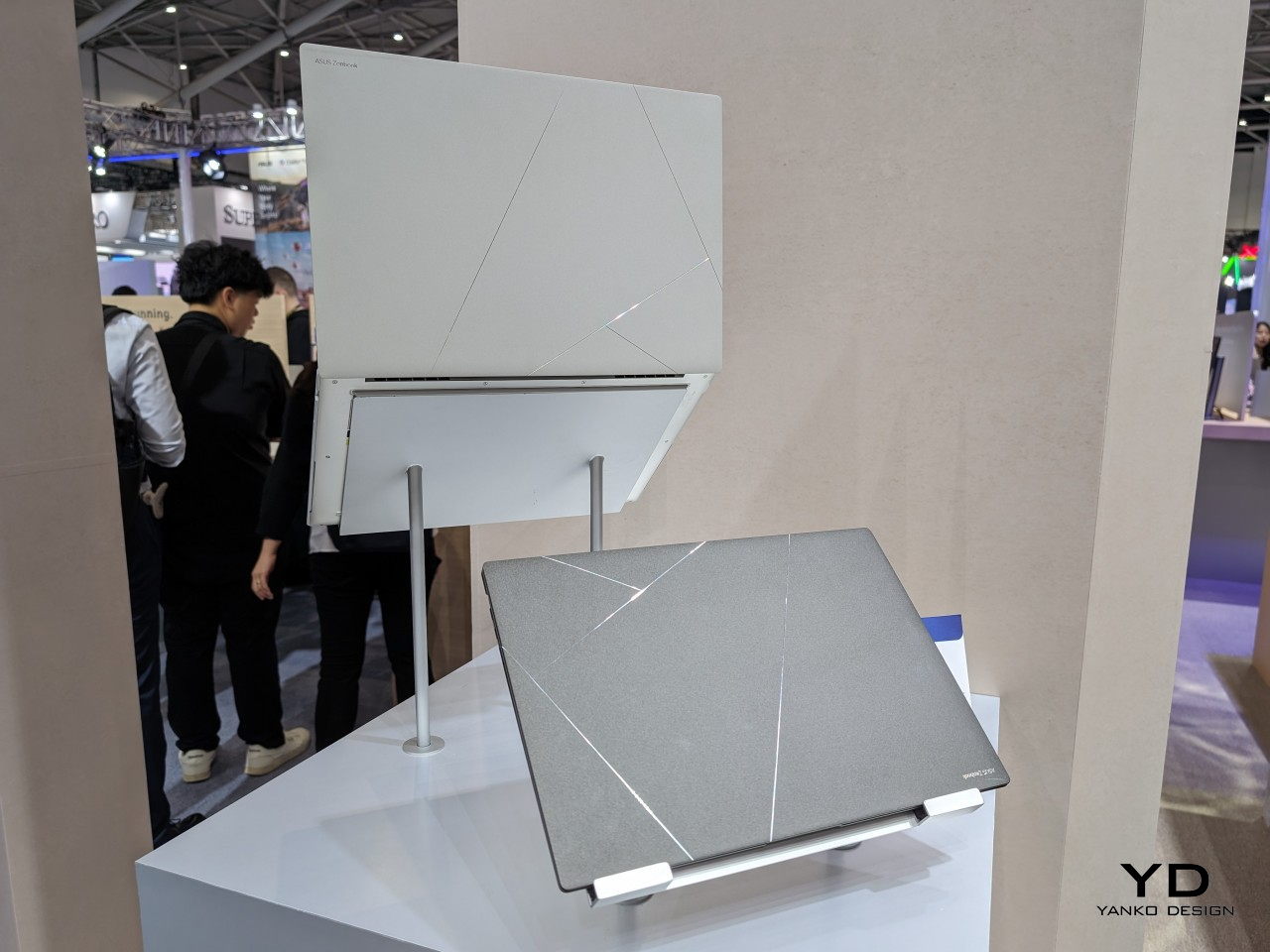
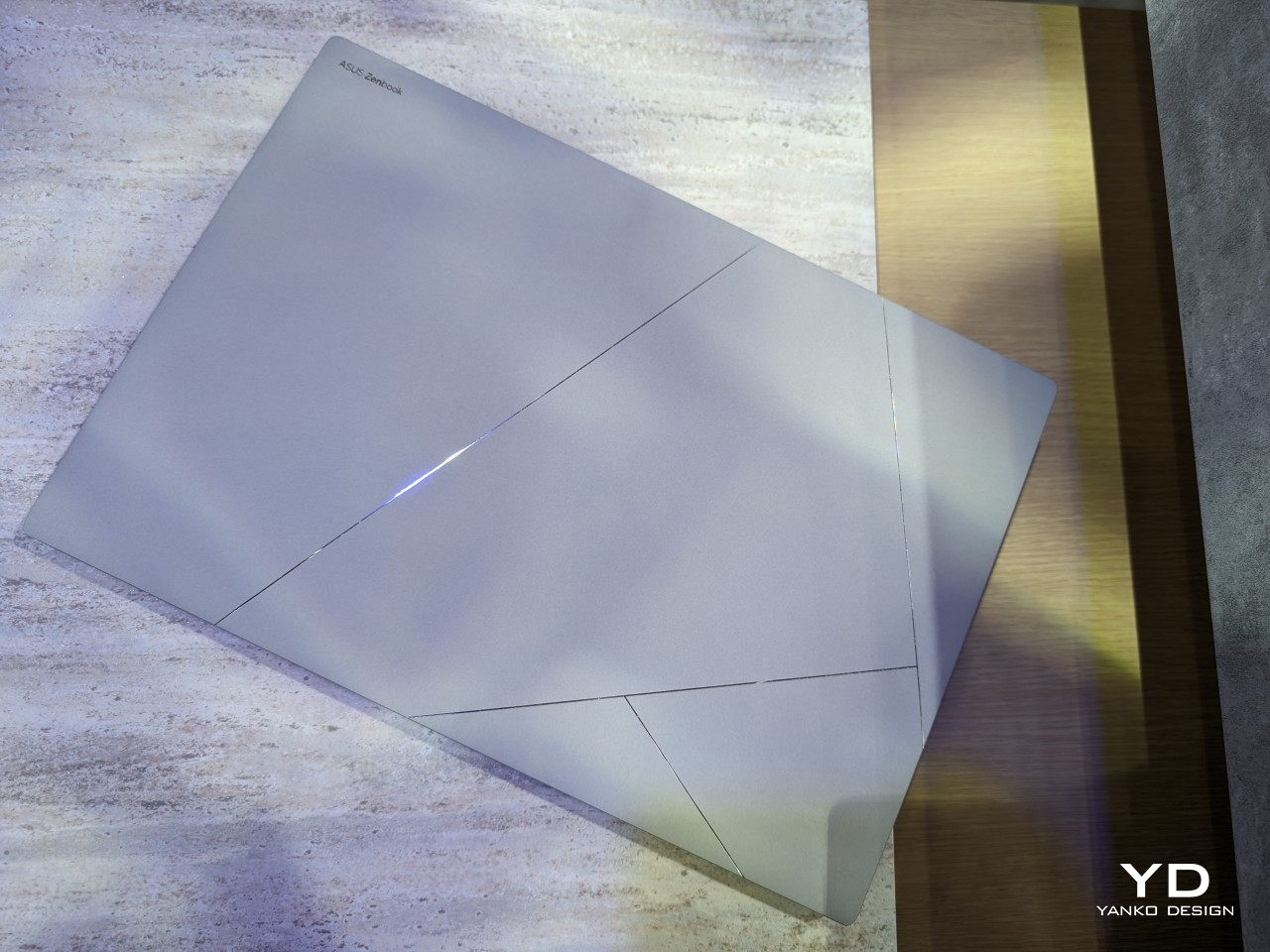
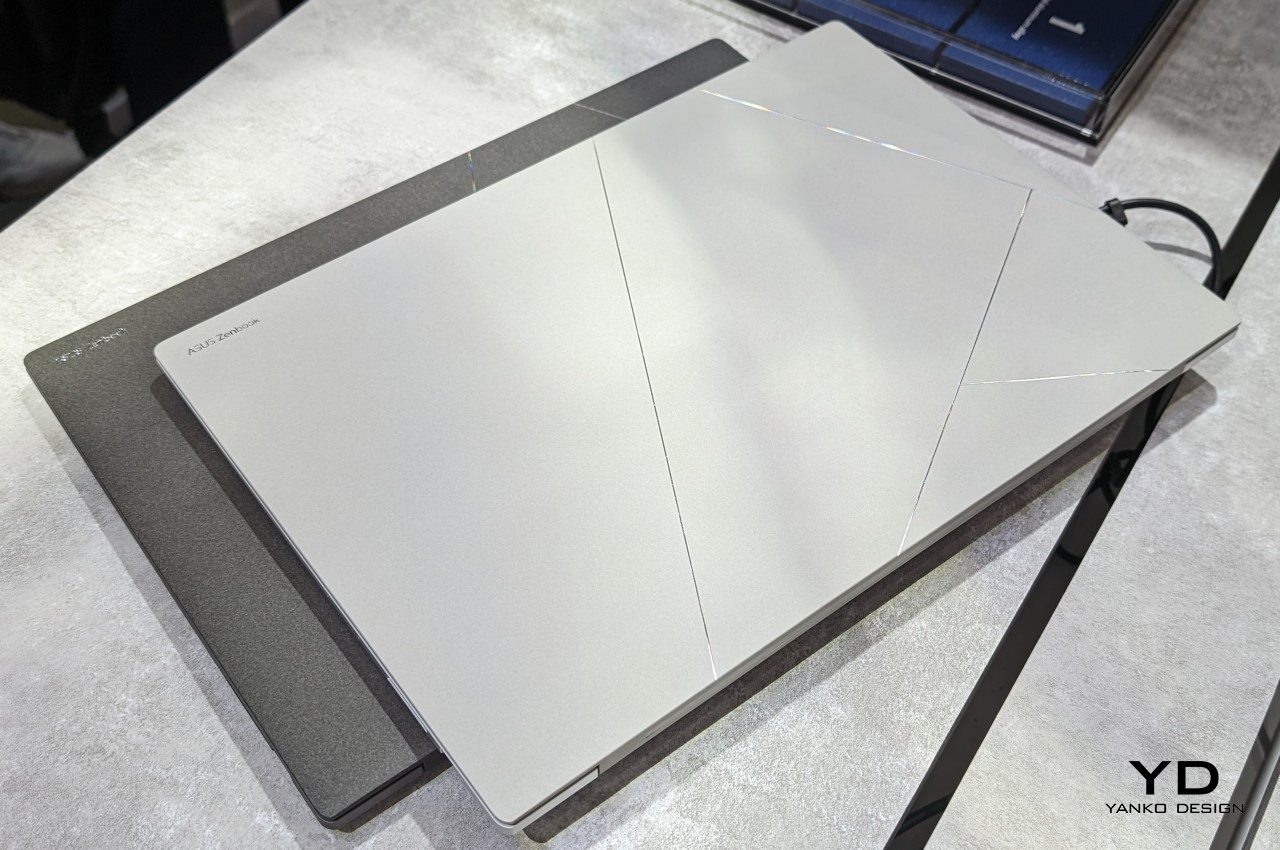
Ceraluminum is still a novel material and it might not be ready for truly mass production just yet. For its maiden voyage, ASUS has chosen its new Zenbook S 16 to be the first to benefit from this amalgamation of two of the most premium materials known in the industry. It’s a perfect match as well, given how incredibly thin and lightweight the laptop is. It looks premium and definitely feels premium, a fitting exhibit for Ceraluminum’s equally premium properties.
In addition to its elegant material, the ASUS Zenbook S 16 also brings nature-inspired colors to match. Zumaia Gray takes inspiration from flysch cliffs in Spain, while Scandinavian White mimics the warm light of the sun on snowy mountains. Even this color is a product of sophisticated materials research, modifying the molecular structure of copper and oxygen atoms to give off a different color while using the same aluminum oxide material as other colors. The ASUS Zenbook S 16 is, in the final analysis, an exhibit of the brand’s innovation in creating new materials meant to delight not just the eyes but also your fingers and elevate your laptop experience.
Niantic's skating sim Skatrix Projust got a beefy update for Apple Vision Pro that adds room-scale mixed reality gameplay, among other features. This means that the little skater boi avatar is free to roam the living room, doing gnarly tricks on your furniture.
Skatrix Pro was a day-one release for Apple Vision Pro and was co-developed with Reality Crisis, but the full mixed reality gameplay wasn’t ready yet. At launch, you skated in a floating cube in AR space. Now, thanks to the headset’s advanced scanning capabilities, the real world is transformed into a skatepark. This allows for interaction with “virtually any object, shape or terrain.” Who among us hasn’t wanted to grind off of a washing machine, flip and land on top of a sleeping cat? It’s the stuff dreams are made of.
Basically, the headset uses LiDar scanning to construct a detailed 3D mesh of the environment, which captures “geometry with high precision.” In other words, the skater should interact with an object as if both were in the real world.
As for controls, there’s a virtual joystick that floats in AR space, but Niantic has also implemented 3D hand input gestures. The company said this makes it “easier to control the avatar while exploring new tricks in new spaces.”
Skatrix is available for mobile devices and Niantic says it’s planning future updates that “connect the dots between headset and mobile gameplay” to deliver cross-platform play. The company will also continue to improve the physics engine to allow for greater accuracy. Skatrix Pro for the AVP costs $20, but the headset itself is still $3,500.
This article originally appeared on Engadget at https://www.engadget.com/skatrix-for-apple-vision-pro-now-features-room-scale-mixed-reality-gameplay-165417900.html?src=rss
GIGABYTE unveils AI TOP, a flexible, user-friendly local AI training solution with comprehensive support, debuting at COMPUTEX 2024. Perfect for beginners!
Flat-top griddles are insanely popular. Even if an aspiring grill master prefers charcoal or pellets for their main machine, chances are they’re packing a griddle for smash burgers, breakfast and other items that need an even surface. Or, at the very least, they have an insert that transforms a grill into a flat top. Griddles are versatile and they keep a lot of the mess of cooking things like cheesesteaks, fajitas and fried rice out of your kitchen. However, they all basically offer the same premise: a large metal slab on some sort of cart that runs on propane. Since there’s not a ton of variation in the general design, the devil is in the details for companies like Blackstone, Traeger and Weber.
The Weber Slate ($649 and up) is the company’s second attempt at grabbing a foothold in the popular griddle market. With a more refined design and tons of clever features that make the flat-top cooker more fun to use, Weber is trying to set itself apart from the competition in a few key areas. But, even the most affordable Slate is pricier than some of the other options on the market, so those finer points will likely determine if this griddle is right for you.
Design
On the Weber Slate, the company developed a more sophisticated look than its first griddles that debuted last spring. Those had more of a cart design akin to Weber’s most affordable gas grills, while the Slate has almost a hybrid cart/cabinet stand where the storage varies based on the model. Some configurations have semi-closed space while others have weather-resistant storage bins or a fully enclosed area underneath the cooking surface. Every version has a mid shelf directly under the cooktop, where you can place tools and other supplies for quick access.
Weber flanks the cooking area with sizable side tables, with some versions offering a fold-down extension for even more work space. The top of the side table on the right is removable, which allows the remaining frame to accommodate a line of accessories known as Weber Works. You can move those storage bins up to this area and the company has a convenient caddy/serving tray combo that also fits this space nicely. With either of these, you can put seasonings, oils, sauces and more within reach at all times. You can also replace the table top with a cutting board if you want to do your prep or slicing outside. Weber Works also includes items that clip onto the edges of the Slate’s side shelves, including a cup holder, condiment bin and an “organizer kit” that comes with a paper towel rack, tool hooks and a trash bag holder.
Billy Steele for Engadget
The Slate has an attached, hinged lid like most premium griddles. This component pays homage to previous Weber grills as it has the company’s signature black and silver scheme like you’ll see on Genesis and other grills. The one area of this griddle that feels slightly cheap are the wheels. The four casters do the job, but they’ve obviously plastic with little polish. Even something slightly more robust like the sturdier rollers that come on the Genesis series would’ve been nice.
I’m also constantly frustrated by the grippy texture inside the Slate’s cover. It has two handles on the top so you should be able to lift it straight off the griddle easily, but the cover’s interior coating catches on the side tables, making what should be an easy task more of a chore.
A key feature of the Slate is its digital display, which sits between two of the burner control knobs. It runs on two AA batteries and shows the temperature of the cooking surface based on data from a probe underneath the cooktop. I like that the screen is easy to read, thanks to its high contrast and large numerals, and it handily shows how much juice is remaining on the batteries, too.
Cooking with the Weber Slate
Billy Steele for Engadget
I’ll admit I didn’t see the utility in a griddle until I actually used one. I’ve been smashing burgers and sizzling other things on a full-size insert for a Weber Genesis for a while now. But the Slate is actually better since it's purpose-built with a grease chute that’s in a better position along the front so it takes up minimal cooking space. You have free rein to use the back and the sides of the cooktop to help you flip and move foods.
I’ve cooked smash burgers, hibachi chicken, fajitas and a full breakfast with hash browns on the Slate. My wife, the pancake pro in our house, also used it and loved having the extra space to cook enough for the four of us in less than half the time it takes indoors. The Slate distributes heat edge to edge, so things like pancakes cook evenly. The 30-inch version I tested has ample space for my needs, and Weber says the 30-inch x 18-inch cooking area on this unit can hold up to 22 burger patties.
Once you fire up the propane burners, the 30-inch Weber Slate takes about eight and a half minutes to reach a maximum temperature of around 565 degrees Fahrenheit. It takes just over five minutes to hit 450 degrees, which is what you’d want for smash burgers and what I prefer for fajitas. For more delicate things like pancakes, you’ll want to turn it down to the burners’ lowest setting, which is around 350-355 degrees.
The Weber Works accessories make cooking with the Slate much easier. I primarily used the caddy with a lid/serving tray, which allowed me to take various seasonings, sauces, tools and more to the griddle in one trip. It’s also nice that the caddy can replace the side table for quick access, with the lid/tray beside it to rest tools or foods when they’re done. Those larger side tables also ensure you have enough space for supplies and food, with the mid shelf underneath and the side table extension providing more places to rest things if needed. Not once did I panic wishing I had another spot to put something while using the Slate. It’s great that the Weber Works storage bins can remain outdoors without much worry about weather. I wouldn’t store ingredients there, but it’s a good place to keep cleaning supplies and towels, for example.
Cleaning and maintenance
Billy Steele for Engadget
The primary concern when you own a flat-top griddle is rust. The best way to prevent it is to clean the cooking surface soon after use, but that’s not always possible because maybe you’re hosting guests or any number of other reasons. So, rust is a constant battle when the steel or cast iron component is exposed to moisture, oil and food residue for an extended period. Not all griddles have lids or covers, and even if they do closing one up when the cooking surface is still warm can lead to condensation drips even if you’re on point with the cleaning.
Weber is addressing this with a “rust-resistant” cooktop. As the company describes it, “the carbon-steel gets transformed under extreme heat and pressure that case hardens and bonds the surface, reducing the ability for moisture to collect and rust to form.”
Rust-resistant doesn’t mean rust-proof, though. To test Weber’s claim, I left the Slate cooktop dirty for 36 hours after making hibachi chicken , only lightly pushing larger chunks to the grease tray and leaving sauce and oil. When I did go to clean it, there were small spots of rust, but nothing like I’ve seen on the company’s older griddle inserts for its gas grills (Weber now sells inserts that are rust-resistant too). This was also a messier meal, so it didn’t just leave behind a typical amount of muck.
The good news is that, while annoying, the rust comes off easily with vinegar and coarse sea salt. After leaving white vinegar on the surface for a few minutes and adding salt to help lift the stuck-on grime, I had no trouble restoring the Slate’s cooking surface to a unblemished state. It took some elbow grease, but wasn’t too tough of a task. So while the Slate does buy you some time on the cleanup, you probably don’t want to leave residue any longer than overnight if you’re looking to avoid any extra work.
Weber Slate configurations
Billy Steele for Engadget
Weber offers three versions of the Slate griddle, all with slightly different features. While they share the same overall design, including rust-resistance and the attached lid, the most affordable model is the 30-inch Slate that doesn’t come with the two weather-resistant, outdoor storage bins (sold separately for $40 each). It also lacks the digital temperature gauge or the folding side table extension, but does have a partially closed storage cabinet. You’ll save some money as this unit is $649. As you’ll see, though, that price is actually low.
For $150 more, you get the same 30-inch Slate I tested with a handy temperature display, extendable side table and a pair of weather-resistant storage bins. Those bins are fully exposed, but there’s a track system that allows you to slide them out like a drawer. Plus, the outdoor-friendly design keeps dust and debris from ruining your supplies. There’s also a natural gas version of this model that’s $829. What’s more, there are two retailer-exclusive 30-inch options. At Home Depot, you’ll get the digital temperature display and an enclosed storage cabinet for $699. Ace Hardware offers the 30-inch Slate with digital temperature display, fully enclosed storage cabinet, extendable side table and the Weber Works caddy for $749.
The priciest option is a 36-inch version with four burners instead of three. It still has the digital temperature gauge and fold-down side table extension, along with the modular side table for all of those Weber Works accessories, but the storage area underneath is a fully enclosed cabinet. If you want that extra cooking space, the grand total here comes to $999.
The competition
Blackstone is the most popular name in griddles and the company has loads of options in several different configurations. Heck, you can even get one that has an air fryer underneath. The model that’s closest to the base Weber Slate is the 28-inch XL with a “hood.” It sits on more of a bare-bones cart, though, so there’s no enclosed storage under the cooktop and the side tables are smaller. It typically costs $549, but it’s currently on sale for $399.
In competition with Weber’s most expensive option, Blackstone has the 36-inch Iron Forged griddle. It too has a “hood” (attached lid or cover) and four burners with a more refined cart design with a storage shelf. There’s also an extendable side shelf, paper towel holder, garbage bag holder and side shelf rail system that accommodates even more accessories. This one is usually $649, but it’s currently on sale for $499.
Then there’s Traeger. Yes, the company that made its name on wood pellet grills has a single gas-burning model and it’s a griddle. The Flatrock takes several design cues from the company’s latest Ironwood and Timberline series, including the wrap-around PAL (Pop And Lock) accessory rail and so-called EZ-Clean grease keg. The Flatrock’s side tables are similar in size to those on the Slate and its U-shaped burners put direct flame under more of the 33-inch cooktop. Traeger says its FlameLock design is more wind-resistant and fuel-efficient than the competition and a sensor keeps tabs on how much propane you’ve got left in the tank. The Flatrock does come with a Traeger-esque price tag though: $899.
Wrap-up
After several weeks with the Weber Slate, I’ve fully experienced the grilling potential that standalone griddles provide in the backyard. With the addition of a rust-resistant cooktop, the company gives you an extension on the precious cleanup window. The digital temperature display is handy and easy to read from a distance while the Weber Works accessories can transform the griddle into a proper outdoor cooking station. Some details could be refined, but overall, the Slate would be a solid addition to any grilling arsenal. And even if it’s the only grill you own, the flat top allows you to cook a wide variety of foods.
This article originally appeared on Engadget at https://www.engadget.com/weber-slate-griddle-review-a-smash-burger-machine-with-clever-features-163023562.html?src=rss
Effortless cleanliness with the Narwal S10 Pro Wet & Dry Vacuum Mop. Powerful suction, intelligent cleaning, and self-cleaning technology make messes disappear.