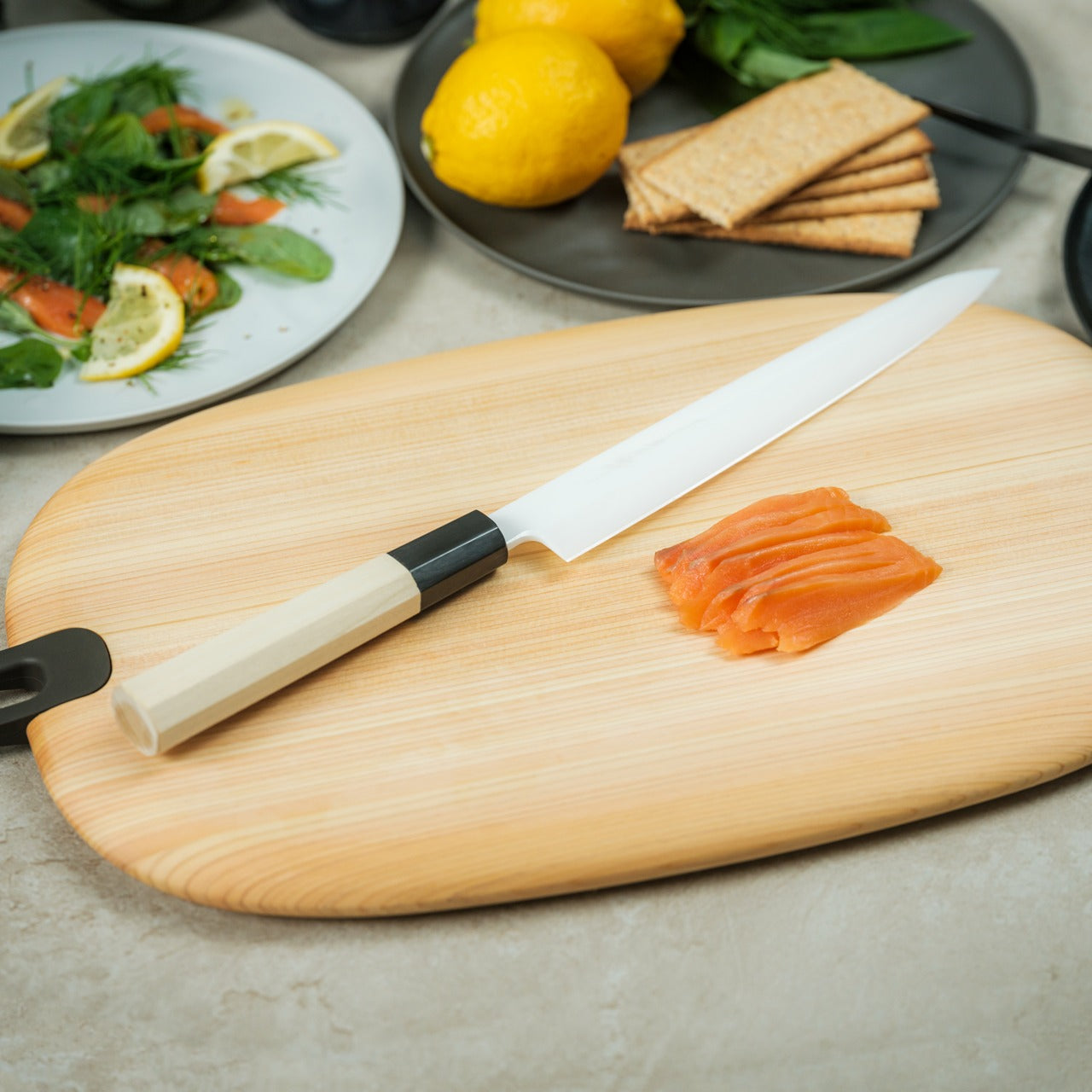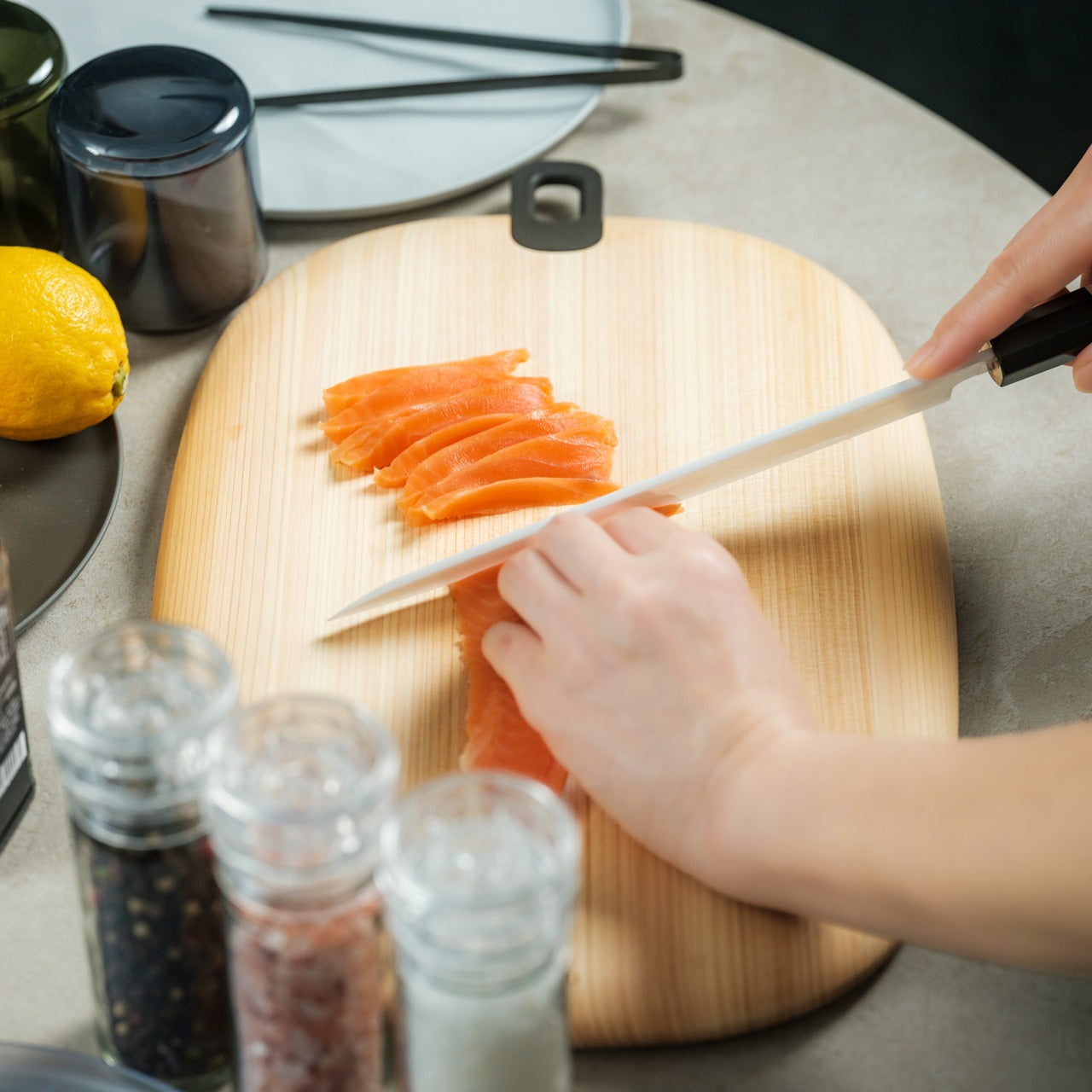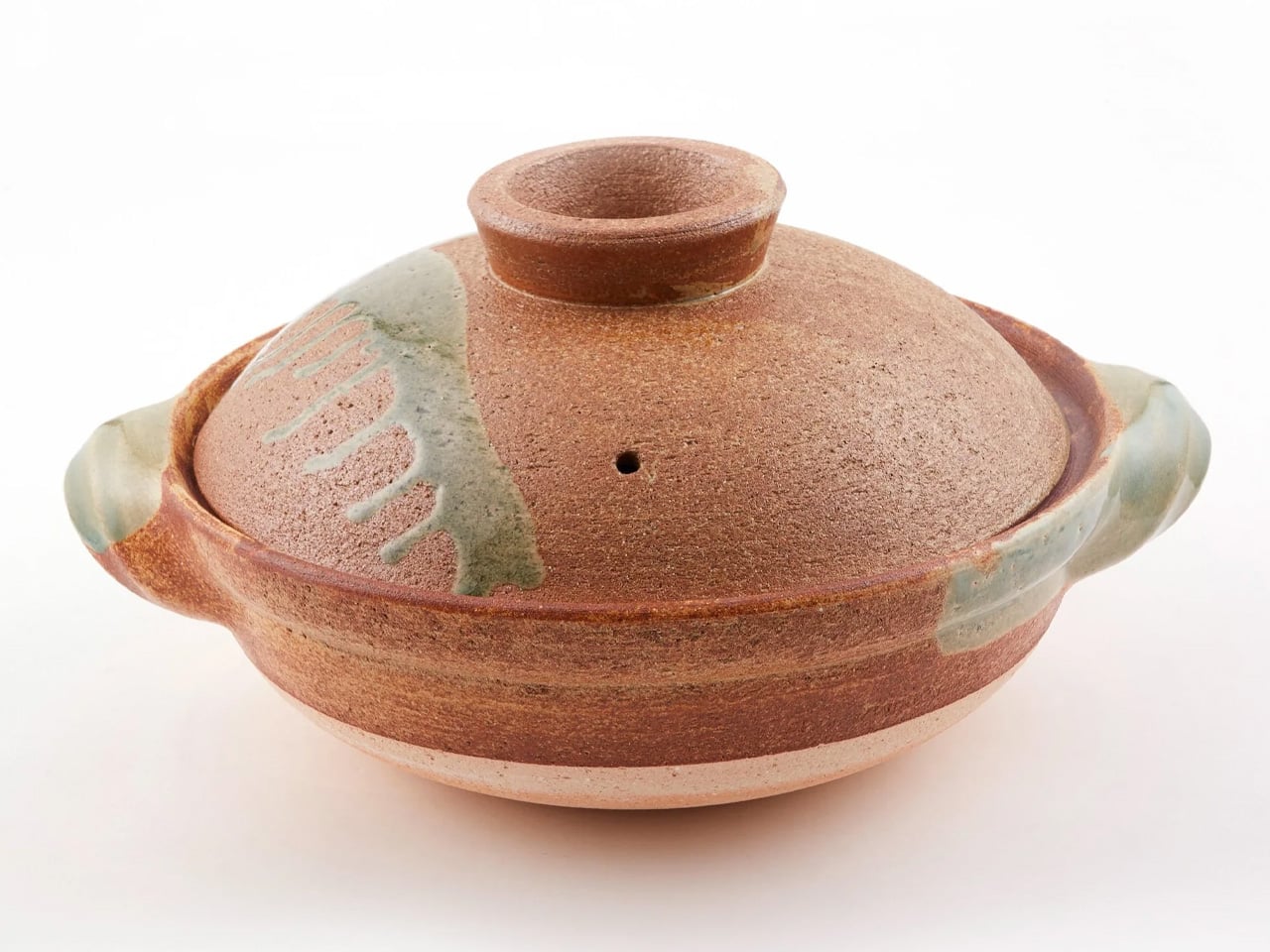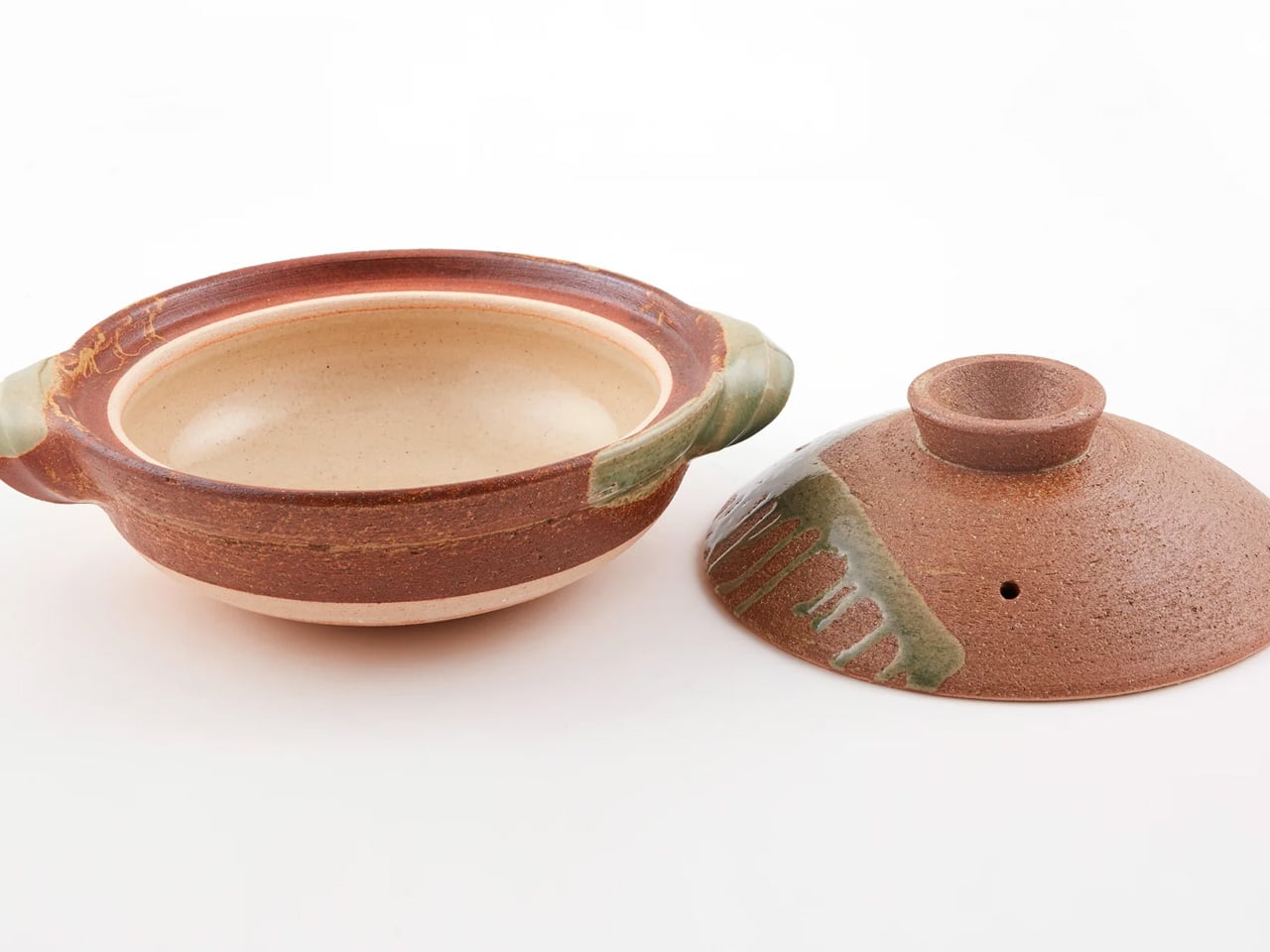
This $48 Pizza Axe Just Made Every Round Cutter Obsolete

Let’s be honest, pizza night deserves more than a sad plastic rolling cutter from the back of your drawer. The Pizza Axe transforms an everyday task into something that feels like you’re about to raid a feast hall instead of just dividing up your Friday night pepperoni pie.

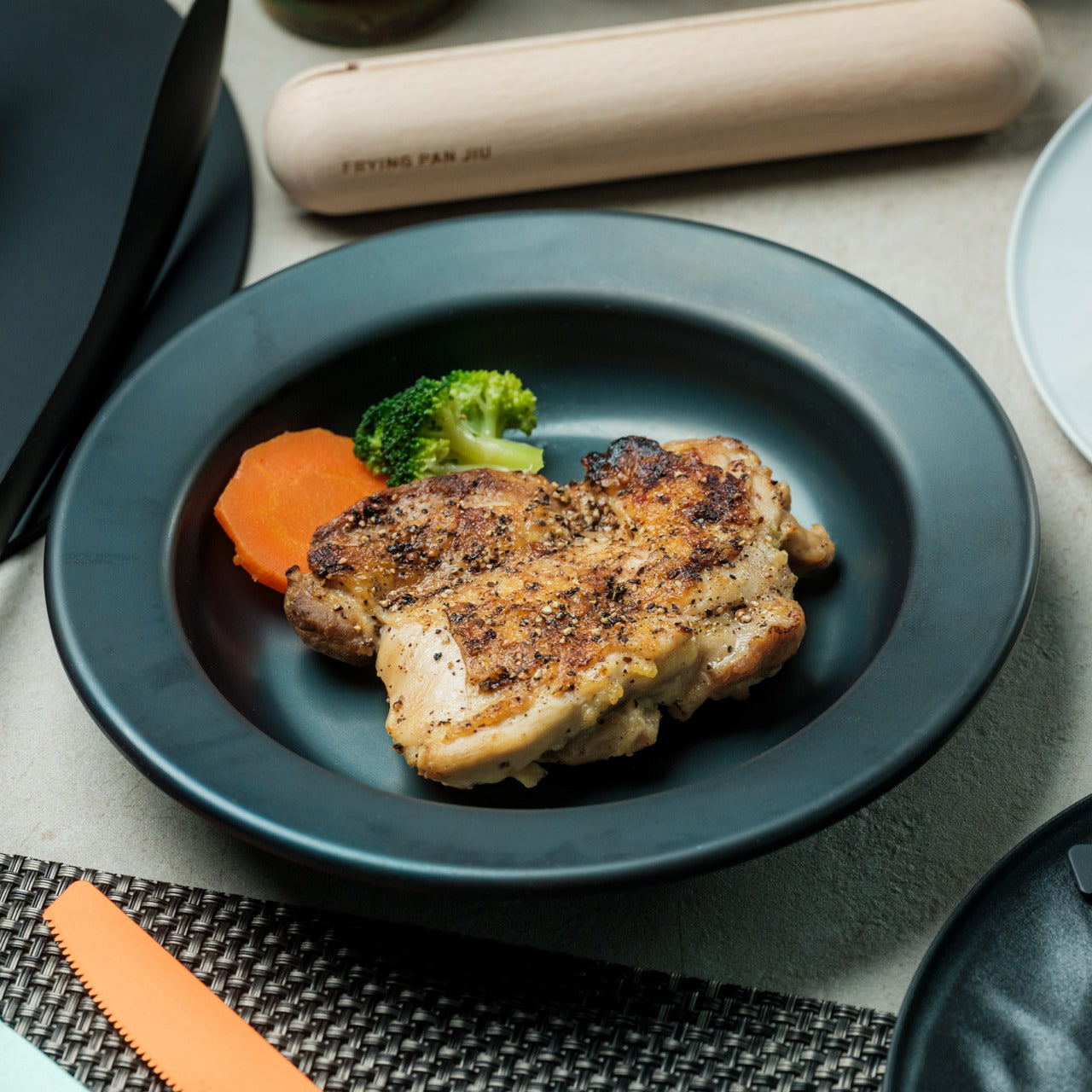
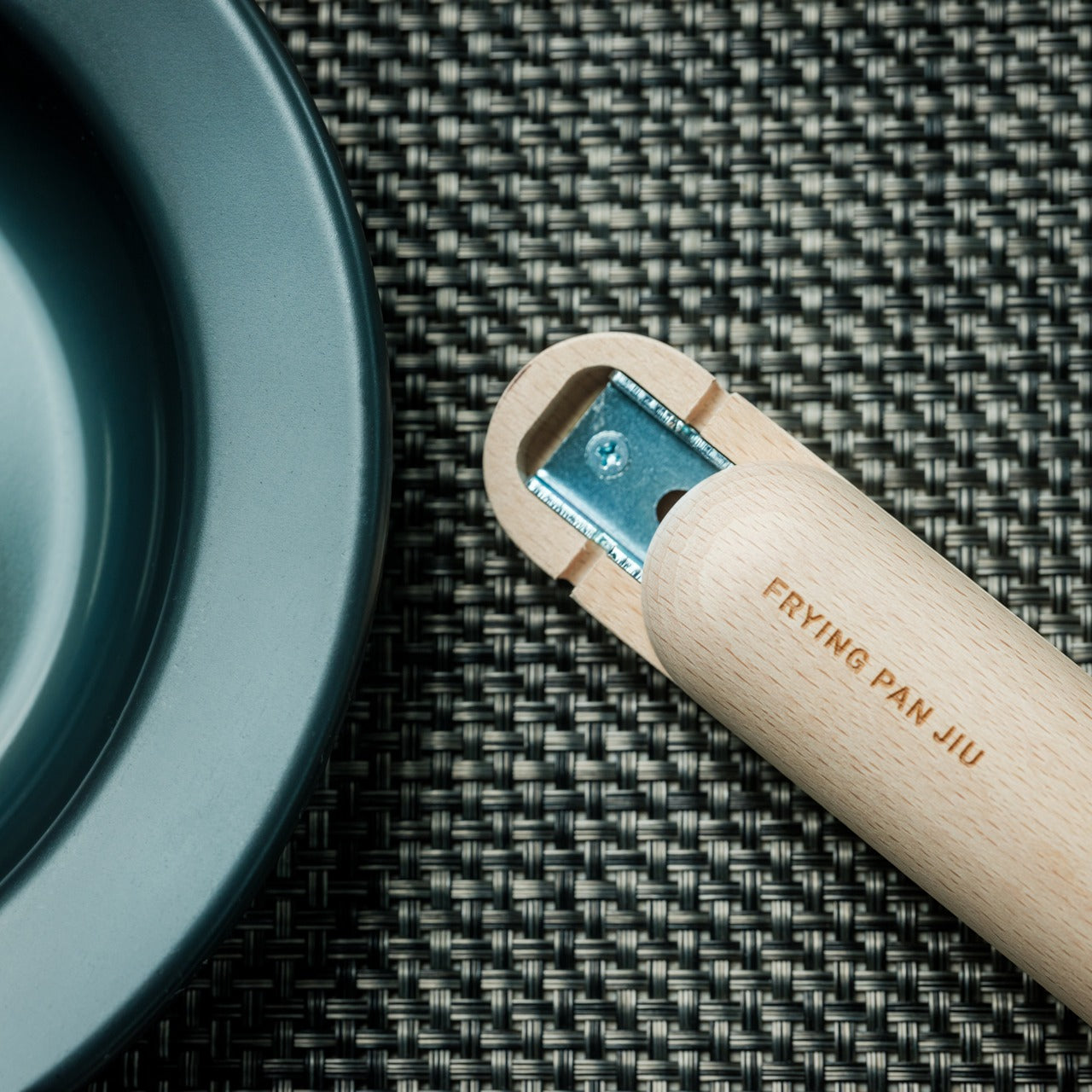
This isn’t some gimmicky kitchen gadget destined for the donation pile next year. The Pizza Axe is a legitimate tool crafted with stainless steel and pine wood that handles actual slicing while looking ridiculously cool on your counter. At $48, it’s positioned somewhere between impulse buy and considered investment, which honestly feels about right for something that makes you feel like a Norse warrior every time you want a slice.

Designer: Marcellin

What makes pizza axes appealing goes beyond their obvious visual punch. They tap into our collective fascination with medieval aesthetics while solving a real problem: traditional pizza cutters often struggle with thick crusts or heavily topped pies. An axe-style blade brings more leverage and cutting power to the table, literally. The design typically features a sharp stainless steel blade attached to a wooden handle, creating enough heft to slice through even the most ambitious deep-dish creations.

The Pizza Axe comes with a sheath for storage, which is both practical and slightly absurd in the best way. There’s something inherently funny about sheathing your pizza cutter like it’s a weapon, but it also keeps the blade protected and your fingers safe when rummaging through kitchen drawers. This attention to detail suggests the makers understand their audience: people who appreciate functionality but also want their tools to spark joy, or at least conversation.

What’s particularly clever about the pizza axe trend is how it transforms a mundane kitchen task into performance art. Serving pizza becomes an event, not just dinner logistics. When you pull out an axe to slice your pizza, people notice. It’s the kind of thing that makes your dinner party memorable without requiring you to actually learn how to juggle flaming batons or whatever else people do for attention these days.

The broader pizza axe market has exploded with Viking-themed options featuring intricate engravings, skull designs, and runic symbols. These handcrafted versions can run anywhere from $30 to over $100 depending on materials and customization. The Uncrate version keeps things relatively straightforward, focusing on clean design without excessive ornamentation, which makes it more versatile for various kitchen aesthetics.

Beyond pizza, these tools work surprisingly well for other kitchen tasks. Need to portion a large sheet cake? Chop fresh herbs? Divide up a flatbread? The axe design handles it. Some users report success using them for trimming dough or even as a conversation piece when they’re not actively slicing. The pine wood handle offers comfortable grip and visual warmth that balances the industrial edge of the steel blade.

There’s also something satisfying about owning tools that feel substantial. We’re surrounded by flimsy plastic implements that bend and break after a few uses. The Pizza Axe presents an alternative philosophy: buy something well-made that performs its job and looks good doing it. It’s part of a larger movement toward thoughtful kitchen tools that prioritize both form and function rather than treating them as competing priorities.

Of course, the Pizza Axe isn’t for everyone. Minimalists might find it excessive. People with small kitchens might lack the drawer space for another specialized tool. And if you’re someone who orders delivery exclusively, owning an elaborate pizza cutting implement might feel aspirational in the wrong way. But for people who love cooking, entertaining, or just appreciate objects with personality, it hits a sweet spot between practical and playful.

Ultimately, the Pizza Axe succeeds because it understands that everyday objects don’t have to be boring. Why settle for adequate when you can have something that makes you smile every time you use it? In a world of beige appliances and forgettable utensils, sometimes you need something that reminds you that even routine tasks can have a little drama. And if that drama happens to involve wielding an axe over a margherita, well, that’s just good living.

The post This $48 Pizza Axe Just Made Every Round Cutter Obsolete first appeared on Yanko Design.

This Tiny Water Purifier Rethinks Design for Small Spaces

There’s something refreshing about design concepts that actually understand how we live. The SAI Lite water purifier from Superset Design is one of those rare concepts that doesn’t just look good in renderings but actually makes sense for real kitchens. Especially if that kitchen happens to be, like mine, not exactly spacious and can be cluttered at times.

The name SAI comes from the Korean word for “narrow space,” which tells you everything you need to know about the design philosophy here. This concept is the successor to the original SAI Pro, and the team took an already compact design and stripped it down even further to its absolute essentials.

Designer: Superset Design

Create your own Aesthetic Render: Download KeyShot Studio Right Now!

What caught my eye first is that distinctive rounded triangular shape. It’s not just designers being quirky for the sake of it. That form comes directly from the internal layout of two filters and a control module arranged in the most spatially efficient way possible. The footprint literally doesn’t get any bigger than the diameter of those two filters, which means you’re not sacrificing counter space for empty air.

Here’s where the thinking gets really smart. Instead of designing a water purifier that can accommodate every possible container you might own, the team at Superset Design asked a better question: what do people actually use in small apartments and single-person households? Spoiler alert, it’s not giant stockpots and mixing bowls. It’s cups, tumblers, small pots, and maybe a water bottle. So that’s exactly what this concept was designed around.

This is the kind of practical thinking we need more of in product design. Too often, appliances are built for some idealized version of how we’re supposed to live rather than how we actually do. SAI Lite flips that script. The height is calibrated for the vessels you’ll realistically fill every day, creating proportions that feel balanced and purposeful rather than arbitrarily compact.

The interface concept deserves attention too. On the top surface, you’ll find three main controls: a filter replacement reset button, a water capacity control, and the dispensing button. But instead of cluttering the surface with every possible setting, the designers proposed something called Progressive Disclosure. Functions you only need during initial setup or rarely touch are tucked away behind a long press or an extra interaction layer. The result is a control surface that looks clean and feels immediately intuitive when you’re just trying to fill your morning coffee cup.

This approach to interface design is something we see in good software all the time but rarely in physical products. It respects the fact that most of the time, you want to do one simple thing: get water. Everything else can wait in the background until you actually need it. The aesthetic is minimalist without being cold. That terracotta orange finish gives it personality and warmth, and the smooth, rounded edges make it feel approachable rather than intimidating. It’s the kind of object that could sit comfortably next to your other kitchen essentials without screaming for attention, yet it’s distinctive enough that you’d probably want to keep it visible rather than hidden away.

Looking at the concept renderings, you can see how efficiently everything is packed. The two cylindrical filters sit side by side with the control module, all contained within that triangular envelope. There’s no wasted space, but it also doesn’t feel cramped or difficult to access when you need to change filters. What makes SAI Lite compelling as a design concept isn’t just that it’s small. Plenty of products are small. What makes it work is that every decision, from the shape to the height to the button layout, stems from a clear understanding of the actual problem it’s solving. This is design that respects your space, your daily habits, and your time.

There’s something genuinely appealing about seeing designers propose objects that know exactly what they are and do that one thing exceptionally well. SAI Lite isn’t trying to be everything to everyone. It’s conceived for modern living spaces where every inch counts and simplicity isn’t just aesthetic, it’s essential. Whether this concept makes it to production or not, it’s the kind of thoughtful design thinking that pushes the industry forward. It challenges manufacturers to reconsider who they’re actually designing for and what those people truly need in their daily lives.

The post This Tiny Water Purifier Rethinks Design for Small Spaces first appeared on Yanko Design.

Yelp’s 2026 Design Forecast: The Trends Reshaping How We Live

The numbers tell a story that design magazines have been hinting at for months. Yelp’s latest trend report, analyzing millions of consumer searches between 2023 and 2024, confirms what forward-thinking designers already suspected: the home is becoming a deliberate statement of values, not just a collection of furniture.

Conversation pits are leading the charge. Searches for these sunken living areas surged 369%, signaling a fundamental rejection of the open-plan uniformity that dominated the 2010s. People want intimacy again. They want spaces that pull them together rather than spreading them across vast, undifferentiated square footage. The mid-century roots of this trend run deep, with searches for mid-century furniture climbing 319% and curved furniture up 124%. These aren’t isolated preferences. They represent a cohesive design philosophy centered on human-scale spaces that encourage actual conversation.

The Texture Revolution

Flat walls are dying. Roman clay finishes saw searches explode by 312%, while lime paint climbed 162%. Fabric wallpaper rose 123%, and wall stencils increased 68%. This collective movement toward tactile surfaces reveals a deeper truth about contemporary design priorities.

People have spent years staring at screens. Their homes responded by becoming increasingly smooth, minimal, and digital-friendly. Now the pendulum swings. Hands want something to touch. Eyes want variation and depth. The Roman clay trend is particularly telling because it demands imperfection. Each application creates unique texture, mottled color, and surfaces that change with light throughout the day. This is the opposite of the perfectly smooth drywall that builders have standardized for decades.

The avocado bathroom deserves attention here too. Searches for ’70s bathrooms jumped 124%, with green countertops following at the same rate. Bathroom remodeling searches increased 84%. But this isn’t nostalgia for nostalgia’s sake. Modern interpretations use nuanced jade and sage tones with contemporary fixtures. The color brings warmth. The execution stays current.

Japandi’s Second Wave

The fusion of Japanese and Scandinavian minimalism refuses to fade. Japandi searches climbed 105%, but the supporting data reveals where this trend is evolving. Fluted panels exploded by 459%. Natural stone rose 51%. Biophilic design increased 124%, alongside woven window shades at the same rate and jute rugs at 60%.

This second wave of Japandi moves beyond the surface aesthetics that defined its first popularity cycle. The emphasis shifts toward materiality and texture rather than mere visual simplicity. Fluted panels create rhythm and shadow play. Natural stone introduces geological time into domestic spaces. Woven materials connect interiors to craft traditions that predate industrial manufacturing. The philosophy remains minimalist, but the execution has matured. Spaces built on these principles feel grounded rather than sparse, considered rather than empty.

Travel plays a role in this evolution. As more people visit Japan and experience its design sensibilities firsthand, they return with refined understanding of how restraint and material quality work together. Tourism shapes taste, and taste shapes the search bar.

The Invisible Technology Thesis

Smart home technology is going underground. Searches for smart windows rose 49%, smart lighting increased 32%, and smart appliances climbed 40%. But the real story lies in the concealment searches. Built-in bookshelves surged 124%. Invisible kitchens with hidden storage jumped 68%.

The design community spent years debating whether technology should be celebrated or hidden. The data suggests resolution: people want capability without visual intrusion. They want lights that respond to voice commands from fixtures that look like ordinary fixtures. They want kitchens that function as high-tech command centers but photograph like serene minimalist spaces. Jennifer Aniston’s illuminated onyx sink basin represents the apex of this thinking. The surface glows. The technology disappears.

This invisible technology trend connects directly to the broader texture movement. When appliances hide and screens retract, walls become the primary visual element. Those walls better be interesting. Roman clay and fluted panels fill the visual space that technology once occupied. The home becomes a gallery of surfaces rather than a showroom of gadgets.

Black as Design Strategy

Black countertops rose 123%. Black furniture increased 12%. These numbers underscore a shift toward intentional contrast as a design strategy rather than an afterthought.

Interior design expert Taylor Simon’s “unexpected red theory” has influenced how designers think about strategic color deployment. Black operates on similar principles. A black countertop against light cabinetry creates visual anchor points. Black furniture pieces become sculptural elements that organize surrounding space. The approach requires restraint. Too much black collapses into monotony. Applied surgically, it transforms ordinary rooms into composed environments where the eye knows where to rest.

The contrast philosophy extends beyond color. It manifests in the juxtaposition of textured and smooth, natural and manufactured, vintage and contemporary. Curved mid-century furniture against rectilinear architecture. Woven jute against polished concrete. The design language emerging from this data prioritizes tension and dialogue between elements rather than uniform harmony.

Memory as Material

Shadowbox searches increased 34%. Film lab searches rose 88%. Film developing climbed 54%. Together, these numbers reveal a design trend that treats personal history as raw material.

Custom framing services report growing demand for memory displays that transform scrapbook contents into wall art. Travel mementos, film photographs from analog cameras, keepsakes from significant moments. These aren’t arranged in albums anymore. They’re composed into visual statements that hang alongside purchased art.

This trend intersects with the broader rejection of generic decor. Mass-produced wall art serves a function, but it doesn’t tell a story. A framed collection of Polaroids from a specific trip, ticket stubs from meaningful concerts, pressed flowers from important occasions: these objects carry narrative weight that manufactured decor cannot replicate. The home becomes autobiography.

Where This Leaves Us

The throughline connecting these trends points toward a single thesis: design in 2026 will prioritize meaning over minimalism, texture over sleekness, and personal narrative over trend compliance.

The conversation pit revival matters because it privileges human connection over architectural showmanship. The texture movement matters because it restores sensory richness to spaces flattened by digital life. Japandi’s evolution matters because it demonstrates how design philosophies mature beyond their initial aesthetic expressions. Hidden technology matters because it resolves the long tension between capability and beauty. Strategic contrast matters because it treats composition as seriously as color.

None of these trends exist in isolation. They form a coherent vision of domestic space as refuge, as expression, as carefully curated environment that reflects inhabitant values rather than developer defaults. The search data quantifies what designers intuit. People want homes that feel like themselves, not like everyone else’s Pinterest board. The numbers say they’re willing to invest, to research, to seek professional help in achieving that goal.

The 2026 home will have texture you can feel, spaces that pull people together, technology that serves without announcing itself, and walls decorated with personal history. It will reference the past without copying it. It will embrace natural materials while leveraging smart systems. It will be, in short, deliberately designed rather than passively accumulated. The data says so.

The post Yelp’s 2026 Design Forecast: The Trends Reshaping How We Live first appeared on Yanko Design.

Say Goodbye To Bottled Water: Kara Pure 2 Turns Air Into 99.99% Pure Water (Without The Microplastics)

We’re in the great age of unbundling. We’ve unbundled our power grids with solar panels, our entertainment with streaming, and our communication with the internet. We’re systematically severing the cords that tie us to centralized, aging systems. But what about the most essential utility of all – the water pipe? For decades, that’s been the one connection we couldn’t cut. You could go off-grid with power, but you were still tethered to the municipal water main. Until now. What if your home could perform a little bit of everyday alchemy? What if it could breathe in the invisible humidity hanging in the air and exhale pure, rich drinking water? This isn’t a far-future concept; it’s the game-changing revolution happening inside the all-new Kara Pure 2. This sleek, stainless steel tower isn’t just a water dispenser; it’s your home’s personal atmospheric hotspot. The award-winning technology doesn’t filter water from the grid; it creates the water instead, offering a glimpse into a future where the most precious resource on earth is no longer piped in, but simply harvested on demand.

At first glance, the Kara Pure 2 is a study in minimal-yet-effective industrial design. Standing at a confident 44 inches tall, its brushed stainless steel body feels both substantial and elegant, designed to complement a modern kitchen rather than dominate it. Its upgraded internal copper piping and five-stage water filtration signal a commitment to quality, suggesting this is a permanent fixture, not a temporary solution. The front is punctuated by a clean, 40% larger touchscreen and a gracefully curved dispensing area. There are no awkward plastic jugs, no complex pipework, no visible signs of the powerful process happening within. This deliberate minimalism is central to its appeal; it domesticates an industrial-grade technology, making the extraordinary feel approachable. The magic trick is only impressive if the magician makes it look easy, and the Kara Pure 2 looks effortless. Its only demand is a standard power outlet, and in return, it offers a bottomless well of 9.2 pH-balanced Alkaline water.

Designer: Cody Soodeen

Click Here to Buy Now: $3899 $5999 ($2100 off). Hurry, only 6/20 left! Raised over $371,000.

Kara Pure 2’s Patented AirDrive™ technology uses a clever desiccant material that acts like a super-sponge, aggressively grabbing water molecules from the air. Once saturated, the machine gently heats the desiccant, forcing it to release the captured moisture as perfectly pure water vapor, leaving dust and other airborne gunk behind. It’s an elegant and efficient method of harvesting, allowing the machine to perform even when the air feels less than tropical. This isn’t merely condensation; it’s a targeted extraction.

Once the water is harvested, it begins a journey through a multi-stage purification gauntlet. The process starts before the air even enters the machine, with a commercial-grade EPA air filter that scrubs the intake air, providing the side benefit of purifying about 200 cubic feet of room air per minute. After the water is condensed, it passes through a system that includes an advanced ultrafiltration (UF) membrane. With a pore size of just 0.01 microns, this stage is designed to physically block contaminants like bacteria, viruses, and microplastics. Finally, the water is exposed to a medical-grade UV-C sterilizer, which neutralizes any remaining microorganisms to ensure the final product is 99.99% pure.

But anyone who has tasted distilled water knows that “pure” can be boring. The filtration process strips out everything, good and bad, leaving a flat, lifeless liquid. Kara brings the water back to life in the final step by enhancing it with a carefully balanced cocktail of essential minerals like calcium and magnesium. This not only gives the water its clean, crisp taste but also nudges the pH up to an alkaline 9.2+, a nod to the modern wellness enthusiast. It even gets an antioxidant boost, completing its journey from humble humidity to what you might call high-performance hydration.

That whole process nets you up to 10 liters (or about 2.6 gallons) of water a day, storing it in an 11.5-liter reservoir so it’s always ready. Standing 44 inches tall and weighing a hefty 70 pounds, the Kara Pure 2 is a stainless steel monolith that feels more like a piece of modern sculpture than a kitchen appliance. The premium feel extends to the internals, with upgrades like 99% pure copper piping that signal this is a forever-appliance, not a disposable gizmo. The user experience gets the same love, with a spout moved forward for easy access and a pouring area now 20% larger, big enough to fit that ridiculously oversized 64-ounce water bottle you carry around.

The day-to-day command center is a 40% larger touchscreen that lets you dial in everything, including instant hot and cold water. But the most impressive feature might be what you don’t notice. At just 32 decibels, the Kara Pure 2 is quieter than your fridge’s late-night humming. This is the critical detail that makes it a viable housemate, allowing it to quietly perform its magic in the background of your life without driving you insane. It’s a testament to the engineering that went into making this complex process feel effortless and unobtrusive.

Naturally, a device this forward-thinking is making its debut on Kickstarter, the go-to platform for launching category-defining hardware. This is where early adopters can secure the Kara Pure 2 before it hits the broader market. The super early bird pricing is set at $3,899, which feels like a pretty good investment considering the average family spends upwards of $1,350 a year on bottled water (even more for 9.2pH+ alkaline water)… And after all, it’s an investment in a new kind of infrastructure for your home. I mean, you’re literally turning air into alkaline drinking water. Rumor has it that Kara’s next appliance will turn that water into wine!

Click Here to Buy Now: $3899 $5999 ($2100 off). Hurry, only 6/20 left! Raised over $371,000.

The post Say Goodbye To Bottled Water: Kara Pure 2 Turns Air Into 99.99% Pure Water (Without The Microplastics) first appeared on Yanko Design.

Say Goodbye To Bottled Water: Kara Pure 2 Turns Air Into 99.99% Pure Water (Without The Microplastics)

We’re in the great age of unbundling. We’ve unbundled our power grids with solar panels, our entertainment with streaming, and our communication with the internet. We’re systematically severing the cords that tie us to centralized, aging systems. But what about the most essential utility of all – the water pipe? For decades, that’s been the one connection we couldn’t cut. You could go off-grid with power, but you were still tethered to the municipal water main. Until now. What if your home could perform a little bit of everyday alchemy? What if it could breathe in the invisible humidity hanging in the air and exhale pure, rich drinking water? This isn’t a far-future concept; it’s the game-changing revolution happening inside the all-new Kara Pure 2. This sleek, stainless steel tower isn’t just a water dispenser; it’s your home’s personal atmospheric hotspot. The award-winning technology doesn’t filter water from the grid; it creates the water instead, offering a glimpse into a future where the most precious resource on earth is no longer piped in, but simply harvested on demand.

At first glance, the Kara Pure 2 is a study in minimal-yet-effective industrial design. Standing at a confident 44 inches tall, its brushed stainless steel body feels both substantial and elegant, designed to complement a modern kitchen rather than dominate it. Its upgraded internal copper piping and five-stage water filtration signal a commitment to quality, suggesting this is a permanent fixture, not a temporary solution. The front is punctuated by a clean, 40% larger touchscreen and a gracefully curved dispensing area. There are no awkward plastic jugs, no complex pipework, no visible signs of the powerful process happening within. This deliberate minimalism is central to its appeal; it domesticates an industrial-grade technology, making the extraordinary feel approachable. The magic trick is only impressive if the magician makes it look easy, and the Kara Pure 2 looks effortless. Its only demand is a standard power outlet, and in return, it offers a bottomless well of 9.2 pH-balanced Alkaline water.

Designer: Cody Soodeen

Click Here to Buy Now: $3899 $5999 ($2100 off). Hurry, only 6/20 left! Raised over $371,000.

Kara Pure 2’s Patented AirDrive™ technology uses a clever desiccant material that acts like a super-sponge, aggressively grabbing water molecules from the air. Once saturated, the machine gently heats the desiccant, forcing it to release the captured moisture as perfectly pure water vapor, leaving dust and other airborne gunk behind. It’s an elegant and efficient method of harvesting, allowing the machine to perform even when the air feels less than tropical. This isn’t merely condensation; it’s a targeted extraction.

Once the water is harvested, it begins a journey through a multi-stage purification gauntlet. The process starts before the air even enters the machine, with a commercial-grade EPA air filter that scrubs the intake air, providing the side benefit of purifying about 200 cubic feet of room air per minute. After the water is condensed, it passes through a system that includes an advanced ultrafiltration (UF) membrane. With a pore size of just 0.01 microns, this stage is designed to physically block contaminants like bacteria, viruses, and microplastics. Finally, the water is exposed to a medical-grade UV-C sterilizer, which neutralizes any remaining microorganisms to ensure the final product is 99.99% pure.

But anyone who has tasted distilled water knows that “pure” can be boring. The filtration process strips out everything, good and bad, leaving a flat, lifeless liquid. Kara brings the water back to life in the final step by enhancing it with a carefully balanced cocktail of essential minerals like calcium and magnesium. This not only gives the water its clean, crisp taste but also nudges the pH up to an alkaline 9.2+, a nod to the modern wellness enthusiast. It even gets an antioxidant boost, completing its journey from humble humidity to what you might call high-performance hydration.

That whole process nets you up to 10 liters (or about 2.6 gallons) of water a day, storing it in an 11.5-liter reservoir so it’s always ready. Standing 44 inches tall and weighing a hefty 70 pounds, the Kara Pure 2 is a stainless steel monolith that feels more like a piece of modern sculpture than a kitchen appliance. The premium feel extends to the internals, with upgrades like 99% pure copper piping that signal this is a forever-appliance, not a disposable gizmo. The user experience gets the same love, with a spout moved forward for easy access and a pouring area now 20% larger, big enough to fit that ridiculously oversized 64-ounce water bottle you carry around.

The day-to-day command center is a 40% larger touchscreen that lets you dial in everything, including instant hot and cold water. But the most impressive feature might be what you don’t notice. At just 32 decibels, the Kara Pure 2 is quieter than your fridge’s late-night humming. This is the critical detail that makes it a viable housemate, allowing it to quietly perform its magic in the background of your life without driving you insane. It’s a testament to the engineering that went into making this complex process feel effortless and unobtrusive.

Naturally, a device this forward-thinking is making its debut on Kickstarter, the go-to platform for launching category-defining hardware. This is where early adopters can secure the Kara Pure 2 before it hits the broader market. The super early bird pricing is set at $3,899, which feels like a pretty good investment considering the average family spends upwards of $1,350 a year on bottled water (even more for 9.2pH+ alkaline water)… And after all, it’s an investment in a new kind of infrastructure for your home. I mean, you’re literally turning air into alkaline drinking water. Rumor has it that Kara’s next appliance will turn that water into wine!

Click Here to Buy Now: $3899 $5999 ($2100 off). Hurry, only 6/20 left! Raised over $371,000.

The post Say Goodbye To Bottled Water: Kara Pure 2 Turns Air Into 99.99% Pure Water (Without The Microplastics) first appeared on Yanko Design.

A Cordless Kitchen Processor Soft Enough to Leave Out All Day

If you cook in a small kitchen, you already know the choreography. The toaster gets shoved into a cabinet so the kettle can come out. The air fryer lives on the floor of a pantry. Power cords drape across the counter like tripwires. It is domestic Tetris, and it rarely looks good.

That is the quiet problem the Food Sitter Cooking Processor, designed by Qi Liu, is trying to solve. On paper it is a cordless, multifunctional food processor that chops, blends, and whisks. In reality it feels more like a friendly little gadget that wants to restore some visual calm to your kitchen.

Designer: Qi Liu

The first thing that stands out is the form. Instead of the usual squat base with a forest of buttons, this processor reads almost like a compact handheld vacuum crossed with a milk frother. A clean cylinder holds the motor and battery, with a straight handle projecting from the side and a clear jar below. The lines are smooth and rounded, and the whole object looks soft without being cute for the sake of it.

Color does a lot of the emotional work here. The palette of cream white, gentle gray, and lemon yellow is closer to lifestyle accessories than industrial appliances. These are the kinds of colors you expect from a Scandinavian lamp or a wireless speaker, not a device that pulverizes garlic. That choice is intentional. Food Sitter positions itself as a Korean kitchen lifestyle brand with the motto “Less Effort, More Joy,” and the processor fits that promise. It is designed to sit out in the open without visually shouting.

Cordless power is the other big shift. The processor has a built in battery and charges via USB, which instantly changes how and where you use it. No cord means you can move from counter to dining table to balcony without hunting for an outlet. It is easy to imagine it on a picnic table, pureeing salsa next to a portable speaker, or on a camping trip where it turns into a tiny off grid prep station. The portability feels closer to a tech gadget than a traditional kitchen tool, and that is part of the appeal.

Functionally, the product leans into modularity. Interchangeable blades and accessories cover three core jobs chopping, blending, and whisking. In design terms it is a single platform with multiple behaviors. Instead of owning a separate chopper, mini blender, and hand whisk, you swap attachments on one compact base. That reduces clutter and, importantly, visual noise. One small cylinder on your shelf looks a lot better than three unrelated appliances with three different design languages.

The interaction details are refreshingly straightforward. There is a clear top hole for feeding ingredients, paired with a small stick that nudges food down toward the blades. It is almost analog in spirit. You are still present in the process, but the tool does the heavy lifting. The controls are minimal, with a small display for on off and speed, and a single main button. It feels closer to using a simple audio player than programming a blender.

Cleaning, the step that often kills our enthusiasm for kitchen gadgets, is handled with the same clarity. Every food contact part is designed to come apart quickly. Blade, jar, and lid separate for a rinse under the tap, no awkward crevices or trapped onion pieces. That kind of invisible design work is what makes a product move from novelty to daily habit.

What makes this project interesting beyond the kitchen is how it merges three worlds. From a design perspective, it borrows the soft minimalism of contemporary home objects. From tech, it adopts battery power, portability, and a restrained interface. From pop culture, it taps into our current love of “tiny living” and curated domestic aesthetics. It is the kind of object you can imagine on Instagram next to a latte and a stack of cookbooks, but it also has the chops to justify its presence.

For modern homeowners especially those living in apartments or shared spaces that blend work, life, and cooking into one room this balance matters. We want tools that earn their footprint. The Food Sitter Cooking Processor feels like a response to that desire. It is compact, visually calm, and flexible enough to support both weekday meal prep and weekend kitchen experiments. In the end, this is not just another food processor. It is a small argument for a different kind of kitchen where technology is cordless and quiet, aesthetics are part of function, and the tools that help you cook are pleasant enough to leave out in plain sight.

The post A Cordless Kitchen Processor Soft Enough to Leave Out All Day first appeared on Yanko Design.
This Air Fryer Flips 180° To Transform Into An Electric Cooktop

I’m telling you, a bachelor probably designed the Aouball because it’s giving such ‘MacGyvering a kitchen appliance’ energy that I absolutely love it! To be absolutely frank, an air fryer is nothing more than an electric heating coil and a fan… so what if you just flipped the coil upwards and shut the fan down? You’d have an electric cooktop! The Aouball might just be the first ever product to actually implement this genius idea and I can’t wait for it to become the new kitchen standard.

It’s simple – if a product serves multiple purposes it should be allowed to serve both purposes. A toaster can easily work as a quick pizza-maker too, but nobody makes vertical pizzas, which is why the toaster feels so incredibly limiting – apart from the fact that it warms up pop tarts too. Aouball breaks the air fryer’s format by allowing the main unit to flip 180°. This simple flip lets you cook normally, without frying, making the Aouball perfect for tiny apartments, dorms, or even the kitchenette in your hotel room.

Designer: Zhongshan Aouball Electric Appliances

“To offer a comprehensive and efficient one stop solution, the design team has created this compact device that supports multiple cooking methods like air frying, roasting, baking, shallow frying, stir frying, steaming and boiling, able to meet diverse cooking needs,” says maker Zhongshan Aouball Electric Appliances. “Such a device avoids the purchase of several devices with only a single function to ease the economic burden on users and save kitchen space,” they add.

After all, just manipulating a few parameters allows the air fryer to do so much more than ‘air fry’. Turn the fan off and it’s perfect for roasting or baking. Flip the coils over and add a shallow pan and you can stir-fry, saute, or griddle. Make the container deeper and you can shallow or deep fry, boil, steam, etc. The heat just gets applied in a different way and the cooking transforms entirely.

The Aouball is designed slightly differently compared to your average air fryer. The main unit (with the electricals) sits on a rotating element that allows it to flip downwards or upwards. When flipped down, the thing works as an oven or broiler. Turn the fans on and you now have a convection oven or air fryer. This is accompanied by a clear glass basket that slots into the gap in the base, with a metal grille for aiding in air circulation.

Flip the entire thing upwards and the vents on the side for the air get blocked (for good reason, they’re not in use anymore). Lock the unit in its new position and you’ve got yourself a cooktop (with storage space at the bottom!) The Aouball comes with its own cooktop vessel too, a 3″ deep rectangular tray with a non-stick coatin, a glass lid, and handles. A control panel on the side gives you complete control over the Aouball’s functionality, allowing you to access all the different cooking modes, temperatures, fan speeds, etc.

This simple trick is frankly genius. I love my air fryer, but I barely use it. It literally only gets used for intense work like roasting veggies, frying wedges, crisping up things, or just some basic baking. The air fryer, given that it uses a heating coil that heats up super fast, is capable of so much more, and the Aouball harnesses that. A winner of the A’ Design Award, the game-changing air-fryer is currently even available in China, although Alibaba lists its wholesale price at roughly $36. Perfect for small homes and smaller budgets!

The post This Air Fryer Flips 180° To Transform Into An Electric Cooktop first appeared on Yanko Design.
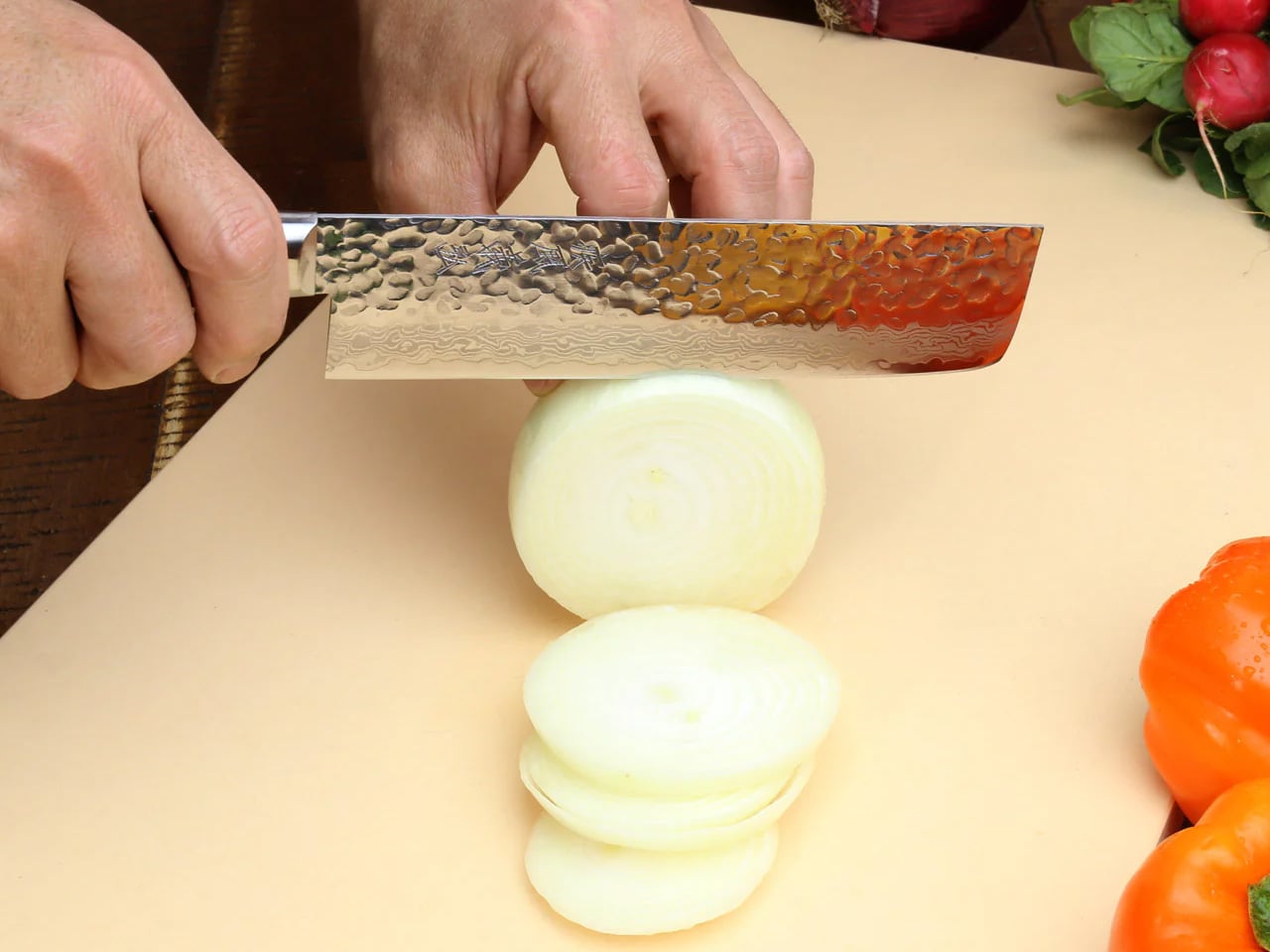
5 Best Japanese Kitchen Tools That Replace Your Entire Drawer

Japanese kitchen design operates on a different philosophy than Western culinary equipment. Where most kitchen drawers overflow with single-purpose gadgets, Japanese tools embrace versatility through precision engineering. Each piece does multiple jobs exceptionally well, eliminating the need for drawer clutter. This approach stems from centuries of craftsmanship tradition where quality trumps quantity, where thoughtful design replaces redundant specialization.

These five Japanese kitchen tools embody that philosophy completely. They’re not just beautiful objects that happen to be functional. They’re seriously capable implements designed to consolidate your drawer chaos into a curated collection of multi-purpose excellence. From scissors that replace knives to tongs that work as chopsticks, each tool reflects the Japanese principle of doing more with less, better.

1. Precision Chef Kitchen Scissors

Kitchen scissors occupy a strange middle ground in most Western kitchens—too specialized to use constantly, too useful to discard entirely. The Precision Chef Kitchen Scissors obliterate that ambiguity by becoming the tool you reach for before the knife. Crafted with specially designed curved serrated blades, these scissors cut through meat, vegetables, pizza, and countless other foods with remarkable ease. The oxidation coloring creates a striking black finish that resists fading through deterioration, giving the scissors a commanding presence whether stored or in use. The ergonomic structure includes a thoughtful detail: when laid flat, the blades don’t touch the surface, maintaining sharpness and hygiene.

What transforms these scissors from a single-purpose tool into a drawer replacement is their genuine versatility. Butchering chicken becomes faster than knife work. Trimming fat, cutting herbs, portioning pizza, opening packages, even detailed vegetable prep—the Precision Chef handles it all with authority. The curved serrated design provides superior grip on slippery meats and fibrous vegetables that regular scissors struggle with. The substantial build inspires confidence for heavy-duty tasks while maintaining enough precision for delicate work. For anyone trying to pare down kitchen clutter, these scissors eliminate the need for multiple knives, kitchen shears, herb scissors, and pizza cutters. They’re the consolidation tool that actually delivers on that promise.

Click Here to Buy Now: $99.00

What we like

  • Curved serrated blade design handles meat, vegetables, and various foods with exceptional ease.
  • Oxidation coloring creates a fade-resistant black finish that maintains appearance indefinitely.
  • Ergonomic structure prevents blade contact with surfaces when laid down for hygiene and sharpness.
  • Multi-purpose capability replaces several single-function tools in typical kitchen drawers.

What we dislike

  • Premium construction and finish result in a higher price than standard kitchen scissors.
  • Specialized blade design may require specific sharpening techniques for long-term maintenance.

2. Obsidian Black Precision Chopstick Tongs

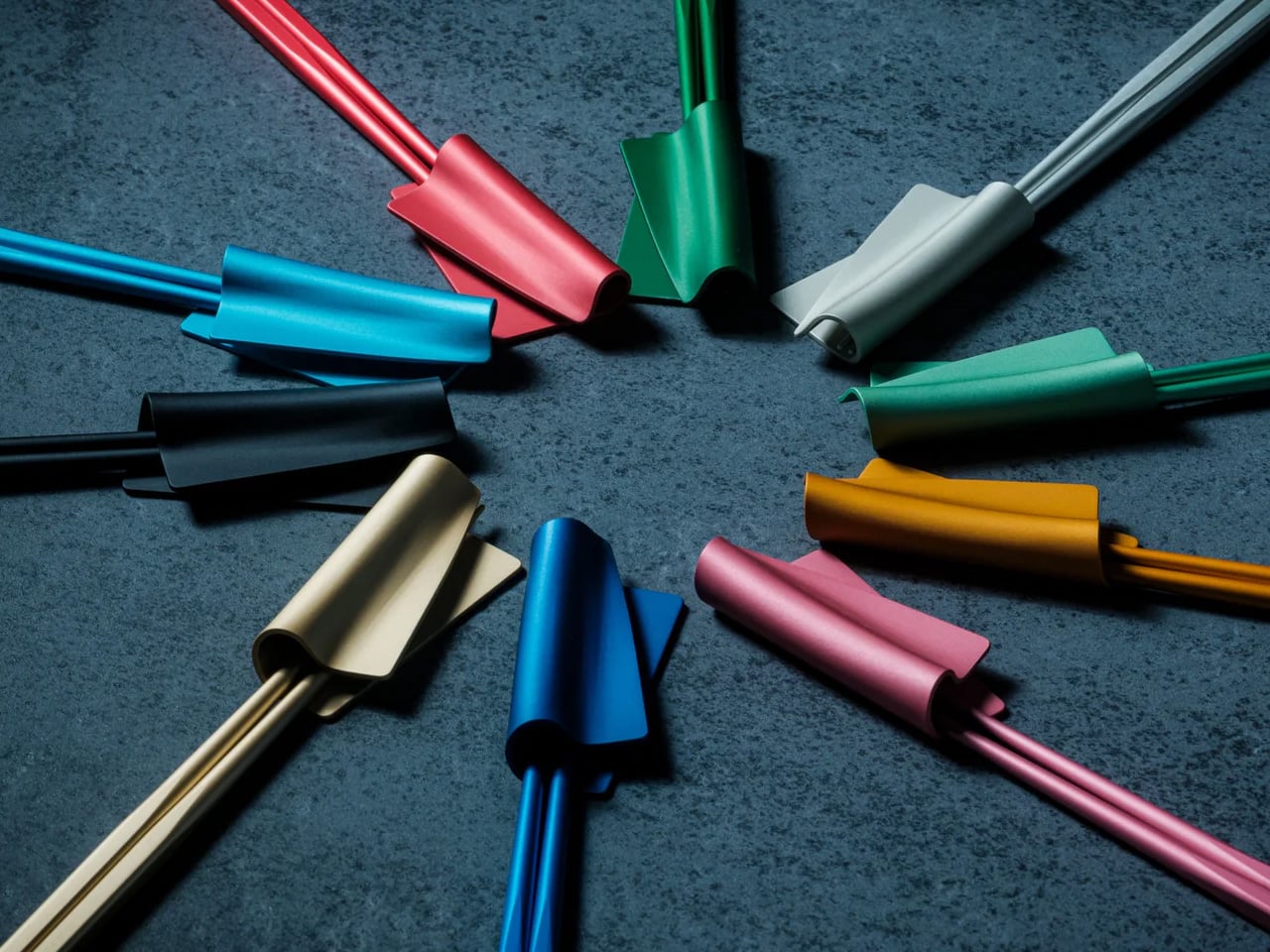
Tongs and chopsticks occupy opposite ends of the utensil spectrum—one for cooking with control, the other for eating with precision. The Precision Chopstick Tongs fuse both into a single remarkable tool that works equally well at the stove and the table. Shaped like elongated chopsticks but functioning as spring-loaded tongs, they bring chopstick dexterity to cooking tasks while making chopstick dining accessible to anyone, regardless of skill level. Crafted from SUS821L1 stainless steel with special black oxide film processing, they’re both lightweight and exceptionally durable. The finish won’t scratch or peel, maintaining that distinctive obsidian appearance through years of use.

The genius lies in how this design collapses multiple tools into one elegant form. Flipping delicate fish? These provide the precision of chopsticks with tong reliability. Arranging bento boxes? The fine tips handle small ingredients with ease. Eating sushi? There’s no wrong way to grip them. Turning vegetables in a hot pan? They offer control that standard tongs can’t match. The lightweight stainless steel construction means your hand doesn’t fatigue during extended cooking sessions, while the corrosion resistance ensures they’ll survive constant washing and high-heat exposure. For kitchens embracing minimalism, the PrecisionGrip replaces standard tongs, cooking chopsticks, serving utensils, and eating chopsticks in one beautifully executed package.

Click Here to Buy Now: $19.00

What we like

  • Chopstick-tong hybrid design provides versatility for both cooking and dining applications.
  • SUS821L1 stainless steel offers exceptional strength and corrosion resistance.
  • Black oxide film processing creates a scratch-proof and peel-proof finish.
  • Lightweight construction prevents hand fatigue during extended use.

What we dislike

  • Chopstick shape may feel unfamiliar to users accustomed to traditional tong designs.
  • Fine tips may lack the grip strength needed for very heavy ingredients.

3. Sakura Petal Grater

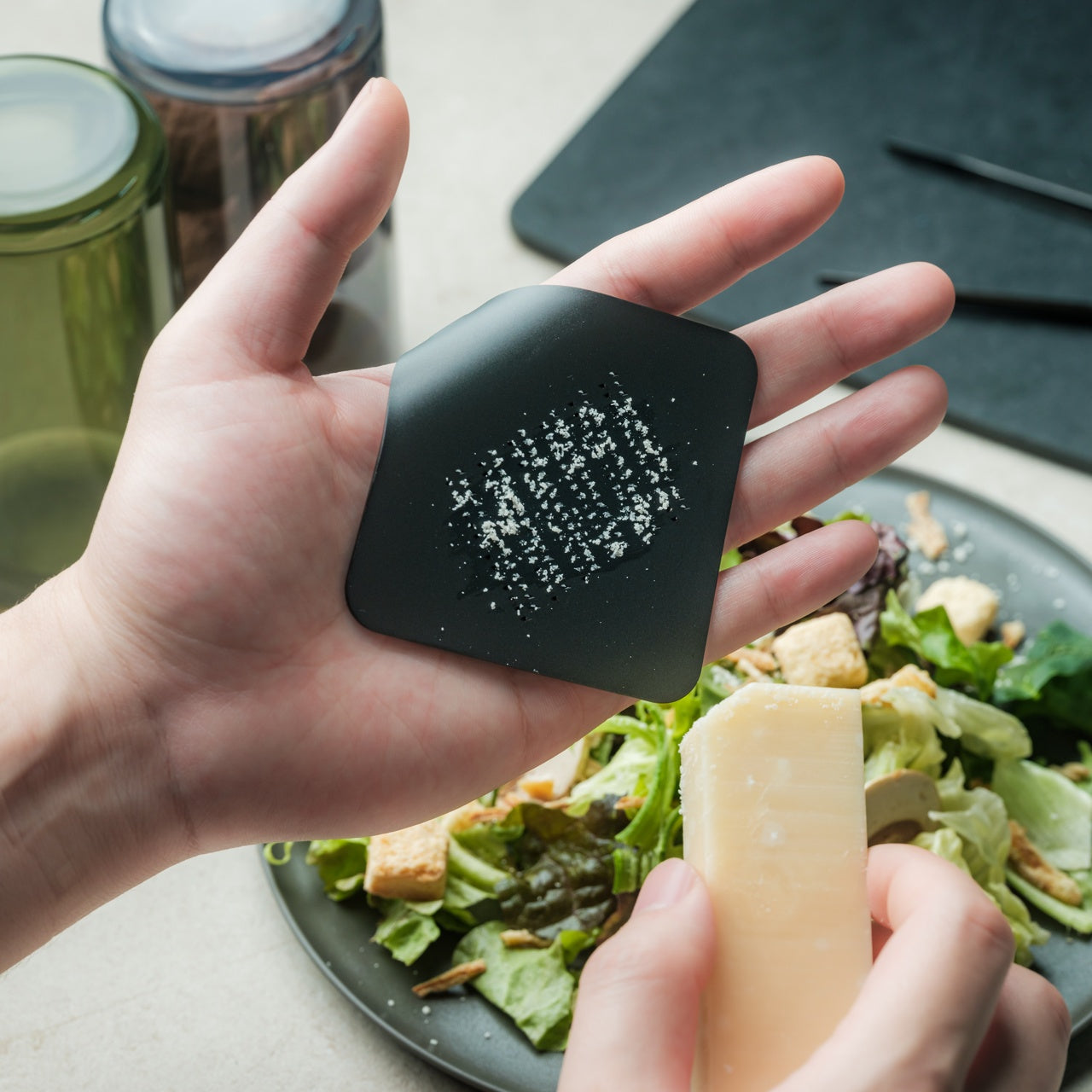
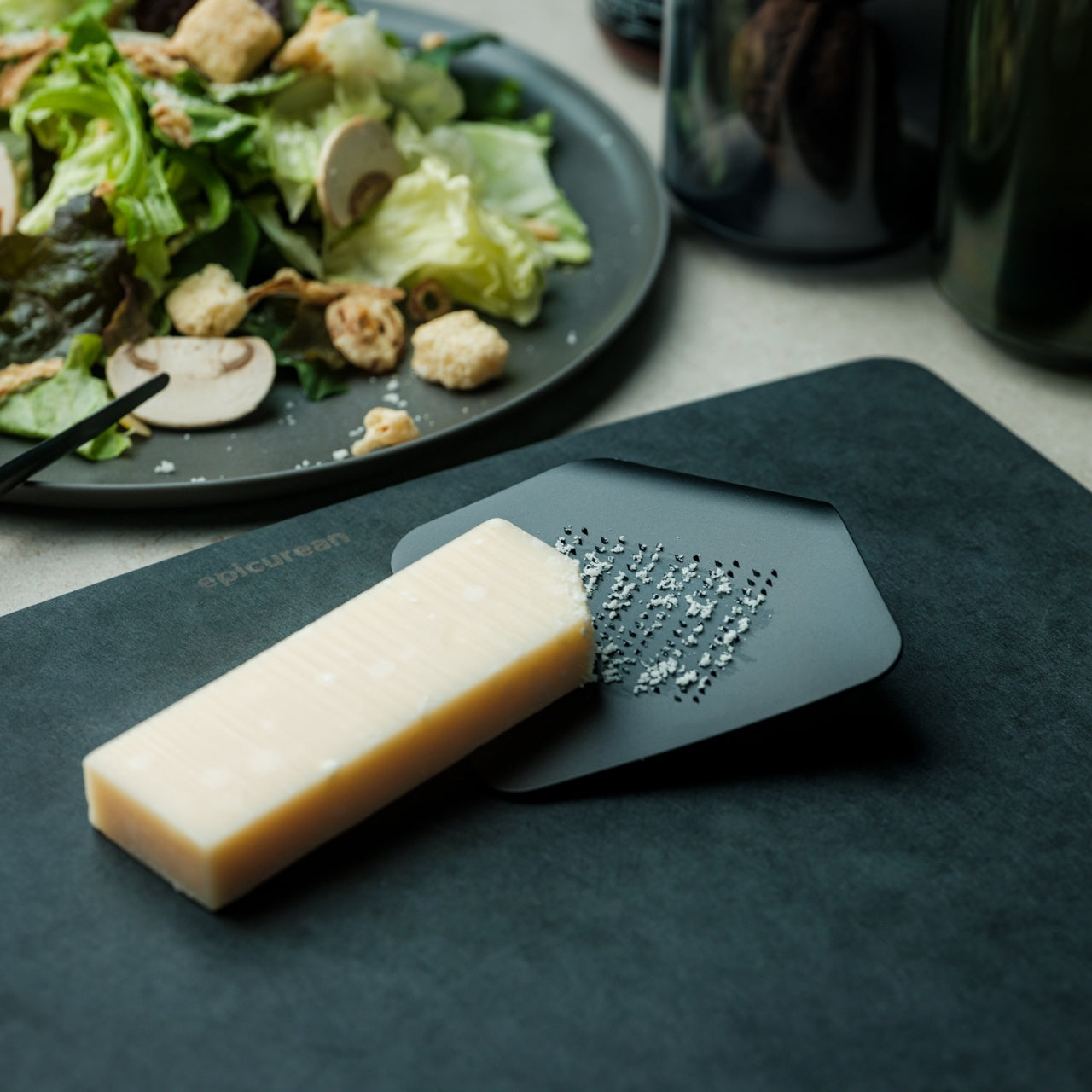
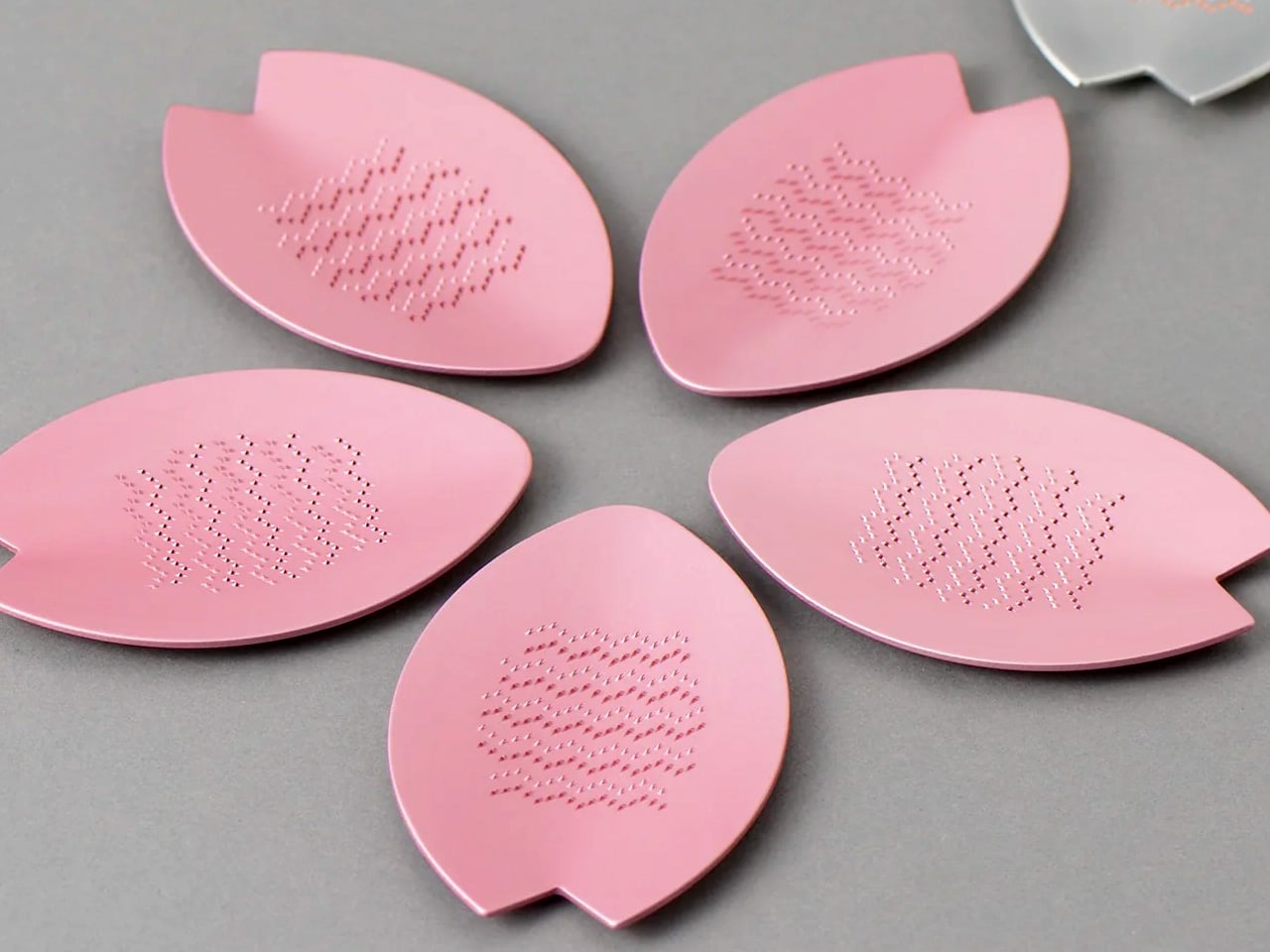
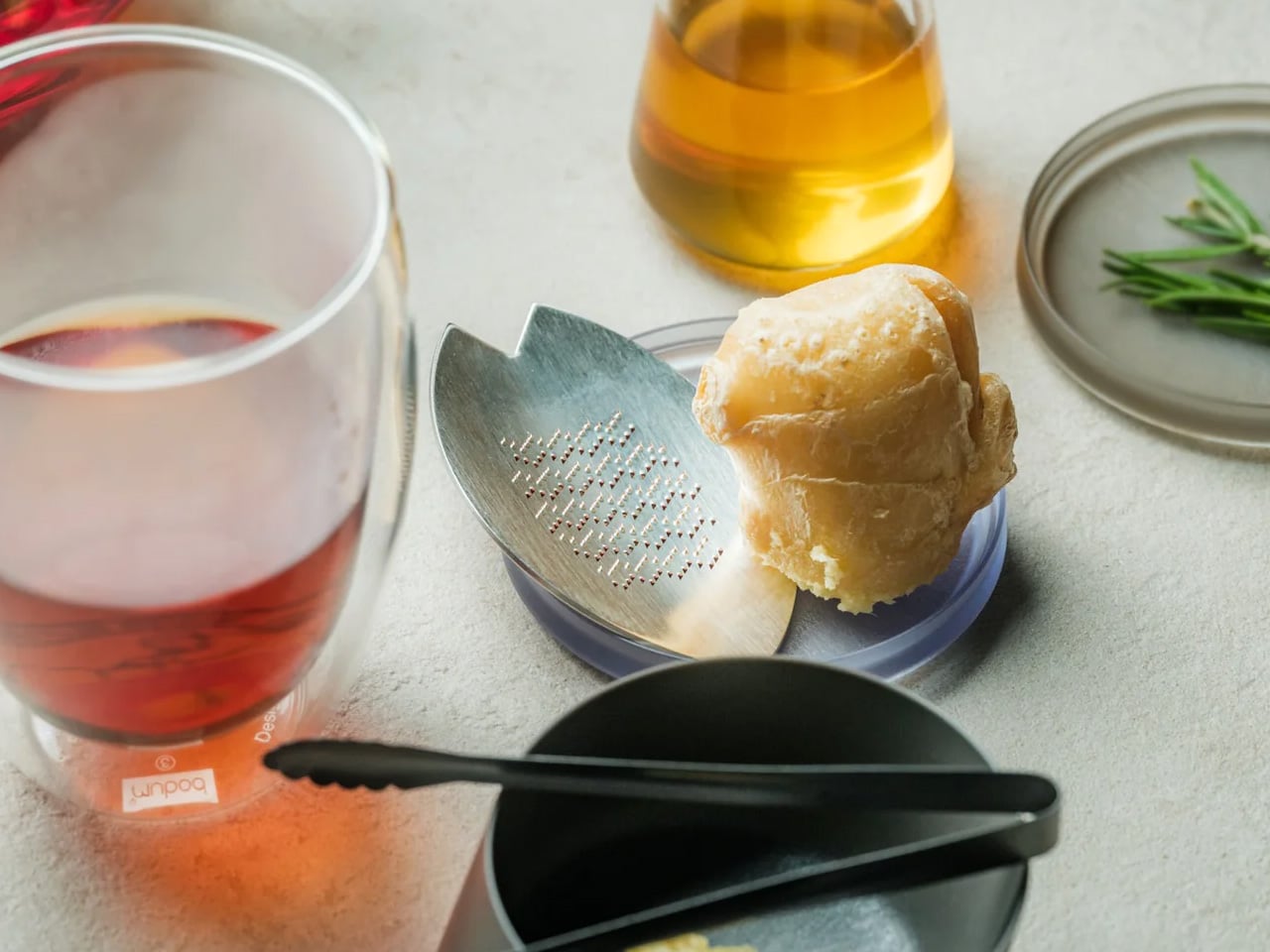
Graters typically live forgotten in drawer backs, pulled out occasionally for cheese or ginger, then quickly returned. The Sakura Petal Grater by Tsuboe demands permanent counter presence through sheer beauty and exceptional performance. Inspired by Japan’s iconic cherry blossoms and the historic Ōkōzu Diversion project, it transforms utilitarian grating into culinary artistry. Available in pink anodized aluminum or silver tin-plated copper, each version offers distinct character—the pink captures delicate sakura beauty while the silver provides substantial heft and luxurious interplay of metals. Precision-crafted blades raised individually by custom NC machines deliver razor-sharp performance that makes grating genuinely effortless.

This grater consolidates multiple kitchen functions through superior sharpness and thoughtful design. Hard cheese, ginger, garlic, citrus zest, chocolate, nutmeg—the Sakura handles everything that typically requires specialized graters or microplanes. The individual blade craftsmanship means each tooth cuts cleanly rather than tearing, producing finer textures with less effort. The substantial build quality of either material choice provides stability during use that flimsy graters can’t match. The commemorative packaging and included story card celebrating Japanese heritage elevate it beyond tool status into a meaningful kitchen object. For those reducing drawer clutter, the Sakura replaces cheese graters, microplanes, zester tools, and specialty graters while bringing genuine artistry to food preparation.

Click Here to Buy Now: $25.00

What we like

  • Sakura-inspired design connects kitchen work to Japanese artistic tradition and cultural heritage.
  • Precision-crafted individual blades offer razor-sharp performance across various ingredients.
  • Material choice between lightweight aluminum and substantial tin-plated copper suits different preferences.
  • Commemorative packaging with a story card transforms the tool into a meaningful gift or collection piece.

What we dislike

  • Premium materials and craftsmanship command a significantly higher price than standard graters.
  • Decorative beauty may make some users hesitant to subject it to daily kitchen wear.

4. Black Kitchen Knives

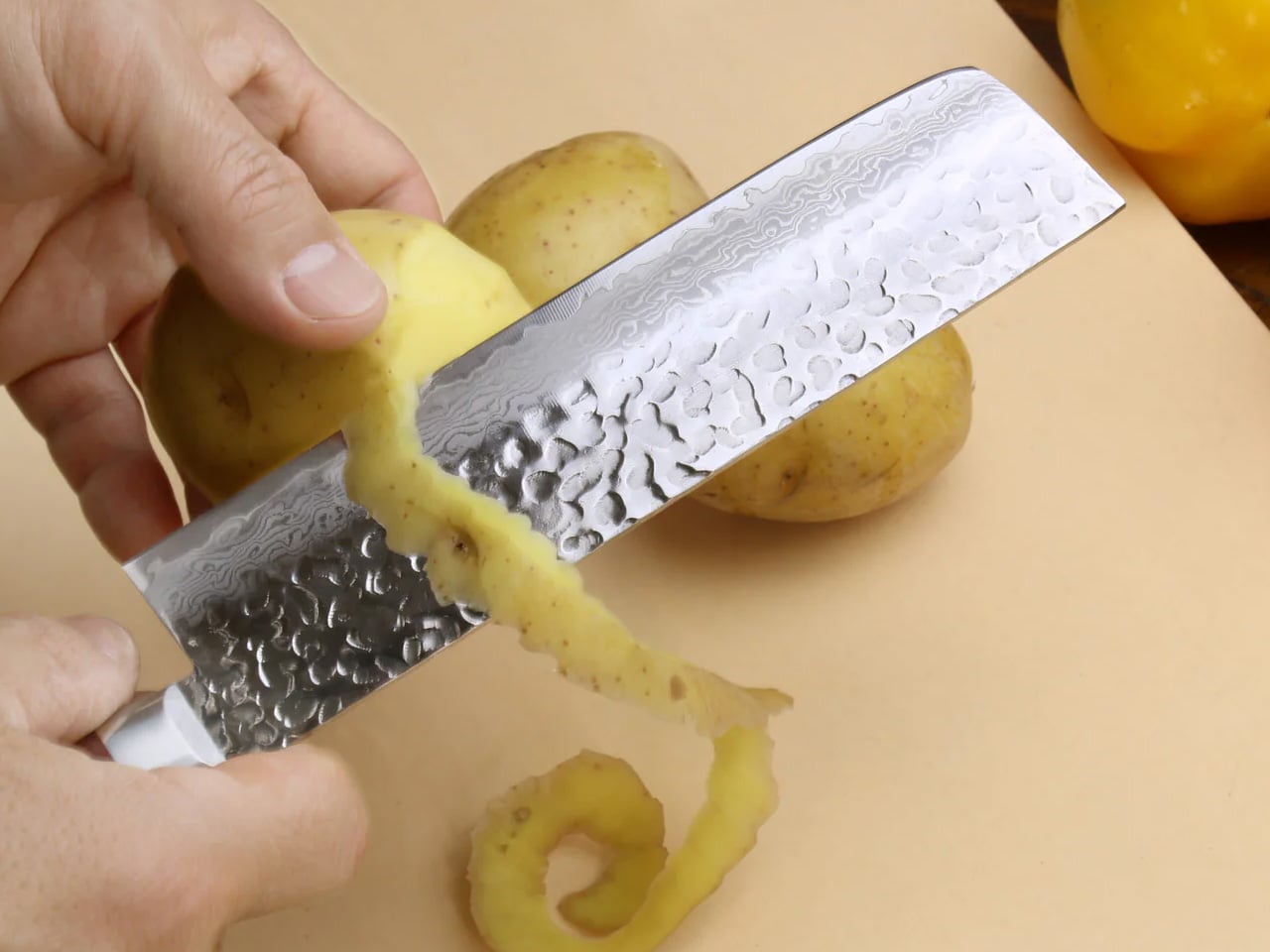
Most knife sets include eight to twelve pieces that rarely all see use. The Black Kitchen Knives from Seki, Japan, take a different approach—offering essential blade types crafted with such quality that they genuinely replace larger collections. Made from molybdenum vanadium steel with titanium coating, each knife features the full-scale double-edged blade construction that Seki’s sword-making heritage demands. The pitch-black finish created through the titanium coating gives them a striking visual presence that shatters expectations of what kitchen knives should look like. Each blade is crafted individually by a craftsman, ensuring the precision and attention that mass production can’t deliver.

The consolidation power comes from the blades’ exceptional versatility and edge retention. The steel composition and coating mean these knives stay sharper longer, reducing the functional knife count needed. A chef’s knife and paring knife from this collection can handle the work of five or six lesser blades through superior material quality and craft. The double-edged design provides cutting precision from either side, accommodating different cutting techniques and user preferences. The substantial feel and balance inspire confidence for everything from delicate herb mincing to breaking down proteins. For anyone drowning in knife block bloat, these Black Kitchen Knives prove that a small collection of exceptional blades outperforms a large set of mediocre ones.

Click Here to Buy Now: $99.00

What we like

  • Molybdenum vanadium steel with titanium coating provides exceptional sharpness and edge retention.
  • Seki craftsmanship, drawing on sword-making tradition, ensures individual blade precision.
  • Pitch-black titanium finish creates a distinctive aesthetic that elevates kitchen design.
  • Full-scale double-edged construction offers cutting precision from either blade side.

What we dislike

  • Individual craftsman production may result in longer wait times or limited availability.
  • Premium materials and Seki heritage command significantly higher investment than standard knife sets.

5. DraftPro Top Can Opener

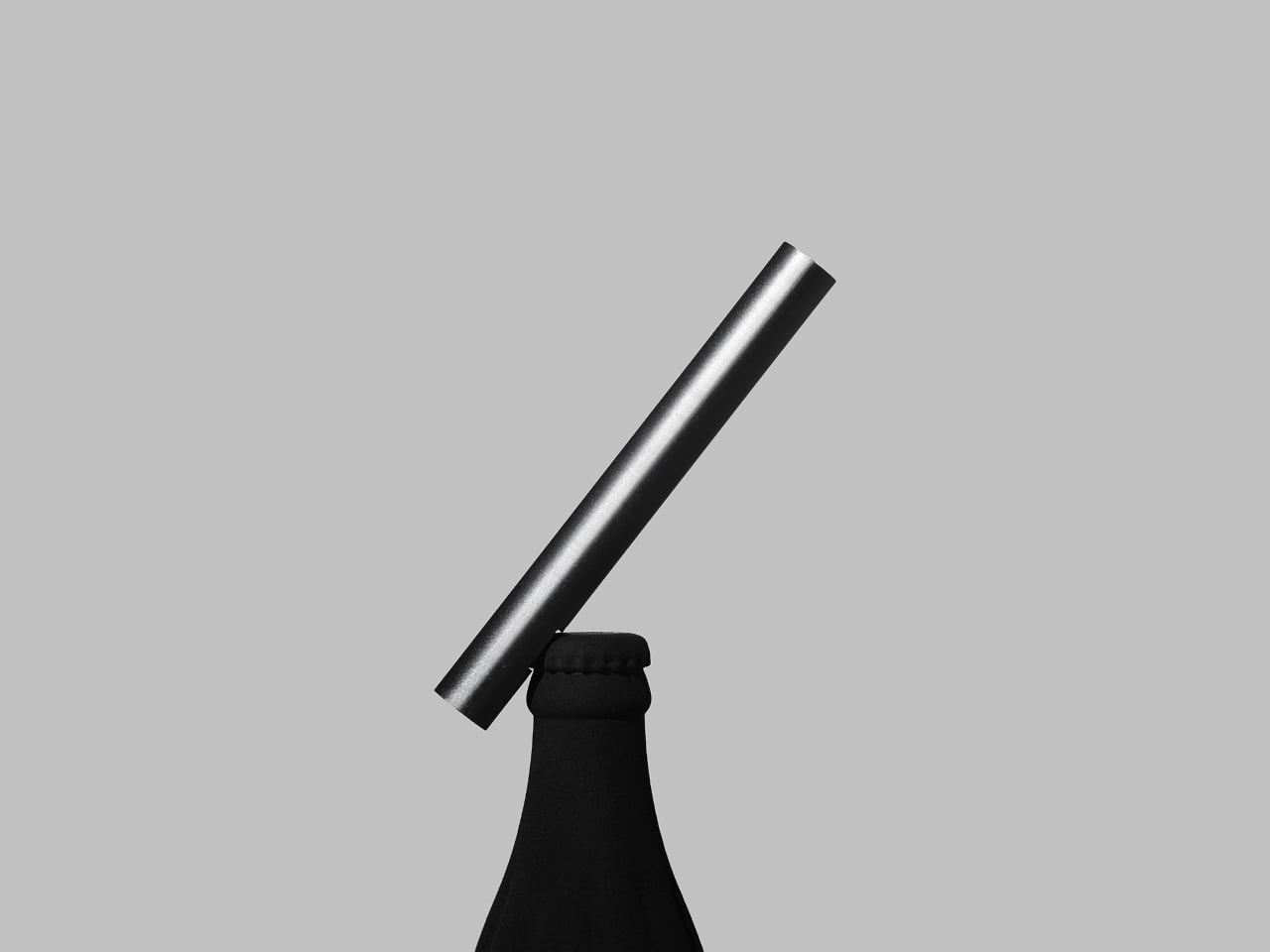
Can openers are afterthoughts in most kitchens—cheap tools purchased without consideration, used briefly, then tossed in drawers. The DraftPro Top Can Opener, designed by award-winning Japanese designer Shu Kanno, reimagines what a can opener can be and do. Rather than creating the typical jagged opening, the DraftPro removes the entire top cleanly, transforming canned beverages into glass-like drinking experiences. This wide-mouth opening enhances aroma and taste perception, letting you experience canned beer, cocktails, or sparkling water as they were meant to be enjoyed. The universal fit handles both domestic and international can sizes seamlessly.

The multi-function capability extends beyond just better drinking. The fully removed top allows adding ice cubes directly into cans for rapid chilling on hot days when refrigeration isn’t sufficient. It enables creating cocktails directly in the can—adding mixers, garnishes, or spirits without needing shakers or extra glasses. The smooth edge left behind eliminates the danger of typical jagged can openings. For minimalist kitchens, the DraftPro replaces traditional can openers, bottle openers, cocktail shakers, and even some glassware needs. It transforms the simple act of opening a can into an opportunity for an elevated experience, proving that even the most mundane kitchen task deserves thoughtful design attention.

Click Here to Buy Now: $59.00

What we like

  • Complete top removal creates a smooth-edged, wide-mouth opening that enhances the drinking experience.
  • Universal compatibility with domestic and international can sizes eliminates size concerns.
  • Enables adding ice directly to cans for rapid chilling without transferring beverages.
  • Facilitates in-can cocktail creation without requiring shakers or additional glassware.

What we dislike

  • Specialized function primarily benefits canned beverage drinkers rather than general food prep.
  • Complete top removal may create disposal or recycling considerations with full lids.

The Japanese Approach to Kitchen Minimalism

These five tools prove that Japanese design philosophy offers genuine solutions to Western kitchen clutter. The emphasis on multi-purpose capability through exceptional quality means fewer tools doing more jobs better. Each piece consolidates several single-function gadgets through superior materials, thoughtful engineering, and craft tradition. This isn’t minimalism for aesthetics alone—it’s functional reduction that genuinely improves kitchen workflow and food preparation.

The drawer replacement these tools provide goes beyond physical space savings. They reduce the mental clutter of choosing between redundant options, the maintenance burden of caring for numerous mediocre tools, and the replacement cycle of disposable kitchen gadgets. Japanese craftsmanship emphasizes objects worth keeping, tools that improve with use and age. These five pieces embody that philosophy completely, offering a path toward kitchens with less stuff but vastly more capability.

The post 5 Best Japanese Kitchen Tools That Replace Your Entire Drawer first appeared on Yanko Design.
Midea Flexify French Door Air Fryer: 10-in-1 Oven, 1 Black Friday Deal

Small kitchen counters have a way of accumulating appliances. You start with a toaster, then add an air fryer for crispy fries without the oil. A countertop pizza oven shows up because takeout is expensive, and before you know it, there’s a slow cooker tucked in the corner. Pretty soon, you’re playing appliance Tetris just to clear enough space to chop vegetables, and half the devices spend most of their time unplugged and shoved into cabinets.

The Midea Flexify™ French Door Air Fryer Oven tries to solve this by replacing that entire lineup with one countertop oven. It’s a BEST OF KBIS 2024 winner built around a simple idea: combine ten cooking modes into one appliance without making it too complicated or too big. The oven handles air frying, baking, broiling, roasting, toasting, pizza, reheating, slow cooking, dehydrating, and warming. Midea is running a Black Friday and Cyber Monday promotion on it, which makes it worth considering if you’ve been thinking about clearing out your countertop.

Designer: Midea

Click Here to Buy Now: $139.87 $169.99 (17% off). Hurry, deal ends in 48-hours!

The first thing you notice is the French doors. Instead of a single drop-down door that forces you to lean over a hot cavity, the Flexify uses dual doors that swing open with one pull. They’re made from stainless steel with wide glass windows, so you can check on your food without letting heat escape. There’s an anti-scald handle to keep your fingers safe, and the doors save space in front of the oven.

Inside sits a 26.4-quart cavity with generous vertical space. You can fit a whole chicken or turkey breast on one rack and vegetables on another, or stack a multi-layer lasagna without worrying about clearance. The oven also handles a twelve-inch pizza, six slices of toast, or fourteen chicken wings comfortably. Four rack positions let you adjust the height depending on what you’re cooking.

The Cyclone Air Fry system is what lets the Flexify work as both an air fryer and a conventional oven. It uses a convection fan and six heating tubes to circulate air quickly and evenly, cooking up to 25 percent faster than traditional frying while using up to 90 percent less oil. The oven heats up fast enough that you can skip preheating when air frying, so you just toss frozen food into the basket and start.

What sets the Flexify apart from most countertop ovens is the VDE-certified evenness. That certification means the oven’s heat distribution has been independently tested and proven consistent, so your toast browns evenly and cookies on different racks bake at the same rate. It’s the kind of reliability that matters when you’re making dinner for a family or hosting a gathering and can’t afford uneven results.

The oven settles into daily routines naturally. In the morning, it toasts bread and reheats pastries. At lunch, it warms leftovers without drying them out. In the afternoon, it dehydrates fruit snacks or slow-cooks a stew that finishes by dinnertime. At night, it air-fries vegetables or broils salmon. The digital LED display makes it easy to adjust temperature and time precisely without navigating complicated menus.

What makes the Flexify feel like a smart upgrade is how it cleans up both the physical and mental clutter of a crowded kitchen. Instead of remembering which appliance does what and where you stored it, you just open the French doors and pick a mode. The stainless body and clean lines also look better than a collection of mismatched plastic gadgets.

The Midea Flexify™ French Door Air Fryer Oven fits the category of appliances that earn their counter space by doing more than one job well. For anyone tired of juggling multiple devices, it consolidates without sacrificing functionality. The Black Friday and Cyber Monday window brings it down 18 percent from November 20 to December 1, which is worth considering if you’ve been eyeing a countertop upgrade.

Click Here to Buy Now: $139.87 $169.99 (17% off). Hurry, deal ends in 48-hours!

The post Midea Flexify French Door Air Fryer: 10-in-1 Oven, 1 Black Friday Deal first appeared on Yanko Design.
Waterdrop Filter Black Friday: 5 Ways to Fix Your Tap Water

Black Friday shoppers typically hunt for televisions and gadgets, but the smartest deals often hide in less flashy categories. Water filtration doesn’t generate the same excitement as a new laptop, yet it’s something your household uses dozens of times daily. The difference between adequate and excellent water quality affects everything from morning coffee to how your appliances age. Waterdrop Filter’s Black Friday lineup shifts the conversation from discount hunting to genuine value, offering filtration systems that pay dividends long after the sale ends.

Treating home water filtration as a health investment rather than an impulse purchase changes how you evaluate these deals. The right system doesn’t just filter contaminants; it simplifies routines, protects expensive appliances, and delivers convenience that compounds over months and years. Waterdrop’s range covers every scenario, from renters needing plug-and-play solutions to families wanting comprehensive whole-home protection. This limited-time sale makes premium technology accessible without compromising on the features that actually matter for daily use.

Designer: Waterdrop Filter

Waterdrop Filter’s X12 RO System

The X12 handles serious filtration work without taking over your kitchen. This under-sink system churns out 1200 gallons daily through 11 stages of precision reverse osmosis filtering, tackling everything from chlorine to heavy metals. The tankless design means you’ll actually have storage space under your sink, while the smart faucet displays real-time water quality so you’ll know exactly what you’re drinking. That 3:1 pure-to-drain ratio keeps water waste minimal, which matters when you’re running this thing constantly for a busy household.

Families who go through water quickly will appreciate how this system keeps up without lag. You can fill pots for cooking, water bottles for the kids, and still have plenty left for evening tea. The mineral-rich water it produces tastes noticeably better than tap, which makes a difference when you’re trying to get everyone to drink more water instead of reaching for sugary drinks. Installation takes a few hours if you’re handy, or you can hire someone to handle it.

Click Here to Buy Now: $854 $1299 (34% off, use coupon code “YANKOBF25”). Hurry, deal ends in 48-hours.

Waterdrop Filter’s K6 RO System

The K6 takes the under-sink concept and adds instant hot water, which sounds like a small feature until you’re standing in a dark kitchen at 3 AM mixing baby formula. Multiple temperature settings let you dial in exactly what you need, from lukewarm for formula to steaming for tea, without waiting for a kettle. The 5-stage RO filtration runs quietly in the background, while safety features like overheat protection keep things worry-free even when you’re running on two hours of sleep.

Families with elderly members find this system particularly useful for afternoon tea routines or instant soup preparation. The precise temperature control takes guesswork out of brewing, and the touch interface makes adjustments simple, even for less tech-savvy users. It fits seamlessly into existing kitchen setups without requiring major modifications, and the filtered water comes out ready to use for cooking or drinking. You’ll forget how much time you used to spend waiting for water to heat or cool to the right temperature.

Click Here to Buy Now: $474 $799 (40% off, use coupon code “YANKOK6BF”). Hurry, deal ends in 48-hours.

Waterdrop Filter’s A2 Instant Hot Cold Water RO System

Renters get the short end of the stick when it comes to home improvements, which makes the A2’s plug-and-play design particularly appealing. This countertop unit requires zero installation beyond plugging it in and filling the reservoir. Six temperature options cover everything from ice-cold refreshment to boiling hot for instant coffee, all filtered through a 5-stage reverse osmosis system. The compact design fits on any counter without dominating the space, comes with a 40 oz water pitcher, and you can take it with you when you move.

Office workers tired of lukewarm water coolers will appreciate having control over their hydration station. The sleek exterior looks intentional rather than utilitarian, and the touch screen interface feels more like a kitchen appliance than a filter. Small households benefit from not having to commit to permanent installation, while the instant hot and cold options eliminate the need for separate kettles or ice cube trays. It’s the kind of convenience you didn’t know you needed until you have it.

Click Here to Buy Now: $331 $499 (33% off, use coupon code “YANKOBF25”). Hurry, deal ends in 48-hours.

Waterdrop Filter’s TSA 8 Layer Under Sink Water Filter System

Budget-conscious shoppers often assume they need to choose between affordability and effectiveness, but the TSA system offers both. Eight stages of filtration remove chlorine, lead, and other common contaminants without the complexity or cost of a full RO system. The compact design fits under most sinks, and the high-pressure resistance means no leaks or cracking worries down the line. Installation connects directly to your existing faucet, making setup straightforward even for renters who need something less permanent.

The anti-clog design keeps water flowing steadily without the pressure drops that plague cheaper filters. You’ll notice the difference immediately in taste and clarity, particularly if your tap water tends toward the metallic or chemical side. Replacement filters last longer than expected, which keeps ongoing costs reasonable. For mobile living situations or anyone who wants better water without breaking the bank, this hits the sweet spot between performance and practicality.

Click Here to Buy Now: $113.99 $124.99 (5% off, use coupon code “YANKOBF25”). Hurry, deal ends in 48-hours.

Waterdrop Whole House Water Filter System

Most people think about drinking water first, but what comes out of your shower and washing machine matters too. The Whole House system protects every tap in your home by catching sediment and particles before they reach your plumbing. Five stages of filtration reduce rust, scale buildup, and the large particles that damage water heaters and dishwashers. The high flow rate means no pressure loss even when multiple taps run simultaneously, which keeps showers comfortable and appliances working efficiently.

Homeowners using well water particularly benefit from this kind of whole-home protection. Hard water leaves deposits that shorten appliance lifespans and make cleaning harder, but proper filtration at the entry point solves both problems. Installation typically happens before your RO system or other point-of-use filters, creating layers of protection throughout your home. The long filter lifespan and stable performance make this the kind of upgrade you install once and appreciate for years, especially when your water heater keeps running past its expected replacement date.

Click Here to Buy Now: $108.29 $165.99 (34% off, use coupon code “YANKOBF25”). Hurry, deal ends in 48-hours.

Black Friday deals come and go, but upgrading your home’s water quality delivers benefits that outlast any temporary discount. Waterdrop Filter’s lineup offers smart solutions tailored to real households, whether you’re protecting a growing family, simplifying a busy routine, or safeguarding appliances from hard water damage. These limited-time prices make it easier to commit to the filtration level your home actually needs rather than settling for whatever fits the usual budget. The sale window closes fast, but the decision to prioritize cleaner, healthier water is one you’ll appreciate every time someone reaches for the tap.

The post Waterdrop Filter Black Friday: 5 Ways to Fix Your Tap Water first appeared on Yanko Design.