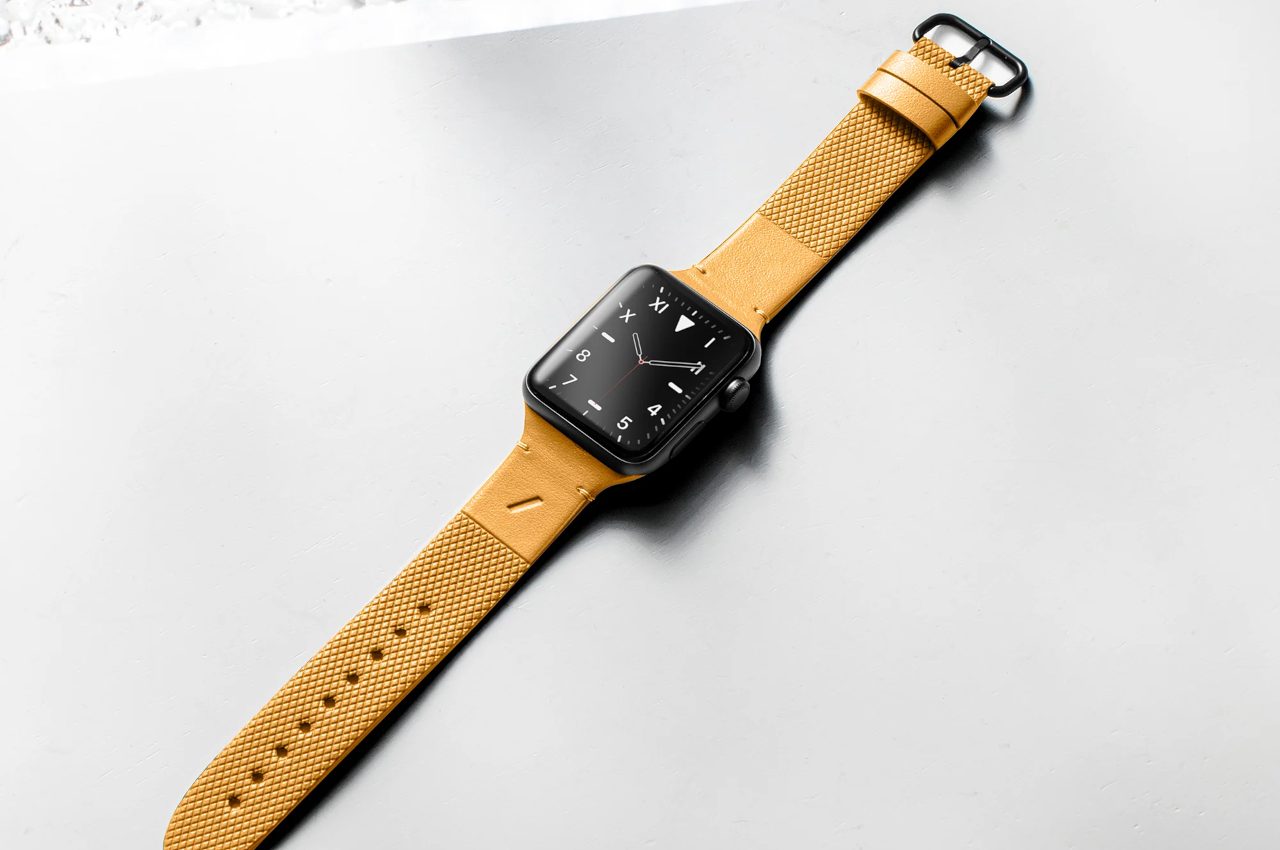
Ergonomic Apple Watch band puts the smartwatch on the back of your hand

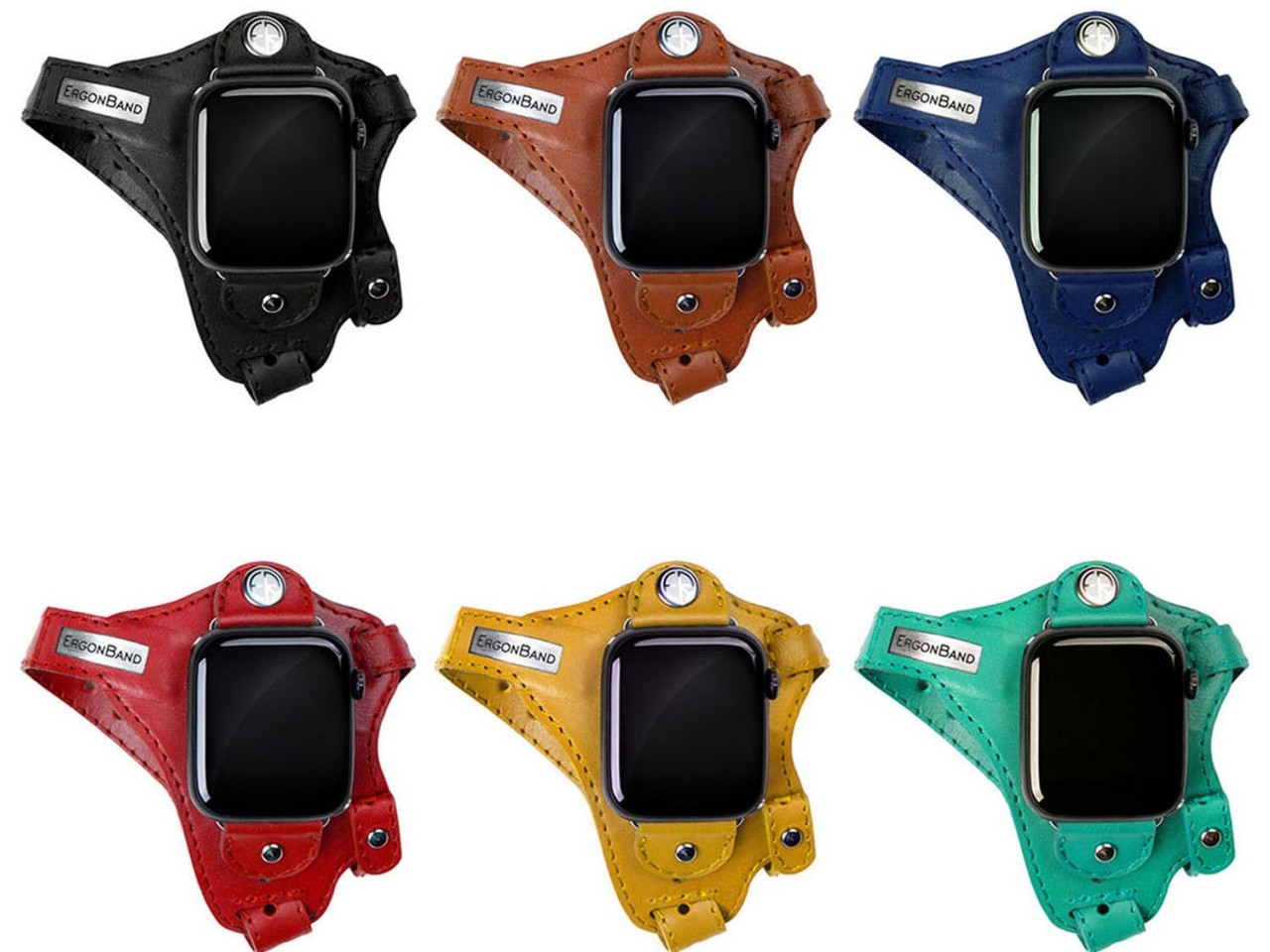
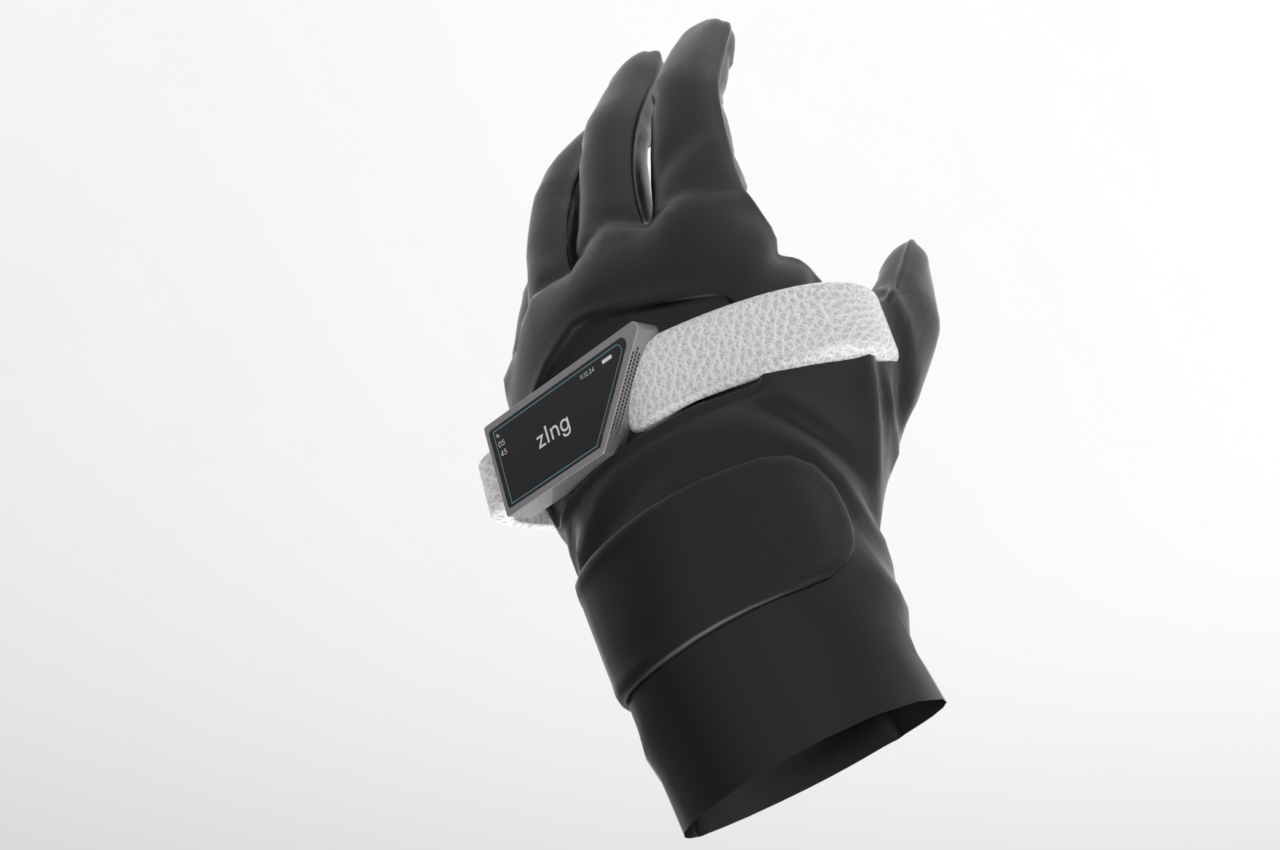
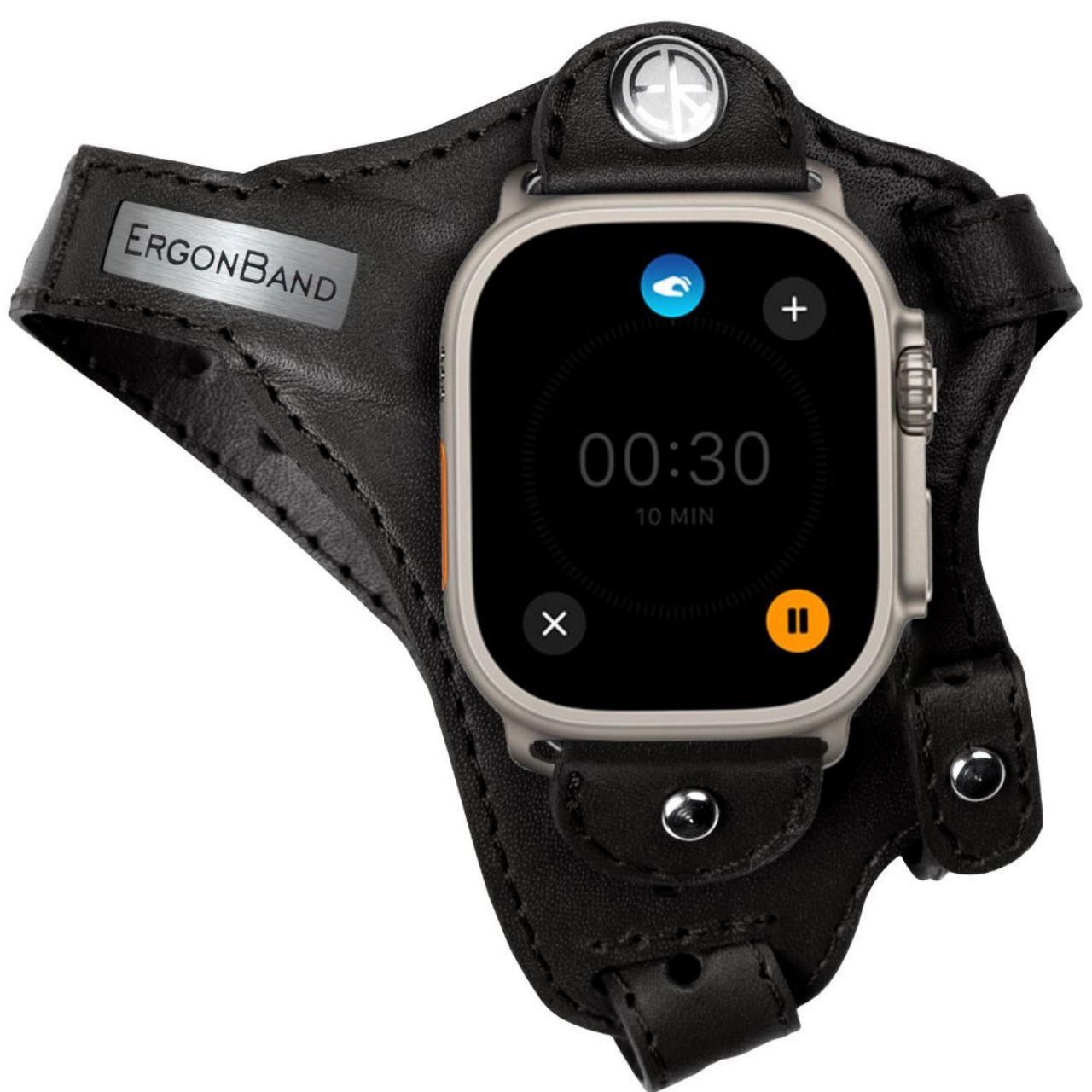
We wear watches on our wrists because that’s been the standard design of wristwatches, hence the name, for decades or even centuries. It’s a more convenient design compared to the classy yet antiquated pocket watches, but that doesn’t exactly mean they’re the best design available. For some people, that design can actually cause some pain in the wrist whenever you have to lift your hand and turn it so that you can see that time. That action is perhaps even worse with smartwatches, considering how often you have to do that to see not just the time but other information and notifications as well. That’s the kind of design flaw that this odd-looking Apple Watch “band” tries to address by simply moving the smartwatch from the back of your wrist to the back of your hand.

Designer: ErgonBand

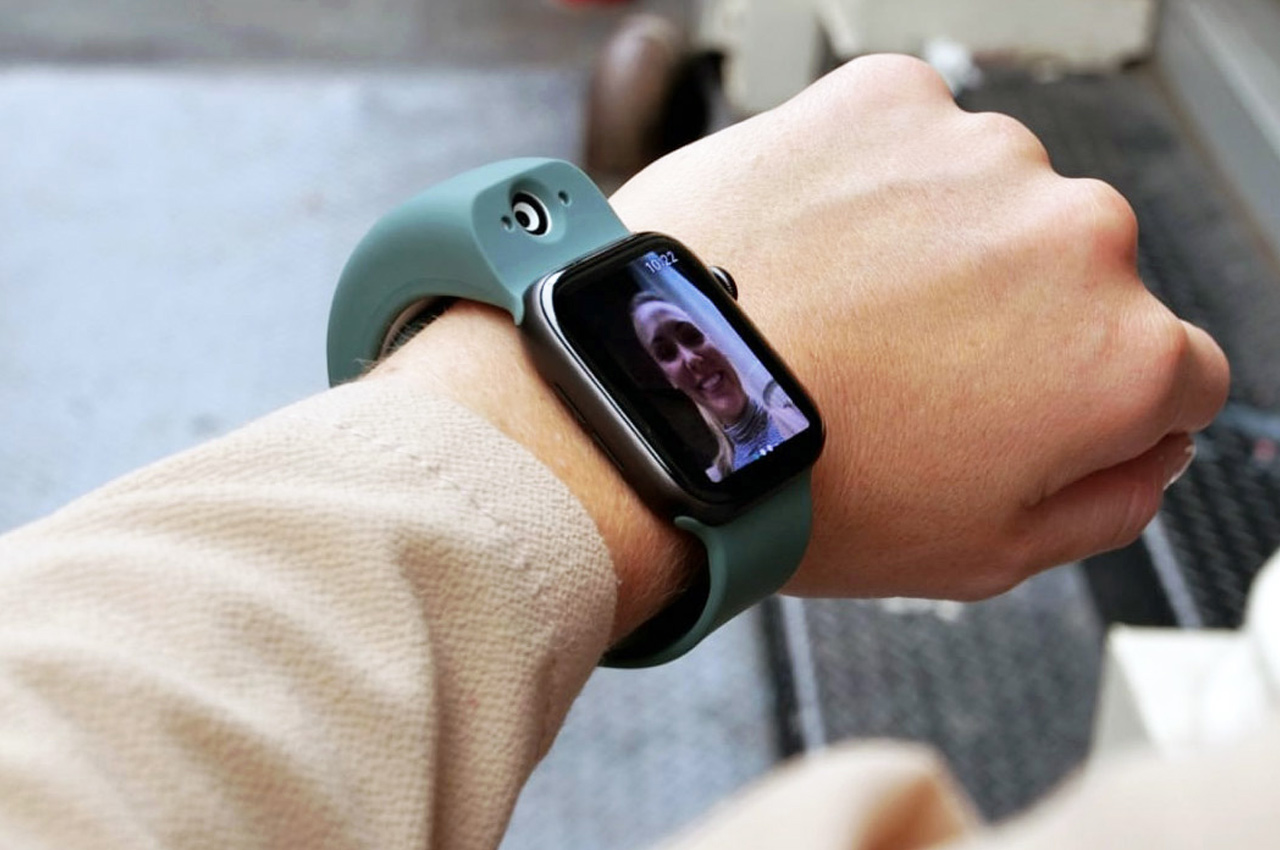
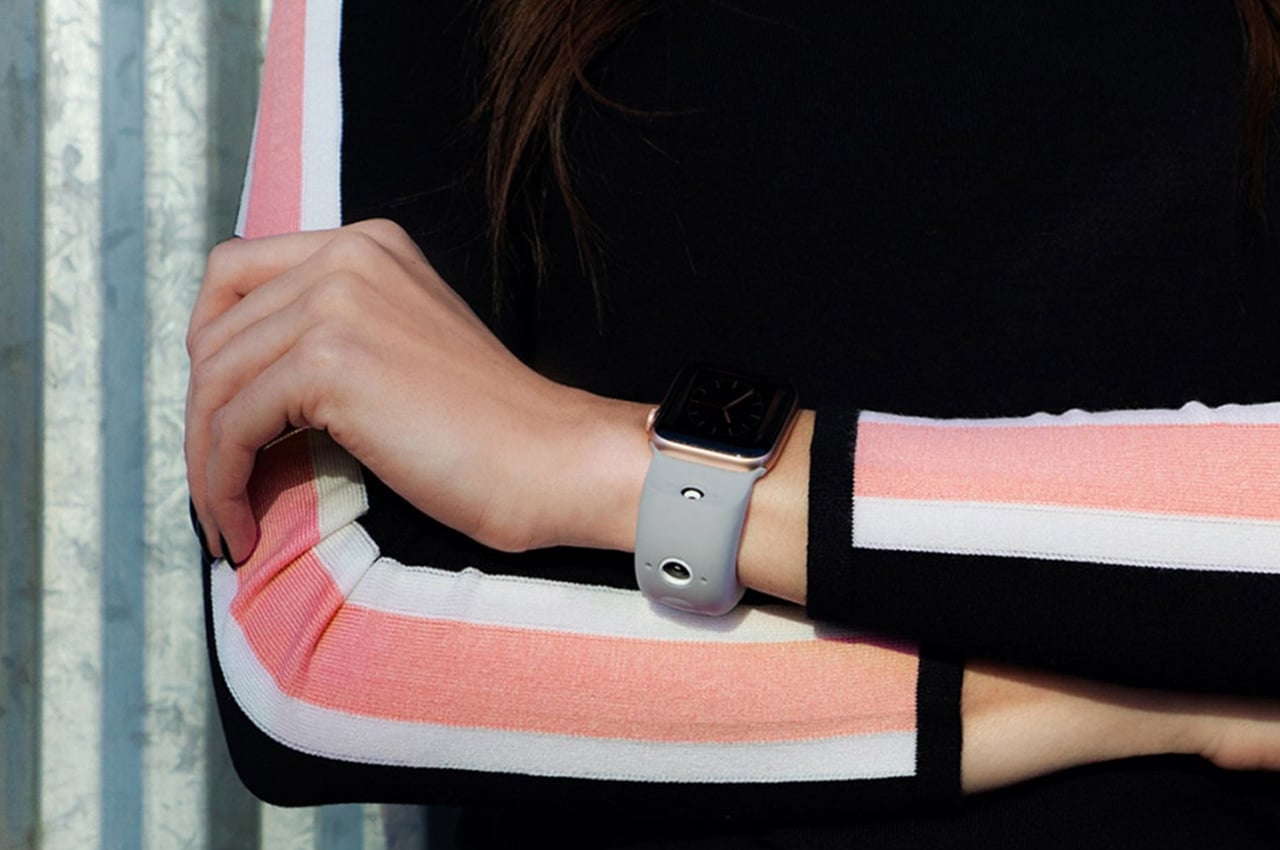
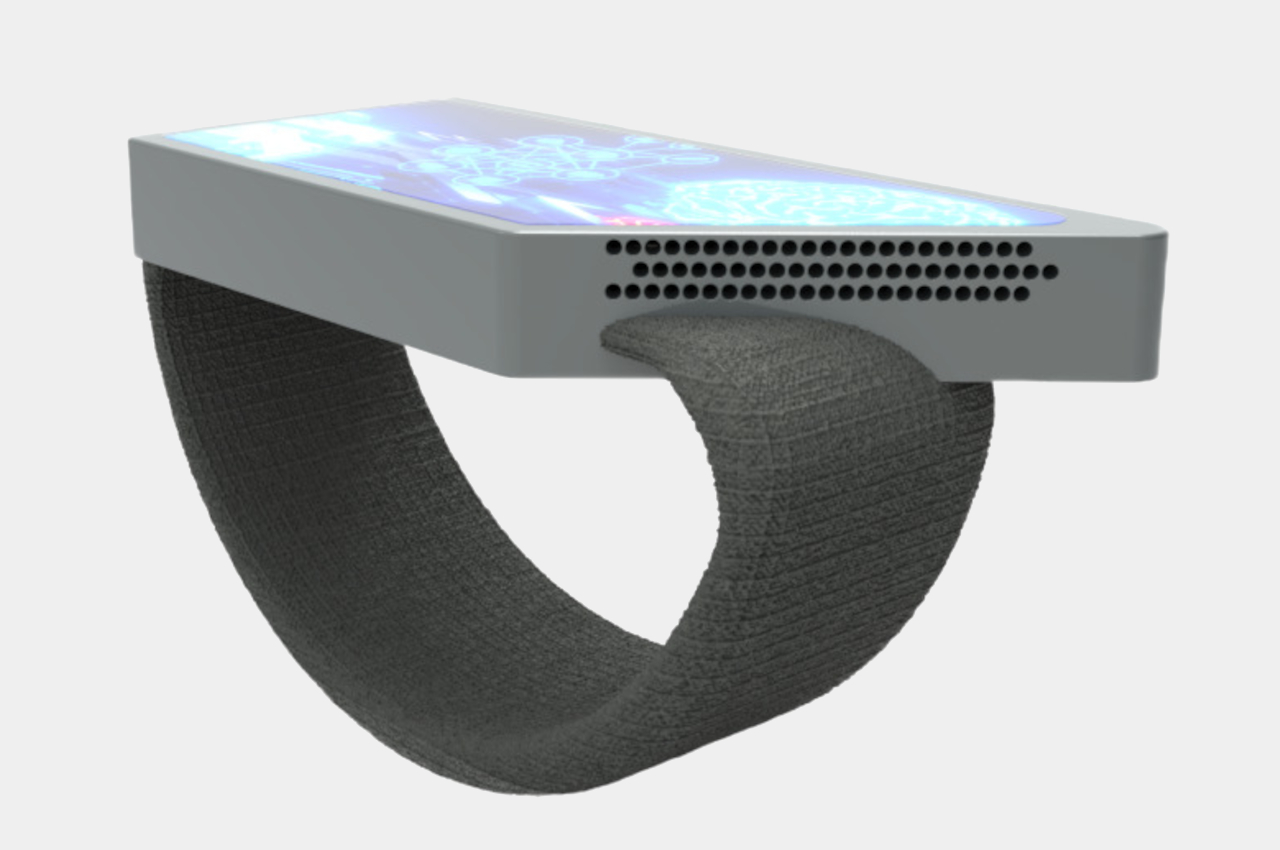
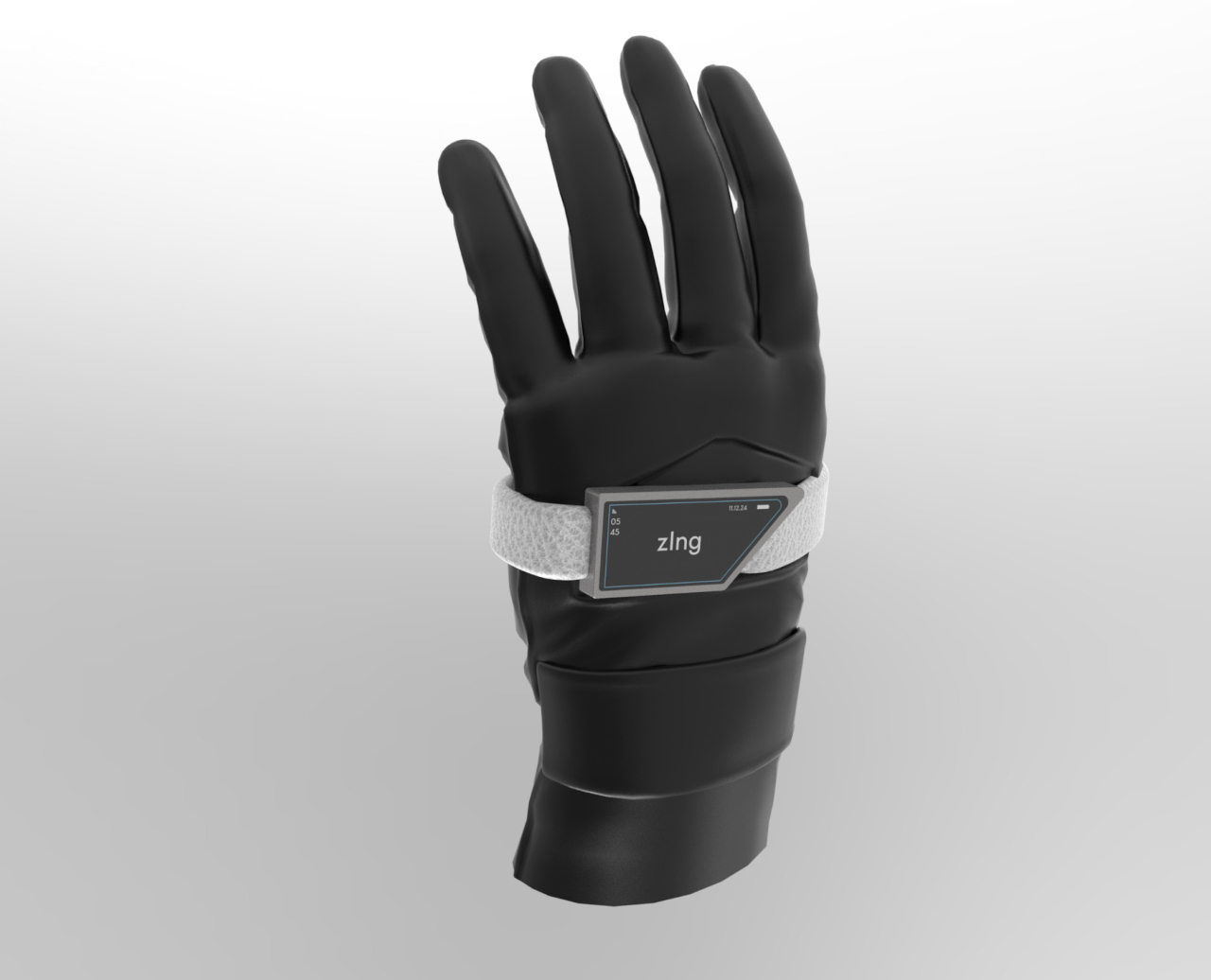
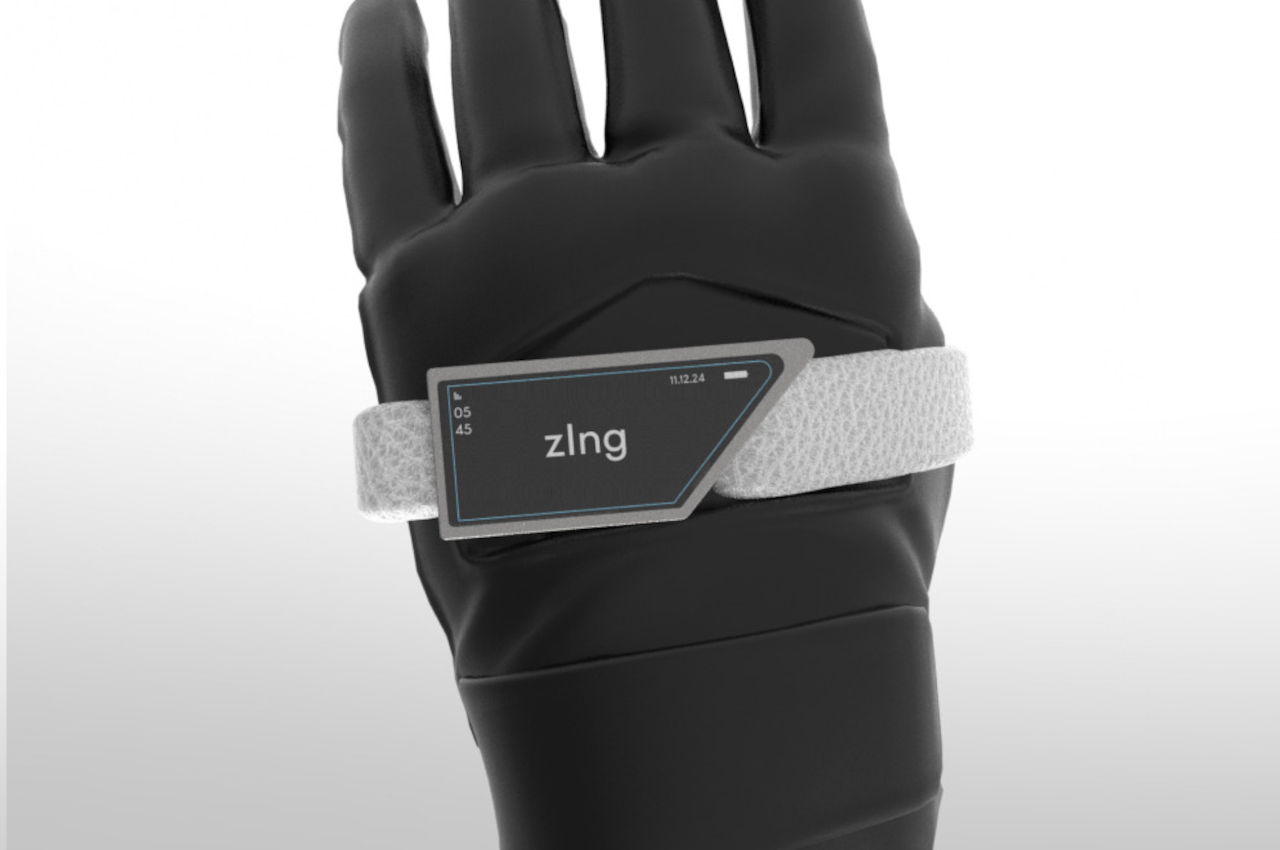
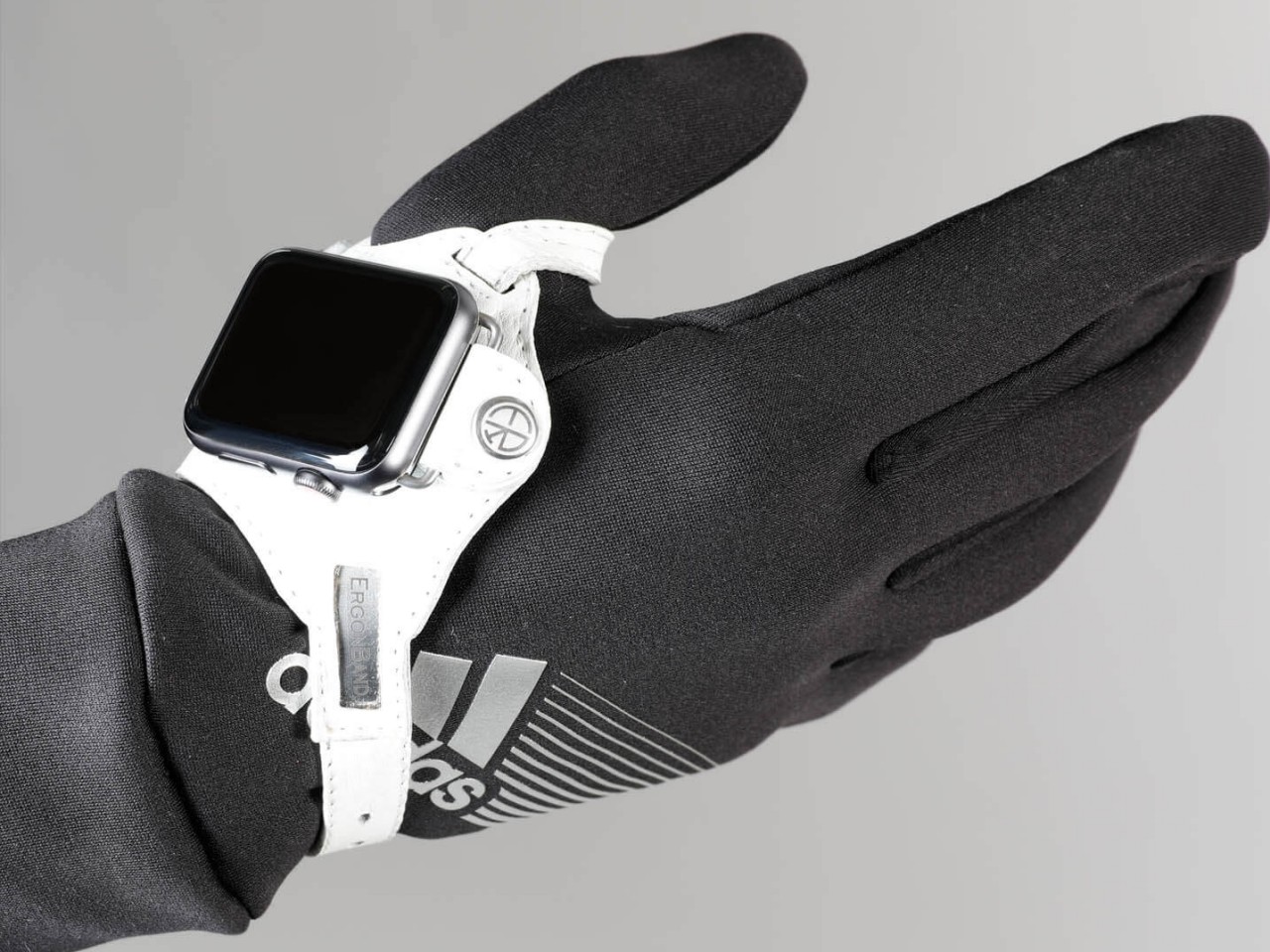
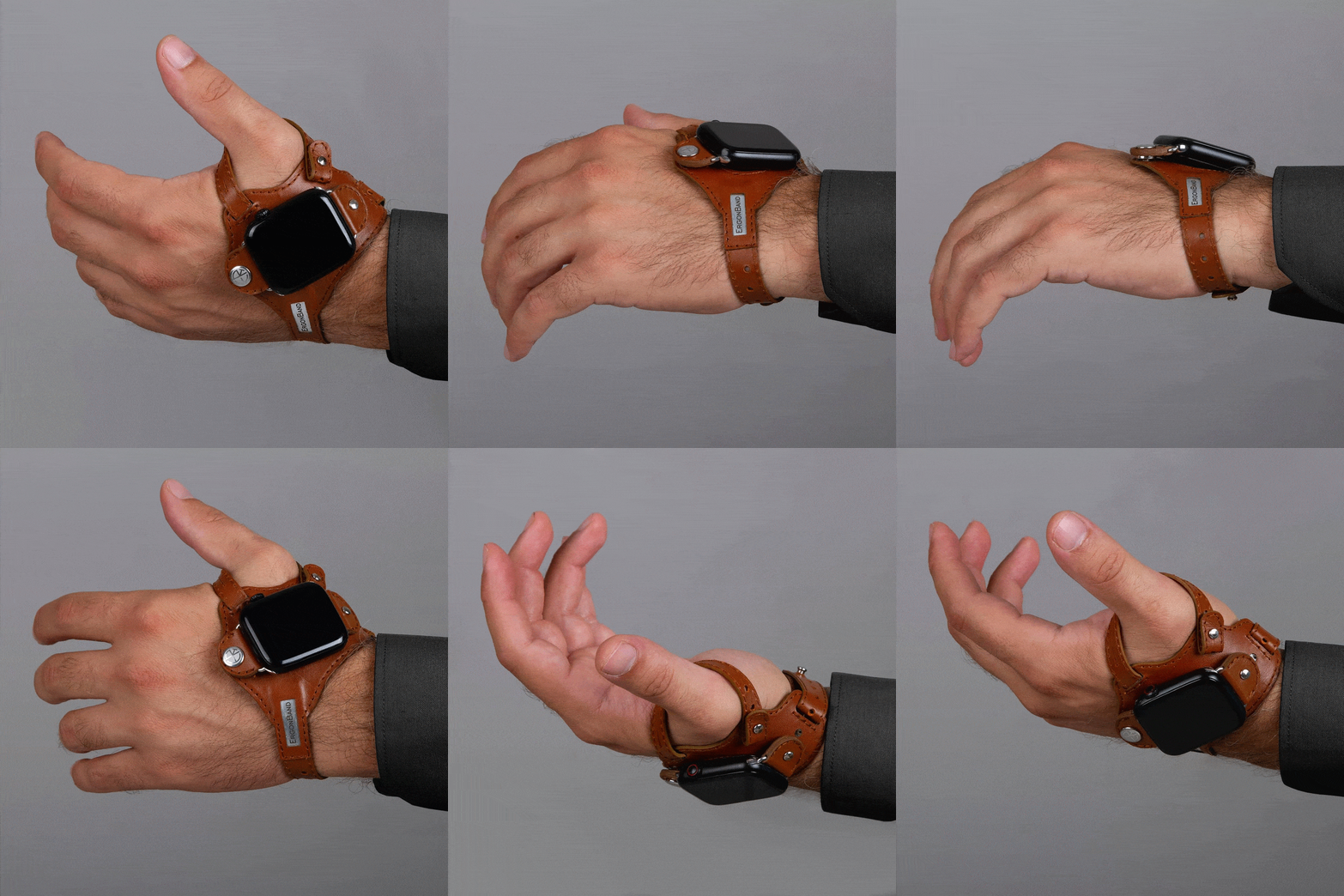
The appearance of this Apple Watch accessory looks a little ridiculous, at least until you hear the reasonable explanation behind its design. The band, which is actually more like a strap, looks like one of those thumb or hand braces that athletes use for protection. The Apple Watch, sans the straps, is locked in place using clips that utilize the standard lugs and is placed below the joint of your thumb.

This location isn’t based on a whim but on how it makes the screen almost always visible without having to twist your wrist. At least that will be the case for people who need to see the watch face while holding something or with their hands swinging in front of them, like athletes doing training or people exercising. In fact, this kind of ergonomic design was made exactly for sports uses, though that doesn’t stop it from being used by anyone interested in a different way to wear a smartwatch.

1

While the theory might does sound plausible, there might be a few practical hurdles to such an ergonomic design. For one, waking up the Apple Watch is often done using that twisting gesture, so you’ll have to resort to actually touching the screen or pressing a button to turn on the screen. That defeats the purpose of not requiring your other hand just to glance at information quickly, which ironically makes it a bit less ergonomic in the process.

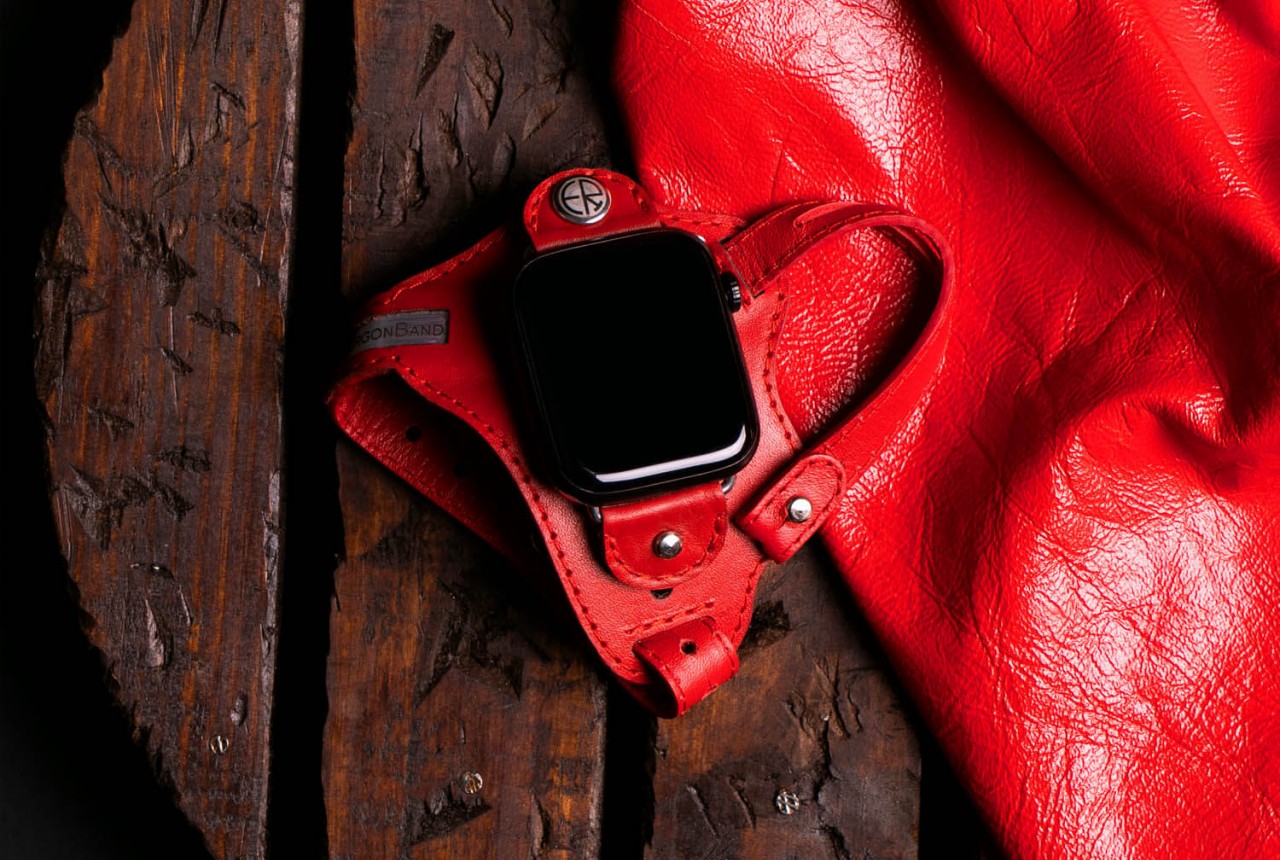
The other issue is that this kind of band might get in the way of using your hand for other things, especially ones that could make the strap dirty. Most of us are probably unused to wearing such a strap, so there will be some awkwardness and discomfort at the start. The hand-stitched leather material does try to make it a little bit comfortable and stylish, but that might also raise concerns about using it for intense workouts and sports activities. The ErgonBand is admittedly a curious attempt at solving this ergonomic problem, but it might remain just a curiosity rather than a solution that Apple Watch owners can rely on.

The post Ergonomic Apple Watch band puts the smartwatch on the back of your hand first appeared on Yanko Design.

Moto Watch 40 design straddles the line between smartwatch and fitness band

Smartwatches have more or less become a stable presence in today’s modern lifestyle to the point that no one will make fun of you anymore for wearing a screen on your wrist, except those coming lovers of classic mechanical watches. That said, not everyone is a fan of these hi-tech timepieces and would prefer something less distracting and more focused on just the health-tracking aspects. Dedicated fitness bands, however, often come in sporty and rugged designs, as if the only ones that would wear them are athletes or very active people who don’t mind strapping a rubber or silicone band on their wrists, even on formal occasions. That’s where the new Moto Watch 40 comes in, offering a wearable that almost looks like a stylish smartwatch but is a fitness band at heart.

Designer: CE Brands (Motorola licensee)

Although there was a bit of experimentation in the beginning, smartwatches today come in only two shapes: a square or a circle. Although circular smartwatches were touted to be classier or more stylish because of their resemblance to the majority of luxury timepieces, the Apple Watch has constantly made the case for equally elegant designs on square smartwatches. Unsurprisingly, there are some manufacturers that have even opted to walk the same path, producing smartwatches that, for better or worse, look like the Apple Watch.

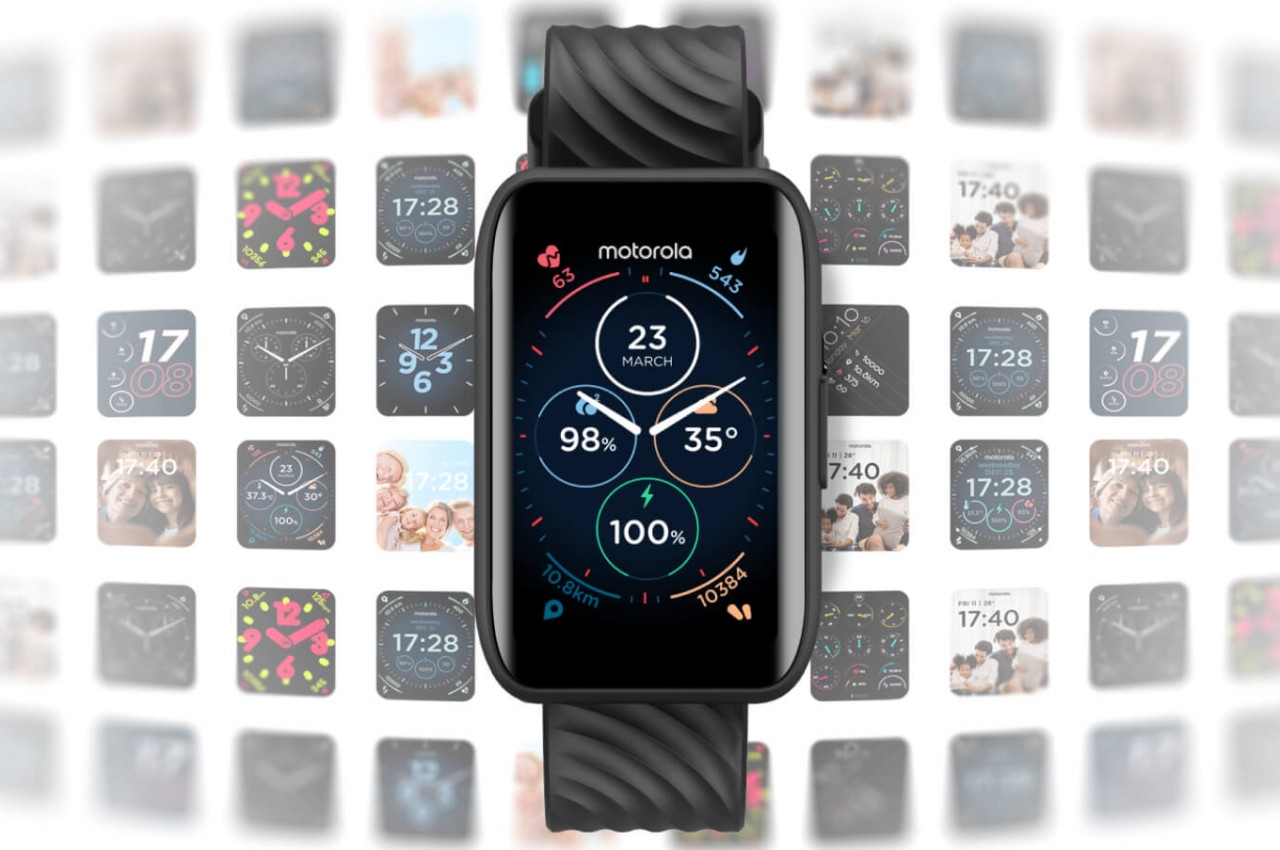
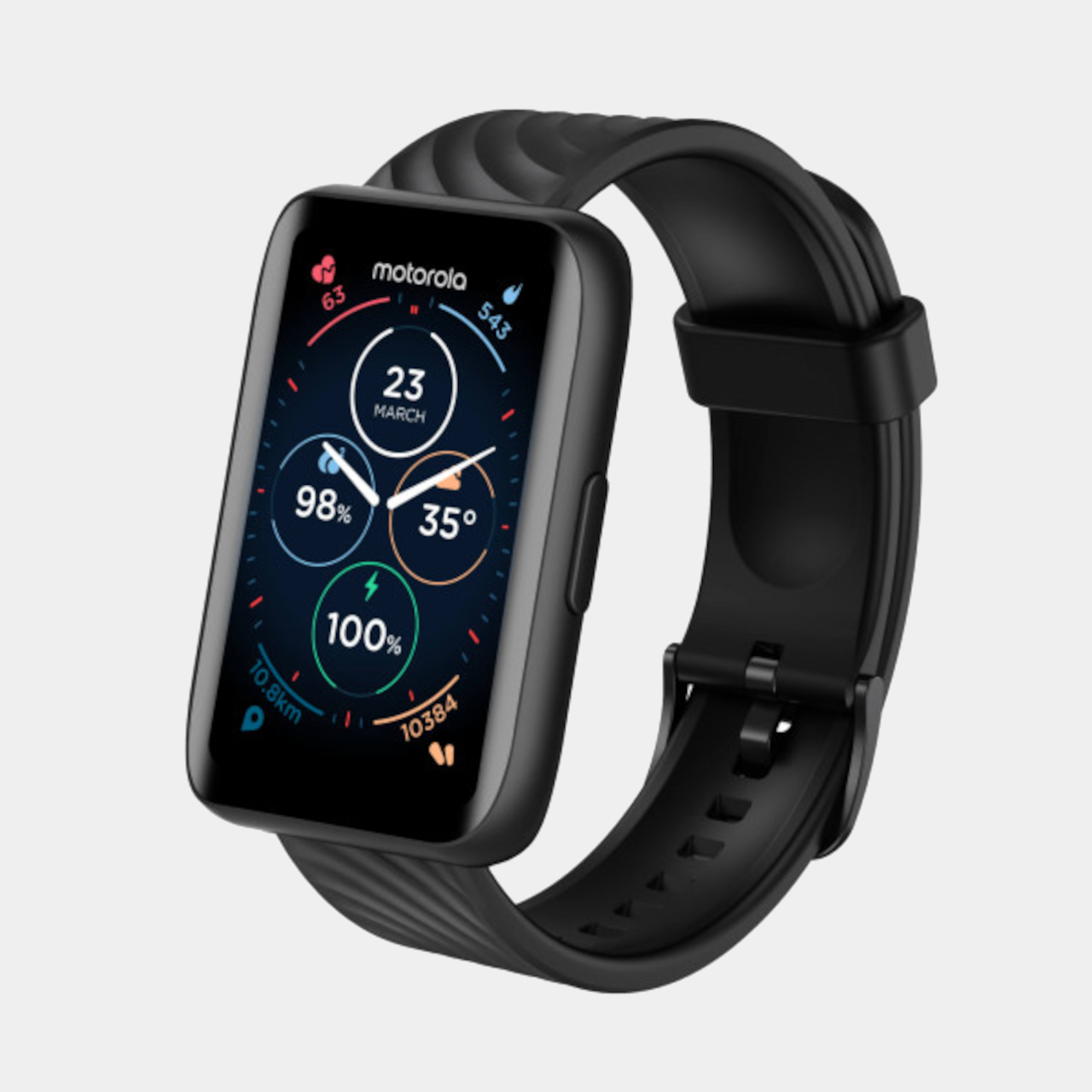
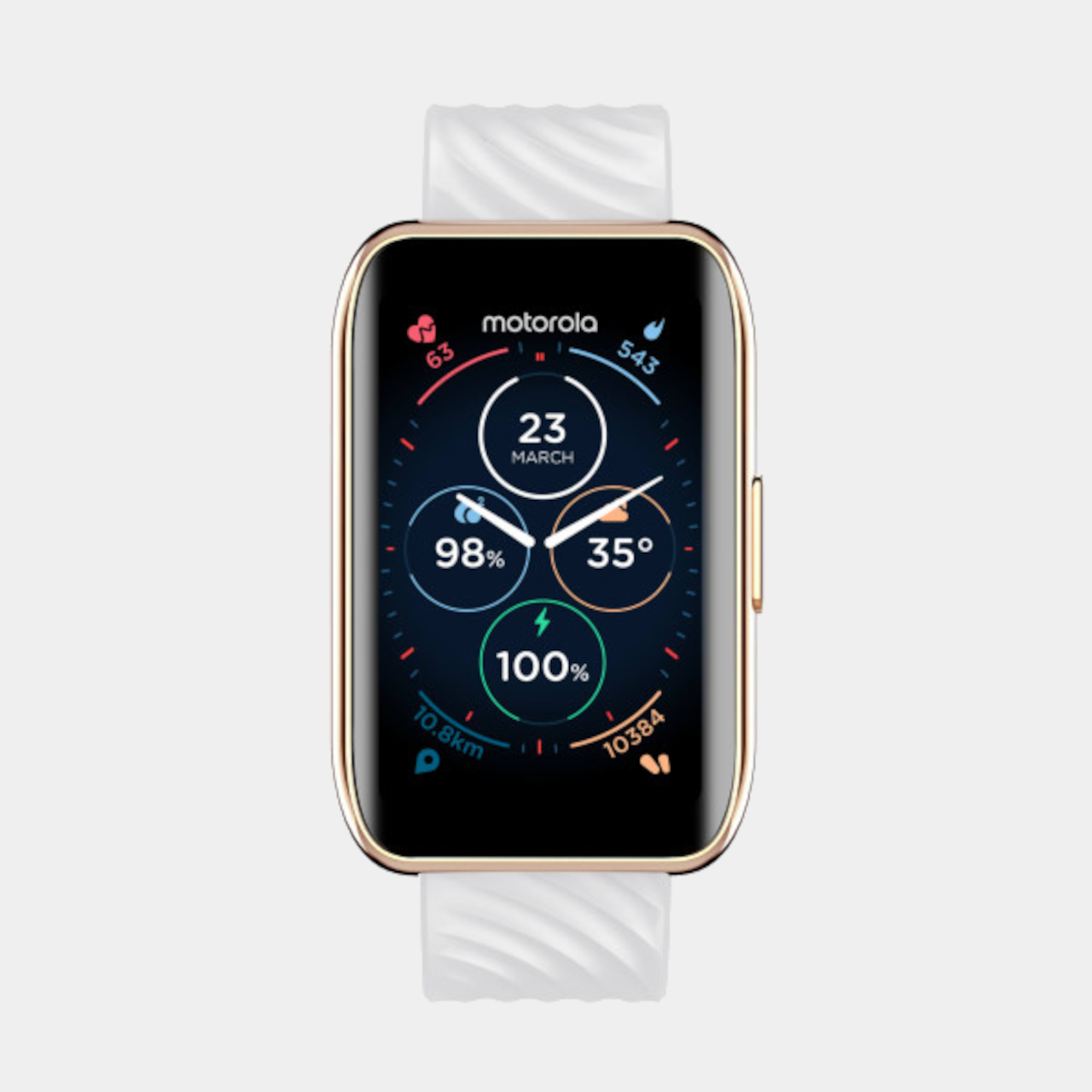
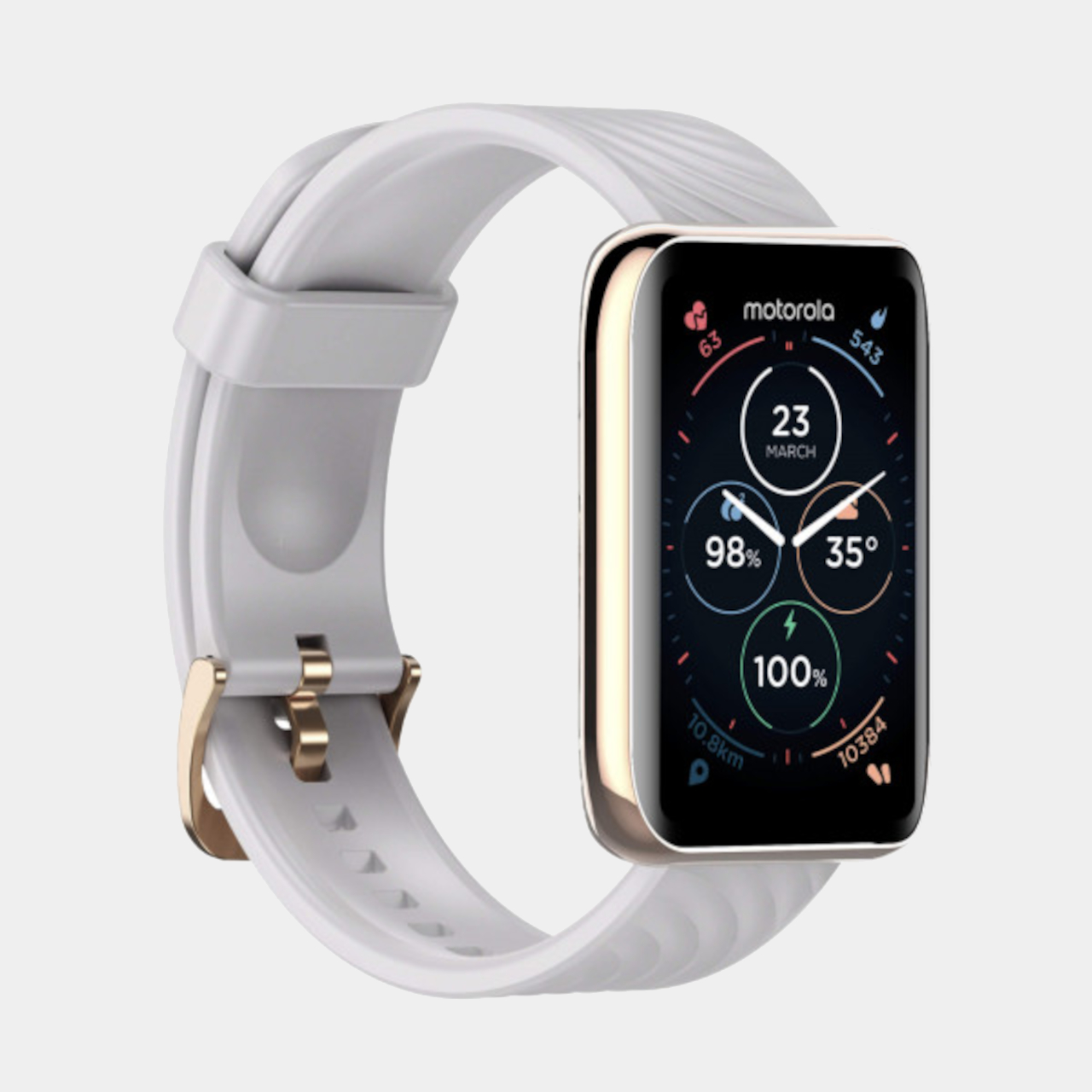
The Moto Watch 40, however, is neither of those and is walking the fine line between smartwatch and smart band instead. It has a rectangular body, more common with fitness trackers, but the size of the device and its general appearance are more in line with smartwatches. It has a screen that curves at the edges, giving it a refined appearance compared to the rugged looks of common fitness trackers.

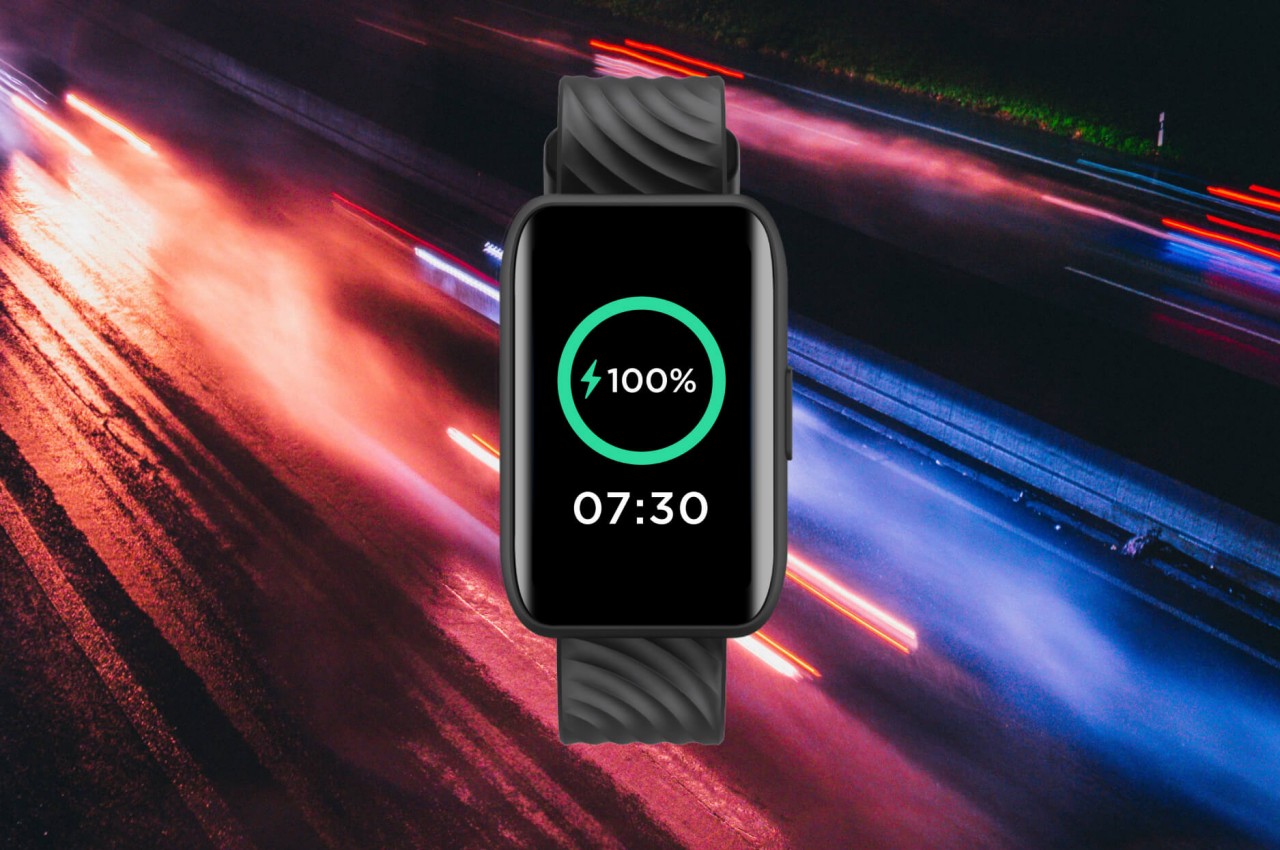
At the same time, however, its limited functionality leaves no doubt that it isn’t a smartwatch either. It has a variety of sensors for tracking activity, including blood oxygen levels and even sleep, but you won’t be seeing a lot of the advanced functions and options you’d find on a smartwatch. It supports only viewing notifications, so you’ll have to pull out your phone if you want to reply to messages or even take calls. Its 10-day battery life may sound a little disappointing, but the Moto Watch 40 compensates with an advertised charging speed of 25 minutes only.

That combination of essential functions and stylish design will set you back for only $64.99. It might sound like a tempting proposition, especially when other fitness bands are either too expensive or too informal. That said, even a wrist-worn device might still be too conspicuous for some people, and a smart ring that would let them wear their favorite mechanical watches could be the perfect compromise instead.

The post Moto Watch 40 design straddles the line between smartwatch and fitness band first appeared on Yanko Design.

Galaxy Fit 3 leaked fitness tracker boasts an ultra-long battery life and advanced features

The recent leaks surrounding Samsung’s Galaxy Fit 3, especially those shared by Evan Blass and Ahmed Qwaider on social platforms, have shed light on the device’s design, features, and potential launch timeline. While speculation was rife about its introduction alongside the Galaxy S24, the consistent appearance of leaked images and specifications over the past months suggests an imminent unveiling.

Designer: Samsung

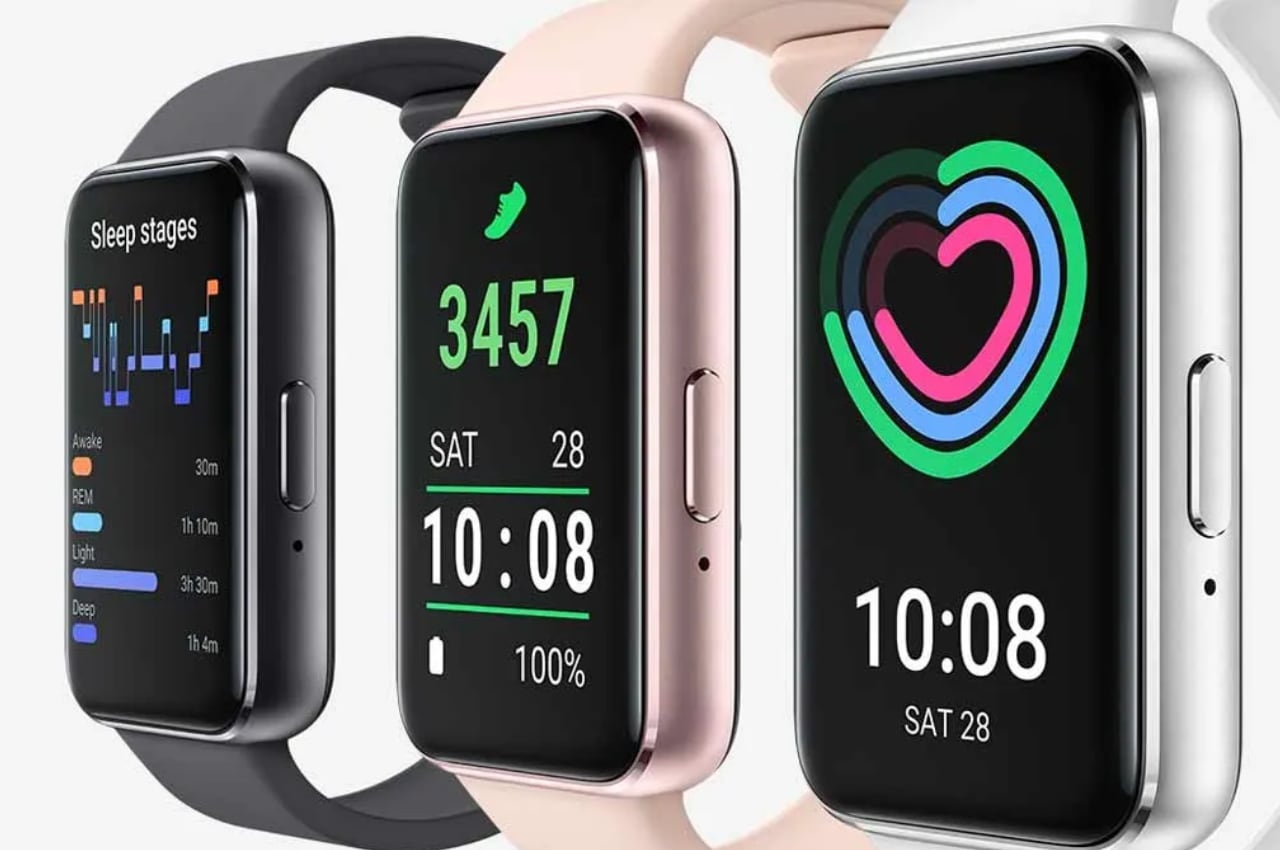
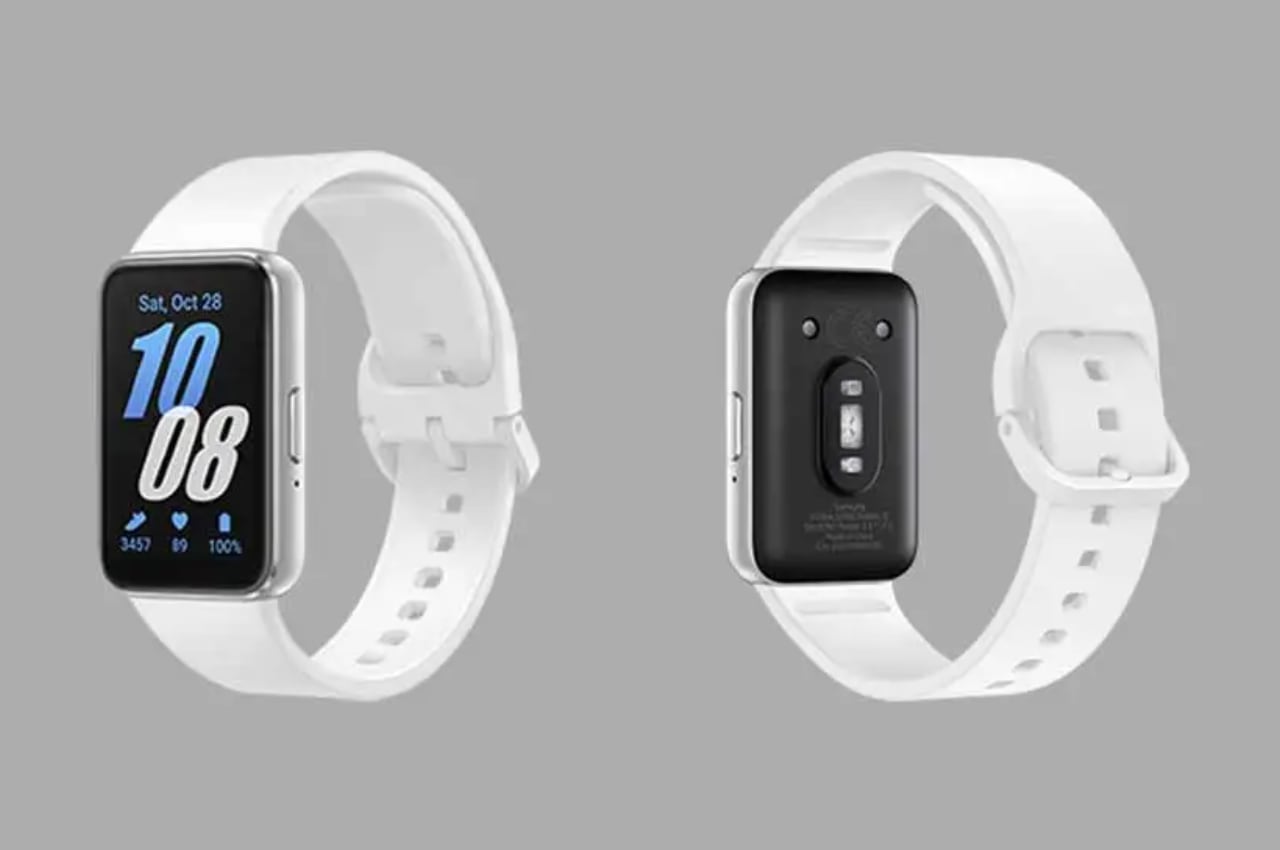
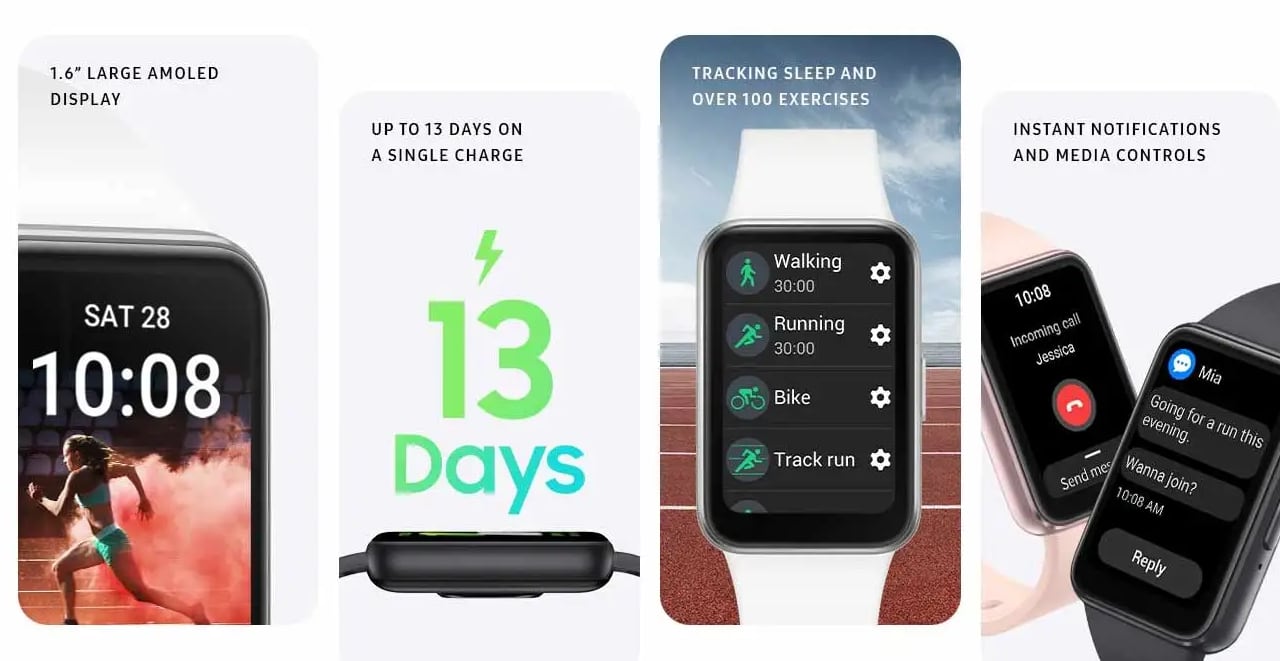
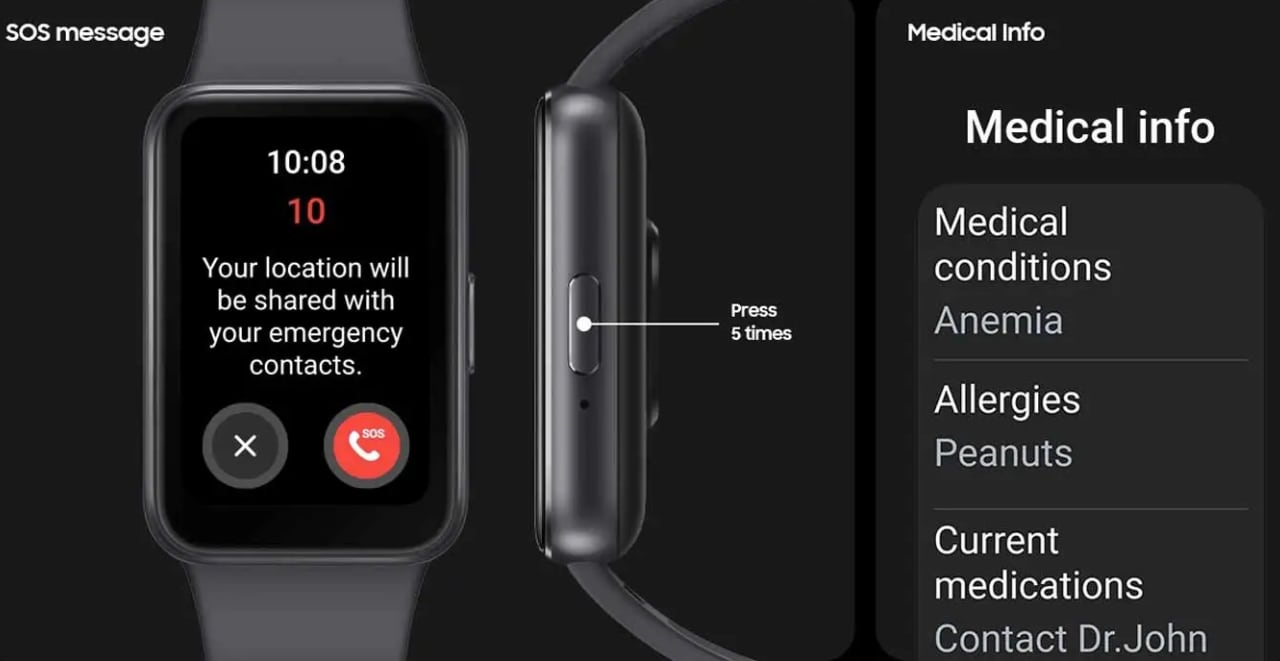
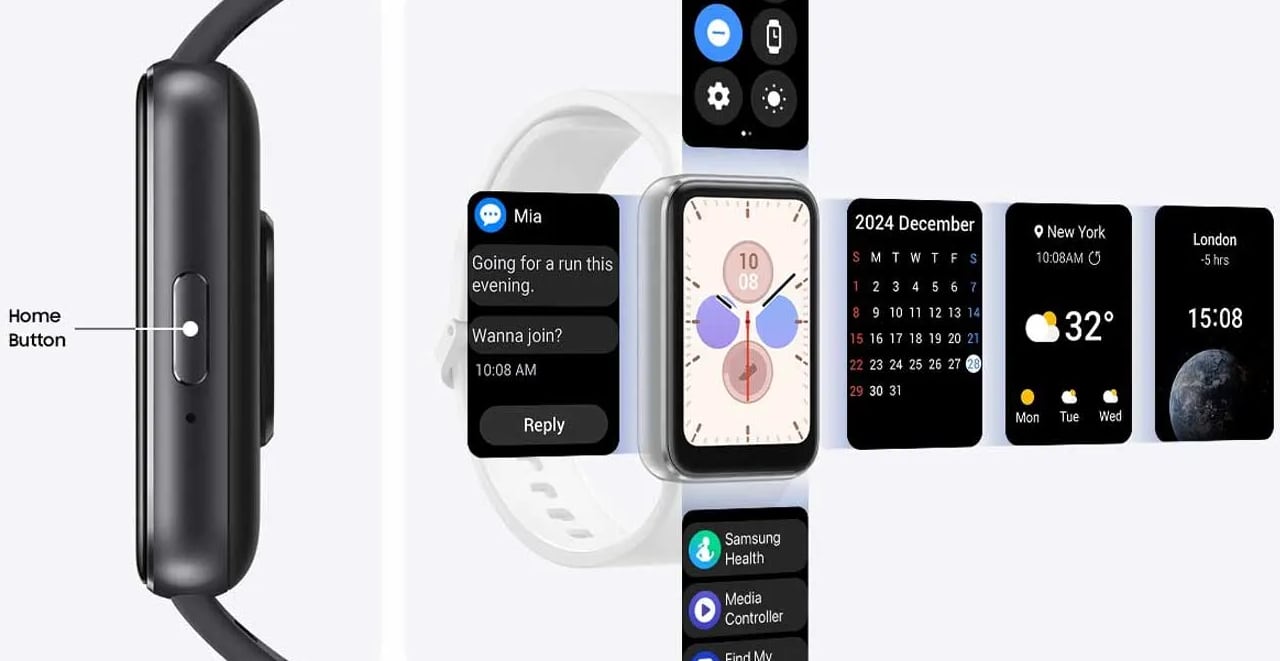
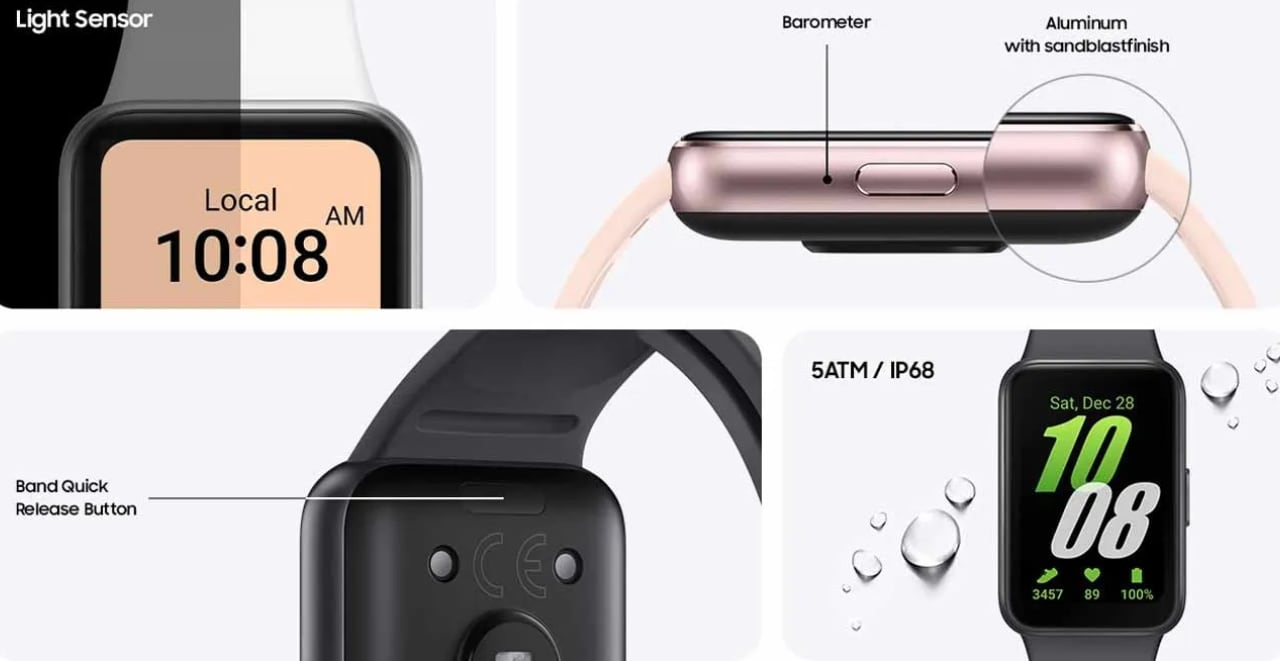
According to rumors, the Galaxy Fit 3 is expected to have a 1.61-inch display, which is 46% larger. It’s speculated to feature a bright OLED screen with a resolution of 256 x 402 and a pixel density of 302ppi. This marks a notable visual clarity and detail improvement, enhancing the user experience. The device’s build quality is also upgraded with an aluminum case, ensuring durability, an IP68 rating for dust and water resistance, and a lightweight silicon wristband at just 21.39g, combining comfort and resilience.

Battery life stands out as a key feature, with rumors pointing to an ultra-long battery life of up to 21 days on a single charge, surpassing the Galaxy Fit 2’s 15-day battery life and offering a significant advantage over the typical battery life of Samsung’s Wear OS-based Galaxy Watches. While the Galaxy Fit 3 may forego wireless charging, the extended battery life presents a compelling trade-off for users prioritizing longevity over convenience. A new and potentially significant feature being introduced on a Samsung fitness band for the first time is a blood oxygen level or SpO2 sensor.

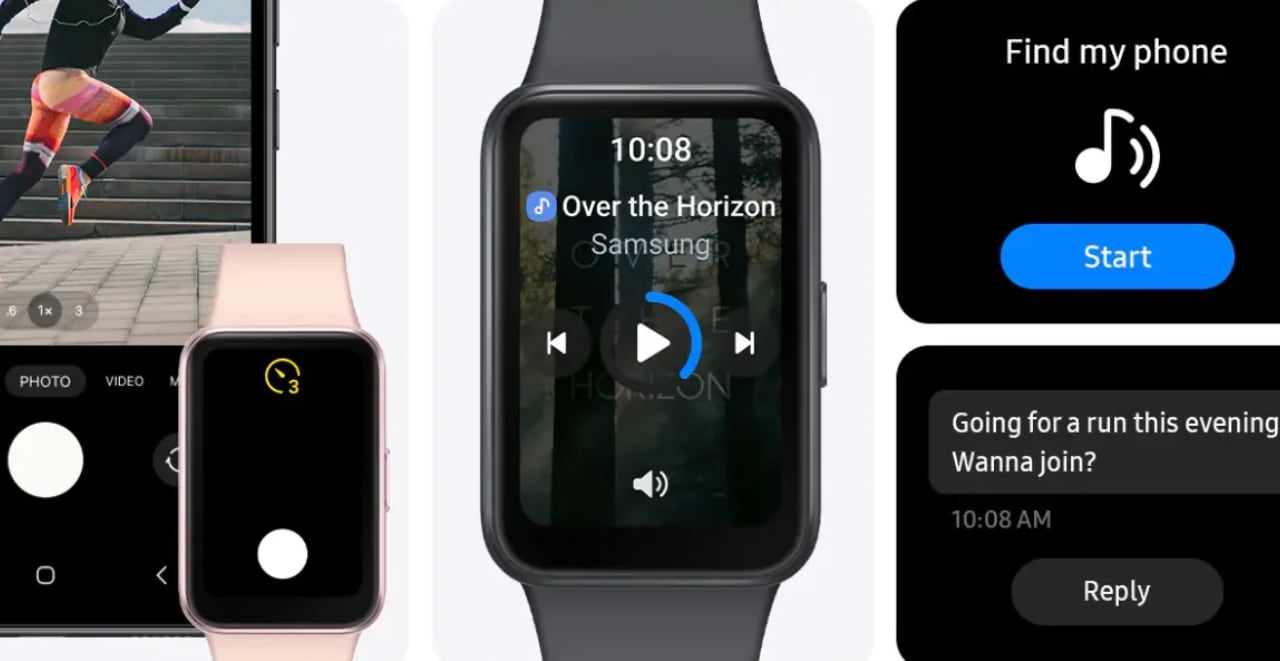
The device is anticipated to come in three colors: Grey, Pink, Gold, and Silver, catering to diverse personal styles. It’s expected to be equipped with an array of sensors, including an accelerometer, gyro, and heart rate monitor, alongside sleep-tracking capabilities. The inclusion of GPS remains uncertain, leaving room for speculation about the device’s navigational features.

Pricing rumors suggest an attractive $80 price point, positioning the Galaxy Fit 3 as an accessible option for fitness enthusiasts seeking a blend of style, functionality, and endurance in their wearable devices. This combination of features and the device’s focus on health and fitness tracking solidifies the Galaxy Fit 3’s place within Samsung’s wearable lineup, offering a fresh alternative to the more comprehensive Galaxy Watch series and promising several advancements in design, display, and battery life.

Samsung fans and tech enthusiasts appear to be super hyped about the upcoming Galaxy Fit 3. It’s going to be the perfect fitness companion, packed with all the latest tech from Samsung and designed with fitness enthusiasts in mind. So stay tuned for more details!

The post Galaxy Fit 3 leaked fitness tracker boasts an ultra-long battery life and advanced features first appeared on Yanko Design.

Fossil will no longer make smartwatches, implies weak market for designer wearables

There was a time when smartwatches were seen as geeky trinkets that had no place on ordinary people’s wrists. It took the success of the Apple Watch and the collaboration of fashion brands to bring this piece of wearable technology to the masses. But while smartwatches have finally found their legs, that doesn’t necessarily mean that it has been a profitable business either. It seems that those brands that have made smartwatches literally fashionable are starting to reconsider their strategies, especially with only a few successful products that are unsurprisingly still dominated by consumer electronics companies. Fossil has apparently decided to just pull the plug and call it quits on the smartwatch market, preferring to focus its resources on the designer products that actually bring in the money.

Designer: Fossil (via The Verge)

When smartwatches first came to the market, it was smartphone manufacturers that took the lead. Compared to the selection we have today, it’s not surprising why most people shied away from having them on their wrists. They were large, clunky, and visually unappealing. And they required charging almost every night.

While the Apple Watch would always be an exception, it took negotiations with brands like Fossil, TAG Heuer, Mont Blanc, and Michael Kors, just to name a few, to really bring smartwatch designs to the same level as traditional timepieces, at least on the outside. To some extent, there was a successful push to turn these pieces of wearable technology into true fashion accessories and, given some of the prices, luxury items. Now smartwatches are more or less more common, but that doesn’t mean the market for the more fashionable smartwatches is actually growing. In fact, you could almost say that the top smartwatch vendors are Apple, Samsung, and Google on the higher end, and Xiaomi, Mobvoi, and smaller manufacturers on the opposite end.

Confirming rumors that were already going around the Internet, Fossil announced that it was exiting the smartwatch business. It was a “strategic decision” and would focus on the “core segments of our business that continue to provide strong growth,” namely traditional watches, jewelry, and leather goods. Reading between the lines, it means that its line of smartwatches isn’t providing that kind of growth and it doesn’t foresee that changing in the future.

This makes the Fossil Gen 6 that was launched in 2021 the last smartwatch the marque will ever make. Fossil does promise to continue supporting its existing smartwatches for the next few years, though it probably really means only one or two years moving forward. Fossil is the first brand to make this big announcement, but it probably won’t be the last as the designer smartwatch market continues to stagnate or even shrink, leaving smartphone manufacturers to take the helm once more.

The post Fossil will no longer make smartwatches, implies weak market for designer wearables first appeared on Yanko Design.

Samsung Galaxy Watch non-invasive glucose monitor will be a live-saving game-changer

While there seems to be a rising interest in smart rings as condensed fitness monitors, smartwatches are hardly done growing. Smart rings, at least in their current incarnation, promise a discreet way to keep track of your body’s state, but smartwatches have more room for more advanced sensors and features that you can never fit inside a ring. Some of those features might even make the difference between life and death, as proven time and again by Apple Watch anecdotes. Samsung, however, is setting its sights on a more ambitious goal that’s considered to be one of the Holy Grails of home healthcare. In the near future, its Galaxy Watch line could tell the wearer if their blood sugar is dangerously low or high, all without having to prick their skin and draw blood.

Designer: Samsung (via Bloomberg)

Next to heart-related disorders, diabetes is considered to be one of the most serious diseases plaguing people today. In fact, it’s also labeled as a “silent killer” because of how too late a diagnosis often comes. Monitoring one’s glucose or blood sugar levels, after all, is a literally painful procedure that most people would avoid, including diabetics themselves. There is a great and urgent demand for non-invasive glucose monitoring solutions, and Samsung is apparently already eyeing that achievement.

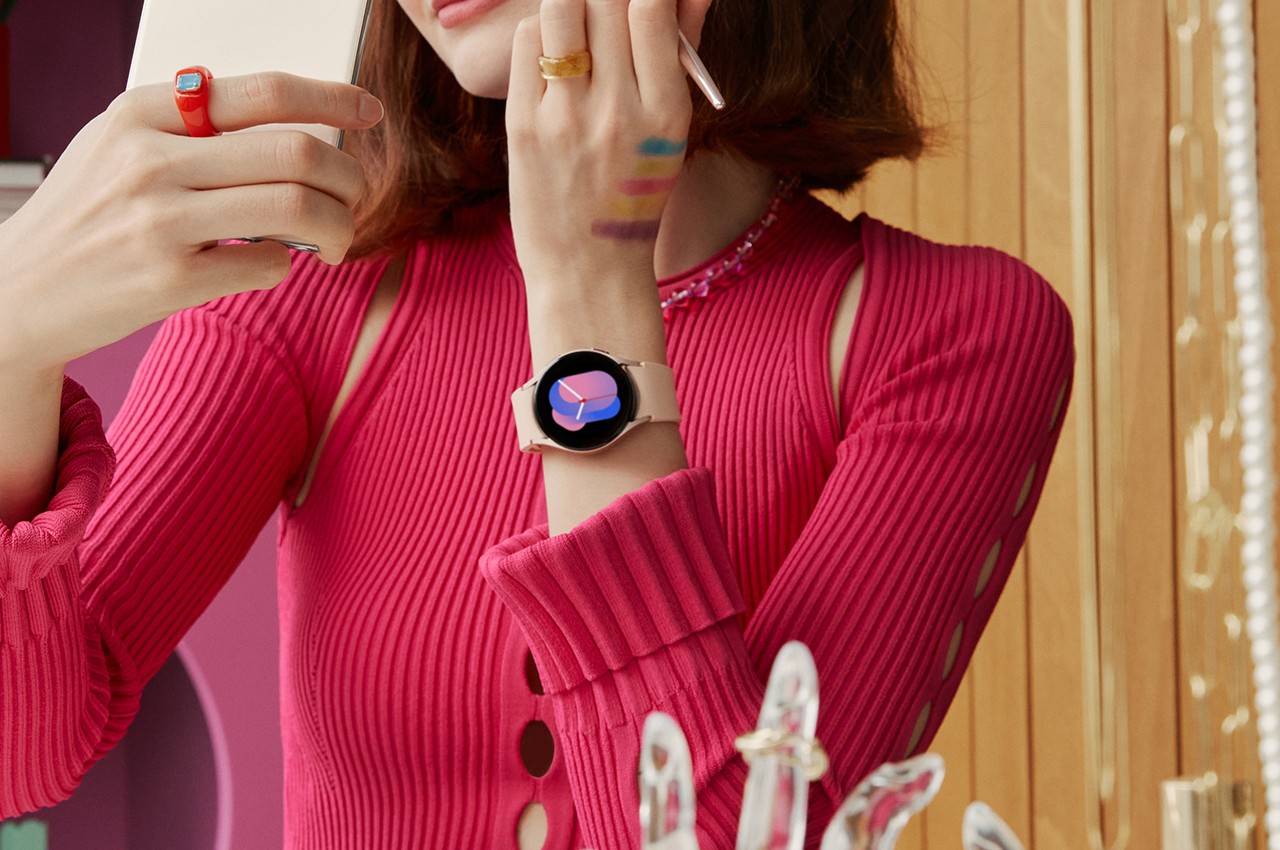
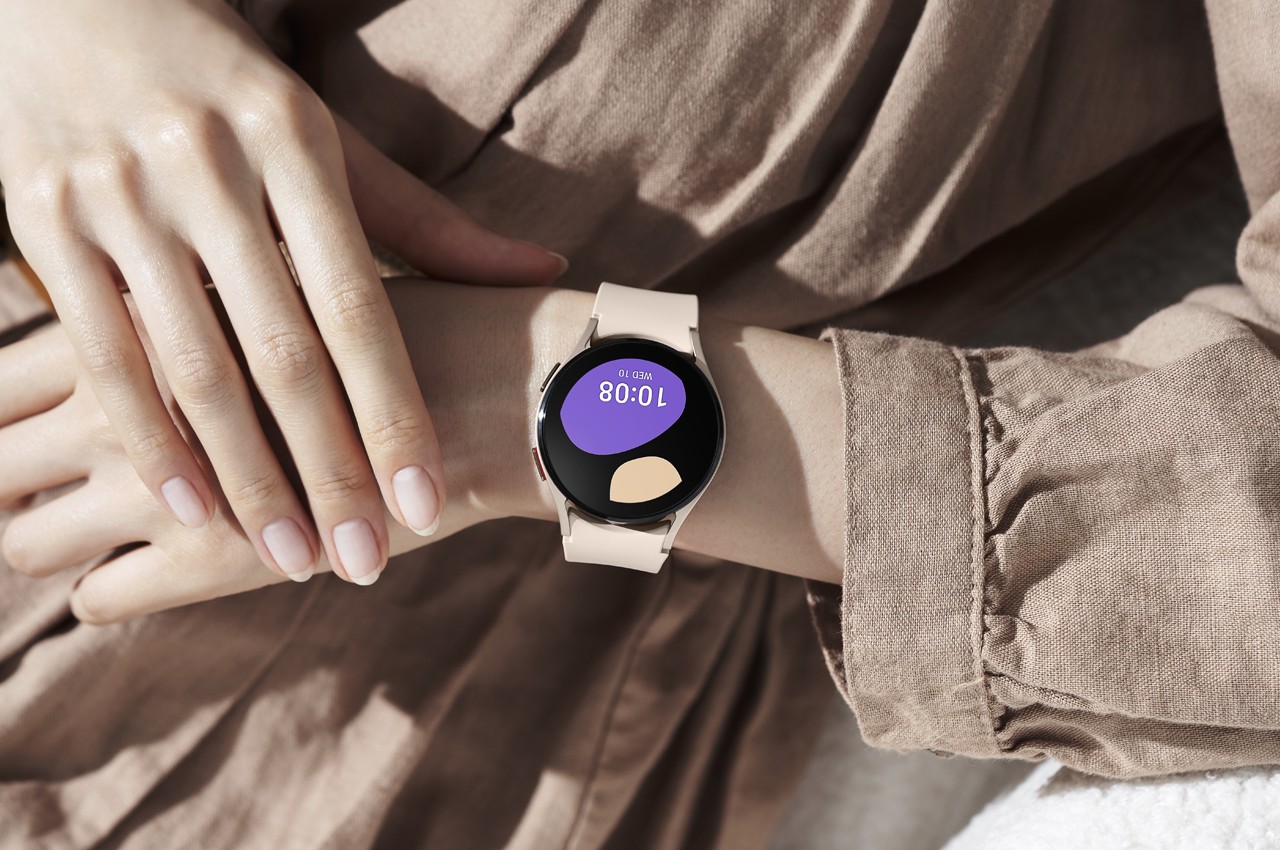
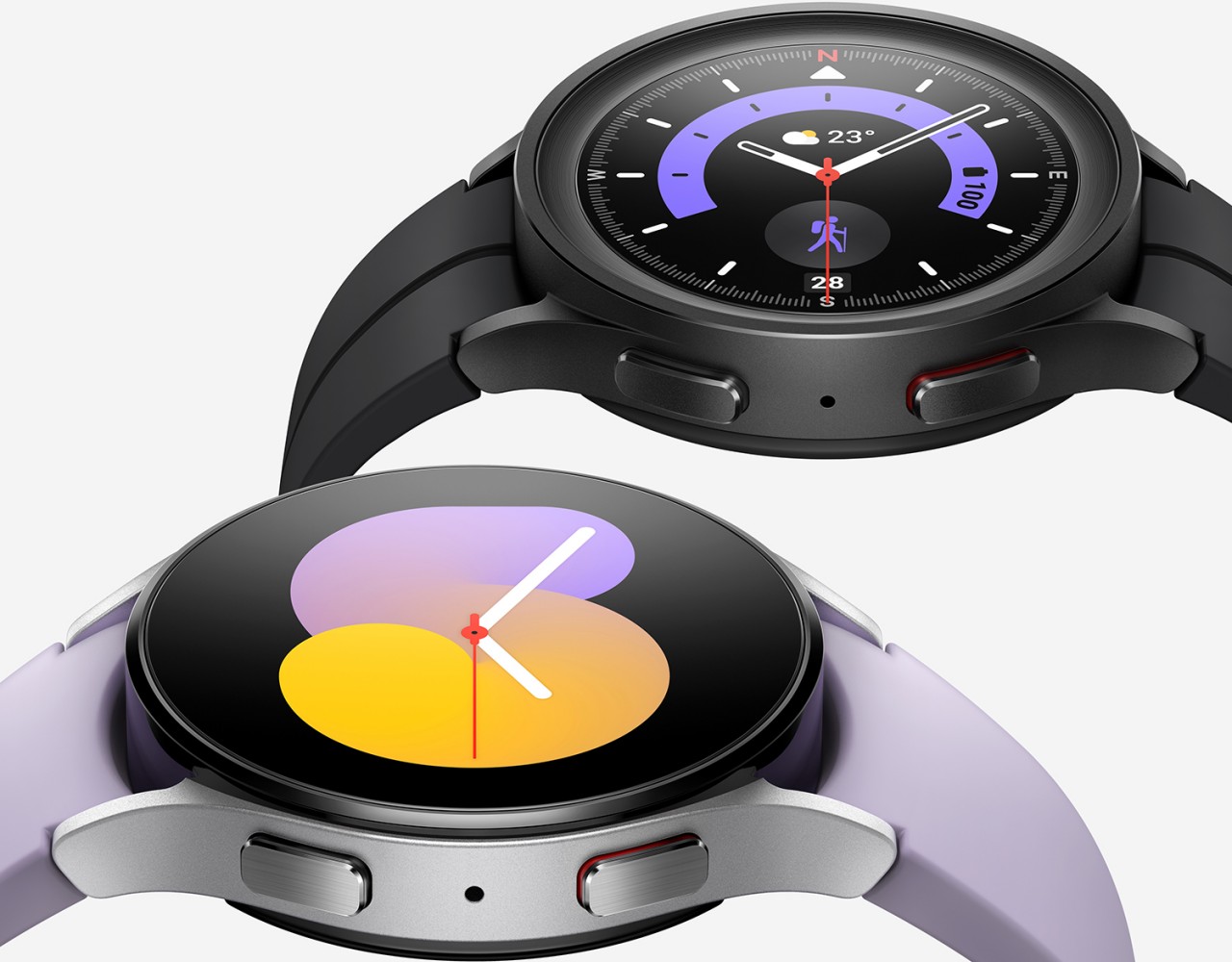
According to the company’s digital health chief, Hon Pak, Samsung is really pushing hard to make this innovation available in a future version of its Galaxy Watch wearables, like the Galaxy Watch 6 pictured in this piece. A non-invasive blood sugar monitor, together with continuous blood pressure monitoring, would definitely put Samsung at the head of the race. Of course, it’s easier said than done, and even the exec can only hope that the technology and the product will be available within the next five years.

It can’t take its sweet time either, because in addition to medical equipment manufacturers trying to cash in on this potentially lucrative future market, Samsung is also racing against Apple. The Cupertino-based company whose Apple Watch has become synonymous with life-saving wearables, has long been reported to be working on a solution as well. Such a smartwatch with a non-invasive glucose monitor will surely be a reality, but whoever gets there first will be able to claim a large share of the market.

Then again, diabetics and healthcare workers probably care less about who launches a design first, as long as a reliable product does indeed arrive. There are already a few non-invasive monitors that indirectly compute glucose levels from other biometrics, but their accuracy is often still in question. A smartwatch might not even be as accurate as those, but anything that will give wearers the faintest clue is still significantly better than not knowing at all until it’s far too late to make a difference.

The post Samsung Galaxy Watch non-invasive glucose monitor will be a live-saving game-changer first appeared on Yanko Design.

Retro Gaming Watch puts a tiny handheld on your wrist, also tells the time

There’s a retro design craze that’s gripping multiple industries, from fashion to music to gaming. The latter is probably one of the most prolific sectors, spewing out new designs based on old models every year or sometimes more than once a year. Regardless of the origin, almost all these retro gaming devices have the same goal of allowing people today to experience the games of the past the way they were meant to be played, at least to some extent. Some, however, do try to just mimic the looks while offering a bit more freedom in what you can do with the device, like this rather unusual Game Boy SP look-alike that’s meant to ride on your wrist and act as a smartwatch when you’re not playing games on it.

Designer: Jason Rogers

There’s no shortage of small gaming handhelds, some of which can even be attached to a key ring. They’re not great at comfort or ergonomics, but these novelty items capture a lot of attention and even let you play a few retro games on the fly. You do have to take them out or pull them off your key ring before you can use them, though, which translates to seconds or minutes of lost opportunities.

The Retro Gaming Watch loses no time, no pun intended, by having that gaming handheld always at hand, or in this case, on your wrist. In its inactive, unused form, it masquerades as a regular though thick smartwatch, with a standard squarish display and typical features such as a digital watch face and notifications. It doesn’t have activity tracking, though, because that would require cramming more hardware in an already cramped space, space that would rather be used for running games instead.

1

The watch changes its tune the moment you detach it from its strap, unfolding to reveal a clamshell-style gaming device not unlike the Nintendo Game Boy SP. Given the existence of gaming devices smaller than this, it shouldn’t be a surprise that the Retro Gaming Watch can handle a few emulated games, at least the 8 to 16-bit titles that can fit in the device’s small memory. Where you get your emulated content, of course, is up to the reader’s ingenuity.

The Retro Gaming Watch is supposed to be a sort of counter-movement to the “Great Conformity” that is happening in a world filled with Apple Watches and its clones. It recalls a time when watches looked fun and could even be used as toys, at least for a younger crowd who wouldn’t be embarrassed wearing bulky and sometimes gaudy designs for everyone to see. Again, it’s not going to offer the best gaming experience, presuming it even becomes an actual product, but it has that novel character and rebellious spirit that’s going to tickle the fancy of many gamers, even if they’re just gonna wear it for show.

The post Retro Gaming Watch puts a tiny handheld on your wrist, also tells the time first appeared on Yanko Design.
This modular bracelet concept lets you choose how smart you want your jewelry to be

The popularity of the Apple Watch has finally given smartwatches their place in the market, making them understandable and even desirable. Of course, that doesn’t mean that everyone now wants a smartwatch, especially those who prefer mechanical watches or have different aesthetic tastes. Unfortunately, the majority of wrist-worn smart trackers seem to be made with sporty and rugged designs in mind. Given hardware requirements, that’s not exactly surprising, but that shouldn’t stop designers from imagining what’s possible. One such dream is reflected in this minimalist yet distinctive bracelet that throws all smart wearable design conventions out the window, offering a modular piece of jewelry that is smart in more ways than one.

Designers: Akasaki Vanhuyse, Astrid Vanhuyse

If you remove the actual time-keeping function of a smartwatch or a fitness tracker, all you’re really left with are the sensors that actually do the work of keeping tabs on different metrics of your health, directly or indirectly. A display isn’t even necessary since you can always check those figures on a smartphone. In fact, a display might even be detrimental because of the distractions it pushes your way or how it clashes with some fashion styles. Smartwatch designs are primarily constricted by hardware such as displays and big batteries, but what if you could be free of those restrictions?

That’s what the BEAD concept seems to be proposing, offering the same health and wellness monitoring functionalities but in a form that is a bit more universal and, at the same time, more personal. At the heart of the design are the beads, actually tiny cylinders that each hide a single sensor used to track a specific biometric like a pulse oximeter or an accelerometer. Each bead is an independent unit, free from displays or large batteries, performing a single task and performing it to perfection.

The idea is that you can combine any number of these beads on a string or wire to achieve the same collective effect as a fitness tracker. You wear it around your wrist like a bracelet, held together at the ends by magnets in the shape of half-spheres. The wire is white, plain, and unadorned, which puts a bigger visual focus on the beads. Those beads themselves carry a brushed metal finish that helps hide whatever scratches they may incur over time while also giving them unique characters.

You can add or remove as many of these modular beads as you need, only paying for the functionality you actually use. It also makes repairing broken beads easier, since you only need to replace that single piece. Admittedly, the industrial aesthetic might not appeal to everyone’s tastes, but the concept opens the possibility of using different, perhaps more stylish designs that will truly create a fusion of fashion and technology in a simple smart bracelet.

The post This modular bracelet concept lets you choose how smart you want your jewelry to be first appeared on Yanko Design.
Apple Watch Ultra 3 with 360 camera is for smartwatch photographers of tomorrow

Apple has always been at the forefront, consistently pushing the boundaries of what is possible in consumer technology. The Apple Watch Ultra 2, with its innovative gesture input system and impressive peak brightness, was a testament to this commitment. But now, a new vision for the future of wearables is taking shape in the concept of the Apple Watch Ultra 3.
Watch Ultra 2 brought us the ability to tap our fingers twice to register a button press, revolutionizing how we interact with our devices. And now a designer has added an element of surprise to the mix by envisioning the Watch Ultra 3 with a built-in 360 camera.

Designer: Abdelrahman Shaapan

Building on this success, the Apple Watch Ultra 3 envisions taking gesture control to a whole new level, although the exact details are still shrouded in mystery. What we do know is that Apple is dedicated to redefining the user experience, which is evident from the recent report that expects Apple to launch the next generation Watch Ultra in 2024 with a 2.1-inch micro-LED display.

Add to that the idea of including a 360 camera in the Apple Watch Ultra 3 and imagine yourself capturing the surroundings in a truly immersive way, all from the convenience of your wrist. This innovation will allow you to relive your journey capturing every moment in stunning detail: undeniably a refined user experience!

According to the concept, the 360 camera on the Apple Watch Ultra 3 seamlessly integrates camera in the watch body, allowing you to control it directly from your wrist. Even more impressive is the watch’s ability to automatically stitch together the captured images or videos in real-time. This allows the watch to create panoramic images and videos. It means you will not have to be a tech wizard to create beautiful, immersive content; the watch will do the heavy lifting for you.  

With the additional gimmick, the Apple Watch Ultra 3 will be more intriguing for some photographers; how much it may appeal to an average bloke is undefined. However, what a usual user may be put off by is the bulk this idea will put on the wrist. The watch body fits in all the regular Apple givens along with the camera, which actually adds to the watch’s thickness. Personally, for me, this is just not happening!

The post Apple Watch Ultra 3 with 360 camera is for smartwatch photographers of tomorrow first appeared on Yanko Design.