Someone 3D Printed A Millennium Falcon Wireless Mouse And Now I Want One

Image Credits: @itsrillo

Now that I think about it, the Millennium Falcon’s shape sort of looks like it would lend itself well to a wireless mouse.

In yet another episode of ‘Things I don’t need but want desperately’, here’s the Millennium Falcon wireless mouse. Designed by ‘parkeryaojj’, the mouse sports a design reminiscent of a scaled down model of Han Solo’s spaceship from Star Wars, except with left and right click paddles and a scroll wheel. The only thing really missing are laser blasters and minifigures of Solo and Chewie but a little bit of paint could probably fix that.

Designer: parkeryaojj

Image Credits: @itsrillo

Although I’d expect the Star Wars merch team to already be selling this exact product, the mouse in question is entirely fan-made and has a fair amount of DIY. The outer shell needs to be 3D printed, while the internals use Bambu Labs’ Wireless Mouse Kit, which contains the inner components like the optical sensor, PCB, buttons, and battery enclosure.

You can download the 3D cad files from Maker World and print your own outer shell from ABS or PLA. The shell does come in multiple parts that fix together (and the left and right buttons are held together using pillars you need to break off), and can be printed in any color. In fact someone even managed to print one in transparent filament which does look pretty cool.

You can either print the mouse in a single filament/color and paint the details on, or edit the 3D model and print your final CAD using a multi-filament setup.

Once printed, all you need to do is put all the pieces together, which doesn’t take too long. The result is a mouse that’s gorgeous yet functional. Don’t expect it to be comparable to your ergonomic or gaming mouse, but it still does have a certain flair that will appeal to most true-blue nerds and Star Wars fans. The Bambu Labs kit starts at a mere $12, but the sensor packs a DPI range of 800-1600, which I’d say is pretty impressive.

Image Credits: @itsrillo

The post Someone 3D Printed A Millennium Falcon Wireless Mouse And Now I Want One first appeared on Yanko Design.
Actual Copper Keycaps from Awekeys turn your mechanical keyboard into an Ocean of Rose Gold

Copper plays a VERY important role in electronics, but this might be the first time copper’s been used for its aesthetic properties. Meet the Awekeys Copper Eagle Keycap set – made from actual copper alloy to give your keyboard drip like no other. Sure, people boast about customizing the RGB backlight on their keyboards, but nothing really matches having your keys be made of actual metal. The Copper Eagle set sports keycaps machined from literal metal, giving them a heft and shimmery appeal that plastic wishes it had. Compatible with Cherry MX switches and clones, these keys attach to any supporting mechanical keyboard (no matter the size or style), giving it an audiovisual makeover. The keys offer the distinctly cool feel of metal, but start typing and you realize how much of a difference they actually make. The metal keycaps offer a distinct kind of sound that feels less like a plastic clatter and more like coins clinking against each other. It also helps that the keys make your keyboard look like a million bucks.

Designer: Awekeys

Crafted from recycled cupronickel, a material known for its strength and durability, the Copper Eagle set is a testament to Awekeys’ commitment to sustainable practices without compromising on quality. Each keycap undergoes a meticulous milling process before receiving its signature satin copper plating. This finish isn’t just visually appealing; it also lends a unique tactile sensation to every keystroke. The weight of the metal keycaps contributes to a substantial feel, while the copper’s natural warmth adds a touch of elegance to any setup.

Beyond aesthetics, the Copper Eagle set offers a sonic user experience that sets it apart. Metal keycaps are renowned for their ability to produce a deeper, more resonant click compared to their plastic counterparts. The Copper Eagle does so too, delivering satisfyingly rich auditory feedback that can be customized further with the right switch and keyboard combination. Along with just the cold tactile feel of the metal against your fingertips, the satisfying metallic click just elevates the keyboard’s UX to an entirely new level, eschewing the ‘fake’ plasticity of regular mechanical keyboards and replacing it with the premium appeal of metal.

One’s immediate concern with copper alloys (and glossy keycaps in particular) is the issue of fingerprints and patinas. A copper keyboard only looks classy if it maintains its sheen, and to address that, Awekeys actually coated each keycap with a nanocoating that prevents the metal from oxidizing or reacting to the oil and sweat from your fingertips. The keys should remain pristine and shiny for months with regular wiping down, although the durability of the coating over time is still something to be determined.

The Copper Eagle set comes in various kits to accommodate different keyboard layouts and preferences. The base kit consists of every key required for a 100% layout keyboard, but you can grab custom caps too, including different copper grades that have slightly different hues, and a few vanity keys featuring eagle imagery for your special keys like the enter, escape, backspace, etc.

The obvious caveat here is weight – copper weighs significantly more than plastic, so this should definitely make your keyboard feel considerably heavier than usual, but that’s only really a problem if you’re carrying your keyboard around. The second caveat, and a slightly smaller one, is that these keys (just like your regular mechanical keycaps) won’t support backlights. Most keyboards come with dual-plastic keys that allow the symbols to glow so you can see them in the dark – that’s not really possible with copper, so you’ll be relying entirely on muscle-memory here. The benefit, however, is that you’ll also own the coolest-looking keyboard among your friend circuits.

The post Actual Copper Keycaps from Awekeys turn your mechanical keyboard into an Ocean of Rose Gold first appeared on Yanko Design.
Orico and Western Digital’s Mac Studio-shaped device offers up to 112 Terabytes of High-Speed Storage

We’re living in a time where entertainment is at a point of evolution. Blu-Ray came and went, as did 3D content… but we’re fast approaching a future where spatial content may just become the norm. Videos today are shot in 4K and 8K, and videos in the future could be shot in spatial reality too, covering a 360° FoV. This means post-production teams will work with heavier file sizes and will need more than just an SSD attached to their iMac or Mac Pros. That’s where the Orico Data Matrix comes in. A hybrid storage solution that can provide anywhere between 5 and 112 terabytes of storage, the Orico Data Matrix lets you work with large files while offering write speeds of up to 1500Mb/s for CFexpress cards, or transfer speeds of a whopping 40Gb/s using Thunderbolt. The $699 device is absolutely perfect for video editing, post-production, and even animation, allowing you to speed up your workflow, no matter how heavy your files are!

Designer: Orico Tech

Click Here to Buy Now: $699 $1099 ($400 off) Hurry! Only 10 days left.

The Data Matrix’s design clearly evokes a sleek, Apple-inspired sense of minimalism. In fact, I wouldn’t be surprised if it’s exactly the same width and length as the Mac Mini or Mac Studio. The exterior is all anodized aluminum, while the interior sees the use of low-speed WD RED™ hard drives, combined with a large cache, anti-vibration mounting, and magnetic levitation fans, ensuring a quiet and efficient operation. This feature is particularly beneficial for creative professionals who often work during late hours and require a noise-free environment to maintain concentration and productivity. Its table-friendly design sits seamlessly on your desk alongside your other work peripherals, and if you’re relying on a Mac Mini/Studio or a Mac Pro, it helps to have all those ports accessible for cables.

The Data Matrix supports multiple I/O ports, including Thunderbolt 3, USB 3.1, and HDMI, ensuring compatibility with a wide range of devices and peripherals. This flexibility allows users to connect external hard drives, 4K displays, card readers, and other essential equipment seamlessly. The device also supports up to five daisy-chained devices, enabling users to expand their setup without compromising performance. This robust connectivity ensures that the Data Matrix can integrate smoothly into any professional workflow. Working with large file-sizes can often dramatically slow down your flow and pace too – but 1,500Mb/s writing and 3,000Mb/s reading speeds for the CFexpress cards, and overall 40Gb/s transfer speeds from the WD drives, allowing you to comfortably edit 8K videos in a jiffy.

The ORICO Data Matrix is available in various storage capacities, ranging from 5TB to 112TB, catering to different project sizes and requirements. This flexibility makes it a versatile solution for various professional needs, from small-scale projects to extensive, high-capacity demands. The system also supports up to five daisy-chained devices, allowing users to connect additional hard drives, 4K displays, card readers, and other peripherals, further enhancing its versatility and adaptability.

RAID stacking capabilities further enhance the reliability and security of the ORICO Data Matrix. With various RAID configurations, including RAID 0, 1, 5, 10, JBOD, and Normal, users can choose the setup that best suits their needs. These configurations provide a balance between performance and redundancy, safeguarding valuable data against potential loss. The hardware-level RAID stacking ensures that data integrity is maintained, offering peace of mind to creative professionals who rely on secure storage for their work.

The ORICO Data Matrix is available in various storage capacities, ranging from 5TB to 112TB, catering to different project sizes and requirements. This flexibility makes it a versatile solution for various professional needs, from small-scale projects to extensive, high-capacity demands. The system also supports up to five daisy-chained devices, allowing users to connect additional hard drives, 4K displays, card readers, and other peripherals, further enhancing its versatility and adaptability. The 1-bay 5Tb variant starts at $699 and is perfect for agile teams and smaller studios, while the highest configuration (5-bay 112Tb) goes up to a whopping $4999 – but that’s almost entirely for larger organizations and global production offices.

Click Here to Buy Now: $699 $1099 ($400 off) Hurry! Only 10 days left.

The post Orico and Western Digital’s Mac Studio-shaped device offers up to 112 Terabytes of High-Speed Storage first appeared on Yanko Design.
This Fallout-inspired PC case mod looks rugged, conceals high-end computing power inside

PC case mods hold merit both for beefing up the computing power and showing off the computer’s internal hardware. While the ordinary might stop at that, a few go beyond the normal to craft case mods that turn eyeballs. The Sentinel Cypher PC case mod by AK Mod for Klevv is the latest example.

This PC case mod showcased at Computex, Taipei has a retrofuturistic vibe, themed on the Fallout world. That rustic look with the old-school PC housing is made for a post-apocalyptic bunker or an advanced space station in some other galaxy, safe from the scavengers outside.

Designer: AK Mod

The rugged look of the PC case with exposed wires, dirty panels and the jarred software interface is something straight out of a space wreck. The rustic mouse and the huge GPU fans complement the look well. This is intentional to represent the dystopian grim theme but don’t let that chalkiness fool you. Concealed hardware on the inside is as potent as it can get. It makes sense since Klevv (known for its high-end RAM and SSDs) displayed the mod at the high-tech annual event.

The water-cooled PC houses an intel 17-14700K processor, ASUS Dual GeForce RTX 4070 graphics card, ROG Strix Z790-I Gaming WiFi motherboard, 6 TB KLEVV Genuine G650 and KLEVV Cras C925 SSD, Noctua NF A625 PWM fan, and 96 GB DDR5 KLEVV CRAS V and Urbane memory. Peripherals include a ROG Azoth keyboard and Lofree Tri-Mode Wireless mouse. As for potent cooling, the mod gets EKWB EK-Quantum Velocity² DDC 4.2 PWM D-RGB, EKWB EK-CryoFuel Clear, and EKWB EK-Quantum Torque Fittings.

The steampunk-ish monitor completely lifts like a car’s boot to reveal the motherboard for an even more industrial look, if you as a user want to show off when not using all that computing power. Sentinel Cypher PC case mod is a work of sci-fi art that packs a lot of punch in its measly abandoned computer in a space station form!

The post This Fallout-inspired PC case mod looks rugged, conceals high-end computing power inside first appeared on Yanko Design.

Minisforum’s UH125 Pro mini PC packs a powerful punch in a tiny form

While laptops and tablets are the most convenient and most mobile for those who want to work outside, it’s not always the most powerful. But having those bulky computers at home or at the office may also not be that ideal even if they can sometimes be more powerful. So a mini PC can be the best thing to have if you’re looking for something compact but still powerful enough to let you do what you need to do if you’re a content creator, gamer, or a professional.

Designer: Minisforum

The UH125 Pro from Minisforum seems to be a pretty powerful mini computer that is packaged into a tiny body. It has the Intel Core Ultra 5 processor with intel 4 technology and a 3D high-performance hybrid architecture. Since it has 2x iGPU performance, you will be able to improve the running speed when it comes to tasks like video editing, 3D rendering, and live streaming. It’s also perfect for watching videos and playing games as it has the Xe Super Sampling (XeSS) technology that is able to support high-performance and high-fidelity visual effects.

Even thought it is smaller than most computers, it has high-efficiency large storage for your multimedia entertainment and massive data storage needs. And in case that isn’t enough, there’s a storage expansion method as well. You can also connect up to four 4K screens at the same time since it has two full-speed USB4 ports, one HDMI 2.1 port, and one DP 2.0 port. And in case your concern is overheating since it’s small, it has a compact phase-change heat dissipation design with a large-diameter silent cooling fan and three heat dissipation copper pipes.

The UH125 Pro is small enough that you can place it on your workspace even if you have a small one. It actually looks like the old-school hard drive boxes that we used back when we needed high storage external drives. There’s a barebone version and a more expensive one that has 32GB RAM and 1TB SSD. Both are now available for pre-order on the Minisforum website.

The post Minisforum’s UH125 Pro mini PC packs a powerful punch in a tiny form first appeared on Yanko Design.
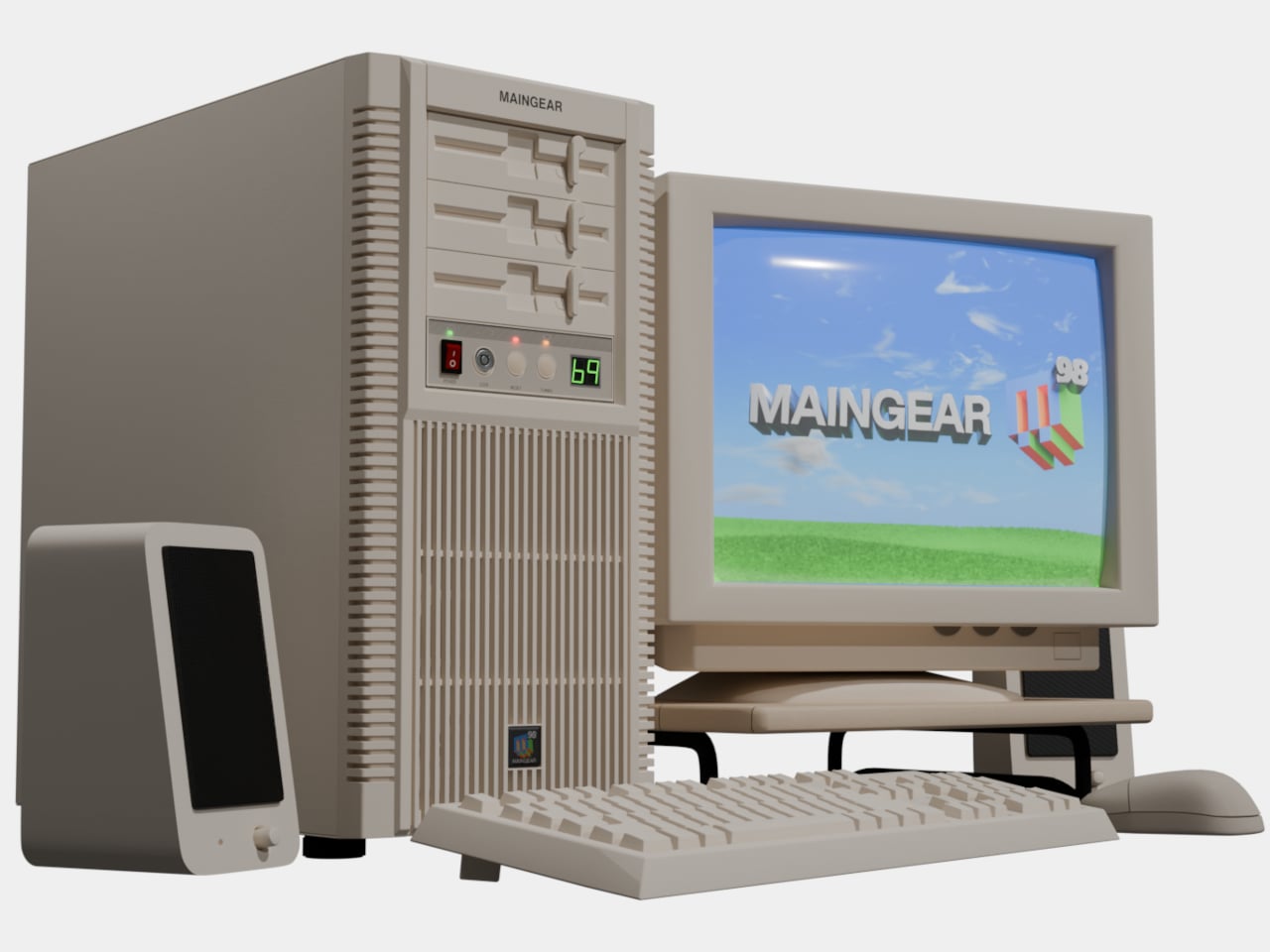
Wood-encased computer adds a striking vintage touch to modern technology

The aesthetics of modern and futuristic technologies often revolve around hard metallic surfaces, straight lines and edges, and an almost inorganic characteristic, as if all the opposite qualities are considered antiquated or even medieval. Of course, design trends come and go and sometimes even come back, as proven by the retro craze that has gripped many industries, especially consumer electronics. Duality has always existed in many facets of human existence, but that doesn’t mean those seemingly contrary elements cannot work together. In fact, contrast is an important factor in creating a beautiful composition, and this combination of a desktop computer and natural wood offers one such expression that creates a unique atmosphere around what would normally be a nondescript machine, combining past and present, natural and artificial in a harmonious blend.

Designer: Keegan McNamara

They may be called “personal computers,” but the desktops and laptops of today sometimes feel more impersonal than paper notebooks and stationery. Part of it is due to the very design of these products, adhering to a language often considered sharp, harsh, cold, and distant. There is no shortage of attempts to soften that image, either with customization options or skins that give the semblance of more natural and organic materials like wood.

The Limited Edition Apollo Collection, however, is no faux wood. Utilizing genuine Walnut, Cherry, or Maple, these bespoke computers enclose three important parts of the device to create a striking visual that beautifully contrasts the straight-edged aesthetic of modern technology with the more organic shapes found in nature. It makes the PC not only truly personal but also personable, making it an art object as much as it is an electrical appliance.

The Apollo Collection computers come in three parts, with the keyboard housing the computer itself. A portable screen connects to the keyboard via a cable, while the third part, a magnetic screen stand, completes the configuration for a more typical desktop computer. If typical desktop computers came housed in wood, that is. Each part is made to order by hand, and it utilizes custom circuitry and a bespoke operating system to truly give the computer a unique feel.

Beyond the wooden materials, the design also adds details that not only enhance the computing experience but also add a bit of humanity to the use of the computer via more tactile feedback. Unsurprisingly, the keyboard utilizes mechanical switches, but there are also physical dials for adjusting the volume and brightness of the computer. The exact specs of the computer are, at the moment, not completely known, but the limited edition bespoke design’s true appeal won’t be in its computing power but in its ability to create a new kind of relationship between man and machine.

The post Wood-encased computer adds a striking vintage touch to modern technology first appeared on Yanko Design.
Top Design Innovations from Computex 2024: Where Technology Meets Aesthetics

One of the world’s biggest computer-centric tech expos has just ended and, unsurprisingly, a lot of the rhetoric revolved around AI. But if you walk around the showroom floor, another theme quickly becomes evident in the midst of new products as well as some not-so-new wares. Consumer tastes have evolved once again, even among those who would embrace the label of being a gamer. Design is no longer just a feature for the few but an important part of a product’s DNA. We’ve seen quite a wide range of designs across an equally wide range of products, from the eccentric to the elegant. Here are some of the most notable designs to grace our paths at Computex 2024 in Taiwan, showcasing not just the trends but also the innovations in the computing industry.

Cool Computing: PC Case Designs

Desktop computers have evolved from uninspiring towers to smoldering workstations with over-the-top lighting to a smorgasbord of designs that cater to a variety of tastes and interests. Computex 2024 is a glowing testament to not only the changes in design trends but also to the extent that some manufacturers will go to in order to appeal to their loyal fans.

ADATA XPG Invader X

Designer: ADATA

Winner of an iF Design Award, the ADATA XPG Invader X values transparency in more ways than one. Its clear front and side panels let you marvel at the neatly arranged components that power this gaming beast, including the tubes and RGB-lit fans that keep the box operating at maximum efficiency. Equally interesting, however, is the chassis’s ESG-compliant design, utilizing post-consumer recycled plastics and upgrade-friendly components. It’s a stylish, eco-friendly computer that tries to offset the carbon emissions of your gaming lifestyle.

Cooler Master Mecha Cases

Designer: Cooler Master

Who said computers needed to come in the form of boxes? Cooler Master definitely didn’t. With designs that come in the form of a robotic shark and a giant mechanical sneaker, these PC cases shatter expectations and misconceptions about how our computers should look like. And as hardware becomes smaller even as they become more powerful, it’s only a matter of time before these become the standard rather than the outlier.

PNY Aftershock Bubble Tea PC

Designer: PNY x AftershockPC

Electronics and liquids don’t mix but it becomes a mind-blowing mystery when you see the two together. And now, we don’t mean liquid cooling. From the makers of ramen-themed desktop towers, this Bubble Tea PC will have you not only scratching your head but also craving a cup of boba. Instead of a sugary and milky drink, however, it’s a luscious-colored coolant that has faux tapioca balls swirling around as it keeps your cool-looking PC thermally cool. This collab between PC maker PNY and case designer Aftershock isn’t a joke either but a fully functional gaming PC that’s ready to put a new spin on your cravings.

Power In Your Hands: Handheld Gaming PCs

While there are plenty of AI-toting laptops scattered around Computex this year, they are hardly the only computers vying for attention. Gaming handheld PCs are pushing the envelope not only in performance in a small form factor but also in terms of design. There’s definitely plenty of room for experimentation, and there are a few that have caught our attention and fancy.

ADATA XPG Nia

Designer: ADATA

An unexpected contender from a brand better known for its memory and data storage hardware, the XPG Nia focuses on the aspects often left out in the wake of specs and benchmarks. A tilting screen, for example, can drastically improve the comfort of staring at a handheld computer for long periods of time, while upgradable RAM in addition to upgradable storage gives the device a longer life than even some of the smartphones we have today.

ASUS ROG Ally X

Designer: ASUS ROG

The ASUS ROG Ally X is a fine example of refinement over sensational changes. The base design remains the same, but the subtle and sometimes invisible improvements deliver an almost totally different experience that’s a step above in terms of usability. Best of all, however, ASUS isn’t removing the OG ROG Ally from the market just yet, leaving consumers with the choice between affordability and power.

MSI Claw 8 AI+

Designer: MSI

The MSI Claw A1M was an odd one when it came out, but the Claw 8 AI+ cements the manufacturer’s position in the young handheld gaming PC segment. With newer, AI-friendlier hardware comes significant improvements that are necessary for such a small gaming device. It’s still rather unique in its use of Intel silicon, and it will live or die by that commitment. Its design, however, is also enough to make it a noteworthy contender in this fast-growing arena.

ZOTAC ZONE

Designer: ZOTAC

ZOTAC is another new contender, one that has its sights set on the name that started it all: the Steam Deck. While it resembles this progenitor in some aspects, the ZOTAC ZONE tries to take the design where Valve seems reluctant to go. Better hardware and configurable controls will sing to the hearts of many gamers, but the steep price tag could be a major deterrent as well.

Material Matters: Aesthetic and Sustainable Designs

Design innovation doesn’t just have to come from wild new forms or combinations of ideas. Even the materials used for products can have a notable positive effect on the user experience, especially when they delight not just the eyes but also other senses like touch. Bonus points if they also benefit the environment, ensuring there will still be a planet for consumers to live on.

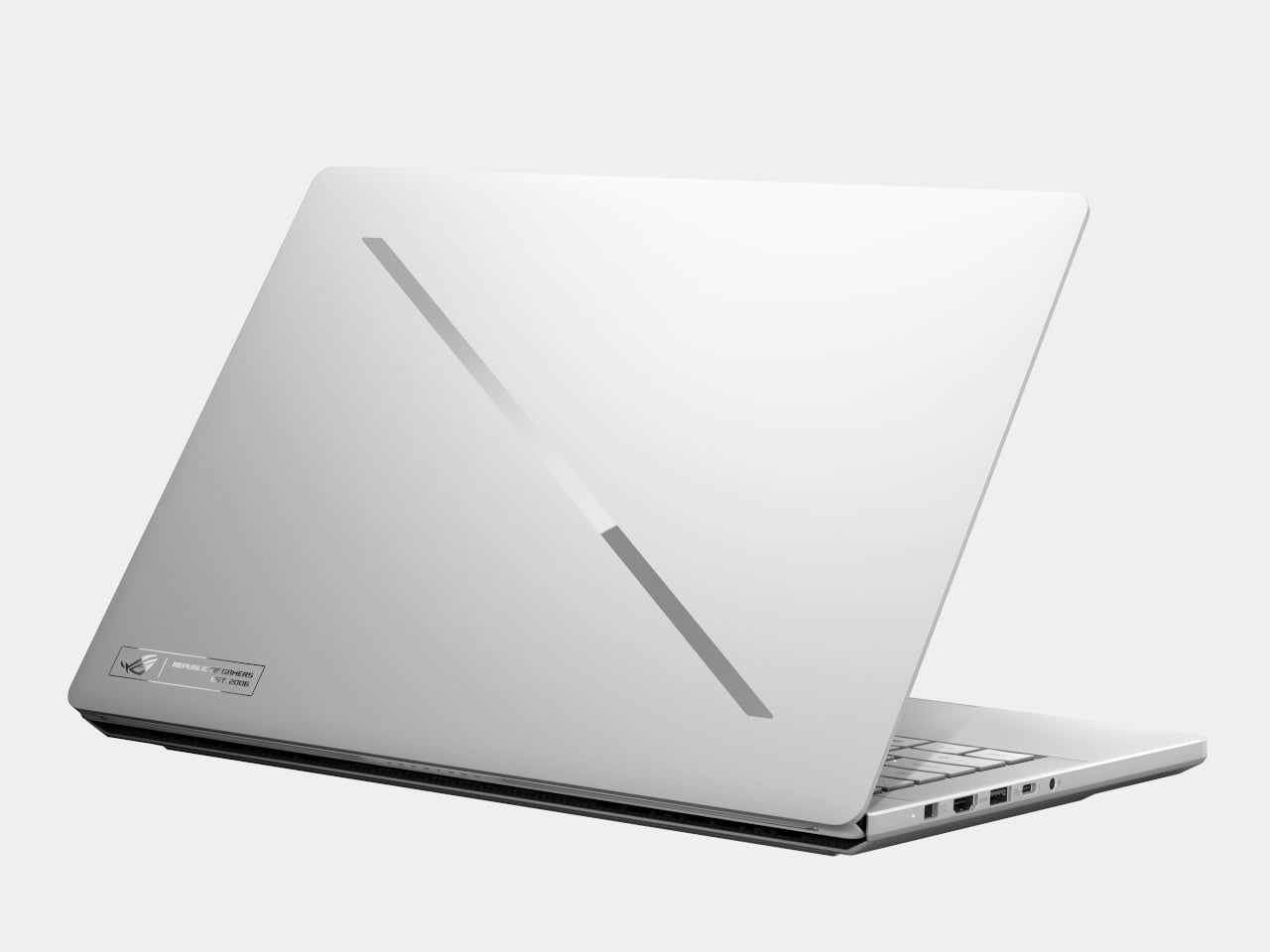
ASUS Ceraluminum

Designer: ASUS

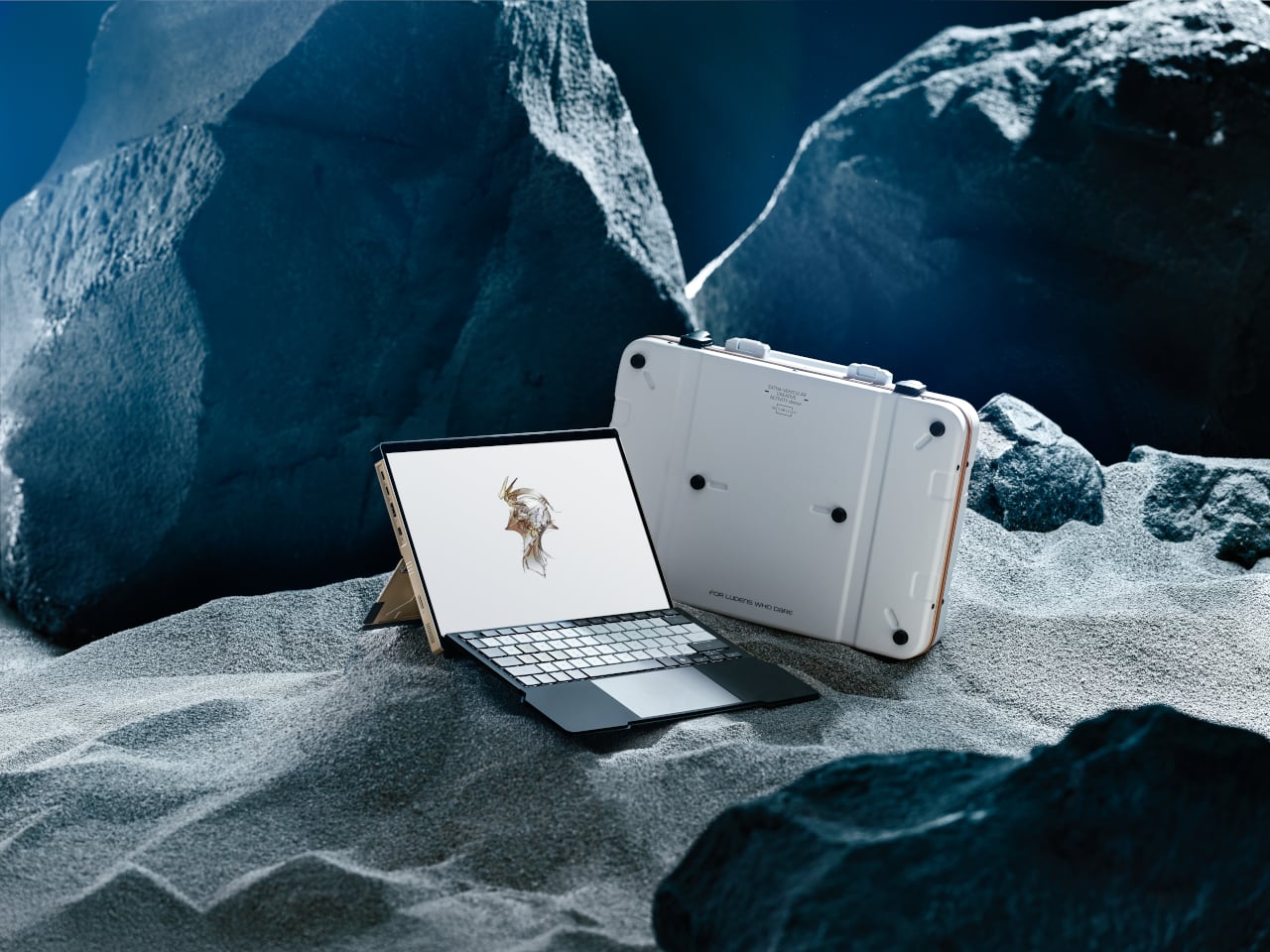
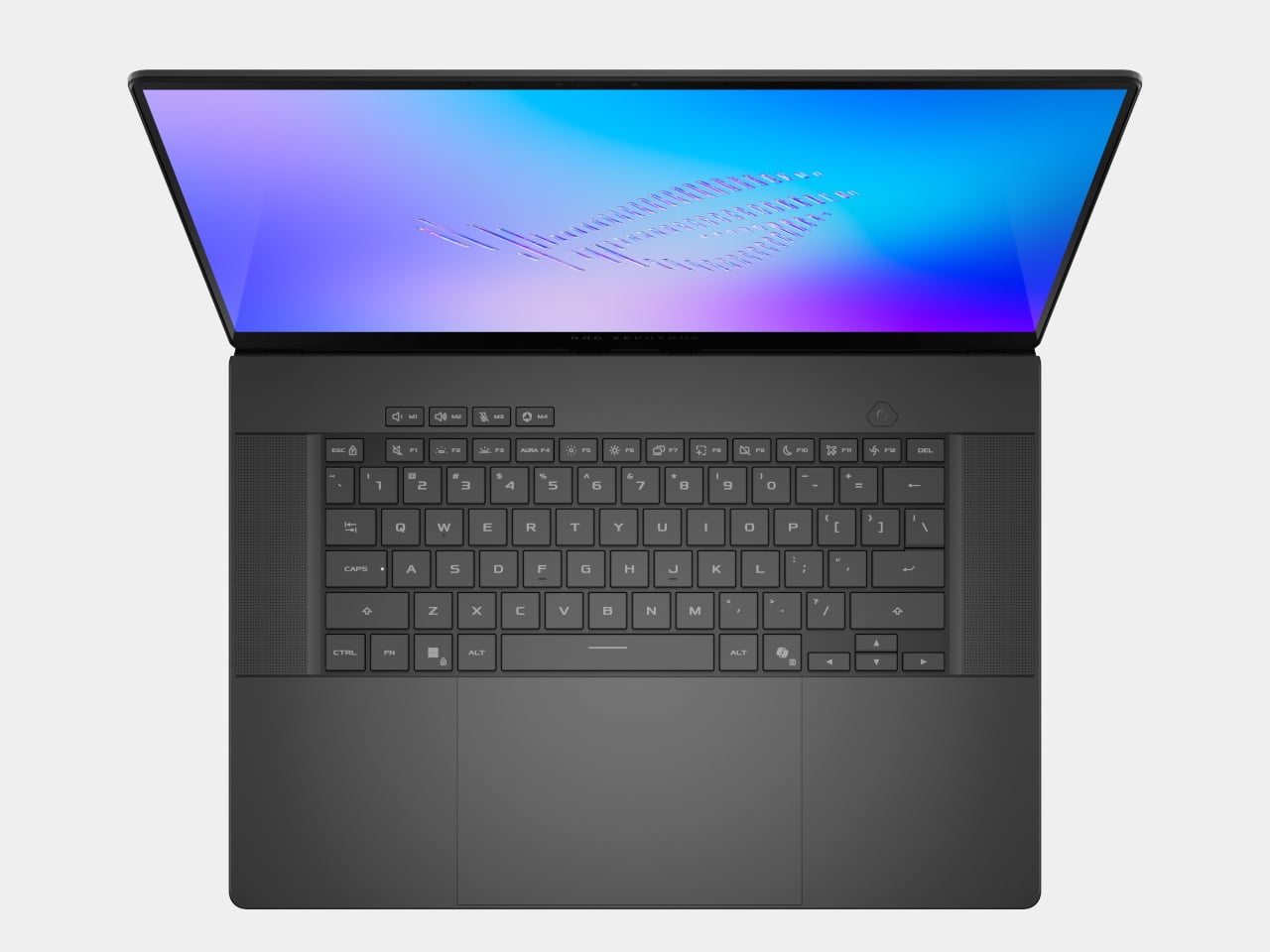
Laptop users are becoming more and more design-conscious. Even those who don’t tend to personalize the backs of their laptops want it to be something that will leave a lasting positive impression on bystanders, not to mention on themselves. Combining the durability of metal with the luxury of ceramic, ASUS’s new Ceraluminum material subtly elevates the laptop from a technological product to an art object. First used on the new ASUS Zenbook S 16, this material exudes beauty that you not only see but also feel every time you touch the laptop or lift its lid.

TECNO CAMON 30 Series LOEWE Design Edition

Designer: TECNO

Paying homage to both coffee lovers and environment-conscious consumers, TECNO and LOEWE designed a back cover material that gives waste coffee grounds new life. Using an equally eco-friendly process, this more sustainable material gives the TECNO CAMON 30 Series LOEWE Design Edition a distinctive appearance and texture that easily sets itself apart from the crowd. Plus, the use of color blocking also marks the phone with a modern style to fit the discerning tastes of modern consumers.

Creative License: Tools for Designers

All these wonderful designs don’t just pop out from thin air. Someone has to make them, from initial ideation to prototyping to manufacturing. Designers and creators naturally need tools that can meet the growing complexities of their work, and Computex definitely has quite a few in store for them.

Acer SpatialLabs Eye 3D Camera

Designer: Acer

Spatial computing, mixed reality, and the metaverse require a special kind of content, one that breaks free from the confines of flat, 2D space. Even in video meetings and live selling streams, 3D objects are becoming more in demand, offering not just viewers but also presenters new ways to connect and communicate. Acer’s new SpatialLabs Eye 3D camera tries to democratize that process, effectively giving anyone the ability to capture, record, and stream any real-world 3D object as a digital copy.

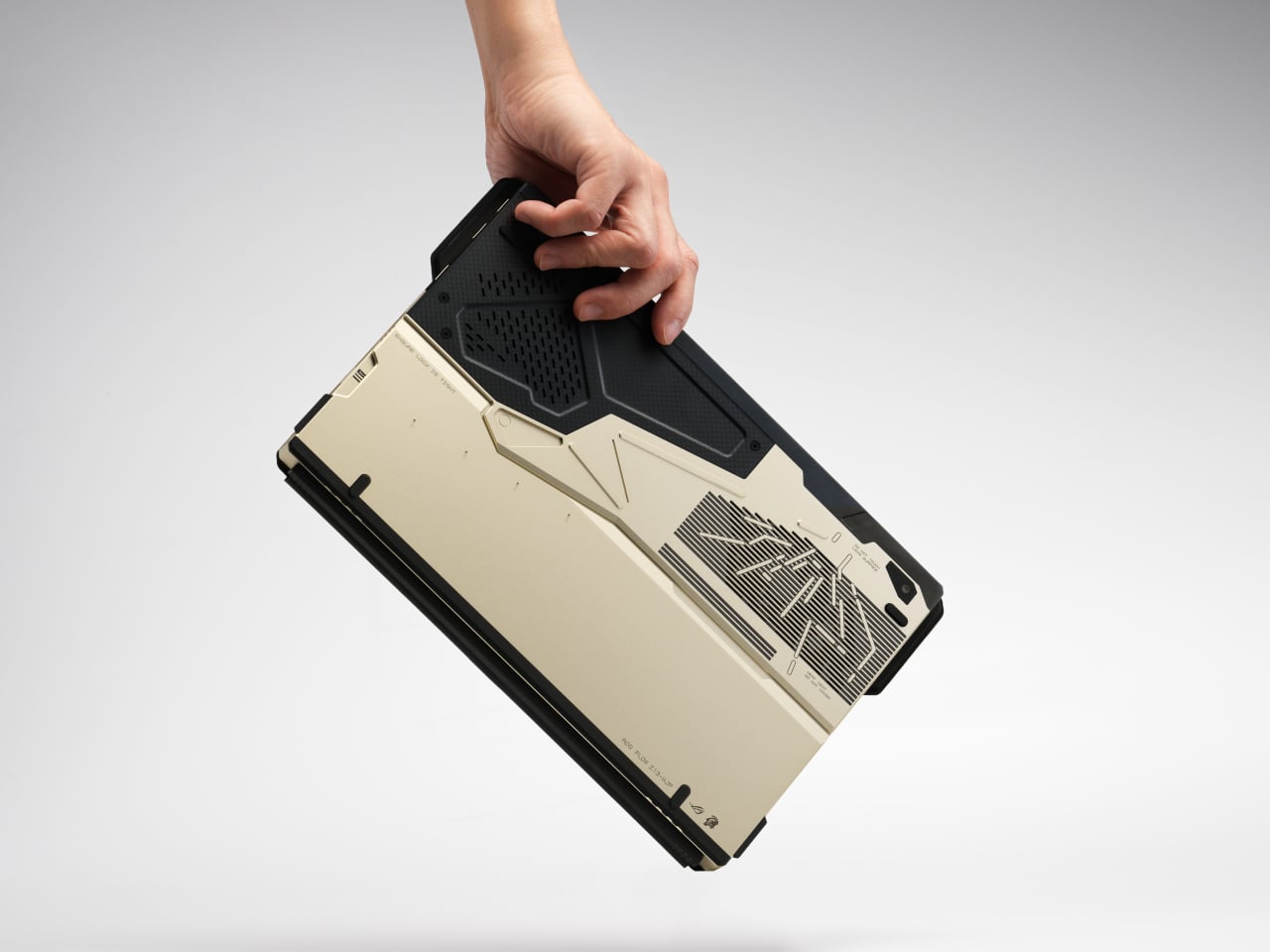
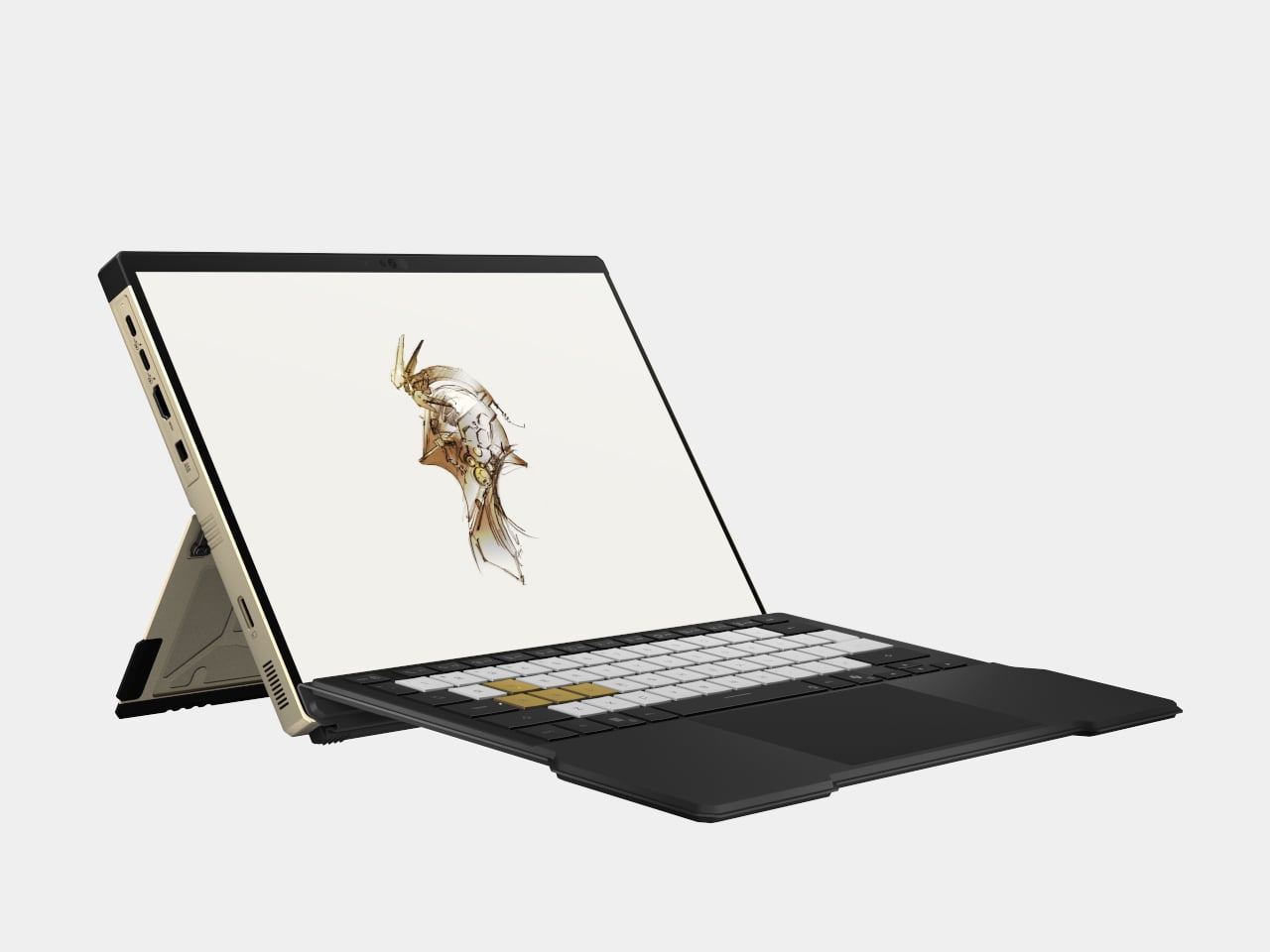
ASUS ProArt PZ13 Detachable Laptop

Designer: ASUS

As computers become more powerful and geographical boundaries become shorter, content creation can no longer be confined to a desk in an office or room. The ASUS ProArt PZ13 gives designers, artists, engineers, and everyone in between that kind of flexibility with its portable and detachable design. What makes this 2-in-1 computer different is that it’s part of the new breed of Windows computers running on the latest Qualcomm Snapdragon X chip, promising improved performance and, of course, on-device AI capabilities.

Power to the User: Empowering Gamers and Creators

One thing that gamers, creators, and power users have in common is their need for power, both literally and figuratively. The ability to customize not only their experience but also the appearance of their equipment goes a long way in giving them the confidence to get their job done, and these designs definitely deliver that with a touch of pizzazz!

ASUS Project DALI E Ink Cover Laptop

Designer: ASUS

E Ink is no longer just for eBook readers. Now that it has color and is being used in signage, the eye-friendly and power-efficient display technology is finding its way to the most unexpected places, like the back of this laptop concept. Project DALI turns the laptop cover into a canvas for users of all walks of life to express themselves or simply have a different design every day if they want. All without draining the battery even when the laptop isn’t running.

ASUS ROG Mjolnir Portable UPS

Designer: ASUS ROG

Nothing scares a gamer or designer more than losing power in the middle of an intense playing or working session. Uninterruptible power supplies are a staple for these people, but if you’ll be getting one, why settle for a boring box when you can have one of the most powerful weapons in the universe? Shaped after the mythological hammer of Thor, the ROG Mjolnir is a power station with an attitude and, more importantly, the power and features to actually match.

Cooler Master MasterHUB Modular Stream Kit

Designer: Cooler Master

A typical computer keyboard has 87 to 101 keys or more, but sometimes even those aren’t enough for content creators, streamers, gamers, and advanced computer users. When you have to remember a bunch of keyboard shortcuts that differ from program to program, you’re putting a heavy burden on your mind that could be used for actual creative thinking instead. This modular MasterHUB stream kit and control center not only offers the power of programmable buttons but also lets you decide how you want those controls to be arranged and look.

The post Top Design Innovations from Computex 2024: Where Technology Meets Aesthetics first appeared on Yanko Design.
The ADATA XPG Invader X boasts a cyber-minimal design backed by eco-friendly recycled materials

With its retropunk fishtank design and a few design awards under its belt, the ADATA XPG Invader X immediately grabbed our fancy at Computex 2024. A cool-looking gaming PC chassis no doubt, the Invader X also scored major points for its ESG-compliant design that uses post-consumer recycled plastic to be cutting-edge yet sustainable. Crafted with eco-friendly materials, The XPG Invader X’s design minimizes waste by allowing for easy upgrades. Pre-installed, eco-friendly fans utilize innovative reverse spinning technology to prevent heat buildup, maximizing airflow and maintaining optimal system temperature.

Designer: ADATA

Beyond aesthetics, the Invader X boasts features to keep your high-performance system cool. It comes pre-installed with five ARGB fans, with three in the front for intake and two reverse-flow fans in the back for exhaust. This airflow configuration helps maintain optimal temperatures, making the Invader X suitable for overclocking enthusiasts.

The case supports radiators up to 360mm in both the side and top positions, which means it can accommodate even the most powerful liquid cooling setups. Additionally, it boasts ample space for graphics cards up to 400mm in length.

A unique feature of the Invader X is its compatibility with the new BTF motherboard standard. This standard positions motherboard connectors on the underside, contributing to the clean, uncluttered look and keeping cables hidden from view. For those using traditional motherboards, the Invader X offers ample space for cable management with pre-installed straps and strategically placed cutouts.

For those who prefer a vertical GPU presentation, the XPG Invader X includes a dedicated GPU holder and a high-quality 180mm PCIe Gen 4 riser cable.

The post The ADATA XPG Invader X boasts a cyber-minimal design backed by eco-friendly recycled materials first appeared on Yanko Design.
Cooler Master’s new PC Cases look like something out of a Mecha Paradise

No that isn’t the latest prop or collectible from the obscure film franchise Mega Shark vs. Mecha Shark. It is, in fact, a high-end PC from the folks at Cooler Master. With a mission of wanting to build some of the world’s literally and slangily coolest PCs ever, Cooler Master’s latest showcases at Computex 2024 has us wondering if anything can be a PC (no, sometimes things are also cakes). The company brought out the Shark X and their sneaker-shaped PC designs, which should be available later this year. Standing at anywhere up to 3 feet tall, these PCs aren’t for making spreadsheets, they’re the sportscars of the PC world, designed to dominate both visually as well as in performance. Oh, and they cost upwards of $7000 as per sources, so maybe we’re better off relegated to more budget-friendly PCs, even though they may look boring.

Designer: Cooler Master

The Shark X is advertised as a “fully upgradeable” gaming PC. While the final specifications might change slightly, the current iteration boasts a powerful core: an Intel Core i9-14900KF processor and an MSI Gaming GeForce RTX 4070 Ti graphics card. That’s paired with 32GB of DDR5-5600 memory and a 1TB M.2 PCIe 4.0 SSD for speedy storage. Cooling is handled by a Cooler Master MasterLiquid 120 ATMOS liquid cooler, ensuring the system stays frosty during intense gaming sessions. The power supply is a Cooler Master SFX 850W Gold PSU, providing ample wattage for the hardware.

The price tag? Brace yourself – the Shark X is expected to cost upwards of $7,000. Let’s be honest, at that price point, raw performance upgrades become secondary. The Shark X is for those who prioritize an unforgettable conversation starter and a unique centerpiece for their battle station.

The Shark X was also accompanied by the Sneaker X, a more footwear-enthusiast-focused PC that comes with unique panels, stickers, and even a suspension spring giving the PC an over-the-top futuristic look. Both the Shark X and Sneaker X made appearances at CES in 2023, although it seems like Cooler Master’s refining them to a point of an eventual sale.

Cooler Master debuted the Sneaker X in a red variant last year, but this year sees the addition of newer colors. Word on the CPU is vague (the pamphlet says “latest high-end CPU”), but the PC also packs ITX motherboards, and supports Nvidia GeForce RTX 4090 GPUs. Cooling comes courtesy the Cooler Master PL360 FLUX 360mm AIO liquid CPU cooler. The Sneaker X also has a much more manageable price tag that starts at $3,500 as compared to the Shark X which is double the price. I can understand the appeal, though. A dynamic mecha shark leaping in mid-air does have more eye-catching appeal than a sneaker with suspension springs and a fan. You can’t deny that they’re both pretty gorgeous though…

The post Cooler Master’s new PC Cases look like something out of a Mecha Paradise first appeared on Yanko Design.
Keychron B1 Pro: Ultra-Thin Wireless Keyboard for Minimalists on the Go

It may not have the mechanical joy that the Lofree EDGE offered as the world’s slimmest mechanical keyboard, but the Keychron B1 Pro does offer an incredibly slim design that’s portable enough to slide right into your backpack. Boasting a minimal aesthetic bundled within a portable design, the B1 Pro is an ultra-slim wireless keyboard that comes with a whopping 1200 battery life and a rather commendable $39.99 price tag.
Designer: Keychron

The B1 Pro deviates from Keychron’s usual mechanical keyboards by opting for scissor-switch keys, similar to those found on laptops. This design keeps the profile incredibly thin, measuring just 5.2mm at the front and reaching a maximum height of 14.5mm. It’s incredibly lightweight too, at only 425g, making it a perfect companion for tossing in your bag and working from anywhere.

Despite its slim profile, the B1 Pro doesn’t compromise on performance. With a 1000Hz polling rate on the 2.4GHz wireless connection, you can expect smooth and responsive typing. It also offers Bluetooth 5.2 connectivity, allowing you to seamlessly pair it with multiple devices. This is also accompanied by a battery life of a staggering 1200 hours on a single charge. Translated to real-world use, that translates to roughly 8 months of typing for 5 hours a day – a near elimination of charging woes.

The keyboard has a Mac layout while remaining functional with Windows and Linux. It even features the same multimedia and function key functions as Apple keyboards, providing a familiar experience for Mac users with the added benefit of a more comfortable typing experience thanks to the scissor-switch keys. For added comfort during extended typing sessions, the B1 Pro features a 3.2-degree tilt angle and concave keycaps designed to improve accuracy. It even comes with a dedicated emoji shortcut key and a protective silicone keycap cover for increased durability.

The B1 Pro supports ZMK firmware, allowing users to program keys, macros, and shortcuts directly through a web interface. This eliminates the need for complex software installations and provides a user-friendly way to tailor the keyboard to your specific needs.

At an affordable price point of $39.99, the Keychron B1 Pro offers a compelling combination of portability, functionality, and battery life. Whether you’re a minimalist on the go, a student juggling classes, or someone who simply prefers a low-profile keyboard, the B1 Pro is definitely worth considering.

The post Keychron B1 Pro: Ultra-Thin Wireless Keyboard for Minimalists on the Go first appeared on Yanko Design.