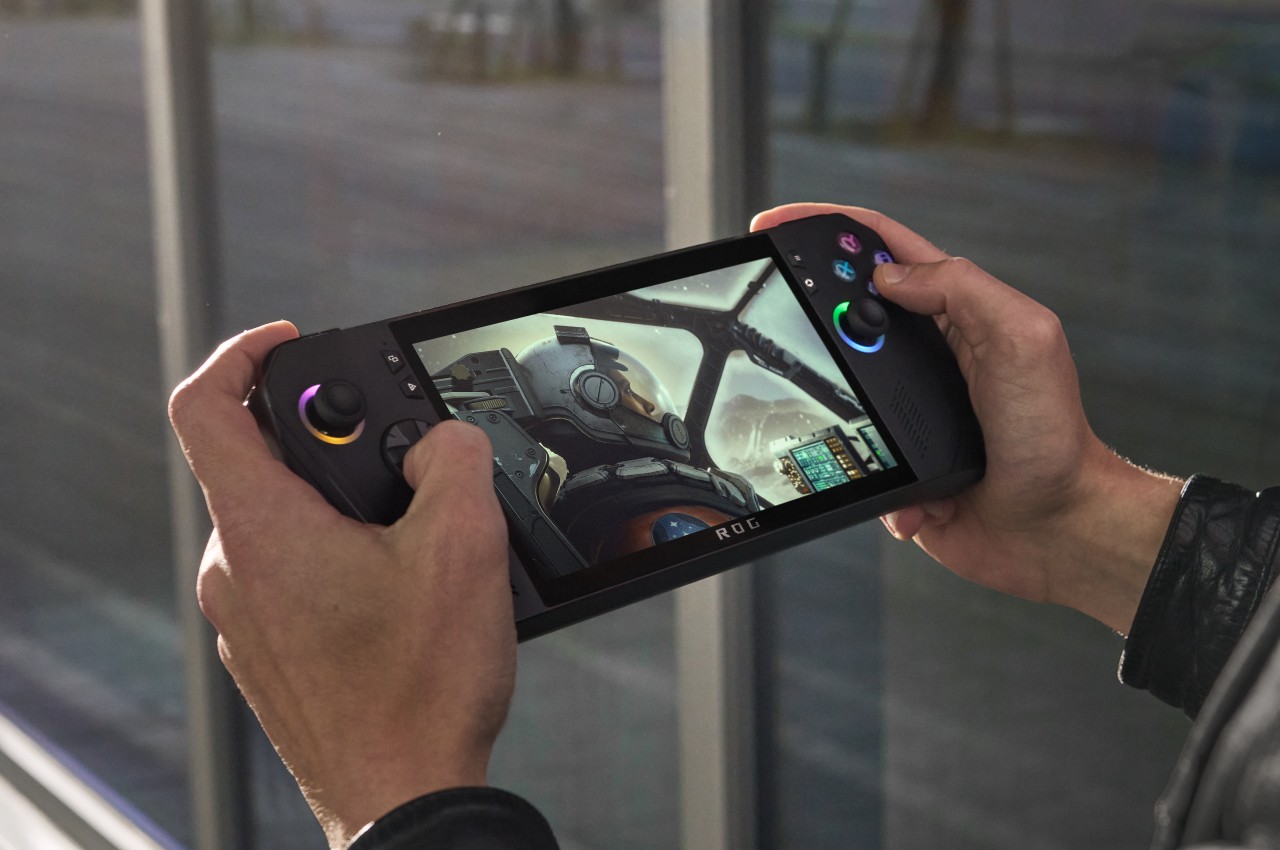
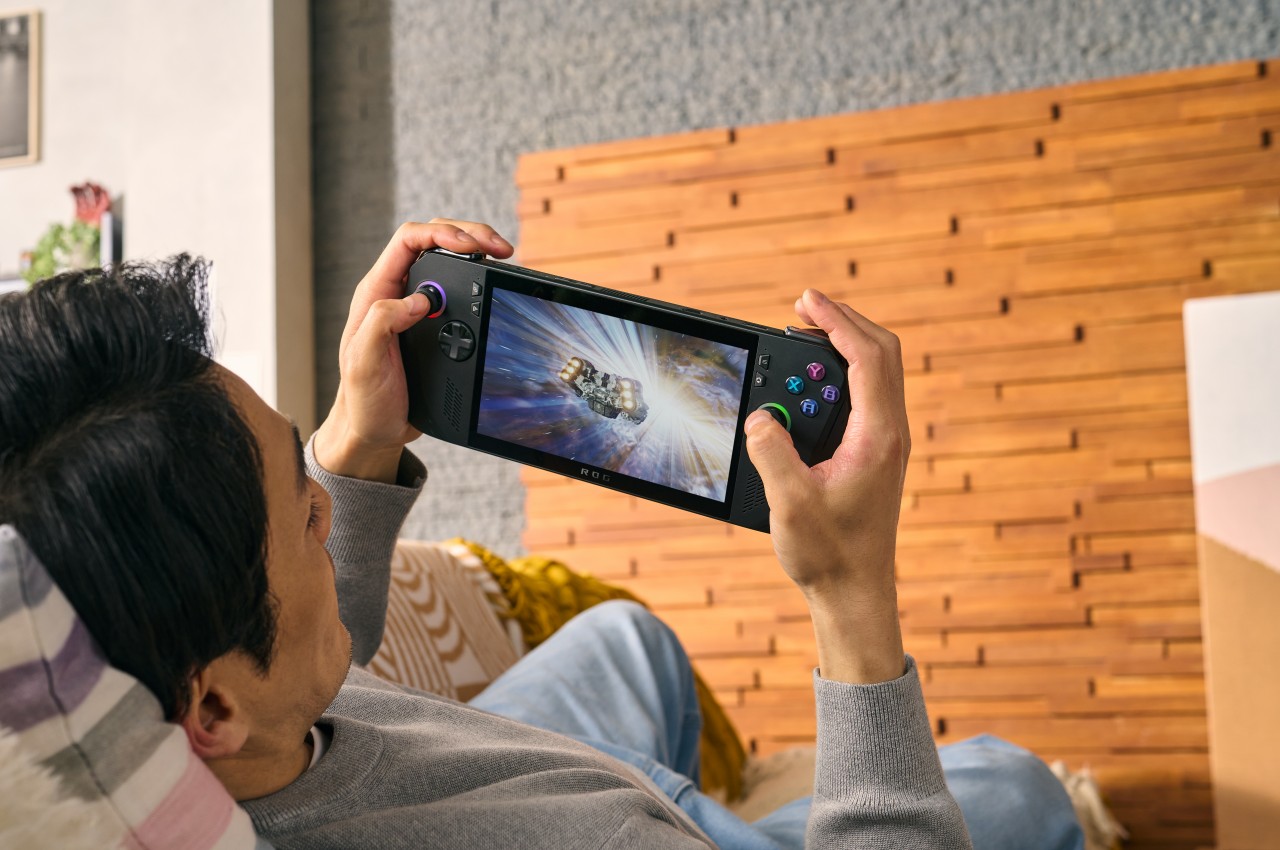
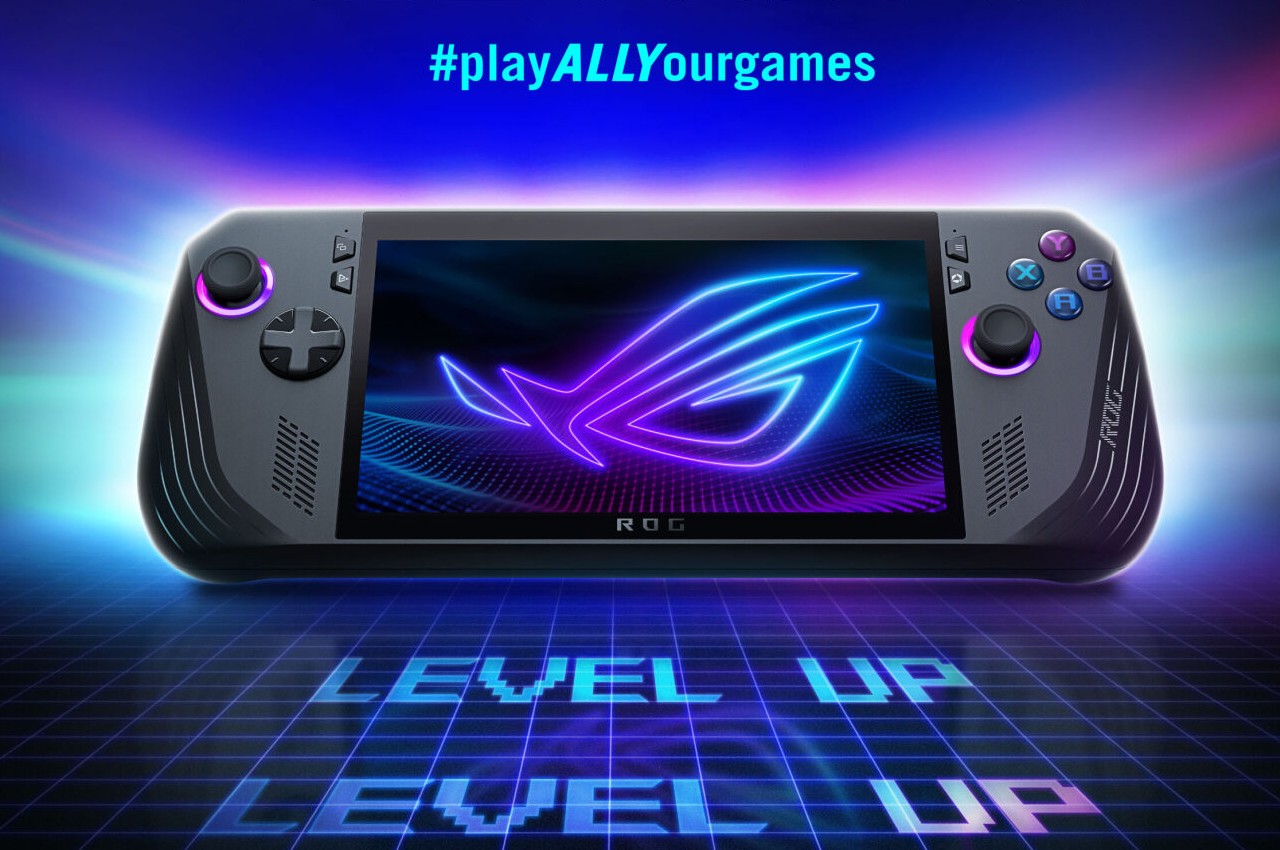
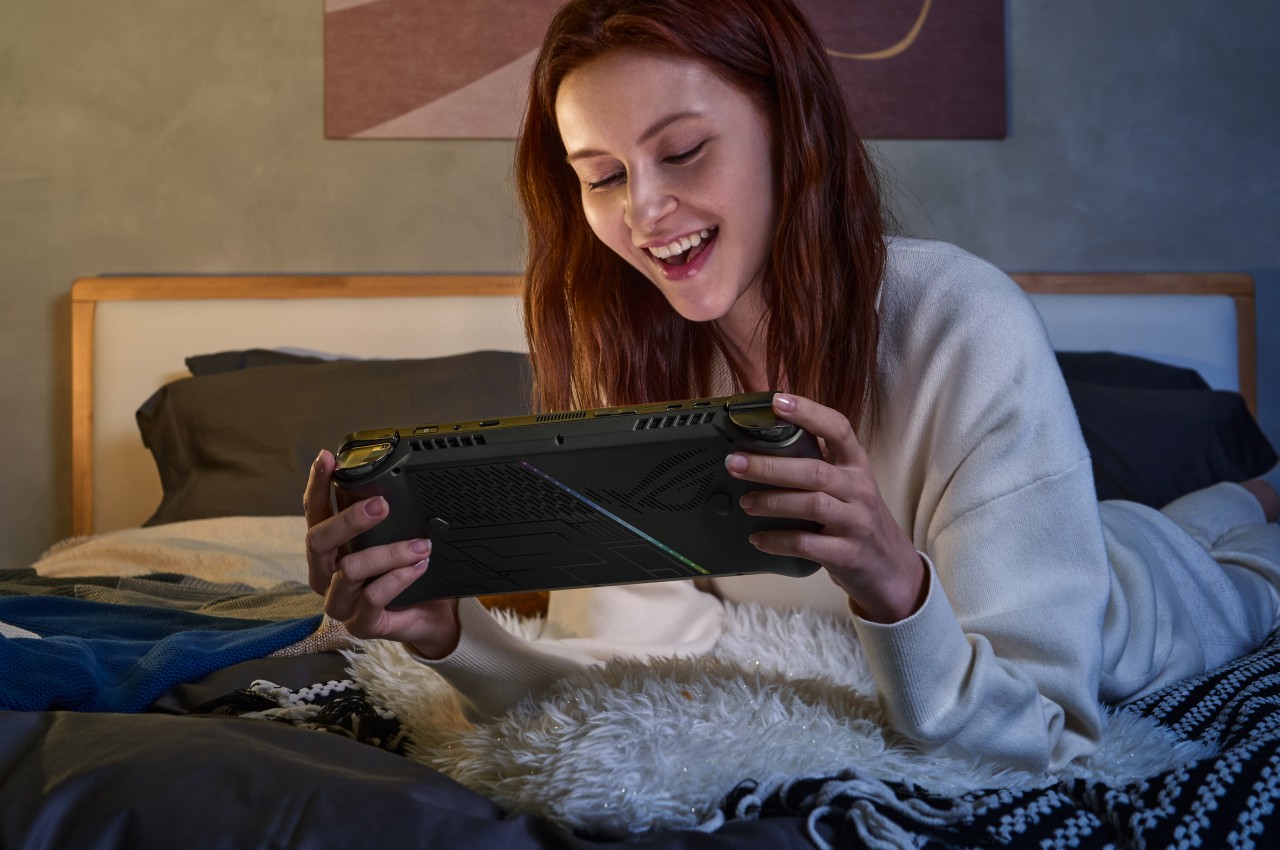
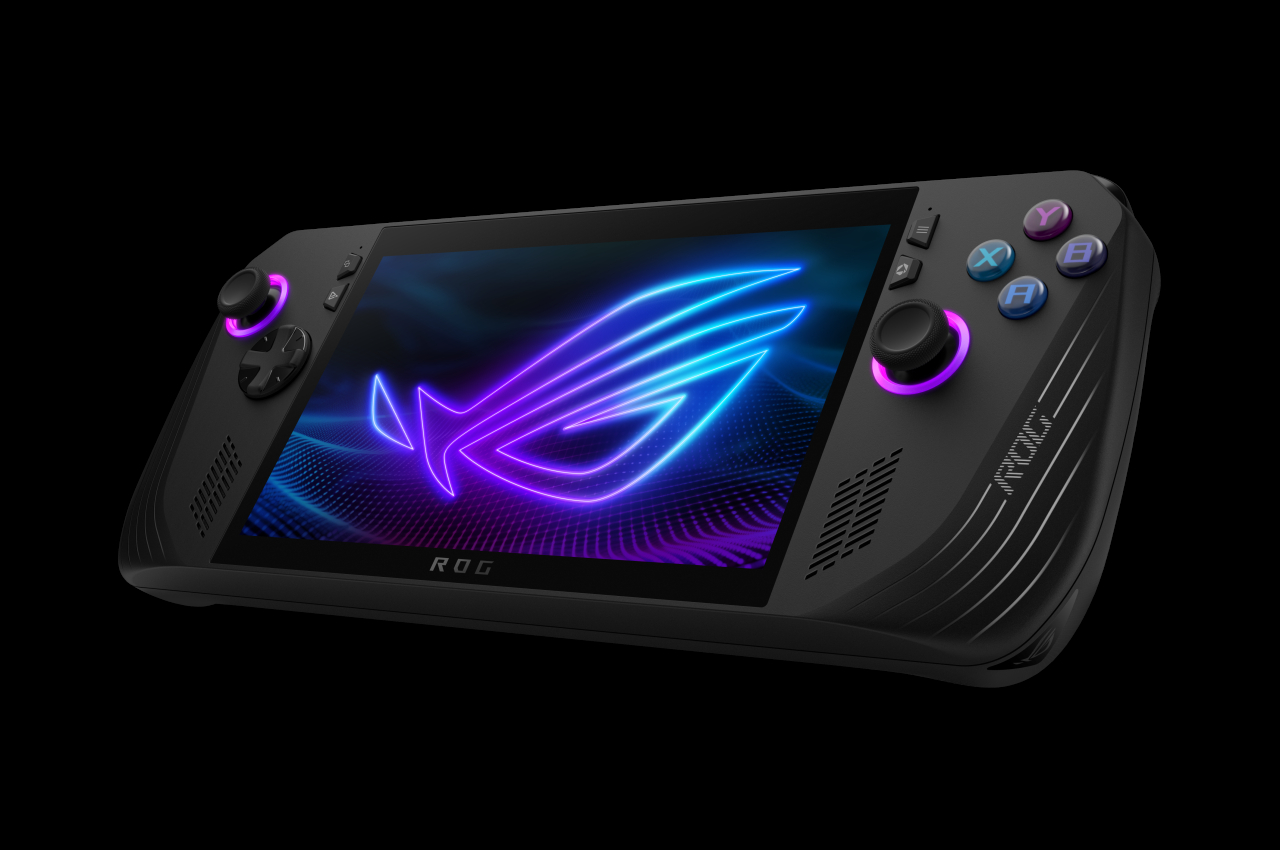
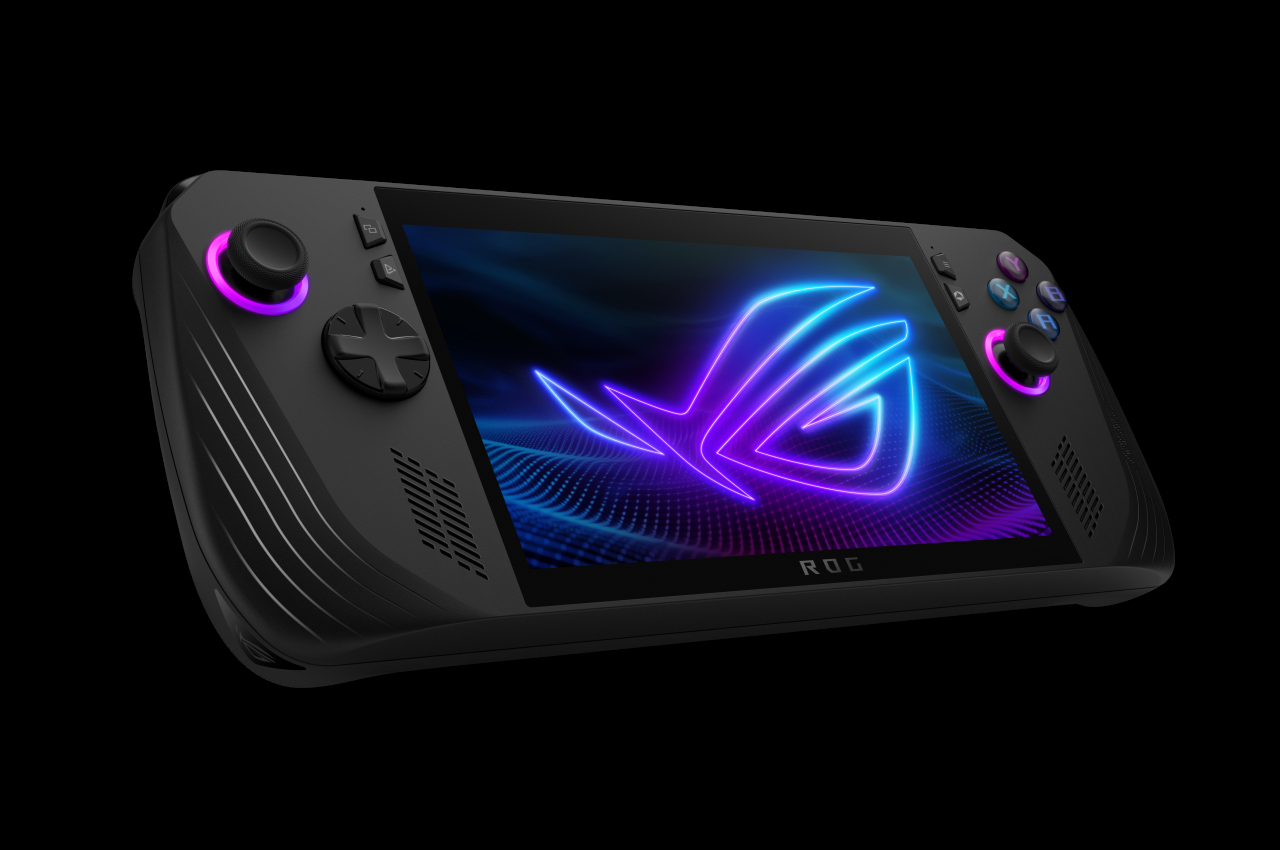
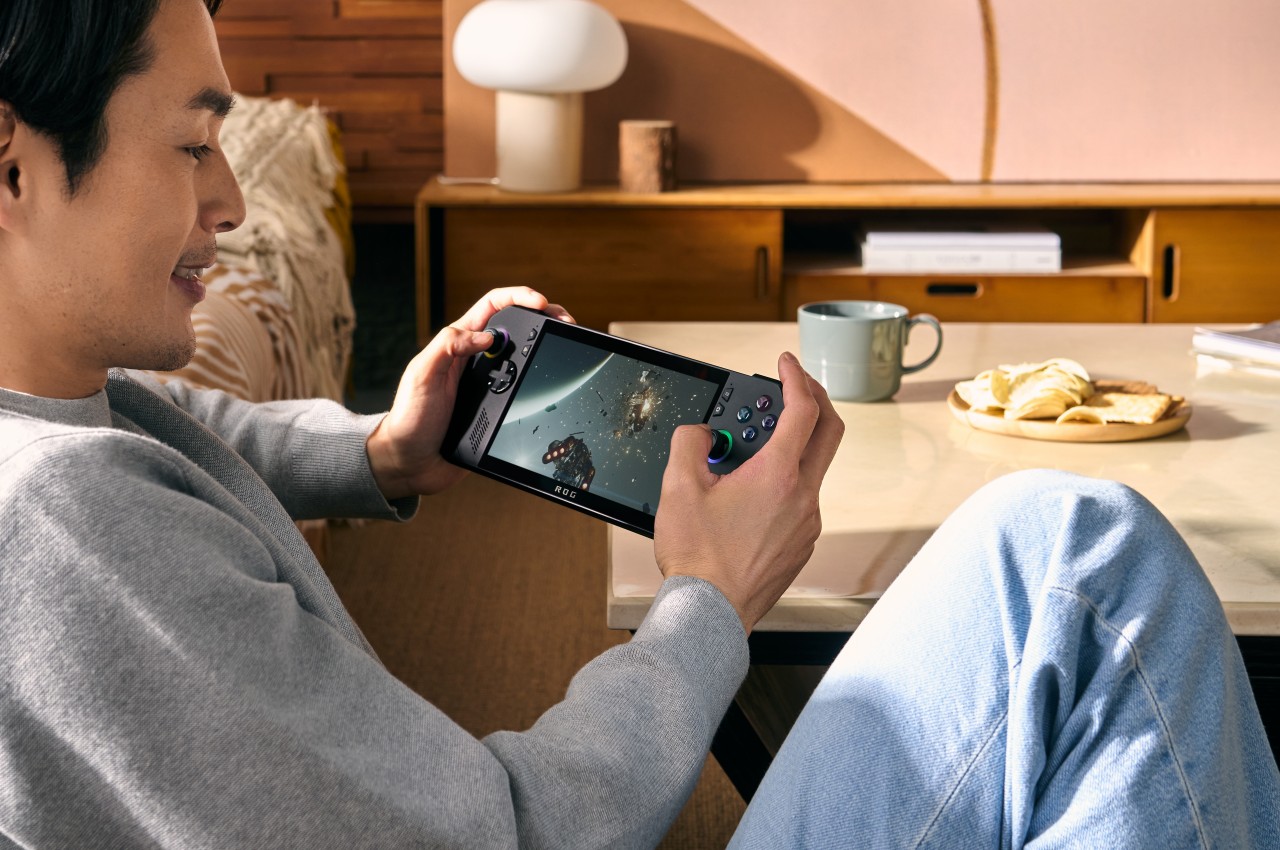
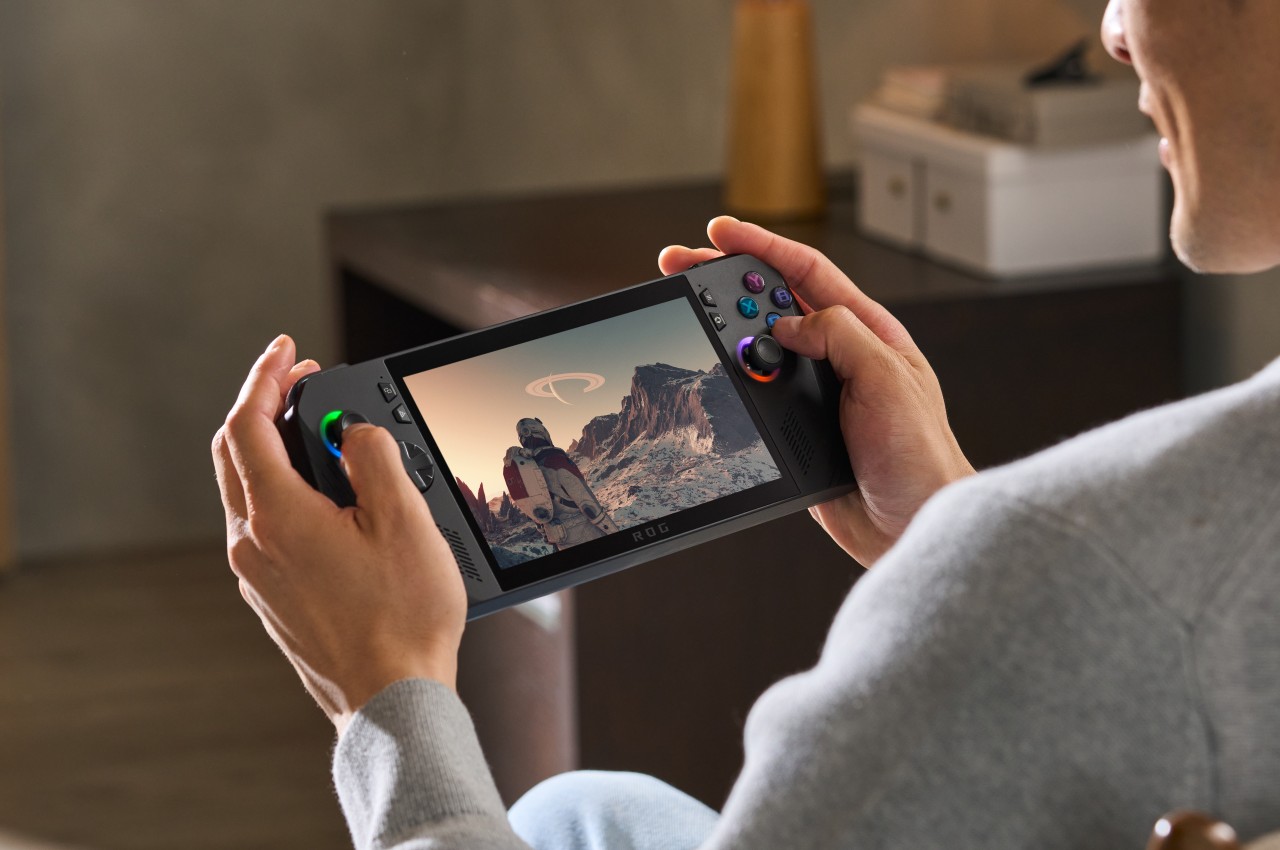
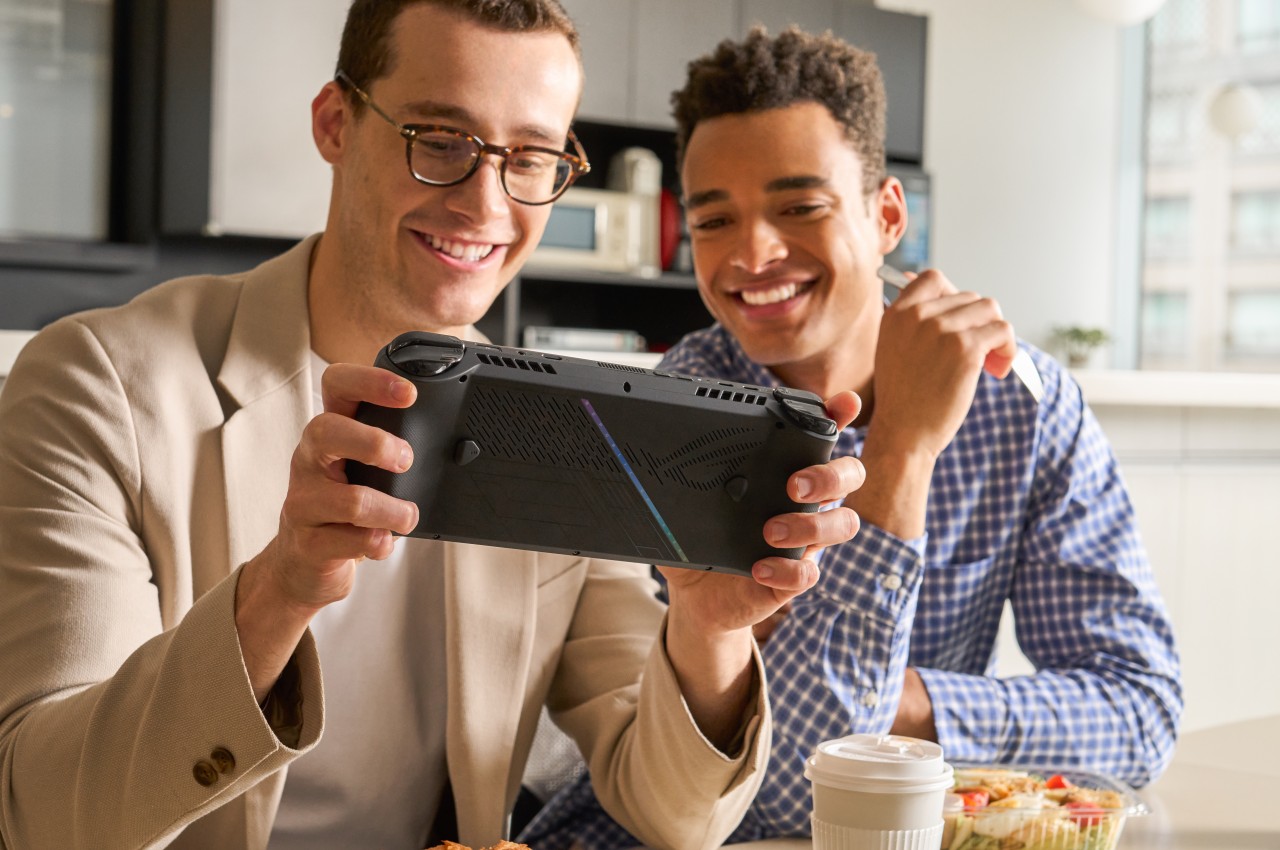
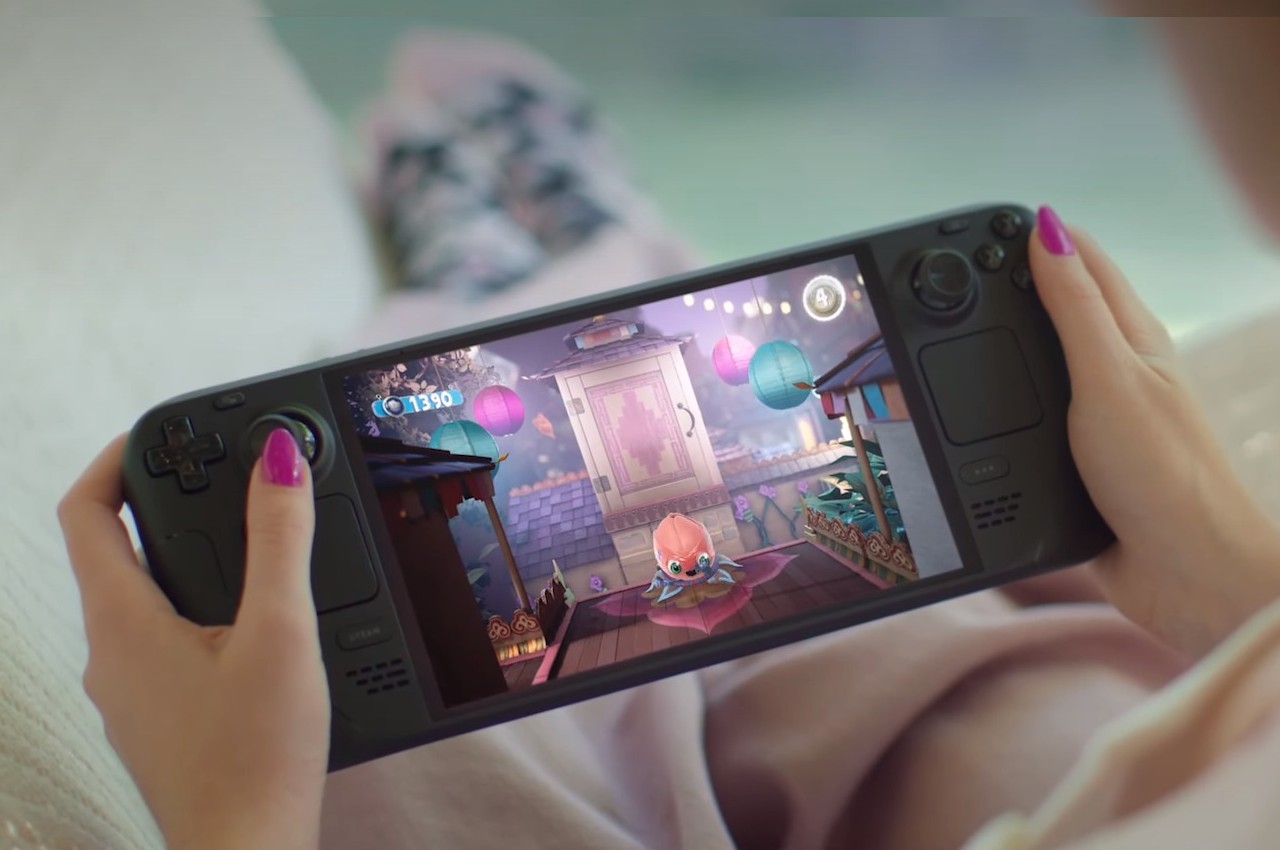
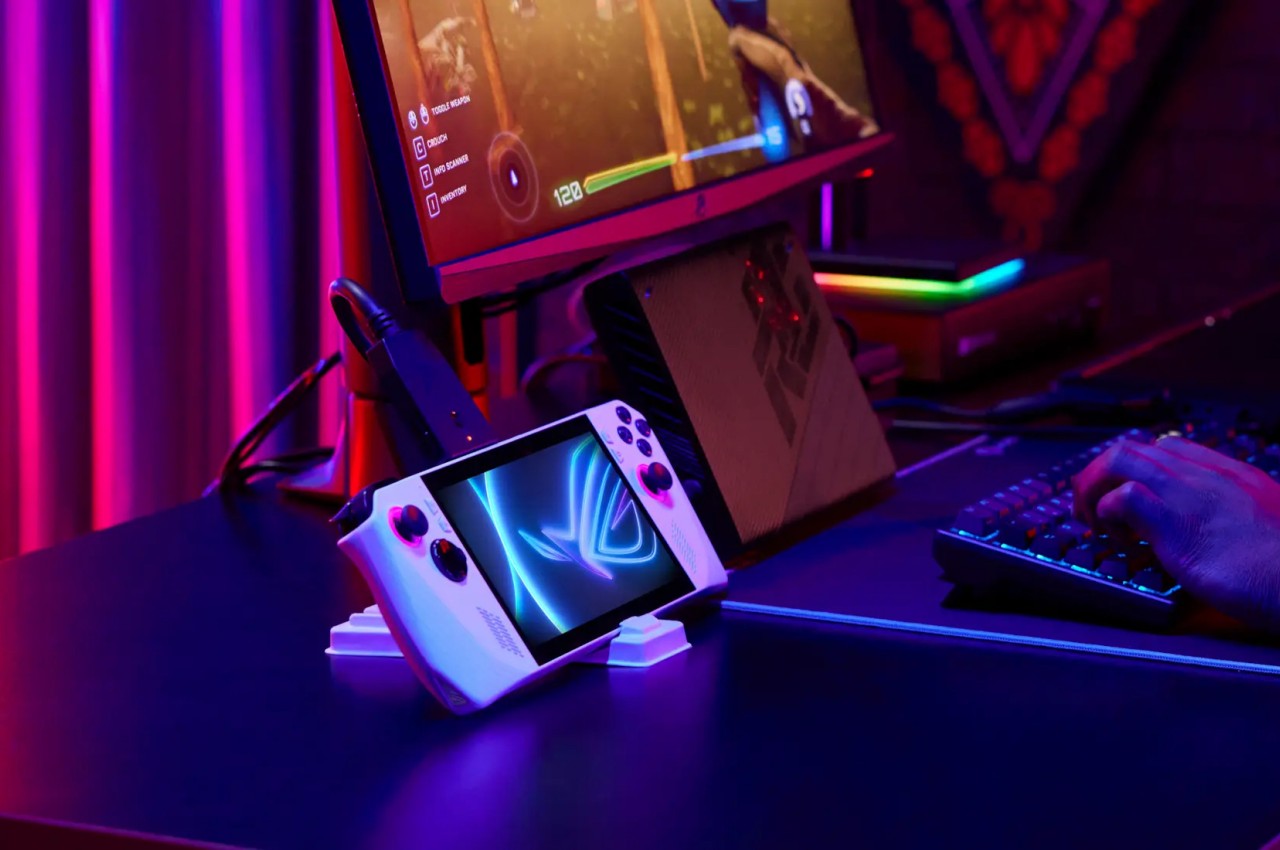
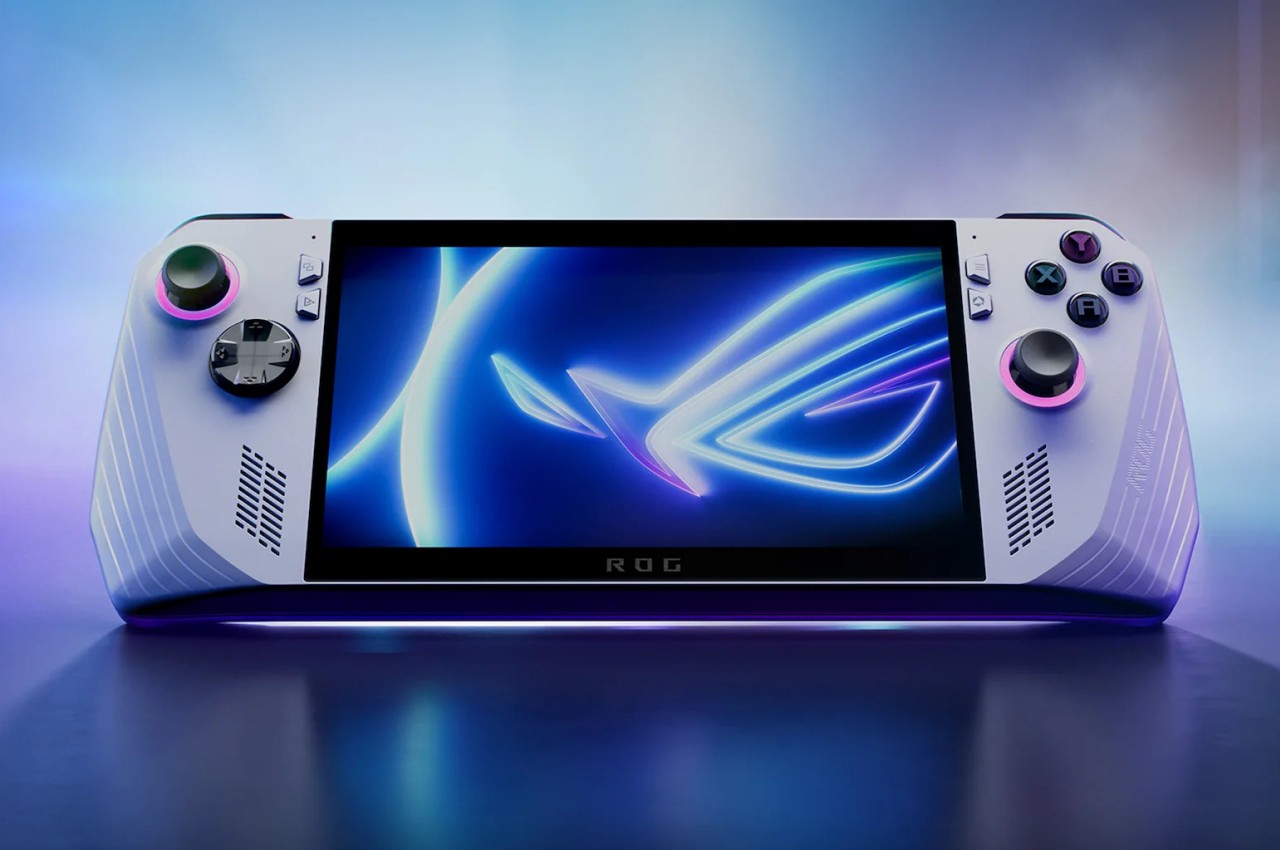
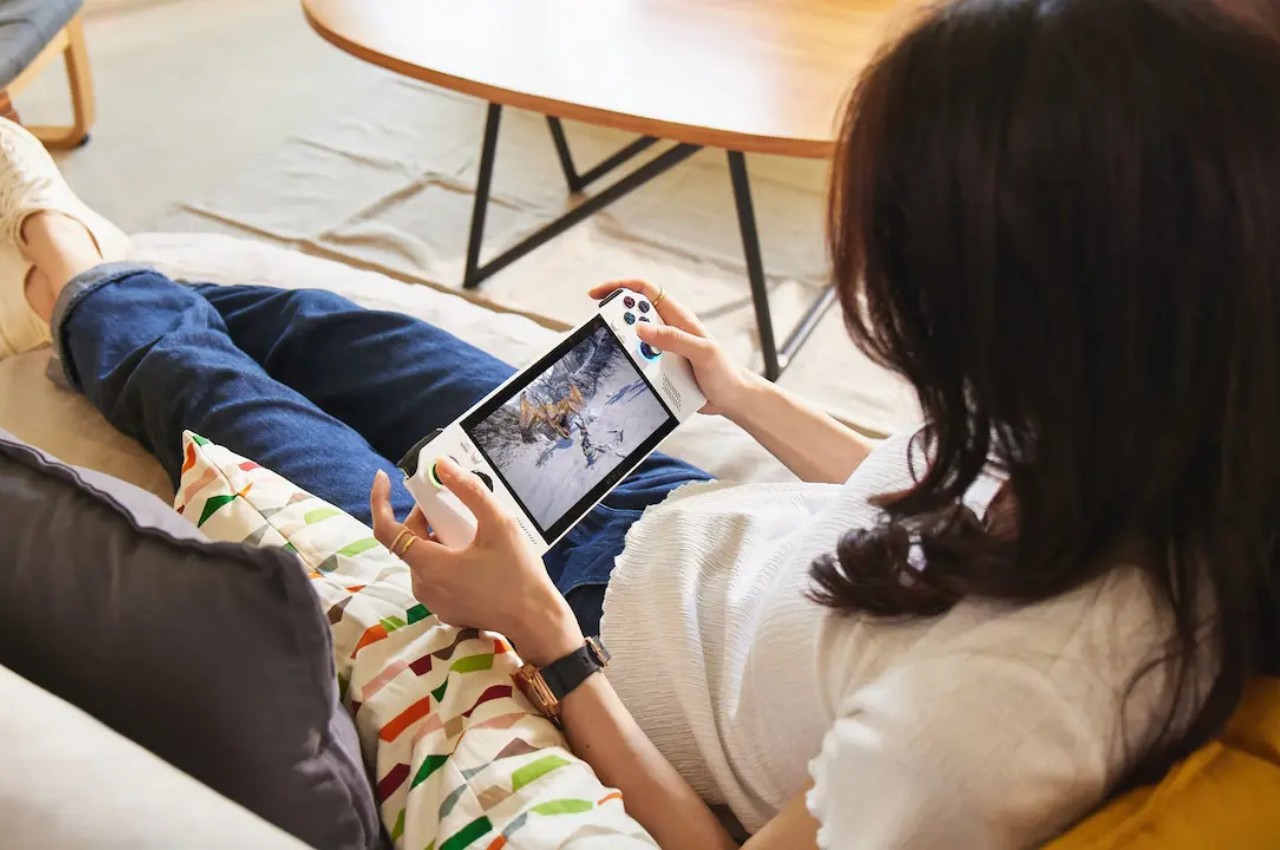
After numerous leaks and rumors, the cat is finally out of the bag. The next ASUS Republic of Gamers handheld PC isn’t the Ally 2 but the ROG Ally X as expected. While some might see it as simply splitting hairs, the naming does make a difference. It still has the beating heart of the first ROG Ally, but with a few extras that respond to the criticisms and requests of the gaming community who embraced this more portable form factor right off the bat. From some perspectives, those extras are really small and subtle, especially if looking at it from the outside. But with enough of those changes working together, the ROG Ally X is positioning itself to be a more powerful companion that will let you play more games longer.
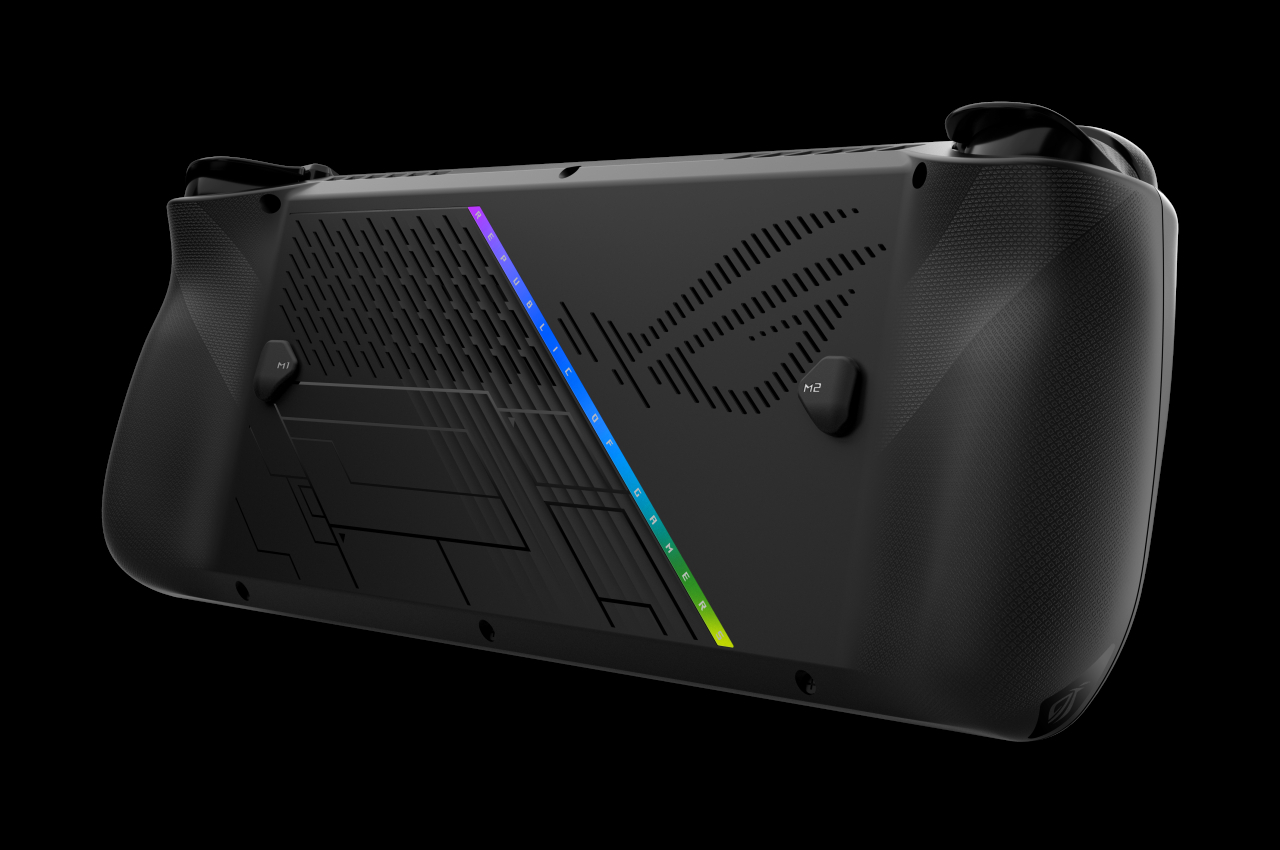
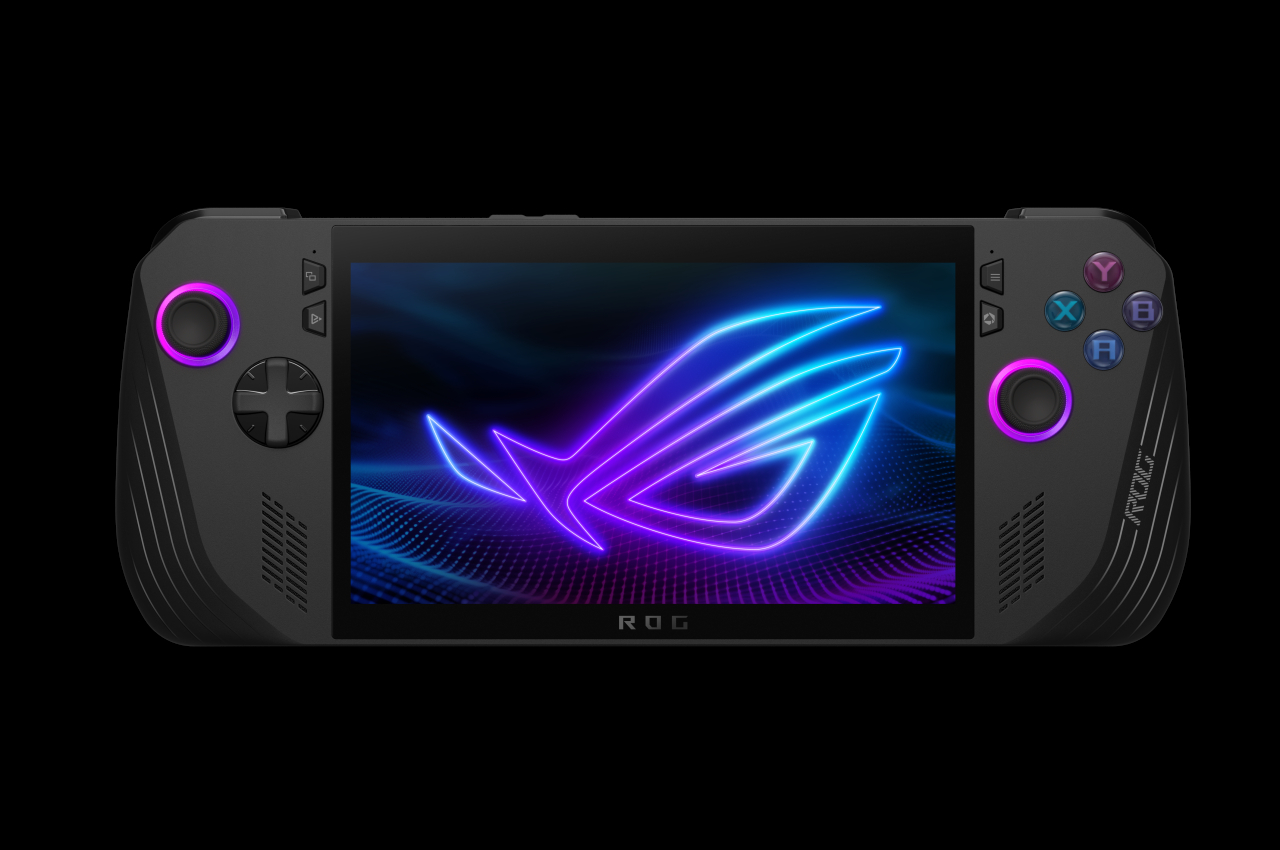
Just from a glance, you might not be able to tell that this is in any way different from the OG ROG Ally, at least except for its new all-black motif. It still boggles the mind why ASUS chose white for its first iteration, a color that’s almost alien to gamers’ palettes, though it did help the ROG Ally stand out from its rivals. If you look more closely, however, and hold the device in your hands, you might notice how things are somewhat different, hopefully for the better.
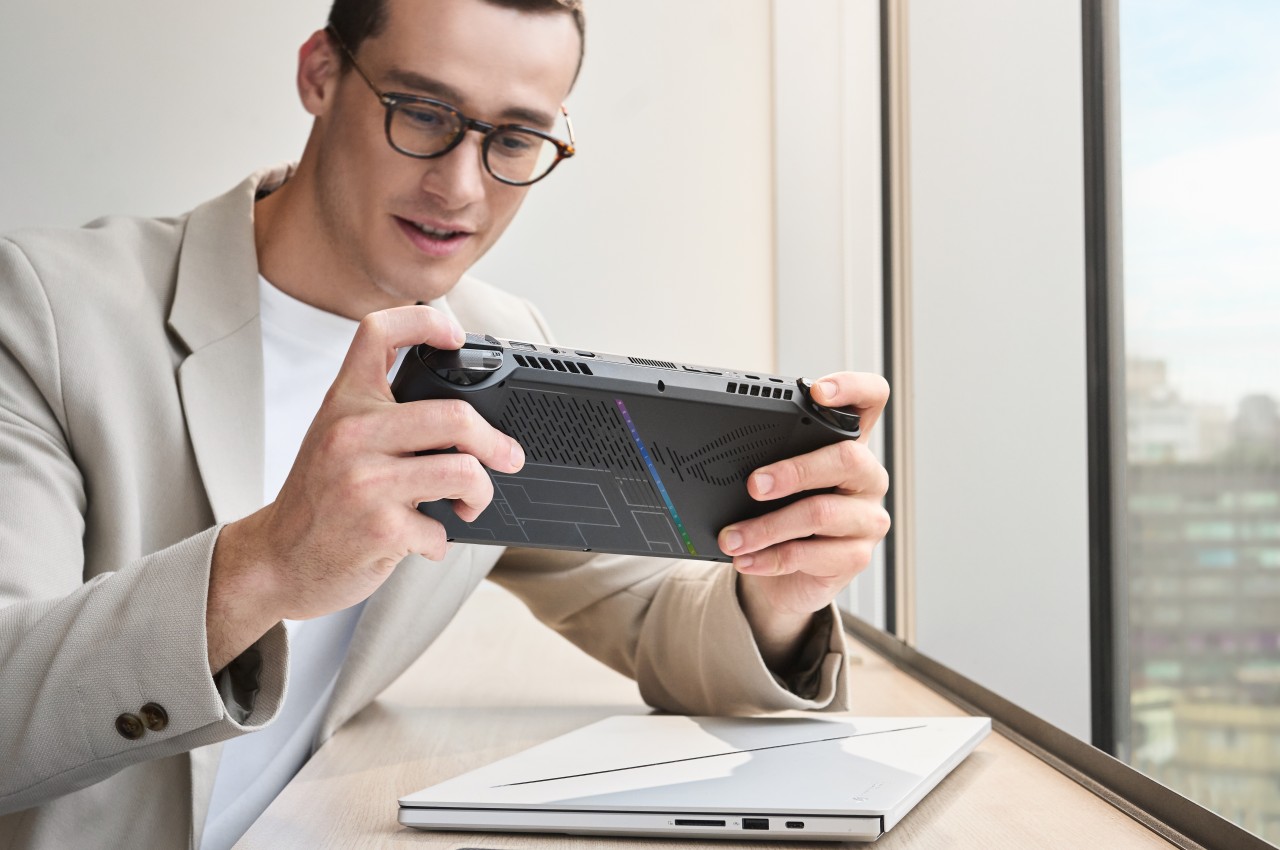
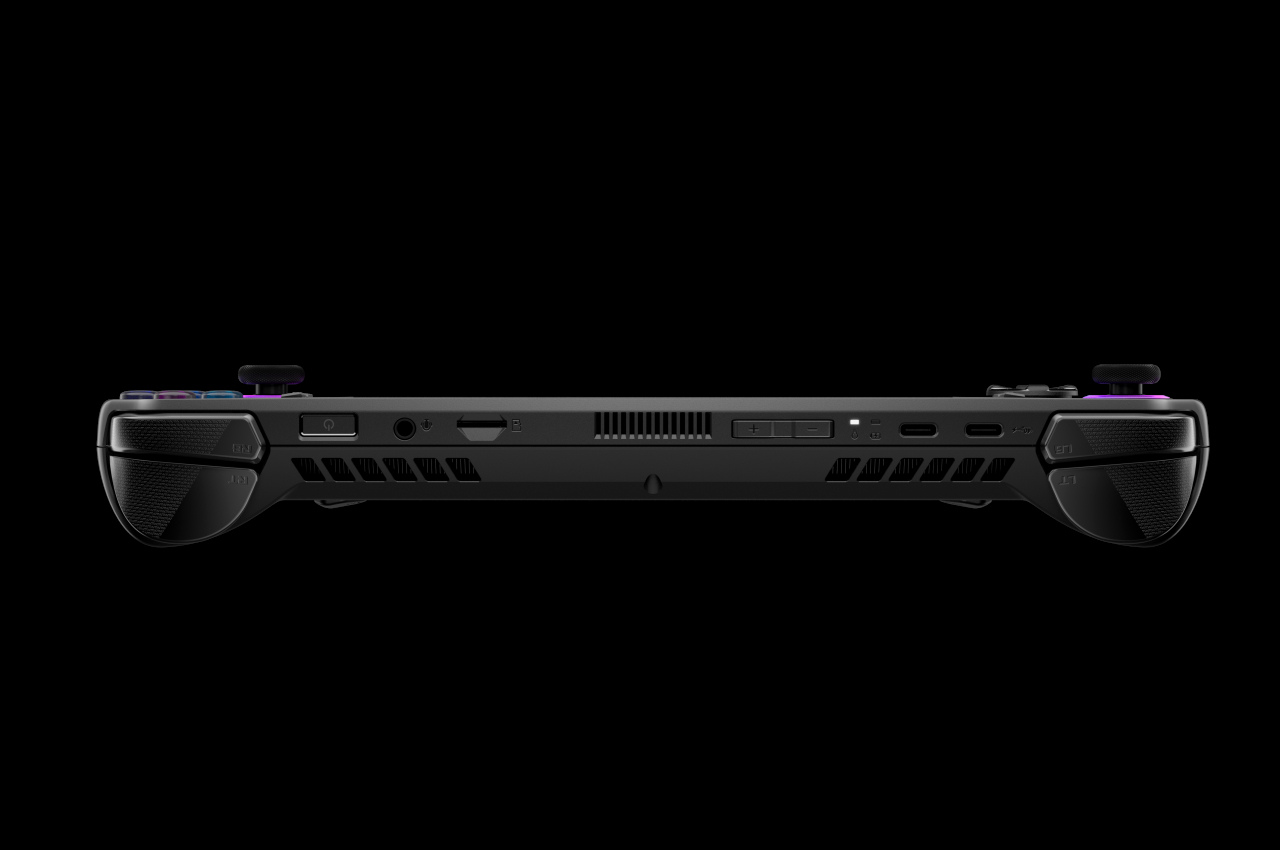
The handles, for example, are rounder now, which helps improve the grip that’s critical to a handheld device. The back triggers now come at an angle for better ergonomics, while the joystick and D-pad have been improved to be more durable and more precise. The biggest changes, however, are on the inside, where every little thing counts if it’s meant to improve the gaming experience.
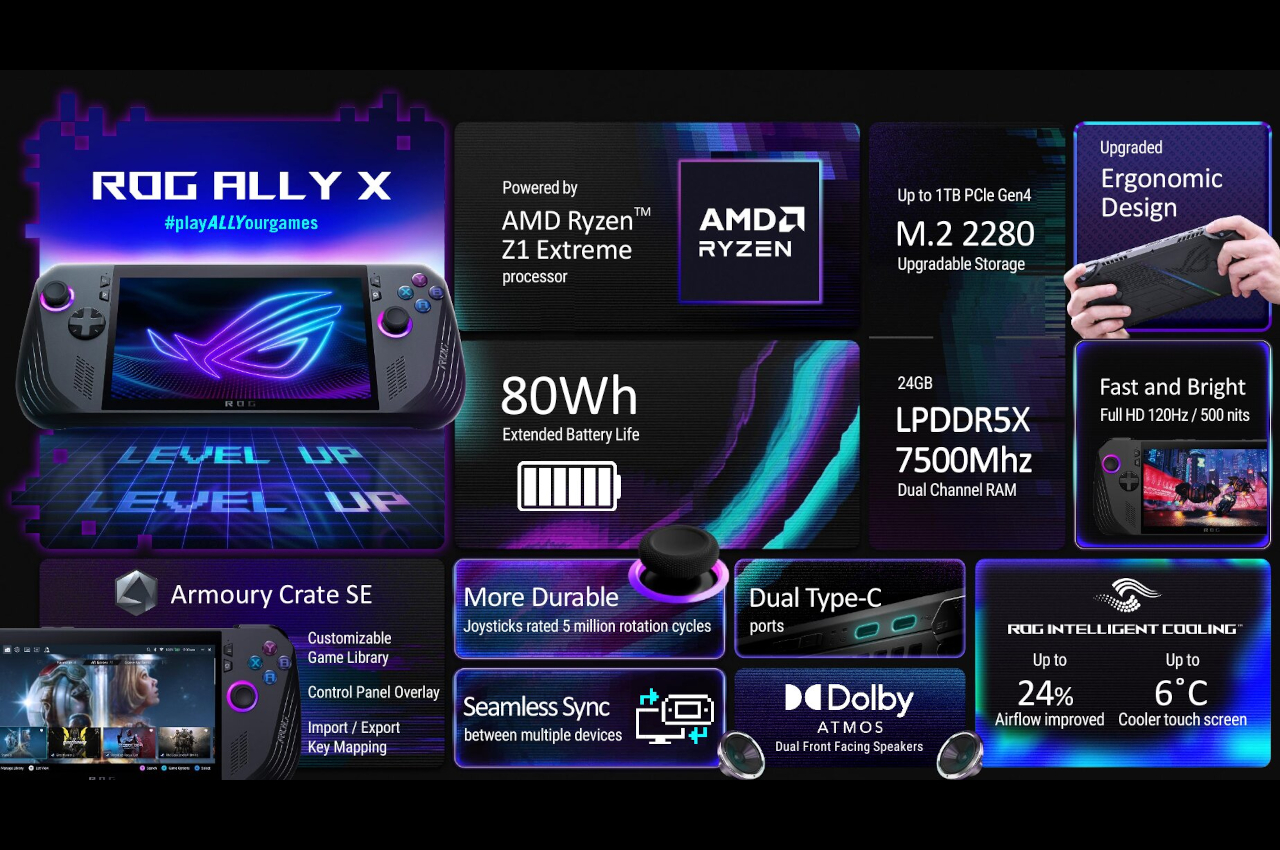
It’s still the same AMD Ryzen Z1 Extreme as the original ROG Ally, but that mobile gaming processor is now paired with 24GB of DDR-7500 RAM, up from 16GB in the first iteration. The storage capacity has been doubled to up to 1TB, but the bigger surprise is that ASUS is making it easier to upgrade it. The battery has also been doubled to 80Wh, which means you’ll have more time playing before you need to plug the little monster in. To compensate for this newfound power, ASUS ROG promises an improved thermal cooling solution so you won’t burn your hand while you play.
There is at least one change that some might consider a downgrade, depending on how attached they’ve become to ASUS’ proprietary XG external graphics port. In its place, the ROG Ally X uses a more standard Thunderbolt-compatible USB-C port that could still work with external GPUs but also with a lot more devices as well. Given all these changes, it’s no surprise that the ASUS ROG Ally X will cost more than its predecessor at $799.99. Then again, this version is squarely aimed at power gamers, and those who can live with the bare minimum can still get the older model, at least for now.
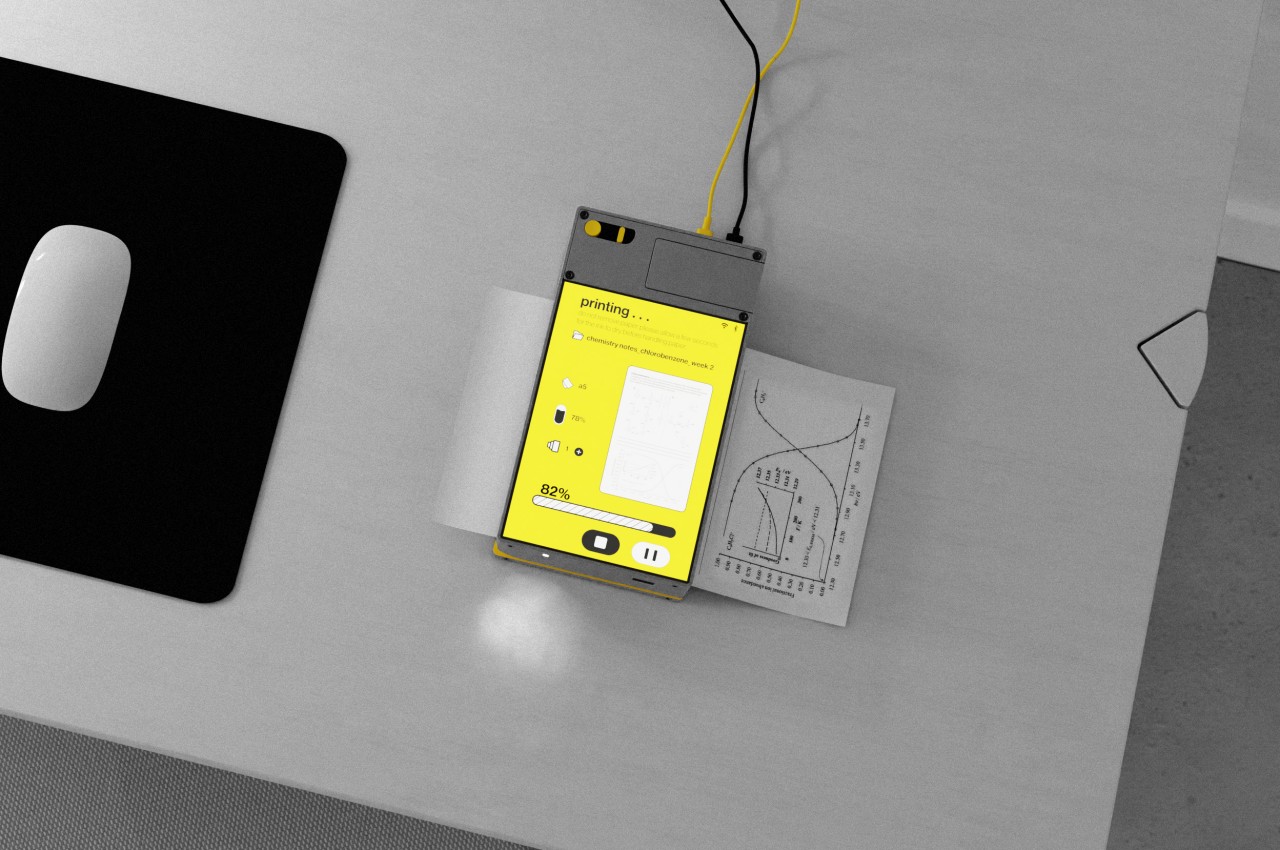
We live in a world filled with apps, multimedia content, and digital data, but there are and will always be things written on printed on paper. Official documents are still printed, receipts are still physical, and some people still prefer writing on notebooks and notepads. The gap between physical and digital isn’t that easy to bridge for people who want or even need to have the best of both worlds, even though there are, ironically, a handful of products claiming to offer the perfect solution. As some say, there is no perfect answer, but the best one might actually be the simplest and most straightforward. This concept device, for example, offers what looks like a traditional printer and scanner combo, except it’s something that you can easily store and take from your bag whenever and wherever you need it.
Designer: John Branca
There are quite a few product designs these days that try to unify physical and digital documents, from notebooks and pens that can record your handwriting to smartphone apps that can convert printed or even handwritten text into digital ones. The former doesn’t exactly work for digitizing what’s already printed, while the latter puts the burden on the person taking a perfect photo of the paper. These solutions also don’t work in the reverse, like turning digital files into their physical form, especially when you’re out of the office or not at home.
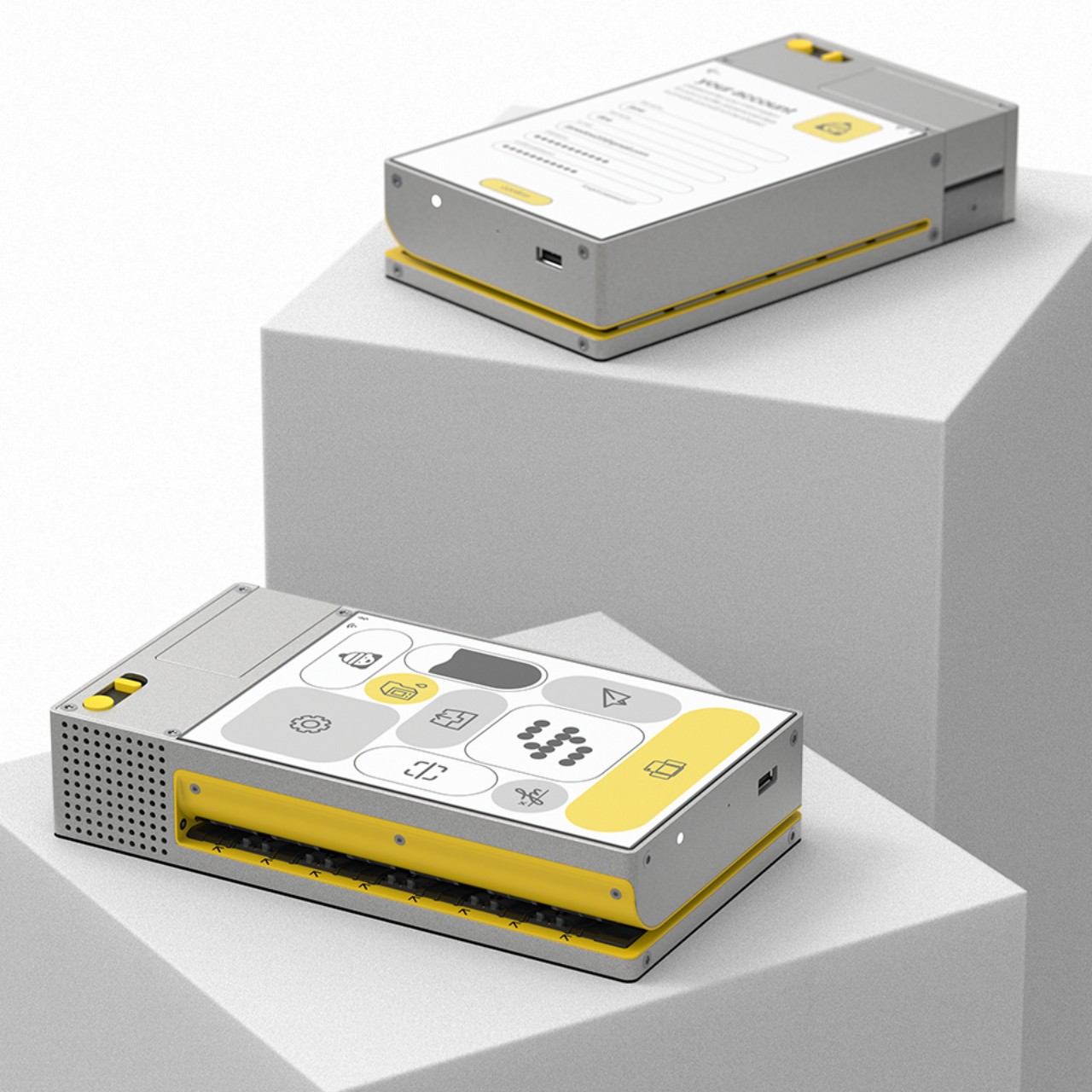
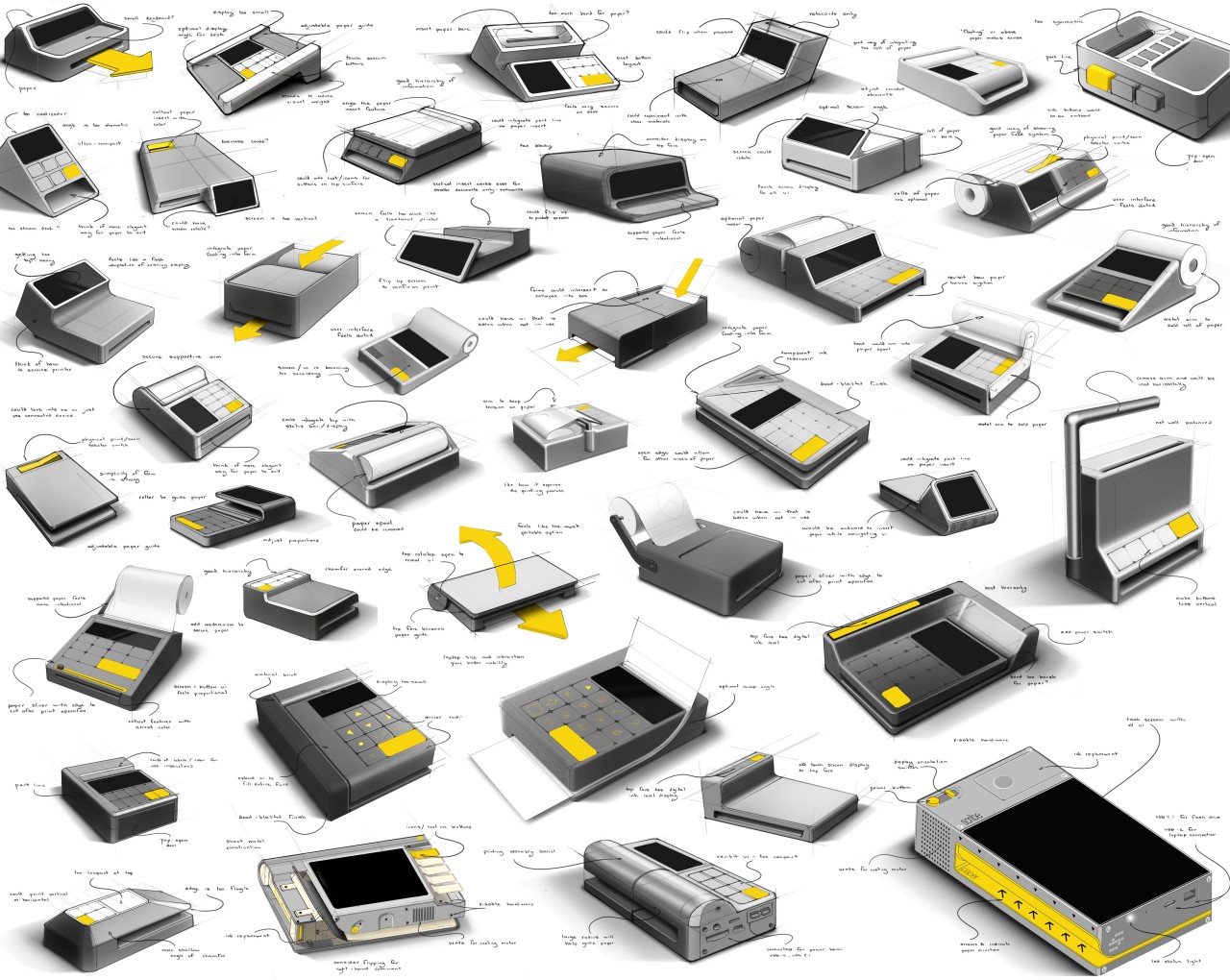
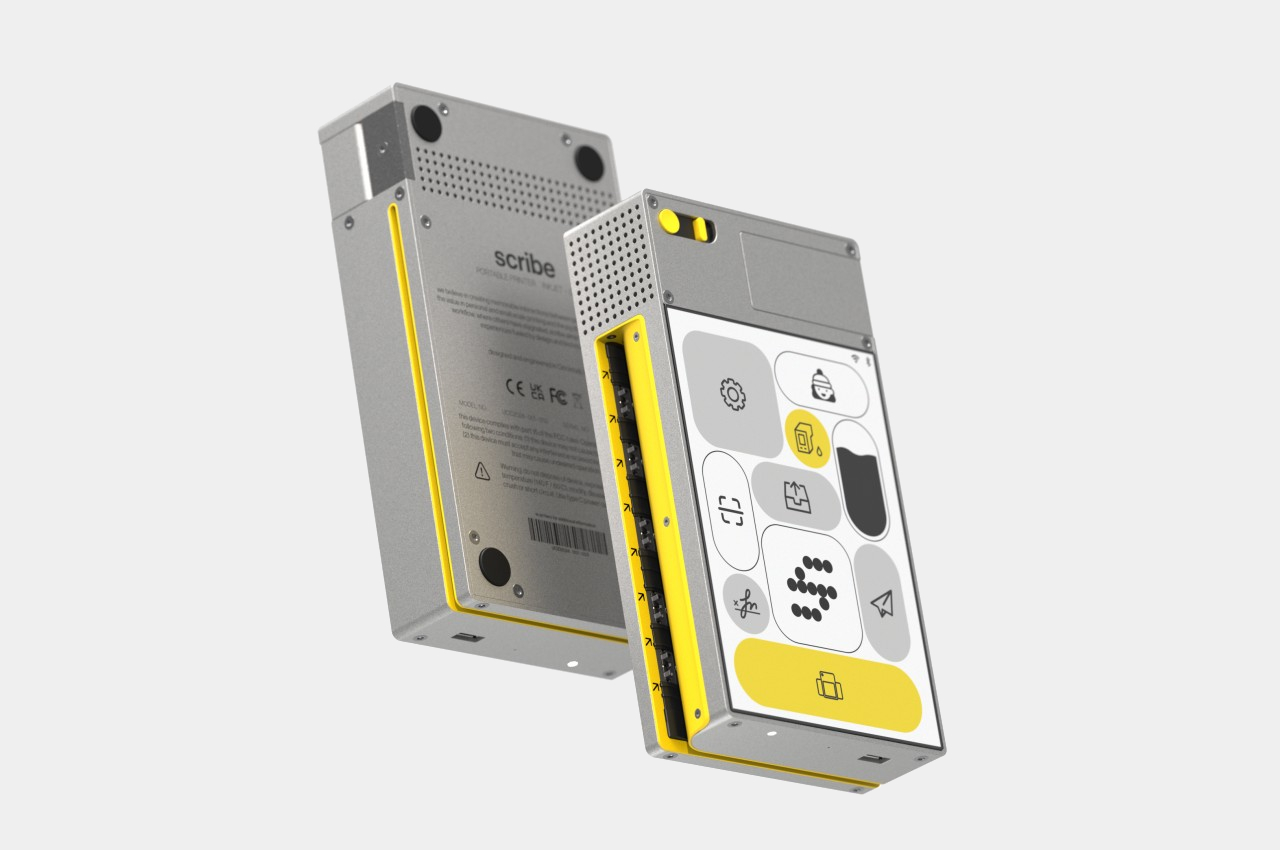
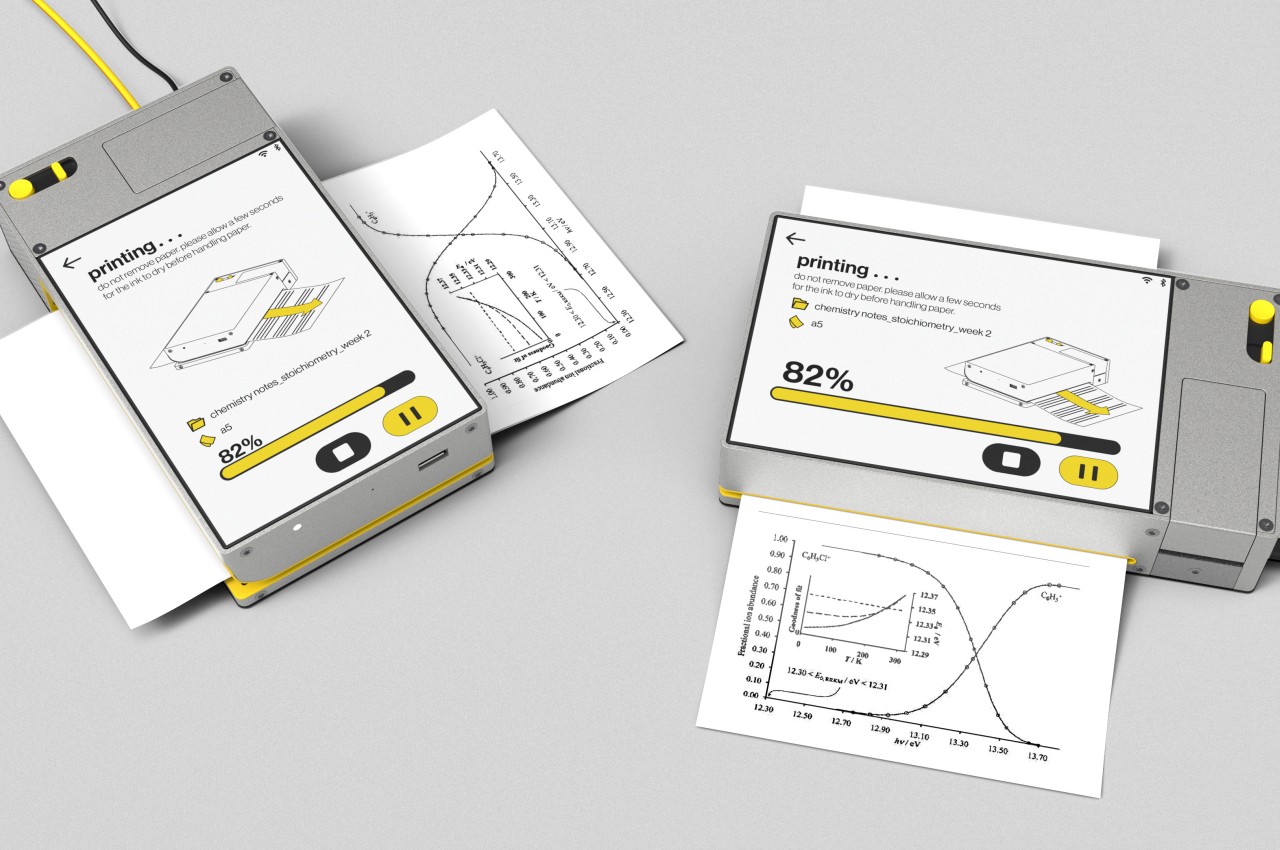
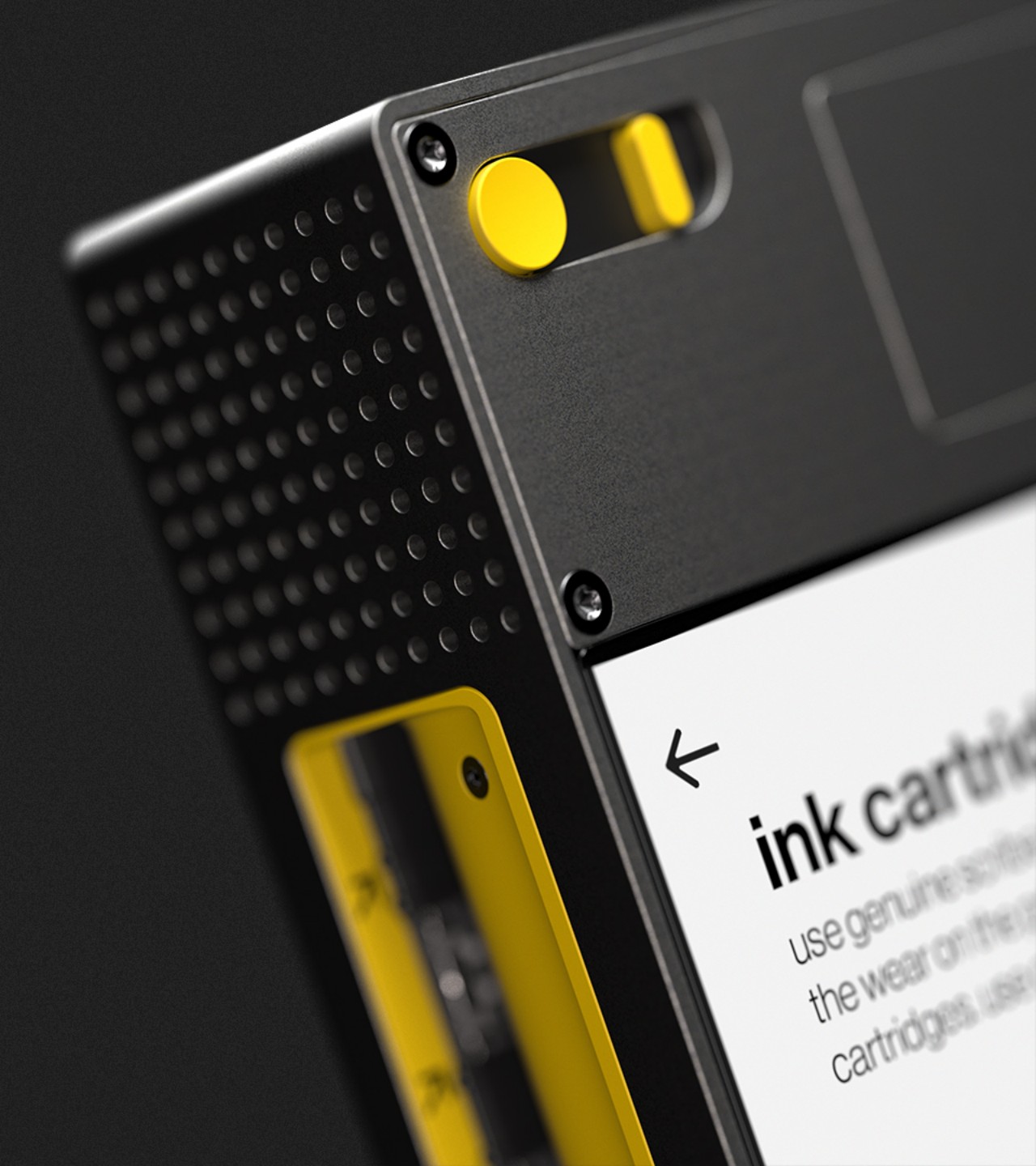
Scribe is a concept design that combines two things that already exist today, a portable printer and a portable scanner. In a nutshell, it shrinks 2-in-1 printer and scanner combos into a compact design that you can even carry in your hand if necessary. It has an industrial-inspired aesthetic that moves away from the predominant minimalist style, making it distinctive and memorable. It also has a large touch display that makes operating the device simple and intuitive without having to fumble on your computer or phone.
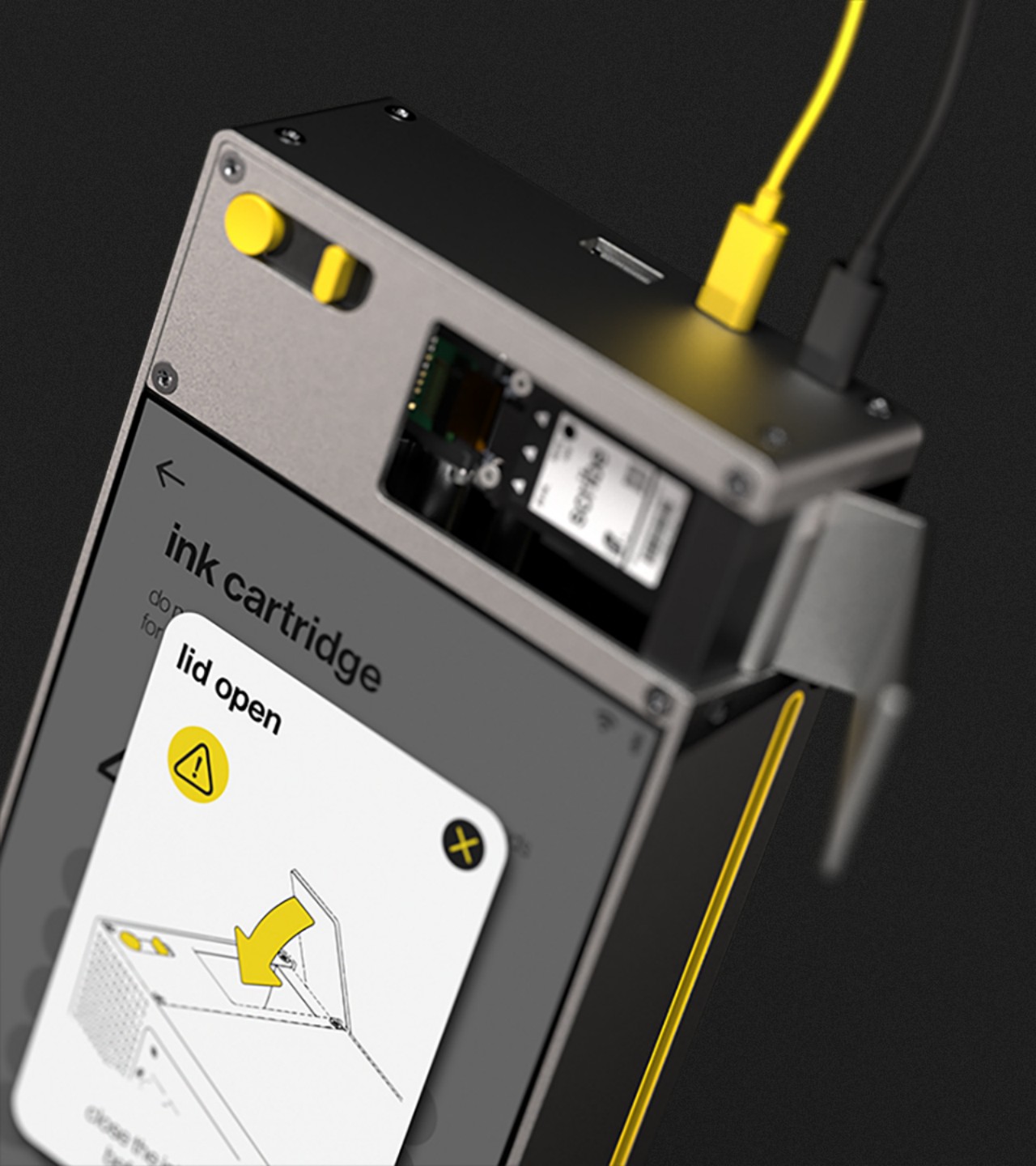
The device uses a feed-type mechanism where a piece of paper slides through the box to get printed or scanned. This does have the limitation of accommodating certain paper sizes only, though that will most likely be the most common use case for scanning receipts and printing out notes. That said, you won’t be able to scan any bound material like notebooks and books, so forget about taking this to the library. Due to size constraints, there’s also only room for a single black inkjet cartridge. ZINK technology might be more compact, but that also requires using special, non-standard paper.
Scribe is definitely an interesting break from all the app-based, smartphone-centric solutions out there, though it still raises the question of whether it’s more convenient or not. Then again, you can’t print from your phone either, so if you’re going to bring a portable printer with you, might as well have something that can also scan those documents as well.
Despite the power that smartphones and tablets have these days, PCs and their Mac equivalents remain the workhorses of the modern world. Not only do they have more power, they also offer more flexibility thanks to decades of research, development, and innovation. Market analysts, however, have long been pointing to the demise of the PC market, especially desktops, and there has indeed been a great deal of stagnation not only in hardware but even in product designs. It’s not that there haven’t been any improvements, just that designs have become predictable and even sometimes forgettable. You can’t, after all, change the design formula too much unless you also drastically change the internals as well. That’s the kind of burst in innovation that awaits the PC market, both laptops and even desktops, if running Windows on the same hardware as smartphones and tablets finally becomes reliable and productive.
Designer: Qualcomm
Rough Start: Microsoft Surface
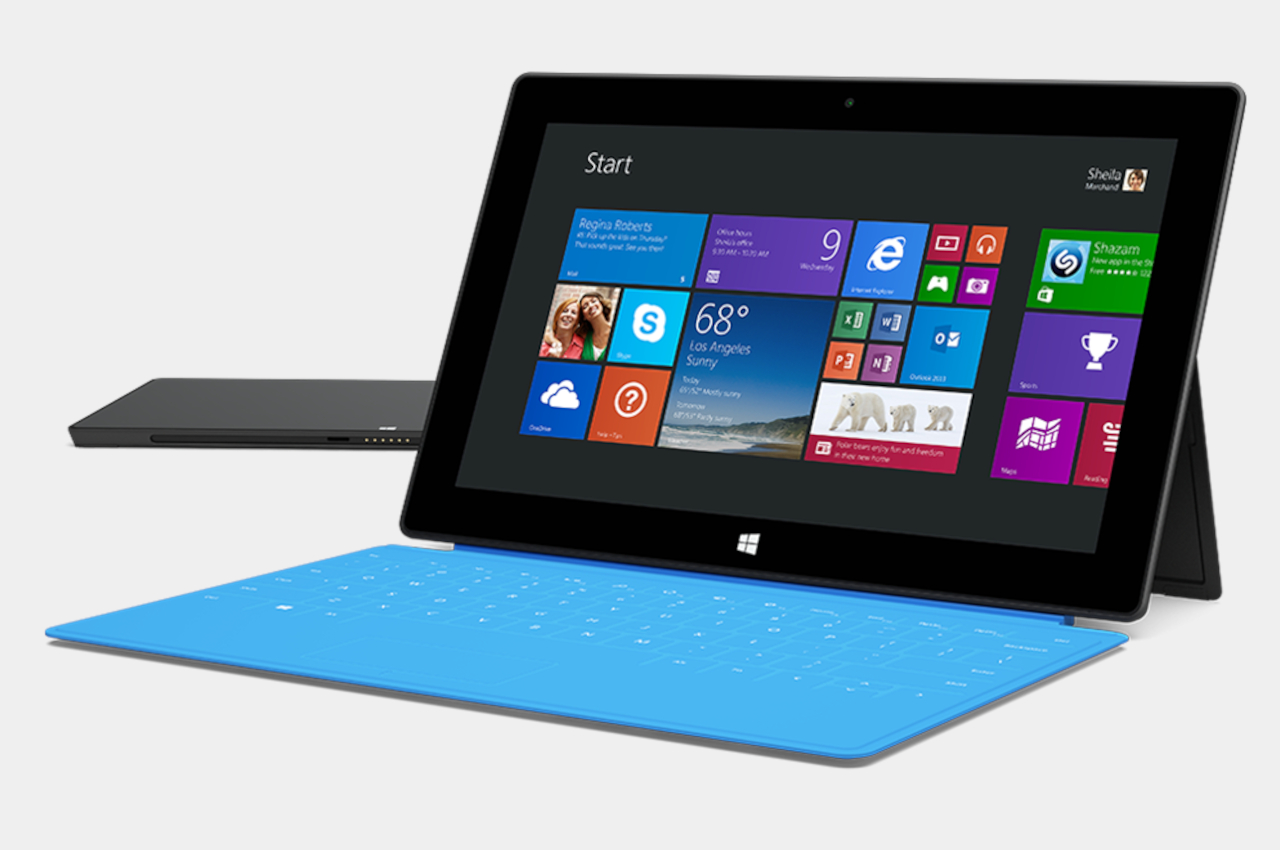
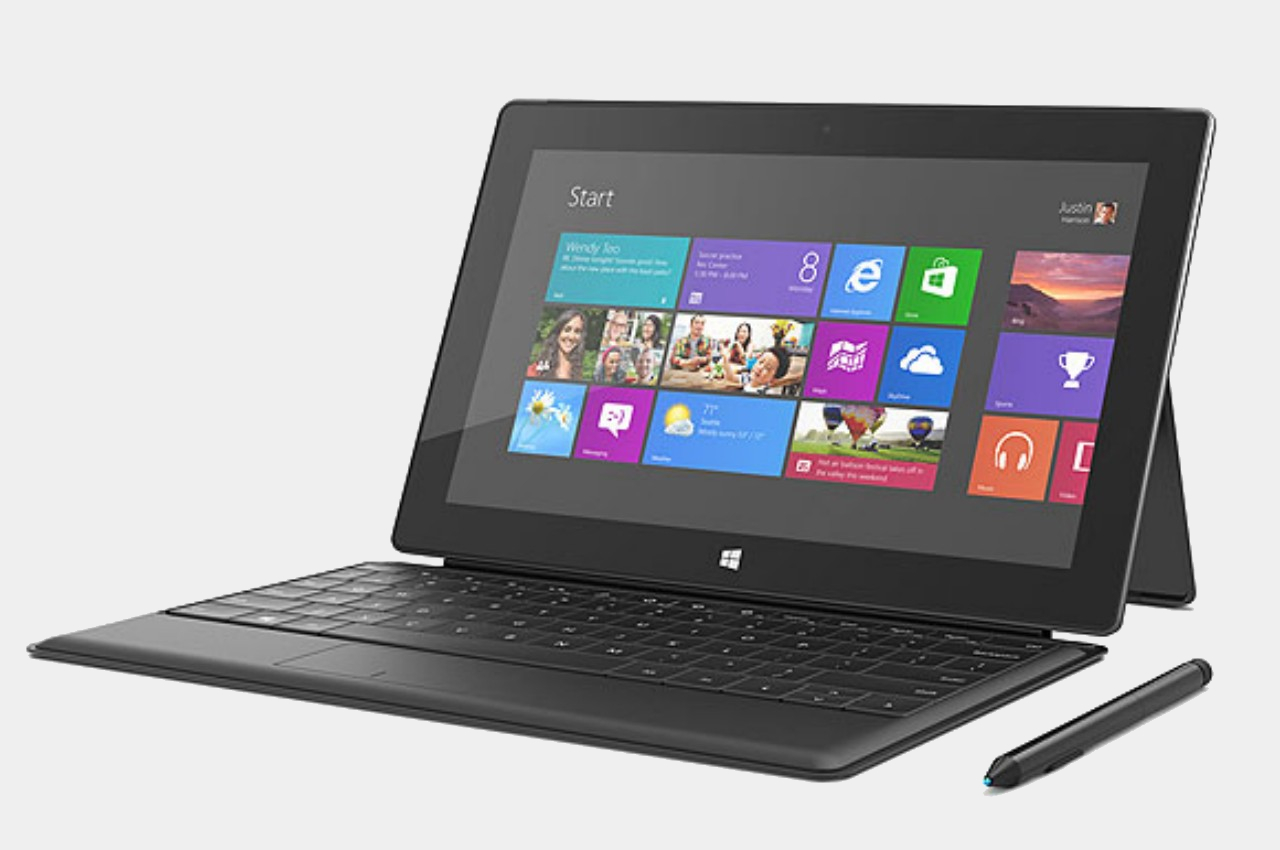
It’s not like the combination of Windows and ARM-based processors, the same silicon that powers mobile devices, hasn’t been done before, but almost all past attempts have come up short of expectations. Disregarding the antiquated Windows CE and Windows Phone variants, Microsoft has time and again tried to bring the benefits of phones and tablets to PCs without much success. One of the first ones in recent memory is the smaller Microsoft Surface. Although the Surface Pro has become something of an icon today, its base model didn’t enjoy the same level of fame, attention, and sales.
Microsoft Surface RT
Designer: Microsoft
The Surface RT and Surface 2 both ran on ARM-based NVIDIA Tegra processors that were normally quite capable on Android tablets. Even those, however, couldn’t bear the weight of Windows, even the watered-down Windows RT version. To add insult to injury, the apps available for that platform were a dismal number which didn’t include the software that people needed to use on Windows. Thus, these first attempts at Windows on ARM were considered to be abject failures, but surprisingly, Microsoft didn’t give up completely.
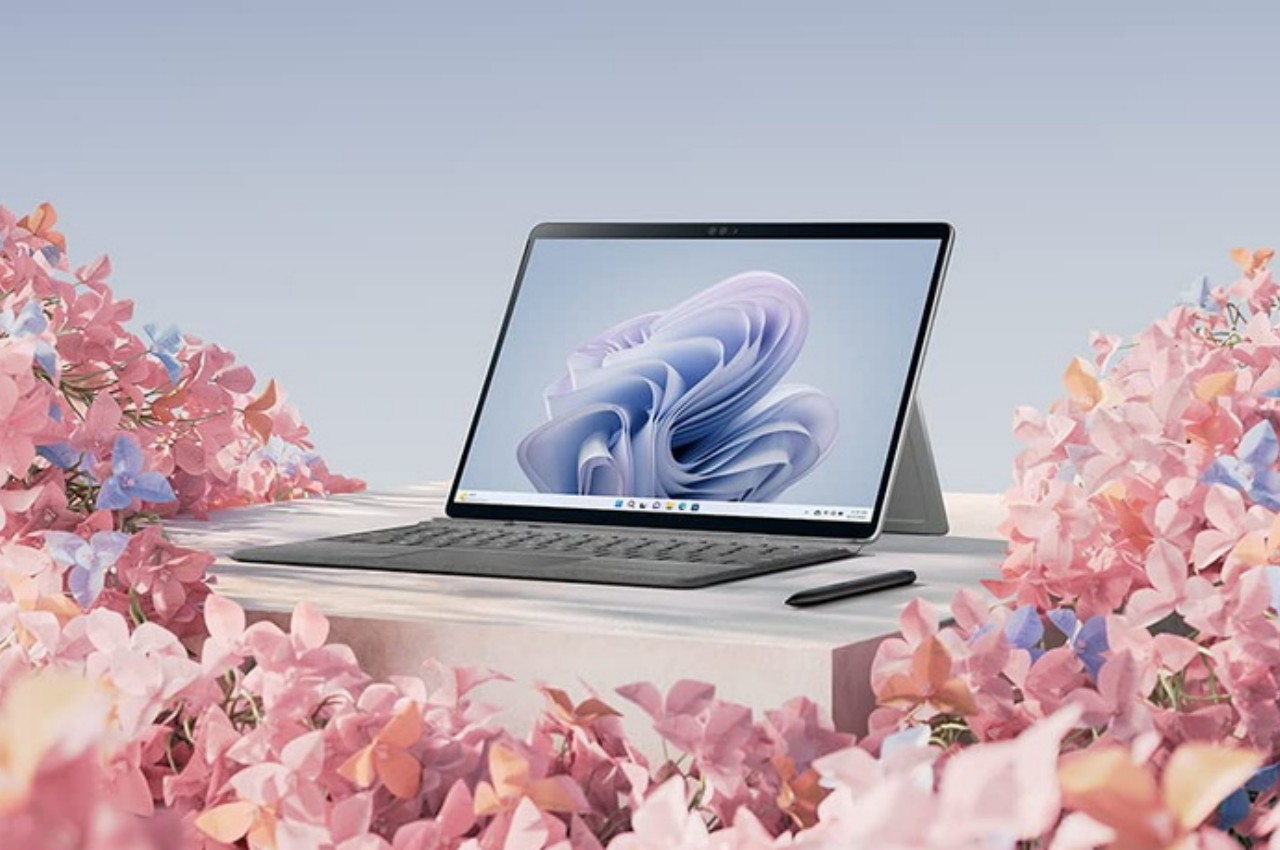
Microsoft Surface Pro 9
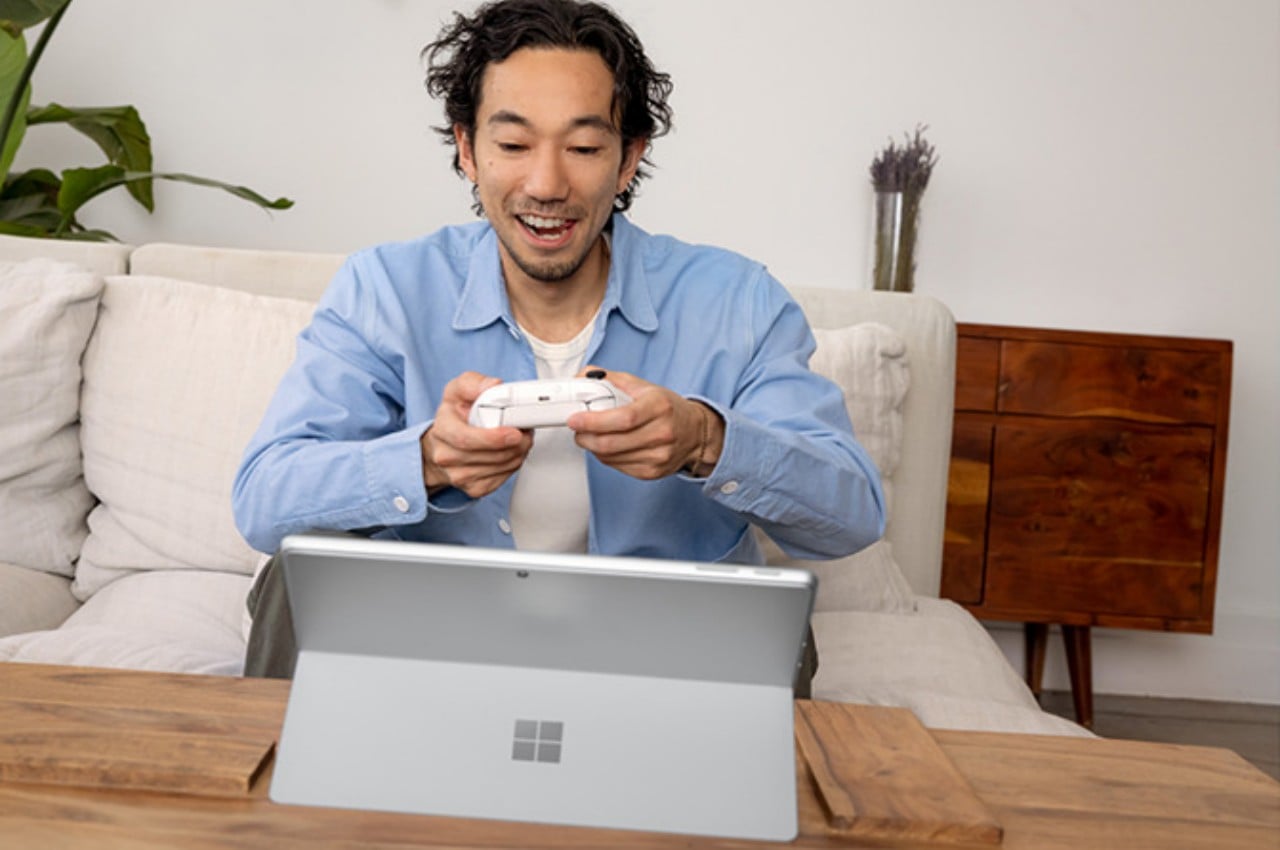
Fast-forward to today, there have been numerous attempts to improve the situation, both from the hardware and the software side. The Microsoft Surface Pro 9 now has a version that runs an even more powerful ARM Qualcomm processor, and the Microsoft Store has quite a selection of popular apps. There are also some emulation solutions for running “normal” Windows software on ARM laptops and tablets, but that’s not exactly a panacea. All these sound like too much effort for what seems like a niche design, but it’s an effort that could yield a bountiful harvest if it succeeds.
Faster, Slimmer, Cooler
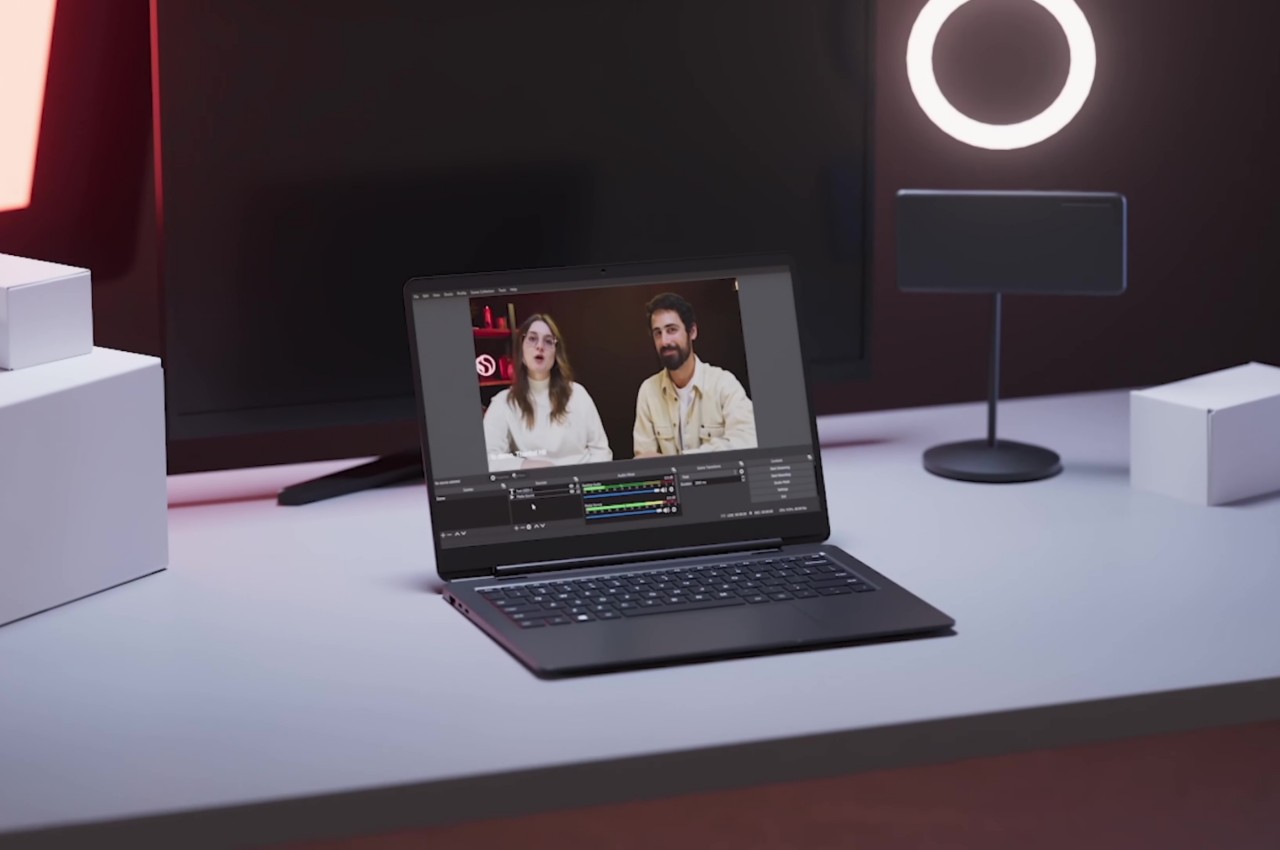
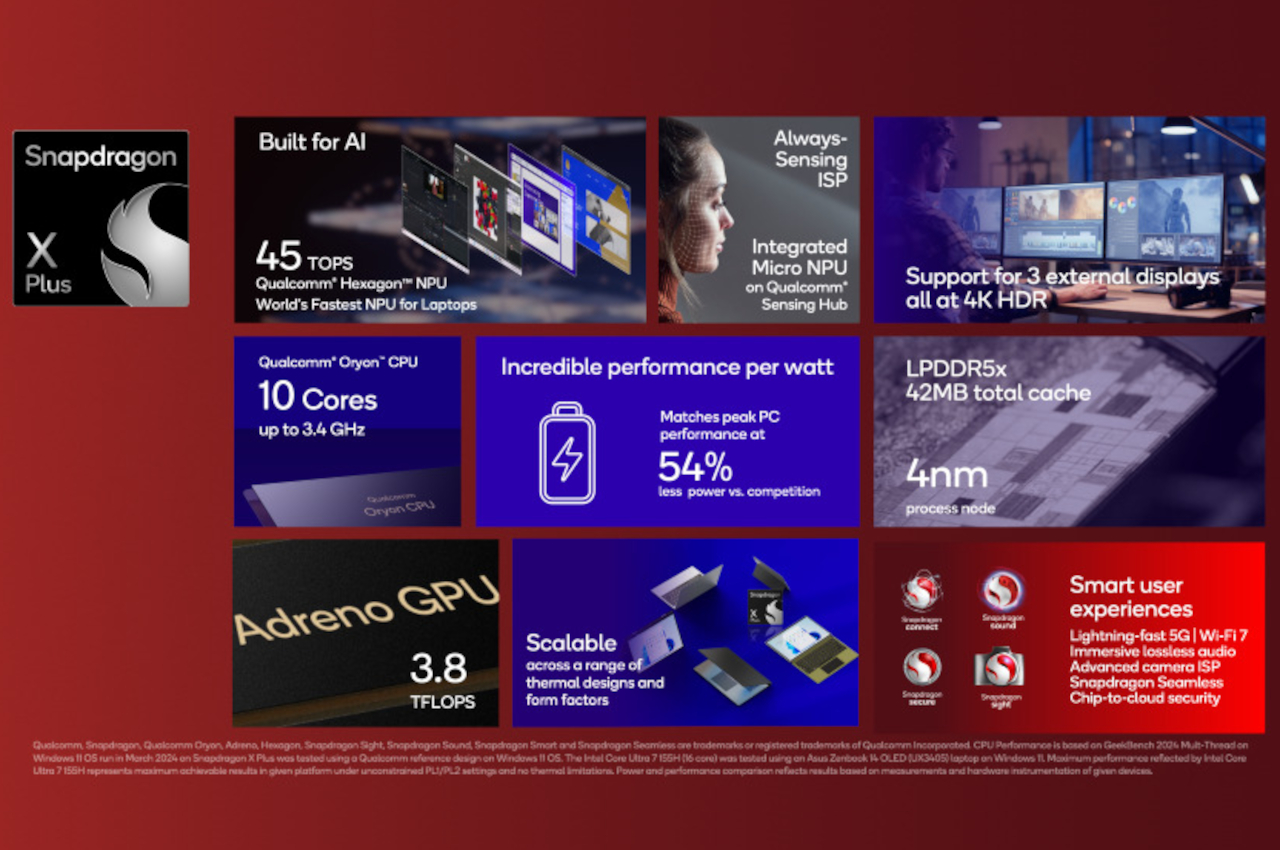
Qualcomm announced last month its new Snapdragon X Plus and Elite processors, and while the “Snapdragon” name is popular for smartphones and tablets, the “X” chips are earmarked for use in Windows computers instead, particularly laptops. Qualcomm boasts numbers that would make the likes of Intel and AMD worry, though it’s also aiming squarely for Apple’s M series processors. That’s definitely a tall order, especially with the launch of the new Apple M4 chip, but if theory proves to be even remotely near the mark, it will be a huge win for the Windows market and PCs in general.
Designer: Qualcomm
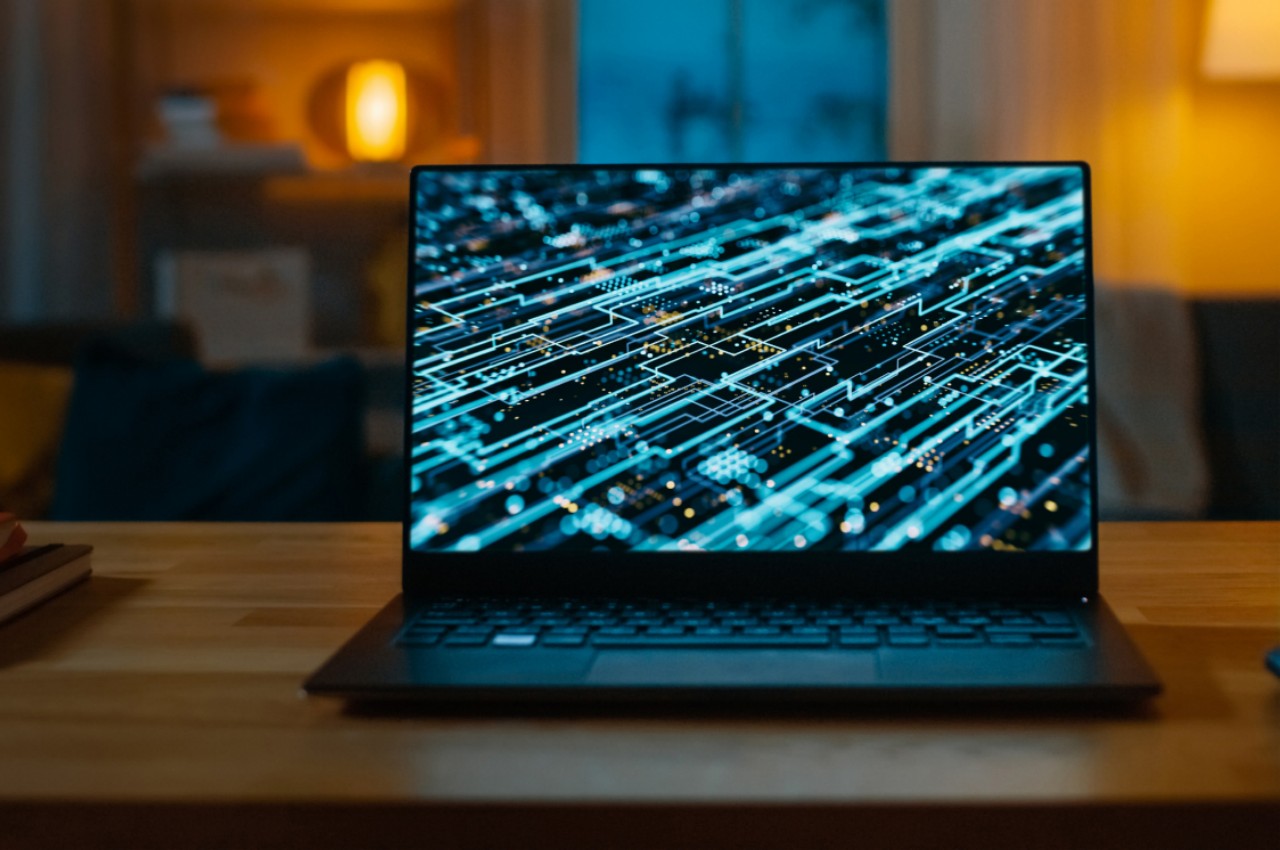
The new Snapdragon X Plus and Elite unsurprisingly boast about being able to do heavy-duty generative AI work, something that would require a lot of processing power that is traditionally only available on “regular” laptops and desktops. What would set it apart, however, is how it delivers that performance with lower battery consumption, heat, and space compared to equivalent Intel and AMD processors. It’s too early to say if Qualcomm will be able to deliver those promises, but it’s definitely a big leap compared to previous generations.
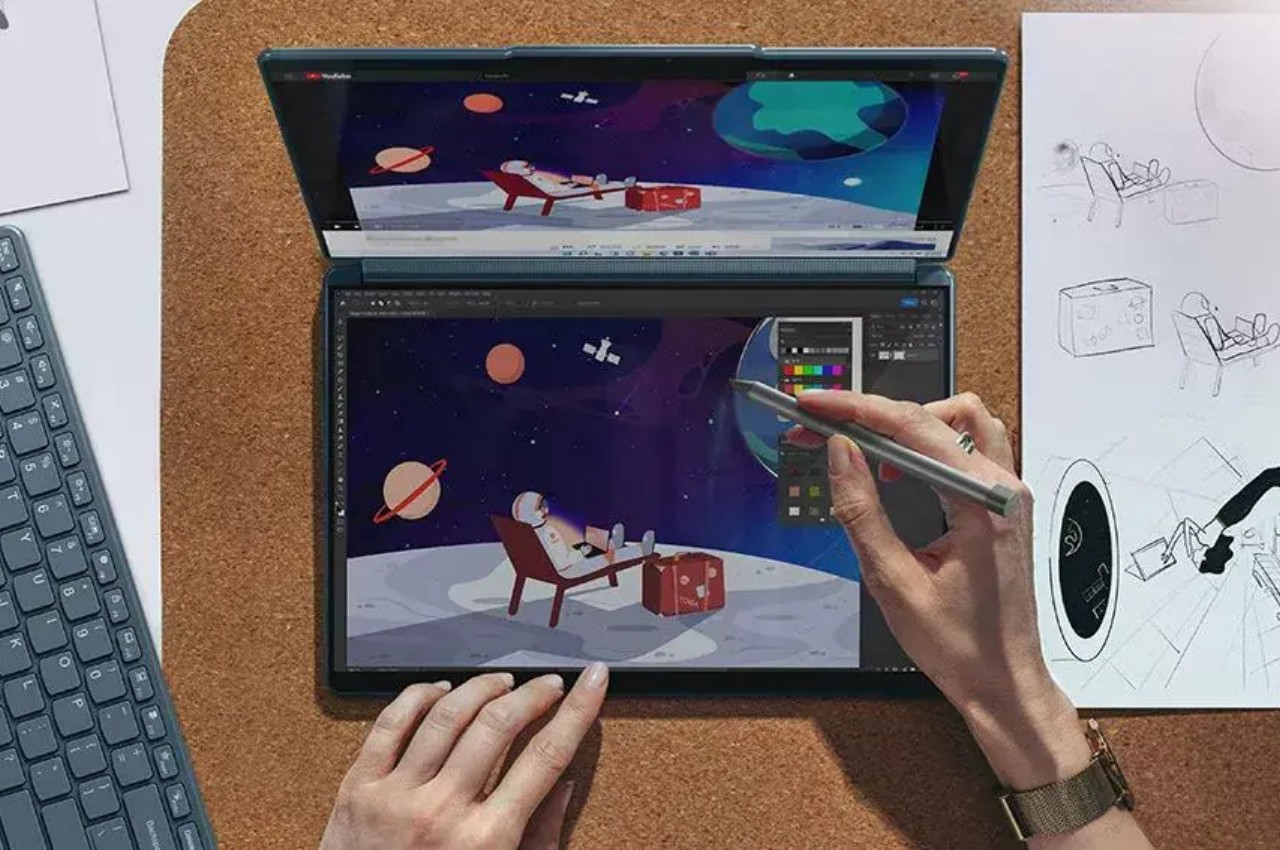
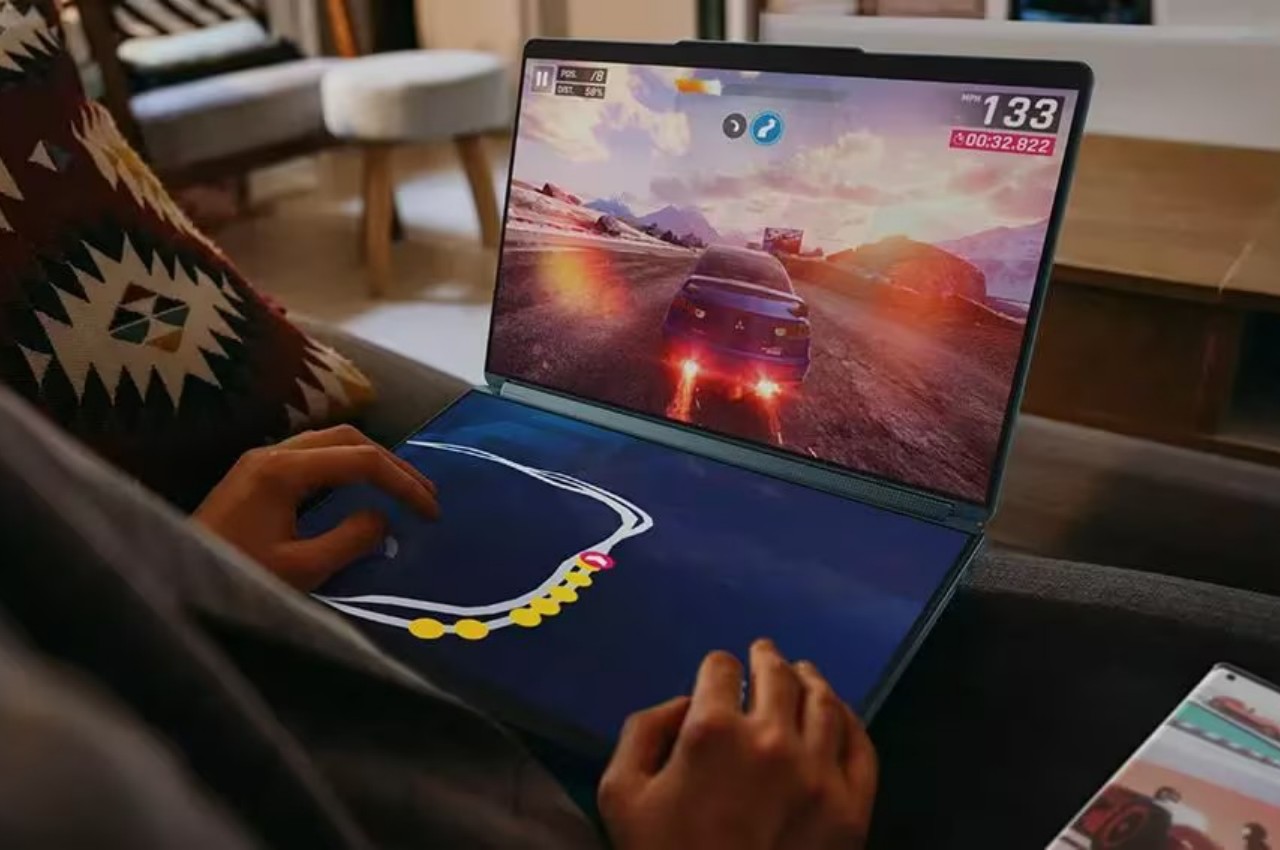
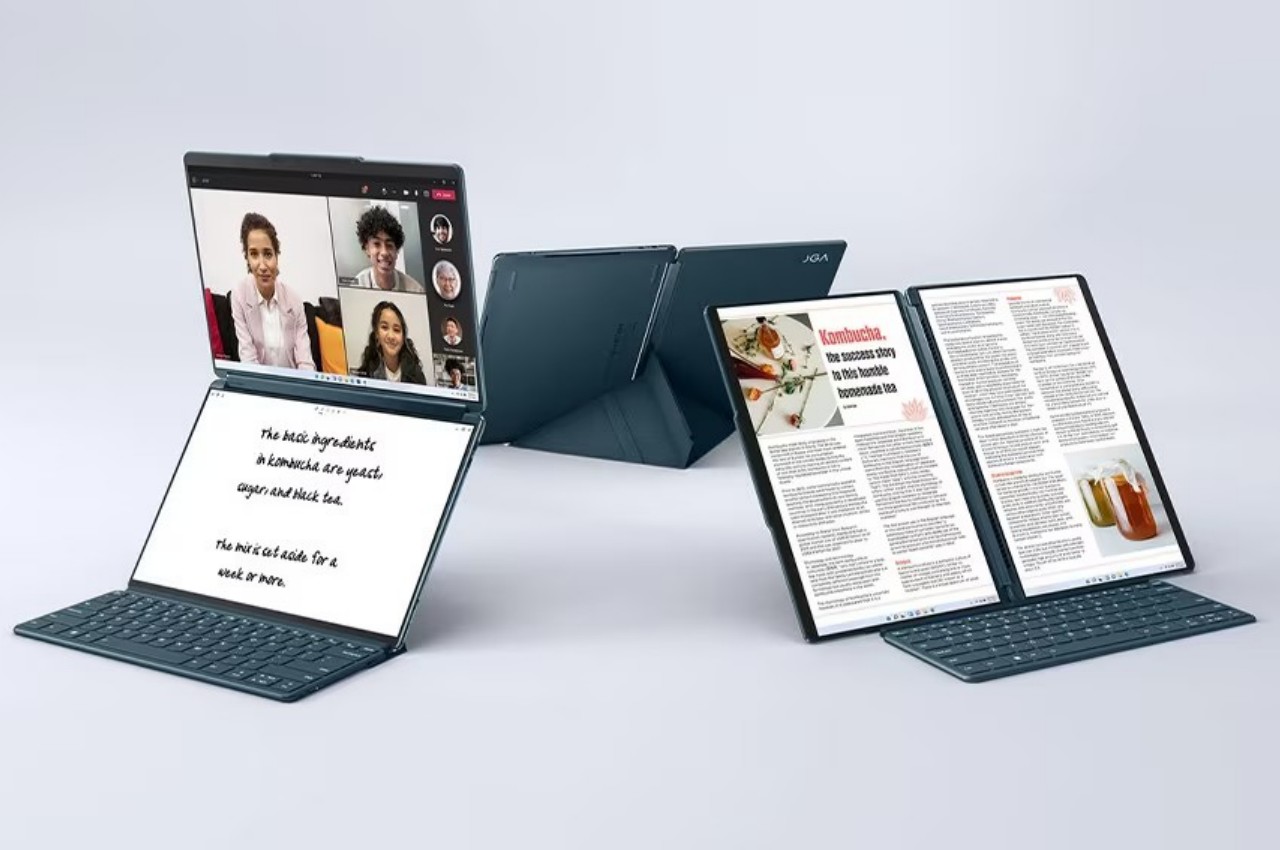
ARM-based processors like those from Qualcomm and MediaTek have been used in mobile devices precisely because of these traits. They can keep the product compact without impacting performance, something that laptop makers aim for every year. More importantly, however, these small form factors open the doors to less conventional designs, paving the way for dual-screen, foldable, or rollable PCs that don’t sacrifice their power for the sake of their novel appearance and features.
Thinking Outside the Box
The very first benefit of Windows successfully and smoothly running on ARM devices would be thinner laptops with longer battery lives. It can’t be understated how significant that will be for creatives, especially those who will rely a lot on that generative AI that everyone’s talking about these days. But even if you do much of your designs manually, the idea that you can bring your work anywhere without breaking your back and stay unplugged for more than half a day is going to appeal to a lot of people
Lenovo Yoga Book 9i
Designer: Lenovo
Once that has become the norm, however, it will be time to explore the possibilities that thinner, more compact, or smaller devices can bring. Imagine those handheld gaming PCs becoming thinner and smaller, almost down to tablet or even phone sizes. Admittedly, being able to play just about any PC game is going to be tricky today, but that’s not going to be the case in the future.
And then there are the current novelties like laptops with two screens or foldable displays, designs that have to sacrifice performance for the sake of super thin bodies. It hasn’t arrived yet, but a rollable screen might even become a thing for computers. In other words, Windows on ARM would enable all these forms beyond desktop towers and laptops to become possible without sacrificing too much performance. We seem to be heading in that direction already, but hardware is only half the battle.
Uphill Battle
No matter how powerful ARM chips are, enough to smoothly run Windows, all of that will fall on deaf ears if Windows on ARM isn’t able to support as much as 80% of regular Windows software, including games and especially content creation tools. That was what killed the Surface RT and Surface 2, after all, and things have improved considerably but not yet to most PC users’ satisfaction. One of the available solutions right now is emulation, like making the software or game think it’s running on an Intel/AMD computer, but that incurs penalties in performance.
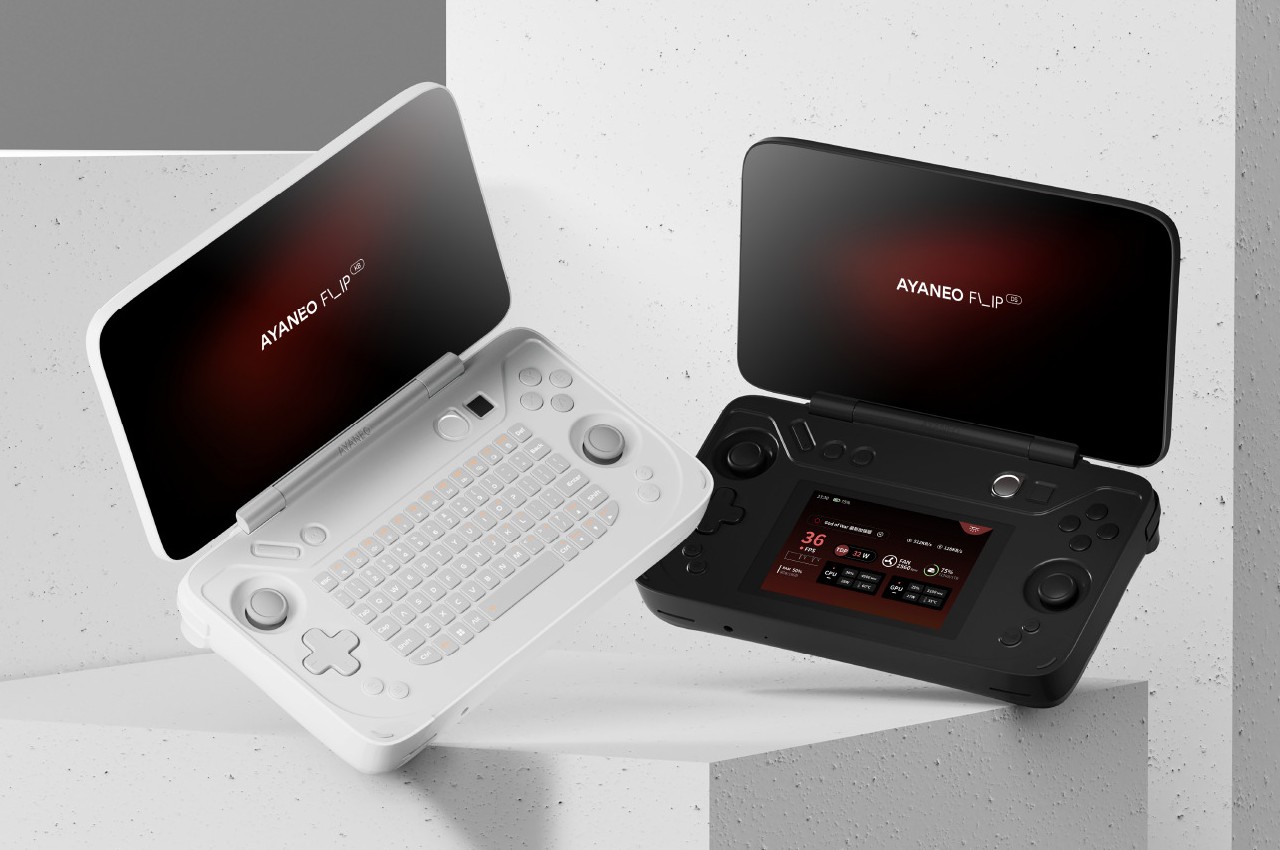
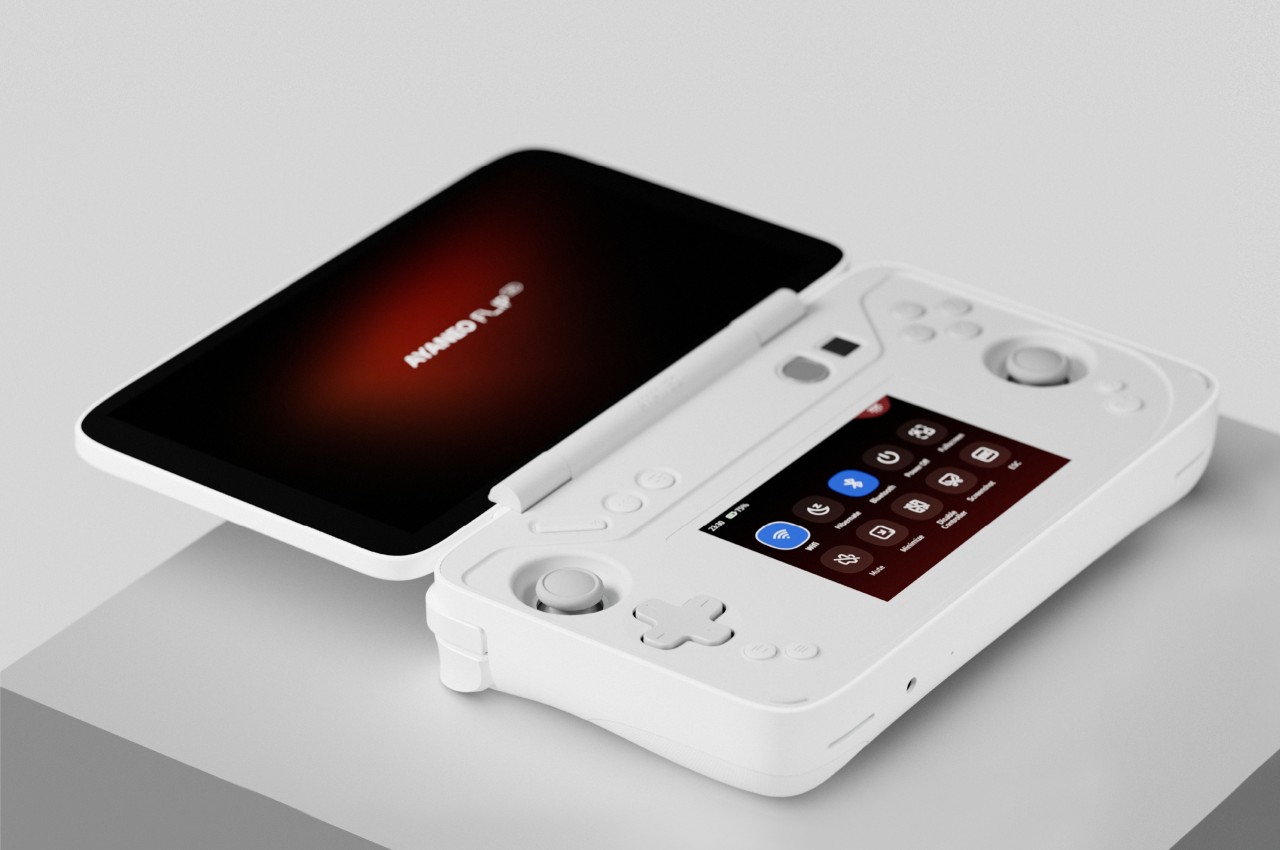
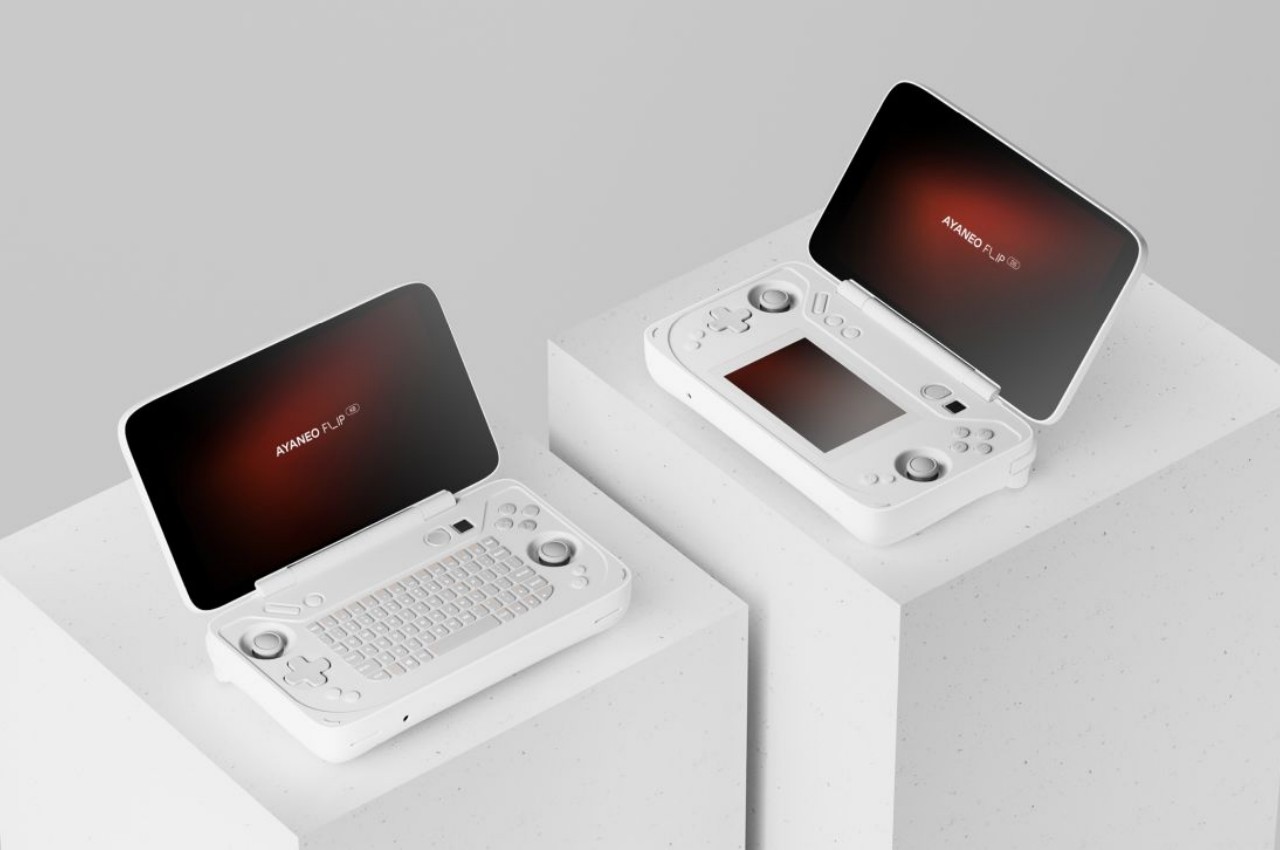
AYANEO Flip DS
AYANEO Slide
Designer: AYANEO
There are also obstacles to be overcome on the hardware side. As strange as it might sound, PCs are a somewhat open ecosystem when it comes to the variety of things you can plug into a computer and have them working automatically. You lose some of that with Windows on ARM because of compatibility issues, and that might prevent less popular but heavily used peripherals from working, at least not at first. Unfortunately, that might be a huge deal breaker, especially for those who have already invested in devices for their workflow.
Designer: Qualcomm
Final Thoughts
Qualcomm’s announcement of the Snapdragon X Plus and Elite tried to preempt Apple’s new M4 chip and iPad Pros. Apple’s venture into the ARM world is both a boon and a bane for the likes of Qualcomm as it demonstrates what’s possible. But even Apple has remained within the boundaries of traditional devices like a tablet and a laptop. Not surprising for a company that is very meticulous and careful about the design of its products.
Designer: Apple
The Windows world, however, is a bit more daring thanks to the diversity of people involved. Unconventional and sometimes impractical designs pop up once in a while, but they’re all hampered by the limitations of hardware that’s commonly available for PCs. Windows on ARM isn’t new and it still has a long way to go to confidently match what Intel, AMD, and now Apple are selling, but stakeholders in the PC industry should probably consider rallying behind this if they want to breathe new life into the stagnating PC market.
If recent leaks by trusted tipsters like Jez Corden (Windows Central Managing Editor) are to be believed, then we should see an Xbox handheld gaming console launch in 2026. Insiders have already hinted that the handheld prototype is already in the development stage and Microsoft plans to reveal some details next year or even earlier.
Interestingly, Microsoft recently sent out a survey about the current usage of handheld gaming devices and whether interested candidates are willing to buy one in the next five years. Also, the survey was keen on knowing whether candidates would prefer the ability to stream games via Xbox Game Pass. So, are we finally looking at a Microsoft handheld gaming device that could dethrone Nintendo Switch, Asus ROG Ally, Lenovo Legion Go and Steam Deck from the top spots in market share?
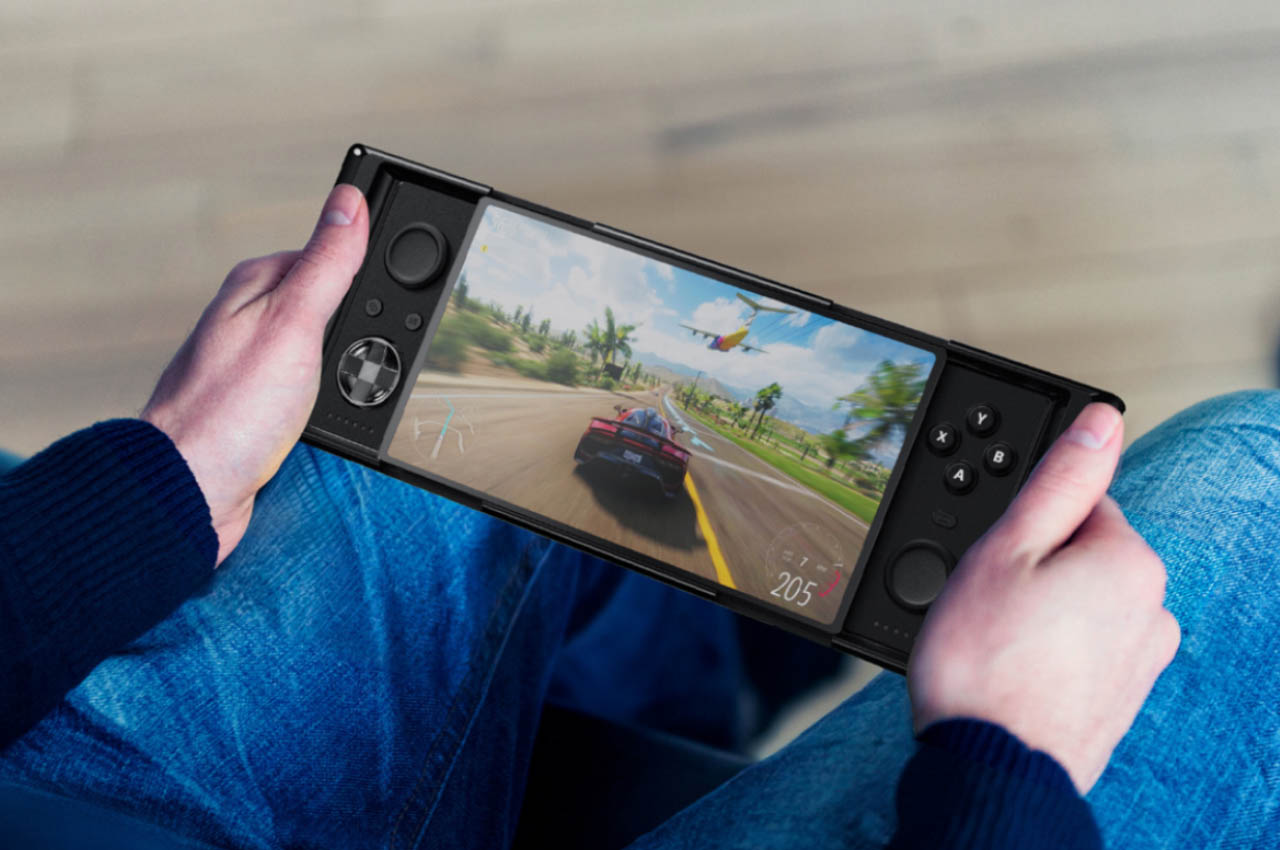
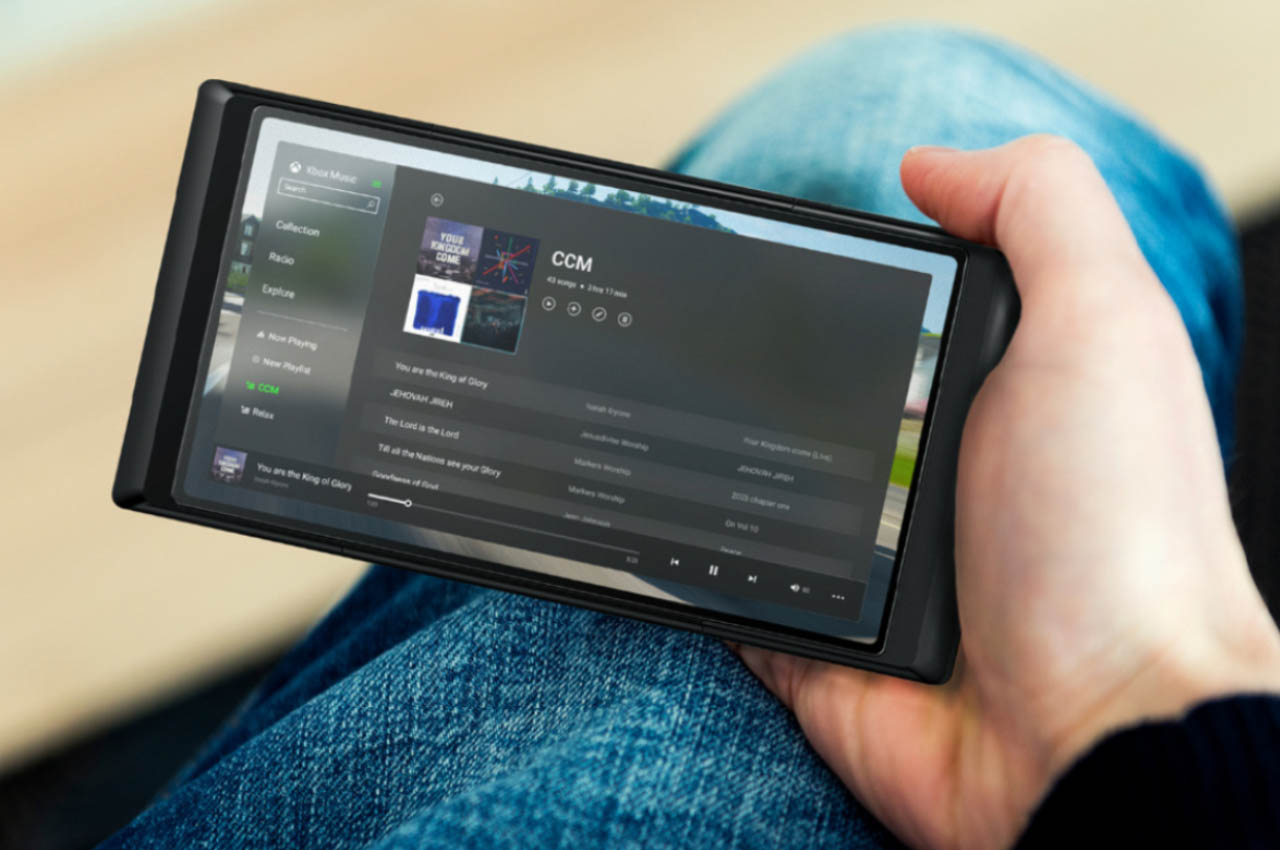
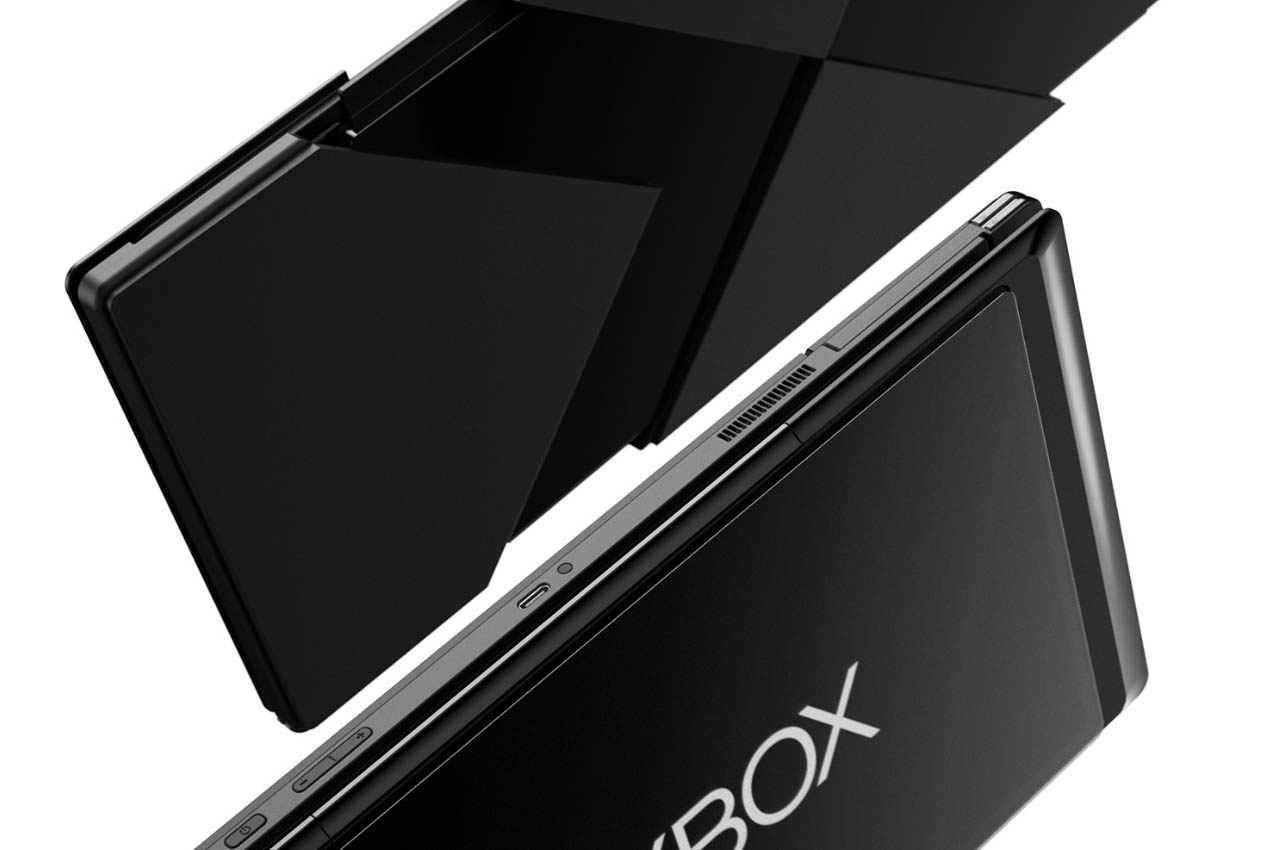
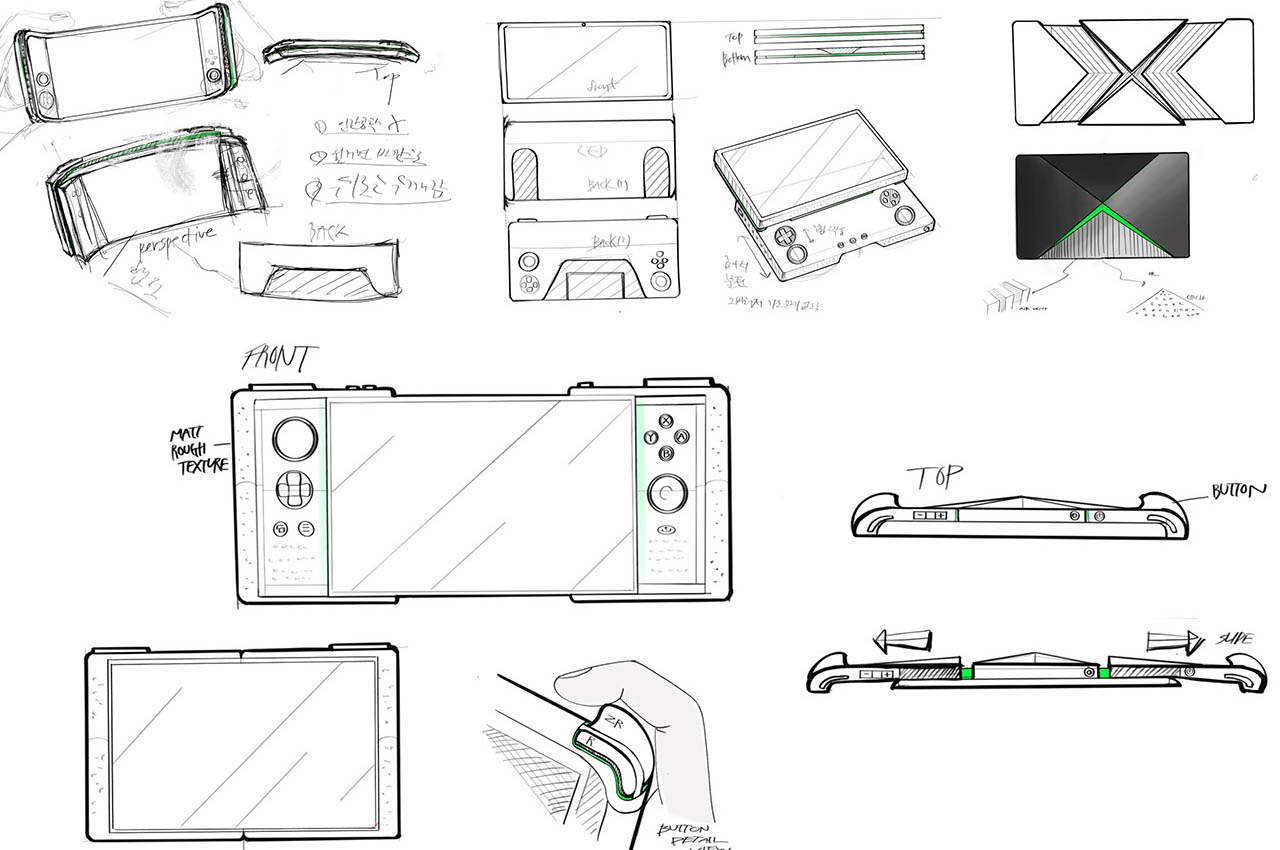
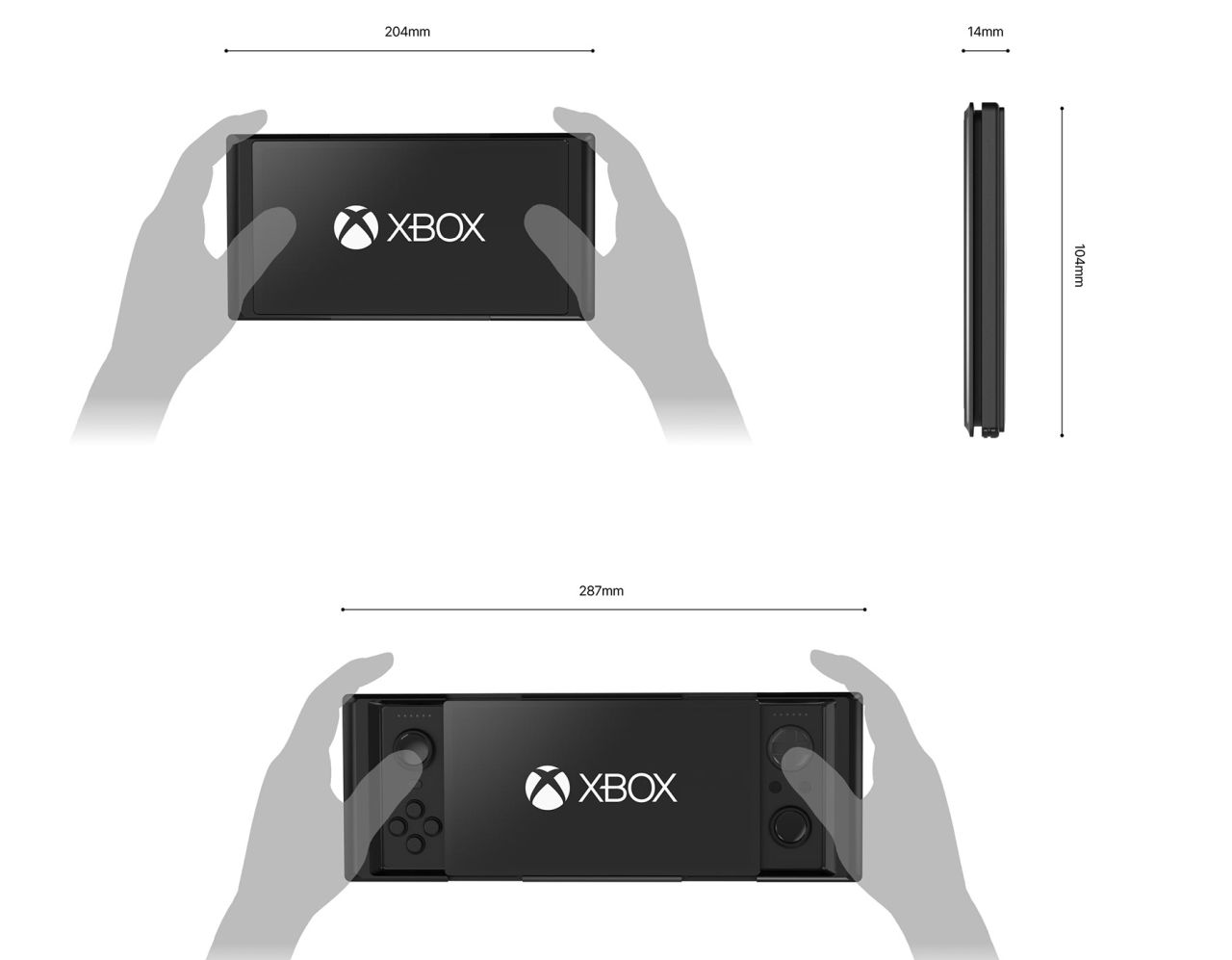
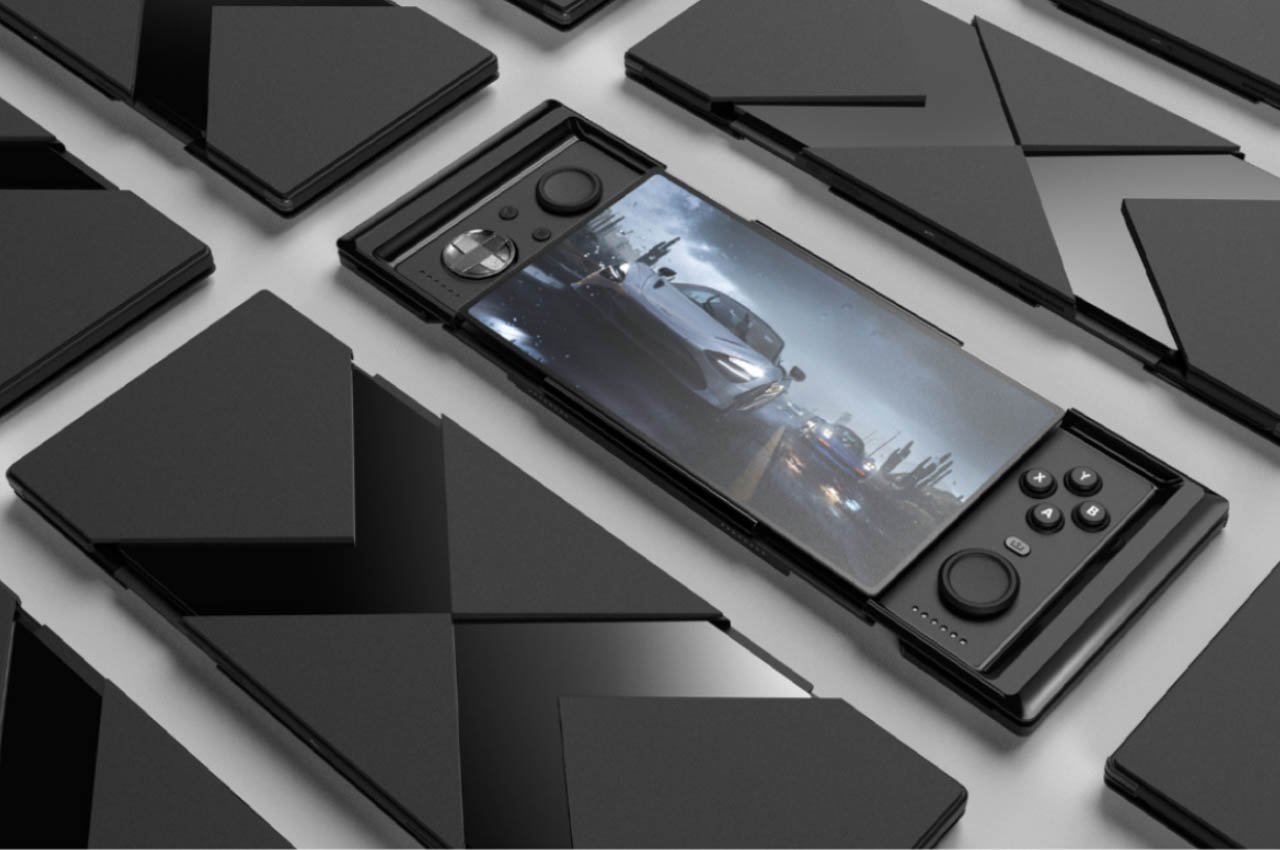
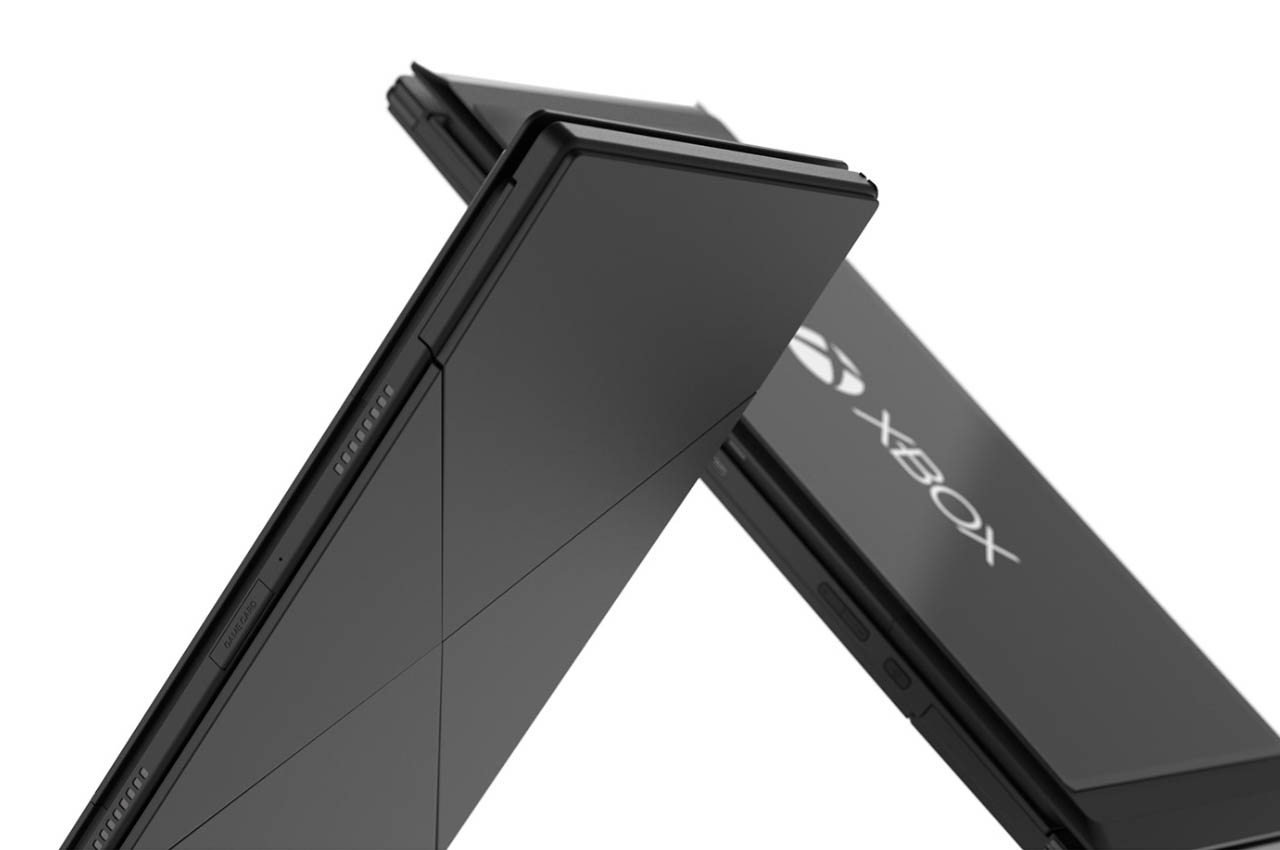
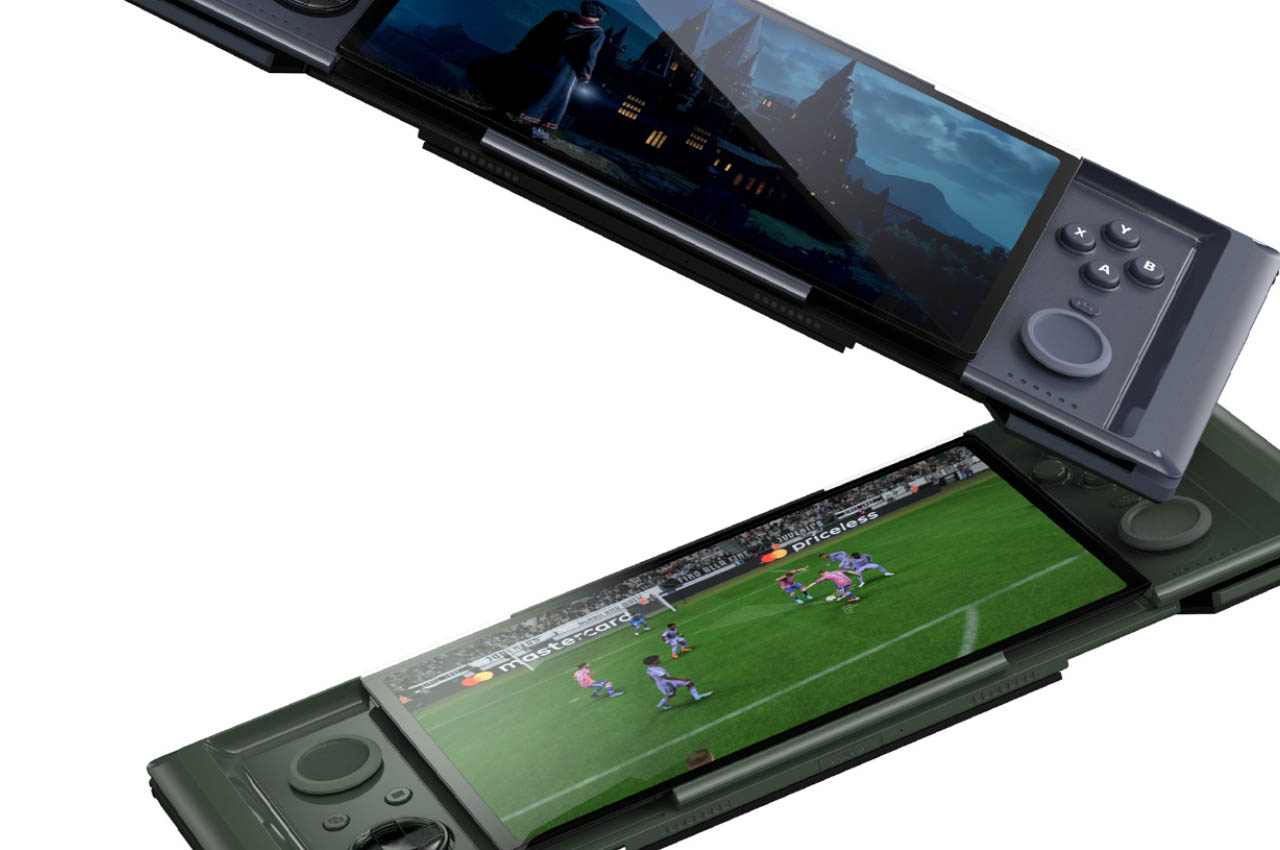
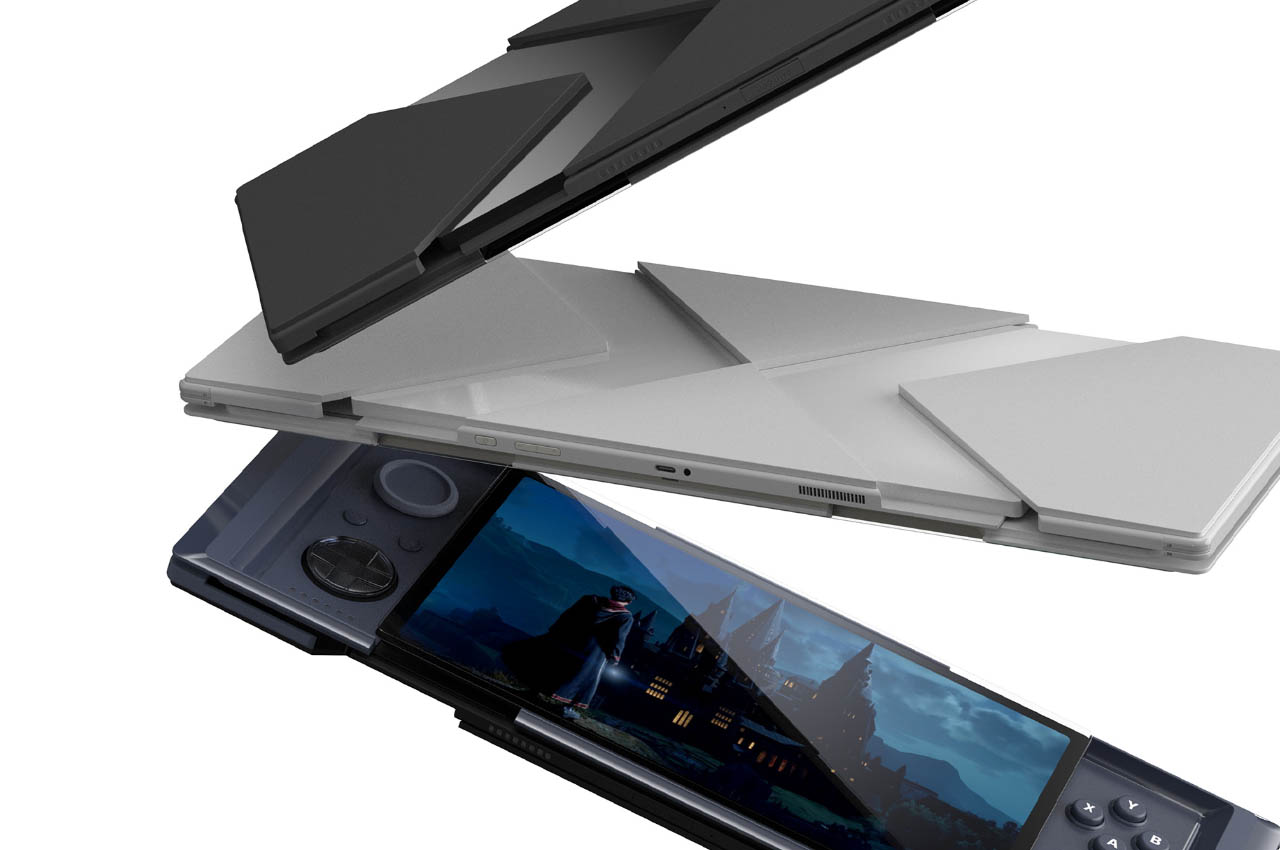
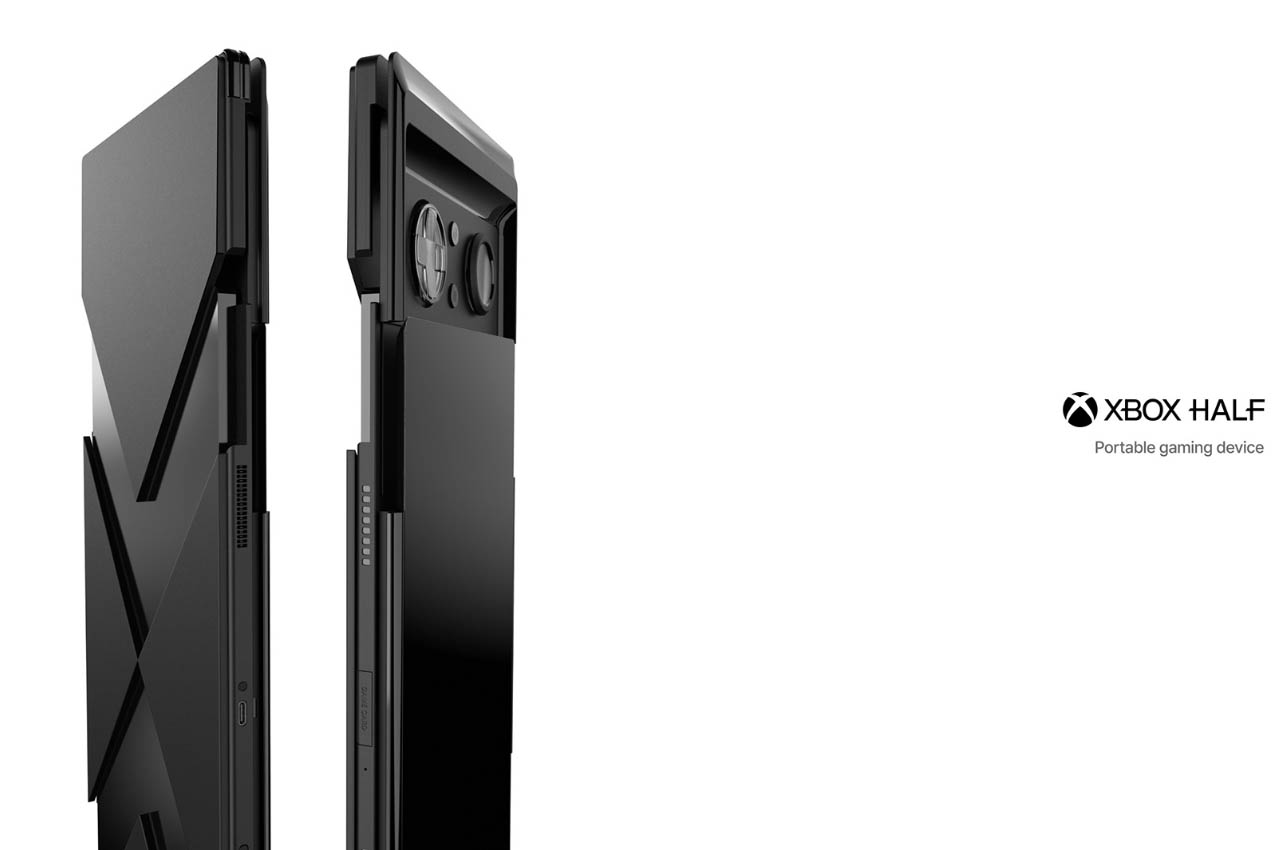
Investing years of R&D in developing gaming consoles is a winning formula for Xbox, Sony and even Nintendo. This applies to handhelds too as manufacturers release gaming devices only after a gap of a couple of years or even more. This concept for an Xbox handheld has a great form factor that Microsoft would be keenly observing for its form factor and functionality. Called the Xbox Half, this portable gaming device stands out from the rest when it comes to ergonomics and function. Just like the PSP, this one is good for gaming, consuming multimedia content, and listening to music.
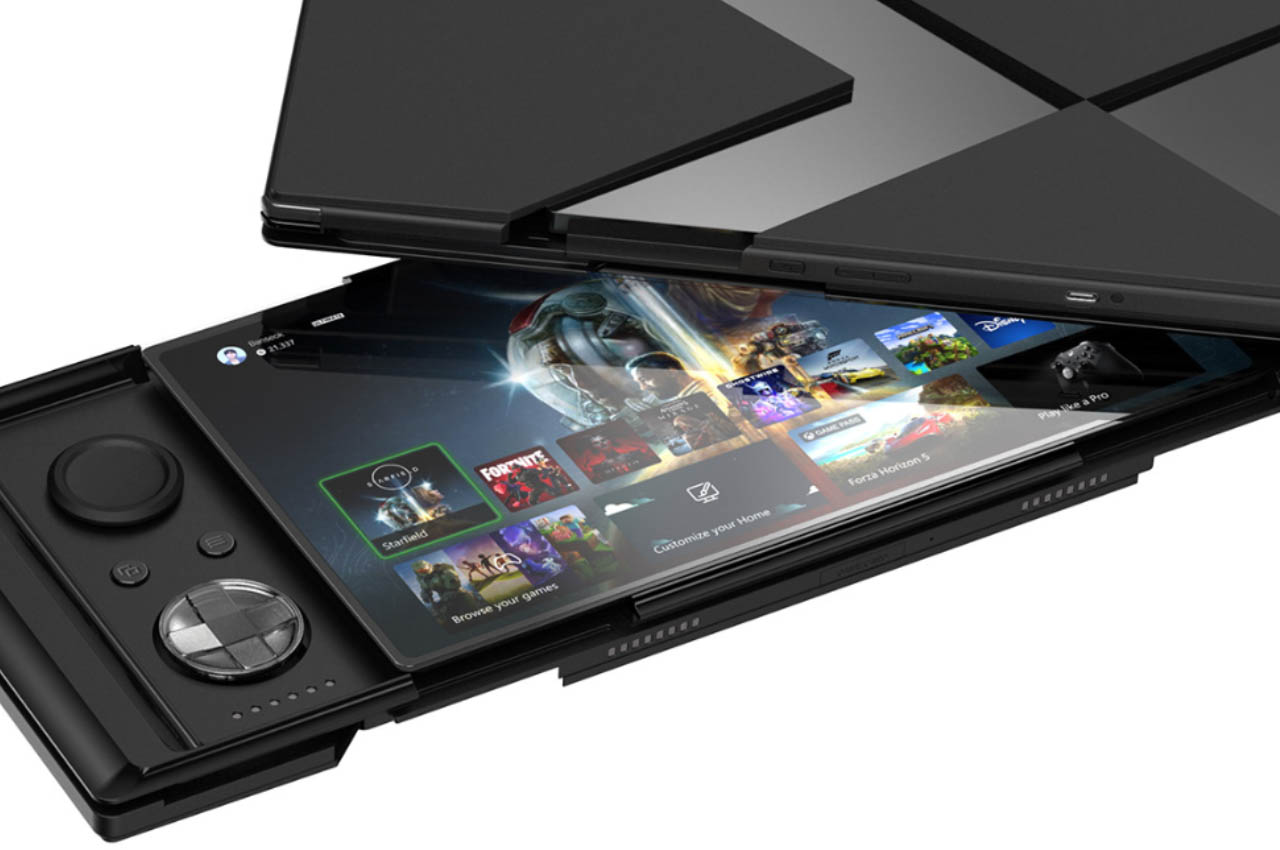
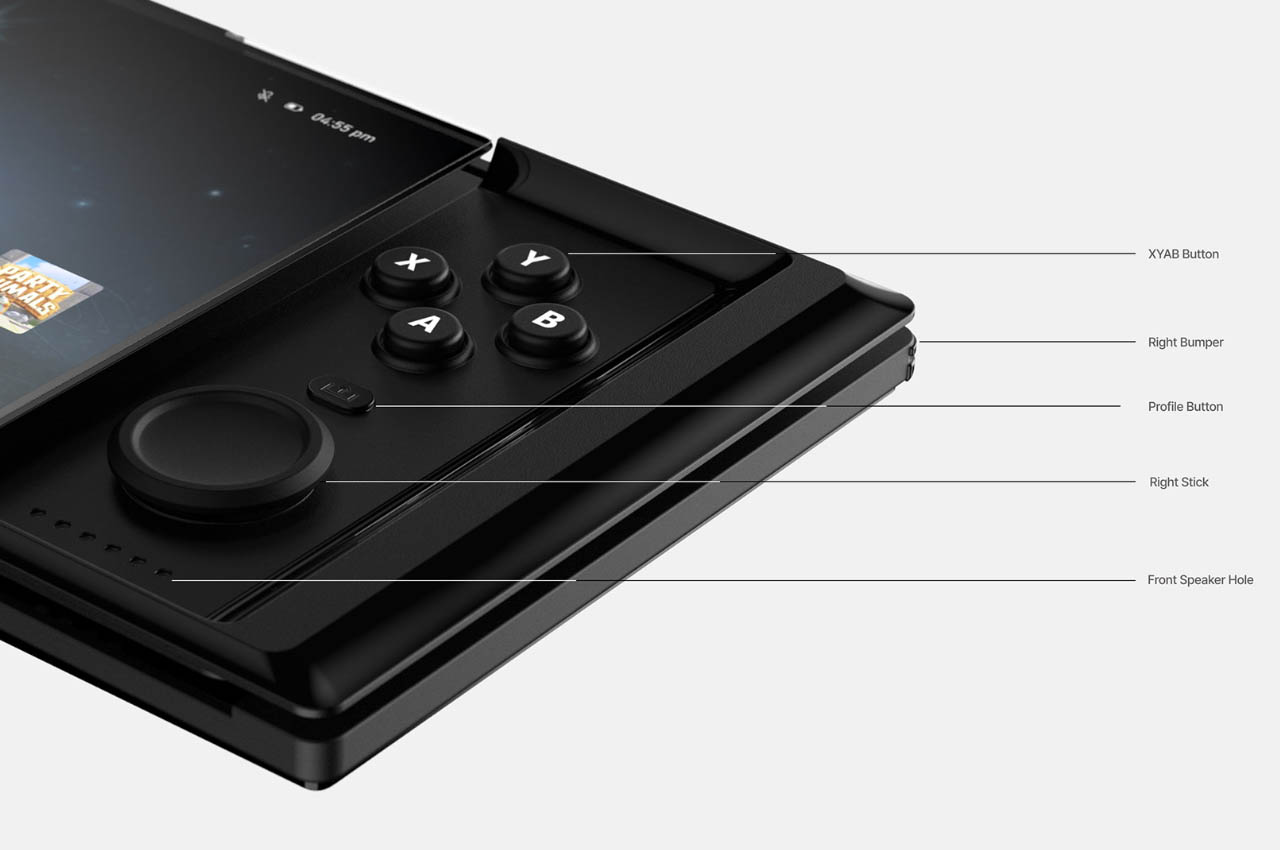
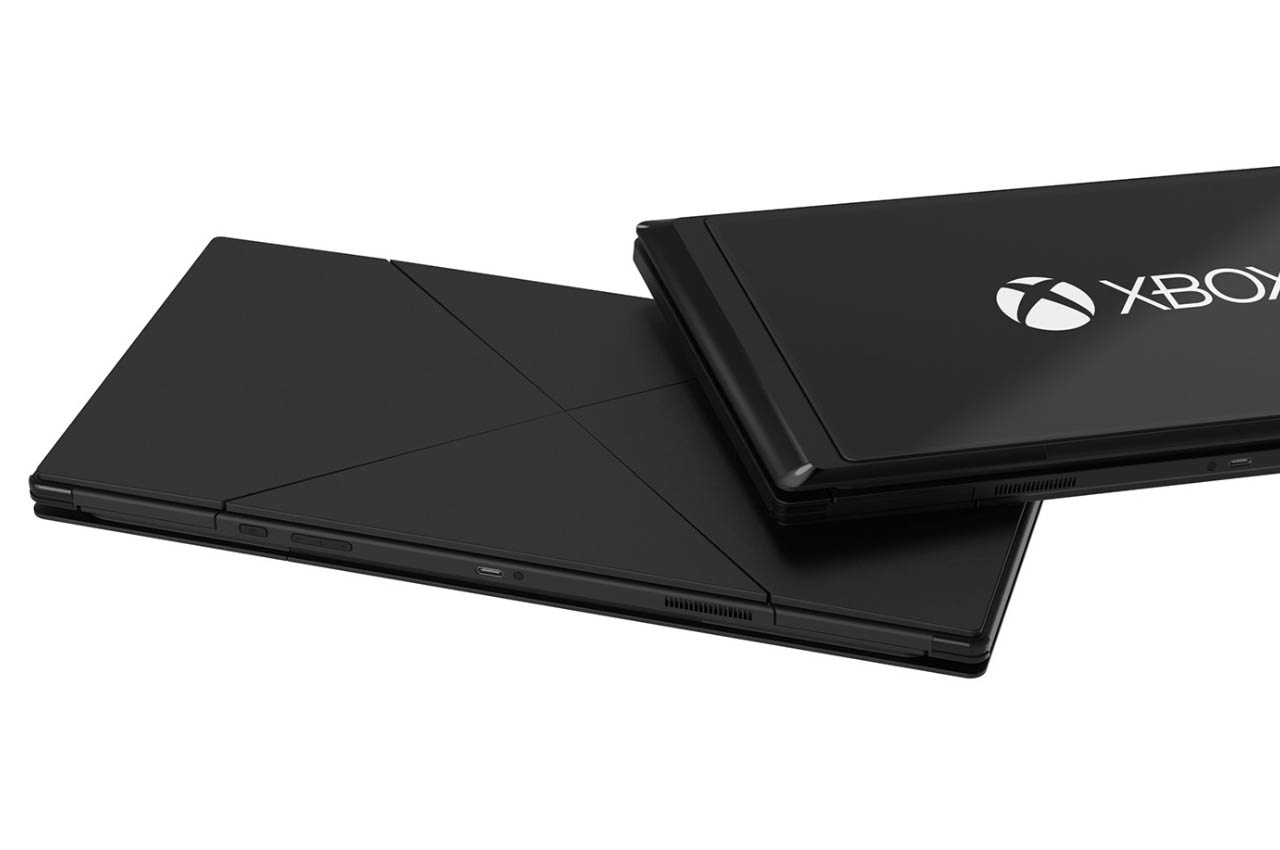
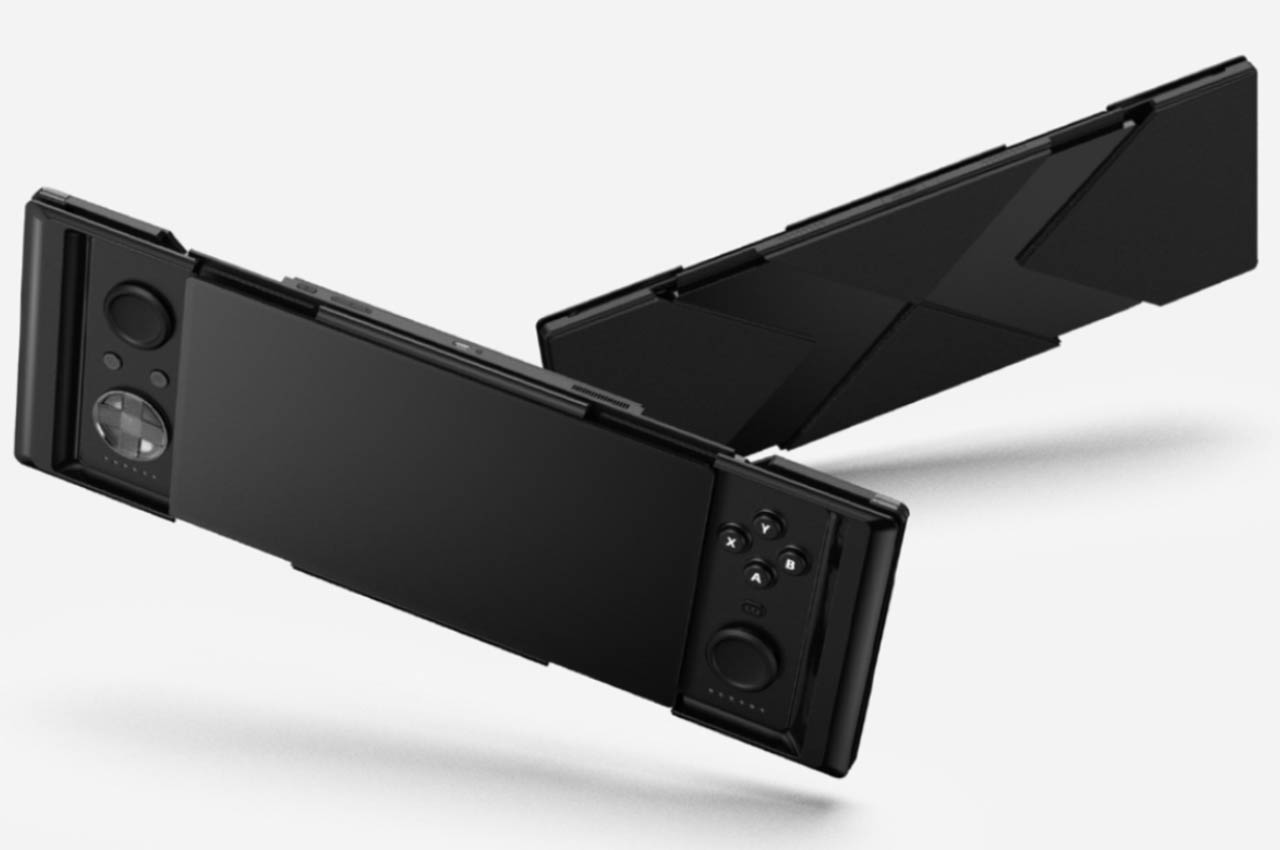
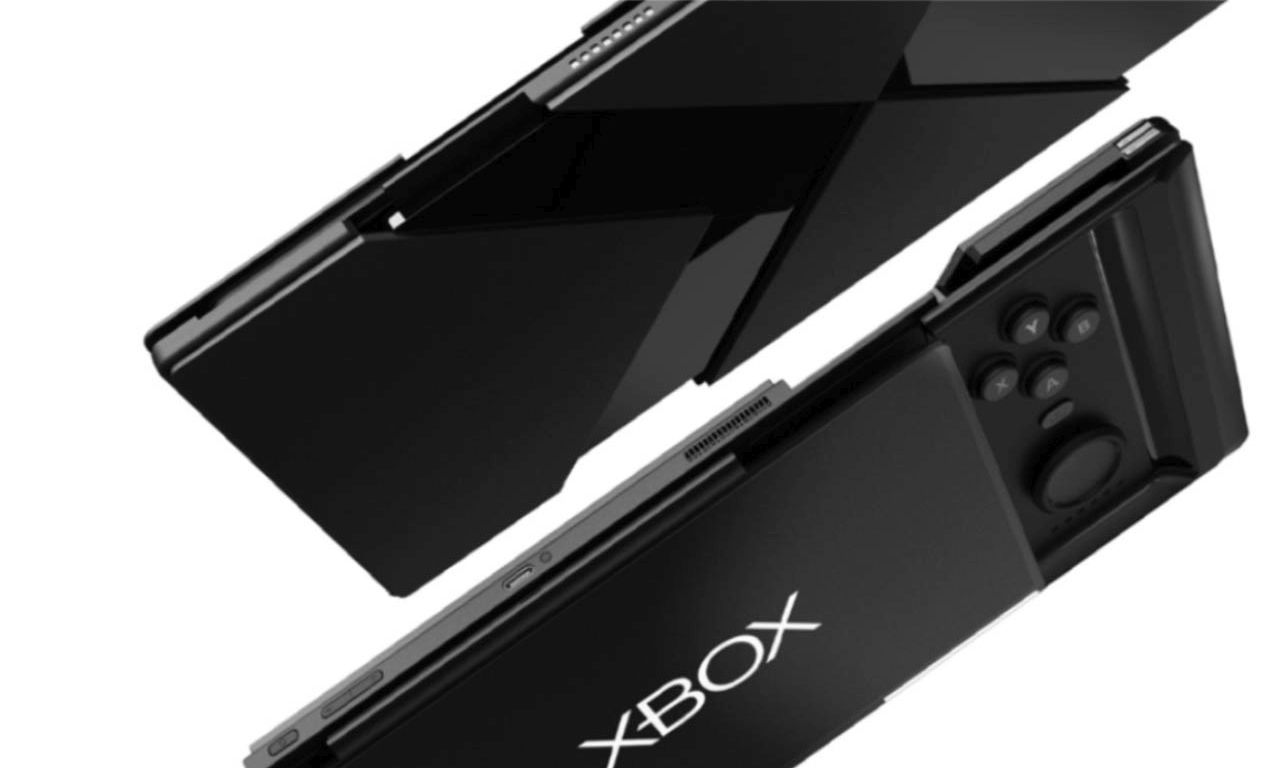
With a retracting beacon of joystick and buttons on both sides, in full-width configuration, the gadget measures 11.30 inches for gaming and a compact mode that conceals them for an 8-inch form factor. This makes the Xbox handheld comfortable and convenient to use. The back panel keeps the brand identity alive as you pull the beacons out the X logo appears. Pretty cool isn’t it? To give distinction to the handheld from the Xbox game console, the buttons and joystick have a muted color hue in black.
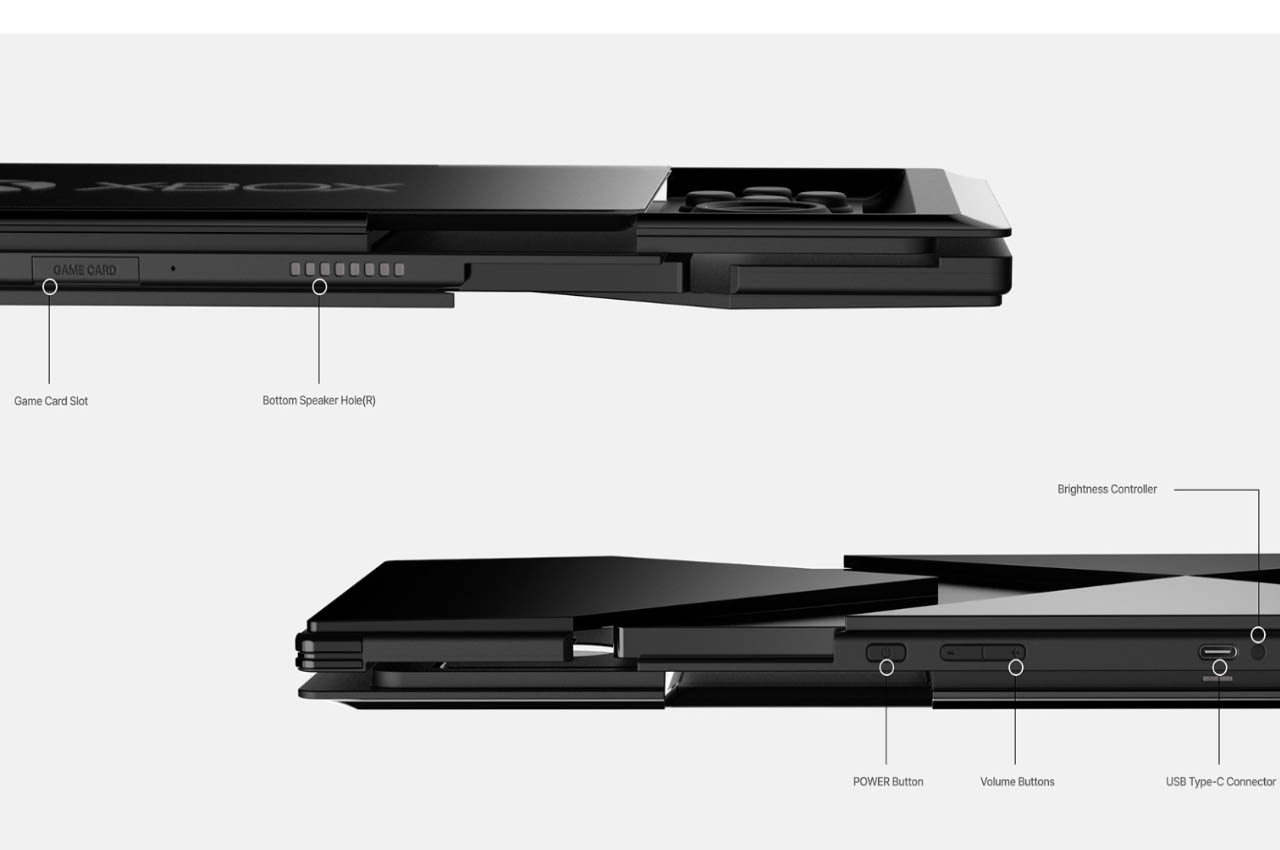
Other input buttons including the power button, brightness controller, volume buttons, and the USB Type-C connector and the game slot card lie on the front and rear sides. A lot of thought has been put into conceptualizing the Xbox Half and we are looking forward to seeing what the real thing will look like when finally revealed.
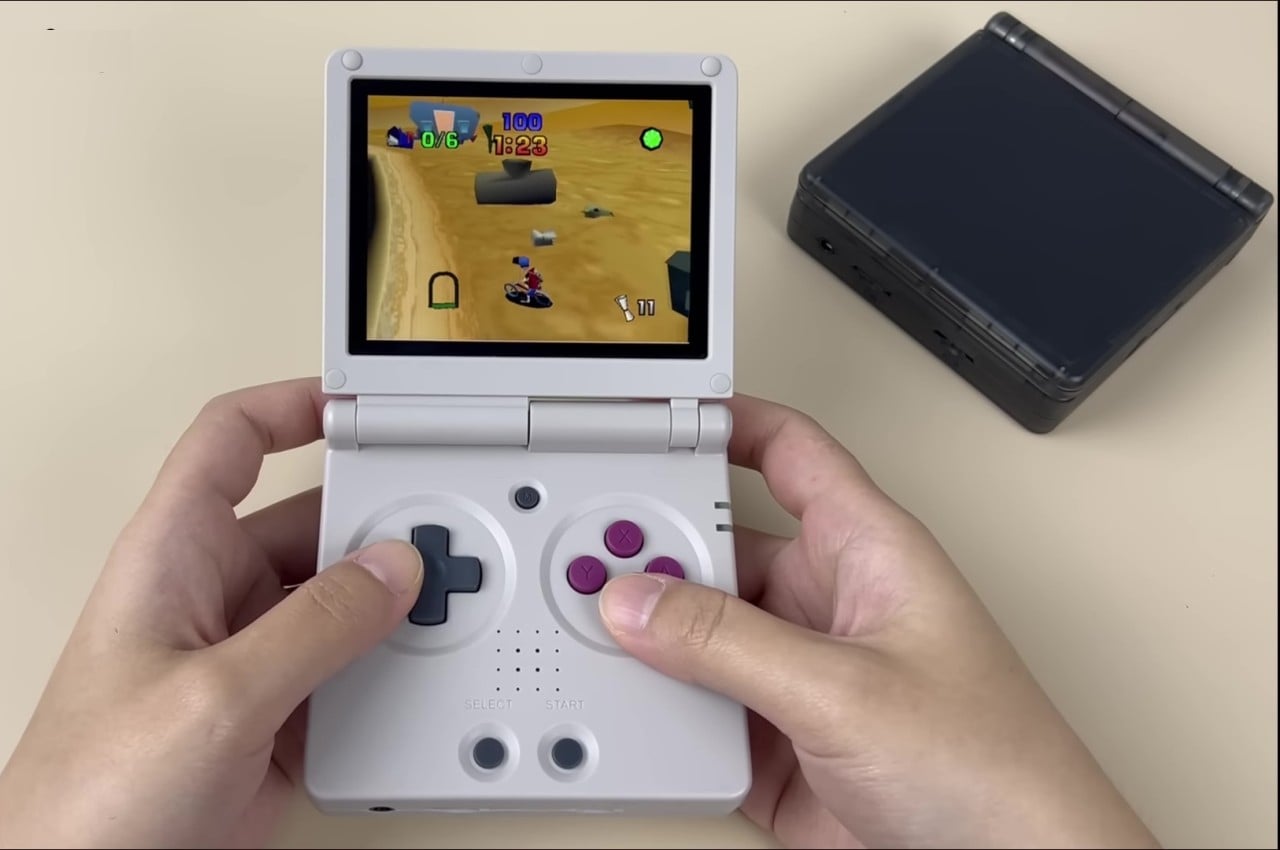
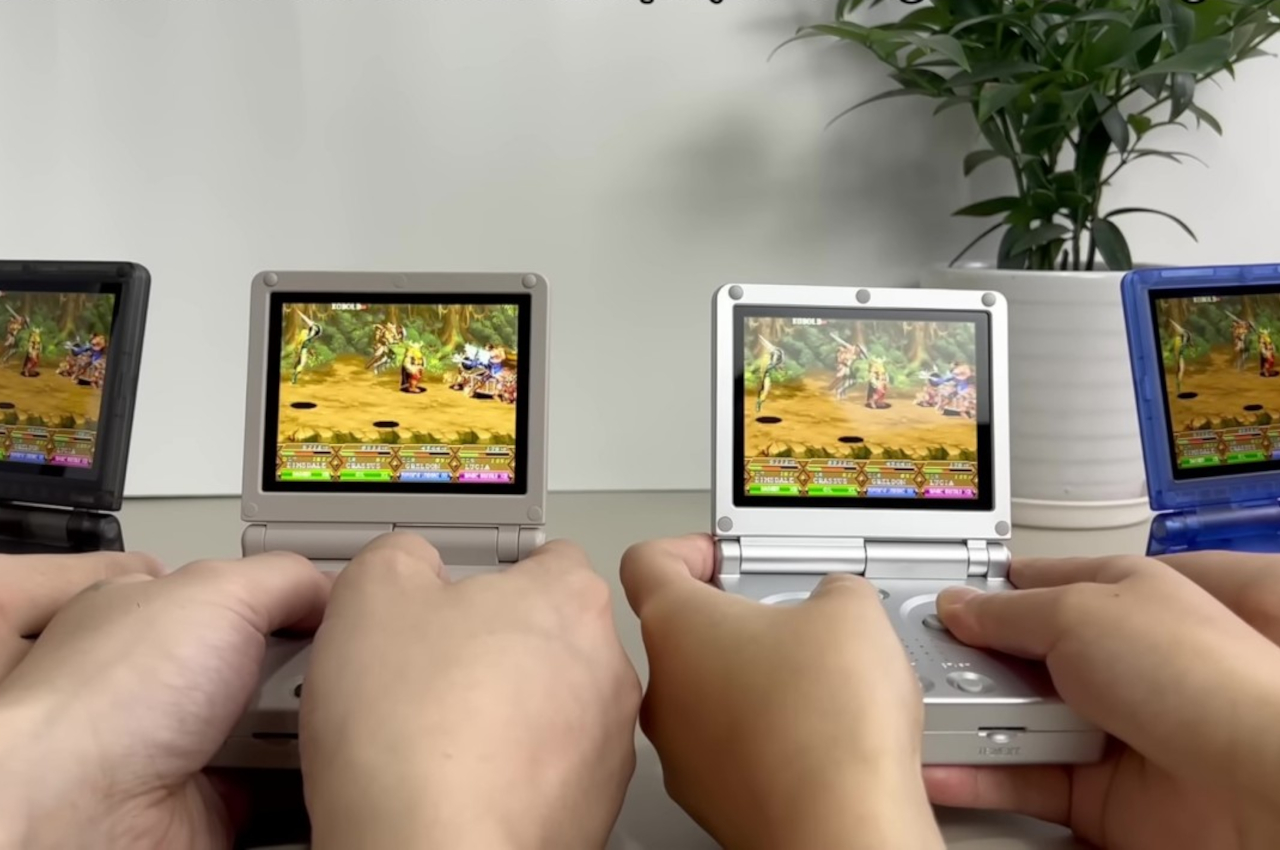
Retro gaming consoles and computers are still going strong, with many designs still left to be revived, resized, and retrofitted for modern times. Most of these products try to recreate the experience of those original machines, at least with the games they used to run on very limited hardware. That said, you can only go so far trying to recreate the past. Sooner or later, you will hit a wall, as demonstrated by the limited number of titles supported by many of these retro consoles. This reinterpretation of a Game Boy classic design, however, isn’t exactly a simple copy of the clamshell handheld. Instead, it takes the same spirit of portable adventure that the Game Boy Advance SP embodied and wraps it in a body that’s well-suited for modern gaming styles.
It’s honestly a bit of a gray legal area whenever third-party brands try to embrace a design so close to something from the annals of video gaming history. That hasn’t stopped the likes of Anbernic from taking obvious inspiration from those bygone designs but with enough modifications to skirt infringement accusations. Of course, Anbernic has its own original designs, but the ones that really grab your attention are those that pay homage to icons like the Nintendo Game Boy.
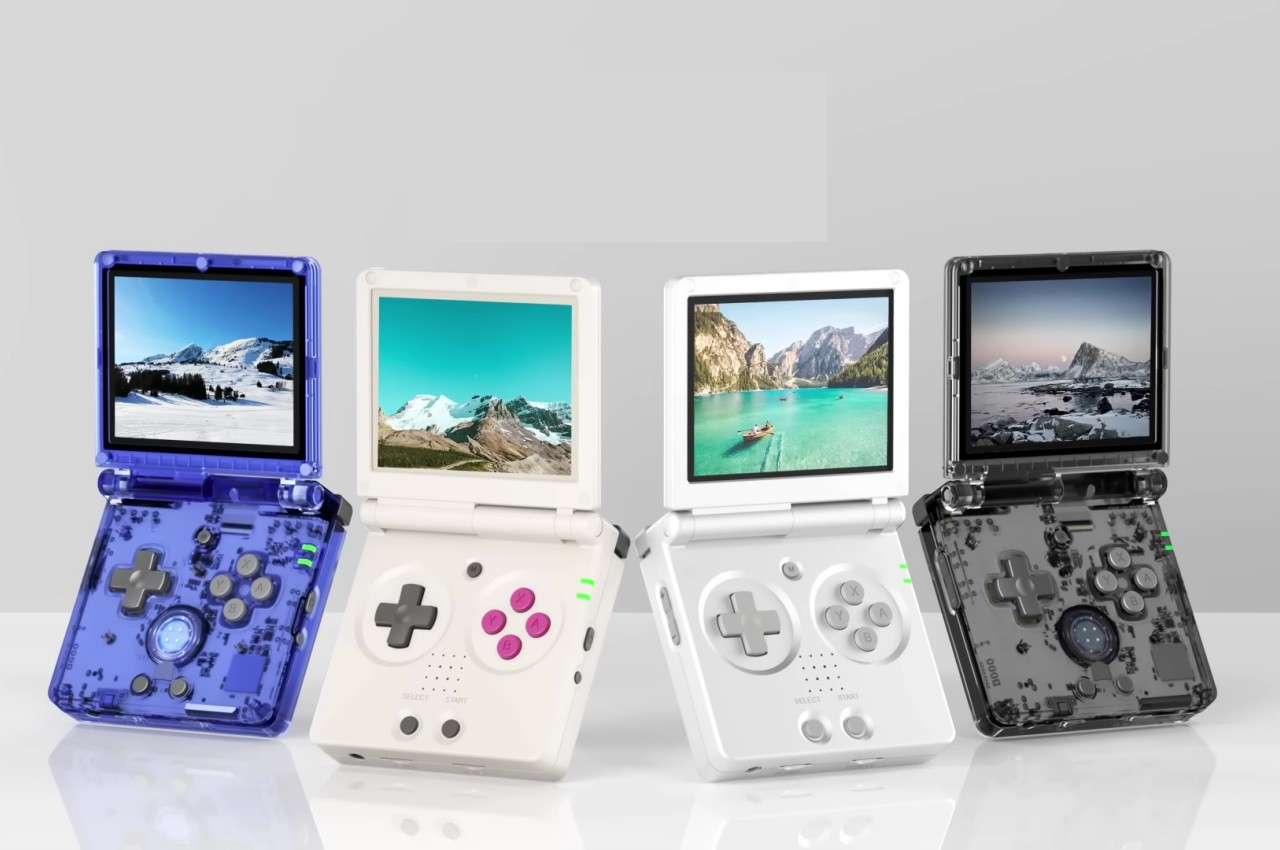
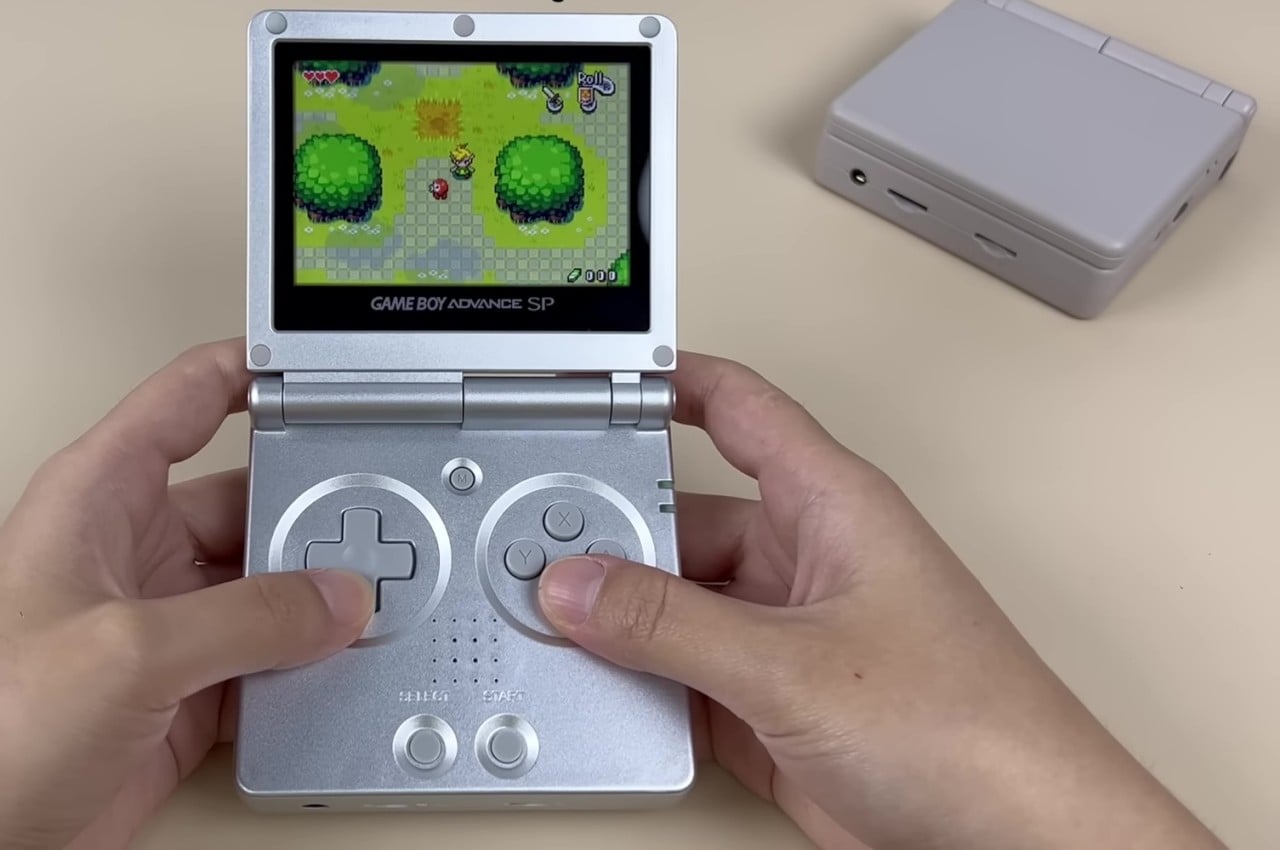
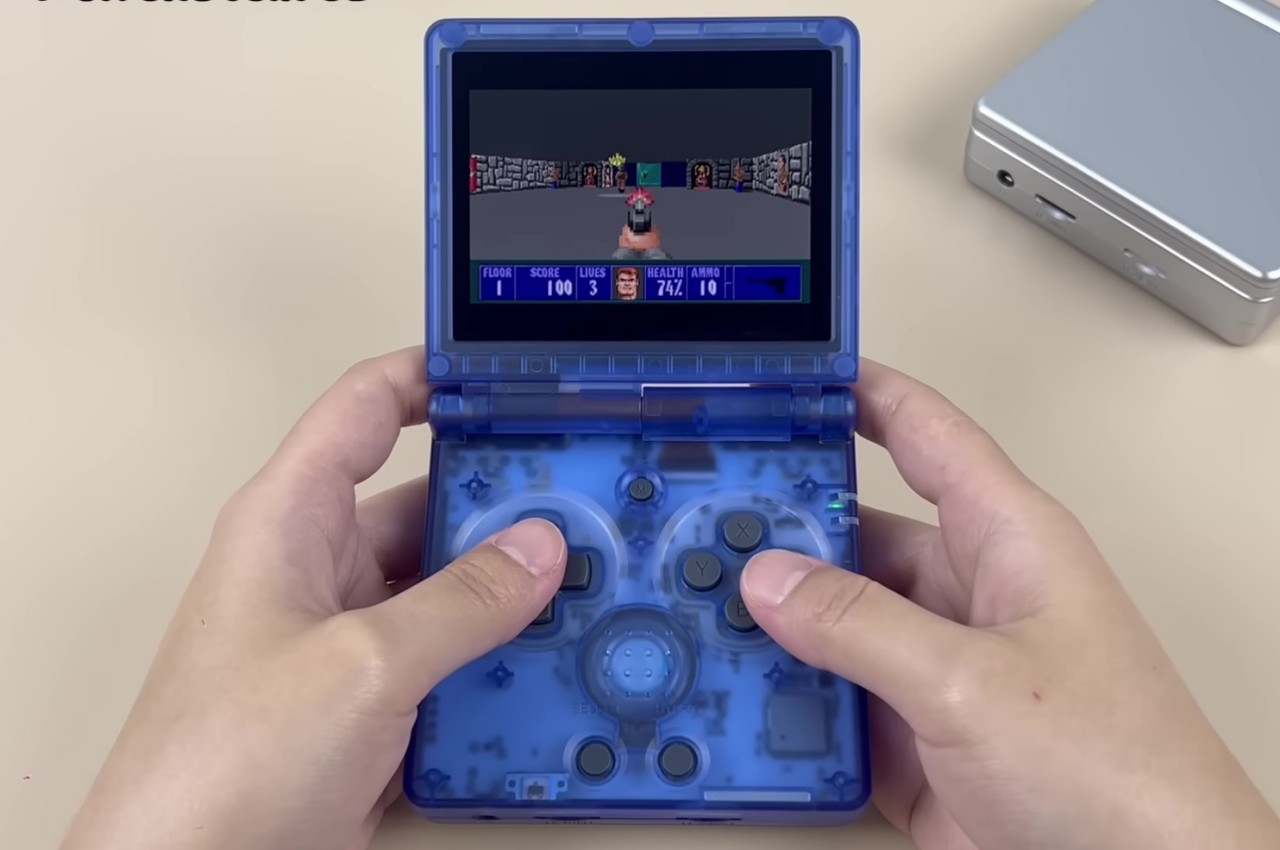
With the uninspiring name of Anbernic RG35XXSP, the prolific gaming handheld manufacturer is bringing the Game Boy Advance SP back to life, or at least the pocket-sized clamshell design that made it quite a hit. It’s just as blocky and thick as the original, but that’s also part of the device’s charm. For better or worse, however, that’s where the similarities end to the point that you can even say that the RG35XXSP was simply “inspired” by Nintendo’s handheld.
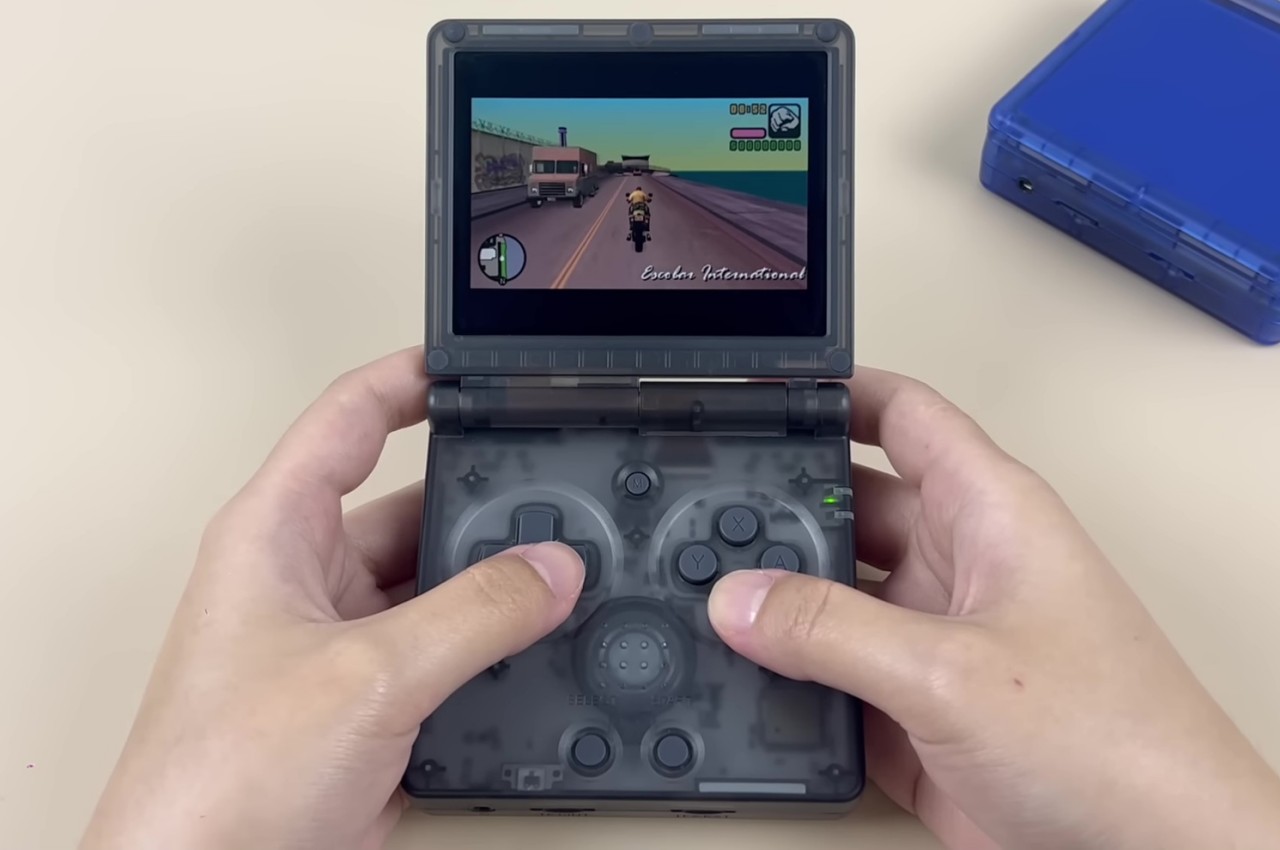
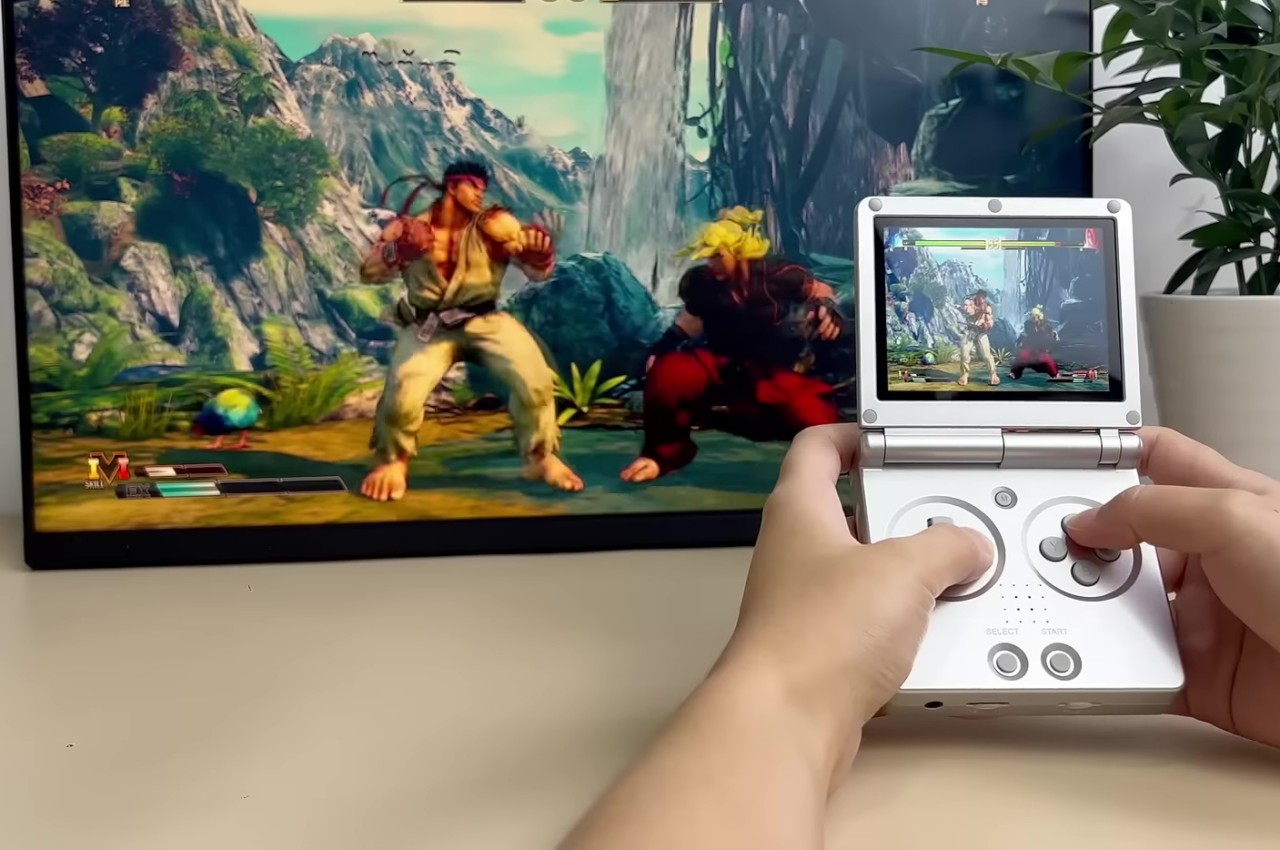
Deep inside, it uses the same guts as all the other iterations of the RG35XX, which means that it’s practically a mini computer that runs the Linux operating system. Specifically, it uses an emulation platform that can support a whole plethora of games from the likes of the Nintendo 64, PlayStation 1, PlayStation Portable, or even MS-DOS. And, yes, it can probably run Game Boy games as well, though you’re left to your own devices on how to make all these work.
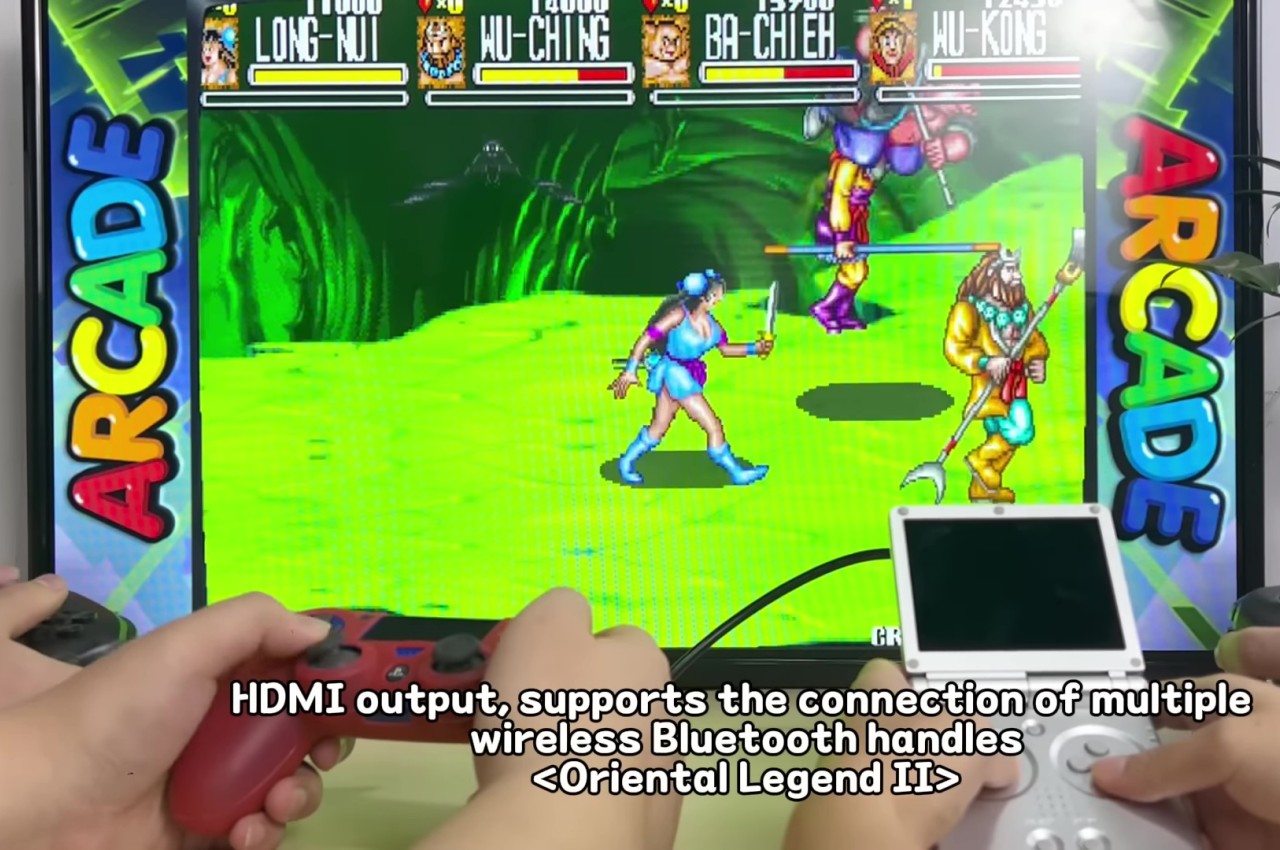
What’s more important, however, is that the RG35XXSP doesn’t use the limited controls of the Game Boy Advance SP. Instead, it has enough buttons to support all those gaming platforms, though don’t expect any analog joystick here. The pocketable gaming handheld is also described to be equipped with modern technologies, like Wi-Fi and 5G for local multiplayer gaming, HDMI for TV output, and support for Bluetooth peripherals like controllers, keyboards, and mice. Shown off in four designs that give tribute to those consoles and handhelds of the past, launch details for the Anbernic RG35XXSP are unfortunately still unavailable at this moment.
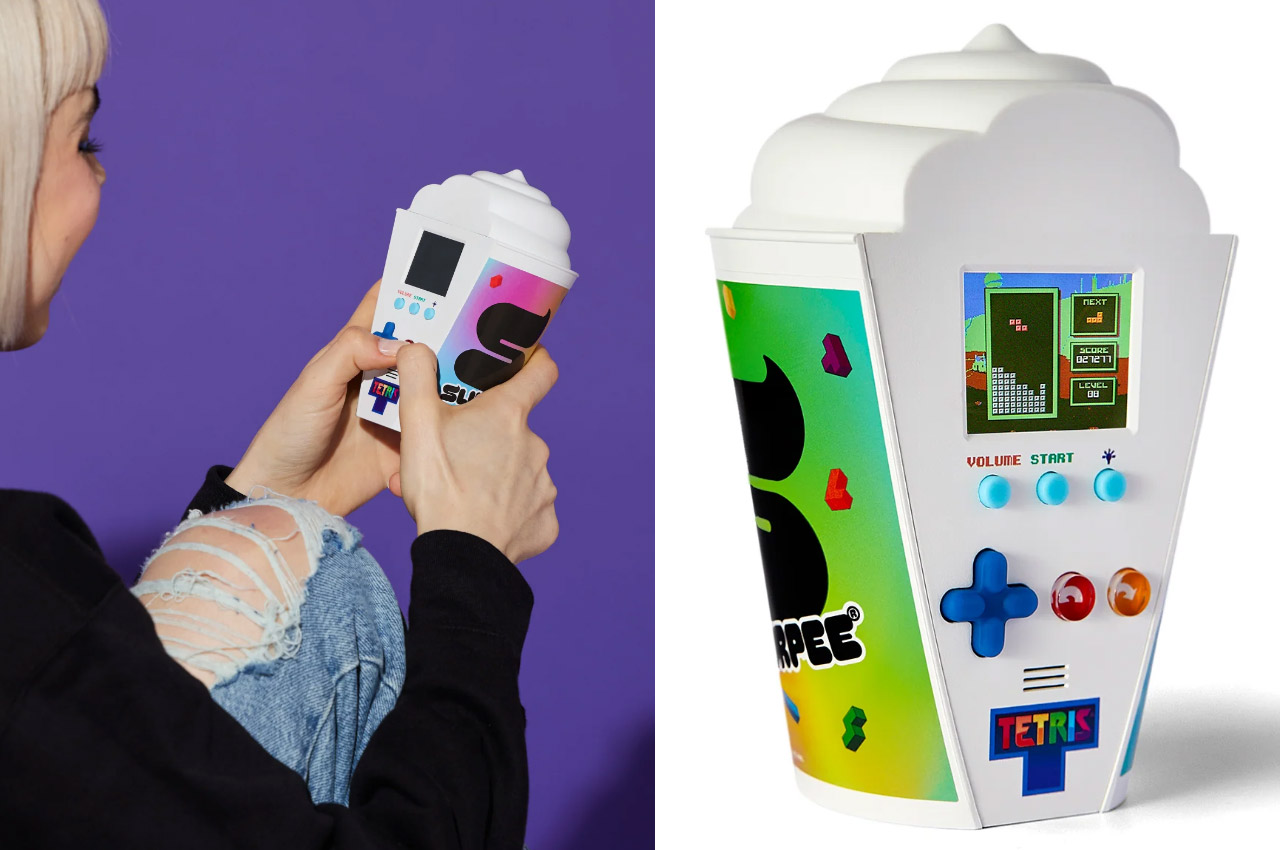
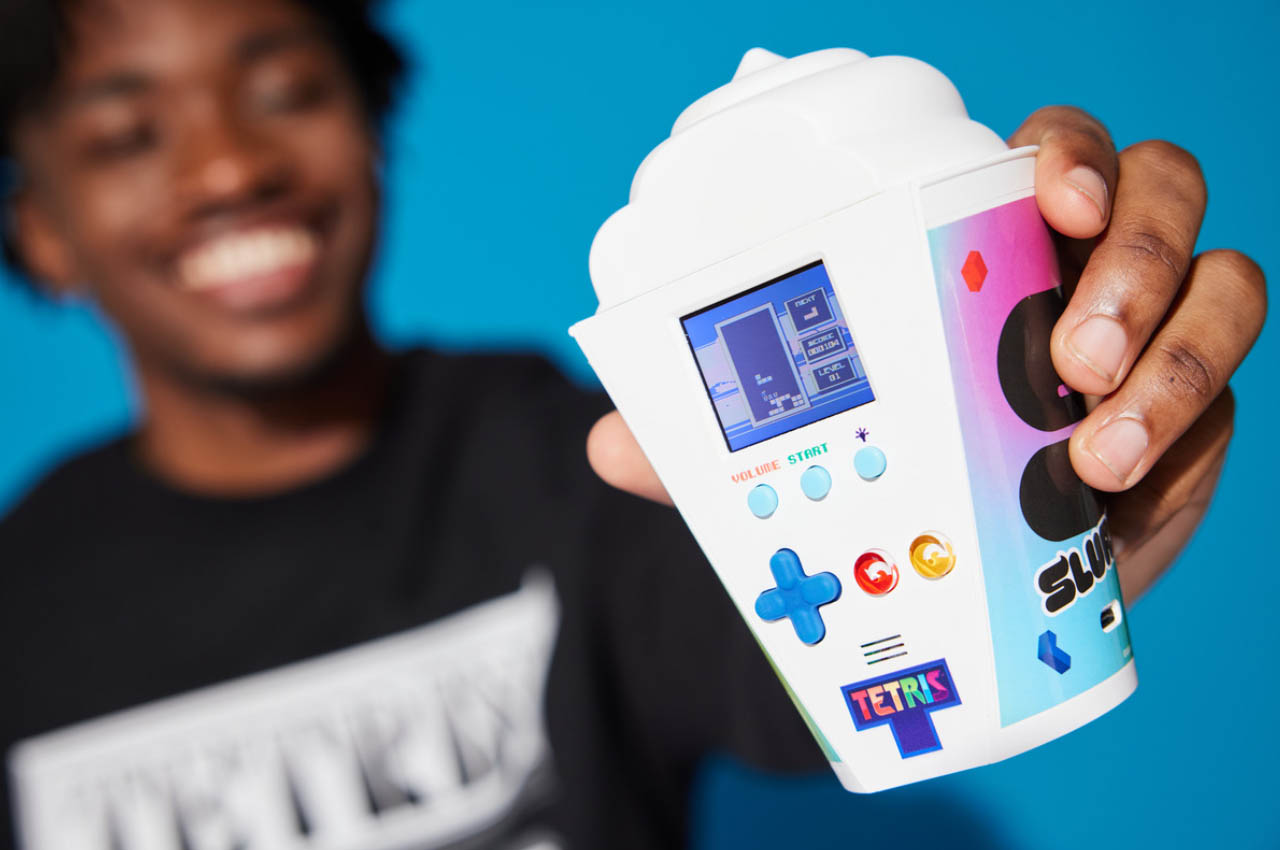
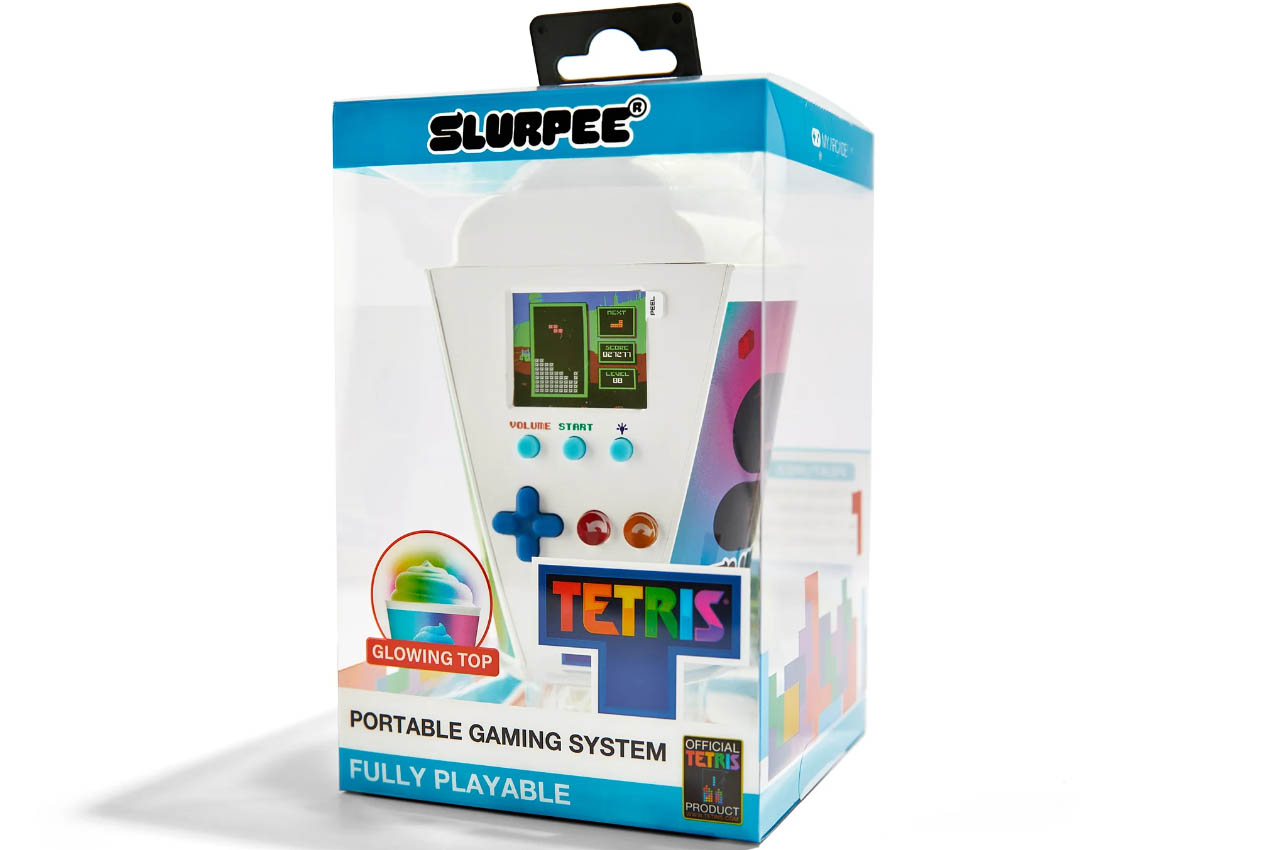
Alex T has lately broken every record possible for the Tetris game and the cult classic is again in the trends. Perhaps the perfect time for the Slurpee Handheld Gaming Device to make an appearance. This limited-edition merchandise from convenience store 7-Eleven is designed in collaboration with Tetris. Along with this, the duo has created other products too for gamers who love retro stuff.
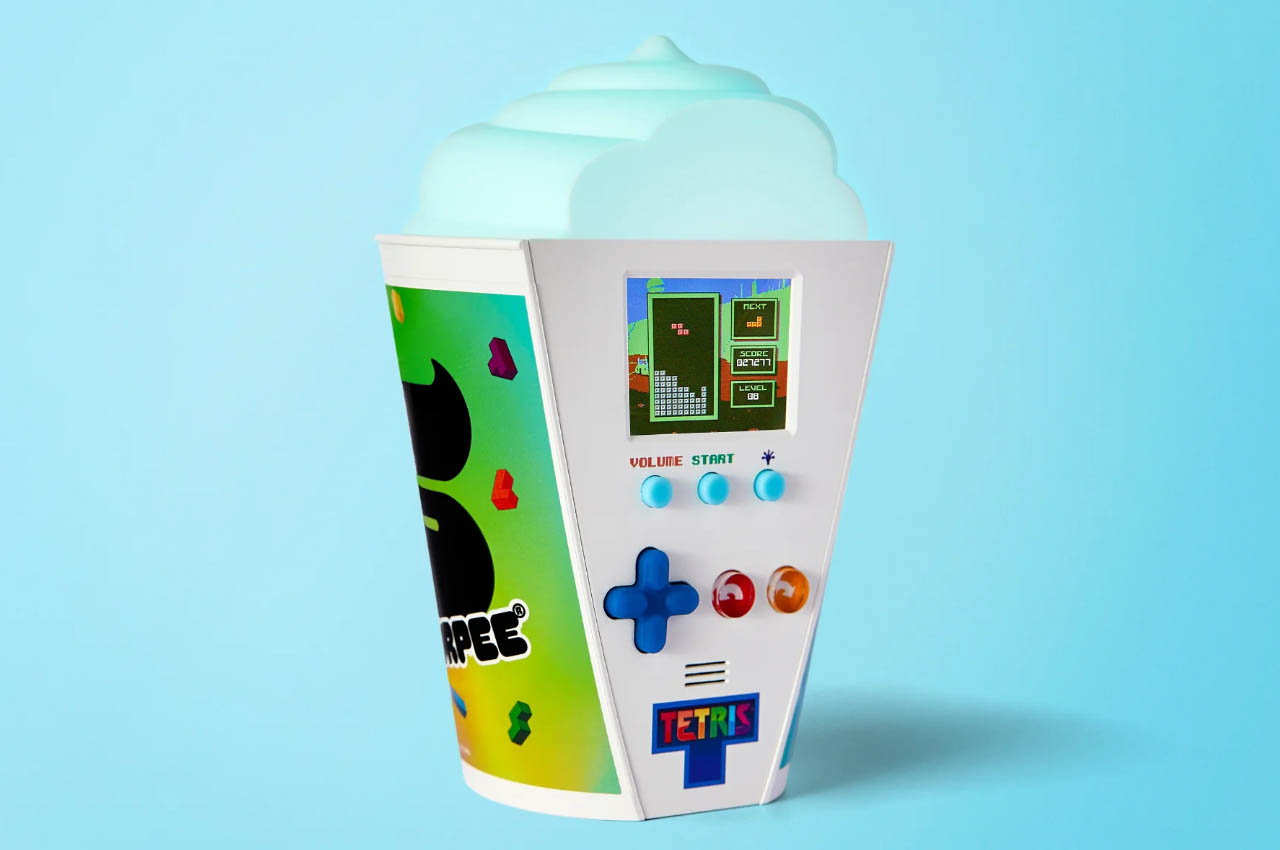
Limited to just 20,000 units, the unique handheld device has the shape of a Slurpee that’ll always entice you to game more and drink even more. Released almost four decades from now, the iconic arcade game has seen generations of fun and bonding that makes it a common name among gamers. There have been thousands of knockoff versions and variants, but still the original Tetris has stood the test of time.
According to CEO of Tetris, Maya Rogers, “As we mark the milestone 40th anniversary of Tetris, we are excited to announce our partnership with 7-Eleven, another iconic brand beloved across generations,” she added, “this collaboration celebrates our spirit of innovation and delivers fans with a new, fun way to experience Tetris.”
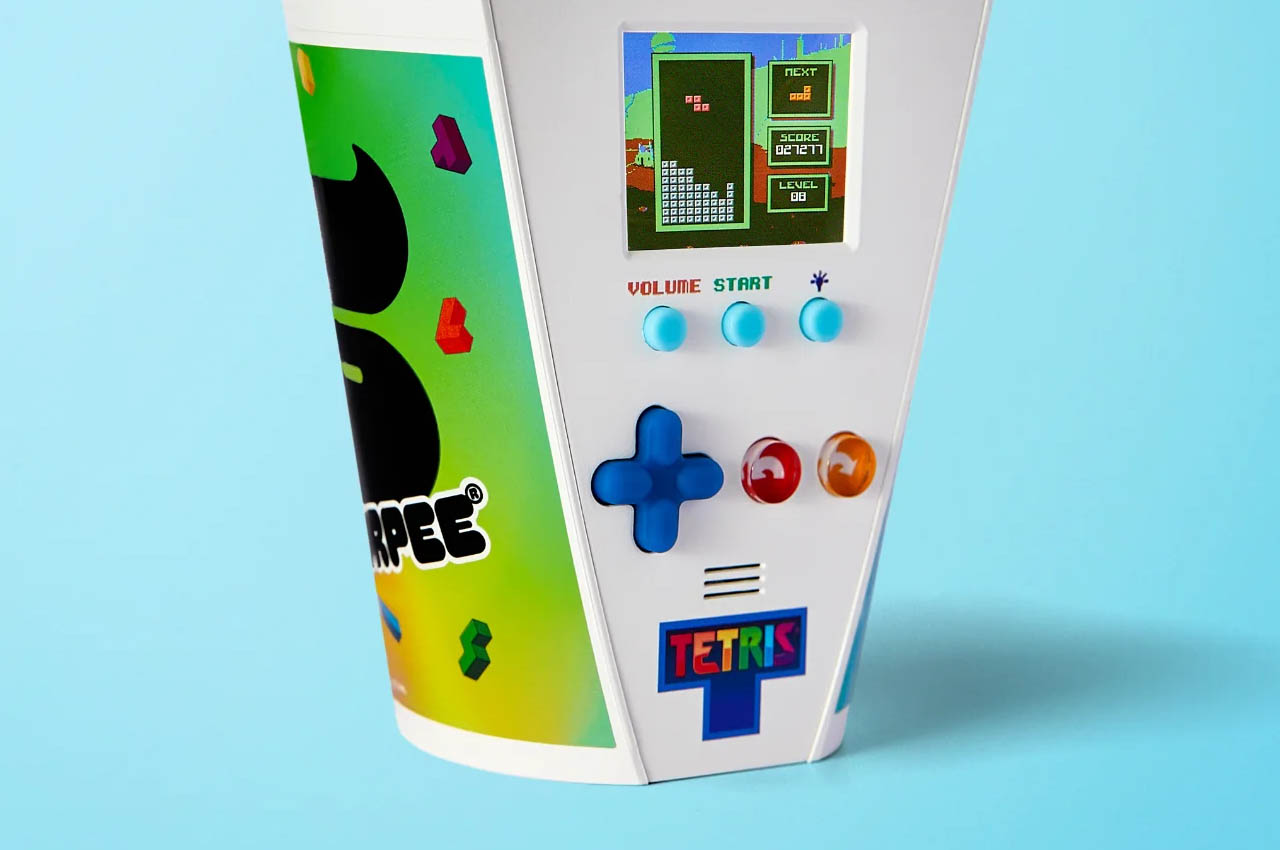
The game is played on the front of the Slurpee cup-shaped handheld that looks like 7-Eleven’s iconic cup. There’s a small full-color display (smaller than the original Game Boy) measuring 1.8 inches on which you can play the nostalgic game. The device draws power from the three AAA batteries and if you want, you can also plug it into a laptop or power outlet with a USB-C cable connection. To elevate the gameplay immersion, it also has built-in speakers.
There is no release date for the Slurpee Handheld Gaming Device yet, but we should expect the announcement soon. As we said, the collection comes with other goodies as well including shirts, tote bags, two cap designs, stickers and more. What we are interested in is this cool gadget that you can carry around on the beach and then settle down to play a stint of your favorite classic game.
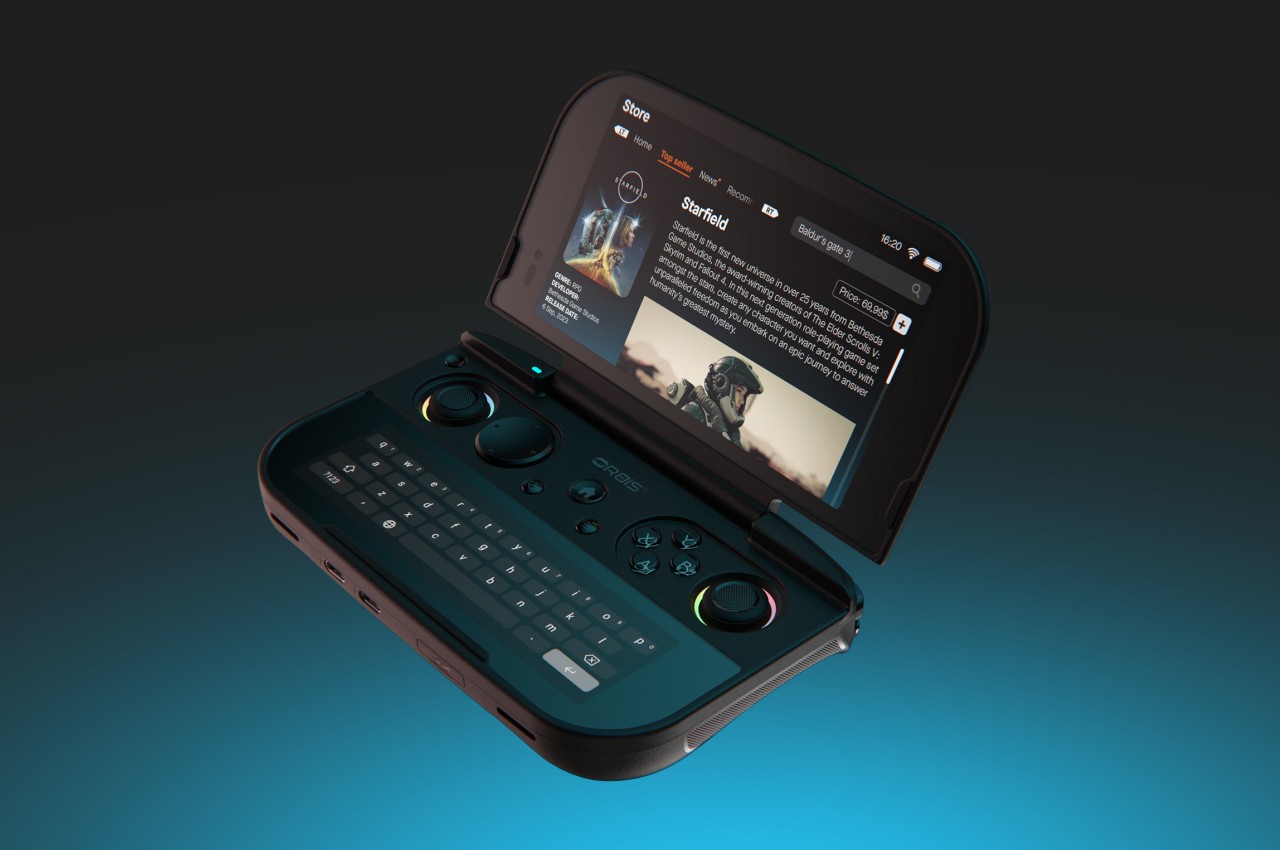
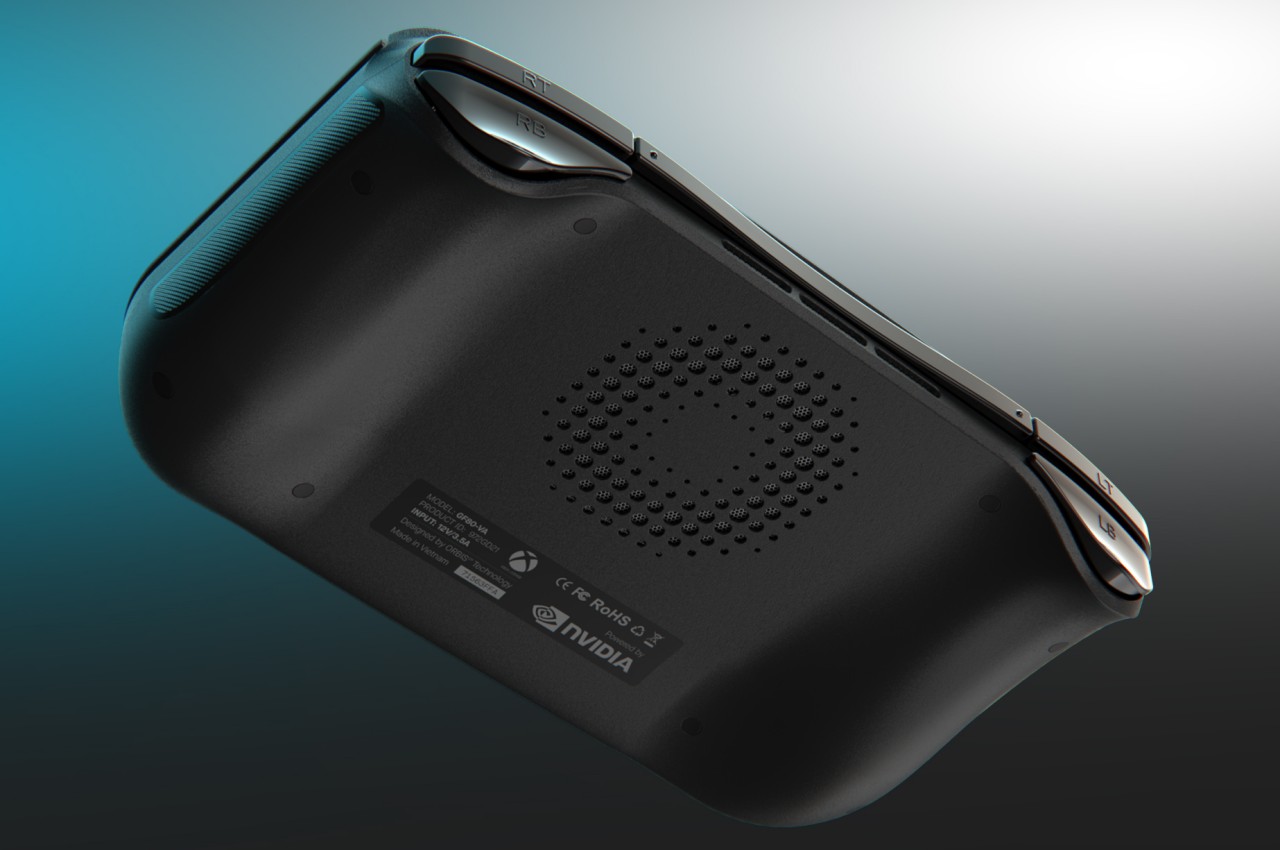
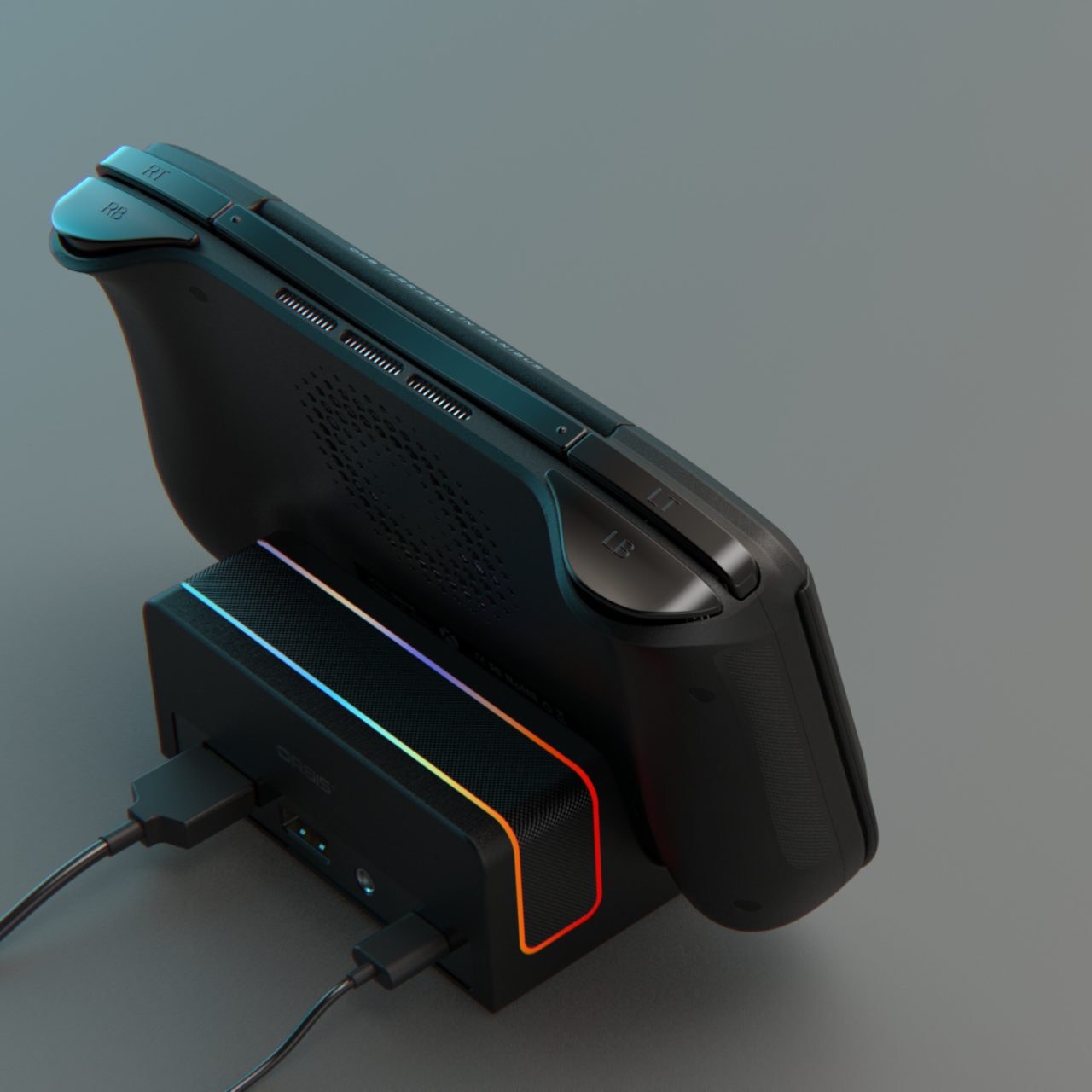
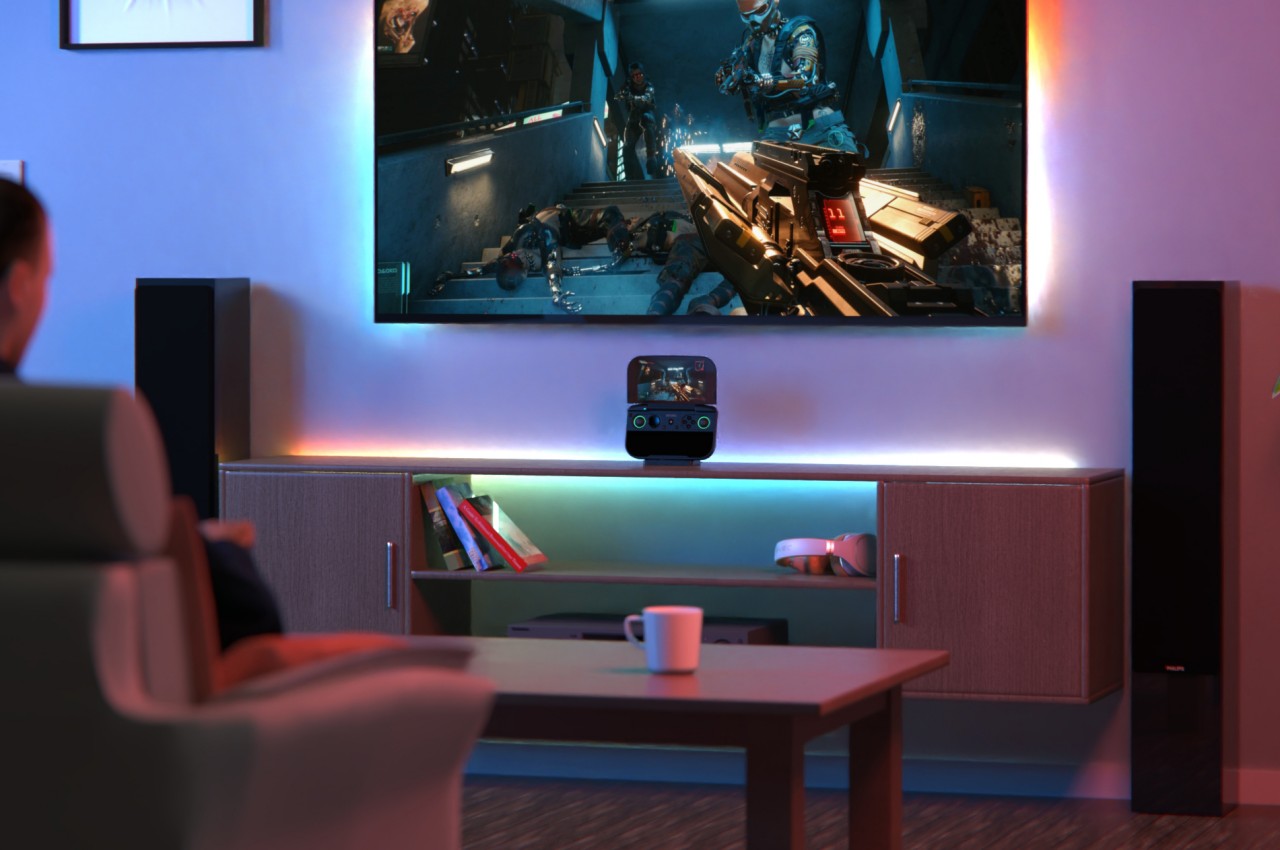
Thanks to devices like the Steam Deck, ASUS ROG Ally, and Lenovo Legion GO, handheld PCs are becoming more common and more acceptable in the public’s eyes. That horizontal orientation, while more gaming-oriented, isn’t the only possible design, nor is it even the best option. There are other styles, particularly the laptop-like clamshell design, that offer a user experience that is slightly different but also a bit more flexible in its features. Of course, just because it looks like a mini laptop doesn’t mean it has to behave like one, and this particular handheld console concept stretches that design a bit further to transform a gaming device into a lifestyle product.
Designer: Viet Doan Duc
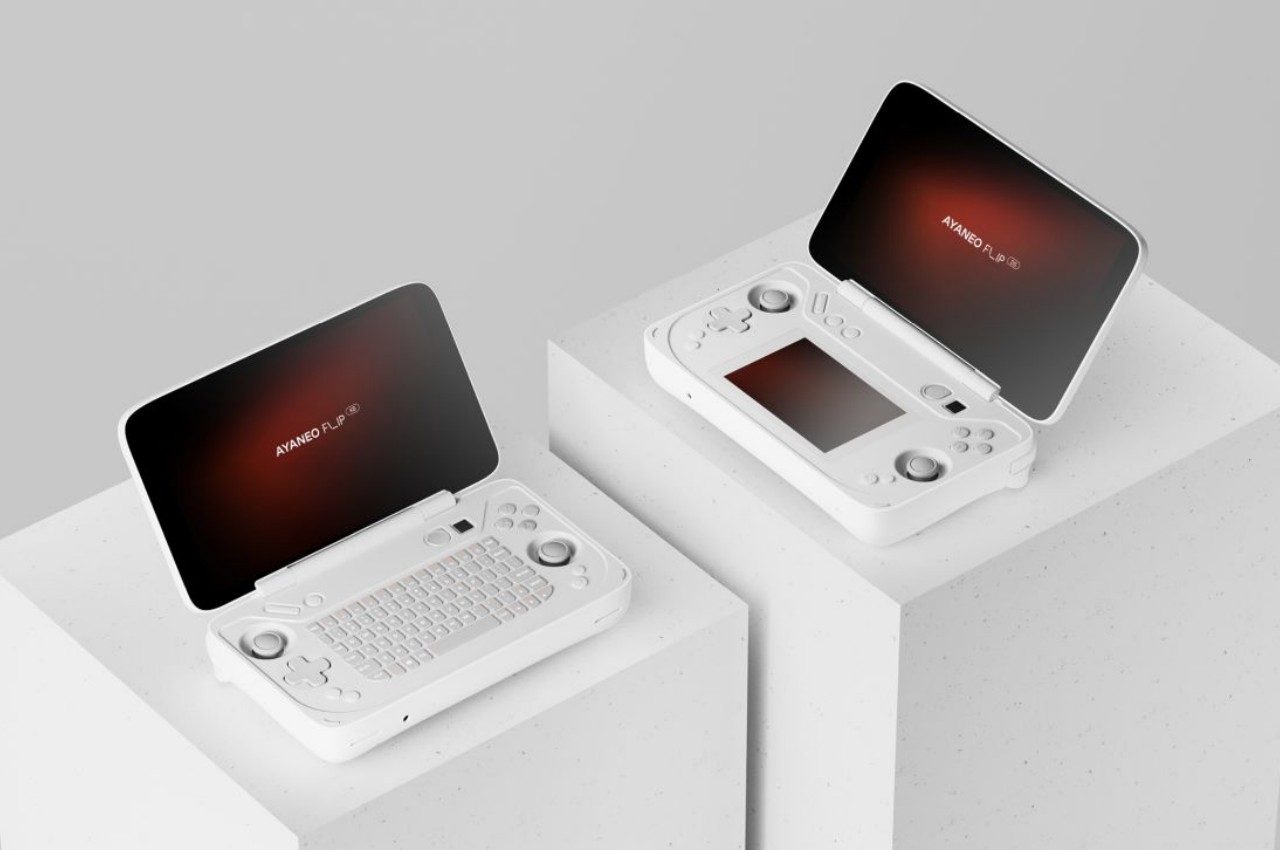
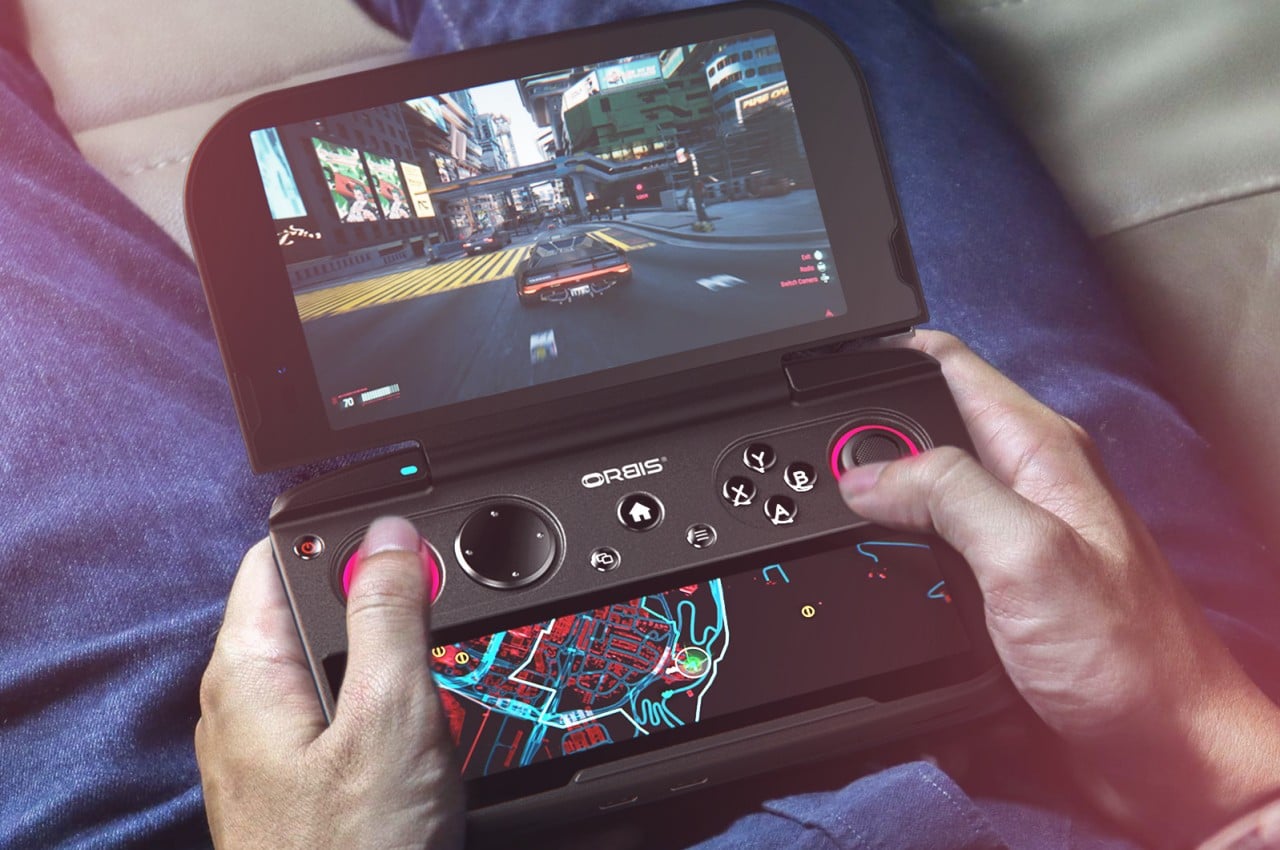
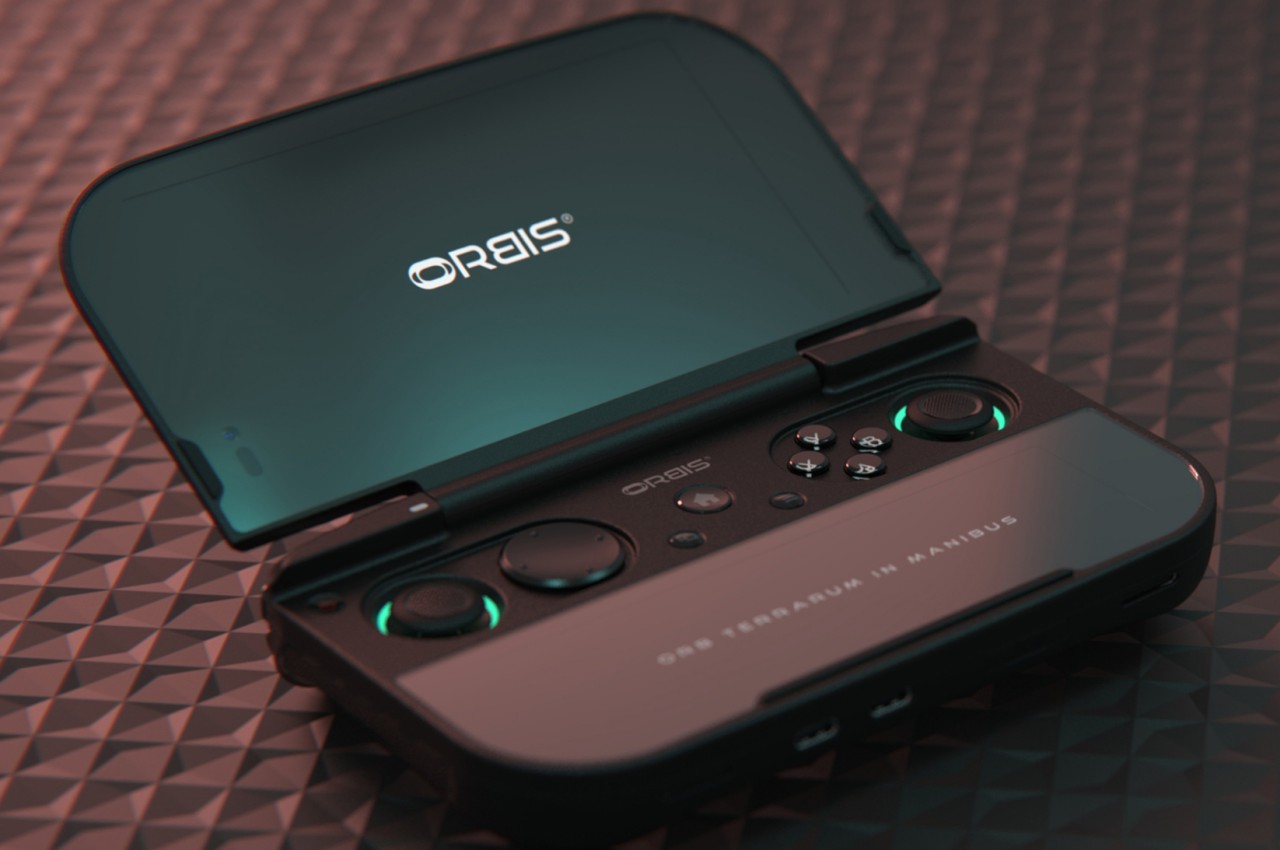
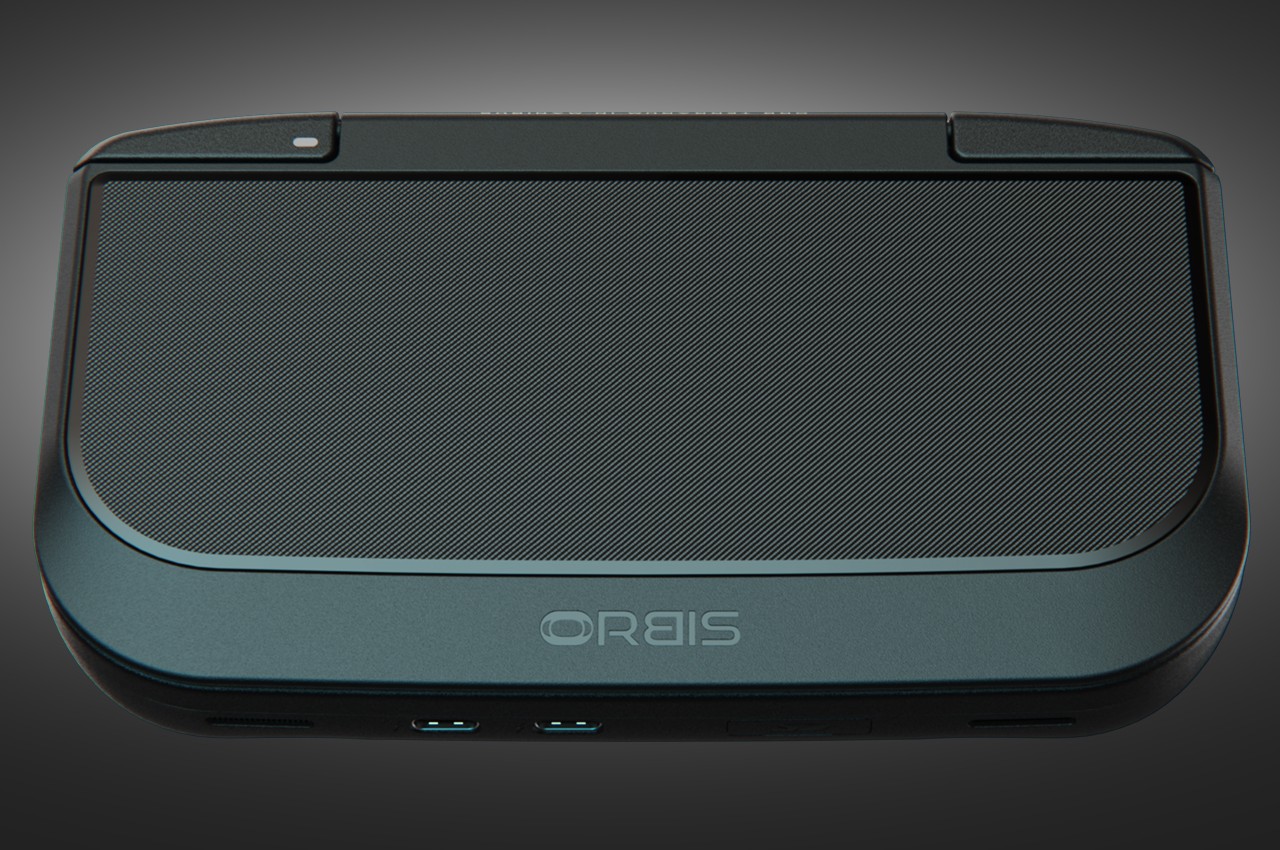
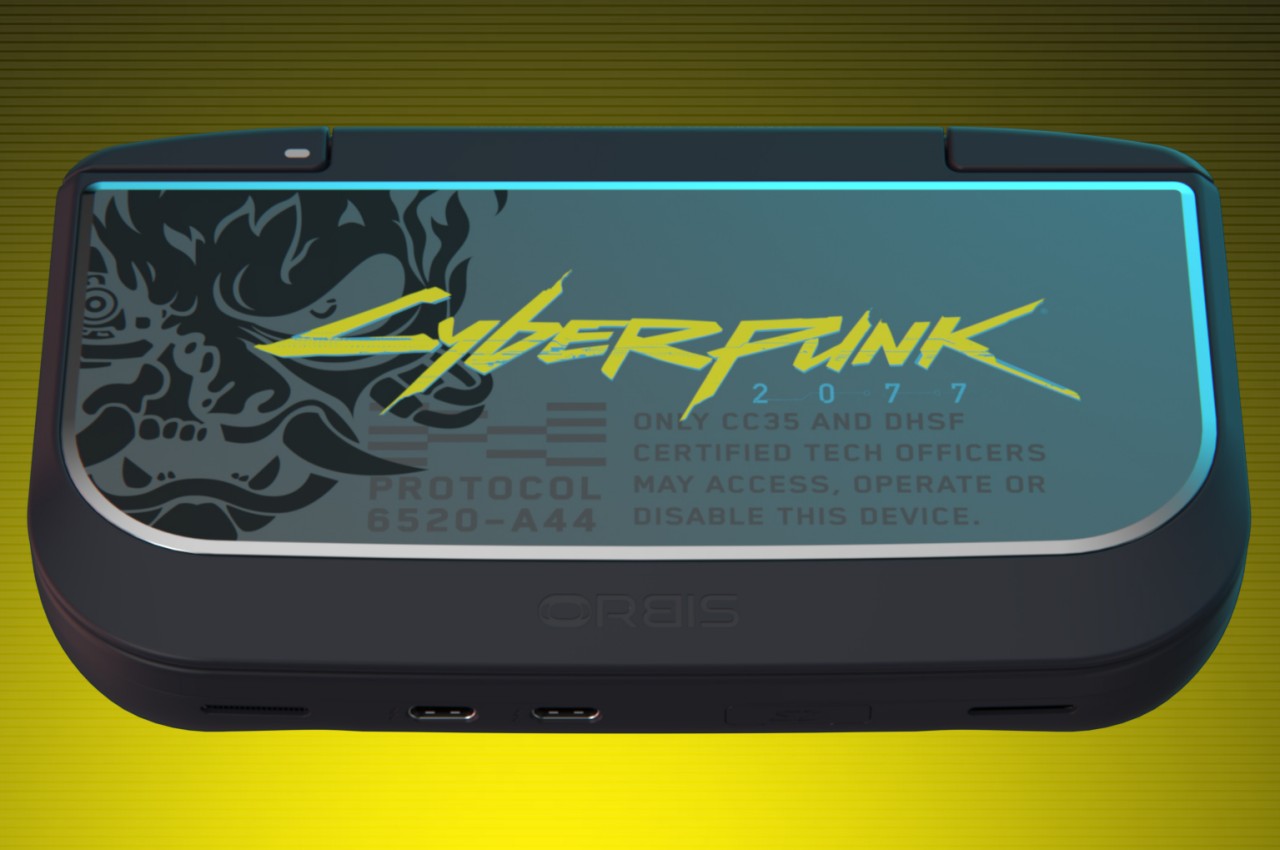
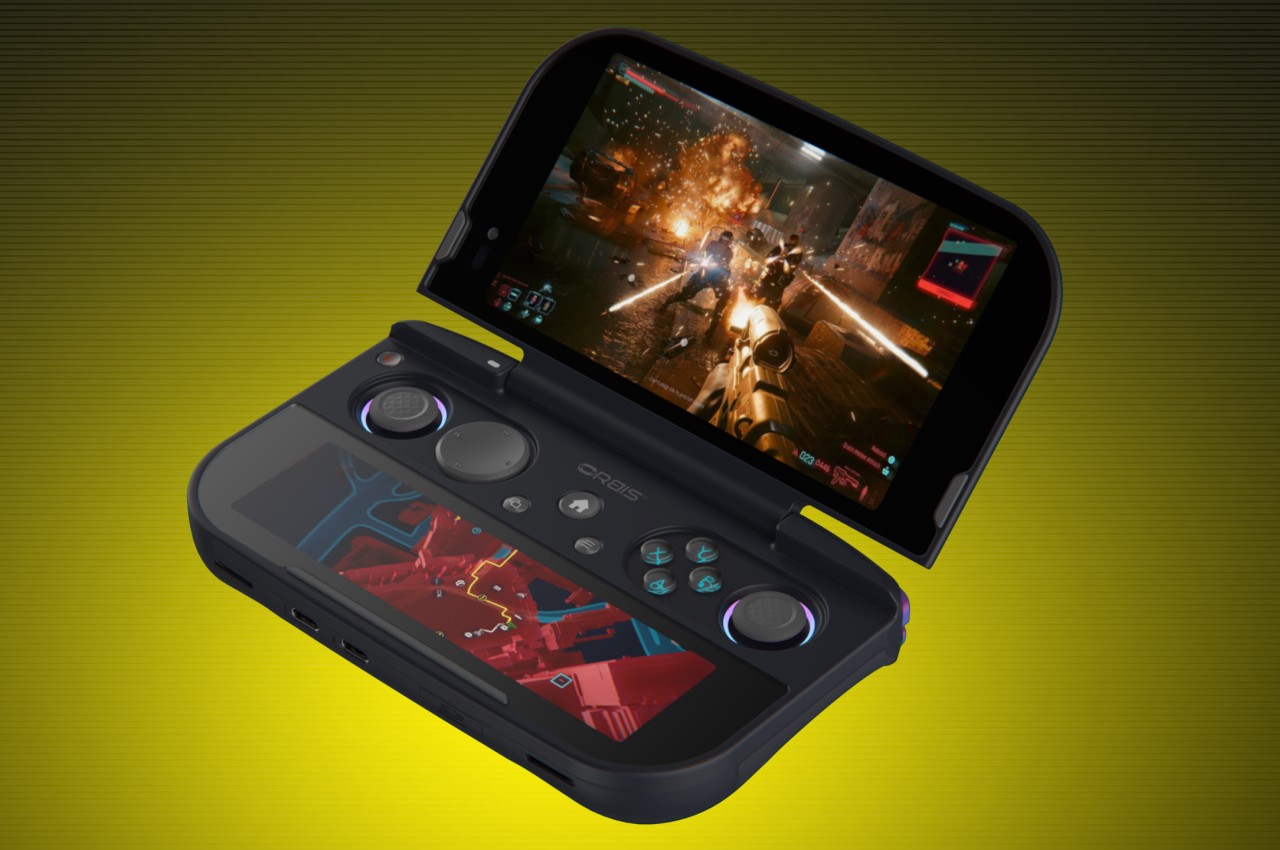
ORBIS, the name for this design concept, wouldn’t be the market’s first clamshell gaming handheld. Chinese brand GPD has been making such devices for years, and recently rival AYANEO even put out two designs for such a portable gaming machine, including one that tries to recreate the experience of the Nintendo DS. What ORBIS does differently, however, is how it gives as much attention on features that let users personalize the device’s appearance as on the specs that drive the use of the gaming computer.
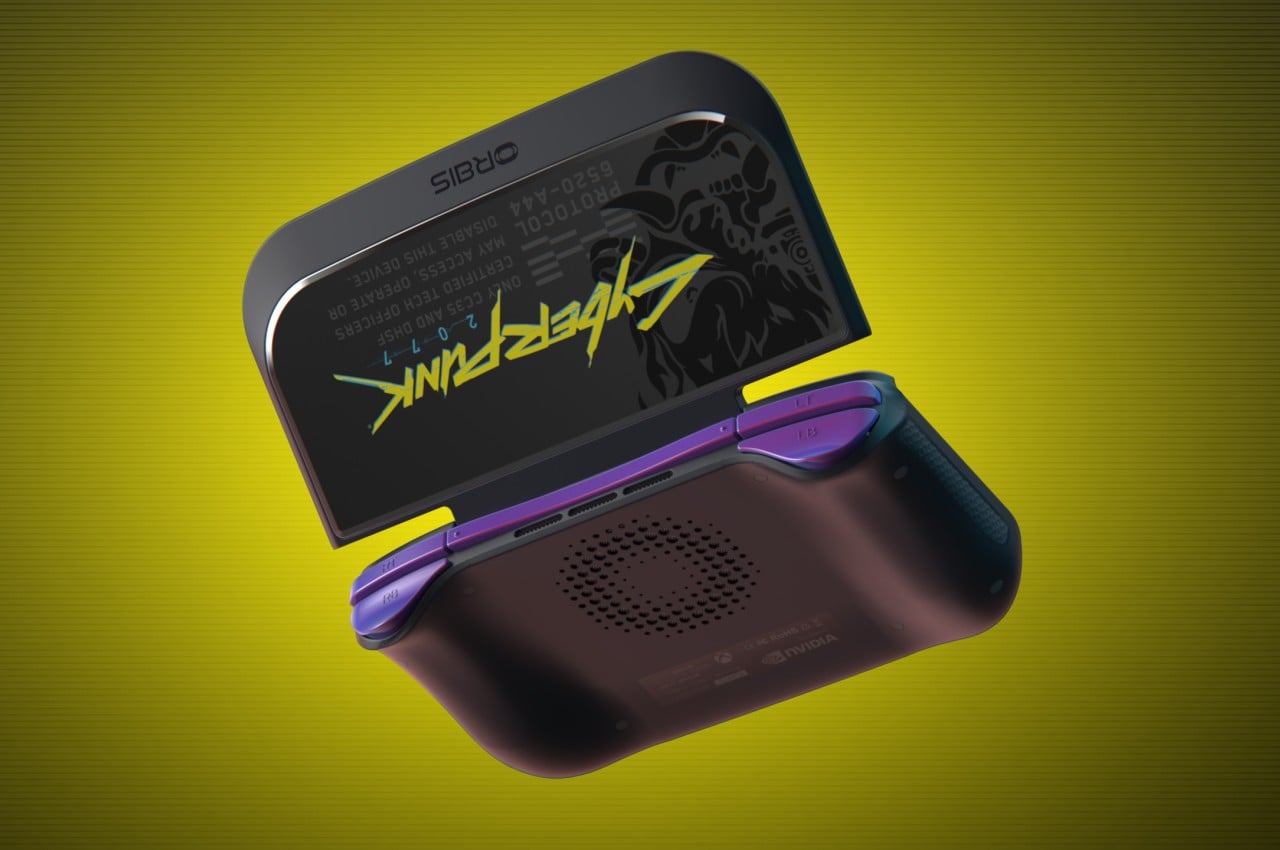
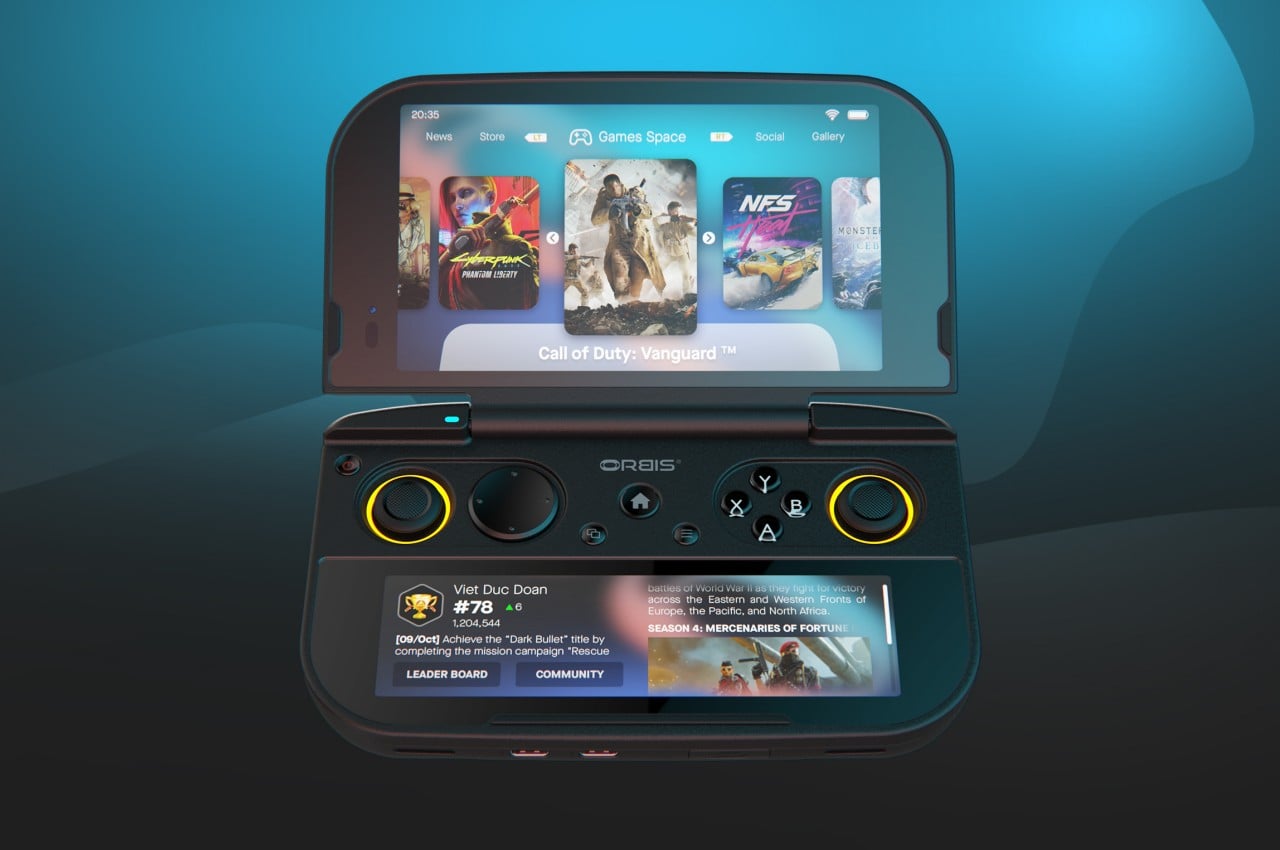
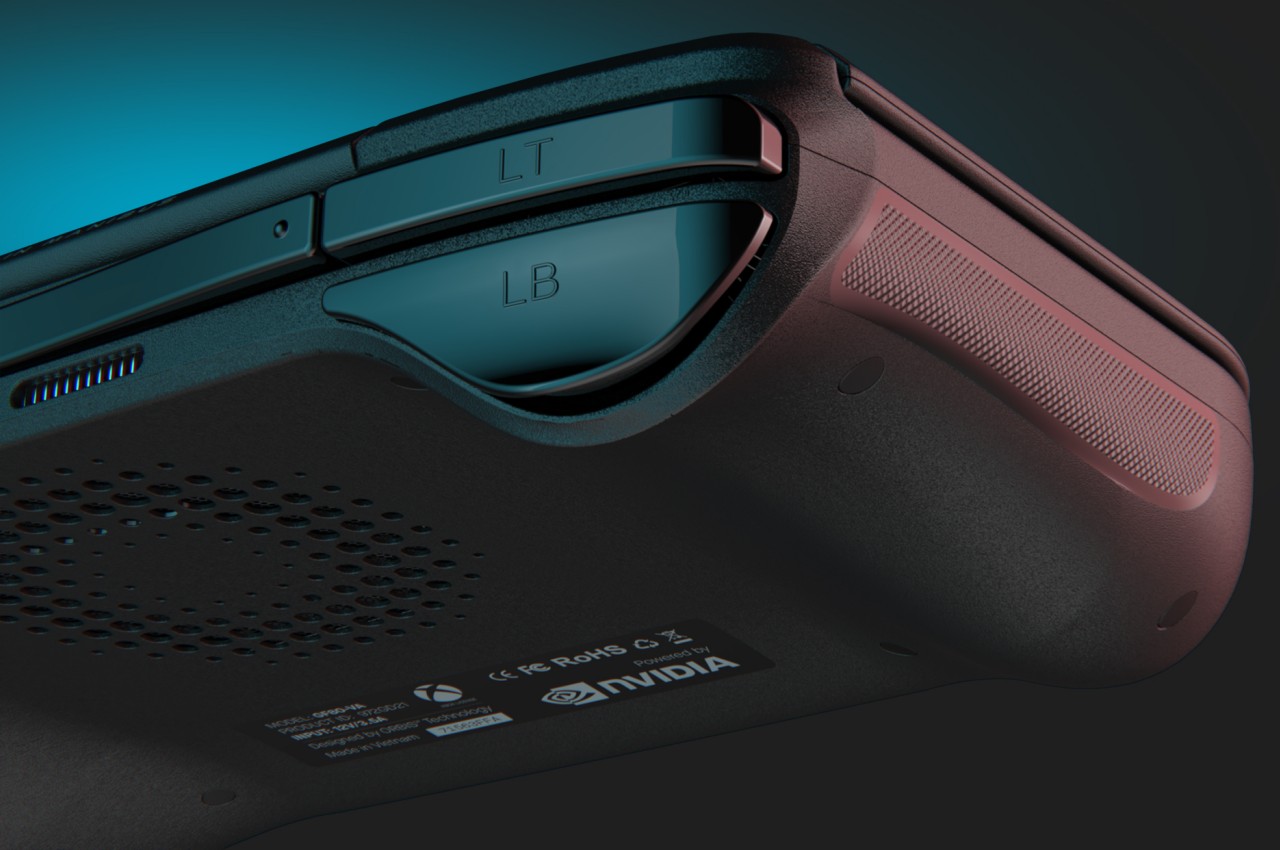
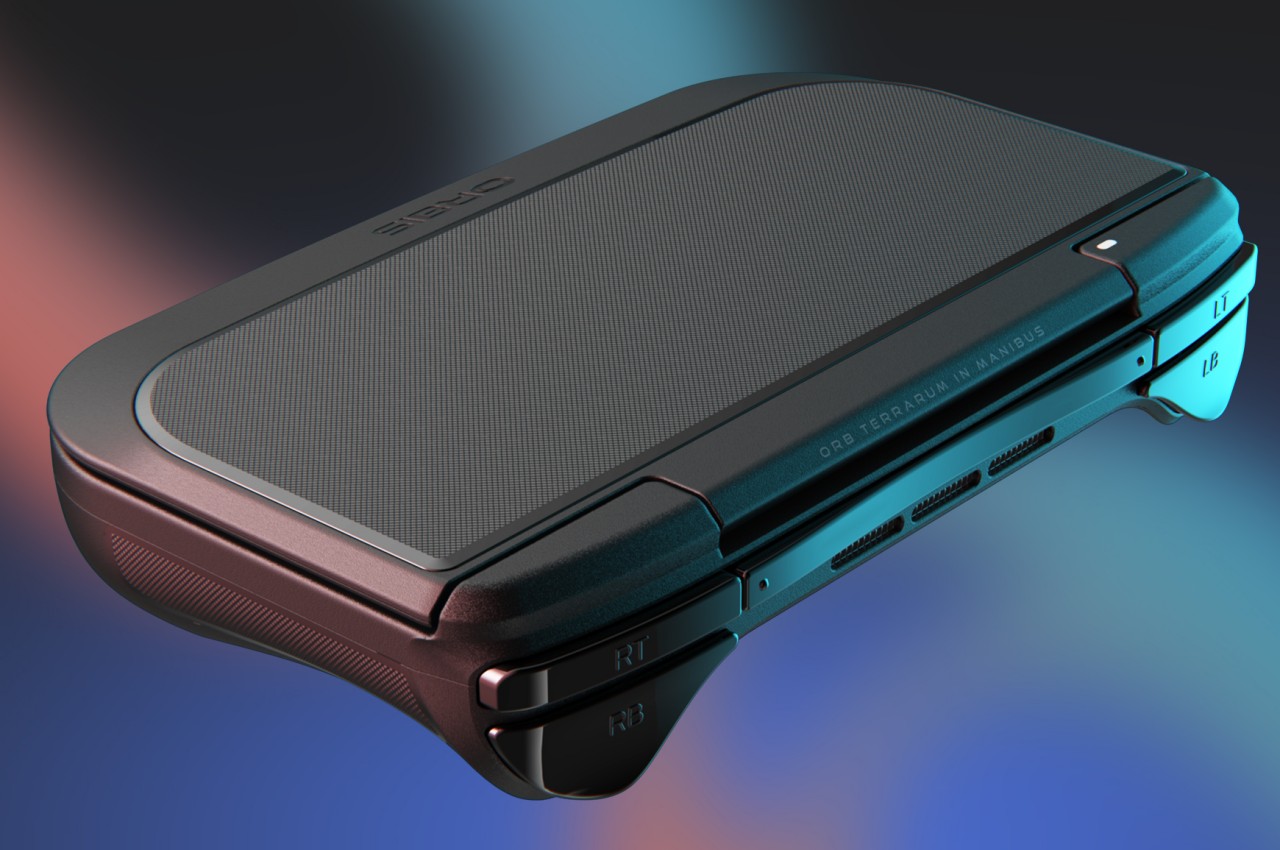
One simple yet significant example is how the removable ABS cover on the lid lets you customize the appearance of the device while also opening the doors to branded accessories. While you can also just slap on stickers like you would on a laptop, this system is more flexible, allowing users to swap out covers depending on their mood or style, just like how you could easily switch cases on smartphones. There is also RGB lighting encircling the analog sticks, delivering not only a gamer aesthetic but also increased visibility in the dark.
The ORBIS handheld takes a bit of inspiration from the Nintendo DS with its second screen right below the gamepad controls, but it also goes beyond what Nintendo’s popular handheld could accomplish. Because it is a gaming PC more than a closed console system, that touch screen can be used for different purposes, including a virtual keyboard. The typing experience will be awkward and difficult, yes, but it’s significantly better than what’s offered on the likes of the Steam Deck and ROG Ally.
Admittedly, some parts of the ORBIS concept are a bit too idealistic, like the use of an ARM-based CPU (versus Intel or AMD) together with a high-end NVIDIA RTX graphics processor. Having two 5,200mAh batteries inside such a small and compact device is also unrealistic, without even considering things like thermal management and charging speeds. Of course, as a concept, it’s not wrong to sometimes shoot for the sky, and thankfully, some of the ideas here can actually be easily implemented, especially the parts that can significantly improve the user experience by simply allowing owners to customize their device to their hearts’ content.
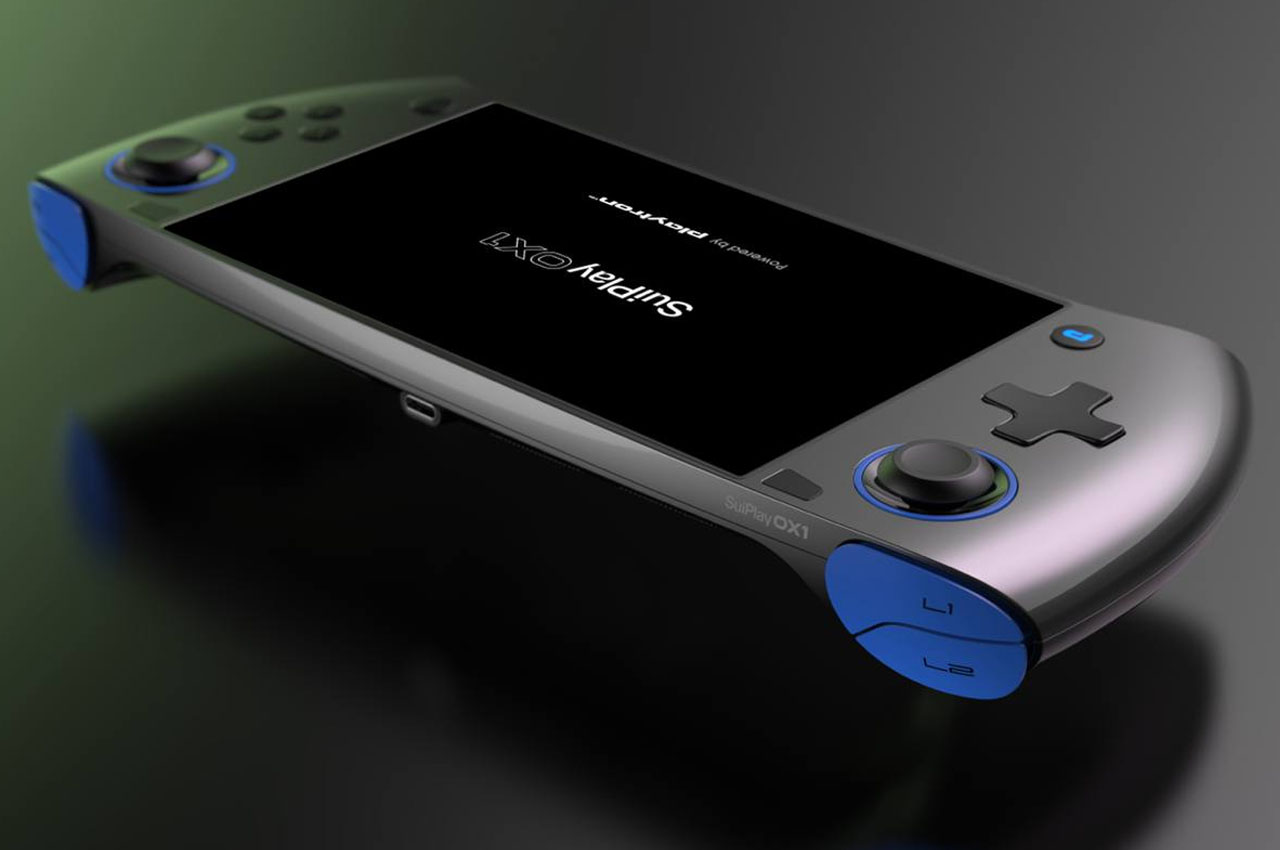
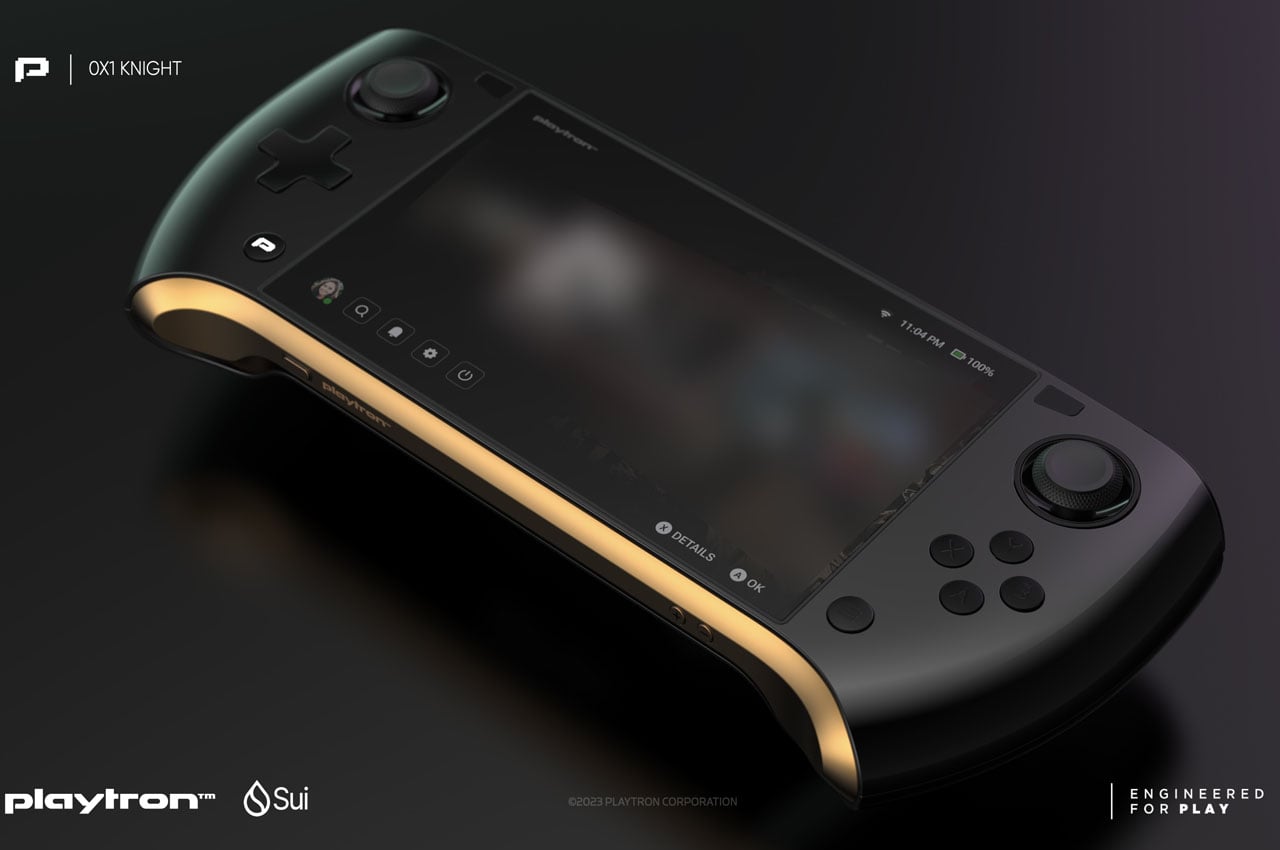
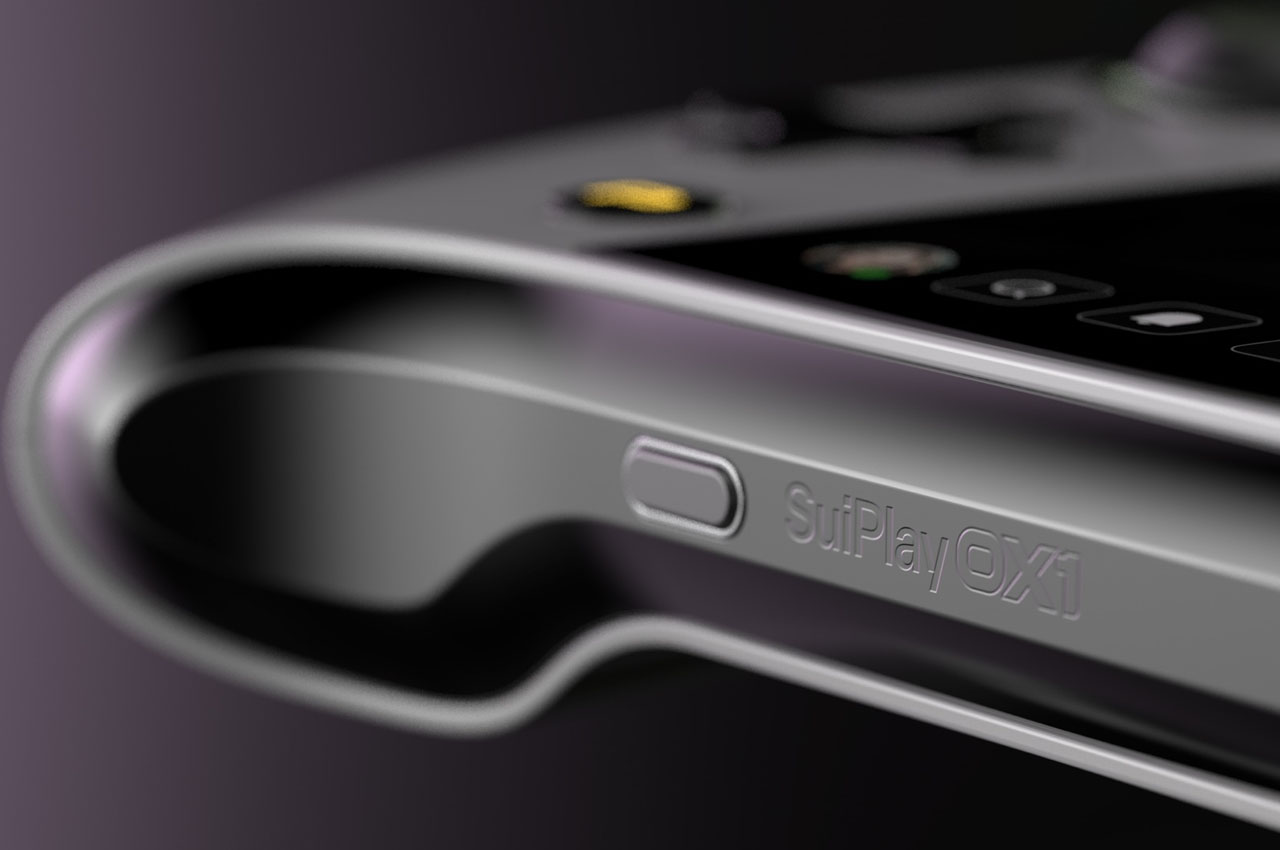
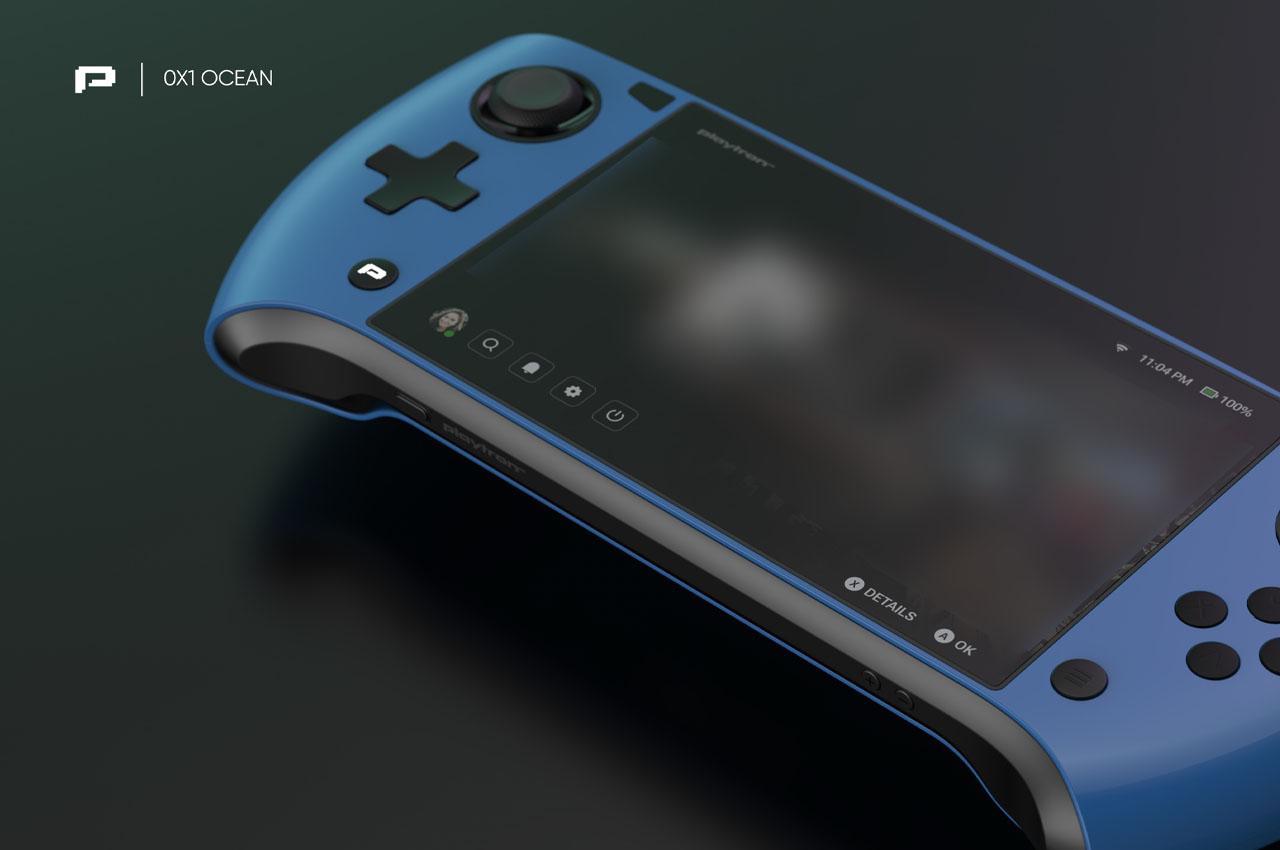
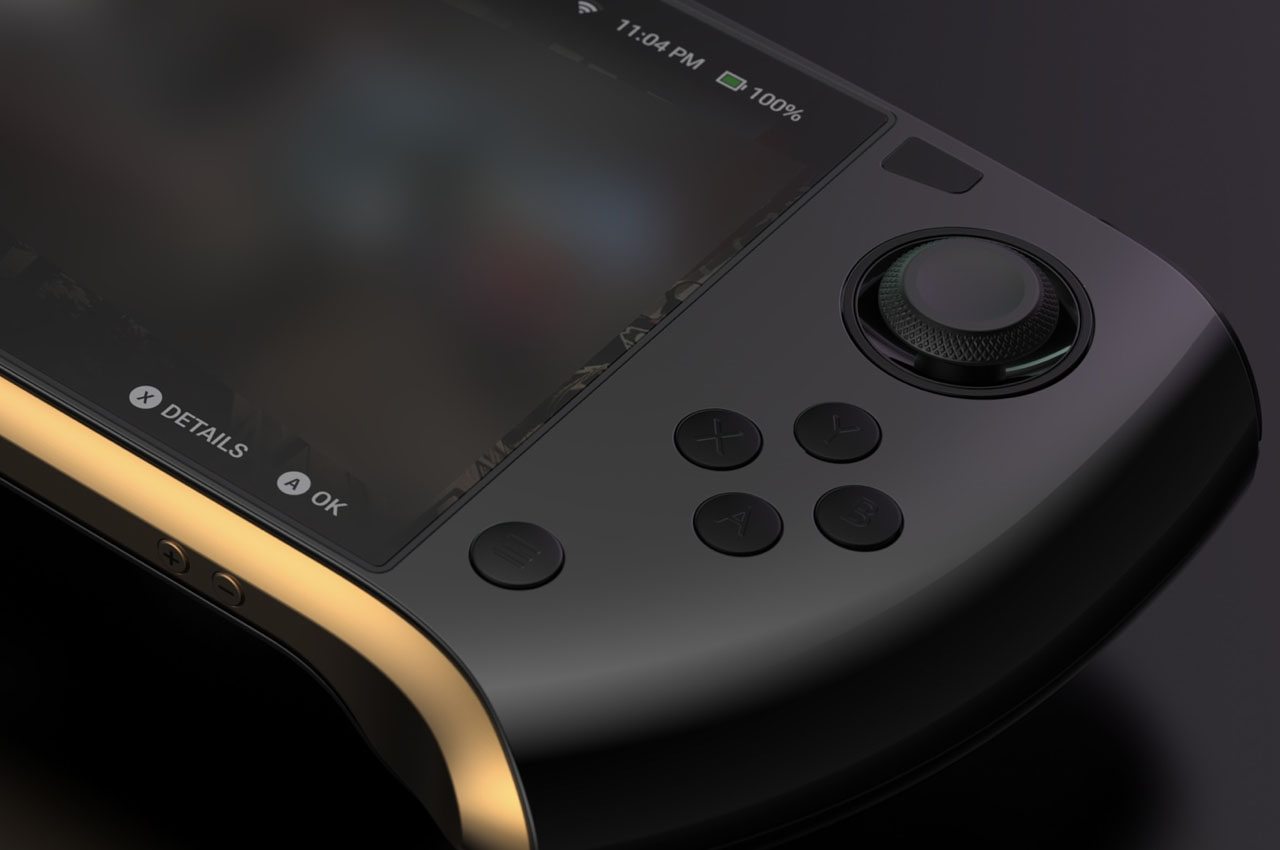
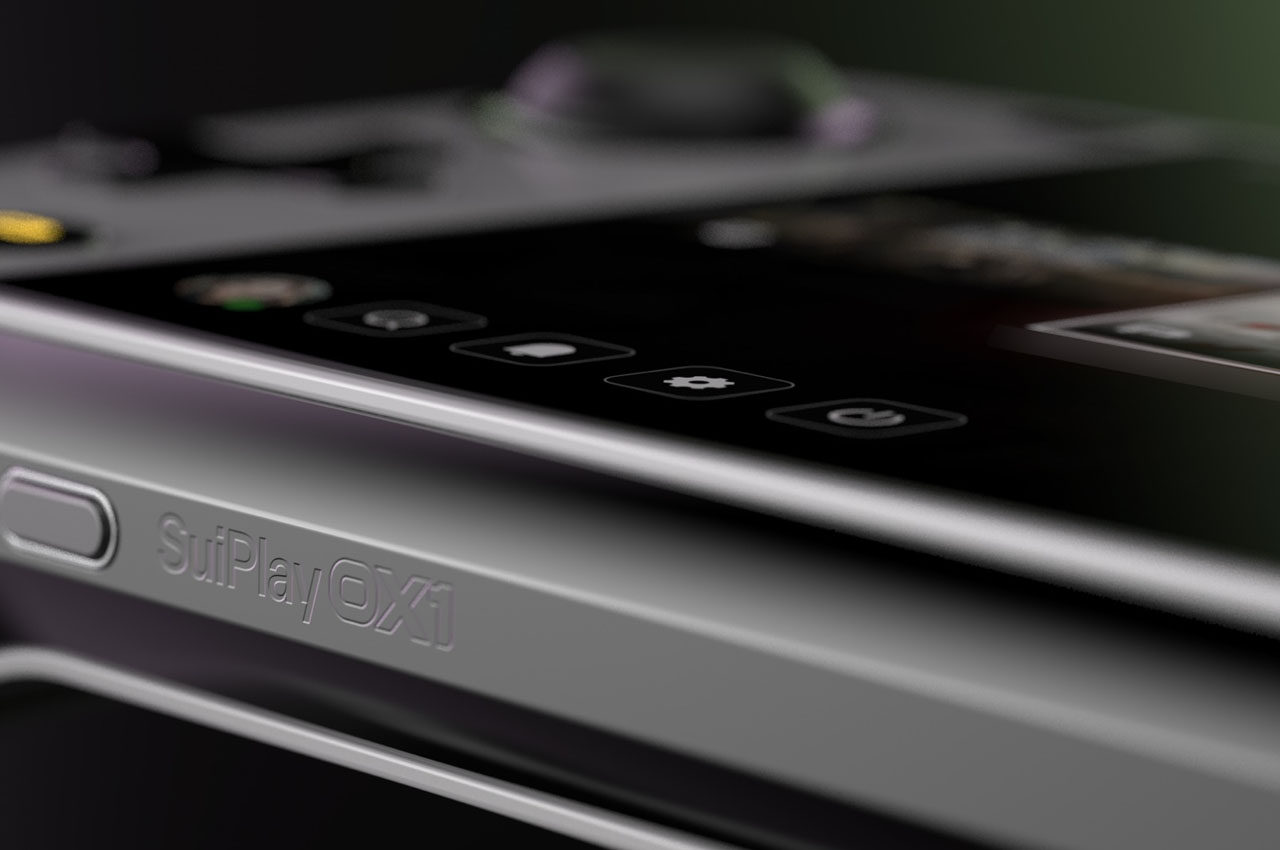
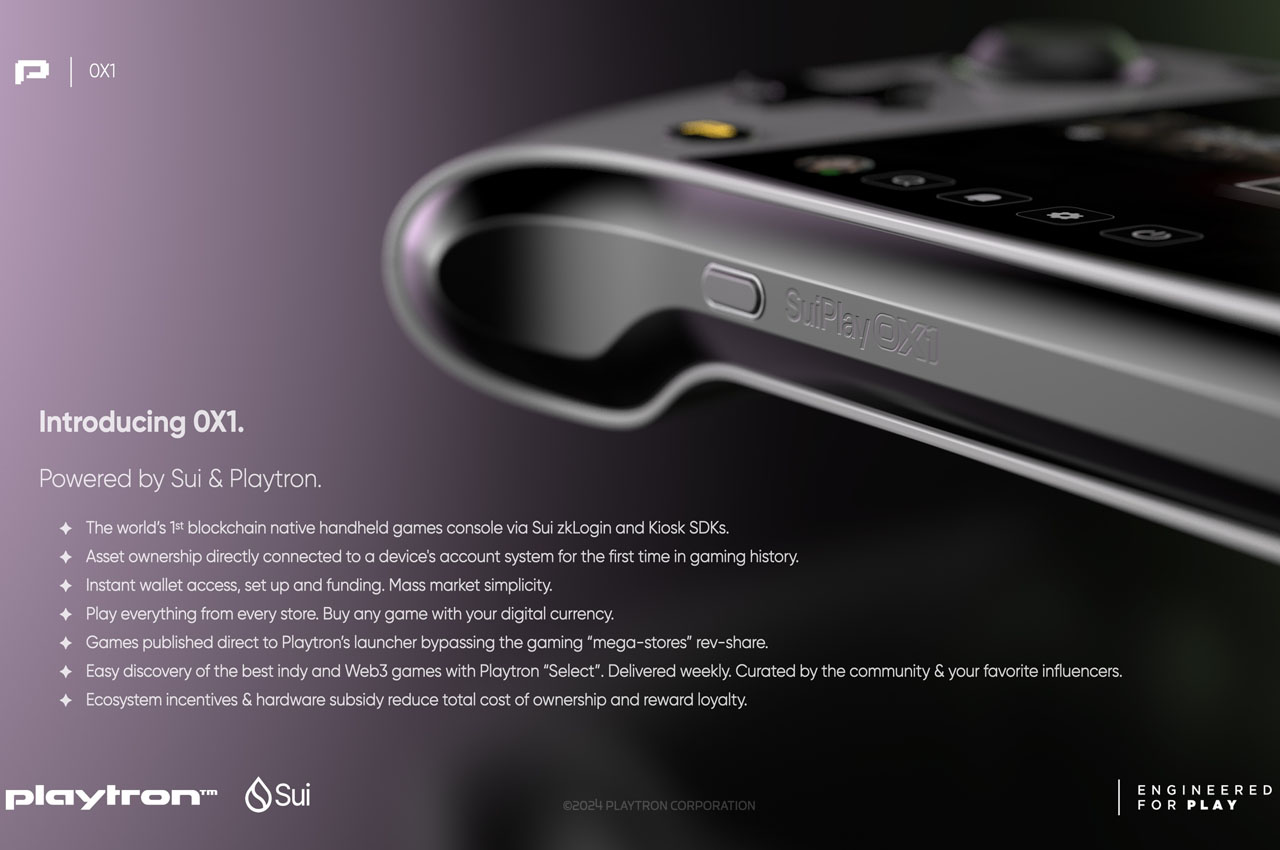
The handheld gaming market is currently dominated by the likes of Steam Deck and Nintendo Switch. Playtron wants to shake up this marketplace with its unique take on a gaming handheld device that unifies different game studios under one umbrella. Developed in collaboration with Mytsen Labs (one of Playtron’s seed investors), the Web3 capable gaming handheld dubbed SuiPlay 0x1 will be available in 2025 for a rumored $500.
The gaming titles compatible with the handheld will be available for purchase via the blockchain and tie some titles to Mysten’s Sui cryptocurrency. Mysten is also promising crypto-incentives and rewards as long as you keep playing and buying more games.
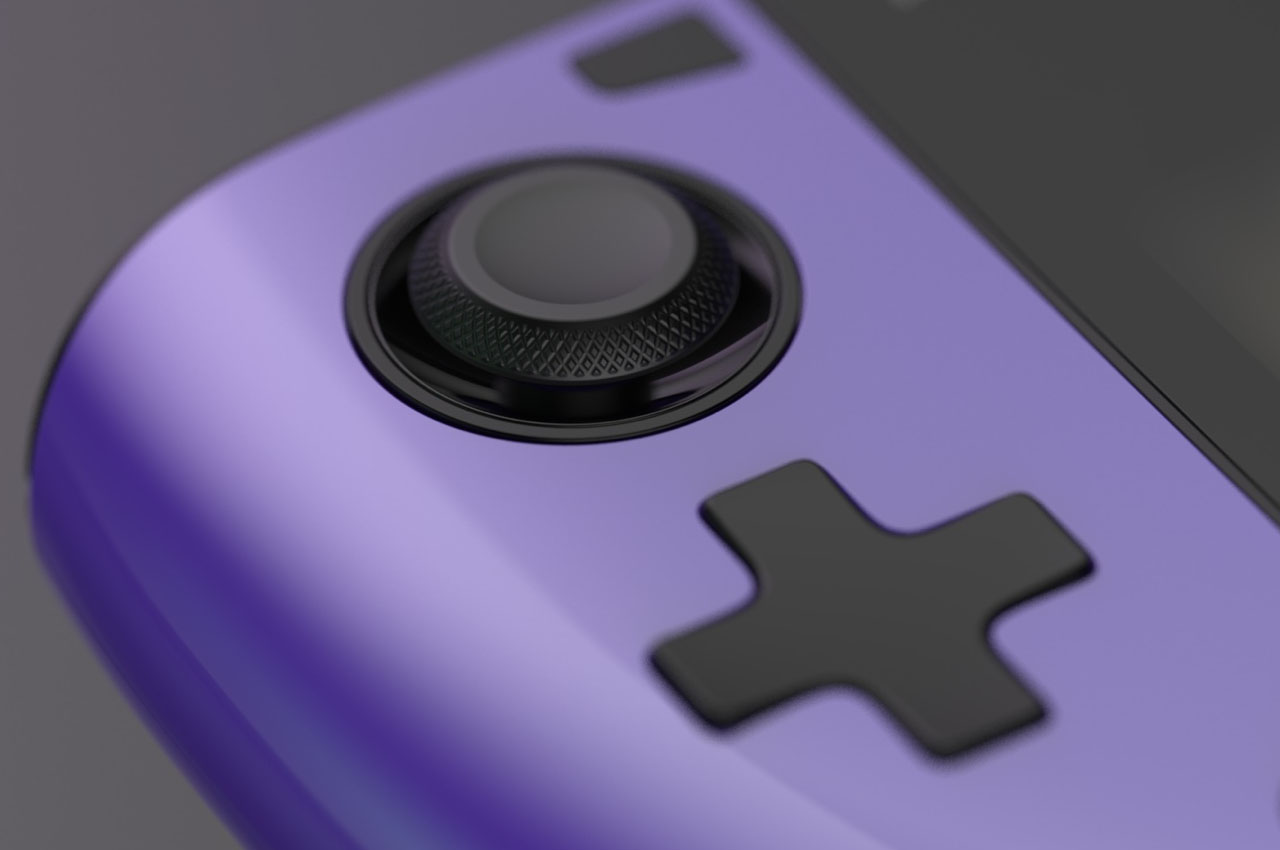
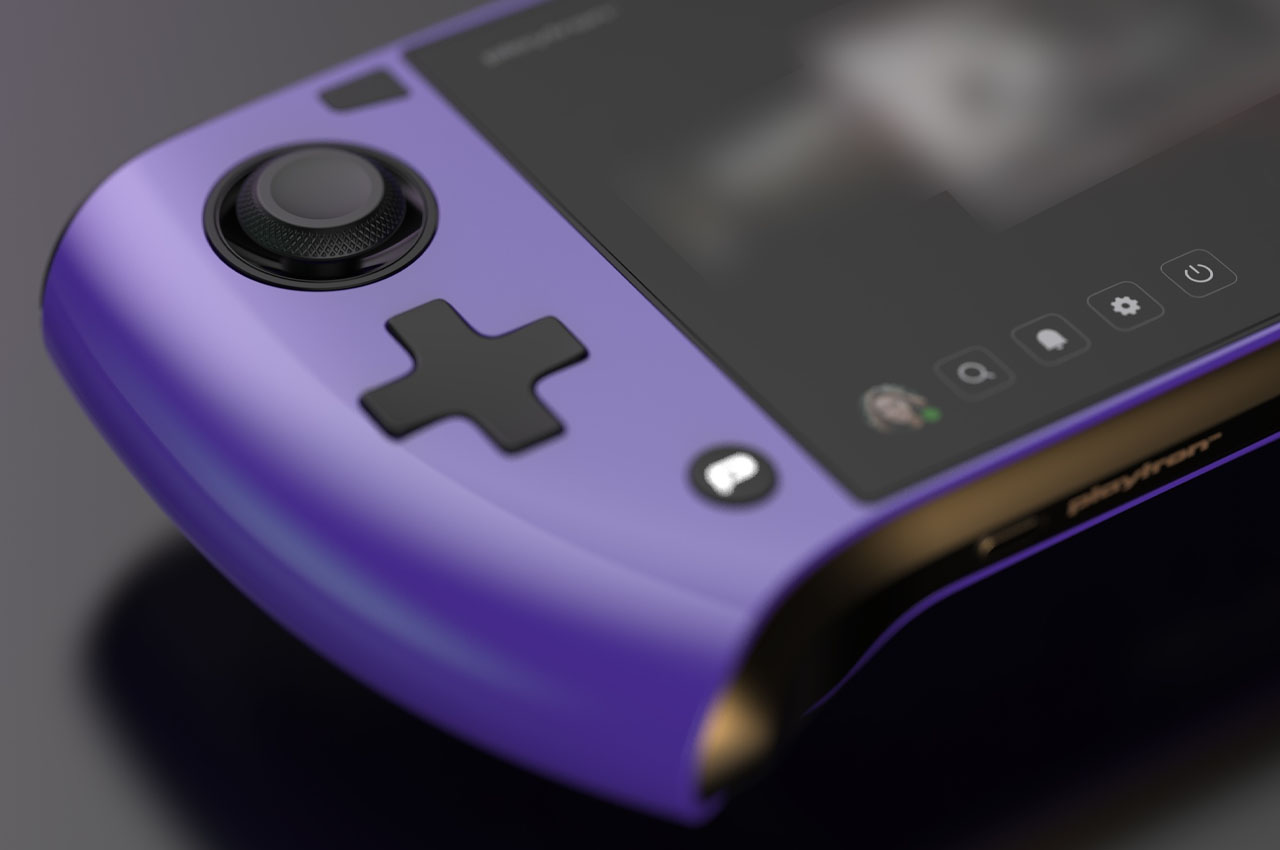
For now, the handheld renders look too sleek to be true. The D-pad is even flatter than the one on the Game Boy Advance SP, which was super-flat by necessity due to the console’s clamshell design. The startup is aspiring to create an Android of PC gaming, something that Steam Deck did. If the Web3 games on the PlaytronOS won’t do well, then the Steam and Epic Games Store availability on the platform will come to the rescue.
All said and done, the company is still to reveal any specs details. All they leaked was the promise of the handheld to be based on Advanced Micro Devices technology and currently, there are system-on-chip vendors interested in this unique offering. According to Playtrom CEO, Kirt McMaster, they are looking for manufacturing partners and a follow-up announcement will come in three months. You can look forward to the pre-order window once the specs are cleared up.
The open gaming handheld will offer multiple game stores, right from Sui Web3 games to the popular Epic Games Store. Every single game available will appear in a single launcher and work with a single operating system. The good news for developers is that the Playtron software will integrate stores with a program called Playtrom Select, so that small publishers can also launch their games directly on the launcher.
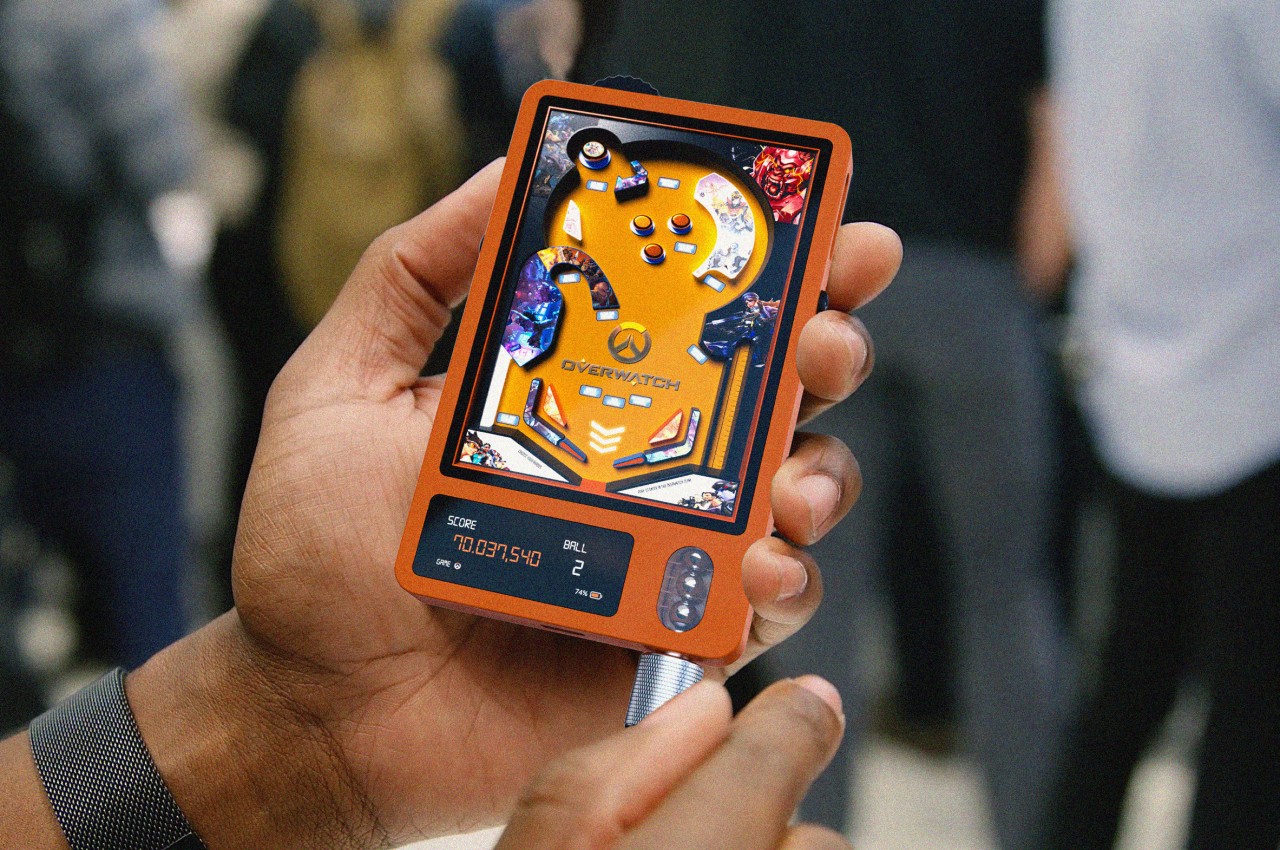
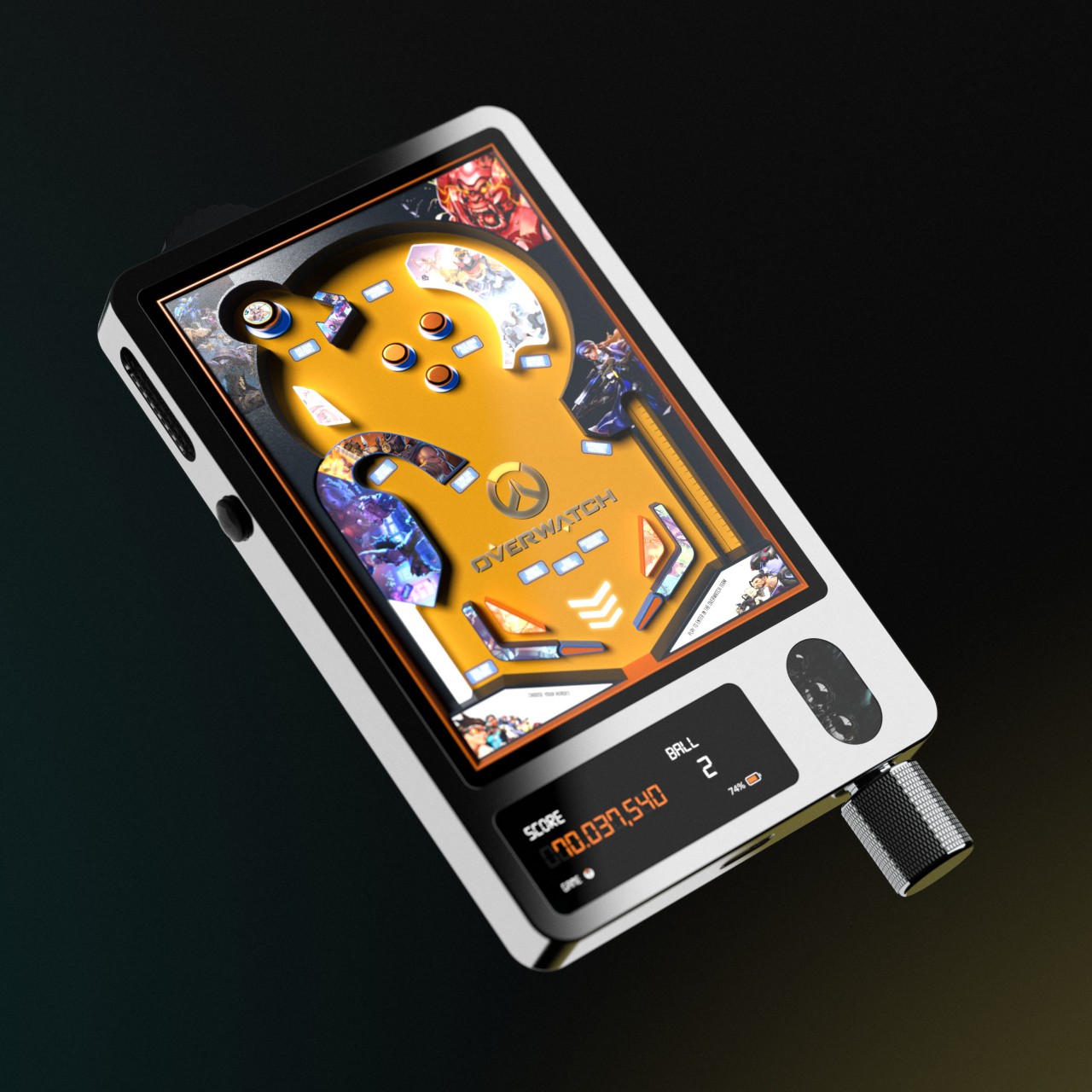
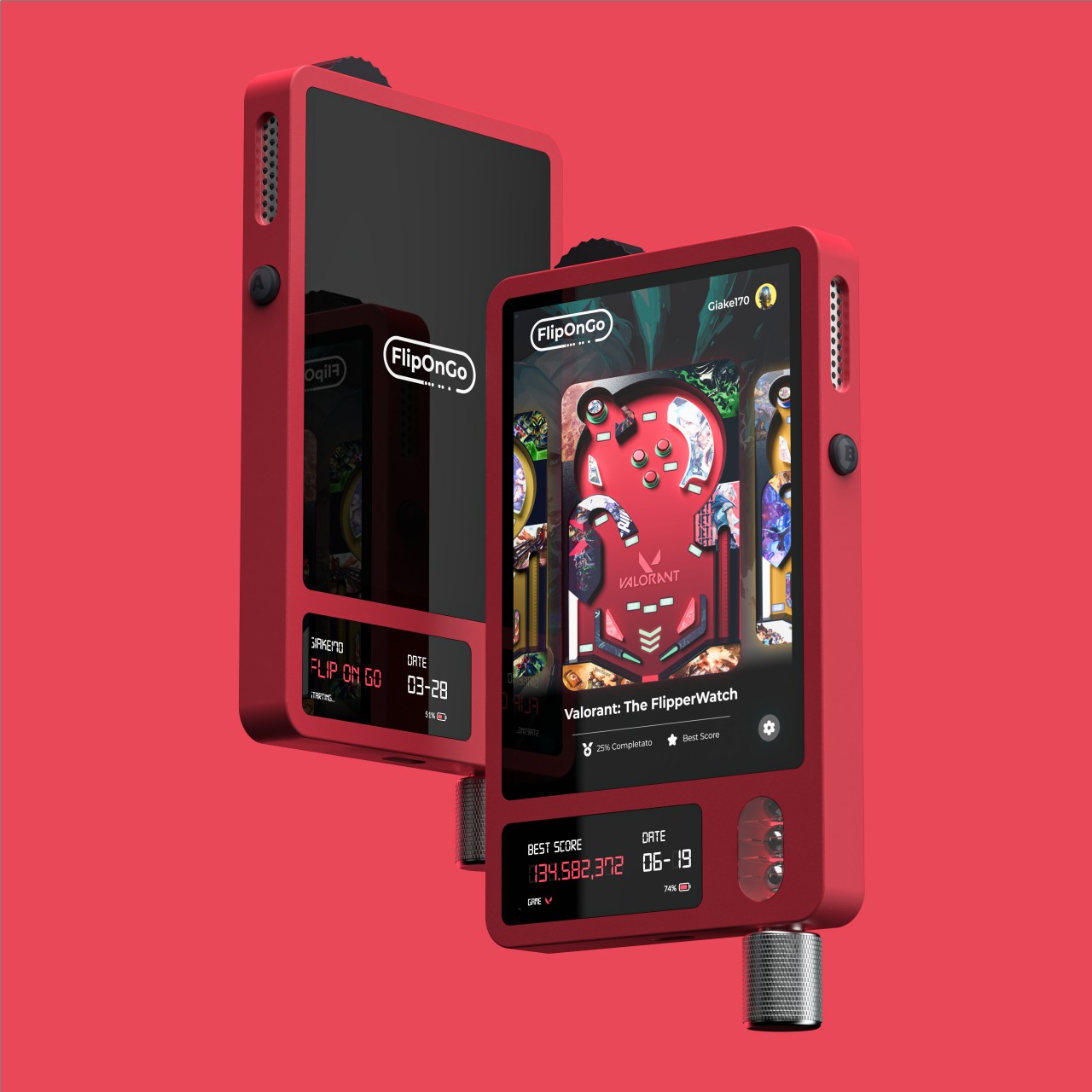
Gaming handhelds are quite the hot item in tech these days, with the likes of the Nintendo Switch still selling strong and handheld PCs becoming more common. Of course, gaming devices you can hold in your hands are nothing new, even discounting how smartphones or even old “dumb” phones have been offering such an experience for years now. During the age of the “Game & Watch,” each handheld offered a single game and only a single game, making each one a collectible item as well as a toy. That might sound wasteful and impractical today, but such a dedicated device can spark a bit of nostalgia, especially if it’s a classic game that everyone knows and perhaps loves. Even better if it plays almost exactly like the original pinball, complete with a physical lever.
Designer: Giacomo Carlini
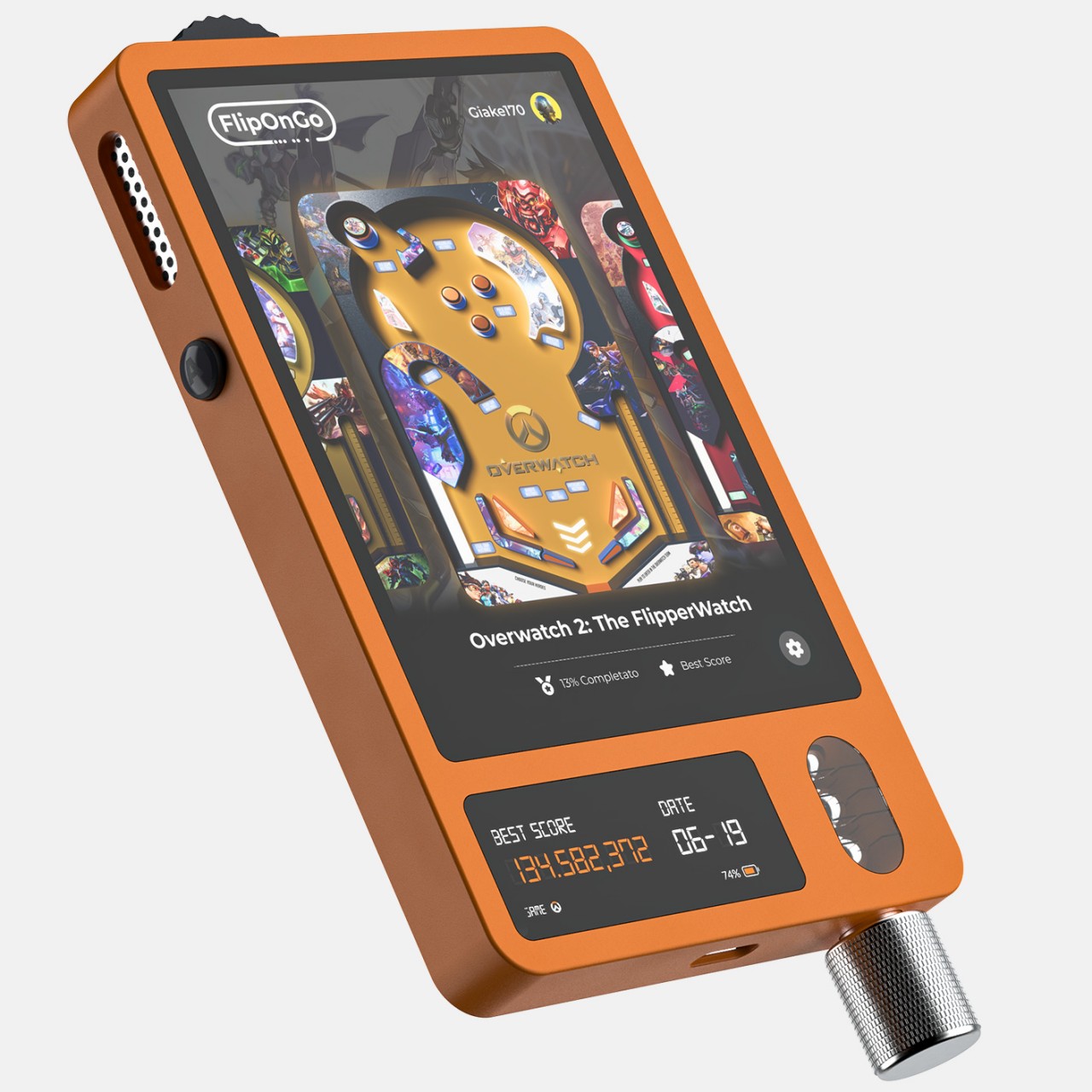
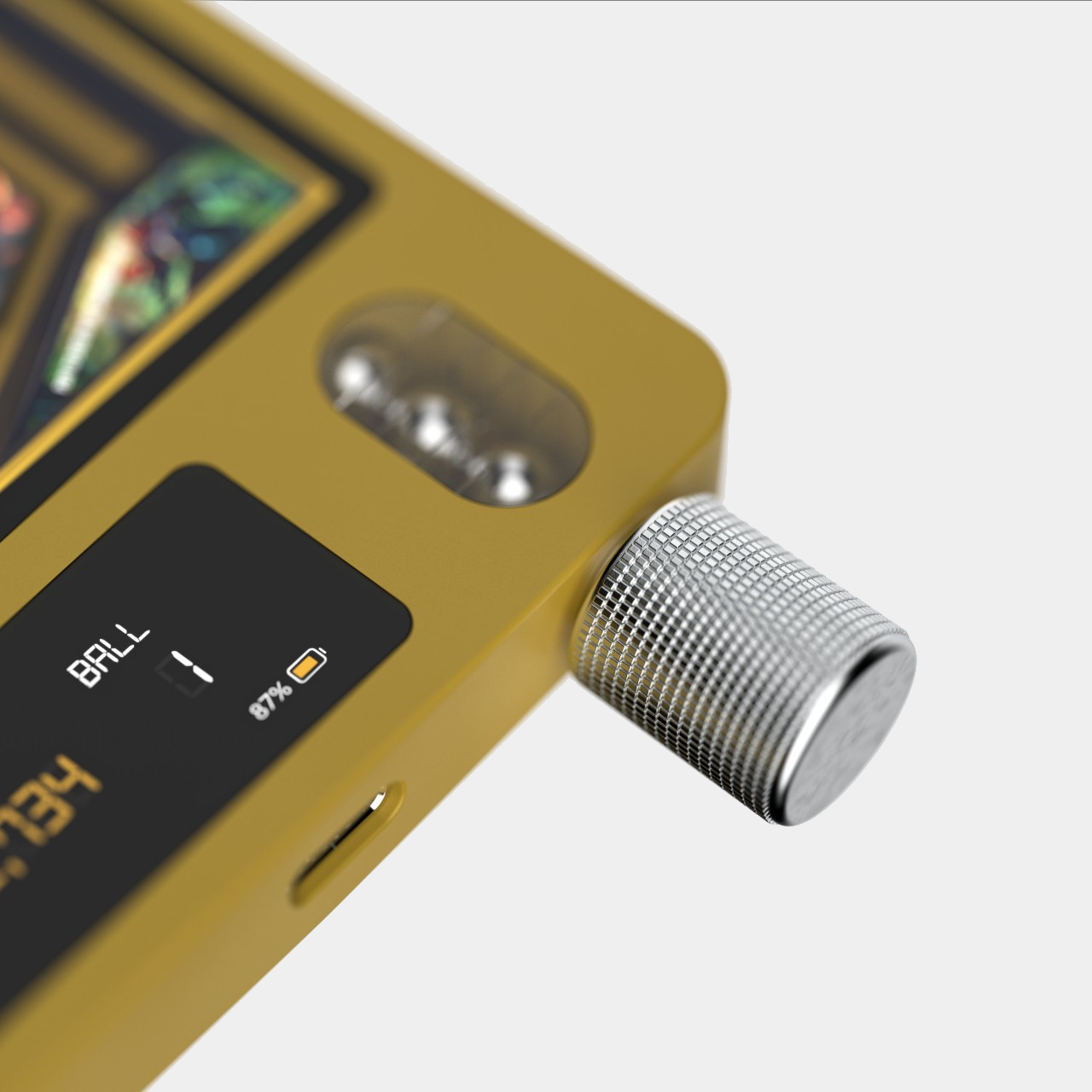
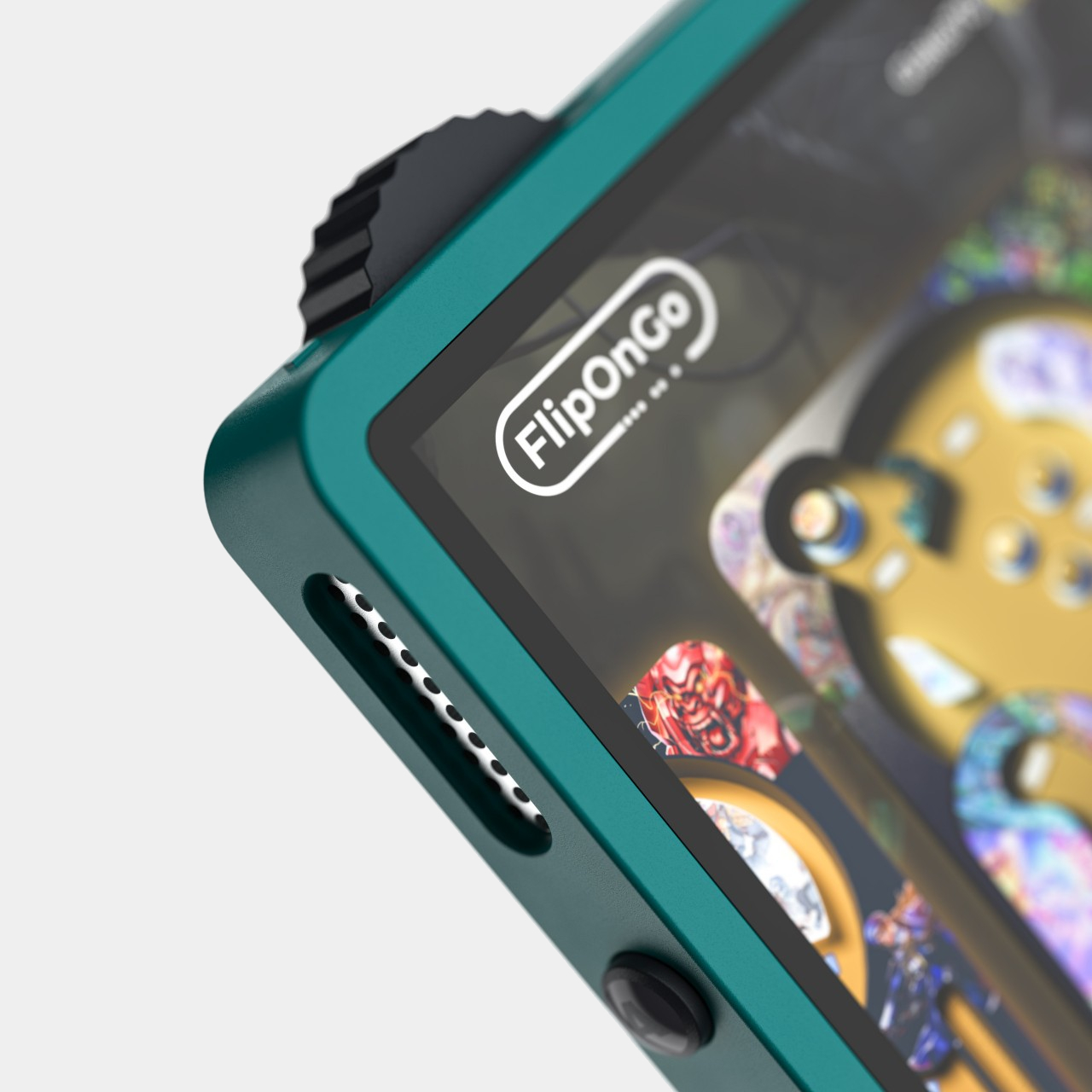
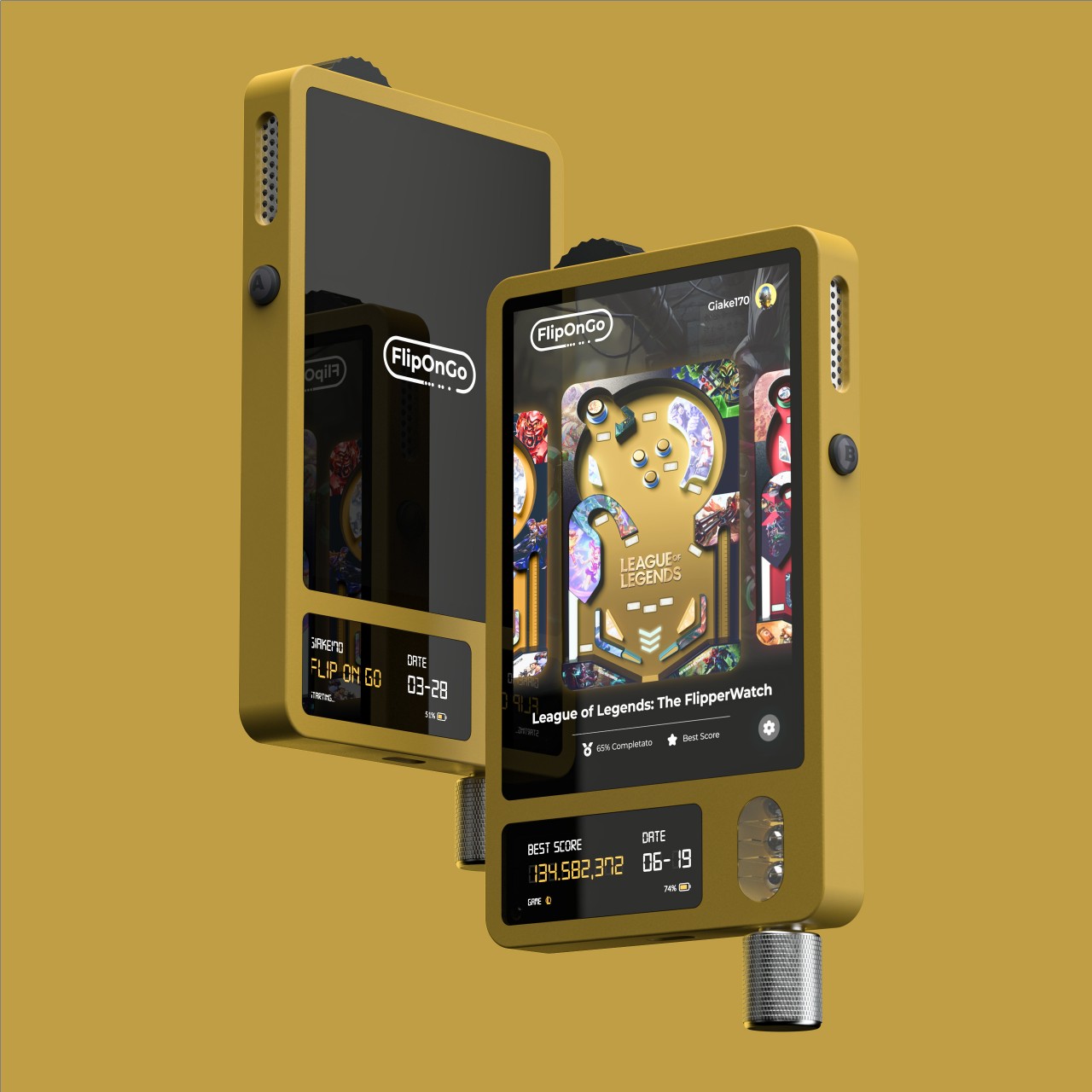
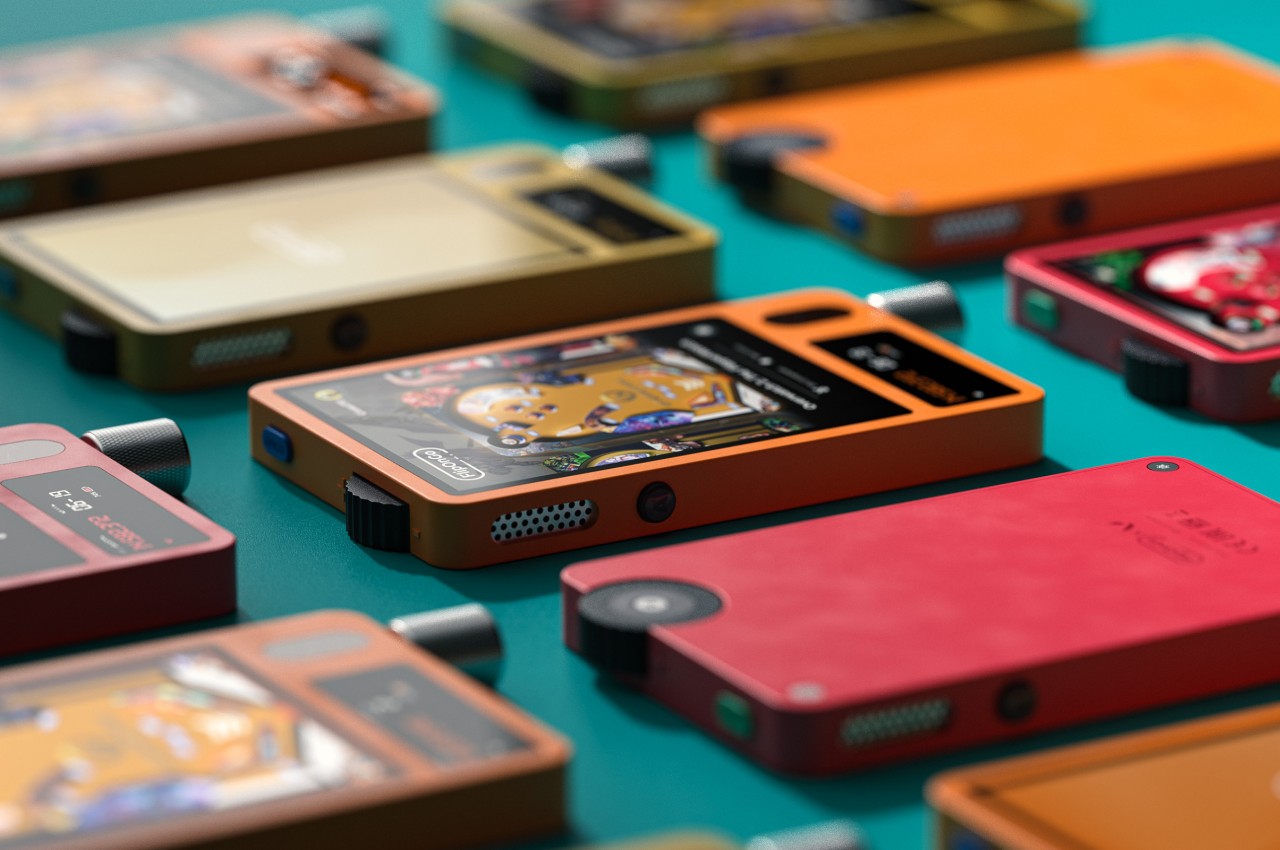
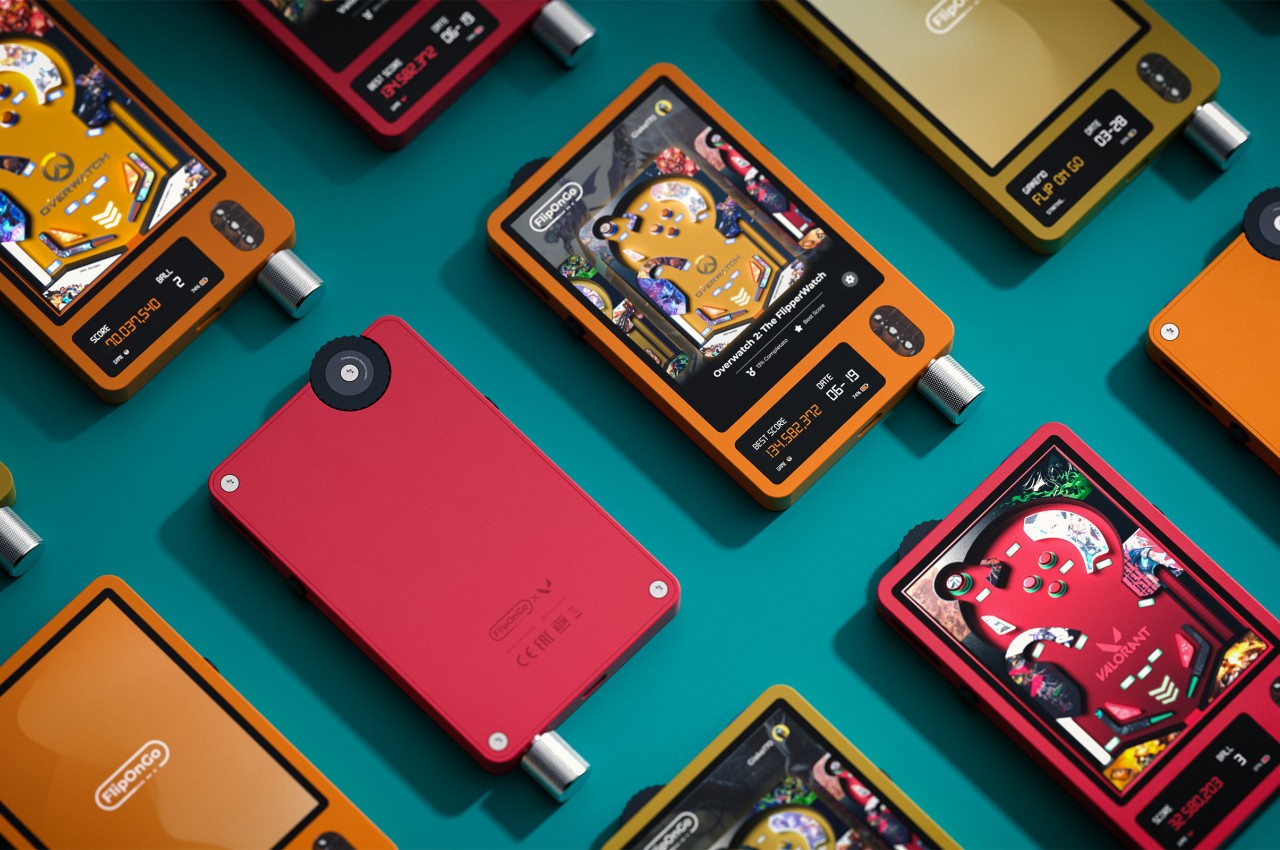
Almost everyone is familiar with pinball, even if only in concept or through movies. Just like arcades, the game is like a relic of the past, which makes it even better suited for a retro makeover. FlipOnGo is a concept that capitalizes on the nostalgia potential of the game but puts in a design that mixes the old and the new in interesting and unconventional ways. Yes, it’s a digital gaming handheld, and yes, you still need to pull that lever to start playing.
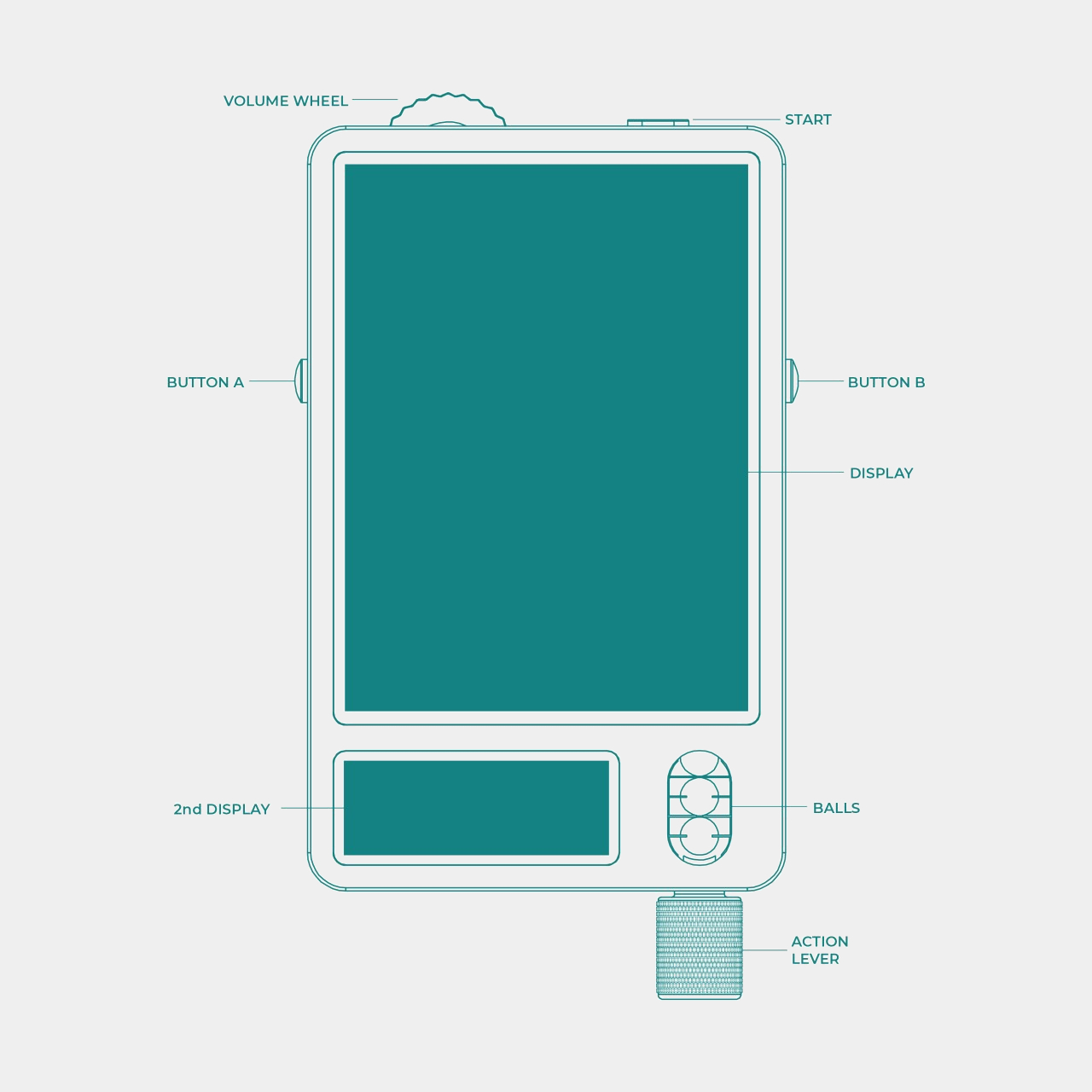
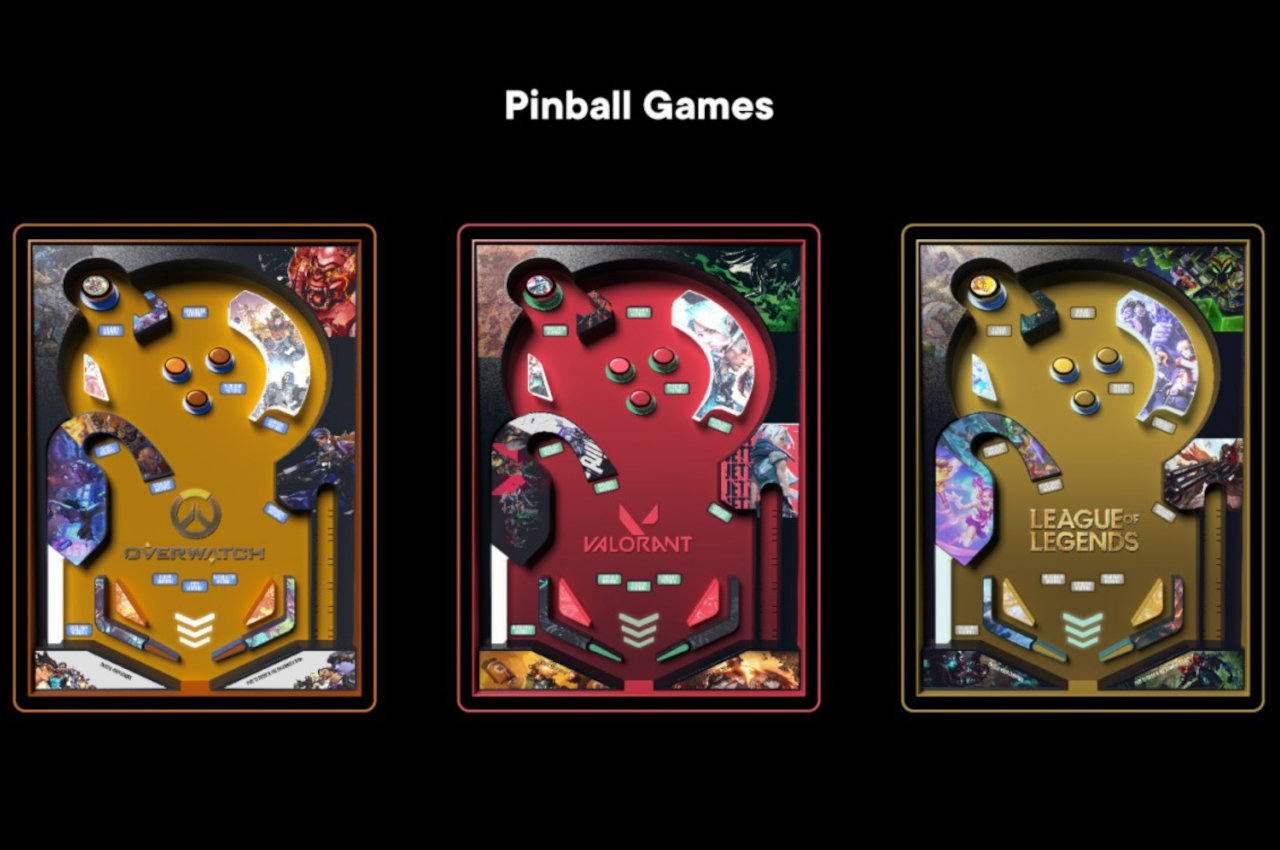
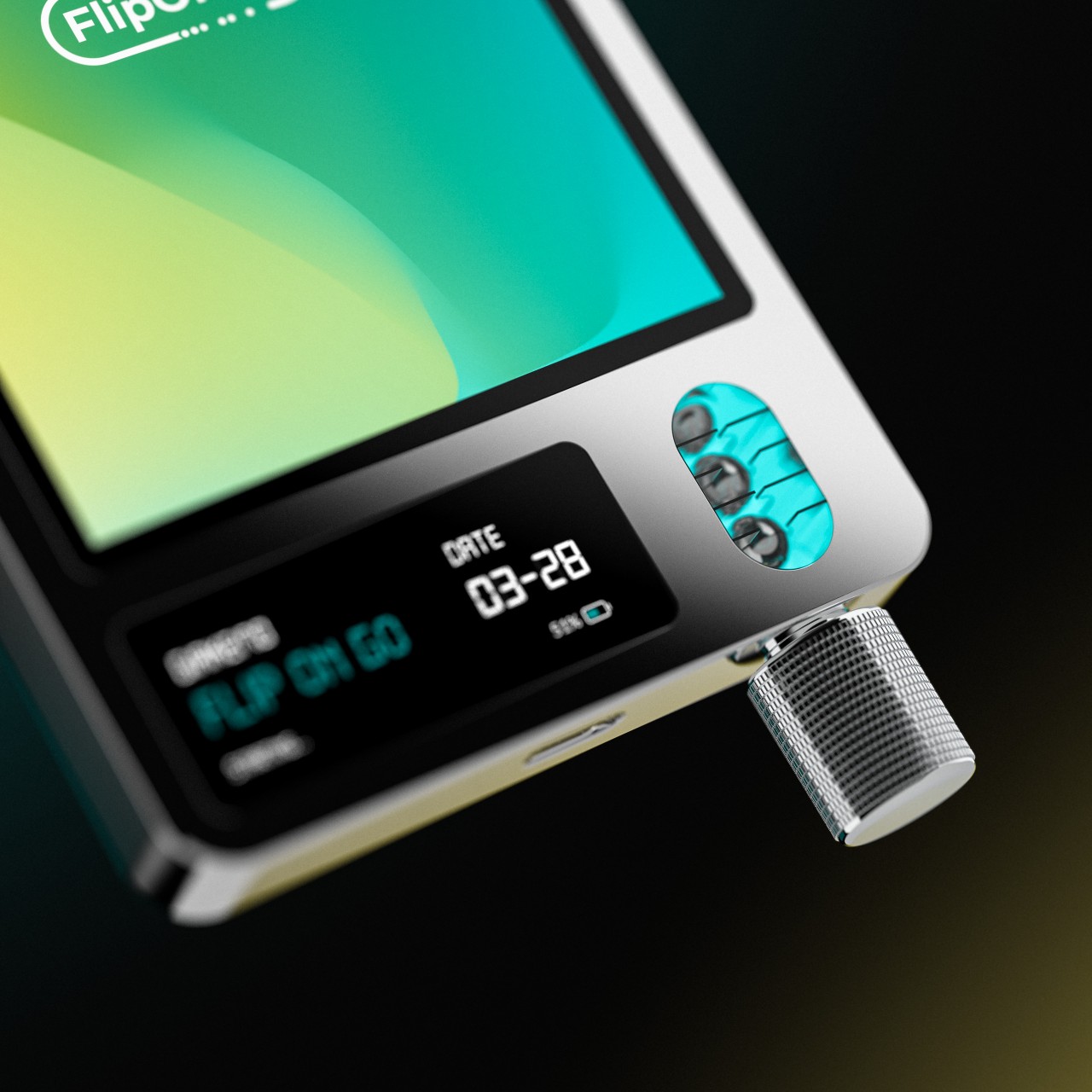
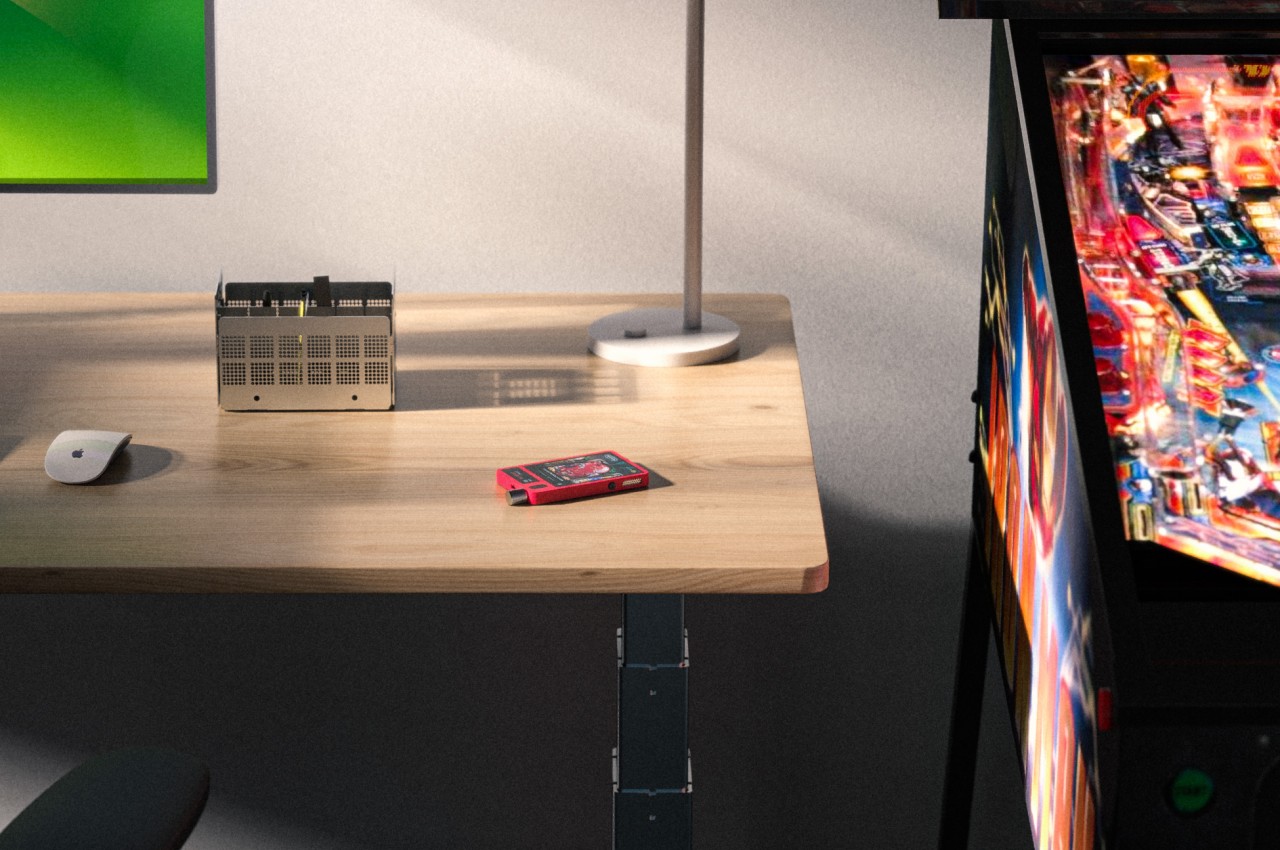
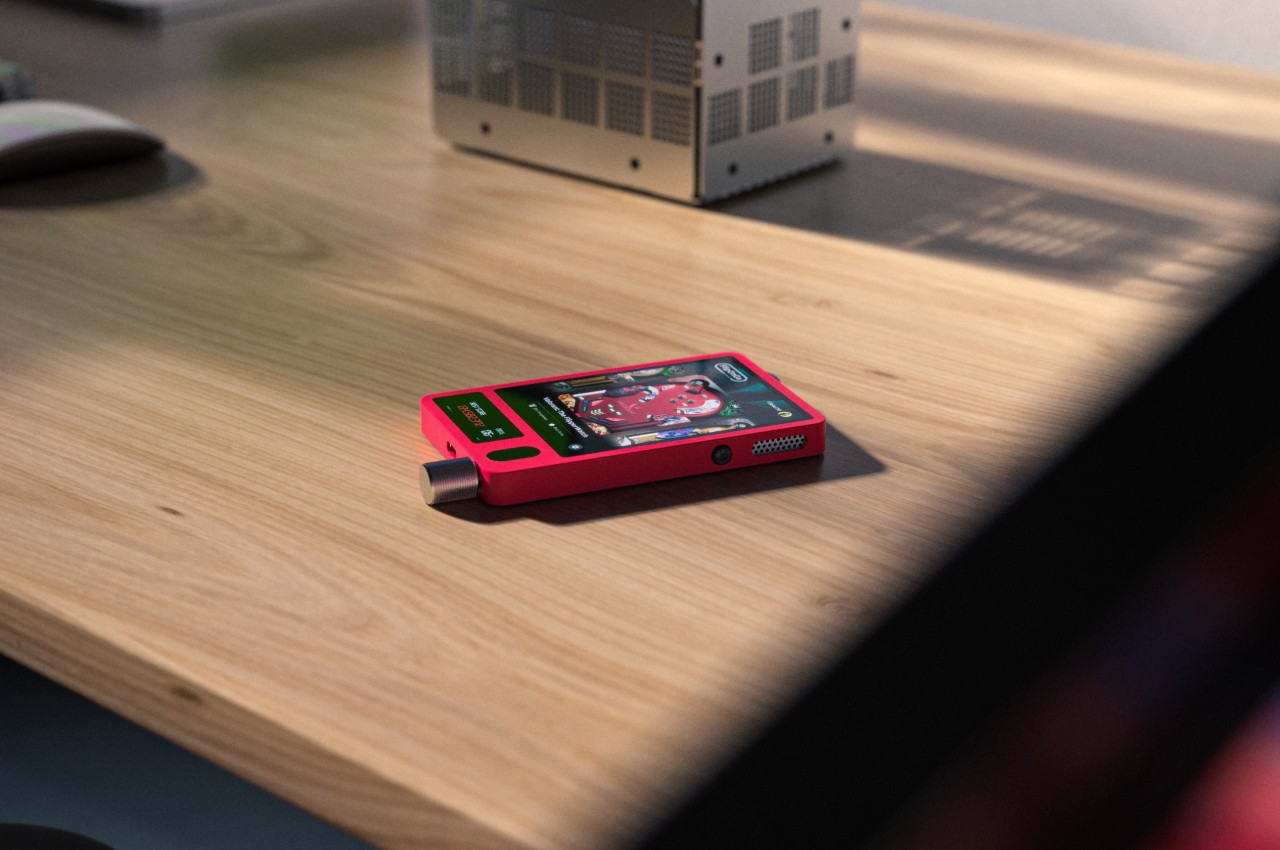
The device, which is only a little larger than a deck of cards, offers a classic game of pinball with the bells and whistles of a digital version. There are no real balls involved, and no mechanical paddles to flip. It has a large display, which shows a playing field and digital versions of flippers and bumpers. It also has a smaller display that shows the score, how many balls you have left, and the remaining battery.
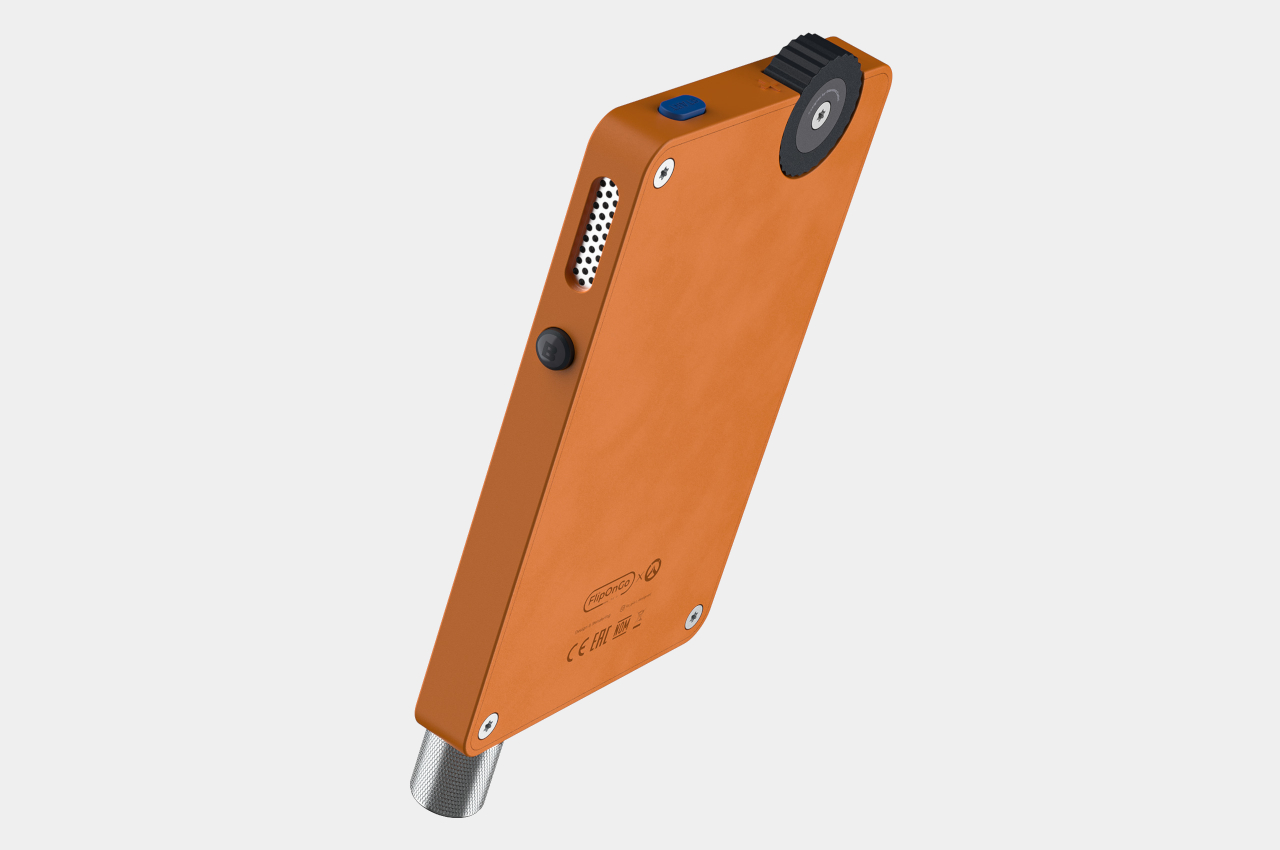
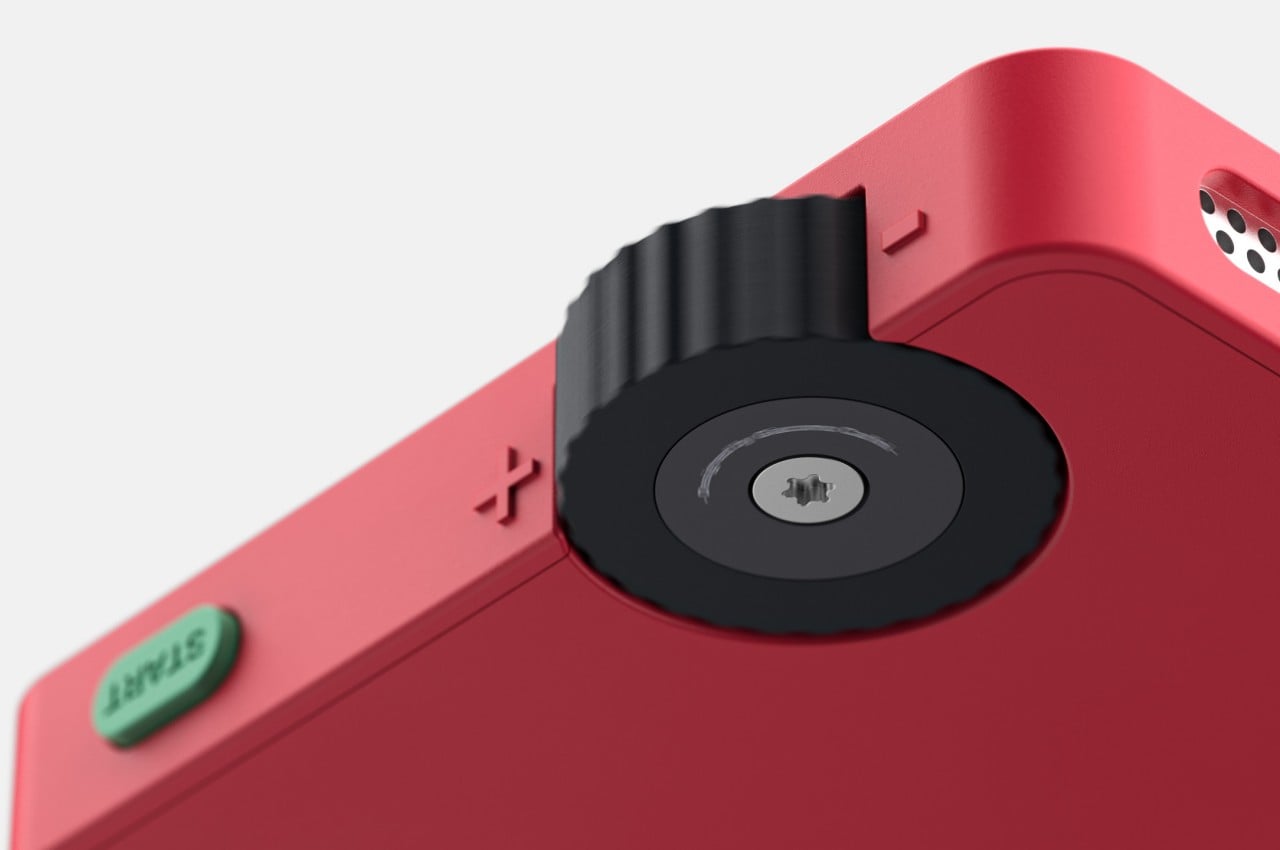
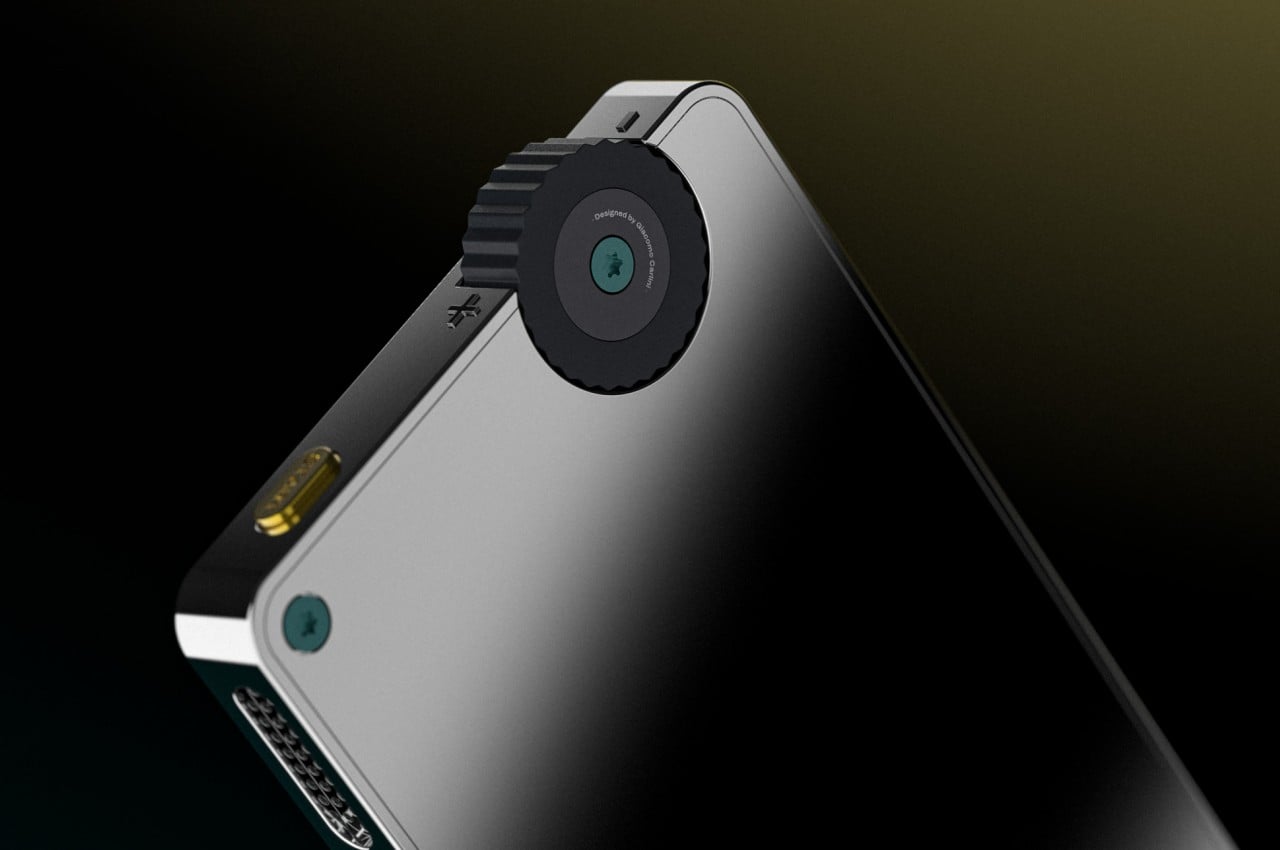
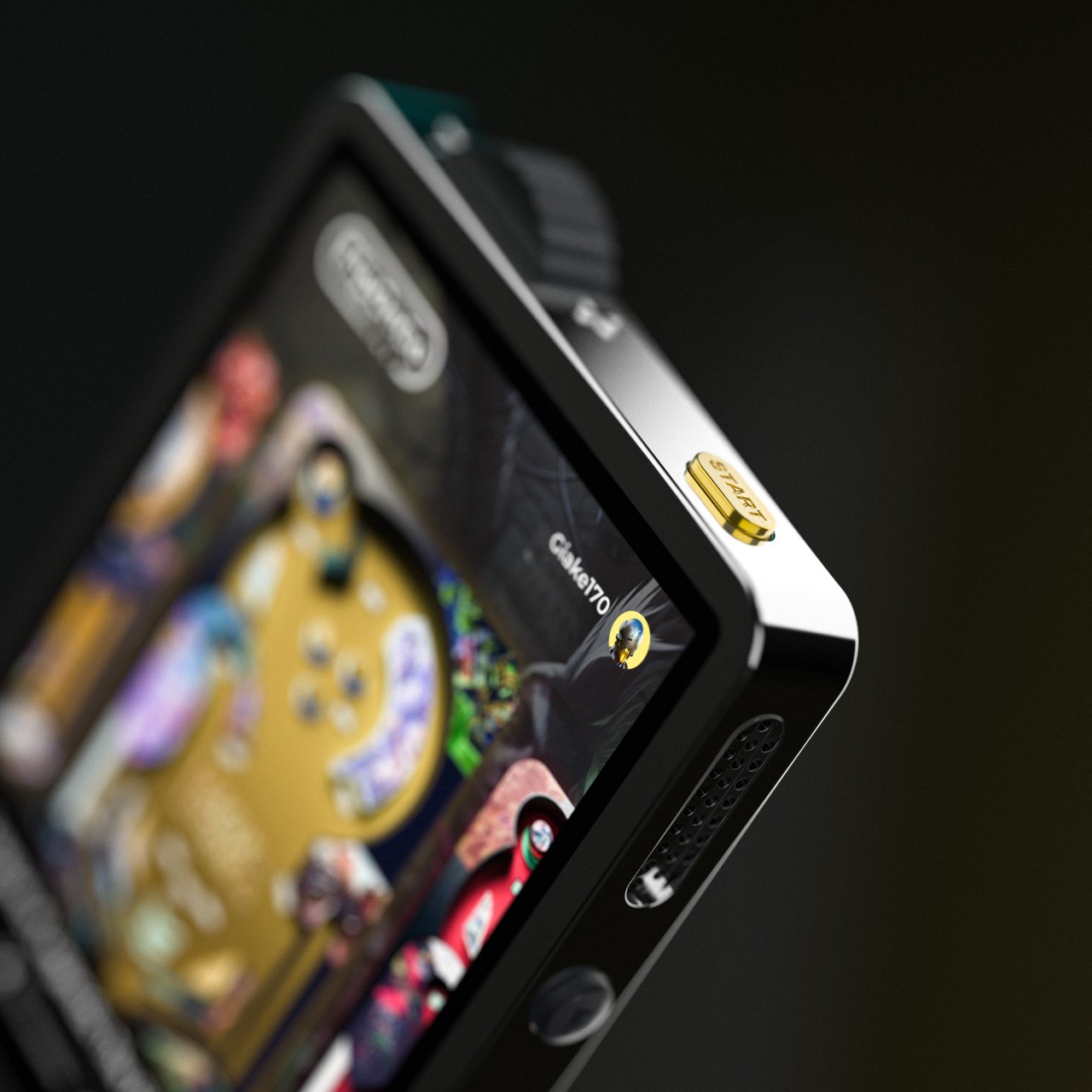
To play the game, however, you will have to really give your fingers and hand an exercise. There’s a real lever hanging down the bottom of the console, and you have to pull the spring-loaded mechanism to “launch” the ball into play. Buttons near the top on each side of the device act as your paddle controls, though it’s uncertain how comfortable it will be to play the game this way.
The design of FlipOnGo is definitely intriguing, though it won’t be able to shake off doubts about the feasibility of such a device, especially with a lever that could become a source of mechanical failure after some time. It does, however, bring back a little of that joy and excitement when playing a classic pinball game, complete with that iconic lever, just miniaturized for portability.
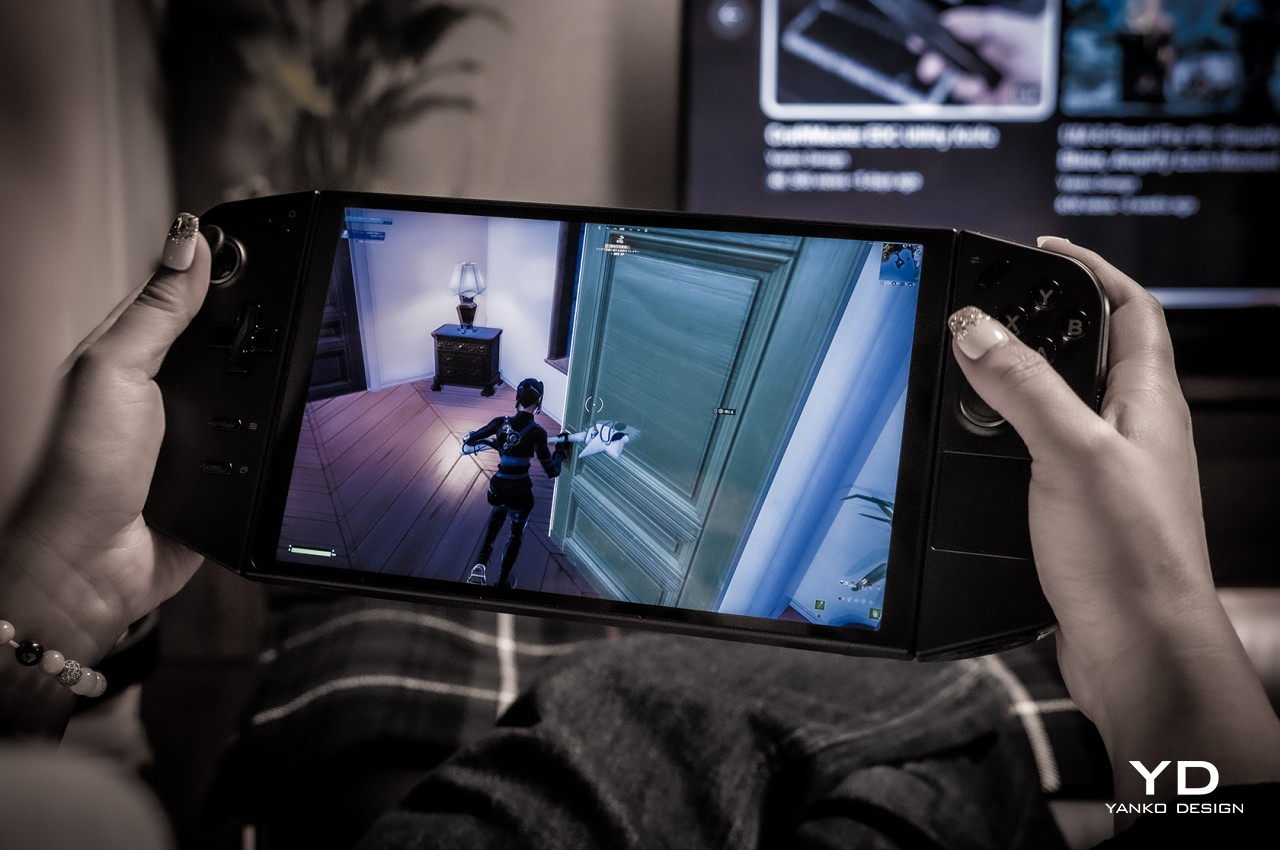
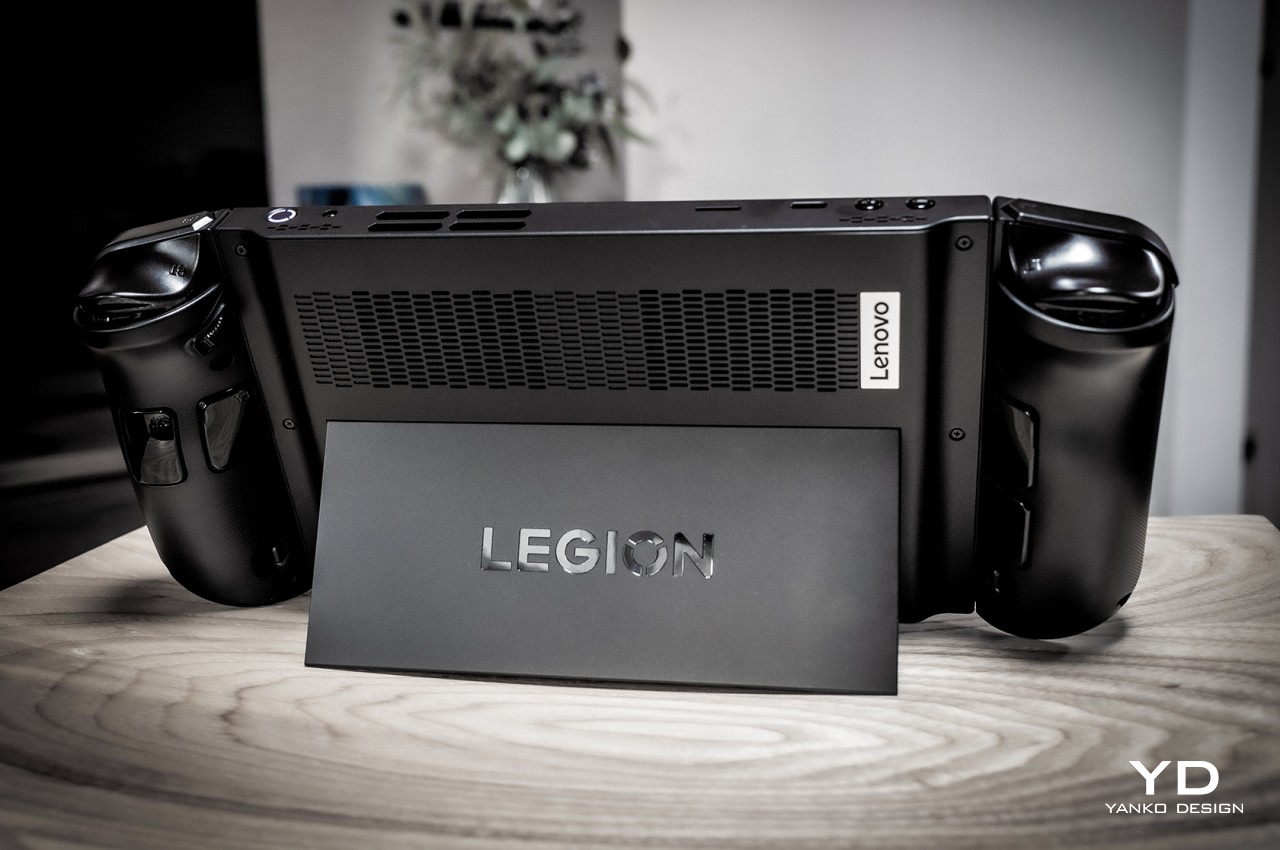
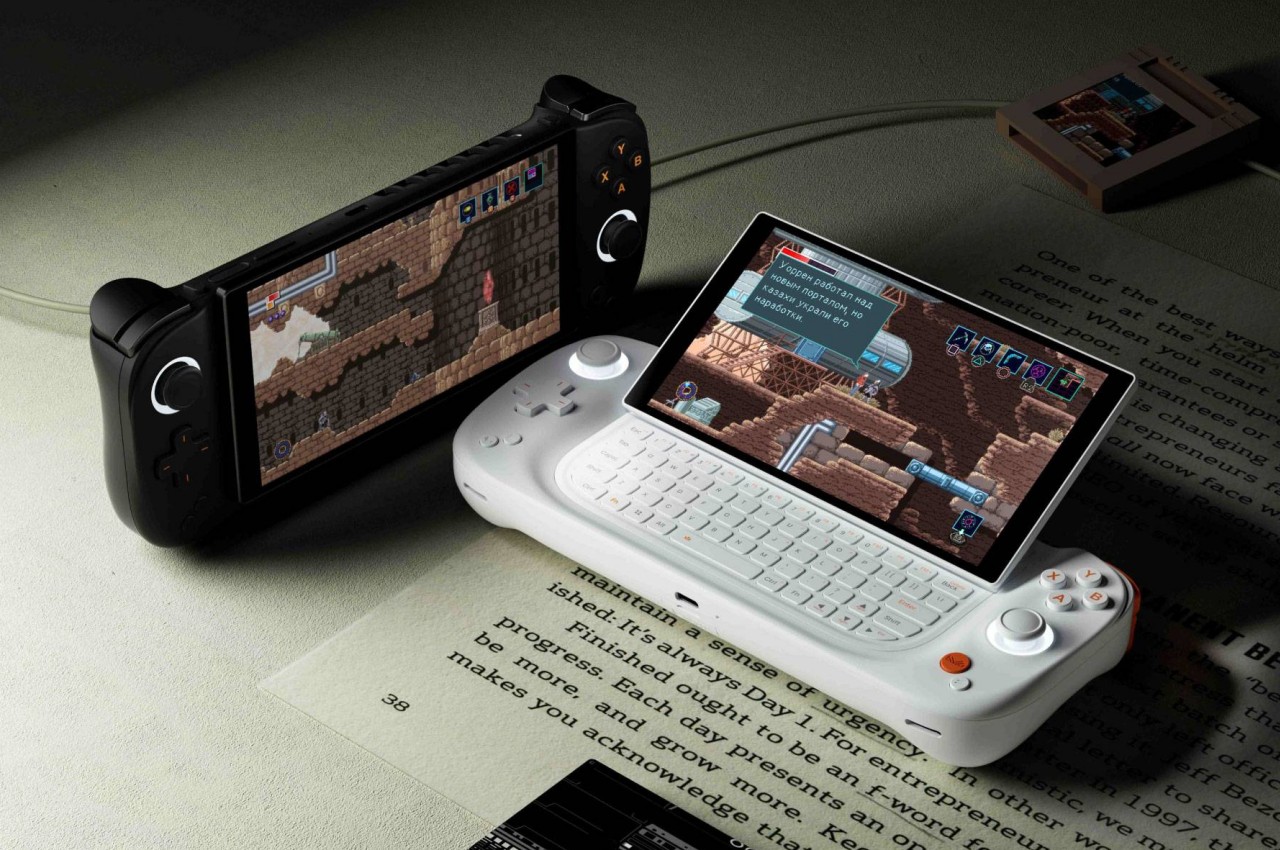
If you’ve been keeping tabs on the tech industry in the past year or so, you’re bound to come across a new and probably alien breed of computers making rounds over the Internet. Whether or not you’re a gamer, it’s almost impossible not to at least see a glimpse of the likes of the hulking Steam Deck or the shapeshifting Lenovo Legion GO. These portable computers that are larger than smartphones but significantly smaller than laptops are popping up in places you least expect, and sometimes in designs you never imagined. They might sound like a passing fad, especially given how few there are from the major PC manufacturers, but these handheld gaming PCs actually play a crucial role in promoting a healthy and exciting future for an ailing PC market.
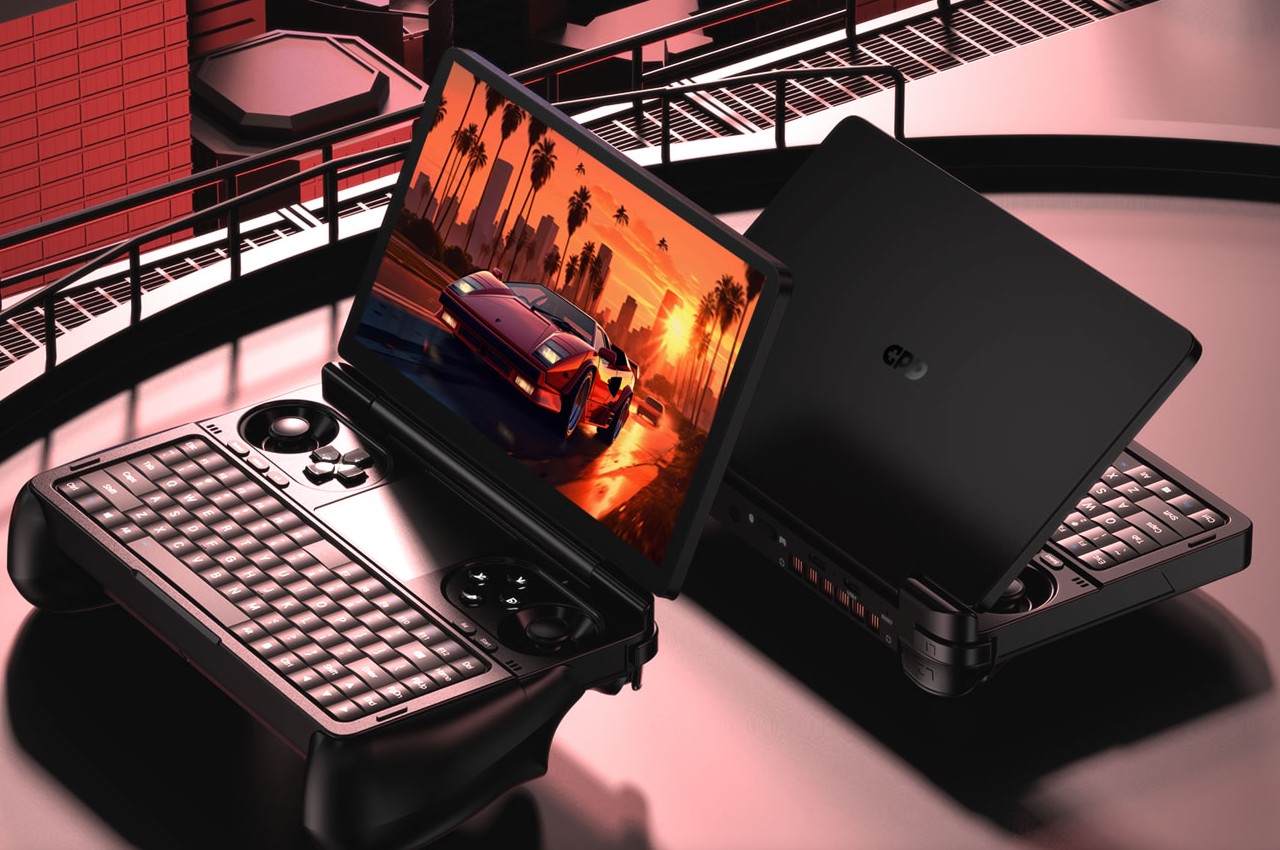
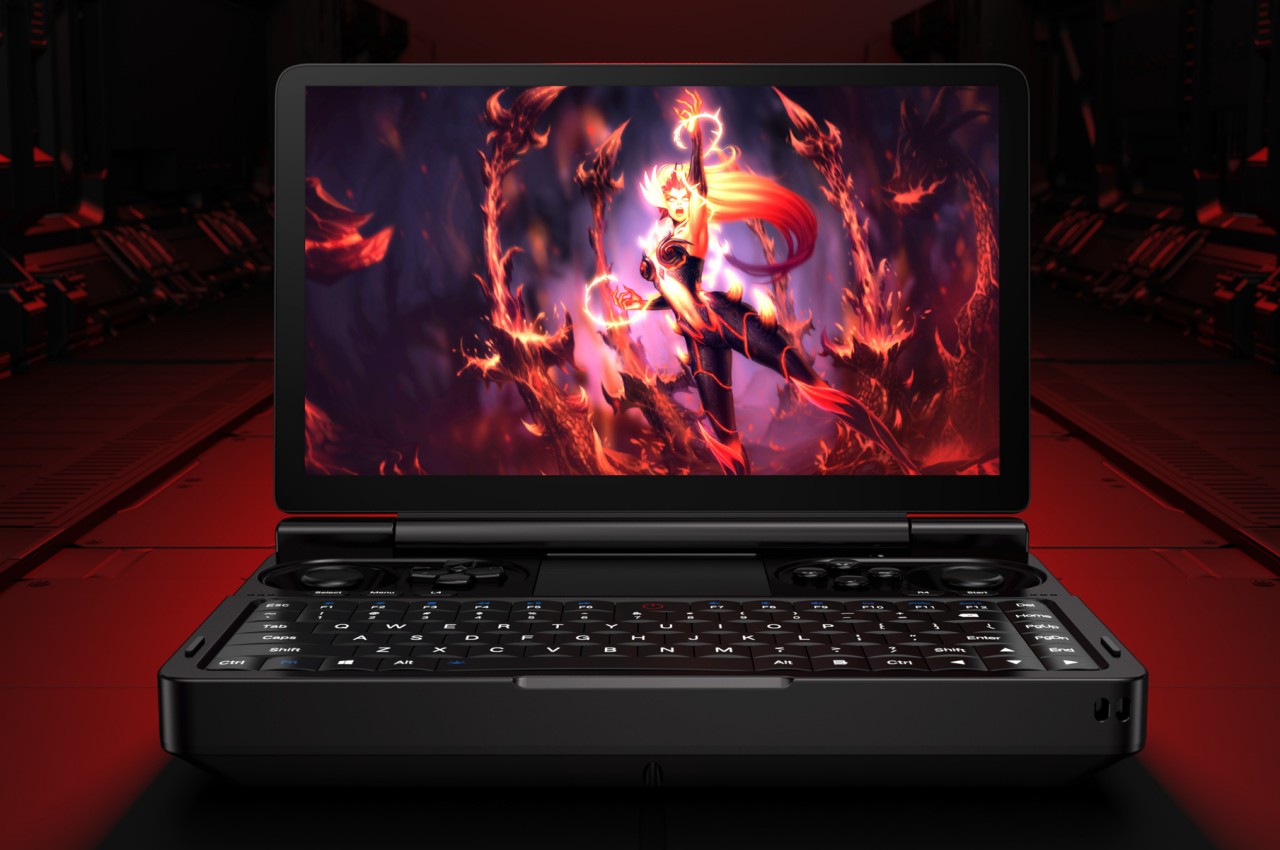
It might come as a surprise to some, but Valve’s Steam Deck is, technically speaking, not the first handheld gaming computer to launch in modern times. Even before Nintendo launched its monumental Switch console, a small manufacturer from China was already testing the waters of this very niche market. Game Pocket Devices or GPD started out with Android gaming handhelds but it took a big gamble with its first Windows product, the GPD WIN, in 2015. The clamshell design and mediocre specs of the literally pocketable computer made it feel more like a toy than an actual gaming device, but it laid the groundwork for that brand’s future foray into this nascent space.
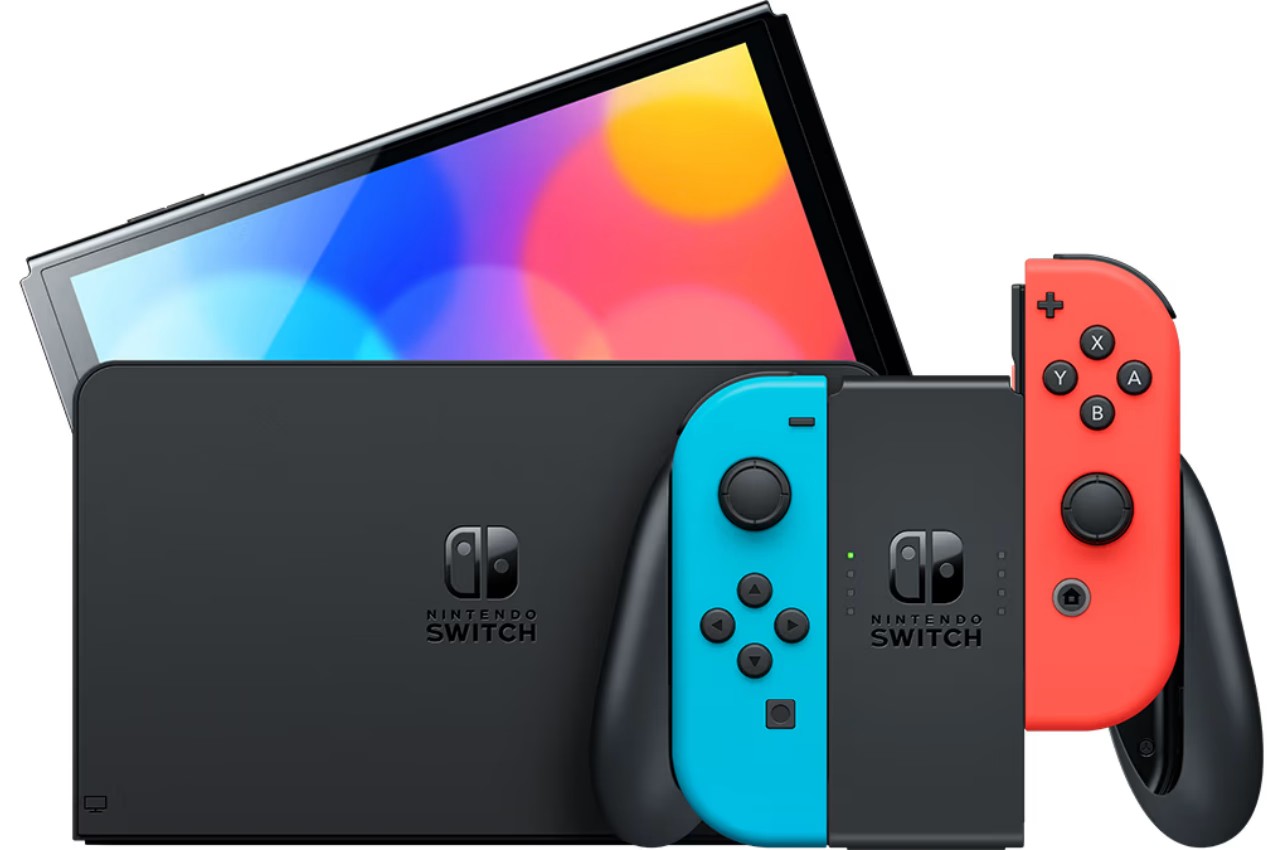
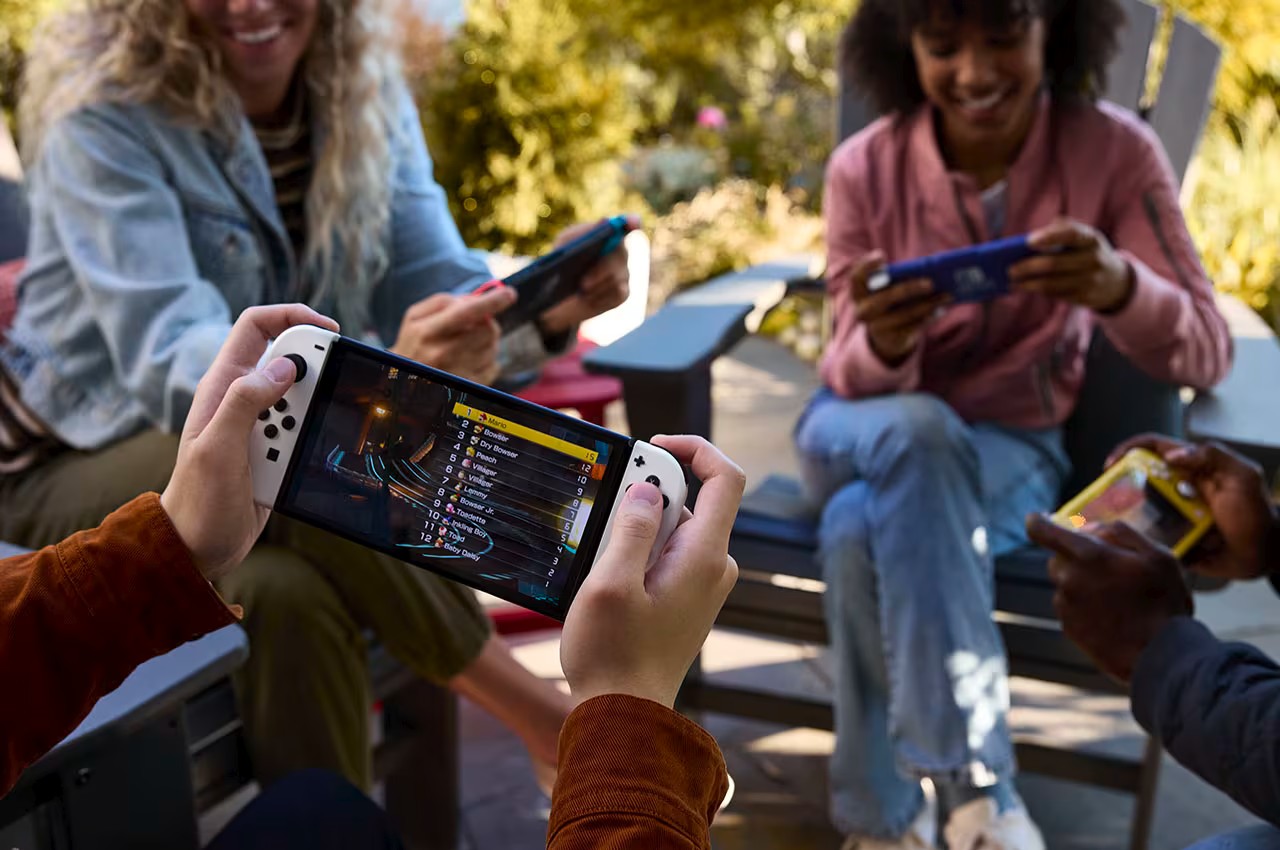
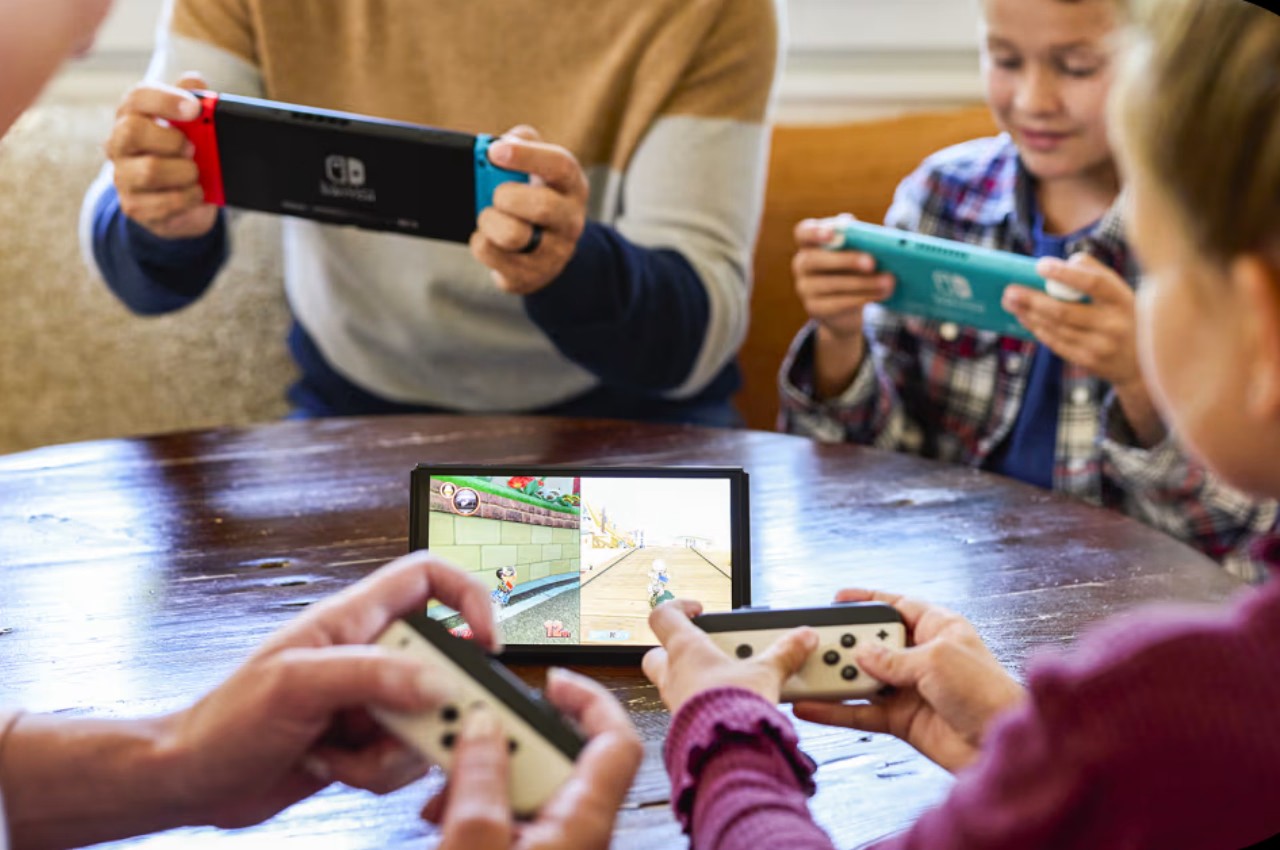
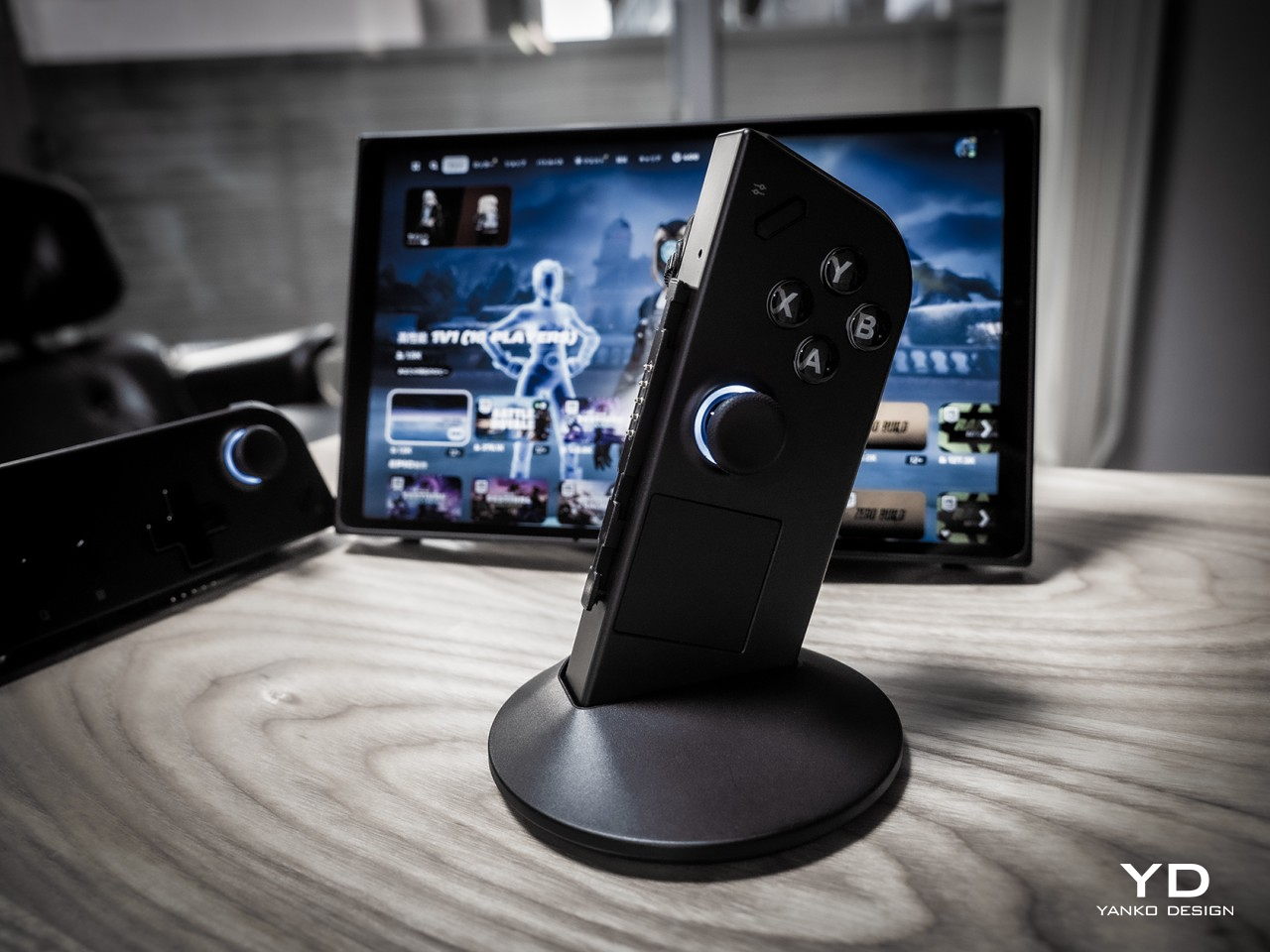
And then the Nintendo Switch was born, rekindling the dreams of many gamers to be able to play anywhere they want and, more importantly, in any mode they desire. Unlike the Nintendo DS or the PlayStation Vita, the Switch supported multiple ways of playing thanks to its detachable Joy-Cons and docked mode, virtually combining handheld and home consoles in a single device. That said, the appeal only worked if you had Nintendo-exclusive titles you actually wanted to play, and so the desire to bring that same design and experience to other gaming platforms, particularly PCs, was born.
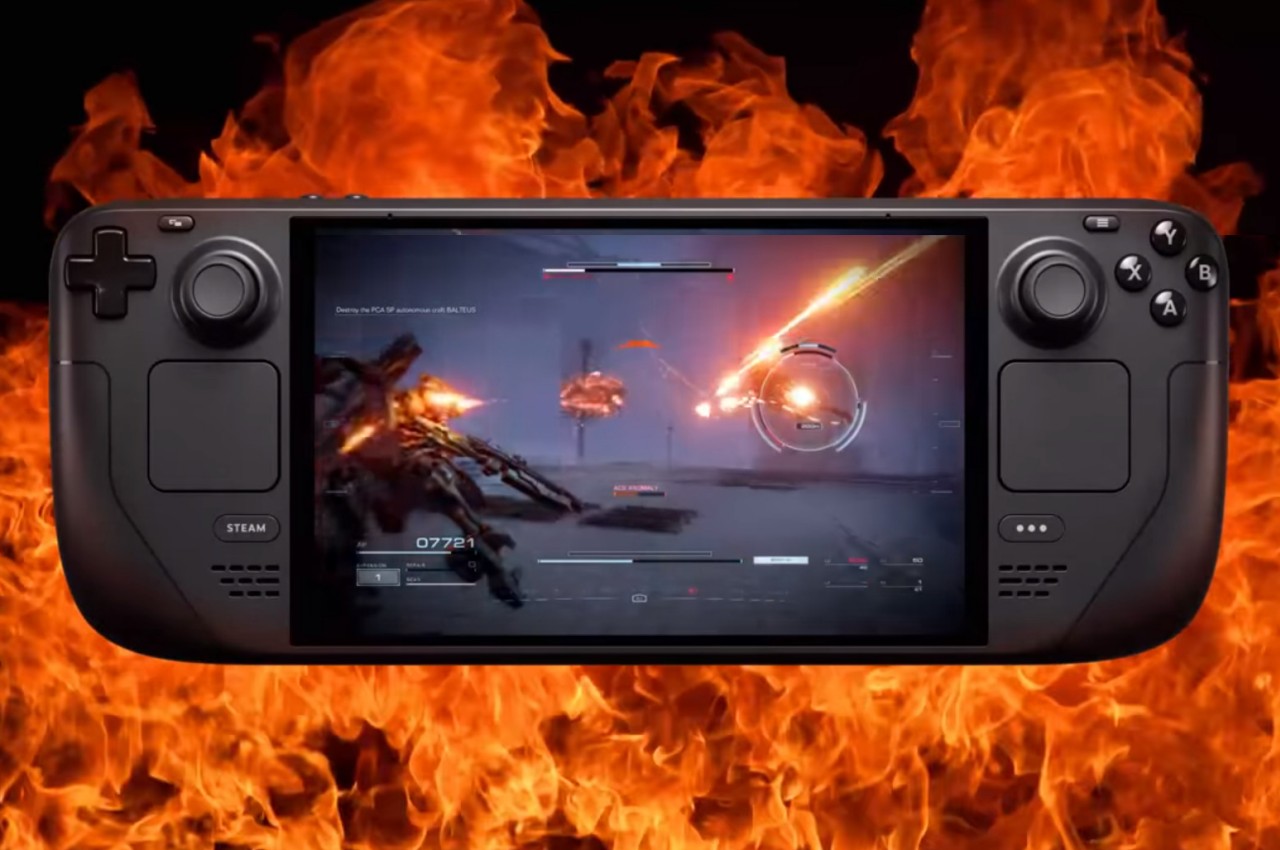
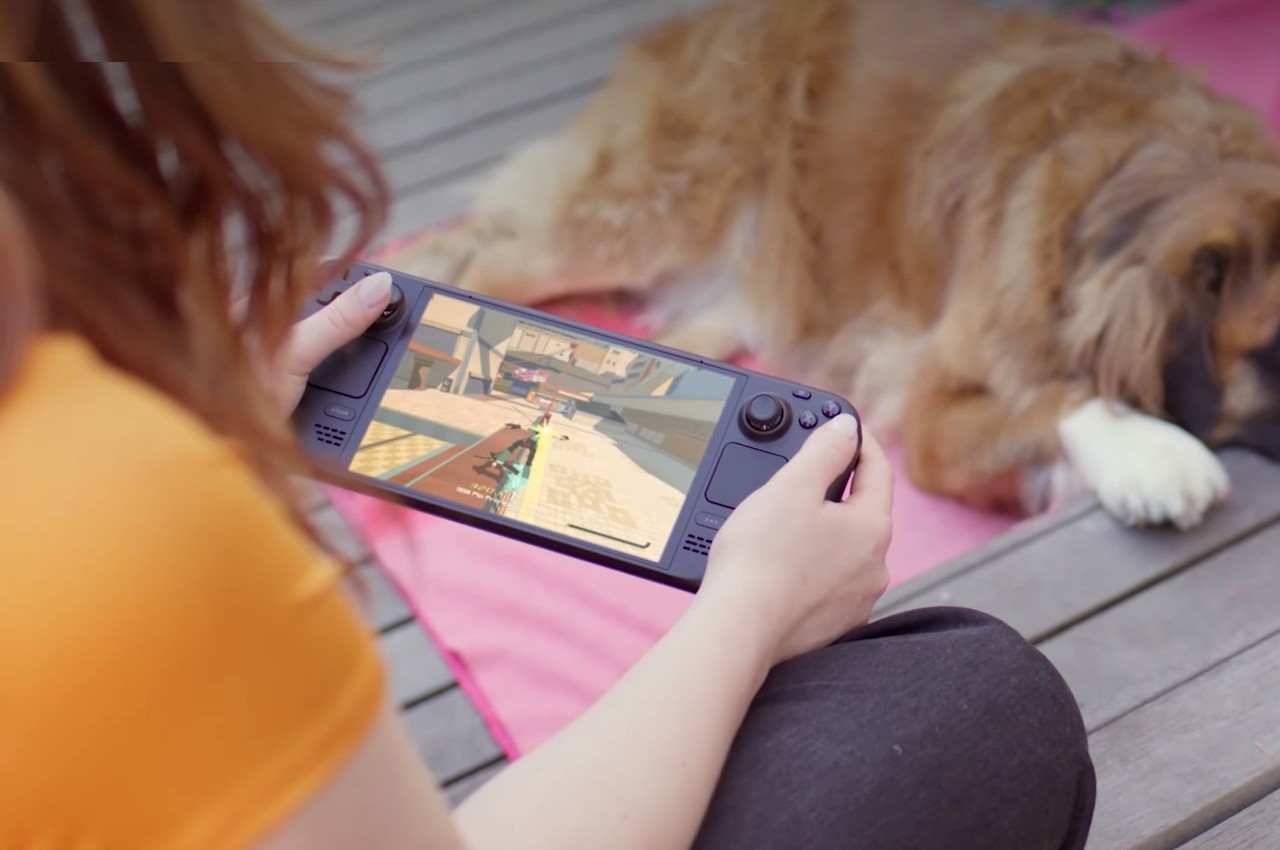
Although smaller manufacturers like GPD, AYANEO, and ONE Netbook, just to name a few, quickly jumped on the Nintendo Switch fever, it wouldn’t be until Valve joined the fray that people would start to take the idea of a handheld gaming PC more seriously. For gamers, especially PC gamers, the promise of being able to sit down (or stay standing up) anywhere and launch their favorite title was almost too good to be true. Truth be told, the Steam Deck’s success and popularity was almost like a miracle. The hardware was almost too mediocre, the design was large and chunky, and the Linux-based Steam OS was unfamiliar to the majority of Windows PC gamers. And yet two years later, the Steam Deck is still a household name that has many fans clamoring for a 2nd-gen upgrade.
Now we have a handful of handheld gaming PCs from different brands and different designs, with more coming in the months ahead. Their compact forms and relatively lightweight designs definitely endear them to gamers, but these users aren’t the only ones who benefit from this budding device category. In fact, the entire PC industry could stand to benefit from this wave, presuming other key players join the game long enough to make it matter.
Pushing the Boundaries
The most immediate impact that these handheld computers had on the rest of the PC industry was an increased focus on mobile processors, that is, the processors used for laptops. Of course, gaming laptops have existed for years now, but these portable yet bulky computers have always had the advantage of better and equally large cooling systems. Gaming handhelds, however, don’t have that luxury, so both silicon manufacturers and hardware designers have had to come up with ways to optimize performance while keeping thermals low. And what’s good for handhelds is naturally good for laptops that need to be slim and petite. The result: extra thin gaming laptops that almost don’t look like they’re gaming laptops.
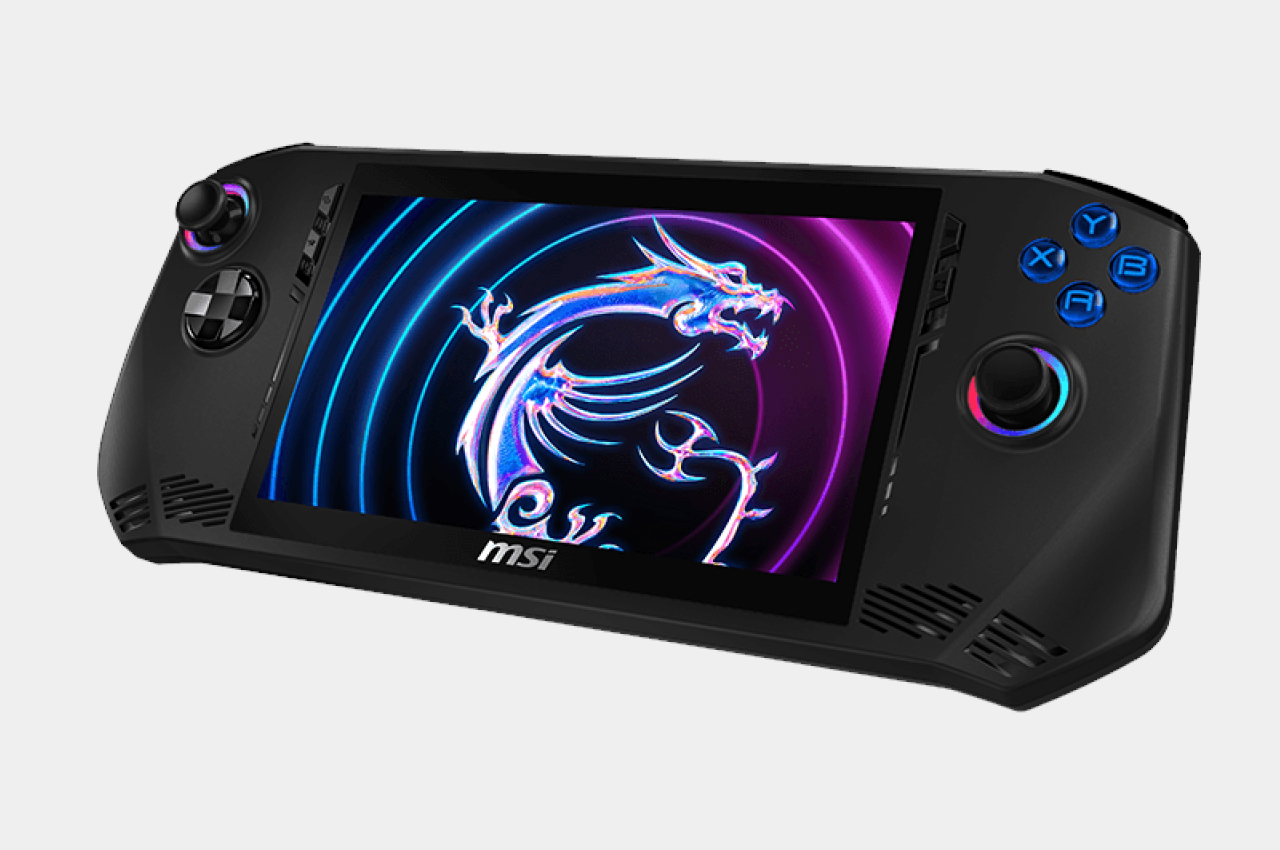
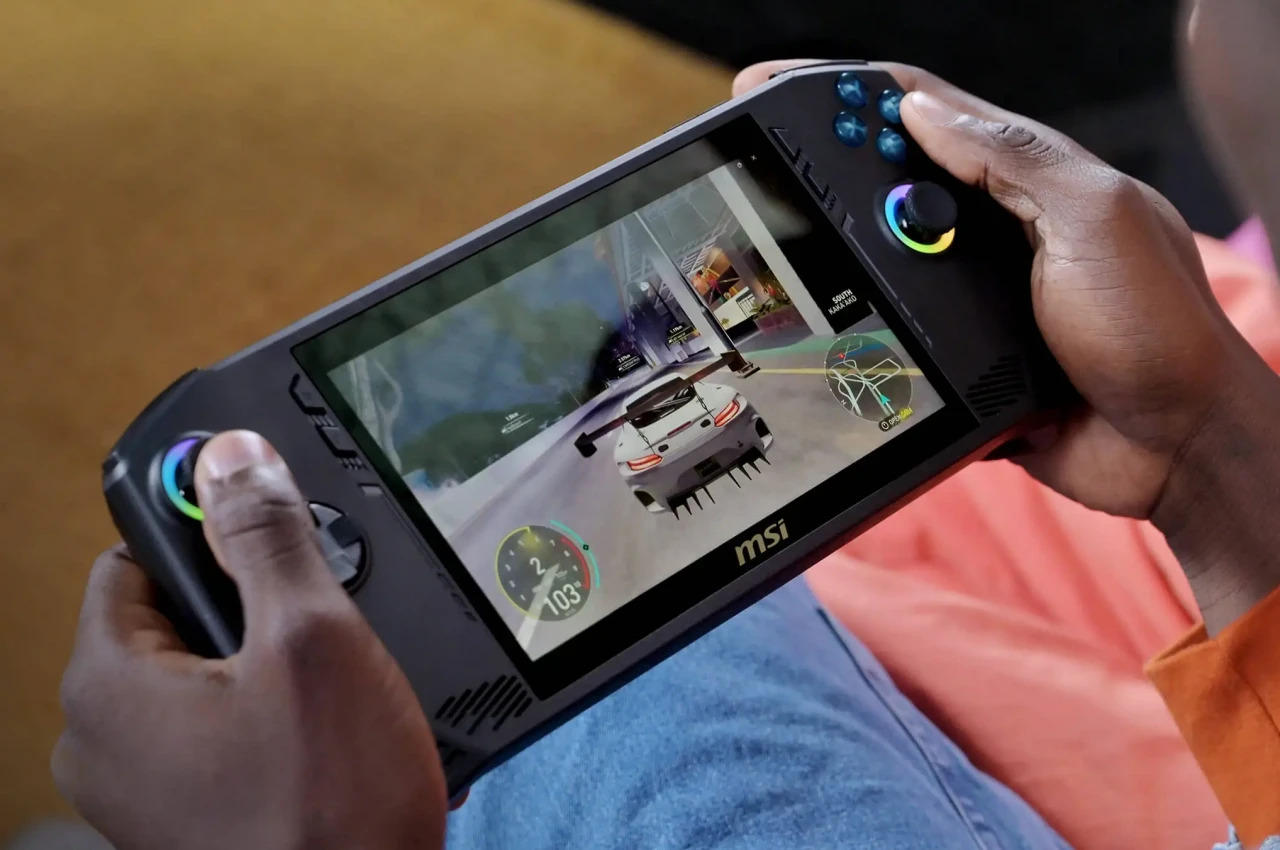
A bit indirectly, it is also pushing competitors to further outdo each other. The Steam Deck uses a custom AMD processor which placed the chipmaker on the map, making it the preferred brand for all these gaming handhelds. It is only with the announcement of the MSI Claw A1M that Intel’s name even popped up, daring to enter a field where it has generally lagged behind without the help of graphics chips from AMD or NVIDIA. Early reviews don’t seem to favor Intel’s first attempt, but the pressure will help rouse the giant to pick up the slack and push its Arc graphics to the limits.
Whatever the brand or even the hardware, handheld gaming PCs are really challenging the status quo when it comes to balancing performance, power consumption, and heat generation. The compact form factor imposes many limitations while also focusing on the essentials. Any innovation born from this space will also help drive the development of larger computers like laptops and tablets, paving the way for slim, light, and efficient computers in the future.
Design Exploration
Handheld PCs also redefine the image of what a computer looks like. Most people can only imagine desktop towers, laptops, or even tablets, taking for granted that the term “computer” actually refers to a very wide range of devices and designs. In this particular case, it is introducing the idea of a computer that you can hold in your hand and use even without sitting down, pretty much like the pocketable computers we call “smartphones.”
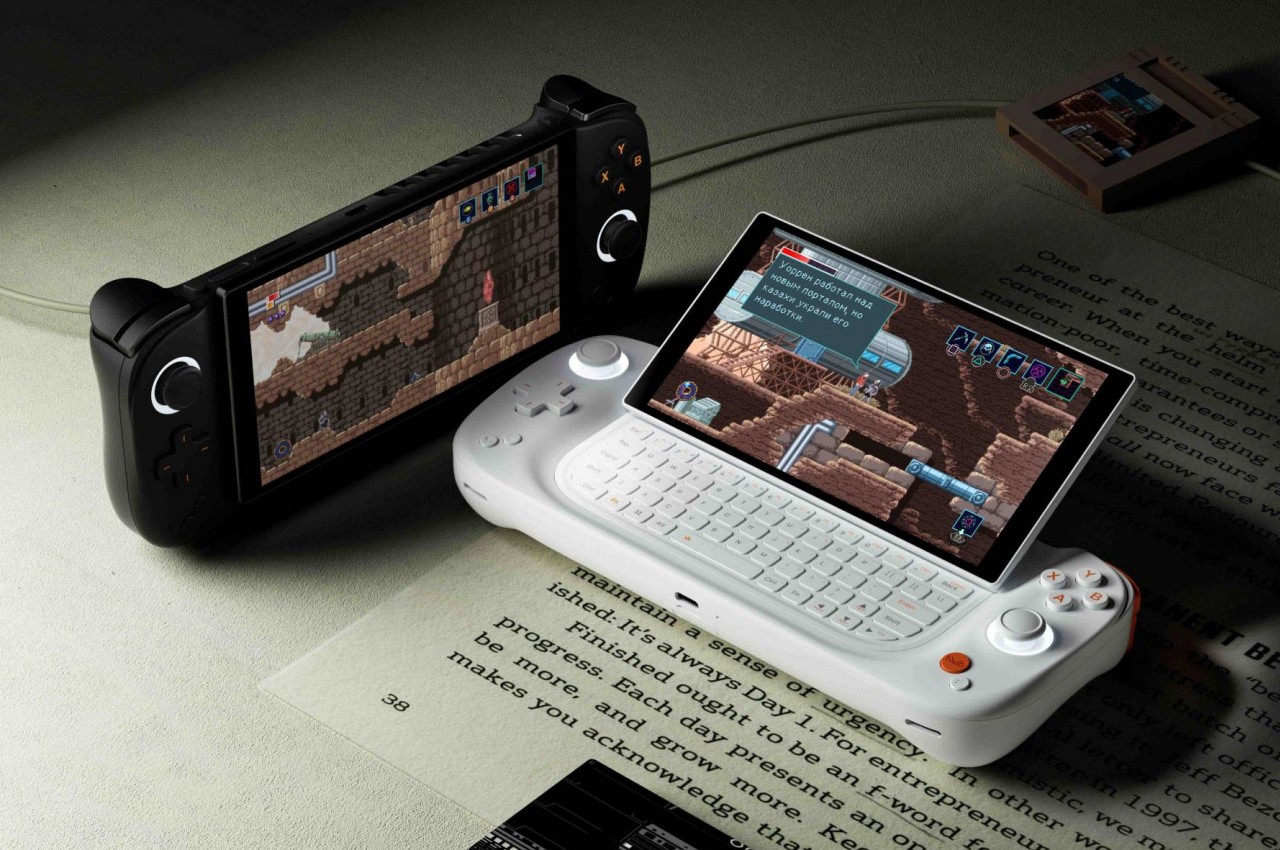
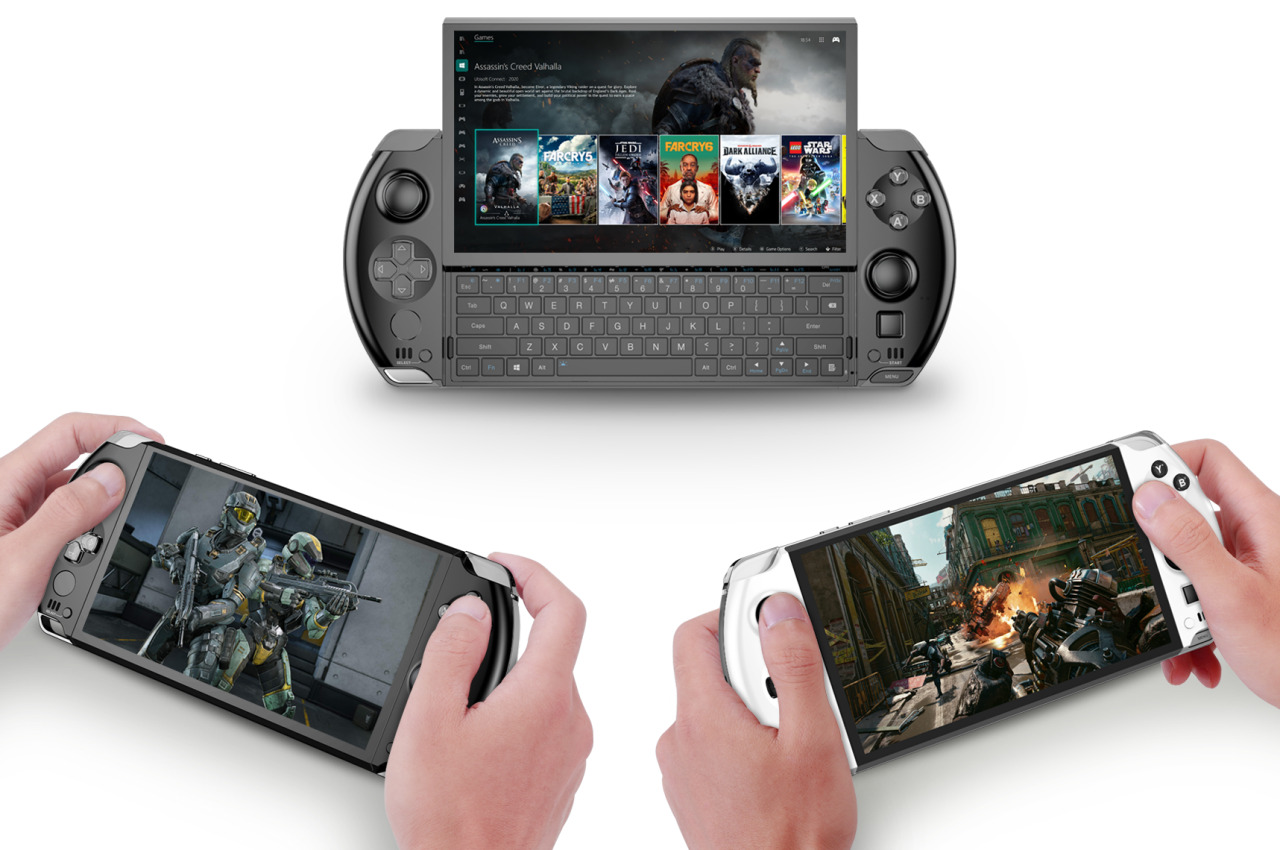
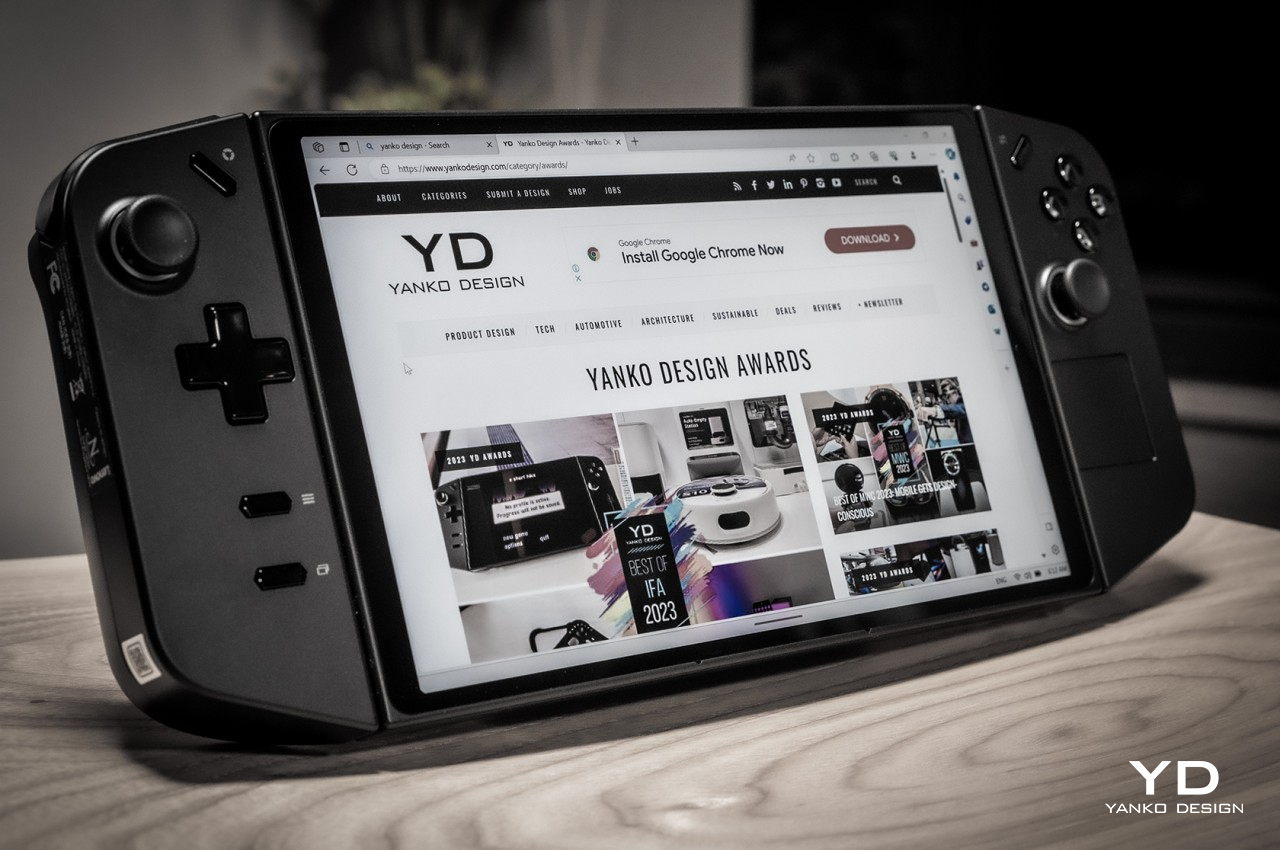
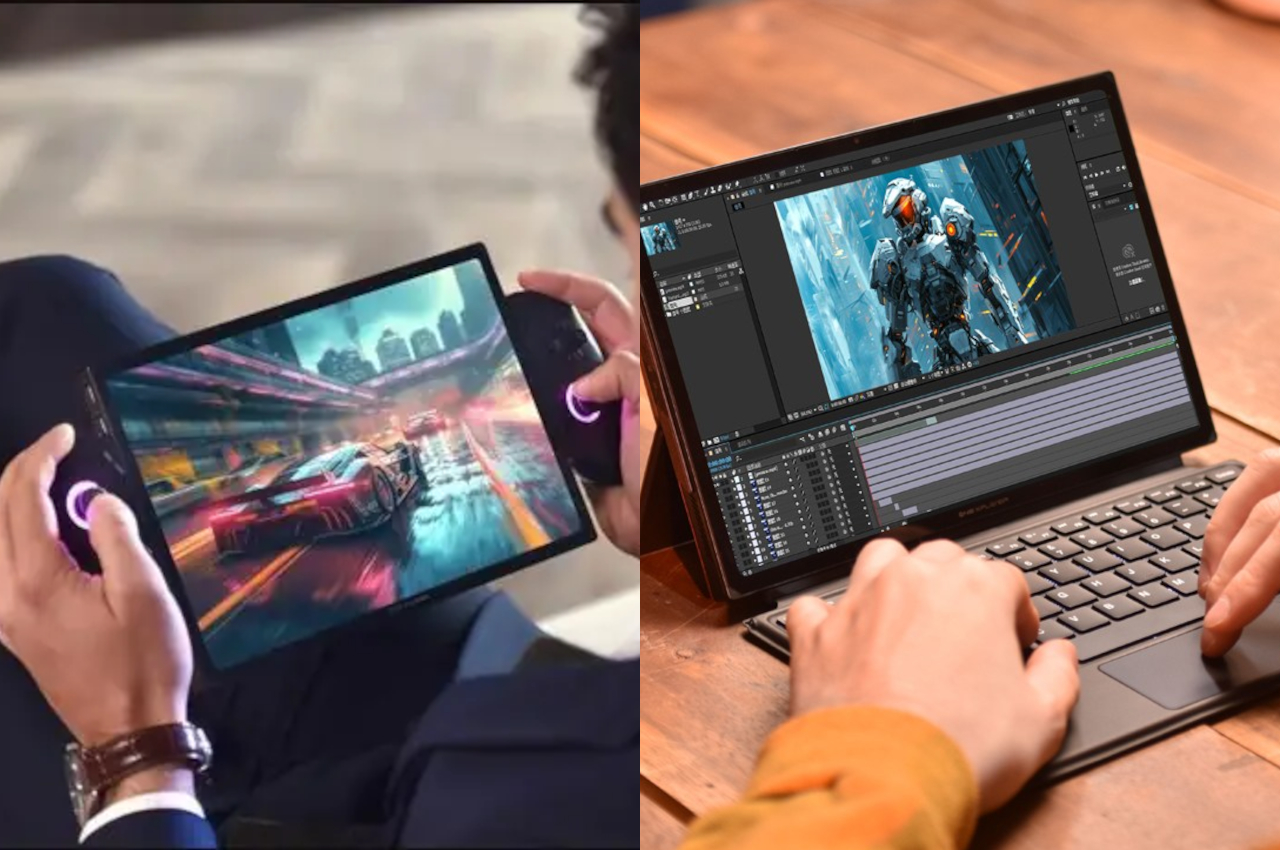
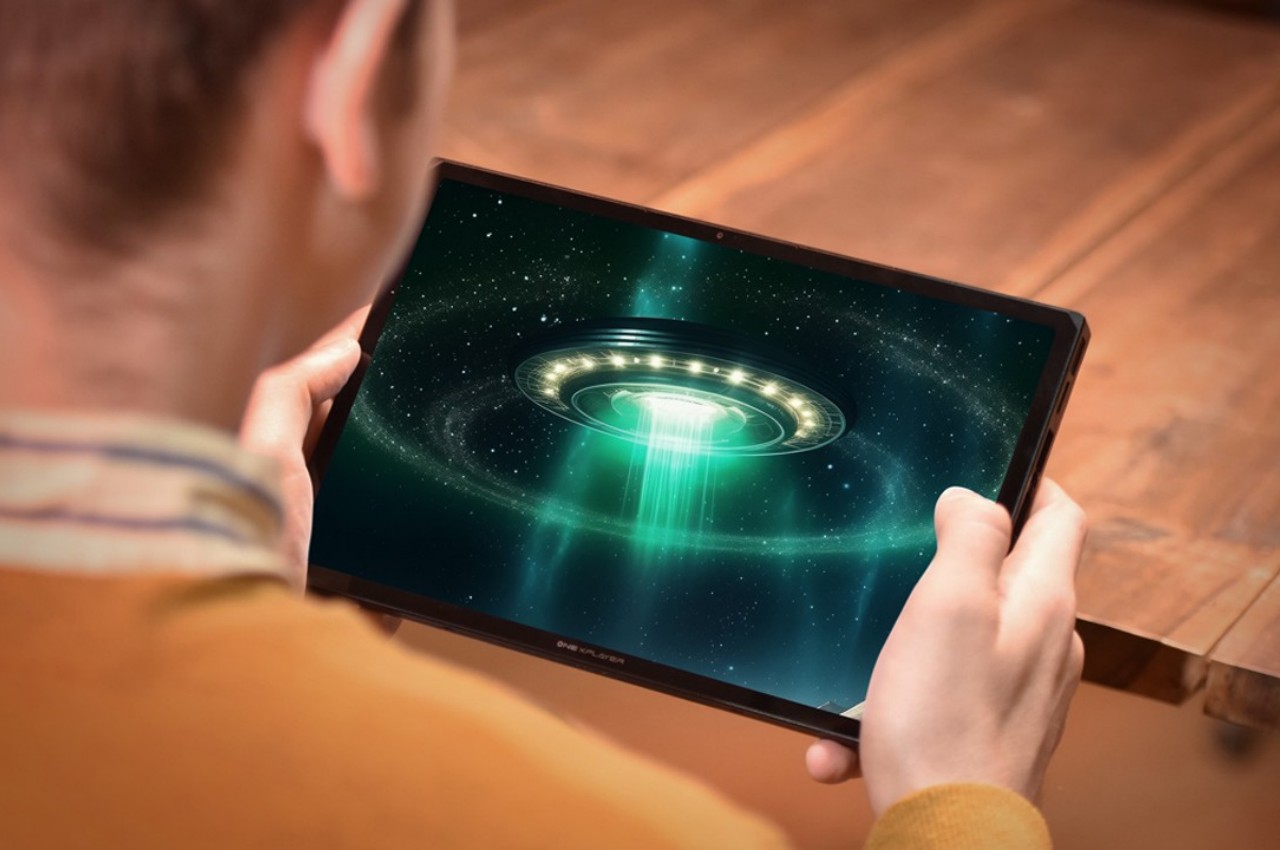
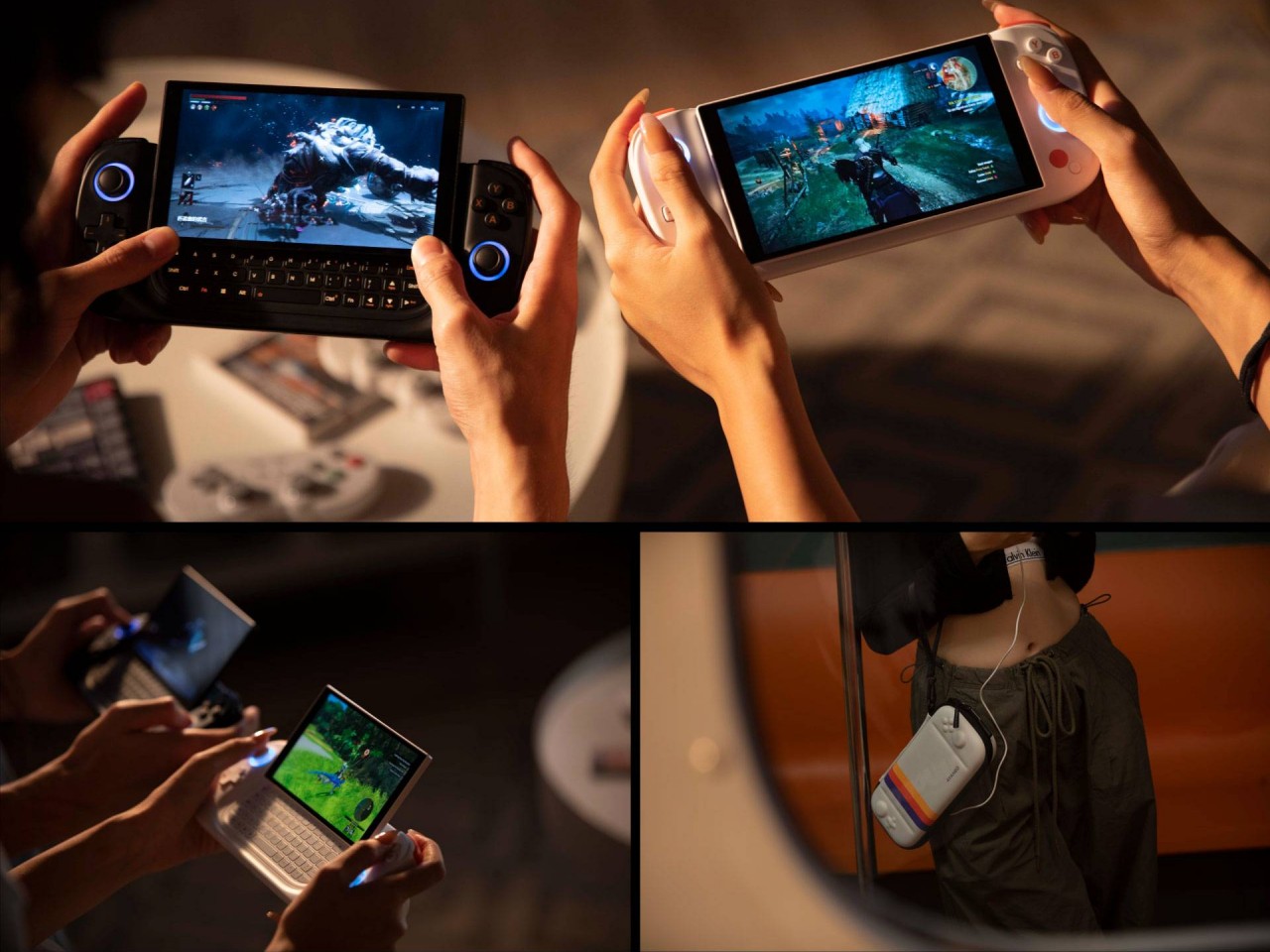
But even within the handheld gaming PC market, we’re also seeing a variety of designs being explored as companies try to search for the perfect answer if one does exist. The design sported by the Steam Deck and ASUS ROG Ally is, of course, the most known, but the Switch-inspired Lenovo Legion GO and OneXPlayer X1 are also pushing the envelope of that form factor. And then there’s AYANEO’s numerous designs that are seemingly throwing everything at the wall to see which one sticks. It’s definitely an exciting time for designers to envision different ways to deliver a compact and portable computer, and hopefully, that train won’t be stopping anytime soon.
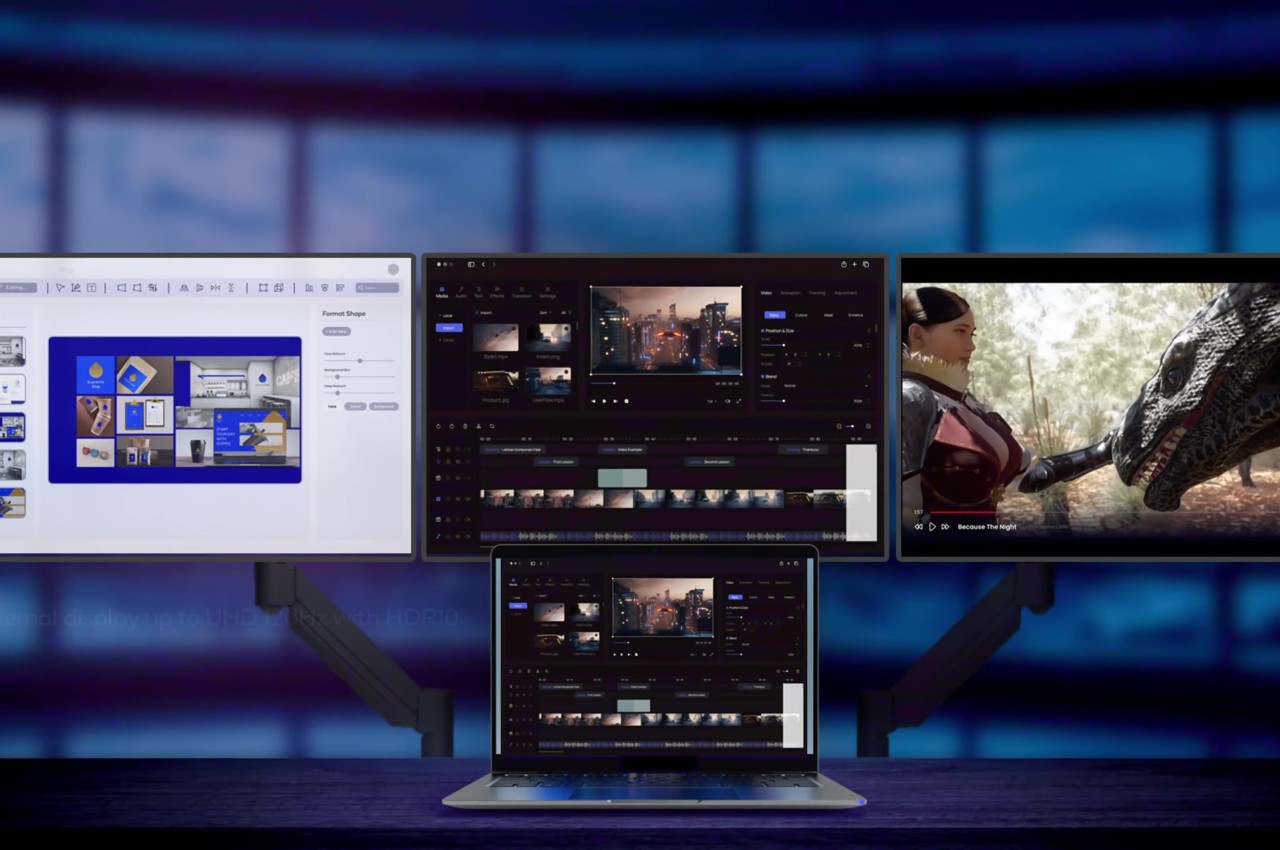
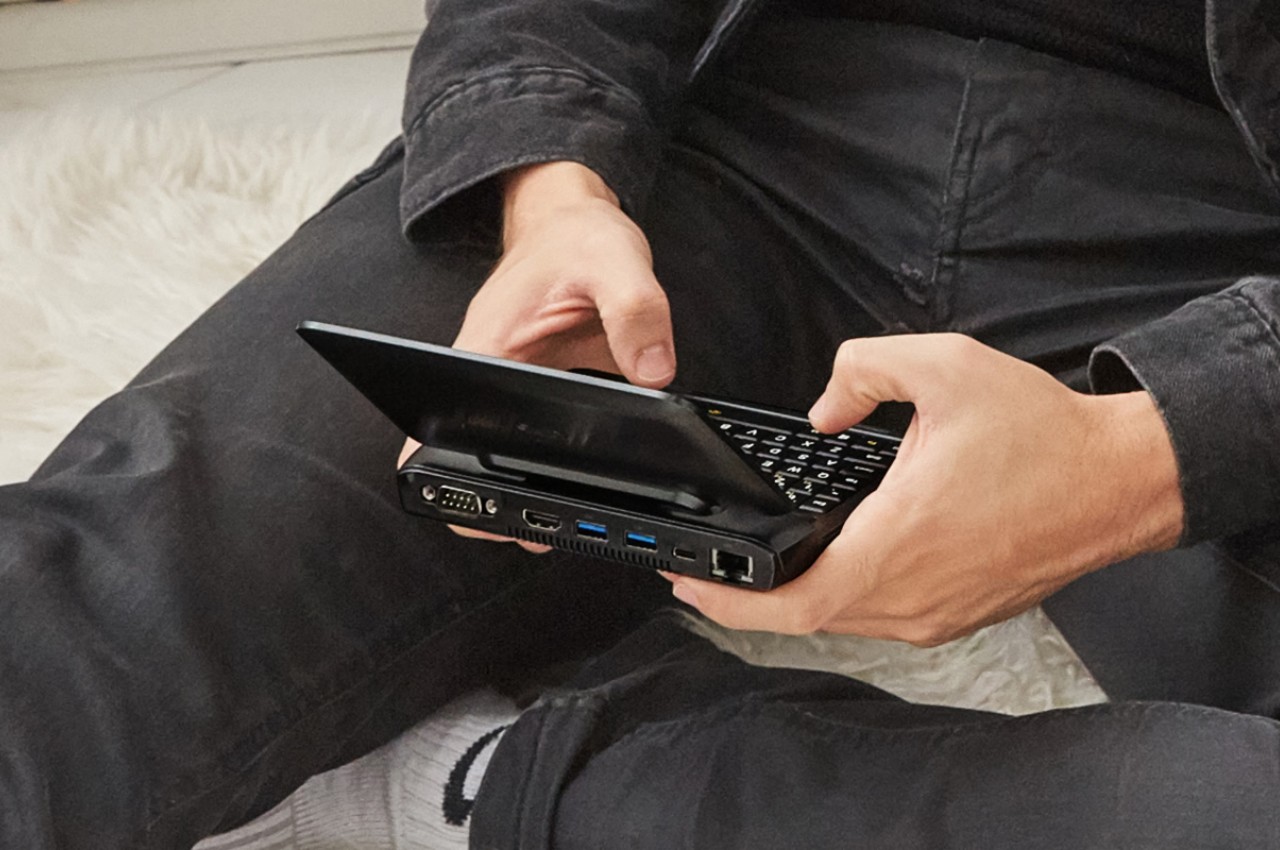
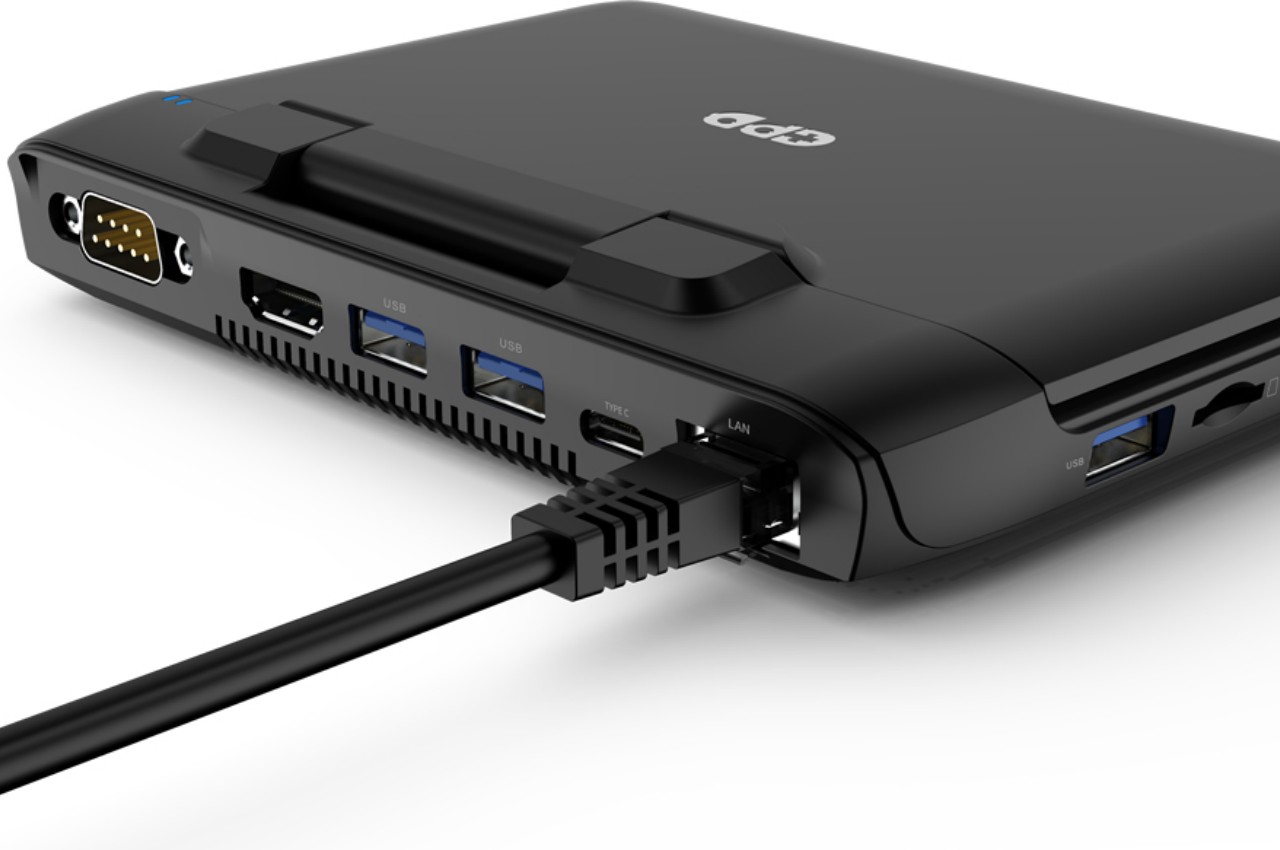
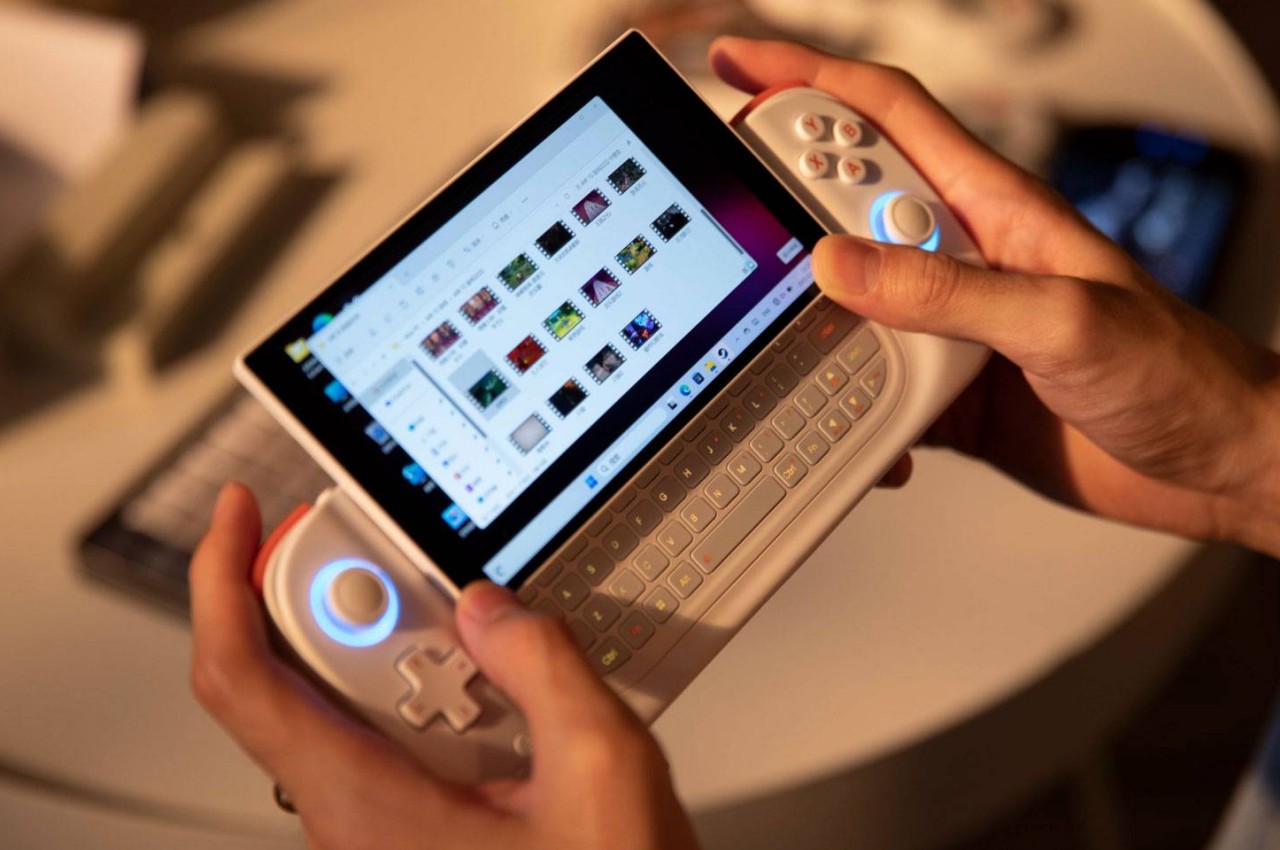
Of course, handheld gaming PCs are being made with gamers in mind, but they aren’t the only ones that can benefit from this form factor, at least not in the long run. Just like with gaming laptops, they have enough power to support almost any other computing need, from office work to system administration to even content creation. There is even a subclass of these handheld computers that are specifically designed to quickly connect to servers and other computers via ports that may seem archaic by today’s consumer standards.
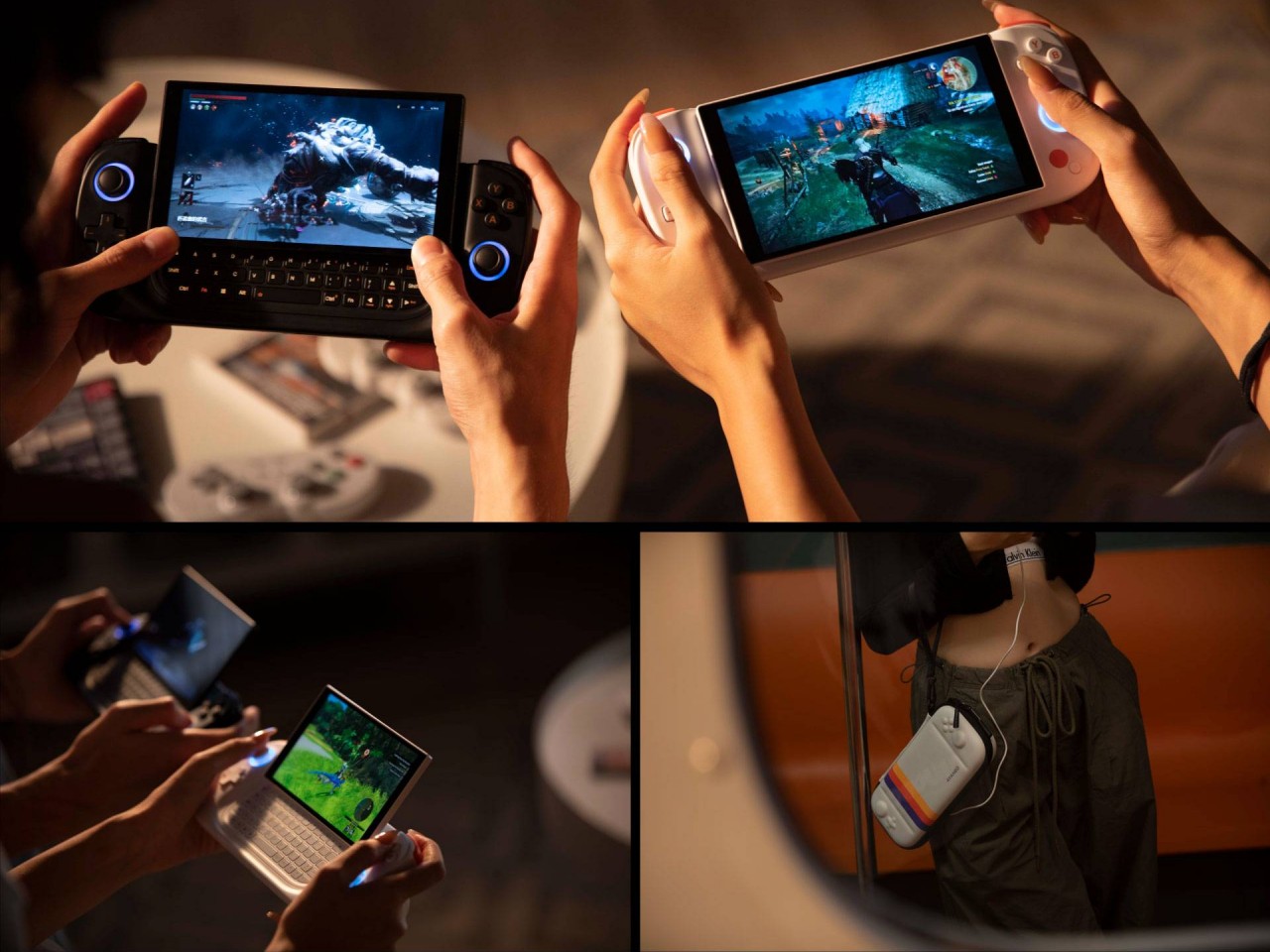
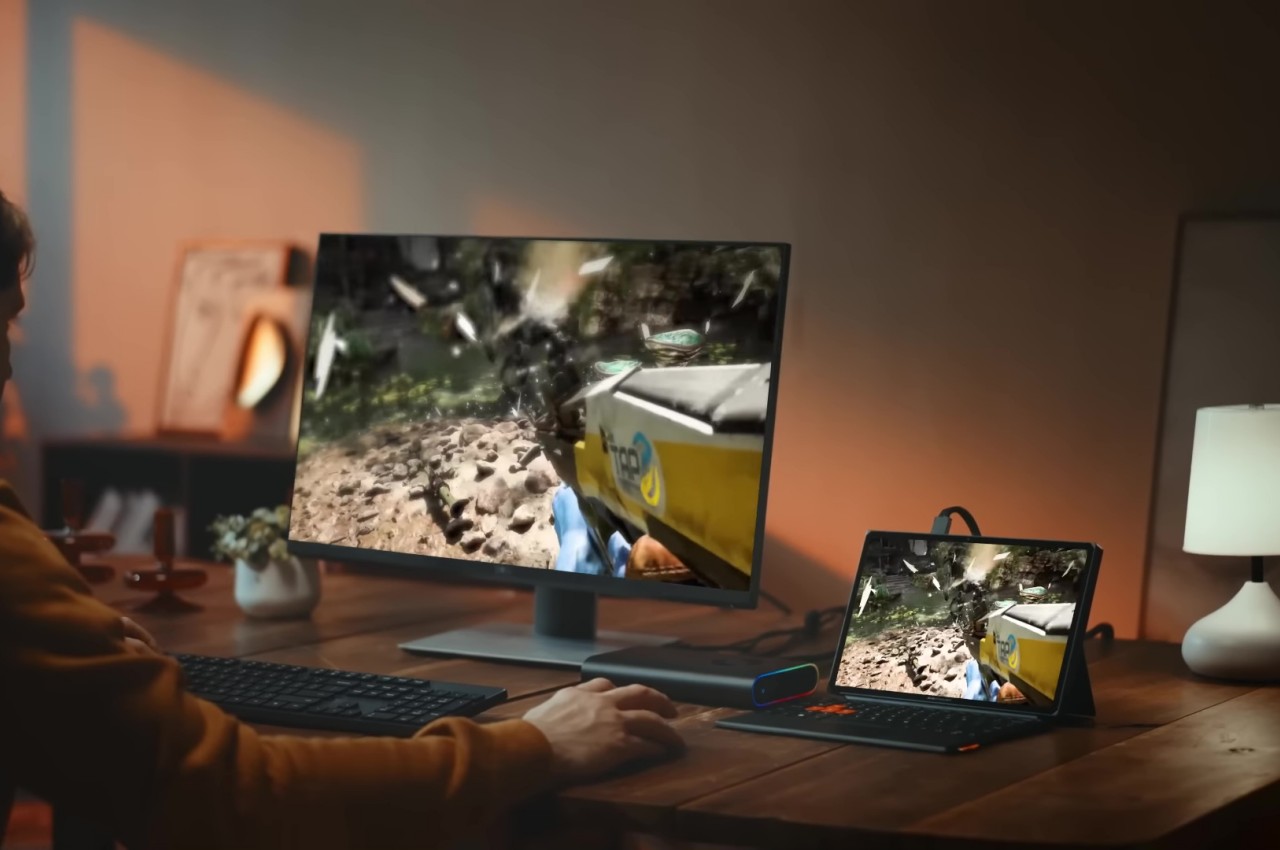
Yes, you will probably need to connect some peripherals if you need to get some serious work done, but there are already people doing that anyway with their tablets and even their phones. These handheld PCs offer almost the same flexibility as laptops but with the added advantage of being able to use them in cramped spaces, including while standing up (if the design includes a more or less convenient keyboard). There’s definitely a lot of room and opportunity for innovation in this space to address more use cases beyond gaming, and handheld gaming PCs could very well be the start of a new design revolution in the PC industry.
Missed Opportunities
All that potential will be for naught if this handheld gaming PC trend fizzles out quickly. Although they’re still making a big splash, it’s not yet a stable market, much less a profitable one. PC manufacturers are also extremely cautious about jumping into the fray. It took two years after the Steam Deck before the first major PC brand jumped on board, and even then we’re still missing the likes of the Acer Predator, Dell Alienware, and Razer. Admittedly, it’s a risky business proposition and not as easy as, say, producing a smartphone, but without the presence of these big brands, the young market will die out sooner rather than later. That would definitely be a tragedy given how these handheld PCs have the potential to reinvigorate a PC market that has long been regarded to be dwindling, especially as desktops become almost as niche as these portable gaming computers.