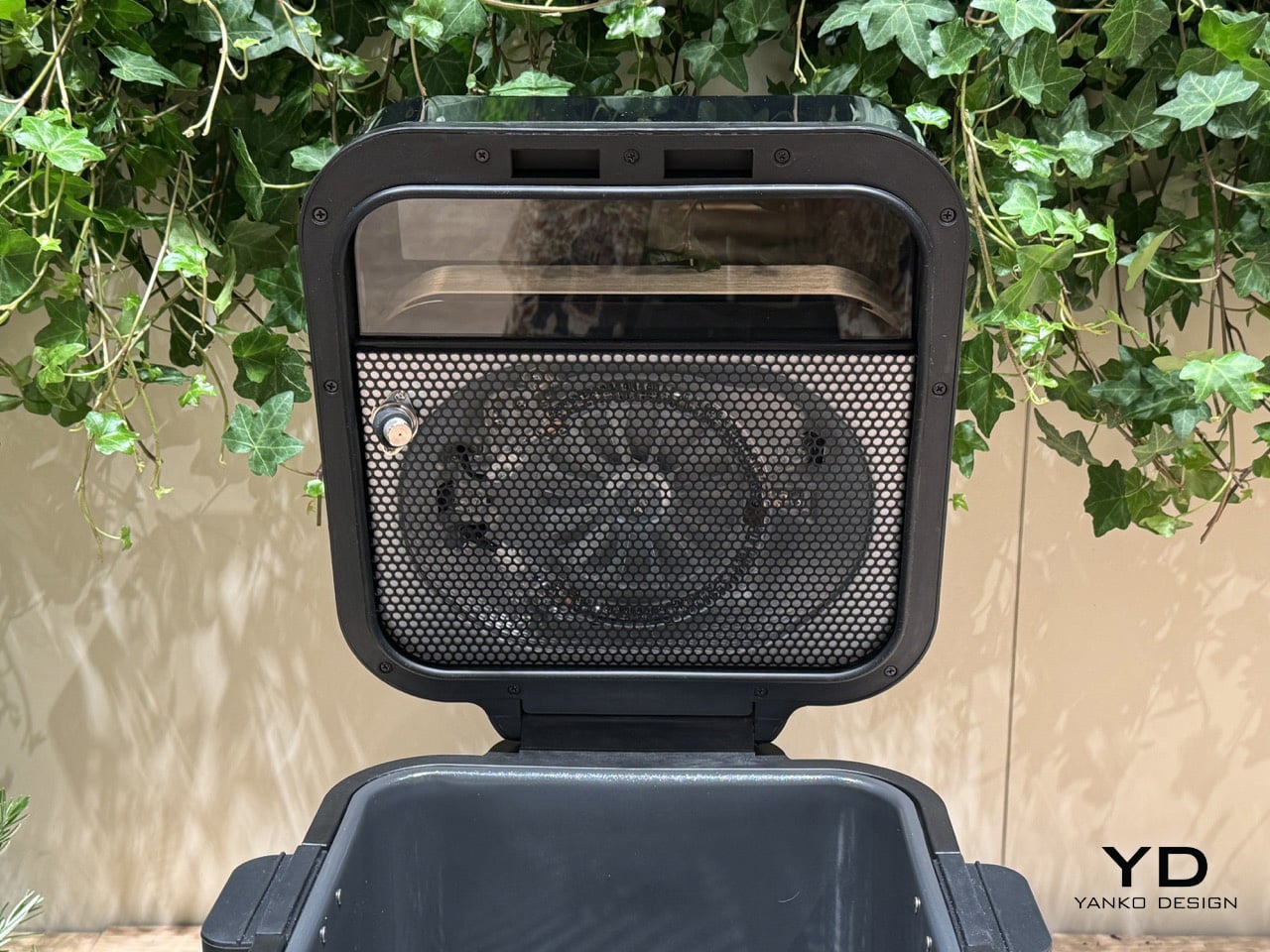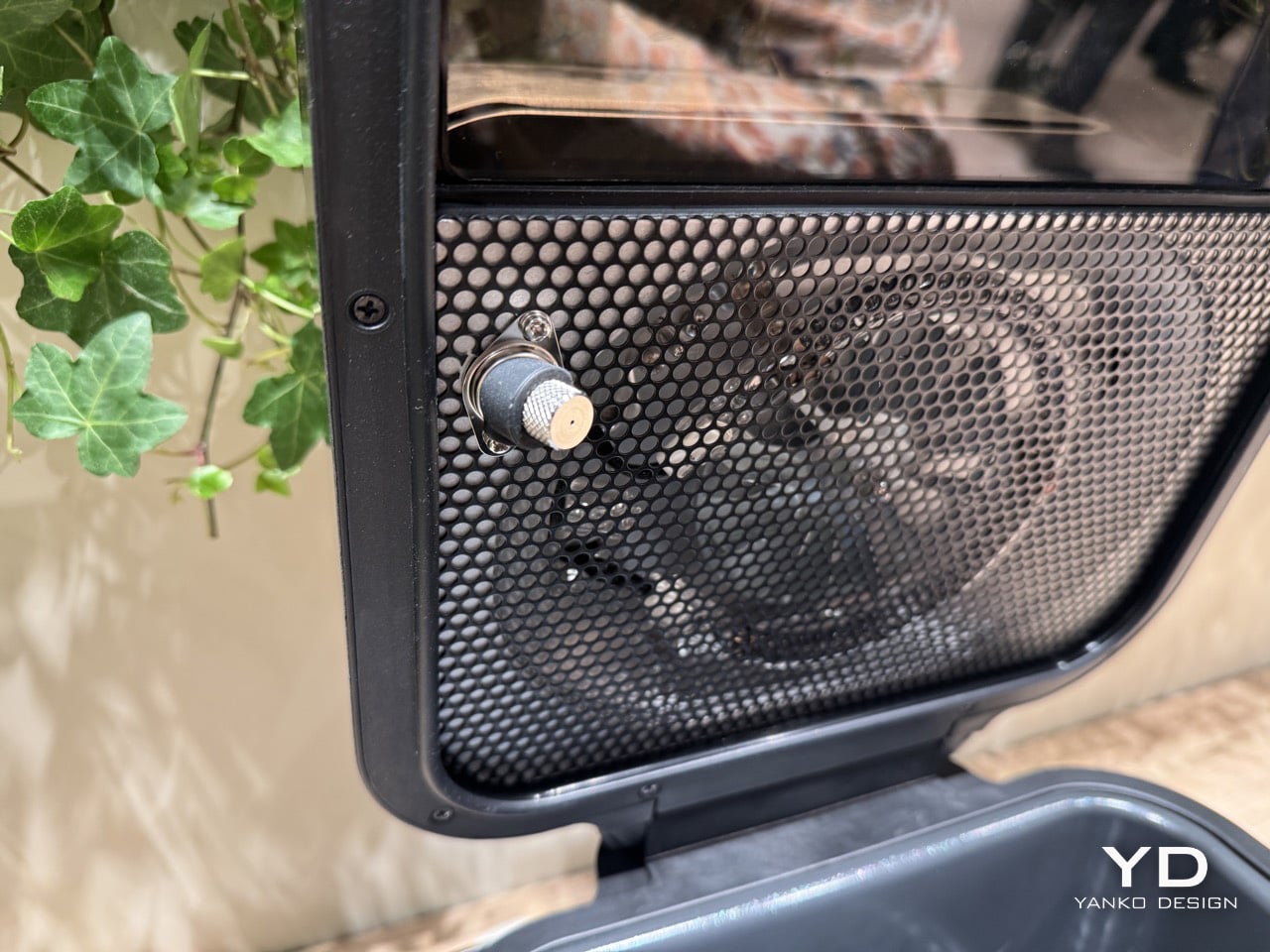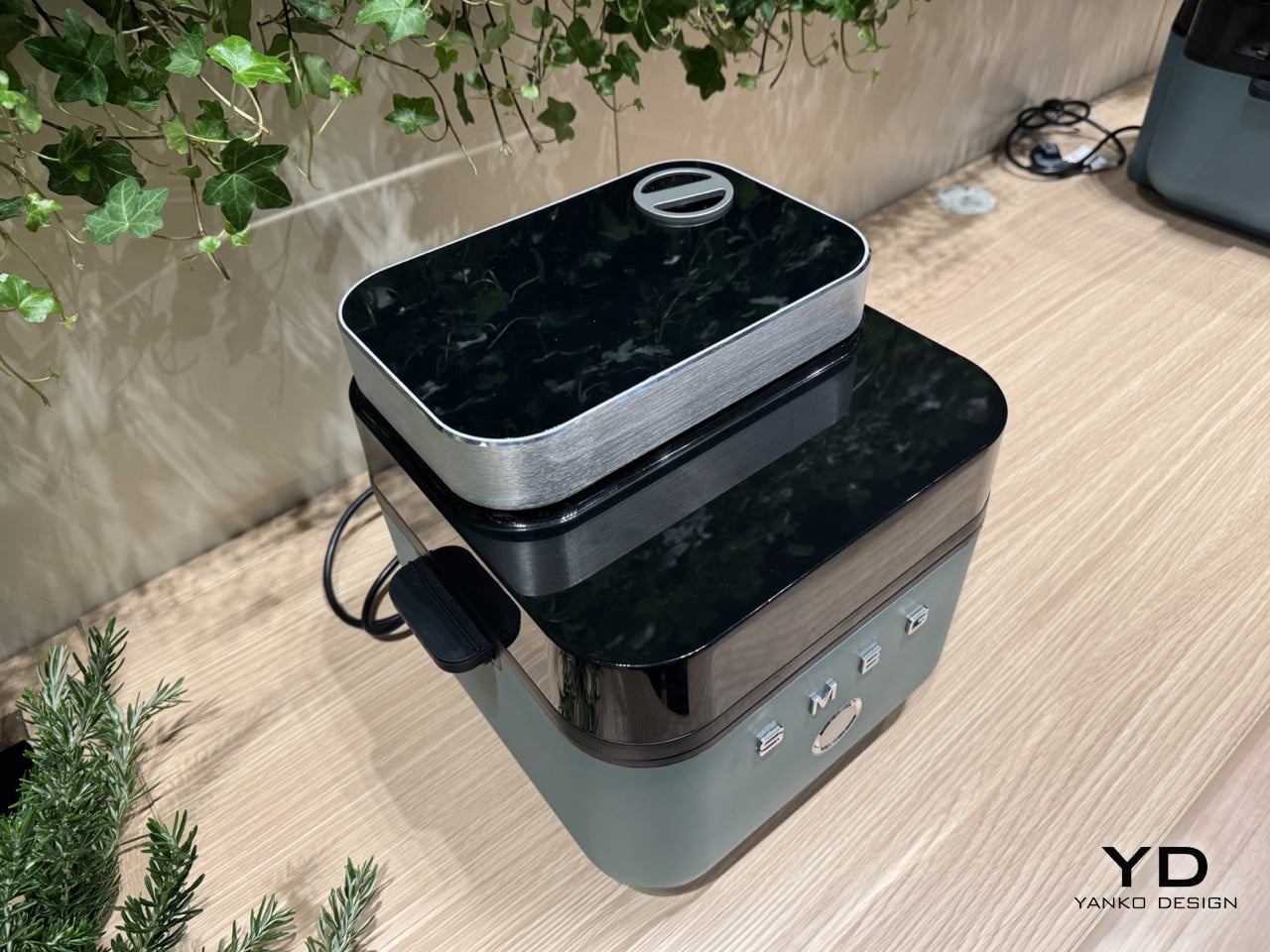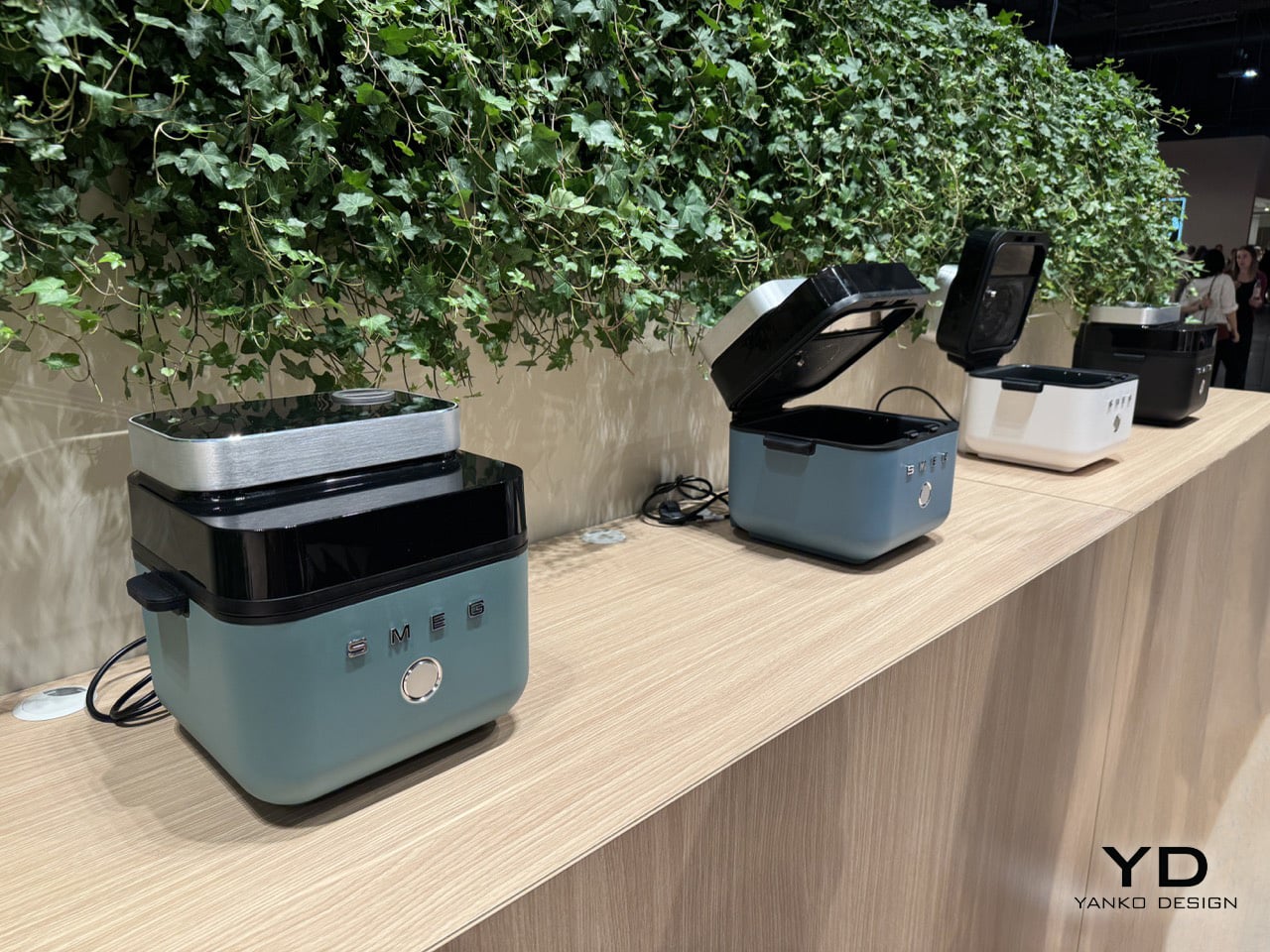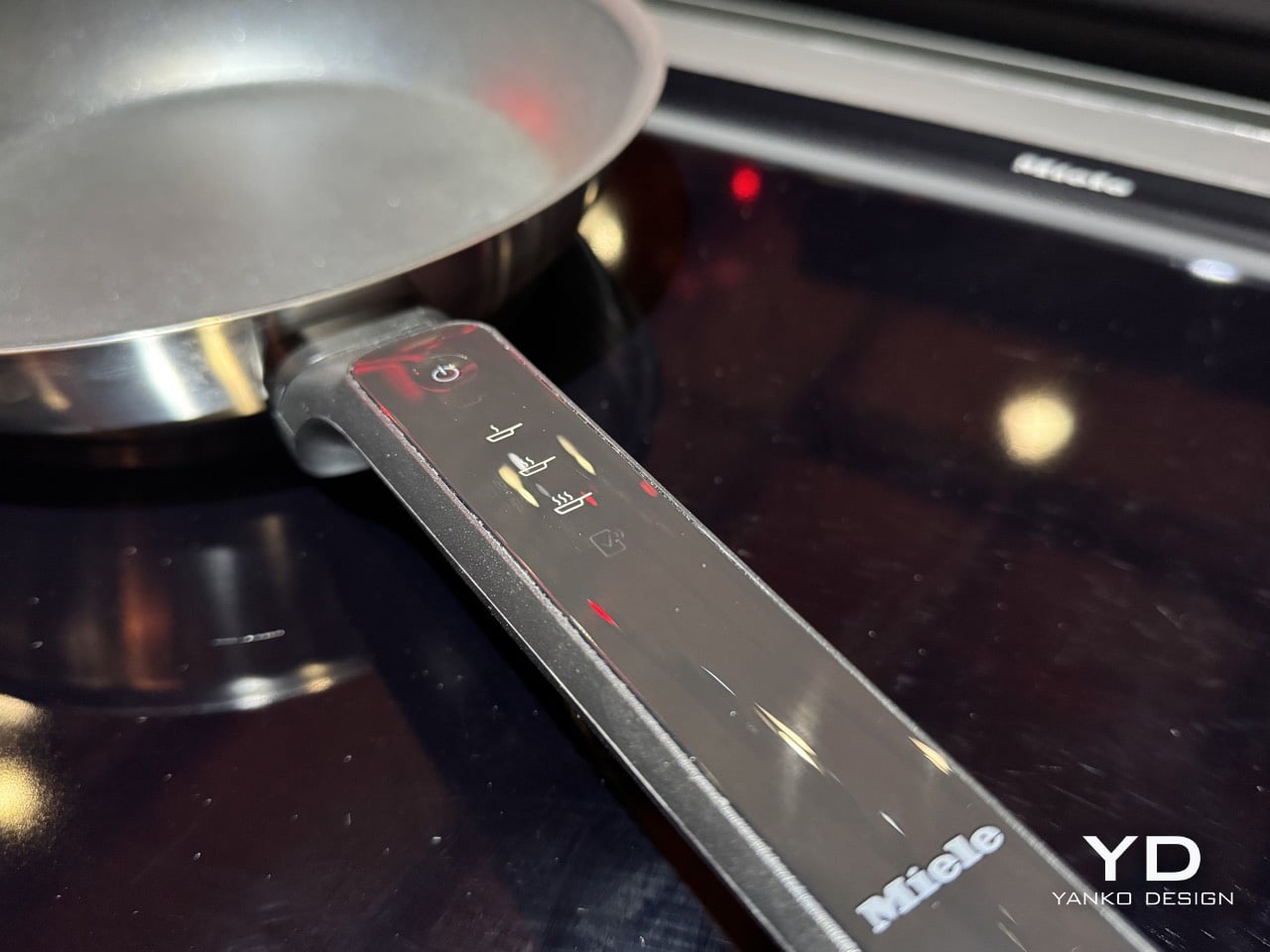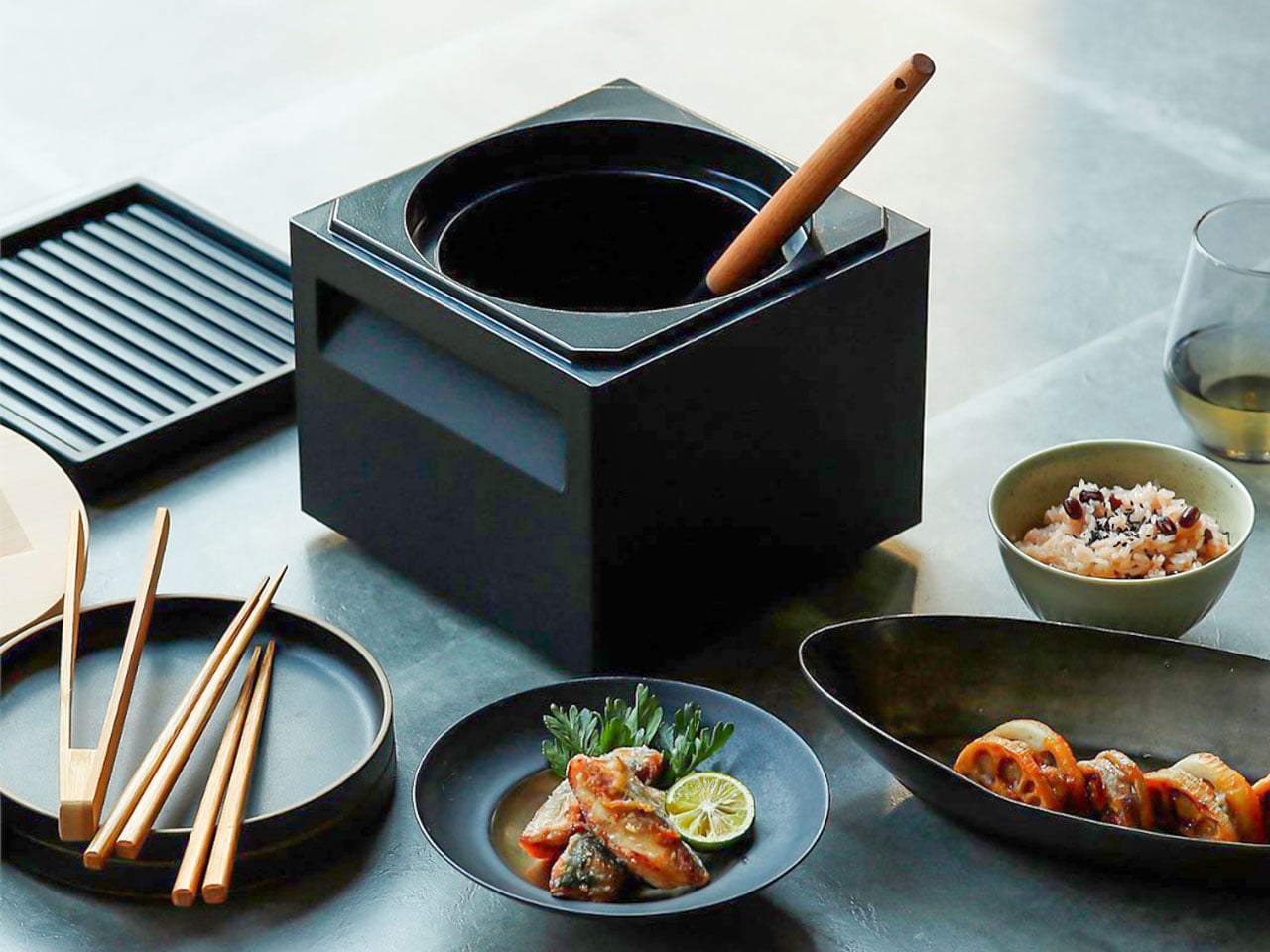
The Invisible Kitchen Revolution: IGT Phantom Stove

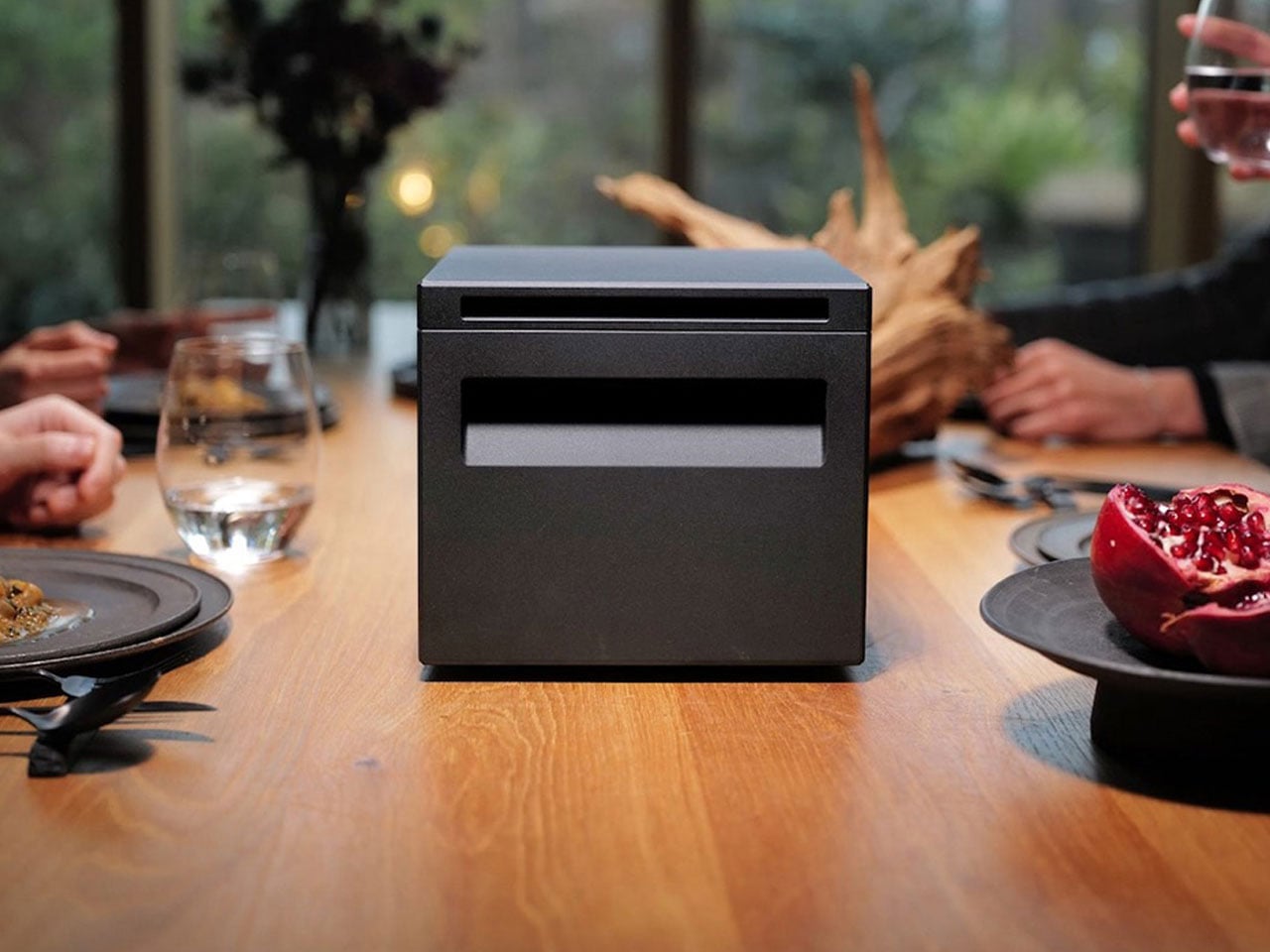
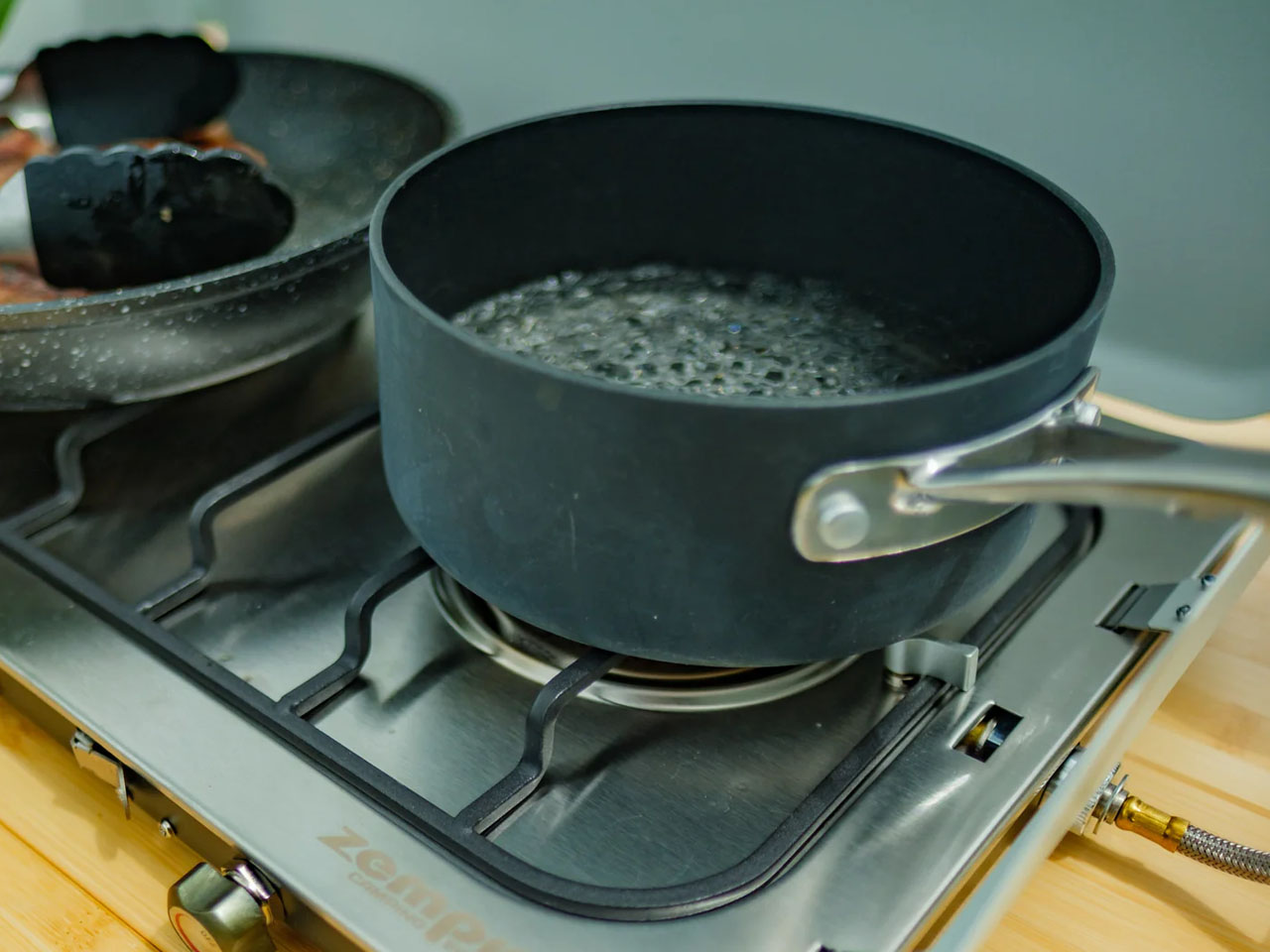
You know that moment when technology becomes so intuitive it practically disappears? That’s exactly what Shenzhen Juyouhang Technology Co. just pulled off with their IGT Phantom Stove, a MUSE Design Award winner that’s making waves in the outdoor cooking scene for all the right reasons.

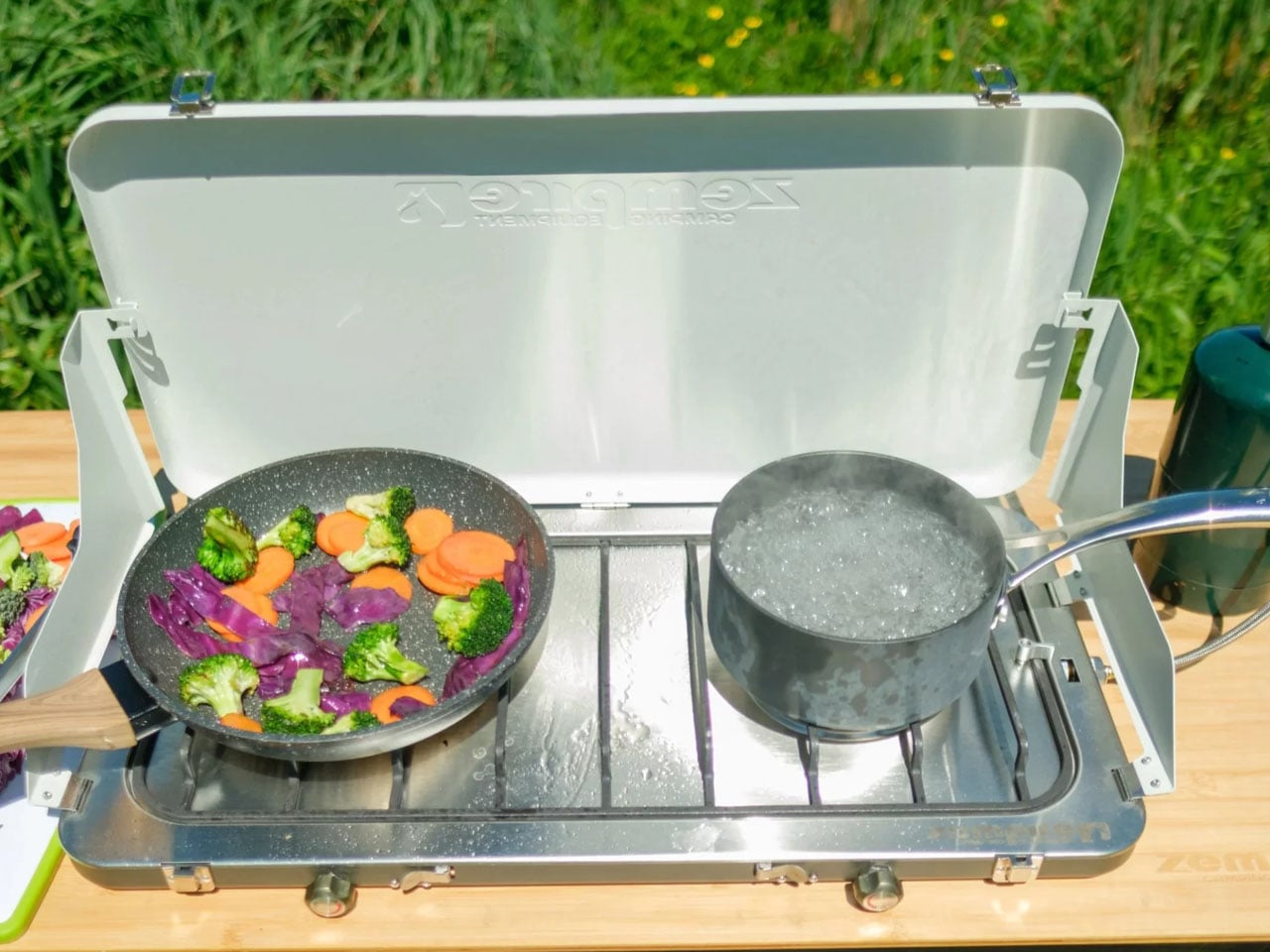
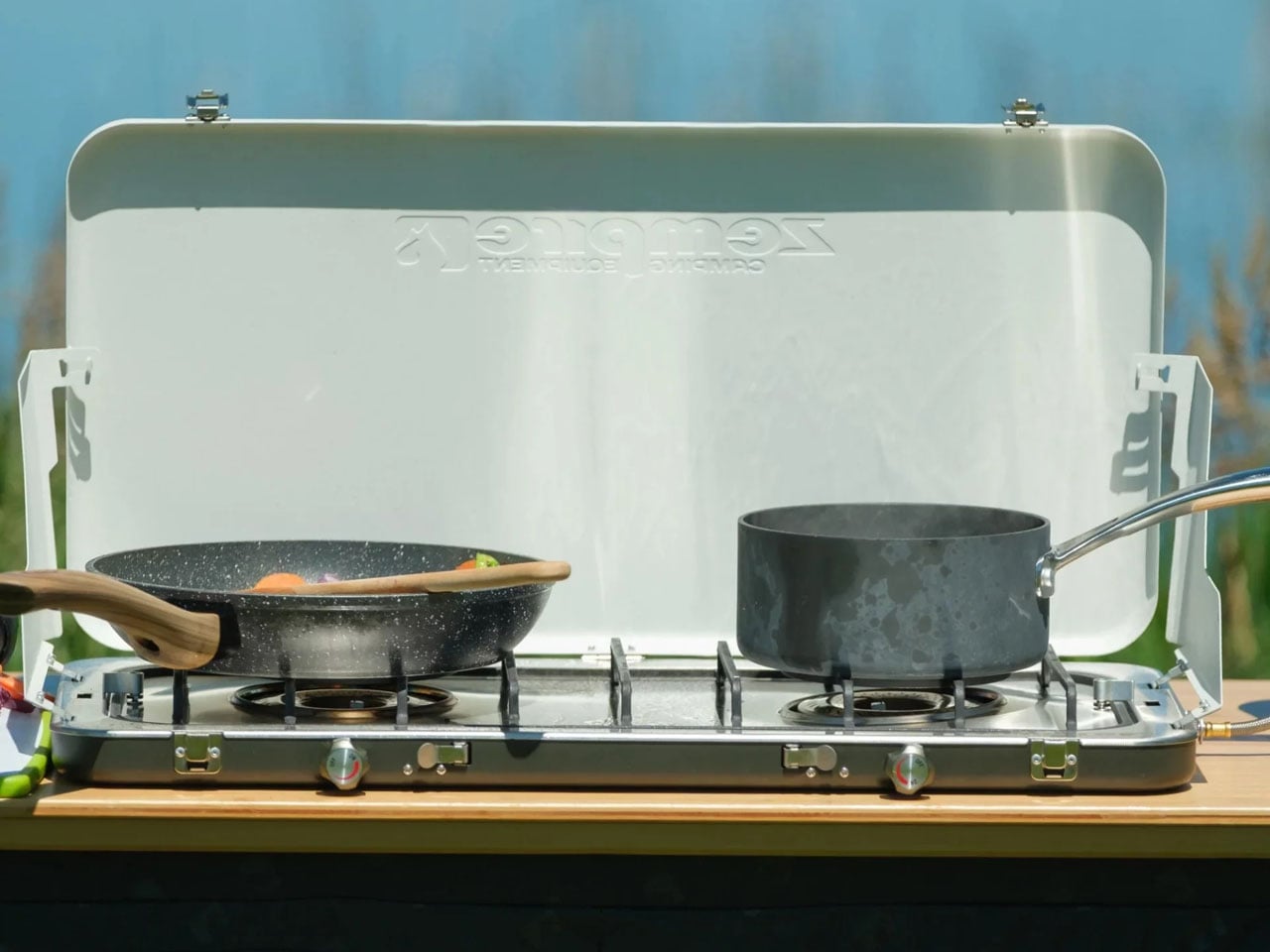
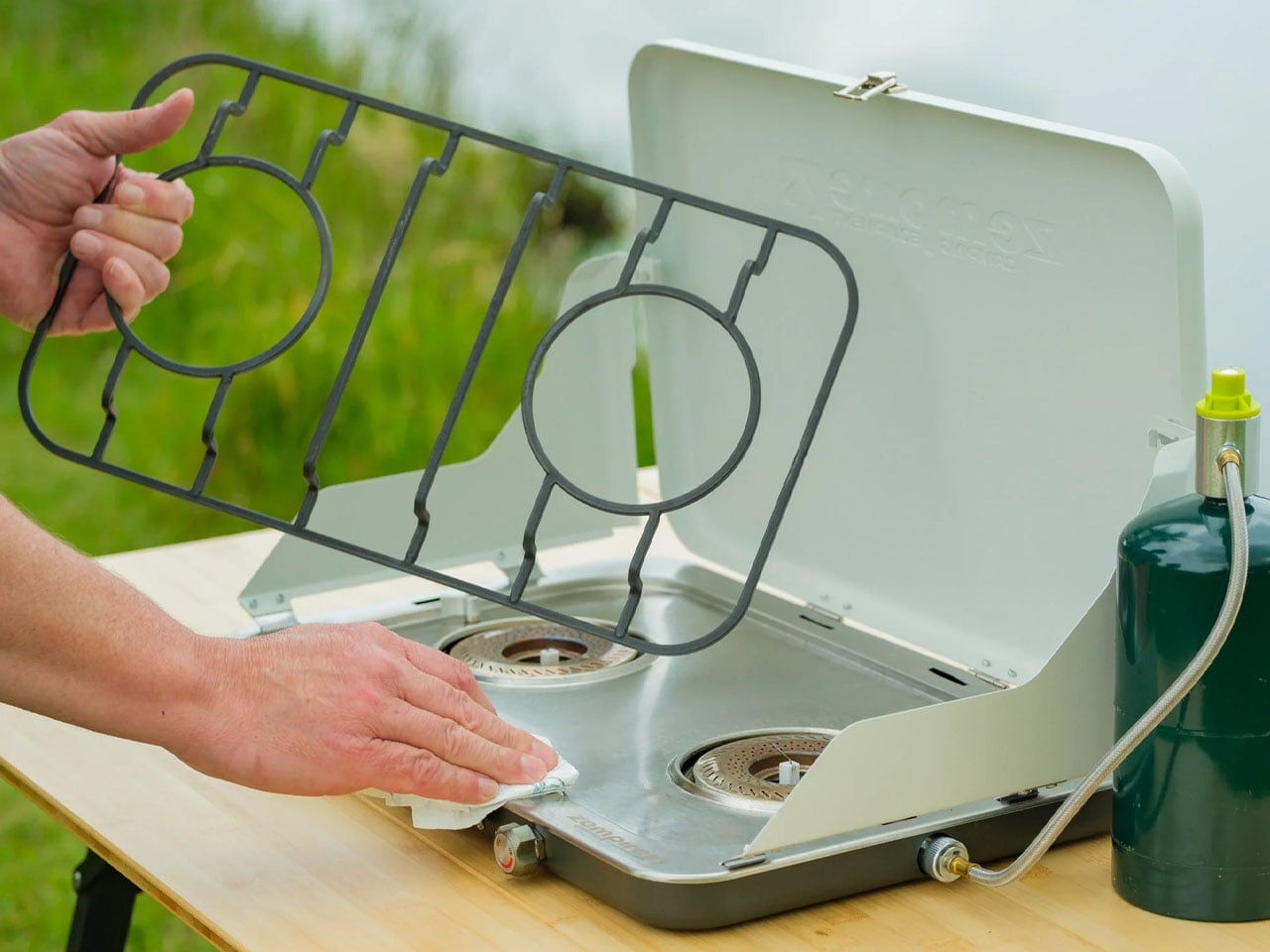
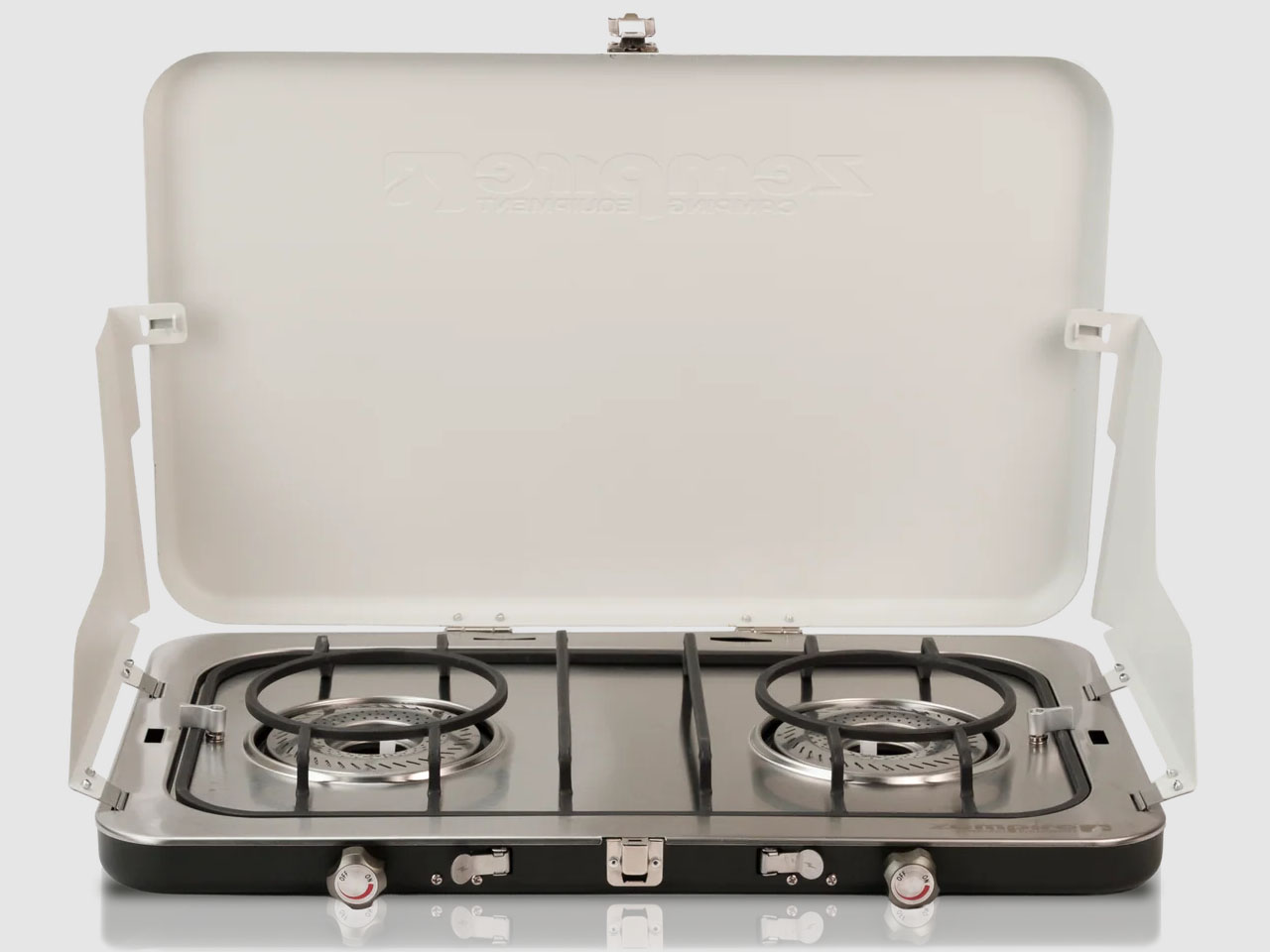
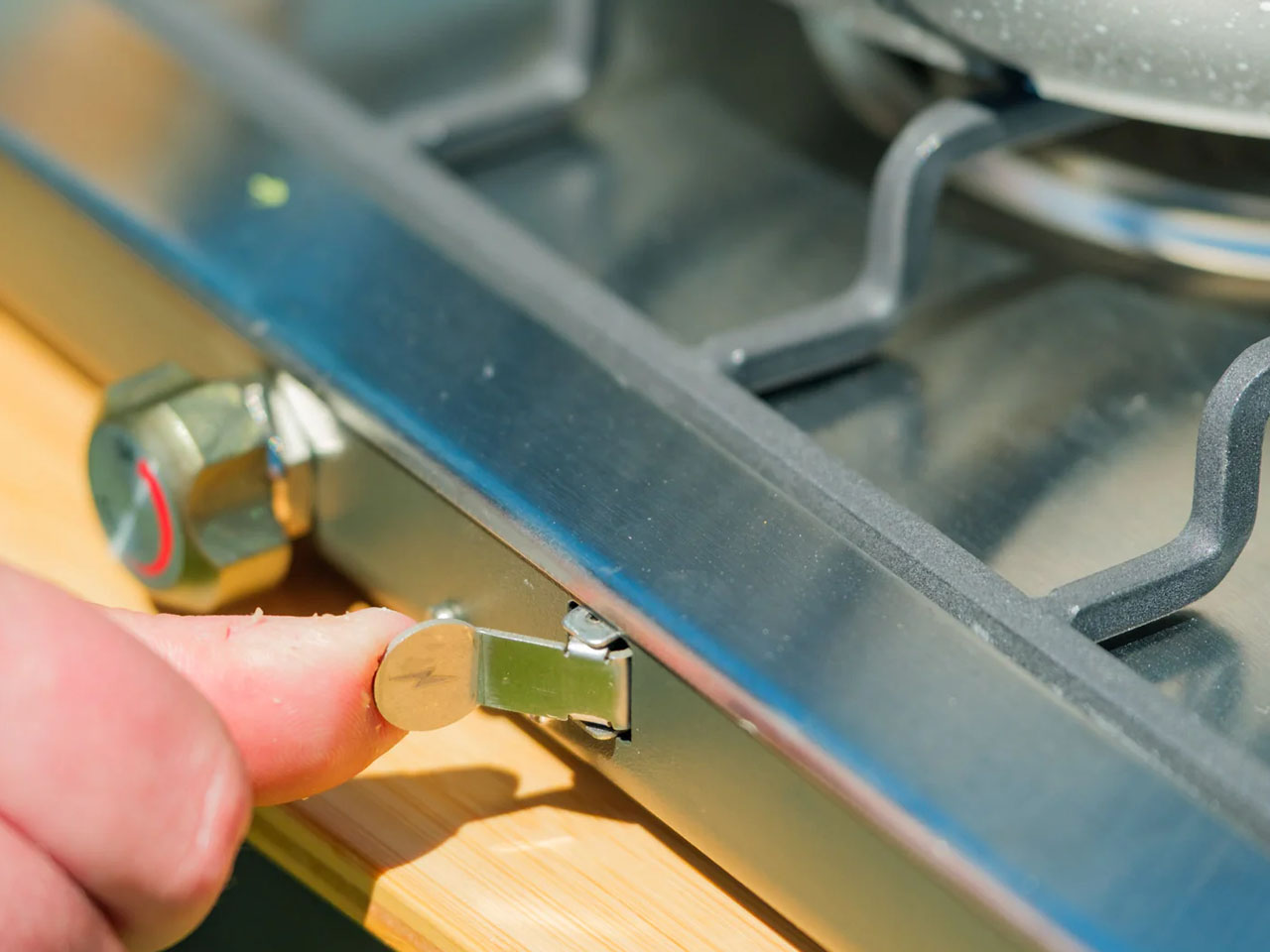
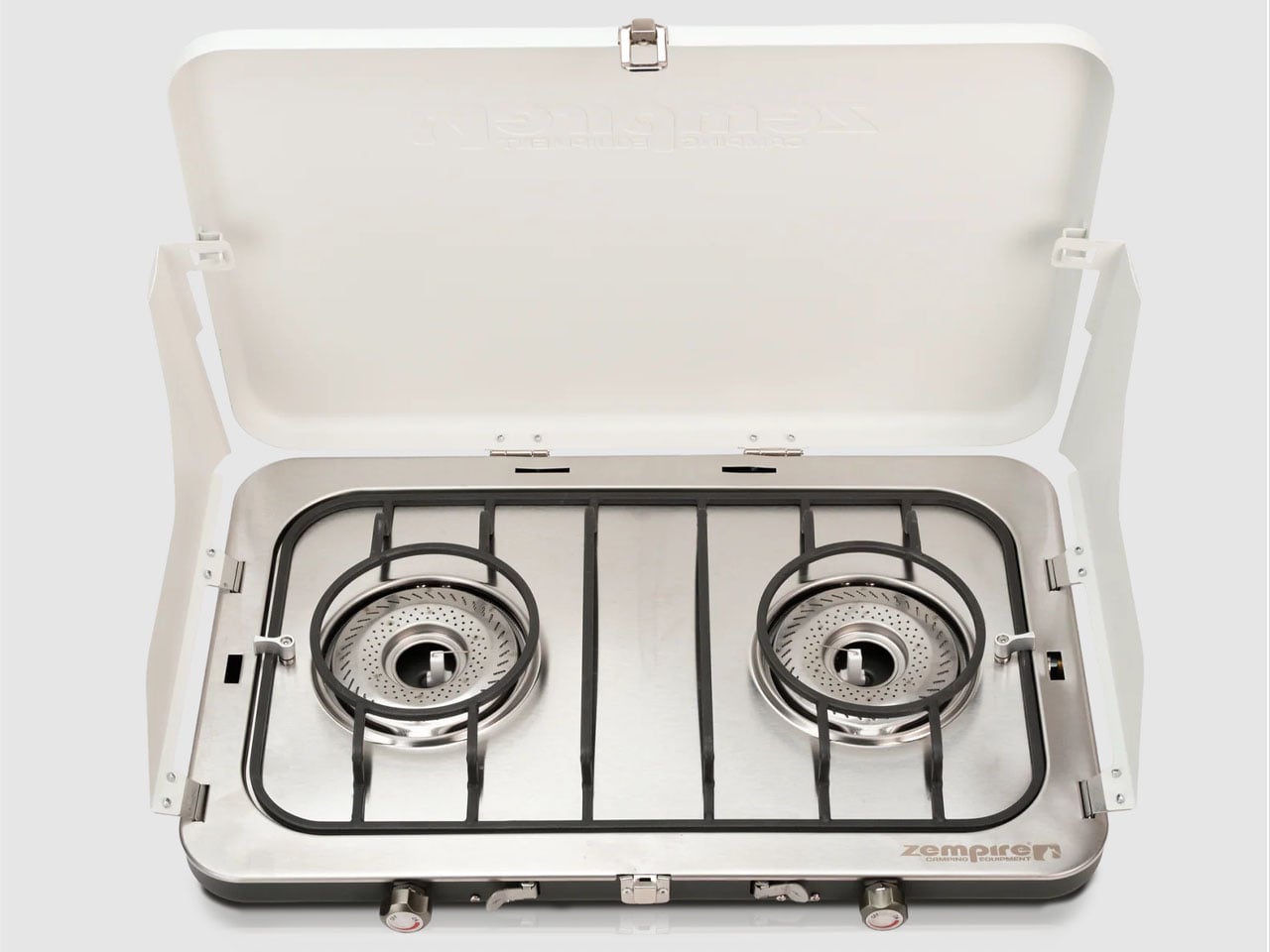
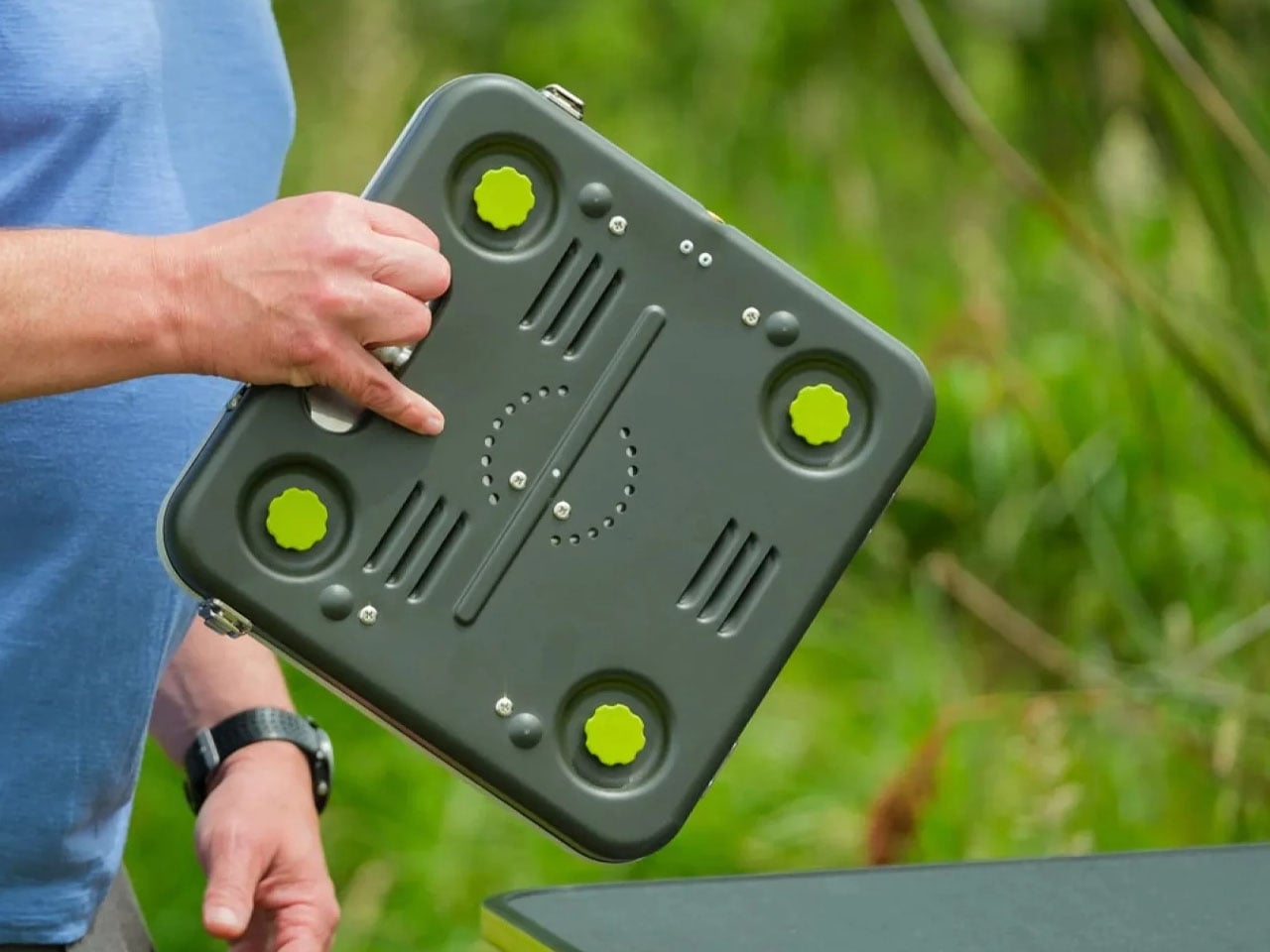
At first glance, the name “Phantom” might sound a bit dramatic for a camping stove. But spend a minute looking at this design, and you’ll get it. This isn’t your clunky, utilitarian camping gear that screams “I’m roughing it in the wilderness.” Instead, it’s a sleek piece of equipment that bridges the gap between serious outdoor functionality and the kind of minimalist aesthetic we’ve come to expect from our favorite tech gadgets.

Designer: Shenzhen Juyouhang Technology

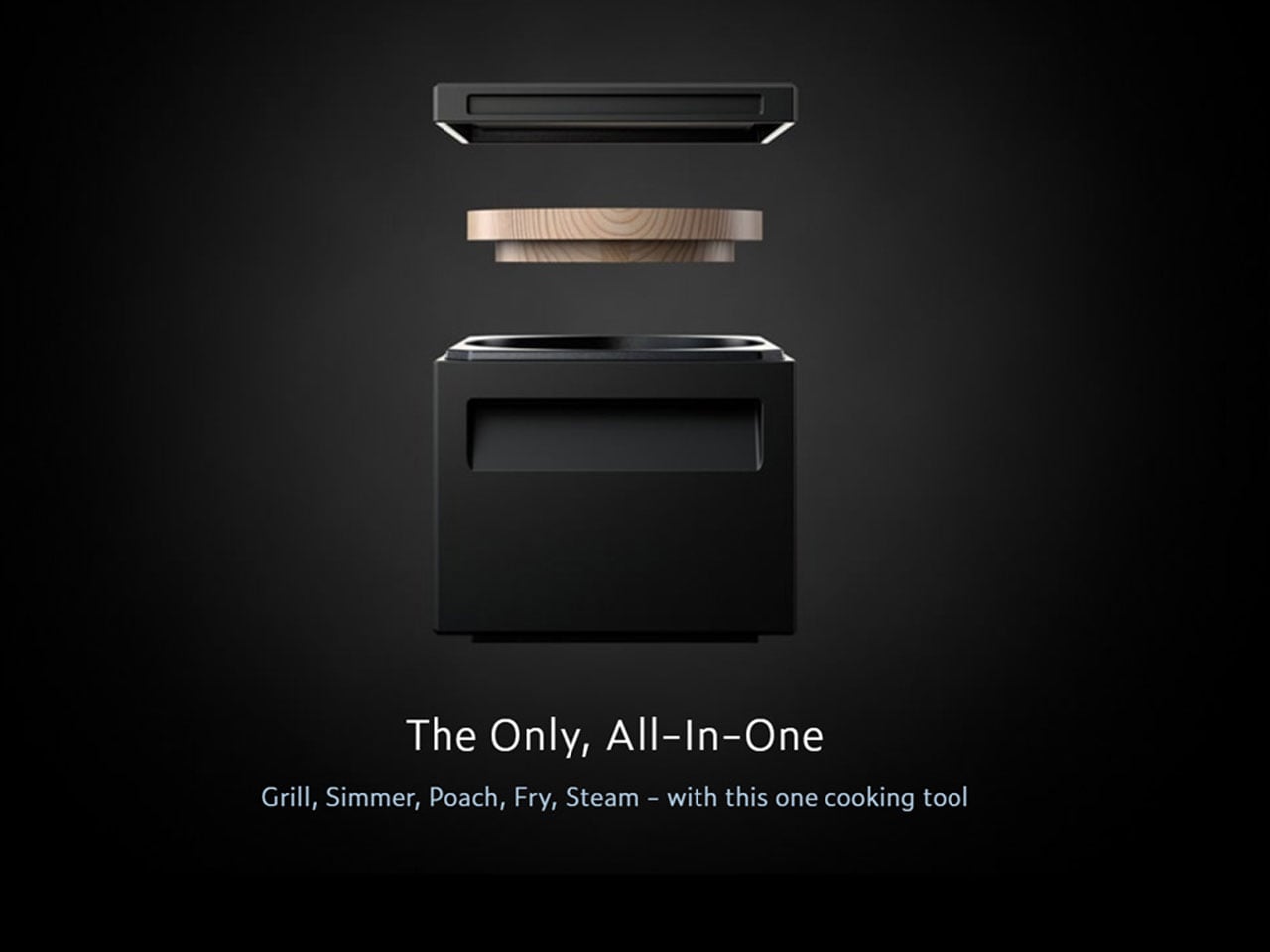
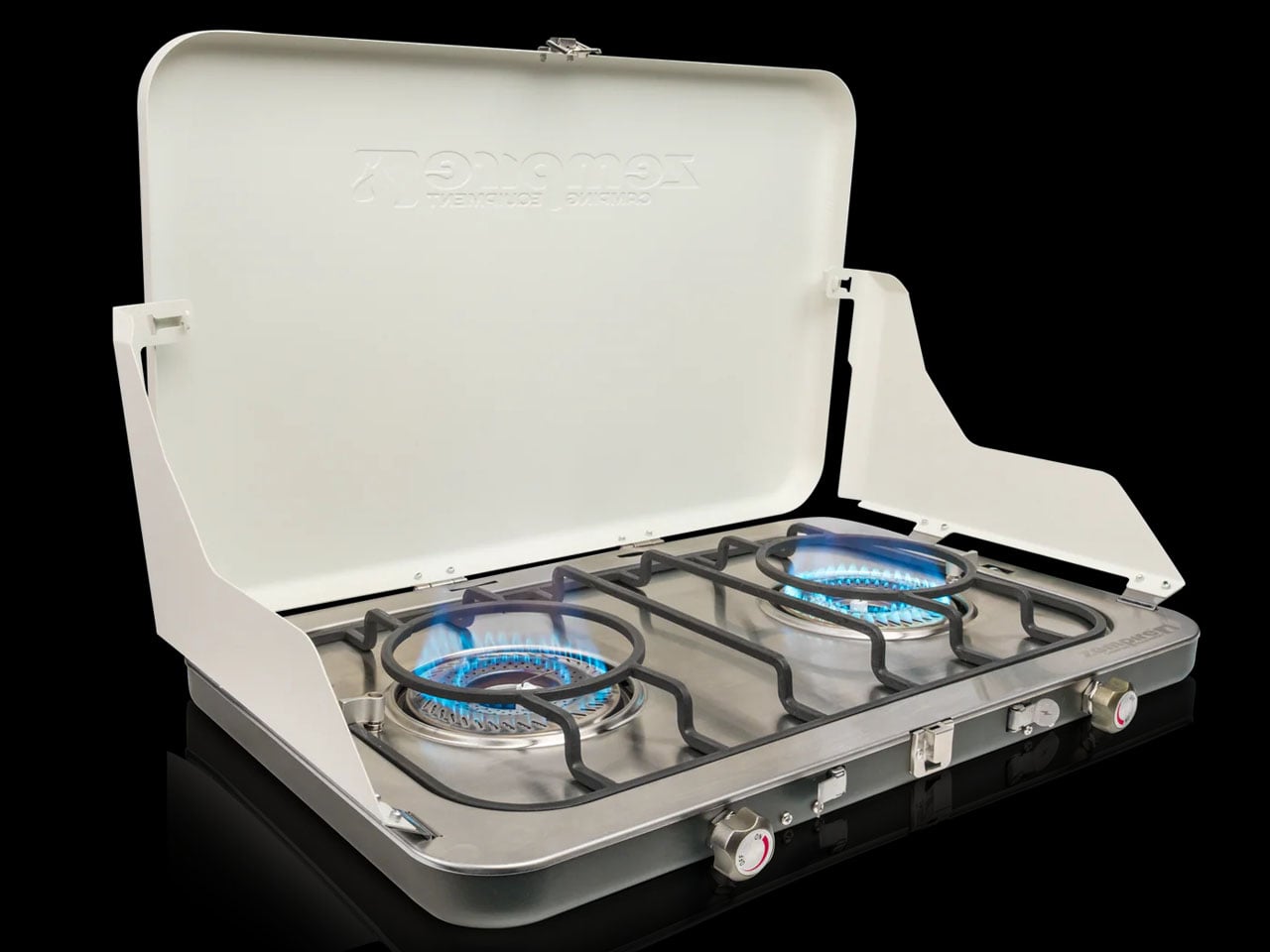
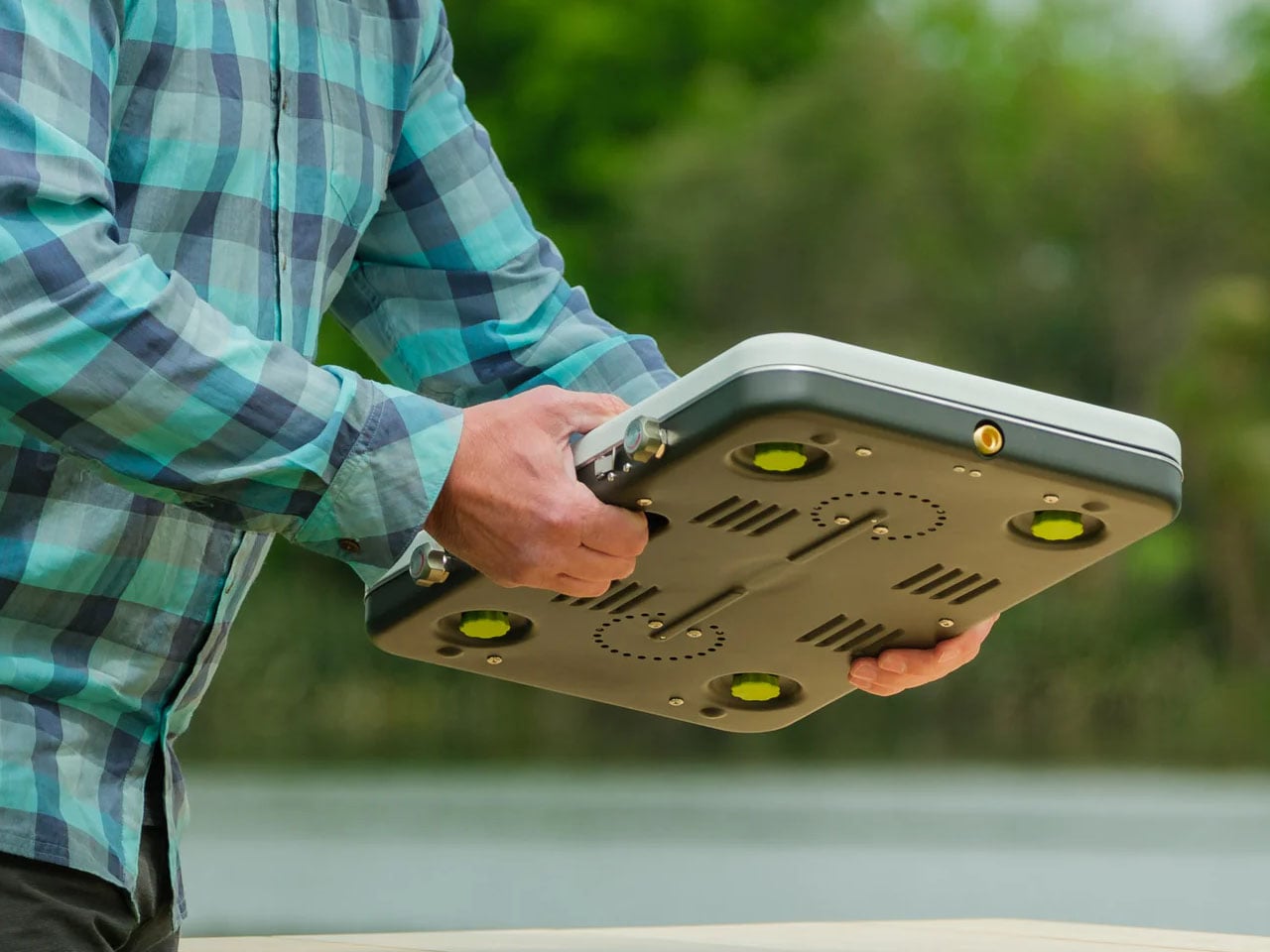
The IGT system, for those not already deep into the camping world, stands for Iron Grill Table, a modular camping kitchen concept that originated in Japan. Think of it like LEGO blocks for your outdoor cooking setup. Different components slot into a unified system, letting you customize your camp kitchen however you want. The Phantom Stove takes this concept and refines it with a sophistication that feels more Apple Store than sporting goods aisle.

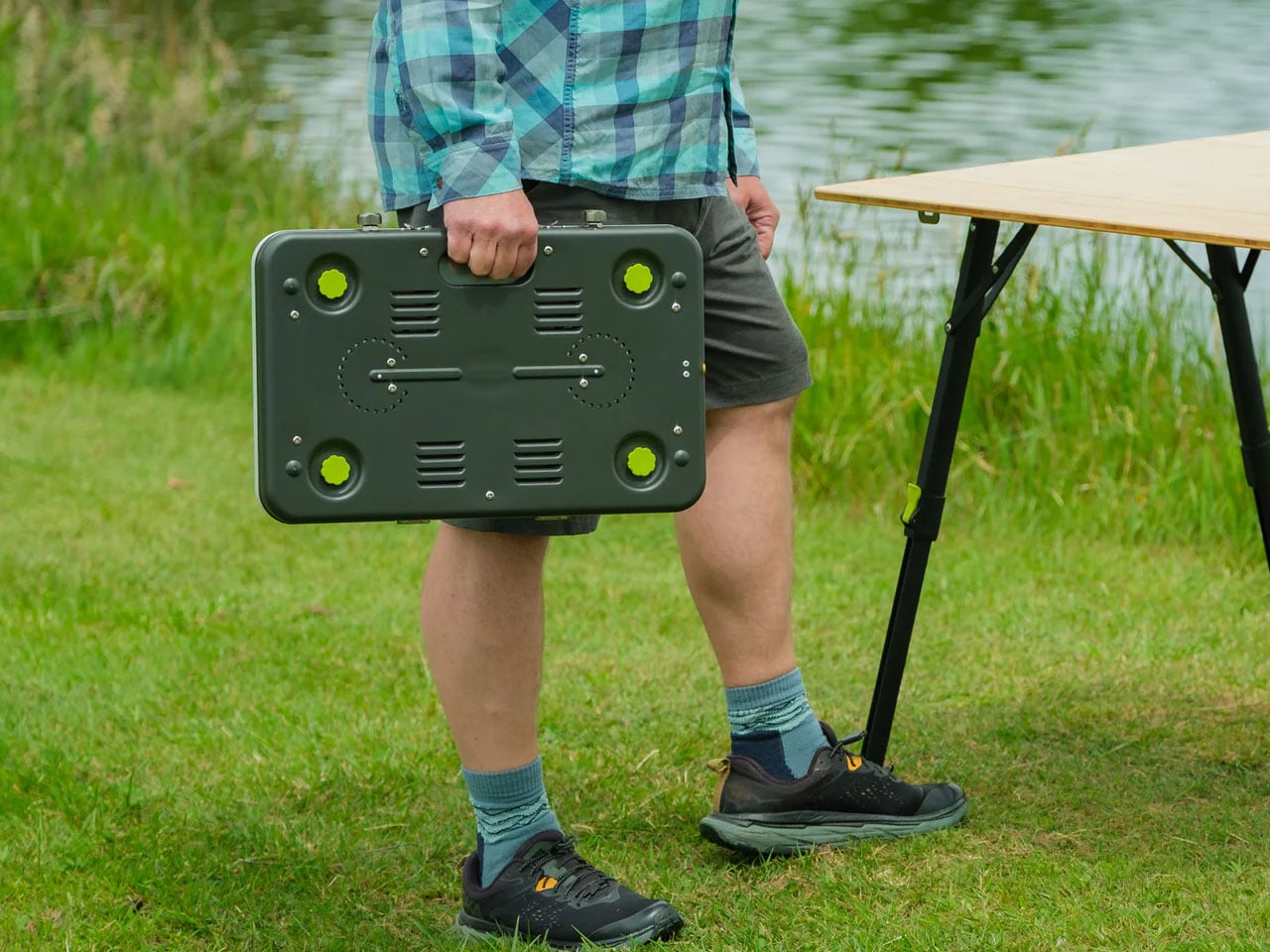
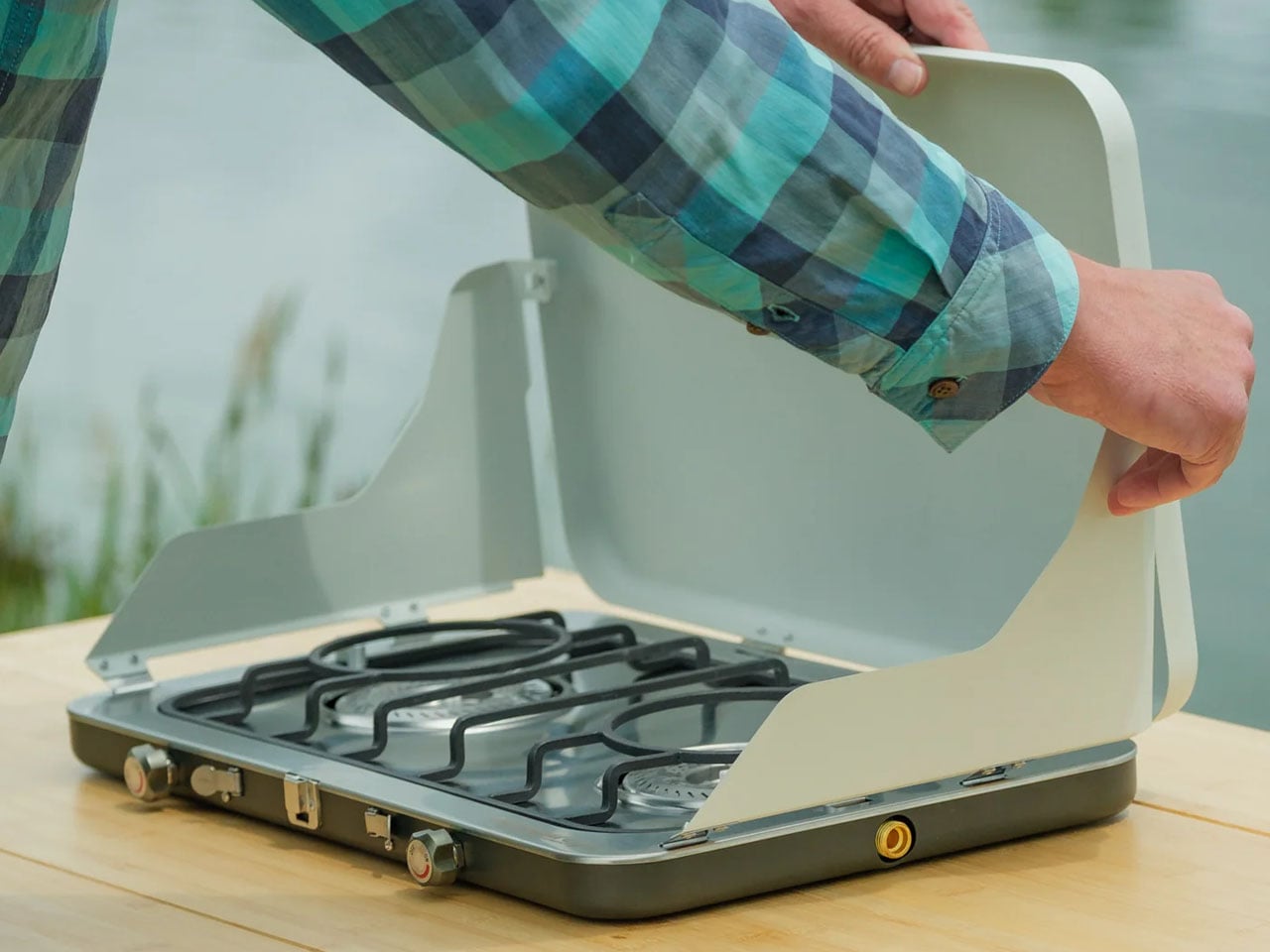
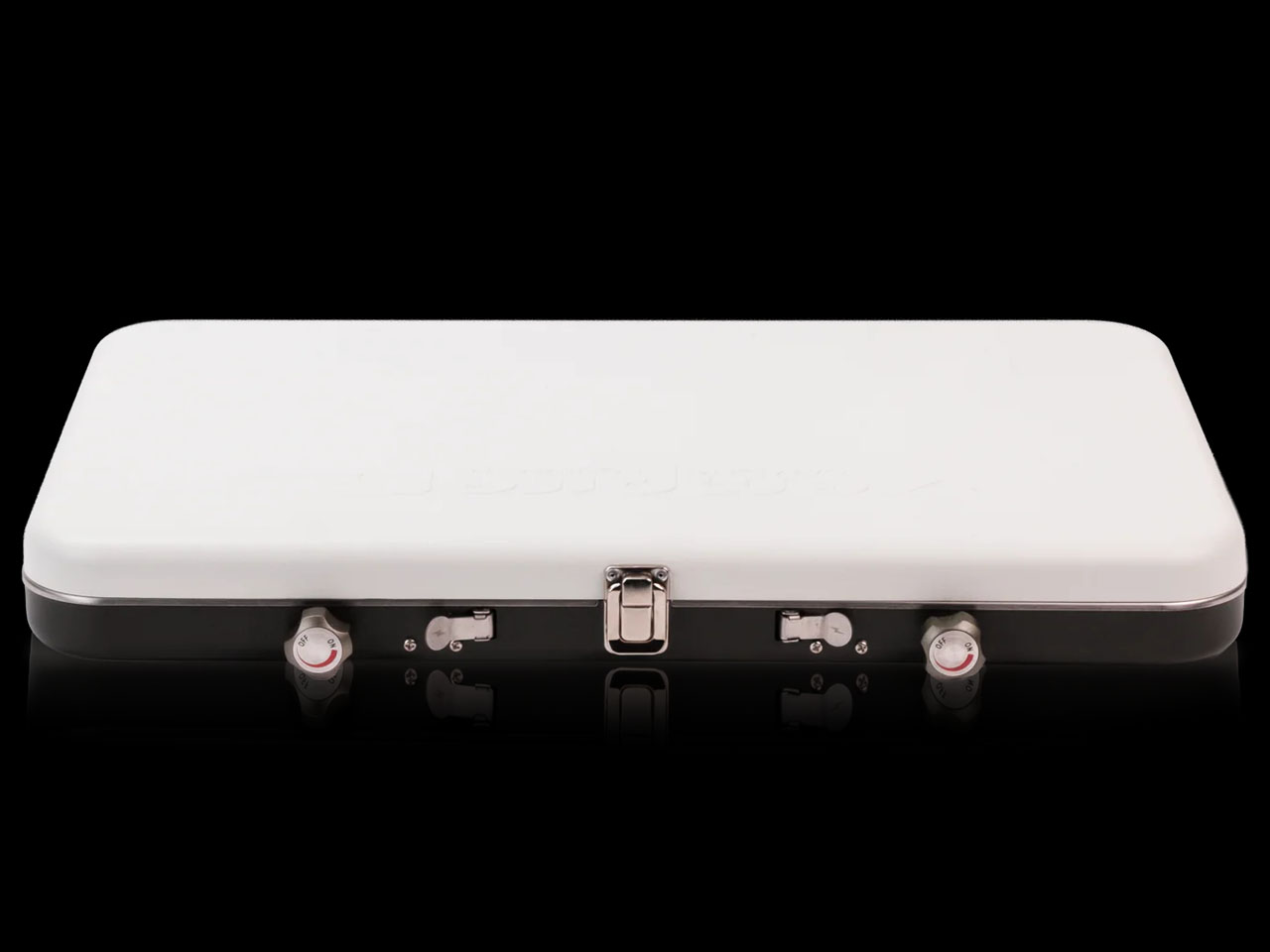
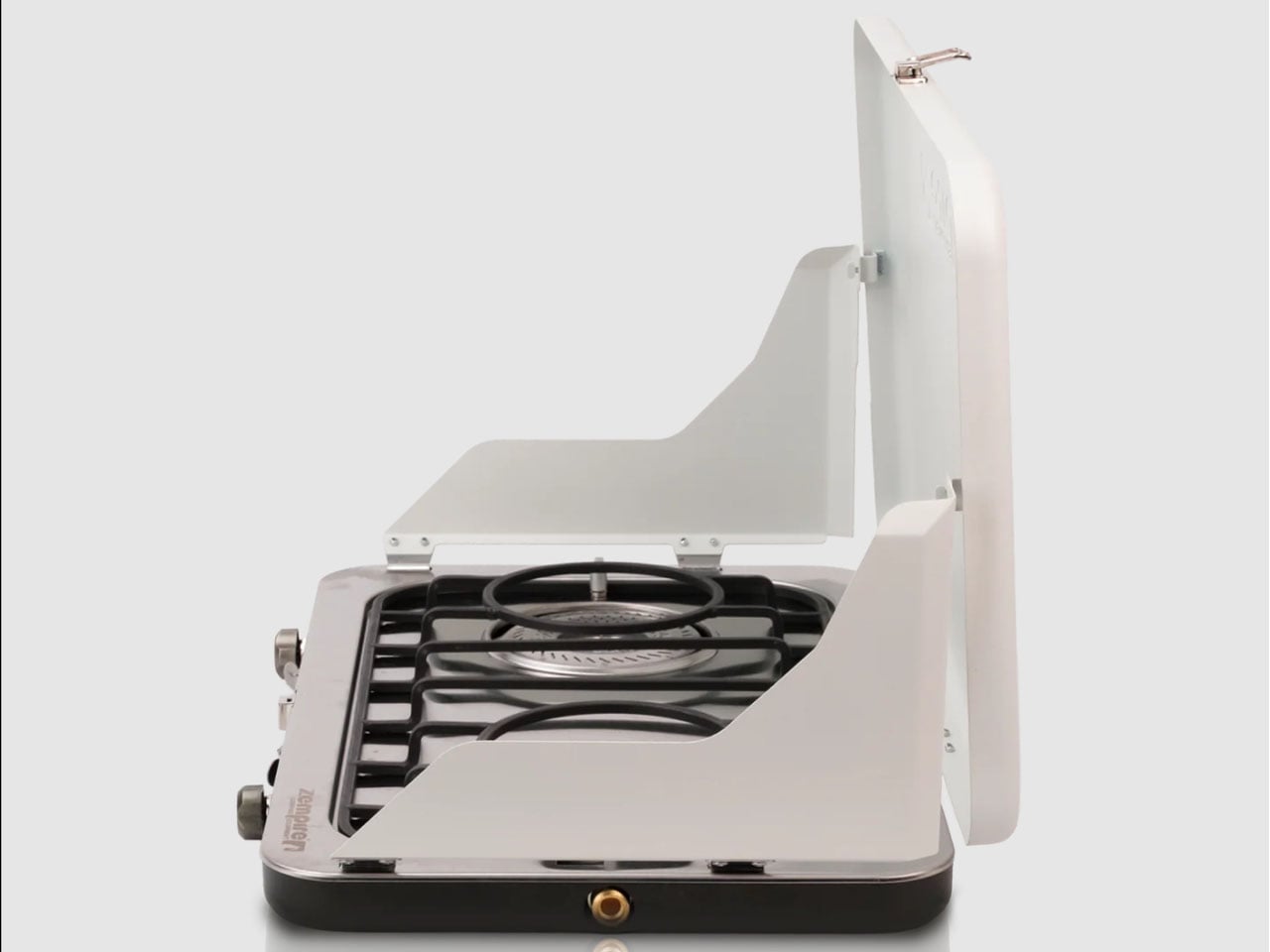
What makes this stove particularly clever is how it manages to be simultaneously present and absent. When you need it, it’s there, ready to boil water or cook a gourmet camp meal. When you don’t, its foldable design and clean lines mean it practically melts into your setup. There’s no visual clutter, no awkward bulk taking up precious space in your gear collection or on your camp table.

The design philosophy here speaks to a broader shift happening in outdoor equipment. We’re moving past the era when camping gear had to look rugged and intimidating to be taken seriously. Today’s outdoor enthusiasts want products that perform brilliantly but also respect their aesthetic sensibilities. They’re taking Instagram-worthy photos of their campsites, hosting friends for glamping weekends, and expecting their gear to look as good as it functions.

Shenzhen Juyouhang Technology clearly understands this market evolution. The Phantom Stove’s stainless steel construction suggests durability without sacrificing elegance. Its compatibility with the IGT system means it plays well with others, fitting seamlessly into existing setups rather than demanding you rebuild your entire camp kitchen around it. This kind of thoughtful integration is what separates good design from great design.

The portability factor can’t be overstated either. Modern campers are increasingly mobile, whether they’re van-lifers constantly on the move, backpackers counting every ounce, or weekend warriors who want setup and breakdown to be as painless as possible. A stove that folds down without complicated mechanisms or fragile parts is worth its weight in gold. Or in this case, stainless steel.

There’s also something refreshing about seeing Chinese design firms like Shenzhen Juyouhang Technology getting recognition on the international stage. The MUSE Design Awards spotlight excellence from around the globe, and this win reflects how innovation in outdoor equipment is truly becoming a worldwide conversation. Great ideas can come from anywhere, and the camping community benefits when designers from different cultures and perspectives bring their unique approaches to solving common challenges.

What’s particularly exciting about products like the Phantom Stove is how they lower the barrier to entry for people curious about outdoor cooking. When gear looks approachable and fits naturally into your life rather than requiring a complete lifestyle overhaul, more people are willing to give it a try. You don’t need to be a hardcore backpacker to appreciate clean design and smart functionality.

The recognition from MUSE Design Awards validates what many outdoor enthusiasts already know: the gear we use matters, not just for performance but for the entire experience. When your equipment is well-designed, intuitive, and beautiful, it enhances every moment of your adventure. You’re not fighting with finicky mechanisms or tolerating eyesores. You’re just cooking, enjoying nature, and living well.

The IGT Phantom Stove represents where outdoor design is heading: smarter, sleeker, and more integrated into our lives. It’s proof that we don’t have to choose between function and form, between serious performance and sophisticated aesthetics. We can have both, and honestly, we should demand both.

The post The Invisible Kitchen Revolution: IGT Phantom Stove first appeared on Yanko Design.

This Compact Portable Grill Hits 1,000°F in 10 Minutes and Looks Better Than Most Furniture

The Thaan Grill is one of those rare products that makes you question why nobody thought of this sooner. Charcoal grilling has always been a ritual of compromise. You either get the flavor and deal with the bulk of a full-sized grill, or you settle for the convenience of a portable unit that can’t hold a steady temperature to save its life. Thaan, the brand that’s been supplying fruitwood charcoal to Michelin-starred kitchens for years, just dropped a tabletop grill that refuses to ask you to choose between performance and practicality. It’s just debuted on Kickstarter, and if the specs hold up, this might be the first grill that actually deserves a permanent spot on your patio table instead of getting banished to the garage after two uses.

The thing that immediately stands out is how Thaan has packed professional-grade engineering into something that looks like it belongs in a Muji catalog. The grill’s triple-wall insulated body isn’t just for aesthetics, it means you can plop this thing onto a wooden table, a glass patio set, or even your apartment balcony without worrying about heat damage. The bottom-up airflow system, a feature borrowed from their commercial Thaan Grill XL, is the kind of detail that separates a decent grill from one that can actually hit restaurant-quality sears consistently. And because it’s designed around their own Thai-style fruitwood charcoal, which burns cleaner and longer than standard briquettes, you’re looking at 4 to 6 hours of cook time on a single load. For anyone who’s ever babysat a finicky portable grill, that’s a game changer. The removable ash tray and quick cooldown time mean cleanup isn’t a chore, which is half the battle with charcoal cooking.

Designers: David Lujan and Hudson Rio

Click Here to Buy Now: $429 $569 ($140 off). Hurry, only 56/100 left! Raised over $151,000.

The grill grates are 304 stainless steel, which means they won’t rust or warp under high heat, and the body is 430 stainless steel, chosen for its ability to handle thermal stress without degrading. The powder coating isn’t just for that sleek, matte finish, it’s high-temp rated so it won’t bubble or peel after a few uses. Even the handles are Bakelite, a material that’s sanitary, heat-resistant, and more durable than wood or plastic. The vermiculite insulation is the same stuff used in high-end fireplaces, so it’s lightweight but incredibly effective at containing heat. At 25 pounds, it’s heavy enough to feel substantial but light enough to toss in the trunk for a tailgate or a beach day. The dimensions, 18.75 by 10.75 by 8.5 inches, make it compact without sacrificing grilling space, offering 110 square inches of cooking real estate. That’s enough to handle a few steaks, a batch of skewers, or a mix of veggies without feeling cramped.

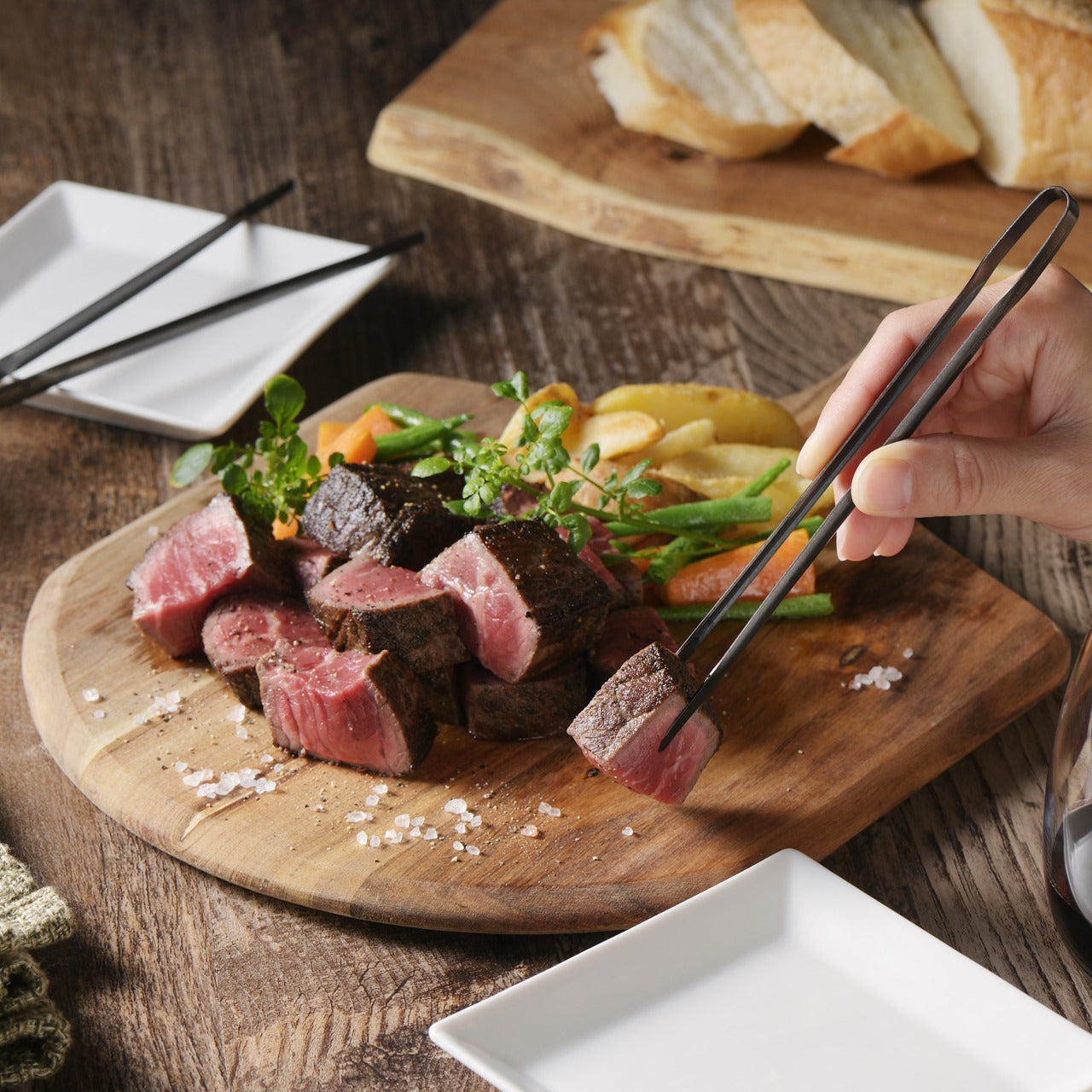
The real test for any grill is whether it can deliver on the promise of flavor… By positioning the charcoal tray closer to the grate and using a ventilated design, they’re maximizing heat transfer and smoke exposure, which is how you get that elusive crust and smoky depth that gas grills just can’t replicate. The bottom-up airflow isn’t just marketing fluff, it’s a feature that professional pitmasters rely on for consistent temperature control. Pair that with their fruitwood charcoal, which burns hotter and cleaner than standard lump charcoal, and you’ve got a setup that can actually pull off the perfect crust on a reverse sear or continuous waves of skewers for a crowd without turning into a temperature rollercoaster. It’s the kind of performance you’d expect from a grill twice its size, and that’s what makes the Thaan Grill interesting. This isn’t some gimmicky gadget designed to collect dust, it’s a tool that’s been thoughtfully engineered to bridge the gap between backyard BBQ and professional live-fire cooking.

What’s refreshing is how Thaan has considered the entire experience, not just the cooking. The grill’s minimalist design brings a sense of modern elegance to any outdoor setting, which is a big deal if you’re someone who values aesthetics as much as function. The insulated body heats up fast and cools down just as quickly, so you’re not waiting around for the thing to be safe to touch after cooking. The ash collection system is simple, just remove the tray, dump it, and you’re done. No fuss, no mess. It’s clear that this grill was designed by people who actually cook, not just engineers chasing specs. The fact that it’s built to last, with materials that can handle years of use, means it’s not just another disposable grill that’ll end up in a landfill after a season or two.

The Thaan Grill starts at $429, which includes the grill itself but also a 5lb box of Thai-style Charcoal. Sure, it’s on the pricey side when you compare it to the cheap mass-produced stuff you find on Amazon, but you’re paying for high-quality materials, great engineering, and a ridiculously compact design that quite literally embodies the EDC principle but applies it to the idea of having great food anywhere and everywhere. If you’re the type who treats grilling as more than just a way to cook food, if you care about the ritual, the flavor, and the experience of cooking over fire, this is the kind of tool that could easily become a centerpiece of your setup…at home, on the beach, or in the great outdoors.

Click Here to Buy Now: $429 $569 ($140 off). Hurry, only 56/100 left! Raised over $151,000.

The post This Compact Portable Grill Hits 1,000°F in 10 Minutes and Looks Better Than Most Furniture first appeared on Yanko Design.

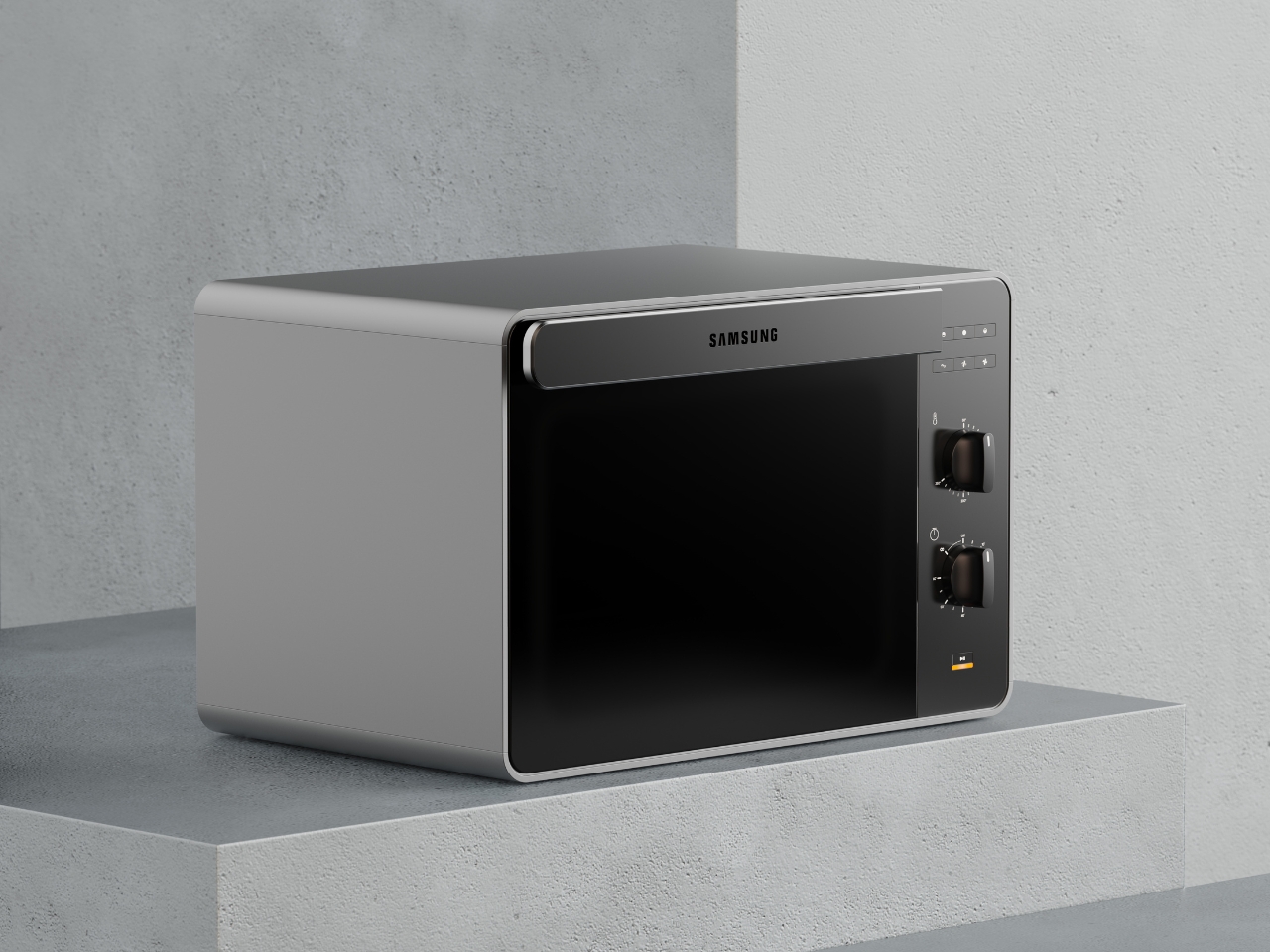
Design Without Compromise: How Samsung Is Rethinking Home Appliances From the Inside Out

During my visit to Samsung’s home appliance R&D facility in Seoul, Jay Yoon, Corporate VP and Head of the Refrigerator R&D Group, explained something remarkable about the development of their AI Hybrid Cooling refrigerator. His team had completely redesigned the refrigerator’s internal layout mid-development, not to fix a problem, but to maximize consumer benefits. The Peltier cooling chip system worked perfectly in its original rear-mounted position. The engineering was sound. But through continued collaboration between Samsung Research and the product development team, they discovered that repositioning the entire cooling system to the top would dramatically improve interior space and thermal performance. “We completely discarded the layout we initially designed,” Yoon explained, describing how the team abandoned months of engineering work to pursue the better solution.

Designer: Samsung

The team wasn’t fixing a problem. They were refusing to settle for “good enough.”

That willingness to abandon comfortable solutions appeared throughout the two-day facility tour. Over presentations, lab tours, and design team sessions, I watched Samsung wrestle with fundamental challenges about how appliances should integrate into modern homes and how global products can feel locally relevant.

From Statement Pieces to Spatial Harmony

Samsung’s design evolution over the past decade reflects a broader shift in how we think about appliances in our homes. The design team traced this progression explicitly during their presentation. “In the past, Samsung refrigerators featured bold contours and glamorous presence that stood out in kitchen spaces,” explained the design team during their presentation. These were appliances that demanded attention, with dramatic lines and high-contrast finishes that made them focal points in any kitchen. The design language spoke loudly: this is premium technology, and you should notice it.

Today, that approach has inverted.

“Today, our designs focus on a flat and geometric look that blends seamlessly with modern interiors,” the design team explained. The Bespoke line exemplifies this shift, offering customizable panels that let consumers match their appliances to their specific aesthetic rather than forcing rooms to adapt to the appliance. As the presentation emphasized, “The Bespoke was the first product tailored to the consumer, rather than led by the manufacturer.”

The evolution makes sense when you consider how kitchens function now. Open floor plans mean appliances sit in continuous sightlines with living spaces. Minimalist interior design emphasizes clean surfaces and reduced visual noise. An appliance that demands attention disrupts the careful balance homeowners work to create. Samsung’s current design language acknowledges this reality, focusing on integration rather than statements.

This shift required the design team to develop new methods for creating visual interest without resorting to dramatic forms. They’ve focused on proportion, material quality, and subtle details. During the product showcase, a designer pointed out their signature element: “This very narrow window is Samsung’s signature design identity.”

The Three-Stage Design Process

Samsung’s design team walked through their development methodology, which operates in three distinct phases. Understanding this structure reveals how they balance innovation with manufacturability, and why certain design decisions take precedence over others.

Advanced Design comes first. “The first stage, called advanced design, is the very early phase where we explore innovative design directions and develop concepts,” explained the design team. “In this stage, rather than focusing on manufacturability, we aim to discover new opportunities through future-oriented challenges.” The team researches global megatrends, tracks generational differences in appliance expectations, and studies post-pandemic changes in home behavior. This phase feeds the innovation pipeline with ideas that might become products in three to five years.

Archetype Design follows. “The second stage is Archetype Design, where we define the core design elements and identities and create prototypes that closely resemble our actual designs,” the team explained. Engineering constraints enter the conversation. Manufacturing realities impose boundaries. Cost structures become factors. The Peltier chip repositioning happened during this phase, when the team realized their initial layout compromised the consumer benefits they were trying to deliver.

Final Design brings everything to market-ready form. “The final phase, where we refine the archetype design into a market-ready form, taking into account feasibility and optimization,” as the presentation described it. The design gets refined for production efficiency, tested for durability, validated through consumer preference studies, and engineered for serviceability. The team emphasized that this isn’t where creativity dies. It’s where creative solutions prove whether they can survive contact with reality.

Some ideas make it through with minimal changes. Others, like the refrigerator layout, require fundamental reimagining even at this late stage.

What struck me about this process is how much research grounds every stage. The team doesn’t rely on designer intuition alone. They conduct extensive consumer preference studies to evaluate design competitiveness. They analyze furniture design trends to ensure their appliances harmonize with what consumers are actually buying for their homes. They run localized projects like their U.S. Laundry Space and Market Trend Sensing study to understand regional differences in how people interact with appliances. Design decisions emerge from this research foundation rather than aesthetic preference alone.

Unibody Express: Washing Machine Minimalism

The washing machine design team introduced their Unibody Express philosophy as a case study in essentialist thinking. The name itself signals the approach: eliminate everything unnecessary until only the fundamental interaction remains.

Their starting point was provocative. Rather than beginning with a washing machine shape and refining it, they asked what the essential form should be. As Sarah Choi, Head of the Living Design Group, explained during the presentation: “We’ve gone back to basics to redefine design and to make people’s lives better. With the design philosophy of Samsung that is essential, innovative, harmonious.” She described stripping away everything extraneous to reach the core: “But rather something fundamental and pure. A single rectangle. This is the essential space where we meet our users.” The presentation showed how they removed decorative elements systematically. “We removed many decorative elements that make up the washing machine. Focused on the fundamental material, the steel.”

What remained was steel, glass, and the pure geometry of the rectangle.

This sounds simple. Executing it proved complex. Removing decorative elements means the fundamental materials and proportions carry all the aesthetic weight. There’s nowhere to hide manufacturing imperfections or component compromises. The team explained they needed higher standards than previous designs required. The steel finish, glass clarity, and panel alignments all had to be essentially perfect since there was nothing else to draw the eye. As the team explained, “This design form allows for effective management of product design variations while enabling efficient operations through part standardization.”

The result aligns with broader movements in industrial design toward essential forms and honest materials. But unlike some minimalist exercises that prioritize aesthetic purity over function, the Unibody Express philosophy emerged from user research. The team studied how people actually interact with washing machines, identified the core interaction space, and designed around that fundamental relationship.

The minimalism isn’t stylistic. It’s structural, based on understanding what matters to someone doing laundry.

CMF: The Language of Premium Materials

Color, Material, and Finish design operates as its own discipline within Samsung’s structure, and watching their CMF team present revealed how much invisible work creates the perception of quality in appliances.

The team expressed particular pride in their black metal work. During the CMF showcase, a designer explained: “Real metal is used by all companies, but we are proud of black metal and have been leading trends in this finish.” Their newest premium direction uses ribbed aluminum. “This is a new material that has not been used much in product design. Aluminum that was used a lot in IT devices,” Oh noted, describing how they applied a ribbed design to create a premium aesthetic for refrigerators in the Korean market.

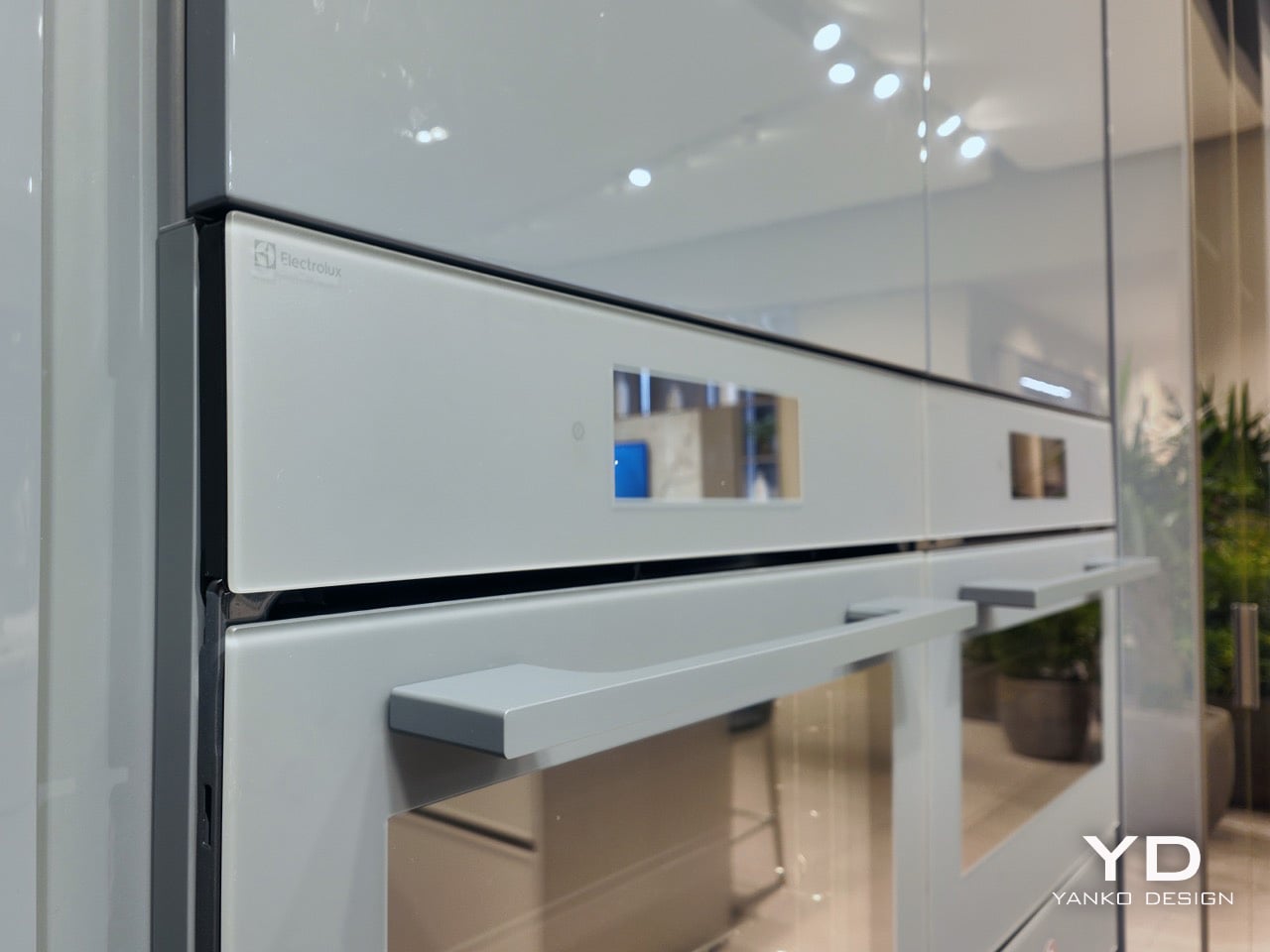
Glass appears across product categories, from cooking appliances to refrigerators to water purifiers, with the team developing methods to match colors and textures across these different applications. The upcoming ceramic collaboration represents their most ambitious material innovation. During the showcase of unreleased products, Oh explained: “This is ceramic from Italian company Mutina. Ceramic is widely used in furniture and table interiors, but we have applied ceramic CMF to refrigerators for the first time with the technology to apply it to product design.”

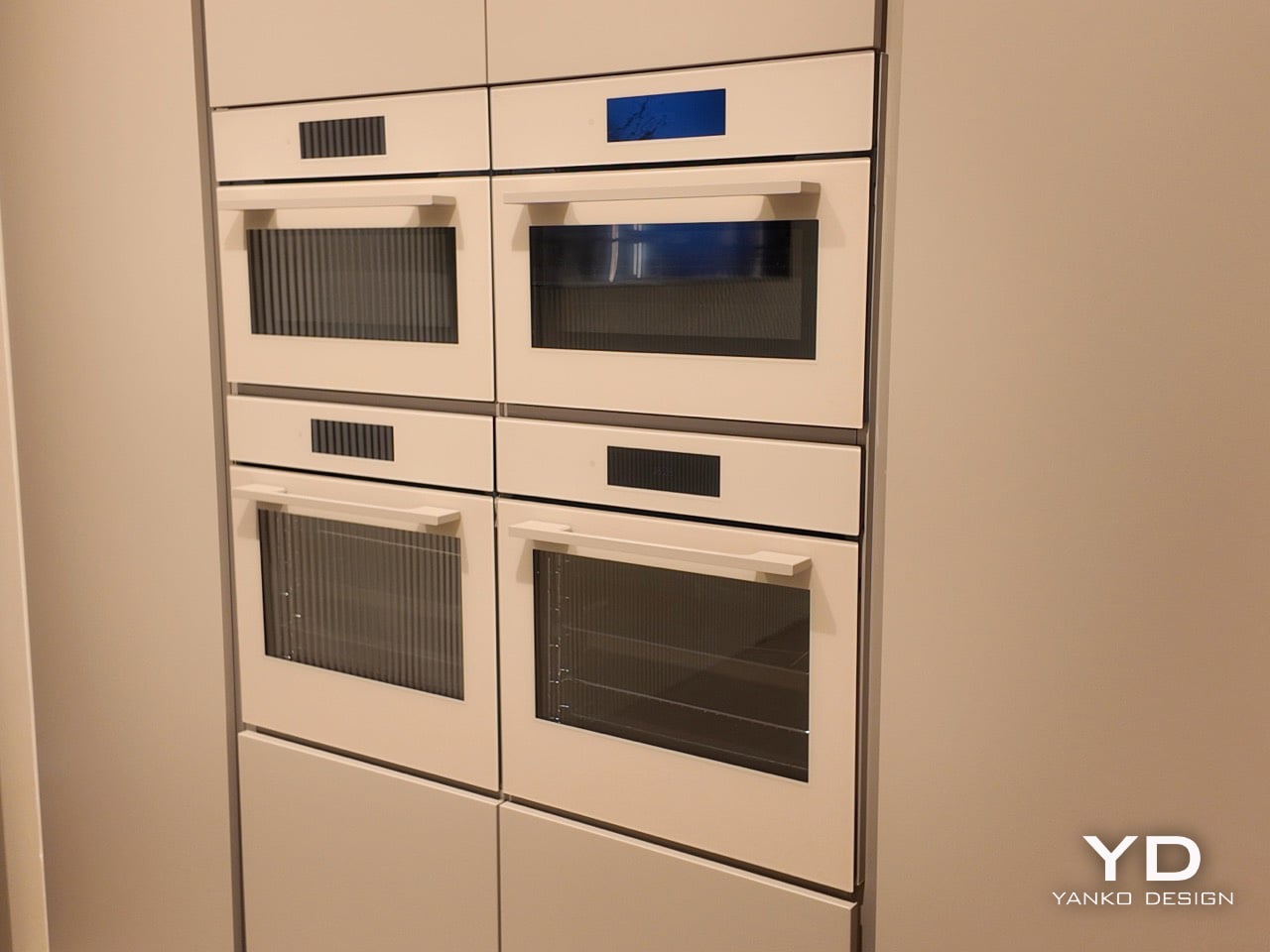
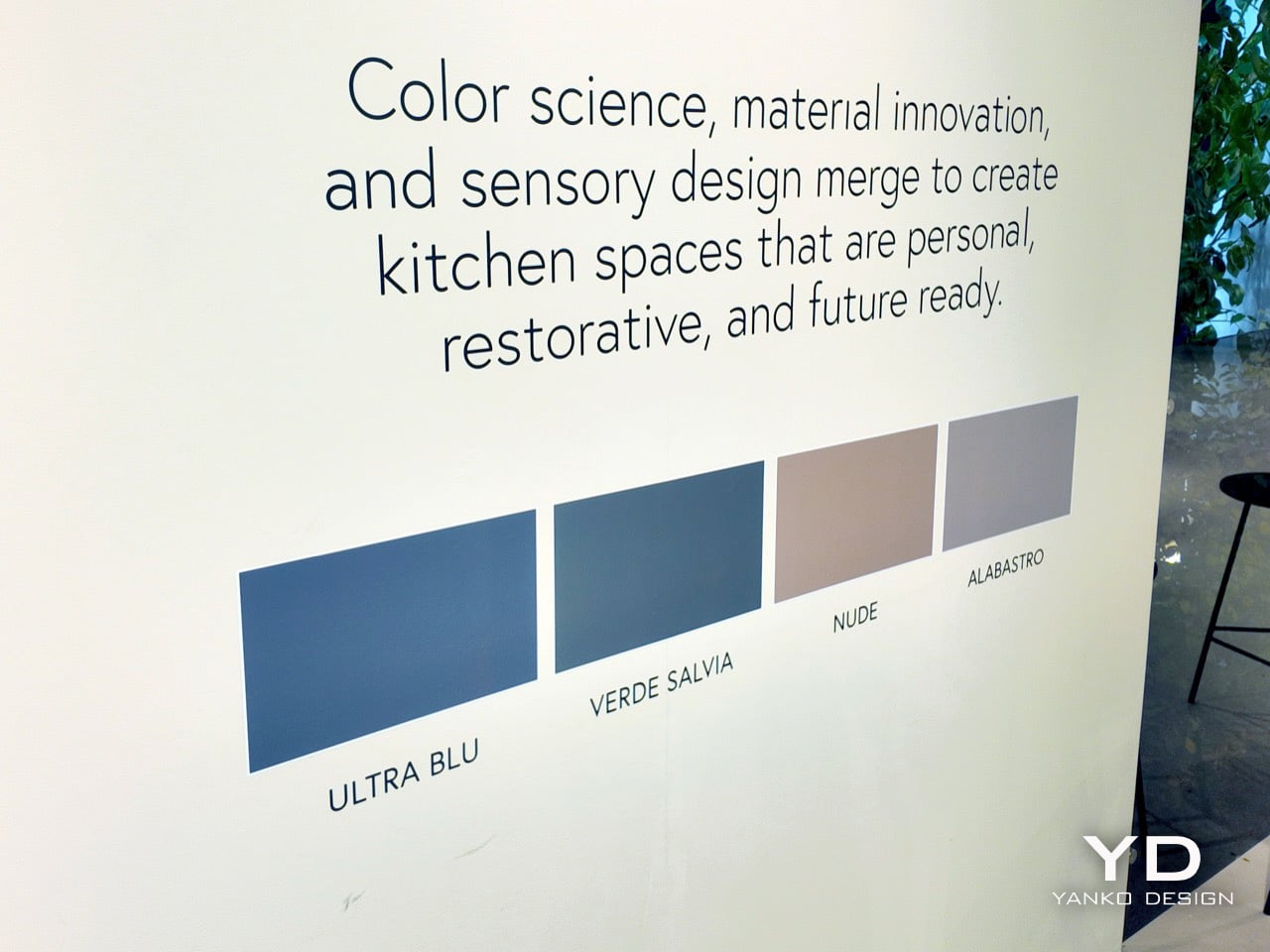
What makes CMF design fascinating is how it operates at the intersection of aesthetics and material science. “We continue to study interior design trends across diverse regions, from Asia to the Americas and Europe, through online learning,” explained Oh. “By updating and analyzing the latest trends, we ensure that our home appliances harmonize seamlessly with consumers’ real-life environments.” They create digital twin virtual spaces to simulate how their CMF choices will appear in these real-world contexts. “The CMF combines these elements into two tones, bright and dark, that complement each unique space and its character,” the presentation emphasized.

The team also experiments with perception engineering. “We have the skill to create textures and printing technology that can give a stone feel,” Oh explained during the showcase, demonstrating samples that used glass and coating techniques to simulate stone and ceramic aesthetics without the weight and cost constraints of actual stone or ceramic components.

During the CMF showcase, Oh explained her team’s philosophy of holistic interior integration: “We don’t design products in isolation. We design them to harmonize with furniture, interiors, and fabrics to complete the overall interior mood using these paints and materials.”

Sustainability as Design Constraint

The sustainability integration revealed during the CMF presentation felt refreshingly pragmatic rather than performative.

“All glass samples are made of recycled materials,” Oh explained during the CMF showcase. “Samsung has been working to replace glass products with recycled glass for several years now.” For their premium aluminum products, they’ve adopted a hybrid approach: “The front uses a thin new aluminum layer that can reflect new colors because it needs to express beauty,” while “the base metal behind uses recycled aluminum.” The team was frank about sustainability constraints. When asked about expanding recycled content further, they acknowledged: “It would be most efficient to make suggestions without increasing consumer prices… If there is a need that consumers can tolerate to that extent, we can do it.”

Regional Design: Ergonomics Meets Culture

The most compelling design challenge Samsung faces is creating global products that feel locally appropriate. Refrigerator design makes this visible.

The design team explained: “T-Type is a popular platform here in Asia, whereas the French door type is also preferred in North America.” They detailed the structural differences: “The T-type has segmented freezer box at the bottom, while the French door type uses large capacity freezer drawers, also located at the bottom.” The design presentation emphasized these aren’t arbitrary preferences. They reflect different food cultures, shopping patterns, and kitchen spatial organizations.

The design team explained that understanding these regional differences requires ethnographic research, not just market data. How do Korean families shop for and store kimchi? How do American households manage bulk purchases from warehouse stores? What food preservation expectations exist in European markets with smaller, more frequent shopping patterns? Design decisions about interior layout, drawer sizing, and temperature zone configurations all flow from understanding these cultural contexts.

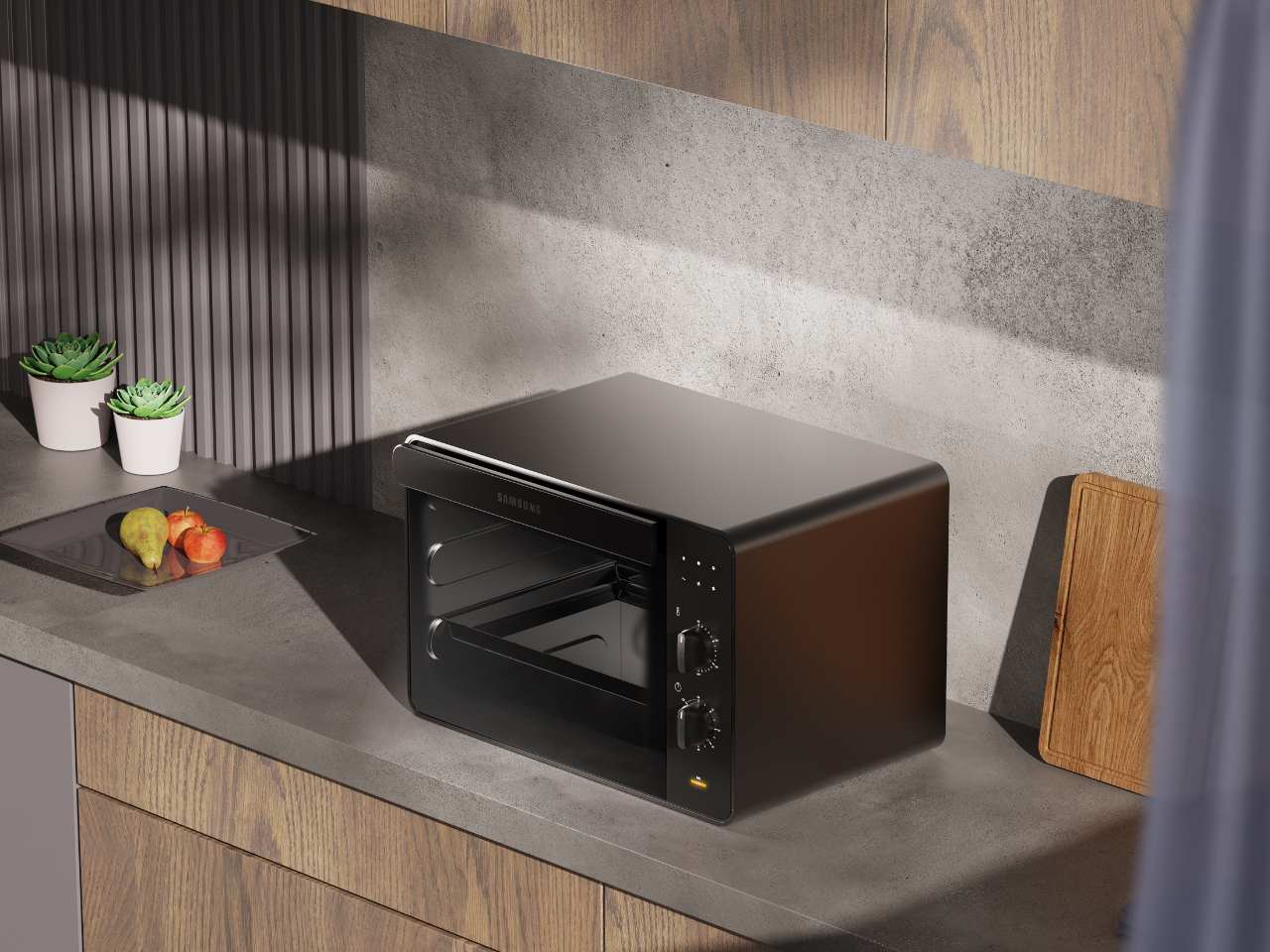
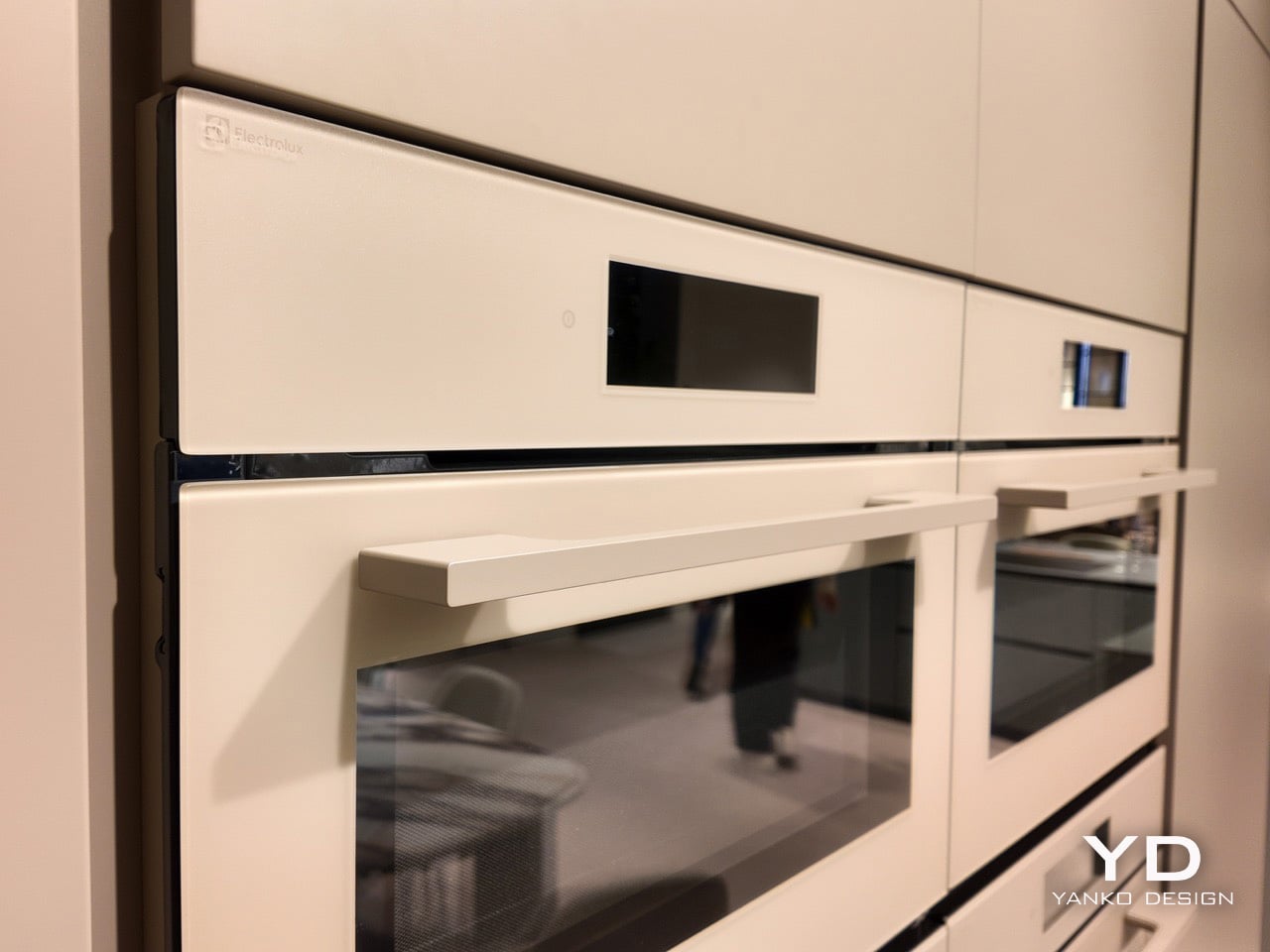
This regional customization extends beyond refrigerators. Kitchen appliance dimensions differ between markets. During the product showcase, Claire Lee, Head of Kitchen Design Group, explained: “This is a 30-inch wall oven… a product specialized for the North American market,” then showed a contrasting model: “Unlike the North American 30-inch model, this is a 24-inch spec model specialized for the European and Korean markets.” Cooking technology preferences vary too. Lee noted that in North America, “traditionally gas products were common,” but emphasized that “induction products are rapidly expanding” as consumers shift away from gas cooking.

Samsung designs platforms that can accommodate these variations while maintaining design language consistency across regions.

What This Means for Appliance Design’s Future

Samsung’s approach suggests appliance design is entering a more sophisticated phase. The days of technology-first thinking, where impressive specs drove product development and design followed, are giving way to human-centered processes where design insight drives technology application. The Peltier chip repositioning exemplifies this: the technology was ready, but the design team’s understanding of user benefit justified completely reworking the internal architecture.

This shift requires different skills from designers. They need fluency in material science, manufacturing constraints, cultural differences, and sustainability considerations alongside traditional aesthetic capabilities. They need research methodologies to validate assumptions about user preferences. They need collaborative skills to work with engineers who might resist mid-development redesigns.

The Samsung design team’s structure, with specialists in product design, CMF design, design innovation, and design strategy all collaborating, reflects this expanded scope.

The risk in this approach is designing for an idealized user rather than real people. The safety lies in the research foundation. Samsung’s investment in consumer preference studies, localized market sensing projects, and continuous trend analysis keeps their design process grounded in actual behavior rather than designer intuition about what people should want.

Watching their team work through these challenges over two days in Seoul revealed an organization taking appliance design seriously as a discipline. Not as styling applied to engineered products, but as a fundamental methodology for understanding how technology should integrate into daily life.

Whether this produces better appliances remains to be seen. But it definitely produces more thoughtfully considered ones.

The post Design Without Compromise: How Samsung Is Rethinking Home Appliances From the Inside Out first appeared on Yanko Design.

This Chinese Greenhouse Folds Open Into a Community Kitchen

You know that feeling when you stumble upon something that makes you reconsider everything you thought you knew about a space? That’s exactly what happened when I discovered this incredible project in Guangzhou, China. Office for Roundtable and JXY Studio have created something that refuses to fit into neat categories, and honestly, that’s what makes it so compelling.

The project is called “Your Greenhouse Is Your Kitchen Is Your Living Room,” and yes, that title is doing exactly what it promises. This isn’t just a clever name. It’s a modular pavilion that literally transforms from a functioning greenhouse into an open pavilion for community gatherings, and it does so in the most satisfying way possible.

Designers: Office for Roundtable and JXY Studio (photography by Leyuan Li)

Picture this: a steel A-frame structure wrapped in polycarbonate panels that can hinge open using tension cables suspended from the top of the frame. When the sides are closed, you have a microclimate perfect for growing potatoes, green peppers, lettuce, bok choi, and various herbs. When you pull those cables and the walls lift up, suddenly you’ve got an airy pavilion ready to host a dinner party or a community workshop.

What I love about this design is how it emerged from a very specific moment in time. Designer Leyuan Li secured a grant from Hong Kong’s Design Trust to explore the small-scale, community-based farming projects that popped up during the COVID-19 pandemic. You remember those, right? When everyone suddenly became obsessed with sourdough starters and backyard gardens because we were all grappling with questions about food security and supply chains.

But instead of just documenting that cultural moment, Li and the teams at Office for Roundtable and JXY Studio decided to create something that pushes the conversation forward. The pavilion, installed at Guangzhou’s Fei Arts museum, is their answer to a bigger question: what if we could challenge the entire system of centralized food production by creating spaces that make growing, cooking, and sharing food feel more accessible and communal?

The technical details are pretty clever too. Those polycarbonate sheets aren’t just randomly placed. The designers carefully positioned gaps between the panels to allow for passive cooling, which is essential in Guangzhou’s subtropical climate. Nobody wants to be stuck in a sweltering greenhouse when they’re trying to tend their herbs or host a gathering. Inside, metal shelving racks hold the vegetables and herbs, creating a practical growing system that doesn’t sacrifice aesthetics. The whole structure is lightweight and modular, which means it can be adapted, moved, or reconfigured based on what the community needs.

This flexibility feels important. The design doesn’t dictate how people should use the space. Instead, it offers possibilities. Maybe today it’s a greenhouse where neighbors learn about urban farming techniques. Tomorrow it could transform into an outdoor kitchen where everyone gathers to cook what they’ve grown. Next week, it might become a living room for community conversations about food systems and sustainability.

What Office for Roundtable describes as an “architectural device that amalgamates the roles of a greenhouse, an outdoor kitchen, and a living room” is really about something deeper than just multipurpose design. It’s about reimagining our relationship with food, land, and each other in urban environments.

The truth is we’re increasingly disconnected from where our food comes from so this project offers a refreshingly tangible alternative. It proposes new forms of what the designers call “domesticity and collectivity” by literally breaking down the walls between growing food, preparing it, and gathering around it. The beauty of this installation is that it doesn’t preach or demand. It simply exists as an invitation. Want to grow something? Here’s the space. Want to cook together? The pavilion opens up. Want to talk about how we can build more resilient, community-centered food systems? Pull up a chair.

That’s the kind of design that sticks with you. Not because it’s flashy or complicated, but because it’s thoughtful enough to adapt to real human needs while being bold enough to suggest we might want to rethink some pretty fundamental assumptions about how we live, eat, and come together.

The post This Chinese Greenhouse Folds Open Into a Community Kitchen first appeared on Yanko Design.

Dreamfarm’s Genius Measuring Cup Squeegees Itself Clean Every Time

You know that moment when you’re trying to measure out peanut butter and half of it stays stubbornly stuck to the measuring cup? Or when you’re spooning honey and it seems like no matter how much you scrape, there’s always that last bit clinging to the sides, taunting you? Yeah, we’ve all been there. It’s one of those tiny kitchen frustrations that feels like it should have been solved decades ago.

Well, Australian design company Dreamfarm finally decided to do something about it. Their UpCup is a 4-in-1 adjustable measuring cup that scrapes itself clean for wet, dry, and sticky ingredients. And honestly, it’s one of those designs that makes you wonder why nobody thought of it sooner.

Designer: Dreamfarm

Click Here to Buy Now

Here’s how it works. The UpCup’s adjustable base raises to create 1 cup, ½ cup, ⅓ cup, and ¼ cup measuring cups, all in a single cup. So instead of cluttering your kitchen drawer with four different measuring cups, you just need this one clever little device. You choose your measurement on the handle, fill it up, and then press the slider down to push everything out.

But here’s where it gets really clever. A watertight seal around the adjustable base squeegees the UpCup clean as it moves, making it perfect for peanut butter, mayonnaise, honey, and other sticky ingredients. As the base rises up through the cup, it acts like a built-in squeegee, pushing every last drop of whatever you’re measuring straight into your bowl. No waste, no scraping with a spatula, no wrestling with stubborn ingredients. Think about all those times you’ve measured sticky ingredients. Maple syrup that pools at the bottom. Tahini that refuses to let go. Coconut oil that somehow gets everywhere except where you want it. The UpCup handles all of it with the same simple push mechanism. The base extends fully to push out every last drop, and can be removed for thorough, dishwasher-safe cleaning.

The design is refreshingly straightforward. It’s made from clear, BPA-free Tritan plastic, so you can see exactly what you’re measuring. The measurements are both printed in red and embossed directly into the plastic, which means they’ll never wear off no matter how many times you run it through the dishwasher. And speaking of heat, it can handle temperatures up to 212°F, so you can use it for hot ingredients too.

What’s particularly smart about this design is how Dreamfarm thought about the entire user experience. Since it’s self-cleaning, you can use it for all your ingredients and then toss it in the dishwasher for an overall cleaning afterwards. Need to measure out flour, then peanut butter, then honey for the same recipe? Just push the slider between each ingredient and you’re good to go. No need to wash it three times in the middle of cooking. It’s also perfect for those recipes where precision matters. When you’re baking and need exactly a third of a cup of oil, you can actually get exactly that amount into your mixing bowl instead of losing some to the measuring cup. Those small losses add up, and they can actually affect your final results, especially in baking where ratios really matter.

The UpCup is one of those kitchen tools that feels obvious once you see it. It solves a problem we’ve all just accepted as part of cooking, and it does it in a way that’s simple, functional, and honestly pretty satisfying to use. There’s something deeply pleasing about watching that base rise up and push every single drop of sticky ingredient exactly where you want it. Dreamfarm has built a reputation for rethinking everyday kitchen tools, and the UpCup is a perfect example of their approach. They didn’t just make another measuring cup. They looked at how people actually use measuring cups, identified the frustrations, and designed a solution that makes the whole process better.

Is it revolutionary? Maybe not. But it’s the kind of thoughtful, problem-solving design that makes everyday tasks just a little bit easier. And in the kitchen, where we’re constantly juggling multiple ingredients and timing everything perfectly, those little improvements really do matter. No more scraping, no more waste, and no more measuring cup drawer overflowing with nested cups. Just one smart tool that actually works the way you wish all measuring cups did.

Click Here to Buy Now

The post Dreamfarm’s Genius Measuring Cup Squeegees Itself Clean Every Time first appeared on Yanko Design.

This Massive Robot Wants To Replace An Entire Restaurant

Inside a seven-square-meter glass enclosure, two robotic arms move with startling precision. One retrieves ingredients from climate-controlled silos, another works over a heating element, and within minutes, a perfectly assembled, hot meal is delivered to a collection window. There are no chefs, no line cooks, and no human intervention whatsoever. This is the Circus Autonomy One, a robot designed with a single, ambitious goal: to automate every step of the food production process, from inventory management to cooking and even cleaning. It’s not a kitchen assistant; it is a full-stack replacement, and it represents one of the boldest attempts yet to redefine what a restaurant can be.

The company behind this, Munich-based Circus SE, is pushing the narrative that this solves labor shortages and boosts efficiency. They are not wrong, but that is an incredibly sanitized way of looking at what is essentially a job-elimination machine. The CA-1 is a marvel of industrial design, a self-contained unit powered by a proprietary AI called CircusOS that makes adaptive decisions in real time. With its pilot program already running in German REWE supermarkets, this isn’t some vaporware concept sitting in a lab. It is a commercially deployed system that is actively taking orders and feeding people, and that means we need to talk about what it is actually doing.

Designers: Gustavo Kemmerich and Circus SE Team

Seven square meters is the entire footprint. You could barely fit a decent-sized walk-in closet in that space, yet the CA-1 can pump out 120 dishes an hour from it. That breaks down to a meal every 30 seconds, a rate of production that most human-staffed kitchens would struggle to match without breaking a sweat. The whole operation is a sterile, closed loop of logic. Ingredients are tracked and stored in smart silos, the robotic arms handle the assembly and cooking, and an integrated Winterhalter commercial dishwasher cleans up after. From an engineering perspective, it is a cold, hard box of ruthless efficiency designed to extract maximum value from minimum space.

You do not achieve that level of optimization without a body count, metaphorically speaking. Forget the sanitized PR about “solving labor shortages.” The CA-1 is designed to eliminate labor, period. It replaces the prep cook, the line cook, the expeditor, and the dishwasher in one fell swoop. This is not a collaborative robot, or “cobot,” built to assist a human worker. It is a fully autonomous system engineered from the ground up to make a whole class of kitchen staff obsolete. For every one of these units installed in a supermarket, hospital, or university, a handful of jobs simply evaporate. The efficiency it provides comes at a direct and obvious cost.

So what we are really looking at here is a ghost kitchen in a box, a blueprint for the future of automated food service. Its successful deployment in a major European supermarket chain is a powerful proof of concept, and you can bet that fast-food executives and large-scale catering operators are paying very close attention. Circus SE even lists the defense sector as a potential market, which is its own can of worms. This machine is a stark reminder that automation doesn’t ask for permission. The CA-1 is a brilliantly engineered answer to a question that maybe we shouldn’t be so eager to ask.

The post This Massive Robot Wants To Replace An Entire Restaurant first appeared on Yanko Design.

Water Purifier Faucet Looks Like a Designer Lamp and Fits in 135mm

Most water purifiers are hidden under the sink or banished to a corner of the kitchen, their bulky shapes and blinking indicator lights clashing with the clean lines of a modern, carefully designed space. For anyone who values both wellness and aesthetics in equal measure, finding a purifier that actually enhances the space rather than detracting from it is a rare treat worth celebrating when you finally discover one.

Lumos reimagines the water purifier as a sculptural centerpiece that deserves to be seen and appreciated. Designed by SAQ Design Consulting for Livingcare, this built-in faucet-style purifier features a lighting-inspired form, compact footprint at just 135mm wide, and touchless controls that bring both clean water and calming ambient light to any kitchen without requiring significant counter space or compromising visual appeal.

Designer: SAQ Design for Livingcare

Lumos’s upright, cylindrical body and translucent top look more like a designer lamp or modern art piece than a typical kitchen appliance. Available in metallic silver, matte gray, and bold orange finishes, it fits seamlessly into minimalist and contemporary kitchens alike, adapting to different design languages without looking out of place. The lighting fixture inspiration makes it a natural focal point rather than something to hide.

The built-in LED light activates gently as you approach the faucet, thanks to a RADAR sensor that detects your presence before you even reach for the controls. This provides a soft, welcoming glow for late-night water runs without the harsh glare of overhead fixtures that shock you awake when you’re trying to stay sleepy and relaxed during nighttime hydration breaks.

1

At just 135mm wide, Lumos is the smallest built-in water purifier on the market according to the iF Design Award, making it perfect for apartments and small kitchens where counter space is at a premium and every centimeter counts. The purifier installs directly into the countertop, replacing a standard faucet and eliminating the clutter of separate dispensers or bulky filtration units sitting on valuable surfaces.

Clean lines, intuitive touch controls on the top panel, and integrated filter and lighting mean fewer gadgets competing for attention in your kitchen environment. Lumos uses thermoelectric cooling technology, which is significantly more energy-efficient than traditional compressor systems used in typical hot and cold water purifiers. This technology eliminates refrigerants and harmful chemicals entirely, reducing both electricity bills and environmental impact for households.

Multi-stage filtration removes bacteria, chlorine, heavy metals, and microplastics from tap water reliably, while the touchless RADAR sensor ensures hygienic operation without requiring you to touch surfaces with dirty hands during cooking or meal preparation. The ambient light creates a calming atmosphere for nighttime water breaks, and the purifier’s sculptural presence enhances the kitchen’s overall visual appeal beyond pure function.

For modern kitchens that prioritize both performance and presentation, Lumos offers a compelling vision where clean water, energy efficiency, and beautiful design work together seamlessly. The compact form and lighting-inspired aesthetic make it equally suitable for small apartments or spacious homes, bringing wellness and ambiance to the heart of daily life without sacrificing counter space or visual harmony.

The post Water Purifier Faucet Looks Like a Designer Lamp and Fits in 135mm first appeared on Yanko Design.

10 Best Holiday Hosting Tools To Impress Your Guests This Holiday Season

The holiday season is fast approaching, and with it comes the joy of hosting gatherings and celebrating with loved ones. To ensure your parties are memorable and enjoyable, having the right tools and accessories can make all the difference. We have curated a collection of ten innovative and thoughtful products that will elevate your holiday hosting experience.

Incorporating these products into your holiday and end-of-the-year parties will not only elevate the experience but also add a touch of innovation and style. Whether you’re enhancing the flavor of your drinks, adding elegance to your table setting, or sending heartfelt messages, these products are sure to impress your guests and make your celebrations unforgettable.

1. DraftPro Top Can Opener

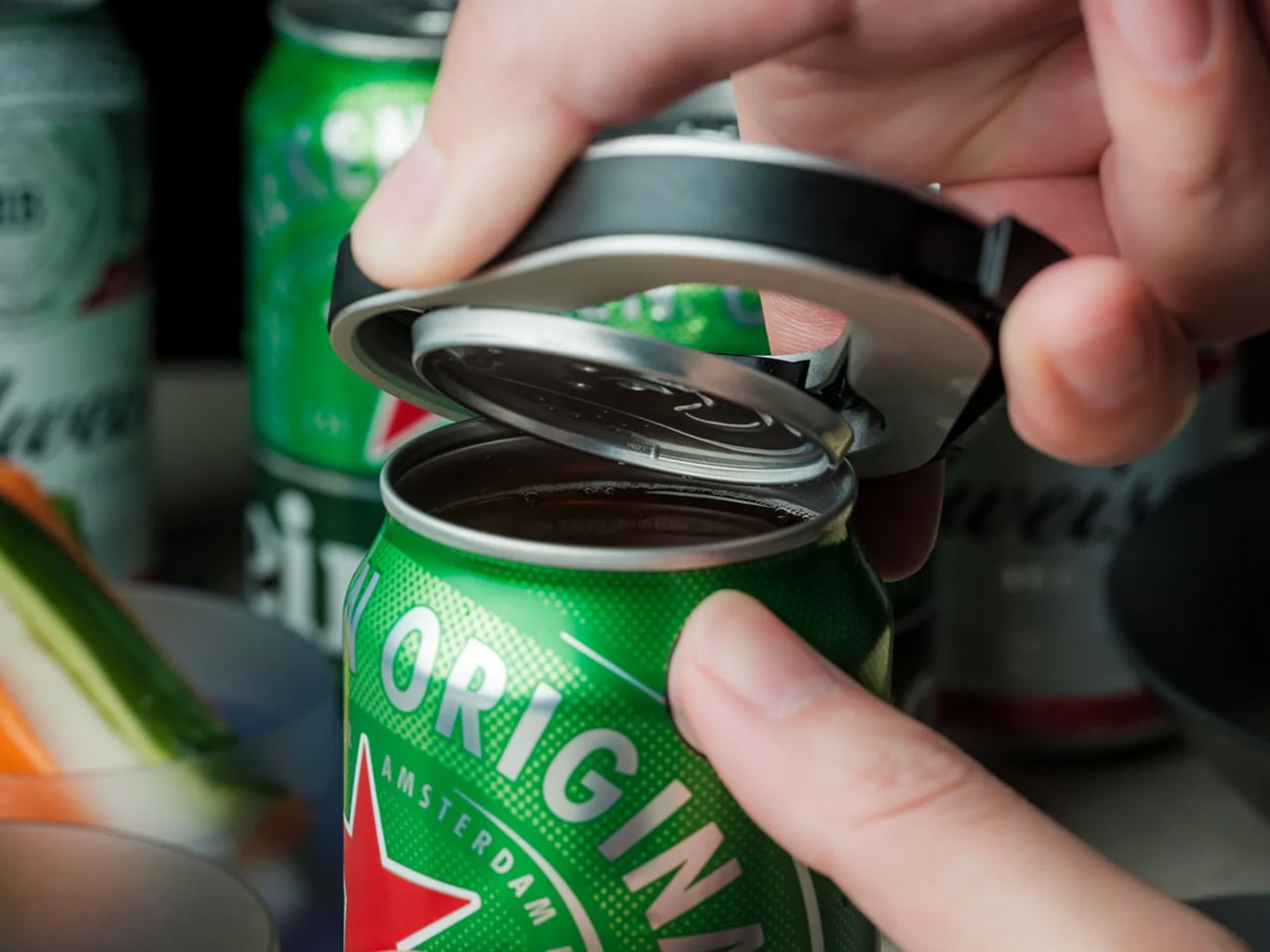
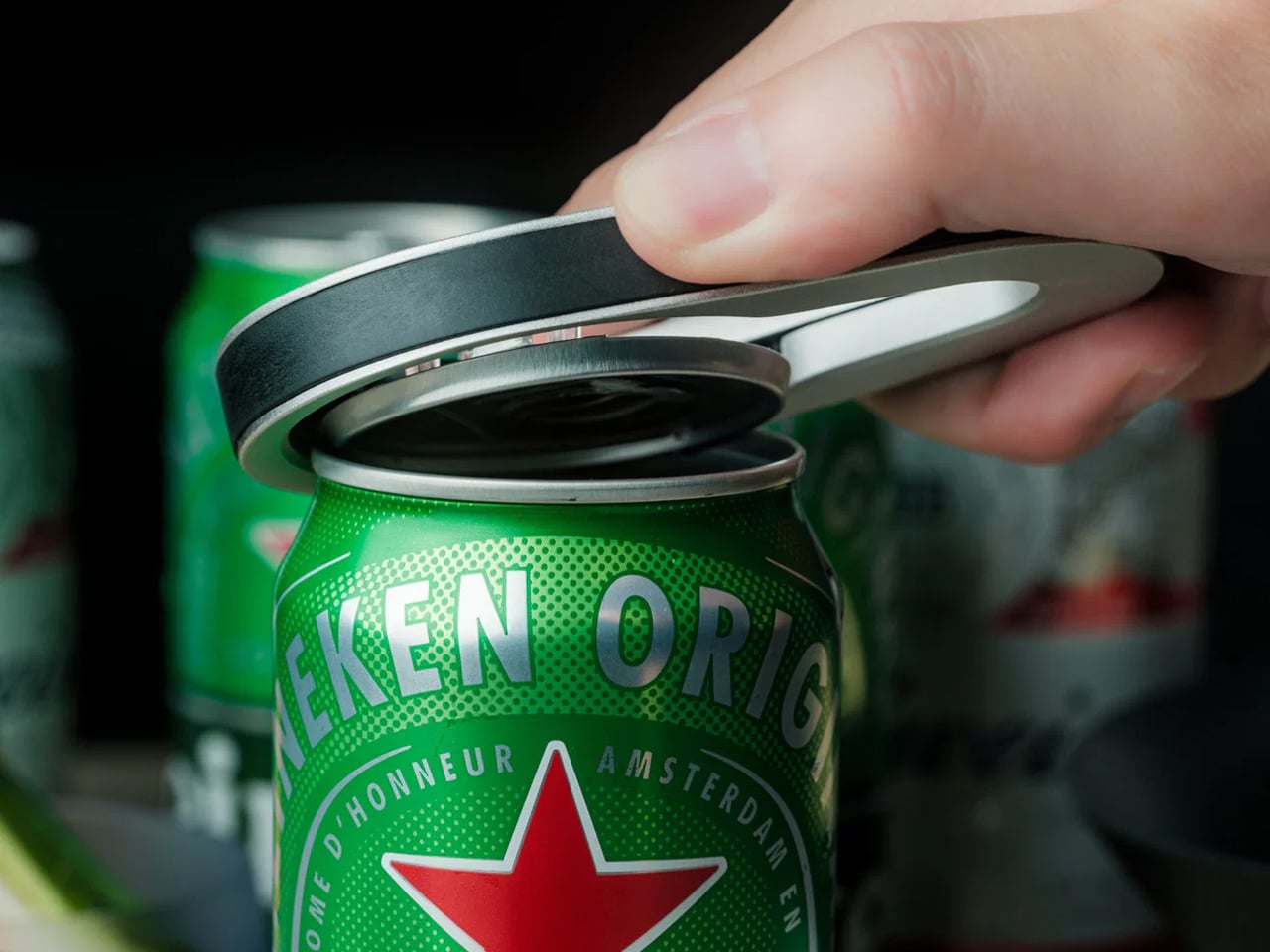
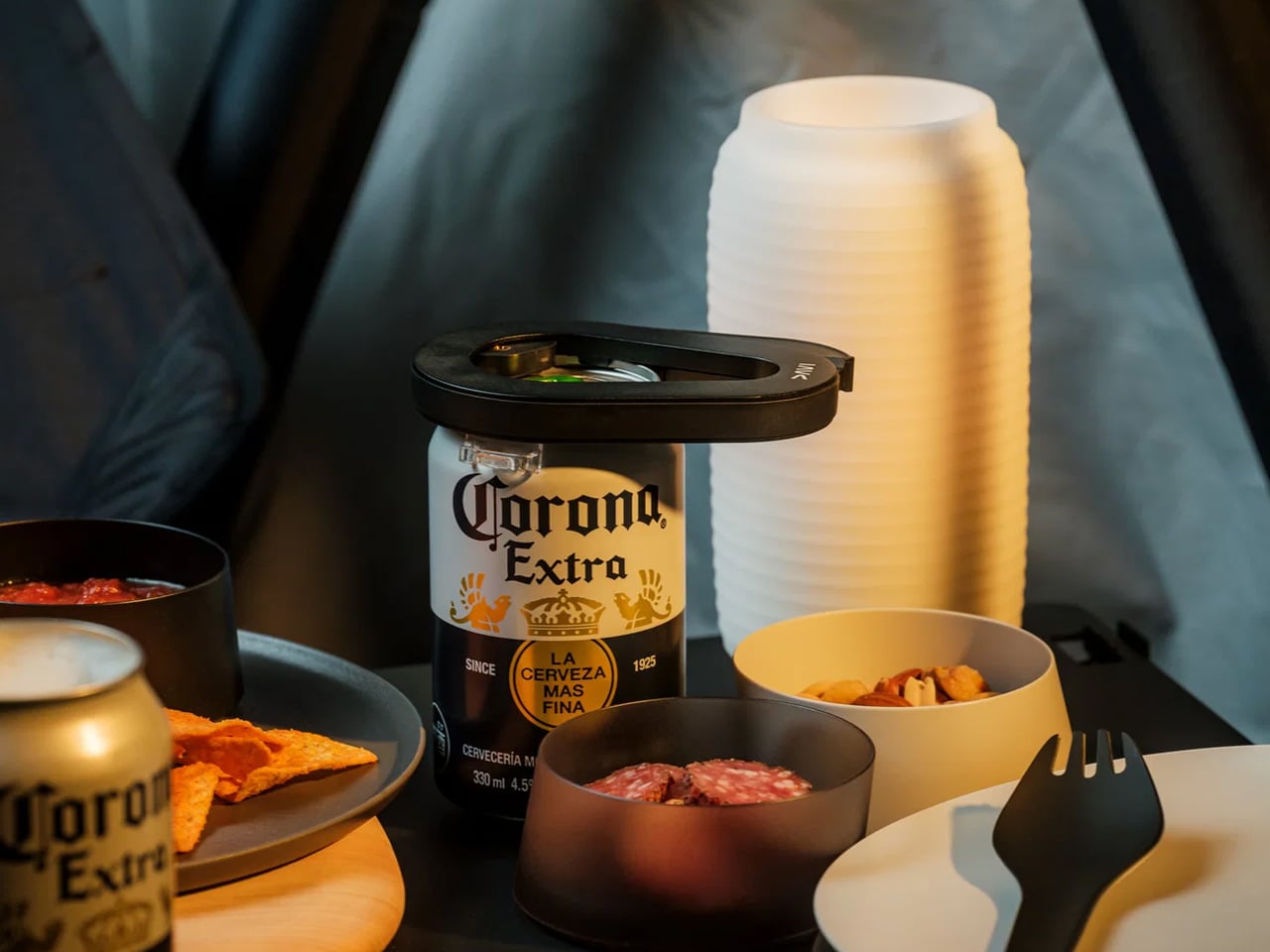
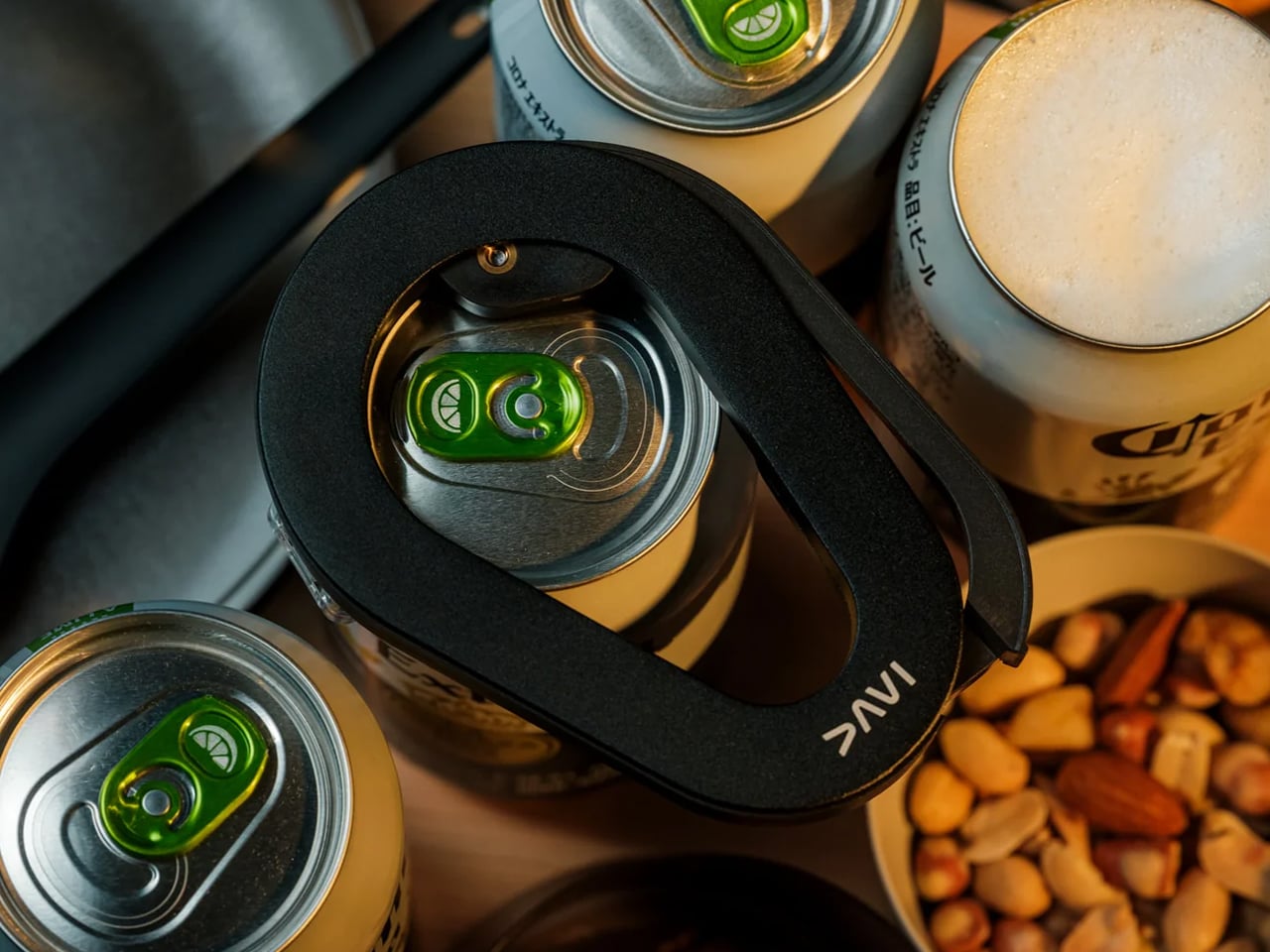
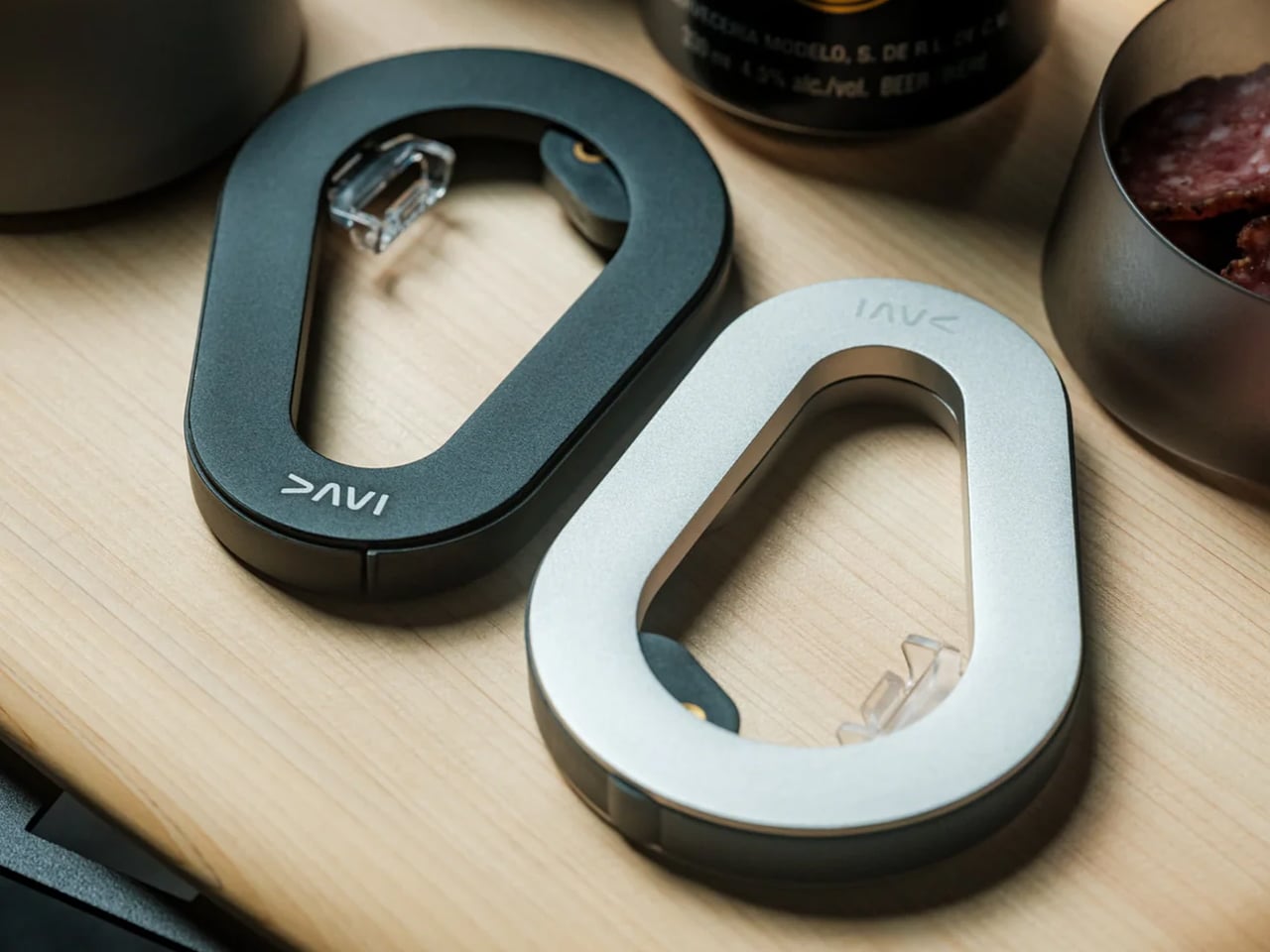
Meet the DraftPro Top Can Opener – a unique tool that will transform an ordinary can into a premium, draft-like experience. You can experience the full potential of your canned beverages with this opener. The opener fully opens the top can, forming a wide drinking surface that elevates aroma and flavor.

It lets you savor your drink, whether it is craft beer, soda, or some iced tea. This innovative tool will elevate how you sip, chill, and enjoy your favorite drinks. It merges innovation with everyday functionality, creating a versatile design that is compatible with a large range of beverages. Designed by internationally renowned designer Shu Kanno, it combines precision engineering and modern aesthetics.

Click Here to Buy Now: $59.00

Why is it noteworthy?

You can add ice directly into the can which is great for hot days when you need to cool off. It also supports cocktail mixing on the go, thereby saving time and reducing any extra cleanup. Fully opened cans are also easier to deal with. You can recycle them or repurpose them into creative decor like pen holders or mini planters – truly the perks are endless.

What we like

  • Enhances aroma and taste by providing a wide drinking surface.
  • Versatile and compatible with various canned beverages.

What we dislike

  • Requires careful handling to avoid sharp edges.
  • May not fit all can sizes perfectly.

2. Titanium Artisans Spirit Cup

Dubbed the Titanium Artisan Spirits Cup, this unique cup perfectly merges elegance and craftsmanship. It will elevate your drinking experience, especially for lovers of fine spirits. The cup originates from Tsubame City in Niigata, Japan, which is renowned for its excellent metalwork.

If you’re serving fine spirits at your next holiday party, then you may want to add this cup to your arsenal. It is a fine specimen of the meticulous artistry of Japanese craftsmen. It weighs around 22 grams and will make every sip memorable and priceless. It refines the experience of drinking spirits, infusing it with Japanese style.

Click Here to Buy Now: $27.00

Why is it noteworthy?

The cup is made with precision craftsmanship and provides an amazing sensory experience. It features a hammered texture that elevates the aromatic profiles of spirits, while the vibrant anodized finish offers a personalized touch to any drinkware collection. The cup is made from premium titanium, making it not only lightweight but also durable.

What we like

  • Amped with a lightweight and durable titanium construction.
  • Elevates the flavor profile of spirits with its hammered texture.

What we dislike

  • Requires careful maintenance to preserve its finish.

3. AromaCandle Thank You Card

The AromaCandle ThankYou Card is a wonderful way to pass on heartfelt messages to your friends and family. It illuminates your messages, bringing back the art of meaningful communication. The unique candle card will fill the air with an enchanting aroma, merging the warmth of a flickering candle with evocative fragrances.

It converts a simple note into a multi-sensory experience. Each card is paired with a scented candle, making your message even more precious and cherished. It offers exquisite scent variants like Sakura, Yuzu, and Green Tea, crafted using the finest aromatic techniques from Paris and New York.

Click Here to Buy Now: $19.00

Why is it noteworthy?

The card features a user-friendly design, which makes writing your note and sending it off quite easy. So you can gift the card to your loved ones at the end of your holiday party! Made from flame-retardant paper with a “natural extinguish design,” it ensures worry-free enjoyment. It serves as a wonderful afternote for your holiday gatherings and dinners.

What we like

  • Combines a heartfelt message with a delightful aromatic experience.
  • Made from high-quality, flame-retardant materials for safety.

What we dislike

  • Limited scent options per card.
  • Single-use design may not appeal to eco-conscious consumers.

4. Obsidian Black Kitchen Tongs

The sleek Obsidian Black Kitchen Tongs make for a wonderful addition to your diner table. They’re a pair of pitch-black metal tongs, featuring a length of 24cm. They make short work of cooking and serving tasks, whether you’re turning burgers on the grill, or handing out delicate pastries.

The tongs come along with a built-in stand, so you can set down the tongs on your table or counter without fretting that they will scratch the surface. They’re made from SUS821L1 stainless steel, providing twice the strength of the popular SUS304 variant, resulting in a thin and light design.

Click Here to Buy Now: $25.00

Why is it noteworthy?

The tongs are equipped with high corrosion resistance, which ensures longevity. The tongs are reliable and can be used for years to come. The black color is created through a special Black Oxidation process, which ensures no harmful chemicals are utilized, and the color won’t peel over the years. Since the tongs are made from leftover steel sheets, they embody an eco-friendly ethos.

What we like

  • Durable and corrosion-resistant, ensuring long-lasting use.
  • Eco-friendly production from recycled materials.

What we dislike

  • May not be suitable for extremely delicate tasks.
  • Limited color options due to the specific oxidation process.

5. Unfiltered Titanium Whiskey Glass

If you want to add a touch of luxury to your holiday party, then you need to incorporate these whiskey glasses. Called the Unfiltered Titanium Whiskey Glass, this luxurious drinkware creates a sophisticated and unique drinking experience. It is reinforced and coated with pure titanium, thereby boasting durability and longevity, which protects the purity of taste.

The whisky glass draws inspiration from the Aurora, and cutting-edge tech was utilized to form a fascinating light and color play, which delivers a truly unique visual experience. It is created by skilled Japanese artisans in Shizuoka, and it merges traditional craftsmanship with advanced space development technology.

Click Here to Buy Now: $65.00

Why is it noteworthy?

Titanium was used to build the glass, which is popular for its strength and biocompatibility. The Unfiltered Titanium Whiskey Glass is odor and stain-resistant, so it will always deliver hygiene. It is inspired by natural phenomena, which creates a visual drinking experience. Traditional Japanese craftsmanship was combined with modern technology, creating a functional piece of drinkware that looks like art.

What we like

  • Made from titanium, hence it will last long.
  • The purity of taste is preserved, offering better flavor.

What we dislike

  • It is intended for whiskey and similar beverages, so it has limited use.

6. Pop-Up Book Vase

Give your flowers a home worthy of fairy tales with this seemingly magical pop-up book vase. Open the cover to reveal a 3D cutout of a vase to highlight the colorful beauty of your floral arrangement. Flip a page to behold another simple yet graceful vase design, allowing for a fresh presentation now and then.

The Pop-Up Book Vase is a creative and whimsical way to display flowers, offering three unique pop-up vase designs per book. Made from 100% natural pulp with a water-resistant coating, it’s both eco-friendly and durable.

Click Here to Buy Now: $39.00

Why is it noteworthy?

This ingenious design transforms the traditional vase concept, allowing you to change the look of your floral arrangements with a simple flip of a page. The ability to view the vase from different perspectives adds an enchanting element, making it a conversation piece in any setting. Perfect for those who appreciate innovative design and enjoy adding a touch of magic to their home decor.

What we like

  • Offers multiple vase designs in one book for versatile displays.
  • Made from eco-friendly materials with a water-resistant coating.

What we dislike

  • Limited to lightweight floral arrangements.
  • Requires careful handling to maintain its pop-up structure.

7. Eterna Glass Mug

Called the Eterna Glass Mug, this drinkware is quite lovely. It merges elegance and sustainability and is made from recycled glass and it is 100% recyclable. The glass embodies a deep respect and love for the environment. Since it is made by hand, it includes little bubbles and traces that add a unique touch.

The Eterna Glass Mug draws inspiration from the cycle of life, and it is equipped with twelve elegant angles that represent the hours on the clock. The mug showcases a continuous flow of time and is handcrafted by artisans in Taiwan. The glass has been selected from Spring Pool Glass, the largest recycling center in Taiwan.

Click Here to Buy Now: $35.00

Why is it noteworthy?

The Eterna Glass Mug merges artistry with environmental responsibility. It is inspired by the cycle of life, hence showcasing a philosophical dimension. The mug is made from recycled glass, which reduces waste and supports a circular economy. Each mug is unique, and one-of-a-kind, equipped with a heat-proof handle.

What we like

  • Built from 100% recycled glass.
  • Handcrafted with a one-of-a-kind unique appearance.

What we dislike

  • Since it is made from glass, it must be handled with care to ensure it doesn’t break.

8. Obsidian Black Precision Chopstick Tongs

This one-of-a-kind pair of tongs is called the Obsidian Black Precision Chopstick Tongs, and they’ll add an element of finesse and style to your holiday party. You can handle small or delicate pieces of food using these tongs, picking them up and turning them over like an expert. You can use them to serve sushi or other delicate dishes.

The tongs are inspired by traditional Japanese utensils, they combine the elegance of chopsticks with the practicality of tongs. They’re made from SUS821L1 stainless steel, which is renowned for its strength and corrosion resistance. They’re designed to be used every day and are long-lasting.

Click Here to Buy Now: $19.00

Why is it noteworthy?

The tongs feature a special black oxide film which improves durability, imparting them with a luxurious finish that won’t fade with time. They embody a sleek and elongated design which makes them easy to handle and manage delicate foods. They’re a good fit for cooking and dining, serving as a versatile addition to your end-of-the-year gatherings and dinners.

What we like

  • Mergesthe precision of chopsticks with the versatility of tongs.
  • Durable and resistant to fading or scratching, ideal for long-term use.

What we dislike

  • May require practice for those unfamiliar with chopstick-style utensils.
  • You can’t use them to handle larger food items and dishes.

9. Stacking Sake Drinkware

You could add sake to your holiday party, incorporating a unique element within it. If you do want to serve sake, then you need to get your hands on the Stacking Sake Drinkware Set. This set is designed to elevate your sake-drinking experience. It is inspired by the beauty of Japanese rice cakes, and made from high-quality tin. The tin will enhance the flavor of sake, making it more palatable.

The set showcases a matte finish which is created through sandblasting. This adds a pleasant and soothing touch to the tin, forming a seamless sensory experience. The drinkware is stackable, so the items can be stacked on top of one another, creating an organized set that won’t occupy much space.

Click Here to Buy Now: $299.00

Why is it noteworthy?

The Stacking Sake Drinkware Set is a classy way to enjoy sake. It builds a sacred and pleasing atmosphere where guests can cherish the tradition of sake. The set is designed to cater to both communal and individual experiences, embodying the beauty and richness of Japanese culture.

What we like

  • Built from high-quality tin, which enhances the sake flavor.
  • Perfect for individual and communal use.

What we dislike

  •  Specifically designed for sake, it may not be as versatile for other beverages.

10. Battery-Free Aroma Diffuser

When hosting a holiday party, you need to create an ambiance that feels inviting and cozy. If you want to create a relaxing environment for your guests, then you could incorporate the Battery-Free Aroma Diffuser in your home. It serves as a serene and eco-friendly way to enjoy some essential oils. It will surround your guests with calming scents that will melt away their stresses.

The aroma diffuser harnesses the simple yet powerful principles of science and physics. It uses the warm of a single candle to gently disperse soothing aromas throughout your home, creating an ambiance that is welcoming and comfortable. It allows your guests to unwind and feel at ease.

Click Here to Buy Now: $249

Why is it noteworthy?

This diffuser stands out for its innovative design that eliminates the need for batteries or external power sources. Instead, it cleverly utilizes the heat from a single candle to activate and distribute calming scents, creating a peaceful ambiance without the carbon footprint. Crafted from sustainable materials, this diffuser embodies a minimalist, eco-friendly ethos, making it a perfect addition to any environmentally conscious home.

What we like

  • Made from recyclable materials, serving as an eco-friendly way to enjoy aromatherapy.
  • It is compatible with all kinds of essential oils.

What we dislike

  •  The absence of electric controls means that adjusting the intensity of the aroma can be challenging.

The post 10 Best Holiday Hosting Tools To Impress Your Guests This Holiday Season first appeared on Yanko Design.

10 Best Appliances & Tools That Are Space-Saving Kitchen Hacks For Small Cooking Areas

In today’s urban living spaces, kitchens are often compact and require smart solutions to maximize utility and efficiency. Whether living in a cozy apartment or a tiny home, making the most of your kitchen space is essential. We have curated a collection of ten products that are the space-saving hacks you need for your kitchen. They are designed to enhance functionality without compromising style.

These space-saving kitchen hacks offer practical solutions for maximizing functionality in small cooking areas. Incorporating these innovative and nifty products into your kitchen allows you to enjoy a more organized and efficient cooking experience, regardless of size, enabling you to make the most of your kitchen, without worrying about space constraints.

1. Hybrid Kitchen Aid

Named the Hybrid Kitchen Aid, this innovative kitchen appliance is designed to transform the way you cook and prepare food. It has a focus on multi-utility, and it is designed to offer adaptability, economical use, and storage efficiency. It is a must-have essential for modern kitchens.

It merges the functionality of multiple kitchen devices into one compact and versatile product. The kitchen aid is inspired by the timeless elegance and beauty of the classic French press. It allows users to carry out a whole range of tasks such as grinding, blending, and kneading.

Why is it noteworthy?

By providing an all-in-one solution for your kitchen needs, it reduces clutter and enhances efficiency, making it perfect for those who value both style and practicality. Its adaptability ensures that it can cater to a variety of culinary tasks, making it a true game-changer in the realm of kitchen appliances.

What we like

  • Features inversion of the motor placement, a deviation from traditional food processors.
  • Features a telescopic arm as well.

What we dislike

  • Since it is a concept, we are unsure how well it will translate into a real product.

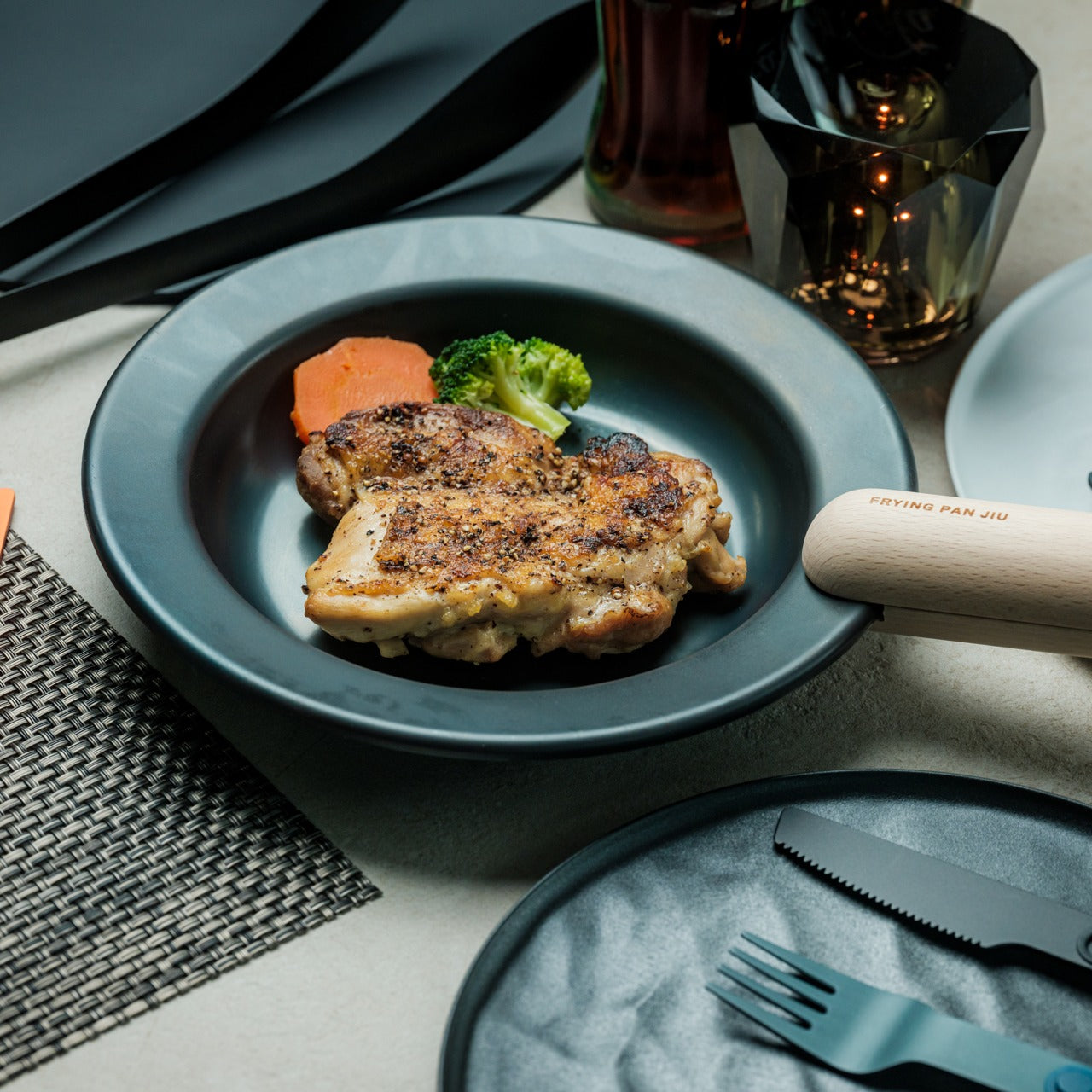
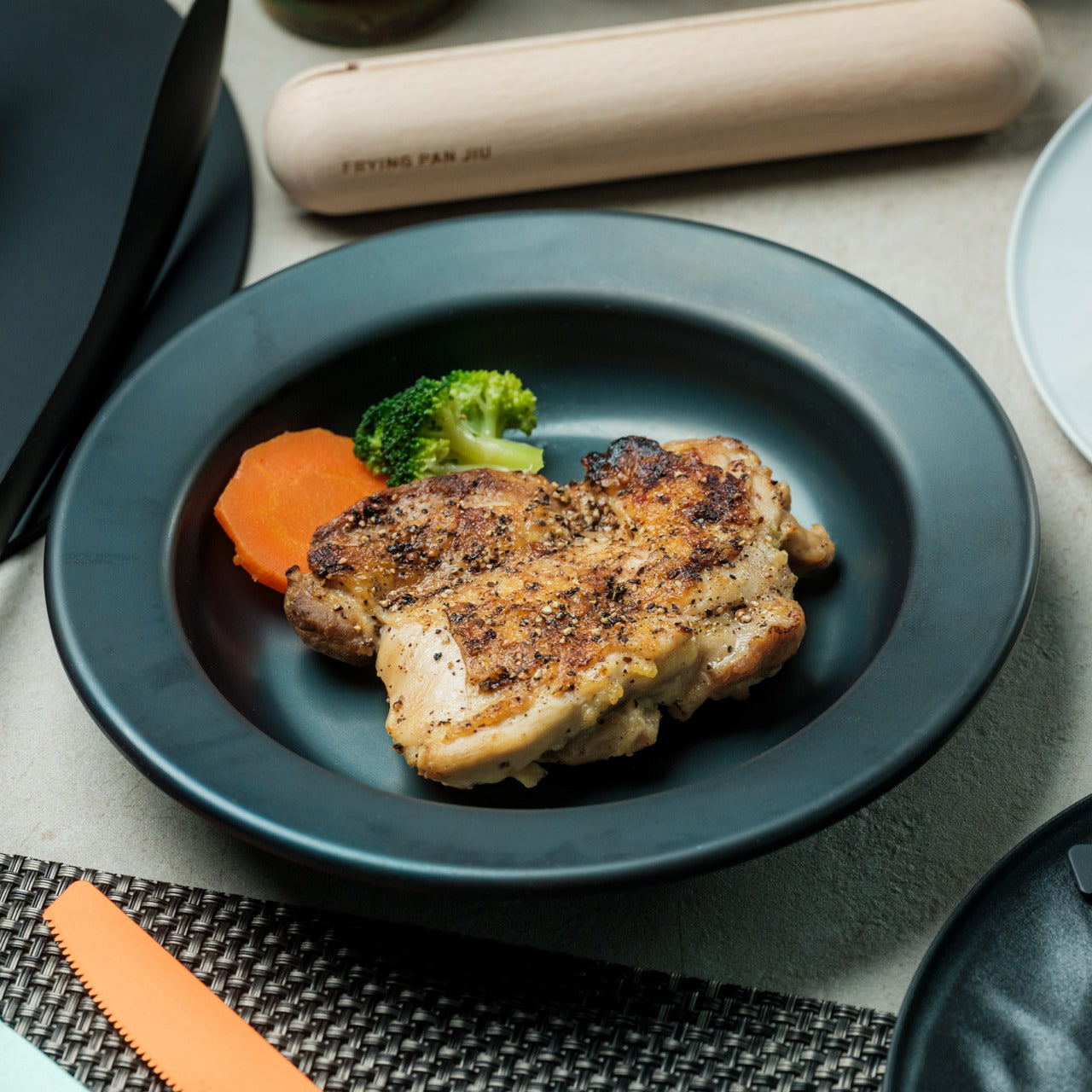
2. Iron Frying Plate

Named the Iron Frying Plate, this kitchen accessory is designed to revamp how you cook and serve food. It removes the middleman between cooking and dining, letting you eat your food directly from the frying plate, elevating the flavors and textures of your meal, providing a better eating experience.

The Plate is also equipped with a detachable handle that can be attached and detached, transforming it from a frying pan to a serving platter when needed. This innovative wooden handle provides convenience, and since it serves as two dishes, it reduces the need for more utensils. It is built from 1.6mm-thick mill-scale metal and is rust-resistant.

Click Here to Buy Now: $69.00

Why is it noteworthy?

The Iron Frying Plate has an innovative design that blurs the line between cooking and dining. You can eat directly from the frying plate, providing a culinary experience like no other. The plate uses mill-scale steel, which offers durability and resistance to rust. The detachable wooden handle, on the other hand, delivers convenience and versatility.

What we like

  • Equipped with a unique and innovative design that supports eating directly from the frying plate.
  • Crafted from rust-resistant mill-scale steel, providing a durable construction.

What we dislike

  • The plate could retain heat and requires careful handling.

3. Boi

Say hello to Boi – a true blue innovation in the field of kitchen measuring tools. It can adapt to various measurement requirements, and it eliminates the clutter of having multiple measuring cups in your kitchen drawer. It has a flexible material that lets you adjust the size according to your recipe requirements.

It is a versatile tool that is great for both amateur cooks and professional chefs. It has a maximum capacity of 250 milliliters, and it can accommodate different measurements ranging from 1 cup to 1/8 cup. It is also equipped with cleverly designed labels and notches.

Why is it noteworthy?

Boi is a unique and worthy tool since it consolidates multiple measuring cups into one flexible unit. It deals with the common problem of limited storage space in small kitchens. It utilizes silicone, which offers durability and flexibility while supporting easy cleaning and maintenance. It is an exceptional design for those who value efficiency and simplicity in their cooking processes, providing a practical solution to reduce kitchen clutter.

What we like

  • Consolidates multiple measuring cups into one.
  • Flexible silicone material for easy size adjustments.

What we dislike

  • It is a concept, so we are unsure if it will be available.
  • Limited to a maximum of 250 milliliters.

4. Playful Palm Grater

Dubbed the Playful Palm Grater, this kitchen tool is compact in size and packs a punch with its grating abilities. It makes grating veggies and cheese a fun activity. It resembles a piece of paper curled at the corner and will fit into the palm of your hand, ensuring you have better control, and your hand is clean.

It has a sleek and small form that won’t occupy much space, while also making an aesthetic addition to your kitchen or dining table. It is meant to be showcased at your dinner parties. It isn’t a boring old grater design that deserves to be hidden away in your kitchen. It is available in a bunch of fun colors, hence adding some whimsical playfulness to your kitchen or table.
Click Here to Buy Now: $25.00

Why is it noteworthy?

The Playful Palm Grater features an ergonomic design, amped with a playful look. It has a unique form that will fit perfectly into the palm of your hand, delivering better precision as you grate. It is made from a single aluminum alloy to ensure durability and ease of use. This innovative grater not only serves a practical purpose but also adds an element of joy and creativity to meal preparation.

What we like

  • You can choose from a range of fun and vibrant colors.
  • It encourages guest participation and serves as a conversation starter.

What we dislike

  • Since it features a compact size, it may require more frequent emptying.

5. Vita Neo

Vita Neo revolutionizes the traditional kitchen layout by combining two essential components: the sink and the dishwasher. This ingenious design caters to modern urban kitchens where every inch of counter space is precious. With its sleek stainless steel finish, Vita Neo not only enhances the aesthetic appeal of your kitchen but also provides a practical solution for space constraints.

When not in use, it seamlessly integrates into your countertop, offering a continuous surface for food preparation. Once activated, its sensor-operated LED display unveils various functions, including dishwashing and even washing vegetables or crustaceans.

Why is it noteworthy?

The Vita Neo stands out as a remarkable space-saving solution because it addresses the common problem of bulky dishwashers taking up valuable kitchen space. Designed in collaboration with German engineers and backed by decades of expertise, this product merges the functionality of a sink and a dishwasher into a compact unit that fits on most countertops. It’s perfect for those who appreciate minimalism and versatility in their kitchen design, offering a modern solution for small-space living.

What we like

  • Combines sink and dishwasher functions, saving space.
  • Sleek design with a stainless steel finish.

What we dislike

  • May require professional installation.
  • Limited to smaller dish loads due to compact size.

6. Stacking Sake Drinkware Set

Elevate your sake-drinking experience with this exquisite Stacking Sake Drinkware Set, inspired by the elegance of Japanese rice cakes. Crafted from high-quality tin, this set is designed to enhance the flavor of sake, making it smoother and more palatable. Not only does it boast a handsome appearance, but its soft texture offers a unique tactile experience, making cold drinks more comfortable to hold.

The matte finish, achieved through sandblasting, provides a pleasant touch that moderates the coolness of the tin, enhancing the overall experience. The drinkware set is stackable, which means the different elements can be stacked on top of each other, in turn saving space, and ensuring they don’t occupy too much precious real estate in your kitchen or dining table.

Click Here to Buy Now: $299.00

Why is it noteworthy?

This drinkware set stands out for its ability to create an almost sacred atmosphere, perfect for enjoying the rich tradition of sake. Whether you’re savoring a quiet moment alone or sharing with a friend, the set caters to both individual and communal experiences. Its design embodies the beauty of Japanese culture, offering versatility and style to your sake rituals.

What we like

  • Features an authentic tin construction.
  • Enhances the sake flavor.

What we dislike

  •  Specifically designed for sake, it may not be as versatile for other beverages.

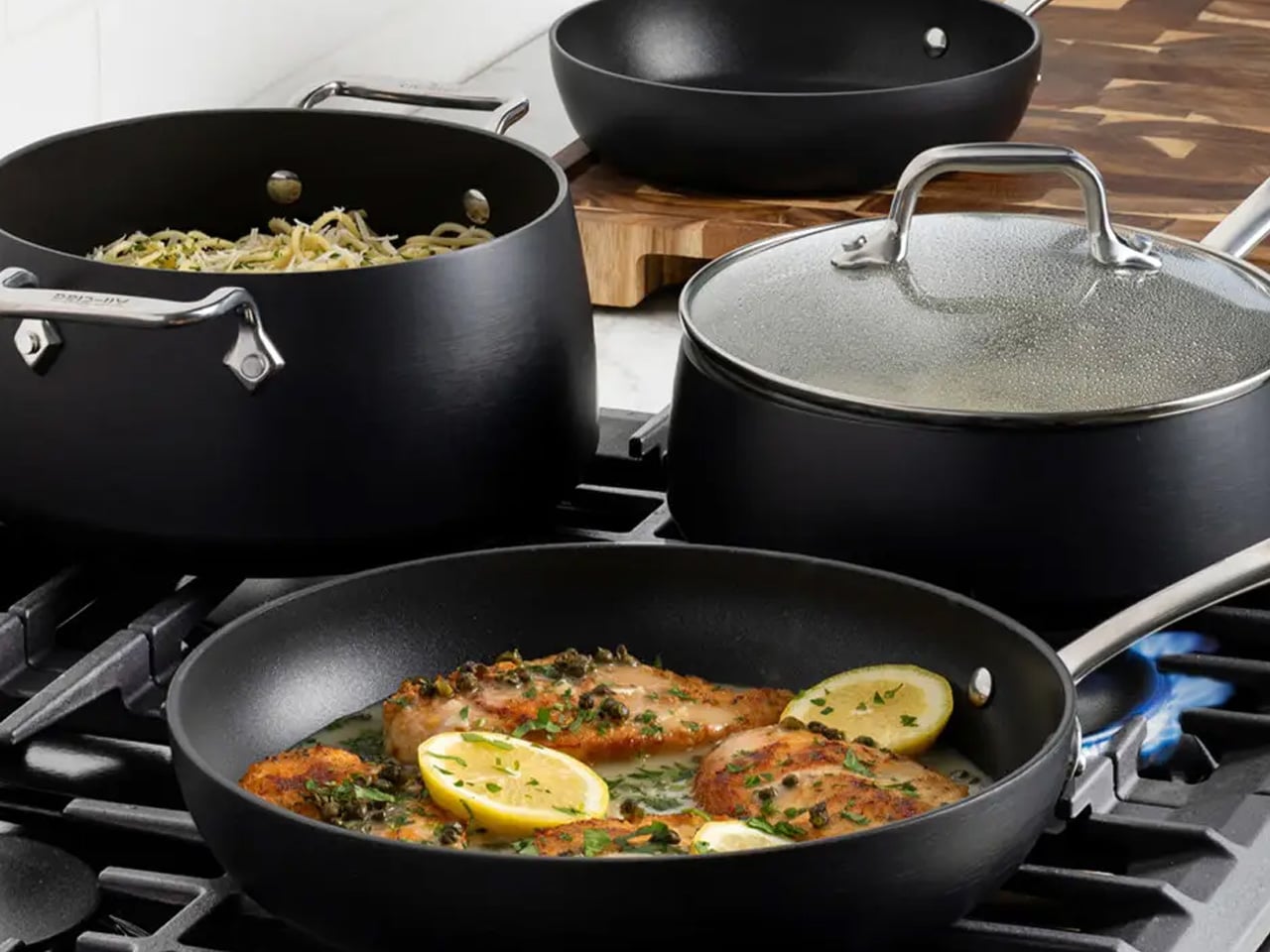
7. Flagship Kitchen Skillet and Pan

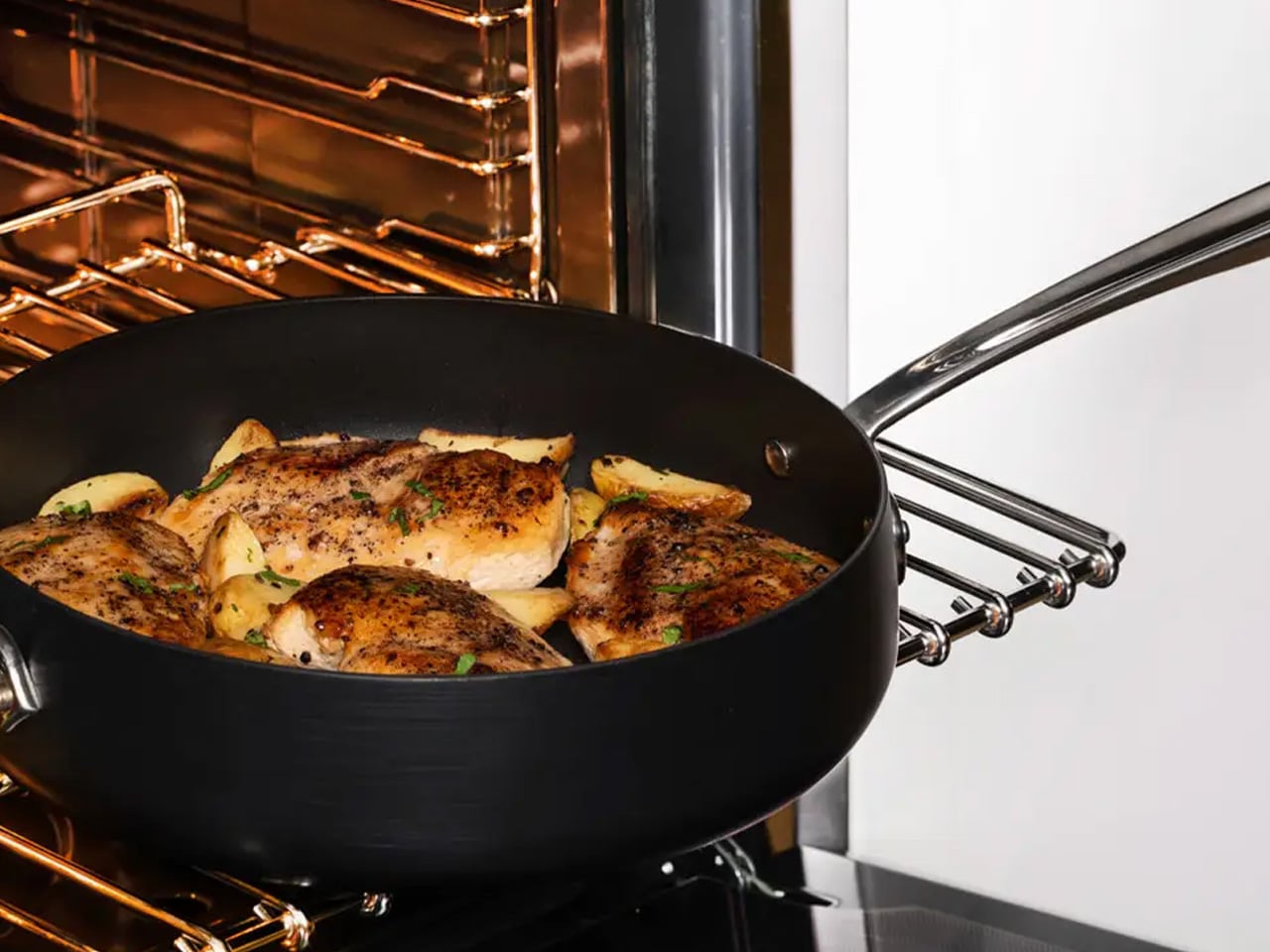
The Flagship Kitchen Skillet and Pan is a versatile kitchen tool designed to replace multiple pans, thereby reducing clutter. Crafted from high-quality 18/10 stainless steel, this hybrid pan can function as a skillet, a Dutch oven, and more. It eliminates the need for multiple pans, instead ensuring you only need one – the Flagship Kitchen Skillet and Pan.

Its unique Yoga Lid stands, locks, drains, and even hangs upside down, offering a multifunctional solution for various cooking needs. Suitable for induction stoves, this pan promises durability and excellent heat distribution for efficient cooking.

Why is it noteworthy?

This product is exceptional for its multifunctionality and ability to replace several pans, making it ideal for small kitchens where storage space is limited. The innovative design of the Yoga Lid adds to its versatility, allowing for easy draining and storage. The German-made stainless steel construction ensures longevity and a premium cooking experience, making it a valuable addition to any kitchen that prioritizes space efficiency and quality.

What we like

  • Replaces multiple pans, reducing kitchen clutter.
  • Made from high-quality stainless steel.

What we dislike

  • May require careful handling due to its multifunctional design.

8. Explorer Bento Lunchbox

Meet the Explorer Kit by reVessel – a revolutionary multi-tasking lunchbox and food storage system designed to liberate you from the kitchen and encourage exploration. As the first leak-proof modular bento-style lunchbox, it deals with some of the most annoying food storage challenges, all while being beneficial for both you and the planet.

With reVessel’s innovative design, living a healthy and sustainable lifestyle has never been more convenient or stylish. The Explorer Kit is a game-changer for those who love versatility and sustainability in their food storage solutions. Combining three essential kitchen tools into one sleek design, it serves as foodware, bakeware, and tableware – thereby eliminating the need for multiple vessels and utensils that will occupy precious space.

Why is it noteworthy?

Its patent-pending leakproof seal, crafted from food-grade silicone, prevents spills and keeps your food fresh and separate, ensuring your lunch remains as you intended. Since it features a modular and nifty design with the ability to store different foods, you don’t need to purchase different containers to pack your lunch, thereby saving space and ensuring the cute bento box does it all for you!

What we like

  • The innovative silicone seal ensures no spills, keeping your bag clean and your food intact.
  • Modular and versatile design, letting you customize your meals with ease.

What we dislike

  • While versatile, its size may not suit those looking for a compact lunchbox option.

9. Flexi Jar

Transform in 1s

No Hard-to-Reach Spots

Meet the Flexi Jar, a unique multi-function food storage solution that redefines convenience and sustainability in the kitchen. With its custom-sized design, this versatile jar is perfect for a wide range of uses, from home cooking and travel to parties and games. Crafted with earth-sustainable materials, the Flexi Jar is not only a practical choice but also an environmentally responsible one.

Its flexible structure, without pre-set fold lines, allows it to be collapsed to any height, accommodating varying food levels and maximizing cabinet and fridge space. Since it features a collapsible design, storing it is of no issue. It has a flexible design that is a life-saver in small kitchen spaces.

Why is it noteworthy?

The Flexi Jar features an innovative design that allows you to transform it in just a second. You can extend or collapse the jar with a simple touch, making it incredibly easy to keep your food fresh and your storage space optimized. Unlike traditional glass or rigid jars, the Flexi Jar can be flipped inside out for a thorough clean, ensuring maximum hygiene.

What we like

  • Flip the jar inside out for a more thorough clean, a feature not available in rigid containers.
  • Made from non-fossil fuel-based Platinum Silicone, the Flexi Jar is durable and can be used over 5,000 times.

What we dislike

  • While durable, silicone may be sensitive to certain temperatures or sharp objects.

10. Elizabat

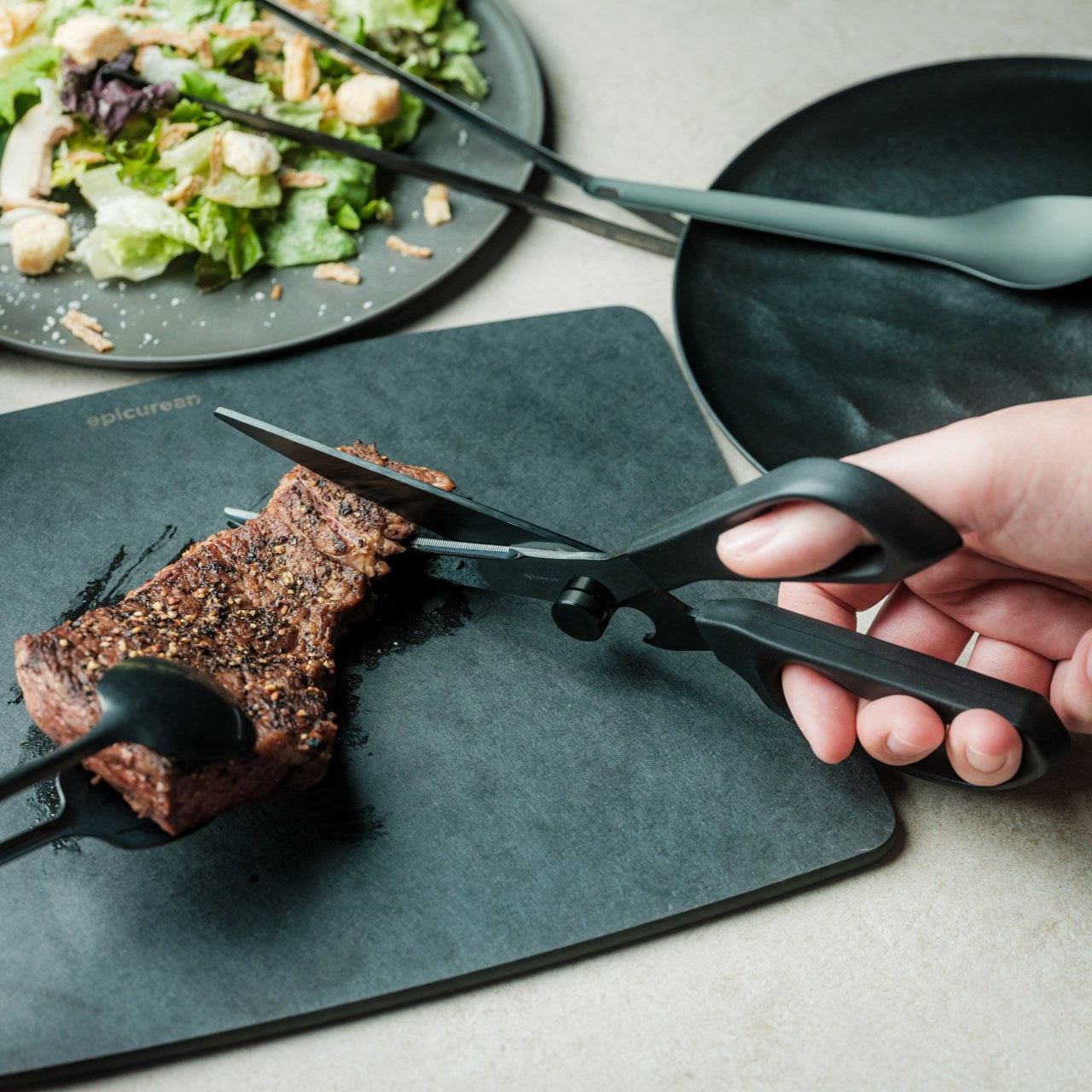
Say hello to the Elizabat – an adorable bat-shaped scissor crafted by the imaginative minds at OTOTO. This delightful kitchen tool is not just about aesthetics; it’s designed to bring a dash of fun and flair to your cooking adventures. With its unique design and multifunctional capabilities, the Elizabat is sure to become a cherished addition to your kitchen arsenal.

The Elizabat is a multifunctional product since it features a thoughtfully-designed gap between the handles, which allows it to serve as a nutcracker. This little detail packs a whole bunch of utility into one compact, playful ,and whimsical design. Its multifunctionality, ensures you don’t need multiple tools in the kitchen,

Why is it noteworthy?

The Elizabat is equipped with a lovely ability to transform mundane kitchen tasks into delightful experiences. This charming pair of culinary scissors is perfect for cutting, chopping, and slicing a variety of veggies and herbs with ease. But its clever design doesn’t stop there. The innovative blade construction doubles as a handy bottle opener, making it a versatile tool for preparing meals and enjoying beverages.

What we like

  •  The Elizabat features an ergonomic profile that is incredibly comfortable to use.
  •  With its ability to cut, open bottles, and crack nuts, it is a multifunctional product.

What we dislike

  • It can easily be mistaken for a toy and must be kept out of reach of children.

The post 10 Best Appliances & Tools That Are Space-Saving Kitchen Hacks For Small Cooking Areas first appeared on Yanko Design.
Gorgeous titanium-coated drinking glass makes every drink a visual and gustatory treat

It’s almost too easy to take for granted the vessel we’re drinking from. After all, we’re definitely more interested in the taste of our drink, unaware that the material our glass or cup is made of can actually have an adverse effect on the very taste we’re so fixated on.
And that glass you’re drinking from? It might not even be pure glass but mixed with some metals to reinforce the material, metals that also affect the taste or, worse, affect our bodies.
If you’re searching for the perfect glassware, you don’t have to look far because we have just the perfect design for this very purpose. Stunningly beautiful and faithful to your flavors, this small piece of glassware is able to recreate the magnificent Aurora lights right in your hand, turning every sip into a memorable experience.

Designer: Progress Design

Click Here to Buy Now: $58.50 $65 (10% off at checkout). Hurry! Black Friday deals end in 48 hours.

Drinking glasses are a common sight in many households, whether they’re for “regular” beverages or alcoholic drinks. Clear as they might appear, some of these are mixed with some metals to produce certain colors or effects.

And while these metals aren’t so dangerous to our health, they do have negative effects on the taste of the drink.

It is almost as if you can’t combine beauty and taste in a glass, but that theory has been proven false with PROGRESS’ Rex Rock glassware.

Skilled craftsmen from Shizuoka, Japan harness the same technologies and processes used in making space-grade equipment like satellites to process titanium of the highest purity to reinforce the glass and coat its inner surface.

This rare form of pure titanium doesn’t release metal ions that mess with the flavor of the drink inside. In fact, it actually works to enhance the taste by breaking down unpleasant flavors.

Pure titanium is also regarded to be the most human-friendly and safest kind of metal because it rarely changes over time. That means no staining, no odors, and completely hygienic.

Pure titanium alone, as impressive as it already might be, isn’t enough to create an unforgettable drinking experience. This drinking glass takes the design even further by reproducing the mesmerizing colors of the rainbow and of the majestic Aurora lights.

This feat is made possible by making extremely precise cuts and changes to the glass’ thickness down to nano levels. Pouring drink into the glass results in a shimmering effect that’s comparable to the soothing glow of the aurora, a bonfire, or a murmuring stream, imagery that calms the heart and soothes the soul.

Stop worrying about the safety and taste of your drink and start enjoying the flavors and the dazzling visuals offered by this pure titanium-reinforced glassware. Whether it’s liquor, soda, or even just ice-cold water, this stunning drinking glass will turn the activity into a joyful and reinvigorating experience, rich in flavor and color.

Click Here to Buy Now: $58.50 $65 (10% off at checkout). Hurry! Black Friday deals end in 48 hours.

The post Gorgeous titanium-coated drinking glass makes every drink a visual and gustatory treat first appeared on Yanko Design.