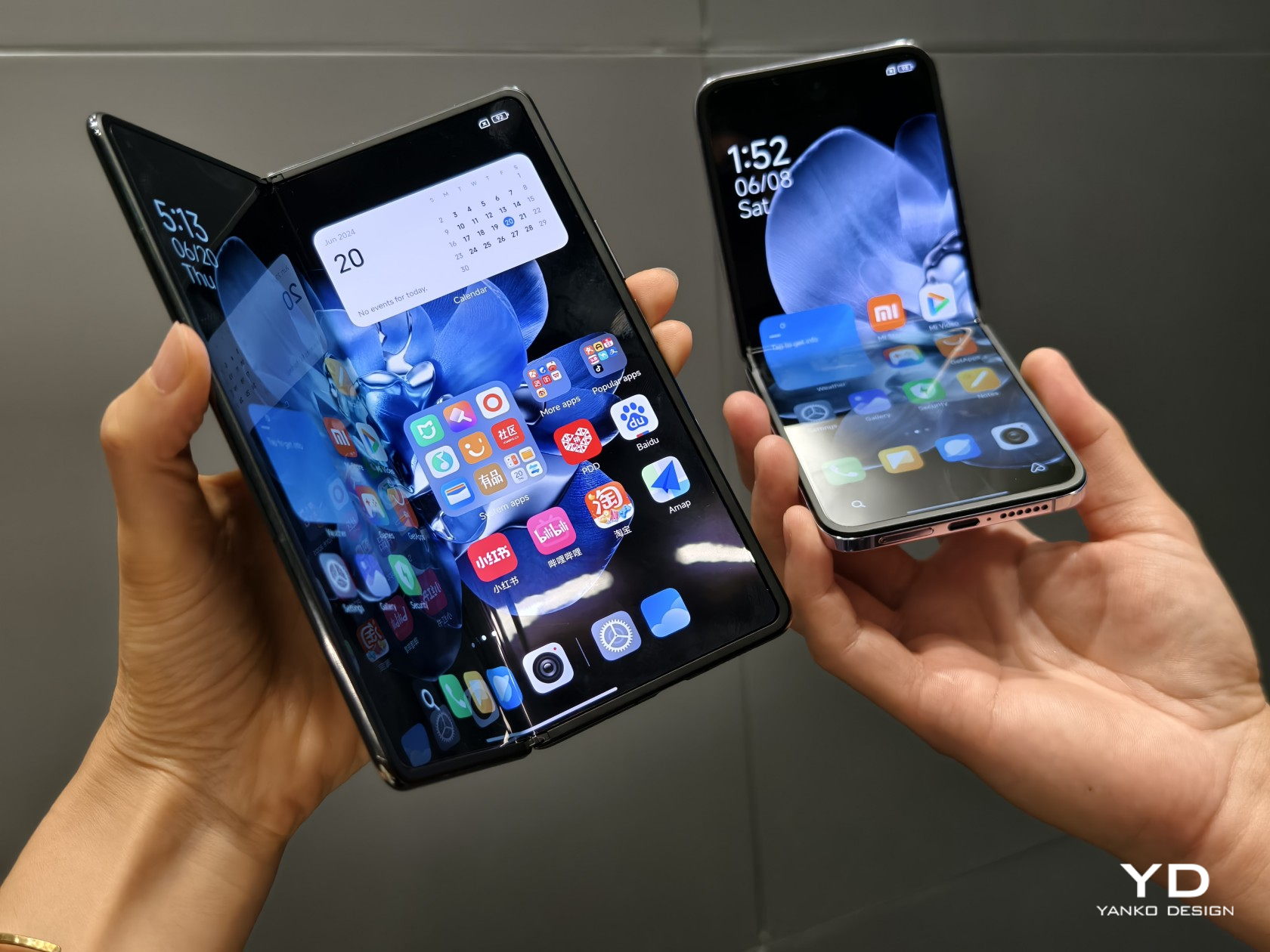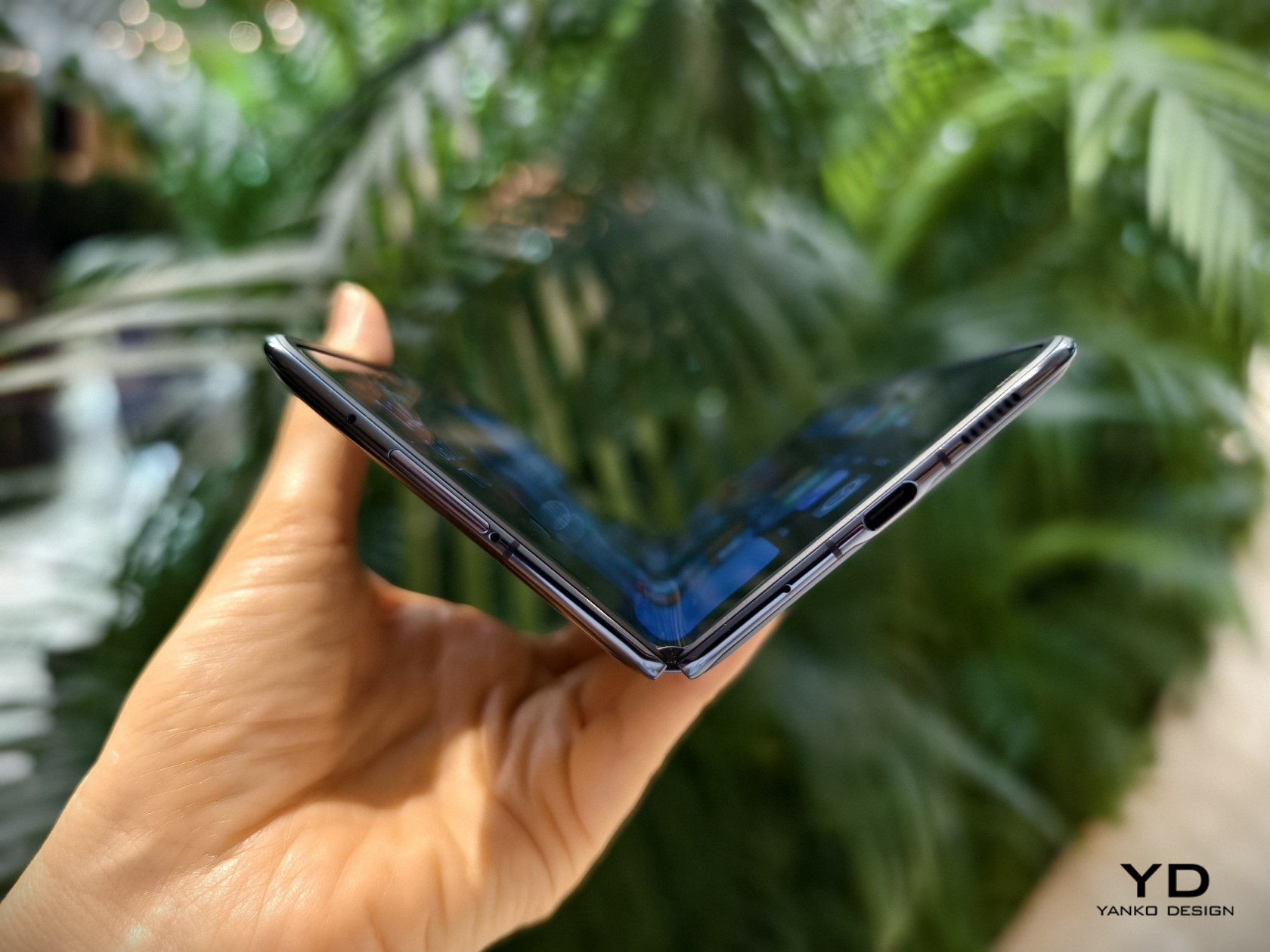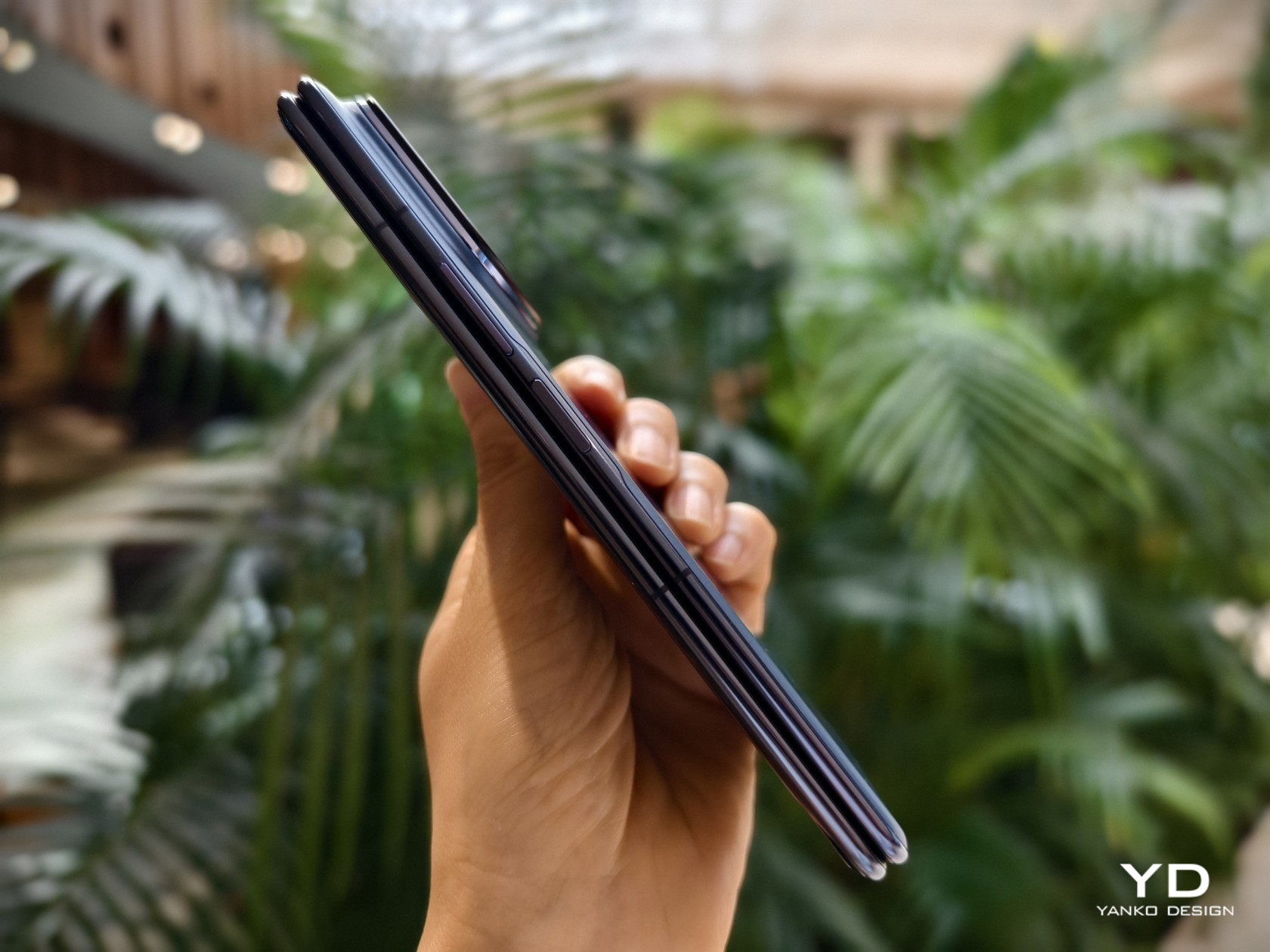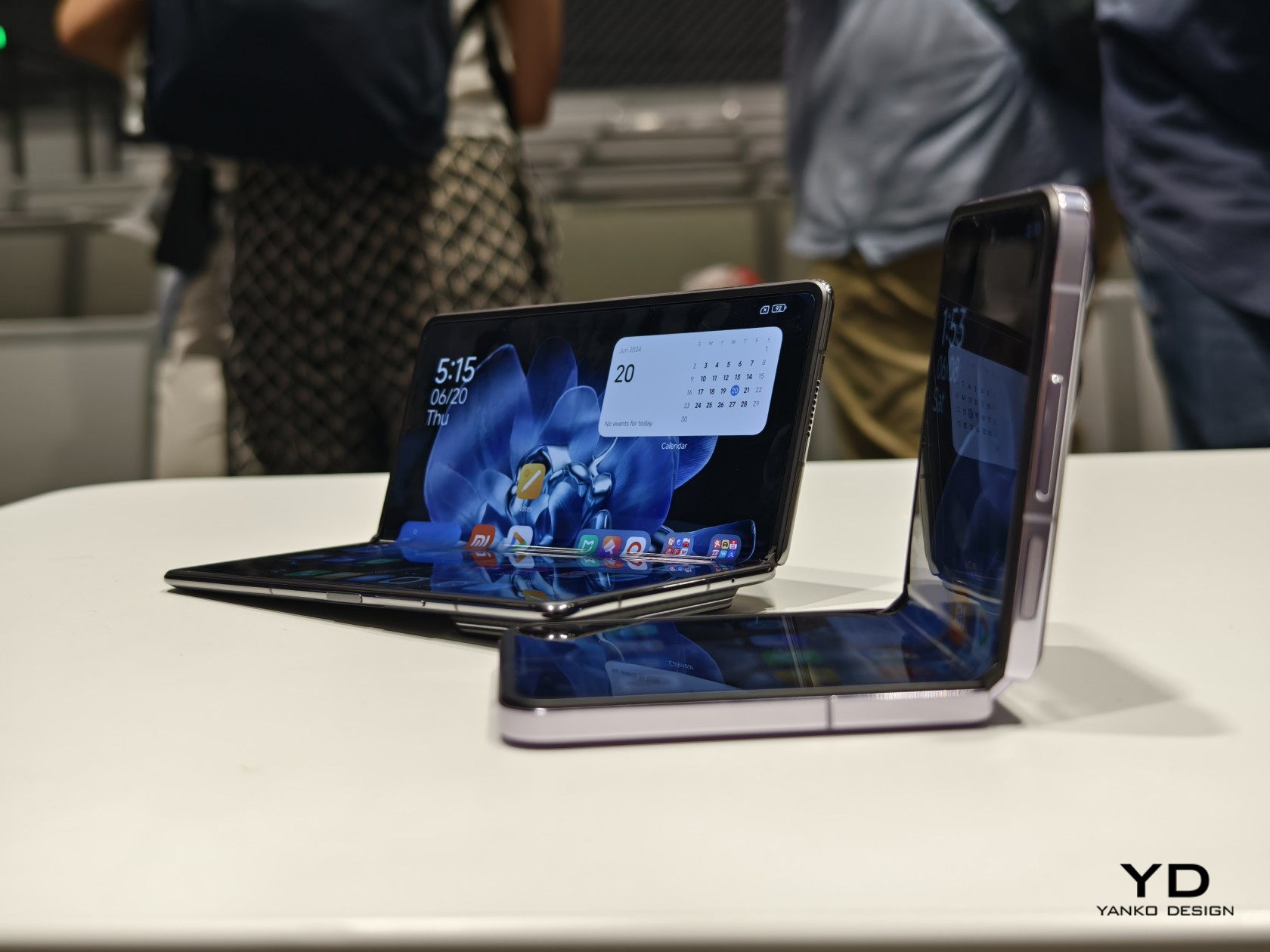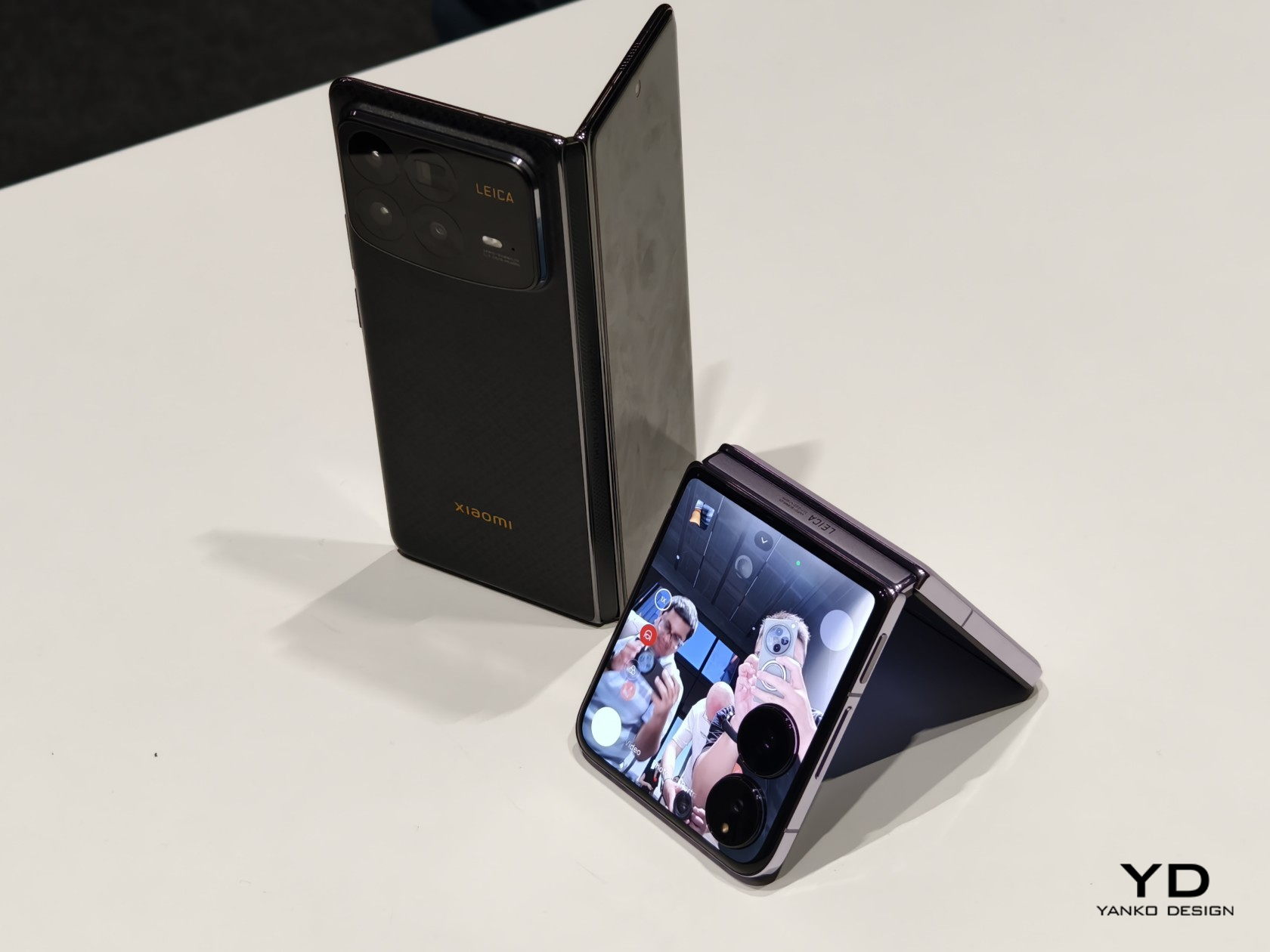
nubia Flip 5G Foldable Phone Review: Finally, A Foldable Phone You Can Afford

PROS:


  • Simple yet beautiful design

  • Large, bright, and vibrant foldable screen

  • Distinctive "porthole" external screen design

  • Attractive and affordable price point

CONS:


  • Dated hardware and software

  • Unimpressive camera output

RATINGS:

AESTHETICS
ERGONOMICS
PERFORMANCE
SUSTAINABILITY / REPAIRABILITY
VALUE FOR MONEY

EDITOR'S QUOTE:

The nubia Flip 5G delivers the essentials of a foldable phone experience without burning a hole through your wallet.

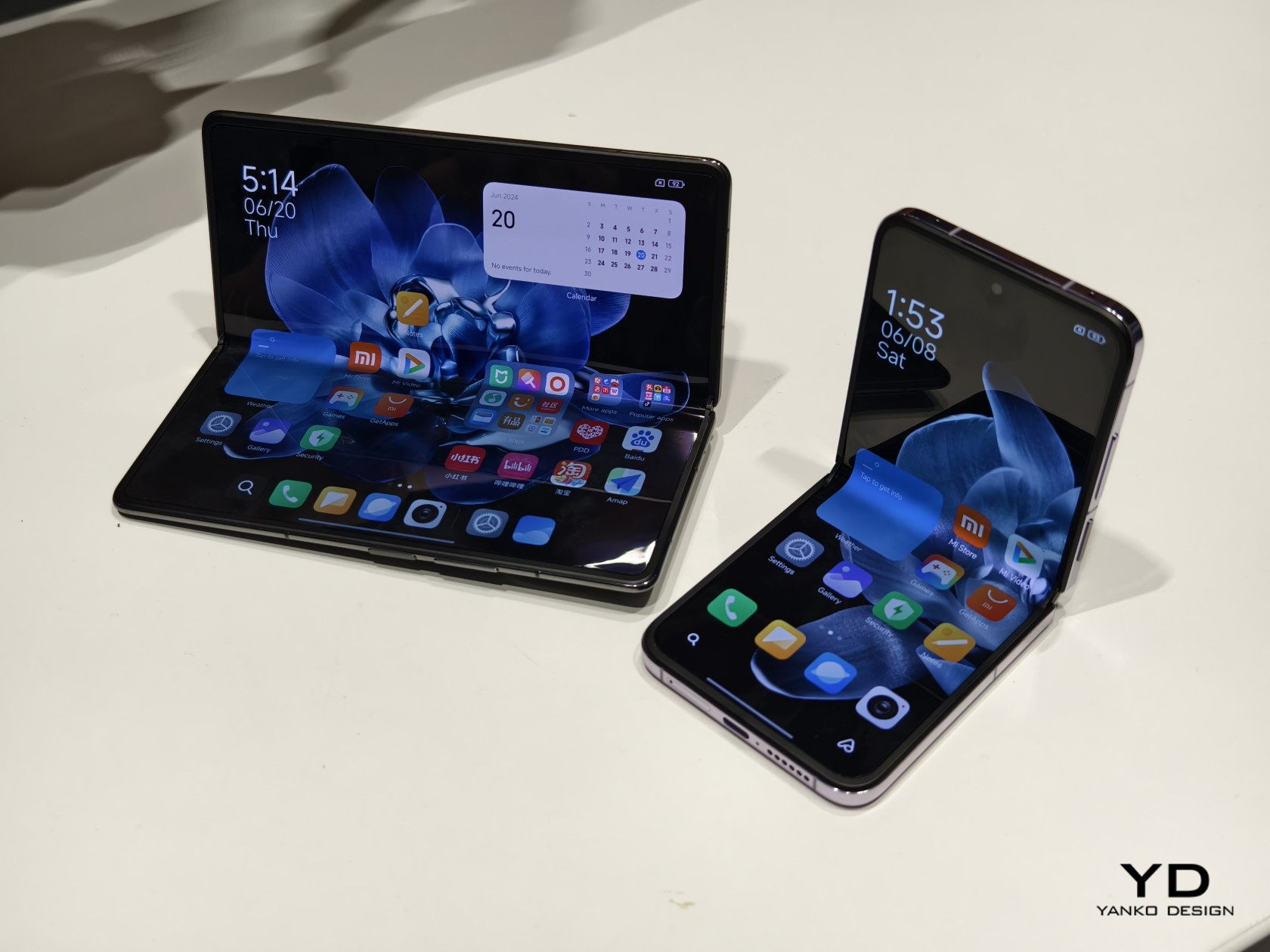
In order to sell more foldable phones, this niche market segment needs to be as common as regular, non-folding phones. These normal phones, however, appeal to the masses because they can cater to a wide range of buyers, including those with tighter budgets. There has long been a clamor for more affordable foldable phones, both the larger book-style design as well as the clamshell type, but few manufacturers have dared to heed the call. The nubia Flip 5G is arguably the first flip-style foldable to really bring the design to the masses, boldly claiming the title of most affordable foldable. Nothing comes for free, however, especially in this industry, so we naturally wonder what nubia had to sacrifice to meet such an unbelievably low price point. We give the nubia Flip 5G a good turn to find out.

Designer: nubia

Aesthetics

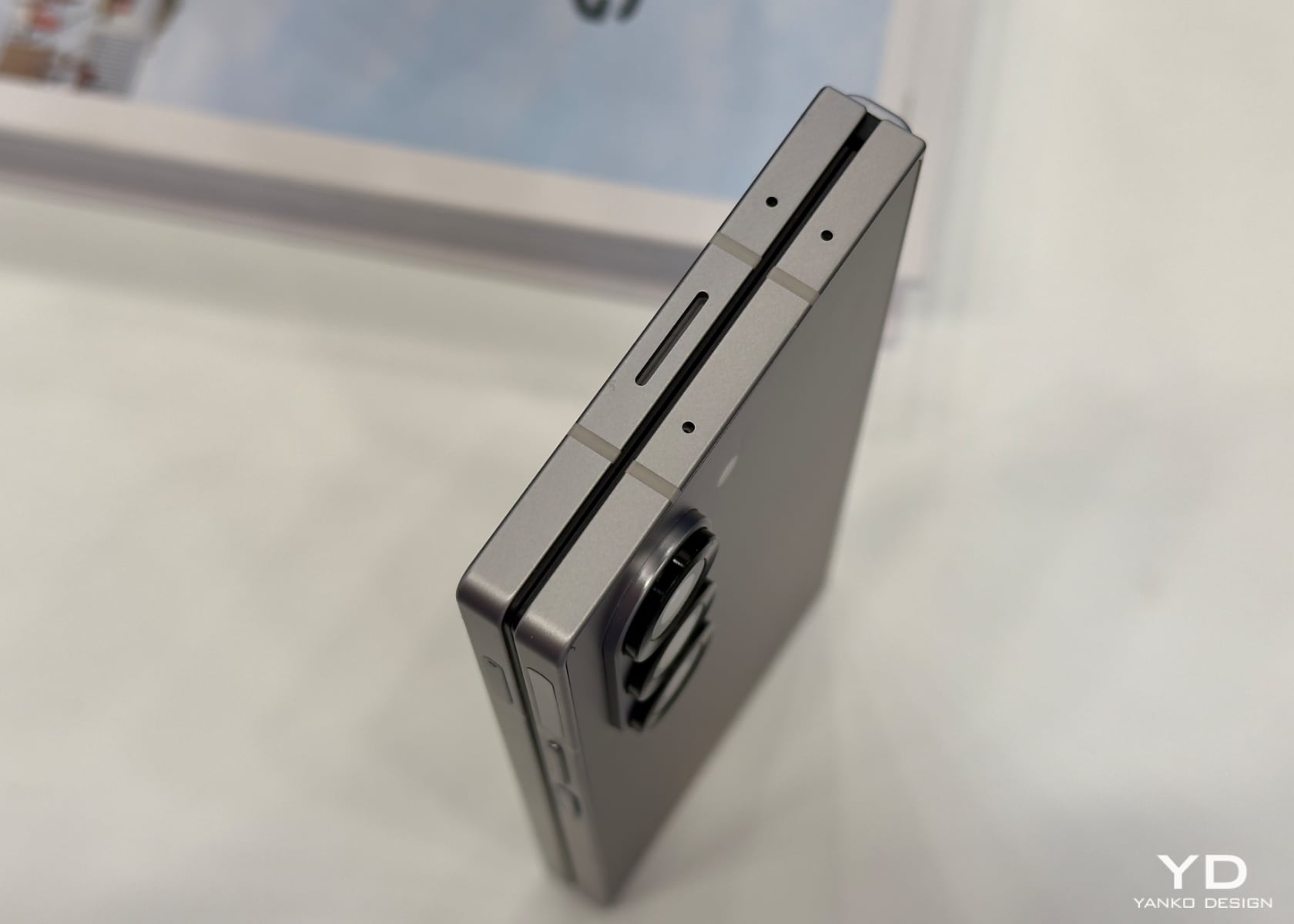
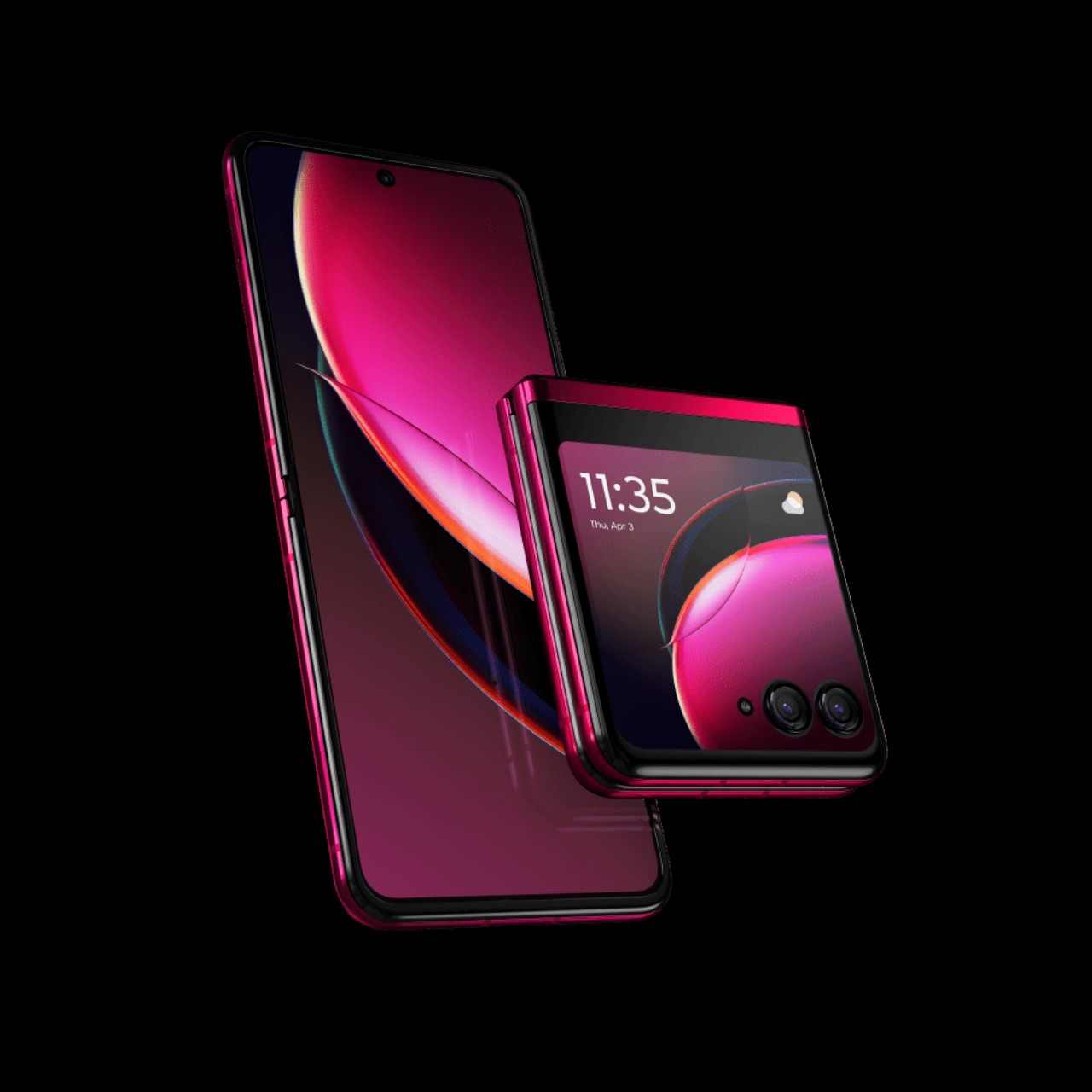
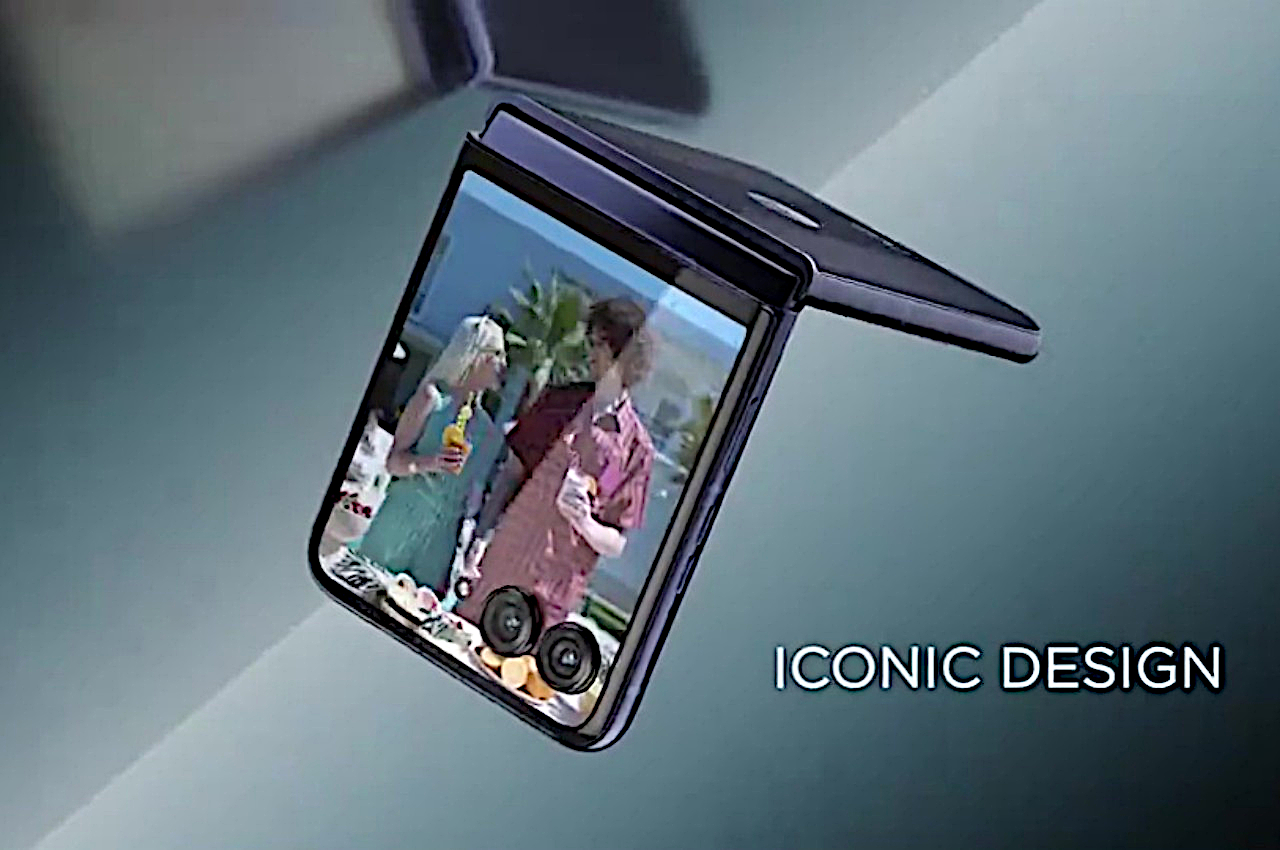
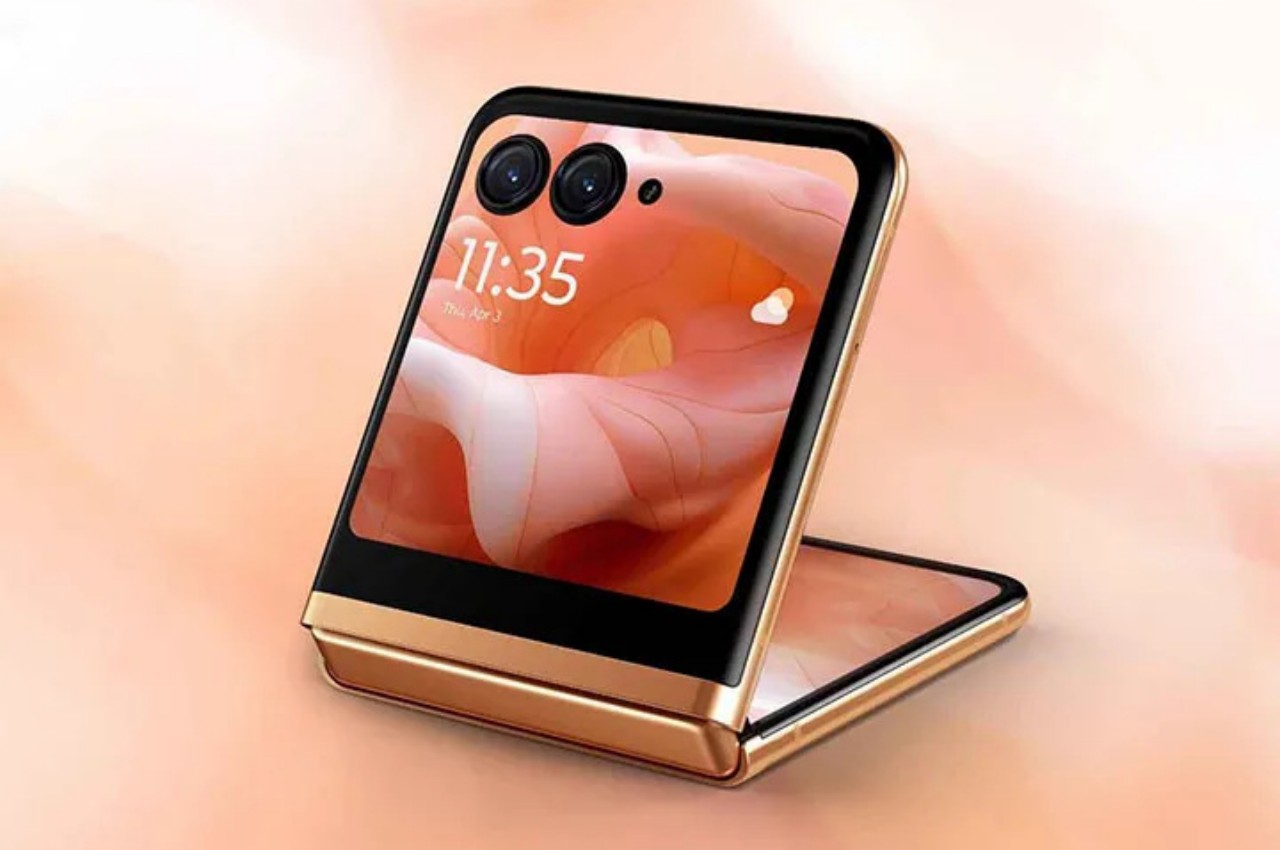
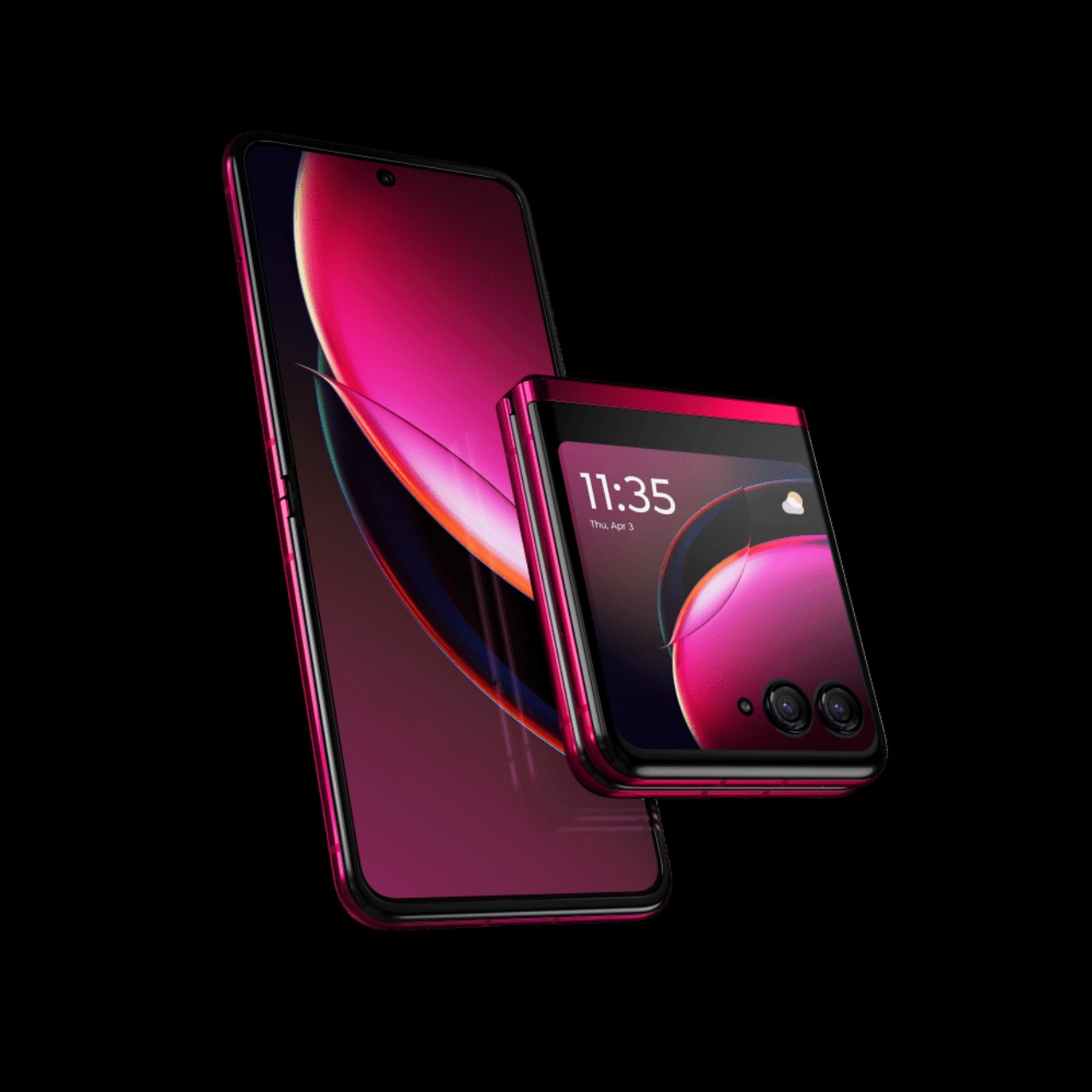
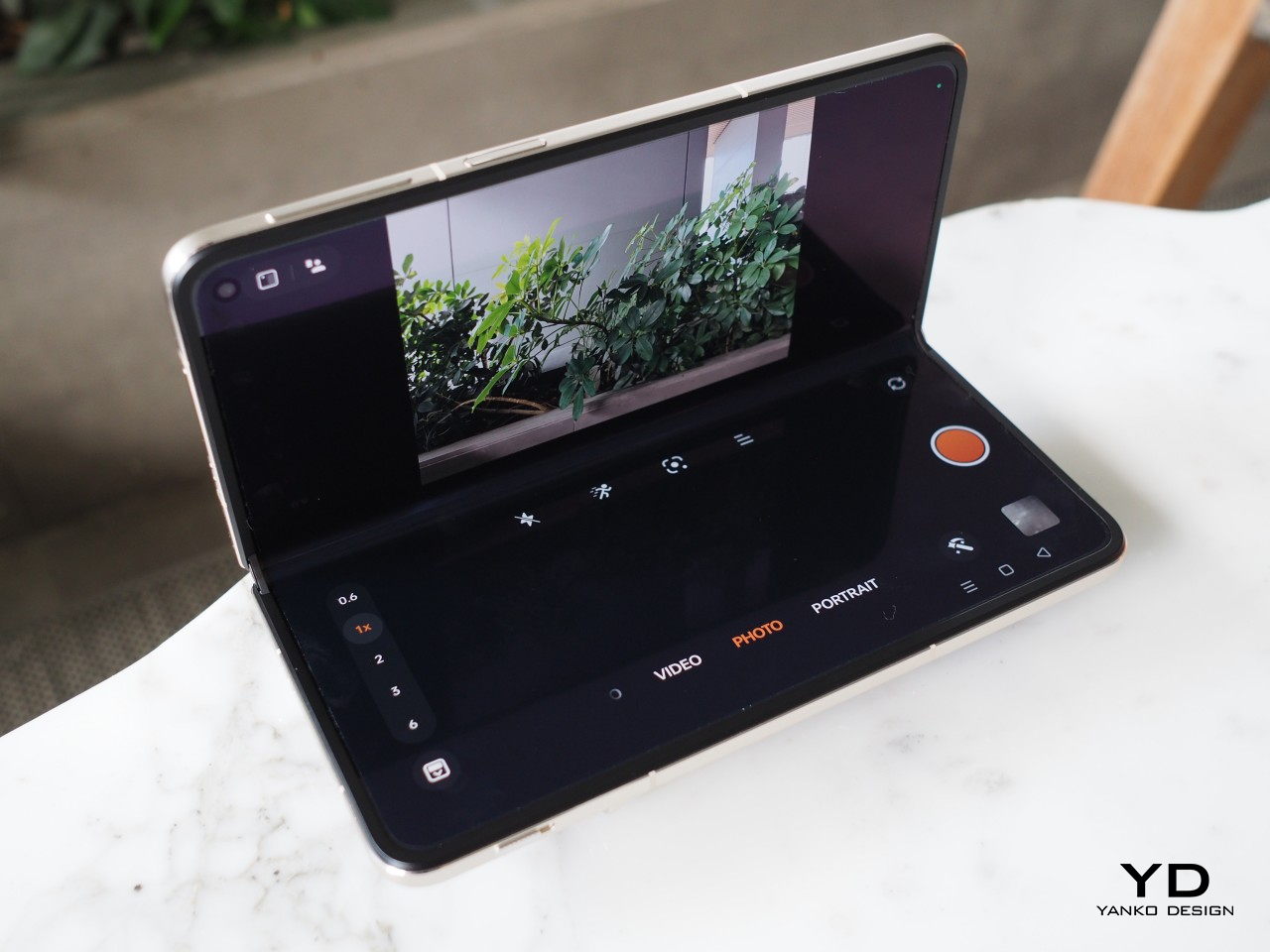
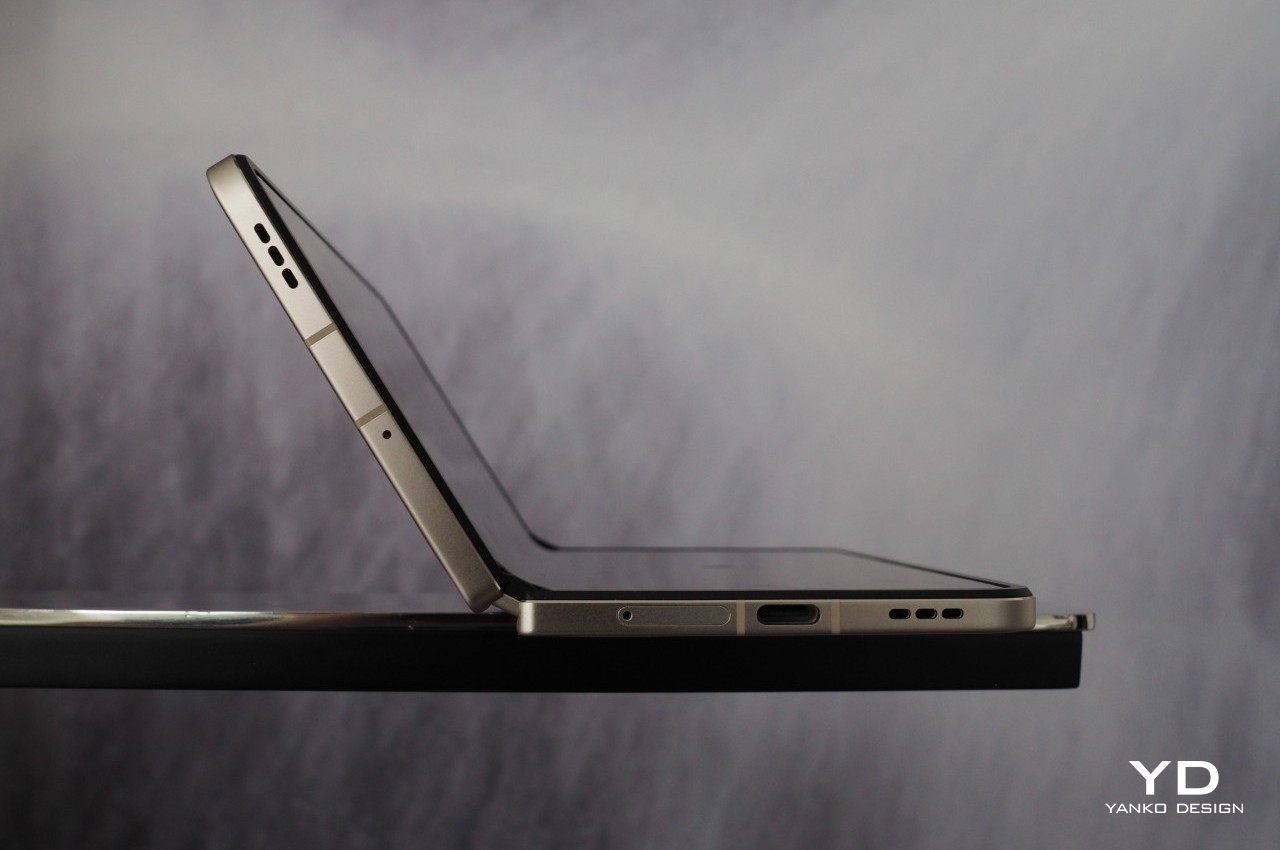
Right off the bat, you wouldn’t be able to tell the nubia Flip 5G’s price just from its looks. The word “cheap” has unfortunately acquired a negative reputation, but there is definitely nothing cheap about this phone’s design. Aside from the large black disc on its back, which we’ll get to later, the phone is a poster child for minimalist design, simple yet evocative in its pleasing appearance. There is not a line, edge, or corner out of place, making it exude class and style that would shock you if you knew the price tag it carried.

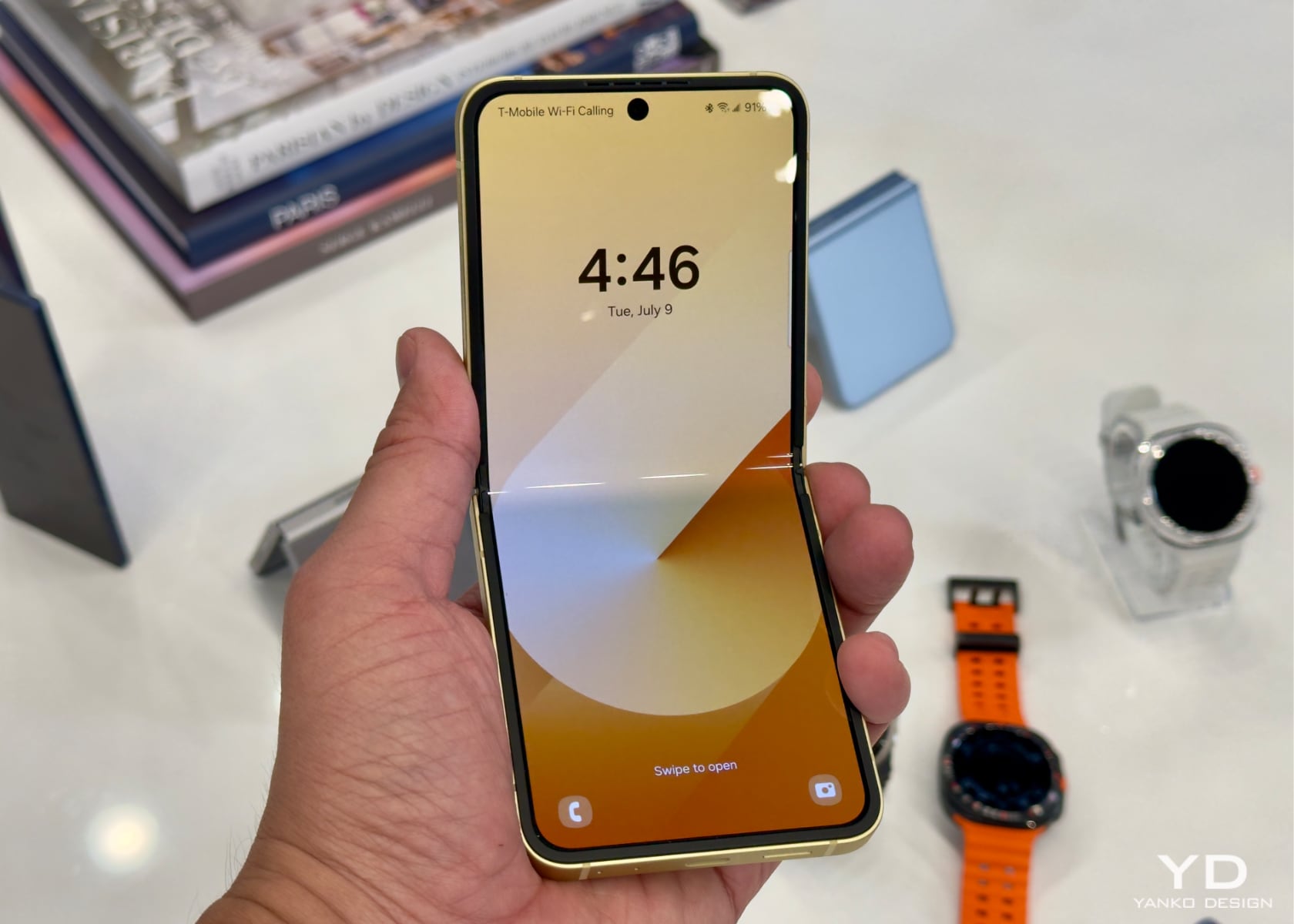
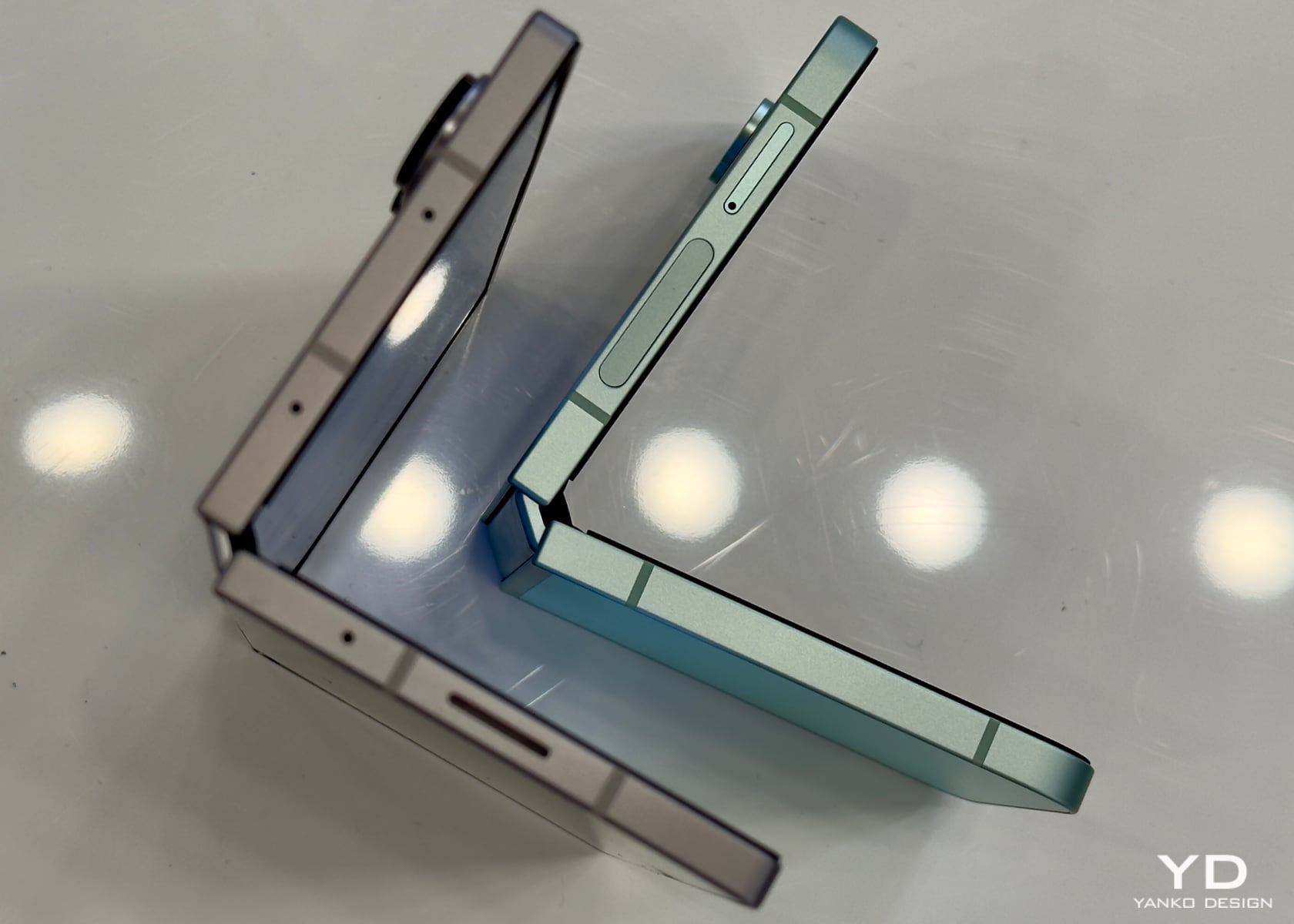
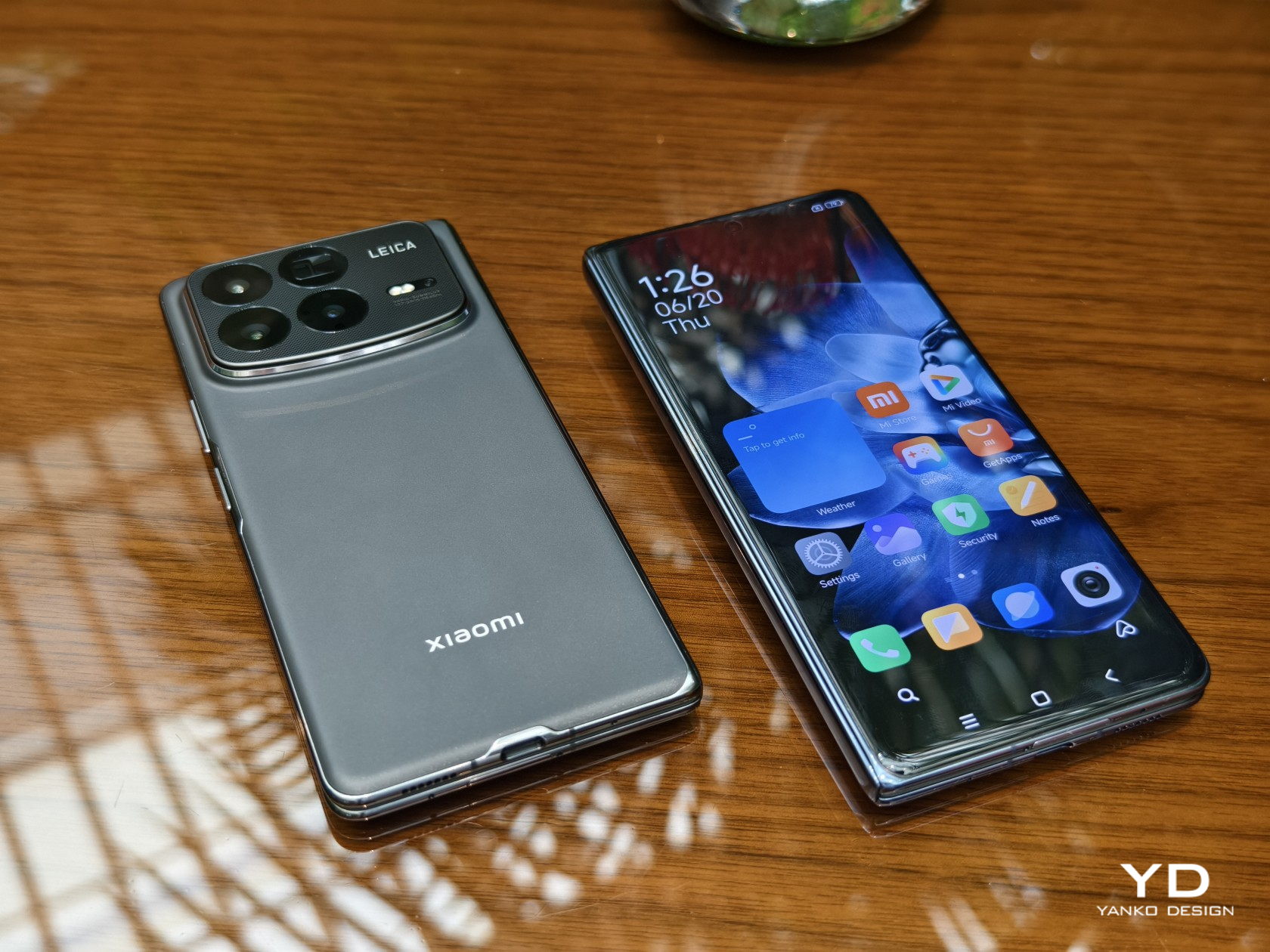
nubia didn’t skimp on materials either, giving the phone a matte AG glass for its back that not only adds a better grip but also makes the “sparkling sand” surface of the design stand out even more. This is better seen on the Cosmic Black cover which gives you the impression of looking at a starry night sky, while the Sunshine Gold of our review unit gives off a more calming and ethereal presence. The aluminum alloy frame isn’t far behind with its zircon sandblasted finish, adding texture that won’t be easily smudged by fingerprints.

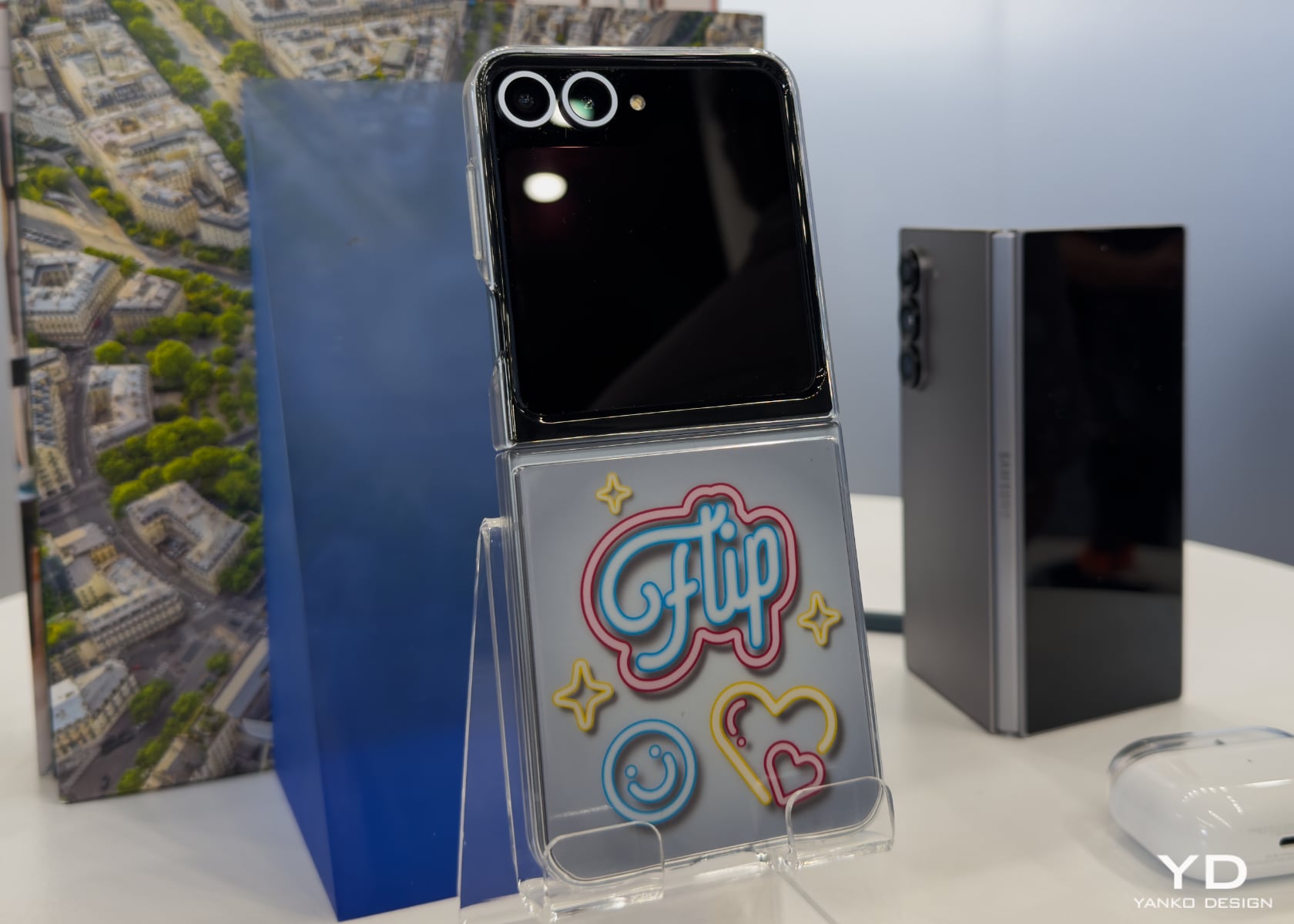
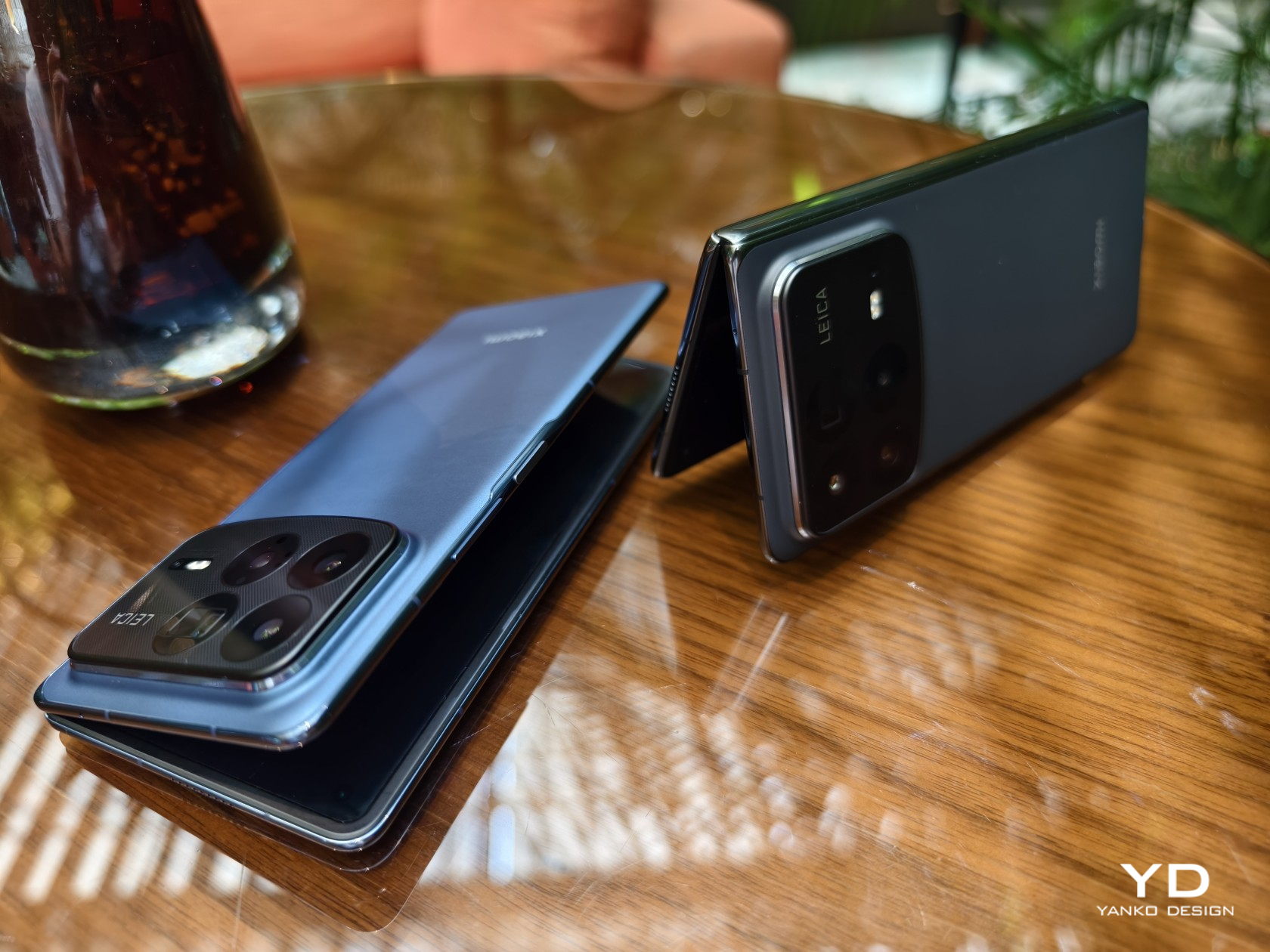
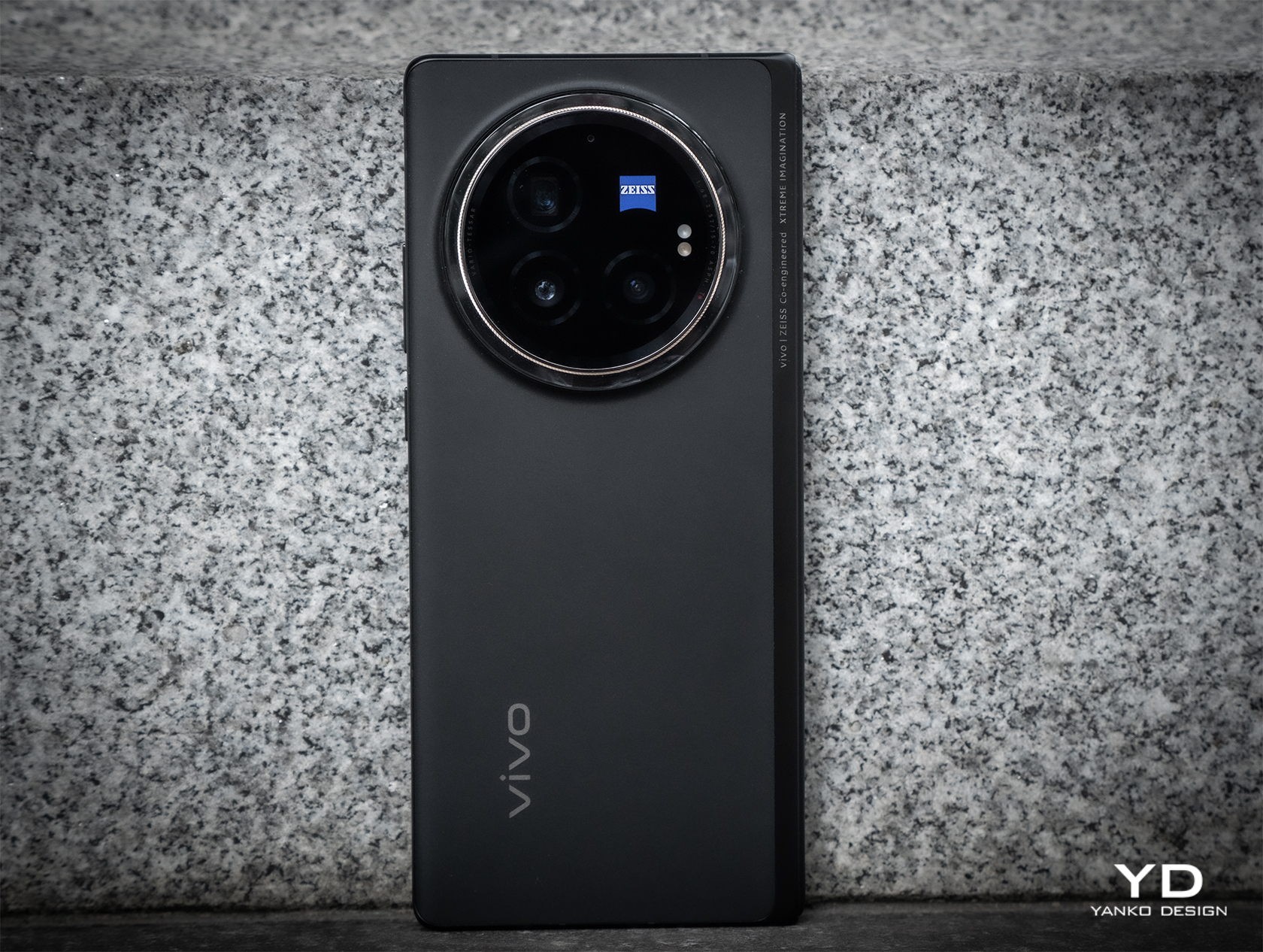
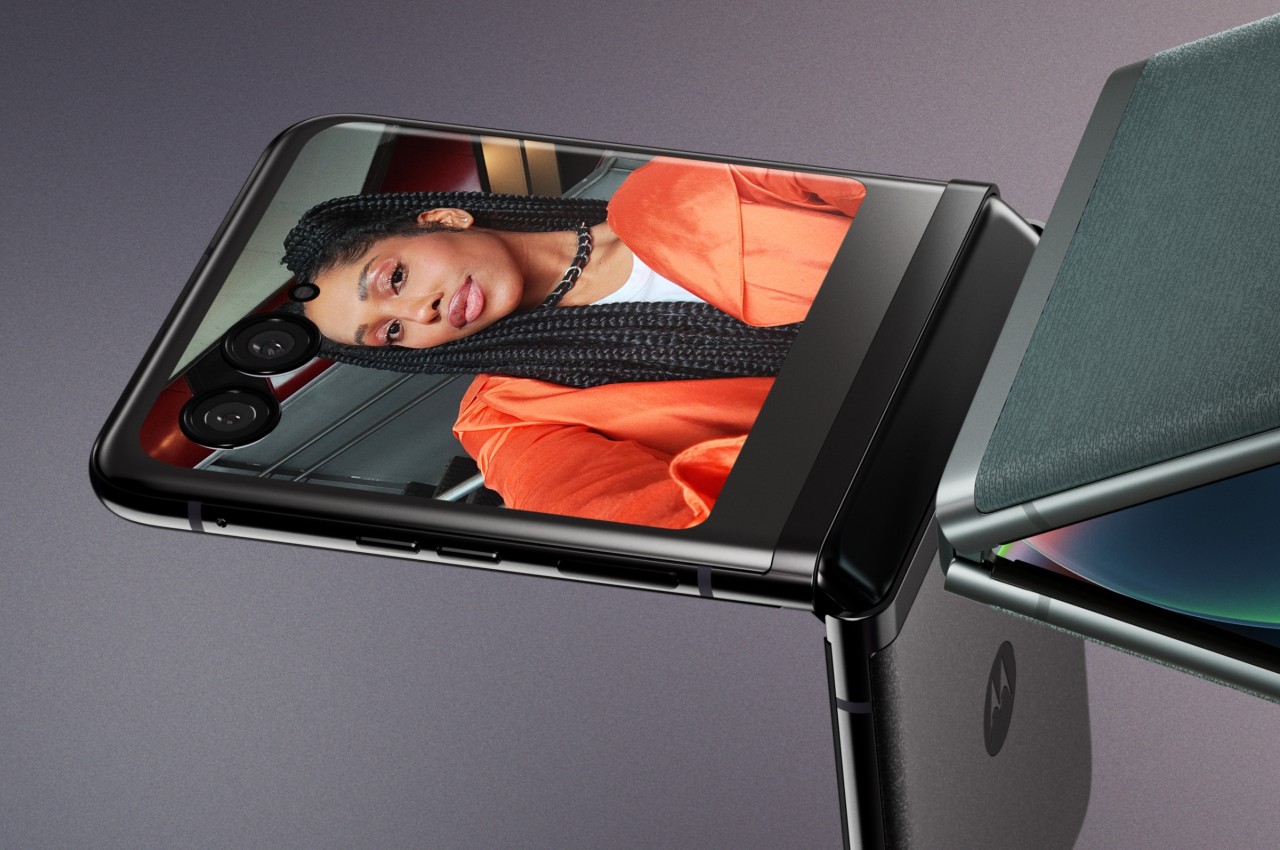
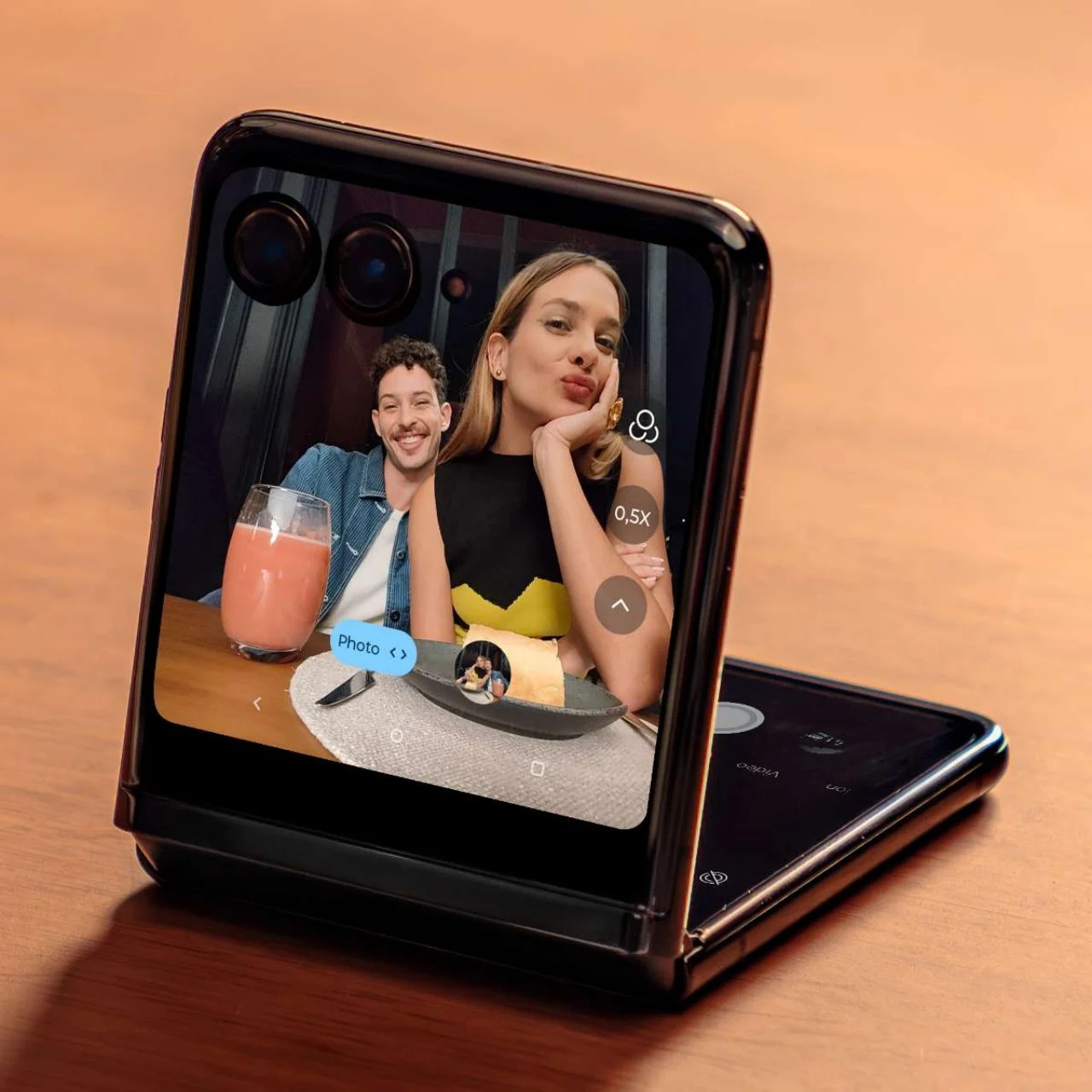
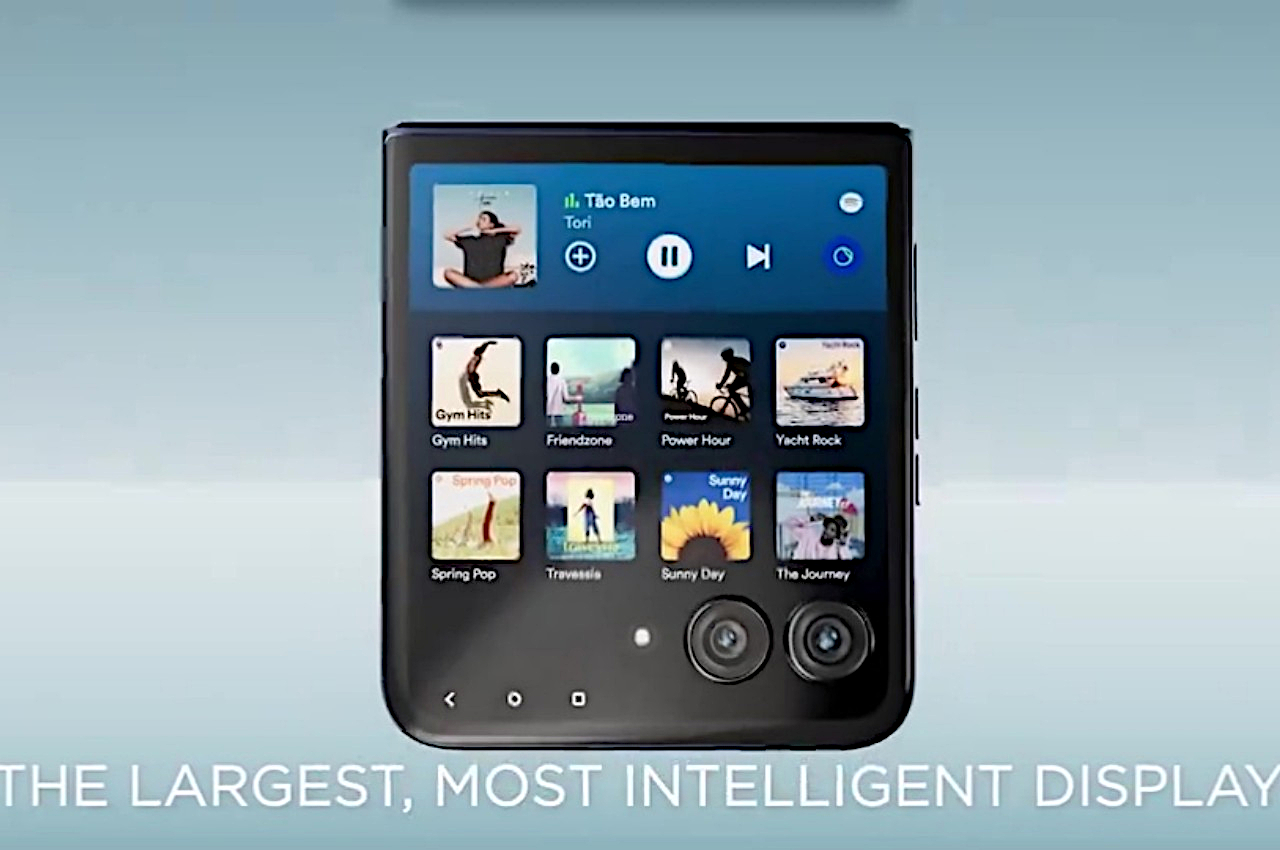
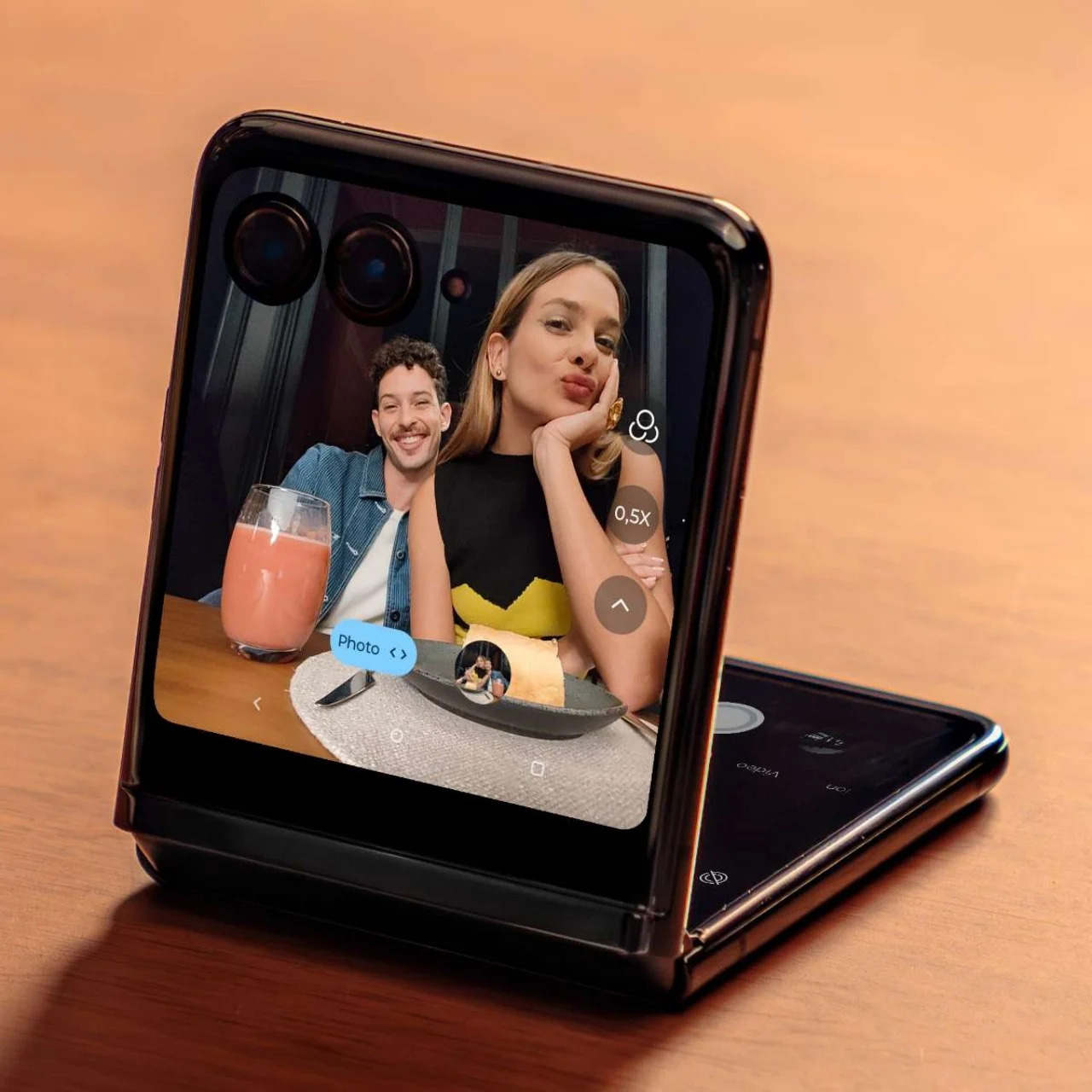
Of course, the nubia Flip 5G needs to have cameras and a second screen on its back, and this is done just as tastefully as the rest of its design. The large black circle is located dead center, giving it symmetry and balance that is admittedly becoming less common in smartphone designs, foldable or otherwise. Once the screen lights up, however, that darkness becomes something like a window to another world, a technological equivalent of the porthole of old ships. This gives the phone a completely different vibe from other clamshell foldables that, while not unattractive, tend to focus more on the technical functionality at the expense of overall design.

Ergonomics

Foldable phones promise a different level of usability and flexibility, but they also demand some changes in the way we use phones. For example, we need to open them up to be able to fully utilize their functions, but the external screen also offers some interactions while the phone is closed. Being able to comfortably and confidently hold such a device in both forms is even more important with foldables than it is for regular, flat smartphones.

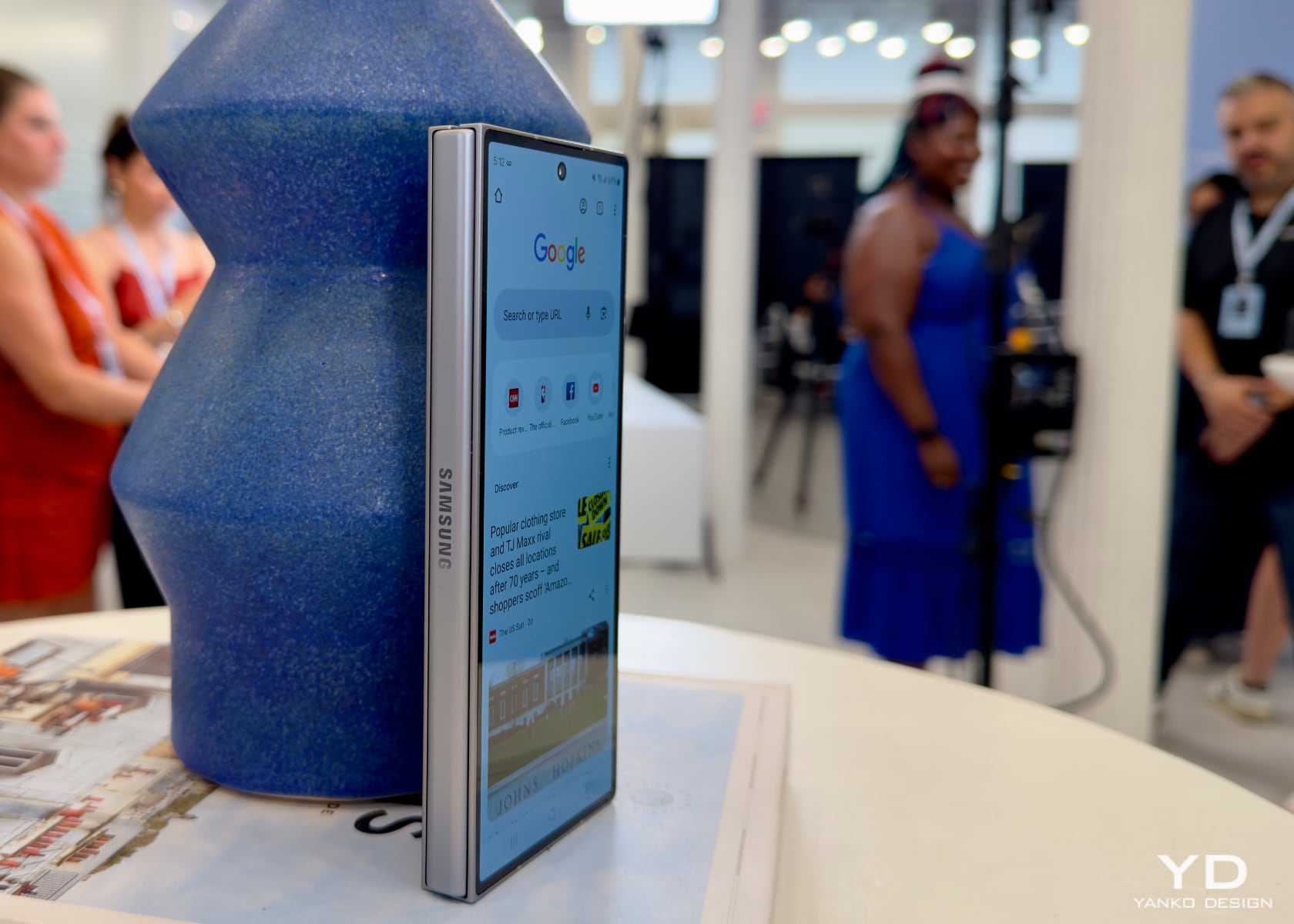
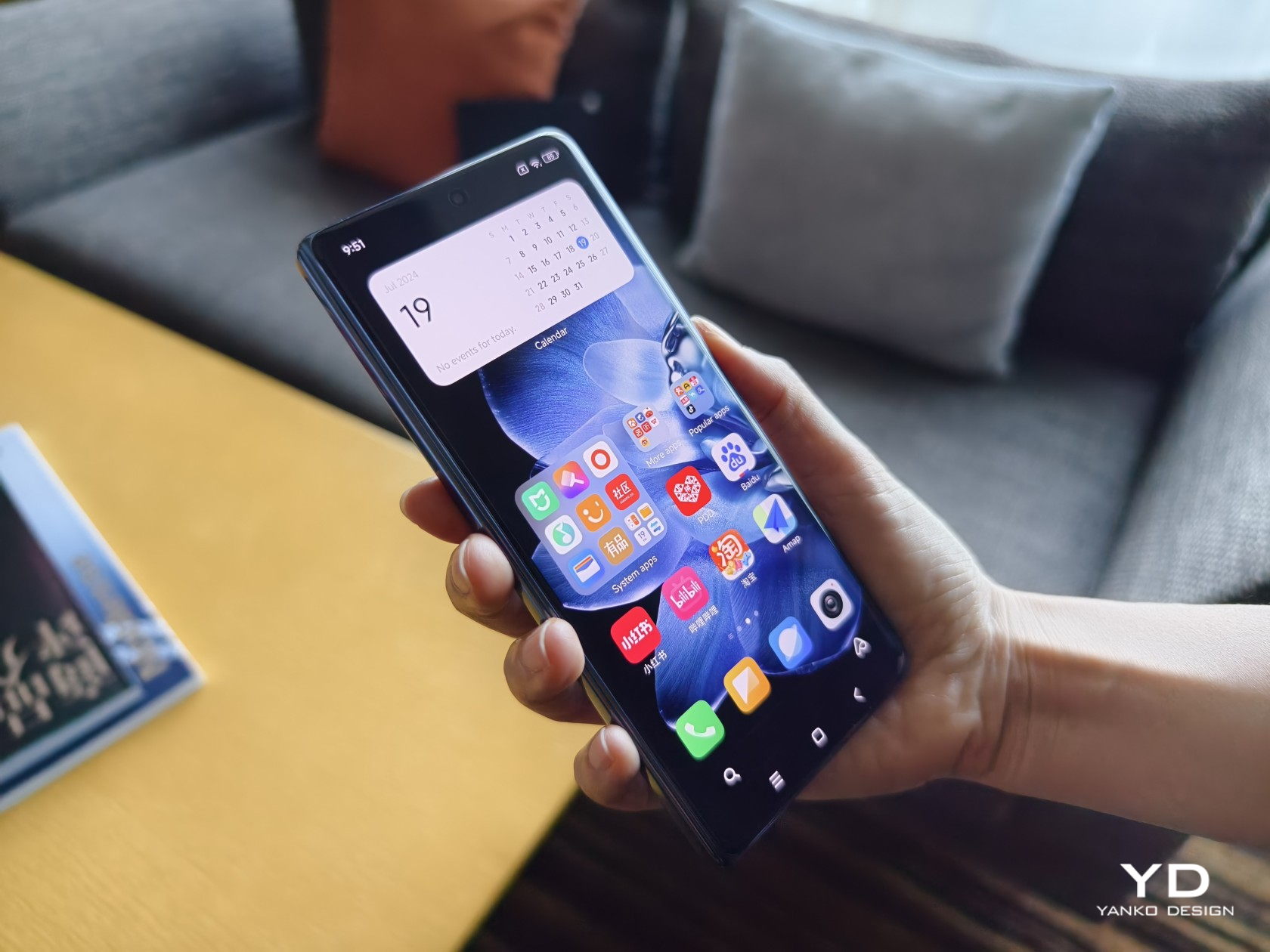
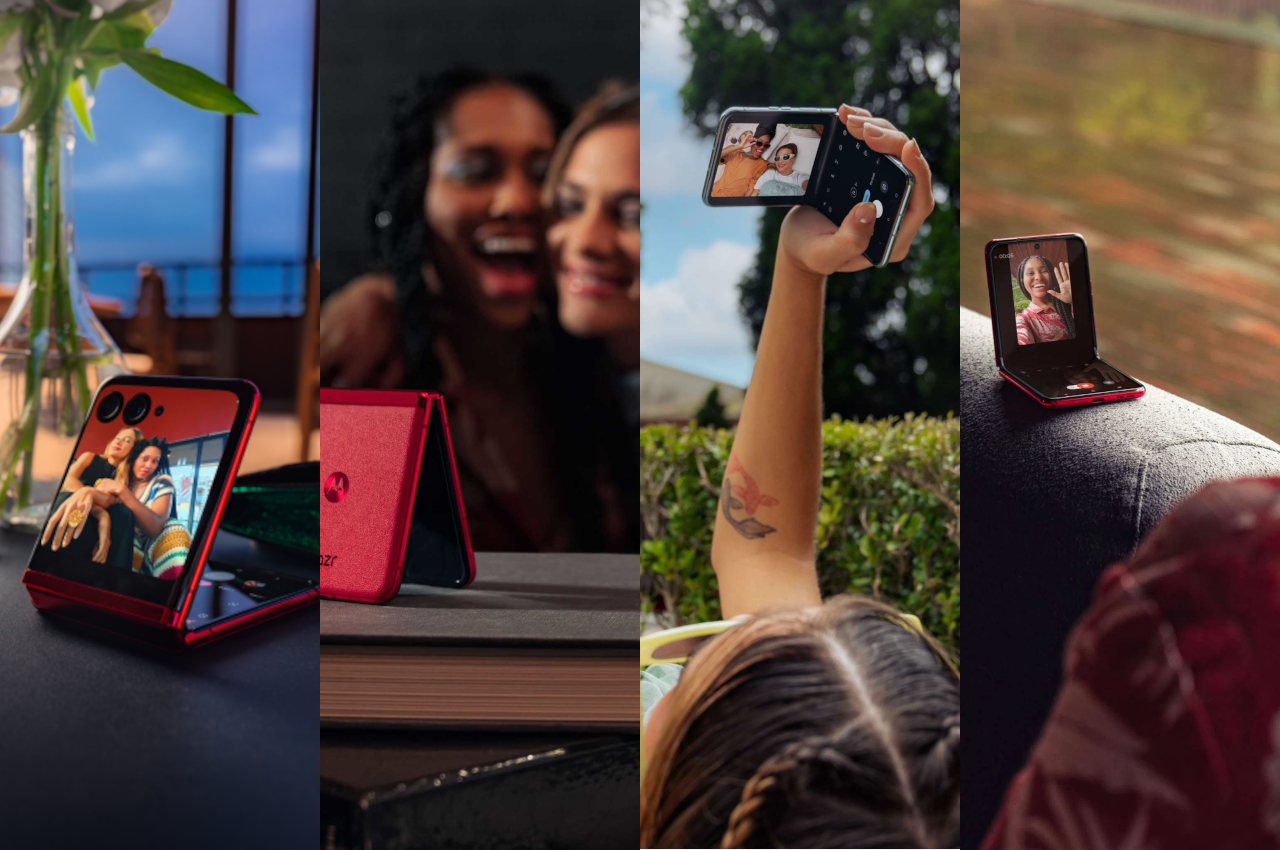
Fortunately, the nubia Flip 5G delivers exactly that, and in both forms no less. Holding the folded phone is the easiest thing to do with one hand, and you don’t even have to turn the block around because the external display will automatically adjust itself depending on how you’re holding it. Whether your top is bottom or your bottom is top, you can instantly dive into the notifications, controls, or the camera without having to turn it right side up.

That said, the nubia Flip 5G is admittedly taller and wider than other flip phones, so those with smaller hands might have even more difficulty using it with a single hand. The flat, textured edges help with the grip, but reaching for the other side of the screen with your thumb will still be a tedious task. Then again, most phones these days really take single-handed use for granted, so it’s not exactly alone in this area.

Performance

So far, the nubia Flip 5G seems to punch above its price when it comes to design and comfort, so it raises the question of how the brand was able to push that price tag so low. The answer, if you haven’t guessed it already, is in the hardware. It’s not terrible, mind you, but you would do well to manage your expectations that this isn’t a $1,000 phone.

If you were to really put the flip phone in a box, you would file it under the “mid-range” category. The Qualcomm Snapdragon 7 Gen 1 processor it uses is from way back in 2022, and its 8GB of RAM sounds almost meager. Fortunately, this combination has enough silicon muscle to drive a fluid and responsive user experience (especially if you boost the RAM by 12GB by taking away some internal storage space), so you might not even notice the difference. Yes, games need to be set to medium or lower, and certain activities will really raise the temperatures, but there are no show-stopping flaws that would make you throw the phone in frustration.

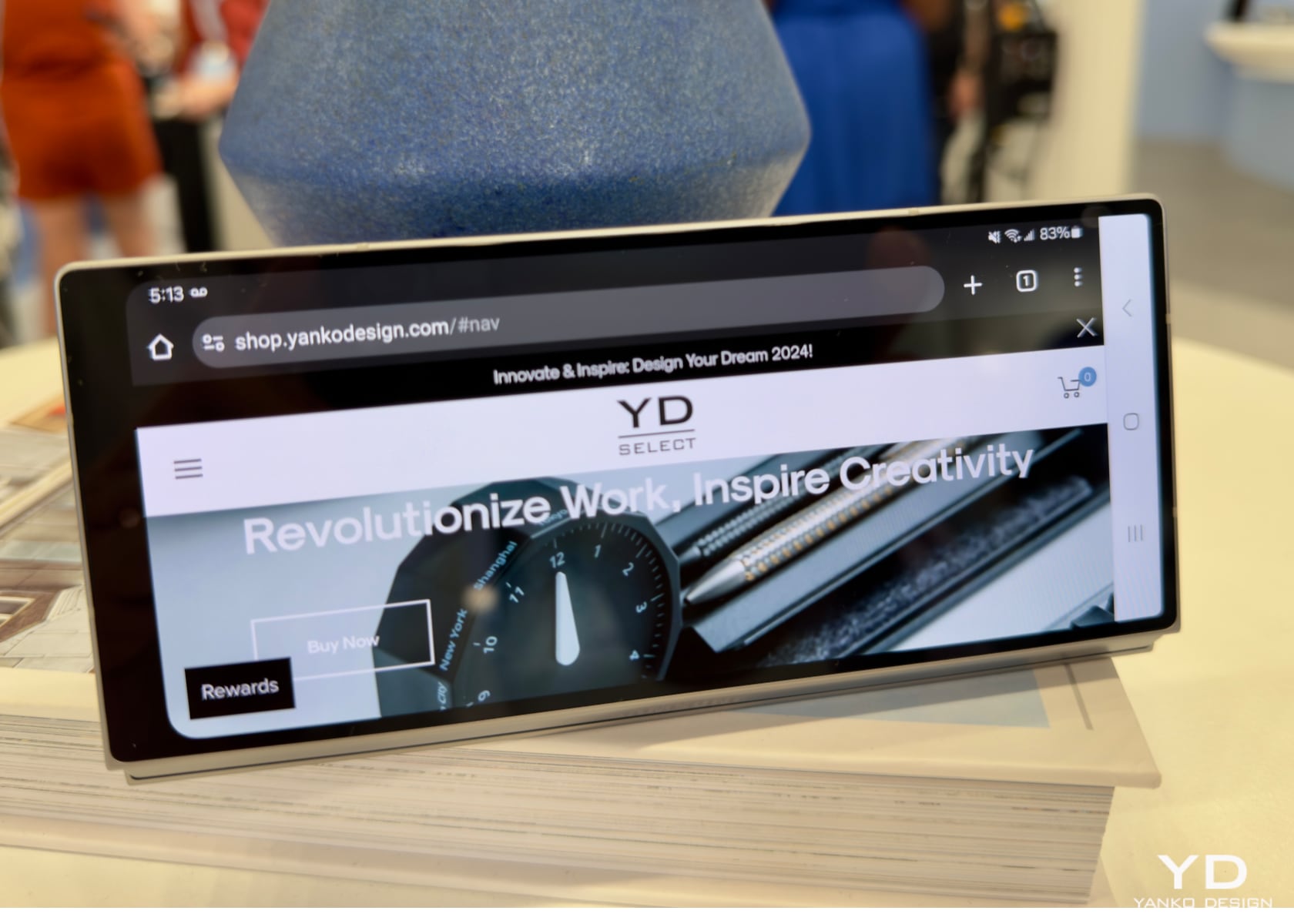
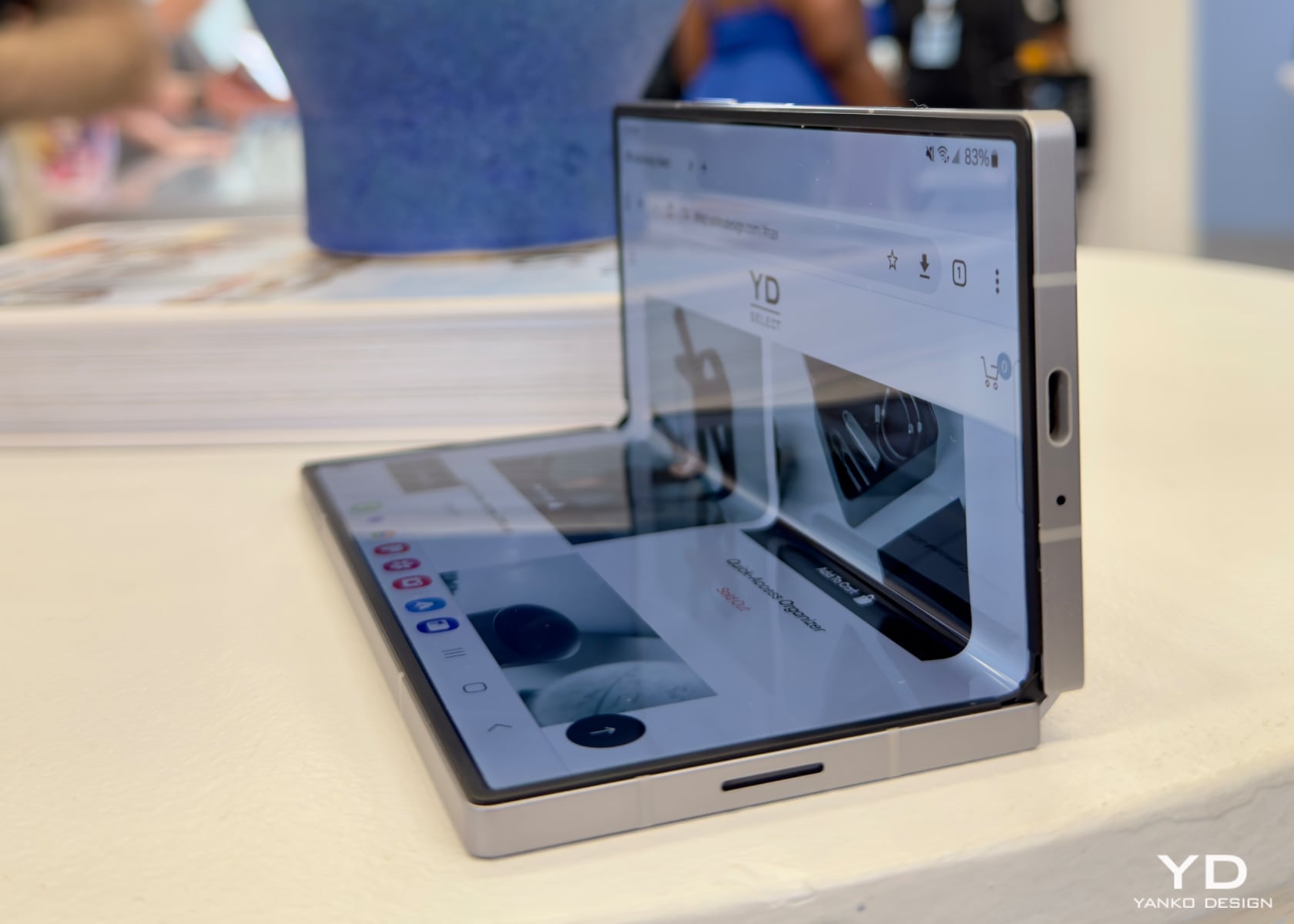
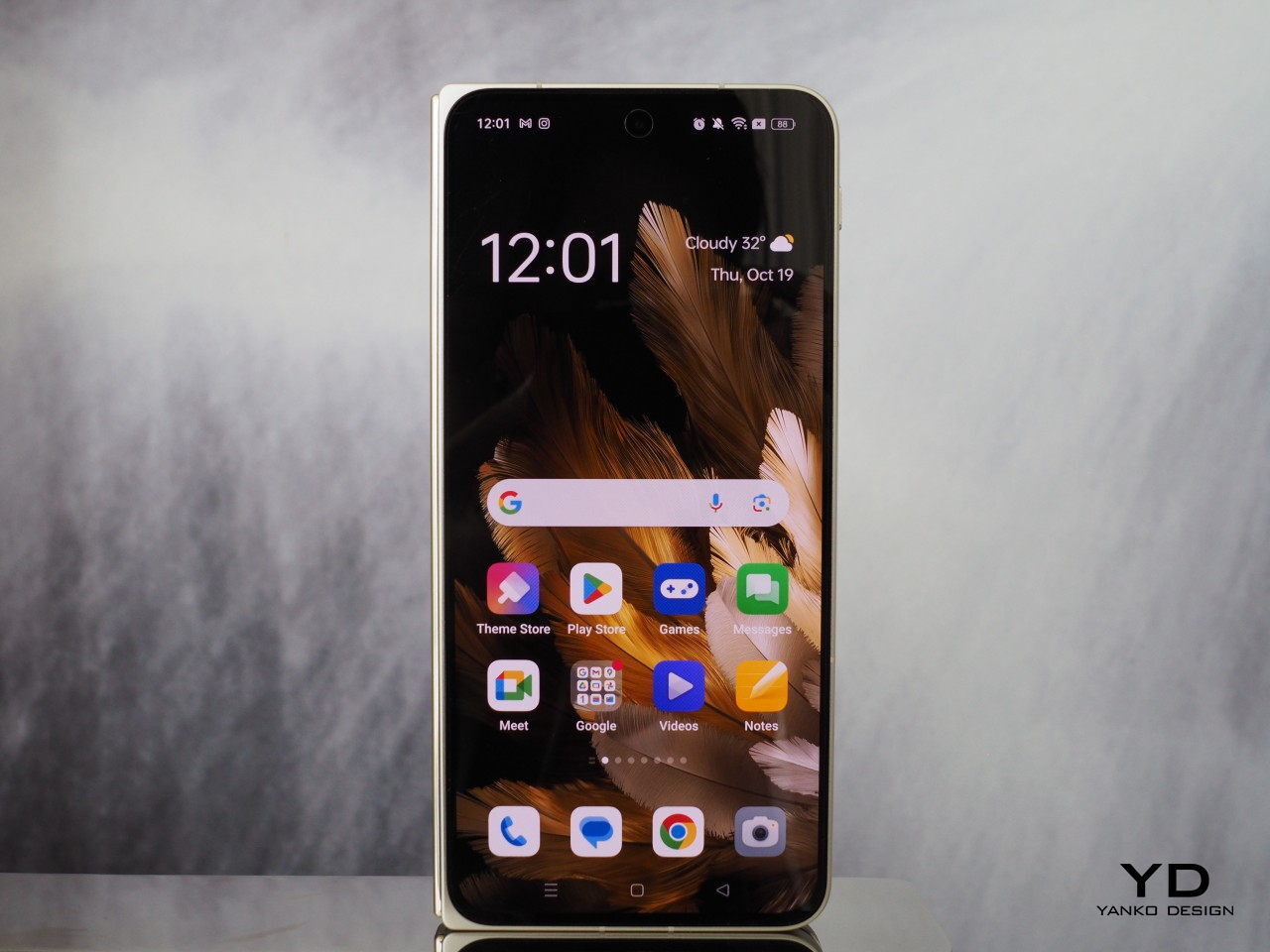
Even better, the 6.9-inch 120Hz OLED foldable display is actually impressive in its brightness and performance. You’ll have to fiddle with the refresh rate settings to get the right speed you want, but the screen is no joke when it comes to responsiveness and colors. Thanks to the phone’s hinge design, you’ll hardly see the crease unless you intentionally go looking for it. Your finger with definitely feel its existence, but you’ll barely notice it in day-to-day operations. The 1.43-inch circular OLED screen on the back shares these same properties, minus the flexibility, but its small size looks odd when placed side-by-side with other flip phones. At the same time, however, this allows nubia to craft simpler, more beautiful, and less distracting experiences rather than giving you another phone on the back of your phone.

In addition to older hardware, the nubia Flip 5G also runs MyOS 13 which is based on, you guessed it, Android 13. We’re past the time when new devices would come out with old Android versions, so this comes as a bit of a surprise. In 6 months, Android 15 will also be out, making this version very old in terms of features and bug fixes. What makes the situation a little worse is that we’re not confident about nubia’s track record in pushing timely updates, so new owners of this foldable phone might be stuck with the same Android version for a long time.

Battery life is a bit of a mixed bag. On paper, its 4,310mAh capacity is definitely the highest in this foldable category, but the older technology of the Snapdragon 7 Gen 1 is less battery-efficient, so it all evens out at the end. The 33W charging speed, however, makes up for its short battery life, letting you get as much as a 50% charge in just 15 minutes. In other words, you’ll still be charging almost every night, despite having a bigger battery capacity.

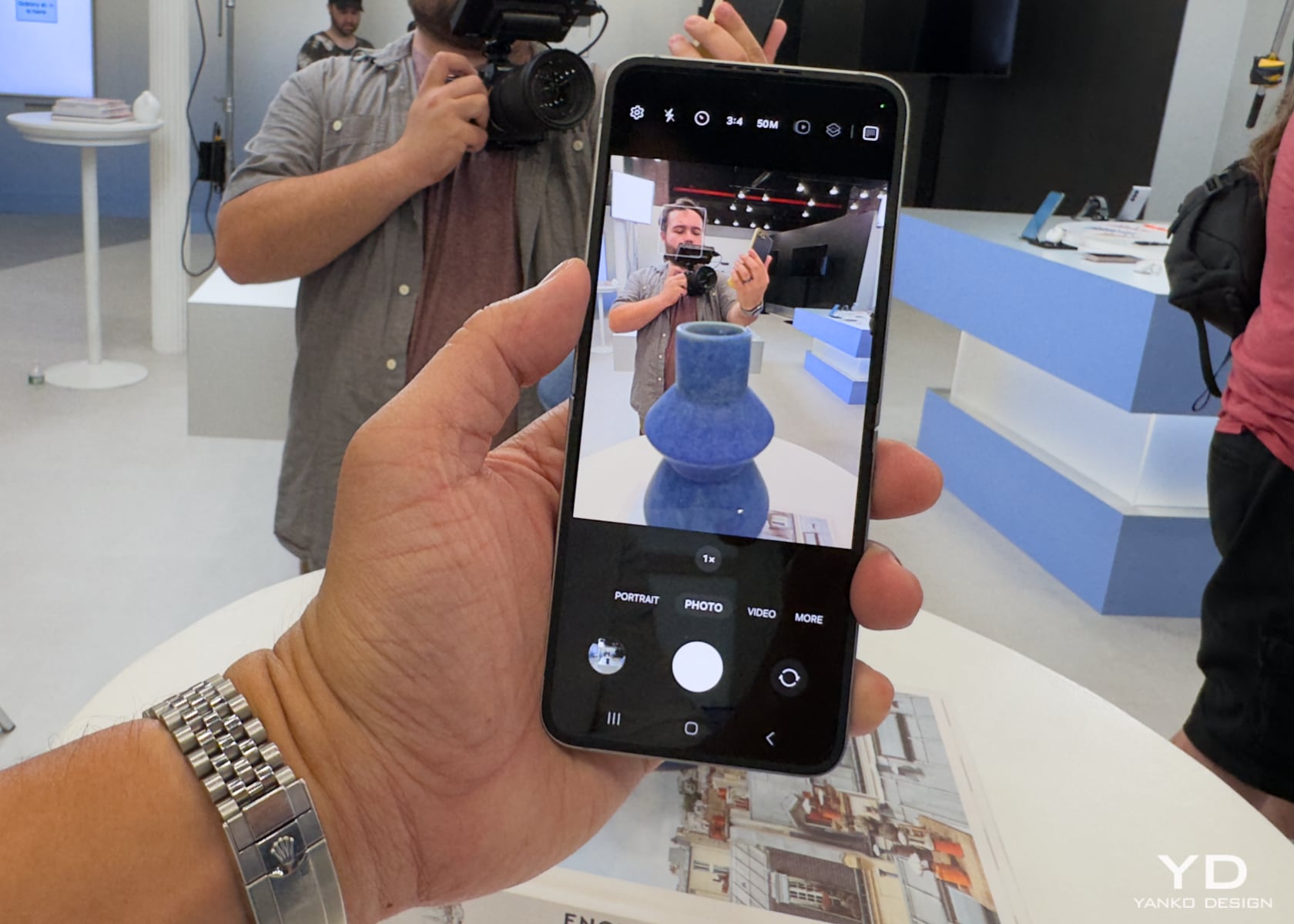
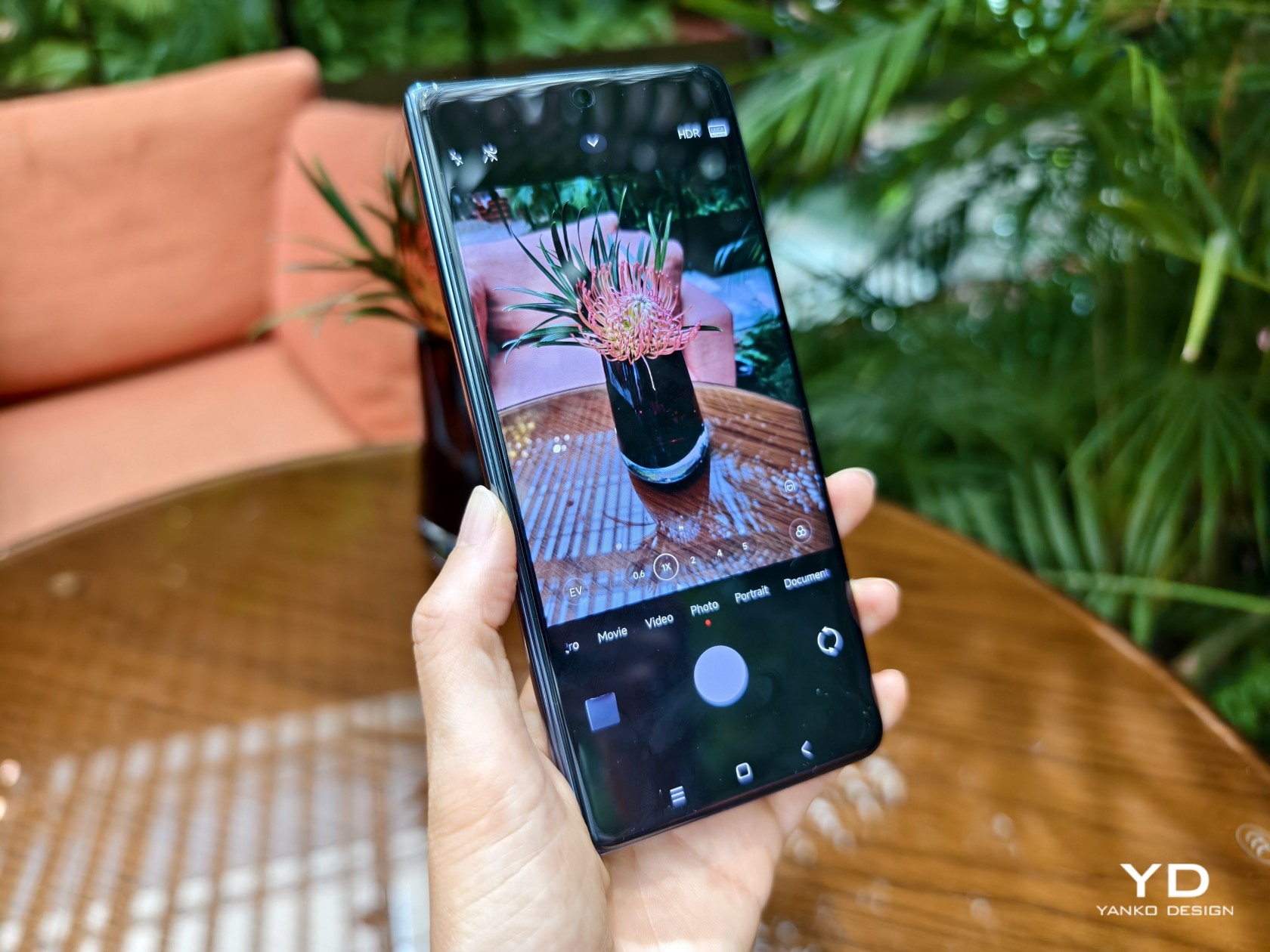
nubia’s cost-cutting strategy, however, really shows when it comes to the cameras. The 16MP front-facing camera is serviceable and takes OK selfies, but for all intents and purposes, you’ll probably end up using the main 50MP camera even for the latter. There are two sensors on the back of the nubia Flip 5G, but you can actively use only one of them as the 2MP camera is really just a depth sensor. That means you’ll be relying on that lone 50MP shooter for everything, including a 2x lossless digital zoom. And yes, there is no ultra-wide camera at all.

While megapixel count isn’t always everything, it still matters when that’s all you really have. In practice, the nubia Flip 5G’s lone camera is like a hero, doing everything to the best of its abilities, even when it sometimes fails. Images are passable and at least have enough details to make the mark. Colors, however, can sometimes look a bit washed out or dull, and there is a clear loss of detail when you zoom in. There’s no OIS, so you’ll have to make sure your subject stays still for a second or two. On the upside, this rear camera takes great portrait photos with pleasing blurs and correct separation of subject and background. With so many smartphones boasting impressive photography chops, the nubia Flip 5G sadly comes up glaringly short of expectations. Then again, it’s not exactly that shocking given how much you’re paying for it anyway.

Sustainability

Compared to regular phones, foldable phones are still infants, and some brands are just as new to playing this game. In that sense, it’s really not surprising that using more sustainable materials is probably the farthest from their minds at this point. They first want to establish the durability and reliability of their design before they change the formula to boast about the use of recycled plastics and metal. The nubia Flip 5G is no different in this regard.

That said, it naturally takes the topic of durability very seriously, even if it doesn’t make any guarantees about even being splash-proof, let alone waterproof and dustproof. The waterdrop-style hinge that allows it to fold completely flat does come with the claim of having withstood more than 200,000 folding and unfolding actions. There is a bit of a crunching sound when opening and folding the phone, though, but that’s probably more from how rigid the hinge is rather than anything breaking inside.

Value

If this were a regular smartphone, we’d consider it pretty basic to the point of being disappointing and leave it at that. But the nubia Flip 5G isn’t your regular smartphone, not by a long shot. It’s hardly the first clamshell-style foldable phone either, but it’s definitely the most affordable one in this specific category. It starts at $499 for 8GB of RAM and 256GB of storage, but $699 will get you double that memory. When you consider that something like the Samsung Galaxy Z Flip 5 starts at $1,000, then it’s really no contest.

That said, nubia’s real competition would come from its peers, like the TECNO Phantom V Flip launched last year. Yes, the $600 price tag puts it above the nubia Flip 5G, but it also comes with some important upgrades, like a more recent processor, faster charging, and more importantly, a better camera system that includes an ultra-wide shooter. It all boils down to how much you’re willing to cut out for a basic foldable experience, and you might be surprised at how much the nubia Flip 5G is able to deliver for less.

Verdict

Foldable phones are here to stay, though it’s taking quite some time for them to become the norm. Part of it is because of consumer hesitation regarding seemingly fragile devices, but an even bigger factor is the price attached to such products that may easily break from the slightest accident. Offering an affordable yet decent foldable phone goes a long way in allaying fears, and the nubia Flip 5G is the commendable hero that is bravely paving the way for others like it.

The $499 price tag for a foldable phone is nothing short of tempting, but it also raises questions about what corners were cut to get there. The camera story is definitely disappointing, as is the use of somewhat older hardware and software. None of these, however, take away from the truth that the nubia Flip 5G is a surprisingly decent foldable smartphone for its price. If you want to sink your teeth into this still-young device category but are too reluctant to spend too much on it, the nubia Flip 5G is definitely a great way to get started, as long as you set your expectations right.

The post nubia Flip 5G Foldable Phone Review: Finally, A Foldable Phone You Can Afford first appeared on Yanko Design.
Google Pixel Fold 2: News, Rumors, Price, and Release Date

Despite developing an operating system that’s used on a variety of devices and computers, Google has practically snubbed anything other than a smartphone. It’s notorious for having a love-hate relationship with tablets, for example, so it was a bit of a surprise that Google would launch its own foldable device. Perhaps even more surprising is how it might actually release a second-gen foldable phone. Given its pedigree, the next Google foldable is definitely going to pique people’s curiosity, whether it will be called the Pixel Fold 2 or the Pixel 9 Pro Fold. Judging from what we’ve been hearing so far, this foldable phone will be undergoing several significant changes, though not all of them might appeal to Pixel fans and onlookers alike.

Designer: Google (renders courtesy of Smartprix, @OnLeaks)

Google Pixel Fold 2: Design

For three generations since the Pixel 6 in 2021, Google seemed to have settled on a signature design that, unusual as it may have been, gave its phones a unique personality. It seems, however, that Google has gotten tired of that look and will be moving to a different design for the Pixel 9 series. For better or for worse, that change is apparently happening to the foldable version of the Pixel as well, but not in the same way as leaks and renders would have it.

The camera bump, which was a horizontal bar across the width of the Pixel Fold’s “back,” has now been reduced to a more conventional rectangle. But unlike the ones you’d see on other smartphones, Google opted for an odd horizontal layout, with black pill-shaped markings that hold the actual camera lenses. It’s definitely an unusual design, but unlike the current “visor” shape, many might find it visually unappealing.

Fortunately, there will be even more important design changes in store for the Pixel Fold 2 (or Pixel 9 Pro Fold), though they might be a bit more subtle. According to rumors and at least one leaked prototype, the next Google foldable will have an outer screen that is taller than its predecessor, yielding an unfolded shape that is more square than the first Pixel Fold as well. Whereas the Pixel Fold had a rectangular shape that resembled a small notebook, the Pixel Fold 2 could be more like a minuscule iPad mini.

This change in screen aspect ratios isn’t just cosmetic and will have important usability implications. It won’t be as tall and narrow as the Samsung Galaxy Z Fold 5, which is notorious for being almost unusable as a regular phone, but it could make it a bit more awkward to use the Pixel Fold 2 in folded form, at least with a single hand. Those who loved the current wider design of the Pixel Fold might be disappointed, but those who missed using a 16:9 phone will welcome this change.

Samsung Galaxy Z Fold 2

Samsung Galaxy Z Fold 2

Samsung Galaxy Z Fold 2

Google Pixel Fold 2: Specs and Software

With the change in screen aspect ratios come changes in screen sizes as well, and everyone will probably love what’s rumored so far. The Pixel Fold 2/Pixel 9 Pro Fold is expected to have bigger screens on both sides, though there is some agreement on the exact sizes. Some claim that the external Cover Screen will be 6.4 inches and the main foldable screen will be 7.9 inches, while another source uses 6.29 inches and 8.02 inches for those same screens, respectively. Either way, it will still be a significant size boost compared to the current Pixel Fold’s 5.8-inch exterior and 7.6-inch interior displays.

As far as the hardware is concerned, Google might debut a new Tensor G4 on the Pixel Fold 2, a very big leap from the Tensor G2 on the OG Pixel Fold. Details on this new processor are still extremely slim at this point, but you can expect significant performance improvements, especially on Google’s favorite AI features. Uncharacteristically, Google might also be extra generous and give the Pixel Fold 2 as much as 16GB of RAM, something that even the Galaxy Z Fold 6 isn’t expected to have.

There seems to be some disagreement on which version of Android the Pixel Fold 2 will ship with, but that mostly depends on when the foldable device will actually launch. It could go with Android 14, which is the current version in circulation, or it could delay it to coincide with the release of Android 15. Pushing the Pixel 9 Pro Fold’s launch to the end of the year might sound unreasonable, but there might be one very good reason for doing so. Android 15 betas have revealed that Google implemented improvements to the behavior of apps on foldable phones, something that its Pixel Fold badly needed.

Google Pixel Fold 2: Cameras

It’s a bit surprising that there hasn’t been any news on the kind of cameras that the Pixel Fold 2 will bear. The new camera design on the back may look like Google was making room for an additional camera, but the lack of news in that department suggests otherwise. In short, the new Pixel Fold may still be using the exact same three sensors as the current model, with some additional lenses for focusing or maybe a thermal sensor for taking temperatures. It wouldn’t be unheard of for Google, since it prefers to rely on software solutions to improve image quality.

Another big camera design change will be the internal selfie camera which used to sit on the Pixel Fold’s ugly thick bezels. According to leaks and renders, the Pixel Fold 2 will do away with those atrocities, which means there’s a need to move the camera to a different place. The consensus is that it will take the form of an under-display camera similar to the Galaxy Z Fold, but it’s also possible Google will opt for a simpler solution that has a traditional punch-hole cutout for the camera.

Google Pixel Fold 2: Price and Release Date

Although the Pixel Fold 2, or Pixel 9 Pro Fold, will be advertised as an upgrade, it doesn’t seem like a huge generational leap if not for the difference in design and the new Tensor G4 processor. As such, it’s probably only reasonable to expect that the price tag won’t go higher than the $1,800 that the first Pixel Fold launched with. At the same time, it’s also not expected to go lower than that either.

As for its launch date, that could depend on whether Google wants to delay it to sync with Android 15’s release. If it’s fine with having it run Android 14 out of the box, it could follow the same schedule last year that saw the Pixel Fold hit shelves in June. Otherwise, we might be looking at an October date after Android 15 goes gold. Either way, we’ll definitely find out more next month when Google reveals the real deal at I/O 2024.

Google Pixel Fold 2: Final Thoughts

The first Pixel Fold was definitely a surprise for Google fans. It managed to carry some of the personality of the Pixel design language to a foldable phone, along with Google’s blessed flavor of the Android user experience. At the same time, however, it really failed to stand up to other options in the market, and its very thick bezels were a big turn-off for more design-conscious consumers.

Fortunately, the Pixel Fold 2 will be improving on those pain points, but it raises the question of whether it’s actually enough or if they’re the right changes to make. The screens will be larger and have thinner bezels, but Google is also moving away from an aspect ratio that was praised by some reviewers as one of its winning traits. The camera design will definitely be divisive, especially if it doesn’t bring significant improvements to the camera system anyway. While the Pixel Fold 2, or Pixel 9 Pro Fold, will catch the attention of Pixel fans and market watchers, it might not end up being the big hit that Google wants it to be, creating a self-fulfilling prophecy of low sales that will lead to the early demise of Google’s foldable phone line.

The post Google Pixel Fold 2: News, Rumors, Price, and Release Date first appeared on Yanko Design.
Samsung Galaxy Z Fold 6: News, Rumors, Price, and Dates

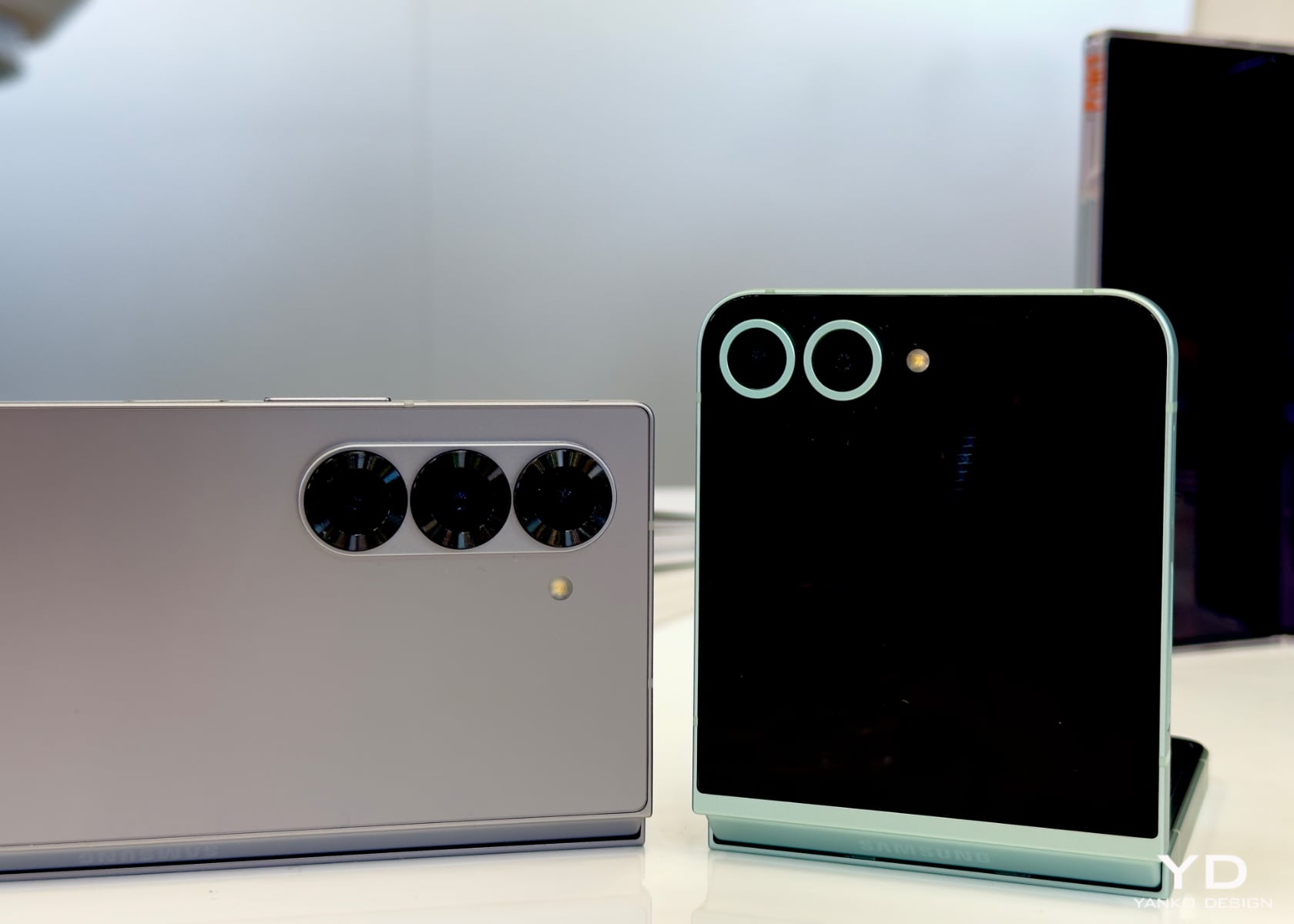
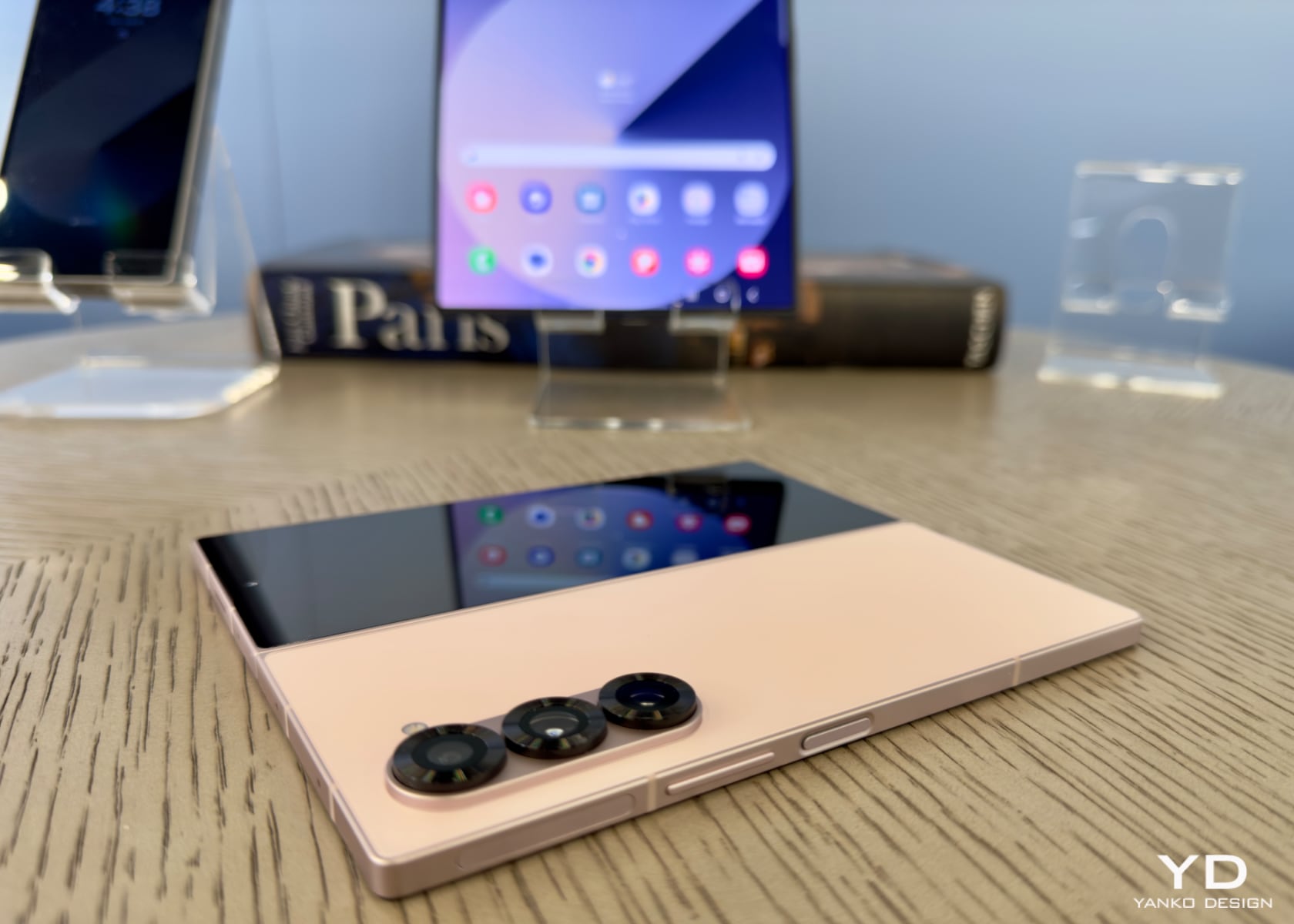
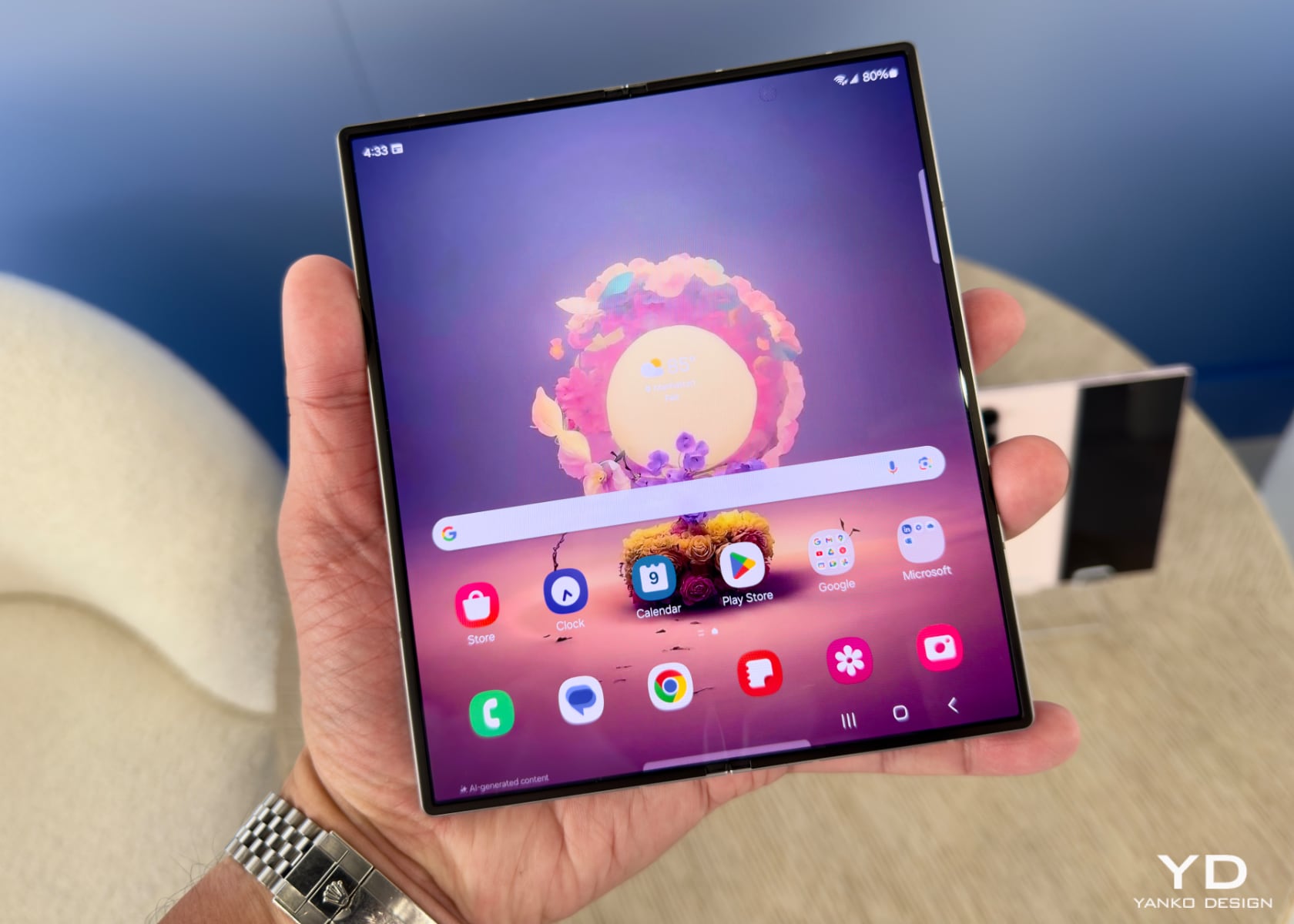
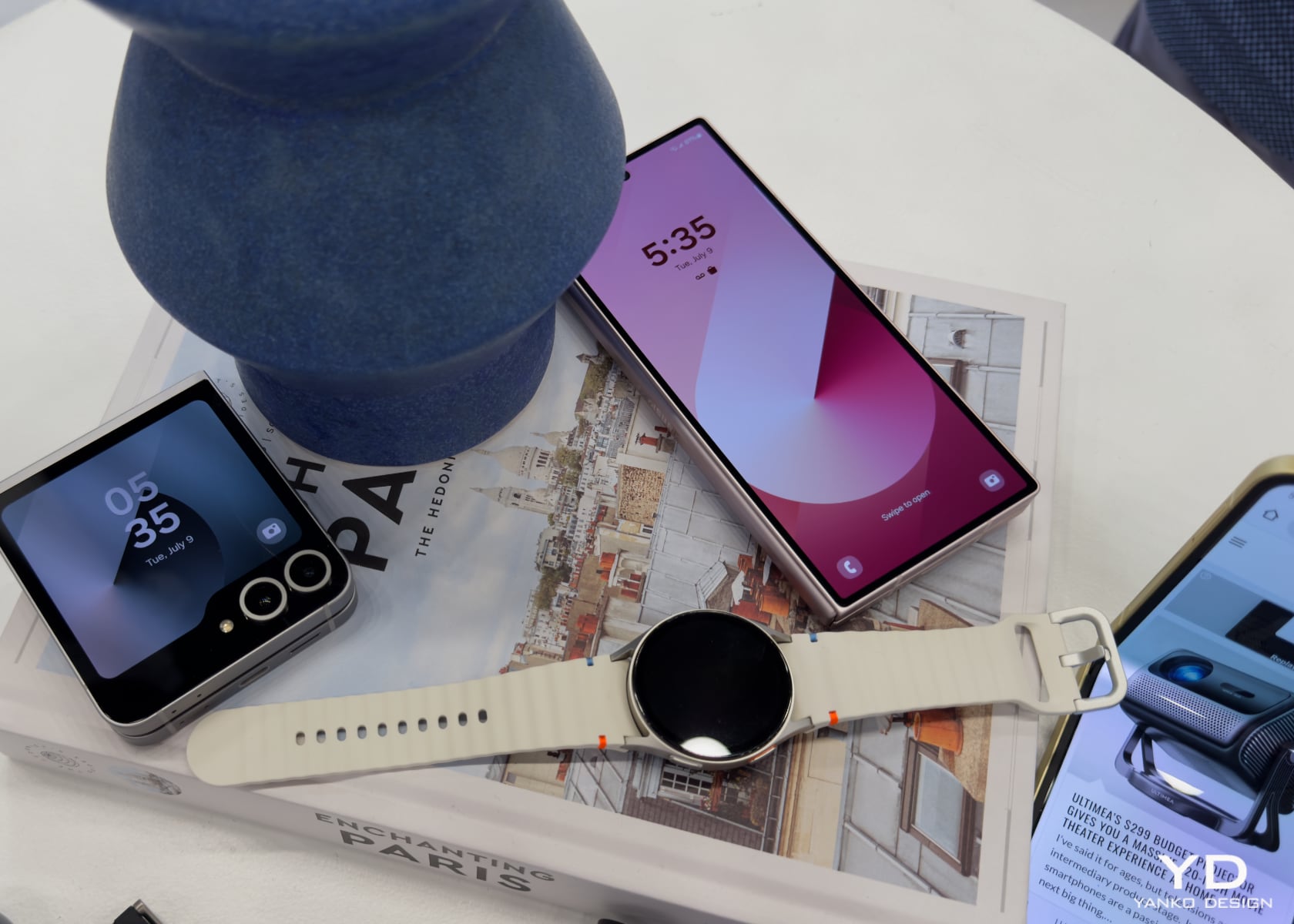
Foldable phones aren’t going anywhere, at least not yet. They might not be generating much hype nowadays, but they still stir up a flurry whenever a new model launches. There’s definitely plenty of room for improvement not just in specs but also in design, and we indeed see some brands playing around with those elements a bit. Although there are now more foldable phones available, Samsung is still the undisputed leader even if by virtue of its industry clout only. Of course, its dominance is being challenged by competitors whose designs are addressing many of the flaws and limitations of the Galaxy Z Fold, which is why all eyes are on how Samsung will respond in kind this year. We might be just three months away from the launch of the Galaxy Z Fold 6, so we’ve gathered in one place all the details we know so far to paint a more complete picture of what to expect from one of the pioneers of this still niche market.

Designer: Samsung (renders courtesy of Smartprix and Steve Hemmerstoffer/@OnLeaks)

Galaxy Z Fold 6: Design

The way a foldable phone works sounds almost so easy, but the reality is that it’s a hellish design to implement given the delicate balancing act that designers and engineers have to make. How do you design a smartphone that can be as big as a small tablet yet still be comfortable to use as a regular phone? To be perfectly blunt, Samsung failed to hit the mark with its first generation of foldables, but it seems to be inching closer to a better solution with each iteration.

Samsung Galaxy Z Fold 5

Samsung Galaxy Z Fold 5

Designer: Samsung

According to the accumulated leaks and rumors, the Galaxy Z Fold 6 will be making some rather small but significant changes to the formula. There are some disagreements on exact figures, but the consensus is that Samsung’s 2024 large foldable will have a wider external Cover Screen, a thinner and lighter frame, flatter edges, and sharper corners. These minuscule changes all add up to make the Galaxy Z Fold 6 resemble its Galaxy S cousin more.

The wider outer display will have a big impact on usability, even if the screen size itself doesn’t change. The new aspect ratio would make the phone less awkward to use as a regular phone when folded, one of the biggest and still present criticisms of Samsung’s foldable design. This does mean that the unfolded shape will be more square this time, resembling the form that other foldable phones have taken. That said, based on some of the leaked measurements, it will still not be as wide as the Google Pixel Fold or OnePlus Open which are considered to have the better design on this aspect.

Google Pixel Fold

Google Pixel Fold

Google Pixel Fold

Designer: Google

The Galaxy Z Fold 6 is also expected to be thinner (5.6mm folded, 12.1mm unfolded) and lighter (239g) than any of its predecessors. This improvement is, again, based on the design of the Galaxy Z Fold before it (6.1mm folded, 13.4mm unfolded, 253g weight), but not against other brands. The recently launched Honor Magic V2 probably holds the title of thinnest and lightest foldable, but its limited availability makes that pointless for some markets. One side effect of a thinner body, however, is that there will still be no room for an integrated S Pen, something Samsung loyals have been wishing for since the Galaxy Z Fold 3.

Honor Magic V2 RSR Porsche Design

Honor Magic V2 RSR Porsche Design

Honor Magic V2 RSR Porsche Design

Designer: Honor

There are rumors of an “ultra” model for the Galaxy Z Fold 6 where Samsung will pull out most of the stops. If true, this could be a titanium-clad model, in line with the Galaxy S24 Ultra and the general trend in the industry. Of course, this would also raise prices higher, especially if the so-called Galaxy Z Fold 6 Ultra will include other upgrades as well.

Samsung Galaxy Z Fold 5

Galaxy Z Fold 6: Specs and Software

Samsung always gives its flagship products the best specs available in the market, and the Galaxy Z Fold 6 won’t be any different. The question, however, is whether Samsung’s idea of “best” matches the expectations of buyers. This year, we’ll be looking at another iterative upgrade, and some consumers might not be that amused.

The latest Qualcomm Snapdragon 8 Gen 3 is a no-brainer for a 2024 flagship, and we haven’t heard any whispers of a special version custom-made for Samsung or the foldable. What might not see a big jump, however, is the memory that comes with the phone. RAM will be capped at 12GB yet again, with storage coming in 256GB and 512GB capacities. It’s probably high time that we get a 16GB RAM, 1TB storage Galaxy Z Fold, but that might not be on the table unless those “Ultra” model rumors pan out.

The battery is yet another aspect that is unlikely to see any changes. Although a 4,600mAh battery was earlier rumored, a thinner and lighter design would probably make more sense if Samsung sticks to the same 4,400mAh pack. Unfortunately, charging technologies aren’t expected to change either and new owners will be stuck with the same 25W wired and 15W wireless charging speeds.

Given the expected timing of the launch, the Galaxy Z Fold 6 will be launching with the latest One UI 6.1 version that will still be based on the current Android 14 release. It will mostly be the same user experience on the Galaxy S24, just with some foldable-specific features mixed in. Do expect that Samsung will heavily advertise AI features as well, especially those that it wasn’t able to focus on earlier this year.

Galaxy Z Fold 6: Cameras

While the incremental upgrades to specs can be forgiven, the biggest Achilles’ heel of this year’s Samsung foldable will be its cameras. Contrary to expectations and wishes, the Galaxy Z Fold 6 is now believed to use the exact same set of cameras that came with the Galaxy Z Fold 5 last year. That means a 50MP main camera, a 10MP 3x zoom telephoto, and a 12MP ultra-wide. The under-display camera under the foldable screen is expected to see performance improvements but still have the same 4MP sensor.

While it’s true that you can squeeze out impressive images from such sensors using software and algorithms, you can only go so far with relatively weaker hardware. The bigger question is why Samsung is unable to use better cameras when almost all its competitors can. Thickness is definitely not an issue and it’s not like Samsung’s foldables are less expensive than other foldables, so one can only wonder about the company’s reasons.

OPPO Find N3

OPPO Find N3

OPPO Find N3

Designer: OPPO

That said, it could be setting the stage for the rumored Galaxy Z Fold 6 Ultra that’s said to resemble the Galaxy S24 Ultra in some ways. In addition to a titanium frame, this Ultra foldable might borrow the 200MP camera of Samsung’s early 2024 flagship. That, however, might mean changing the foldable phone’s dimensions, particularly its thickness, so there’s a very slim chance that will be the case.

Galaxy Z Fold 6: Price and Launch Date

Samsung seems to be holding its second Galaxy Unboxed event earlier each year, especially now that it has retired the Galaxy Note line. The Galaxy Z Fold 5 was announced in late July last year, with the actual shipments starting around August. This year might follow the same pattern with the announcement happening around the second week of July. This earlier date might also be due to Samsung trying to avoid clashing with the 2024 Summer Olympics, where it could be a major sponsor and advertise the Galaxy Z Fold 6 heavily during the event.

We’re not expecting any price changes this year at least, especially since there aren’t any big changes happening. The past few foldable flagships launched at $1,800, and that could still be the same starting price for a 12GB RAM, 256GB storage configuration. That said, if there is an Ultra model, the pricing scheme could shift a bit and be a bit more complicated. The base Galaxy Z Fold 6 could start at $1,700 instead, while the Ultra model with its titanium design and higher specs might hit $2,000.

Galaxy Z Fold 6: Final Thoughts

It looks like Samsung fans will be facing another iterative cycle this year as far as the Galaxy Z Fold 6 is concerned. While there will be marked improvements in terms of performance and design, some of the pain points current owners have remained unaddressed. Hopefully, the wider Cover Screen aspect ratio will indeed improve the phone’s overall usability, the change might be a bit too subtle to matter. Photography is where the Galaxy Z Fold 6 will hurt the most, and Samsung has to prove that it can pull out a rabbit from its hat using these aging camera sensors.

Although Samsung leads the smartphone industry because of its wide reach and prestige, it is risking that advantage by sitting on its laurels for too long in the foldable market. Although some of its competitors aren’t available in major markets where Samsung plays, they do drive home the flaws in Samsung’s design. If these brands can achieve something that a giant like Samsung can’t, then people will start losing confidence in the brand’s products, creating a self-fulfilling prophecy of weaker sales for the Galaxy Z Fold line.

The post Samsung Galaxy Z Fold 6: News, Rumors, Price, and Dates first appeared on Yanko Design.
Origami-inspired table concept folds into a lamp to save space

Tables are important pieces of furniture in any human space, whether it’s the dining table at home or a meeting table at the office. That said, we don’t always use these flat horizontal surfaces all the time, and there will be times when they’re just taking up precious space. Yes, more aesthetic tables do provide some visual value, but it doesn’t outweigh the cost of their presence. Foldable tables are practical, but few actually look good even when unfolded and the hassle of moving the folded table out of the way makes them less compelling. But what if you didn’t need to put the table away because it not only becomes more compact but also serves a different purpose? That’s the kind of multi-functional design that this concept proposes, turning a table into a lamp.

Designer: Sonakshi Gupta

The Japanese art of folding paper has inspired many designs because of its beauty, simplicity, and space efficiency. A large and flat sheet of paper can suddenly become a geometric flower or swan with a few folds, significantly reducing the area that the piece of paper once occupied. This art doesn’t involve removing or adding parts, which makes each piece an independent and standalone unit.

LightUP is a concept that takes inspiration from origami and kirigami (which does involve cutting away and gluing pieces together) to design a table that not only saves space but also provides a completely different functionality or two. The squarish wooden tabletop folds up into a shape that’s like a flower bud, freeing up the space around the table for use. Thanks to ingenious invisible hinges, not only do you have a clean and flat table surface but moving only one or two corners is enough to fold and unfold the table. The easier you can perform this action, the more frequently you’re willing to do it.

Of course, that’s not where it all ends. The design’s name comes from the fact that wide LED light strips from the pyramidal base of the table to each of the four corners. Thus, the table becomes a room-wide lamp at night but can also remain as a space-saving art object when the lights are off.

Admittedly, the design’s implementation is actually more complicated than it looks thanks to the moving parts and hinges involved. Those may become points of failure over time due to wear and tear. The idea, however, could give birth to a simpler design, one that takes into account aesthetics, functionality, and sustainability altogether for a truly space-saving piece of furniture.

The post Origami-inspired table concept folds into a lamp to save space first appeared on Yanko Design.
Concept laptop and tablet adapts to your mobile working needs

As we continue to be more mobile in terms of where we work and study, gadgets and devices are adjusting to users’ needs and wants. More often than not, laptops and tablets are the devices of choice as it allows us to work wherever we want, oftentimes at cafes and shared or co-working spaces or sometimes even while commuting. There are already a lot of options out there but we continue to look at concepts that can bring even more improvements to our nomad working lifestyle.

Designer: Lee Seung-Hee

This concept laptop called LT-1 aims to solve the pain point of having a disorganized work environment when you’re working outside or having several gadgets with you even as you have limited space and are continuously mobile. What we need is to have a device that is efficient, practical, can adjust to our needs, and can multi-task just like what we’re probably doing. What they came up with is a minimalist looking laptop that has several functionalities built into it.

What’s unique about this concept is that you have a sub-display in the keyboard area which can show things that don’t need much of your attention but may be important to know. This includes your music playlist, preview of messages, and even a scheduler if you need to take a quick look at those things. Taking up 1/3 of your keyboard is the multi tablet section which basically serves as your trackpad and a multi-touch surface where you can use your pencil or stylus. It also has something called Mode Change LED although it’s not fully explained what it does. The keyboard itself has shortcut keys and there’s a function bar at the top where you have power key, switch to tablet mode, sound control, and something called “behavioral recording”.

They assume that you’ll use the LT-1 a lot so there’s a chance of overheating. There’s a back vent and a side vent to help with that as one of the ideas for this laptop and tablet in one is that it will remain cool. As a concept, this is pretty interesting but the actual execution may be challenging, and maybe even expensive. Let’s see how far the LT-1 Concept Laptop can get and if we’ll eventually see it in the market.

The post Concept laptop and tablet adapts to your mobile working needs first appeared on Yanko Design.
Origami-inspired Bluetooth mouse turns a mundane device into a fashion statement

As odd and unnatural as the computer mouse might be, it has become the standard input device second only to the keyboard. For decades, however, the design of the mouse has changed very little except when modified in the name of ergonomics. There has been a recent spate of concepts that try to breathe new life into mouse design, but many of those remain in the conceptual realm only. This peculiar design almost looks like one of those, but it’s surprisingly a product you can really get your hands on, figuratively and literally. It’s definitely unlike any Bluetooth mouse you’ve ever laid eyes on because when it’s not in use, it can fold so perfectly flat that you can even slip it into your pocket and make it look like a part of your fashionable attire.

Designer: Horace Lam

We’ve actually seen quite a few mice that can fold or lay completely flat, but few have ever made it into production because of the surprising complexity of mouse design. Origami, the ancient Japanese art of paper folding, might be great for paper, but not for something that needs to withstand the wear and tear of daily use, not to mention being carried around in bags or even pockets. That’s the rather impressive feat that the myAir.0 OriMouse claims to have achieved, offering a wireless mouse that is flat, functional, and fashionable.

In its flat and deactivated state, the OriMouse has a “V” shape with a faceted surface. Covered in vegan leather or textile, it doesn’t even look anything like a mouse. Weighing only 40g and less than 5mm thin, it looks and feels more like an art object that you carry in your pocket or in your bag. But with a simple pinching gesture that joins the two divergent ends together, the OriMouse rises to the occasion, literally, to become an essential tool for productivity.

Using the same principles that give origami designs innate stability, this foldable mouse can withstand a lot of pressure from your hand without buckling from the weight. At the same time, however, a simple push at a specific and strategic spot disengages the two neodymium magnets and collapses the structure back to its flat state. In addition to this shape-shifting trick, the OriMouse promises a more ergonomic design thanks to the polygonal structure inspired by the folds and facets of an origami object.

Although the various options available make use of textured materials to give the mouse an even more tactile experience, the OriMouse’s foldable design also lends itself perfectly to more artistic expressions. In fact, one model even has a graffiti graphic printed on its surface, and it’s not hard to imagine branding opportunities for such a design. Granted, the actual ergonomics of such a mouse will probably be a matter of debate, but if you are looking for a highly portable Bluetooth mouse, it won’t hurt to take a hard look at something that’s also so unique and beautiful that you will easily become the envy of the crowd around you.

The post Origami-inspired Bluetooth mouse turns a mundane device into a fashion statement first appeared on Yanko Design.
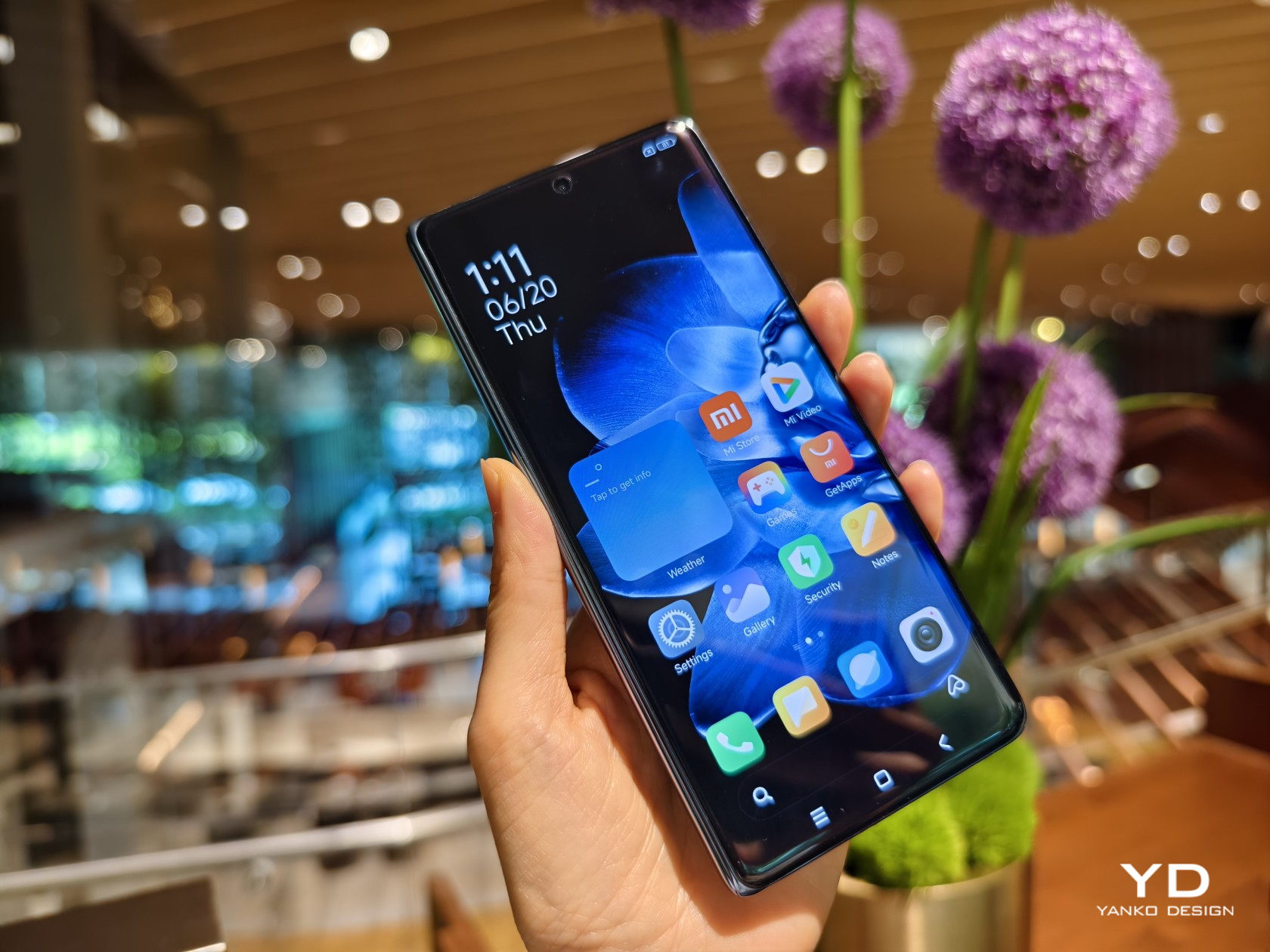
Google Pixel Fold 2 display might be even bigger, according to a leak

After MWC 2024 last month, it was clear that foldable phones aren’t going anywhere despite previous prophecies of doom. Samsung is obviously very much in the running, and Honor is pulling out the stops as well. Google is the one brand that is believed to be a bit over the fence, especially in the direction it will be taking its Pixel Fold in. There are already some expected big changes in design, but the changes might be even bigger than expected, literally. According to the latest rumor, the Google Pixel Fold 2’s screens will indeed be bigger, but they will actually be a lot bigger than previously cited, and this change could have significant repercussions for the rest of the foldable phone’s design.

Designer: Google (via Ross Young)

Although foldable phones are marketed as phones that can turn into tablets, the reality is that they can only turn into mini tablets that are even smaller than the iPad mini. This is mostly due to the requirement that these devices should still be usable as normal phones, something that’s actually near impossible if you fold a 10-inch tablet in half. Not unless you can actually fold it in three, which is what Samsung might be doing soon.

In the meantime, however, phone manufacturers have to work within that limitation, and Google will apparently be pushing the boundaries with its second-gen design. According to the newest unofficial information, the Google Pixel Fold 2 will have an external “Cover Screen” size of 6.29 inches and an internal main display of 8.02 inches. Considering the first Pixel Fold had sizes of 5.8 inches and 7.6 inches for those same screens, that’s a rather big jump in terms of screen size. For comparison, the iPad mini has an 8.3-inch screen.

That size increase won’t just be for the sake of bragging, though, as it will definitely affect the usability of the device. Yes, you will be able to enjoy more content or a less cramped space, but that could come at the cost of being bigger to hold in one hand, especially when folded as a phone. There’s also the matter of bezel size, which the Pixel Fold was notorious for. Either way, it won’t be the compact foldable that many people actually loved, so Google might lose some fans but gain others.

Unfortunately, the source didn’t confirm the other two big changes rumored for the Pixel Fold 2, particularly the aspect ratio and especially the camera design. The latter might prove to be the more controversial change for Google’s once-beautiful design, especially if the hardware upgrade doesn’t exactly warrant that change. The screens for the Pixel Fold 2 will reportedly go into production next month, so an announcement won’t be far away.

The post Google Pixel Fold 2 display might be even bigger, according to a leak first appeared on Yanko Design.
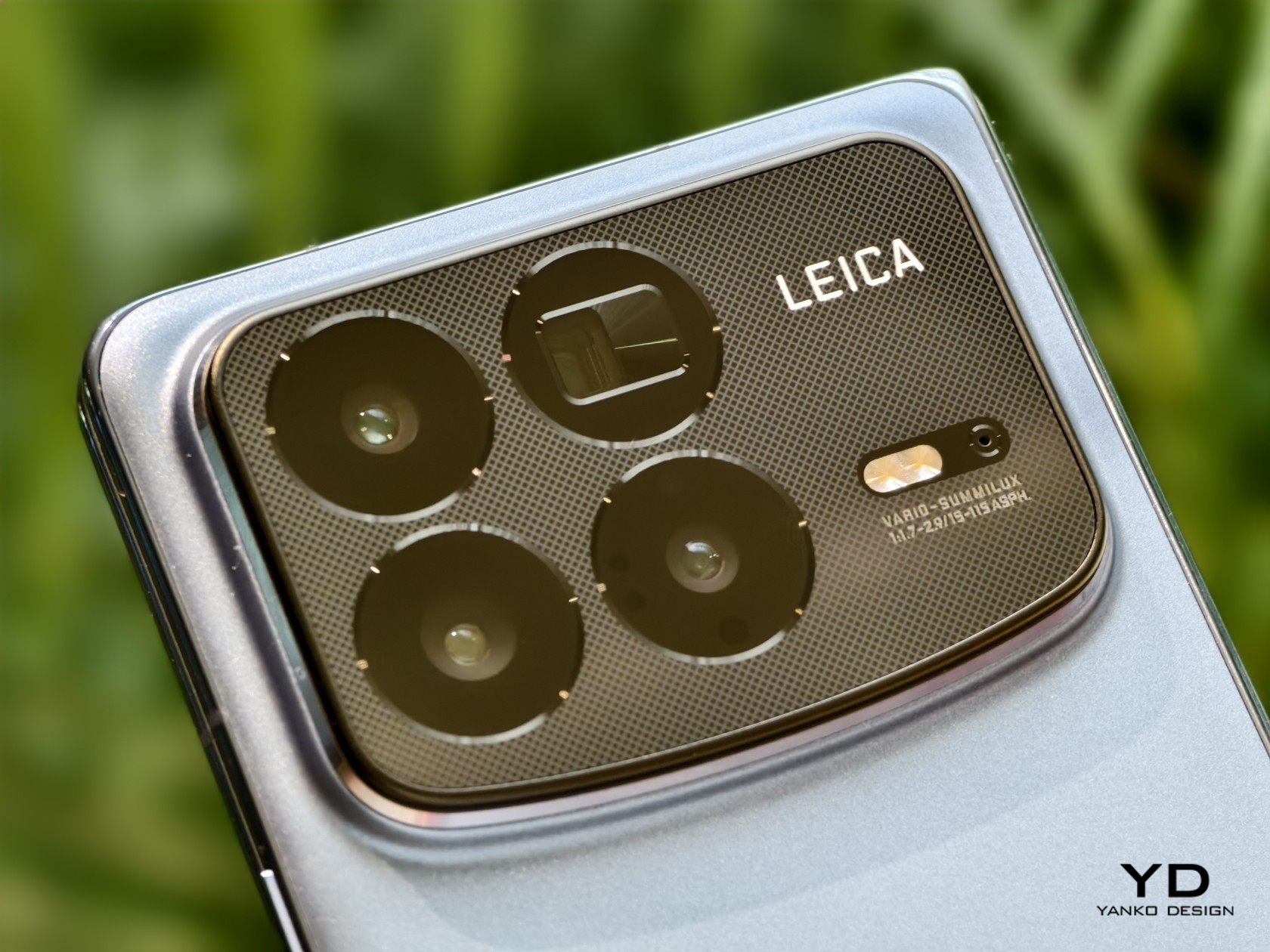
Google Pixel Fold 2 display might be even bigger, according to a leak

After MWC 2024 last month, it was clear that foldable phones aren’t going anywhere despite previous prophecies of doom. Samsung is obviously very much in the running, and Honor is pulling out the stops as well. Google is the one brand that is believed to be a bit over the fence, especially in the direction it will be taking its Pixel Fold in. There are already some expected big changes in design, but the changes might be even bigger than expected, literally. According to the latest rumor, the Google Pixel Fold 2’s screens will indeed be bigger, but they will actually be a lot bigger than previously cited, and this change could have significant repercussions for the rest of the foldable phone’s design.

Designer: Google (via Ross Young)

Although foldable phones are marketed as phones that can turn into tablets, the reality is that they can only turn into mini tablets that are even smaller than the iPad mini. This is mostly due to the requirement that these devices should still be usable as normal phones, something that’s actually near impossible if you fold a 10-inch tablet in half. Not unless you can actually fold it in three, which is what Samsung might be doing soon.

In the meantime, however, phone manufacturers have to work within that limitation, and Google will apparently be pushing the boundaries with its second-gen design. According to the newest unofficial information, the Google Pixel Fold 2 will have an external “Cover Screen” size of 6.29 inches and an internal main display of 8.02 inches. Considering the first Pixel Fold had sizes of 5.8 inches and 7.6 inches for those same screens, that’s a rather big jump in terms of screen size. For comparison, the iPad mini has an 8.3-inch screen.

That size increase won’t just be for the sake of bragging, though, as it will definitely affect the usability of the device. Yes, you will be able to enjoy more content or a less cramped space, but that could come at the cost of being bigger to hold in one hand, especially when folded as a phone. There’s also the matter of bezel size, which the Pixel Fold was notorious for. Either way, it won’t be the compact foldable that many people actually loved, so Google might lose some fans but gain others.

Unfortunately, the source didn’t confirm the other two big changes rumored for the Pixel Fold 2, particularly the aspect ratio and especially the camera design. The latter might prove to be the more controversial change for Google’s once-beautiful design, especially if the hardware upgrade doesn’t exactly warrant that change. The screens for the Pixel Fold 2 will reportedly go into production next month, so an announcement won’t be far away.

The post Google Pixel Fold 2 display might be even bigger, according to a leak first appeared on Yanko Design.
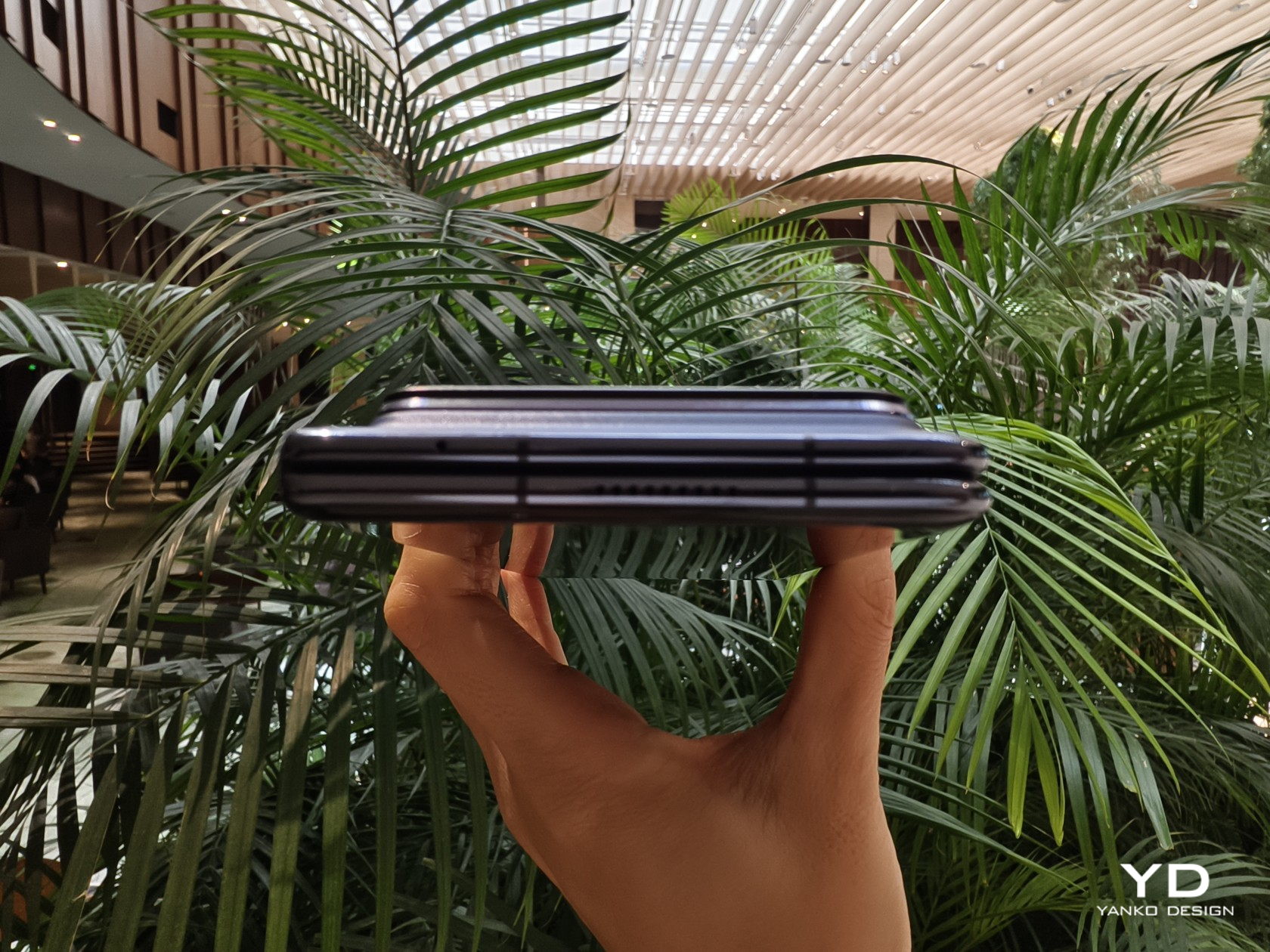
Google Pixel Fold 2 display might be even bigger, according to a leak

After MWC 2024 last month, it was clear that foldable phones aren’t going anywhere despite previous prophecies of doom. Samsung is obviously very much in the running, and Honor is pulling out the stops as well. Google is the one brand that is believed to be a bit over the fence, especially in the direction it will be taking its Pixel Fold in. There are already some expected big changes in design, but the changes might be even bigger than expected, literally. According to the latest rumor, the Google Pixel Fold 2’s screens will indeed be bigger, but they will actually be a lot bigger than previously cited, and this change could have significant repercussions for the rest of the foldable phone’s design.

Designer: Google (via Ross Young)

Although foldable phones are marketed as phones that can turn into tablets, the reality is that they can only turn into mini tablets that are even smaller than the iPad mini. This is mostly due to the requirement that these devices should still be usable as normal phones, something that’s actually near impossible if you fold a 10-inch tablet in half. Not unless you can actually fold it in three, which is what Samsung might be doing soon.

In the meantime, however, phone manufacturers have to work within that limitation, and Google will apparently be pushing the boundaries with its second-gen design. According to the newest unofficial information, the Google Pixel Fold 2 will have an external “Cover Screen” size of 6.29 inches and an internal main display of 8.02 inches. Considering the first Pixel Fold had sizes of 5.8 inches and 7.6 inches for those same screens, that’s a rather big jump in terms of screen size. For comparison, the iPad mini has an 8.3-inch screen.

That size increase won’t just be for the sake of bragging, though, as it will definitely affect the usability of the device. Yes, you will be able to enjoy more content or a less cramped space, but that could come at the cost of being bigger to hold in one hand, especially when folded as a phone. There’s also the matter of bezel size, which the Pixel Fold was notorious for. Either way, it won’t be the compact foldable that many people actually loved, so Google might lose some fans but gain others.

Unfortunately, the source didn’t confirm the other two big changes rumored for the Pixel Fold 2, particularly the aspect ratio and especially the camera design. The latter might prove to be the more controversial change for Google’s once-beautiful design, especially if the hardware upgrade doesn’t exactly warrant that change. The screens for the Pixel Fold 2 will reportedly go into production next month, so an announcement won’t be far away.

The post Google Pixel Fold 2 display might be even bigger, according to a leak first appeared on Yanko Design.
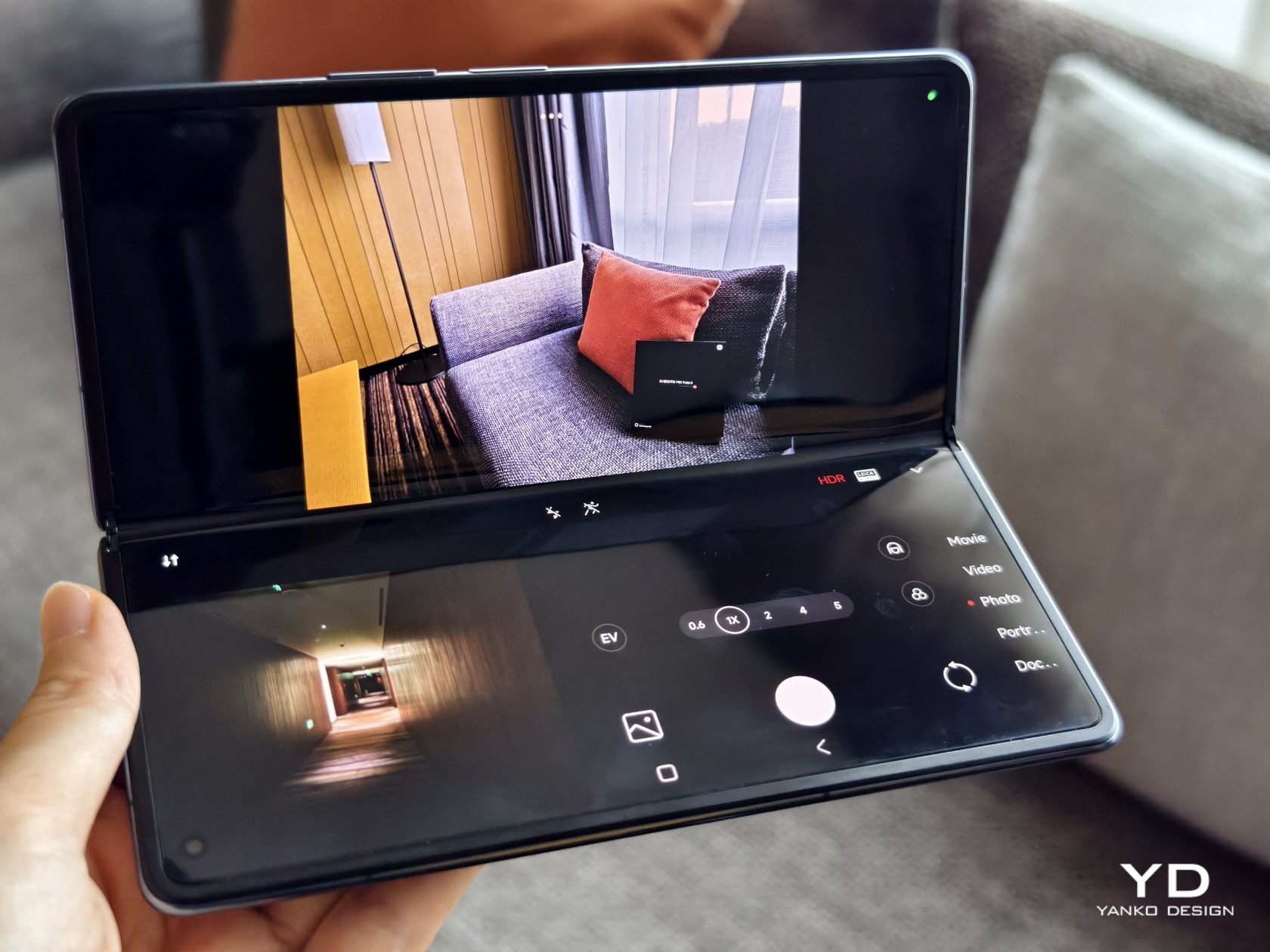
Galaxy Z Fold 6 renders reveal sharp design, rumors of Ultra model appear

MWC 2024 has seen several foldable phones that have either already launched or are still yet to come, showing that this growing market is, in fact, still growing. But even with the number of new players or new models popping up regularly, there’s no denying that one brand stands at the top in terms of both market share as well as mind share. That’s the advantage of being one of the first and one of the most aggressive to market foldable phones, but it’s an advantage that won’t last long if Samsung chooses to rest on its laurels. Previous rumors about the Galaxy Z Fold 6 hint at a very mixed bag, and fresh 3D renders of Samsung’s next foldable seem to prove that it is indeed going after iterative refinement over sensational new features.
Designer: Samsung (via Smartprix and Steve Hemmerstoffer/@OnLeaks)

Depending on how you look at it, the Galaxy Z Fold 6’s design pictured in these unofficial renders could either be sleek or boring. It admittedly shares much in common with its predecessor, save for one detail. The corners are now more angular, which gives it a sharper appearance, literally and figuratively. In a sense, it resembles the boxy Galaxy S24 Ultra now more than ever, putting it in the same category as that “pro” smartphone.

The more interesting details, however, aren’t exactly apparent in these renders. The illustrations were based on unofficial sources which claim that when unfolded, the Galaxy Z Fold 6 will have a dimension of 153.5 x 132.5 x 6.1 mm. While that does “confirm” that the phone is shorter and wider, it also indicates that the thickness hasn’t changed at all. That, in turn, could raise hopes that there might still be some room for an S Pen inside after all.

Other than that, there aren’t many changes expected for the next big Samsung foldable, especially when it comes to the cameras. That said, there are now whispers of an “Ultra” model apparently in the works, one that could have those much-awaited features like a built-in S Pen and upgraded cameras. This goes in the completely opposite direction of earlier rumors of a more affordable Galaxy Z Fold model. Then again, Samsung could also opt to lower the price of a “base” Galaxy Z Fold 6 ever so slightly in order to position the Galaxy Z Fold 6 Ultra better.

Regardless of how its actual design will come out, it will be an interesting and critical time for Samsung’s foldables. While it’s still popular, it is no longer the only game in town and its competitors are gaining ground quickly. Sooner or later, it will need to take bigger and bolder changes, especially ones that people have come to expect from one of the biggest smartphone makers in the world.

The post Galaxy Z Fold 6 renders reveal sharp design, rumors of Ultra model appear first appeared on Yanko Design.