Partition to Perfection: What are the Different Types of Room Dividers

Room dividers in houses and other residences serve multiple functions, including space division, privacy creation, clutter concealment, and decorative enhancement. They come in various materials such as fabric, acrylic, wood, and glass to suit different preferences and needs. Consideration of space dimensions, layout, and specific needs is vital when selecting room dividers to maximize functionality. Let’s take a look at the different types of room dividers that can be used to create private zones.

Designer: André Fu Living

1. Foldable Screens

Folding screens are ideal for separating spaces in rented homes since they are free-standing and require no installation. These screens simply need to be opened and folded away when not in use. Available in various styles, such as Shoji, fabric, lacquered, or lattice screens, they add depth and interest to any room. Additionally, folding screens are perfect for creating private areas like a hidden workspace or a changing nook.

Architect André Fu’s latest creation, the Art Deco Collection, merges the intricate silhouettes of Art Deco with the serene ambiance of traditional Japanese Zen Gardens. Inspired by the opulence of Art Deco and the tranquility of Kyoto’s Zen gardens, Fu introduces his comprehensive Art Deco Garden Collection. Fu’s room divider designs are informed by meticulous research on historical Japanese gardens, particularly the Tofukuji Temple Garden.

2. Suspended Room Dividers

Hanging or suspended room dividers are semi-permanent solutions perfect for dividing spaces a large open space into smaller areas. They can be fixed or adjustable, allowing them to be rolled up, slid, or pulled back, and unlike foldable screens, they can span an entire room. Available as beaded curtains, fabric curtains, bamboo blinds, or stacked louvered doors, it’s recommended to attach a weight at the bottom for stability.

Designer: Jihyun (xjabier)

Silhuous is a nature-inspired room divider crafted with acrylic ‘branches’ and tracing paper leaves. This visually appealing barrier effortlessly divides spaces, creating zones in an alluring and efficient manner. Its expandable design adapts to any space size, and it doubles as a beautiful light diffuser.

Designer: Eunsang Lee

As room dividers are versatile pieces of furniture, they often serve multiple functions such as changing rooms, photo backdrops, or private meeting spaces. Eunsang Lee’s 5A1 challenges traditional designs with its modular, infinity concept, promoting sustainability and versatility. Constructed from responsibly sourced wood and steel, it offers endless configurations, allowing for hanging clothes, mirrors, or plants. Inspired by communication, its modular design encourages interaction and creativity, aiming to foster meaningful connections between users and their belongings.

3. Sliding Room Divider

A sliding room divider provides ample opportunity to split the space into two distinct zones and can also function as a door. Acoustic panels can be installed on the divider to enhance sound insulation.

Designer: Claudio Bellini

Open office spaces might have replaced cubicles, but privacy remains essential. While wooden partitions and pipe-and-drape screens can visually separate spaces, they don’t address sound privacy. To solve this, Milan-based Claudio Bellini design studio created FP7, a collection of acoustic panels that double as room dividers and noise absorbers. Designed for open offices, FP7 panels absorb soundwaves without entirely blocking background noise and visually delineate private areas. Available in various colors and sizes, these panels resemble visual soundwaves when arranged together and can be organized as needed. Ideal for busy areas like lobbies and group workstations, FP7 ensures privacy without compromising the openness of modern offices.

Designers: Stephanie Forsythe and Todd MacAllen

Molo’s paper softwall, designed by Stephanie Forsythe and Todd MacAllen, offers flexibility with its folding and bending capabilities, shaping into curved or linear formations. Lightweight and expandable, it can define private spaces or create dramatic backdrops for performances. Made from responsibly sourced wood and coated with a non-toxic fire retardant, the softwall’s honeycomb latticework effectively absorbs sound. Available in three heights and colors, the softwall can be affixed to surfaces using steel strips and emulates sliding doors through felt handles, offering endless creative configuration possibilities when multiple units are connected.

4. Permanent Room Divider

This divider, supported by both the ceiling and floor, creates a fixed partition between two zones and can be made of glass, battens, wood, or metal.

5. Modular Partition

Modular partitions or room dividers are small to medium-sized, reconfigurable walls that can be easily moved to provide quick and versatile partitioning solutions without the need for installation. These pre-assembled walls can be arranged into your desired design and quickly set up to create private offices, meeting rooms, or conference rooms as needed.

Designer: Else-Rikke Bruun

Veneer, a flexible room partition by Copenhagen-based designer Else-Rikke Bruun, seamlessly blends traditional Mexican weaving techniques with advanced CNC milling methods. This interlaced screen wall, crafted from birch plywood planks, forms a wave-like pattern without the need for additional tools or screws. Coated with black oil for a classic marbled finish, Veneer offers both visual appeal and acoustic benefits, making it an elegant and functional addition to any space.

6. Eco-friendly Room Dividers

Designer: Crafting Plastics and Office MMK

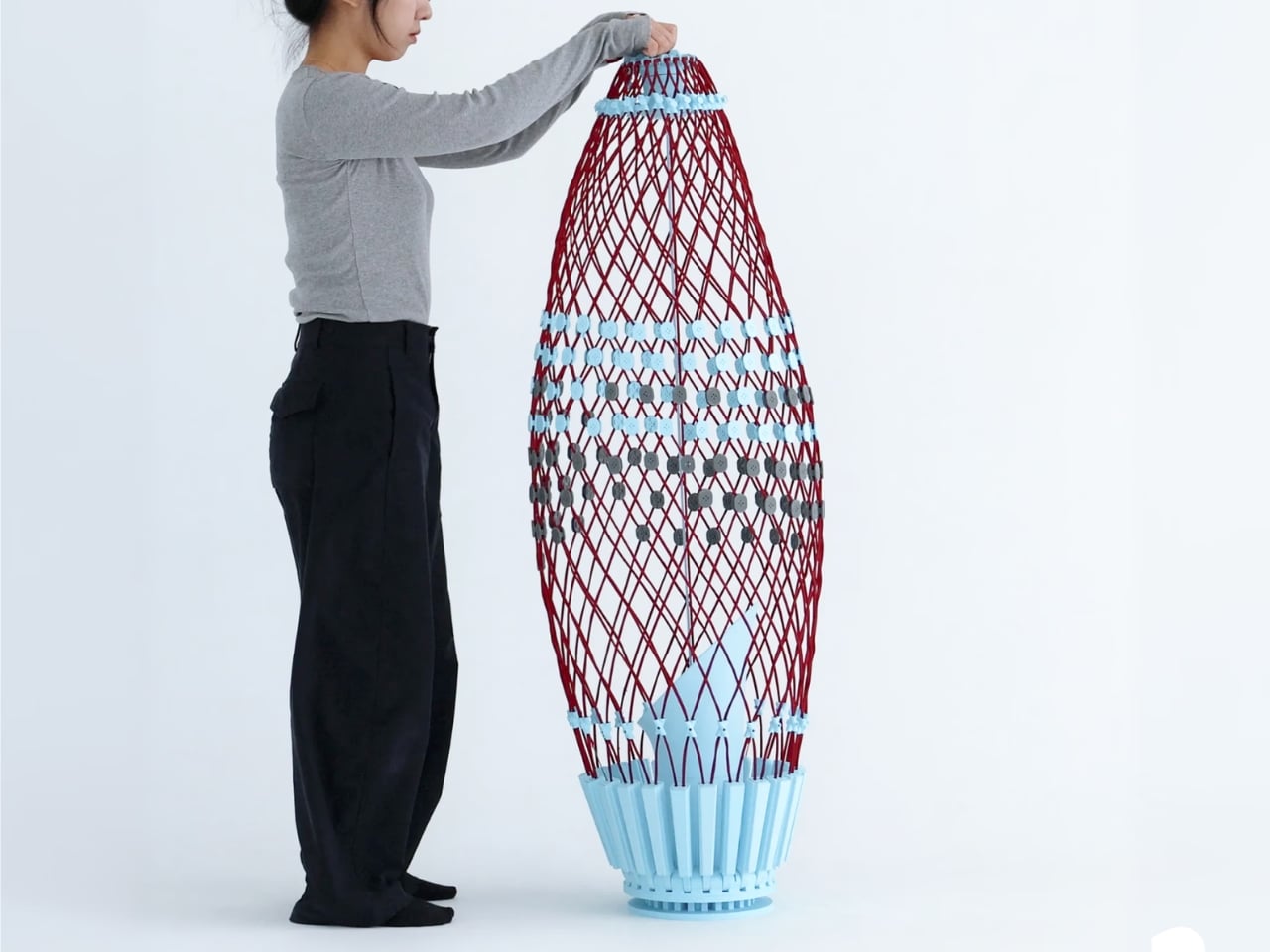
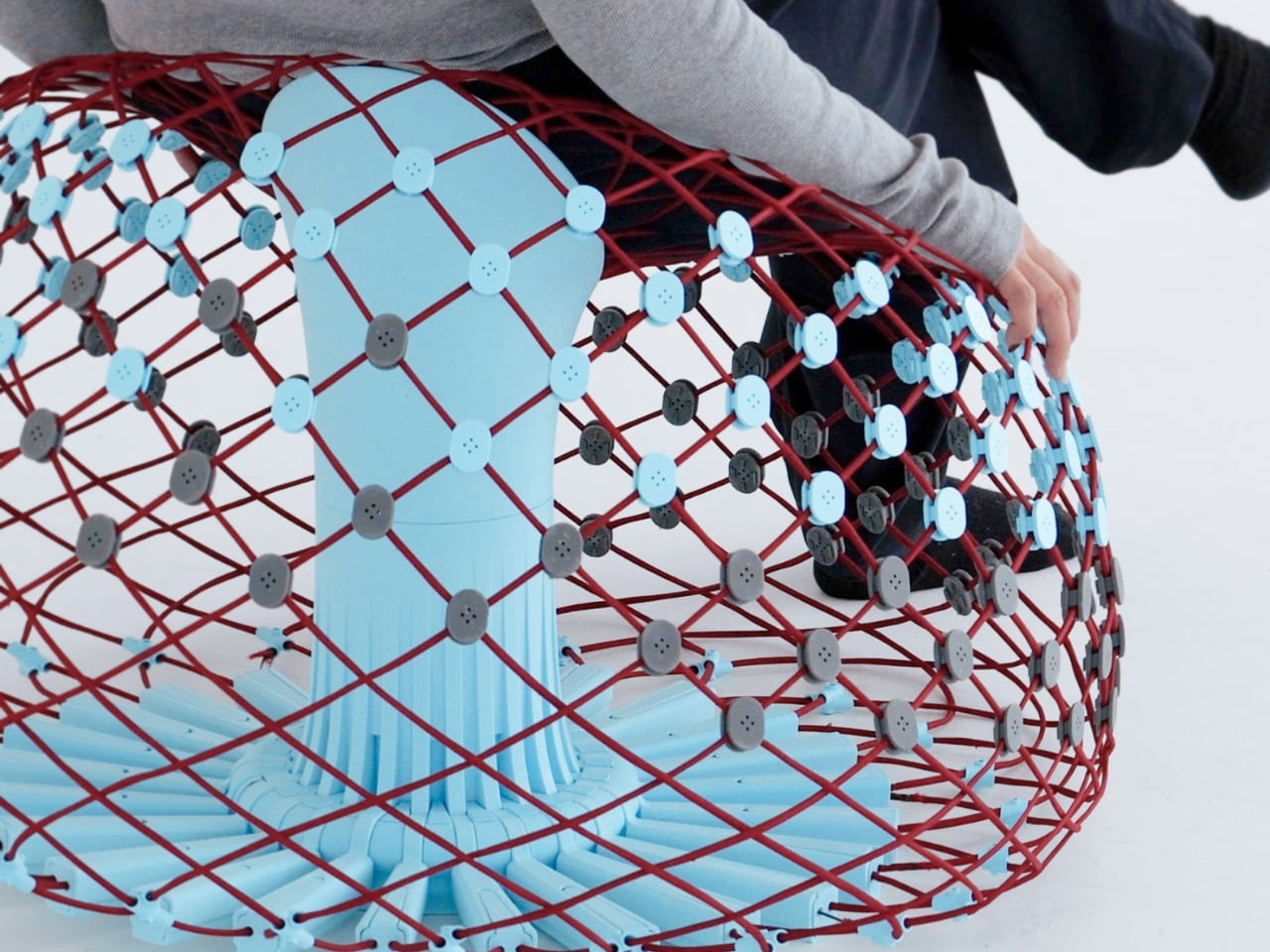
When it comes to room dividers, the usual options are functional but lack flair and BreaZea changes that. This modular 3D-printed divider is made from eco-friendly bioplastics, offering both artistic design and sustainability. Inspired by organic shapes, it resembles artwork rather than furniture. What sets it apart is its pleasant aroma, reminiscent of fresh wood. And when its lifecycle ends, BreaZea can be composted, fully biodegrading within 60-120 days.

Designer: Patrycja Gorzela

Nook is a collection of desk and room dividers made from repurposed cardboard shipping containers. Designed by Patrycja Gorzela for a Just Booth competition, Nook provides privacy in busy environments. Available in two sizes, the lightweight dividers can create personal work zones on desks or section off larger rooms. Nook offers a sustainable, practical solution for maintaining focus and privacy at work.

Designer: Interesting Times Gang and OBOS

The Veggro collection, created by Interesting Times Gang and OBOS, offers sustainable room partitions made from mycelium and orange peel. The Loom design features a mushroom-inspired pattern from mycelium, while Jugoso uses 3D-printed orange rinds to form geometric patterns. These eco-friendly panels, mounted on ash wood frames, provide acoustic insulation and decorative appeal. Veggro exemplifies biophilic design and aims to reduce carbon emissions in house building.

Designer: Sarunphon Boonto

The Bilid room divider blends traditional rattan craftsmanship with modern design, featuring straight lines that evoke peace and harmony and wavy lines that symbolize conflict and dynamism. Made from locally sourced, undyed beige rattan, it uses color and texture to convey its message. The vertical lines represent strength and order, while the wavy lines suggest movement and social conflict. Combining smooth and wavy patterns with tinted pastel colors, Bilid creates a balance of warm and cool tones, symbolizing unity through contrast. Meticulously designed, it evokes focus and calm, representing the harmonious coexistence of life’s diverse elements.

7. Geometric Room Divider

A geometric room divider is a great way to infuse texture and pattern into the room décor.

Designer: Mia Cullin

The Ro room divider blends minimalism with warm tones and natural materials, adding character to any space. Inspired by a honeycomb structure, it features rotating columns of hexagons on painted aluminum poles, allowing for customizable patterns and space openness. Covered in leather or wood with various finishes, the subdued tones provide a calming effect and a touch of luxury. Ro combines visual appeal and functionality, making it perfect for living rooms, hotels, or offices, creating a warm and comforting atmosphere without being overly flashy.

When choosing a room divider, ensure it fits your space by measuring both height and length, considering stability and safety with anchors or stands. Consider installation complexity, light diffusion preferences, and desired functionality before making a purchase.

The post Partition to Perfection: What are the Different Types of Room Dividers first appeared on Yanko Design.
High-Flying Designs: The Tug-of-War Between Comfort and Profit in Airline Seating

Air travel has always been one of the crowning glories of human innovation, proving that mankind can conquer almost anything if they put their minds to it. Over the decades, the aviation industry has been pushing the envelope of speed, efficiency, and safety, but much of the evolution doesn’t happen only on the outside of airplanes. Interior design has also been changing at an even more rapid pace, and a more visible struggle can be seen beyond seat class boundaries. Comfort, luxury, cost-efficiency, and profitability have always been the goals of all airlines, but these sometimes conflict with each other, creating an almost never-ending tug-of-war between maximizing airline profits and ensuring passenger comfort. We take a deeper close into the design philosophies and elements that define airline seating and the effects they have on the economy, the planet, and of course, human comfort.

Designer: James Lee (Butterfly Seating)

Minimalism vs. Luxury: A Deep Dive into Design Philosophies

Airline seat design has always fluctuated between two extremes, often exemplified by the division between economy and first-class sections. You have minimalism that focuses on efficiency and functionality on one end, and you have luxury that emphasizes premium experiences almost to the point of exclusivity on the other end. Of course, both philosophies are ideal to have in both seating classes to different degrees, but they also have different priorities that define the final seat design.

Designer: Aviointeriors (via Jason Rabinowitz)

Minimalist seats, for example, prioritize space efficiency and cost-effectiveness in order to both lower ticket prices as well as increase profits. By minimizing the space occupied by seats, using more lightweight materials, and adopting streamlined designs that are easier to clean, airlines can minimize operation costs while also increasing ticket sales and, therefore, increasing Revenue per Available Seat Mile or RASM figures. This is mostly seen in economy class seats and budget airlines, of which the likes of Ryanair and Spirit Airlines are best known. Aviointeriors’ 7.5kg “FABRYSEAT” concept is an example of extreme minimalism, pretty much just a metal frame with a fabric covering and a small headrest.

On the opposite end of the spectrum, luxury designs put comfort and convenience above all, even if it means increasing costs for both the company and the passenger. There is enough space to completely recline the seat into a bed and airlines offer extra amenities not available to other passengers. Given the price involved, these luxuries are only offered to business and first-class passengers, and Singapore Airlines and Etihad Airways are perhaps the most popular examples of such premium experiences.

Designer: Etihad Airways

Economic Impact of Different Seat Designs

Just like how airplanes themselves require a delicate balancing act to stay airborne, every aspect of seat design has an overall effect not just on passenger comfort but also on the airline economy in general. Two of the most important elements to be considered for seat configurations are the seat pitch and the seat width. Seat pitch, which refers to the space between one seat and the one in front of it, and the width of the seat not only affects passenger comfort but also how many passengers you can fit in the cabin.

You might think that having more seats and more passengers will always be beneficial for the airline, but that isn’t always the case. Cramped spaces are likely to also decrease customer satisfaction, leading to lower customer loyalty, and more seats and passengers will also weigh the plane down as well, requiring more fuel, interior modification, and, in the long run, higher operating costs. The duality between these two elements isn’t always clear-cut as well. For example, United Airlines has an Economy Plus that offers more legroom but at a higher price. This conundrum is at the heart of that tug-of-war that both airlines and even regulators face, balancing profit maximization and passenger satisfaction.

Designer: United Airlines

Ultra-Luxirious First-Class Seats vs. High-Density Economy Seats: A Few Case Studies

With dozens if not hundreds of airlines in operation around the world, there are just as many seat designs available that cover the spectrum between extreme minimalism and posh luxury. There are, however, a few that have stood out over the years, almost becoming representatives of these two design philosophies. Of course, business is more complicated than that, and most airlines have different sections or even aircraft that cater to different audiences and budgets.

On the luxurious side of flights, Etihad Airways is quite famous for its “The Residence,” offering a three-bedroom suite, a shower, and even a personal butler. Singapore Airlines’ Suite isn’t far behind with its full-length bed, 32-inch TV, and privacy sliding doors. Both airlines offer hotel-like amenities and luxuries available to those who can afford the rather steep price tag.

Designer: Singapore Airlines

Designer: Etihad Airways

Conversely, Ryanair and Spirit are poster children for high-volume, low-cost economy seats, with seat pitches averaging 30 inches or lower. Most of the designs are minimalist and utilitarian, employing mass-produced materials to keep costs low and tickets affordable. It might sound uncomfortable, but these configurations are quite popular with budget travelers, especially frequent flyers who simply need to get from A to B without much fuss.

Designer: Ryanair

Designer: Spirit Airlines

Sustainability in the Air: Balancing Eco-Friendly Designs with Cost and Comfort

These days, it’s no longer enough to be cost-effective or luxurious. Sustainability has become a major consideration in airline seat design, and to some extent an added complication. Companies and designers now also have to consider using eco-friendly materials that won’t compromise comfort and cost, and that’s not always an easy feat even for normal product designs.

There are a few airlines that have started that arduous journey, like Air New Zealand’s use of plant-based leather alternatives, or Recaro’s SL3510 carbon fiber-reinforced plastic to make seats lighter. There are also other concepts that not only utilize lightweight materials but also apply simpler structures and mechanisms to reduce the number of parts needed. Lighter and recycled materials can help lower a plane’s overall carbon footprint, but these materials can sometimes also cost more, so airlines have to balance the pros and cons of these as well.

Designers: JPA Design x Williams Advanced Engineering x SWS Aircraft Certification

Successes and Failures: Lessons From Both Past and Future

Aviation history is filled with stories of winners and losers, not just in flyer programs but also in seat designs. Some have become more notorious than others, while the rest served as lessons to be learned. JetBlue, for example, coined its own “Mint” business class, offering lie-flat seats and artisan dining to its transcontinental flights, a move that proved to be quite successful and popular with business travelers. In stark contrast, American Airlines’ decision in 2017 to reduce its seat pitch to below 30 inches was faced with much backlash that the company eventually backtracked.

Designer: JetBlue

Even in the realm of concept designs, there are a few that seemed to be too far-fetched and uncomfortable that they were immediately met with ridicule and even contempt. While not everyone will oppose having more seats on a plane to accommodate more passengers, a few designs seemed to prioritize that over passenger comfort, feeling like they were more interested in helping airlines game more profit instead.

The Economy Class Cabin Hexagon concept, for example, made use of a zig-zagging layout that would make some passengers, some of whom might be complete strangers, awkwardly facing each other. The Chaise Longue design, on the other hand, implemented the “double-decker” idea that would theoretically give more legroom for people on the “lower” decks but also make them feel more cramped and almost claustrophobic. Neither concept has so far been implemented, but there are also plenty of examples out there that miss the mark, one way or another.

Designer: Zodiac Aerospace

Designer: Chaise Longue

Final Thoughts

The design of airline seats is not a simple matter of choosing a form and a set of materials. There’s an ongoing tug-of-war between comfort and profit that also keeps changing over time. One generation might focus on comfort and luxury while succeeding generations might prioritize economy and efficiency. There’s also the matter of sustainability and eco-friendliness that is becoming just as important as these two factors. Airlines and designers must continually innovate and push the boundaries, looking not just for new materials but for better layouts and structures as well. Customers and regulators must also be vigilant that the interests of companies don’t overtake the experience of passengers. In the end, success in this domain hinges on understanding and anticipating passenger needs while crafting an economic model that sustains profitability amidst the ever-competitive skies.

The post High-Flying Designs: The Tug-of-War Between Comfort and Profit in Airline Seating first appeared on Yanko Design.
Rocking stool lets you relax while moving back and forth

One of my favorite childhood memories is immediately getting on a rocking chair/horse/stool whenever I see one and just rocking like crazy until I get dizzy. But of course as you grow older, it becomes frowned upon when a fully grown adult tries to ride one, especially if it’s built for kids (and you might damage it). But who says we can’t or shouldn’t enjoy one that’s specifically built for grown ups?

Designer: Dsignio

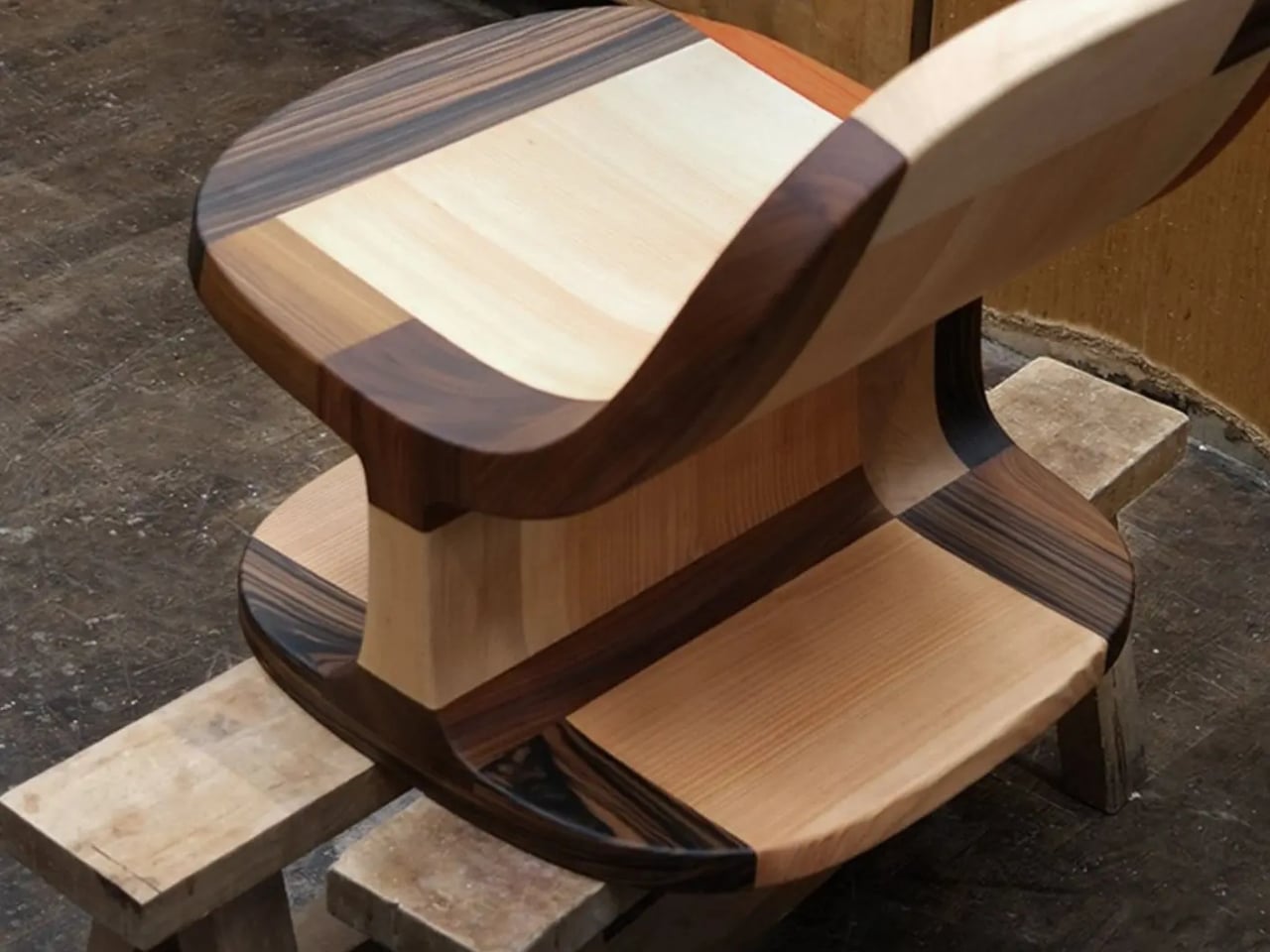
Platero is a rocking pouffe that is created specifically for people in the office that are bored sitting on regular chairs and need a break from their mundane routine. It’s a stool with a curved base that lets you rock it back and forth and change positions if you need some sort of motion as you rest for a while or even when you’re doing actually work but need a more creative work environment.

It also has a side table in front so you can place your laptop, tablet, notebook, book, or any tool that you want to use as you rock back and forth. So that probably rules out coffee or food as it might spill or fall off the chair as you sway it around. It also has an ergonomic design so you probably feel comfortable when sitting on it, or as comfortable as you can get on a stool. At least there’s a back rest part so it’s better than most stools that just have a seating part.

It comes in different finishes but the side table part is mostly wooden. If you suffer from motion sickness though, this stool may not be the best option for you to relax in the middle of work. Well, unless you use it to practice getting used to moving around.

The post Rocking stool lets you relax while moving back and forth first appeared on Yanko Design.
Top 5 Essential Reading Accessories Every Bibliophile Must Own

The word that perfectly defines me, and is a major part of my identity is ‘Bibliophile’. I’m a bibliophile through and through! Give me a good book, and I’ll be tucked away in a corner with it for hours on end, completely detached from reality and immersed in the fictional world. My love for books means I own a lot of them, and I love coming across functional and adorable products that make my reading experience smoother and more fun. We’ve curated a collection of clever and must-have products that every bibliophile needs in their arsenal. From a transparent bookmark that holds your book open for you at all times, to a nifty reading light you can clip onto your book – these fun yet functional products will improve your reading experience by manifolds.

1. Bookish Bookmark

This ingenious little design is called the Bookish Bookmark, and it provides you with a smooth and hands-free reading session, ensuring your book stays open while you read it. You don’t need to adopt any uncomfortable workarounds to keep your book open while reading or performing other tasks while doing so. It has a clear transparent design, making it great for those who follow cookbooks while preparing meals.

Click Here to Buy Now: $65

Why is it noteworthy?

If you’re a true blue bibliophile, and you like to display your books at home, then the Bookish Bookmark is the product for you. You can keep your book open, adding an aesthetically pleasing element to your desk, coffee table, or bookshelf on account of its transparent design.

What we like

  • Lets you showcase your beloved books in an organized and attractive style

What we dislike

  • The bookmark seems to be too large for small books and isn’t an ideal option for those who like small and subtle bookmarks

2. Japanese Lantern Candle

If you like spending your evenings curled up with your favorite book in the warm light of a candle, then you may want to consider purchasing the Japanese Lantern Candle. This beautiful little candle is inspired by the Japanese ‘chouchin’ lantern, and it offers some soft yet generous illumination to your reading sessions.

Click Here to Buy Now: $69

Why is it noteworthy?

The Japanese Lantern Candle draws inspiration from the iconic Japanese lantern design. The age-old lantern was modernized, creating a surreal lighting solution with a calming glow. The product is handcrafted by artisans in Kurashiki, Japan, making it a veritable collectible.

What we like

  • The outer wax doesn’t melt too fast, creating a clear body on the lantern candle

What we dislike

  • The candle does have an open flame, so make sure you don’t place your books too close to it, for fear of catching fire

3. Bowie 2.0

Every book lover needs a trustworthy and dependable reading light, and I do swear by Bowie 2.0. This clever reading light not only offers illumination to the pages of your book but the room as well. The light looks like a leather fashion accessory, that you can easily clip onto the left and right sides of your book cover.

Why is it noteworthy?

The light’s strap features LEDs, which offer a soft and warm glow, that is powerful enough to let you read in the dark. The strap illuminates the pages with a warm LED light, allowing you to read easily and peacefully. You can turn the pages and move about without the light causing any issues.

What we like

  • Equipped with touch-sensitive brightness settings, that let you adjust the LED brightness

What we dislike

  • Some people may find it inconvenient and annoying to hold a book with a clipped-on reading light

4. The Ptolomeo Bookshelf

Created by Bruno Rainaldi, the Ptolomeo Bookshelf is a beautiful ode to books, and the people who love to read. The bookshelf is designed especially for bibliophiles, serving as a rejuvenated and refreshing variant of the traditional bookshelf. The revamped design converts an everyday bookshelf into a fascinating design object, bordering on an art piece.

Why is it noteworthy?

The bookshelf is freestanding, amped by a clean and minimal form, which disappears or becomes ‘invisible’ as you fill it up with books! Ptolomeo’s thin and narrow shelves seem to vanish once you place books in them. The mesmerizing piece creates the impression of a stack of books floating in the air.

What we like

  • The bookshelf seems to “mock the law of gravity”, creating a playful illusion
  • Functional and sturdy furniture piece, plus amped with good aesthetics

What we dislike

  • It is a large and space-consuming piece, not well-suited for smaller homes

5. Reference Bookend

Designed by Henry Julier, the Reference is a minimal and classy bookend, designed for those who love to showcase their favorite books. The bookend was created to be a problem-solving tool, facilitating greater connections between the product, and the people who use it. The bookend features a round top flange offering users enough material to hold onto while adding books and adjusting it.

Why is it noteworthy?

Light bookends are tough to adjust with heavy books, hence the Reference was created to function as a sturdy, heavy, and stiff sheet steel bookend that doesn’t need downward pressure to firmly hold onto the books. The Reference Bookend is also quite easy to pick up and put down as and when needed, owing to its unique form.

What we like

  • The sturdy form that holds the books without any external pressure or support

What we dislike

  • The aesthetics of the bookend are pretty somber and sober, and may not appeal to everyone’s tastes

The post Top 5 Essential Reading Accessories Every Bibliophile Must Own first appeared on Yanko Design.
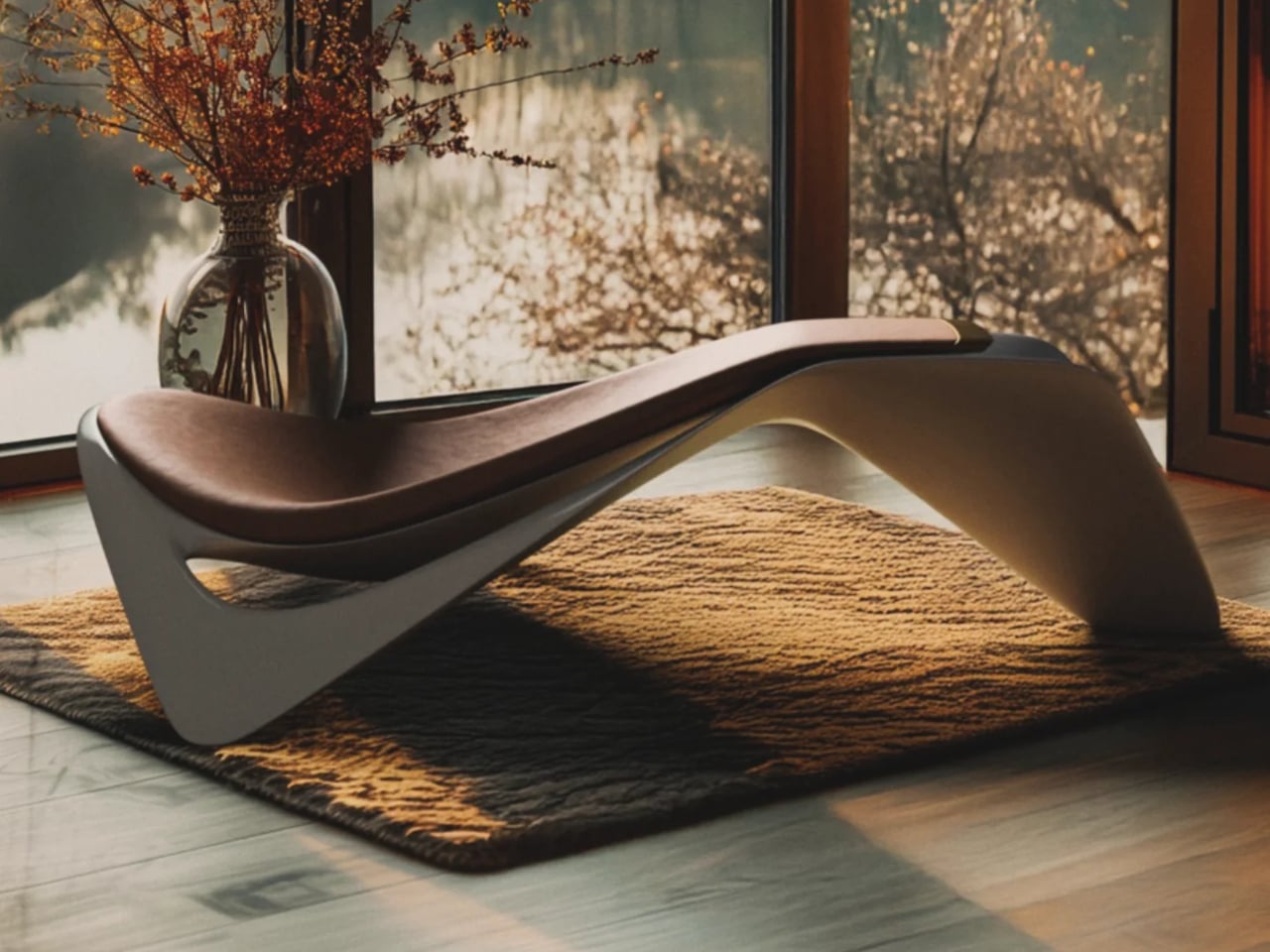
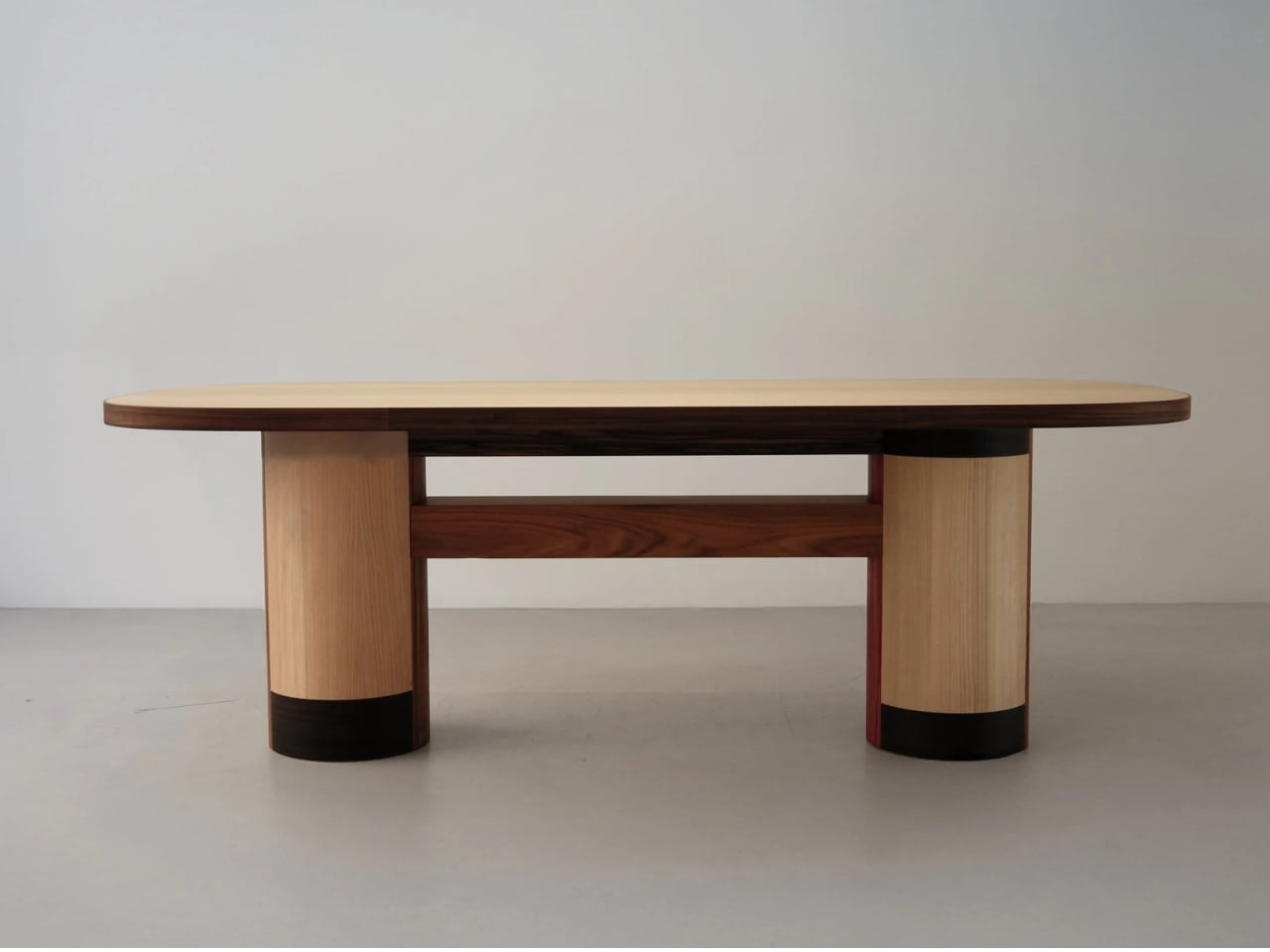
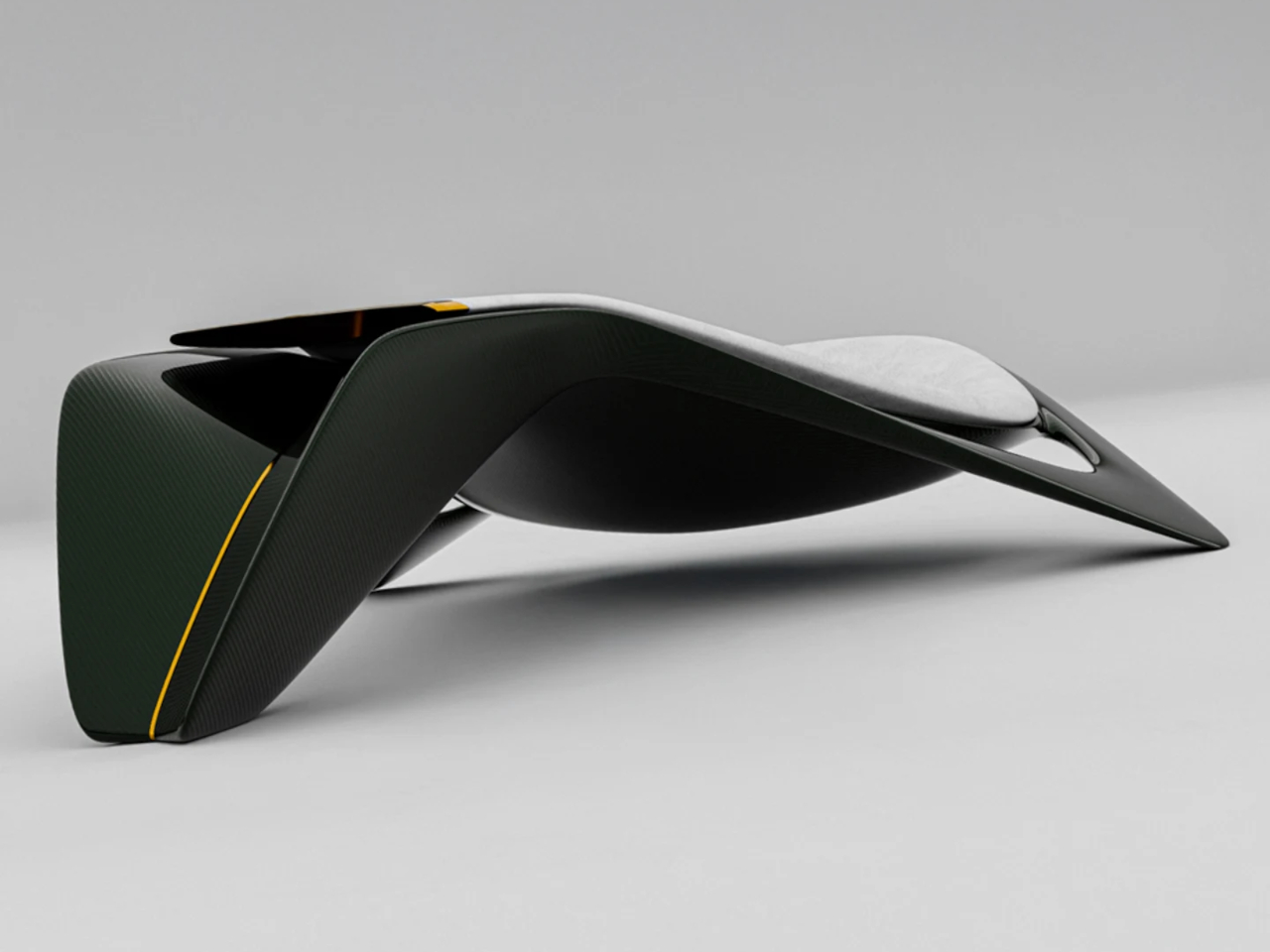
Top 5 Minimalist Wooden Furniture Designs To Enhance Your Home Decor

Wood is a wonderful and preferred material choice for furniture designers since like forever. And no wonder! There’s something about wood that instantly adds a sense of zen and calm to any living space it is placed into. It puts your mind at ease while managing to radiate a feeling of warmth and tranquility. It’s a minimal material that holds a strong personality without any additional frills and tassels. I truly believe a well-crafted piece of wooden furniture can add a magical touch to even the simplest of living spaces. Minimal, clean, and almost always soothing, beautifully designed wooden furniture helps add the ultimate finishing touch to a room. We’ve curated a collection of wholesome wooden furniture designs for you – from a dice-inspired wooden furniture design to a desk that transforms from a work of art into a functional table.

1. Flow Wall Desk

Dubbed the Flow Wall Desk, this one-of-a-kind furniture design is functional and decorative. The desk has a basic design philosophy, making it a great fit for corporate and home offices with space constraints. The desk is also pretty eco-friendly since it has been constructed from wood.

Why is it noteworthy?

Amped with a flexible and unique form, the Flow Wall Desk can be stored and folded away when not used. When folded away, the desk seems like a visually intriguing piece of wall art. When you unfold it, it resembles a spring caterpillar which functions as a desk for you to read, work, and write on.

What we like

  • Multifunctional and eco-friendly furniture design
  • Equipped with a convenient flatpack form

What we dislike

  • Since you need to fold and unfold the desk, you don’t have a constant setup

2. KURVE Furniture

Called the KURVE furniture collection, this minimal wooden furniture design utilizes only curves in its form. The curves are wrapped around a space, forming a hollow nook for your stuff. You can use the hollow space to place your belongings – ranging from books to accessories to shoes as well.

Why is it noteworthy?

The KURVE chair is throne-like and has no legs. It is equipped with a curved backless box for its bottom half. The furniture design is interesting since the arms, backrest, and seat are built from a single sheet of layered plywood. The sheet is bent on the back and sides, building the chair.

What we like

  • Merges well with different living spaces
  • You can place it near your entryway to easily store keys and shoes

What we dislike

  • The aesthetics are pretty simple, and may not be preferred by everyone

3. Flat Stool

Designed by Joao Teixeria, this flat-packed furniture design is made using no extra parts, no screws, and no glue even! It still serves as a multifunctional furniture design with a unique and appealing aesthetic, unlike those mass-produced flat-packed furniture products we tend to come across in the market.

Why is it noteworthy?

What makes the stool pretty unique is how the sides can curve and bend, even though it is flat-packed. Named the Flat Stool, it uses a pretty unconventional design and even uses kerf bending on the bent areas to build a gentle curve, making it seem like the piece was shipped like that from the start.

What we like

  • The kerfs and ribs serve as visual accents making the stool look pretty interesting

What we dislike

  • It is a conceptual design, so we don’t know how well it will translate into a tangible product

4. Dice

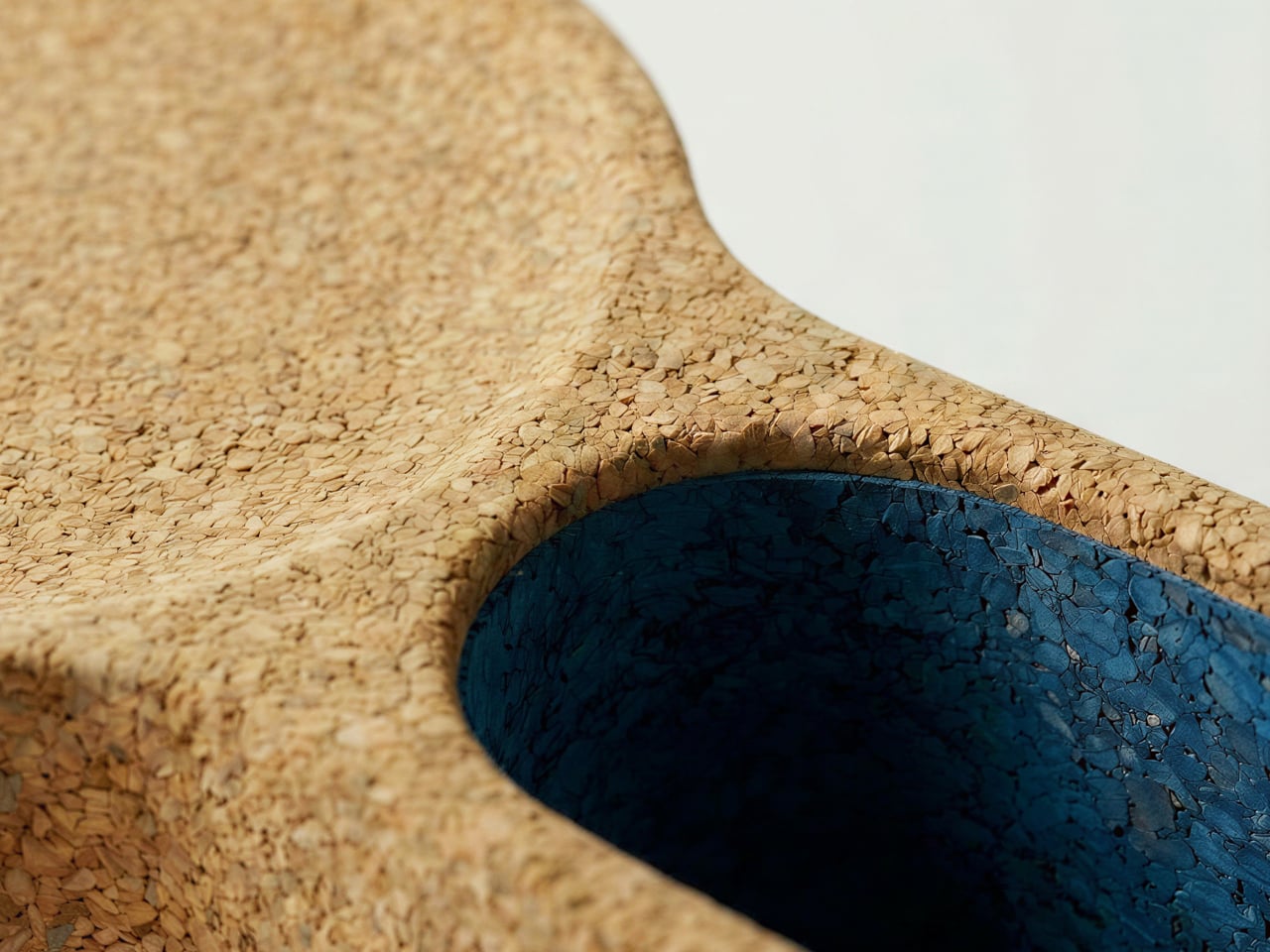
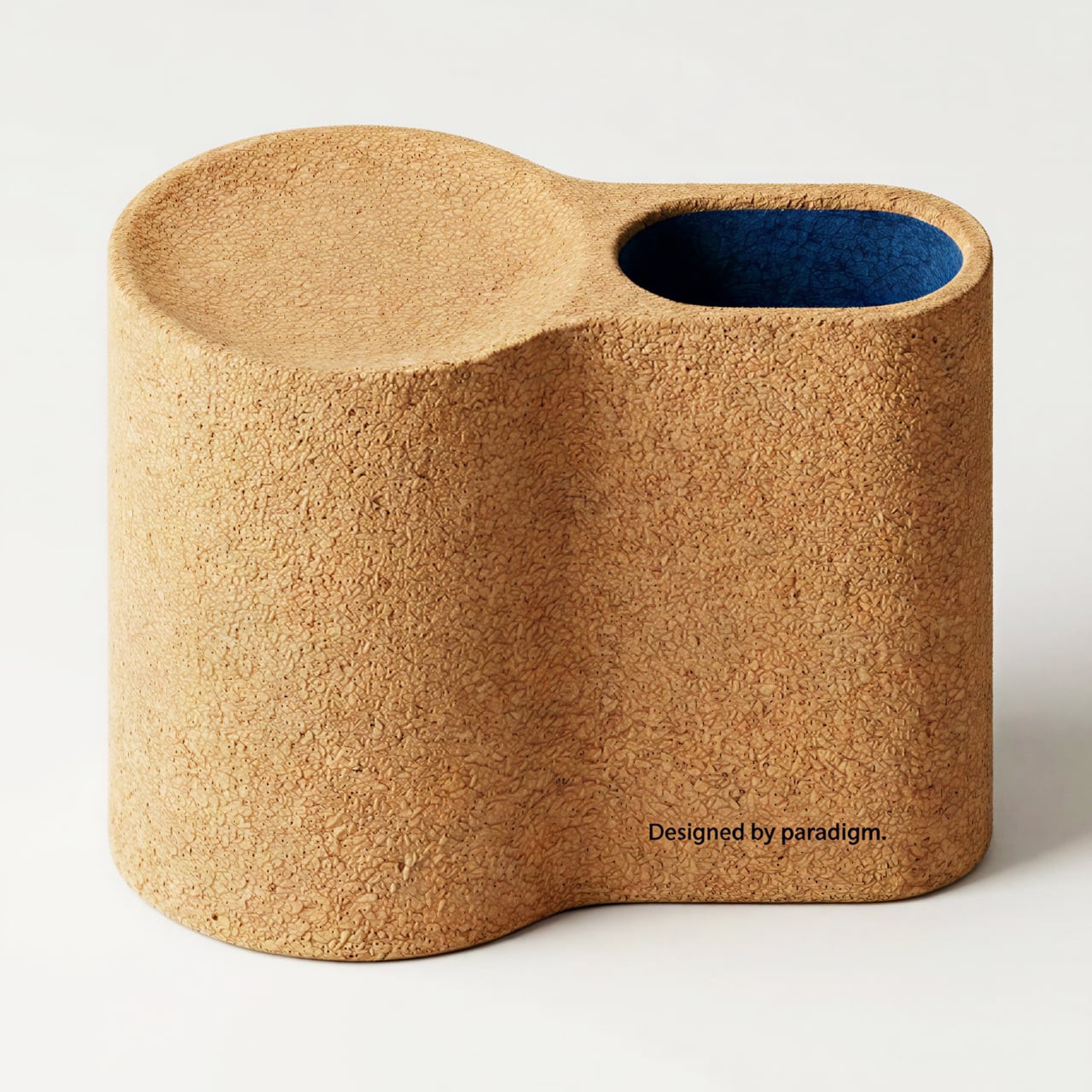
Dubbed Dice, this innovative furniture piece is designed by Zurich-based Kosmos Architects. The design can be used as a stool, coffee table, leg bench, and lamp. You can turn the piece in different ways, to use it as any of the furniture variants. The piece’s multifunctionality is where the dice reference comes in.

Why is it noteworthy?

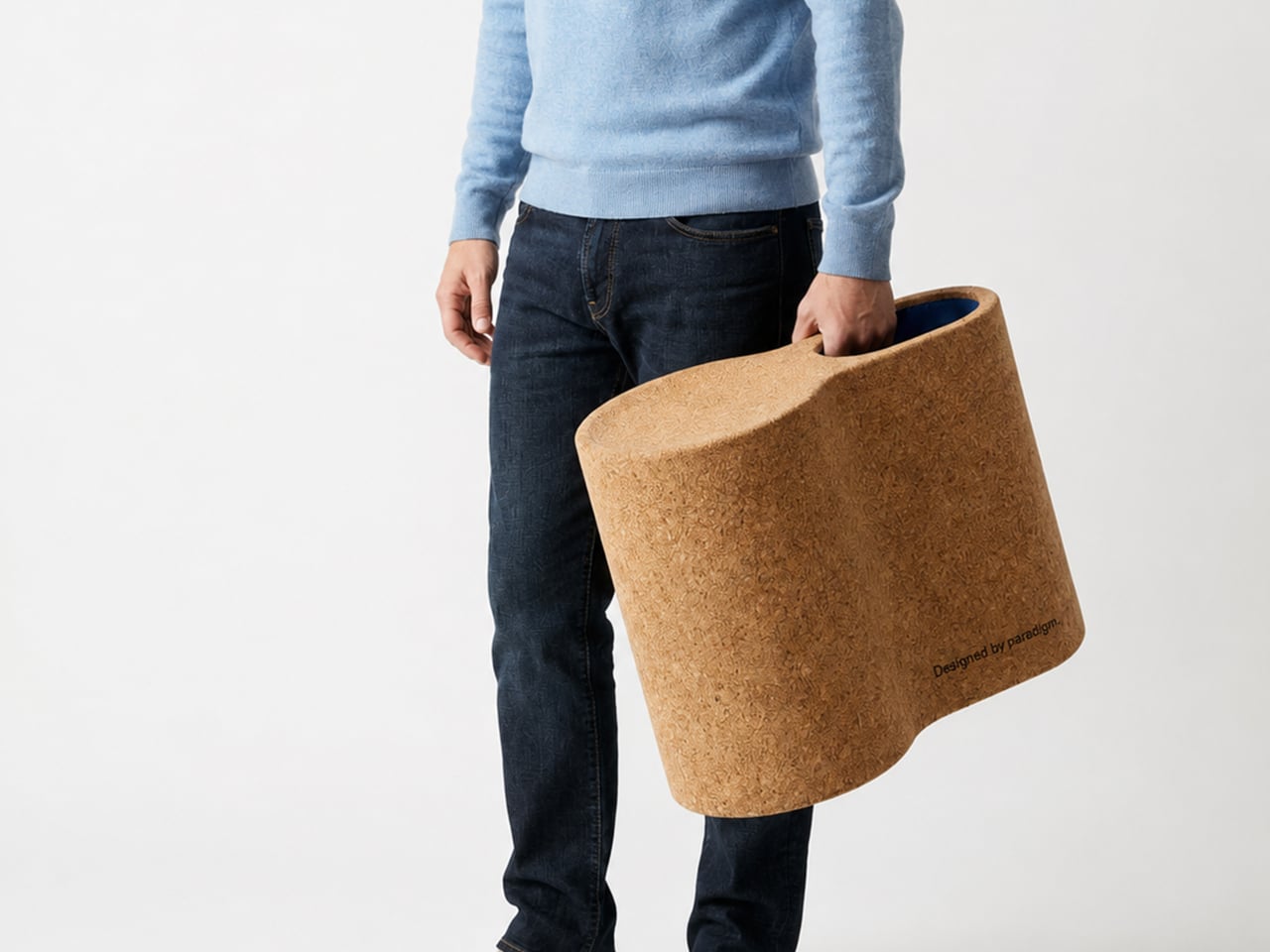
Inspired by the various numbers and dots on a dice, the Dice furniture has a four-in-one piece which makes it quite similar to a dice, although it looks nothing like one. The Dice is portable and can be moved from one place to another with ease.

What we like

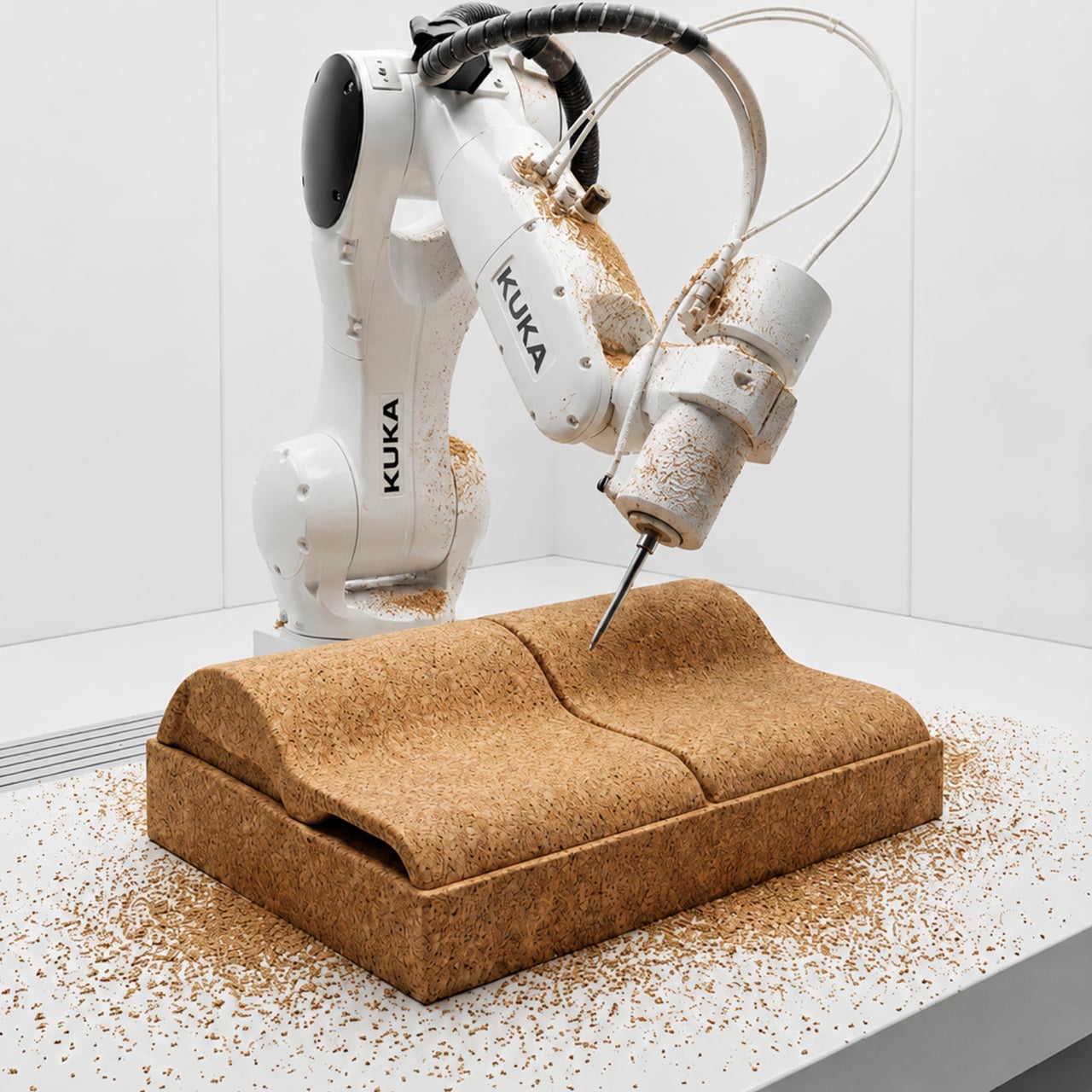
  • 3D-printed through KUKA robotics technology
  • Looks like a wooden sculpture when not being used

What we dislike

  • The aesthetics are pretty unique and eccentric, and may not be preferred by everyone

5. Altitude Shelf

Named the Altitude Shelf, this minimal and clean shelving design by Evan Clabots is inspired by lines and the simple form of traditional Japanese woodworking. It serves as a nifty storage solution that is functional and influenced by Japanese aesthetics. It is eco-friendly as well since it has a wooden ethos.

Why is it noteworthy?

Drawing inspiration from Japanese furniture design, the Altitude Shelf also has hints of traditional Danish furniture. Amped by minimal lines, and the lack of a back panel, the design is quite open and free-flowing.

What we like

  • Serves as a modular design inspired by Japanese and Danish furniture

What we dislike

  • Bulky space-consuming design, not well-suited for homes with space constraints

The post Top 5 Minimalist Wooden Furniture Designs To Enhance Your Home Decor first appeared on Yanko Design.
I Sat In The $6000 Robotic Massage Chair at IFA 2024: A Luxurious Hands-On with the Bodyfriend Quantum

The beauty of my job lies in not just discovering the new and innovative, it’s also in discovering the bizarrely futuristic… and the Bodyfriend Quantum robotic massage chair firmly fits the latter. Spotted at IFA 2024, the chair feels less like your average massage lounger and more like a Gundam suit with a touch of luxury. Nestled in its sleek, premium leather, with built-in Bang & Olufsen speakers, the Quantum manages to blur the line between high-tech gadgetry and a luxury spa. I didn’t think a chair could make me feel this pampered, but after spending some time in it, I’m convinced—this isn’t just a massage chair; it’s a full-fledged bodygasm.

Sinking into the Quantum was like stepping into a different world, where every detail is designed to make you feel like royalty. But what really sets it apart isn’t just the leather or the fancy tech specs—it’s the attention to detail in how it delivers its massages, all while serenading you with crystal-clear audio from none other than Bang & Olufsen. Let’s just say, it’s not your average chair.

Revolutionary Design Meets Functional Innovation

At the core of the Bodyfriend Quantum is its Robo Walking Technology—a first in the industry—that gives each leg its own independent movement. And trust me, it’s not a gimmick. Sitting in the chair, you immediately notice how much more natural and personalized the massage feels, especially around the lower body. My desk-hunched spine and worn-out calves felt like they were getting precisely the kind of treatment they needed. It’s as if the chair knew what my body was asking for before I did.

This independent leg movement is more than just for show—it makes a real difference in how effectively the chair targets specific muscles. Whether you’re using it for muscle recovery or just as a fancy way to unwind after a long day, the Quantum feels like it’s been engineered with a deeper understanding of how to work the human body. After just a few minutes in it, my lower back and legs were thanking me.

Immersive Sound Through Bang & Olufsen Partnership

The partnership with Bang & Olufsen might raise a few eyebrows. Do you really need top-tier audio in a massage chair? After my experience, the answer is a pretty confident yes. The moment I leaned back and let the chair do its thing, the speakers came to life, filling the space around me with rich, immersive sound. Whether you’re into lo-fi beats, classical symphonies, or nature sounds, the high-quality audio adds a layer of relaxation that most massage chairs simply don’t offer.

It doesn’t feel like a bolted-on extra. The audio blends seamlessly with the massage itself, so whether you’re zoning out to music or catching up on your favorite podcast, the chair’s sonic experience pulls you deeper into that calm state. Benny Kang of Bodyfriend mentioned that the speakers can be used to play binaural beats too, stimulating the mind along with your body.

Precision Massage and Intuitive Control

Bodyfriend has packed a lot of tech into this chair, but it’s the execution that stands out. The XD-PRO thermal module and Finger Moving Massage Module work together to give an eerily human-like touch. It doesn’t just knead your muscles in broad strokes; instead, the chair moves in subtle, calculated increments—80 movements in 1.25mm steps to be exact. For someone who carries a lot of tension in their shoulders and lower back, it’s like having a physical therapist who knows exactly where to focus.

Then there are the finer touches—literally. With 81 air pockets wrapping your body and heat therapy zones that bring the warmth up to a balmy 50°C, the Quantum creates an environment that’s both soothing and deeply therapeutic. The heat applied to the back, calves, and soles not only relaxes muscles but also feels fantastic on sore feet, thanks to its three-step foot roller system. It’s an experience that goes beyond simple pampering.

A Touch of Luxury (and Functionality)

The 10-inch Full HD tablet mounted on the chair is intuitive and easy to navigate. There’s no fumbling with a million buttons—you can switch modes, adjust settings, or dive into the chair’s “High-End Healthcare Massage Mode” with just a tap. If you’re someone who likes control over your relaxation routine, this tablet makes it easy to fine-tune everything from intensity to heat levels without pulling you out of the experience.

It’s also worth noting that the Quantum is clearly built for longevity. The leather is buttery-soft yet durable, and the entire build feels solid and well-constructed—something you’d expect for the price tag this chair is likely to carry. But for anyone serious about integrating relaxation or recovery into their daily routine, it’s hard to imagine anything better.

A Luxurious Experience for the Wellness-Focused

The Bodyfriend Quantum is positioned for those who are serious about wellness and ready to invest in high-end healthcare technology. Its meticulous design, advanced massage features, and thoughtful additions like Bang & Olufsen speakers make it a standout product in the luxury massage chair market. While it caters to those with specific muscle stimulation needs—such as the elderly or individuals recovering from injury—it also serves as an indulgent piece of tech for anyone looking to upgrade their relaxation routine.

After my session with the Quantum, I can safely say it delivers on its promise of providing a unique massage experience. I hate to be the cliche, but I’m the millennial with lower back pain (I lugged a laptop bag around through IFA 2024), so even a 5-minute cycle with the Quantum felt like absolute bliss. Sure, it may come with a premium price, but for those looking to pamper themselves or take better care of their health, the Bodyfriend Quantum is like Chandler and Joey’s Barca-lounger on absolute steroids. You’ll probably spend hours in the chair without realizing it.

Now, if only it came with a built-in coffee machine.

The post I Sat In The $6000 Robotic Massage Chair at IFA 2024: A Luxurious Hands-On with the Bodyfriend Quantum first appeared on Yanko Design.
Experience Peak Performance with the TGIF T0 Chair, Designed for Gamers

A gaming chair plays a crucial role in your overall experience. Whether you’re powering through marathon sessions or just enjoying a few casual rounds, the chair you use significantly impacts your comfort and performance. The TGIF T0 is built with precision to offer a complete ergonomic solution designed to combat fatigue and ensure unparalleled comfort for professional players. With years of development and input from professional esports players, this chair quietly challenges the norms and sets a new standard in gaming chairs. By incorporating advanced technology and thoughtful design, the TGIF T0 disrupts conventional expectations, supporting your body through hours of gameplay and perfectly fitting the needs of modern setups.

Designers: Leo + Sophia

Click Here to Buy Now: $399 $649 (38% off). Hurry, only 61/100 left! Raised over $200,000.

TGIF’s experience managing a professional esports club provided deep insights into gamers’ specific needs, directly influencing the TGIF T0’s design. Professional players were involved throughout the development process, testing the chair and offering feedback that shaped its final form. This close collaboration has resulted in a chair that truly meets the demands of professional gamers, making the TGIF T0 a product born from the world of esports.

Aesthetics and Design: Where Style Meets Function

Seamlessly integrating into any gaming setup, the TGIF T0 has a sleek, modern design characterized by sharp lines and angular forms. It’s tailored to suit the gamer’s environment, offering visual appeal and functional performance. Beyond gaming, its versatile design makes it an ideal choice for office use, providing the same level of ergonomic support and comfort in any professional setting.

The TGIF T0 is only available in black, while the TGIF T0 Max is offered in gray. The finishes resist wear and tear, ensuring the chair maintains its new appearance even after heavy use. The base is built for durability and strength, with casters that glide smoothly over various floor surfaces.

Ergonomics: Science in Every Curve

This gaming chair is meticulously crafted with a strong focus on ergonomics. Engineered to endure the demands of extended gaming sessions, it reflects insights from the professional esports community. Unlike traditional chairs that prioritize appearance over functionality, the TGIF T0 is designed to support the body’s natural curves.

At the core is the TGIF T0’s proprietary patent—Dynamic Seat-Back Sync technology—a significant breakthrough in ergonomic design. This system ensures that the seat back and base move with your body, aligning with the spine’s natural shape and reducing pressure points. Whether leaning forward or reclining, the chair adjusts to your posture, enhancing stability and maintaining ergonomic alignment.

Traditional gaming chairs often lack these ergonomic elements. While they may boast flashy designs, their functionality frequently falls short. Most of them rely on rigid steel frames that don’t offer the necessary flexibility or adaptability. This lack of movement can lead to discomfort, as the chair doesn’t sync with your body’s natural motions, causing strain over long periods.

Moreover, they typically use basic foam padding that fails to provide the advanced support found in the TGIF T0. Over time, this foam can lose its shape, leading to discomfort and pressure points. Without an ergonomically designed base, these chairs might force you into awkward postures, increasing the risk of fatigue and long-term issues like back pain.

A wrap-around dual-lumbar support system provides continuous and reliable support to your lower back. The front lumbar cushion cradles your spine while rear support kicks in as you recline. This setup ensures that your lower back stays well-supported and comfortable, whether sitting upright or leaning back.

In comparison, competing gaming chairs often offer only a fixed lumbar pillow that doesn’t adjust or align properly with your spine. This can result in inadequate support, leaving your back vulnerable to discomfort and strain.

Additionally, the seat includes segmented, dual-softness cushioning that effectively addresses the hips and thighs’ distinct shapes and pressure points. The wide seat cushion provides ample space, offering increased comfort and freedom of movement, ensuring you remain comfortable even during lengthy gaming sessions. This design evenly distributes pressure while conforming to the body’s curves for maximum comfort, reducing discomfort during long periods of sitting. Fully adjustable armrests allow you to find the perfect height and angle, easing the strain on your shoulders and wrists.

Many gaming chairs have narrower seats, which can feel restrictive and limit cushioning flexibility. This design makes these chairs less comfortable, particularly for users with larger body frames or frequently shifting positions. Additionally, the armrests typically offer minimal adjustability, failing to meet the diverse ergonomic needs of all gamers.

Material Matters: Comfort Meets Durability

High-quality materials are key to the TGIF T0’s comfort and durability. The chair uses a highly breathable mesh material, a superior alternative to traditional PU leather, that regulates temperature and humidity, keeping the seat surface dry and comfortable all day long. The mesh minimizes deformation over time, enhancing durability and resilience and ensuring consistent support and comfort for years.

For those seeking extra comfort, the TGIF T0 Max version includes slow rebound memory foam in the headrest and cushion. This space-tech memory foam evenly distributes pressure, reducing strain on pressure points and making sitting more comfortable. The memory foam is also durable, maintaining its shape and support over time.

Moreover, the TGIF T0 Max introduces a signature thermal-relief feature that delivers gentle heat directly to the lumbar region. This targeted heat therapy helps alleviate muscle fatigue, promotes better posture, and improves blood circulation during extended sitting. It’s particularly beneficial for those who experience lower back discomfort, providing soothing warmth that helps relax muscles.

Unlike traditional gaming chairs that often rely on non-breathable PU leather, which can trap heat and moisture, this chair features breathable mesh fabric that keeps you cool and comfortable. It’s also built with durable materials to maintain its integrity over time, preventing sagging and wear commonly seen in less advanced options.

Adding to its durability and quality, the TGIF T0 is backed by the industry’s most rigorous testing standards. The chair has undergone extensive BIFMA and SGS testing, achieving the highest quality certifications. After thousands of test iterations, the TGIF T0 exceeds expectations by delivering exceptional performance and longevity you can trust.

Practical features are built in to enhance the gaming experience. Extensive testing with gamers revealed that many prefer to rest their feet on the chair base while playing, leading to a 58-degree inclined base design. This provides a stable and comfortable footrest, reducing leg fatigue and improving posture.

Advanced Features: Enhancing the Gaming Experience

The TGIF T0 comes packed with features to improve your gaming experience. The chair offers customizable settings, allowing users to adjust it to their needs and preferences. The recline function can be set to various angles, and a tilt mechanism can be locked in place or left to rock freely.

The TGIF T0 Max further elevates the experience with additional features, including the built-in thermal relief system, enhanced lumbar pad developed in collaboration with a professional sports rehabilitation center, and the Wintex mesh fabric that offers superior elasticity, breathability, and durability.

Which TGIF T0 is Right for You?

Choosing the TGIF T0 gaming chair means investing in a well-designed option that augments your gaming sessions. Its ergonomic design, high-quality materials, and practical features meet gamers’ needs.

If features like thermal relief, upgraded lumbar support, and advanced materials are top priorities, the TGIF T0 Max is ideal. For those who want comfort and ergonomic support without extra features, the TGIF T0 is a strong option. Choose the TGIF T0 series to make every gaming session more comfortable. Whether you’re a professional esports gamer or a casual player, this chair is designed to meet your needs.

Click Here to Buy Now: $399 $649 (38% off). Hurry, only 61/100 left! Raised over $200,000.

The post Experience Peak Performance with the TGIF T0 Chair, Designed for Gamers first appeared on Yanko Design.
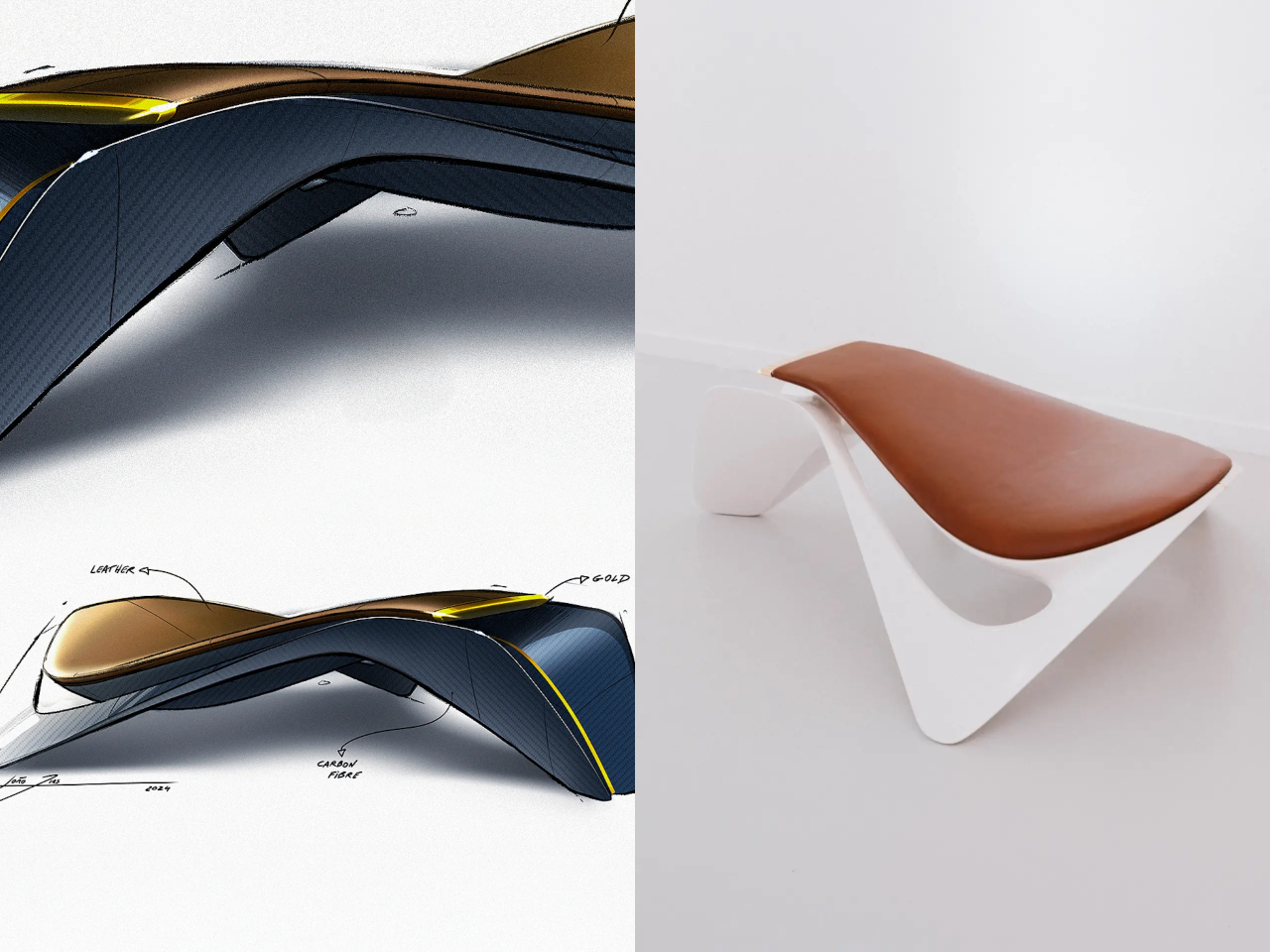
Mosaic-like stools are made from the soles of discarded rubber shoes

The fashion industry is known for its striking designs, lavish materials, and sometimes mind-blowing forms, but it also has a dirty little secret when it comes to sustainability. Many of those materials, processes, and even ingredients have a tendency to harm the environment, especially mass-produced pieces of clothing, accessories, and footwear. Even something that sounds so innocent like the rubber soles of shoes can have a long-term negative impact on the planet’s health, especially when they’re thrown away without much thought. Although it’s not enough to make this discarded material disappear, these distinctive artistic stools help reduce their numbers while providing furniture that makes an impact in more ways than one.

Designer: BENTU Design

According to figures, 20 billion pairs of shoes are produced each year, and nearly all of those end up in landfills sooner or later. Footwear is usually made with half a dozen synthetic materials, with outsoles using plenty of rubber that takes more than a hundred years to decompose. Burning them, on the other hand, releases toxic gases, which is usually what happens in garbage disposal sites. Even though the process still uses water and energy, recycling these materials is still a significantly better way to deal with all the waste.

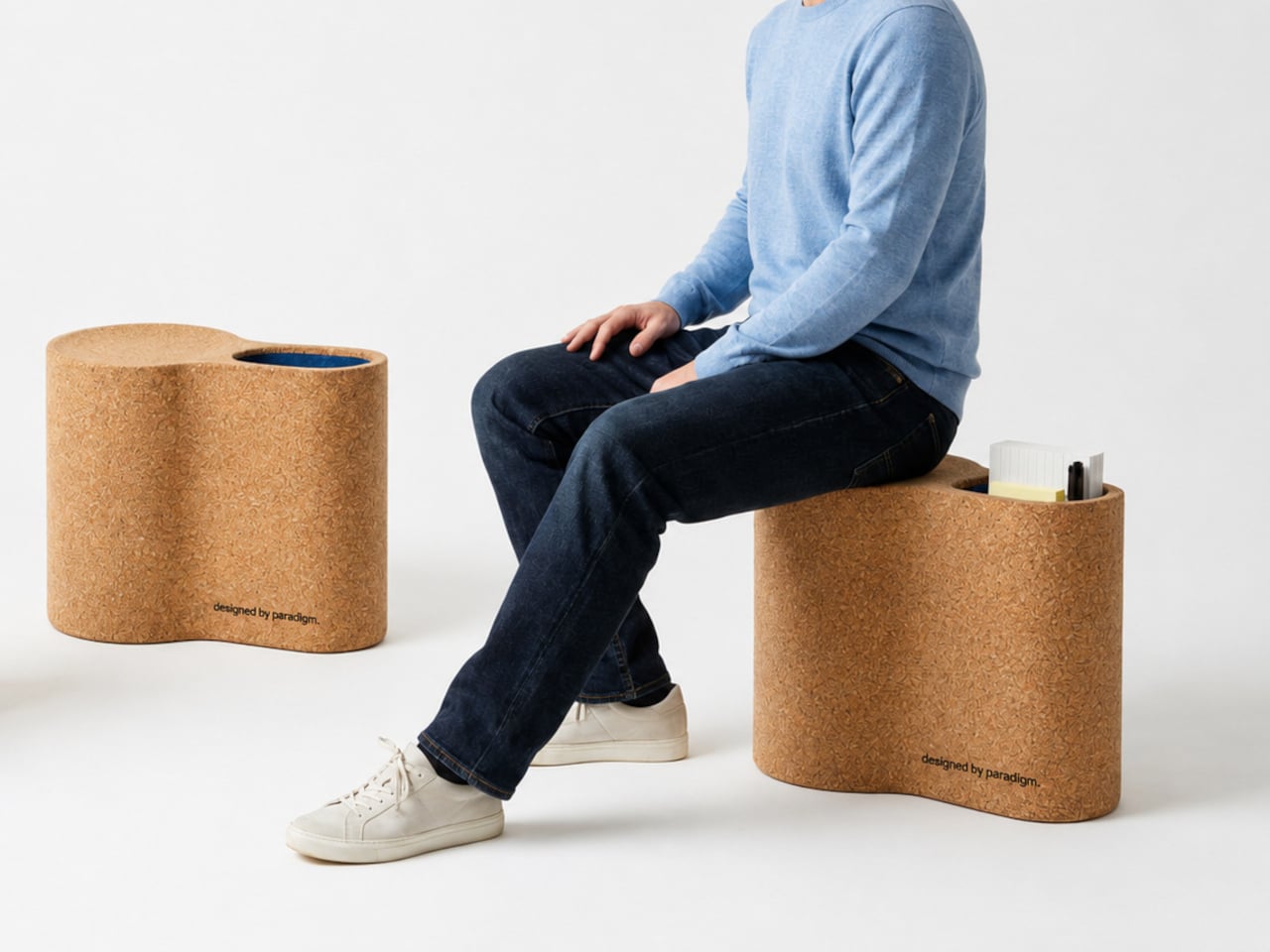
WU is a line of stools that does exactly that, giving new life to shoe soles that result in an even more interesting design. 90% of each stool’s raw materials are made from recycled rubber shoe materials, about 15kg of material that is equivalent to 60 rubber soles. It’s a small number compared to the amount of shoes being thrown away, but even just 10 of these stools mean 600 shoes are kept away from landfills.

The resulting design is quite intriguing as well. The raw materials are classified according to color to have a more uniform appearance, but the uniqueness still comes out in tiny bits of colors and microtextures. If some recycled plastics create a terrazzo effect, the recycled rubber soles result in finer and smaller pieces that have a grainy appearance as if painted with oils or mixed in with concrete.

The shape of the WU stool is also unusual, with a hexagon seat and a three-pointed base. This makes it easy to combine the stools into a larger form like a bench, though the connection will be superficial and perhaps a bit unstable. When placed together, these stools paint a rather eye-catching picture, almost literally, as if somebody took reality and applied a mosaic filter on it. Either way, no one will be the wiser that these were probably made from the pair of shoes they threw away years ago.

The post Mosaic-like stools are made from the soles of discarded rubber shoes first appeared on Yanko Design.
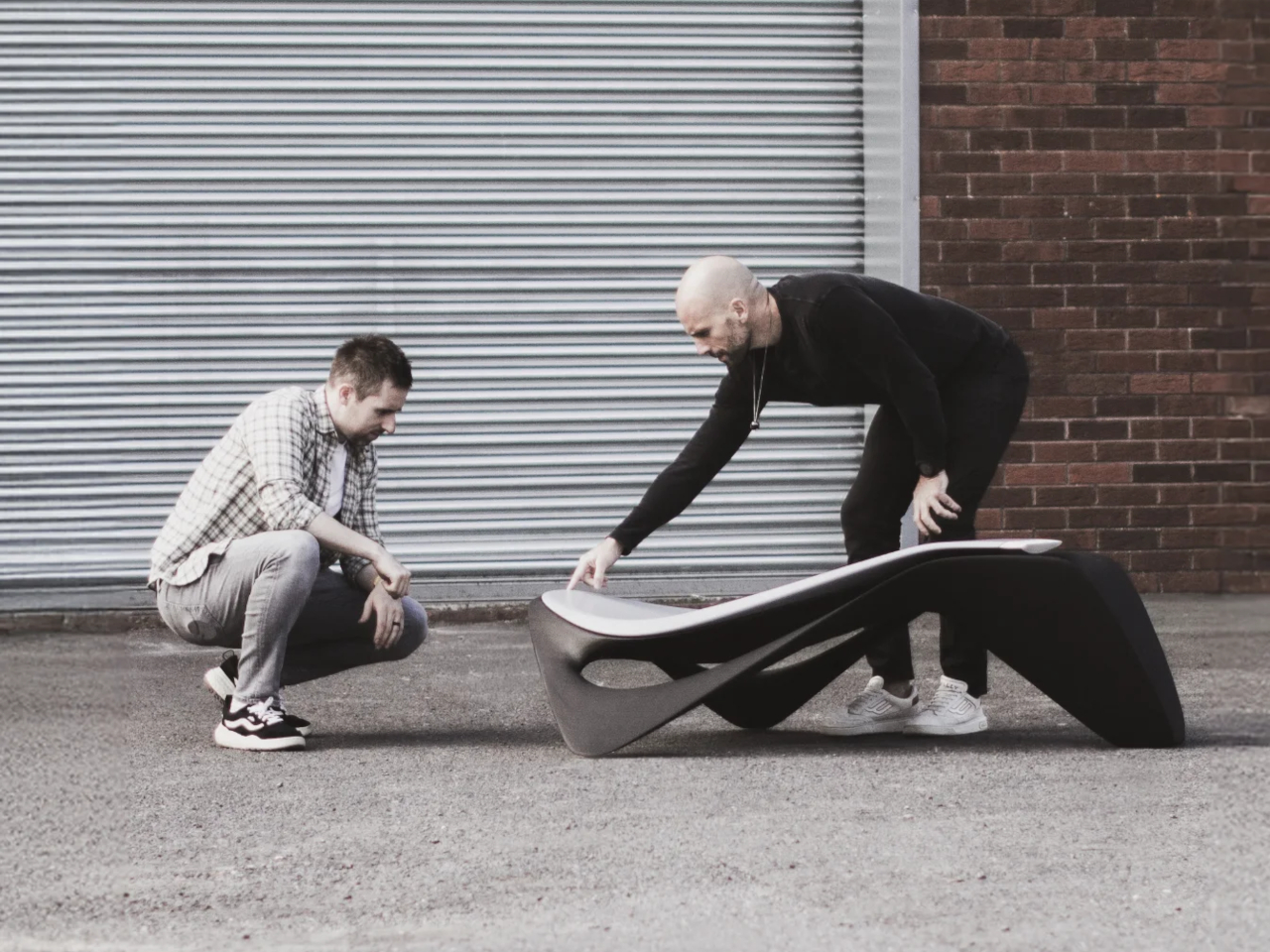
Office furniture tries to find balance between rest and productivity

A lot of offices and workplaces now have realized that the furniture and the design in their spaces can contribute to the productivity and the stress release of their employees. We’re seeing some add subtle and not-so-subtle touches to their offices to help people destress or at least have some sense of rest and relaxation while at the same time contribute to the eventual productivity of these employees.

Designers: PD Group X design studio

Cortina is a concept for a series of office furniture that gives users in the office their personal time and space and at the same time, increase work concentration. It is made up of three different pieces that are also multi-functional. Of course we’re fans of designs that can serve more than just one purpose to its users. The three items in this concept series are: the Pause Lounge Stand, the Peep Desk Wall, and the Tab Document Rack, which their names show off what their main functions are. They are meant to have multiple functions so as to save space and your office’s budget as well.

The Pause Lounge Stand lets users take a pause at work while also not overstaying in the rest area. Before you settle in your lounge chair or rest area, pull the handle that will set the time and as the minutes tick by, the shade parts of the tower-like stand goes down and the subtle lighting slowly disappears. Once the shades are all down, it’s a sign to go back to work. It also doubles as a phone charging station so you can let your device rest. The Peep Desk Wall is a divider placed on your table which is able to control the field of view between you and the other occupants of the table and the degree of light diffusion as well. You can also attach magnets and sticky notes on the metal plates so you can reach them easily.

Lastly, the Tab Organizer sorts papers of different sizes when you close the “blinds” after placing the different pieces into the tabs. The product renders don’t really show how the sorting happens but at the very least, it lets you store different documents into a standing piece of furniture and lessen clutter on your table. These carefully designed piece of office furniture would be an interesting addition to your workspace if these are functionalities that you need to implement, working on both rest and productivity.

The post Office furniture tries to find balance between rest and productivity first appeared on Yanko Design.
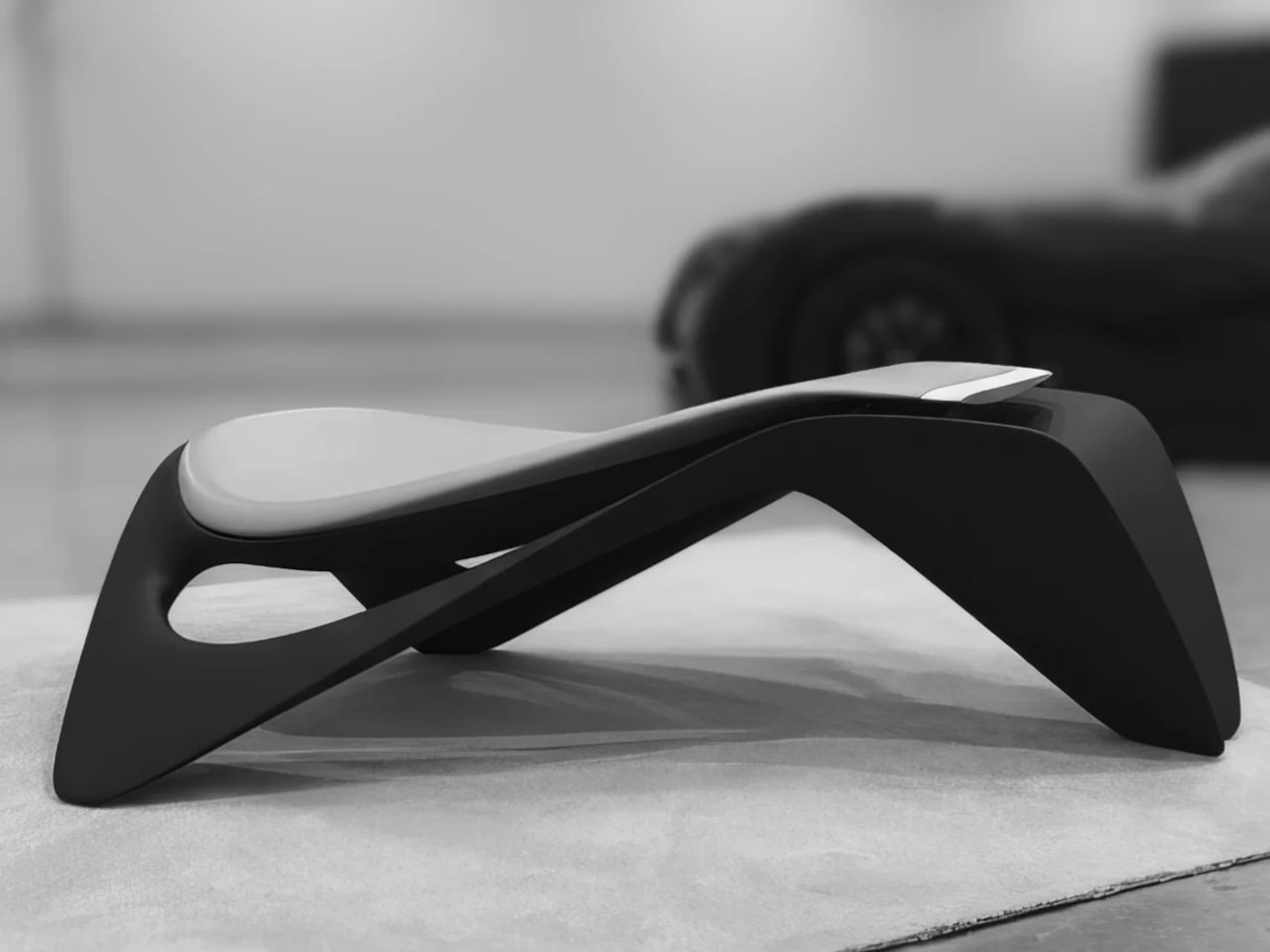
Minimalist side table concept uses a single wood sheet with almost no offcuts

Wood is a favorite among designers, especially furniture designers, because of its innate beauty, unique grains, and sustainability. But although the material is indeed biodegradable and recyclable, most furniture designs still result in a lot of waste. There can be many uses for wood chips, sawdust, and unused wood pieces, but an even better solution would be to reduce the wasted material in the first place. That means making every square inch of a sheet of wood count, leaving very little behind once the piece of furniture has been put together. That’s the idea behind this beautiful minimalist side table, where designing for efficiency has also led to a very interesting organic shape in the process.
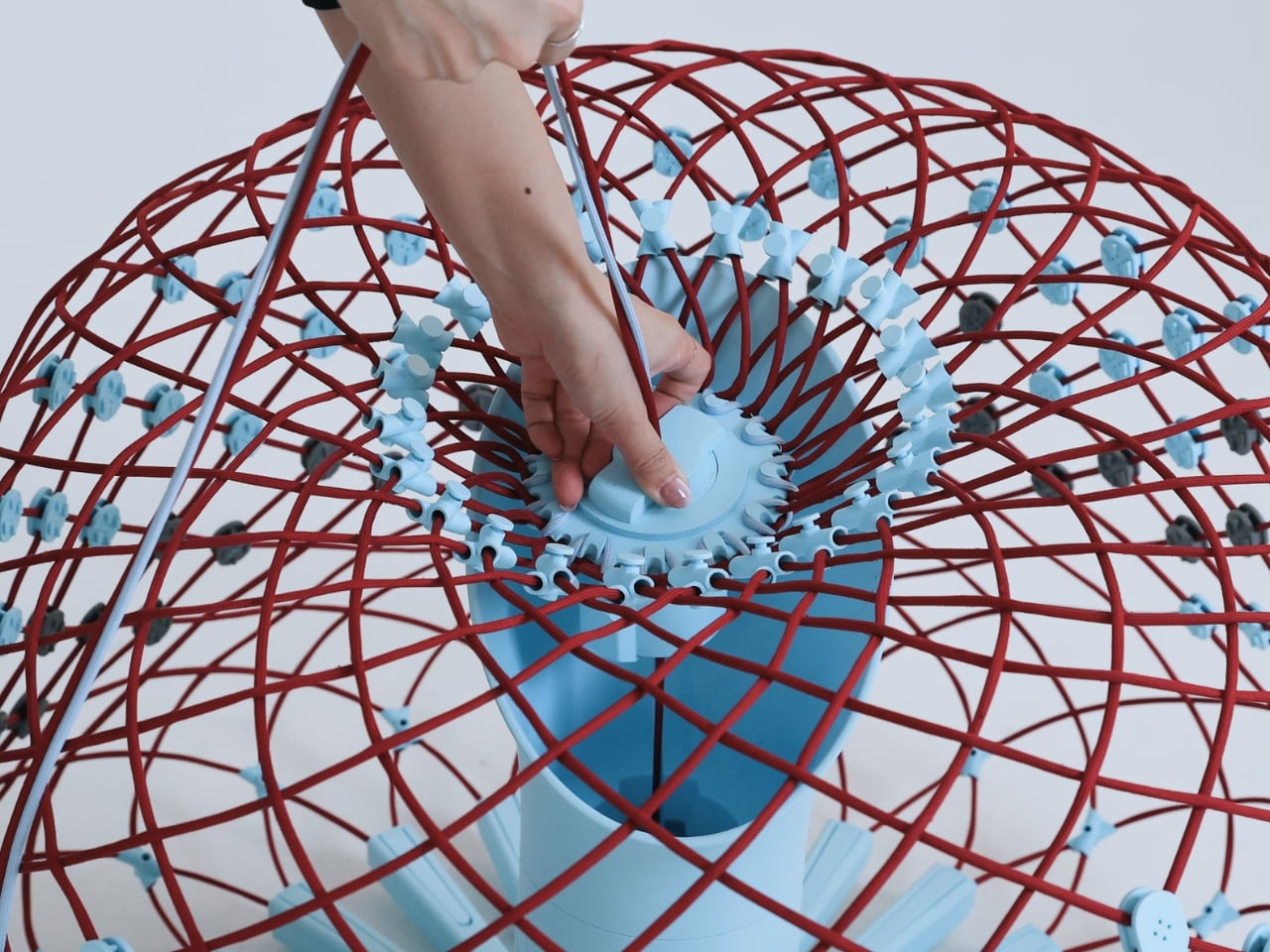
Designer: Deniz Aktay

Flat-packed furniture has become trendy, especially with the minimalist designs propagated by the likes of IKEA. But while these designs are indeed space-efficient and economical, most of the time they’re mass-produced in a manner that produces plenty of offcuts and waste by-products. After all, it is also more efficient to cut all the legs of tables from the same batch of wood and all the tabletops from another, even if their shapes mean there will be plenty of scraps literally left on the cutting room floor.

Slide Table is a design concept for a side table that advocates efficiency both in packaging as well as in manufacturing. Every part of the table is actually cut from a single sheet of wood, so even mass-produced versions would have the same qualities. Yes, there will still be some unused parts that are cut off to produce the gaps between parts, but the goal is to minimize this waste as much as possible rather than eliminate them completely.

What makes this efficient use of the material is the rather unique design of the table itself. The tabletop is a disc carved from the middle of a rectangular plank of wood, and the remaining section is split in half to form the legs. The legs themselves “slide” into each other, connecting in the middle and forming a cross shape on which the circular top rests. It’s a simple yet intriguing shape that creates something like an optical illusion when viewed from the side.

While Slide Table does offer a beautiful and more sustainable design, it leaves some concerns about the stability of the furniture itself. There is no clear indication of how the legs stick together, or how the tabletop stays stable. It’s certainly possible that other smaller parts of the wooden sheet can be used as dowel rods to connect the pieces, which would further reduce the amount of wasted materials. This design, however, also has its limits in how big the table can be, as the tabletop will always be proportional to the rest of the sheet that would become its legs.

The post Minimalist side table concept uses a single wood sheet with almost no offcuts first appeared on Yanko Design.