
How long is a new Fire TV Stick actually supposed to last?
Fire TV Sticks can last for years, but how many? Here's how to know when support ends for your device and when to upgrade.
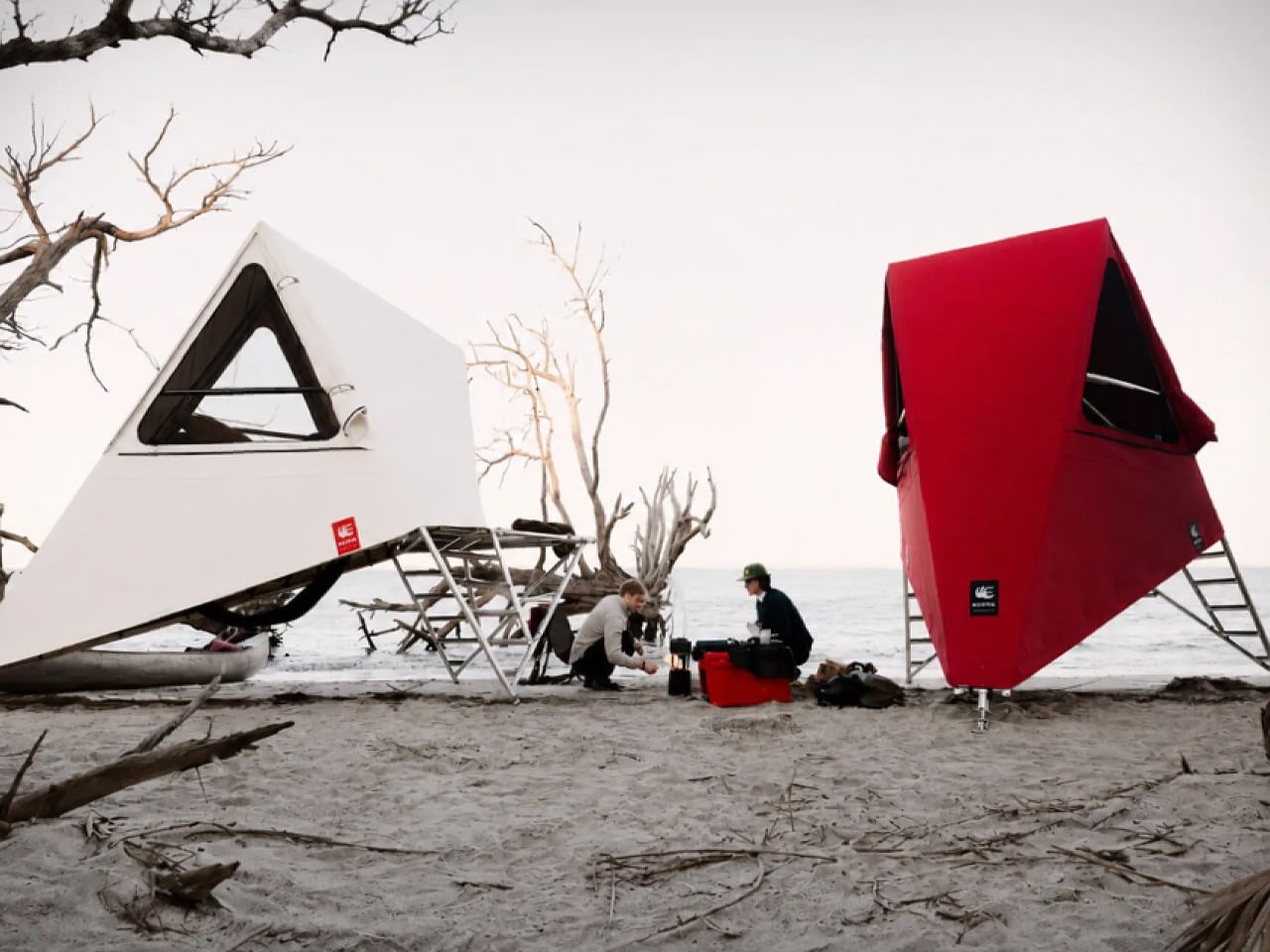
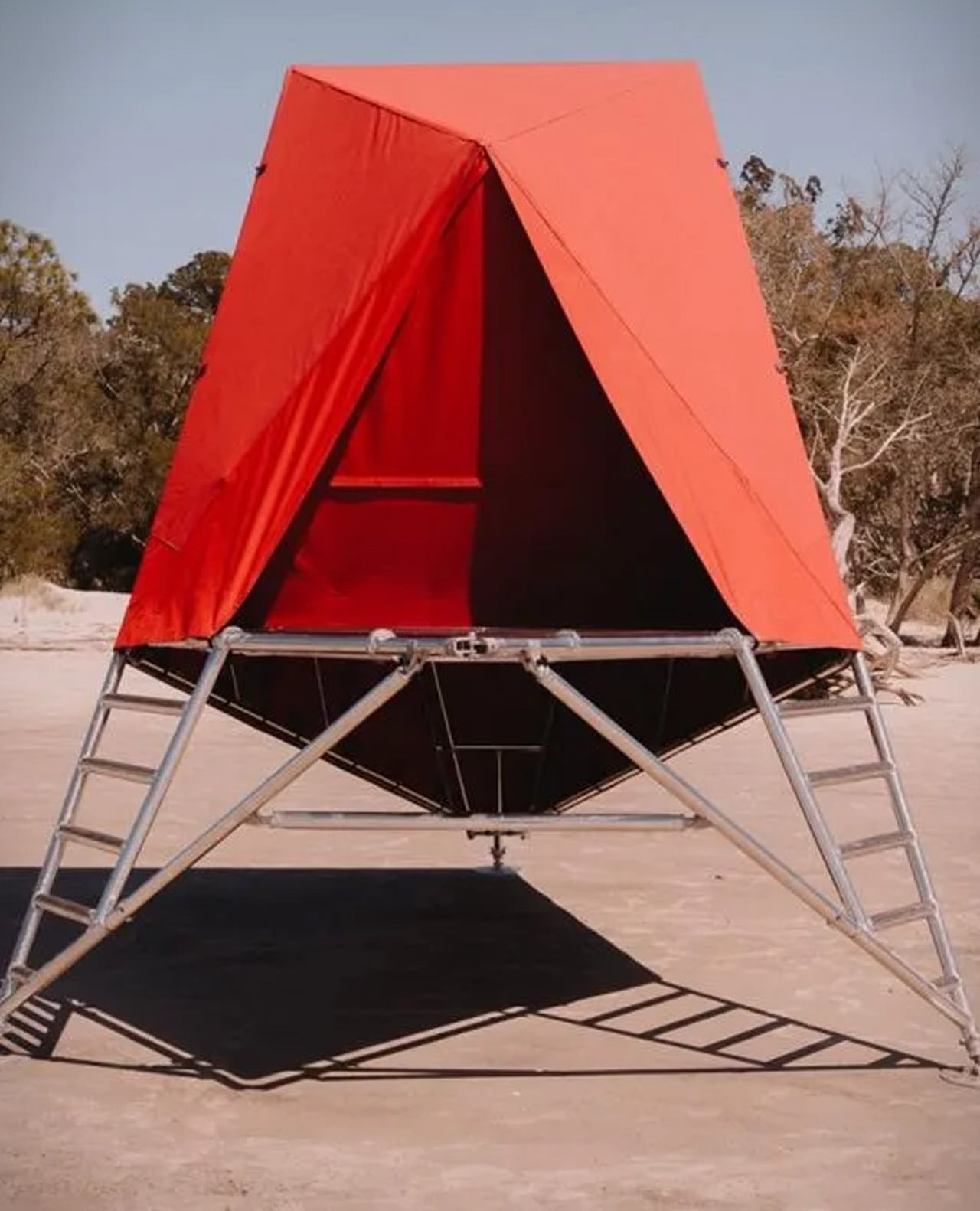
You’ve seen a building so good you immediately wanted to live in it. Ben Huggins built one you can actually move. His latest project, the Kudhva K1, is a portable elevated cabin that somehow manages to feel both seriously considered and completely untethered from the ground beneath it. Huggins is co-founder of Sandford-based New British Design, and the K1 is the kind of thing you design when you love architecture but have no patience for permanence.
The K1 grew directly out of Kudhva, the beloved off-grid retreat carved into a disused slate quarry on the north coast of Cornwall. The original cabins, perched above the landscape on angular stilts, became something of a cult object in British architectural circles. Huggins, working alongside co-designer Hannah Huggins, took that angular, treehouse-like geometry and asked a simple but ambitious question: what if you could move it?
Designer: Ben Huggins of New British Design
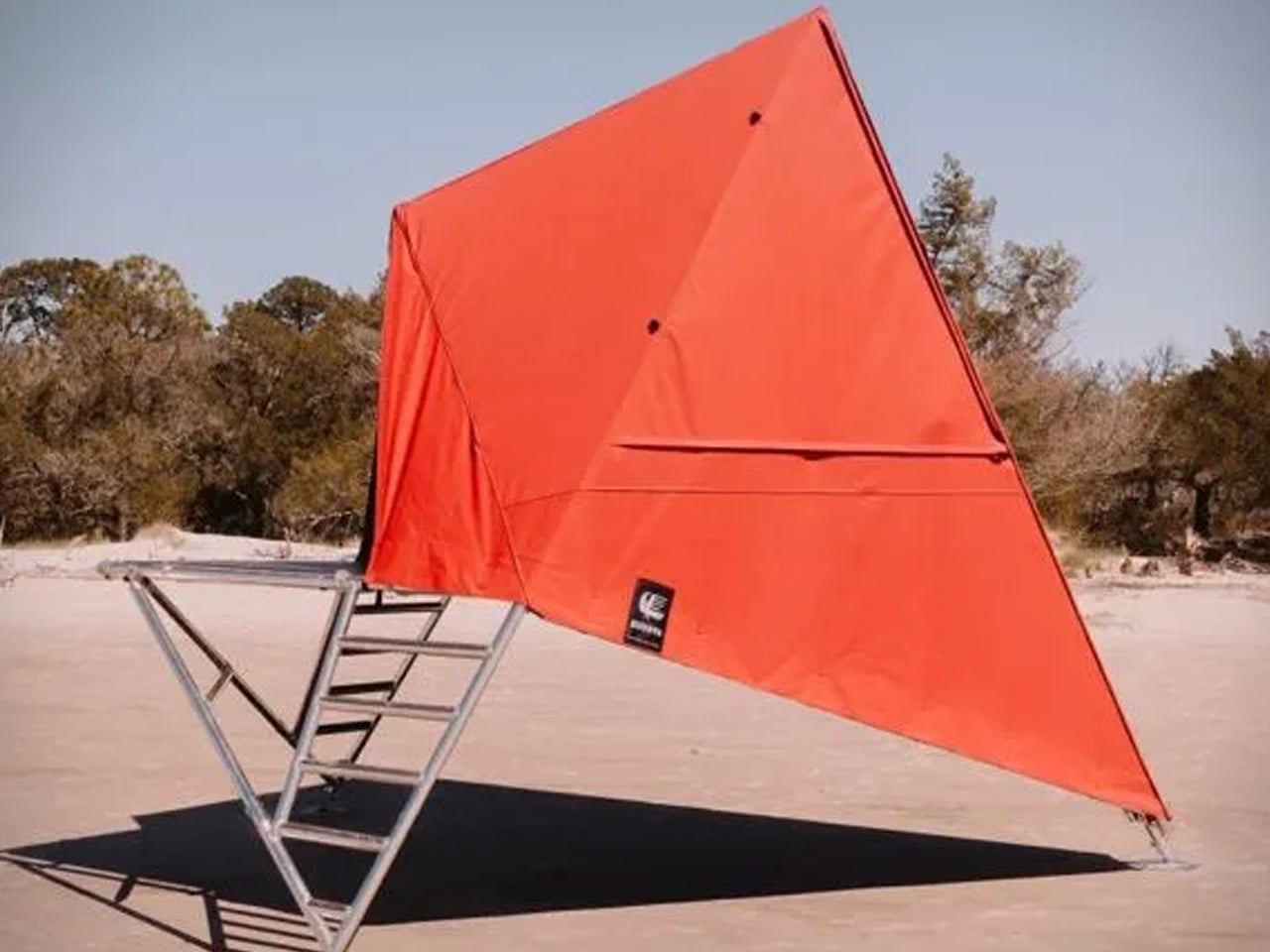
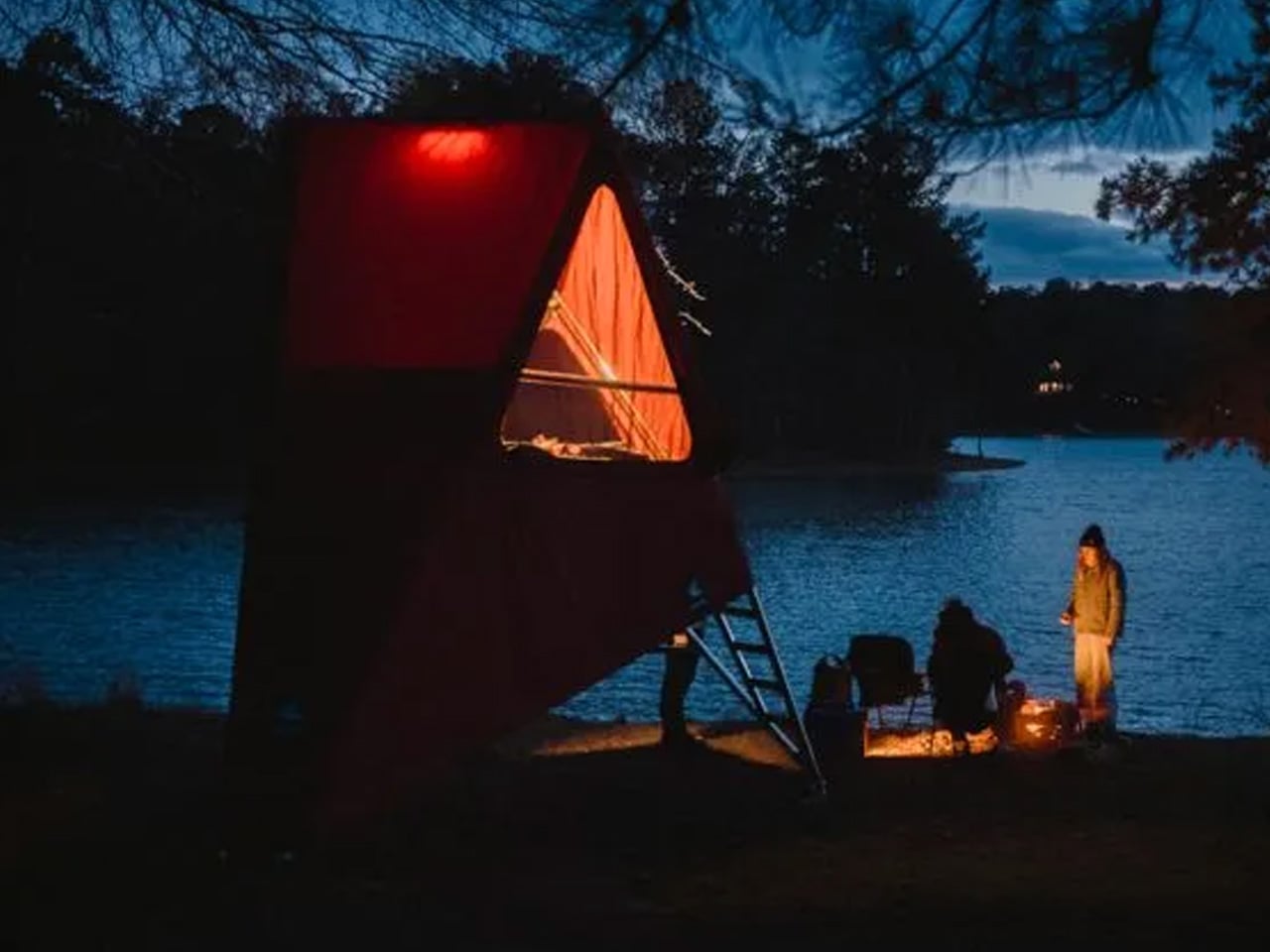
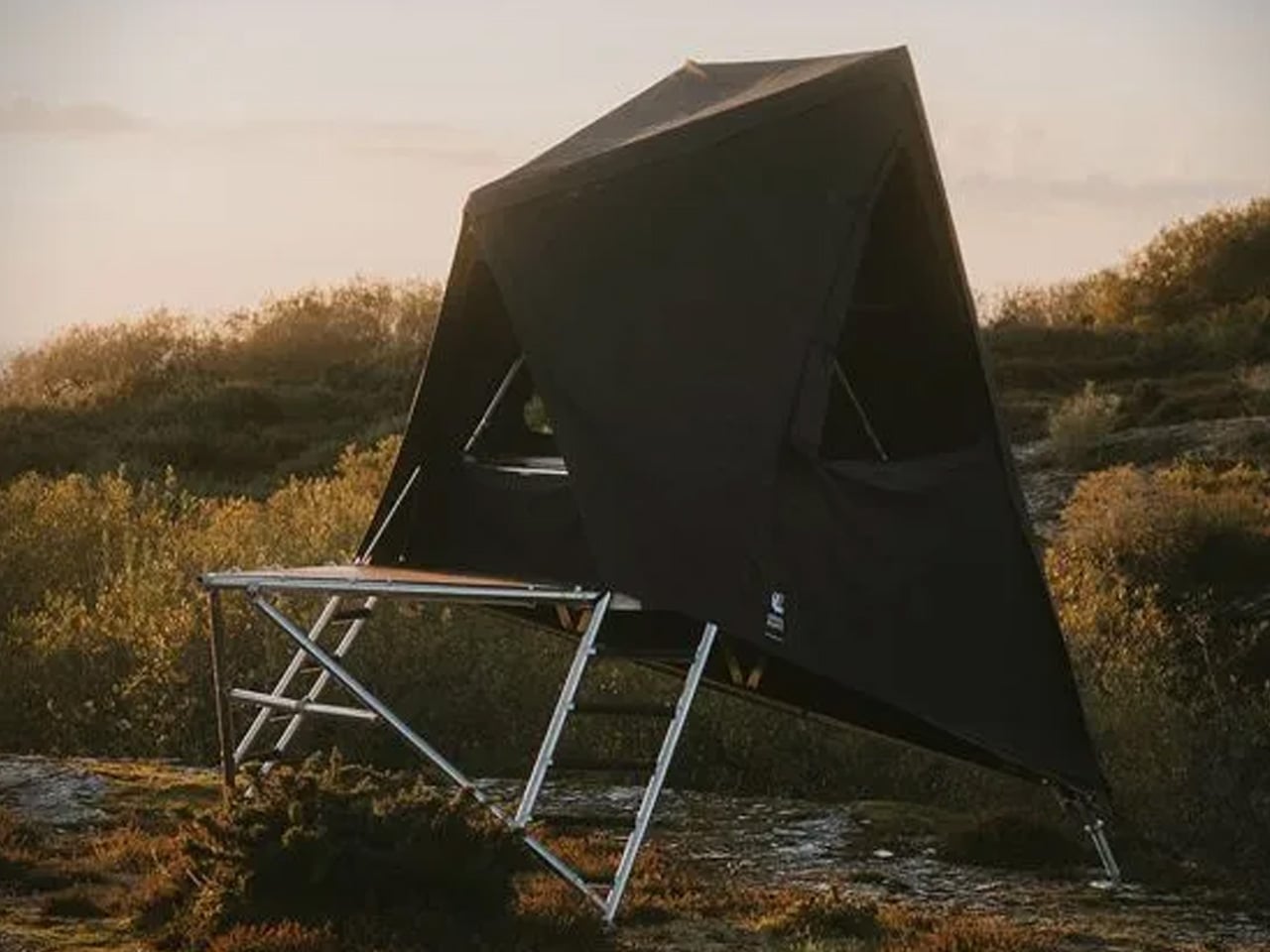
The answer is a structure built around a recyclable aluminum frame wrapped in heavy-duty British Millerain Regentex poly-cotton canvas, rated at 407g/m2. Standing 3.6 meters tall, 3.3 meters wide, and 4.9 meters deep, the K1 isn’t small. An elevated deck extends beyond the entrance, accessed by integrated ladders, giving it a genuinely architectural presence that photographs like a building and packs down like equipment. The tripod leg system adjusts independently, meaning it can sit perfectly level on rocky, sloped, or otherwise uncooperative ground without disturbing a single blade of grass below it.
That relationship with the land matters. The K1 requires no foundation, no planning permission, and leaves no trace when it leaves. Two people can have it standing in 30 to 45 minutes. At 320 kilograms, it isn’t light, but it is relocatable, which places it in a category almost entirely its own: too architectural to call a tent, too mobile to call a cabin.

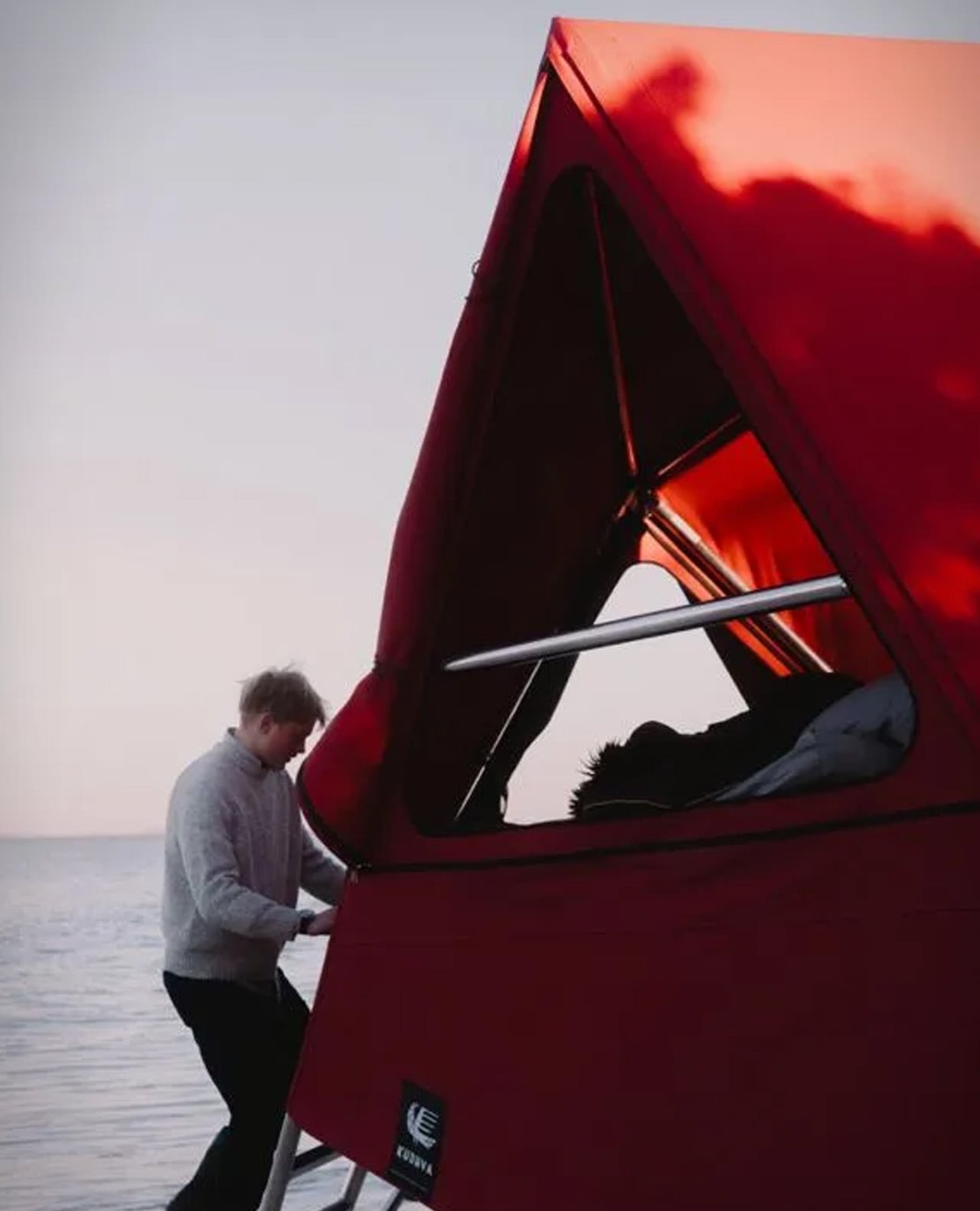
The canvas shell is built to withstand winds up to 80 mph, suggesting a product designed for real weather rather than curated glamping conditions. Inside, the two-person sleeping space carries the same minimal, considered proportions as the original Kudhva structures. The frame is described as infinitely recyclable, which fits neatly within the retreat’s broader ethos of leaving places better than you found them.
Priced at around $15,500, the K1 is now making its way to the United States through British American Camping, with initial deployments planned across glamping destinations in Georgia. The price puts it squarely in the commercial hospitality bracket, though nothing about the design reads like a product built for budget corners. It reads like a building that decided to keep its options open.

The post The Kudhva K1 Is the Off-Grid Cabin You Can Actually Take With You first appeared on Yanko Design.


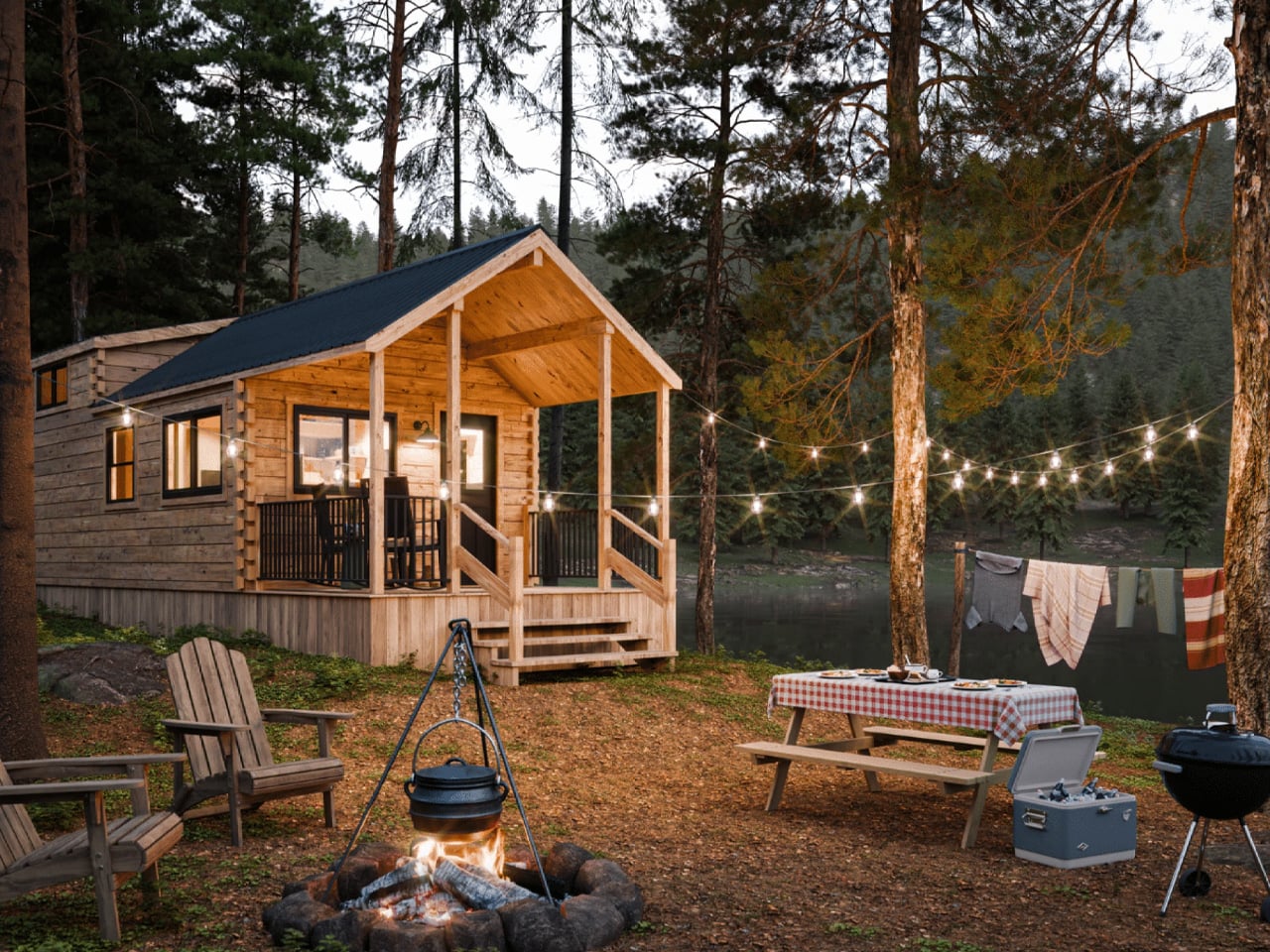
Zook Cabins has built a quiet reputation for making tiny homes that feel anything but small. The Aspen Park Model is their clearest proof of that. At 400 square feet across a 12-by-41-foot footprint, this log-sided cabin does something few homes of its size manage: it doesn’t ask you to compromise on comfort, character, or quality.
The exterior is built from solid 4-by-8 kiln-dried Eastern White Pine logs, stained and sealed for durability. A 7/12 roof pitch gives the Aspen a proper cabin silhouette, and the 28-gauge, 40-year heritage metal roof comes standard in Textured Evergreen, with Textured Bronze, Textured Black, and Galvalume as alternatives. A 7-by-11-foot covered front porch anchors the entrance, wide enough for a pair of chairs, a small table, and a grill. Mornings genuinely slow down out there.
Designer: Zook Cabins
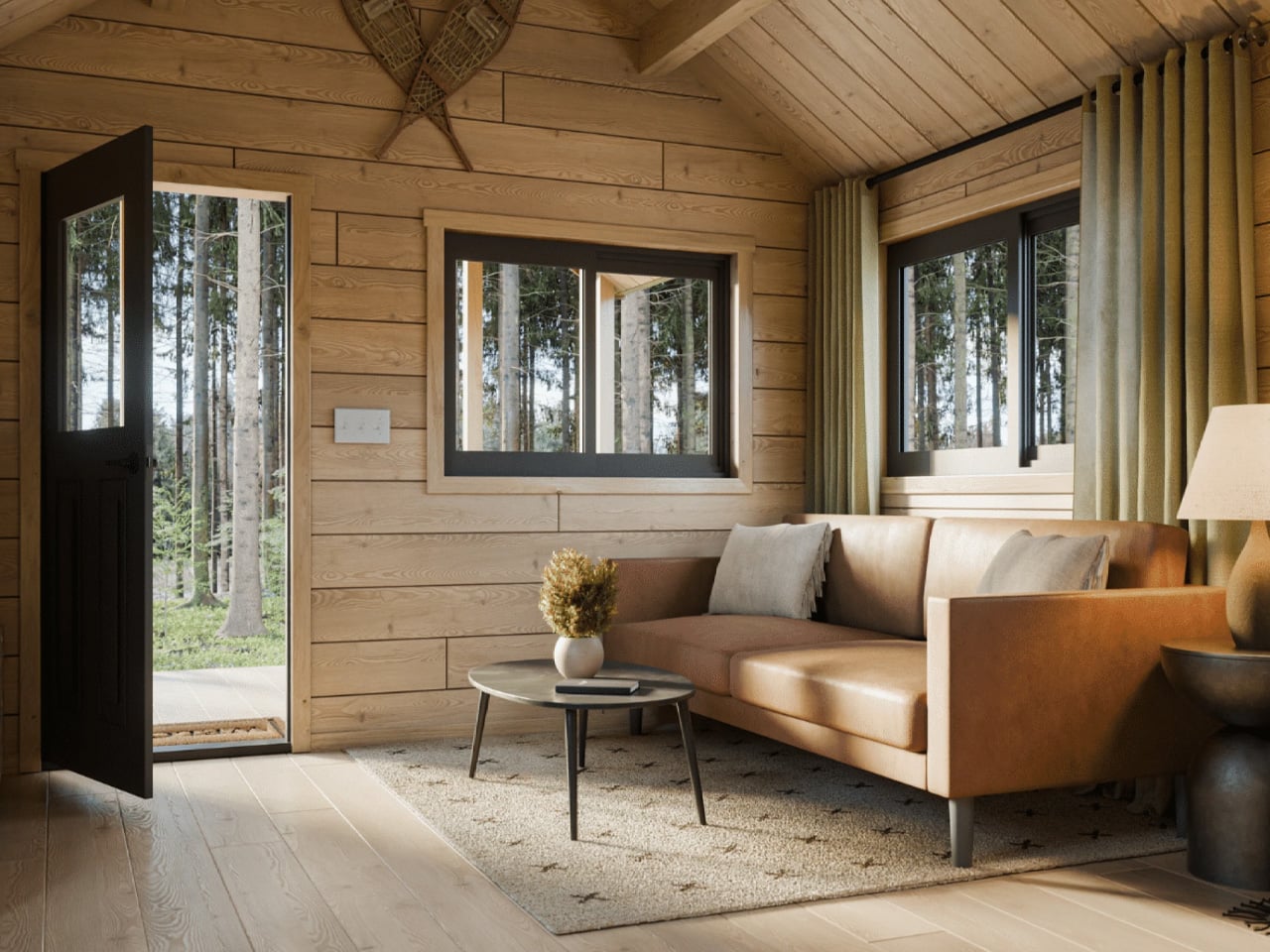
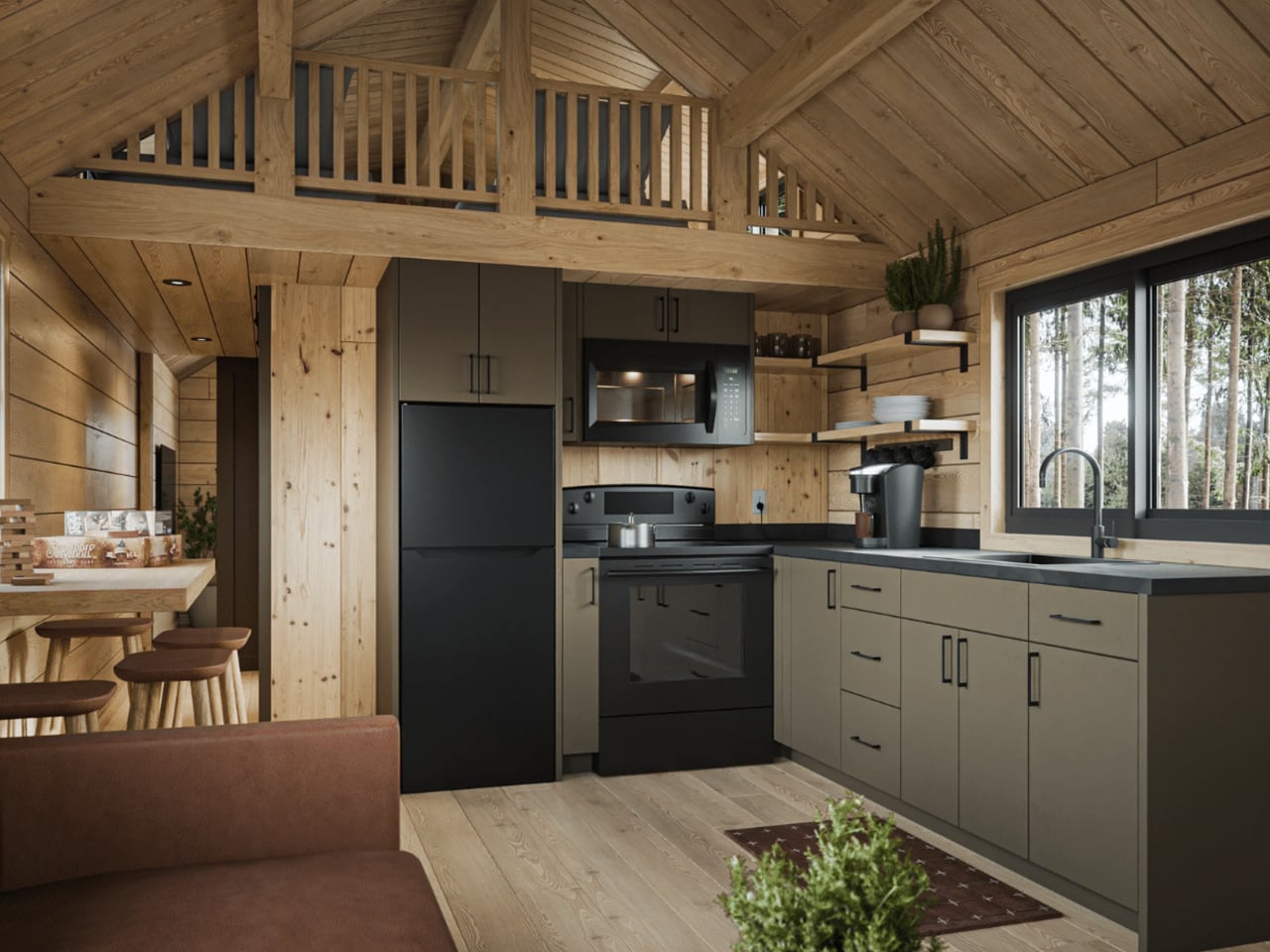
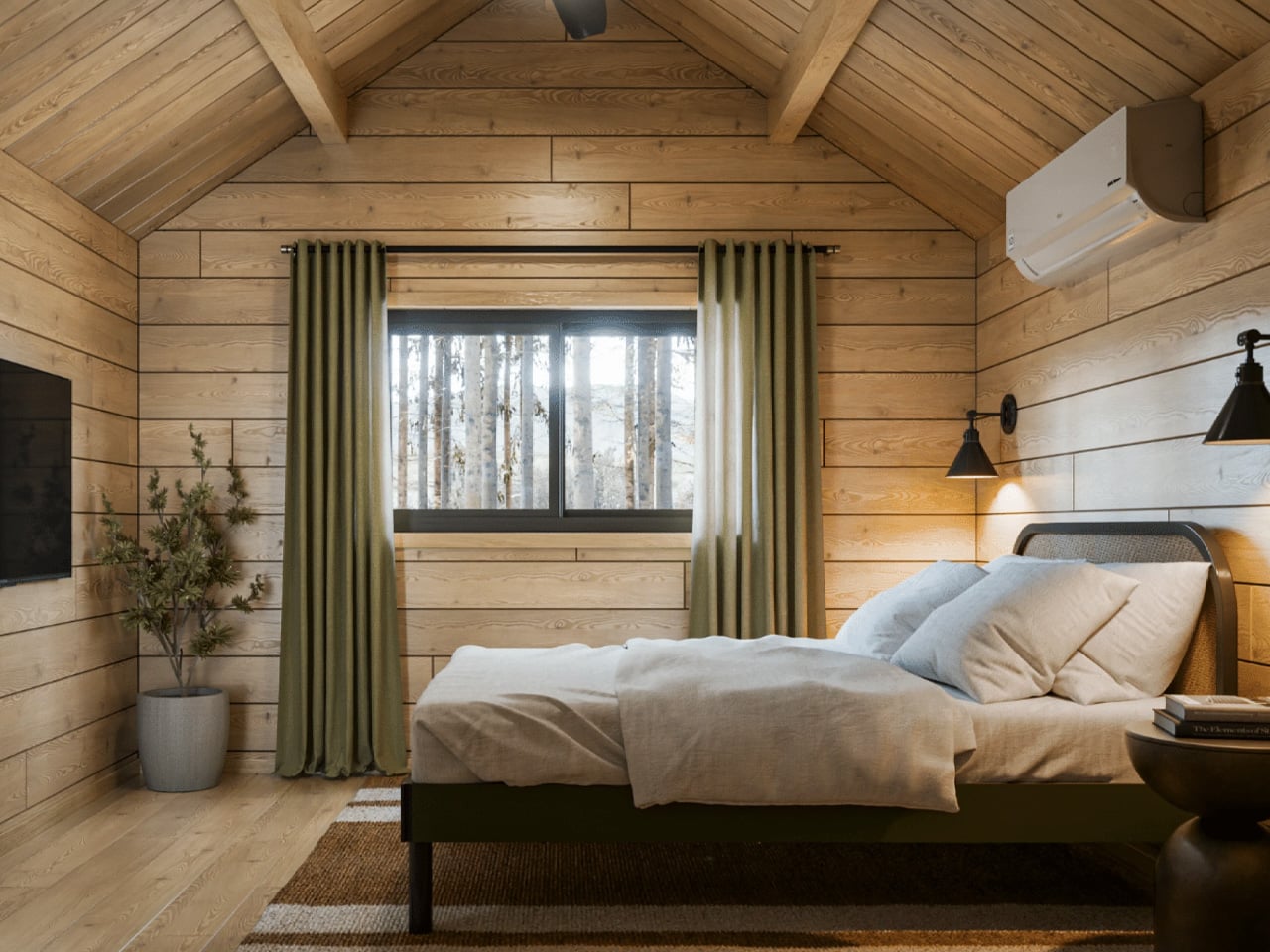
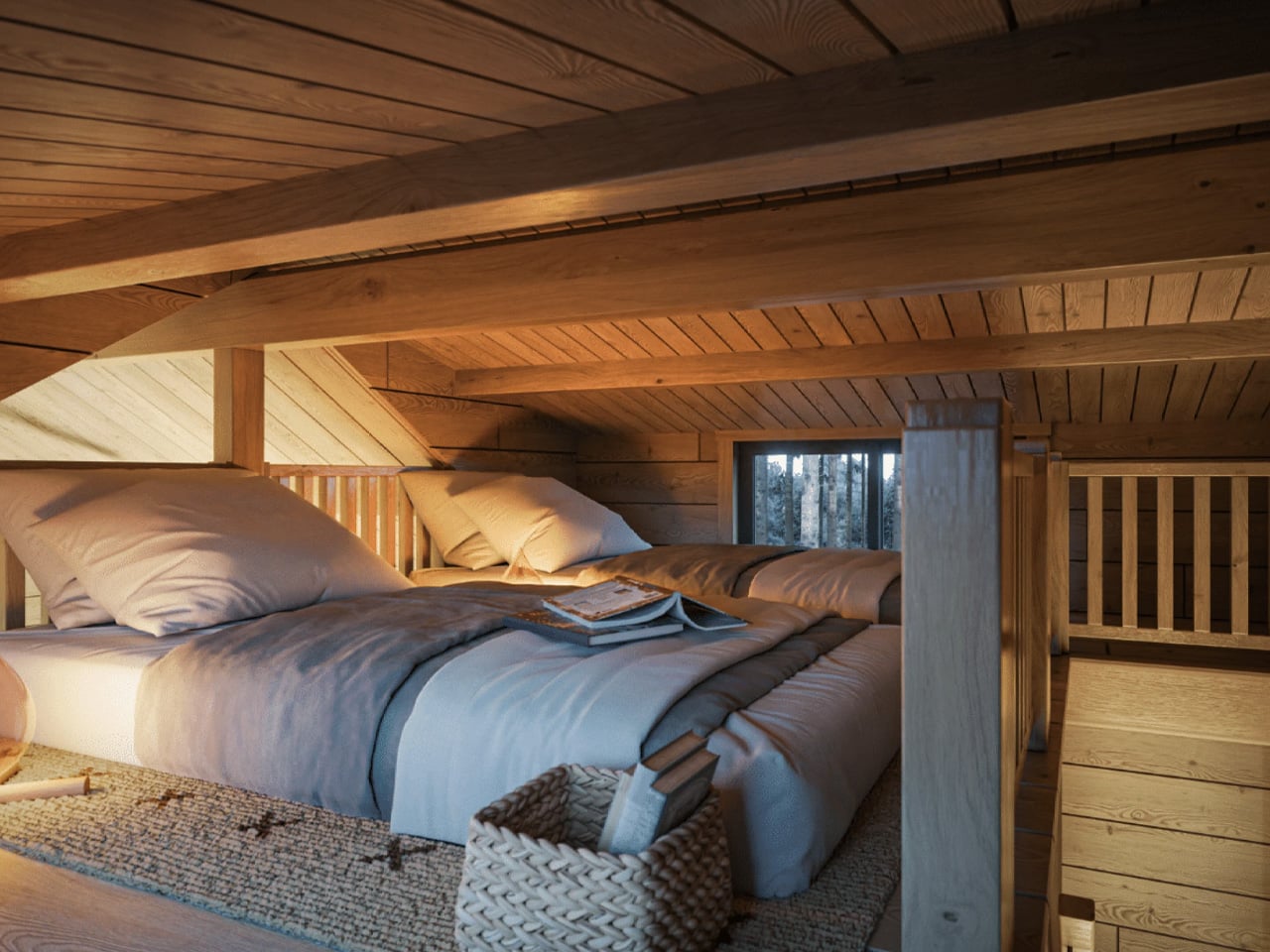
Inside, 2-by-8 tongue-and-groove Southern Yellow Pine boards line the cathedral ceiling, with log beams left exposed and finished in two coats of polyurethane. Luxury vinyl plank flooring runs throughout. The layout is deliberate: a great room combining the kitchen and living area, one master bedroom, one full bathroom, and a 7.5-foot loft accessible by a proper staircase. Solid pine interior doors with sliding barn door hardware add a detail that feels intentional rather than pulled from a catalog.
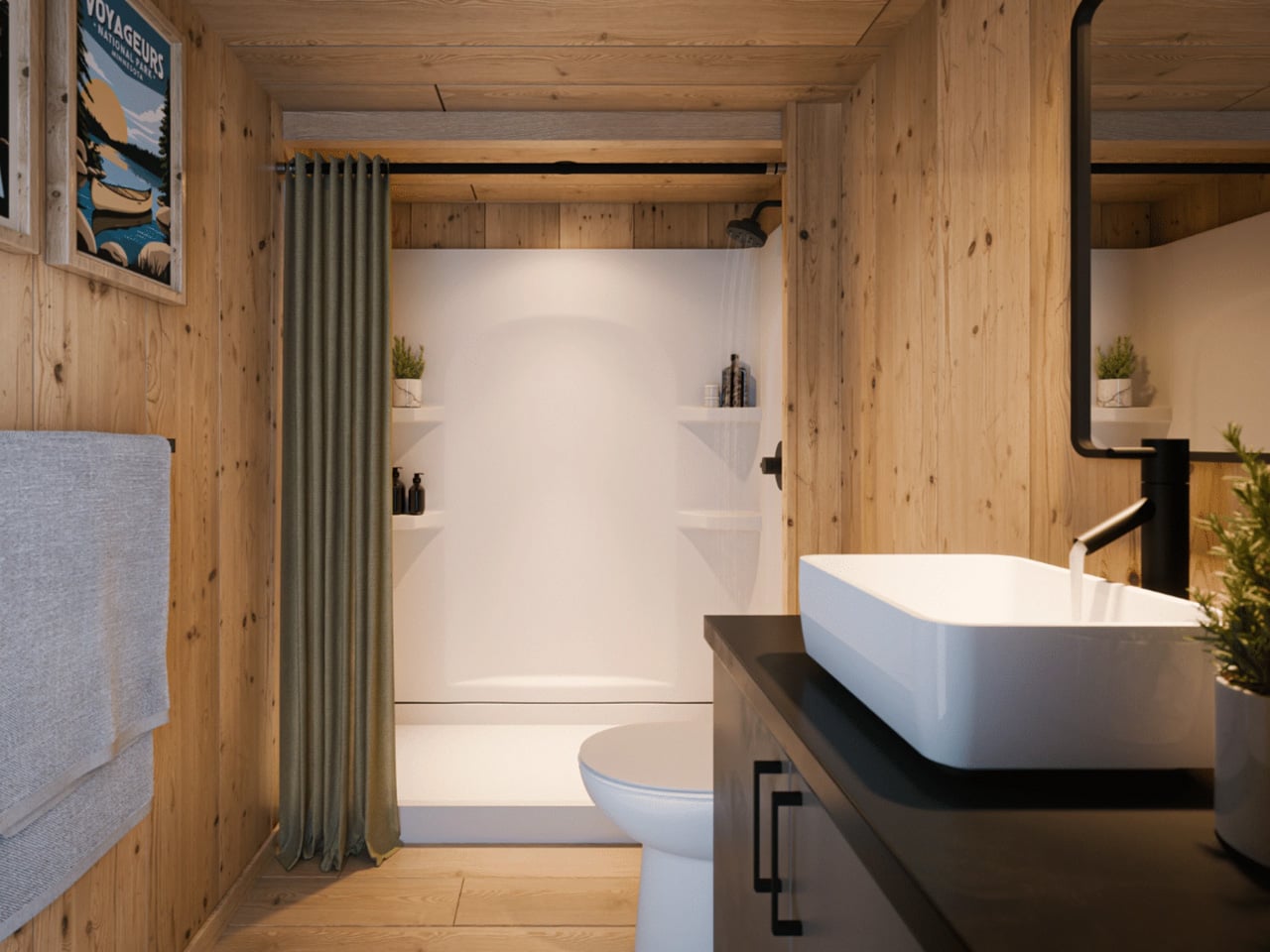
The kitchen comes fully outfitted with a 9.8-cubic-foot refrigerator, a two-burner electric induction cooktop, a 24-inch over-the-range microwave, and painted wood cabinets with Formica countertops. The bathroom offers a 4-foot shower with a black shower head, a 30-inch vanity with a matching black faucet, and an exhaust fan. Climate control runs through two 18,000-BTU ductless mini-split units. Ethernet ports are tucked into the closet or cabinet, a small touch that signals Zook understands exactly who is buying these homes.
Structurally, the Aspen rides on a heavy-duty steel, 4-axle chassis with a detachable hitch. It carries an RVIA seal and meets ANSI A119.5 standards, making it eligible for RV loans and RV insurance. For buyers looking to skip traditional mortgage timelines, that matters. Closed-cell spray foam insulates both the roof and floor, and delivery is included nationwide.
For anyone building out a retreat property, running an Airbnb, or just looking for a weekend space that doesn’t feel like a sacrifice, the Aspen makes a quiet but convincing case. The log exterior photographs beautifully, the footprint fits most parcels, and the build quality shows up in the details. It’s a home that asks nothing of you except to enjoy it.
The post This 400-Square-Foot Log Cabin Has a Loft, a Covered Porch, and Cathedral Ceilings — and It Arrives on a Flatbed first appeared on Yanko Design.

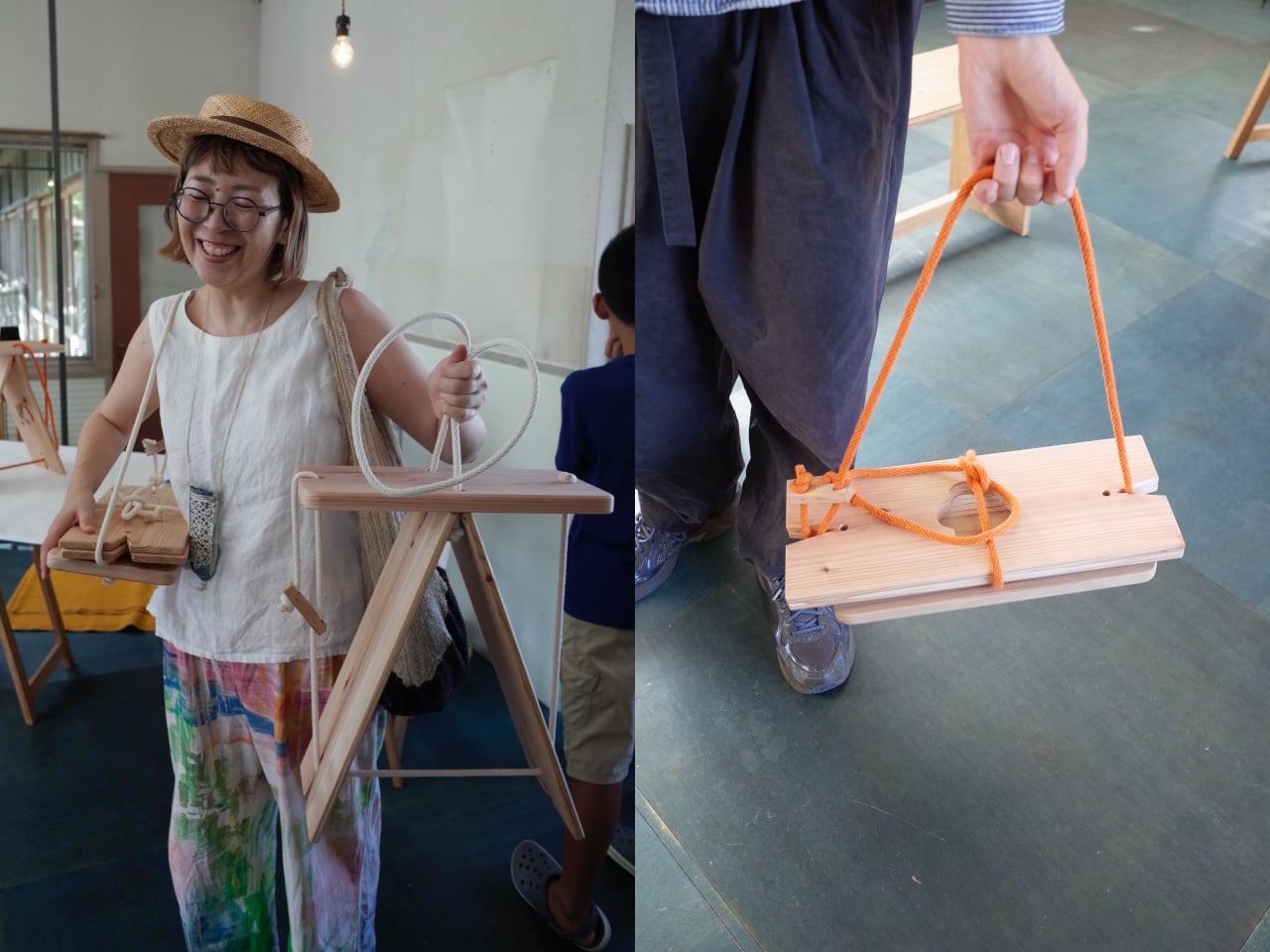
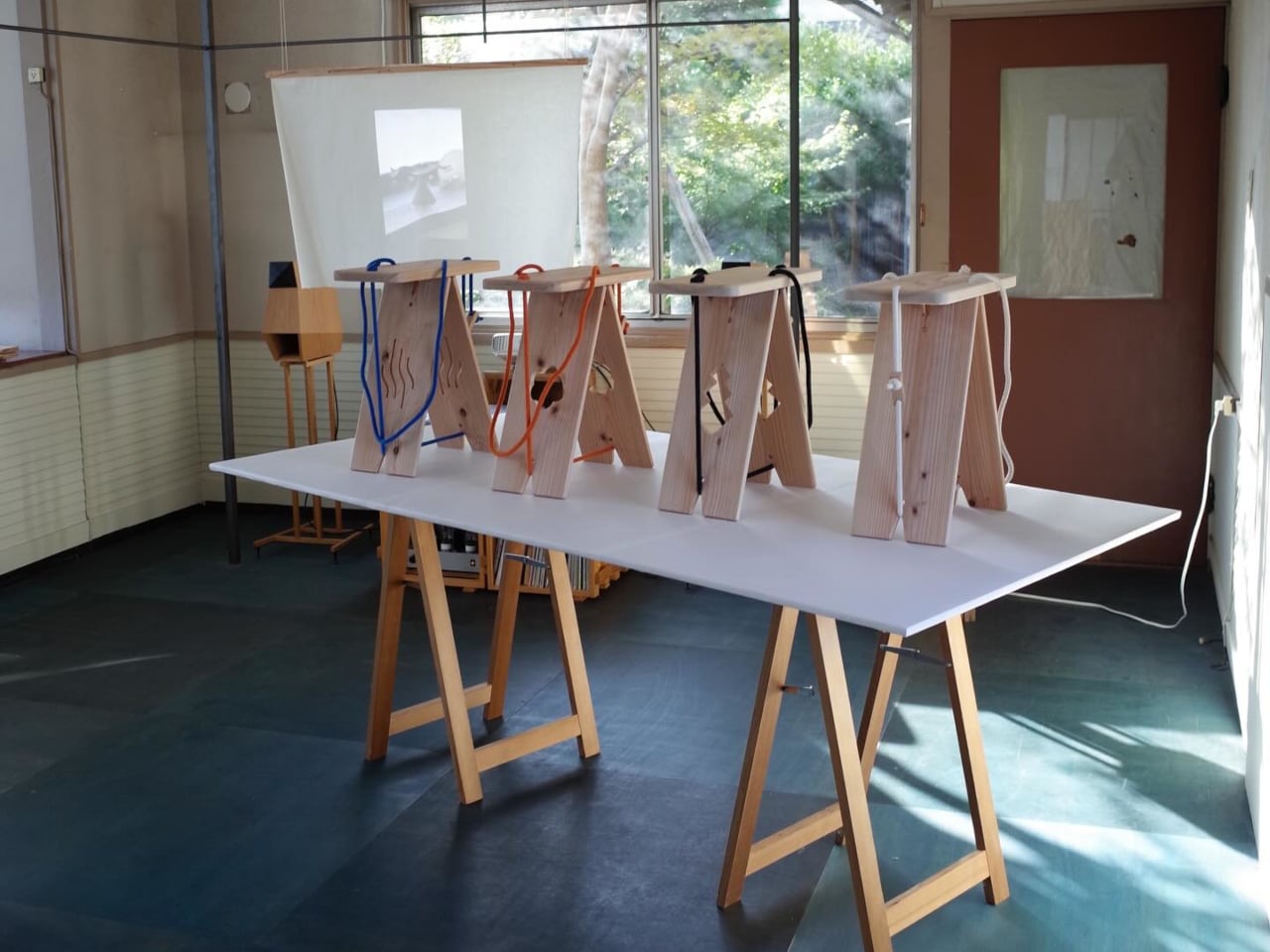
Most furniture relies on hardware you can’t see to hold everything together. Screws, bolts, dowels, and adhesives do the invisible work that keeps chairs and stools from coming apart. The Rope Stool does without all of it. Designed as part of a craft exchange between Tottori, Japan, and Gothenburg, Sweden, it holds its flat cedar boards together through rope tension alone, and it folds flat when it’s done.
The exchange that produced it ran for three weeks in Tottori Prefecture, where six Swedish creatives came to collaborate with local Japanese craftspeople. The initiative was organized by Oshinsha, a Japanese retailer dedicated to promoting the work of local artisans, with funding from both countries. It was structured as a genuine creative residency, not a cultural showcase, and the stool that came out of it reflects that difference.
Designers: Esbjorn Grip, Junsei Fujimoto
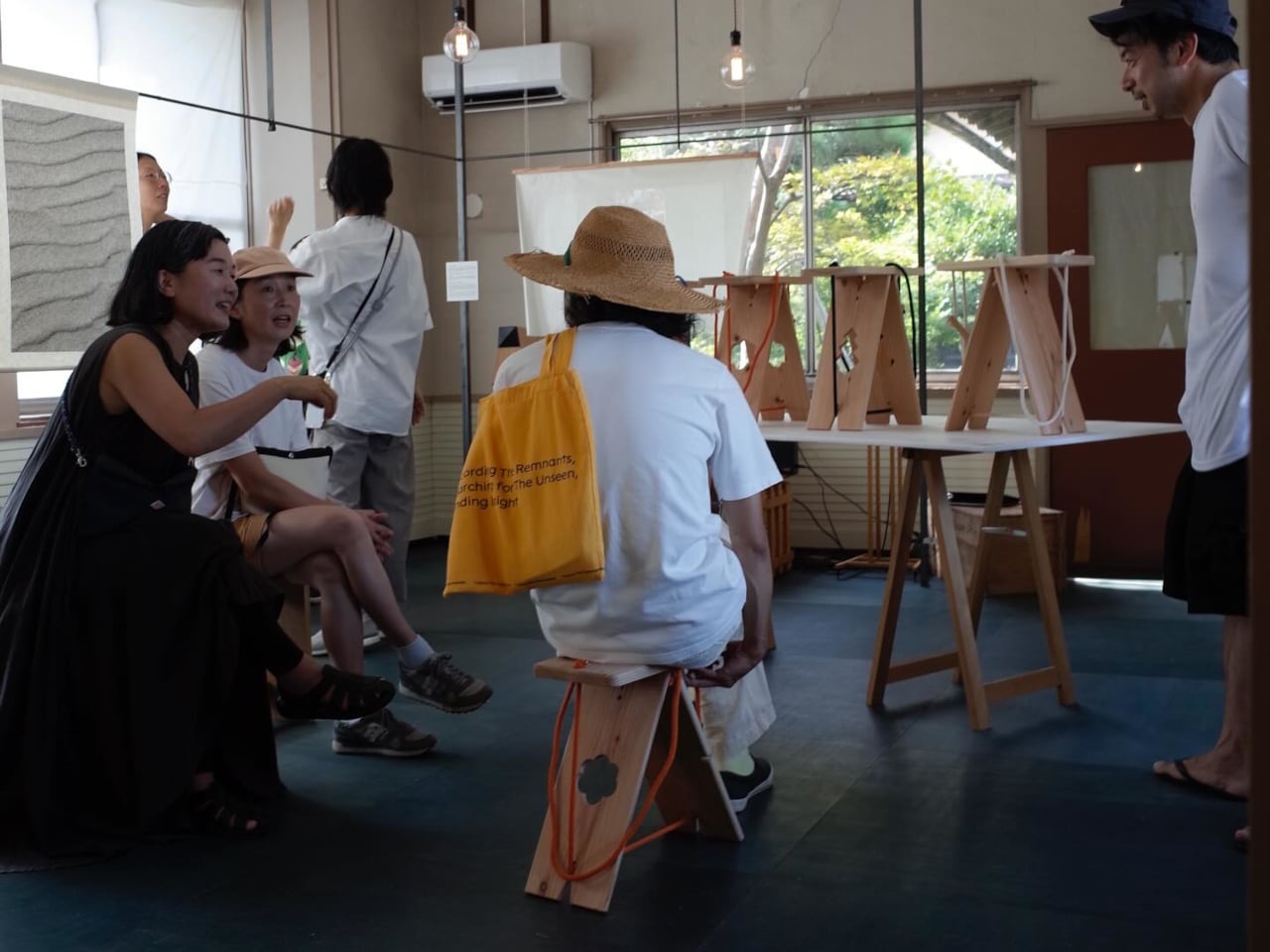
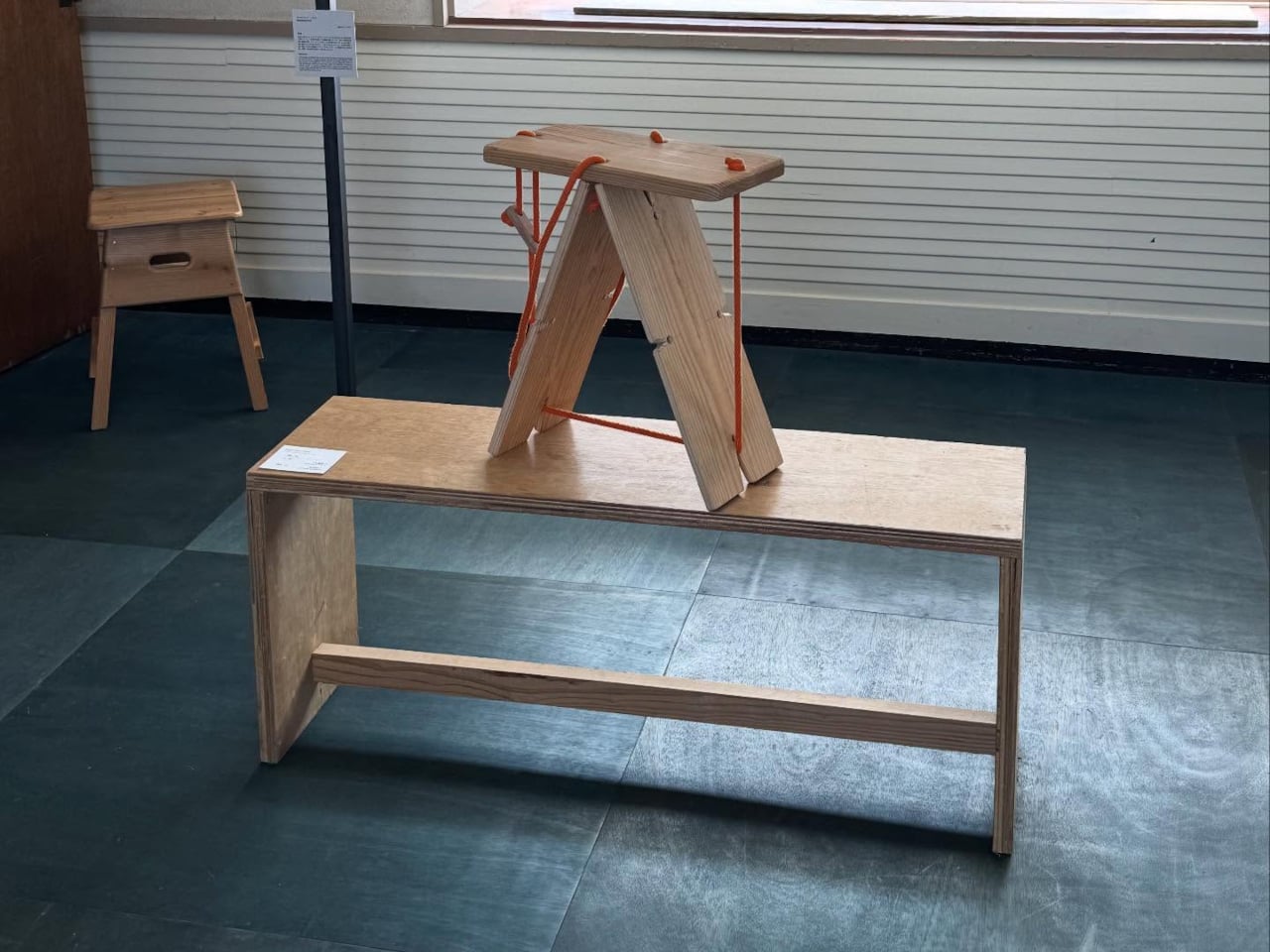
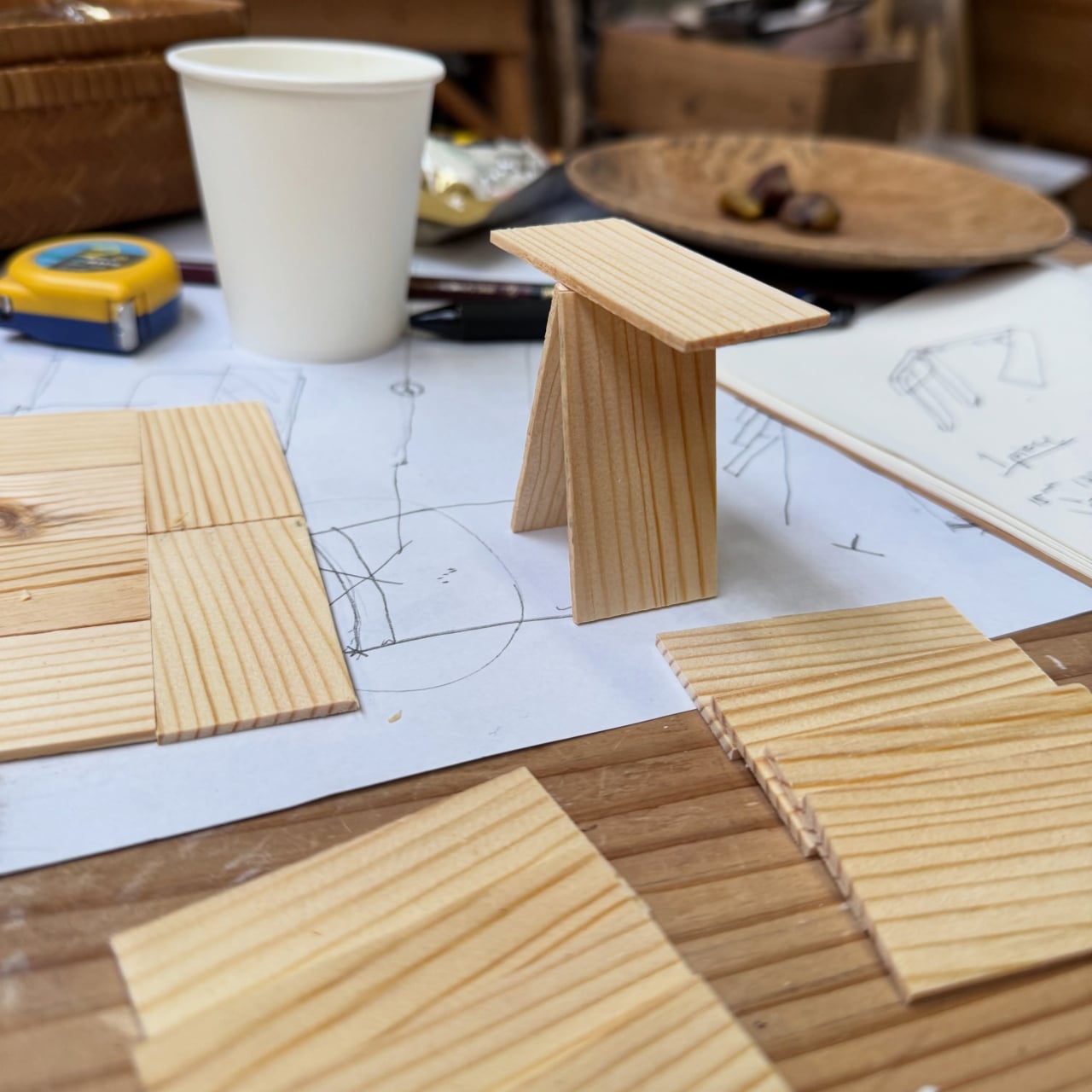
The brief handed to the pair who made the Rope Stool was deliberately restrictive: create a piece of furniture from a single, repeatable wooden element. What they arrived at is a seat made entirely from identical flat boards of Japanese cedar, no custom-cut components, no specialized hardware. The rope pulls them into formation and holds them there, tight enough to carry a person’s weight, loose enough to release when you want to pack up and leave.
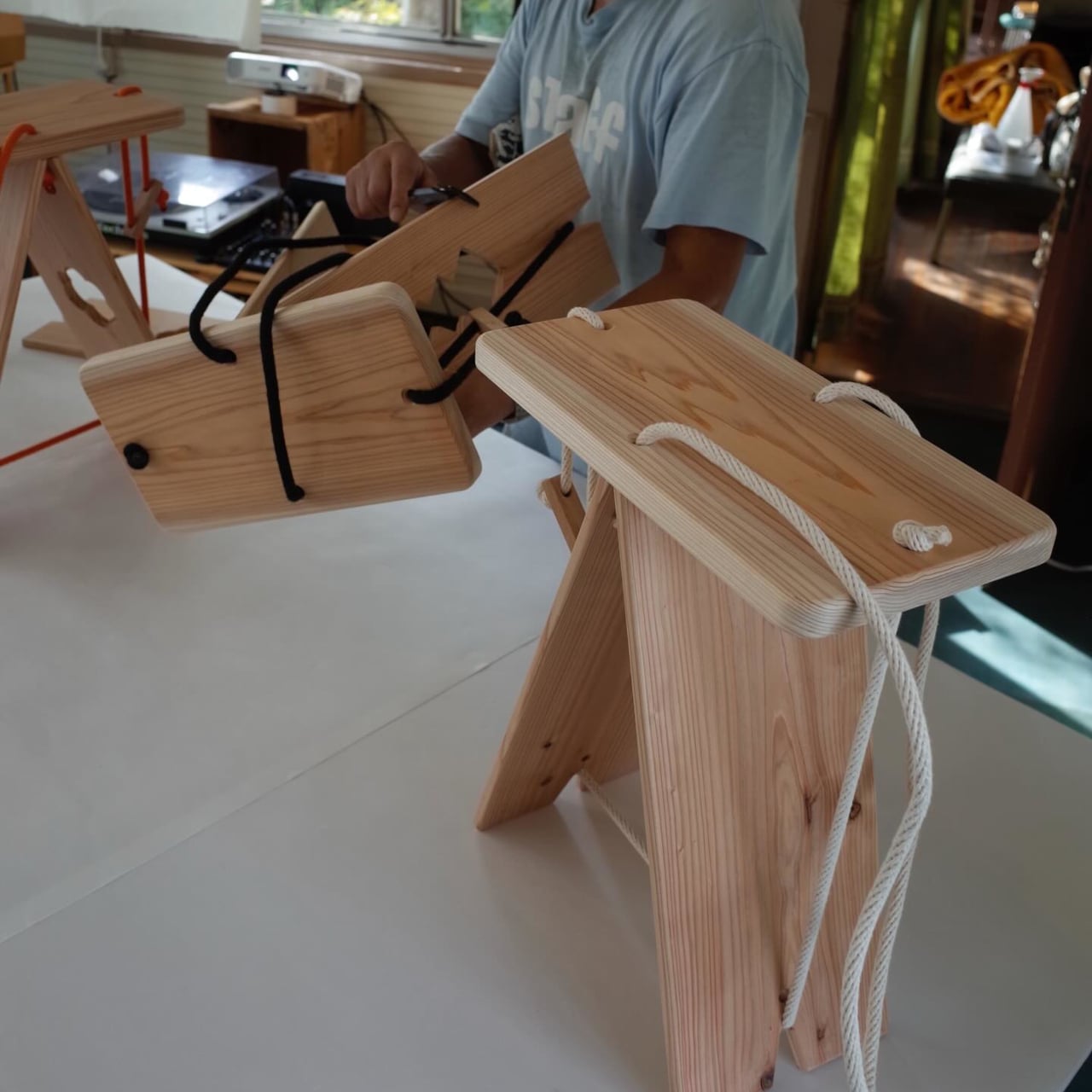
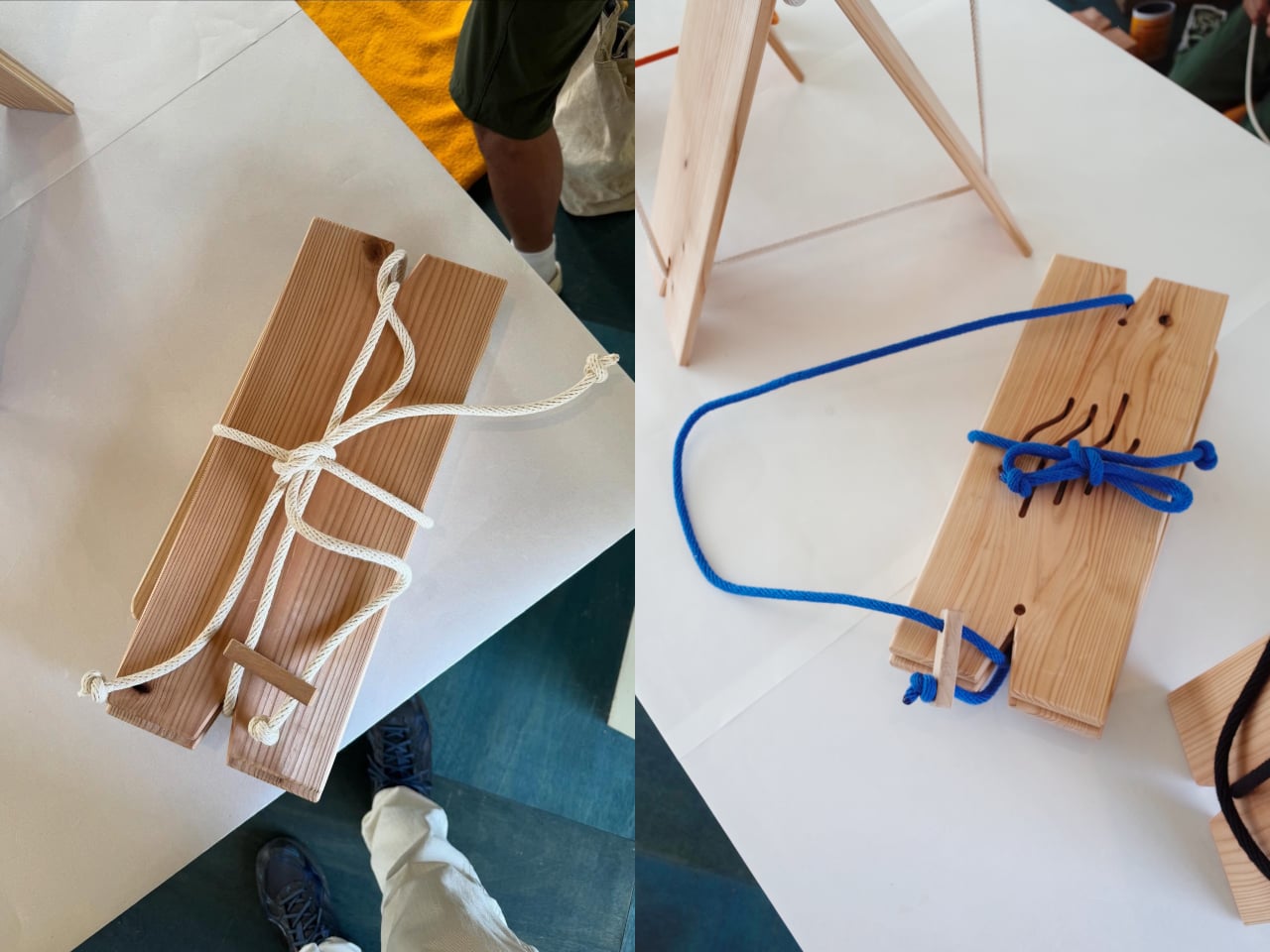
That packing-up quality is one of the things that makes the stool more than a design exercise. A seat that disassembles into a flat bundle of boards and a length of rope is genuinely portable in a way that most stools aren’t. You can bring it to a market stall, a workshop, an outdoor event, or anywhere that needs a seat more than it needs a chair stored permanently in the corner. The rope tension is what creates the rigidity; without it, the parts stay separate and flat.
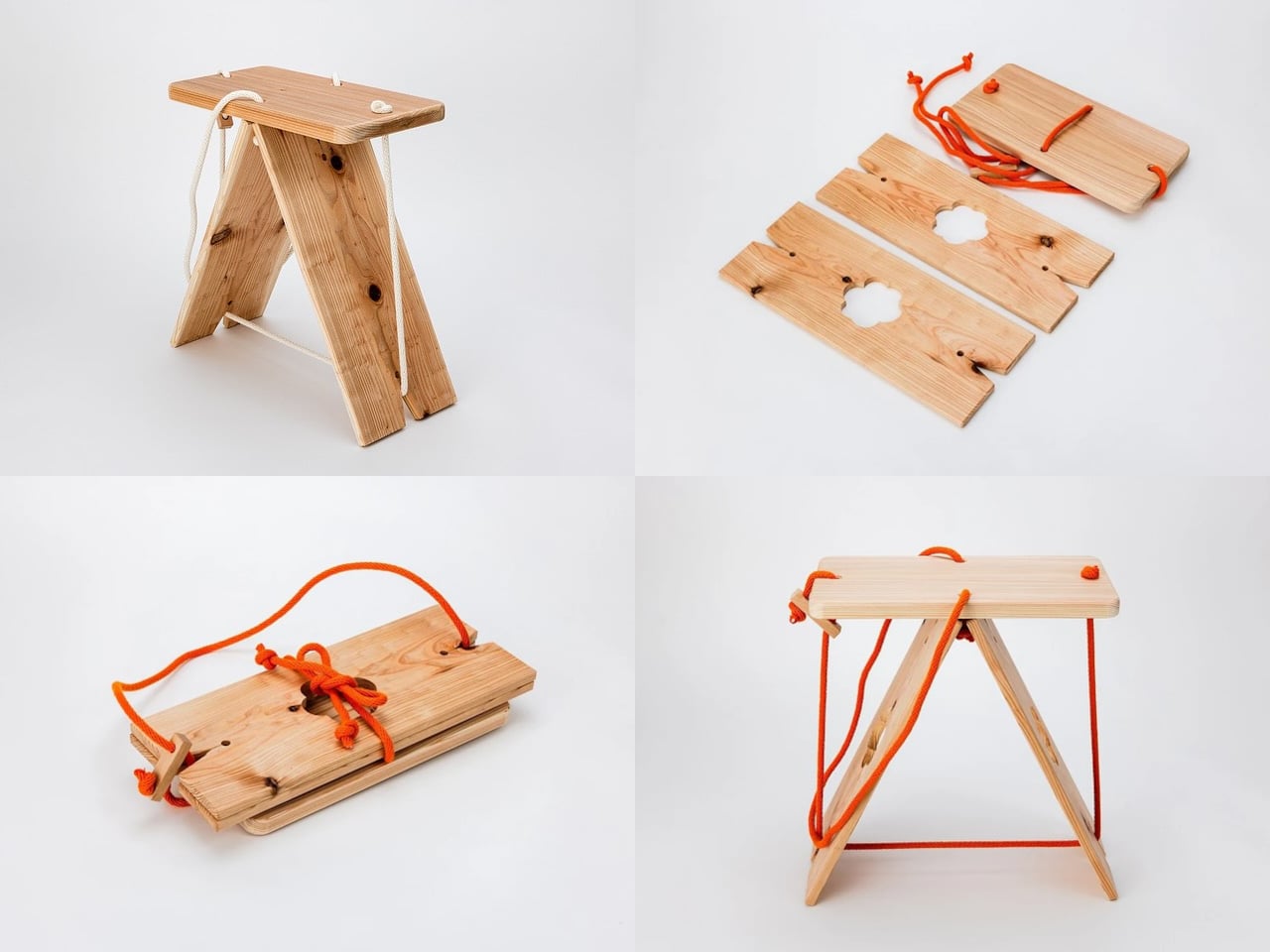
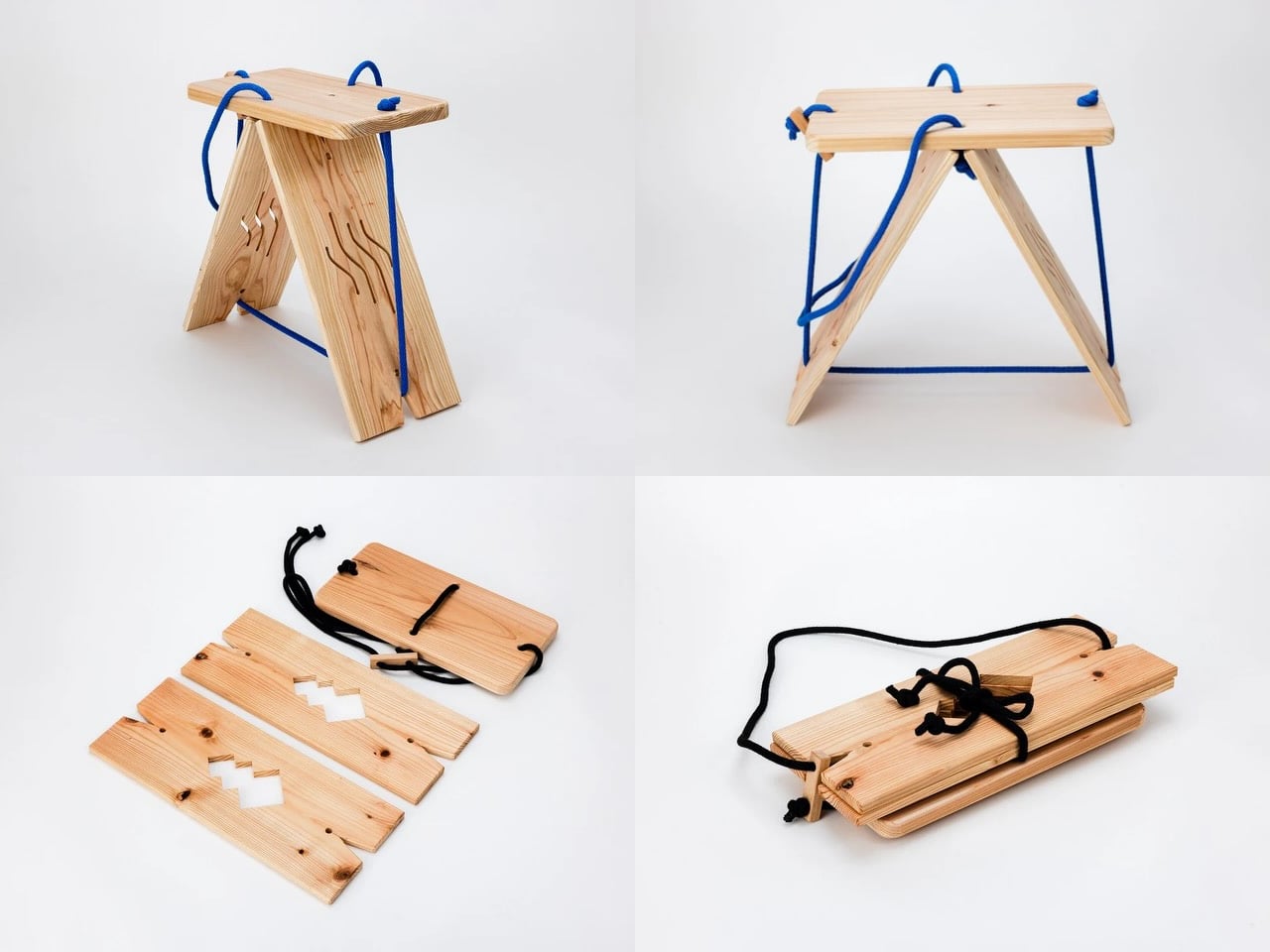
The cedar itself is a considered choice. Japanese cedar, or sugi, is one of the most widely used traditional wood materials in Japan, valued for its light weight, straight grain, and durability. Flat boards cut from it are uniform enough to be truly interchangeable, which is the point of the single-repeatable-element brief. Each board in the stool is the same as the others, and the rope is what differentiates a pile of boards from something you can sit on.
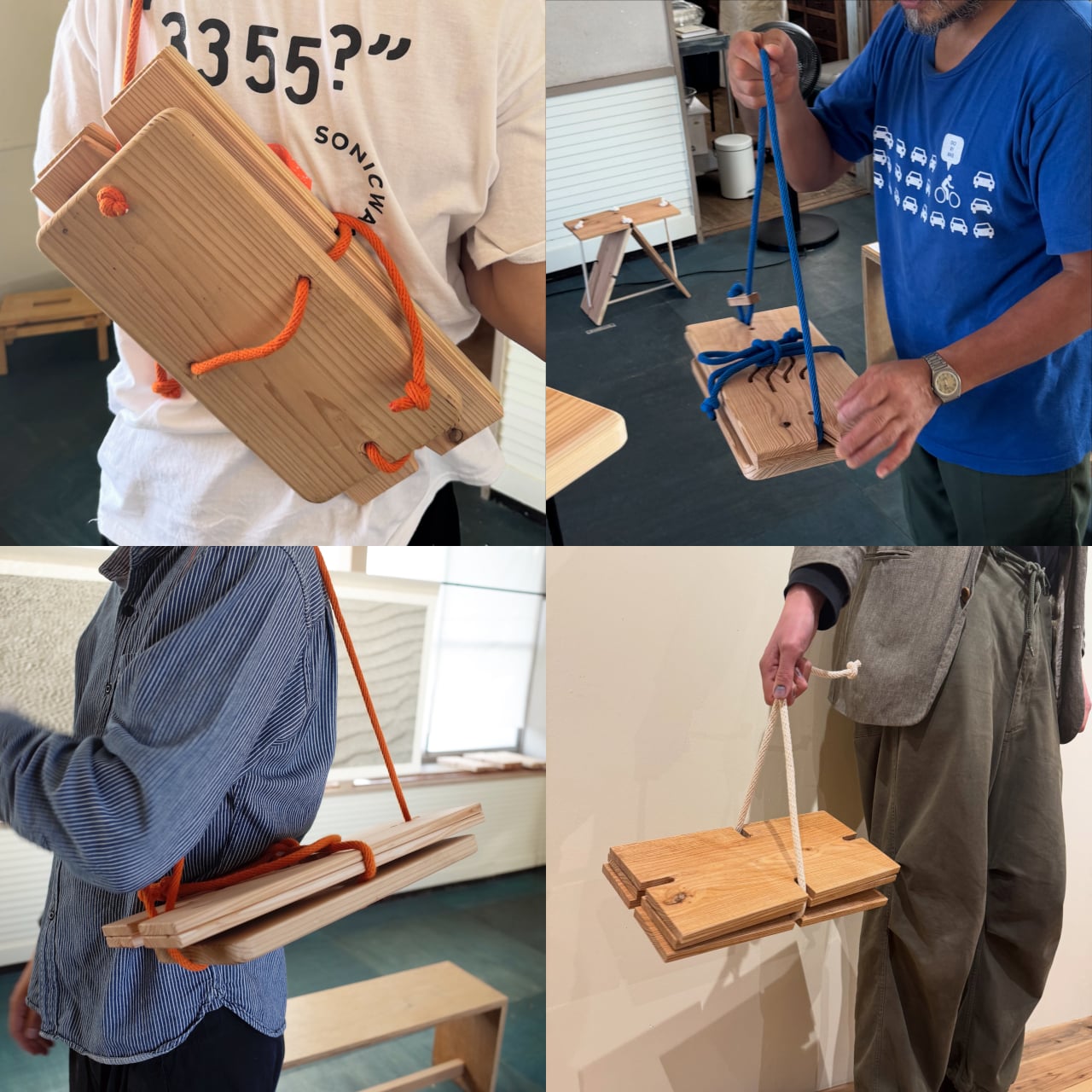
There’s a conceptual clarity to the construction that most furniture doesn’t achieve. The structure is visible, the logic is readable, and nothing about how it stays together is concealed. Pull the rope, and it assembles. Loosen it, and it comes apart. The simplicity isn’t a limit on what the stool can do: it’s the thing itself, expressed as directly as the brief demanded.
The post Rope Replaced Every Screw and Dowel in This $77 Wooden Folding Stool first appeared on Yanko Design.



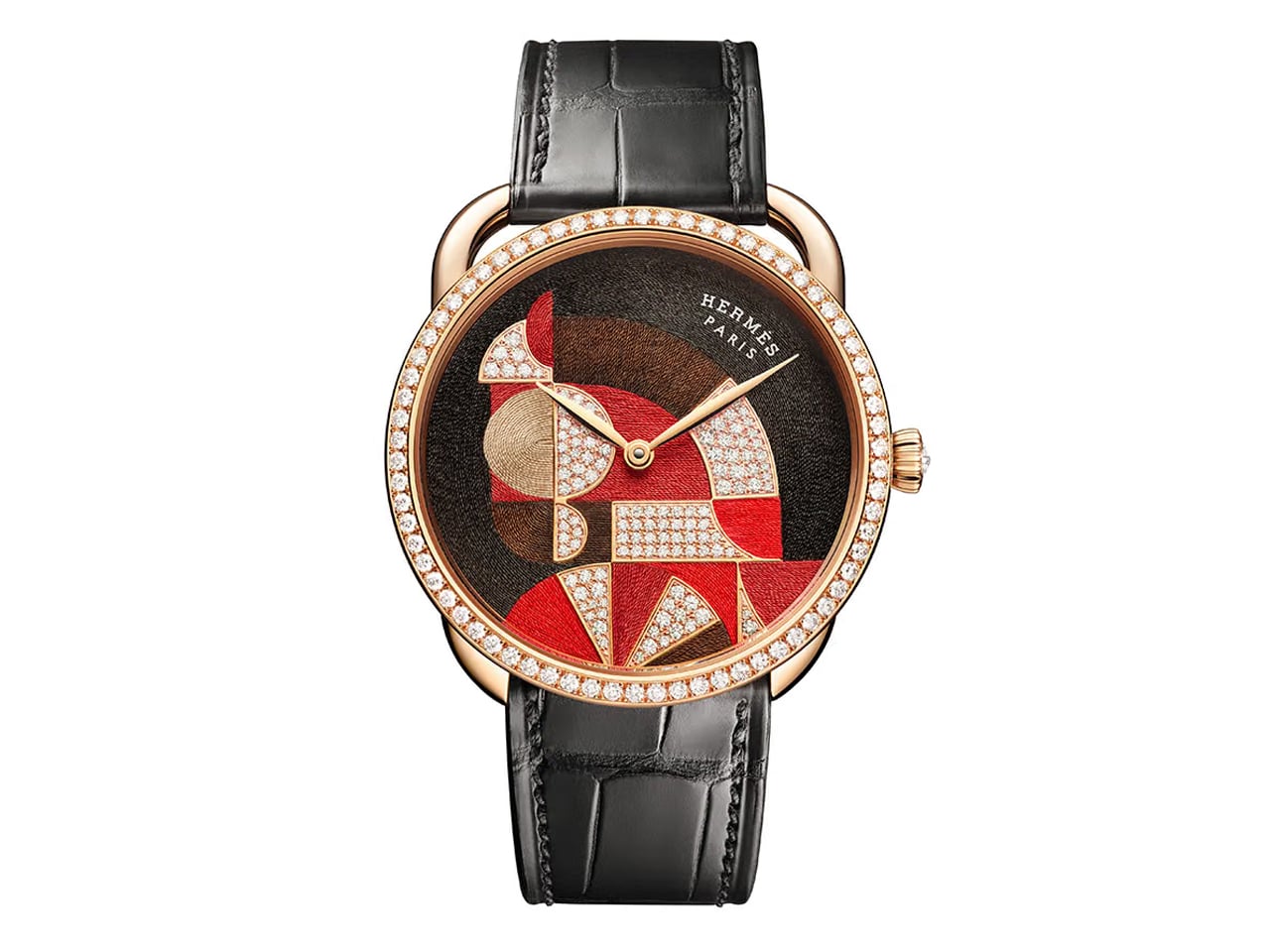
Henri d’Origny designed the iconic luxury wristwatch Arceau first in 1978. Ever since, it has been Hermès’ most preferred collection for experimentation. This continues in style with the introduction of the new Arceau Cheval Natté, a limited-edition Hermès watch whose dial is entirely woven from silk.
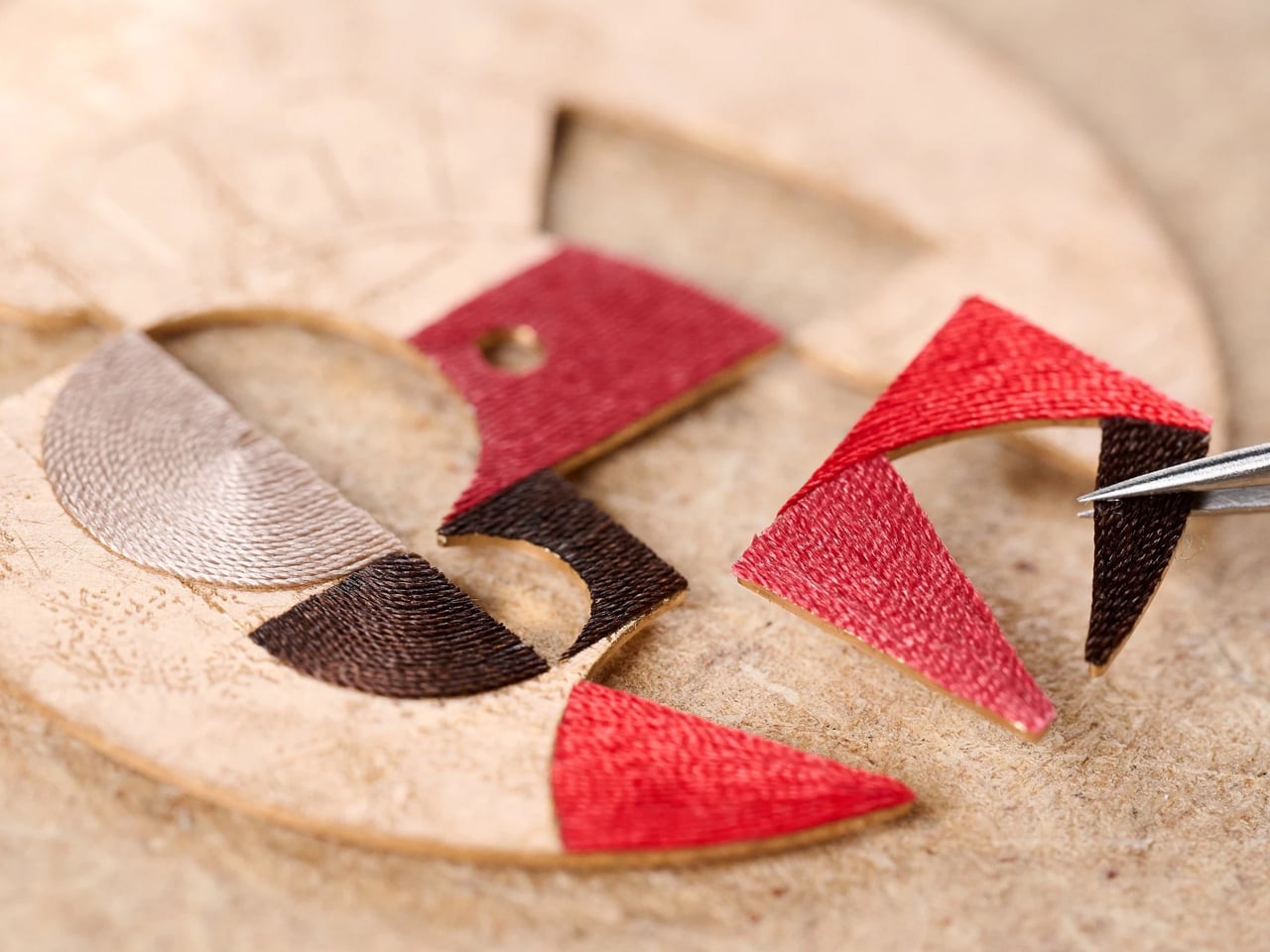
If that sounds unheard of in a watch, it’s because this is, for the first time, a watch dial that features a horse’s head woven geometrically using 400 silk threads. The way the threads are used on the timepiece is beyond the ordinary. Each individually selected silk thread is laid one by one, in a precise direction, by hand. This is done meticulously to ensure that when light moves across the surface, each woven section behaves differently, creating an eye-catching interplay of light, depth, and texture.
Designer: Hermès
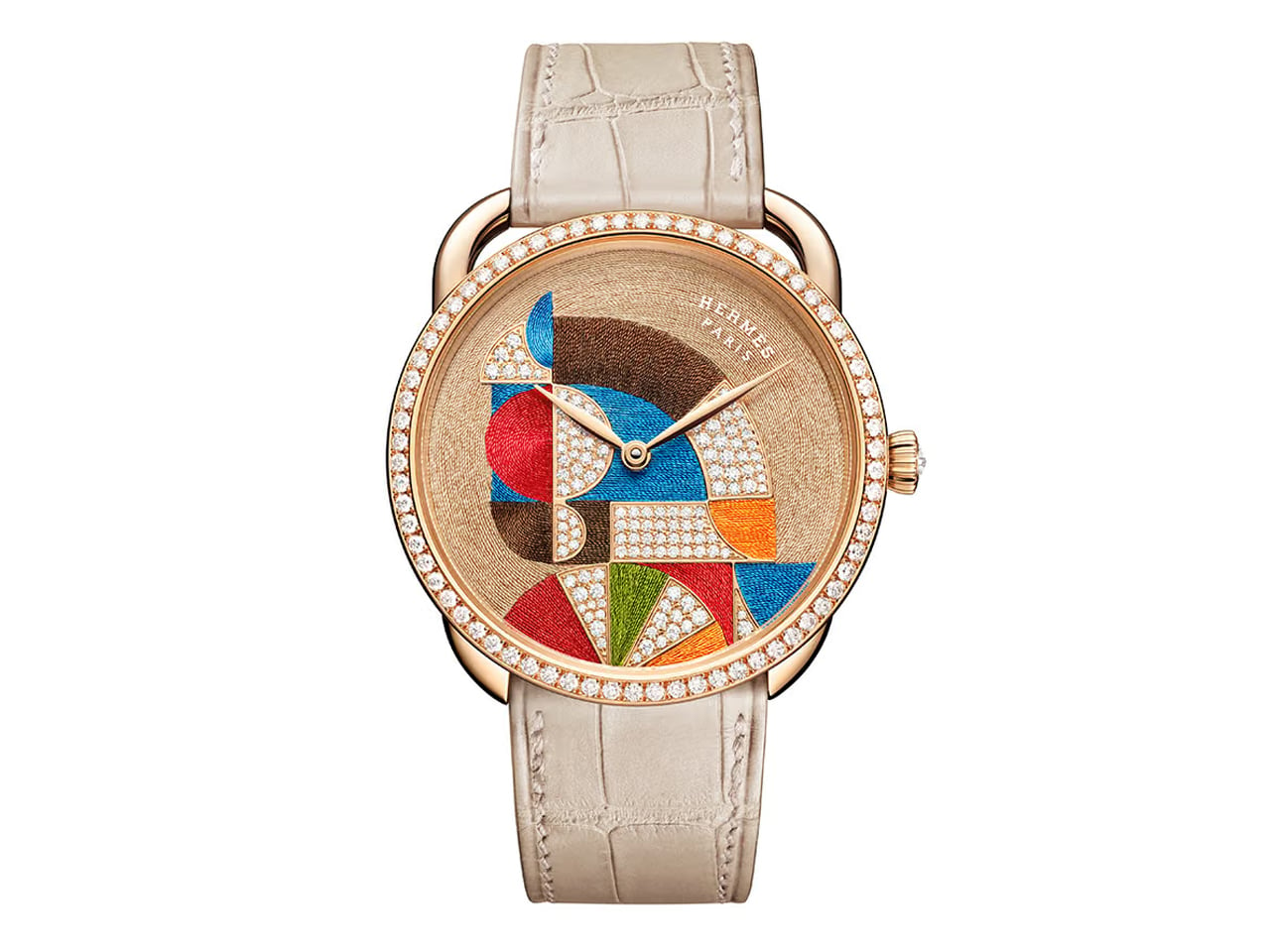
This silk thread motif was originally created for Hermès home accessories by designer Tong Ren, and has been for the first time interpreted on a watch dial as horse’s head, which honors Hermès’ association with horses, which started with its days crafting high-quality leather harnesses and saddles. The silk dial, enhanced with the use of 123 diamonds and champlevé engraving, sits within a 38mm rose gold case.

The watch also has a bezel to look out for. Complementing the unique dial is the bezel embedded with 70 diamonds and a crown on the side adorned with a single diamond. The Arceau Cheval Natté is powered by an in-house, self-winding H1912 movement. Hermès states, it’s crafted in Switzerland, and that the calibre measures 23.9 mm in diameter and 3.9 mm in thickness, and operates at 28,800 beats per minute. It offers the watch a 50-hour power reserve.
The watch has a see-through sapphire crystal caseback, which provides a clear view of the signature sprinkling Hs on the movement. Besides the embellishment and the dial, the Arceau Cheval Natté is a simple horological instrument. It has only the primary hours and minutes hands and is made in two versions. One of them is a luminous model, which is pretty close to the vivid colors of the original design. The second, on the other hand, is a variant with more intense black, red, and brown tones.

Each version of the Arceau Cheval Natté, Hermès notes, is a limited edition of 24 pieces. Water-resistant to 30 meters, the watch comes paired with either a dune or black matte alligator strap secured with a rose‑gold pin buckle. Straps are also made in Hermès’ own workshops. The new Hermès watch does not intend to present time through complication, it chooses to weave time in silk for $95,200.

The post Hermès weaves time on Arceau Cheval Natté watch using 400 silk threads and lots of diamonds first appeared on Yanko Design.