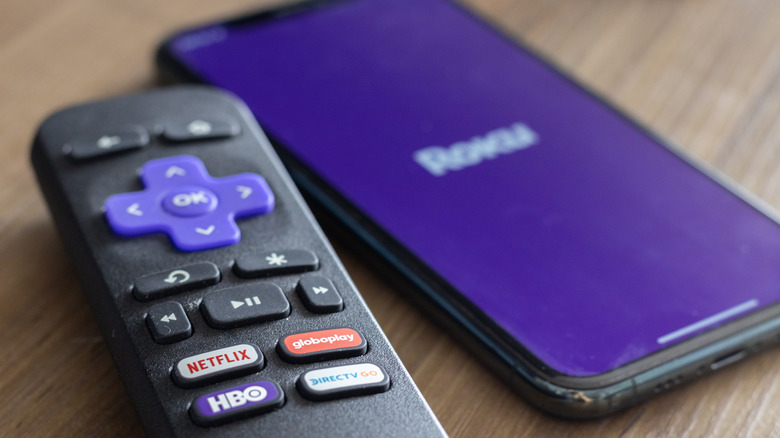
The VITURE Luma Ultra XR/AR glasses offer a dynamic way to interact with digital content, blending advanced display technology with portability. As highlighted by Cybernews, these glasses simulate a virtual display equivalent to a 152-inch screen, making them ideal for gaming, streaming, or multitasking. Powered by Sony micro OLED panels, they deliver high contrast, vibrant […]
Claude Opus 4.7, the latest AI model from Claude, introduces significant updates aimed at refining both technical and creative processes. According to Skill Leap AI, one notable feature is its customizable reasoning modes, which include Max, High and Xigh settings for API users, offering tailored outputs based on specific needs. For app users, an adaptive […]
The Galaxy S26 series introduces three distinct models, S26, S26 Plus, and S26 Ultra, each designed to cater to different user preferences. Whether you value affordability, balanced performance, or innovative features, understanding the differences in price, size, display, camera, and battery life is essential for making the right choice. Below is a detailed comparison video […]
Apple has officially released iOS 26.5 Beta 4, a developer-focused update aimed at refining system performance, introducing incremental yet meaningful features, and resolving bugs identified in previous versions. This update is part of a synchronized rollout across Apple’s ecosystem, including iPadOS, macOS, watchOS, tvOS, HomePod OS, and Vision OS. While developers have immediate access to […]
The Apple Watch is a powerful and versatile device that combines convenience with functionality, but it’s not without its occasional challenges. From managing notifications to resolving connectivity issues, these common problems can sometimes hinder your experience. By addressing these concerns with practical solutions, you can ensure your Apple Watch operates seamlessly and enhances your daily […]
Wine culture has never been more accessible, with good bottles showing up at rooftop dinners, backyard gatherings, and weekend trips just as often as they do at restaurant tables. What hasn’t quite kept up, though, is how we actually serve them once we’re there. Temperature is the detail that most people overlook, and it’s arguably one of the most important variables in how a wine actually tastes.
That’s the gap that Porta is designed to fill. It’s a smart, portable wine cooler that keeps a bottle at the right serving temperature without ice, without a power outlet, and without any of the fuss that usually comes with trying to manage these things outside of a dedicated wine space. It’s compact, rechargeable, and built for the kind of drinking occasions that happen well beyond the kitchen.
A bottle can come from a great producer, be stored perfectly, and still taste flat if it’s poured too warm or too cold. Serve a red too warm, and the alcohol starts to overwhelm everything else. Too cold, and the aromas shut down. There’s a narrow window where the flavors actually show up the way they were intended, and that window closes faster than most people realize.
Cellars and wine fridges solve the storage part just fine. But once the bottle comes out and ends up on the dinner table, or worse, goes into an ice bucket, the situation changes pretty quickly. An ice bucket drops the temperature too far and strips the wine of the very character you chose it for. Porta addresses that moment specifically, which is where it actually matters.
The companion app is where Porta’s smarter side comes in. Pair it with your phone, point the camera at the label, and the app identifies the grape variety and sets the chiller to an appropriate temperature automatically. You can also adjust manually, log wines, add tasting notes, and build a personal wine list, making it quite useful for something that just sits quietly on your table.
There’s also a decanting timer built into the workflow, a small detail that makes a real difference. Once you open the bottle and let it breathe, Porta tracks the time and lets you know when it’s ready to pour. It removes the guesswork from a process that casual drinkers tend to skip entirely, adding a bit of structure to the ritual without making it feel like homework.
What makes Porta genuinely interesting as a design object, though, is how cordless it actually is. It runs on an internal 10,000 mAh battery good for up to eight hours of sustained cooling, and charges via USB in about three and a half hours. That makes it as useful on a terrace or a picnic blanket as it is at a formal dinner table.
The cooling itself is handled by a thermoelectric system that operates without any mechanical movement, which keeps things quiet and vibration-free. The interior circulates chilled air around the bottle while a cork-filled insulating frame holds the temperature steady, even when the ambient conditions outside change. It can bring wine down to 46°F and sustain those conditions throughout a meal without needing you to fuss over it.
The design itself is worth noting separately. Porta comes in Champagne Gold and Matte Black, with a faceted, geometric silhouette that tends to draw attention at the table. That’s intentional. The front window keeps the label visible while the bottle chills, turning it into part of the setting rather than something to be tucked away. It’s the kind of object that actually belongs where the drinking happens.
Imagine a Nintendo Switch without a screen. Just two Joy-Cons that click together for wireless gaming. Now imagine that was it. That was the product. That’s what the Clicon gaming controller/console is pitching itself has. Handheld wireless gaming with anything you want as the screen. Split the controller apart and a cartridge fits into it, sandwiched between the two halves. Click the halves shut and you’ve effectively ‘loaded’ a game. Now pick a screen and game on it.
Spiritually, it feels exactly like what I’d expect from an indie company trying to be the next Nintendo. Out-lite the Switch Lite by ditching the screen altogether. The 2-part controller looks gorgeous, is portable, and ends up acting as a cartridge holder just by virtue of its design. Plus, the Duracell colorway definitely gives it a funky touch that’s hard to ignore!
Designers: Yasuaki Iijima & Jason Chen
This format is easily the first in the handheld gaming segment and that’s perhaps the one thing that excites me the most. Seeing a design so fairly radical it grabs your attention for a second, making you question how it works, and whether it would work, plausibly. The Clicon is still conceptual, obviously, but the designers are apparently working on a prototype.
The renders show a basic arcade-style cartridge that is housed inside the controllers, sitting just within their parting line and jutting out the middle the way your AirPods jut out when you flip the lid. This means no mano-a-mano gaming the way you would on a Switch. This entire thing is just one console, and doesn’t work when split apart. Lock it together and you’ve got something akin to the SNES controller with a pill-shaped design that feels decent enough to hold for hours at a stretch.
Meanwhile, as controls go, the Clicon packs them all, action buttons, arrow keys, two sets of shoulder buttons, the works. A home button and +/- buttons on the front, another transparent button on the top, and a USB-C port to charge the device as well as potentially stream content via cable. It would also make sense to assume that wireless streaming is a possibility.
Designers Yasuaki Iijima & Jason Chen are apparently working on a prototype. Their instagrams show 3D prints of mock-ups, even with bare-basics circuitry. It’s way too early to even ask for things like a timeline, specs, pricing, etc. but what we can do is judge the design for what it is. And hope that a feasibility run doesn’t result in too much of the design changing in the process! Heck, is it possible we see a ‘Nintendo Switch Lite Lite’ before GTA 6?
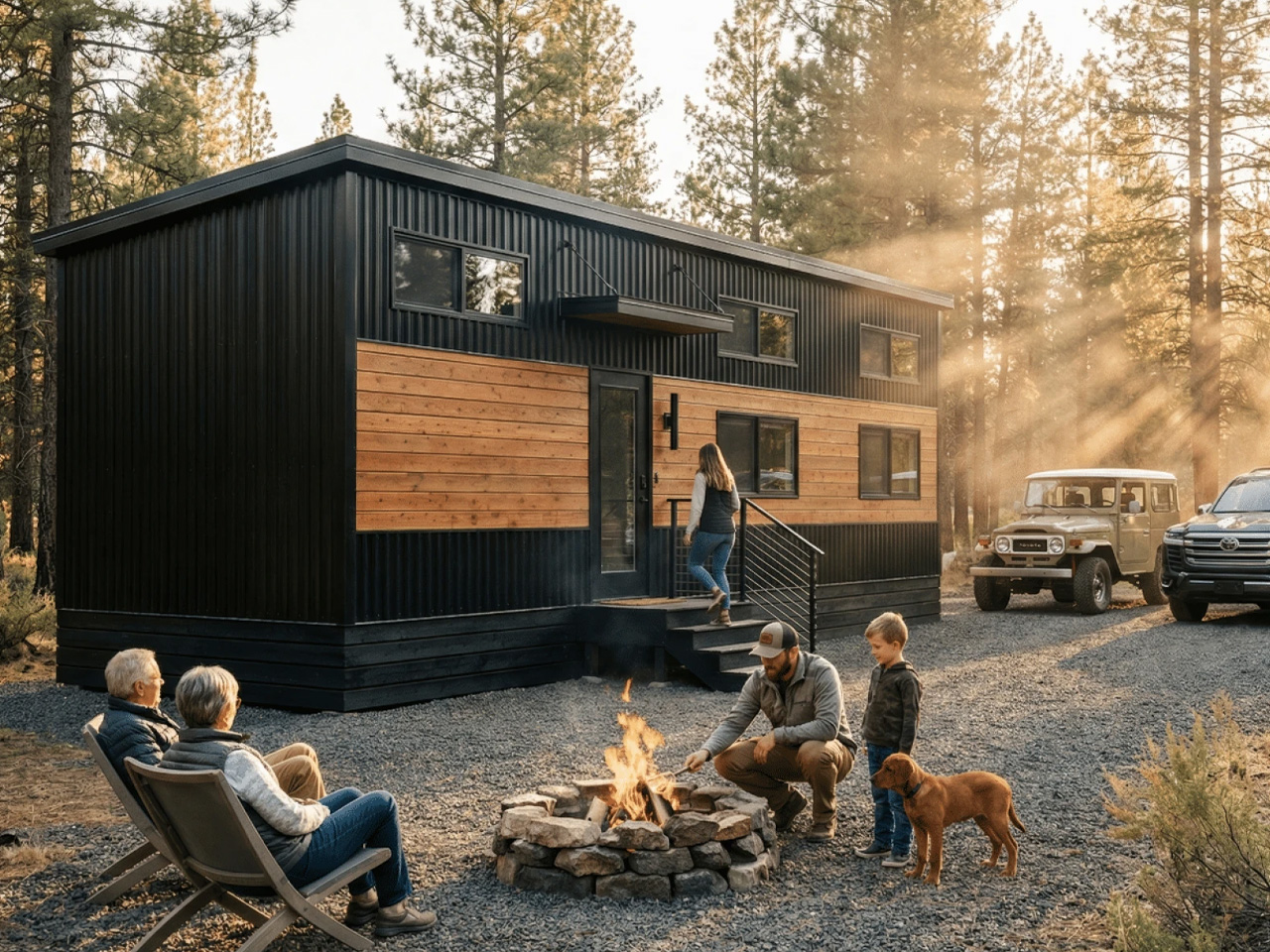
Craft House’s latest model arrives without wheels and makes no apology for it. The obsession with portability is slowly giving way to something more intentional, and the Lukas makes a strong case for planting roots.
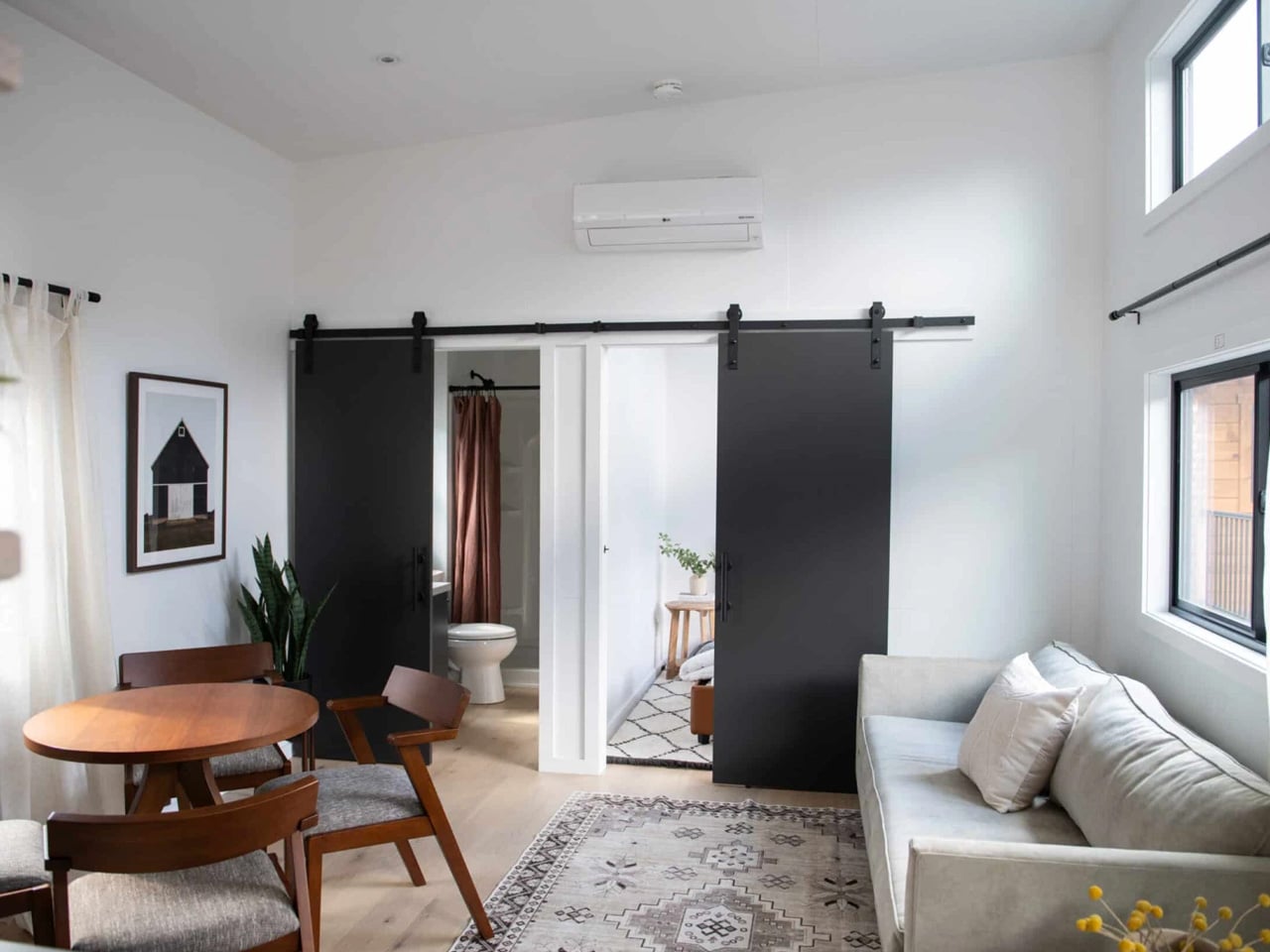
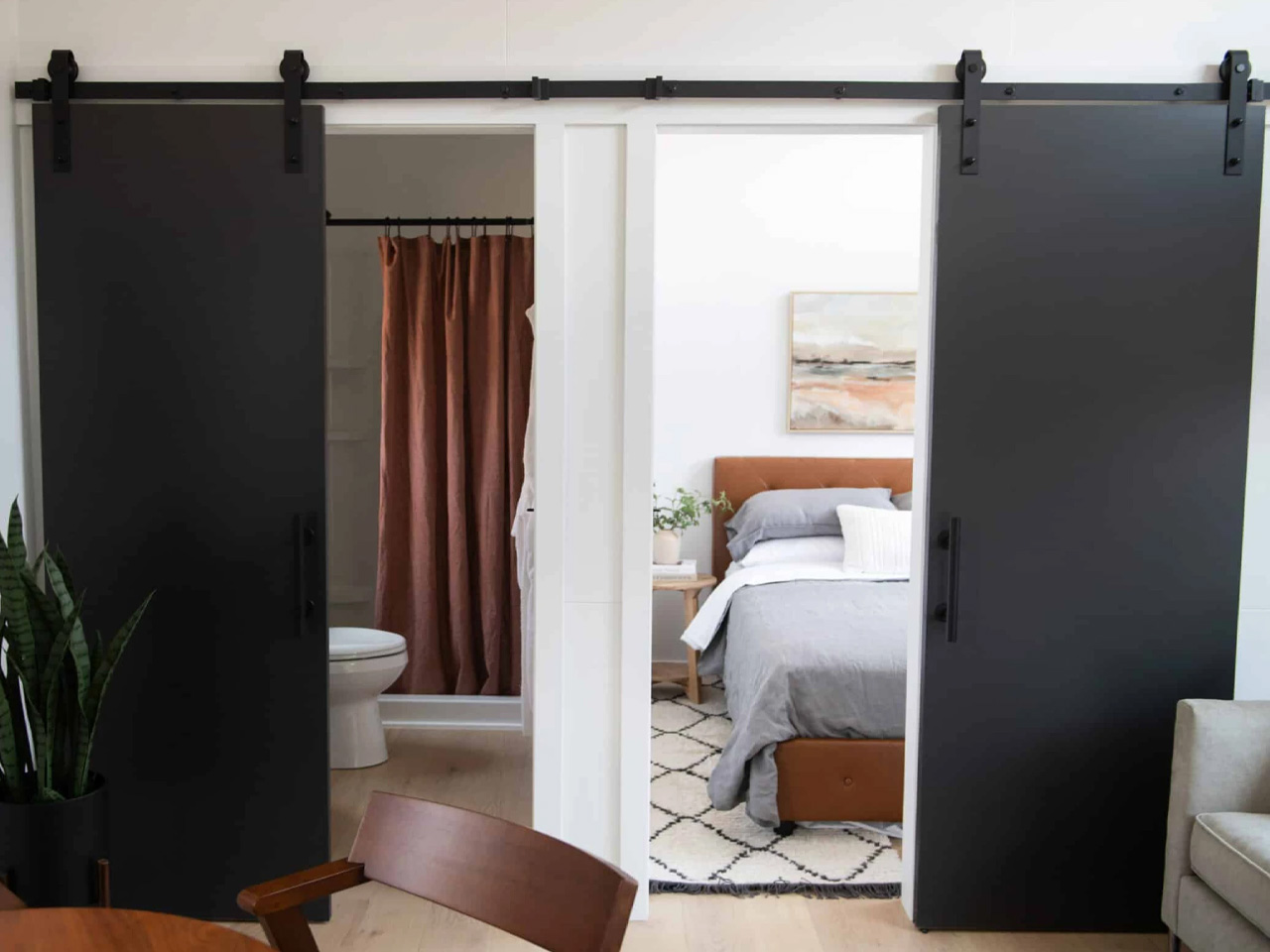
The Lukas is not towable. It has no wheels, and it arrives at its destination by truck. For anyone dreaming of nomadic living, that might sound like a dealbreaker. But step inside, and the trade becomes immediately clear. What Lukas gives up in mobility, it returns in space, comfort, and a roomy interior that genuinely feels like a proper apartment.
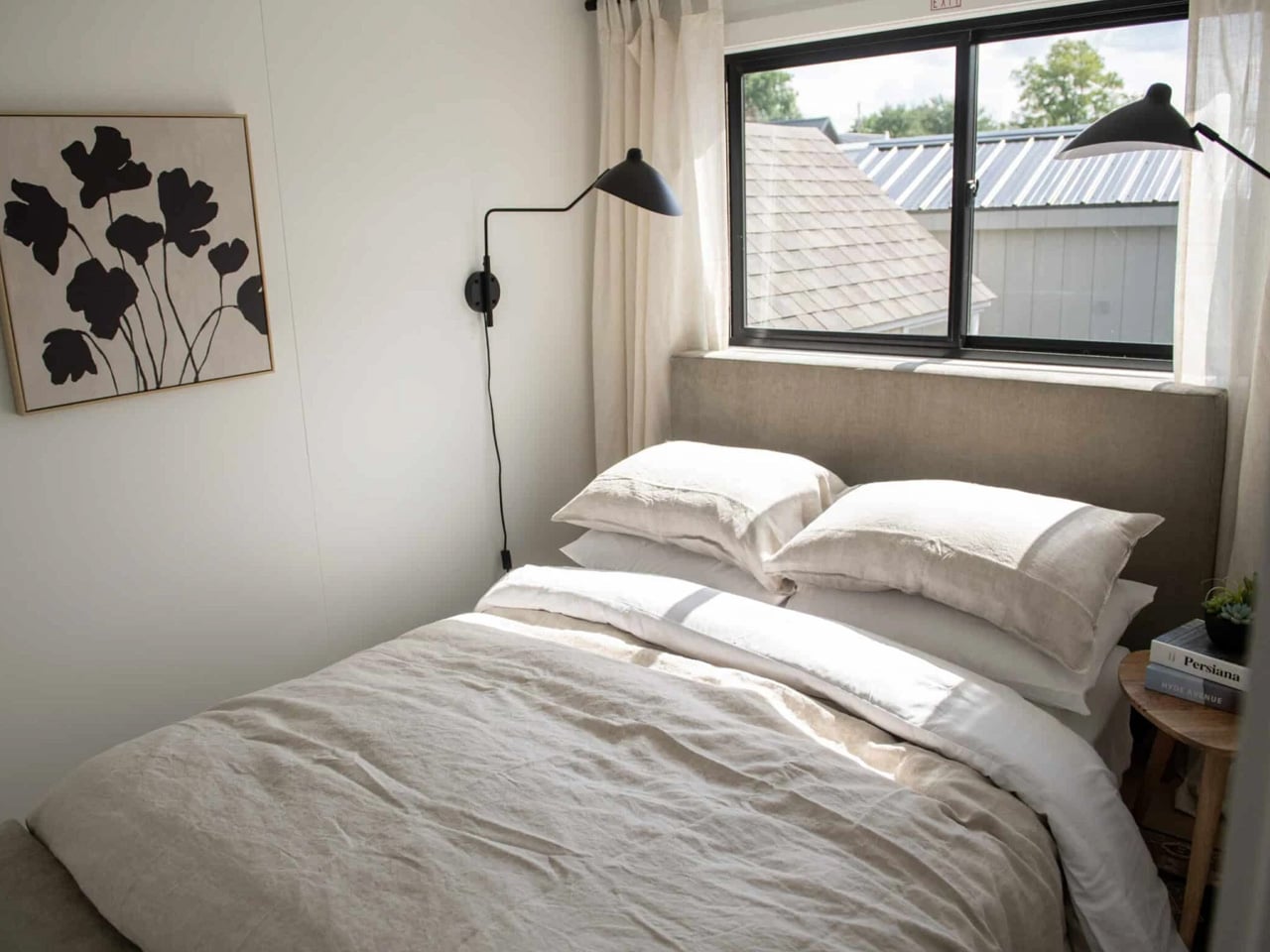
At 10 meters long and 3.5 meters wide, the Lukas sits in an interesting middle ground. It is compact enough to earn the tiny home label with a straight face, yet generous enough to sleep four people comfortably. That is no small feat for a structure of this scale, and Craft House pulls it off without compromising the refined design language that has come to define the brand across its previous models.
The exterior reads clean and considered. Engineered wood and standing seam aluminum make up the cladding, a material pairing that signals permanence without heaviness. It shares visual DNA with earlier Craft House models like the Katrin, though the Lukas carries a quieter confidence that comes from not needing to justify its footprint.
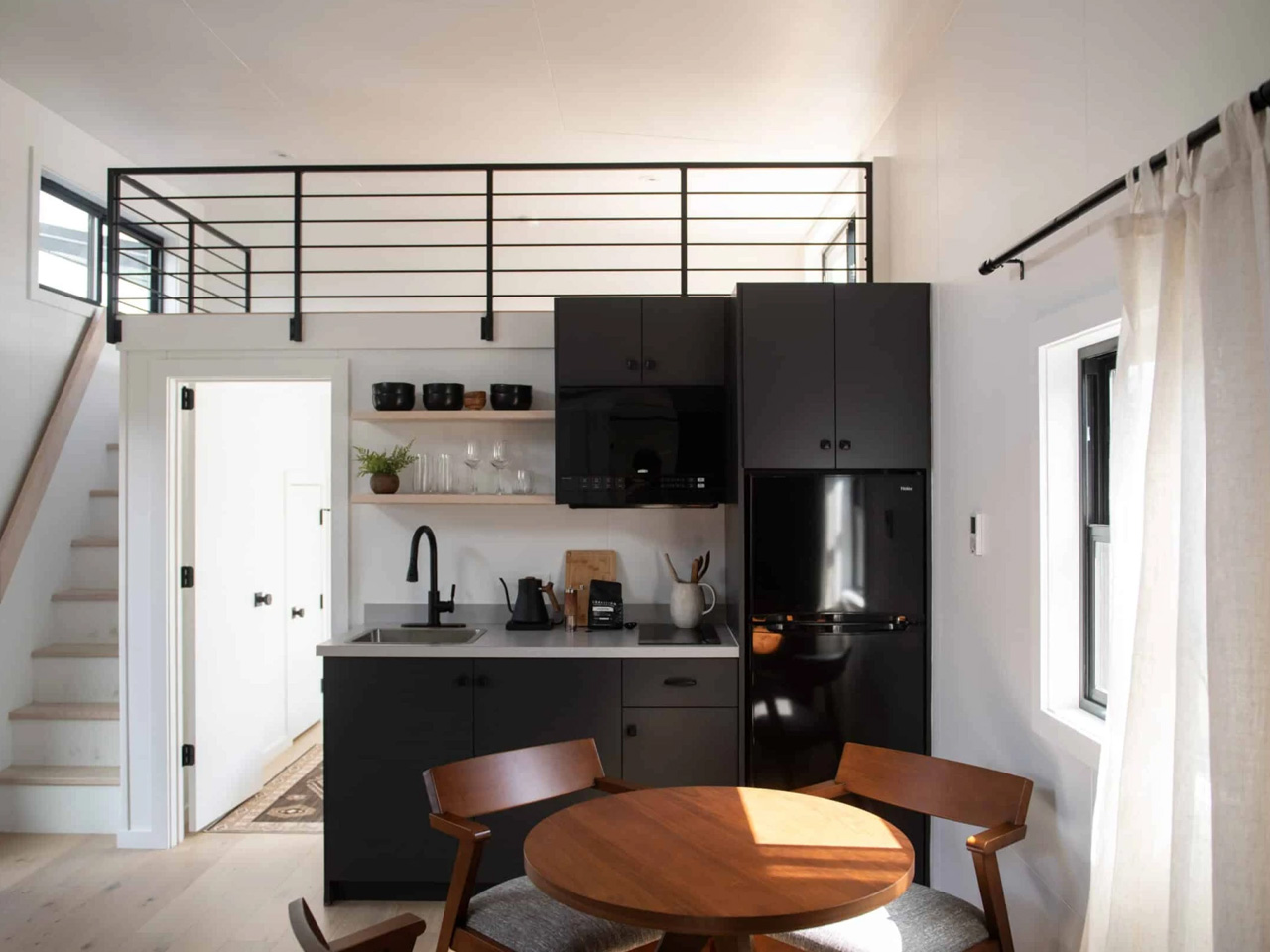
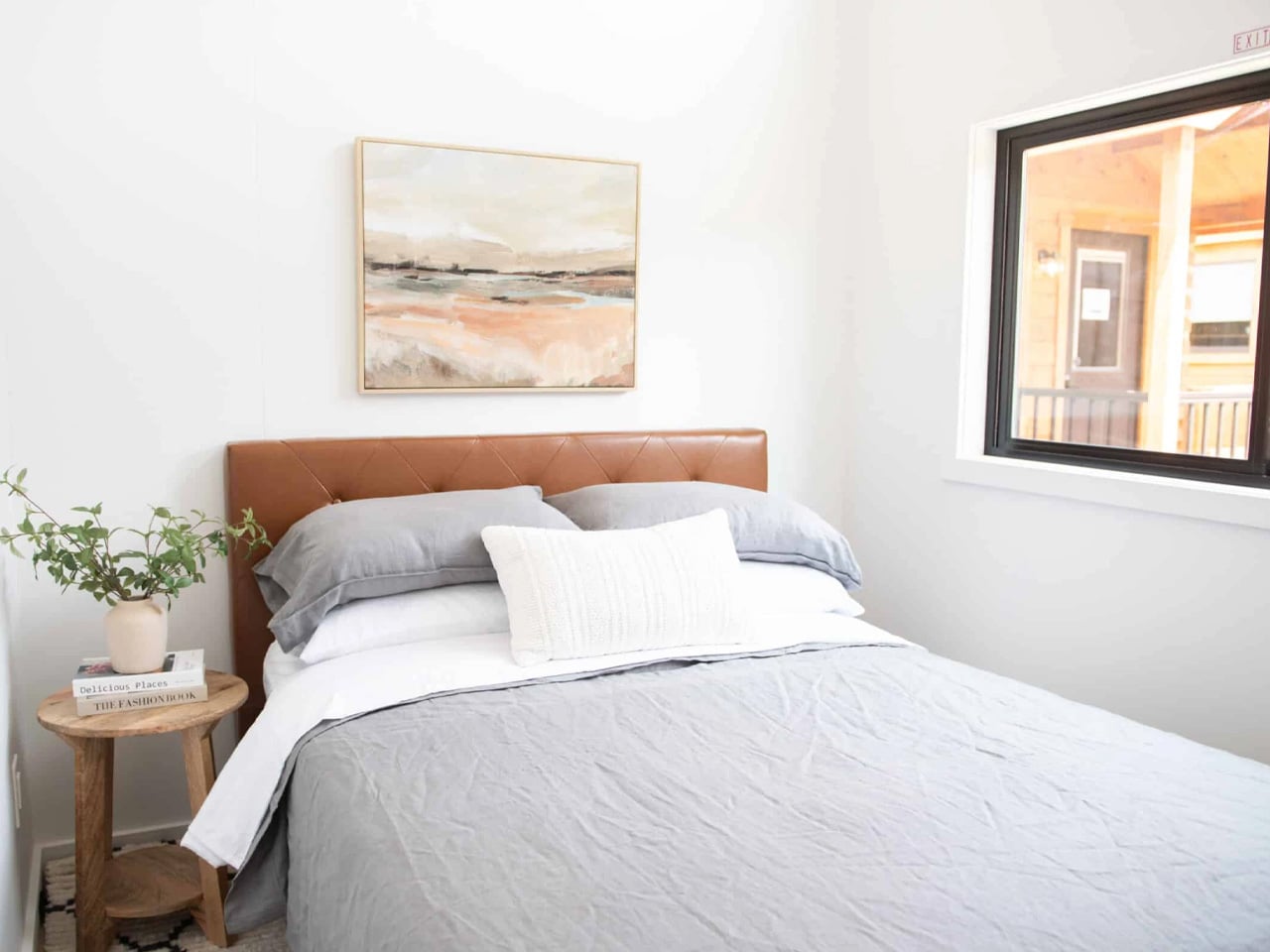
Inside, light does a lot of the work. Generous glazing runs throughout, and multiple skylights flood the space with natural brightness that makes the interior feel larger than its dimensions suggest. The kitchen is a genuine highlight, offering real cabinetry and a breakfast bar for two. This is not a kitchenette tucked into a corner. It is a proper cooking space built for everyday use, and it shows that Craft House understands what people actually need when they downsize.
Like other models in the Craft House lineup, the Lukas is built to order, which means buyers can shape it to their needs. An outdoor terrace is available as an optional extra, and those wanting full independence from the grid can opt for a complete off-grid package, making it viable as a permanent, fully independent residence in almost any location.
Pricing starts at roughly $88,000 USD. For a structure of this quality, finish, and livability, that number is competitive. Delivery timelines are not publicly listed at this time, so those seriously interested are encouraged to reach out to Craft House directly to discuss lead times and configuration options. The Lukas will not suit everyone. But for those willing to let go of the fantasy of endless movement, it offers something arguably more valuable: a small home that actually feels like one.
Most conversations about technology and craft follow the same script. Technology is fast, scalable, cold. Craft is slow, precious, warm. The two might share a showroom floor or a mood board, but they rarely share a philosophy. Mahdi Naïm’s AERIS bicycle saddle disagrees with that entire premise, and the disagreement is worth paying attention to.
AERIS is not a bicycle saddle that happens to look interesting. It is a bicycle saddle built around a single, demanding question: what if 3D printing and traditional craft weren’t layered on top of each other, but designed together from the very first sketch? That shift in thinking, from assembly to co-authorship, is what separates AERIS from the dozen other “tech meets heritage” products that surface at design fairs every season.
Designer: Mahdi Naim
The structure is built on a lattice produced through high-precision photopolymerization, specifically SLA and DLP printing, in high-performance elastomer resin. The geometry is not decorative. It is functional in the most literal sense: the lattice density changes across three zones of the saddle, denser where firm support is needed under an aerodynamic riding position, progressively softer through the transition zone, and open at the perineal relief zone to minimize pressure. No foam. No padding added to compensate for poor design thinking. The structure itself is the comfort system.
That kind of discipline is rare, and I say that as someone who has watched a lot of product design lean on material additions to solve problems that should have been solved earlier. Foam is easy. Getting the geometry right from the start is not. It takes conviction to design without a fallback.
The second layer, and I do mean the second design logic rather than a second material slapped on afterward, is where a French master saddler comes in. Full-grain vegetable-tanned leather, hand-stitched. The studio is clear that this is not an aesthetic decision. The leather works mechanically with the resin, distributing pressure and shear forces in ways that neither foam nor synthetic materials can match at equivalent weight. The interface between the two materials was designed during the modelling phase, not decided once the print came out of the machine.
This is the part I keep coming back to. The leather isn’t a finish. It isn’t branding. It is the second structural argument in the same conversation, and the conversation started before any material was touched. That level of intentionality is genuinely unusual, even among products that wear the word “craft” proudly on their labels.
Mahdi Naïm himself is worth knowing, if you don’t already. He is an industrial designer, a Grand Maître Artisan, and a German Design Award laureate who runs his studio between Lyon and Casablanca. His practice sits at the intersection of French engineering and Moroccan craftsmanship, and AERIS reads like a project that could only come from someone fluent in both languages. The saddle doesn’t feel like a technology demonstration with craft applied on top, or a heritage object with a 3D-printed frame underneath. It feels like one object, made by two disciplines that had to agree on every decision before anything was built.
AERIS is still in active development and moving toward small-series production. The studio is in conversation with industrial partners in additive manufacturing and premium cycling. That means this isn’t a concept in the gallery-piece sense, displayed under glass and admired from a distance. It is a product that intends to be ridden.
Whether you cycle or not, whether you follow product design closely or just occasionally land on something that makes you stop scrolling, AERIS is the kind of object that rewards a second look. Not because it is visually striking, though it is, but because the thinking behind it is genuinely coherent. The lattice, the leather, the hand-stitching, the parametric modelling: none of it is decoration. All of it is argument. That is harder to pull off than it looks, and considerably rarer than the design world likes to admit.
Every year, roughly ten million tourists visit Los Angeles specifically to photograph a sign they will never get closer than a few hundred meters to. There are no public trails to the Hollywood Sign’s base. The entire surrounding area is fenced, monitored, and actively defended against the kinds of people who once scaled those letters for a prank or a protest or a particularly committed selfie (remember the Hollyweed prank from 2017?) It is, by design, a landmark you admire from a distance. Which makes a LEGO version of it feel surprisingly appropriate.
Builder imaxedlp has rendered the sign and its Mount Lee surroundings in 496 pieces, and the result is genuinely charming. The build captures the hillside as a full landscape: tiered sandy slopes, clusters of miniature palms, a clapperboard lying open mid-scene, a vintage camera set up as if waiting for action. The broadcast tower rising behind the letters is an accurate detail that most people probably forget exists. All of it lands on a compact diorama footprint that earns its shelf space.
Designer: imaxedlp
The terraced hillside, built up in warm tan with angled slope bricks stepping from the base to the letter line, gives the model genuine topographic depth from every viewing angle. The nine letters are rendered in light gray with visible stud detailing and subtle column supports underneath, closely echoing the real sign’s steel-frame mounting system. A couple lean at a slight angle, mirroring how the actual letters sit unevenly on the hillside. The clapperboard lying open on the slope, mid-scene, as if a crew just called cut and walked away, is my favorite detail. Small, but it does a lot of narrative work.
The vintage film camera on the right flank, built from dark gray cylindrical pieces with a twin-lens silhouette, grounds the whole scene in old Hollywood specifically. The popcorn bucket on the left pulls in the audience side of the equation. The broadcast antenna tower rising above the D at the far right is the detail that will genuinely surprise people who have only ever seen the sign in photographs cropped to exclude everything but the letters.
imaxedlp’s Hollywood Sign is currently sitting just under 1,000 supporters on LEGO Ideas, where fan-designed builds need 10,000 votes to trigger an official LEGO review for potential production as a retail set. You can head to the LEGO Ideas page here and cast your vote.