Ayaneo KONKR Pocket Block handheld is a Game Boy remake with AI guts

Ayaneo has steadily built a name for itself in the premium handheld arena with devices that can play anything from an indie title or an emulated game to a demanding AAA PC ported title. More recently, the brand has branched into the more budget section of the gaming industry with the sub-brand KONKR. Targeting gamers who want to enjoy casual gaming on the go, the Windows-powered KONKR Pocket Fit and the KONKR Fit Elite hit the sweet spot of affordable price and the meat you get for it as far as performance is concerned.

The portable gaming expert has now come up with the KONKR Pocket Block AI handheld, which has been lurking in the cloud for quite some time through leaks and rumors. The vertical configuration handheld touted to be the world’s first AI-powered portable gaming device has the telltale Game Boy vibes with its cyber-inspired design and retro aesthetics.

Designer: Ayaneo

It all started with the leaked manuals of the handheld under the main brand, but eventually the device got leaked under the KONKR sub-brand. The handheld is slated to be released in two color options – one of which will have the Game Boy DMB-inspired hues, while the other has a pastel purple body panel contrasted with the off-white to replicate the late 90s and early 2000s electronic influences. The buttons on both are also color-matched as the former has a combo of grey, red, and orange, while the latter sports grey, white, and orange combos.

Although Ayaneo hasn’t revealed much about the specifications, the pocket-friendly handheld seems to have a 3 to 3.5-inch display. That puts it flush in competition with the Anbernic RG series and the Retroid Pocket Classic. The handheld was teased during the livestream event, alongside the Pocket AIR Mini handheld that comes with licensed IGS arcade games. Going by what’s seen in the earlier leaked images and the official livestream, the handheld comes without any analog sticks, has a 3.5mm port at the bottom, a front-facing speaker, ventilation on top to keep things cool, and a microSD card slot on the left. A closer look also reveals the presence of a plastic body, which is obvious given that the Pocket Block AI comes under the KONKR moniker.

Previous leaks hint at a 3,500mAh battery powering the handheld with the 10W wired charging ability. If that’s true, given the compact size of the device, it is quite impressive. There’s no word on the pricing or the release date, but going by the leaked packaging images that look almost finished, the handheld should be official anytime in the coming weeks. The expected price tag for the KONKR Pocket is going to be around $150.

The post Ayaneo KONKR Pocket Block handheld is a Game Boy remake with AI guts first appeared on Yanko Design.

McDonald’s-inspired Nike Book 2 bring Arizona Desert colors to your next everyday basketball sneaker

Signature sneakers rarely manage to feel personal anymore. Most arrive overloaded with athlete branding and colorways engineered more for resale culture than everyday wear. Devin Booker’s Nike Book 2 collaboration with McDonald’s takes a surprisingly different route. Instead of leaning into fries-and-burgers nostalgia, the sneaker pulls inspiration from one of Arizona’s oddest landmarks — the turquoise-arched McDonald’s in Sedona — and turns it into a basketball shoe that feels more rooted in place than corporate crossover hype.

At first glance, the Nike Book 2 “Sedona” barely resembles a McDonald’s collaboration at all. The sneaker trades loud fast-food colors for sandy beige uppers, dusty earth tones, and soft turquoise accents inspired by the famous Sedona McDonald’s location, which swapped its golden arches for turquoise ones to better blend with the city’s iconic red rock surroundings. It’s the kind of hyper-specific regional detail that could have easily become gimmicky, but Booker’s growing signature line has consistently worked best when it stays connected to Arizona culture rather than chasing trends.

Designer: Nike x McDonald’s

The design itself continues the Book series’ understated approach to basketball footwear. Where many modern performance sneakers rely on exaggerated shapes and futuristic layering, the Book 2 keeps things clean and wearable. The low-cut silhouette looks closer to a lifestyle sneaker than a traditional on-court model, borrowing cues from retro Nike runners and skate shoes while still packing modern basketball tech underneath. Nike equips the sneaker with a forefoot Air Zoom unit, Cushlon 3.0 cushioning, and a lightweight molded upper designed around Booker’s preference for responsive movement and minimal bulk.

That balance between performance and casual wearability is what gives the Book line its identity. Booker has never approached his signature shoes like loud statement pieces; they feel more like sneakers designed by someone who genuinely cares how they look off the court. The “Sedona” colorway pushes that idea even further. The cracked leather details, aged textures, and muted desert palette make the sneaker feel intentionally lived-in, almost like something discovered on a road trip through Arizona rather than a highly manufactured sports collaboration.

McDonald’s also seems aware that the appeal here extends beyond basketball fans. Instead of limiting the partnership to standard product placement, the company built a broader campaign around Booker’s connection to the Southwest. Promotional visuals lean heavily into desert imagery, road-trip aesthetics, and surreal humor, including a campaign video featuring Booker wandering through Sedona alongside a silent Ronald McDonald appearance that somehow feels strange and perfectly on-brand at the same time.

The collaboration also arrives with a Friends & Family sweepstakes through the McDonald’s app, giving select customers access to an exclusive variation of the sneaker with the purchase of specialty beverages. A dedicated pop-up event tied to the release is also expected ahead of launch, reinforcing how brands increasingly treat sneaker drops more like cultural events than product launches. The McDonald’s x Nike Book 2 “Sedona” sneaker is scheduled to release on June 2 through Nike SNKRS and select retailers for $155.

The post McDonald’s-inspired Nike Book 2 bring Arizona Desert colors to your next everyday basketball sneaker first appeared on Yanko Design.

McDonald’s-inspired Nike Book 2 bring Arizona Desert colors to your next everyday basketball sneaker

Signature sneakers rarely manage to feel personal anymore. Most arrive overloaded with athlete branding and colorways engineered more for resale culture than everyday wear. Devin Booker’s Nike Book 2 collaboration with McDonald’s takes a surprisingly different route. Instead of leaning into fries-and-burgers nostalgia, the sneaker pulls inspiration from one of Arizona’s oddest landmarks — the turquoise-arched McDonald’s in Sedona — and turns it into a basketball shoe that feels more rooted in place than corporate crossover hype.

At first glance, the Nike Book 2 “Sedona” barely resembles a McDonald’s collaboration at all. The sneaker trades loud fast-food colors for sandy beige uppers, dusty earth tones, and soft turquoise accents inspired by the famous Sedona McDonald’s location, which swapped its golden arches for turquoise ones to better blend with the city’s iconic red rock surroundings. It’s the kind of hyper-specific regional detail that could have easily become gimmicky, but Booker’s growing signature line has consistently worked best when it stays connected to Arizona culture rather than chasing trends.

Designer: Nike x McDonald’s

The design itself continues the Book series’ understated approach to basketball footwear. Where many modern performance sneakers rely on exaggerated shapes and futuristic layering, the Book 2 keeps things clean and wearable. The low-cut silhouette looks closer to a lifestyle sneaker than a traditional on-court model, borrowing cues from retro Nike runners and skate shoes while still packing modern basketball tech underneath. Nike equips the sneaker with a forefoot Air Zoom unit, Cushlon 3.0 cushioning, and a lightweight molded upper designed around Booker’s preference for responsive movement and minimal bulk.

That balance between performance and casual wearability is what gives the Book line its identity. Booker has never approached his signature shoes like loud statement pieces; they feel more like sneakers designed by someone who genuinely cares how they look off the court. The “Sedona” colorway pushes that idea even further. The cracked leather details, aged textures, and muted desert palette make the sneaker feel intentionally lived-in, almost like something discovered on a road trip through Arizona rather than a highly manufactured sports collaboration.

McDonald’s also seems aware that the appeal here extends beyond basketball fans. Instead of limiting the partnership to standard product placement, the company built a broader campaign around Booker’s connection to the Southwest. Promotional visuals lean heavily into desert imagery, road-trip aesthetics, and surreal humor, including a campaign video featuring Booker wandering through Sedona alongside a silent Ronald McDonald appearance that somehow feels strange and perfectly on-brand at the same time.

The collaboration also arrives with a Friends & Family sweepstakes through the McDonald’s app, giving select customers access to an exclusive variation of the sneaker with the purchase of specialty beverages. A dedicated pop-up event tied to the release is also expected ahead of launch, reinforcing how brands increasingly treat sneaker drops more like cultural events than product launches. The McDonald’s x Nike Book 2 “Sedona” sneaker is scheduled to release on June 2 through Nike SNKRS and select retailers for $155.

The post McDonald’s-inspired Nike Book 2 bring Arizona Desert colors to your next everyday basketball sneaker first appeared on Yanko Design.

Ferrari Luce brings Jony Ive’s clean design philosophy to electric sports car built for pure driving emotion

Ferrari has been quietly working under the wraps to design an electric sports car in collaboration with LoveFrom, led by Jony Ive and Marc Newson. After much speculation and a run of rumors for quite some time, the Maranello-based car maker has finally revealed Luce, its first-ever electric sports car, to the world, which, quite frankly, looks unlike the prancing horse we are accustomed to seeing. The four-door EV is all set to arrive in the USA by spring 2027 for around $430,000, and we hope the performance will mute critics like us, who have been used to the sculpted form of the Ferrari for decades.

Love it or hate it, the exterior and interior done by Jhony’s design house is a radical shift from what the Italian marque is known for. The car is shaped more like a performance SUV that can safely carry around five people inside. Yes, that’s right, as the Purosangue SUV held that honor before this reveal. Under the hood, the muted prancing horse is built around a completely new all-electric architecture.

Designer: Ferrari

Ferrari Luce gets its combined 1,050 horsepower thrust from the four independent electric motors that hurl it from a standstill to 200 km/h in mere 2.5 seconds. Top speed can go in excess of 310 km/h, which is right there in the Ferrari territory. The electric motors feeding four of the wheels independently derive their power from the 122kWh battery pack developed on the 800V architecture. Driving range on this performance vehicle is claimed to be 530km, but I’m sure in the high-octane driving modes, it’ll drop quite significantly. Ferrari has confirmed that the EV supports 350kW charging speed, with more than half the battery juiced up in just 20 minutes.

The all-electric architecture and the futuristic looks are not the only big changes. Luce comes loaded with technologies never before seen on a road-legal Ferrari. Things like active aerodynamic grilles, active suspension (used in the F80 hypercar), Torque Shift Engagement system to simulate progressive acceleration, and the four-wheel independent torque vectoring we talked about earlier. The Italian marque has also been able to achieve the lowest drag coefficient ever on a road car thanks to the aerodynamic all-aluminum bodywork and the adaptive ride height system, which lowers the front section by 10mm at high speeds.

Cabin on this one is far forward than any other Ferrari we’ve seen, and the center-opening side doors demonstrate what influence LoveFrom has had on the EV sports car. The futuristic front seems floating, while the rear has a more Ferrari sports car vibe to it. Nonetheless, the overall exterior design is “smooth, continuous, and uninterrupted.” The interior carries the same futuristic design inspiration with a Samsung Display developed OLED layered dashboard that employs Samsung’s HIAA tech, natively used in Galaxy phones. The layered layout of the instrument cluster is first ever seen on a production car, as the two OLED panels stacked on top of each other have mechanical hands sandwiched between them. There’s a central pivoting touchscreen with physical switches on the Luce, and another screen on the rear for the passengers. The aluminum steering wheel has a couple of manettino dials, an e-manettino dial to control the powertrain, and a standard five-position unit.

Ferrari Luce has a total curb weight of 4,982 pounds, measures 197.9 inches long, and 60.8 inches high. This gives the maker freedom to set the center of gravity quite low for superior handling and minimum body roll, as the weight distribution is done quite well for sharper handling characteristics. Being one of the biggest road-going Ferraris ever made, the performance EV rides on 23-inch front and 24-inch rear wheels to complement the proportions.

The post Ferrari Luce brings Jony Ive’s clean design philosophy to electric sports car built for pure driving emotion first appeared on Yanko Design.

This Dual-Sided Philips Monitor Lets You Share One Screen With Clients Without Sacrificing Desk Space

The business monitor market rarely sees truly original ideas, but Philips may have found one with the new Philips 24B2D5300. Instead of chasing higher resolutions or curved ultrawide panels, the company has introduced what it calls the world’s first standalone dual-sided monitor, placing two full HD displays back-to-back inside a single chassis. The idea sounds unconventional at first, but its practical applications quickly become obvious in customer-facing environments, collaborative offices, reception counters, healthcare desks, banks, retail spaces, and coworking setups where information needs to be shared across a desk without awkwardly rotating a screen.

The monitor uses two 23.8-inch IPS LCD panels, each with a 1920 x 1080 resolution and a 120Hz refresh rate. Both displays support wide 178-degree viewing angles, ensuring the image remains visible and color accurate from nearly any position. Philips also includes its SoftBlue low-blue-light technology and TÜV Rheinland certification to reduce eye strain during long work sessions. Unlike standard dual-monitor setups that consume more desk space and require additional cabling, the 24B2D5300 integrates everything into one footprint while still offering two independently usable screens.

Designer: Philips

The real innovation lies in how the screens can operate. Philips’ DualView and SmartView software features allow the monitor to either mirror content across both displays or extend the desktop independently. In practice, this means an employee can keep confidential information visible only on their side while showing approved content such as invoices, forms, instructions, transaction details, or queue information to customers on the opposite display. It can also function as a collaborative workstation where two users interact with the same computer from opposite sides of a desk. Philips even claims the monitor can handle up to three simultaneous application windows through its split-screen functionality.

Connectivity is equally business-focused as each side includes its own HDMI and USB-C ports, with the USB-C connections supporting up to 65W power delivery for laptops and notebooks. The monitor can connect to one or multiple devices simultaneously, allowing the screens to function independently if needed. Built-in stereo speakers, USB hub functionality, and synchronized on-screen display controls further simplify workspace management. A 180-degree swivel stand also helps users quickly rotate the display to check the opposite screen without repositioning the entire setup.

While the hardware specifications themselves are relatively modest by gaming or creative-professional standards, the product is clearly aimed at improving workflow efficiency rather than visual performance. The monitor’s compact design could be particularly useful in environments where counter space is limited, but customer interaction is constant. Tech observers have already pointed out that the concept feels surprisingly practical despite its unusual appearance, especially for front-desk staff, service counters, and collaborative workplaces.

The Philips 24B2D5300 is expected to launch in parts of Europe beginning in June 2026, with reported pricing starting around £359.99 (roughly $480). Availability in other markets has not yet been confirmed, though the monitor’s distinctive functionality could easily attract broader global interest if businesses see value in its space-saving and customer-friendly design.

The post This Dual-Sided Philips Monitor Lets You Share One Screen With Clients Without Sacrificing Desk Space first appeared on Yanko Design.
Addax Basecamp V3 features pull-out kitchen and rooftop tent, turns Jeep into off-grid adventure rig

I am a fan of off-grid trailers that move light and open up in all directions when camped. The new overland micro trailer from Addax is one such camping solution that thrives on the build quality and the success of the original Addax overland trailer designed for Jeep in 2022. The new guy is called the 2026 Basecamp V3 and is, as you’d expect from Addax, a robust and dependable trailer that rolls out with the option to install camping hardware when and where you need it.

Designed for adaptability in adventures with your Jeep, this co-branded trailer, by virtue of its construction, boasts military-grade toughness and typical off-roading ability. Jeep is synonymous with adventure. The owners of a Wrangler are those who live to push boundaries, and the Basecamp is one of the toughest, purpose-built outdoor trailers – designed to complement that lifestyle.

Designer: Addax

If you have been religiously following the coverage here on Yanko Design, you would have, from the frequency of our related coverage, figured out that heavy-duty expedition trailers are creating a market buzz. But the Addax Basecamp begs to differ from the crowd. Weighing 1800 pounds, the trailer features specialized suspension, tires, and chassis, specifically tailored for off-road travel and gear-hauling capacity. Thanks to its payload capacity of 1,450 lbs.

Jeep and Addax struck a partnership to share branding in the latter’s Gladiator trailer series. This collaboration also included Mopar for service and customer support. There’s still uncertainty if Basecamp is licensed under the partnership, but the branding definitely screams the obvious. Alongside the banding, 2026 Basecamp V3 features rugged construction, the company is famous for, including the steel-on-steel body, 3/16-inch steel chassis, and deep-lugged 29-inch tires.

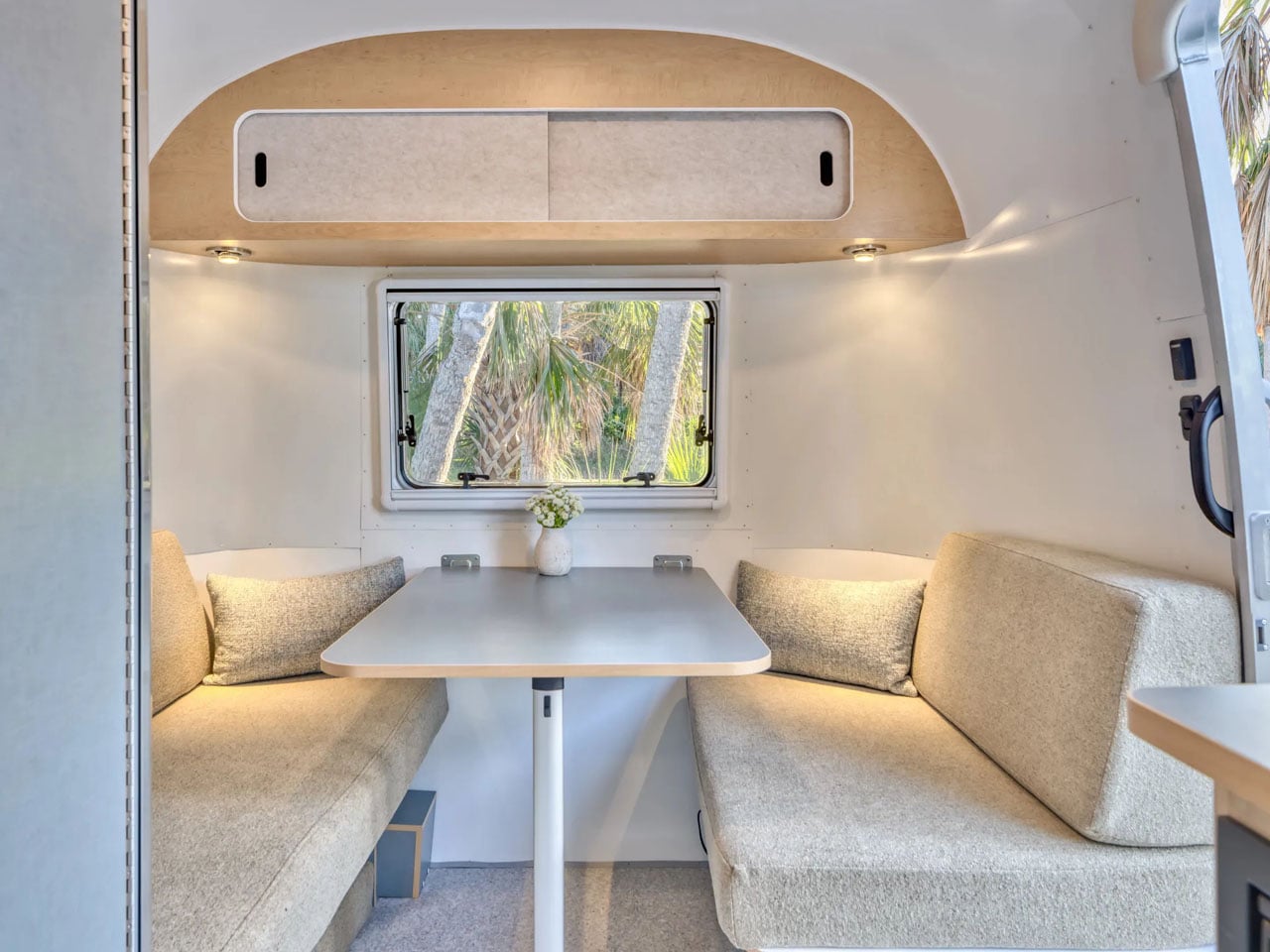
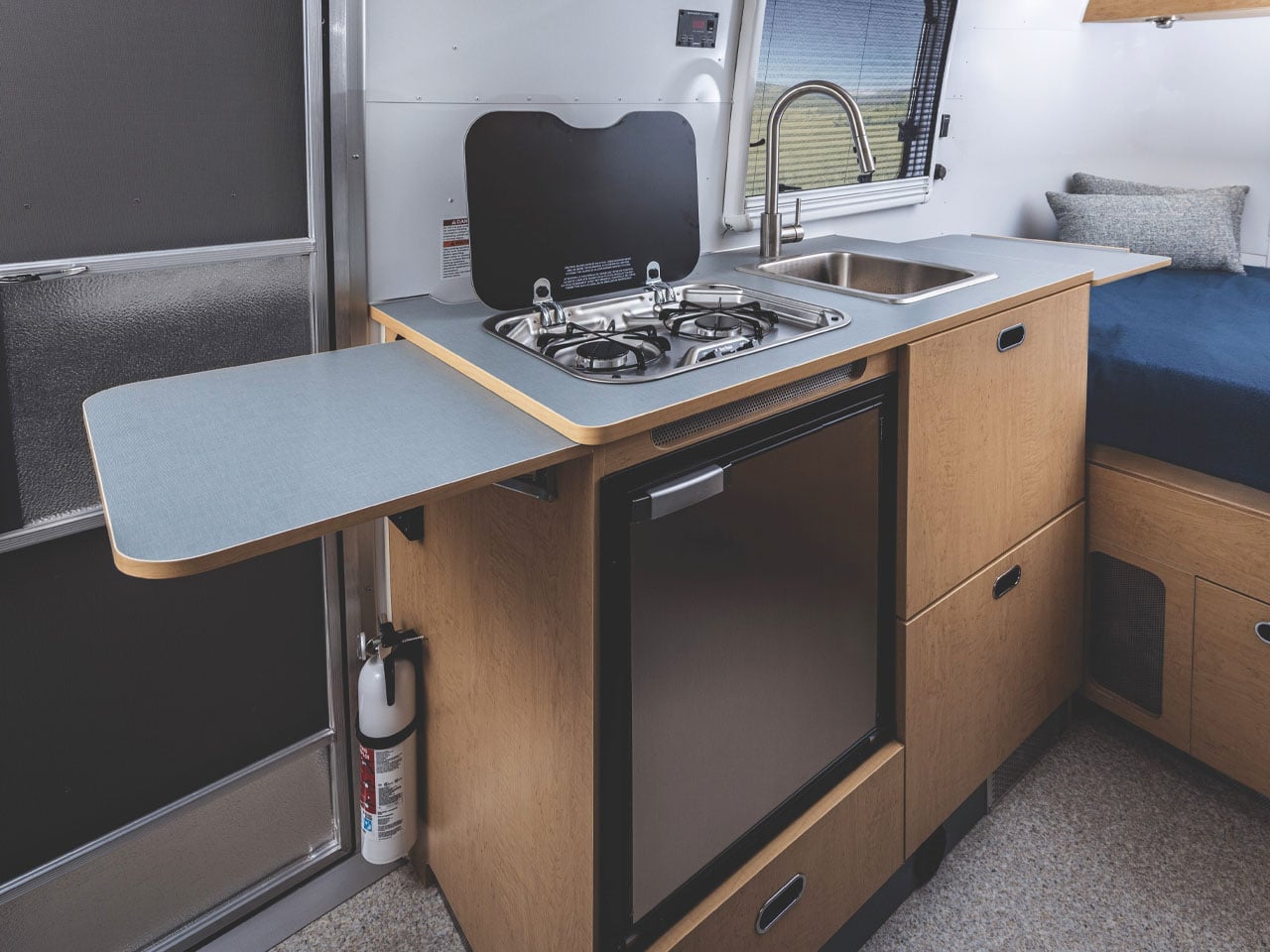
The trailer with a 6 x 6-foot form factor has a 26-inch x 40-inch front removable deck for additional space. Talking of space, when docked, the camp with its pre-installed OVS 270-degree batwing awning and pull-outs can instantly create a livable basecamp at grounds beyond the campsites as well. The 22L water tank, a functional 7-foot pull-out kitchen with a sink and 53-liter sliding fridge, and four power outlets add to convenience.

The power support is managed by an onboard 100 amp-hour slimline battery. It can draw renewable power from an optional 220W solar panel and also comes with a 1500W inverter for backup. Addax, does not offer a sleeping area inside of the trailer, so an additional Centori Outdoors aluminum hard-shell rooftop tent comes preinstalled for sleeping arrangements. The incredibly feature-packed Basecamp is an embodiment of its name, which is further supported by both internal and external MOLLE panel shelves. The attachment points here also allow you to carry a range of accessories/gear you would want on the Jeep trip into the wilderness. Basecamp V3 in its barebones starts at $19,000.

The post Addax Basecamp V3 features pull-out kitchen and rooftop tent, turns Jeep into off-grid adventure rig first appeared on Yanko Design.
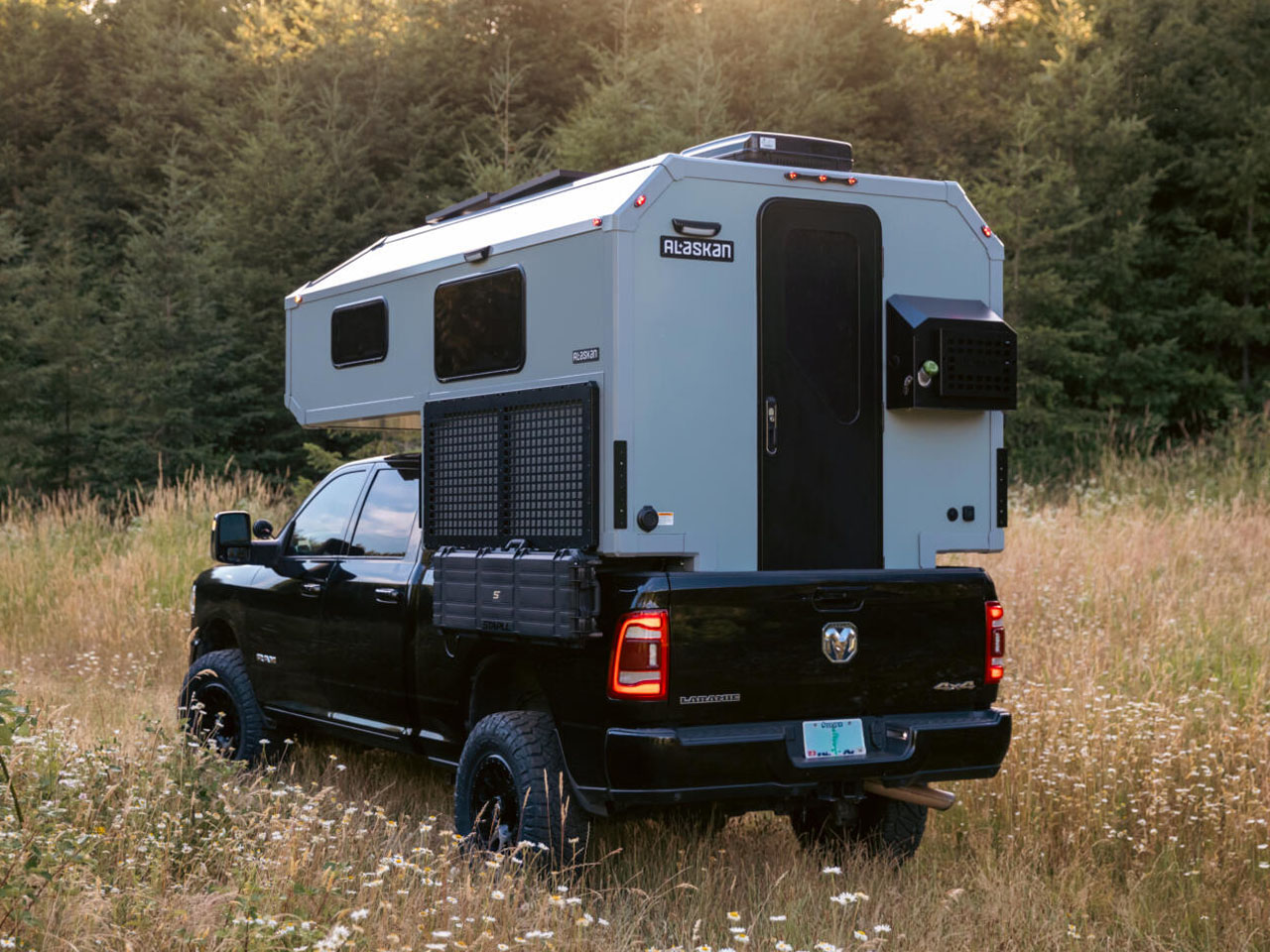
Overland Expo’s Ultimate 2026 Nissan Frontier Build is self-sufficient off-grid camper you’ll want to steal

Overland Expo West may have culminated on a high, but amid the incredible off-road campers we have detailed previously, it’s befitting to discuss the highlight of the event, the “Ultimate Overland Vehicle Build.” Every interesting overlanding build starts with a robust platform. No wonder the off-road adventure experts at the Overland Expo Foundation picked the 2026 Nissan Frontier PRO-4X as the base for their ritual build.

After giving the platforms like Lexus and GMC a spin in the previous iterations, for this year’s Ultimate Build, the team selected the Nissan crew cab as the perfect choice. It has been modified by the team at Alldogs OffRoad Coop (ADO) for the Expo, with aftermarket accessories and components from 28 different brands, transforming the otherwise capable vehicle into a self-sufficient, off-road camping rig you’d want to own. You wish!

Designer: Overland Expo x Nissan

Undoubtedly, 2026 Nissan Frontier PRO-4X makes a strong contender for a robust camper you can trust on long and unexplored roads. Its foundation is ready from the factory for off-roading. It has a 310-hp V6 engine to complement its 7,150 lbs towing capacity. Of course, this is the potential that put the vehicle on the pinnacle of the Overland Expo’s list of vehicles to create the Ultimate Build for 2026.

Five annual Ultimate Overland Vehicle Builds have already been readied in the past years; the Frontier Pro-4X is now the sixth iteration but only the first Nissan to make the cut. Overland Expo’s idea is to take a stock vehicle and then have it decked out with all the necessary gear to make it ready to go where your adventures need it to. So, the stock off-roading elements like the Bilstein shocks, all-terrain tires the rig has been provided with suspension upgrade for even better off-road capabilities.

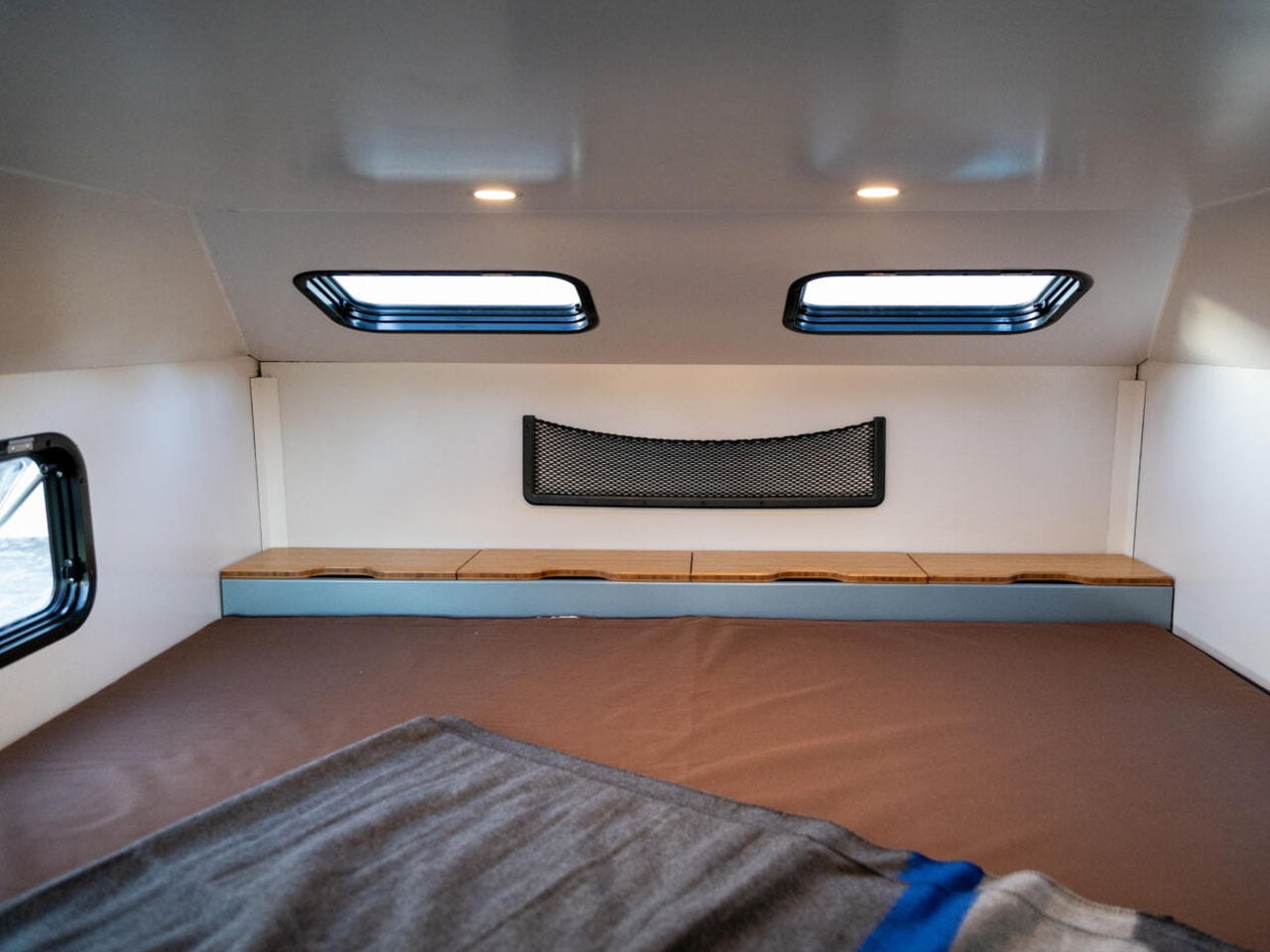
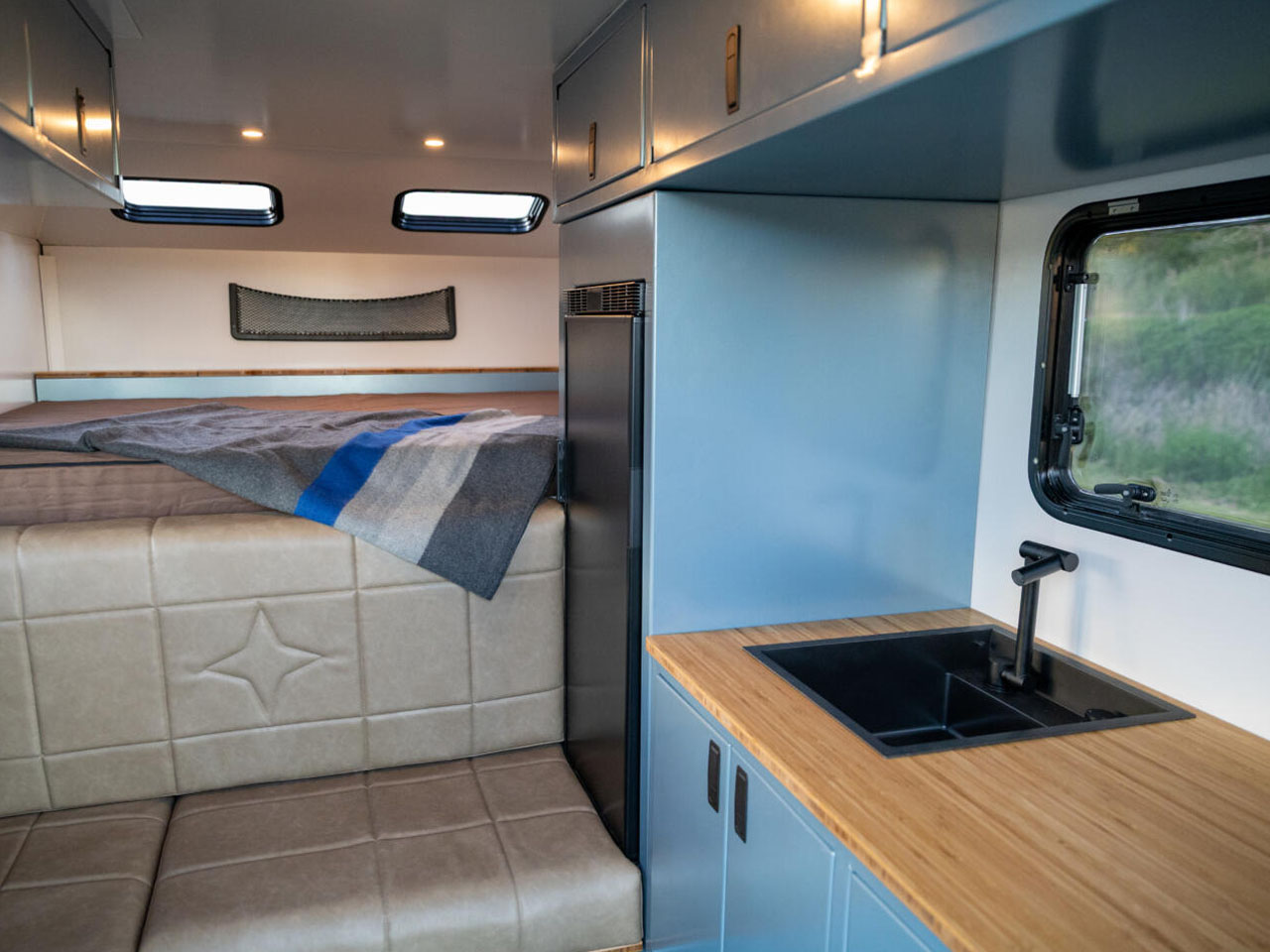
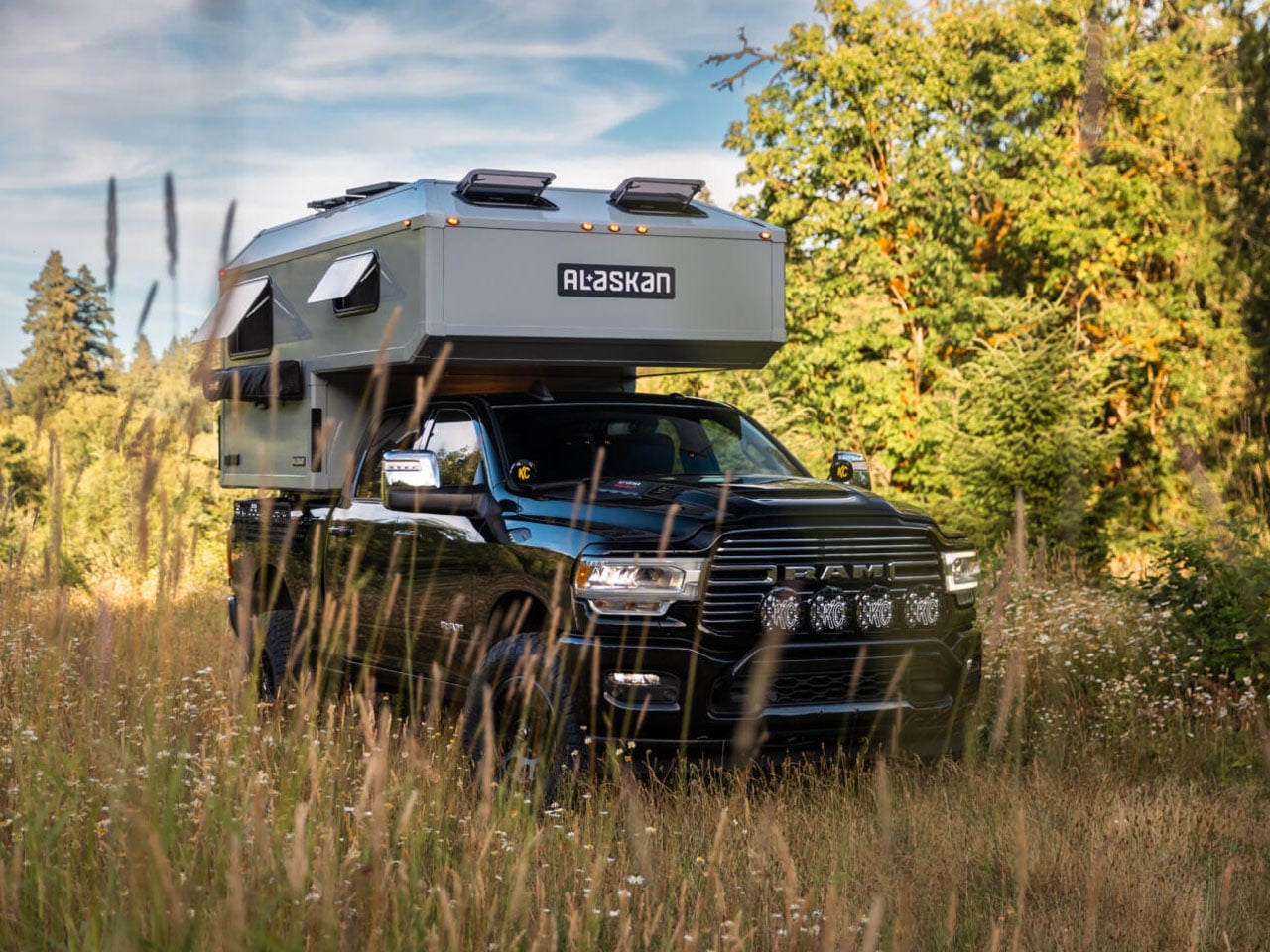
Mounted on the truck bed is a Tune Outdoor M1L camper, that instantly prepares the Nissan for overlanding. It is hard-sided pop-up camping solution with a durable aluminum frame and composite material construction, adding only 332 lbs to the base vehicle. The adventure-ready interior is provided with a custom AirBed from Pittman Outdoors, functional galley has a fridge, the bathroom a Rixen shower, and living area features a Breeo Y Series firepit.

For obvious reasons, the Ultimate Build is powered by rooftop solar panels connected to REDARC power management system. 2026 Overland Expo Ultimate Build made its debut at the Overland Expo West from May 15-17, in Flagstaff, Arizona. The RV will make few more appearances at forthcoming Overland events before going on auction through Bring a Trailer later in the year.


The post Overland Expo’s Ultimate 2026 Nissan Frontier Build is self-sufficient off-grid camper you’ll want to steal first appeared on Yanko Design.
Ducati Barista M3 1926 gives new meaning to caffeinated motorhead passion

What’s common between thunderous sports bikes and espresso machines? Both deliver a high-adrenaline rush, right? Yes, but there’s more to it: both are precision-engineered, and both rely on immense (bar) pressure and thermal control for peak performance. This shared DNA traces back to the 1960s when British riders modified their stripped-down motorcycles to race from one roadside café to another, giving birth to the term “Café Racer.”

This historical buildup is important for the latest creation by Ducati, which stamps its track image, craftsmanship, and aesthetics onto a flagship espresso machine, which will be released in 1,926 units only. It is touted as the world’s first and only carbon fiber capsule machine with a composite carbon fiber build, and is called the Ducati Barista M3 1926 Limited Edition Carbon Fiber.

Designer: Ducati and Cuisine Barista

The motorbike-inspired coffee machine hits different in its aesthetic appeal and hopefully the espresso it brews. Even if it doesn’t, it is a collector’s item – ground up – for everyone with a passion for superbikes and love for coffee brewing.

The front and rear panels of the Ducati Barista are crafted from twill-weave carbon fiber material, the same as that seen on the performance track bikes from the brand. The rest of the body is made from stainless steel, overlayed with a PVC coating to bring forth the perfect chrome look that would entice anyone who appreciates craftsmanship at the highest level, irrespective of their allegiance to Ducati.

Barista M3 1926 by Ducati is “only capsule machine in the world” to feature three precision-laid layers of carbon fiber, just 1.5 mm thick, on its front and back. Advanced brewing technology is, of course, a given but for me, having such a beautiful machine take pods, is such a waste of time and effort. The fans wouldn’t align with my thoughts, so here is some information you’d like anyway.

The machine employs a proprietary heating element to deliver an adjustable temperature that’s ready for a good brew in seven seconds flat. If this achieved temperature is not to your preference, you can use onboard controls to set it to your brewing temperature between 70°C to 99°C. Besides the temperature, you can toggle between light, standard, and strong extraction modes, so that what you get from the capsule is brewed perfectly as you prefer.

The Barista M3 1926 machine can pump high-pressure up to 19 bar. It comes with the world’s first in-cup frother to elevate your in-home lattes and cappuccinos in café-esque perfection. It’s possible with frothed milk right in the cup provided with your Barista M3 1926. The machine can deliver up to 12 preset drinks at the touch of its integrated control panel.

Maintaining this sculptural coffee machine on your countertop is simplified by an accompanying mobile app. The app receives various stats and alerts for descaling and your caffeine consumption, so that you know when to slow down because you’ve already had a few espresso shots in the build-up to the MotoGP!

The post Ducati Barista M3 1926 gives new meaning to caffeinated motorhead passion first appeared on Yanko Design.
Hiroshi Fujiwara reinterprets Bang & Olufsen’s iconic designs to redefine living room luxury in liquid black

Hiroshi Fujiwara has had his influence stamped in multifaceted spheres – Carrera Chronograph x Fragment Limited Edition and the MC20 Cielo Fuoriserie are some impressive examples we came across. The streetwear legend has now teamed up with audio pioneers Bang and Olufsen for a collection that is destined for a minimalist yet classy living room setup.

The designer has long been fascinated by B&O and has desired to collaborate with the high-end Danish audio brand someday. While Hiroshi had installed their Beocenter 2300 integrated sound system at home in 1991, it actually took 35 long years to work on a project with them. That moment is right now, as Hiroshi (under his design studio Fragment Design) has worked on four B&O masterpieces to give them the black finish only achievable by hand.

Designer: Hiroshi Fujiwara x Bang & Olufsen

The famed collection is slated for debut today, with it being shown off until next week inside the Isetan Department Store in Shinjuku, Tokyo. Thereafter, it’ll be rolled out across Japan from 27 May for display, before eventually being released on 3 June globally and in stores for eager buyers.

Instead of working on a completely new model for the collaborative, the consensus was settled on reworking the Beoplay H100 headphones, Beosound A1 portable speaker, Beosound Shape speaker, and Beosystem 9000c triple pillar CD system. These signature B&O products are slapped with the designer’s signature monochrome aesthetic. Of course, B&O’s artisanal skills come into play as the team of designers lends these brand’s classics anodized, hand-polished finish for that perfect liquid-like high gloss finish.

Beoplay H100 and Beosound A1 3rd Gen Fragment Edition

It doesn’t get any darker than the Beoplay H100 Fragment Edition headphones, as they exude pure class in gloss black anodized skin. This finish is complemented by the black leather headband and cushions for all-day wear comfort. Contrasting the dark is the white Fragment Studio and B&O logos on the outside of each of the earcups. The over-the-ear headphones are priced at a steep $2,400, but that is expected when two big names collaborate.

Then there is the more sober Beosound A1 3rd gen portable Bluetooth speaker priced at $475. Predictably, this one too has the high-gloss finish and the brand’s double lightning logo etched under the grille. According to Kresten Bjørn Krab-Bjerre, Bang & Olufsen’s Senior Director of Design, the “artisanal anodization and polishing process” has been implemented for the first time on their portable collection.

Beosound Shape and Beosystem 9000c Fragment Edition

With these two creations, you begin to fathom the gravity of this collaboration. The Beosound Shape is a wall-mounted speaker system that combines flower-shaped driving units to bring sublime sound to the living room. The modular audio system gets the monochrome fabric treatment for the six surrounding petals, and the inner gray unit completes the aesthetic look. Priced at $7,100, this beautiful audio system is one for a minimalist living room setting. Apparently, Fujiwara headed straight to his hotel room after seeing the original Shape speakers and sketched the seven-title flower configuration for his version.

The collector’s piece of the line-up is the Beosystem 9000c Fragment Edition, which defines the amount of skill and expertise put into making it. This is a made-to-order setup that costs a mind-numbing $69,650 and is Japan-exclusive only. It’s in itself a collection as it has the dedicated CD system, Beolab 28 loudspeakers, and the Beoremote One two-way remote. The six-disc 90s CD player is famed for its automatic CD swapping mechanism once the playback is finished on one disc.

The post Hiroshi Fujiwara reinterprets Bang & Olufsen’s iconic designs to redefine living room luxury in liquid black first appeared on Yanko Design.
Hiroshi Fujiwara reinterprets Bang & Olufsen’s iconic designs to redefine living room luxury in liquid black

Hiroshi Fujiwara has had his influence stamped in multifaceted spheres – Carrera Chronograph x Fragment Limited Edition and the MC20 Cielo Fuoriserie are some impressive examples we came across. The streetwear legend has now teamed up with audio pioneers Bang and Olufsen for a collection that is destined for a minimalist yet classy living room setup.

The designer has long been fascinated by B&O and has desired to collaborate with the high-end Danish audio brand someday. While Hiroshi had installed their Beocenter 2300 integrated sound system at home in 1991, it actually took 35 long years to work on a project with them. That moment is right now, as Hiroshi (under his design studio Fragment Design) has worked on four B&O masterpieces to give them the black finish only achievable by hand.

Designer: Hiroshi Fujiwara x Bang & Olufsen

The famed collection is slated for debut today, with it being shown off until next week inside the Isetan Department Store in Shinjuku, Tokyo. Thereafter, it’ll be rolled out across Japan from 27 May for display, before eventually being released on 3 June globally and in stores for eager buyers.

Instead of working on a completely new model for the collaborative, the consensus was settled on reworking the Beoplay H100 headphones, Beosound A1 portable speaker, Beosound Shape speaker, and Beosystem 9000c triple pillar CD system. These signature B&O products are slapped with the designer’s signature monochrome aesthetic. Of course, B&O’s artisanal skills come into play as the team of designers lends these brand’s classics anodized, hand-polished finish for that perfect liquid-like high gloss finish.

Beoplay H100 and Beosound A1 3rd Gen Fragment Edition

It doesn’t get any darker than the Beoplay H100 Fragment Edition headphones, as they exude pure class in gloss black anodized skin. This finish is complemented by the black leather headband and cushions for all-day wear comfort. Contrasting the dark is the white Fragment Studio and B&O logos on the outside of each of the earcups. The over-the-ear headphones are priced at a steep $2,400, but that is expected when two big names collaborate.
Then there is the more sober Beosound A1 3rd gen portable Bluetooth speaker priced at $475. Predictably, this one too has the high-gloss finish and the brand’s double lightning logo etched under the grille. According to Kresten Bjørn Krab-Bjerre, Bang & Olufsen’s Senior Director of Design, the “artisanal anodization and polishing process” has been implemented for the first time on their portable collection.

Beosound Shape and Beosystem 9000c Fragment Edition

With these two creations, you begin to fathom the gravity of this collaboration. The Beosound Shape is a wall-mounted speaker system that combines flower-shaped driving units to bring sublime sound to the living room. The modular audio system gets the monochrome fabric treatment for the six surrounding petals, and the inner gray unit completes the aesthetic look. Priced at $7,100, this beautiful audio system is one for a minimalist living room setting. Apparently, Fujiwara headed straight to his hotel room after seeing the original Shape speakers and sketched the seven-title flower configuration for his version.

The collector’s piece of the line-up is the Beosystem 9000c Fragment Edition, which defines the amount of skill and expertise put into making it. This is a made-to-order setup that costs a mind-numbing $69,650 and is Japan-exclusive only. It’s in itself a collection as it has the dedicated CD system, Beolab 28 loudspeakers, and the Beoremote One two-way remote. The six-disc 90s CD player is famed for its automatic CD swapping mechanism once the playback is finished on one disc.

The post Hiroshi Fujiwara reinterprets Bang & Olufsen’s iconic designs to redefine living room luxury in liquid black first appeared on Yanko Design.