Credit-card sized NanoPhone Pro is a lightweight device for minimalists

Let’s be honest, smartphones have grown quite big in size from their very early designs. A 6.5-inch brick is considered standard these days, as flagships can even outgrow that size to give users maximum display real estate with an impressive screen-to-body ratio. Challenging the conventions to bring back minimalistic dimensions for a pocket-friendly approach to your BFF pocket gadget, the NanoPhone turned heads when it was introduced in late 2024.

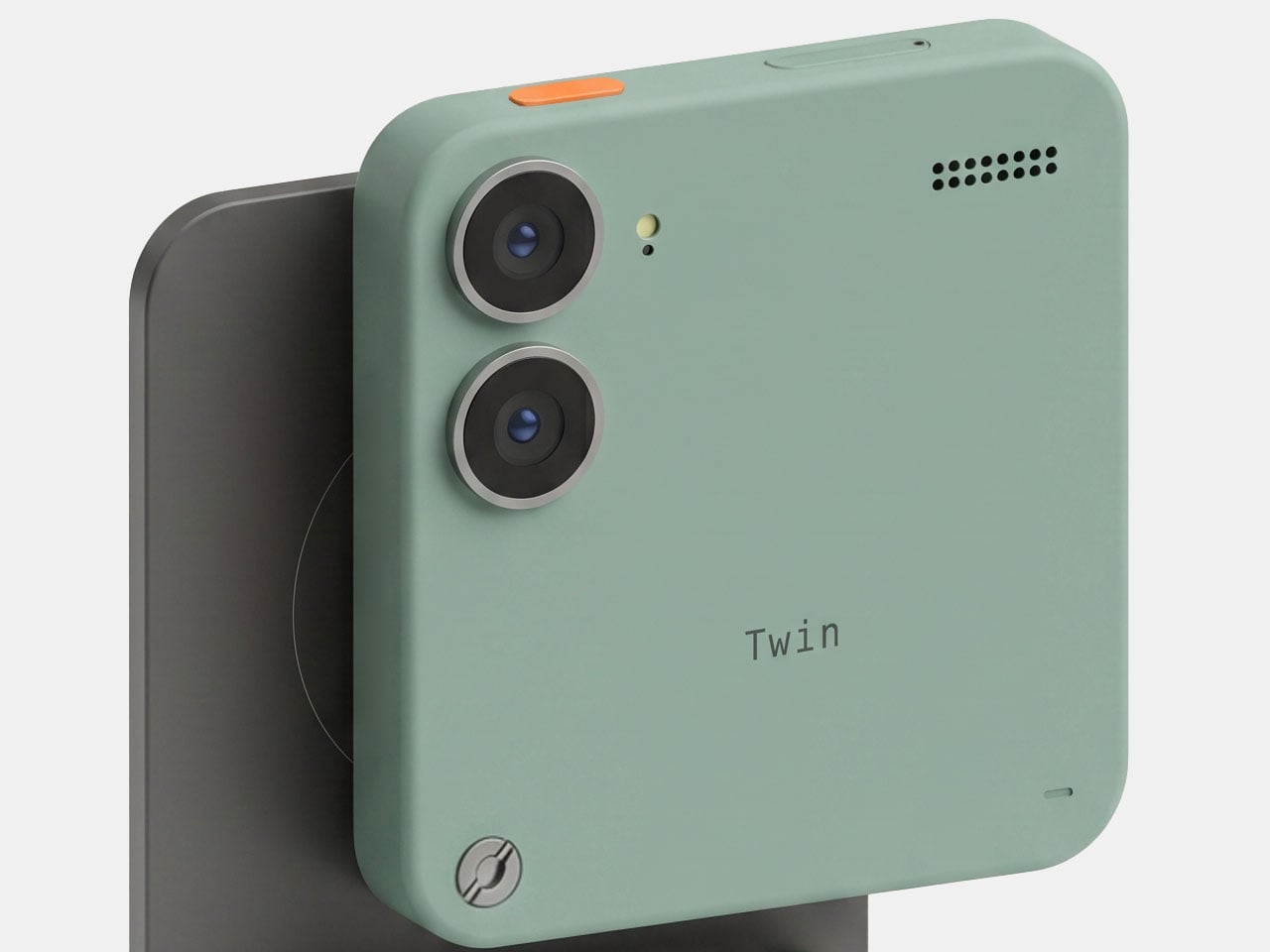
The telltale vibe of the device’s iPhone Mini resemblance was hard to ignore, given it had all the check boxes ticking for the right reasons. Barring its thick bezels and a few little kinks, the shrunken gadget had everything going in the right direction. Now, the phone is back in a Pro version with the bezels shrunk down for a more modern appeal, with all the other perks intact to make it a highly pocketable phone for every kind of user.

Designer: NanoPhone

Although it looks like a shrunk-down iPhone, the credit card-sized 4G device is powered by Android 12 and certified for Google Play apps. The NanoPhone Pro does everything a normal phone can – browse the internet, make calls, listen to music, real-time navigation, and more – all while taking up minimal space in your pocket. This makes the mini phone ideal for people who prefer minimalism and are not intrigued by the entertainment aspect of current-day versatile smartphones that are more than ideal for gaming or binge-watching favourite shows.

The device has a modest 5MP camera on the rear and a 2MP front shooter for taking quick photos or engaging in video chats. This makes it fit to be used as a secondary phone, especially when you are trying hard to reduce your screen time. The device is also fit for kids and the elderly who want a major chunk of the functionality without any complications or bulk.

Since size is the USP, the device optimizes the 2000mAh battery performance well on the 4-inch edge-to-edge IPS touchscreen for a complete day of use. The 4G support, dual-SIM slot, and wireless connectivity promise quite a lot in this pocket rocket device. Weighing just 79 grams, the phone can be tethered to a lanyard on your backpack or running belt.  Priced at $100, the NanoPhone Pro hits the sweet spot for users who always wanted such a device. The makers are generous enough to include a protective case and a screen protector in the packaging, making it an even sweeter deal at a modest price.

The post Credit-card sized NanoPhone Pro is a lightweight device for minimalists first appeared on Yanko Design.

Barefoot Caravans goes from petite to pint-sized with the ultra-compact Bothy

If you have been following the industry, it has been raining fiberglass trailers lately. First, we saw the Escape 13, and recently the MorningStar from Awaken RV. Now, while other brands are creating new inroads, Barefoot Caravans is taking a step back and revisiting its aesthetically pleasing Barefoot travel trailer born in the UK.

The caravan, which has also been able to make a mark for itself in the US and Australia, is now being downsized further, from its otherwise petite form factor. The new skimmed-down version of the Barefoot, dubbed the Bothy, is a super-small Barefoot travel trailer without the wet washroom.

Designer: Barefoot Caravans

The original, lightweight Barefoot has already been reckoned as one of the smallest in the market. Now, even smaller Bothy, which debuted at the 2025 NEC Caravan Show recently is much lighter, but this, of course, doesn’t come without some limitations. The most important of it is the absence of a bathroom, as mentioned earlier.

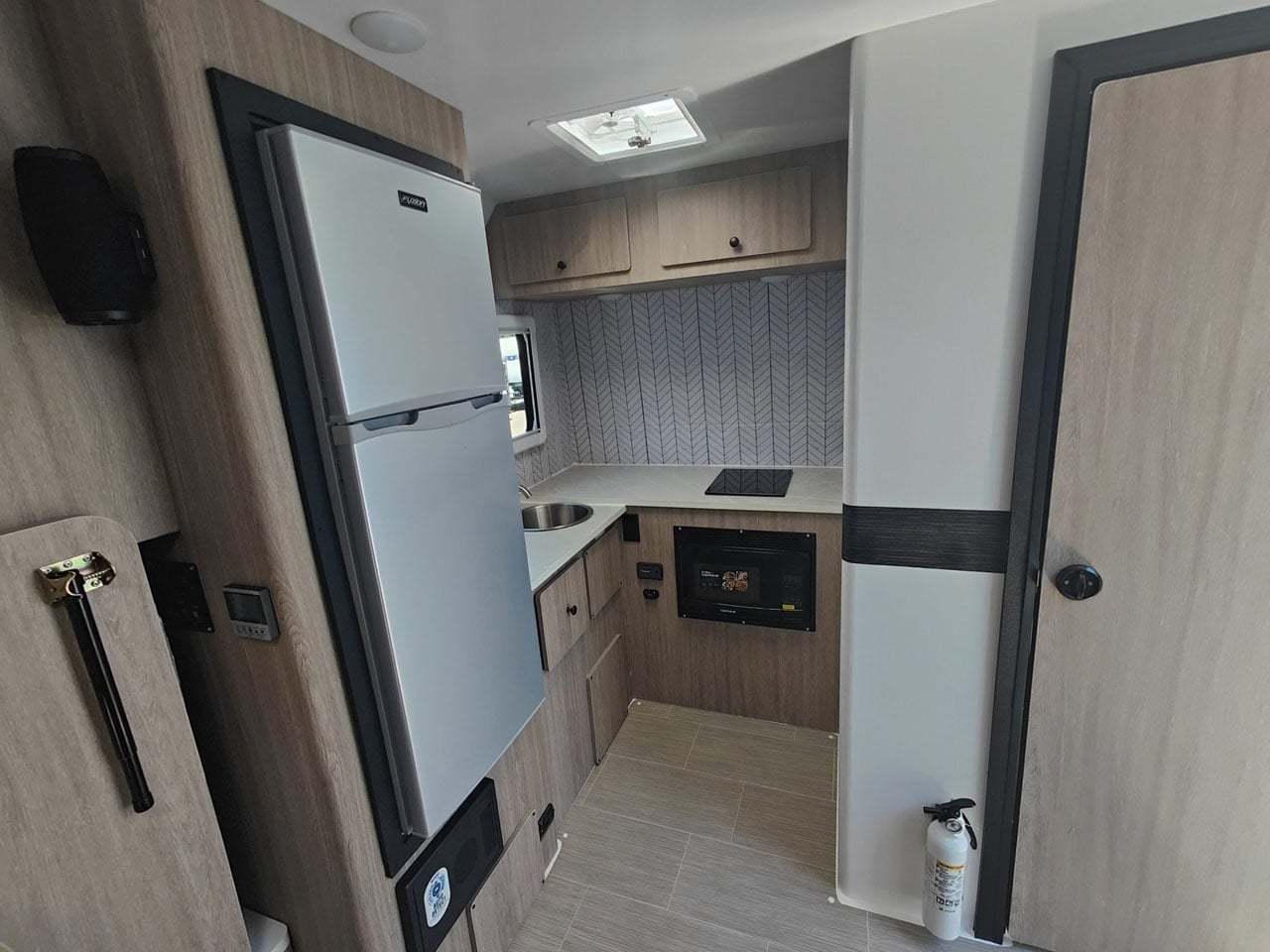
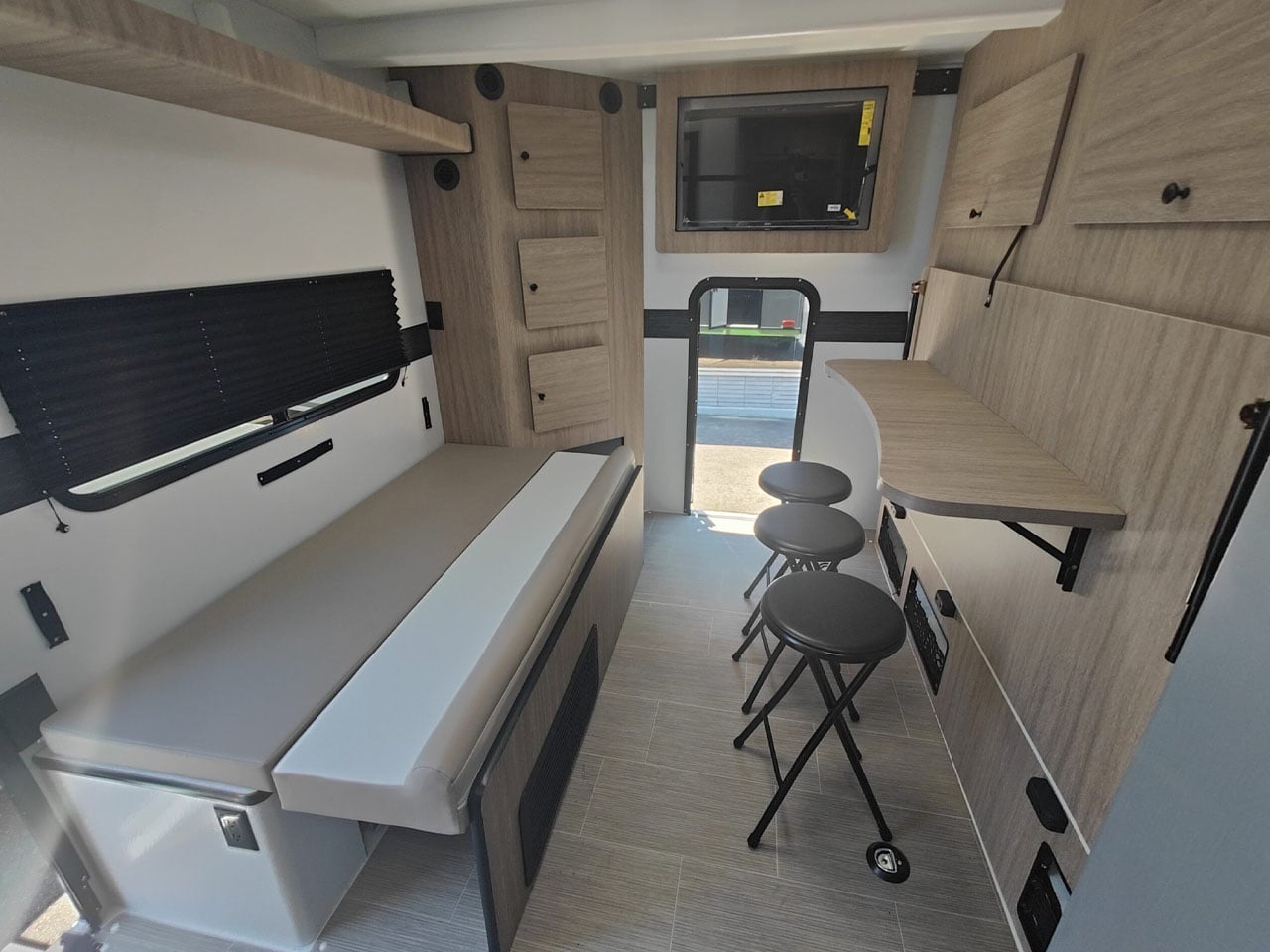
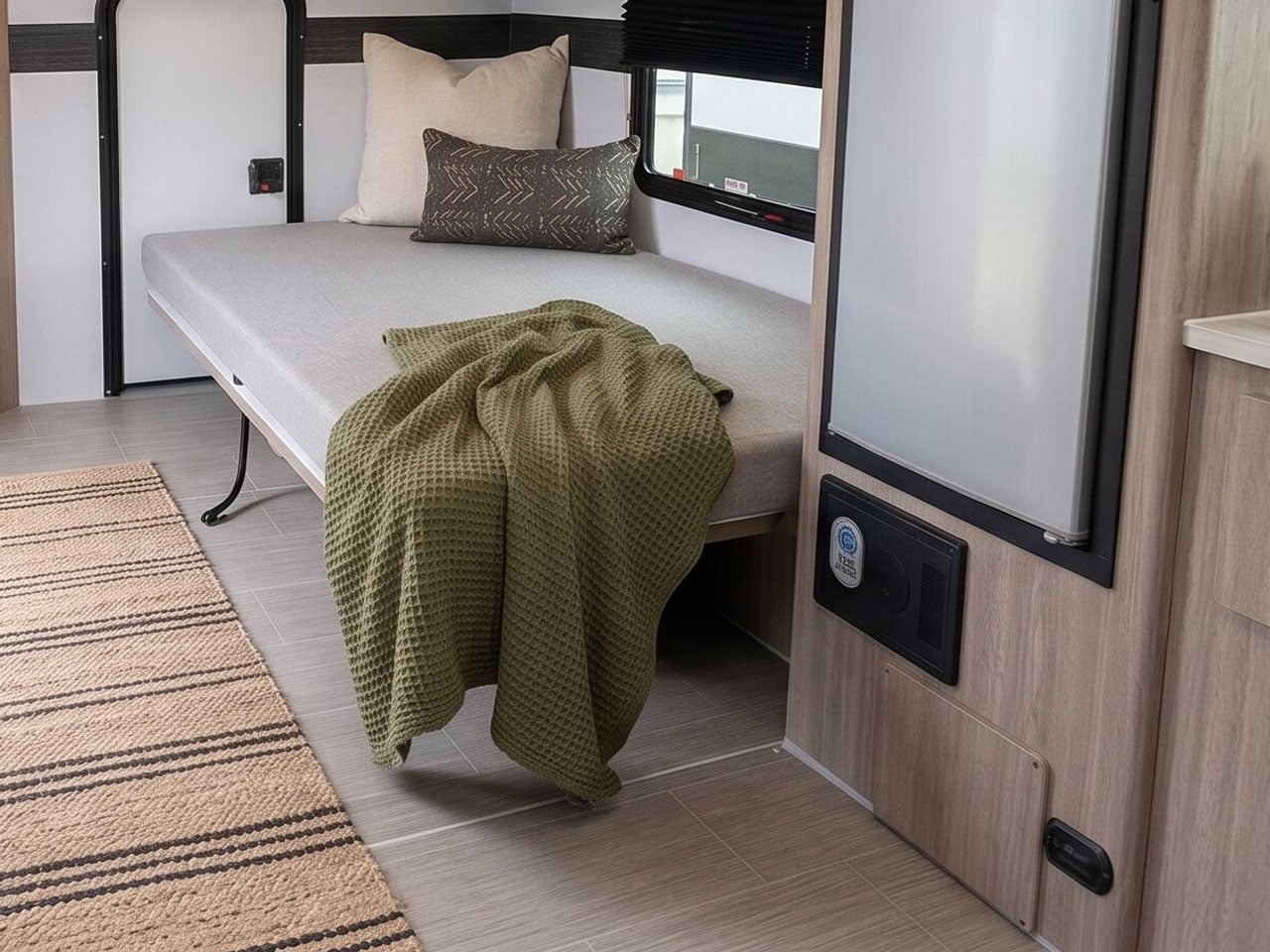
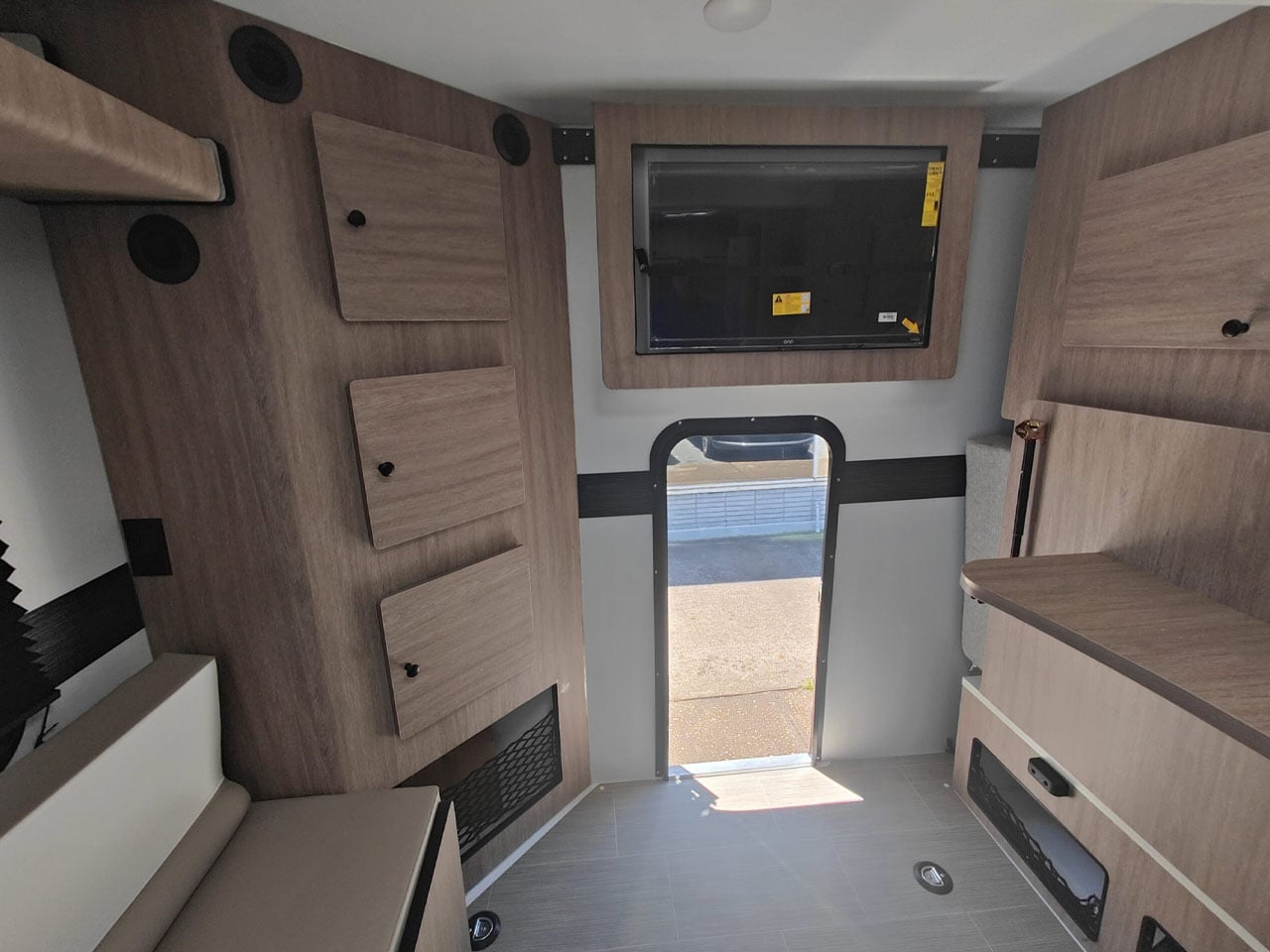
In spite of missing the wet bathroom found at the back of the original Barefoot, the Bothy is an incredible little rig for those who prefer compact trailers at the back of their riding vehicle. Instead of the bathroom, the Barefoot Bathy accommodates a small sofa, which converts into a sleeping arrangement. Just close by is a slide-out Porta-Potty. The interior is finished with overhead and underneath storage, and netted pockets to make space for your supplies and amenities.

A slightly ahead, in the middle of the trailer is the galley, complete with a 2-burner gas cooktop, sink and storage cabinets. There is a dedicated space for a coolbox on the opposite side, while other parts of the trailer, including the U-shaped dinette cum bed in the front of the trailer, remain undisturbed. For the shell, the Bothy is built from a single piece of molded fiberglass and is apt for sleeping up to three people inside its compact belly. The exact size of the Bothy is not confirmed by the company.

As mentioned, most of its design inheritance is influenced by the original model, which includes a gray retro interior with shades of electric blue, wood accents, and interesting interiors. Being compact and trendy, the Barefoot Bothy can be towed behind any size vehicle or an electric vehicle. This is possible because of the trailer’s rounded corners and narrower design than other similar caravans on the market. That said, the trailer weighs only 1,556 kgs (going up to a maximum of 1,874 kgs), and it comes with 16L freshwater and 23L wastewater tanks onboard. Power needs of the Bothy are taken care of by a 110Ah battery, a 120W solar panel, and it starts at just £25,500 (rightly $35,000).

The post Barefoot Caravans goes from petite to pint-sized with the ultra-compact Bothy first appeared on Yanko Design.

Richard Mille RM 41-01 Tourbillon Soccer brings the passion and precision of football to your wrist

High watchmaking has always been about pushing limits, and few brands have embraced that philosophy as boldly as Richard Mille. Known for translating Formula-1 engineering, industrial designs, and pop culture athletics into wrist-borne mechanics, the brand has built its identity on transforming unlikely inspirations into technical statements. With the RM 41-01 Tourbillon Soccer, that spirit takes on one of the world’s most widely followed sports, turning the structure and rhythm of a football match into a fully mechanical narrative.

The RM 41-01 is not a cosmetic tribute. Instead of relying on team colors or decorative motifs, it integrates the intricacies of soccer directly into its functionality. Developed over approximately five years in collaboration with Audemars Piguet, the manual-winding Calibre RM41-01 is built from grade 5 titanium and composed of roughly 650 components. The highly skeletonized movement incorporates a flying tourbillon and a patented double-column-wheel flyback chronograph, delivering approximately 70 hours of power reserve while maintaining the architectural transparency that defines the brand’s modern aesthetic.

Designer: Richard Mille

What distinguishes the watch is how it interprets a match in real time. A dedicated match-phase indicator progresses logically through first half, second half, and extra time periods, advancing with each reset of the chronograph. This complication mirrors the natural flow of a game, translating sporting progression into a mechanical sequence. Complementing it are dual linear goal counters positioned on the dial, allowing the wearer to track scores for home and away teams independently. Each counter can register up to nine goals before resetting, activated through pushers integrated seamlessly into the case. The result is a watch that behaves almost like a mechanical scoreboard, yet remains rooted in traditional haute horlogerie principles.

The tonneau-shaped case measures approximately 42.9 mm in width, 51.2 mm in length, and 16.2 mm in thickness, dimensions that provide presence without overwhelming the wrist. Offered in two limited editions of 30 pieces each, the watch is crafted in Dark Blue Quartz TPT or Red Carmin Basalt TPT variants. These composite materials are formed by layering ultra-thin sheets under intense heat and pressure, producing a striated visual texture while offering exceptional resistance to shock, corrosion, and ultraviolet exposure. Water resistance is rated to 50 meters, and the watch is paired with a rubber strap secured by a folding clasp, reinforcing its sport-ready character.

Visually, the RM 41-01 Tourbillon Soccer remains unmistakable. The openworked dial exposes bridges, wheels, and chronograph components arranged in a dynamic, multi-level layout beneath a sapphire crystal. Finishing techniques such as micro-blasting, hand-beveling, and contrasting surface treatments emphasize depth and contrast. Despite the complexity, legibility remains carefully considered, ensuring that the various displays are intuitive rather than decorative.

Technically ambitious and unapologetically specialized, the RM 41-01 Tourbillon Soccer watch exemplifies the brand’s commitment to mechanical storytelling. Each color of the watch will be limited to 30 pieces with an expected price tag of $2 million.

The post Richard Mille RM 41-01 Tourbillon Soccer brings the passion and precision of football to your wrist first appeared on Yanko Design.

The First ‘Surveillance Smartphone’ with Thermal Imaging and Night-Vision Cameras: Ulefone Armor 27T Pro+

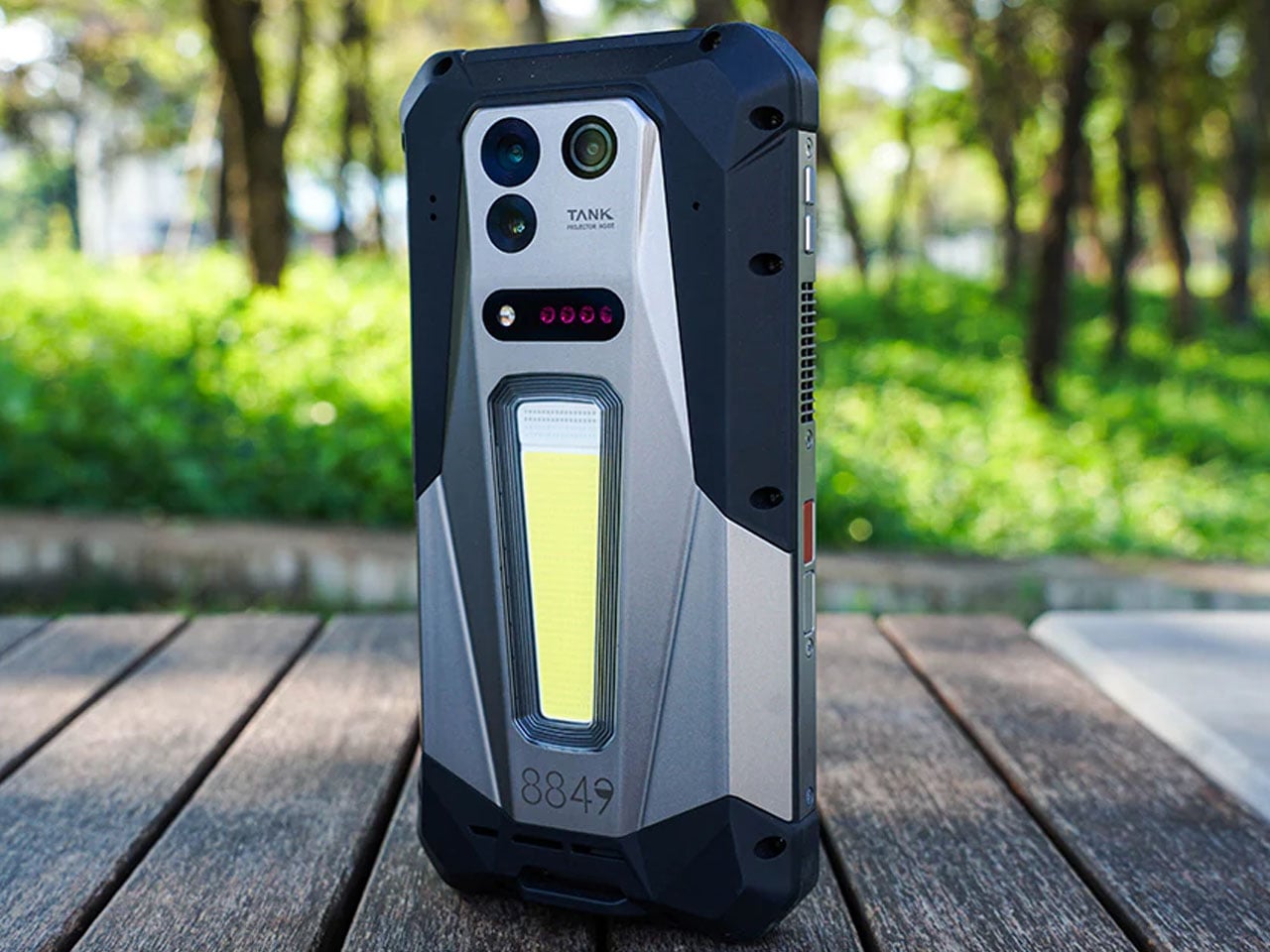
Ulefone has a knack for designing rugged phones tagged with unique features that make them unique. Case in point, the Armor 30 Pro with a 4W 118dB loudspeaker in the middle of the hexagonal camera bump. Now the Chinese manufacturer has come up with another durable phone that has a feature most of us would love out in the wild.

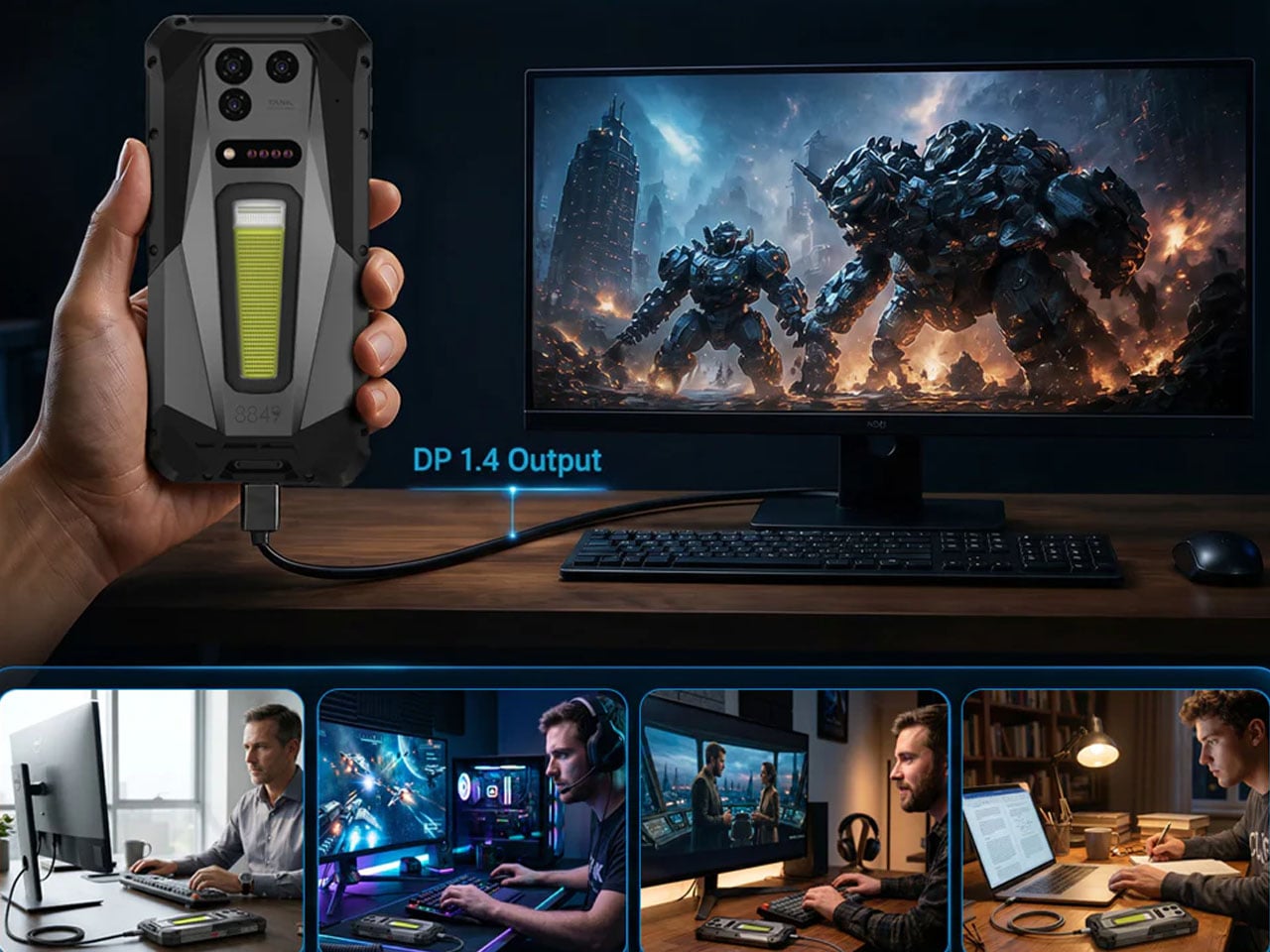
This is the Armor 27T Pro+ smartphone that boasts a triple camera setup that has more up its sleeve than most smartphones on the market. The device has a camera system capable of thermal imaging and infrared night vision, which should come in handy in a wide range of situations. Whether you are alone in the wild looking out for sneaky wild animals, tracking heat signatures in a complicated home vent system, or simply showing off some cool party tricks; the device stands out in the crowd. According to Ulefone, the FLIR thermal cam penetrates darkness, glare, fog, or dense smoke for a clear heat signature.

Designer: Ulefone

Armor 27T Pro+ extends its use beyond the daily driver use as it is the perfect fit for outdoor professionals, search & rescue personnel, or hobbyist hunters tracking their next elusive target. Built like a tank, the smartphone has P68 and IP69K water and dust resistance ratings, along with the MIL-STD-810H military durability certification. You can pressure wash it or simply shrug off the beat skipping drops that other phones would not survive. Clearly, the phone is meant for extreme outdoor conditions where your popular flagship will begin to show the signs of submission. With a weight twice that of a normal phone, the Armor 27T Pro+ creates a distinct niche for itself with the advanced camera system.

The 5G Android device is powered by the MediaTek Dimensity 6300 system-on-chip and paired with the 24 GB RAM (12GB virtual memory). The onboard storage of 256 GB is respectable, but can be extended to upto 2TB with the microSD card. 6.78-inch Corning Gorilla Glass Victus display is also impressive with the Full HD+ resolution (1,080 x 2,460 pixels), 120 Hz refresh rate and 680-nit peak brightness for viewing in bright outdoor conditions. The premium glass display gives you peace of mind against scratches and drops from as high as 6.6 feet on rock-hard surfaces.

Standout feature of the device is the 10,600-mAh solid-state battery, which offers higher energy density compared to a similar capacity Li-ion battery. On top of that, the battery also has a longer lifespan since it can perform well in extreme temperatures of -30 degrees Celsius. The phone supports wireless charging and reverse charging when needed. It comes with a uSmart 2.0 connector to tether the endoscope and microscope attachment for inspection tasks.

The post The First ‘Surveillance Smartphone’ with Thermal Imaging and Night-Vision Cameras: Ulefone Armor 27T Pro+ first appeared on Yanko Design.

GameMT Pocket Super Knob 5000 handheld sacrifices joystick for a dial knob

Gaming handhelds and controllers for mobile devices have had so much innovation lately, it seems there’s not much more left to explore. We’ve seen controllers with a steering wheel, handhelds with dual screens, or one with a 3D display, and controllers with dual-orientation mode support. Now, there’s a handheld by GameMT with a knob for the second analog joystick, because why not?

The Android gaming handheld dubbed Pocket Super Knob 5000 has a knob that can be turned to select from one of the four performance profiles in games where the function is supported. One advantage that dedicated gaming handhelds have over a phone-controller setup is the freedom of a full-blown set of physical controls. This handheld is another example of a gaming console with a specific set of control inputs targeted at a niche set of gamers.

Designer: GameMT

GameMT’s super-thin handheld has been teased on X by user Retro Gaming With Deadfred, hinting at the most important specs and details that would pique the interest of gamers. Pocket Super Knob 5000 has a 5-inch display and is powered by the MediaTek Helio G85 processor. Definitely not the most powerful processing power in there, but it should be suited to play arcade titles and RPGs that are not demanding. On the left, there is the Hall Effect thumbstick for the customary control input for movement. On the right is where things get a little interesting, as the handheld has a twistable knob that can be cranked for linear game input to choose the options. By our assumption, it cannot be used for actual game input because it would be highly impractical and ergonomically challenging.

If we go by what they’ve released last year (the EX5 handheld), the Super Knob 5000 should have the same functionality. Having the freedom to toggle the power and performance balance with the twist of a knob should come in handy for gamers who love to change the settings frequently. However, this should sacrifice the input of directional panning in first person shooter or 3D games. Meaning, the handheld should only be good for playing a specific set of titles that don’t require the second thumbstick input for the major in-game controls.

Other than this novelty, the handheld has the other control inputs, like the shoulder buttons and triggers. GameMT claims the handheld has 5-8 hours of extra battery life when the battery saving mode is turned on. The metal backplate should keep things cool, and the lightweight form of 13.2mm thickness and 200 grams weight should make it an interesting buy.

For us, replacing the second thumbstick with a limited functionality knob doesn’t make much sense unless GameMT has a hidden feature that they’ll reveal when the handheld is launched in April.

The post GameMT Pocket Super Knob 5000 handheld sacrifices joystick for a dial knob first appeared on Yanko Design.

This 1,516-Piece LEGO Maersk Vessel celebrates the future of sustainable shipping

For decades, the LEGO Group has demonstrated an unusual ability to translate real-world engineering into tactile storytelling. From architectural landmarks to Technic supercars, its most compelling releases are often those rooted in authentic industrial design. The new LEGO 40955 Maersk Dual-Fuel Container Vessel follows that same philosophy, drawing inspiration from one of the most significant advances in modern maritime transport.

The set recreates the Ane Maersk, the world’s first large dual-fuel container ship capable of operating on methanol in addition to conventional marine fuels. Built for global shipping giant Maersk, the real vessel represents a tangible shift toward lower-emission cargo transport. LEGO’s interpretation transforms that milestone into a 1,516-piece display model designed for curious kids, maritime enthusiasts, and grown-up collectors.

Designer: LEGO Group

Once assembled, the model stretches approximately 23.5 inches long, 7 inches high, and 4.5 inches wide, giving it a commanding shelf presence. The proportions echo the streamlined profile of the original ship, from the sharply angled bow to the neatly stacked containers lining the deck. A dedicated black display stand with a nameplate reinforces its status as a presentation piece rather than a conventional playset.

Attention to detail defines the experience. The bridge section can be opened to reveal interior elements, including crew quarters and operational spaces, while transparent panels along the engine room provide a subtle look into the vessel’s mechanical core. Slide-out gangways on both sides add a functional layer, breaking up the otherwise monolithic structure of the hull. The containers themselves are individually buildable, reflecting the modular logic of real-world cargo operations.

The build process balances repetition with refinement. As with any container ship, assembling multiple cargo units introduces a rhythm to the construction, but it also reinforces the scale and realism of the finished model. Subtle printed elements and carefully placed decals capture the Maersk branding without overwhelming the clean blue-and-white color scheme associated with the company’s fleet.

This release also marks the return of a collaboration that has been absent for over a decade. LEGO and Maersk have partnered in the past on maritime-themed sets, most notably the Maersk Line Triple-E from 2014. The new dual-fuel container vessel continues that lineage while anchoring it in contemporary sustainability efforts. Instead of revisiting nostalgia alone, the set connects to a current industry shift toward alternative fuels and reduced environmental impact.

Retailing at $149.99, the model positions itself squarely within LEGO’s premium display category. It is substantial without being inaccessible, detailed without becoming overly complex. For maritime enthusiasts, LEGO collectors, or anyone drawn to large-scale engineering achievements, it offers a thoughtful blend of authenticity and approachability. More than just a scaled-down cargo ship, the Maersk Dual-Fuel Container Vessel reflects how raw industrial design can carry broader cultural relevance.


The post This 1,516-Piece LEGO Maersk Vessel celebrates the future of sustainable shipping first appeared on Yanko Design.

Custom-built 96,000mAh power bank charges your laptop, phone, and even runs small appliances off-grid

For power users loaded with a laptop, tablet, drone, a robot, and, of course, a smartphone, the ordinary power bank options do not make the cut. The amount of power required to keep these gadgets juiced up is considerable, especially when on the go. The only solution is a custom-made power bank that suffices all the needs of your power-hungry gadgets.

A custom-built portable power station offers a high-capacity solution for people who need to run multiple devices without reliable access to wall power. Standard consumer power banks are often too limited for users carrying a laptop, phone, tablet, router, and other gear at the same time, especially in remote or mobile situations. To solve this problem, creator Luq1308 developed the Omnibus 4×8, a DIY backpack-friendly power bank with enormous capacity and flexible output options.

Designer: Luq1308

The heart of this project is a dense battery pack made from 32 brand-new 18650 lithium-ion cells arranged in a 4S8P configuration. Each cell is rated at 3000 mAh, and when assembled into the pack and scaled for usable voltage, the complete system delivers roughly 96,000 mAh, equivalent to about 345 watt-hours (Wh) of stored energy. This substantial capacity makes it suitable for powering a range of electronics for prolonged periods without recharging. Critical to the build is a battery management system (BMS) rated for 4S and 30 amps. The BMS monitors and balances the individual cells, prevents overcharging and deep discharge, and includes multiple safety fuses. The system also draws very little power at rest, with a standby current of less than 400 microamps, helping to preserve stored energy when the unit is not in active use.

The Omnibus 4×8 offers a wide range of outputs to suit both everyday gadgets and more demanding equipment. There are four USB-C ports, each capable of delivering up to 36 watts, which is enough to charge phones and tablets simultaneously. A 100 W bidirectional USB-C port supports fast laptop charging and can also accept power input from compatible charging sources. For broader custom needs, a DC jack provides adjustable outputs between 2.7 V and 20 V, and a high-wattage XT60 connector can handle loads exceeding 400 W. A dedicated 150 W AC outlet enables the use of small appliances through an inverter, expanding the range of devices that can be supported.

Inside the power station, an ESP32-C3 microcontroller oversees system operations. It reads real-time data such as voltage, current, and temperature from sensors and displays this information on a 1.3-inch OLED screen with simple navigation buttons. Four temperature sensors monitor the battery pack, heatsinks, and inverter, and dual 40 mm cooling fans are triggered as needed to manage heat during high loads. Custom aluminum heatsinks with thermal pads are included to further reduce thermal stress.

The enclosure combines hand-cut G10 fiberglass plates for strength with 3D-printed ABS plastic sides in a subdued matte black finish. Brass spacers and mesh vents enhance airflow and protect internal components while maintaining a rugged aesthetic suitable for outdoor use. Internally, thick-gauge silicone wiring and a perfboard distribution bus with fuses connect the various modules safely and efficiently.

One notable feature of this DIY build is its adaptability. The inverter was modified to work across the full battery voltage range, and the system can accept solar input with maximum power point tracking (MPPT) for efficient off-grid recharging. All design files have been made open source on GitHub, allowing others to replicate or expand on the concept.

The post Custom-built 96,000mAh power bank charges your laptop, phone, and even runs small appliances off-grid first appeared on Yanko Design.

2026 Mercedes-Benz Marco Polo camper van arrives with smarter pop-up roof and luxury upgrades

Mercedes-Benz and Volkswagen have produced some of the best camper vans on the market, and they’ve long shared a common collaborator. Now, with Mercedes-Benz taking the complete production of its Marco Polo under its wings, Volkswagen and other competitors can expect some serious competition. The newly updated 2026 Marco Polo is the first new addition to Mercedes in-house van life portfolio and flaunts an interesting pop-up roof, which is its main talking point.

According to Mercedes-Benz press information, the body of the V-Class Marco Polo is built at the company’s Vans plant in Vitoria, Spain. The vehicle is then converted into a pop-up camper van at the Ludwigsfelde plant in Germany. The overall in-house production of the Marco Polo means it’s of the “highest quality standard” and that the company has complete control over every detail and pace at which it is produced.

Designer: Mercedes-Benz

Substantiating the fact, Sagree Sardien, head of sales & marketing Mercedes-Benz Vans said, it is a “Mercedes-Benz through and through,” which is designed to offer buyers a more sophisticated home on wheels. “A home that effortlessly combines travel and everyday life – while making a stylish statement,” he said.

To that accord, the Mercedes-Benz 2026 Marco Polo is a compact, luxury camper van featuring a pop-up roof, convertible downstairs seating, kitchen, and ambient lighting to uplift the mood when you’re inside the van. The major update from the 2024 model of the van is focused around the improvement to the lifting roof space. The double-skinned aluminum pop-top makes for an additional 4 inches of headroom and is provided with an ambient LED system that allows the space to feel lively and inviting.

Downstairs, the Marco Polo doesn’t make many changes. It comes equipped with a kitchen featuring double burner gas stove, a sink, mini fridge, and a swiveling bench that can easily facilitate dining and sleeping. During mealtime, you have a folding table that reaches out of the kitchen block, and during the night it folds up to make room for the convertible sofa to create a double bed.

MBAC infotainment suite is another interesting facet of the new Mercedes camper van. Sitting in the cockpit, the smart touchscreen can control the interior components like the vehicle’s upgraded eight-speaker audio system and pop-up roof lighting. The infotainment system also has instant control to pop-up roof. You can deploy or retract the lifting roof remotely, while also maintaining the temperature of the van home.

The new Marco Polo will be available to order soon, Mercedes notes. It also mentions in the press release that the launch of Marco Polo Horizon is also on the cards. This model shares similar features except for the built-in kitchen unit, making it suitable for weekend outings or short holidays only.

The post 2026 Mercedes-Benz Marco Polo camper van arrives with smarter pop-up roof and luxury upgrades first appeared on Yanko Design.

This Does Not Compute Turns Tiny Mac Clock Into Working Raspberry Pi Macintosh

If you appreciate retro computing and DIY electronics, a new project from This Does Not Compute (YouTube channel) will be the best thing you will see today. The build emulates the 1984 Apple Macintosh, but in a miniaturized version. Not the smallest, but decently small to sit in the corner of your desk and do more than its intended function of a clock.

If that sounds puzzling, here’s a clearer explanation. The modder has actually taken a Maclock, which is a clock that looks identical to the original Mac, but of course considerably smaller, and ripped it open. He replaced the original alarm clock mechanics with a Raspberry Pi, turning it into a homage to the classic Apple computer.

Designer: This Does Not Compute

The project, as the modder himself states, “is just for fun” and doesn’t really reach out to prove anything other than love to toil with anything Mac. With the innards of the clock replaced by Raspberry Pi Zero 2 W, the original display of the clock is also swapped with a 640×480 2.8-in color screen from Wave Share, and the project is interestingly called Wondermac. The name is in reference to Wonder Boy, the Chinese company that makes Maclock.

The modder, as you can see in detail in the video above, starts by cracking open the Maclock case, which has screws, but they are only used to mimic the Macintosh and have no significant usage. Opening the case was “probably the hardest part of the whole project,” he says. The case is clipped together pretty tightly, but he was able to separate the front bezel from the back using a wide metal pry tool. Once the front panel was free, he unplugged the wiring harness and pulled out the main circuit board and the screen to clear up the space inside the Maclock body, which will now have new guts and a new purpose.

“Compact, low power, and relatively inexpensive,” Raspberry Pi Zero 2 W was a clear choice for the Mac’s innards, the modder affirms. It comes with a pin header presoldered and includes a heatsink, which would be a nifty addition to keep this tiny computer cool when it does some computing. The Pi is now connected to the externally purchased screen, and the modder gets down to launching the Raspberry Pi imager app and installing Minivvac on an SD card for the software side of the project.

For powering the Wondermac, the modder doesn’t rely on the Maclock’s built-in battery; instead, they take advantage of the USB-C port on the back housing for power. After some tweaking to power output, some wire soldering, and sticking, he was able to get the power going as required to run the screen. Finally, he designed a 3D printed bracket with black filament to fit the screen in place, and then everything was assembled back into shape. Content with the outcome, he leaves the little Mac on the desk with the Afterdark screen saver.

The post This Does Not Compute Turns Tiny Mac Clock Into Working Raspberry Pi Macintosh first appeared on Yanko Design.
Yamaha’s Sail and Butterfly speakers reimagine how sound takes shape

Few brands move as fluidly between precision engineering and artistic expression as Yamaha. From concert grand pianos to motorcycles and professional audio systems, the company has long treated sound as both science and sculpture. Its latest speculative speaker concepts continue that philosophy, challenging the conventional box-shaped loudspeaker with forms that are lighter, more interactive, and visually dynamic. Rather than refining the familiar rectangular enclosure, Yamaha’s design team rethinks how sound radiates into space and how users physically engage with it.

Developed by Yamaha Design Laboratory in Japan, the collection addresses a common but often overlooked issue in home audio: unwanted reflections from nearby surfaces such as tabletops. These reflections can color the sound and reduce clarity. By altering the geometry and projection of the speaker units, the designers aim to direct audio more intentionally into the listening environment while reducing interference from surrounding surfaces. The result is a series of experimental prototypes that treat sound dispersion as a spatial experience rather than a fixed output.

Designer: Yamaha Design Lab

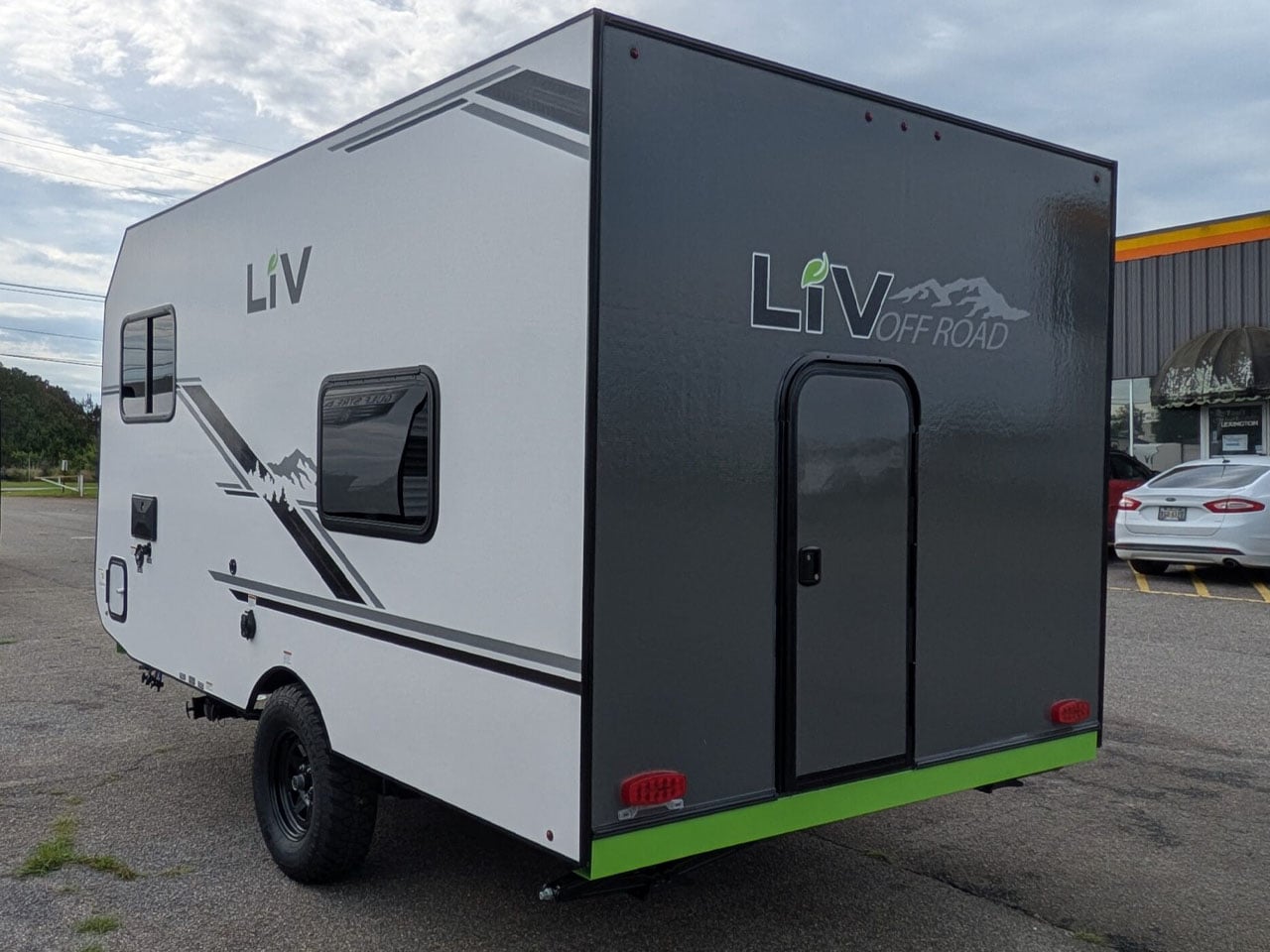
One of the most distinctive ideas is the Sail Concept. The defining feature here is a diaphragm suspended like a sail between tensioned strings, creating a structure that feels more architectural than electronic. The diaphragm is made from ROHACELL, a lightweight closed-cell foam known for its rigidity, heat resistance, and ability to be thermoformed. These qualities allow it to remain structurally stable while vibrating efficiently, supporting clearer sound reproduction. What sets this speaker apart is interactivity: users can physically adjust the tension and positioning of the sail-like element, subtly influencing how sound is projected into the room. The act of tuning becomes tactile, making the listening experience more participatory.


The Butterfly Concept explores a different approach. Inspired by organic symmetry, it positions its driver units back-to-back with a reflective surface between them, leaving the top portion open. This configuration reduces the impact of surface reflections and allows sound to disperse more freely. By adjusting the volume relationship between the internal and external chambers, listeners can influence the spatial character of the audio output. Instead of locking sound into a forward-facing direction, the design encourages a more immersive and diffused listening field that adapts to the surrounding space.
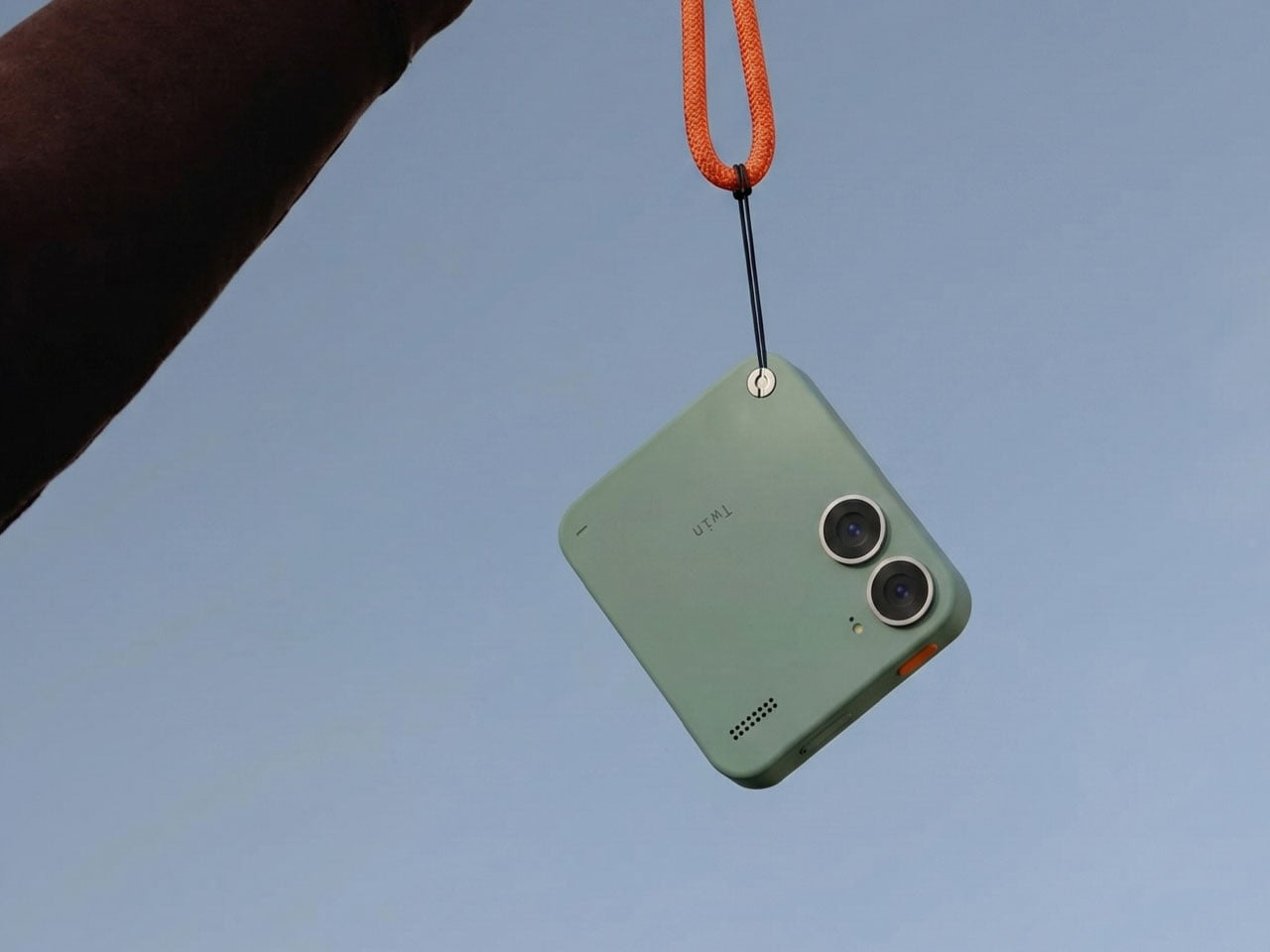
Two additional prototypes expand the exploration. The Horn Concept references the acoustic behavior of wind instruments, placing the driver partway along a horn-shaped structure. This form shapes how sound travels and radiates, at times creating the illusion that audio emerges from open air rather than a visible source. The Cristal Concept, by contrast, emphasizes minimal geometry and sculptural presence. With opposing speaker units left open at the top, it manages reflections while presenting a form reminiscent of a perched bird or a crystalline object. Both concepts suggest that acoustic performance can be enhanced not only by internal components but also by the physical pathway sound takes outward.

By integrating material innovation, spatial acoustics, and physical interaction, Yamaha demonstrates that speakers need not be static black boxes. Instead, they can become expressive objects that shape both sound and space, hinting at a future where listening is as much about engagement as it is about fidelity.

The post Yamaha’s Sail and Butterfly speakers reimagine how sound takes shape first appeared on Yanko Design.