Toyota Tacoma H2-Overlander wins hearts by running on hydrogen and making its own water

An ultimate overlanding rig has its own perks: goes anywhere, even where roads disappear; lets you camp under the starriest skies; and provides the comfort of a home on wheels. However, when it comes to the environment, overlanding vehicles are major gas guzzlers, leaving behind emissions that pollute even the cleanest of places. To address this, Toyota has taken a step in the right direction: it has prepared the Toyota Tacoma H2-Overlander concept, which is winning hearts not for its looks, but for its ability to breathe hydrogen and exhale water.

The concept vehicle is a badass overlanding rig with 547 horsepower that’s set to take you distances with its hydrogen fuel cell and battery electric powertrain, which leaves only water as tailpipe emissions. It’s perhaps this hydrogen fuel-cell technology that earns the concept its H2 moniker, with which it is going to debut at the SEMA show at the Las Vegas Convention Center between November 4 and 7.

Designer: Toyota

Tacoma H2-Overlander is a result of the technical expertise of Toyota Motor North America R&D (TMNA R&D), and is built by the Toyota Racing Development (TRD) engineering teams in California and North Carolina. The concept, based on the mid-size Tacoma pickup platform, is engineered especially for the SEMA show to showcase the viable potential of hydrogen fuel cells and their possible use case in an extreme adventure vehicle.

Toyota’s latest hydrogen fuel-cell propulsion system replaces the internal‐combustion engine or traditional battery-electric drivetrain in the Tacoma H2-Overlander that runs on compressed liquid hydrogen to power the 24.9 kWh lithium-ion battery and its 547-horsepower dual electric motor. The resultant output of the exhaust is pure water, and unlike the traditional battery, the liquid hydrogen tank takes far less time to refill. It can, Toyota affirms, be refilled in minutes like the conventional gas tanks.

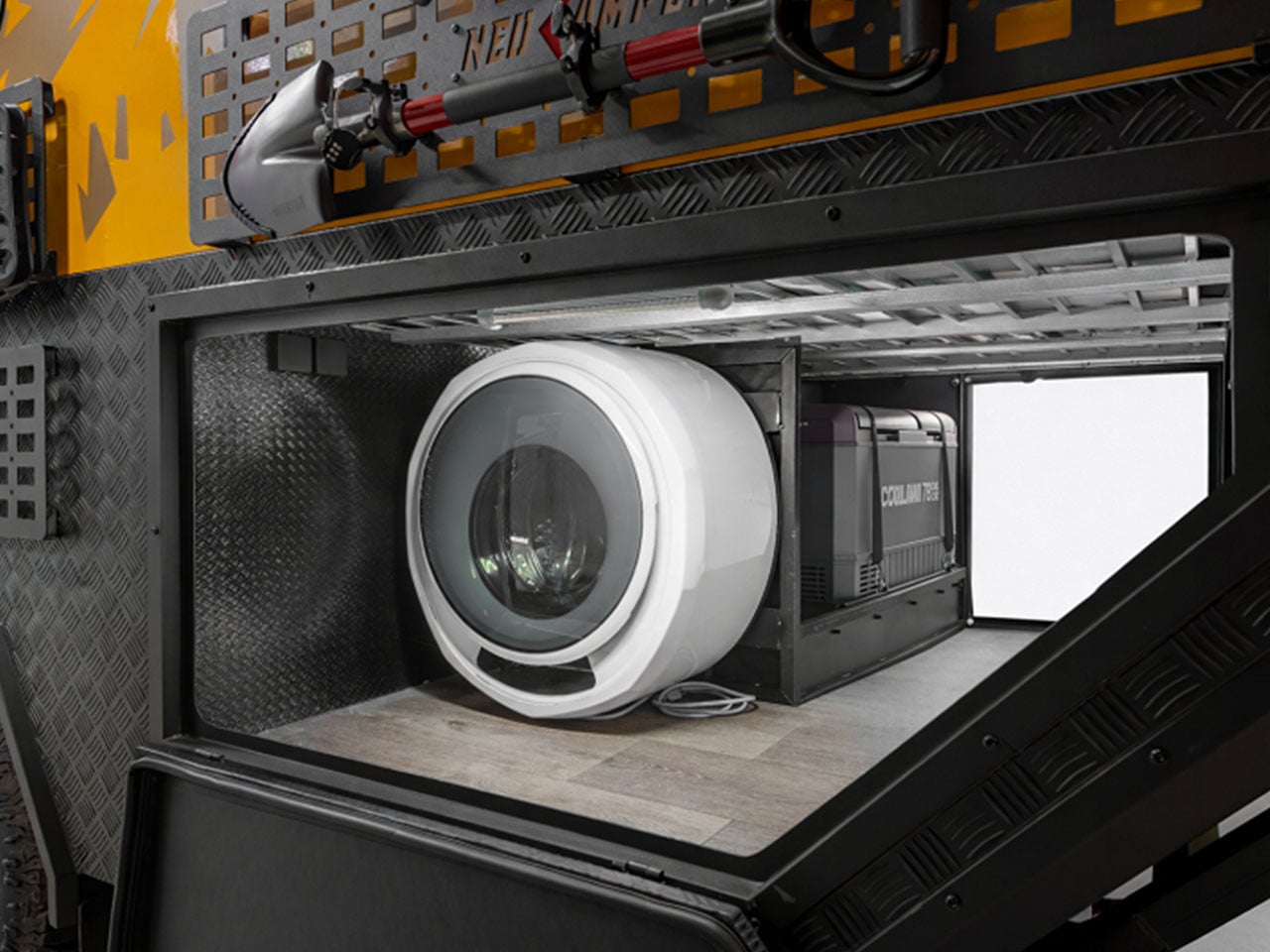
Like you’d imagine, Toyota isn’t calling the Tacoma H2 an overlanding rig, just for the sake of it. It actually is designed with its own rooftop pop-up tent made from lightweight carbon fiber panels. The details about the configuration of the rooftop tent are scanty at the moment, but we learn that it has a bed, a mini fridge, and a gas grill, running on the same hydrogen powering the vehicle itself. The ride flaunts a splendid lightbar and a heavy-duty winch. But what’s really interesting about the concept Overlander is that it is an exhaust water recovery system. This essentially collects the water vapors released by the tailpipe (produced by hydrogen fuel cell combustion), and then fills it to be used by the occupants at camp.

The Toyota Tacoma H2-Overlander is provided with custom 17-inch wheels wrapped in 35-inch all-terrain tires. The rig offers up to 300 miles of range on a full hydrogen tank, which can be refilled in under five minutes. According to the press information, the overlander comes with two NEMA 14-50 outlets on the bedside, which can be used to recharge up to two EVs simultaneously or even power a home with up to 15 kilowatts of output.

The post Toyota Tacoma H2-Overlander wins hearts by running on hydrogen and making its own water first appeared on Yanko Design.

3D Printed case for Halcyon Elora split mechanical keyboard has magnetic wrist pad attachments

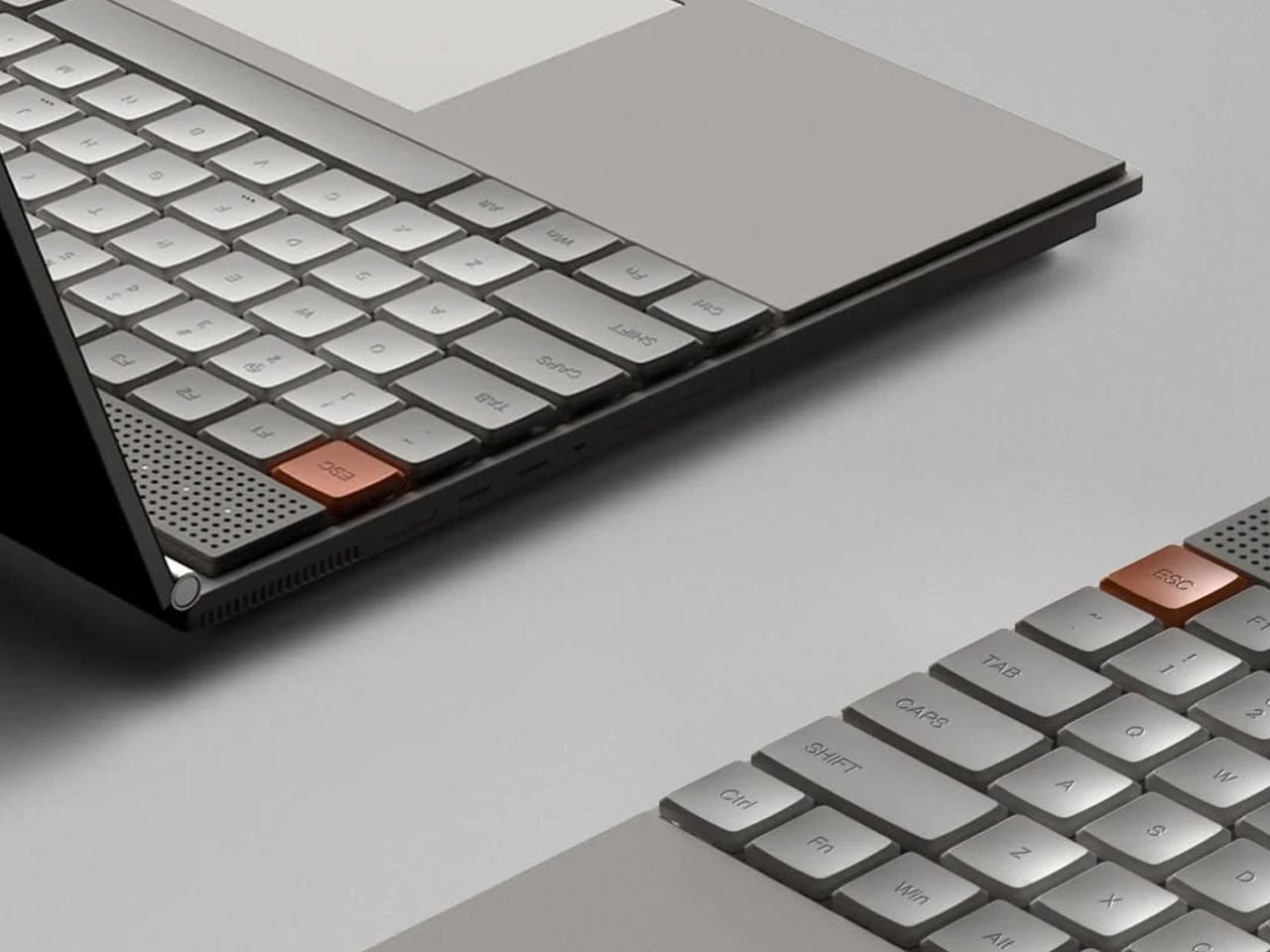
KeyChron brought the world’s first split keyboard that retained the vibe of a regular keyboard to spice up the rather boring accessory, which has seen ergonomic design changes, addition of custom keys, and not much of a design DNA evolution. The idea of a PC split keyboard stems from the notion that it alleviates long-term strain and gives the user more freedom to set up a productive desk layout. The Halycon Elora split keyboard (based on the popular Kria keyboard) has an added row of keys for easier access to numbers and symbols, which all goes well for fast typing. But does this split keyboard take the title for being ergonomically comfortable? Surely not.

That’s the reason why a DIYer decided to create an open-source 3D printable split mechanical keyboard case for the Halycon Elora. With this tweak, the everyday accessory feels more comfortable to work with, especially for long sessions. To take things a step further, the custom design makes sure you have a case to put the keyboard in, literally fitting like a glove.

Designer: Fatih Arslan

The barebone Elora keyboard does look a bit incomplete and could hamper the look of your desk setup. Nor does it provide any support for your wrist, which prompted Fatih to draw inspiration from the Kinesis Wrist Pads to create the perfect split keyboard case for the accessory. After careful planning, he made a prototype that added a 5-degree tilt to the keyboard for better reach, especially for people with small hands. There are customizable top and bottom plates, integrated magnetic wrist pads, and rubber stops for stability and control.

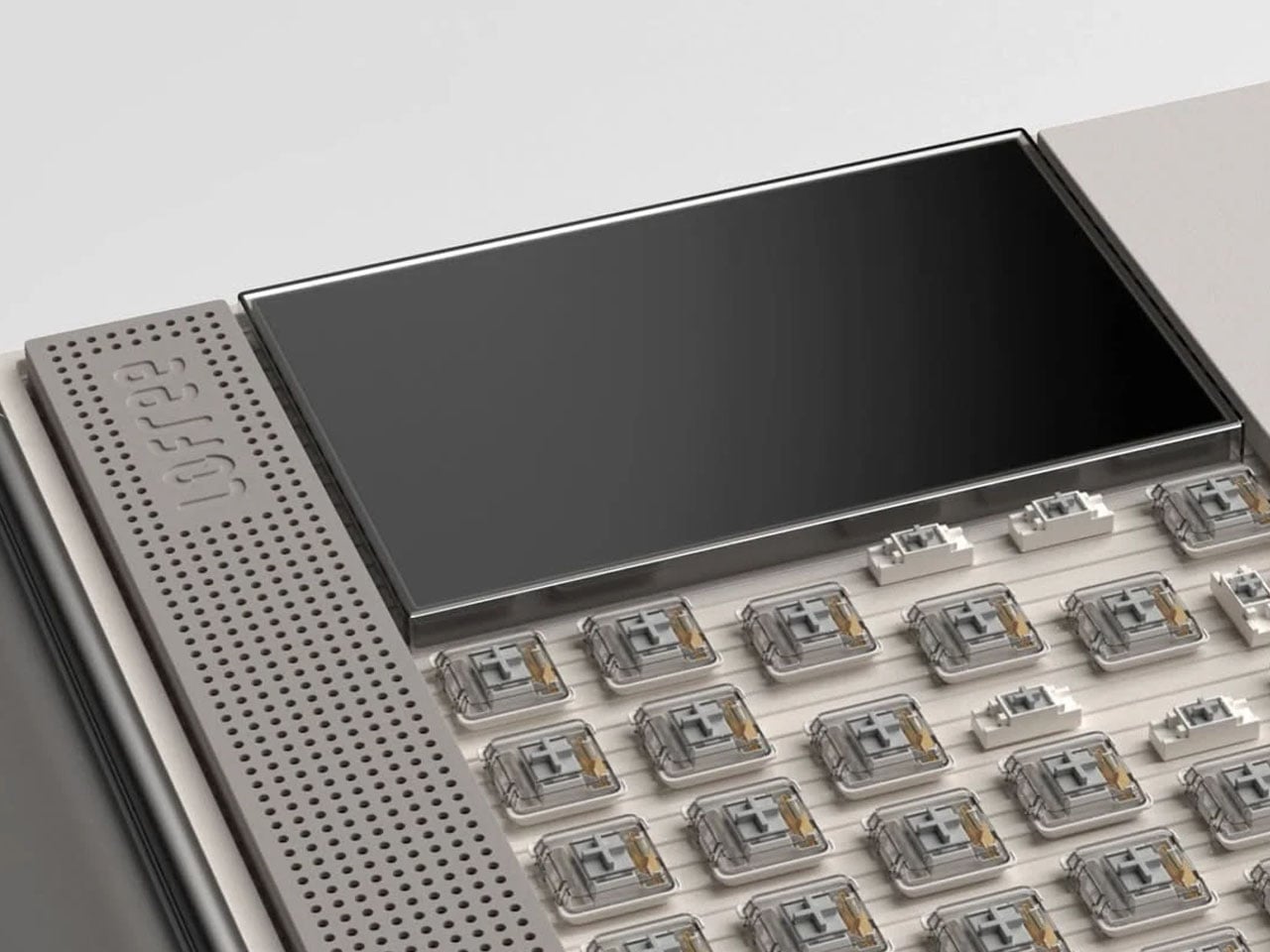
Depending on the user, the case can be attached with a wrist pad or the faceplates, thanks to the optional support for attaching an encoder, touchpad, or display to the Elora keyboard. The new accessory for the split keyboard comes with dual USB-C ports for the left part, and one for the right. Magnetic holes at the bottom base fit the compatible Kinesis leather wrist pads, and the DIYer also created versions that have magnetically snapping top plates for people who prefer a different typing position. There are holes at just the right place to route the cables, which the eager users will appreciate.

Most of all, the custom-designed case makes the mechanical split keyboard sturdier and gives it a more finished look that it lacked earlier.  The accessory comes with 12 top plate designs in total that the maker has put up for download, so that users can 3D print and use right away. Of course, there is the freedom to modify the designs to fit individual needs as well.

The post 3D Printed case for Halcyon Elora split mechanical keyboard has magnetic wrist pad attachments first appeared on Yanko Design.

DIYer recreates a fully functional version of the iconic Xbox “Big X” prototype

Before releasing the official Xbox console, Microsoft was skeptical whether prospective gamers would be able to keep their software image distinguishable from the new hardware venture. To ensure the inaugural gaming console would be perceived as a standalone product, the company created a prototype that looked radically different from a desktop product. At the 2000 Game Developers Conference, Bill Gates and Seamus Blackley showcased the X-shaped version to build the brand image.

Made from solid aluminum, the prototype weighed 40 pounds and cost nearly $18,000 to manufacture at the time. It was not a functional gaming console and was only created to build the brand perception. The first-ever Xbox came a year after that, and the rest is history. Fast forward to the present day, as one DIYer wants to see if the X-shaped console would be an actual feasible product. The answer is yes, as this functional Xbox prototype-inspired console proves it.

Designer: Tito Perez

Meet Tito Perez of the YouTube channel Macho Nacho Productions, who set out to make the functioning variant of the console prototype. The starting point for him was the reference images of the model taken from the rare one on display in New York. The next step involved building a 3D model of the prototype from the visual reference of every curve, screw hole, and other little details. Thereafter, the finalized file was sent to the PCBWay factory to craft the aluminum model, which cost him around six thousand dollars.

The thing was not as shiny as the original one, so Tito took on the task of polishing it himself to recreate the mirror look. Then he had to figure out a way to fit the hardware components inside the “X” form. The modder chose the original time-correct components and also added new components like HDMI, USB-C power supply, and a large-capacity SSD to the mix. To make this possible, he crafted 3D printed mounts and integrated rails to make use of every inch of space. One hardware component that posed a challenge for him emerged as the power supply unit, which was too big for the rig. For this, he took help from a modder friend who designed a custom USB-C power supply that supplied the needed power while being smaller in form factor.

As a last modification, Tito decided to replace the center jewel with his own modernized version that looks much better than the original, to be honest. It is even more functional since the Xbox logo comes to life, or one can program it to show any custom video file as well. The one-of-a-kind console shell has all the ports and jacks on the rear arranged in a hypnotic layout. Gaming works as intended when connected to the console, and carrying it around is no hassle with the custom-built foam case that houses the Xbox console and the accompanying controllers. Tito wants to showcase his creation in conventions and gaming events, which is downright inviting, and I’m sure the gaming community will love this every bit.


The post DIYer recreates a fully functional version of the iconic Xbox “Big X” prototype first appeared on Yanko Design.
Toyota unveils Kayoibako-K micro camper van concept that can be used as self-driving mobile storefront

Daihatsu recently took to the Japan Mobility Show to showcase some of the fascinating vehicles it’s building in the small segment. Personally speaking, small cars are incredibly difficult to pull off with all the features and functionalities, let alone the idea of stuffing them with features to fit the camper segment. But that’s what Daihatsu continues to take up as a challenge for itself, which is evident in the showcase of the Toyota Daihatsu Kayoibako-K concept.

The adorable micro-transporter is showcased in various possible variants, including a camper van, a small family hauler, and as a self-driving adventurer and mobile delivery van. While the concept vehicle is not fully autonomous, the Kayoibako-K concept has been depicted in promotional videos as navigating itself to the driver’s doorsteps, driving autonomously on specific routes, or returning autonomously to its parking spot after a long day of work.

Designer: Daihatsu

Even though, for those who have been following Toyota’s vision of the micro-van, there wouldn’t be much to distinguish between the Kayoibako-K and the original Kayoibako concept the company showcased at the Japan Mobility Show, two years back in 2023, but the adorable micro-camper is skimmed down in size further to be more adaptable to city roads. Kayoibako is a name Toyota has picked from the name deriving from shipping containers in Japanese, which rely on modular interiors to haul different types of cargo. On similar lines, the Kayoibako-K is a compact concept van and mini-camper, is basically a single vehicle (a platform) that features interchangeable interiors for versatility and enhanced scope of use.

According to the press information received, Kayoibako-K van measures almost 3,395mm, 1,475 mm wide, and 1,475 mm high. It can accommodate 4 people, and is designed to pull off everything from last-mile deliveries in local communities to camping beyond the cityscapes, in of course what is the smallest mini vehicle form factor ever in the mini vehicle-sized commercial vehicles. In the camper version, this little vehicle puts on a roof tent accessible by a ladder, and off-road tires for traveling some unpaved roads on the way to the campsite.

Even though camping has its versatile functionality, the Kayoibako-K is primarily conceptualized with a large rear cabin for delivering packages. The van can work as a mobile storefront, used to carry tools, and even be used, if you may, as a cab to transport elderly passengers in an urban road setting. However, it’s the camper van feature of the Kayoibako-K that impresses me. The van is shown to feature a two-person rooftop tent, and can also be used to haul your gear, including a kayak, to the beach. There is no word on when or if the concept micro camper van will hit the market, but if and when it does, it will definitely slay the onlooker with its graphic detailing and blinky-like headlamps.

The post Toyota unveils Kayoibako-K micro camper van concept that can be used as self-driving mobile storefront first appeared on Yanko Design.
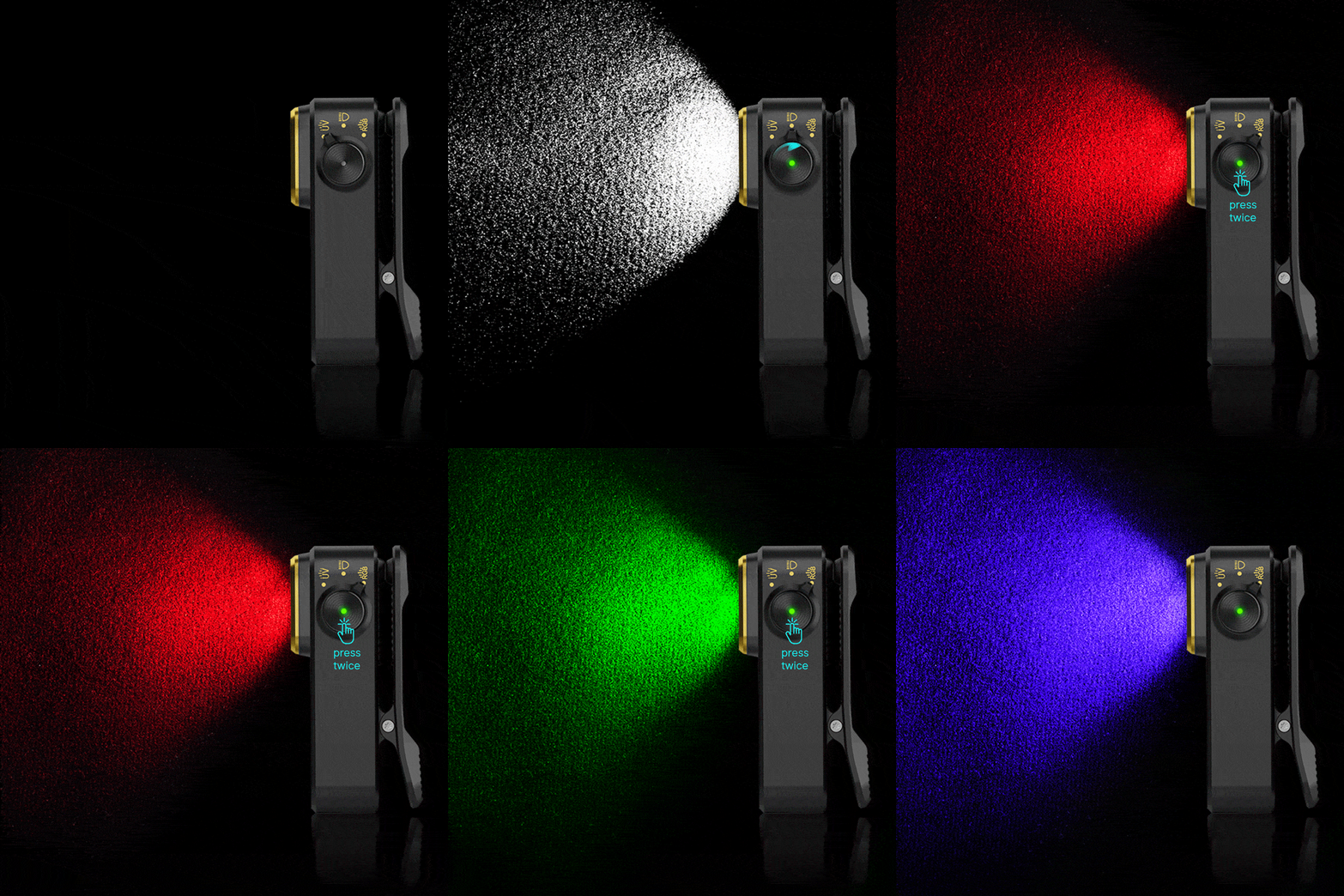
Honda EV Outlier Concept marks the electrified future of the brand

Honda has just teased a glimpse of the future of the brand’s two-wheeler electric vision at the Japan Mobility Show. The future-forward ride showcased at the auto show evokes typical Akira vibes with a long-slung profile and was most likely inspired by the 80s anime movie.

Dubbed the EV Outlier Concept, the motorcycle is a sneak peek into the brand’s gradual detour from internal-combustion heritage. Its most striking feature is the installation of electric motors directly in the front and rear wheels, eliminating the conventional chain or belt drive and enabling truly free packaging around the chassis. By placing the propulsion at the wheels, Honda frees up space in the frame for batteries and centralizes weight for improved balance.

Designer: Honda

From the styling perspective, the concept is both minimalist and arresting. Honda describes key design cues as “Gliding, Ecstasy and Low.” Gliding refers to the smooth, quiet roll of an EV; ecstasy to the instant-on torque and responsiveness of electric drive; and low to the dramatically lowered seat and rider eye-line that give a new posture and presence. The front fascia features a continuous LED light band, the tail is tightly integrated into the form, and foot-pegs are set further forward than typical road bikes to establish a relaxed yet futuristic riding stance.

Mechanically, the EV Outlier Concept also deviates from the norm: at the front, instead of conventional telescopic forks, it uses a double-wishbone arrangement; at the rear, a low-mounted mono-shock linkage further centralizes mass. The open-center frame design offers structural freedom and better packaging of the battery pack, while the in-wheel motor layout allows Honda to adjust torque distribution between front and rear, supporting an all-wheel drive possibility.

However, Honda has not yet released detailed technical specifications such as battery capacity, motor output, range, or pricing. This is a concept designed to explore future design and engineering directions rather than an imminent production model. The company emphasizes that this vehicle is aligned with its broader goal of achieving full carbon-neutral products and operations by 2050.

The EV Outlier brings together design daring and engineering boldness: a low-slung, mono-spine form that feels part sci-fi, part high-performance machine; in-wheel motors that break the chain drive tradition; torque vectoring capability; and a riding experience re-imagined for electric propulsion. More than anything else,  the bike looks absolutely gorgeous.


The post Honda EV Outlier Concept marks the electrified future of the brand first appeared on Yanko Design.
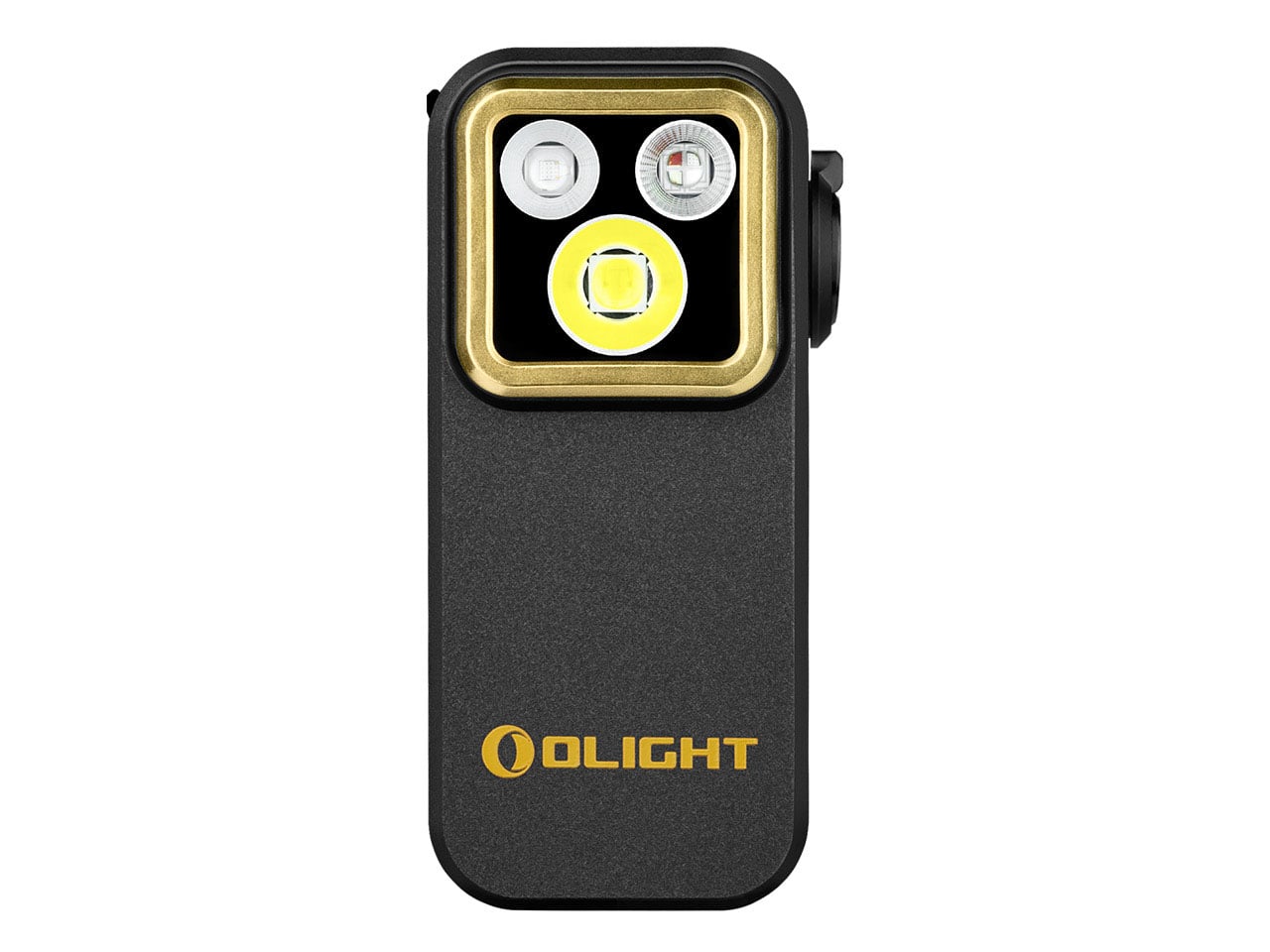
S4 Honcho is a power-packed electric bike for city commutes and off-road excursions

LiveWire, the electric-motorcycle arm of Harley‑Davidson, has unveiled its upcoming S4 Honcho mini moto as a striking departure from the usual large-format electric bikes. Designed to fit into urban commutes and light off-road excursions, the S4 Honcho is set to launch in spring 2026 in two versions: a street-legal “Street” model and an off-road “Trail” variant.

The idea behind the S4 Honcho is to make electric motorcycling more accessible. It is sized and rated to match a 125-cc equivalent class in Europe and the UK, while in the U.S., it aligns with the M license threshold. That means a lightweight profile, intuitive performance, and a swappable-battery platform. The design uses a tubular frame with the removable battery pack mounted beneath, and the electric motor driving the rear wheel via a chain.

Designer: LiveWire

Beyond the dimensions and licensing implications, the S4 Honcho stands out for its adaptability. The Street version is equipped with full lighting, indicators, road tires, and a TFT display. The Trail version omits street-legal lighting, features knobbly tires, extends suspension travel, and increases ground clearance for off-road use. Both models reportedly include a combined braking system (CBS) rather than a traditional foot-brake lever.

Performance details remain light, but LiveWire has indicated that the S4 Honcho delivers brisk acceleration from 0 to 30 mph in about 3 seconds, matching the company’s prior figures for its small-format prototype. While exact power, torque, or range figures are not yet confirmed, early reporting suggests it will occupy a different market niche than higher-powered models such as the LiveWire ONE.

The swappable battery architecture is concealed under the seat that lifts to allow double-cell battery removal, enabling quick swap or convenient charging. For riders in cities or exploring light trails, this translates into flexibility and minimal downtime.

From a design and brand angle, the S4 Honcho signals LiveWire’s push into a broader rider base dominated by young riders, urban dwellers, adventure-light commuters and those seeking an electric bike with attitude but manageable scale and licensing. The dual‐variant approach ensures the brand appeals to both paved riders and those willing to stray off-road.

In terms of timing and availability, official production is slated for spring 2026, with the public debut likely at the 2025 EICMA show. Pricing has not yet been confirmed. The electric bike’s compact, dual-variant credentials reimagine what an accessible e-motorcycle can be.  combining city-friendly sizing, off-road capability, swappable battery convenience, and the electric-first architecture of LiveWire’s heritage. For riders seeking flexibility, fun, and ease of entry into electric two-wheels, this model is worth keeping an eye on.


The post S4 Honcho is a power-packed electric bike for city commutes and off-road excursions first appeared on Yanko Design.
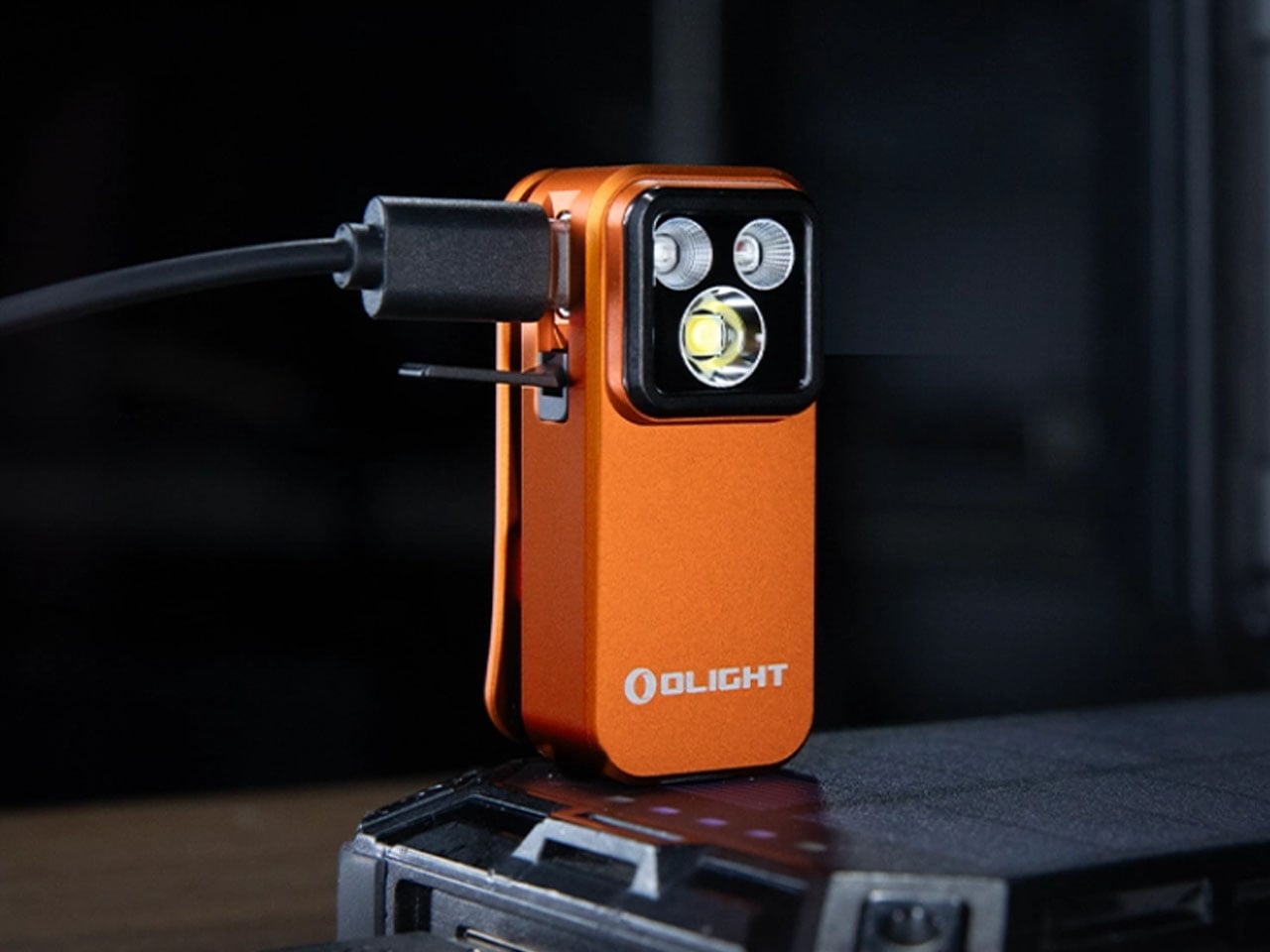
Lexus LS Van Concept is a future-ready motorhome for digital nomads

Lexus is retiring the LS sedan after 2026, marking more than three decades of trust and user convenience. The Japanese luxury brand has not, however, given up on the LS moniker as it debuts a trio of concepts at the Tokyo auto show that includes a six-wheeled van, a self-driving three-wheeled robotaxi concept for cities, a larger-than-life catamaran, and a more conventional coupe.

None of these concepts is slated for a production run anytime soon, and the idea here looks to preserve the legacy of the LS division, which has served the brand well all these years. Toyota’s luxury brand debuted these interesting creations at the mega auto show with positive response from automotive pundits and motorheads alike.

Designer: Lexus

LS Van Concept

Lexus sells vans in the Asian and European markets, but not yet in the American market. The LS Van Concept takes that idea to the next level with a design that reassures its usefulness for digital nomads. The LS here signifies the Large Space aesthetic of the van, complemented by the luxury amenities that’ll never leave anyone longing for more. The vehicle has six wheels courtesy of an extra axle, giving the van more room for increasing the interior space. That means the vehicle can easily accommodate four to six people on extended adventure trips. In the relaxed mode, the two front seats can be rotated to face the rear for a more socializing layout when parked.

Rather than being a four-door saloon, the van is stretched out to revive the charm of spacious vans. The sliding door opens to reveal the interior space that is unlike any Lexus before this one. The airy cabin has large windows and a couple of skylights that are adjacent to each other for a panoramic view outside and to enjoy the night sky in its full glory. The seating configuration inside can be done in multiple configurations, including the large captain-styled seats or the reclining bench layout that can double as a nighttime sleeper for an adult. Up front, the luxury van has a curved digital display behind the yoke steering, which shows all the vitals HUD elements.

LS Micro Concept

The LS Micro Concept is a single-seater, three-wheeled commuter tailored for tight spaces. To make the city travel a less stressful experience, the vehicle is self-driving and seems less likely to enter the production lines anytime in the future. The inside cabin can be opened up when there is more space freedom, but in the normal configuration, the vehicle seems quite claustrophobic.

It’s more like a moving pod that’s loaded with a business-class-seat layout, much like the other Lexus cars. Unlike the LS Van, this one has a very closed configuration, with blacked-out translucent windows that signify the privacy aesthetic of the car. The trike is more suited to individuals who like to move solo and prefer a private setup to not get disturbed by the bustle of the city.

The post Lexus LS Van Concept is a future-ready motorhome for digital nomads first appeared on Yanko Design.
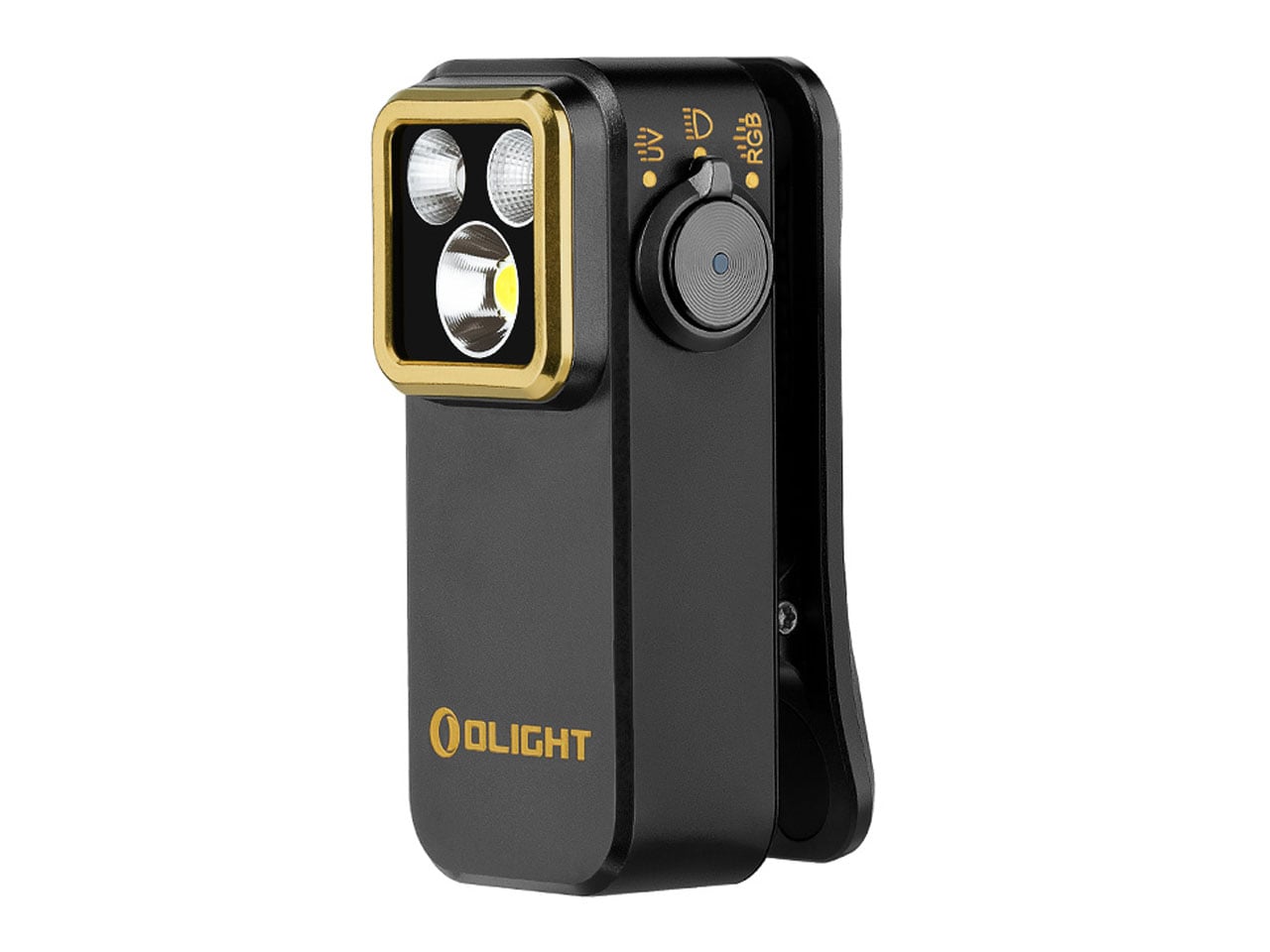
Polestar Kairos unifies space travel and daily commutes into one intriguing concept

We all know that space is the next major frontier that remains to be conquered by humans, sparked by Elon’s ambitions to colonize Mars. Previously, NASA and now SpaceX are spearheading the dreams of space tourism and ultimately moving beyond planet Earth’s nurture. These developments have triggered inspiration for countless concept vehicles that envision what the future could be like.

This future-forward concept overshadows most of them with its unique idea of connecting Earth and space travel without all the strings attached. The idea is to make a seamless transition from driving on the highways to traveling beyond the stratosphere within just a few hours. Meet the Polestar Kairos, a hypertravel vehicle that comes with a normal driving mode and a space transfer mode to dock with a spacecraft that’s destined for space.

Designer: Kim Ye-rin

The front section of the hypercar, made out of reinforced lightweight material, is stronger than the fuselage of an airplane for structural integrity. Transition from the car mode to the docked spacecraft version is seamless, indicating how we could travel in space in the coming decades. Sure, it sounds like science fiction, but we are talking of a time ten years down the line when traveling to Mars would be a usual affair. This concept is based on the Polestar’s DNA and design physics, thereby explaining the industrial look.

The compatible spacecraft will be capable of docking two Kairos hypercars, transporting them to the other habitable planet in the solar system. When docked with the spacecraft, the hypercar unit transforms into an ultra-low temperature sleep chamber. This chamber is loaded with amenities for life maintenance during extended space trips. Since space travel can have a toll on mental and physical conditioning, the module is equipped to handle that too. The spacecraft will essentially be a carrier for people who want their loved ride to stay with them even beyond the limits of Earth.

From a pure four-wheeler perspective, the Kairos concept arrives at a time when Polestar is sharpening its focus on electric mobility and design-led sustainability. While the brand’s recent concepts, such as the Precept, have already charted its future direction, Kairos brings new aesthetic and experiential ideas to the table, melding dynamic proportions, refined materials. The Hypercar is low, wide, and sculpted, with crisp surfaces that emphasize tension and purity. The roofline sweeps seamlessly into the rear haunches, giving the car an almost coupe-gravity despite a potentially four-door or high-performance nature. The front face carries Polestar’s signature front “Thor’s Hammer” lighting graphic while a stubby profile reinforces a performance posture.

Inside, the Kairos concept highlights the brand’s commitment to premium yet sustainable materials. Natural-fiber composites, recycled textiles, and minimalist interfaces dominate. The cabin layout puts the driver firmly in command: clean surfaces, clear lines, and a restrained palette convey calm focus rather than techno-clutter. The floating center console, integrated display architecture, and expansive glazing underline a sense of openness and precision.

The post Polestar Kairos unifies space travel and daily commutes into one intriguing concept first appeared on Yanko Design.
Hublot celebrates tennis legend Novak Djokovic with Big Bang Unico made from his racquets and polos

There are two interesting facts about the tennis GOAT: Novak Djokovic. He is one of the only five players in the history of the game to win all four grand slams and the Olympic gold medal in singles event. And that he is the brand ambassador of the watchmaking legacy at Hublot. The horologist has been on the wrist with the achievements of the 24-time grand slam winner Djokovic since they served the partnership ace in 2021.

Hublot is now substantiating its commitment toward the Serbian legend and honoring his achievements – including the Golden slam and Olympic medal at the gaming extravaganza in Paris – with the launch of Big Bang Unico Noval Djokovic. The watch inspired by Djokovic’s record-breaking achievements is Hublot’s attribute to the tennis great’s agility on the court and its inclination toward sustainable innovations in watchmaking.

Designer: Hublot

To that accord, the Big Bang Unico Novak Djokovic has been made from parts of his actual rackets and on-court kits. The 42mm case Hublot with Djokovic’s name, measures 14.5mm at the thickest point, and features an epoxy resin base with quartz powder reinforcement. It has been fused with the recycled fragments of 25 HEAD racquets and 32 Lacoste polos (17 dark blue and 15 light blue) that Djokovic used in the 2023 season to complete the matte blue recycled composite case and bezel of the watch.

The skeletonized dial of the watch, with yellow seconds pusher and bezel screws curved to mimic a ball, makes clever references to tennis. It rests under a tempered Gorilla glass that replaces the sapphire glass from the previous Big Bang’s. The Big Bang Unico Novak Djokovic has been created lighter than a tennis ball at just 49.5g and is powered by a PVD-finished in-house self-winding Unico manufacture chronograph movement offering up to 72 hours of power reserve.

While Djokovic fans would do anything to get this piece of historic relevance on their wrist, not all would have the pleasure of it. Hublot strictly limits production of the Big Bang Unico Novak Djokovic to 100 examples at AUD78,700 (approximately $51,000) each. If you happen to chance upon one, you will have the option to take it home on one of the four straps: elastic sweatband, Velcro strap, white rubber strap, and a Lacoste strap.

The post Hublot celebrates tennis legend Novak Djokovic with Big Bang Unico made from his racquets and polos first appeared on Yanko Design.
Microsoft 365 Link mini PC streams Windows 11 from the cloud in a secure ecosystem

Let’s be honest Windows 11 is not perfect, evolving at an agonizingly slow pace. This has pushed many power users down the Apple alley. The recently launched Mac Mini has a lot going in its favor, further creating a deep divide between the Microsoft and Apple options.
As a last-ditch effort to save the glitchy Windows 11 OS and very less options to choose from that bind the hardware and software for a seamless experience, Microsoft has introduced the Windows 365 Link mini PC strictly limited to cloud usage in a walled environment. The portable CPU is targeted towards big organizations and businesses who give a lot of weightage to security and keeping the working environment productive.

Designer: Microsoft

Targeted towards enterprise users

This is the world’s first dedicated “boot to cloud” device that runs Windows 11 OS via the Windows 365 link on the Windows 365 servers. Priced at $349 it is specifically designed to run Windows 365 Cloud PCs, and you need a Windows 365 subscription to get started. That adds another $28 to $315 per month. It’s still not clear whether the mini PC will get the extra perk of a subscription discount as a bundle, but we hope so.

The most popular option for employees is a $66 per month per user with applications including Microsoft Teams and browsers. Include the $349 hardware cost of the Windows mini PC and you’ve got a fat bill of $2,000 for a closed ecosystem with limited applications. Compare that to the $1,300 price tag for the 15-inch touchscreen Microsoft Surface Laptop powered by the Snapdragon X Elite chip and having 256GB storage. Clearly, Microsoft’s compact PC is not targeted towards individual users, and in no way competes with Apple’s powerhouse mini PC.

Security takes center stage

This 120 x 120 x 30 mm desktop PC has a fanless design, and comes with a 3.5mm audio jack, three USB-A ports, one USB-C port, an HDMI port, and a single DisplayPort output. There’s one Ethernet port, WiFi 6E, and Bluetooth 5.3 for wireless connectivity. The mini PC is designed for specific requirements where workers need to be quickly rotated between workstations and securely access their files. This eliminates the hassle of configuring the user settings and saving time. Also, the PC is ideal for setups where cloud-based software and hardware integration takes precedence.

Windows 365 Link will be available for purchase in April 2025 – that’s a long way off. However, one can enroll for the preview program in the U.S., Canada, the U.K., Germany, Japan, Australia, or New Zealand. Interested users can join the program before December 15 with permission from the Microsoft account team.

The post Microsoft 365 Link mini PC streams Windows 11 from the cloud in a secure ecosystem first appeared on Yanko Design.