Audemars Piguet AI-powered watch box simplifies one of watchmaking’s most intricate complications

Beating calibers and the perpetually ticking hands of a watch have been symbols of fine craftsmanship and engineering, two dimensions that artificial intelligence is inching to chime with. If you were, like me, watching from the sidelines, believing there was time before a bigger name delved into AI, you wouldn’t have seen this coming.

On the flip side, those who believe Audemars Piguet (AP) has the mettle to give us remarkable timepieces and accessories ahead of their time: this is the moment to savor. The watchmaker has raised the bar for watch boxes with its concept that’s more than a winder. The new Audemars Piguet AI-powered watch box is a setting device that tunes a perpetual calendar in just five minutes.

Designer: Audemars Piguet

After the amazing Marvel-themed Royal Oak Concept and the Royal Oak Concept Tourbillon “Companion”, AP is now changing the watchmaking industry with the latest innovation that goes beyond the wrist. The setting box designed to adjust the company’s 41mm Royal Oak Perpetual Calendar is a robotic system, which uses AI to read and interpret the watch and set its functions like a human, without actually using human intervention.

Perpetual Calendar watches are fascinating to say the least. But their complicated mechanism, which automatically sets the date right throughout the year, taking into account the varying lengths of the month is more complicated to set right if it faulters, than the word complicated itself. Instead of the special corrections that this precise adjustment requires, the AP box can set it right in minutes automatically. Box upon placing the perpetual calendar timepiece in it uses a “camera to capture the dial configuration and analyse which calendar indications require adjustment.” And then using a combination of “robotics, computer vision, and AI” completes the setting operation in approximately five minutes.

The exciting watch box offers a quick and effective solution to the long-time barrier that has kept perpetual calendars from becoming collectors’ favorites. The AP’s intelligent setting device is a fruit of two years of partnership between the watchmaker and Dubai Future Foundation (DFF). The device meant to automatically set and wind its latest 41 mm Royal Oak Perpetual Calendar wristwatches was presented recently, for the first time, during the Dubai Watch Week.

The box is powered by a rechargeable lithium-ion battery, and has a clean design packed in a 20 x 12 x 15 cm dimensions, weighing only two kgs. It has been specially created to automatically adjust and wind 41mm Audemars Piguet perpetual calendar powered by the caliber 7138. The box is currently available to Ref. 26674ST.OO.1320ST.01 and 26674SG.OO.1320SG.01 owners, which are the two 2025 Royal Oak Perpetual Calendars, can auto-correct via the “all-in-one” crown and now benefit from the setting box, offering services to automate one of watchmaking’s most intricate complications.

The post Audemars Piguet AI-powered watch box simplifies one of watchmaking’s most intricate complications first appeared on Yanko Design.

JVC’s Victor WOOD Master earbuds boast self-healing exterior, authentic wooden drivers for pristine sound

Options for true wireless earbuds have exploded in the last couple of years owing to technological innovations and the affordability of owning them. The marketplace is flooded with so many TWS earbuds that you, as a buyer, find it hard to decide which one fits your set of priorities. For a manufacturer, the ideal strategy is to come up with a pair that is distinct from the other available options.

In the audio world dominated by the likes of Sony, Bose, Sennheiser, Technics, and many more, JVC has revealed its pair of earbuds that are unlike any one of them, at least in form. The unique distinction that the company is pitching these earbuds is their ability to self-heal from minor scratches. Meaning, they’ll look in pristine condition even if you are one of those users who stashes earbuds and keychains in the same pocket.

Designer: JVC Kenwood

Meet the Victor WOOD Master earbuds by the Japanese audio pioneer, which have a self-healing paint coated on the exterior of the shell. Whenever there are hairline scratches on the earbuds, they self-heal over time when exposed to heat from sunlight or other sources. This is the same technology that’s used in car paints, employing a polymer structure for the pristine magic. The USP extends to the interior as well, where the use of exclusive materials for the drivers promises an ear-pleasing sound signature. They get the industry’s first hybrid WOOD Driver that has pulp and African rosewood in the diaphragm of the 10mm drivers.

The result, pristine vocals and studio-like sound across all the frequencies. All the audiophiles out there will have keen ears on these ones, I’m sure, especially if looking for an audio profile that is distinct from any other pair out there. JVC also promises the highest noise cancellation levels in the world, courtesy of the dedicated high-performance IC and Knowles microphones. Now, that’s a claim we’ll have to test, and if true, Bose and Apple better watch out.

The buds are accompanied by the oval-shaped Spiral Dot Pro SF ear tips, which improve the reproduction of high-frequency sounds without any bloating. Their oval shape ensures a snug fit and reduced pressure with long-term use. To make the audio sound as good as it is perceived, the Personalized Sound system scans the user’s ears to toggle the audible output. Spatial Audio is another great feature that’ll make these buds appeal to users who want bang for their buck.

Apart from the self-healing paint, the Hi-Res Audio earbuds boast an IP55 rating for dust and water resistance. Three-year warranty by the maker reflects the trust they have in their product, which is another assuring point.  Support for SBC, AAC, and LDAC codecs over Bluetooth 6.0 is good news for users who like to own their pair of earbuds for more than a couple of years. Another compelling reason for advanced listeners to consider these is the two-device multipoint connectivity and low-latency gaming mode.

Victor WOOD Master earbuds have a battery life of around 10 hours on a single charge, which extends to 31 hours in the case. With ANC on, these numbers slip down to 7 hours on the buds and 14 hours in the case, respectively. The case is Qi wireless charge compatible, and a quick charge of 15 minutes will be good for over one and a half hours of listening time. The earbuds are slated for late November release in two color options: Sunburst Brown and Piano Black, for a price of around $270 in Japan.

The post JVC’s Victor WOOD Master earbuds boast self-healing exterior, authentic wooden drivers for pristine sound first appeared on Yanko Design.

Memoreel captures nostalgic sensibility, fuses it with AI to create music and art from recorded emotions

Generative AI has the power to create music, images, content and videos from your input. Now, someone believes that not only words and text, but even memories need to be created into music. If you talk about preserving memories, photo frames and albums (digital or physical) are the best options that come to mind. Now memo:reel (yes, it’s an interesting wordplay) is designed to let you transform your memories into music and art.

This emotion-driven AI device for music and art generation is conceptualized to allow each recorded emotion to be expressed through sound and visuals. And for this, one part of it is designed to resemble a traditional cassette player, whose speakers are used to play the created sounds. The recording and generation are done on separate devices. The idea behind the memoreel concept is to provide users with a new way to reconnect with themselves through the creative interpretation of their emotions.

Designers: Ji Hun Lee and CAU ID


To simply understand, memoreel uses a combination of the records of your daily moments and emotions and generative AI that creates music and artwork from these emotions, so you can relive them in a new format. The device basically comprises three primary units: a Speaker, a Frame, and the Record unit. The recording unit – a note taker (for written and verbal input) passes the recorded moments and emotions you want to remember either to the Frame (a monitor-like device) or the speaker unit (which is the cassette player-like contraption).

The Frame is a tiny monitor that generates and replays your emotional input as your own artwork, while the Speaker generates and replays them as your own music. The Speaker unit here is not just a look-alike of the cassette player; in fact, with its tactile knobs, it functions like one. In addition, a reminiscent façade – with a cassette-like slot for the Record unit – the top of the Speaker has a volume knob, a Track knob, and a power switch to turn the system on and off.

So, record your memories and emotions into layers of records and they turn them into music in your own sound. Yes, the memoreel’s built-in AI allows you to record your voice and then learns your voice and creates music sung in your own tone. You can pick the genre and style, enter prompts to express your mood and your own song comes to life that you can listen to or get others involved in your mood.

If the Speaker captures the nostalgic sensibility of a retro cassette player, the Frame is a rendition of a television set with a recording antenna on the top, a power switch at the back, and an interesting memory knob on the front. The knob lets you change between different memory-based artworks. Making things most interesting is the Note unit, which can attach to the back of your smartphone to record your emotions and feelings on the go.

The post Memoreel captures nostalgic sensibility, fuses it with AI to create music and art from recorded emotions first appeared on Yanko Design.
Lumia 2 smart earrings combine blood flow tracking, other vital body insights in smallest wearable ever

Since the COVID pandemic, undeniably, most people have started taking extra care of their body metrics, which has given unprecedented rise to the number of wearable devices for health and fitness monitoring. Most of these devices: smartwatches, fitness bands, and even tech-enabled jewelry, do not have a gender inclination. Somehow, the Lumia 2, promoted as the smallest wearable in the world, is designed for women of style first.

This earring of sorts does not require piercing. The Lumia 2 is built to clip onto the earlobe and monitor your blood flow, while also tracking other vital metrics such as heart rate variability. If you were unaware, irregular blood flow can have a negative impact on health. The Lumia 2, designed as a piece of timeless jewelry and is meant to keep track of the blood flow.

Designer: Lumia

Of course, the device is primarily targeted at women with chronic blood flow disorders, to always be on top of their vitals. But Lumia co-founder and CEO Danial Lee affirms that the people within the team, without any blood flow issues, have also “discovered fascinating blood flow patterns” that are helping them live better. The smart earring looks like a regular piece of jewelry with sensors hidden behind the wearer’s ear. It certainly looks discrete and wouldn’t give out its actual existence until someone really goes deep into finding it out. Notably, Lumia 2 is also attachable to an existing ear-stud, if you want.

While we contemplate the viability of the Lumia 2’s ability to measure blood flow and the feature’s practical usage, let’s take a moment to understand what else the smart earring brings to the table and challenges the other types of wearables in the market. In addition to monitoring the body’s blood flow, Lumia 2 can also track heart rate variability and resting heart rate to notify the wearer when their body is ready for running, exercising, or indulging in a strenuous physical activity.

In addition to knowing how ready your heart is to face the world, with the Lumia 2 clipped onto your ear, you can also track how well you have slept overnight. It can also do the pedometer stuff and keep track of your step count. The Lumia 2 provides information about how to increase the blood flow or recover from its shooting levels, along with information regarding how hydrated or stressed you are while running or through the reps in the gym. With a decent battery life of up to eight days, the Lumia 2, starting at $249, should make a statement wearable when it’s launched in the near future.


The post Lumia 2 smart earrings combine blood flow tracking, other vital body insights in smallest wearable ever first appeared on Yanko Design.

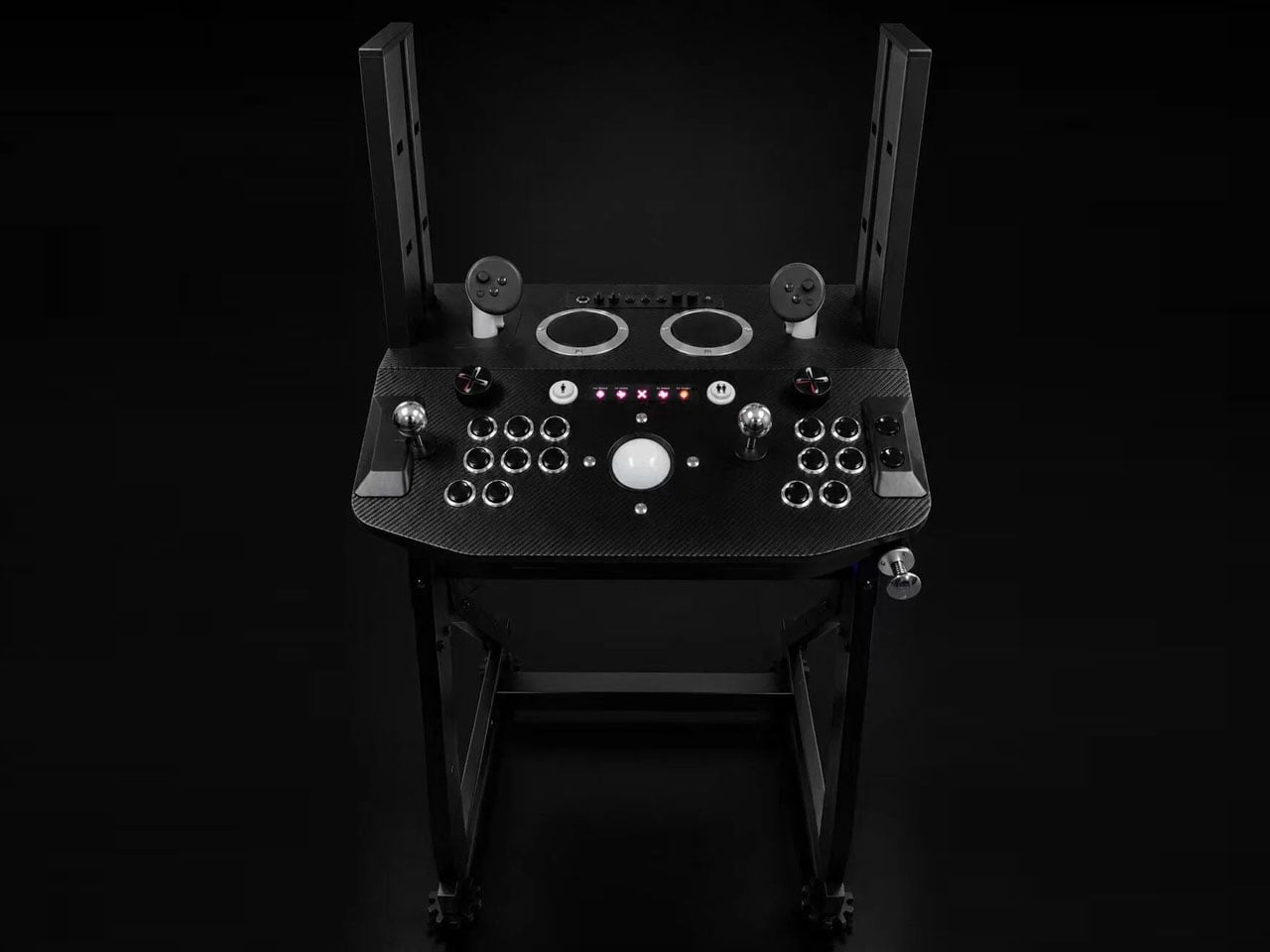
Echo Aviation Controller mimics realism of flying planes with a full set of flight controls

Gaming has come a long way from the nostalgic gamepads to the current wireless controllers with haptic feedback that mimic the vibration of game input elements. Right from the texture of the road in racing games, to the recoil of weapons in FPS titles, the idea is to bring that extra element of realism to the whole experience. Wearable headsets have taken the quotient of realism to the next level, but they are bulky, can cause eye strain, and are currently not very practical for everyday gaming. Therefore, the buck stops at buying a pricey racing sim, or dedicated hardware that caters to a niche set of gaming titles.

Microsoft Flight Simulator has a cult following, and I wish there were a simpler gaming controller to enjoy the game without any strings attached. That wish has come true with this unique gaming controller dubbed the Echo Aviation Controller, which is tailored for precision flight control input. Best of all, it has a small form factor and is portable enough to carry in your backpack. Slated for mid-December release for a price of $150, the gamepad guarantees hours of immersive gameplay during the holiday season.

Designer: Honeycomb Aeronautical

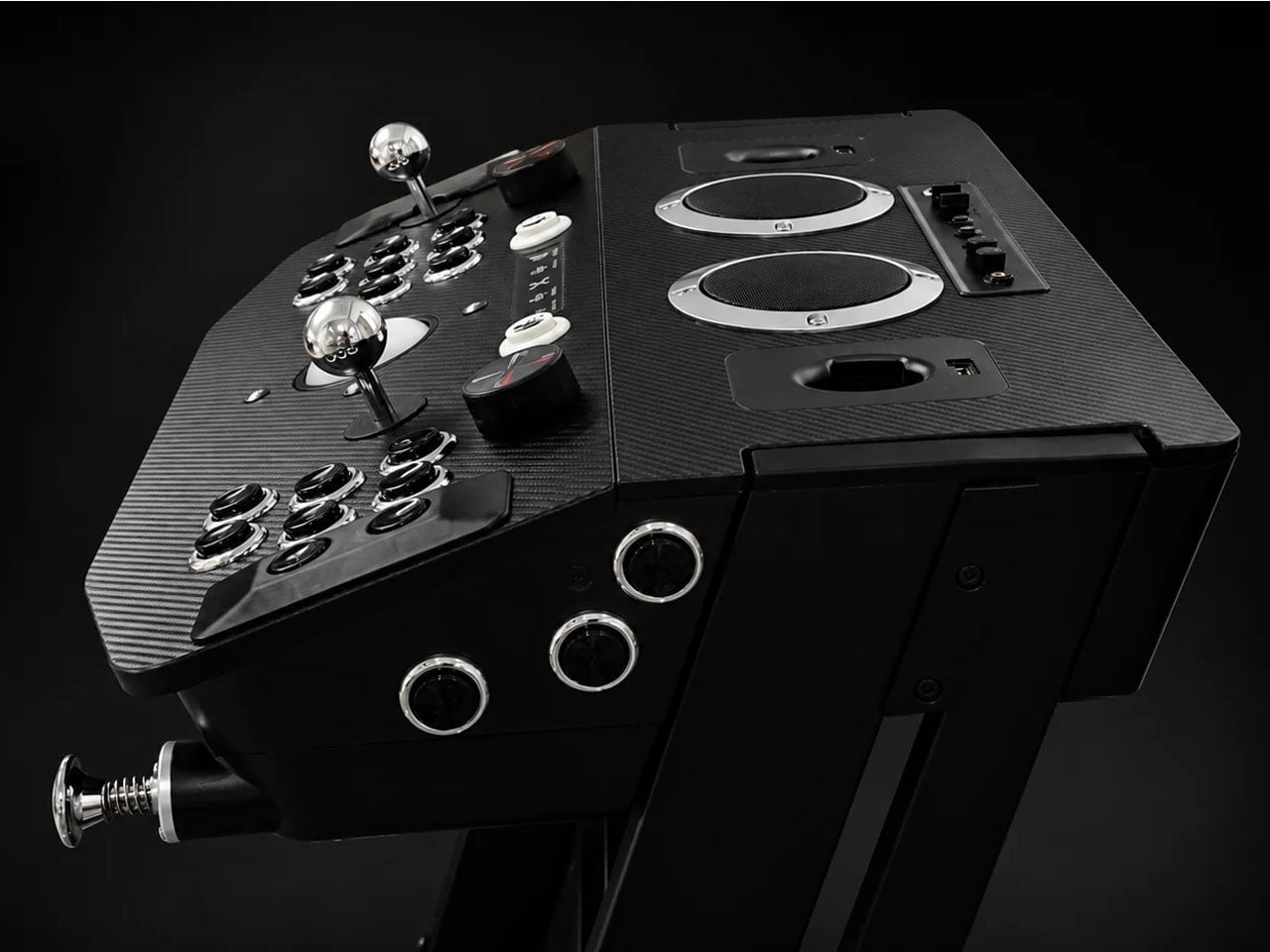
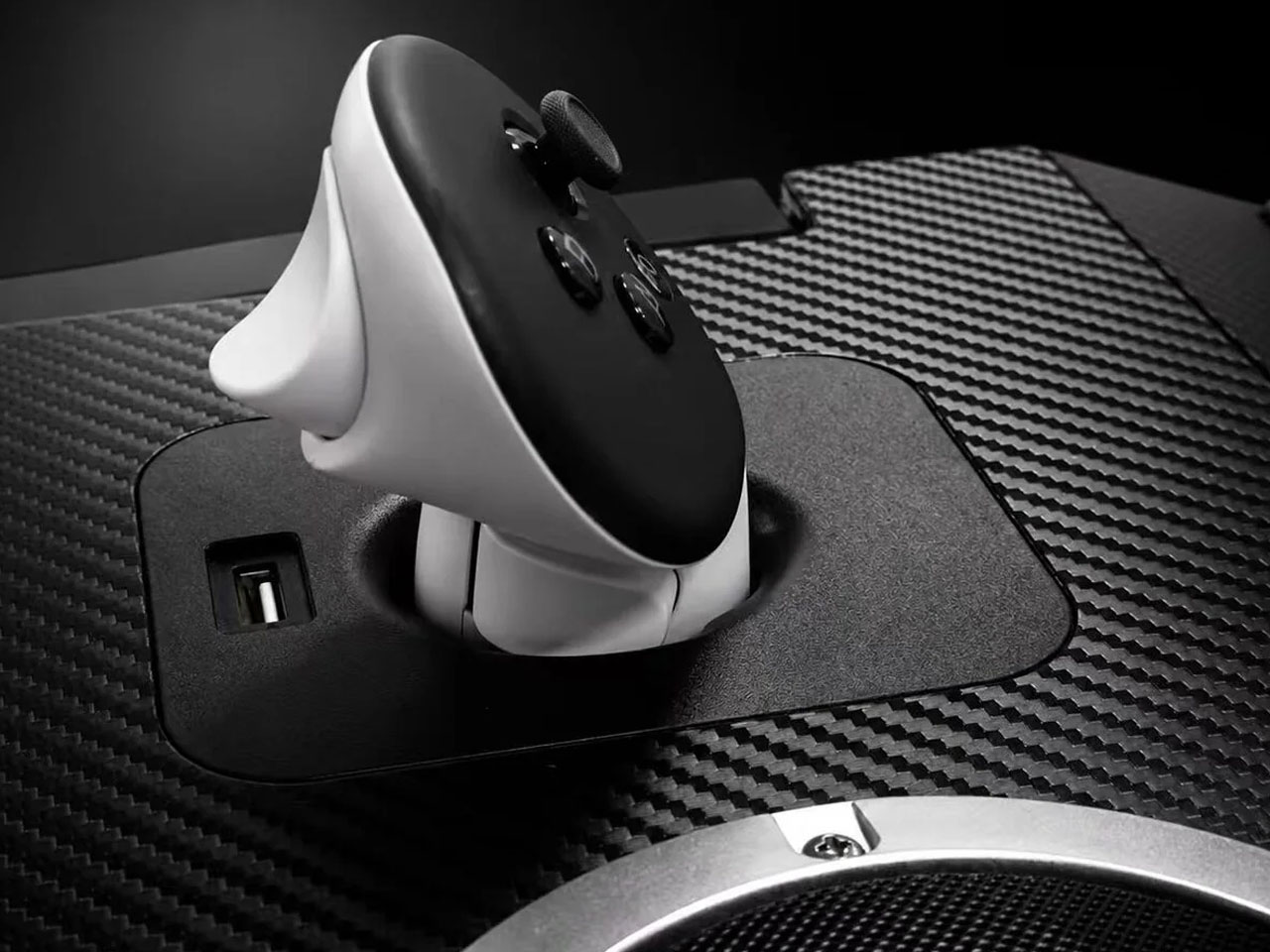
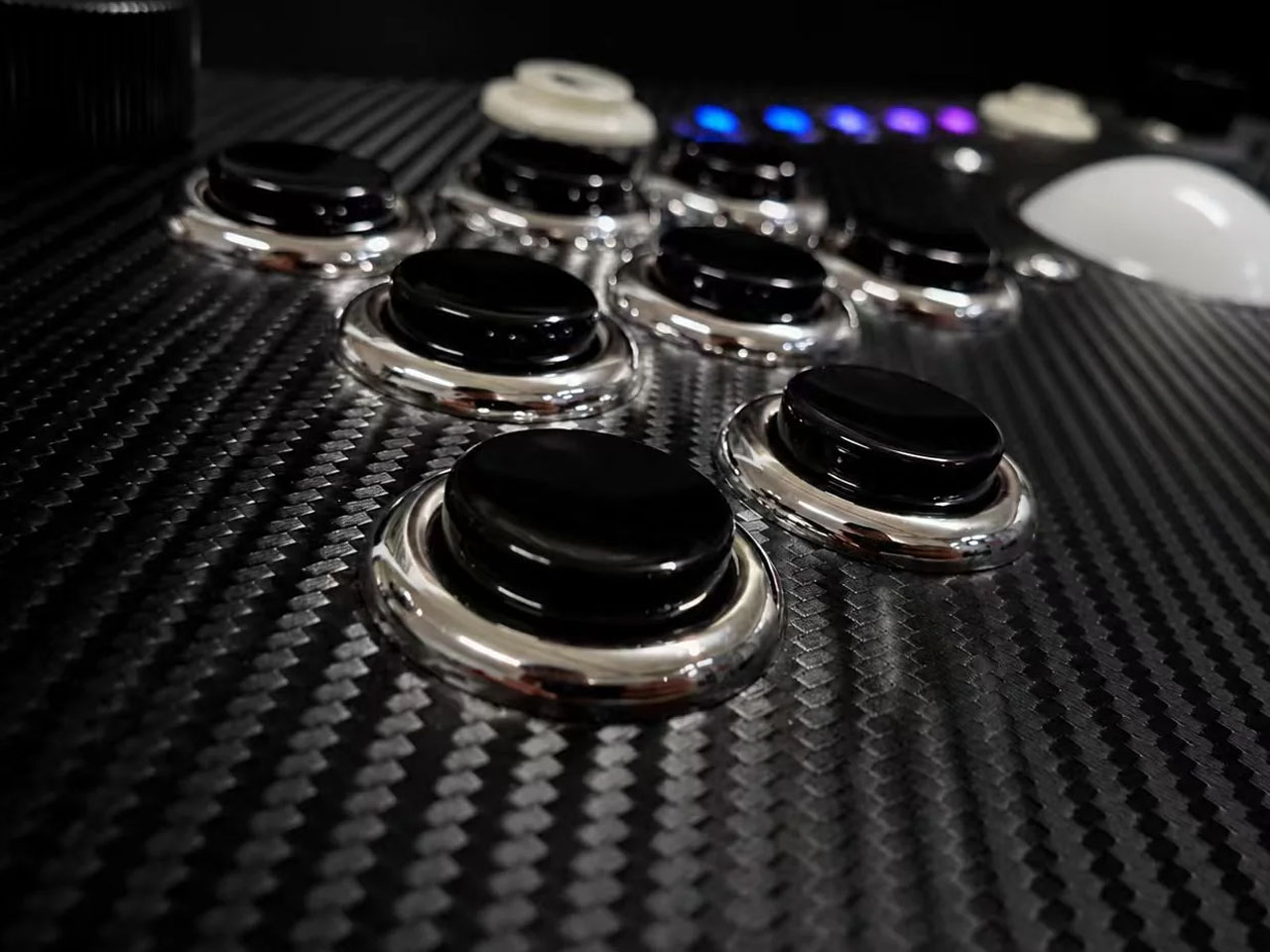
The gamepad-shaped flight controller is an accessory that’ll let you game from the comfort of your couch without losing out on the precision control method that isn’t possible with a conventional controller. Coming from a company that crafts flight simulator accessories, this controller is ideal for sim fanatics who like a compact gaming setup, especially for titles like Microsoft Flight Simulator. It comes with small joysticks, a dedicated trim wheel to actuate the plane’s altitude, and buttons on one side for flight-specific controls to actuate the in-game throttle levers. On the other side is positioned a thumbstick, four action buttons, and a conical joystick for panning the sim’s camera control.

Bottom of the Echo Aviation Controller has flap adjustment controls, landing gear control, and the parking brake activation controls. This gives the player an array of inputs that were earlier only possible with keyboard buttons. That method of input, however, couldn’t reach the level of professionalism you would expect from advanced sims. The shoulder section of the gamepad has sliding paddles to control the rudder function for directional movement of the plane. This controller is a middle ground of gaming aspirations without spending a ton of money or requiring ample space to set up the gaming accessory rigs.

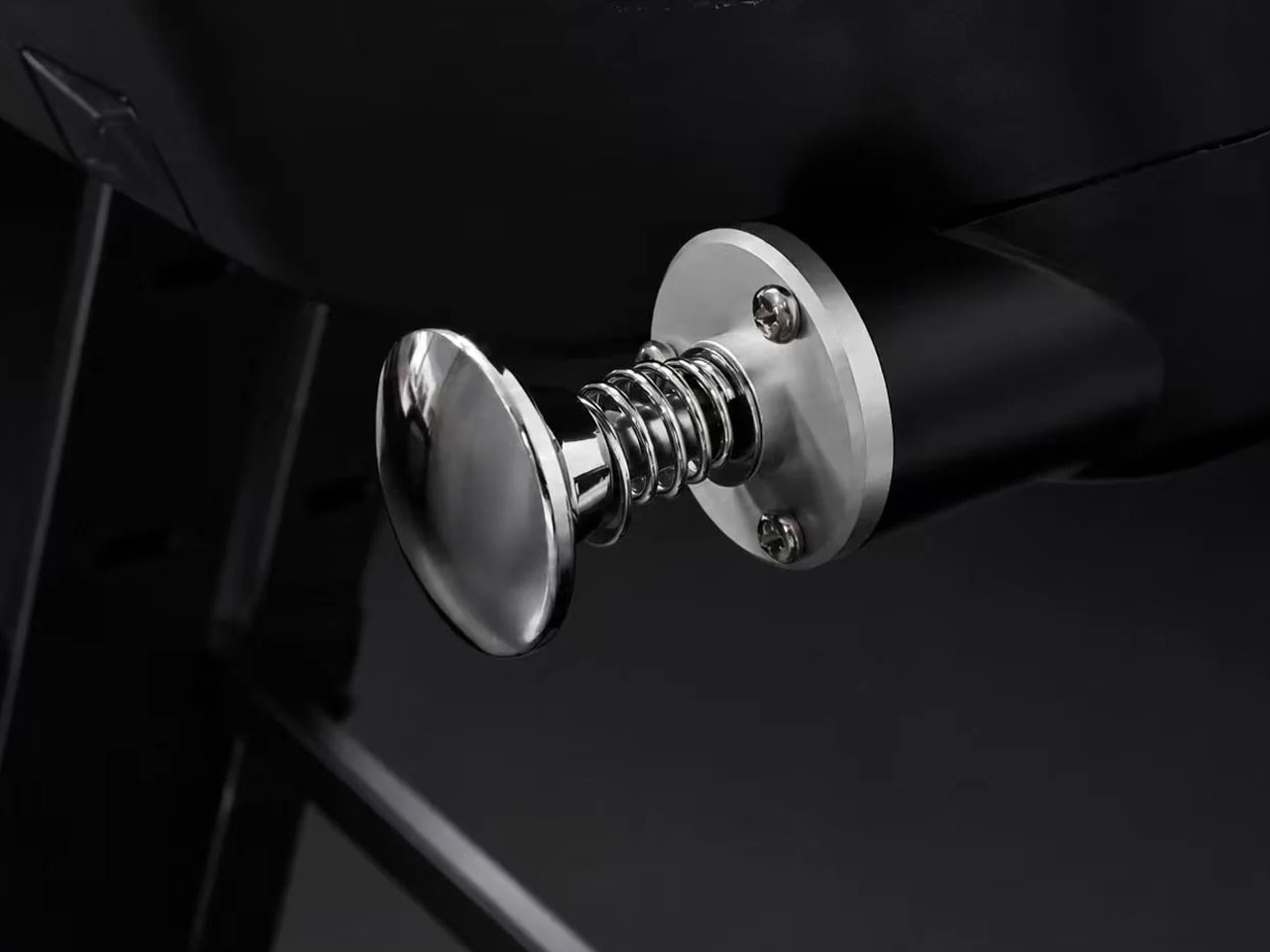
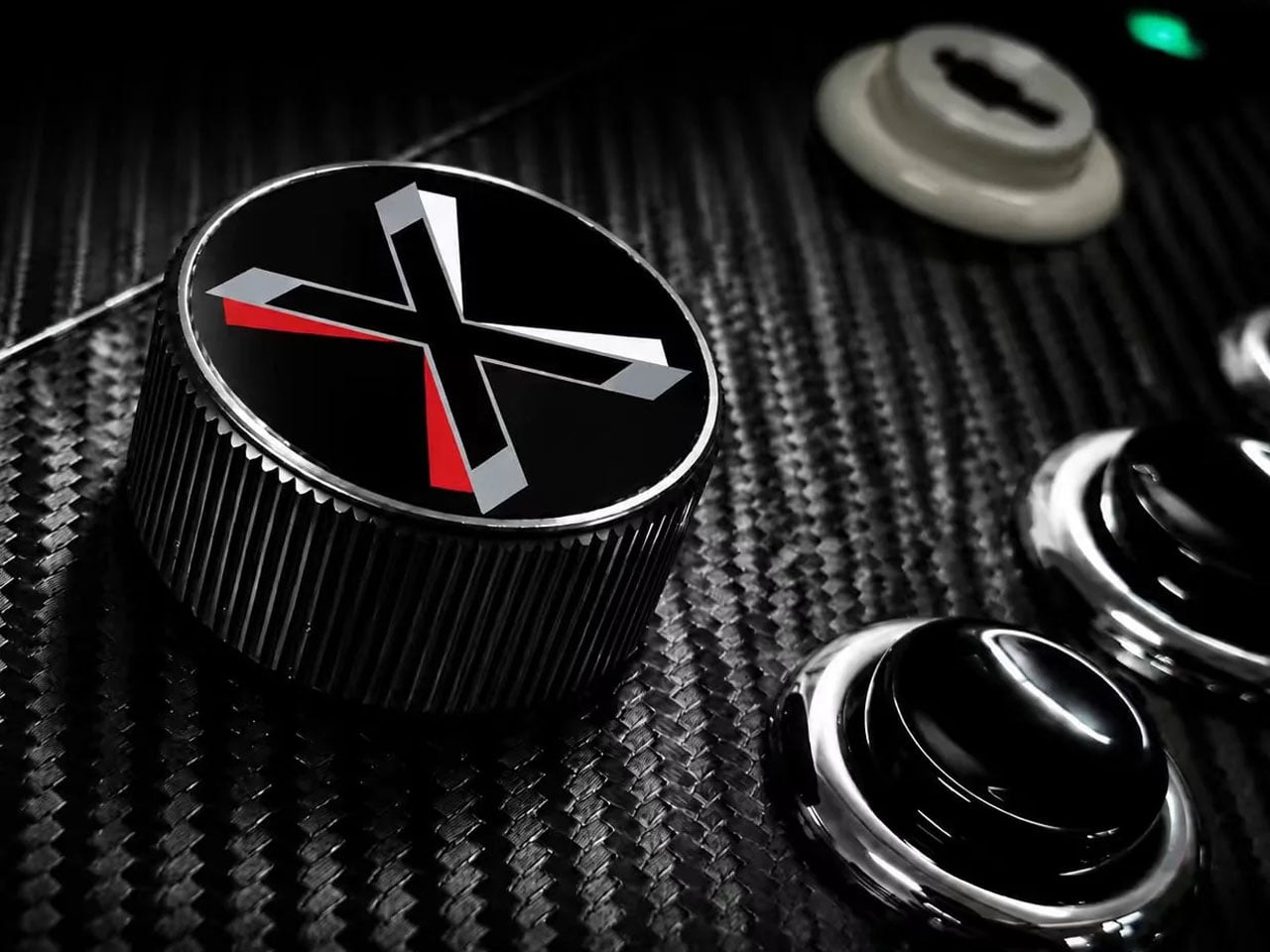
The gaming accessory will be accompanied by a set of interchangeable caps that can be swapped with the default throttle levels and other controls. There are four assignable thrust levers with swappable caps for “GA or commercial aircraft.” The idea is to have the visual differentiation in the form of color and shapes of the remapped buttons. This controller is a plug-and-play experience that requires no advanced setup, perfect for casual gamers who desire to experience advanced simulation games. The gamepad has a 15-hour battery in wireless mode and can also be used in wired mode via USB-C charging port.


The post Echo Aviation Controller mimics realism of flying planes with a full set of flight controls first appeared on Yanko Design.
Ayaneo Pocket VERT reimagines Game Boy form factor with a touchpad and long-lasting 6,000mAh battery

In the rapidly evolving landscape of handheld gaming, Ayaneo continues to stand apart by treating portability as an experience rather than a specification. Its newest handheld embodies that philosophy with quiet confidence, merging high-end performance with a level of craftsmanship and material intention that feels decidedly premium. Every curve, texture, and component has been considered not just for function, but for how the device lives in the hand, resulting in a compact form factor that feels effortlessly capable and thoughtfully designed.

Meet the upmarket Pocket Vert, which has an Android-powered handheld that’s crafted out of a full CNC-milled unibody construction. The handheld has a full glass front panel fitted with a 3.5-inch high-resolution LTPS display having 1600×1440 resolution (at 615 ppi), 60Hz refresh rate, and 450 nits peak brightness level. In their latest teaser video, Ayaneo has revealed that the device will be positioned flush in between the flagship Pocket DMG and budget gaming controllers like Anbernic RG40XX V. This certainly will fill the gap, and the sweet spot mobile gamers were craving.

Designer: Ayaneo

The company teased the handheld earlier this month on November 5, revealing the design and some specifications. Now, in a fresh Product Sharing Session, they’ve revealed multiple prototypes that’ll ultimately morph into the compact handheld. Touted as a premium Game Boy clone, it’ll come in three color options: Black, White, and Red, with matching buttons. Measuring 86x143x20mm, the classy little gadget is smaller than the Pocket DMG. Despite the petite form factor, it has a 3.5mm jack and a USB-C port at the bottom. The Pocket Vert should have enough power under the hood as it is seen running the God of War title, which requires a good amount of processing fuel.

Section below the D-Pad and buttons is a touchpad, which the player can map to various button configurations or sticks. The touchpad is completely invisible and beyond the physical buttons for a less intrusive functionality. Just like the DMG, this one has a wheel called the MagicSwitch key for added functionality. It is used to toggle the volume control levels, short-pressed to mute, and long-pressed to trigger the function menu. As is clear from the naming convention, the handheld is targeted towards vertical retro handheld enthusiasts.

Ayaneo has confirmed the device packs a 6,000mAh battery and bottom-firing speakers for a satisfying playing experience. Depending on the processor fitted inside, the battery life could be excellent for such a small gadget. That said, there is no detail about the release date and other vital hardware information. We can expect the remaining fog to clear with another official sharing session in the coming days.

The post Ayaneo Pocket VERT reimagines Game Boy form factor with a touchpad and long-lasting 6,000mAh battery first appeared on Yanko Design.
YouTuber custom-builds coffee table with functional star system around an exploding sun

Have you ever dreamed of sitting around the solar system? Modder at The 5439 Workshop on YouTube may have just made it possible with this new kind of solar system inside a coffee table. This is a cherry wood and aluminum coffee table with a precision cutout in the middle where a “mechanical orrery with both tilting orbits and an exploding star” finds refuge under a glass cover.

The modder refrains from calling this contraption a “particularly practical one,” but I stand to disagree. At the first given chance, I would put this guy in my living room without a thought and flaunt the celestial magnificence it beholds to just about anyone walking inside the main entrance.

Designer: The 5439 Workshop

If you don’t know much about 5439, the Swedish modder doesn’t have a massive following, that’s why. With only three published videos and a modest 5.6K followers, he is just starting out with robotics, and this coffee table is perhaps the “most mechanically complicated” – in his own words – thing he has designed and built. Before we get to the details of the star system, let’s get the other details of the table out of the way.

The table, as mentioned, is meticulously crafted from cherry wood. The wood is essentially chosen for its warm texture and its ability to reflect light at the right place. The two-layered table is nicely engineered by squaring the cherry wood planks – two of them, which are combined with three white boards to make up the tabletop. Once the top is created, a giant cutout is made in the middle, which, along with the glass top, creates a viewing window to the mechanical star system hidden below. The table sits on four robust pillars (legs) attached to a base frame.

After sanding and smoothing all the blemishes (after the glueing) in the top and the rough parts of the center cutout, the modder gets to creating the covering of the center hole with the sheet of glass and then gets to the bottom of the t where the celestial goodness is built. Visible through the glass viewport, this mechanical model of the planets dancing around the sun is not short of a feat.

The entire contraption of gears, bearings and motors finds an exploding sun at its center with the planets (in their usual) revolving around, happily on their own axis that of course, are elliptical and tilting to mimic the universe. The sun is notably a fist-sized sphere, built layer-by-layer using a selective laser sintering (SLS) printer with nylon powder, which splits open like the flower petals when it explodes.

Made of anodized aluminum parts, the star system features rings tilting at unexpected angles, making the planets move up and down on a single plane with the power of a nearly silent motor tucked into the table frame. The YouTube community seems to like what they see in the video demonstration (embedded above). The comment section is filled with positive feedback, including ideas where one commenter “suggests walling off the sides,” while the other recommends adding a “black run” underneath “to really make the mechanism pop.” What do you think?


The post YouTuber custom-builds coffee table with functional star system around an exploding sun first appeared on Yanko Design.

This solar powered motorcycle never needs charging for true energy independence

For years, electric mobility has been shaped by predictable patterns: bigger batteries, denser charging networks, and efficiency improvements that feel more evolutionary than revolutionary. Yet the dependency remains the same: riders still need plugs, stations, and the infrastructure that powers their daily movement. In the middle of this familiar landscape arrives a concept that doesn’t try to optimize the system but instead questions why the system needs to exist at all. The SOLARIS Self-Charging Solar Motorcycle by MASK Architects challenges the core assumptions of electric mobility with a vehicle that produces its own energy and redefines the relationship between rider, machine, and environment.

Developed by Öznur Pınar Cer and Danilo Petta, the SOLARIS approaches mobility as something closer to a self-sustaining organism than a machine waiting to be recharged. It operates entirely on power it generates itself, eliminating reliance on fuel stations, external charging points, or electrical grids. This shift reframes freedom for riders, offering movement that isn’t conditioned by access to infrastructure or energy markets. It introduces a future where independence is built into the vehicle, pushing the concept of autonomy far beyond driving modes or connected features.

Designer: MASK Architects

The technology that enables this transformation begins with next-generation photovoltaic cells integrated into the motorcycle’s structure. These high-efficiency solar elements convert light into energy throughout the day, ensuring the system remains active under varying conditions. A defining feature of the SOLARIS is its deployable charging mechanism, which expands into a protective wing when the motorcycle is parked. This design increases the solar capture area by up to 150 percent, allowing the battery to be replenished whether the vehicle is in motion or stationary. The result is a power source that continuously supports itself, removing the downtime associated with conventional charging and allowing the vehicle to remain ready for use without external input.

Visual identity plays an equally important role in its appeal. The deployable wing draws inspiration from the structure of a dragonfly’s wing, merging natural efficiency with a mechanical aesthetic. This biomimetic approach gives the motorcycle a distinctive presence while reinforcing its connection to the environment it relies on for power. The blend of organic influence and engineered precision creates a form that communicates both purpose and innovation, capturing the attention of users who value sustainability and future-focused design.

The potential impact of a self-charging motorcycle extends beyond individual riders. Without dependence on fuel or electricity networks, the concept becomes a practical solution for remote regions, developing communities, and delicate natural environments where infrastructure is limited or intentionally preserved. For logistics operators, tour providers, and municipal programs, the removal of energy costs and reduced mechanical complexity offers clear economic advantages and faster returns compared to traditional electric models.

The post This solar powered motorcycle never needs charging for true energy independence first appeared on Yanko Design.
The Beast is John Dodd’s 27-Liter V12 creation that turned aviation power into road-going legend

When I first came across the story of the car known simply as The Beast, crafted by British engineer John Dodd, I was reminded of those wild, boundary-pushing machines you’d expect in vintage concept renderings. Except this one was real. Dodd, a gearbox specialist, wasn’t dreaming of design for design’s sake; he was building a functioning road-legal car that defied logic and convention. Built in 1972, The Beast is a one-off shooting-brake style creation, nearly 19 feet long (about 5.8 m), powered by a 27-liter (1,650 cu-in) Rolls‑Royce Merlin V12 aero engine, the same type that powered the Supermarine Spitfire and Lancaster bomber in WWII.

Dodd’s journey began when engineer Paul Jameson created a chassis to house a Rolls-Royce Meteor tank engine in the late 1960s. When that project stalled, Dodd took over, rebuilt it after a fire destroyed the first version, and stepped up the ante by installing the Merlin V12. To handle the immense torque from the engine, Dodd engineered a bespoke transmission, adapting a heavy-duty automatic gearbox. The bodywork, by Fiber Glass Repairs of Bromley, blends the length of a dragster nose with the profile of a grand touring estate. Inside, Dodd did not neglect refinement: leather upholstery, walnut veneer, and an interior that belies the car’s wild intent.

Designer: John Dodd

Performance figures are largely anecdotal (since formal dyno tests are lacking), but contemporaneous reports estimate output between 750-850 horsepower, with claims of over 183 mph achieved on the German Autobahn. What truly matters is the ambition: a road-going car using an aeroplane engine, built by a private engineer in Britain. Although it may not meet modern supercar standards, for its era, it smashed boundaries. The car incorporated independent suspension and disc brakes all around, making it more usable than you’d expect for such a dramatic build.

Legal drama is part of the story too. The original Beast carried a Rolls-Royce grille and the Spirit of Ecstasy mascot. The marque sued Dodd in the 1980s for trademark infringement and won, forcing him to replace the grille with one bearing his initials. Later, the car accompanied Dodd to Spain, where locals became accustomed to the thunderous note of the engine echoing around Malaga.

In recent times, the car has been refreshed. The original bright yellow paint is now hidden under a reversible two-tone metallic grey wrap (so the yellow could be restored in the future) and the interior retrimmed to a high standard. The Beast was consigned to auction by Historics Auctioneers with an estimate of £75,000–£100,000 (roughly USD $98,000–$131,000) in late 2025.

What stands out most is how The Beast blends ludicrous scale and genuine engineering into a drivable road car. It’s not just a showpiece; it was built to move, to roar, to defy expectation. For someone fascinated by the intersection of bespoke craftsmanship and automotive maverick thinking, this car is a landmark. If you’re someone considering bidding or simply telling the story, here is a piece of motoring folklore that truly warrants attention.

The post The Beast is John Dodd’s 27-Liter V12 creation that turned aviation power into road-going legend first appeared on Yanko Design.

OnePlus 15 with 7300 mAh battery and triple-chip architecture crushes other Android Devices

Oftentimes, the thought that smartphone technology is plateauing comes to mind. All that you can see companies concentrating on, of late, is artificial intelligence, and it seems nothing much is happening on other fronts. But that’s not the case with OnePlus, which has taken on the smartphone world with a different approach. The OnePlus 15, launched recently, touts a mammoth 7300 mAh battery, which early reviews suggest can go up to two days on normal usage.


The latest flagship-level phone from OnePlus is not only dependent on its battery life, in fact, it is escalating things on many other fronts. The major transition is in favour of performance, and the OEM is substantiating that with its AI capabilities, durability, and optical prowess. So, what are we getting with the new and technically most advanced smartphone on the market? Let’s figure out in a little detail below.

Designer: OnePlus

Obviously, the battery is the biggest selling point. But the phone’s processing power is something to talk about. The new OnePlus 15 features a triple-chip architecture, which is spearheaded by the Qualcomm Snapdragon 8 Elite Gen 5 chipset that powers the functions on the phone. The architecture of the phone is targeted at speed, for which it is facilitated by a touch-response chip capable of 3200 Hz instant sampling, while the connectivity for the power and speed is handled by the phone’s independent Wi-Fi chip.

The octa-core processor of the OnePlus 15 is paired with an Adreno 840 GPU, while it comes in three storage variants: 256GB with 12 or 16GB RAM, 512 GB internal storage variant with 12 or 16GB RAM, and a solitary 1TB model with 16 GB RAM. The company says, a reworked 360 Cryo-Velocity system is designed to take care of the cooling on this high-performance phone. For this, it uses aerogel insulation and white graphite that help in stabilizing temperatures during excessive gaming or on a workday that refuses to come to an end.

On the construction front, the OnePlus 15 features a smooth 1.15mm bezel and comprises a flat frame, which is rounded on the edges. The phone comes in Sand Storm, Ultra Violet, and the more recognizable Infinite Black colorway. The phone’s durability, of course, is assured by up to an IP69K rating that safeguards the handset against temperature variations, dust, and water.

OnePlus 15 is billed as the first phone to feature a 1.5K 165Hz LTPO display with retina-level clarity. The panel boasts up to 1800 nits peak brightness. Designed to run OxygenOS 16 out of the box, the device’s 7300mAh Silicon NanoStack Battery is designed for longevity (it can hold over 80 percent health even after four years of continuous usage, the company claims). The battery is charged with the 120W SUPERVOOC charger that promises to provide a full charge in around 39 minutes.

This new phone from OnePlus is a trendsetter in the optics department as well. The phone features a DetailMax Engine combined with a triple 50MP camera setup. Claimed to be the first Android smartphone capable of 4K 120fps Dolby Vision recording, it’s triple array includes a 50MP OIS main sensor, a 50MP autofocus ultra-wide camera, and a third 50MP periscope telephoto shooter. If you are thinking of upgrading to a new Android phone, there shouldn’t be a reason the OnePlus 15 is not on your list. This flagship starts at $999 and is now available in most international markets.


The post OnePlus 15 with 7300 mAh battery and triple-chip architecture crushes other Android Devices first appeared on Yanko Design.