All-in-one camping trailer has everything you need, and can even charge your e-bikes

Compactness of a camper is defined by the multifunctionality it can stuff into a form factor that’s otherwise small to look at. Toy haulers and camping trailers – despite their size – have their own market, and are usually treated separately by the builders. There are only a few forward thinkers that have been fitting the two possibilities in the same unit, but again the distinction is pretty evident. Re: the gear storage is separate from the living area.

Now, with the interesting layout envisioned by Karoo for its new adventure camping trailer, we should be able to carry the gear in the space we live, without cramping it up for the children to tag along. That may sound an exaggeration; a statement for the heck of it! However, with the Karoo Adventure trailer this is what is apparent. It’s not only for the papers, the company has different variants in the contention that can make camping and toy hauling unified for families and obliviously the adventurer.

Designer: Karoo Camper

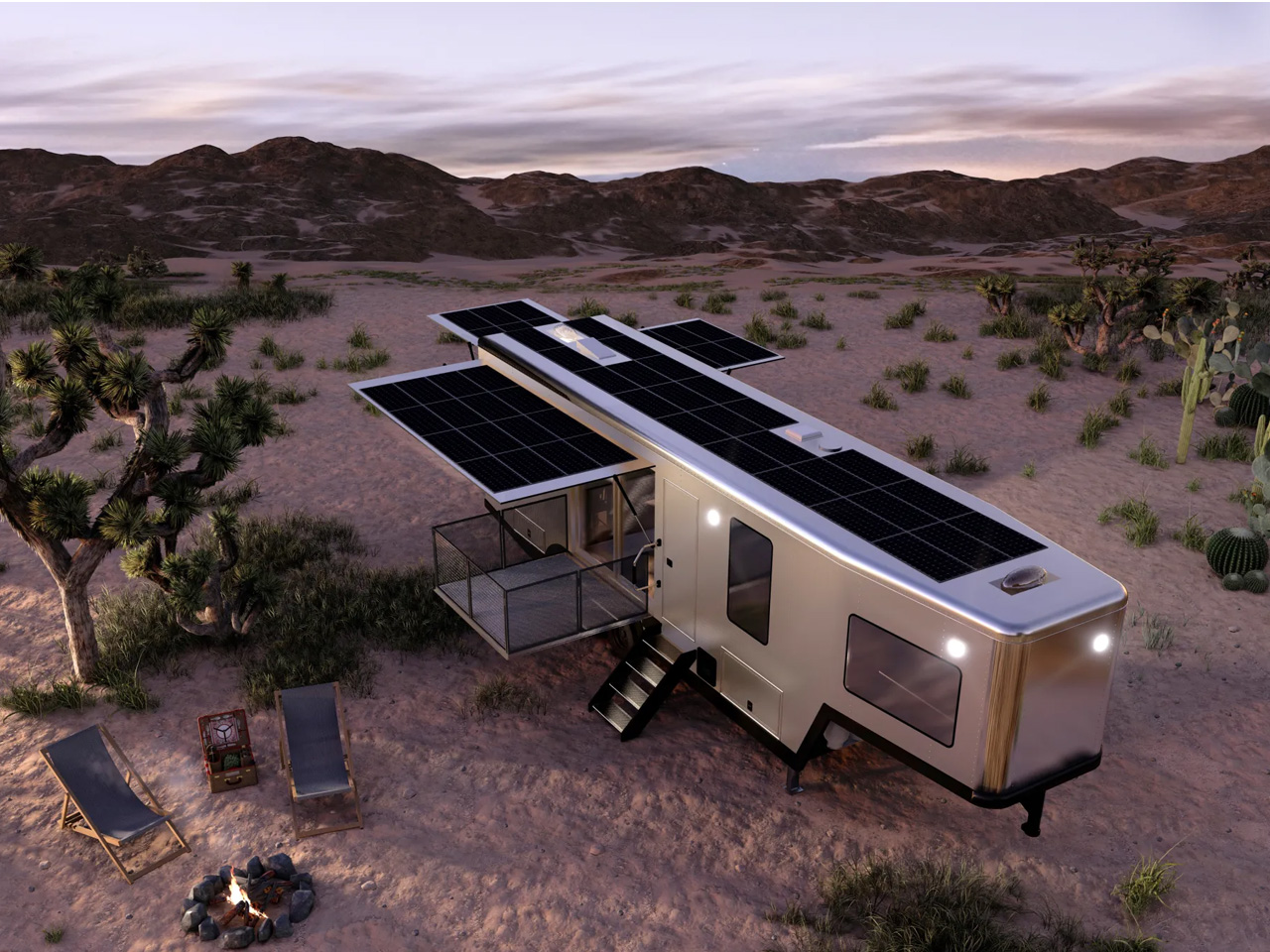
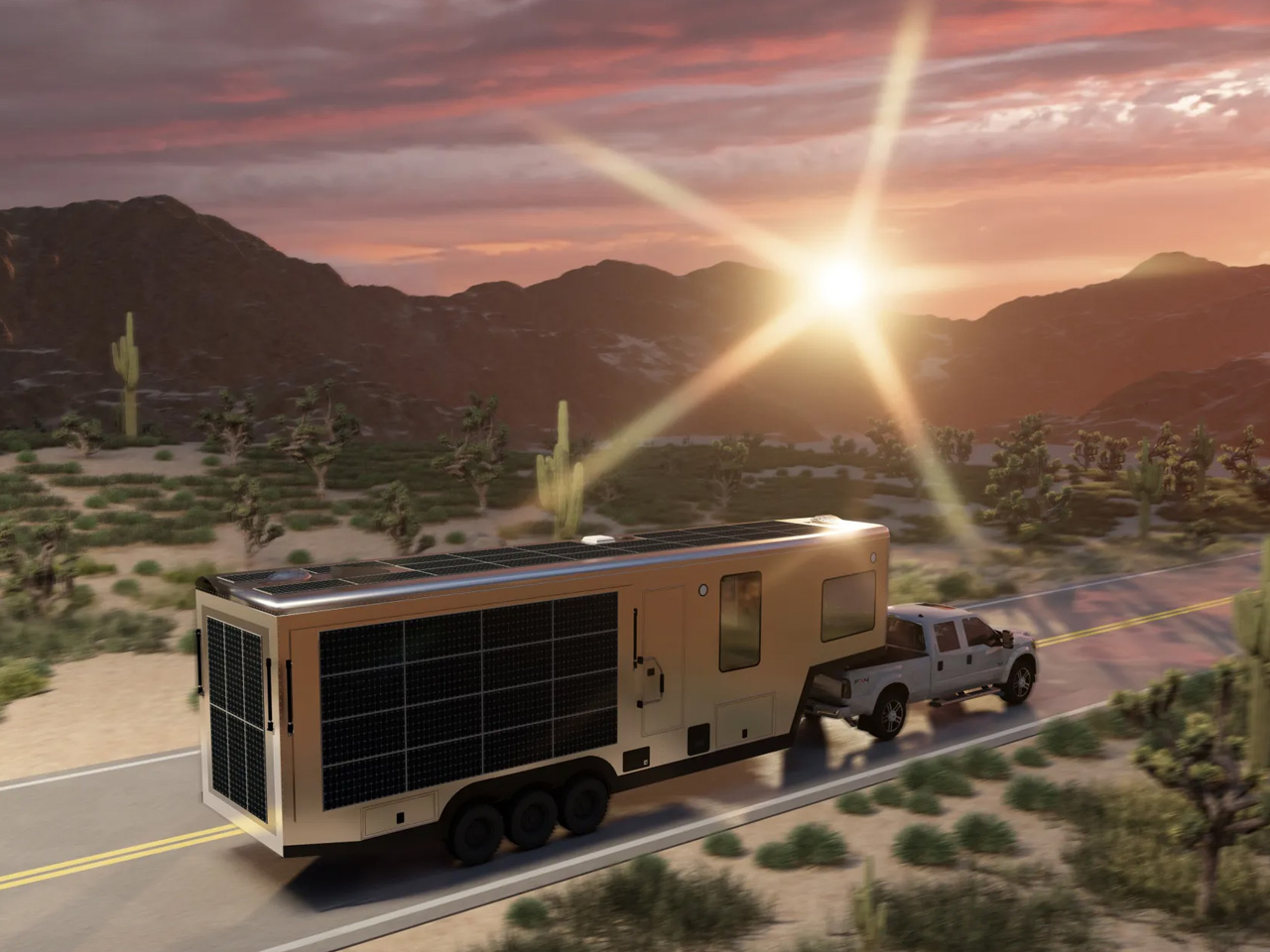
Overcoming the years of compromise campers have made by stuffing their bikes into little nooks, the electric-bike friendly Karoo Adventure camper is not only intriguing because of its space utilization but also because it is designed to take you on expeditions beyond the power grid courtesy its 6-kWh lithium-ion battery and rooftop solar panels.

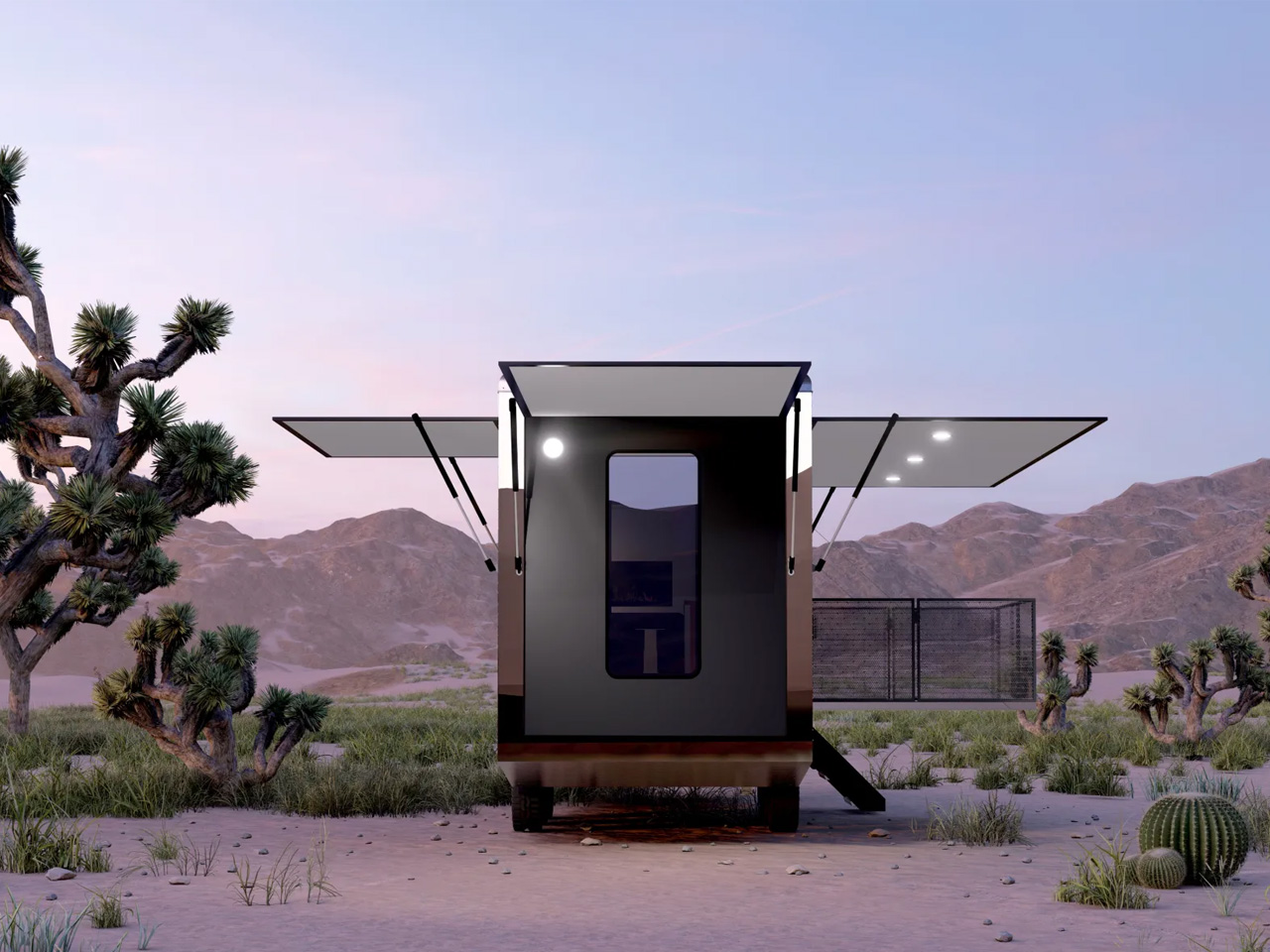
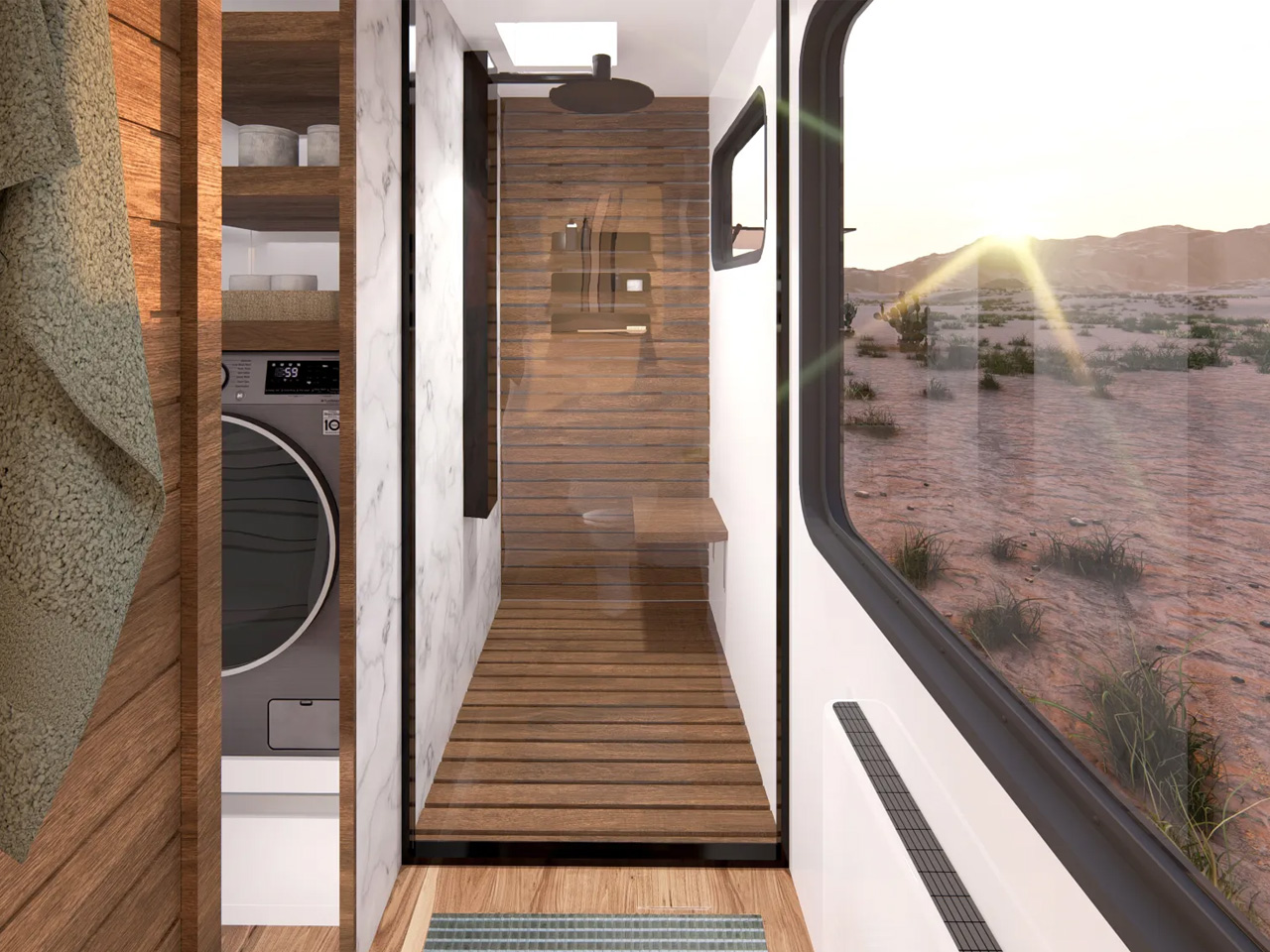
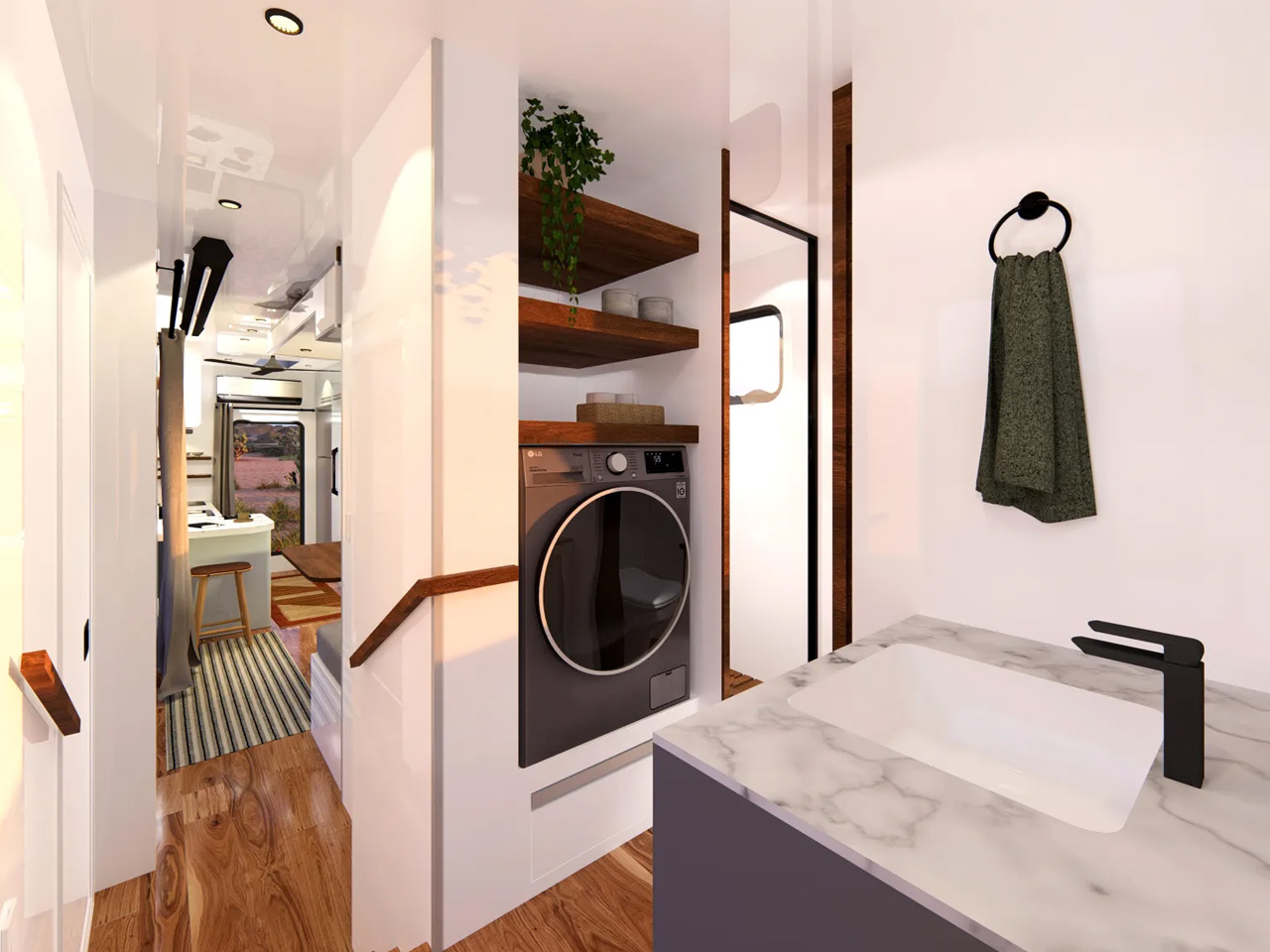
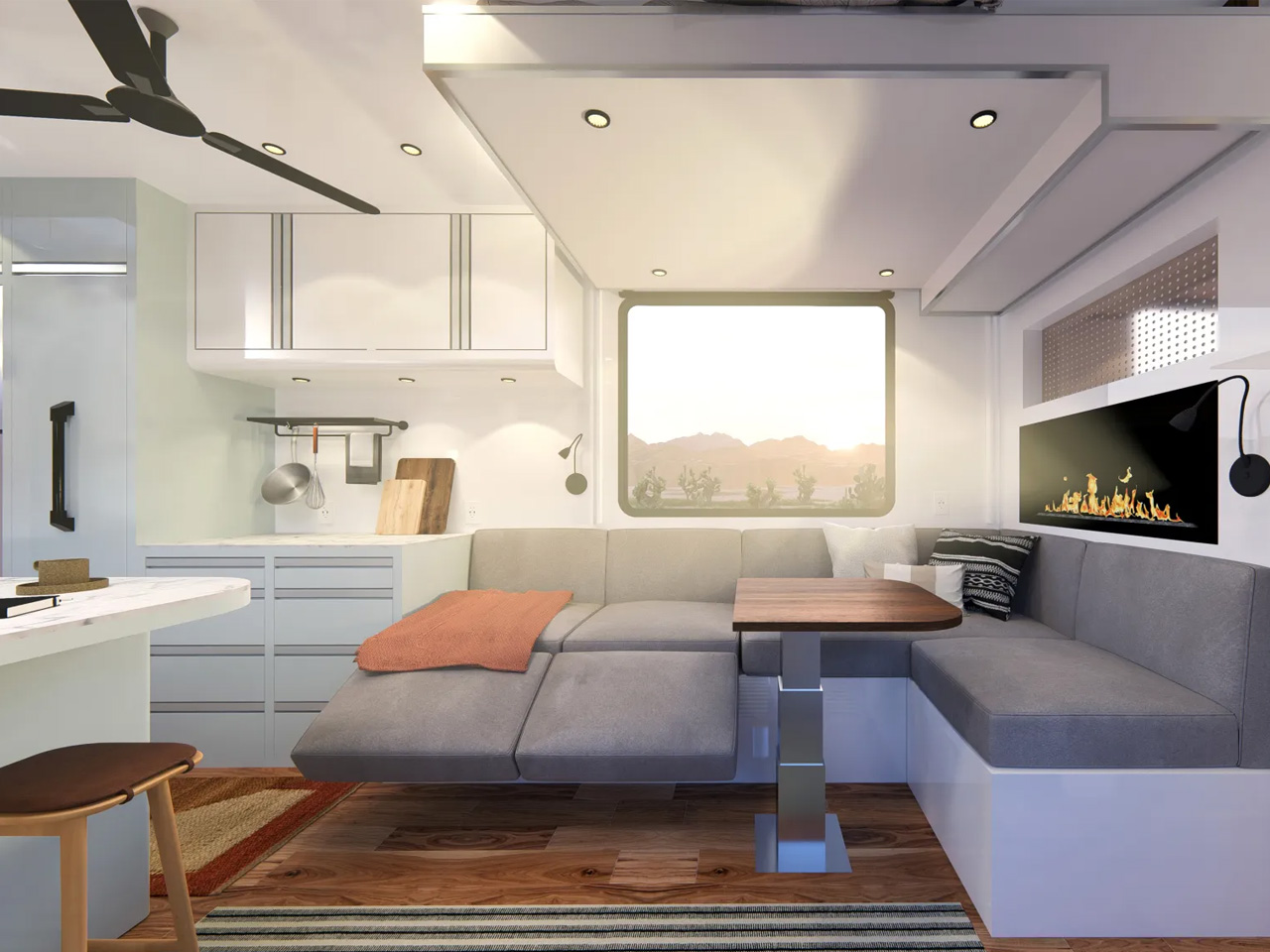
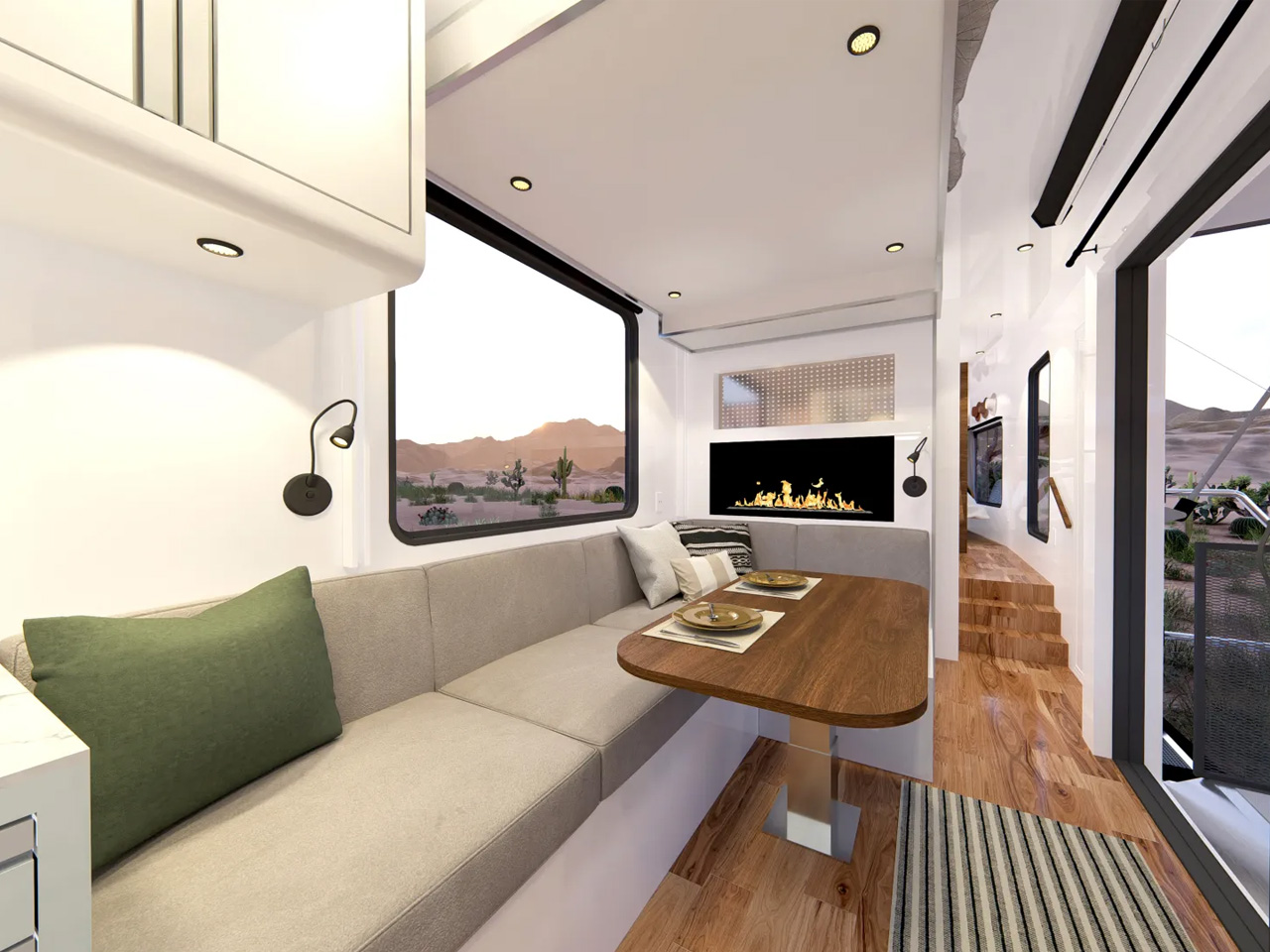
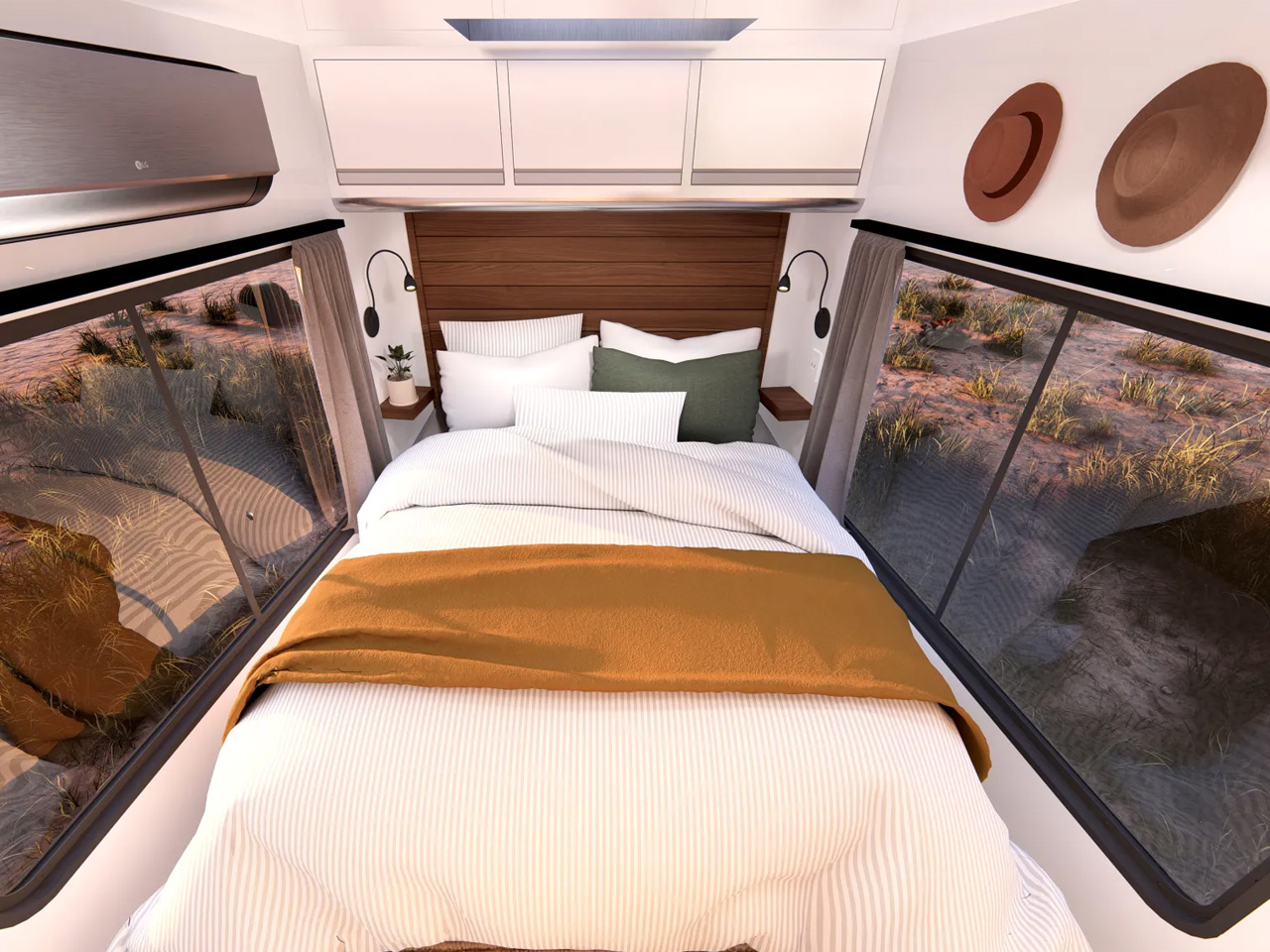
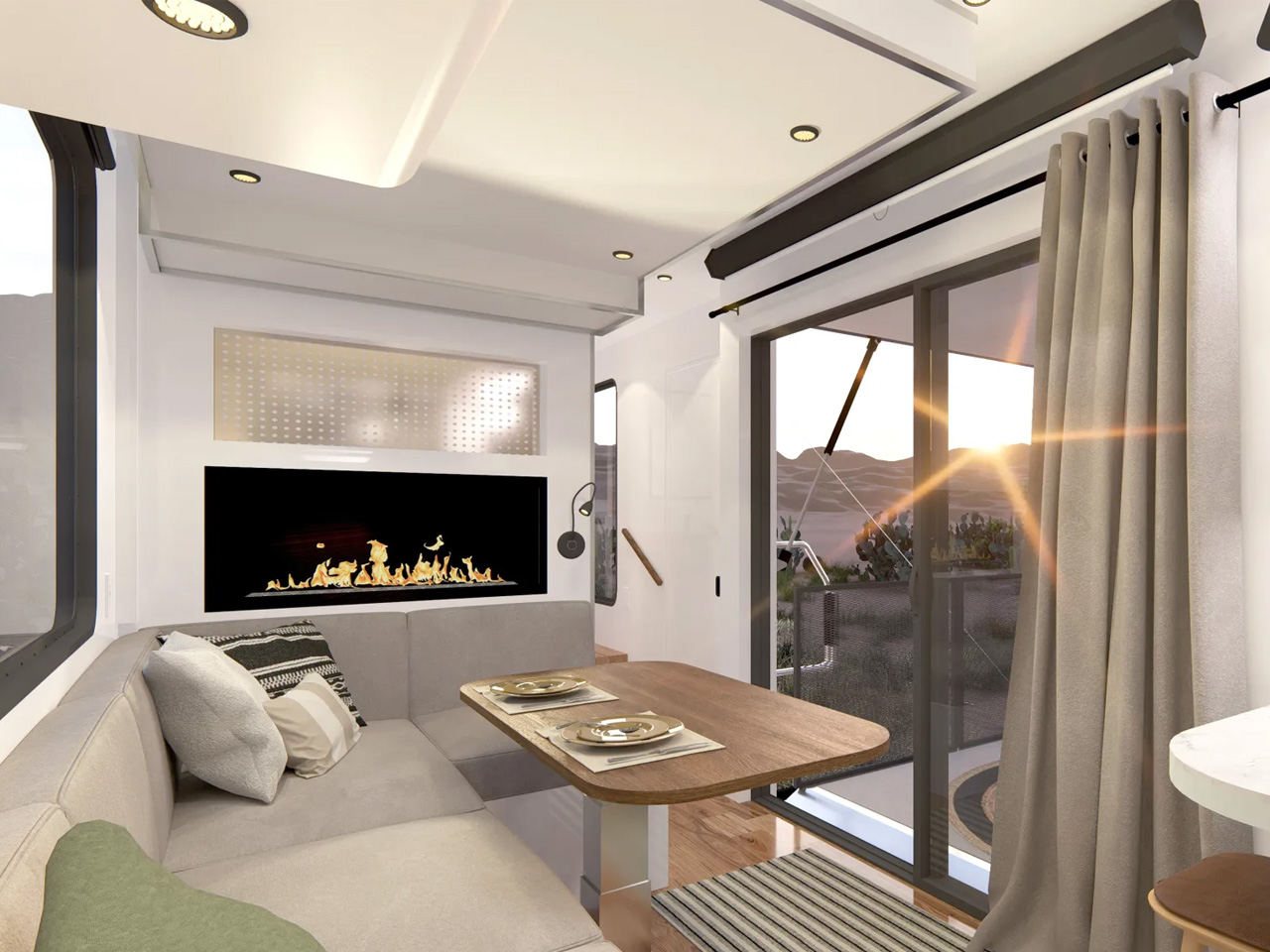
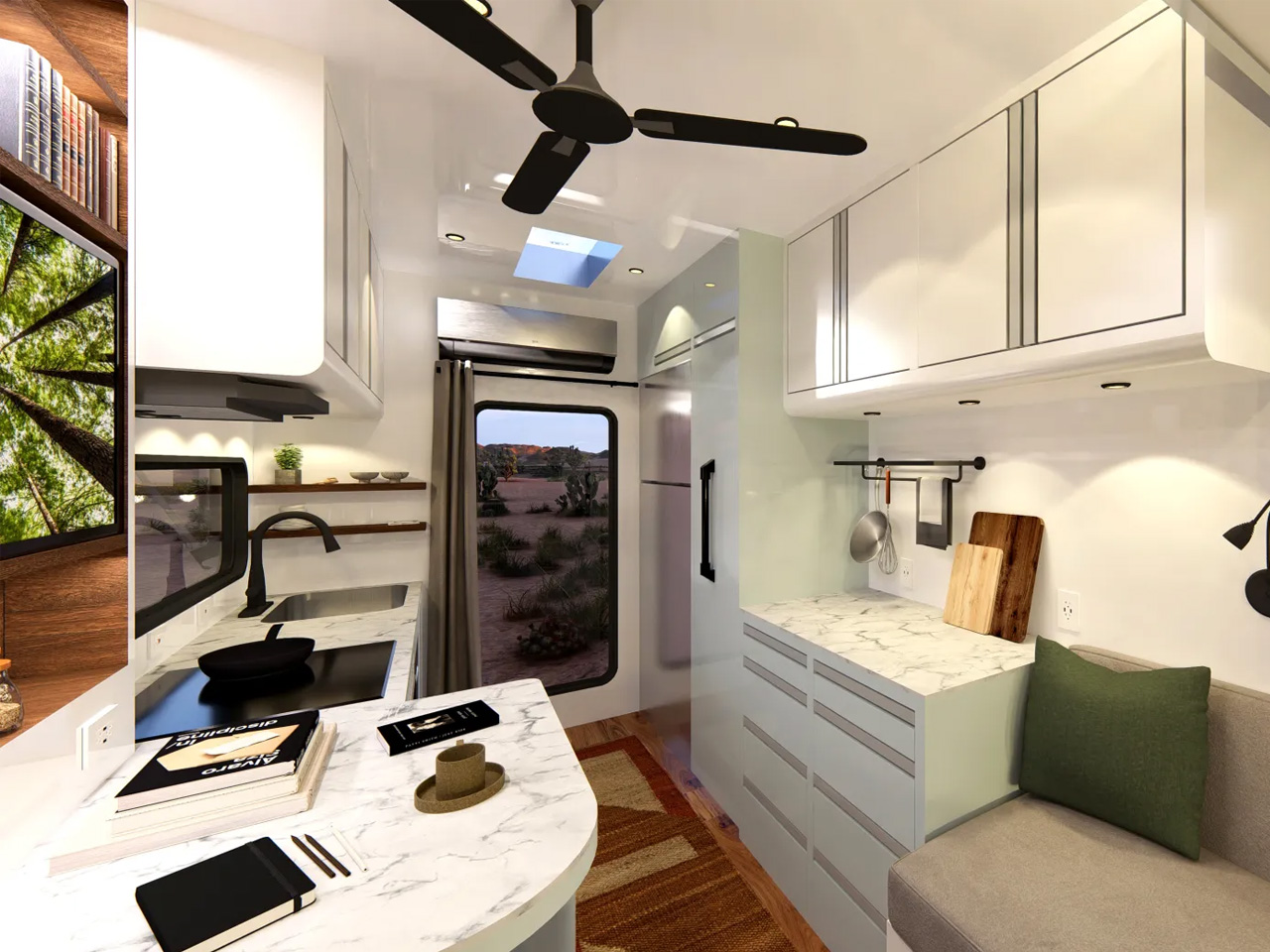
A solution conceived for the breed that enjoys exploring nature on their own terms, the Karoo camper can juice up your e-bikes on the go, so there’s no stopping you. And so that it’s towable easily, the trailer weighs 750kgs, while its entire structure measures 16.4 feet long and 7 feet high. Within this space is that interesting layout comprising a foldaway seating area – which converts into a bed for two – and permits your bicycle, fishing gear, or snowboard to fit alongside. Just over but under the gaping skylight is a lift-up ceiling bed for children to bunk on, while right in front is the wet bathroom that hides from sight until its door slides over the entertainment/storage section.

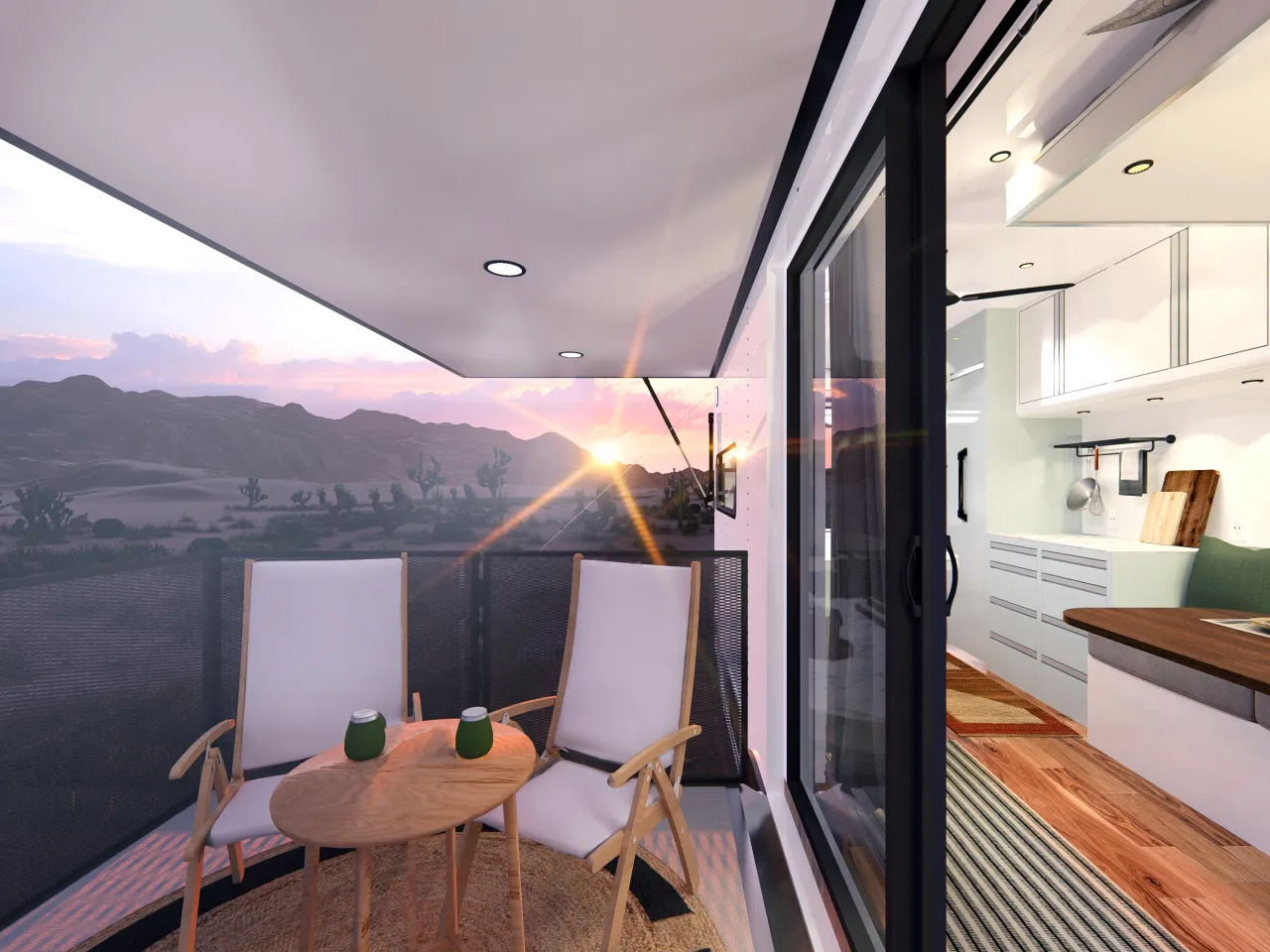
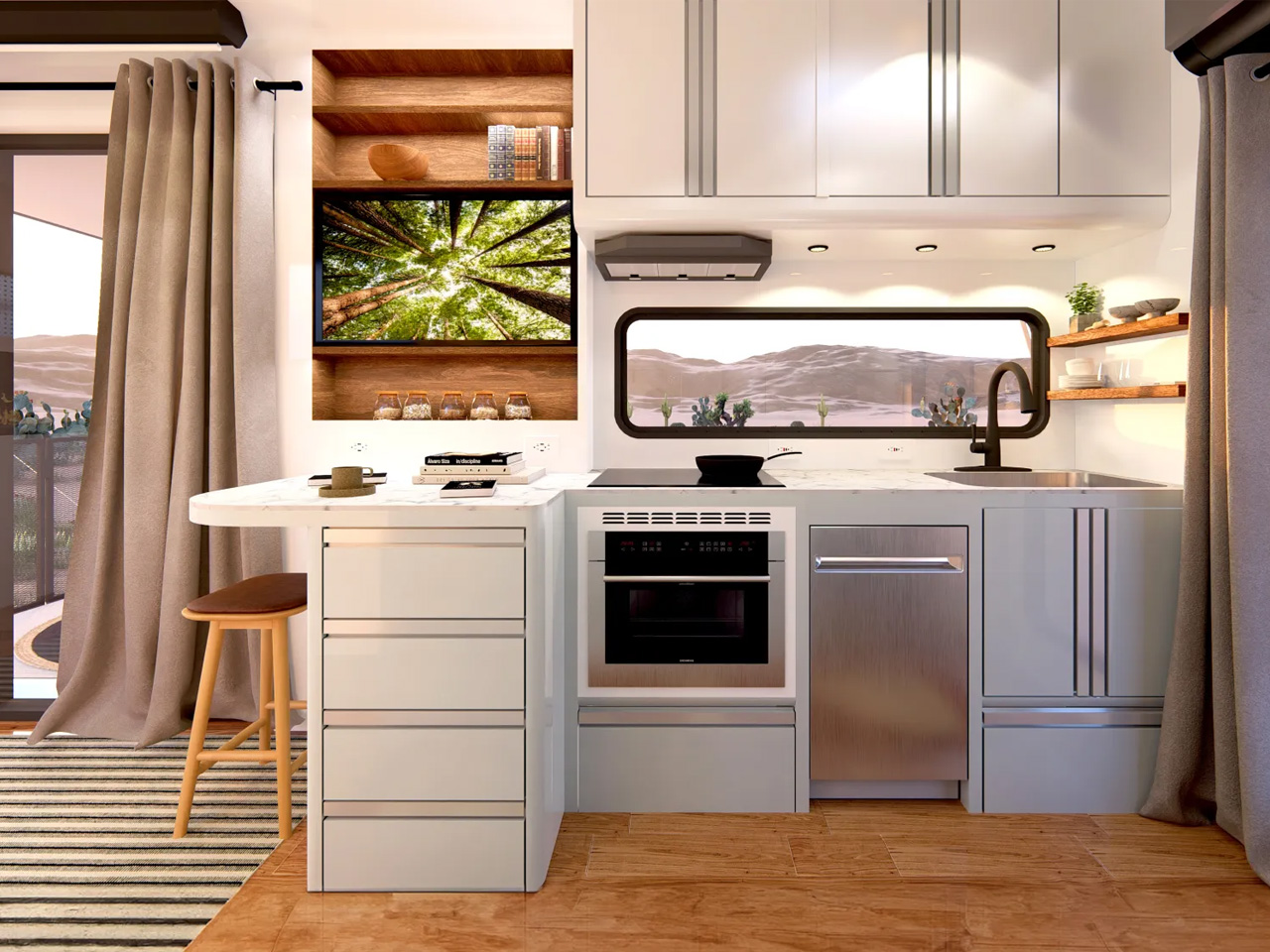
This living section of the Karoo Adventure trailer is breezy with well-positioned windows and two large hatch and side doors. Placed within is also a pull-out kitchen, equipped with a gas stove and a faucet, for you to enjoy outdoor cooking under the integrated awning module that extends the living space further out. If you’re convinced with what you’re getting with the Karoo, you can bet $100 to prebook this $30,000 Karoo Adventure trailer now.

The post All-in-one camping trailer has everything you need, and can even charge your e-bikes first appeared on Yanko Design.

Nothing Phone (2a) special edition in Super Nintendo-inspired colors is a conversation starter

Nothing is evolving in the right direction with its lineup of phones and audio accessories. The brand wants to a wider chunk of the consumer market who want a device that’s not flagship-grade but still has a design distinction without going too heavy on gimmicks. Yes, I’m talking about the Phone (2a) smartphone that has the right set of specifications for normal users.

Now, Nothing Phone (2a) is coming in a special edition version that looks absolutely stunning. Especially, gamers and nerds will trip over this for sure. On pure looks, it closely resembles the Super Nintendo controller with the red, yellow and blue hues in immaculate form. Make no mistake the smartphone market is saturated and being distinct has its brownie points. The colors come from the brand’s use of these colors on the first earbuds and the blue on the Phone (2a).

Designer: Nothing

On the inside, the Android 14 phone has the exact same hardware as the original version. There’s an 8-core chip Dimensity 7200 Pro chip, 20 GB RAM, and a 5000 mAh battery that’s bigger than the flagship Phone 2 device. The 6.7-inch AMOLED display having 1,300 nits peak brightness and 120 Hz refresh rate should suffice your multimedia needs without any regrets. On the rear, the phone has a 50MP camera with optical image stabilization and 4K video recording capability. Even the front selfie camera can shoot at 1080p – 60 FPS.

Interested buyers can order the Phone (2a) Special Edition from Nothing’s website or the Product drop at Soho store in London on June 1, in 12GB and 256GB storage configuration. The price tag of $444 will mostly interest Gen-Z. There’s no word about the US launch but we’ll keep you updated.

The post Nothing Phone (2a) special edition in Super Nintendo-inspired colors is a conversation starter first appeared on Yanko Design.

Fitbit Ace LTE smartwatch pulls kids from screens to indulge in rewarding playtime

The other day my 7-year-old nephew refused dinner until his father allowed him access to the smartphone after the meal. This was difficult for me – someone outside of parenting primary school children – to digest. I realized controlling screen time is a big issue for parents handling kids in this age group. These kids are distancing themselves from outdoor sports and playtime only means video games.

Smartwatches have very little share in this. Perhaps, the screen real estate makes them mere child trackers rather than motivators, while smartphones or game consoles enjoy the lion’s share. Even when the smartwatch has more potential to allow kids some distraction from eye-straining mobile screens. Google with Fitbit has been exploring this possibility for a couple of years; now it seems to be rolling out that potential wearable that could provide “benefits of a smartphone. Without the smartphone” in your child’s hand.

Designer: Fitbit

Enter the Fitbit Ace LTE, the first of its type wearable for kids ages 7+ that combines playtime with video games to get kids active without compromising too much on their ongoing lifestyle. By bringing immersive, interactive 3D games to the child’s wrist, Fitbit may have just crossed the line, but its interesting idea to align gametime with playtime really places the device in my good books.

The more a child plays (moves) the more games they unlock on their Ace LTE. This is a simple motivation mantra around which the entire wearable is designed. Because it’s going to be on the child’s wrist all the time, this is not the only feature it packs: privacy and parental control are the driving pillars. Powered by webOS, the Fitbit Ace using Fitbit Ace Pass and the Fitbit Ace app, allows parents to track their child’s real-time location, call or text them, send and receive voice messages, and even set trusted contacts that are permitted to interact with the child. For safety, the child’s location or activity data is deleted every 24 hours while their activity data is erased after 35 days of backup.

To recognize and reward, Fitbit Ace LTE kid’s smartwatch uses Google’s self-developed movement algorithm to accurately measure kids’ physical activity whether they’re “playing hide and seek, jumping on the bed or having a sibling dance-off,” Google notes. The idea is to encourage and motivate all types of movement – visible in ‘Noodle,’ an activity ring on the watch home screen – and reward the same with new games and more game time.

Noddle is not the only weirdo on the Fitbit Ace LTE. Kid’s get their own customizable Eejie that stays happy off the wearer’s daily physical activity. So, the more kids clock their activity goals the happier their Eejie gets. And besides customizing the Eejie, kids can also use different watch bands that clip on and unlock ‘different items, styles, rooms and Noodles’ to interact and play with. With 16 hours of playback time, 50-meter water resistance, and a scratch-resistant display, the Fitbit Ace LTE is available for preorder at $229.95.


The post Fitbit Ace LTE smartwatch pulls kids from screens to indulge in rewarding playtime first appeared on Yanko Design.
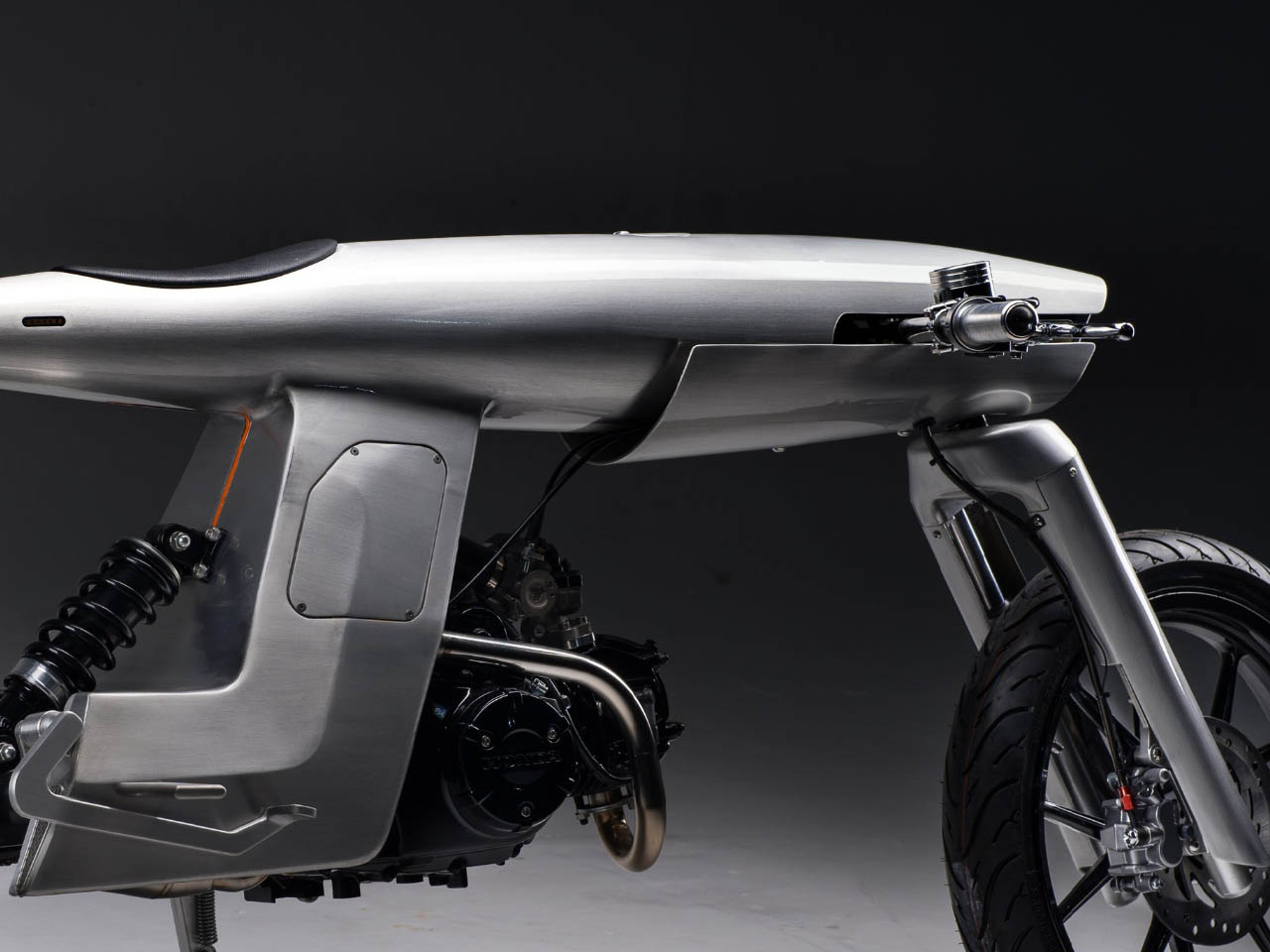
Exclusive LEGO sets depicting Ukraine’s iconic landmarks raise funds for rebuilding the nation

Ukraine is having a long haul with the ongoing war that has changed lives, altered the city’s visual landscape and left behind scars that’ll take centuries to heal. Every effort to help the country revive and keep afloat is appreciated. In this noble effort, the United24 charity has launched a second wave of raising money to help rebuild the nation that’s dealing with the invasion by Russia.

Last year’s initiative raised nearly $375,000 and the second wave of charity should be even better. This time, United24 has launched five sets created by LEGO builders from four countries across the globe. These include Eric Law and Mark Segedie from the US, Daniel Seidl from Germany, Maciej Kocot from Poland, and Aleksander Yermolaev from Ukraine.

Designer: United24

The passionate creators of these LEGO sets were all humbled by the opportunity of this endeavor. Maciej who created The Khan Palace replica is proud of the Crimean culture, while Segedie from the USA chose the Pidhirtsi Castle for its balanced mix of Ukrainian history and his passion for building castles. According to Yaroslava Gres, UNITED24 Coordinator, “We are very grateful to these LEGO creators, who not only responded to UNITED24’s appeal but also took the initiative in choosing architectural objects. Despite the fact that some of them had never been to Ukraine, everyone managed to recreate each of the five landmarks in great detail. We will continue to keep the focus of international audiences on Ukraine.”

The hashtag fuelling this initiative is “UKRAINEinLEGOBricks. These exclusive sets are based on famous landmarks from all over Ukraine. These include Lviv in the west, the capital Kyiv in central Ukraine, and Odesa, Mykolaiv, and Crimea in the south on the Black Sea. The limited edition sets are not for sale but lucky users can win one of them by donating $24 or more towards reconstruction of a school in Dnipropetrovsk Oblast. Mind you, only 15 of these are in total – three of each model – slated to be raffled out through the fundraiser till June 20.

The post Exclusive LEGO sets depicting Ukraine’s iconic landmarks raise funds for rebuilding the nation first appeared on Yanko Design.
Momo lunar habitat is a reconfigurable compact dwelling for future Moon settlements

By 2030 we could see a rise in space tourism and most likely the human habitation of the Low Earth Orbit will trigger the shift towards living beyond Earth. Even though realizing the dream of setting foot on the red planet is some decades still to go, living on the lunar surface is not a far-fetched craving.

The challenges in colonizing planets or satellites beyond the Earth’s bounds are immense and taking them one step at a time is the key. One of the challenges is to provide a safe haven for inhabitants in inhospitable conditions. This project dubbed Momo wants to address this with a flatpack and modular option for practicality. Developed by MIT’s Department of Architecture and MIT Media Lab in association with AeroAstro, the self-assembling lunar habitat is among the best ideas so far we’ve come across.

Designer: MIT Media Lab

Keeping in mind the things that could go wrong in alien environments, the Momo habitat is completely replaceable in case there is a breach or malfunction. Rather than replacing the whole habitat, the compromised module can be swapped with a new one. This saves time and ensures the inhabitants have one less thing to worry about. The ultimate goal for developing Momo will be to support the Arthemis III mission and assist in the long-term lunar settlement mission. Oen can realize the extent of the seriousness of this undertaking by the fact that MIT Departments will be headed by the NASA Marshall Space Flight Center, Jhonson Space Center, Brookhaven National Laboratory and SpaceX.

For the first phase, the compact habitat will have a design that flat-packs inside the Starship HLS cargo space. It’ll be developed keeping in mind at all times about the safety and efficient space utilization. The modular aspect allows for versatile functionality, for instance, realigning the aluminum frame and high-density polyethylene membrane for setting up camp depending on the terrain of the Moon. It can be anything from a safe airlock compartment, windows, work desks, or even exercise areas.

The post Momo lunar habitat is a reconfigurable compact dwelling for future Moon settlements first appeared on Yanko Design.
HMD complements its smartphone with phone-shaped sunglasses, backpack and belt for phone

Brands have very peculiar ways of promoting their products, for instance, years back Burger King ran a promotion asking people to unfriend 10 Facebook friends for a free Woopper. Now, HMD is taking a different but weird route with the head-turning accessories to celebrate the sales kick-off of its first smartphone, the HMD Pulse Pro.

Introducing the HMD’s Phonecore range, which is a destined conversation starter no matter the gathering you are heading into. This range of smartphone-inspired accessories includes a pair of Pulse Pro-inspired sunglasses that look like an impressive pair of smart glasses, a smartphone backpack, and a belt that’s made to hold your phone like a policeman’s walkie-talkie in the belt.

Designer: HMD

The striking smart glasses and other accessories in glacier green color are made by HMD in partnership with fashion designer Sinead Gorey. Made during the London Fashion Week, the eyewear is a little like a functional pair of smart glasses we have seen over the years; it’s a statement-making device with elongated rectangular black lenses and an oversized frame that mimics the screen of the new phone.

Besides the glasses, the Phonecore range in itself is intended to accentuate the HMD Pulse Pro unlike anything gimmicky seen before. The range of accessories has the industry talking about its oversized design and bold outlook, which ‘won’t make you smart but would definitely make the HMD smartphone, smarter.’

Along with the oversized glasses, as mentioned above, the Phonecore range includes a mobile backpack. This is a 3D-printed backpack which is big enough to only carry a smartphone. It is complemented by a toolkit-style belt with a pouch, designed again to carry nothing but your phone. Interestingly, none of these accessories are usable in real-life scenarios, it’s only to satiate your style quotient.

HMD Pulse Pro is a discussion-worthy debut smartphone under their own brand. It comes with interesting new features, which are unique to the sub $200 range, like affordable spare parts for at-home reparability, over three years of updates, and fast storage. But the aspect that kills it really is its 50-megapixel front camera with gesture-activated selfie features. The phone bleeds tech and its supporting accessories catapult that richness to new style heights. The complementing Phonecore collection will be available in limited quantities for style seekers.

The post HMD complements its smartphone with phone-shaped sunglasses, backpack and belt for phone first appeared on Yanko Design.
Batman-inspired Maverick GT Stormy Knight redefines luxury and sustainable maritime adventures

Wayne Enterprises and T3MP3ST have one more reason for Batman fans to go on a spending spree if they like exploring the waters. This is the Maverick GT Stormy Knight electric exploration vehicle developed by the two companies for the filthy rich. That’s because the eco-friendly boat is priced at $250,000. According to makers, “it is a first-of-its-kind, ultra-luxury commerce environment that immerses you in the world of DC’s Bruce Wayne, the billionaire civilian persona of The Batman.”

The limited-edition watercraft is a balanced iteration of luxury and high-end technology for the best experience venturing out in the waters. Only 27 units of this vessel will be created by T3MP3ST who have been redefining nautical adventures with innovative Electric Exploration Vehicles designed for the government agencies and the elite.

Designer: T3MP3ST and Wayne Enterprises

The 4-meter power boat is designed out of carbon fiber and stainless steel to optimize performance without harming the environment. The use of these materials keeps the total weight down to 1,300 pounds. The power comes from a 100 kWh modular battery that’s mated to a 350 hp electric motor. This enables it to reach speeds of more than 85 mph and have a range of 75 miles on a single full charge. That roughly equates to around six hours of runtime. The watercraft is loaded with an autonomous navigation system that has Garmin’s advanced GPS and voice command integration compatible with iOS and Apple Watch.

This EEV comes with high-grade customization to suit the needs of demanding buyers. It is crafted for a four-seat configuration just like a jet-ski, keeping in mind Batman and Robin would hop onto the ride whenever criminals decide to fox the authorities by taking the water route. Plus there’s space for two more to add to the fighting power. If buyers want to have more seating space, the company is also offering a larger version with a 30-foot RIB hull that can ferry 8 passengers. Top speeds on this one are considerably lower at 40 knots but it can cruise for eight hours on a single charge.

Those interested in buying the Maverick GT Stormy Knight luxury boat can head over to the BruceWayneX website for pre-order, or mark their calendars to visit the Wayne Enterprises Experience in New York City from June 3 to 10.


The post Batman-inspired Maverick GT Stormy Knight redefines luxury and sustainable maritime adventures first appeared on Yanko Design.
Anbernic RG Cube is a Cute Retro Handheld with Game Boy-inspired Square Screen

Liking for retro game-inspired handhelds has surged in the last few years, thus, prompting proactive manufacturers to catch up on the trend. Anbernic is not letting this opportunity go with a variety of gaming handhelds including the RG35XX H, RG353P, RG35XXSP, and the RG556 (very unconventional naming conventions has to be said) already released this year.

Add to that lineup the latest RG Cube which comes loaded with a Unisoc T820 processor, capable enough to play titles from the Nintendo 6 and Dreamcast. According to the company, it doesn’t stop there as the handheld should also play select titles from the PS 2, GameCube, Wii, and Nintendo 3DS in emulation mode.

Designer: Anbernic

The cute Android 13-powered gadget has a 3.95-inch IPS touchscreen (720×720) with a 1:1 display ratio which to be honest should affect the visuals in some of the newer titles. The octa-core processor (maxes at 2.7 GHz speed) mated to 8GB of LPDDR4X RAM is supported by an 850MHz GPU capable of producing 1080p resolution visuals at an impressive 120fps. The buck doesn’t stop there as RG Cube has 128GB of UFS 2.2 storage with expandable storage of up to 2TB via a MicroSD card.

For extended gaming hauls, the handheld boasts a battery life of 7 hours courtesy of the 5200mAh battery life. The in-built fan provides active cooling when things get too hot. Most gamers should love this compact gaming player since it has RGB lighting effects, a gyroscope sensor, a vibration motor, D-Pad input, action buttons, shoulder triggers, and Hall Effect joysticks that should last long without any malfunctions. Playing classic games on this one will be a treat with the stereo speakers in-built, USB-C port, and a 3.5mm headphone jack for purists.

Anbernic has not announced the pricing or release date of the gaming handled yet or the pricing. At launch, the RG Cube will come in three color options: Beige White, Radiant Purple, and Gray.

The post Anbernic RG Cube is a Cute Retro Handheld with Game Boy-inspired Square Screen first appeared on Yanko Design.
Krug Expedition Bedrock XT2 off-road camper is ultimate partner for overlanding journeys in the US

Of course, when the best in the business come together the result is absolutely impressive. Add to that specifications and ideas cooked for a defined regional dominance and it is bound to have some waves riding its way. Case in point the new Bedrock XT2. It is made especially for the US and comes out as an impressive and luxurious truck home for the overland expeditions you will plan later in the year.

Coming back to the story lede, the Bedrock XT2 is the result of an amalgamation between two stalwarts – Krug Expedition and Artic Trucks – of their own device. The former, an Austrian business, brings decades of experience in building expedition-level trucks while the latter adds a spice of polar transportation to it, giving us an off-road camper that’s robust, comfortable, and spacious; name it and your wish will be granted.

Designer: KRUG Expedition and Artic Trucks

Designed to sit on the bed of the amazing AT44 XT2 Ford F-550, the Krug Expedition Bedrock XT2 off-road camper is positioned on a next-level suspension and chassis that’s made for reliability. To put that into perspective, the Artic Truck’s massive custom ride comes with a three-axle, 6×4 off-road drivetrain and eight-link air suspension so you are never left stranded in the middle of nowhere with a vehicle breakdown.

This home on the road meant to ride you back home without hesitation, sits on an 8.4m long base, and makes things really intriguing with the option of its removable living module. On the inside of this hard-shell, reinforced sandwich panels exterior of the gooseneck-like camper lies a space you can associate with road luxury. The insulated living area is dressed with a king-size bed, dining/sitting area that converts into an additional sleeping nook, a full-fledged bathroom with shower and water storage, and a high-octane L-shaped kitchen for cooks with a Nespresso coffee maker for a bean pod-like me.

On board the off-road camper is a 23kW hour battery, which draws power from the 1450W rooftop solar panel, and can power the pickup camper’s power requirement when the HVAC system stops/or is not running on diesel.  Besides the entertainment needs in-house are taken care of by a smart TV, connected to the Starlink internet, in the living section. As an add-on, the company can provide the Bedrock XT2 with a pullout outdoor kitchen, options for wood veneer finish, and leather upholstery for seating indoors.


The post Krug Expedition Bedrock XT2 off-road camper is ultimate partner for overlanding journeys in the US first appeared on Yanko Design.
This scorpion-inspired pickup truck has flexible bed configuration for hauling cargo

Pick-up trucks with cargo beds are great for hauling stuff, be it your adventure trips or city needs. That said, they are not one of the most fuel-efficient or range-efficient vehicles on the planet. Over the years the design of trucks with cargo beds has not changed. There are some problems with this under-evolved design lacking innovation, like load accessibility and damage induced due to shaking. Not to mention the limited space for the rear seat space due to the trunk size.

The 2030 Scorpion concept aims to solve this problem with an expansion form that proposes a new pickup truck frame design. Shaped like a scorpion or a mountain bike helmet, the vehicle has an optimized ratio of the overall lump, so that there is ample cargo space without any compromises in the rear seating configuration. The high ride height of the vehicle makes sure it can navigate any challenging terrain with ease. For me, this vehicle looks heavily inspired by the Rezvani Motors Vengeance bullet-proof vehicle.

Designer: Changhyun Lee

The bed of the ultra-futuristic yet monstrous truck is divided into two sections to make space for small cargo (or fit the divider depending on the size of the item) and can be laid flat down for a bigger configuration to haul larger cargo. The cover connected to the rail automatically moves depending on the size of the cargo to keep it snug in place, thus preventing any shaking.

2030 Scorpion has a unique front shape that narrows from the top to the bottom for a wider field of view and has a quadra lamp structure for a more direct driving experience. The rear-view mirrors double as radar sensors and the camera on the front identifies obstacles during off-roading or navigating tight urban spaces. The designer has also proposed a portable battery pack that can provide hybrid power to the vehicle or act as a power source for all the necessary gadgets during long trips.

The post This scorpion-inspired pickup truck has flexible bed configuration for hauling cargo first appeared on Yanko Design.