UGREEN’s 13-in-1 Thunderbolt 5 Docking Station is an absolute productivity beast: Hands-On at IFA 2024

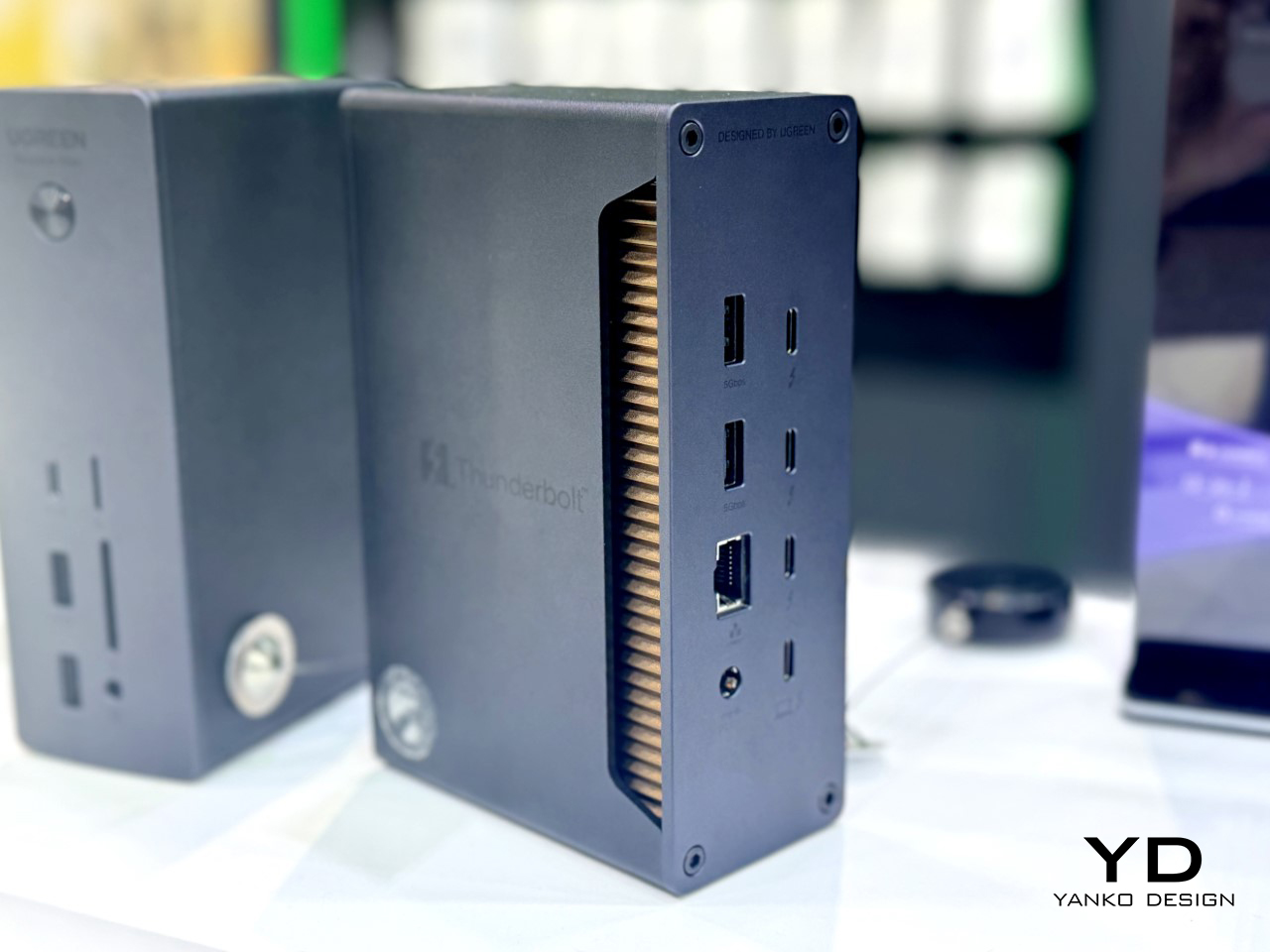
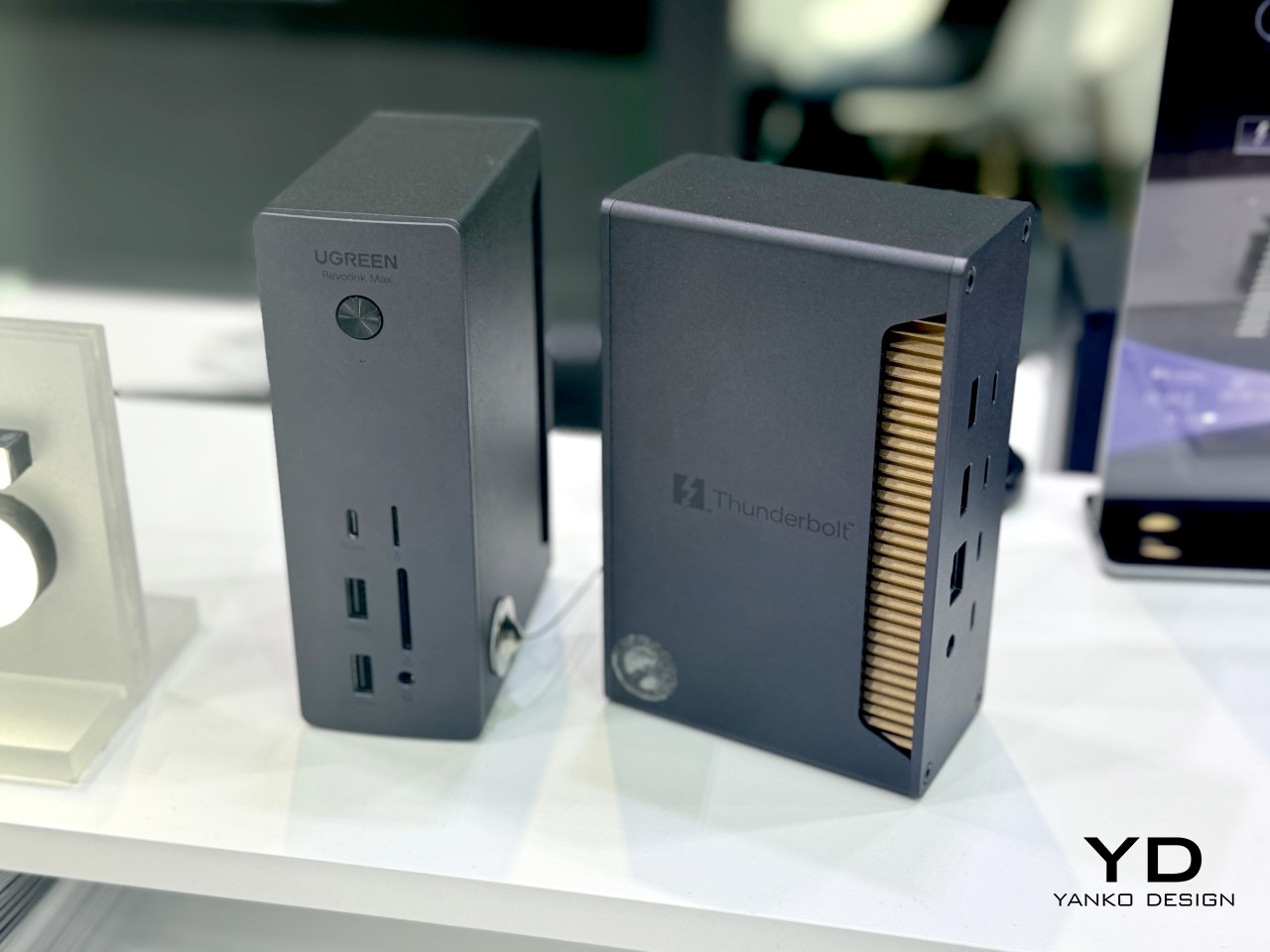
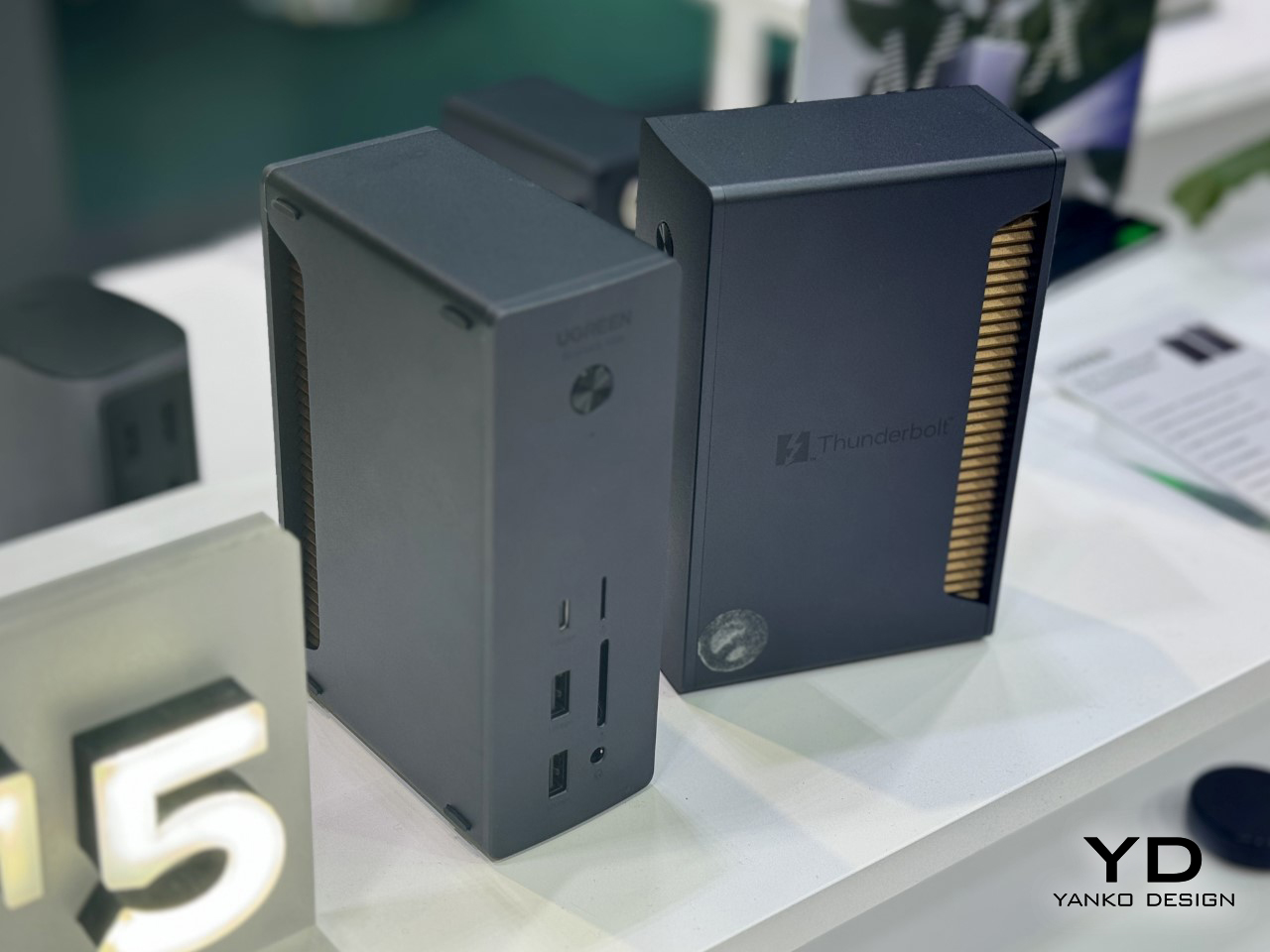
Standing amidst its new NAS system, and all its award-winning chargers and power-banks at the UGREEN Booth at IFA 2024 was this one monolithic device that UGREEN’s rep told me was their next piece of product innovation. The new Revodok Thunderbolt 5 Docking Station is an ambitious piece of hardware boasting a staggering 120 Gbit/s bandwidth, as many as 13 ports, and the ability to support a single 8K display or dual 4K displays. If you’re tired of waiting for files to transfer or struggling with multi-display setups, this dock promises to take care of it all, especially with Thunderbolt 5’s massive 80Gbps speed boost—three times faster than Thunderbolt 4. Its Bandwidth Boost Mode dynamically adjusts the data flow, making sure nothing bottlenecks, even under heavy load. For power users handling 8K video editing or complex workflows, this feature offers serious appeal. The best part? It’s a compact, vertical number that seriously cuts clutter on your desk, giving you a minimal workplace that’s maximal on productivity and output.

Designer: UGREEN

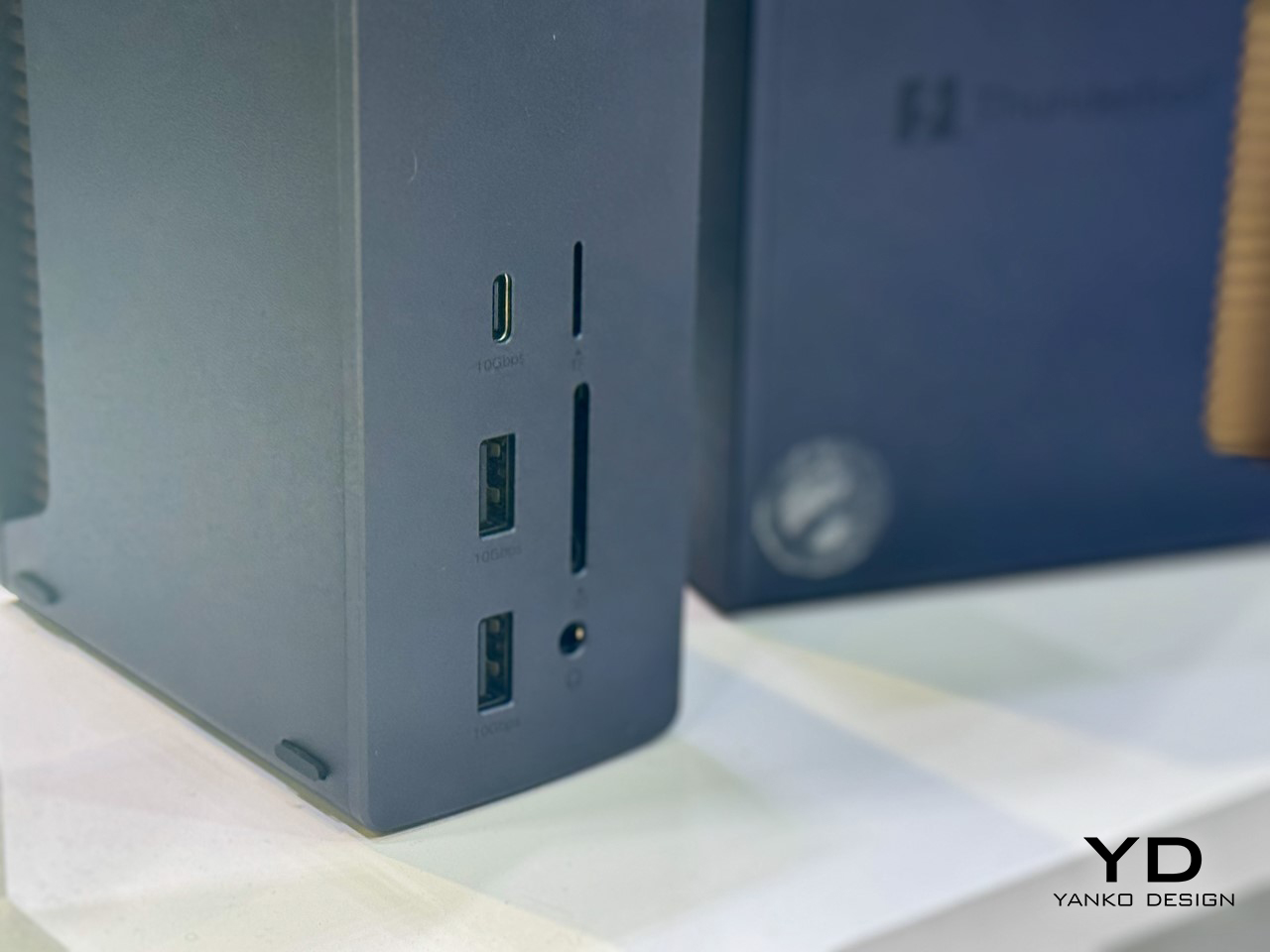
The Revodok is loaded with as many as 13 ports, making it a versatile hub for just about any setup. Whether you need USB-C, USB-A, HDMI, DisplayPort, Ethernet, or even an SD card reader, it’s all there. The dock supports 8K displays at 60Hz and dual 4K setups, catering perfectly to those who thrive on multi-screen environments. Add in 10 Gbps USB 4 support for newer laptops, and you’ve got a future-proof workstation companion. If reliable internet is a priority, the 2.5G Ethernet port ensures stable, high-speed connectivity. Plus, it offers 85W Power Delivery, which can charge demanding devices like laptops, so your desk stays tidy without extra charging bricks cluttering things up.

Despite all the power it packs, the Revodok’s compact design won’t dominate your workspace. Its clean, modern look fits in seamlessly, and it’s portable enough to take with you if your office setup tends to move. Besides, those visible heat-sink fins do tend to give the device a rather cool, almost amphibian aesthetic. Durability and build quality remain key, as UGREEN has a strong track record in this department.

While pricing and exact availability remain under wraps, you can expect the Revodok to hit the high-end market when it arrives later in 2024 or early 2025. It’s aimed at users who are ready for the next generation of connectivity, and it promises to deliver on all fronts. If you’re looking for speed, versatility, and reliability, this dock might be the upgrade you’ve been waiting for—plus, it’s bound to make your desk look a bit more impressive.

The post UGREEN’s 13-in-1 Thunderbolt 5 Docking Station is an absolute productivity beast: Hands-On at IFA 2024 first appeared on Yanko Design.

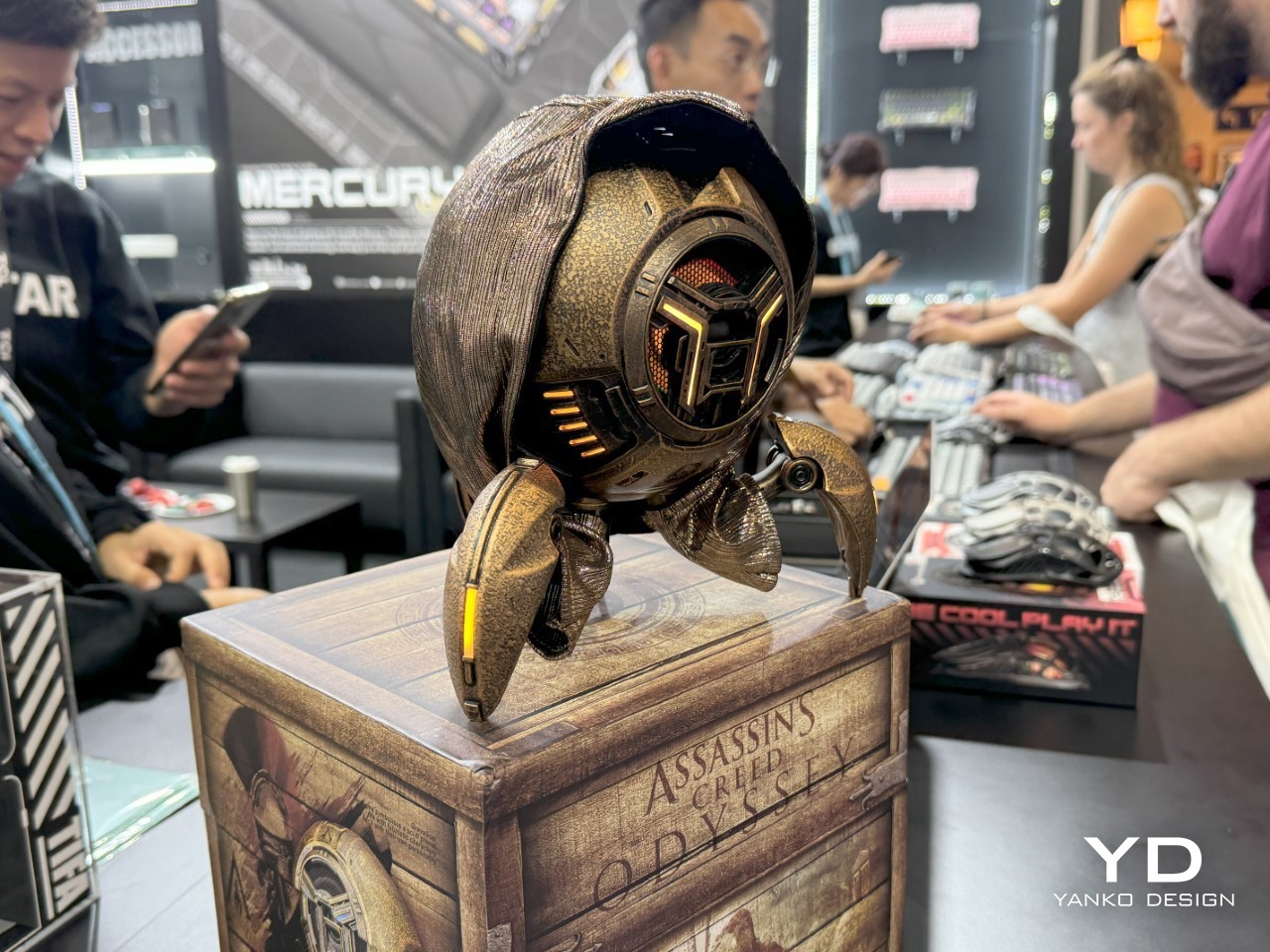
We saw the Gravastar Assassin’s Creed Speaker at IFA 2024 and it’s Just Gorgeous

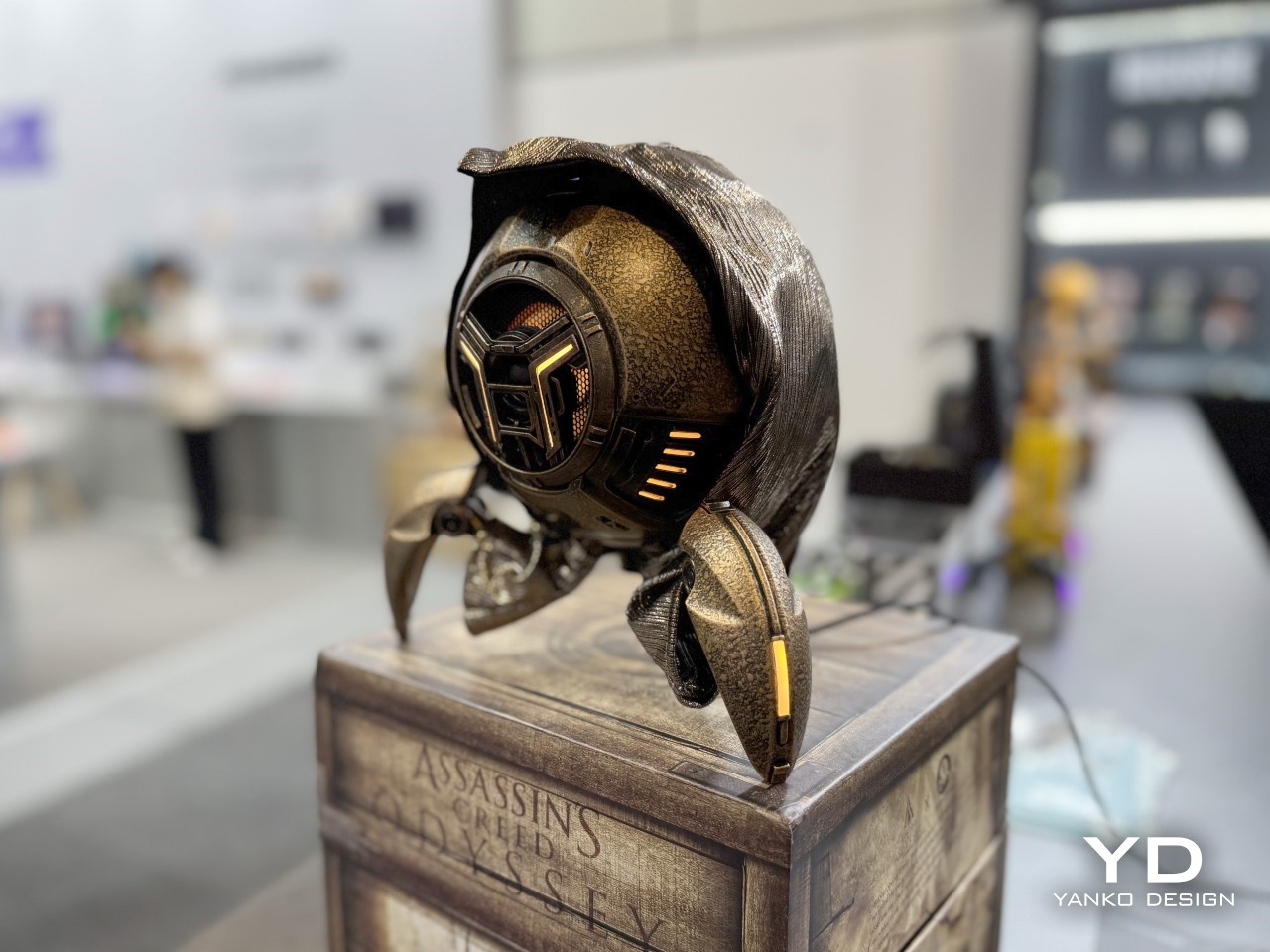
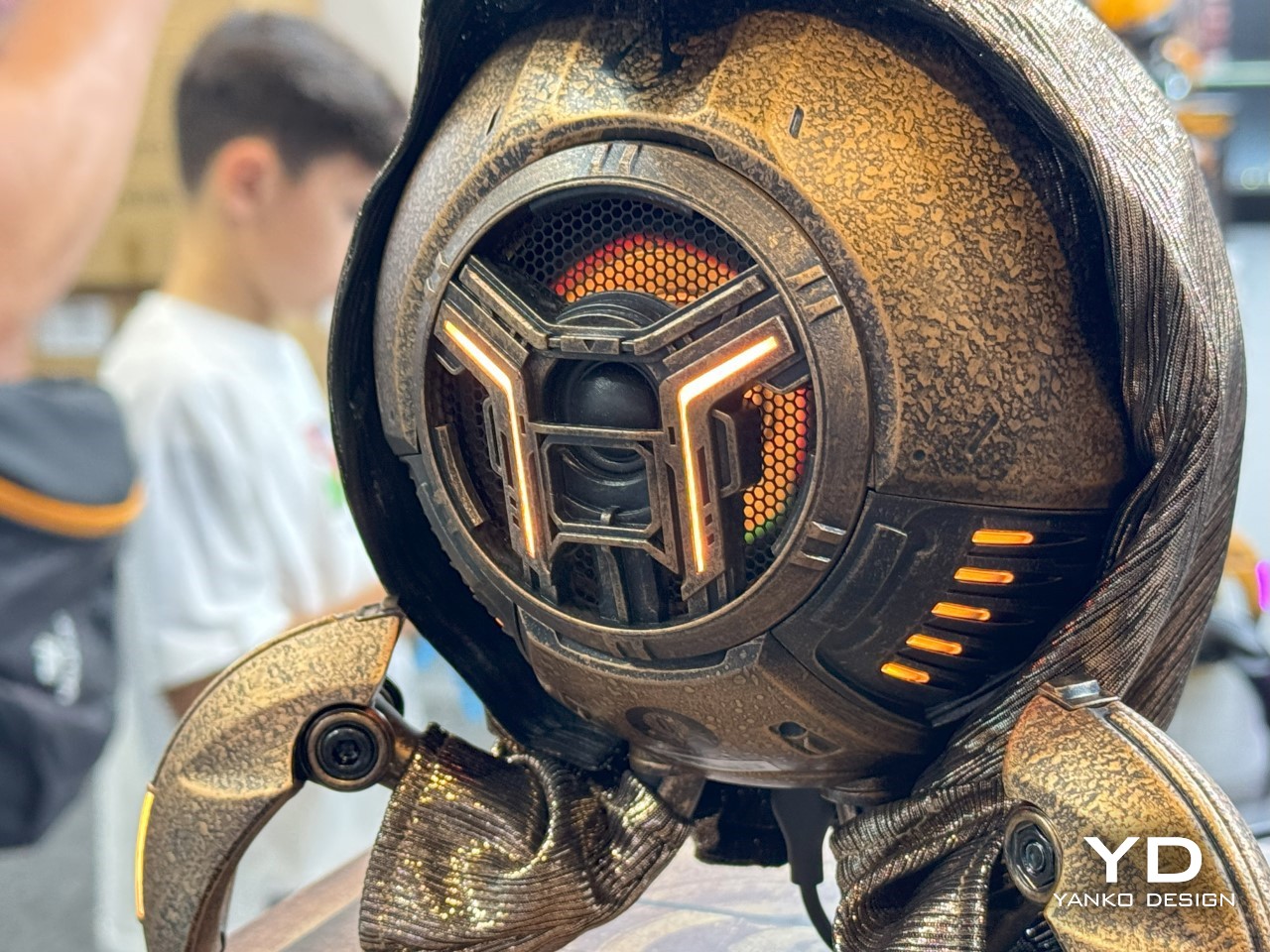
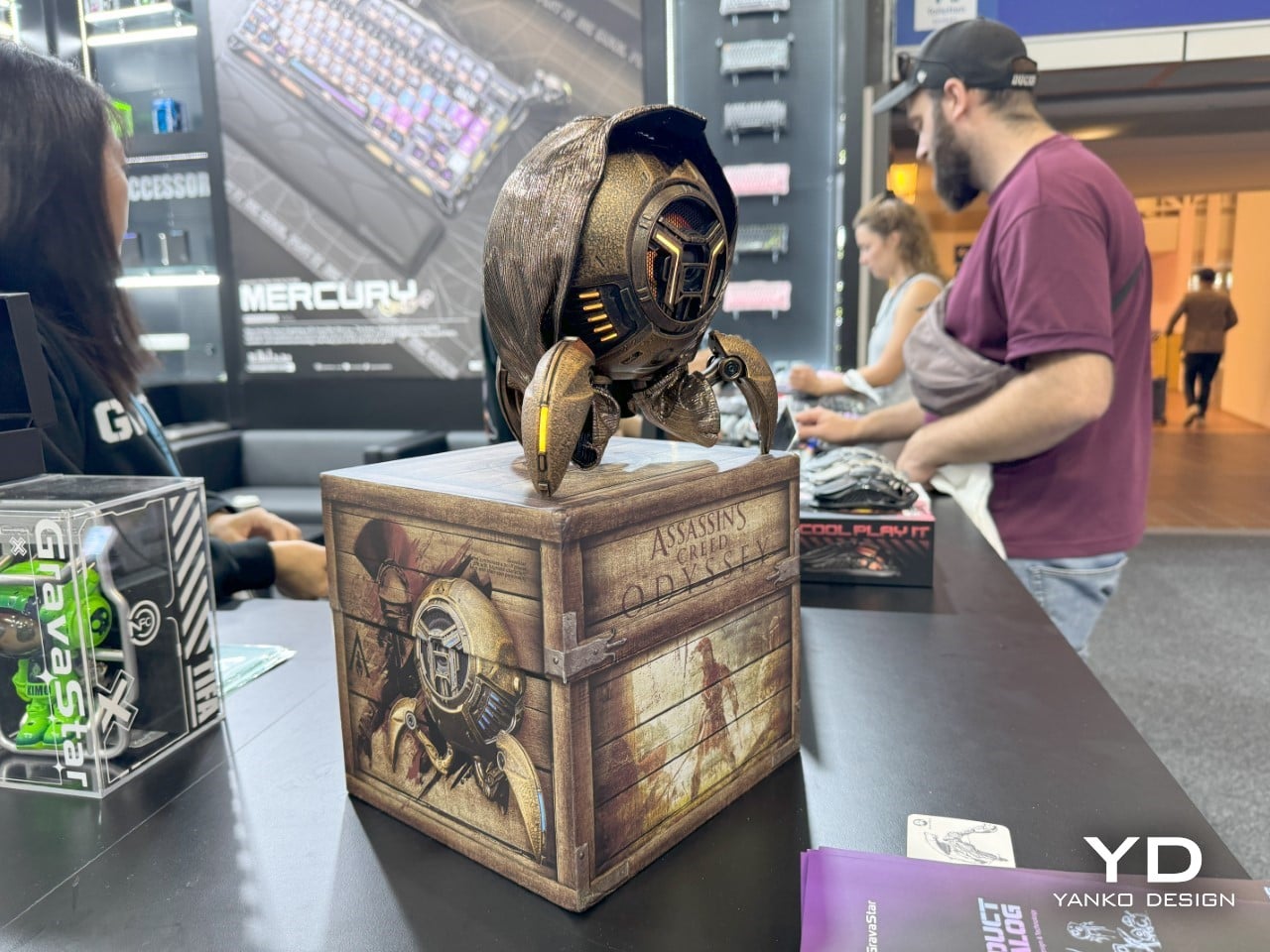
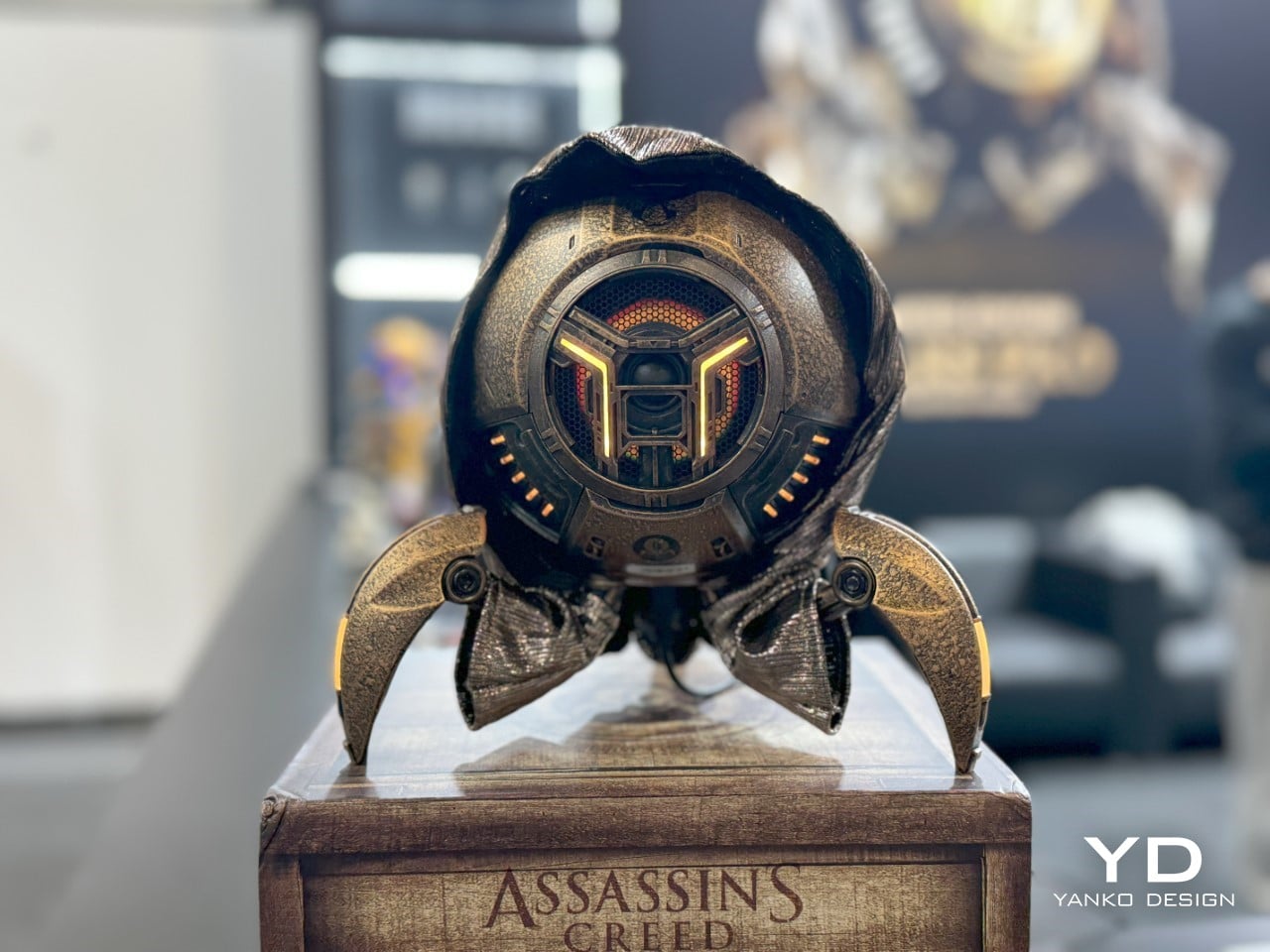
Modeled on the mythical Apple of Eden orb from the smash hit game series Assassin’s Creed, this limited-edition speaker from Gravastar comes with a gorgeously grungy design, and even sports the assassin hood on top to complete the visual metaphor. I was walking by at IFA 2024 when my eyes first saw the Gravastar booth – known for its beautiful steampunk tech designs, the company’s booth was sure to impress. I walked over, and the first thing my eyes saw was this almost sentient-looking orb facing my way, playing music. As a passionate gamer myself (I just finished replaying AC Odyssey a few months ago), the speaker instantly stood out. It had a piercing personality, with an oxidized metal finish well known in the game, given its ancient Greek origins.

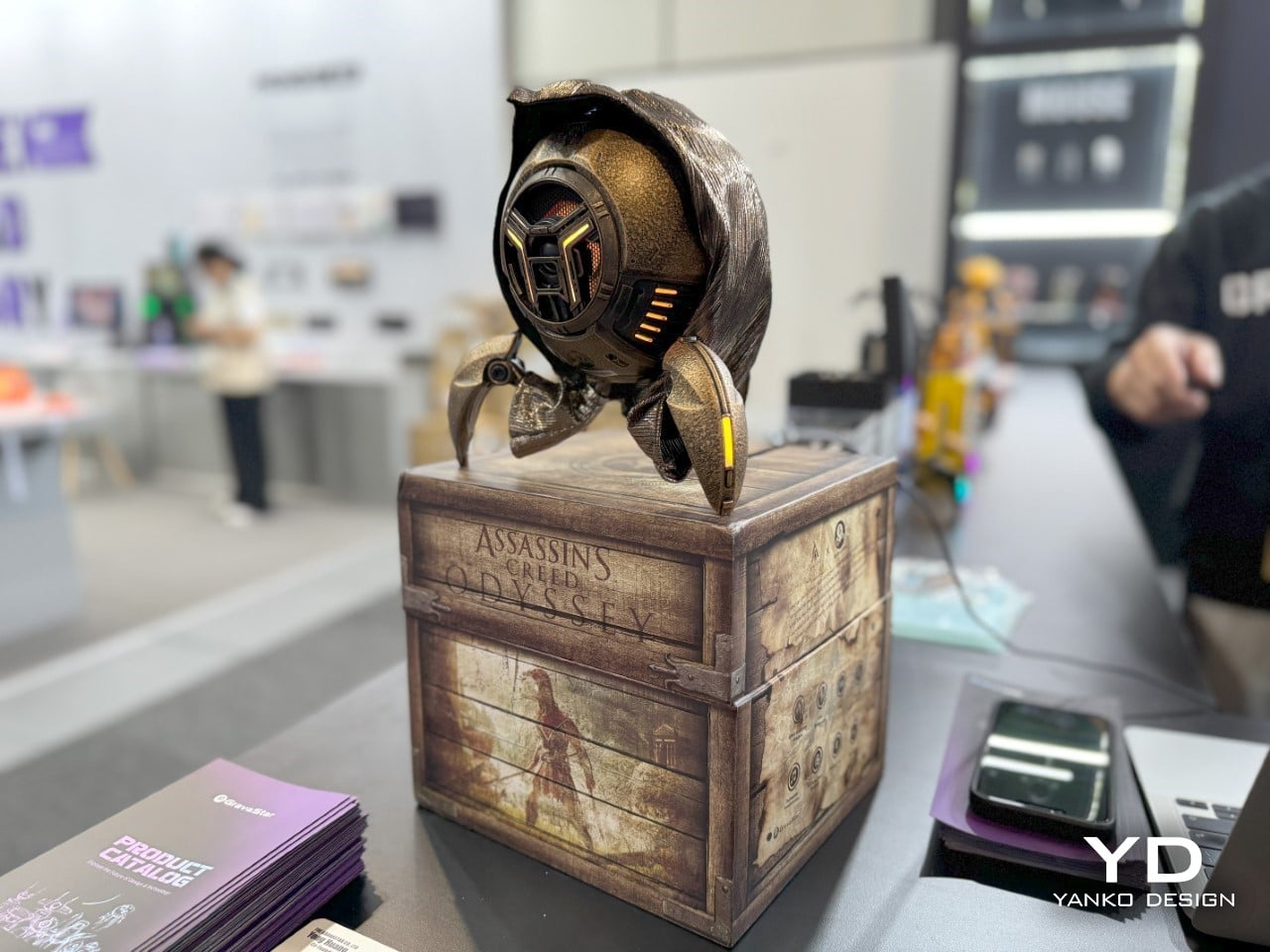
The special-edition speaker is a variant of the company’s existing Mars Pro, but uplifted with a special colorway, an assassin hood, and a special Assassin’s Creed box. Announced just months ago, the speaker is limited to just 1000 units, of which the company says only 20 or so are left.

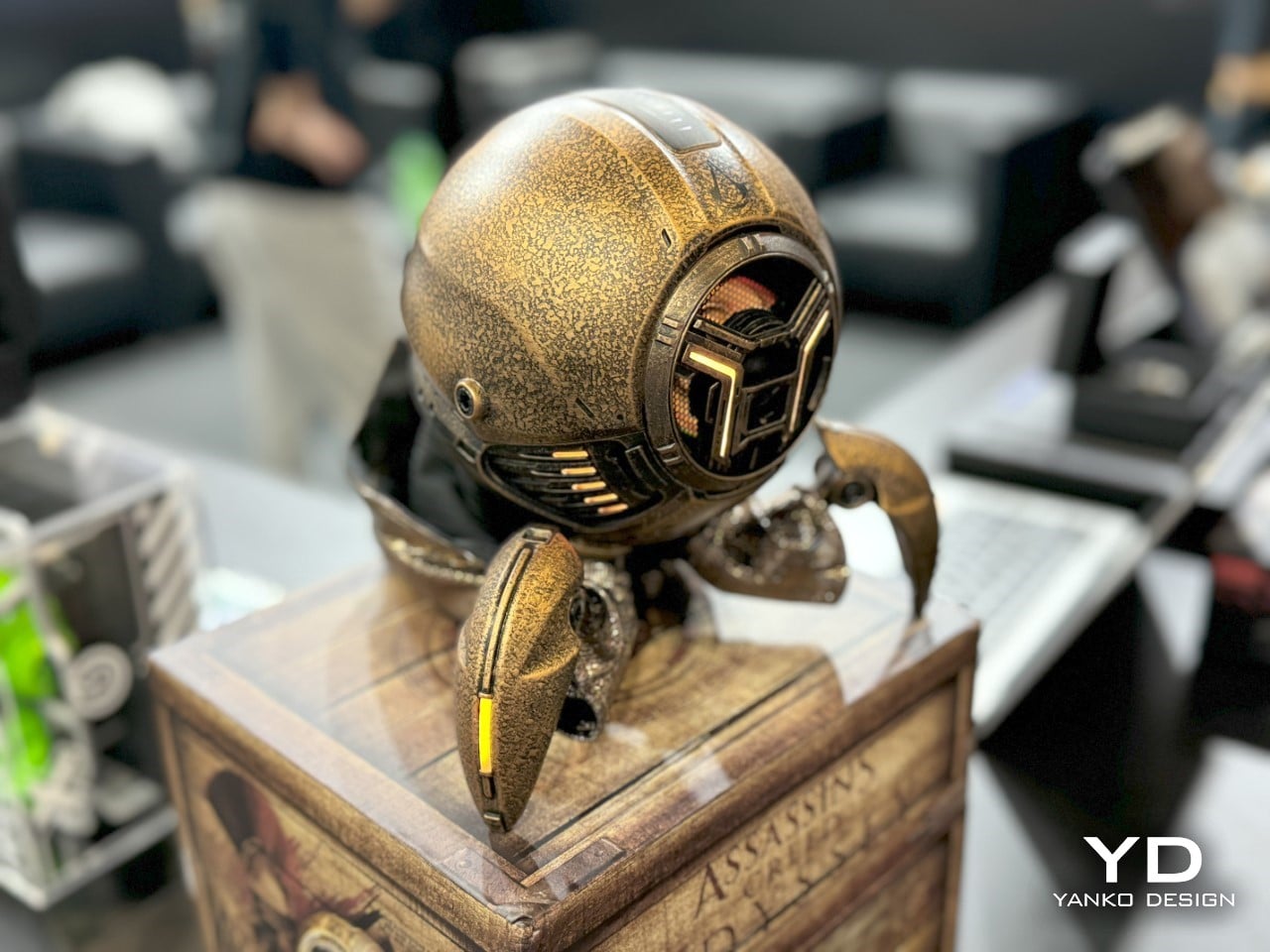
Inspired by the Apple of Eden, the speaker’s golden, orb-like shape features intricate patterns and glowing LEDs that could easily make you feel like you’ve uncovered a piece of ancient tech from the Assassin’s Creed world. Its sharp aesthetic isn’t an afterthought either—it’s a deliberate tribute to the game’s rich lore, which will resonate deeply with fans.

Built from a zinc alloy, the Mars Pro has a solid, hefty feel with a meticulously hand-painted exterior to give it that grunge appeal. This metal build not only makes it durable, but it also minimizes vibrations, ensuring the sound stays clear even at higher volumes. And, of course, there are GravaStar’s signature tripod legs that make the speaker look more like a futuristic drone than a traditional Bluetooth speaker. The legs provide excellent stability and elevate the design, making it more of a centerpiece than a background device.

Under the hood, the speaker packs a 20W system with a built-in subwoofer and two full-range drivers, providing rich, immersive sound. Whether you’re blasting out action-packed game soundtracks or mellow acoustic tracks, the Mars Pro handles a wide range of frequencies with precision.

Bass is strong but balanced, thanks to a dedicated passive bass radiator at the back (visible if you take off the hood). This makes it ideal for a variety of listening experiences—from gaming marathons where you need to hear every in-game detail to casual music sessions. It also supports Bluetooth 5.0, offering a stable connection with minimal lag. You’ll have no problem streaming high-quality audio from your phone, laptop, or other devices. Battery life is solid, too, with a 6,000mAh battery that provides up to 15 hours of playtime, perfect for long listening sessions without needing to recharge constantly.

What makes this edition truly special is its limited availability. GravaStar has a history of releasing attention-grabbing, limited-run designs, and this Assassin’s Creed collaboration fits right into that mold. Fans of the franchise will appreciate the thoughtfulness behind the design, while collectors will want to grab it for its exclusivity alone. With only a limited number of 1000 units being produced, this speaker feels more like a piece of memorabilia than just an everyday Bluetooth speaker.

Even the packaging has been designed with the collector in mind, featuring Assassin’s Creed-themed artwork and presentation that further highlights its appeal. From unboxing to placing it on your shelf, it feels like you’re handling a genuine artifact from the game.

All in all, the Mars Pro Assassin’s Creed edition serves as a fine example of how gaming culture and high-end audio can blend seamlessly. With a $329.95 price tag, it’s both a collector’s dream and a speaker that delivers on its promises. Sure, it might not unlock ancient secrets or manipulate time, but it will make your playlist sound legendary.

The post We saw the Gravastar Assassin’s Creed Speaker at IFA 2024 and it’s Just Gorgeous first appeared on Yanko Design.

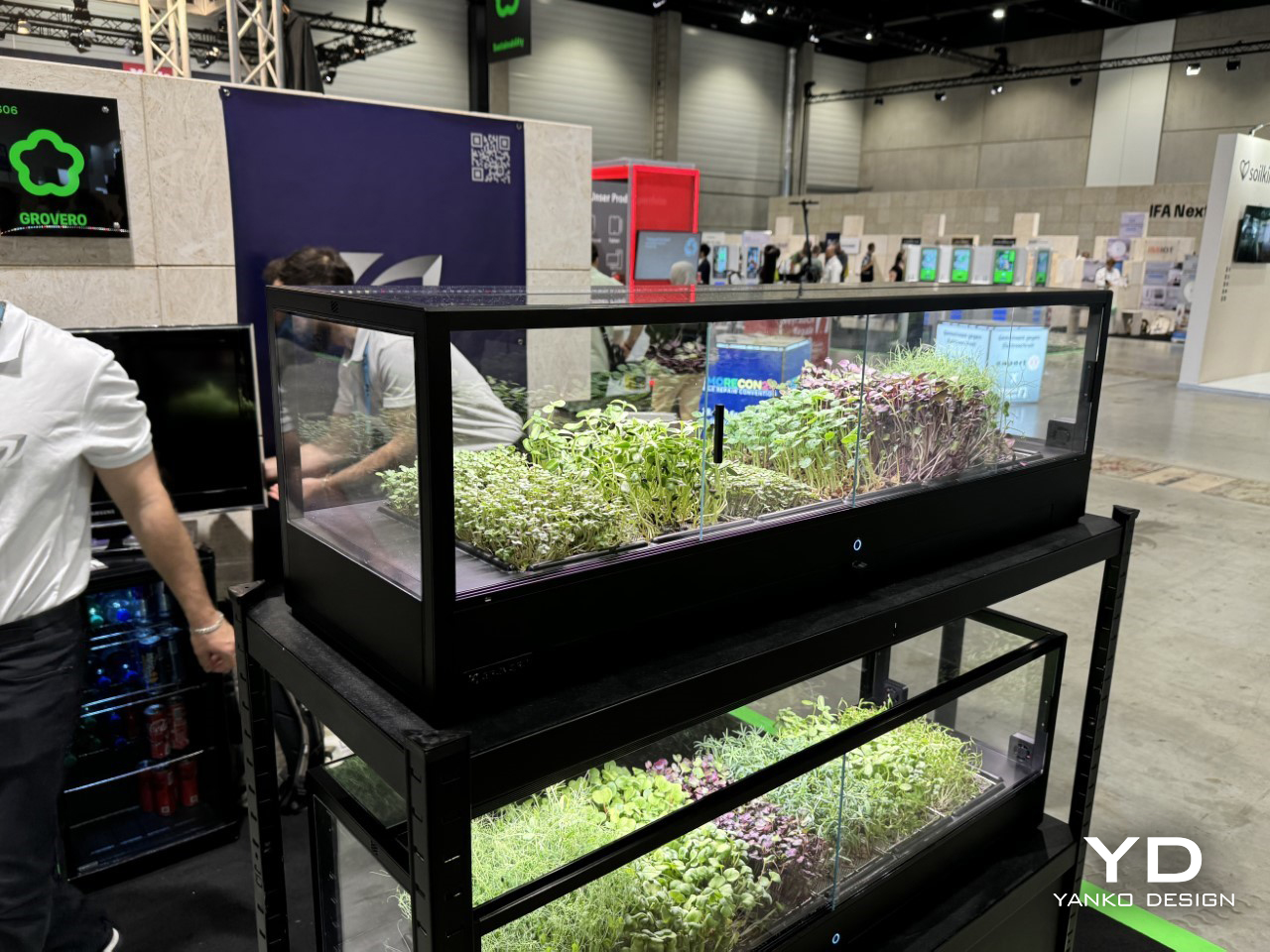
Self-Sustainable Hydroponic Garden Autonomously Grows Microgreen Superfoods in 7 Days: Minigro at IFA 2024

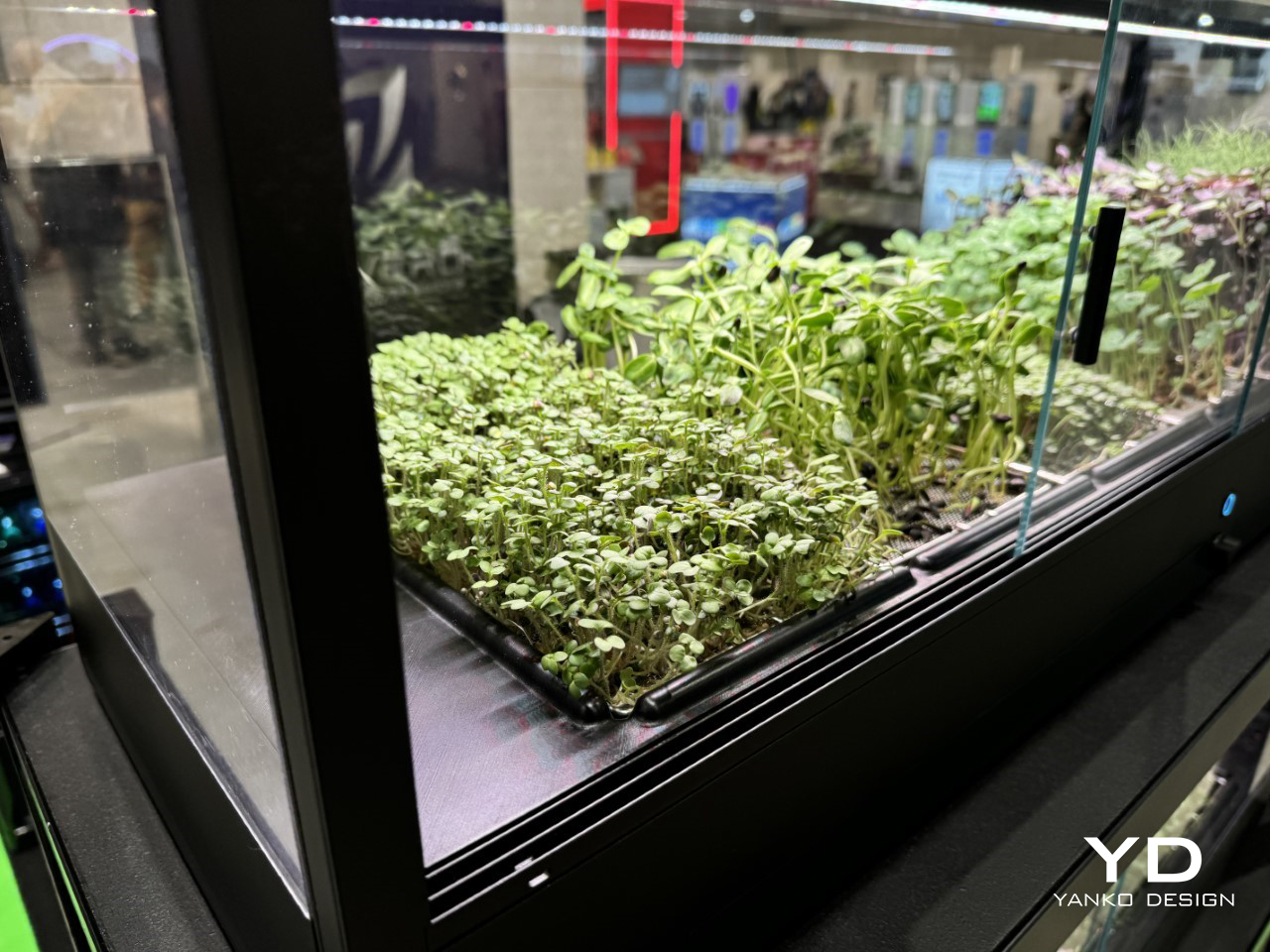
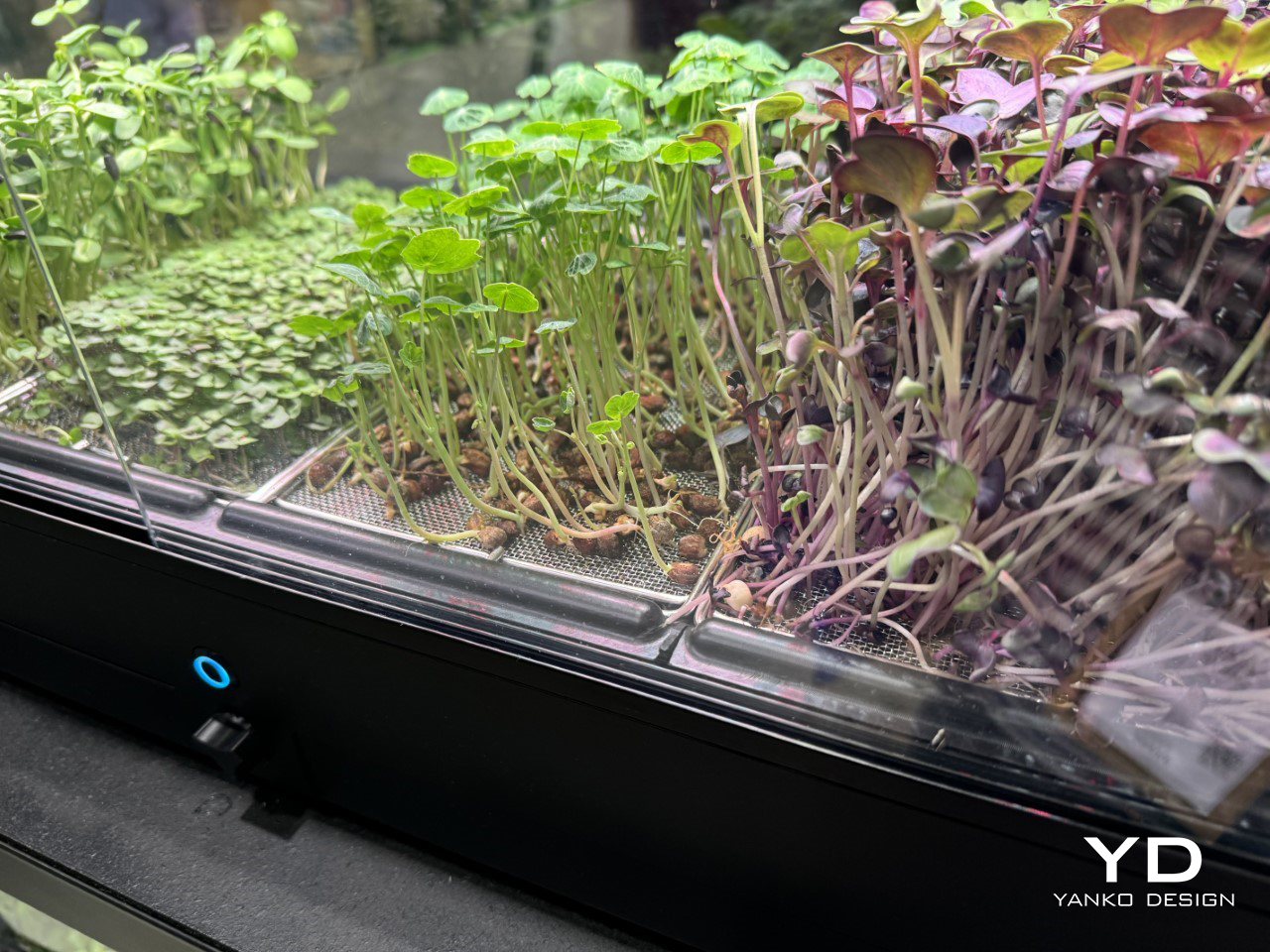
IFA 2024, Berlin’s iconic tech showcase, has always been the stage for revolutionary gadgets that make daily life easier. And this year, one of the standout contenders in the Sustainability category is the Minigro, a fully automated microgreens growing system from the folks at Grovero. About the size of an aquarium, this device promises to take the hassle out of gardening entirely, offering you fresh microgreens in just seven days without lifting a finger—almost.

What makes the Minigro so impressive is its level of autonomy – perfect for people with a less-than-green thumb. This compact, sleek device handles every part of the growing process: from regulating water levels to adjusting nutrient supply, controlling light exposure, and even managing the microclimate. You could literally walk away after setup, and the Minigro would do all the heavy lifting—turning you into an urban farmer without the muddy boots.

Designer: Grovero

A Completely Automated Green Thumb

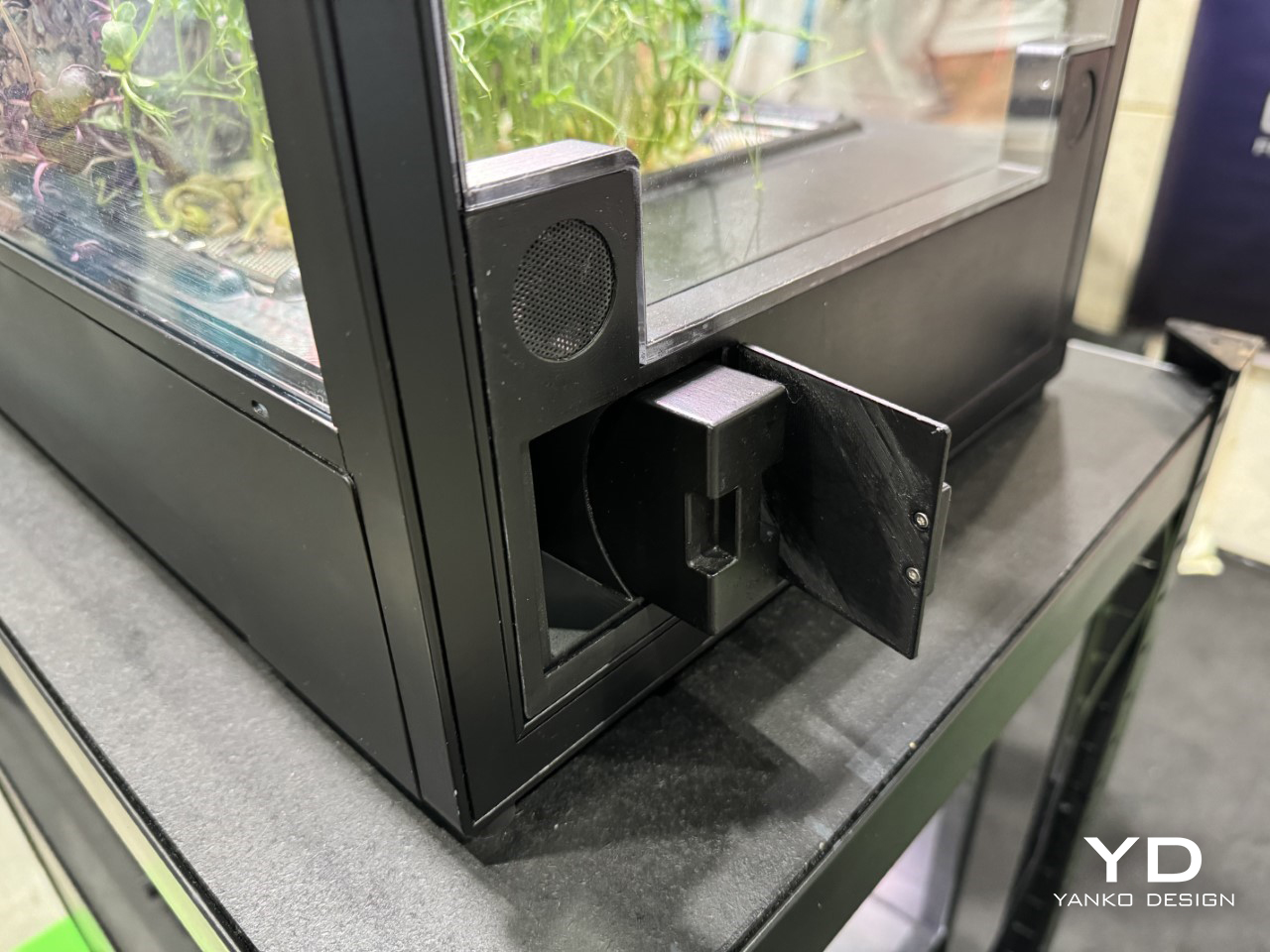
The Minigro’s all-in-one solution is driven by an array of advanced sensors and automation. These sensors monitor every detail of the plant’s growing environment, ensuring optimal conditions for your microgreens. Whether it’s temperature, humidity, or lighting, the device adjusts in real time to create the perfect microclimate, so your plants don’t just survive—they thrive.

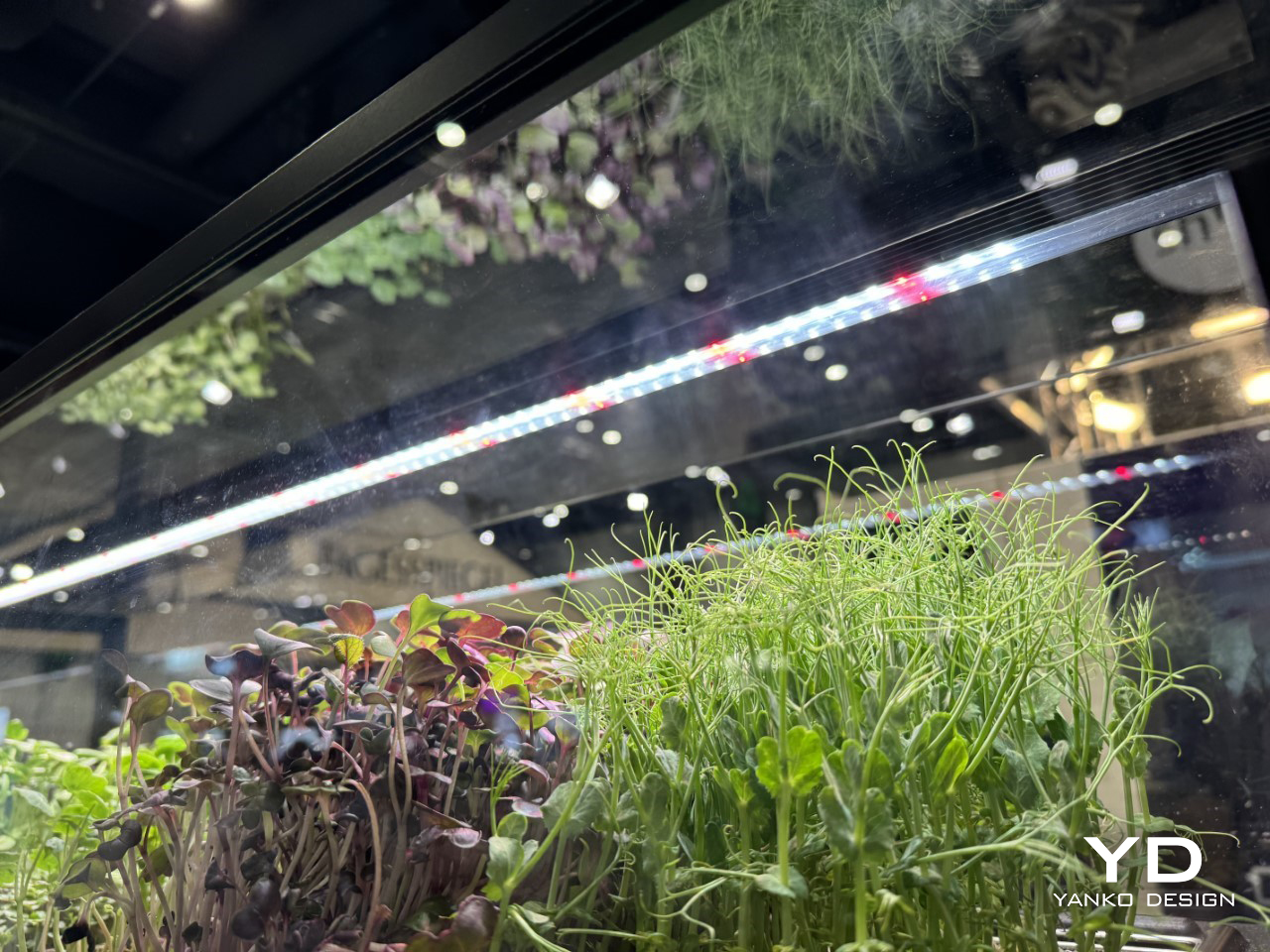
One particularly clever feature is the sensor-driven LED lighting system. If your Minigro is positioned near a window with natural light, the LEDs dim or brighten accordingly. The system takes into account how much sunlight your greens are getting and adjusts the artificial light to make sure it’s always just right. Basically, your Minigro’s lighting system won’t waste energy if the sun is doing its job.

Foolproof Microclimate Control

Another neat trick? The Minigro knows when you’ve left a window open. Now, normally, an open window could throw off the delicate climate needed for growing microgreens. But Minigro’s sensors detect drafts or temperature shifts caused by open windows, sending you an alert through its accompanying app. This ensures that you’re not accidentally compromising your little green oasis while you air out the room.

The convenience extends beyond just growing. You’ll also get app notifications for any manual tasks—like replenishing nutrients or cleaning the tank. But don’t worry, it’s not like you’re going to have to tend to it daily. These tasks are infrequent and take minimal effort, especially when compared to traditional gardening methods that require constant attention, weeding, and watering.

Your Role: Pretty Minimal, Honestly

With the Minigro doing 99% of the work, your involvement is minimal. Through the app, you’ll receive reminders about the few maintenance tasks—adding nutrients or cleaning the water tank. And that’s pretty much it. As for the tank cleaning, it’s designed to be quick and easy, meaning you won’t be hunched over for hours scrubbing soil off your hands.

You can also monitor the growing process via the app, which shows real-time data on the health and progress of your microgreens. It feels almost like a virtual pet simulator—except you’re rewarded with actual food instead of digital coins. Plus, there’s something deeply satisfying about opening the app and seeing your greens flourishing, knowing that you did next to nothing to make it happen.

Fresh Greens, All Year Round

So why microgreens? They’re nutrient-packed, versatile, and ready to harvest in just seven days. Whether you’re topping off a salad or blending them into smoothies, fresh microgreens offer a punch of flavor and health benefits. The Minigro makes it possible to grow these tiny greens even in the dead of winter, when outdoor gardening isn’t an option.

The device’s compact size also makes it ideal for apartment dwellers or those with limited kitchen counter space. In fact, it’s exactly the same size as your IKEA shelf, making it a perfect fit for most homes. You don’t need a sprawling backyard to enjoy homegrown food. The Minigro turns your countertop into a micro-farm, producing fresh, organic greens year-round, regardless of season or space.

The Minigro is the perfect blend of technology and nature, and it’s designed for those who want the benefits of home-grown food without any of the stress. By automating every aspect of the growing process, it lets you bypass the learning curve of traditional gardening and jump straight to the rewards.

The device is ideal for anyone who loves the idea of gardening but can’t be bothered to maintain it. In a world where everyone seems pressed for time, having fresh greens grown automatically is about as futuristic as it gets. Plus, with the Minigro managing light, climate, and nutrients, you might even feel a little smug every time you see your flourishing greens—especially knowing you barely lifted a finger.

The post Self-Sustainable Hydroponic Garden Autonomously Grows Microgreen Superfoods in 7 Days: Minigro at IFA 2024 first appeared on Yanko Design.

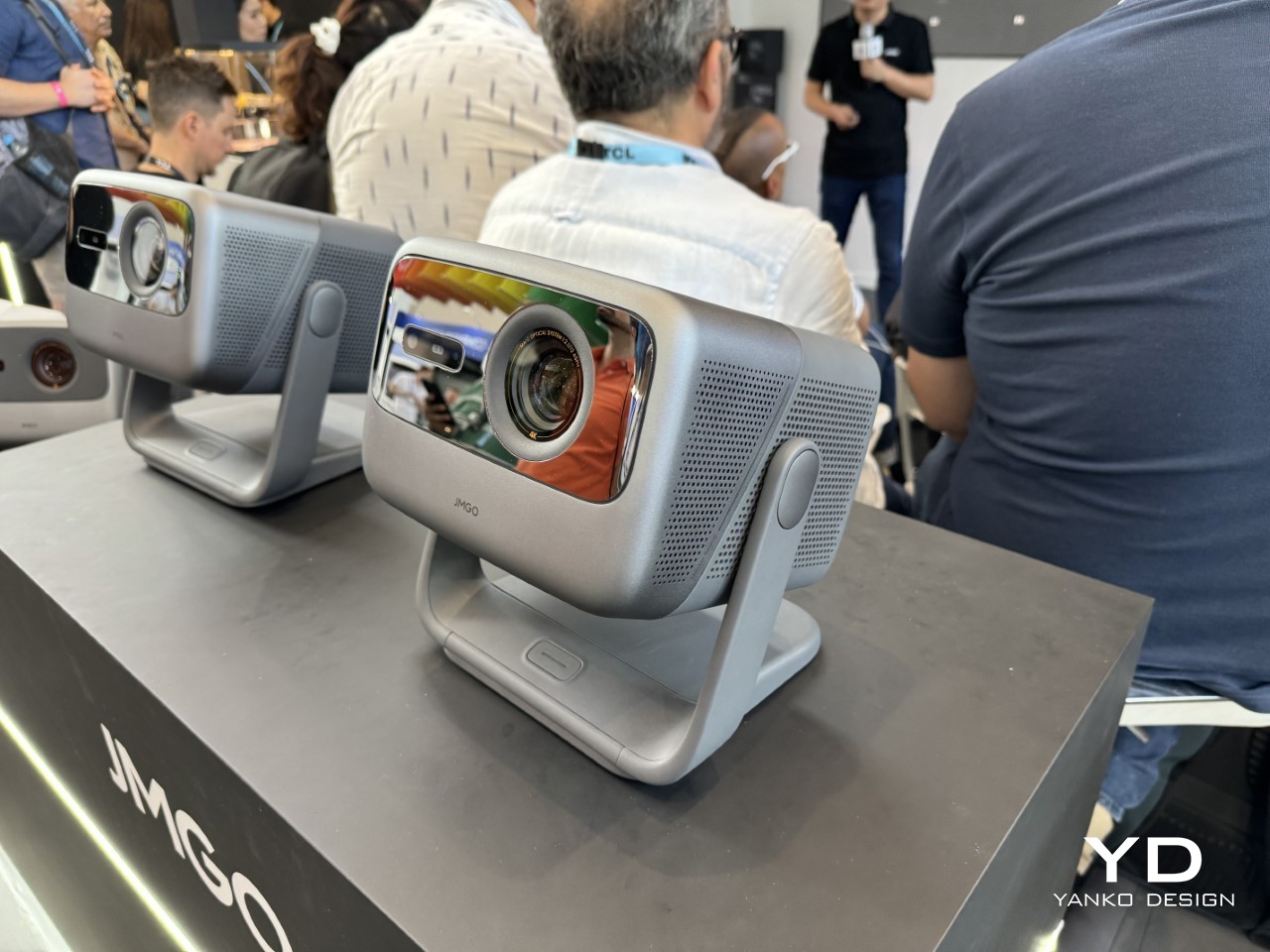
JMGO’s N1S Ultimate Could Make Your TV Obsolete: The Future of Home Projection at IFA 2024

At IFA 2024, it became clearer than ever: traditional TVs might be yesterday’s news. As home theaters evolve, the focus is shifting from bulky flat screens to sleek, powerful projectors that deliver a true cinematic experience right in your living room. The days of settling for a fixed screen size, limited by where you can hang a TV, are being replaced by projectors that offer flexibility, portability, and, thanks to innovations like 4K laser technology, image quality that rivals—and in some cases surpasses—what any high-end TV can deliver.

Projectors have come a long way from the dim, pixelated displays many still associate with them. Today’s models, especially those from companies like JMGO, are becoming the go-to choice for those looking to upgrade their home entertainment setups. Whether you’re a movie buff, gamer, or just someone who wants a more immersive experience, projectors have quickly gained ground. They offer more screen for your buck, and when it comes to high-definition, they’re not cutting any corners.

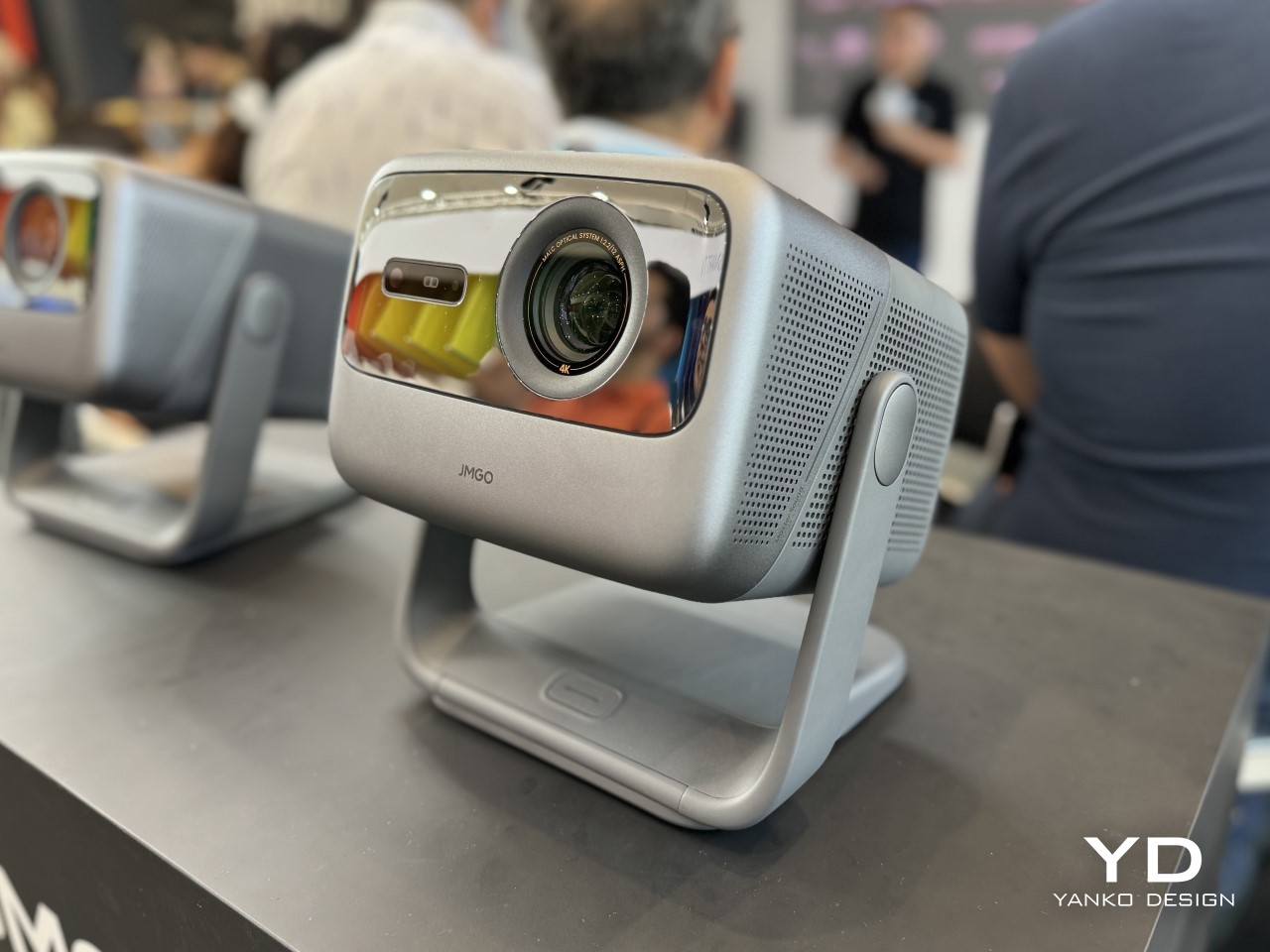
That was the vibe at IFA 2024 when JMGO introduced the N1S Ultimate 4K and N1S Pro 4K projectors—both packed with features designed to take advantage of this projector renaissance. Powered by their patented MALC™ 2.0 Triple Laser Optics technology, these devices prove that projectors aren’t just an alternative to TVs anymore—they might just be the future of home entertainment.

Designer: JMGO

A Deep Dive into MALC™ 2.0 Technology

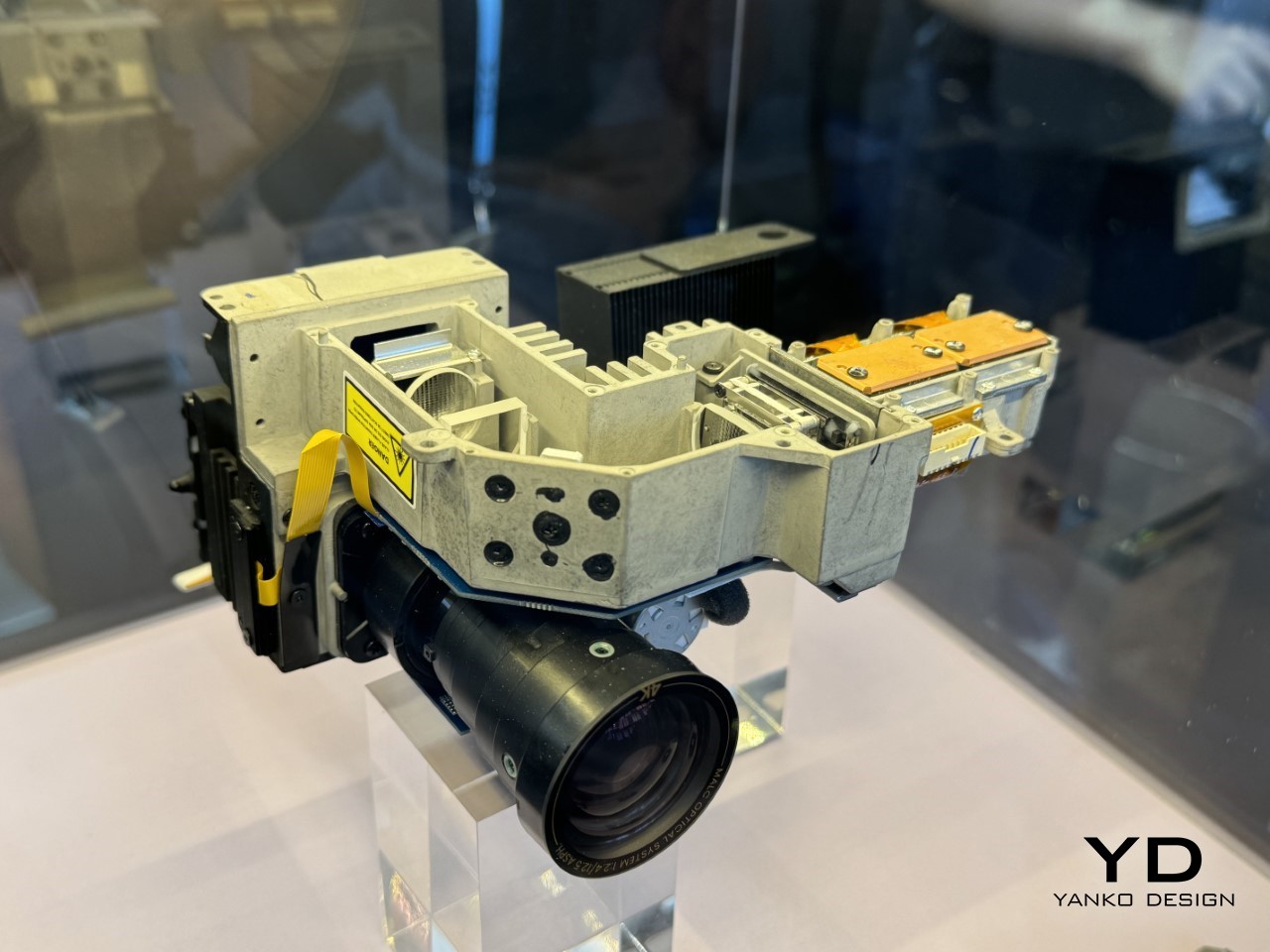
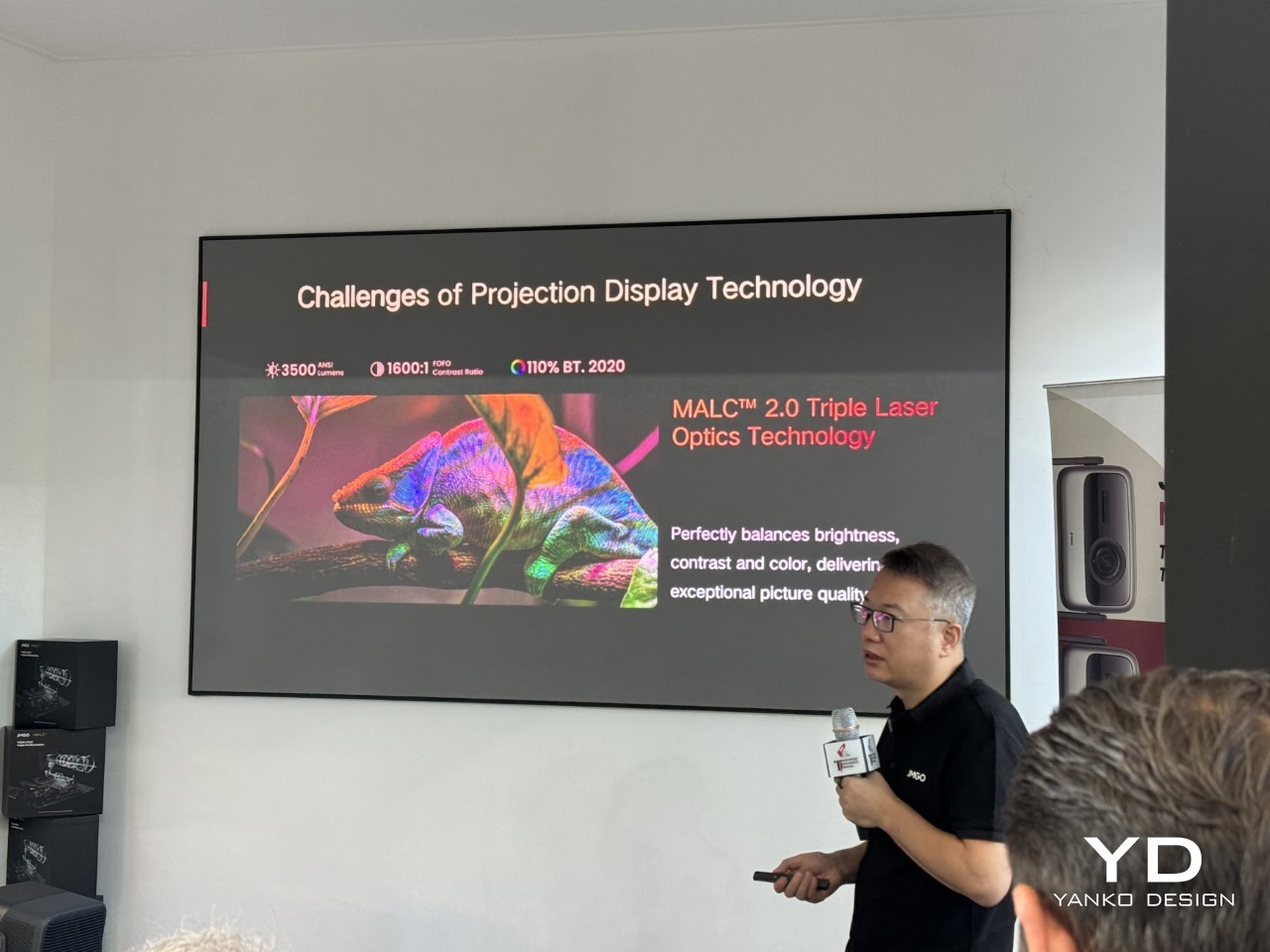
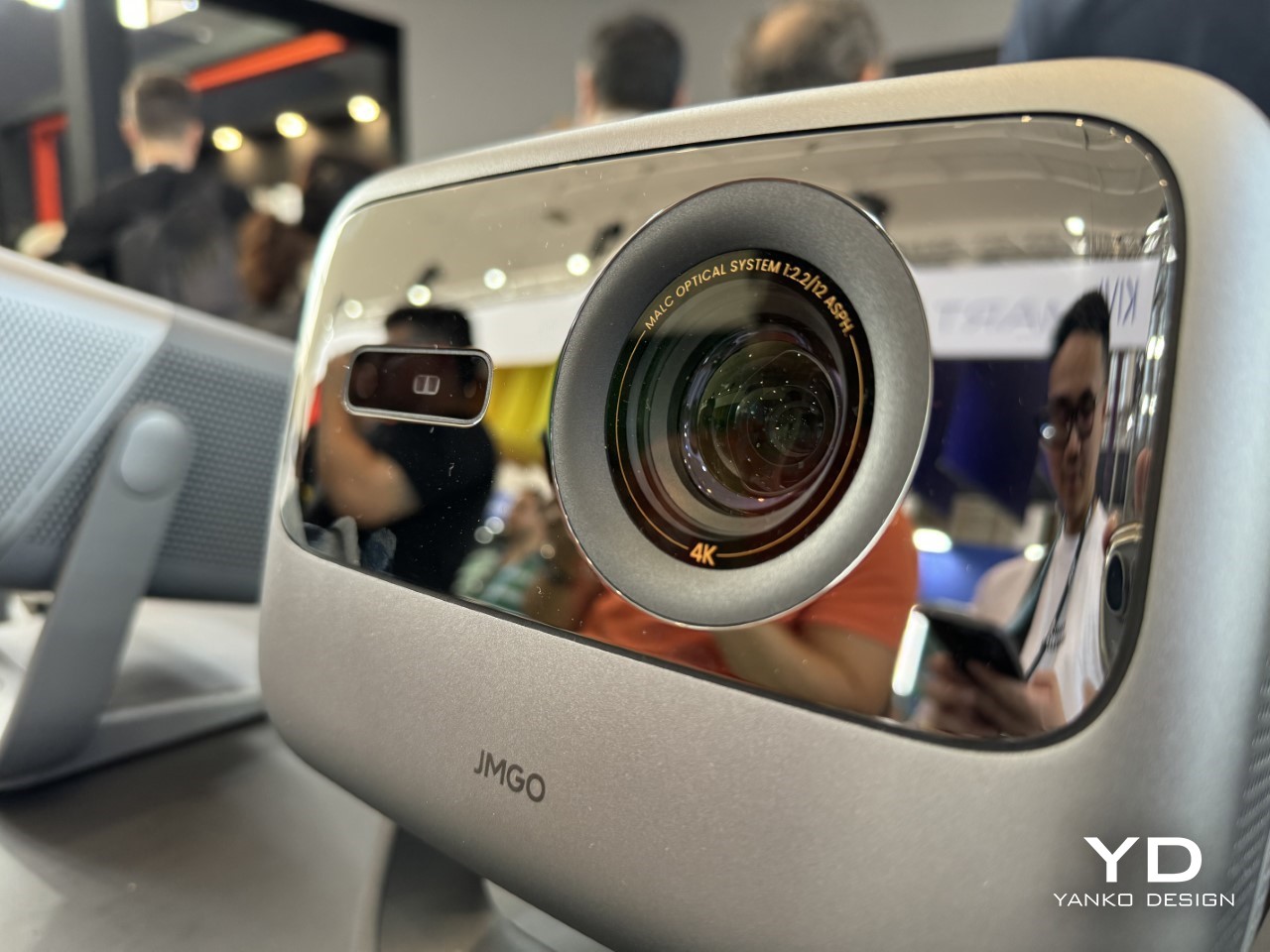
One of the key highlights of the N1S Ultimate is JMGO’s proprietary MALC™ (Multi-Layer Adaptive Laser Control) 2.0 Triple Laser Optics. According to JMGO, the typical trade-off in laser projection—where increasing brightness tends to compromise color accuracy and contrast—has been successfully tackled through MALC 2.0. This system delivers exceptional brightness without sacrificing visual quality, offering users a seamless experience.

The N1S Ultimate 4K projector is capable of producing a whopping 3500 ANSI lumens, which ensures vivid picture quality even in environments with high ambient light. Coupled with a 1600:1 contrast ratio and 110% BT.2020 color coverage, the N1S Ultimate is designed to deliver stunning visuals that don’t lose their luster in less-than-ideal lighting conditions. With an ∆E (Delta E) of less than 1, the color accuracy is spot-on, ensuring faithful reproduction of even the most subtle shades. This combination of brightness, contrast, and color precision makes the N1S Ultimate ideal for both daytime viewing and cinematic experiences.

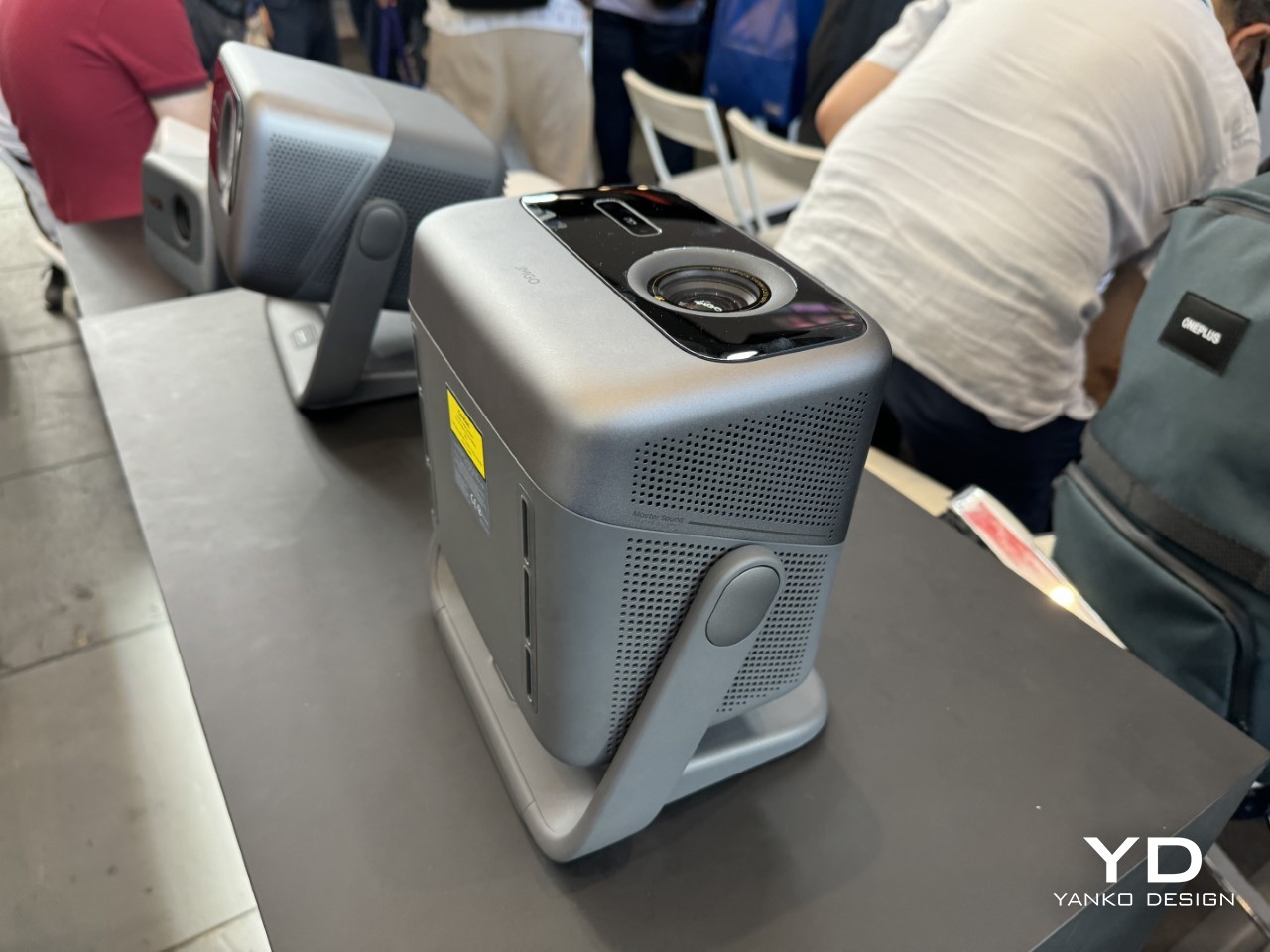
The JMGO N1S Pro (left) versus JMGO N1S Ultimate (right)

N1S Ultimate vs. N1S Pro: What Sets Them Apart?

While both the N1S Ultimate and N1S Pro share JMGO’s MALC™ 2.0 technology, there are notable differences between the two models that will help users decide which one fits their needs better. The N1S Pro, positioned as a more budget-friendly option, offers 2400 ANSI lumens, compared to the 3500 lumens of the Ultimate. This difference in brightness may be a key factor for users who need a projector for bright rooms or daytime use.

However, both projectors maintain the same level of contrast (1600:1) and color performance, which speaks volumes about JMGO’s commitment to delivering a high-quality experience across their product range. Whether you choose the Pro or the Ultimate, you’ll get stunning visuals with a ∆E of less than 1 and 110% BT.2020 color accuracy, which ensures rich, lifelike images.

Versatility in Every Direction: The Iconic Gimbal

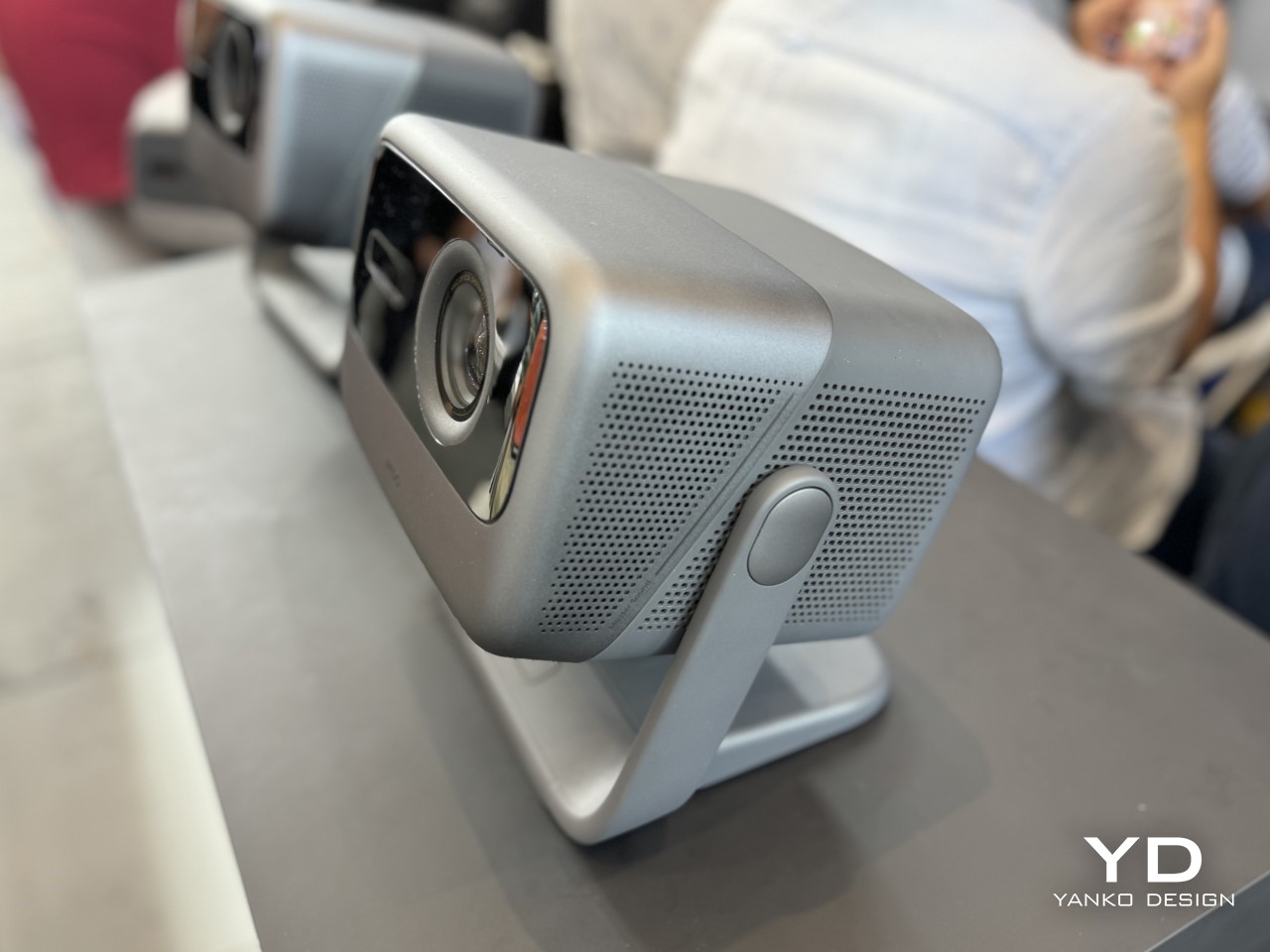
One feature that sets the JMGO N1S series apart is its integrated gimbal design, first introduced in 2022. This allows the projectors to pan 360 degrees and tilt 135 degrees, making it incredibly easy to adjust the projection angle. Whether you want to project on the ceiling for a laid-back movie night or angle it toward a wall to create an impromptu gaming setup, the gimbal provides exceptional flexibility.

This design also adds a futuristic touch to the device, setting it apart from conventional projectors that require cumbersome setups or fixed installations. JMGO’s emphasis on creating a portable and versatile entertainment device shines through in the N1S Ultimate, positioning it as an ideal choice for users who value both style and functionality.

A New Kind of Home Entertainment Ecosystem

Beyond the hardware, JMGO has integrated Google TV into both models, providing access to a wide range of streaming services, including certified options like Netflix. This makes the N1S projectors a true all-in-one entertainment solution—no external streaming devices are needed. Whether you’re watching a movie, streaming a TV series, or projecting a home video, everything is seamlessly managed from the projector itself.

Pricing and Availability

Both the N1S Ultimate and N1S Pro are now available on Amazon in the U.S. and across Europe, including Germany, France, Italy, and Spain. The N1S Ultimate 4K is priced at $2,799 in the U.S. and €2,999 in Europe, while the N1S Pro 4K comes in at $1,999 or €2,299, offering a more affordable option for those who don’t require the full brightness of the Ultimate.

The post JMGO’s N1S Ultimate Could Make Your TV Obsolete: The Future of Home Projection at IFA 2024 first appeared on Yanko Design.

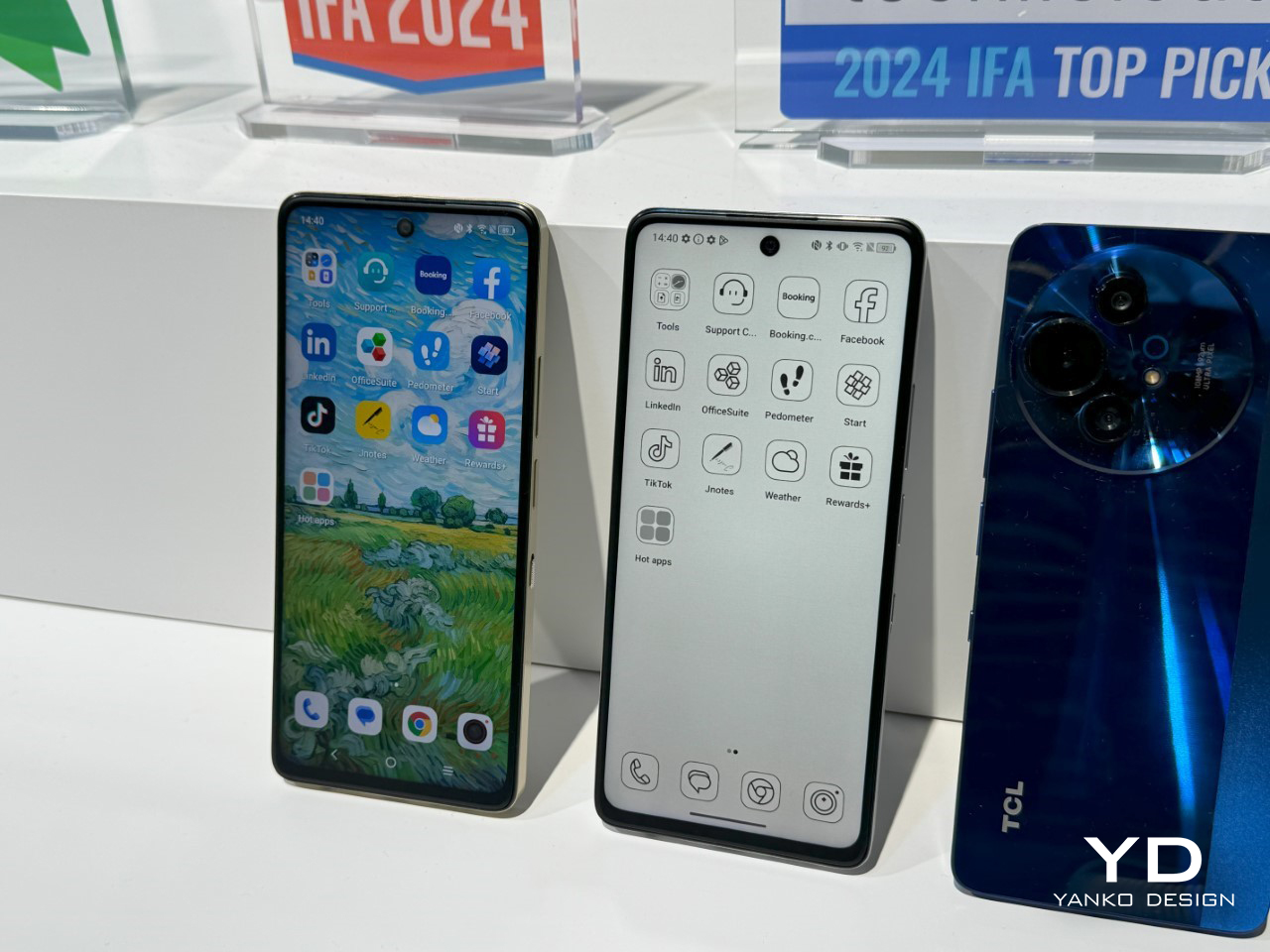
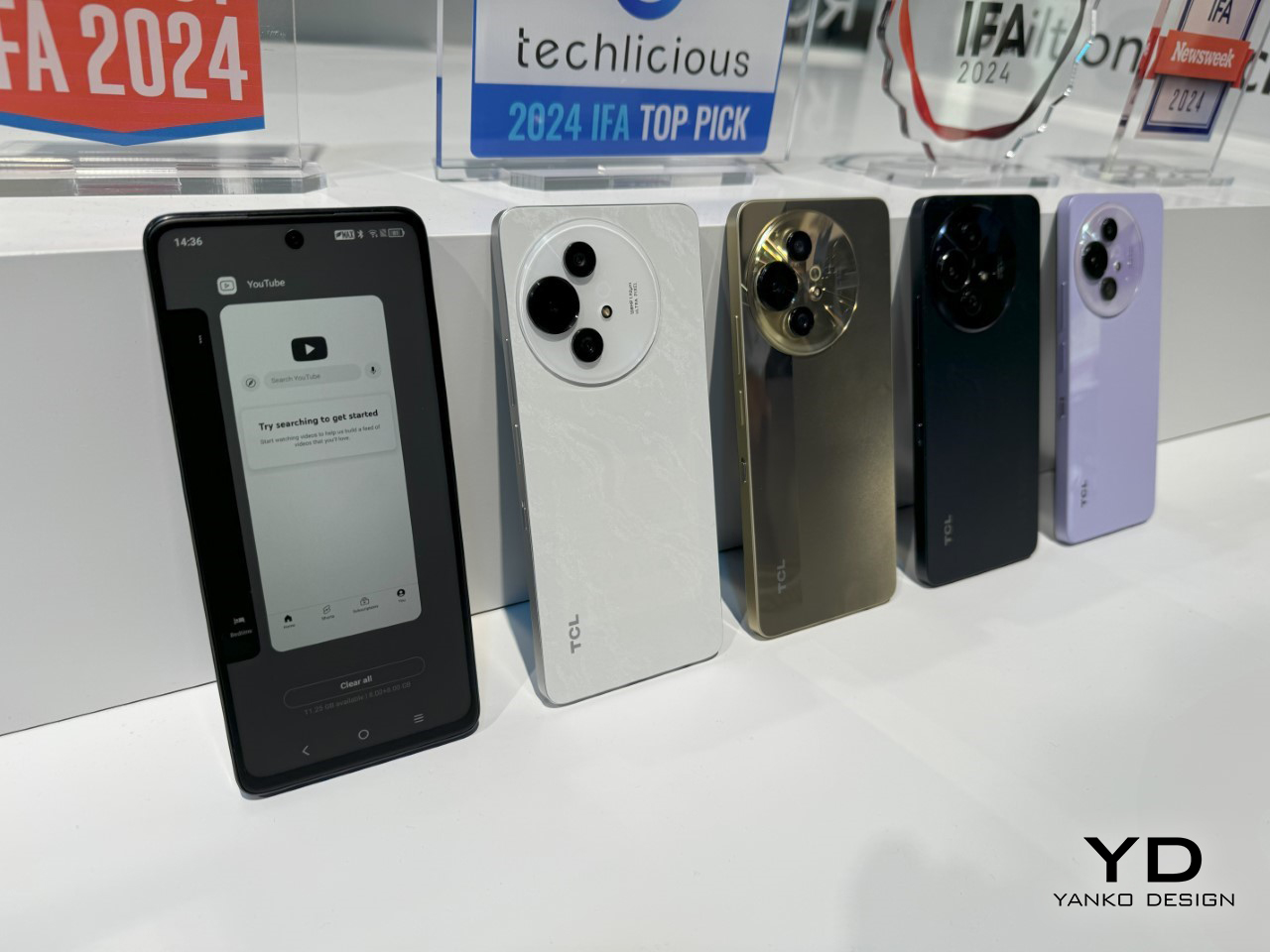
TCL’s latest phone has a 1-Week Battery Life, and a VERY interesting new Display: Hands-On at IFA 2024

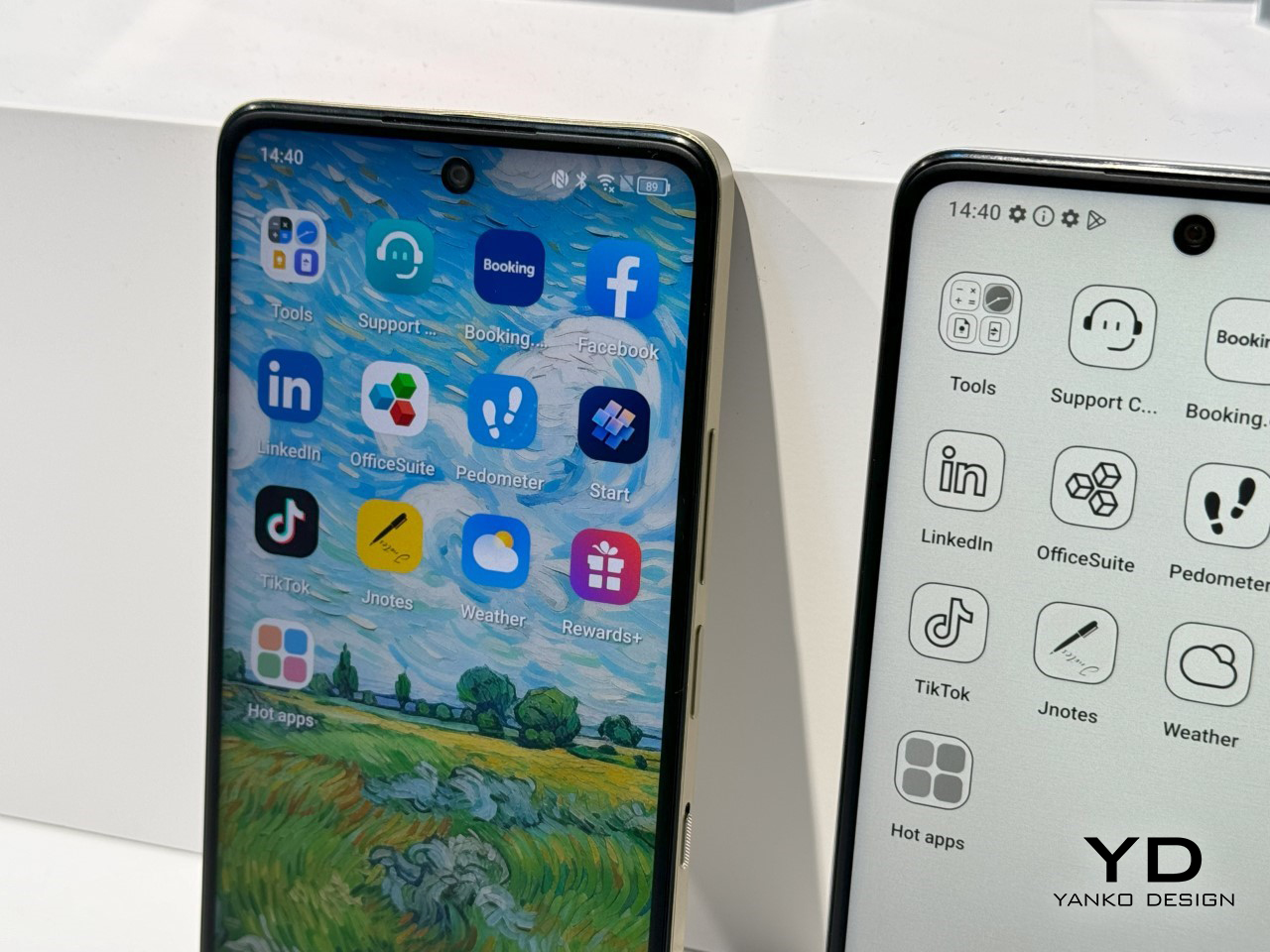
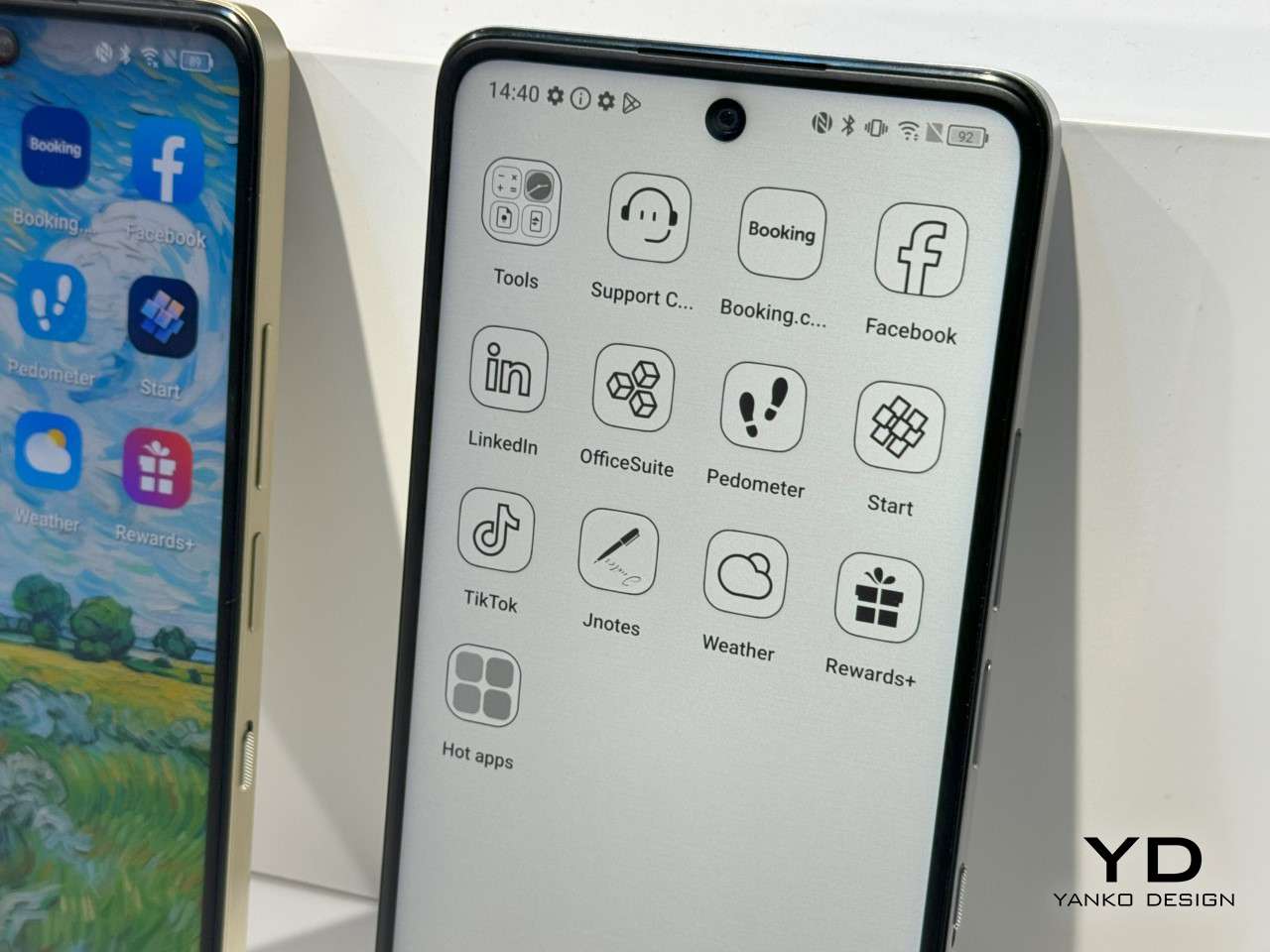
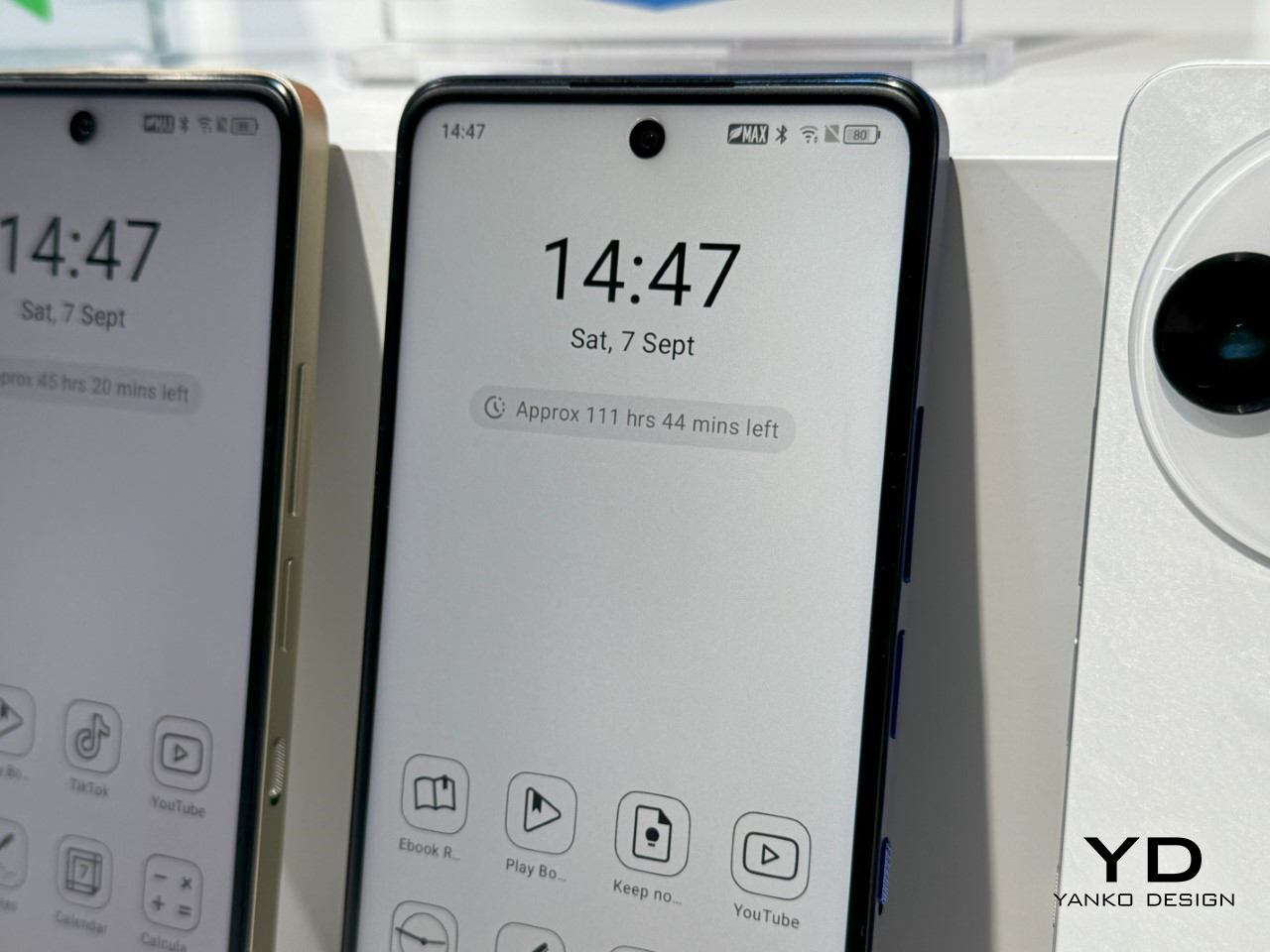
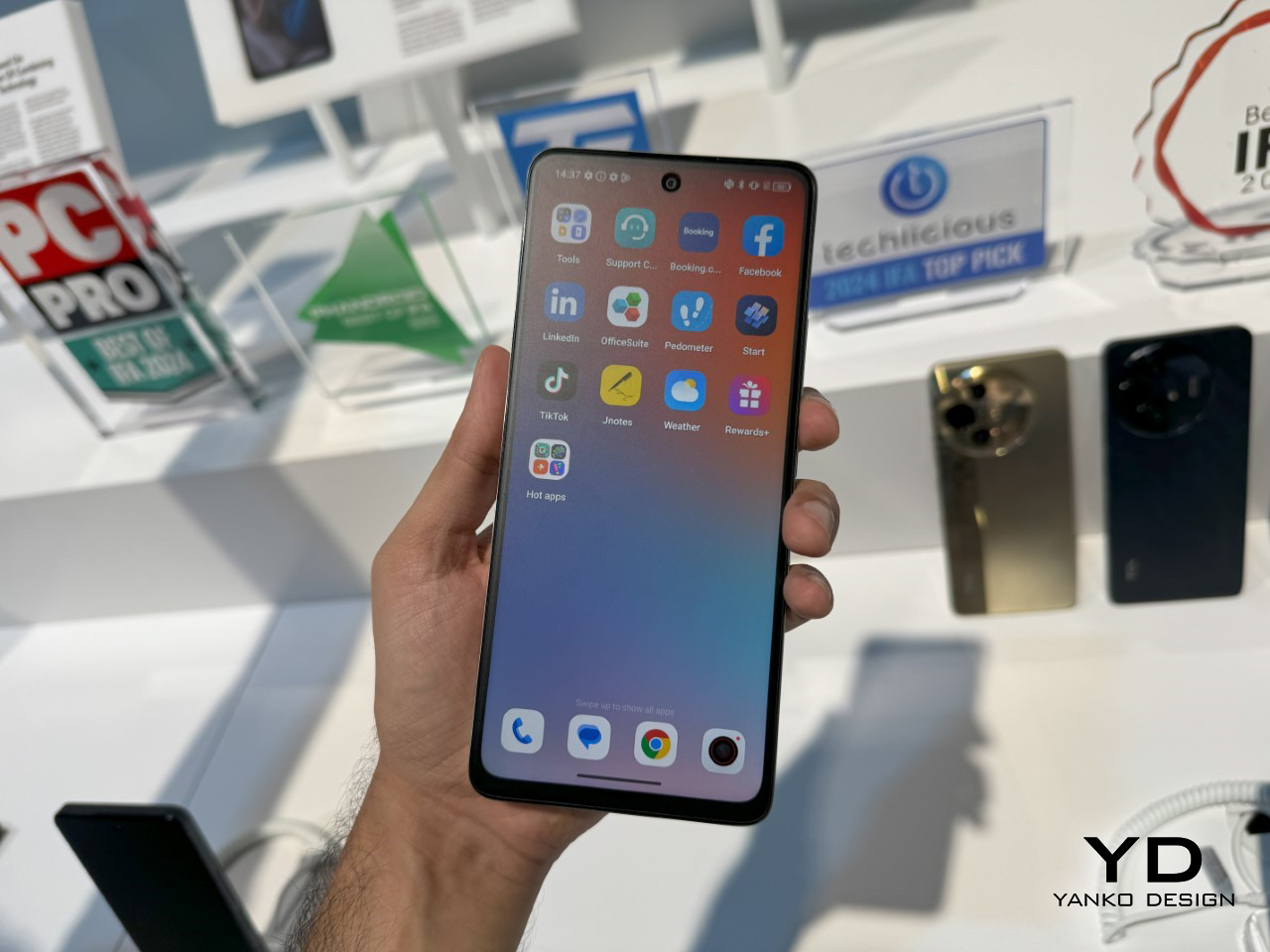
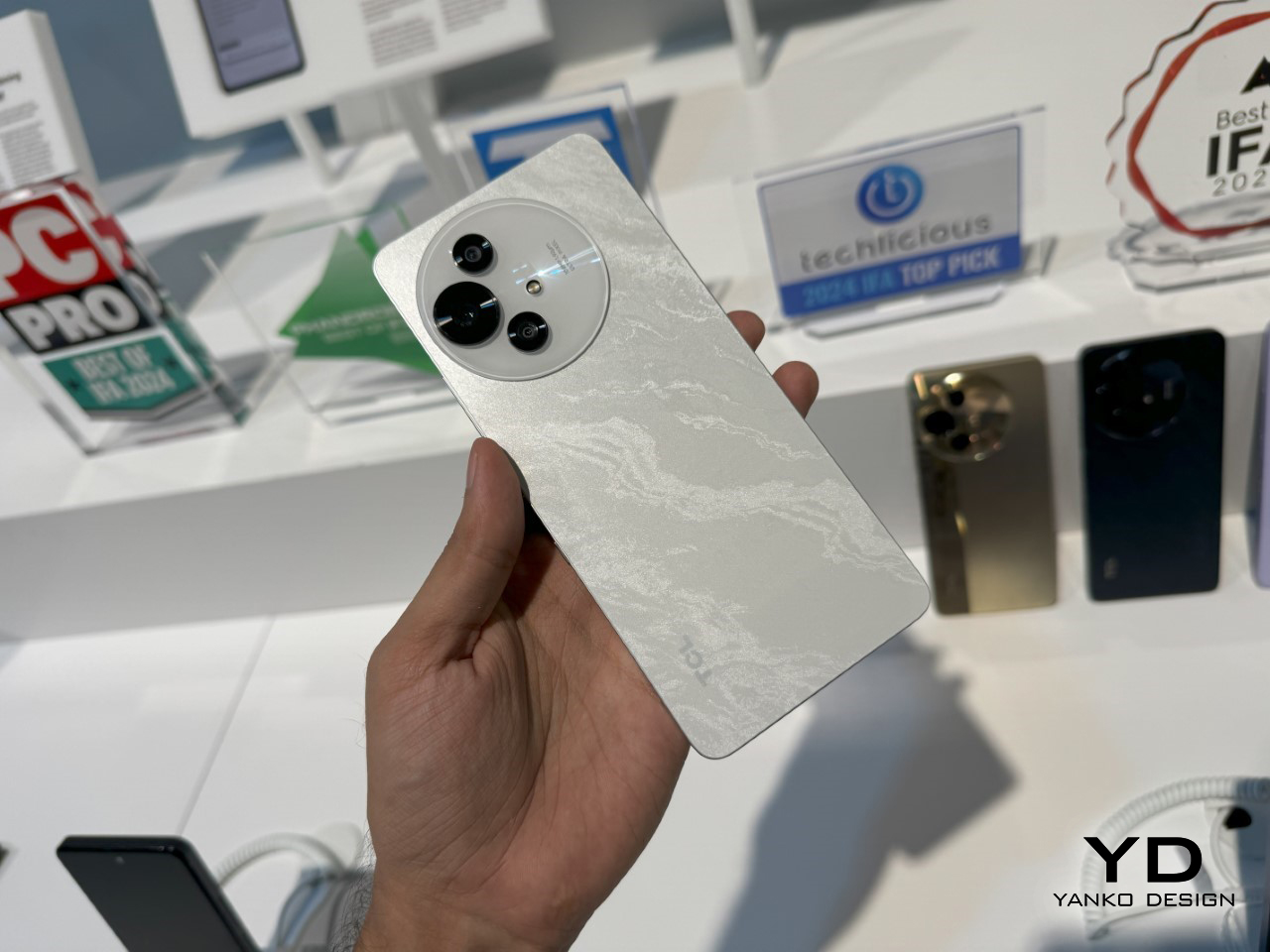
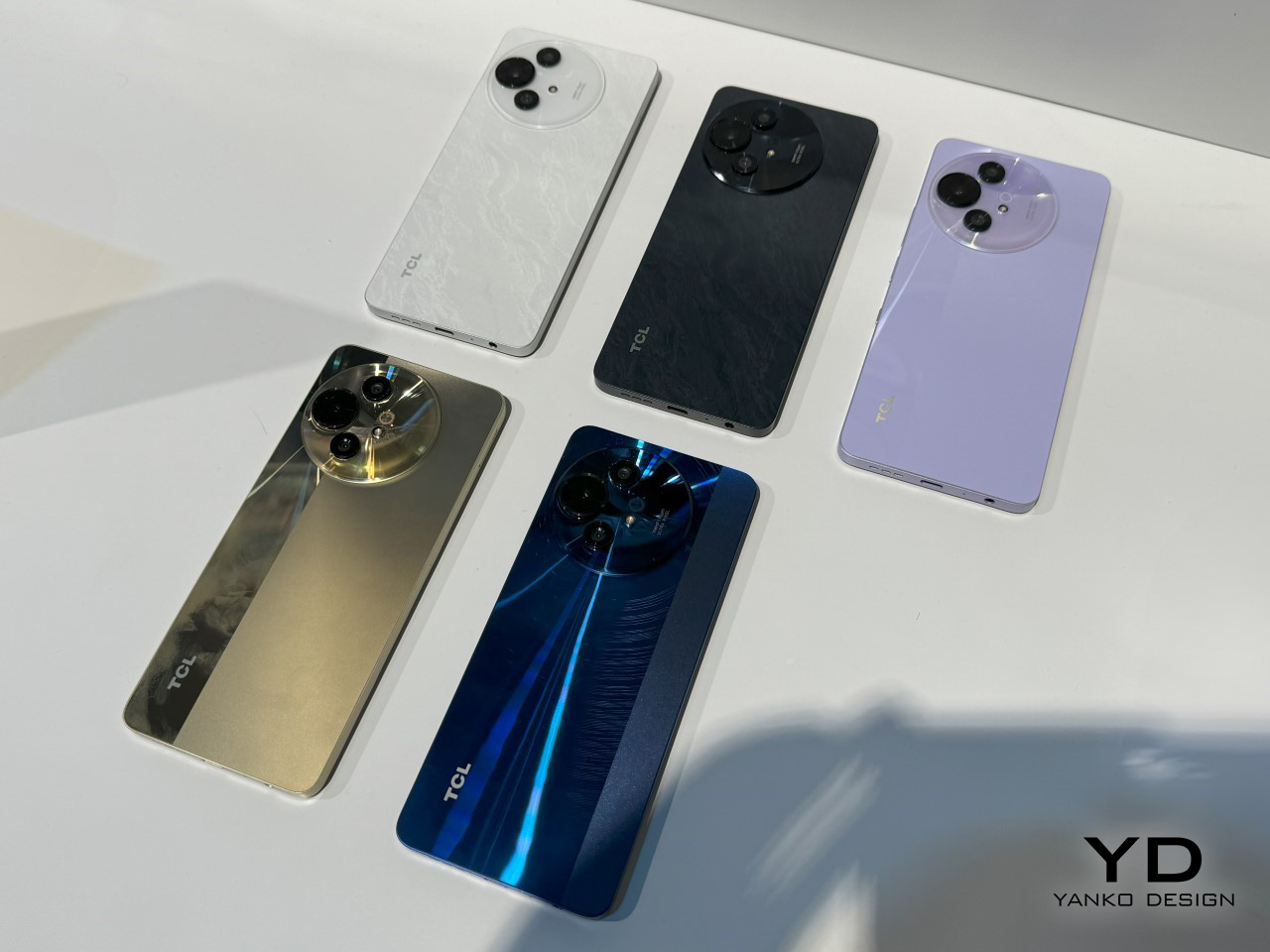
Nobody ever bought a smartphone because of its screen. I’m not talking about foldables, but rather about the regular ‘candybar’ smartphone. The reason you choose a smartphone is for its camera system, its battery life, its processor, its charging speed, its AI features, or its OS. The screen is just one of those aspects that you take for granted… but what if I told you I saw a phone at TCL with a screen so good it’s the highlight of the entire phone? The phone in question is the TCL 50 Nxtpaper 5G phone, and what really sets this phone apart from others is how spectacular its screen is. At first glance, the screen looks like a rather simple matte display, but flip a button on the side, and it magically goes from color to monochrome, transforming into a bonafide electronic ink display that is highly responsive, but has immaculate contrast, and a battery life nearly 7x more than your regular phone. The display is really this phone’s highlight, and shows how TCL’s figured out a compromise between phones and e-ink tablets. The TCL 50 Nxtpaper is a phone when you need it, but hit that switch and you go into easy-reading tablet mode, with a nearly 7-day battery life thanks to the monochrome nature of the display.

The Nxtpaper Display: A Phone Screen That Feels Like Paper

For anyone tired of glossy screens, blinding brightness, and eye strain, TCL’s Nxtpaper technology is a welcome change. The 6.8-inch screen has a matte, anti-glare surface designed to reduce blue light and deliver a paper-like experience, ideal for reading and prolonged use without causing eye strain. Whether you’re reading e-books, scanning through long documents, or even just scrolling social media, the Nxtpaper display reduces the strain that typical LCD and OLED screens can cause.

Unlike traditional smartphone displays, Nxtpaper uses a layered design that reduces blue light by up to 61%, helping prevent eye fatigue. This isn’t just a standard “night mode” either — the display is engineered from the ground up to deliver a paper-like viewing experience that’s easy on the eyes at any time of day. The anti-glare surface also means no more squinting at your phone on a sunny day or awkwardly tilting it to avoid reflections. Text and icons are visible with immense clarity, echoing the feeling of an e-ink screen like the one you’d see on a Kindle.

Despite its paper-like qualities, the Nxtpaper display doesn’t sacrifice color or usability. It’s still a full-color display, and it handles everything from photos to videos smoothly. TCL seems to have struck a balance here, making it a perfect option for people who need their phone for more than just reading but still want that e-paper feel.

Max Paper Mode: Battery Life Like You’ve Never Seen

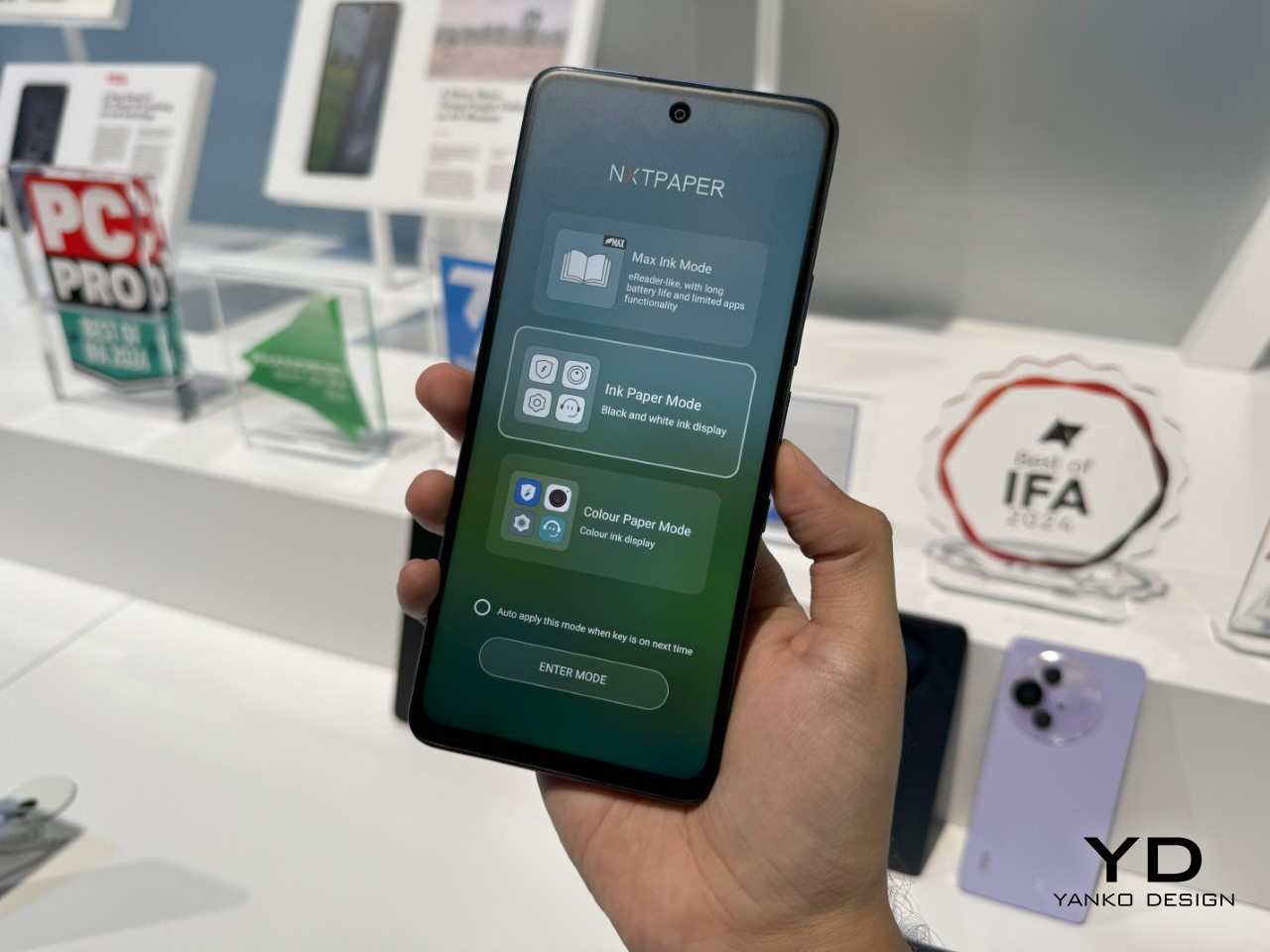
The Max Paper mode is where the TCL Nxtpaper 50 Pro is an energy-savings-beast. When you first hit the switch on the side, you’re offered an option between color mode, ink-paper mode (which offers a responsive e-paper experience), and Max Paper mode. In the latter mode, the phone dials back performance, display refresh rates, and power-hungry features to turn it into a near e-reader. TCL promises up to one week of battery life when this mode is activated — a remarkable feat for any smartphone.

Max Paper mode works by toning down the display and restricting background processes, essentially transforming the phone into a low-power reader. It’s the perfect solution for those times when you just want to get through a book, read articles, or browse documents without worrying about battery drain. Imagine going on a week-long trip without needing to pack your charger — Max Paper mode could make that a reality. In Ink Paper and Max Paper mode, the phone’s home screen even tells you exactly how many hours worth of battery you’ve got, and it’s honestly stunning to see a day-long smartphone suddenly transition into a device that can last over a hundred hours.

Of course, when you want to switch back to full power for gaming, videos, or multitasking, the phone is more than capable. But for users who want to extend their battery life and spend time in a more relaxed reading environment, this feature is a game-changer.

A Practical Smartphone for Everyday Use

The 50 Nxtpaper phone isn’t just about battery life and an eye-friendly screen. It’s a full-featured Android phone that covers all the basics. Powered by a MediaTek Dimensity 6300 processor, it comes with 8GB of RAM and 512GB of internal storage, which can be expanded with a microSD card. It runs Android 14 and is promised to get at least two major OS updates, so it’s future-proof for the next few years.

On the camera front, the 108MP main sensor is versatile, delivering high-quality shots with ease. It’s backed by an 8MP ultra-wide and 2MP macro lens, which offer flexibility for various shooting scenarios, whether you’re capturing landscapes or detailed close-ups. On the front, a 32MP selfie camera ensures crisp photos and video calls.

Other features round out this package nicely, including dual stereo speakers with DTS 3D Boom Sound for immersive audio, 33W fast charging to get you back up and running quickly, and NFC support for contactless payments. Security-wise, the phone includes both a side-mounted fingerprint sensor and face unlock for fast, secure access.

Final Thoughts: A Niche, But Useful Phone

The TCL Nxtpaper 50 Pro might not be the device that makes waves for its performance or gaming chops, but it’s not trying to be. Instead, it’s aiming at a niche audience: people who care about eye health and battery life more than shiny OLED displays and top-tier processors. The Max Paper mode could be a revelation for those who find themselves drained — both figuratively and literally — by their current smartphones. Having received a bunch of awards for just how spectacular the screen is, I sincerely hope TCL manages to make this click. I honestly would love to see smartphones trying new innovations like this rather than bending and folding thrice over like that tri-fold phone that TCL’s rumored to also be working on.

The post TCL’s latest phone has a 1-Week Battery Life, and a VERY interesting new Display: Hands-On at IFA 2024 first appeared on Yanko Design.

Honor’s MagicPad 2 has an AI-Powered Display that can ‘Reverse Myopia’: Understanding ‘Defocus Displays’

If you’re a millennial, you probably, at one point in time, had a parent who said staring at a screen for too long would ruin your eyesight. I dismissed this as an urban myth, but let’s just look at the facts – more than 75% of the world’s adults wear glasses (either for near or far-sightedness). Call it a coincidence or not, our eyesight is getting worse as a species, and it turns out screens do play a role. Myopia, or nearsightedness, has skyrocketed, with experts predicting that half of the world’s population could be affected by 2050. Staring at screens for prolonged periods forces our eyes to focus at a fixed distance, leading to eye strain, discomfort, and the gradual deterioration of vision. With more time spent on screens during work, study, or entertainment, the strain on our eyes is becoming a major health issue.

Honor’s solution comes at an ideal time. The company claims its AI-powered Defocus Display in the MagicPad 2 (and other devices like the Magic V3) is designed to reduce eye strain and potentially even reverse the effects of myopia.

What Is A ‘Defocus Display’?

The Defocus Display is Honor’s secret sauce to eye care, driven by AI algorithms and vision science. The idea is simple but sophisticated: mimic the natural defocusing process that happens when our eyes look at objects at varying distances in the real world. In traditional screens, pixels stay static and crisp regardless of how close or far the viewer’s eyes are from the display, causing the eye’s ciliary muscles to strain from constant focus at one distance.

Honor’s Defocus Display, however, dynamically adjusts the sharpness of certain parts of the screen, similar to how a camera lens focuses on objects at different distances. This creates a more natural viewing experience that forces the eyes to subtly change focus as they would in real-world environments, reducing eye strain and helping the eyes relax.

The company suggests that this natural fluctuation can even slow the progression of myopia, though this part is still being explored by medical professionals. The technology, combined with Honor’s software smarts, adjusts the visual experience based on the user’s needs and viewing patterns, aiming to keep prolonged screen use from becoming a burden on your eyes.

AI at the Helm: How It All Works

At the core of the Defocus Display technology is AI, a buzzword that’s practically mandatory in modern tech. But here, it’s not just hype. Honor’s display system uses real-time data from your viewing habits, ambient light, and the angle at which you hold the tablet to fine-tune its visual output.

If you’re using the MagicPad 2 to read an article or watch a movie, the AI analyzes how you’re interacting with the screen. It automatically adjusts the level of defocus so your eyes aren’t locked into a single focal plane for hours. In essence, it’s taking the concept of “digital wellness” and giving it a mechanical solution, directly at the hardware level.

This feature also integrates with the device’s overall eye-care modes, like automatic blue light reduction and brightness adaptation, to further safeguard your peepers from screen-induced fatigue, as well as ensure your Circadian rhythm doesn’t go haywire.

Does It Really Reverse Myopia?

The claim that the Defocus Display can “reverse” myopia is where things get both exciting and a bit murky. Honor’s technology seems to be based on the idea that by reducing eye strain and encouraging natural focal adjustments, the onset of myopia might slow down. It’s worth noting that while there is research supporting the concept of using visual defocus for myopia management, it’s still early days in terms of solid, widespread proof.

What’s clear is that Defocus Display aims to help maintain long-term eye health. While it may not be a magic cure for everyone, its potential benefits for reducing eye strain could be a game-changer for those glued to screens for hours on end.

Is This the Future of Screens?

Honor’s foray into AI-powered display tech is undeniably innovative, and the Defocus Display might be the first of many steps toward making our screen time healthier. Beyond just Honor, other manufacturers are likely to explore similar technology in the near future, especially as consumers become more health-conscious about their digital habits.

For now, the Honor MagicPad 2 and Magic V3 are leading the charge, offering a glimpse of what’s possible when AI and vision science meet. It’s not often that a tablet or phone tries to actively reduce the harm it could do, and in a market crowded with tech specs like battery life, screen resolution, and processing power, it’s refreshing to see a feature that focuses on something so vital yet so often overlooked: our eyes.

The post Honor’s MagicPad 2 has an AI-Powered Display that can ‘Reverse Myopia’: Understanding ‘Defocus Displays’ first appeared on Yanko Design.

EcoFlow’s Solar-panel Power Hat Hands-on at IFA 2024: Meet the world’s first ‘wearable’ device charger!

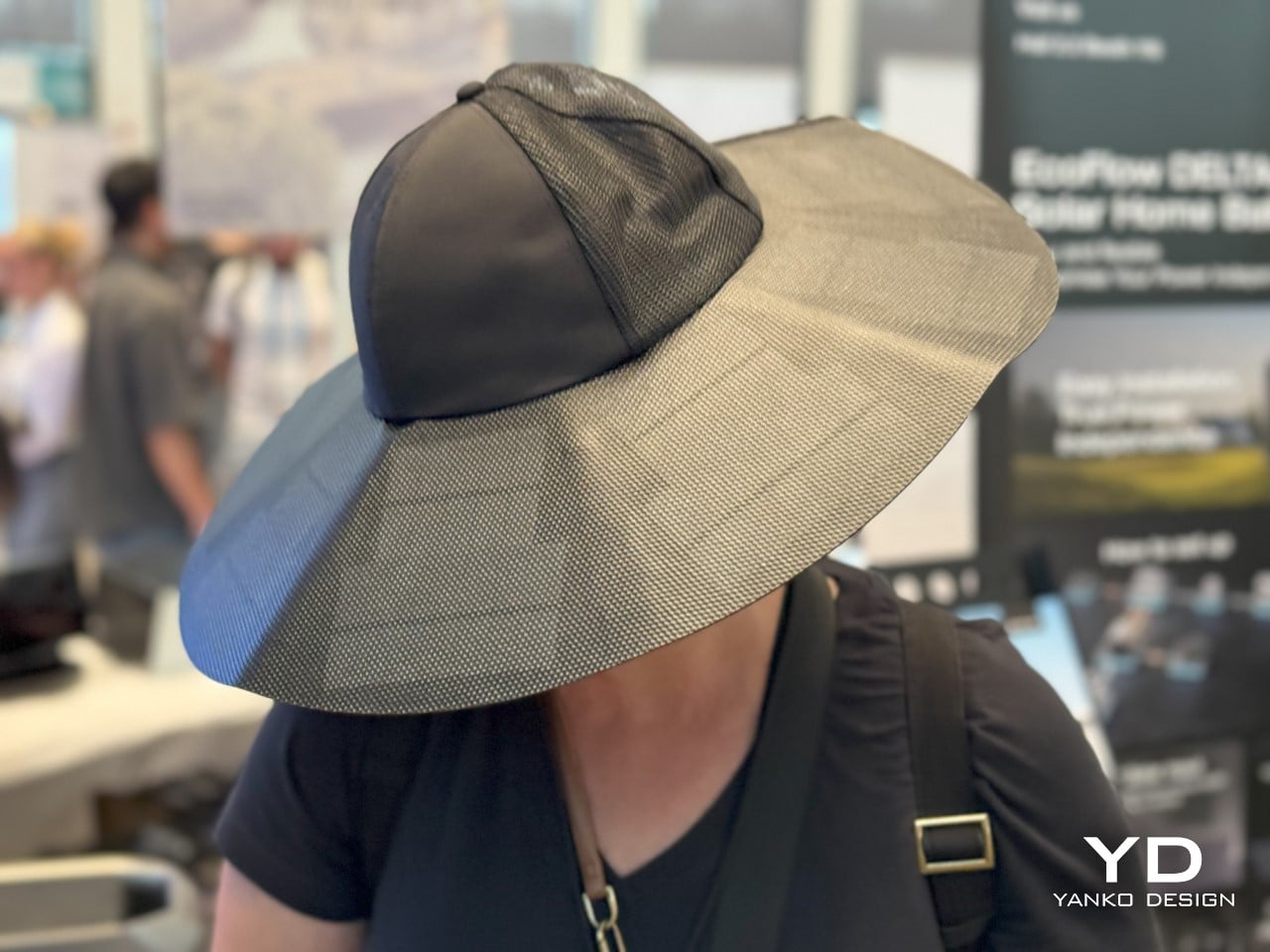
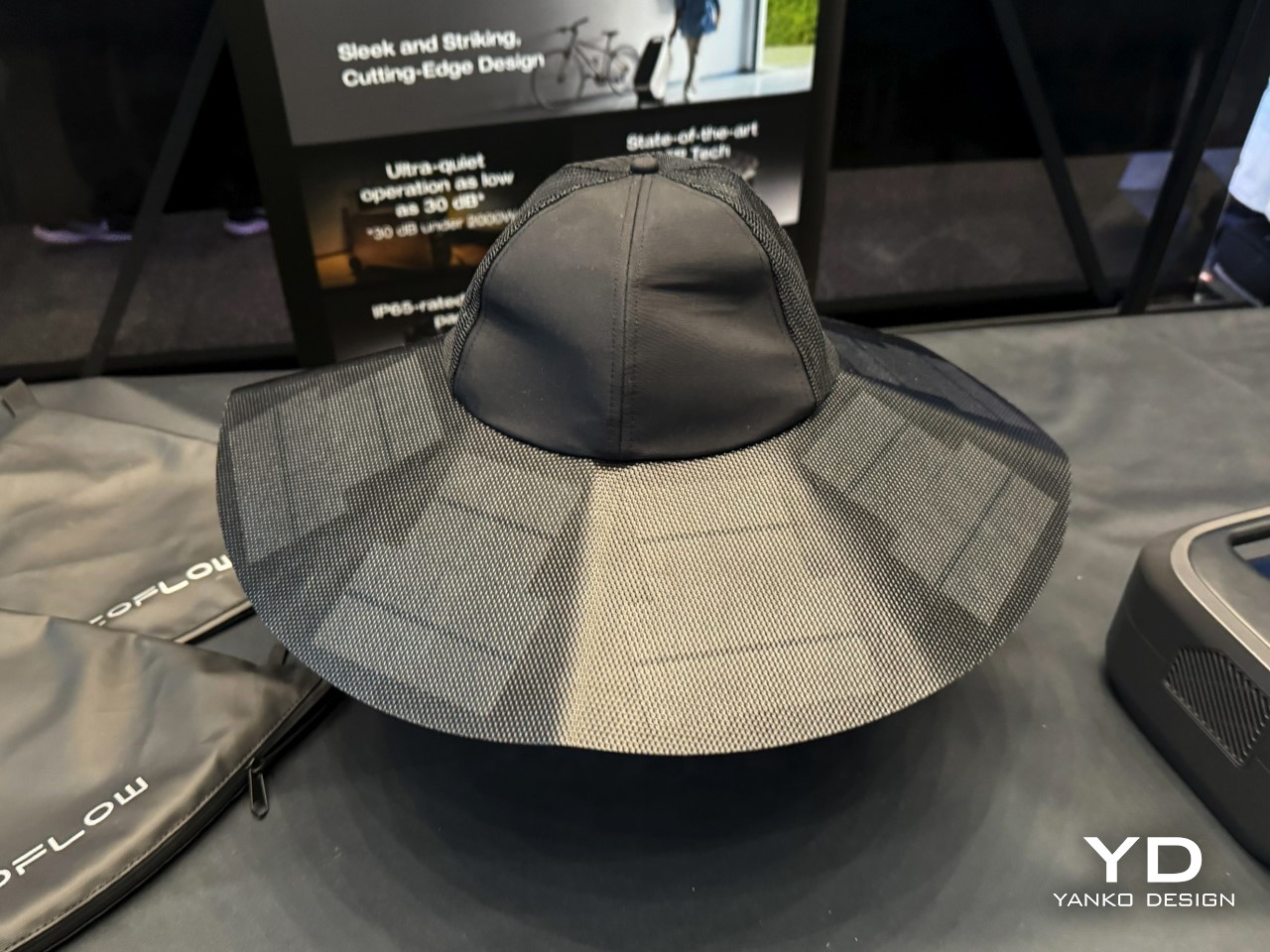
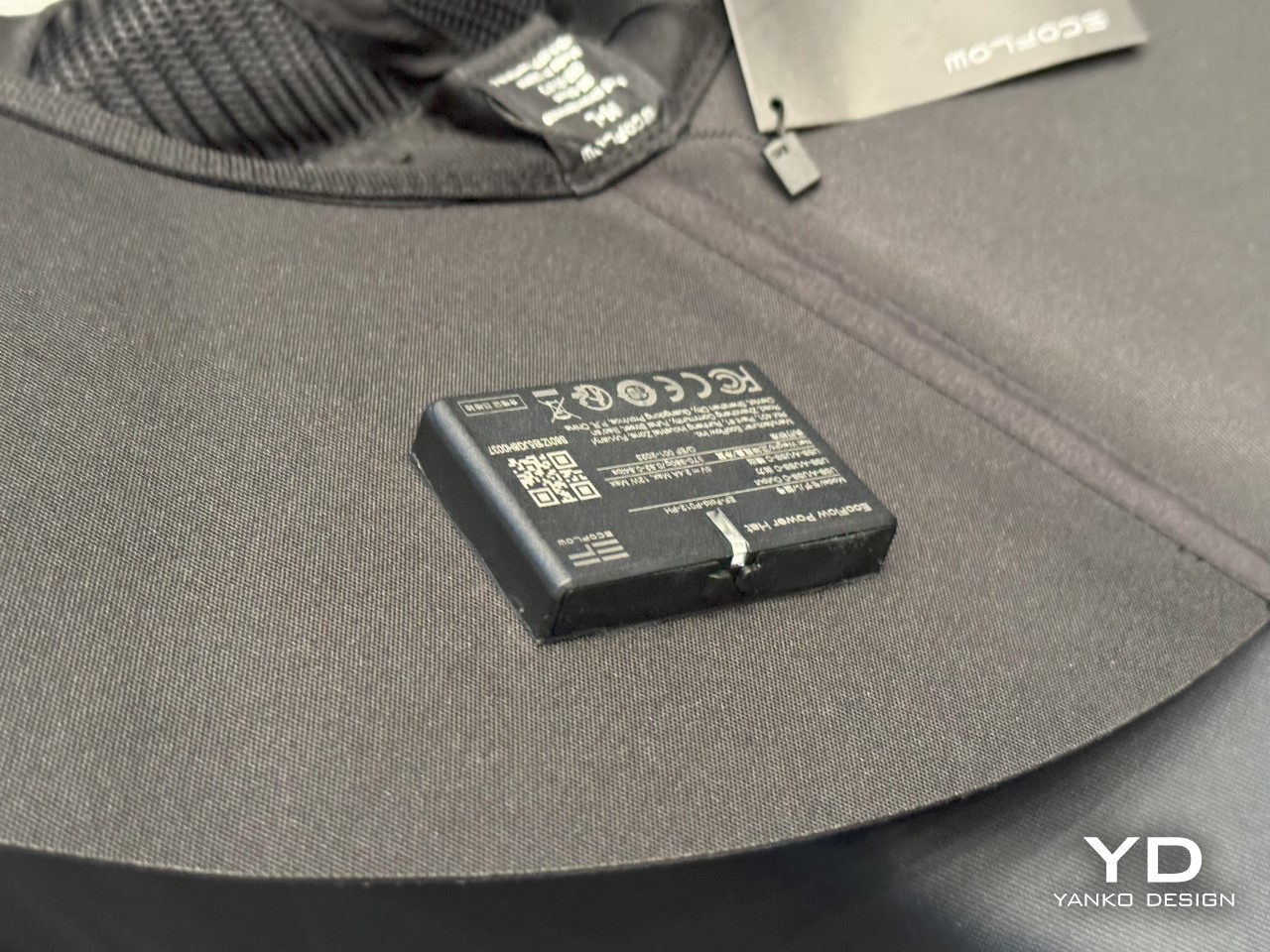
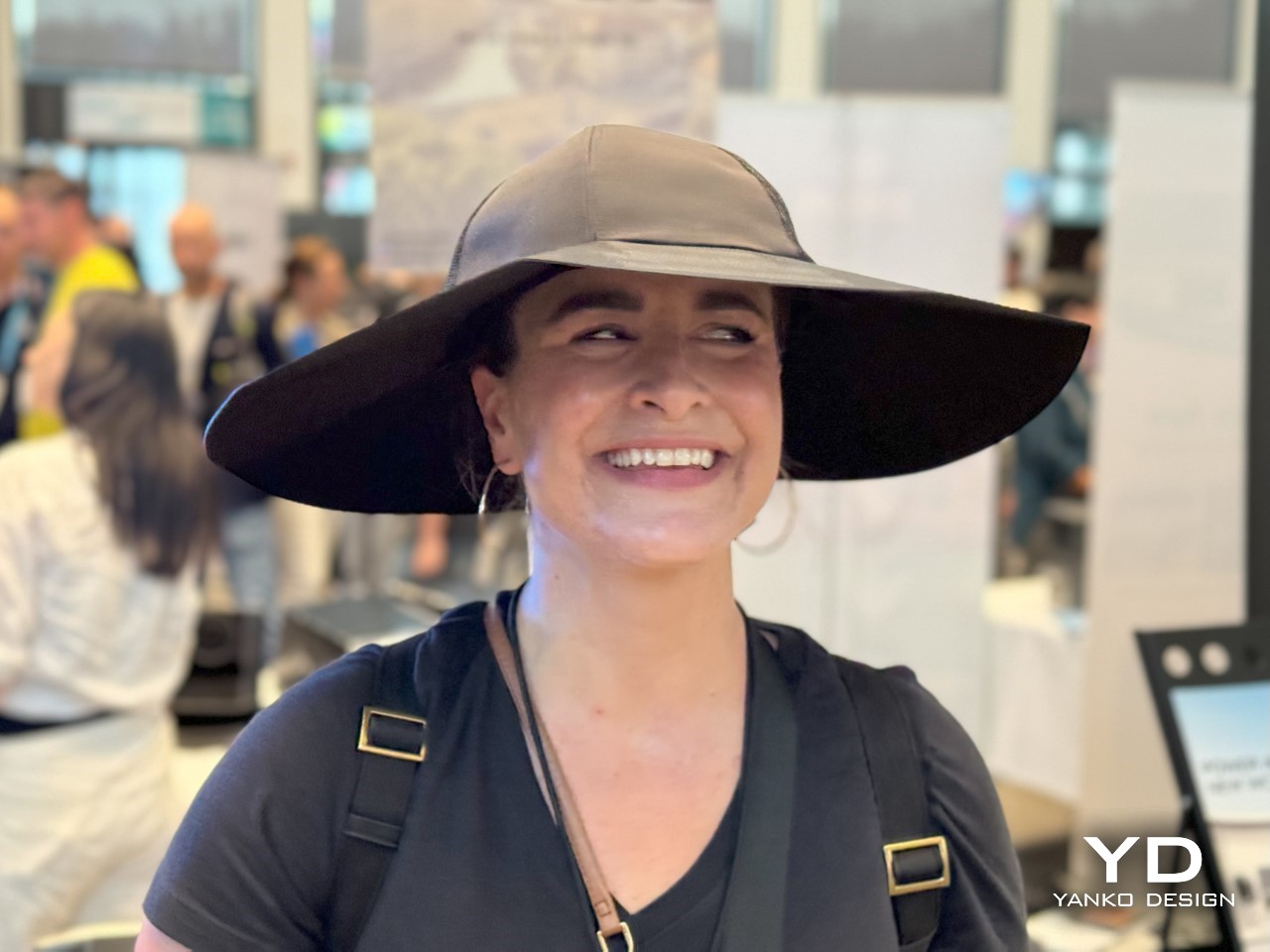
Yamaha, a piano company, also makes motorcycles. Bose, an audio company, happens to also make suspension seats for truck drivers. And EcoFlow, a company known for its portable power stations, decided to enter the fashion market. However, it isn’t that much of a curveball, to be honest – because the product in question still somewhat fits into EcoFlow’s product portfolio. Meet the Power Hat, a sun-hat with a slight difference – the sun-blocking rim comes equipped with solar panels that don’t just cut the glare, they capture it and turn it into electrical power. Spotted at IFA 2024, the Power Hat is a weird accessory, but I guarantee it’s the kind of accessory that will turn heads and have people asking you where you got it from.

Designer: EcoFlow

What’s the Deal with the EcoFlow Power Hat?

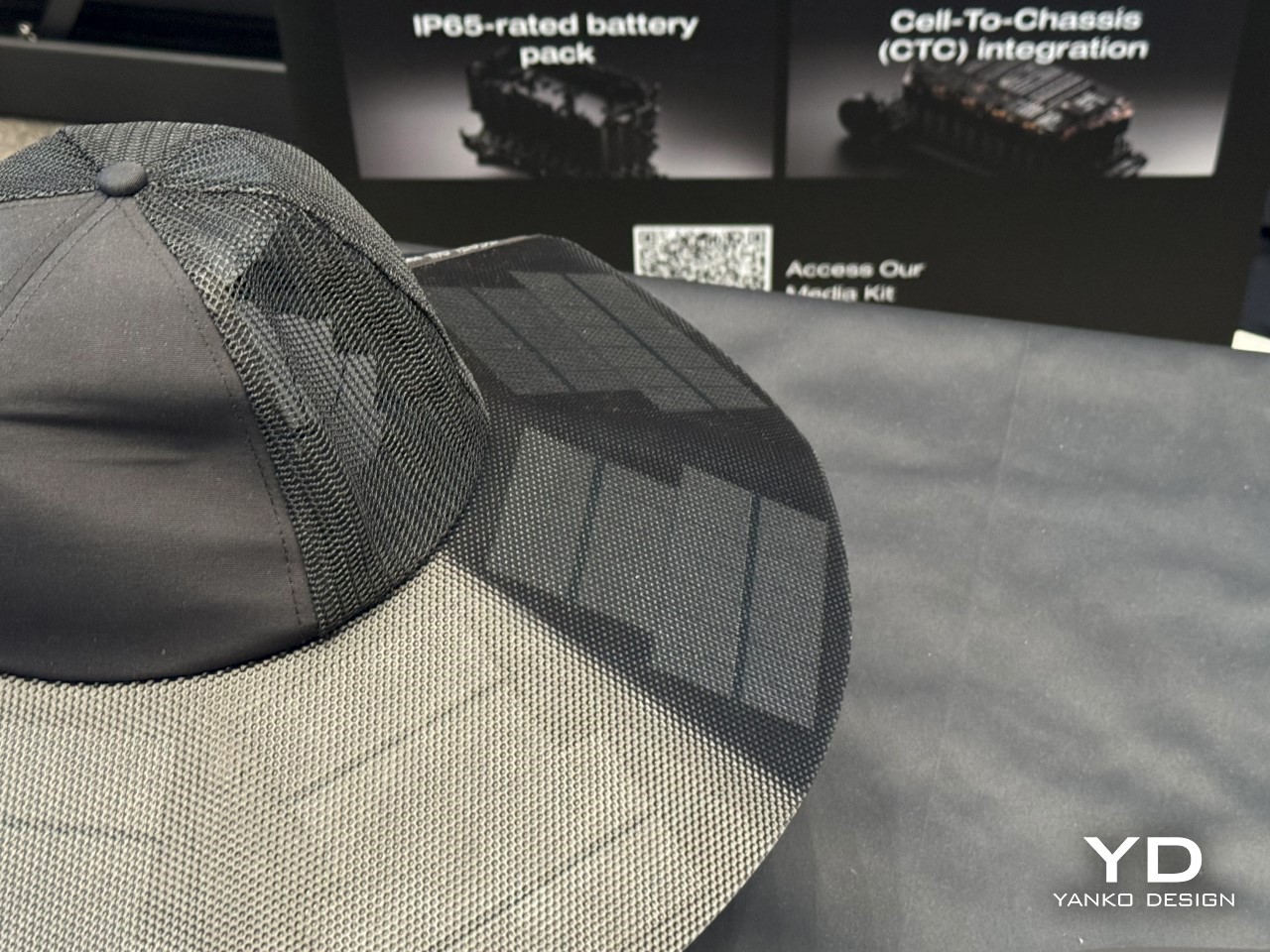
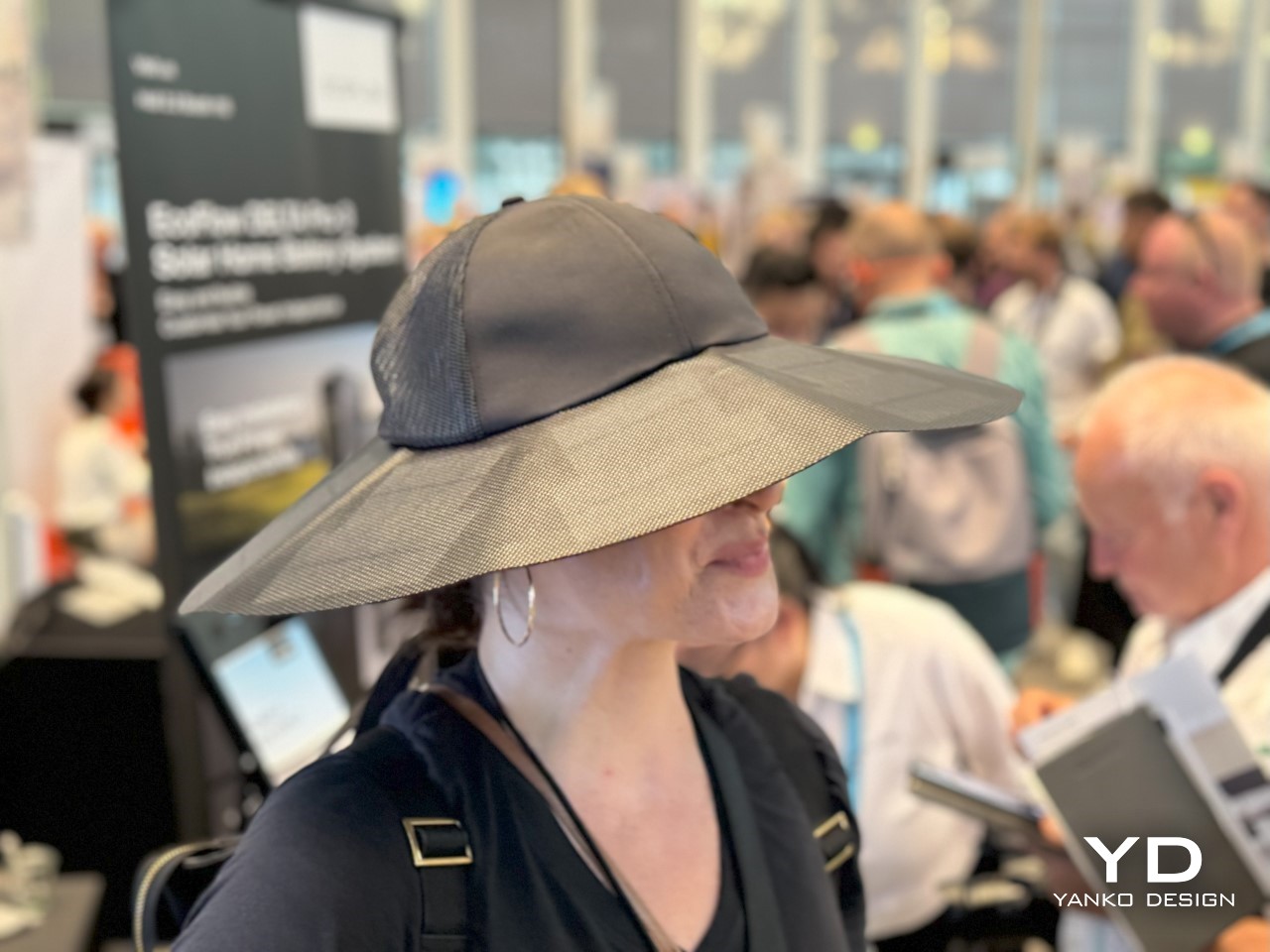
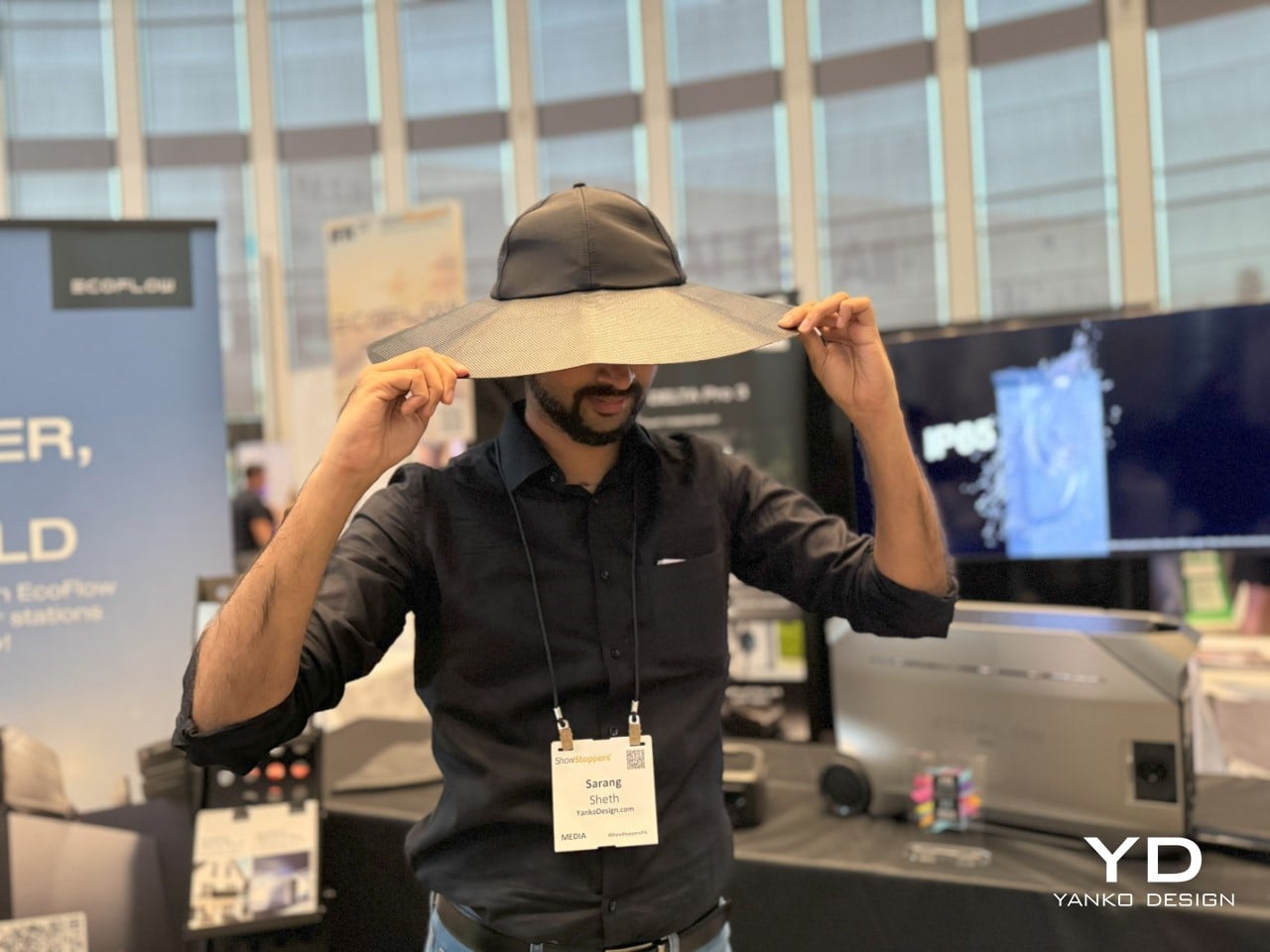
At first glance, the Power Hat looks like your average wide-brimmed sun hat, the kind you’d see on a hiker or beach-goer. But hidden in plain sight is a flexible solar panel sewn right into the brim. This panel absorbs sunlight, converting it into usable power that charges your devices via a USB-C port tucked discreetly in the inner band. It’s designed for people who spend time outdoors—think hikers, campers, or anyone else who finds themselves without an outlet when they need a quick charge.

EcoFlow’s core mission has always been to make clean energy accessible, and the Power Hat is a clear extension of that. It’s a simple but clever solution: harness the sun to keep your phone alive. You won’t be powering your laptop or an entire campsite with it, but for smaller devices like smartphones and GPS units, it’s a handy backup.

A Walking Charger, Literally

So how does it work? The flexible solar panel captures sunlight as you go about your day, and the energy flows through to the USB-C port inside the hat’s band. You plug in, stash your device in a backpack or pocket, and let the sun do the rest. There’s no app, no settings, just solar power straight to your phone.

It’s a far cry from the clunky solar backpacks of the past—here, you get style and function wrapped in one. However, specifics on the exact charging speed remain vague. From what we saw at IFA, it’s more of an “emergency boost” than a full power-up. If you’re thinking of using it to charge a dead phone from 0% to 100%, you’ll want to manage your expectations. But if your battery’s at 20% and you need a bit more juice to get through a hike or festival, the Power Hat should do the trick.

A Hat That’s Actually A Wearable

Fashion and function don’t always play nice, especially when tech is involved. But EcoFlow seems to have struck a balance here. The hat is designed to be worn for long periods without feeling like you’ve got a mini solar farm on your head. Early reviews from IFA attendees suggest that it’s surprisingly comfortable, even with the embedded solar panel. The wide brim offers decent sun protection while giving the solar panel enough surface area to be effective.

While it’s not exactly runway-ready, the Power Hat doesn’t scream “tech gadget,” which is a win in itself. You’re not sacrificing aesthetics for utility, and it looks like a regular sun hat—until you plug in your phone, of course.

Where Does It Fit?

The Power Hat sits somewhere between a practical gadget and a novelty, depending on how you look at it. On one hand, it’s a genuinely useful tool for specific situations. If you’re out in the sun for hours, why not make use of that solar energy? On the other hand, it’s not exactly a game-changer for most people. Solar power banks or portable chargers probably still offer more versatility, especially for those who need serious charging power. But if you’re all about compact, multi-purpose gear, the Power Hat could find a place in your kit. With its $79 price tag, it’s definitely expensive for a hat, but can you really put a price on being energy-independent and sustainable? Moreover, the idea of a hat charging your phone, tablet, or earbuds definitely seems worth $79.

Final Thoughts

EcoFlow’s Power Hat is a quirky, eco-friendly addition to the wearable tech landscape. It combines the practical with the unexpected—a sun hat that helps charge your phone. While we still have questions about its real-world performance, it’s an intriguing product that could appeal to outdoor enthusiasts or anyone who enjoys tech with a touch of flair.

Who knows? Maybe the Power Hat will start a trend. Hats aren’t just for blocking the sun anymore—they’re for charging your phone while you hike, hit the beach, or attend that all-day music festival. Just don’t forget to bring a backup charger… in case it rains.

The post EcoFlow’s Solar-panel Power Hat Hands-on at IFA 2024: Meet the world’s first ‘wearable’ device charger! first appeared on Yanko Design.

“Learn to ‘pitch’ your process” AEG+Electrolux Leadership talks about Design Ethos, Career Growth, etc.

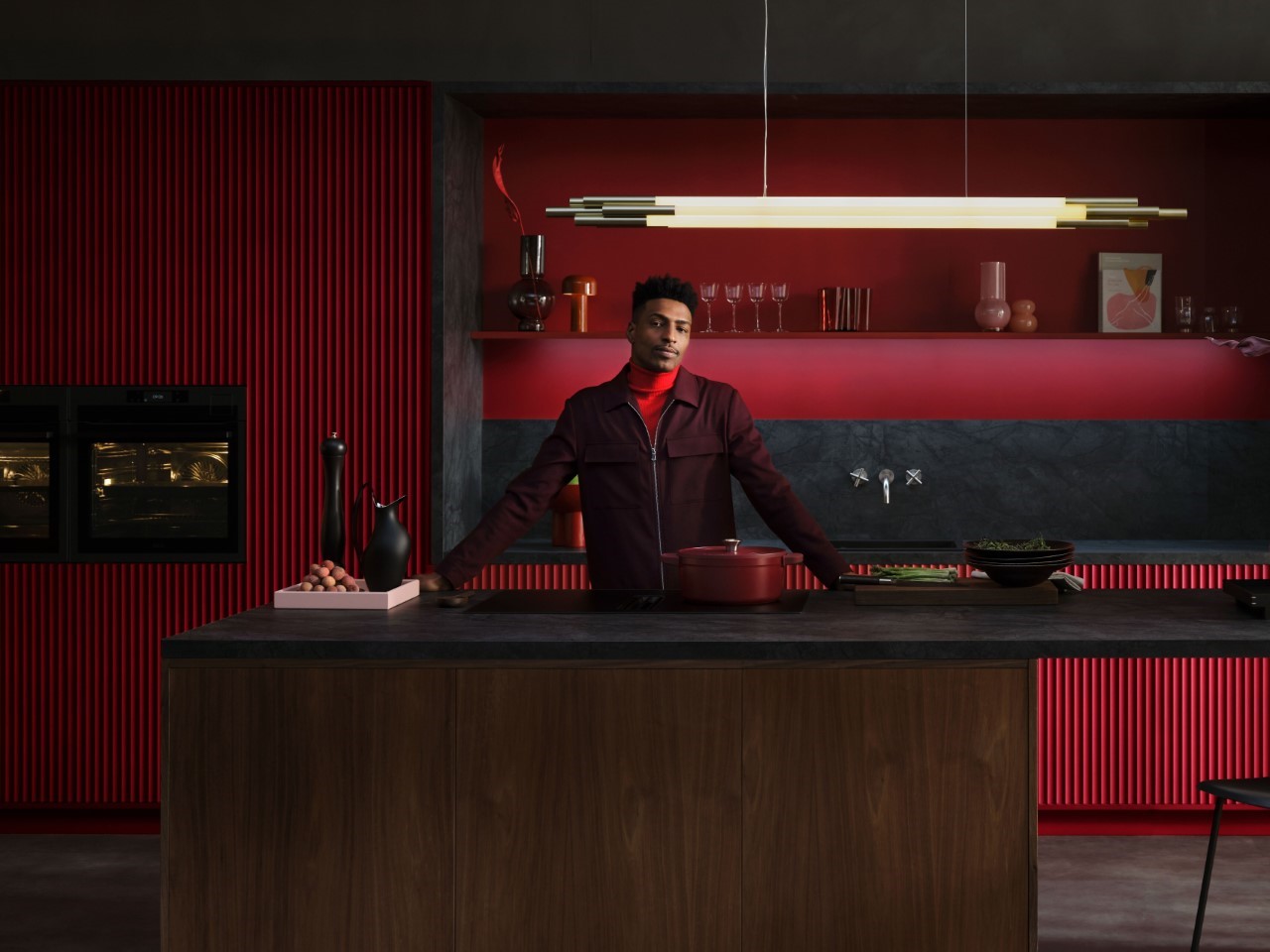
It’s rare that we as consumers get a look behind the curtain to see the design process behind the products we use. In fact, even as designers, we’re usually very appreciative of a final product, not having any idea of the process behind it… and rightfully so – companies hold their cards close to their chest. You’re probably never going to get an insight into how Apple makes its phones, or how Lockheed Martin makes its jets. All these processes are highly confidential, however, for creatives, there’s a lot to be learnt from getting exposure to great design companies, their processes, and even the mindsets of their creative leads and heads. It’s rare for us to get such an insight, but not entirely impossible. We got the opportunity to sit down with the design leads at Electrolux and its premium brand, AEG, and ask them questions we wouldn’t normally get to ask. Keeping products and launches aside, we spoke about design processes, thought patterns, approaches to sustainability, and even managed to ask them the most important question of all: What does it take to get hired at Electrolux/AEG! Take a stroll through the interview below with Thomas Gardner (Global Senior Design Lead for Product Line Taste at Electrolux Group) and Christopher Duncan (Head of Product Line Taste at Electrolux Group in Europe APMEA), and be sure to bookmark the page for later.
Yanko Design: For our readers who are getting their first insight into AEG’s design wing, tell us a little bit about the philosophy behind how you operate.

Thomas Gardner: With consumer-centricity and sustainable living as our guiding principles, design has become so much more than just giving form to objects. Working on such a complex ecosystem of appliances involves so many different skillsets and expertise, from usability research to materials specialists, digital craftsmanship and project leadership. We’re not just designing products, we are creating an entire cooking experience that spans all manner of technology and platforms. Being able to create a cohesive and harmonious outcome, that’s the real magic of delivering a range of products such as this.

YD: Does the design team spearhead which direction the company innovates in? Or is it more of a collaborative effort between management, marketing, engineering, design, etc.?

Thomas Gardner: It is absolutely a collaborative effort, since good innovation rarely happens in a vacuum. The only way we can innovate in a meaningful way is to base the creative process on real observations and genuine consumer understanding.

Christopher Duncan: Design has been one of the key ingredients in our innovation process. Because at Electrolux Group we see the designers not just focusing on 3D design. They are at the center of our so-called innovation triangles, our cross-functional teams working on innovation, at the forefront of developing great solutions for our consumers. Thinking out of the box to deliver functional and meaningful design.
YD: Tell us a little about the current line being debuted at IFA 2024.

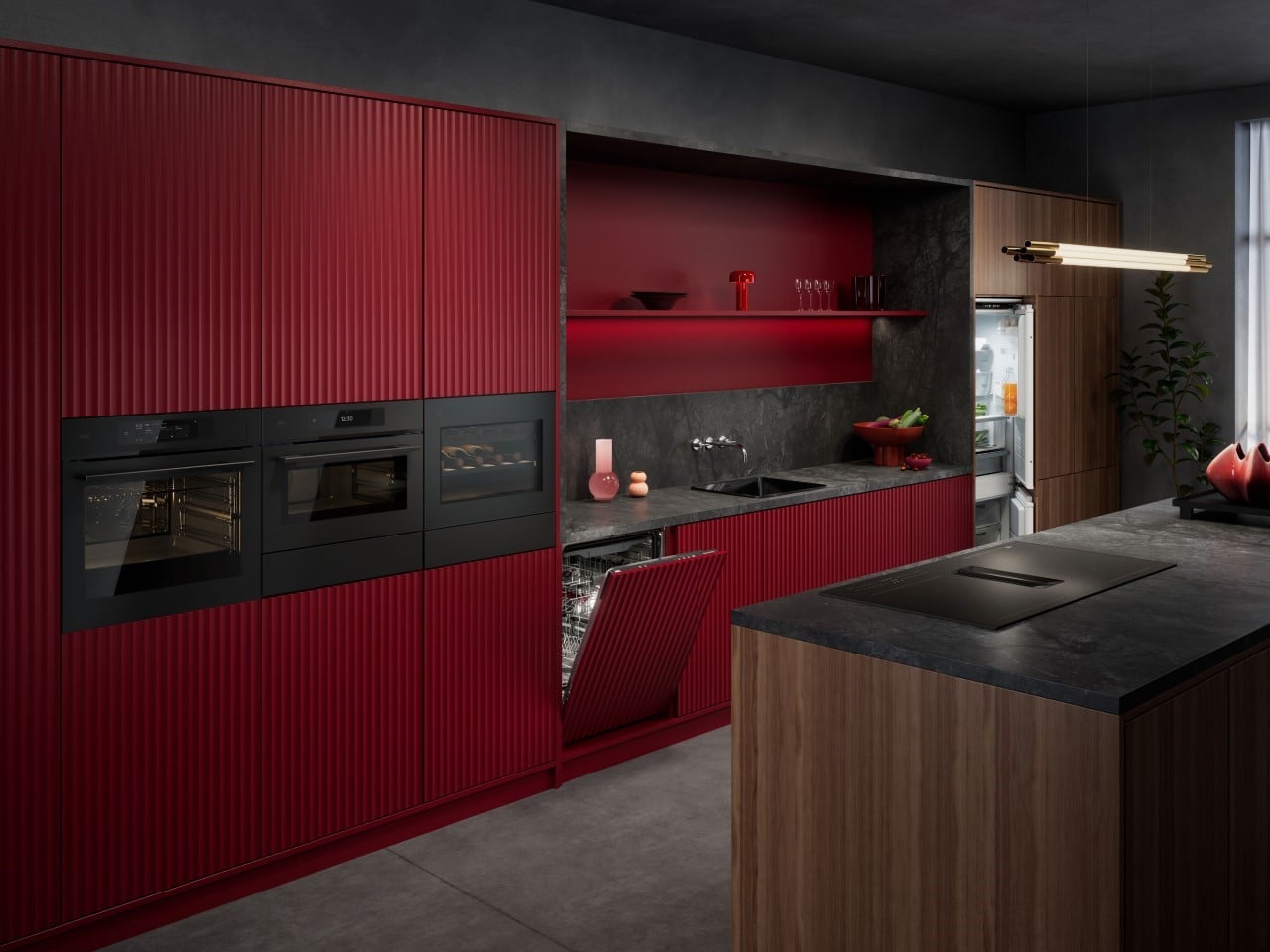
Thomas Gardner: The three pillars that underpin this range are SUSTAINABLE, PERSONALISED, and INTUITIVE. Sustainable, as in using the full potential of a connected ecosystem in order to guide the user to make smarter decisions about what they cook and how they cook it. Personalized, as in offering an experience that grows and develops with you, guiding you into exploring new techniques and technologies. Intuitive, as in everything being exactly where you need it and where you expect it. As an example, we’ve been working with eye-tracking technology to validate the placement of functions, buttons etc… So let’s say you ask 100 people ‘How would you turn on the oven’ and a majority of the participants first looks in lets say the top left corner of the product, well, you may not have the final solution but you have a really good clue to research further… just one example of how we research and validate that which may seem obvious.

YD: What about the new features being debuted this year?

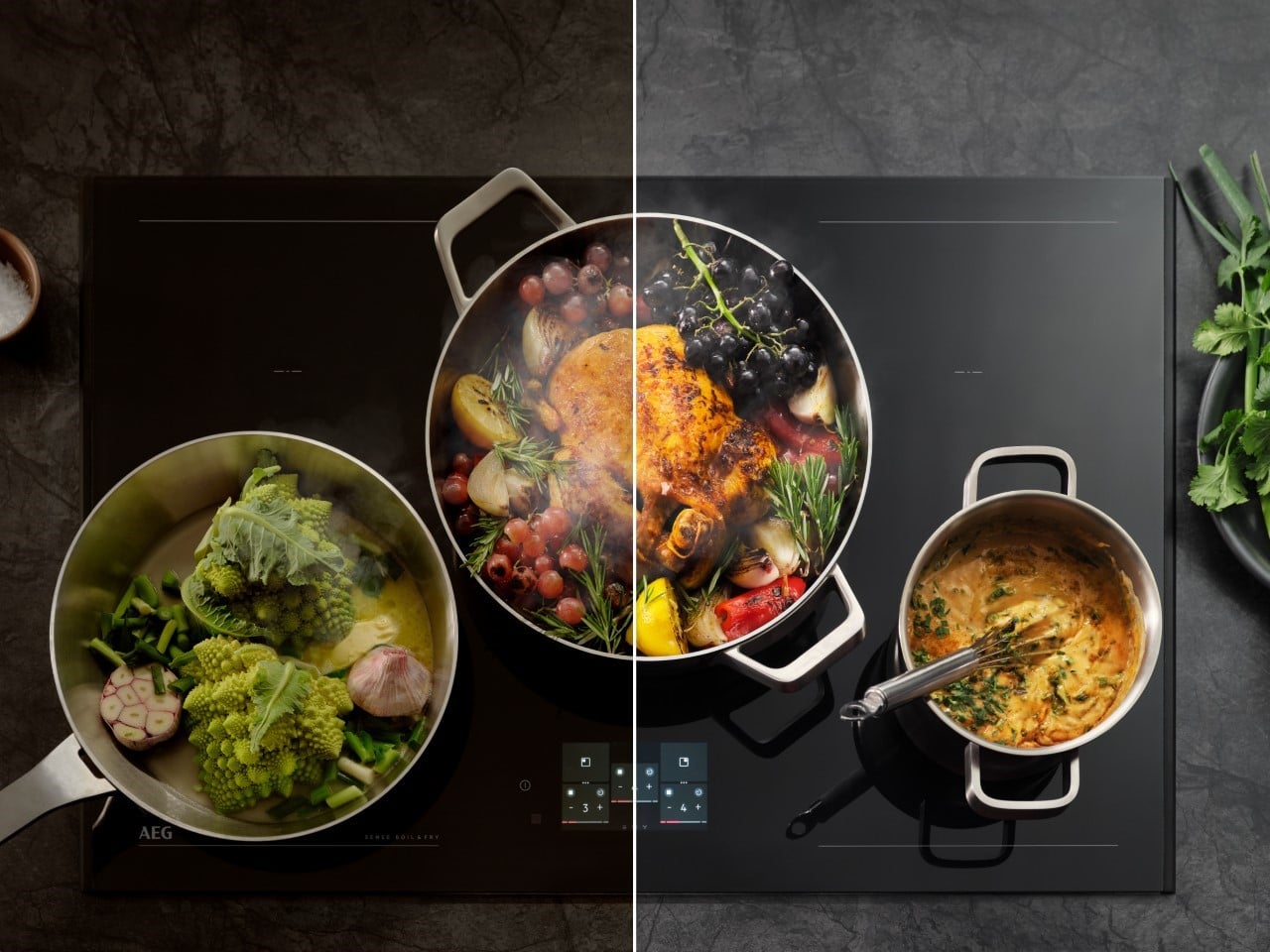
Christopher Duncan: The new AEG Kitchen Range is articulated around 3 main pillars: A Striking Design, Sustainability enablers, and Assisted Cooking redefined. The jewel of our kitchen design lineup is our stunning AEG SaphirMatt Induction Hob, which received the “Best of the Best” Red Dot Design Award. It’s a perfect example of what I call functional design. Thanks to the matte texture of the ceramic glass we can offer 4 times more scratch resistance and no more fingerprints.

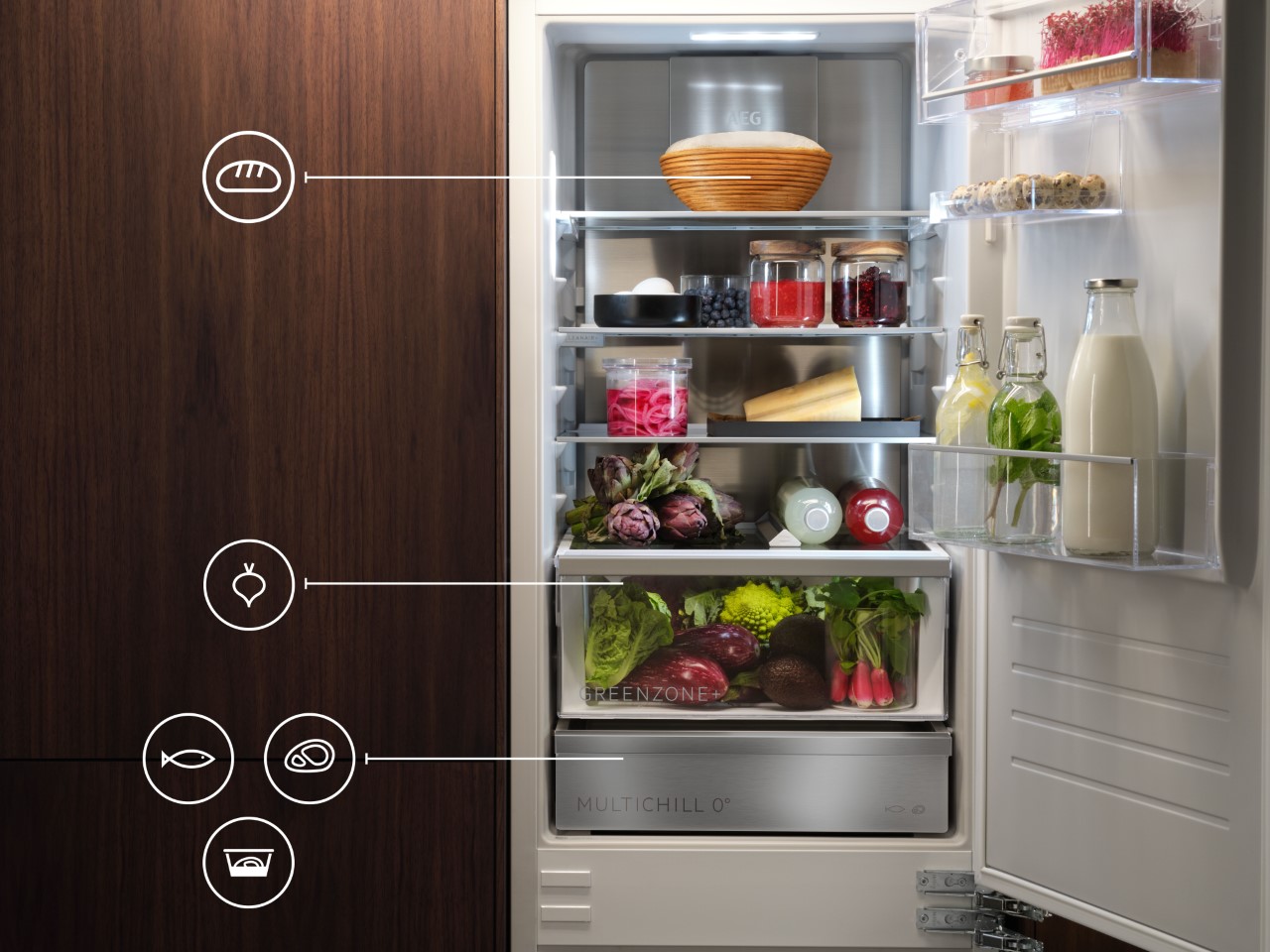
When it comes to responsible living & sustainability, we strengthen our AEG Ecoline offering with better energy class across the whole range and provide eco guidance tips to consumers helping them to save 30% energy across the range.

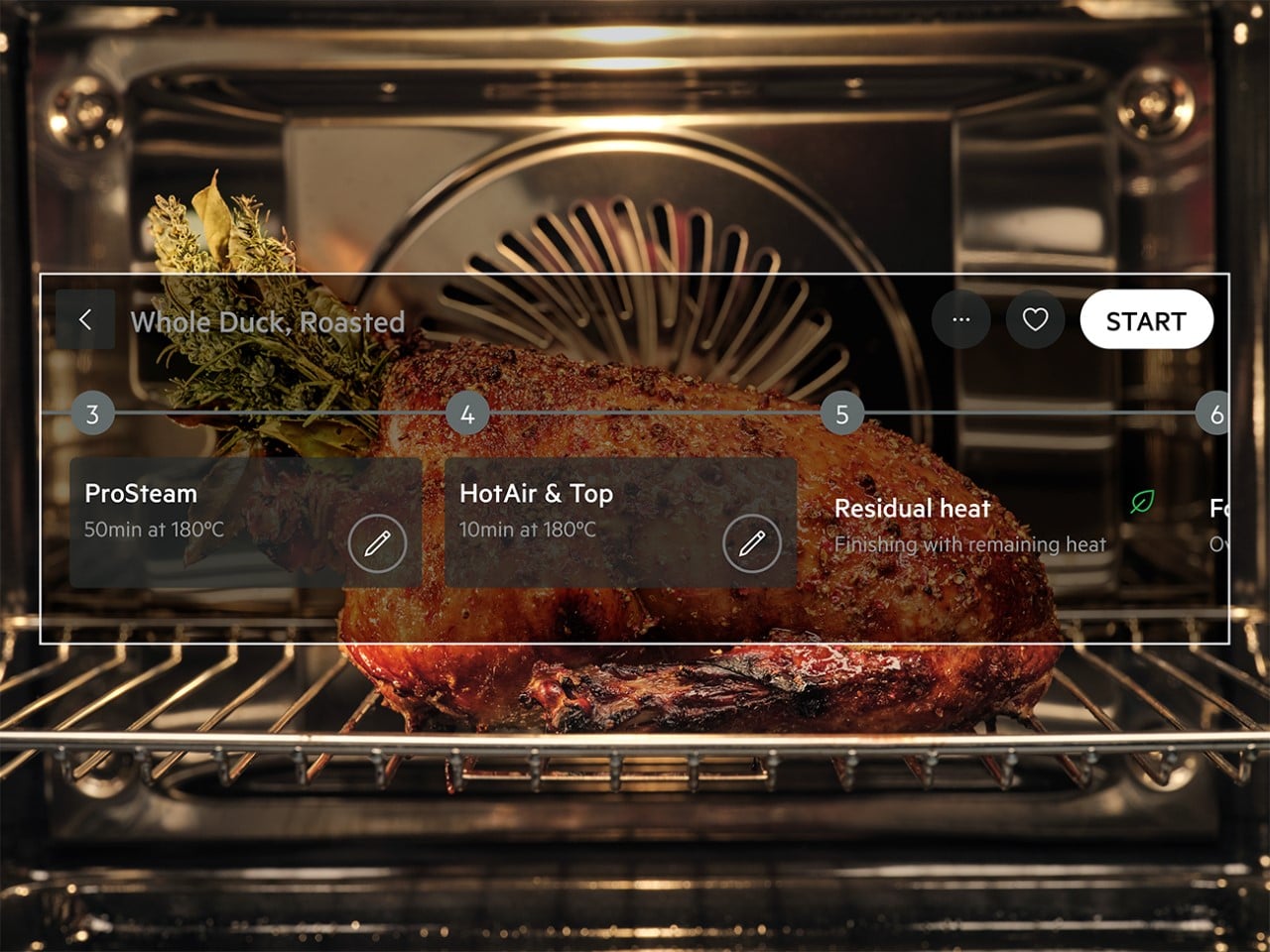
Let me now elaborate a bit more on what we are doing to bring more assistance to the consumers. We are coming up with new connected User Interfaces, across ovens and hobs, which we call CookSmart Touch. And we are launching a world premiere with AI TasteAssist. This is a cool feature enabled by our AEG App that helps consumers to turn online recipes into optimized settings for their oven. The key insight is that 80% of consumers look online for recipes. And most of these recipes recommend a top-bottom heat 180 degrees program… simply because they are universal recipes that have to apply to any oven. Thanks to AI TasteAssist, we are able not only to automatically translate the recipe into cooking settings for the oven, but we are able to optimize the settings for better taste and more healthy cooking thanks to Steam.
YD: How would you describe your design language?

Thomas Gardner: What I’m personally really proud of is how we’ve managed to keep the design language really restrained. It’s all about having a few visual elements that can be applied across different product categories, creating a sense of familiarity without feeling forced on the individual product. It’s really understated which I feel conveys a strong sense of confidence and purpose. Maybe the best example of this being the execution of the AEG logotype on our Matte Glass products, where the appearance of the logo is simply the absence of matte surface. Our logo, our most precious commodity, simply being expressed in negative space. I really like that.

YD: We’re actually debuting a collaborative Design Competition shortly too, can you tell us what kind of decor do you see these products fitting in? Do you personally believe in a cohesive design language or do you like the idea of products standing out against their surroundings?

Thomas Gardner: For what we do, how we sell our products, and the context they work in, I believe a cohesive design language is critical. Just as an example, having the same tone of black across the range rather than multiples thereof helps not just in simplifying production but also in creating a sense of whole, harmony, and completeness. This becomes even more important in the creation of user interfaces, where learning new icons and behaviors for each product would be extremely frustrating and inefficient for the user.

YD: I’m sure sustainability plays a very important role in the way products function. We remember seeing quite a few unique features in the dishwashers and washing machines from a few years ago. How is this current product line championing sustainability and zero waste on the design end?

Christopher Duncan: As I mentioned, Sustainability is one of the three pillars for this new range. Since 85% of the global climate impact of an appliance is coming from the usage phase, we dedicated more effort to reducing their energy consumption. That means we secured updated energy classes for all products in line with industry best practice. We then spent more time to give eco guidance to our consumers through our new CookSmart Touch User Interfaces, helping them to reduce energy consumption by 30%. Let me give you two examples. On our hobs we offer the SenseBoil technology. Thanks to vibration sensors in the hob, we’re able to detect when the water is boiling, and therefore able to reduce the power at that stage. Did you know that 20 seconds of overboiling with an induction hob consumes as much as charging fully your mobile phone? The second example is on ovens: we have configured our cooking cycles in a way that uses the residual heat in the oven cavity to finish the cooking, to reduce energy wastage. Consumers are really welcoming such smart solutions that help them to reduce their carbon footprint and at the same time save money.
YD: As far as the consumer goes, how do the sustainability-driven features affect/uplift their lives? There was a debate in 2019 about how the ‘Eco’ feature in dishwashers may take less time, but it ends up using more water and energy. How is Electrolux Group approaching these issues this time?

Christopher Duncan: It’s more and more important for consumers, not only because they have become more eco-conscious due to climate change, but also they have felt every month the increasing cost of energy affecting their purchasing power especially during the energy crisis last year. The challenge for us is to make people understand what drives energy consumption in appliances. For example, our dishwashers eco programs take more time. Why? Because what drives most energy consumption is the heating of the water. So to reduce energy consumption, we lower the temperature of the water but we then need to compensate this with more mechanical action from the water jets in order to deliver the same washing performance. It’s quite counterintuitive for consumers to understand that longer dishwasher cycles consume less energy. That’s why we developed the QuickSelect user interface. Slide your finger along the MyTime slider to set the cycle duration. The display will show the program length and provide guidance on energy and water consumption, indicated by green ECO bars on the left-hand side. The more green bars, the less energy and water you use.

YD: What sets your design ethos apart from other brands in this space?

Thomas Gardner: As I touched on before, having the confidence to go understated and restrained, rather than loud and decorative. Having the final consumer in mind rather than the crowded shop-floor environment has guided our process into one of calmness and intuitive, simple usability. Our continued commitment to a more sustainable way of living and eating is also pretty unrivaled in the industry and it carries across to the products we make, no matter if it’s the materials we use or the guidance we provide.
YD: A lot of our readers are designers or aspiring designers. What’s the one thing you learned on the job that you didn’t learn at design school?

Thomas Gardner: Communication and collaboration is everything, at least if you wish to work on complex industrial products like these, that literally involve hundreds if not thousands of people across multiple-year long timelines. The trust and respect of your colleagues is the single most valuable currency you have and it takes years to build up. The language you use is as important as the pictures you show, whether it’s giving a presentation or writing an email. So make sure you master both.

YD: Finally, a portfolio question. What do you look for in a designer/creative and a manager in product line when they apply for a job at Electrolux Group?

Thomas Gardner: Finding that perfect person to join your team can be one of the most challenging yet rewarding and stimulating experiences you encounter as a design leader.

Normally, let’s say I’m hiring for a junior designer, I would be looking for two things, mainly:
1: Does this person have the capacity to be somewhat productive from day one? To know that, I’m looking for some nice computer renders, perhaps some storyboard illustrations, basic Photoshop work, a good sense of visual space, layout etc… Since I’m probably looking at many portfolios in a short amount of time, less is usually better. So pick your top 5-7 projects, no more. But make sure they show variation, no point in showing 10 projects that all demonstrate the same skillset (unless you’re looking for a job to do that exact task, of course).

2: Learn to ‘pitch’ your process. Not the outcome, it’s usually less relevant than you think. But the journey you took, how you got there, that’s what I’m keen to hear. To understand how you think, your process, your enthusiasm for the subject at hand. Don’t be afraid to ‘nerd out’ on some small detail, those things are usually where the magic happens, the thing that stands out and makes your presentation memorable. It’s really hard to disagree with someone who is absolutely passionate over what they have created…

Christopher Duncan: Good tips from Thomas there. From my side, I look for curious people. People who ask the “Why?” question 5 times. Because truly understanding the consumer pain points is what leads to great and relevant innovation. And then having a collaborative mindset. We believe a lot in co-creation at Electrolux. Each function comes with its expertise in the discussion. The outcome is usually surprisingly good. And finally, for a designer/creative, it is very powerful to be able to visualize ideas and concepts quite early in the concept. Because this triggers even more innovative thinking from the cross-functional team.
The post “Learn to ‘pitch’ your process” AEG+Electrolux Leadership talks about Design Ethos, Career Growth, etc. first appeared on Yanko Design.
Timekettle W4 Pro AI Interpreter Earbuds Hands-On: A Comprehensive First Look at IFA 2024

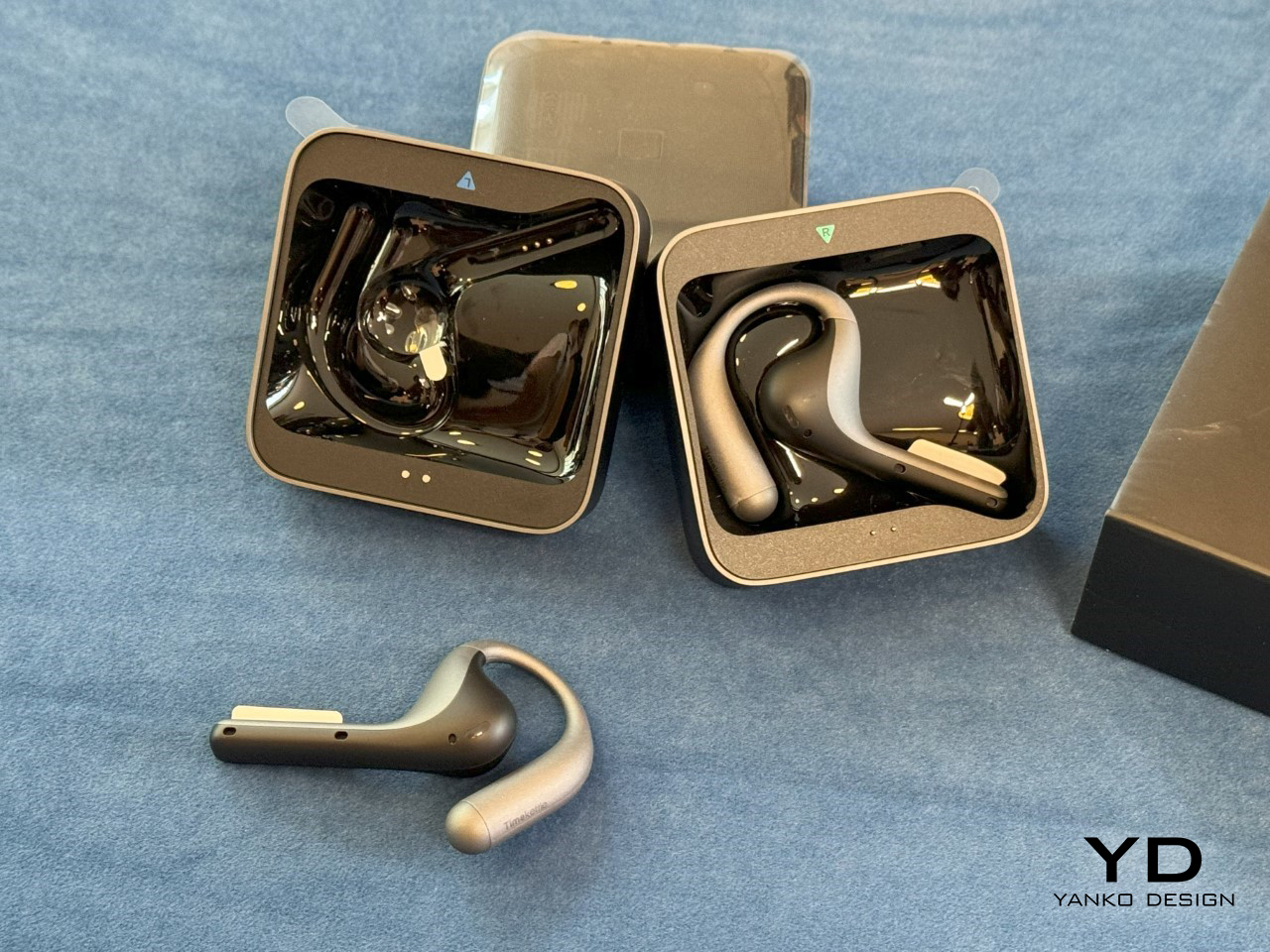
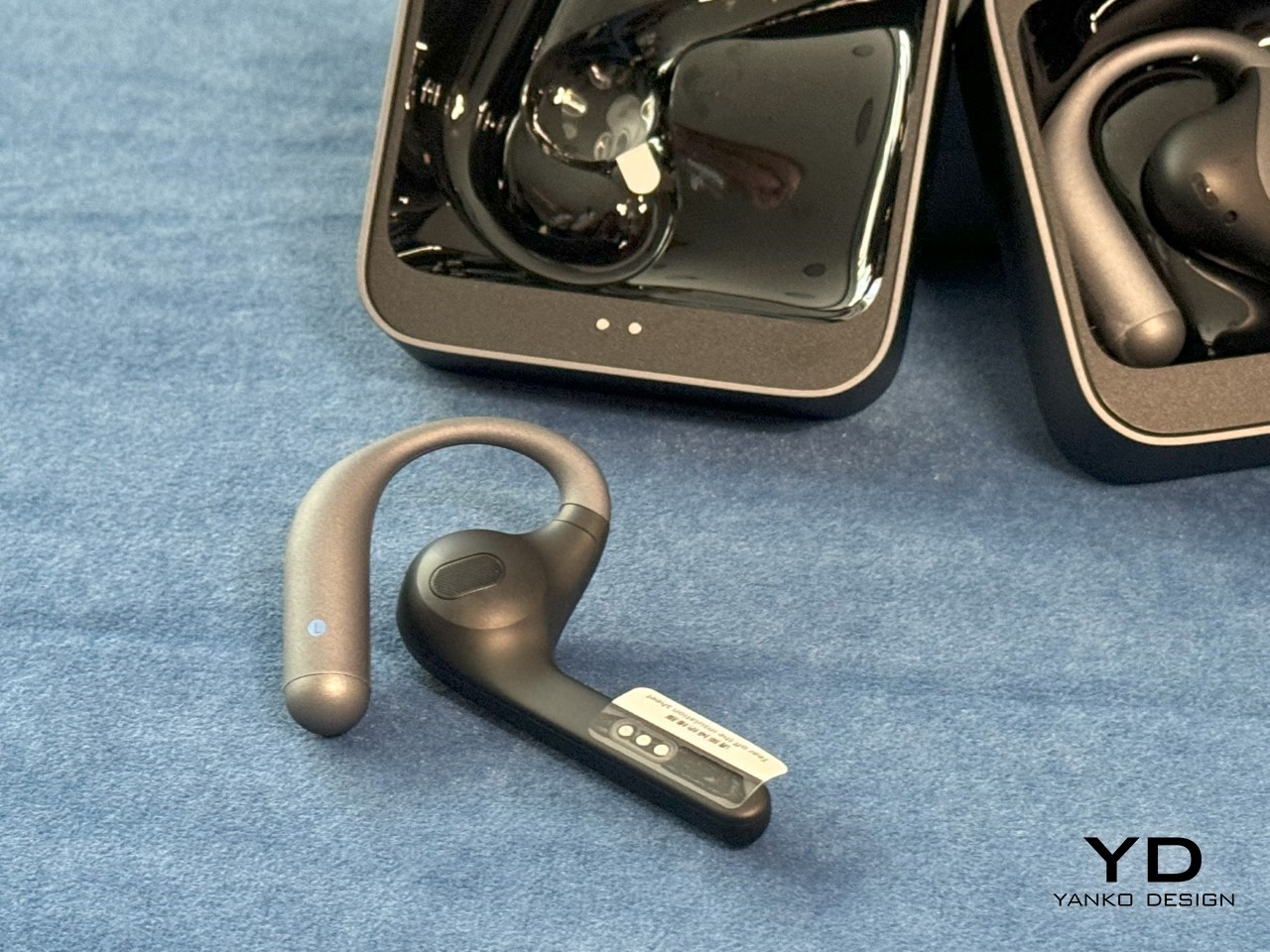
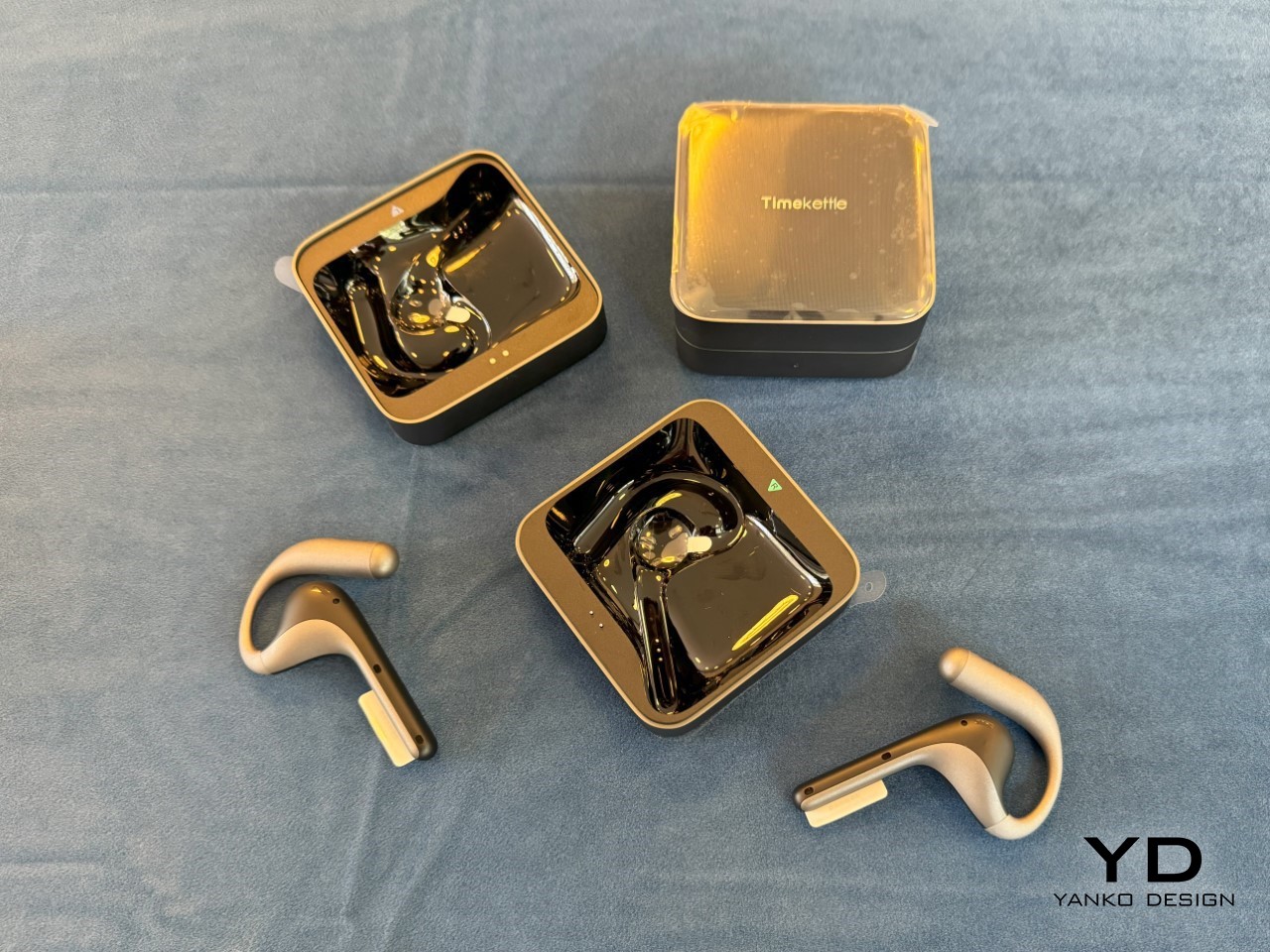
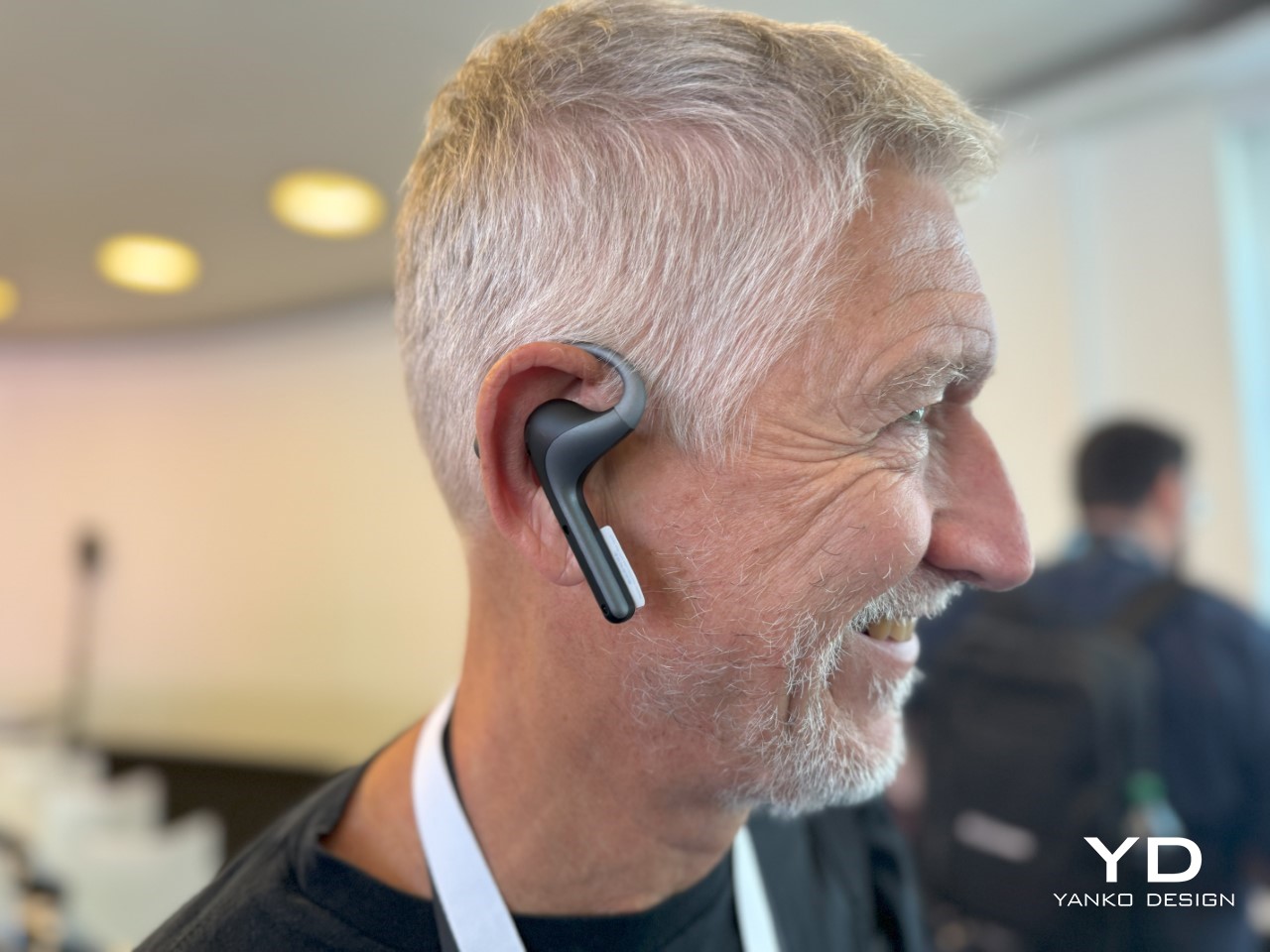
Timekettle just announced its latest gadget at IFA 2024 – W4 Pro AI Interpreter Earbuds. Boasting an edgy design that harks back to the Jabra Bluetooth headset days, the W4 Pro is what you get when you combine a powerful translation engine with an equally powerful AI. Unlike most of Timekettle’s previous devices (which were used for their cross-language real-time translation abilities), the W4 Pro is sort of like an all-knowing AI in your ear that works as your own in-ear personal assistant, translating messages, transcribing conversations, annotating meetings, and even jotting down your ideas for you.

“Interpreter earbuds like the W4 Pro are essential even when phones can be used for translation, because they cater to a more refined and immersive user experience,” said Leal Tian, the CEO of Timekettle. “In cross-language communication, there’s a growing need for meaningful conversations and deeper connections beyond basic translations, especially for business pros, immigrants, and travelers. The W4 PRO meets these needs by allowing natural, hands-free conversations with eye contact, making interactions smoother.”

Unveiled today at IFA 2024, the W4 Pro is shaping up to be a combination of a translator and an assistant. Sort of like a multilingual JARVIS in your ear, the W4 Pro goes well beyond doing what your phone can do for you. Pop the futuristic headset in your ear and it’ll even let you watch movies, TV series, and news/podcasts in different languages, translating or even summarizing them for you. That’s something no translator app is capable of doing yet.

Advanced Translation Technology for Precise Communication

The W4 Pro Earbuds are equipped with an impressive array of features tailored to meet the demands of modern business communication. At the core of their functionality is the ability to facilitate one-on-one communication that is both quick and private. The earbuds allow for a streamlined exchange of information, providing natural and effortless cross-language communication, whether you are in a meeting room or on a phone call. The W4 Pro works across 40 languages and 93 accents when connected to the internet, with 13 primary languages available for offline translation too.

Cutting-Edge 3 Microphone Array for Clear Voice Transmission

One of the standout features is the earbuds’ three-microphone array, which is designed to precisely capture and reduce background noise, ensuring that the user’s voice is transmitted clearly and accurately. This advanced voice recognition technology is complemented by a 95% average translation accuracy, supported by the Opus Algorithm, which speeds up audio transitions, enabling near real-time responses with just a 0.2-second delay. Whether you are in a bustling conference room or on a noisy street, the W4 Pro ensures your words are heard and understood with minimal interference.

Diverse Modes for Every Communication Need

The W4 Pro AI Interpreter Earbuds offer three distinct modes to address various communication needs. The One-on-One Simultaneous Interpreting mode is perfect for personal conversations, providing real-time, two-way translation that allows both parties to speak and listen simultaneously, making bilingual discussions seamless and natural. For multilingual meetings, the Listen & Play mode enables users to switch effortlessly between listening and speaking while ensuring smooth communication through simultaneous interpretation. This mode is enhanced by AI Semantic Segmentation, which quickly parses sentences for better comprehension, and the AI Memo feature, which provides intelligent post-meeting summaries for easy review. Lastly, the Online Interactions mode is designed for video calls, streaming foreign media, and unexpected phone conversations. It ensures full understanding with real-time translated subtitles and audio summaries, while also offering one-way assisted translation for efficient handling of foreign language calls. Together, these modes make the W4 Pro a versatile and powerful tool for professionals navigating multilingual environments.

Seamless Integration in On-Site and Remote Meetings

Another significant advantage of the W4 Pro is its capability to facilitate quick interactions during on-site meetings. The earbuds’ real-time interpreting and playback modes allow users to transition smoothly between listening and speaking, making it easier to participate actively in discussions without missing a beat. Additionally, the device offers the unique ability to translate phone calls and online meetings, further enhancing its utility in both in-person and remote settings. With the W4 Pro, remote communication becomes as seamless as face-to-face interaction, as it translates and displays subtitles in real-time, ensuring clarity and reducing the chances of miscommunication.

Comfort-Driven Design with Superior Audio Quality

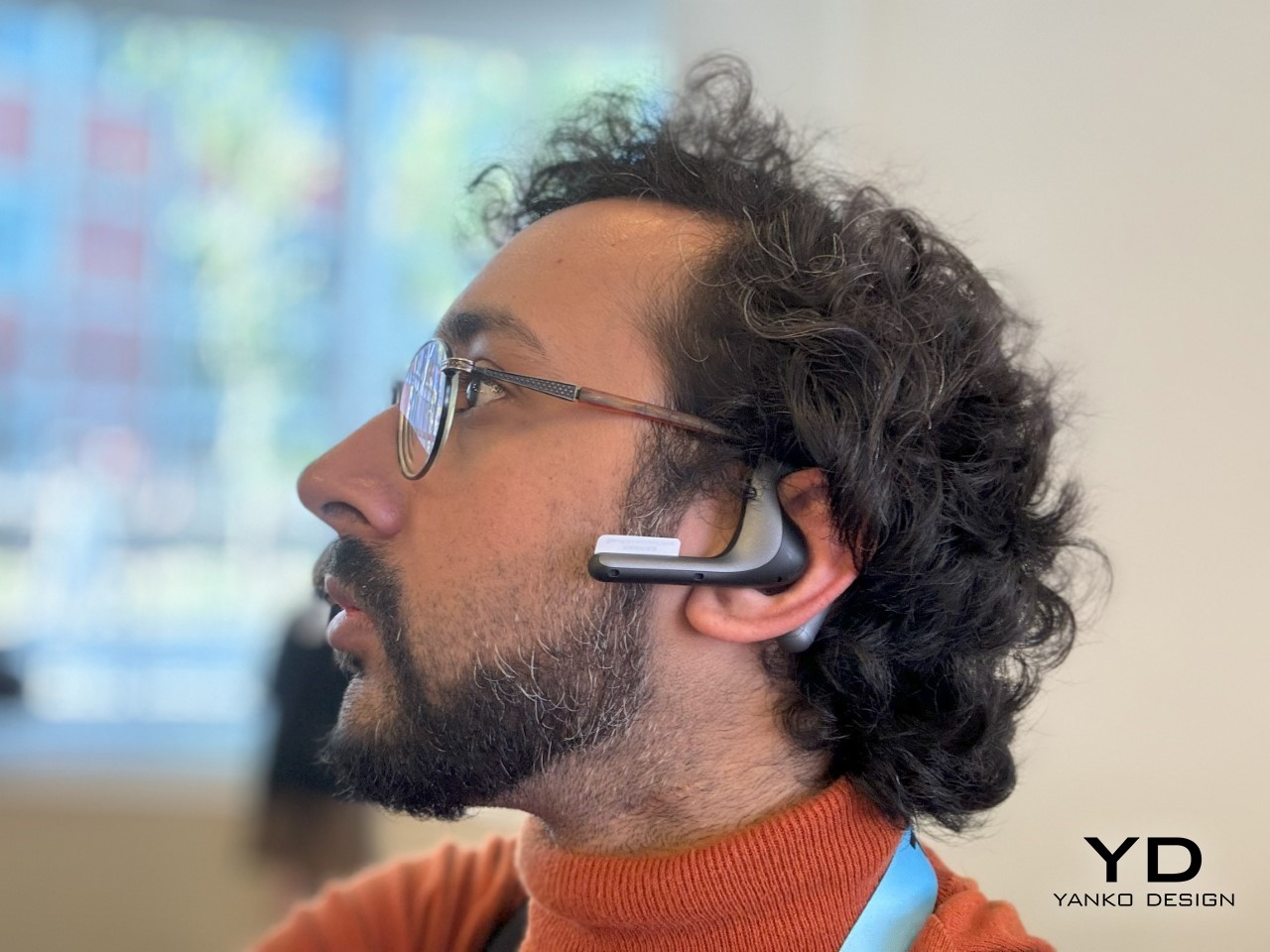
Comfort and ease of use are also paramount in the W4 Pro’s design. The earbuds feature an open-ear design that prioritizes user comfort, making them suitable for extended wear. This design choice not only ensures comfort but also eliminates the inconvenience and embarrassment of traditional in-ear devices, particularly in professional settings where maintaining an unobtrusive presence is essential. Despite this open-ear design, the earbuds do not compromise on sound quality; users can expect crystal-clear audio that rivals even high-end music headphones, whether they are in a meeting or enjoying a playlist.

Enhanced Post-Meeting Productivity with AI Integration

The W4 Pro also excels in post-meeting productivity, offering tools that streamline the review and organization of meeting content. The earbuds automatically save audio recordings from meetings, both online and offline, allowing users to revisit important discussions at their convenience. Furthermore, the device leverages AI to extract and summarize key points from these recordings, converting spoken content into concise, shareable summaries. Instead of translating sentences and dialogues, the W4 Pro does something called AI Semantic Segmentation, where it breaks sentences up into meaningful segments, translating them instead of waiting for the entire sentence. This makes the entire translation process up to 200% faster, so there’s never an information lag in a conversation.

HybridComm System for Peak Performance

The technical prowess of the W4 Pro is underscored by its advanced HybridComm system, which integrates voice processing, simultaneous interpreting, and AI translation. This system, combined with Timekettle’s proprietary TurboFast and BoostClean technologies, enhances the device’s performance by filtering out ambient noise and optimizing the speed and accuracy of translations. The W4 Pro is designed to meet the needs of today’s global professionals, providing a reliable tool that adapts to the evolving demands of international business communication.

Overall Specs

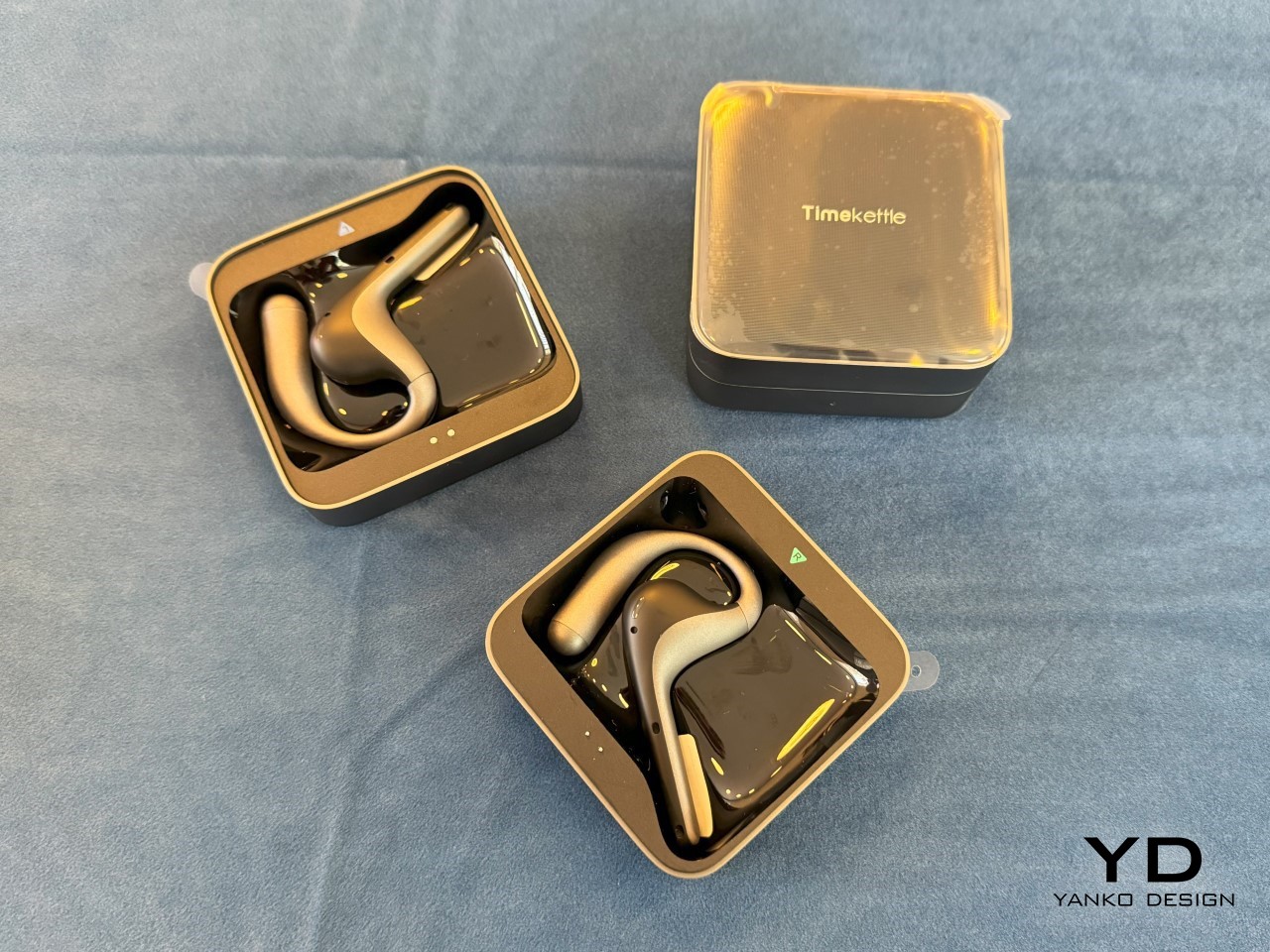
The W4 Pro comes in a two-piece set, along with a charging case. Each earpiece has a 6-hour battery life, which is pretty impressive considering the compute power required to record, noise-cancel, translate, and run additional AI commands. The charging case provides an additional 20 hours of use for translation, or 36 hours of use if you’re listening to music. An open-ear design means you’re still aware of your surroundings and aren’t immersed the way you would be with other earbuds (you can still listen to music on it).

The W4 Pro AI Interpreter Earbuds are available for preorder starting today, September 6th, with a $449 price tag that includes the two AI-powered earpieces and the charging case.

The post Timekettle W4 Pro AI Interpreter Earbuds Hands-On: A Comprehensive First Look at IFA 2024 first appeared on Yanko Design.
I Sat In The $6000 Robotic Massage Chair at IFA 2024: A Luxurious Hands-On with the Bodyfriend Quantum

The beauty of my job lies in not just discovering the new and innovative, it’s also in discovering the bizarrely futuristic… and the Bodyfriend Quantum robotic massage chair firmly fits the latter. Spotted at IFA 2024, the chair feels less like your average massage lounger and more like a Gundam suit with a touch of luxury. Nestled in its sleek, premium leather, with built-in Bang & Olufsen speakers, the Quantum manages to blur the line between high-tech gadgetry and a luxury spa. I didn’t think a chair could make me feel this pampered, but after spending some time in it, I’m convinced—this isn’t just a massage chair; it’s a full-fledged bodygasm.

Sinking into the Quantum was like stepping into a different world, where every detail is designed to make you feel like royalty. But what really sets it apart isn’t just the leather or the fancy tech specs—it’s the attention to detail in how it delivers its massages, all while serenading you with crystal-clear audio from none other than Bang & Olufsen. Let’s just say, it’s not your average chair.

Revolutionary Design Meets Functional Innovation

At the core of the Bodyfriend Quantum is its Robo Walking Technology—a first in the industry—that gives each leg its own independent movement. And trust me, it’s not a gimmick. Sitting in the chair, you immediately notice how much more natural and personalized the massage feels, especially around the lower body. My desk-hunched spine and worn-out calves felt like they were getting precisely the kind of treatment they needed. It’s as if the chair knew what my body was asking for before I did.
This independent leg movement is more than just for show—it makes a real difference in how effectively the chair targets specific muscles. Whether you’re using it for muscle recovery or just as a fancy way to unwind after a long day, the Quantum feels like it’s been engineered with a deeper understanding of how to work the human body. After just a few minutes in it, my lower back and legs were thanking me.

Immersive Sound Through Bang & Olufsen Partnership

The partnership with Bang & Olufsen might raise a few eyebrows. Do you really need top-tier audio in a massage chair? After my experience, the answer is a pretty confident yes. The moment I leaned back and let the chair do its thing, the speakers came to life, filling the space around me with rich, immersive sound. Whether you’re into lo-fi beats, classical symphonies, or nature sounds, the high-quality audio adds a layer of relaxation that most massage chairs simply don’t offer.

It doesn’t feel like a bolted-on extra. The audio blends seamlessly with the massage itself, so whether you’re zoning out to music or catching up on your favorite podcast, the chair’s sonic experience pulls you deeper into that calm state. Benny Kang of Bodyfriend mentioned that the speakers can be used to play binaural beats too, stimulating the mind along with your body.

Precision Massage and Intuitive Control

Bodyfriend has packed a lot of tech into this chair, but it’s the execution that stands out. The XD-PRO thermal module and Finger Moving Massage Module work together to give an eerily human-like touch. It doesn’t just knead your muscles in broad strokes; instead, the chair moves in subtle, calculated increments—80 movements in 1.25mm steps to be exact. For someone who carries a lot of tension in their shoulders and lower back, it’s like having a physical therapist who knows exactly where to focus.
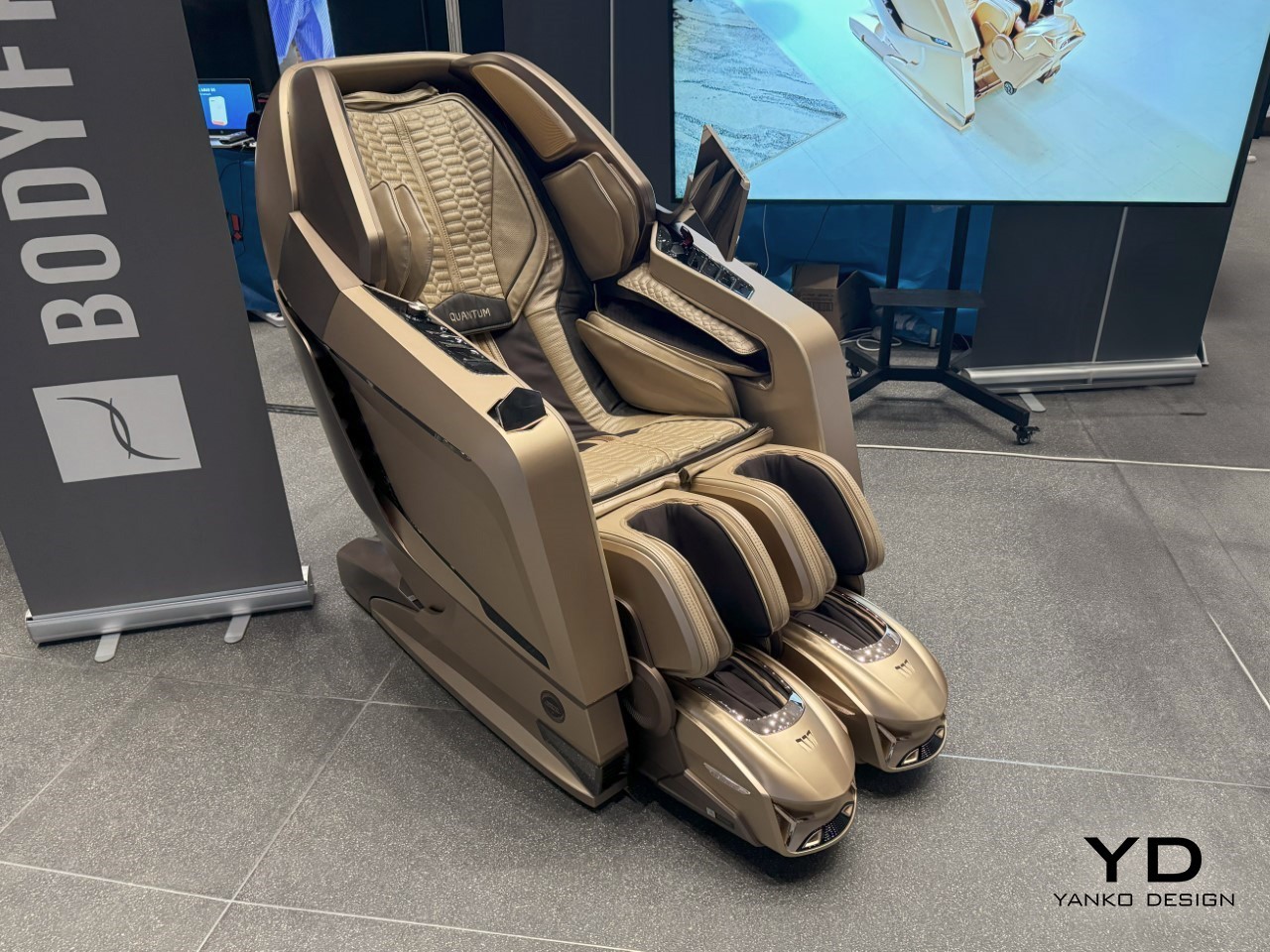
Then there are the finer touches—literally. With 81 air pockets wrapping your body and heat therapy zones that bring the warmth up to a balmy 50°C, the Quantum creates an environment that’s both soothing and deeply therapeutic. The heat applied to the back, calves, and soles not only relaxes muscles but also feels fantastic on sore feet, thanks to its three-step foot roller system. It’s an experience that goes beyond simple pampering.

A Touch of Luxury (and Functionality)

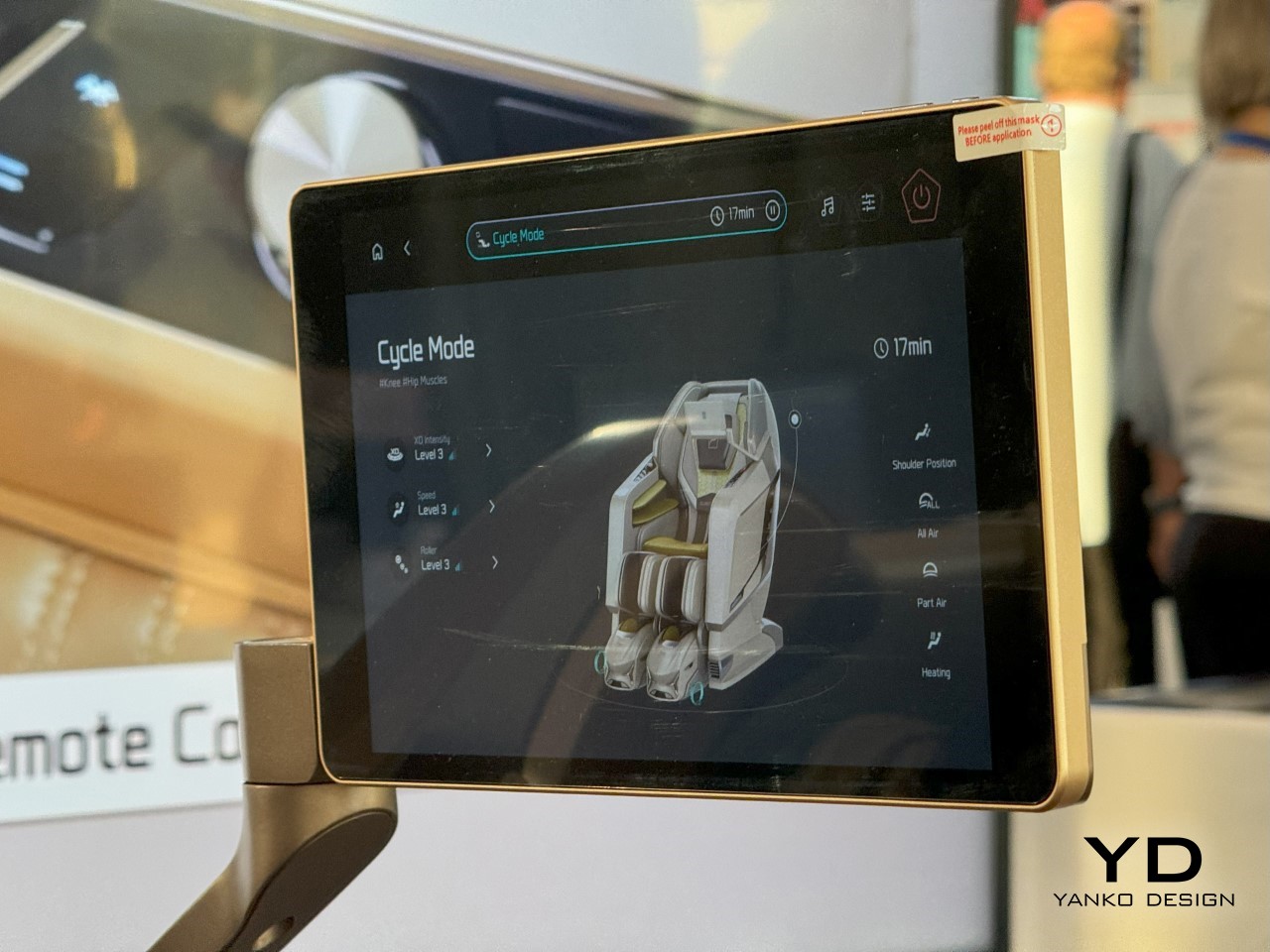
The 10-inch Full HD tablet mounted on the chair is intuitive and easy to navigate. There’s no fumbling with a million buttons—you can switch modes, adjust settings, or dive into the chair’s “High-End Healthcare Massage Mode” with just a tap. If you’re someone who likes control over your relaxation routine, this tablet makes it easy to fine-tune everything from intensity to heat levels without pulling you out of the experience.

It’s also worth noting that the Quantum is clearly built for longevity. The leather is buttery-soft yet durable, and the entire build feels solid and well-constructed—something you’d expect for the price tag this chair is likely to carry. But for anyone serious about integrating relaxation or recovery into their daily routine, it’s hard to imagine anything better.

A Luxurious Experience for the Wellness-Focused

The Bodyfriend Quantum is positioned for those who are serious about wellness and ready to invest in high-end healthcare technology. Its meticulous design, advanced massage features, and thoughtful additions like Bang & Olufsen speakers make it a standout product in the luxury massage chair market. While it caters to those with specific muscle stimulation needs—such as the elderly or individuals recovering from injury—it also serves as an indulgent piece of tech for anyone looking to upgrade their relaxation routine.

After my session with the Quantum, I can safely say it delivers on its promise of providing a unique massage experience. I hate to be the cliche, but I’m the millennial with lower back pain (I lugged a laptop bag around through IFA 2024), so even a 5-minute cycle with the Quantum felt like absolute bliss. Sure, it may come with a premium price, but for those looking to pamper themselves or take better care of their health, the Bodyfriend Quantum is like Chandler and Joey’s Barca-lounger on absolute steroids. You’ll probably spend hours in the chair without realizing it.

Now, if only it came with a built-in coffee machine.

The post I Sat In The $6000 Robotic Massage Chair at IFA 2024: A Luxurious Hands-On with the Bodyfriend Quantum first appeared on Yanko Design.