Champion sweatshirts and joggers are biodegradable and sustainable

Have you ever had one of those dreams, or rather, nightmares, when your clothes suddenly fall off your body like it was decomposing or something? That will probably not happen in real life, at least not instantly. But for those who are pursuing sustainable fashion, this is actually a good dream and not a nightmare. We’re seeing clothing brands experiment with biodegradable clothing and Champion is one such brand to do so.

Designer: Champion
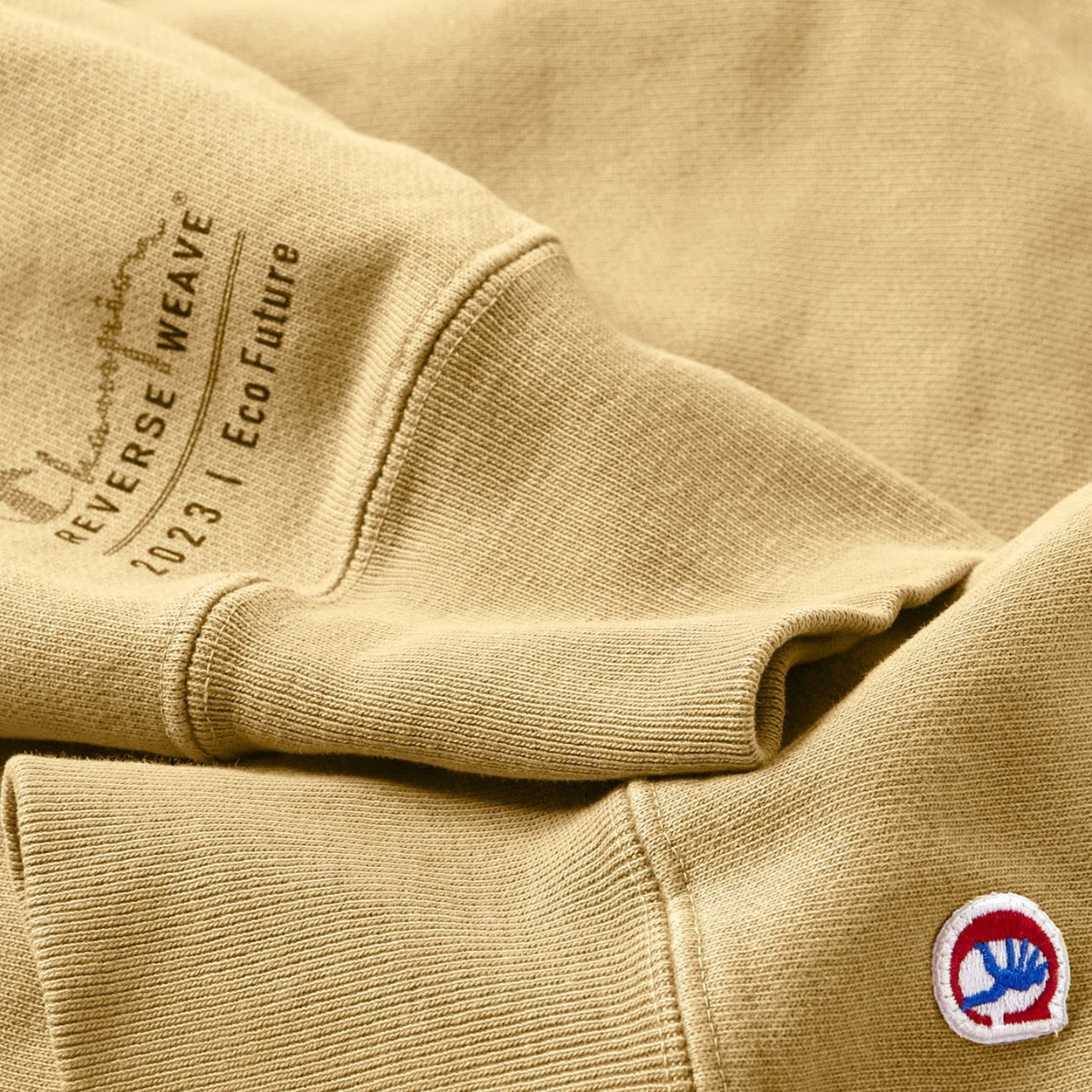
The Reverse Weave Eco Future Collection is a line of biodegradable sweatshirt and joggers made from sustainable materials. You can wear it repeatedly until it naturally breaks down and decomposes over time. They use the CiCLO technology which helps bring about this natural decomposition process over time and help reduce the impact of plastic textile fibers and lessen microfiber pollution which is one of the major effects of the clothing industry on our carbon footprint.


The technology uses an additive that is combined with polyester and nylon during the fiber-making process. The process called melt extrusion turns them into liquid when heated and then they are turned into long threads. Other elements of the sweatshirts and joggers also use eco-friendly materials like the tags and labels ause pure cotton while the hangtags are printed with soybean ink. Even the colors used are from dyes extracted from pomegranate rinds, annatto, Terminalia Chebula fruit crusts, and kerria lacca insects.

In terms of the design, the sweatshirts and joggers in the Reverse Weave Eco Future Collection are just your usual. They do look comfortable since they’re oversized and unisex, so that’s another plus. The joggers have hip pockets and a drawcord waist for added comfort. But of course the main reason why you’d want any of these pieces is that they are biodegradable and friendly to Mother Earth. They’re available in different sizes and colors so there’s a variety to choose from.


The post Champion sweatshirts and joggers are biodegradable and sustainable first appeared on Yanko Design.

Solar lights can be your aesthetic illumination under the night sky

When you spend a lot of time in your backyard or outdoors, having lights that contribute to the ambience and illuminate the place is a must. If you’re eco-friendly of course, you would prefer solar lights although not all that are available in the market have that of a good design. Lately we’ve been seeing lights with better aesthetics, have multiple purposes, and use sustainable energy instead of your usual electricity.

Designer: Mpowerd

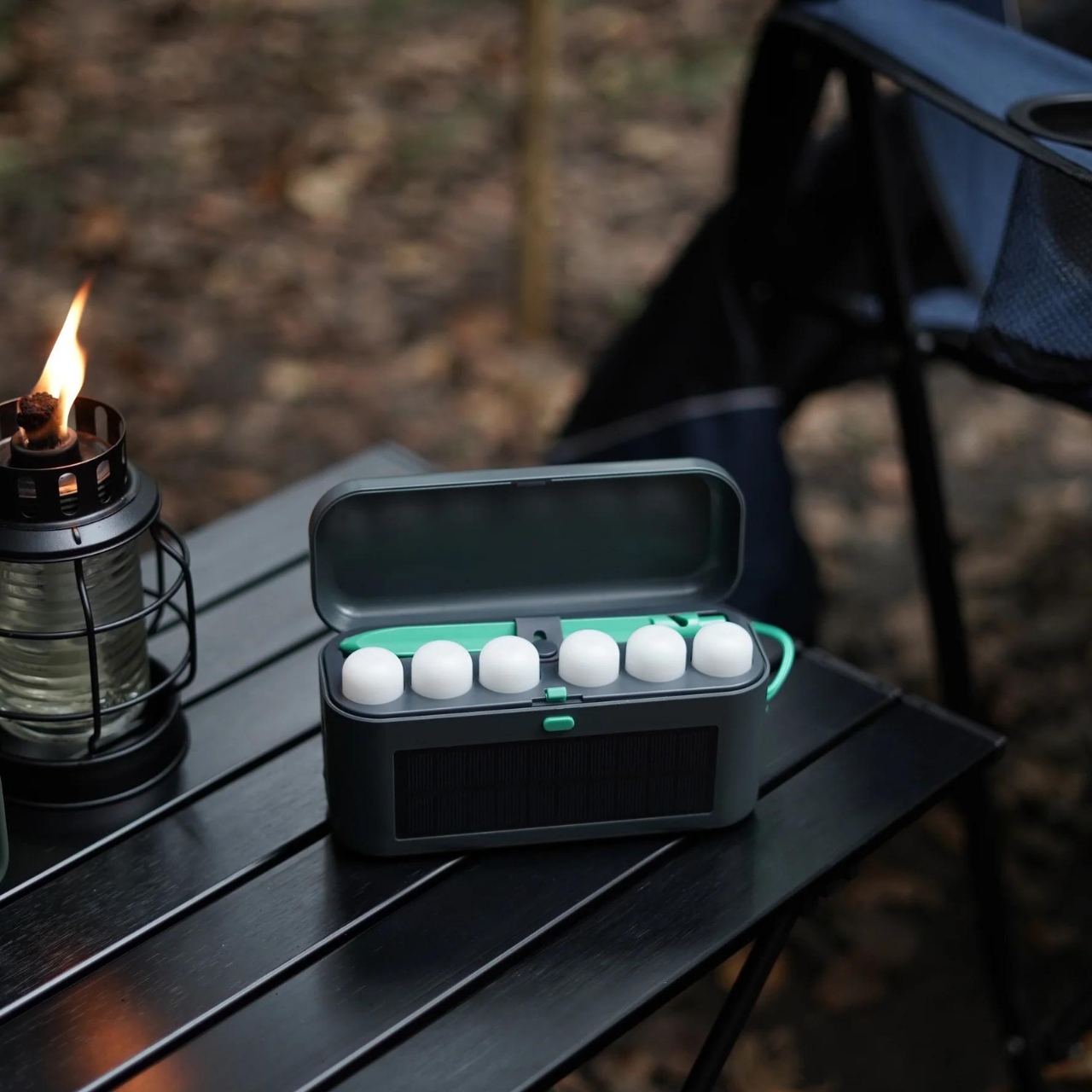
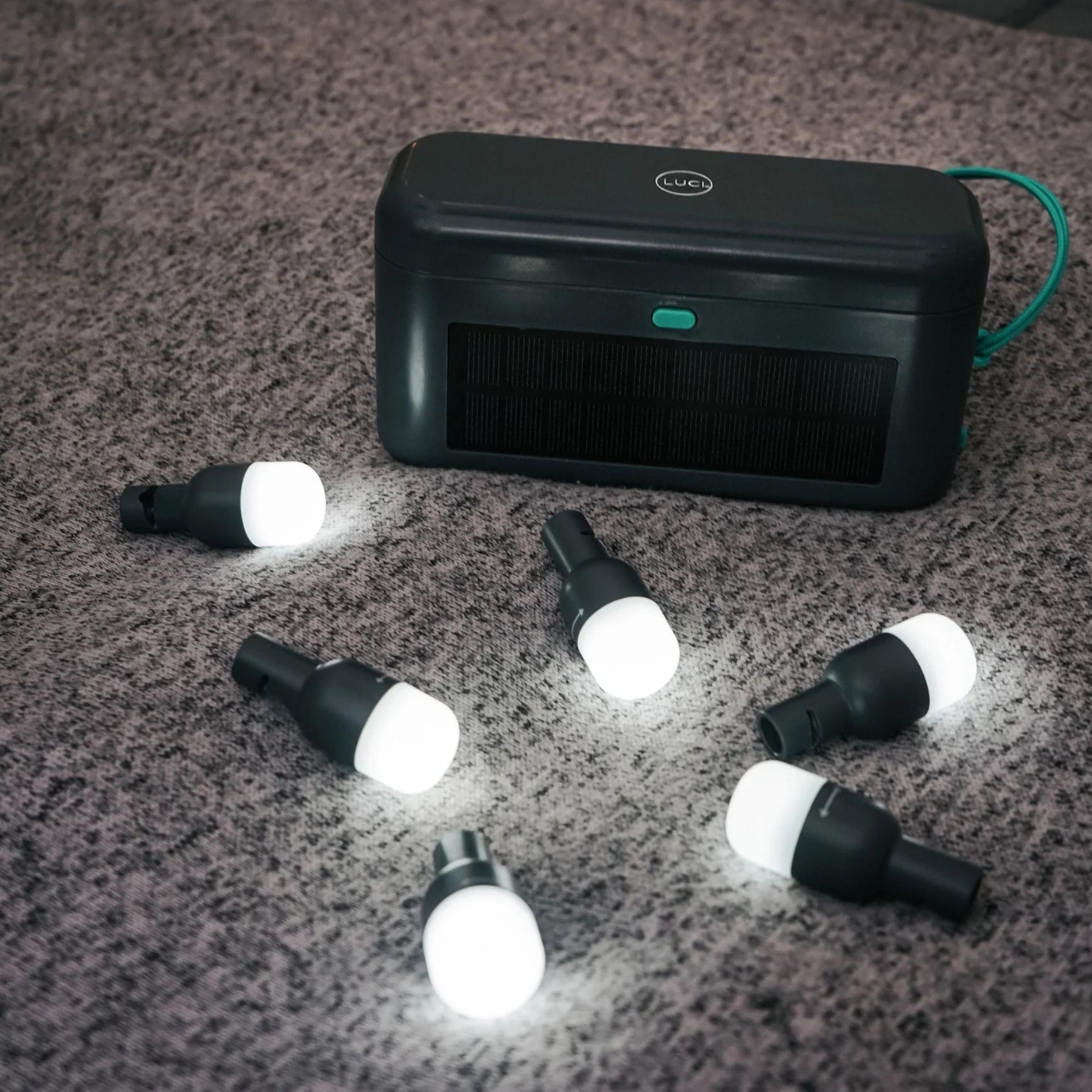
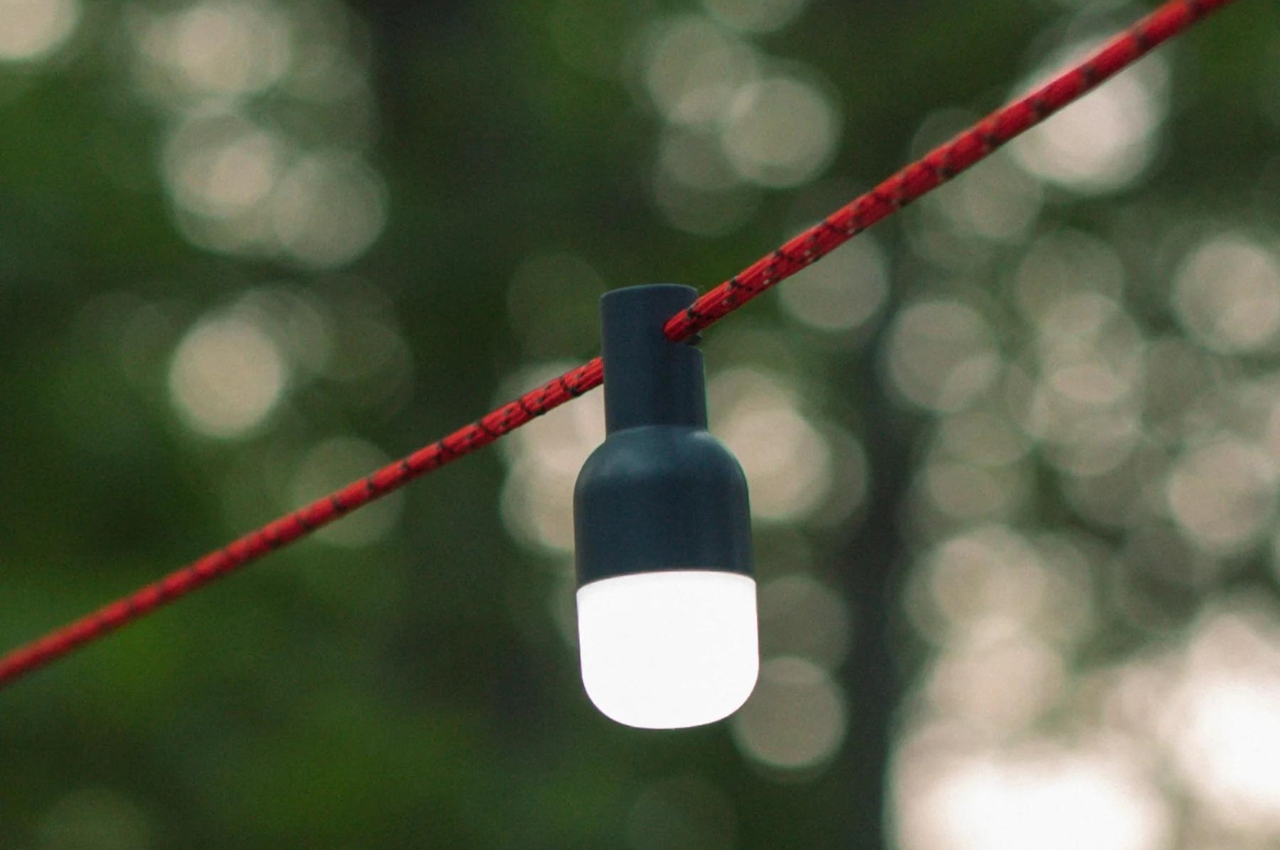
The Luci Solar Site Lights is one such product that meets all of that criteria. You can use them as “stringless string lights” or you can also stake them on the ground or put them up wherever you would need aesthetic lighting. They are able to illuminate up to 1,000 square feet and can last up to 20 hours on a single charge. The light nodes are IPX4 which means that they can survive splashes of water but cannot be submerged in it.

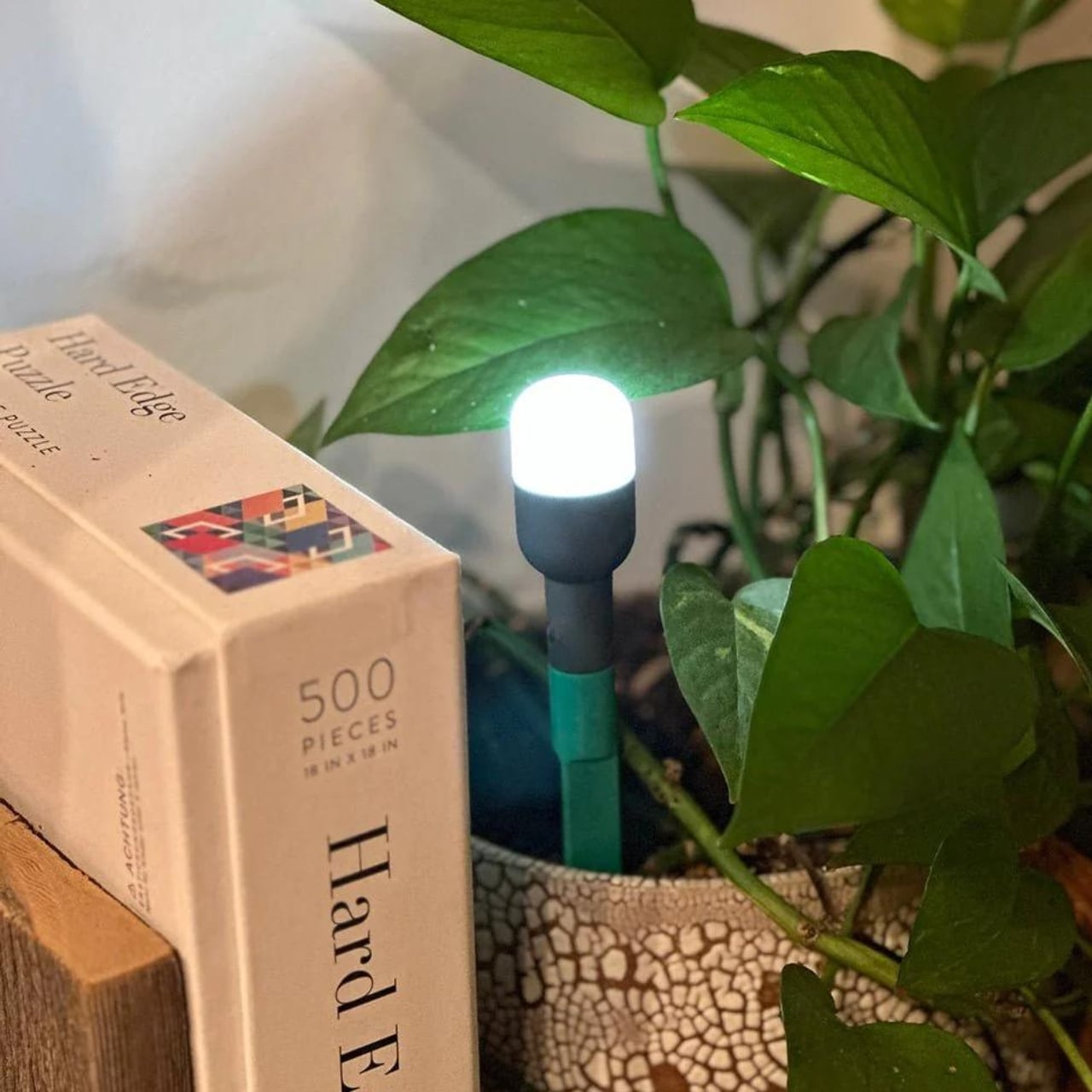
There are three light modes that you can choose from: low, medium, and high and they have dual-directional on/off swivel. They can light up gardens, picnic areas, and other outdoor settings. You can also use it indoors if you want by putting a glass or transparent cup to diffuse it. Each set comes with 6 hangable and weatherproof lights, 6 ABS stakes with notch, and a rechargeable 2,600 mAh battery with recharge case that has a built-in solar panel but can also be charged through USB-C charging.

These lights are portable enough that you can bring it whenever and wherever you want to have a party under the night sky. You can even put them on your pets or on yourself if you need to walk around with lights instead of carrying a flashlight. And since they are solar powered (but with the option to still charge if you didn’t get enough sunlight), you get to lessen your carbon footprint.

The post Solar lights can be your aesthetic illumination under the night sky first appeared on Yanko Design.

Lexus concept car displayed as a light sculpture in Miami exhibition

When you’re visiting car exhibit shows, you expect to see nothing but cars on display. The brands have to figure out how to make it a bit more exciting and innovative since looking at cars can become repetitive and if you’re not really a car enthusiast, it can get boring. But when you’re displaying a car at an art and design exhibition, then you can expect a more non-traditional way to look at the vehicle.

Designer: Marjan van Aubel

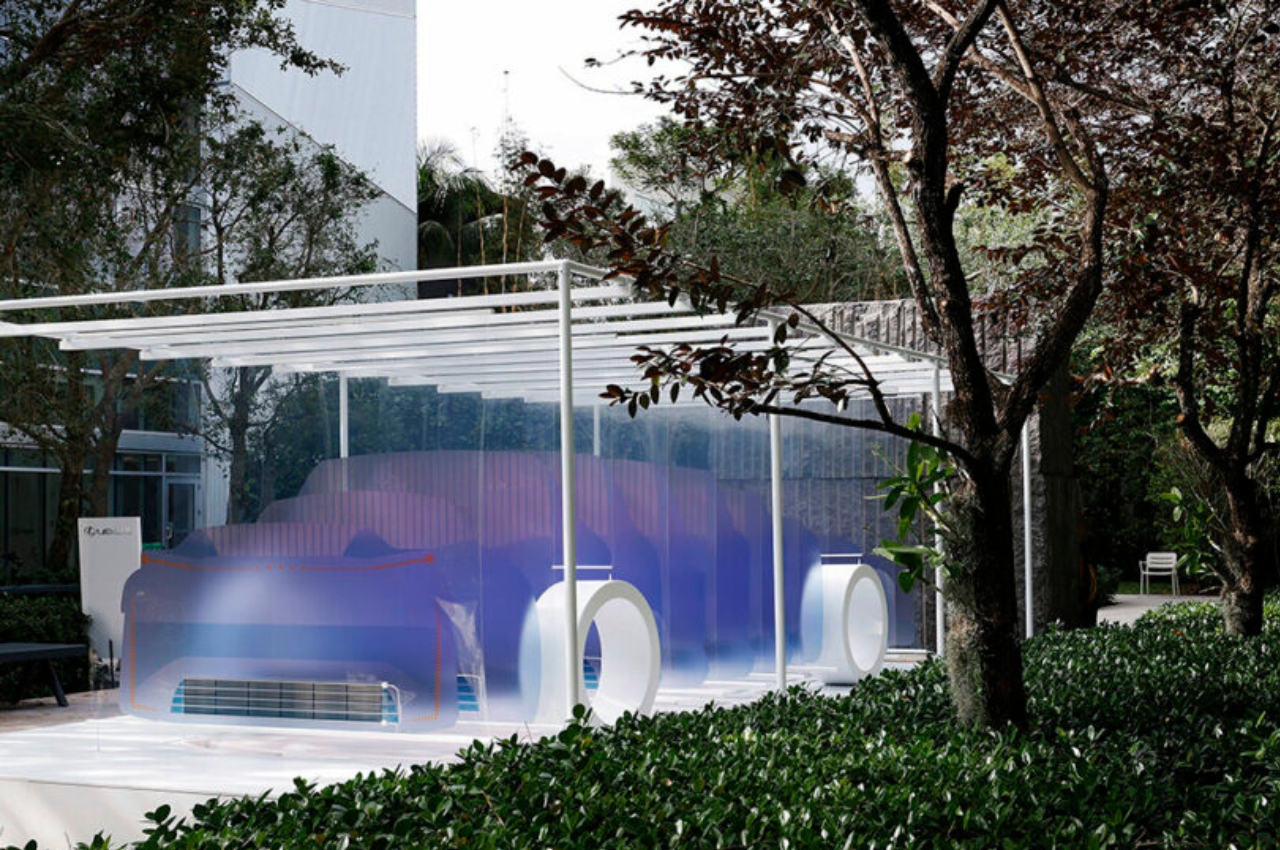
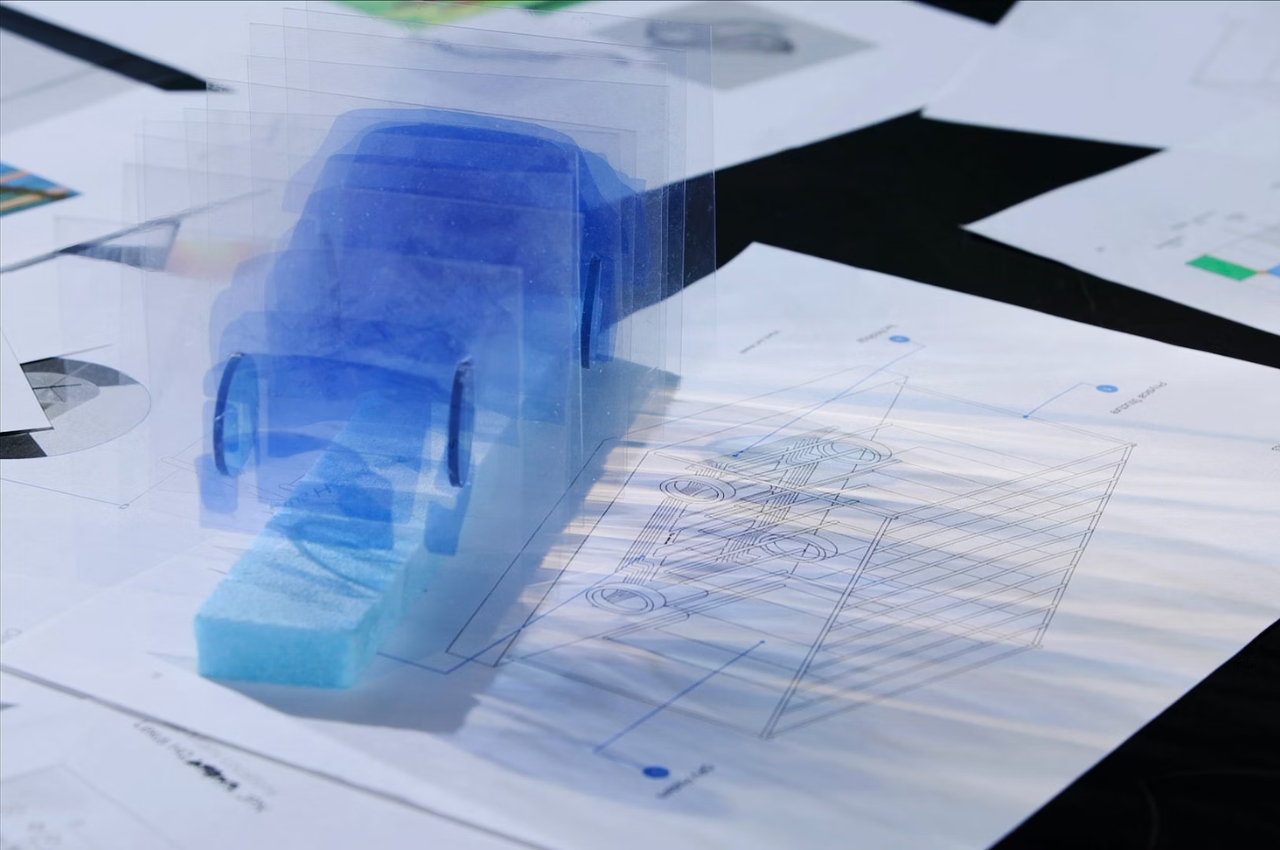
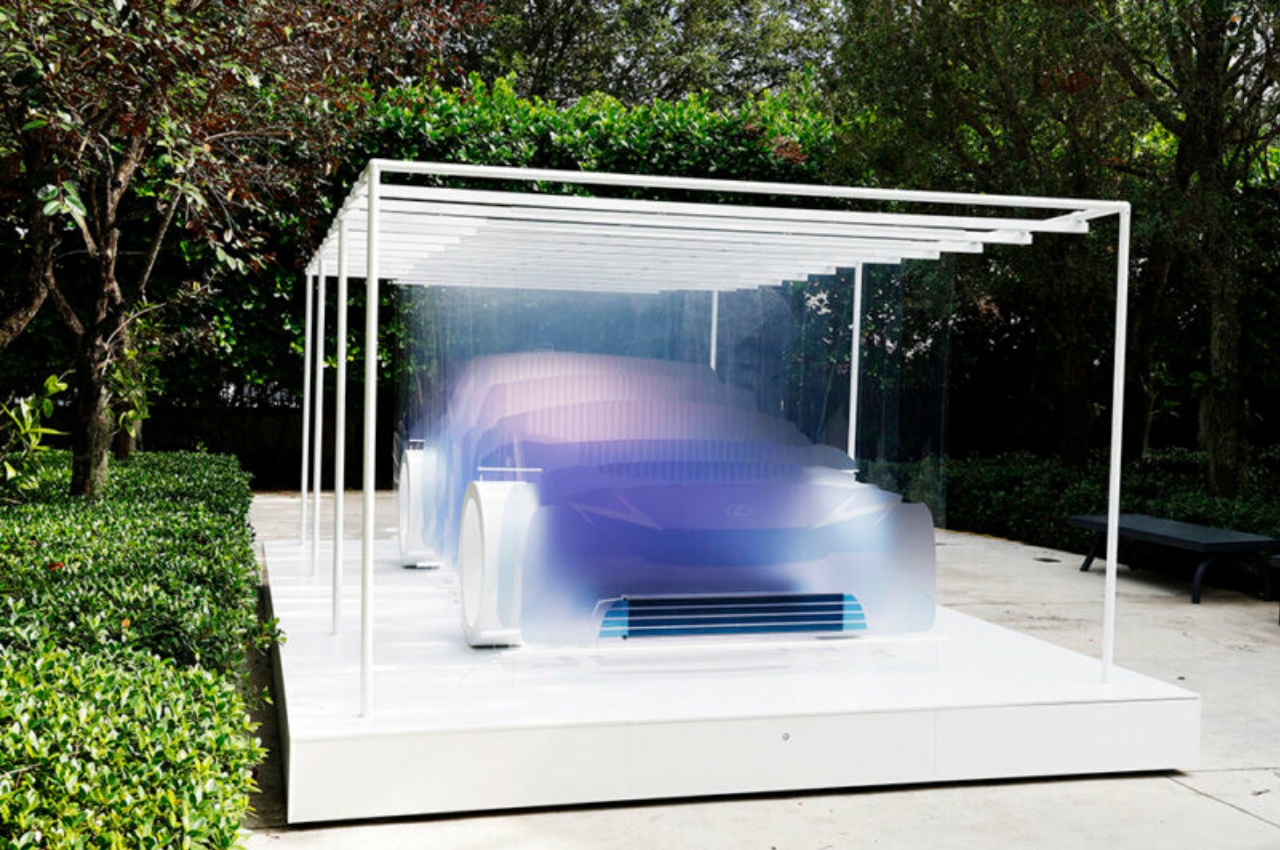
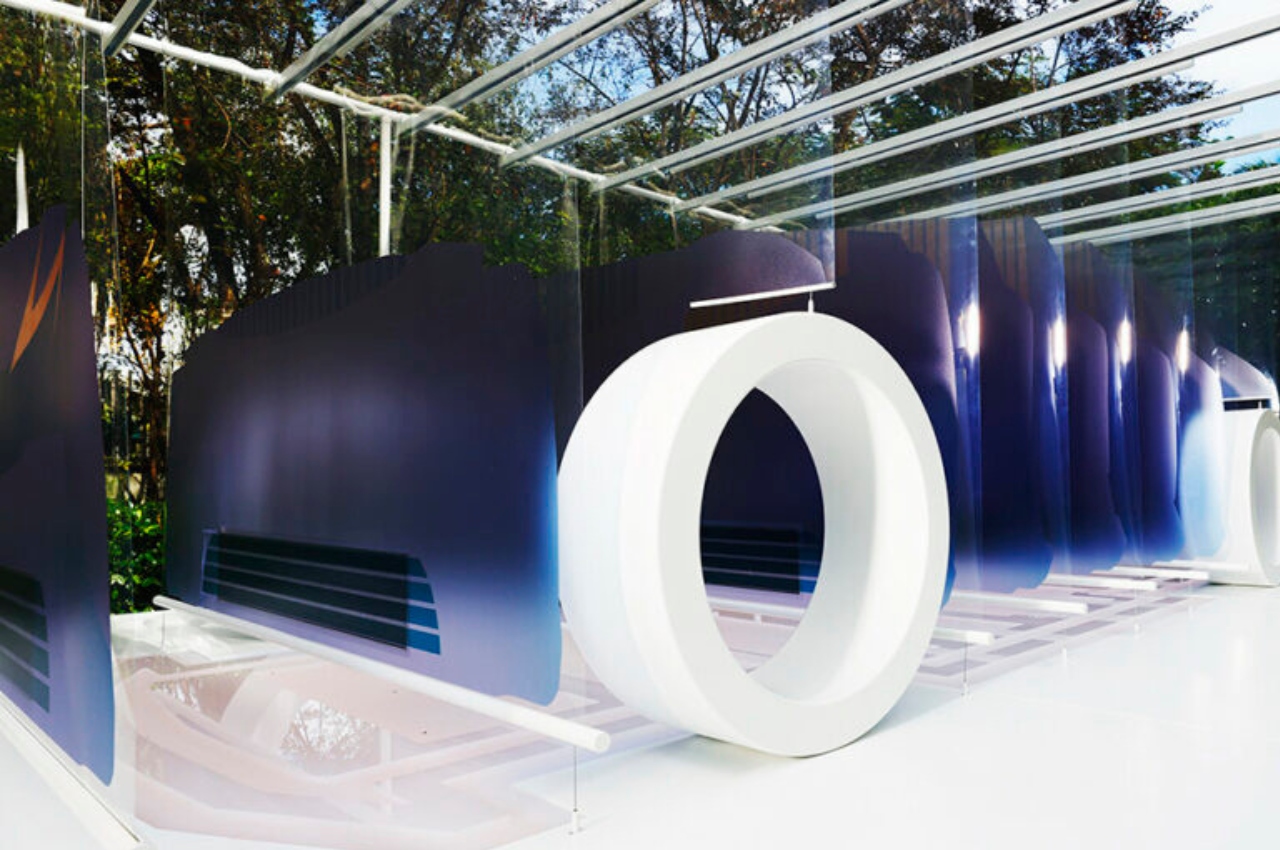
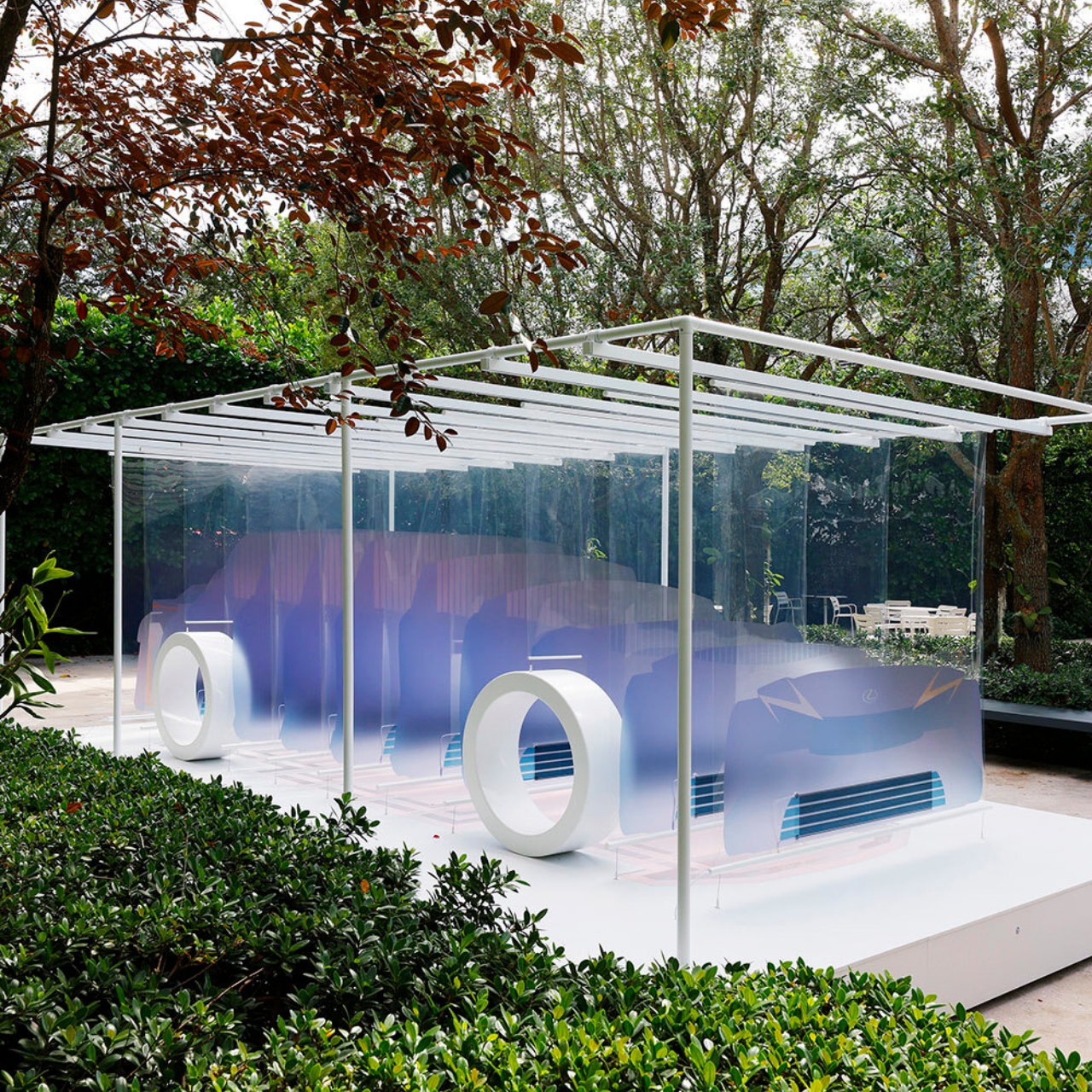
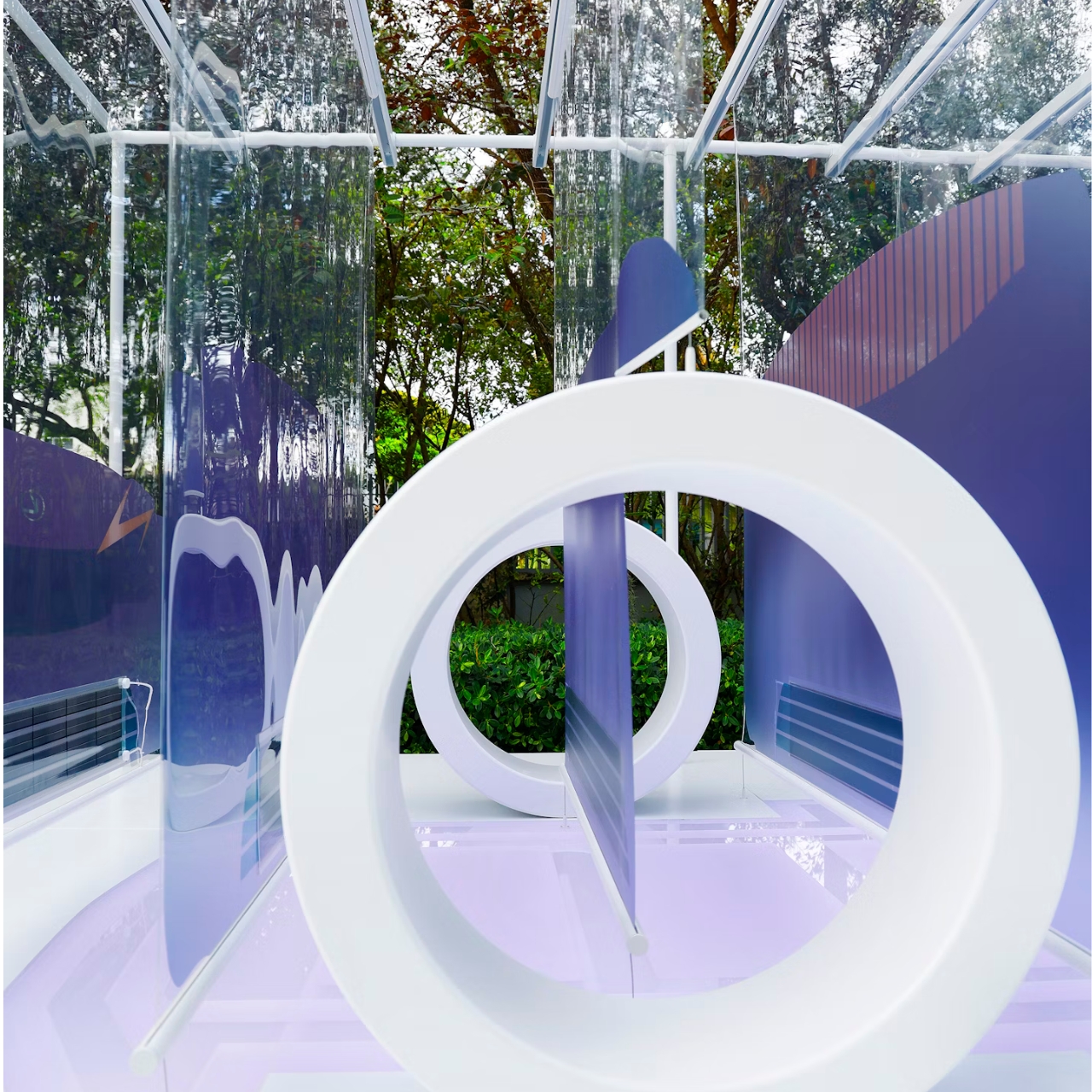
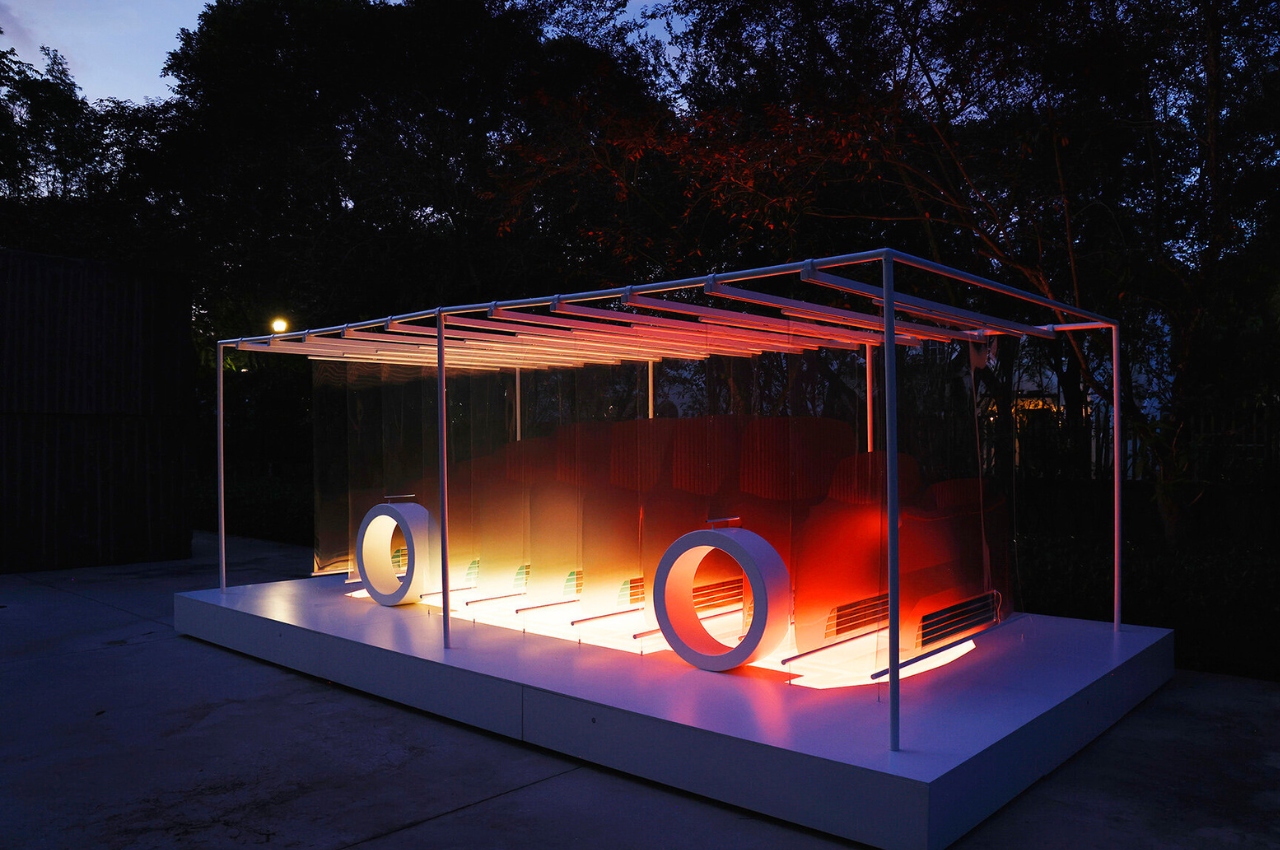
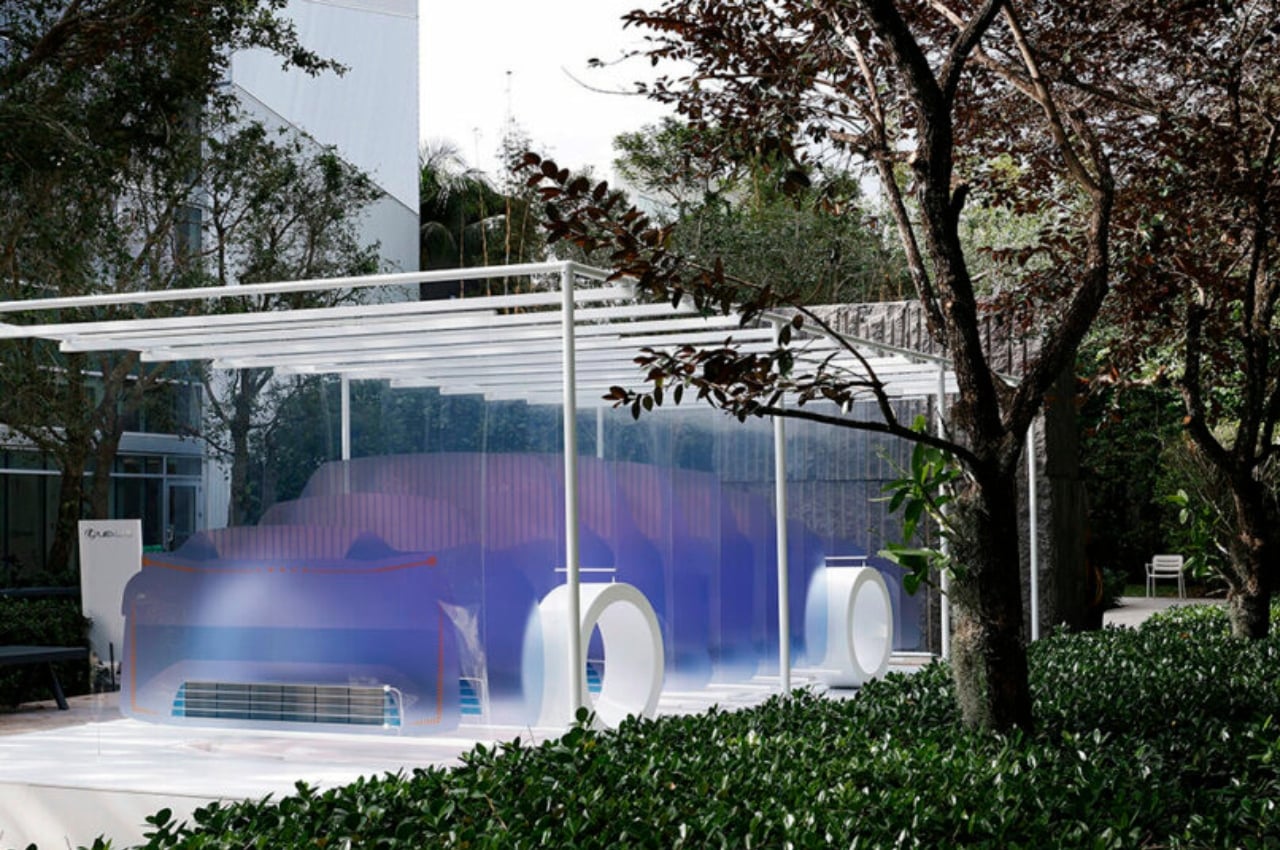
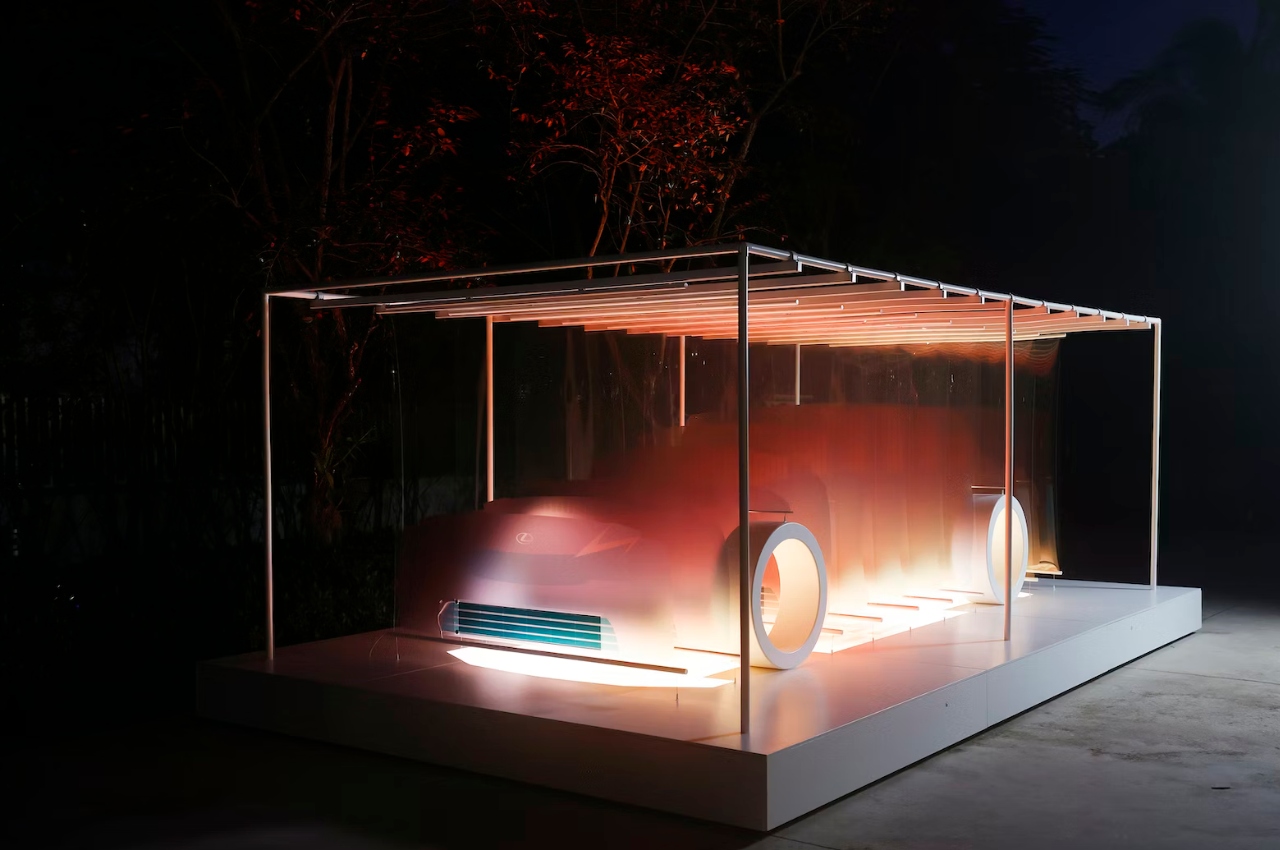
An installation to celebrate the Lexus LF-ZC Battery Electric Vehicle Concept Car is now on display at the Miami Art & Design Week. The “sculpture” is called “8 Minutes and 20 Seconds” which is the time it takes for light to reach earth. So instead of the usual car display, what you get is a self-illuminating 3D skeleton of the concept car itself. It’s made from organic transparent photovoltaic (POV) sheets and is powered by solar energy. Each cell gives off a spectrum of color and movement and they are transparent to give off the maximum effect of light and patterns.

The EV Skateboard, which is where the engine will be located, is highlighted with an LED panel. It is the main feature of the car so this is where eyes will be drawn. Depending on where you’re standing, you’ll get a different perspective of the sculpture. There are also motion sensors which will let the car respond to those walking around, triggering a ripple through the LED light panels. You will also hear bamboo chimes since the concept car uses bamboo materials as well.

Every 10 minutes, you’ll get a crescendo of sound and light patterns. Since the sculpture is located in a garden setting, the color temperature also shifts along with the natural circadian rhythms of its surroundings. It’s a pretty interesting thing to see this in person and to experience a different kind of display for cars, even if it’s still just a concept car.

The post Lexus concept car displayed as a light sculpture in Miami exhibition first appeared on Yanko Design.

Wheeled quadruped robot can stand up to chuck boxes into bins

While the fear that our robot overlords will eventually take over the planet is still real, we’ve seen advances in robotics that are more helpful for humanity. There are tasks that we would much rather a robot will do for us like carrying heavy things (although that may be one of the reasons why the revolution will start) to avoid injuries. We’re seeing experiments on how to train them to do even more advanced skills so they can eventually take over the world, I mean these heavy, menial tasks.

Designer: Swiss Mile

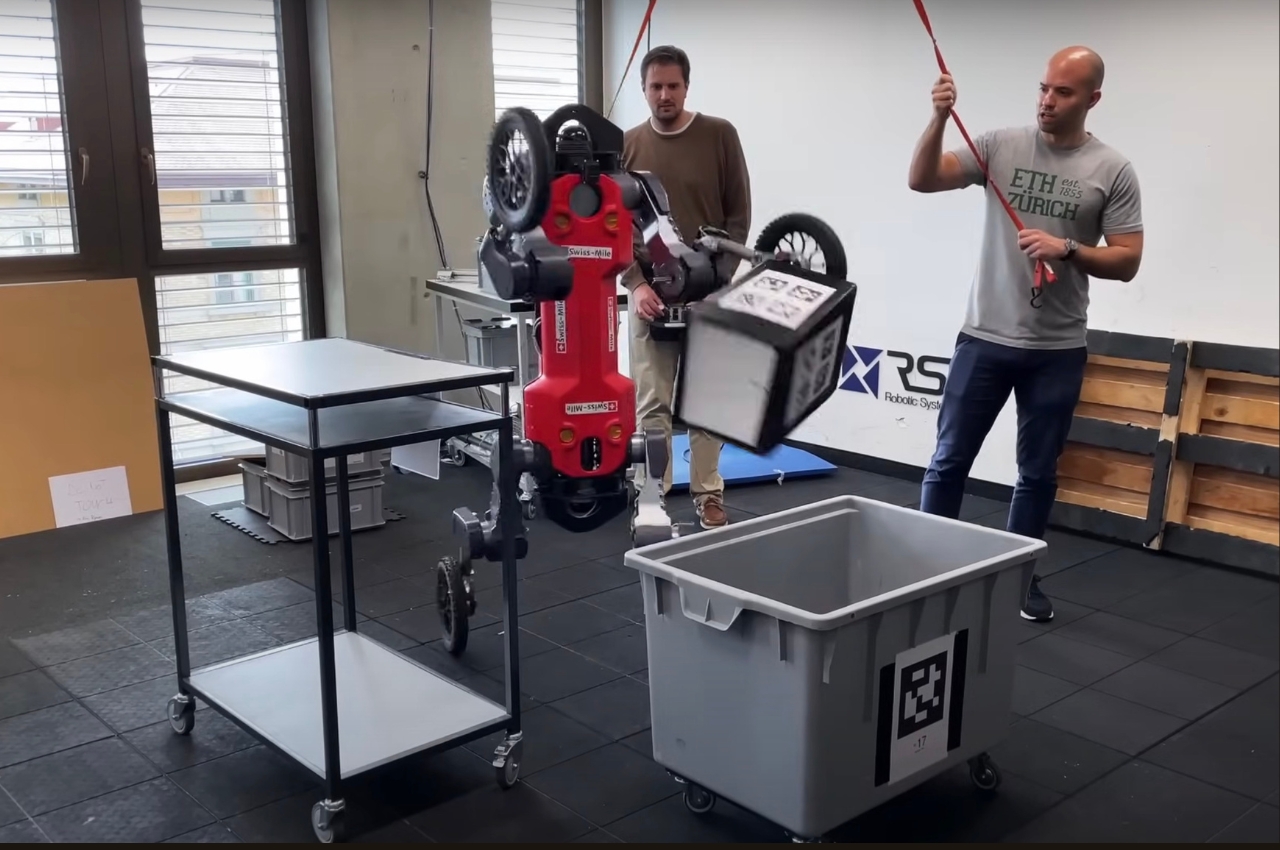
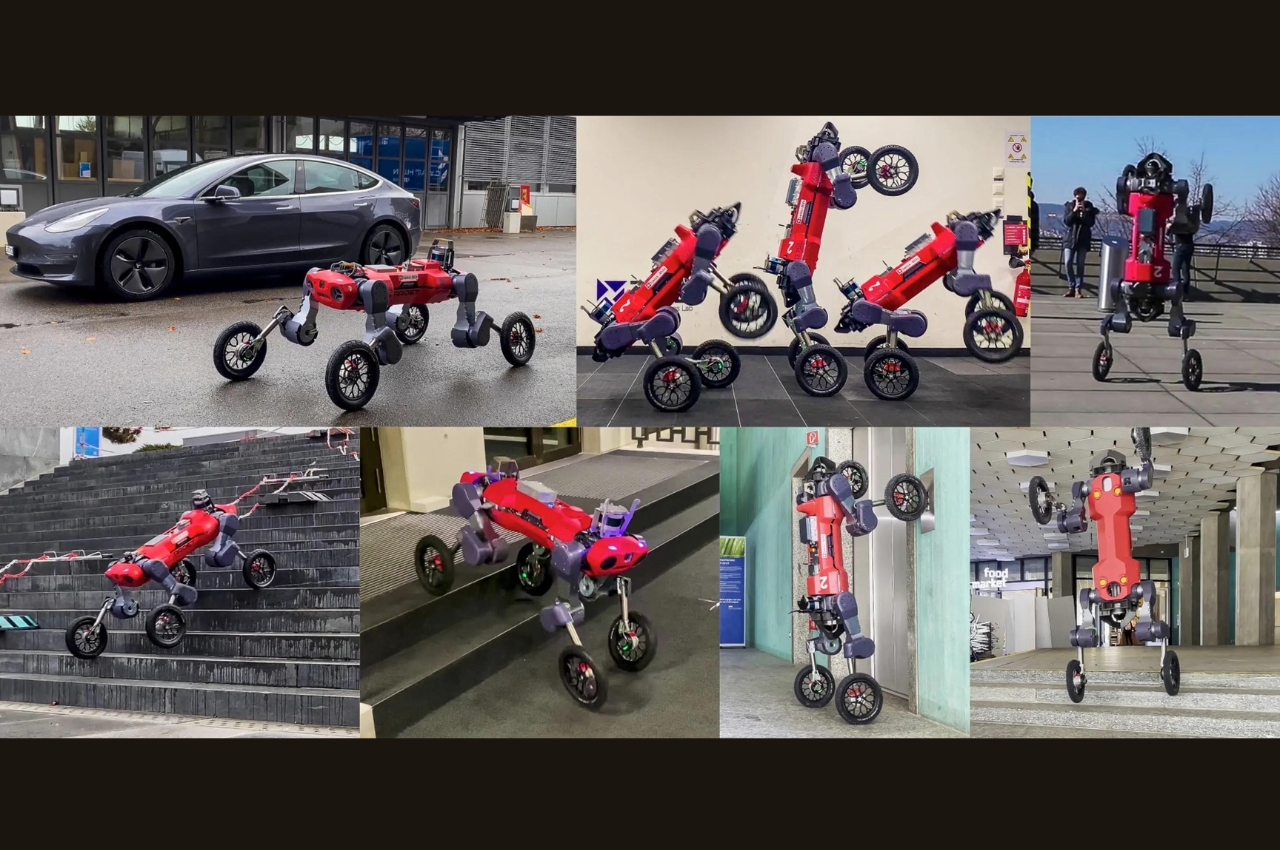
The ANYmal robot is one such robot experiment that can get around either as a dog-like quadruped or mimic a human when it stands up on its hind legs, hence its name. Last year, it learned to squat back and stand up with its motorized wheels and now they’re experimenting with it to do heavier tasks through something called “curiosity-driven learning”. Basically it gets rewarded when it is able to complete the task it’s given by figuring out how to do it by itself.

In the video they posted showing how the ANYmal robot completed the task of putting a package into a bin, it was able to actually lift the box up and then put it where it’s supposed to go. However, it seemed to just throw it into that bin like how some baggage handlers supposedly do their task if they think no one is looking. The robot is probably thinking, “Hey, they just told me to put the box into the bin, not really to do it carefully and precisely.”

For now, the robot is still a robotics research project for things like Reinforcement Learning and Random Network Distillation. But if they do decide to actually manufacture the robots for industrial and commercial use, it would be interesting to see how the wheeled quadruped with the humanoid form can actually reduce heavy grunt work for humans.

The post Wheeled quadruped robot can stand up to chuck boxes into bins first appeared on Yanko Design.

Sidekick Notepad is a simple writing tool for the digital/analog hybrid workers

Over the years I have learned to embrace a digital + analog hybrid workflow process. While most of my work goes straight to the computer, tablet, or mobile phone that I’m working on at the moment, I still like having a pen and paper with me at all times to jot down things I’m thinking about or things I need to do. There’s something therapeutic about writing it down rather than just typing it out so products that can give me that convenience are always welcome.

Designer: Cortex

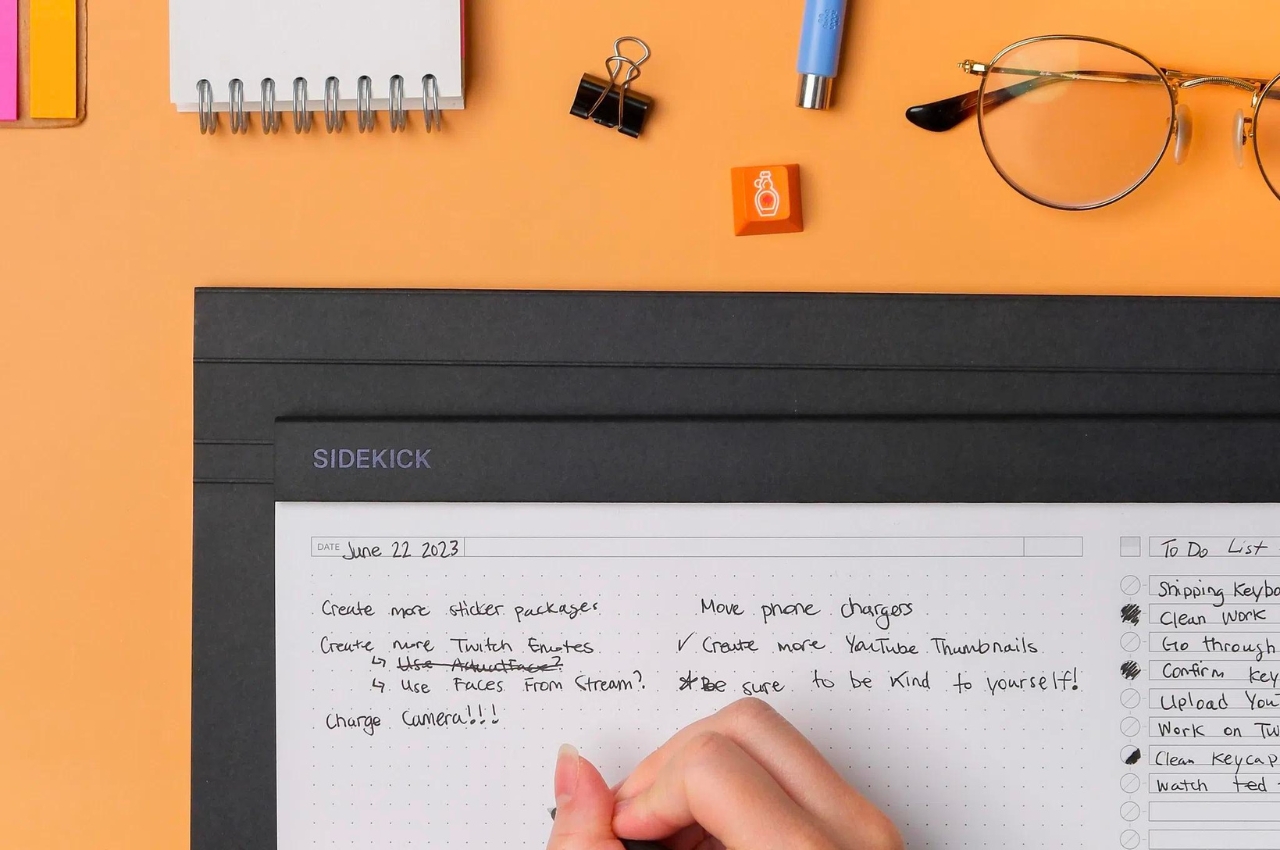
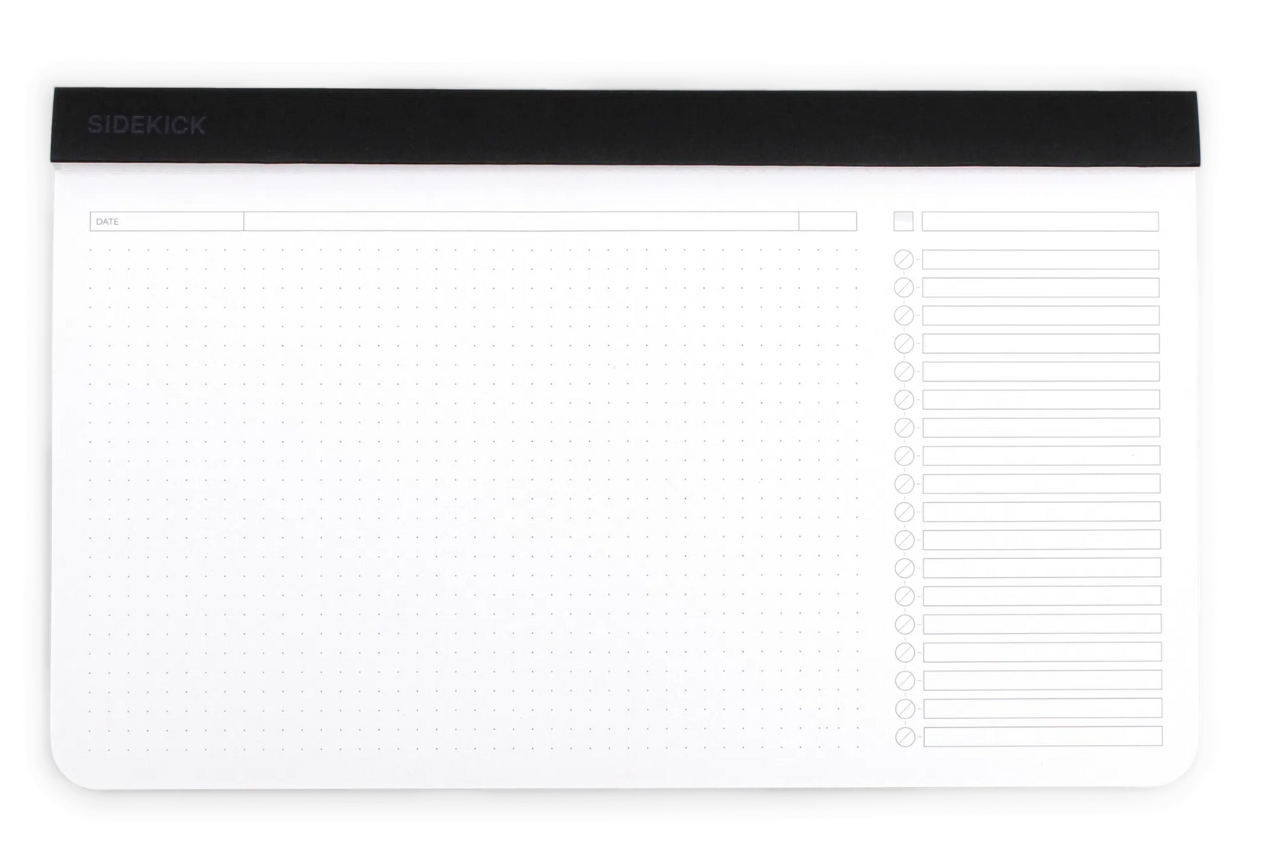
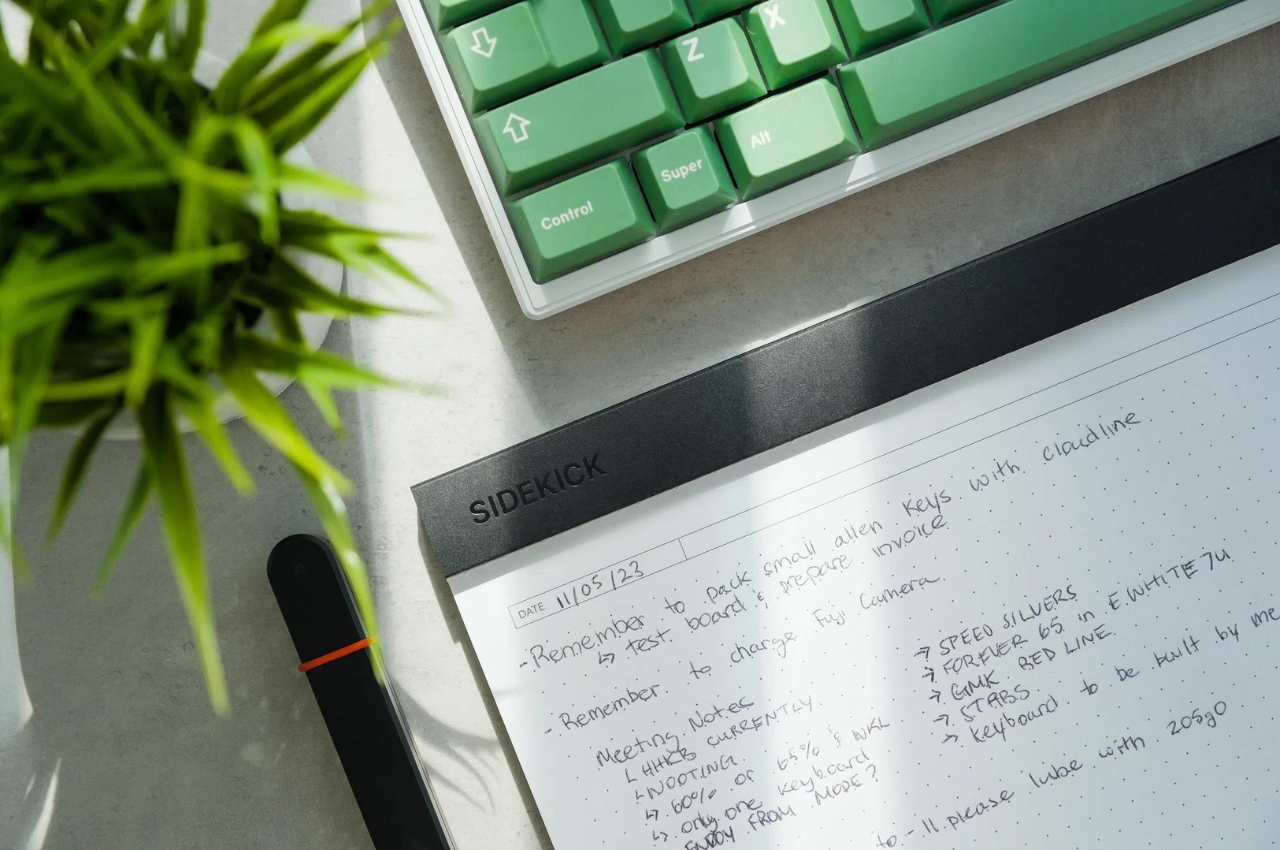
The Sidekick Notepad is basically a writing pad where you can jot things down while having a meeting or while doing your normal, every day tasks. It is designed to fit either above or under your keyboard and is meant to be your “sidekick” if you’re like me that sometimes likes to put her to-do list on paper rather than on pixels. There’s a section to put the date, a huge section for notes, and then on the side, there’s a to-do list section with checkboxes so it’s easier to tick things off.

It’s not meant to be like a journal where you keep it even after the tasks or notes have served their purpose. It’s a tear-away kind of pad where you can just tear it off and then throw it (or compile it somewhere else if that’s your thing). You can also scan your notes for posterity and then save it on your preferred notes app. It doesn’t seem to have a dedicated app that can automatically scan and store things for you so you have to do it the manual way.

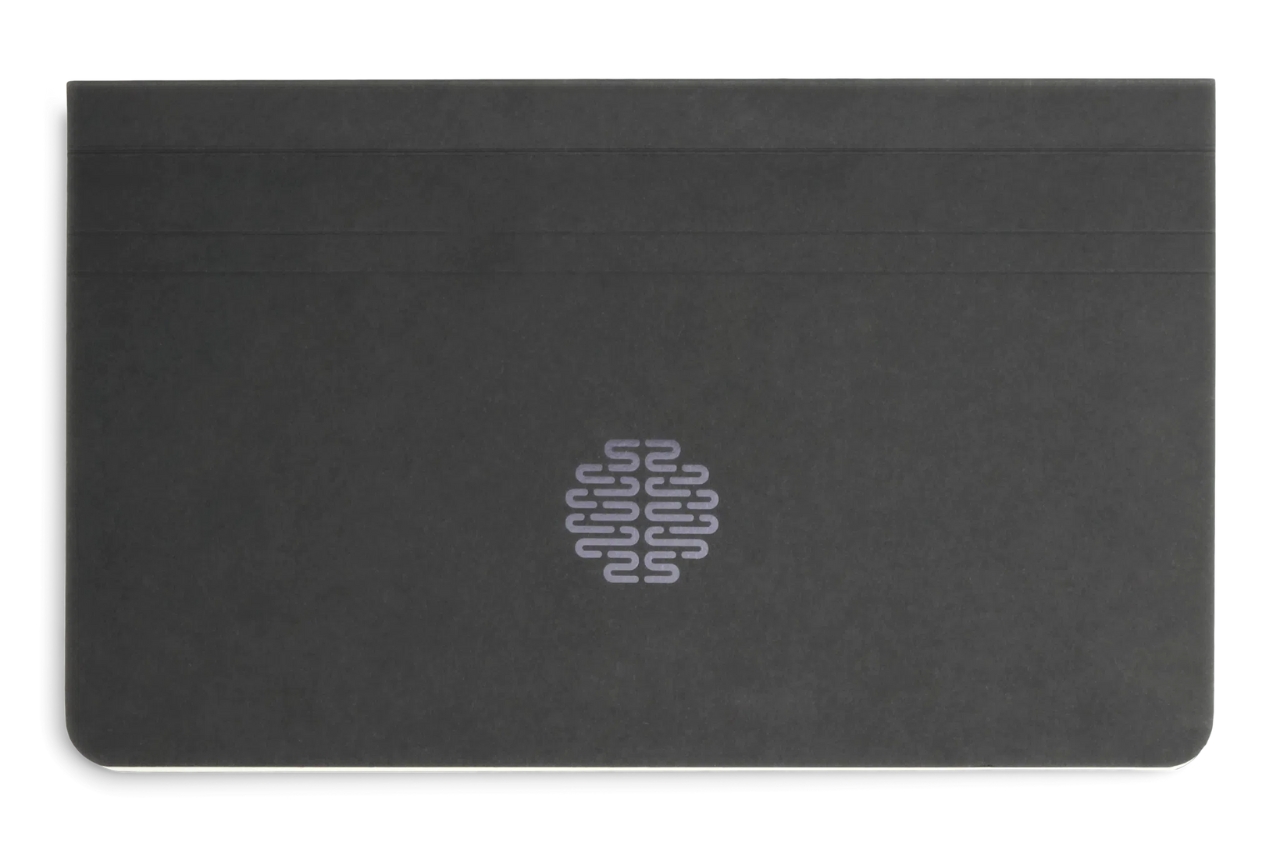
The Sidekick Notepad has 60 pages of Munken Lynx paper so if you run out, you’ll have to buy a new notepad since it’s not refillable. The cover is made from something called “Extract”, a paper made from recycled coffee cups. This adds another layer of things that I love so this product seems to be created especially for people like me who still can’t let go of the analog stuff.

The post Sidekick Notepad is a simple writing tool for the digital/analog hybrid workers first appeared on Yanko Design.

Solar bot is a smart device concept that makes solar power more accessible

Solar power is something that is pretty important if we need to reduce our carbon footprint and our electricity consumption. But it’s still not something that’s easily accessible for everyone or something that’s portable and easy to use or access. A recent invention from Jackery, a portable power and green outdoor energy company, might be the thing we need to revolutionize how the ordinary consumer can access and use solar energy.

Designer: Jackery

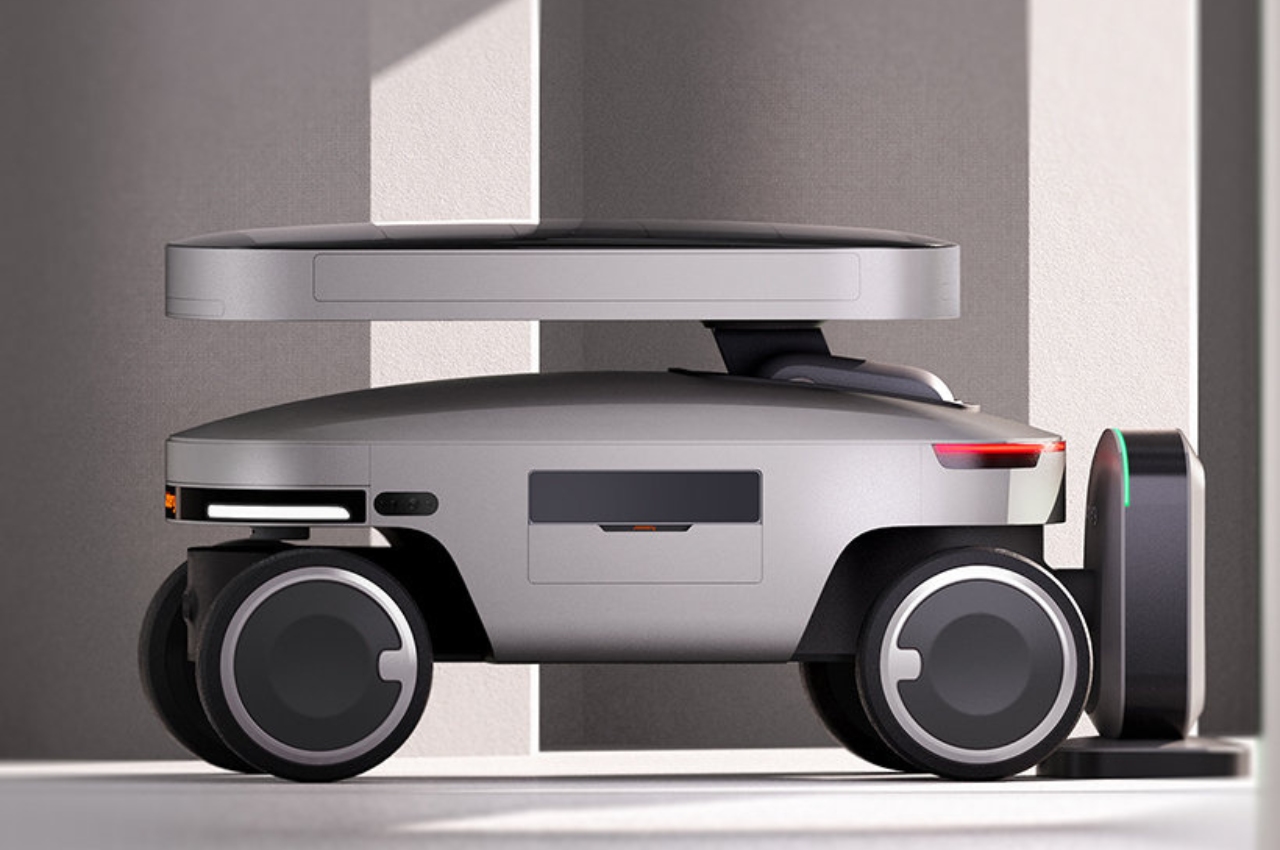
The Solar Mars Bot was named one of the Best Inventions of 2023 by Time Magazine, specifically in the Green Energy category. It is a robot type machine that is a photovoltaic energy storage device equipped with various sensors to enable it to gather as much solar power as it can store. It has laser radar and camera modules to help it get around. It’s smart enough to roll around and find spots where it can align its panels with sunlight and even avoid obstacles.

The energy that it is able to gather is stored in a lithium iron phosphate battery and then you will be able to power your devices through any of its connectors including ordinary earthed sockets, USB-C and USB-A ports. You can take this solar robot with you when camping or on any outdoor activity or when you’re just lounging in your backyard or swimming pool and you need to charge your devices.

For now it seems to still be in the conceptual stage and Jackery may be creating a prototype for testing. But if ever it reaches the consumer market it will make solar energy common for those who are conscious about their electricity consumption. Hopefully we see some progress with this “best invention” soon as we all want to be able to regulate our carbon consumption over the next few years.

The post Solar bot is a smart device concept that makes solar power more accessible first appeared on Yanko Design.
Enjoy sheets of water through your fingers in sculpture-like faucet from Kohler

There are some things that you use every day that serve a certain function and you don’t really care about what it looks like or how it’s made, as long as it does what it’s supposed to do. One of these things is the water faucet which you most likely use more than once a day (unless you’re stuck in bed and can’t get up). What if this simple piece of your life “exists beyond conventional expectations” and still does its job?

Designer: Samuel Ross for Kohler

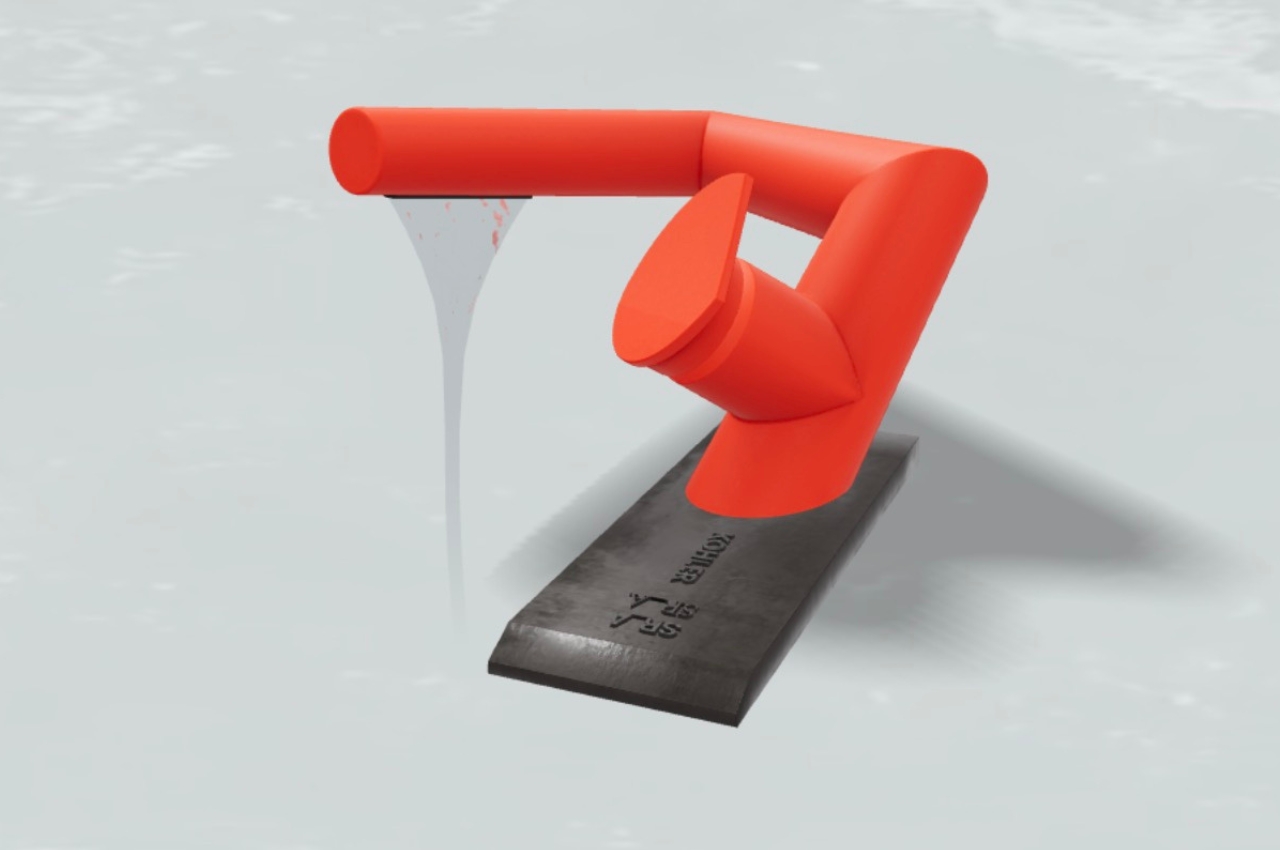
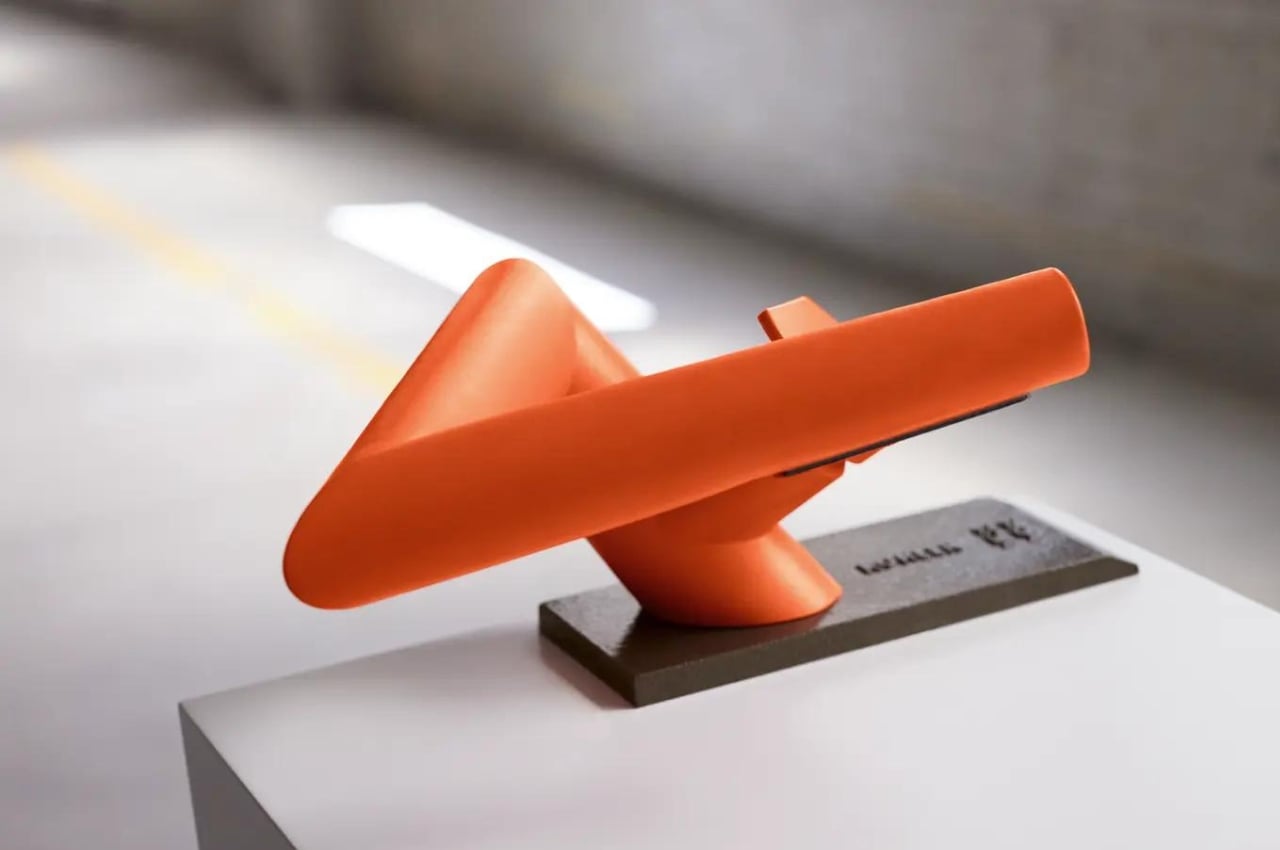
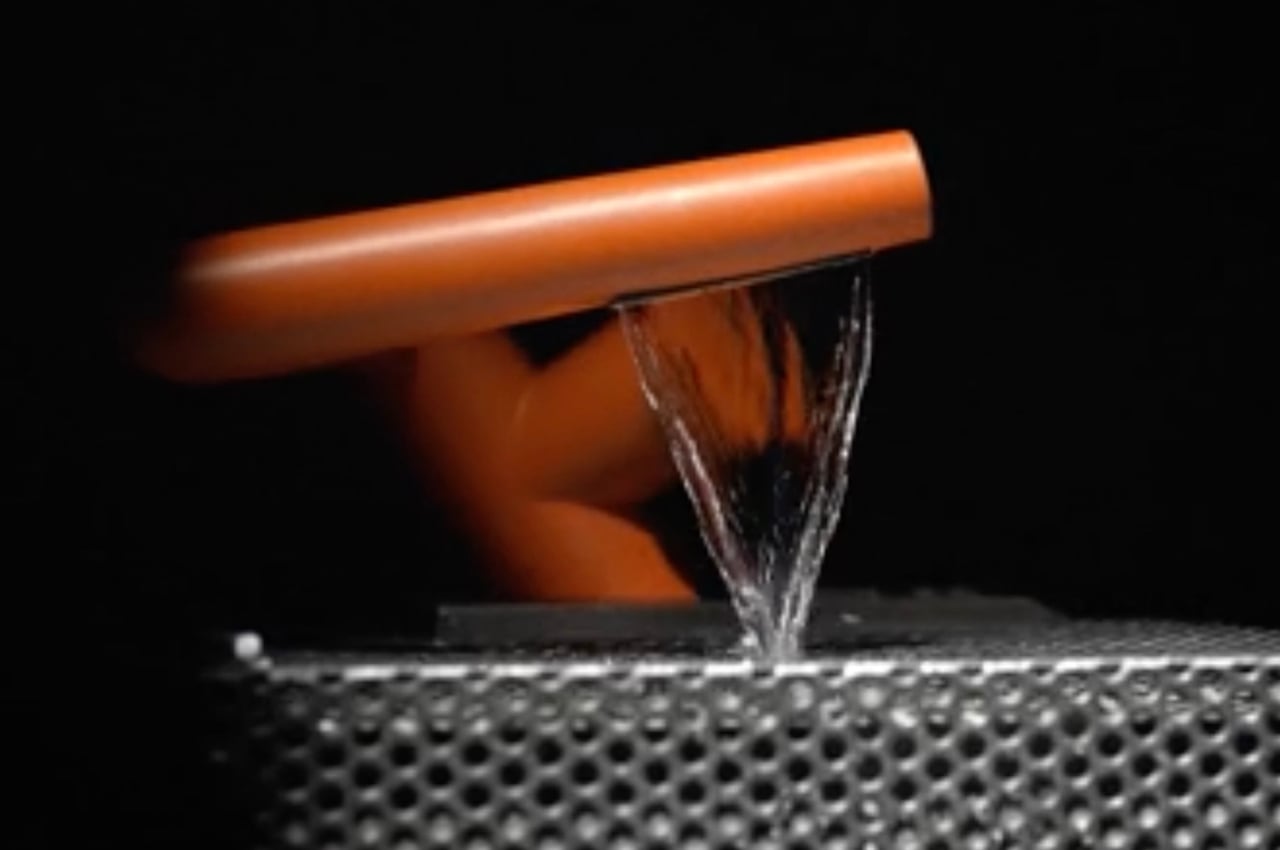
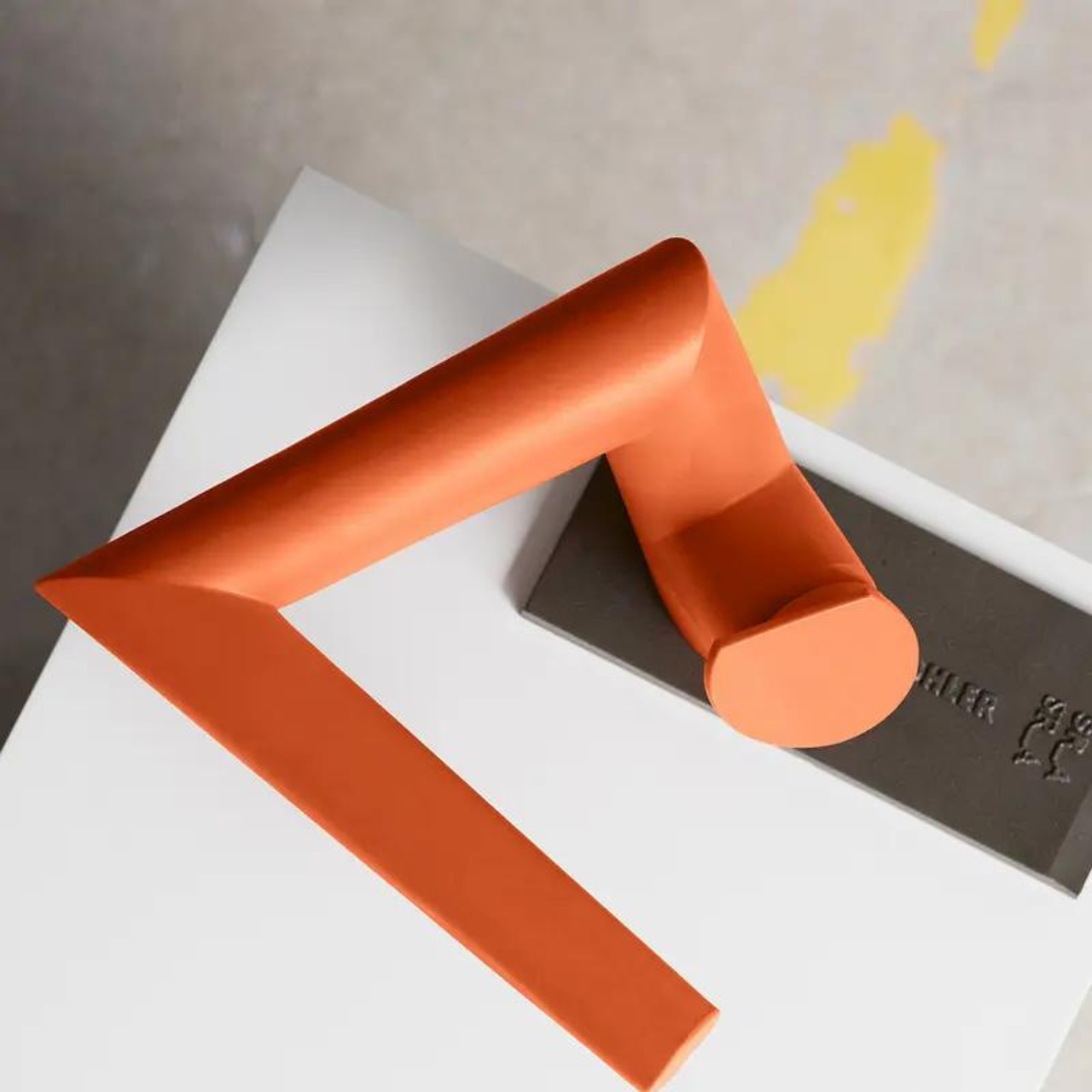
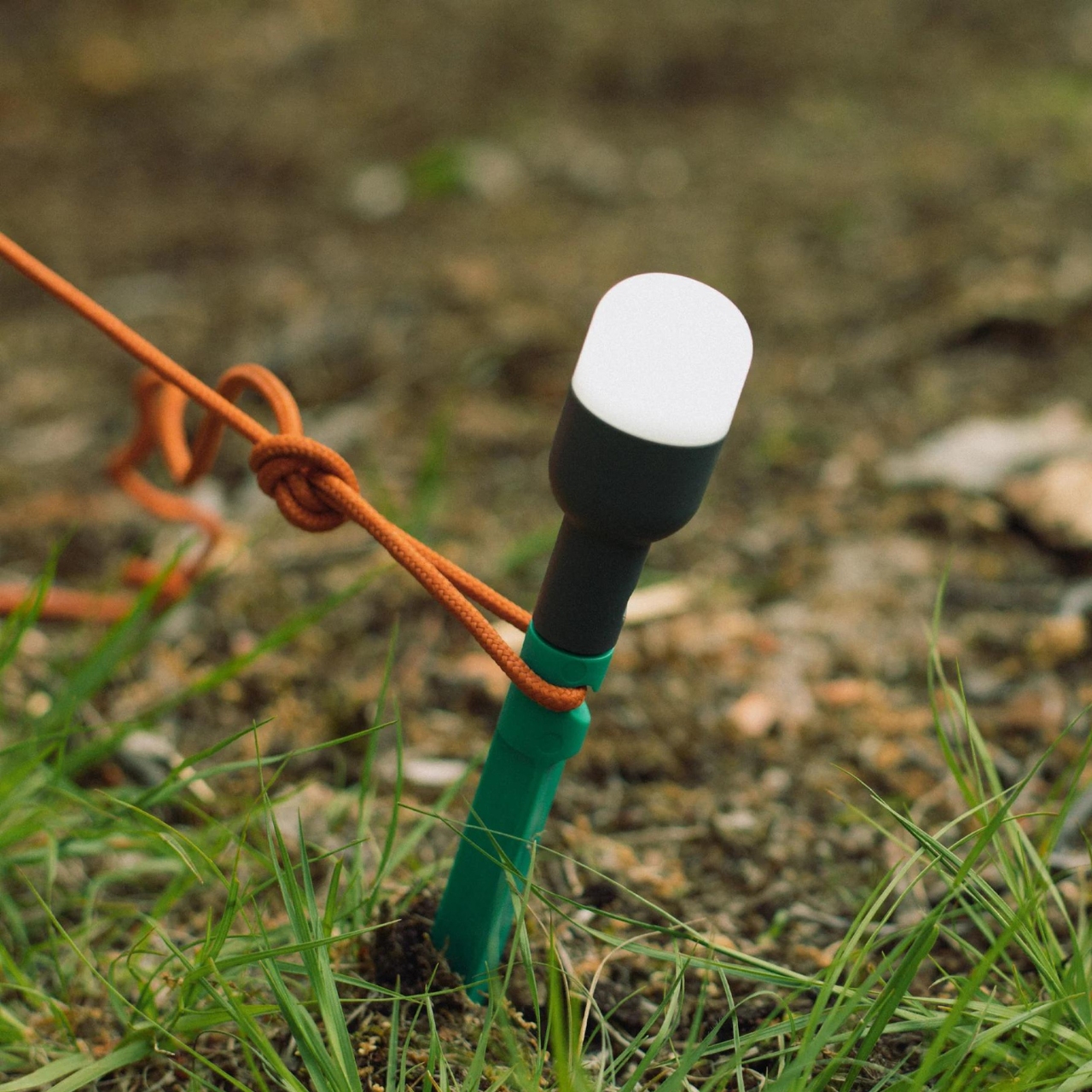
The Formation 01 Faucet is a creation from Samuel Ross’ design studio SR_A for luxury bathroom and kitchen manufacturer Kohler. It doesn’t really look like your ordinary or even high end faucets look like. Rather, it was designed as a functional piece of sculpture that is still able to give you the water that you need when you want to use a faucet. The way it was designed is to give you a continuous sheet of water, whether you’re using it for cleaning or cooling down.

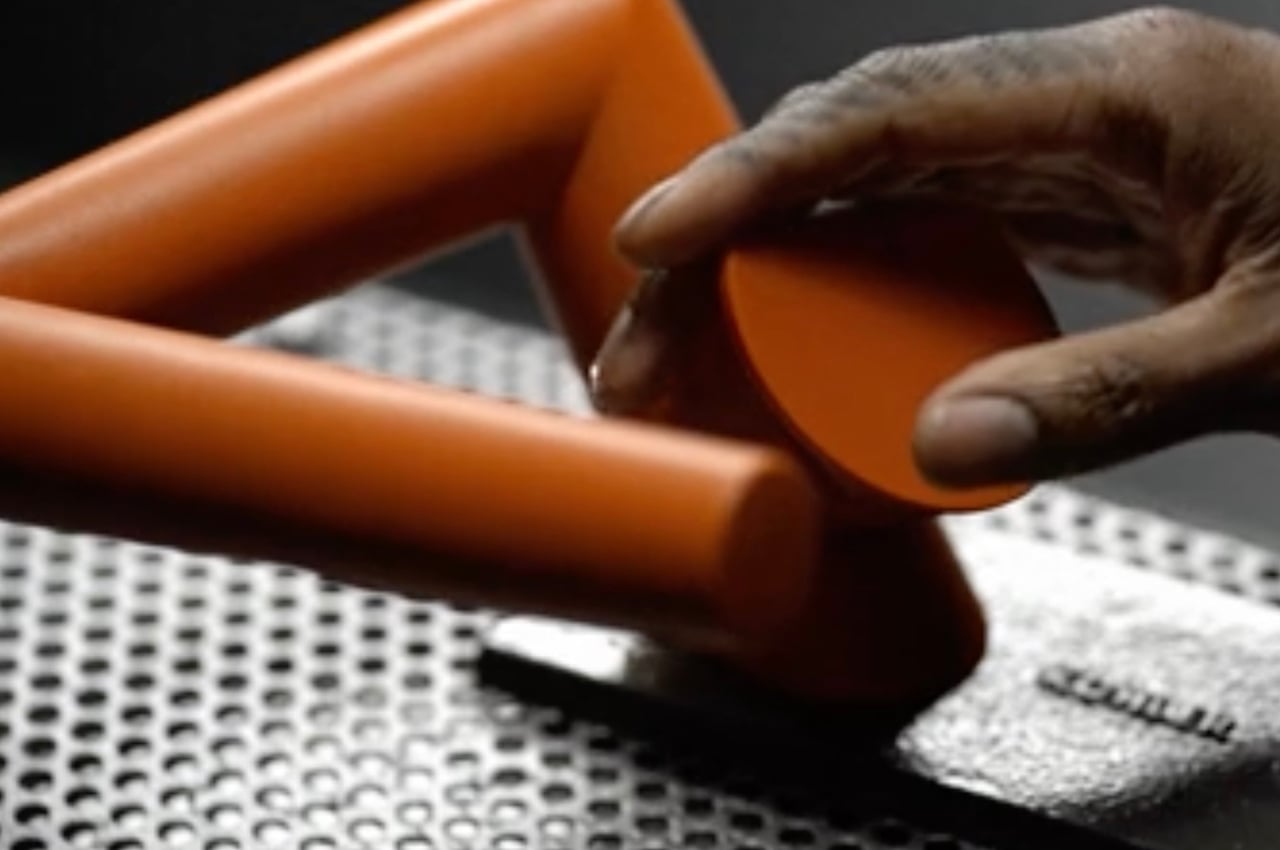
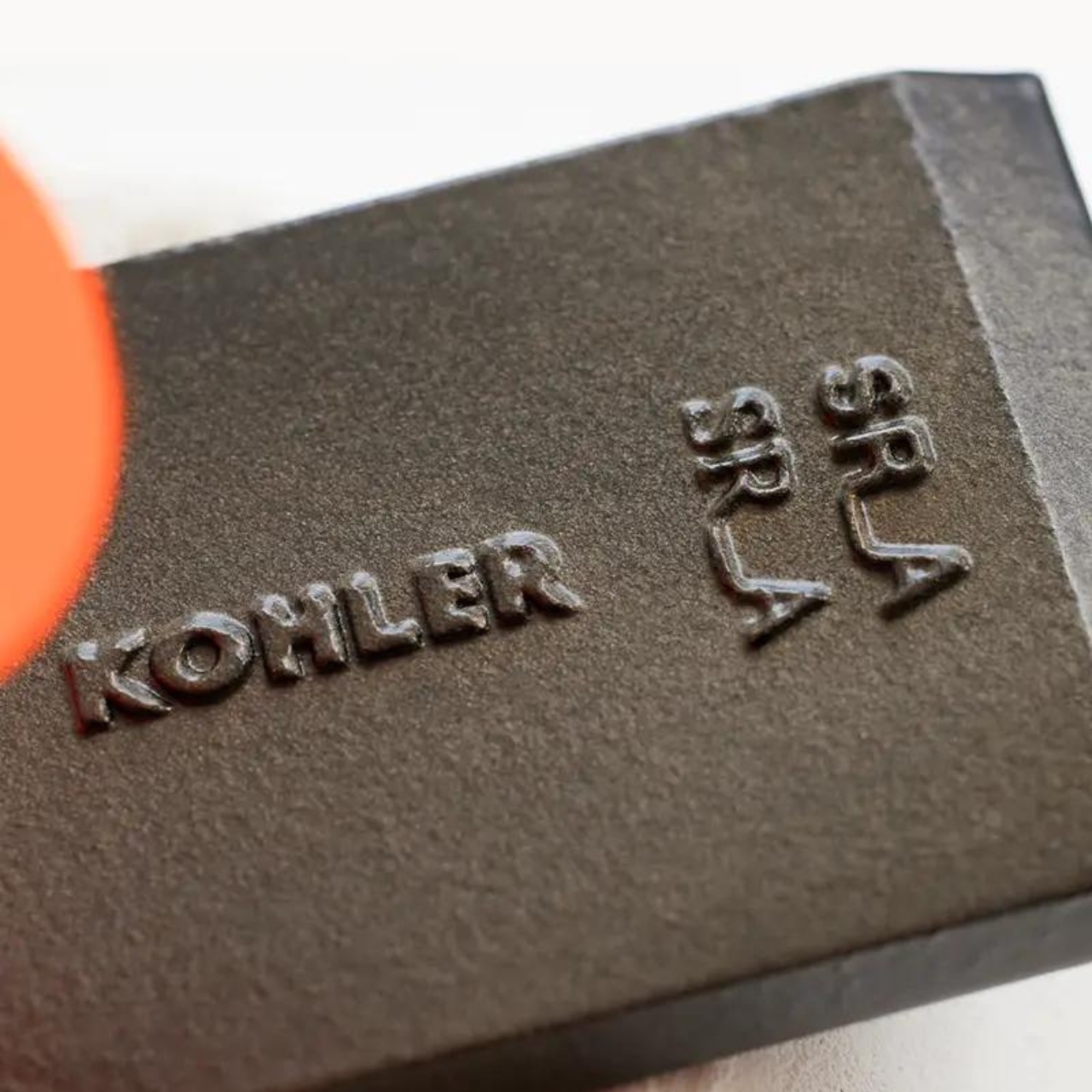
The faucet is made from an advanced composite material called Neolast, which is the proprietary material from Kohler. They were able to form it into that kind of shape since the material is able to offer “boundless form, unexpected texture, and rich, saturated colors”. It sports the color orange since it is the designer’s signature shade. Underneath the fauce is an embossed cast iron escutcheon plate to celebrate the collaboration between the brand and the designer.

The Formation 01 Faucet does look extraordinary and innovative, from the color to the seemingly-abstract shape. But what I really enjoy, at least from the product renders, is how the water comes out in a sheet, which looks and hopefully feels pretty cool (maybe literally even).

The post Enjoy sheets of water through your fingers in sculpture-like faucet from Kohler first appeared on Yanko Design.
Device concept lets you monitor and lessen personal carbon footprint

If you’re conscious about how we’ve been treating Mother Earth the past few years, decades, centuries, measuring carbon emissions is something that you’ve probably looked into. There are a lot of tips out there on how you can keep track of your own carbon footprint and how you can slowly lessen it. It may sometimes require a huge lifestyle change and we also need a visible tool to help us do this and see how we can help our environment recover.

Designer: YeEun Kim

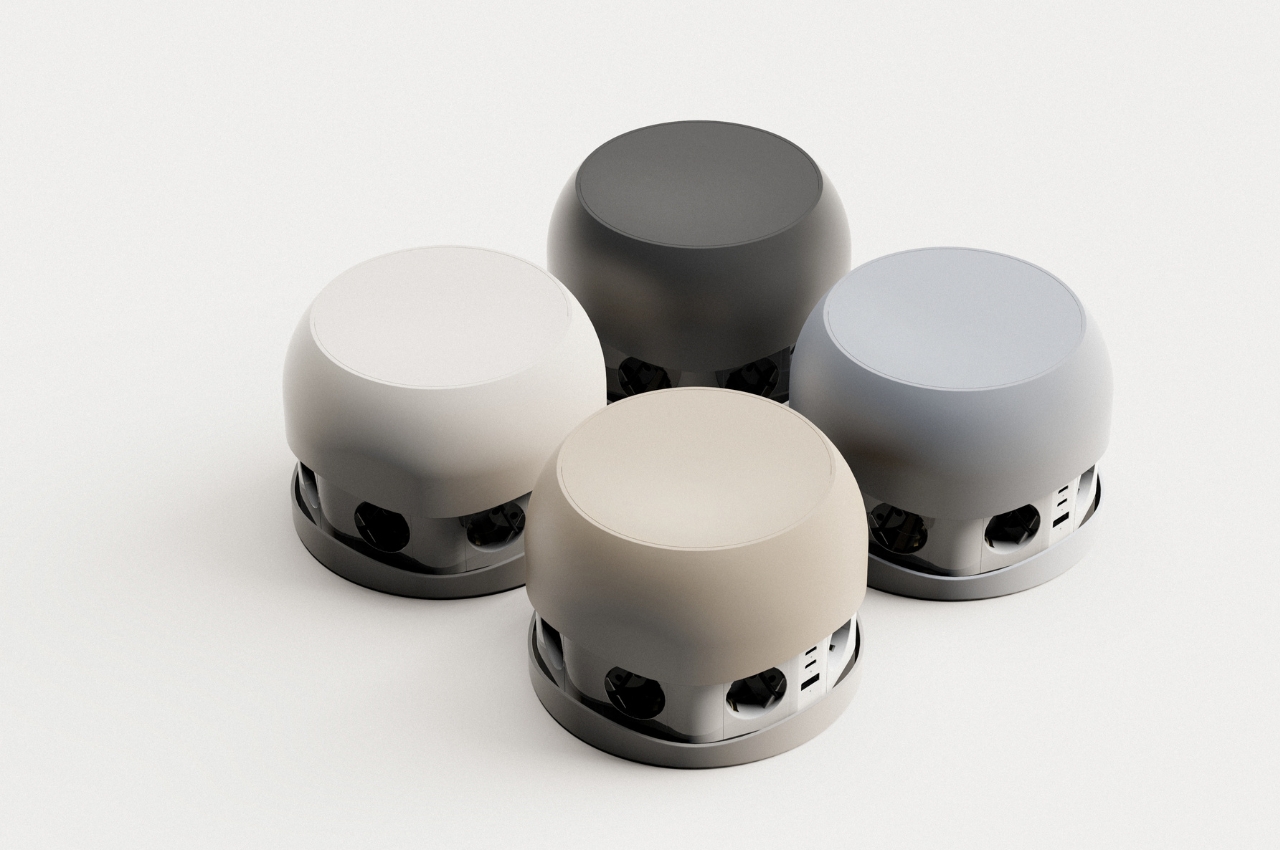
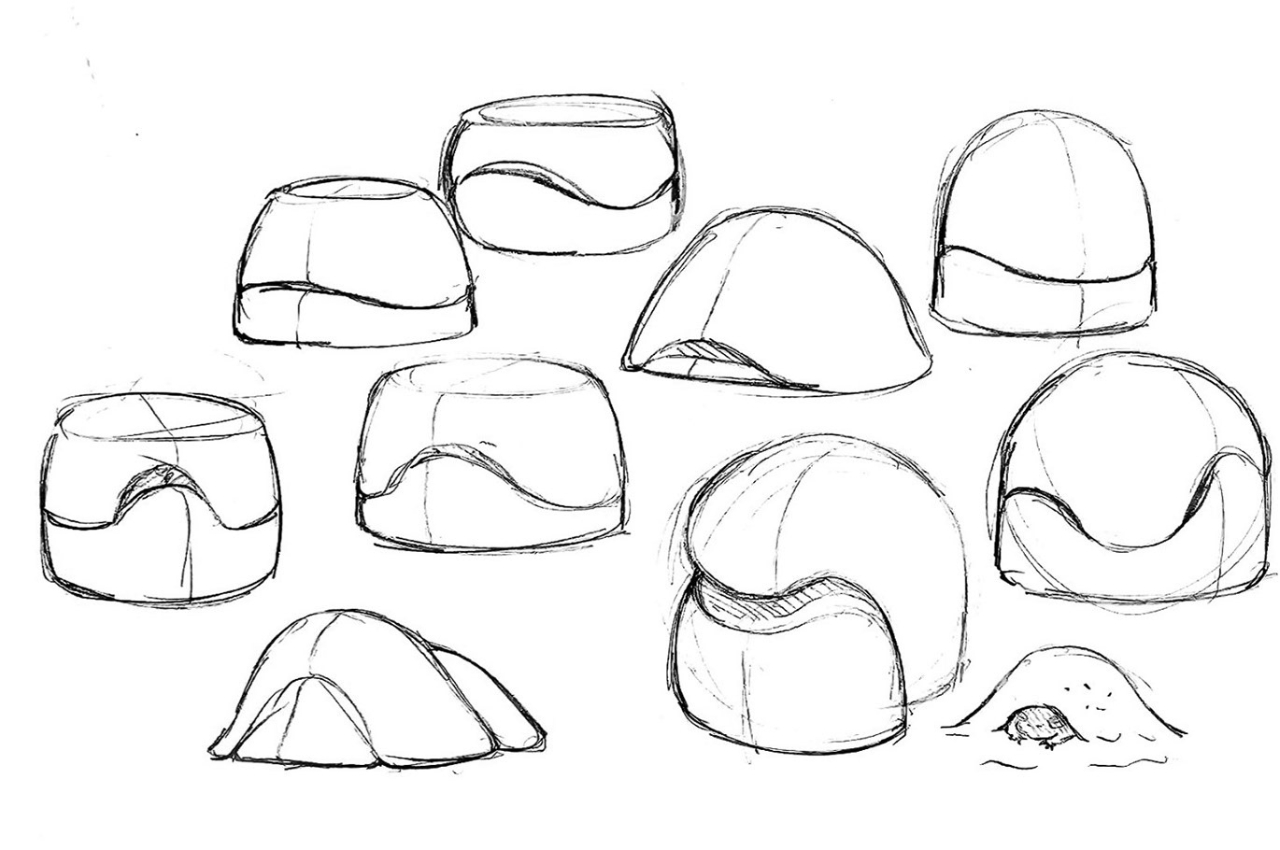
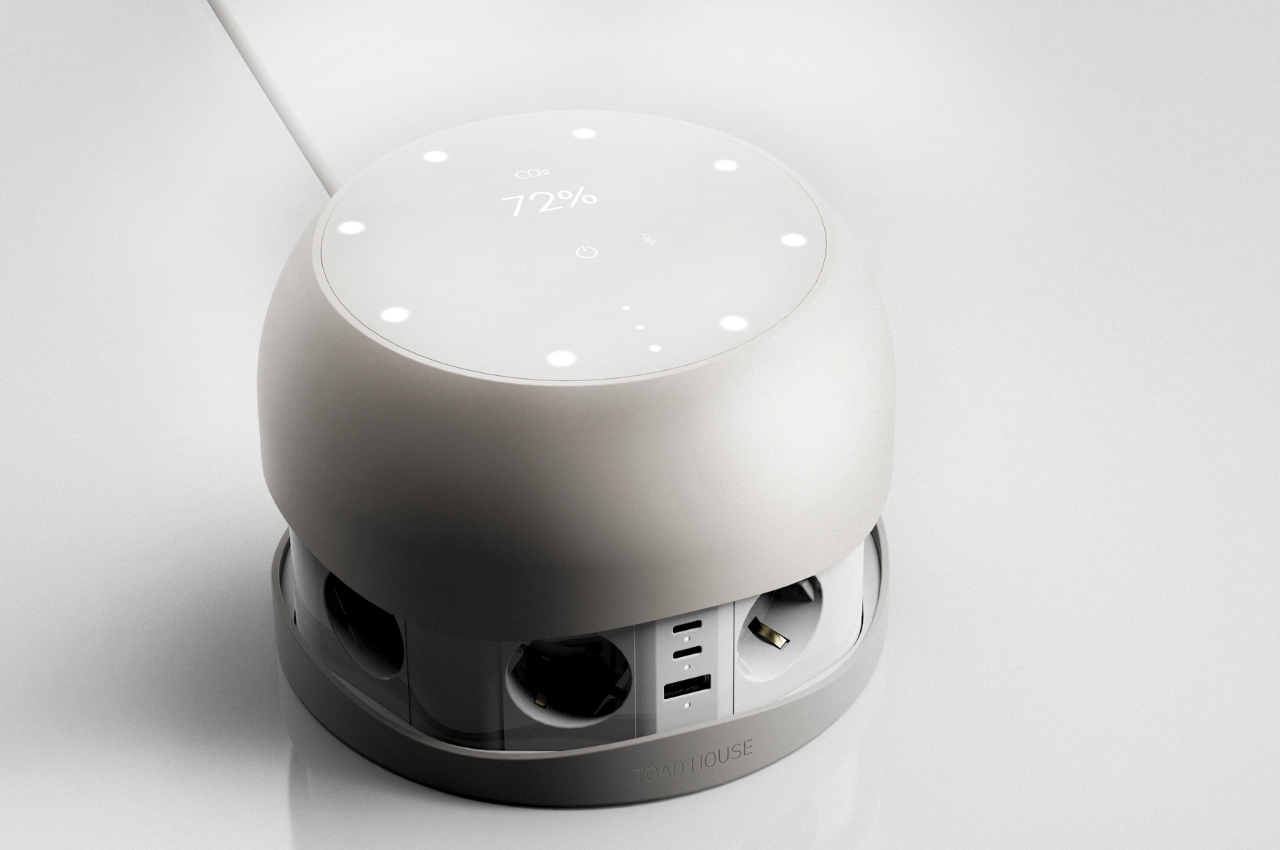
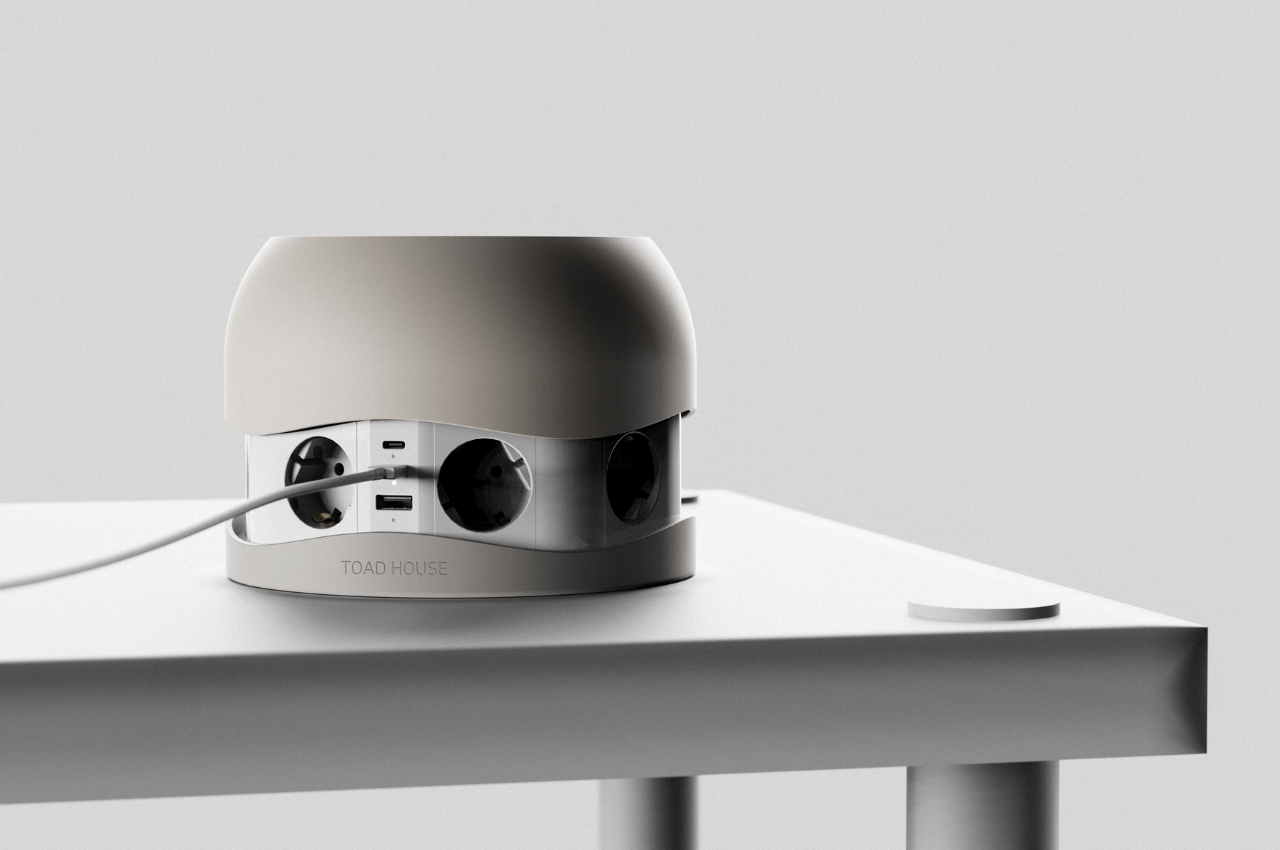
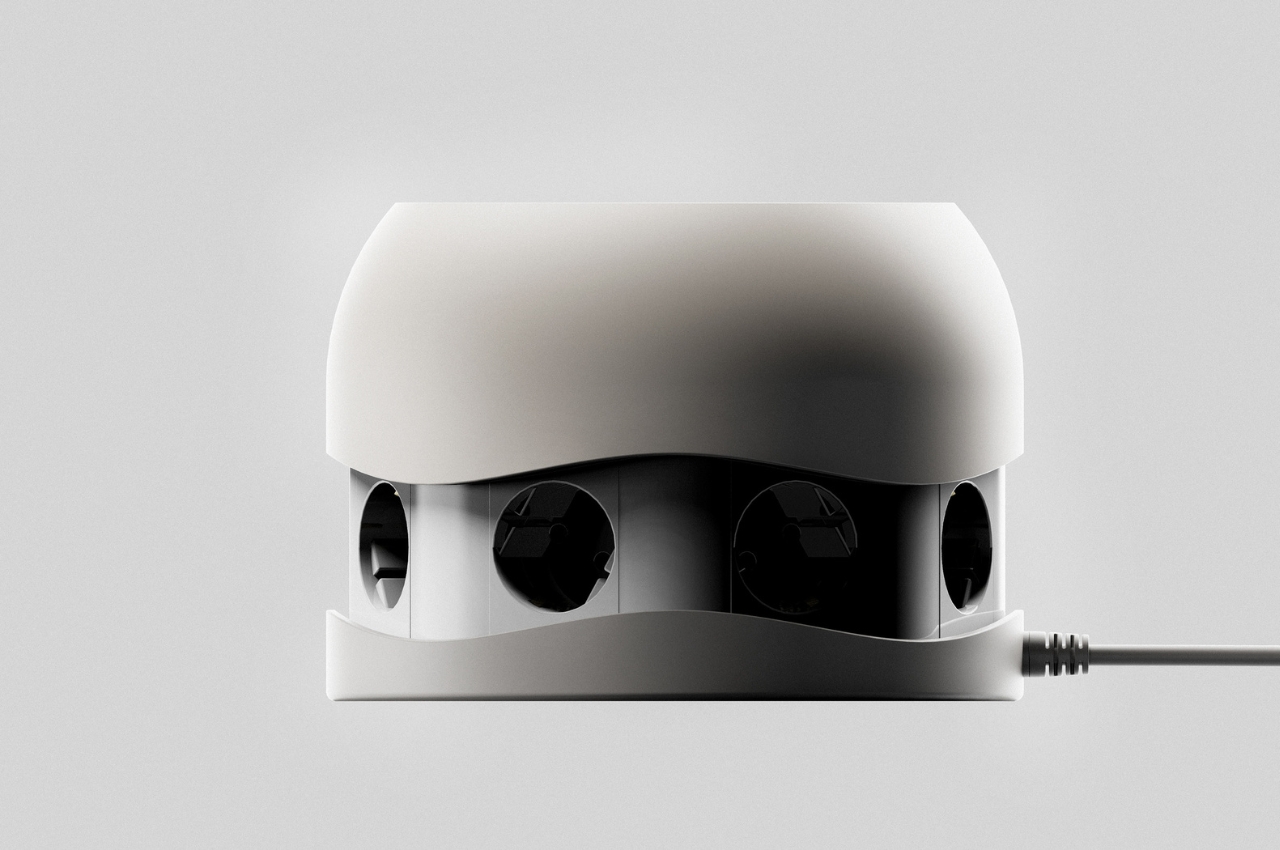
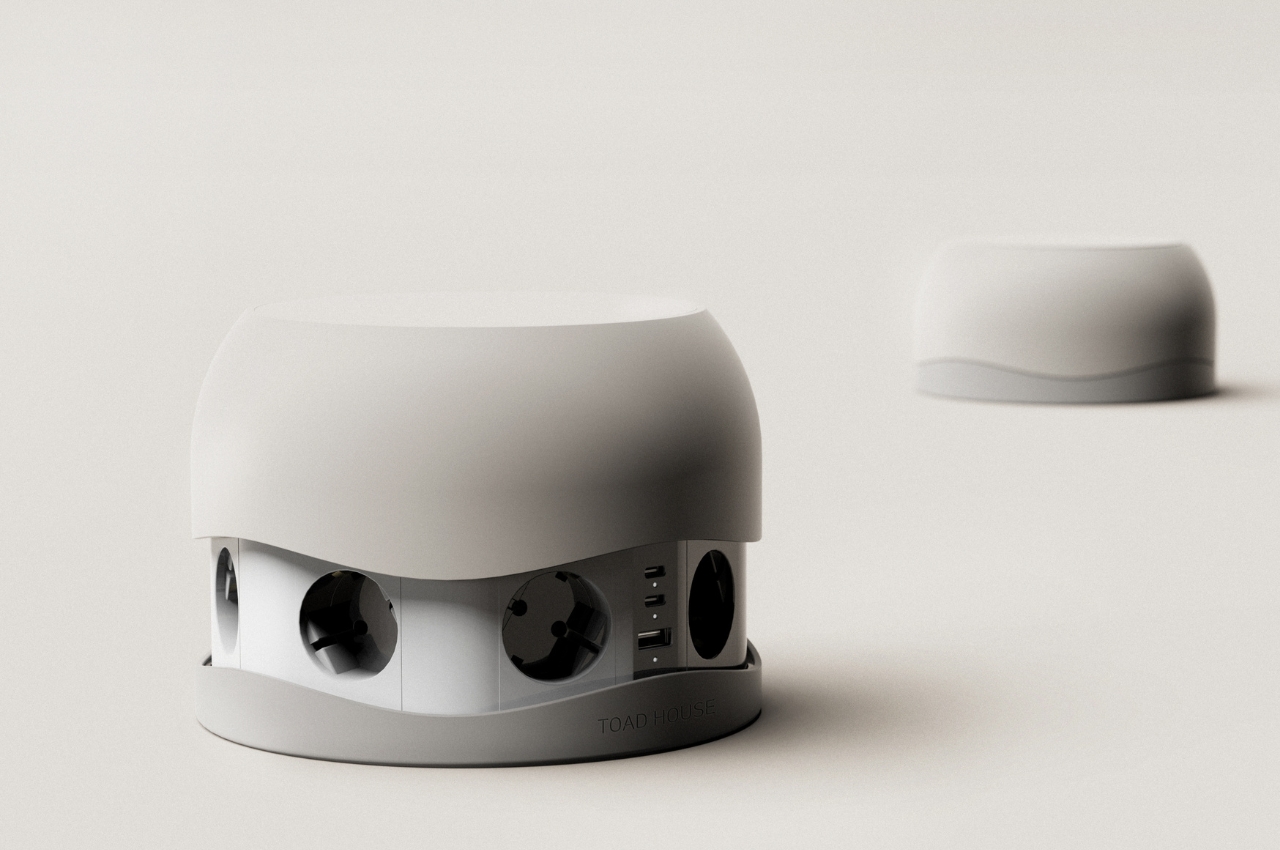
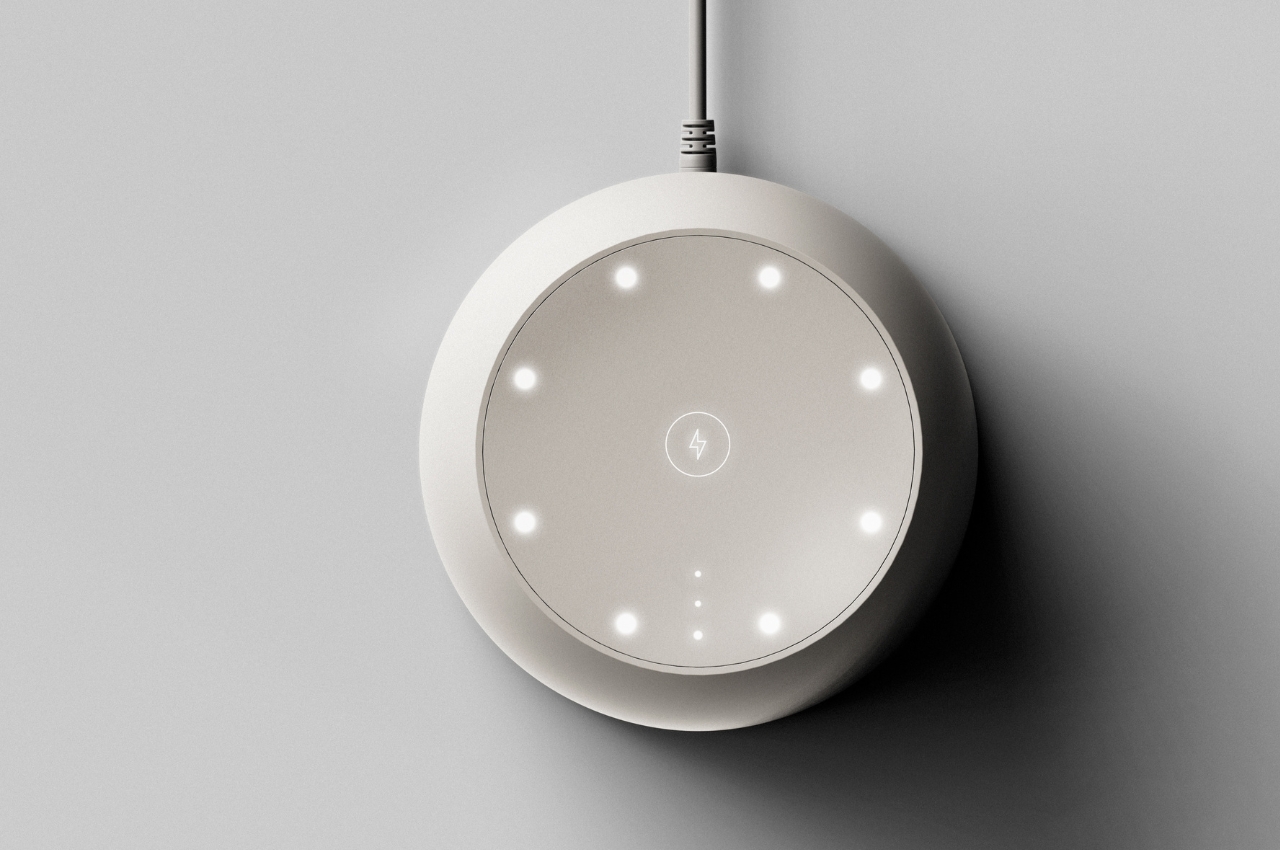
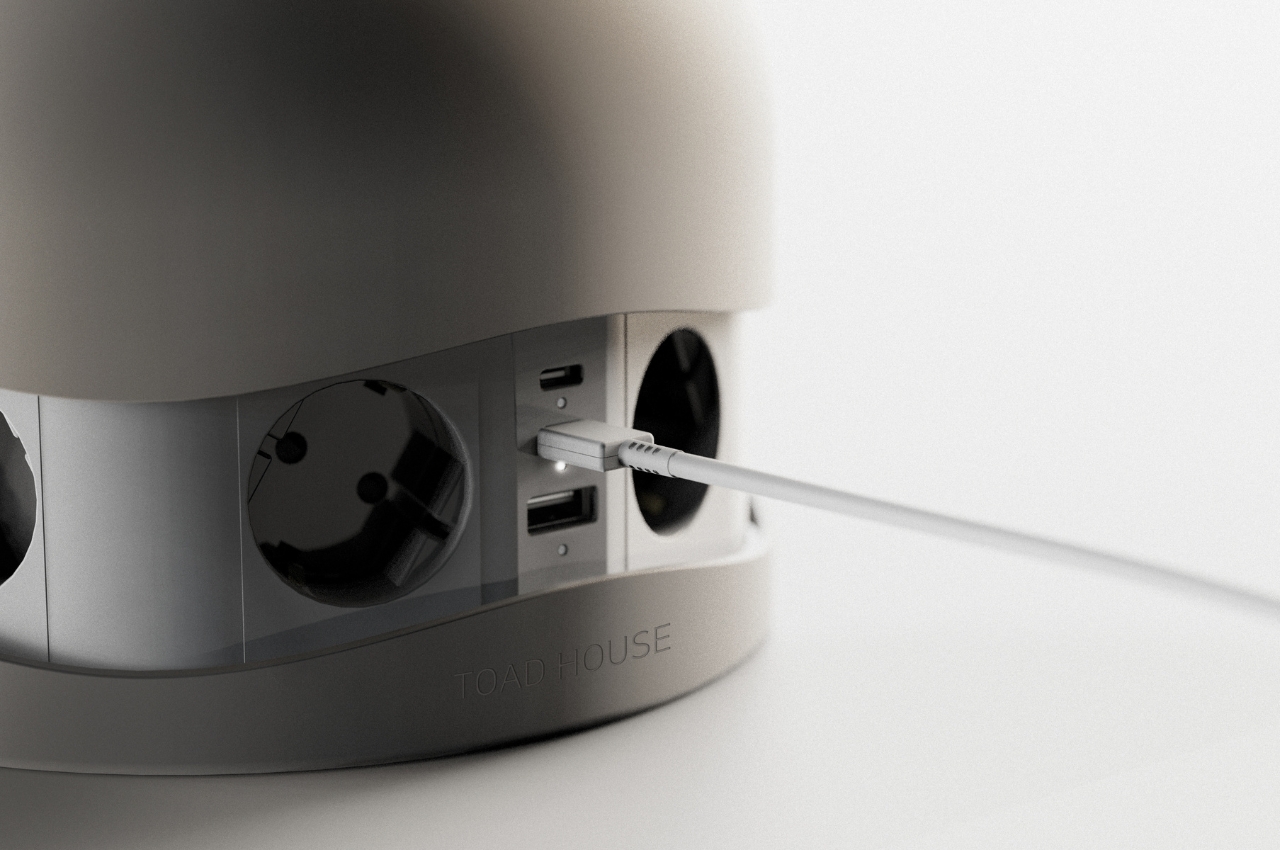
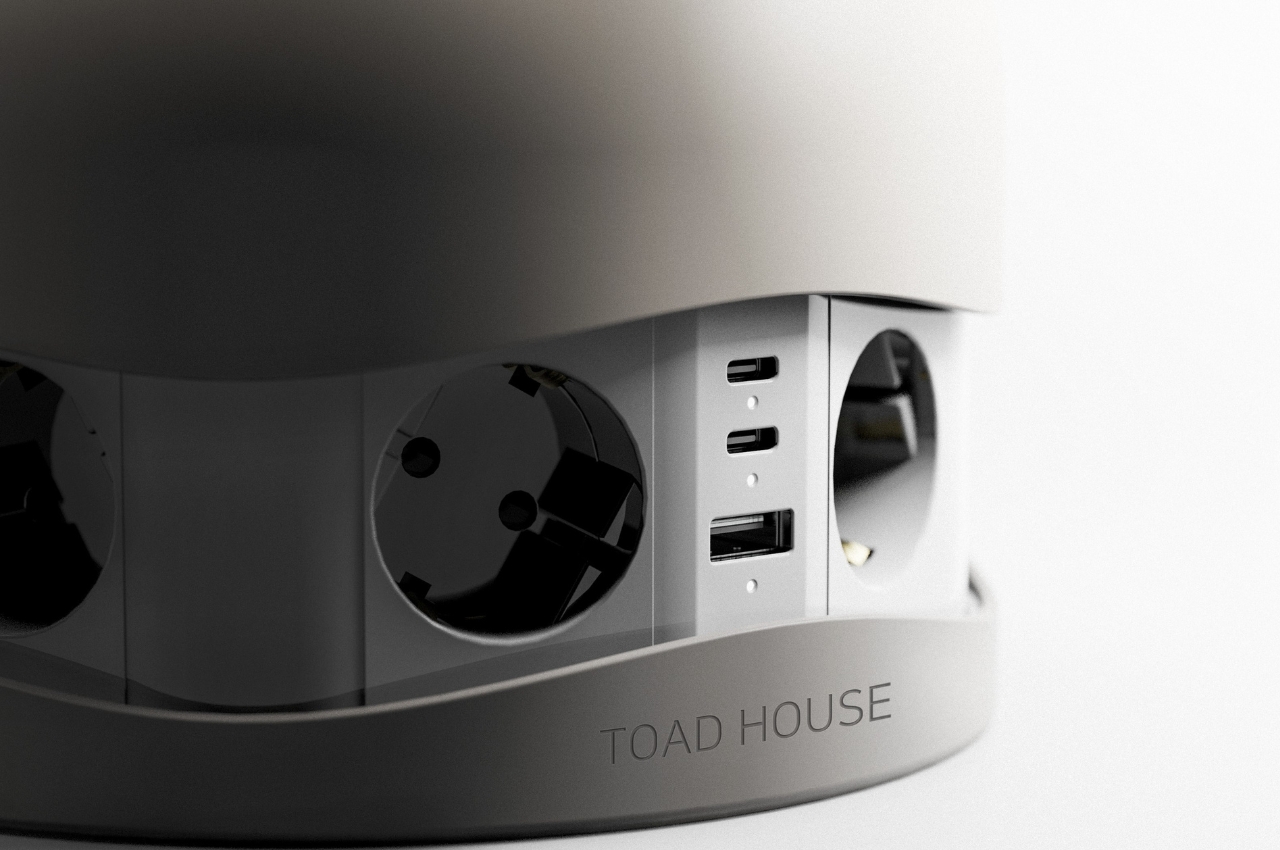
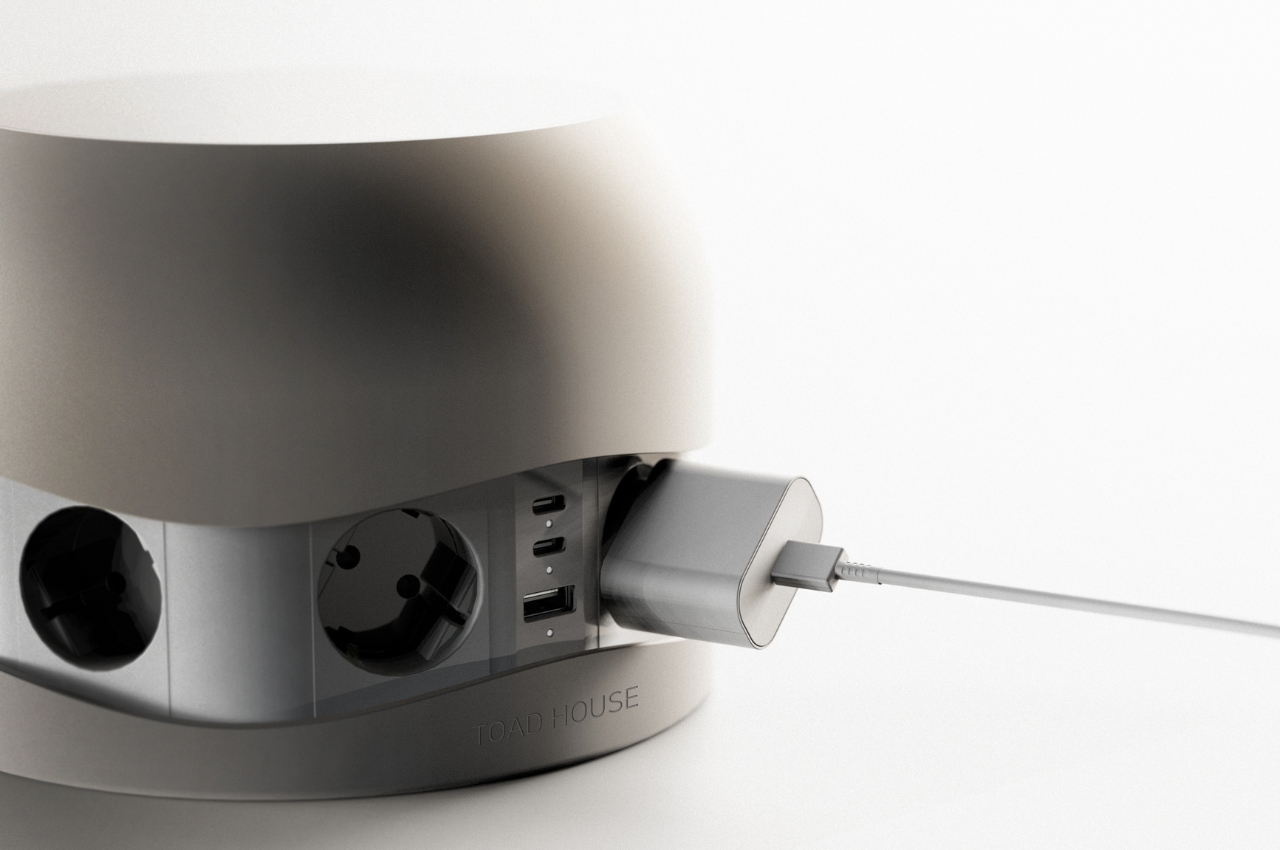
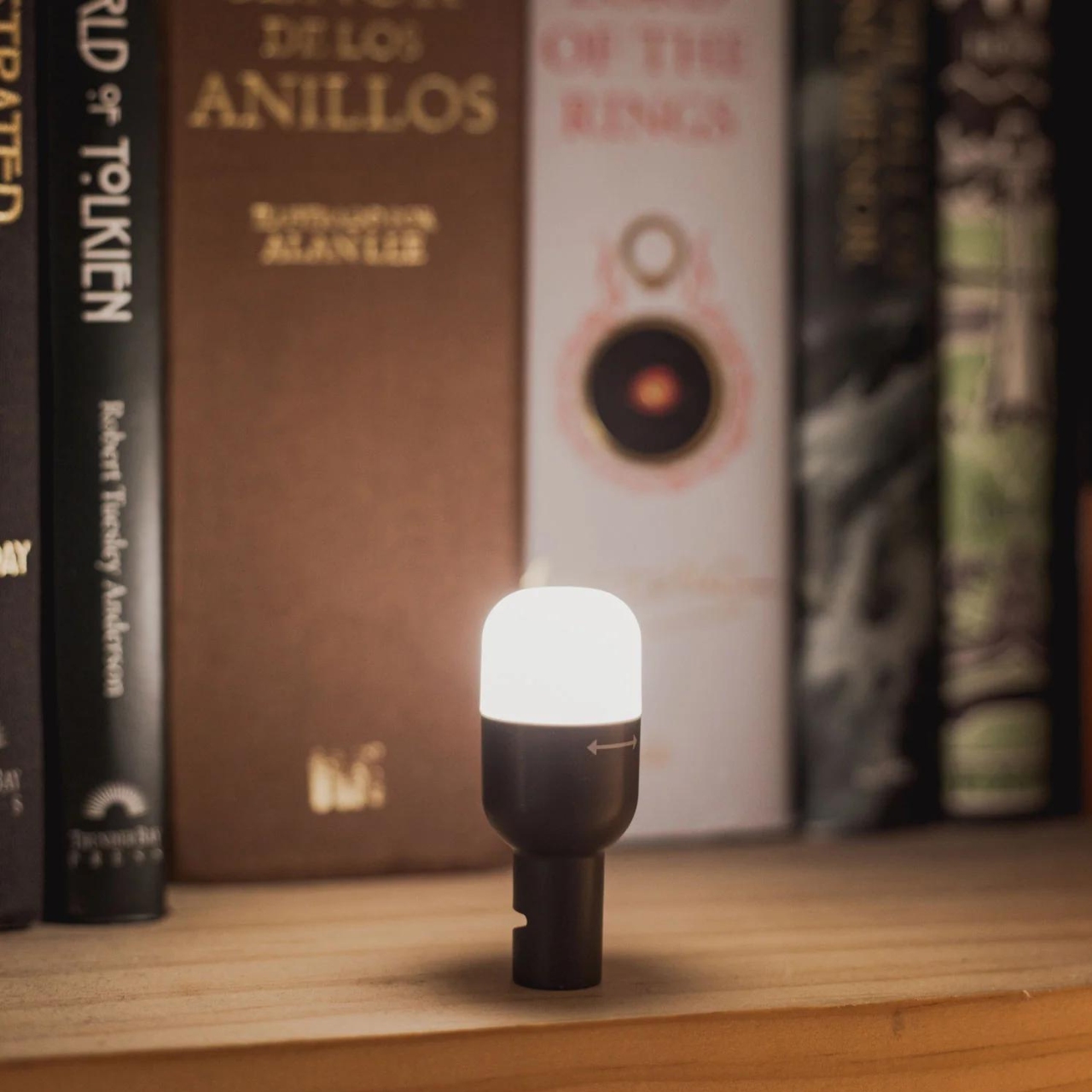
The Toad House is a device that looks like a cross between an air purifier and a smart speaker but is actually something you can use to monitor how much carbon emission you’re using when you’re at home and make the necessary adjustments. It is inspired by a Korean children’s song that talks about building a new house from an old one which can be a metaphor in how we can repurpose wasted energy.

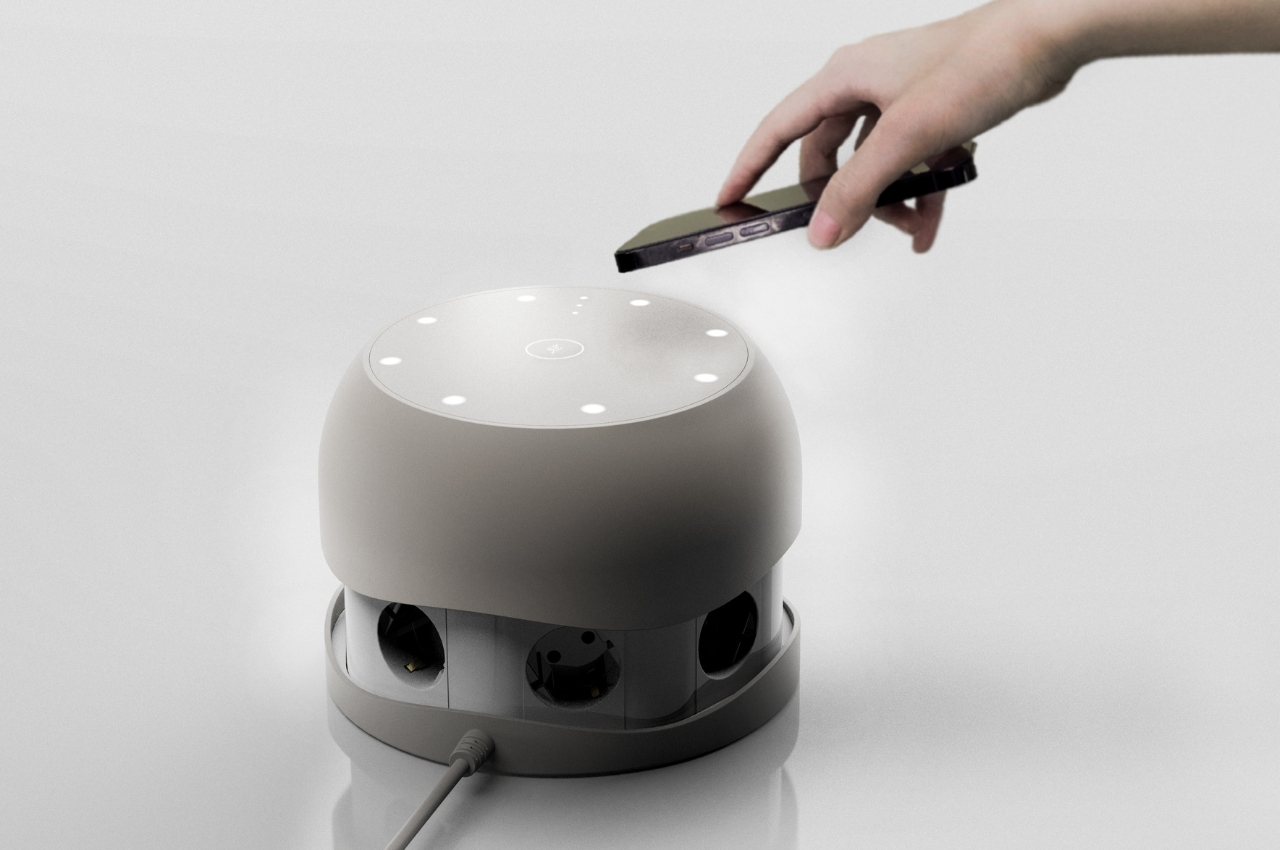
The product description can be a bit vague on how the device can actually measure your carbon emissions but it says the interface at the top of the house is where you can check how much you’re already using. This is probably connected to the app on your smartphone where you set targets and also see the values of the various appliances and gadgets in your house. It also says that the wasted power from your devices can be stored and then used for wireless charging later on.

This is still a concept for now but if it eventually becomes a product, it would be interesting to see if a gadget like this can really affect how you use energy. Eventually, there can also be studies if it indeed lessens carbon emissions when you have a visual reminder of how much you’re using and leaving in your environment. Probably what’s needed now though is more education on how people can measure their carbon footprints, at least in their personal use.

The post Device concept lets you monitor and lessen personal carbon footprint first appeared on Yanko Design.

Portable plug-and-play 3D printer lets you print without much complications

3D printing is something that is interesting and useful for a lot of industries although it’s still basically in the early stages. One thing that’s probably stopping people from embracing this technology is that it seems pretty complicated and not user-friendly. Most printers require a certain kind of technical knowledge so those who don’t have this are already ruled out. What if there was a printer that would do away with all that and let “ordinary” users enjoy the joys of 3D printing?

Designer: KOKONI

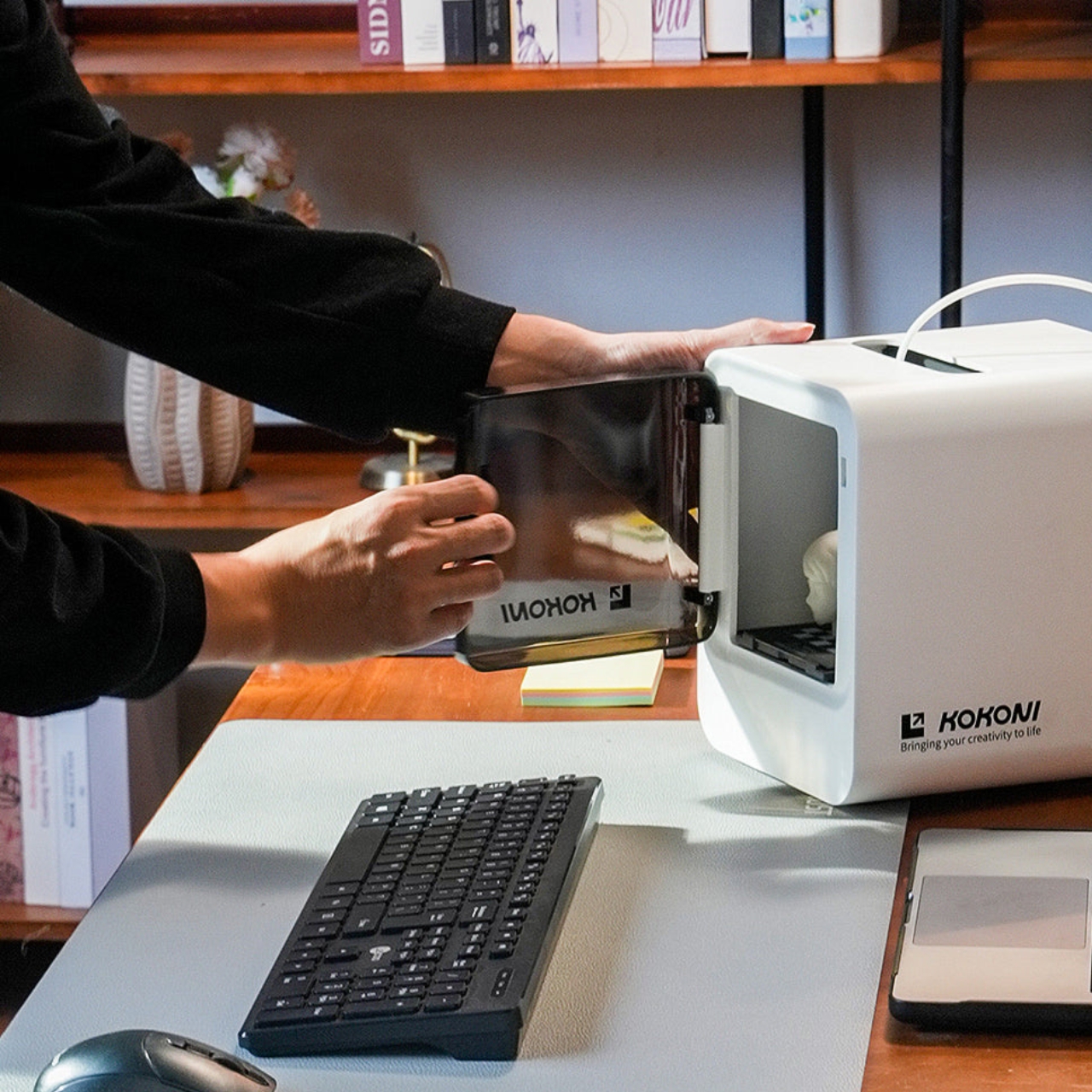
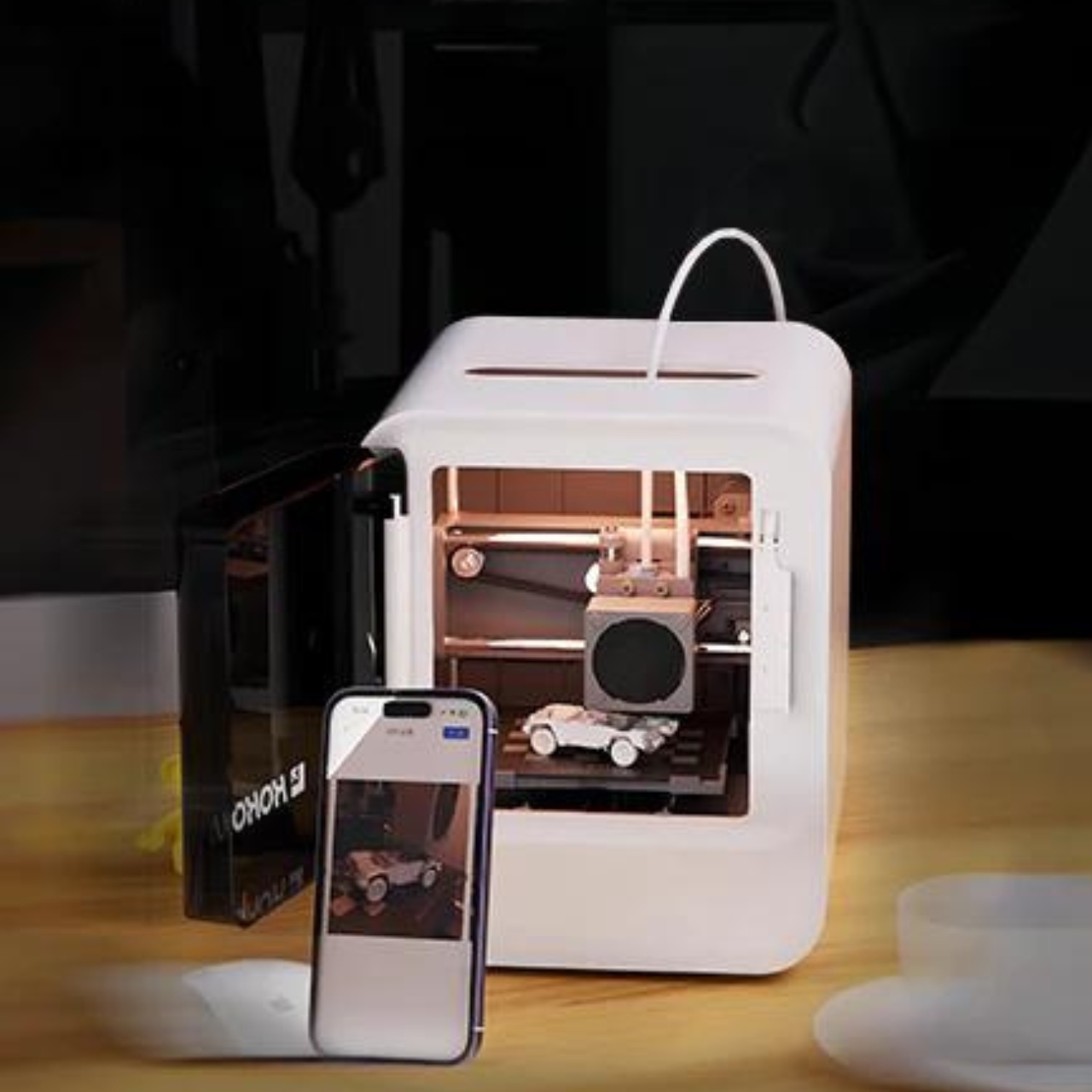
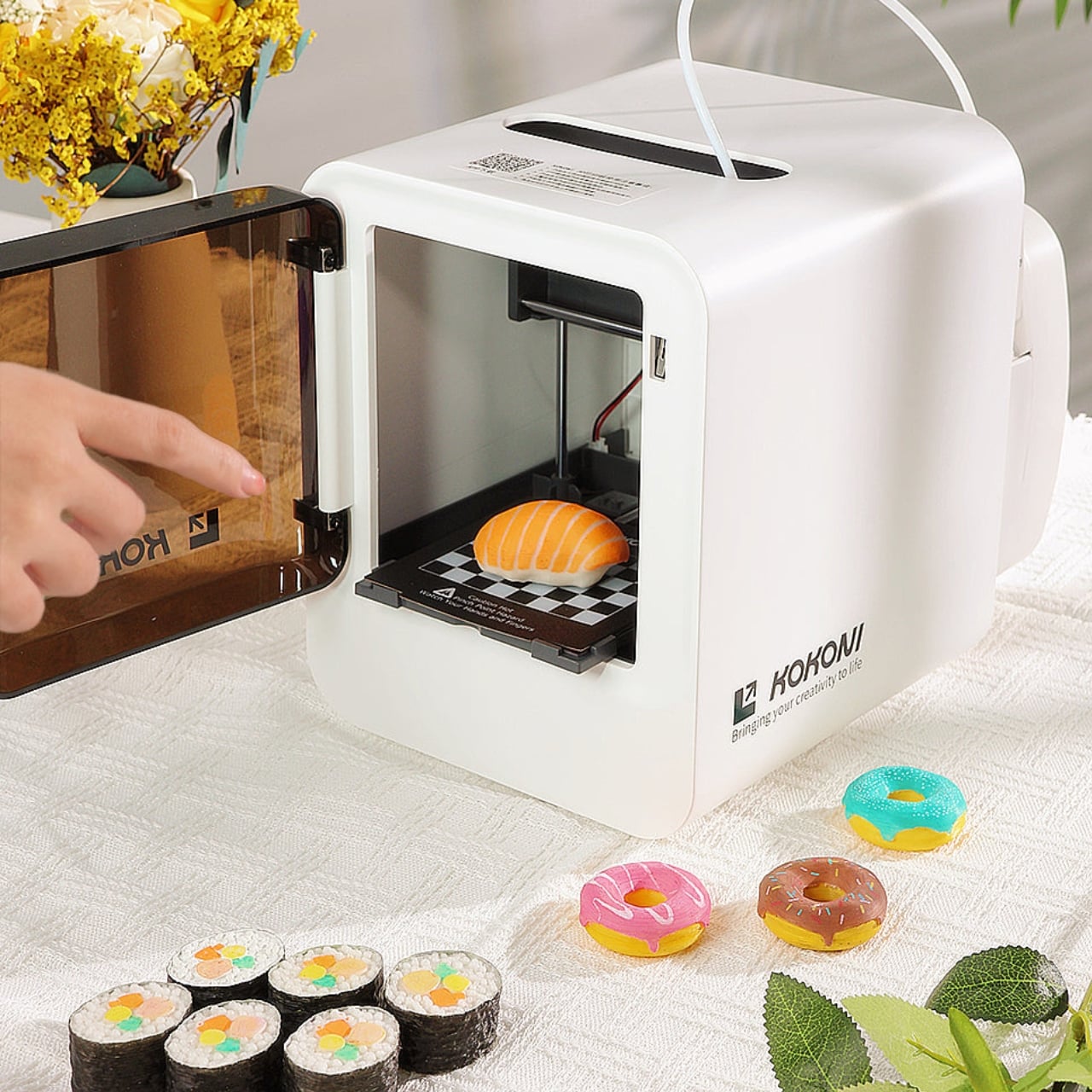
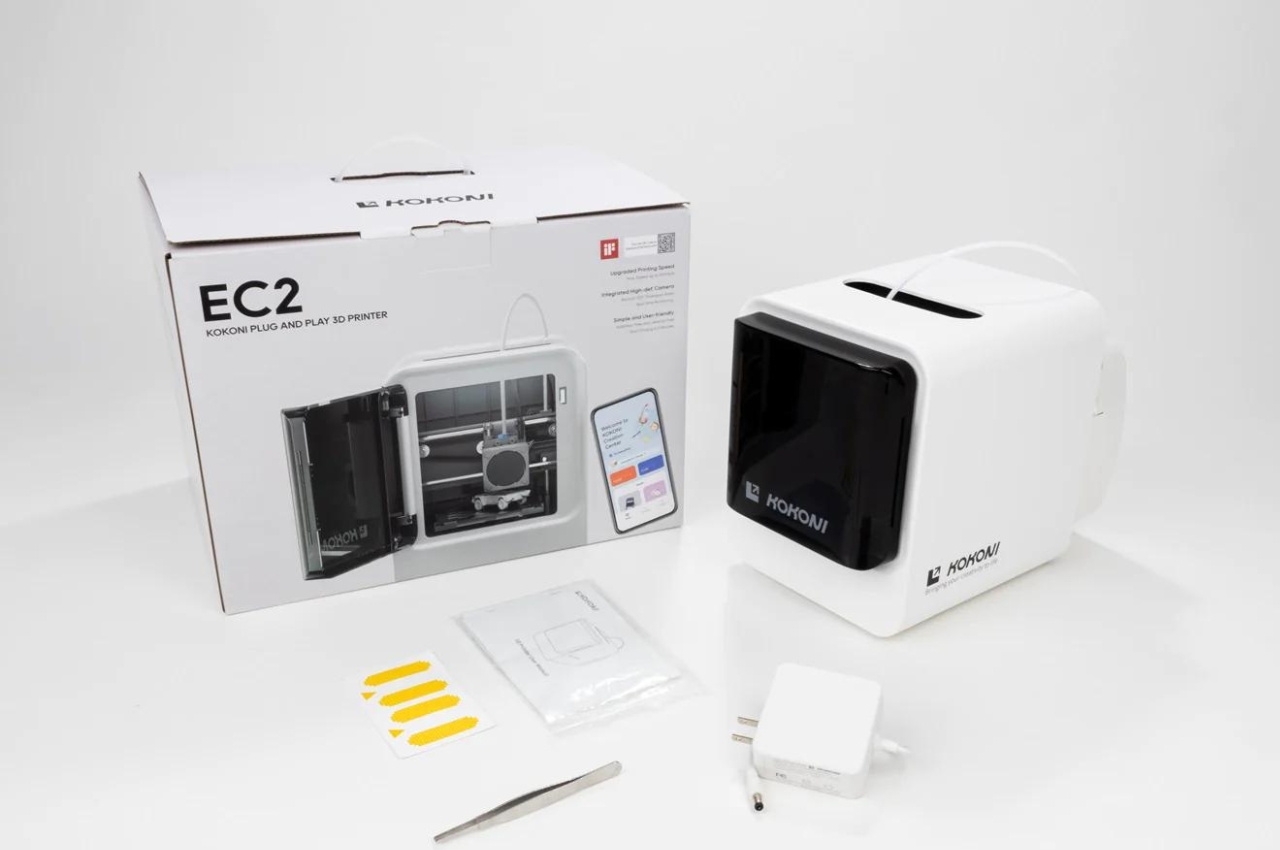
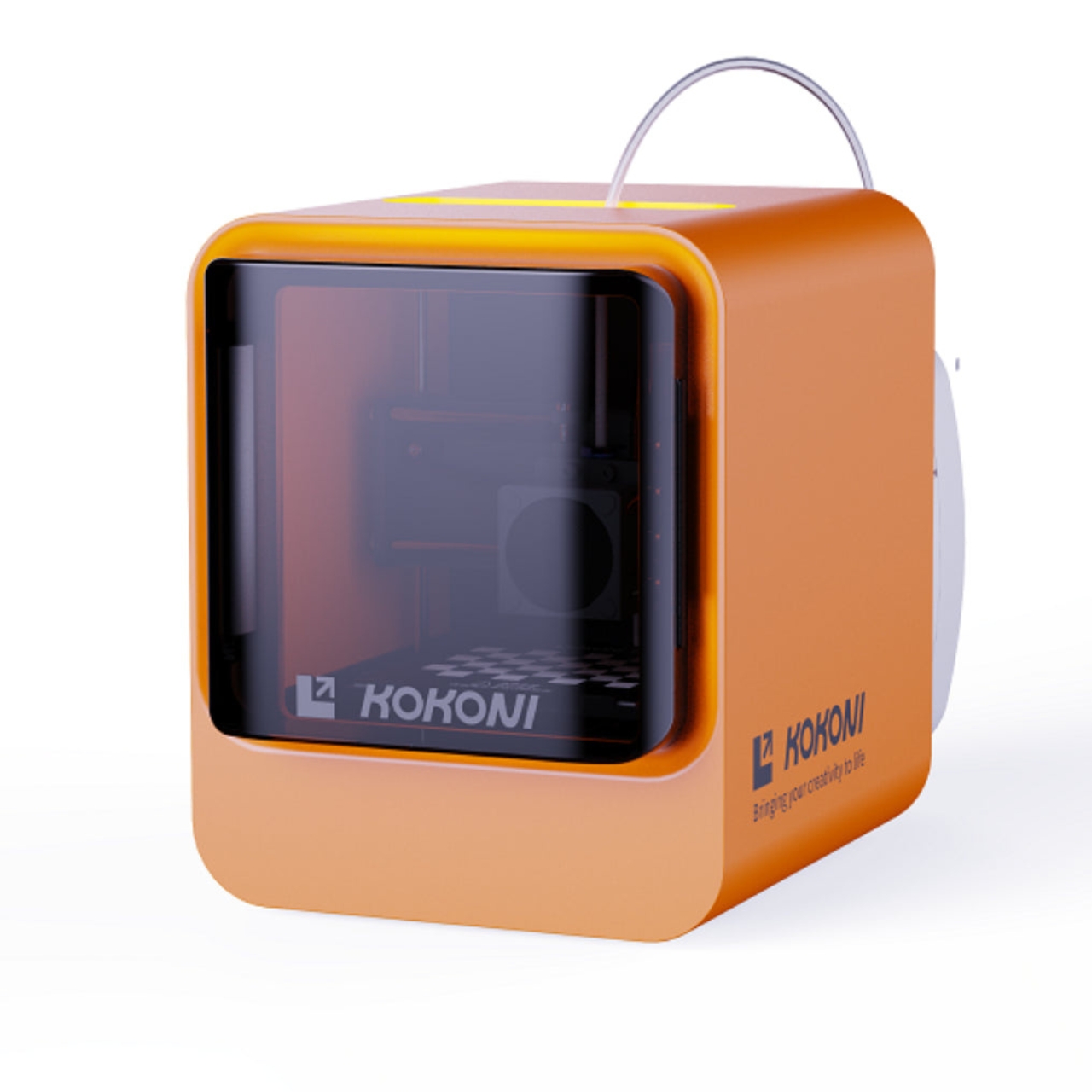
The KOKONI EC2 is one such printer which will let 3D printing enthusiasts use a plug-and-play kind of entry-level smart 3D printer. Despite its advanced features, it is still pretty accessible enough for children and newbies, not to mention pretty affordable. You don’t even need advanced software skills to be able to print the things you want to print. It has AI-generated design capabilities and there are also over 2000 designs to choose from (and they update it weekly so you’ll get more).

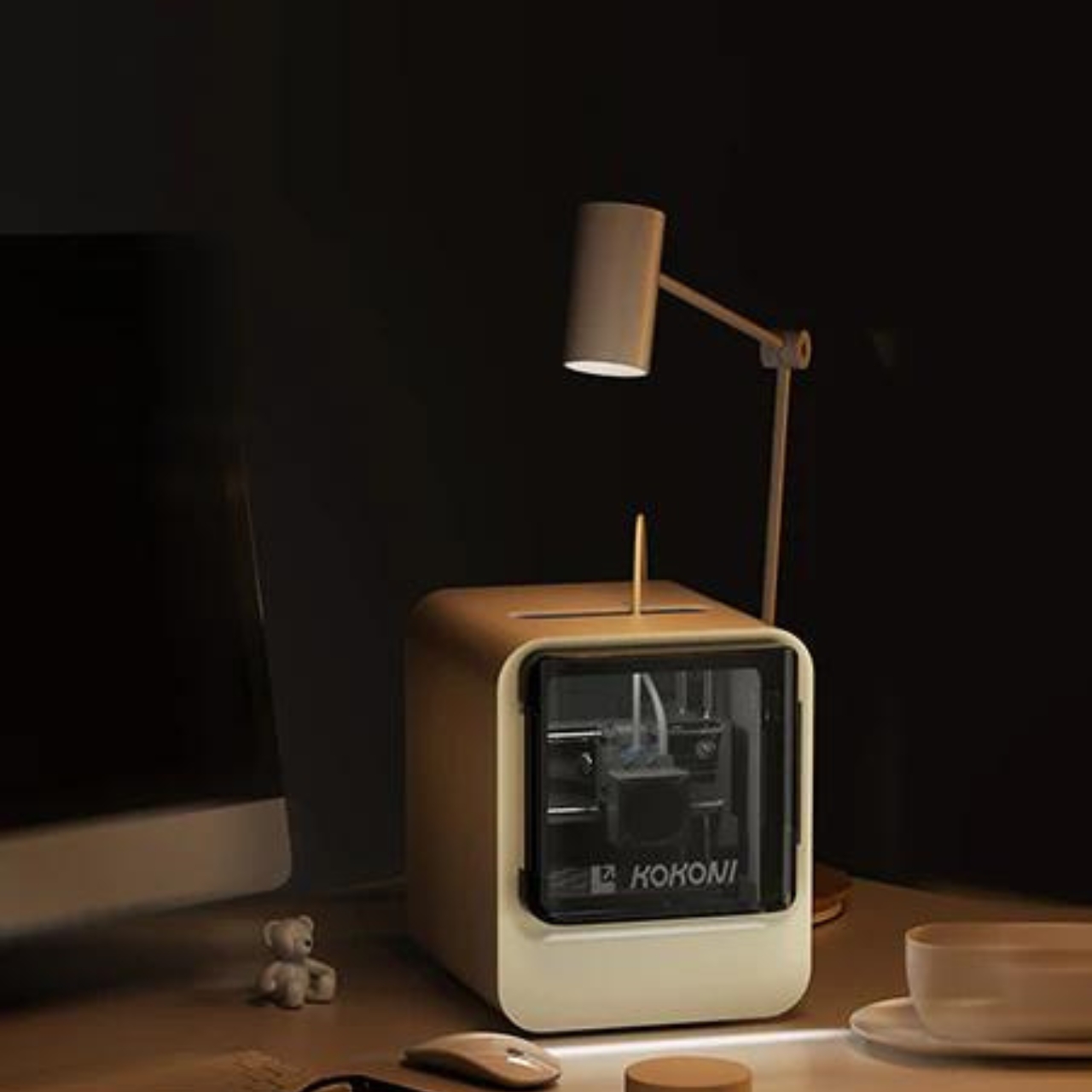
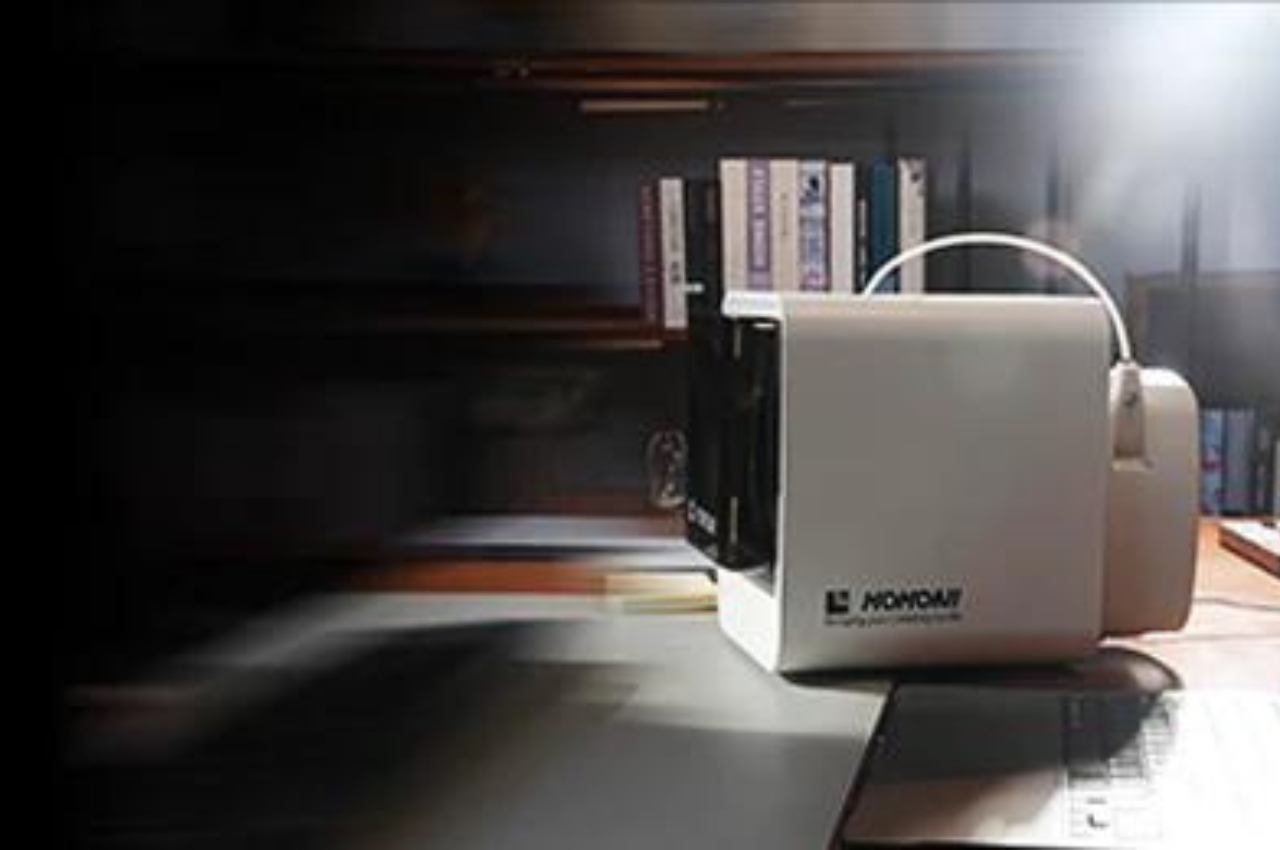
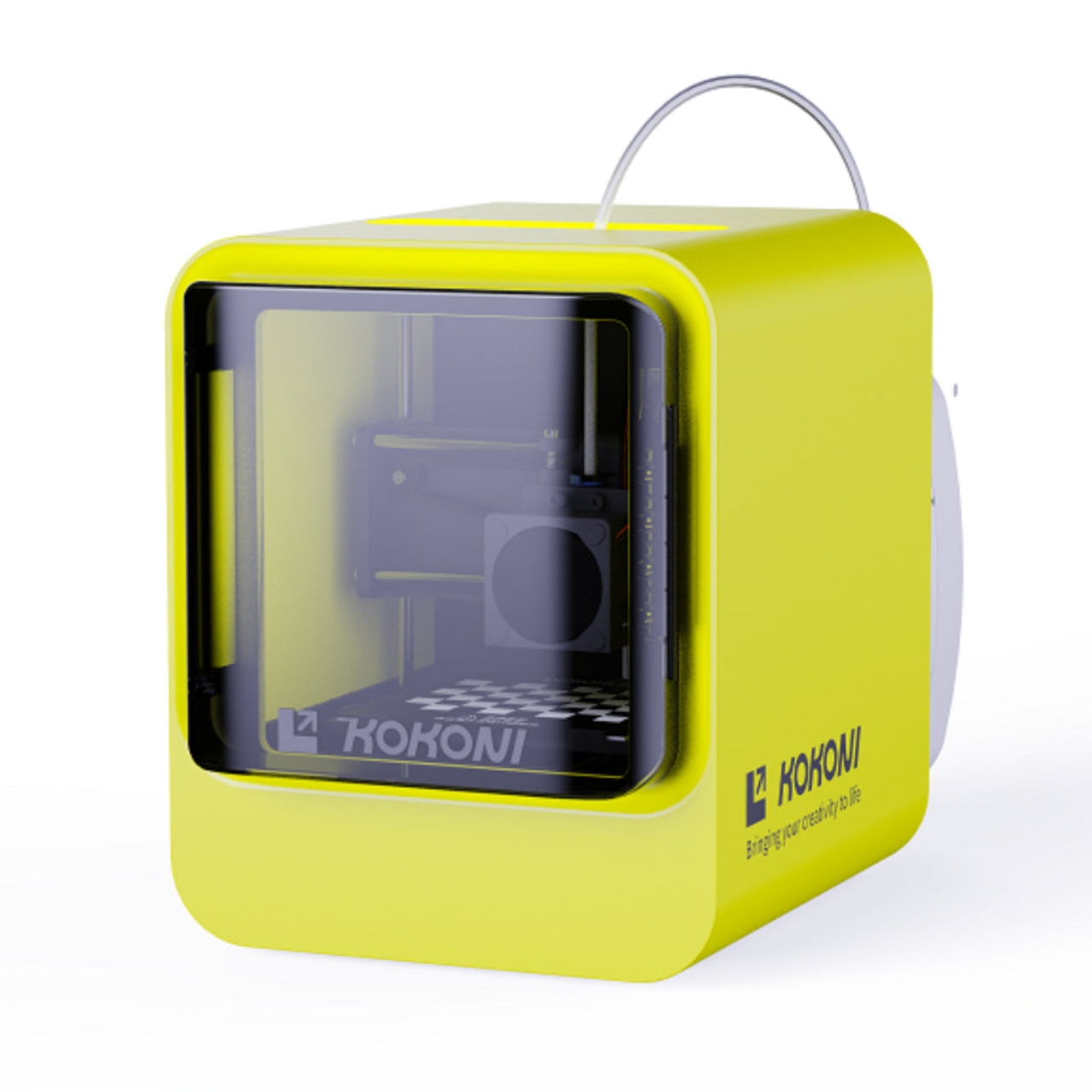
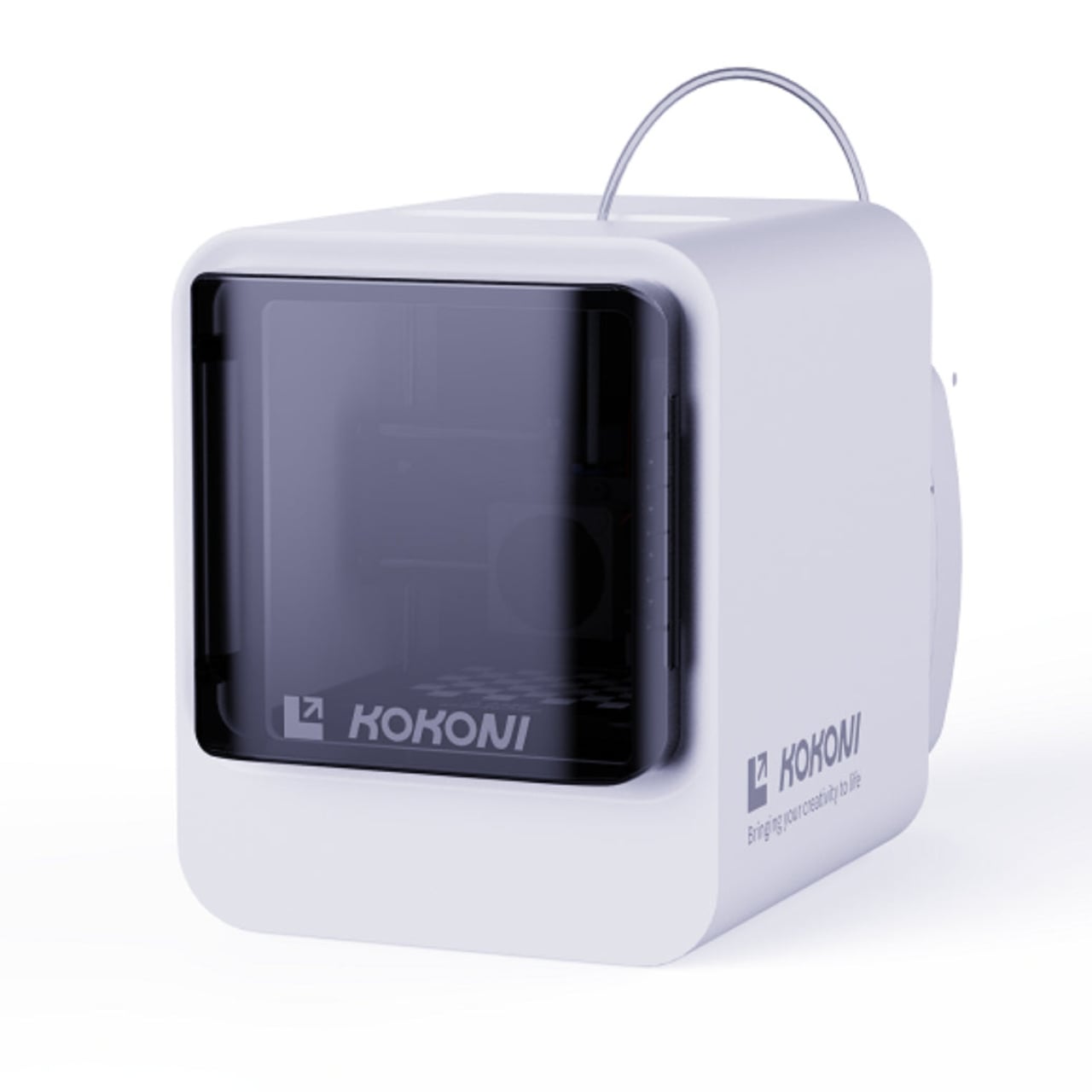
The portable 3D printer actually looks like a toy oven with its compact design and color options (apple green, orange, and white). It has a 720p camera so you will be able to see the printing process and even create time-lapse videos from there. You also get an upgraded printing speed so you’ll be able to print something in under 20 minutes if you’re using the simpler designs. You can connect the printer to the KOKONI 3D app so you don’t need a computer to be able to use it.

I never thought I would consider getting a 3D printer given the complicated nature of most of the machines available in the market. But this one that weighs just 3.2 kg and is 189 x 302 x 231 mm small is something you can consider if you’re looking to complete DIY projects for your home or work. Well, that is, if you have $349 to spare.

The post Portable plug-and-play 3D printer lets you print without much complications first appeared on Yanko Design.

Vinyl music system lets you have an aesthetic listening party

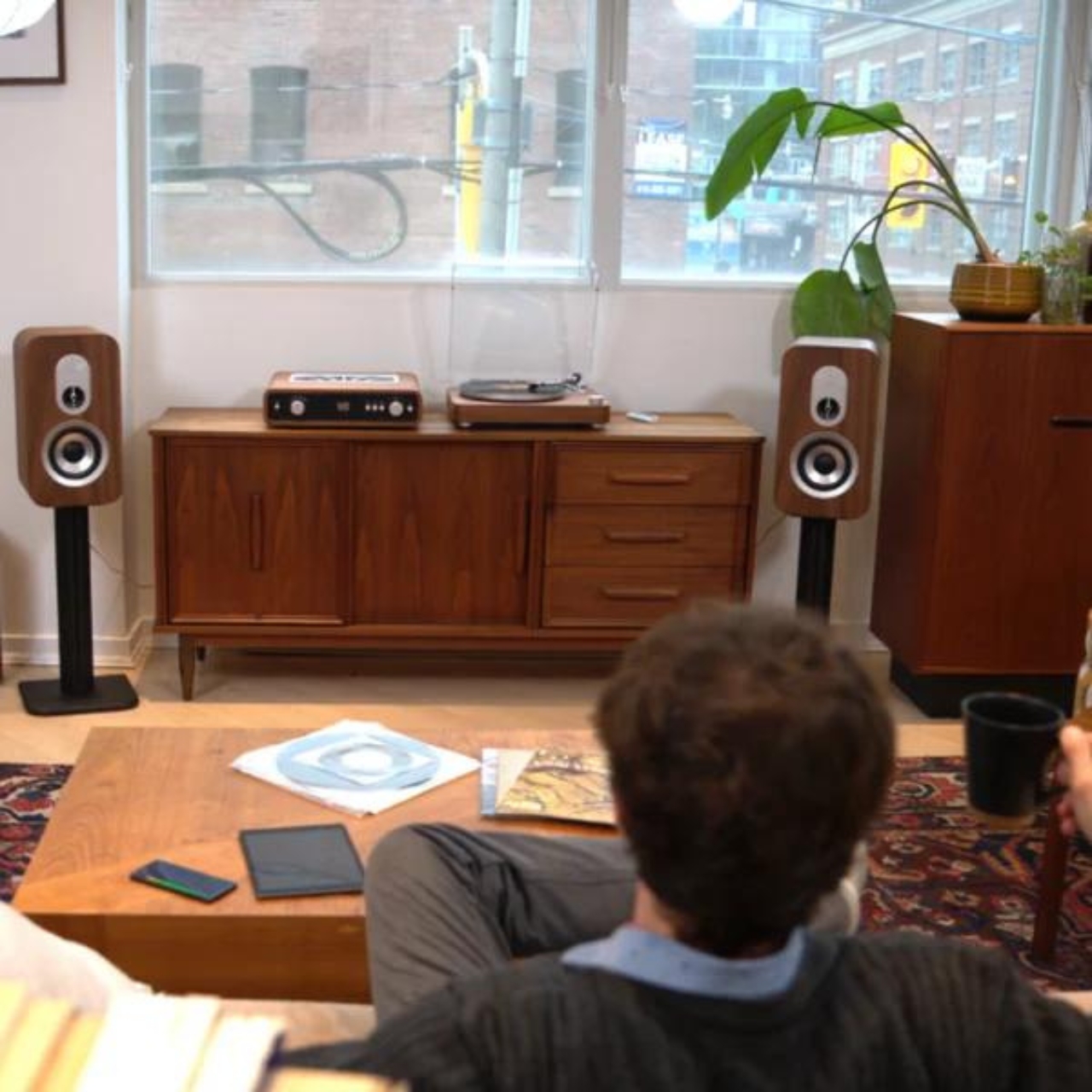
While we’re now used to listening to our favorite tunes on our streaming service of choice, there are times when we would still crave to listening on unadulterated and uncompressed formats, specifically on vinyl players. One of my dreams is to have a listening party with my fellow K-Pop stans and listening and dancing to tunes from vinyl records. But actually setting up a system can be intimidating for newbies, not to mention expensive.

Designer: Dum Audio

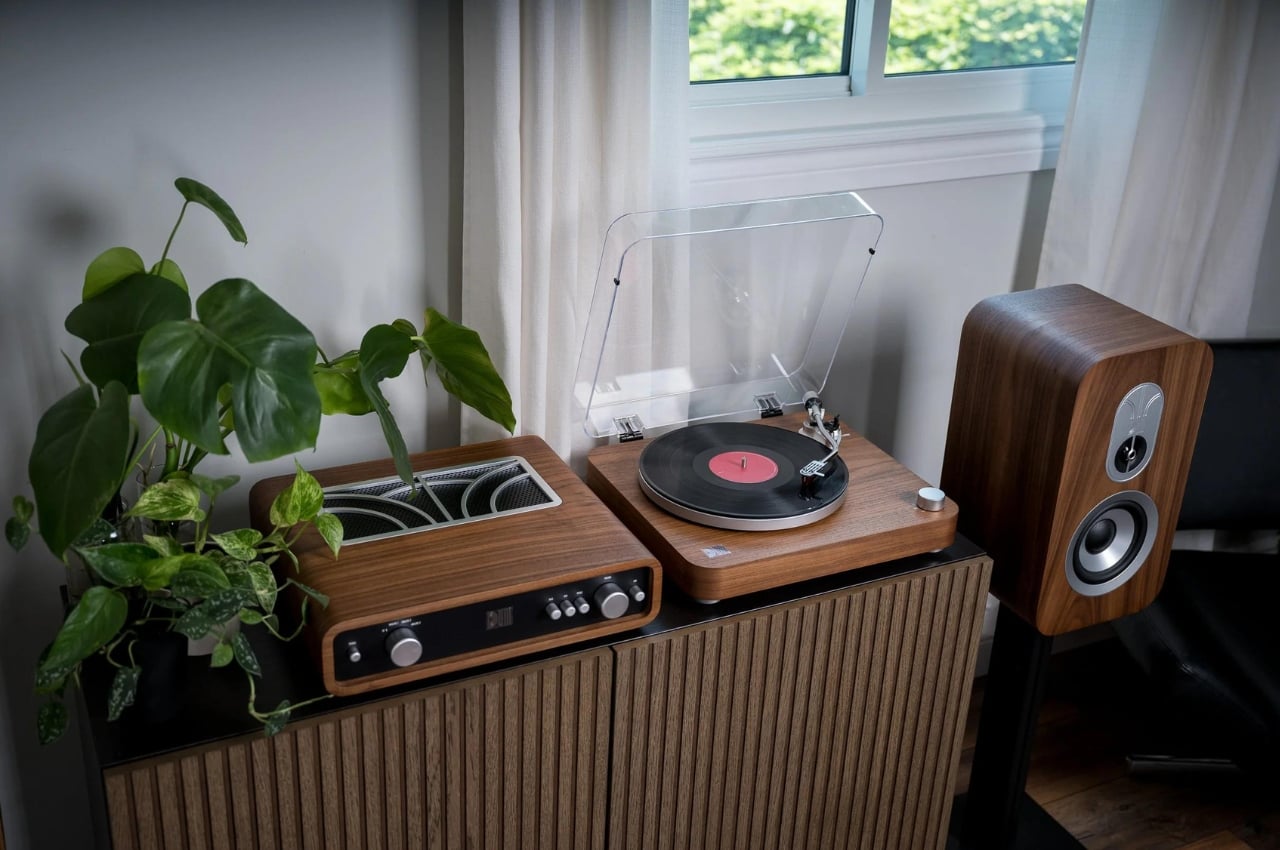
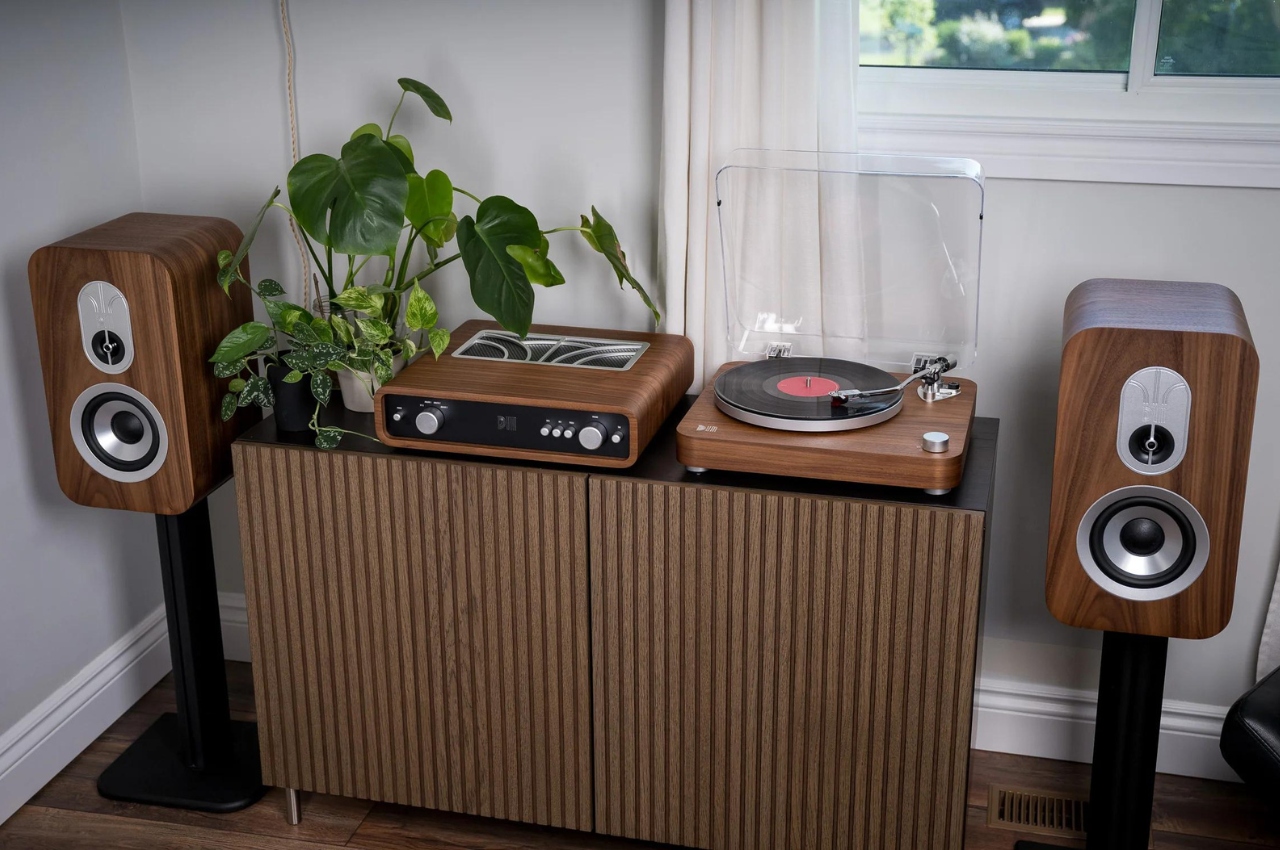
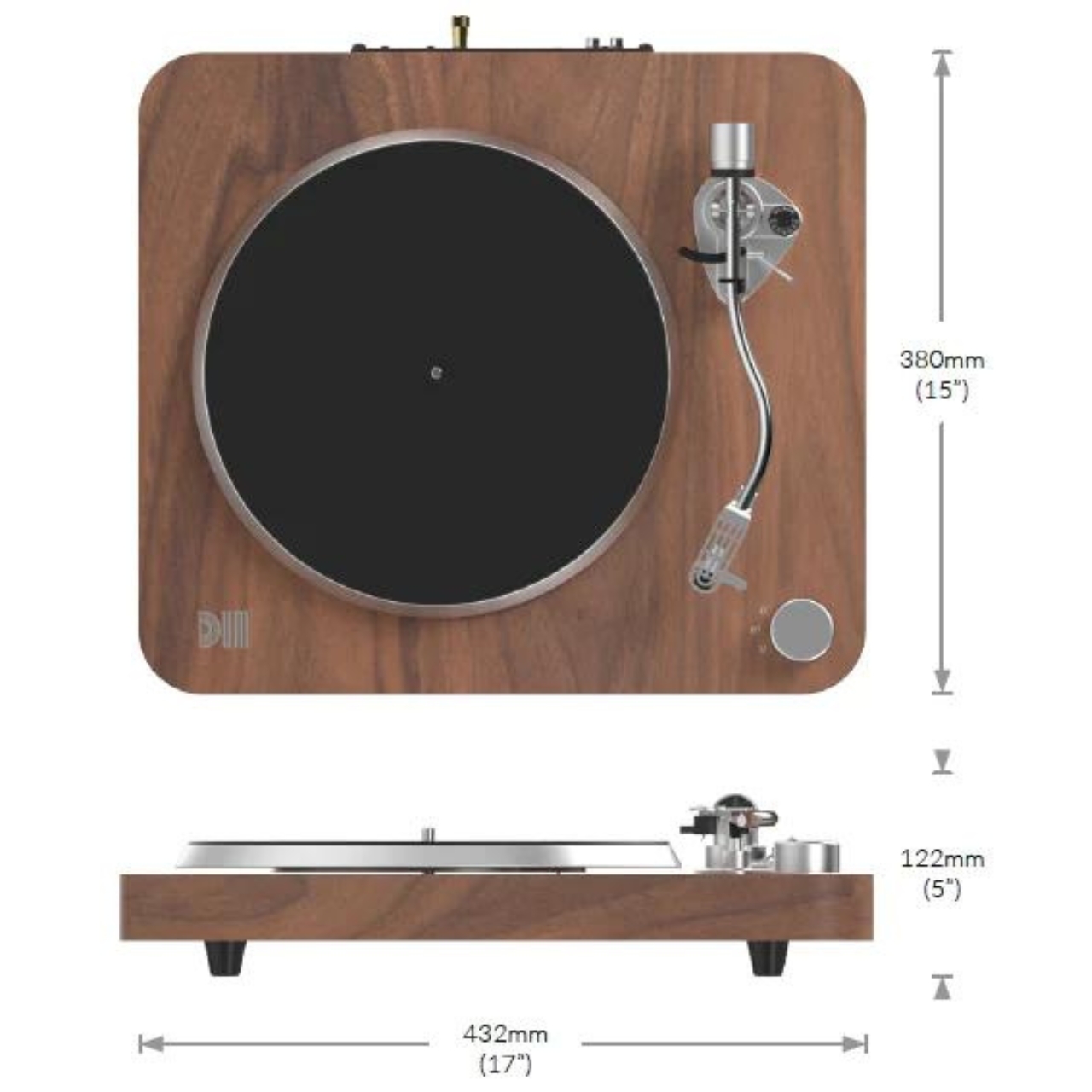
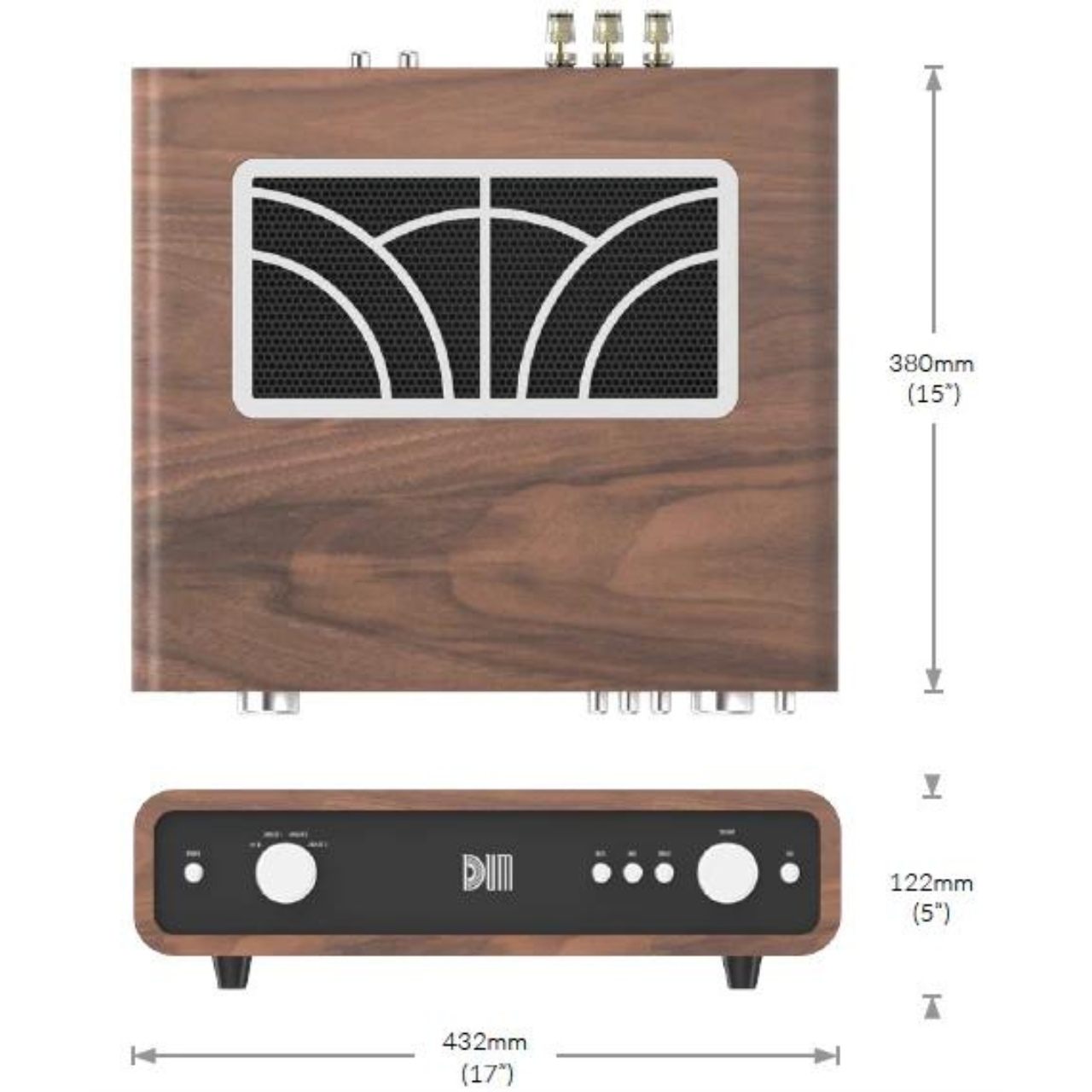
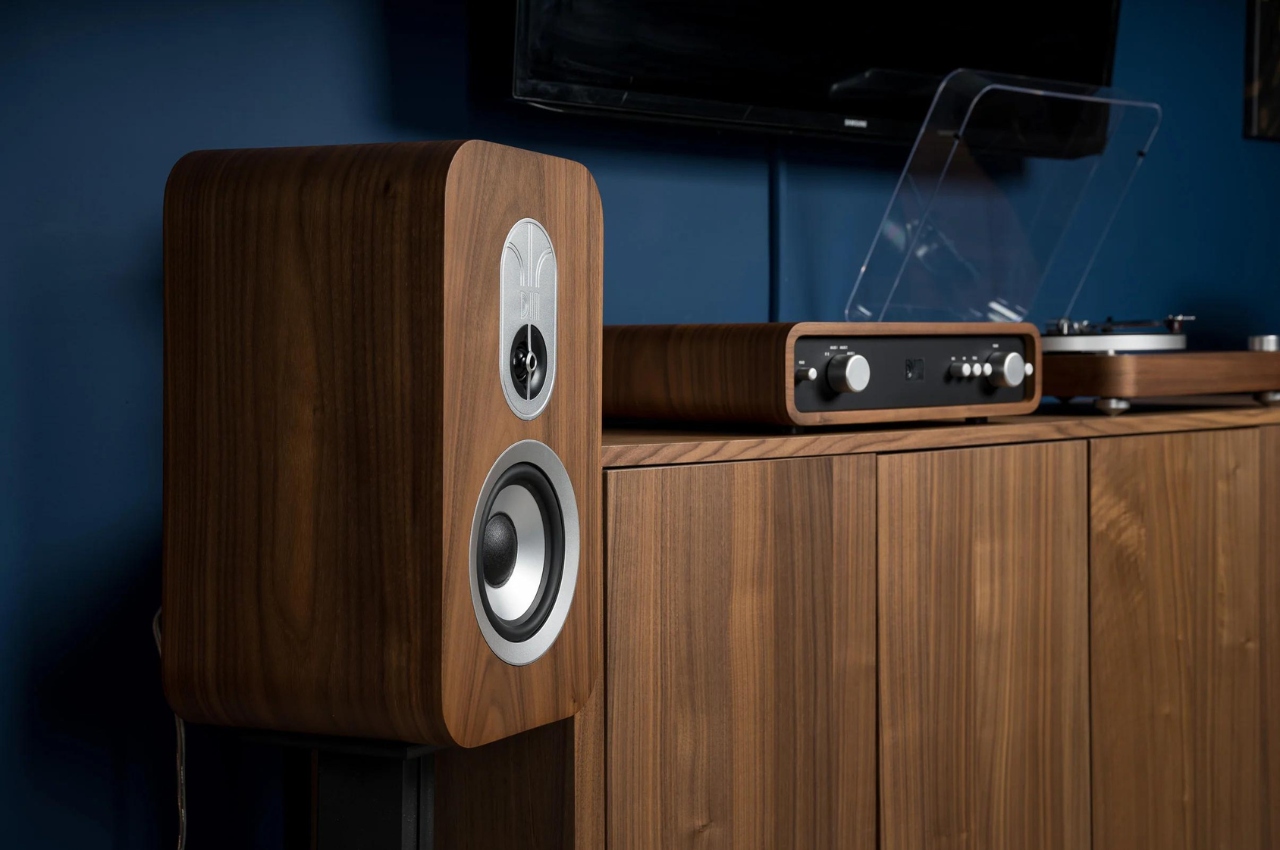
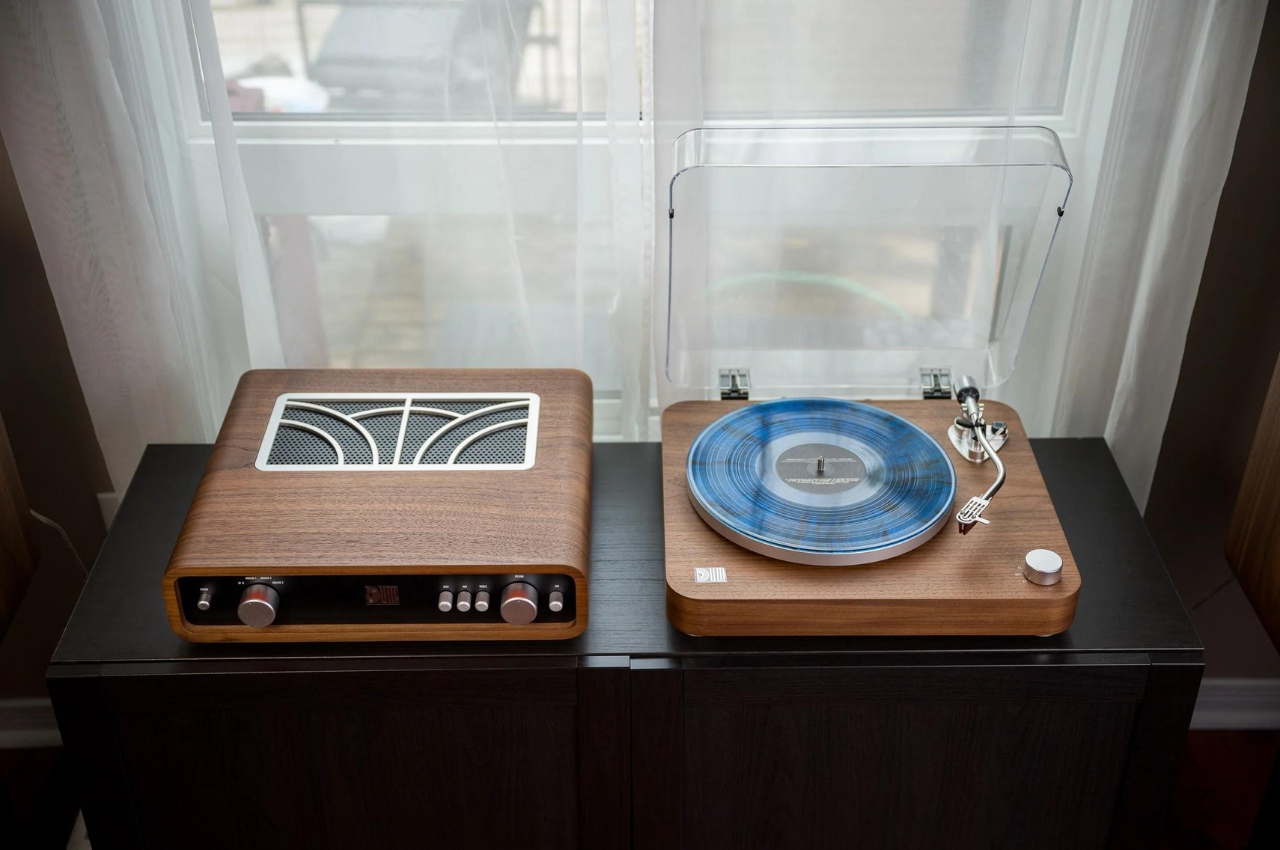
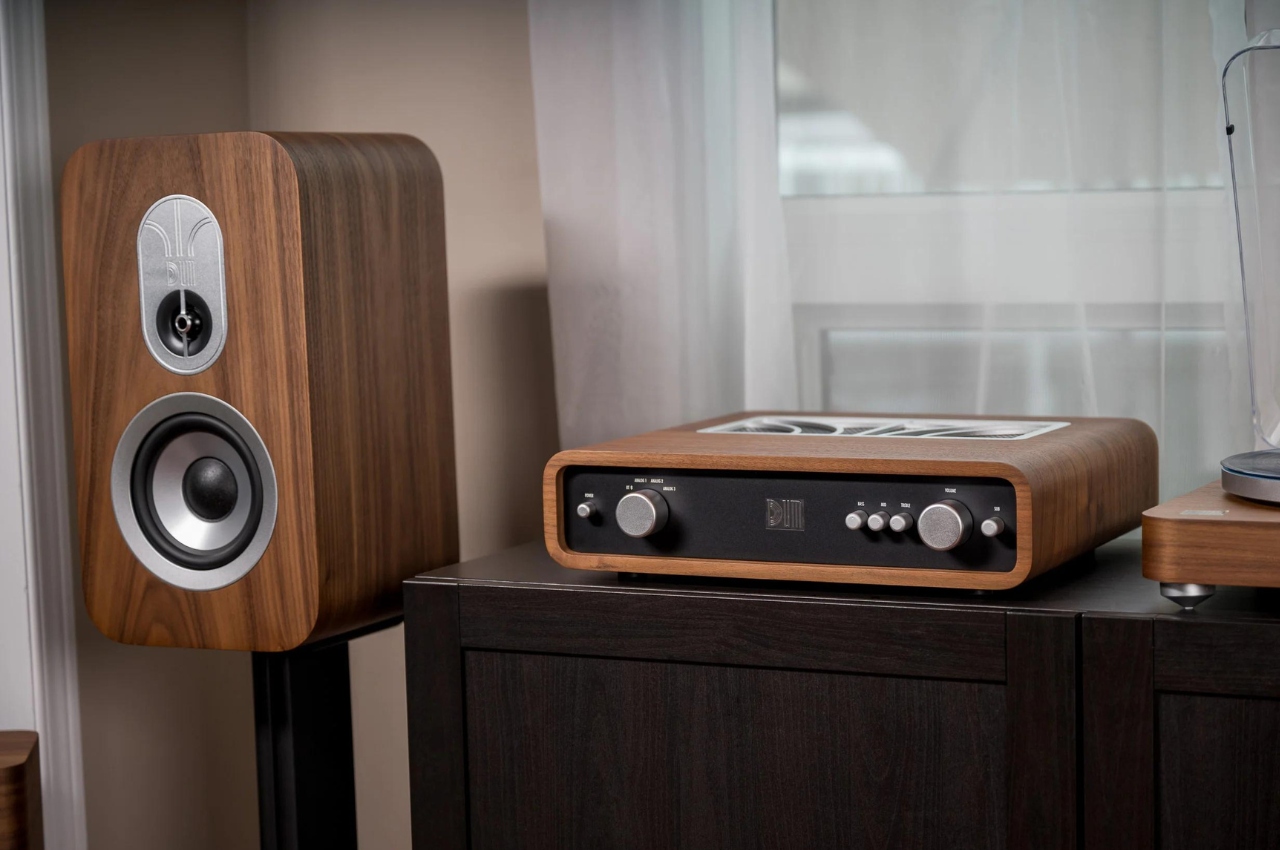
The Stereo System Bundle that Dum Audio is offering will remove some of that hassle of choosing what things should go into your vinyl record set up (although the expensive part is still there of course). It has “everything you need and nothing you don’t” in a sense that it has all the basics that you would need to listen to your records with an “immense and crystal clear sonic experience”. This includes the turntable itself, an amplifier, and a pair of passive speakers, with the option of adding a passive subwoofer in case you want more base.

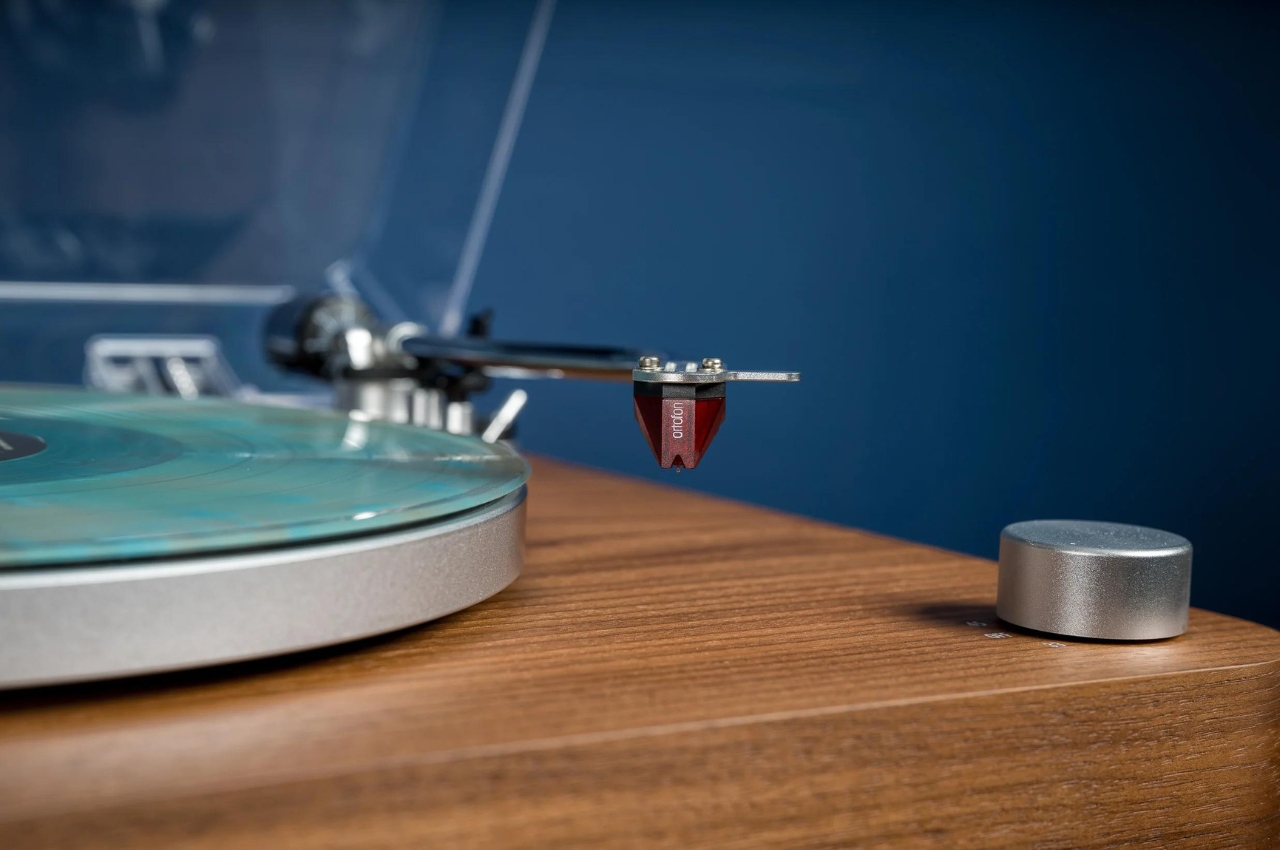
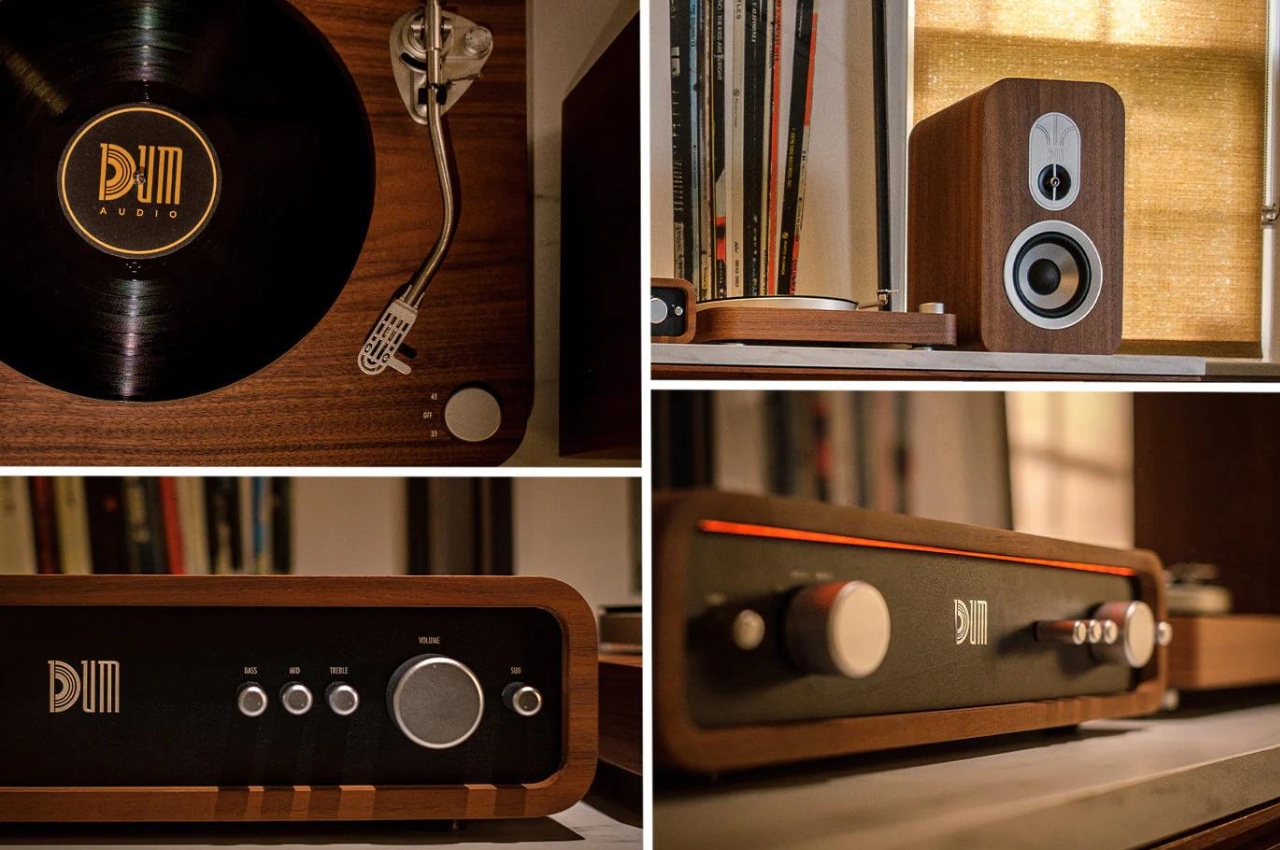
The entire system has a real hardwood veneer with aluminum hardware so if that’s your aesthetic in your living room or bedroom, it should go well with the whole ambience. The turntable has an Ortofon 2M Red cartridge and an MDF flinth with real hardwood veneer and a custom aluminum tonearm. It plays at 33.3 and 45 RPM. The integrated amplifier has analog inputs and an output for the passive subwoofer that is coming soon. You can control the bass, mid, and treble and has a power output of 100 watts RMS per channel. The passive speakers has custom Dum Audio drivers and has a power handling of 100 watts RMS per speaker.


If you still want to listen to songs on your streaming service, the amplifier has Bluetooth 5.0 with aptX so you can still stream from your smartphone or computer. If you have around $2,000 to spend for a system, this is something you can consider if you don’t want the hassle of looking for individual components. It also looks pretty aesthetic so that can add to the joy of listening to your favorite vinyl records.

The post Vinyl music system lets you have an aesthetic listening party first appeared on Yanko Design.