Barbie’s Autistic Doll Is a Design Masterclass in Inclusion

Sometimes the smallest design details can make the biggest statement. Mattel just dropped its first autistic Barbie, and honestly? It’s one of those moments that makes you realize how much power thoughtful design really has. This isn’t just about adding another doll to the lineup. It’s about fundamentally rethinking what representation looks like in the toy aisle and getting every tiny detail right.

The doll, which joins Barbie’s Fashionistas collection, took over 18 months to develop in partnership with the Autistic Self Advocacy Network, and you can tell. Every single design choice was intentional, from the way the doll’s eyes gaze slightly to the side (reflecting how some autistic people may avoid direct eye contact) to the articulated elbows and wrists that allow for stimming, hand flapping, and other movements that help some autistic individuals process sensory information or express excitement.

Designer: Mattel

Let’s talk about those accessories, because this is where Mattel really showed up. The doll comes with noise-canceling headphones in bright pink, a finger clip fidget spinner that actually spins, and a tablet displaying augmentative and alternative communication apps. These aren’t random props thrown in for fun. They’re tools that many autistic people rely on every day to navigate a world that isn’t always designed with their sensory needs in mind.

Even the clothing got the thoughtful treatment. The doll wears a loose-fitting purple pinstripe dress with short sleeves and a carefully designed skirt that reduces fabric-to-skin contact, paired with flat purple shoes. For anyone who’s experienced sensory sensitivities, this detail hits differently. It’s a recognition that comfort isn’t one-size-fits-all, and that design should accommodate different ways of experiencing the world.

Jamie Cygielman, Mattel’s Global Head of Dolls, explained that Barbie has always tried to reflect the world kids see and the possibilities they imagine. Working with the Autistic Self Advocacy Network helped expand what inclusion actually looks like beyond the usual box-checking exercise. This wasn’t about designing for autistic kids. It was about designing with the autistic community, and that distinction matters enormously.

What makes this launch even more significant is that it joins other inclusive Barbie dolls representing people with Type 1 diabetes, Down syndrome, and blindness. The Fashionistas collection now spans more than 175 diverse looks, body types, and representations of various medical conditions, proving that Mattel is committed to this beyond a one-off PR moment.

The response from the autistic community has been powerful. The executive director of the Autistic Self Advocacy Network emphasized how important it is for young autistic people to see authentic, joyful representations of themselves, and that’s exactly what this doll delivers. It’s not about making autism look cute or palatable. It’s about validation and visibility. Of course, there’s been some pushback along with the support, because internet, but the overwhelming sentiment seems to be one of appreciation for getting these details right. Research shows that representation in toys genuinely matters for how kids develop their sense of self and understand the world around them. When a child sees themselves reflected in their playthings, it sends a message that they belong, that their experience is valid, that they’re part of the story too.

Mattel is also donating more than 1,000 autistic Barbie dolls to pediatric hospitals that provide specialized services for children on the autism spectrum, which extends the impact beyond retail shelves and into spaces where kids might need that representation most. What strikes me about this whole launch is how it demonstrates that inclusive design doesn’t have to mean bland or boring. This doll is stylish, colorful, and fun while still being authentic. The pink accessories, the purple dress, the overall aesthetic is pure Barbie while the functionality and thoughtfulness honor the autistic experience. That balance is hard to achieve, but Mattel and ASAN nailed it.

The autistic Barbie is available now on Mattel Shop and at major retailers. Whether you’re a collector, a parent, or someone who appreciates good design that pushes culture forward, this one’s worth paying attention to. It’s proof that when brands take the time to listen, collaborate with communities, and sweat the details, they can create something that’s both culturally significant and genuinely delightful. And in a world that still has so much work to do around accessibility and inclusion, that feels like the kind of progress worth celebrating.

The post Barbie’s Autistic Doll Is a Design Masterclass in Inclusion first appeared on Yanko Design.

China Just Built a Rest Stop That Belongs in a Sci-Fi Movie

Sometimes the best architecture doesn’t shout for attention. It simply invites you to pause, breathe, and take in everything around you. That’s exactly what HCCH Studio accomplished with Resting Loop With Views, a captivating concrete pavilion perched on Mount Luofu in Huizhou, China.

Picture this: you’re cycling up a winding mountain road, legs burning, and suddenly you spot what looks like a futuristic donut hovering above the landscape. This isn’t some sci-fi movie set. It’s a real place designed for real people who need a moment to catch their breath and soak in the scenery.

Designer: HCCH Studio

The pavilion sits on a platform wedged between a highway and a river, on a spot that used to be nothing more than an awkward parking area at a sharp curve. But HCCH Studio saw potential where others saw leftover space. They transformed this in-between zone into something genuinely special, a place where function and beauty loop together in the most literal sense.

The structure itself is a continuous concrete ring, textured to mimic bamboo, that creates this mesmerizing circular journey. You enter, follow the curved path upward, and eventually circle back to where you started. But you’re not the same person who walked in. Because along the way, strategically placed oval openings frame the mountain ranges and river below like living paintings.

What makes this design so clever is how it treats views as an experience rather than a backdrop. The openings aren’t random. They’re carefully positioned to guide your eyes toward specific landscape features, turning the act of looking into something almost choreographed. Stand here and you see the river. Move there and suddenly mountains fill your vision. It’s architecture that understands how we actually experience places.

The concrete surface, with its bamboo-inspired texture, gives the structure an organic quality that helps it feel less like an alien spaceship and more like it grew from the mountain itself. At night, warm lighting glows through those oval openings, transforming the pavilion into a lantern floating in the darkness. It becomes a beacon for travelers on the winding road, marking rest, refreshment, and respite.

Inside, the design eliminates traditional furniture by integrating seating directly into the looped form. You can sit, lean, or stand wherever feels right. There’s no prescribed way to use the space. It adapts to you rather than forcing you to adapt to it. This flexibility makes it feel welcoming rather than imposing, a place that serves cyclists, hikers, and curious visitors equally well.

What strikes me most about Resting Loop With Views is how it redefines what a rest stop can be. We’re so used to utilitarian spaces that exist purely for function. But this pavilion proves that even simple, practical structures can spark wonder and delight. It respects both the landscape and the people moving through it, creating a moment of connection between the two.

The project serves as a cafe and viewing platform for cycling enthusiasts, but it transcends that basic purpose. It’s a space that makes you want to linger, to look, to really see the place you’re in. In our rush-through world, that feels almost radical.

HCCH Studio crafted something that feels both timeless and futuristic, grounded and otherworldly. The continuous loop becomes a metaphor for the journey itself, there’s no real beginning or end, just movement and moments of stillness punctuated by stunning views.

Architecture like this reminds us that good design doesn’t need to be complicated or expensive to make an impact. It just needs to understand people and place deeply enough to bring them together in meaningful ways. Resting Loop With Views does exactly that, one curved concrete section and one carefully framed vista at a time.

The post China Just Built a Rest Stop That Belongs in a Sci-Fi Movie first appeared on Yanko Design.

This Steel Loop Took 9 Years to Finally Flow in Ljubljana

Sometimes the best things in life are worth waiting for, and in Ljubljana’s case, that meant nine years. The Water Sculpture LJ just opened in the heart of Slovenia’s capital, and honestly, it’s the kind of public art that makes you stop scrolling and actually want to see it in person.

The project was realized nine years after winning a public design competition, which gives you some perspective on how long it takes to turn a brilliant idea into something real and tangible in the middle of a bustling city. Architects Mojca Kocbek and Primož Boršič from M.KOCBEK architects and P PLUS arhitekti respectively won that competition back in 2016, and now, finally, their vision is something you can walk around, touch, and experience.

Designers: M.KOCBEK architects and P PLUS arhitekti

The sculpture itself is basically a continuous loop made from stainless steel. Think of it like a ribbon that’s been carefully twisted and bent into this organic, flowing shape. It creates a small urban “platform” whose continuous, rounded form establishes a separate, almost intimate space amid the city’s bustle. In a dense urban environment where everything feels fast and crowded, this piece carves out a little breathing room. A place where you can sit, walk through, or just pause for a minute.

What makes it really special is how it interacts with its surroundings. The architects chose stainless steel deliberately because of how it behaves in different conditions. The continuous, rounded form establishes a separate, almost intimate space amid the city’s bustle, but it’s also constantly changing based on what’s happening around it. When it’s sunny, the sculpture becomes almost mirror-like, reflecting the buildings and people passing by. On a cloudy day, it might blend into the gray sky a bit more, creating this subtle presence that feels almost meditative.

The designers weren’t just thinking about creating something pretty to look at from a distance. This is interactive public art in the truest sense. You’re meant to engage with it, whether that means walking through the loops, sitting on parts of it, or just getting close enough to see your reflection distorted in the polished steel. It’s functional and beautiful at the same time, which is harder to pull off than you might think.

What I love about projects like this is how they transform public space into something memorable. Ljubljana already has a reputation for being one of Europe’s more charming, walkable capitals, and adding thoughtful contemporary art like this just reinforces that identity. It’s not trying to shock you or make some grand statement. Instead, it’s offering a moment of calm and reflection in a busy city center. The fact that it took nine years to complete speaks to the complexity of public art projects. There’s the design phase, sure, but then you’ve got approvals, funding, engineering challenges, and coordinating with city infrastructure. Every delay probably felt frustrating for the architects, but looking at the finished piece, you can see why it was worth the wait.

If you’re planning a trip to Ljubljana or you’re already there, this is definitely worth adding to your list. It’s the kind of thing that photographs well but is genuinely better in person. You’ll want to see how the steel catches the light at different times of day, how it frames views of the surrounding architecture, and how other people interact with it. Public art is always more interesting when it’s not just a static object but something that becomes part of the daily rhythm of a place.

And for anyone working on their own creative projects, whether it’s design, architecture, or something else entirely, this sculpture is a good reminder that great work takes time. Nine years might seem like forever, but when you create something that will be part of a city’s landscape for decades to come, patience is part of the process.

The post This Steel Loop Took 9 Years to Finally Flow in Ljubljana first appeared on Yanko Design.

This Umbrella Stand Disappears When You Don’t Need It

You know that metal umbrella stand gathering dust in your entryway? The one that’s been repurposed into a catch-all for tennis rackets, dog leashes, and that broken tripod you keep meaning to fix? Yeah, that one. Designer Aishwarya Ajith looked at this universal furniture problem and asked a brilliantly simple question: why do we need a permanent umbrella stand when rain is seasonal?

Enter Coilo, an umbrella stand that challenges everything we assume about furniture. It’s not a traditional stand at all. Instead, it’s a rollable mat that transforms into a temporary umbrella holder only when you actually need it. When the skies clear and your umbrellas are tucked away, Coilo returns to its flat form, practically disappearing from your space entirely.

Designer: Aishwarya Ajith

The concept is rooted in what Ajith calls “situational furniture,” objects that exist only when needed and remain visually unobtrusive the rest of the time. It’s a refreshingly honest approach to design that acknowledges how we actually live rather than clinging to outdated notions of what furniture should be.

The inspiration came from observing life in compact spaces, particularly in Indian hostels and shared dormitories where every square foot matters. In these environments, people routinely lay out mats on the floor for group discussions and social gatherings. During monsoon season, wet umbrellas demand immediate attention, dripping all over entryways and creating puddles. But once the rain passes, that urgency evaporates. So why should the solution take up permanent real estate?

Coilo’s design is deceptively simple yet remarkably clever. The mat is crafted from flexible, water-resistant EVA foam that can be rolled into a cylindrical form. Thanks to a simple joint system, the coiled structure achieves surprising stability without requiring complex mechanisms or hardware. Supporting flaps button together in a distinctive pattern that gives the stand character and allows it to accommodate umbrellas of varying heights.

The base plate deserves special mention. It’s made from terracotta clay, a material choice that’s both practical and thoughtful. Terracotta is naturally absorbent, wicking away moisture from wet umbrellas rather than letting it pool on your floor. It’s the kind of detail that reveals genuine problem-solving rather than purely aesthetic decision-making.

What makes Coilo particularly fascinating is how it fits into broader conversations about sustainable design and conscious consumption. We’re living in an era where urban apartments are shrinking, minimalism is trending, and people are questioning whether they really need all the stuff previous generations accumulated. Coilo doesn’t just save space; it challenges the assumption that furniture must be static and permanent.

This philosophy resonates especially with younger generations navigating shared living situations, frequent moves, and smaller living quarters. Students in dormitories, young professionals in co-living spaces, and anyone dealing with limited square footage will immediately grasp Coilo’s appeal. It’s furniture that adapts to your life rather than demanding you adapt to it. The visual design also breaks from traditional umbrella stand aesthetics. Those buttoned flaps create a sculptural quality that makes Coilo a conversation piece when deployed. It looks intentional and interesting rather than purely utilitarian. When rolled flat, it could easily pass as a decorative floor mat or yoga mat, maintaining a presence without announcing itself as single-purpose furniture.

Ajith’s exploration opens up fascinating possibilities for the future of home furnishings. What else could transform and disappear? Could we design coffee tables that fold into wall art? Dining chairs that become storage? Desks that morph into room dividers? Coilo represents more than just a clever umbrella solution. It’s a prototype for how we might rethink everyday objects in an age where flexibility, adaptability, and space efficiency matter more than ever.

The post This Umbrella Stand Disappears When You Don’t Need It first appeared on Yanko Design.

ONZA Just Designed a Dock That Replaces 3 Desk Accessories

We’ve all been there. You sit down at your desk, ready to tackle that project, and suddenly you’re drowning in cables, hunting for your phone charger, and watching your battery percentage drop to single digits. Your workspace looks like a tech graveyard, and your creative energy? Well, that died somewhere between untangling the third cable and knocking over your coffee while reaching for your headphones.

Enter the ONZA Desktop Dock, a concept design by Vedanta Maheshwari that’s making me seriously reconsider what a desk accessory can actually do. This isn’t just another “put your phone here” kind of solution. It’s a complete rethinking of how we interact with our workspace, and honestly, it’s about time someone figured this out.

Designer: Vedanta Maheshwari

At first glance, the ONZA system looks like something that beamed in from a more aesthetically pleasing future. The design features a sleek, geometric form that immediately catches your eye without screaming for attention. Think angular, almost sculptural, with a glossy black finish that somehow manages to look sophisticated rather than trying too hard. The body has these organic, flowing mesh panels that aren’t just there to look cool (though they definitely do). They’re functional speaker grills that transform this little powerhouse into an audio solution too.

But here’s where it gets interesting. The ONZA isn’t trying to be everything at once while doing nothing particularly well. Instead, it focuses on solving the actual problems creative professionals face every day. The integrated wireless charging pad means your phone gets juice while staying visible and accessible. No more digging through desk drawer chaos or having your device face-down on some random charging pad where you can’t see notifications. The angled design props your phone up at the perfect viewing angle, so it becomes part of your workflow rather than a distraction you have to pick up every five minutes.

Those subtle icons along the base? They’re not just decorative. They indicate battery status, storage connectivity, wireless capabilities, and audio functions. Everything you need to know at a glance, without any notification overload or annoying lights blinking at you while you’re trying to focus. It’s the kind of thoughtful detail that separates concept art from actual design thinking.

What really sells the ONZA concept, though, is how it plays with the entire desk ecosystem. Maheshwari’s renders show this thing in context, and it’s clear he understands that great design isn’t about creating isolated objects. It’s about creating harmony. The dock sits comfortably alongside mechanical keyboards, designer headphone stands, and dual monitor setups without fighting for visual dominance. It complements rather than competes, which is surprisingly rare in a market full of RGB-everything and aggressive gamer aesthetics.

The speaker integration is particularly clever. Most of us have dealt with the disappointing tinny sound of phone speakers or the hassle of connecting Bluetooth devices every single time we sit down. Having quality audio built into something that’s already anchoring your workspace? That’s the kind of convenience that actually changes how you work. Take a call without fumbling for earbuds. Play music while you design. Listen to a podcast while you’re organizing files. It’s all just there, ready to go.

Now, let’s be real for a second. This is a concept design, which means we can’t exactly run out and buy one tomorrow (trust me, I checked). But that’s also what makes it so exciting. Maheshwari is showing us what’s possible when designers really think about the creative workspace as a holistic environment rather than just a place to dump tech. The ONZA asks better questions: What if your charging solution also managed audio? What if your phone dock could integrate with your entire desktop ecosystem? What if workspace accessories could be genuinely beautiful without sacrificing functionality?

The creative workspace has evolved dramatically over the past few years, but our accessories haven’t always kept pace. We’re still dealing with solutions designed for problems from a decade ago. The ONZA Desktop Dock concept suggests a different path forward, one where form and function aren’t competing priorities but complementary goals. And honestly? That future looks pretty good from here.

The post ONZA Just Designed a Dock That Replaces 3 Desk Accessories first appeared on Yanko Design.

This Chair Looks Like a Material Swatch Book

You know those material swatch books at fabric stores where every color fan out in perfect rainbow order? Designer Fatih Demirci apparently looked at one and thought, “What if that was a chair?” The result is the Kartela Chair, a concept design that turns the humble material sample into something you’d actually want to sit on.

Let’s be real. Most furniture design either plays it safe with neutrals or goes so wild that you’d only see it in a modern art museum. The Kartela Chair manages to walk this delightful line between practical and playful. Looking at it feels like stumbling upon a design secret, where function meets whimsy in the most unexpected way.

Designer: Fatih Demirci

The concept is brilliantly simple yet visually striking. The chair features layers upon layers of cushioned upholstery stacked together, creating this incredible rainbow effect along the edges. Each layer represents a different color or texture, much like flipping through pages in a designer’s sample book. It’s the kind of thing that makes you do a double take. From one angle, you see a sophisticated seating piece with a clean, minimalist frame. From another, you catch those vibrant cascading layers that give it personality and depth.

What really gets me about this design is how it celebrates the materials themselves. Usually, upholstery is hidden away, tucked and stapled underneath where no one sees the construction. Demirci flips that script entirely. Here, the layers become the main event. Every fold, every color transition, every texture is on full display. It’s like the chair is saying, “Hey, look how I’m made, and isn’t it beautiful?”

The Kartela Chair comes in different colorways, which honestly makes it even more fun. There’s a lime green version that practically vibrates with energy, perfect for someone who wants their furniture to make a statement. Then there are softer pastel combinations in lilacs, blues, and creams that feel more serene but still maintain that playful edge. And for those leaning toward earthy vibes, there are warm tones in mustards, tans, and terracottas that bring all that visual interest without overwhelming a space.

The frame itself keeps things grounded. Slim metal legs in either white or black powder coat give the chair an airy, almost floating quality. It’s a smart move. With all that cushioned drama happening above, a heavy base would make the whole thing feel clunky. Instead, the minimal structure lets those colorful layers take center stage while still providing solid support.

From a practical standpoint, this concept is interesting because it challenges how we think about customization. Imagine being able to choose your layer combinations like picking nail polish colors. Want more blues? Go for it. Prefer a monochromatic fade? That works too. The design naturally lends itself to personalization in a way that most furniture doesn’t.

There’s also something nostalgic about the aesthetic. Those tufted buttons on the seat and back cushions give off vintage vibes, like something your cool aunt might have had in her 70s living room, but updated for today. It’s retro without being costume-y, which is a hard balance to strike.

Of course, this is still a concept design, which means we’re looking at rendered images rather than something you can order online tomorrow. But that’s part of what makes furniture concepts so exciting. They push boundaries and make us reconsider what’s possible. Even if the Kartela Chair never makes it to mass production, it’s already done its job by sparking conversation and inspiring other designers to think outside the traditional furniture box. Whether this chair ever graces showroom floors or remains a digital darling, Fatih Demirci has created something that makes people smile. And in the end, isn’t that what good design should do?

The post This Chair Looks Like a Material Swatch Book first appeared on Yanko Design.

This $600 Tic Tac Toe Set Wants You to Slow Down

You know that feeling when you see something so beautiful and unnecessary that you immediately want it? That’s exactly what happened when I discovered Bionic’s Tic Tac Toe set. And before you ask, yes, it costs $600. Yes, it’s just Tic Tac Toe. And yes, I’m completely obsessed with it.

Paris-based design studio Bionic just dropped this made-to-order piece, and it’s causing quite the stir in design circles. Not because it reinvents the wheel or solves some massive problem, but because it does the opposite. It exists purely to make you pause, sit down, and actually be present for a moment. In a world where everything screams productivity and optimization, here’s a luxury object that says “hey, maybe just play a simple game for three minutes.”

Designer: Bionic

The base is machined from a single solid block of aluminum, which immediately tells you this isn’t your childhood travel game. It’s heavy, grounded, and precise in a way that makes you want to run your fingers along its edges. The grid isn’t painted or etched on after the fact. It’s formed through machining alone, no decorations, no unnecessary flourishes. Just clean lines and intention.

Then there are the playing pieces, and this is where things get really interesting. The O’s are five mirror-polished stainless steel pawns that catch the light beautifully. The X’s are five black anodized aluminum pawns, each individually CNC machined and finished. Bionic specifically designed them to feel distinct in your hand, because this isn’t about rushing through a game. It’s about the tactile experience, the weight of each piece, the contrast between materials.

I’ll be honest, when I first saw the price tag, I laughed. Six hundred dollars for Tic Tac Toe? But then I started thinking about what we’re actually willing to spend money on. We drop thousands on desks and chairs for productivity. We buy standing desks and ergonomic everything because we’re optimizing our workspace for maximum output. But what about objects that exist purely to give us a break from all that?

Bionic wrote something in their product description that really stuck with me: “Some objects exist to help us work faster. Others exist to give us a moment away from that rhythm.” This Tic Tac Toe set is firmly in the second category. It’s designed to live on your desk or coffee table as a reminder that not everything needs to justify itself through efficiency. And honestly? That feels kind of revolutionary right now. We’re so addicted to hustle culture and productivity hacks that an object designed specifically for pausing feels almost subversive. It’s a sculpture you can interact with, a conversation starter that actually starts conversations instead of just sitting there looking pretty.

The made-to-order aspect adds another layer. This isn’t mass-produced. You’re not going to see these everywhere. It’s exclusive in the truest sense, crafted specifically after you order it. For collectors and design enthusiasts, that matters. It’s the difference between owning furniture and owning a piece. Is it practical? Absolutely not. You could play Tic Tac Toe with literally anything. Pen and paper works just fine. But that’s missing the entire point. This is about elevating something simple and familiar into an experience. It’s about materials, craft, and intention. It’s about having an object in your space that exists purely because it’s beautiful and makes you smile.

Bionic specializes in precision-machined aluminum accessories and workspace tools, all crafted in Paris with that distinctly European sensibility where form and function aren’t at odds. Their whole philosophy is about creating beautiful, thoughtfully designed products that are tools for daily life. This Tic Tac Toe set might be their most purely playful creation yet. So will I spend $600 on this? Maybe not today. But I love that it exists. I love that someone looked at Tic Tac Toe and thought, “what if we made this as beautiful as humanly possible?”

The post This $600 Tic Tac Toe Set Wants You to Slow Down first appeared on Yanko Design.

LEDA: The Executive Lamp Where Femininity Meets Power

There’s something transformative happening in the world of workspace design, and it’s about time. For decades, executive furniture and lighting have been dominated by heavy wood, leather, and angular shapes that scream “traditional power.” But what happens when you design a table lamp specifically for a female executive? You get LEDA, a piece that challenges everything we thought we knew about authority, elegance, and what belongs on a power desk.

Created by designer Sai Divakar Boddeti during his Master’s program in Industrial Design, LEDA isn’t just another lamp. It’s a sculptural conversation starter that asks an important question: why can’t femininity and power coexist in the same object? The answer, as LEDA demonstrates beautifully, is that they absolutely can.

Designer: Sai Divakar Boddeti

The design language here is fascinating. Instead of defaulting to the typical corporate aesthetic, Boddeti looked to three distinct sources that embody both strength and grace: the gaze of a woman’s eye, the graceful posture of a swan, and the luminous quality of mother of pearl. These aren’t random choices. Each element speaks to a different aspect of feminine power that often gets overlooked in professional spaces.

What really captures attention is how LEDA translates these organic inspirations into physical form. Look at the lamp and you’ll immediately notice the eye-like element integrated into its curved head, a subtle nod to focused elegance. The neck sweeps upward and curves with the exact poise of a swan mid-glide, neither timid nor aggressive, just perfectly assured. The entire form sits atop a circular base, creating a balanced silhouette that commands attention without dominating the space.

The development process visible in the concept iterations shows how Boddeti refined the swan inspiration from literal interpretation to sophisticated abstraction. The final design captures the essence without being obvious about it. It’s smart restraint that elevates the lamp from novelty to serious design object. The material choices amplify the concept. That mother-of-pearl inspired finish gives certain versions of LEDA a soft iridescent quality that shifts subtly depending on the light and viewing angle. It’s “timeless beauty with a luminous touch,” as the design philosophy states. This isn’t just description, it’s what you actually see when the lamp catches the light.

Here’s where LEDA gets even more interesting: it comes in multiple colorways inspired by Pantone Colors of the Year. We’re talking deep burgundy, sophisticated blue-grey, warm peach, and bold red. This isn’t just product variation for the sake of options. It’s recognition that feminine power looks different for different people. Some days you want the quiet confidence of grey-blue. Other days you want the unapologetic boldness of red.

The presentation matches the ambition. LEDA arrives in premium packaging with embossed branding on a suede-like brown outer box, opening to reveal the lamp nestled in a red-lined interior. This is intentional luxury positioning. The packaging communicates that this isn’t an impulse purchase from a big box store. It’s an investment piece that deserves ceremony. In workspace context, LEDA transforms the desk. That tall, slender stem gives it presence without bulk. The curved head directs light exactly where you need it, but the form itself becomes a focal point even when switched off. It’s the kind of object that makes people pause and ask questions.

The name LEDA itself adds cultural weight. In Greek mythology, Leda is associated with the swan, connecting directly to the lamp’s form language. This isn’t surface-level symbolism. It’s deliberate anchoring in storytelling tradition that gives the design depth beyond its immediate visual impact. What’s particularly refreshing about LEDA is how it rejects the false choice between functional and beautiful. The lamp illuminates your work perfectly while serving as sculpture that reflects identity. For female executives who’ve often had to navigate spaces designed with someone else in mind, having objects that reflect multidimensional identity can be quietly revolutionary.

The post LEDA: The Executive Lamp Where Femininity Meets Power first appeared on Yanko Design.

This Furniture Looks Like It’s Growing and Evolving

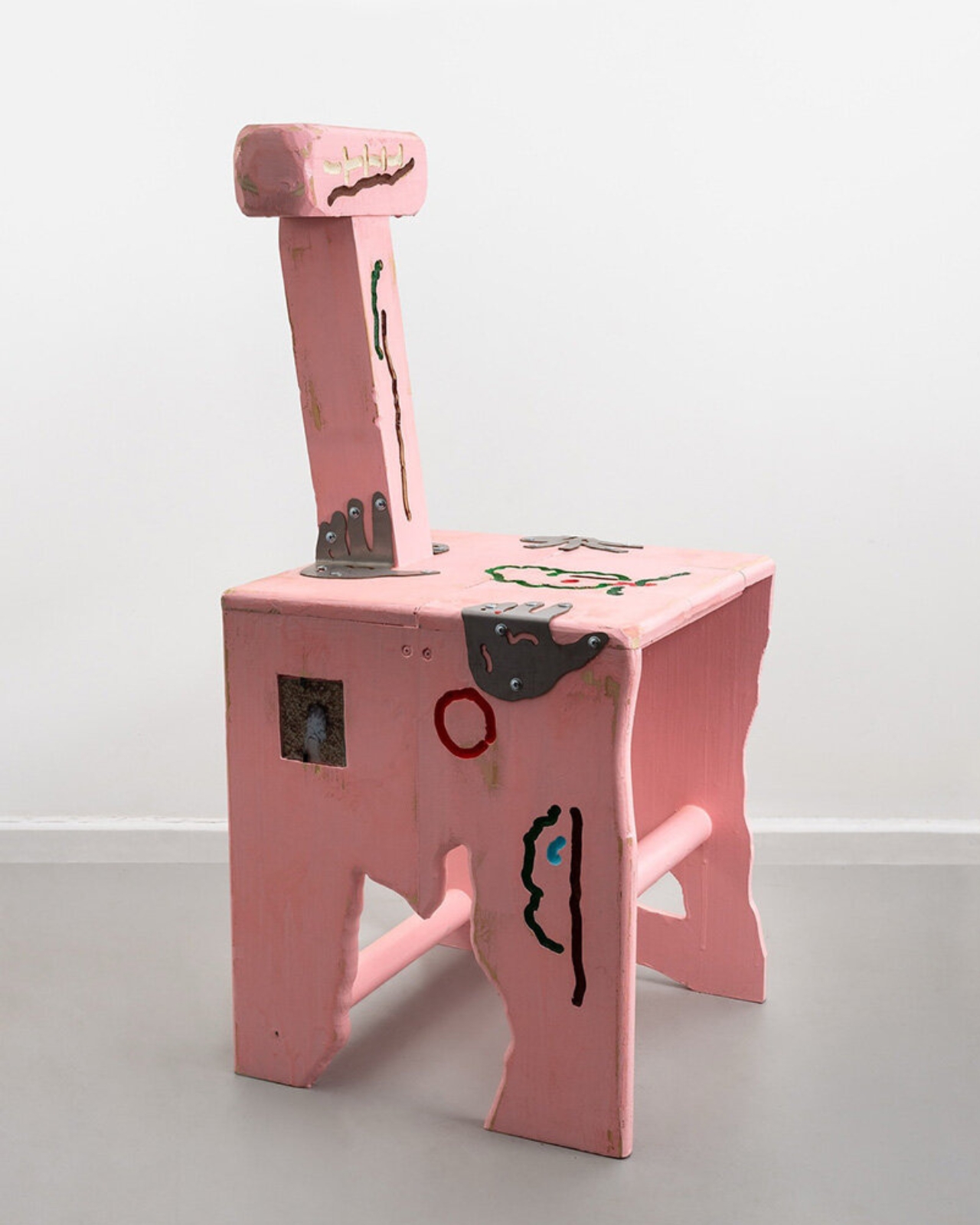
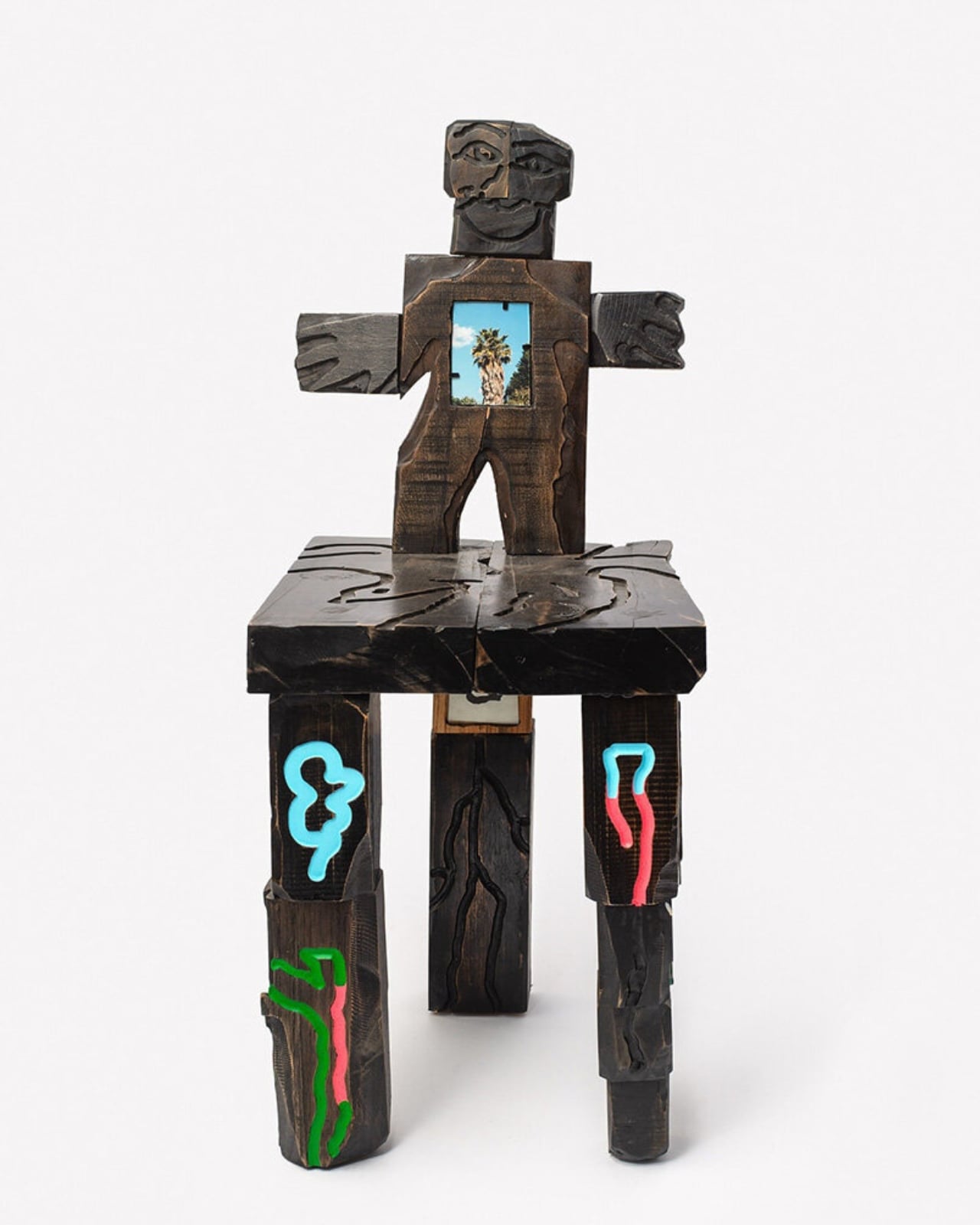
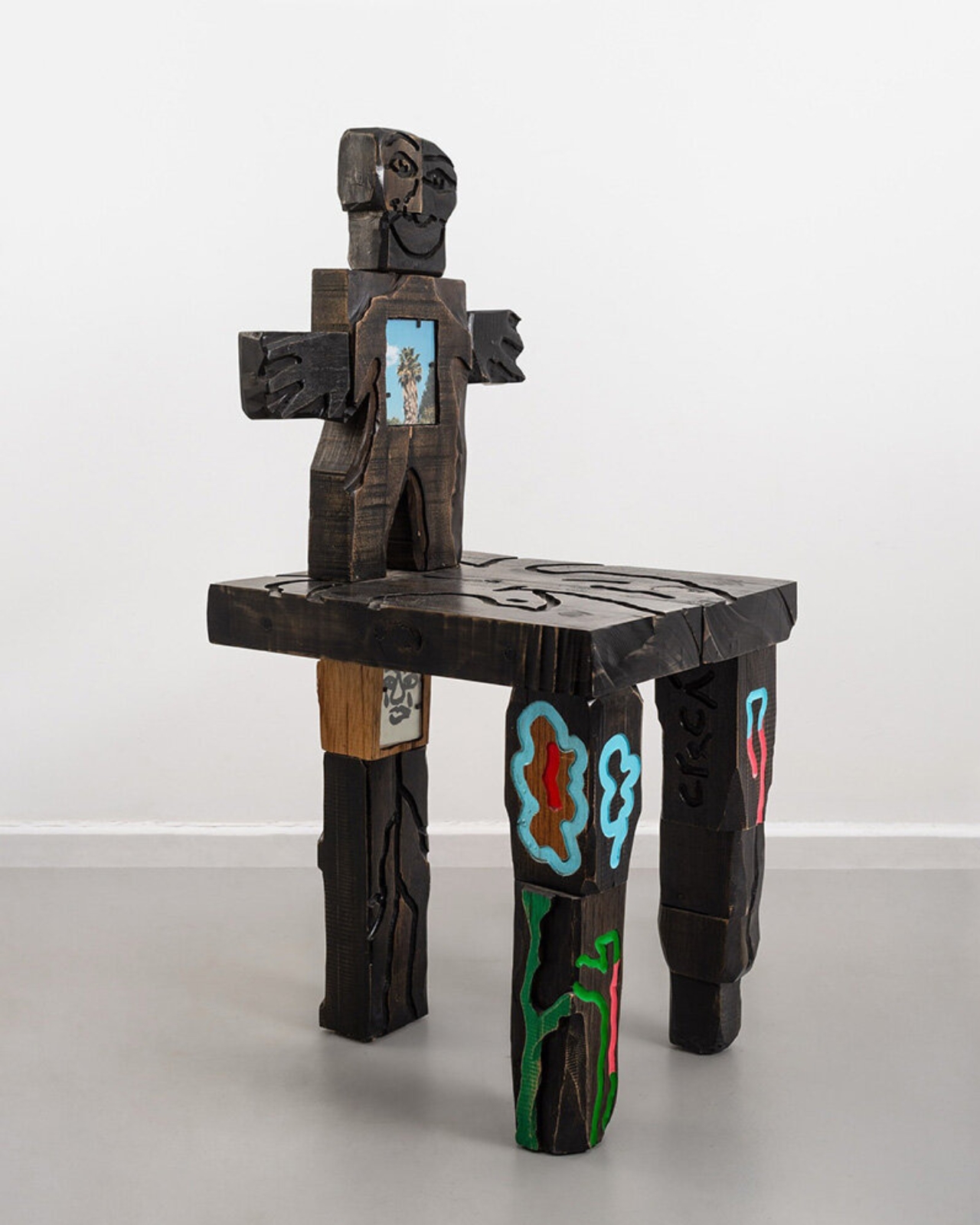
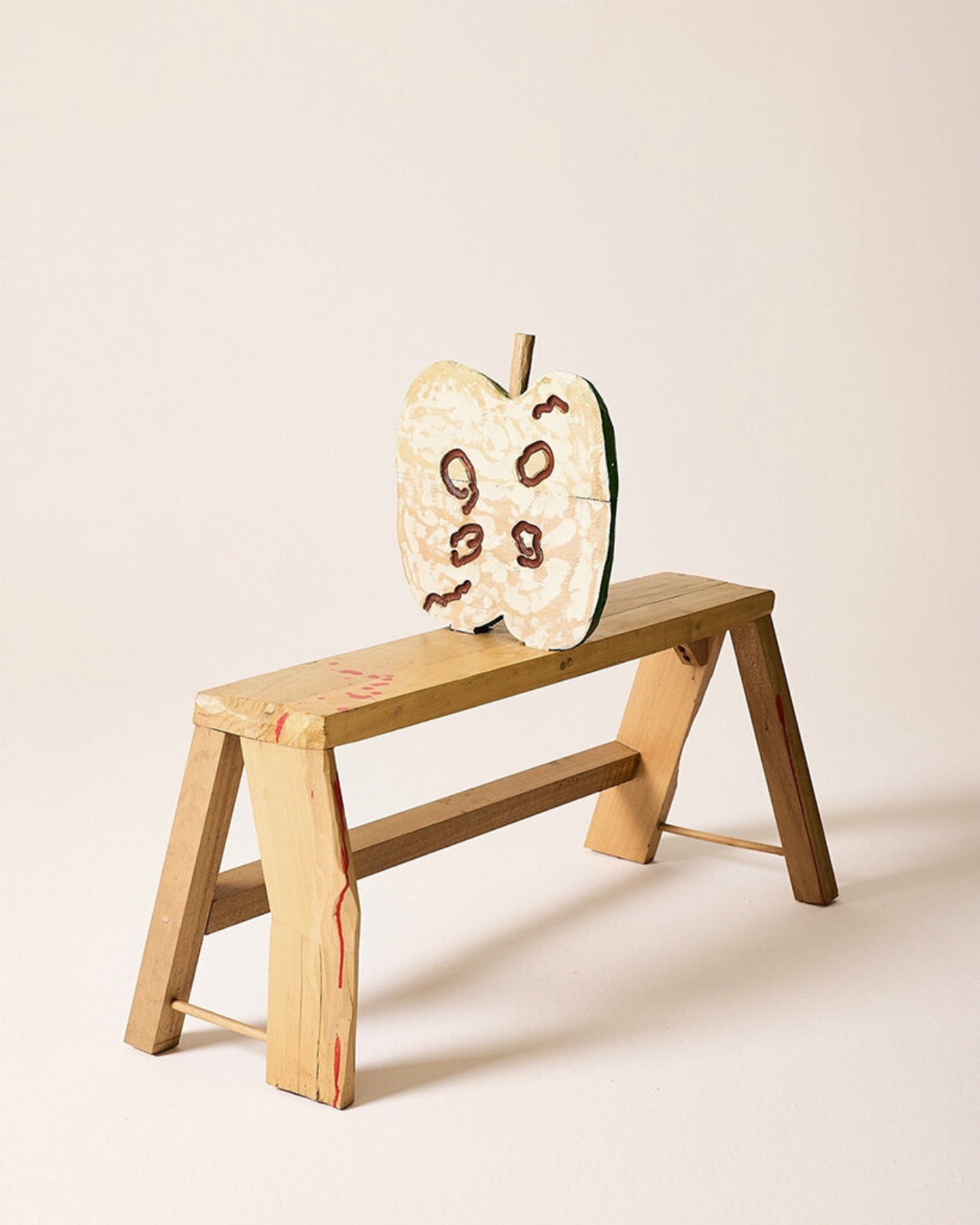
There’s something unsettling and deeply fascinating about furniture that looks back at you. Not literally, of course, but in that way certain objects seem to have presence, personality, almost a pulse. That’s exactly the vibe French designer Vincent Decat is going for with his Living Series, a collection of sculptural furniture pieces that feel less like static household items and more like strange, beautiful companions sharing your space.

Decat, who studied at the prestigious Design Academy of Eindhoven, has built his practice around a provocative idea: what if our furniture behaved like living beings? What if instead of just using objects, we formed relationships with them, caring for them the way we might care for a pet or a plant? It’s a concept that might sound precious or overly conceptual, but when you see the pieces themselves, something clicks. These aren’t just conversation starters. They’re genuinely compelling objects that make you reconsider what furniture can be.

Designer: Vincent Decat

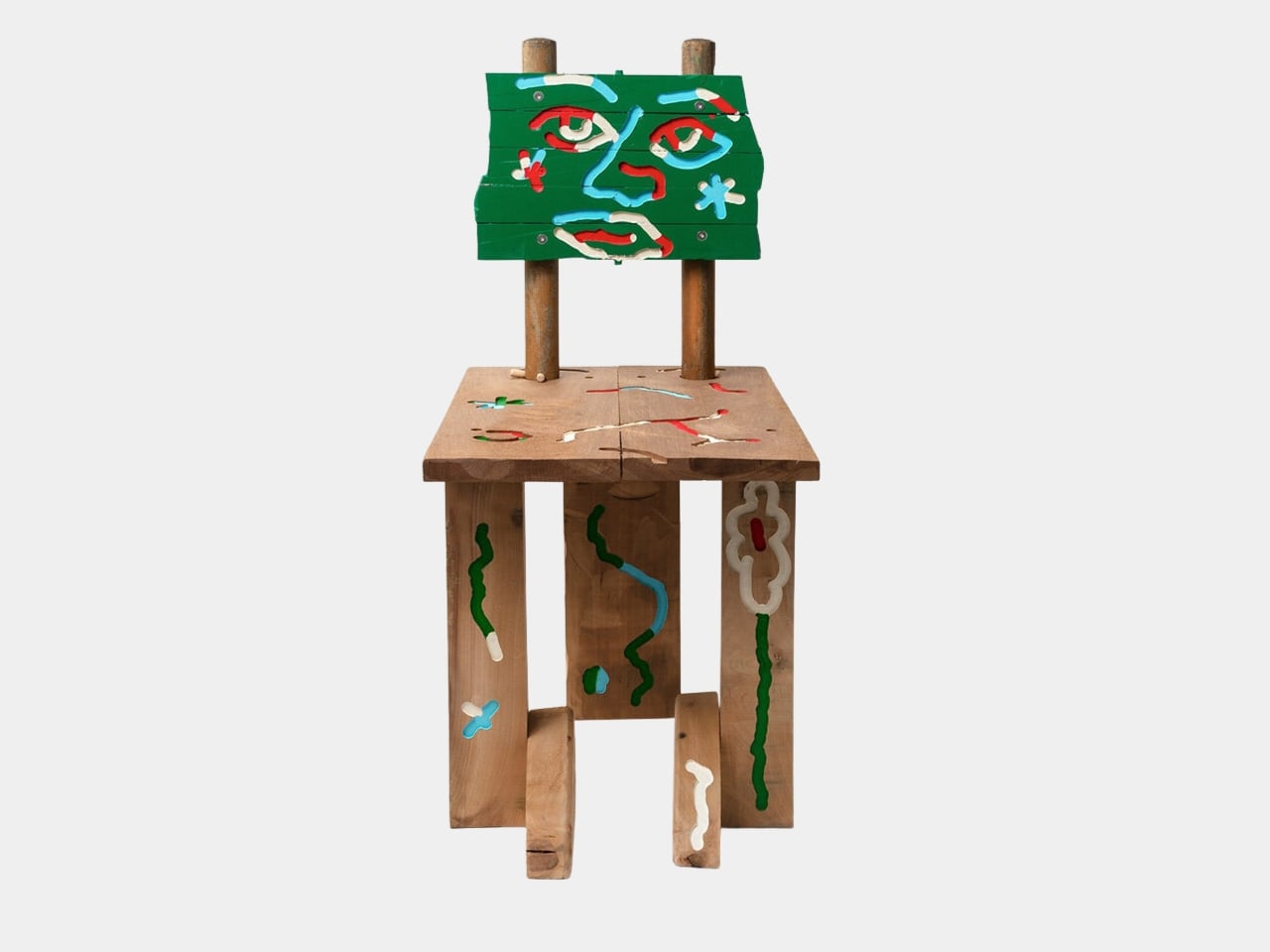
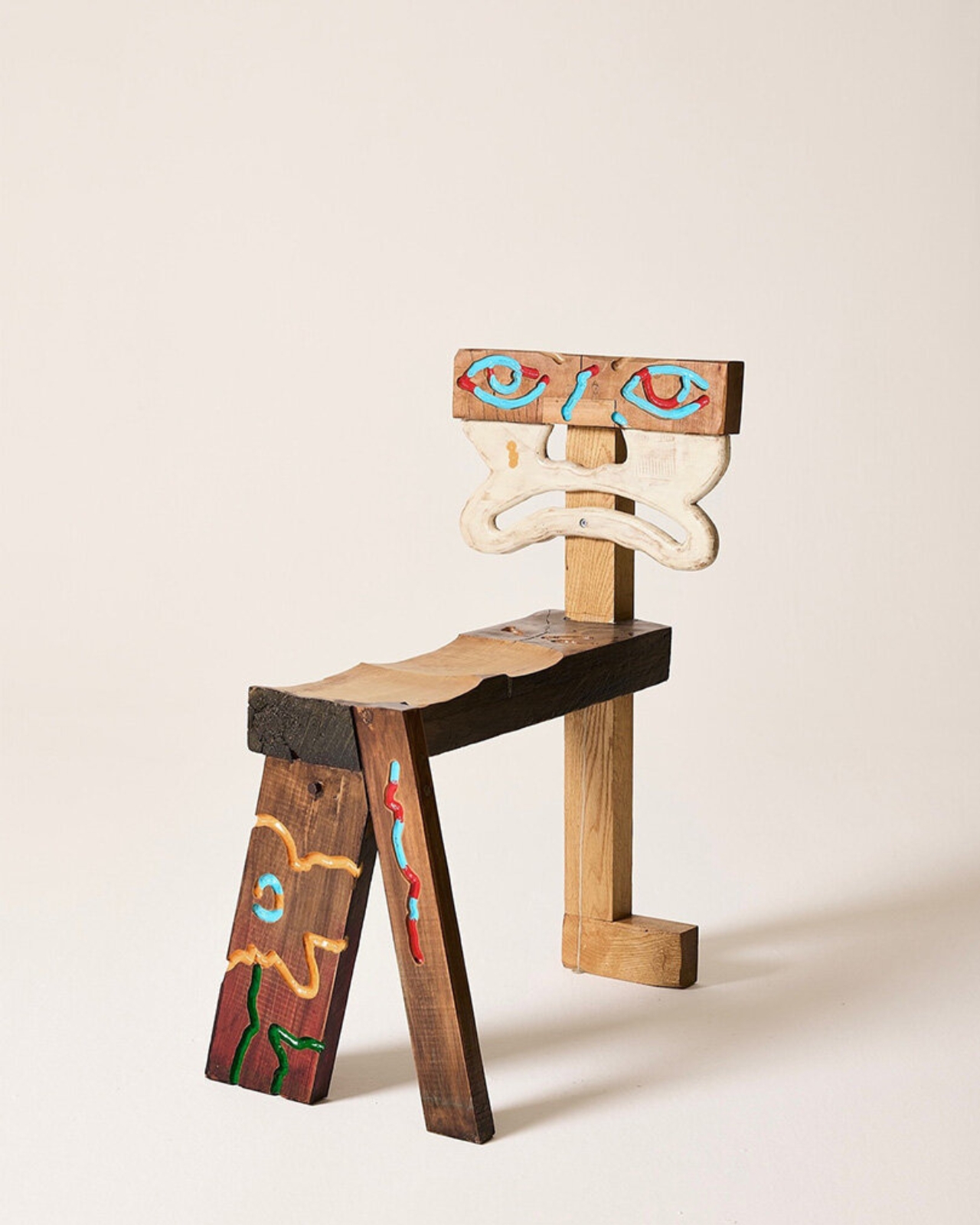
The Living Series includes three main pieces, each exploring different aspects of biological growth and organic development. First up is “One Thing Led To Another,” a sculptural chair that looks like a landscape caught mid-transformation. With its irregular contours and vivid orange elements sprawling across the surface, it suggests something being colonized or regenerated, like coral spreading across rock or moss creeping over stone. The piece combines wood, steel, resin, acrylic paint, and varnish, standing 80 centimeters tall and measuring 70 by 60 centimeters. It’s handcrafted in a way that emphasizes the materiality and the sense that this object has evolved rather than simply been constructed.

Then there’s “Came Uninvited,” a side table that feels like it wandered into your living room from some other dimension. This piece evokes what Decat describes as a “transformed organism,” something that references human impact on natural systems. There’s an element of the uncanny here, the way the forms seem both familiar and alien, organic yet artificial. It’s 60 centimeters tall with a 46 by 50 centimeter footprint, crafted from PLA (a biodegradable plastic often used in 3D printing), resin, acrylic paint, and varnish. The colors and textures suggest something living that has adapted, mutated, or been fundamentally altered by its environment.

The third piece, “Stage One,” takes the biological metaphor to its logical beginning: embryonic development. This tray adopts compact, evolving geometry that suggests growth over time. Fabricated through 3D printing and available in two hand-finished variations (one with acrylic paint, another with aluminum leaf), Stage One feels like witnessing the earliest phases of life. It’s the smallest and most contained piece in the series, but it carries perhaps the most conceptual weight, asking us to see even the humblest domestic objects as things in process, things with potential.

What makes Decat’s work particularly relevant right now is how it taps into our growing awareness of materiality, sustainability, and our relationship with the objects we surround ourselves with. In an era of disposable IKEA furniture and Amazon basics, the idea that furniture could be something you bond with, something that deserves care and attention over time, feels almost radical. The designer positions his work against the throwaway culture of contemporary consumption, suggesting that durability isn’t just about how well something is built, but about whether it can sustain an emotional connection over years.

The Living Series also reflects broader trends in contemporary design, where the boundaries between art, craft, and function are increasingly blurred. These pieces work as furniture (you can actually sit on that chair, use that table, place things on that tray), but they also function as sculptural objects that transform a space. They’re conversation pieces that happen to be useful, or useful pieces that happen to start conversations.

Decat’s approach involves extensive material experimentation and surface treatment. Each piece is carefully finished by hand, which means every one is unique, with its own particular character and quirks. The combination of traditional techniques like woodworking with cutting-edge technology like 3D printing creates objects that feel simultaneously ancient and futuristic.

Ultimately, the Living Series asks us to slow down and reconsider our relationship with the everyday objects we live with. In Decat’s vision, furniture isn’t just something you buy, use, and eventually replace. It’s something you live alongside, something that changes as you change, something that becomes part of your story. Whether that sounds appealing or pretentious probably depends on your tolerance for design philosophy, but there’s no denying the pieces themselves have a compelling, almost magnetic quality that makes you want to reach out and touch them, to understand what they’re made of and how they came to be. And maybe that’s the point: furniture that makes you curious, that invites interaction and care, that refuses to disappear into the background of daily life.

The post This Furniture Looks Like It’s Growing and Evolving first appeared on Yanko Design.
Industrial Wire Mesh Transforms Traditional Tea House

There’s something deeply poetic about watching light pass through layers of colored wire mesh, each one adding a new dimension of color and shadow until you’re not quite sure where the walls end and the air begins. That’s exactly what Japanese architect Moriyuki Ochiai wants you to experience with his latest installation, a tea ceremony house that reimagines one of Japan’s most sacred cultural traditions through an unexpectedly industrial material.

Instead of the typical wooden walls and paper screens you’d expect in a traditional tea house, Ochiai wrapped his structure in layers of diamond-shaped wire mesh, each one a different color. It’s the kind of material you’d normally see around construction sites or industrial facilities, not places of quiet contemplation and ritual. But that contrast is precisely what makes this installation so striking.

Designer: Moriyuki Ochiai (photos by Daisuke Shima)

The traditional tea house has always been about creating a contained microcosm, a small world where every detail is carefully considered to heighten your awareness and bring you into the present moment. Ochiai respects that fundamental principle but completely reframes how it works. Rather than using solid boundaries to create enclosure, he uses layered transparency. The result is something that feels simultaneously open and intimate, grounded and ethereal.

What happens when you layer multiple sheets of colored wire mesh is honestly kind of magical. Light doesn’t just pass through, it gets transmitted, reflected, and diffused across the interior in constantly shifting patterns. As you move through the space, the mesh layers create changing optical depth and spatial ambiguity. Stand in one spot and you see one configuration of color and light. Take a few steps and everything transforms. The installation responds continuously to your movement and viewpoint, making you an active participant in the experience rather than just an observer.

This isn’t Ochiai’s first experiment with unconventional tea house designs. He’s previously created installations like the “Constellation of Stargazing Tea Ceremony House,” showing a continued interest in how traditional Japanese cultural spaces can be reinterpreted for contemporary contexts.

What makes this wire mesh installation particularly relevant right now is how it speaks to broader conversations happening in design and architecture about materiality, transparency, and the relationship between interior and exterior spaces. We’re seeing more designers question the conventional boundaries between inside and outside, public and private, solid and void. Ochiai’s tea house takes those questions and filters them through a specifically Japanese cultural lens.

There’s also something to be said about the choice to use such an industrial, utilitarian material for such a refined, spiritual purpose. In Japanese aesthetics, there’s a long tradition of finding beauty in unexpected places and everyday objects. The tea ceremony itself was developed partly as a way to appreciate simple, rustic materials and unadorned beauty. By wrapping a tea house in construction-grade wire mesh, Ochiai is working within that tradition while also pushing it forward.

The semi-transparent environment he creates challenges our expectations about what a contemplative space should look like. Most meditation rooms and spiritual spaces emphasize solid, quiet boundaries that shut out the world. Ochiai’s installation does the opposite. It filters the world, refracts it, transforms it, but never fully blocks it out. You remain aware of your surroundings even as they become abstracted through layers of colored mesh.

Photographed by Daisuke Shima, the installation becomes a study in how light and material can work together to create atmospheric effects that shift between architectural intervention and art installation. It’s the kind of project that makes you reconsider what you thought you knew about traditional cultural forms and how they might evolve without losing their essential character.
In an era when so much of design feels like either nostalgic reproduction of the past or aggressive rejection of it, Ochiai’s wire mesh tea house offers a different path: respectful innovation. He’s not trying to preserve the tea house in amber, nor is he discarding its principles. Instead, he’s asking what those principles might look like when expressed through contemporary materials and sensibilities. The answer, rendered in layers of colored industrial mesh, is surprisingly beautiful.

The post Industrial Wire Mesh Transforms Traditional Tea House first appeared on Yanko Design.