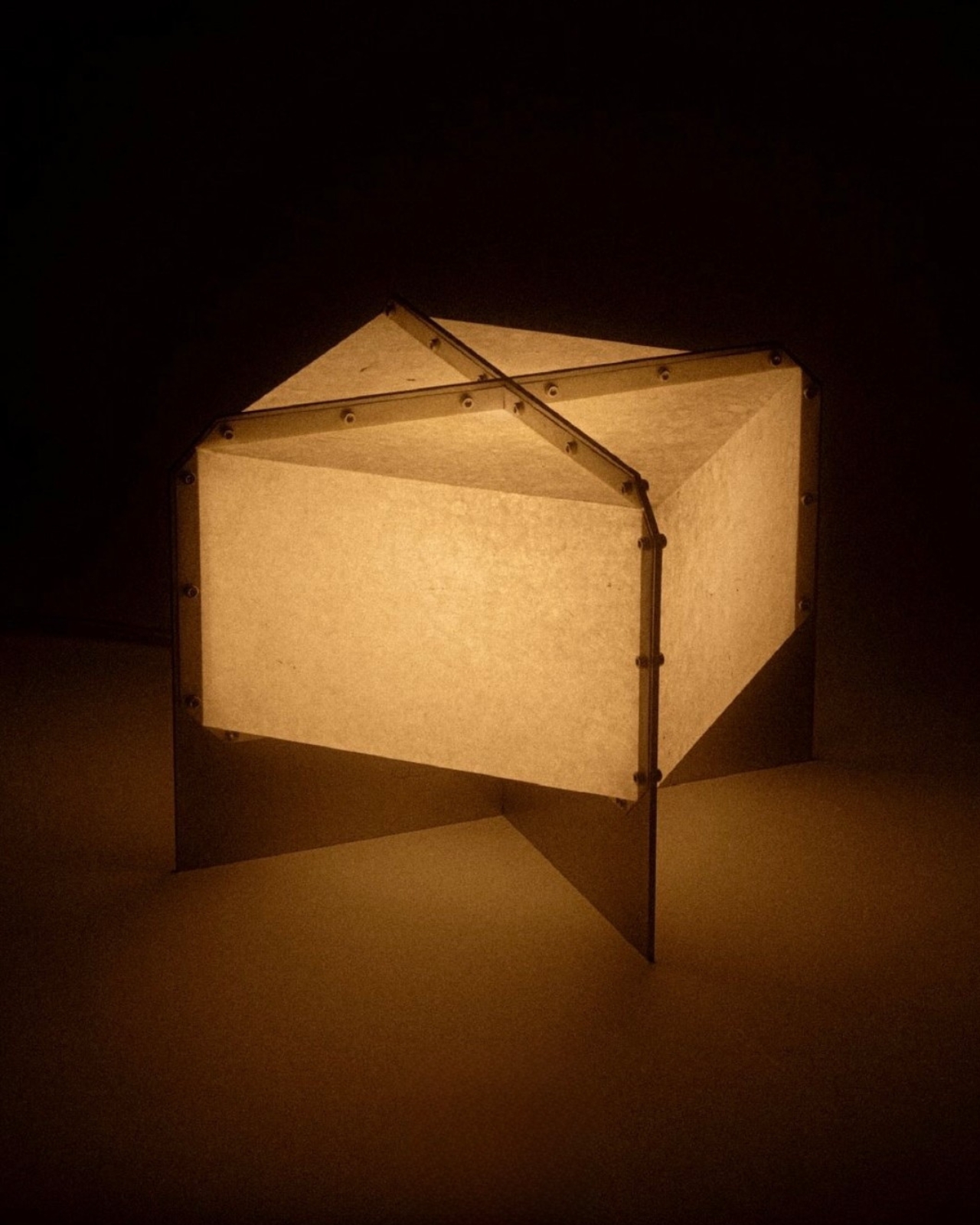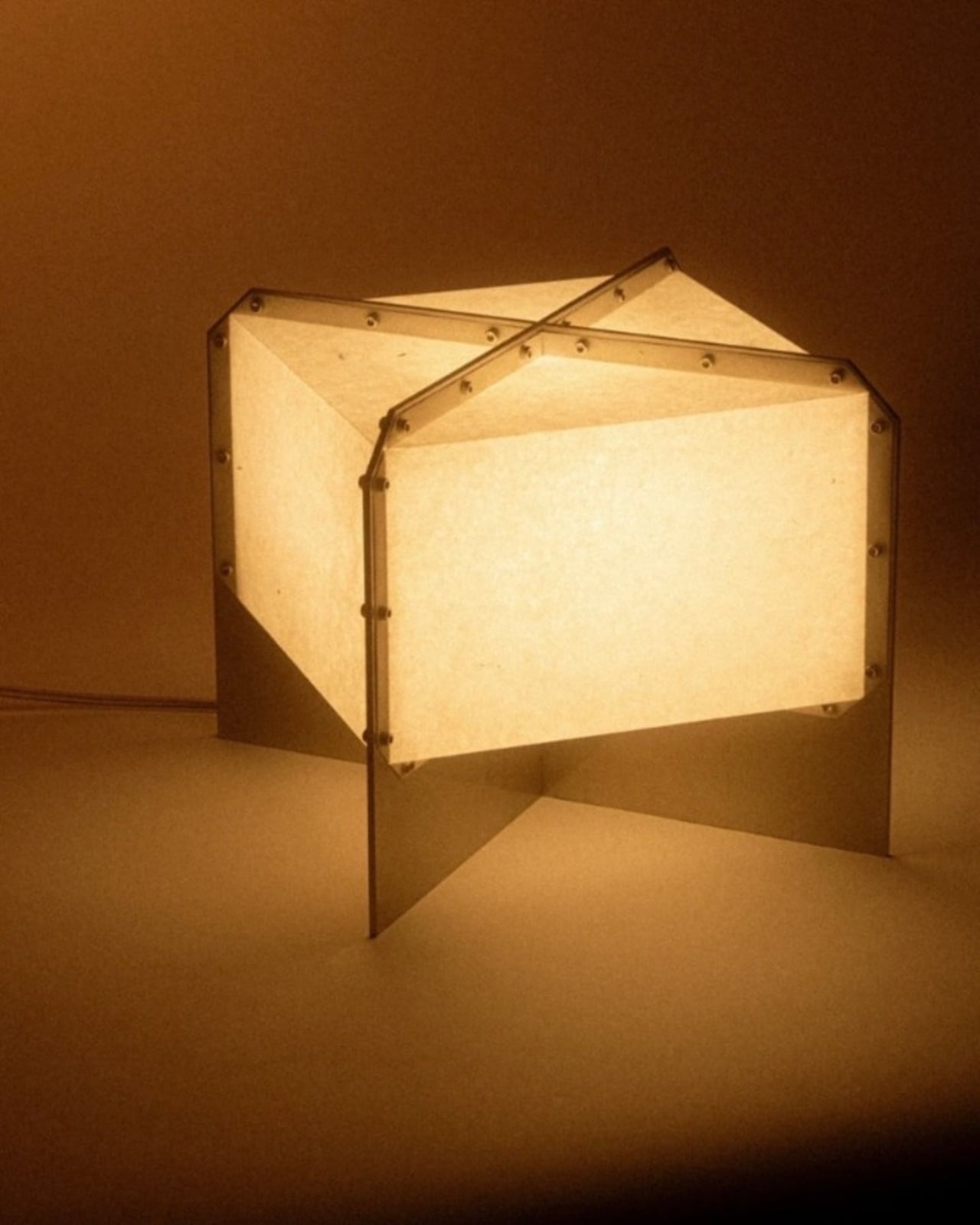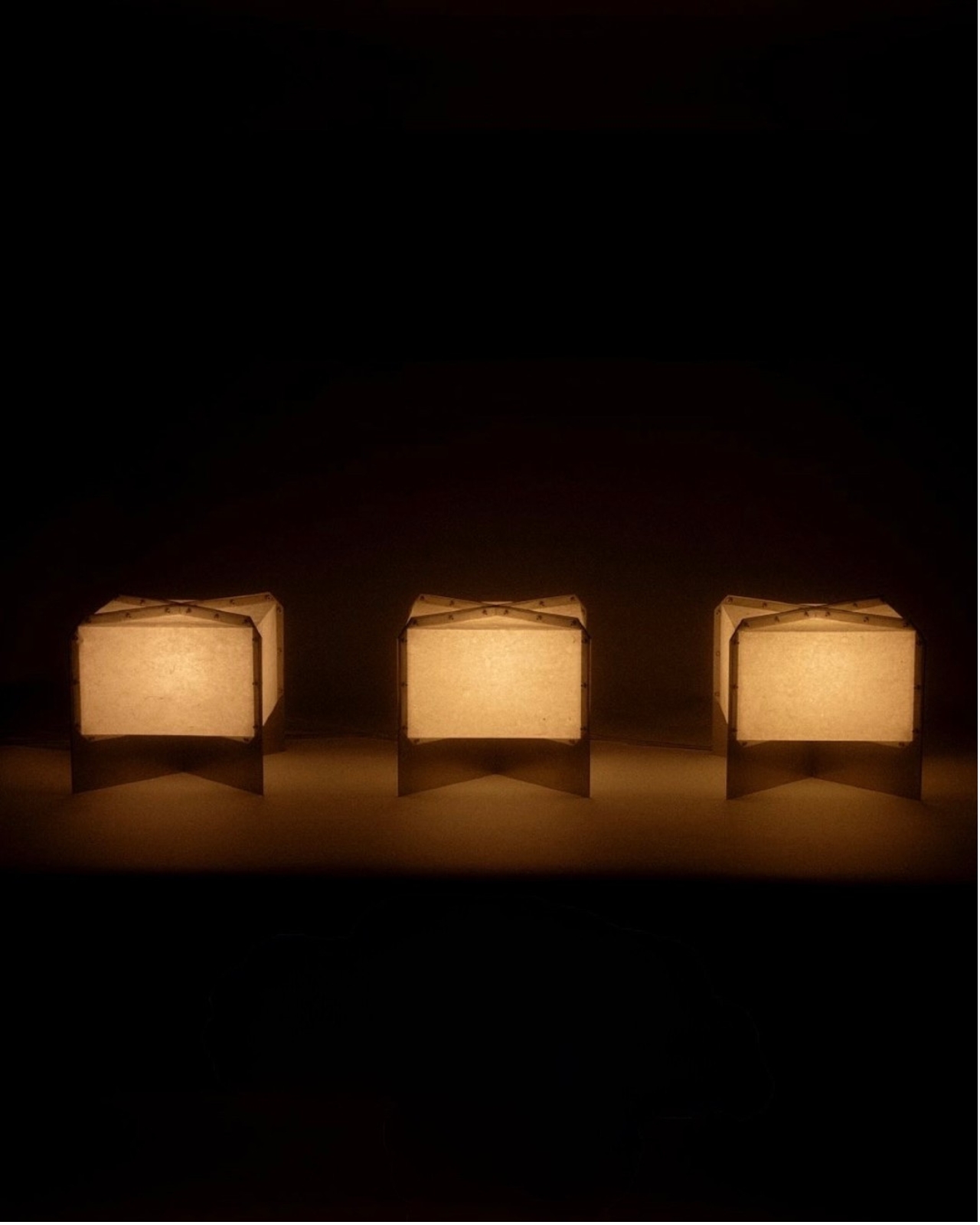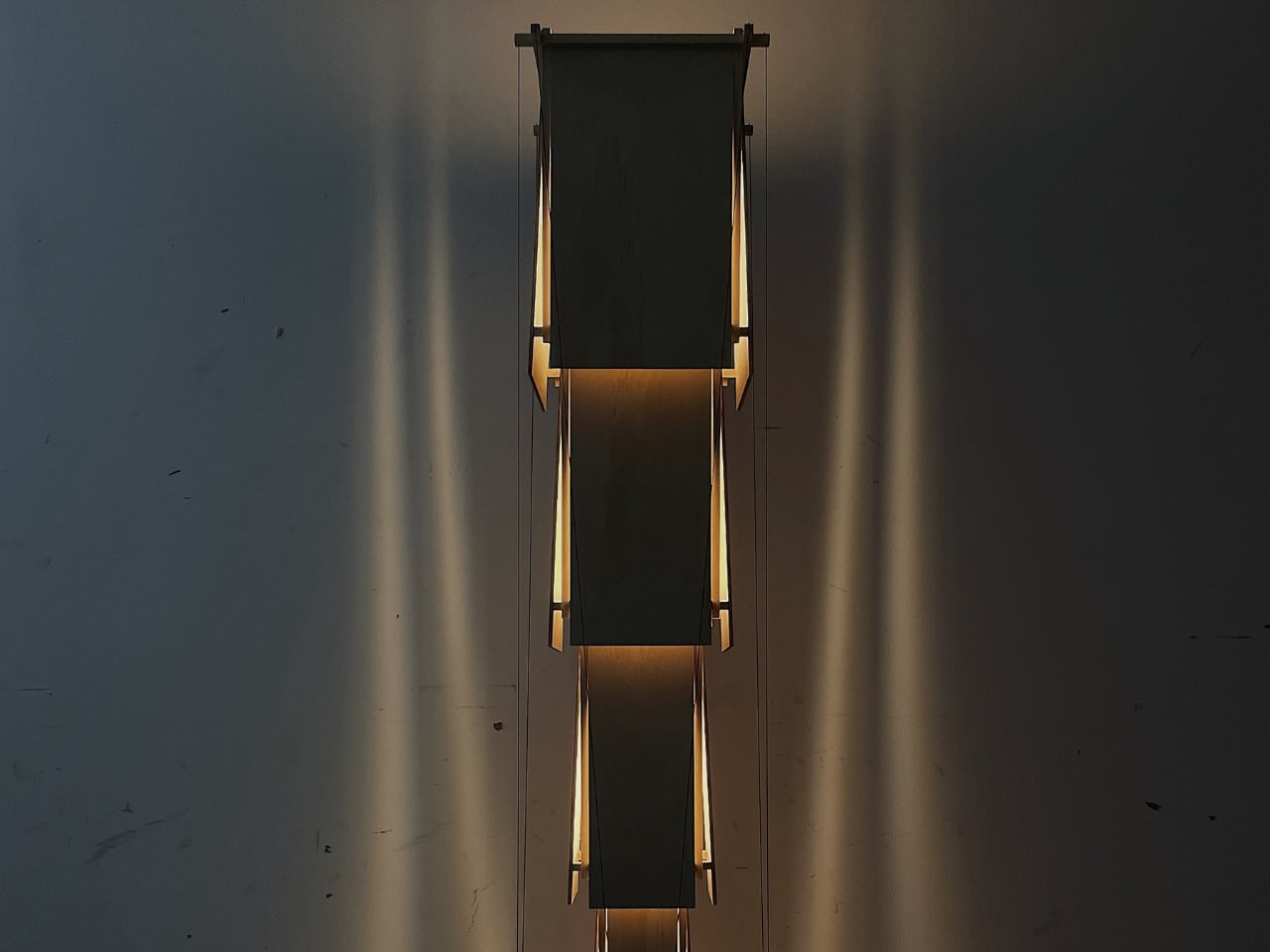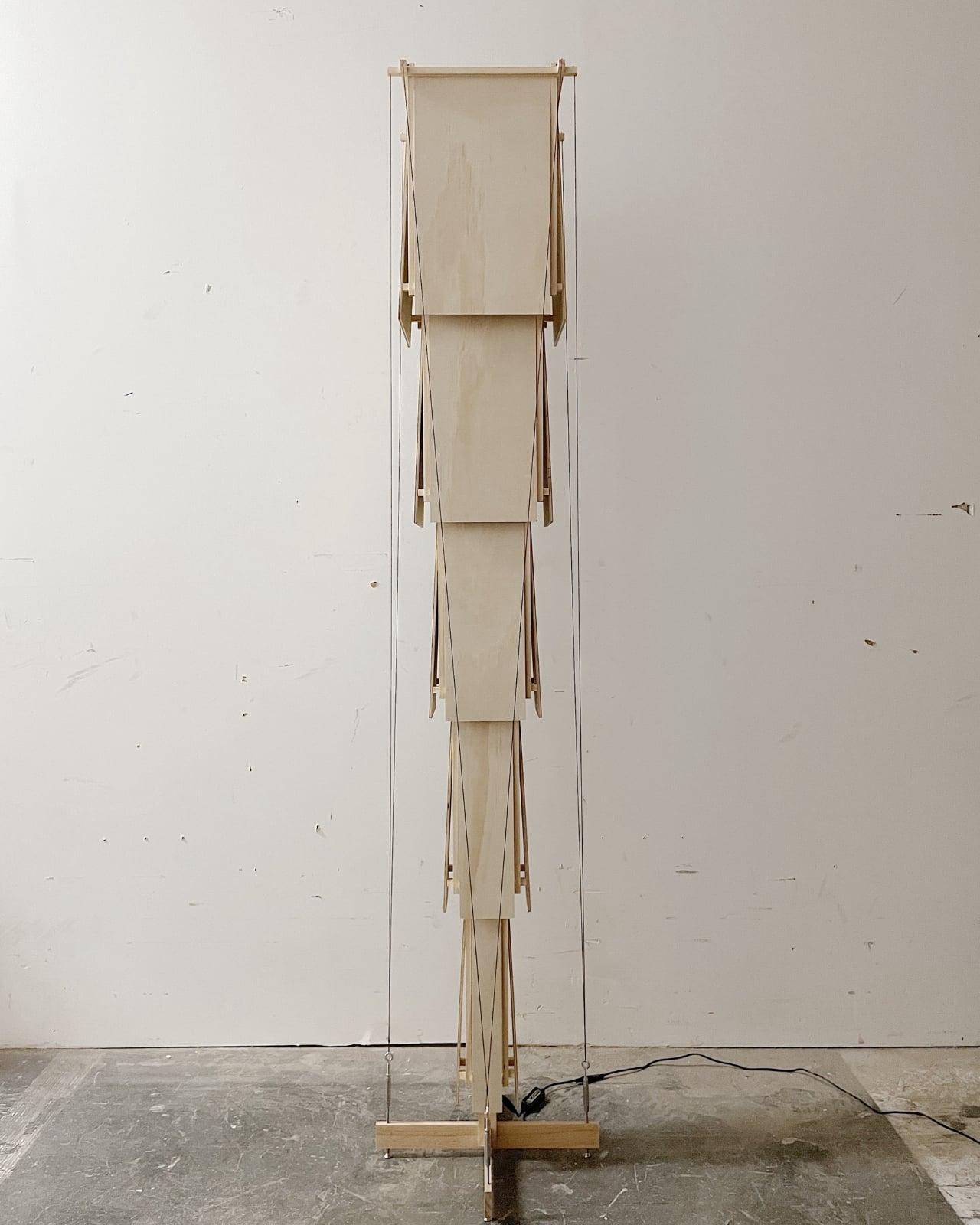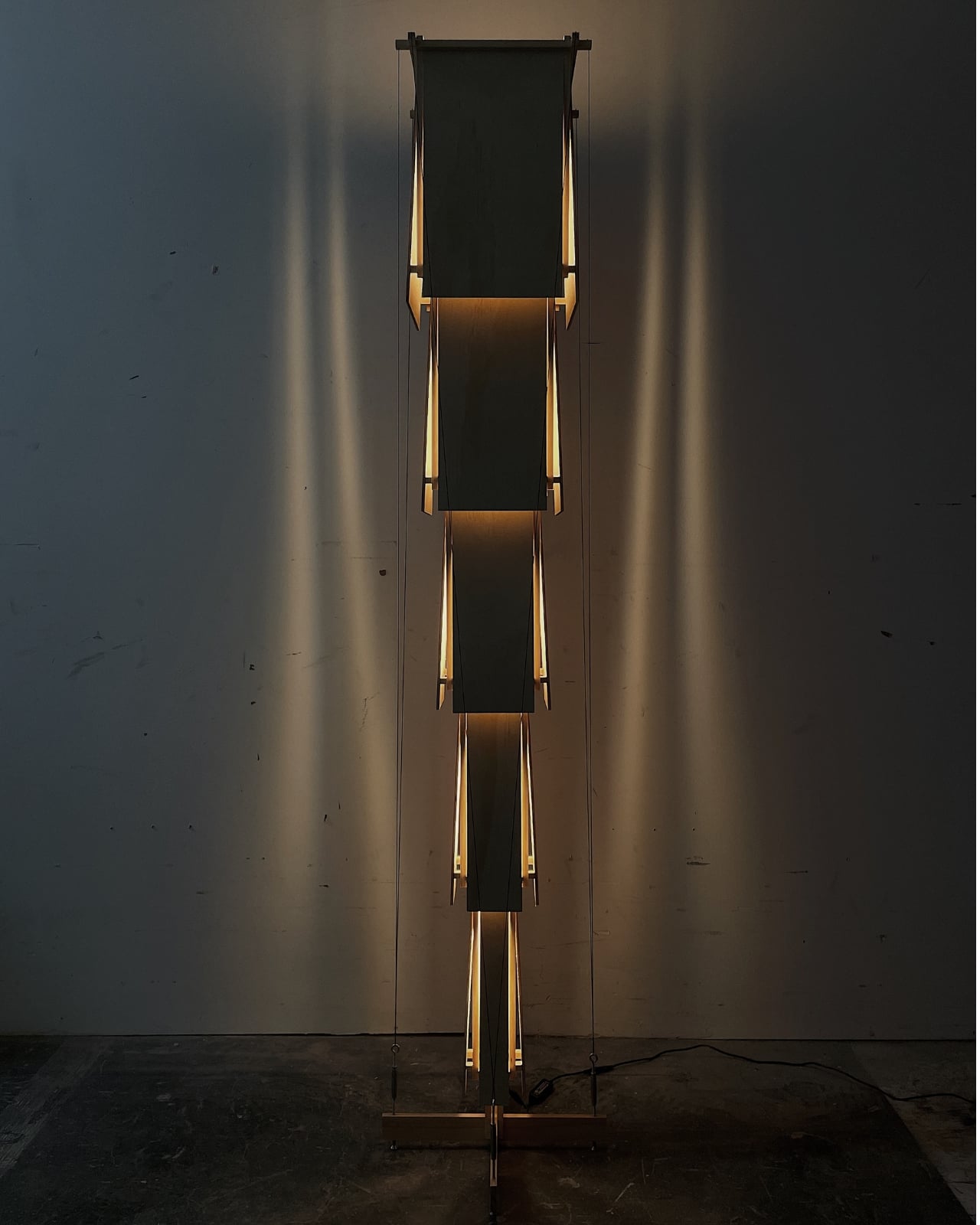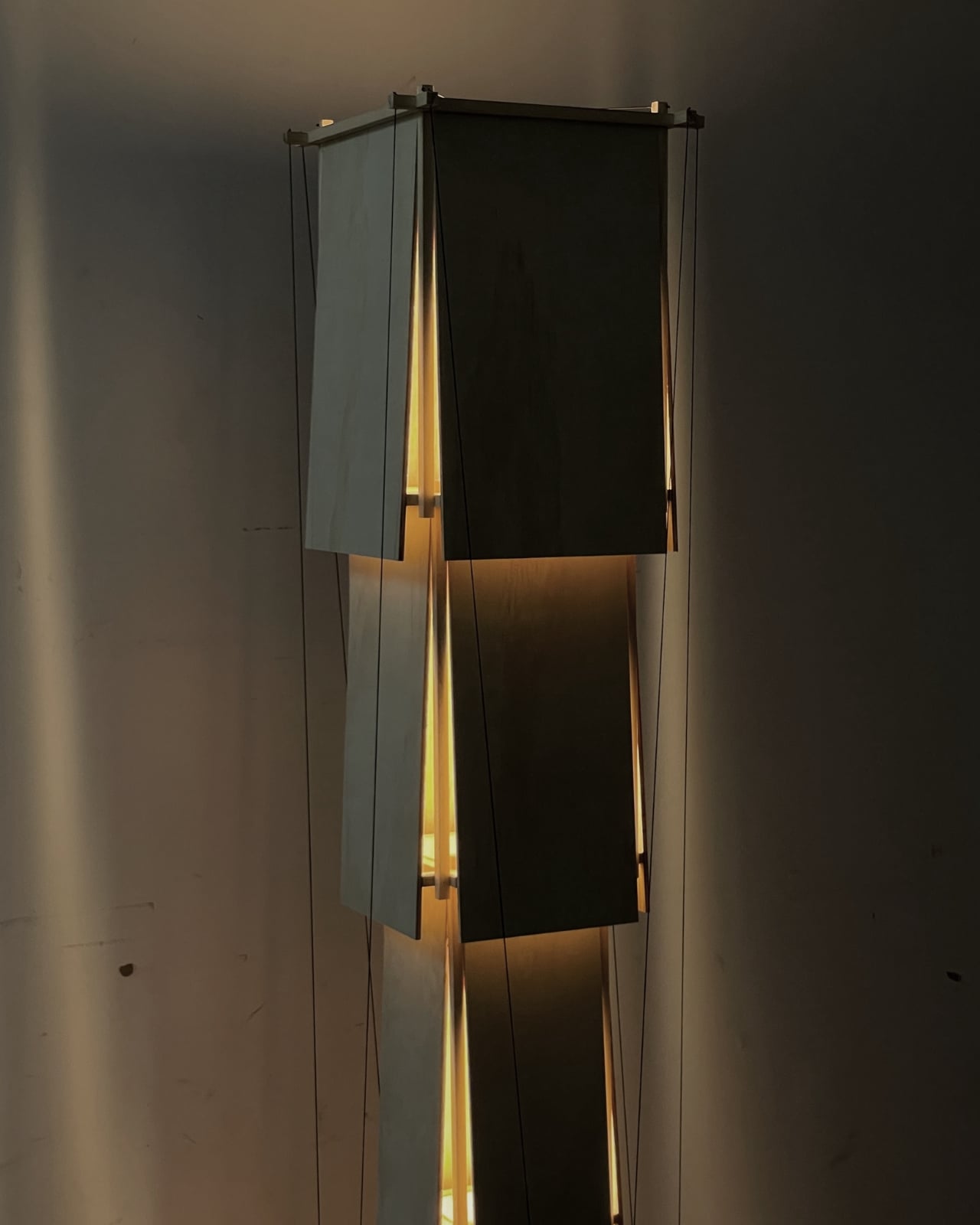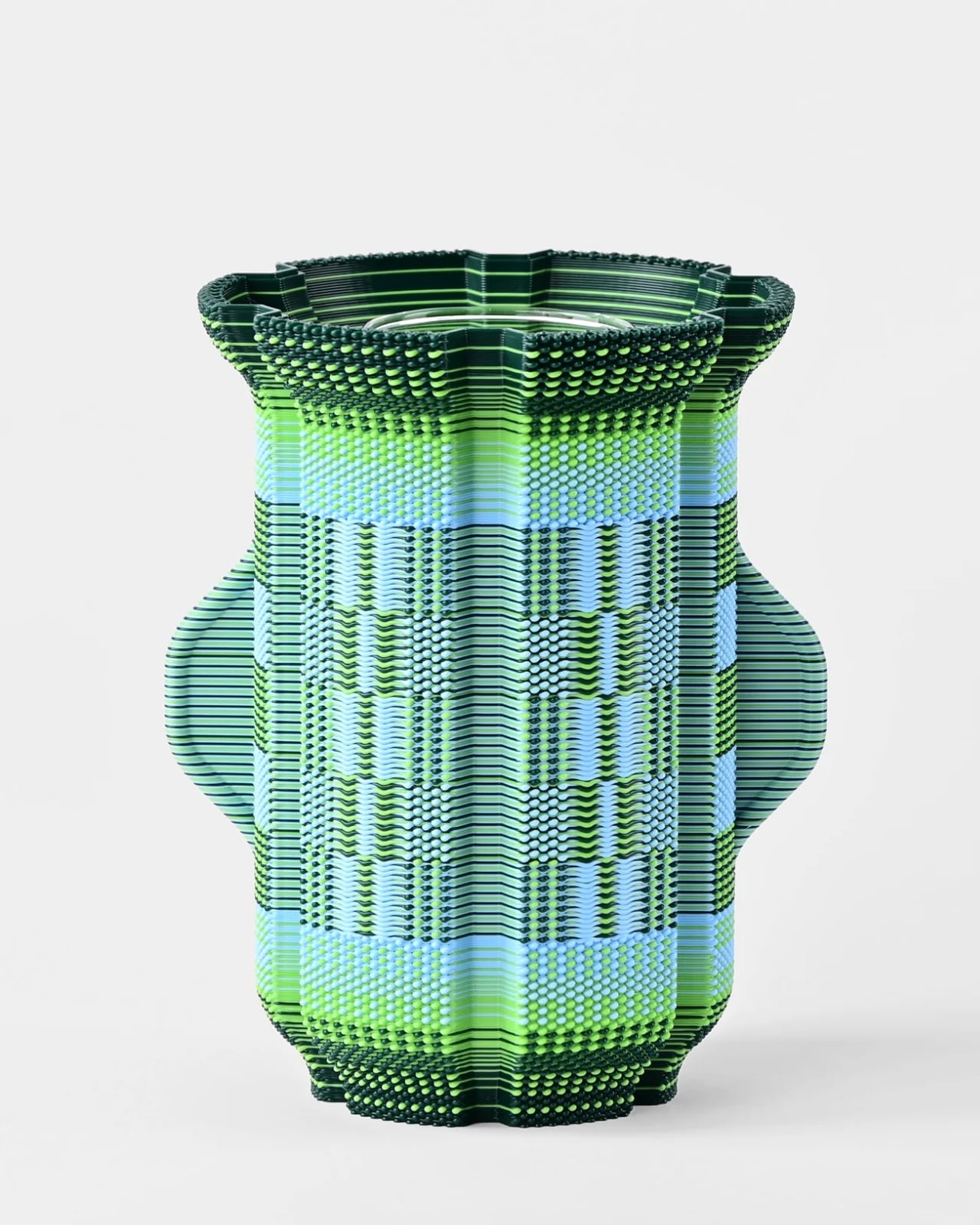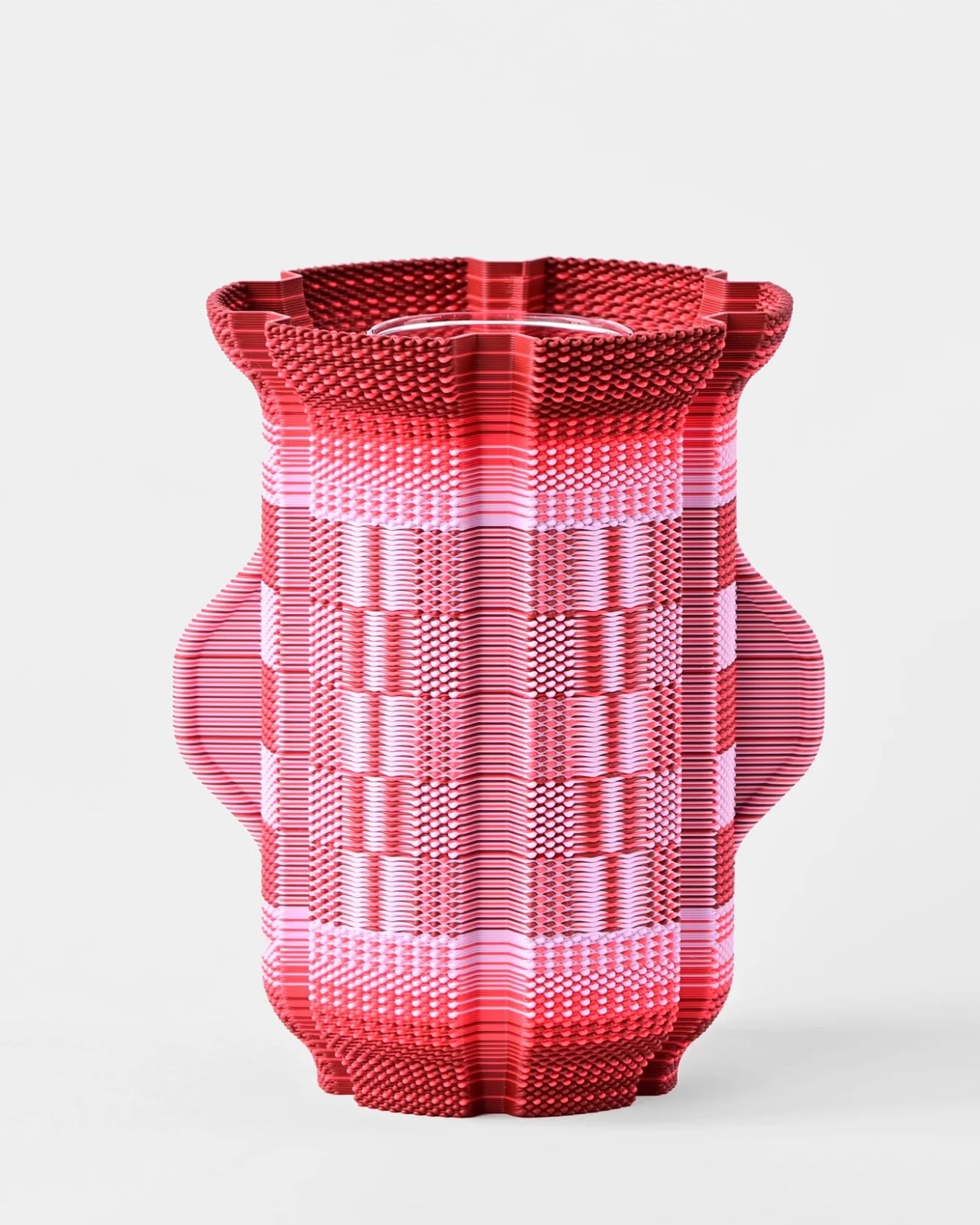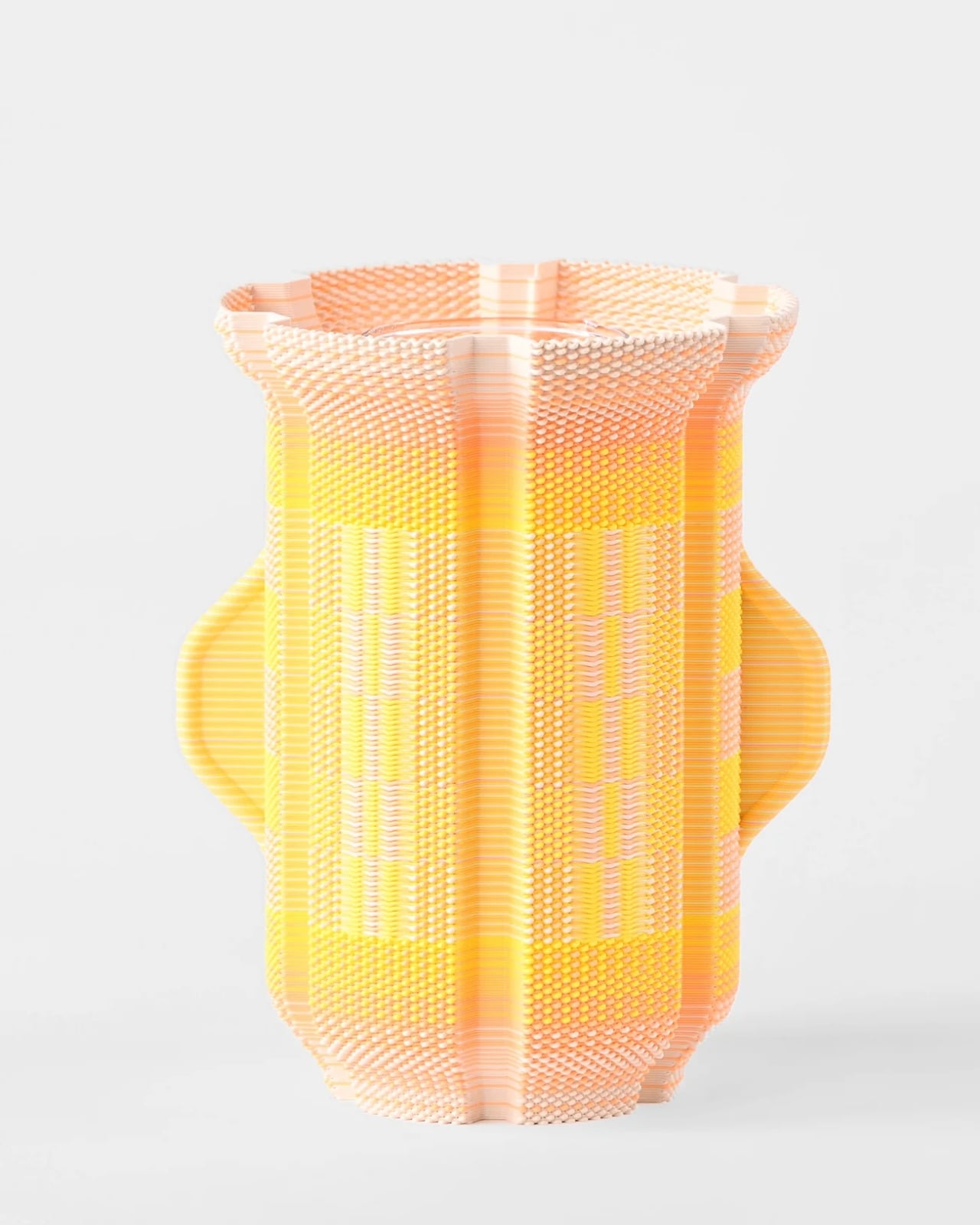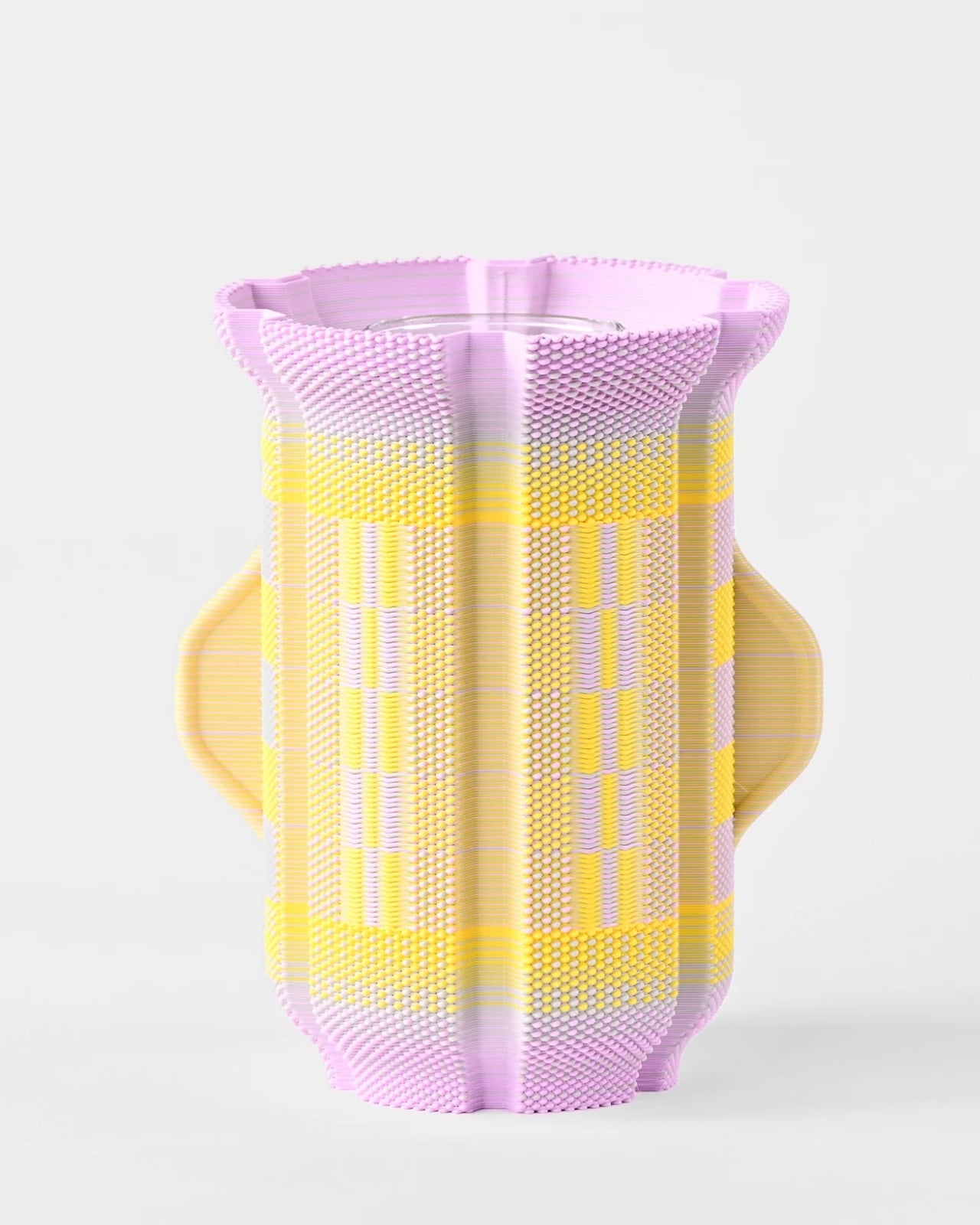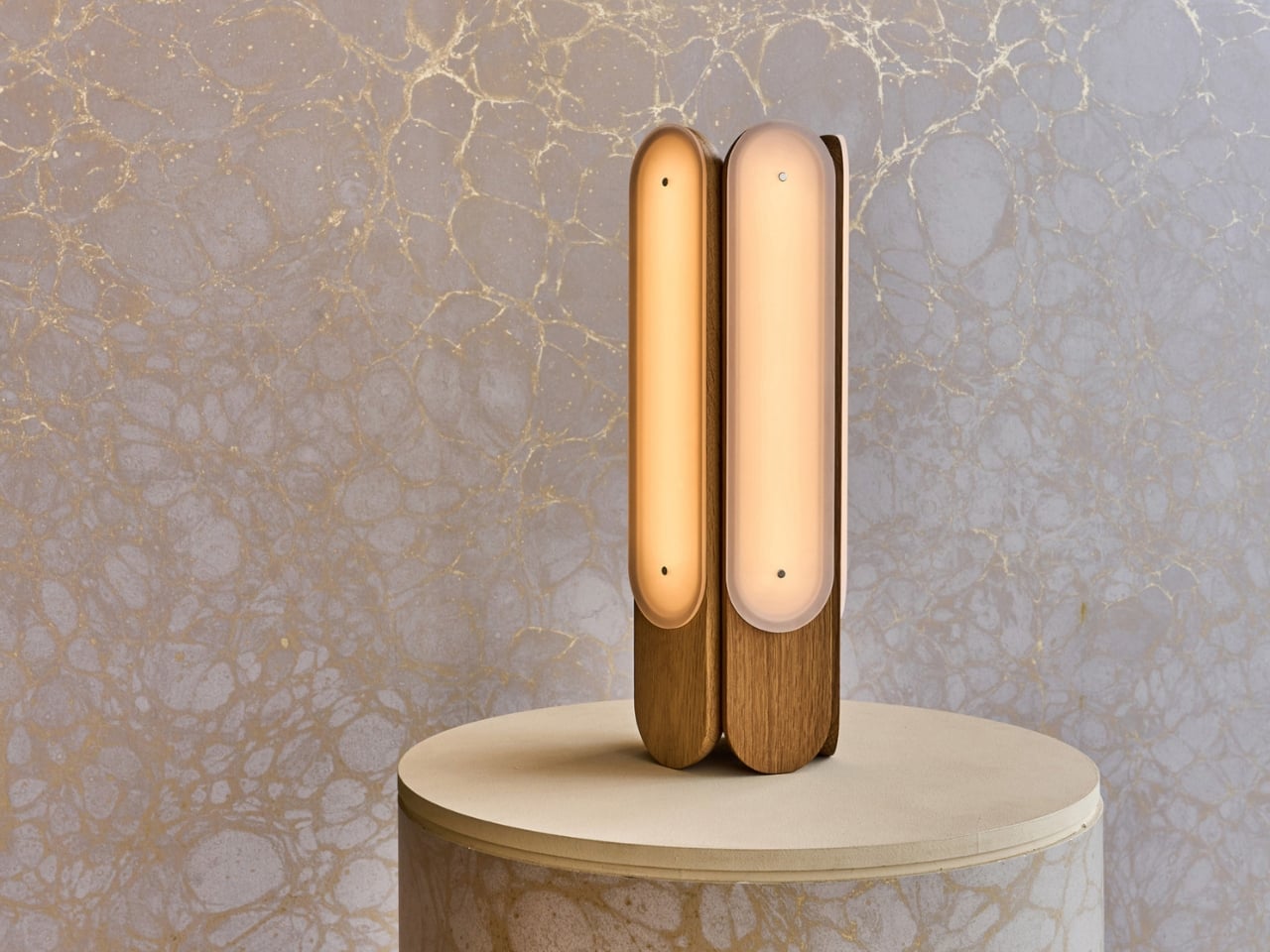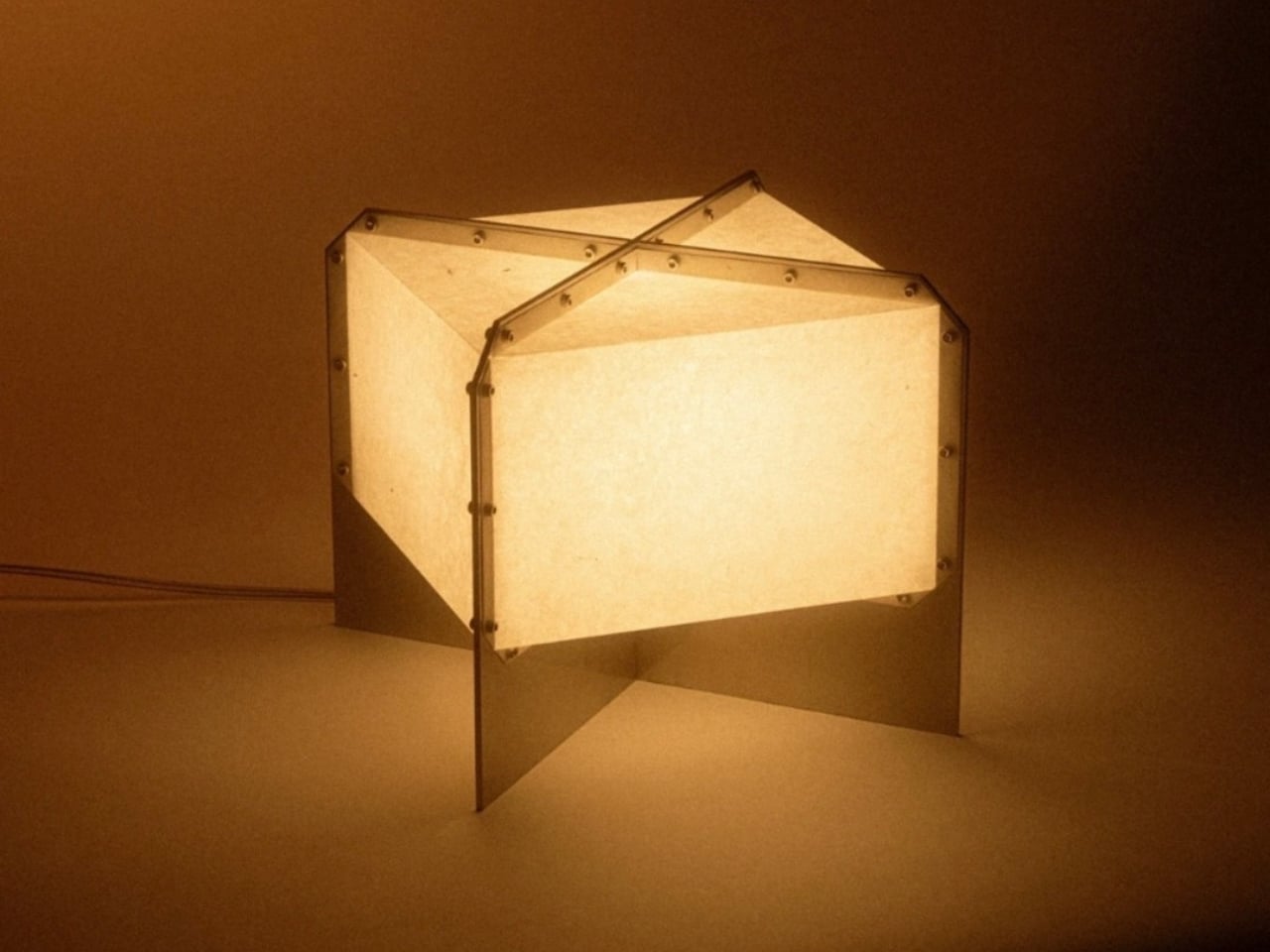
These Sculptural Japanese Lamps Come in 100 Colors for $150

Some design objects earn their place on your table through sheer visual presence. The Dollight series from dolop does exactly that: a collection of sculptural table lamps that somehow manage to be playful, sophisticated, and deeply personal all at once. They’re the kind of lighting that makes you rethink what a lamp can be.

Designed by Michael Kritzer, an industrial designer with Red Dot, iF, and Cannes Lions awards to his name, Dollights are inspired by creative Kokeshi dolls, those beautifully varied Japanese wooden figures that range from traditional to wildly expressive. The connection isn’t literal. You won’t mistake these for dolls on a shelf. But the DNA is there in the proportions, that satisfying relationship between a rounded head and a tapered body, the way each silhouette feels like it has its own quiet personality.

Designer: Michael Kritzer

The origin story is a good one: Kritzer traveled to Japan with the woman who would become his wife, Sveta, and fell for the creative Kokeshi tradition. That trip first produced a Kokeshi-inspired porcelain line (which won the Red Dot), and eventually evolved into what we’re looking at now: five distinct lamp designs called Sweet, Bright, Savory, Rich, and Smooth. The names alone tell you something about the sensibility here. This isn’t a brand that takes itself too seriously, but it takes the work very seriously.

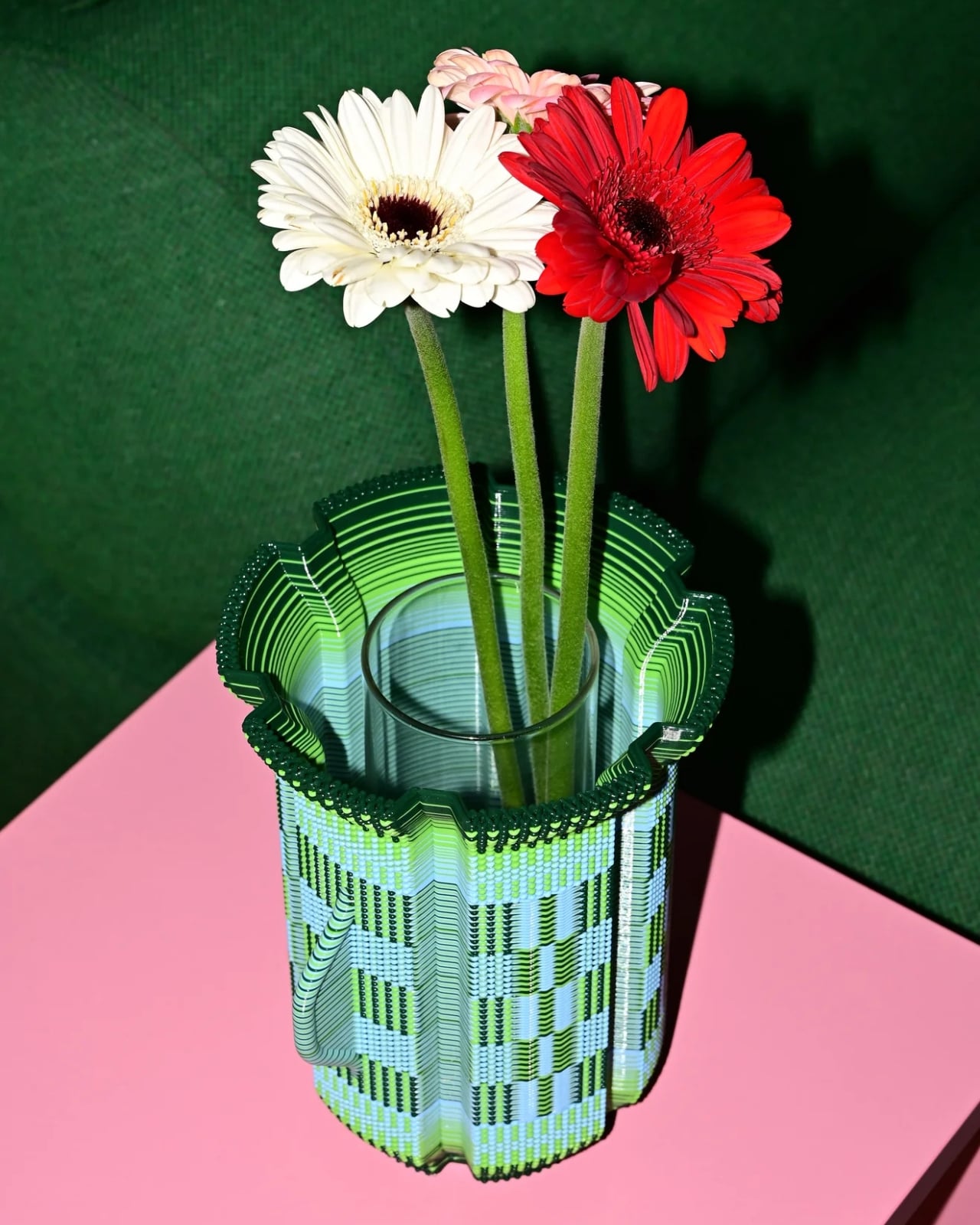
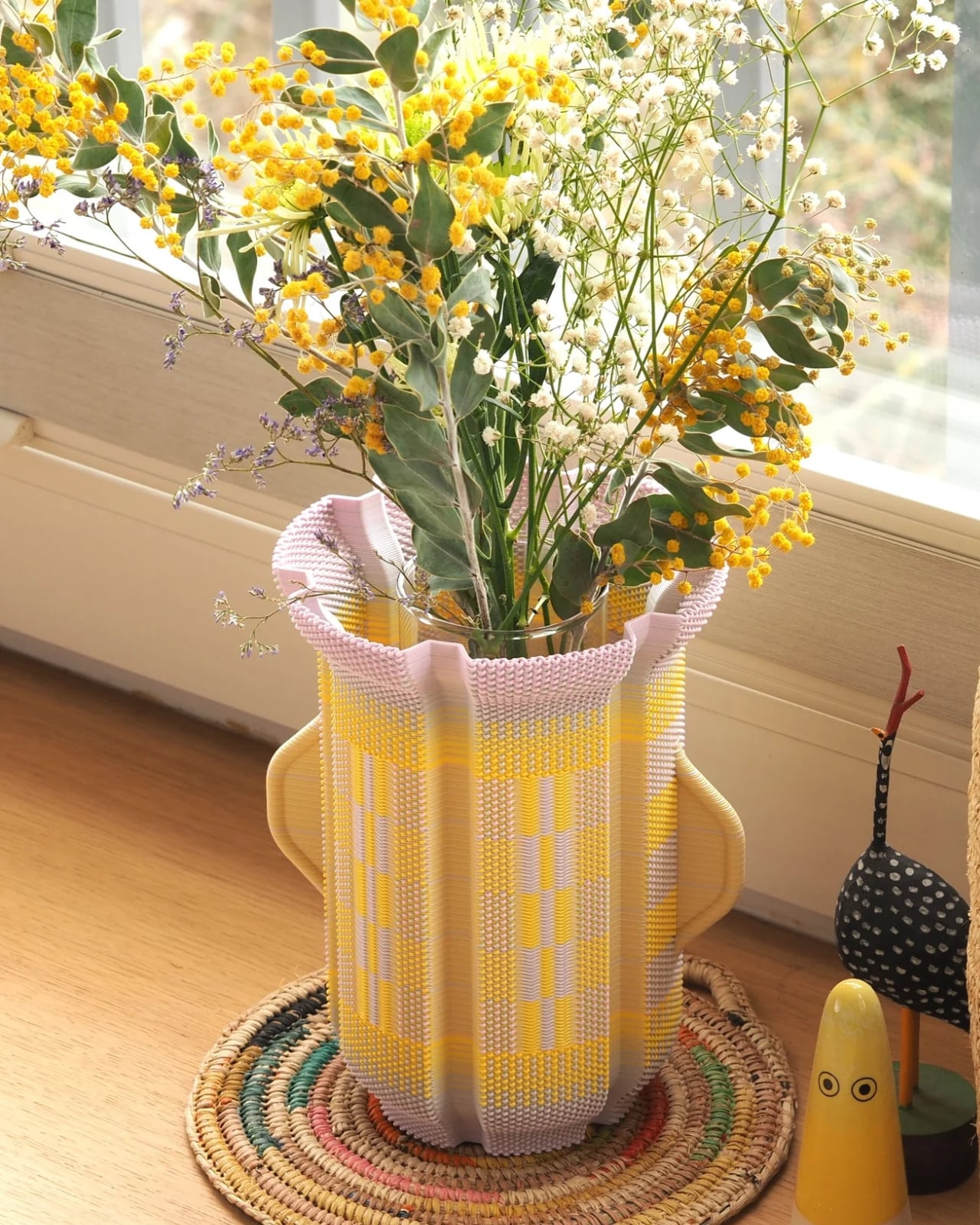
What makes Dollights genuinely interesting beyond their forms is the customization model. Each of the five designs can be configured in different colors (dolop calls them “flavors”) and textures, yielding close to 100 combinations per design. That’s a staggering amount of choice for a product in this price range, which sits between $150 and $250. We’re not talking about picking between white and black. We’re talking about making a real decision about what you want this object to be in your space: a bold red statement piece on a console table, a soft green glow on a nightstand, a warm golden accent next to a stack of books.

Every lamp is made to order in Kritzer’s San Diego workshop and ships in five to ten days. The production-on-demand approach is what enables all that variety without the waste of holding massive inventory in dozens of colorways. It also means each one is made fresh, which carries a certain appeal. There’s something satisfying about knowing an object was produced because you wanted it, not because a factory in another country bet that someone might.

The materials are worth noting too. Kritzer uses premium PLA sourced from the USA and recycled PLA from Europe. It’s a responsible choice that also happens to produce beautiful results. The ribbed and lattice textures across the collection catch and diffuse light in ways that make these lamps look completely different depending on whether they’re switched on or off. That duality is intentional. Kritzer describes them as “useful sculpture,” and I think that framing is exactly right. A Dollight earns its spot on your table around the clock, not just after sunset.

I find myself drawn to design that rewards close looking, and these lamps deliver on that front. The surface patterns are intricate without being busy. The forms are organic but clearly considered. There’s a confidence to the shapes that comes from someone who has spent real time studying proportion and knows when to stop refining.

A portion of every sale supports local San Diego charities through dolop’s Sweetest Slice program, which adds a layer of community intention that feels genuine rather than performative. It’s consistent with the overall ethos: small-batch, locally made, thoughtfully designed, and priced so that owning something special doesn’t require a bespoke budget or a six-month wait.

In a market flooded with either disposable lighting or unattainably expensive design objects, Dollights occupy a sweet spot that more brands should be aiming for. They’re accessible without being generic, personal without being precious, and beautiful without demanding that you build a room around them. That’s a harder balance to strike than it looks.

The post These Sculptural Japanese Lamps Come in 100 Colors for $150 first appeared on Yanko Design.
RayNeo Just Put Batman on $299 AR Glasses (And They’re Brilliant)

At some point between CES announcements and MWC reveals, someone at RayNeo had a genuinely inspired idea. They had built the world’s first AR glasses with HDR10 support, partnered with Bang & Olufsen on the audio, and engineered a display that could hold its own against high-end monitors. The product was technically impressive, competitively priced, and ready to ship. Then they added a Batman mask to it. Not a sticker, not a themed wallpaper, but an actual light-blocking cover that makes you look like you are about to patrol Gotham while watching movies on a 201-inch virtual screen.

This is the Air 4 Pro, unveiled at MWC 2026 in Barcelona, and it represents something rare in the wearables market: a product that takes itself seriously enough to deliver legitimate specs, but not so seriously that it forgets to be fun. The hardware alone would make this newsworthy. The fact that it comes with the option to cosplay as either Batman or the Joker while using it makes it irresistible.

Designer: RayNeo

Start with what matters most: the display. The Air 4 Pro is the world’s first AR glasses with HDR10 display support, which is a genuinely significant leap. Powered by RayNeo’s custom Vision 4000 chip, the display hits 1,200 nits of peak brightness, renders 10.7 billion colors with near-professional color accuracy (ΔE < 2), and runs at a smooth 120Hz refresh rate. We're talking about a 201-inch virtual screen that sits in front of your eyes, with a 200,000:1 contrast ratio. That is the kind of color performance you would expect from a high-end monitor, not from something you're wearing on your face.

The HDR10 support matters more than it might seem at first. It means that when you’re watching a movie or gaming with these on, the image is not being compressed into mediocrity. The Vision 4000 chip can also upgrade standard SDR content to HDR in real time, and there is an AI algorithm onboard that converts 2D content into 3D. These are not gimmick features. For anyone who has tried AR glasses before and felt vaguely disappointed by the visual output, this is the version that corrects the course.

Audio-wise, RayNeo partnered with Bang & Olufsen on a self-developed sound tube design with a dual opposing acoustic chamber system. The result is reportedly an 80% reduction in sound loss compared to previous models. That is a partnership that immediately signals intent. Bang & Olufsen does not lend their name to anything half-hearted, and the presence of that collaboration here suggests that RayNeo is going after people who care about the full sensory experience, not just the display numbers.

The glasses weigh 76 grams, which is no small achievement given everything packed inside. They include interchangeable nose pads, TÜV SÜD certification for low blue light and flicker-free performance, and a 3,840Hz PWM hybrid dimming system for eye protection. It is the kind of spec sheet that feels increasingly grown-up.

And then there is the Batman Edition. RayNeo unveiled two limited versions at MWC 2026: the Limited Justice Edition, which is the Batman variant, and the Limited Chaos Edition, styled after the Joker. Both come with a light-shield cover that doubles as a cosplay accessory, blocking ambient light to sharpen your viewing experience while also making you look like you are about to interrogate someone in Gotham City. The packaging is loaded with DC-themed details, and buyers get to literally pick a side.

Is this a marketing stunt? Partially, yes. But it is a clever one, because the light-shield cover is functional, not just decorative. It actually solves a real problem AR glasses have always had in bright environments. The fact that it also looks incredible is a bonus that makes this feel less like a product and more like a collectible.

My honest take is that the Batman collaboration is what will get people through the door, but the hardware is what will make them stay. At $299, with an early bird price of $249 through March 28, the Air 4 Pro is not cheap, but it is positioned well against the competition. It works with iPhones, Android flagships, PS5, Nintendo Switch 2, and most modern devices, which removes a lot of the friction that has held wearables back.

RayNeo has clearly done its homework. The Air 4 Pro is not trying to replace your phone or your TV. It is offering a better version of the portable screen experience, and the Batman costume is just the perfect way to announce it.

The post RayNeo Just Put Batman on $299 AR Glasses (And They’re Brilliant) first appeared on Yanko Design.
Motorola Just Put 24K Gold on Phones for the World Cup

The FIFA World Cup, the world’s biggest sporting event, is just a few months away. While there are some issues cropping up in the host countries (specifically the US and Mexico; Canada seems to be doing just fine), brand tie-ups are in full swing with global partners such as Adidas, Coca-Cola, Visa, Qatar Airways, Hyundai-Kia, etc.

Motorola just announced two new additions to its FIFA World Cup 26™ Collection, and they are exactly the kind of phones that make you stop scrolling. The Razr Fold and Edge 70 Fusion now have limited edition versions draped in football-inspired design and 24K gold accents, and whether you follow the sport or not, the craftsmanship here is genuinely worth paying attention to.

Designer: Motorola

Let me start with the big one. The Razr Fold FIFA World Cup 26™ Edition is Motorola’s first book-style foldable, and giving it a limited-edition treatment this early is a bold move. Motorola could have slapped a logo on the back and called it a day, but instead they went further. The back cover features a textured raised-dot pattern pulled directly from the surface of a football, giving the device a tactile quality that you actually feel in your hand. Add the glossy “26” typography cutting through that texture, and the whole thing has a collectible quality that feels deliberate rather than decorative.

The 24K gold-plated FIFA and Motorola logos push it a step further into trophy territory. Under the hood, the Razr Fold runs on a Snapdragon 8 Gen 5 chip, carries a 6,000mAh battery, and sports an 8.1-inch internal display alongside a 6.6-inch cover screen, with three 50-megapixel cameras on the back. As a debut foldable from Motorola in the book-fold format, it’s already a statement device. The FIFA edition makes that statement louder.

The Edge 70 Fusion FIFA World Cup 26™ Edition takes a different approach, and it might actually be the more interesting design story of the two. Instead of the raised-dot texture, Motorola gave the Edge 70 Fusion a leather-inspired finish that replicates the iconic feel of a football’s surface. It’s a detail that sounds subtle but lands with real impact when you see it, because it turns an everyday mid-range phone into something that clearly belongs to a collection. The 24K gold accents extend around the camera island’s perimeter, which keeps the premium feel consistent without overwhelming the design. The phone runs on a Snapdragon 7s Gen 3 chip with a 6.8-inch 144Hz AMOLED display protected by Gorilla Glass 7i, and a 5,200mAh battery. As a mid-range device, the Edge 70 Fusion positions this collection as accessible, not just aspirational, which I think is the right call.

Both phones join the previously released Motorola Razr FIFA World Cup 26™ Edition, forming what Motorola is calling the FIFA World Cup 26™ Collection under its Collections by Motorola series. Announced at MWC 2026, the collection reflects Motorola’s role as the Official Smartphone Partner of FIFA World Cup 2026™, which explains the depth of investment here. This isn’t a one-off co-branded phone. It’s a full lineup with real design thinking behind it.

Sport and technology collaborations can go either way. At their worst, they feel like a badge-slapping exercise where a logo gets placed on an otherwise unchanged product and the price goes up anyway. At their best, they create objects that hold cultural weight beyond their function. What Motorola has done here leans closer to the latter. The texture choices are thematic without being gimmicky. The gold accents are restrained enough to read as premium rather than flashy. And the fact that the design is carried across two very different form factors, a flagship foldable and a mid-range slab, shows that this is a cohesive collection, not just two isolated product moments.

Whether you’re a football fan who wants your phone to carry some of that match-day energy, or simply someone who appreciates when tech and design intersect in a meaningful way, the FIFA World Cup 26™ Collection makes a case for itself. The Razr Fold and Edge 70 Fusion FIFA editions are set to arrive in select markets next month. If these end up being the kind of phones that get displayed on a shelf rather than used as daily drivers, I genuinely wouldn’t blame anyone for that decision either.

The post Motorola Just Put 24K Gold on Phones for the World Cup first appeared on Yanko Design.
This Designer Made the Screwdriver EDC Nerds Didn’t Know They Needed

There’s something deeply satisfying about an object that refuses to take itself too seriously. The Drillbit Gyro, a concept design by Berlin-based designer Julius Works, is exactly that kind of object. It’s a spinning top. It’s a screwdriver. It’s the kind of thing you pick up off your desk when you’re on a phone call, and five minutes later you’ve forgotten what the conversation was about because you’re watching a Phillips bit twirl on your kitchen counter.

Let me back up. The EDC (everyday carry) space has a particular aesthetic, and if you’ve spent any time browsing it, you know exactly what I mean. Everything is titanium. Everything is milled from a single billet. Everything looks like it was designed for a spec ops mission in a mountain range you’ve never heard of. And look, there’s nothing wrong with that. Some of those tools are beautifully made and genuinely useful. But the culture around EDC gear has calcified into something predictable. Rugged. Tactical. Masculine in a very specific, unimaginative way.

Designer: Julius Works

The Drillbit Gyro walks into that room and does something different. It takes a standard 1/4-inch hex bit, a flower-shaped body machined from what appears to be stainless steel, and two small orange threaded grub screws that lock the bit in place. An Allen key is included to tighten everything down. That’s it. The bit slides through the center of the body, with the Phillips head poking out the bottom and the hex shank rising up top, and what you get is a perfectly weighted little top that also happens to be a functional screwdriver. You grip the hex shank between your fingers, give it a spin, and it goes.

The wireframe drawing included in the concept images reveals how clean the internal assembly is. The two grub screws thread in from opposite sides of the body, clamping against the bit shaft to hold it securely. It’s a simple, elegant solution. Swap in a flathead, a Torx, whatever you need. The modularity is baked right in.

But here’s what I think makes this concept worth paying attention to: it doesn’t apologize for being playful. So much of product design right now, especially in the tool and gadget space, is obsessed with justifying its existence through sheer utility. Every feature needs a purpose. Every gram needs to be accounted for. The Drillbit Gyro says, sure, I can tighten a loose screw on your cabinet hinge, but also, wouldn’t you rather watch me spin for a minute first?

That playfulness is a design statement. The scalloped edges of the body aren’t just decorative. They give you grip when you’re actually using the thing as a driver, and they create a beautiful profile when the top is in motion. The orange grub screws add a pop of color that feels intentional and confident against the brushed silver body. Even the packaging, shown in a foam-lined tray with each component nestled in its own cutout, suggests that this is something you’re meant to enjoy unwrapping. It’s gift-worthy. It’s the kind of thing you’d keep on your desk not because you need a screwdriver within arm’s reach, but because it looks good sitting there.

Julius Works, who operates out of Berlin and specializes in 3D and product design, clearly understands that objects carry emotional weight beyond their function. The Drillbit Gyro is a concept for now, but it feels ready for production. The component count is low, the machining is straightforward, and the market for clever desktop objects that blur the line between tool and toy is only growing.

Will it replace a proper multi-bit driver in your toolkit? No. Is it going to be the thing you reach for when you’re assembling a bookshelf? Probably not. But that’s not the point. The point is that not every tool needs to look like it was forged in a bunker. Sometimes the best everyday carry is the thing that makes you smile when you pick it up. The Drillbit Gyro gets that, and the EDC world could use a lot more of it.

The post This Designer Made the Screwdriver EDC Nerds Didn’t Know They Needed first appeared on Yanko Design.
A 6mm 5,000 mAh Power Bank: Xiaomi Built One Thinner Than Any Phone

I’ve carried a lot of power banks over the years. Bulky ones that weigh down my pockets, chunky bricks that barely fit in a crossbody bag, and a few “compact” options that still felt like lugging around a deck of cards. So when Xiaomi announced a magnetic power bank that measures just 6mm thick and weighs 98 grams, I’ll admit my first reaction was skepticism. That’s thinner than most smartphones on the market right now, including the iPhone 17. A power bank isn’t supposed to be thinner than the device it charges.

But here we are, and the Xiaomi UltraThin Magnetic Power Bank 5000 15W is very real. It launched in Japan earlier this year at roughly $50, has since expanded to Australia, Singapore, South Korea, and Europe, and was officially showcased at MWC 2026 in Barcelona. The European pricing sits around €60 for the Glacier Silver and Graphite Black versions, with a slightly more expensive Radiant Orange option at €65. For what it delivers in terms of sheer industrial design, those prices feel reasonable.

Designer: Xiaomi

Let’s talk about what makes this thing genuinely interesting from a design perspective. Xiaomi is using a silicon-carbon battery with 16% silicon content, which is the kind of battery chemistry that allows for higher energy density in a slimmer package. That’s how they’ve managed to squeeze 5,000mAh into something that resembles a metal business card more than a traditional power bank. The aluminum alloy shell has a smooth, understated finish, and the phone-facing surface uses fire-resistant fiberglass with an excimer coating for heat management. A photolithographically etched logo on the back adds a subtle detail that signals this product was designed with care, not just assembled to a spec sheet.

The charging specs are solid if unspectacular. You get up to 15W wireless charging when paired with the Xiaomi 17 series, though iPhone users are limited to 7.5W due to Apple’s MagSafe restrictions. There’s also a USB-C port pushing up to 22.5W for wired charging, and the option to charge two devices simultaneously. It’s not going to win any speed records, but for a device this thin, the versatility is appreciated. You snap it onto the back of your phone magnetically, and it just works. No cables, no fuss.

What I find most compelling about this product isn’t any single feature. It’s the way it challenges the assumption that portable power has to mean portable bulk. For years, the power bank category has been stuck in a cycle of incrementally larger capacities packed into roughly the same uninspired form factors. Xiaomi has taken a different approach here, prioritizing the experience of carrying and using the thing over raw capacity. Five thousand milliamp-hours won’t fully recharge most flagship phones anymore, but it will get you through an emergency afternoon or a long commute, and you’ll barely notice it’s there.

The safety engineering deserves a quick mention too. Xiaomi built in ten layers of protection covering overvoltage, overcurrent, overheating, short circuits, and foreign object detection. Dual NTC temperature sensors monitor heat in real time. A 4,369mm² graphite sheet handles thermal dissipation. For a product this thin, that level of safety infrastructure is reassuring rather than excessive.

Of course, nothing is perfect. Early reviews suggest the Xiaomi power bank delivers slightly less usable charge than competitors with the same rated capacity, likely due to efficiency losses in the ultra-thin design. And the 7.5W cap for iPhones feels limiting when Apple’s own ecosystem is moving toward faster MagSafe speeds. These are fair tradeoffs, but they’re tradeoffs nonetheless.

Still, I think this power bank represents something meaningful about where consumer electronics design is heading. The best accessories are the ones you forget you’re carrying until you need them. Xiaomi seems to understand that, and the UltraThin Magnetic Power Bank is one of the most elegant expressions of that philosophy I’ve seen in a while. It’s a small product that makes a big argument: portability should actually mean portable.

The post A 6mm 5,000 mAh Power Bank: Xiaomi Built One Thinner Than Any Phone first appeared on Yanko Design.
A 13-Inch Tablet at 6.2mm Thin: Lenovo Built It for $419

Lenovo has a habit of announcing everything at once. At MWC 2026 in Barcelona, the company rolled out foldable gaming handhelds, glasses-free 3D laptops, and enough concept devices to fill a small museum. It’s a lot. But buried in that avalanche of announcements is the Idea Tab Pro Gen 2, a product that caught my eye precisely because it isn’t trying to be the loudest thing in the room.

At 6.2mm thin and under 600 grams, the Idea Tab Pro Gen 2 is almost absurdly svelte. To put that in perspective, a standard pencil is about 7mm in diameter. Lenovo has managed to pack a 13-inch 3.5K PureSight Pro display with Dolby Vision, a Snapdragon 8s Gen 4 processor, a quad JBL speaker system tuned with Dolby Atmos, and a 10,200mAh battery with 45W rapid charging into something thinner than that. All for $419.

Designer: Lenovo

The physical design work here is genuinely impressive, and it signals that Lenovo’s industrial design team is thinking carefully about what a tablet should feel like in your hands across hours of use, not just what it looks like in a press photo. The display deserves a closer look. At 3,520 x 2,190 resolution with Dolby Vision support, it’s sharper and more color-rich than what you’d expect at the $419 price point. Lenovo also offers a matte display variant with anti-glare technology and constant contrast, which is the kind of thoughtful option that suggests the designers actually observed how students and professionals use tablets for extended reading. Glossy screens look gorgeous in showrooms but become mirrors under fluorescent library lighting. Having the matte option signals an awareness of real-world conditions that I appreciate.

The three color options are worth noting too. Luna Grey and Cloud Grey are safe, predictable choices, but Jelly Mint is a welcome departure. It’s playful without being juvenile, and it gives the tablet a bit of personality in a category that tends to default to grayscale everything. More tech companies should take these kinds of small aesthetic risks. They cost almost nothing in terms of engineering effort but do a lot for making a product feel considered rather than assembled by committee.

Where the Idea Tab Pro Gen 2 gets more ambitious is in its AI integration. It will be the first Lenovo tablet to feature Qira, the company’s ambient intelligence platform that operates at the system level rather than as a standalone app. But beyond that headline feature, what’s more interesting is the integrated learning workflow Lenovo has built around it. Smarter Reader lets students highlight content and generate summaries and explanations on the fly using the Lenovo Tab Pen Plus, with marked sections automatically flowing into Lenovo Notepad where AI Notes further organize key points. Live transcription captures lectures and conversations so nothing gets lost between the classroom and the study session. And a dedicated Smart Key on the optional 2-in-1 keyboard pack triggers Lenovo Smart AI Input for quick text generation and translation through natural language prompts. The whole chain is designed to keep students moving fluidly between reading, capturing, and writing rather than treating those as separate activities.

Whether all of these features prove genuinely useful or become the kind of thing you forget exists after the first week remains to be seen. The tablet industry is currently drowning in AI feature announcements that range from transformative to decorative, and only real-world usage will sort one from the other. But the intent is right. Lenovo is positioning this as a purpose-built study companion, and the workflow feels considered rather than bolted on.

The accessory ecosystem rounds out the picture. The Tab Pen Plus, folio case, and detachable keyboard pack turn the tablet into something closer to a lightweight laptop when you need it to be, and let it slim back down to a pure reading and media device when you don’t, with that quad speaker system making the latter experience particularly enjoyable. That versatility matters for the student audience Lenovo is targeting, and at $419 with the pen included, it’s a compelling package.

What strikes me most about this tablet is the restraint. In a product lineup full of devices screaming for attention with foldable screens and holographic displays, the Idea Tab Pro Gen 2 just quietly gets the fundamentals right: thin, light, beautiful screen, long battery life, solid audio, and a price that doesn’t require a payment plan. Sometimes the most interesting design choice is knowing when not to overreach.

The post A 13-Inch Tablet at 6.2mm Thin: Lenovo Built It for $419 first appeared on Yanko Design.
A Sleep Tracker That Solves the “Creepy Gadget” Problem With Soft Forms and Invisible Sensing

A device that watches you sleep should, by all rights, feel invasive. Wellune, the sleep health monitor concept from Korean tech company Bitsensing, somehow doesn’t. Designed by Adaption Design Studio’s Deokhee Jeong, Youngnam Lee, and Aran Hwang, this is a product that understands something most health tech still gets wrong: if you want people to invite a sensor into their bedroom, it had better not look like one.

Wellune looks like a small, sculptural lamp. A slender white stem curves upward from a flat circular base, blooming into a soft, rounded head that sits somewhere between a sprouting bud and a modernist desk light. The head detaches magnetically, which is a lovely detail because it turns setup into something almost playful. You hold this smooth, egg-like dome in your hand, place it on the stem, and it clicks into position with a satisfying connection. There’s no clinical quality to it, no blinking LED arrays demanding your attention, no aggressive futurism. It just sits on your nightstand looking like a piece of Scandinavian-inflected Korean design, which is exactly what it is.

Designers: Deokhee Jeong, Youngnam Lee, Aran Hwang

But underneath that calm exterior is some genuinely impressive engineering. Wellune uses 60GHz millimeter-wave radar to detect your breathing patterns and even carotid artery movements while you sleep, all without any physical contact. Every 15 seconds, it captures biometric signals and sleep respiration data, then runs that information through an AI system trained against hospital-grade polysomnography databases. The radar waves reflect off skin without penetrating tissue, so there’s no wearable discomfort, no chest straps, no adhesive patches peeling off at 3 AM.

What makes this concept compelling is the problem it’s designed to solve. Traditional sleep studies are expensive, inconvenient, and almost comically bad at capturing how you actually sleep. Being wired up in an unfamiliar clinical environment and told to “sleep naturally” is a contradiction that anyone who’s undergone the experience can attest to. Wellune’s vision is continuous, 24/7 passive monitoring in your own bedroom, night after night, building a longitudinal picture of your sleep health that a single-night study simply can’t match. The companion app would deliver daily reports covering metrics like breathing disturbance frequency and patterns that might correlate with conditions ranging from sleep apnea to early warning signs associated with dementia. The system is also designed to be flexible, customizable based on installation location, the number of devices in use, and individual mode settings, so it could adapt to different bedroom configurations and personal health needs.

The industrial design decisions here are worth lingering on, beyond the feature set. The all-white colorway and matte finish feel deliberate in a way that goes beyond aesthetics. This is a device designed to disappear into a bedroom environment, to become furniture rather than technology. The curved stem avoids the rigidity you see in most health monitoring equipment. It has an organic quality, like a plant leaning toward light, and that metaphor feels intentional for something meant to live beside your bed.

The magnetic detachment system for the sensor head is worth noting too. From the product images, you can see the head lifts cleanly off the stem, revealing a small metallic connection point. This suggests the head might be repositionable or adjustable in orientation, allowing you to aim the radar sensor optimally depending on your bed setup. It’s the kind of thoughtful mechanical detail that separates considered product design from pure engineering exercises.

As a concept, Wellune raises genuinely interesting questions about where health monitoring is headed. The path from prototype to bedroom nightstand involves real hurdles, including data privacy, clinical validation, and regulatory approval, but the vision is coherent and the direction is clear. What Adaption Design Studio has proposed is something that manages to be simultaneously a piece of sophisticated radar technology and a quiet, beautiful object you wouldn’t mind looking at every morning when you wake up. That’s a harder balance to strike than it sounds, and as a concept, they’ve already pulled off the hardest part: making you want it to exist.

The post A Sleep Tracker That Solves the “Creepy Gadget” Problem With Soft Forms and Invisible Sensing first appeared on Yanko Design.
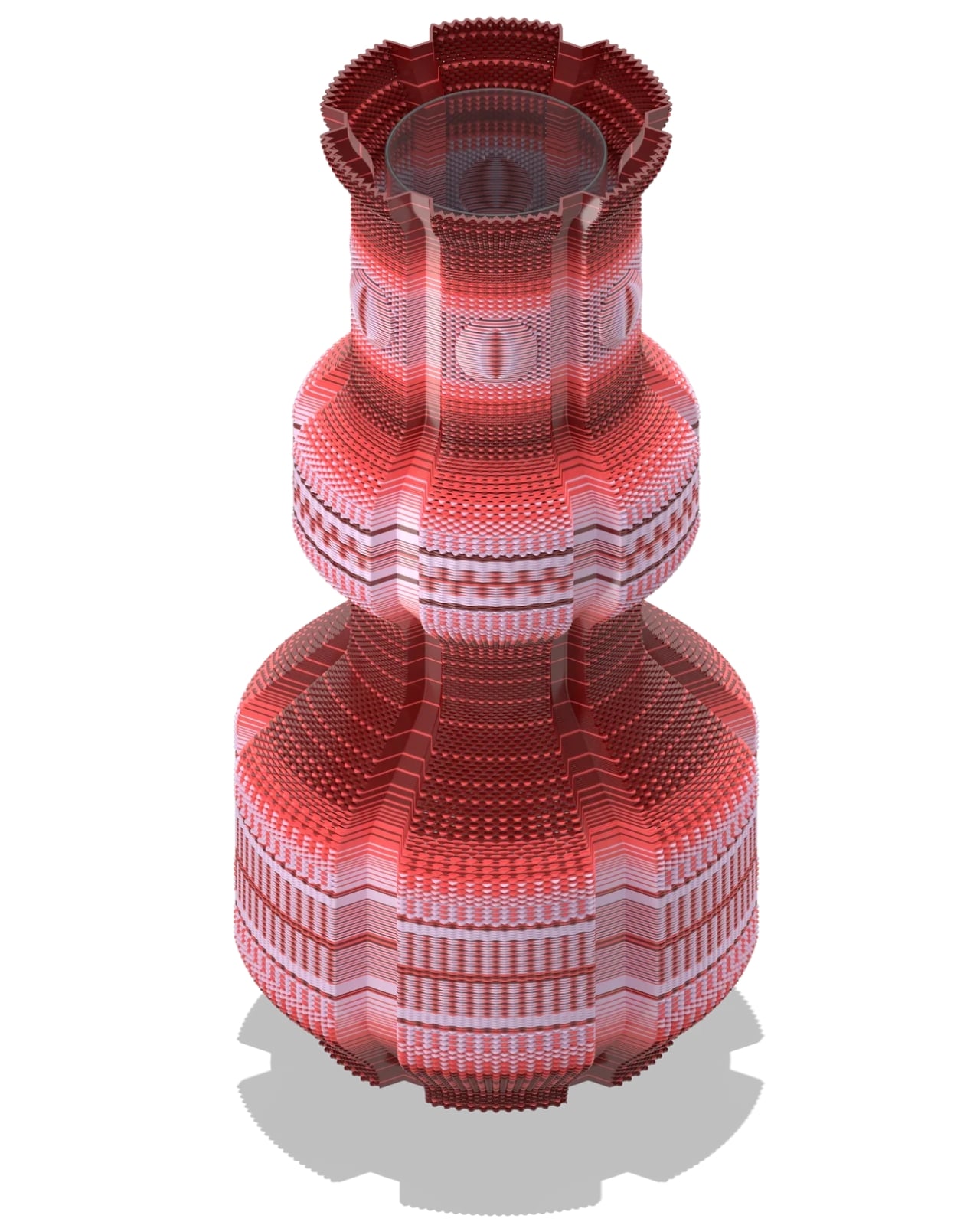
A Swiss Designer Just Replaced Your HVAC System With a 500-Year-Old Pot

We spend a lot of time looking forward when it comes to solving the climate crisis. Better batteries, smarter thermostats, AI-optimized HVAC systems. And sure, some of that will matter. But I keep finding myself more drawn to designers who have the nerve to look backward, who dig through centuries of human ingenuity and ask why we ever stopped doing things that clearly worked. Salla Vallotton is one of those designers, and her project Celcius is one of the most compelling arguments I’ve seen for ancient technology dressed in modern form.

Celcius is a terracotta-based heating and cooling system developed at ECAL in Lausanne, Switzerland. At its core, the idea is almost absurdly simple. Terracotta absorbs heat slowly and releases it gradually, which means in winter it can soak up warmth from a small source and radiate it back into a room for hours. In summer, the same material’s porosity allows it to draw in water, and as that moisture evaporates from the surface, it pulls heat from the surrounding air. It’s the same physics behind why sweating cools you down. One object, two seasons, zero complexity.

Designer: Salla Vallotton

What strikes me about this project isn’t the material science, which is well-established and has been for centuries. It’s the framing. Vallotton isn’t presenting Celcius as a nostalgic throwback or a craft exercise. She’s making a pointed observation about how we’ve organized our relationship with the spaces we live in. Buildings account for nearly 40 percent of global energy consumption, and in cold climates like Switzerland, heating eats up a disproportionate share of that number. Yet our systems remain stubbornly split: fossil-fuel heating that shuts off in June, air conditioning that kicks in to replace it. Two separate infrastructures for one continuous problem. Celcius merges them.

I think the cultural dimension is what elevates this beyond a clever prototype. Vallotton looked at the Alpine masonry stoves called Kachelofen, those massive ceramic structures that didn’t just heat a room but organized life around them. People understood how they worked. They could maintain them, repair them, build their daily rhythms around their cycles. There was a literacy to domestic technology that we’ve almost entirely surrendered. Today, our heating and cooling systems are hidden behind walls, managed by apps, and serviced by specialists. We’ve traded understanding for convenience, and I’m not sure we got the better end of that deal.

That’s the tension Celcius sits in, and it’s the reason the project sticks with me. It’s not anti-technology. It’s anti-invisibility. Vallotton places her terracotta system in the room as a physical, sculptural presence, something you live with rather than forget about. There’s a quiet radicalism in that choice. At a time when every product wants to disappear into the background, to be seamless and ambient and smart, here’s an object that insists on being seen, touched, and understood.

Of course, Celcius is still a prototype, and I don’t think Vallotton is claiming it will replace your furnace. The project operates more as a provocation than a product, a proof of concept that opens up questions rather than closing them. What if domestic infrastructure were legible again? What if the objects that regulate our comfort also had aesthetic and cultural weight? What would it mean to actually understand the systems that keep us warm?

These aren’t rhetorical questions. As European summers grow hotter and the pressure to decarbonize intensifies, the search for alternative thermal strategies is becoming urgent. And while the tech industry races to build ever more sophisticated solutions, projects like Celcius remind us that sophistication isn’t always the answer. Sometimes the most radical move is rediscovering something we already knew.

I find that idea genuinely exciting. Not because I think we should abandon modern engineering, but because the best design has always known how to hold the old and the new in the same hand. Vallotton does that with remarkable clarity, and Celcius is better for it.

The post A Swiss Designer Just Replaced Your HVAC System With a 500-Year-Old Pot first appeared on Yanko Design.
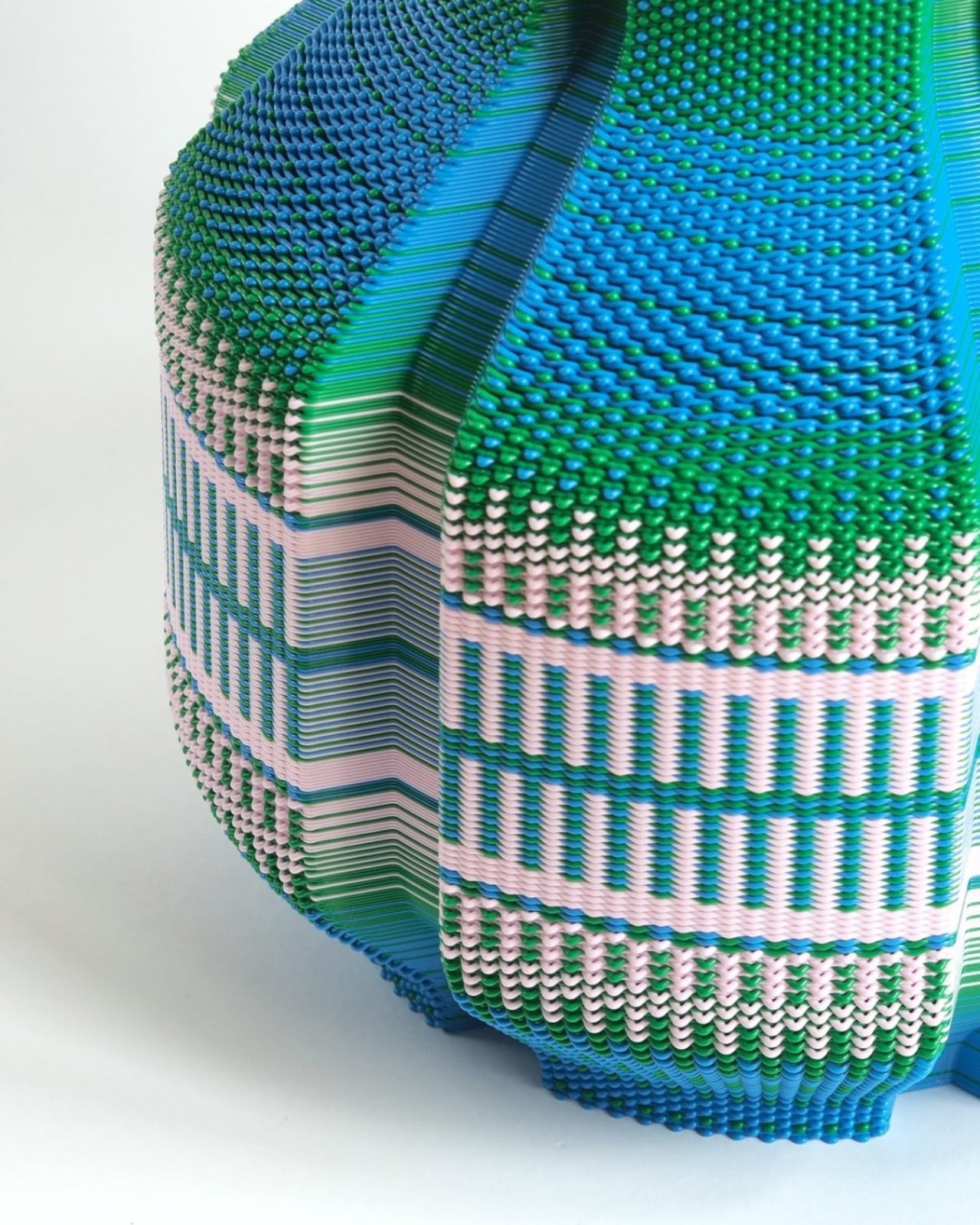
The First Screwdriver With an Open-Source Handle You Redesign Yourself

There’s a quiet arrogance built into most tools. Someone in a design studio somewhere decided how your hand should hold a screwdriver, how long the shaft should be, how thick the grip ought to feel. They tested it on a handful of people, ran the ergonomic studies, picked a shape, and shipped it to millions. The assumption is always the same: one form, optimized for an average that doesn’t actually exist, should work for everyone.

Siddhant Rai Garg’s final-year project at Central Saint Martins, titled Not Just Another Screwdriver, starts from a different place entirely. It asks a question that most product designers avoid because the answer is inconvenient: what if the person holding the tool is actually the best person to decide what it should feel like?

Designer: Siddhant Rai Garg

The system is deceptively simple in concept. A permanent titanium spine handles all the structural work, the torque, the load, the mechanical reality of driving a screw. Everything else around it, the grip, the length, the feel, is modular and replaceable. Segments can be added or removed to change the tool’s reach. Grip files are open-source, meaning anyone with access to a 3D printer or a block of wood and some patience can shape their own handle. The titanium core stays. Everything around it is yours to define.

What makes this interesting isn’t really the engineering, though the material separation between structural and non-structural components is genuinely clever. It’s the philosophical shift. Most product design operates on a model of authority: the designer knows best, the user receives the finished object, and any modification is either warranty-voiding or just plain weird. Garg’s project flips that relationship. The designer provides a skeleton and a set of rules. The user provides the identity.

I find this compelling because it confronts something the design world talks about constantly but rarely acts on: sustainability through longevity. We’ve all heard the pitch about buying fewer, better things. But “better” almost always means “more expensive and more permanent,” which assumes the first version of a product will remain the right version forever. That’s not how people work. Our hands change, our tasks change, our preferences change. A tool that can’t change with us eventually becomes waste, no matter how well it was made.

Not Just Another Screwdriver sidesteps this by making the most resource-intensive part, the titanium spine, the permanent element, while letting the lightweight, low-cost components around it evolve freely. It’s not asking you to commit to one perfect screwdriver for life. It’s asking you to keep the bones and swap the skin whenever you need to.

There’s also something worth noting about the open-source dimension. Releasing grip designs as downloadable, modifiable files is a deliberate act of giving up control. In an industry that guards intellectual property fiercely, choosing to let users become co-designers is a statement about where value actually lives. It suggests that a tool’s worth isn’t locked into its factory finish but grows through use and adaptation.

Of course, a final-year project isn’t a product on shelves. There are real questions about whether most people want this level of involvement with their screwdriver, whether the modularity holds up under years of heavy use, and whether open-source grip files would actually build a community or just sit on a server somewhere. These are fair challenges.

But the idea itself feels like it belongs to a larger shift happening across design, one that treats users less like consumers of finished objects and more like participants in an ongoing process. We’re seeing it in modular electronics, in open-source furniture, in customizable prosthetics. Garg’s contribution is taking that thinking and applying it to something so ordinary, so taken-for-granted, that most of us never think to question it.

A screwdriver is a solved problem. Except it isn’t, not if you believe that the person using it deserves a say in how it feels in their hand. That’s what makes this project worth paying attention to. Not because it reinvents the screwdriver, but because it reconsiders who gets to decide what a screwdriver is.

The post The First Screwdriver With an Open-Source Handle You Redesign Yourself first appeared on Yanko Design.
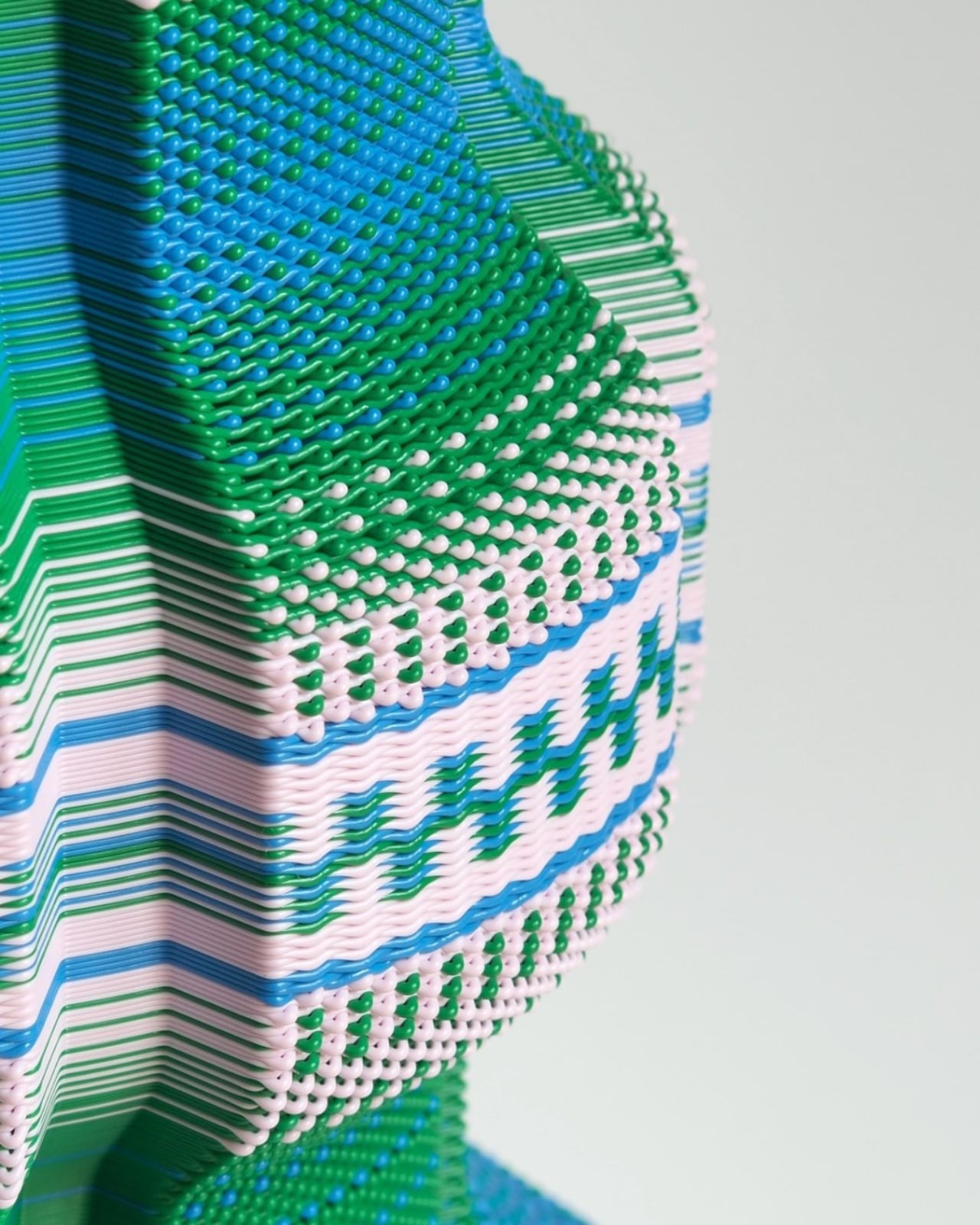
Daniel Arsham’s New Drafting Table Has Brass Gears and Cup Holders Built In

Contemporary artist Daniel Arsham’s studio just received a custom drafting table from Madrid-based CALIPER, and it looks less like furniture and more like a precision instrument from a machine shop. The entire structure is CNC-machined aluminum with exposed brass gears, machined hand cranks, and yes, two built-in cup holders, because even meticulous charcoal drawings require coffee.

The table was commissioned as a functional workstation for Arsham’s small-scale charcoal and graphite drawings on paper. If you know Arsham primarily through his large eroded sculptures or his high-profile collaborations with Dior, Adidas, and Porsche, the drawings might surprise you. They’re intimate, quiet things: detailed studies of the same classical and pop-cultural forms he renders in volcanic ash and crystal at monumental scale. Making work like that demands precision, sustained focus, and the right light. So this isn’t a vanity object. It’s a production tool with a very specific brief.

Designer: CALIPER

CALIPER’s design addresses that brief with an almost obsessive level of care. The table surface is backlit, providing even illumination through a frosted glass top for tracing and examining fine mark-making. A magnifying lamp on an articulated arm lets Arsham inspect the surface of the paper up close, which matters enormously when you’re working with the kinds of tonal subtlety that charcoal and graphite demand. The whole thing tilts on a worm-gear mechanism with a machined hand crank and those beautiful brass gears, allowing the drawing surface to be angled from flat to near-vertical. The hardware looks like it belongs in a machine shop, and that’s entirely the point.

What elevates this beyond a well-made table is the integrated storage panel on the right side of the surface. CNC-machined from aluminum, it features recessed compartments for paper, charcoal sticks, and other tools, plus those two cup holders (the unsung hero of any studio setup) and what appear to be surface-mounted charging ports and controls for the light sources. Everything is contained within the footprint of the work surface, so there’s no reaching over to a side table or hunting through drawers. It’s the kind of considered, artist-specific workflow thinking that separates a custom commission from something you’d buy off a catalog page.

The material choice is worth noting too. The entire structure is CNC-machined aluminum with a clear anodized and bead-blasted finish, giving it a uniform matte silver tone that reads as both industrial and refined. It’s not trying to be warm or domestic. It’s not pretending to be anything other than a machine for drawing. The base structure uses a pair of splayed trestle legs connected by horizontal stainless steel rods, with beautiful machined junction pieces where the rods intersect. Even the feet, with their leveling pads, look purposeful.

CALIPER assembled the table entirely in-house at their Madrid studio before shipping it to New York, where Arsham is based. For a studio whose work spans from trivets for Madrid restaurants to homeware collaborations, this kind of one-off commission represents the more ambitious end of their capabilities, and they’ve clearly relished the challenge.

What makes this project compelling beyond the obvious craft is what it says about the relationship between tools and creative practice. Arsham’s drawings exist in deliberate contrast to his larger, more commercially visible work. They’re analog, slow, and physically demanding in a way that eroded crystal sculptures are not. Building a bespoke instrument for that practice is a statement about its value. It says: this part of the work matters enough to warrant its own architecture.

There’s also something appealing about the visible mechanics of the thing. In an era where most studio equipment tries to disappear into sleek minimalism, CALIPER has left the gears exposed, the crank handles proud, the engineering legible. You can see how it works, and that transparency feels right for a tool that supports handmade work. It’s a machine that respects the hand.

The post Daniel Arsham’s New Drafting Table Has Brass Gears and Cup Holders Built In first appeared on Yanko Design.