A $999 Piece of Wood Just Became the Smartest Thing in Your Home

Picture this: you walk into someone’s house and notice what looks like a polished piece of wood mounted on the wall. You’d probably think it’s some minimalist decor choice, maybe a floating shelf that forgot its purpose. But then your host casually swipes their finger across it, and suddenly soft dots of light appear beneath the wood grain, displaying the current temperature and adjusting the room’s lighting. Welcome to the world of Mui Board Gen 2, where smart home technology disguises itself as furniture.

Designed by Mui Lab, a Japanese company based in Kyoto, the Mui Board Gen 2 is what happens when someone asks, “What if we made tech that actually knows when to shut up?” Lately, it seems that every surface wants to be a glowing rectangle screaming for attention but this device takes the opposite approach. It’s a smart home controller made from actual wood (not wood-textured plastic, but real maple or cherry) that only shows information when you need it. The rest of the time, it’s just there, blending into your home like a tasteful piece of trim.

Designer: Mui Lab

The concept behind Mui Board is rooted in something called “Calm Technology,” a philosophy that says the best tech is the kind that disappears. The device is even certified by the Calm Tech Institute, which is either very official or the most zen certification body you’ve ever heard of. The Japanese term “mui” itself means being in harmony with nature, and this controller takes that idea seriously by using natural materials and a low-key interface that won’t turn your living room into Mission Control.

So what does this wooden wonder actually do? It’s a full-fledged smart home hub that supports Matter, the universal smart home standard backed by tech giants like Google, Apple, Amazon, and Samsung. This means it can talk to hundreds of different smart devices, from your Philips Hue lights and Sonos speakers to your Ecobee thermostat and SwitchBot gadgets. You can control lighting, adjust your AC, manage blinds, and even stream music, all through a touch interface that uses simple dots and icons instead of a full color screen.

But here’s where things get really interesting. At CES 2026, Mui Lab unveiled something called the mui Calm Sleep Platform, which might be the most intriguing feature yet. The sleep-enabled version of the Mui Board Gen 2 now incorporates millimeter-wave radar technology to track your sleep without any wearables, apps, or cameras pointed at your bed. This is what Mui Lab calls “Spatial AI,” where the device uses natural human gestures as the interface, allowing your environment to sense and adjust itself without you lifting a finger.

The mmWave radar can monitor vital signs, measure sleep patterns, and even set alarms based on your sleep states, all while you’re completely undisturbed. Unlike fitness trackers that you have to remember to charge and wear, or smart displays with cameras that feel like Big Brother moved into your bedroom, the Mui Board just sits there on your wall, quietly doing its thing. All the data processing happens locally too, which means your sleep data isn’t getting shipped off to some cloud server.

Beyond sleep tracking, the board still functions as a family communication hub. You can handwrite messages directly on the wood surface and send them to family members through the mobile app. There’s something oddly charming about leaving a digital note on a piece of wood for your partner or kids. You can also check weather updates, set various types of timers, and sync it with Google Calendar for family event reminders.

The second-generation model embraces what Mui Lab calls the “Piece of Wood” design concept. They’ve eliminated all visible holes from the front, sides, top, and bottom, moving the power button and speaker to the back. It’s an obsessive attention to detail that makes the device look even more like just a piece of wood. They’ve also kept the display intentionally low-resolution because they believe showing less information at once actually makes for a better user experience.

Now let’s talk about the price tag. At $999 (sometimes on sale for $799-849), the Mui Board Gen 2 is not what you’d call an impulse purchase. This is a device for people who are serious about minimalist design and willing to pay premium prices for it. Is the Mui Board Gen 2 practical? Your smartphone can do most of what this device does, probably faster. Is it cool? Absolutely. There’s something genuinely appealing about a smart home interface that doesn’t look like it belongs in a sci-fi movie. It’s tech for people who’ve had enough of screens but still want their home to be smart. In a world where technology keeps getting louder and more demanding of our attention, the Mui Board Gen 2 is refreshingly quiet.

The post A $999 Piece of Wood Just Became the Smartest Thing in Your Home first appeared on Yanko Design.

SwitchBot’s New Onero H1 Robot Finally Does Your Chores

When humanoid robots started becoming the major thing that robotics companies were pursuing, there were probably two kinds of people who reacted to it. There were those that were scared that having robot overlords were just a few years away, and then those that were excited to finally have someone to do their chores for them. The former hasn’t happened yet, thank goodness, but it looks like we’re almost there with the latter.

SwitchBot’s Onero H1, currently making waves at CES 2026, may be the long-promised dream of having our own Rosie (that’s a Jetsons reference for you). They call it their “most accessible AI household robot” and it’s designed to be the household help that we need, one that will not grow tired or complain that it’s being overworked. Hopefully.

Designer: SwitchBot

One key aspect of this robot that makes it ideal for chores is that it has impressive flexibility and range of motion with its 22 degrees of freedom. It is an OmniSense VLA model with AI capabilities built in so that it can learn and adapt even without cloud connectivity. It is able to understand its environment with visual perception, depth sensing, and tactile feedback.

While it may not look like Rosie or Megan (again, thank goodness), this robot is a full-sized humanoid with arms, hands, head, and yes, even a face. It has a wheeled base so it can navigate easily throughout your space. Onero H1 also has articulated robotic arms labeled “A1” that can manipulate objects so it can help you or actually do your chores for you.

Some contact-intensive things that the robot can do include grasping and organizing objects, loading the dishwasher, cooking breakfast, preparing your morning and afternoon coffee, doing the dreaded laundry, washing the windows, and even opening and closing doors for you. It can also catch the jacket you throw at it when you come home. Talk about butler service!

Unlike the robot vacuums and single-purpose smart devices we’re used to, the Onero H1 represents something more ambitious. It’s part of SwitchBot’s “Smart Home 2.0” vision, where your home doesn’t just have gadgets but has systems that actually think and act on your behalf. The robot is designed to work seamlessly with SwitchBot’s existing ecosystem of task-specific robots, creating a unified smart home experience that feels less like managing technology and more like having a genuinely helpful presence in your home.

What’s particularly impressive is how it learns. The Onero H1 isn’t rigidly pre-programmed to perform tasks in one specific way. Instead, it adapts to YOUR home layout, YOUR routines, and YOUR preferences. It uses visual perception and tactile feedback to understand not just what objects are, but how they should be handled. This means it can figure out the difference between delicate glassware and sturdy pots, or learn where you prefer certain items to be organized. For those of us who’ve been juggling work, family, and the endless cycle of household chores, this kind of adaptable help could be genuinely life-changing. Imagine reclaiming those hours spent on repetitive tasks and using them for things that actually matter to you, whether that’s pursuing hobbies, spending quality time with loved ones, or simply enjoying a moment of peace.

Now, before you start clearing space in your home and budgeting for your new robot helper, there are a few things to keep in mind. While the Onero H1 will be available for pre-order through SwitchBot’s website, the company hasn’t announced pricing or a specific launch date yet, just that it’s coming “soon.” Multiple tech experts have noted that this is still very much a concept designed to show where the technology is headed, rather than a product ready for immediate mass adoption.

The SwitchBot Onero H1 represents an exciting glimpse into a future where household robots move beyond vacuuming floors to actually helping with the full range of domestic tasks. While we may need to wait a bit longer before Rosie arrives at our doorstep, it’s clear that the era of genuinely helpful household robots is no longer science fiction. It’s just around the corner.

For collectors and tech enthusiasts, the Onero H1 marks a significant milestone in consumer robotics history. It’s the moment when humanoid household robots transitioned from ambitious prototypes to accessible reality. Whether you’re excited about finally having help with the dishes or simply fascinated by the technology, one thing is certain: the future of smart homes is looking a lot more hands-on, literally.

The post SwitchBot’s New Onero H1 Robot Finally Does Your Chores first appeared on Yanko Design.

This $1,999 Computer Hides an Entire PC Inside Its Minimal Keyboard

There’s something oddly nostalgic about Caligra’s c100 Developer Terminal, yet it feels completely modern at the same time. At first glance, it looks like someone took a pristine keyboard from the early computing era, polished it up, and reimagined it for 2026. But this isn’t just a keyboard. It’s an entire computer, cleverly disguised as the thing you type on.

Designed by Pentagram’s Jon Marshall in collaboration with London startup Caligra, the c100 is what happens when you strip away everything unnecessary and focus on what actually matters for people who build things. It’s described as a “computer for experts,” which is a refreshingly honest way of saying this isn’t meant for scrolling through social media or binge-watching Netflix. This machine is built for developers, designers, engineers, and anyone whose work involves deep focus and technical precision.

Designer: Jon Marshall for Pentagram

The design itself is absolutely gorgeous in its restraint. The entire body is CNC-milled from a solid block of aluminum, giving it a weight and solidity that modern tech rarely has anymore. That bead-blasted metal finish manages to evoke both sleek consumer electronics and industrial tools simultaneously, walking a line between approachable and professional. There’s something satisfying about a device that doesn’t try to hide what it is. No glossy plastics, no unnecessary curves. Just clean geometry and honest materials.

What makes the c100 truly clever is how it solves the problem of desk space. The keyboard sits at an angle, with the computing hardware tucked into the thicker rear section, creating a wedge shape that echoes those chunky terminals from the ’70s and ’80s. But here’s the genius part: there’s a central magnetic pivot structure that lets you detach and fold the keyboard without any visible external hinges. It’s the kind of detail that seems simple until you realize how much engineering went into making it look effortless.

Open the removable lid and you’ll find tool storage built right in. It’s such a practical touch that it almost feels subversive in an era where most tech companies would rather you never open your device at all. The message is clear: this computer expects you to tinker, to maintain it, to actually use your tools. One photo even shows calipers and a pen tucked inside, the kinds of things you’d need if you’re working on something physical alongside your digital projects.

The keyboard layout itself is unusual and deliberate. Keys are grouped into separate clusters rather than the standard continuous layout most of us are used to. There’s a numeric pad on the left, arrow keys grouped together, function keys in their own section. It takes a moment to understand, but the logic becomes clear when you think about workflow efficiency. The design uses Fitts’ law to accelerate task management, meaning every key placement has been optimized for speed and minimal hand movement.

Even the mouse is thoughtfully designed, with that same geometric clarity as the rest of the system. And yes, it’s wired, which might seem retro until you consider that wireless connections mean batteries, charging, and occasional lag. For someone writing code or working on time-sensitive projects, that reliability matters more than the convenience of going wireless.

The c100 runs Workbench OS, a Linux-based operating system that Caligra built specifically for technical work. It has no decorative elements, no pop-ups, no need for “do not disturb,” which honestly sounds like a dream compared to the constant notifications and distractions modern operating systems throw at us. The whole philosophy behind Workbench is to create a clear space for deep thought, getting out of your way so you can actually focus on making things.

Under that elegant exterior, the specs are serious: an 8-core AMD Ryzen 9 processor, 96GB of DDR5 memory, and 1TB of storage. The terminal includes two USB4 ports, two HDMI outputs, ethernet, and all the connectivity a professional setup needs. The aluminum body isn’t just for looks either; it helps with thermal performance, keeping things cool without noisy fans disrupting your concentration.

At $1,999, the c100 isn’t cheap, but it’s also not trying to compete with mass-market laptops. This is a statement about what computing could be when it’s designed for creation rather than consumption. In a world where most tech products feel disposable and designed for obsolescence, there’s something genuinely refreshing about a computer that’s built like a tool, looks like an artifact, and functions like it’s been optimized for the way professionals actually work.

The post This $1,999 Computer Hides an Entire PC Inside Its Minimal Keyboard first appeared on Yanko Design.

This Elegant High-Top Table Hides Wine Bottles In Its Placemats

You know that moment when you’re setting up for a dinner party and realize you have nowhere to put the wine bottle except awkwardly on the table or tucked under a chair? Miray Özlem Er just solved that problem in the most unexpectedly elegant way possible.

Meet the Placemat hightop table, a piece of furniture that makes you wonder why nobody thought of this sooner. At first glance, it looks like a sleek, minimalist high-top table with felt placemats secured by thin metal rails. Clean lines, transparent acrylic legs, simple construction. Pretty standard stuff for contemporary furniture design. But then you notice something curious hanging beneath the table surface. Those placemats? They keep going, draping down to create fabric pockets that perfectly cradle wine bottles.

Designer: Miray Özlem Er

It’s one of those designs that makes you pause and smile because it’s so ridiculously practical yet completely unexpected. The placemats serve double duty, marking your dining space while simultaneously creating storage that’s right there when you need it. No more getting up to grab the bottle from across the room. No more wine rings on your beautiful table surface. Just reach down, grab what you need, and keep the conversation flowing.

The engineering here is surprisingly sophisticated for something that looks so simple. The placemats are made from thick felt material that provides just enough structure to hold a bottle securely while maintaining that soft, draped aesthetic. Metal rails run along the table’s edge, keeping everything aligned and preventing the fabric from shifting during use. The transparent legs give the whole thing a floating quality, making what could have been a bulky piece feel light and airy.

What really gets me about this design is how it challenges our expectations about what furniture can do. We’re so used to tables being flat surfaces with maybe a shelf underneath if we’re lucky. But Miray looked at the entire vertical space and asked, “What if we used all of it?” The result is furniture that works harder without looking like it’s trying too hard.

The color options show real thoughtfulness too. The classic black version has that sophisticated, gallery-ready vibe. The sage green feels fresh and contemporary, perfect for spaces that embrace color without shouting about it. And the warm brown brings an organic, grounded feeling that would work beautifully in all kinds of interiors. Each colorway completely changes the personality of the piece, which means it can adapt to different aesthetic preferences while maintaining its core functionality.

There’s also something quietly luxurious about the whole concept. Think about high-end restaurant design or boutique hotel details where every element serves multiple purposes without announcing itself. This table has that same energy. It’s the kind of piece that sparks conversation not because it’s loud or flashy, but because it’s genuinely clever.

For small space dwellers, this design is particularly genius. Studio apartments and compact dining areas often require furniture that multitasks, but most storage solutions are pretty obvious about what they’re doing. This table stores things while looking like a sculptural object. The bottles become part of the design rather than clutter you’re trying to hide. The social aspect shouldn’t be overlooked either. When you’re hosting, having the wine right there creates a more relaxed, communal atmosphere. Guests can help themselves without navigating your kitchen or interrupting the flow of dinner. It’s the furniture equivalent of being a thoughtful host who anticipates needs before anyone has to ask.

Miray has created something that sits comfortably at the intersection of art, furniture, and problem-solving. It’s not trying to reinvent the table entirely, just reimagining what a table could be if we paid attention to the negative space around it. In a world of increasingly complex design solutions, there’s something refreshing about an idea this straightforward executed this well. Sometimes the best innovations aren’t about adding more features or technology. They’re about looking at everyday objects with fresh eyes and asking better questions. The Placemat hightop table does exactly that, turning a simple dining essential into an elegant storage solution that makes your space more functional and more beautiful at the same time.

The post This Elegant High-Top Table Hides Wine Bottles In Its Placemats first appeared on Yanko Design.

This Designer Turns Abandoned Bikes Into Museum-Worthy Furniture

There’s something poetic about seeing a lonely bicycle chained to a pole, slowly rusting away in the rain. Most of us walk past these urban ghosts without a second thought. But Dublin-based designer Cara Campos sees something entirely different: potential.

Her Objects from Frames collection, which has earned her recognition as a Wallpaper* Future Icon for 2026, transforms abandoned bicycle parts into sleek, minimalist furniture that looks like it belongs in a design museum. And honestly? It’s kind of genius.

Designer: Cara Campos

Campos didn’t grow up in Dublin. Raised in Saudi Arabia to a French father and Irish mother, she brings a multicultural perspective to her work that makes it feel both globally conscious and locally grounded. Now based in Ireland, she’s developed a design philosophy rooted in sustainability, adaptability, and what she calls “the lives of objects.” It’s this last bit that makes her work so compelling. She’s not just recycling materials. She’s honoring their stories.

The Objects from Frames collection started, like many great ideas, as a university project. Campos kept noticing abandoned bicycles scattered across different cities, slowly deteriorating, and wondered if she could give them a second act in Dublin. The bicycle, after all, holds a special place in human innovation. American writer William Saroyan once called it “the noblest invention of mankind,” and Campos clearly agrees. Why let such noble machines end their days as scrap metal?

What she’s created is a collection of furniture that feels impossibly light and modern while celebrating the inherent beauty of industrial design. Her Steel Lounge Chair incorporates front triangles from road bikes, transforming the most recognizable part of a bicycle into something you’d want in your living room. There are also table lamps and side tables, each piece maintaining the elegant lines and structural integrity that made bicycles such revolutionary machines in the first place.

But here’s what makes Campos’ approach different from your typical upcycling project. She’s adamant that her work goes beyond simply repurposing discarded materials. As she explains it, the collection “pays homage” to the intangible value these objects carry. Each bicycle frame has history. It carried someone to work, helped a student get to class, maybe even facilitated a first date. That emotional and practical legacy doesn’t disappear just because the bike gets abandoned. Campos captures it, preserves it, and gives it new purpose.

The technical execution is impressive too. Steel is one of the most recyclable materials on the planet. More steel gets recycled annually than aluminum, paper, glass, and plastic combined. It’s a true cradle-to-cradle material, which means it can be recycled infinitely without losing its properties. By working with bicycle frames specifically, Campos taps into structures that were already engineered for strength, lightness, and efficiency. She’s not starting from scratch. She’s remixing existing excellence.

The collection also arrives at a perfect cultural moment. We’re increasingly aware of how much waste our consumption habits generate, and we’re hungry for alternatives that don’t require us to sacrifice style for sustainability. Campos proves you can have both. Her furniture looks contemporary and sophisticated, not like something cobbled together from trash. The clean lines and minimalist aesthetic would fit seamlessly into any modern space, and the origin story only adds to the appeal.

There’s also something refreshingly honest about furniture that wears its past life openly. In an era of mass production and throwaway culture, these pieces stand as quiet rebellion. They celebrate repair, reuse, and reinvention. They ask us to look differently at the objects around us and consider what else might be hiding in plain sight, waiting for transformation. Campos’ work joins a growing movement of designers who see waste not as an endpoint but as a starting point. Her approach reminds us that good design doesn’t always mean creating something entirely new. Sometimes it means recognizing the potential in what already exists and having the vision to set it free.

So next time you pass an abandoned bicycle slowly oxidizing in the weather, maybe you’ll see it differently. Maybe you’ll see a future lamp, a potential chair, a table waiting to happen. That’s the gift of designers like Cara Campos. They don’t just make beautiful things. They change how we see the world.

The post This Designer Turns Abandoned Bikes Into Museum-Worthy Furniture first appeared on Yanko Design.

This Japanese Tiny House Just Solved the Minimalist Living Dream

While I will probably always be a maximalist at heart, I sometimes think about what it would be like to live in a tiny house and to cut down on what I own to fit into that tiny space. There has been a renewed attention to this kind of living, specifically the Japanese-inspired minimalist lifestyle trend. Ikigai Collective, named after the famous Ikigai philosophy of living (reason for being), has designed another tiny home to fit this aesthetic.

The Mizuho home combines traditional Japanese aesthetics with modern building technology into a tiny space (6.6m (L) x 2.4m (W) x 3.8m (H)) fit for a single person or a couple. It is perfect for those who want to explore simple and mindful living, as well as eco-friendly living features. The design embodies the principles of simplicity and intentional living, bringing the tranquility of Japanese lifestyle practices into everyday modern life. It also employs authentic Japanese craftsmanship as Ikigai Collective works with local partners in Nozawaonsen to create their tiny homes with strict quality standards.

Designer: Ikigai Collective

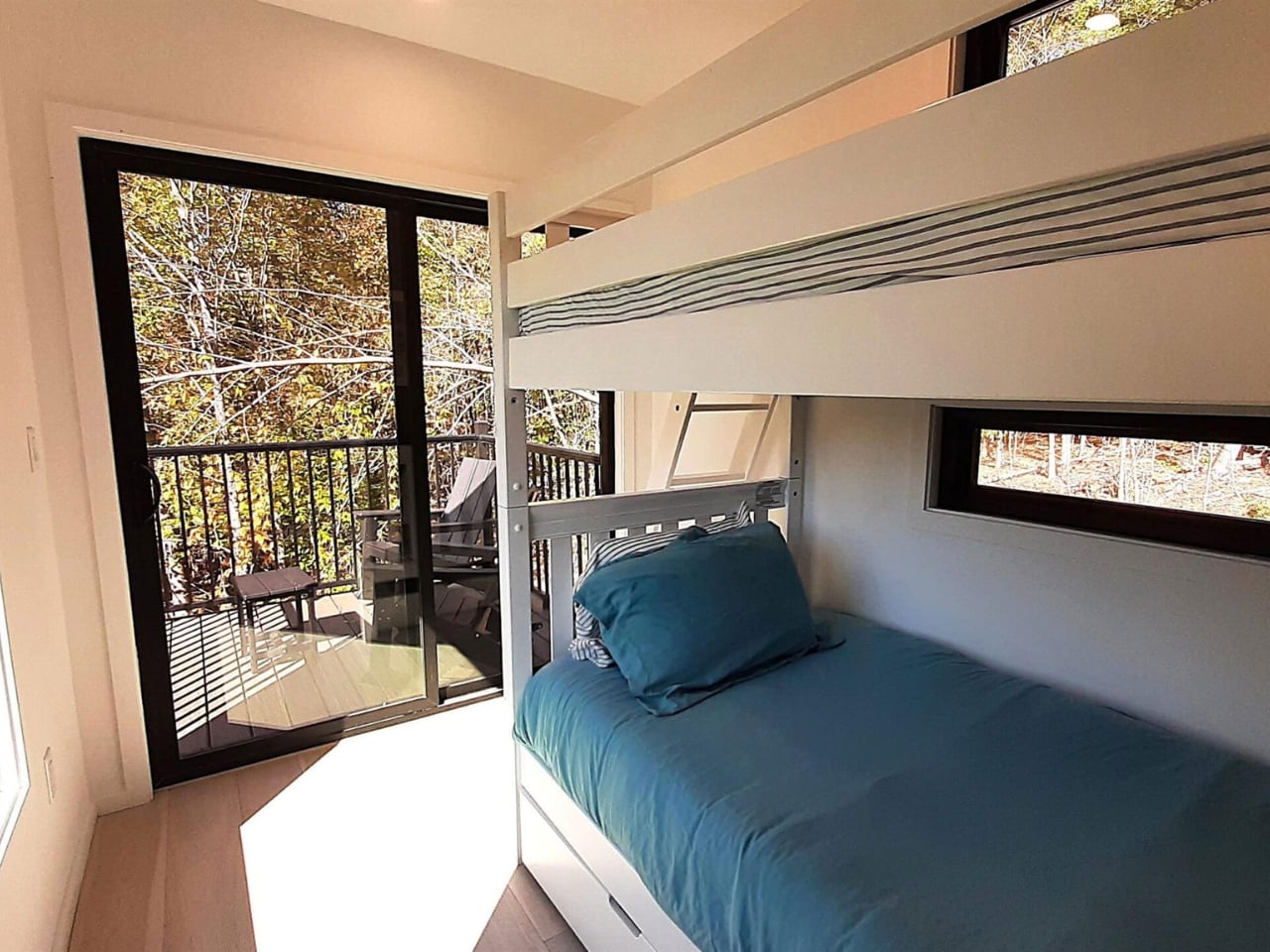
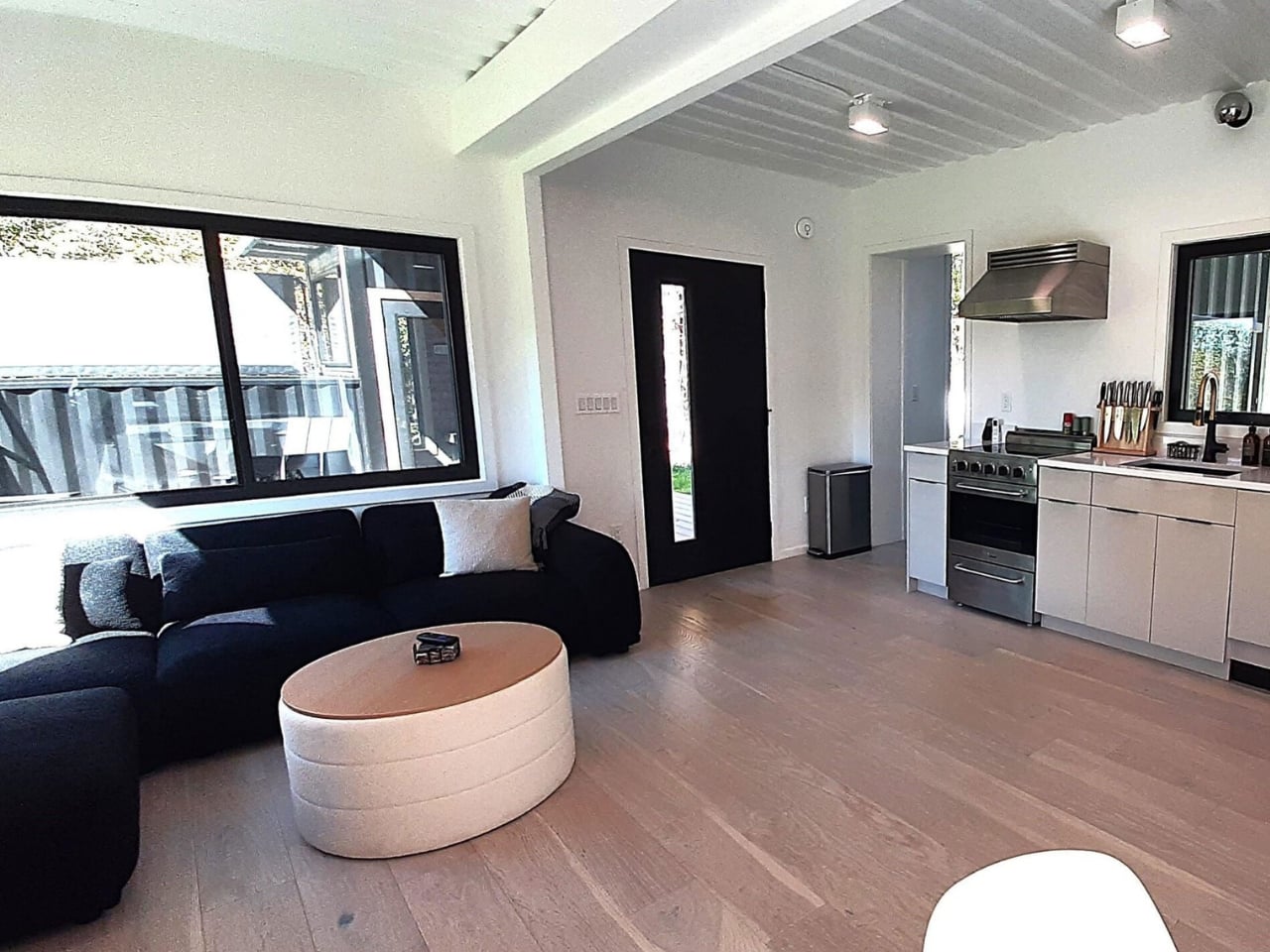
The living space doubles as the bedroom and working area as well, since you’re working with limited space. However, the open-plan layout has been thoughtfully designed to maximize every square inch. There’s a dedicated desk space that can be used for remote work and hobbies while the cozy bedroom space is for rest and relaxation. The desk can also be turned into the dining area when you need it. There are also storage solutions integrated throughout the warm, cozy interiors, proving that small spaces don’t have to mean sacrificing organization or style.

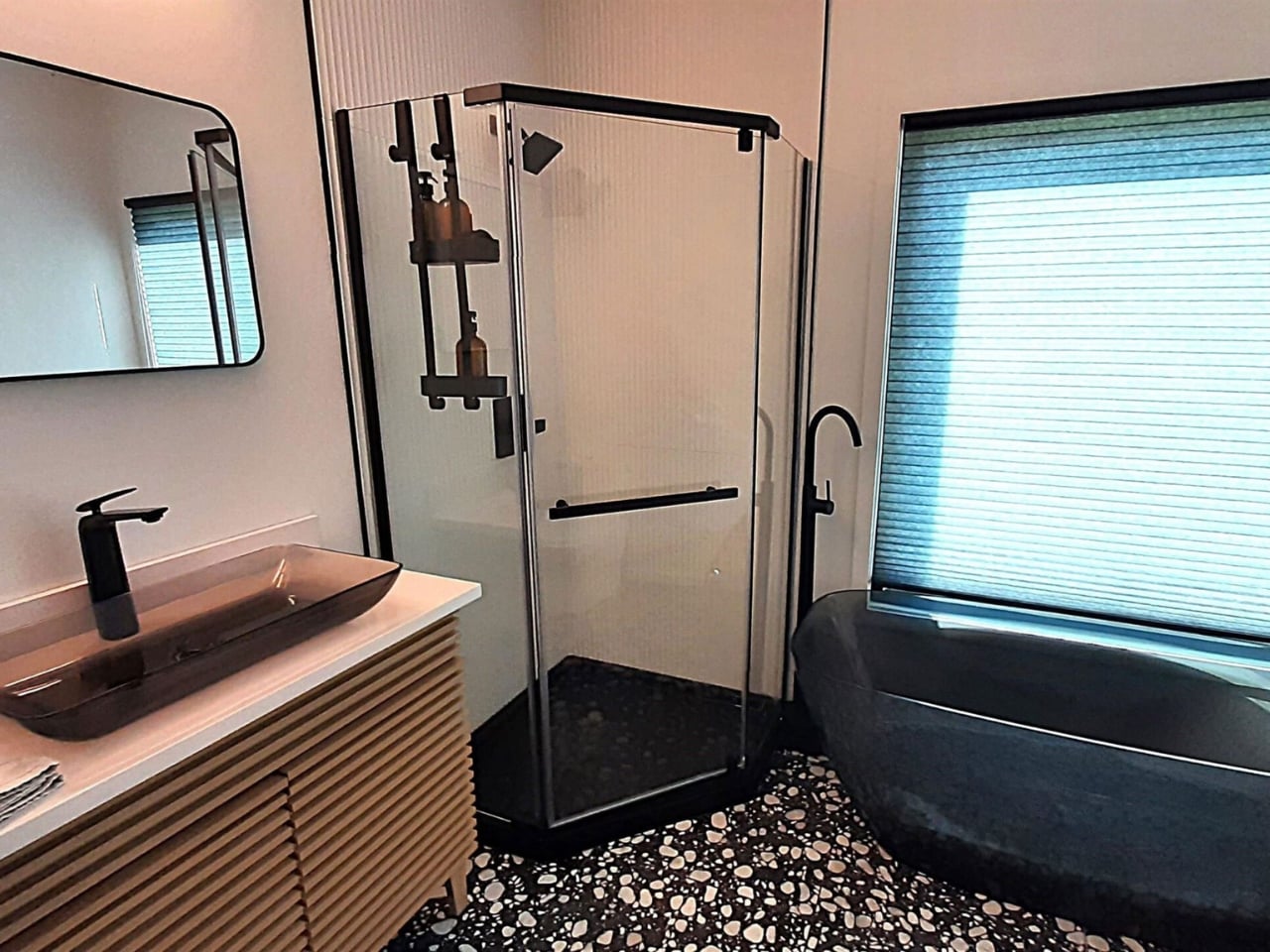
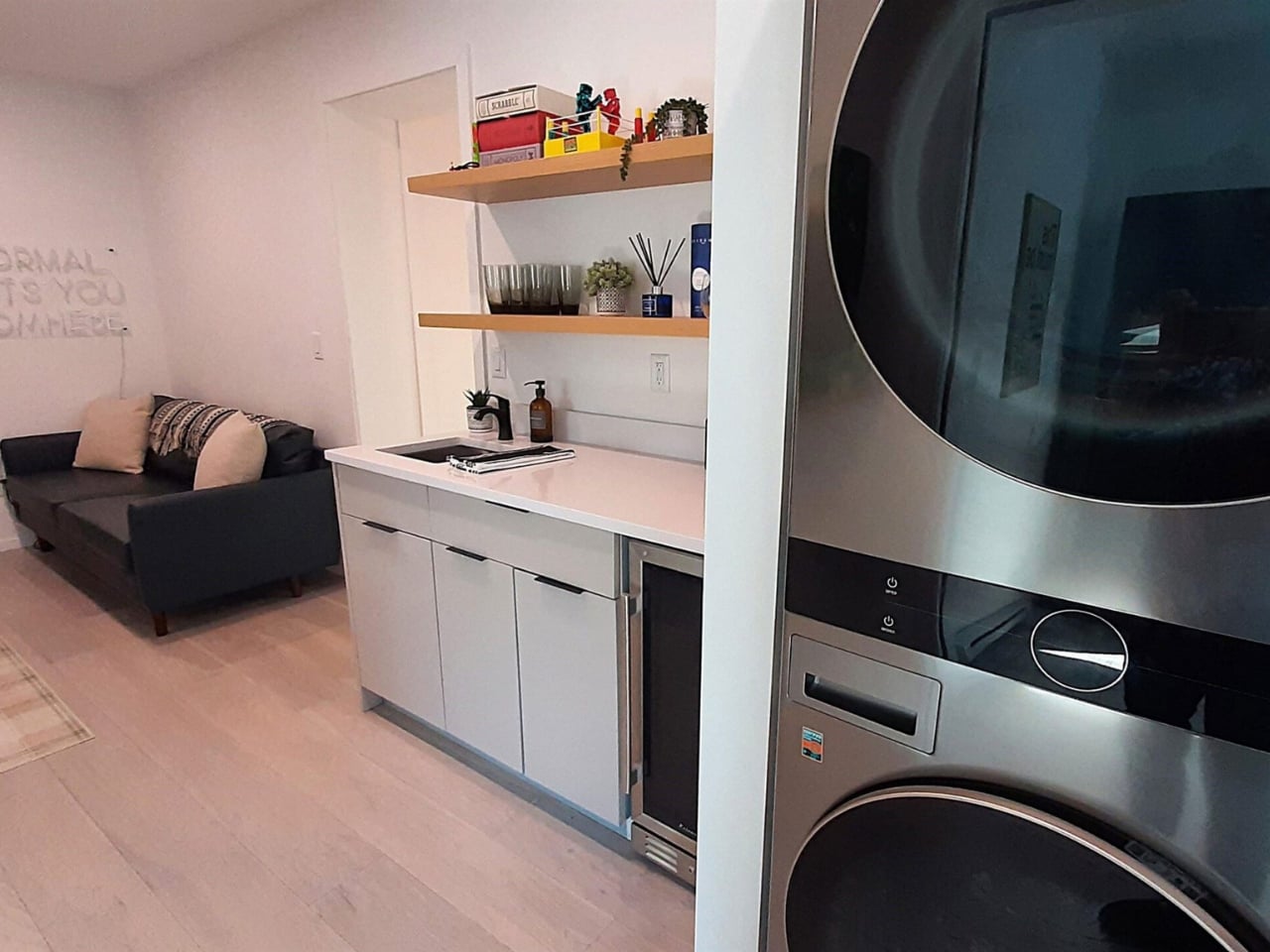
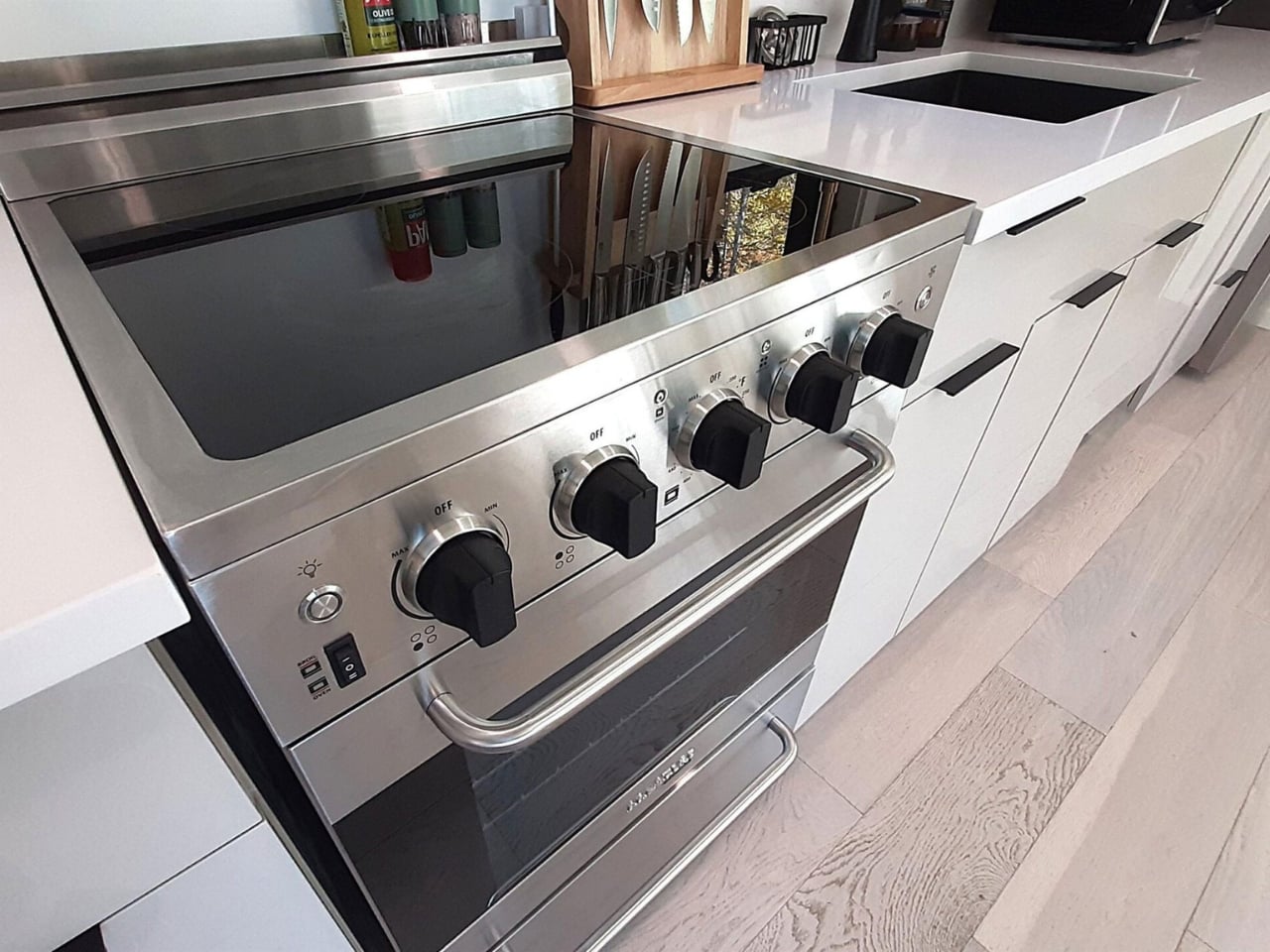
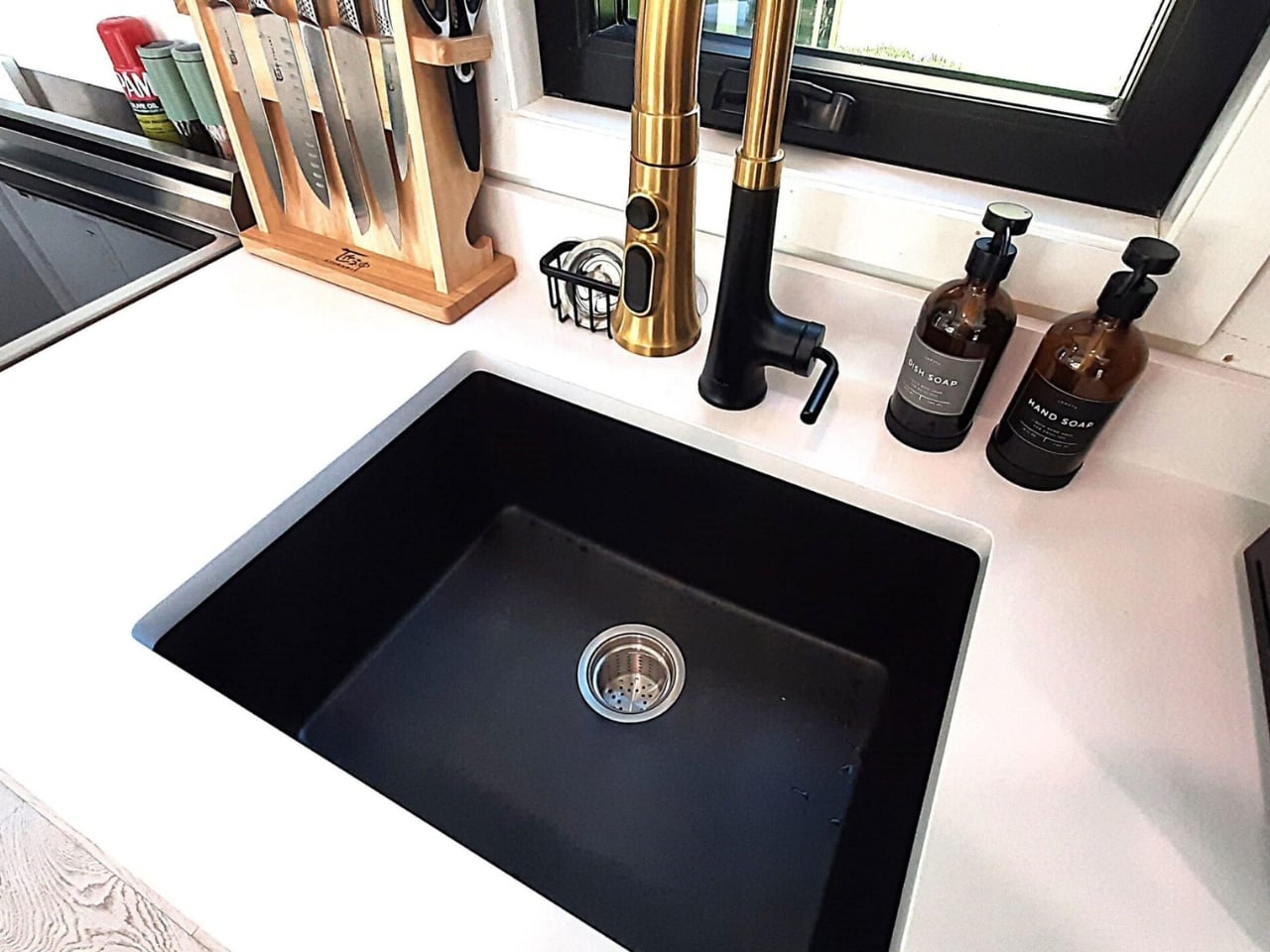
A big part (well, as big as you can get in the 21-foot home) of the interior is the kitchen that is designed for functional daily cooking with its modern and efficient layout. It has a two-burner stovetop, a sink, and space to put other small appliances like a kettle or rice cooker. Despite its compact size, the kitchen doesn’t feel cramped. It’s designed with the same attention to efficiency that makes Japanese kitchens so functional. There’s also a private bathroom complete with shower and toilet, and it’s designed to have a serene and spa-like atmosphere. You can even choose between a standard or composting toilet depending on your sustainability preferences.

The Mizuho house uses Galvalume steel cladding that should make it comfortable for all kinds of climates. It is also fully insulated, weather-resistant, and is built to endure with its durable materials. The design is sleek with a modern finish and can blend with both nature and cityscapes, whichever area you choose to live in with your tiny house. There are also customization options like the color scheme, exterior finishes, flooring selections, and shower designs. Every detail can be tailored to create your own unique home.

What makes the Mizuho special isn’t just its compact footprint. It’s the philosophy behind it. This isn’t about deprivation; it’s about intention. It’s about choosing quality over quantity, experiences over possessions, and mindfulness over mindless consumption. For collectors like us who appreciate beautiful, well-crafted things, the Mizuho offers a different kind of collection: a curated life where every item earns its place.

Would I trade my maximalist lifestyle for tiny house living? Maybe not permanently. But there’s something undeniably appealing about the idea of stripping away the excess and discovering what truly matters. And if you’re curious too, Ikigai Collective actually lets you book a stay in their Mizuho model before committing. It’s a chance to test-drive the minimalist dream and see if it fits.

The post This Japanese Tiny House Just Solved the Minimalist Living Dream first appeared on Yanko Design.

These Perforated Metal Clocks Turn Timekeeping Into Moving Art

We’ve gotten so used to looking at our phones or even our smartwatches to know what time it is that we forget how beautiful wall clocks can be. In fact, some younger people can’t tell time anymore by looking at analog clocks as they’re so used to digital clocks. So to see clock designs like the MOOV and COO clocks designed by Japanese designer Ryosuke Fukusada brings back those days when we appreciate things like cuckoo clocks and traditional craftsmanship while also bringing something more to the table, or rather, to the wall.

These metal clocks display their moving parts and details through perforated and transparent windows, making these hidden mechanics visible and adding a certain beauty to these timepieces. The bodies of the clocks are made using the traditional metalworking processes in the Niigata region and it involves cutting, bending, welding, and painting. The perforated sheets are produced with punch tools that create clean and consistent holes, ensuring each piece meets exacting standards.

Designer: Ryosuke Fukusada

The MOOV Pendulum Clock uses a perforated design on its metal plate that shows the pendulum swinging through the holes. Just be careful that you don’t get hypnotized as it can have a pretty mesmerizing effect when you stare at the pendulum long enough. There are no numbers but instead the time indicators are colored in places corresponding to their position. This may also be a good tool to teach kids how to actually tell time without the numbers. The genius of this design is how nothing feels placed by chance: the indicators sit exactly where the holes already exist, creating a harmonious visual system.

The COO Cuckoo Clock meanwhile is a metal clock that has a large circular opening where you’ll see the cuckoo appear to indicate what hour it is. This mechanical bird spreads and flaps its wings and sings a melodic version of the classic cuckoo sound. The shape of the clock is actually inspired by the arched windows from ancient times. The front is made of perforated metal and like the MOOV, the indicators are also colored to match the holes. The mixture of industrial materials and antique elements gives it a certain warmth that makes it feel both contemporary and nostalgic at the same time.

Both the MOOV and COO clocks come in four colors: white, off-white, mint blue, and green. These “calm tones” make it easy for the clocks to blend in with any interior. But there’s also a pop of color with the accents on the hands and indicators. The perforated design actually makes them easier to hang since it makes them a bit more lightweight and also different from the usual heavy wooden cases that the usual pendulum and cuckoo clocks use.

What makes these pieces particularly special for collectors is the regional craftsmanship story behind them. Fukusada, who established his studio in Kyoto in 2012 after working with renowned designer Patricia Urquiola in Milan, has a keen eye for bridging Japanese tradition with modern minimalism. His previous work, including the Relief clock, has won prestigious awards like the iF Design Award 2023, making his pieces increasingly sought after in the design world.

These clocks aren’t just functional objects. They’re conversation starters that celebrate the beauty of visible mechanics. In a world where everything is becoming digital and hidden behind sleek screens, there’s something deeply satisfying about watching a pendulum swing or a bird emerge to mark the hour. Whether you’re decorating your first apartment or adding to a curated collection, the MOOV and COO clocks remind us that timekeeping can be an art form worth displaying proudly on our walls.

The post These Perforated Metal Clocks Turn Timekeeping Into Moving Art first appeared on Yanko Design.

This LEGO Claw Machine Uses Just One Motor (And Lots of Genius)

You know that feeling when you’re at an arcade, pumping quarters into a claw machine, convinced that this time you’ll finally snag that plush toy? Well, someone decided to recreate that delightful torture in LEGO form, and if I could, I would probably line up to buy this one.

Brick Builds, a YouTuber with a knack for mechanical marvels, recently shared their fully functional LEGO claw machine, and it’s the kind of project that makes you want to dump out your entire brick collection and start building immediately. Sure, plenty of LEGO enthusiasts have tackled claw machines before, but what sets this one apart is its elegant simplicity paired with surprisingly complex engineering.

Designer: Brick Builds

Here’s the kicker: the entire machine runs on just a single motor. No fancy Mindstorms robotics kits, no Power Functions overload, just one motor and an absolutely ingenious system of gearboxes doing all the heavy lifting. If you’ve ever tried building anything motorized with LEGO, you know how easy it is to throw motors at a problem until it works. But Brick Builds went the opposite direction, creating something that’s mechanically efficient and genuinely impressive to watch in action.

The magic happens through a series of clever gearboxes that control the claw’s movement in multiple directions. You’ve got your horizontal travel, your vertical drop, and of course, the all-important grip function. Getting one motor to orchestrate all of that? That’s the kind of problem-solving that separates casual builders from true LEGO engineers. The scissor mechanism used for the claw itself is particularly neat, giving it that satisfying open-and-close action we all recognize from the arcade versions that constantly disappoint us.

What I love about projects like this is how they blur the line between toy and genuine engineering exercise. LEGO has always been about more than just following instructions and building whatever’s on the box. It’s a creative medium that rewards experimentation and mechanical thinking. When you watch this claw machine in operation, you’re not just seeing plastic bricks move around. You’re witnessing someone who really understands concepts like gear ratios, mechanical advantage, and sequential motion control.

The build also serves as a reminder of why LEGO remains relevant in an age of sophisticated robotics kits and 3D printing. There’s something deeply satisfying about working within constraints. By limiting the design to a single motor and standard LEGO components, Brick Builds essentially gave themselves a puzzle to solve. How do you create complex motion from simple inputs? How do you translate rotational force into the precise movements needed for a claw machine? These aren’t trivial questions, and the answers are all visible in the finished product.

If you’re curious about the nitty-gritty details, Brick Builds included captions in their build video that break down the mechanical systems at play. It’s worth watching even if you’re not planning to build one yourself, because there’s genuine educational value in seeing how all those gears and axles work together. Plus, let’s be real, watching a LEGO claw machine successfully grab and transport a small object is oddly mesmerizing.

This kind of creation also speaks to the vibrant community of adult LEGO fans who’ve elevated brick building into legitimate artistic and engineering territory. MOCs, or “My Own Creations,” have become increasingly sophisticated over the years, with builders sharing techniques, competing in design challenges, and pushing the boundaries of what’s possible with those iconic interlocking bricks.

Whether you’re a longtime LEGO enthusiast, a design nerd who appreciates elegant mechanical solutions, or just someone who enjoys watching cool stuff work, this claw machine deserves your attention. It’s a perfect example of how creativity and technical skill can transform a childhood toy into something genuinely impressive. And unlike the arcade version, this one probably won’t eat your quarters and leave you empty-handed.

The post This LEGO Claw Machine Uses Just One Motor (And Lots of Genius) first appeared on Yanko Design.

The Chess Set That Plays By Touch, Ships Flat, Wastes Nothing

There’s something deeply satisfying about watching a designer solve multiple problems at once. William Young’s Jigsaw Chess Set is one of those rare designs that makes you wonder why nobody thought of it sooner. It’s a chess set, yes, but it’s also a sculptural object, an accessibility tool, and a logistics solution all rolled into one beautifully executed package.

At first glance, the set looks like something you’d find in a modern art museum. The pieces are geometric, almost brutalist in their simplicity, fabricated from contrasting steel and aluminum. One side gets the cool, dark patina of steel, while the opposing army gleams in lighter aluminum. They’re angular, tessellated forms that look more like miniature architectural models than traditional chess pieces. But this isn’t just aesthetic posturing. Every design choice serves a purpose.

Designer: William Young

The most compelling aspect of the Jigsaw Chess Set is how it approaches accessibility. Most chess sets rely entirely on visual distinction. You know a knight from a bishop because you can see the carved horse head or the pointed mitre. But what if you can’t? Young’s design flips the script by making tactile identity the primary means of recognition. Each piece has a distinctive weight and texture that immediately identifies it in your hand. The king feels different from the rook, the pawn from the bishop. You could play this game with your eyes closed and know exactly what you’re moving across the board.

This isn’t a novelty feature. For visually impaired players, most chess sets require specialized modifications or Braille labels that still mark them as “other.” Young’s design makes accessibility intrinsic to the aesthetic, not an afterthought. The result is a set that works beautifully for everyone, regardless of visual ability. It’s inclusive design at its best, where accommodation becomes innovation.

Then there’s the fabrication process, which deserves its own moment of appreciation. The pieces are created using a zero-waste cutting method. Picture a sheet of metal that gets sliced into interlocking forms, like a precision jigsaw puzzle where every cut produces a usable piece. Nothing gets tossed in the scrap bin. In an era where we’re increasingly aware of material waste and manufacturing impact, this approach feels refreshingly thoughtful. Each piece is then hand-finished, giving the set that tactile quality that makes it so satisfying to handle.

But wait, there’s more. (I know, I know, but genuinely, there’s more.) When you’re done playing, the entire set interlocks back into a dense, self-contained block. All 32 pieces fit together like a three-dimensional puzzle, creating a compact square that takes up minimal space. This is where the “jigsaw” name really earns its keep. The design is scalable too, meaning different size versions can be produced while maintaining the same interlocking logic.

From a shipping and storage perspective, this is genius. Traditional chess sets are bulky, awkward to pack, and wasteful in their use of space. Young’s design ships flat (well, flatish), reducing packaging materials and transportation costs. For consumers, it means easier storage when the set isn’t in use. For retailers, it means more efficient inventory management. Again, multiple problems solved with one elegant solution.

What really strikes me about the Jigsaw Chess Set is how it challenges our assumptions about what a chess set should be. The game is over 1,500 years old, and the basic design language of its pieces has remained relatively stable for centuries. Young doesn’t throw that all away, but he does ask: what if we started from scratch with contemporary materials, modern manufacturing techniques, and a genuine commitment to universal design?

The answer is something that feels both familiar and radically new. You can still play chess exactly as you always have, but now you’re doing it with an object that works harder, thinks smarter, and includes more people in the experience. It’s a reminder that even the most traditional games have room for innovation when designers are willing to question the fundamentals. Whether you’re a chess enthusiast, a design collector, or someone who simply appreciates objects that do multiple things exceptionally well, the Jigsaw Chess Set deserves your attention. It’s proof that good design isn’t about adding features. It’s about rethinking everything from the ground up.

The post The Chess Set That Plays By Touch, Ships Flat, Wastes Nothing first appeared on Yanko Design.

This Hemp Room Divider Looks Like Art You Can Actually Use

There’s something about a really good room divider that just makes sense. It’s like the furniture equivalent of a Swiss Army knife: part privacy screen, part statement piece, part space definer. But most dividers we see today are either clunky corporate leftovers or flimsy fabric panels that look like they belong in a college dorm. Enter the Breeze Divider by sa rina, and suddenly the conversation gets a whole lot more interesting.

At first glance, this piece looks like it escaped from a modern art gallery. Those circular, fan-shaped panels arranged in an organic pattern? They’re giving sculptural installation vibes. But here’s where things get really cool: this isn’t just another pretty piece of furniture that sacrifices function for form. The Breeze Divider is made entirely from natural hat-making hemp fabric, and every single component can be taken apart.

Designer: sa rina

Yes, you read that right. Hat-making hemp. It’s one of those materials that sounds both ancient and impossibly trendy at the same time, and honestly, that’s exactly what makes it perfect for this project. The fabric has this gorgeous translucent quality that reminds you of sunlight filtering through overlapping leaves. When you layer the panels, you get this depth and dimensionality that changes depending on where you’re standing and how the light hits it. It’s moody, it’s textured, and it’s way more visually interesting than your standard office partition.
But let’s talk about what really sets this design apart: the sustainability angle. We’re living in an era where “eco-friendly” gets slapped on everything, often with little substance behind it. The Breeze Divider actually walks the walk. Because everything detaches completely, the whole thing can be packed flat, which means significantly lower shipping costs and a smaller carbon footprint. It’s the IKEA philosophy taken to its logical, more elegant conclusion.

And here’s where the design gets genuinely smart: those fan-shaped panels aren’t just decorative. You can configure them however you need, creating different patterns and formations based on your space. Need a tall barrier for maximum privacy? Stack them high. Want something more open and airy? Keep it low and spread out. The adjustable height means you’re not locked into one look forever, which is kind of revolutionary when you think about how static most furniture is.

The translucency of the hemp fabric also serves a practical purpose beyond looking beautiful. Unlike solid dividers that block everything out and make spaces feel dark and cramped, the Breeze lets light and air flow through. It creates separation without isolation, privacy without stuffiness. In our post-pandemic world where so many of us are rethinking how we use our spaces (home offices, anyone?), this kind of flexible, breathable design feels incredibly relevant.

There’s also something refreshing about seeing traditional materials used in contemporary ways. Hemp has been around forever, used in everything from rope to clothing to, yes, hat-making. But here it’s been reimagined as this sophisticated, architectural element. It’s a reminder that innovation doesn’t always mean inventing something completely new. Sometimes it’s about looking at what’s already there and asking, “What else could this be?” The monochromatic black palette keeps things sophisticated and versatile. This isn’t a piece that’s going to clash with your existing aesthetic or feel dated in five years. It’s got that timeless quality that good design should have, where you can imagine it fitting just as easily into a minimalist loft as a bohemian studio or a sleek corporate space.

The Breeze Divider recently won recognition at the International Design Awards, which makes total sense. It’s exactly the kind of thoughtful, multi-functional, sustainable design that deserves attention. In a world overflowing with stuff, it’s nice to see something that actually earns its place in your space, both functionally and aesthetically. This is what happens when designers really think about the entire lifecycle of a product, from materials to shipping to how it actually gets used in real life. The result is furniture that feels less like an object you own and more like a tool that adapts to your needs. And honestly? That’s the kind of design we need more of.

The post This Hemp Room Divider Looks Like Art You Can Actually Use first appeared on Yanko Design.