Bacterial melanin clothes may protect us from UV rays in the future

I live in a country where it’s always hot most of the year (except when it’s raining). It’s a 15-minute walk under the scorching sun from my house to my workplace and it’s something I’ve gotten used to already (albeit with a lot of complaining). I am aware of all the UV rays that I’m absorbing every day although there’s no clear manifestation of it unless I check my weather app. But it’s a very real problem that our constant exposure to UV rays will eventually bring harm to our skin.

Designer: Maca Barrera

A speculative biofabrication project by Central Saint Martins graduate Maca Barrera called Melwear project tries to imagine clothes that are made from skin pigment melanin. They can actually become a form of sun and UV protection for us and even let us know what level of UV exposure we’re getting. This project actually uses two different technologies: the creation of melanin-produce bacteria and extracting the pigment from it and the bioprinting of artificial tissues with living cells.

The idea is to use bacterial melanin as sunscreen to shield our bodies from UV radiation since it has UV absorbance and antioxidant properties. The speculative membrane with encapsulated melanin will supposedly become darker the more the wearer is exposed to UV rays. Basically it’s supposed to become a second skin that will protect the user and also react with the environment so they become more aware that we need protection from the sun and to prevent skin cancer as well.

This is still very much a speculative project so there’s no functional prototype yet other than the production of the bacterial melanin and the testing of the bioprinting technology. It’s an interesting idea that can hopefully be explored more, although thinking about wearing something that’s made from melanin doesn’t necessarily bring visions of fashionable outfits.

The post Bacterial melanin clothes may protect us from UV rays in the future first appeared on Yanko Design.
Street number is a nesting space for tiny birds in the cities

I live in a city where seeing birds out in the concrete jungle is very rare since all the noise, smog, and the tall buildings have probably scared them away. So when I visited New Zealand and saw birds just “walking” around and mingling with people (and stealing their food at times), I was enchanted and wished our cities were bird-friendly as well. It’s a good sign when an urban space has birds freely flying around and not afraid of people and their environment.

Designers: Mikołaj Nicer and Paweł Frej

Numbird is a nesting box that can invite small birds to rest and stay in it while also doubling as a street address marker since they’re shaped as digits. There’s a small hole in the middle that serves as the space where the birds can nest. So it’s just tiny birds that can fit into that although the bigger birds can perch on the numbers if they wanted to. The birdhouses are easy to assemble so it can be a group activity in your family or it can also be a community project to show that people and birds can co-exist even in a highly urbanized area.

The nesting box is made from waterproof plywood components that were impregnated with natural oil. The kit has all the necessary parts and tools needed to put together the birdhouses that are also your house or building number. It looks pretty easy to assemble so both kids and grown-ups can have a fun and easy time putting them together. They say that the shared number is not only a practical thing but also a symbolic element into “improving the lives of all city inhabitants”.

A lot of the natural habitats of these birds, particularly the small ones, have been destroyed by rapid urbanization. These digit-shaped nesting boxes cannot bring back their original homes or make them less afraid of interacting with humans but it’s a step towards helping humans and the avian species in our urban spaces “co-exist peacefully”.

The post Street number is a nesting space for tiny birds in the cities first appeared on Yanko Design.
Camera concept has touchscreen manual controls for panoramic photography

When I was traveling around New Zealand last year, I was treated to a daily visual feast. Everywhere I looked, I felt like I was in a scene from Lord of the Rings. Capturing images and videos on my smartphone camera didn’t do it justice. I was wishing I invested in a good DSLR camera, although taking photos and videos on my mobile device was pretty convenient already. But a higher quality camera would probably have captured these panoramic views better than my “measly” phone camera.

Designers: Álvaro Arregui Falcón, Mireia Gordi i Vila, Lucas Seidenfaden

Having something like the Keirin concept camera would also have captured the scenery beter since its focus is panorama photography. The name itself actually comes from the Japanese motor-paced cycle racing which happens in an oval track. The prototype shows that it has a curved OLED touchscreen where all the controls are located and actually wraps around the back panel. The touchscreen idea for the controls should make it easier to learn how to use than the usual manual controls on cameras. It is also pretty compact and almost the same size as a mobile phone.

The prototype tries to show that the design can actually work with the UI that they’re looking to create for the camera. It has a wide rear-mounted screen that you can use as a panoramic viewfinder and swiping through it will bring you the different manual exposure controls. It assumes of course that those who want to use this kind of camera are not the point and shoot kind of photographers but those that want to control things like aspect ratios and exposure in order to better capture panoramic photos.

The plan is for the Keirin to have a 60MP full-frame sensor with a 35mm lens and it needs to have SSD storage and mobile connectivity so your images can be backed up to the cloud automatically. It can also attach other peripherals like a panoramic optical viewfinder and a wireless flash unit. It’s highly unlikely this camera will be a commercially viable product though but it’s a nice idea to have.

The post Camera concept has touchscreen manual controls for panoramic photography first appeared on Yanko Design.
Mapu Speakers bring technology and craftsmanship together

There are people that love to pit technology against art or craftsmanship but those of us who know better know that the two can actually complement each other. There are products and designers out there who seek to fuse the two together and even bring innovation and improvements to the two worlds. One such product is a speaker that uses natural materials and is created by traditional craftspeople.

Designer: Mapu

The Mapu Speakers is a line of speakers that are made from natural materials like clay, wood, cork, and wool and handcrafted by traditional craftsmen in Chile and Portugal The goal is to create a new generation of craftspeople, “building a bridge between ancestral knowledge and technology”. Aside from having quality speakers so you can listen to your music, audiobooks, and podcasts, you also get a piece of art that you can display in your space.

The wooden cones and caps that are in the center of the driveractually optimize the high frequencies so you get a “vivid, spatial, and engaging sound”. The wool is used for the internal acoustic insulation while the leather and cork are also ideal for insulation due to their high tensile strength and heat resistance. The spherical shape of the vessel also adds to the sound quality that you get so you know that it’s not just beautiful but you get a pretty good speaker.

The Mapu Speakers are also 80% biodegradable so that’s another bonus for those who are looking for something pretty different for their speakers. The Mapuguaquén is already sold out on their website but the Mapu Preto and the Mapu Soenga, available in mono and stereo versions. The vessel-like shapes of the speaker line make it pretty attractive even if you don’t know yet the handicraft story behind it.

The post Mapu Speakers bring technology and craftsmanship together first appeared on Yanko Design.
Craste uses crop residue to create tree-free packaging

As someone who manages ecommerce stores and is also a frequent consumer of products from various online stores, I see a lot of waste when it comes to packaging. There are a lot of single-use plastics lying around our office and my house that I often feel guilty about contributing to all that waste. While we still try to re-use what we can, I do hope that there will be better packaging solutions that can be adapted by the general public.

Designer: Craste

Craste is a company based in India that is the country’s first 100% tree-free packaging solution. Since the country produces 500 million tonnes of crop residue every year which contributes to 150 million tonnes of carbon dioxide released in the atmosphere, they thought of using crop waste to create eco-friendly packaging. They collected crop residue from the farmers and then convert it to tree-free pulp through a circular fiber technology (whose patent is still pending). This process uses less water consumption and Zero Level Discharge from the unit.

The pulp is then turned to high-quality paper that can be used for different kinds of packaging like boxes, paper bags, envelopes, etc. The packaging created is also food-grade so it’s safe for food products. It is also strong but flexible that it can retain the form and shape of the packaging it is turned into. They also aim to create “highly durable, environmentally friendly, cost-effective, wood-equivalent crop residue derived straw panel board with a formaldehyde-free adhesive”.

One issue with alternative packaging of course is the cost. Things like single-use plastic, bubble wrap, and the likes are pretty cheap and the more eco-friendly options are more expensive. Hopefully if companies like Craste can create more sustainable packaging for brands, we’ll be able to have better packaging consumption in the next few years.

The post Craste uses crop residue to create tree-free packaging first appeared on Yanko Design.
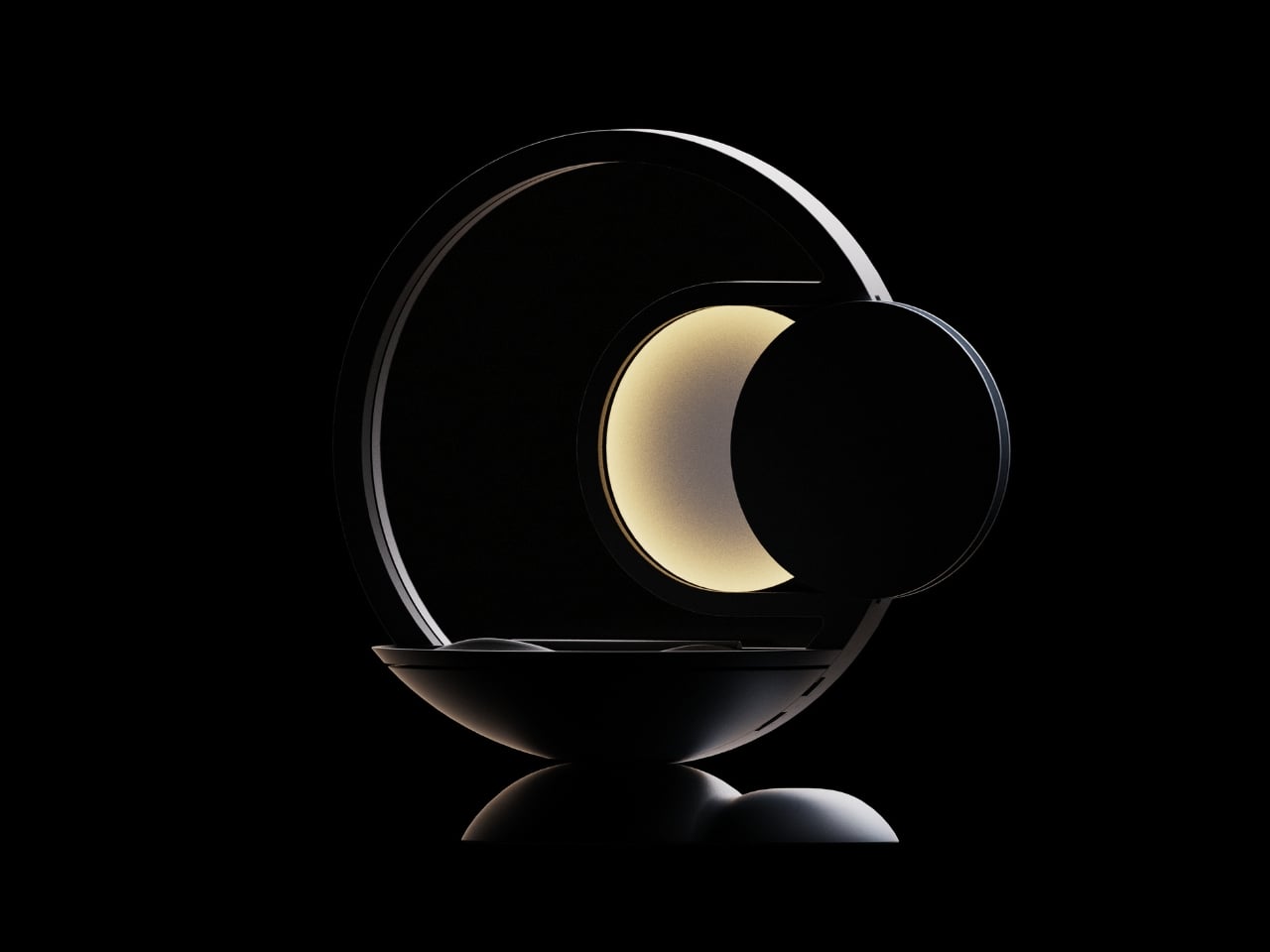
Nendo House My Football Kit is an airless ball you can assemble

While I’m a huge football fan (soccer to our friends in the U.S), I’ve never had the desire to actually play it. One of the reasons is the few times I’ve tried kicking a ball around, I always feel like I hurt my foot because the balls are just too hard. If there was probably a ball that was softer but still had the same quality as the regular football, then maybe I might have been convinced to play a few pick up matches. This new ball from Nendo House is one kind of ball that might have turned me into a (barely) passable football player if it was existed when I was younger.

Designer: Nendo House

The “My Football Kit” is a lightweight football that you can assemble yourself and does not require any inflation. It is made from soft, recycled polypropylene and elastomeric synthetic resin components so they’re not as heavy as the regular football and won’t hurt feet even if you’re not wearing kicks. It is an airless football so it uses the resilience of its surface material instead of the internal air pressure.

What’s more, you will assemble the football itself with its 54 individual parts that uses three types of components. The structure is inspired by the traditional Japanese woven bamboo ball. And even if one of the parts comes off when you’re playing, the ball will not fall apart since it has an interlocking structure. You can also replace the broken components so you can continue using the ball for a long time.

There’s also a pretty cool social aspect to this football. With every purchase you make, one ball will be donated. And for every 10 purchases, Molten will donate footballs to places like children’s homes or special support schools. The My Football Kit is available in just one color, a white and black combination. But the colors of the balls that will be donated will depend on the manufacturer and the availability.

The post Nendo House My Football Kit is an airless ball you can assemble first appeared on Yanko Design.
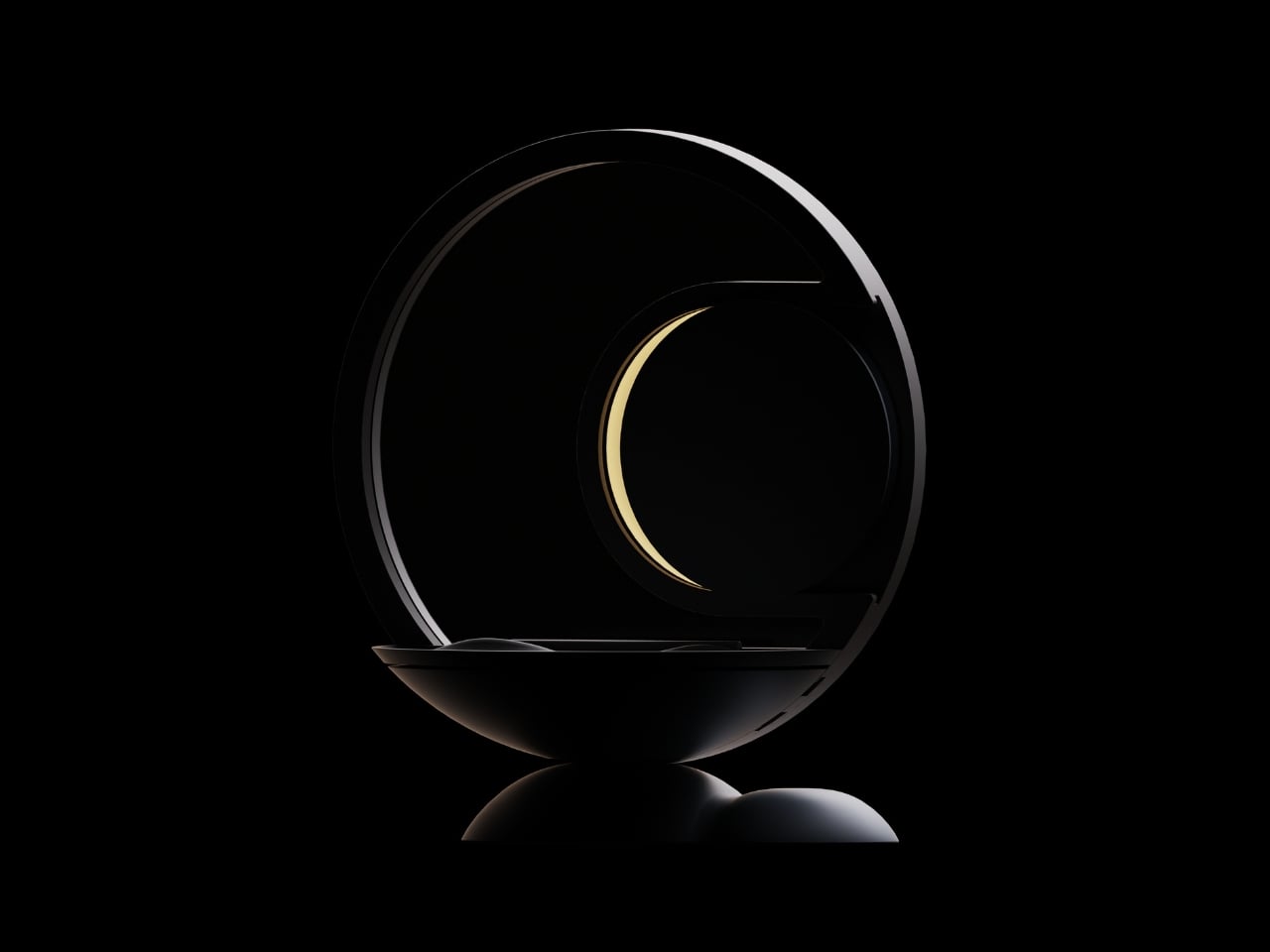
Forest fire sensor system can detect danger within the first 15 minutes

We’ve seen a lot of horrible forest fires that have destroyed homes, properties, and whole ecosystems in an area. We see such destruction just because someone did not put out a cigarette properly or through an accident or even through a natural phenomenon. If there were better wildfire detection systems in place then maybe the damage would have been lessened or even prevented. This award-winning sensor system hopes to solve that problem and help save forests from future wildfires.

Designers: Suat Batuhan Esirger and Rana Imam

ForestGuard is a sensor system that is able to detect fires in real-time through its IoT-based, satellite-connected system. The devices are fixed on tree trunks through flexible, elastic straps that will not intervene with the tree’s growth. It is fixed at a height of 3 meters and can be placed every 16 hectares if you want an entire forest to be monitored. It also has a machine-learning algorithm that will be able to tell whether the smoke is from a vehicle’s exhaust, someone smoking a cigarette, or whether it’s an actual forest fire.

The modules actually have wide-spectrum sensors that will be able to measure gas levels, temperature, humidity, air pressure, and air quality for different scenarios. The sensor modules will transmit the data to GeoStationary satellites that will beam it back to earth and to the servers. Reaction time of authorities and firefighters can be reduced to under 15 minutes if everything works properly and the emergency condition is verified.

They have integrated Li-Ion Hyper Capacitors with the solar panels so the devices themselves will not cause a fire even if under extremely hot conditions. There is also an internal gyro sensor for anti-tamper and anti-theft features. The case manufacturing uses forest-collected plastics to helo reduce environmental impact. Hopefully more forest systems get to adapt this sensor system and help reduce the number of dangerous forest fires that occur in various places.

The post Forest fire sensor system can detect danger within the first 15 minutes first appeared on Yanko Design.
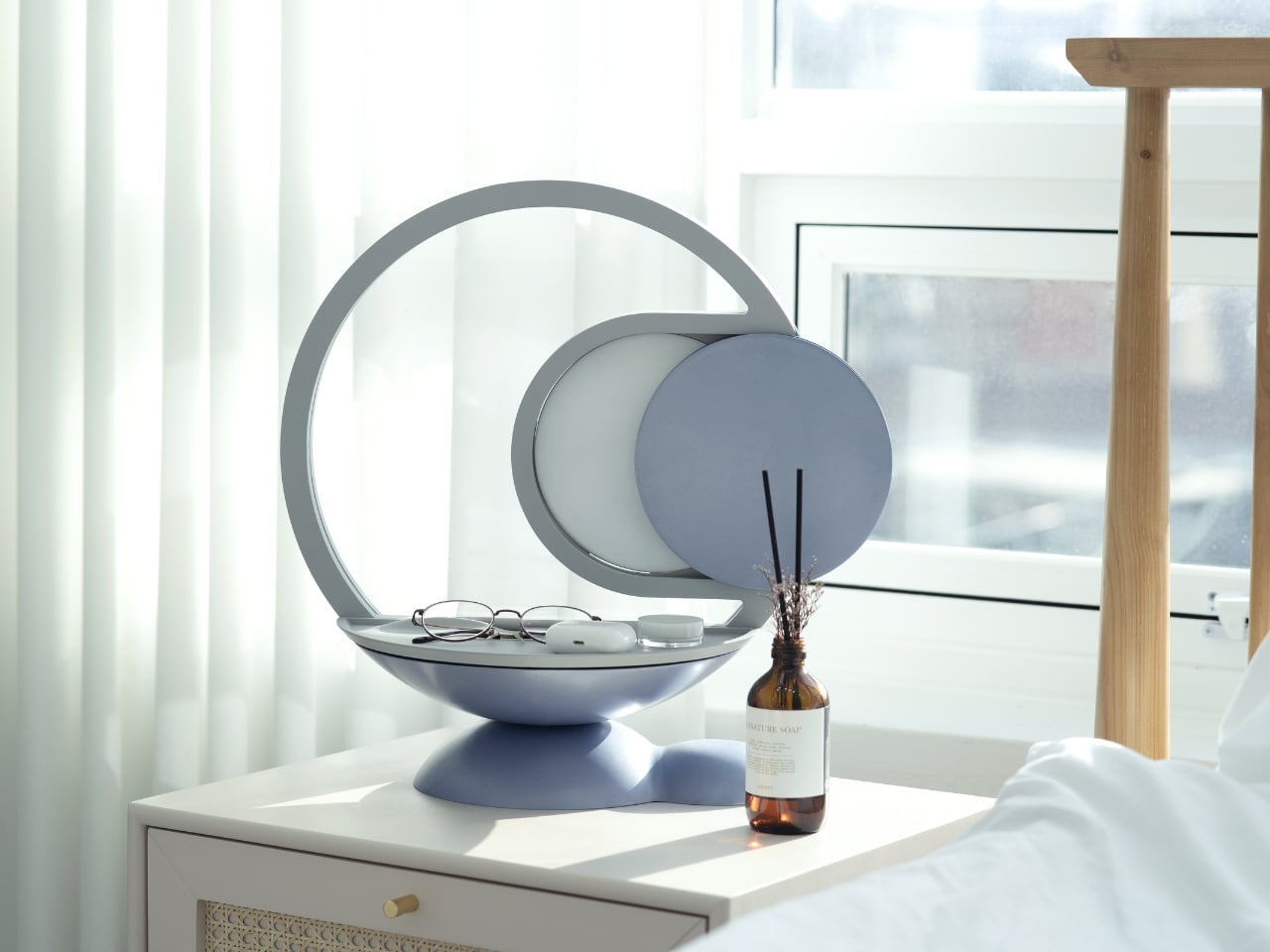
Music mixer concept uses generative AI to help you create music

I have a lot of respect for those people who can create music on their own, especially ones that are able to produce earworm-y pop riffs. Sometimes I’ve thought about studying how to create and mix music especially now that there are equipment, apps and websites where you can do that, but you need to study a lot of things before you can actually use them. Sometimes I think, can’t I just have something in my head transferred to a machine without having to do so much work? Well, thanks to artificial intelligence, that is somewhat possible, for better or worse.

Designer: Haechan Ryu

Happy Music Mixer 07 or HPMXR 07 is a music mixer that is powered by generative AI. This means, even if you don’t have knowledge on how to use mixers, you should be able to use this machine. The goal for this concept is to democratize composing music and using AI to help out with that. There are some ongoing issues in the music industry of course about using AI but it’s still an ongoing conversation that will continue to evolve. But if you are not hesitant to use AI to fuel creativity and things like music creation, then this should be of interest to you.

The machine looks like your typical synthesizer except that it is designed to not look so intimidating, with a clean interface and layout that should be easy to understand. The first step to using it is to describe the music that you’re thinking of, setting the length, tempo, mood, genre, prompt, mixing, and other things that may be in your brain. You can also even generate an album cover that will match your song. Once the AI has generated the song, you can also mix and adjust it according to your preference before transferring the completed song through an NFC card or a USB-C type connector.

All the buttons, knobs, and keyboard are designed in an intuitive interface. The housing of the HPMXR 07 is made from aluminum and has a monochromatic color with orange highlights. The switches and stabilizers have a tactile interface so you still feel in control even as the AI helps you generate the music that is in your head. It’s a good toy to play around with if you want to experiment with creating music but you don’t have the ability to understand more complicated mixers and synthesizers.

The post Music mixer concept uses generative AI to help you create music first appeared on Yanko Design.
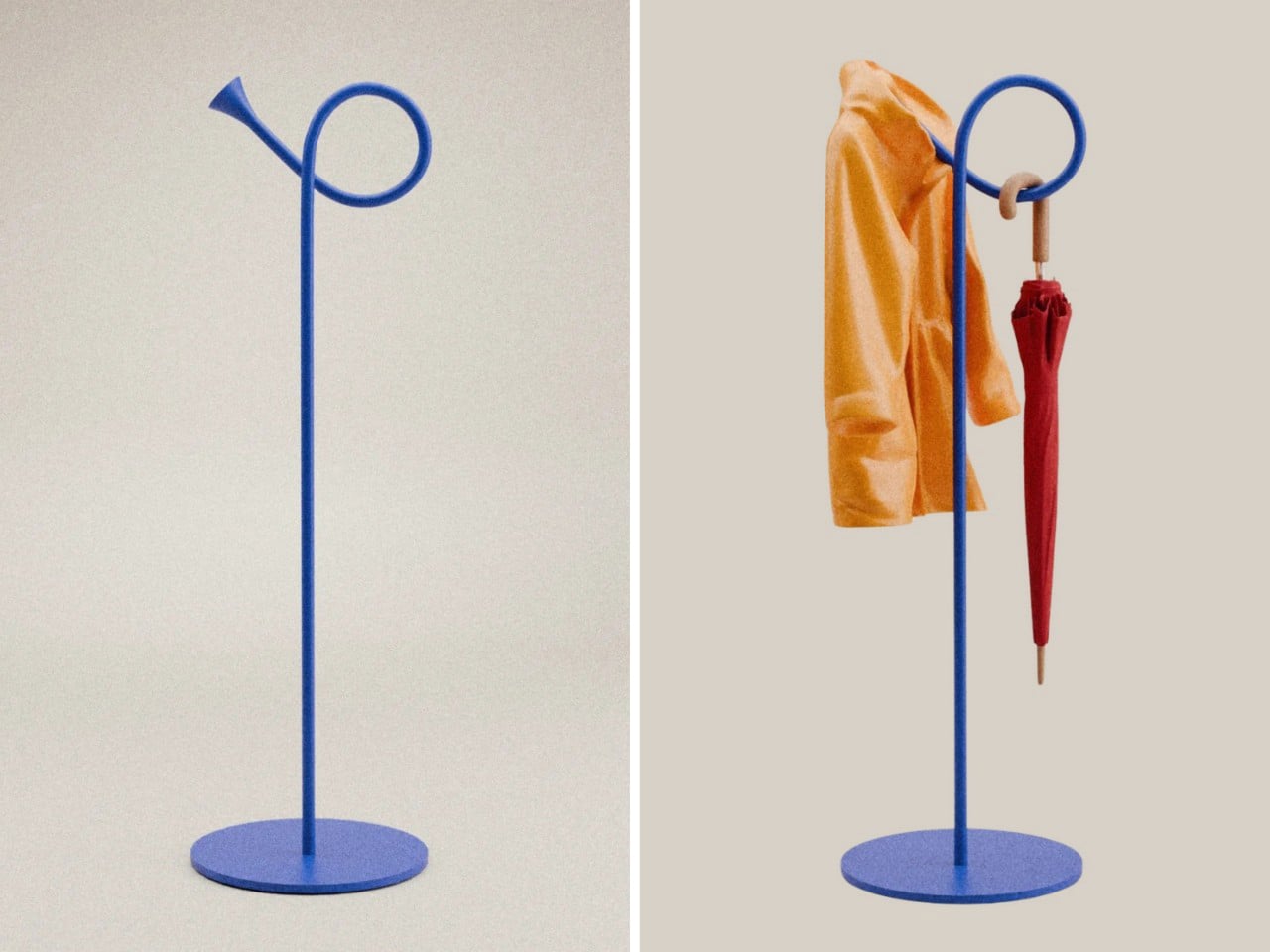
Experimental chair by Ahn Kihyun lets you keep eggs from cracking

When looking for a chair, of course what you want is for something that you can sit on comfortably. Depending also on your budget or on your space, you probably don’t really care much about the design of it as long as it is able to perform its main function which is that you can sit on it. But there are some chairs that are not just functional. In fact, sitting on it may not be the only purpose of it but it becomes a piece of art, or in this case, even performance art.

Designer: Ahn Kihyun

The Halfway Serious chair will probably not make you comfortable and will even make you anxious if you’re that kind of person. But what it will definitely do is make the “mundane” act of sitting more interesting and more challenging. Aside from the actual seat, it uses a gimbal structure so you have to balance sitting on the chair so that the eggs placed on either end will not drop and become a yolky mess. Of course you don’t need to really put actual raw eggs but that defeats the purpose of the chair, which is to balance it out.

Designer Ahn Kihyun is known for his experimental designs for alternative furniture or “anti-furniture”. He believes that by adding elements to his pieces that give different experiences to the users, the act of using it can actually become a sort of performance art. For this particular piece, he made the egg container at either end of the gimbal look like an island. But with the addition of the chair in the middle, which looks like an ordinary bench on its own, you are able to tell a different story.

It would be interesting to sit on something like this although as a person with a balance problem, the eggs will probably not be long for this world. As its name suggests, Halfway Serious will not be an actual chair that you can sit on every day but something that belongs in a museum or a space meant to invite people to try it out and see if you can keep the eggs from cracking on the floor.

The post Experimental chair by Ahn Kihyun lets you keep eggs from cracking first appeared on Yanko Design.

Floor lamp concept is inspired by the sun and moon ecliptical orbit

As I live in a not so big space, I only need to have desk lamps in my living room and bedroom for both ambient and functional lighting. But one of my dreams if I eventually get a bigger place is that I can put one or two floor lamps around to add to the aesthetics of my apartment. I like looking at interesting designs for lamps and bookmarking them for future reference, especially ones where much thought is put into a design.

Designer: Sancho Martin

The Eclipse Floor Lamp is a concept that was inspired by the idea of the eclipse where the sun or moon crosses each other’s paths. This time around, the sun and moon are represented by two circular screens that emit a “soft and enveloping atmosphere” when they are aligned and the light bounces between them. This is the perfect ambient lighting for when you want the floor lamp to be part of your room’s aesthetics.
When the horizontal screen is adjusted, you can turn the lamp into a more functional lighting source. The light is directed downwards so you can have it more focused like when you’re working, reading, or you just need some light to see something. There is also a spherical shape on a small hook in the main axis which serves as the power button which is easy to access and also intuitively placed.

The Eclipse Floor Lamp has a pretty minimalist design so it can fit in perfectly no matter what your room’s aesthetics is. It can be placed near the couch, working table, or even by the door or window if you just want it to be more of an ambient lamp rather than a fully functional one.

The post Floor lamp concept is inspired by the sun and moon ecliptical orbit first appeared on Yanko Design.