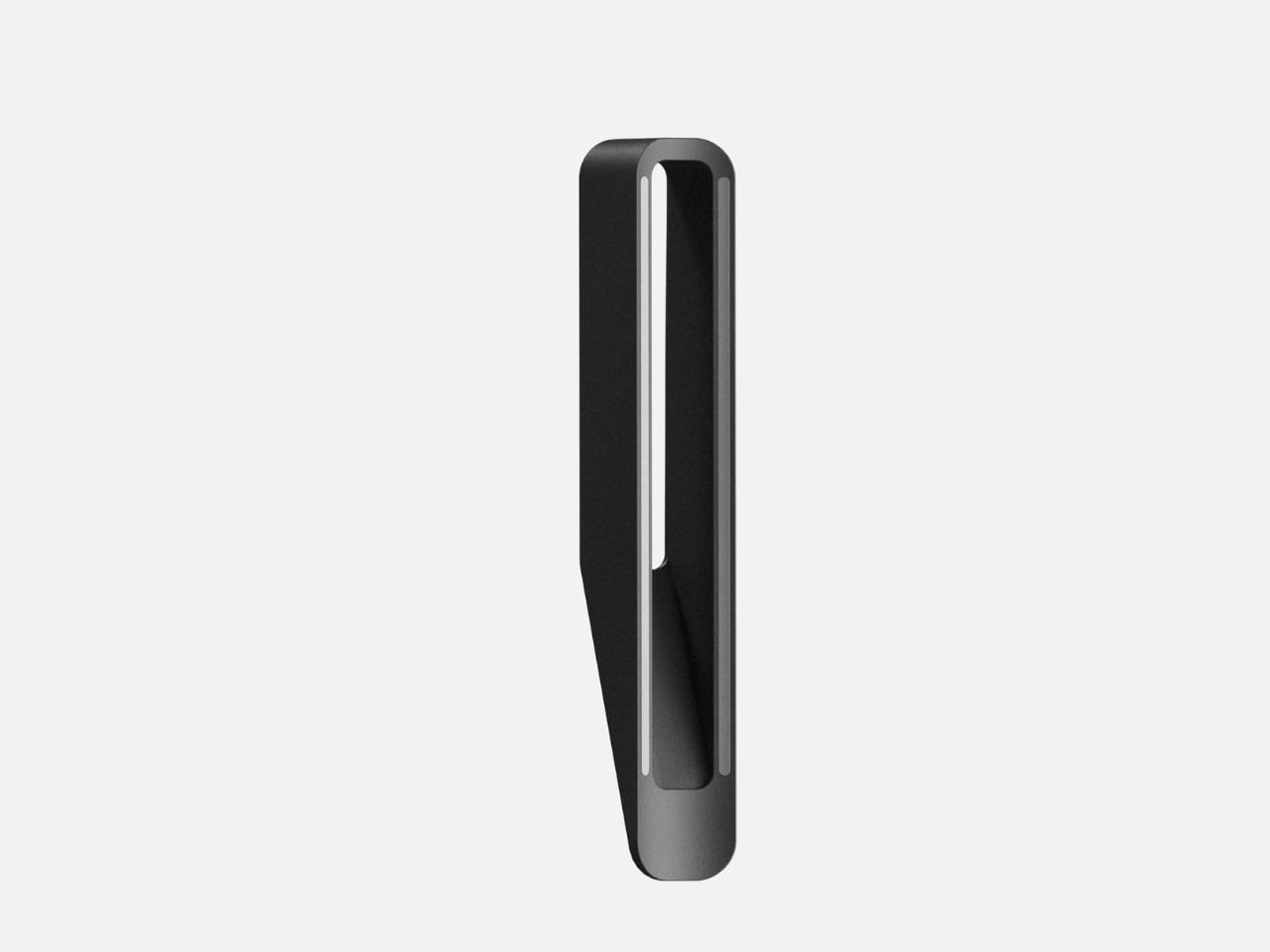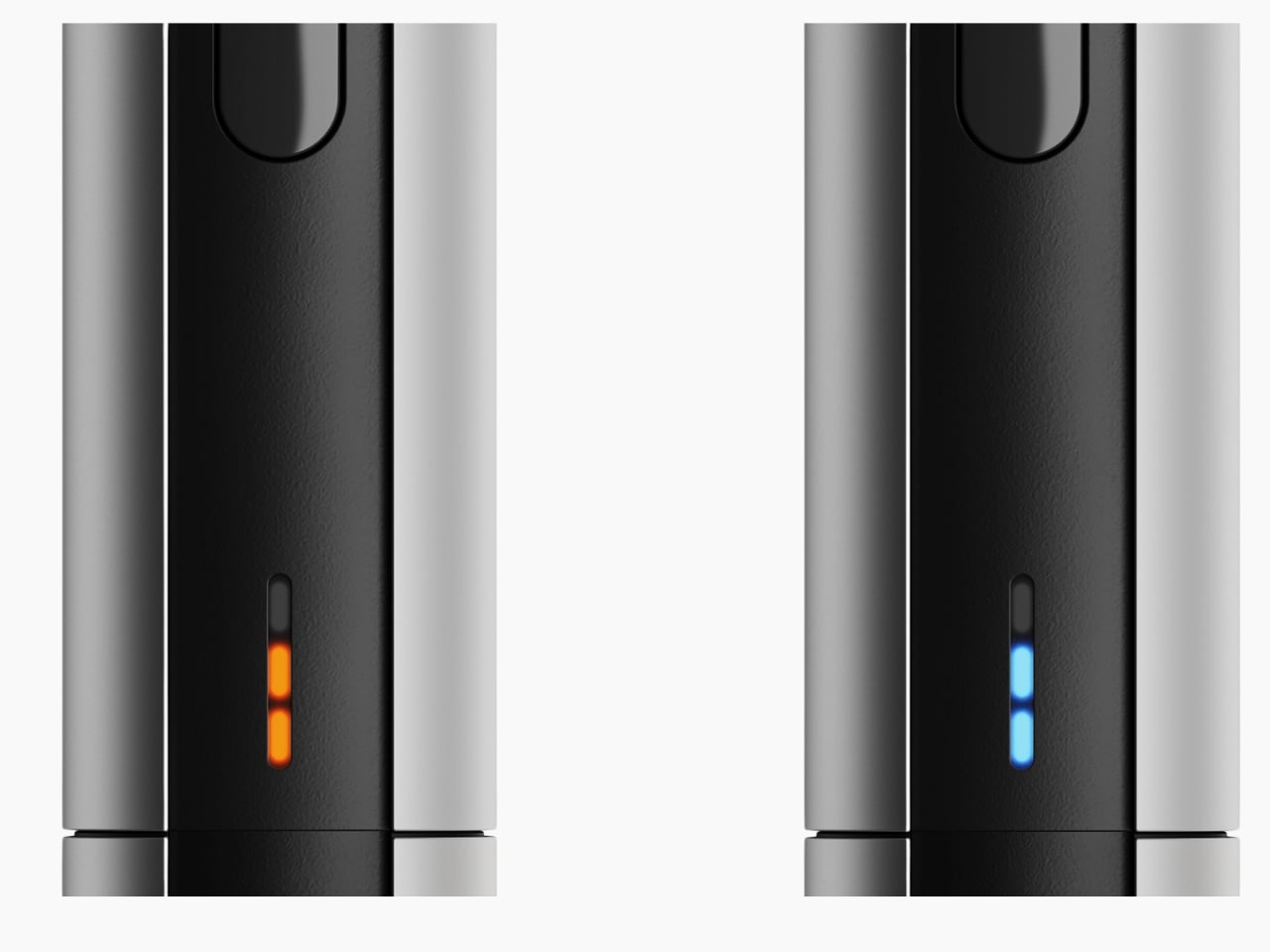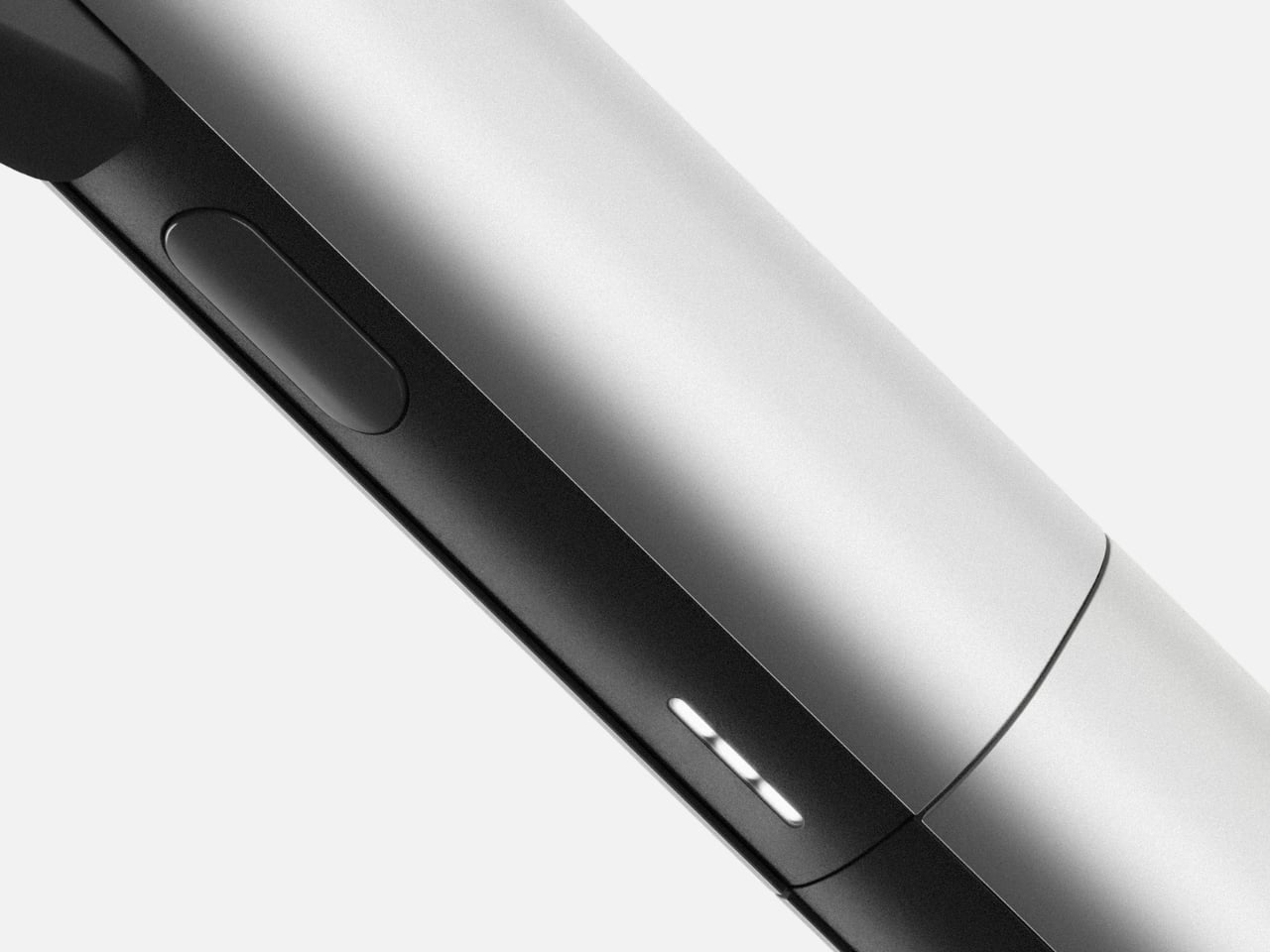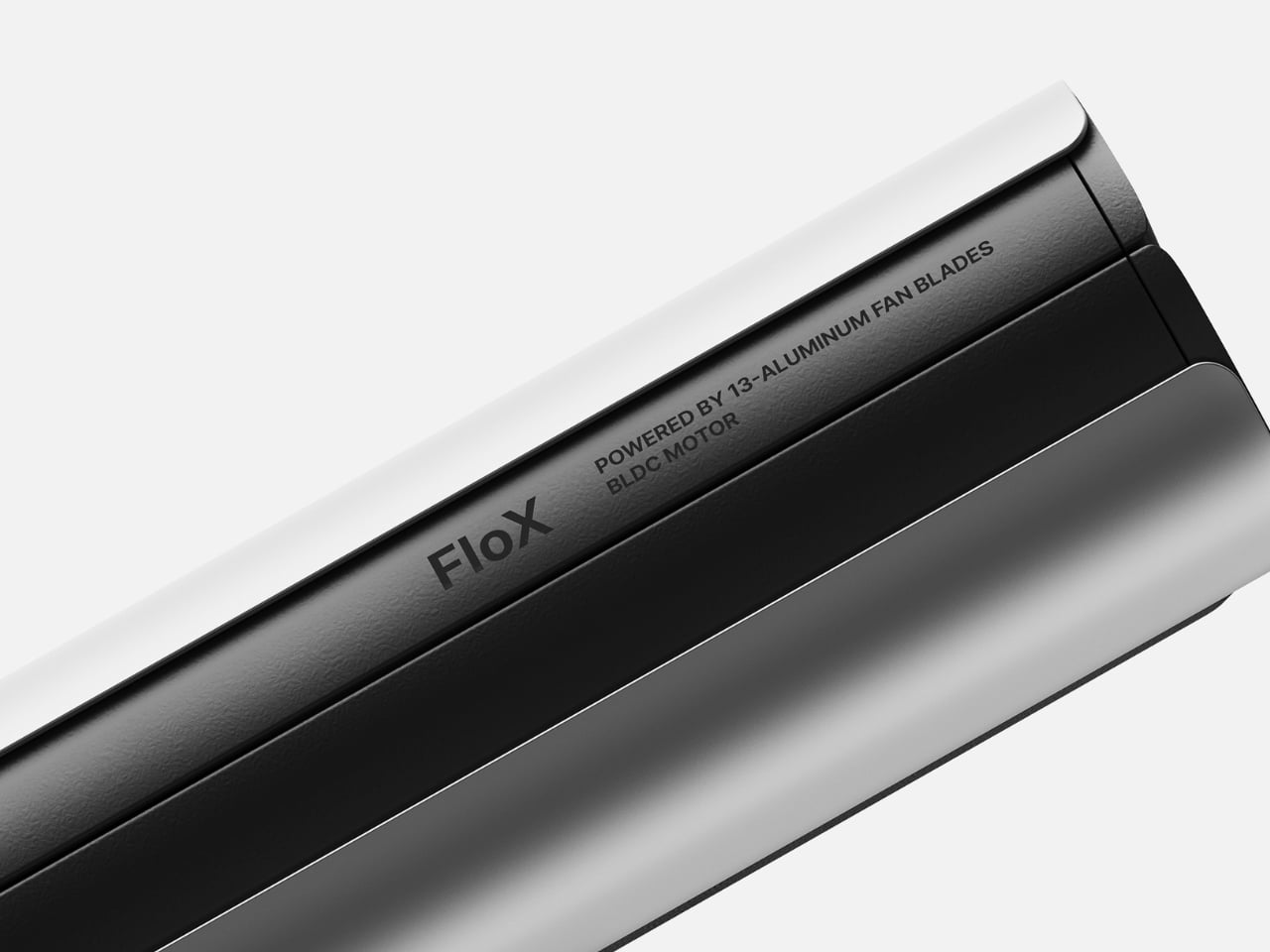
Portable and affordable air purifier designed for crowded housing units

In densely populated cities, you get housing options for low income families like sub-divided units which crowd people in buildings. The air quality in these kinds of housings are not always great and most likely, these families also cannot afford things like air purifiers which tend to be more on the expensive side. A group from a university in Hongkong have come up with a product solution specifically designed for those living in these sub-divided units.

Designers: Albert Ko and Adrian Lo

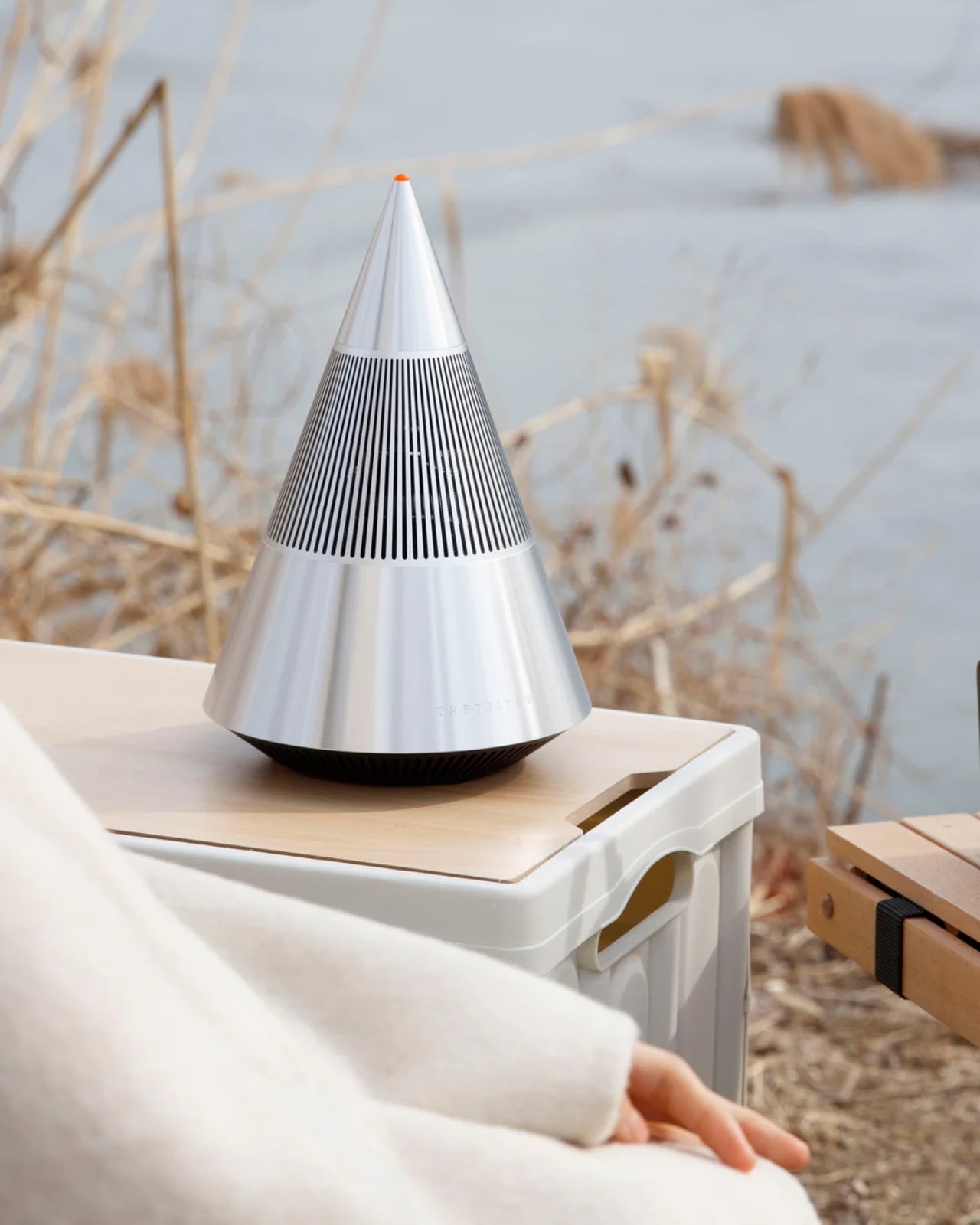
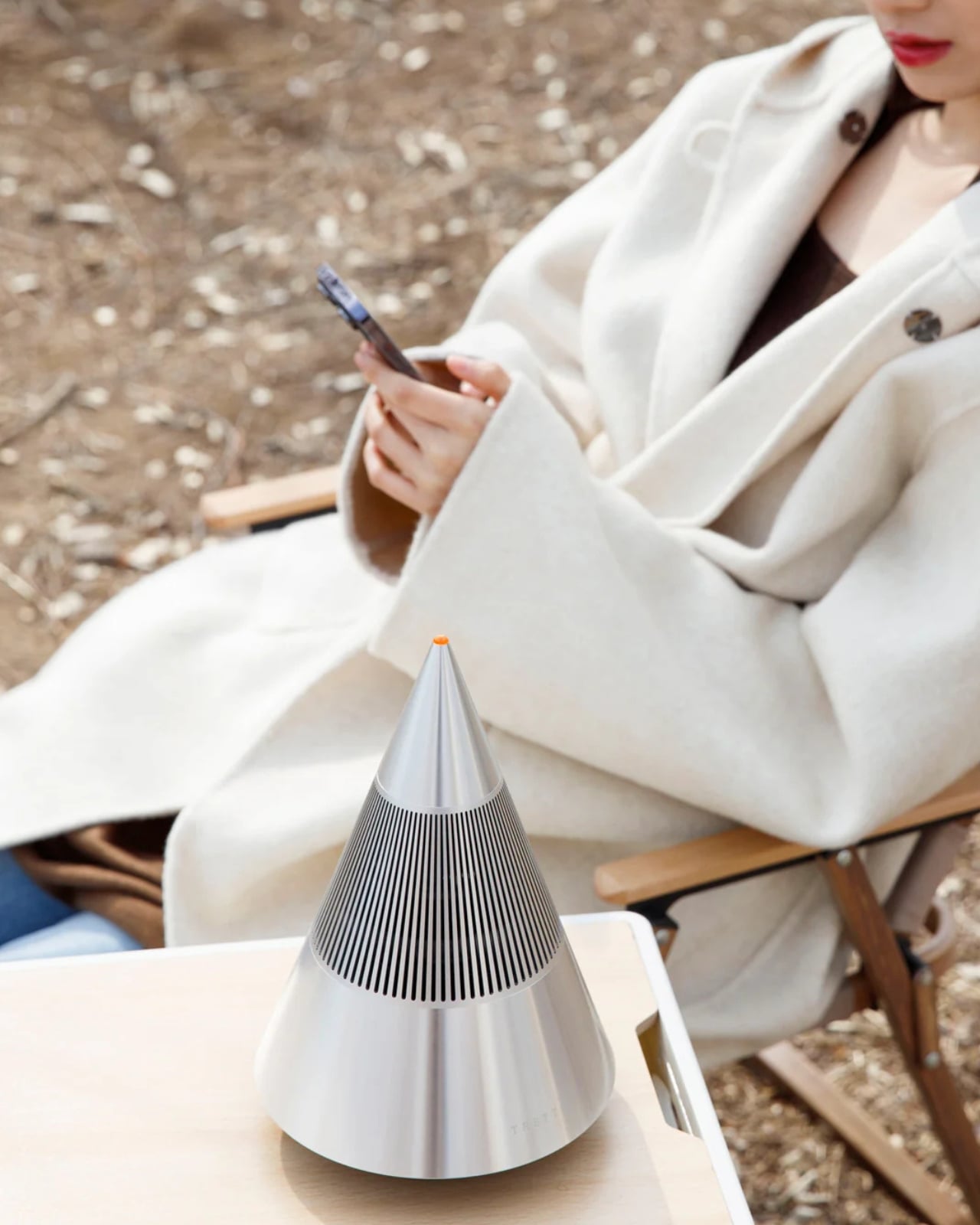
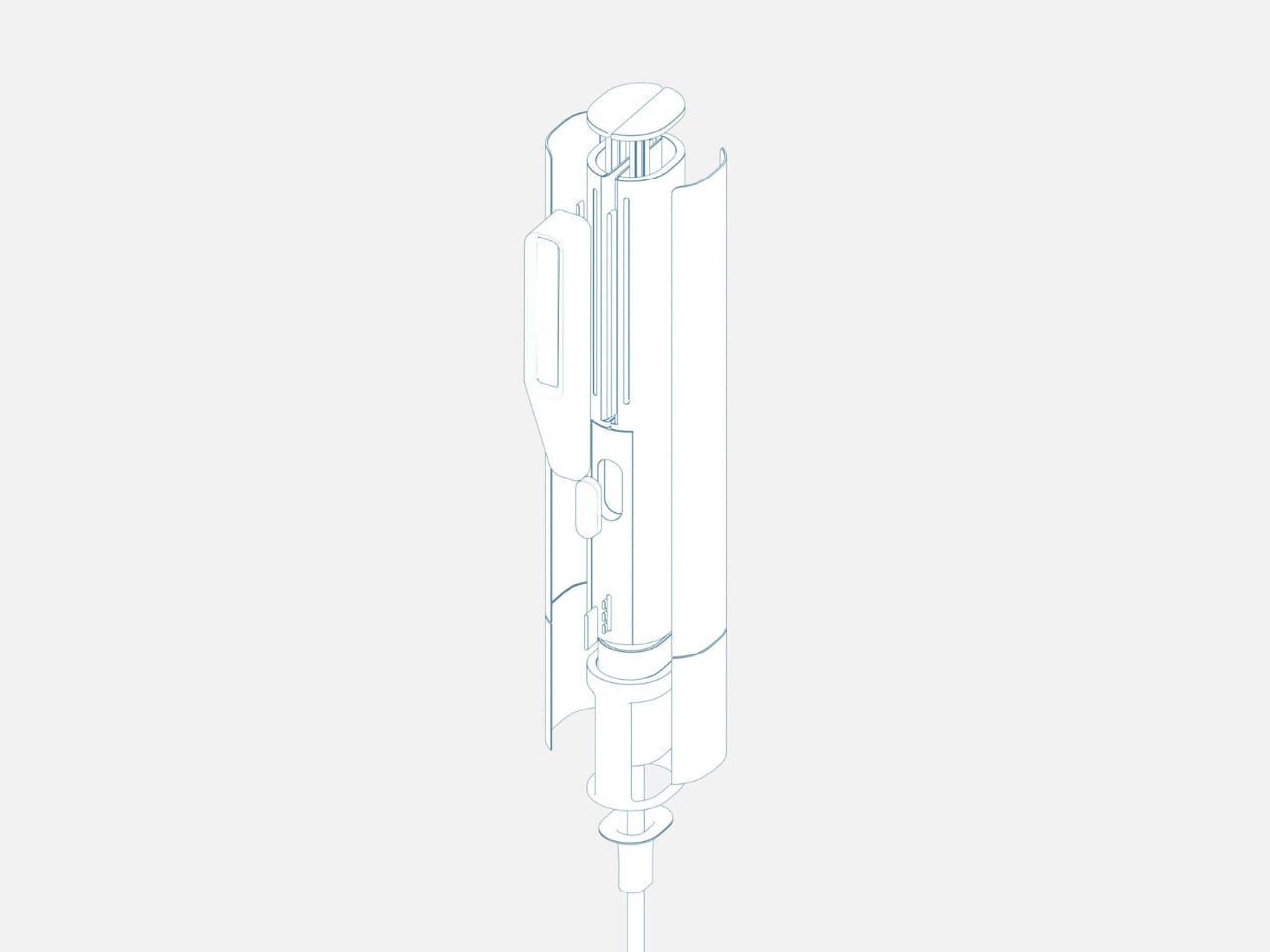
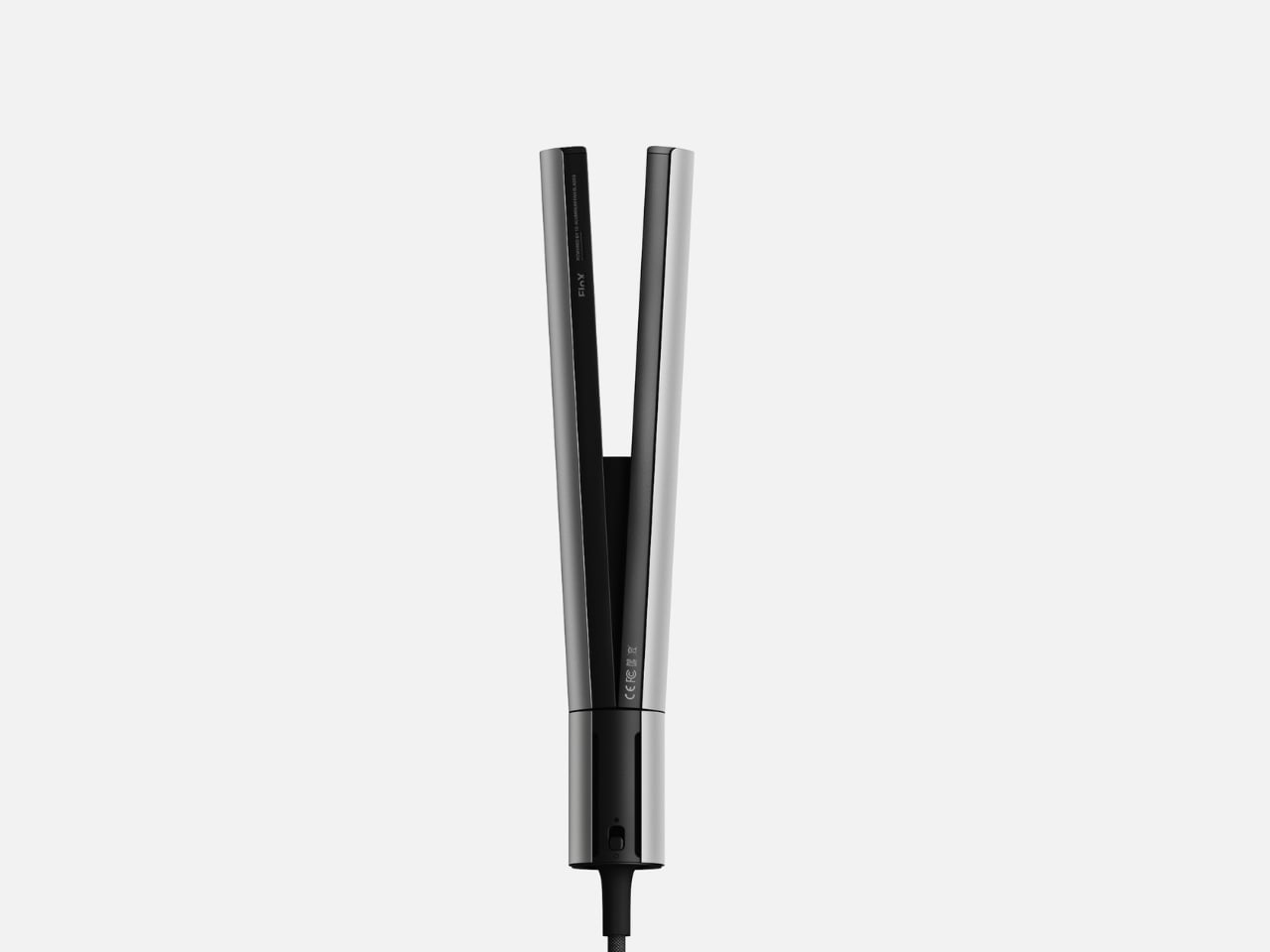
The PureAura Air Purifier is a portable air purifier that is built to be both small and energy-saving. Its main purpose is to improve the air quality in these sub-divided units and to make the product affordable, easy to assemble, and have low power consumption. Their initial tests show that it can reduce the indoor concentration of the particulate matter by 80% to meet the recommended air quality by the World Health Organization Global Air Quality Guidelines.

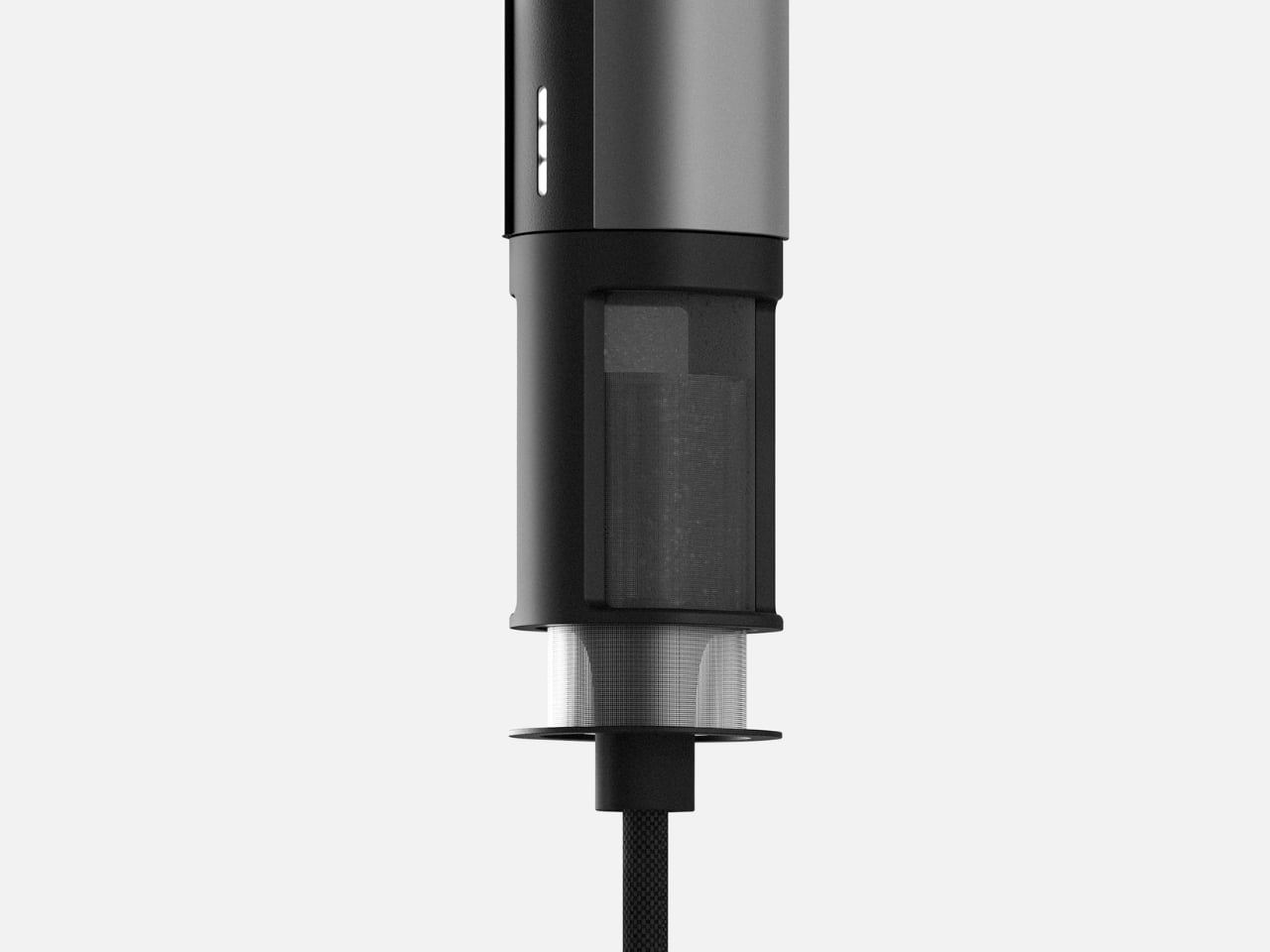
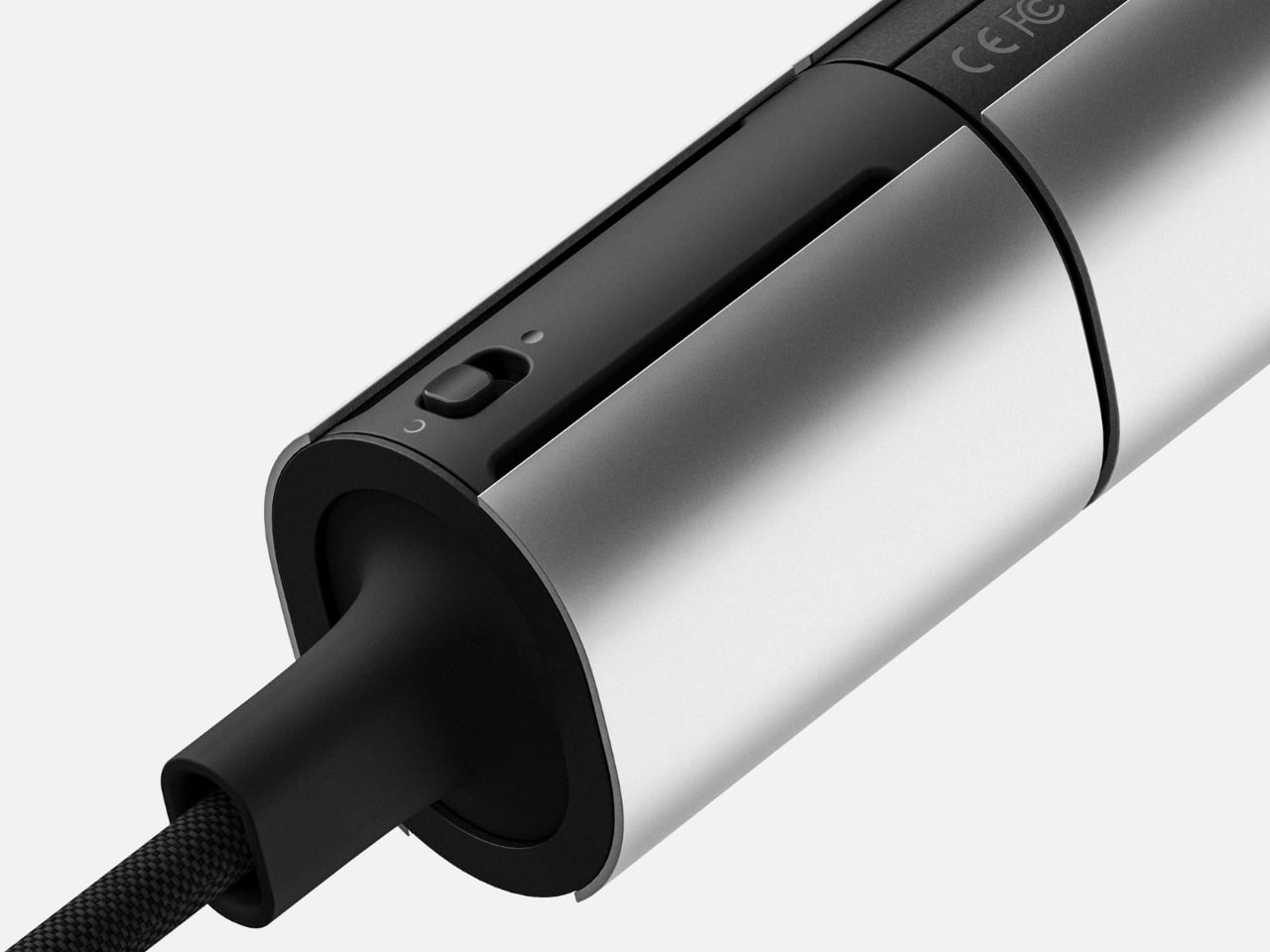
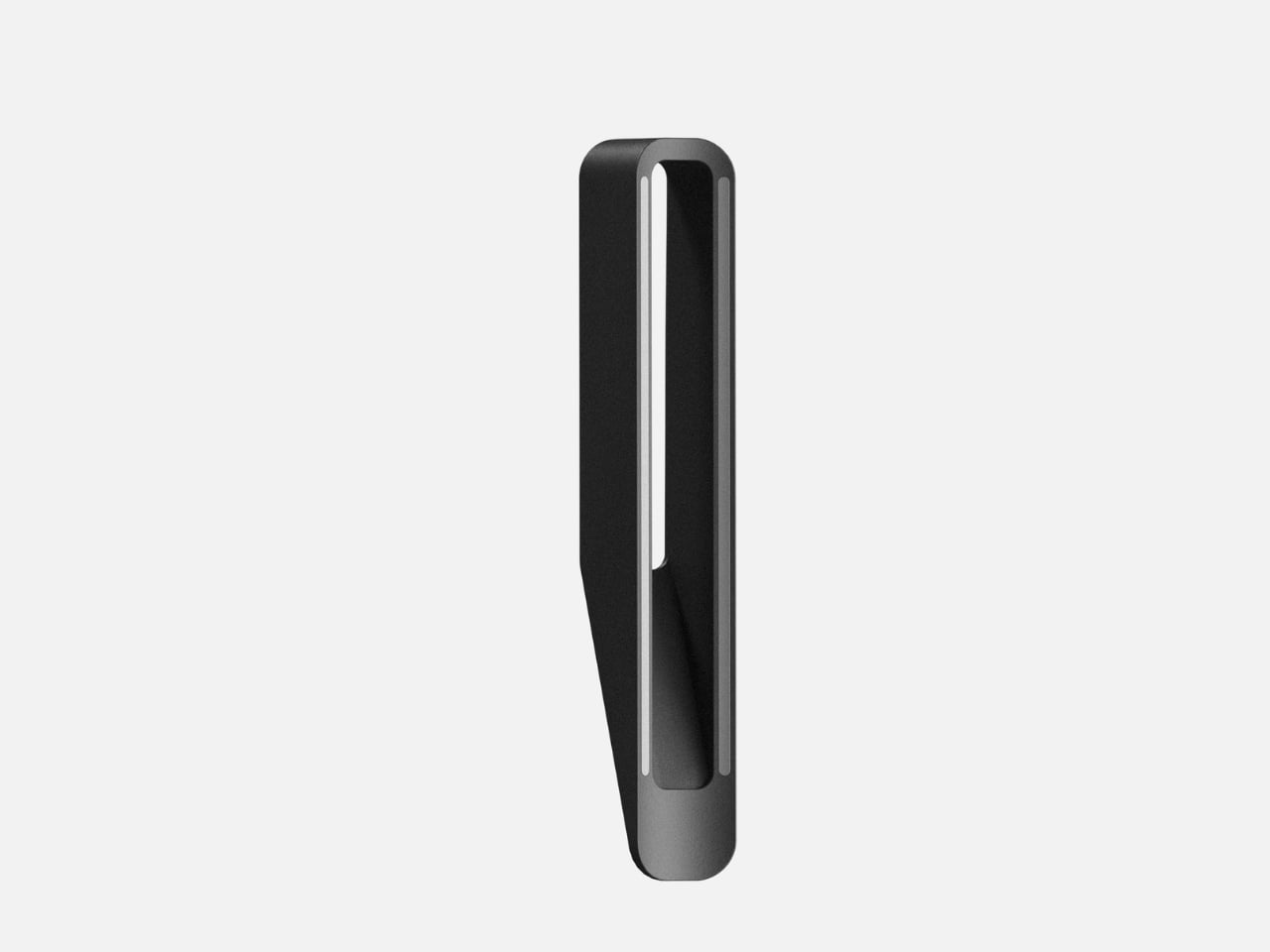
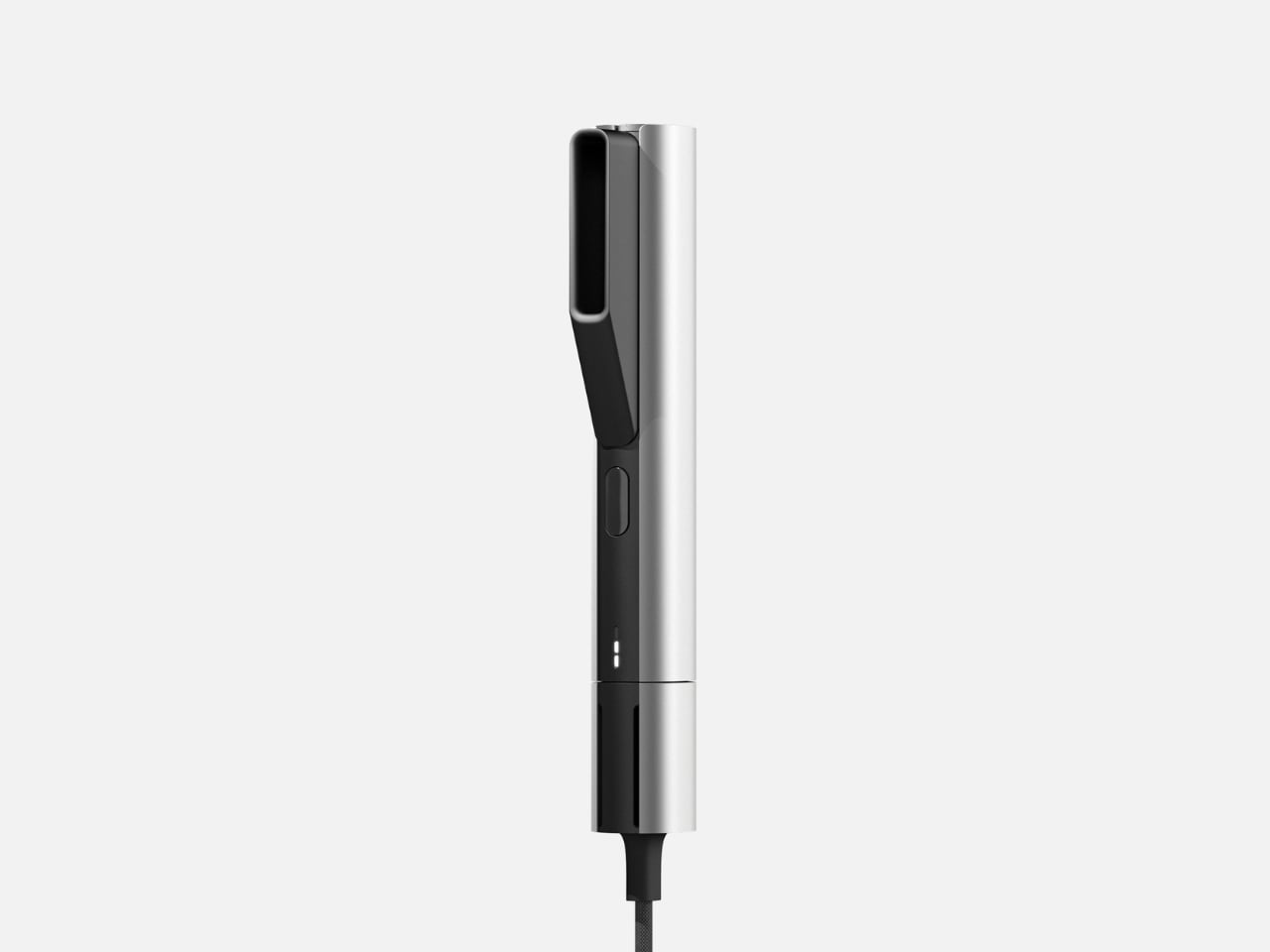
The purifier is designed like a small electric fan which you either place on a flat surface like a bookshelf or table or you can also hang on the wall or on the window. It is supposedly easy to assemble with its built-in HEPA filter and silent and high-performing fan. It has an option to be powered through a USB power cable but you can also power it with a power bank as there’s a storage dock for it. It can run for 40 hours with just a 10000 mAh power bank and is energy efficient.

It is optimally designed for small spaces as these sub-divided units normally have compact spaces. It should cost less than $15 which is something a low income family can afford. If this works in HongKong, hopefully it can also be used in other countries with similar sub-divided units that need better air quality inside.

The post Portable and affordable air purifier designed for crowded housing units first appeared on Yanko Design.

Building tiles made from oyster shells, fish bones can be used for coastal structures

The world has a lot of waste that is discarded in landfills or worse, in natural environments that cause damage to the ecosystem. Fortunately, there are a lot of people who are exploring how to turn these seemingly useless trash into materials for products so that they can be recycled. One of the recent winners of the Red Dot Award turned her focus on oyster shells and fish bones.

Designer: Yingfei Zhuo

EcoShell is a sustainable building material that is made from abundant marine waste and is also visually pleasing. The durable exterior tiles are made from powdered oyster shells with binders extracted from fish bones serving as the adhesives, which makes it biodegradable too. The blend of these two materials make sure that the tiles are durable and can last for a long time.

Since oyster shells are salt corrosion resistant, this material can be used in coastal areas since they can last longer compared to other building materials. The tiles look like concrete but are actually lighter than that. It also has a user-friendly hanging system so that you can easily install it without using things like nails. The texture and color can also be customized to match the structure where it will be used.

This is an interesting way to use these usually discarded materials by the seafood industry. Millions of tons of the shells in particular are thrown away which actually pose risks to the environment especially if they are untreated in landfills or oceans. The fact that you can use them in buildings near oceans makes it part of the sustainable cycle.

The post Building tiles made from oyster shells, fish bones can be used for coastal structures first appeared on Yanko Design.

Portable kettle can fit in your luggage when folded

Have you ever found yourself in a situation where you are traveling and you find yourself in need of hot water but there isn’t anywhere that you can get it at the moment? When you’re craving for a cup of coffee, tea, or just hot water, wouldn’t it be convenient if you could just whip out a kettle from your luggage and plug it in to boil some water? There are several portable kettles already available but this one is probably the most portable and eco-friendly.

Designers: Guo Jianhong, Pan Sui, Deng Kairui

This portable kettle with foldable structure doesn’t have a unique name just yet except for that very description. The folding kettle is actually inspired by another every day, portable item: the umbrella. It has parts like a foldable handle, a support frame, and expandable silicone. When not in use, it folds into a cylindrical form, just like an umbrella, and can fit into a suitcase, backpack, or even a big bag.

When you’re ready to use it, the cylindrical form expands into a kettle with a triangular support frame to make sure that it’s stable especially when you put water into it and plug into a power source through its magnetic power connector. It also has a top pull lid that should make it easy for when you’re ready to pour out the hot water.

This kettle is also eco-friendly as it’s made from environmentally friendly materials like food-grade silicone, 304 stainless steel, and safe plastics. Because of this, it becomes recyclable once it reaches end-of-life. It’s an interesting traveling item to have if you regularly crave a cup of hot liquid whenever you travel.

The post Portable kettle can fit in your luggage when folded first appeared on Yanko Design.

Bathtope lets you set up a removable bathtub in your bathroom

One of my favorite parts about hotel stays is if there is a bathtub. I put in my favorite soaks and just while my worries away if only for a few minutes and if only for a day. My bathroom in my apartment does not have a space for it of course, so it is a luxury I can afford on staycations. It would be nice to have a removable bathtub that I can use every once in a while of course.

Designer: LIXIL Corporation

To celebrate their 100th anniversary, Japanese plumbing and tile company LIXIL Corporation is launching Bathtope, a bathroom space with a removable bathtub. Basically it’s a fabric that you can fill up with hot or cold (or lukewarm) water and it will serve as your bathtub. When you’re done using it, you can fold it up and hang it and that space becomes your shower area.

Bathtope is made from a single sheet of fabric and the design is inspired by both kimono and origami. They used just one cut to lessen the possibility of water leaks. To set up the fabric baththub, you need to attach hooks on the walls with which to suspend the cloth from. It is able to adjust its zie and form to the space that you decide to set it up in.

Thus unique bathroom space will be available for consumers by November this year but it will be on display at DesignArt Tokyo 2024 this month. Even though I still don’t have space in my current bathroom, it’s an interesting option for those who want to have their own bathtub without going through the hassles of installing one.

The post Bathtope lets you set up a removable bathtub in your bathroom first appeared on Yanko Design.

Passive and traditional Uzbek architecture to be used to create International Research Center

When creating structures in areas that are naturally hot and may have extreme weather conditions, ventilation and cooling systems are major priorities for the architects. It doesn’t always require the latest technology but the really smart and inventive firms are able to incorporate important design principles as well as the local architectural styles.

Designer: Zaha Hadid Architects

Zara Hadid Architects is of course one of the leading and award-winning firms that can do just that. Their design for the Alisher Navoi International Research Center is able to use passive design principles so that the space will use minimum energy corporation but still give its staff and visitors optimal and comfortable conditions. The center will have the Navoi Museum of Literature, a 400-seat auditorium, a residential school for 200 students, and of course the International Research Centre.

The facades and interiors will use bricks that are crafted from Tashkent’s local kilns and using the curvilinear geometries from traditional Uzbek architecture. There will also be several courtyards to bring natural light and ventilation while creating spaces for both group gathering and private contemplation. The arches are designed as hollow structures with openings for cooling ventilation which create a pressure gradient to extract hot air upwards. During hot seasons, it will be supported by fans and misting to cool the air first.

The centre is designed to have interconnected spaces to create dialogue between literary education, research, and the performin arts. The 23,000 square meter is named after Alisher Navoi, a 15th century Uzbek poet, aithor, linguist, and statesman. So it’s but apt to create a space that uses as much traditional aspects as it can.

The post Passive and traditional Uzbek architecture to be used to create International Research Center first appeared on Yanko Design.

Snoopy lamp gets a new navy blue color to add more whimsy to your space

When the Snoopy lamp was first created by Achille and Pier Giacomo Castiglioni back in 1967, it was understandable that it would come in a black and white color. After all, it was inspired by the iconic cartoon dog character created by Charles M Schulz who had the same colors. But over the years, we’ve seen other colors added to the now also iconic lamp design and the latest one will appeal to lovers of the color blue.

Designer: Flos

The newest color added to the Snoopy lamp collection is blu navy, joining the aforementioned original black enamelled metal shade and later on the bold orange and verdant green colors. The silhouette still remains the same, a tribute to the shape of the head of the beloved Snoopy character. The cool navy blue color adds a spot of fun to the room, especially if that’s the aesthetic or theme you’re going for.

The basic design is still similar to the original, with the cylindrical Carrara marble base standing at an oblique angle. The thick glass disc diffuser and the lightweight enamelled aluminum shade are still there. There are still the three cooling holes at the top and an internal white finish that brings out the light distribution. What’s different now is that the original rotary dimmer has been turned into an integrated touch sensor, making it easier to turn it on and off and to adjust the light intensity from 0-100.

There are a lot of lamp designs that you can choose from out there to match the room’s look and feel. But if you’re still going for this classic Snoopy looking lamp to bring both function and whimsy to your space, then this navy blue option might just be the perfect addition.

The post Snoopy lamp gets a new navy blue color to add more whimsy to your space first appeared on Yanko Design.

A Single Desk brings a minimalist aesthetic to your workspace

Desks don’t always have to be fancy and maximalist. Sometimes, all we need it to do is to hold our stuff while working or studying and to have space to put all the things we need while we’re doing that. Some desks are also designed to help you focus on what you need to do. Some are also created to add a bit of color or joy to the room you’re in so you won’t get bored while you’re doing what needs to be done.

Designer: found / Founded with Tamken

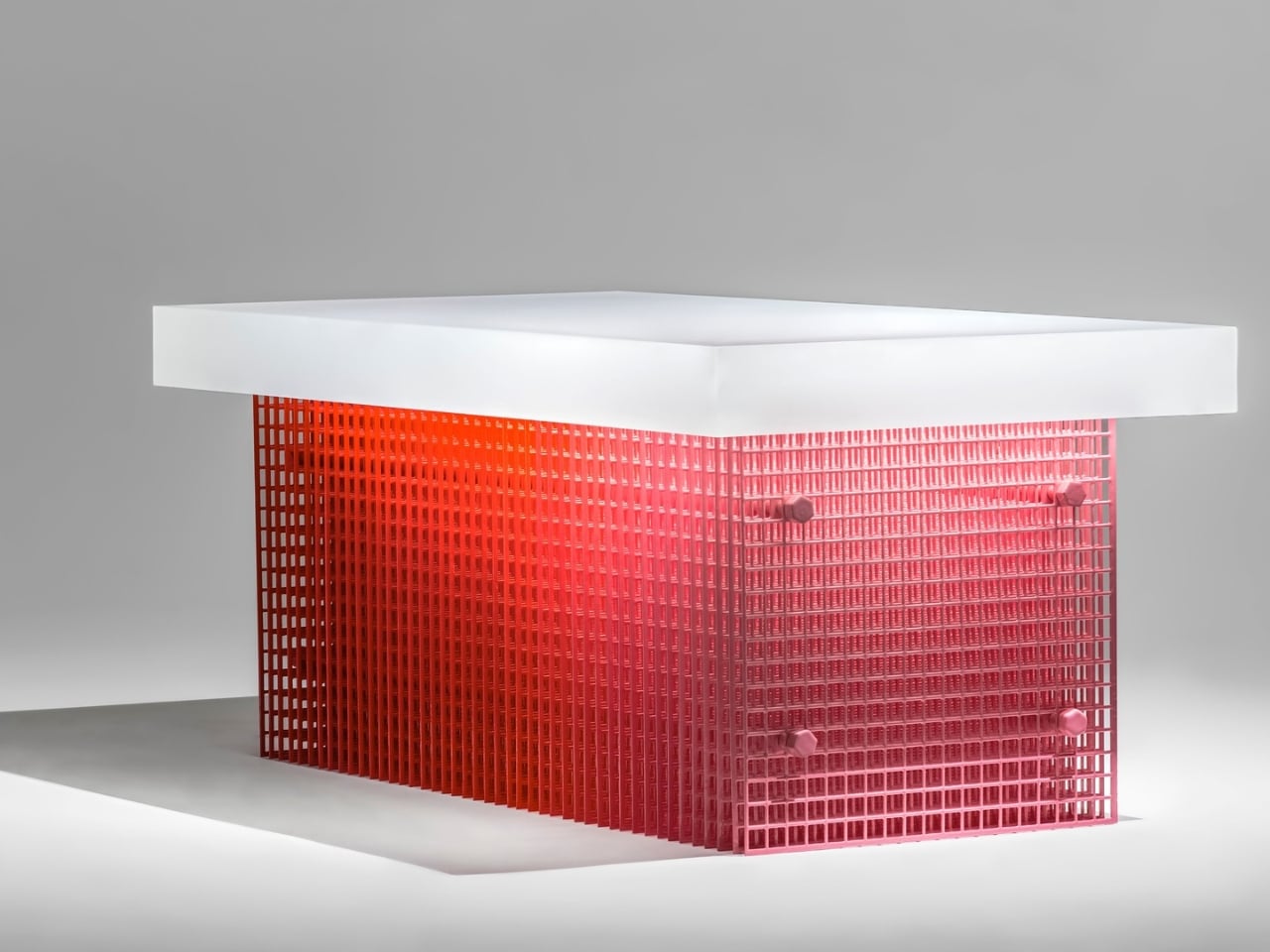
A Single Desk is just what its name says it is. It is a desk that was developed by a design company with a furniture company. It was created to have an “interior point” in a room so that one person will be able to work or study properly without being distracted by other people who may also be in the room with them. It is uncomplicated and minimalist with a splash of color thrown into it so that it also looks good even if it may be that simple.

The focal point of this piece of furniture is the colorized iron screen sitting in front of the user. It can be used as a note board or to attach storage items that are magnetized. It also serves to obscure the view of the user or the people around them so that they will be able to focus. There’s also a thin drawer underneath to put other stuff you’d want to not place on top of the table as well as space on the tablet itself for your laptop, supplies, decorations, etc.

The sample shown of A Single Desk has a yellow color for the frame and iron screen but probably it will also come in other pastel or similar colors. It is also probably easy to assemble as it has a pretty simple design. It should be perfect for those going for a minimalist aesthetic and may have just a few items placed on their desk.

The post A Single Desk brings a minimalist aesthetic to your workspace first appeared on Yanko Design.
World’s tiniest Rubik’s cube will challenge the best puzzle solvers

As someone who has never been able to finish a Rubik’s Cube, I’m always fascinated by those who are able to do it in seconds. There are videos on YouTube and on Reels where you can observe them while they do it or they even give tips on how to become faster. This toy is celebrating its 50th anniversary and what better way than to make it even more difficult for people to do so by creating the world’s tiniest Rubik’s Cube.

Designer: Megahouse and Iriso Precision

The two companies have collaborated to create the smallest metal Rubik’s Cube and this has been verified by Guiness World Records. It is 1/1000th of the regular 3D puzzle, at least the 3×3 sized-one. It’s so small that you might need to use a tweezer or something small like that to finish the cube. Well, unless you have really tiny hands that you can do the turns and shifts of the colored cube. But to give you an idea how small it is, it is the same width as three rice grains.

Each of the squares of the main body is 0.16 cm with the length at 0.50 cm. These parts are made by cutting metal with the machine that can make ultra-fine trimming processes with the technique called “micro cutting”. They are cut and shaped by the machine but they are assembled by hand to be able to put them together precisely and still be used just like the regular Rubik’s Cube.

The middle part has the cross design of the original so the other parts can still be rotated. It even has the Rubik’s logo at the center which you cannot see with the naked eye. It has an aluminum base which is actually way bigger than the tiny cube. You place it in the middle like a trophy, just so you’ll be able to actually see it.

The post World’s tiniest Rubik’s cube will challenge the best puzzle solvers first appeared on Yanko Design.
Modular desk tray is a wooden, minimalist tool to declutter your desk

I like collecting all kinds of stationery and office supplies stuff so I’m always on the look out for those that are cute and/or well-designed. I may not always have enough space on both my home and office work space but since I also get easily bored with my desk set up, I always like having something that I can easily replace or re-use. Modular designs are always interesting since you can change it if ever you want something new on your table.

Designer: Teixeria Design Studio

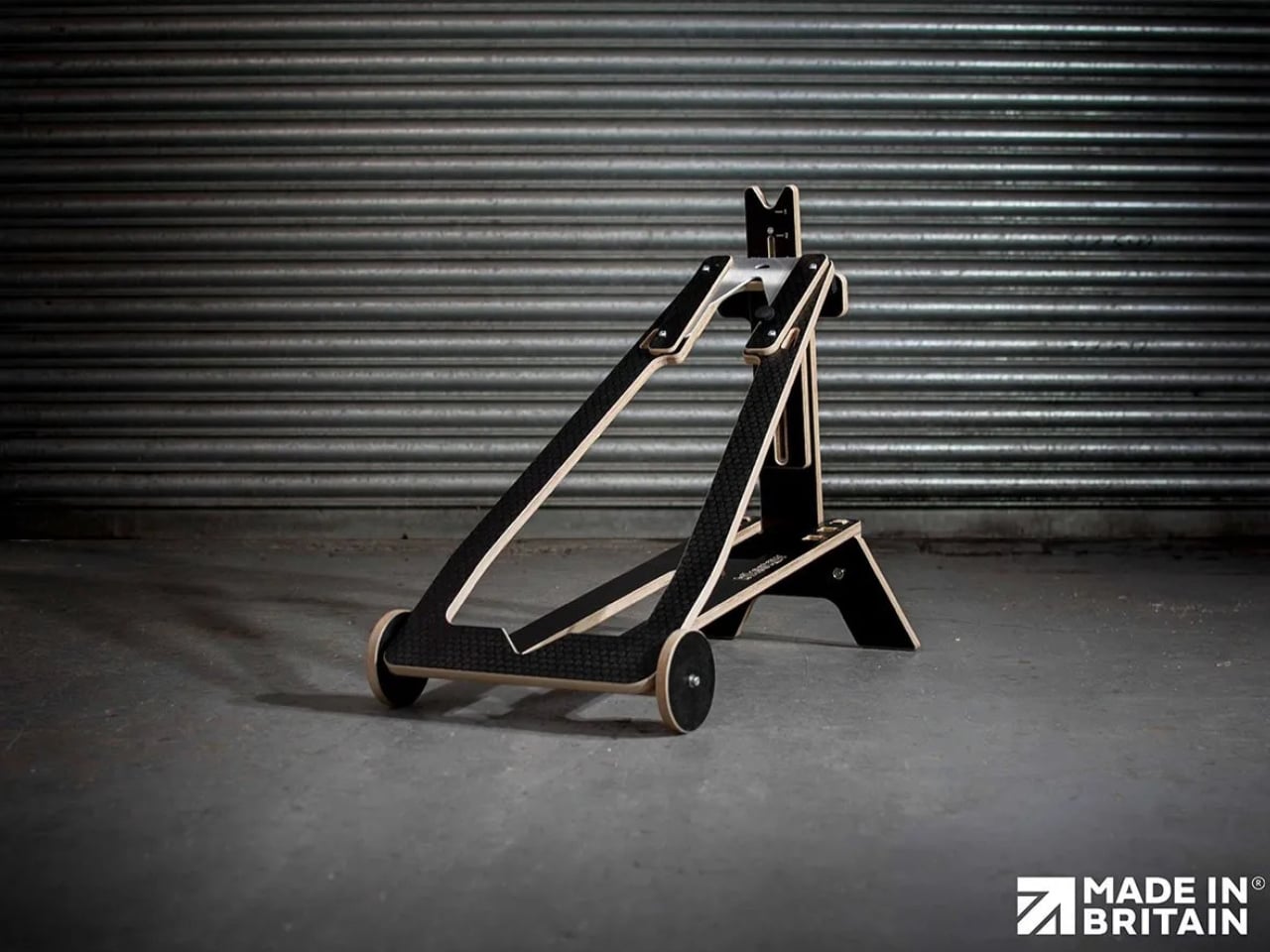
Track is a concept for a modular tray that fits into this category. If your mood or aesthetic is wood and minimalist, then this would be perfect. It is made out of solid wood and has different parts that you can move around and arrange depending on what you need and the amount of space that you have on your working area.

The tray has three different pocket lines that you can arrange and re-arrange and put certain stationery items like pins, pens, staple wires, cutters, and various other items that you can fit into these lines. There is also a “center opening” where you can place things like a thin smartphone, sticky notes, and other items that you can place upright vertically.

There seem to be three different ways you can re-arrange the different pieces. They are CNC milled and finished by hand. It’s pretty minimalist but the way you can re-arrange it is of course the appeal, aside from actually helping you declutter your desk.

The post Modular desk tray is a wooden, minimalist tool to declutter your desk first appeared on Yanko Design.
Wooden desk clock lets you tell time in an analog, elegant way

Where I’m from, some private schools have reportedly started removing clocks from their classrooms and halls since kids don’t know anymore how to tell time the analog way. But for us who grew up actually knowing how to use these clocks to know what time it is, it’s still useful to have them around. In fact, they add a certain nostalgic aesthetic to our space.
Designer: Lautaro Lucero

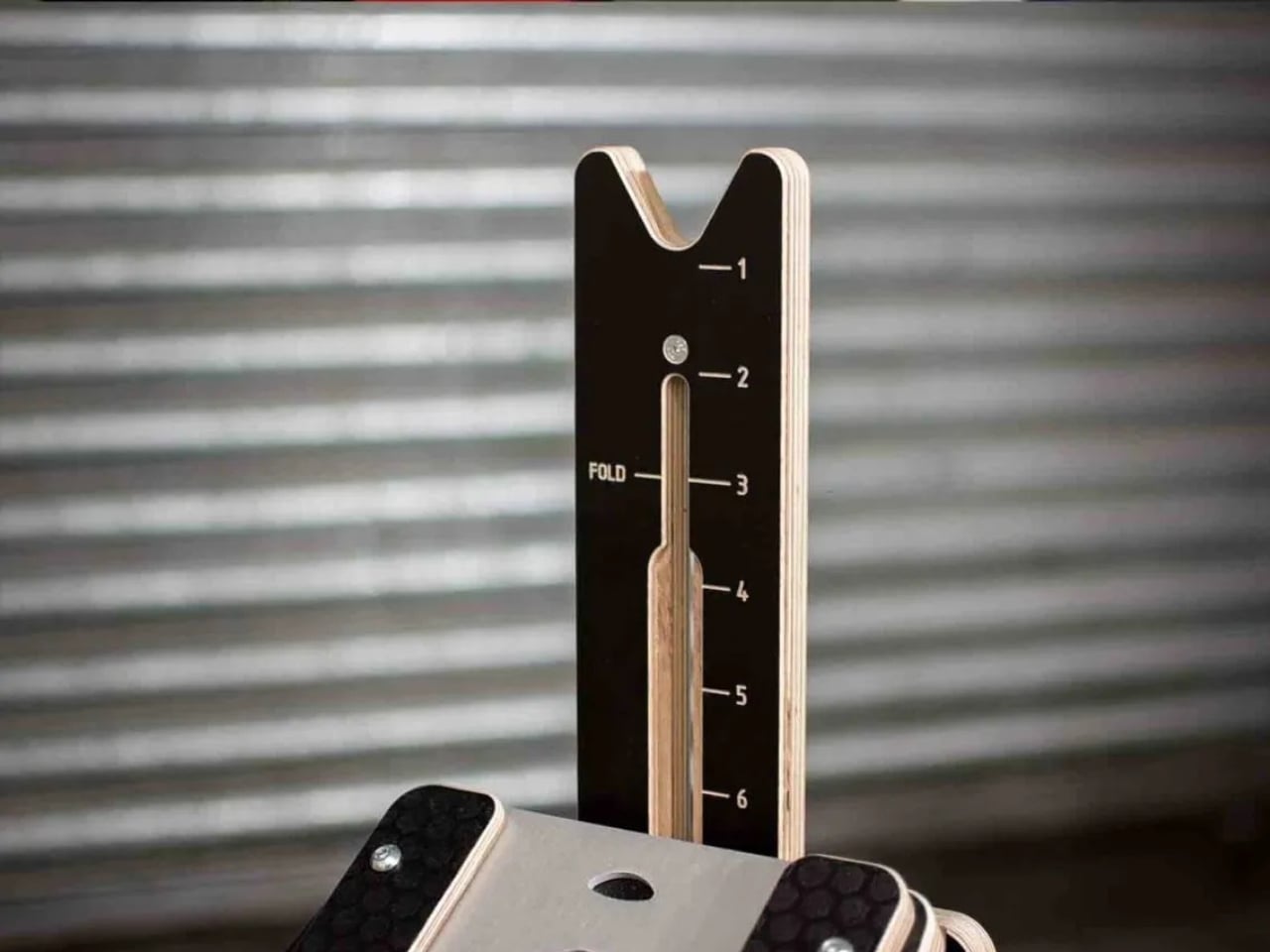
A concept for an aesthetic Wooden Desk Clock was developed by the designer in collaboration with Shapr3D. It is a minimalist clock that you can place on your bedside table or your working desk so you can still use the old school method to know what time it is, instead of just looking at your phone or computer. It is crafted from different wood types that were CNC-machined: walnut, cherry, or maple wood.

The clock is made up of two parts: the clock head where you can tell the actual time in an analog way and a supportive frame. The latter serves as both the base and also functional handle where you can adjust the angle, at least vertically. The different wood types used give the clock a minimalist but elegant look because of the contrast of the different warm tones of the wood and the smooth, curved surfaces.

If ever you have kids around you, then it would still be nice if they could tell time using the short and long hand. This wooden desk clock would probably be even more of a challenge since there are no numbers so you need to be familiar with the general direction of the time.

The post Wooden desk clock lets you tell time in an analog, elegant way first appeared on Yanko Design.