5 Reasons Why the DJI Air 3S is the Ultimate Prosumer Drone for High-End Photography

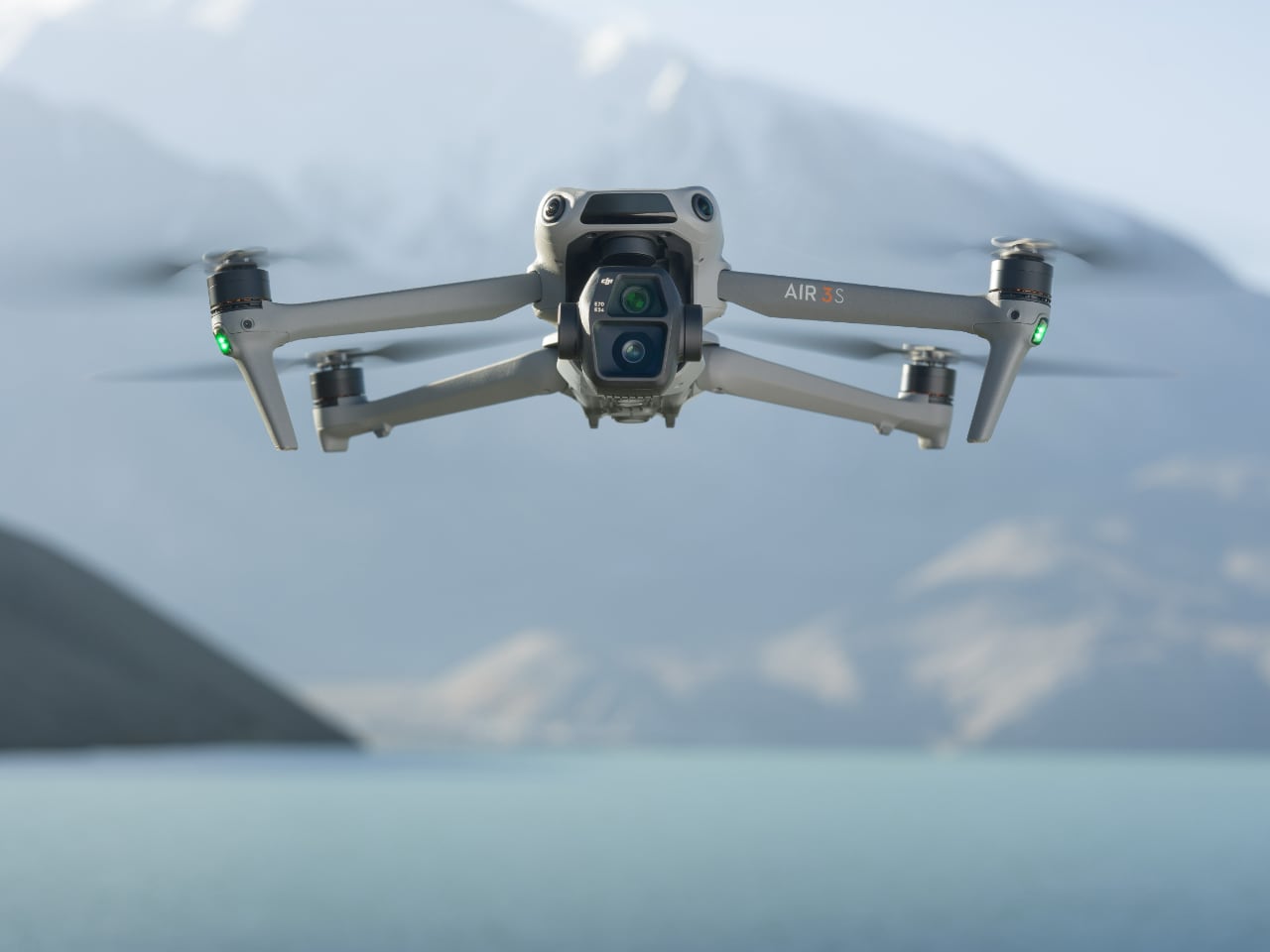
DJI has unveiled its latest aerial photography innovation, the Air 3S drone. Featuring a dual-camera setup with a 1-inch-CMOS primary camera and a 70mm medium tele camera, the Air 3S promises to enhance travel photography and videography to new heights. This new model offers improved 10-bit image quality, allowing for more vibrant colors in photos and videos. The enhanced ISO capabilities also ensure superior performance in low-light conditions, capturing breathtaking details that surpass those of the current DJI Mavic 3 Pro.

Image: DJI Air 3S: 70mm

Designer: DJI

Advanced Dual-Camera System

The DJI Air 3S boasts an advanced dual-camera system that sets a new aerial photography and videography standard. According to Ferdinand Wolf, DJI’s Product Experience Director, “The DJI Air 3S takes our Air Series to new heights by offering professional features like dual primary cameras and omnidirectional obstacle sensing while retaining its lightweight of just 724g for boundless freedom and flexibility.” The Air 3S is the perfect all-rounder for travel photography, capturing special moments during vacations while ensuring safety and security during nighttime operations.

Image: DJI Air 3S

Complementing the primary camera is a 70mm medium tele camera featuring a 48MP 1/1.3-inch CMOS sensor. This secondary camera offers a 3x optical zoom, making it ideal for portrait and vehicle shots with a compressed depth of field that adds a cinematic quality to footage. Both cameras support 4K/60fps HDR video recording and 10-bit D-Log M color profiles, ensuring consistent visual quality across both focal lengths and providing ample flexibility in post-processing. One of the standout features of the Air 3S’s camera system is its ability to capture images with up to 14 stops of dynamic range. This wide dynamic range allows for more detail retention in highlights and shadows, resulting in more balanced and professional-looking images even in high-contrast scenes. The improved ISO performance, with a maximum ISO of 12,800 in normal mode and 3,200 in D-Log M and HLG color modes, further enhances the drone’s capabilities in low-light situations.
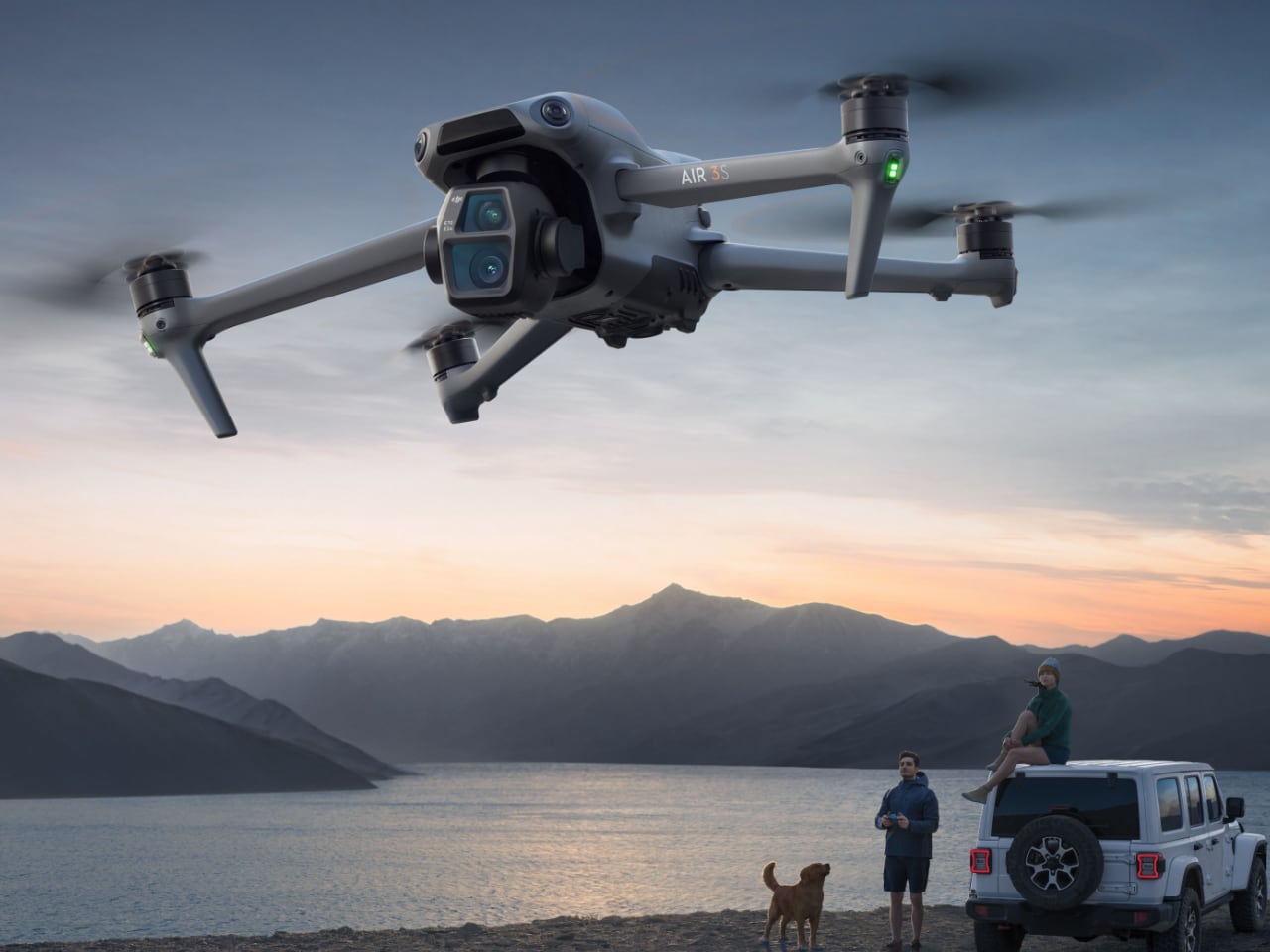
Image: DJI

The Air 3S introduces a new Free panorama feature for both cameras, allowing users to create seamless panoramic shots by stitching together multiple images with manually selected subjects or areas. This feature, combined with the wide-angle and medium tele cameras, offers photographers greater flexibility in capturing expansive landscapes with rich details and minimal distortion. DJI has also implemented a more advanced video encoding compression algorithm in the Air 3S, which reduces video file sizes by over 30% without compromising image quality. This significant improvement in file compression saves valuable storage space and streamlines the post-production workflow for content creators.

Image: DJI Air 3S camera: 24mm

The dual-camera system is further enhanced by intelligent features like Subject Focusing, which keeps the subject in sharp focus even during manual flight or when the subject moves off-center. This allows pilots to concentrate on creative aspects of shot composition and camera movement without worrying about losing focus on their subject. Additionally, the Air 3S features ActiveTrack 360°, which automatically plans flight paths based on the surrounding environment to ensure dynamic shots that keep the subject in the frame, even when partially obscured by obstacles like bushes or bridges.

Overall, the DJI Air 3S’s advanced dual-camera system represents a significant leap forward in aerial imaging technology. It offers professional-grade image quality, versatile focal lengths, and intelligent features catering to amateur enthusiasts and professional photographers.

Enhanced Safety Features

The DJI Air 3S introduces innovative safety features that set a new standard for drone operation, especially in challenging low-light conditions. At the forefront of these advancements is the integration of forward-facing LiDAR technology, making the Air 3S the first DJI drone to incorporate this sophisticated sensing capability. This LiDAR system works with downward infrared time-of-flight (ToF) sensors and six vision sensors positioned at the drone’s front, rear, and bottom to achieve comprehensive nightscape omnidirectional obstacle sensing.
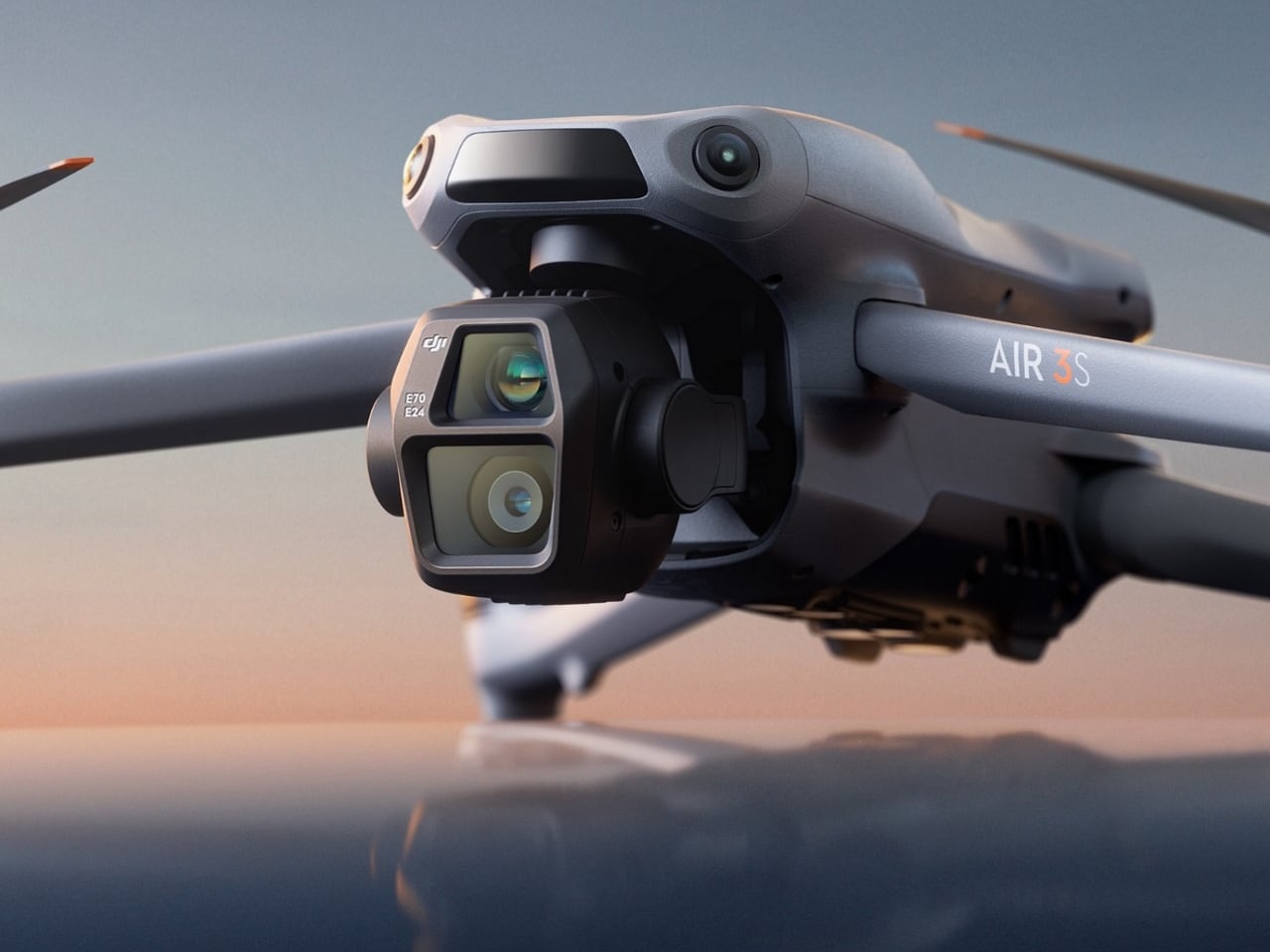
Image: DJI

This advanced sensor array enables the Air 3S to automatically detect and navigate around obstacles during both flight and return paths, significantly enhancing safety during nighttime photography sessions. The LiDAR technology, in particular, excels in low-light environments where traditional vision-based sensors might struggle, providing pilots with greater confidence when operating in dim conditions or urban areas with complex structures.

The Air 3S also features an improved Smart Return-to-Home (RTH) function. This next-generation RTH system utilizes the drone’s enhanced sensing capabilities to plot safer and more efficient return paths. When adequate lighting is available, the drone employs real-time vision positioning and map construction technologies to memorize its flight path. This feature ensures a safe return even when taking off from locations without a strong satellite signal, such as indoor environments or areas with heavy tree cover.
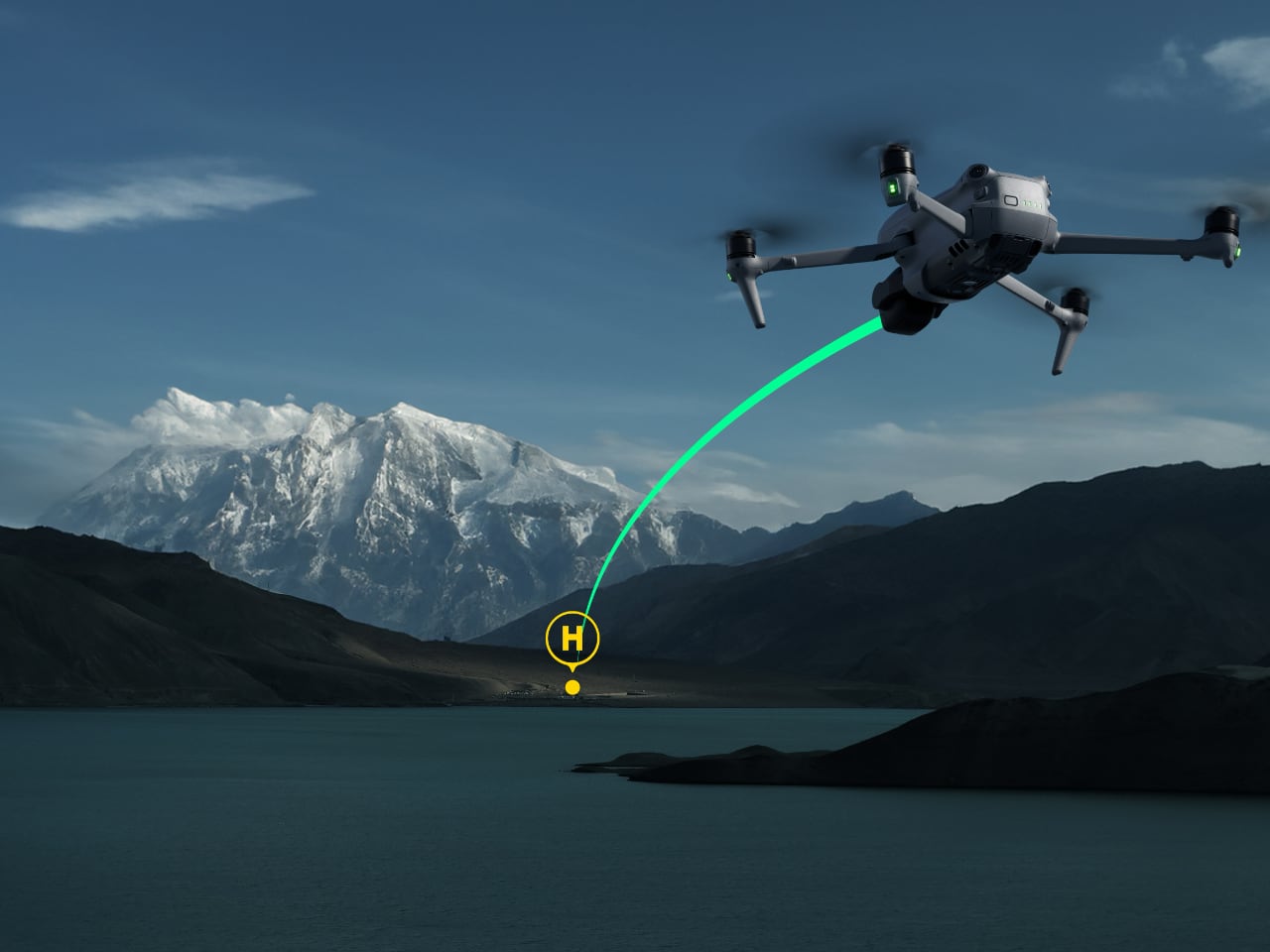
Image: DJI

Another notable safety enhancement is the Air 3S’s ability to maintain stable flight in winds up to 12 m/s (approximately 26.8 mph). This wind resistance, combined with the drone’s advanced obstacle avoidance systems, allows for safer operation in various weather conditions, expanding the range of environments and scenarios in which pilots can confidently fly. The Charging Hub with Power Accumulation also allows users to effectively consolidate power across batteries, which is helpful for longer sessions.

The drone’s safety features are further complemented by its extended flight time of up to 45 minutes. This longer operational window reduces the pressure on pilots to rush shots or compromise safety to capture footage before the battery depletes. It also provides ample time for careful navigation and thorough environment assessment, especially in unfamiliar or complex shooting locations.

DJI has also implemented a Data Protection feature in the Air 3S. The Local Data Mode acts like an “airplane mode,” completely disconnecting the drone from the internet and ensuring that all data remains solely within the device. This feature addresses privacy concerns and provides an additional layer of security for sensitive operations or when flying in restricted areas. Additionally, the 42-GB built-in storage and Off-State QuickTransfer provide seamless file transfers without needing external storage or keeping the drone powered on.

These comprehensive safety enhancements make the DJI Air 3S a powerful tool for capturing stunning aerial imagery and a more reliable and secure platform for amateur and professional drone pilots. By prioritizing obstacle avoidance, stable flight, and data protection, DJI has created a drone that allows users to focus on their creative vision while minimizing operational risks.

Comparison with Mavic 3 Pro

The DJI Air 3S and Mavic 3 Pro are high-end consumer drones but differ in key aspects, such as their camera systems, design, and capabilities.
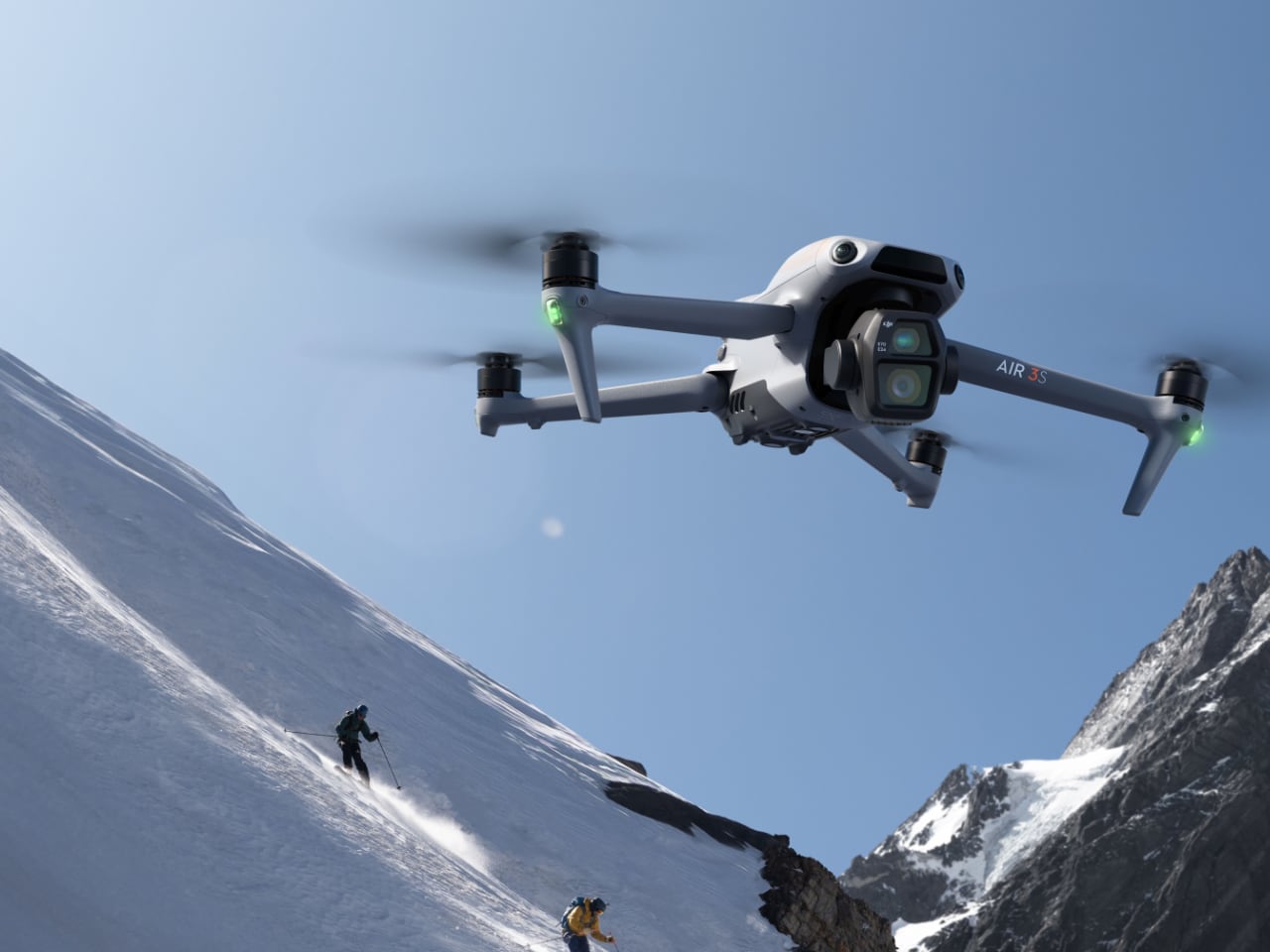
Image: DJI Air 3S
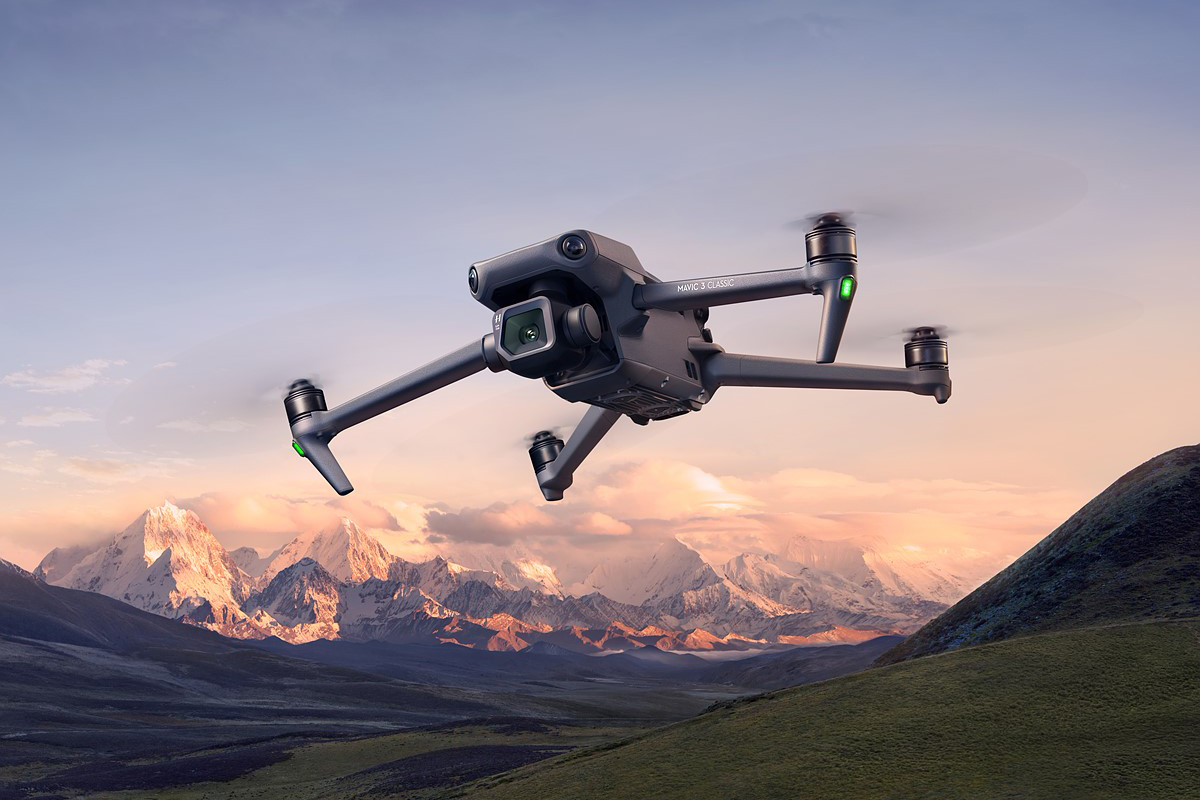
Image: DJI Mavic 3

  • Camera System: The Air 3S features a dual-camera setup with a 1/1.3-inch CMOS primary camera (50MP) and a 70mm medium tele camera (48MP). In contrast, the Mavic 3 Pro boasts a triple-camera system with a 4/3 CMOS Hasselblad main camera (20MP), a 1/1.3-inch CMOS medium tele camera (48MP), and a 1/2-inch CMOS telephoto camera (12MP). While the Air 3S lacks the long-range telephoto of the Mavic 3 Pro, its primary camera offers higher resolution and potentially better low-light performance due to its larger sensor size.
  • Image Quality and Video Capabilities: Both drones support 10-bit video recording. However, the Air 3S has improved its ISO performance, with a maximum ISO of 12,800 in Night Mode and 3,200 in D-Log M and HLG color modes. The Mavic 3 Pro’s main camera can shoot at a higher resolution of 5.1K/50fps, while the Air 3S tops out at 4K/60fps. However, the Air 3S’s new video encoding compression algorithm reduces file sizes by over 30% without compromising quality, a significant advantage for storage management.
  • Flight Performance: The Air 3S offers a maximum flight time of 46 minutes, slightly longer than the Mavic 3 Pro’s 43 minutes. Both drones feature omnidirectional obstacle sensing, but the Air 3S introduces forward-facing LiDAR for improved nighttime obstacle avoidance. The Air 3S also has a reduced weight of 724g compared to the Mavic 3 Pro’s 958g, making it more portable for travel photography.
  • Smart Features: Both drones offer advanced tracking features, but the Air 3S introduces a new Subject Focusing feature that keeps the subject in sharp focus even during manual flight or when the subject moves off-center. The Mavic 3 Pro, however, has a more versatile camera system for different shooting scenarios due to its third telephoto lens.

Pricing and Availability

The DJI Air 3S has several configurations to suit user needs and budgets. The base model, DJI Air 3S (DJI RC-N3), retails for $1,099 and allows pilots to use their smartphones to check the live feed and flight status1. This entry-level option provides an accessible price point for enthusiasts looking to experience the advanced features of the Air 3S without additional accessories.
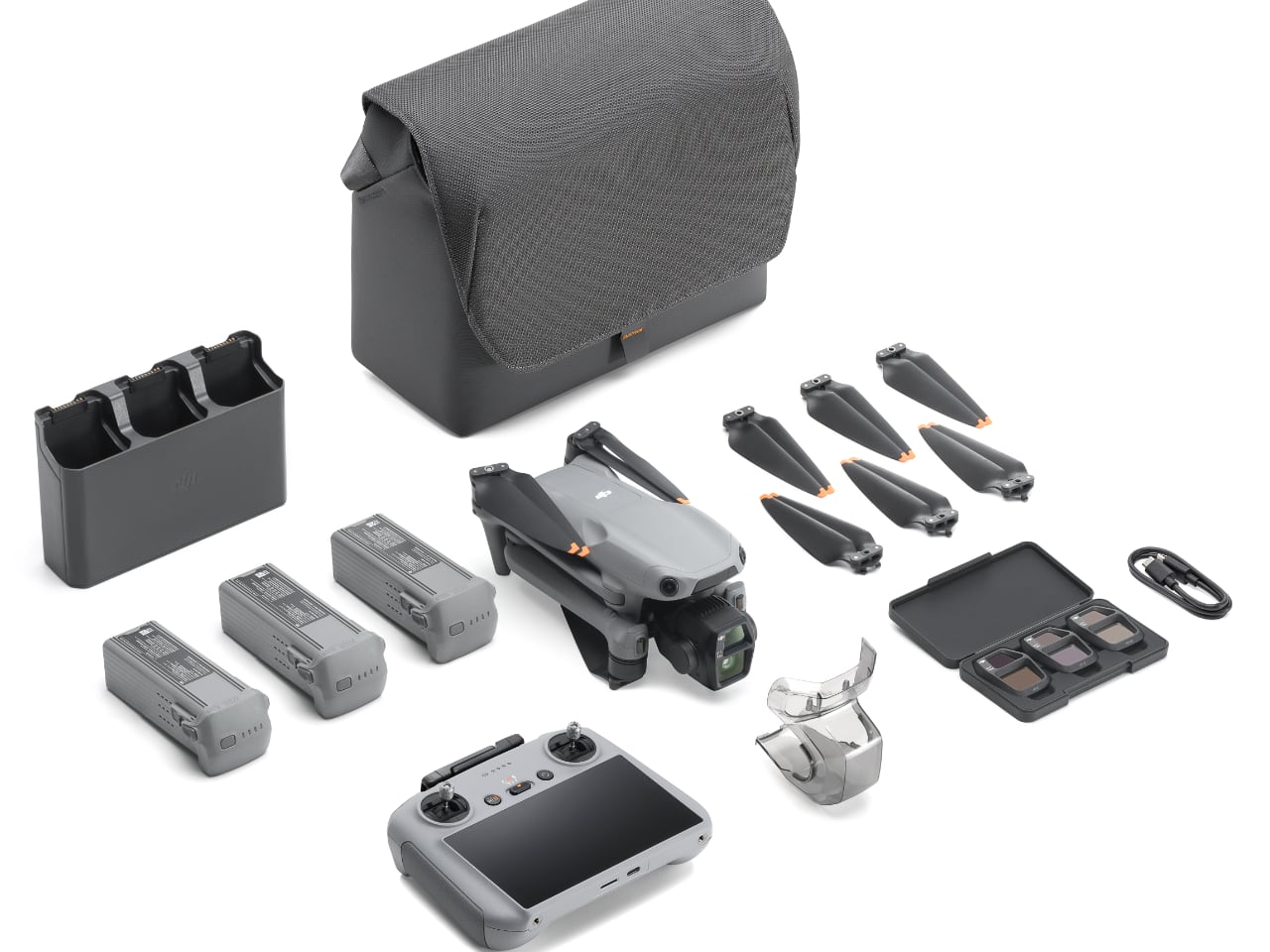
Image: DJI

DJI offers two Fly More Combo options for those seeking a more comprehensive package. The DJI Air 3S Fly More Combo (DJI RC-N3) is priced at $1,399 and includes several valuable accessories1. This bundle comes with the DJI RC-N3 remote controller, an ND filter set for managing exposure in bright conditions, two additional batteries to extend flight sessions, a battery charging hub for convenient power management, and a shoulder bag for easy transport.
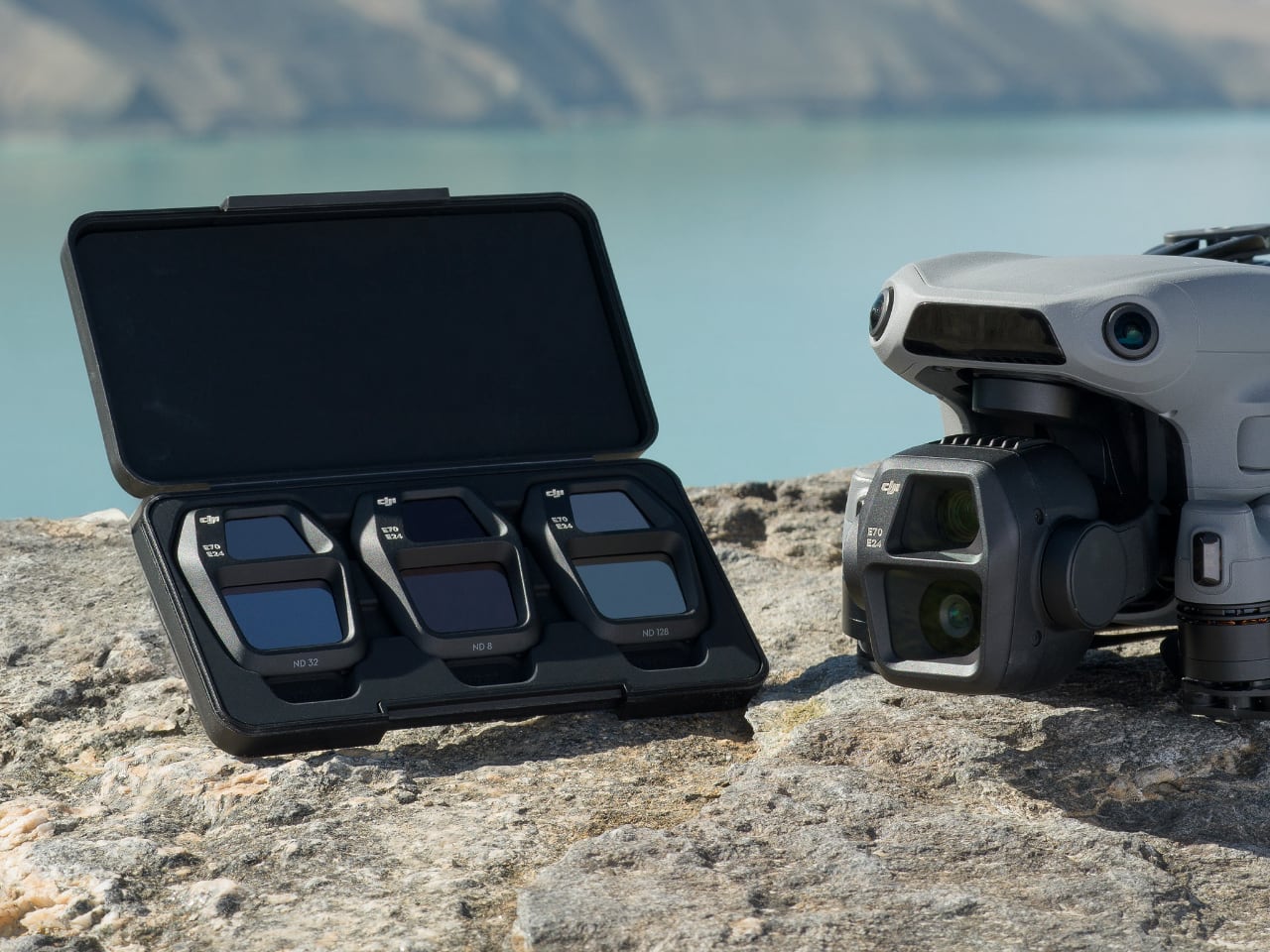
Image: DJI

The premium option, the DJI Air 3S Fly More Combo (DJI RC 2), is available for $1,5991. This package includes the DJI RC 2 remote controller, which features a built-in 5.5-inch 1080p screen with 700-nit brightness, eliminating the need for a separate smartphone. Like the other Fly More Combo, it includes an ND filter set, two additional batteries, a battery charging hub, and a shoulder bag.

The Air 3S’s pricing strategy positions it as a more affordable alternative to the higher-end Mavic 3 Pro, which starts at $2,1992. This pricing makes the Air 3S an attractive option for enthusiasts and professionals who want advanced features without the higher cost of the Mavic series.
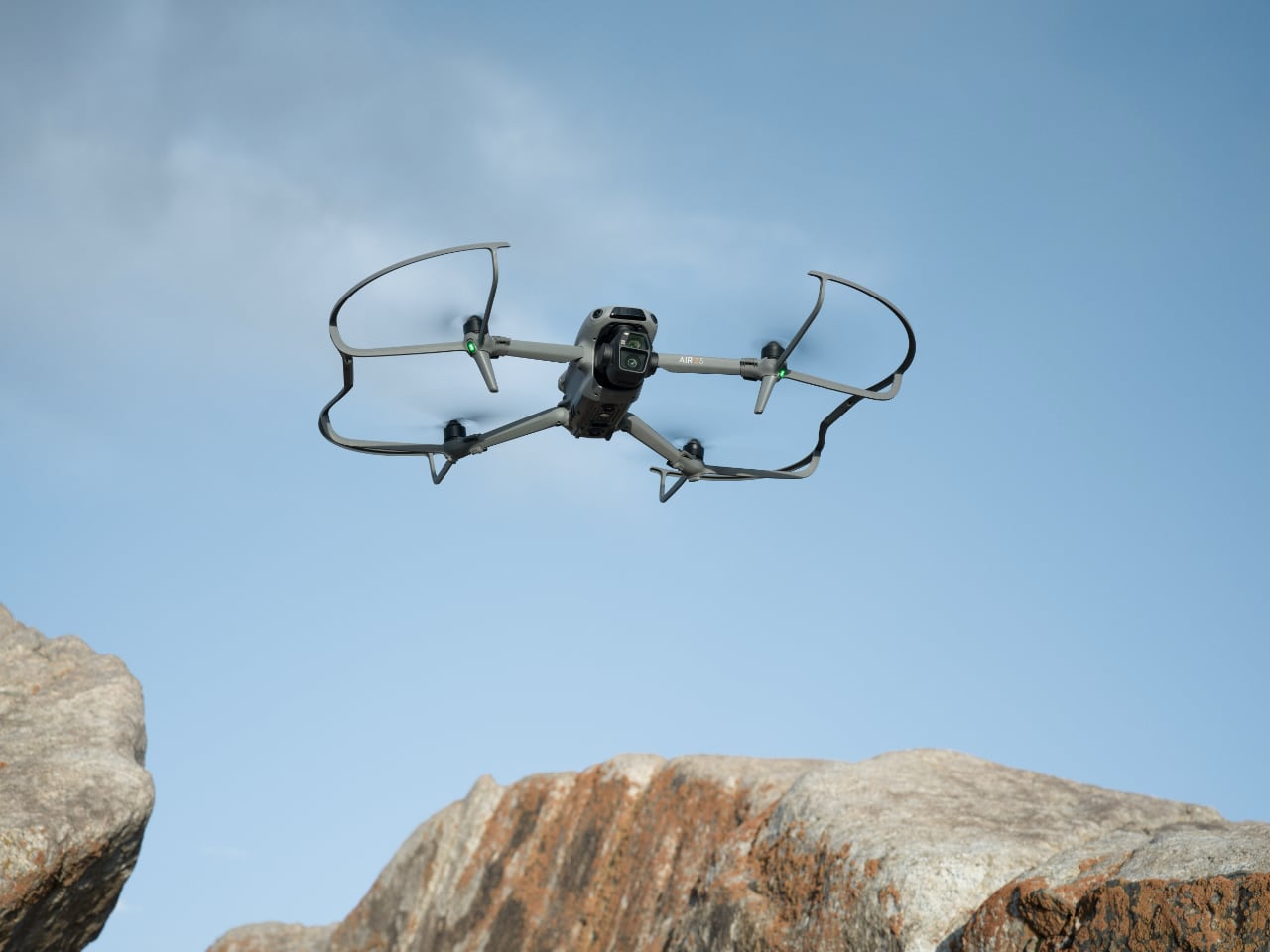
Image: DJI

Compared to its predecessor, the Air 3, the Air 3S offers significant upgrades in camera technology and safety features while maintaining a similar price point. This value proposition will likely appeal to users looking to upgrade their existing DJI drones or those entering the prosumer drone market for the first time3.

The post 5 Reasons Why the DJI Air 3S is the Ultimate Prosumer Drone for High-End Photography first appeared on Yanko Design.

LEGO Meets Luxury: Are Rolex, AP, and Cartier Ready to Create the Ultimate Brick-Built Timepieces?

It’s Wristwatch Wednesday on Yanko Design again, and today, I’m digging into a playful yet intriguing topic: LEGO luxury watches. Yes, you read that right. Imagine the iconic Rolex Submariner or Audemars Piguet Royal Oak in LEGO form. The world of fine timepieces meets the playful, nostalgic charm of LEGO blocks, resulting in creations as captivating as they are creative. It’s a topic that merges two worlds with a surprisingly big crossover—watch collectors and LEGO enthusiasts. Today, I’m taking you on a journey through these brick-built renditions and their real-life counterparts, showing what sets each apart and why they resonate deeply with LEGO enthusiasts and watch collectors.

The Art of LEGO and Horology: Why They Come Together So Well

There’s something surprisingly satisfying about seeing a luxury watch replicated in LEGO form. A luxury timepiece’s inherent precision and design complexity seem like an impossible fit with LEGO’s chunky, colorful blocks. Yet, that’s precisely what makes these LEGO versions so compelling. The real challenge is capturing the essence of luxury craftsmanship with plastic bricks that were never intended to mirror the intricate details of watchmaking. This playful paradox is why I, along with other fans of both LEGO and watches, find this concept so exciting.

Building miniature versions of real-life objects has always been a key appeal for LEGO enthusiasts. From cars to skyscrapers, the challenge lies in translating smooth, complicated forms into brick-like constructions. On the other hand, watch collectors appreciate the fine details—down to the way light catches the beveled edges of a Rolex or how an Audemars Piguet Royal Oak bracelet wraps around the wrist with a certain fluidity. So, how do these two seemingly different audiences come together here? For me, it’s the shared passion for craftsmanship—whether through the intricate mechanics of haute horology or the creative joy of a child’s building toy. Personally, I love seeing how both worlds strive for perfection in their own unique ways.

The LEGO Rolex Submariner vs. The Real Rolex Submariner

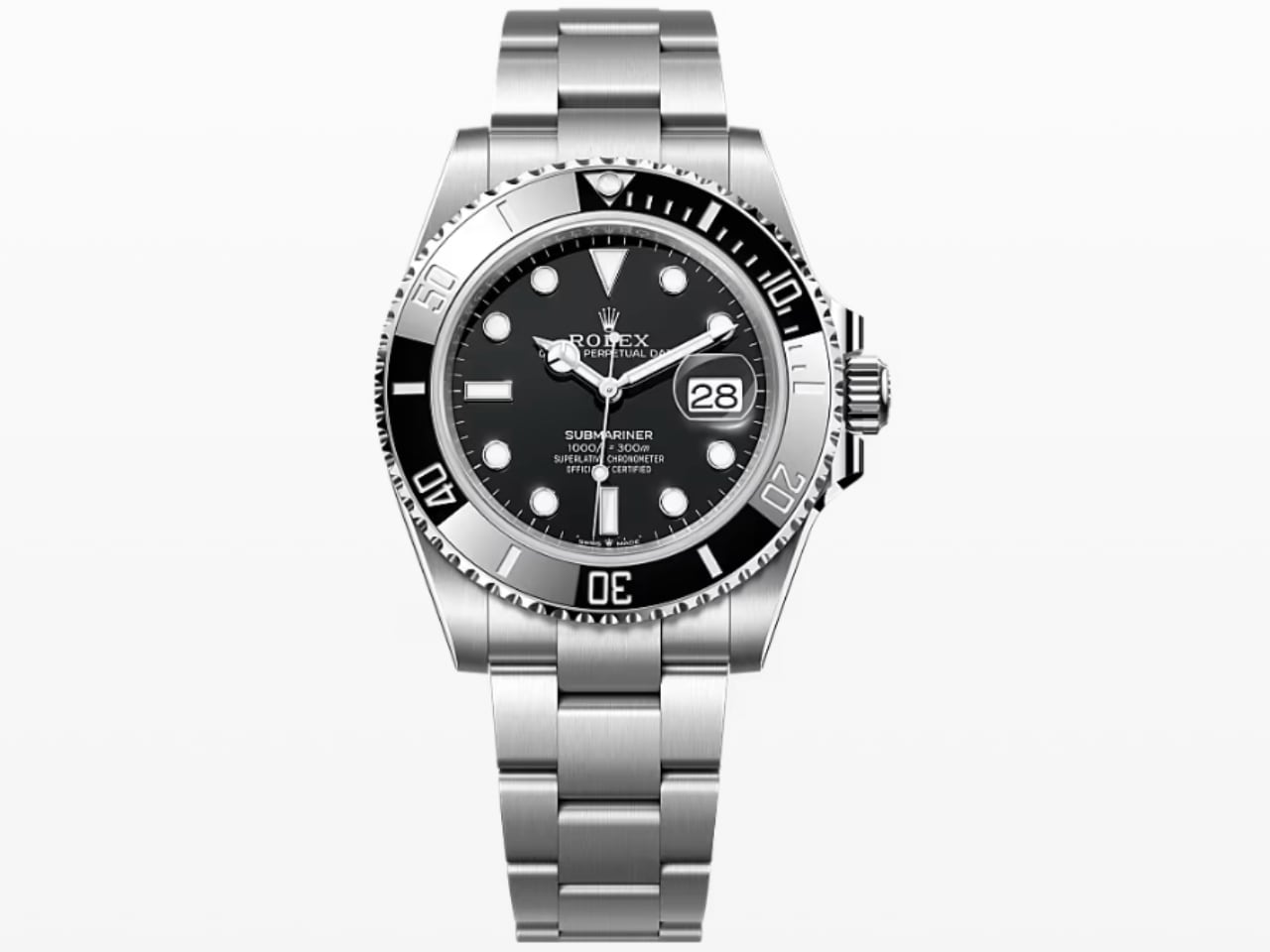
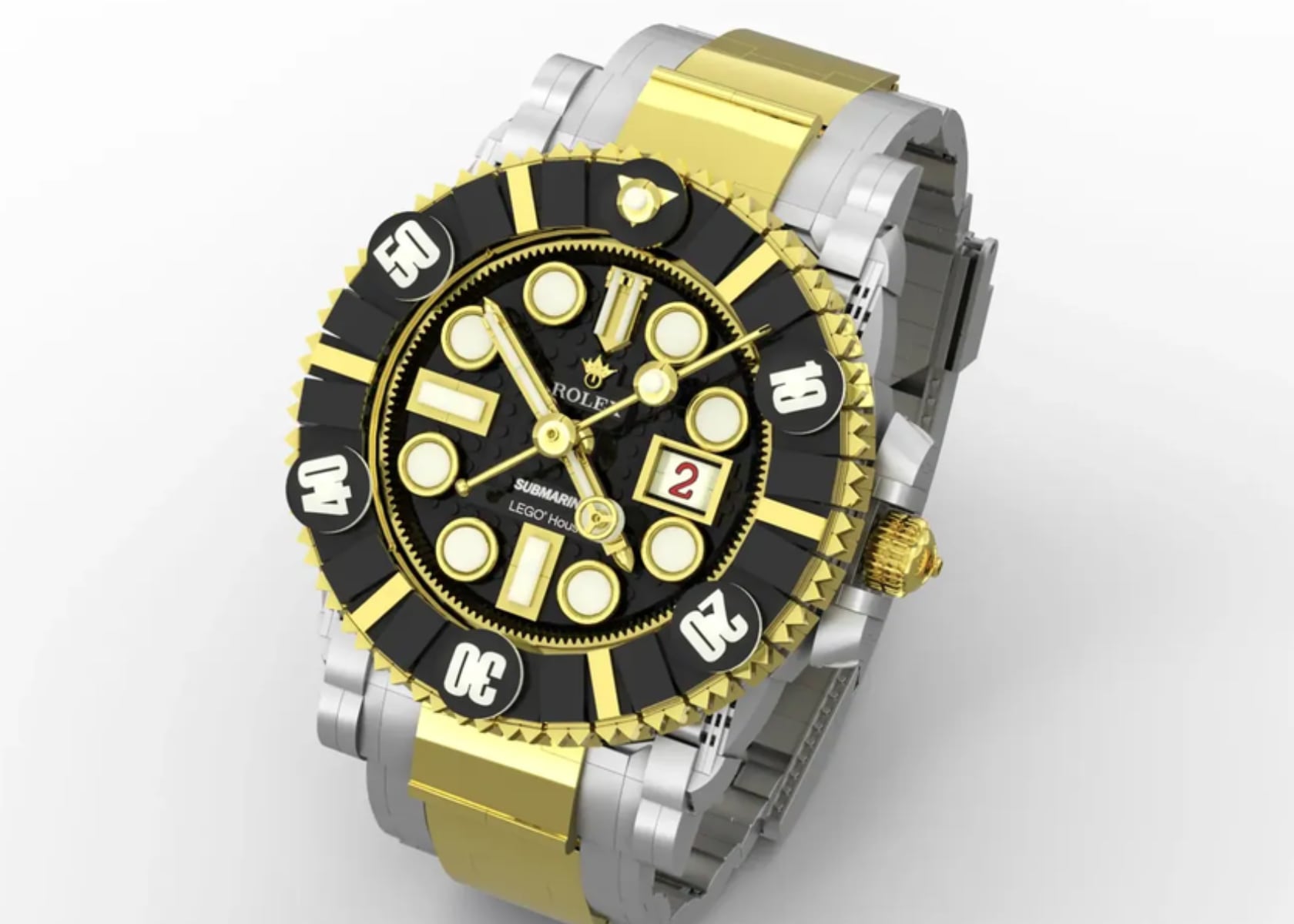
Let’s start with one of the most iconic watches: the Rolex Submariner. The real Submariner is famous for its black dial, rotating bezel, and robustness as a dive watch. It’s the timepiece you could wear while exploring underwater wrecks or dressed up for a night out. Crafted with surgical-grade steel, the real Submariner exudes quality, with precision engineering that ensures it’s waterproof to a depth of 300 meters.

AI-Generated LEGO x Rolex Submariner

Now compare this to its LEGO version. The LEGO Submariner isn’t going anywhere near water—its construction relies on plastic pieces snapping together, and no LEGO piece in the world is waterproof to 300 meters! But that’s not really the point, is it? What makes the LEGO version so charming is how it captures the silhouette, the bezel’s ridges, and even the dial layout—albeit in a chunky, exaggerated way. It’s a caricature, a playful homage to a watch that has come to define what a dive watch should be.

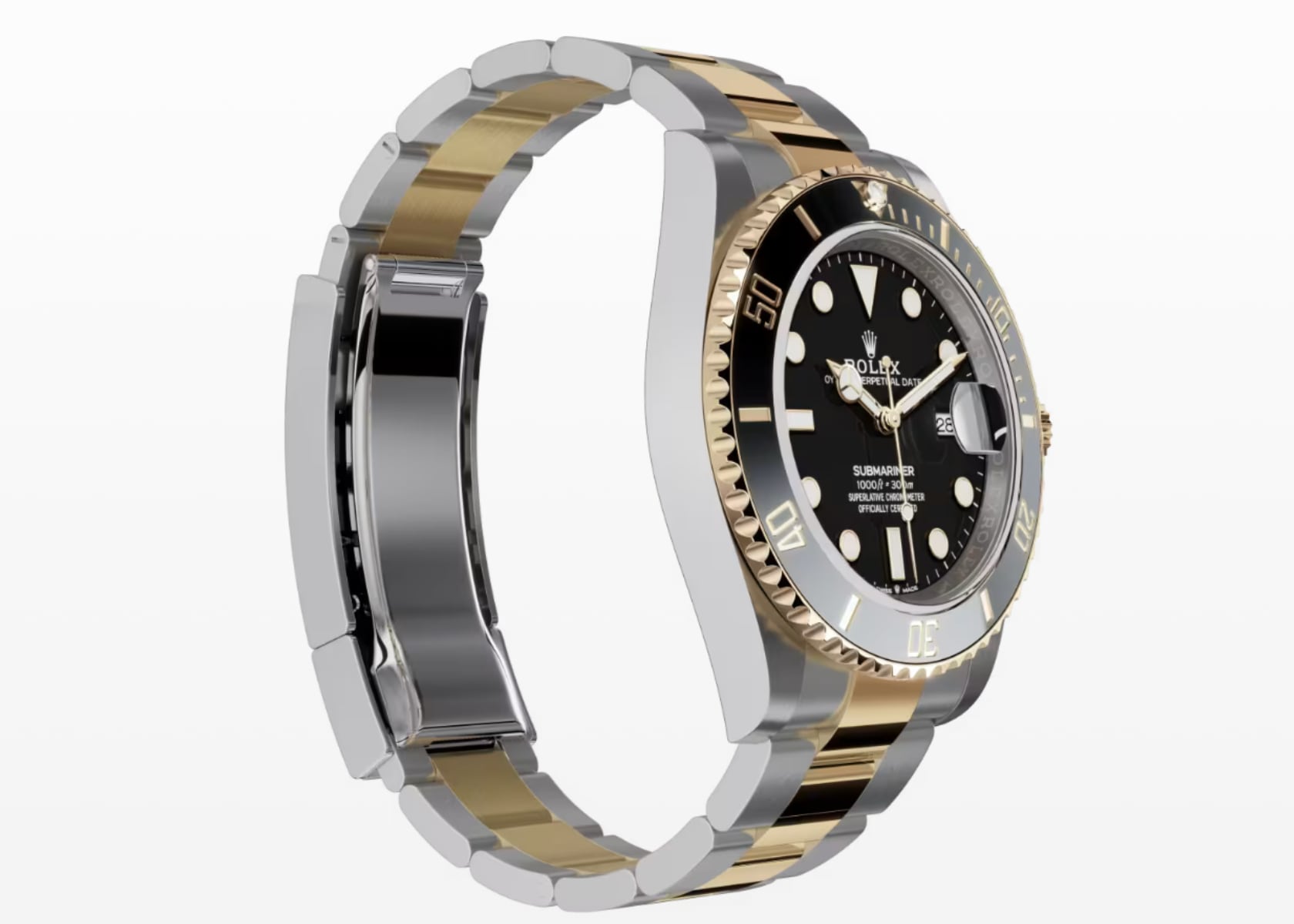
Rolex Submariner Date Oystersteel 41 mm

The authentic Rolex Submariner feels weighty and precise on the wrist, with decades of refinement packed into its Oyster case. The LEGO version, meanwhile, is like a desktop conversation piece. If you’re thinking functionality, forget it; it’s about capturing the spirit of an icon in a different, more approachable way. Whether you’re an experienced diver or someone who’s never set foot near a dive tank, there’s something whimsical about seeing this watch, renowned for its utility, transformed into a plastic brick sculpture.

LEGO Daytona vs. Real Rolex Daytona: Revving Up in Different Ways

Next is the Rolex Daytona, a watch synonymous with racing, speed, and precision. The genuine Daytona emphasizes chronograph functionality, tachymeter bezels, and its deep connection with the fast-paced world of motorsports—famously tied to Paul Newman and the thrilling 24 Hours of Le Mans. It’s a timepiece that measures milliseconds with ease, and the quality of its movement, the Caliber 4130, sets it apart as one of the best chronographs in the market.

AI-Generated LEGO x Rolex Daytona – Oystersteel

So what happens when you translate this into LEGO? The LEGO Daytona doesn’t have an automatic movement or sub-dials that actually work, of course. What it does have is a beautiful attention to aesthetics—each button, the ridged bezel, and even the tachymeter markers are cleverly depicted in plastic bricks. It’s not functional in the horological sense, but its form still captures the essence of the Daytona—a nod to its role as a tool for timing races, now transformed into a playful, stationary model.

In comparing the two, the genuine Daytona is like a precision tool—built for racing and made to the highest standards. The LEGO version is like a trophy for the shelf of someone who adores both motorsports and creative LEGO projects. It’s a piece for those who are in on the joke and who appreciate the paradox of recreating a serious, high-precision device with something as low-tech as LEGO.

Day-Date in Gold: LEGO vs. The Real Presidential Timepiece

The Rolex Day-Date, often referred to by enthusiasts as the ‘President,’ earned this nickname because numerous world leaders, including U.S. Presidents like Lyndon B. Johnson, have famously worn it. However, it’s important to note that Rolex officially calls it the Day-Date, while the ‘President’ specifically refers to the style of the bracelet. Introduced in 1956, it was the first wristwatch to display the day and the date in windows on the dial. It is a watch that exudes luxury. Its gold finish, complete with diamond-studded dials and a fluted bezel, is the kind of thing that screams sophistication. The real Day-Date is often the timepiece of choice for world leaders and celebrities—a statement of power, elegance, and success. Imagine the President of the United States sporting a Rolex Day-Date Presidential watch made from LEGO—it’s a whimsical image that perfectly captures the playful spirit of these brick-built renditions.

AI-Generated LEGO x Rolex Day-Date

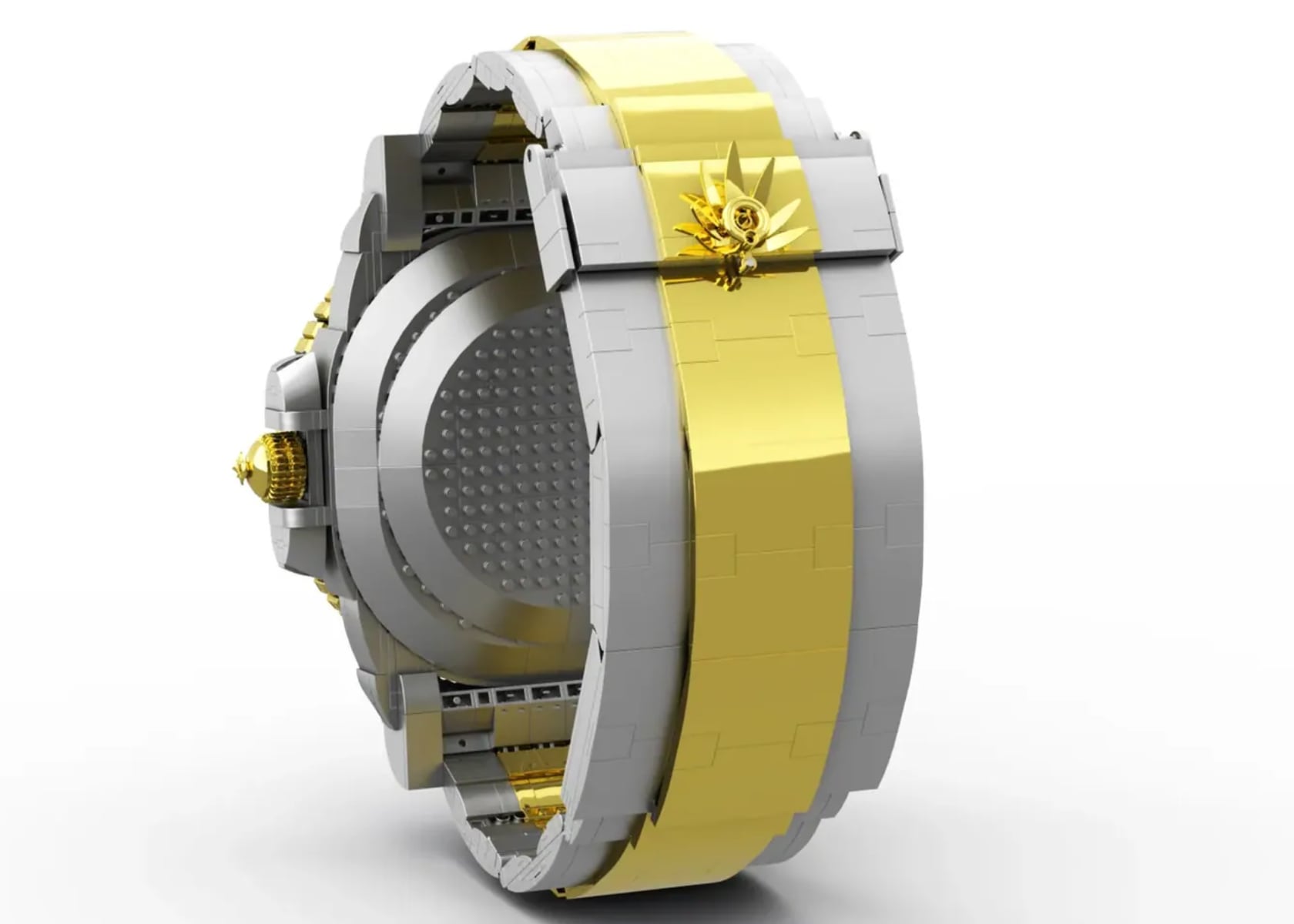
Now imagine that luxury recreated in LEGO bricks. The LEGO version retains the gold—at least visually. It captures the blingy bezel, the iconic President bracelet, and even the day and date windows. Of course, it’s not solid gold; it’s just carefully chosen yellow and white bricks snapped together. But somehow, it captures the essence—the LEGO Day-Date feels playful yet fancy, almost as if it’s poking fun at its own luxury. It’s for the person who loves the Day-Date’s symbolism and has the sense of humor to appreciate it in LEGO form.

Image: Icebox, ROLEX DAY DATE 40MM 18K YELLOW GOLD (228238) – 19.50CTW FULLY ICED OUT

The Audemars Piguet Royal Oak: A Blocky Tribute

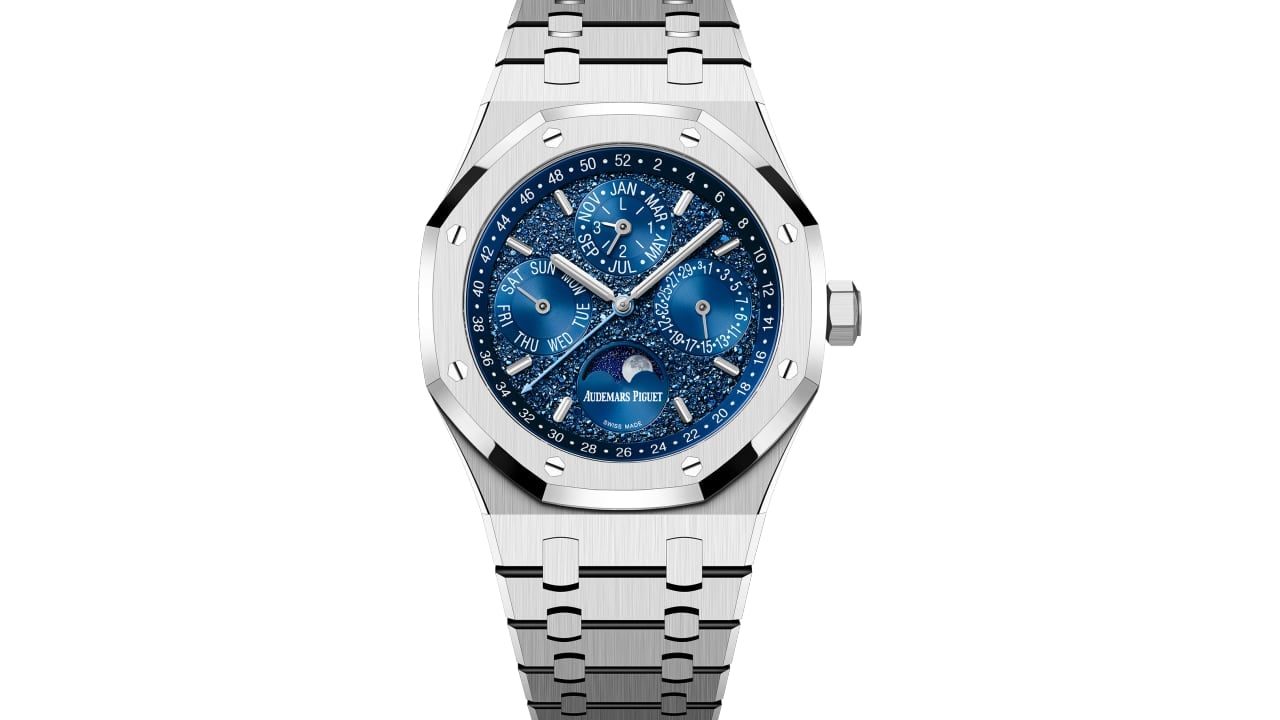
Few watches are as iconic as the Audemars Piguet Royal Oak, with its octagonal bezel and exposed screws. The actual Royal Oak is famous for its industrial elegance—designed by Gérald Genta, it’s a game-changer that brought the luxury sports watch category to life. Crafted from stainless steel, it highlights the juxtaposition of polished and brushed surfaces, giving it a distinctive look that’s rugged and refined.

AI-Generated LEGO x Audemars Piguet Royal Oak

The LEGO Royal Oak, on the other hand, trades brushed steel for grey bricks. It still maintains the unmistakable octagonal bezel and the integrated bracelet, but the intricacy is reduced to geometric simplicity. The Tapisserie pattern on the dial, which usually involves meticulous craftsmanship, is represented with flat studs—it’s rudimentary, but that’s the beauty of it. Instead of the weighty presence of stainless steel, you get the lightweight, almost comical feel of stacked plastic. The LEGO Royal Oak pays tribute in the best way it can, with a bit of playful irreverence.

Royal Oak Perpetual Calendar “John Mayer” Limited Edition

Cartier Santos in LEGO Form: Squaring Elegance with Fun

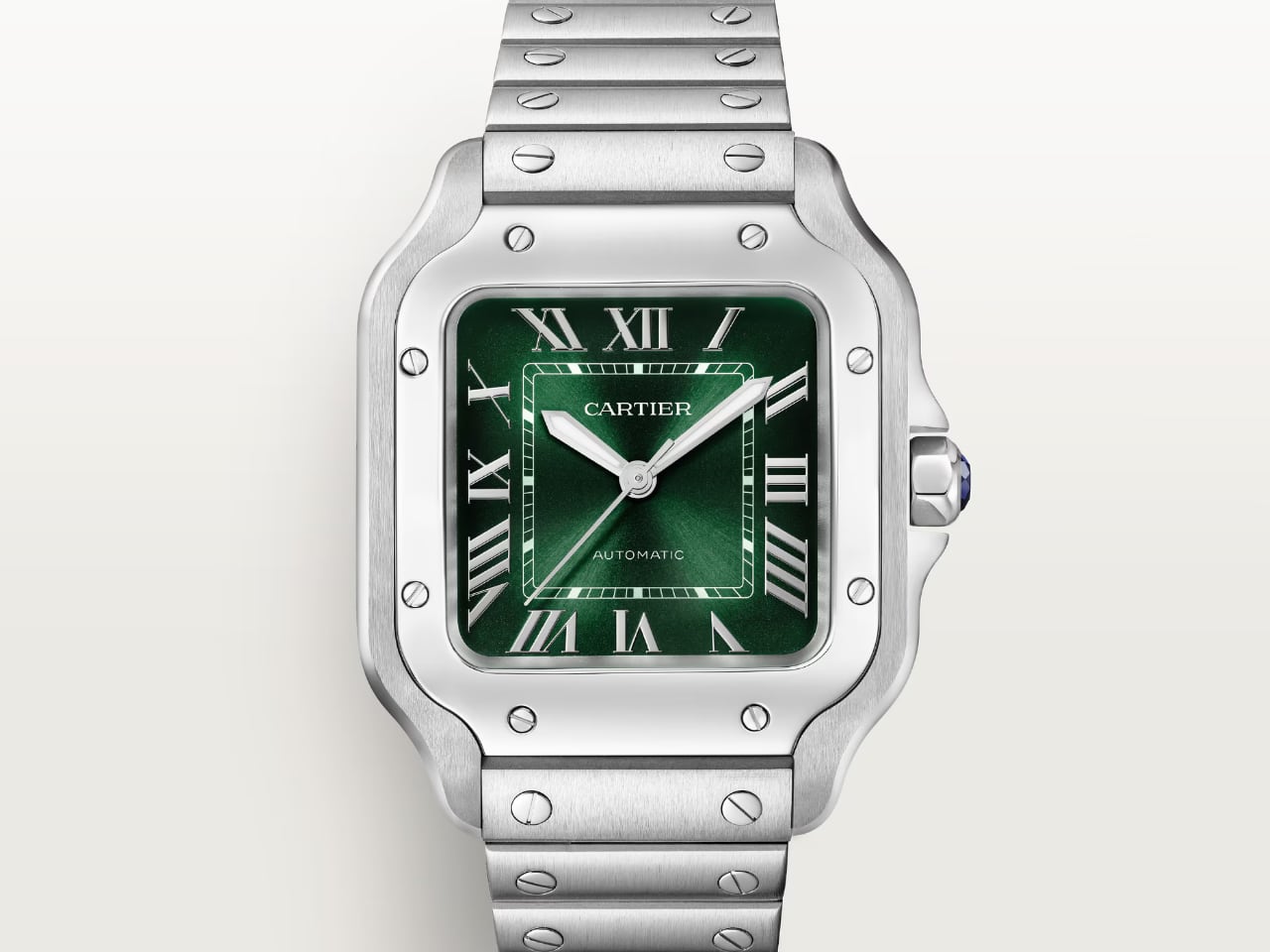
The Cartier Santos is another classic—a watch designed for aviation pioneer Alberto Santos-Dumont. Its square face and exposed screws make it instantly recognizable. The real Cartier Santos epitomizes refined French elegance, with Roman numerals and a heritage that goes back over a century.

AI-Generated LEGO x Cartier Santos

The LEGO version plays with these elements, keeping the shape, the exposed screws, and the Roman numerals but doing so with bright plastic that is anything but elegant in the traditional sense. It’s a tongue-in-cheek recreation, one that delights in its blocky squareness, almost as if Cartier’s first wristwatch were reimagined for a child’s toybox. It takes something meant to be worn as a marker of luxury and turns it into a fun, decorative piece—a way for fans of both brands to connect in a quirky, unexpected way.

SANTOS DE CARTIER WATCH

Why LEGO and Luxury Watches Work So Well Together

So why does this concept work? What makes these LEGO versions resonate with both watch collectors and LEGO fans? The answer lies in the intersection of craftsmanship and creativity. Authentic watches like the Submariner or the Daytona are meticulously crafted, precision-engineered, and timeless in their design. Conversely, LEGO thrives on creativity, turning complex real-life objects into simple yet evocative forms.

For watch collectors, seeing a LEGO version of a favorite timepiece is like viewing it from a fresh perspective—celebrating its form rather than its function. There’s also an undeniable element of nostalgia; many collectors grew up with LEGO, and these models bring a sense of childlike wonder while respecting the original design. For LEGO fans, the challenge of recreating an intricate watch demonstrates the versatility of LEGO bricks, proving that simple blocks can capture something incredibly sophisticated.

This crossover appeal transforms these watches from wearable precision instruments into decorative conversation starters. The actual versions are meant to be worn and experienced for their craftsmanship and mechanical precision. The LEGO versions, however, are displayed as celebrations of design, transforming a high-end object into an accessible, humorous, and charming representation. They bring the luxury and accuracy of timepieces into a more playful light, making them resonate deeply with both communities.

A Challenge to Watch Brands: LEGO Sets the Bar

Don’t get me wrong, the LEGO versions of these watches aren’t replacements for the real thing—far from it. They don’t have the sapphire crystals, the precise movements, or the finely engineered components that make luxury watches so remarkable. But what if they did? Imagine a collaboration between LEGO and the finest watchmakers in the world. If brands like Bugatti, McLaren, and even Formula 1 teams can create real machines with LEGO, why can’t luxury timepiece brands do the same? This is a challenge to the watch industry—bring the craftsmanship, the detail, and the imagination together. Let’s see a working luxury watch created in partnership with LEGO—a true celebration of both worlds.

For LEGO fans and watch collectors alike, these models celebrate design—both the intricate, sophisticated design of the original timepieces and the imaginative, blocky reinterpretations in LEGO form. It’s a concept that brings people together, transcending the boundaries between childhood nostalgia and adult appreciation for craftsmanship. And at the end of the day, isn’t that what great design—whether in LEGO or luxury watches—is all about?

The post LEGO Meets Luxury: Are Rolex, AP, and Cartier Ready to Create the Ultimate Brick-Built Timepieces? first appeared on Yanko Design.

Get Next-Level 9.1.4 spatial audio with the Sonos Arc Ultra Soundbar

Experience movie nights like never before with the Sonos Arc Ultra, the latest flagship soundbar that merges cinema-quality audio with a design that’s as sophisticated as it is sleek. Built with breakthrough Sound Motion technology, Arc Ultra brings your entertainment to life with deep bass, immersive spatial audio with Dolby Atmos, and a refined look that complements large TVs without overpowering your space. It is the sleekest and most powerful soundbar Sonos has ever created. Available for $999.

Designer: Sonos

Sonos Arc Ultra brings sound and crafts an expansive sound stage that fills every inch of the room. Featuring an all-new architecture powered by 14 Sonos-engineered drivers, including the Sound Motion woofer and advanced tweeters, it delivers a 9.1.4 spatial audio experience that feels out of this world. Trueplay, now available for iOS and Android, allows you to fine-tune the sound for your specific space, transforming any room into a personal movie theater.

Sound Motion technology enhances the immersive experience by packing impressive performance into a compact design. This innovation provides greater clarity, depth, and balance, allowing you to hear every frequency with accuracy. It also delivers double the bass output compared to the previous Arc model.

With Dolby Atmos, Arc Ultra brings sound to life with sensational definition, enveloping you in a 9.1.4 spatial audio experience that places you right in the middle of the action. To elevate the experience further, pair Arc Ultra with Sonos Sub 4 and Era 300 rear speakers for a fully immersive Dolby Atmos setup that delivers incredible detail from every direction. For personal listening, you can even integrate Sonos Ace headphones for private surround sound and sensational spatial audio.

Never strain to hear dialogue again. The new center channel architecture in the Sonos Arc Ultra ensures every word, whisper, and subtle vocal cue is crystal clear. The advanced Speech Enhancement feature, adjustable via the Sonos app, allows you to customize dialogue clarity further to suit your preference, ensuring that conversations and vocals are always easy to follow.

Sonos partnered with industry veterans like Chris Jenkins and Onnalee Blank to fine-tune Arc Ultra for Dolby Atmos content, achieving a sound profile that rivals professional studio systems. This collaboration ensures you get an audio experience as rich and immersive as the creators intended, giving you a true theater-like atmosphere at home.

Arc Ultra is thoughtfully crafted with a distinctive curved shape, low-profile design, and matte finish, making it a stylish addition to your home while keeping the focus on your entertainment. The wrap-around grille extends sound in every direction, ensuring you’re completely surrounded, while the slimmer design prevents obstructing the TV screen whether it’s mounted or placed on a credenza.

Setting up the Arc Ultra is straightforward—connect it via HDMI eARC for a seamless experience. Once connected, it can be effortlessly controlled using your TV remote, the Sonos app, Sonos Voice Control, or Amazon Alexa. Touch controls are cleverly positioned on a hidden ledge to minimize visual distractions, and Bluetooth line-in adds even more streaming flexibility. Additionally, with Apple AirPlay 2 compatibility, the Arc Ultra integrates smoothly into your home ecosystem.

Sonos has also prioritized sustainability with Arc Ultra. Improved serviceability, reduced adhesive usage, lower idle power consumption, and smaller packaging volume all contribute to an environmentally friendly product without compromising on performance. The packaging is fully recyclable, and the product is designed to ship more efficiently with a lighter weight and reduced materials.

Pair the Arc Ultra with Sonos’ new Sub 4 for an extraordinary home theater experience. Sub 4 features dual custom woofers that generate deep, dynamic low frequencies, enhancing your entertainment without distortion. Its sculptural design allows it to fit seamlessly into your home—whether standing upright, lying on its side, or tucked under furniture. The next-generation Sub 4 includes increased processing power, memory, and new WiFi radios for better connectivity.

Alongside Arc Ultra and Sub 4, Sonos is rolling out an improved version of its app. This new software enhances the user experience by improving system identification, simplifying device setup, and offering better grouping capabilities. It also includes new features like improved queue management, music library indexing, and enhanced accessibility options, such as TalkBack improvements on Android.

With Sonos Arc Ultra and Sub 4, I’m excited to bring the next-level sound system into the comfort of my own home—experiencing exceptional sound quality, advanced features, and a sophisticated design that transforms my living room into a true cinematic space.

The post Get Next-Level 9.1.4 spatial audio with the Sonos Arc Ultra Soundbar first appeared on Yanko Design.

NUIO Flow Keyboard Will Blow Your Mind: Forget Everything You Knew About Typing!

NUIO has launched a new vision for keyboards and peripherals, putting human comfort at the core of every design. Founded by Tom Wilson, a former Product Design Executive at Apple, and Greg Wilson, a former digital marketing leader at Digitas, NUIO is transforming ergonomic peripherals. Forget what you know about keyboards—the old designs are outdated. The Flow Keyboard reshapes the typing experience. It’s a reinvention designed to change how we interact with technology, focusing on comfort and usability. NUIO didn’t just update an old design; they started from scratch to create a tool that works with the natural movements of our hands and minds. This makes you wonder why all keyboards aren’t designed this way. Built around the human form, it breaks free from the conventions that have limited productivity for decades.

Designer: NUIO

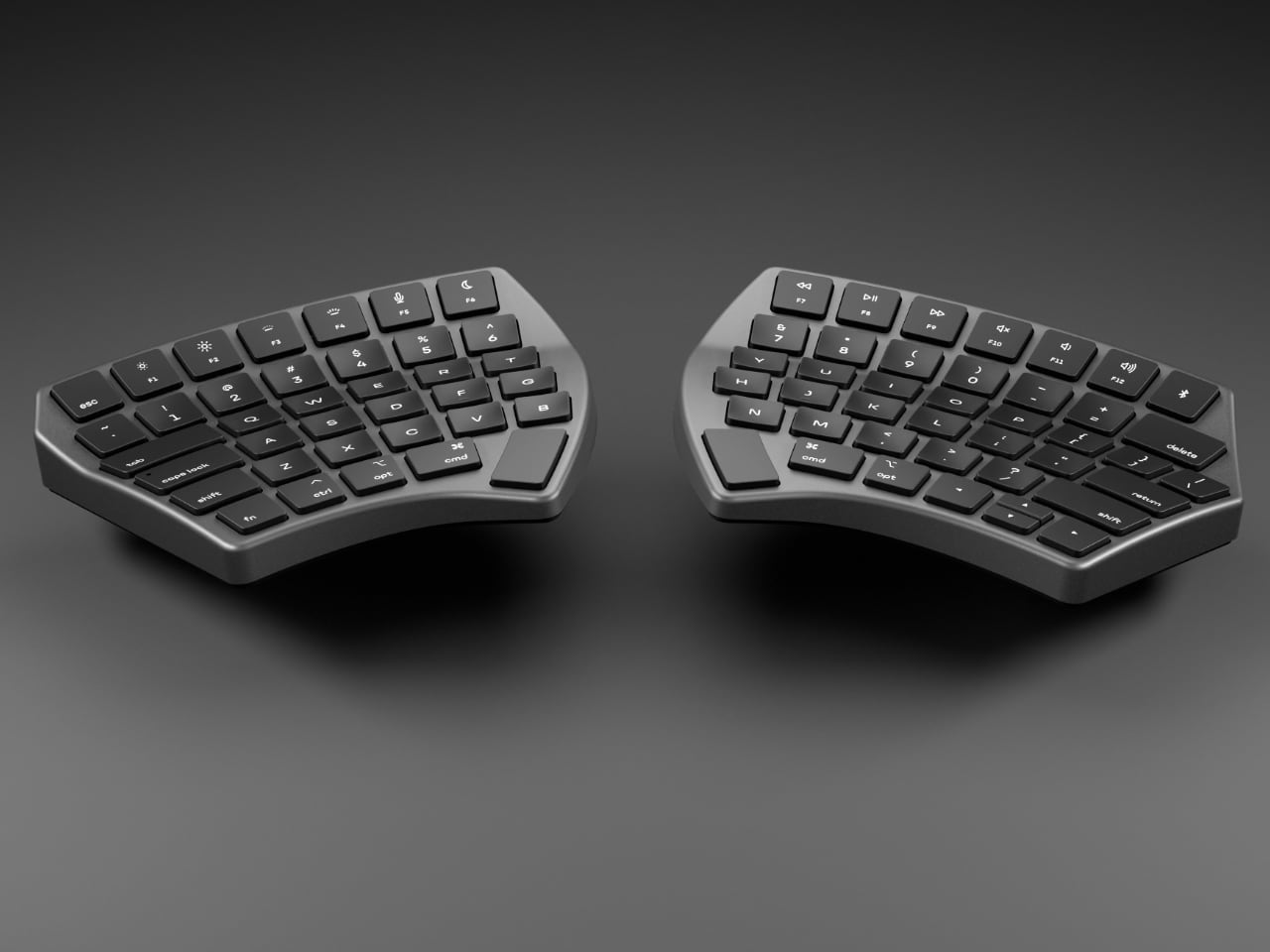
The split design is the first indication that NUIO plays by different rules, literally tearing apart old conventions. Traditional keyboards force our hands into unnatural positions, often resulting in discomfort or even injury over time. By splitting the keyboard into two halves, NUIO allows users to set the layout as wide or narrow as they want, tailoring it to their individual body type. Each half arcs gently in a 3-D radial wave that contours perfectly to the natural positioning of the hands. This focuses on creating a natural design that integrates seamlessly into your workflow.

Immersive Flow Through Design

The 3-D wave shape changes the dynamics of typing entirely. Unlike flat keyboards, which demand that your fingers reach out and adjust constantly, this design brings every key to your fingertips, almost like the keyboard knows where your fingers will land next. The entire process becomes smoother—you don’t think about typing, you think, and the keyboard flows with you. It’s an experience similar to an artist using the perfect brush, where the tool becomes an extension of their creativity. This is what NUIO means by “finding your flow.” NUIO’s design aims to potentially transform the typing experience, making it feel seamless and natural.

The concave keycaps are another masterstroke. NUIO has given each key a gentle dip, which fits the natural curve of your fingertips and provides a feeling of certainty with every press. When you strike a key, it feels definitive, eliminating the ambiguity that often comes with traditional, flatter keycaps. These aren’t keys—they’re extensions of your thoughts, finely tuned to transmit intention into action without hesitation.

Bold Design Statements and Apple Ecosystem Integration

NUIO understands that form is just as important as function. It is designed to complement the Apple ecosystem perfectly. The backlit keys and the seven premium color combinations offer aesthetic appeal; they speak to a personalized experience, a kind of ownership over the tool that users engage with daily.

Whether choosing a sleek black design or a more colorful option, the keyboard is designed to fit into any space and enhance its visual appeal. It doesn’t just sit on the desk; it complements and elevates the entire workspace, adding an essential touch of personal style.

Accessories That Click—Literally and Figuratively

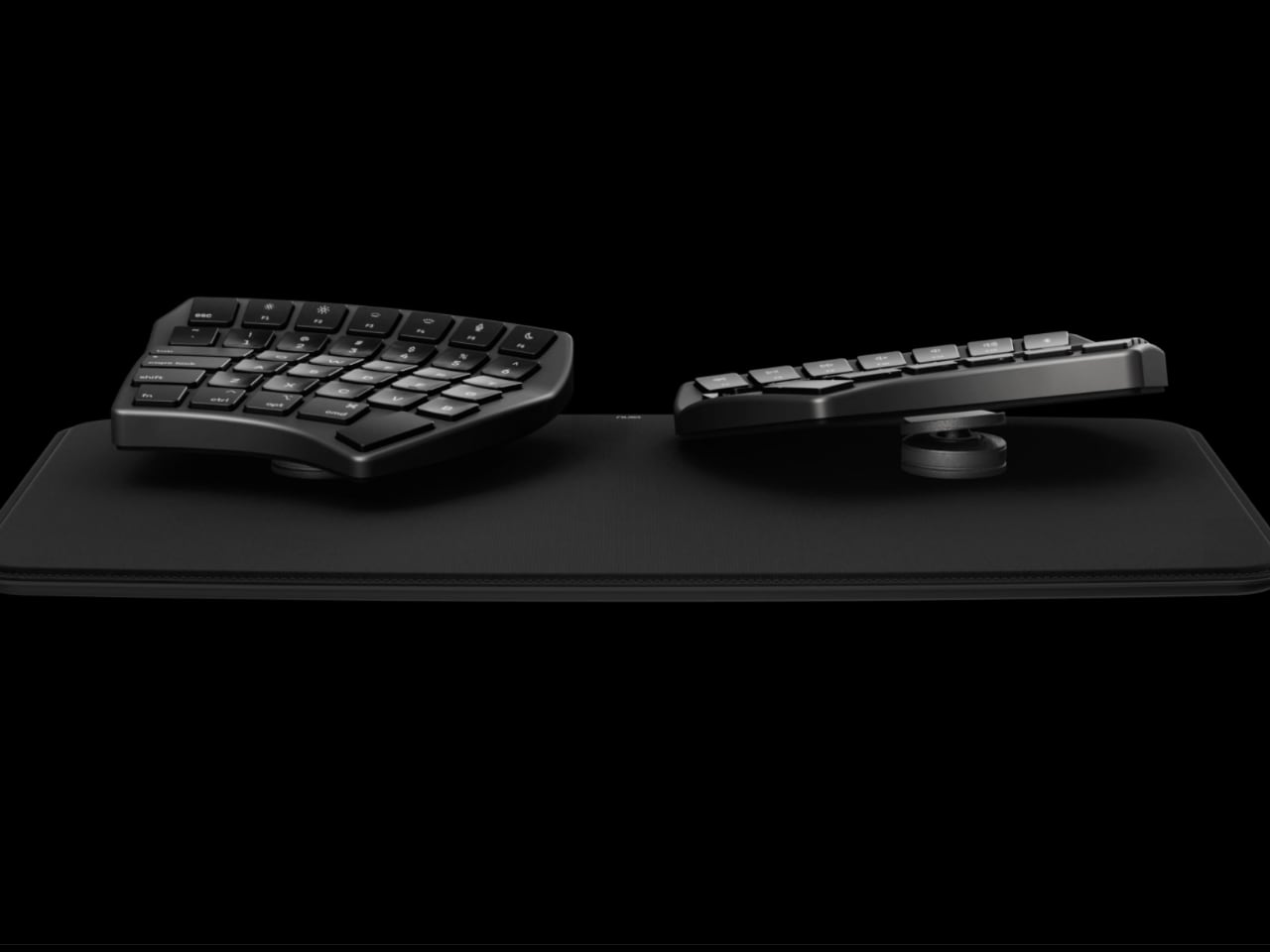
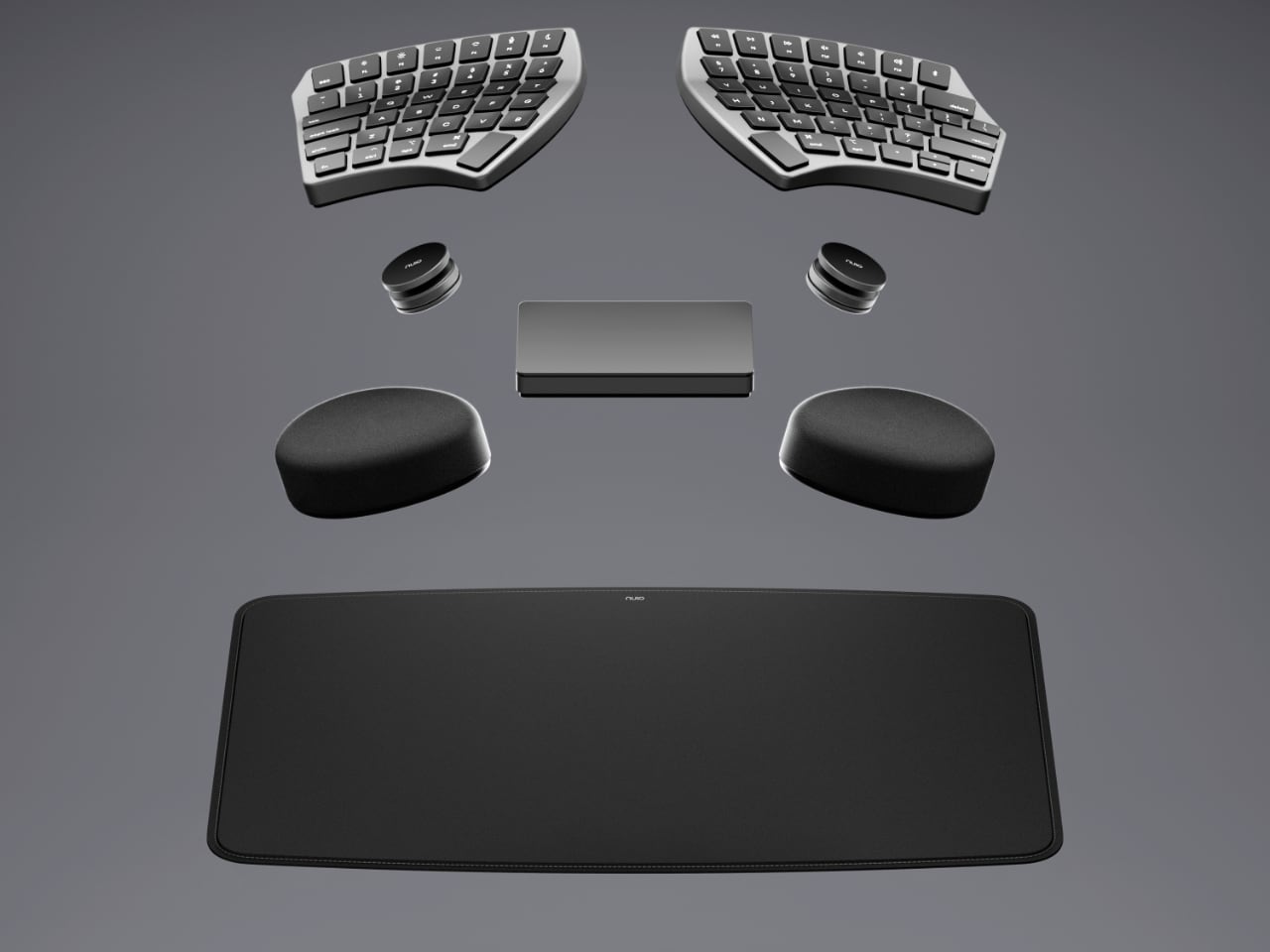
The NUIO Flow System, including the magnetic Deskpad, trackpad, and wristpads, is built to ensure seamless integration. The magnetic Deskpad serves as an extension of the Flow Keyboard, creating an ecosystem where each component—whether the keyboard halves, wristpads, or edge-to-edge glass trackpad—snaps into the ideal position.

This snapping mechanism eliminates fuss, prevents shifting, and saves time—resulting in an elegantly organized workspace that adapts to users rather than forcing adaptation. Each element has a designated place, and every movement is deliberate and precise.

Wristpads That Disappear Into the Experience

Comfort is a key aspect of the NUIO experience, most notably seen in the Wristpads. Made from an innovative cushioning material, these wristpads provide support while remaining unobtrusive.

They’re designed to be so comfortable that they “disappear” during use, allowing focus and productivity to flourish. This level of consideration elevates NUIO’s approach beyond mere ergonomics—ensuring that tools are as invisible as possible, with only the work left in focus.

Built For Today, Ready for Tomorrow

NUIO’s Flow Keyboard and its accompanying peripherals are designed for creative professionals, focusing on high-quality materials and flexible configurations. The product suite, which begins shipping on December 1st at a starting price of $399, is available for pre-order today at HelloNUIO.com. Every detail, down to the USB-C charging and Bluetooth multi-device pairing, is about maximizing flexibility. Whether switching between devices or shifting from a desk to a coffee shop, the Flow Keyboard is a tool that transforms with users. It’s an entirely new kind of typing experience; it’s the centerpiece of a modular productivity system that bends to their will. The adjustable stands make sure the keyboard can be tented or tilted for optimal comfort, while the mechanical click trackpad adds familiar tactile feedback that feels right.

The post NUIO Flow Keyboard Will Blow Your Mind: Forget Everything You Knew About Typing! first appeared on Yanko Design.

The New iPad Mini: Powerful Features that Make Everyday Life Easier

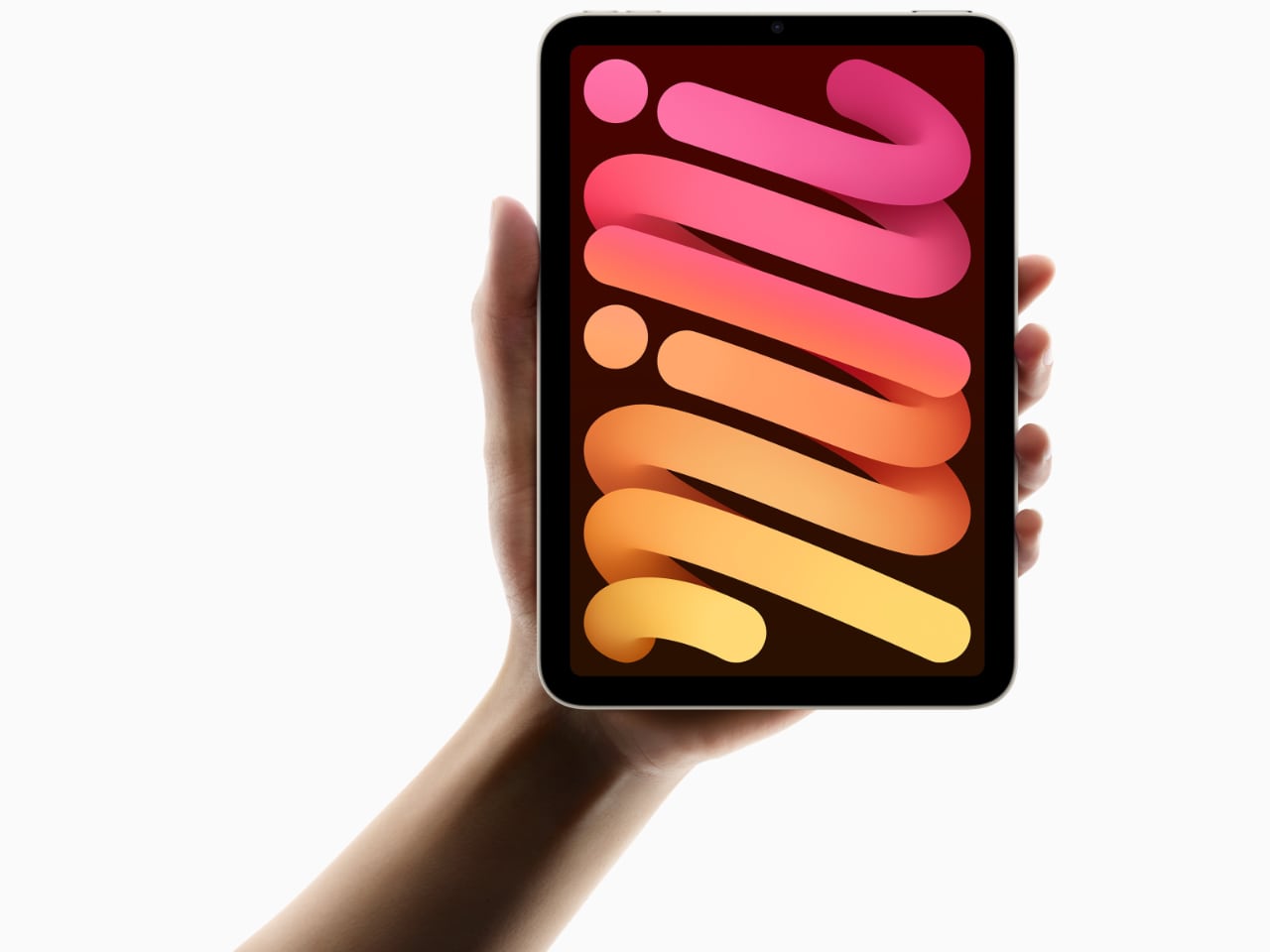
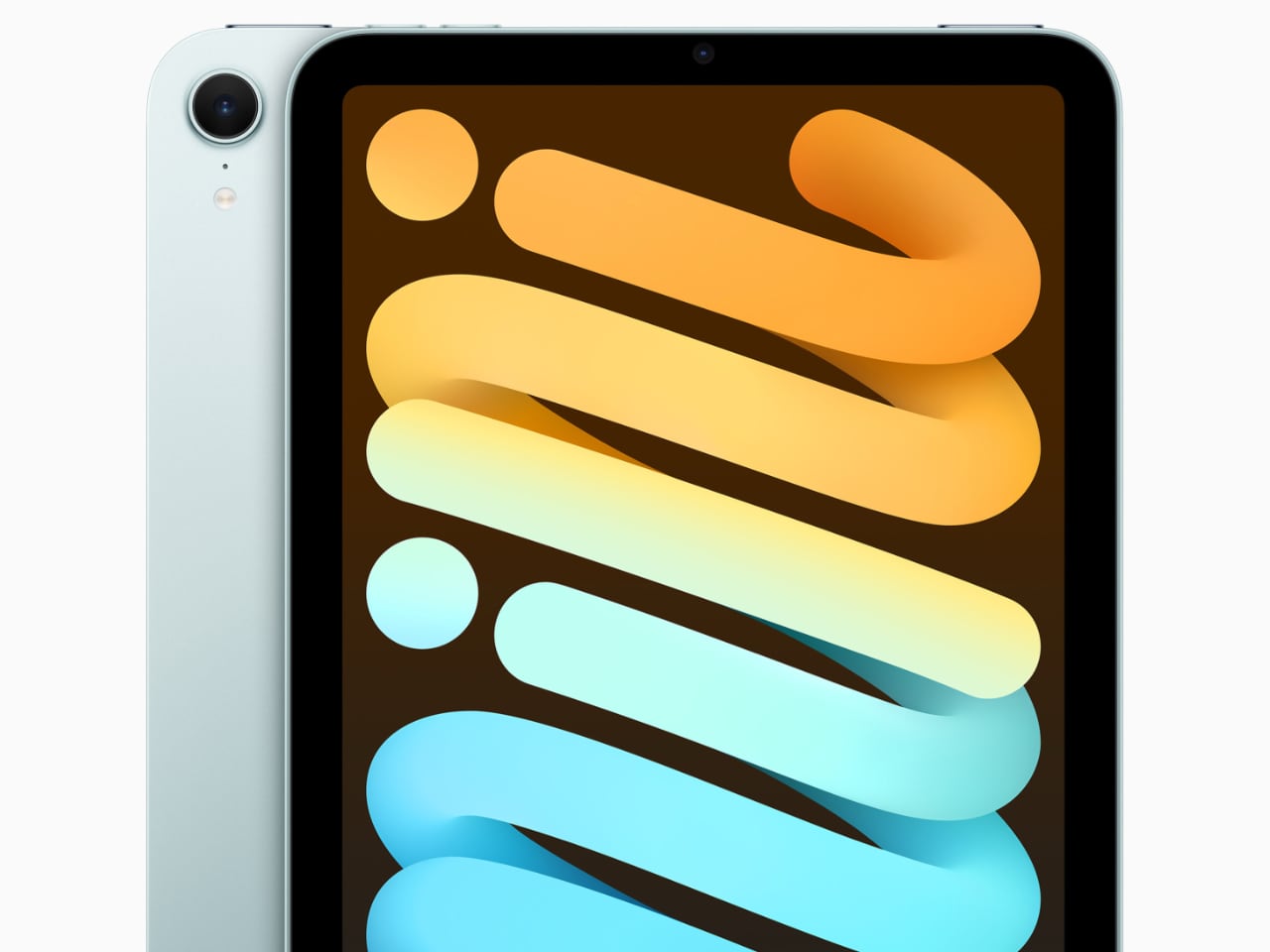
Apple’s latest iPad mini packs powerful features into a compact design, making it practical for everyday use. Powered by the A17 Pro chip and paired with features like Apple Intelligence and Apple Pencil Pro, the new iPad mini is a versatile companion, helping make daily tasks easier and more efficient.

Designer: Apple

A17 Pro Chip: More Power for What Matters

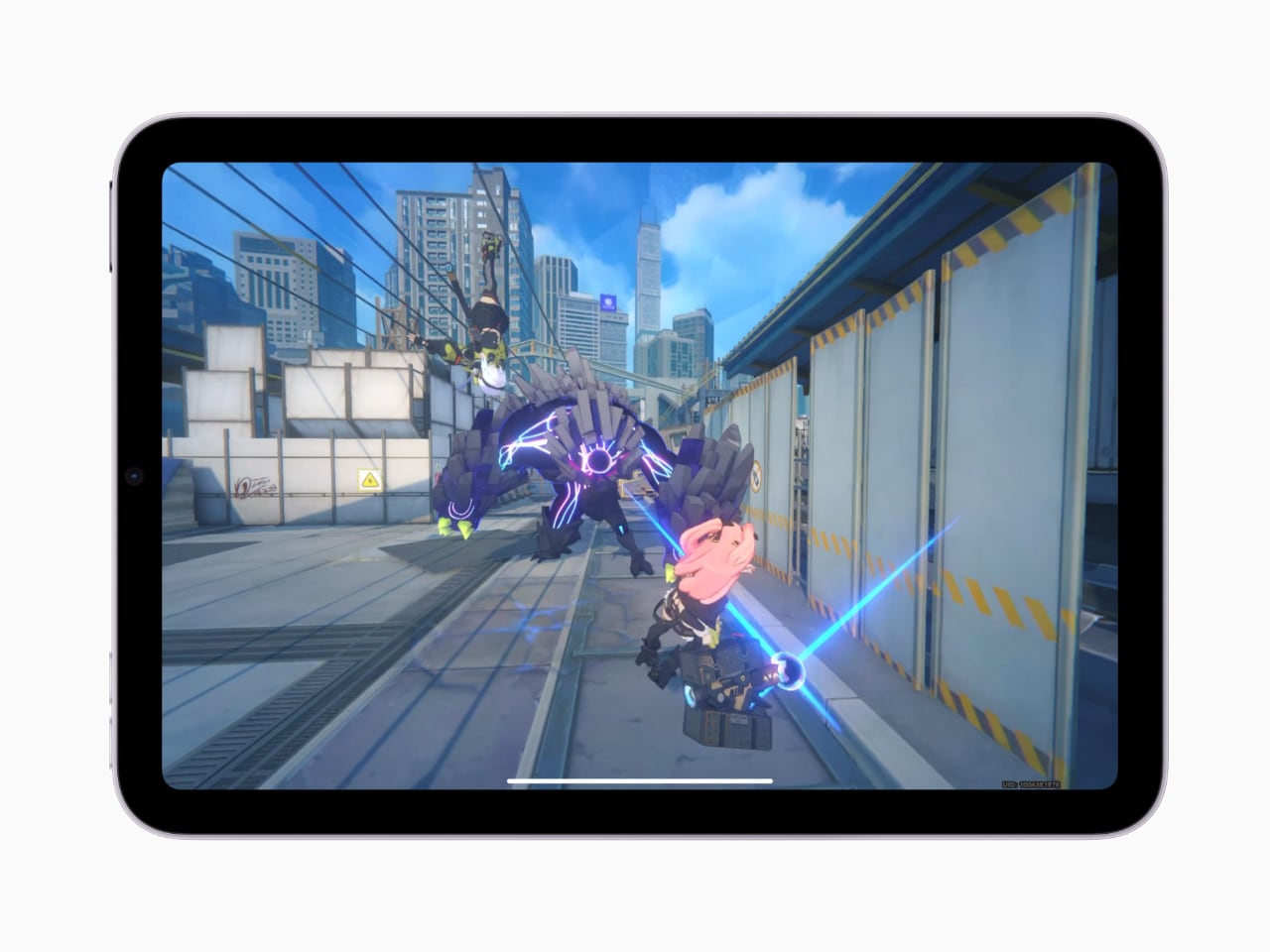
The heart of the new iPad mini is the A17 Pro chip. The A17 Pro chip provides a significant performance boost for demanding tasks, with a faster CPU, GPU, and a Neural Engine that’s twice as fast as the previous version. For everyday users, this means smoother multitasking, faster app launches, and a highly responsive experience. The 6-core CPU and 5-core GPU make this iPad mini perfect for diving into demanding apps, editing photos, exploring augmented reality, or even playing graphics-heavy games like Zenless Zone Zero.

This enhanced power directly translates to better performance in everyday tasks. From students tackling digital homework to professionals on the go, the speed and fluidity make a difference. You can switch between multiple apps without lag, take notes while streaming a lecture, or enjoy immersive gaming when ready to unwind. The A17 Pro chip ensures you won’t have to compromise between portability and power.

Apple Intelligence: A Smarter Way to Work and Play

With the A17 Pro chip, the new iPad mini delivers seamless support for Apple Intelligence, deeply integrated into iPadOS 18. Apple Intelligence uses Apple silicon and advanced generative models to create, understand, and simplify everyday tasks. Many of these features run entirely on the device, ensuring privacy while delivering powerful functionality.

Apple Intelligence offers Writing Tools that help users refine their text—rewriting, proofreading, or summarizing—in any app, from Notes to Mail to Pages. This saves time for students, professionals, and anyone who writes on the go. Siri is also enhanced with Apple Intelligence, making interacting more flexible and easier. You can type instead of speak, stumble over words without losing context, and get answers faster with improved language understanding.

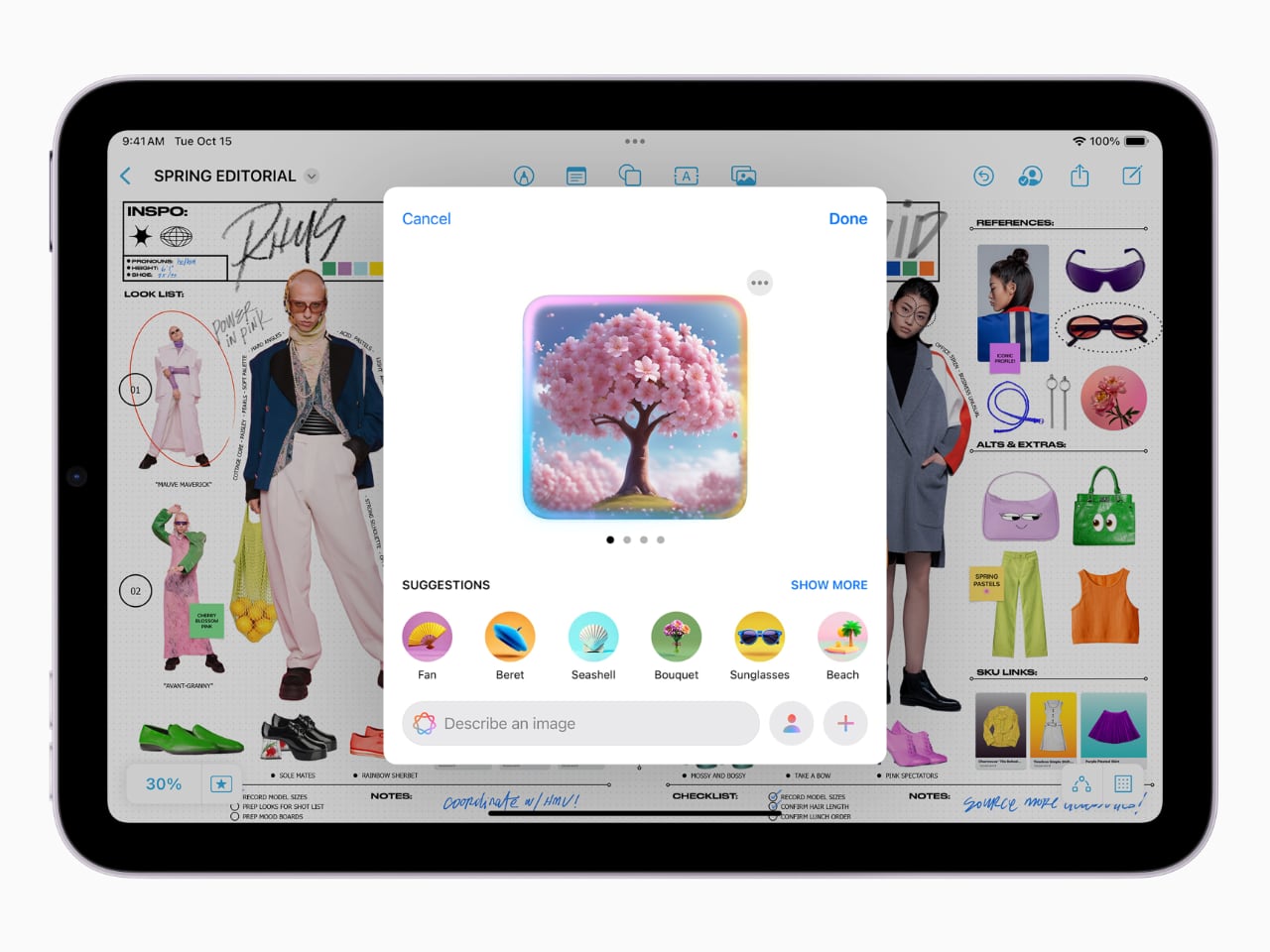
In Photos, the Memories feature allows users to generate movies simply by typing a description, and the new Clean Up tool helps remove distracting elements from images without impacting the subject. Additional Apple Intelligence features, like Image Playground and Image Wand, make creating playful images or refining sketches quick and easy. Even emojis get an upgrade, allowing users to create custom Genmoji with just a description or a photo.

Apple Intelligence will also expand to offer more experiences in the coming months, including integrated ChatGPT for document understanding, image analysis, and more—all while maintaining privacy. With the capability to run tasks on-device or scale them through Apple’s dedicated servers, the new iPad mini ensures that every interaction feels smooth, secure, and tailored to the user.

Apple Intelligence makes the iPad mini a more convenient and personal companion. Many features are available on-device, which prioritizes privacy without compromising usefulness. The new Clean Up tool in Photos, for example, lets you easily remove distracting objects from your images without the need for internet connectivity or external apps.

Apple Pencil Pro: Creativity and Productivity on the Go

One of the critical features of the new iPad mini is its support for Apple Pencil Pro. It turns the iPad mini into a versatile workspace for sketching ideas, annotating documents, or taking notes. Sensing squeezes, offering customizable controls, and providing tactile feedback, the Apple Pencil Pro makes drawing or note-taking feel more natural. These features are practical for anyone who values the ability to jot down ideas or interact with documents in a personal, hands-on way.

Apple Pencil Pro attaches magnetically, making it easy to carry without worrying about losing it. For everyday users, this means they can effortlessly transition from taking handwritten notes in meetings to using more advanced tools like Image Wand, which transforms rough sketches into polished images—a valuable addition for creatives and students alike.

Better Connectivity, Greater Freedom

The latest iPad mini also sees upgrades in connectivity. With Wi-Fi 6E support, you’ll experience faster internet speeds, making it easier to work from anywhere. This makes video calls, gaming, and cloud backups faster and smoother at a coffee shop or while traveling. For those who want cellular connectivity, including 5G and eSIM support allows you to connect without the hassle of physical SIM cards, making it simple to stay online, even without Wi-Fi.

The faster USB-C port—which offers data transfers at up to 10Gbps—is a notable improvement for anyone moving large files. Importing photos, transferring videos, or backing up content is now quicker and essential for photographers and anyone who often works with media files.

A Truly Portable Experience

Apple has designed the iPad mini to be a true portable powerhouse. The 8.3-inch Liquid Retina display creates a vibrant viewing experience, perfect for catching up on your favorite show or working on a presentation. The lightweight design and all-day battery life make it easy to carry with you, ensuring it’s always ready when inspiration strikes or work calls. For people who use their devices on the move, the new iPad mini combines features that fit seamlessly into daily life. Its compact form provides power and versatility, making it an ideal choice for those seeking convenience and performance. The added features improve how we work, learn, and relax each day.

The post The New iPad Mini: Powerful Features that Make Everyday Life Easier first appeared on Yanko Design.

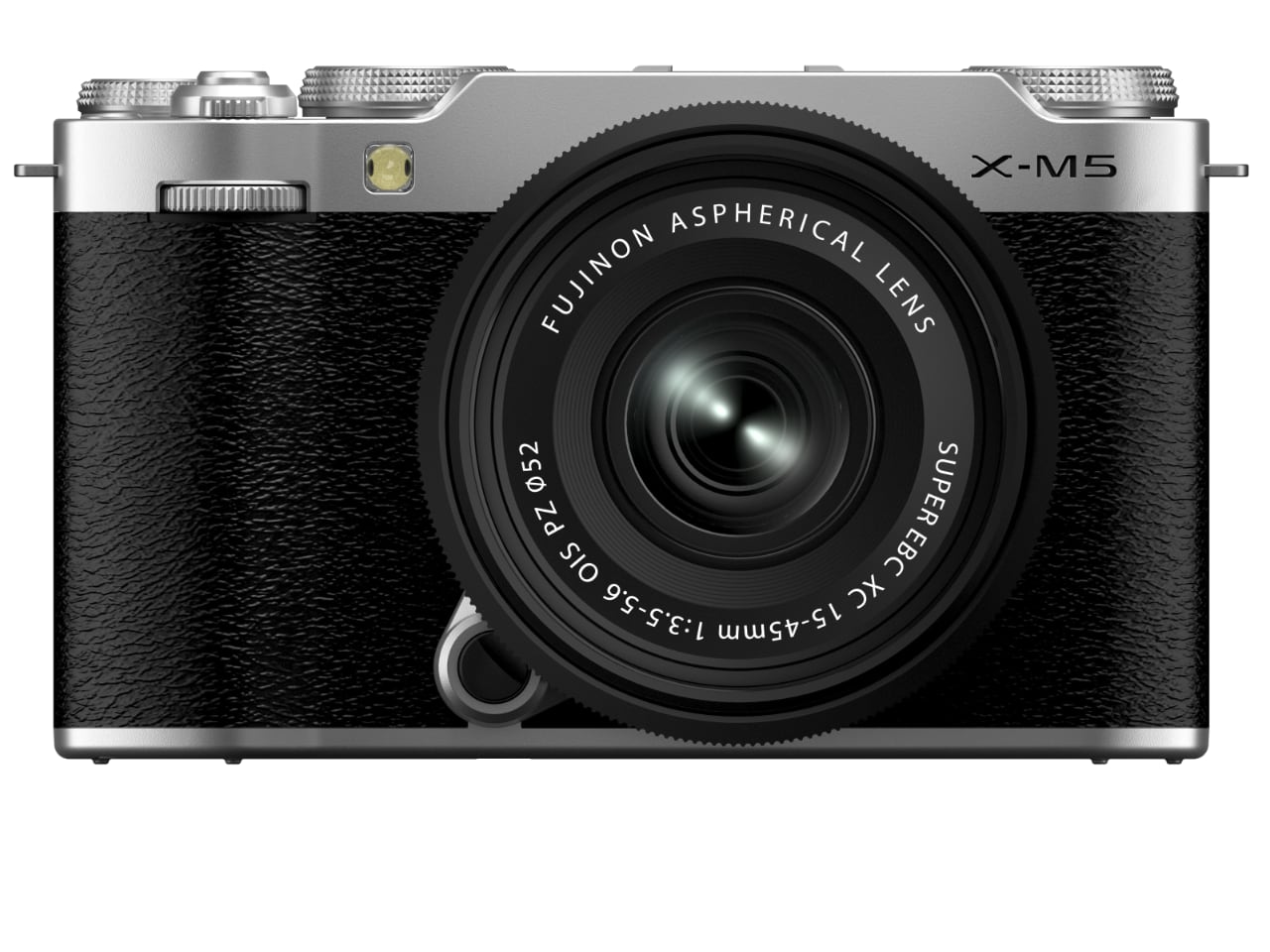
Fujifilm’s New X-M5: The Lightest Mirrorless Camera You Need for Everyday Adventures

Get ready for Fujifilm’s lightest, most adventure-ready camera yet! The FUJIFILM X-M5 is set to launch globally in mid-November 2024, and it’s bringing the ultimate blend of portability and power. Weighing less than any other X Series model, this compact powerhouse delivers incredible image quality, making it a must-have for beginners and photography enthusiasts. If you’re capturing spontaneous shots or creating professional-quality videos, the X-M5 is designed to be your everyday companion.

Designer: Fujifilm

Weighing only 355 grams (including the battery and memory card), the X-M5 highlights Fujifilm’s focus on everyday, accessible photography. Despite its lightweight design, the camera is packed with powerful features, including AI-powered subject detection autofocus (AF) that tracks moving objects like animals and vehicles. It can also record video in 6.2K at 30 frames per second. The X-M5 is ready for everything from casual snapshots to high-quality video content.

Design Elements and Controls

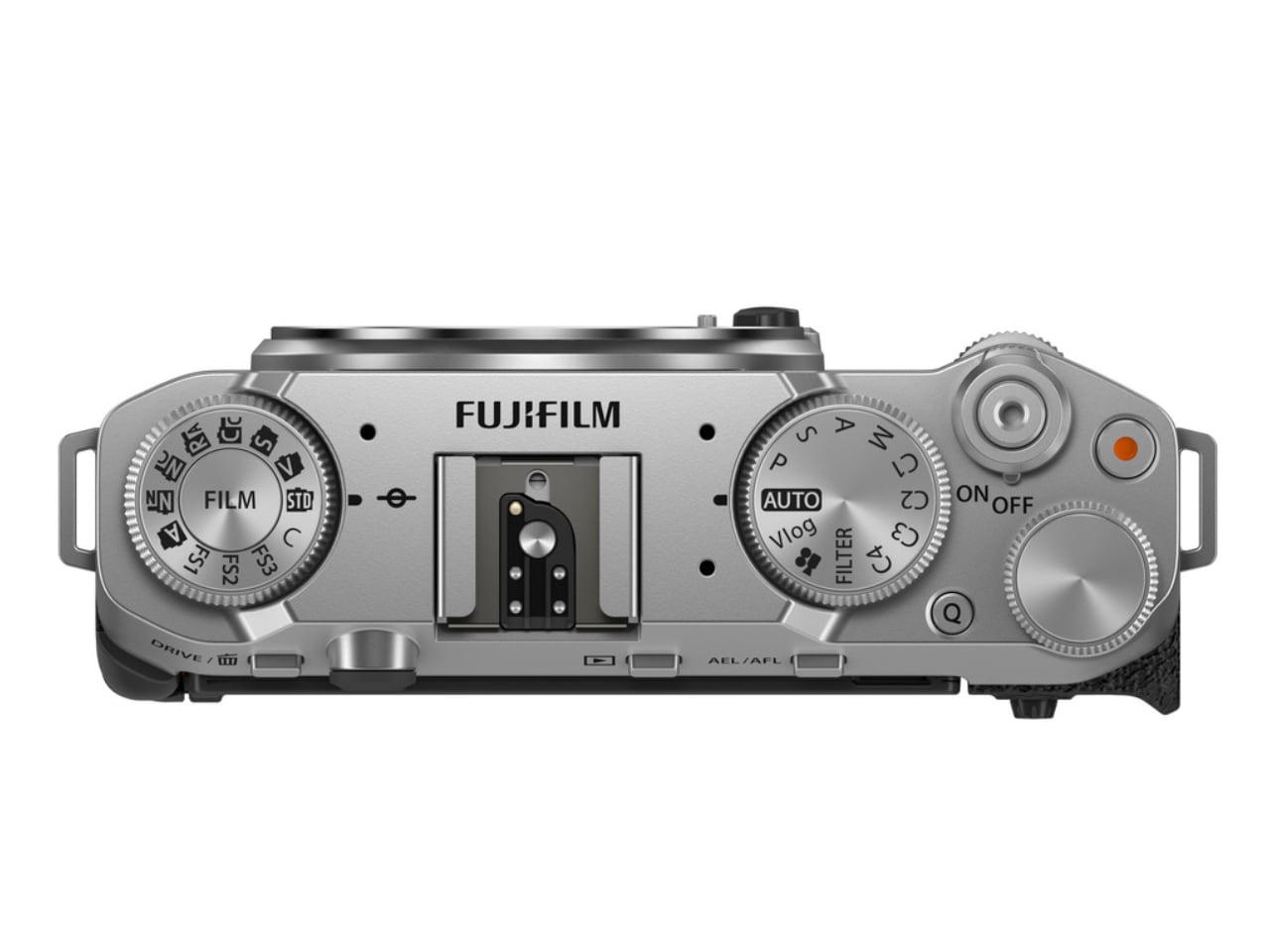
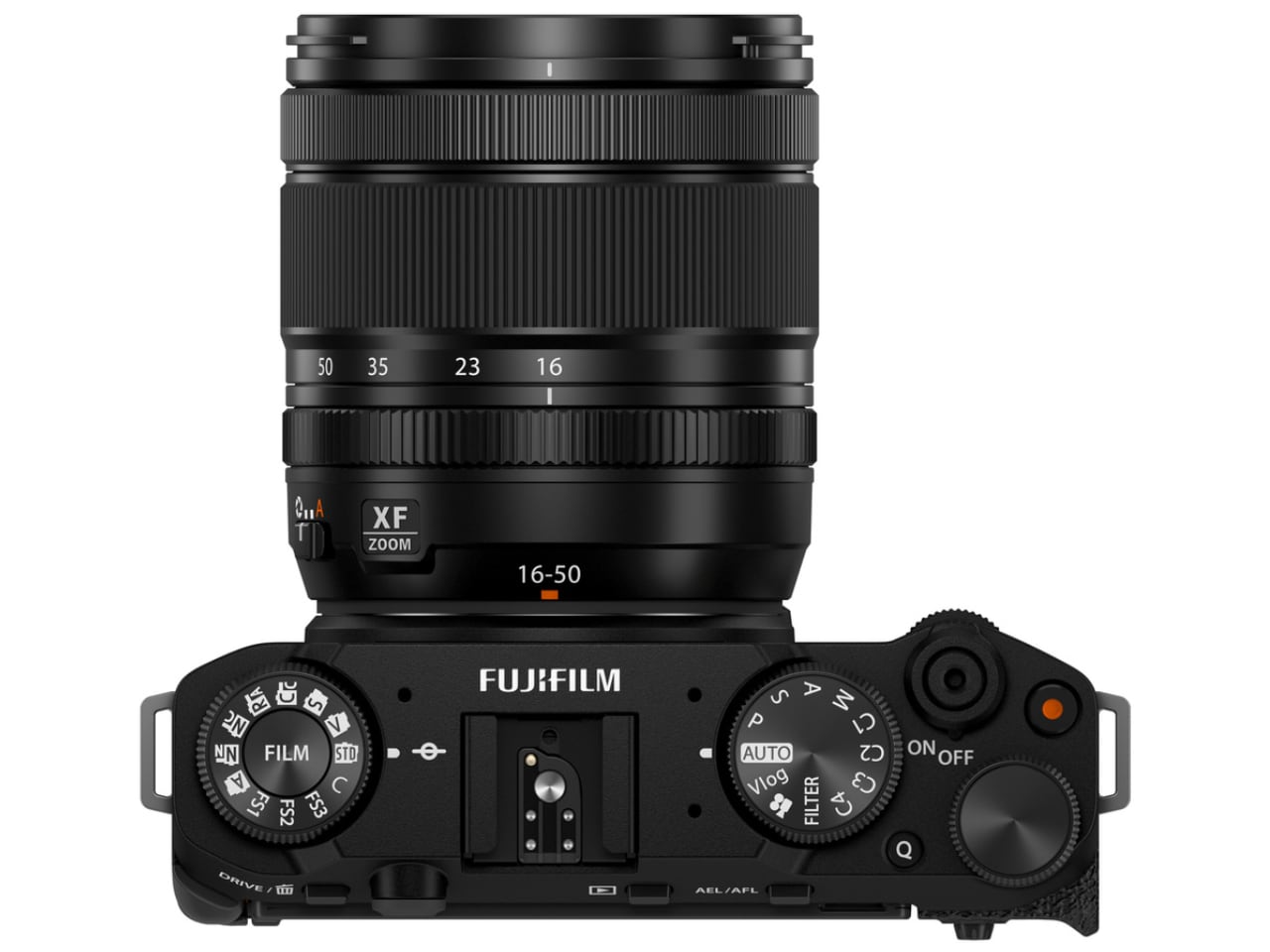
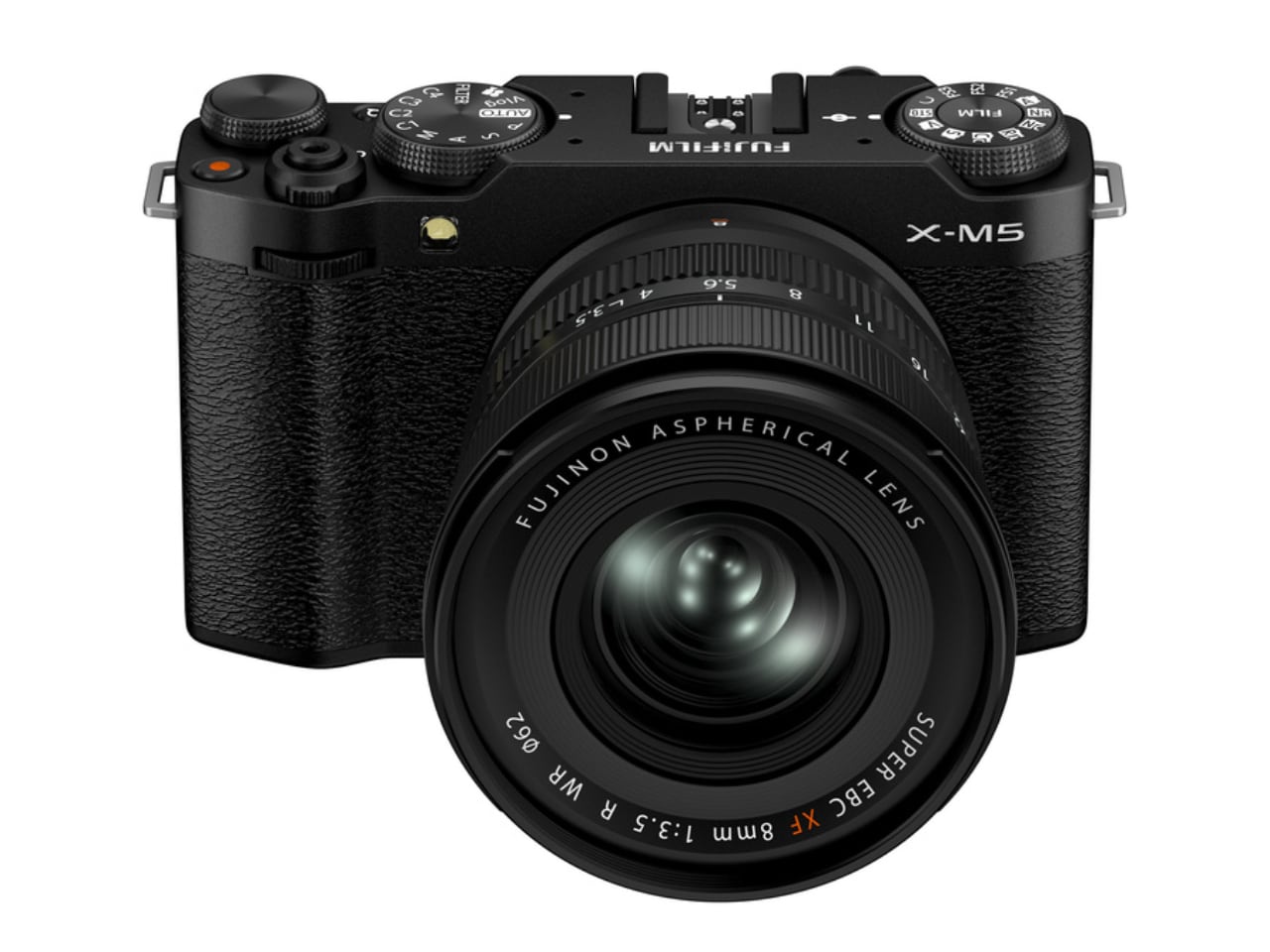
The FUJIFILM X-M5 showcases a sleek, retro design embodying style and functionality. Its compact body measures 111.9mm in width, 66.6mm in height, and 38.0mm in depth, making it one of the most portable cameras in the X Series lineup. The top panel features symmetrically placed dials that give the camera a classic, tactile feel and allow users to control settings intuitively.

The left shoulder features a control dial, which allows photographers to quickly access different shooting modes to suit the scene and achieve a variety of tones and moods. If you’re aiming for rich contrast or soft color palettes, these modes replicate the look of classic Fujifilm films, giving a nostalgic touch to modern images. On the right shoulder, the mode dial includes an AUTO mode, making it easy for beginners to let the camera decide the optimal settings for any given scene.

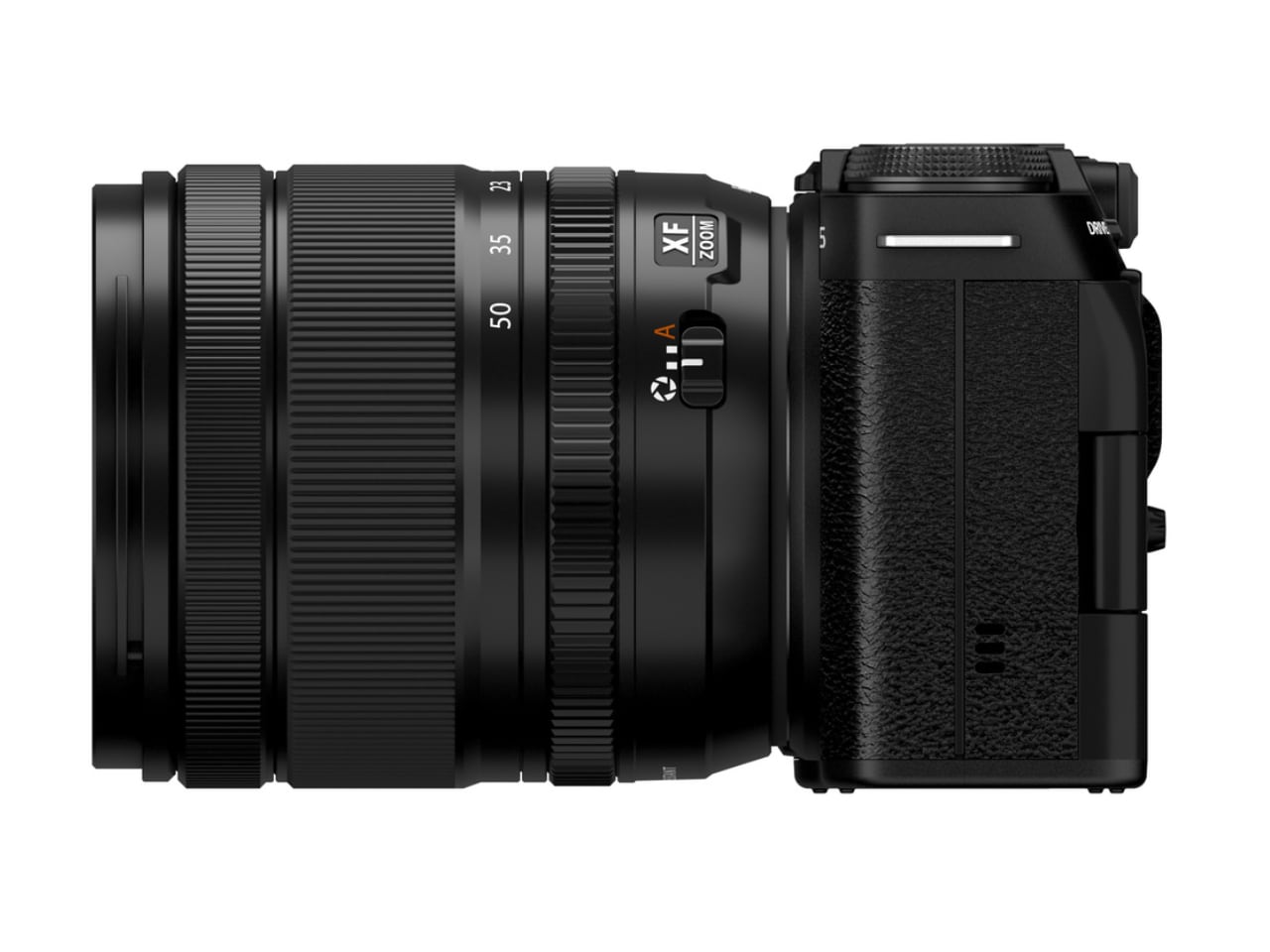
The camera’s grip is ergonomically designed, ensuring a comfortable hold even during extended use. The durable, textured finish adds to the secure handling, while the control layout ensures that both novices and experienced photographers can navigate the settings seamlessly. The well-placed shutter button and control dials create an efficient and enjoyable shooting experience.

Display and Lens Mount

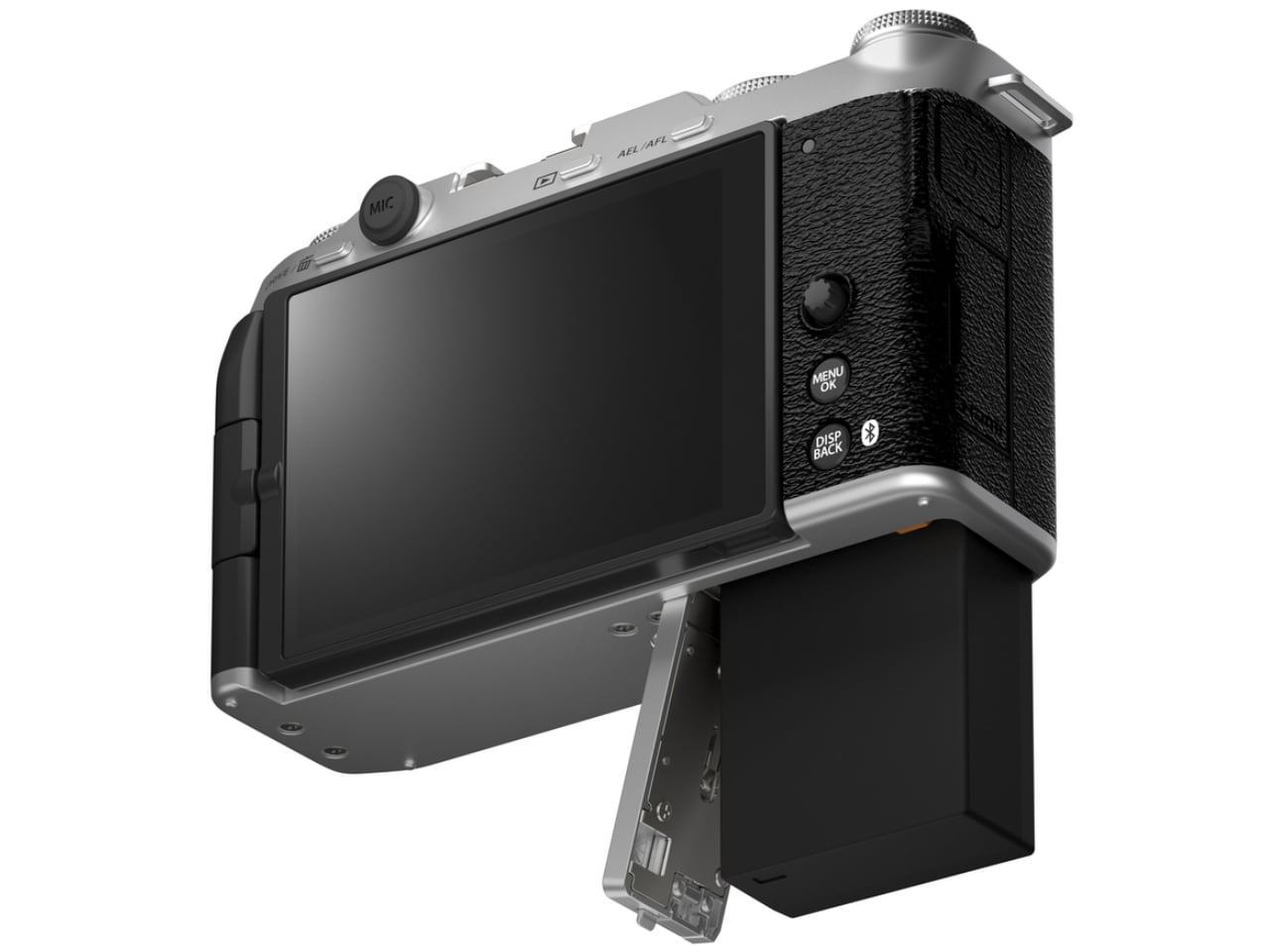
The rear of the X-M5 is equipped with a 3-inch vari-angle LCD touchscreen that offers flexibility for composing shots at different angles—perfect for vlogging, selfies, or shooting from low or high perspectives. The touchscreen allows intuitive control, enabling users to adjust settings, focus, and review images easily. This high-resolution display makes it easy to frame shots, even in bright outdoor conditions.

The X-M5 also features a high-quality electronic viewfinder (EVF), providing a clear and detailed view for composing images in traditional shooting scenarios. The EVF’s high resolution ensures that users can see every detail of their shot before pressing the shutter, making it ideal for precise framing and focus.

The X-M5’s lens mount is compatible with Fujifilm’s extensive range of XF and XC lenses, offering users the flexibility to adapt to different shooting styles and conditions. Whether you’re using a wide-angle lens for landscapes or a telephoto lens for wildlife photography, the X-M5’s sturdy mount ensures secure attachment and excellent performance. The camera’s compatibility with various lenses makes it a versatile tool, suitable for everything from portraits to action photography.

Advanced Features for Photography and Video

At the core of the X-M5 is the back-illuminated 26.1-megapixel “X-Trans CMOS 4” sensor, paired with the “X-Processor 5” image engine. Together, they deliver vivid, high-quality images while maintaining power efficiency. The AI-powered subject detection autofocus (AF) uses deep learning to recognize and track various subjects, including animals, vehicles, and even human faces, ensuring that your shots are always sharp and well-focused.

Beyond still photography, the X-M5 excels at video. It supports 6.2K/30P 4:2:2 10-bit recording directly to an SD card, and also offers 4K/60P and 1080/240P for those who want to create cinematic content. Digital image stabilization helps keep footage smooth, even when shooting handheld. The new “Vlog Mode” makes it easy to adjust settings using the LCD touchscreen, and the “9:16 Short Video Mode” is ideal for creating vertical videos for social media. Video creators will also appreciate the three built-in microphones, which provide different directional recording options for a variety of shooting environments.

Optional Accessories

Two optional accessories enhance the X-M5’s flexibility. The Cooling Fan “FAN-001,” which is already available, can be attached to the back of the camera to manage heat during extended shooting sessions. The Tripod Grip “TG-BT1” improves ergonomics, making it ideal for vlogging, selfies, and low-angle shots.

The FUJIFILM X-M5 captures the essence of everyday creativity, offering a portable, feature-rich camera that makes capturing life’s moments easy and rewarding. If you’re just getting started with digital photography or are a seasoned enthusiast, this compact camera is built to be your constant companion, ready to capture the story wherever it unfolds.

The post Fujifilm’s New X-M5: The Lightest Mirrorless Camera You Need for Everyday Adventures first appeared on Yanko Design.

Patek Philippe’s Radical Design: Visionary or Misstep? The Controversial Cubitus

While still awaiting the official announcement from Patek Philippe, it’s important to consider whether this new shape signals a significant shift in their long-term strategy. Unlike Audemars Piguet’s approach with the Royal Oak, Patek seems intent on avoiding a singular ‘hero’ model that defines the brand. Instead, the new Cubitus Collection marks a bold move to diversify their offering and redefine what an iconic Patek Philippe watch can be. The Cubitus presents a striking divergence from the brand’s traditionally round silhouettes, embracing a distinct octagonal case that demands attention. Despite this fresh design direction, the Cubitus remains true to Patek’s reputation for refined elegance while also exploring new design frontiers.

Designer: Patek Philippe

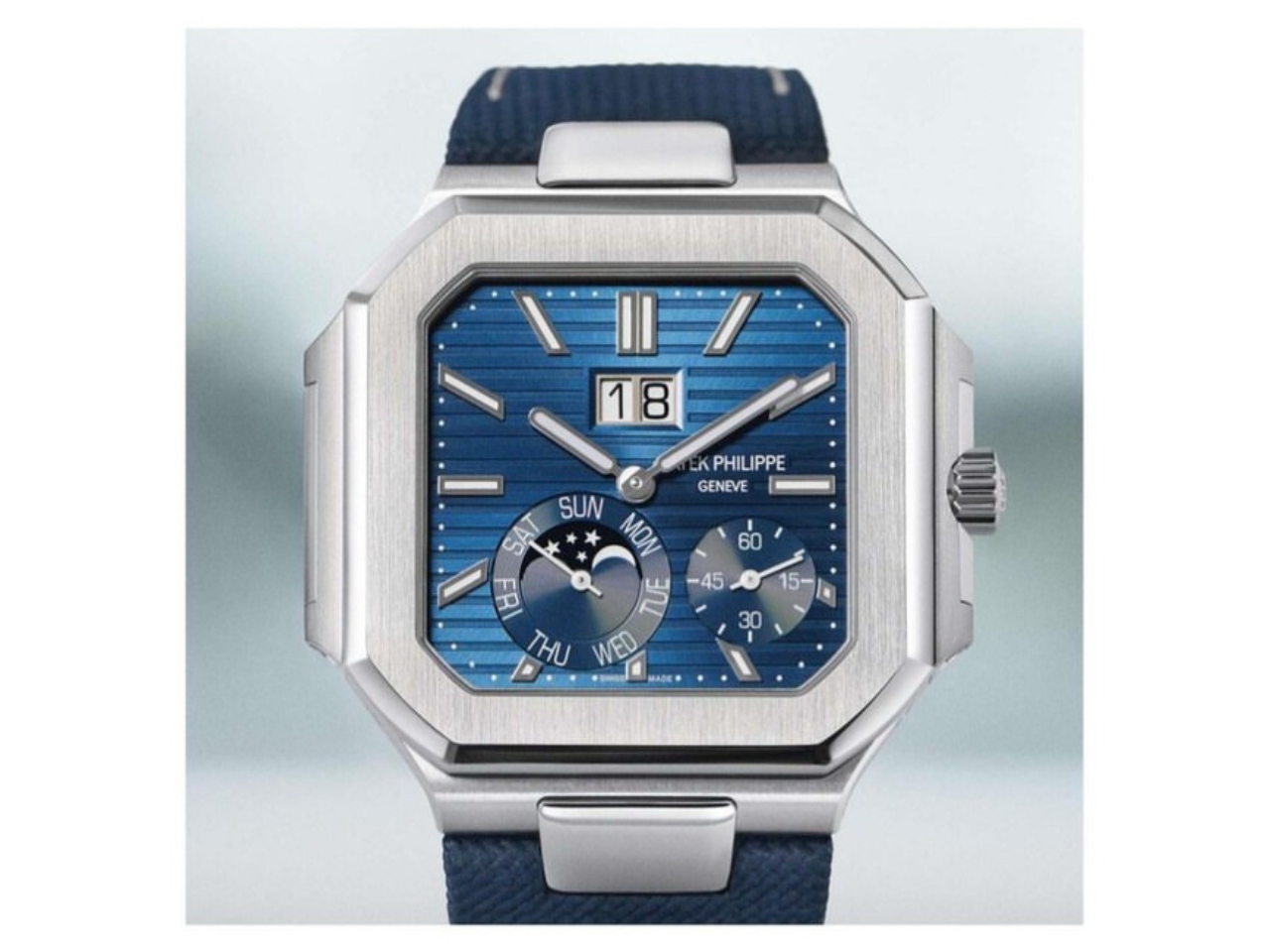
The watch’s octagonal form gives a sense of geometry and balance, subtly echoing architectural elements. Its brushed metal finish on the case edges contrasts effectively with the polished flat surfaces, adding depth while maintaining a streamlined and sophisticated profile. The careful craftsmanship allows light to dance across the watch’s varied surfaces, adding an elegant interplay of reflections that subtly enhances its visual appeal.

Dial Design and Complexity

The dial showcases a subtle complexity. It features a deep blue guilloché texture with horizontal wave-like lines, a finish that adds visual interest and conveys a sense of luxury and depth. The indices are applied markers that appear to float over the dial, contributing to a visual clarity that Patek Philippe watches are renowned for.

The day-night indicator is located at the lower half of the dial, adding a celestial element to the otherwise highly practical layout. The integration of a moon phase complication further highlights the watch’s duality—utilitarian in its functionality but romantic in its conception. The oversized double window date, positioned prominently below 12 o’clock, ensures easy readability, blending practicality and sophistication.

Case and Crown

The Cubitus case itself appears crafted in a premium brushed metal, likely white gold or platinum, which gives it an imposing presence while remaining tasteful. The case features intricate facets and architectural lines that enhance the overall visual complexity, demonstrating meticulous craftsmanship and adding a sense of bold sophistication.

Compared to iconic Patek Philippe models like the Nautilus or the Calatrava, the Cubitus takes a different path with its unique shape. The Calatrava is known for its classic round elegance, and the Nautilus for its seamless bracelet design. In contrast, the Cubitus goes for a bold, angular look that suggests Patek wants to expand its image and explore a more adventurous side of its design legacy.

The crown’s design complements the rest of the case, with serrations for a firm grip and a subtle integration into the case body. Its understated design follows Patek’s approach of less is more, ensuring no distractions from the watch’s other carefully chosen features.

Strap and Buckle

The strap, likely a textured alligator leather or high-quality rubber, is a deep shade of blue that seamlessly matches the dial, maintaining visual unity throughout. The integration of the strap into the case appears flawless, which enhances both the comfort on the wrist and the aesthetic cohesiveness of the design. Although the buckle or clasp isn’t visible yet, it can be assumed that Patek will ensure it provides security and comfort without compromising on the luxury feel.

A New Era for Patek Philippe?

As we await the official announcement from Patek Philippe, it’s interesting to consider if this new shape is part of a broader strategy. Unlike Audemars Piguet, which has leaned heavily on the Royal Oak as its flagship model, Patek seems to be moving in a direction that resists the notion of a single iconic watch. The Cubitus could be Patek’s way of adding diversity to their lineup, offering a fresh perspective on what makes a Patek Philippe watch stand out.

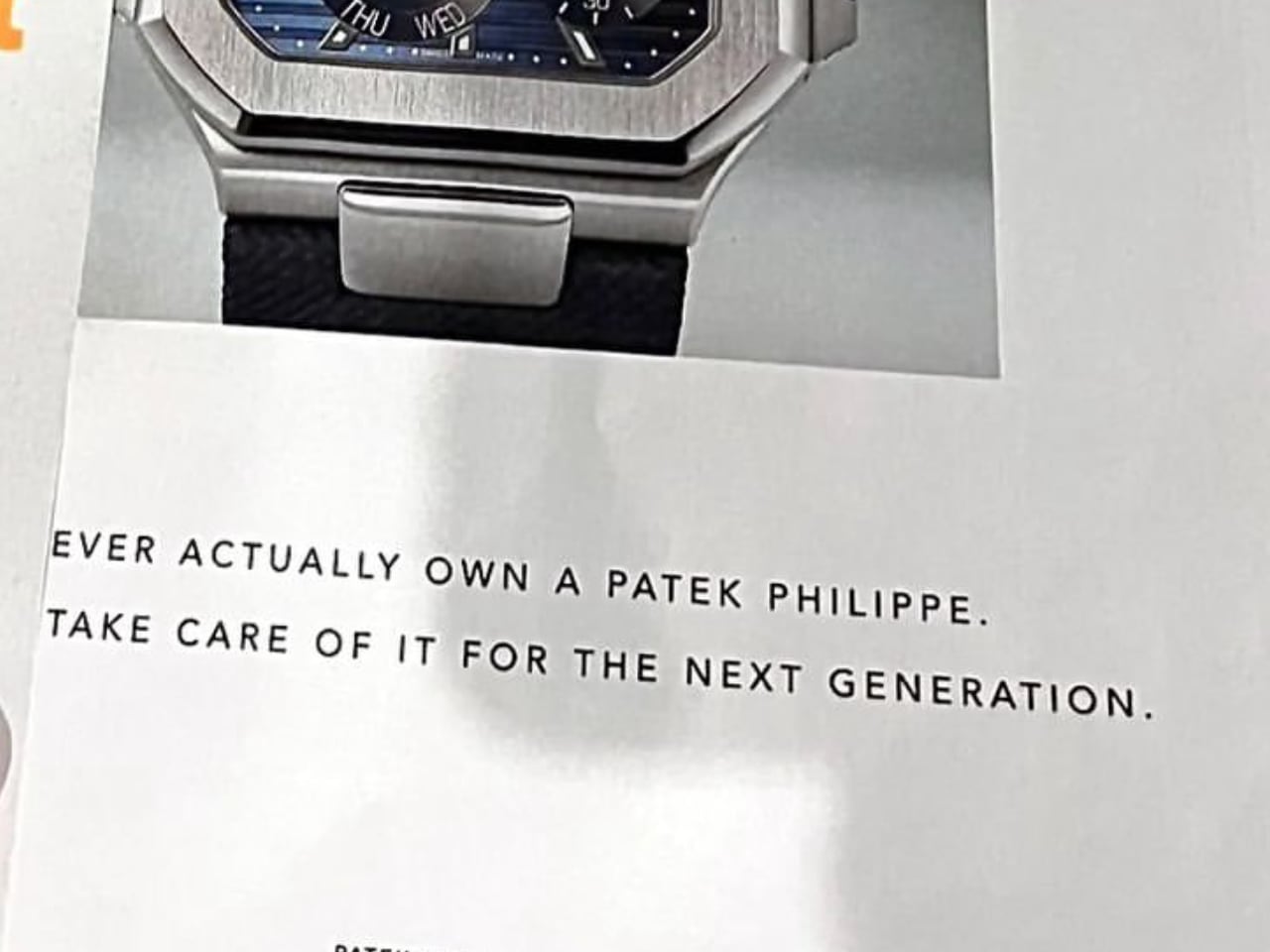
The slogan, “You never actually own a Patek Philippe. You merely take care of it for the next generation,” has become synonymous with the brand’s identity. This slogan reflects Patek Philippe’s dedication to quality, heritage, and timeless value. This message highlights the brand’s aim to create timepieces that represent wealth and status while also serving as heirlooms meant to be passed down through generations.

The choice of language here reflects Patek’s emphasis on craftsmanship and heritage over fleeting trends. It aims to appeal to individuals who value permanence and legacy—those who see a Patek Philippe watch as a lasting investment, both in terms of material value and in emotional and familial significance. The Cubitus Collection, with its carefully considered design, embodies this idea perfectly; it’s an heirloom piece meant to be cherished and appreciated not just in the present but also by future generations.

The Patek Philippe Cubitus Collection stands out by blending avant-garde design cues with the brand’s signature sophistication. Its octagonal case, moonphase, and blue guilloché dial push the boundaries of what is expected from Patek Philippe, yet every detail feels deliberate and rooted in the brand’s values of elegance and quality. While still awaiting the official announcement from Patek Philippe, it’s worth questioning whether this new shape is part of their long-term strategy. Some believe Patek is purposefully avoiding a single ‘hero’ watch, unlike Audemars Piguet with the Royal Oak. This timepiece is not merely a watch; it’s an apprec

The post Patek Philippe’s Radical Design: Visionary or Misstep? The Controversial Cubitus first appeared on Yanko Design.

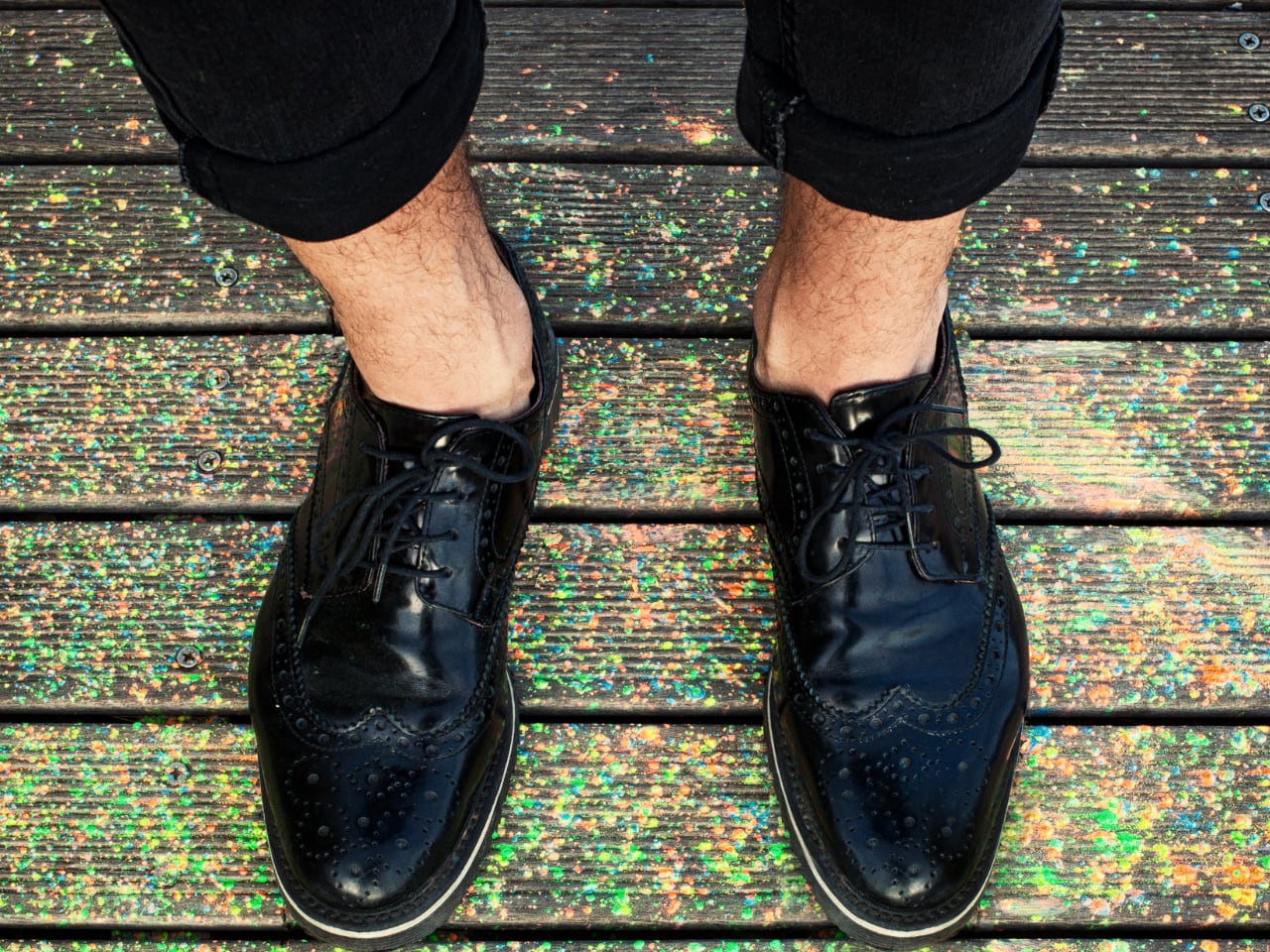
Ditch the Socks: Discover How to Master the Sockless Shoe Trend Without the Blisters!

Happy Sunday, and welcome to Sneakers Sunday! Are you ready to discover the secrets to mastering the sockless look? Ditching socks can completely transform your style, but there are some crucial tips you need to know to avoid discomfort and keep your feet looking fresh. Let’s dive in and find out how to make this trend work for you.

Certain shoes are designed specifically for the sockless look, while others might not be as forgiving. We’ll explore specific models that fit this look and discuss when going without socks is the right move.

Fashionable Sockless Footwear Choices

When it comes to going sockless, the right shoes are essential. You want footwear that looks great, is comfortable, and won’t leave your feet blistered or sweaty. Here are some go-to models for a sockless style:

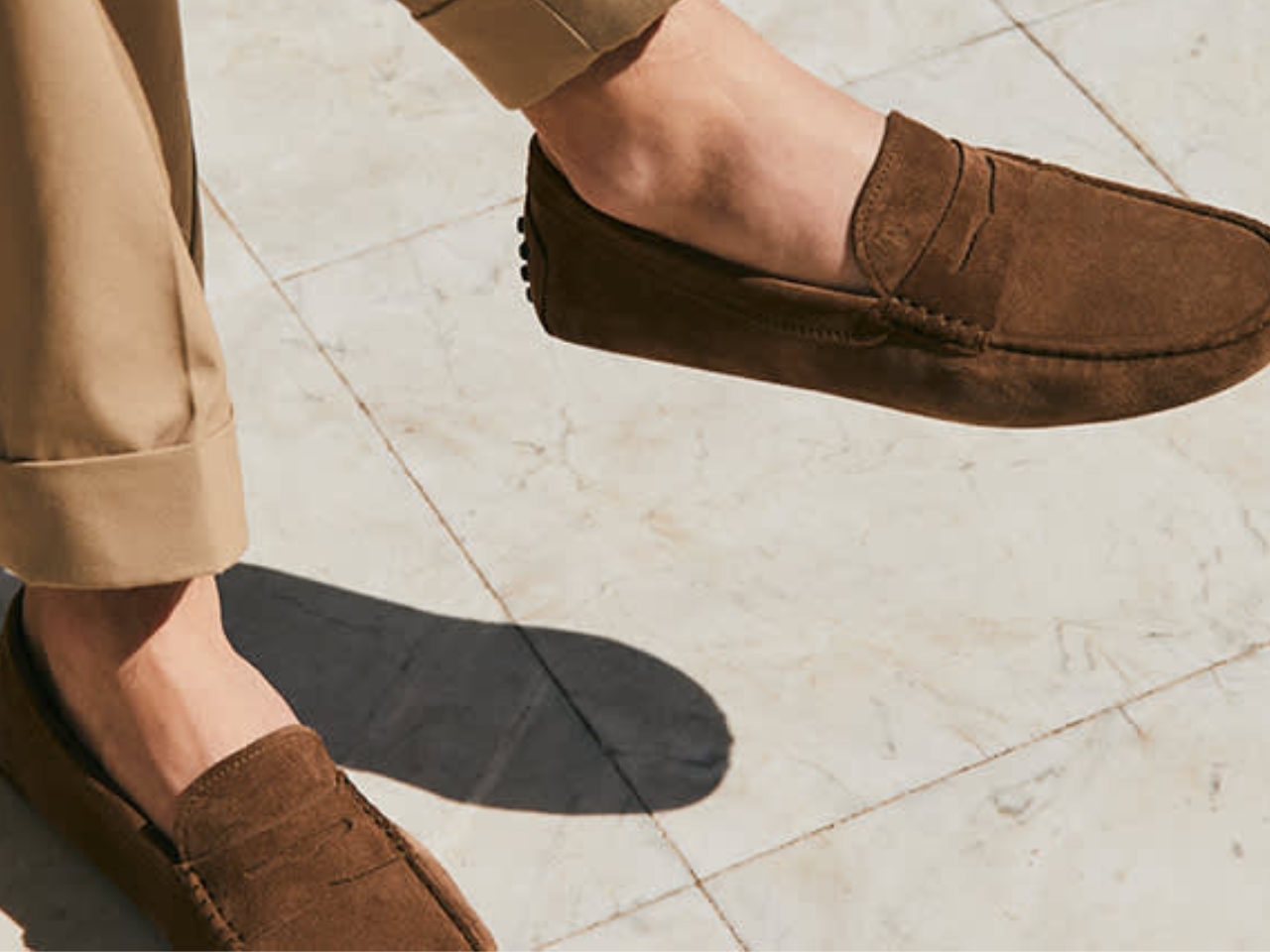
1. Loafers: Tod’s Gommino Driving Shoes

Loafers are a staple for those who want a sleek, effortless look. One of the best options for going sockless is the Tod’s Gommino Driving Shoe or Salvatore Ferragamo Parigi Driving Shoe. Known for their soft leather and signature rubber pebble outsole, they mold to your foot for a comfortable fit. The Gommino loafers offer a refined Italian style that works well for casual and more formal settings. Pair them with tailored chinos or slim jeans for a look that feels polished without being too stuffy.

2. Boat Shoes: Sperry Top-Sider Authentic Original

When you think of boat shoes, Sperry’s Top-Sider Authentic Original is the gold standard. Designed to handle the moisture of a day at sea, these shoes are made from leather and feature a non-marking rubber outsole with superior grip. Their breathable construction makes them ideal for sockless wear during warmer months. They’re perfect for a day on the water or casual weekend outings like a BBQ or beach day.

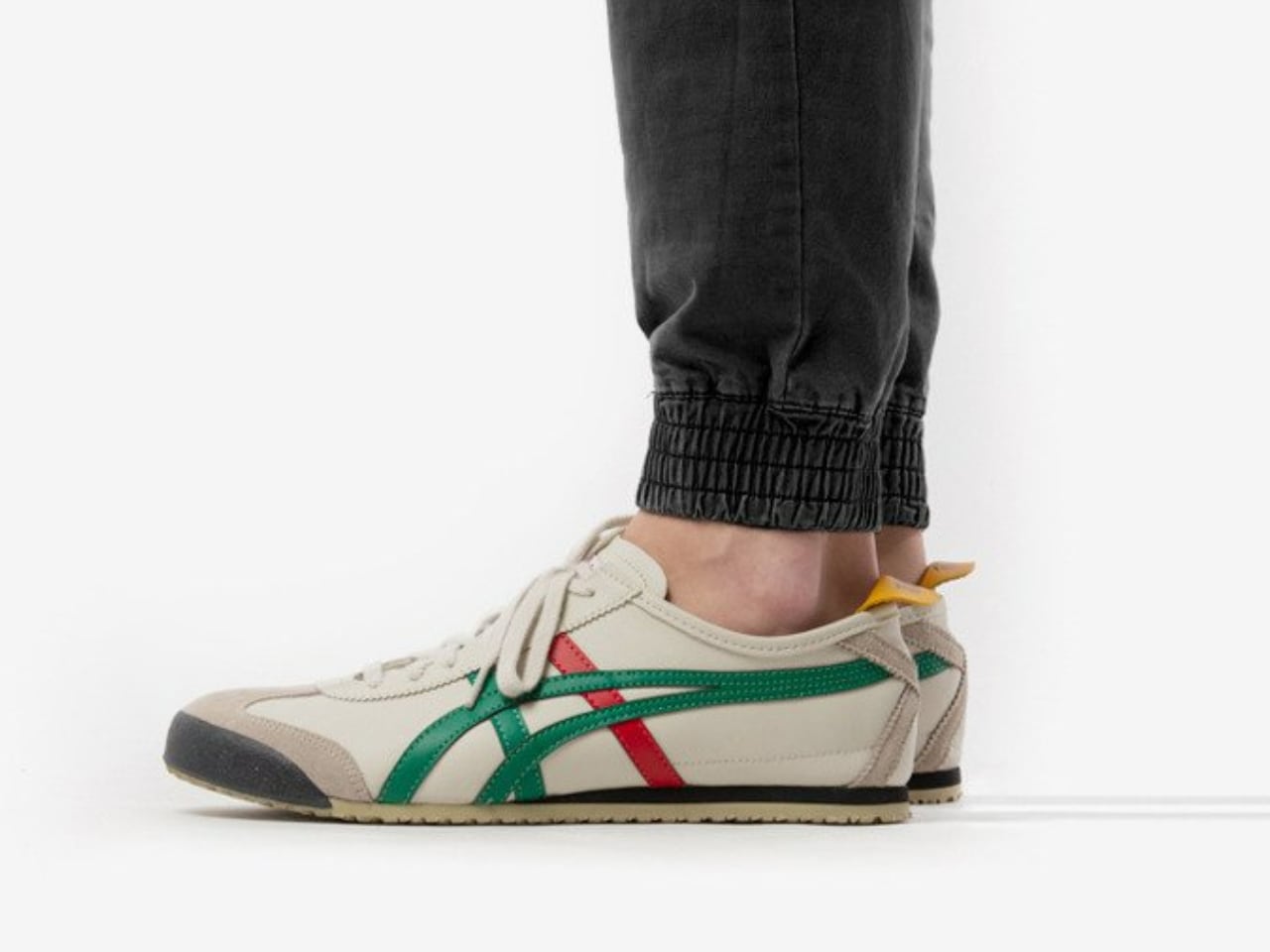
3. Low-Profile Sneakers: Onitsuka Tiger Mexico 66

For a contemporary, minimalist take, Onitsuka Tiger Mexico 66 is a fantastic sneaker for going sockless. These sneakers are made in Japan with high-quality materials such as leather and a sleek, low-profile design. Their understated look pairs well with shorts or rolled-up pants and keeps your outfit effortlessly clean. These sneakers are breathable enough to wear comfortably without socks, making them great for casual occasions or walking around the city.

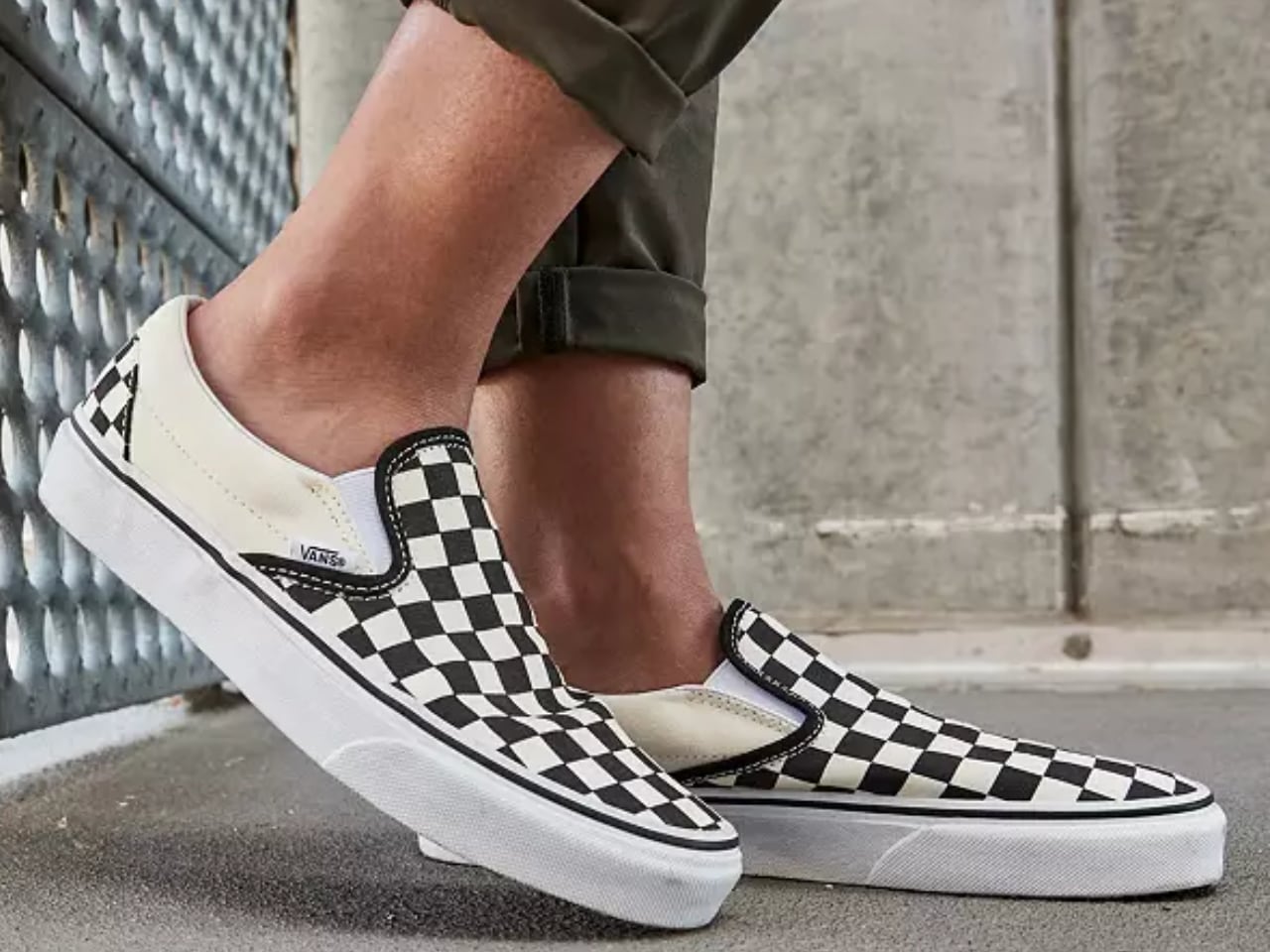
4. Casual Slip-Ons: Vans Classic Slip-On Sneakers

For a laid-back summer vibe, espadrilles are hard to beat. The Vans Classic Slip-On Sneakers offer lightweight canvas construction with a classic rope sole. They’re perfect for beach days, outdoor events, or any warm-weather situation where you want your feet to stay cool and comfortable. Since they’re made to be worn without socks, they fit naturally into a sockless wardrobe.

How to Stay Comfortable and Avoid Blisters

Skipping socks can lead to discomfort if you’re not prepared, especially when dealing with new shoes. Blisters, sweaty feet, and general discomfort are people’s main issues when going sockless. However, there are steps you can take to prevent these problems.

Break in Your Shoes: Before wearing them without socks, break in your shoes with socks for a few days. This softens the material and reduces friction that could otherwise cause blisters when you go sockless.

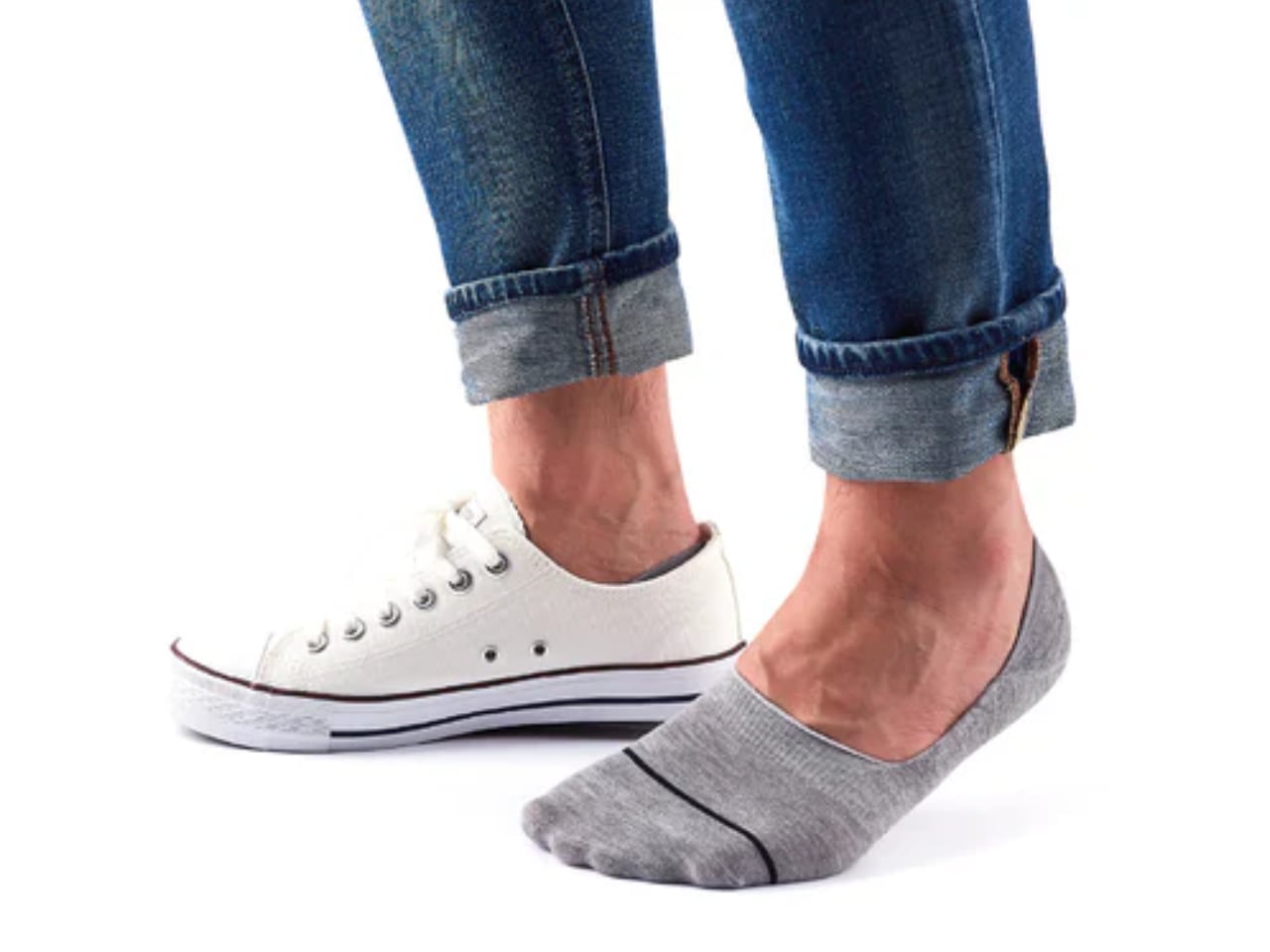
Use No-Show Socks: For a sockless appearance but added protection, no-show socks are a must. Brands like Bombas and Stance offer high-quality, moisture-wicking, no-show socks that give your feet a layer of protection while staying hidden. Look for options with silicone grips at the heel to keep them from slipping down inside your shoe.

Apply Foot Powder or Antiperspirant: To manage sweat and reduce friction, apply foot powder or antiperspirant to your feet before slipping into your shoes. Products like Gold Bond or Certain Dri can help absorb moisture and keep your feet dry throughout the day, preventing discomfort and blisters.

Proper Shoe Care When Going Sockless

Without socks to absorb moisture, your shoes will need extra care to stay fresh and odor-free. Here’s how to maintain your sockless footwear:

Clean Your Shoes Regularly: After each wear, wipe down the interior and exterior of leather shoes like the Tod’s Gommino loafers with a damp cloth and a mild cleaner. This removes sweat and oils that can build up and cause odor or damage. For canvas shoes like the Vans Classic Slip-On Sneakers, you can machine wash them on a gentle cycle but always let them air dry fully before wearing them again.

Rotate Your Shoes: To avoid wearing the same pair of shoes every day, rotate your footwear to give each pair a chance to air out and recover. Shoes that don’t have time to dry out can develop bacteria and odor problems, so giving them a break is key.

Use Shoe Trees: Inserting cedar shoe trees into leather shoes like the Onitsuka Tiger Mexico 66 helps maintain their shape and absorb excess moisture. Cedar also has natural antibacterial properties that help reduce odor.

Deodorize Your Shoes: Use foot sprays or insert deodorizing pouches to help keep your shoes smelling fresh. Products like Sof Sole Sneaker Balls can be placed inside your shoes overnight to neutralize odors and absorb moisture.

Occasions for Going Sockless

Knowing which shoes to wear is half the battle, but understanding when to go sockless is just as important. The occasion will often determine whether leaving the socks behind is a smart move.

Casual Settings: Going sockless works best in informal environments like beach outings, backyard gatherings, or casual day trips. In these laid-back situations, shoes like the Sperry Top-Siders or Vans Classic Slip-Ons fit the bill perfectly. These shoes, designed for warmer weather, help keep your feet cool and stylish without needing socks.

Semi-Formal Occasions: You can push the sockless look into more formal settings if done thoughtfully. For example, pairing Tod’s Gommino Loafers or Salvatore Ferragamo Parigi Loafers with tailored pants or a smart blazer can create a polished look that still feels relaxed. This can work in creative offices or for dinner outings where a more refined but comfortable style is called for.

Strictly Casual: Sneakers like the Onitsuka Tiger Mexico 66 are perfect for casual outings where comfort meets style. Think weekends in the city, brunch with friends, or walking through parks. These shoes offer the flexibility to keep things simple and sockless while maintaining a sharp aesthetic.

However, going sockless may be inappropriate in very formal environments or workplaces with a traditional dress code. Before ditching the socks, it’s essential to assess the occasion and setting.

Your Next Steps

Going sockless goes beyond a style choice – it focuses on comfort, versatility, and knowing how to make it work for different occasions. By choosing the right shoes, like the Tod’s Gommino Loafers, Sperry Top-Sider Boat Shoes, Onitsuka Tiger Mexico 66, or Vans Classic Slip-On Sneakers, you can achieve a clean, effortless look that works in a variety of settings. Keep your feet comfortable with no-show socks, foot powder, and regular shoe care, and you’ll be able to rock the sockless trend with confidence.

The post Ditch the Socks: Discover How to Master the Sockless Shoe Trend Without the Blisters! first appeared on Yanko Design.

Redefining Yard Maintenance with Lymow One Robot Mower’s Precision and Durability

Lawn maintenance often feels like a daunting task, especially when dealing with uneven terrains, dense grass, or expansive yards. The Lymow One robot mower introduces a new era of yard care, focusing on reliability, precision, and efficiency. Built with groundbreaking technology and robust construction, it aims to simplify lawn upkeep for big and challenging terrain.

Designer: Lymow

Click Here to Buy Now: $1899 $2999 ($1100 off). Hurry, only 21/470 left! Raised over $1,120,000.

The LyCut Trimmer System: Efficient and Versatile Cutting

At the heart of the Lymow One lies its patented LyCut trimmer system. This innovative system features a generous cutting width of 16 inches and an adjustable cutting height ranging from 1.2 to 4 inches, catering to various grass types and lengths. Departing from traditional cutting discs, it now employs dual plate mulching blades with high-speed fans for efficient clipping discharge, ensuring consistent and uninterrupted performance.

Operating at a formidable 6,000 RPM, the mower slices through grass efficiently, leaving a clean and even finish. Powered by a 300-watt motor with a peak output of 1,200 watts, the Lymow One is engineered to tackle challenging terrains and tough grass without compromising on performance.

Mastering Terrain with Tracked Treads

Robotic mowers often struggle with uneven landscapes and obstacles, but the Lymow One addresses these challenges head-on with its tracked treads. Inspired by tank tracks, these treads provide exceptional stability and traction, enabling the mower to navigate slopes as steep as 100% (45 degrees) and overcome obstacles up to two inches high.

A front-mounted, articulated mowing deck features a terrain-adaptive floating design, which delivers an excellent mowing finish across varied surfaces. This floating deck allows the mower to adjust to changing terrains, ensuring consistent contact and quality cutting. Additionally, the deck’s design makes it easy to maintain, minimizing the need for frequent adjustments or repairs while protecting the blades from potential damage during operation.

Precision Navigation with LySee Multi-Fusion Technology

A big aspect of the Lymow One is its advanced navigation system. The mower achieves centimeter-level accuracy during operation by combining RTK-GNSS localization with binocular VSLAM. This high level of precision eliminates the need for traditional boundary wires, streamlining the setup process and ensuring the mower remains within designated areas.

The multi-fusion sensor technology incorporates semantic recognition and depth perception, allowing the mower to intelligently navigate around obstacles such as trees, outdoor furniture, and even pets. Enhanced with ultrasonic sensors and bumper sensors, the Lymow One adeptly avoids collisions, promoting safe operation in complex environments.

User-Friendly Control with Smart App Integration

Managing lawn care is made effortless with the Lymow One’s companion smart app. Users can schedule mowing sessions, define no-go zones, and monitor the mower’s real-time progress directly from their devices. The app provides a comprehensive work log detailing all mowing activities and offering updates on the machine’s status.

Should the mower’s battery deplete during operation, it automatically returns to its charging base and resumes mowing from the exact point it left off once recharged. The inclusion of rain detection technology ensures that the mower retreats to its base during inclement weather, safeguarding both the machine and the lawn from potential damage.

Security features are also integrated into the app. The geo-fence feature sends immediate alerts in case of unauthorized movement or tampering, while GPS tracking allows users to monitor the mower’s location at all times, providing peace of mind against theft.

Built for Durability and Safety

Constructed with a one-piece aluminum alloy shell that is die-cast for enhanced resilience, the Lymow One is designed to withstand various weather conditions, including rain, heat, and rough terrain. Its IPX6 water-resistant rating ensures reliable performance even in less-than-ideal weather.

Safety is paramount in the Lymow One’s design. It features a patented blade fender that exceeds international safety standards, minimizing the risk of accidental contact with the blades. An instant blade stop mechanism halts blade movement immediately when the mower is turned off or receives a shutdown command. Additional safeguards are in place to protect children and pets, making it a family-friendly option for lawn care.

Powering the mower is a LiFePO4 battery, chosen for its safety, durability, and long cycle life of up to 1,500 recharge cycles. This battery provides up to three hours of operation per charge, allowing the mower to cover approximately 0.57 acres (2300 m²) per charge. With an estimated three charges per day, the mower can cover about 2 acres (7000 m²) of mowing area per day.

Embracing a New Standard in Lawn Maintenance

The Lymow One robot mower offers a comprehensive solution to common lawn care challenges. Its combination of the efficient LyCut dual-plated mulching system, terrain-conquering tracked treads, and precise LySee navigation technology reduces the manual effort and time traditionally required for yard maintenance.

Designed to handle a variety of landscapes—from flat lawns to uneven terrains dotted with obstacles—the Lymow One delivers consistent performance and reliability. Its smart features and outstanding mowing capacity make it a forward-thinking choice for those seeking a hands-off approach to lawn care.

Click Here to Buy Now: $1899 $2999 ($1100 off). Hurry, only 21/470 left! Raised over $1,120,000.

The post Redefining Yard Maintenance with Lymow One Robot Mower’s Precision and Durability first appeared on Yanko Design.

New Patent Shows Motorola’s Foldable Tracks and Bends to Your Will: A Smarter Hinge for the Future

Motorola is pushing the boundaries of foldable smartphones with a new patent that introduces a hinge mechanism capable of autonomous adjustment, adapting seamlessly to user movements. This novel approach aims to make foldable devices more intuitive, elevating the user experience to new levels of comfort and convenience.

Designer: Motorola + Lenovo

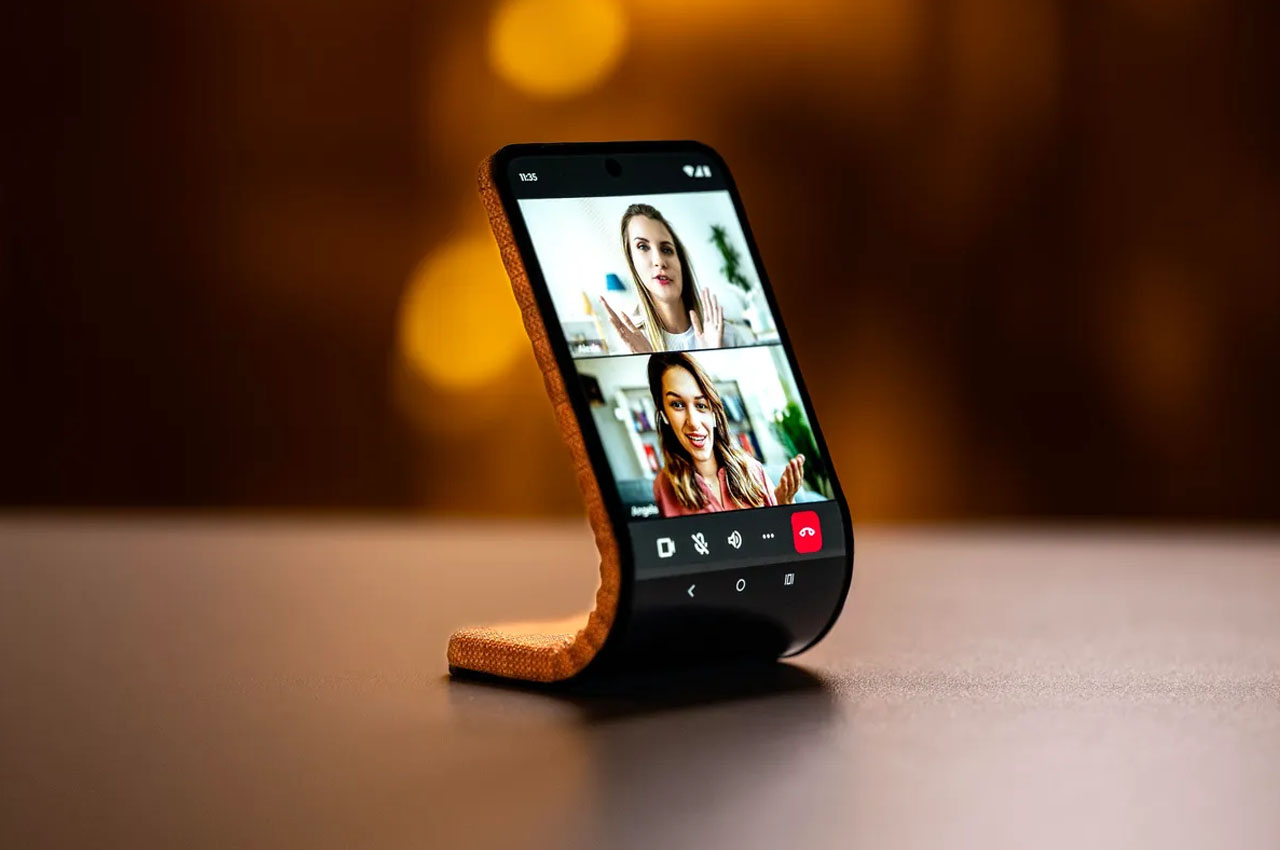
The patent, titled “Autonomous Form Factor Control of a Foldable Mobile Device,” describes a hinge that can automatically adjust its position using a combination of shape memory alloys (SMA) and linear resonant actuators (LRA). The hinge dynamically shifts its angle to optimize viewing based on the user’s movements, offering a physical solution to an ergonomic problem. It’s similar in concept to Apple’s Center Stage, but instead of software adjusting the frame, this device physically adjusts itself to keep the user in view.

Breaking Down the Technology

The hinge utilizes Shape Memory Alloys (SMA), which are smart materials originally developed for aerospace applications. SMA can change shape when exposed to heat, which is generated here through electrical currents or kinetic energy. As the user moves, SMA expands or contracts to tilt the hinge, ensuring the display remains aligned with the user’s position. Imagine watching a video or participating in a call where the screen moves to stay in sync with you—Motorola aims to deliver this convenience.
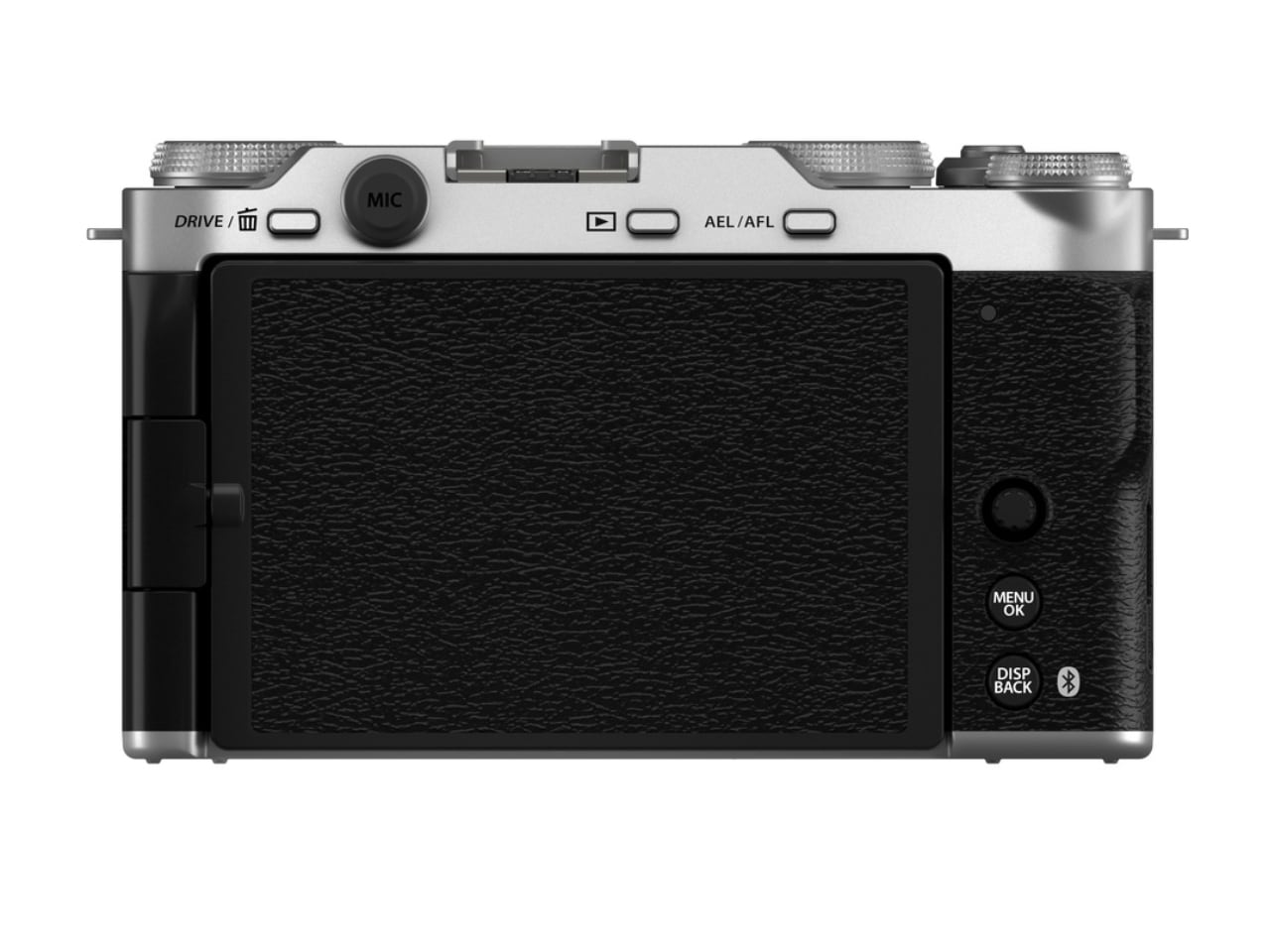
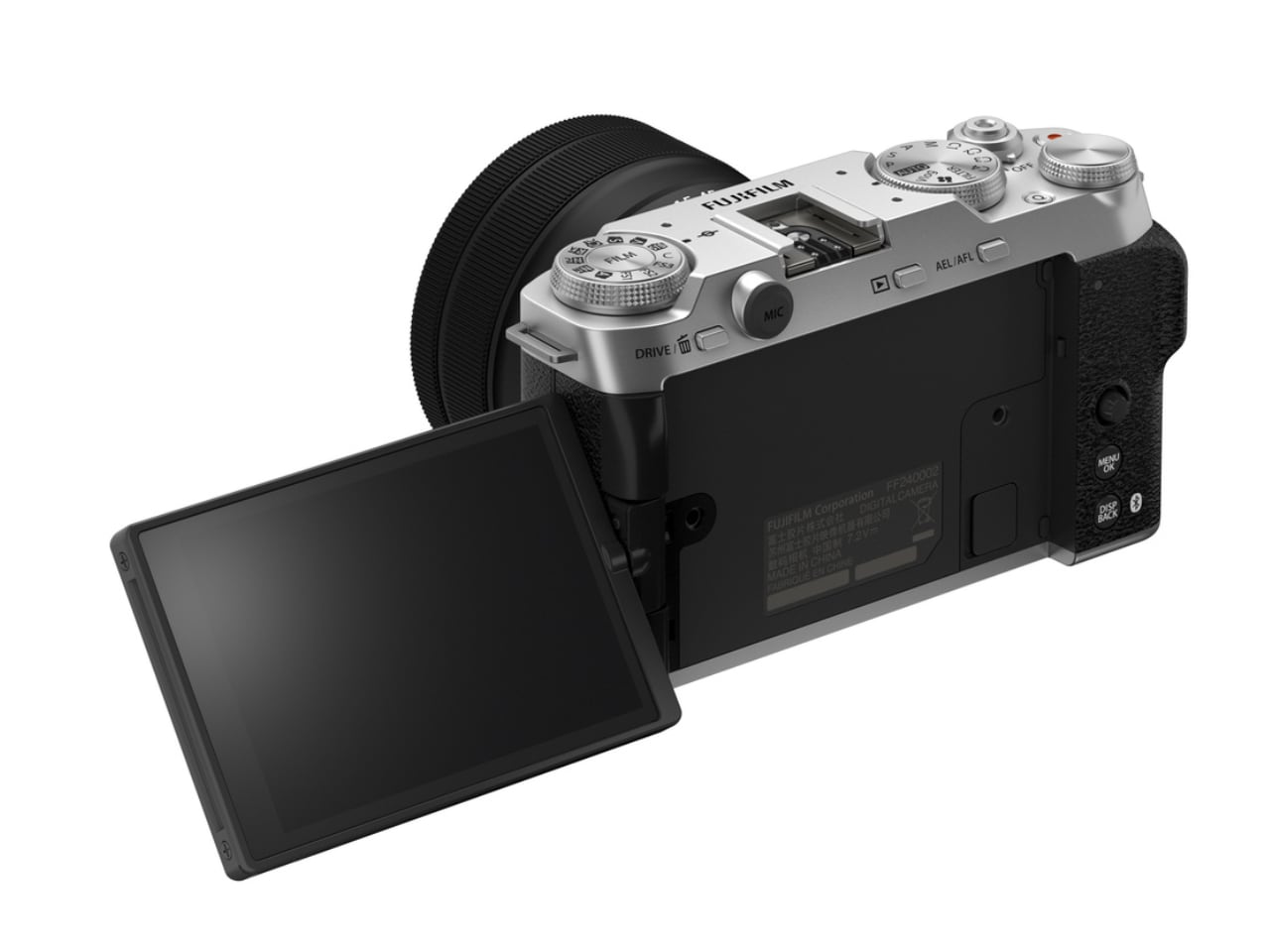
Image: 91mobiles

Linear Resonant Actuators (LRA) work in tandem with SMA to provide precise linear movements. They function like a spring system to keep adjustments smooth and accurate. Together, these components allow for dynamic hinge movement, eliminating the need for awkward manual repositioning during use.

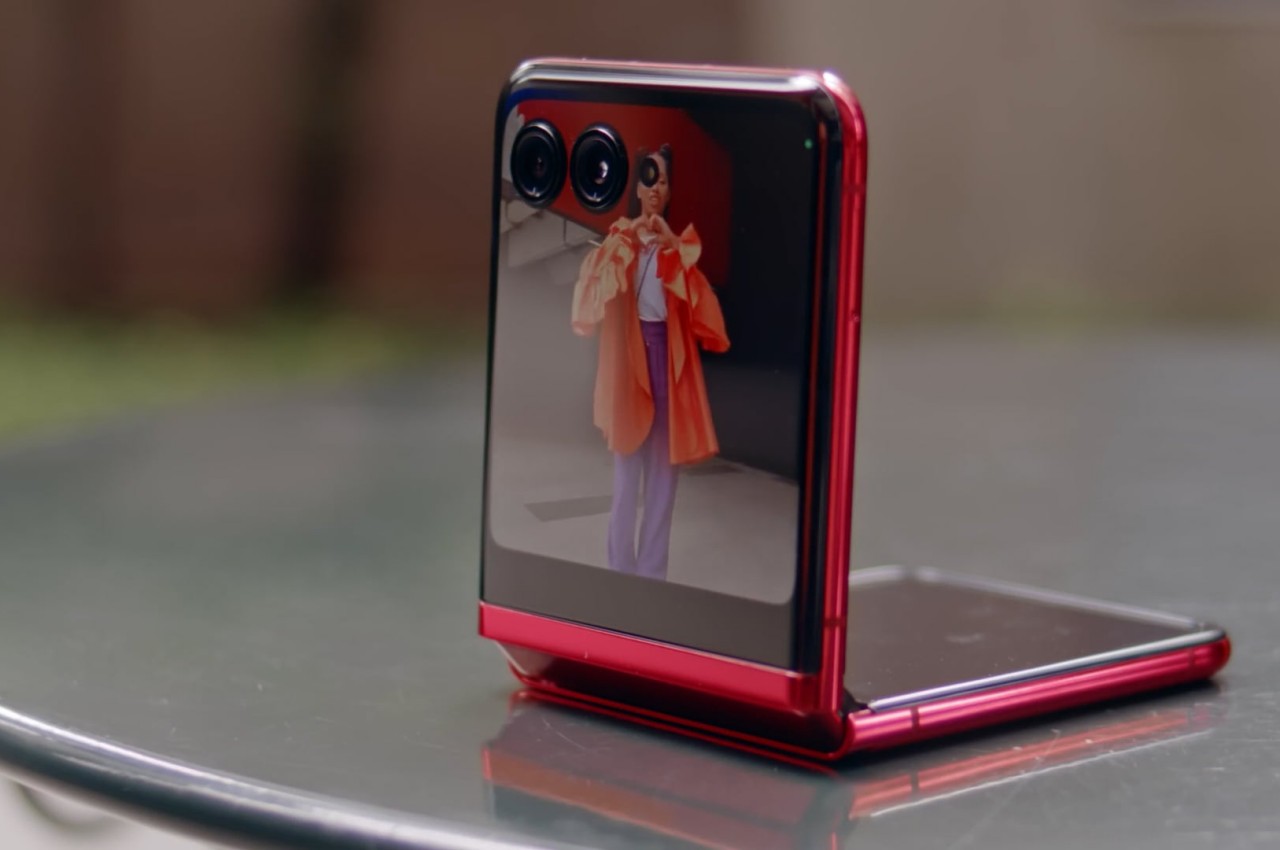
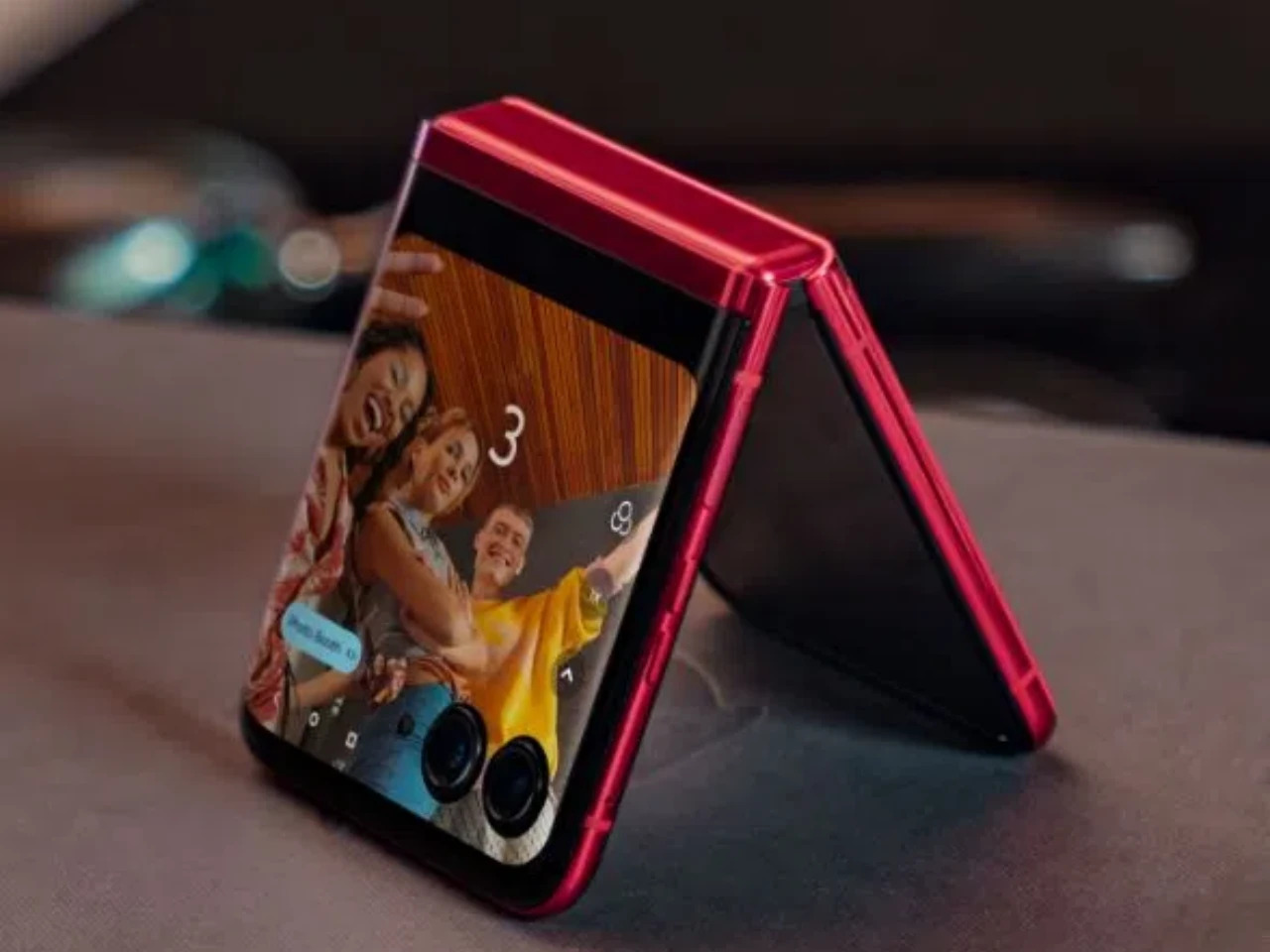
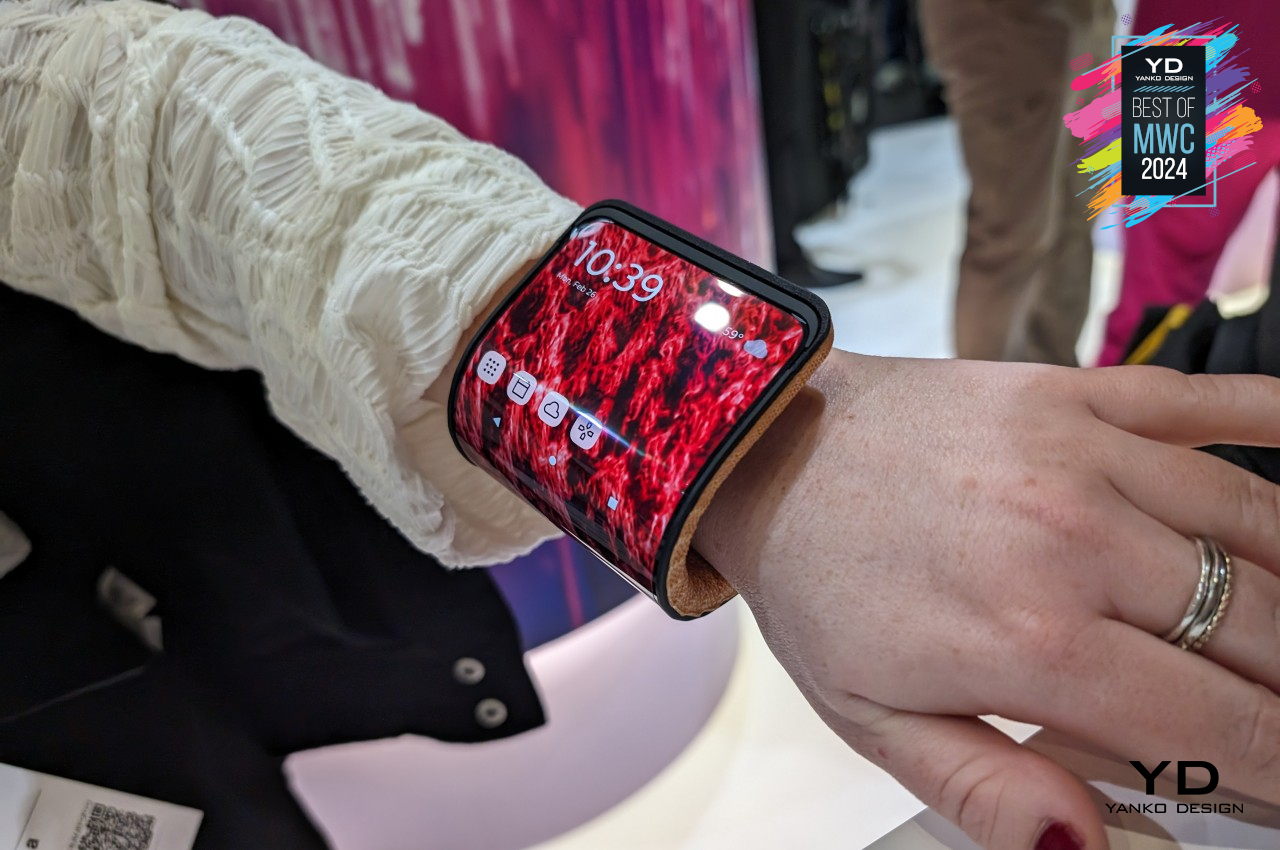
Motorola RAZR Plus

How It Works

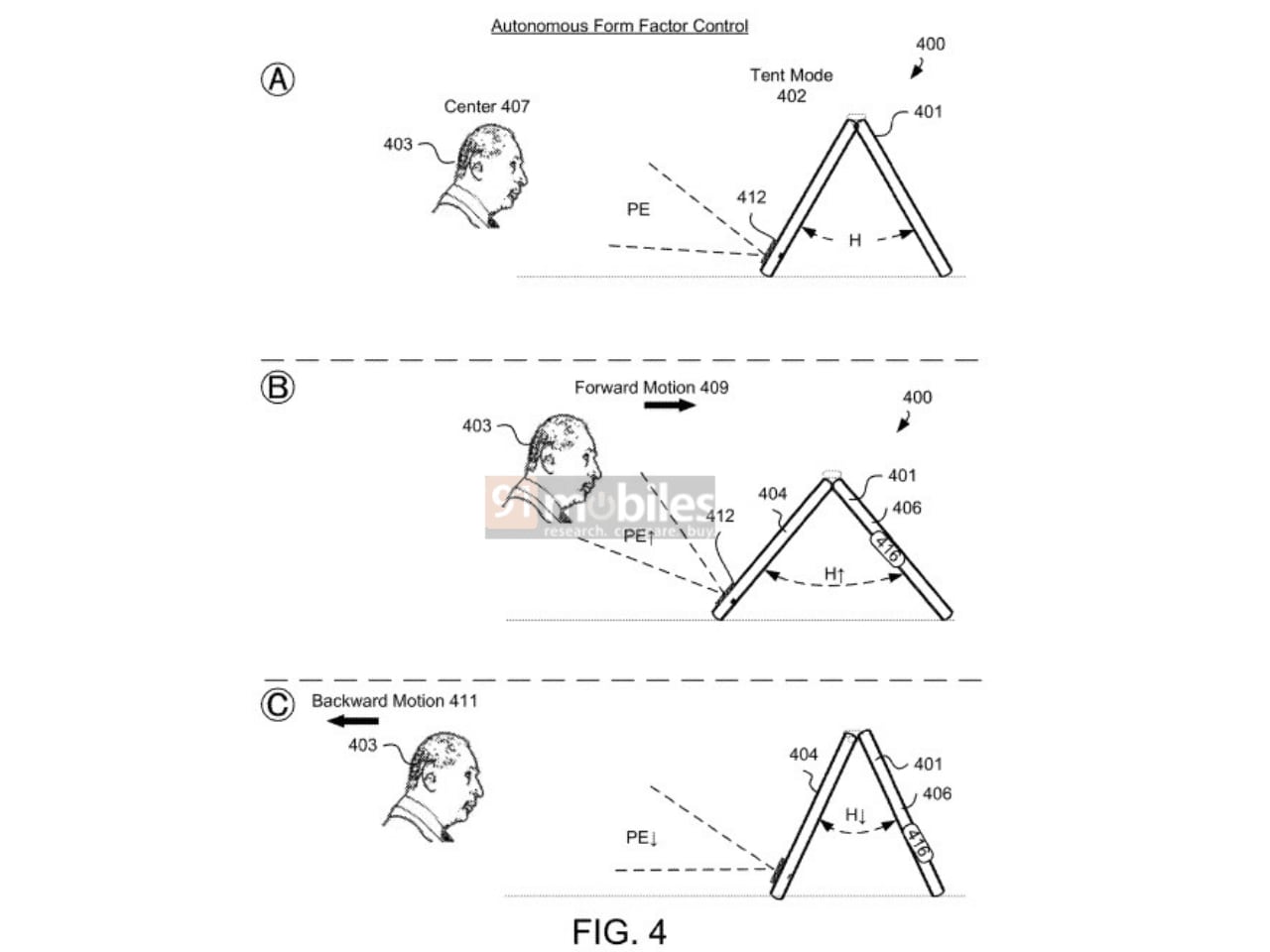
Motorola’s patent images show the foldable phone using onboard sensors, including cameras, to track user movement. Depending on whether the user moves closer, farther away, or remains still, the hinge adjusts accordingly. The patent outlines different modes, like Tent Mode and Stand Mode, each designed to provide an optimal screen position for varying user activities.

In Figure 3, the hinge changes its elevation in response to the user’s head movement, keeping the display at an ideal angle. If the user leans forward, the hinge tilts upward; if they move back, it lowers. This feature improves ergonomics and reduces strain, creating a more comfortable viewing experience.

Image: 91mobiles

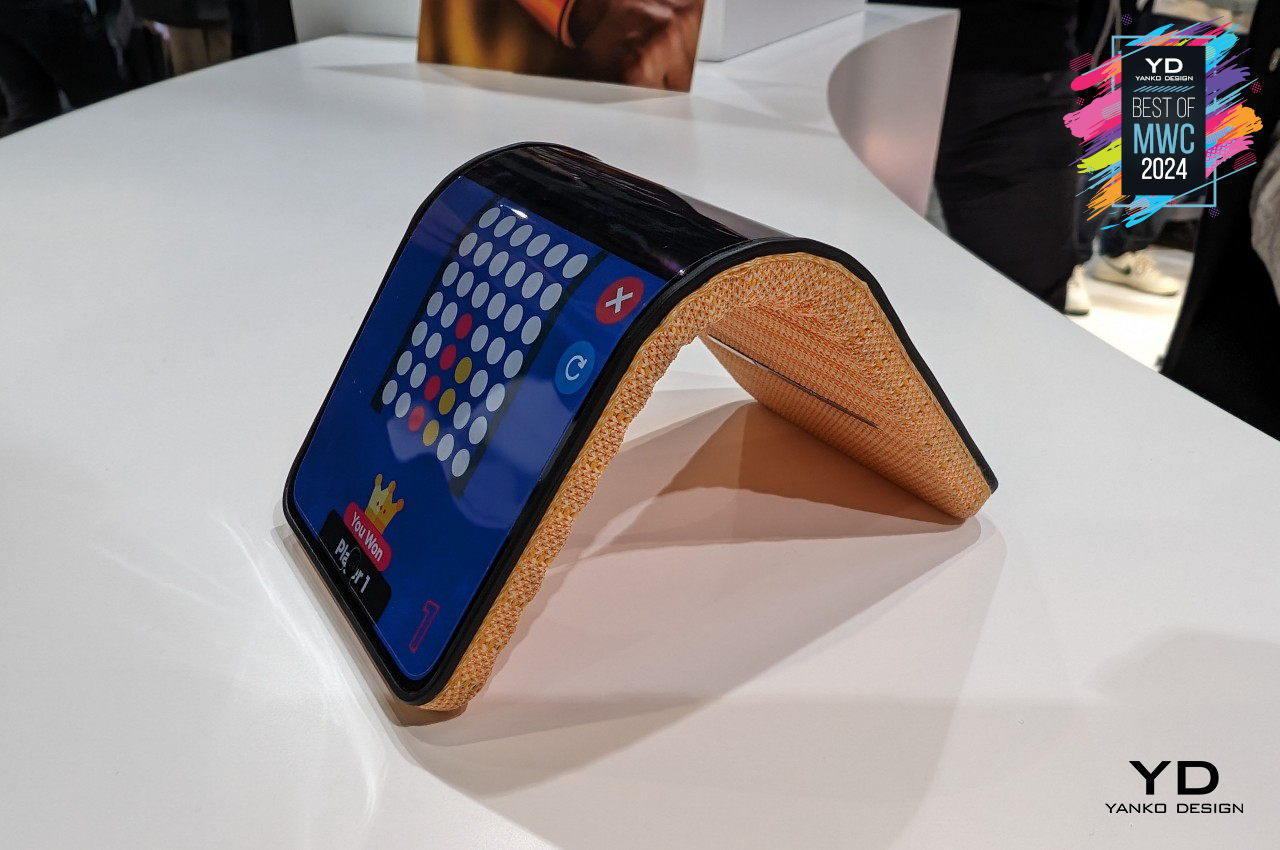
Unlike software-only solutions that rely on reframing the content, Motorola’s hinge brings a tangible, mechanical adaptation to user movement. This could also enhance shared viewing experiences, such as group video calls or presentations, making it easier for everyone to see the screen.

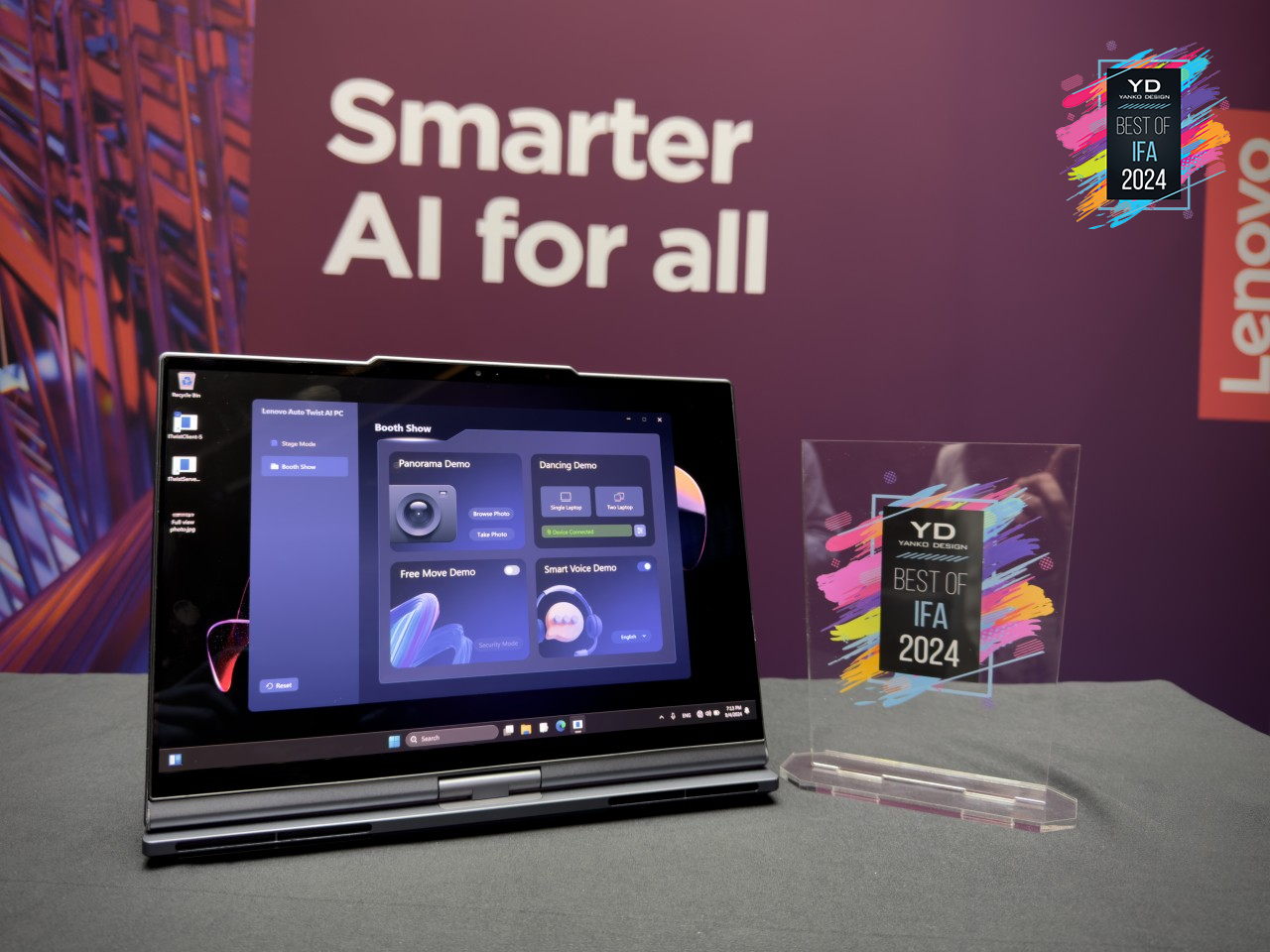
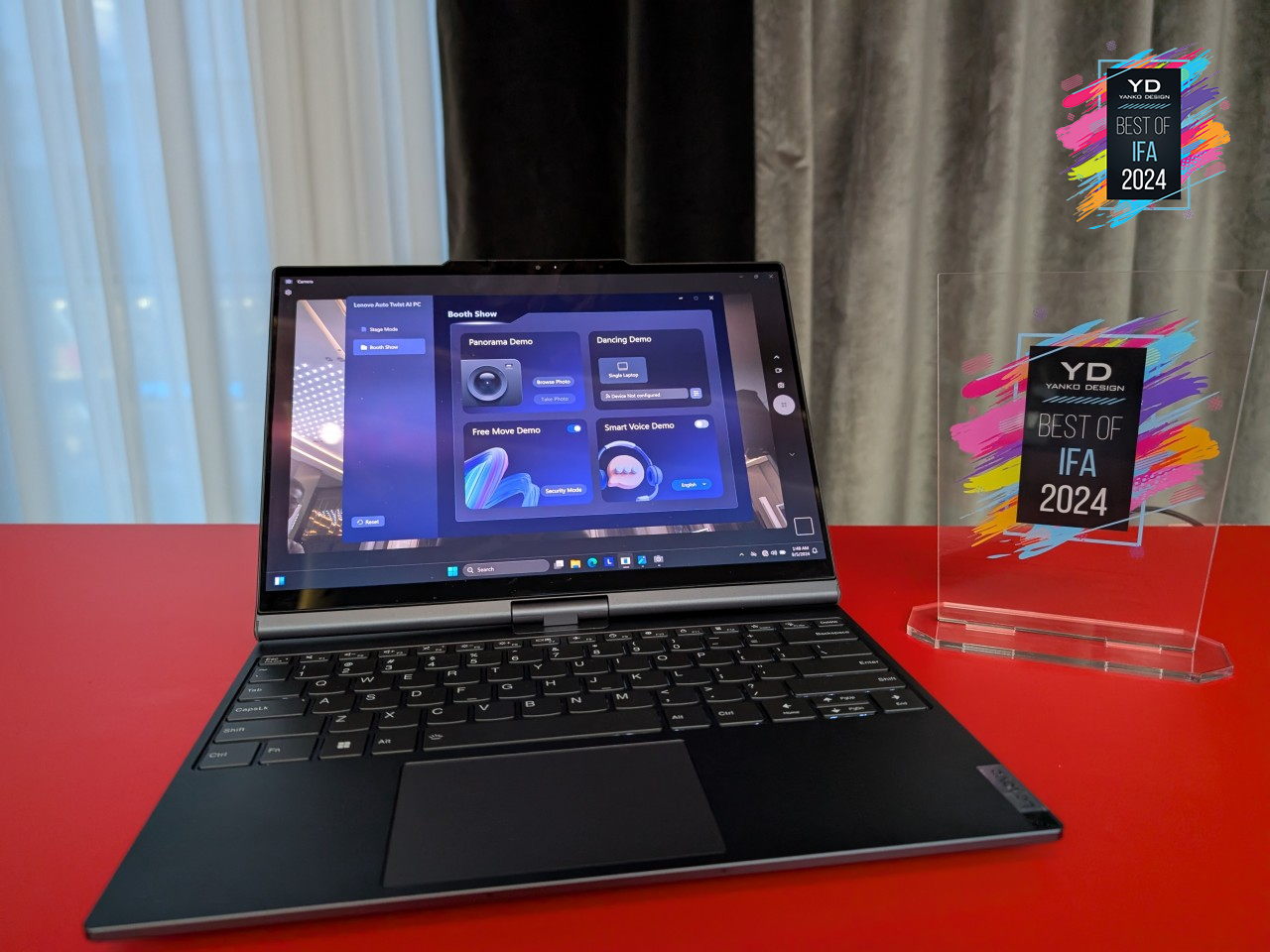
Lenovo’s Auto Twist AI PC Proof of Concept at IFA 2024

Motorola’s innovation isn’t happening in isolation—Lenovo showcased a similar concept at IFA 2024 with the Auto Twist AI PC Proof of Concept. Lenovo’s vision involves AI-controlled hardware that autonomously adjusts itself, bridging the gap between software-driven user personalization and physical hardware adaptability. The Auto Twist AI PC leverages AI to change the laptop’s configuration and position, adjusting to different modes, such as laptop, tablet, or tent mode, based on user activity. It can even close the lid when left unattended, providing convenience and security.

This concept from Lenovo shares parallels with Motorola’s patent for a dynamic folding hinge. Like Motorola’s hinge that autonomously adjusts based on user movement, Lenovo’s design integrates motorized hinges and AI to create a fluid transition between different laptop modes. The idea is to reduce the need for manual intervention and make the devices more user-friendly. While the Lenovo Yoga series has long offered flexibility through multiple modes, the Auto Twist AI PC takes this a step further by introducing autonomous adjustments. The ability to track user positioning and proactively respond by shifting configurations could significantly enhance the user experience—very much in the same vein as Motorola’s foldable phone.

Why This Matters

With CES 2025 around the corner, I expect Motorola and Lenovo to have proof of concepts for us to test. This autonomous hinge system is a significant step forward for foldable and convertible technology. While foldable devices are often seen as cutting-edge, they sometimes lack the functionality that justifies their complexity. By introducing automatic hinge adjustments, Motorola is making foldable phones more responsive and effortless to use. Whether multitasking, consuming content, or going hands-free, this design solves a usability problem that has limited the practicality of foldable devices.

Lenovo’s proof of concept shows how AI-driven automation could become a broader trend across different types of devices, including laptops. Both Lenovo and Motorola envision a future where devices anticipate user needs and make physical adjustments, moving away from passive tools requiring constant manual configuration to smart companions that enhance the user experience.

Comparison to Existing Solutions

Motorola’s innovation draws parallels with Apple’s Center Stage but pushes the idea further by integrating physical hardware movement. Instead of relying solely on software, this solution combines mechanical adjustment with tracking to create a more immersive, seamless user experience.

Patent images detail Tent Mode and Stand Mode, showcasing the benefits of automatic adjustment. In Tent Mode, the hinge adjusts to keep the screen centered for easy content sharing or watching videos hands-free. Stand Mode tilts the screen to align with the user’s eye level, enhancing comfort and reducing strain.

Why This is Notable

  • Motorola’s foldable phone can autonomously adapt to users’ needs, making it innovative and practical.
  • Integrating SMA and LRA provides a robust hinge design that reacts to user behavior, enhancing comfort and usability.
  • Lenovo’s Auto Twist AI PC concept hints at a future where more devices incorporate AI-driven physical adjustments.
  • This adaptability could become standard across laptops, tablets, and foldable phones, focusing on devices that adapt to human behavior.
  • Motorola and Lenovo’s hinge technologies could redefine foldable devices, turning them into adaptive companions that offer everyday benefits.
  • These advancements set new benchmarks for the foldable and convertible market, aiming to transition from concepts to consumer-ready products that transform the industry.

The post New Patent Shows Motorola’s Foldable Tracks and Bends to Your Will: A Smarter Hinge for the Future first appeared on Yanko Design.