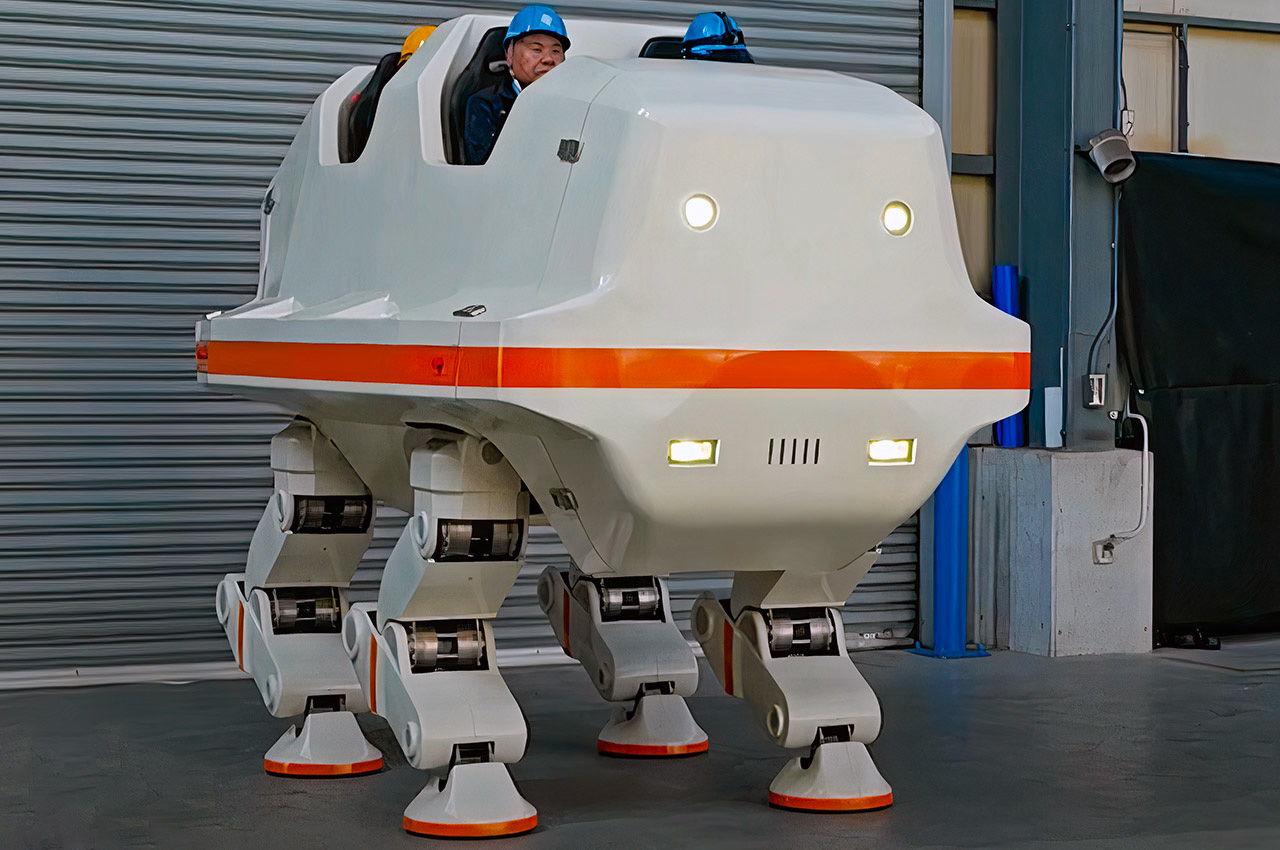
This colossal rideable robot, resembling a giant rhinoceros gives meaning to the phrase ‘riding in style’

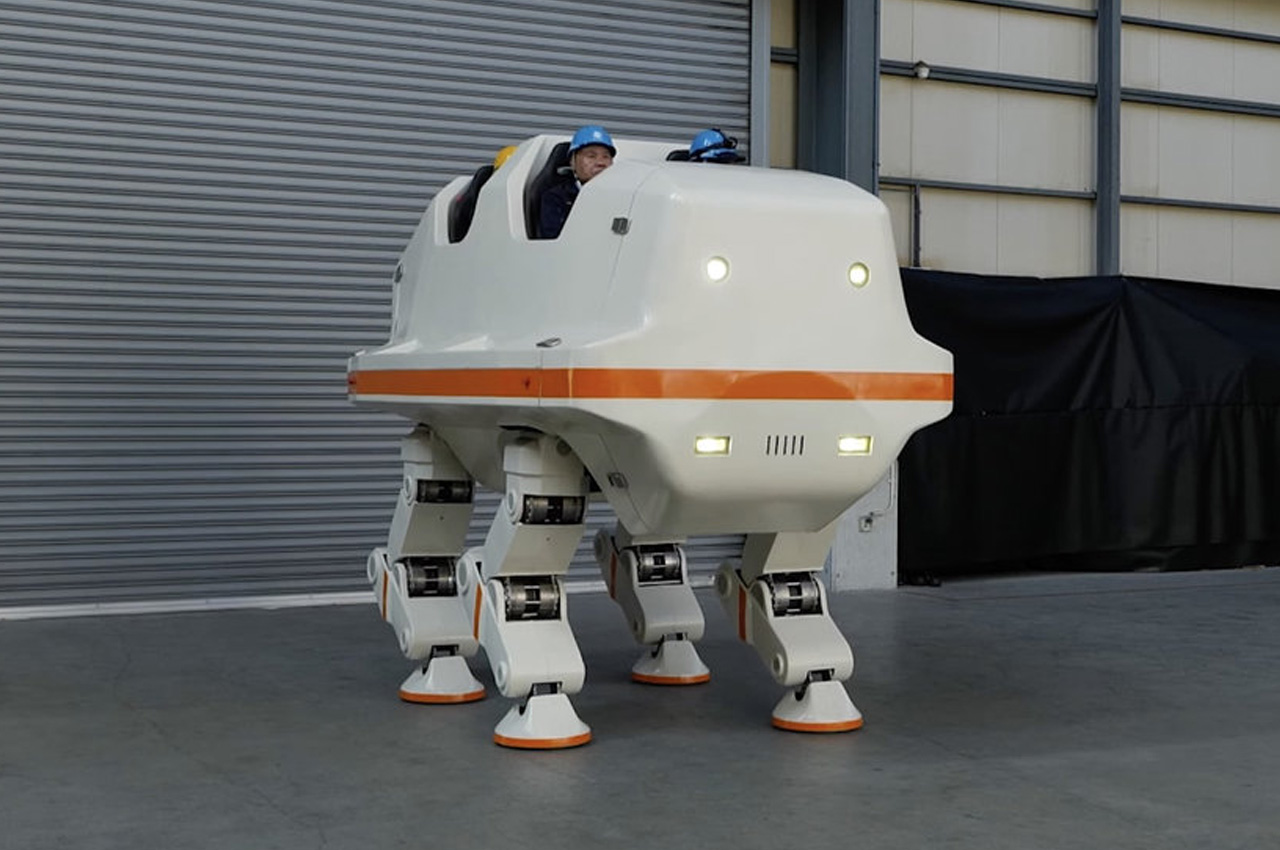
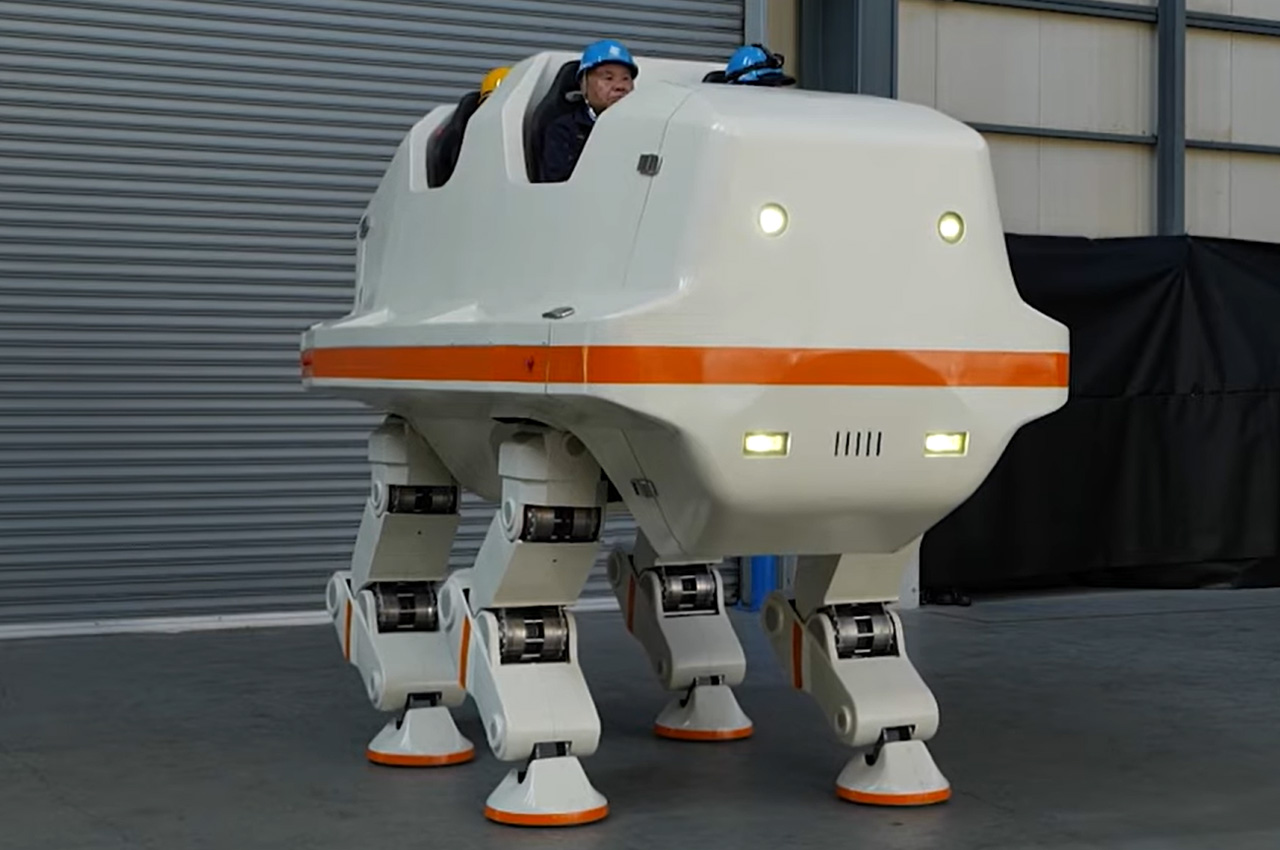
Have you ever wanted to ride a rhinoceros? I would have never thought of an idea to be even close to reality, but after seeing this rhino-inspired behemoth with four sturdy legs, engineered to walk and transport up to four adventurous passengers, I am sold by the idea!

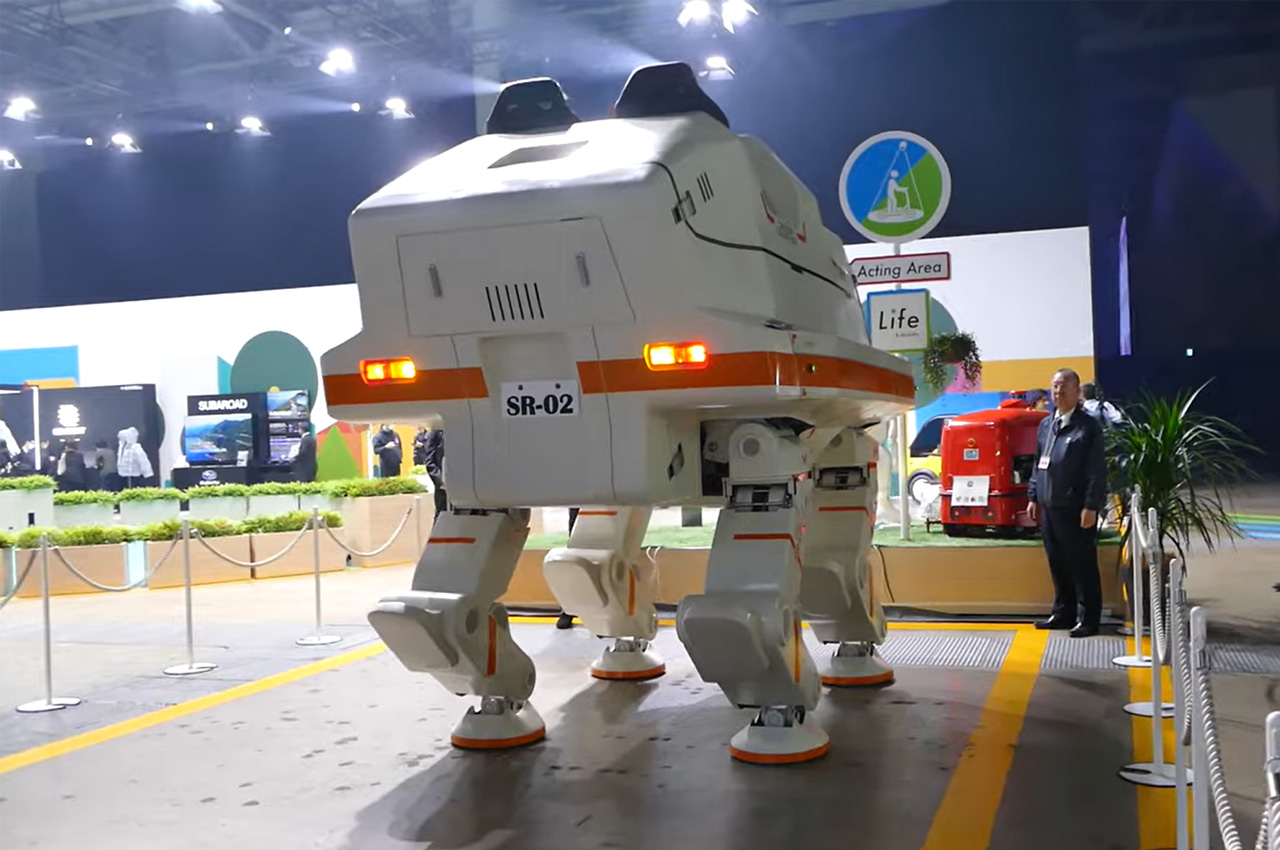
An amalgamation of entertainment and technology, this larger-than-life creation: the SR-02, a quadruped walking robot, is developed by Sansei Technologies. This is a company renowned for crafting thrilling amusement park rides that set hearts racing at Disney.

Designer: Sensei Technologies

The electric-powered prototype of the four-legged walking robot was debuting at the Japan Mobility Show, previously known as the Japan Motor Show, this year. The SR-02, right to the word, stole the spotlight, hinting at a future where personal mobility takes on an entirely new form.

This ambitious creation isn’t however crafted for a specific client but instead for the pleasure of those who seek unique experiences at amusement parks. Whether you fancy taking control yourself or allowing remote guidance, this marvel of engineering provides both options, ensuring a delightfully dynamic adventure for all its passengers.

The SR-02 stands at around 11 feet in length, slightly over five feet in width, and nearly seven feet in height. Its spacious design ensures that passengers have ample room to sit comfortably, making the entire experience not only thrilling but also enjoyable.

The prospect of riding a colossal, rideable robot might sound like a dream come true for many, and the SR-02 has the potential to transform amusement park experiences into something beyond imagination. However, until further announcements are made, we can only sit back and wait to know when.


The post This colossal rideable robot, resembling a giant rhinoceros gives meaning to the phrase ‘riding in style’ first appeared on Yanko Design.

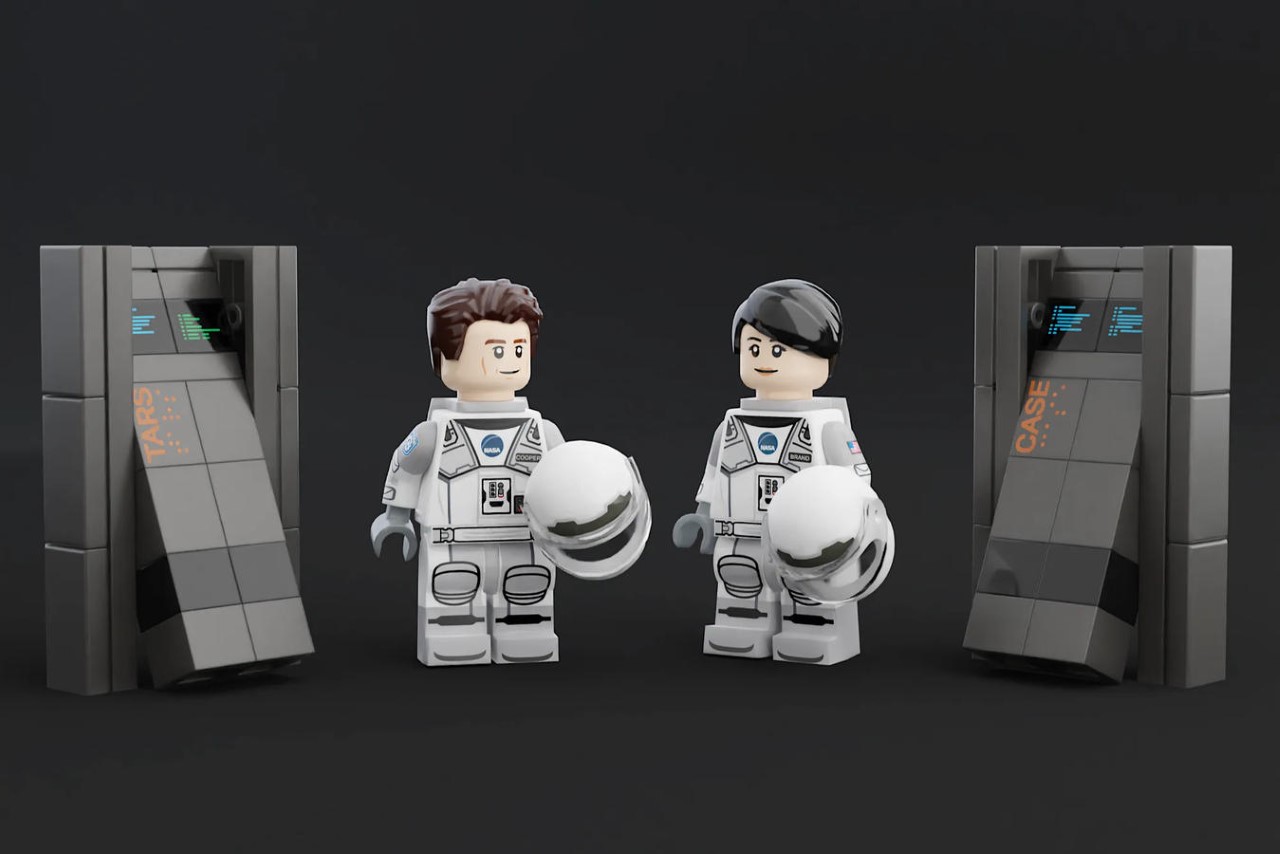
The Iconic Interstellar ‘Miller’s Planet Scene’ gets its own Adorable LEGO Brick Recreation

“Cooper! This is no time for caution.”

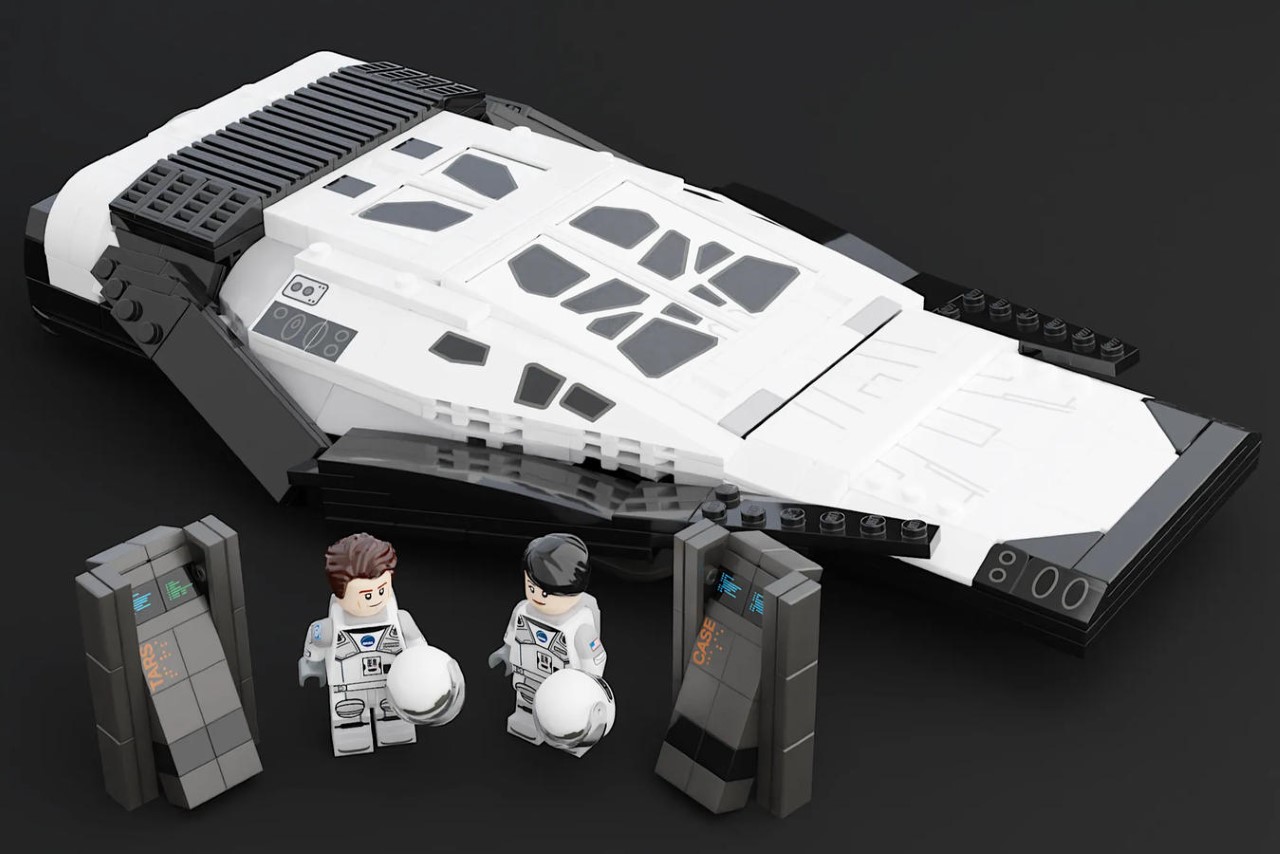
As the Ranger Ship descended on Miller’s Planet, hope suddenly turned to dismay and then to horror as Joseph Cooper and Dr. Brand realized that not only was the planet unviable for human life, their crew member was dead, they had wasted 23 years simply in the minutes they spent on the planet’s surface, and they were just mere moments away from a killer tidal wave approaching them from the horizon. The scene from blockbuster space-thriller Interstellar is noteworthy for causing a wide range of emotions and creating a visual tension only director Christopher Nolan can conjure. Now, LEGO builder Minibrick Productions is paying tribute to the Miller’s Planet scene with their tiny LEGO-based recreation that features the ranger aircraft, astronauts Cooper and Brand, and the shapeshifting robots TARS and CASE.

Designer: Minibrick Productions

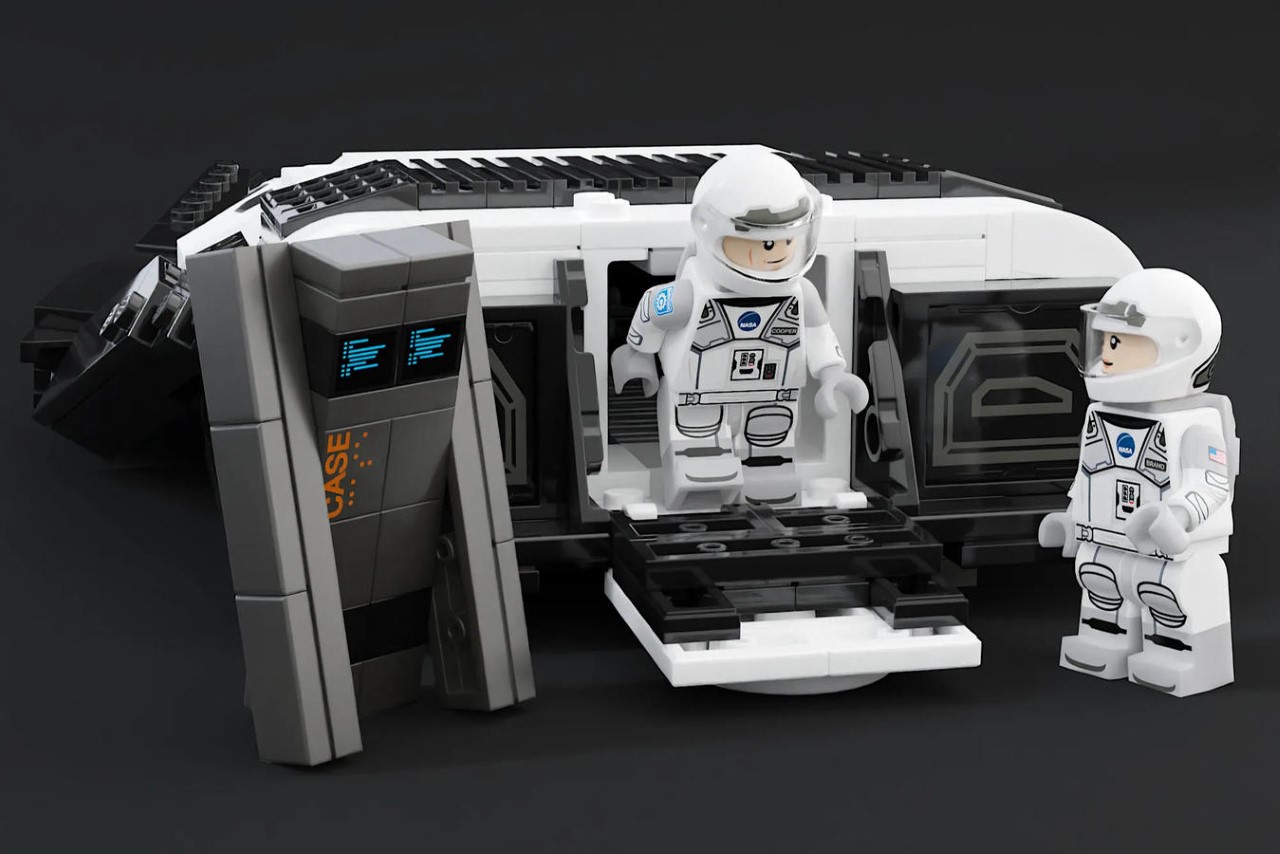
Miller’s Planet is the first of the 3 planets explored by the group of astronauts looking for a viable alternative to earth. While crew-member Romilly stays back on the main ship, Cooper and Brand (played by Michael McConaughey and Anne Hathaway) travel to the planet, located close to a black hole. Little did they know that not only would this visit be futile, it would cost them decades because of the planet’s proximity to the black hole, causing a warp in space-time. Minibrick Productions’ rendition of this scene is as accurate as it gets, with all the characters and a rather realistic-looking Ranger spacecraft to match. McConaughey and Hathaway come outfitted in their space suits, while TARS and CASE, two monolithic-looking robots sport repositionable arms that allow them to walk like a human.

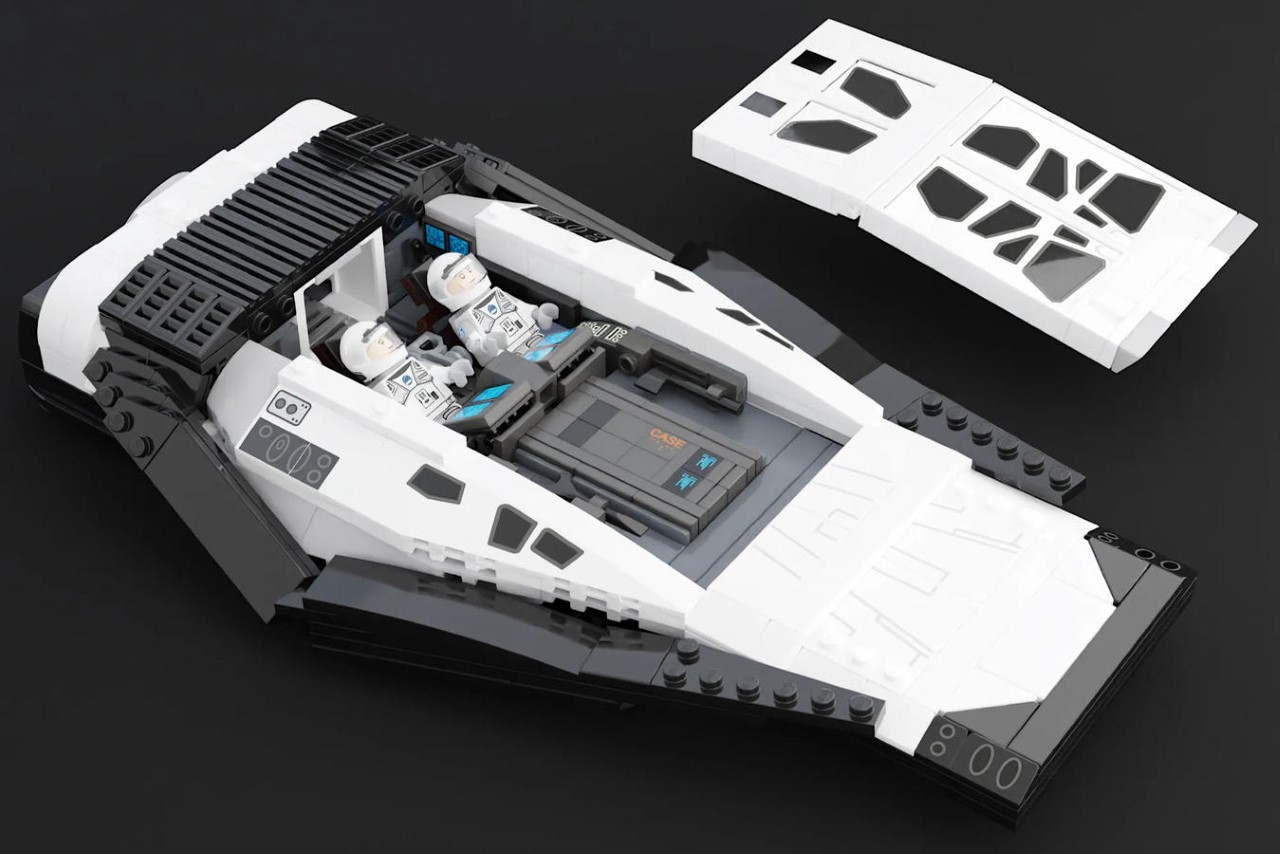
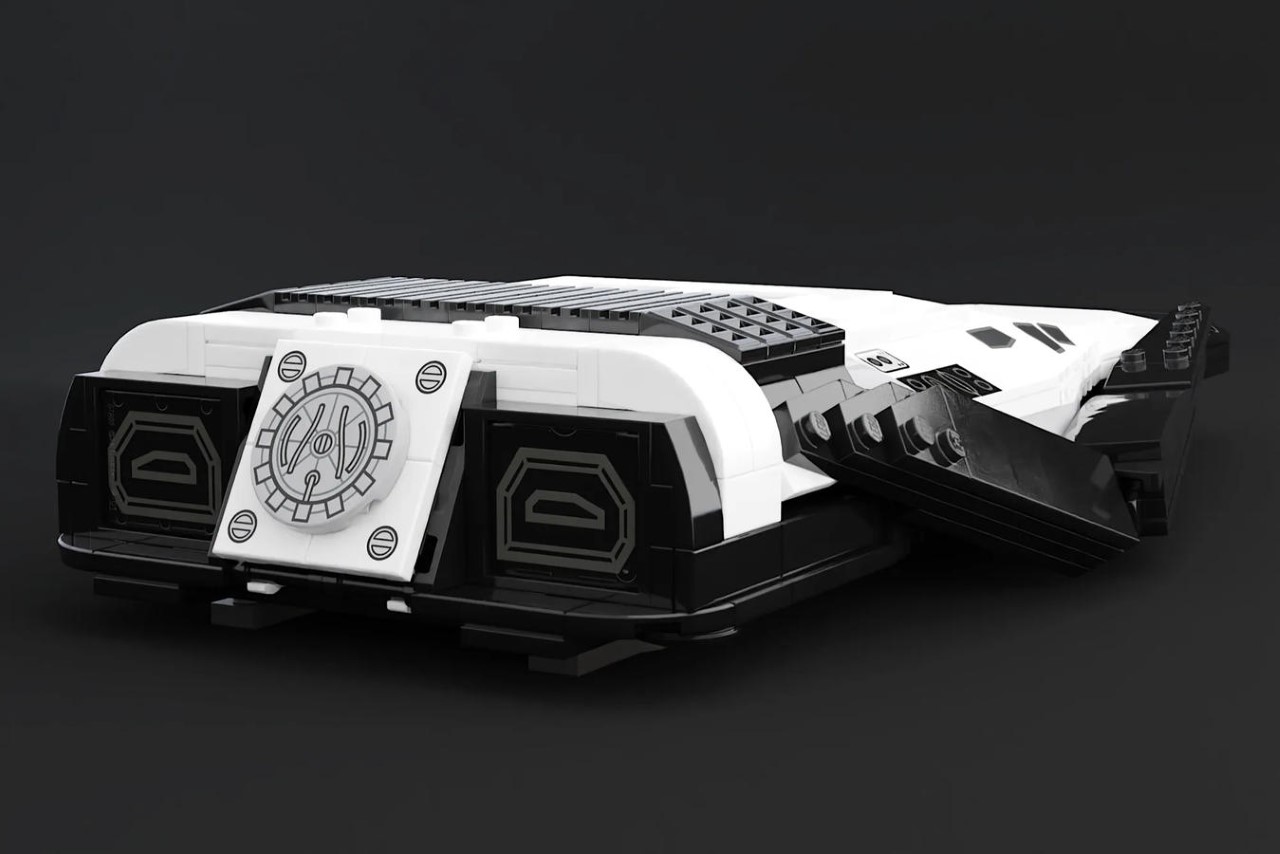
The Ranger craft itself is more than just aesthetic. Pop its hood off and there’s an entire cockpit where Cooper and Brand fit right in, along with a crawl-space where TARS or CASE can dock themselves. The rear hatch on the craft can open and close too, revealing the ramp through which the astronauts enter and exit the craft.

“This set would be mindless fun to a child who dreams of exploring space, as well as any collector who wishes to display one of the most iconic vehicles from science fiction,” says Minibrick Productions, the creator behind this LEGO scene. The LEGO Miller’s Planet scene from Interstellar comprises just 532 bricks, making it a relatively simple build for kids and enthusiasts alike. It currently sits in LEGO’s Ideas forum with over 4000 votes from the community. If it reaches the 10,000 mark, LEGO’s internal team will review it before turning it from a fan-made submission into a box-set that anyone can buy. Click here to vote for this build!

The post The Iconic Interstellar ‘Miller’s Planet Scene’ gets its own Adorable LEGO Brick Recreation first appeared on Yanko Design.

YouTube tests AI-generated comment summaries and a chatbot for videos

YouTube announced two new experimental generative AI features on Monday. YouTube Premium subscribers can soon try AI-generated comment summaries and a chatbot that answers your questions about what you’re watching. The features will be opt-in, so you won’t see them unless you’re a paid member who signs up for the experiments during their test periods.

The AI-powered summaries will organize comments into “easily digestible themes.” In a Mr. Beast video YouTube used as an example, the tool generated topics including “People love Bryan the bird,” “Lazarbeam should be in more videos,” “No submarine” and “More 7 day challenges.” You can tap on the topic to view the complete list of associated comments. The tool will only run “on a small number of videos in English” with large comment sections.

Screenshot from the YouTube mobile app with an AI-powered comment summary feature. It categorizes comments by topic.
YouTube

If you’re worried about YouTube’s summaries spiraling out of control the way the platform’s comment sections often do, the company says it won’t pull content from unpublished messages, those held for review, any containing blocked words or those from blocked users. Further, creators can use the tool to delete individual comments if they see problematic (or otherwise unwanted) discussions about their videos.

Meanwhile, YouTube’s conversational AI tool gives you a chatbot trained on whichever video you’re watching. Generated by large language models (LLMs), the assistant lets you “dive in deeper” by asking questions about the content and fishing for related recommendations. The company says the AI tool, which appears similar to chatting with Bard, draws on info from YouTube and the web, providing answers without interrupting playback. Eligible users can find it under a new “Ask” button in the YouTube app for Android.

Starting today, YouTube Premium subscribers can opt into the comment summarizer on YouTube’s experiments page. However, the company says you won’t see the “Topics” option for all videos. In addition, the conversational AI tool is only available now “to a small number of people on a subset of videos,” but YouTube Premium subscribers with Android devices will be able to sign up to try it in the coming weeks. The company warns the experimental features “may not always get it right,” a description that can equally apply to Google’s other AI experiments.

This article originally appeared on Engadget at https://www.engadget.com/youtube-tests-ai-generated-comment-summaries-and-a-chatbot-for-videos-213405231.html?src=rss

GPT-4 Turbo is OpenAI’s most powerful large language model yet

During its first-ever developer conference on Monday, OpenAI previewed GPT-4 Turbo, a brand new version of the large language model that powers its flagship product, ChatGPT. The newest model is capable of accepting much longer inputs than previous versions — up to 300 pages of text, compared to the current limit of 50. This means that theoretically, prompts can be a lot longer and more complex, and responses might be more meaningful.

OpenAI has also updated the data that GPT-4 Turbo is trained on. The company claims that the newest model now has knowledge about the world until April 2023. The previous version was only caught up until September 2021, although recent updates to the non-Turbo GPT-4 did include the ability to browse the internet to get the latest information.

GPT-4 Turbo will also accept images as prompts directly in the chat box, wherein it can generate captions or provide a description of what the image depicts. It will also handle text-to-speech requests. And users will now be able to upload documents directly and ask the service to analyze them — a capability that other AI chatbots like Anthropic’s Claude have included for months.

For developers, using the newest model will effectively be three times cheaper. OpenAI said that it was slashing costs for input and output tokens — a unit used by large language models to understand instructions and respond with answers.

In addition to announcing its newest large language model, OpenAI revealed that ChatGPT now has more than 100 million weekly active users around the world and is used by more than 92 percent of Fortune 500 companies. The company also said that it would defend customers, including enterprises, not only against legal claims around copyright infringement that might arise as a result of using its products, but it would also pay for costs incurred as a result.

OpenAI Dev Day also saw the reveal of single-application "mini-ChatGPTs" today, small tools that are focused on a single task that can be built without even knowing how to code. GPTs created by the community can be immediately shared, and OpenAI will open a "store" where verified builders can make their creation available to anyone. 

The company didn’t announce when GPT-4 Turbo would come out of preview and be available more generally. Accessing GPT-4 currently costs $20 a month.

This article originally appeared on Engadget at https://www.engadget.com/gpt-4-turbo-is-openais-most-powerful-large-language-model-yet-211956553.html?src=rss

PS5 and PS4 are losing X sharing options on November 13

PlayStation 5 and PlayStation 4 consoles will soon drop their X (formerly Twitter) integrations. As such, after November 13, you'll no longer be able to post clips or screenshots directly to X from either system.

According to a notice Sony shared on its consoles (as noted by Wario64) and a support page, users will lose the ability to "post and view content, trophies and other gameplay-related activities on X directly from PS5/PS4 (or link an X account to do so)." Sony added the notice to its website at some point on Monday, according to a cached version of the support page.

Sony hasn't revealed exactly why it's killing off X integration on its consoles. However, it may be related to X shutting down its free API earlier this year, forcing developers and companies to pay if they want to hook into its services. Microsoft stopped letting users post Xbox clips directly to X in April, likely due to that move.

It'll still be possible to post your PlayStation clips to X. If you have a PS5, you'll be able to access your recent captures through the PS App and share them to X from your phone. PS4 owners (and PS5 users, if they prefer this approach) will need to use a USB drive to copy screenshots and clips to their computer. Alternatively, you can use one of the several other direct sharing options available on PS4 and PS5, such as YouTube.

This article originally appeared on Engadget at https://www.engadget.com/ps5-and-ps4-are-losing-x-sharing-options-on-november-13-204747608.html?src=rss

OpenAI GPTs are customizable AI bots that anyone can create

It’s been nearly a year since ChatGPT’s public debut and its evolution since then has been nothing short of extraordinary. In just over 11 months, OpenAI’s chatbot has gained the ability to write programming code, process information between multiple modalities and expand its reach across the internet with APIs. During OpenAI’s 2023 DevDay keynote address Monday, CEO Sam Altman and other executives took to the stage in San Francisco to unveil the AI chatbot’s latest iteration, ChatGPT-4 Turbo, as well as an exciting new way to bring generative AI technology to everybody, regardless of their coding capability: GPTs!

GPTs are small, task-specific iterations of ChatGPT. Think of them like the single-purpose apps and features on your phone but instead of them maintaining a timer or stop watch, or a digital assistant transcribing your voice instructions into a shopping list, GPTs will do basically anything you train them to. OpenAI offers up eight examples of what GPT’s can be used for — anything from a digital kitchen assistant that suggests recipes based on whats in your pantry to a math mentor to help your kids through their homework to a Sticker Wiz that will “turn your wildest dreams into die-cut stickers, shipped right to your door.”

The new GPTs are an expansion on the company’s existing Custom Instructions feature, which debuted in July. OpenAI notes that many of its power users were already recycling and updating their most effective prompts and instruction sets, a process which GPT-4 Turbo will now handle automatically as part of its update to seed parameters and focus on reproducible outputs. This will allow users a far greater degree of control in customizing the GPTs to their specific needs.

What users won’t need is an extensive understanding of javascript programming. With GPT-4 Turbo’s improved code interpretation, retrieval and function calling capabilities, as well as its massively increased context window size, users will be able to devise and develop their GPTs using nothing but natural language.

Any GPT created by the community will be immediately shareable. For now, that will happen directly between users but later this month, OpenAI plans to launch a centralized storefront where “verified builders” can post and share their GPTs. The most popular ones will climb a leaderboard and, potentially, eventually earn their creators money based on how many people are using the GPT.

GPTs will be available to both regular users and enterprise accounts which, like ChatGPT Enterprise that came out earlier this year, will offer institutional users the chance to create their own internal-only, admin-approved mini-chatbots. These will work with (and are trained on) the company’s specific tasks, department documentation or proprietary datasets. Enterprise GPTs arrive for those customers on Wednesday.

Privacy remains a focal point for the company with additional technical safeguards being put into place, atop existing moderation systems, to prevent people from making GPTs that go against OpenAI’s usage policies. The company is also rolling out an identity verification system for developers to help improve transparency and trust, but did not elaborate on what that process could entail.

This article originally appeared on Engadget at https://www.engadget.com/gpts-are-the-single-application-mini-chatgpt-models-that-anyone-can-create-203311858.html?src=rss

The Motorola Razr+ is $300 off in an early Black Friday deal

If you're interested in a flip-style foldable phone, you effectively have two choices in the US: the Samsung Galaxy Z Flip 5 and the Motorola Razr+. We think the former is ultimately better for most people, but the latter is still a worthy alternative, and now it's on sale for $700 at Amazon. That's the lowest price we've seen for an unlocked model outside of trade-in deals. Motorola normally sells the Razr+ for $1,000, though we've seen the phone fall between $800 and $900 a couple of times since it arrived in June. This deal is applicable to the black, magenta and blue versions of the device.

We gave the Razr+ a score of 85 in our review. As with the Galaxy Z Flip 5, the Razr+'s biggest selling point is that you can fold it in half and make it easier to tuck away. The main display is a vibrant 6.9-inch OLED panel with a 165Hz refresh rate; fold it shut, and you can use a 3.6-inch OLED display around the back. One advantage the Razr+ has over Samsung's foldable is that it can run most Android apps on that outer display with less fuss. (The Galaxy Z Flip 5 limits its cover screen to a handful of widgets by default, though can you enable wider app support through the device's settings.) Not every app is optimized for such a tiny screen, but you can quickly fire off a text, reply to an email, pick a new Spotify playlist or do other phone things without having to actually open the device. 

Beyond that, the Razr+'s cover display has a higher refresh rate (144Hz versus 60Hz) and pixel density (413 ppi versus 306 ppi) than that of the Galaxy Z Flip 5, plus it's 0.2 inches larger. It should last a little longer per charge, and its take on Android has more of a light touch than Samsung's One UI interface. It also supports slightly faster wired charging speeds. 

That said, there are a few clear downsides. For one, we found the Razr's camera performance to be a step behind the Galaxy Z Flip 5. The hardware has a meager IP52 water-resistance rating — which means it can withstand some light rain but little more — whereas Samsung's phone has a more robust IPX8 rating. (Though you'll want to be delicate with either phone, as all foldables carry a greater risk of durability issues.) While it's not slow, it uses a year-old Snapdragon Galaxy 8+ Gen 1 chip, so its performance is a little less futureproof. And Motorola's update policy is less robust: It promises three major OS updates and bi-monthly security updates for the Razr+, while Samsung promotes four years of OS updates and five years of monthly security updates for the Galaxy Z Flip 5.

In the end, the main reason to consider the Razr+ is the bigger and more functional cover display, so if you're sold on the idea of a clamshell-style foldable, it's worth considering at this price. Just note that we may see a deal on Samsung's foldable as we get closer to Black Friday. One foldable we're less bullish on, however, is Motorola's midrange Razr: That one is also on sale for $500, but we found it to be too limited in our review.

Your Black Friday Shopping Guide: See all of Yahoo’s Black Friday coverage, here. Follow Engadget for Black Friday tech deals. Learn about Black Friday trends on In The Know. Hear from Autoblog’s experts on the best Black Friday deals for your car, garage, and home, and find Black Friday sales to shop on AOL, handpicked just for you.

This article originally appeared on Engadget at https://www.engadget.com/the-motorola-razr-is-300-off-in-an-early-black-friday-deal-201601542.html?src=rss

The Adorable Soft Serve Lamp Was Designed To Look Like A Swirly Ice Cream

Gone are the days when lighting designs were boring and typically designed objects that did nothing but add light to a living space. A well-designed lighting fixture should not only have the ability to illuminate any living space but also add that extra oomph factor! I mean, of course, we need them to see in the dark, but as highly functional as they should be, a lighting design also needs to be aesthetically pleasing, adding an attractive and visually soothing element to your home or office space. And, one such unique lighting design I came across is the Soft Serve Lamp – which quite literally looks what it sounds like!

Designer: Crème Atelier

Designed by Stockholm design studio Crème Atelier, the Soft Serve lamp was created to mimic a “swirly ice cream”, and is available in a range of adorable sorbet colors. The Soft Serve lamp is 3D-printed and is inspired by pastries and desserts, which in my opinion makes a great source of inspiration for lighting designs.

“We find that baked goods and desserts have very captivating shapes and forms,” said Crème Atelier co-founder Jacqueline Kessidis. “We were very intrigued by the creamy organic shapes of meringue and soft serve ice cream,” she added. “Soft serve lamp is inspired by the swirly ice creams and we like to compare the 3D printer with an ice cream machine.”

As mentioned before, the Soft Serve lamp is 3D-printed using a bioplastic that is made from recycled food packaging. 3D printing is utilized to create the unique swirling shape of the lamp. All the lamps are made to order, which makes the entire production method pretty swift and sustainable according to the agency. “Our starting point was to find a sustainable material and that’s how we found our way to 3D printing as a production method,” said Kessidis. “The biggest advantage is definitely the fact that you can go from an idea to holding the physical object in your hand just hours later.”

The Soft Serve lamp is available in two versions – a ceiling and table lamp version. It is also sold in a variety of colorful colors including pastel pinks, blues, and bright yellow.

The post The Adorable Soft Serve Lamp Was Designed To Look Like A Swirly Ice Cream first appeared on Yanko Design.

Spinal implant allows Parkinson’s patient to walk for miles

A Parkinson’s patient can now walk 6km (3.7 miles) thanks to an implant targeting the spinal cord. The Guardian reports that the man — 62-year-old “Marc” from Bordeaux, France — developed severe mobility impairments from the degenerative disease. “I practically could not walk anymore without falling frequently, several times a day,” he said in a press release announcing the breakthrough. “In some situations, such as entering a lift, I’d trample on the spot, as though I was frozen there, you might say.” Wearing the spinal implant allows him to walk “almost normally” as the research team eyes a full clinical trial.

Marc underwent a “precision neurosurgical procedure” two years ago at Lausanne University Hospital (CHUV), which helped facilitate the research. The surgery fitted him with an electrode field placed against his spinal cord and an electrical impulse generator under the skin of his abdomen. Although conventional Parkinson’s treatments often target brain regions affected by the loss of dopamine-producing neurons, this approach instead focuses on the spinal area associated with activating leg muscles for walking.

The procedure used a personalized map of Marc’s spinal cord, identifying the specific locations signaling leg movements. He wears a movement sensor on each leg that tells the implant he’s trying to walk; it then switches on and sends electrical impulses to the targeted spinal neurons, adapting to his movement in real-time.

Swiss neurosurgeon, professor and co-director of NeuroRestore Jocelyne Bloch (L) and Swiss professor of neuroscience at the Swiss Federal Institute of Technology in Lausanne (EPFL) Lausanne University Hospital (CHUV) and Lausanne University (UNIL) and co-director of NeuroRestore, Gregoire Courtine (R), walk with Marc (C) a French patient suffering from Parkinson's disease fitted with a new neuroprosthesis during the presentation of a new neuroprosthesis that restores fluid walking in Lausanne, on November 3, 2023. Neuroscientists from Inserm, CNRS and the University of Bordeaux in France, together with Swiss researchers and neurosurgeons (EPFL/CHUV/UNIL), have designed and tested a 'neuroprosthesis' designed to correct the walking problems associated with Parkinson's disease. (Photo by GABRIEL MONNET / AFP) /
GABRIEL MONNET via Getty Images

“In response to precise stimulation of the lumbar spinal cord, I’ve observed for the first time remarkable improvements of gait deficits due to Parkinson’s disease,” project supervisor Jocelyne Bloch, professor and neurosurgeon at CHUV Lausanne University hospital, said in a webinar discussing the patient’s success. “I really believe that these results open realistic perspectives to develop a treatment.”

The patient says he could walk practically normally with the stimulation after several weeks of rehab. He now wears it for around eight hours daily, only turning it off when sleeping or lying down for a while. “I turn on the stimulation in the morning and I turn off in the evening,” he said. “This allows me to walk better and to stabilise. Right now, I’m not even afraid of the stairs anymore. Every Sunday I go to the lake, and I walk around 6 kilometres. It’s incredible.”

The researchers caution that there’s still a vast chasm between tailoring the approach to one person vs. optimizing it for wide-scale use. Co-leads Grégoire Courtine and Bloch are working on a commercial version of the neuroprosthetic in conjunction with Onward Medical. “Our ambition is to provide general access to this innovative technology to improve the quality of life of Parkinson’s patients significantly, all over the world,” they said.

Sting (left) and Michael J. Fox jam on guitars onstage at a 2021 benefit.
Michael J. Fox (right) with Sting.
Michael J. Fox Foundation

In the meantime, research on six new patients will continue in 2024. The team says a “generous donation” of $1 million from the Michael J. Fox Foundation for Parkinson’s Research is funding the upcoming work. In 2021, the actor’s organization announced it had contributed over $1.5 billion to Parkinson’s research.

This article originally appeared on Engadget at https://www.engadget.com/spinal-implant-allows-parkinsons-patient-to-walk-for-miles-193637427.html?src=rss

Every car is a smart car, and it’s a privacy nightmare

Mozilla recently reported that of the car brands it reviewed, all 25 failed its privacy tests. While all, in Mozilla's estimation, overreached in their policies around data collection and use, some even included caveats about obtaining highly invasive types of information, like your sexual history and genetic information. As it turns out, this isn’t just hypothetical: The technology in today’s cars has the ability to collect these kinds of personal information, and the fine print of user agreements describes how manufacturers get you to consent every time you put the keys in the ignition.

“These privacy policies are written in a way to ensure that whatever is happening in the car, if there's an inference that can be made, they are still ensuring that there is protection, and that they are compliant with different state laws,” Adonne Washington, policy council at the Future of Privacy Forum, said. The policies also account for technological advances that could happen while you own the car. Tools to do one thing could eventually do more, so manufacturers have to be mindful of that, according to Washington.

So, it makes sense that a car manufacturer would include every type of data imaginable in its privacy policy to cover the company legally if it stumbled into certain data collection territory. Nissan’s privacy policy, for example, covers broad and frankly irrelevant classes of user information, such as “sexual orientation, sexual activity, precise geolocation, health diagnosis data, and genetic information” under types of personal data collected. 

Companies claim ownership in advance, so that you can’t sue if they accidentally record you having sex in the backseat, for example. Nissan claimed in a statement that this is more or less why its privacy policy remains so broad. The company says it "does not knowingly collect or disclose customer information on sexual activity or sexual orientation," but its policy retains those clauses because "some U.S. state laws require us to account for inadvertent data we have or could infer but do not request or use." Some companies Engadget reached out to — like Ford, Stellantis and GM — affirmed their commitment, broadly, to consumer data privacy; Toyota, Kia and Tesla did not respond to a request for comment.

Beyond covering all imaginable legal bases, there simply isn't any way to know why these companies would want deeply personal information on their drivers, or what they'd do with it. And even if it's not what you would consider a “smart” car, any vehicle equipped with USB, Bluetooth or recording capabilities can capture a lot of data about the driver. And in much the same way a "dumb" tv is considerably harder to find these days, most consumers would be hard pressed to find a new vehicle option that doesn't include some level of onboard tech with the capacity to record their data. A study commissioned by Senator Ed Markey nearly a decade ago found all modern cars had some form of wireless technology included. Even the ranks of internet listicles claiming to contain low-tech cars for "technophobes" are riddled with dashboard touchscreens and infotainment systems.

“How it works in practice we don’t have as much insight into, as car companies, data companies, and advertising companies tend to hold those secrets more close to the vest,” Jen Caltrider, a researcher behind Mozilla’s car study, said. “We did our research by combing through privacy policies and public documentation where car companies talked about what they *can* do. It is much harder to tell what they are actually doing as they aren’t required to be as public about that.”

The unavailability of disconnected cars combined with the lack of transparency around driver data use means consumers have essentially no choice to trust their information is being used responsibly, or that at least some of the classes of data — like Nissan's decision to include "genetic information" — listed in these worrying privacy policies are purely related to hypothetical liability. The options are essentially: read every one of these policies and find the least draconian, buy a very old, likely fuel-inefficient car with no smart features whatsoever or simply do without a car, period. To that last point, only about eight percent of American households are carless, often not because they live in a walkable city with robust public transit, but because they cannot afford one.

This gets even more complicated when you think about how cars are shared. Rental cars change drivers all the time, or a minor in your household might borrow your car to learn how to drive. Unlike a cell phone, which is typically a single user device, cars don’t work like and vehicle manufacturers struggle to address that in their policies. And cars have the ability to collect information not just on drivers but their passengers.

If simply trusting manufacturers after they ask for the right to collect your genetic characteristics tests credulity, the burden of anyone other than a contract lawyer reading back a software license agreement to the folks in the backseat is beyond absurd. Ford’s privacy policy explicitly states that the owners of its vehicles “must inform others who drive the vehicle, and passengers who connect their mobile devices to the vehicle, about the information in this Notice.” That’s about 60 pages of information to relay, if you’re printing it directly from Ford’s website — just for the company and not even the specific car.

And these contracts tend to compound on one another. If that 60-page privacy policy seems insurmountable, well, there's also a terms of service and a separate policy regarding the use of Sirius XM (on a website with its own 'accept cookies' popover, with its own agreement.) In fairness to Ford, its privacy notice does allow drivers to opt out of certain data sharing and connected services, but that would require drivers to actually comb through the documentation. Mozilla found many other manufacturers offered no such means to avoid being tracked, and a complete opt-out is something which the Alliance for Automotive Innovation — a trade group representing nearly all car and truck makers in the US, including Ford — has actively resisted. To top things off, academics, legal scholars and even one cheeky anti-spyware company have repeatedly shown consumers almost universally do not read these kinds of contracts anyway. 

The burden of these agreements doesn't end with their presumptive data collection, or the onus to relay them to every person riding in or borrowing your car. The data held in-vehicle and manufacturer's servers becomes yet another hurdle for drivers should they opt to sell the thing down the line. According to Privacy4Cars founder Andrea Amico, be sure to get it in writing from the dealer how they plan to delete your data from the vehicle before reselling it. “There's a lot of things that consumers can do to actually start to protect themselves, and it's not going to be perfect, but it's going to make a meaningful difference in their lives,” Amico said.

Consumers are effectively hamstrung by the state of legal contract interpretation, and manufacturers are incentivized to mitigate risk by continuing to bloat these (often unread) agreements with increasingly invasive classes of data. Many researchers will tell you the only real solution here is federal regulation. There have been some cases of state privacy law being leveraged for consumers' benefit, as in California and Massachusetts, but on the main it's something drivers aren't even aware they should be outraged about, and even if they are, they have no choice but to own a car anyway.

This article originally appeared on Engadget at https://www.engadget.com/every-car-is-a-smart-car-and-its-a-privacy-nightmare-193010478.html?src=rss