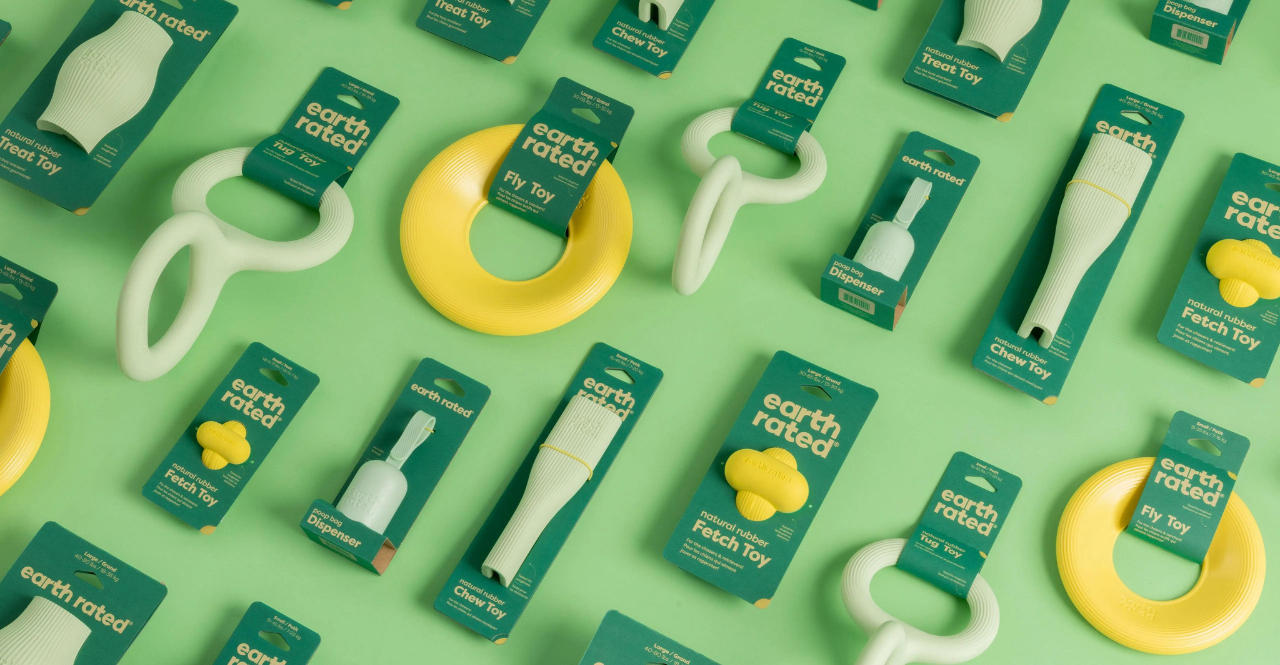
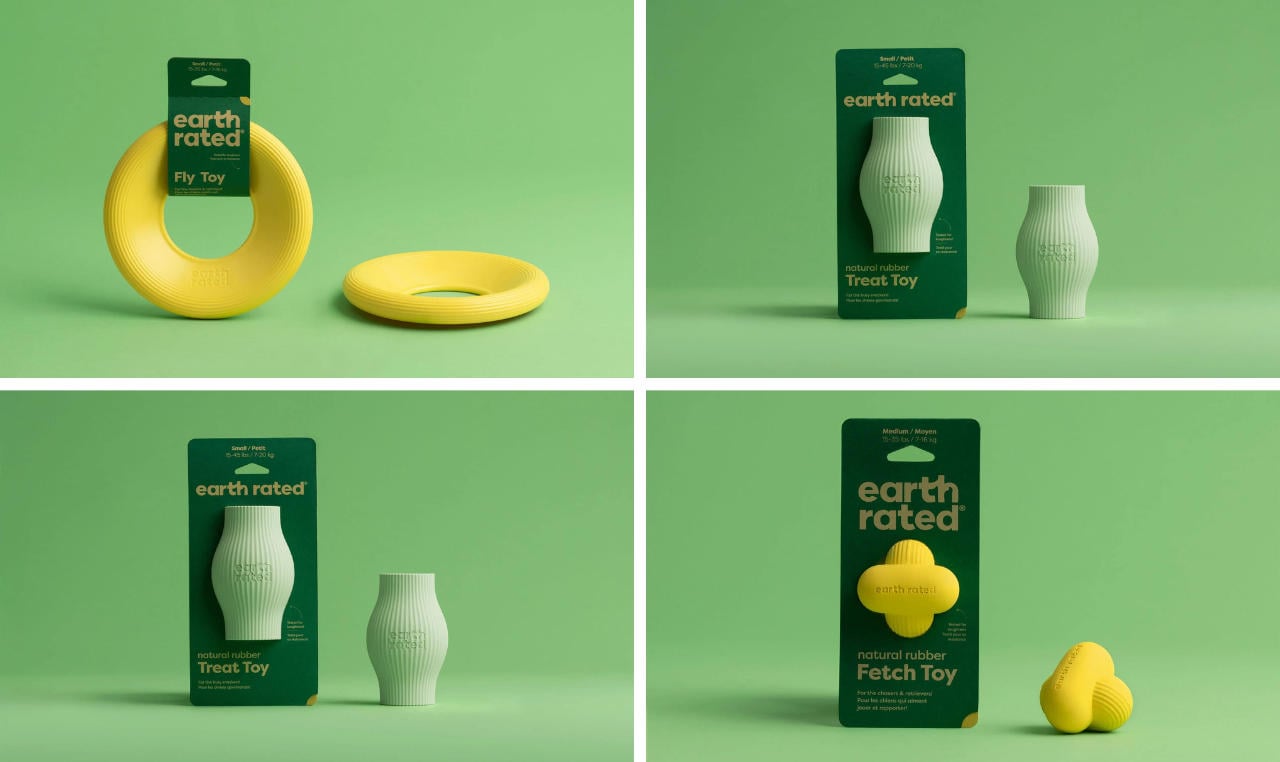
Canadian dog brand Earth Rated has embarked on a transformative journey, collaborating with design agency Layer to redefine its identity and expand its product line. The result is a clean and simple rebrand that not only emphasizes recycling and natural products but also introduces a captivating range of sustainable dog toys. This extensive two-year project represents a commitment to holistic design, integrating sustainability into every aspect of the brand.
At the heart of the rebrand is a simple yet effective brandmark that captures the playful essence of Earth Rated. The brand name, expressed in a minimalistic sans-serif font, features a characterful dog silhouette cleverly integrated into the negative space of the “T” and “H” letterforms. This subtle representation of a dog marks an evolution from the more overt cartoon canine mascot associated with Earth Rated’s origins, reflecting a sophisticated and modern approach.
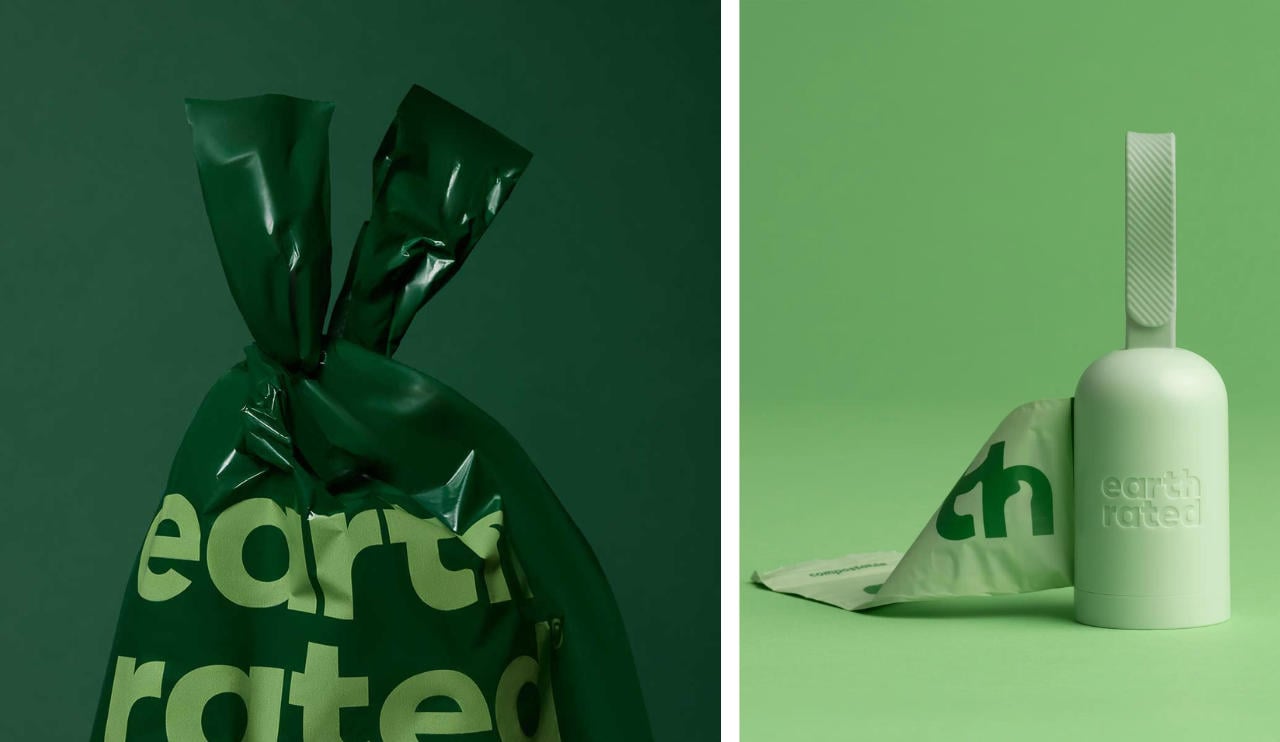
The new identity is defined by fresh greens and vibrant yellow accents, creating a distinctive and ownable signature. The choice of yellow holds significance beyond aesthetics, as it is one of the few colors visible to dogs, aligning with the brand’s focus on creating products that resonate with our furry companions.
Earth Rated proudly holds B Corp Certification, reflecting its commitment to social and environmental impact. The rebrand by Layer reinforces these sustainable values, with new products crafted from recycled and recyclable materials, post-consumer waste, and natural resources such as natural rubber. Even the packaging is designed with eco-friendliness in mind, utilizing recycled plastics, post-consumer waste, recycled cardboard, and natural ink.
Affordability is a key aspect of the rebrand, making great design accessible to a wide range of dog owners. For instance, the poop bag dispenser retails for just $5.99, while a pack of 315 scented or unscented poop bags is priced at $18.99.
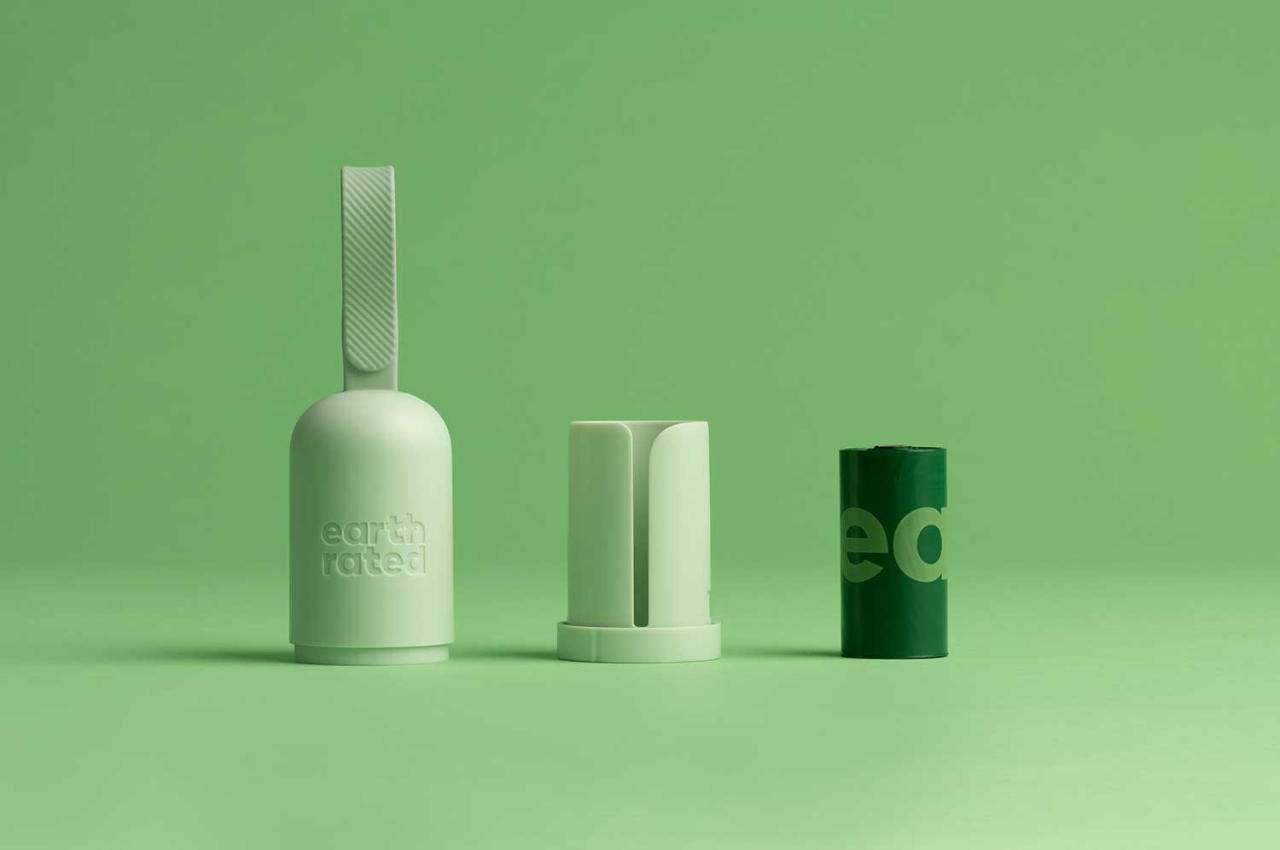
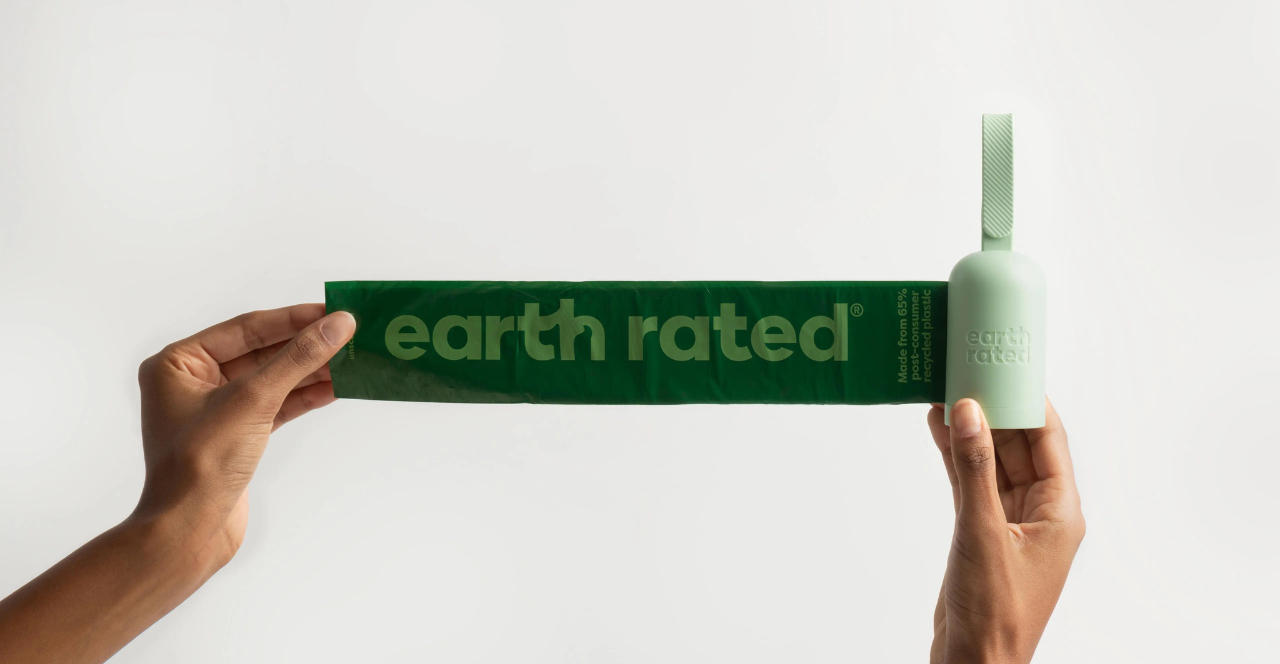
Earth Rated is renowned globally for its distinctive poop bags and dispensers, both of which have been reimagined by Layer. The new poop bag dispenser features an intuitive design with a clip to hold used bags, a textured strap for easy attachment to a leash or bag, and a slot for easy access to the bags. The bags, available in compostable, lavender-scented, and unscented versions, not only offer practicality but also serve as a subtle billboard for the Earth Rated brand as they unroll.
Layer’s influence extends to a new collection of dog toys that celebrates the sustainable values driving Earth Rated. Joyful geometric forms and textured surfaces invite interaction, creating an intuitive user experience for both pets and their owners. The material palette includes recycled and recyclable materials, compostable and post-consumer recycled plastics, and natural rubber. Dishwasher-safe for easy cleaning, these toys are designed to be recycled at the end of their life.
The five toys in the collection—Fly, Tug, Fetch, Treat, and Chew—reimagine classic typologies for added functionality. Each toy offers a unique interaction, from the Fly Toy’s raised rim for easy gripping to the Chew Toy’s twisted form that enables dogs to hold it effectively. The Fetch Toy, with its intersecting forms, adds an element of unpredictability to playtime, keeping both pets and owners engaged.
Designer Benjamin Hubert, leading the Layer team, expressed excitement about collaborating with Earth Rated, emphasizing the project’s rewarding nature. The results, he states, celebrate shared values of responsible, sustainable, and affordable design, marking a significant step in the evolution of Earth Rated and setting a new standard for the pet industry.
Verizon confirmed Monday it’s offering a previously rumored bundle of Netflix and Max streaming subscriptions. The pairing of the rival services is the first of its kind, giving the wireless carrier’s myPlan subscribers a 41 percent discount over buying the two ad-supported plans individually. The offer will be available starting on December 7.
The bundle will include the ad-supported Netflix and Max plans for $10 monthly. Those tiers typically cost $6.99 and $9.99 per month, respectively, so customers who grab the deal could save $80 annually compared to what they’d pay directly from the service’s websites. For Netflix and Warner Bros. Discovery, it’s a chance to boost their subscribers and get more people hooked on exclusive series. Meanwhile, Verizon gets another incentive to lure customers from rival carriers.
Only Verizon’s myPlan customers are eligible for the $10 streaming bundle. The carrier offers myPlan in three tiers, starting at $75 monthly (single user) for Unlimited Welcome. The Unlimited Plus level pushes the one-line price to $90 monthly, while Unlimited Ultimate costs $100 monthly. All three tiers offer lower per-line prices the more users you have on your plan. You can check out Verizon’s myPlan website for the full breakdown.
Verizon has several other $10 streaming deals as myPlan add-ons. These include a Disney Bundle, which combines Disney+, Hulu with ads and ESPN+. It also offers an Apple One bundle, including Apple Music, Apple TV+, Apple Arcade and iCloud+. Varietynotes that wireless carriers like Verizon typically pay a per-subscriber wholesale rate to the service providers, treating the costs as customer-acquisition overhead.
In addition to myPlan enrollment, the offer requires you to be 18 or older to enroll. After choosing the add-on, you’ll need to complete your account setup separately for each service.
This article originally appeared on Engadget at https://www.engadget.com/verizon-subscribers-can-get-netflix-and-max-for-10-a-month-200120804.html?src=rss
Back in August, TikTok teamed up with Ticketmaster to allow artists to sell tickets to live events directly through the social media app. The service, however, was exclusive to the US, until now. TikTok just announced the partnership with Ticketmaster now extends to more than 20 countries throughout North America and Europe, in addition to Australia and the UK.
The tool only applies to artists officially certified by the platform, though TikTok says that amounts to more than 75,000 entertainers and event providers. The functionality is simple. The artist embeds a link to a relevant Ticketmaster event on a video. Users click a link on the bottom left of the screen and purchase a ticket, but we encourage would-be buyers to keep an eye on those hidden fees.
Music is the primary motivator here, but you can snag tickets for comedy shows and sporting events, among other types of entertainment. TikTok boasts that the program has already supported successful ticketing campaigns for artists like Shania Twain, Burna Boy, The Kooks and many more, going on to say that there has been more than 2.5 billion views of videos that utilize the in-app ticketing feature since launch.
The tool’s available now for those living in newly-eligible countries, like Sweden, Switzerland, Poland and around 17 more. TikTok hasn’t announced future availability for additional locations, but a spokesperson has stated that the company is “very excited to see how the partnership with Ticketmaster will develop over time.”
Snapchat made a similar move last year, partnering with Ticketmaster to match users with nearby live concerts. However, TikTok’s method is more streamlined and should allow for quicker access to tickets.
This article originally appeared on Engadget at https://www.engadget.com/tiktoks-ticketmaster-integration-expands-to-users-outside-the-us-182324778.html?src=rss
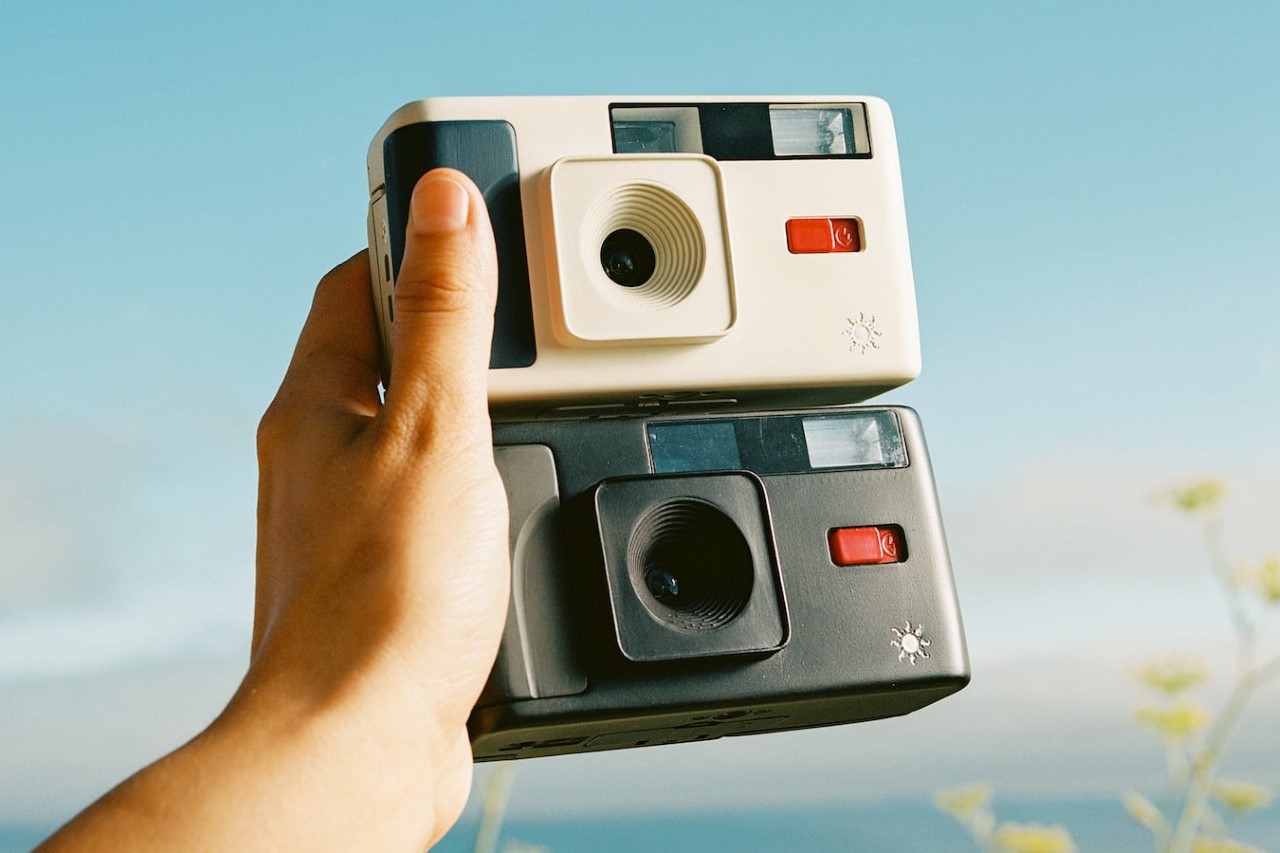
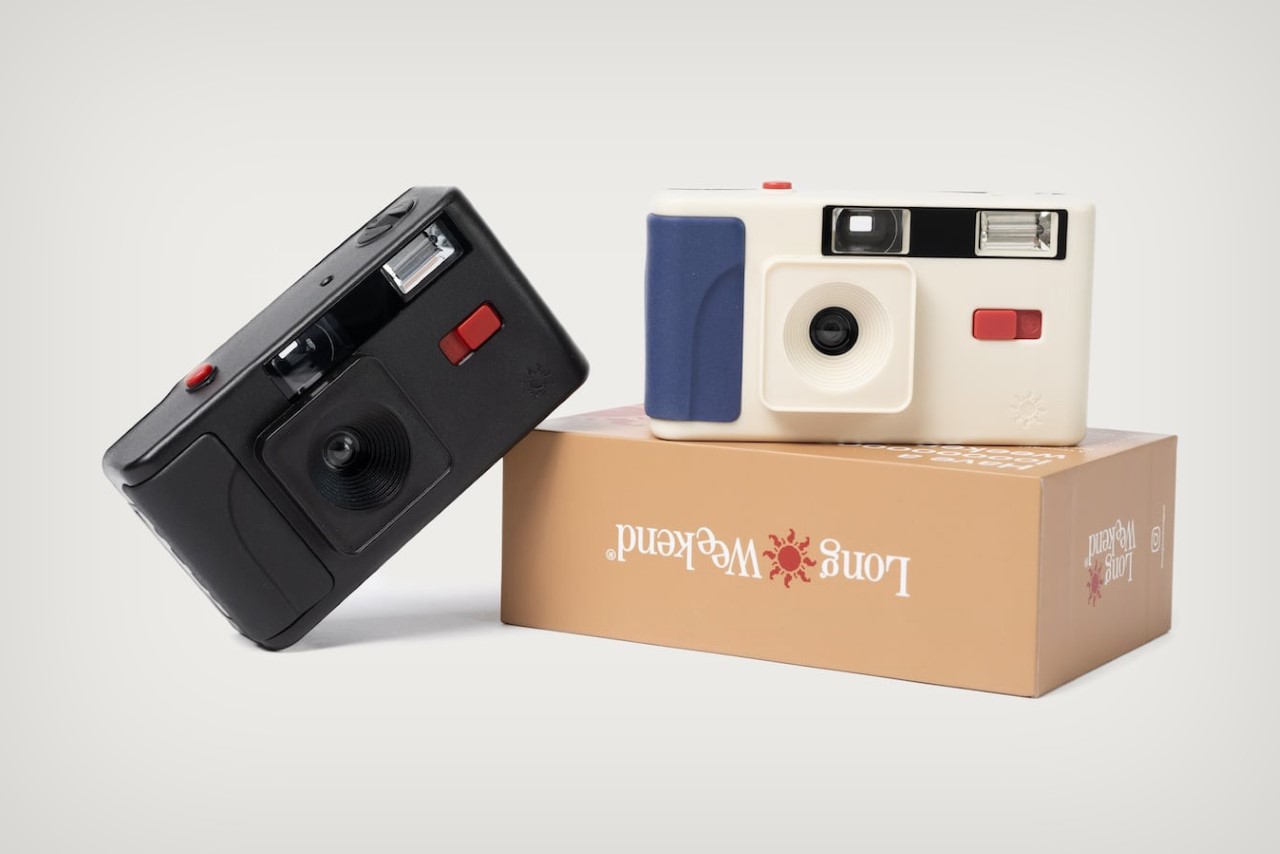
You may know Moment for their top-notch smartphone photography gear. Moment makes some of the best iPhone camera lenses (the Anamorphic lens still remains on the top of my wishlist), and even accessories like filters, tripods, and mounts, but the company is now dipping its toe into actual photography with the Long Weekend, a 35mm point and shooter with a disposable-camera aesthetic, but a reusable film design. With an incredibly modest price tag of $49.99, the Long Weekend is perfect for holidays, get-togethers, and special events. The photos it clicks have a distinct retro appeal with the focus-free 31mm, F9 optical grade acrylic lens that gives your images a dreamy 90s aesthetic.
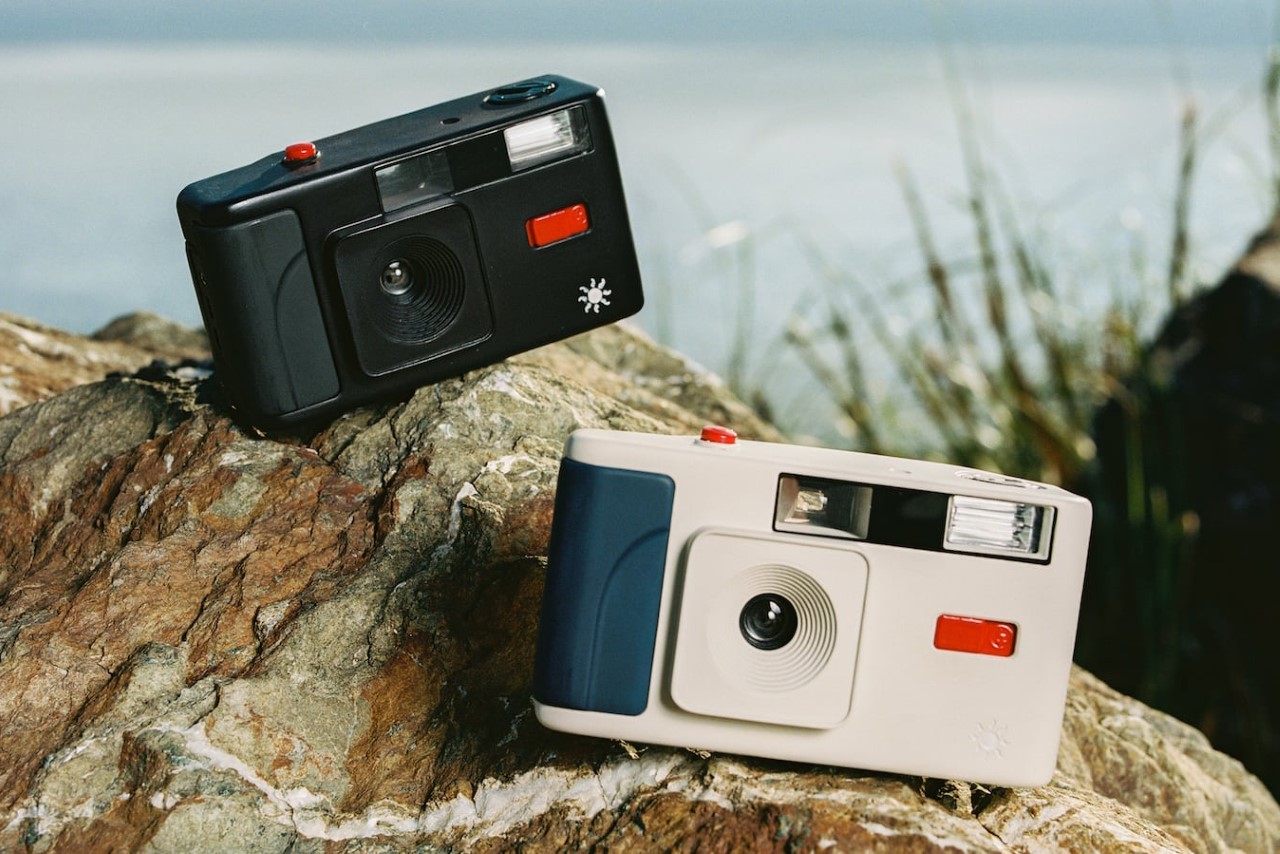
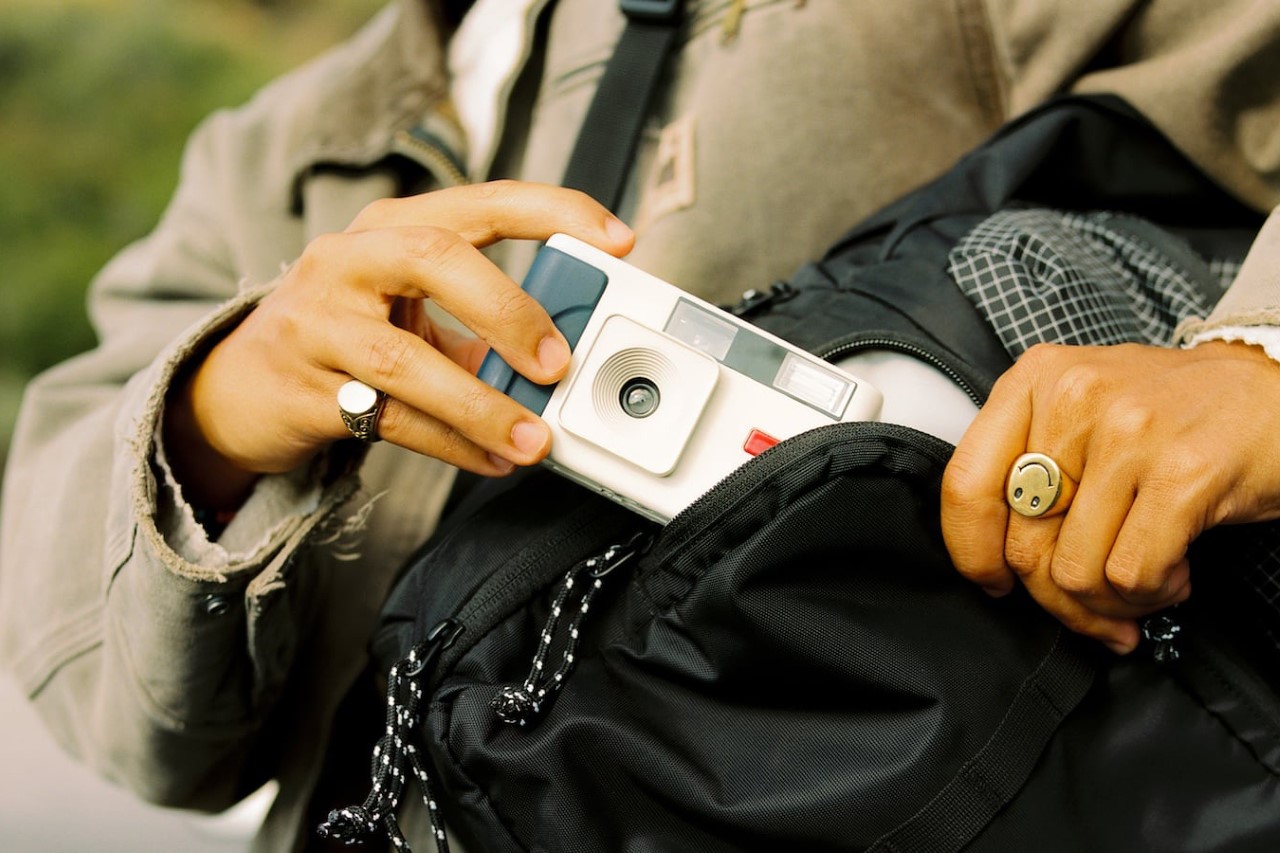
The Long Weekend is a perfect camera for low-stakes high-memories photography, whether it’s a wedding, a beach holiday, or even your kid’s first serious camera. It’s intuitive to use (with just a shutter button and a flash switch) and comes with a lightweight plastic body that can take a few bumps without your heart skipping a beat. The camera comes in two color-ways – a default black, and a gorgeous retrocam-looking cream and blue that reminds us of the Polaroid OneStep.
Optimized for 135 Film (24X36mm) with an ISO range of 200/400, the camera offers versatility in film choice, allowing users to experiment with various film stocks, from classic black & white to popular color films like Kodak Ultramax. The focus-free 31mm, F9 optical grade acrylic lens simplifies the shooting process, making it a great tool for beginners. However, this simplicity does mean a reduction in creative control, as there are no adjustable settings for shutter speed or aperture.
The camera’s shutter speed is fixed at 1/120, and the aperture is locked at f/9, offering a depth of field that covers objects from a distance of one meter onwards. This focus-free approach makes operation straightforward, as you’d expect from a disposable camera… but with the ability to switch out films and continue shooting for as long as the camera lasts you! The lens is made of plastic, resulting in blurry and vignetted corners, a characteristic that you’ll surely come to love.
The Long Weekend also comes equipped with a built-in flash (with a recycle time of 10-15 seconds), making it suitable for low-light shooting. This feature, along with its simple and intuitive operation, makes the camera a fun, easy-to-use device for all skill levels. The flash and the camera itself draw power from a single AAA battery, adding to its convenience and portability.
The camera is available for preorder at $49.99, with deliveries expected to begin from December 26. That may mean missing out on capturing the holiday memories with your friends and family, but it’s just in time for your New Years party or a holiday that follows after!
Toyota said Monday it plans to expand its European lineup of battery electric vehicles (BEVs) to six models by 2026. The automaker revealed two new concepts for its upcoming EV fleet, including a “close-to-production” Urban SUV and a Sport Crossover scheduled for a 2025 European launch. Toyota, which Reutersnotes is the world’s largest automaker by sales, currently sells only one fully electric model, the bZ4X. It aims for 100 percent carbon neutrality by 2035.
The company’s two newly revealed concepts will join the bZ4X and a Compact SUV it showcased last year. Toyota’s new Urban SUV concept is slated for a European launch in 2024. Its “authentic SUV design” draws inspiration from the company’s Yaris Cross, a top seller in its class. The Urban SUV concept will come in front-wheel and all-wheel-drive options and two battery tiers — a budget one and another with a longer range.
Meanwhile, Toyota had less to say about its Sport Crossover concept. We know it has a sloping fastback profile, which the company will use to position it as a sleeker alternative to traditional SUVs. The automaker expects that concept to enter production in 2025.
Toyota’s Sport Crossover (left) and Urban SUV concepts.
Toyota
Toyota plans to launch next-generation batteries in 2026 and beyond. The first will focus on performance, offering a conventional structure with double the range and a 20 percent cheaper price tag than the bZ4X.
A second battery will be a “good quality, low-cost” one designed to spur EV adoption. It will have a “new shape” with a bipolar structure, primarily using cheaper lithium iron phosphate (LFP). With this cell, Toyota aims for a 20 percent higher range and 40 percent lower cost than the bZ4X.
A third battery will be strictly high-performance, using high nickel cathode and bipolar technologies. “Even lower costs and a further extended driving range are expected” was all Toyota said about that battery’s range and pricing goals.
Finally, Toyota teased progress with its first solid-state batteries, which may still be three or four years away. “We have made a technological breakthrough that overcomes the long-standing challenge of solid state battery durability,” said Andrea Carlucci, vice president of Toyota Europe, in a press release. “A method for mass production is currently being developed and we are striving for commercialisation in 2027-2028 with production capacity of several tens of thousands of vehicles.” With its solid-state cells, the automaker’s goal is a charging time of 10 to 80 percent in only 10 minutes.
This article originally appeared on Engadget at https://www.engadget.com/toyota-unveils-two-ev-crossover-concepts-arriving-by-2025-181138687.html?src=rss
Strava, the popular app for tracking activities like hikes and runs, is now taking another step toward becoming a bona fide social media network. Users could already follow each other and like each other's activities in a display of encouragement, but only now can they finally send each other messages in either direct one-on-one chats or in groups.
Strava users can engage with the platform to send exact routes or activities to others, making it possible to do things like coordinate community runs on the app. Previously, athletes on Strava had to go off-platform to discuss meetup events on the app on other platforms like WhatsApp or Facebook.
The chat settings feature can be managed so that a user can send or receive messages to and from mutuals or accounts already being followed. You can also elect to have no one be able to message you unless you initiate a chat. For group chats, creators can add or remove participants and grant members access to invite others or leave a conversation if they’d like. To further deepen the interactions, Strava is also including features like reacting to messages with gifs or likes.
Strava, which claims it has over 100 million users and 40 million activities uploaded per week, has been attempting to become more than just a tracking tool for runners and bikers. Messaging expands the app’s capacity for it to become a more engaging tool for like minded fitness-focused individuals to convene in real life. Creating a chat tool is in line with Strava’s other social media-adjacent offerings previously dropped, such as when it gave app users the option to curate feeds or create posts. Recently, Strava also integrated music streaming directly onto its platform and has made some of its premium-only features accessible to free users in an attempt to continue to grow its base and offerings.
This article originally appeared on Engadget at https://www.engadget.com/fitness-app-strava-now-lets-you-message-other-users-174202523.html?src=rss
As one of the few standalone gimbal cameras out there, DJI’s Osmo Pocket line has always been something of a niche product family. But it certainly had its fans, offering things like portability, fluid video and decent image quality. Now, three years after the Pocket 2, DJI has introduced the Osmo Pocket 3 with some big improvements. Those include a large 1-inch sensor that improves image quality significantly, especially in low light. Another key change is a bigger screen that flips sideways, plus advanced subject tracking. Other features include 4K 120p shooting, 10-bit D-LogM for improved dynamic range, quicker autofocus and more.
With all those extra talents, the Pocket 3 could serve as a standalone vlogging camera – but it’s also considerably more expensive than its predecessor. To find out if it’s worth the extra money, I did some extensive testing to see what it could — and couldn’t — do.
DJI’s Osmo Pocket 3 is a portable camera that’s relatively simple to use, small enough to carry with you and easy to maneuver in tight spaces. It’s stabilized by a 3-axis gimbal to make shots smooth and fluid. It can pan, tilt and roll across a wide range of 303, 278 and 283 degrees, respectively.
At 5.5 inches long and 179 grams, it’s a bit heavier but nearly as compact as the Pocket 2 (117 grams and 4.9 inches long). It resembles its predecessor at first glance, but a closer look reveals some big changes.
The first thing that jumps out is the 16:9 2-inch screen that has nearly five times the area of the Pocket 2’s 1-inch display. Better still, it flips sideways and automatically rotates the camera to match, so you can shoot either in landscape or portrait modes with no need to dive into settings. However, note that going into vertical video mode doesn’t flip the camera like it does on DJI’s Mini 4 Pro drone. Rather, it just crops the video, reducing the resolution from 4K to 3K.
I wouldn’t call the menu system on the Pocket 3’s touchscreen intuitive, as it involves either swiping from the sides or touching icons to access functions. Without a lot of visual clues for guidance, you need to memorize all the functions.
The other noticeable feature is a larger camera head that houses a 1-inch 9.4MP sensor with a true 16mm diagonal size. That’s nearly three times that of the Pocket 2's 1/1.7-inch sensor. Knowing DJI, we might see the same sensor on upcoming products like the Mini drones and Osmo action cams.
The fixed 20mm equivalent lens has a relatively fast F/2.0 aperture. The wide focal length means it’s not ideal for portraits or product shots. It does have a two times digital zoom to double that, at a cost of some resolution.
There are now only two physical buttons, record and gimbal control. The microSD card is still on the left side, with USB-C port on the button as before. Should the position of the latter be inconvenient, the included handle moves it to the side.
Battery life is outstanding for such a small device, with 135 minutes available with the built-in 1,300mAh battery, rising to 240 minutes with the optional ($99) 950mAh battery handle. On top of that, the Pocket 3 can be recharged from 20 to 80 percent in just 16 minutes, so DJI is finally embracing fast charging on its devices – something that’d be nice to see with its drones, too.
Steve Dent for Engadget
What about the Mimo app? While its use was required previously for some functions on the Pocket 2, most things can now be done straight from the camera screen, apart from Glamor and a few other settings. It’s still handy for monitoring and controlling the camera remotely, of course.
The Pocket 3 is available by itself or in a Creator Combo that gives you a battery handle, mini tripod, 0.75x lens adapter and carry bag. You also get the DJI Mic 2 Transmitter that pairs automatically with the Pocket 3, giving you a high-quality wireless mic and providing an audio backup. DJI should be announcing the Mic 2 as a separate product in the near future. If you already own the original DJI Mic, the Osmo Pocket 3 is compatible with that model as well.
Performance
Above all, the Osmo Pocket 3 is a gimbal designed to provide smooth and stable video. Operation is very much point and shoot to keep the subject in frame, as the gimbal and autofocus do the rest. As before, it offers three modes: follow, tilt lock and FPV mode.
Follow aims the camera where you point it while locking off roll to keep the camera level. Tilt mode also locks the tilt function to keep the horizon level, while FPV keeps all three unlocked so that the camera tilts, pans and rolls as you move the camera.
It’s not just the larger sensor that helps the Pocket 3 create cinematic video. The optical stabilization allows for slower shutter speeds that create natural looking motion blur — something that’s impossible on action cameras, as electronic stabilization isn’t compatible with motion blur.
Steve Dent for Engadget
The gimbal generally does a good job of smoothing video, in scenarios ranging from cars, to running to rapid panning. Without electronic stabilization, Z-axis (up and down) motion is still present, so you’ll need to walk smoothly to avoid it.
The Pocket 3 and DJI Mic 2 is a practical combination, allowing you to vlog easily with smooth, high-quality video and excellent audio quality. It’s also discreet, as the Pocket 3 is small and the Mic 2 allows you to speak quietly, even in a crowd.
As with DJI’s original Mic, the Mic 2 offers consistent sound quality and levels while keeping outside noise to a minimum. It has decent range with the Pocket 3, though DJI has yet to specify that exactly (again, we’ll learn more when the standalone Mic 2 is released). Given the wide angle lens, you’ll probably never get too far from the Pocket 3 – but it worked fine for me with a camera mounted on a car and me inside, for example.
Like DJI’s drones, the Pocket 3 has ActiveTrack subject tracking. You enable that by double tapping a subject or selecting it from the Mimo app. From there, the head will tilt and pan to follow the subject and keep it in focus.
Steve Dent for Engadget
This function works automatically when selfie mode is activated either by touching the icon or triple-pressing the joystick. In this case, it goes into face-tracking mode and keeps your face centered screen no matter where you move the camera.
Another function called dynamic framing also tracks faces, but lets you change the framing at the touch of a button. DJI also introduced a new mode called spin shot that rotates the camera 90 or 180 degrees to create a stylized scene.
Video and image quality
The Pocket 3 can shoot 4K at up to 60 fps in normal mode, and now includes both a 10-bit D-LogM mode and HLG mode for HDR shooting. It has a 9.
DJI also added 4K 120p shooting via a special slow-mo mode. This is handy for high-speed scenarios, particularly when combined with camera moves. At launch, this mode didn’t support 10-bit and D-LogM/HLG modes, but via a recent firmware update, those modes now work at 4K 120p as well.
Another new function is low-light video mode, designed to improve performance in dim scenes. In this setting, it’s limited to 30 fps max and ISO is boosted up to 16,000, compared to 3,200 in regular video mode.
The Hyperlapse and time lapse settings work the same as on DJI drones, giving you a time lapse option that’s great for showing the quick passage of time. The other two modes are Panorama for wide shots and, of course, photos.
Image quality is outstanding for a device this tiny, with the large sensor beating any smartphone except for maybe Sony’s Xperia Pro-I. In normal mode, video is sharp and colors are vibrant. In photo mode, JPEGs look good straight out of the camera, but you can also shoot RAW for more flexibility in post.
As mentioned, the Osmo Pocket 3 isn’t ideal for things like portraits or product beauty shots due to the relatively wide-angle 20mm equivalent lens. Yes, you can do a digital zoom to double that, but resolution dips well below 4K when you do that, due to the relatively low 9.4-megapixel (MP) sensor resolution.
Such a field of view doesn’t tend to flatter subjects (you generally want about 35-100mm), and moving the camera close can even cause distortion. So if you produce content around those things, the Pocket 3 isn’t ideal as a standalone camera.
The D-LogM function boosts dynamic range significantly, particularly in high-contrast or on sunny days. It also helps with creative color correction and to match scenes with other cameras, particularly DJI’s own drones and action cams. It’s easier to adjust than most log modes, so I leave it on all the time.
The larger sensor also makes the Pocket 3 much better in low light than before. Normal video mode goes up to ISO 3200, while low light mode ramps that up to ISO 16,000, letting you film in very dim rooms. It also appears to crank up noise reduction at upper ISOs though, so expect some loss of detail.
Steve Dent for Engadget
While low-light capability is improved, the sensor resolution drops significantly from 64MP on the Pocket 2 to 9.4MP on the new model. That’s not bad per se, as we’ve seen low-resolution sensors on high-end cameras like the Sony A7S III. However, it means that any digital zooming for video results in a loss of resolution (4K is 8.4MP), and photos aren’t nearly as sharp on the Pocket 3.
Autofocus can be an issue with larger sensor cameras, but the Pocket 3’s phase detect AI system is generally reliable. That applies whether you’re shooting multiple subjects in FPV mode or using Active Track or Face Tracking.
Rolling shutter is really pretty minimal, with just a light amount of skew on fast moving subjects like trains. That’s aided considerably by the gimbal, of course, which eliminates any strong jolts that could cause jello-like video.
One big issue is focus breathing, though, as the frame changes substantially when you focus from a far to a near object. If possible, it would be good for DJI to add a breathing compensation feature as we’ve seen on Sony and other cameras.
Wrap-up
Steve Dent for Engadget
With improvements in image quality, tracking and other areas, DJI’s Osmo Pocket 3 is more versatile than ever. The image quality puts it in the category of high-end compact cameras and you get incredible optical stabilization equivalent to a handheld gimbal with none of the hassle.
It has no major flaws, except for the $520 price for the gimbal alone, or $699 in the aforementioned kit. For that, you could get Sony’s ZV-1F vlogging camera, or for $150 more, Sony’s ZV-10 mirrorless camera with a much larger sensor. Neither of those can do exactly what the Pocket 3 can do, but then again the Pocket 3 isn’t ideal for portraits, product shots and other types of content either.
The Pocket 2 was embraced mainly as a second camera for grabbing some stabilized shots. The Pocket 3 costs $170 more, though, so it’s not something you’d pick up on a whim. DJI is no doubt hoping folks will be willing to pay the extra money if they embrace it as a standalone vlogging camera. It can certainly serve that purpose, but only if your focus is on creating cinematic shots — and not on people or product-focused content creation.
This article originally appeared on Engadget at https://www.engadget.com/dji-osmo-pocket-3-review-maybe-the-only-vlogging-camera-you-need-163028145.html?src=rss
Apple's AirTag is still the best bet for iPhone owners who want a Bluetooth tracker to keep tabs on their stuff, and right now a four-pack of the diminutive devices is on sale for $80 at Amazon with an on-page coupon. While that isn't the absolute lowest price we've seen, it's still about $10 less than the bundle's average street price in recent months and $19 less than buying from Apple directly. It also matches the price we saw at most retailers during Black Friday and Cyber Monday sales last month.
We recommend the AirTag in our guide to the best Bluetooth trackers because it taps into Apple's enormous Find My network to locate items accurately. You can place one in a wallet, suitcase, backpack or any other sensitive item; if that item is misplaced, nearby Apple devices with Bluetooth enabled will alert the Find My network when an AirTag is nearby, then Find My will report that location to you. Because there are hundreds of millions of iPhones, iPads, Macs and other Apple devices out in the wild, the chances of pinpointing a lost item are usually high.
Beyond that, the AirTag supports the ultra-wideband (UWB) wireless protocol, which makes it easier to locate items from close distance. When you're in the vicinity of a lost item, this enables a Precision Finding feature, which displays an arrow and distance estimate on your iPhone to guide you an attached AirTag. The tracker itself is IP67-rated, so it can survive a dip in water, and its CR2032 battery is easily replaceable. By default, the battery should last about a year before it needs a change.
It's important to note that AirTags are not explicitly designed for retrieving stolen items. They could work for that, but if your AirTag is found to be moving with somebody else, they'll receive an alert telling them as much. This kind of feature is meant to ward off bad actors who may use AirTags for stalking purposes, which variousreportshave found to be an unfortunate side effect of the tracker's effectiveness. (Though Apple and Google have gradually rolled out updates to further combat this behavior.) On a far less serious note, the AirTag also lacks a keyring hole or built-in adhesive, so you'll need to pick up an extra accessory to actually attach it to an item. All that said, if you use it for its intended purpose, a set of AirTags can provide a little extra peace of mind for those who often misplace their things, and this deal makes them a little more approachable.
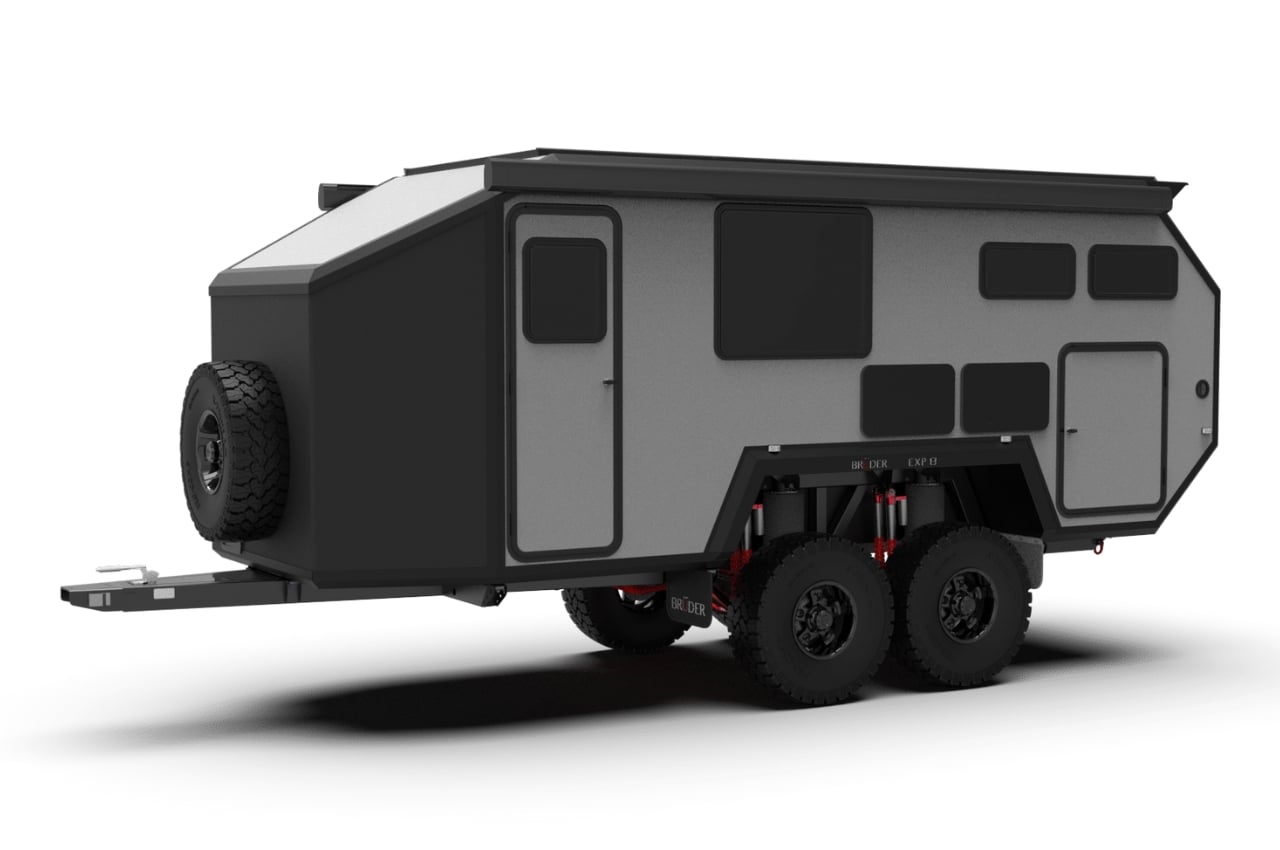
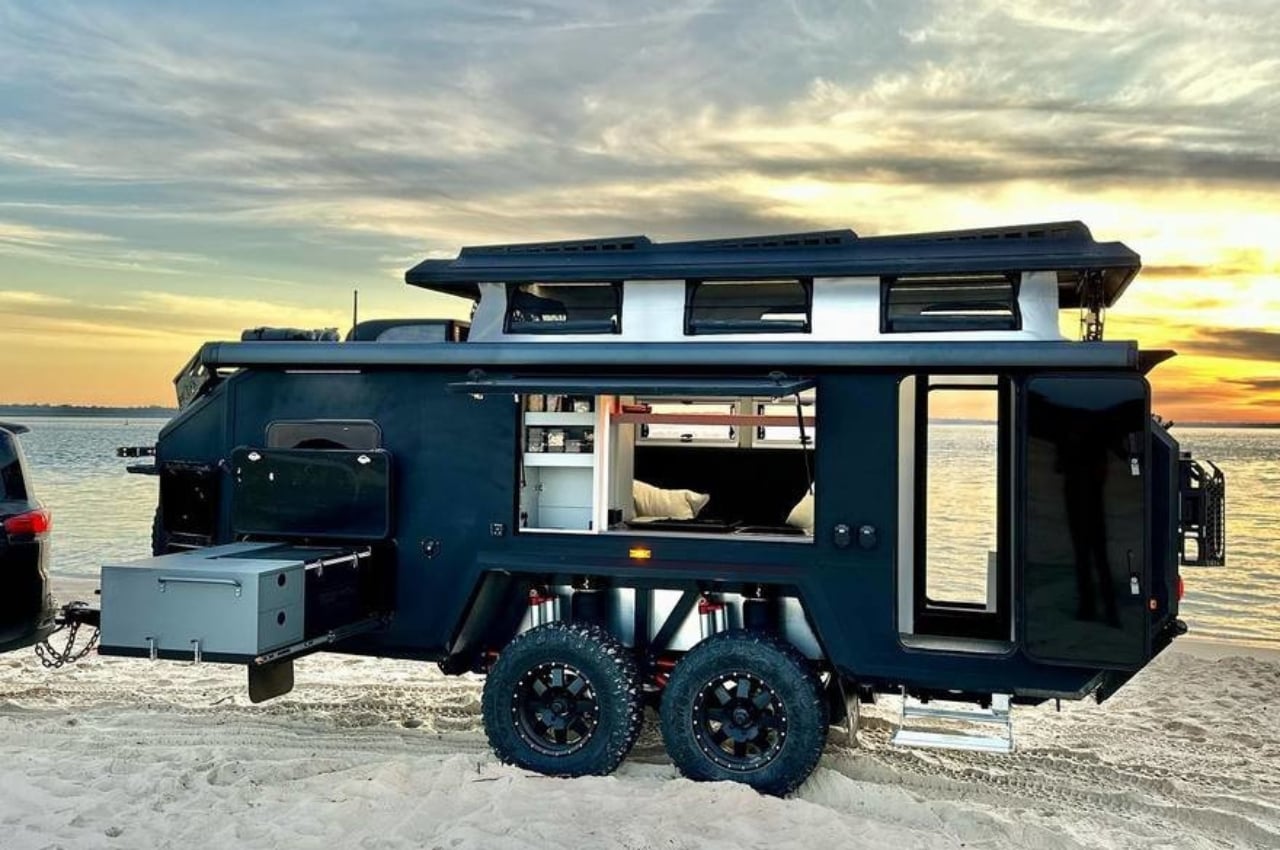
There are different kinds of people who go camping. There are those that really want to rough it out in the middle of nature, away from the bare necessities that we’ve gotten used to every day. But there are also those that want to stay close to their creature comforts while still experiencing some semblance of the great outdoors. If you’re more of the latter, this Mad Max-looking vehicle may be the one for you.
Designer: Bruder
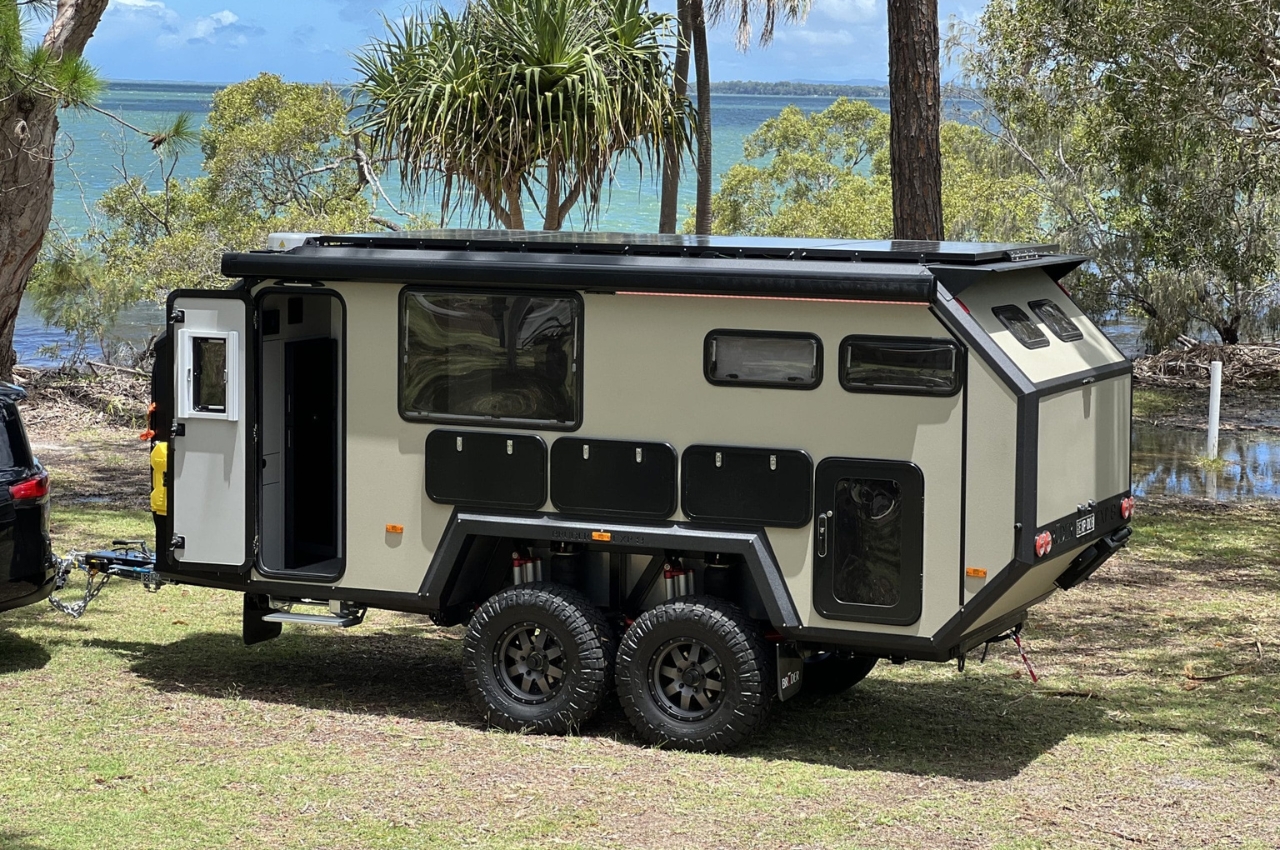
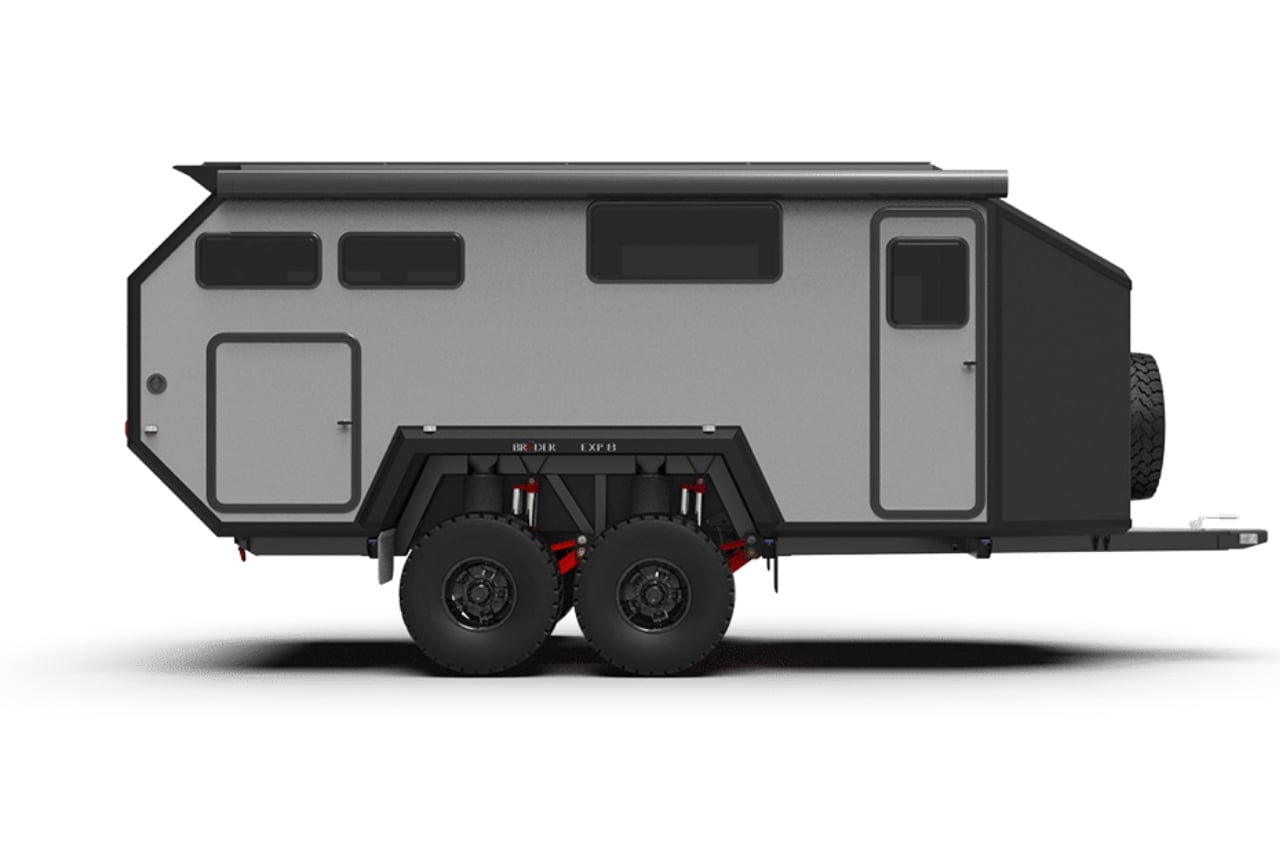
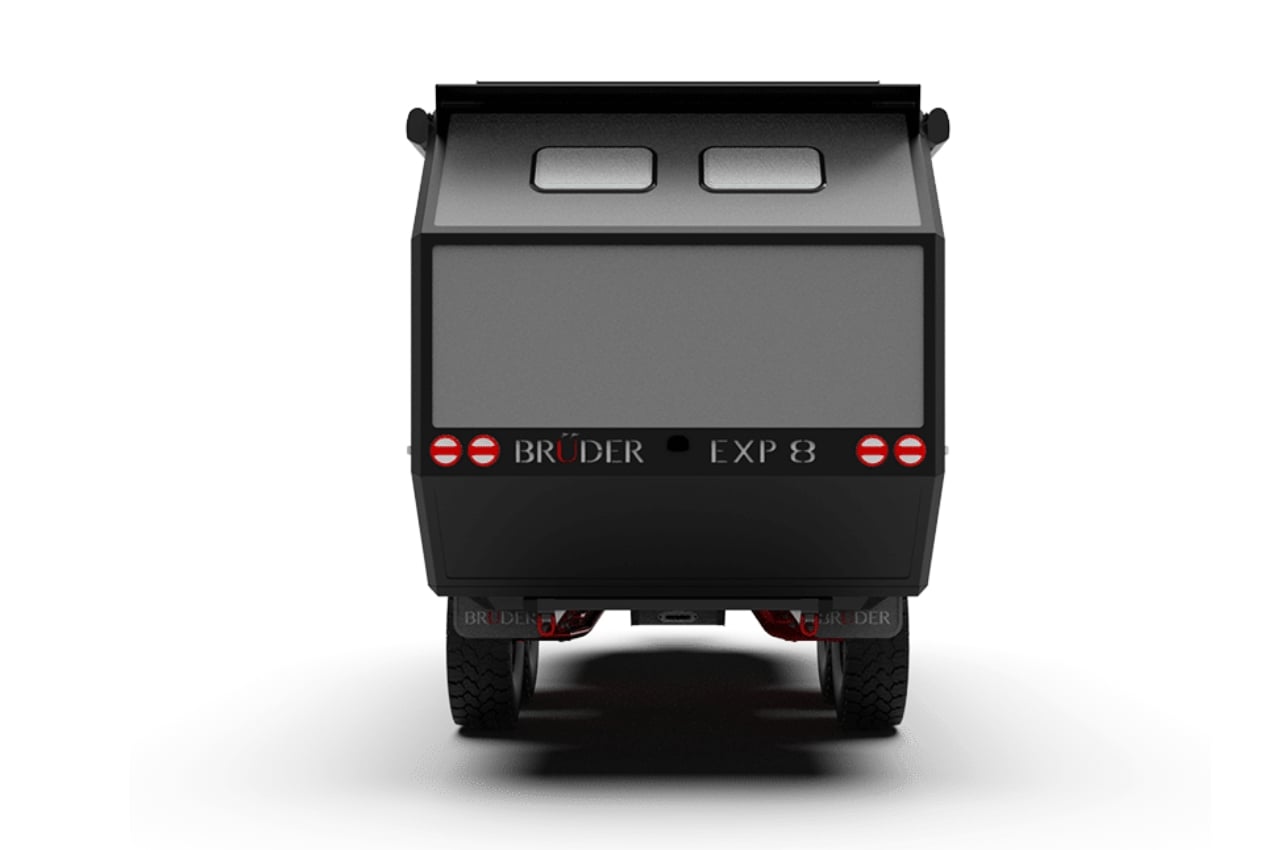
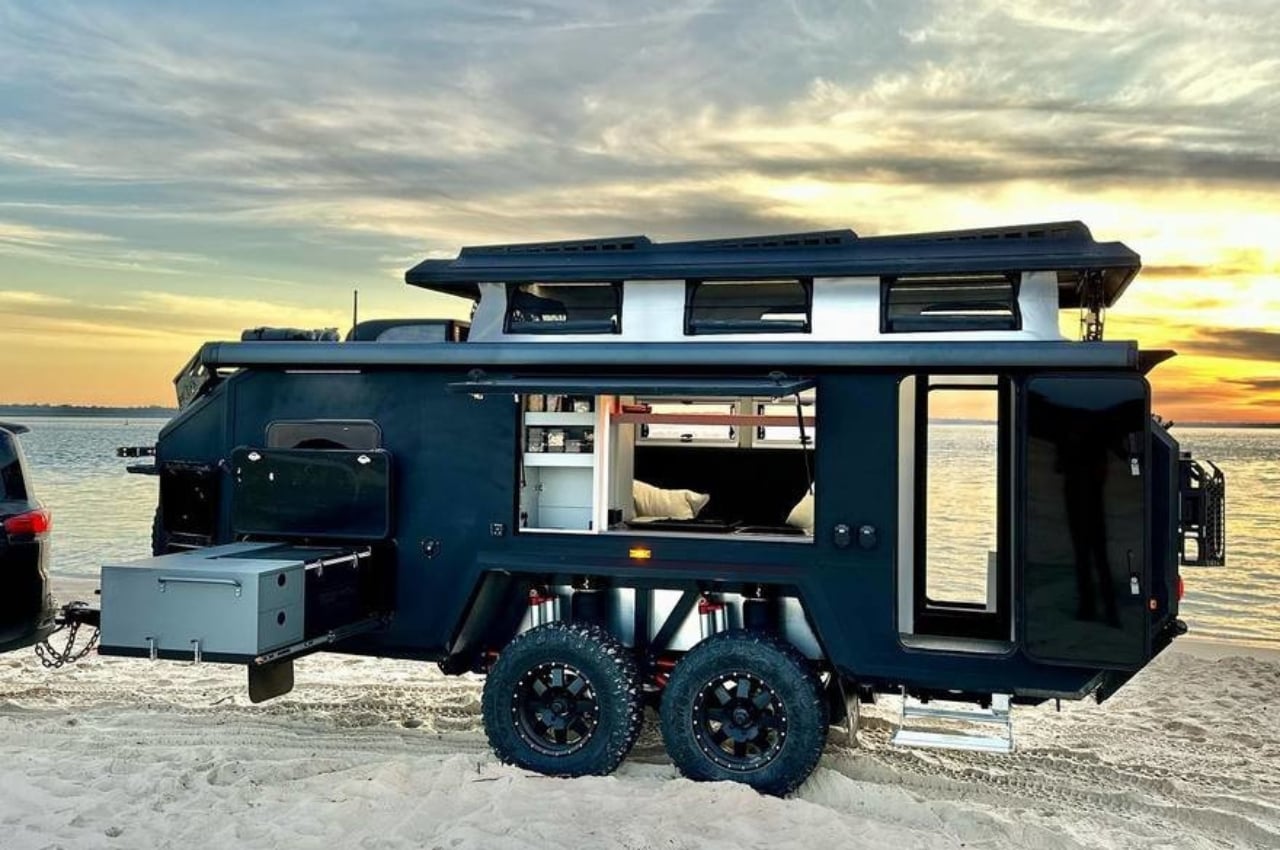
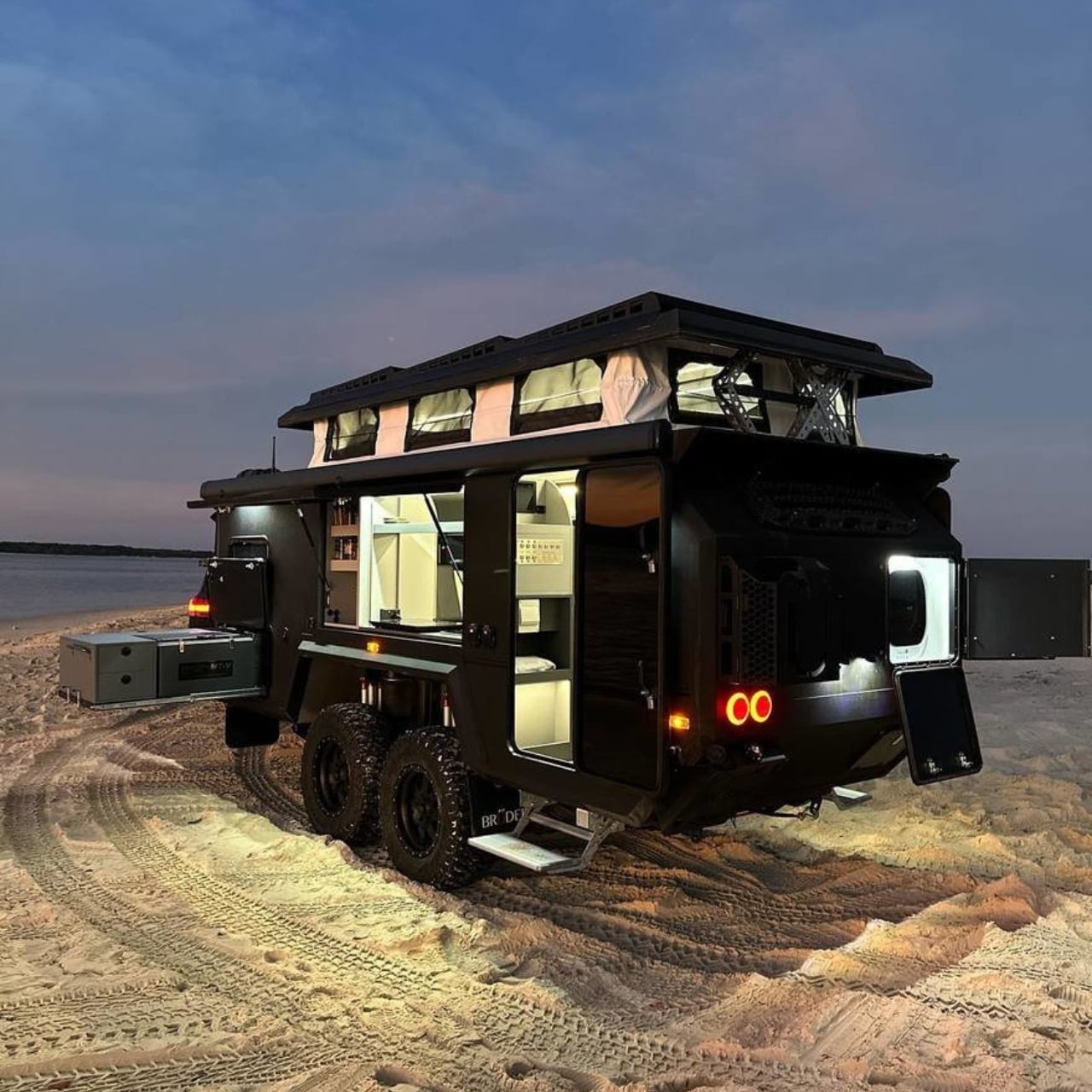
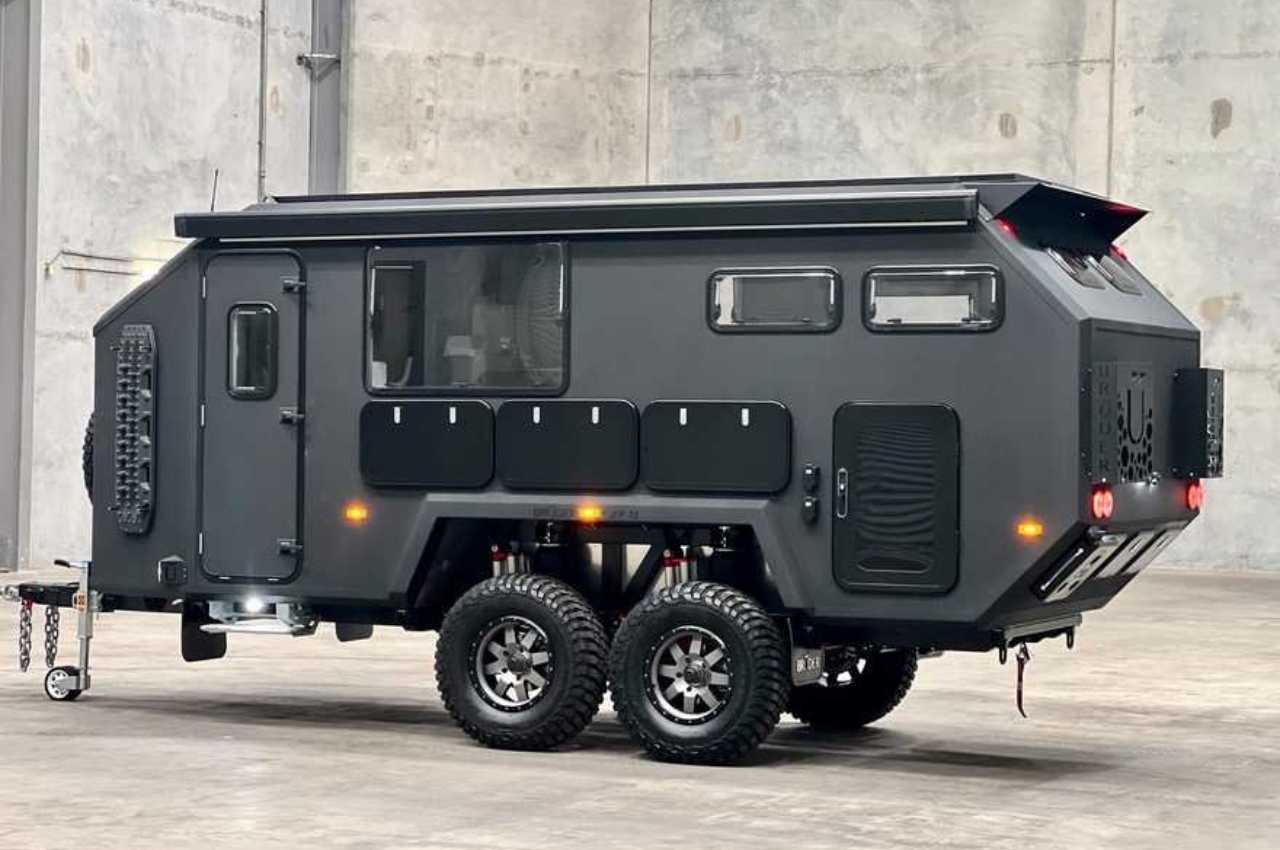
The Bruder EXP-8 is the flagship vehicle from the Australian adventure trailer manufacturer. If you want to experience an outdoor adventure, you can do so in the comfort of this off-grid camper trailer that is “designed and built for all seasons and environments”. You will be able to drive through the most uneven of terrains and the most extreme climactic conditions as it has 12 inches of suspension travel and three times more usable wheel travel than others in its category.
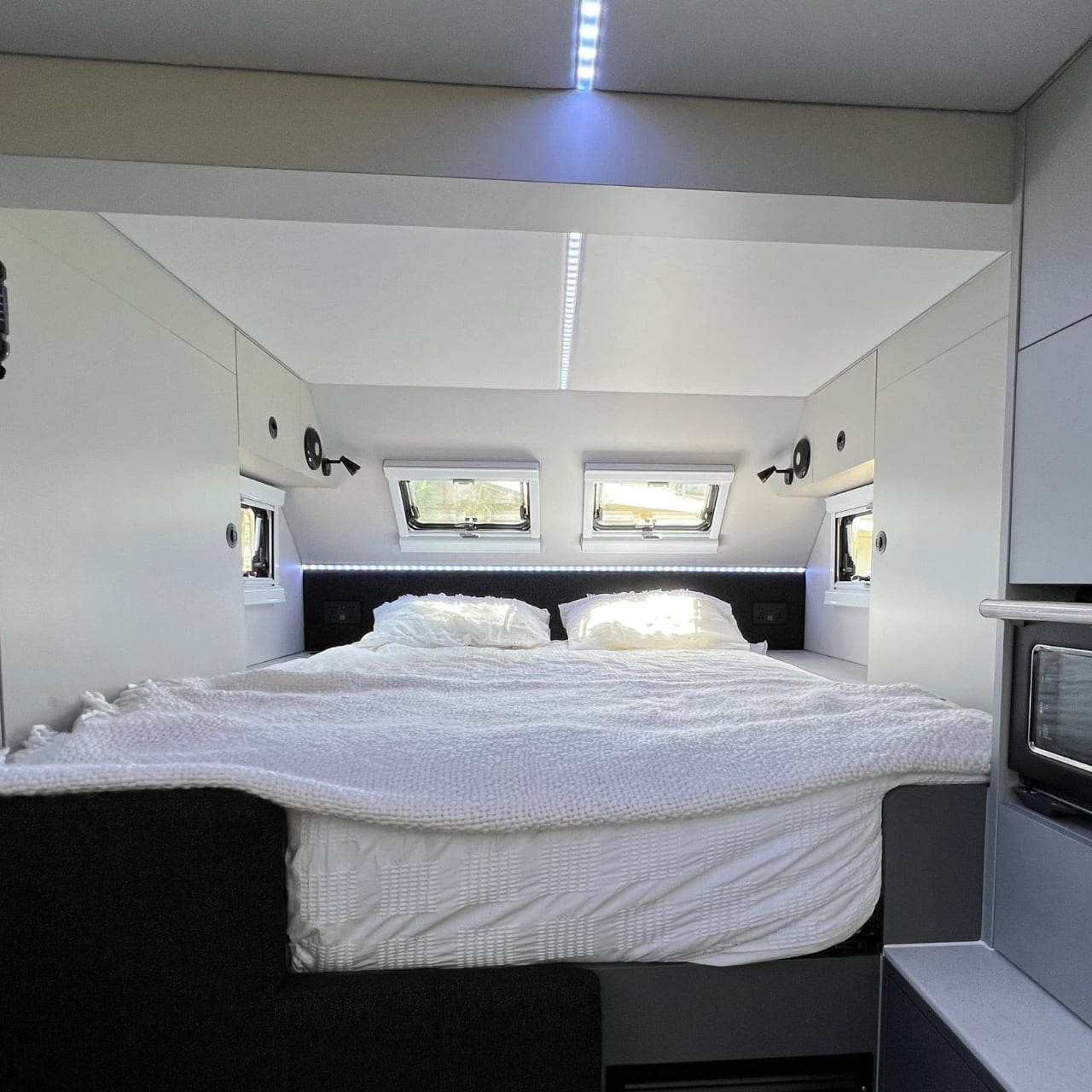
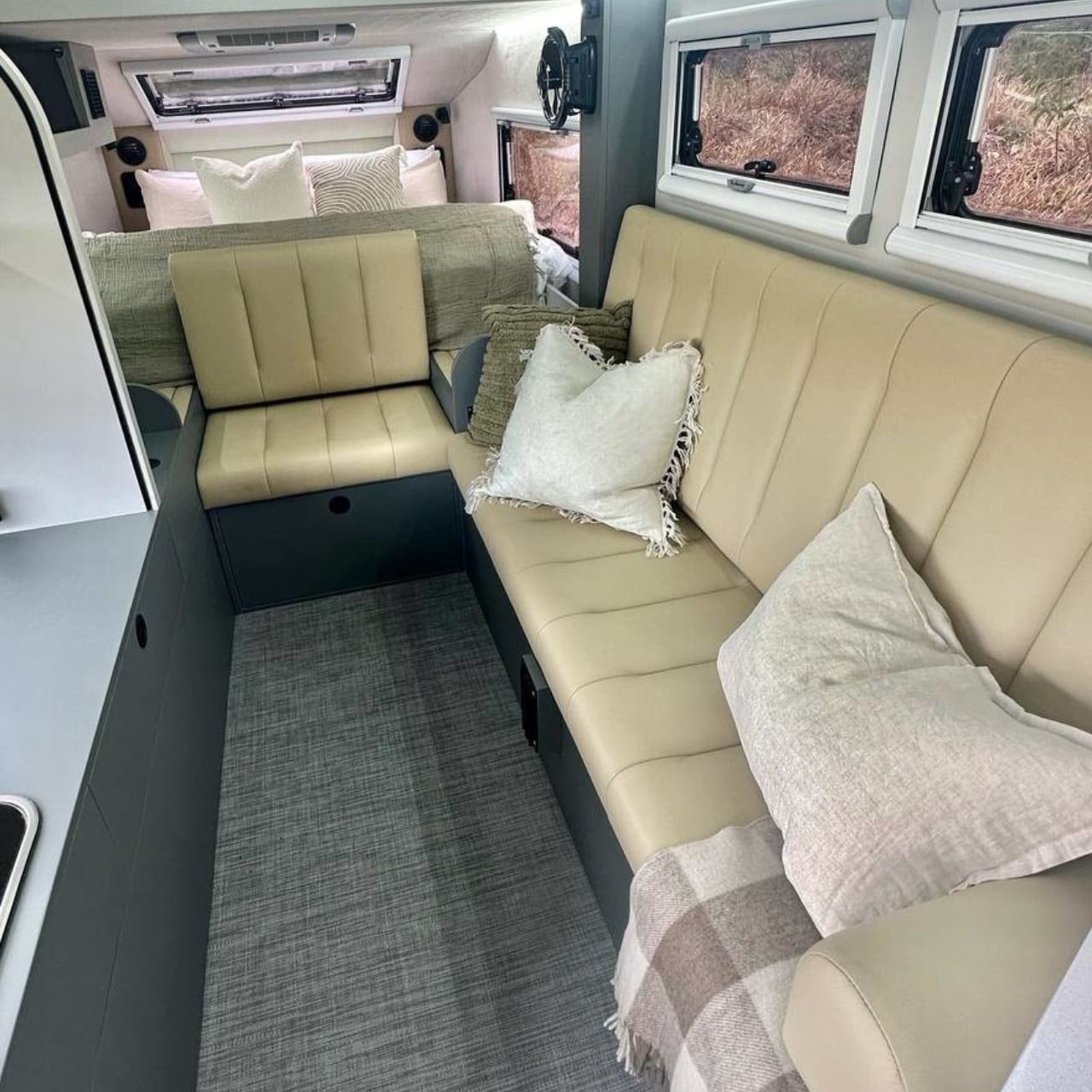
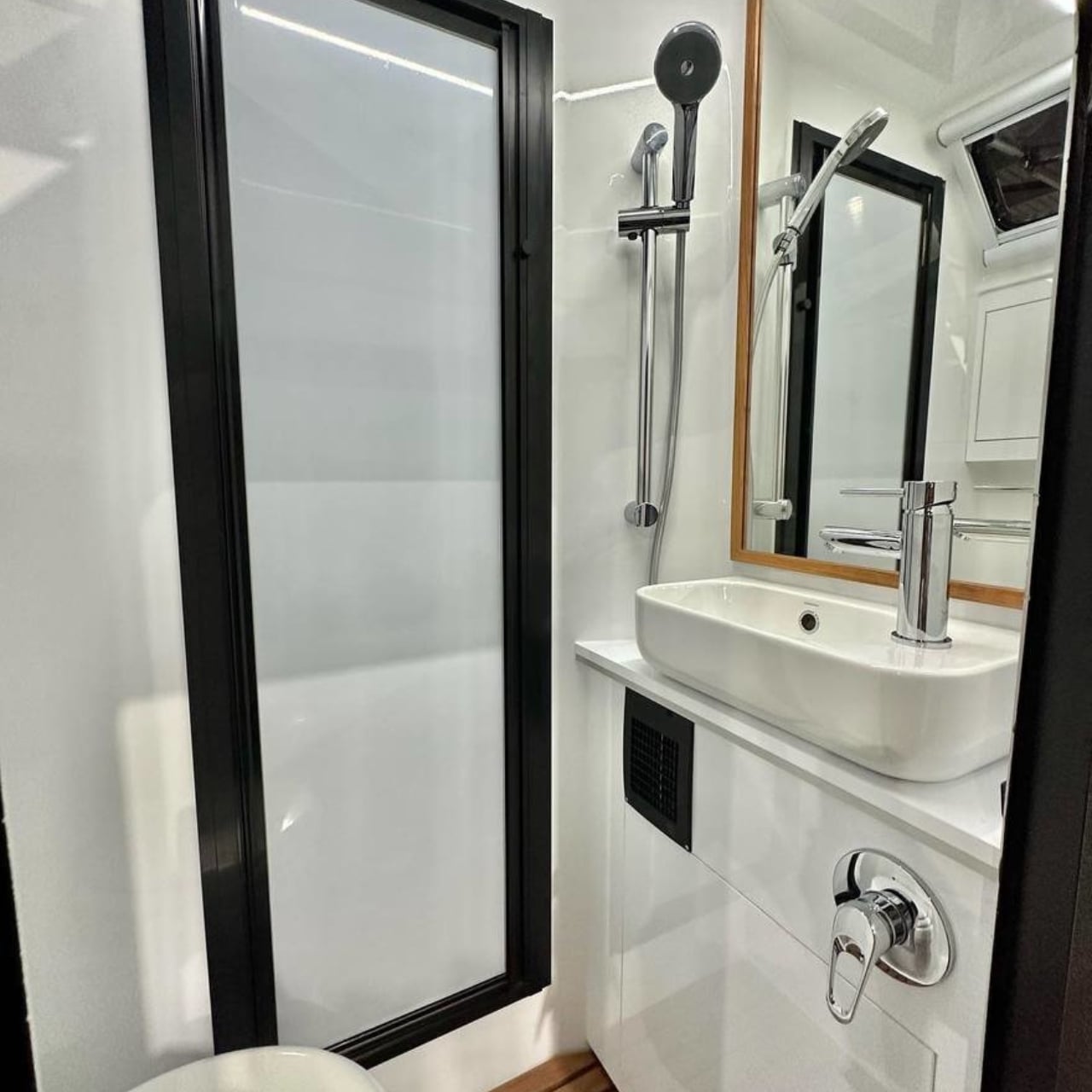
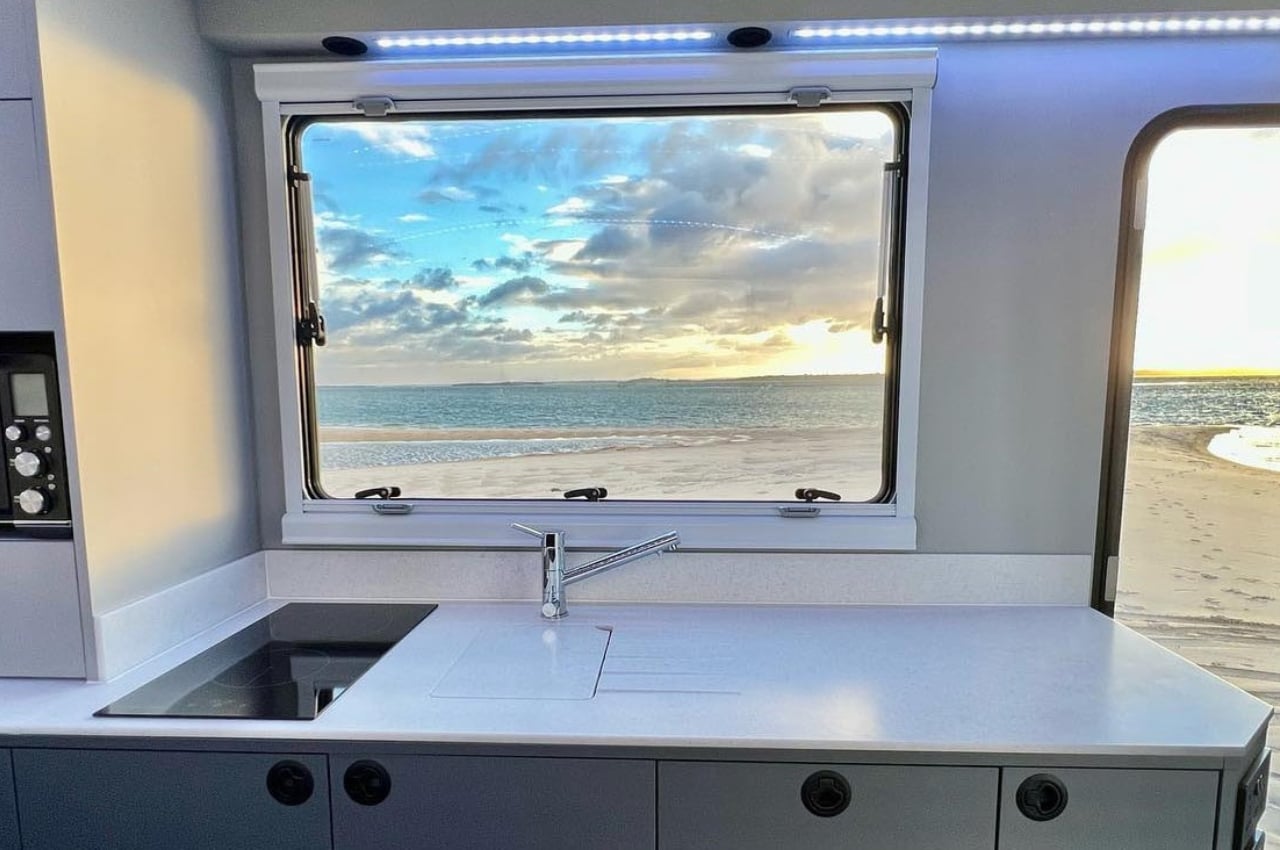
On the outside, it looks like something out of a Mad Max movie, but with a sleeker and sturdier look. Inside, it is spacious and has a pretty luxurious set up complete with a fully functional kitchen, a living room, bedroom, a bathroom that looks like those you can see in hotels, and gallery windows so you can enjoy a good view of the outdoors. It also has solar panels, a 20 KwH battery, and a 500W inverter so you can get enough power for four people inside the camper.
While it looks tough and heavy, they used lightweight construction for the Bruder EXP-8. It is also able to calibrate its height to fit different kinds of tow vehicles. It can even level out on sloping camp spots so you can enjoy the best of both worlds while camping out in luxury.
WhatsApp is currently rolling out a new update for iOS users that allows people to share photos and videos over the messaging platform in their original quality, with no compression. The platform has been notorious for low-quality media transfers, even after an August update that brought a bit of high-def goodness to its compression algorithm, so this is a welcome change.
What’s the secret sauce here? As previously indicated, these media files aren’t compressed at all. Instead, the update treats media as standard data files. When you send one of these files, they aren’t transformed into previews for the chat window, but the recipient can click to view. You’ll still be able to send media the old-fashioned way, if losing the chat window preview thumbnails is a bridge too far.
With that said, this change isn’t automatic. You have to consciously decide to send an uncompressed image or video and click the “+” icon to transfer a document. The rest is self-explanatory. WhatsApp says this is a tiered rollout, so it could be a couple of weeks before it reaches your update box. As for Android, the company’s working on it, according to MacRumors, but there’s no release information.
This article originally appeared on Engadget at https://www.engadget.com/whatsapp-now-lets-you-share-photos-and-videos-in-their-original-quality-160750588.html?src=rss