Choosing a new smartphone can be daunting, with a vast array of options available. If you’re torn between the Samsung Galaxy A55 and the Galaxy S24, this Samsung Galaxy A55 vs Galaxy S24 comparison will clarify their differences to inform your decision. The A55, at around £440, is a mid-tier contender, whereas the S24, at […]
Apple is still on the hunt for the next revolutionary product to help it remain dominant in the market and to serve as new sources of revenue after abandoning its plans to develop an electric vehicle of its own. According to Bloomberg's Mark Gurman, one of the areas the company is exploring is personal robotics. It reportedly started looking into robots and electric vehicles at the same time, with the hopes of developing a machine that doesn't need human intervention.
While Apple's robotics projects are still in the very early stages, Bloomberg said it had already started working on a mobile robot that can follow users around their home and had already developed a table-top device that uses a robot to move a screen around. The idea behind the latter is to have a machine that can mimic head movements and can lock on to a single person in a group, presumably for a better video call experience. Since these robots are supposed to be able to move on their own, the company is also looking into the use of algorithms for navigation. Based on the report, Apple's home devices group is in charge of their development, and at least one engineer who worked on its scrapped EV initiative has joined the team.
Robots, however, aren't like phones in the sense that people these days need them in their lives. Apple is apparently worried about whether people would pay "top dollar" for the robots it has in mind, and executives still can't get to an agreement on whether the company should keep working on these projects. Gurman previously reported that Apple may have sold its EV for $100,000 — if that's true, it had a bigger potential to grow the company's revenue. But the Apple Car is now out of the picture, and the company is reportedly putting all of its focus on the Vision Pro and new products for the home, which also includes a home hub device with a display that resembles an iPad. Of course, Apple could still scrap these projects, and it could find other classes of products to invest in if it discovers that they could bring in bigger money in the future.
This article originally appeared on Engadget at https://www.engadget.com/apple-is-developing-personal-robots-for-your-home-bloomberg-says-044254029.html?src=rss
Apple is still on the hunt for the next revolutionary product to help it remain dominant in the market and to serve as new sources of revenue after abandoning its plans to develop an electric vehicle of its own. According to Bloomberg's Mark Gurman, one of the areas the company is exploring is personal robotics. It reportedly started looking into robots and electric vehicles at the same time, with the hopes of developing a machine that doesn't need human intervention.
While Apple's robotics projects are still in the very early stages, Bloomberg said it had already started working on a mobile robot that can follow users around their home and had already developed a table-top device that uses a robot to move a screen around. The idea behind the latter is to have a machine that can mimic head movements and can lock on to a single person in a group, presumably for a better video call experience. Since these robots are supposed to be able to move on their own, the company is also looking into the use of algorithms for navigation. Based on the report, Apple's home devices group is in charge of their development, and at least one engineer who worked on its scrapped EV initiative has joined the team.
Robots, however, aren't like phones in the sense that people these days need them in their lives. Apple is apparently worried about whether people would pay "top dollar" for the robots it has in mind, and executives still can't get to an agreement on whether the company should keep working on these projects. Gurman previously reported that Apple may have sold its EV for $100,000 — if that's true, it had a bigger potential to grow the company's revenue. But the Apple Car is now out of the picture, and the company is reportedly putting all of its focus on the Vision Pro and new products for the home, which also includes a home hub device with a display that resembles an iPad. Of course, Apple could still scrap these projects, and it could find other classes of products to invest in if it discovers that they could bring in bigger money in the future.
This article originally appeared on Engadget at https://www.engadget.com/apple-is-developing-personal-robots-for-your-home-bloomberg-says-044254029.html?src=rss
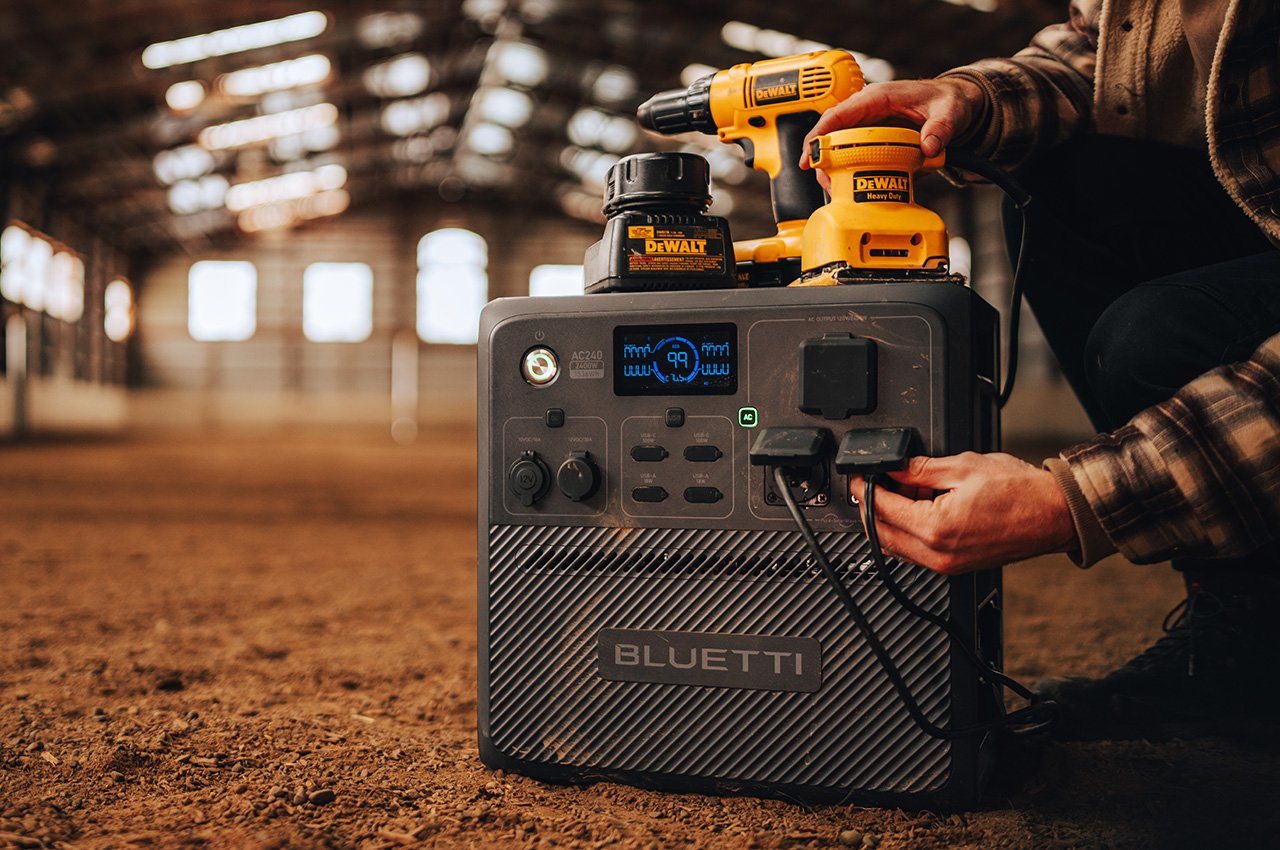
More people are discovering the joys of the great outdoors, but they are also learning some of the challenges that come with living off the grid, especially when it comes to the unpredictability of weather. And then there are some outdoor adventures that really expose you to the elements, whether it be on land or especially at sea. During these moments, you need more than just a portable power source that can deliver the necessities and conveniences of modern life. You also need a reliable power source that can weather any storm, almost literally. That’s the kind of power that the new Bluetti AC240 Weatherproof Portable Power Station delivers, keeping up with life’s adventures even when Mother Nature has other ideas.
Designer: Bluetti
Click Here to Buy Now: $1299$1899 (31% off, use coupon code”yanko240″ to get an additional $100 off). Hurry, deal ends in 48-hours!
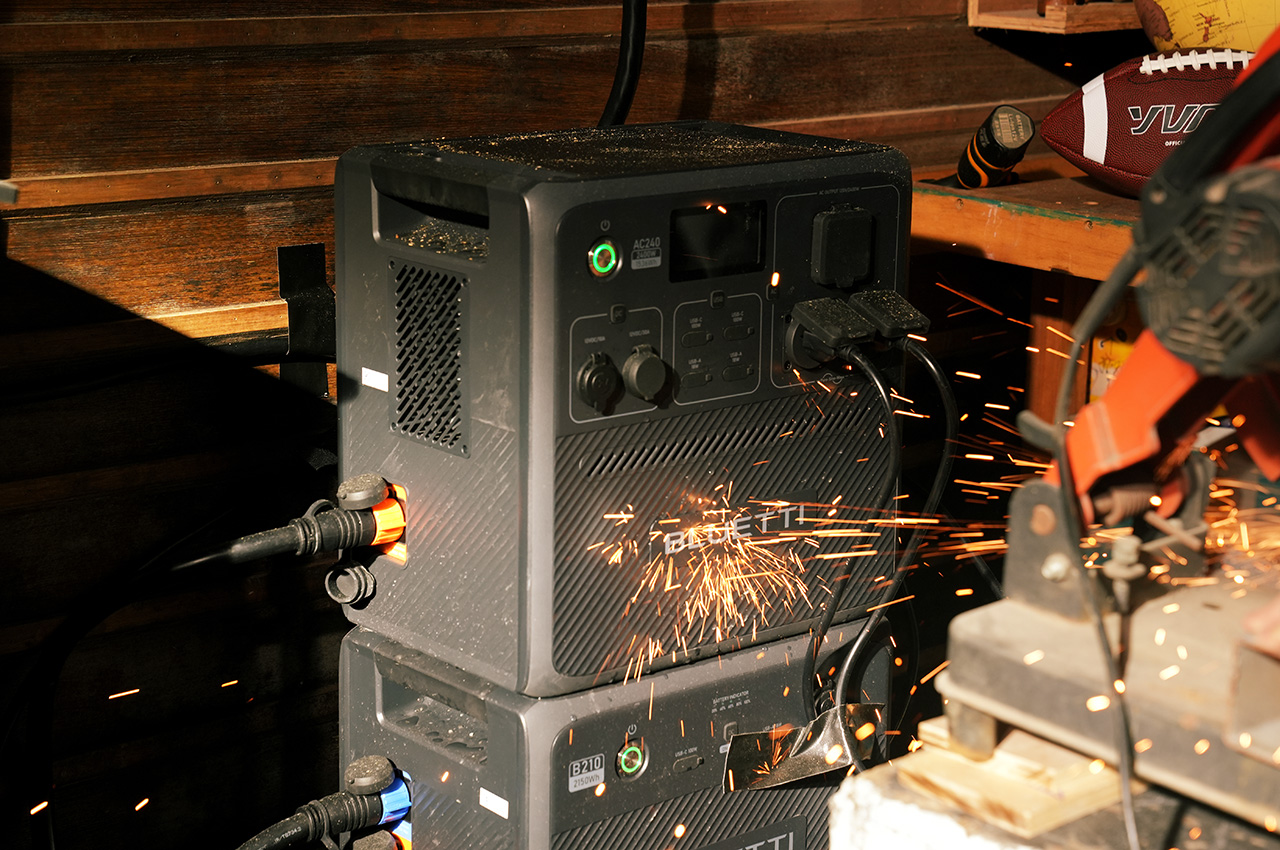
Even with all the science and technology at our disposal, changes in weather can throw a wrench in anyone’s plans, especially when those plans happen to involve staying outdoors. Traditional power stations, while extremely useful, might not be a good fit for this situation considering the safety risks involved. That’s where the Bluetti AC240 and its IP65 dust and waterproof rating come in, offering a clean, quiet, safe, versatile, and rugged power source that can withstand the harsh conditions you might find yourself in.
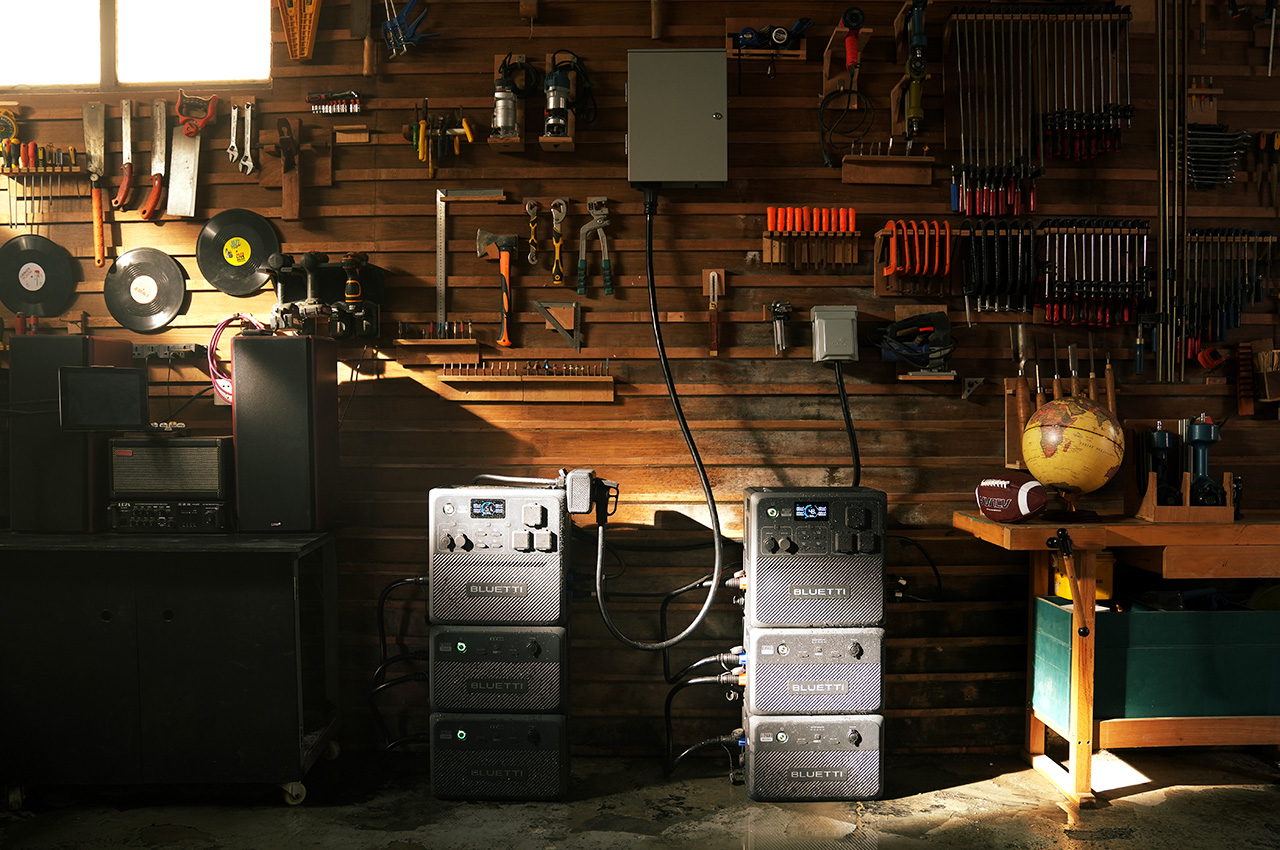
With the AC240’s modular design, it practically is! Stack up B210 expansion batteries and watch your power options multiply.
The Bluetti AC240 is rated IP65, which means it’s certified to withstand the intrusion of dust as well as low-pressure water jets from any angle, but that’s only the tip of the iceberg. The weather-hardened solar generator boasts a variety of patented technologies and safeguards that protect it from the elements, including independent air ducts, sealed electronic compartments, a special drainage system, vacuum-coated fans, and, since they’re always exposed to the outside world, double-layer protected ports. In the event that water does manage to get in, built-in exhaust fans and the heat dissipation system will make sure the water gets out or evaporates quickly before it does any damage.
Whether you’re basking in the sun’s energy with solar panels, plugging into a wall outlet, staying juiced on the move with a car charger, or even tapping into a lead-acid battery or shore power, the AC240 ensures you’re always powered up and good to go.
Of course, the Bluetti AC240 is more than just a large weatherproof box. It’s a portable power station first and foremost, and it does an incredible job at that as well. With an output of 2,400W and a 1,536Wh LiFePO battery, the AC240 can easily power anything from a phone charger to a 20 cubic feet fridge for at least one day. A 3,600W powerlifting mode can even power that hot plat to make sure you get warm meals even when it’s pouring outside your RV. The plethora of charging ports, which include 2 standard AC outlets, 1 NEMA TT-30 port, a car outlet, 2 USB-A ports, two USB-C ports, and a 12V/30A RV port, make sure every electronic machine is supported, even an RV or a boat.
Whether you’re navigating the high seas or driving into the unknown wilderness, the AC240 reliable enough to keep your adventures smooth from start to finish.
If that’s already impressive, then you’ll probably be blown away by what the Bluetti AC240 can do when paired with the B210 expansion battery, which itself is also IP65 weatherproof. Each B210 adds 2,150Wh of power and you can have as many as four packs connected to the AC240 for a whopping 10,135Wh total capacity. And if that weren’t enough, you can link two AC240 using Bluetti’s unique parallel technology with the Parallel Box P480, delivering 4,800W output (without expansion batteries) without doubling the voltage. With this much power and flexibility, including simultaneous connection to the power grid while powering your devices and a responsive 15ms UPS function, the Bluetti AC240 can even provide enough power to your house to weather out a storm.
When it comes to charging the power station itself, the AC240 offers a variety of options, from super-fast 1.1-hour AC charging at 2400W max input (when paired with a B210 expansion battery) to completely green solar charging at 1200W intake in just two hours. Weighing only 72 lbs (33 kg) and almost as big as a microwave, the Bluetti AC240 offers portable, reliable, and durable power that you can take with you anywhere you go, confident that it can handle anything thrown its way, whether by you or by Mother Nature herself.
Click Here to Buy Now: $1299$1899 (31% off, use coupon code”yanko240″ to get an additional $100 off). Hurry, deal ends in 48-hours!
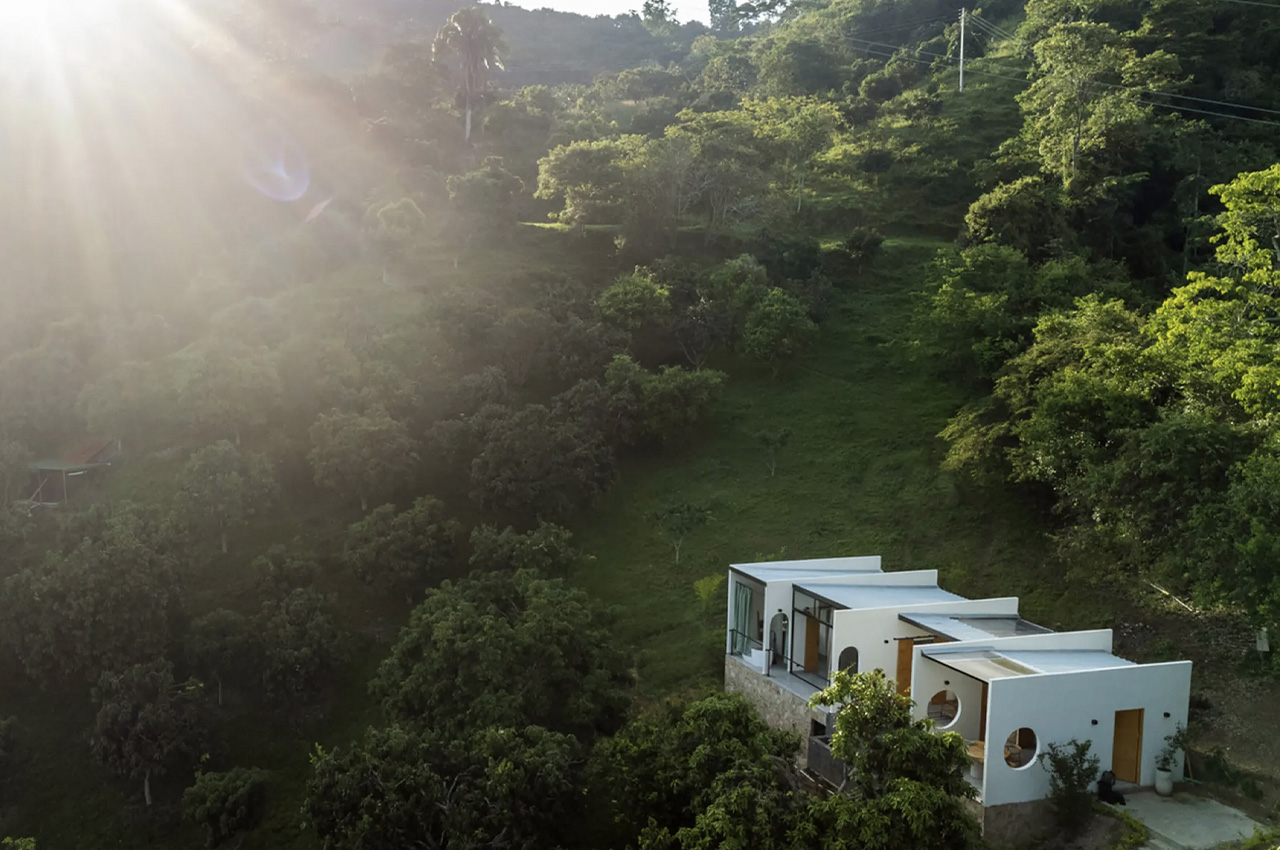
Designed by Columbian architectural firm PAE, this beautiful open-air tiny house is called the Casa Caoba, and it is tucked away into the lush hillside of Anapoima, Columbia. The home is located in a pre-existing mango grove, and it beautifully merges with and accepts the lush natural setting. Featuring a minimalist design ethos, and perched 900 meters above sea level, the home is supported by a stone foundation that artfully follows the form of the steep terrain of the property.
Designer: PAE
The Casa Caoba includes five parallel walls that seem to extend outwards, creating four living spaces within the home. The home has a wonderful open-air element, wherein the open walls allow passive airflow throughout the entirety of the home. To implement this open-air concept, the floorplan of the home minimizes the layout of longitudinal walls and also integrates openings in the transversal walls.
Since the home seamlessly merges with the surrounding landscape, the Casa Caoba functions as a space that is truly one with nature and the environment. The open-air design also forms microclimates, wherein cold air from the mountainous side of the home is channeled into the house, offering natural cooling. The walls function as a thermal mass, regulating the temperature inside the home, which is integral since Colombia is known for having high temperatures all through the year.
The home is made using locally sourced stone, bamboo, and timber which are available in the region. The casa also features lovely bamboo ceiling slats and local craftsmen handled the pine wood and carpentry of the teak furniture. The design style and theme of the home are cohesive, with stone and concrete materials creating a contrasting impact, while the wood maintains a cozy feeling. The Casa Caoba is equipped with an open-air minimalist kitchen and dining area which also serves as the home’s entrance. The dining zones connect to the relaxation terrace, which also includes a plunge pool and outdoor lounge. This central space is a great spot to relax and unwind in nature. The home also features a master bedroom, which has a raised bed, providing a hidden storage space underneath. The bedroom is connected to an open-air bathroom.
Meta AI is consistently unable to generate accurate images for seemingly simple prompts like “Asian man and Caucasian friend,” or “Asian man and white wife,” The Vergereports. Instead, the company’s image generator seems to be biased toward creating images of people of the same race, even when explicitly prompted otherwise.
Engadget confirmed these results in our own testing of Meta’s web-based image generator. Prompts for “an Asian man with a white woman friend” or “an Asian man with a white wife” generated images of Asian couples. When asked for “a diverse group of people,” Meta AI generated a grid of nine white faces and one person of color. There were a couple occasions when it created a single result that reflected the prompt, but in most cases it failed to accurately depict the prompt.
As The Verge points out, there are other more “subtle” signs of bias in Meta AI, like a tendency to make Asian men appear older while Asian women appeared younger. The image generator also sometimes added “culturally specific attire” even when that wasn’t part of the prompt.
It’s not clear why Meta AI is struggling with these types of prompts, though it’s not the first generative AI platform to come under scrutiny for its depiction of race. Google’s Gemini image generator paused its ability to create images of people after it overcorrected for diversity with bizarre results in response prompts about historical figures. Google later explained that its internal safeguards failed to account for situations when diverse results were inappropriate.
Meta didn’t immediately respond to a request for comment. The company has previously described Meta AI as being in “beta” and thus prone to making mistakes. Meta AI has also struggled to accurately answer simple questions about current events and public figures.
This article originally appeared on Engadget at https://www.engadget.com/metas-ai-image-generator-struggles-to-create-images-of-couples-of-different-races-231424476.html?src=rss
Meta AI is consistently unable to generate accurate images for seemingly simple prompts like “Asian man and Caucasian friend,” or “Asian man and white wife,” The Vergereports. Instead, the company’s image generator seems to be biased toward creating images of people of the same race, even when explicitly prompted otherwise.
Engadget confirmed these results in our own testing of Meta’s web-based image generator. Prompts for “an Asian man with a white woman friend” or “an Asian man with a white wife” generated images of Asian couples. When asked for “a diverse group of people,” Meta AI generated a grid of nine white faces and one person of color. There were a couple occasions when it created a single result that reflected the prompt, but in most cases it failed to accurately depict the prompt.
As The Verge points out, there are other more “subtle” signs of bias in Meta AI, like a tendency to make Asian men appear older while Asian women appeared younger. The image generator also sometimes added “culturally specific attire” even when that wasn’t part of the prompt.
It’s not clear why Meta AI is struggling with these types of prompts, though it’s not the first generative AI platform to come under scrutiny for its depiction of race. Google’s Gemini image generator paused its ability to create images of people after it overcorrected for diversity with bizarre results in response prompts about historical figures. Google later explained that its internal safeguards failed to account for situations when diverse results were inappropriate.
Meta didn’t immediately respond to a request for comment. The company has previously described Meta AI as being in “beta” and thus prone to making mistakes. Meta AI has also struggled to accurately answer simple questions about current events and public figures.
This article originally appeared on Engadget at https://www.engadget.com/metas-ai-image-generator-struggles-to-create-images-of-couples-of-different-races-231424476.html?src=rss
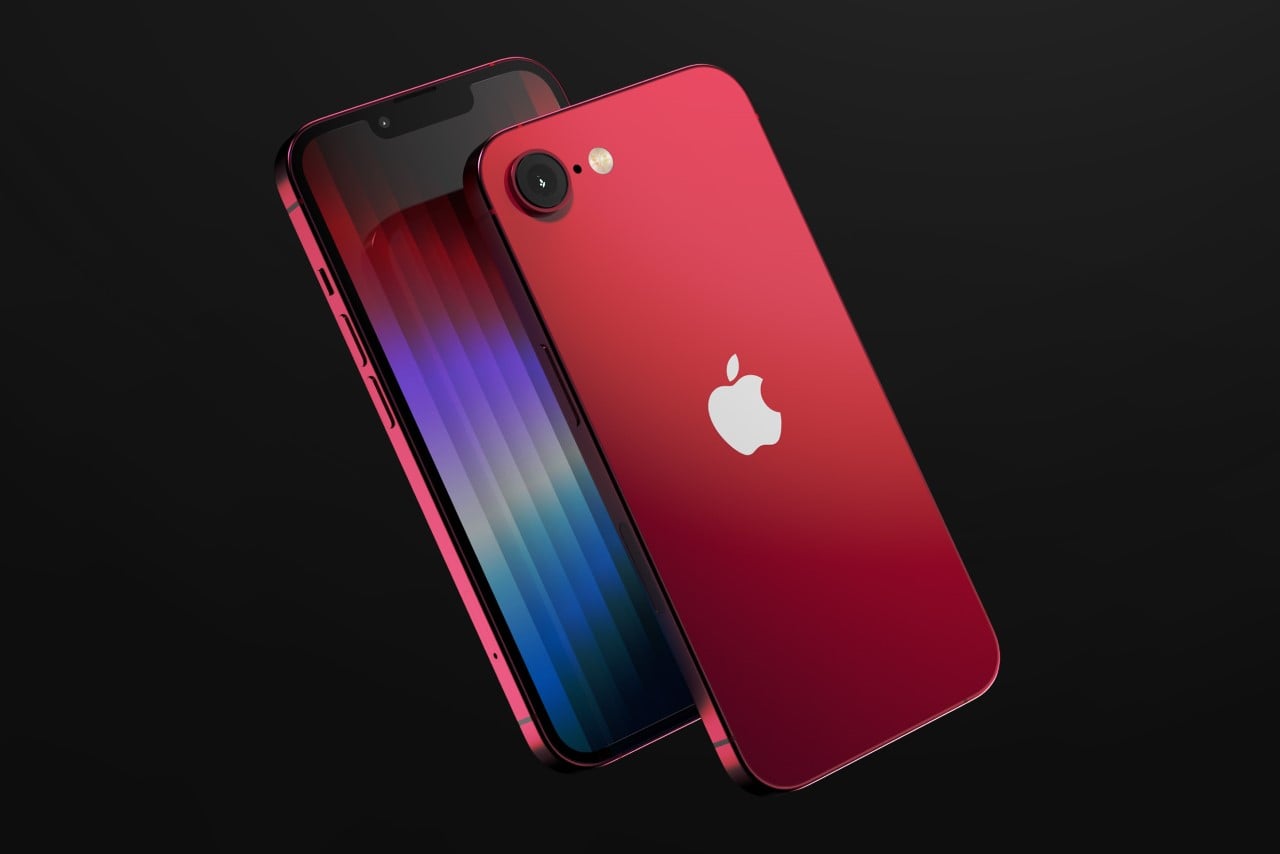
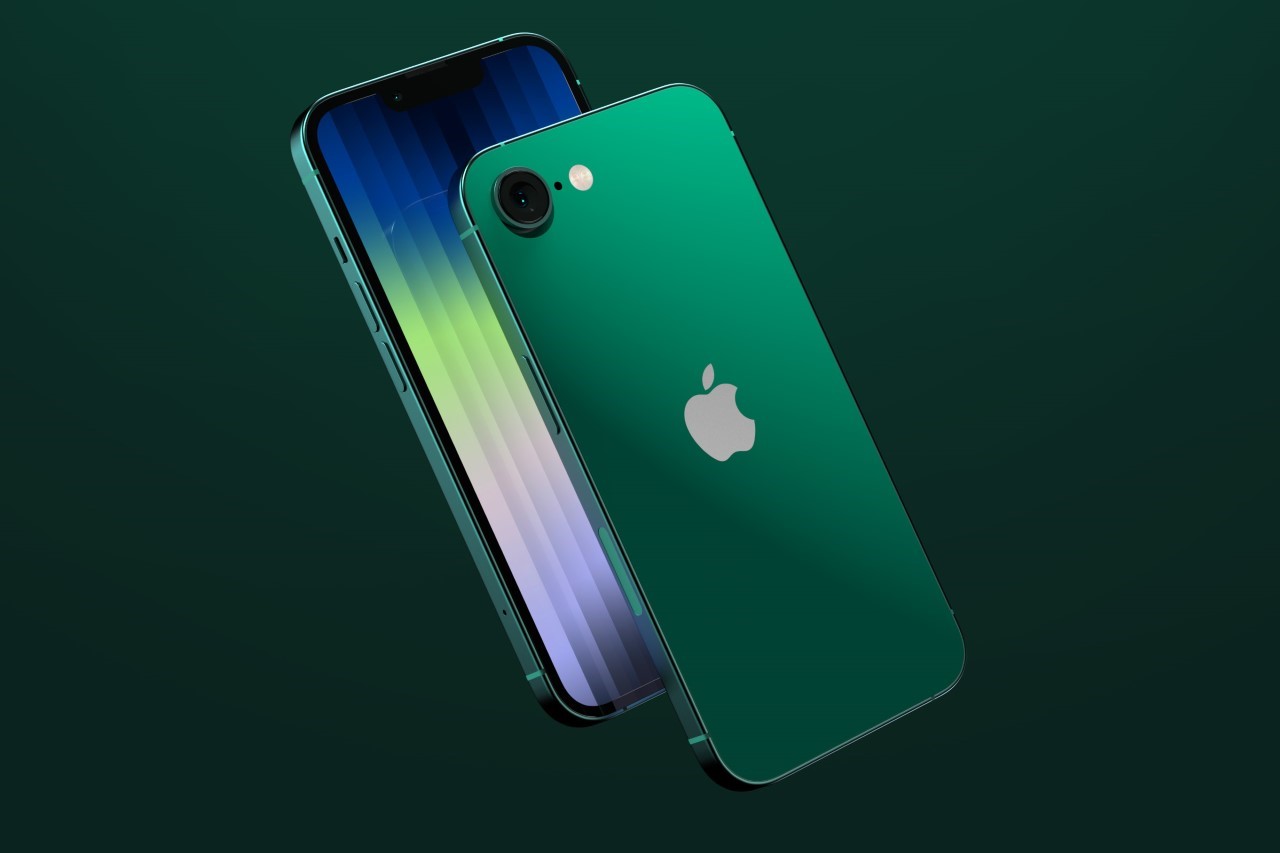
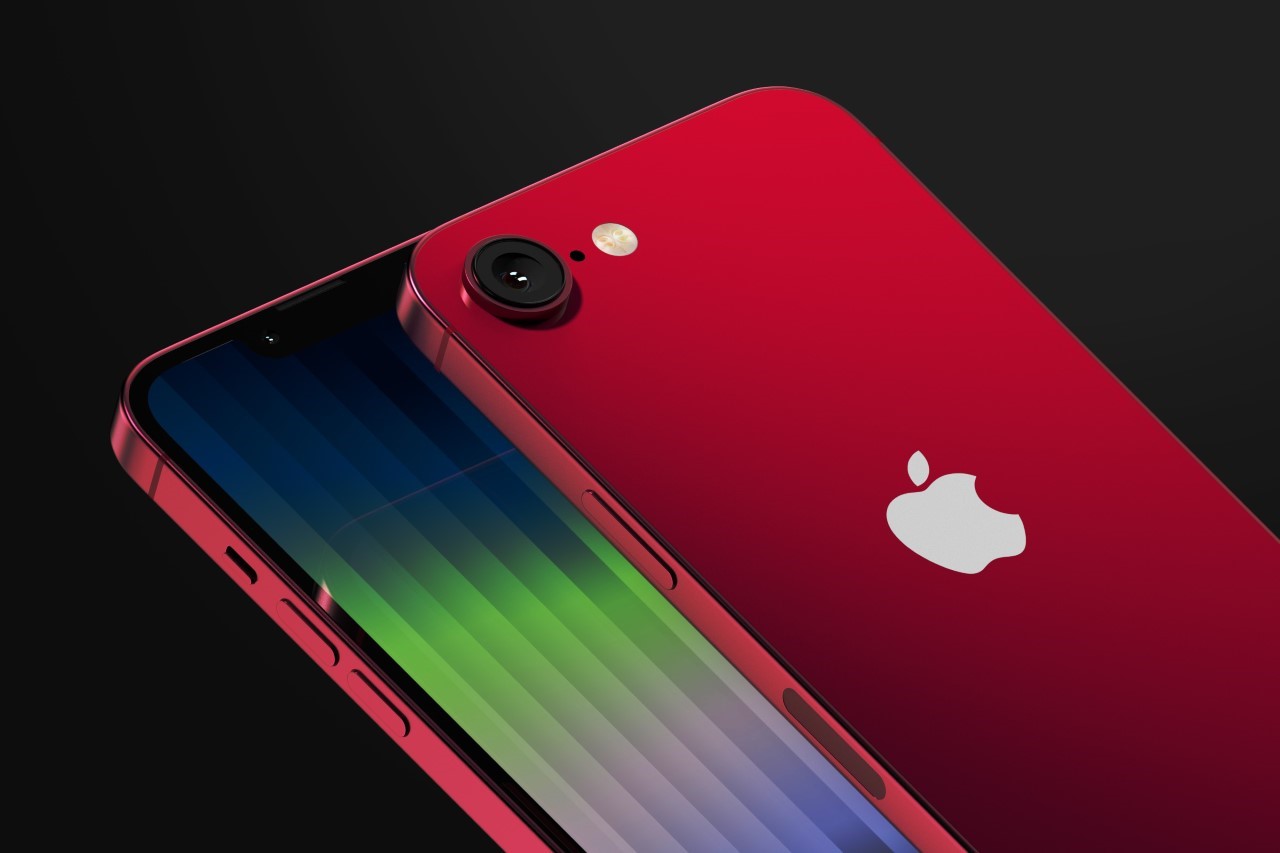
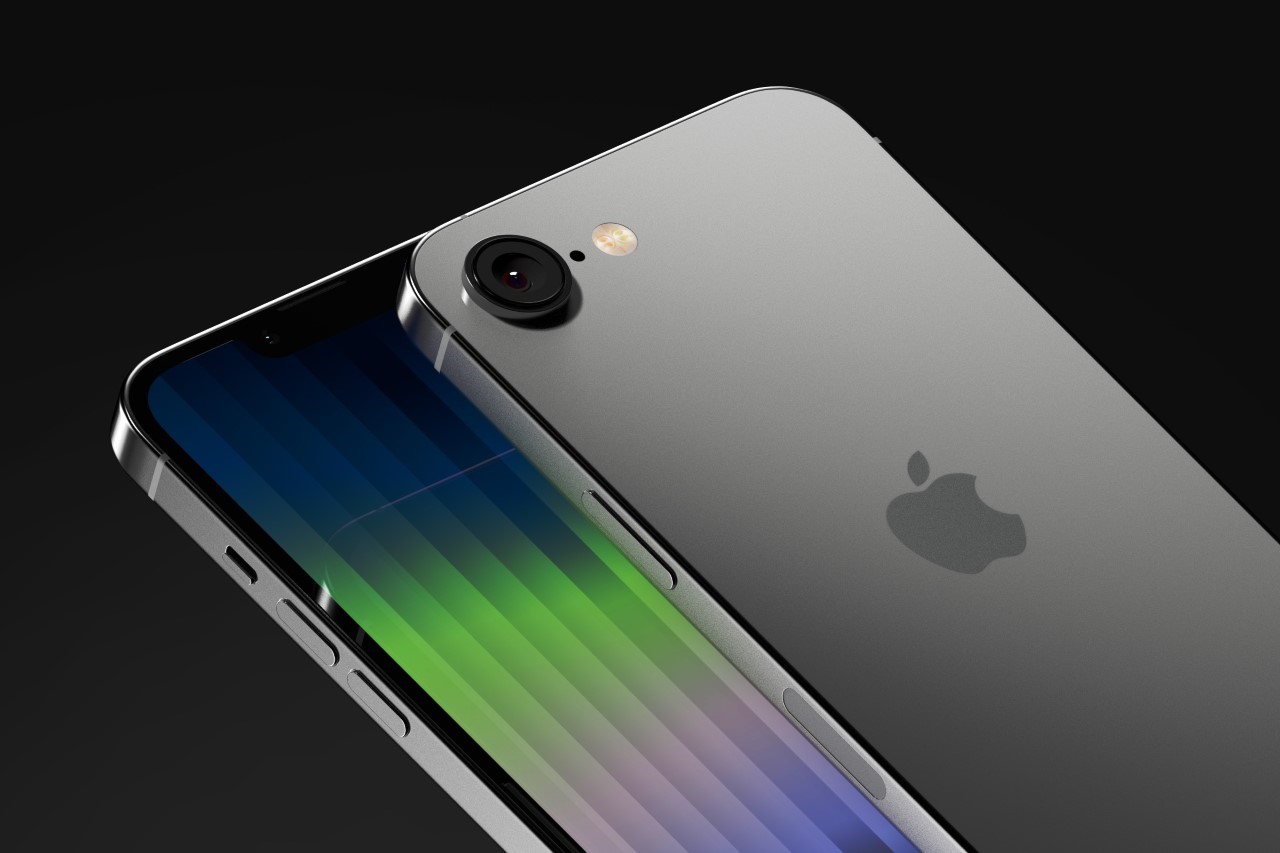
Apple’s budget iPhone is due for a refresh and for the first time ever, it’s getting a major design upgrade that does away with the TouchID, finally putting the technology in the rear mirror for the smartphone industry. Leaked images from China (you can see them at the end of this article) show dummy units of an upcoming iPhone SE with a refreshed design that now features the notch and FaceID system, along with a flat body reminiscent of the iPhone 12 and 13. Chances are that Apple’s probably repurposing older iPhone 12 chassis for the new 4th Gen SE that’s rumored to drop along with Apple’s iPad refresh next month.
With four straight years of the iPhone SE having the same design (both Gen 2 and Gen 3 models used the same chassis as the iPhone 8), the iPhone SE 4 finally gets the upgrade we’ve all been waiting for. Now that the notch is pretty much history for the flagship iPhone, which has adopted the dynamic island, it makes sense for the technology to finally arrive to Apple’s budget line. The new SE 4, as indicated by pretty credible leaks at this point, uses the same body as the one used in the iPhone 12 and 13, sporting what leakers indicate is a 6.1-inch display on the front, a single-lens camera on the back, a FaceID system for facial unlocking, and a mute slider as opposed to the Action Button which Apple unveiled with the iPhone 15.
The 4th Gen iPhone SE is rumored to be a pretty big upgrade for budget customers, allowing Android users to make the iPhone shift with zero compromises. The large screen and thin bezels look just as gorgeous as the iPhone 14 from 2022, and the new SE is rumored to have 5G too, along with what I can only hope is USB-C, because of strict EU regulations that kick in at the end of the year. It’s still conceivable that Apple sticks to their guns and keeps the lightning connector on the SE, while just limiting sales within the EU, which isn’t really its budget market anyway.
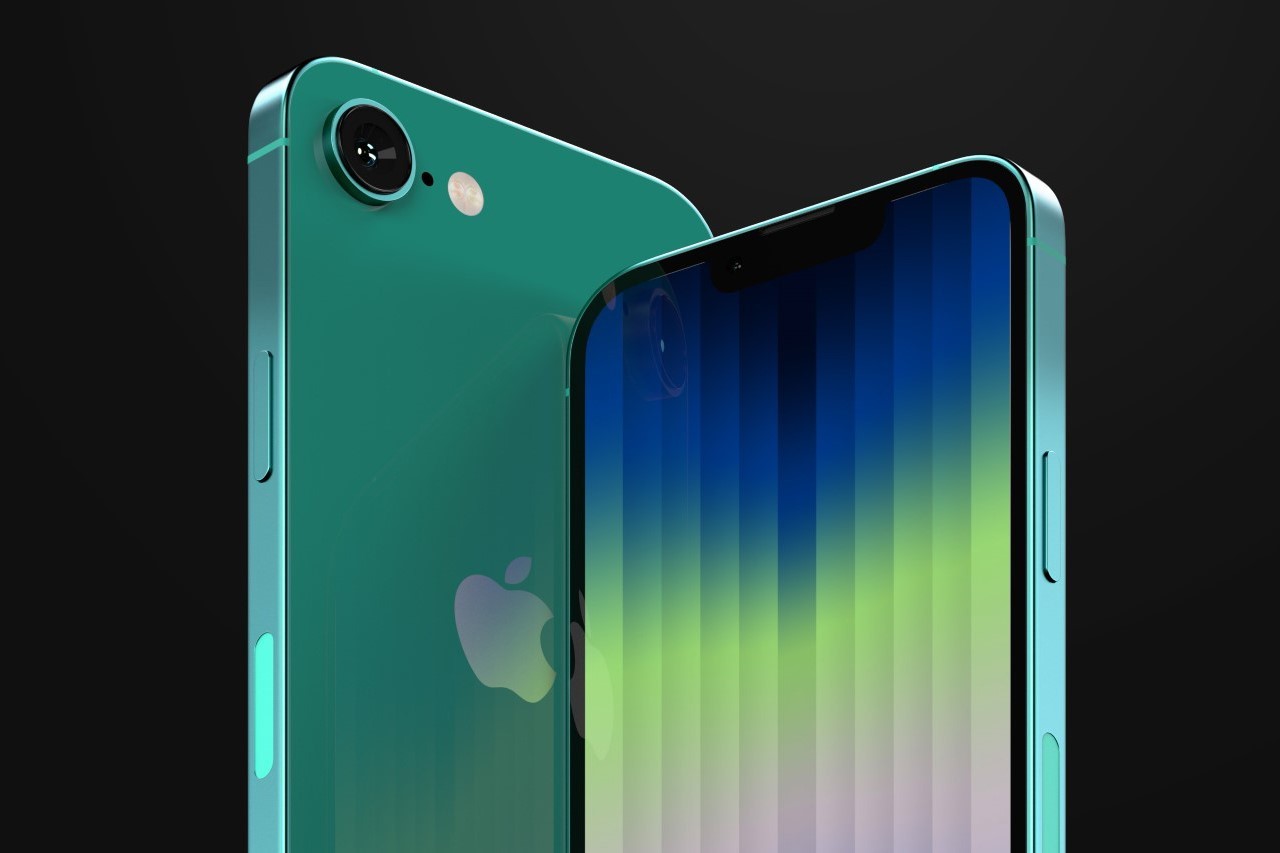
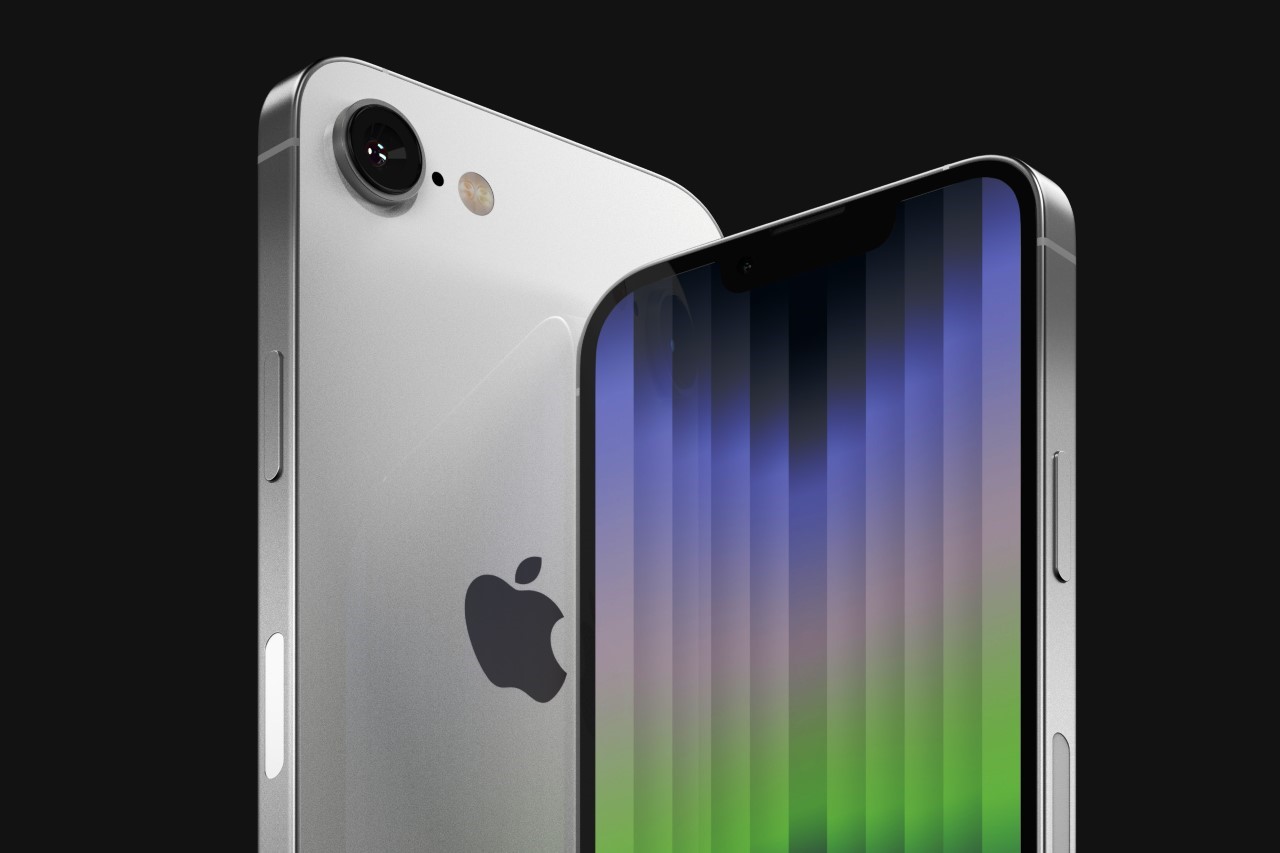
Notably the new iPhone SE 4 has a pretty large camera, which may make up for past models not having great photography capabilities. While details are scarce on what this new camera will be, the big sensor is probably rumored to be an all-purpose lens WITHOUT ultrawide capabilities to keep costs lower.
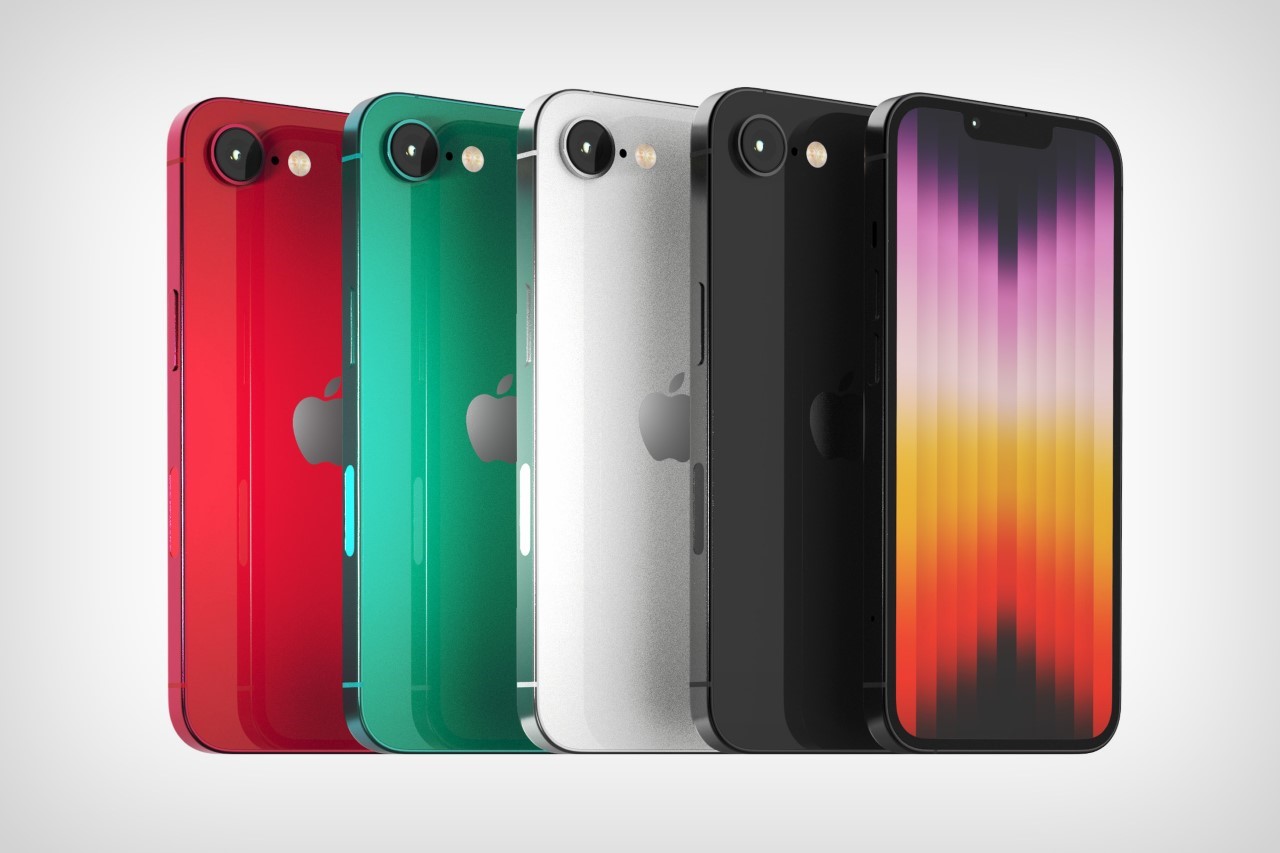
The above renders, created by Yanko Design, are based on leaked images from a Weibo user, showing case designs for the upcoming iPhone. The dummy model, which clearly reads iPhone SE 4, comes with a notched display, a single-shooter primary lens along with a flash, a flat aluminum frame, and all indications that the mute slider will still remain as a detail in the SE 4. As far as colors go, there’s really no concrete indication that Apple plans on adding any new colors to the range. The existing SE range has only 3 colors – black, white, and Project RED. For visualization purposes (and also because of an initial render found on the internet), we’ve also added a Forest Green color variant.
You may not be familiar with Dutch painter Johannes Vermeer’s entire body of work, but chances are you’ve definitely seen one of his paintings. About as iconic as Da Vinci’s Mona Lisa, Van Gogh’s Starry Night, or Munch’s The Scream, ‘Girl with a Pearl Earring’ is just one of those paintings that’s entered the hall of fame for being one of the most memorable paintings ever. The artpiece features a chiaroscuro-style artwork of a girl in a headgear and a pearl earring, with dramatic lighting from one side that creates dramatic contrast and highlights/shadows. It’s a remarkably captivating painting, and an impressive one at that, considering it was painted in 1665. After getting its own Scarlett Johansson movie in 2003, the iconic painting gets its own fan-made LEGO set! Designed by LEGO builder ‘alanboar’, this MOC (My Own Creation) features roughly 1600 bricks, and comes with a Vermeer minifigure to match!
Designer: Alanboar Cheung
Built from precisely 1619 LEGO bricks, the set wonderfully replicates the painting, bringing it to life by giving it actual depth too. Of course, the use of LEGO bricks results in a lack of fine details, but therein lies the charm! The girl in the LEGO set mimics her inspiration beautifully, with the same blue and yellow headscarf, contemplative expression, and that gorgeous pearl earring that is easily a highlight of both the painting as well as this set.
Alanboar’s little brick mosaic utilizes LEGO’s art bricks, which allow making intricate colored artpieces without those studs getting in the way. The final set measures 17.6 inches tall, and 15.1 inches wide, and even features a uniquely baroque frame to go with the painting. I’m not entirely sure whether LEGO manufactures silver hemispherical bricks, but it’s possible that Alanboar took a few liberties with the pearl earring part.
The entire set comes with a plug-to-assemble design, and even features a miniature replica of the painting along with the Vermeer minifigure and a tiny pedestal that aptly labels the mini diorama. The LEGO Girl with a Pearl Earring is currently a fan-made submission to LEGO’s Ideas forum, an online platform for LEGO enthusiasts to build and showcase their own unique creations or MOCs. Users can then vote for their favorite MOCs, which LEGO then reviews and turns into box-sets that anybody can buy. If you want to vote for Alanboar’s entry, visit the LEGO Ideas website here!
On Tuesday, The White House published a policy memo directing NASA to create a new time standard for the Moon by 2026. Coordinated Lunar Time (LTC) will establish an official time reference to help guide future lunar missions. It arrives as a 21st-century space race emerges between (at least) the US, China, Japan, India and Russia.
The memo directs NASA to work with the Departments of Commerce, Defense, State, and Transportation to plan a strategy to put LTC into practice by December 31, 2026. International cooperation will also play a role, especially with signees of the Artemis Accords. Established in 2020, they’re a set of common principles between a growing list of (currently) 37 countries that govern space exploration and operating principles. China and Russia are not part of that group.
“As NASA, private companies, and space agencies around the world launch missions to the Moon, Mars, and beyond, it’s important that we establish celestial time standards for safety and accuracy,” OSTP Deputy Director for National Security Steve Welby wrote in a White House press release. “A consistent definition of time among operators in space is critical to successful space situational awareness capabilities, navigation, and communications, all of which are foundational to enable interoperability across the U.S. government and with international partners.”
Einstein’s theories of relativity dictate that time changes relative to speed and gravity. Given the Moon’s weaker gravity (and movement differences between it and Earth), time moves slightly faster there. So an Earth-based clock on the lunar surface would appear to gain an average of 58.7 microseconds per Earth day. As the US and other countries plan Moon missions to research, explore and (eventually) build bases for permanent residence, using a single standard will help them synchronize technology and missions requiring precise timing.
“The same clock that we have on Earth would move at a different rate on the moon,” NASA space communications and navigation chief Kevin Coggins toldReuters. “Think of the atomic clocks at the U.S. Naval Observatory (in Washington). They’re the heartbeat of the nation, synchronizing everything. You’re going to want a heartbeat on the moon.”
NASA
The White House wants LTC to coordinate with Coordinated Universal Time (UTC), the standard by which all of Earth’s time zones are measured. Its memo says it wants the new time zone to enable accurate navigation and scientific endeavors. It also wants LTC to maintain resilience if it loses contact with Earth while providing scalability for space environments “beyond the Earth-Moon system.”
NASA’s Artemis program aims to send crewed missions back to the Moon for the first time since the Apollo missions of the 1960s and 70s. The space agency said in January that Artemis 2, which will fly around the Moon with four people onboard, is now set for a September 2025 launch. Artemis 3, which plans to put humans back on the Moon’s surface, is now scheduled for 2026.
In addition to the US, China aims to put astronauts on the Moon before 2030 as the world’s two foremost global superpowers take their race to space. Although no other countries have announced crewed missions to the lunar surface, India (which put a module and rover on the Moon’s South Pole last year), Russia (its mission around the same time didn’t go so well), the United Arab Emirates, Japan, South Korea and private companies have all demonstrated lunar ambitions in recent years.
In addition to enabling further scientific exploration, technological establishment and resource mining, the Moon could serve as a critical stop on the way to Mars. It could test technologies and provide fuel and supply needs for eventual human missions to the Red Planet.
This article originally appeared on Engadget at https://www.engadget.com/the-white-house-tells-nasa-to-create-a-new-time-zone-for-the-moon-193957377.html?src=rss