Apple Watch Ultra 3: A Deep Dive into the Next-Gen Adventure Watch

Apple Watch Ultra 3.

The much-awaited Apple Watch Ultra 3 is gearing up for its grand debut in 2024, and fans of the brand have plenty to look forward to. Instead of adding flashy new camera features, Apple has chosen to prioritize a host of internal upgrades that promise to enhance the overall user experience. The company is honing […]

The post Apple Watch Ultra 3: A Deep Dive into the Next-Gen Adventure Watch appeared first on Geeky Gadgets.

NFC Forum wants to bundle age verification and payment receipts in tap-to-pay

The NFC Forum, the non-profit org made up of big tech companies promoting the NFC standard, envisions a future wherein one tap is all you need for multiple actions at once. With a single tap, for instance, you could pay for your purchase, get points on your rewards account and receive a digital receipt on your phone. The organization released a document that can give you an overview of what the NFC multi-purpose tap capability is and how it can potentially be used. 

It explains that the multi-purpose tap "leverages the capability of NFC devices to allow both reading and writing of data across a connection." That enables several actions, which typically requires multiple stages, to be accomplished at one time. If you're buying alcohol, tapping to pay for it would also verify your identity and your age. You could also get a product's sustainability information, including ways its packaging can be recycled, on your phone the moment you pay for it.

For public transit, the technology could ensure you're getting charged the correct fare, taxes and concessions every time. If the ride you're taking requires a ticket that you'll need to show a conductor, operators will be able to automatically issue you an e-ticket when you pay with the new multi-purpose tap experience. 

As The Verge notes, the capability does raise some privacy concerns, seeing as it automates everything, including identity verification. In addition, it will allow companies to trigger targeted marketing communications that you'll then get straight on your smartphone. Multi-purpose tap is still in its very early stages at the moment, though, and the NFC Forum is seeking contributions as it looks at market use cases for the technolog. The organization — which includes Apple, Google and Huawei, among other tech companies and manufacturers — still has to conduct tests to make sure the NFC technology is working as intended, as well, and to define standards to "enable mass market delivery."

This article originally appeared on Engadget at https://www.engadget.com/nfc-forum-wants-to-bundle-age-verification-and-payment-receipts-in-tap-to-pay-043046883.html?src=rss

Why most chairs are outdated and Secretlab’s take on a good design for modern ergonomics

The rise of remote work has drastically changed our workspaces. The boundaries between work and play have blurred, and modern hybrid workers switch seamlessly from spreadsheets to gaming to Netflix—all from the same setup. Yet, when you think of an ergonomic chair, a mesh design like Herman Miller’s Aeron probably comes to mind. These chairs developed in the 1970s have become synonymous with corporate offices worldwide. However, is it time for us to consider other options?

Designer: Vincent Sin, Head of Industrial Design

Click Here to Know More.

Historical Context and Evolution of Ergonomic Chairs
The journey of ergonomic design began in the 1970s with chairs like the Herman Miller Aeron, which quickly became the gold standard for office seating.

Everyday workers rarely gave much thought to their sitting habits. Their typical workday meant long hours at the desk with minimal movement. Conversations about sitting often focused on achieving the perfect posture.

The rise of the tech industry and the shift to remote work blurred the lines between work and leisure. As work environments evolved, the need for more dynamic seating became clear. A good chair shouldn’t just do one thing — they must support everything from long hours of sitting to more relaxed, casual postures, no matter what you’re doing at the desk.

One company is leading this shift forward, recognizing the need for modern ergonomic solutions that meet the diverse needs of today.

The Evolution of Ergonomic Seating

Secretlab was founded in 2014 by Ian Ang and Alaric Choo, both avid gamers and StarCraft II professionals. Their journey began out of personal necessity— they needed chairs that could support their extensive practice sessions, often lasting up to 16 hours a day. Existing market options fell short of providing the required comfort and durability. This gap inspired them to design their own solution, leading to the creation of a new standard in seating.
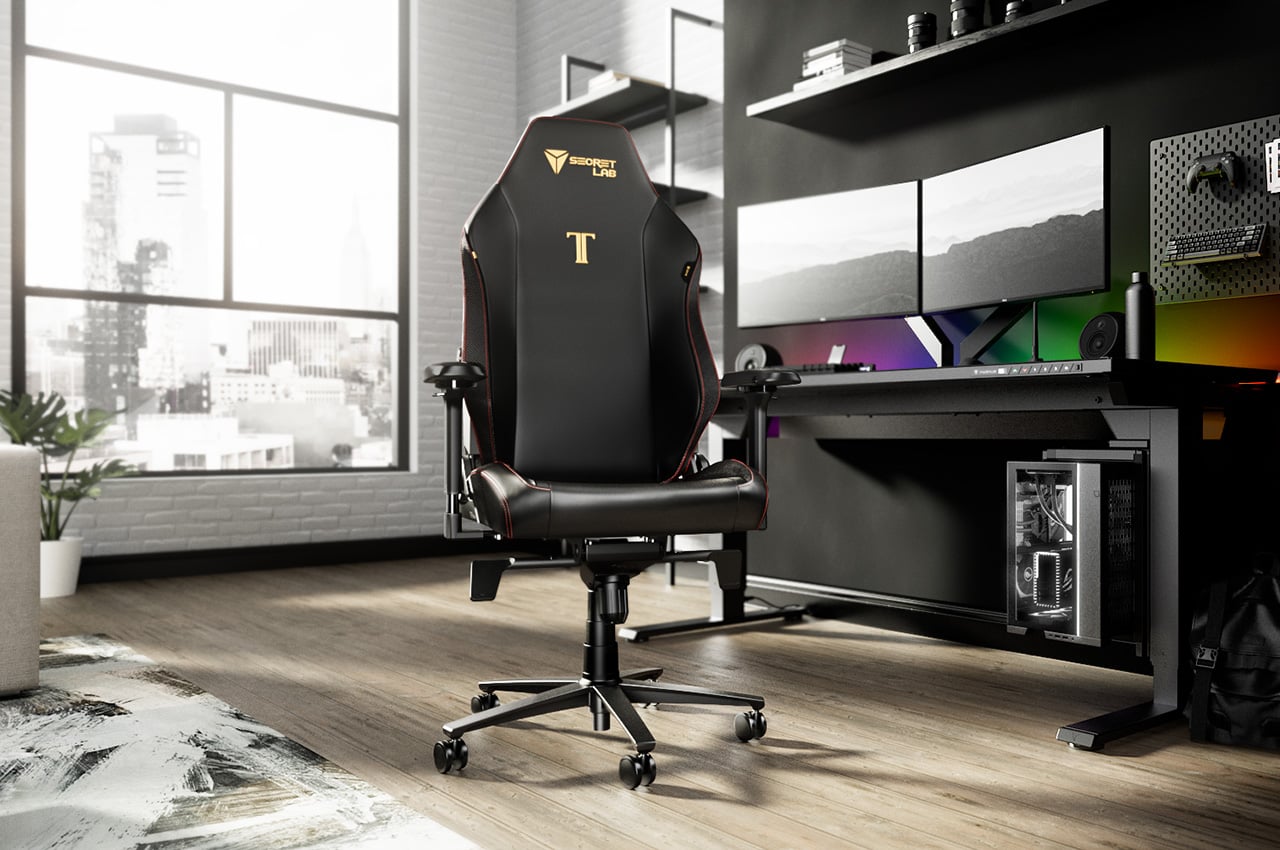
The success of these designs among professional gamers brought Secretlab into the spotlight, but the company’s dedication to ergonomic science and high-quality materials also quickly expanded their user base beyond just the gaming community.

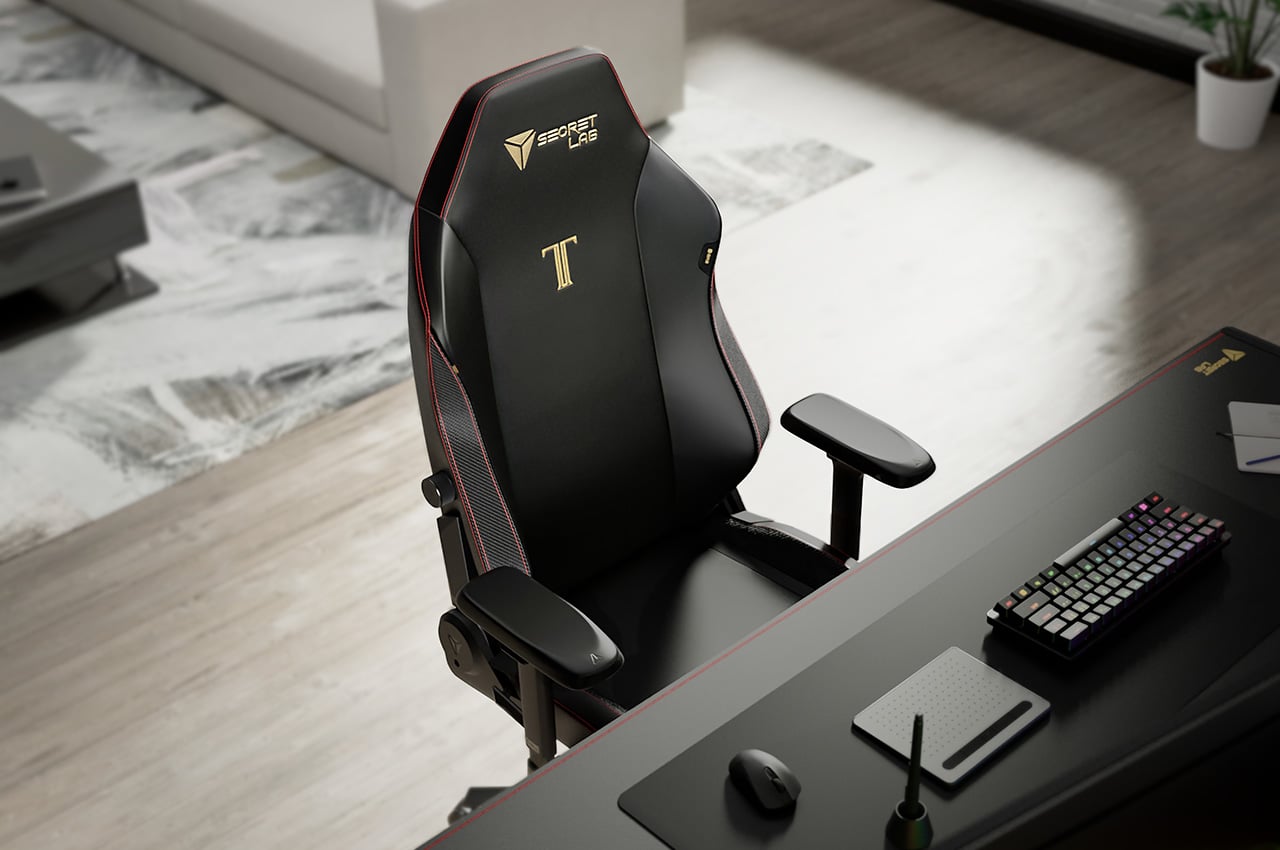
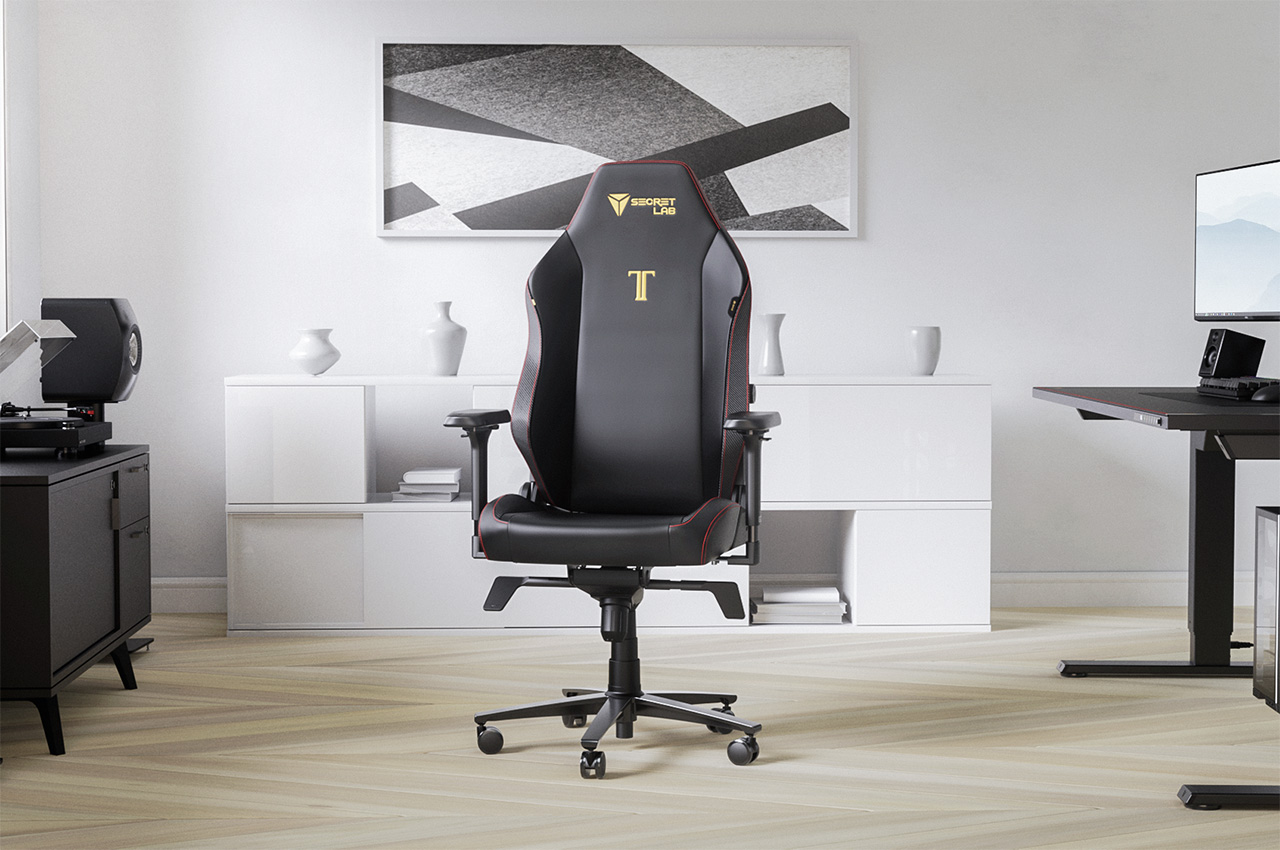
Today, Secretlab chairs are trusted by over 3 million users worldwide, reflecting their commitment to excellence. Despite its roots in designing chairs for esports players, the flagship chair, the Secretlab TITAN Evo, is making significant inroads into spaces traditionally dominated by mesh office chairs. From global esports stages to home offices and corporate boardrooms, it is fast becoming a top pick for anyone needing an ergonomic chair that can support long hours of sitting.
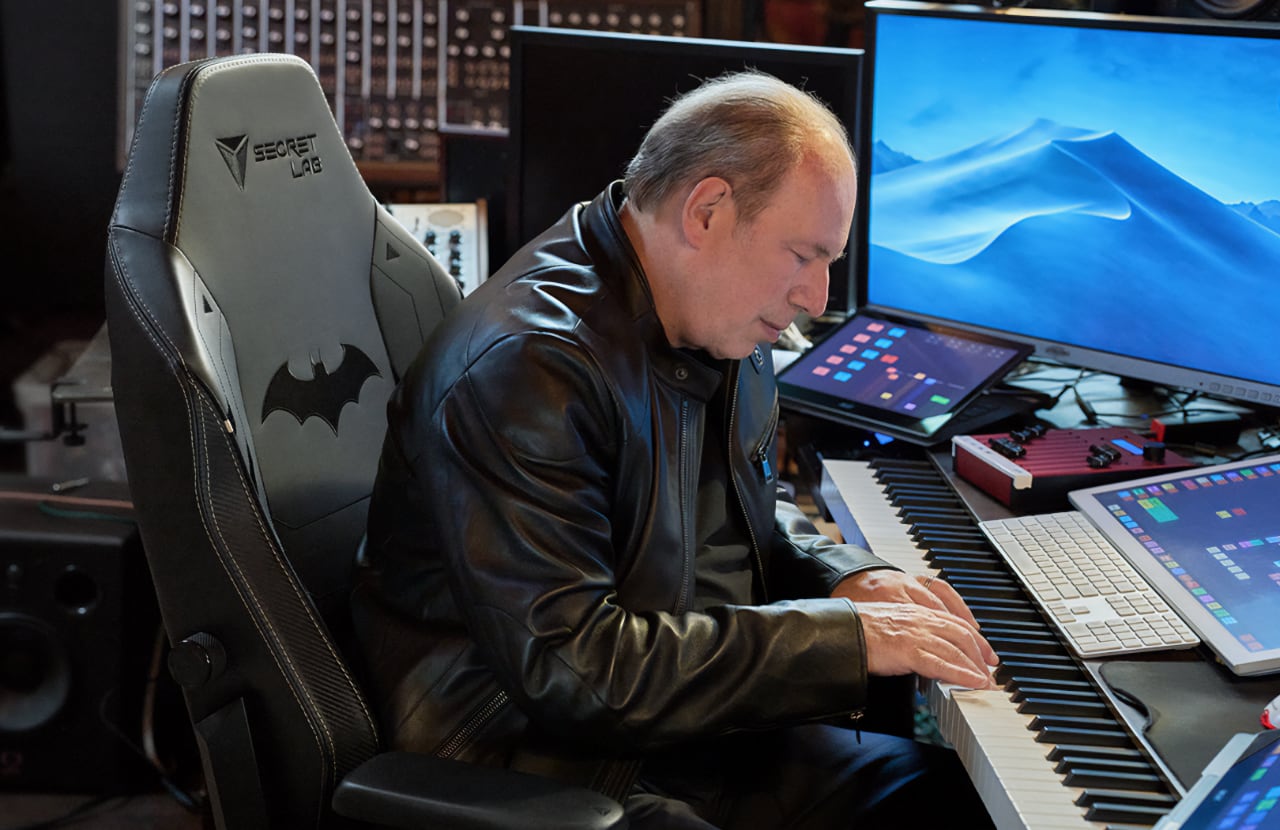
The appeal of the Secretlab TITAN Evo extends to a diverse range of users, including some of the most distinguished figures in various fields. Academy Award-winning composer Hans Zimmer, is among its users, having scored his iconic scores in movies like “Dune” and “Top Gun: Maverick” in the comfort of a Secretlab TITAN Evo chair in his studio. Similarly, World No. 1 chess grandmaster Magnus Carlsen has also adopted the Secretlab TITAN Evo, further highlighting its versatility and appeal.

The Secretlab Difference

What sets these chairs apart in a crowded market? While the Secretlab TITAN Evo might resemble other gaming chairs at first glance, a deeper inspection reveals significant differences. Every design choice is informed by extensive real-world data on how people actually sit. This commitment to evidence-based design is bolstered by collaborations with leading ergonomic experts and regular consultations with an independent Ergonomics Advisory Board to refine their products.
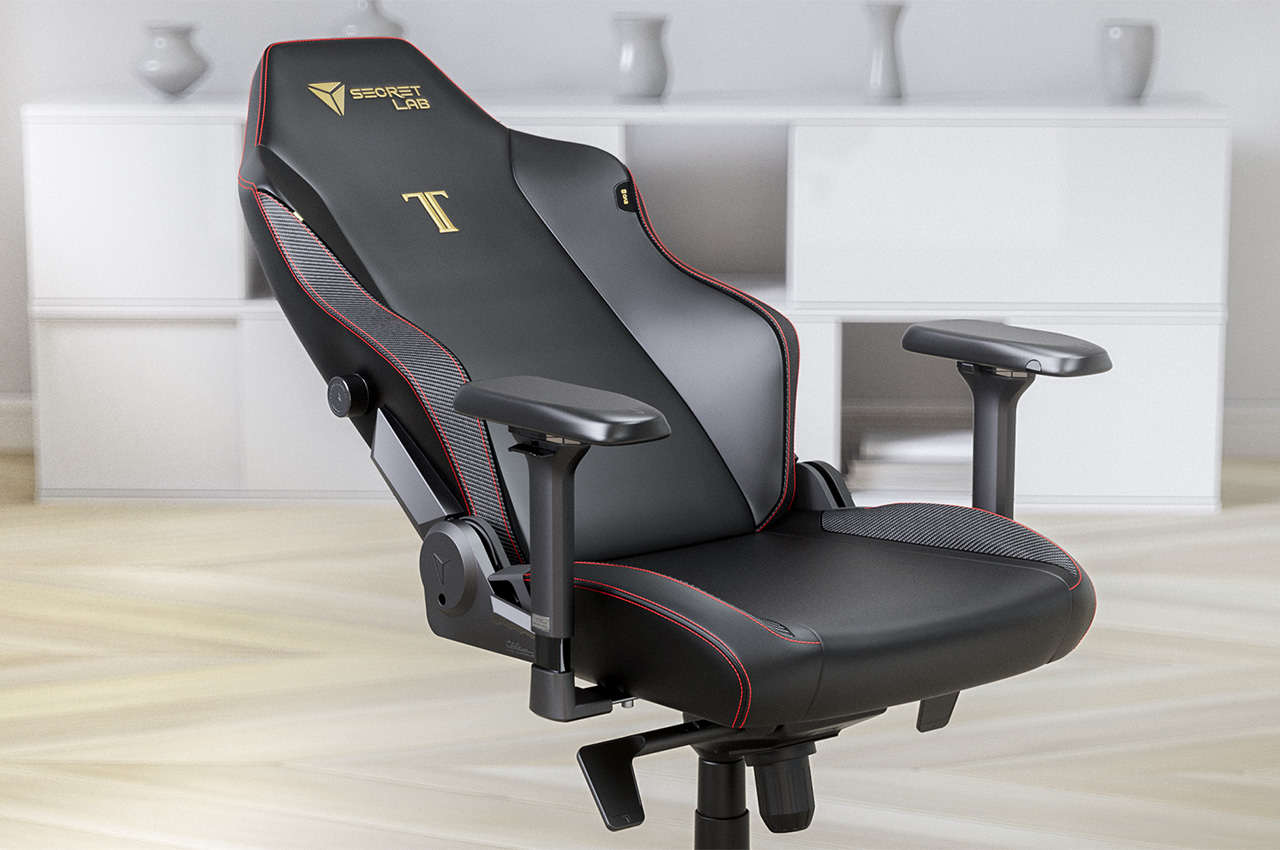
Central to their philosophy is the understanding that the human body is not meant to remain in a single, static posture for prolonged periods. Conversely, traditional ergonomic chairs often emphasize one “optimal” posture, which can lead to muscle and soft tissue strain over time.

Dr. Stuart McGill, professor emeritus at the University of Waterloo and a foremost authority on back pain, underscores this point. “Tissue loads must be migrated from tissue to tissue to minimize the risk of any single tissue accumulating microtrauma. This is accomplished by changing posture,” he explains.
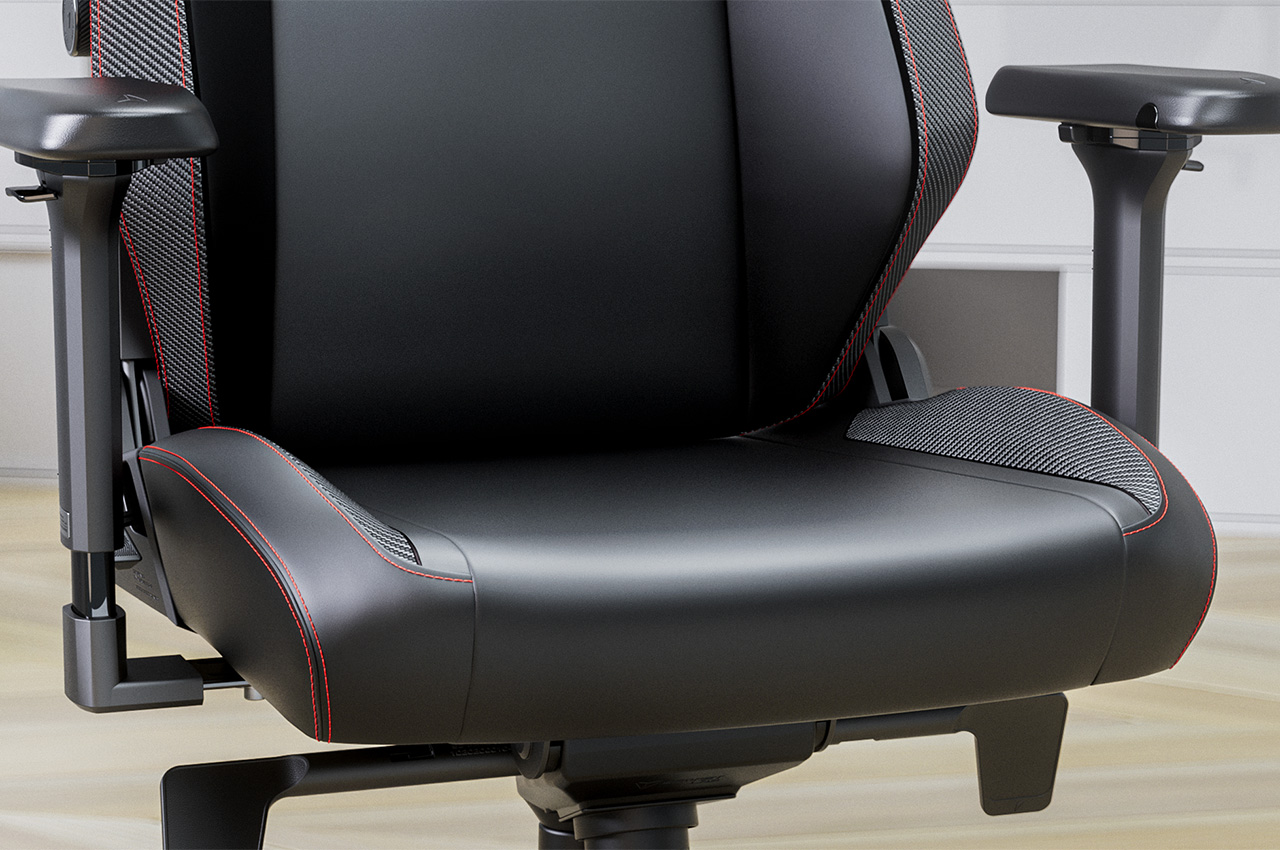
Its proprietary pebble seat base exemplifies this philosophy. It features gently sloping sides that guide users towards the center for balanced pressure distribution while still allowing freedom to sit in various positions—whether leaning to one side or sitting cross-legged.

In comparison, most gaming chairs adopt a far more restrictive bucket seat design inspired by racing seats. These designs work well in race cars to help drivers remain snug and secure in their seats when racing at 220 mph, but they have no place in ergonomic chairs, says Secretlab.

Instead, they prioritize flexibility, allowing users to transition between different tasks and postures effortlessly.

Settling the Debate: Mesh vs. Foam in Chair Design

The choice of upholstery materials plays a critical role in chair comfort and support. While mesh is favored for its breathability, foam offers substantial support, particularly for extended use.

Research from the University of California, Berkeley, found no significant differences between foam and mesh in terms of comfort, pain, and fatigue. However, participants reported finding foam chairs more supportive over long hours, with better pressure distribution.
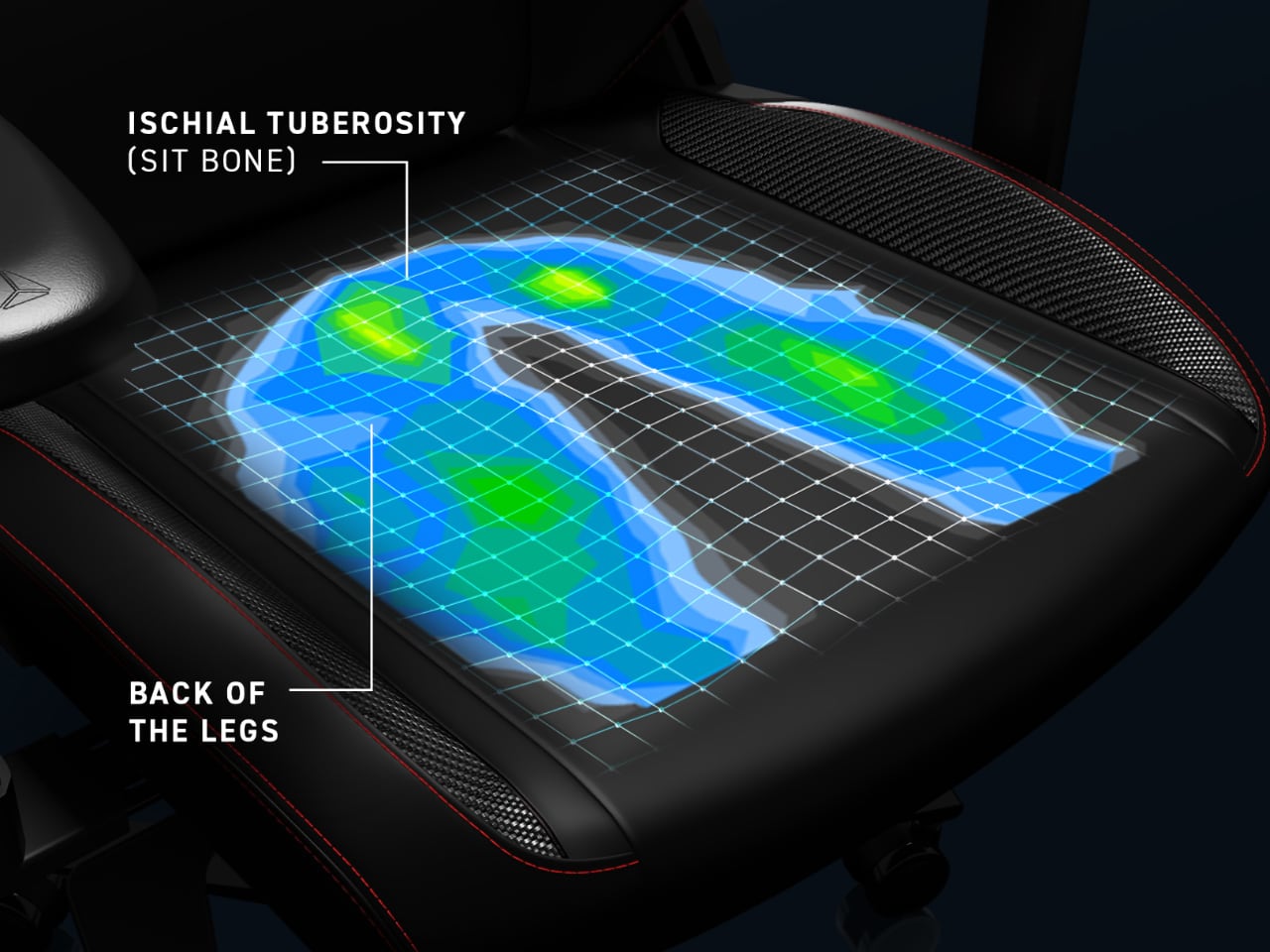
That said, not all foam is created equal. Secretlab engineered their own patent-pending cold-cure foam to provide uniform weight distribution and consistent density. They cured their foam at lower temperatures, resulting in a medium-firm texture that resists sagging and reduces strain on the back. By ensuring even pressure distribution, it enhances long-term comfort, making it a strong contender against traditional mesh.

Mesh chairs, on the other hand, excel in breathability, keeping users cool during long periods of sitting. The choice between foam and mesh ultimately depends on individual preferences and specific needs, but both materials have their distinct advantages.

A New Type of Computer Chair
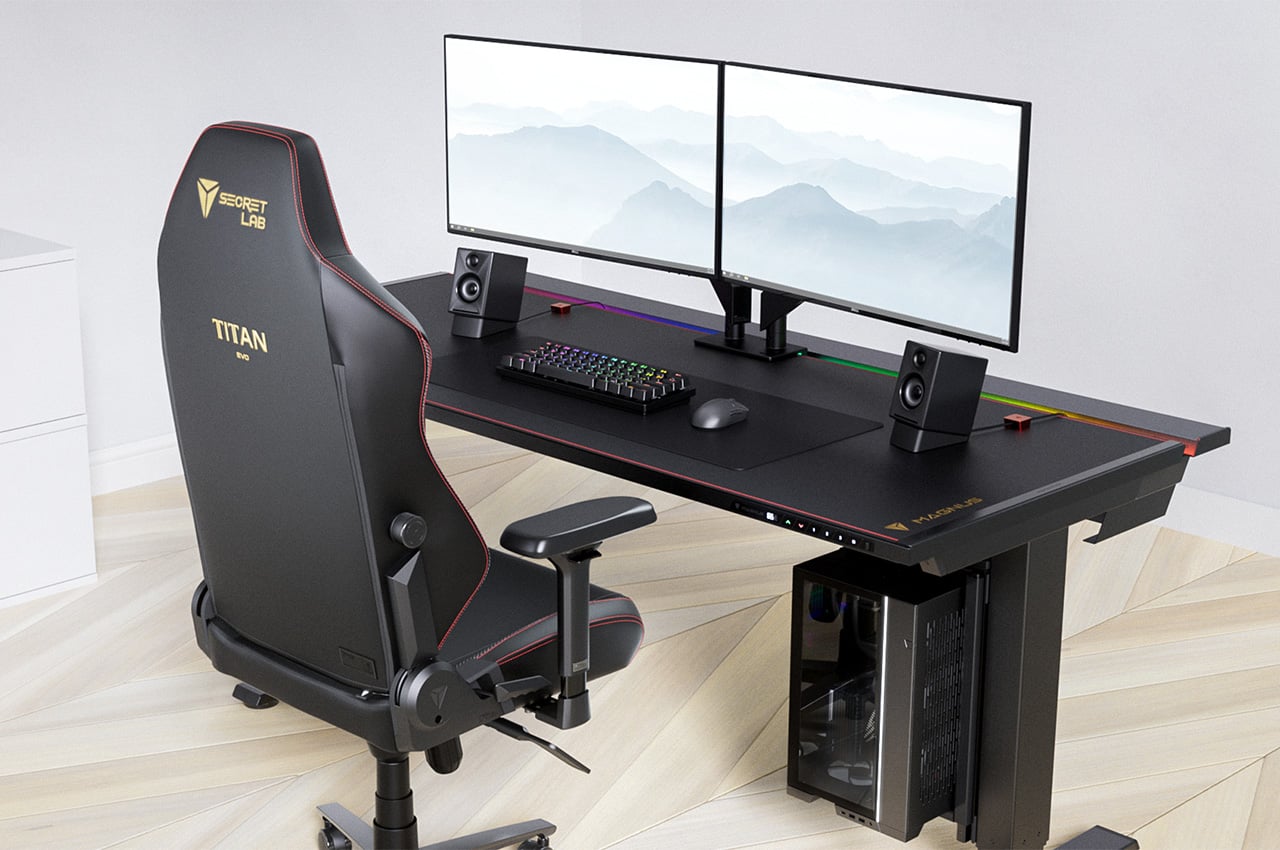
Recognizing the shift in workplace habits accelerated by the pandemic, Secretlab leads the way in adaptable furniture design. Their chairs support various activities, from video calls to streaming, by prioritizing movement and versatility.
This approach meets the needs of today’s workers and paves the way for future ergonomic innovations, ensuring comfort and productivity in a world where work and play often overlap.

Click Here to Know More.

The post Why most chairs are outdated and Secretlab’s take on a good design for modern ergonomics first appeared on Yanko Design.


The Freedom Tiny House Is Designed For A Simple Stripped-Down Micro-Living Experience

Called the Freedom Tiny Home, this simple little house features a compact footprint and an open interior layout – all placed on one level. This tiny home plays upon the simple lifestyle of micro-homes, to create a version that is even more subtle and stripped-down. Although, it must be noted that it isn’t a good pick for families, and is more suitable for those who travel regularly. The Freedom House can also be utilized as a guesthouse. It is designed by Australia’s Lusk Tiny Homes and is also called Freedom 6m.

Designer: Lusk Tiny Homes

It is founded on a double-axle trailer and features an understated steel or wooden exterior. The exterior is integrated with generous glazing, allowing natural light to generously stream inside. The walls and ceilings of the home have been finished in birch plywood or tongue, and groove paneling. The tiny home’s length is 6 m, which is the same length as Baluchon’s Mirasol tiny home. But while Mirasol is equipped with as many amenities possible in a small space, this tiny home is quite simple, amped with airy spaces and a high ceiling.

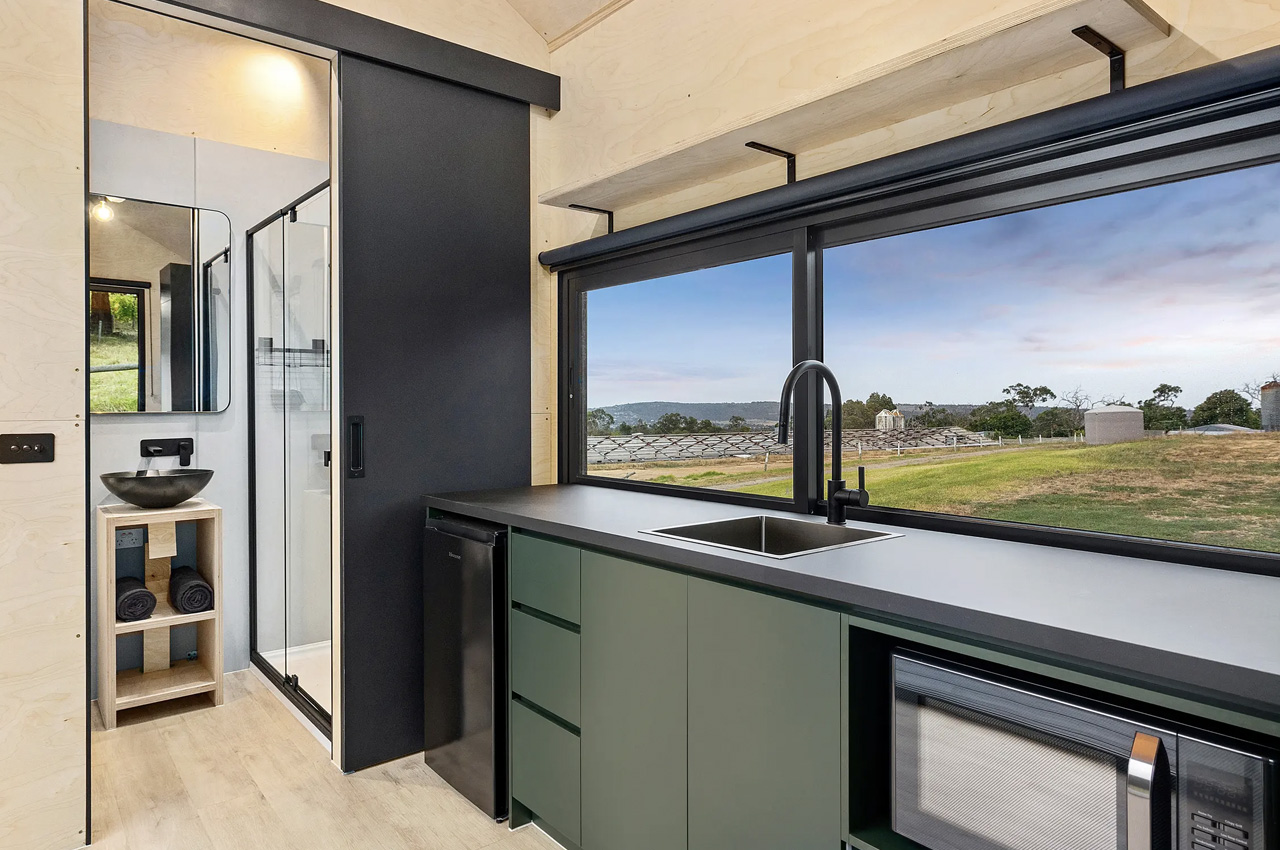
Much of Freedom’s floorspace is occupied by a large central kitchen unit, containing custom cabinetry finished in fingerprint-resistant laminate and a lot of counter space. The kitchen also includes a sink, small fridge, microwave, and storage. It features a ceiling fan as well which keeps the space cool. The bedroom area is located next to the kitchen, and it doesn’t have any separation from the living area. Heavy curtains can be installed to offer some privacy though. But the lack of separation also offers easier access than most of the typical loft-style bedrooms we see in tiny homes.

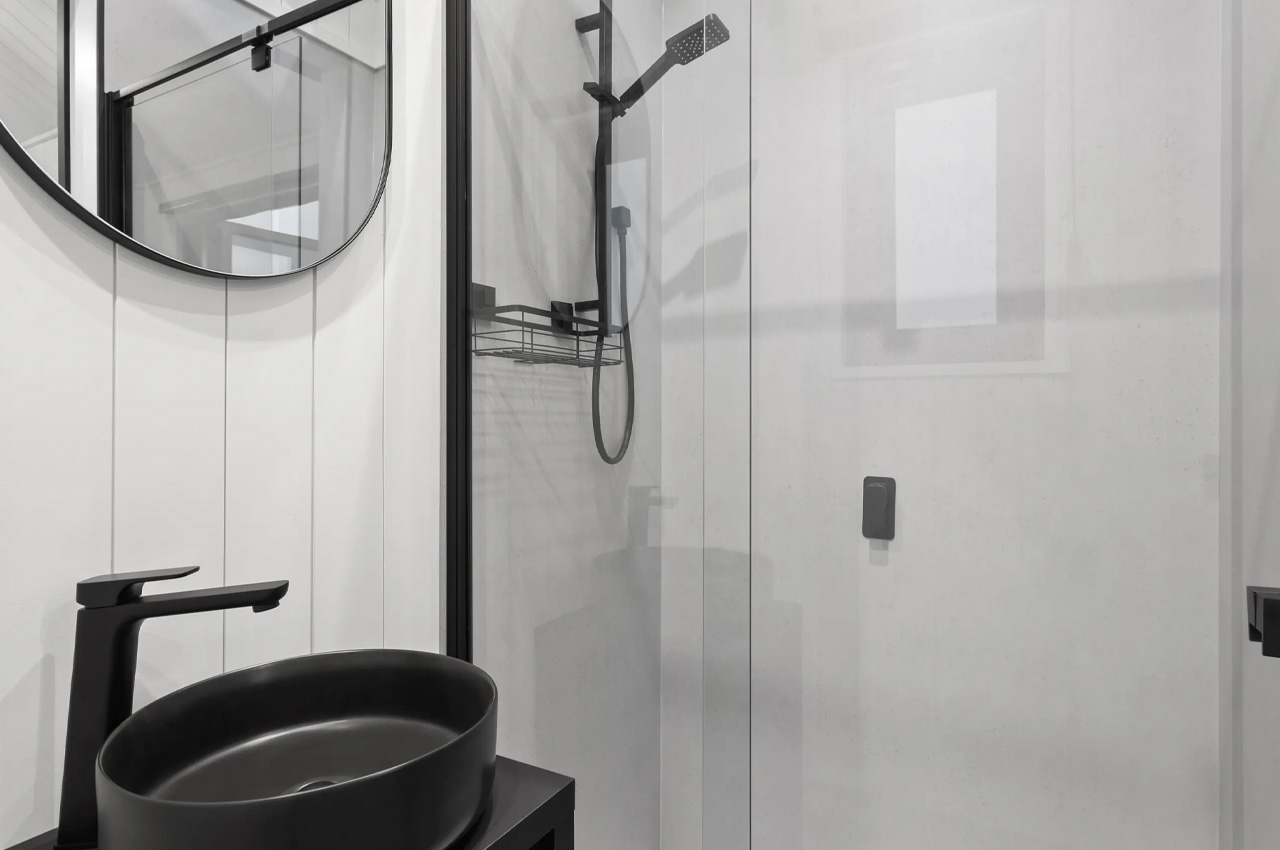
The other end of the house features a small bathroom that can be entered via a sliding door. The bathroom includes a shower, vanity sink, and a flushing or composting toilet – according to the owner’s preference. The Freedom tiny home is priced at around US$100,000.

The post The Freedom Tiny House Is Designed For A Simple Stripped-Down Micro-Living Experience first appeared on Yanko Design.

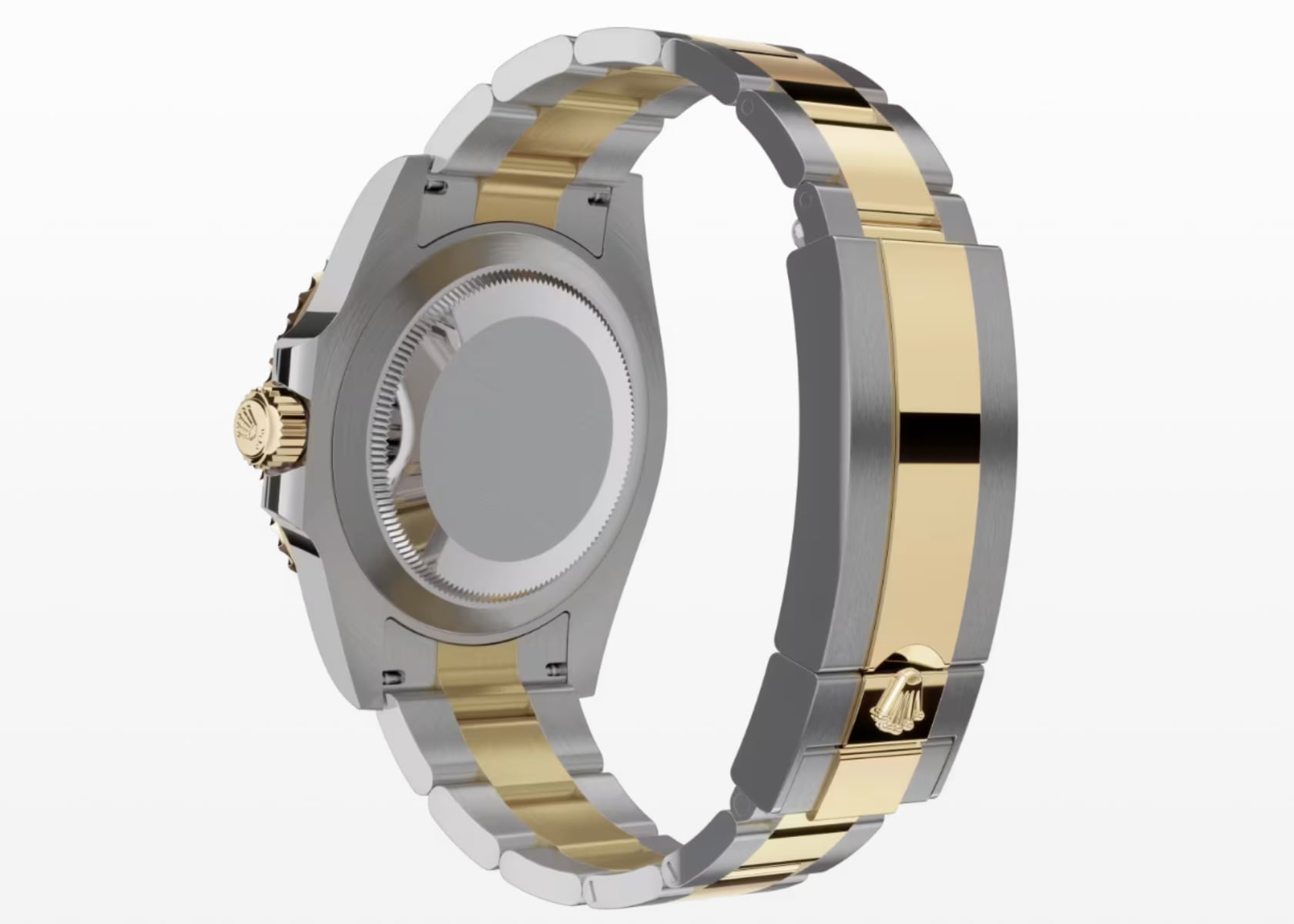
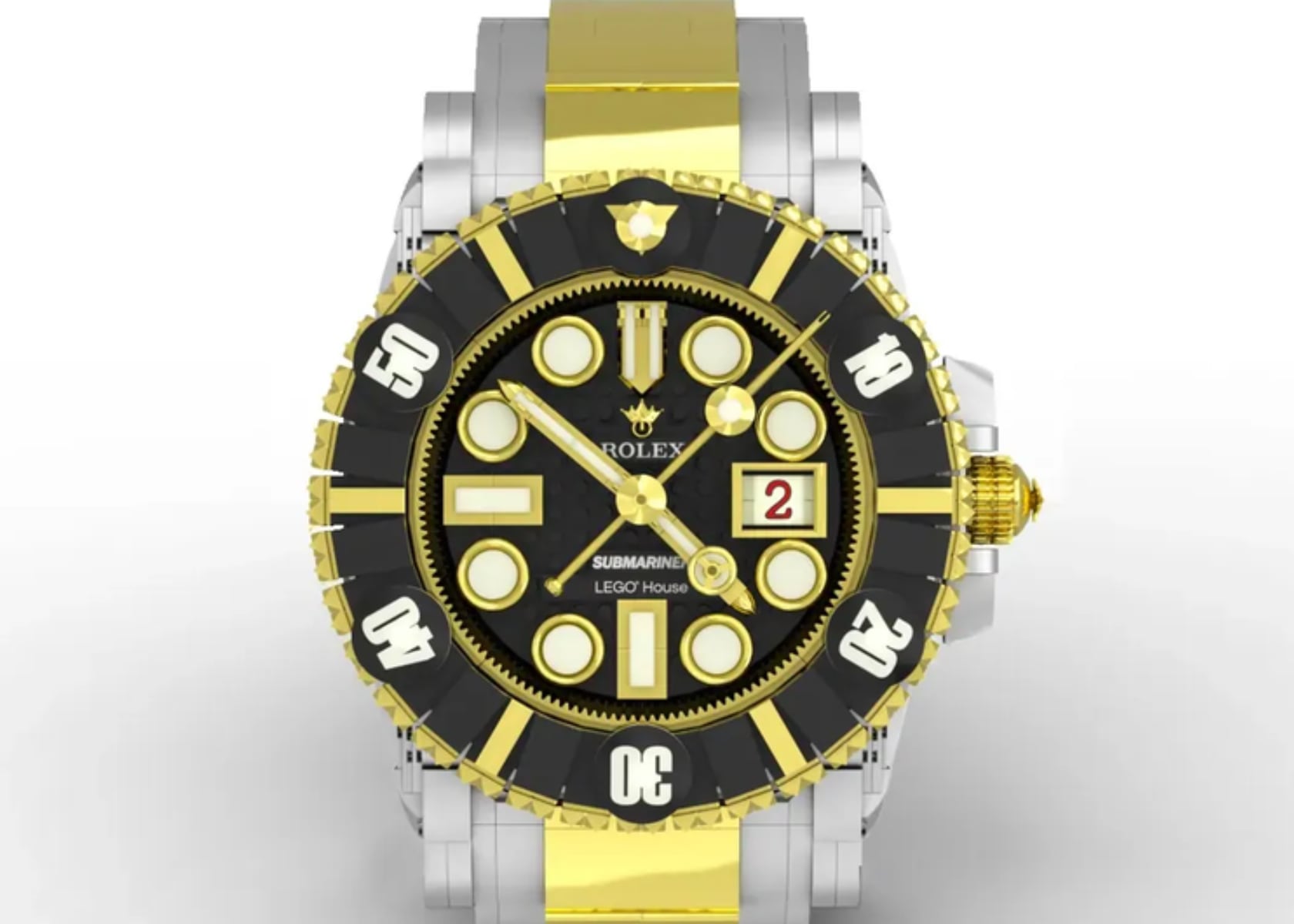
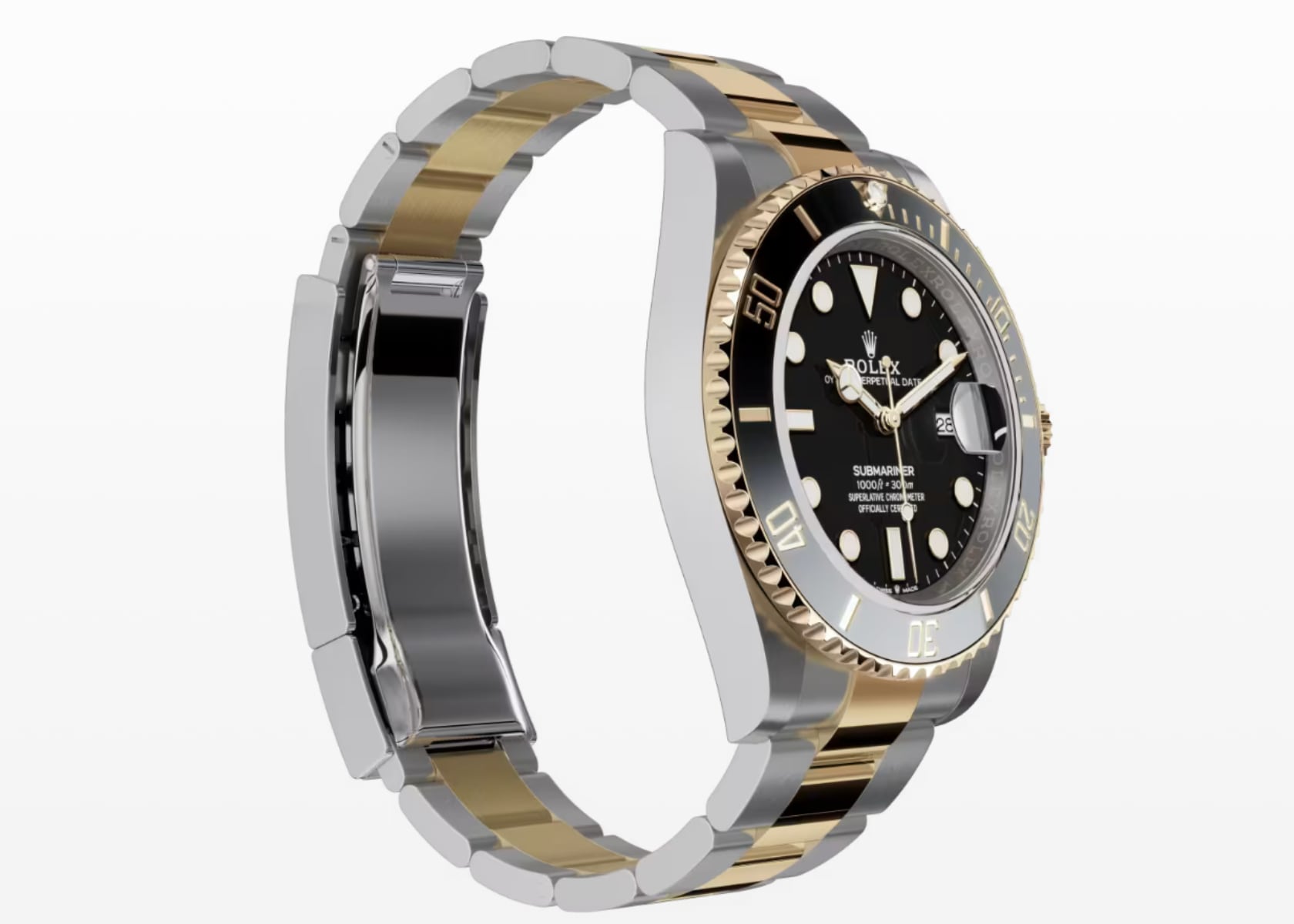
This LEGO Rolex Submariner Is A Masterpiece for Luxury Watch and LEGO Fans

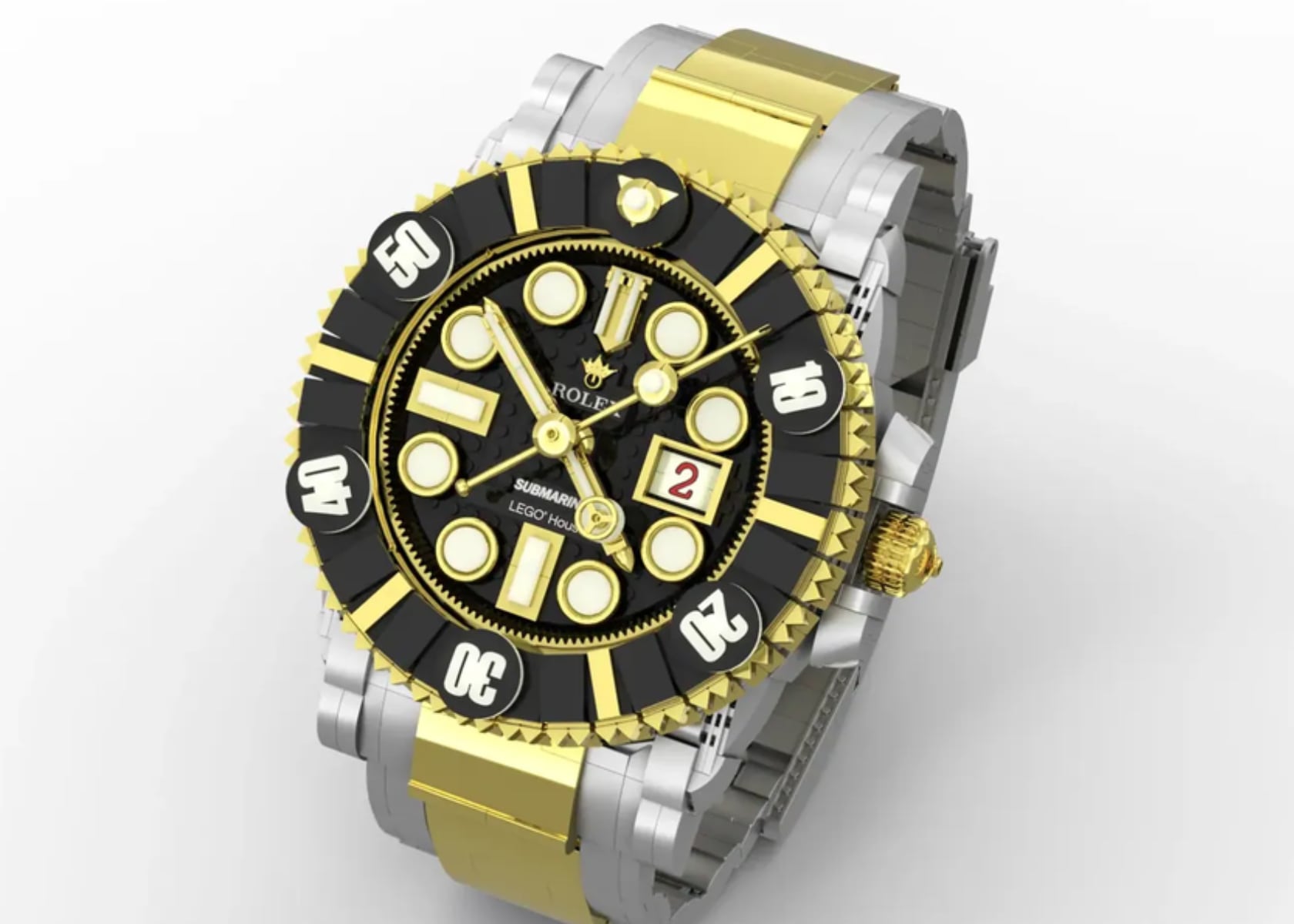
The vision behind this LEGO project was to create a stylish art model tailored to a sophisticated adult audience. Surprisingly, the realm of luxury mechanical wristwatches remained unexplored in the LEGO universe. The Rolex Submariner, with its iconic status and unparalleled cachet in pop culture, emerged as the perfect candidate for this venture.

Designer: LEGO + ROLEX

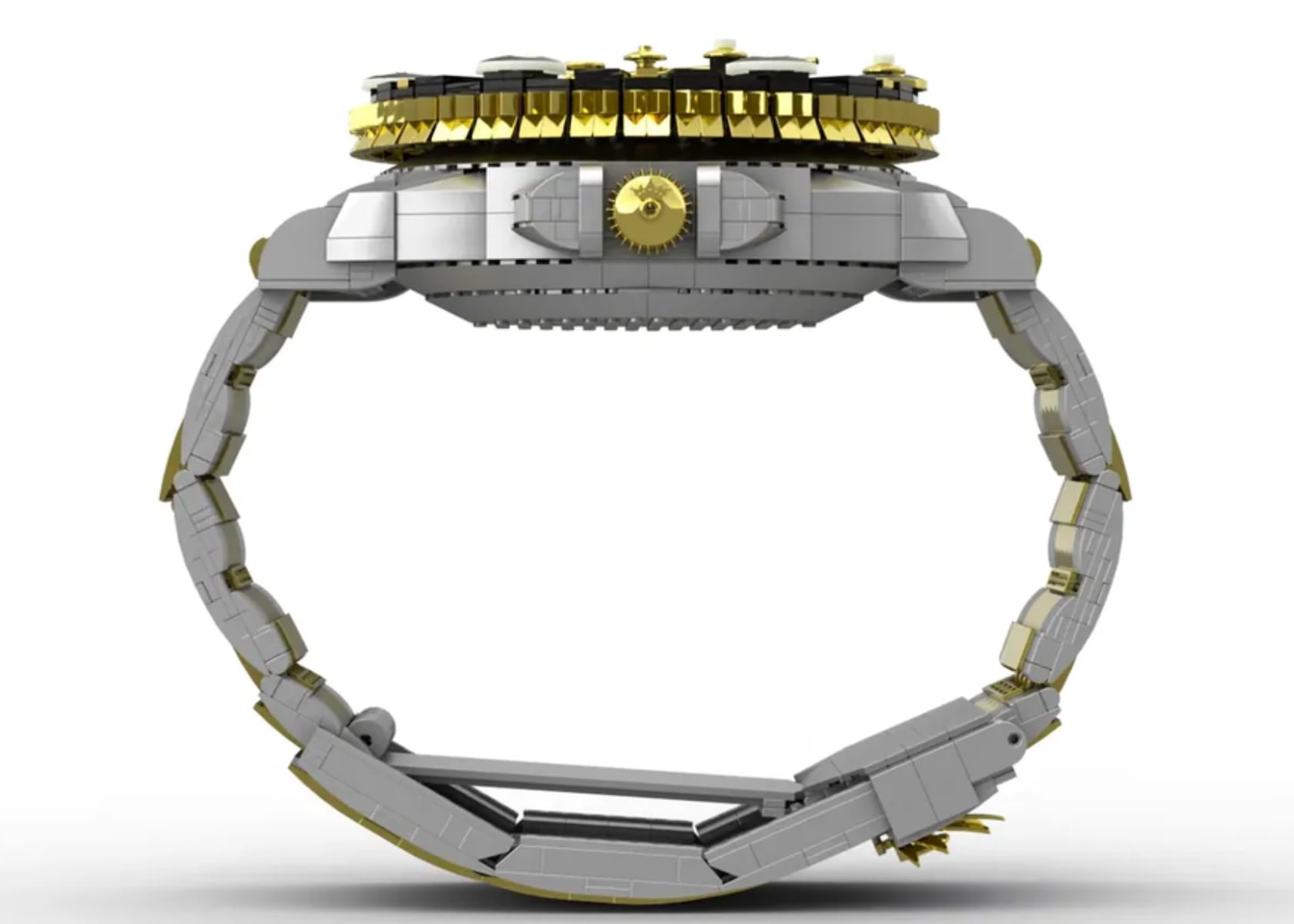
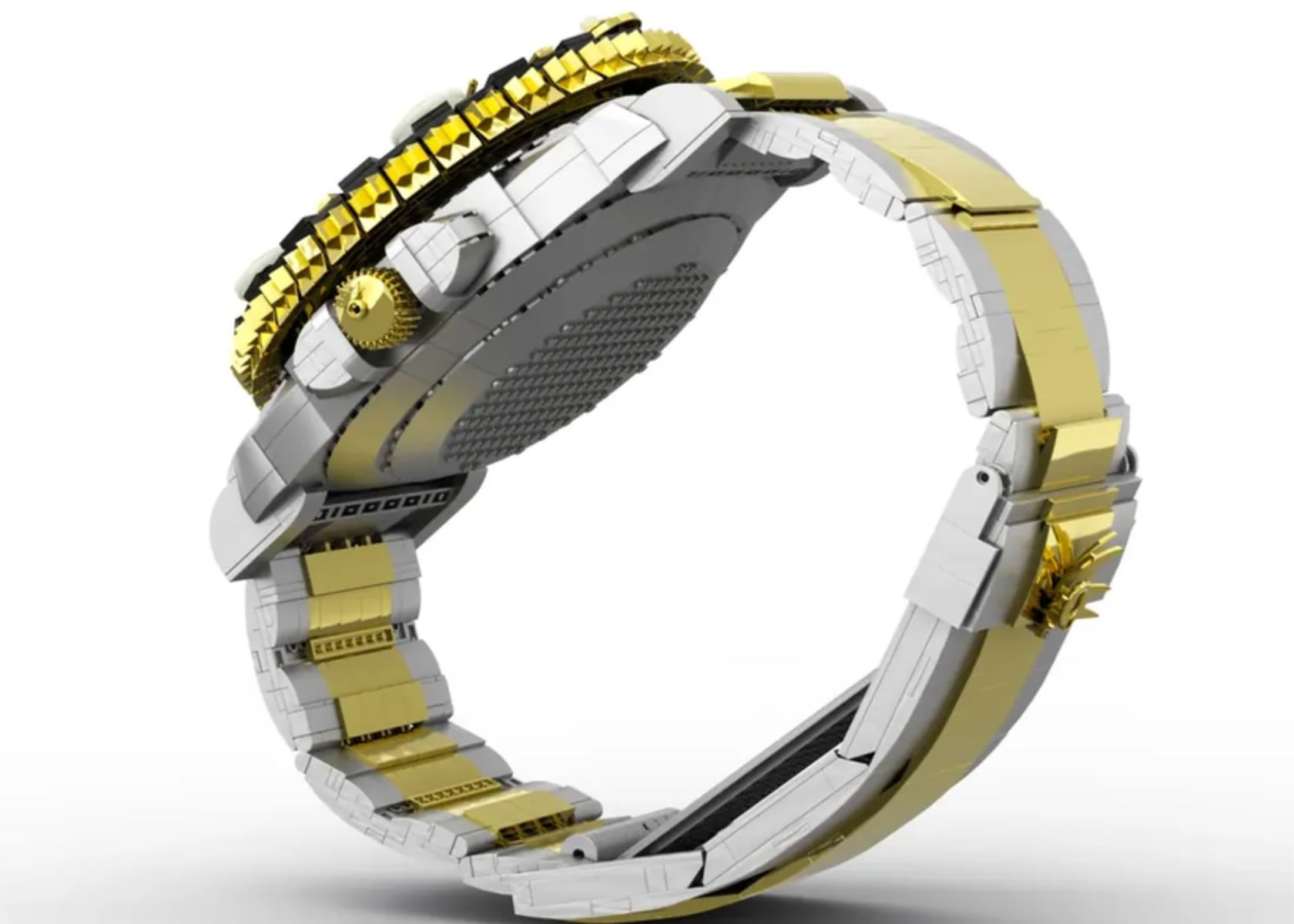
The robust and angular aesthetic of the Submariner’s “super” case design seamlessly translated into the LEGO system. This transformation resulted in an impressive and eye-catching exhibition piece, perfect for display in a home study or office.

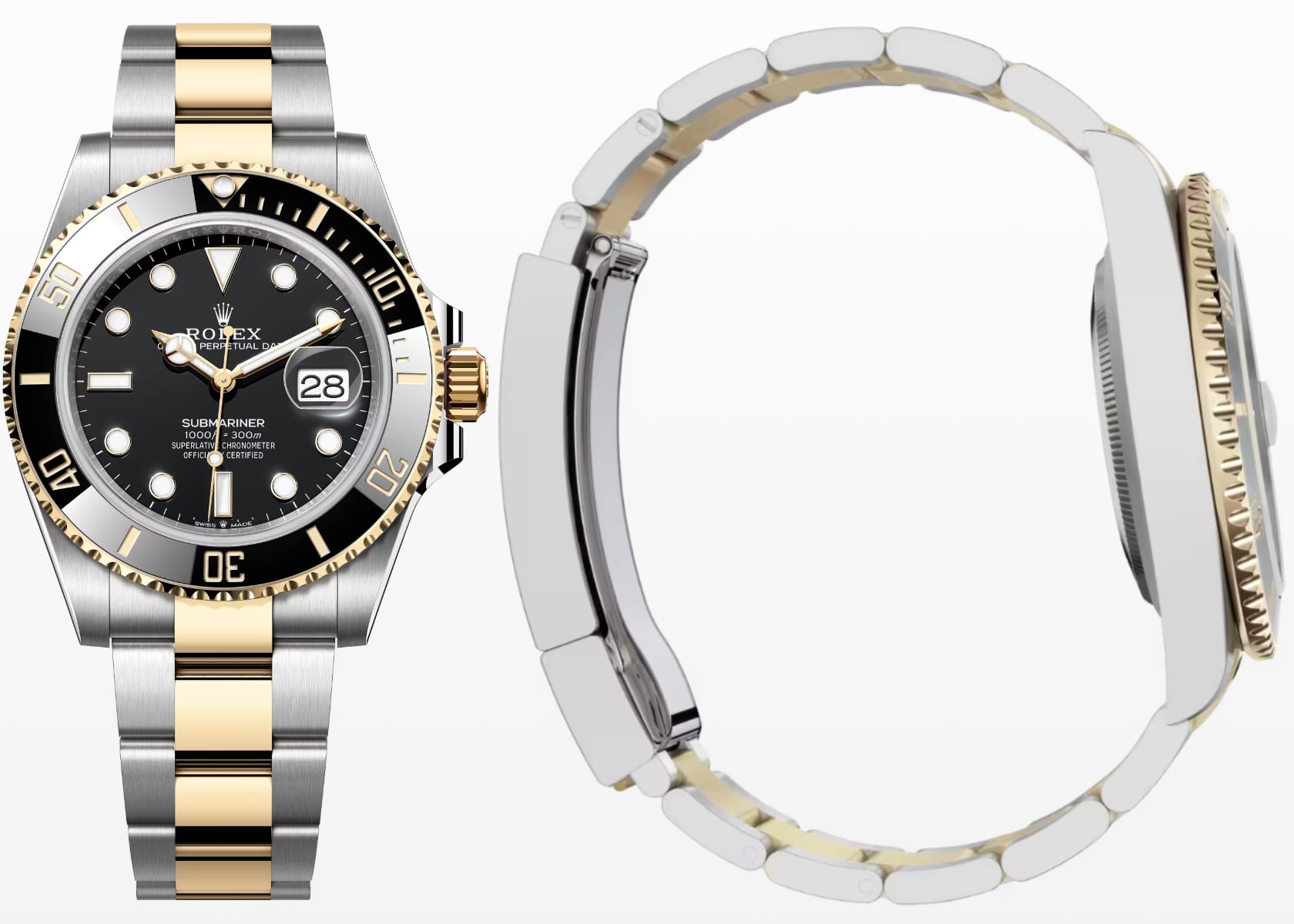
The gold Rolex Submariner is a symbol of luxury and sophistication. Introduced as a premium variant of the classic dive watch, it embodies both robust functionality and opulent design. Originally launched in 1969, the gold Submariner combined Rolex’s innovative diving technology with a striking gold finish, appealing to those who sought both performance and prestige. Over the years, it has evolved with enhancements in materials, movement, and design, maintaining its status as an icon in the world of horology.

Design Features and Functions

The LEGO Rolex Submariner boasts several distinctive design features, including:

  • Signed Brevet Crown: This detail captures the signature element of the Submariner, highlighting its luxury heritage.
  • Functional Rotating Bezel: A fully operational bezel that replicates the functionality of the real Submariner.
  • Gilt “Mercedes” Hour Hand: The iconic hour hand, meticulously recreated to reflect the original design.
  • Sword Minute and Lollipop Second Hands: These hands add to the authenticity, ensuring that every minute detail is accounted for.
  • Luminous Applied Indices: Using glow-in-the-dark LEGO pieces, the model mimics the luminescent markers of the actual watch.
  • Date Window: An accurately positioned date window adds to the realism of the model.

This model, with its 1,622 pieces, perfectly showcases how design and engineering come together, highlighting both brands’ dedication to craftsmanship and innovation.

Visual Appeal

The detailed construction of the LEGO Rolex Submariner captures its stunning attention to detail and faithful recreation of the original timepiece. The combination of gold and black elements, along with the intricate design of the bezel and bracelet, highlights the luxurious feel of the Submariner while celebrating the playful creativity inherent in LEGO constructions.

A LEGO Rolex Submariner blends the world of high-end horology with the playful and creative spirit of LEGO. This collaboration pays tribute to an iconic watch while offering a unique building experience that bridges luxury and creativity. The result is a collectible masterpiece that resonates with enthusiasts of both brands.

The post This LEGO Rolex Submariner Is A Masterpiece for Luxury Watch and LEGO Fans first appeared on Yanko Design.
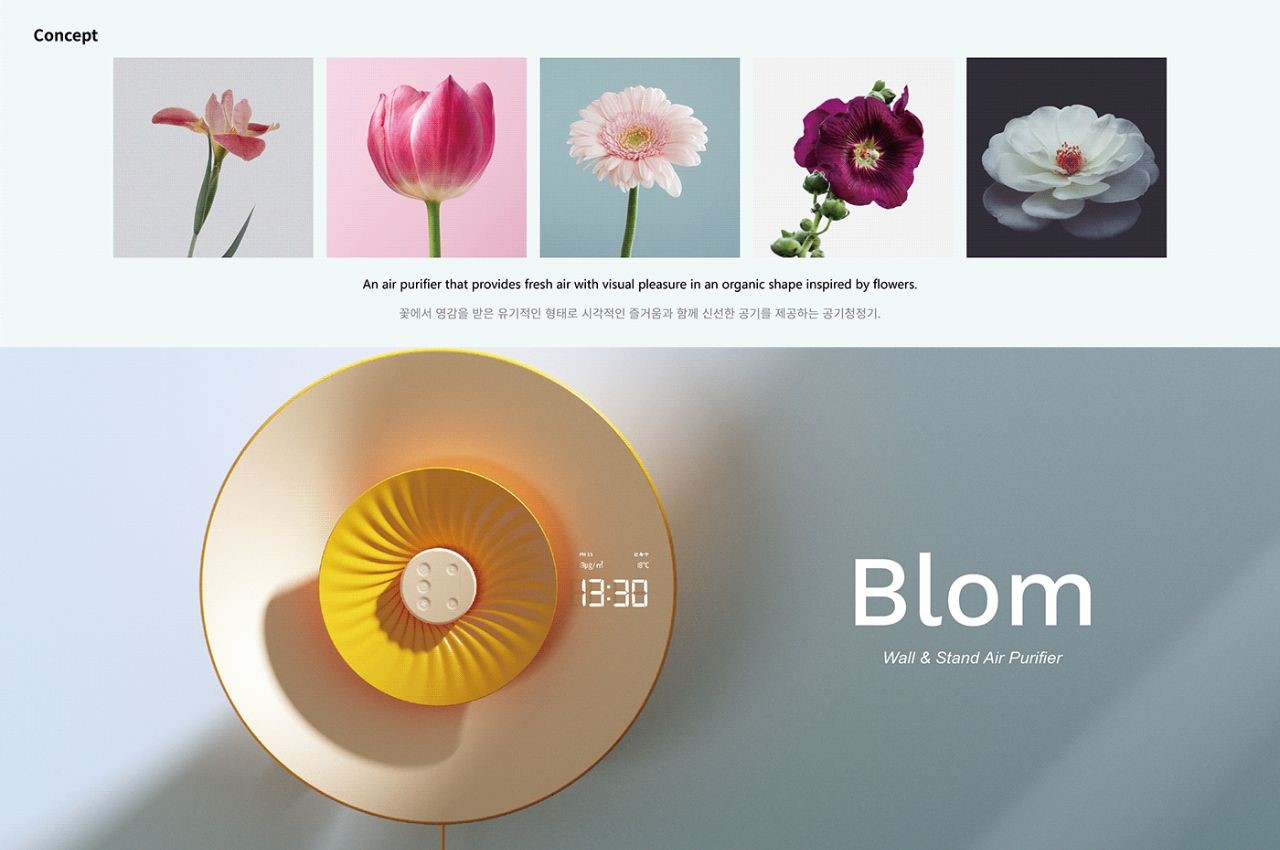
Flower-shaped Air Purifier adds a touch of abstract nature style while cleansing home air

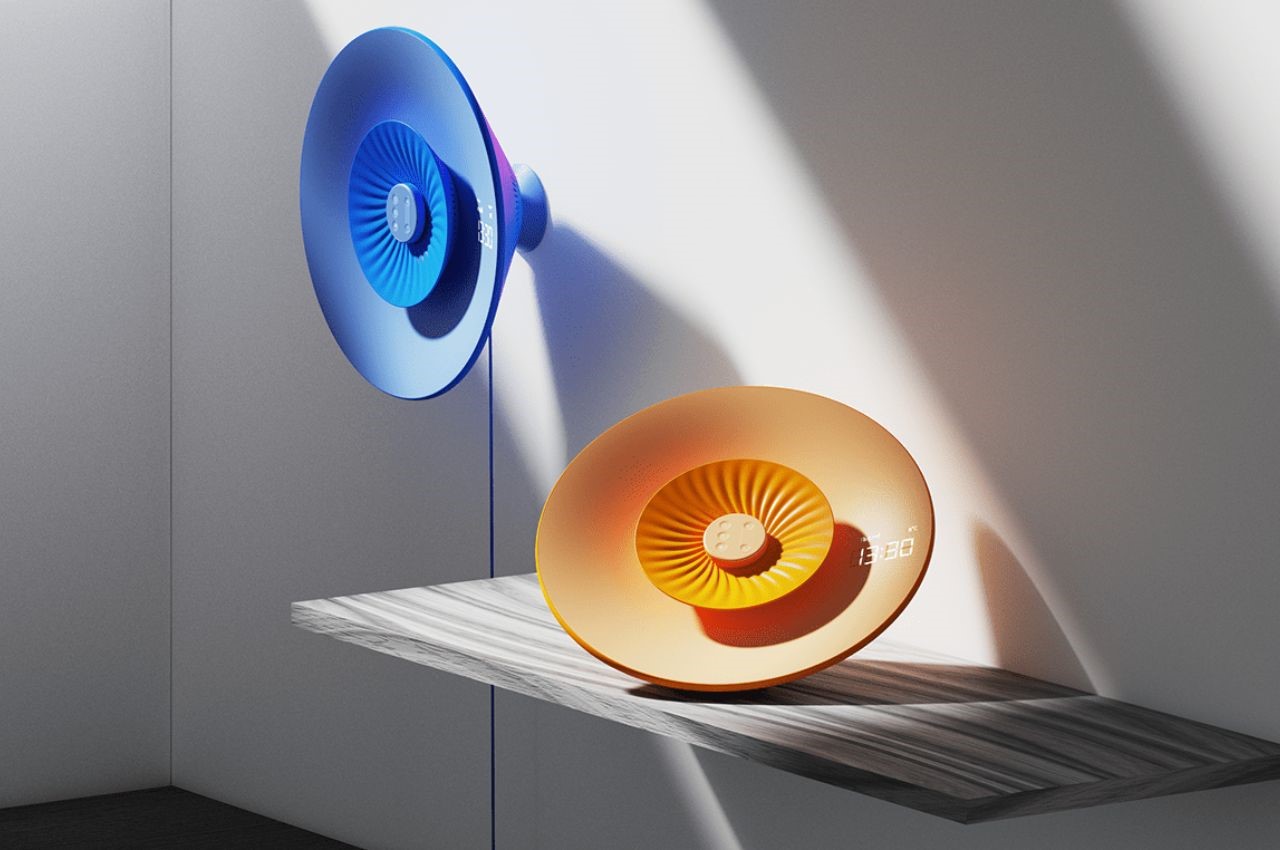
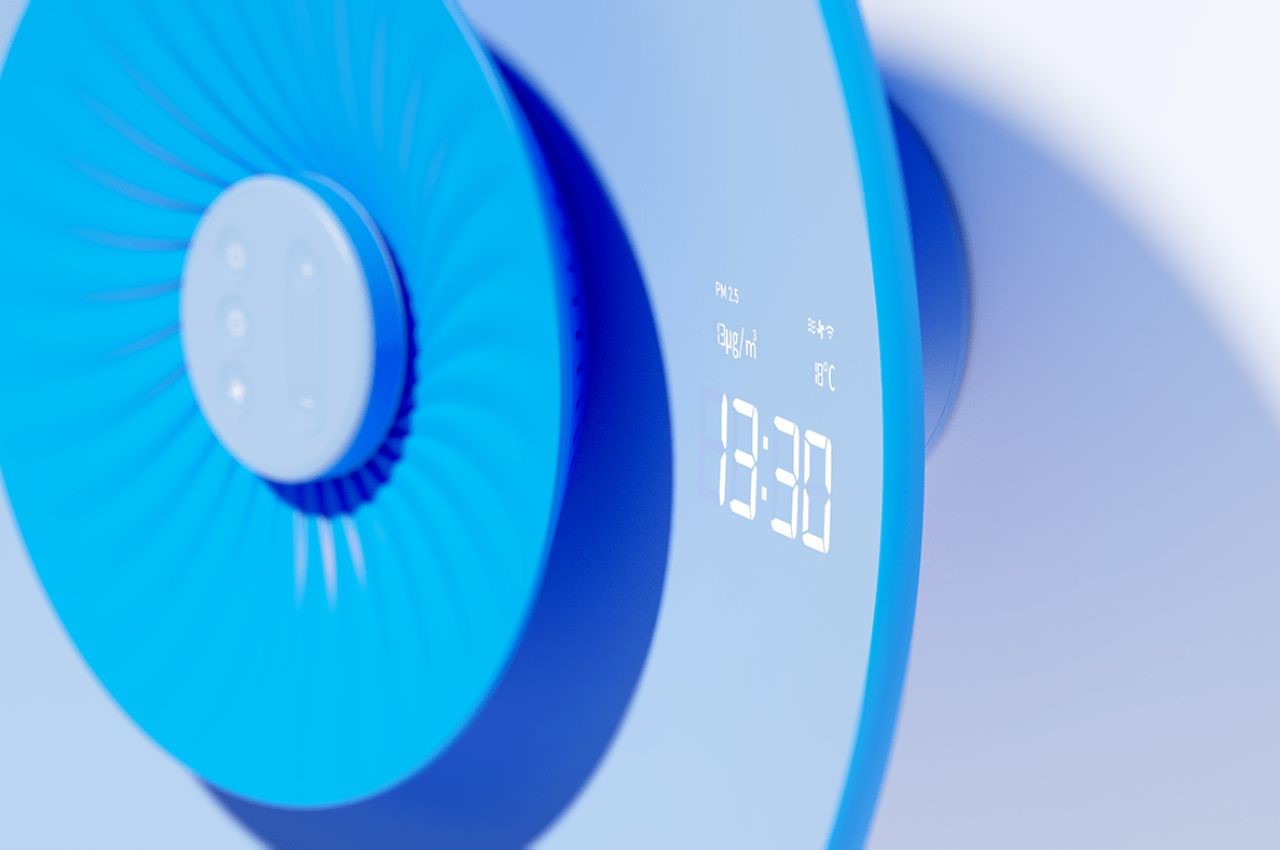
Blom is a refreshing and innovative approach to air purification. It is a wall and stand air purifier, that transforms the mundane function of air purification into an aesthetically pleasing experience. Inspired by the elegance of a flower, Blom not only enhances air quality but also elevates the visual appeal of any interior space, truly living up to its name derived from “bloom.”

Designer: Hyunjae Noh and Designer dot

The beauty of Blom lies in its organic shape that mimics the natural form of a flower. This design choice is both symbolic and functional, reflecting the purifier’s mission to blend seamlessly with nature. Plants, often regarded as natural air purifiers, serve as a fitting inspiration. While plants contribute to cleaner air by producing oxygen and filtering out certain pollutants, Blom takes this concept a step further by incorporating advanced air purification technology within a floral form.

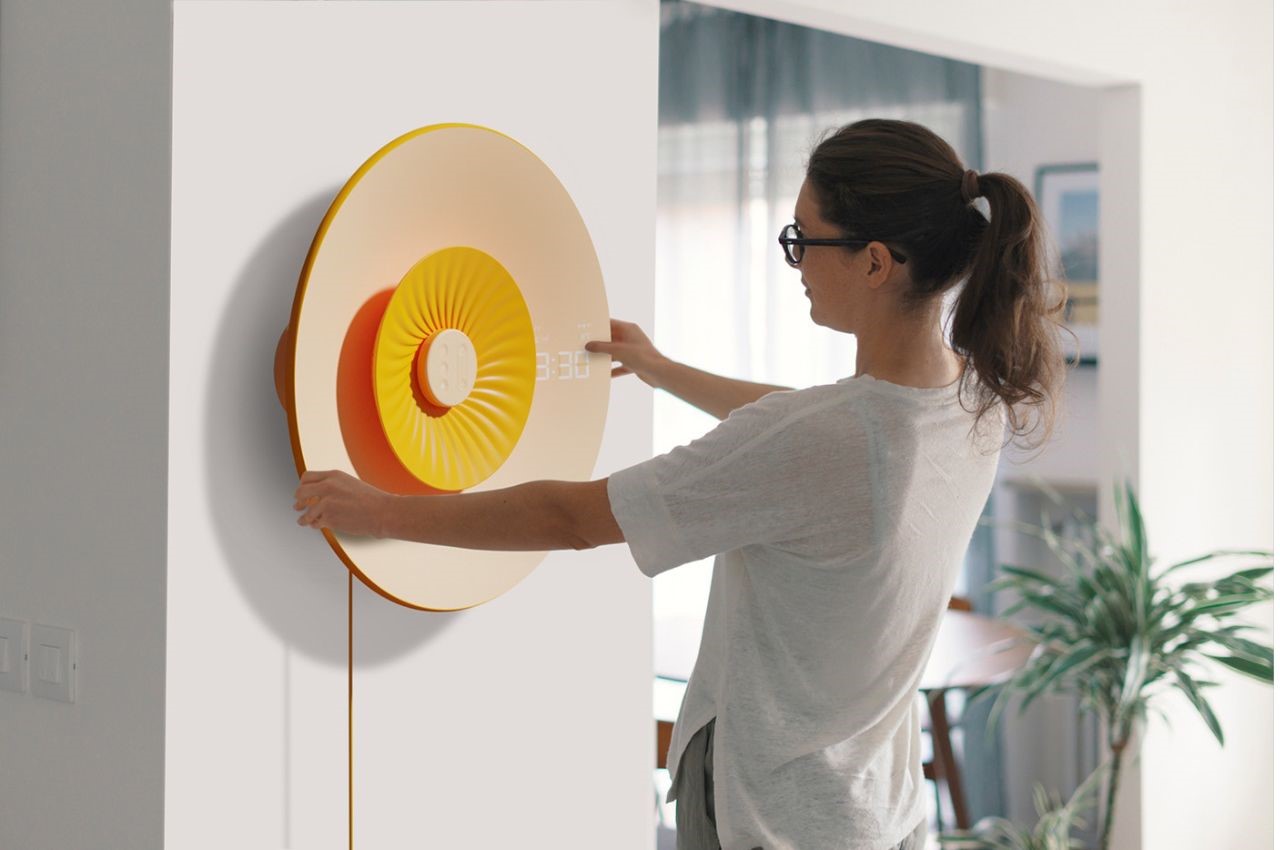
Blom is an air purifier and an interior object that enhances the ambiance of your living space. Traditional air purifiers often occupy space and can be an eyesore when not in use. Blom, with its flower-inspired design, offers a new experience by adding visual pleasure even when it’s off. Whether mounted on a wall or placed on a stand, it can be customized to suit any room, turning a functional appliance into a piece of art.

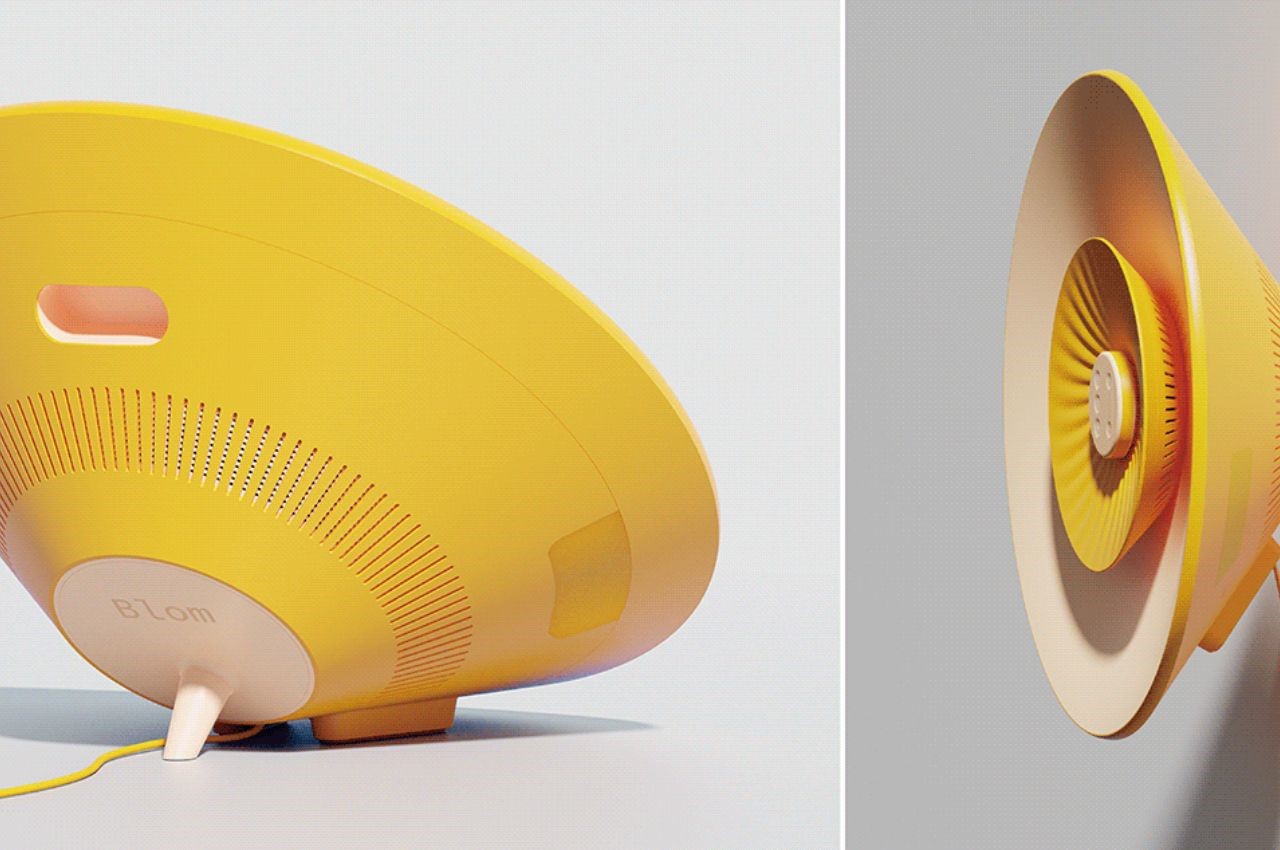
Flexibility is at the heart of Blom’s design. Available in four colors, it can be wall-mounted or stand-alone, allowing users to integrate it seamlessly into their homes. An integrated handle adds to its portability, making it easy to move from one room to another. Whether you need fresh air in your office, during a workout session, or in any other part of your home, it adapts to your needs without requiring multiple units.

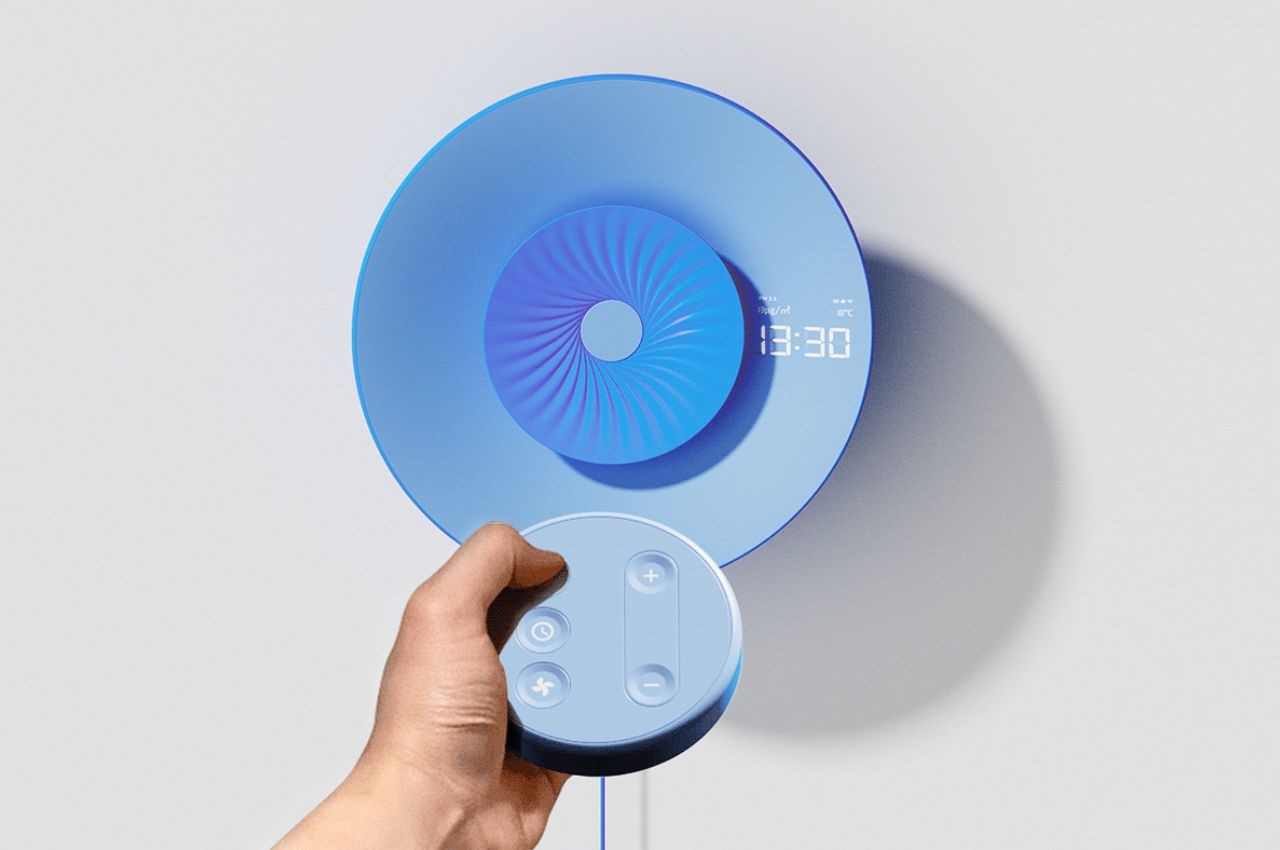
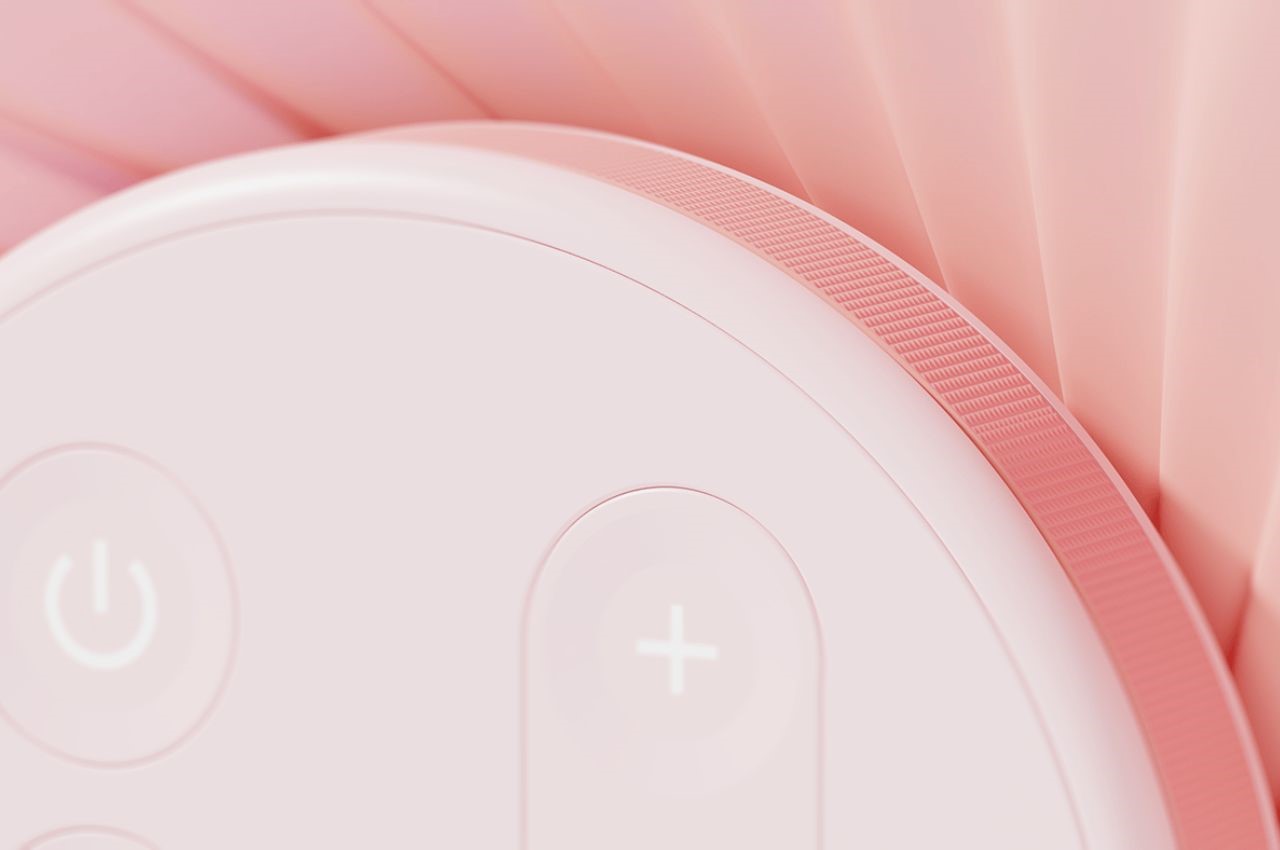
The purifier is equipped with a state-of-the-art HEPA filter that purifies air efficiently. Air enters through the rear intake, passes through the HEPA filter, and is released through the front outlet, ensuring a continuous flow of clean air. The intuitive design includes a remote control that magnetically attaches to the center of the unit, ensuring it is always within reach and never misplaced.

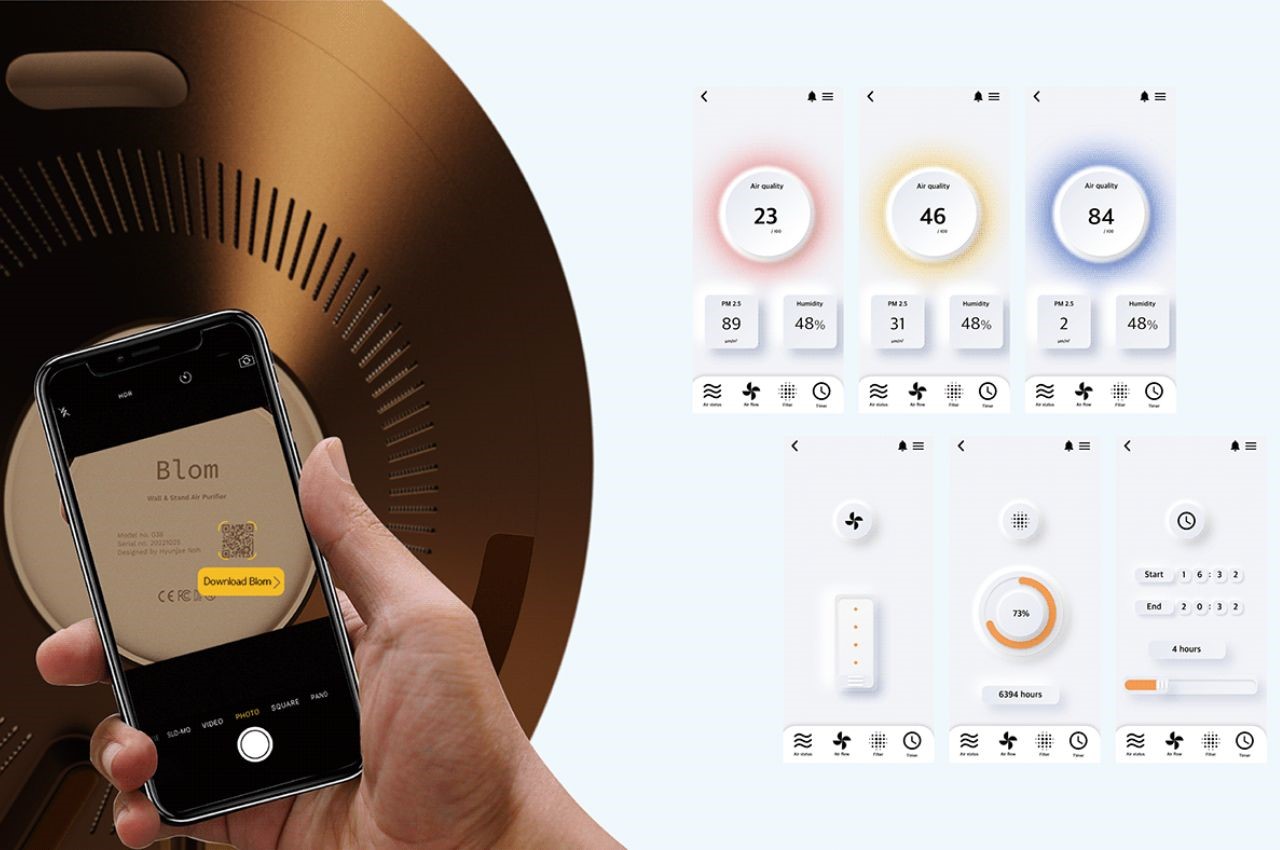
The integration of smart technology further enhances Blom’s functionality. Users can register their Blom air purifier through a QR code located on the back of the unit and operate it via a dedicated application. The neumorphism-style user interface provides a modern and user-friendly experience, giving users complete control over their air quality.

The air purifier also serves as a digital clock, adding to its utility and charm. When wall-mounted, it functions as a stylish timepiece that also purifies the air, making it a multifunctional addition to any room. This dual functionality ensures that Blom is not just an appliance but a valuable and constant part of your living space.

The post Flower-shaped Air Purifier adds a touch of abstract nature style while cleansing home air first appeared on Yanko Design.

Midjourney is creating Donald Trump pictures when asked for images of ‘the president of the United States’

Midjourney, a popular AI-powered image generator, is creating images of Donald Trump and Joe Biden despite saying that it would block users from doing so ahead of the upcoming US presidential election.

When Engadget prompted the service to create an image of “the president of the United States,” Midjourney generated four images in various styles of former president Donald Trump.

Midjourney created an image of Trump despite saying it wouldn't.
Midjourney

When asked to create an image of “the next president of the United States,” the tool generated four images of Trump as well.

Midjourney generated Donald Trump images despite saying it wouldn't.
Midjourney

When Engadget prompted Midjourney to create an image of “the current president of the United States,” the service generated three images of Trump and one image of former president Barack Obama.

Midjourney also created an image of former President Obama
Midjourney

The only time Midjourney refused to create an image of Trump or Biden was when it was asked to do so explicitly. “The Midjourney community voted to prevent using ‘Donald Trump’ and ‘Joe Biden’ during election season,” the service said in that instance. Other users on X were able to get Midjourney to generate Trump’s images too.

The tests show that Midjourney’s guardrails to prevent users from generating images of Trump and Biden ahead of the upcoming US presidential election aren’t enough — in fact, it’s really easy for people to get around them. Other chatbots like OpenAI’s ChatGPT, Microsoft’s Copilot, Google’s Gemini and Meta AI did not create images of Trump or Biden despite multiple prompts.

Midjourney did not respond to a request for comment from Engadget.

Midjourney was one the first AI-powered image generators to explicitly ban users from generating images of Trump and Biden. “I know it’s fun to make Trump pictures — I make Trump pictures,” the company’s CEO, David Holz, told users in a chat session on Discord, earlier this year. “However, probably better to just not — better to pull out a little bit during this election. We’ll see.” A month later, Holz reportedly told users that it was time to “put some foots down on election-related stuff for a bit” and admitted that “this moderation stuff is kind of hard.” The company’s existing content rules prohibit the creation of “misleading public figures” and “events portrayals” with the “potential to mislead.”

Last year, Midjourney was used to create a fake image of Pope Francis wearing a puffy white Balenciaga jacket that went viral. It was also used to create fake images of Trump being arrested ahead of his arraignment at the Manhattan Criminal Court last year for his involvement in a hush money payment made to adult film star Stormy Daniels. Shortly afterwards, the company halted free trials of the service and, instead, required people to pay at least $10 a month to use it.

Last month, the Center for Countering Digital Hate, a non-profit organization that aims to stop the spread of misinformation and hate speech online, found that Midjourney’s guardrails against generating misleading images of popular politicians including Trump and Biden failed 40% of its tests. The CCDH was able to use Midjourney to create an image of president Biden being arrested and Trump appearing next to a body double. The CCDH was also able to bypass Midjourney’s guardrails by using descriptions of each candidate’s physical appearance rather than their names to generate misleading images.

“Midjourney is far too easy to manipulate in practice – in some cases it’s completely evaded just by adding punctuation to slip through the net,” wrote CCDH CEO Imran Ahmed in a statement at the time. “Bad actors who want to subvert elections and sow division, confusion and chaos will have a field day, to the detriment of everyone who relies on healthy, functioning democracies.

Earlier this year, a coalition of 20 tech companies including OpenAI, Google, Meta, Amazon, Adobe and X signed an agreement to help prevent deepfakes in elections taking place in 2024 around the world by preventing their services from generating images and other media that would influence voters. Midjourney was absent from that list.

This article originally appeared on Engadget at https://www.engadget.com/midjourney-is-creating-donald-trump-pictures-when-asked-for-images-of-the-president-of-the-united-states-212427937.html?src=rss

New YouTube policy lets you request the removal of AI-generated content that uses your likeness

YouTube quietly added a new policy last month that lets you request the removal of AI-generated content featuring your likeness. The new privacy violation policy, first spotted by TechCrunch’s Sarah Perez, allows you to flag videos that “used AI to alter or create synthetic content that looks or sounds like you.”

YouTube says several factors will determine whether it considers a removal, including whether the content is altered or synthetic (and whether it’s disclosed as such), easily identifiable as the person in question or realistic.

The company will also weigh whether it could be considered a parody or satire. Another factor is whether it includes a public figure (or other well-known individual) “engaging in a sensitive behavior,” like crime, violence or endorsing a product or political candidate. TechCrunch notes the paramount importance of the latter during this pivotal election year.

The new policy falls under YouTube’s privacy violations, not misleading content. The company now requires first-party claims in most cases. The most notable exceptions are when the individual is a minor, doesn’t have access to a computer or is deceased.

YouTube will give the alleged violator 48 hours to act on the complaint. If it’s removed during that window, it’s case closed. If not, YouTube will review it.

The documentation clarifies that removal means fully removing it (and removing the individual’s name and personal info from the title, description and tags, if applicable). Blurring out faces is another option. It also explains that making the clip private isn’t allowed since that would let the poster easily make it public again.

YouTube didn’t make noise about the change, but it did hint at it earlier this year when it laid out its policies for AI-generated video. At the time, it promised, “In parallel, as we previously announced, we’re continuing to work towards an updated privacy process for people to request the removal of AI-generated or other synthetic or altered content that simulates an identifiable individual, including their face or voice.”

This article originally appeared on Engadget at https://www.engadget.com/new-youtube-policy-lets-you-request-the-removal-of-ai-generated-content-that-uses-your-likeness-211522438.html?src=rss

This $25 Must-Have Car EDC Gadget Could Save Your Life In An Emergency

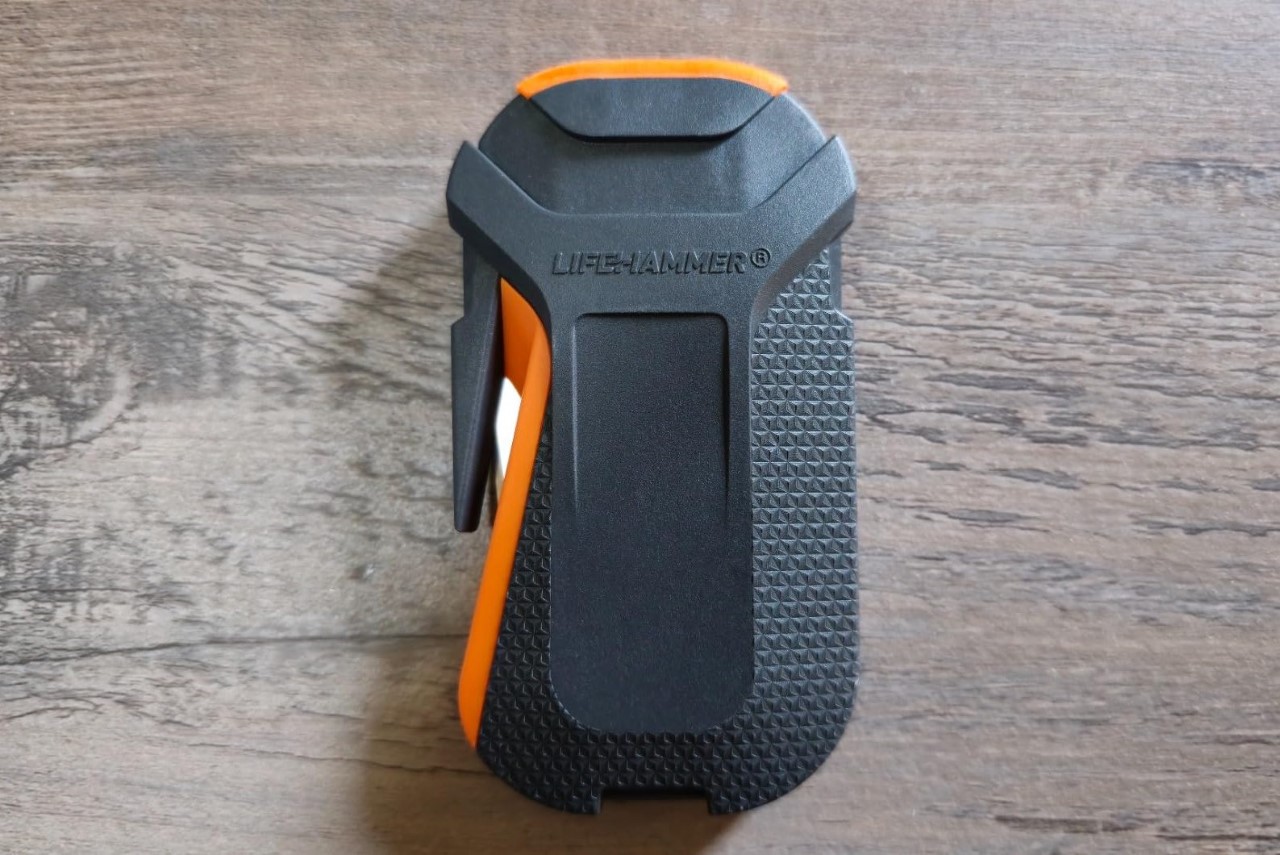
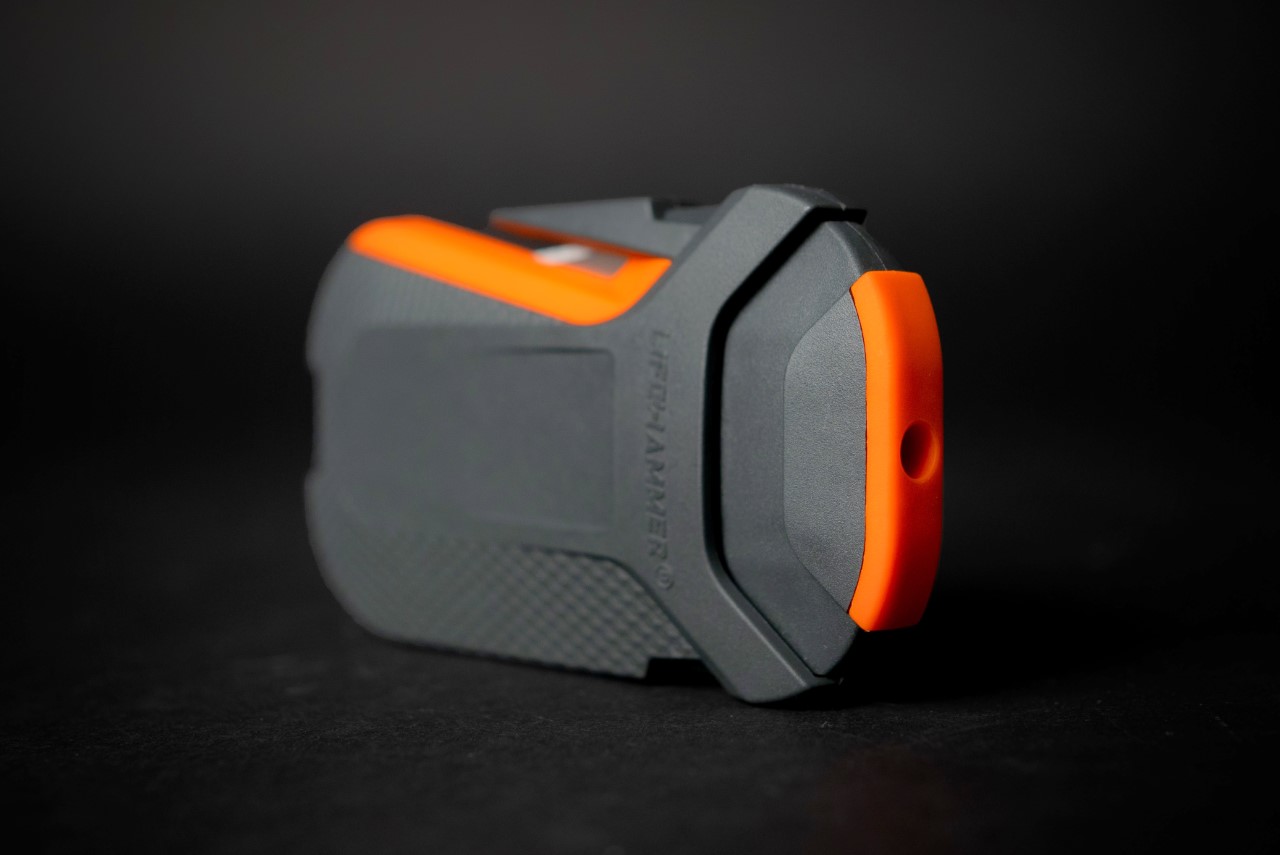
Seatbelts are designed to not be cut. Glasses on cars are designed to not be broken. That’s all well and great until you find yourself in an emergency where you need to get out of a car and you’re stuck because of a jammed seatbelt or door. Although seatbelts and laminated glass panels are designed effectively to protect you, they can sometimes become the barriers to your safety – which is why it helps to have something like the Lifehammer Smart Automatic on you. A little larger than an AirPods case, the Lifehammer Smart Automatic is an emergency tool that helps you quickly slice through seatbelts and shatter glass windows so you can make an exit in a scenario where every second matters to your safety. Designed to be the essential EDC that every car needs, this $25 gadget could literally be a life-saver.

Designer: Lifehammer Products

Click Here to Buy Now

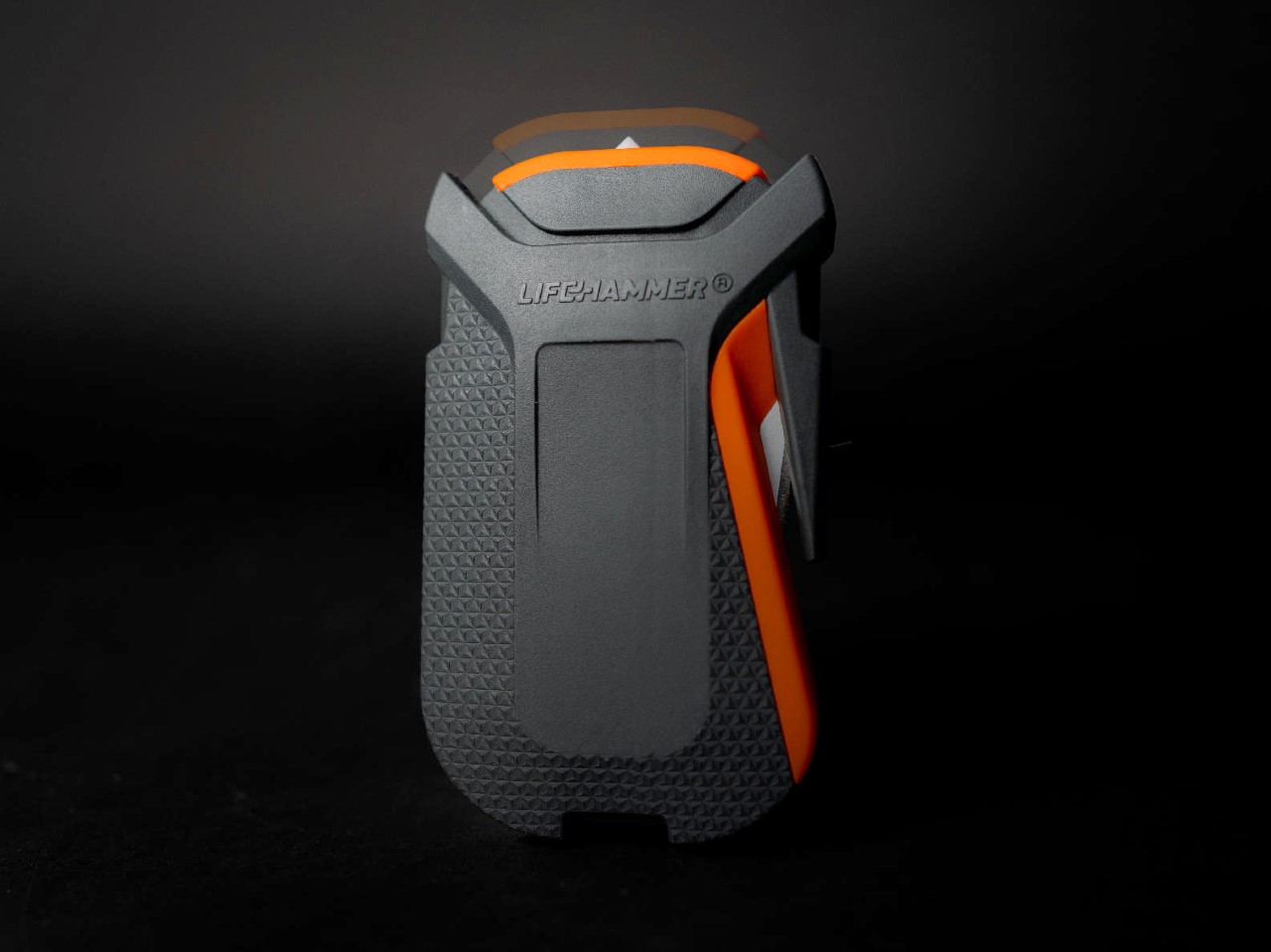
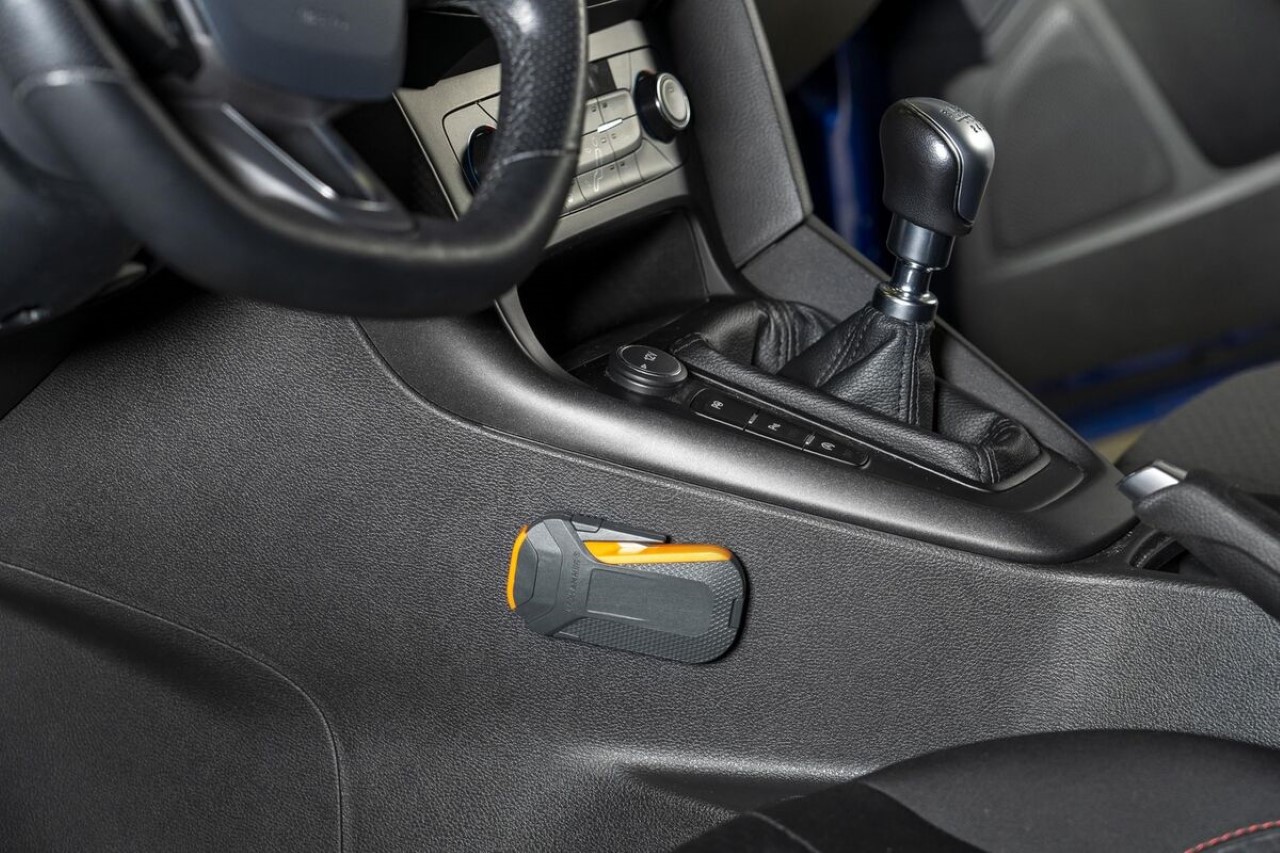
The Lifehammer Smart Automatic has a pretty compact, self-explanatory design, which makes it perfect for intuitive use in a split-second emergency. The soap-shaped gadget is easy to grasp firmly in your palm, and comes with a cutout on the side that you hook around your seatbelt. Slide the device over and it slices through the seatbelt’s tough fibers like a knife through butter… while still maintaining a safe design that won’t ever accidentally hurt you.

The top of the Lifehammer Smart Automatic houses its glass-breaker tip. It’s easy to identify the two crucial features simply by looking for the orange accents which highlight the cutter and breaker respectively. The top of the Smart Automatic has a spring-loaded head that you simply press into a glass panel. Eventually, it triggers the glass-breaker tip to eject outwards and shatter any tempered or laminated glass – like the ones found on car windows and windshields. The process requires minimal effort and time, allowing you to quickly break through the glass in case your door gets jammed.

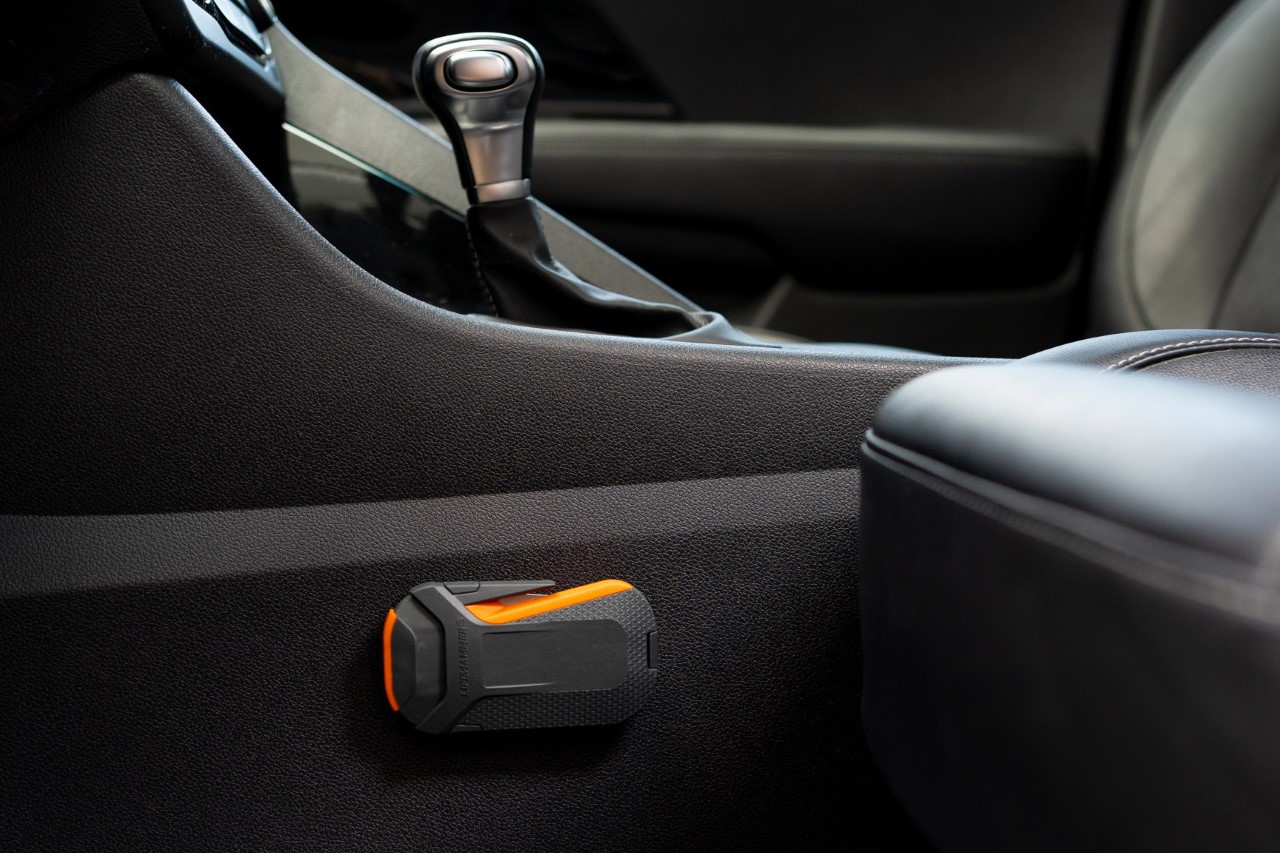
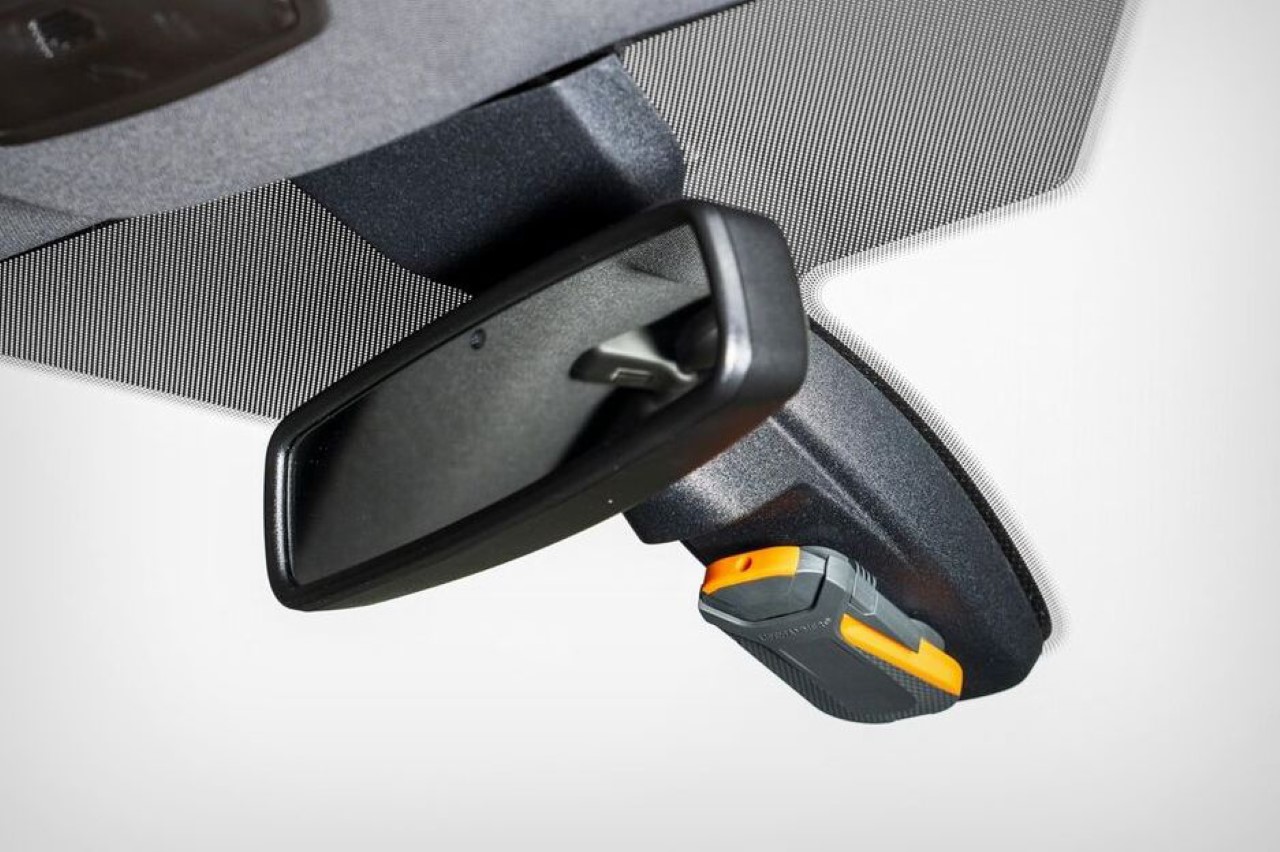
A winner of this year’s iF Design Award, the compact Lifehammer Smart Automatic is a lot smaller than most car-safety gadgets we’ve seen, and comes with its own holder that attaches to any part of your car using 3M adhesive tape. This means you can attach the Smart Automatic beside your seat or the gearbox, or even behind the rearview mirror so it’s easier to access than having to open the glove box and fish around.

Click Here to Buy Now

The post This $25 Must-Have Car EDC Gadget Could Save Your Life In An Emergency first appeared on Yanko Design.
Modder remakes scrapped alternate ending for The Witcher 3: Wild Hunt

Alternate video game endings are always fun to see. If a talented modder remakes an alternate ending previously scrapped by the game’s developer, it’s even better. Someone did just that, putting together an alternate ending for The Witcher 3: Wild Hunt using footage that was originally discarded by CD Projekt Red.

YouTuber xLetalis shared a video detailing the restorations that modder Glassfish added to The Witcher 3: Wild Hunt after the end of the game’s original storyline. (Note that some spoilers for the game follow!) The game ends with Geralt being pulled out of his fight with Eredin by Yennefer, his potential partner and sorceress. However, the remade cutscene shows Geralt waking up in a tent and receiving care from two doctors making a bet on his survival rate. From there, he leaves the hospital and talks to Yennefer, whose dialogue varies depending on whether he’s romancing her or another sorceress, Triss. Regardless of who Geralt was dating in the original game, you can ask where Ciri is or who won the war.

The extended ending continues with more deleted content, including Geralt attending Crach’s funeral, him meeting the Lodge of Sorceresses, and Yennefer betraying the Lodge to save Ciri. xLetalis speculated towards the end of the video that CD Projekt Red changed their minds about including Yennefer’s betrayal in the final game for creative reasons such as prioritizing matching the player's motivations with the beat of the story, as they have no insider or PR connections within the company to confirm it.

The restoration of the deleted content by Glassfish was made possible by CD Projekt Red releasing the REDkit modding tool for the PC version of The Witcher 3: Wild Hunt in May. The company announced the modding tool last year to allow PC players to breathe new life into the game in any way they wish. REDkit was previously released for The Witcher 2, but as far as we know it wasn’t used to insert previously-scrapped scenes into the game as we’re seeing now. As for the origin of the deleted content, Glassfish pulled it from content that was cut from the main game but is still in the game’s files.

This article originally appeared on Engadget at https://www.engadget.com/modder-remakes-scrapped-alternate-ending-for-the-witcher-3-wild-hunt-201010523.html?src=rss