Trump Media is merging with a Google-backed fusion energy company in a deal worth $6 billion

Trump media, the company behind the president's personal social media platform Truth Social, is inexplicably merging with a Google-backed fusion energy company called TAE Technologies. The deal is worth $6 billion, according to reporting by Financial Times.

Why is an entity known for publishing frenzied hot takes by the president at 3AM combining with a fusion energy company? Who the heck really knows, but a statement says the two organizations will join together to build the "world's first utility-scale fusion power plant." This would be huge, if true, as there are currently no operational commercial nuclear fusion power plants.

We know what TAE would bring to the table in that scenario. The energy company has been around since the 1990s and has attracted interest from Google, Chevron and others. Trump Media would be a great partner when building a reactor powered by insults, but doesn't seem to offer much of anything else.

The merger statement does mention that Trump Media would provide TAE with "access to significant capital." The company lost $55 million last quarter, as there's only so much money in a social media platform primarily used by just one person.

However, the president himself is likely the world's most renowned raiser of funds when it comes to personal pet projects. He knows how to get a roomful of billionaires to open up their wallets, provide copious compliments and even hand-deliver gold statues. The terms of the deal state that Trump Media will provide TAE with $300 million in capital as a bonus of sorts, though we don't know where that money is coming from as it represents over ten percent of the company's entire valuation.

This is an all-stock deal and stocks aren't exactly immune from the manipulative whims of billionaires. To that end, shares in Trump Media have risen dramatically since this deal was announced. President Trump shifted his stake in the company to a revocable trust that he is the sole beneficiary of and is controlled by Donald Trump Jr. 

There's also the potential notion of using access to shore up federal support for grants, low-interest loans and permit approvals. That kind of thing seems particularly thorny and, to put it mildly, legally gray.

Creating a power plant for large-scale nuclear fusion would be an incredible undertaking and it's something humanity has yet to figure out. TAE CEO Michl Binderbauer told CNN the newly-formed company will have it done in "five-ish years." Most experts put that time frame in the "30-ish years" category.

This article originally appeared on Engadget at https://www.engadget.com/big-tech/trump-media-is-merging-with-a-google-backed-fusion-energy-company-in-a-deal-worth-6-billion-180910779.html?src=rss
This Phone Concept Stacks a 3.5-Inch LCD Above a 5.2-Inch E Ink Screen

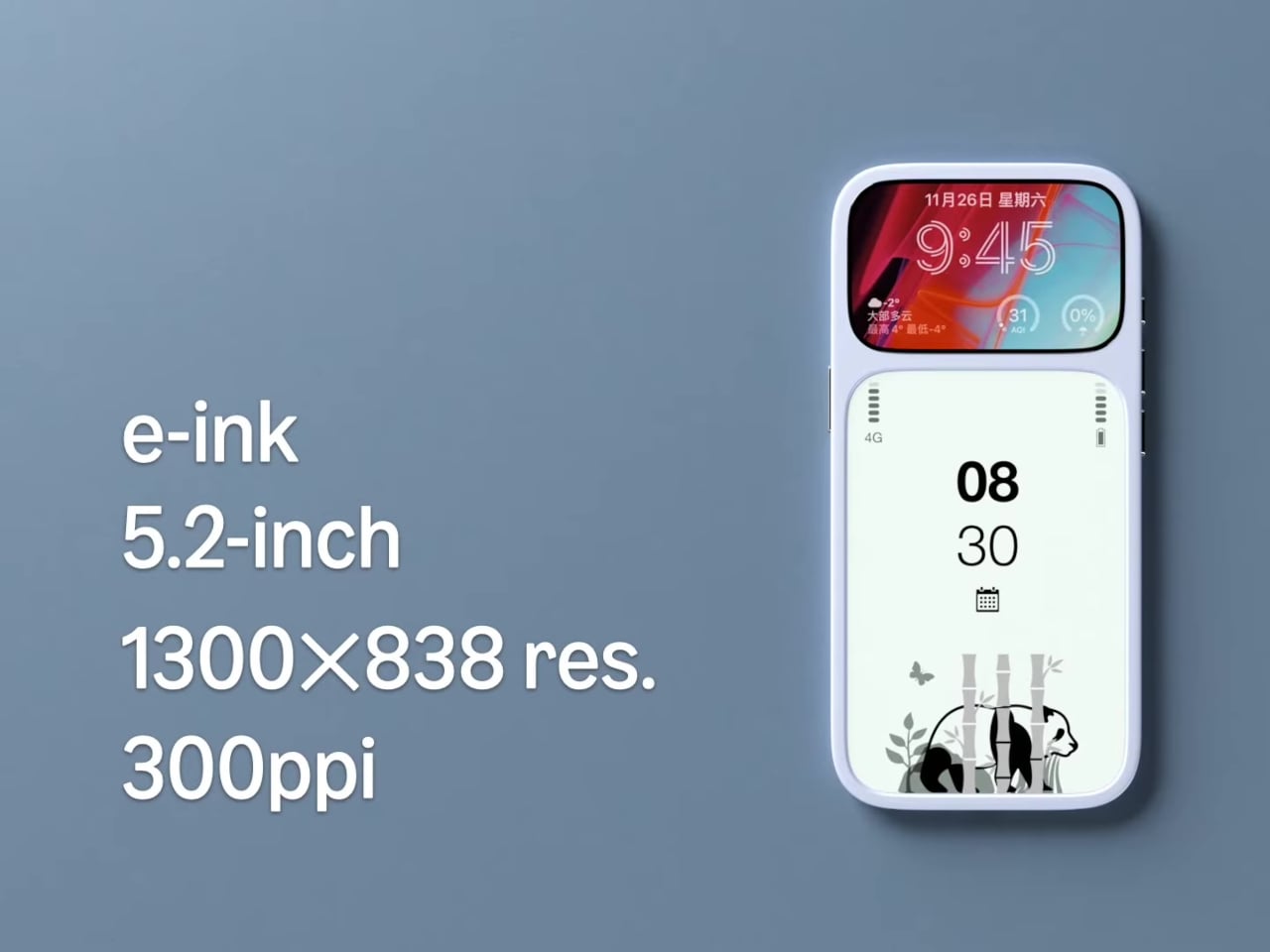
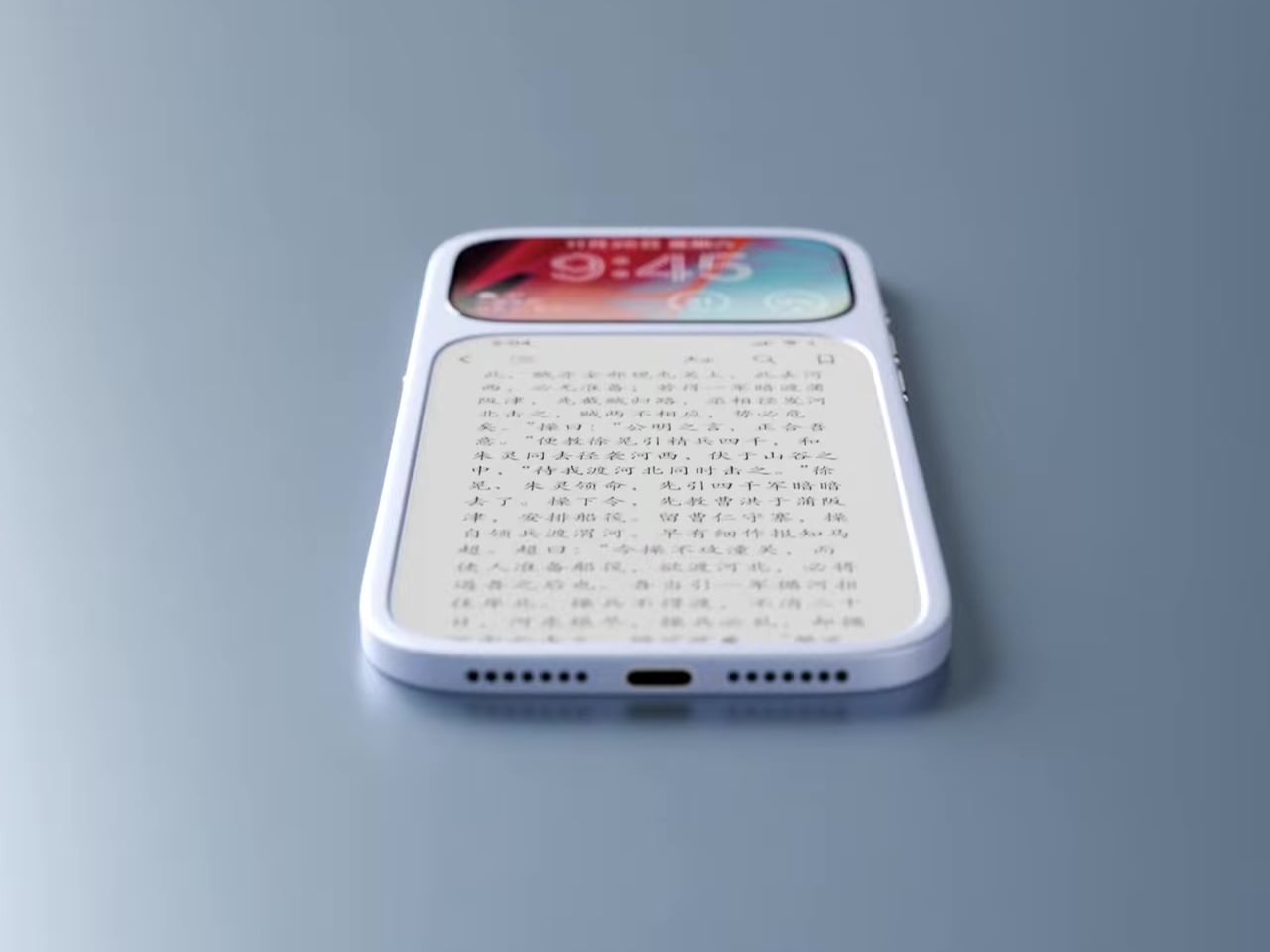
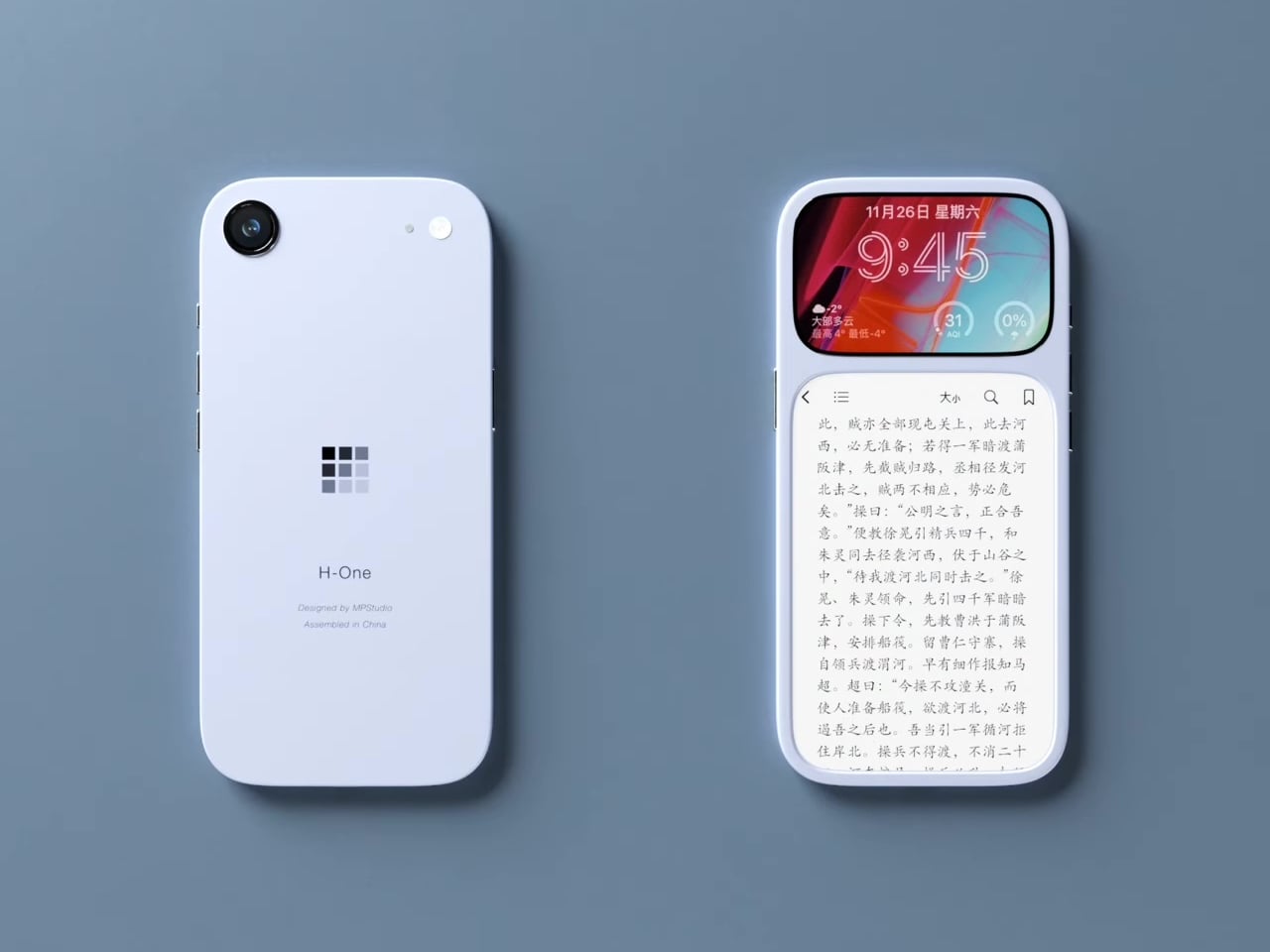
Modern phones have turned into pocket TVs, huge OLED slabs that are great for video and games but terrible for focus. Most E Ink phones go to the opposite extreme, either dropping color screens entirely or putting an E Ink panel on the back while keeping a full-size color display on the front. This dual-screen concept tries a different take, stacking both screens on the same face, with a small color LCD above a larger monochrome E Ink panel.

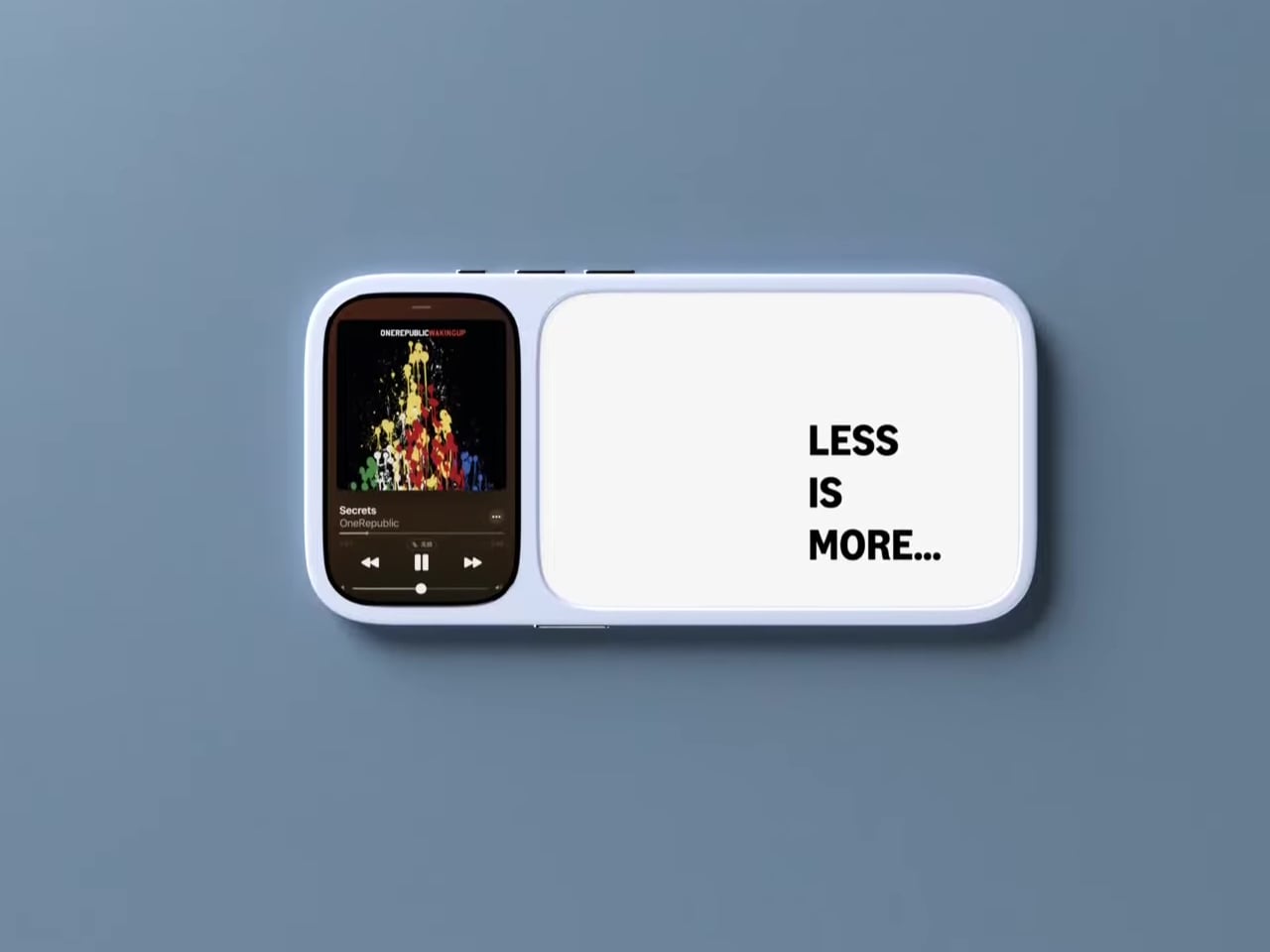
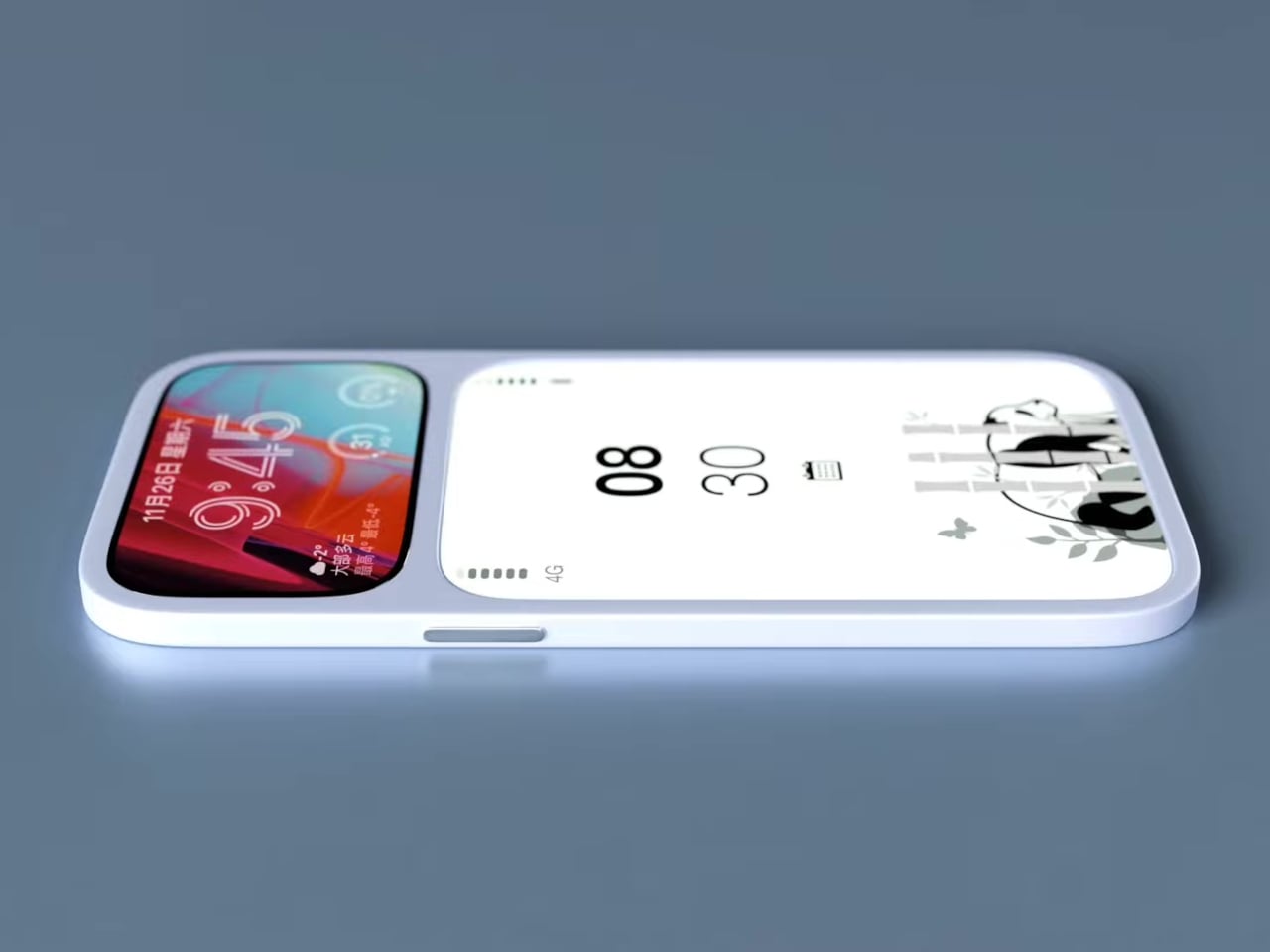
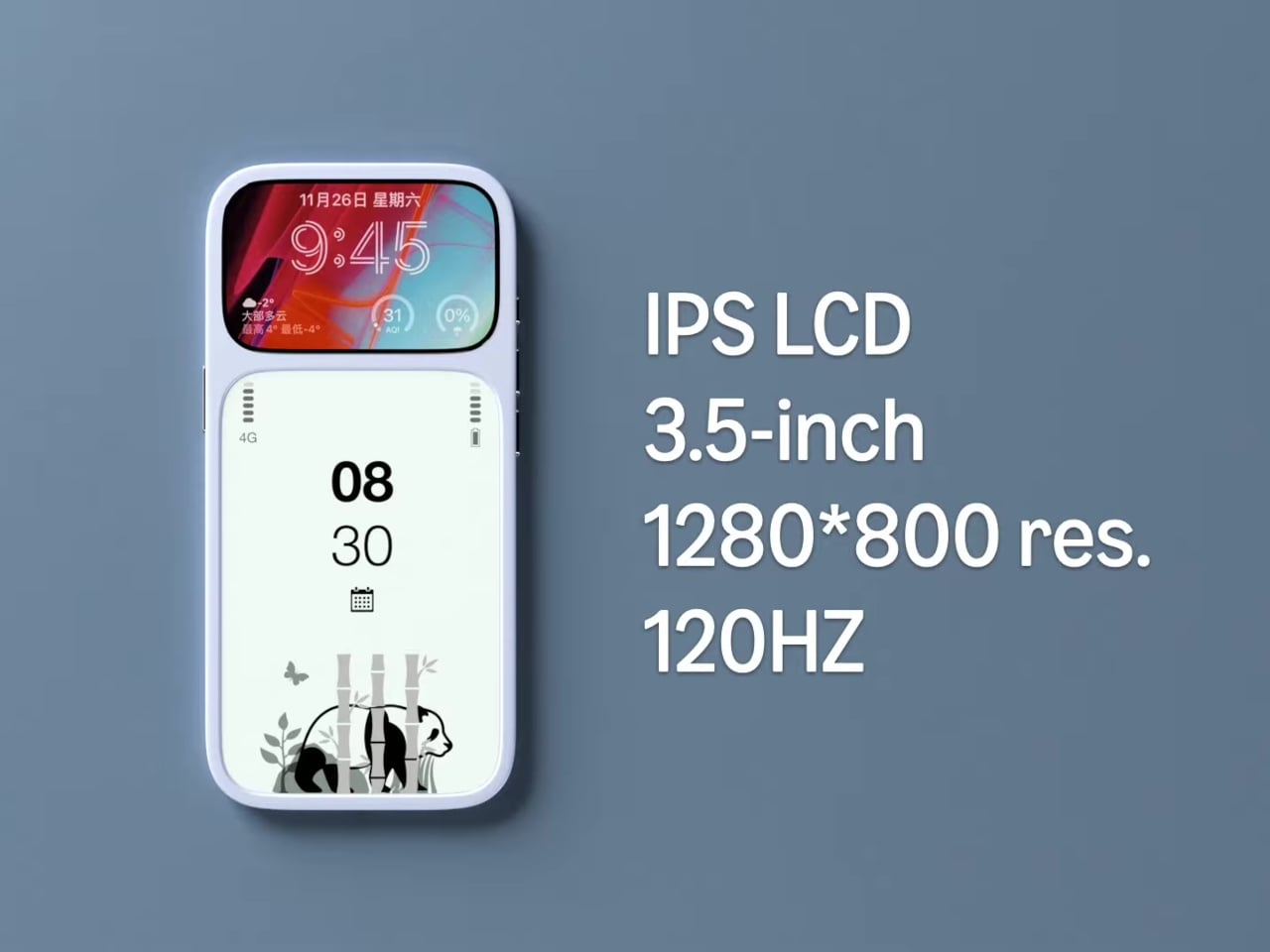
The basic layout is a 3.5-inch IPS LCD at the top and a 5.2-inch E Ink panel below, both on the front. The numbers are 1280 × 800 resolution at 120 Hz for the LCD and 1300 × 838 at 300 ppi for the E Ink. The clear back with a single camera and simple branding quietly signals that this phone is not chasing the usual multi-lens, all-screen spec race, instead treating the front as a composition of two very different surfaces.

Designer: Mechanical Pixel

The smaller LCD becomes the “burst of color” zone for time, notifications, music controls, and quick interactions, while the larger E Ink area is reserved for reading, notes, and simple widgets. This creates a hardware-level hierarchy; the calm, monochrome screen is where you spend most of your time, and you consciously move your attention to the smaller, brighter panel when you really need it, which changes the default state of the device from hyperactive to quiet.

The obvious pros are less visual noise, better eye comfort, and potentially much better battery life. E Ink only draws power when it refreshes, so a reading-first layout means the phone can idle for long stretches without burning through charge. For people who mostly message, read, and check calendars, the big E Ink panel could handle most of the day while the LCD stays off or in a low-duty role, extending runtime significantly.

The trade-offs are nothing to scoff at, though. A 3.5-inch LCD, even at 120 Hz, is not ideal for immersive video, complex productivity apps, or touch-heavy games. UI designers would need to rethink layouts for that smaller window, or accept that some tasks are better on a tablet or laptop. The E Ink panel’s slower refresh also limits it to taps and page turns, which is fine for reading but not for fast, gesture-driven interfaces that rely on immediate visual feedback.

This concept uses hardware to enforce a kind of digital minimalism. Instead of relying on focus modes and grayscale filters, it bakes the idea into the front of the phone, a big, calm screen for reading and a small, hyperactive one for everything else. For people who like the idea of a phone that nudges them toward books and away from endless feeds, that stacked layout feels like a surprisingly sharp design argument, where the very shape of the device encourages a different relationship with what lives on it.

The post This Phone Concept Stacks a 3.5-Inch LCD Above a 5.2-Inch E Ink Screen first appeared on Yanko Design.

Apple opens up iOS in Japan in response to new regulations

You can add Japan to the list of regions where Apple has been forced to do something it would rather not: open up the App Store. On Thursday, the company announced changes to iOS in Japan to comply with the nation's Mobile Software Competition Act (MSCA). The tighter regulations for Apple and Google, which overlap with Europe's, took effect today. Users in the US and elsewhere won't see any of these changes.

Apple's changes in iOS 26.2 in Japan revolve around alternative app stores, payments outside the App Store and browser choice. The company worked with Japanese regulators on new protections for increased security risks.

The company calls this set of safeguards Notarization. It involves an authorization process for alternative app stores and child-safety protocols. Third-party marketplaces will need to undergo a baseline security review. This uses a combination of human and automated checks to block malware and other threats.

Naturally, Apple cautions that Notarization is less comprehensive than the App Store's reviews. "The App Store — where every app is reviewed to meet the App Store's high bar for privacy and security — remains the best place for iOS users in Japan to discover and download the apps they love," the company wrote.

To state the obvious, the App Store is a booming business for the iPhone maker. In 2024, it generated $1.3 trillion in total sales. Opening it up poses a threat to one of the company's most reliable revenue streams. Big Tech seems to talk a lot about fewer rewards and more penalties for users when their own money trees are at risk.

Apple CEO Tim Cook (C) applauds as US President Donald Trump delivers a speech to business leaders at the US ambassador's residence in Tokyo on October 28, 2025. (Photo by ANDREW CABALLERO-REYNOLDS / AFP) (Photo by ANDREW CABALLERO-REYNOLDS/AFP via Getty Images)
Apple CEO Tim Cook in Tokyo in October 2025
ANDREW CABALLERO-REYNOLDS via Getty Images

iOS 26.2 in Japan also introduces new payment options. Developers can now use non-Apple payment processors within their apps or link to external websites for purchases. (Children's content is exempt from this.) Here, Apple again warns the user about the penalties for doing something that will hurt its bottom line. "For apps that use alternative payment processing or link users to the web for transactions, Apple will not be able to issue refunds and will have less ability to support customers encountering issues, scams or fraud," the company cautioned.

The last big change involves picking defaults within the operating system. Users in Japan will see new browser and search engine choice screens. They'll also find default controls for navigation apps and app stores. Finally, developers can now offer browsers that use alternative engines other than Apple's WebKit.

Apple's announcement comes a day after Google detailed its compliance with the MSCA. Since Android is more open than iOS, Google's changes in response to the regulations are a bit less pronounced. Android users will find new browser / search choice screens, expanded billing options and side-by-side comparisons of external vs. Play Store payment options.

This article originally appeared on Engadget at https://www.engadget.com/mobile/apple-opens-up-ios-in-japan-in-response-to-new-regulations-174854950.html?src=rss
MokaMax Packs a Pressure Brewer Into a Ridged Stainless Travel Mug

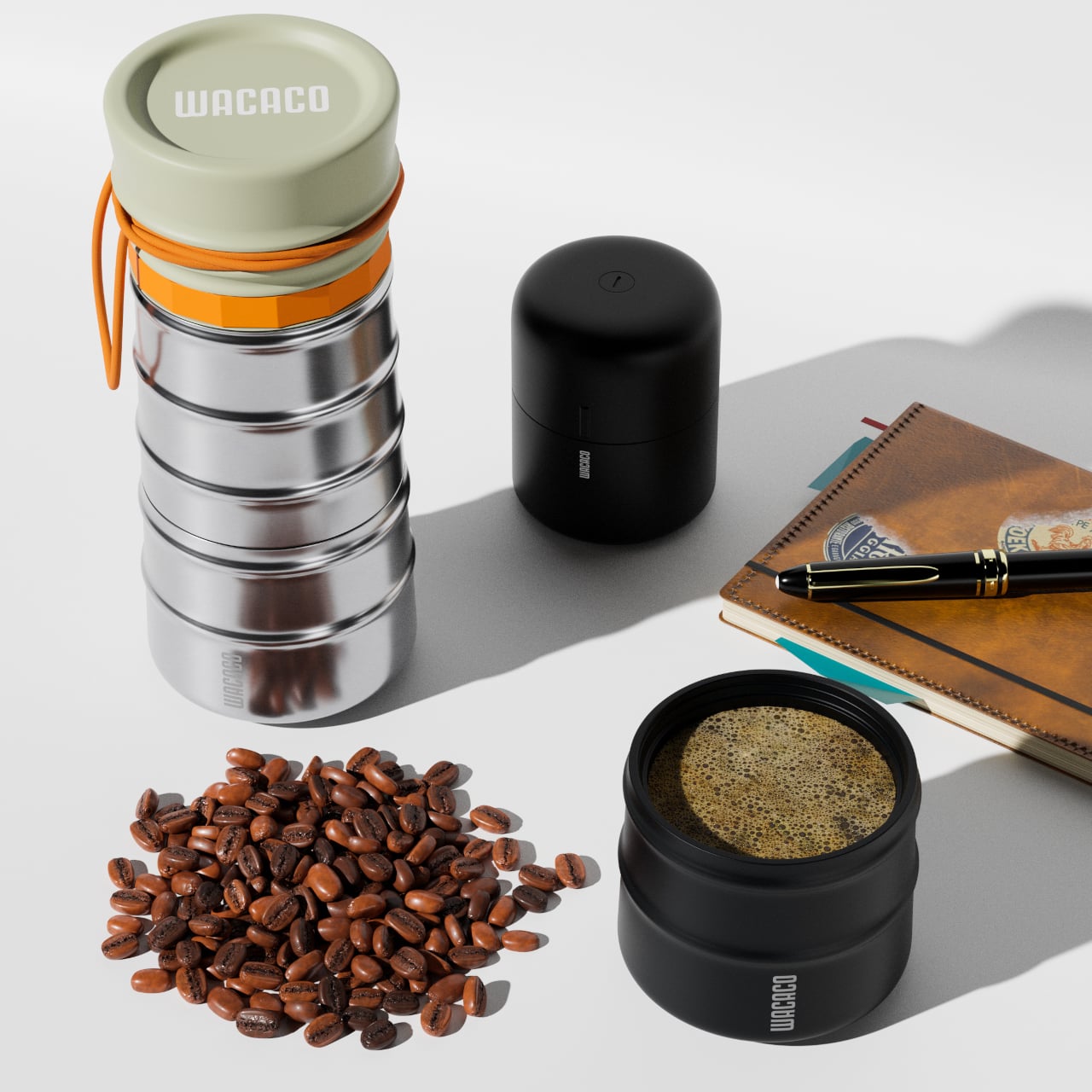
Portable coffee gear is usually a compromise. Compact brewers come with plungers, filters, cups, and lids that rattle around in a bag, and making a decent cup on the go often means unpacking a small chemistry set. After brewing, you clean it all in a cramped sink or a trailside stream. MokaMax is a response to that friction, aiming to keep the ritual but lose the clutter by collapsing everything into a single cylinder.

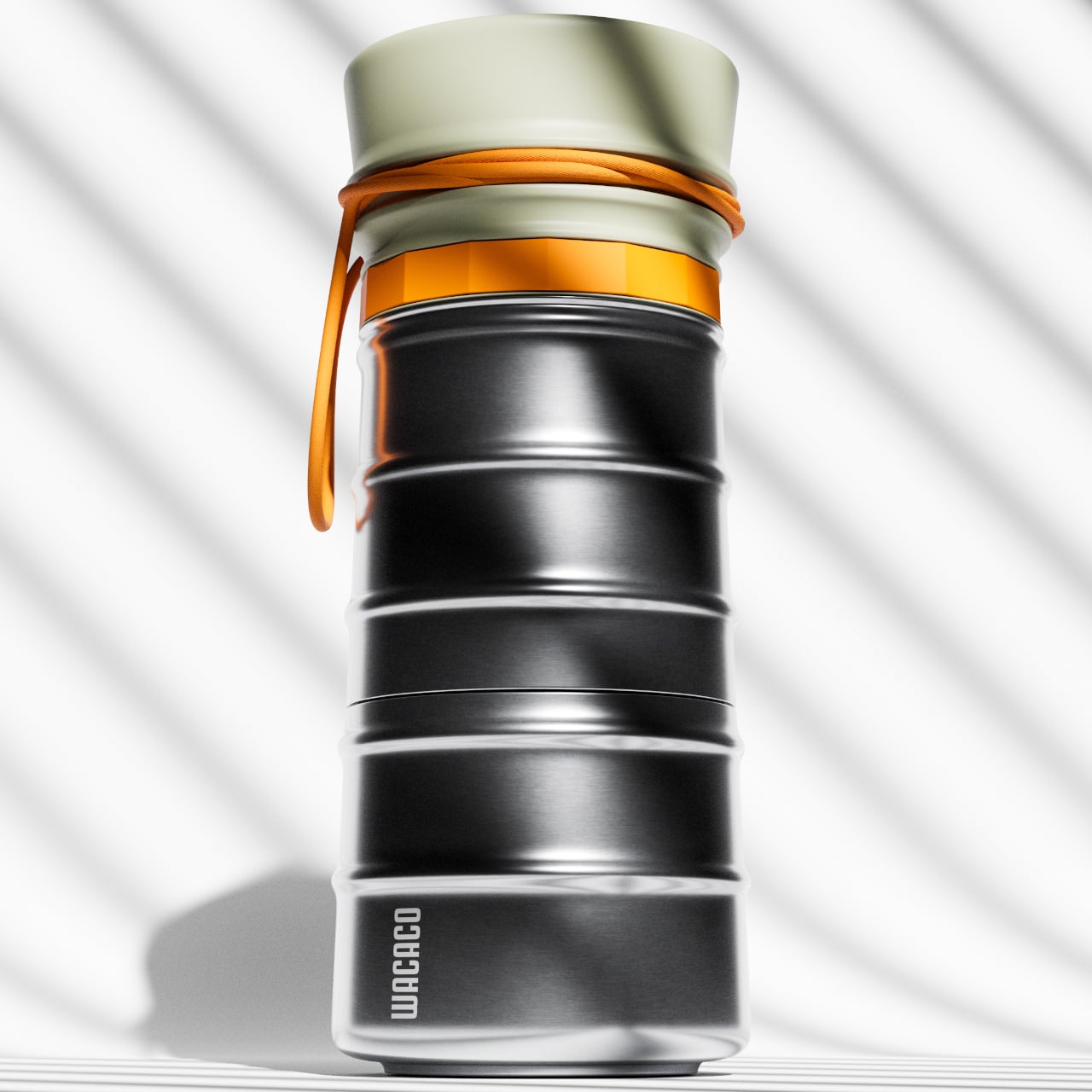
MokaMax is a portable coffee maker that positions itself as a true successor to Pipamoka, promising rich espresso-style coffee anywhere. It is designed for wanderers who move between libraries, trains, and mountain trails, and want one object that brews and carries coffee without a bag full of accessories. The idea is a single, rugged cylinder that feels like a travel mug but hides a full pressure-brewing system inside.

Designer: Somya Chowdhary

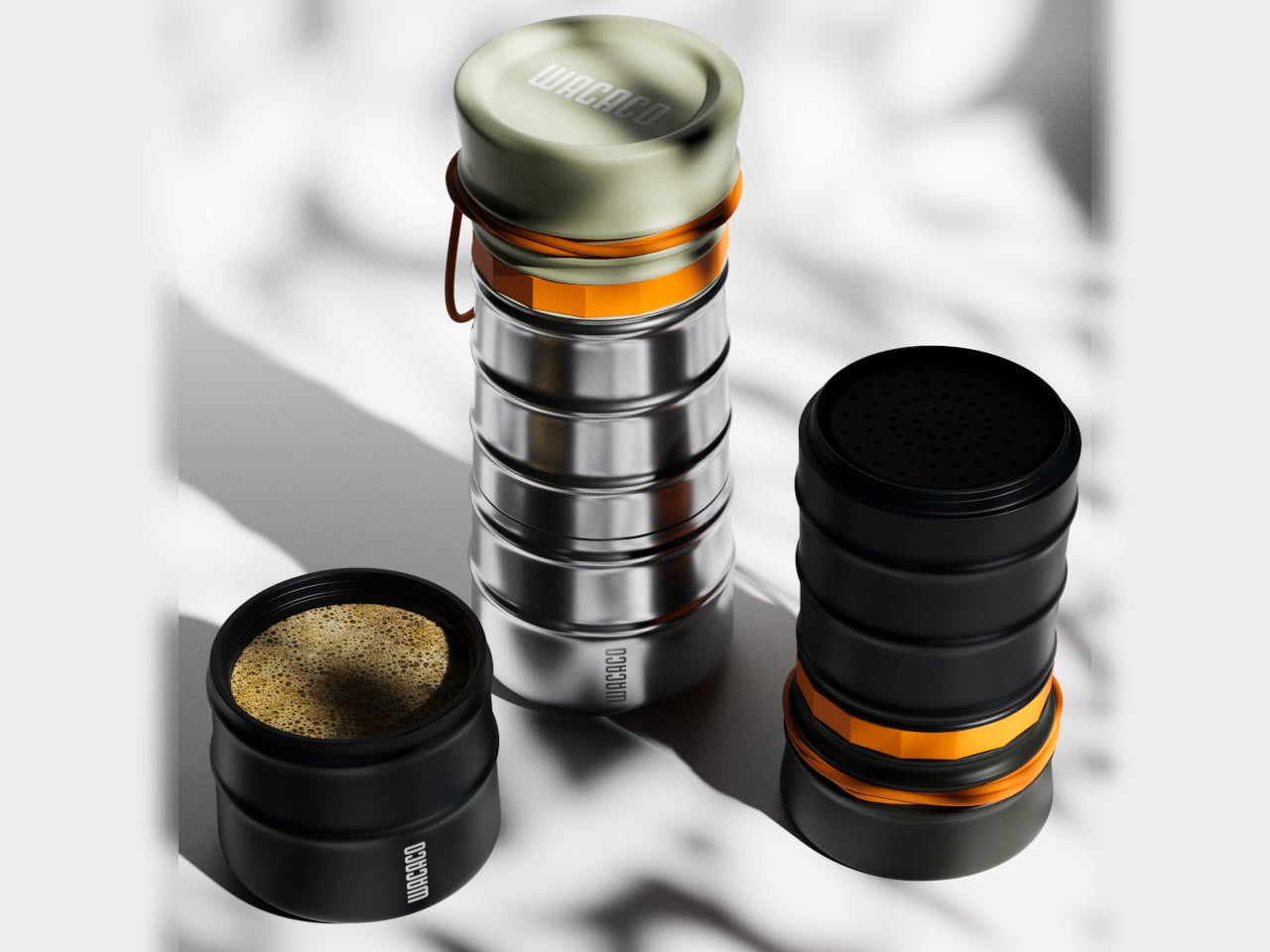
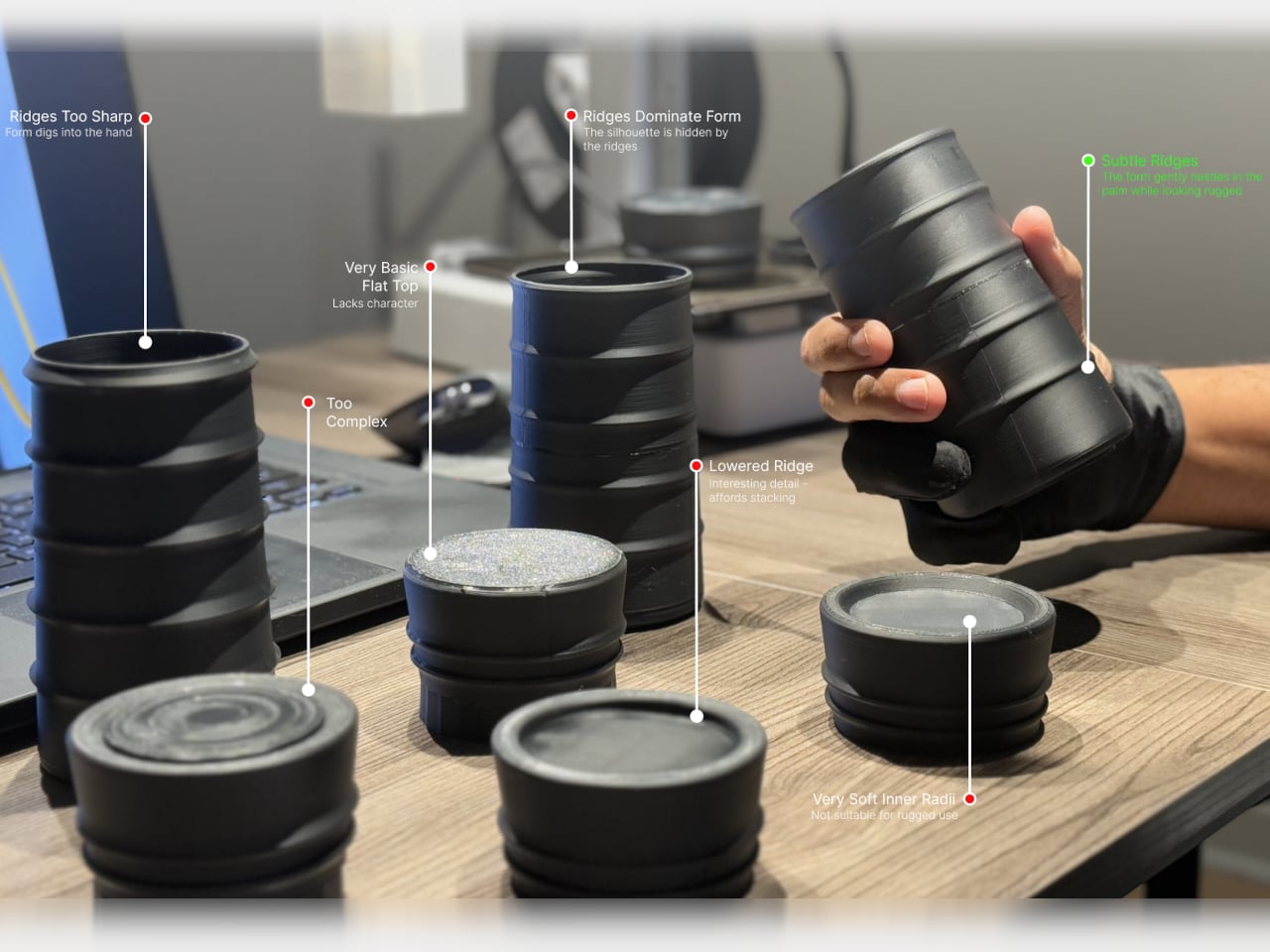
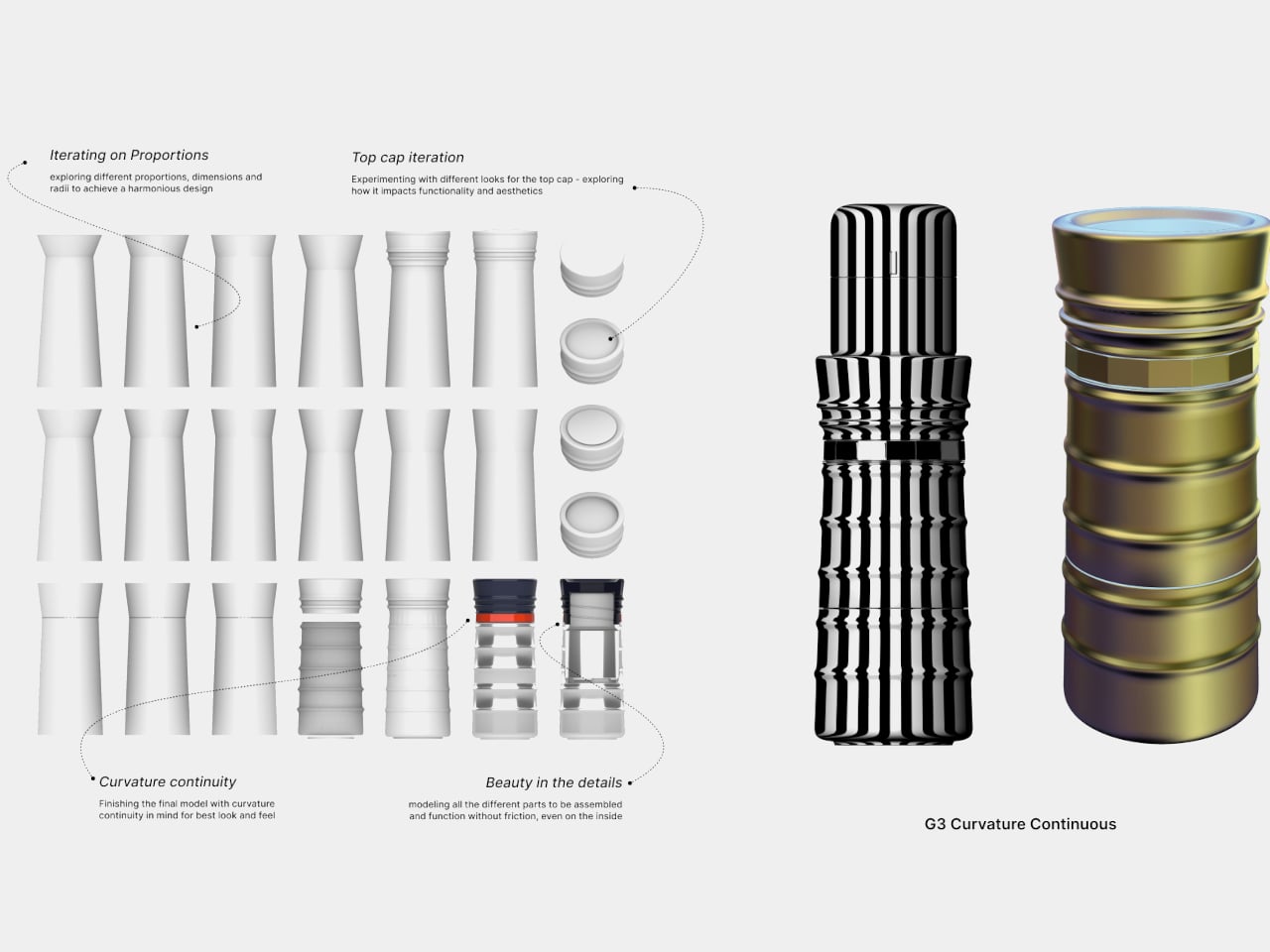
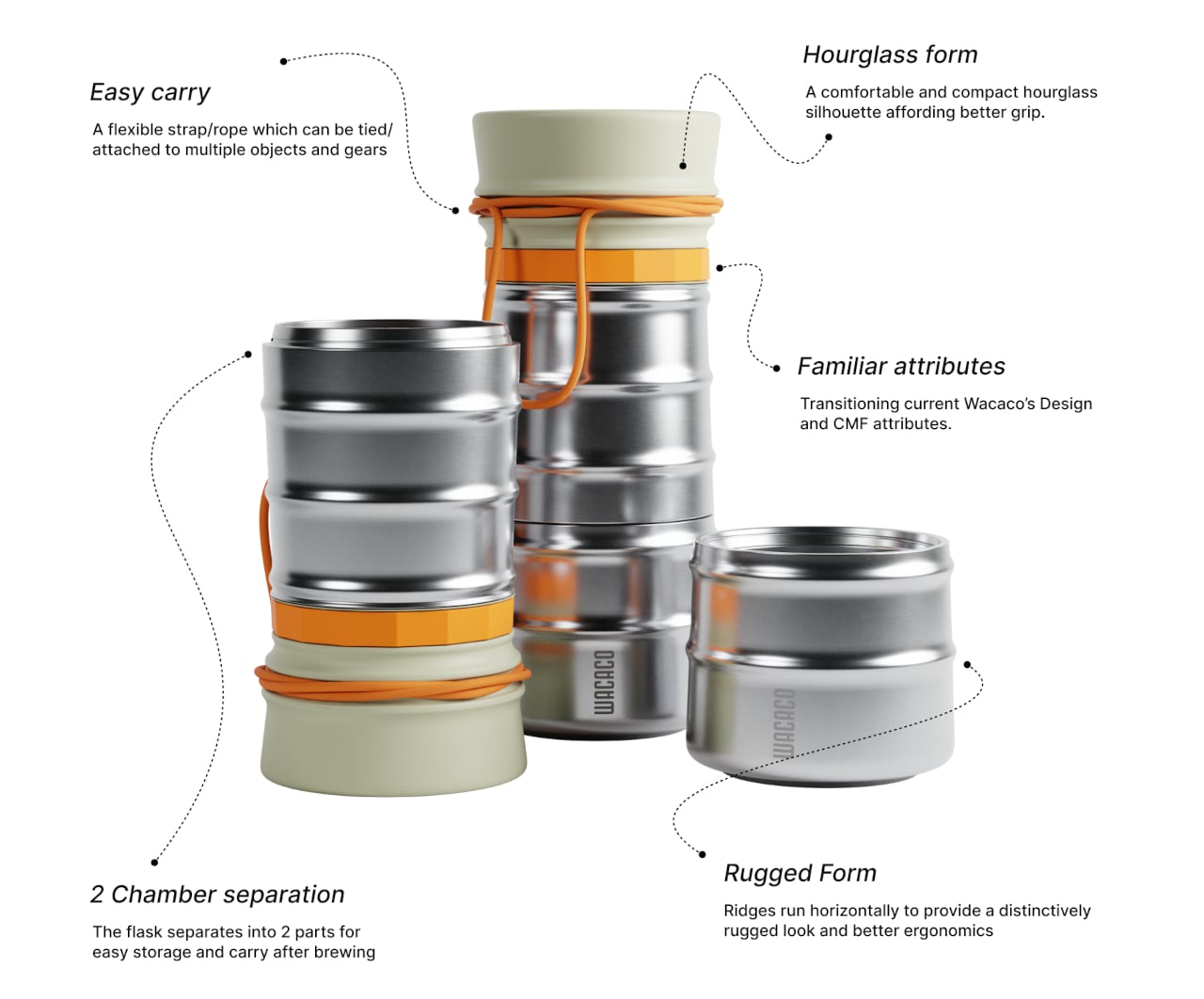
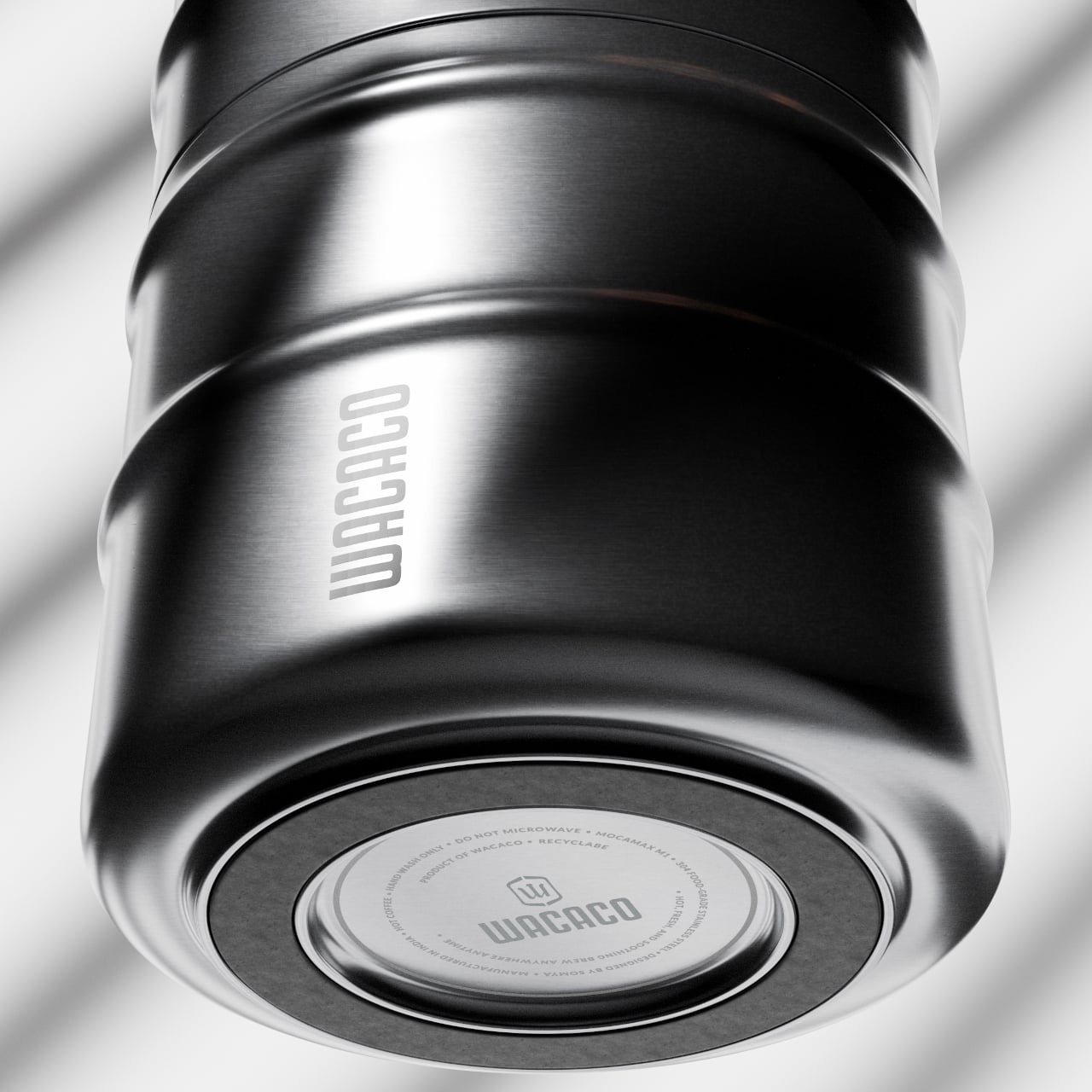
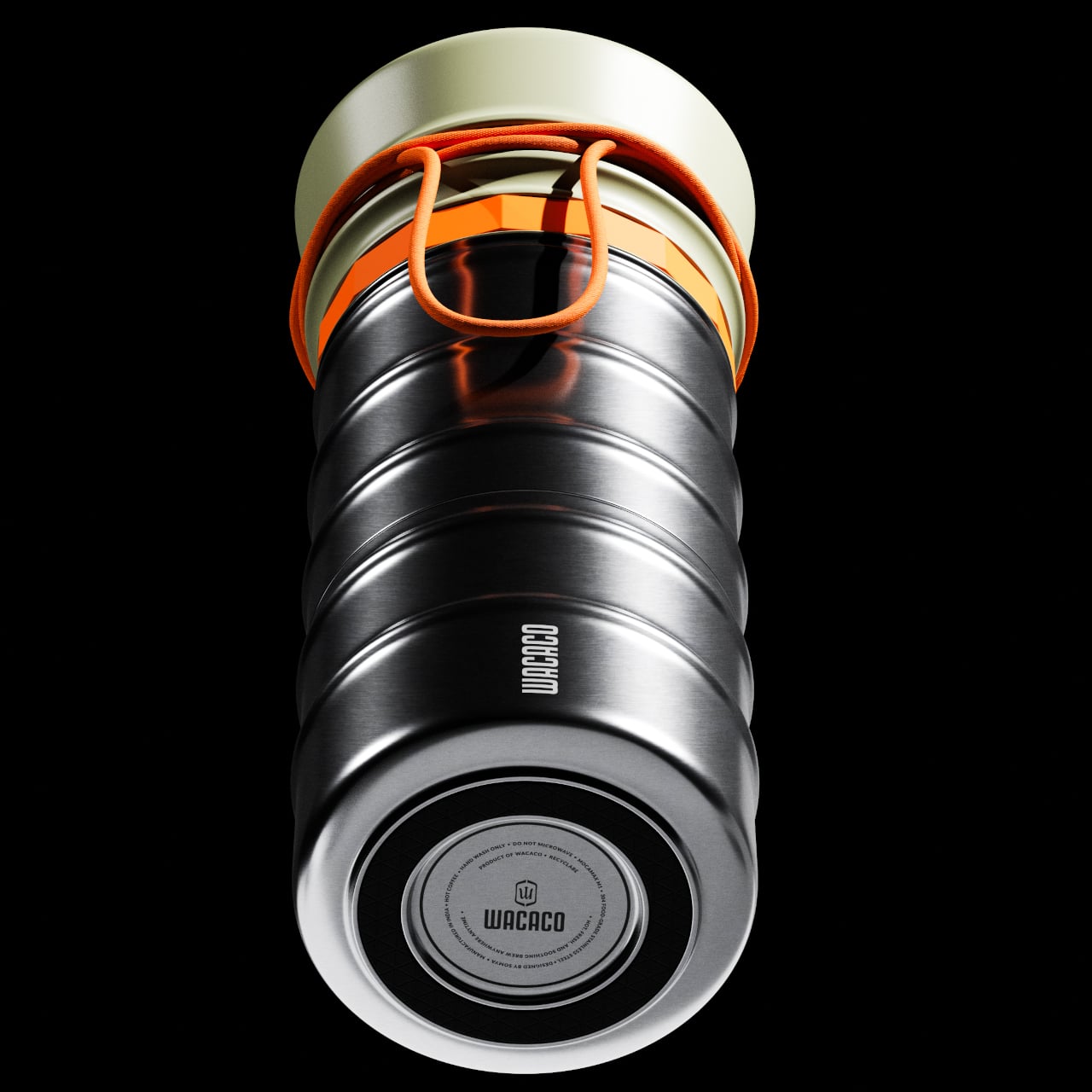
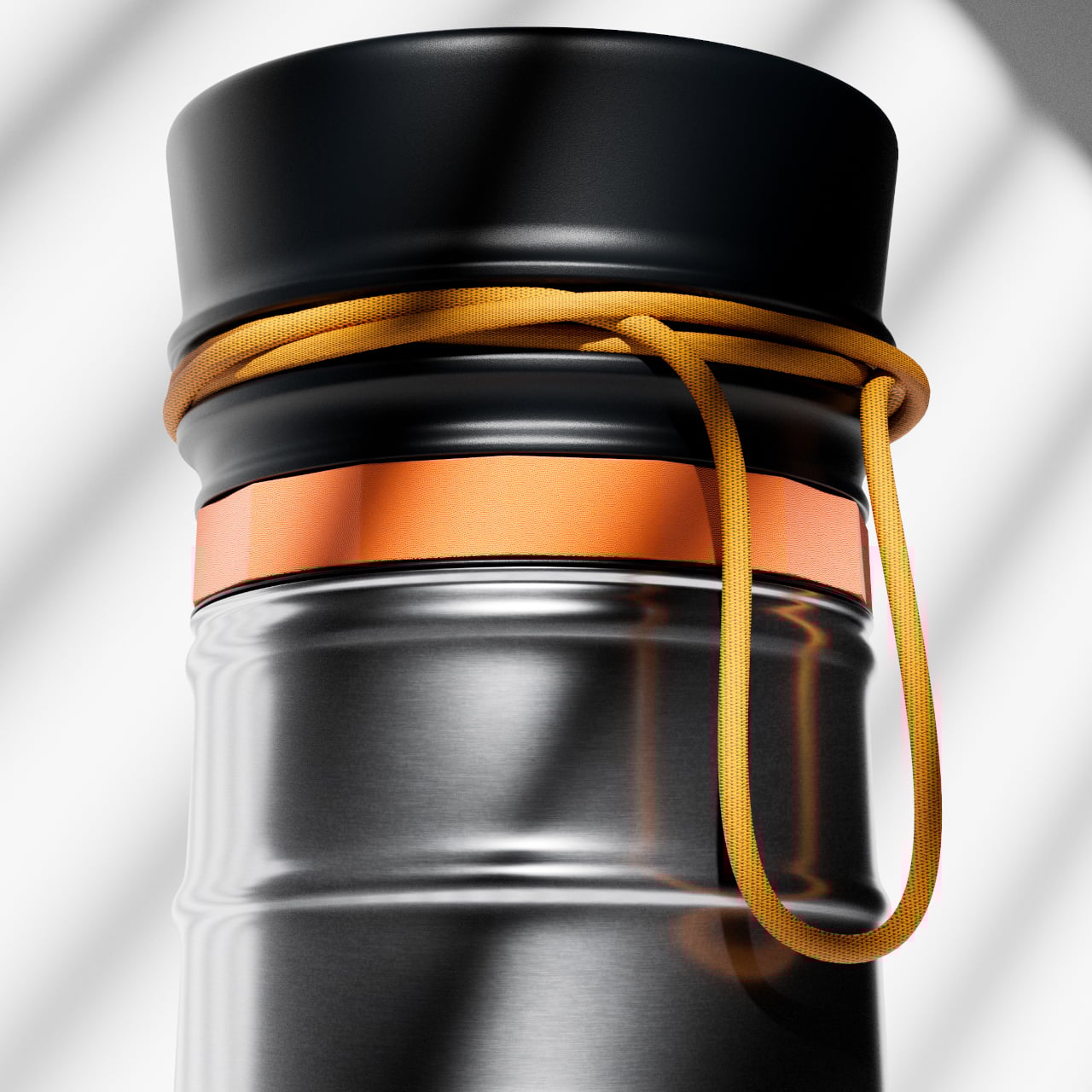
The distinctive ridged stainless-steel body gives fingers a secure place to rest and helps the mug blend in with other rugged gear. The ridges went through several iterations to balance grip and comfort, avoiding sharp edges or overly complex profiles. A flexible rope loops through the top, letting you clip MokaMax to a bag or hang it from a hook, reinforcing its role as part of a mobile kit that lives outside rather than just on a desk.

The brewing sequence is straightforward. Drop in a filter pod, add ground coffee, pour hot water, stir, close the top, rotate to filter using the pressure mechanism, then separate the top and drink. The pressure chamber and top cap fasten together and can be stowed upside down as one piece, so you are not chasing loose parts around a campsite or office kitchen when you just want a second cup.

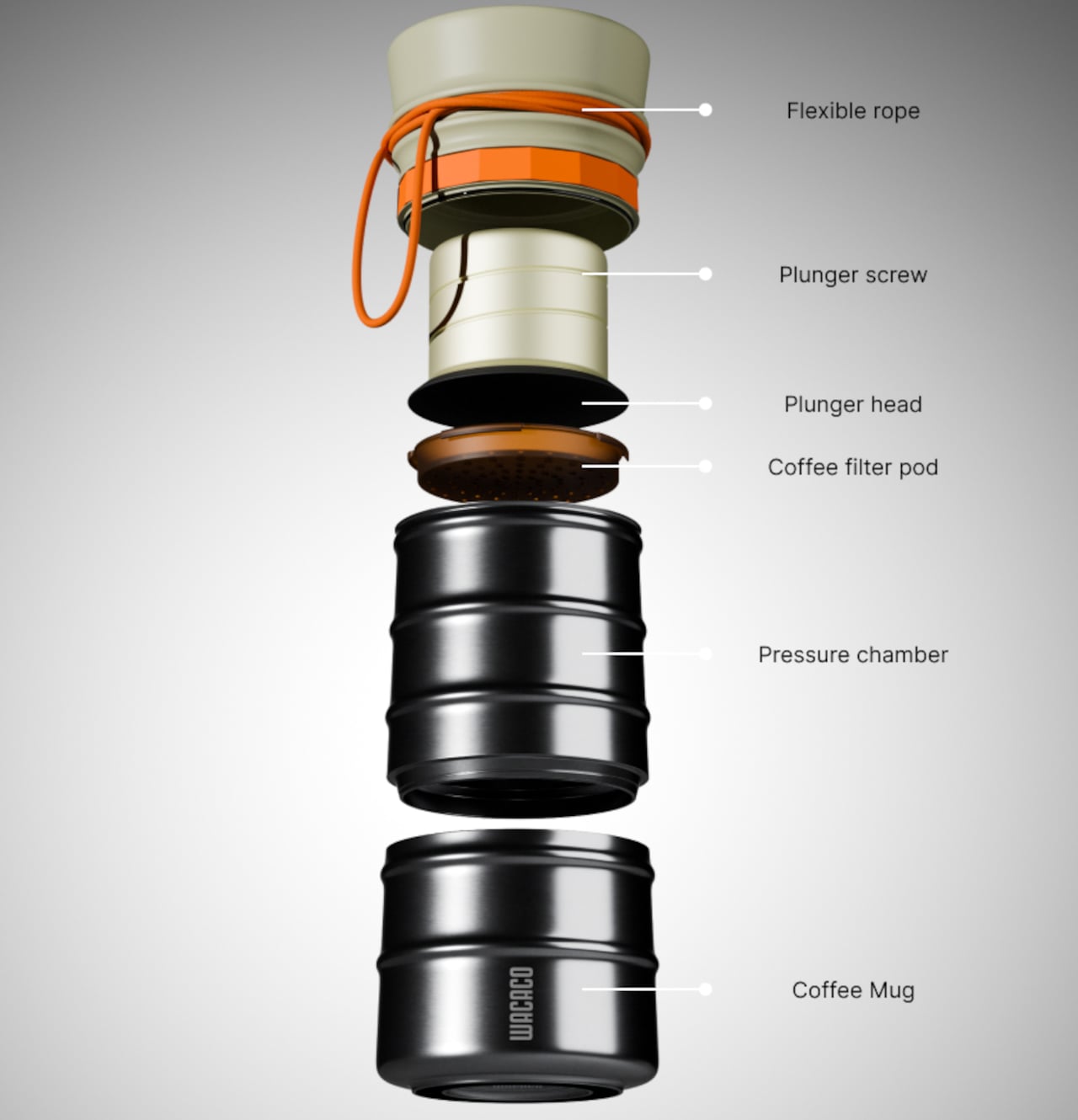
The internal architecture breaks down into three main compartments: the pressure chamber, the coffee mug, and the top assembly with plunger and filter pod. Each section is easy to clean, and the decomposable coffee filter pods can be thrown away after use, cutting down on rinsing and scrubbing in awkward places. The “fewer parts, fewer headaches” philosophy keeps the system simple without compromising the quality of the brew or the convenience of the mug.

MokaMax is machined from food-grade stainless steel, which handles heat, knocks, and daily abuse better than plastic. The special edition black powder-coated finish leans into the rugged aesthetic, and the metal construction helps it feel like a long-term tool rather than a seasonal gadget. The combination of steel, rope, and compact form makes it feel at home in a backpack or on a desk, ready for whatever kind of wandering comes next.

MokaMax tries to change not the taste of coffee, but the friction around making it when you are away from a kitchen. By collapsing a pressure brewer and travel mug into one ridged cylinder with three main parts, it nudges portable coffee gear closer to the simplicity of a water bottle, turning the ritual into something that fits the rhythm of a day spent moving without demanding much attention or bag space.

The post MokaMax Packs a Pressure Brewer Into a Ridged Stainless Travel Mug first appeared on Yanko Design.

Alexa+ can now answer your Ring doorbell and talk to people

Amazon just introduced a new feature for Alexa+ called Greetings. This lets Alexa+ answer the doorbell and converse with visitors, which certainly sounds futuristic in a "gated community as dystopia" kind of way.

There are several caveats here. First of all, it only works with certain newer Ring video doorbell models. Customers also have to pony up for a Ring Premium Plan and have access to the Alexa+ early access build. It's available in the US and Canada and only in English.

If you meet those criteria, this could be a fairly useful little feature. Amazon says it "transforms your Ring doorbell into an intelligent assistant capable of determining who's at your door, understanding what they need and responding conversationally." The company promises that the tool operates whether people or home or out doing errands.

How does this work? It's an AI algorithm that "determines who's there based on what they're wearing, holding or their actions." It will use "visual context, any information the visitor shares and the instructions it's been given to help manage interactions on your behalf."

Amazon says that it can, for instance, distinguish if a person is wearing a delivery uniform and tell them to leave the package at the back door. Most of my delivery drivers don't come to the door in full uniforms because it's winter and that would be ridiculous. I don't even expect that during the summer. In other words, this is modern AI and mistakes will happen.

The company gives other examples of how this could be used, like gathering messages from friends who stop by and telling door-to-door salespeople to (politely) bug off. Amazon also says Alexa+ will be able to direct visitors to water and snacks that have previously been laid out. Finally, there's a way to avoid those pesky cute kids on Halloween while still providing them with treats.

Everything can be reviewed later on via the Ring app, which should provide context as to who has been hanging around the porch. Alexa+ Greetings are rolling out today.

For the uninitiated, Alexa+ is Amazon's updated chatbot. It's more conversational than the old Alexa, which could be useful or annoying depending on what you use it for. I use Alexa primarily as an alarm, so I don't necessarily want a gabfest.

This article originally appeared on Engadget at https://www.engadget.com/ai/alexa-can-now-answer-your-ring-doorbell-and-talk-to-people-162712774.html?src=rss

This 500-Million-Year-Old Nautilus Shell Is Now a Speaker

The Sazae Radio was a Japanese novelty radio built into a turban shell, sold by lottery in 2016 with just 100 units available for 8,350 applicants. The odds were 83.5 to one. Losing that lottery left a maker named hide-key with a simple choice: accept the disappointment or build something better. The DIY pivot turned into the Steampunk Nautilus, a haptic speaker project that takes a similar idea and pushes it considerably further.

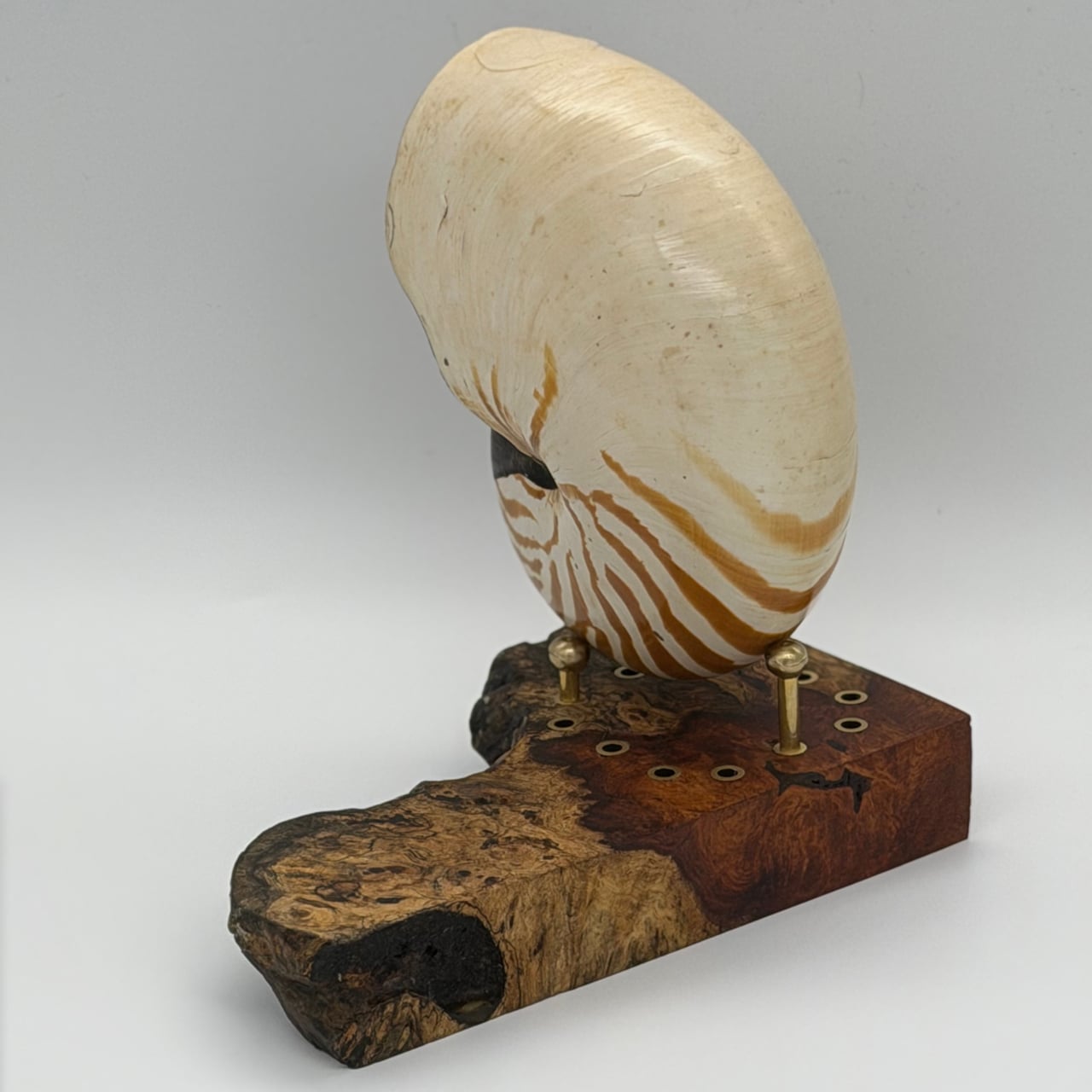
The choice was a nautilus shell, a living fossil that has barely changed in 500 million years. Discovering that its English name matched Jules Verne’s submarine sealed the decision. The goal became not just a speaker, but a piece of audio art with three rules: steampunk-kintsugi repair, where metal celebrates the shell’s imperfections, conservation-minded reversibility, where every adhesive can be removed with acetone, and a haptic drive that turns the shell itself into a vibrating diaphragm.

Designer: hide-key

Early experiments failed. A massive sea snail shell refused to vibrate, too thick and heavy for a small exciter to drive. The nautilus, by contrast, worked immediately. Its thin, lightweight structure, built for buoyancy, behaves like a violin body or speaker cone, with internal ribs adding resonance without mass. The project quietly became a study in bioacoustics, where shell biology dictated whether the fossil could sing, and heavy shells behaved like bricks.

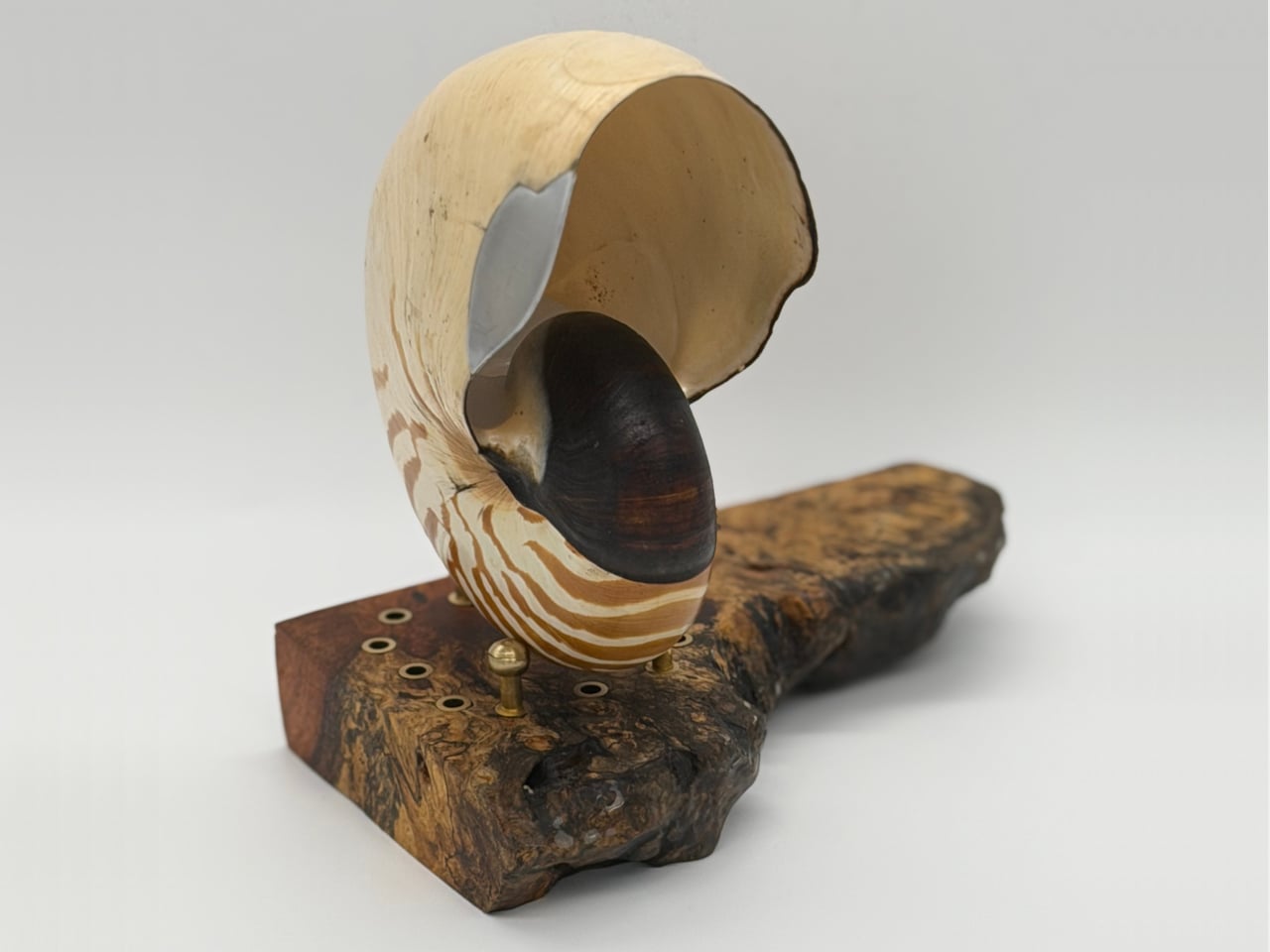
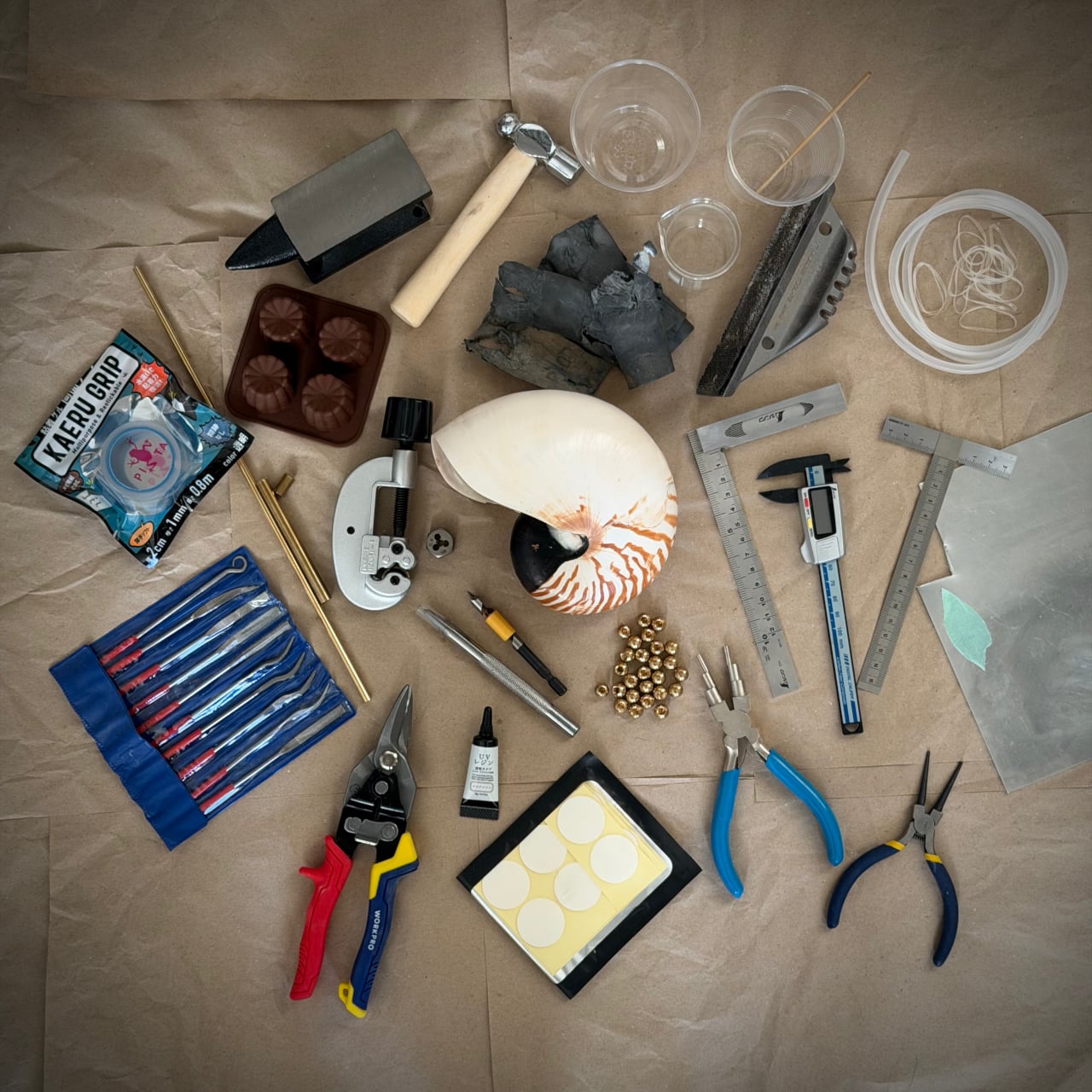
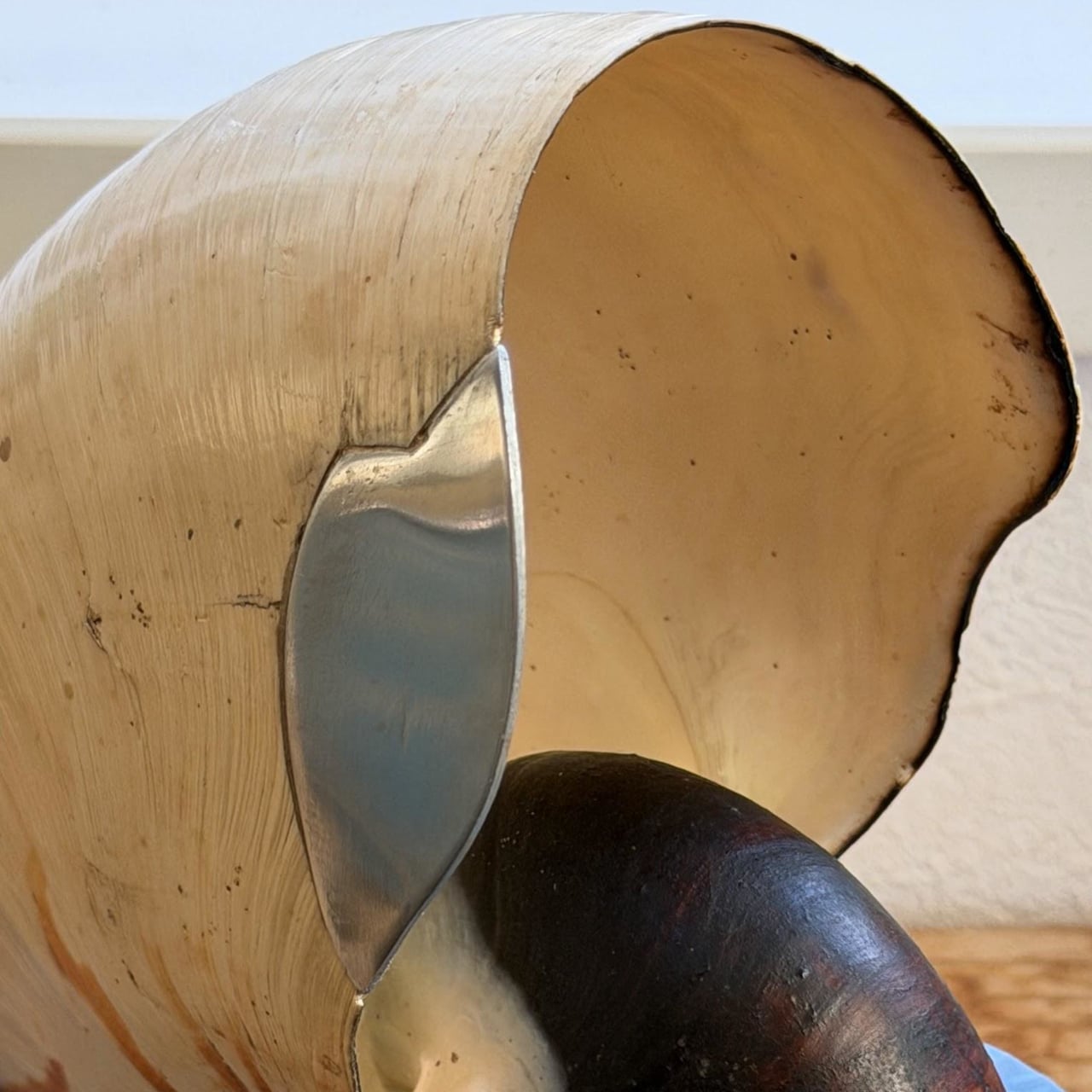
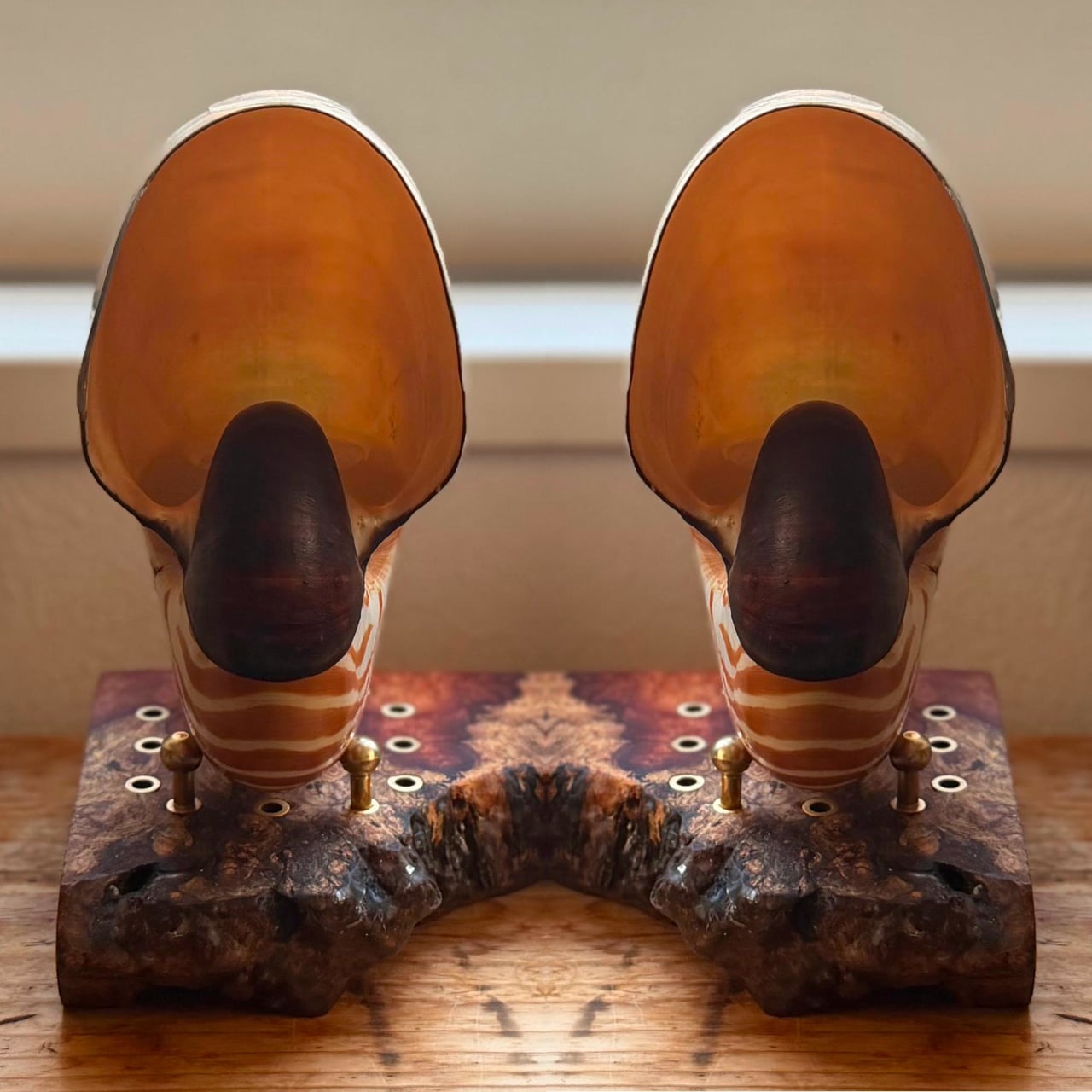
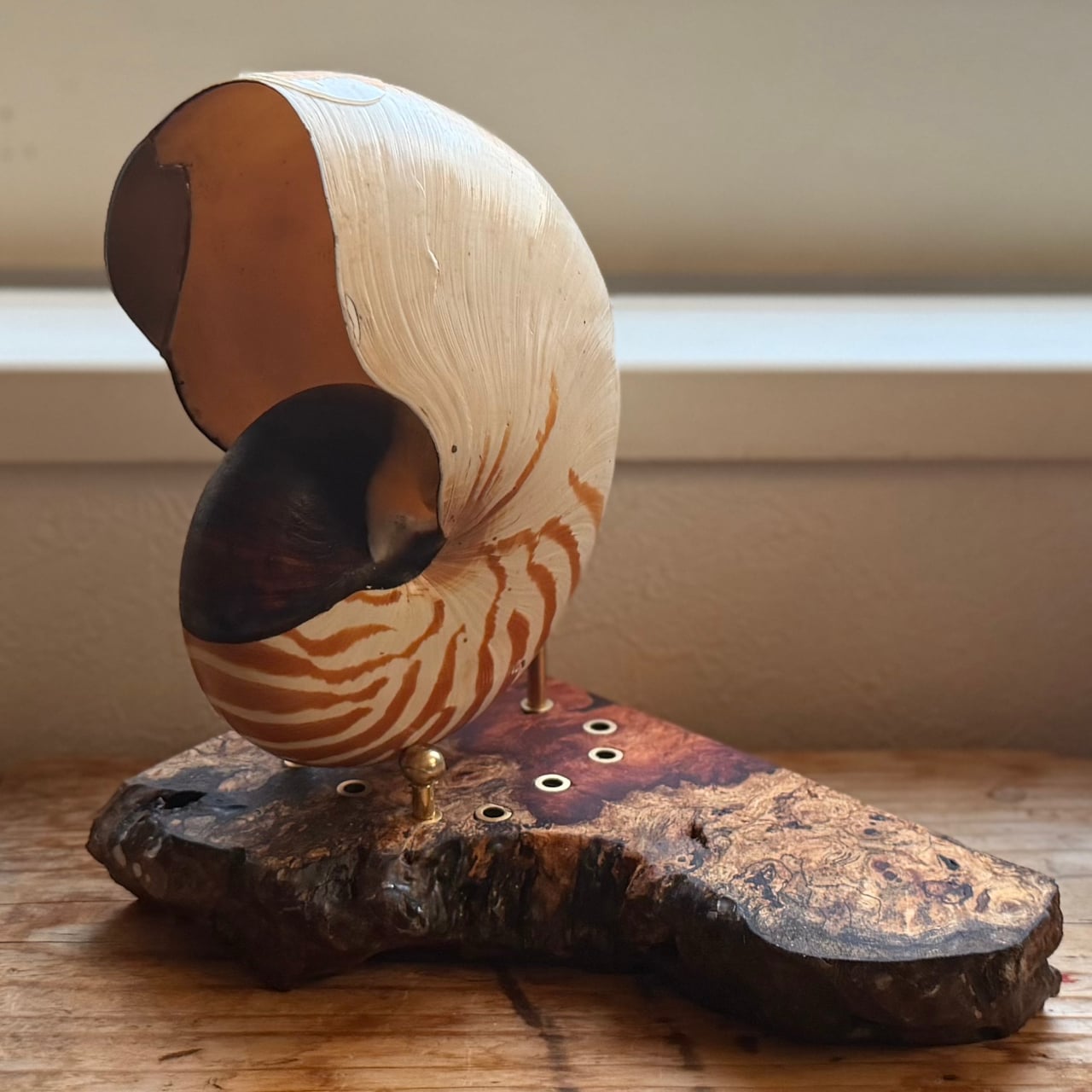
The build starts with a chipped shell and leans into the damage. The broken area is traced, and a 1.2 mm aluminum sheet is hammered and filed to match the organic curve, polished to a mirror, and attached with cyanoacrylate and brass-colored epoxy putty. All adhesives were chosen so they can be removed with acetone, leaving the shell intact underneath. Reversibility was treated as a hard constraint, respecting the specimen while giving it a new function.

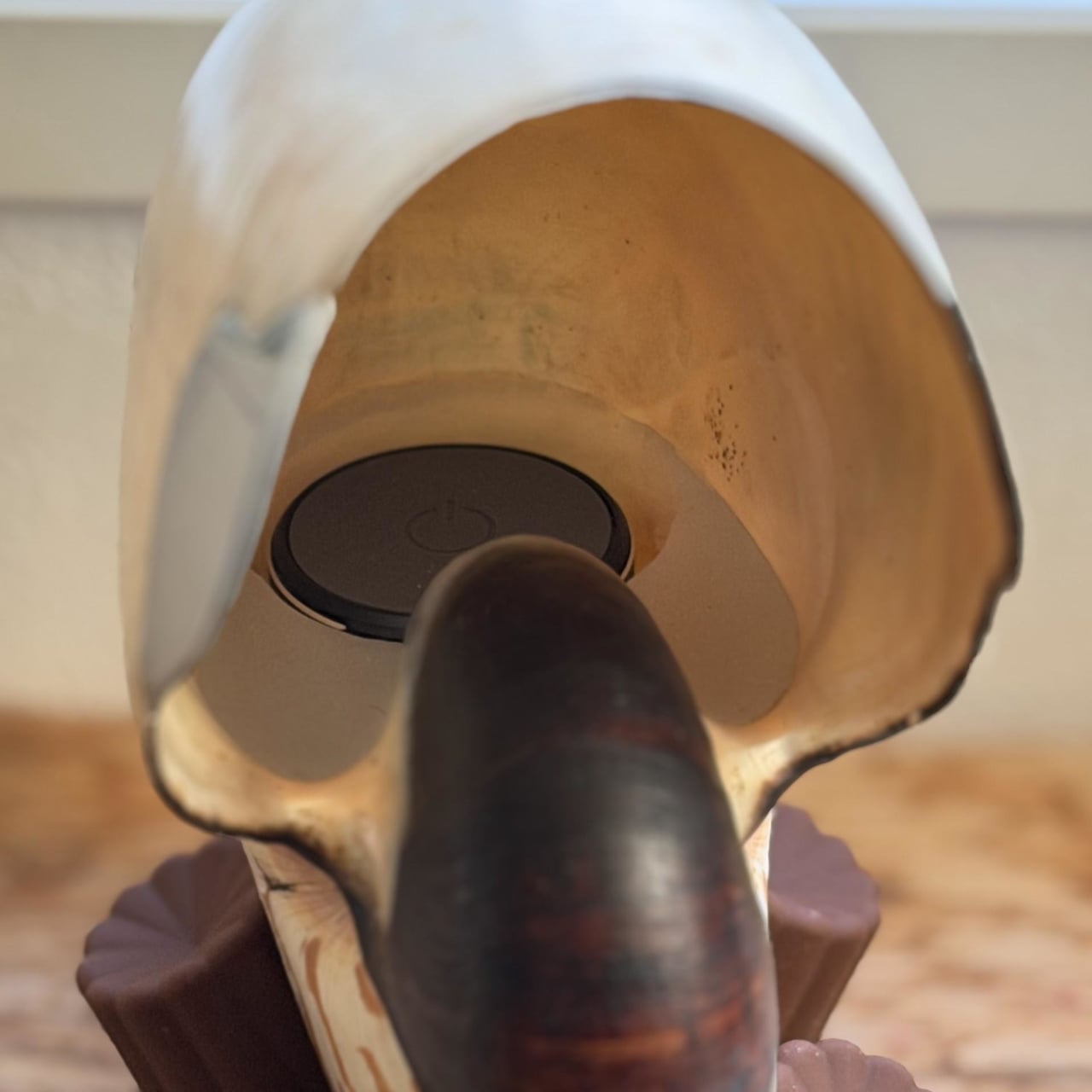
The haptic core moved from a boring internal speaker to a vibration exciter mounted in a custom silicone cartridge that fits the shell’s living chamber. Water displacement measured the volume at just 50 cc, and Shore 15A silicone was poured to create a perfect seat. A transparent hair band acts as a hidden pull tab, and a silicone cap hides the exciter and diffuses its faint blue LED into a heartbeat-like glow deep in the spiral.

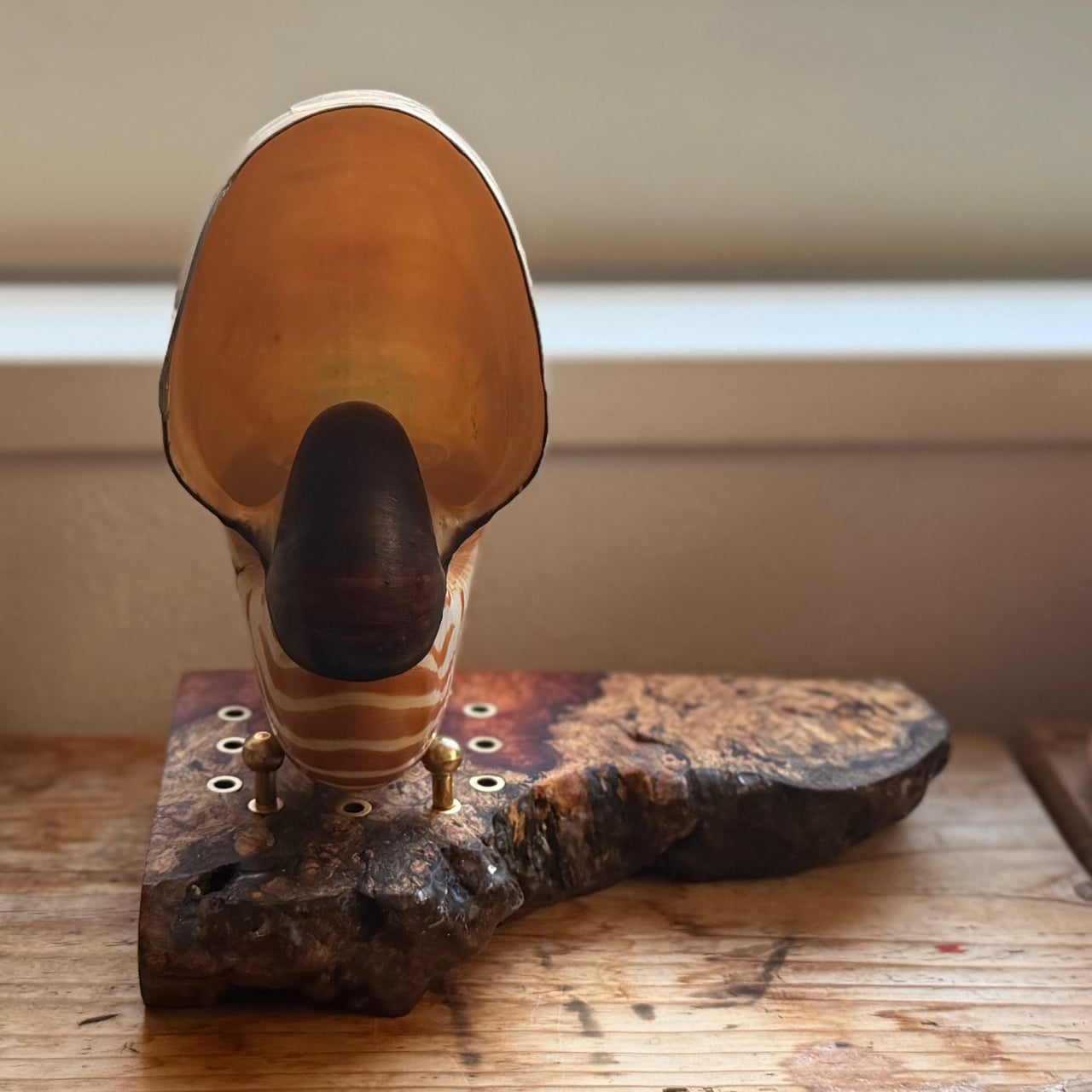
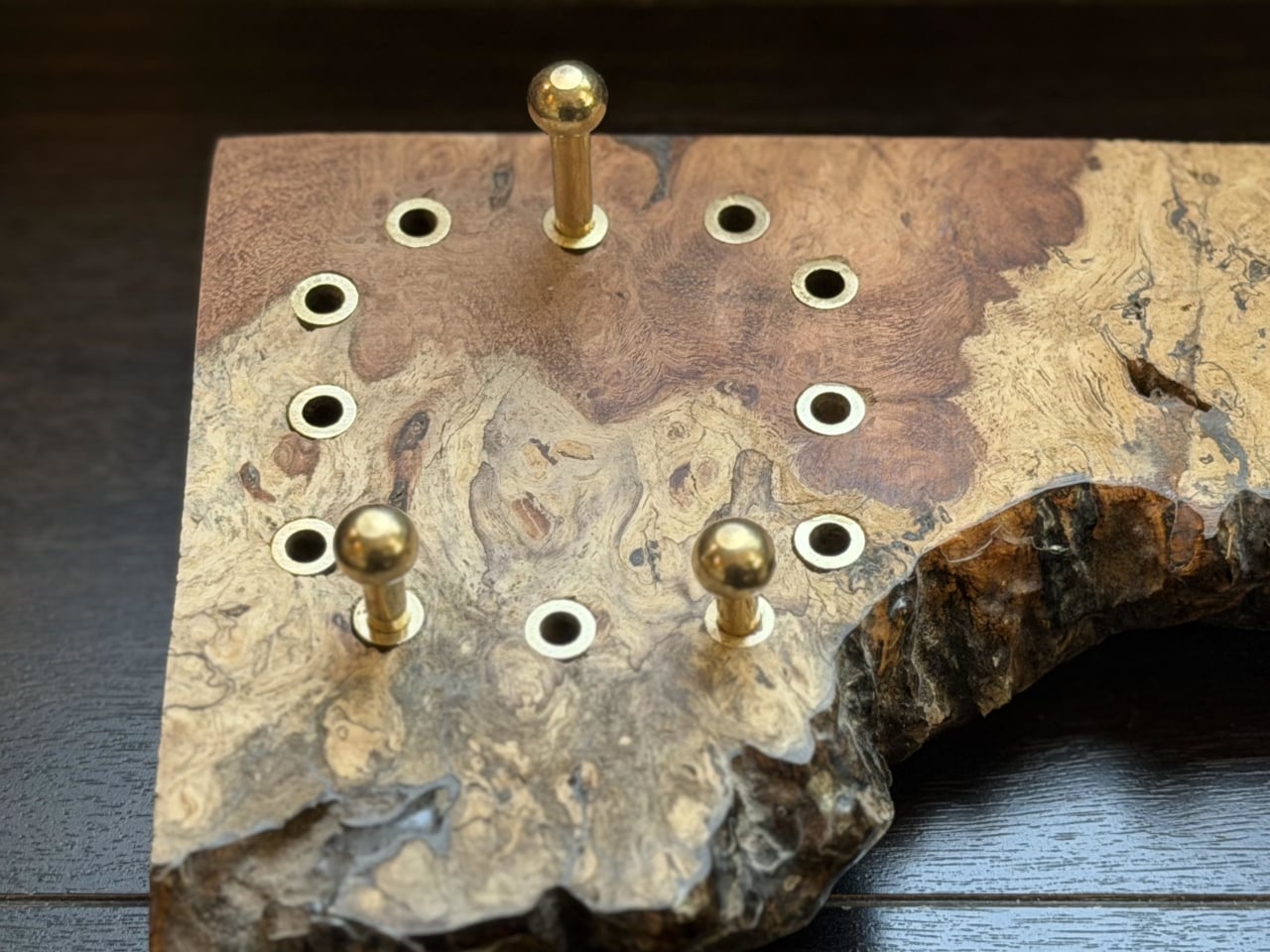
The base is a Quince burl chosen for its red, white, and black grain that echoes the shell’s pattern. A Magic Circle layout of brass bushings lets the shell’s angle be changed by moving three brass pillars. Threaded brass rods with ball nuts support the shell, and a drop of soft UV resin on each contact point prevents buzzing, making the heavy fossil appear to float while staying mechanically quiet.
Three hidden modes emerge. Holding the shell in your hands for bone-conducted haptic listening, shifting the exciter between internal and external mounts to change the sound from lo-fi radio to a sharper, more direct tone, and the dream of a stereo pair if a second shell appears. The Steampunk Nautilus turns a broken specimen into a reversible, vibrating instrument that asks you to feel the music as much as hear it, turning disappointment from a lottery into something tactile, strange, and surprisingly beautiful.

The post This 500-Million-Year-Old Nautilus Shell Is Now a Speaker first appeared on Yanko Design.

This 500-Million-Year-Old Nautilus Shell Is Now a Speaker

The Sazae Radio was a Japanese novelty radio built into a turban shell, sold by lottery in 2016 with just 100 units available for 8,350 applicants. The odds were 83.5 to one. Losing that lottery left a maker named hide-key with a simple choice: accept the disappointment or build something better. The DIY pivot turned into the Steampunk Nautilus, a haptic speaker project that takes a similar idea and pushes it considerably further.

The choice was a nautilus shell, a living fossil that has barely changed in 500 million years. Discovering that its English name matched Jules Verne’s submarine sealed the decision. The goal became not just a speaker, but a piece of audio art with three rules: steampunk-kintsugi repair, where metal celebrates the shell’s imperfections, conservation-minded reversibility, where every adhesive can be removed with acetone, and a haptic drive that turns the shell itself into a vibrating diaphragm.

Designer: hide-key

Early experiments failed. A massive sea snail shell refused to vibrate, too thick and heavy for a small exciter to drive. The nautilus, by contrast, worked immediately. Its thin, lightweight structure, built for buoyancy, behaves like a violin body or speaker cone, with internal ribs adding resonance without mass. The project quietly became a study in bioacoustics, where shell biology dictated whether the fossil could sing, and heavy shells behaved like bricks.

The build starts with a chipped shell and leans into the damage. The broken area is traced, and a 1.2 mm aluminum sheet is hammered and filed to match the organic curve, polished to a mirror, and attached with cyanoacrylate and brass-colored epoxy putty. All adhesives were chosen so they can be removed with acetone, leaving the shell intact underneath. Reversibility was treated as a hard constraint, respecting the specimen while giving it a new function.

The haptic core moved from a boring internal speaker to a vibration exciter mounted in a custom silicone cartridge that fits the shell’s living chamber. Water displacement measured the volume at just 50 cc, and Shore 15A silicone was poured to create a perfect seat. A transparent hair band acts as a hidden pull tab, and a silicone cap hides the exciter and diffuses its faint blue LED into a heartbeat-like glow deep in the spiral.

The base is a Quince burl chosen for its red, white, and black grain that echoes the shell’s pattern. A Magic Circle layout of brass bushings lets the shell’s angle be changed by moving three brass pillars. Threaded brass rods with ball nuts support the shell, and a drop of soft UV resin on each contact point prevents buzzing, making the heavy fossil appear to float while staying mechanically quiet.

Three hidden modes emerge. Holding the shell in your hands for bone-conducted haptic listening, shifting the exciter between internal and external mounts to change the sound from lo-fi radio to a sharper, more direct tone, and the dream of a stereo pair if a second shell appears. The Steampunk Nautilus turns a broken specimen into a reversible, vibrating instrument that asks you to feel the music as much as hear it, turning disappointment from a lottery into something tactile, strange, and surprisingly beautiful.

The post This 500-Million-Year-Old Nautilus Shell Is Now a Speaker first appeared on Yanko Design.

This 500-Million-Year-Old Nautilus Shell Is Now a Speaker

The Sazae Radio was a Japanese novelty radio built into a turban shell, sold by lottery in 2016 with just 100 units available for 8,350 applicants. The odds were 83.5 to one. Losing that lottery left a maker named hide-key with a simple choice: accept the disappointment or build something better. The DIY pivot turned into the Steampunk Nautilus, a haptic speaker project that takes a similar idea and pushes it considerably further.

The choice was a nautilus shell, a living fossil that has barely changed in 500 million years. Discovering that its English name matched Jules Verne’s submarine sealed the decision. The goal became not just a speaker, but a piece of audio art with three rules: steampunk-kintsugi repair, where metal celebrates the shell’s imperfections, conservation-minded reversibility, where every adhesive can be removed with acetone, and a haptic drive that turns the shell itself into a vibrating diaphragm.

Designer: hide-key

Early experiments failed. A massive sea snail shell refused to vibrate, too thick and heavy for a small exciter to drive. The nautilus, by contrast, worked immediately. Its thin, lightweight structure, built for buoyancy, behaves like a violin body or speaker cone, with internal ribs adding resonance without mass. The project quietly became a study in bioacoustics, where shell biology dictated whether the fossil could sing, and heavy shells behaved like bricks.

The build starts with a chipped shell and leans into the damage. The broken area is traced, and a 1.2 mm aluminum sheet is hammered and filed to match the organic curve, polished to a mirror, and attached with cyanoacrylate and brass-colored epoxy putty. All adhesives were chosen so they can be removed with acetone, leaving the shell intact underneath. Reversibility was treated as a hard constraint, respecting the specimen while giving it a new function.

The haptic core moved from a boring internal speaker to a vibration exciter mounted in a custom silicone cartridge that fits the shell’s living chamber. Water displacement measured the volume at just 50 cc, and Shore 15A silicone was poured to create a perfect seat. A transparent hair band acts as a hidden pull tab, and a silicone cap hides the exciter and diffuses its faint blue LED into a heartbeat-like glow deep in the spiral.

The base is a Quince burl chosen for its red, white, and black grain that echoes the shell’s pattern. A Magic Circle layout of brass bushings lets the shell’s angle be changed by moving three brass pillars. Threaded brass rods with ball nuts support the shell, and a drop of soft UV resin on each contact point prevents buzzing, making the heavy fossil appear to float while staying mechanically quiet.

Three hidden modes emerge. Holding the shell in your hands for bone-conducted haptic listening, shifting the exciter between internal and external mounts to change the sound from lo-fi radio to a sharper, more direct tone, and the dream of a stereo pair if a second shell appears. The Steampunk Nautilus turns a broken specimen into a reversible, vibrating instrument that asks you to feel the music as much as hear it, turning disappointment from a lottery into something tactile, strange, and surprisingly beautiful.

The post This 500-Million-Year-Old Nautilus Shell Is Now a Speaker first appeared on Yanko Design.

Best Gaming Mouse and Mechanical Keyboard Combo for Christmas: Rapoo VT2 MAX Gen-2 + V700DIY-98

Best Gaming Mouse and Mechanical Keyboard Combo for Christmas: Rapoo VT2 MAX Gen-2 + V700DIY-98

The holiday season is here, and for anyone searching for the perfect gift for gamers or PC enthusiasts, finding hardware that balances performance, aesthetics, and value can be a challenge. Rapoo has stepped up this year with a standout bundle that combines high performance, modern design, and unbeatable convenience. The VT2 MAX Gen-2 Gaming Mouse […]

The post Best Gaming Mouse and Mechanical Keyboard Combo for Christmas: Rapoo VT2 MAX Gen-2 + V700DIY-98 appeared first on Geeky Gadgets.

Posted in Uncategorized

Tiny Camper Company’s Stubby is $2,900, all-composite slide-in camper built to last

I’m in awe of how quickly the RV industry is transitioning from wood and metal builds to all-composite construction. Following the release of the Unit-1 rugged squaredrop off-roader from California-based Ecno Evil, which was constructed without wood yet designed to tackle untamed roads, another 100 percent wood-free camper makes its presence known. Called the Stubby, it is a bare-bones slide-in camper that starts at just $2,900, making it an accessible entry point for almost any type of adventurer.

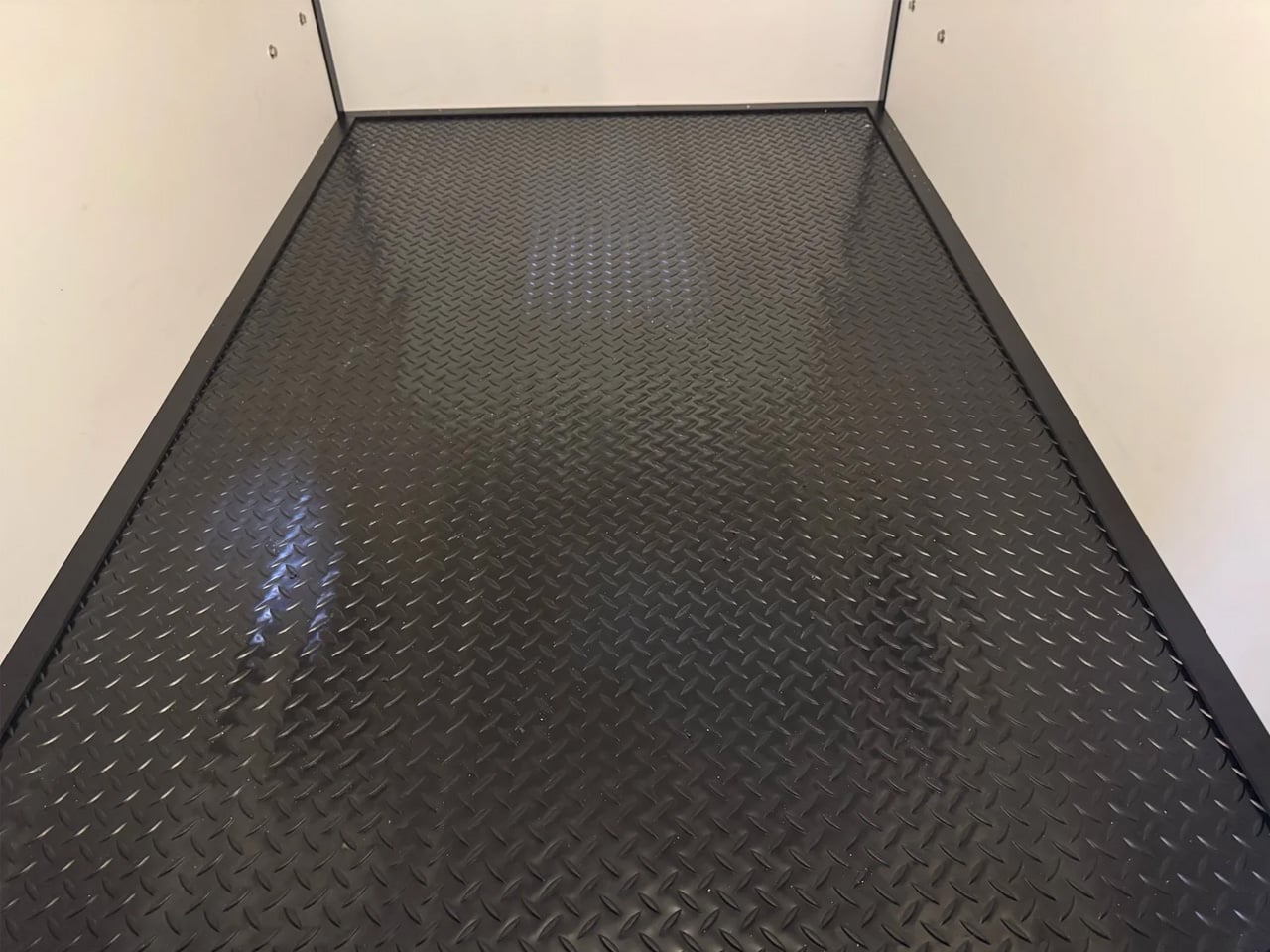
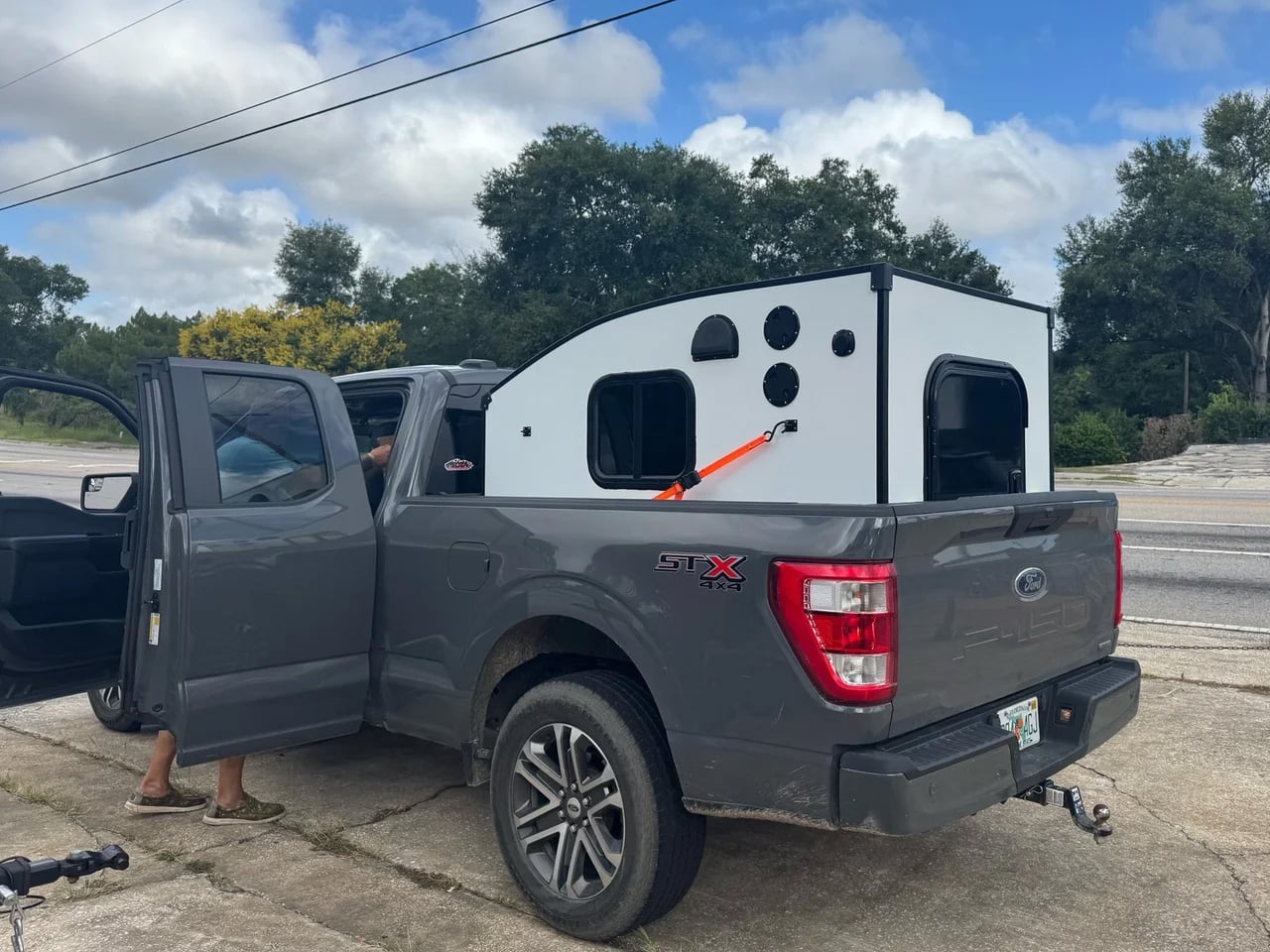
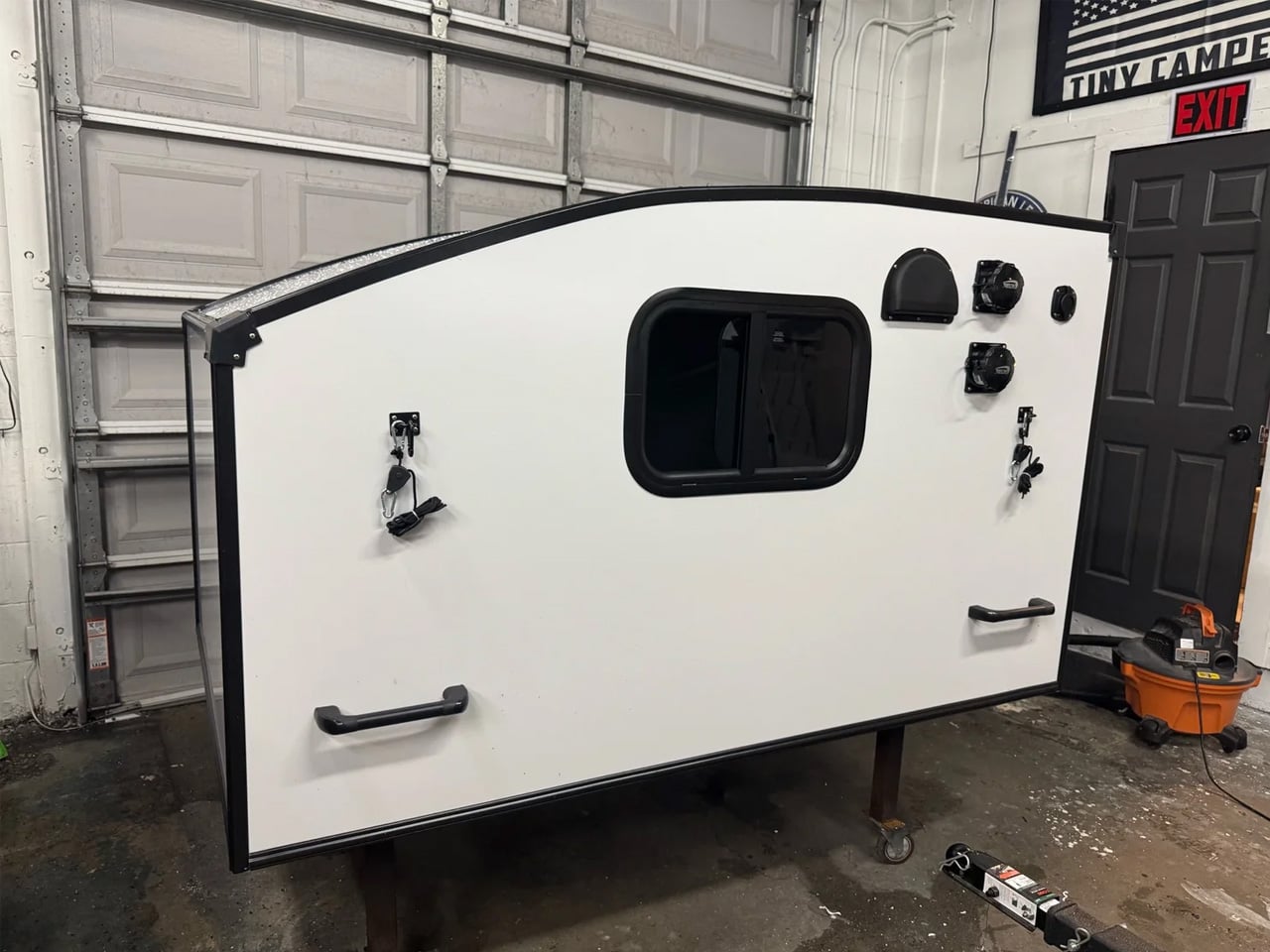
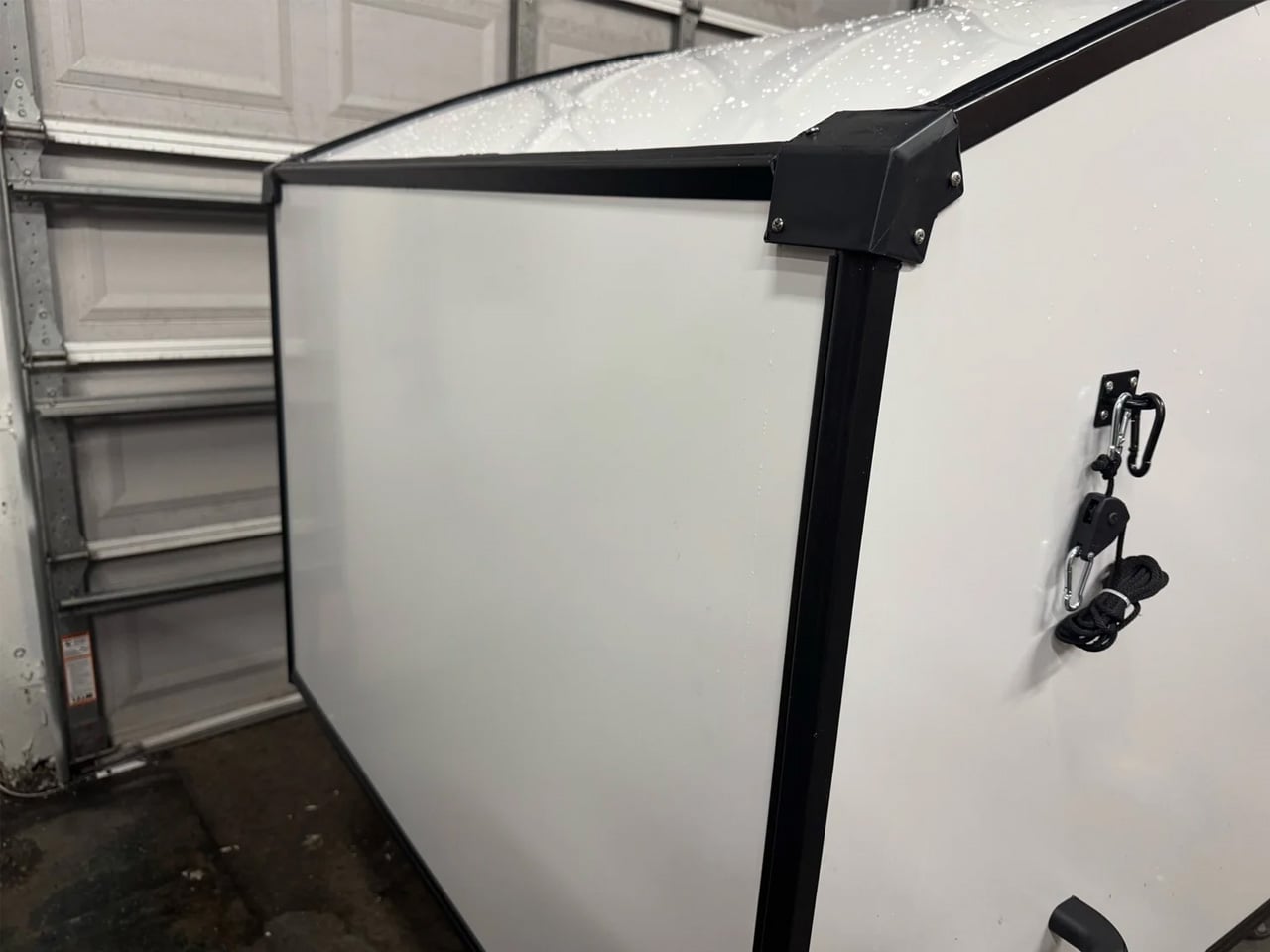
Completely wood-free, all-composite construction means this slide-in camper, whether it’s stationed on the pickup truck bed or mounted on a platform, will remain leak-proof and corrosion-free for the lifetime of the vehicle. To stay put where you choose to place it, the camper features a pair of aluminium slides and built-in tie-down points so it’s secure and stable to transport.

Designer: Tiny Camper Company

The Stubby is designed and engineered by the guys at the Tiny Camper Company in Florida, which has been creating affordable and compact RVs and has a decent portfolio to show. The Stubby slide-in can fit right into the back of a medium-sized truck with the help of only two people, who can lift and put it there. The cabin is absolutely lightweight at 280 lbs – largely because it’s only a sturdy and capable skeleton. If you want it out there in the wilderness with you, you will have to furnish it up at least with bedding, cooking, and toilet facilities.

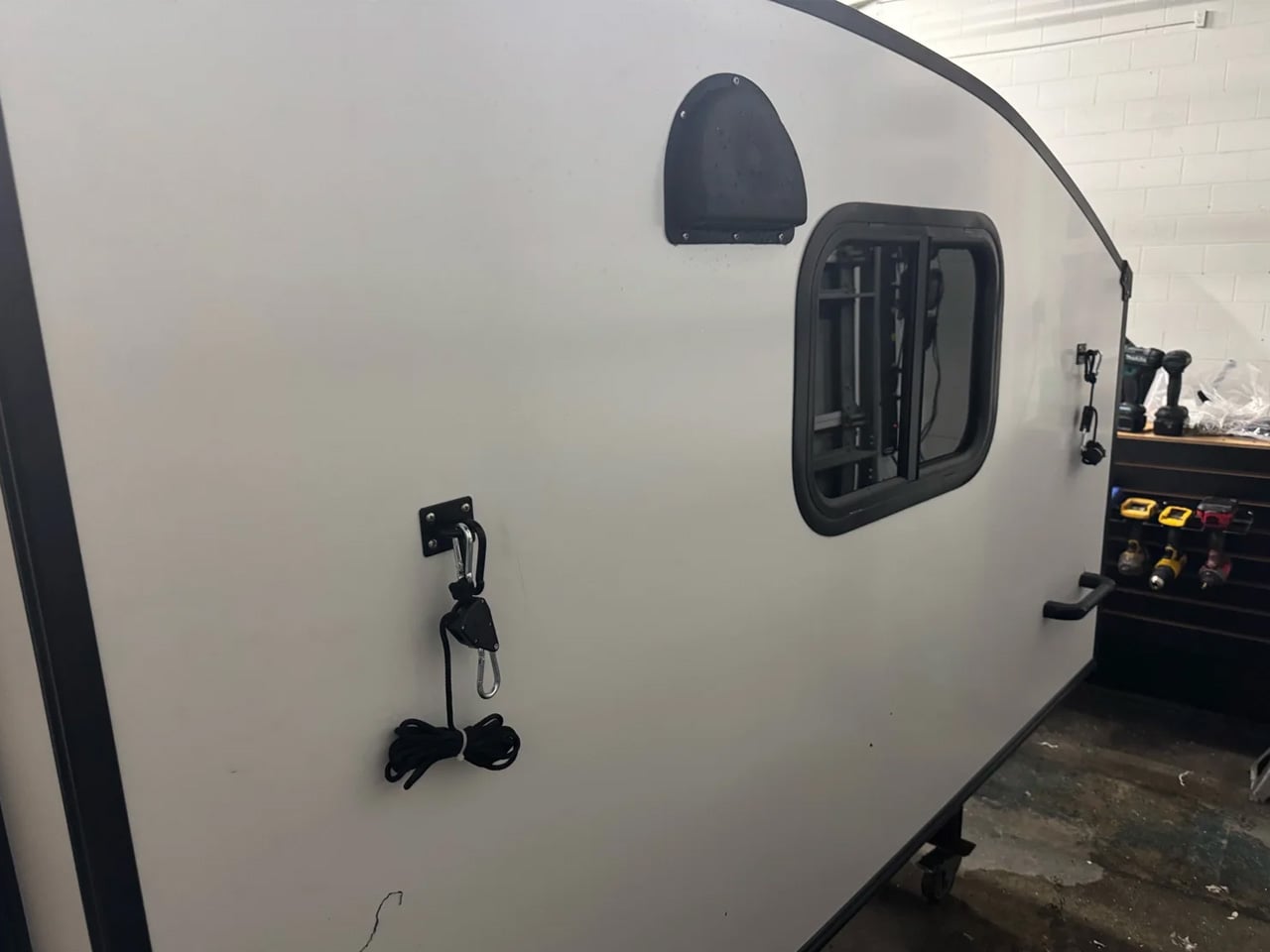
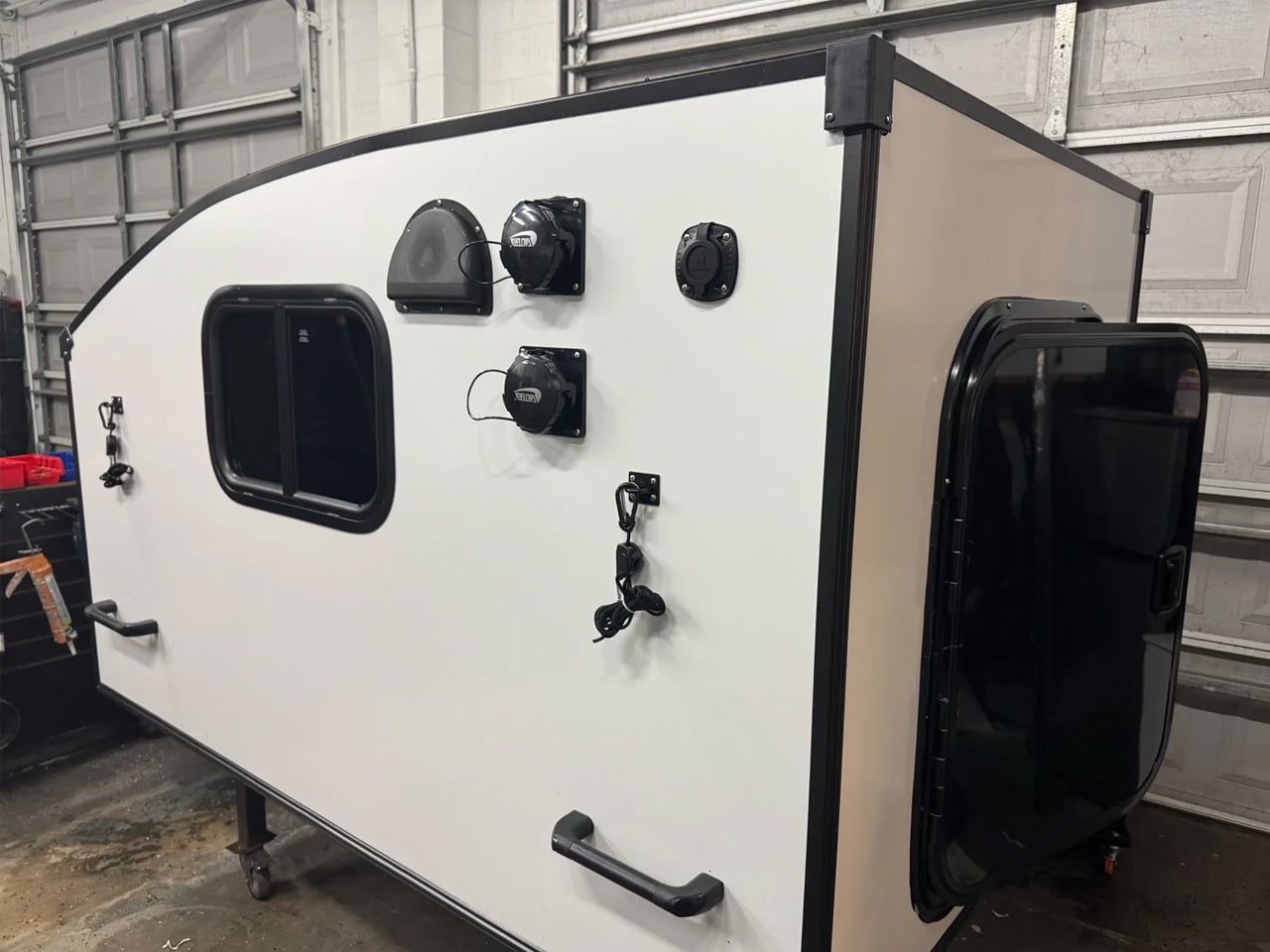
Notably, Stubby makes provision for power with a 110V interior outlet and a Marine-grade exterior power connection, but an alternative power source would be necessary when you want to camp in it. With the optional Zero Breeze Mark 2 air conditioner (that comes for an additional $700) and other addons, the slide-in camper should be apt for off-grid adventures and as a quick sleeping solution when you want to “convert your truck into a resting spot.”

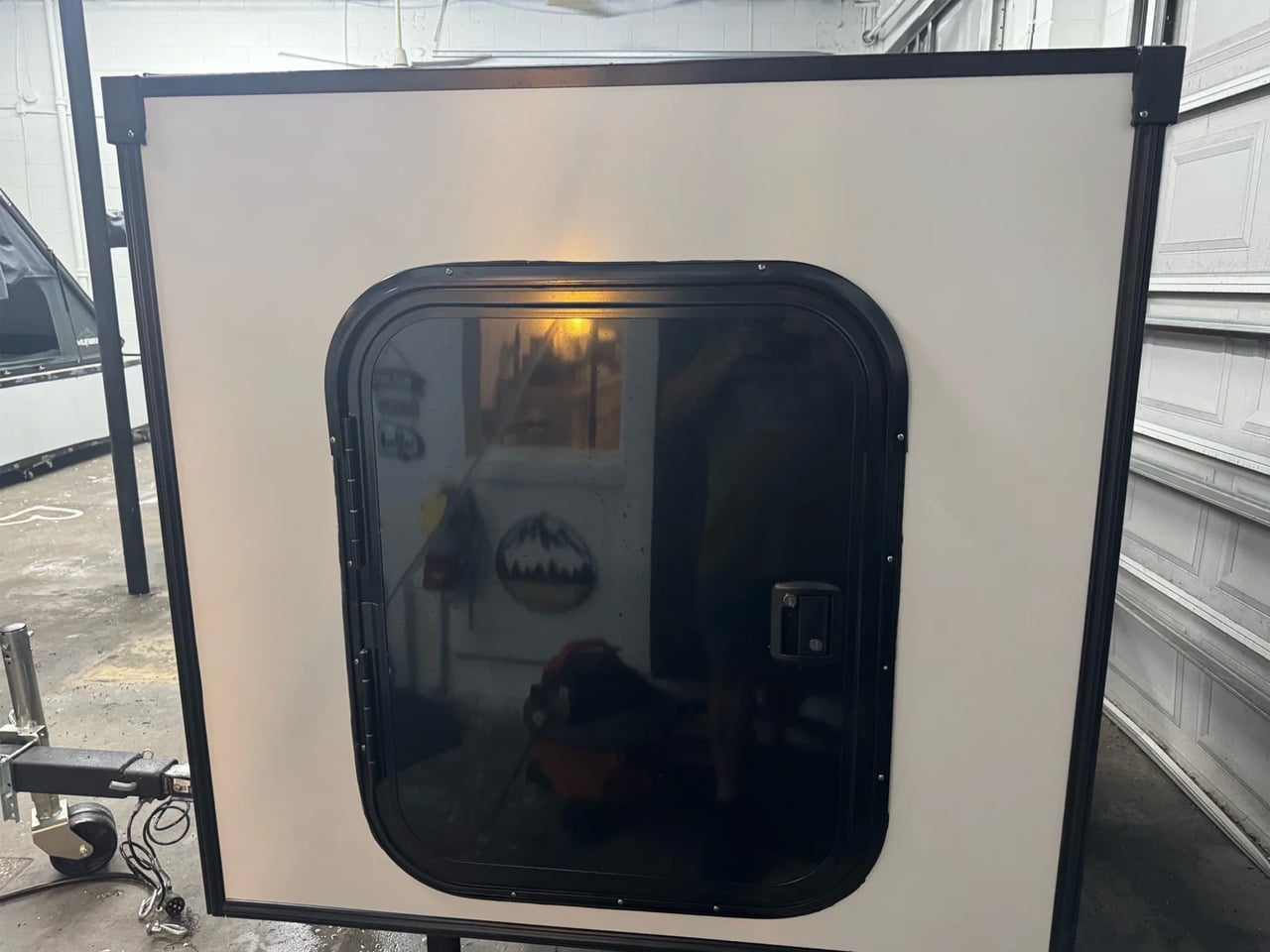
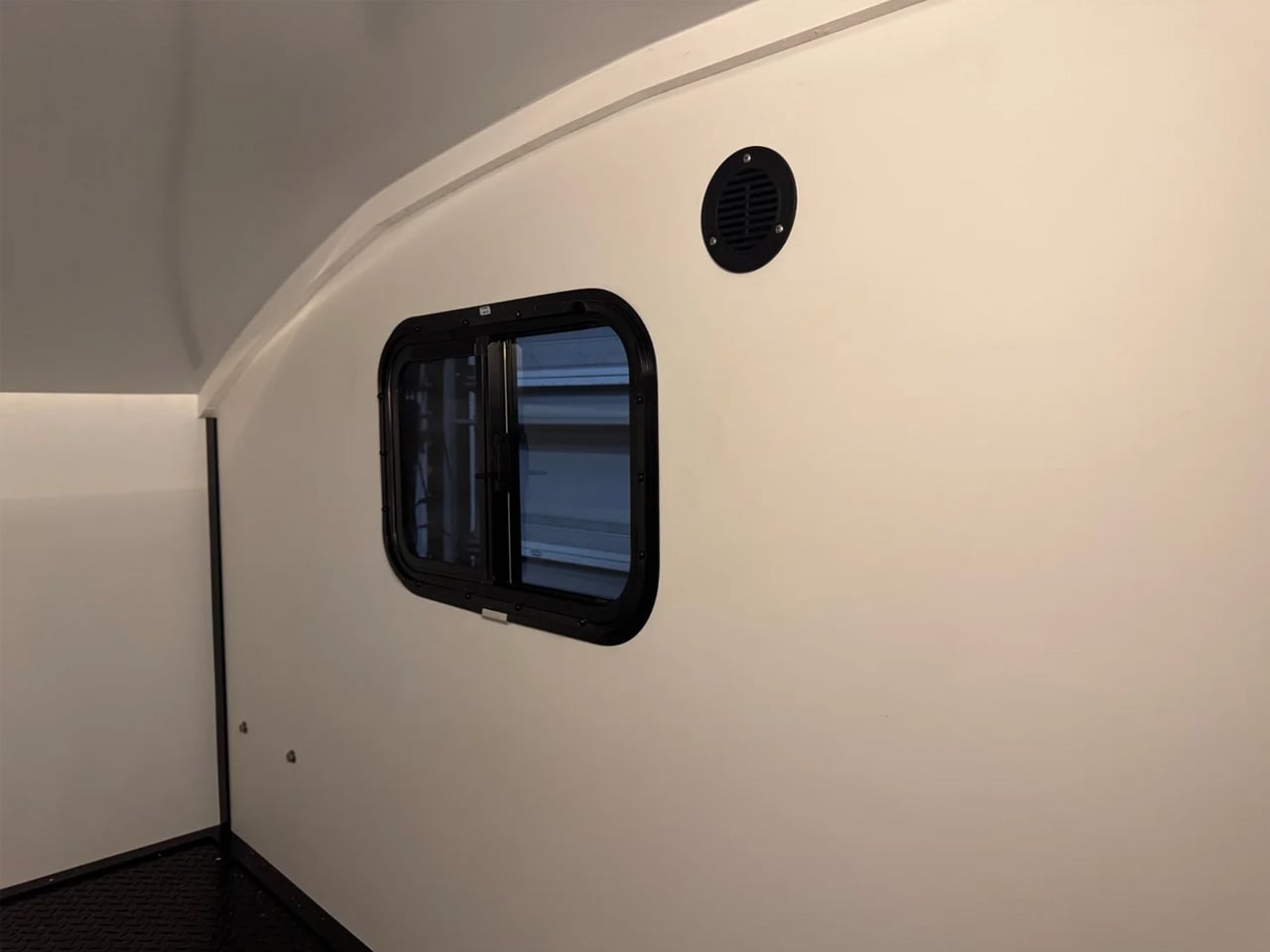
Crafted for utmost durability and maximum utility, the 48 inches wide x 6-foot 5 inches long Stubby may be bare bones on the inside to start with, but on the outside, it’s an impressive cabin. The rear access door, measuring 26 inches x 32 inches, is the only entrance. The periphery of the slide-in camper is marked by a set of 12-inch x 24-inch side windows that are strategically positioned to maximize natural light and ventilation. To ensure passive airflow, the Stubby also gets a half-moon air vent on either side. For an asking price of under $3,000, the Tiny Camper Company’s offering is surely enticing. Also, if you don’t like a lot of weight and side-protruding campers in your truck bed, the compact Stubby is a winner!


The post Tiny Camper Company’s Stubby is $2,900, all-composite slide-in camper built to last first appeared on Yanko Design.