Warner Bros. Discovery's board has formally rejected the $108 billion takeover bid from Paramount Skydance, the company announced. WBD said it remains committed to its $82.7 billion deal with Netflix, which would close some time next year, pending regulatory approval.
"[The board] has unanimously determined that the tender offer launched by Paramount Skydance on December 8, 2025 is not in the best interests of WBD and its shareholders and does not meet the criteria of a "Superior Proposal" under the terms of WBD's merger agreement with Netflix announced on December 5, 2025," the studio said in the press release.
Paramount's offer was funded in part by sovereign wealth funds from Saudi Arabia, Qatar and Abu Dhabi, so it could have triggered a national security review by the US government. However, Paramount said that even if those entities dropped out, the company's owners (the Ellisons) would "backstop the full amount of the bid."
However, the board said that Paramount "has consistently misled WBD shareholders that its proposed transaction has a 'full backstop' from the Ellison family. It does not, and never has," adding that "the terms of the Netflix merger are superior." WBD explained that Paramount is relying on an "opaque revocable trust" for said backstop which is "no replacement for a secured commitment by a controlling shareholder." WBD's board also noted that Paramount expects to achieve $9 billion in cost synergies from the merger, and that "would make Hollywood weaker, not stronger."
In a statement, Netflix co-CEO Ted Sarandos said that "the Warner Bros. Discovery board reinforced that Netflix's merger agreement is superior and that our acquisition is in the best interest of stockholders. This was a competitive process that delivered the best outcome for consumers, creators, stockholders and the broader entertainment industry."
Paramount has yet to comment, but the company has previously said that its $30 per share offer is a better deal, due to the all-cash nature (compared to 84 percent cash for Netflix) and fact that it would have a clearer path to regulatory approval due to the Ellison's supposedly tight relationship with President Trump.
This article originally appeared on Engadget at https://www.engadget.com/entertainment/warner-bros-discovery-rejects-paramounts-hostile-bid-131055882.html?src=rss
Apple has officially launched iOS 26.2, bringing a host of updates designed to enhance functionality, customization, and accessibility. This latest release focuses on making your device more intuitive and adaptable, offering tools that cater to a wide range of user needs. Below is a detailed look at the standout features and improvements introduced in […]
There are way too many online services and subscriptions to keep track of these days, but the flip side is there’s a tool for just about everything. Time is just about up to get a physical gift shipped in time for the holidays, so below we’ve pulled together some of our favorite digital gifts and subscriptions, including time-tested video, music and gaming services as well as tools to clear your mental space and learn new skills. There are also a few subscriptions that provide ongoing, IRL deliveries, if you think your giftee will appreciate the nostalgic charm of a physical object.
Best digital gifts and subscription gifts
Gaming subscriptions
Game consoles are certainly among the most popular gift ideas this time of year. If you know someone who’s been so good that they’re getting a new Nintendo Switch, PlayStation 5 or Xbox Series X/S, one of these subscriptions will make their shiny toy immediately playable out of the box.
There’s no doubt that Microsoft has changed the value proposition for its Game Pass subscription service service. It recently raised the price for its most comprehensive Ultimate tier by 50 percent, to $30 a month. That’s a bitter pill to swallow — but devoted players who have an Xbox as their main (or only) console will still get a ton of value out of Game Pass.
The aforementioned Ultimate tier provides access to more than 500 games that’ll work on Xbox, PC and other supported devices. It’s also the only way to get “day one” release games like Hollow Knight: SilksongNinja Gaiden 4, The Outer World 2, Call of Duty Black Ops 7; in recent years other high-profile day one releases have included Doom: The Dark Ages, Starfield, Clair Obscur: Expedition 33, Forza Motorsport and numerous others. Game Pass Ultimate subscribers also have access to the highest quality and fastest game streaming Xbox offers. For a slightly less hardcore Xbox fan, though, the $15-per-month Premium tier is also worth considering.
Nintendo’s Switch Online subscription has gotten some nice upgrades in 2025, the year of the Switch 2. As it has for years, Nintendo offers two different Switch Online plans. The basic $20-per-year plan unlocks online play and enables Switch 2 owners to use the system's GameChat capabilities. It also includes more than 100 Game Boy, NES and Super NES games, cloud backups of your saved games as well as the occasional special offers. It also includes access to the rather silly but enjoyable Nintendo Music app, so you can listen to your favorite Zelda or Mario tracks at any time.
The $50 “expansion pack” adds a collection of N64, Game Boy Advance and Sega Genesis games as well as some DLC for games like Mario Kart 8, Animal Crossing: New Horizons and Splatoon 2. But most interesting are the new additions for Switch 2 owners: there’s a small but growing library of GameCube games, including classics like The Legend of Zelda: The Wind Waker and F-Zero GX. Switch 2 owners who have the expansion pack subscription can also upgrade to the Switch 2 versions of The Legend of Zelda: Breath of the Wild and Tears of the Kingdom for free.
A PlayStation Plus subscription is a must-have for any PS5 owners. That’s partially because you need one to play multiplayer games online, but there are plenty of other significant benefits. PS Plus comes in three tiers, but the middle “Extra” plan ($15/month or $135/year) is probably best for most gamers. In addition to cloud storage for saves, online multiplayer support and a couple of free games for your library every month, you get access to the PlayStation Plus catalog, which includes more than 400 PS4 and PS5 games.
There are a number of heavy hitters here, including The Last of Us Part I and II, Ghost of Tsushima, God of War Ragnarok, Death Stranding, Marvel’s Spider-Man Remastered and Returnal alongside lower-profile hits and indie games such as Citizen Sleeper, Sayonara Wild Hearts, Dave the Diver and Humanity. If you know someone who loves older games though, the “Premium” tier ($18/month or $160/year) adds a bunch of titles from the PS1 through the PS4 as well as perks like game trials and PS5 game streaming from the cloud.
This article originally appeared on Engadget at https://www.engadget.com/the-best-subscription-gifts-to-send-to-your-loved-ones-this-christmas-disney-bundle-masterclass-field-notes-and-more-141830326.html?src=rss
When Amazon’s latest Echo speakers arrived in October, a feature the company spent time hyping during its fall devices event was missing. Alexa Home Theater arrived in late November, allowing owners of a recent Fire TV device and either of the new Echo speakers the ability to use up to five units and an Echo Sub as a surround sound setup. The main selling point is that the underlying tech allows you to put the speakers wherever you want and Alexa Home Theater will handle the rest. A robust array of speakers is a considerable investment, though, and there are limitations to Amazon’s latest play for your living room.
What is Alexa Home Theater?
At the most basic level, Alexa Home Theater is an automatic room calibration tool that’s akin to Trueplay from Sonos, SpaceFit Sound from Samsung or Sound Field Optimization from Sony. The feature, no matter which company builds it, is designed to automatically tune the acoustics of a soundbar or other speakers to the acoustics of the room. These tools allow companies to account for things like high ceilings and weird angles, adjusting audio performance so things sound their best no matter how your home is designed.
Like similar technologies from other companies, Alexa Home Theater and the latest Echo speakers also support spatial awareness. This allows you to position the speakers however they best fit in your living room and the underlying tech will balance the sound based on their proximity to each other. Gone are the days when you have to put rear speakers in a specific spot in order for them to work.
For the latest Echo speakers, Amazon overhauled Alexa Home Theater to accommodate more devices in a single setup. Now you can use up to five Echo Dot Max or second-generation Echo Studio units and a subwoofer at the same time. Of course, this means you can put the compact speakers around the perimeter of your home theater space, providing more immersive surround sound than a single speaker or two can muster. Alexa Home Theater recognizes each Echo speaker and adjusts the system accordingly.
What hardware do I need to use it?
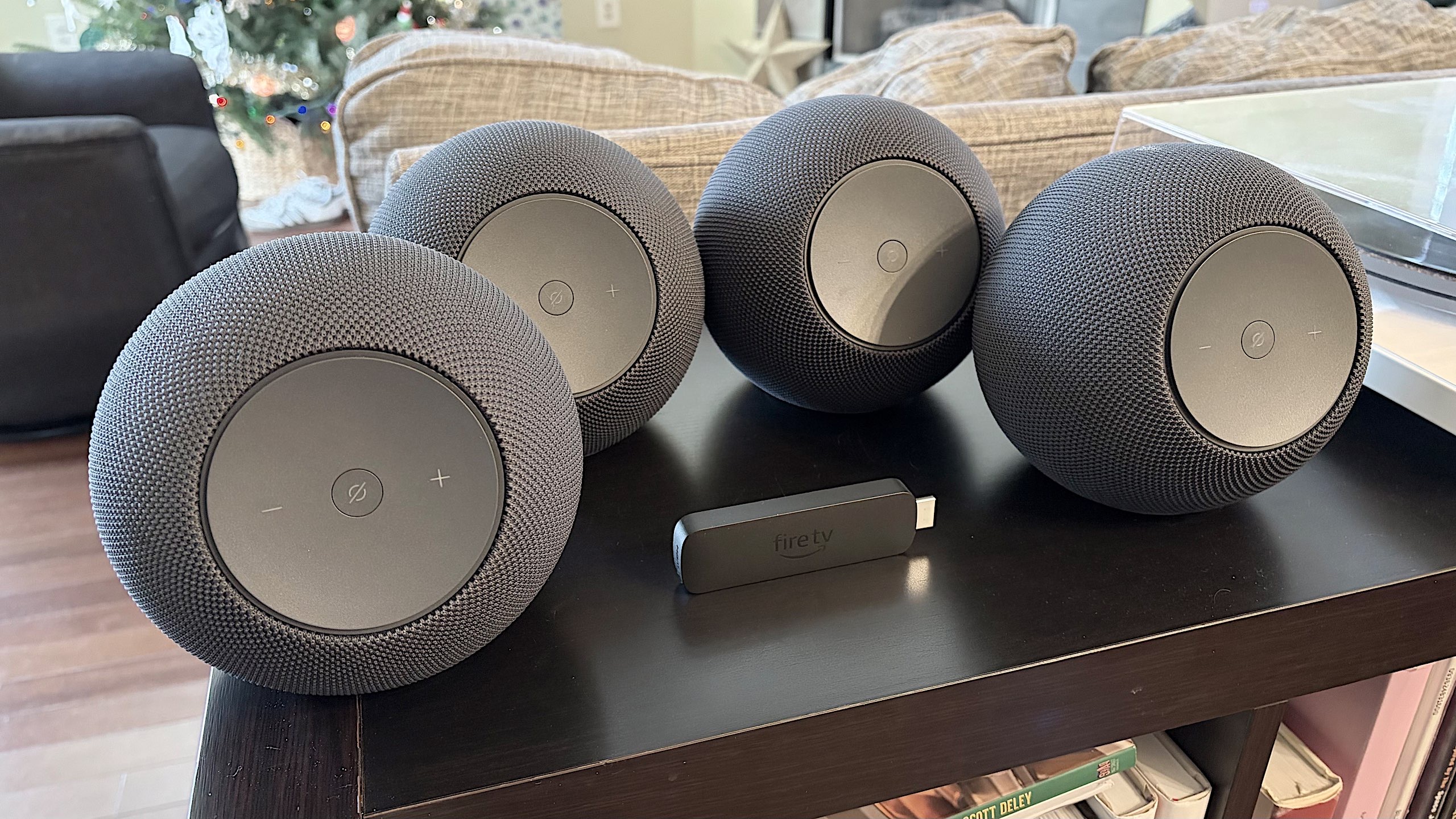
My test setup was four Echo Studio speakers and a Fire TV Stick 4K Max.
Billy Steele for Engadget
If you want to use more than two Echo speakers and a subwoofer in your Alexa Home Theater setup, you’ll need the latest Amazon devices to make that happen. That list includes the Echo Dot Max and second-gen Echo Studio, along with the Echo Sub if you crave more bass. You’ll also need a Fire TV streaming gadget for the multi-speaker option, but it has to be one of the following:
Fire TV Cube (3rd gen)
Fire TV Stick 4K Max (2nd gen)
Fire TV Stick 4K (2nd gen)
Fire TV Stick 4K Plus
You might be wondering why Alexa Home Theater isn’t supported on other (older) Amazon streaming and audio models. Well, it is… but you’ll only be allowed to pair just two Echo speakers of the same model with an optional subwoofer for a total of three devices. That list of supported models is quite long, but it accounts for the two most recent generations of both the Echo and Echo Dot in addition to the Echo Pop, Echo Plus (2nd gen) and the original Echo Studio. This two-speaker method is also supported on more Fire TV devices, including some standalone TVs with Amazon’s streaming platform built in.
In that scenario, it means you could pair two Echo speakers with a subwoofer, for example, and have them play the same audio content with Alexa Home Theater.
Currently, Amazon says these are Fire TV devices that don’t support Alexa Home Theater:
Fire TV Stick 4K Select
Amazon Fire TV 2-Series
Fire TV 4-Series (2025 Release, newest model)
Fire TV Omni QLED Series (2025 Release, newest model)
Fire TV Omni Mini-LED Series (2024 Release, newest model)
How to set up Alexa Home Theater
Like nearly all home theater speakers and soundbars these days, setting up Alexa Home Theater is easy once you have the required hardware in place. Unlike a lot of the competition, this initial configuration isn’t done in a mobile app — it’s handled by the Settings menu on a compatible Fire TV device. Before you initiate the setup process, you’ll want to make sure your Echo speakers and Fire TV device are up to date. You can ask Alexa to check for updates to the speakers, while you’ll need to check the Device & Software section of the Fire TV Settings menu for those gadgets. Once everything is current, here are the steps to follow to get started with Alexa Home Theater:
Go to Settings on your Fire TV.
Select Display & Sounds.
Select Alexa Home Theater.
Select Create Alexa Home Theater.
Select the compatible Echo speakers. You can also add an Echo Sub during this step.
Follow the on-screen instructions to configure the system. After you select either the second-gen Echo Studio or the Echo Dot Max, hit Next and the system will calibrate automatically. If you select other Echo speakers, hit Next and then confirm the placement of the speakers before calibration.
When the setup is complete, the Alexa Home Theater system is ready to use. To do so, select either Home or Watch Preview.
Using Alexa Home Theater with four Echo Studio speakers
The two Echo Studio speakers that flanked my TV primarily handled dialogue.
Billy Steele for Engadget
Like most home theater gear, the Fire TV will play short audio clips through each Echo speaker and your TV speakers to determine their location and to calibrate the group to the room. From start to finish, the setup process takes about five minutes — so long as your Fire TV and all speakers are running up-to-date firmware. It’s a quick and straightforward process, which meant I was watching Fallout soon after putting all of the speakers in place.
While streaming that video game-inspired original series, the Echo Studios provided an immersive audio experience with directional sound and crisp, clear dialogue. The front two speakers handle speech, but there’s some nuance in what direction it’s coming from on screen. Rear speakers are tasked with the bulk of the environmental noise, whether that’s nearby water, passing cars, rain or gunfire — just to name a few. I was also pleasantly surprised by how much bassy rumble these speakers produced during movies and shows. I didn’t think a single unit was particularly adept at low-end tone during my review, but I think it would be just fine to use a collection of Echo Studios without having to add the Echo Sub.
The overall audio performance here is certainly a boost over any TV’s built-in speakers, but the sense of immersion isn’t as complete as what a soundbar and a pair of rear satellite speakers can provide. Specifically, I felt like the foursome of Echo Studio speakers in my test setup stumbled with the height channels. Despite the angled design of the devices and their multi-driver configurations, the effect of overhead and aerial sounds was quite subdued.
And the worst part about this is that there’s no way to try to fix it with settings. That’s because there are minimal settings to adjust once Alexa Home Theater is set up. There are two features — dialogue boost and volume leveler — but those are both Fire TV settings rather than items meant for any connected speakers. In the Alexa Home Theater menu, there’s a lip sync tool to address any audio lag, which is a standard item for any soundbar. I would’ve loved to see some kind of channel adjustment at the very least, so that I could dial in the mix a bit rather than relying on Amazon’s preferences.
If you turn to Alexa for help, the assistant can only change bass, treble and midrange, and it can only do so when prompted by voice commands. When I asked for it to turn up the dialogue, it seemed to just increase the volume. If I asked it to adjust the height channels, Alexa responded affirmatively, but it didn’t sound like any tweaks were applied. Amazon later confirmed that those basic EQ changes are Alexa and actually do here.
Another gripe I have with Alexa Home Theater is the inability to connect my phone or another device to the entire group for music. You can still sync with individual Echo Studio speakers for music via Bluetooth, but if you want to use the whole shebang, you’ll have to play your tunes from the Fire TV or ask Alexa to help.
The Fire TV platform has plenty of audio streaming apps, but Apple Music isn’t there and that’s where my monthly subscription resides. You have to add the Apple Music skill to the Alexa app on your phone first, then you can stream content from the service by asking Amazon’s assistant. For other services with Fire TV apps, you’re using your TV to play music, and most of the time I want the TV off and to just pick up my phone to blast some Spiritbox. I also like to control the queue from my phone, but alas that’s not an option here.
Wrap-up
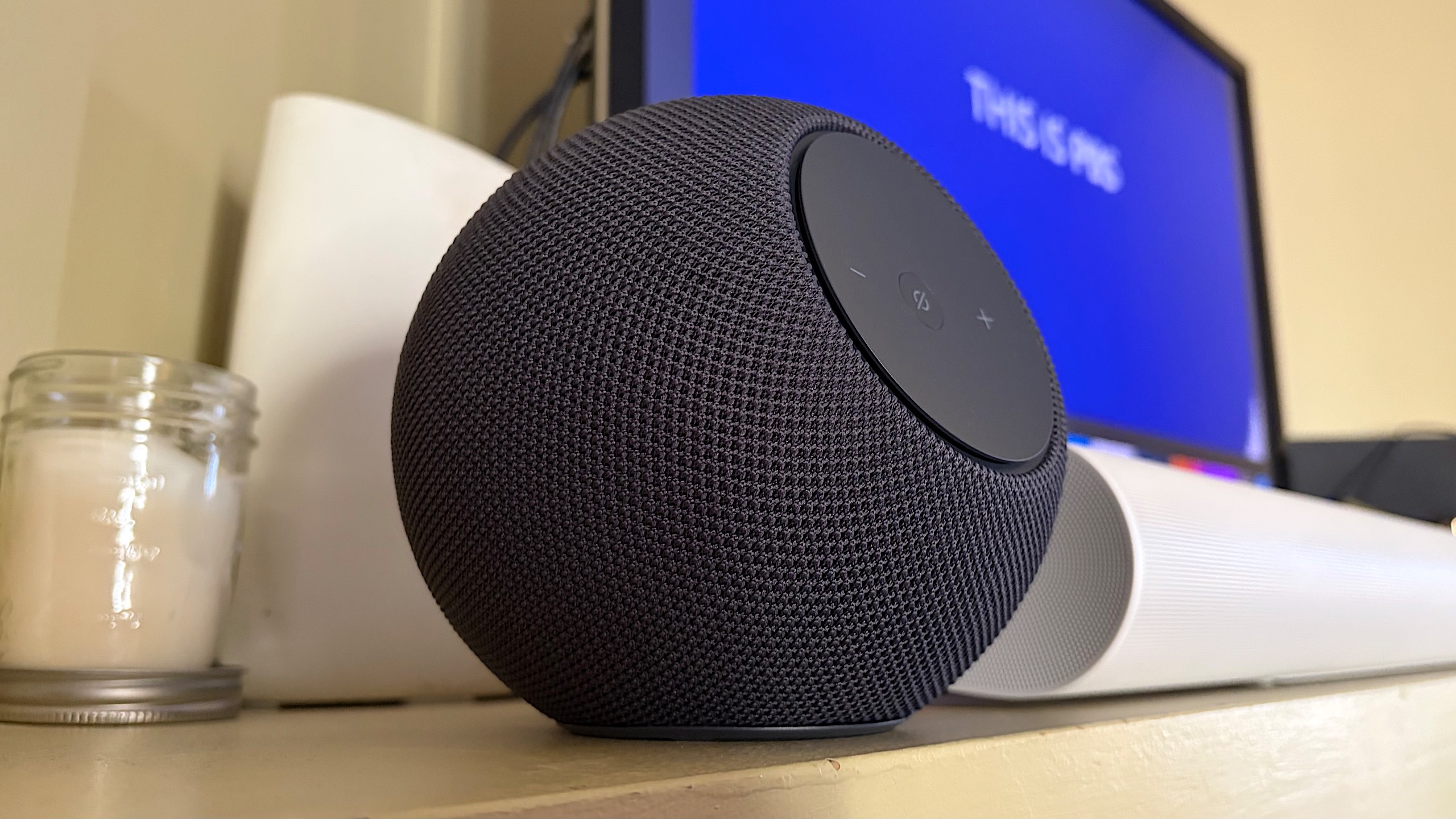
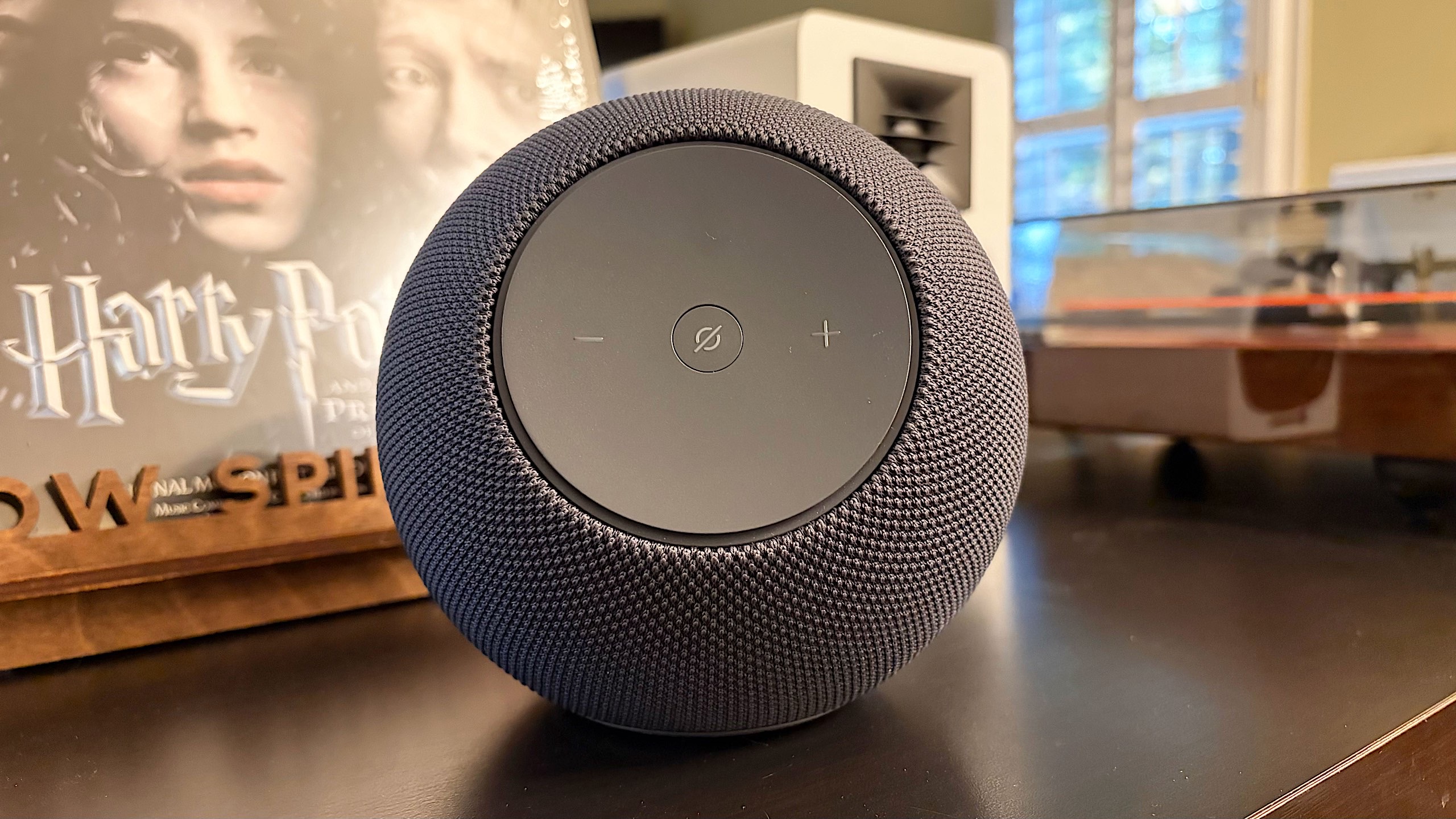
Amazon's new Echo Studio is a complete redesign from the 2019 model.
Billy Steele for Engadget
The main issue with using four Echo Studios and a Fire TV is the cost. For the speakers alone, you’re looking at nearly $900 for the setup I tested. When the new Echo speakers were announced in September, Amazon said it would offer Alexa Home Theater bundles with multiple speakers, but I couldn’t find those on the company’s website.
For comparison, Sonos currently offers multiple configurations of the Beam soundbar and either Era 100 speakers or a sub for less than $800. For the same price as four Echo Studio speakers, you can get Sony’s Bravia Theater System 6, which comes with a soundbar, rear speakers and a subwoofer. There are other options from other companies as well in the $800 range, and most people will likely be happier with a dedicated soundbar-based setup than four Echo units and a subwoofer. Hello, AirPlay and Google Cast.
From an aesthetic perspective, I can see why someone might opt for multiple Echo speakers instead of a mid-sized (or larger) soundbar. Two Echo Studios on either side of my TV with the two rear units tucked away on a shelf certainly creates a clean look. And in terms of sound, using two Echo Studio speakers, let alone four like I tested, will provide a noticeable boost over a TV’s built-in speakers. However, the lack of customization and the inability to control music from my phone for an Alexa Home Theater group makes it hard to recommend Amazon’s latest for shoppers looking for more immersive audio in the living room. Hopefully the company will continue to refine this feature so that it’s more capable in the future.
This article originally appeared on Engadget at https://www.engadget.com/audio/speakers/alexa-home-theater-everything-you-need-to-know-about-amazons-newest-echo-feature-130000328.html?src=rss
What if you could harness the power of innovative AI without ever compromising your data’s privacy? Imagine a system that processes sensitive legal contracts, medical records, or financial data entirely on your local machine, no cloud, no external servers, no risks. In an era where data breaches and privacy violations dominate headlines, the idea of […]
Finding a gift that arrives quickly without screaming “panic purchase” requires more than fast shipping. The best last-minute presents carry weight beyond their delivery speed—they reflect care through considered design, quality materials, and the kind of details that suggest you’ve been thinking about the recipient all along. These aren’t placeholder gifts. They’re objects that tell a story about taste, intention, and understanding what someone actually values.
The designs featured here share a quiet sophistication that transcends their availability. Each piece balances immediate gratification with lasting presence, turning a compressed timeline into an advantage rather than a compromise. From Japanese craftsmanship to innovative functionality, these gifts feel curated, not rushed. They’re the kind of presents that make people ask where you found them, never when you ordered them.
1. FoldLine Pen Roll
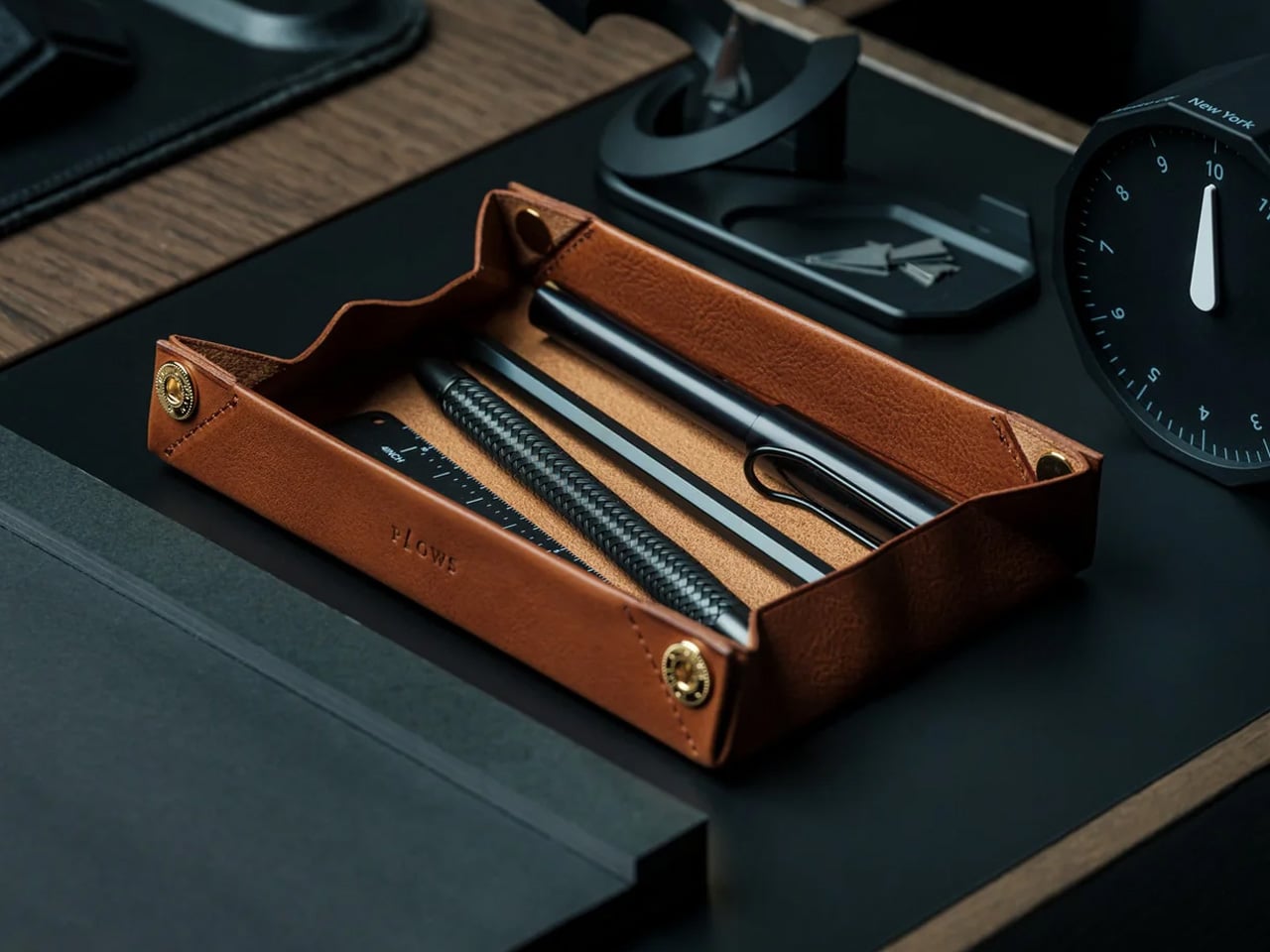
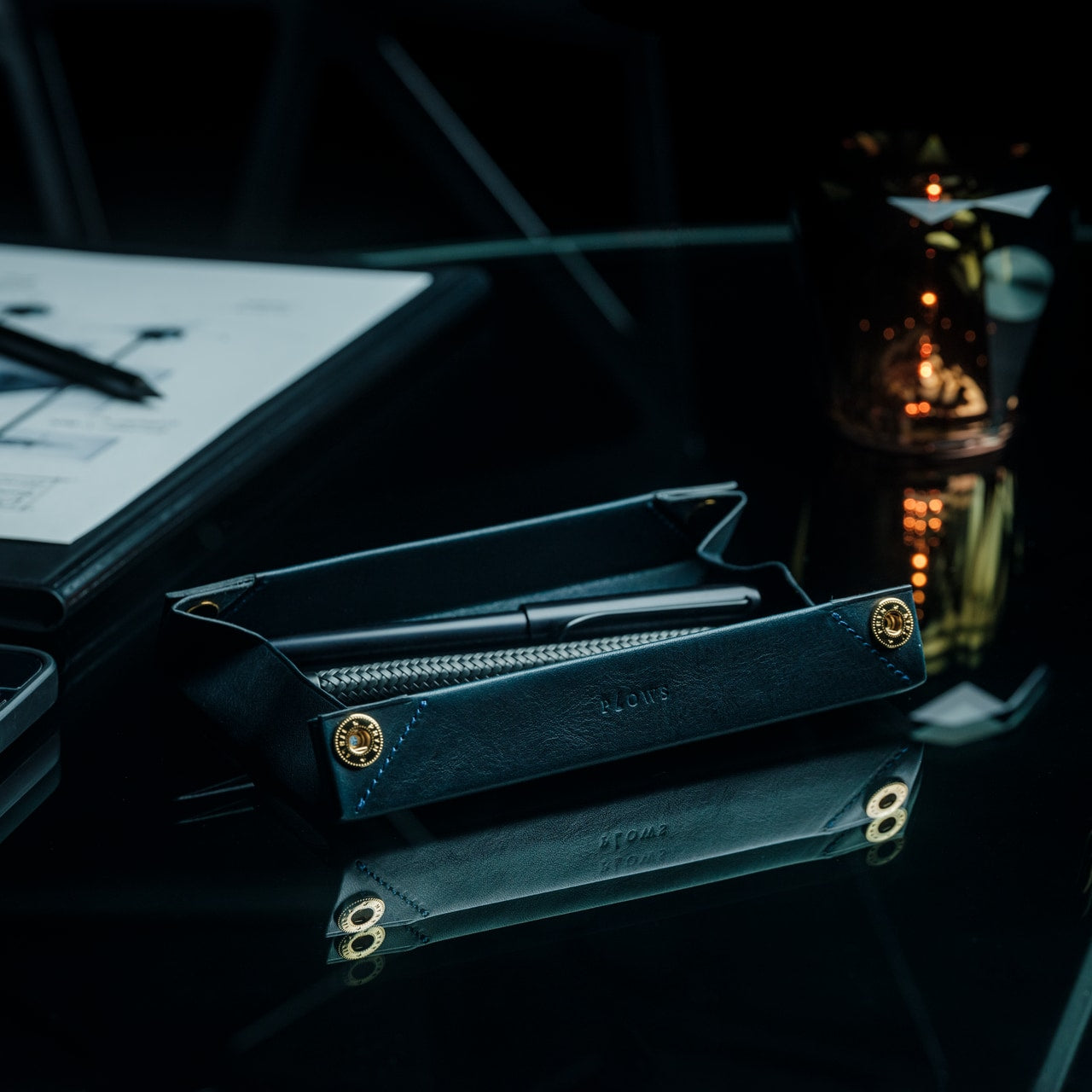
The ritual of writing deserves more than a cluttered pencil case. This leather pen roll transforms from compact storage into an instant workspace tray, giving anyone who thinks through their hands a moment of calm before the first mark hits paper. Made from single-piece Italian vegetable-tanned leather, it cradles writing instruments without rattling or scratching, creating separation through intelligent folding rather than bulky dividers. The design feels meditative—unzip from either side, unfold in two seconds, and suddenly any coffee shop counter becomes a defined creative zone.
What makes this gift feel intentional is how it anticipates the recipient’s actual needs. The hollow interior remains slim even when fully loaded, allowing it to slip into bags without adding bulk. The machined Italian snap closure delivers that satisfying tactile click that premium objects should. Over time, the Minerva Box leather from Badalassi Carlo tannery develops a patina unique to its owner’s habits, aging beautifully rather than simply wearing down. For writers, artists, or anyone who carries their tools with purpose, this feels less like an accessory and more like an extension of how they work.
The origami-inspired folding mechanism creates a tray without adding bulk to the closed form.
Single-piece leather construction eliminates internal stitching that could damage the pen’s finish.
Ambidextrous design opens cleanly from either direction for effortless access.
Natural vegetable tanning ensures the leather improves with age rather than deteriorating.
What we dislike
The premium Italian leather and Japanese craftsmanship place it at a higher price point.
Limited capacity means prolific pen collectors might need multiple rolls.
2. StillFrame Headphones
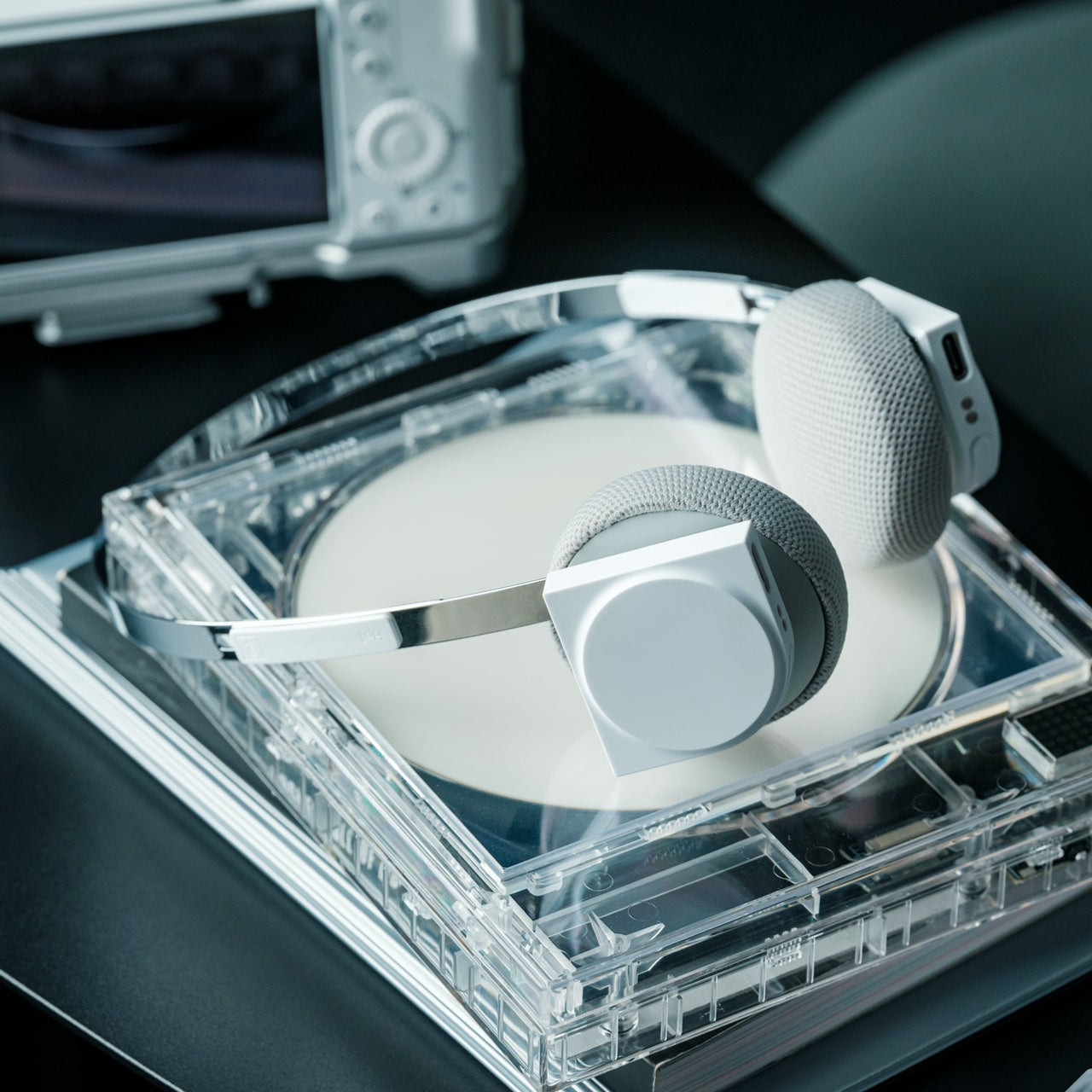
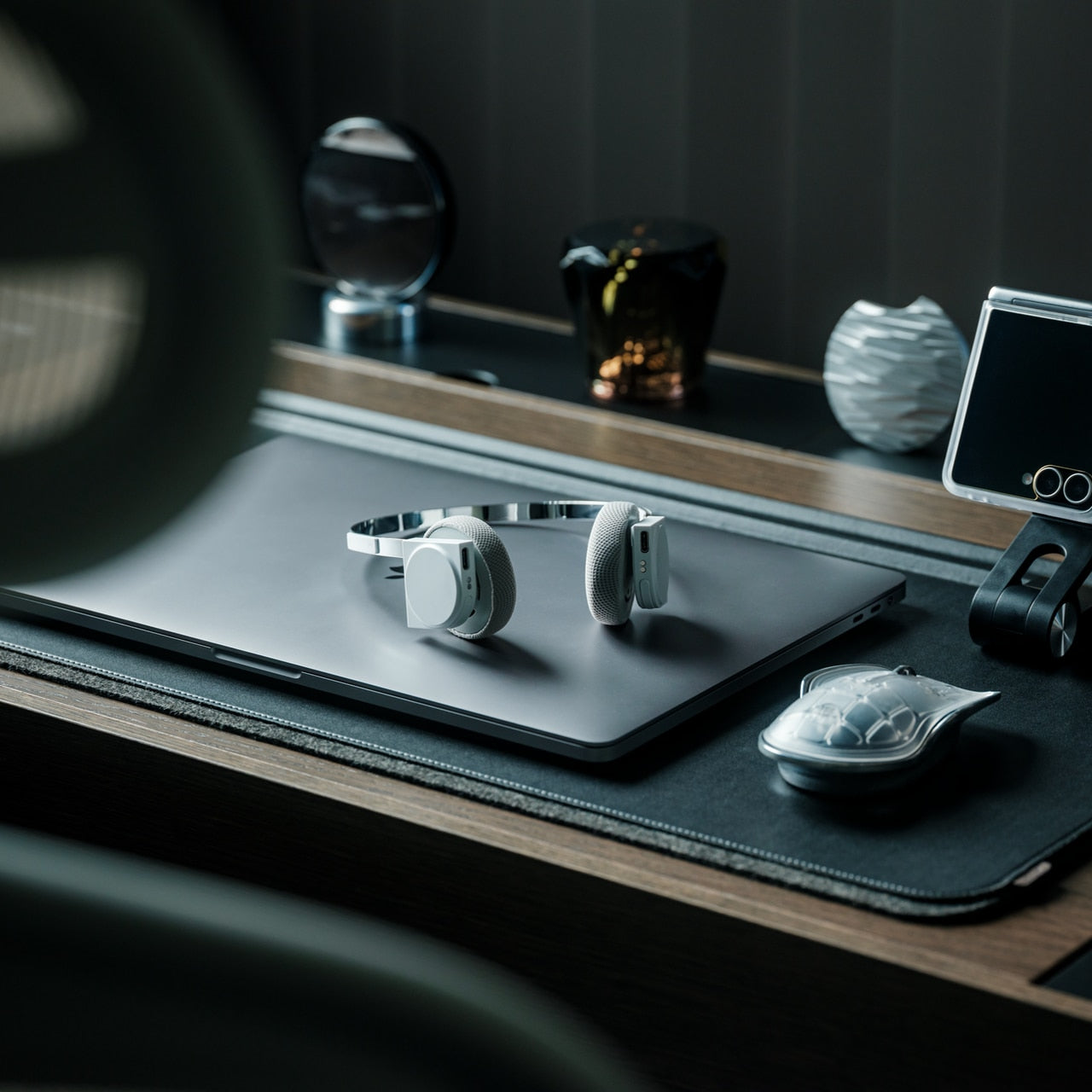
Listening becomes physical again with headphones that bridge the gap between intrusive over-ears and tinny earbuds. The StillFrame design pays homage to the era when albums came in jewel cases, and playlists required intention, translating that 80s-’90s geometry into a featherlight on-ear experience. At just 103 grams, they disappear physically while the 40mm drivers expand the soundstage into something you can almost walk through. This is music as landscape rather than background noise, perfect for anyone who still believes albums deserve to be heard in order.
The thoughtfulness reveals itself in adaptable features that respect how people actually move through their days. Active noise cancelling carves out solitude during commutes, while transparency mode keeps you connected during collaborative moments. The magnetic fabric ear cushions swap instantly—each set includes light gray and turquoise options alongside white, letting the listener match mood rather than trend. With 24 hours of battery life and both wireless and wired connectivity, these headphones refuse to choose between convenience and quality. They feel like a gift for someone whose relationship with music goes deeper than streaming algorithms.
The 40mm drivers deliver an open, spacious soundstage that brings detail to melodic layers.
The magnetic cushion system allows quick color changes to match different aesthetics or moods.
Hybrid wireless and USB-C wired connectivity accommodates both casual streaming and high-resolution playback.
Exceptional 24-hour battery life eliminates the daily charging routine.
What we dislike
On-ear design may feel less isolating than over-ear alternatives for some preferences.
The exposed circuitry aesthetic, while intentional, might not suit every style sensibility.
3. ClearFrame CD Player
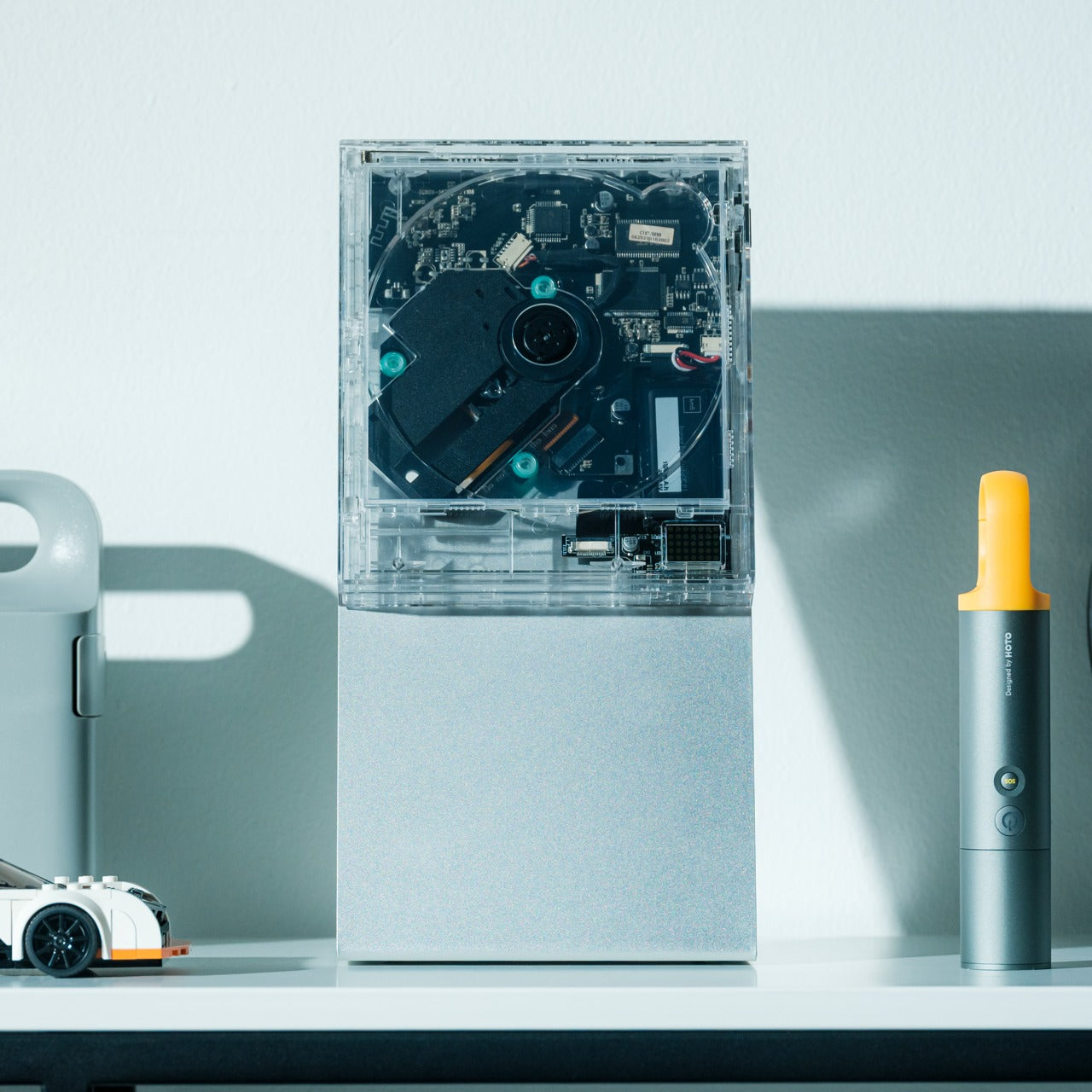
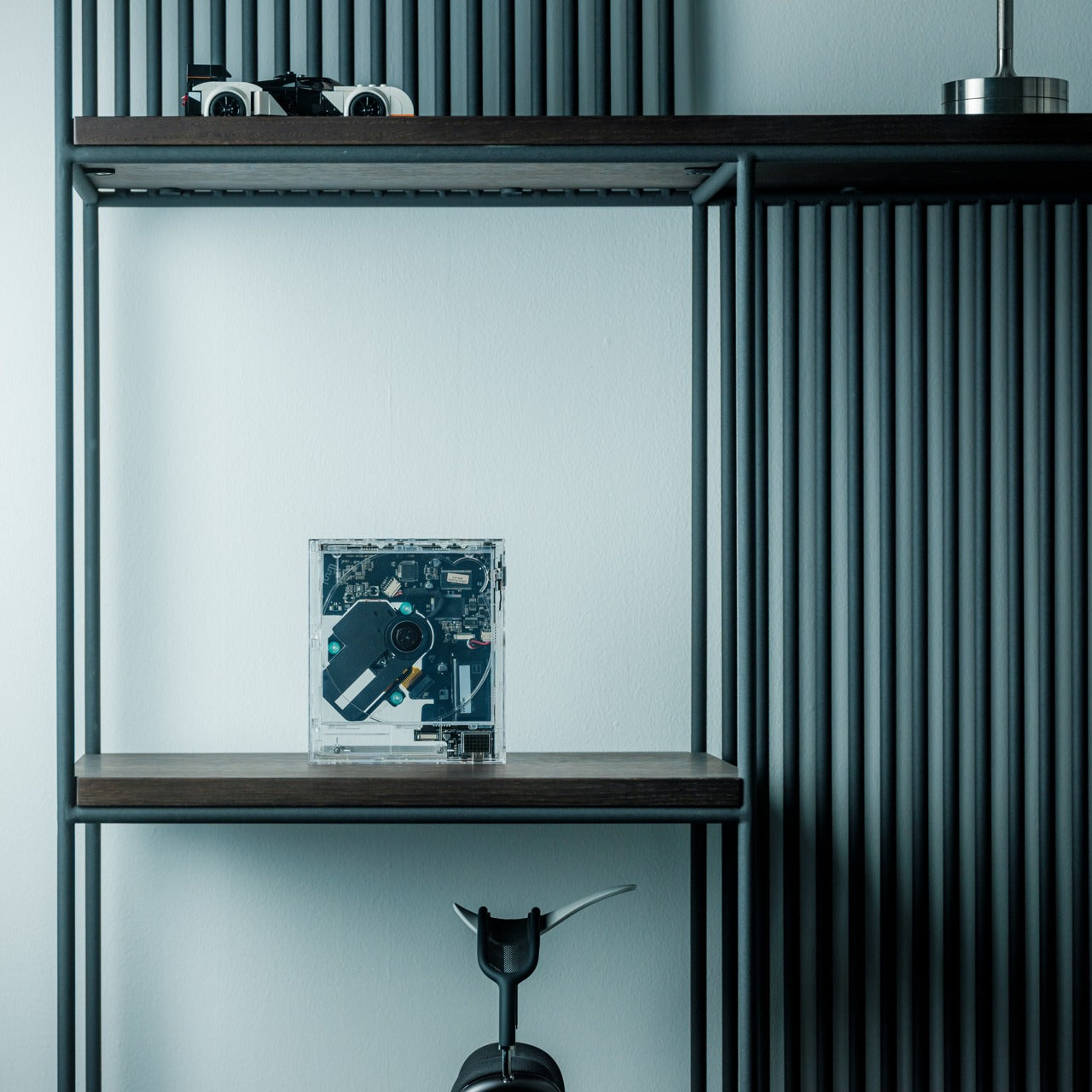
Physical media returns not as nostalgia but as a deliberate choice with a CD player that treats album art as essential to the listening experience. The transparent polycarbonate body frames each disc like a miniature gallery installation, with exposed black circuitry turning electronics into visible craftsmanship. This isn’t about abandoning streaming—it’s about reclaiming the ritual of selecting an album, seeing its artwork, and committing to the full experience. The square silhouette creates a display-worthy presence whether sitting on a shelf or mounted on a wall.
The design respects modern flexibility without sacrificing its analog soul. Bluetooth 5.1 connects to contemporary speakers, while the headphone jack accommodates direct listening. The rechargeable battery delivers seven to eight hours of portable playback, making it genuinely untethered from outlets. Multiple playback modes let you experience a full album, repeat everything, or loop a single track until it becomes part of you. For anyone who still owns CDs or wants to rediscover their collection, this feels like permission to care about format again. It’s a gift that validates the recipient’s belief that how you listen matters as much as what you hear.
Crystal-clear housing transforms the player itself into a visual display piece.
Exposed circuitry celebrates the engineering rather than hiding it behind plastic shells.
Bluetooth connectivity modernizes the format without requiring all-new equipment.
Wall-mount capability turns album covers into rotating artwork.
What we dislike
The 300-gram weight, while manageable, makes it less portable than pocket-sized digital players.
Playback limited to CD formats means no direct streaming integration.
4. Auger PrecisionMaster Grooming Set
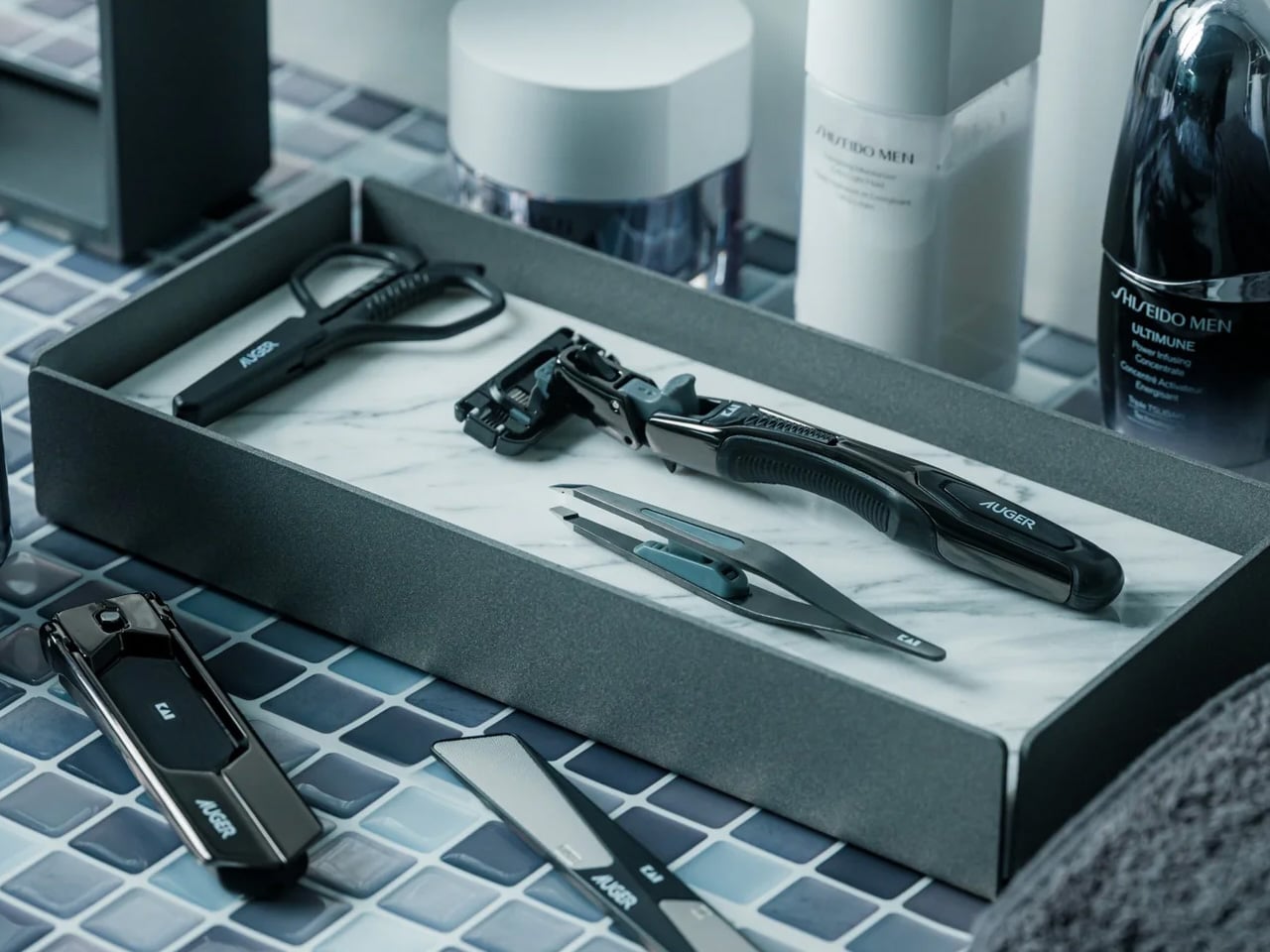
Grooming becomes a discipline rather than a chore when every tool performs with surgical precision. This all-black Japanese grooming set from Kai Corporation distills over a century of blade-making expertise into five essential instruments: razor, tweezers, scissors, nail file, and clipper. Each piece reflects the belief that self-care is self-mastery, turning daily maintenance into a quiet form of control. The aesthetics lean minimal and matte, avoiding flashy branding in favor of pure functional elegance. For someone who values preparation and presentation, this set says you understand that details matter.
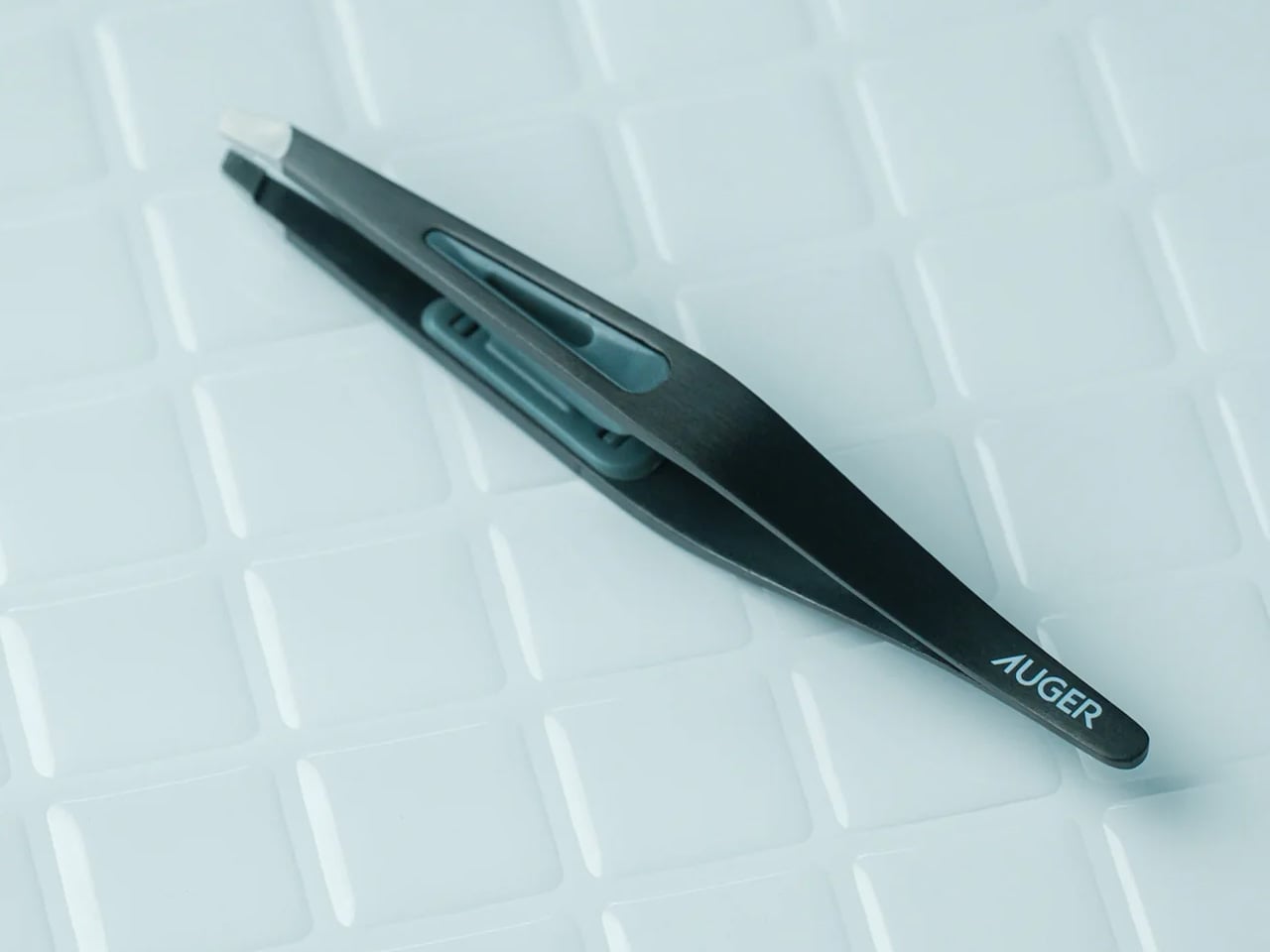
The engineering separates these from drugstore alternatives. The razor features a world-first 30-degree adjustable angle with a 3D pivoting head that follows facial contours even in reverse strokes. The tweezers include a patented stopper and ergonomic groove for pinpoint control. Ultra-thin curved scissors follow the natural lines of brows and beards with near-surgical finesse. The nail clipper’s rotating lever mechanism delivers cutting power with minimal effort, especially on thicker nails. Compact yet weighted, the entire set feels substantial without bulk. This is the gift for someone whose morning routine is deliberate, refined, and entirely under their command.
Kai Corporation’s 116-year blade-making heritage ensures professional-grade sharpness and durability.
The adjustable-angle razor accommodates different shaving techniques and hard-to-reach areas.
Patented mechanisms in the tweezers and clipper demonstrate genuine engineering innovation.
Cohesive all-black aesthetic creates a unified, sophisticated presence.
What we dislike
The precision-engineered components come at a premium compared to basic grooming tools.
Learning to use the adjustable razor features optimally requires some initial practice.
5. ZenFlow Personal Aroma Diffuser
Scent becomes portable and personal with a diffuser that treats aromatherapy as art rather than an appliance. The ZenFlow combines a handcrafted porcelain filter from a 180-year-old Japanese pottery house with a precision-engineered metal base, creating something that belongs on display as much as in use. The hybrid heat and airflow system disperses essential oils without water or mist, eliminating the mess and maintenance of traditional diffusers. Just two to three drops transform a 1.5-meter radius into a personal sanctuary, making this ideal for desks, nightstands, or any space that deserves its own atmosphere.
The design philosophy balances heritage with adaptability. Available in silver, gold, or black finishes—each with distinctive textures inspired by Japanese metalworking traditions—the diffuser complements minimalist, modern, or traditional interiors equally. Three modes adjust intensity: Normal for invigorating presence, Airflow for subtle background, ECO for energy-conscious extended use. The battery-powered portability means scent follows you rather than tethering you to outlets. Washable, reusable aroma plates eliminate disposable waste. For someone who curates their environment intentionally, this gift acknowledges that ambiance matters and offers them the tools to control it precisely.
Handcrafted Shibukusa Ryuzo porcelain filters bring 180 years of artisanal expertise to functional design.
Water-free operation eliminates refilling hassles and prevents mold or mineral buildup.
Portable battery design allows scent customization in any location without cord constraints.
Washable plates support sustainable, repeated use without replacement costs.
What we dislike
The 1.5-meter effective radius suits personal spaces better than large open rooms.
Premium materials and heritage craftsmanship position it above basic diffuser pricing.
6. AromaCraft Clothes Brush
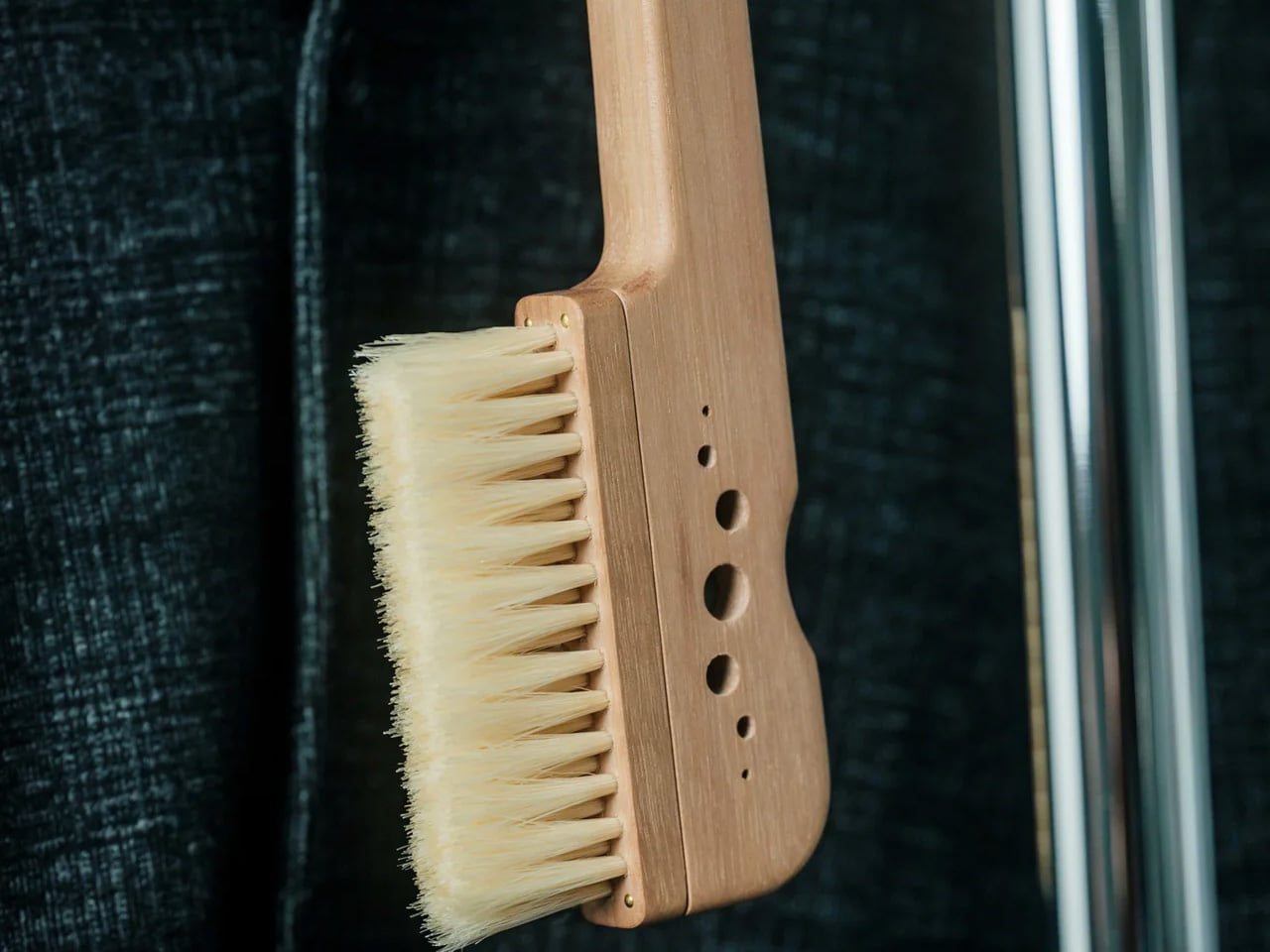
Garment care becomes a sensory ritual with a brush that cleans while subtly scenting. Made by the Miyakawa Hake Brush Workshop—a family operation running since 1921—this tool combines traditional hand-planted white boar bristles with an innovative aromatic paper insert. Add a few drops of essential oil to customize the fragrance, then let each brush stroke remove dust and pollen while leaving clothes refreshed and subtly perfumed. The walnut wood handle, finished with shea butter, feels substantial and smooth, aging beautifully with regular use. This is the gift for someone who treats their wardrobe as an investment rather than an inventory.
The Tsubokuri method of bristle planting ensures longevity that machine-made brushes can’t match. Each bristle is individually secured, preventing shedding and maintaining consistent performance through years of use. White boar hair is firm enough to lift embedded particles from deep within fabric fibers yet gentle enough to protect delicate textiles. The aromatic element transforms functional maintenance into a moment of personalization—your favorite wool coat can carry hints of cedarwood, bergamot, or whatever scent centers you. For anyone who appreciates clothing that lasts, this brush extends garment life while making care feel less like labor and more like meditation.
Hand-planted bristles using century-old techniques ensure durability and prevent shedding.
Customizable aromatic paper insert allows personal scent preferences for each use.
White boar bristles balance effective cleaning with gentle fabric care.
Walnut and shea butter construction ages gracefully rather than degrading.
What we dislike
The artisanal construction process results in a higher cost than synthetic alternatives.
Aromatic papers require periodic replacement depending on usage intensity.
7. ClearMind Kendama
Focus finds form in a traditional Japanese skill toy that turns coordination into meditation. Crafted by Tokyo Kendama from solid walnut and maple, this isn’t childhood nostalgia—it’s a tool for building presence and breaking mental loops. The kendama’s simple challenge—catch the ball on the cup or spike—creates flow states that quiet mental noise better than scrolling ever could. Larger cups and an enlarged spike hole make tricks more achievable, building confidence through success rather than frustration. The unpainted wood develops character with use, gaining a patina that reflects your practice journey.
What makes this gift feel considered is how it offers an alternative to screen-based downtime. The unique bearing system prevents string twisting, maintaining smooth play without constant adjustment. The rough-textured surface and Japanese cowhide leather label add tactile richness that makes picking it up satisfying before you even attempt a trick. Each successful catch delivers a small dopamine hit earned through skill rather than algorithm. For someone seeking mindful breaks or creative challenges, the kendama becomes a desk companion that grounds rather than distracts. It’s permission to play with purpose, to build something through repetition, to find calm through focused movement.
Solid walnut and maple construction ensures durability while developing a unique patina over time.
Larger cups and tama holes increase success rates, making skill progression more rewarding.
Bearing system minimizes string twisting for smoother, more consistent play.
Natural materials and craftsmanship create an heirloom-quality feel.
What we dislike
The learning curve requires patience to master even basic tricks.
Unpainted wood may show wear marks more visibly than finished alternatives.
Finding Thoughtfulness in Urgency
The best last-minute gifts succeed because they contain stories worth telling. Each design here carries provenance—Japanese workshops with century-long legacies, innovative engineering that solves real frustrations, and materials that improve rather than degrade with time. These aren’t products rescued from generic bestseller lists. They’re objects that communicate care through their existence, regardless of when you discovered them. The compressed timeline becomes invisible when the gift itself holds weight.
What separates thoughtful from desperate is whether the gift reflects the recipient or merely fills space. The designs featured here offer enough specificity to feel personal—tools for writing rituals, listening experiences, grooming discipline, environmental curation, garment care, and mindful play. They suggest you understand how someone moves through their world and what they value in that movement. Speed of delivery never appears in the thank-you note. Quality, consideration, and alignment always do.
Samsung’s Galaxy S series has consistently set the standard in the flagship smartphone market, renowned for its innovative features and reliable release cycles. However, the upcoming Galaxy S26 lineup appears poised to challenge this tradition. With rumors swirling about potential delays, changes to the product lineup, and pricing uncertainties, the Galaxy S26 could mark a […]
Have you ever stopped to think about who might be watching your cloud camera feeds? While these devices promise convenience and peace of mind, they often come with a hidden cost: your privacy. From hacked feeds to data breaches, cloud cameras have repeatedly proven to be vulnerable, exposing personal moments to prying eyes. In some […]
macOS Tahoe is a highly capable operating system, but like any software, it comes with its own set of challenges. If you’ve encountered features or behaviors that seem unintuitive or disruptive, you’re not alone. The video below from Proper Honest Tech explores ten common issues users face and provides practical solutions to enhance your workflow. […]
For years, the manual coffee grinder was a necessary evil. If you wanted the freshest, best-tasting cup outside of a cafe, you had to accept a bulky plastic device or a fragile piece of glass and wood. These tools often felt clumsy, lacking the refinement and durability that modern consumers have come to expect from their high-use items.
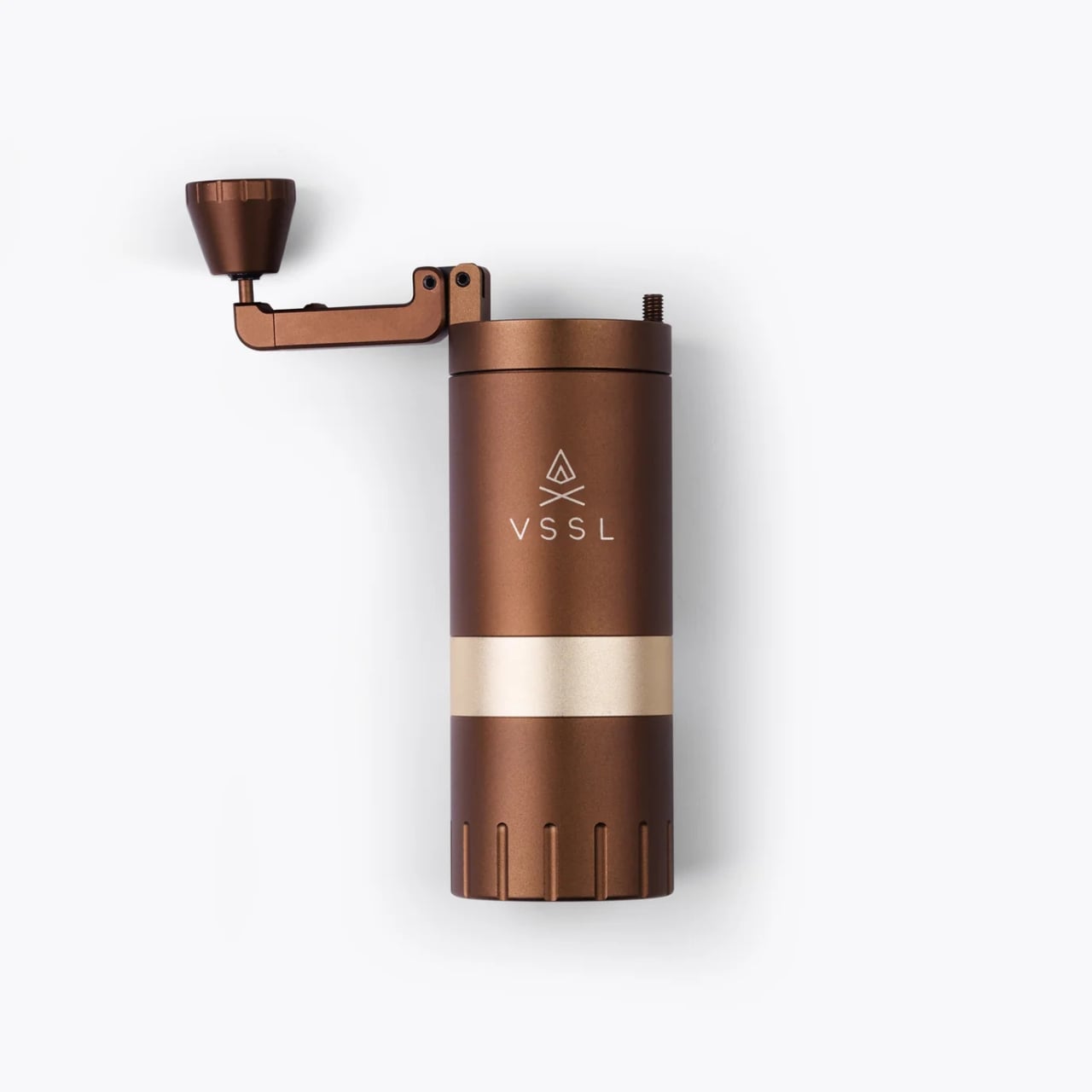
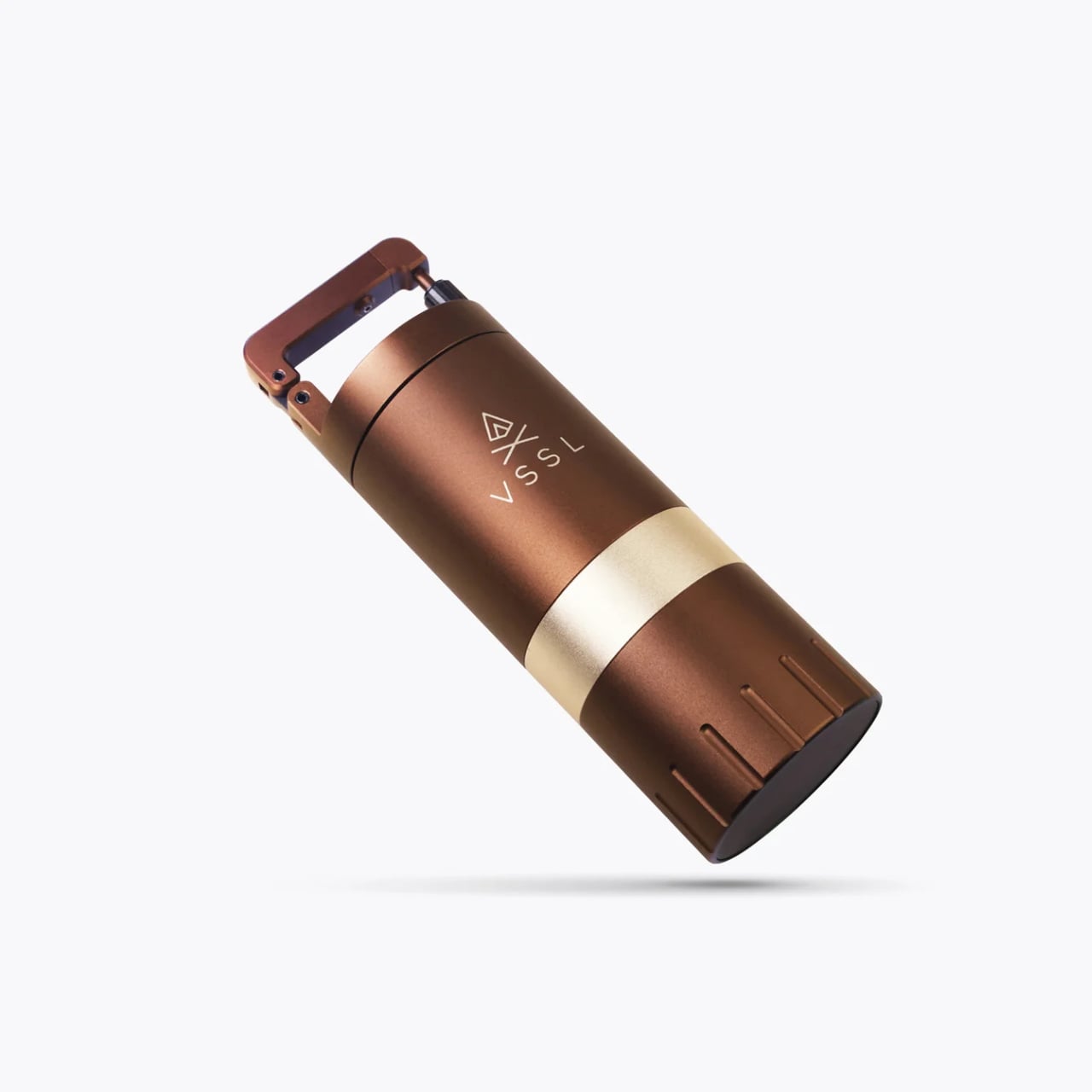
Enter the VSSL Java G25, a manual coffee grinder that doesn’t just promise a better cup; it promises a better, more rugged, and far more stylish experience. It represents a shift in thinking, elevating the grinding process from a tedious chore to an enjoyable, tactile ritual. Truth be told, I still can’t figure out the grind settings on most of the complicated, dials-and-knobs grinders that I see in the market. I probably would love to learn all these things, even if there are supposedly 50 distinct settings. The G25 somehow makes the learning curve feel like part of the adventure, a welcome challenge to master a finely tuned instrument.
VSSL, a company known for building essential survival and gear kits into handsome, nearly indestructible canisters, has applied that same obsessive engineering mindset to the coffee ritual. Their design philosophy is clear: utility should never compromise aesthetics, and durability is non-negotiable. The result is a device that feels less like a kitchen tool and more like high-end outdoor equipment you’d find clipped to a mountaineer’s pack. Constructed from 6061 machined aircraft grade aluminum and 304 food-grade stainless steel, this grinder is built for abuse, making it equally at home on a clean, granite kitchen countertop or a cold, granite mountain outcrop. Its sleek, black cylindrical form factor is compact, ergonomic, and unapologetically cool, fitting perfectly into the gear aesthetic that dominates modern tech and design circles. It’s a piece of gear you want to show off.
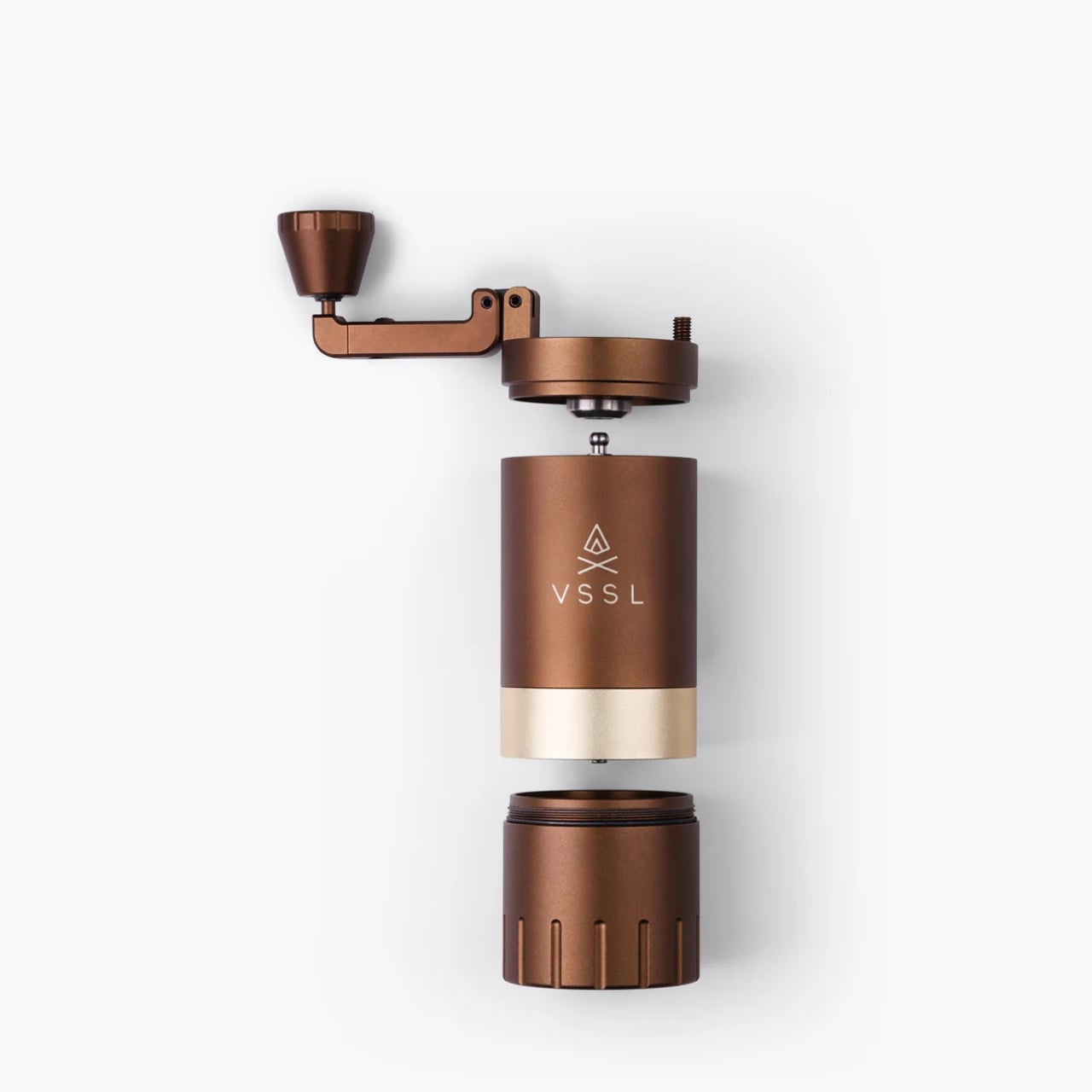
But the G25’s appeal extends far beyond its rugged good looks and durable exterior. Inside that resilient shell lies the heart of a true barista tool, engineered for uncompromising performance. The quest for the perfect grind is a core obsession in the coffee world because flavor extraction is utterly dependent on particle size consistency. VSSL delivered this crucial consistency by incorporating high carbon 420 stainless steel conical burrs stabilized by dual bearings. This is the hardware that ensures the particle size of your coffee grounds is uniform—the single biggest factor in extracting a delicious, balanced flavor without the bitterness of fines or the sourness of boulders. For those of us who appreciate precision engineering, the detail of dual bearings stabilizing the central axle is paramount; it’s the mechanical assurance of quality.
Crucially, the G25 offers 50 distinct grind settings. This level of granular control is usually reserved for professional-grade electric models that take up half your countertop. Having 50 click adjustments means the user can dial in the perfect setting for literally any brewing method. Whether you are aiming for the coarse texture required for a full-immersion French press, the near-powder fine consistency for a demanding espresso shot, the medium grit for a precise pour over, or anything in between, a quick, audible adjustment is all it takes. This expansive range eliminates the guesswork and the frustration of inferior grinders, transforming the often-frustrating manual grind into a satisfyingly accurate and repeatable process.
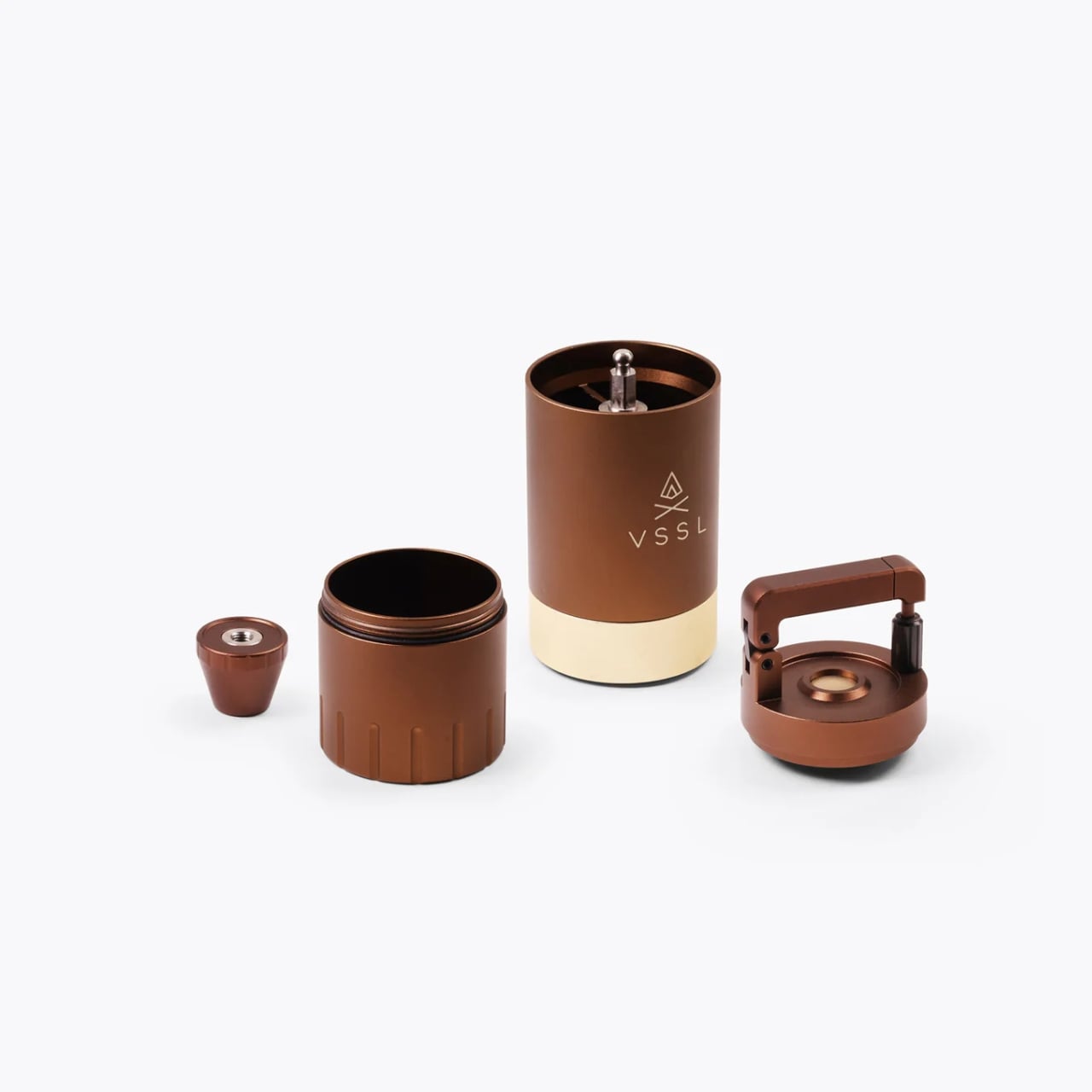
The features engineered specifically for portability truly elevate this grinder into a must-have piece of everyday tech. The handle, which expands during use to increase leverage and make the grind effortless even for light roasts, quickly retracts and cleverly doubles as a secure, locking carabiner. This isn’t just a convenient detail; it is a profound design choice that signals the product’s dual purpose: serious quality both at home and on the move. The magnetic integration keeps the grinder knob securely attached within the catch when stored, and a quick push-release top cap allows fast access to the 30-gram bean hopper—enough capacity to fuel a substantial morning ritual. Measuring only 6.3 inches long with a neat two-inch diameter, the entire unit is designed to nest seamlessly with popular travel brewing systems like the AeroPress Go.
The VSSL Java G25 is a beautiful merging of two powerful cultural trends: the rising demand for specialty, quality, at-home coffee, and the desire for durable, highly designed, and adventure-ready gear. It speaks directly to the person who refuses to compromise on quality, whether they are settling into their home office for the day or setting out for a weekend in the wild. It’s more than just a grinder; it’s an essential, beautifully executed piece of modern carry that promises a perfect cup, no matter where you are.