NASA delays spacewalk due to a ‘medical concern’ with a crew member

NASA has postponed an International Space Station (ISS) spacewalk that was scheduled for Thursday. "The agency is monitoring a medical concern with a crew member that arose Wednesday afternoon aboard the orbital complex," the agency wrote. On Thursday, NASA added that ending Crew-11's mission early was on the table.

The unnamed crew member is stable, according to NASA. Space News notes that Kimiya Yui of the Japan Aerospace Exploration Agency (JAXA) was heard on an open comms channel on Wednesday requesting a private medical conference with a flight surgeon. However, those requests are routine on the ISS, so we can’t assume the events were related.

"The matter involved a single crew member who is stable," NASA wrote. "Safely conducting our missions is our highest priority, and we are actively evaluating all options, including the possibility of an earlier end to Crew-11's mission."

NASA astronaut Zena Cardman in her pressurized spacesuit, checking its comms and power systems ahead of the (now postponed) spacewalk
NASA

Crew-11 was scheduled to remain on board the ISS until at least the second half of February. Its replacement, Crew-12, isn't slated to blast off until February 15 at the earliest.

NASA astronauts Mike Fincke and Zena Cardman had planned to exit the airlock on Thursday for the six-and-a-half-hour spacewalk. The short trip’s mission was to install a kit and cables in preparation for a new roll-out solar array that will arrive on a future mission.

The agency said it will provide further updates within 24 hours.

This article originally appeared on Engadget at https://www.engadget.com/science/space/nasa-delays-spacewalk-due-to-a-medical-concern-with-a-crew-member-171900024.html?src=rss

Star Trek: Starfleet Academy deftly balances teen drama with intergalactic intrigue

Star Trek is in a weird place right now. Less than three years ago we were living in a golden age with five shows on the air, all with different styles and intended audiences.  But the universe rapidly contracted, with Picard ending while four other shows were cut short. Strange New Worlds still has another two seasons left, sure, but even that final season got truncated. As it stands, there’s only one project with a firm future right now, and that’s a brand-new show, Starfleet Academy, premiering January 15 on Paramount+.

How this show is received could very well determine the future of Star Trek. That’s a lot to put on it, but there’s something very appropriate given the subject matter. Starfleet Academy takes place in the 32nd century, 900 years after the adventures of James T. Kirk and company, and it takes place at the titular academy, meaning its principal cast is a collection of teens representing the next generation of Starfleet officers. That focus on a younger cadre has led to fans online derisively calling the series “CW Trek” without seeing a single episode. 

As Starfleet Academy is technically a Discovery spinoff, it picks up some of that series’ traits. The sleek, shiny sets are back, as well as a few plot threads originally set up in Discovery. The most notable is the collapse of the United Federation of Planets and the rebuilding of both the Federation and Starfleet. In fact, the series picks up on that as early as its second episode, with the Academy hosting a delegation from a once stalwart Federation planet that’s now gone isolationist. 

Scenes from Star Trek: Starfleet Academy
John Medland/Paramount+

While many complaints about the series have focused on how what fans wanted was an academy show set during the 24th century (the time of The Next Generation, Deep Space Nine, et al.), this particular episode plot works precisely because of the distant future in which it is set. In a fully-functioning galactic democracy like the United Federation of Planets, there’s no logical reason for the average 18-year-old college freshman to be involved in interplanetary diplomacy. But in the 32nd century, the Federation is a lot scrappier and the individuals involved might be asked to wear many hats. It’s a lot like an early-stage tech startup.

The setting also lets the show be a little more creative with its cast: where TNG featured the first Klingon in Starfleet (Worf), 900 years of progress have created a Starfleet where no one bats an eye when a Klingon cadet like Jay-Den Kraag (played by Karim Diané) shows up to study science. There’s also a holographic cadet, Sam, who is the first of her kind to attend the academy (and she’s super excited to do so). A few new species are present as well: Darem Reymi (George Hawkins) is a Khionian and Genesis Lythe (Bella Shepard) is a Dar-Sha, both aliens making their debut in the Star Trek universe.

The cast of Star Trek: Starfleet Academy
John Medland/Paramount+

However, the show does still lean on some Trek stalwarts, and it’s these characters that have gotten the most chatter from fans. Mary Weisman as Sylvia Tilly was originally slated for the cast, and there was even a backdoor pilot-esque episode of Discovery to tie her in to the new show, but she’s no longer a regular and is nowhere to be seen in the first two episodes. Instead, we have Jett Reno (played by the wonderful Tig Notaro) as supporting cast, and Admiral Vance (Oded Fehr) appearing in a few episodes. And old school fans have been abuzz by the inclusion of The Doctor, who first appeared on Voyager (and later Prodigy). As a hologram, he’s practically immortal so his presence doesn’t need any convoluted explanation, and after 800 years he’s still the same gregarious blowhard (and it’s delightful).

They’re joined by new characters like Lara Thok, a part Klingon, part Jem’Hadar security officer and a Lanthanite chancellor, Nahla Ake, played by Academy Award Winner Holly Hunter. And Hunter isn’t even the only Oscar winner on the cast, with a major villain, Nus Braka, being portrayed by Paul Giamatti.

It’s a stellar cast, and the show’s sets certainly rise up to meet the challenge. Like in the shows of old, a good portion of Starfleet Academy is clearly shot on location, though not in the familiar water reclamation plant that was used back during the TNG and DS9 era. This time it’s all being shot in Ontario, with the outdoor scenes in particular being filmed in Waterloo. Regardless of where it’s shot, it looks enough like sunny California to work. 

Scenes from Star Trek: Starfleet Academy
John Medland/Paramount+

The indoor scenes, shot at Toronto’s Pinewood Studios, have a pleasant convention center quality to them, with lots of wide hallways and large windows in contrast to Discovery’s cramped ship corridors. The hallways are full of students and teachers going to and fro, including some from species that would normally be off-limits to a show with a limited budget. But here robots and strange aliens roam freely in the background. The CGI can’t have been cheap.

And that’s ultimately my biggest question about Starfleet Academy. Exactly how much is this costing Paramount? So much of it is being shot on real sets instead of green screens, established actors like Hunter and Giamatti couldn’t have been cheap, and plentiful CG points to a robust special effects budget. Though Paramount doesn’t release official numbers, estimates have put an average episode of Strange New Worlds at $10 million, so it figures that Starfleet Academy is probably more than that, with some online estimates as high as $20 million per episode. 

With 10 episodes scheduled, that’s on par with a major motion picture budget but without the promise of blockbuster box office returns. No wonder Paramount has been doing so much cost-cutting, which includes axing every other Star Trek show.

That said, Starfleet Academy is carrying a lot on its shoulders. Just as the success or failure of its class of Starfleet cadets will determine the future of Starfleet and the Federation, the success of the show may even affect whether this era of Star Trek continues. As a Star Trek fan, this can be nerve-wracking; no one wants the franchise to go dormant again. But Starfleet Academy has so far shown itself to be up to the challenge.


This article originally appeared on Engadget at https://www.engadget.com/entertainment/star-trek-starfleet-academy-deftly-balances-teen-drama-with-intergalactic-intrigue-170253808.html?src=rss

Bose made the consumer friendly move to open source its SoundTouch speakers

Bose recently announced the pending end of cloud support for its SoundTouch line of home speakers. This will, in effect, turn the smart speakers into dumb speakers as they will no longer have access to many features and any related software updates. Well, there's a spot of good news for SoundTouch owners. The company is turning to an open source model for the software, allowing third parties to keep the music playing.

The company has already begun mailing out the API documentation to customers so "independent developers can create their own SoundTouch-compatible tools and features." This will take some time, so Bose is also extending the end-of-life (EoL) date for the SoundTouch speakers. They were set to stop receiving cloud updates in February, but that has been moved to May 6.

It made a couple of other changes to make life a bit easier for SoundTouch owners. The speakers will still be able to use AirPlay and Spotify Connect after EoL, which was something that had been in doubt. The app will also continue to work in a stripped-down format. That app was originally set to stop working altogether, so all of those angry customer comments on Reddit must have done the job.

The SoundTouch speakers were introduced in 2013 and were on the expensive side, starting at $600. Nobody likes spending hundreds of dollars on something only to have it become a useless brick several years later. Good on Bose for listening to their customers on this.

This article originally appeared on Engadget at https://www.engadget.com/audio/speakers/bose-made-the-consumer-friendly-move-to-open-source-its-soundtouch-speakers-163459024.html?src=rss

Honor Magic8 Pro Review: Brilliant Night Shots, Big Battery, Built to Last

PROS:


  • Versatile camera system with great low-light performance

  • Comfortable ergonomics

  • Comprehensive AI features

CONS:


  • Some users will prefer a completely flat screen instead of the gentle curve.

  • Slower shutter speeds, especially in low light

  • No teleconverter-style telephoto option like some close rivals offer

RATINGS:

AESTHETICS
ERGONOMICS
PERFORMANCE
SUSTAINABILITY / REPAIRABILITY
VALUE FOR MONEY

EDITOR'S QUOTE:

The Honor Magic 8 Pro feels like a carefully considered flagship, not a spec stunt. It mixes bold battery life, a genuinely comfortable design, and a playful yet reliable camera system with impressive low light performance, then adds long-term software support to tie it all together.

You might already have seen the Honor Magic 8 Pro, and you might already know all the specs. You might have caught its debut in China or noticed it arriving in parts of Asia and the Middle East last year. Now, Honor is finally bringing this big battery, big camera flagship to Europe, where it steps onto a larger global stage.

On paper, the Honor Magic 8 Pro is all about a trio of promises. It leans on a suite of AI features that aim to make the phone feel smarter and more helpful in the background. It builds around a camera system that claims strong low-light performance and long-range telephoto power. It wraps everything in a premium OLED display that is bright, sharp, and clearly meant to impress the moment you turn it on.

Aesthetics
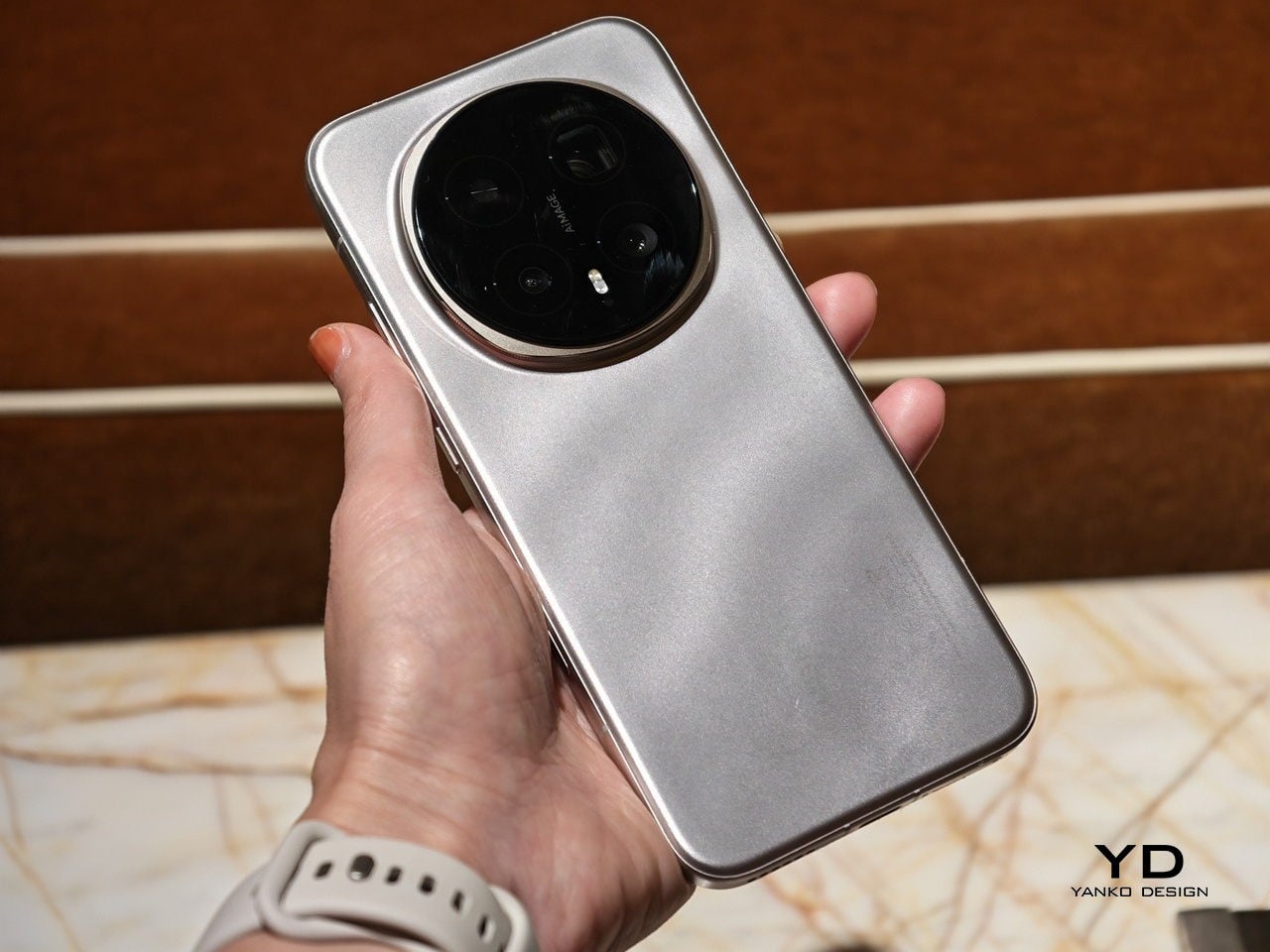
At first glance, the Honor Magic 8 Pro looks like a confident evolution of modern flagship trends rather than a radical break. It will look very familiar if you have seen the Honor Magic 7 Pro, with a similar silhouette and camera layout that signal continuity rather than reinvention. The proportions, curves, and overall stance feel like a refined second draft rather than a fresh sketch, which can be reassuring if you liked the previous generation.
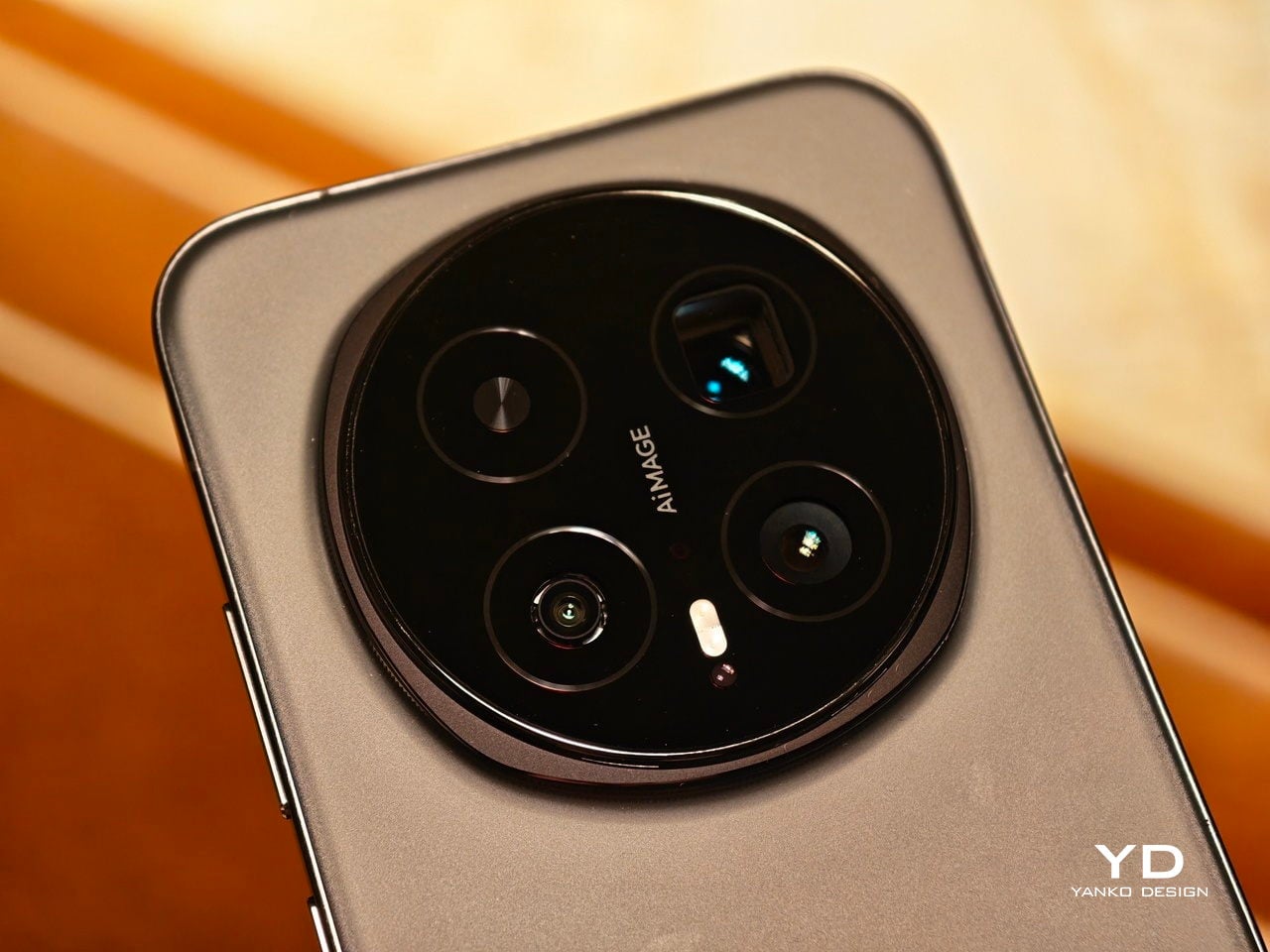
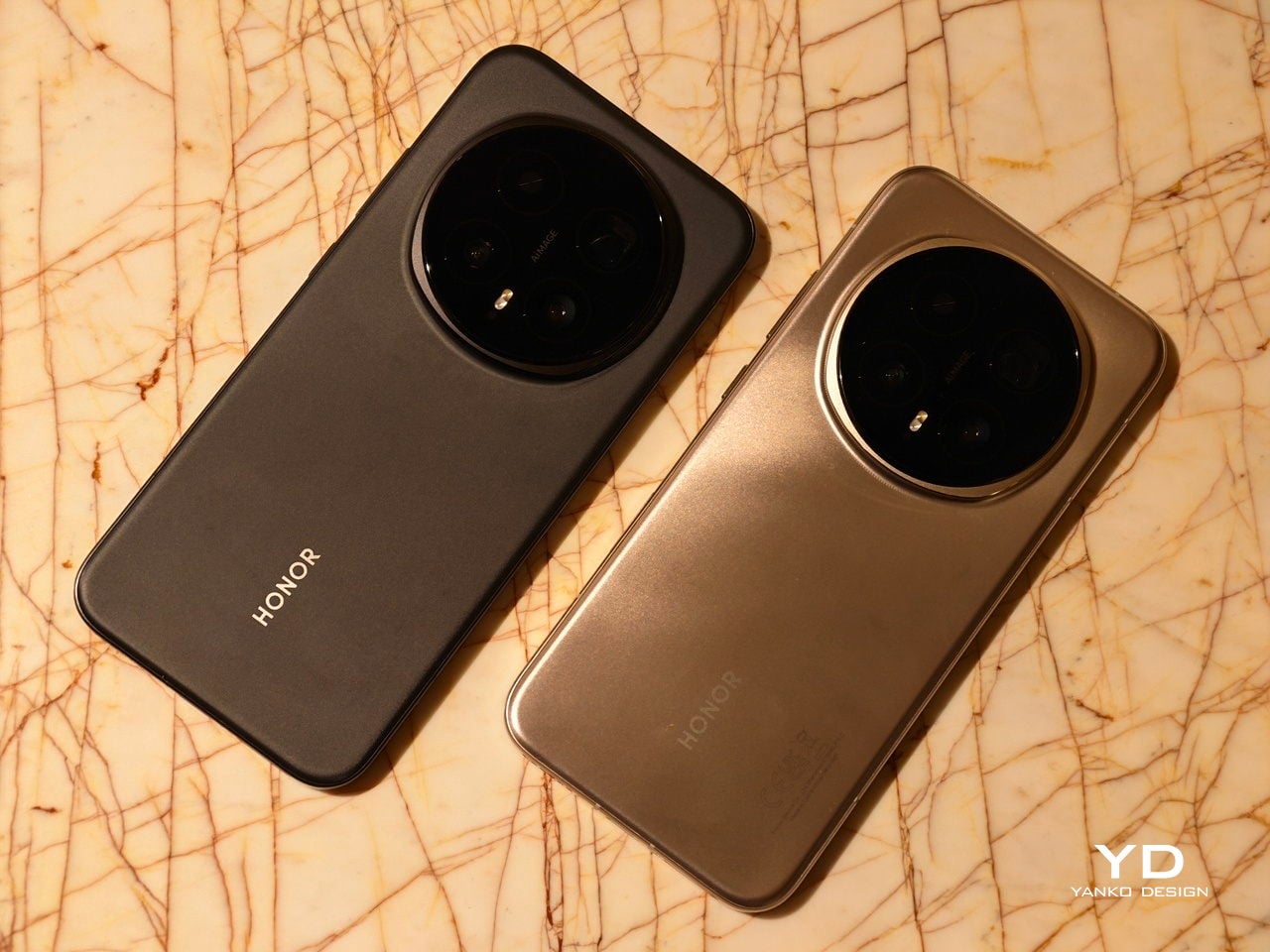
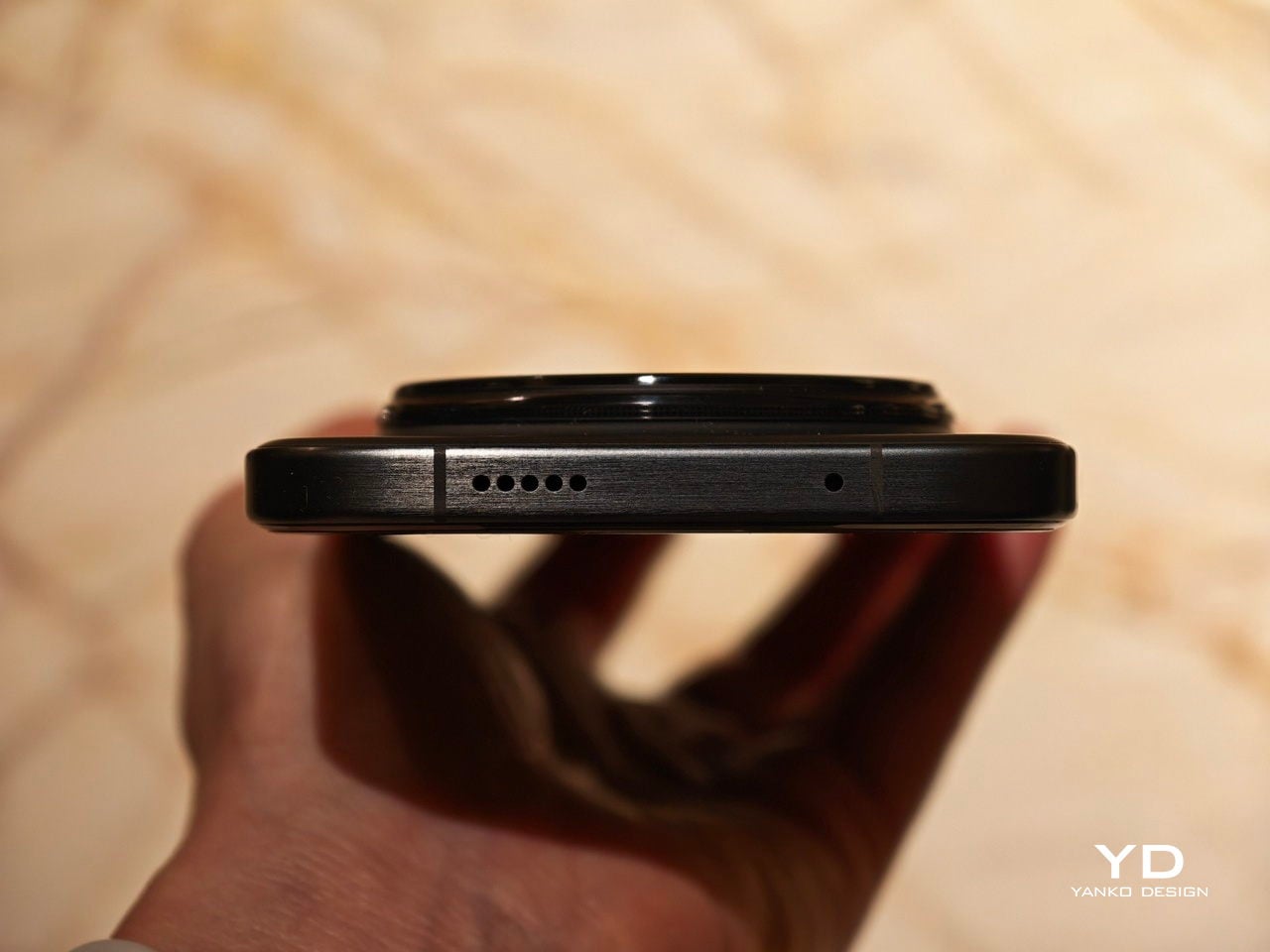
Honor uses a large camera island that feels more like a sculpted element than a simple bump, and the overall back design reads as deliberate and composed rather than purely functional. The round camera unit sits on a raised, rounded square plate with ring chamfers, which adds depth and a sense of jewelry-like layering when light hits the edges. The black camera unit houses four circles, three of which are actual cameras, plus a small oval-shaped LED flash that tucks neatly into the composition instead of looking like an afterthought.
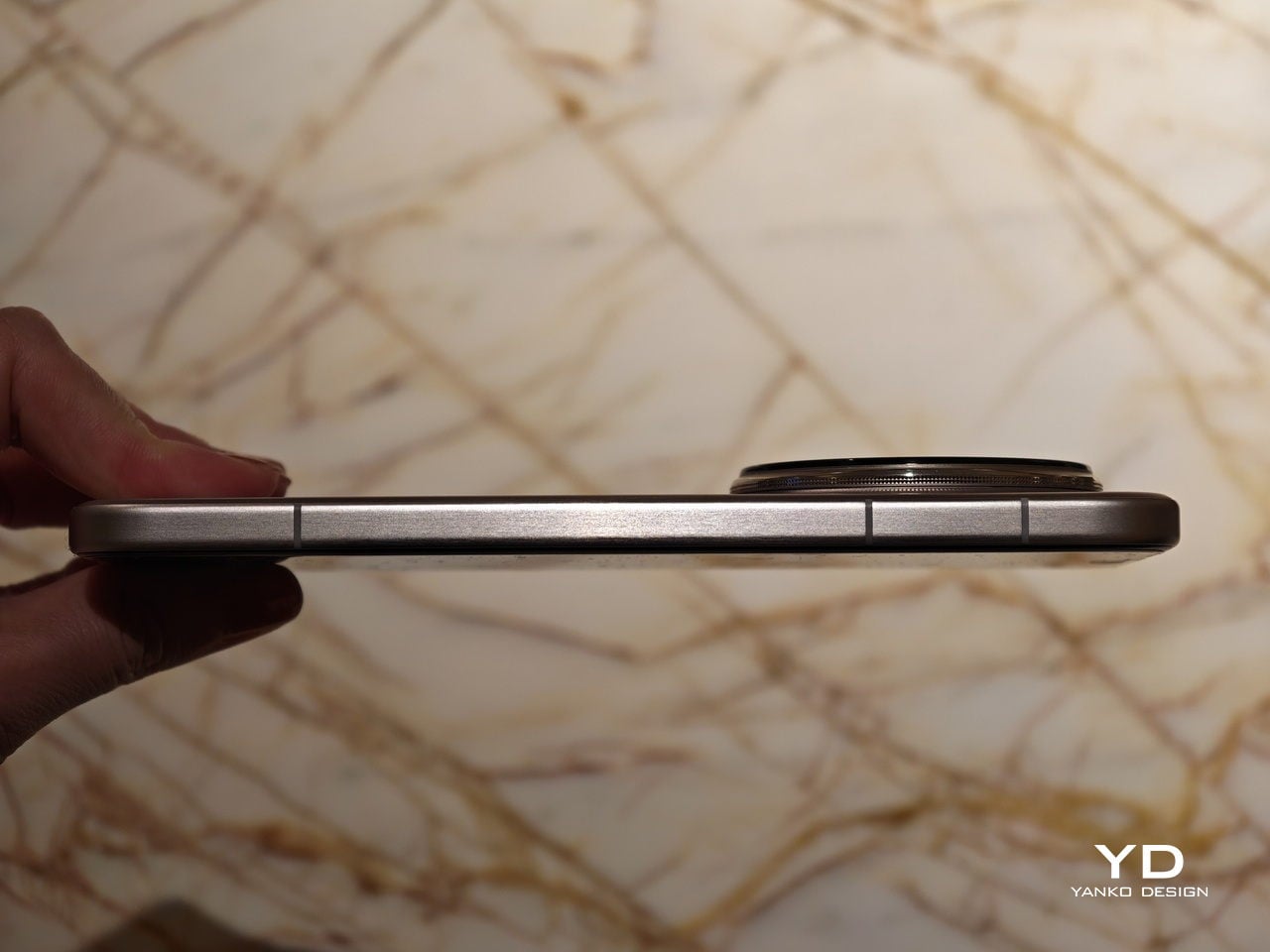
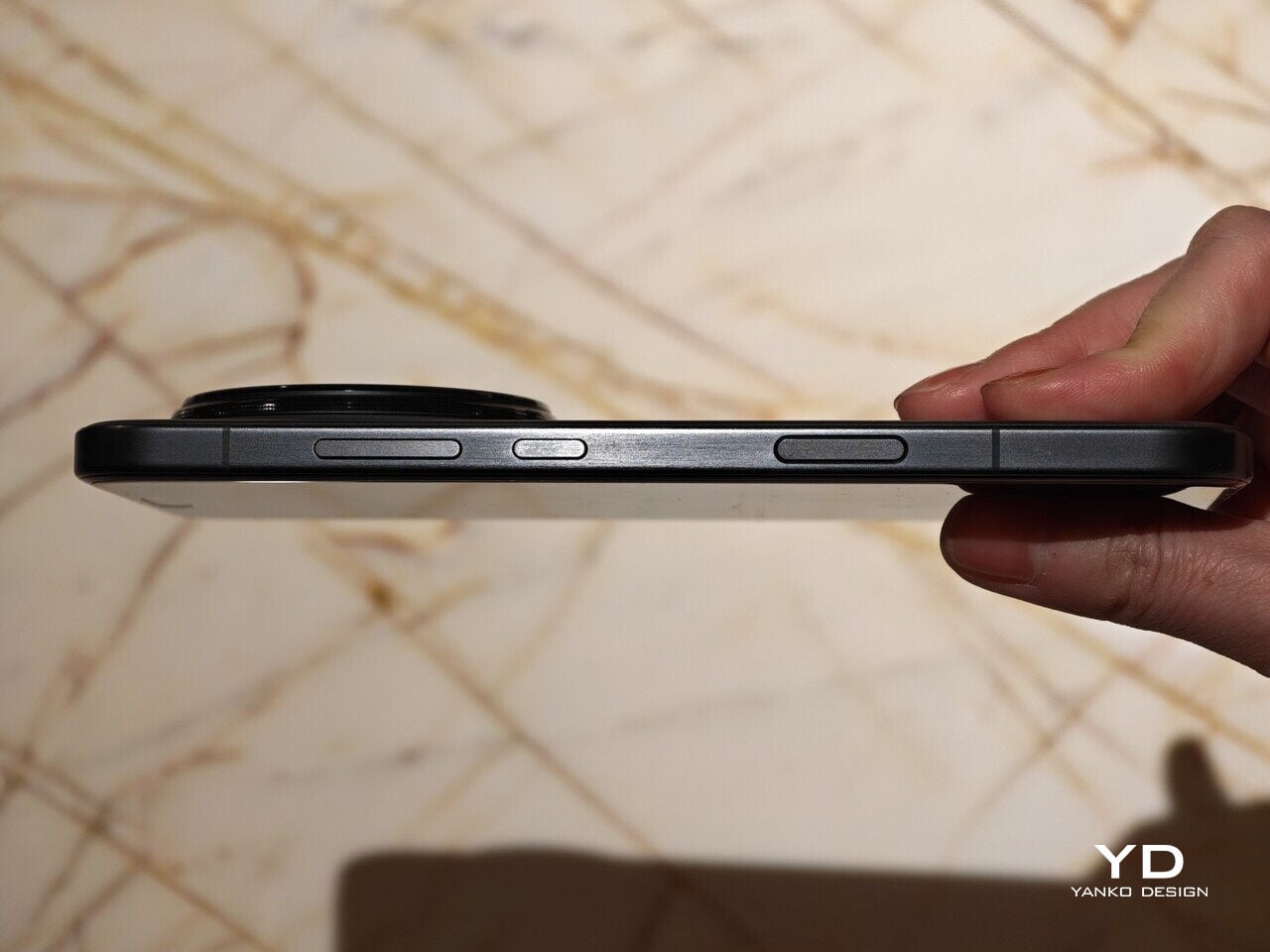
Color choices for the Magic 8 Pro include Sunrise Gold, Sky Cyan, and Black. The black unit I received features a matte, frosted glass-like finish that feels understated and professional in the hand. The other two color options also use a matte finish, but they add a subtle wave-like pattern, which gives the phone a more playful, tactile character. All three color variants use a color-matching camera island base and side frame, which helps the phone read as a single, continuous object rather than a sandwich of mismatched parts.

Ergonomics

The Honor Magic 8 Pro measures 161.15 mm x 75 mm x 8.4 mm, and weighs 213 g, which puts it on the lighter side of premium flagship smartphones in this size class. The slightly narrower width and relatively low weight make one-handed use more manageable than you might expect from a phone with such a large display and battery. Honor also sticks with a curved screen while many premium flagships have moved back to flat panels, yet the curve here is very slight, so it feels like it borrows the best parts of both approaches without the usual drawbacks.
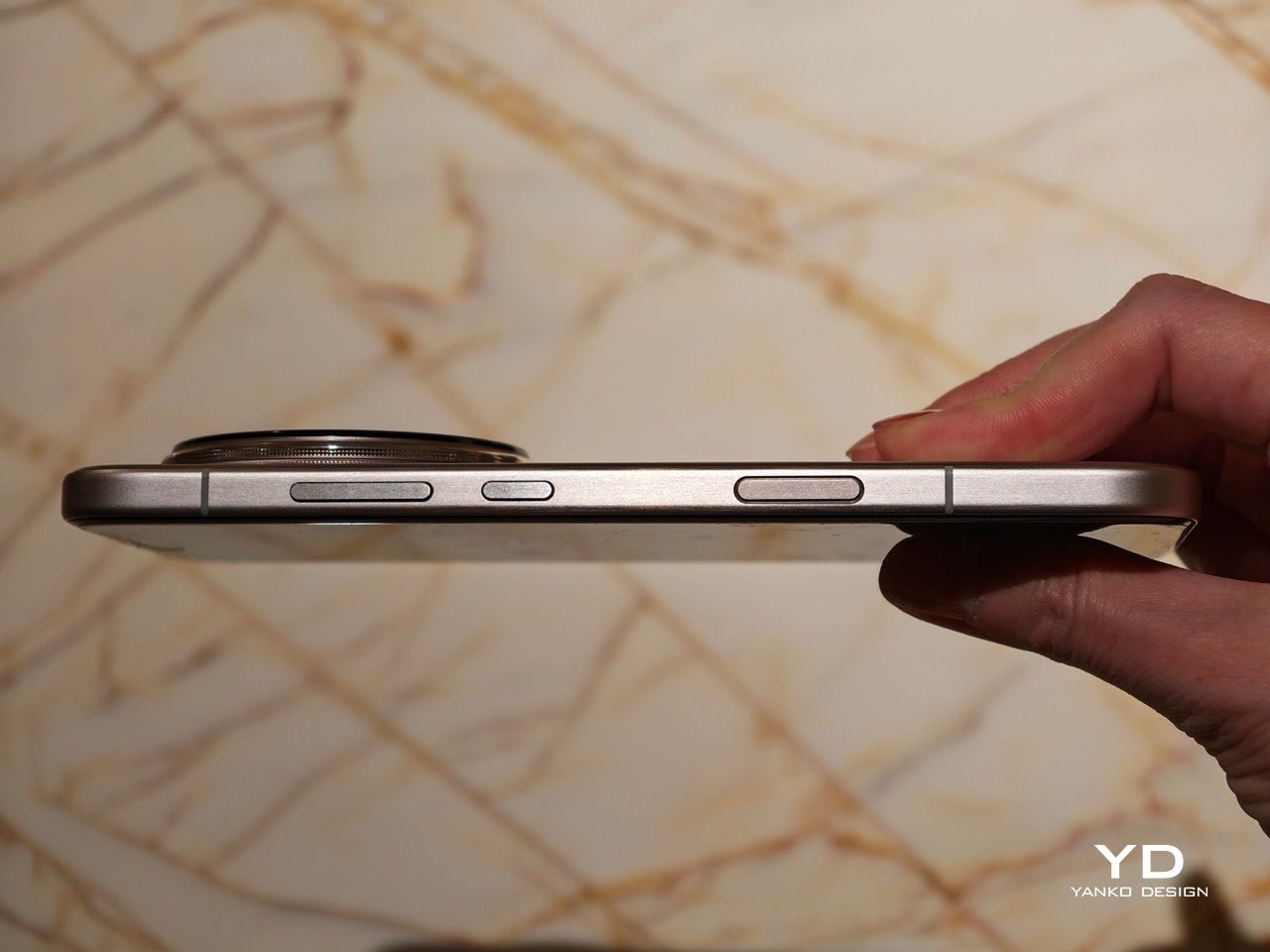
The curvature of the side frame and back is carefully tuned, which matters a lot for comfort over a full day. The edges of the otherwise flat side frame curve just enough to soften the contact points without creating a slippery, knife-like profile that digs into your palm. The back panel has a gentle bow that nestles into your hand and helps the phone feel slimmer than the numbers suggest, even when you use it without a case.

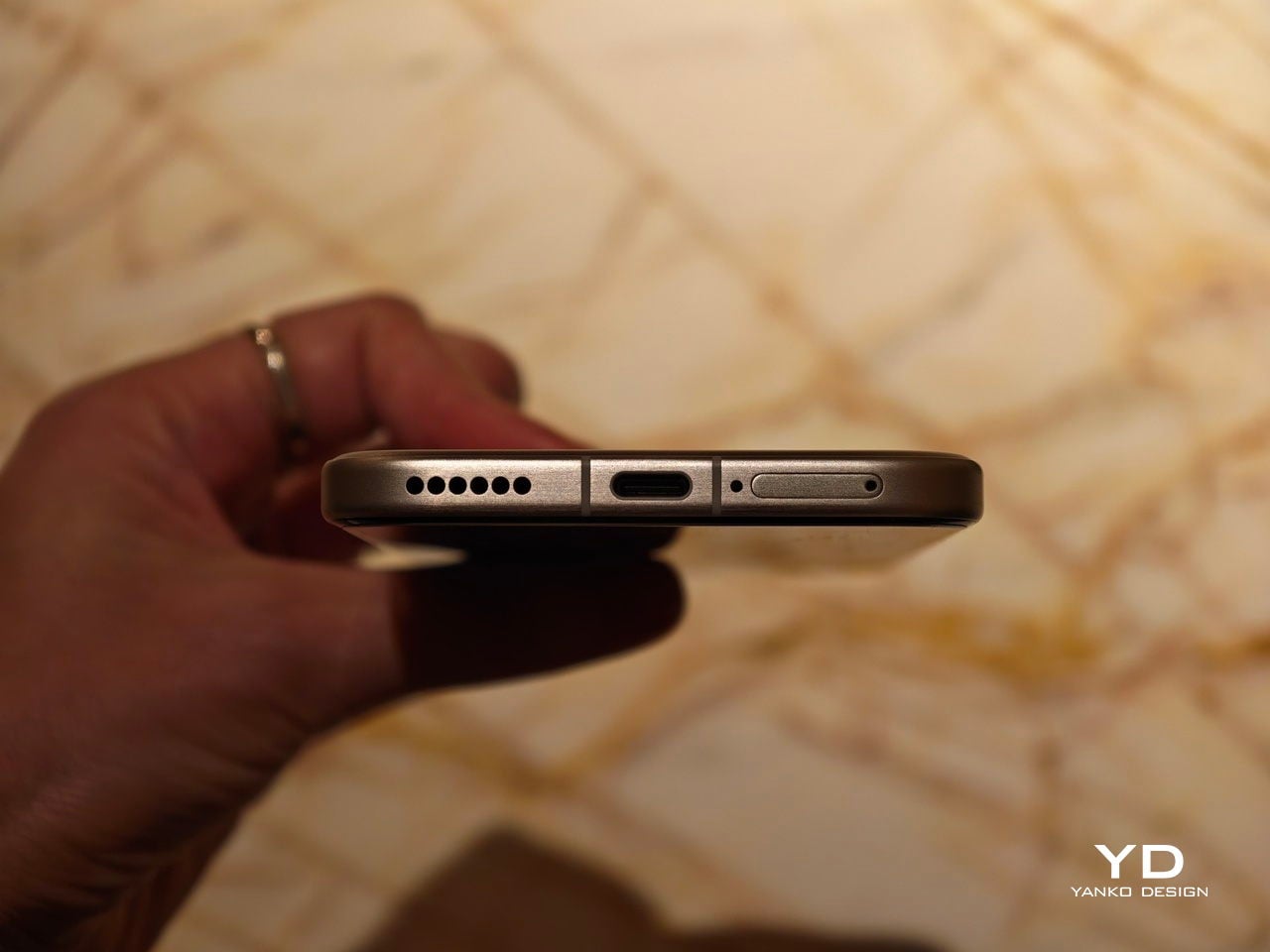
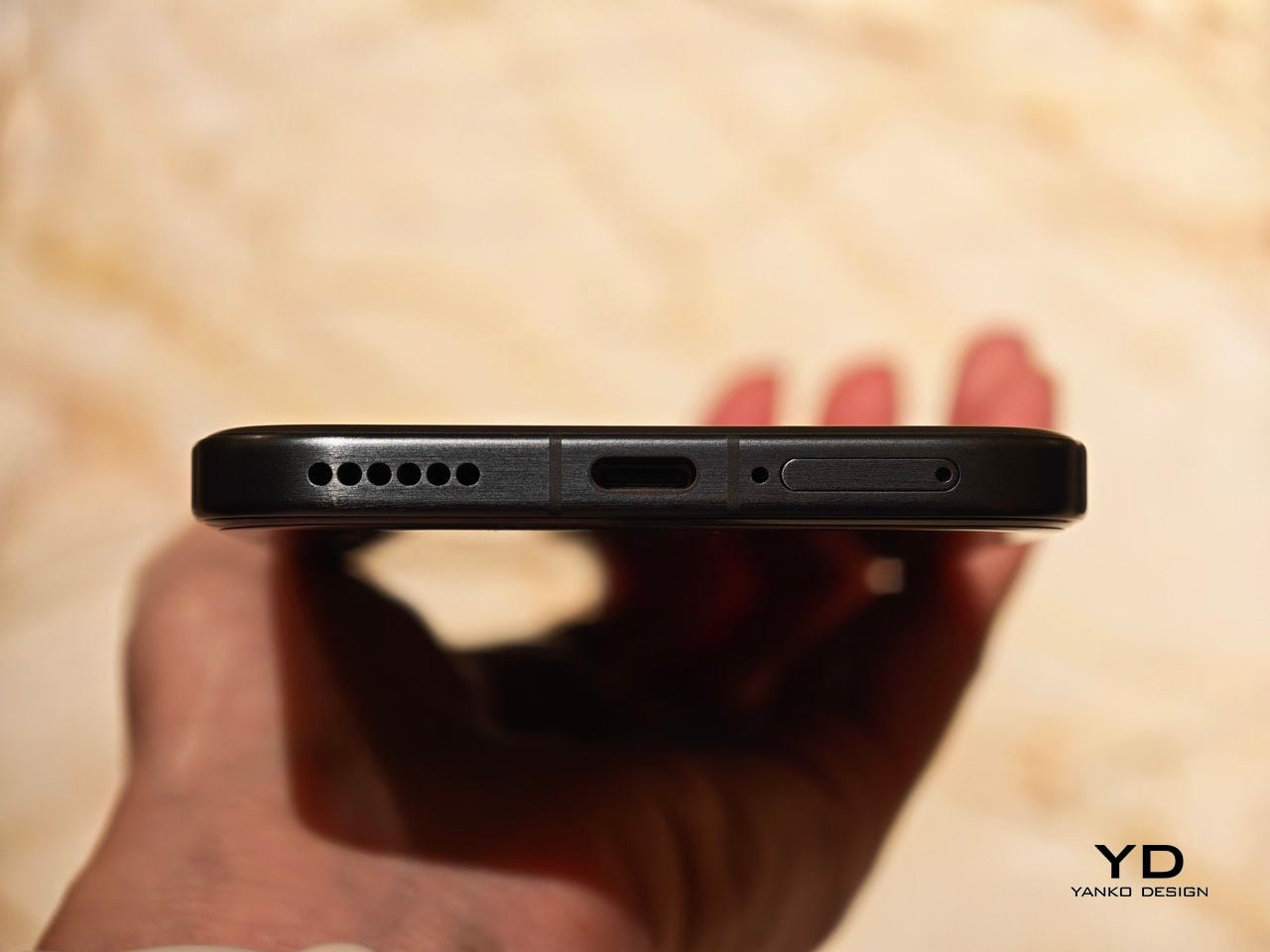
Button placement is conventional, with the volume rocker and power button located on the left side where your fingers naturally rest. These are joined by a new AI button placed just below, which works a bit like the camera button on an iPhone and gives you quick access to Honor’s smart features. The AI key is slightly raised and has a distinct click that helps avoid accidental presses, and the ultrasonic fingerprint scanner sits high enough on the display that unlocking and general use feel smooth and natural.

Performance

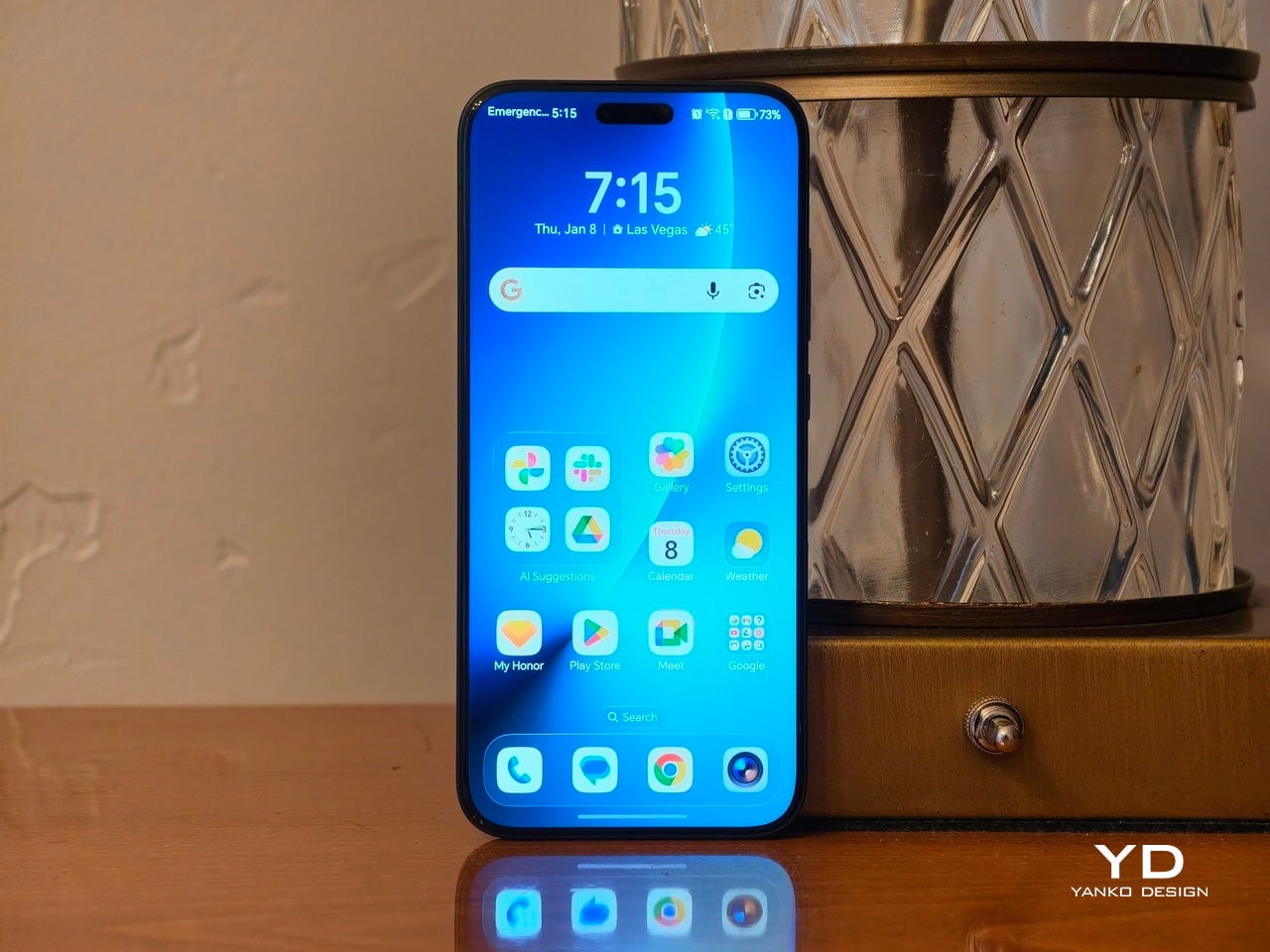
Honor gives the Magic 8 Pro a 6.71-inch LTPO OLED panel with a 1.5K resolution of 2808 x 1256 px and a 120 Hz refresh rate. The company claims 6,000 nits of HDR peak brightness and 1,600 nits of global peak brightness, and while you will not see those numbers all the time, outdoor visibility is excellent even under strong sunlight. In everyday use, the screen feels crisp, fluid, and bright enough that you rarely have to think about legibility or glare.
The panel supports 1.07 billion colors and covers 100 percent of the DCI P3 wide color gamut, so photos and video look rich and saturated without instantly blowing out detail. Color profiles and temperature sliders let you nudge the tone toward either punchy or more neutral, depending on your taste. It is an easy display to enjoy, whether you are scrolling social feeds, reading long articles, or watching HDR content in a dark room.

Honor also pushes very hard on eye comfort. The Magic 8 Pro stacks features like 4320 hertz PWM dimming, Circular Polarized Display 2, Chip Level AI Defocus Display, Dynamic Dimming, Circadian Night Display, Natural Tone Display, and Motion Sickness Relief. These are meant to reduce eye fatigue, support healthier sleep patterns, and adjust color temperature more intelligently over the course of the day.

Audio gets similar attention. The Magic 8 Pro features dual speakers with a large 8 cubic centimeter sound chamber and Honor’s own spatial audio algorithms, which together offer a richer and deeper sound than you might expect from a slim phone. Volume is strong enough for video watching and gaming, and there is a satisfying sense of width and body to music and dialogue.


Portrait Mode

The Honor Magic 8 Pro’s camera system is built to impress on paper and feels very capable in real use, especially once the light starts to drop. At the hardware level, you get a triple rear setup built around a 50 MP main camera with an f/1.6 aperture, a 1/1.3 inch sensor, optical image stabilization, and CIPA 5.5 rated shake compensation. This is joined by a 50 MP ultra wide with an f/2.0 aperture and a 122 degree field of view, plus a headline-grabbing 200 MP telephoto with an f/1.6 aperture, a 1/1.3 inch sensor, optical image stabilization, and CIPA 5.5. Turn it around, and you find a 50 MP front-facing camera for selfies and video calls. Beyond the hardware, Honor has pushed its AiMage system with upgraded image engines that aim to improve detail, color, and low-light performance across all lenses.


The main camera and the telephoto handle most everyday scenes well, with good dynamic range, pleasing color accuracy, and a natural look that avoids heavy over-sharpening. Skin tones in particular look natural, which helps portraits feel more believable and less filtered, even when taken with the phone. Focus is quick and decisive in most situations, so you can frame and shoot without feeling like you are waiting on the phone.

Ultra-wide

In low light, the processing leans toward brightening the entire scene, often making it look noticeably more illuminated than what you actually see with your own eyes, while highlights stay well controlled, so streetlights and signs do not immediately blow out. The trade-off is that shutter speeds tend to be on the slow side, whether you use Night mode or stick with the standard Photo mode, yet stabilization works very well, so handheld shots still come out sharp more often than you might expect from the exposure times involved.


Honor also layers on a few creative tools that make the camera feel more playful. Magic Color gives you professional-like color tuning in a single tap, letting you mimic golden hour warmth or blue hour coolness even when you are not shooting at those exact times of day. Moving Photo now includes Motion Trail, Motion Clone, and Slow Motion effects, which let you capture a bit of motion around your subject and then stylize it without leaving the gallery, so everyday scenes can turn into something closer to a mini motion poster.

Video recording is similarly flexible, though not perfect, with the main camera able to shoot up to 4K at 120 frames per second, while the rest of the rear cameras and the front-facing camera are capped at 4K at 60 frames per second. Stabilization and exposure are solid, but colors can look a bit washed out compared to still photos, and while there is a Log recording option for more serious creators, it is limited to the main camera and only up to a 2x zoom range.

Magic Color – Warm Sunset

Motion Clone

Motion Trail

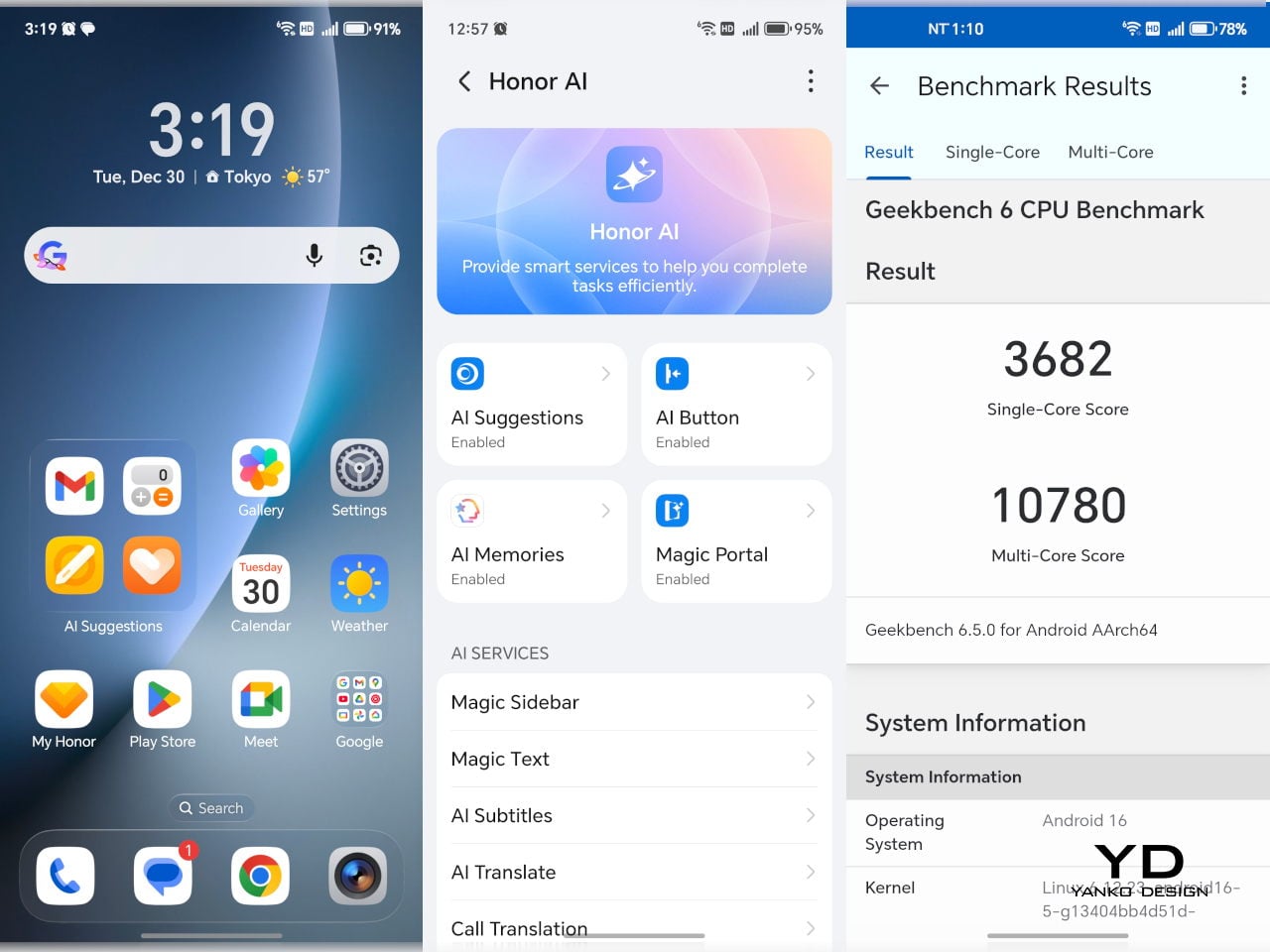
Inside the Magic 8 Pro, Qualcomm’s latest top-tier processor, the Snapdragon 8 Elite Gen 5 chipset, paired with 12GB of RAM and 512GB of storage, handles everything you throw at it. It is built for high performance in both traditional workloads and AI-heavy tasks. Day-to-day navigation feels snappy, with apps opening quickly and multitasking between social networks, messaging, and media happening without visible stutter. Even with many background apps, the phone maintains a fluid feel that matches its premium positioning.

Honor gives the Magic 8 Pro a dedicated AI button and plenty of AI features, including tools for image editing and productivity. A long press on the AI button analyzes whatever is on screen and suggests context-aware actions such as Circle to Search, AI Photo Agent, AI Summary, and Blur Private Info. It does not always guess exactly what you want, yet it genuinely reduces the number of steps between seeing something on screen and acting on it, which makes AI feel like a physical part of the phone rather than just another icon in the app drawer.
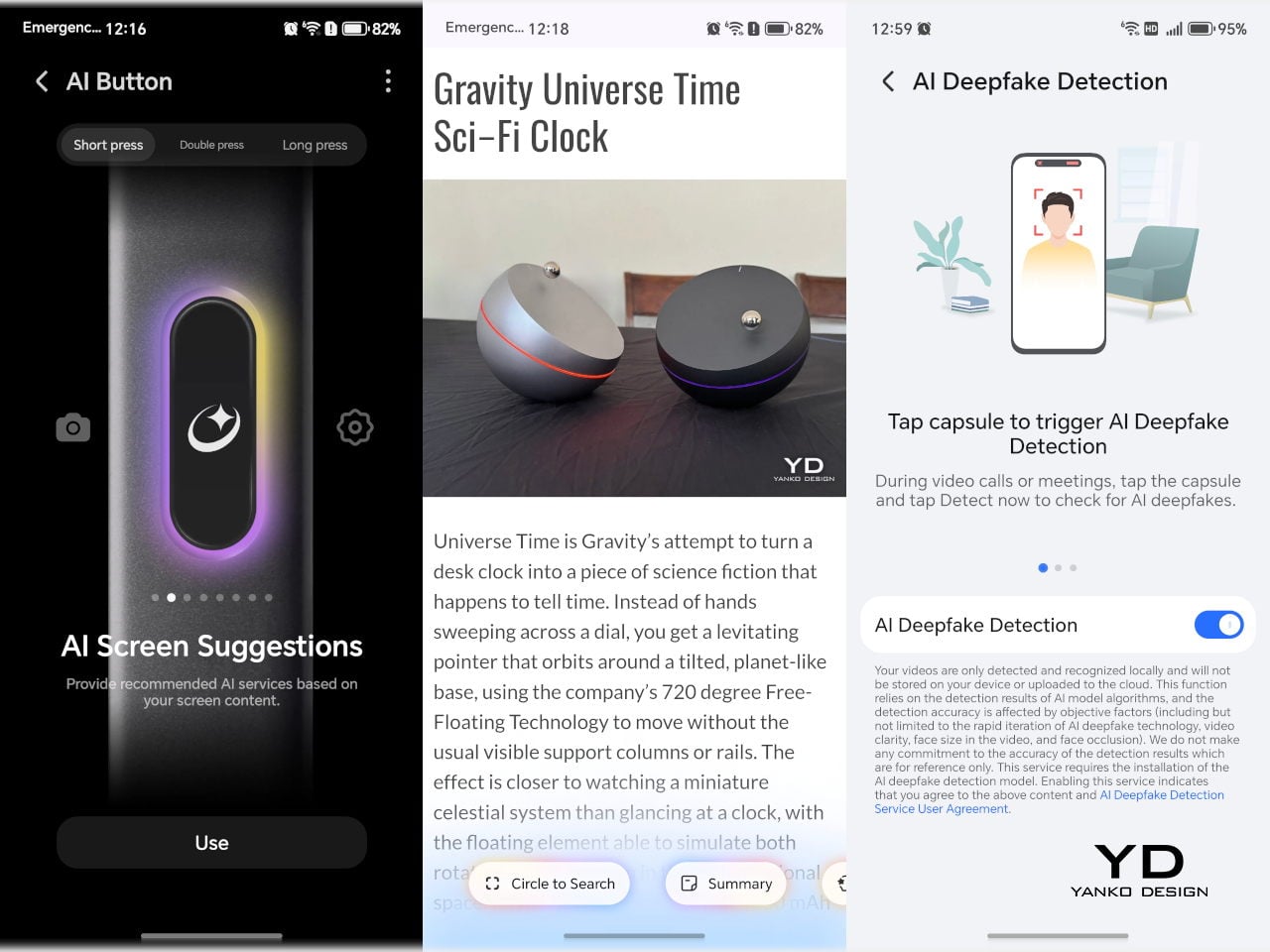
If you do not fancy AI, you can still customize its behaviour, so a single press, double press, or press and hold can trigger different actions. That flexibility turns the AI button into a handy shortcut for whatever you use most, whether that is voice control, the camera, or a specific app you open dozens of times a day. Over time, it starts to feel less like a novelty and more like a small, well-placed tool that quietly adapts to your habits rather than forcing you into a specific way of using the phone.
The Magic 8 Pro packs a 6,270 mAh silicon carbon battery, which is still huge by flagship standards even if it is not quite as oversized as some of the more extreme phones on the market. In everyday use, that capacity translates into very comfortable endurance, with enough headroom to get through a heavy day and, for lighter users, even stretch into a second. Charging is handled by HONOR SuperCharge at up to 100 W wired and up to 80 W wireless, so topping up never feels like a chore, whether you plug in or drop it on a stand.

Sustainability

Honor approaches sustainability on the Magic 8 Pro through durability and longevity rather than bold recycled material claims. The phone carries IP68, IP69, and IP69K ratings, so it is protected against dust, immersion, and even high-pressure water jets, which makes it easier to treat as a true everyday object instead of something fragile. On the front, the HONOR NanoCrystal Shield promises up to ten times better drop resistance than conventional glass and is backed by an SGS 5 Star Drop Resistance Certification, which should help it survive the usual pocket and desk-level accidents with fewer scars.
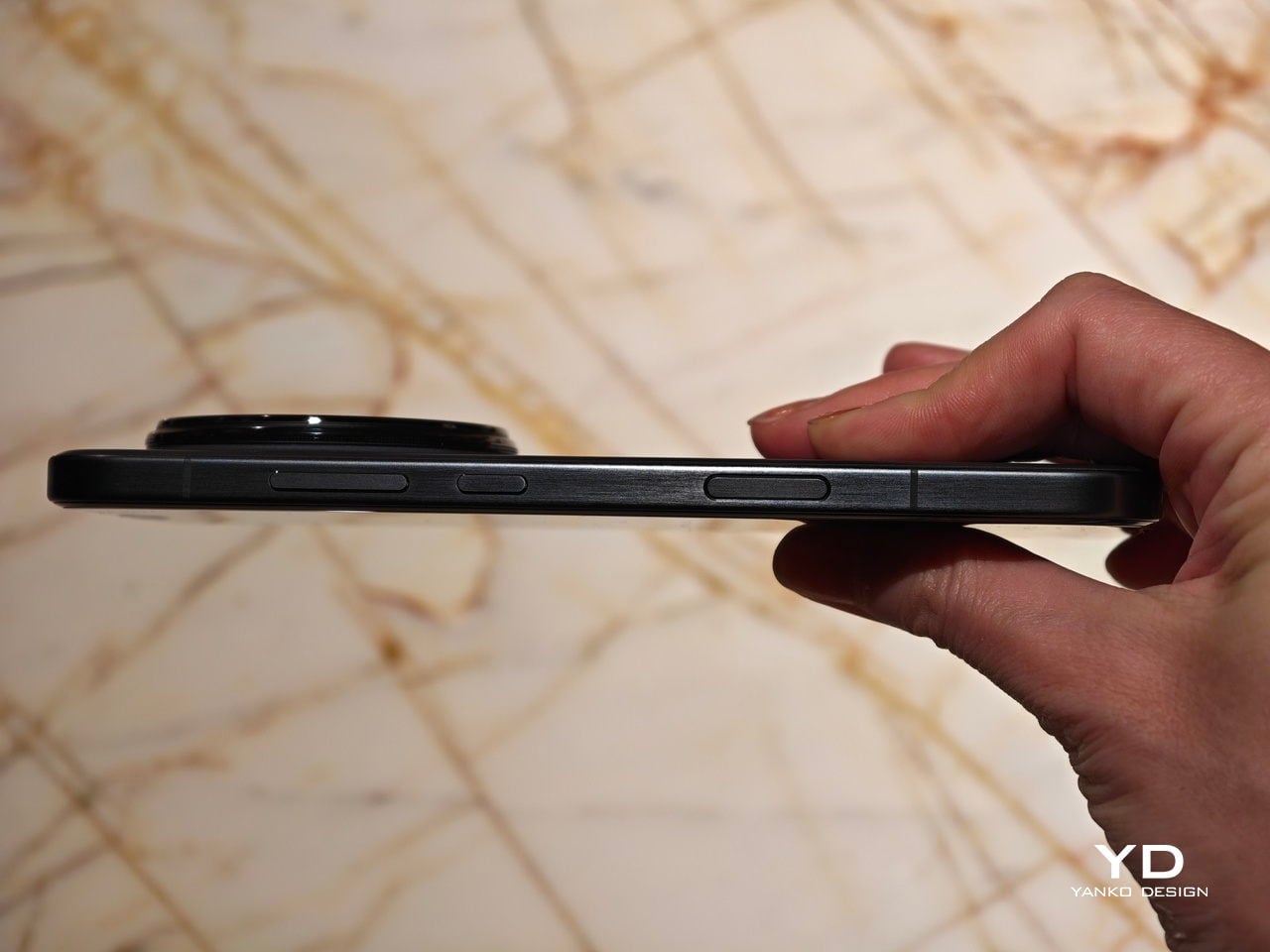
Software support is the other major part of the story. Honor promises seven years of OS updates for the Magic 8 Pro, which puts it among the longest supported Android phones and encourages you to keep it far beyond a typical two or three-year cycle. Combined with the robust build and strong water resistance, that long support window turns the Magic 8 Pro into more of a long-term device and less of a short-lived gadget, which is a practical, user-friendly angle on sustainability.

Value

In the UK, the Honor Magic 8 Pro is priced at £1,099.99, around $1,350, for the model with 12 GB of RAM and 512 GB of storage. That puts the phone firmly in the ultra-premium flagship space, yet the pricing is aggressive in a quiet way when you line it up against the obvious rivals. An iPhone 17 Pro Max with 512 GB of storage sits noticeably higher on the price ladder, and a Samsung Galaxy S25 Ultra with 512 GB tends to land in a similar or slightly higher bracket once you match storage. Honor counters with a bigger battery, a well-balanced, great-performing camera system, and very fast wired and wireless charging, which helps the package feel competitive even without the same brand pull.

If you look at closer competition, the Magic 8 Pro sits more naturally alongside phones like the Vivo X300 Pro and Oppo Find X9 Pro. All three offer well-rounded flagships with industry-leading camera performance and a strong focus on telephoto. Both the Vivo X300 Pro and Oppo Find X9 Pro add teleconverter-style lenses for extra flexibility, while Honor leans on well-integrated AI features, a display with one of the most complete eye comfort feature sets on the market, and long software support to make its case.
Verdict

The Honor Magic 8 Pro feels like a very confident statement from Honor. It is not chasing a single headline spec at the expense of everything else. Instead, it combines a sleek design, a genuinely comfortable in hand feel, a bright and eye-friendly display, and a camera system that is both capable and fun, then backs it all with a huge battery and long-term software support.

It is not perfect. Video colors could be richer in some scenarios, the shutter can feel slow, and the price is firmly in ultra-premium territory. Yet when you look at the full package, especially the 6,270 mAh battery, the long OS support, the AI implementation, and the well-tuned cameras, the Magic 8 Pro stands out as one of the more thoughtful big flagships of this cycle. If you want a phone that looks and feels high-end, lasts all day and then some, and leans into AI without feeling gimmicky, this is a very easy device to recommend.
The post Honor Magic8 Pro Review: Brilliant Night Shots, Big Battery, Built to Last first appeared on Yanko Design.


The next Xbox Developer Direct showcase is on January 22

Xbox will kick off the fourth installment of its Developer Direct event on January 22 at 1PM ET. As usual, we'll get a glimpse at what the upcoming year has in store along with news, new gameplay footage and more directly from the teams behind this year's slate of games.

In a blog post announcing the event, Xbox Wire Editor-in-Chief Jon Skrebels said Xbox's 25-year anniversary will be marked by the return of some beloved franchises. Gamers will also get their first extended look at Fable, a reboot of the iconic series. The event will also be unveiling gameplay footage for Forza Horizon 6, the upcoming open-world racing game set in Japan. UK studio Playground Games is behind both titles.

The showcase will also include new details and gameplay from Beast of Reincarnation, the "one-person, one-dog" role-playing game. The game is being developed by Game Freak, the studio best known for its series of Pokémon games, and follows protagonist Emma and her canine companion in post-apocalyptic Japan.

This article originally appeared on Engadget at https://www.engadget.com/gaming/xbox/the-next-xbox-developer-direct-showcase-is-on-january-22-154444166.html?src=rss

This 4K Bird Feeder Captures Hummingbirds at 120fps in Slow Motion

A few years back, I had to bring some members of a birding community around the place I was working at that time. I got to experience firsthand what it is that they actually do. And while I probably would not take up birding as a hobby, it is indeed interesting to observe, take pictures, and talk about all those birds out in the wild with people who were super into it.

The Birdfy Hum Bloom was just unveiled at the ongoing CES 2026, and it’s something that will definitely interest those who are into birding, specifically hummingbirds. It’s a bird feeder that also doubles as a camera to capture the natural artistry of these birds in full 4K motion. This device seems to be a game-changer for hummingbird lovers as well as a place for said birds to rest and get fed while still enjoying their natural habitat.

Designer: Birdfy

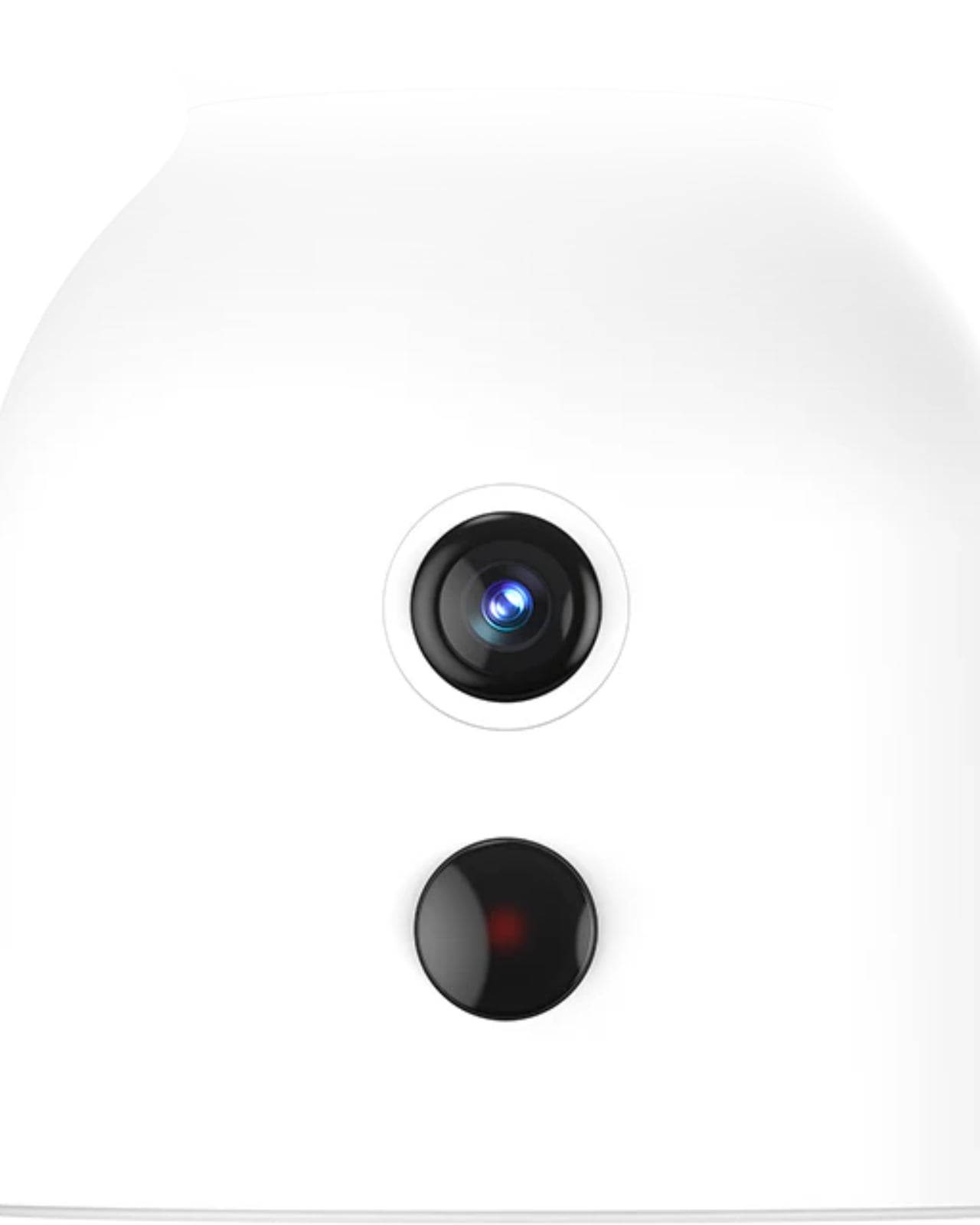
In the eyes of the hummingbird, the Hum Bloom looks like a regular bird feeder where they can rest and get their nectar from. But it actually sports an 8-megapixel camera that is able to capture 4K video at 20fps. You can switch it to slow-motion mode to get a more magical 120 frames per second so you can see the hummingbird’s mesmerizing wing movements in stunning detail. They say even traditional cameras cannot do this with the hummingbirds that flap their wings between 50 to 80 times per second when hovering.

This device also comes with Birdfy’s OrniSense AI technology, which is able to recognize over 150 hummingbird species (TIL that there are that many hummingbird species). You’ll only get notifications on your connected device when the motion sensors detect hummingbirds in flight, and you won’t get alerts every time it senses movement, unless it’s the aforementioned birds.

Don’t worry though, as this bird feeder isn’t just a gadget with a camera. The hourglass-inspired shape and floral color choices mimic actual flowers that naturally attract the hummingbirds. It’s not just backyard decoration but “a revolutionary smart feeder for discovery.” It also has nectar level sensors so you get alerted when you need to refill it and also notifies you when you need to refresh it. The flower-inspired design makes it easy to refill compared to traditional feeders. You won’t get pesky unwanted visitors as it also has a built-in ant moat to keep them away.

The Hum Bloom goes beyond aesthetics with its leak prevention system, ensuring your patio or deck stays clean and the nectar stays where it belongs which is inside the feeder. One of the most thoughtful features is the integrated solar panel with battery backup. This means you don’t have to worry about constantly charging or replacing batteries, which is especially important since hummingbirds are most active during daylight hours when the solar panel is working at its best.

Through the Birdfy mobile app, you can access all your footage, create clips of your favorite moments, and learn detailed information about the species visiting your feeder. It’s like having a personal hummingbird documentary studio right in your backyard. The AI doesn’t just identify the birds; it provides educational content so you can learn more about these fascinating creatures.

The device is expected to launch in Q2 of 2026, though pricing hasn’t been announced yet. Given its advanced features and premium positioning, it will likely be a significant investment, but for serious hummingbird enthusiasts and nature lovers, the unique capabilities may well justify the cost.

Thinking back to my time with that birding community, I now realize how much they would have appreciated technology like this. Birding requires patience, the right timing, and often expensive camera equipment to capture quality images. The Hum Bloom eliminates much of that complexity as it does the waiting for you, captures the perfect moments automatically, and requires minimal maintenance thanks to its smart sensors and solar power. Whether you’re a seasoned birder, a nature photography enthusiast, or simply someone who enjoys watching wildlife from the comfort of home, the Birdfy Hum Bloom represents an exciting intersection of technology and nature.

The post This 4K Bird Feeder Captures Hummingbirds at 120fps in Slow Motion first appeared on Yanko Design.
Samsung Galaxy S26 Ultra Hands-On Video: Real Leak or Clever Fake?

Samsung Galaxy S26 Ultra Hands-On Video: Real Leak or Clever Fake?

A hands-on video claiming to showcase the Samsung Galaxy S26 Ultra has surfaced, generating significant buzz among tech enthusiasts. At first glance, the video appears to reveal the design and packaging of Samsung’s highly anticipated flagship device. However, a closer examination raises questions about its authenticity. The device shown in the video seems to be […]

The post Samsung Galaxy S26 Ultra Hands-On Video: Real Leak or Clever Fake? appeared first on Geeky Gadgets.

Posted in Uncategorized

Is the OLED iMac Worth the Wait? Here is the New Roadmap

Is the OLED iMac Worth the Wait? Here is the New Roadmap

Apple is reportedly preparing to introduce OLED display technology to its iMac lineup, signaling a significant evolution from the current LCD panels. This transition is expected to deliver stunning visuals and improved performance, but it also presents technical and manufacturing challenges that could delay its release until 2027 or 2028. In the interim, Apple is […]

The post Is the OLED iMac Worth the Wait? Here is the New Roadmap appeared first on Geeky Gadgets.

Posted in Uncategorized

Nintendo reveals its first Switch 2 Joy-Con color variant

Nintendo has unveiled the first color variants for the Switch 2 Joy-Cons in light purple and light green, set to arrive on February 12 alongside Mario Tennis Fever. The new controllers are now on pre-order for $100 and include matching wrist-straps. 

Other than the colorway, these are standard Joy-Con 2 controllers with motion controls and HD rumble, along with the C Button for GameChat and the mouse controls for compatible games. However, you may have noticed something weird about them — the colors are on the inner rails, so you'll barely be able to see them when the Joy-Con 2s are connected to a Switch 2 console, except around the thumbsticks. By contrast, previous Joy-Con color variants covered the entire shell. The new Switch 2 Joy-Con colors also clash with the light blue and orange strips on the inner left and right of the console.

Along with the new Joy-Con 2 controllers, Nintendo released a lengthy game-play video for Mario Tennis Fever, also set to arrive on February 12th. It details some of the key gameplay features, like "fever shots," the ice racket and moves like slides and dives. 

This article originally appeared on Engadget at https://www.engadget.com/gaming/nintendo/nintendo-reveals-its-first-switch-2-joy-con-color-variant-142725414.html?src=rss

Aukey’s 200W Cube Has Retractable Cables That Disappear Inside

The modern desk holds a laptop, phone, tablet, earbuds, maybe a camera or handheld console, all needing power at different times. The usual sprawl of wall warts, USB hubs, and cables creeps across the surface, claiming outlets and desk real estate. Most charging solutions still assume you have infinite outlets and space under the table, even though desks keep shrinking while the number of things competing for power keeps climbing.

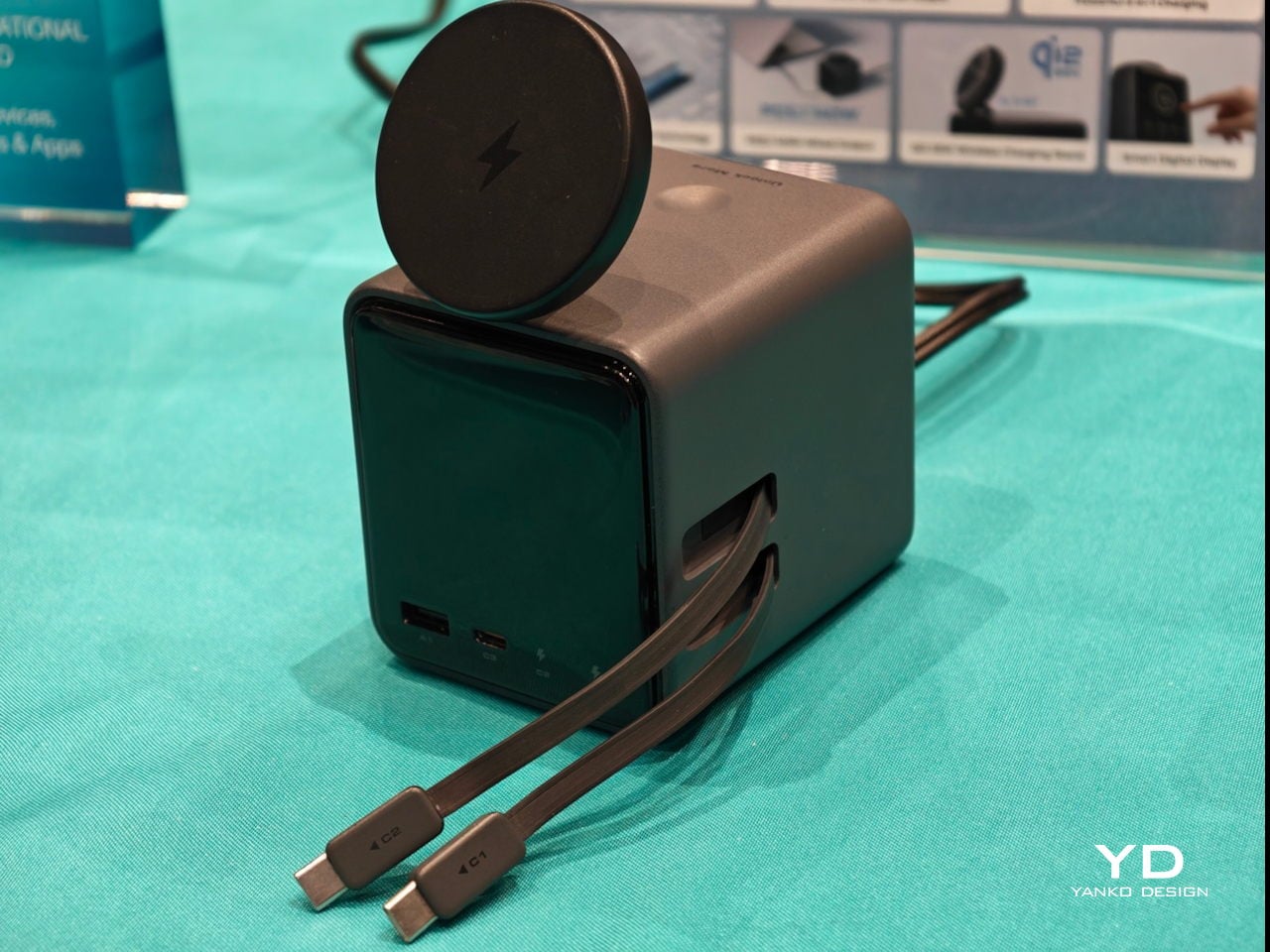
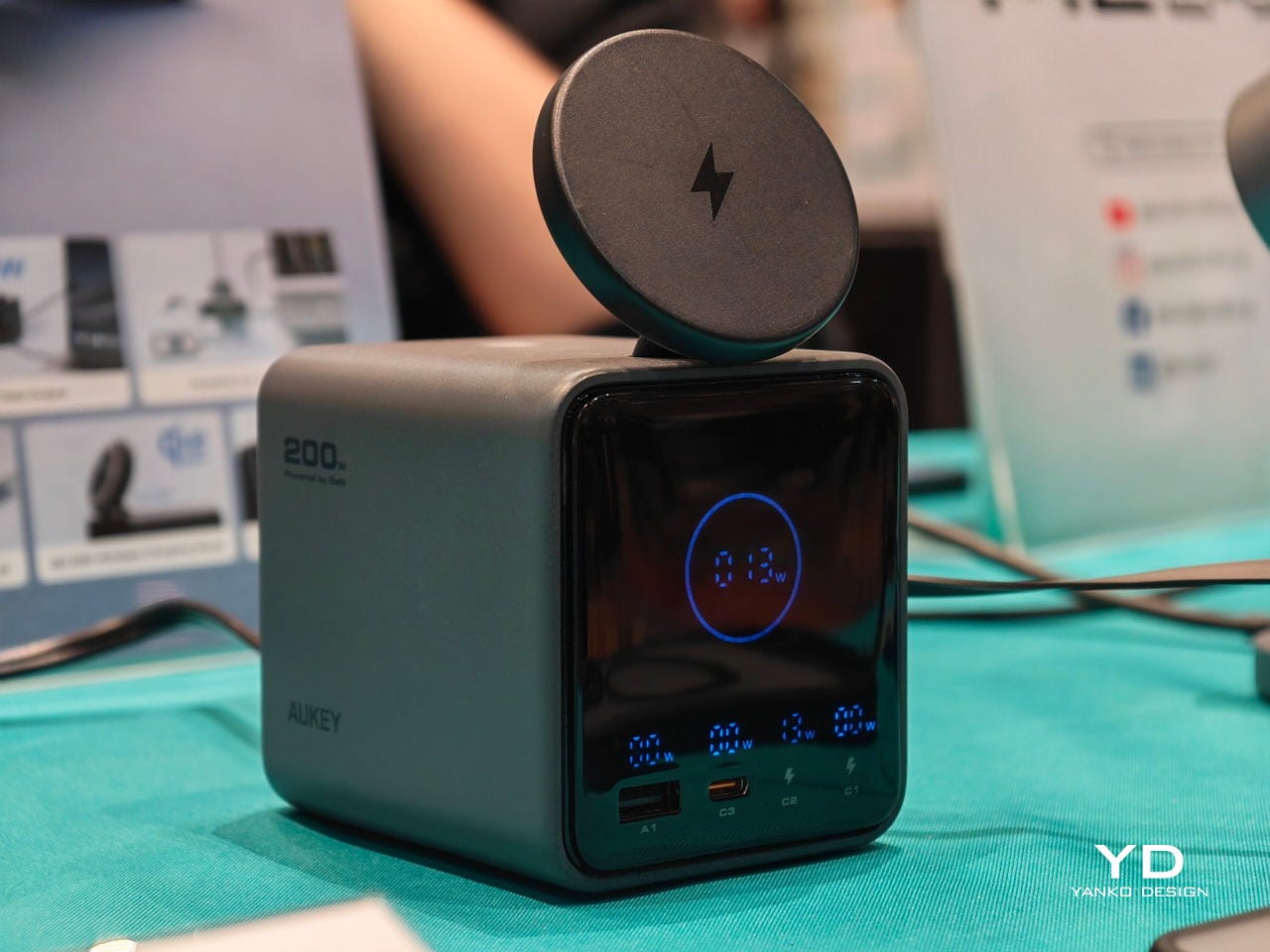
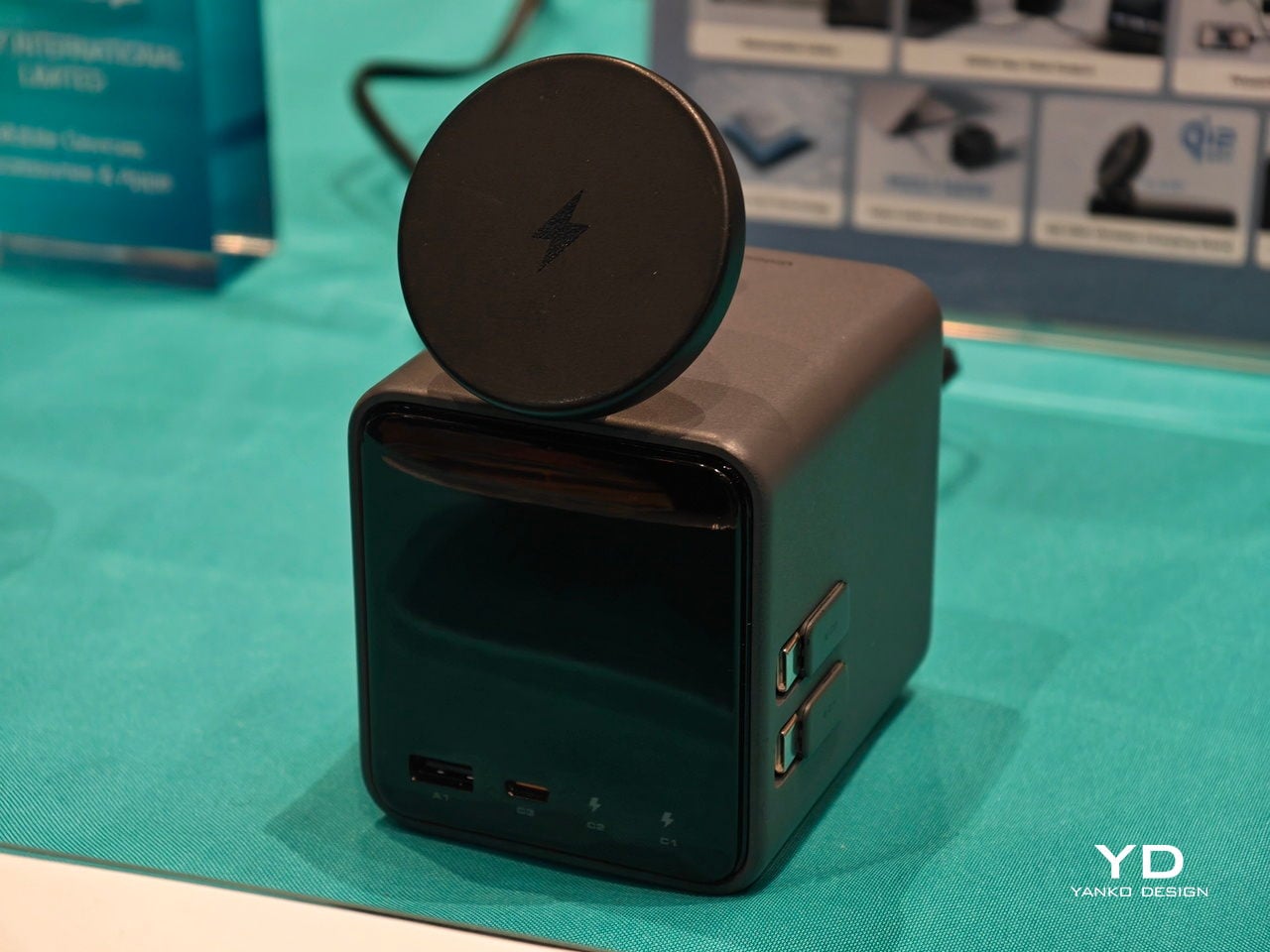
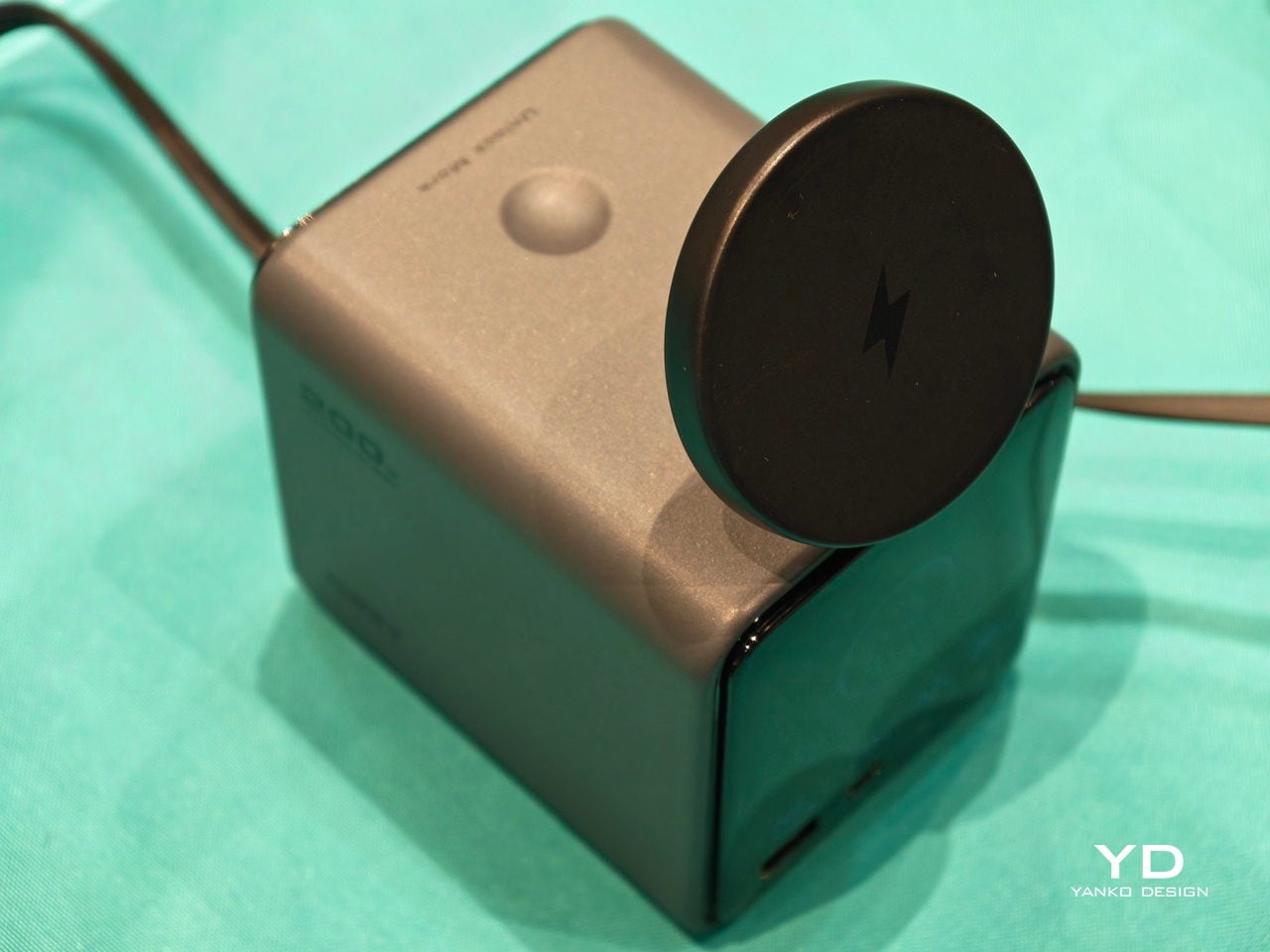
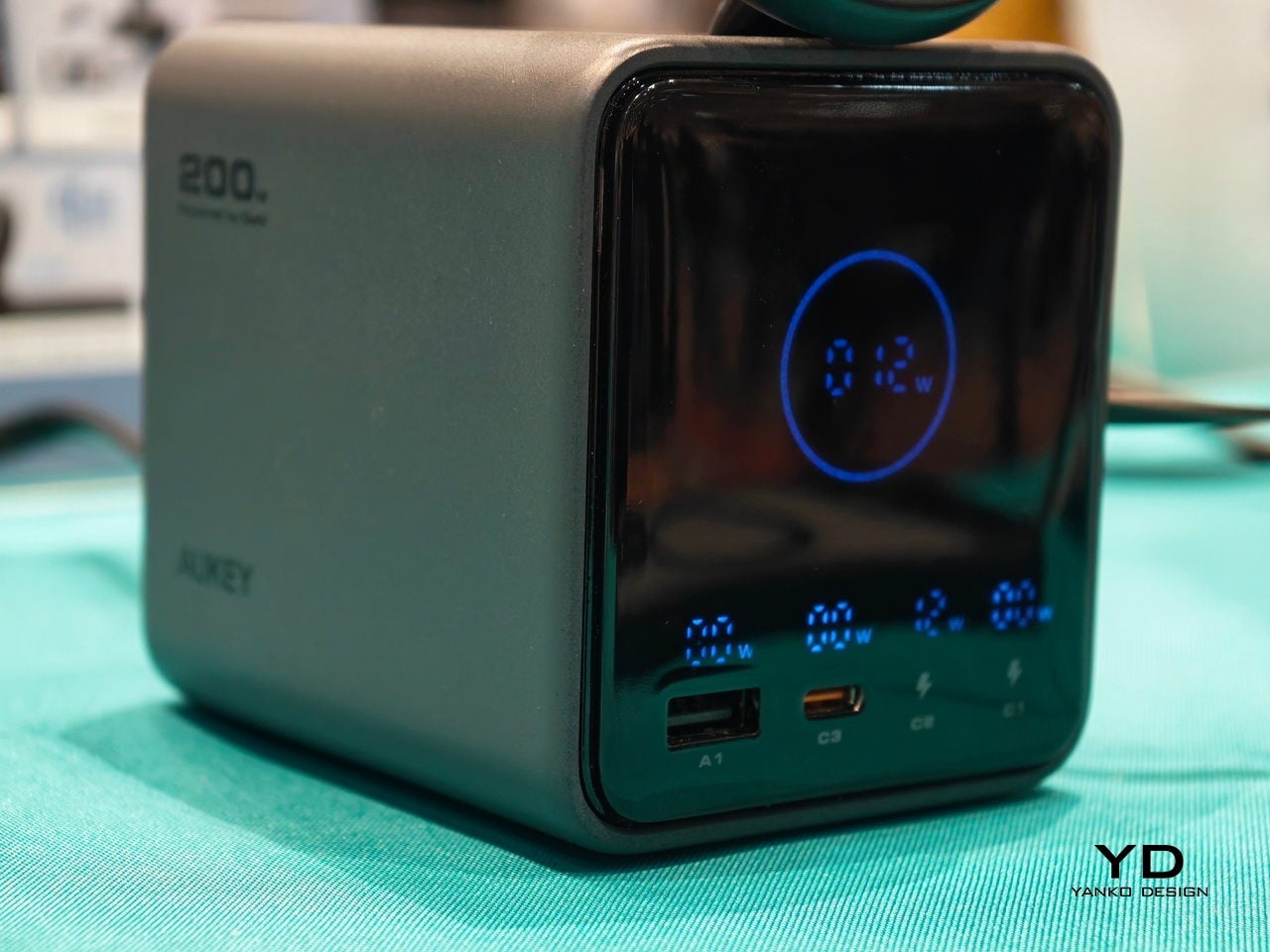
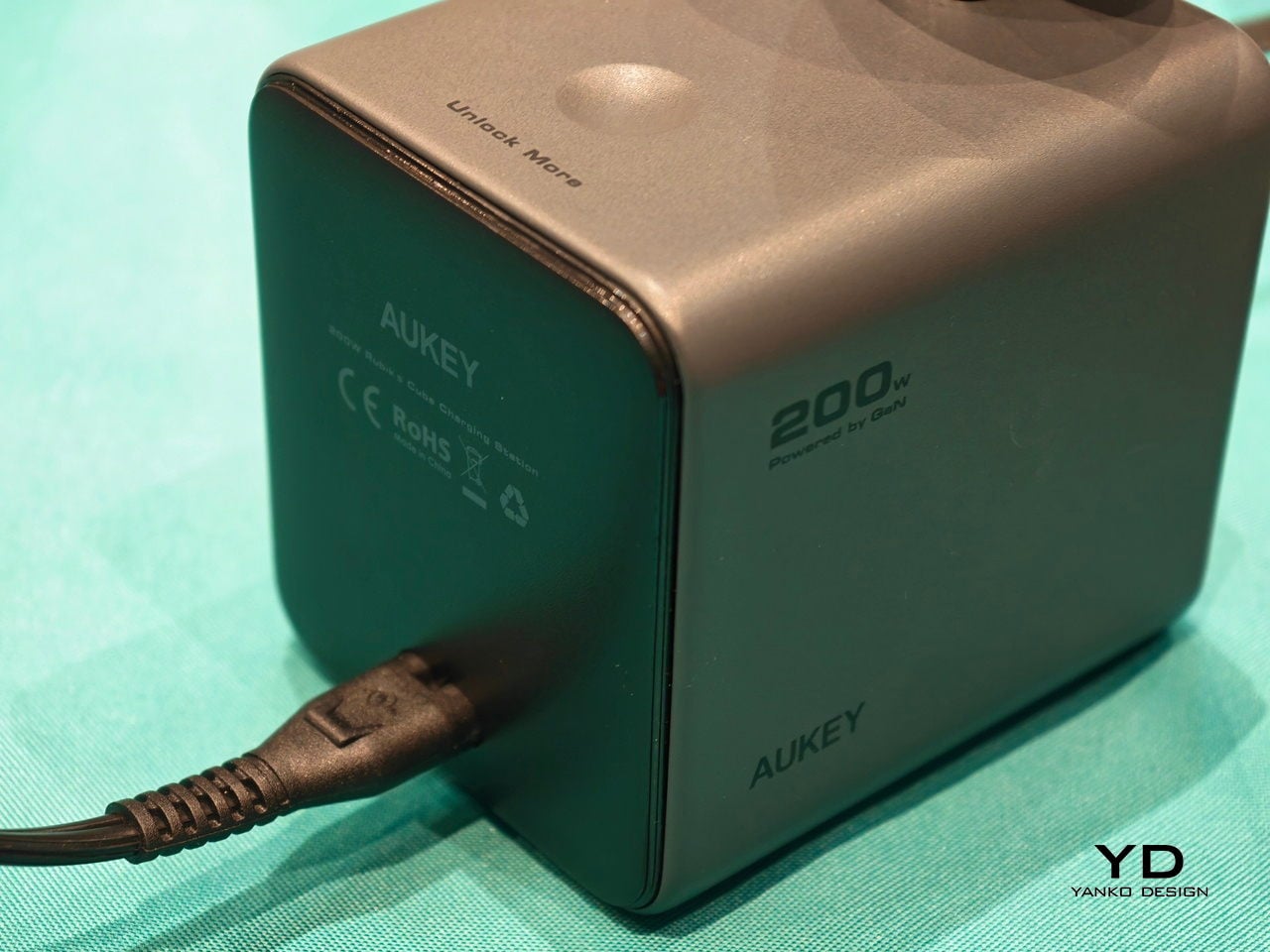
The Aukey MagFusion DeskHive 5X Pro is a 5-in-1 desktop charging station that tries to pull everything into one small cube. It combines four wired outputs, including two retractable USB-C cables, with a Qi2 25W magnetic wireless stand on top, all powered by a 200W GaN engine. The idea is that one object in arm’s reach quietly replaces the pile of bricks and cables, sitting visibly on the desk instead of hiding behind the monitor.

Designer: AUKEY

Plugging a power-hungry laptop into the USB-C1 port gets you up to 140W with PD 3.1, enough to keep big machines happy. While that runs, there is still room for a second USB-C device, a USB-A accessory, and the two retractable USB-C leads that stay hidden until you need them. DeskHive can be the main charger for a workstation, not just a phone dock sitting on the side waiting for occasional use.

The two retractable USB-C cables spool out to about 75 cm when needed and disappear when they are not. That changes the desk, no more permanently snaked cables waiting for a device, just a quick pull when a tablet or camera needs a top-up, then a satisfying click back into the cube. It is a small interaction, but it keeps the surface visually calmer and makes charging feel less like tending to clutter.

The top of the cube is where the Qi2 25 W magnetic stand holds a phone at an adjustable angle between 0 and 65 degrees. That makes it natural to drop the phone there during calls, video meetings, or for quick reference, charging while staying in view. The aluminum-alloy hinge is tested for 10,000 adjustments, so tilting it up and down becomes part of the daily rhythm without feeling fragile or like something you have to baby.

The smart digital display shows real-time power output for each wired port and the total system draw. A quick glance tells you which device is fast-charging, which one is trickle-charging, and whether you are pushing the 200 W budget. It turns charging from a black box into something you can read and manage, which is oddly satisfying when you live with a lot of gear and want to know what is happening behind the scenes.

DeskHive layers in the expected protections, short-circuit, over-current, over-voltage, over-temperature, and over-charging, so running it all day does not feel risky. The compact 3.76-inch footprint and single power cable clean up the visual field, replacing a cluster of chargers with one object that looks intentional. For a desk that already does too much, having one small cube quietly handle the power side feels like a relief, freeing up mental space and physical outlets for the things that actually need them.

The post Aukey’s 200W Cube Has Retractable Cables That Disappear Inside first appeared on Yanko Design.