If Sci-fi Gardening met MC Escher: Meet The Holocene House’s Floating Jungle Canopy

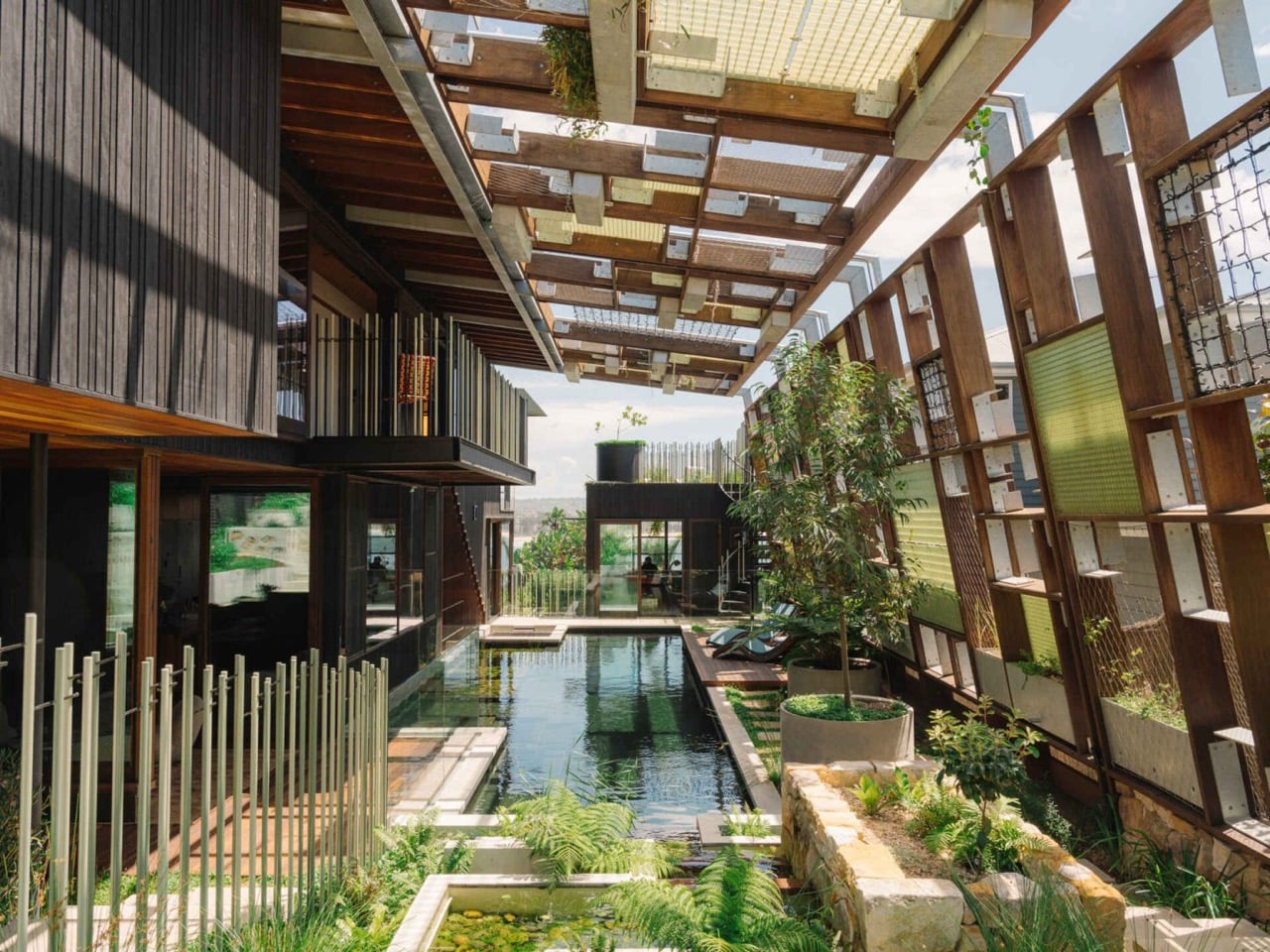
The pool doesn’t sit beside the house. It doesn’t occupy the backyard. It runs straight through the middle of the living space, dark-tiled and creek-like, with stepping stones crossing it at the entry. This is the organizing principle of Holocene House: water as hallway, water as climate control, water as the thing everything else revolves around.

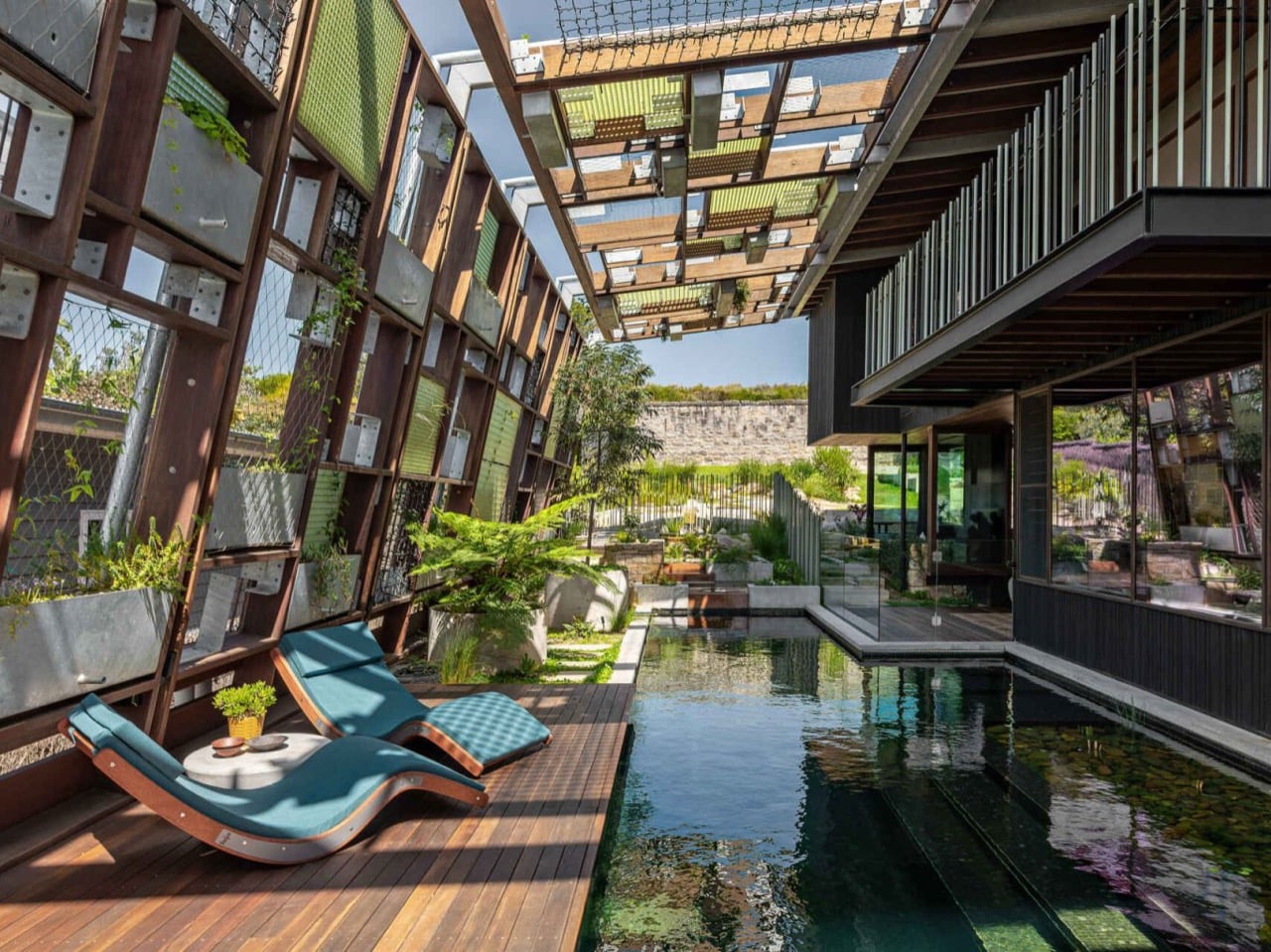
Above this central watercourse, a canopy of floating planters and geometric panels creates its own microclimate. Timber beams intersect with structural steel. Translucent jade FRP panels catch and scatter light. Plants spill from concrete boxes suspended in the grid. The whole structure has this disorienting quality, like multiple dimensions of garden folded into the same space. It’s both hyper-technical and completely organic, which makes sense for a home that’s carbon positive while feeling more like a living ecosystem than a building.

Designer: CplusC Architects + Builders
CplusC Architects + Builders designed this thing, and honestly, they went harder than they needed to. The brief could have been “nice sustainable house with pool,” but instead they built something that reorganizes how residential architecture relates to water and vegetation. The swimming pool measures roughly 12 meters long and runs parallel to the main living spaces. Dark tiles give it the appearance of a natural creek bed, which sounds precious in theory but actually works because the water is moving and filtering constantly through reed beds, polishing ponds, charcoal, and pebbles. No chlorine. The system mimics what happens in actual wetlands.
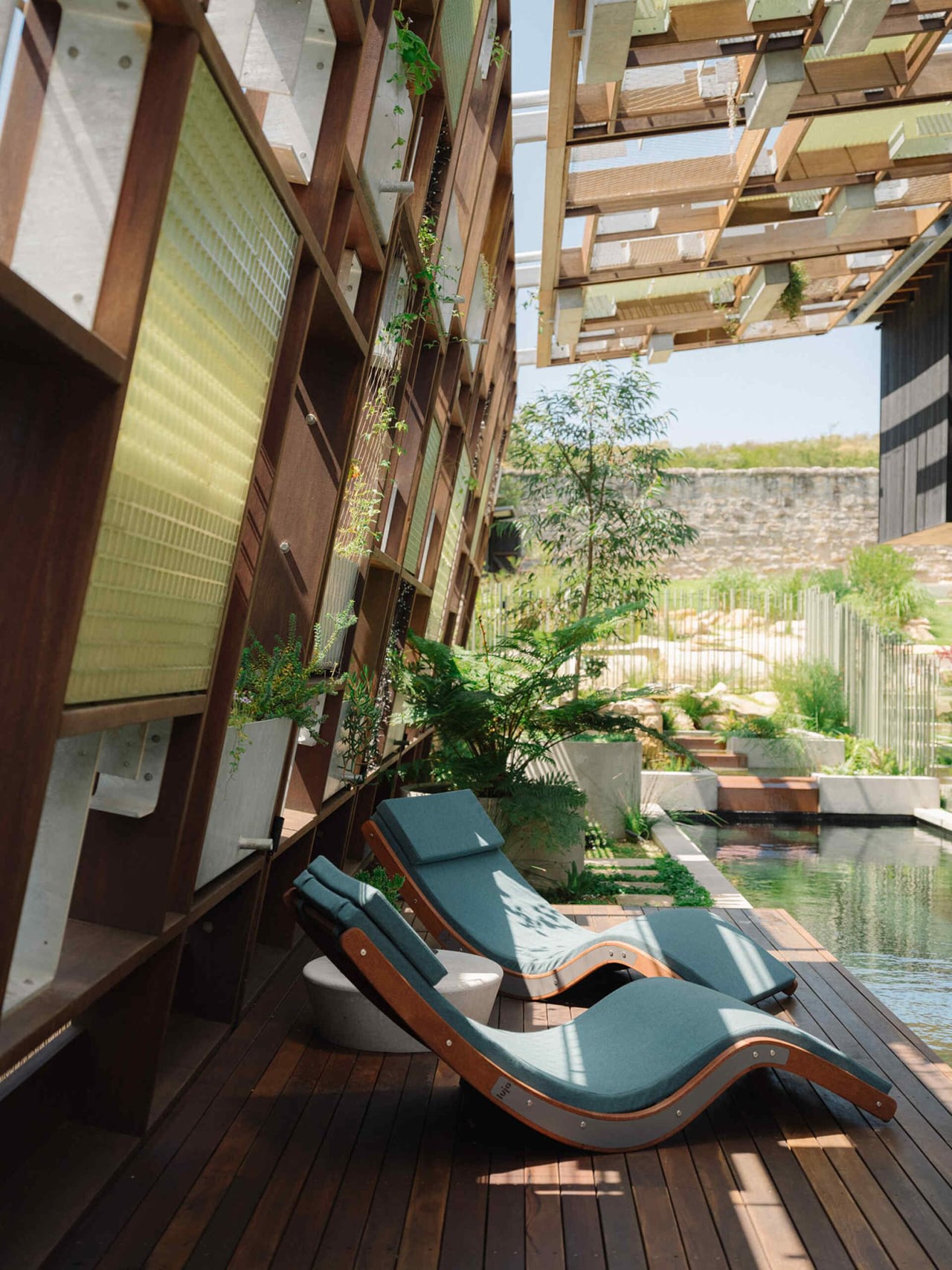
The canopy overhead is immersive and disorienting in the best way possible. Structural steel beams intersect with timber framing at multiple angles, supporting concrete planters that float at different heights. Between them, translucent jade-colored FRP (fiber-reinforced plastic) panels fill gaps in the grid. The whole assembly casts this dappled, constantly shifting light that changes character throughout the day. It’s functional shading that drops the temperature on the deck by several degrees, but it also creates this spatial ambiguity where you lose track of what’s ceiling, what’s wall, what’s garden. Very Escher. Very disorienting if you stare at it too long.
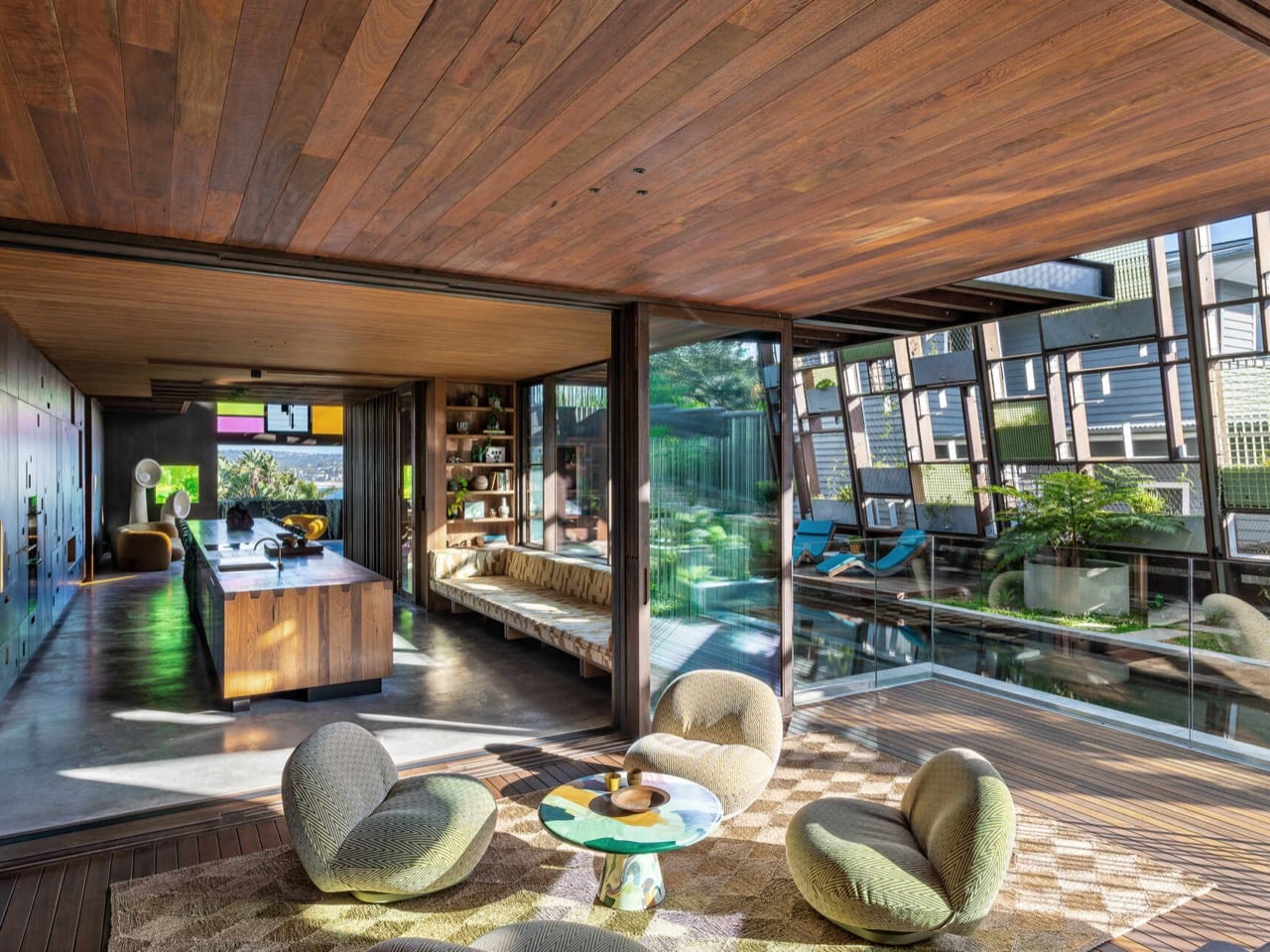
This is Australia’s first certified carbon-positive home under the Active House Alliance, which means it produces more energy than it consumes over a year. Solar panels handle the energy generation. Rainwater and greywater systems irrigate the productive garden, which includes fruit trees, vegetables, herbs, and even chickens. The spotted gum cladding on the exterior got the Shou Sugi Ban treatment, that Japanese charring technique that makes timber more resilient and gives it a charcoal finish. Low embodied energy material that will age well in the coastal climate near Shelly Beach.
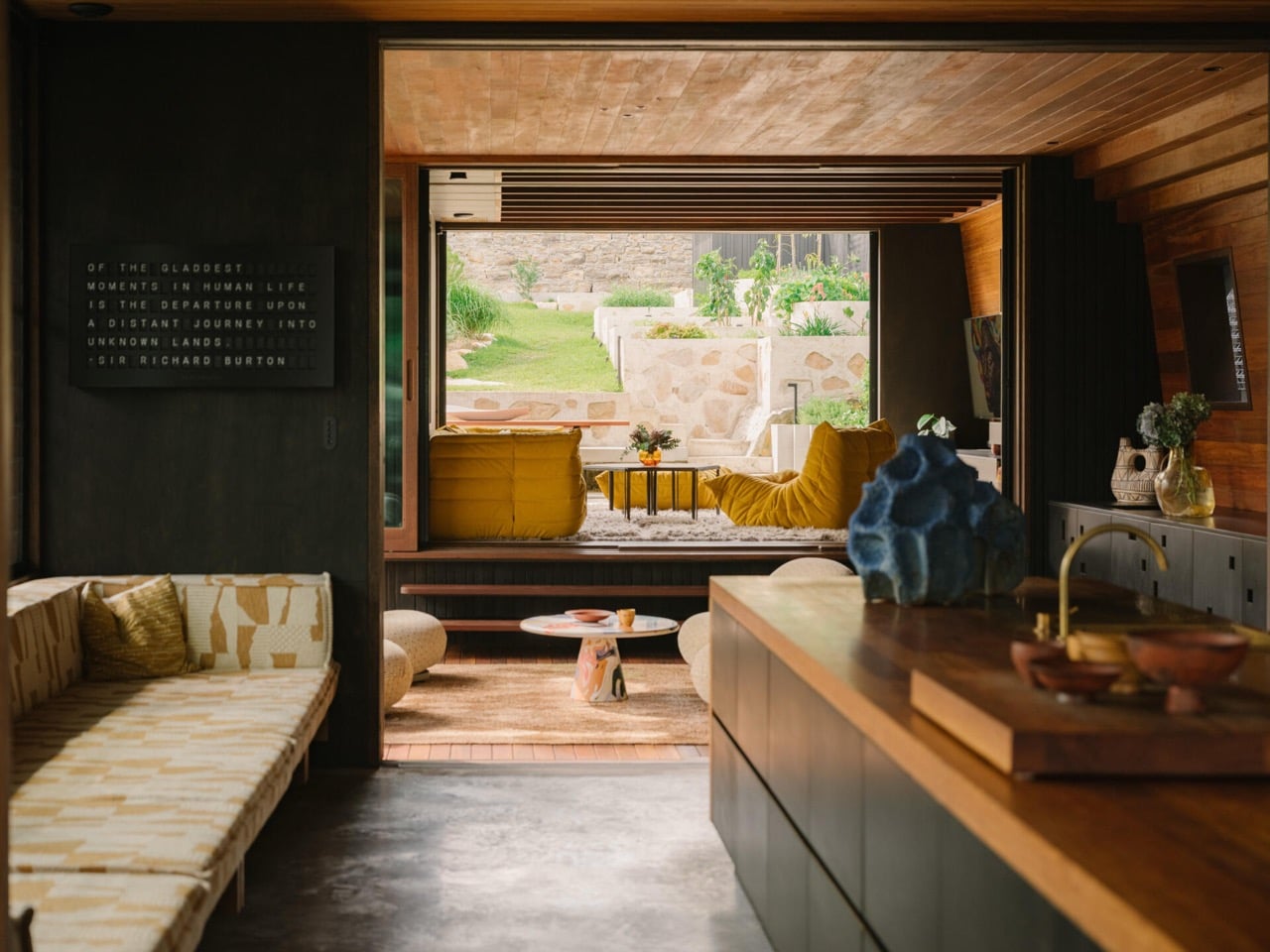
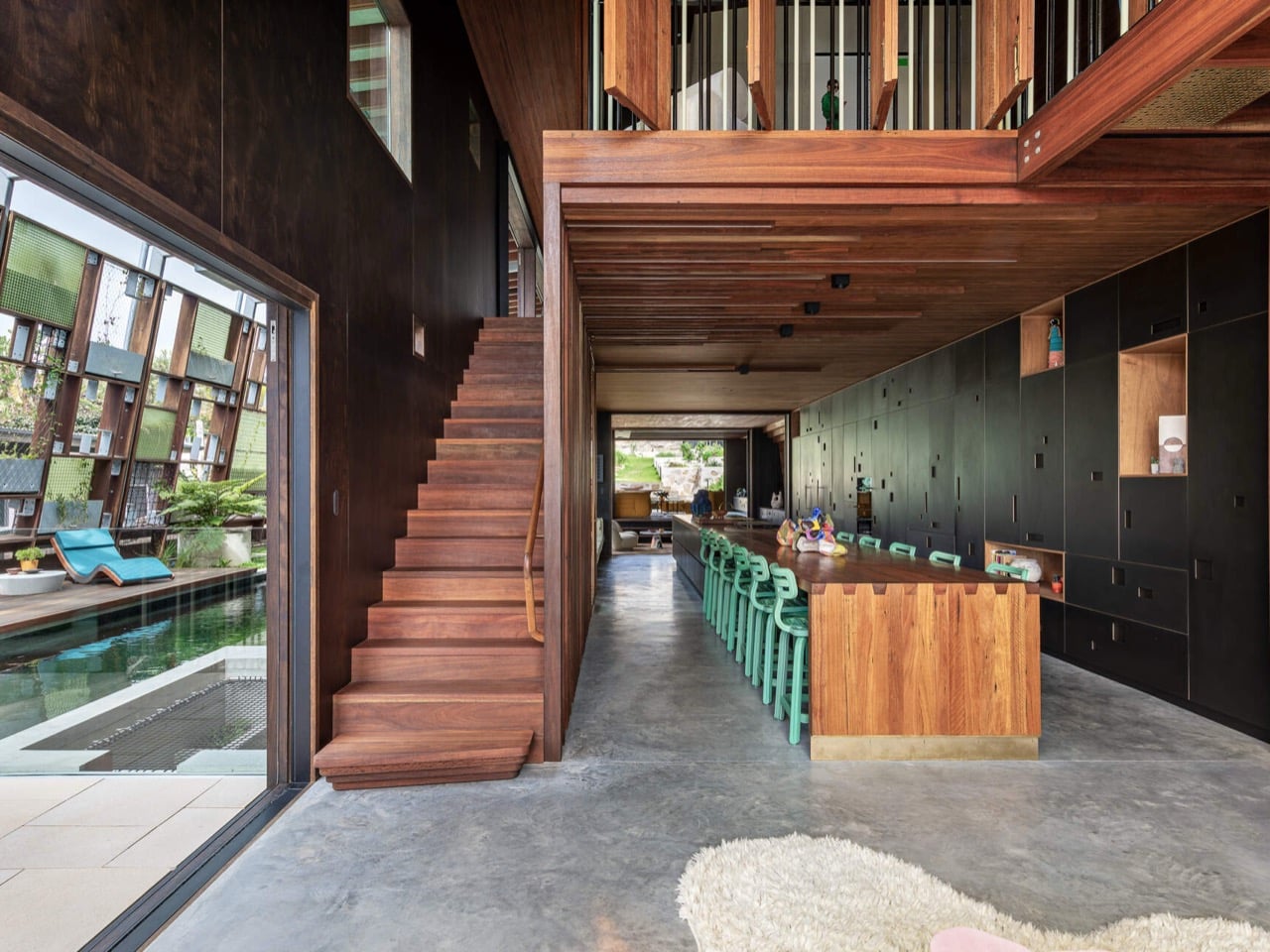
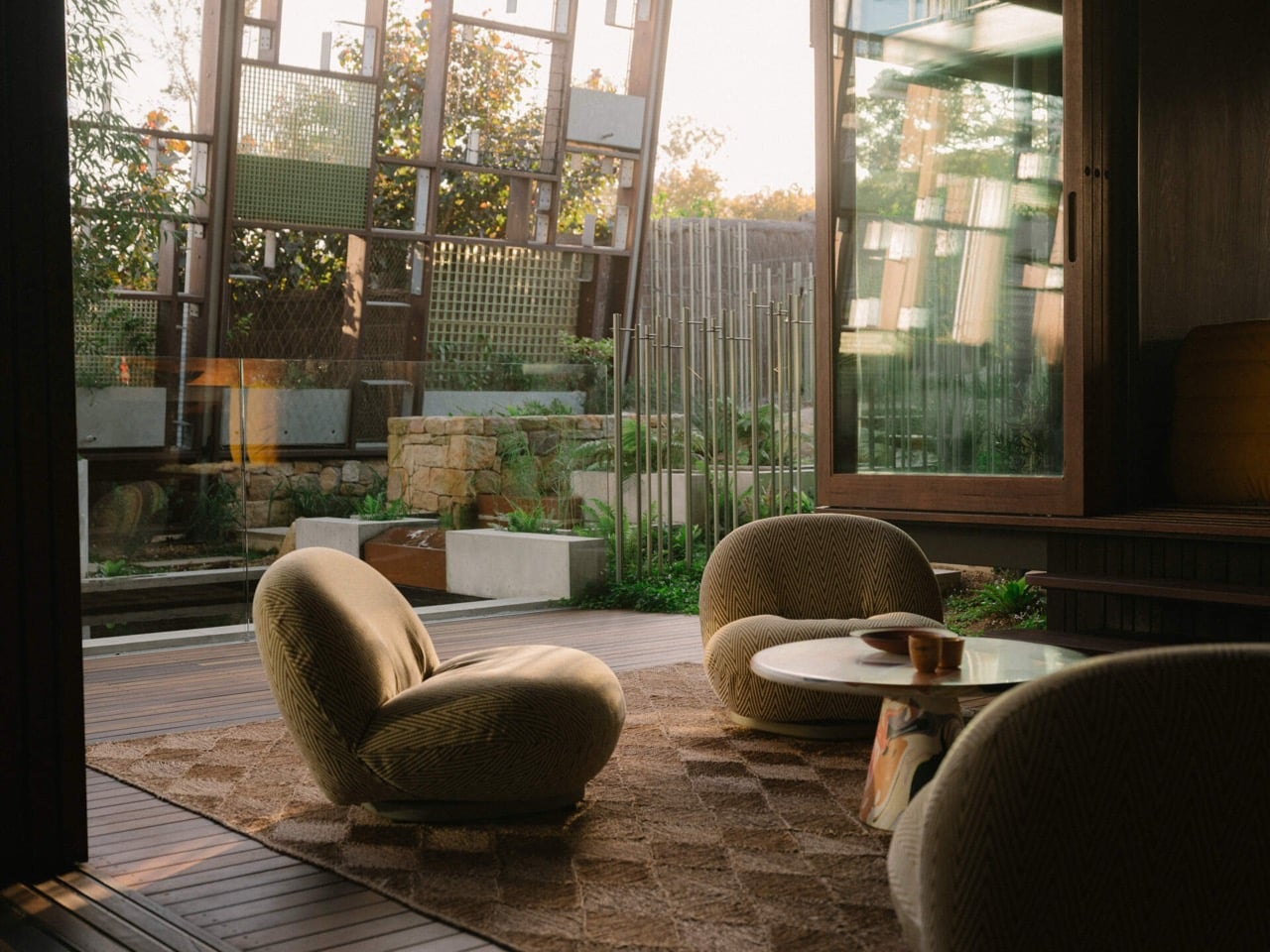
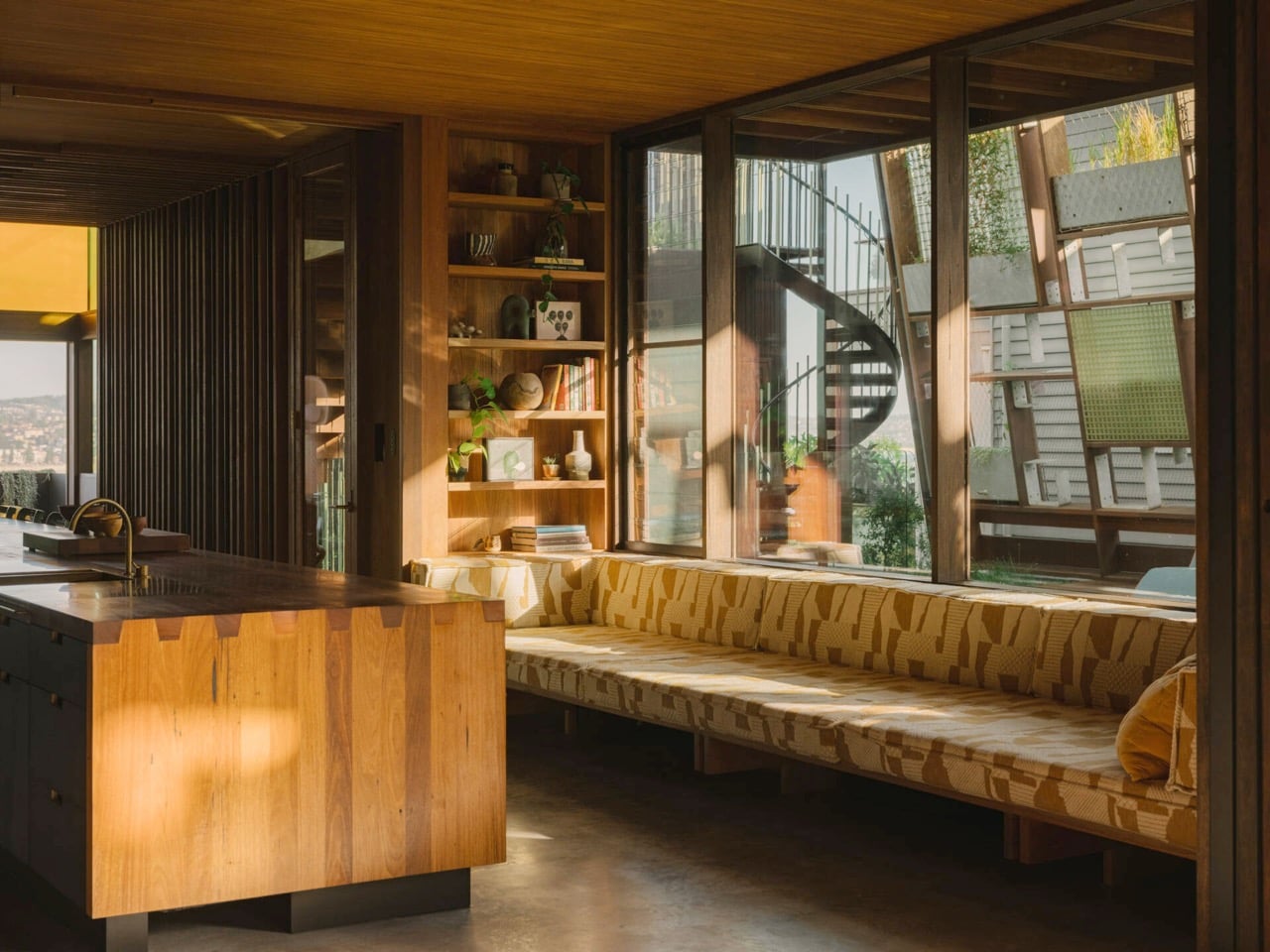
Inside, a 9.2-meter recycled hardwood island stretches through the kitchen and doubles as the dining table. That’s over 30 feet of continuous timber. The cabinetry uses Paperock, a composite material made from recycled paper and resin, formed into panels with these small perforations that create textured shadows. Floor-to-ceiling storage hides appliances and maintains clean sightlines. A built-in daybed sits in the kitchen area with views straight through to the pool and back garden. The whole spatial layout keeps pulling your attention back to that central water feature, which becomes the thing every other design decision orbits around.
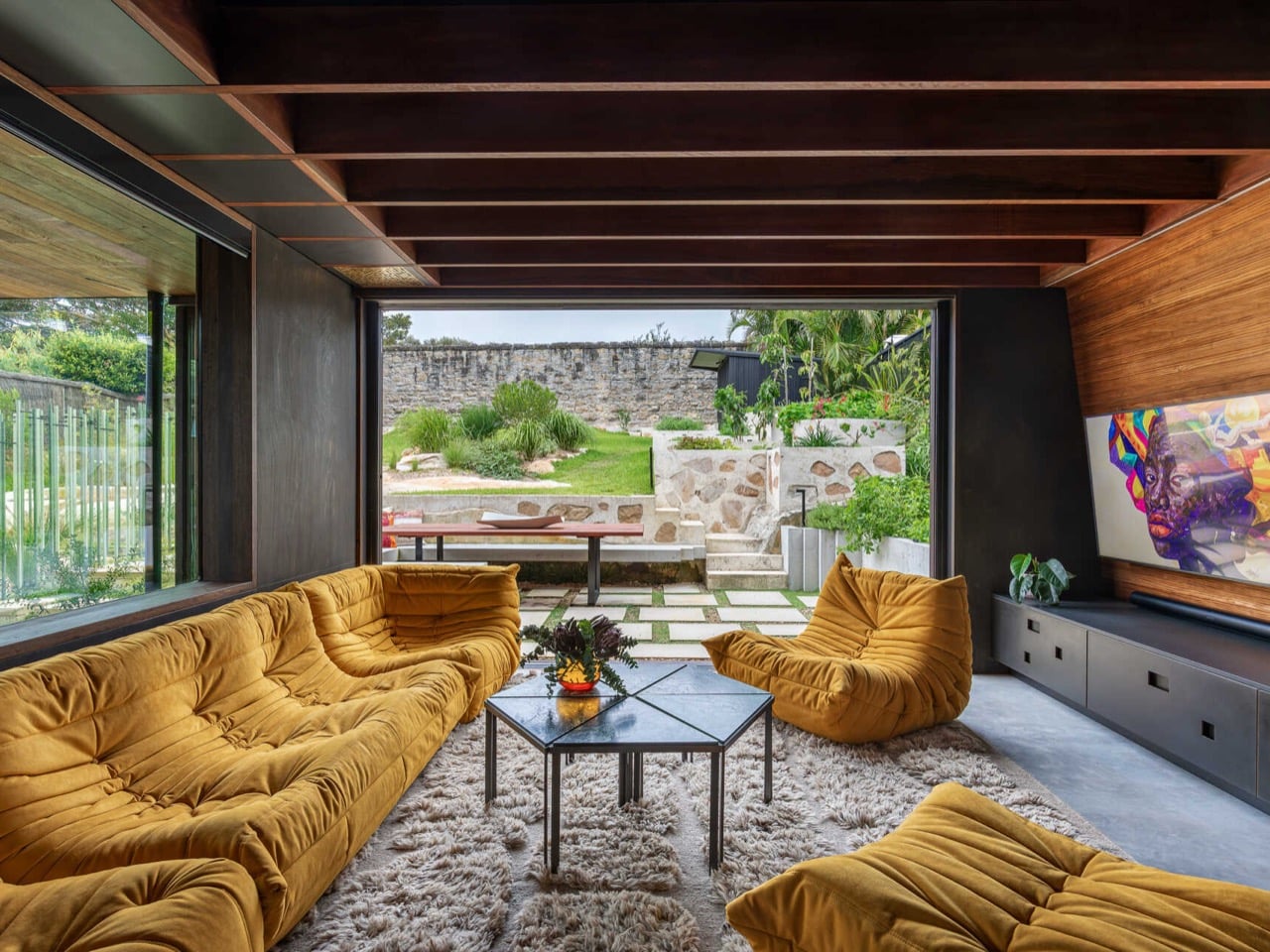
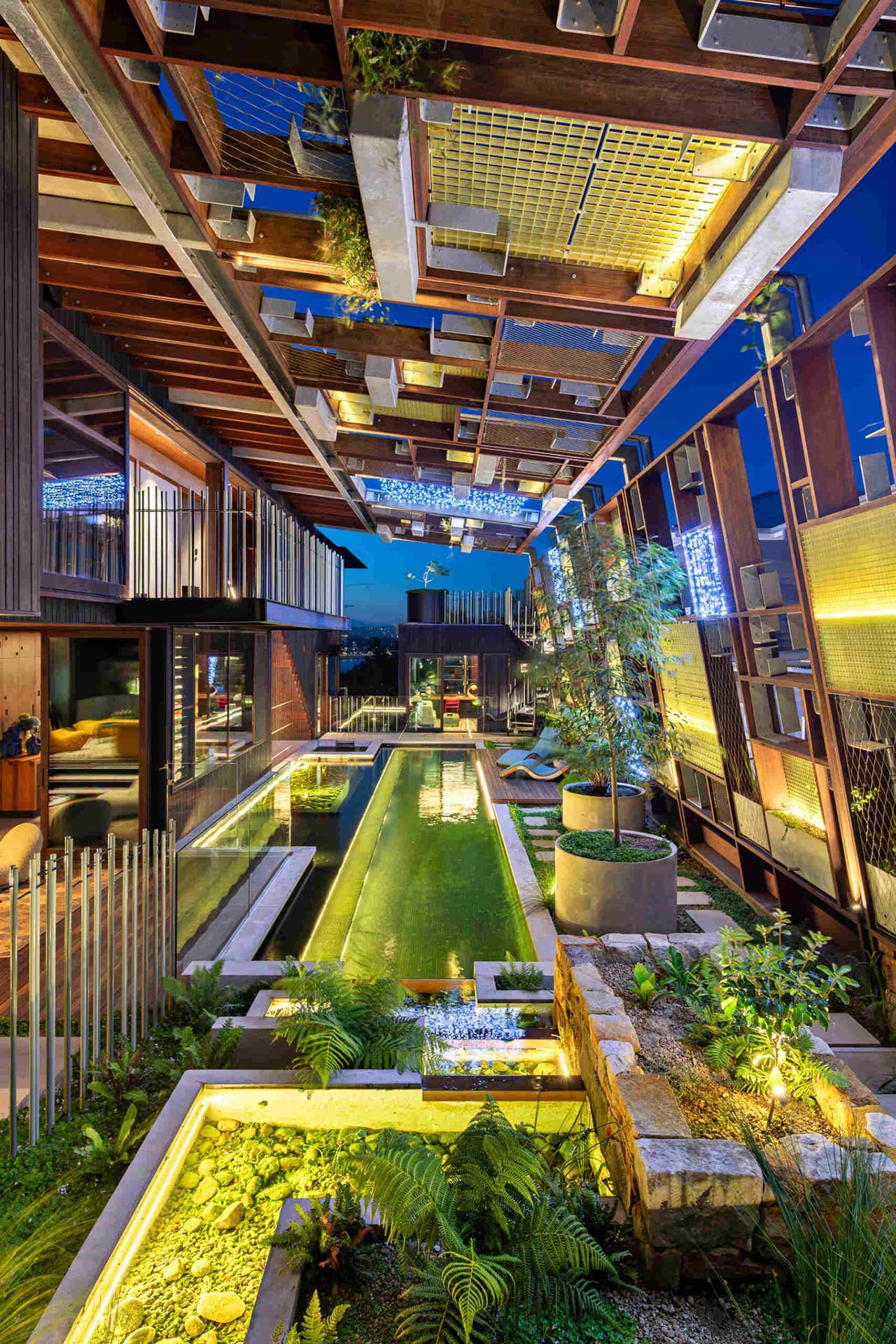
What makes this work is that it’s rigorous about the systems. The natural pool filtration, the greywater recycling, the solar array, the thermal mass of the concrete, the cross-ventilation through operable walls. These aren’t aesthetic gestures. They’re load-bearing infrastructure that allows the house to function as a net positive contributor rather than just a less-bad consumer. And somehow that rigor produces spaces that feel loose and organic rather than over-engineered. You can see the thinking, but it doesn’t announce itself.
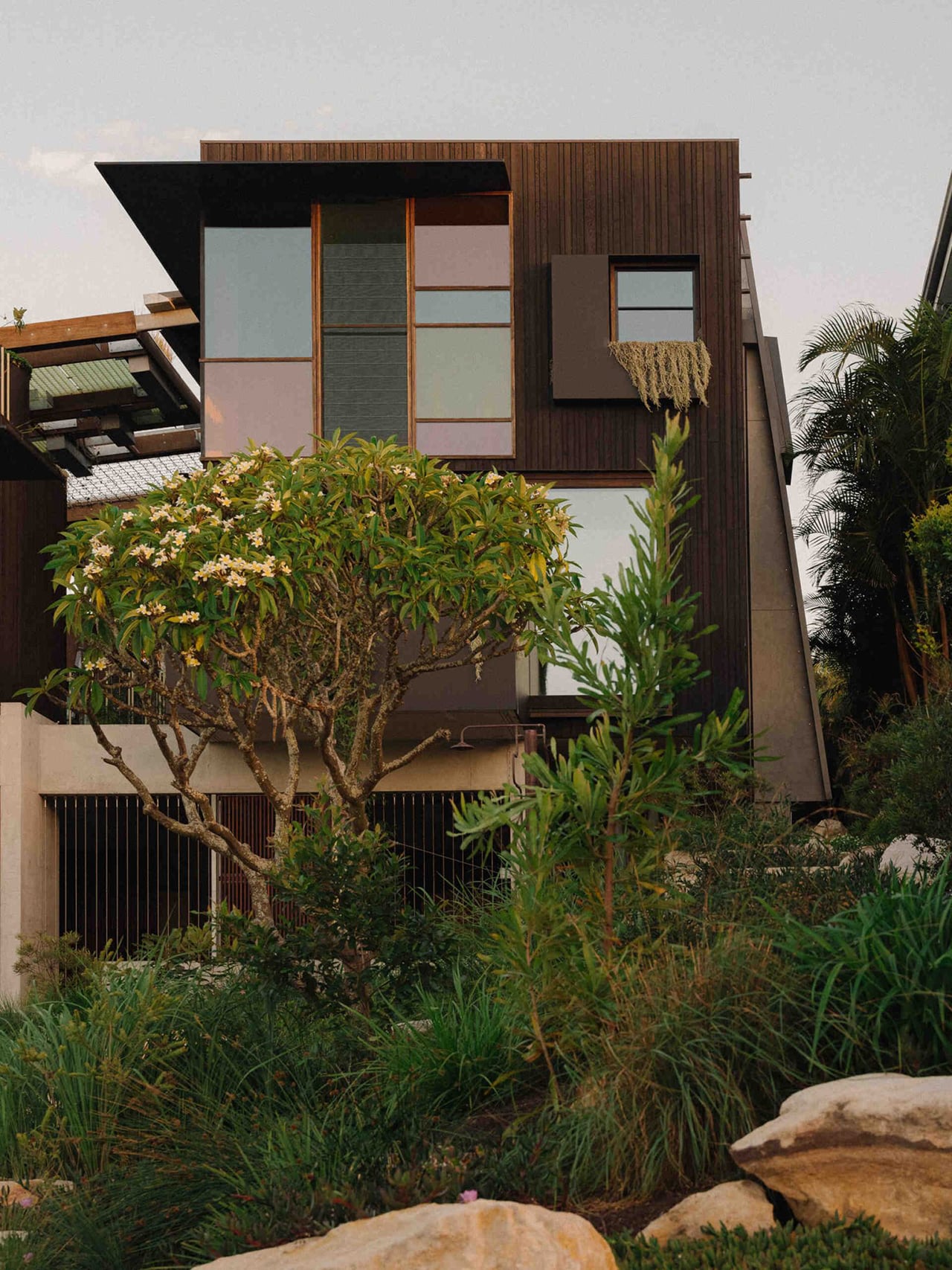
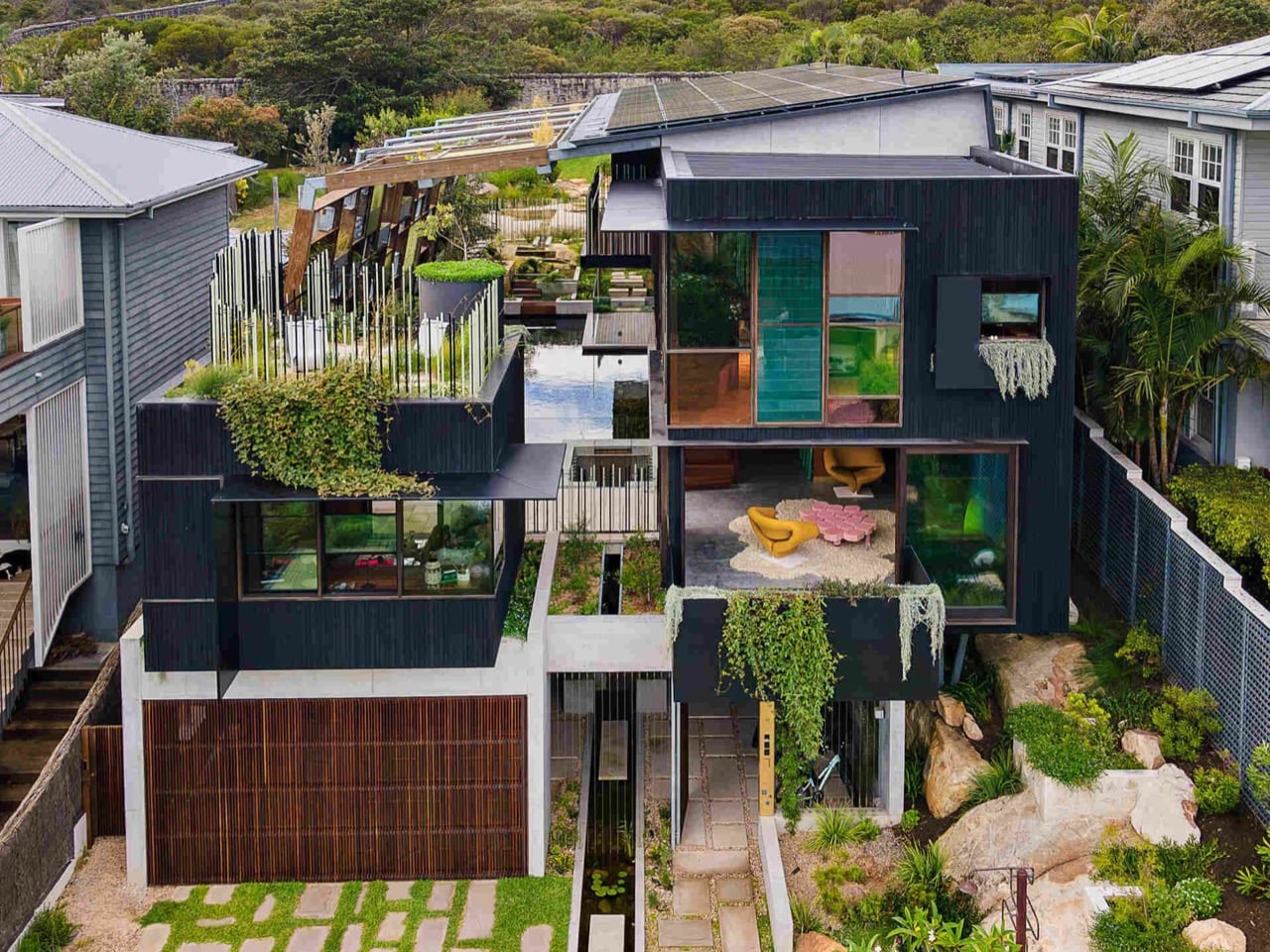
The project sits between a national park and million-dollar beach views, which is both an advantage and a responsibility. The landscape architect, Duncan Gibbs, designed the garden to support local bandicoot habitat while producing food for the residents. That’s a specific kind of design challenge: make it productive and beautiful and ecologically functional for native species all at once. The planting selections reinforce local ecology rather than importing exotic specimens that need constant maintenance. It’s a working garden that happens to look good, not the other way around.

Photos by Renata Dominik

The post If Sci-fi Gardening met MC Escher: Meet The Holocene House’s Floating Jungle Canopy first appeared on Yanko Design.
These Lace-Shade Lamps Transform Family Heirlooms Into Memorable Floor Lighting

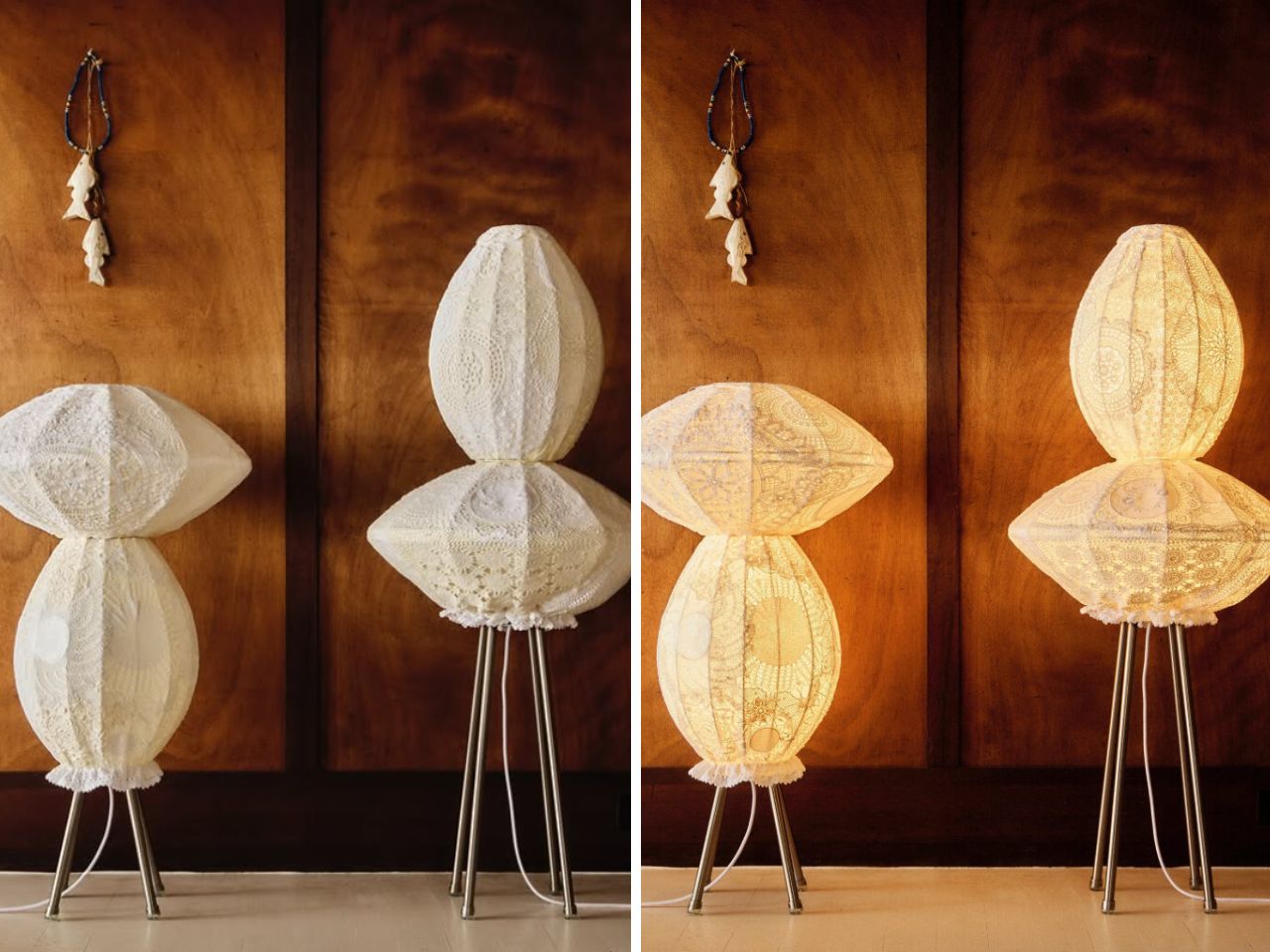
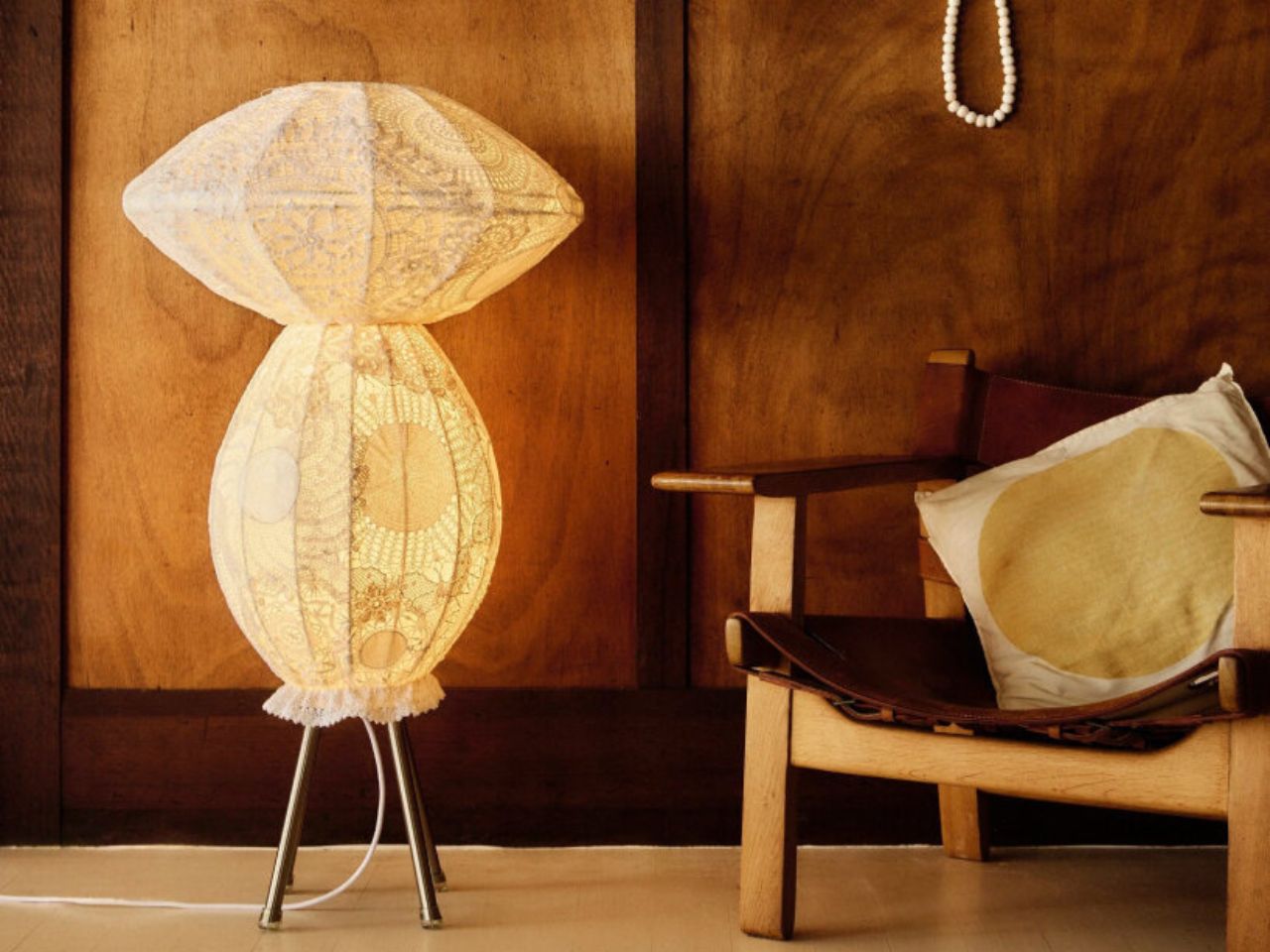
In Lana Launay’s Kinship series, light does more than illuminate space. It acts as a living archivist, revealing, preserving, and narrating stories embedded within inherited textiles. Through works such as Kinship I and Kinship II, the artist transforms antique doilies, lace fragments, and stockings passed down through generations into sculptural lighting forms that do not simply display history but actively project it into the present.

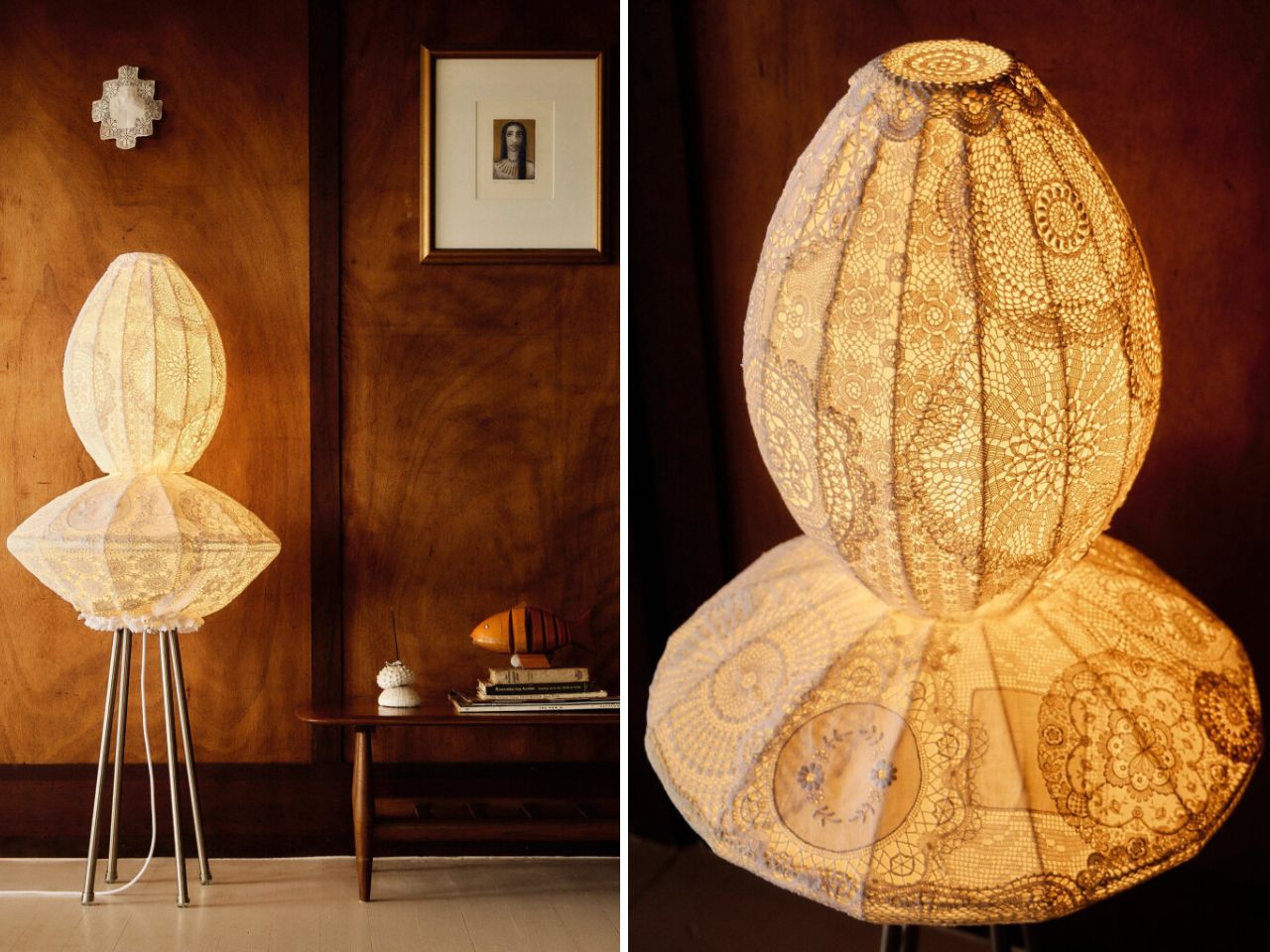
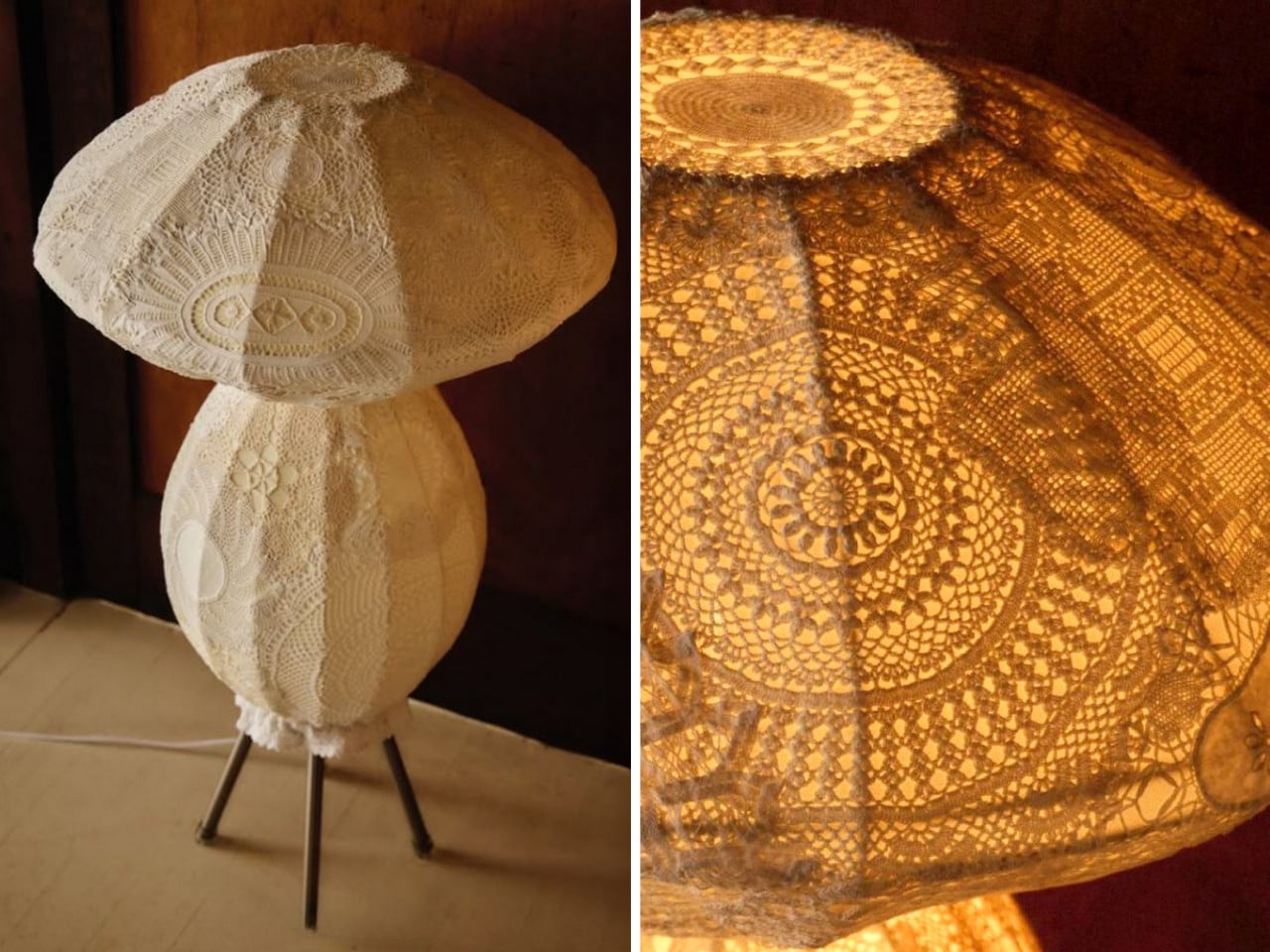
At a distance, the sculptures appear softly abstract, glowing with fluid patterns that seem almost atmospheric. As viewers move closer, those patterns resolve into delicate lace surfaces. The forms are constructed by stretching and wrapping textile fragments across stainless steel frameworks, which are then illuminated from within using LED elements housed in aluminum structures. This meeting of industrial material and fragile cloth establishes a compelling tension between permanence and delicacy, between manufactured precision and inherited memory.

Designer: Lana Launay

Each textile used in the works carries its own lineage. These are not fabrics chosen for decoration, but heirlooms gathered from families who preserved them across generations. Once domestic objects that quietly occupied tables, drawers, or cabinets, the doilies and fabrics are repositioned as visible ancestral surfaces. In their new form, they shift from private keepsakes to shared visual artifacts, allowing personal histories to exist within public space.

The transformation becomes most evident when light passes through the textiles. When unlit, the sculptures appear restrained, their patterns subtle and quiet. When illuminated, the surfaces come alive. Light filters through each stitch and fiber, projecting intricate webs of shadow across surrounding walls. The negative spaces within the lace become as expressive as the threads themselves, creating an interplay in which absence holds as much presence as material.

Stockings layered across the frameworks introduce an additional dimension. Their woven fibers soften and diffuse the light, allowing it to seep gently outward rather than shine directly. Overlapping fabrics create layered visual grids in which lines intersect and reconnect, resembling maps or diagrams. These networks evoke relationships and generational links, suggesting that the textiles themselves chart histories of connection, care, and continuity.

Every sculpture is assembled by hand, ensuring that each piece remains unique. The steel frame adapts to the dimensions of the textile rather than forcing the fabric into a predetermined shape. Signs of age, such as fading, discoloration, and repair, remain visible, reinforcing the idea that time is not erased but honored. The inherited material determines the structure, allowing memory to guide design.

Through the Kinship series, Launay proposes that preservation does not require stillness. Instead, history can be animated. Light becomes a tool that activates memory rather than simply revealing form. These sculptures function as living archives where ancestry is not stored away but made visible, where inherited textiles continue to participate in the present. In this way, the works suggest that memory, like light, does not disappear. It travels, expands, and quietly illuminates everything it touches.

The post These Lace-Shade Lamps Transform Family Heirlooms Into Memorable Floor Lighting first appeared on Yanko Design.
There’s a dedicated channel for Formula 1 in the Apple TV app now

Apple continues to double down on its Formula 1 programming, following up on the box office success of its blockbuster movie by adding a dedicated channel for the racing league to the Apple TV app. This section of the streaming service hints at some of what may be coming when the F1 season begins with the kickoff event in Australia next month. The F1 channel has placeholders for practices, qualifying and the grand prix as well as a weekend warm-up show.

Although it announced the five-year deal to host F1 broadcasts in the US back in October, we still haven't heard many specifics on how Apple's presentation of the race events will work. The channel has a section labeled "Event Schedule: Sky Sports," which suggests that Apple will show the commentary from Sky rather than providing its own hosts; ESPN took that approach during its tenure with the F1 broadcast rights. In addition to the forward-looking streams, Apple TV also has some videos with highlights from the 2025 season and a recap of the rule changes for 2026.

If you're looking to follow Formula 1 in the 2026 season, some races will be available to watch for free. However, a F1 TV Premium streaming package is now part of an Apple TV subscription, so that's likely to be the preferred ticket for serious fans. F1TV grants access to all the zooming around you could want as well as to behind-the-scenes content like driver cams and live team radios.

This article originally appeared on Engadget at https://www.engadget.com/entertainment/streaming/theres-a-dedicated-channel-for-formula-1-in-the-apple-tv-app-now-230904295.html?src=rss

More Rode mics can now connect directly to iPhones and iPads

Rode is rolling out a firmware update for its Wireless Pro and Wireless Go (third-gen) microphones to add a feature called Direct Connect, which was already available for the Wireless Micro. This allows the mics to pair with iPhones and iPads via Bluetooth without the need for a receiver. All you’ll need is the Rode Capture app.

Rode said it’s able to offer Direct Connect for Wireless Pro and Wireless Go without compromising “the broadcast-quality audio both wireless systems are known for.” The feature still supports the option to record from two transmitters in either merged (whereby the audio blends into a single stereo track) or split (which keeps the recordings on separate channels to allow for more options in post-production) modes.

Not having to worry about setting up a physical receiver to link these mics to iOS devices could help streamline things quite a bit for creators. And I can always get behind companies adding handy features to existing products without pushing customers to buy new models. That’s good for the environment, your wallet — assuming you already have one of these mics — and probably the company’s reputation. An all-around positive update.

This article originally appeared on Engadget at https://www.engadget.com/audio/more-rode-mics-can-now-connect-directly-to-iphones-and-ipads-230000533.html?src=rss

Call of Duty: Warzone Mobile will go offline on April 17

Call of Duty: Warzone Mobile will be no more this spring. According to Activision, servers will be taken offline for this mobile battle royale game on April 17, 2026. The shooter will remain available for current players until that date. This mobile port of the CoD battle royale mode has been on its way to a finale for the past year, with the game studio sharing in May 2025 that the title would be delisted and would not receive new content.

For any people who still want to play the military shooter on their phones, there a mobile version of the main game remains available. Call of Duty: Mobile even offers a battle royale experience, so you can get pretty close to having Warzone if you still want it. "Player passion and feedback continue to shape the future of the Call of Duty franchise, and we look forward to delivering meaningful seasonal content and updates to Call of Duty: Mobile," Activision said in announcingWarzone's mobile shutdown. Call of Duty: Warzone is still free to play on Xbox, Battle.net, Playstation and Steam.

This article originally appeared on Engadget at https://www.engadget.com/gaming/call-of-duty-warzone-mobile-will-go-offline-on-april-17-222240967.html?src=rss

Game Boy-Inspired Kids’ Device Concept Fixes What Tablets Get Wrong

Tablets promised to revolutionize early learning. Instead, they delivered passive screen time, accidental in-app purchases, and kids hypnotized by algorithmically-served content they didn’t choose. The interface designed for adult fingers forces children into frustration. The endless app notifications destroy focus. The flat glass slab offers zero tactile feedback for developing motor skills.

Royal Tyagi and Aarna Mishra looked at this mess and asked a better question: What if a learning device was actually designed for how children learn, not how adults think they should learn? Their answer is Puzzle Pals, a smart interactive game concept that ditches the tablet playbook entirely and borrows from something far more effective: the chunky, intentional design of 90s handheld gaming.

Designers: Royal Tyagi, Aarna Mishra

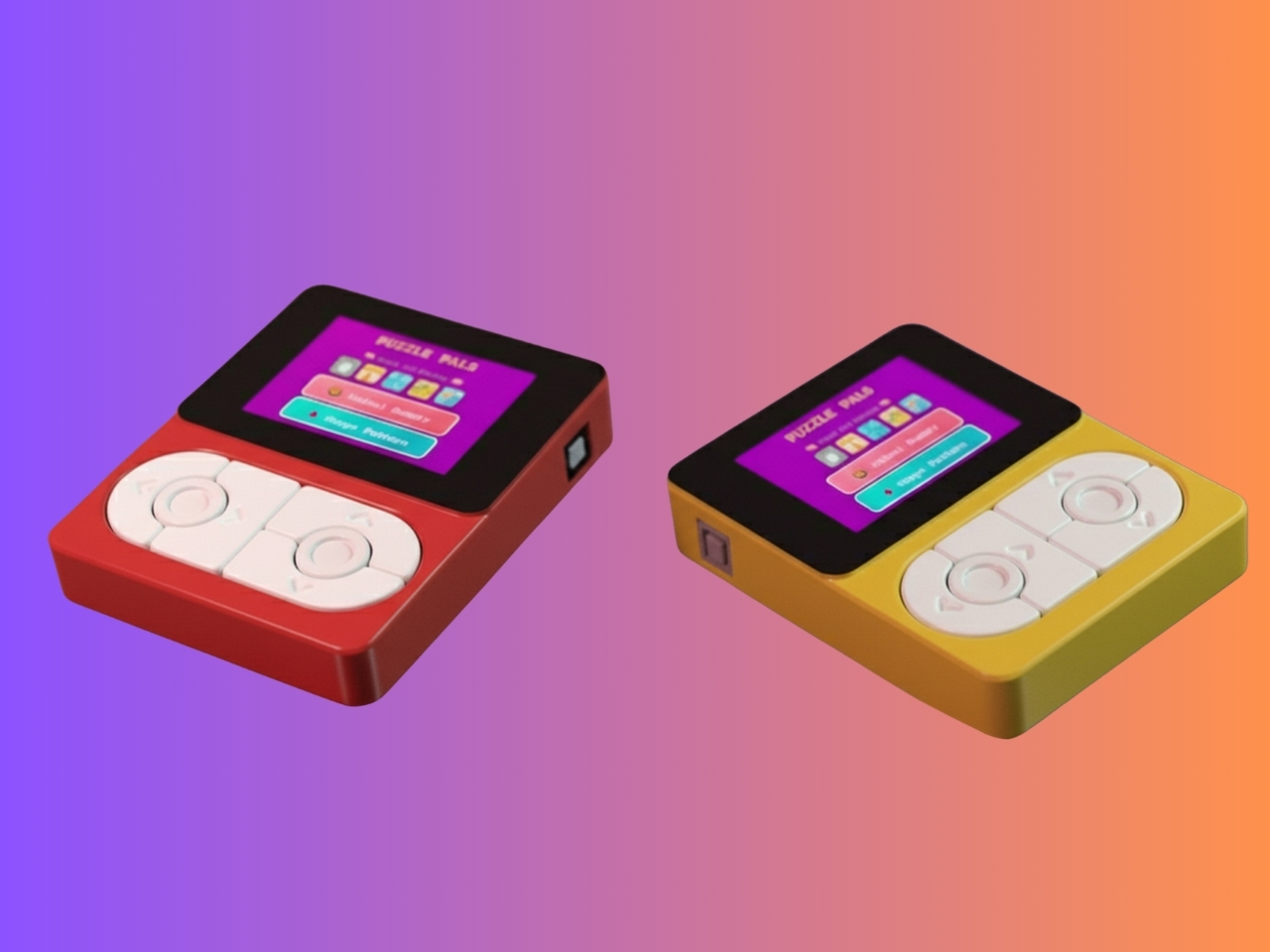
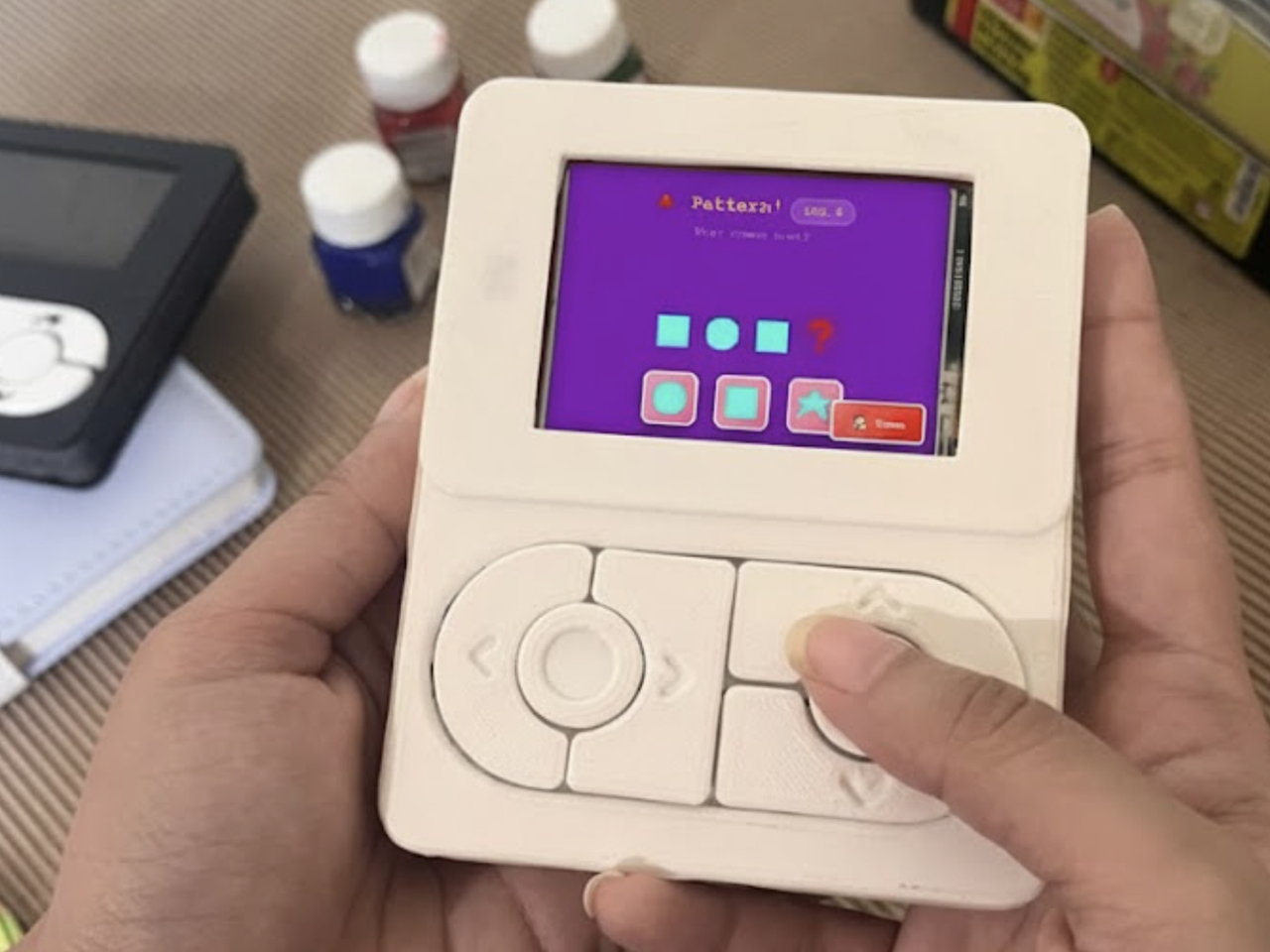
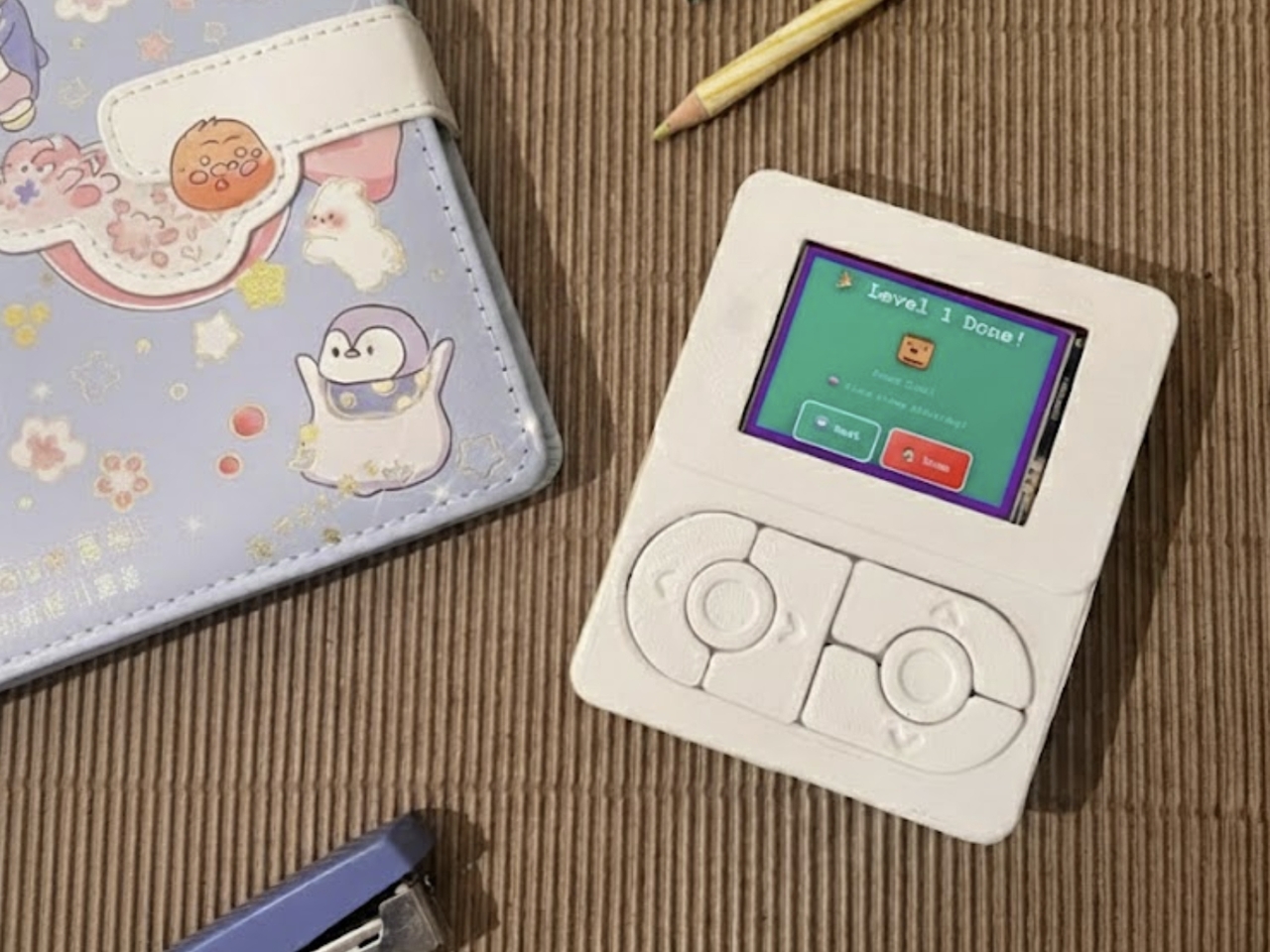
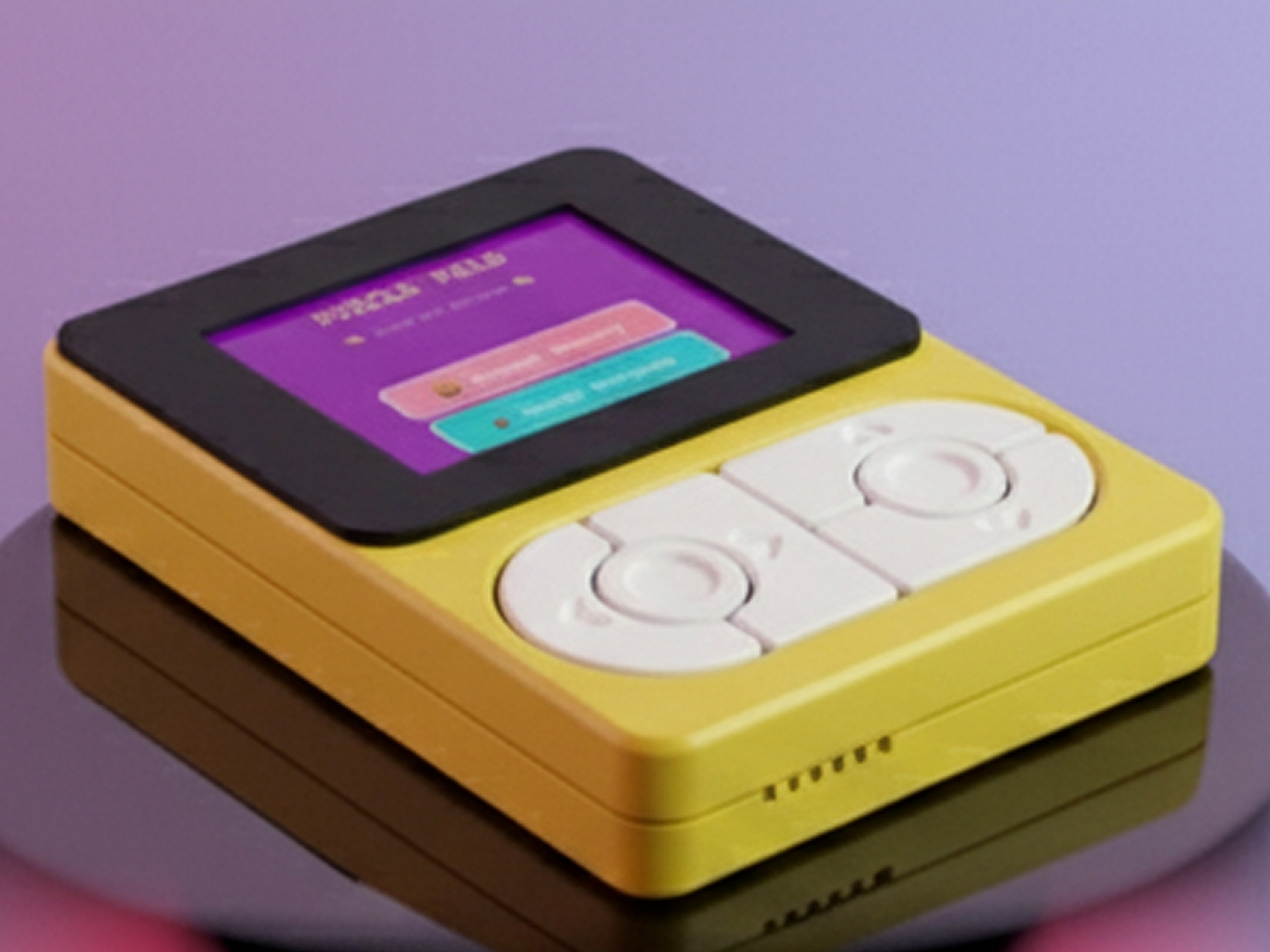
The device sits somewhere between a Game Boy and a Fisher-Price toy, which is precisely the sweet spot it should occupy. It’s unapologetically retro in its aesthetic, with that handheld form factor that screams late 90s gaming. But here’s where it gets interesting: every design choice serves a developmental purpose. Those rounded edges aren’t just there to look friendly. They create an ergonomic grip that actually fits the way young children hold objects. The slightly curved body mirrors the natural curl of small fingers.

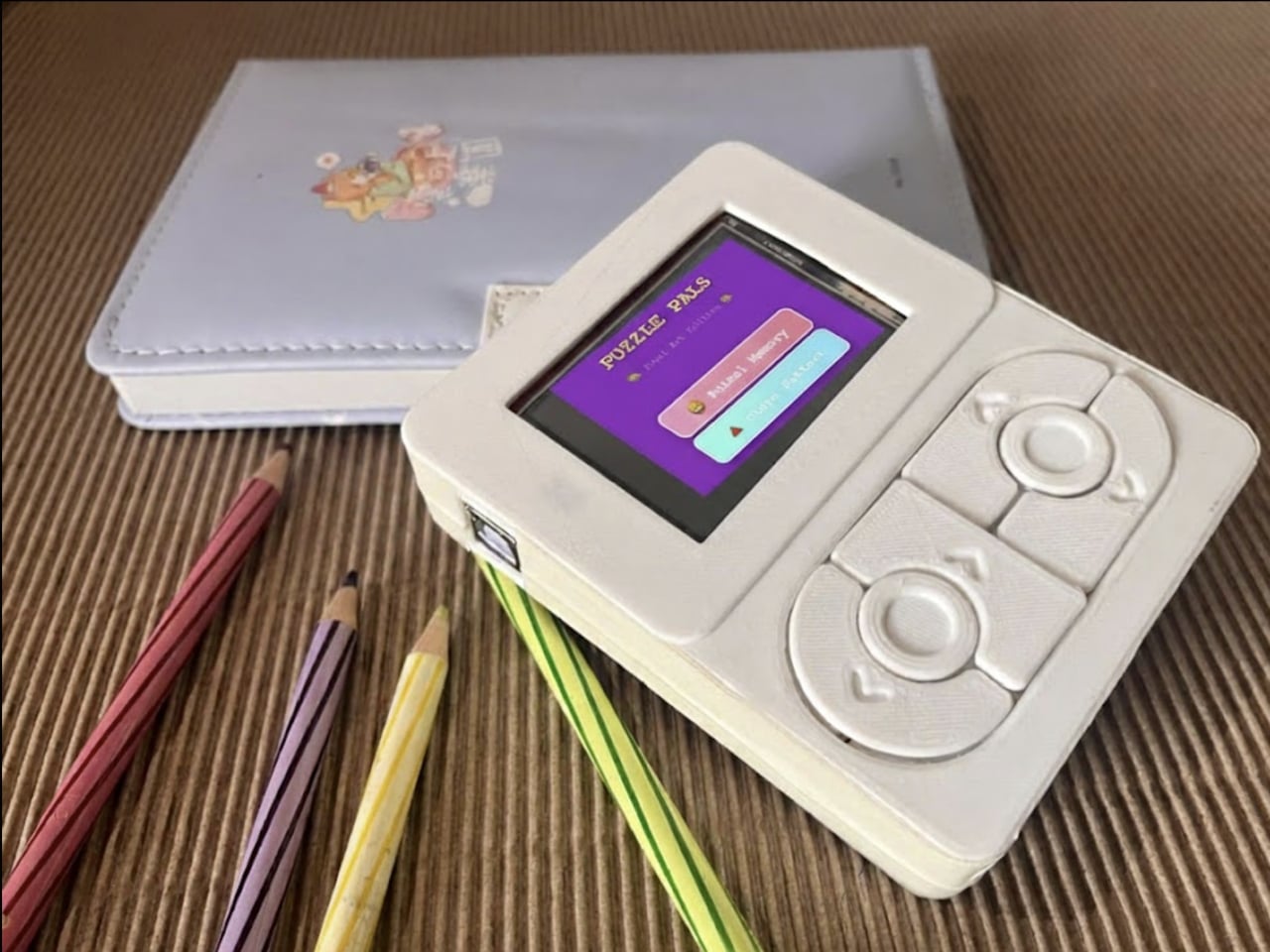
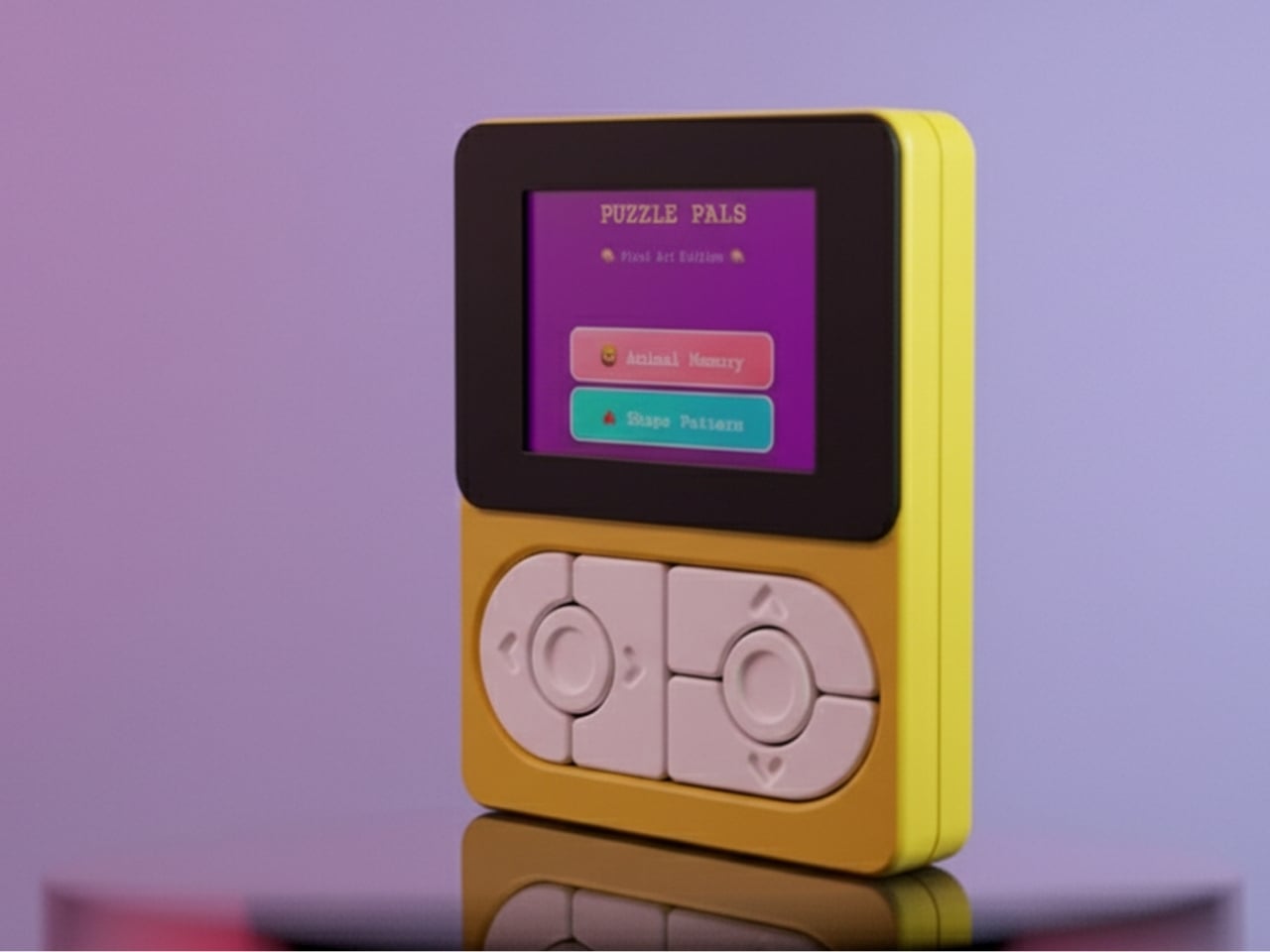
Look at the button layout and you’ll see thoughtful restraint. Instead of cramming in a dozen tiny inputs that would overwhelm little users, Puzzle Pals features large, well-spaced buttons arranged in a way that makes accidental presses nearly impossible. Each button has a distinct shape, supporting tactile learning before kids even understand what they’re supposed to do with them. The high-contrast color scheme isn’t a random aesthetic choice either. It’s engineered for instant visual recognition, helping children navigate independently without constant adult intervention.

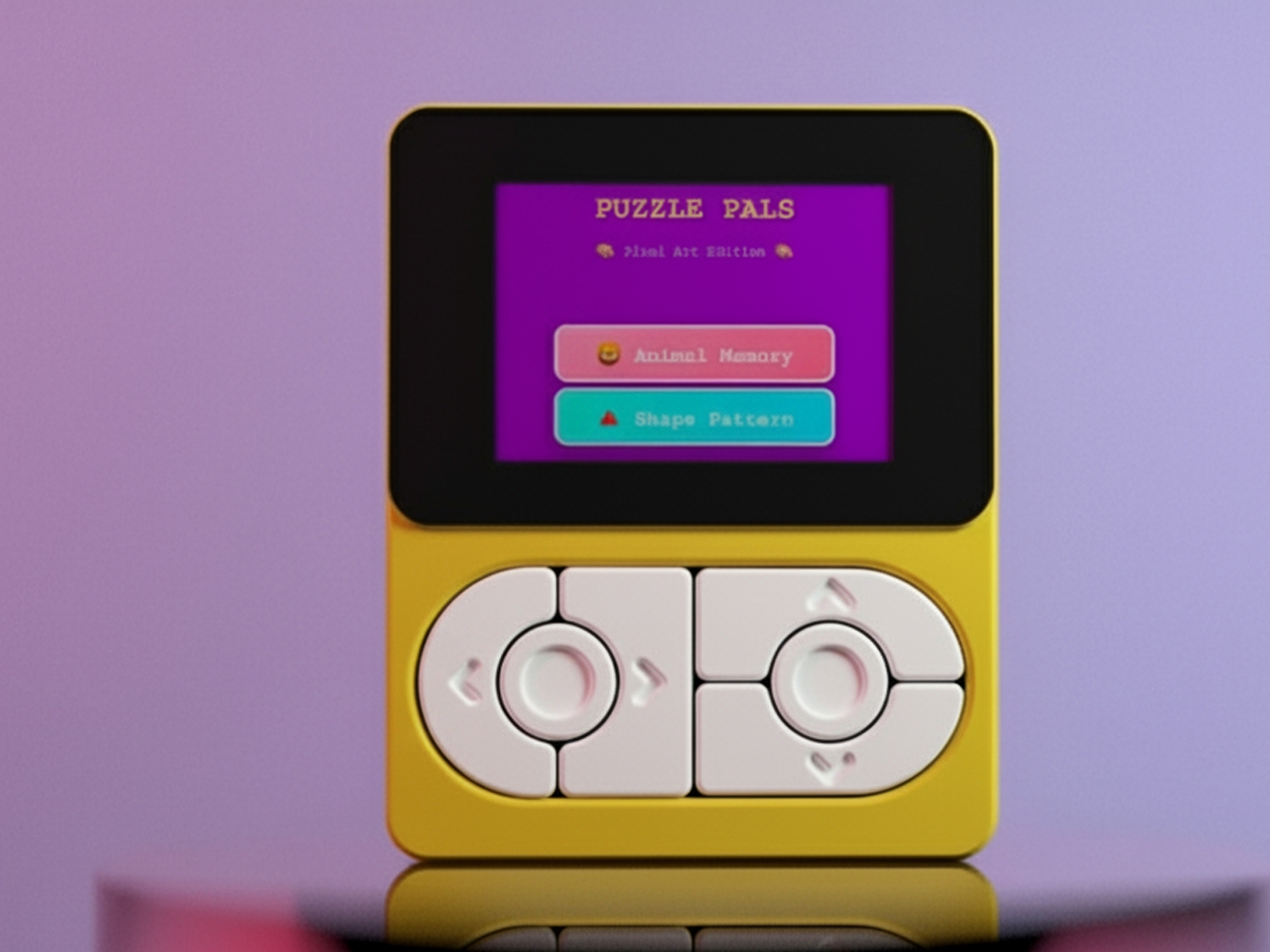
The games themselves (Animal Memory and Shape Pattern) follow a similarly intelligent design philosophy. Three difficulty levels per game mean the device grows with the child rather than getting abandoned after a week. Too many kids’ tech products assume a static skill level, but Puzzle Pals acknowledges that children are constantly evolving learners. The progressive difficulty keeps them engaged without triggering frustration, that delicate balance every parent desperately seeks.

What really sets this concept apart is its approach to failure. After three incorrect attempts, the game simply provides the correct answer and moves on. No punishing sounds, no game-over screens, no shame spiral. It’s a remarkably compassionate design decision that prioritizes learning over winning. Kids continue building skills without the emotional baggage that can turn educational activities into sources of anxiety.

The reward system is equally clever. Instead of generic “great job!” messages, every correct response triggers a fun fact or informative snippet. It transforms each small victory into an opportunity for additional learning, creating positive associations between achievement and curiosity. That’s the kind of psychological design that usually requires a team of child development experts, yet it’s been seamlessly integrated into gameplay.

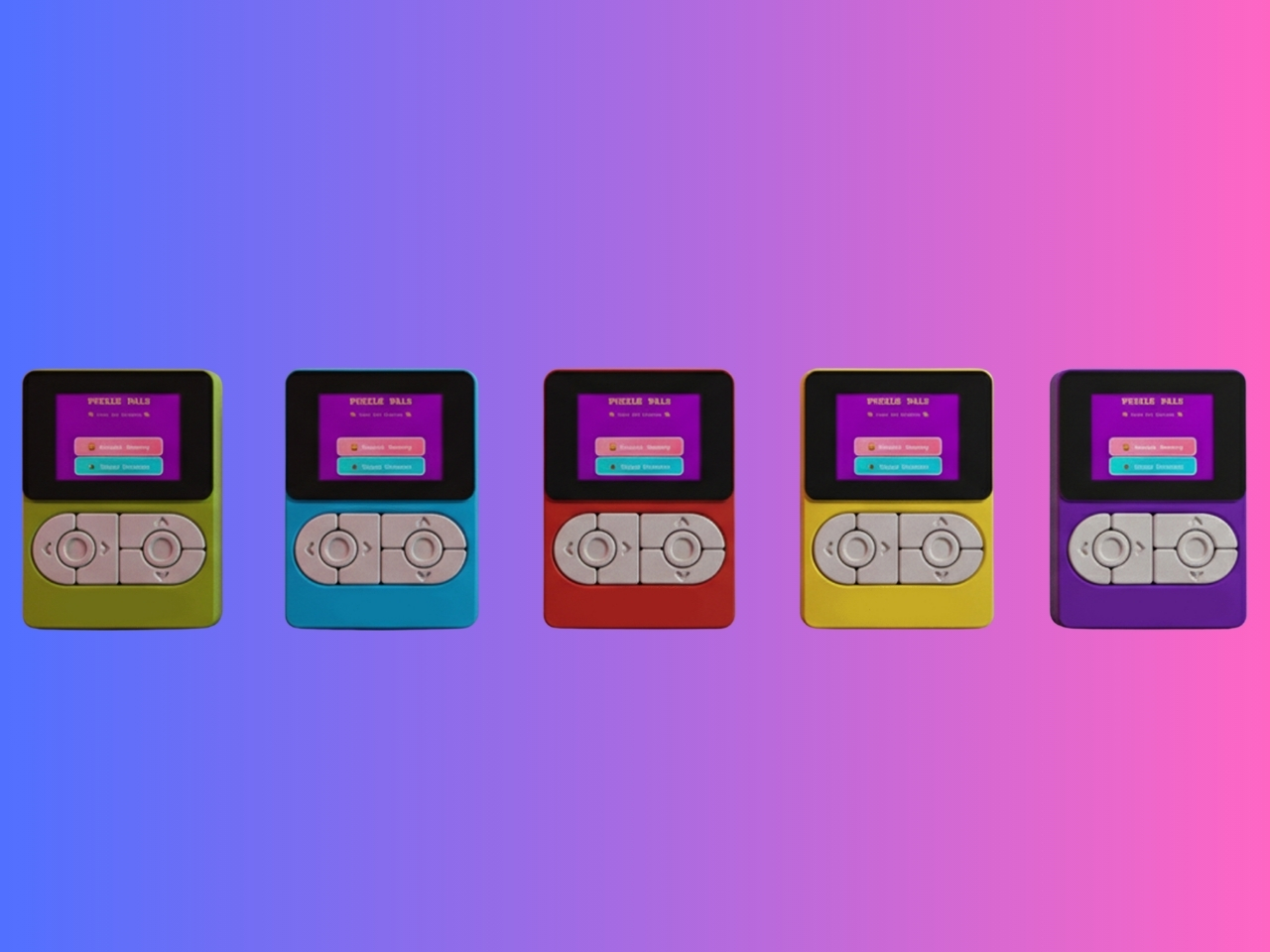
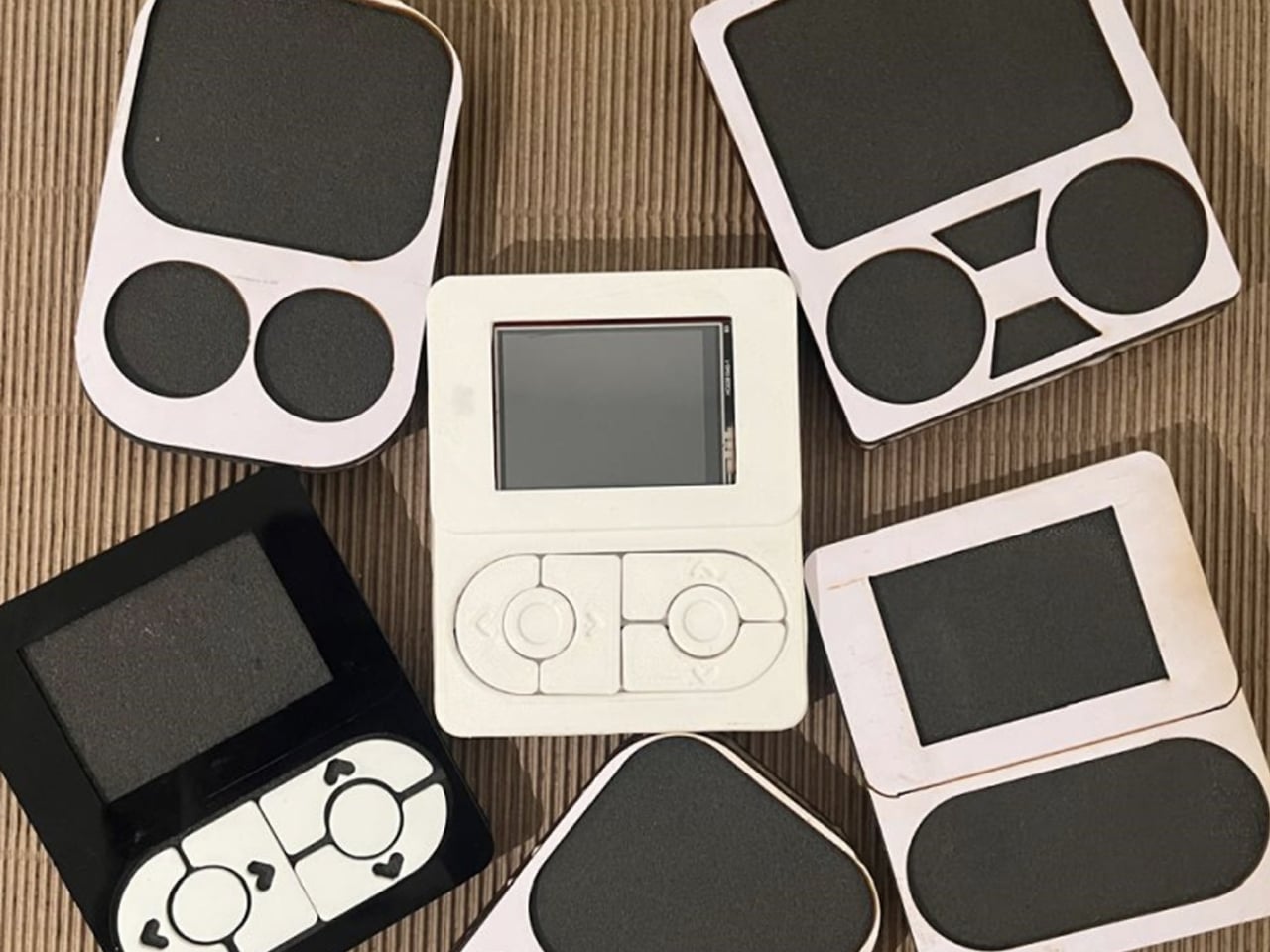
The physical prototype shows how the designers balanced playfulness with functionality. Available in eye-catching colors like sunshine yellow, cherry red, sky blue, deep purple, and lime green, each device looks like something a child would actually want to pick up. The matte finish and smooth curves feel premium without being precious. There’s a speaker grille up top for audio feedback, and the screen size is perfectly proportioned for the overall footprint.

What Tyagi and Mishra have articulated through Puzzle Pals is bigger than just another kids’ gadget concept. Their vision centers on making learning genuinely joyful, not just tolerable. They want to build core cognitive skills like recognition, problem-solving, sequencing, and pattern understanding while encouraging creativity and exploration. Most importantly, they aim to instill a love of learning itself, that intangible quality that determines whether a child approaches new challenges with excitement or dread.

The post Game Boy-Inspired Kids’ Device Concept Fixes What Tablets Get Wrong first appeared on Yanko Design.
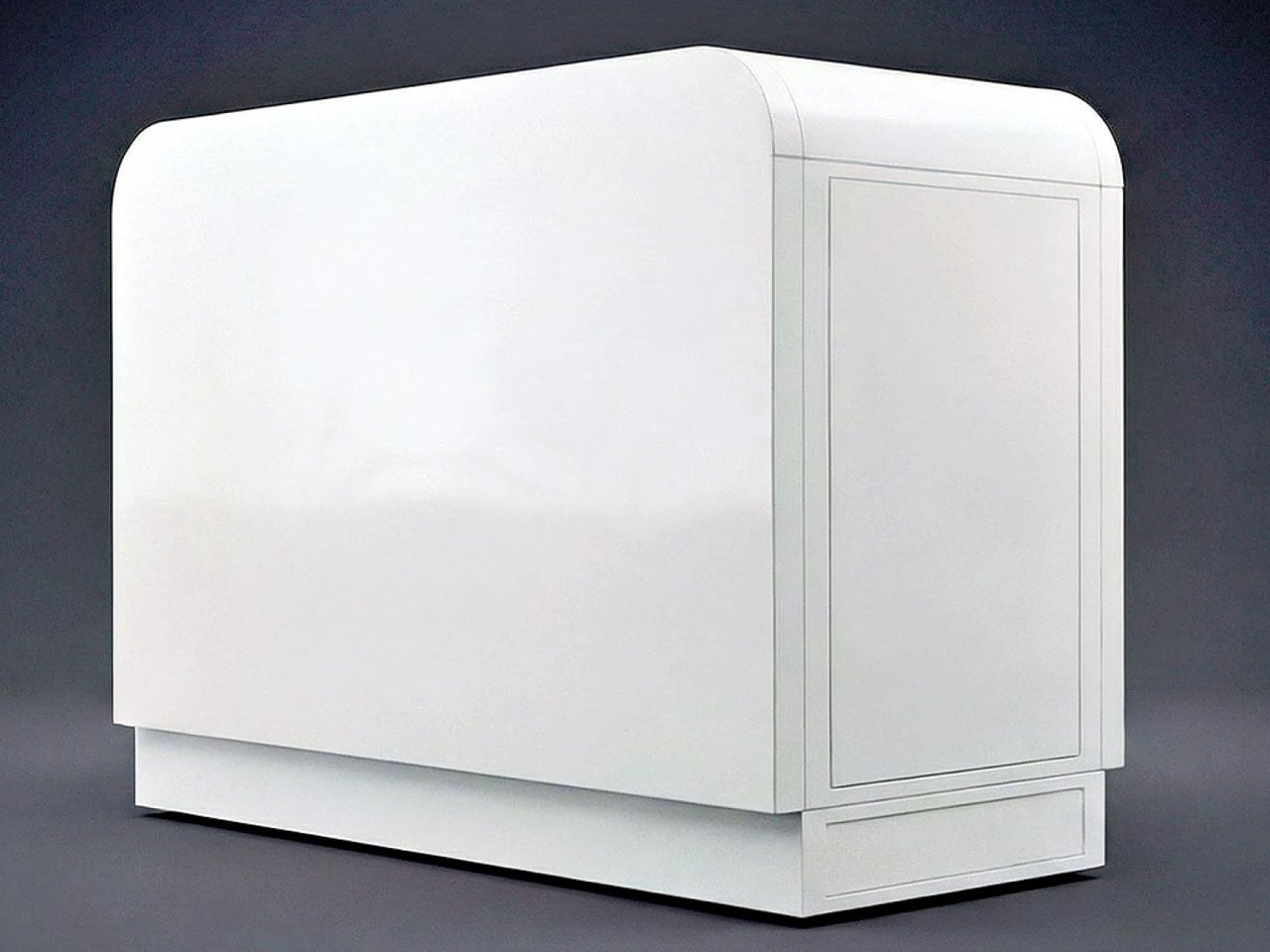
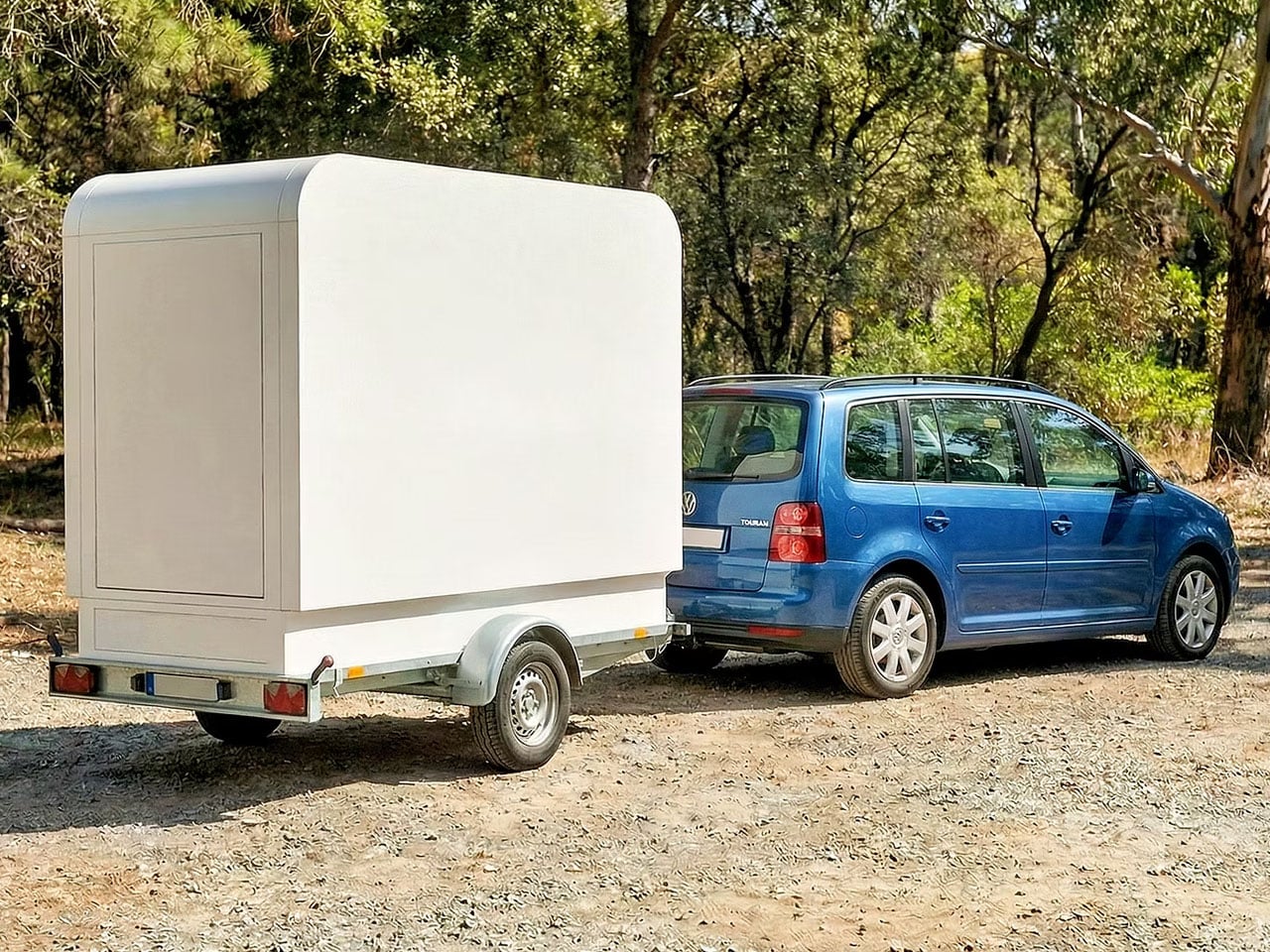
Wingcube transforms from compact box trailer into spacious family camper

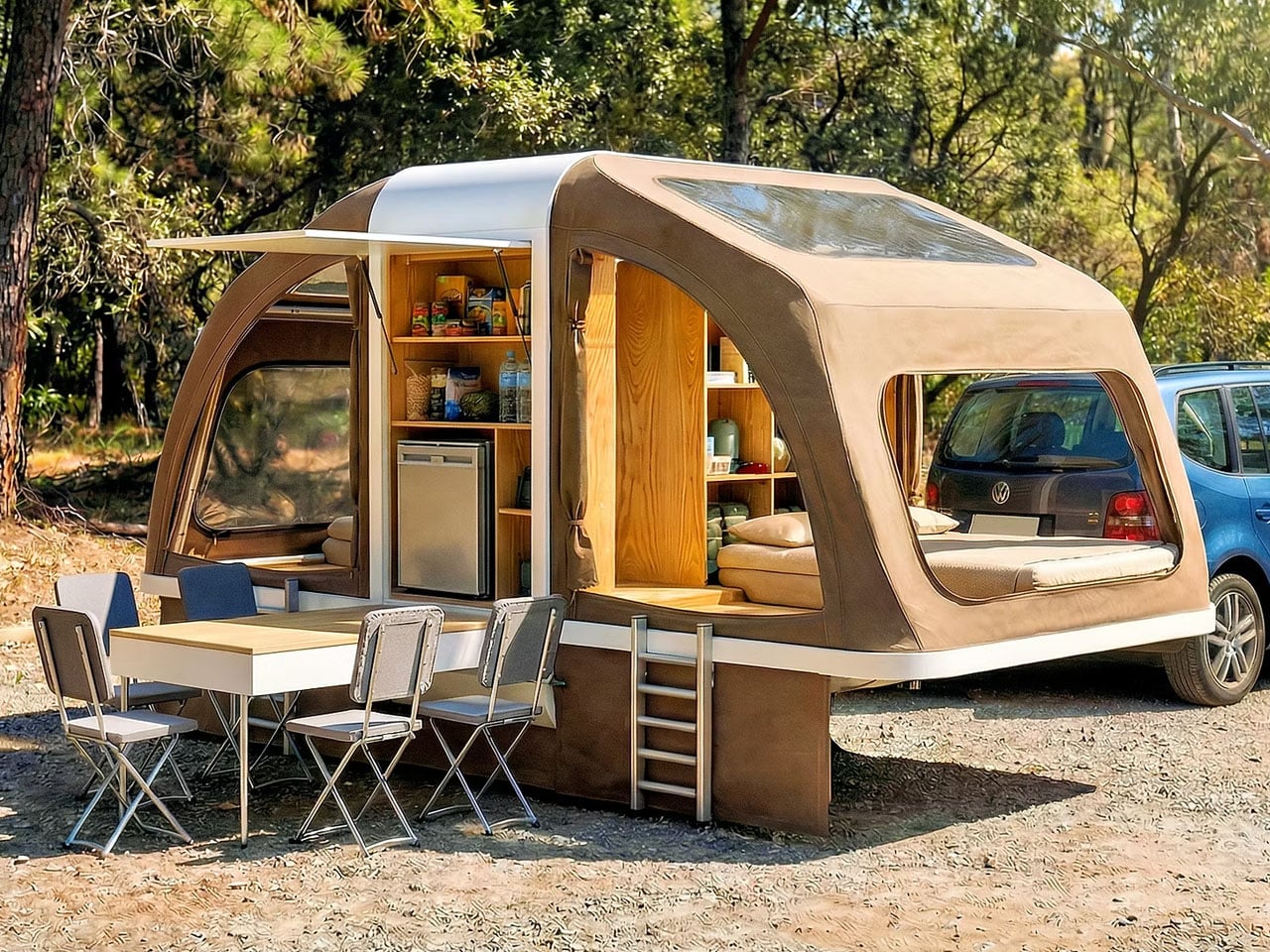
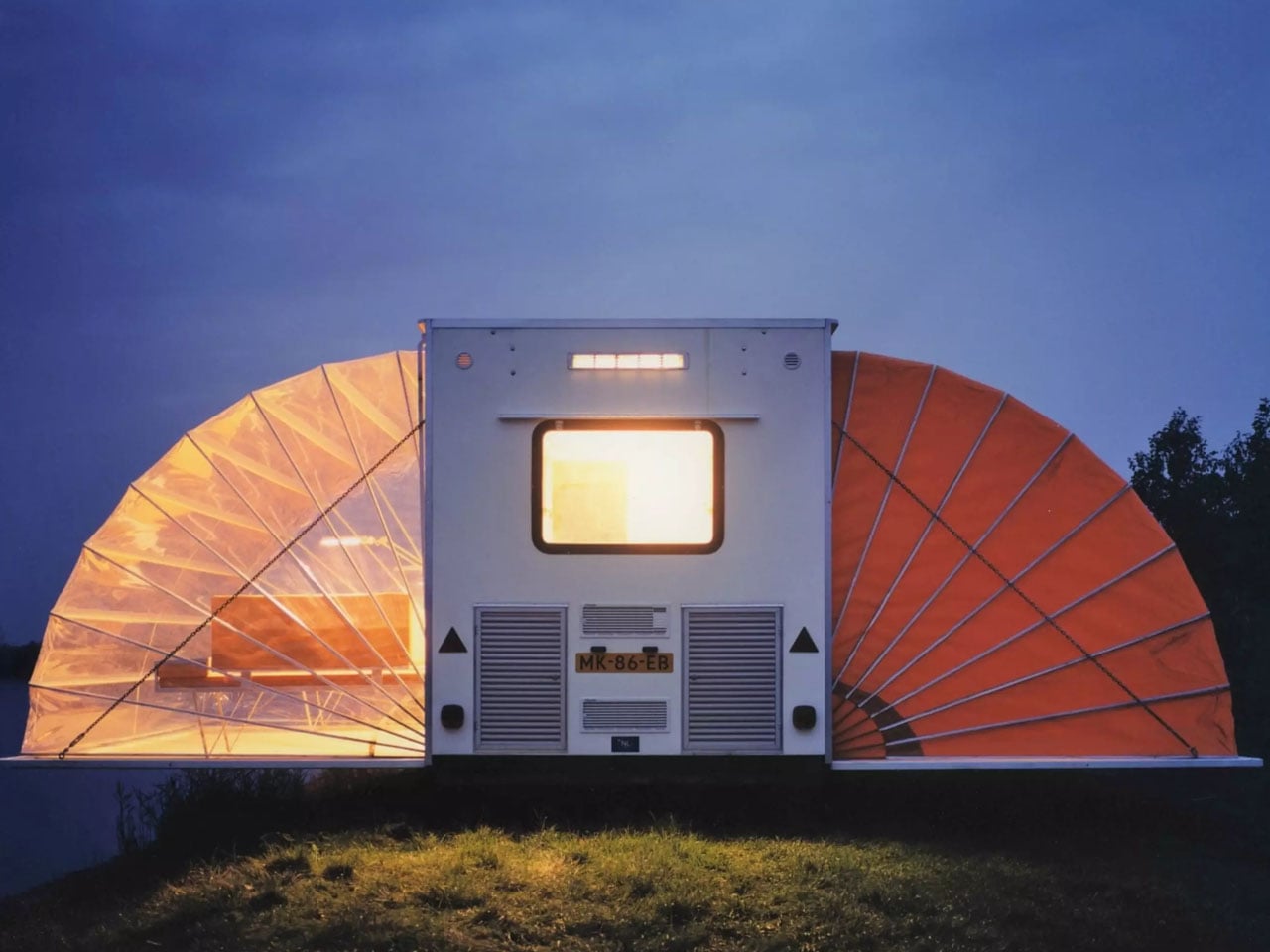
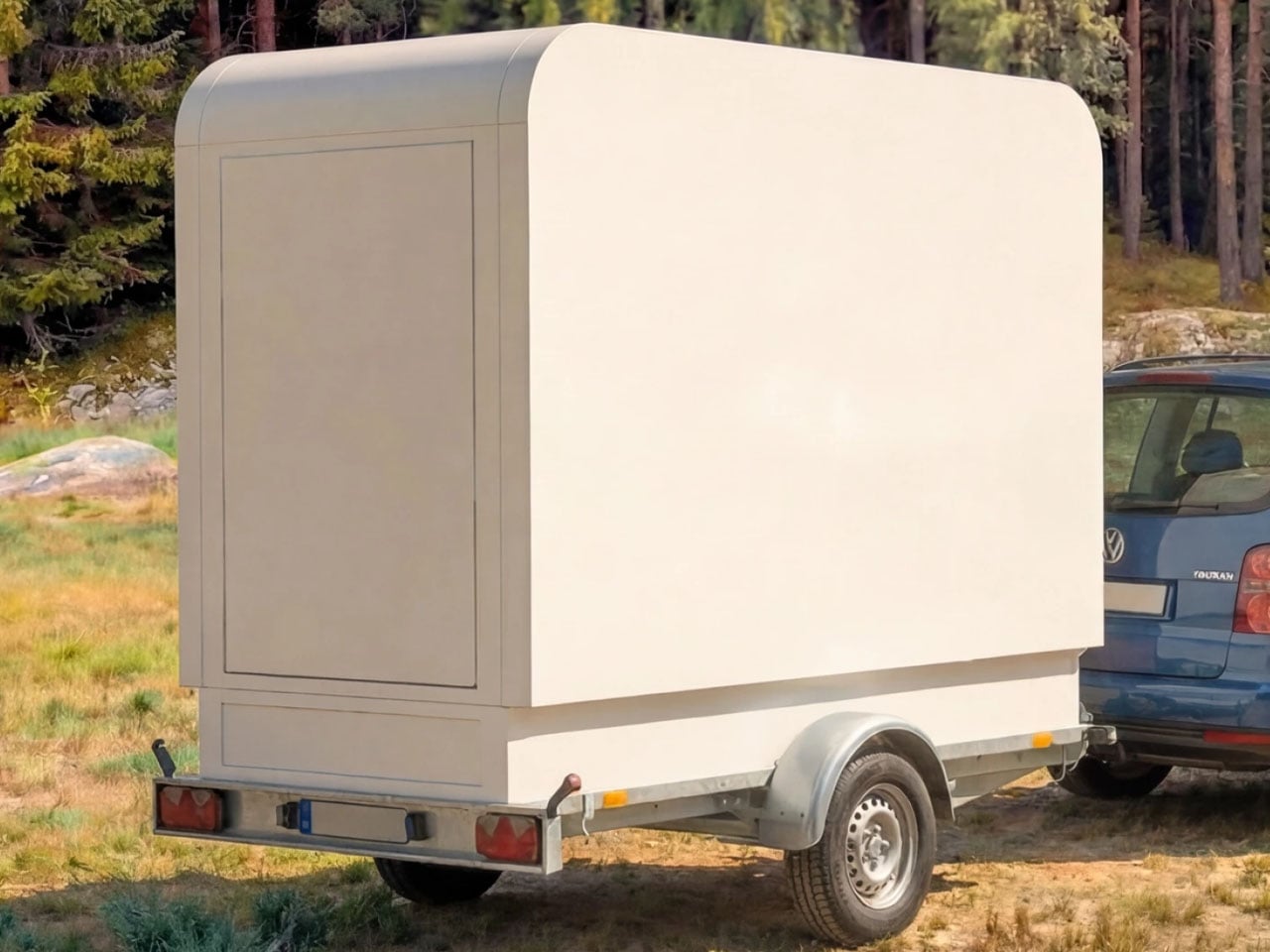
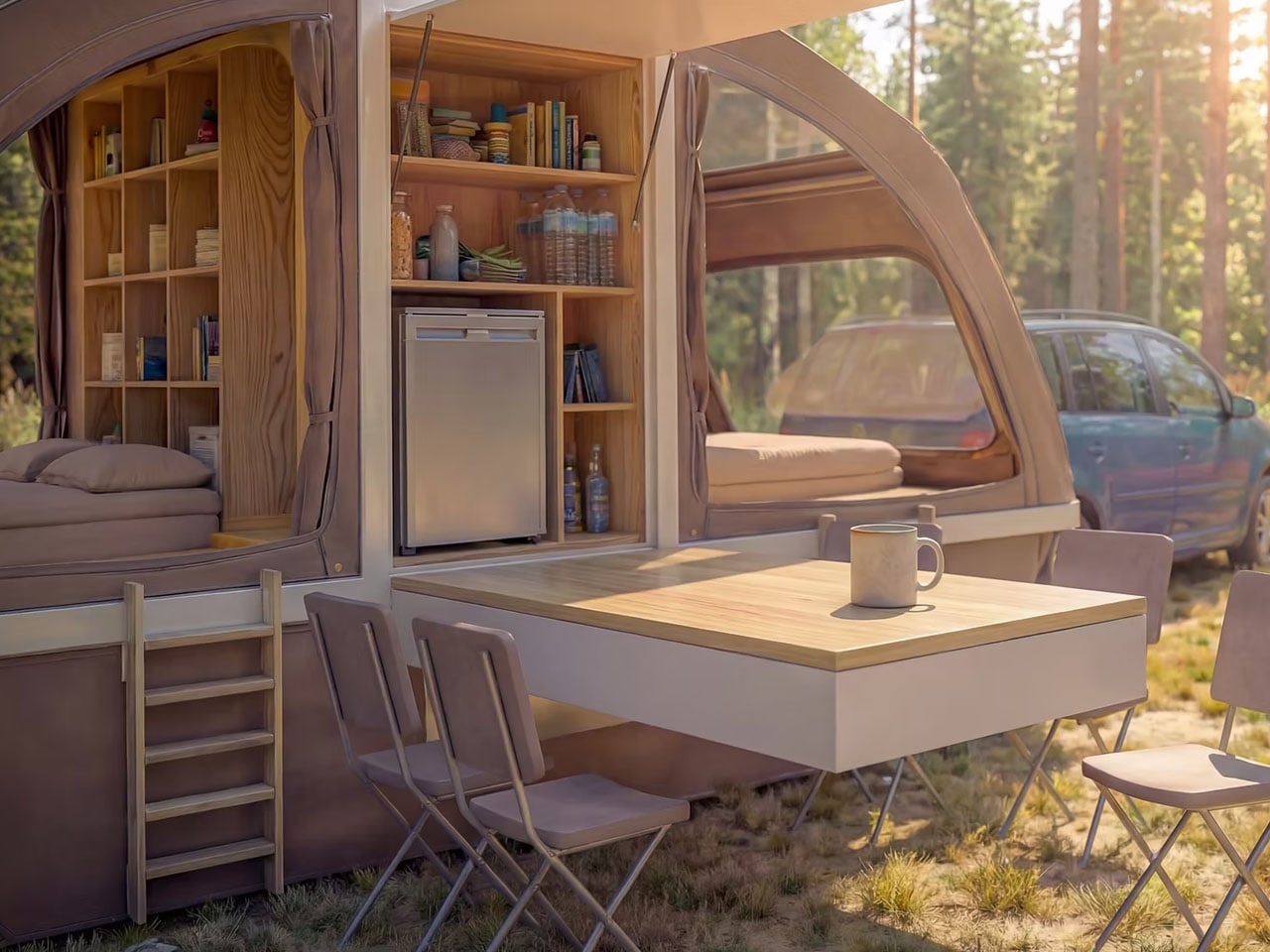
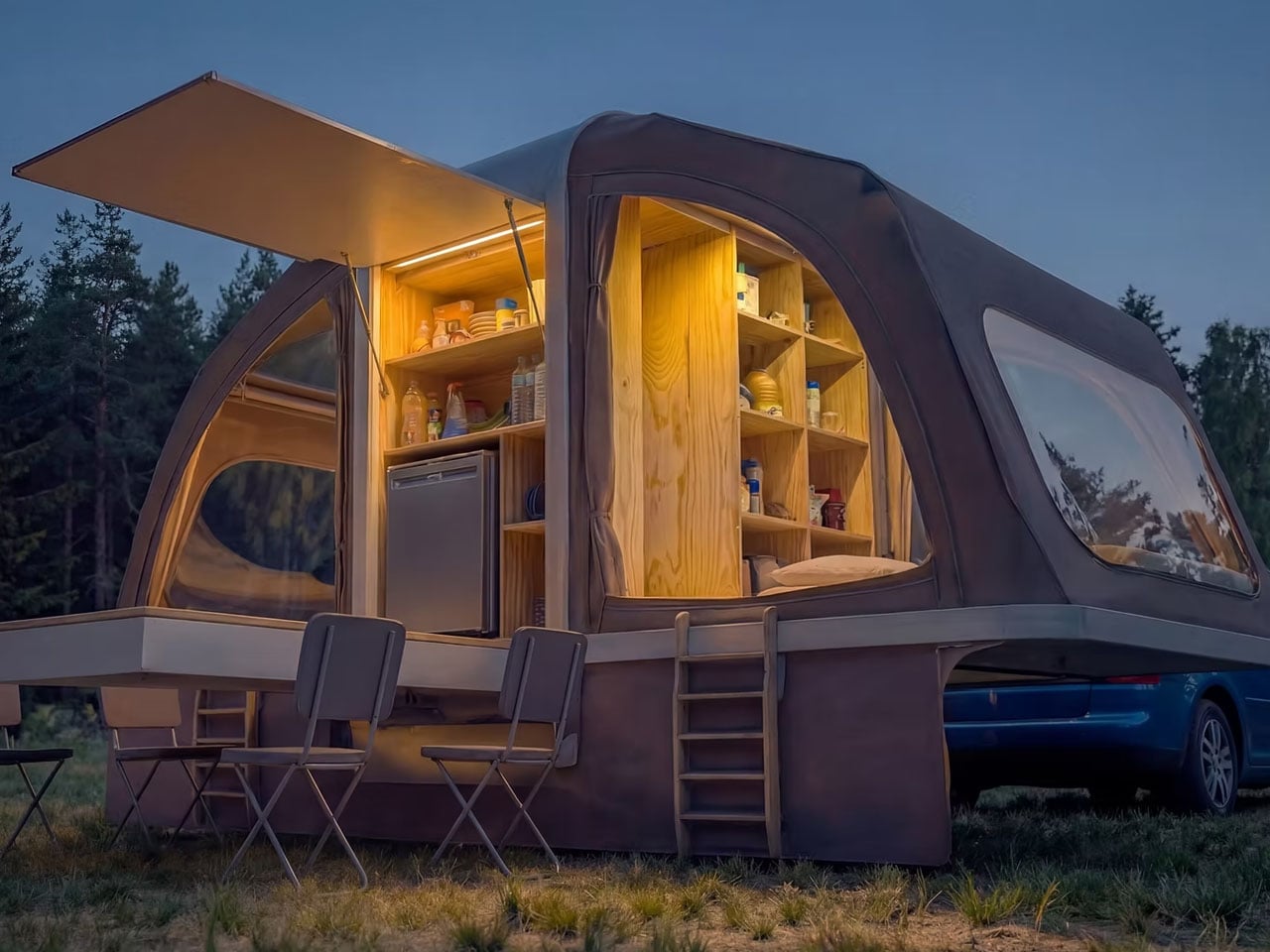
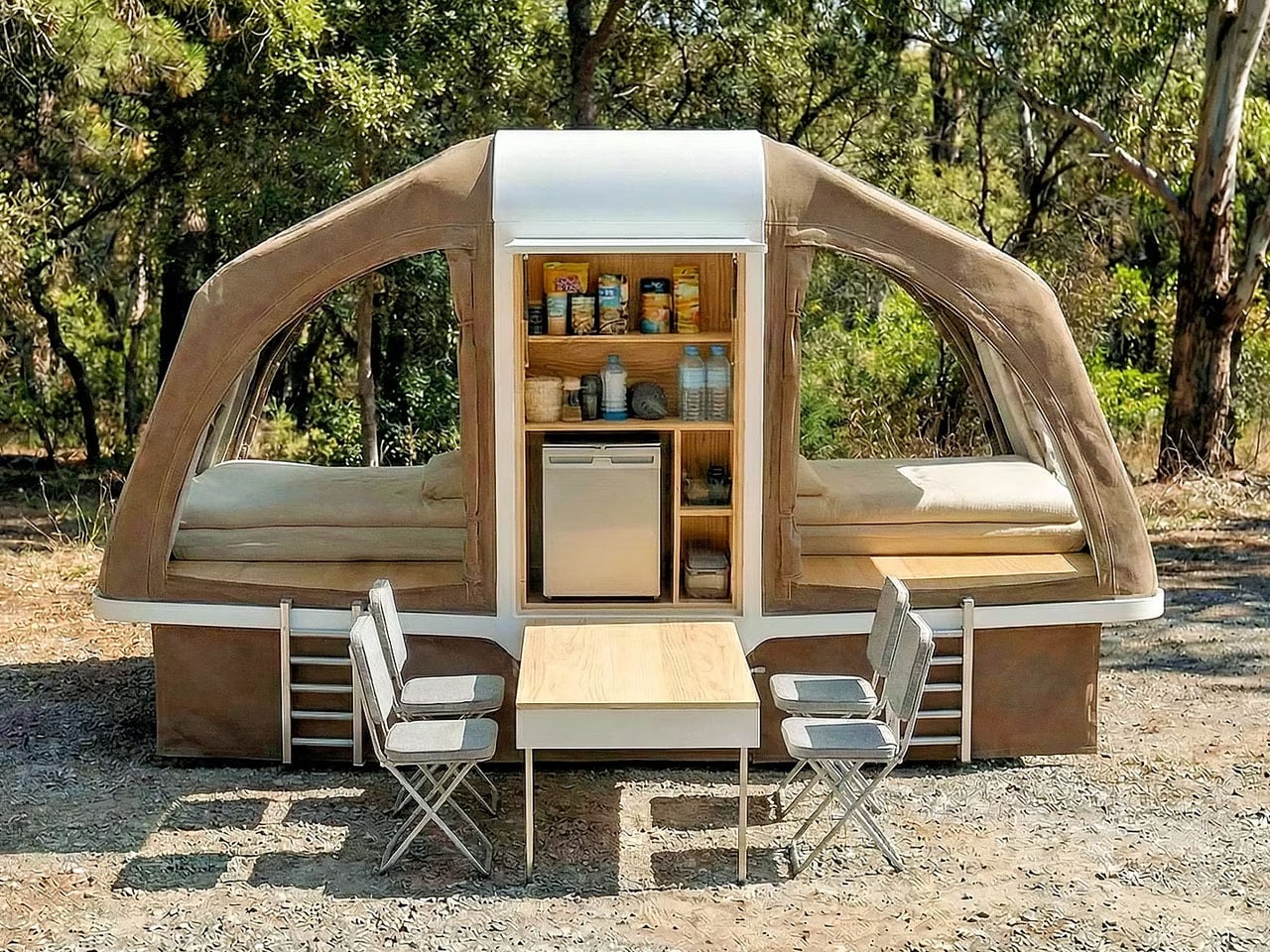
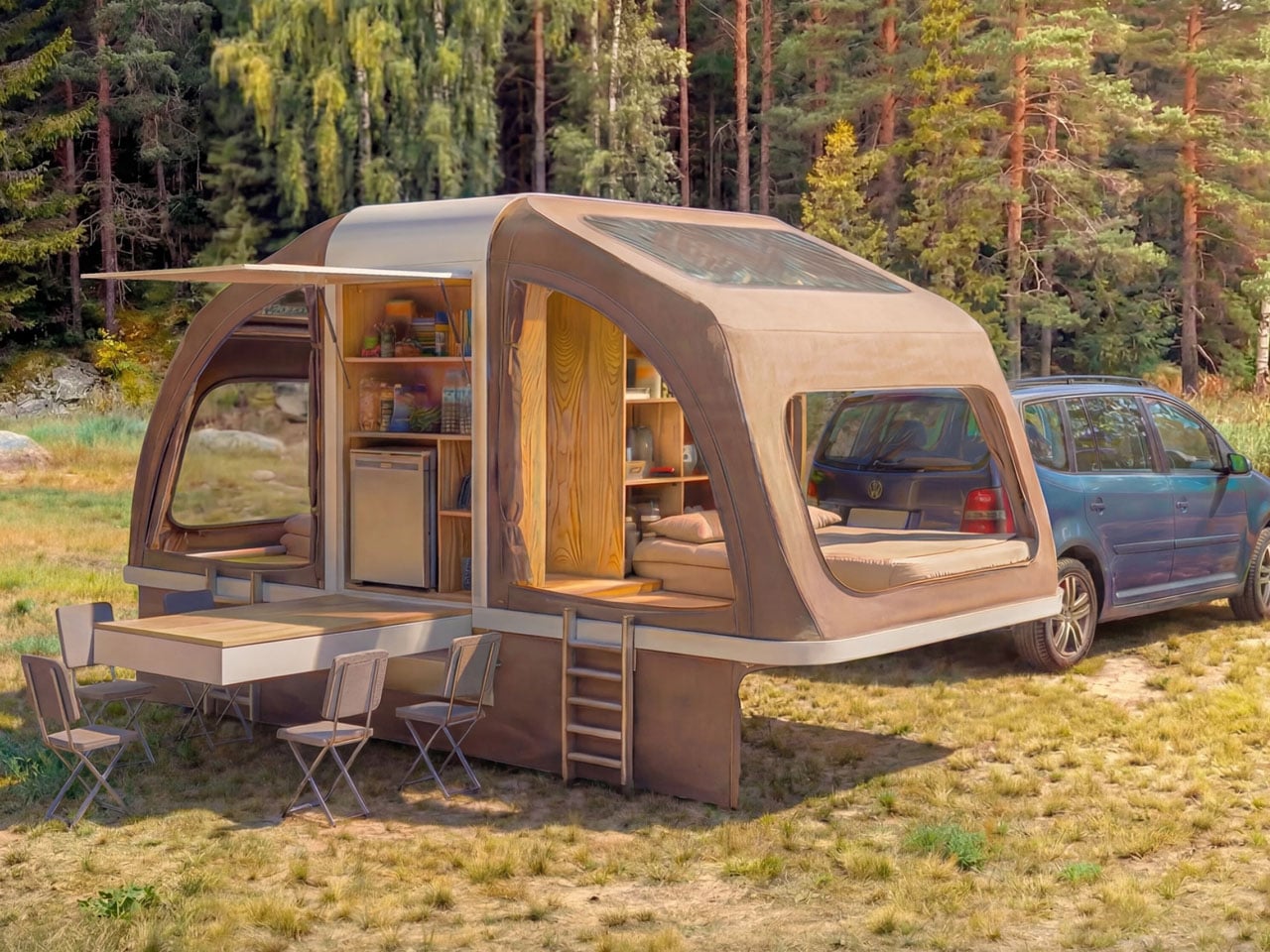
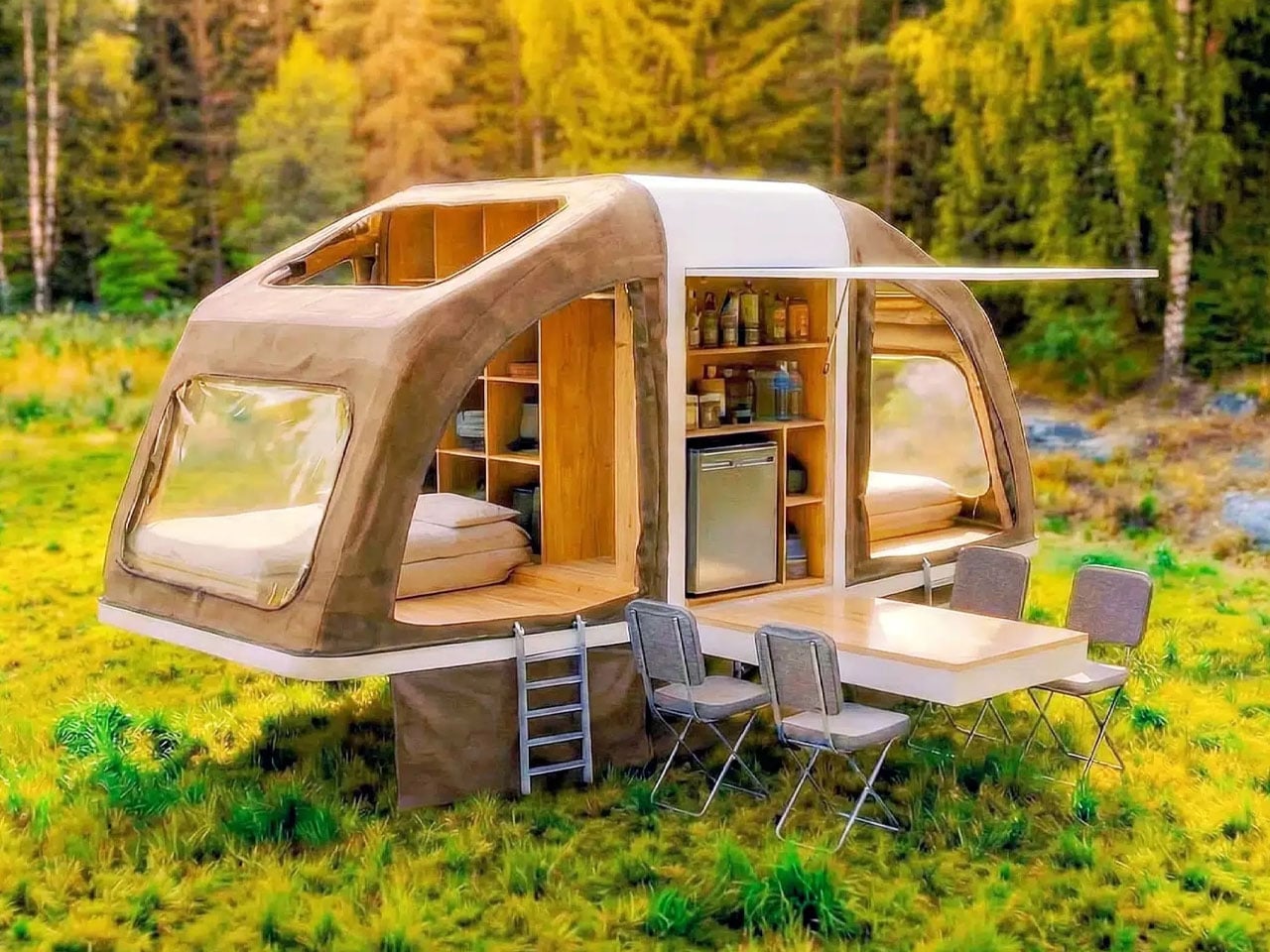
Camping by the lake or on the beach has many facets. For some, it means camping inside their toned-up vehicles, and for others, it’s to snuggle up in a towing mobile home at the end of the day’s fun. In the latter category, there are choice and one that’s really caught my attention is the new Wingcube. This is a compact box when in tow, and at the camp, it opens up like a butterfly to become a complete, weatherproof home you can casually live in with your family for a few days.

Of course, when you see the press image,s you feel it’s another AI hoax. But it’s not really that, however, it is still a work in progress. The Wingcube is only a prototype at the time of writing but substantially a perspective gamechanger if it can be pulled of as is in the near future. The design is under constant change, so we cannot for a fact say what’s going to be what when it hits the market, but that’s not going to stop me from enjoying what it is at this point in time; that is a two-bedroom folding tent box with its own outdoor dinette, kitchen and lots of storage inside.

Designer: Wingcube

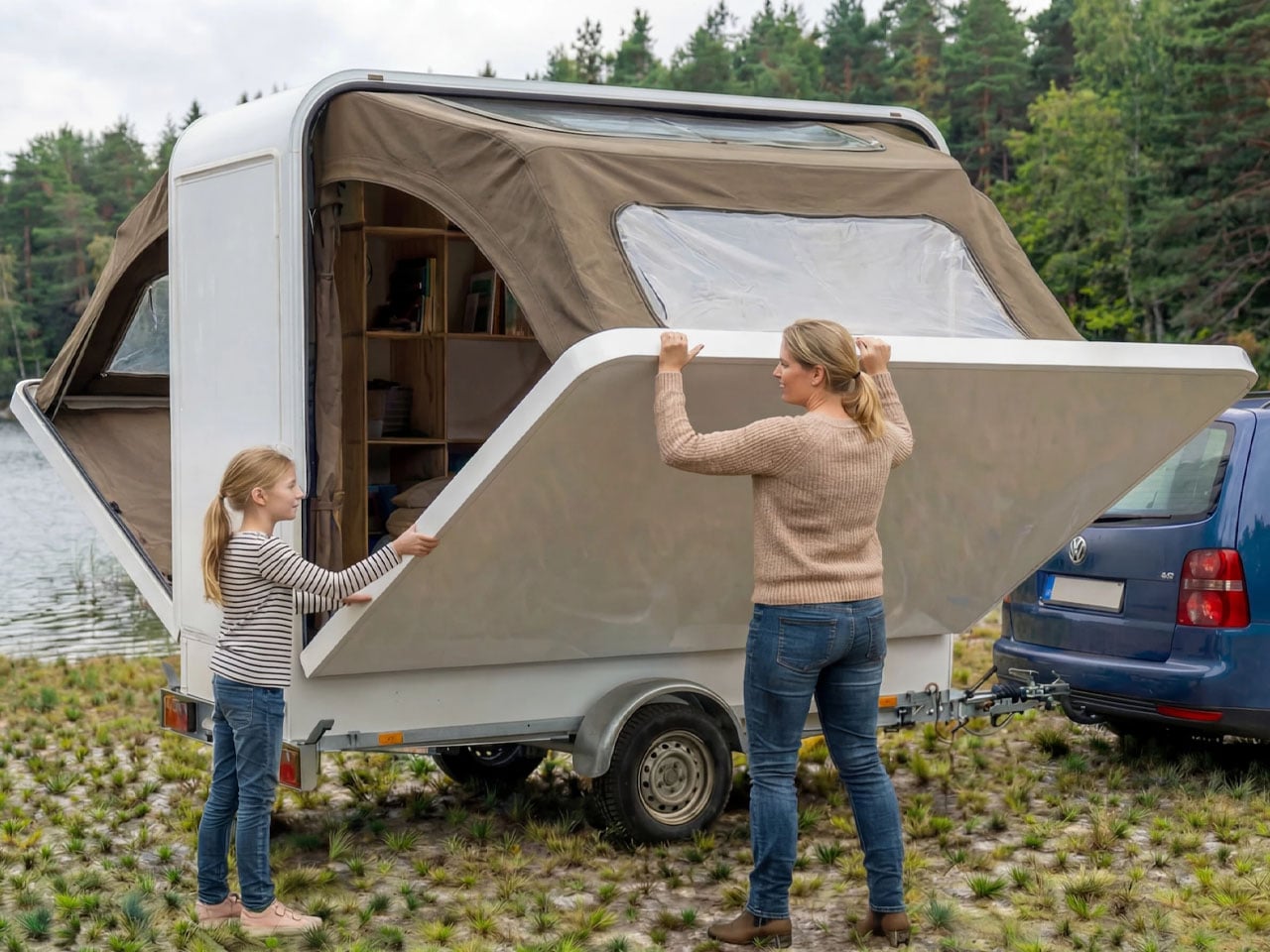
Conceived with the idea of making your family adventures more enjoyable and convenient, the Wingcube is easy to handle on the road and effortless to setup and repack. The trailer-based folding tent is extremely lightweight to tow behind any vehicle type (actual specifics of weight and dimension are not available). When you have reached your destination, the two main wings (on either side of the box) fold out manually (yes that can be electronic, going into production), parallel to the ground with the tent canvas – attached to the frame – folding down along with it.

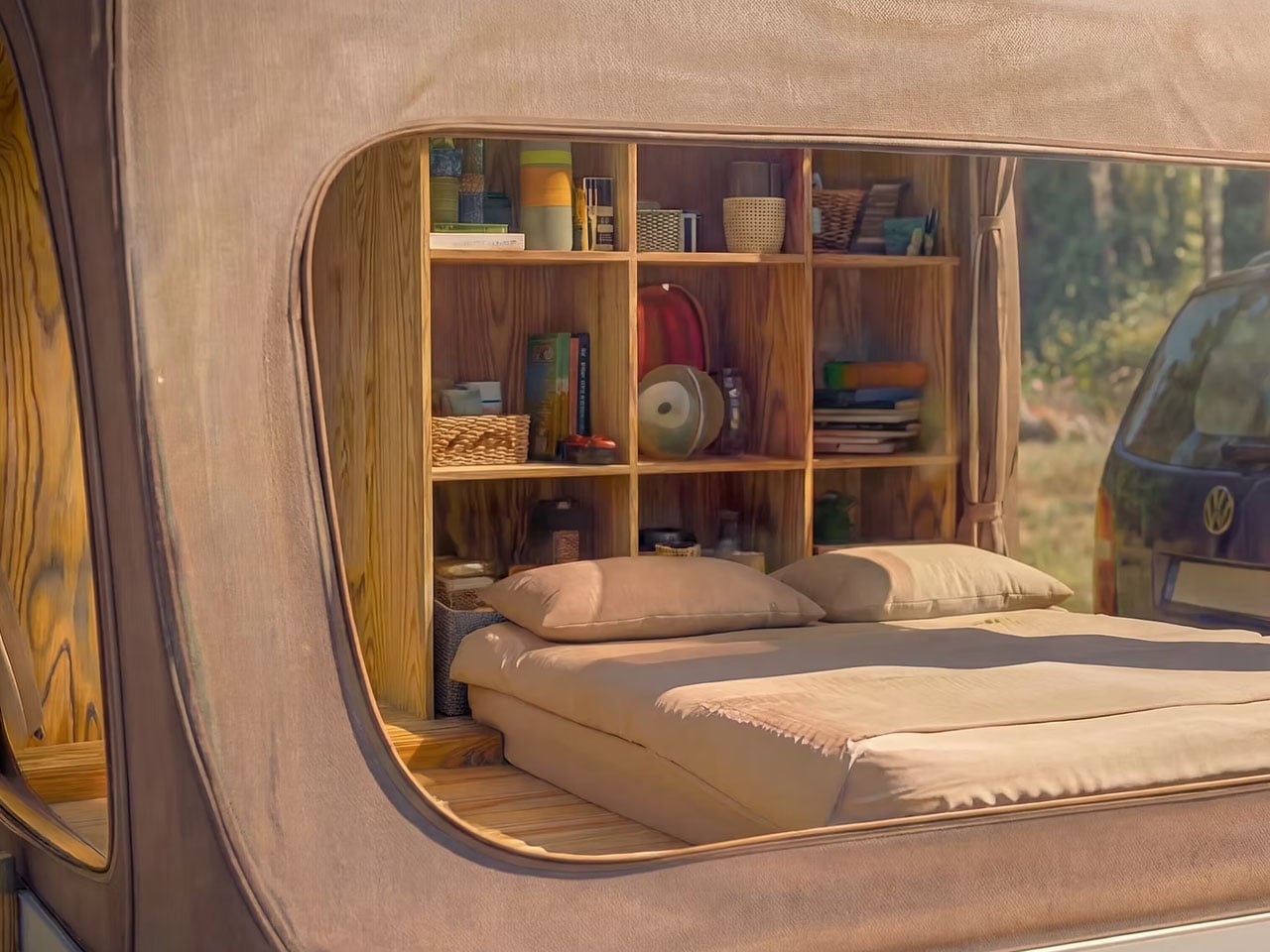
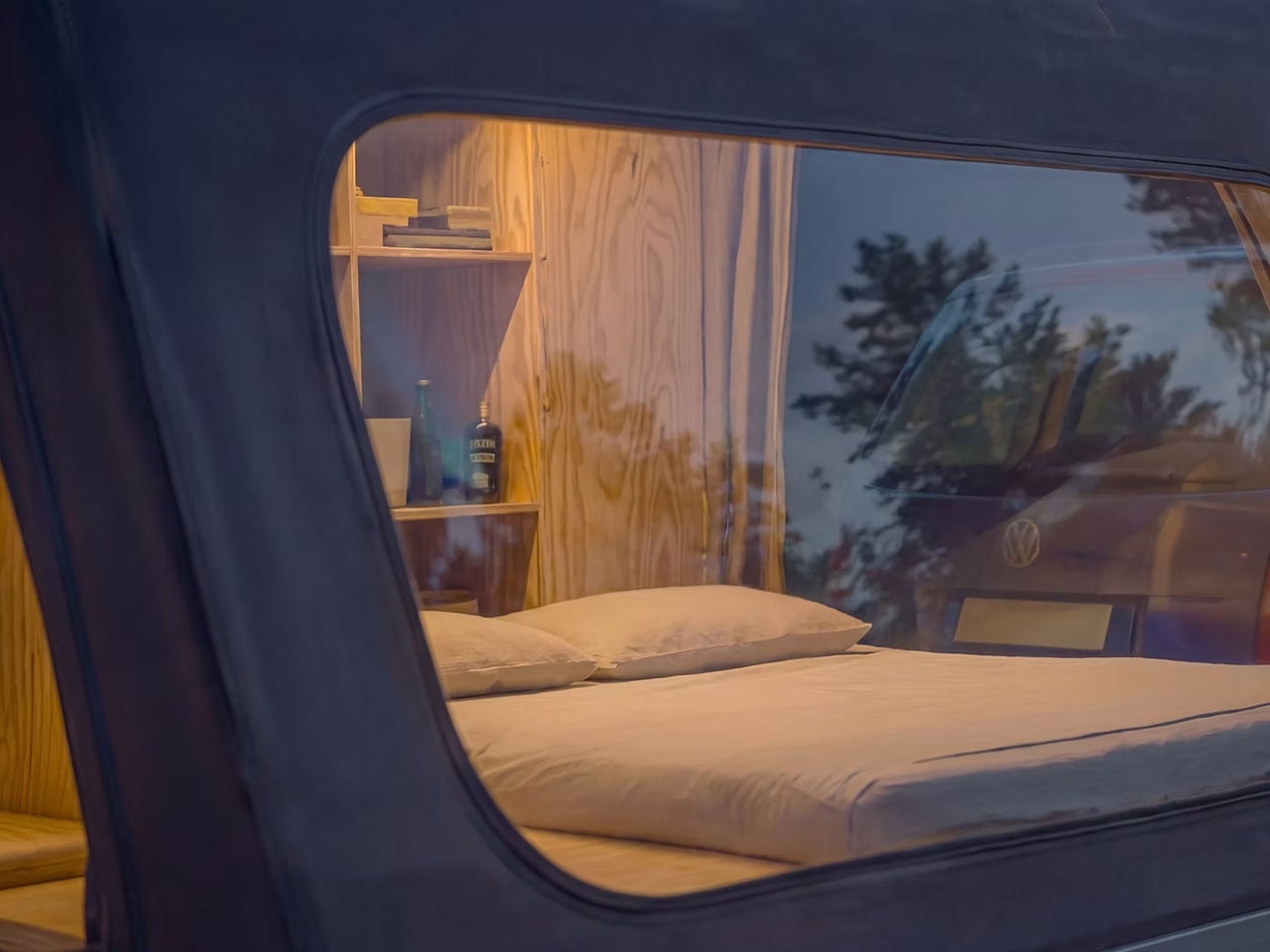
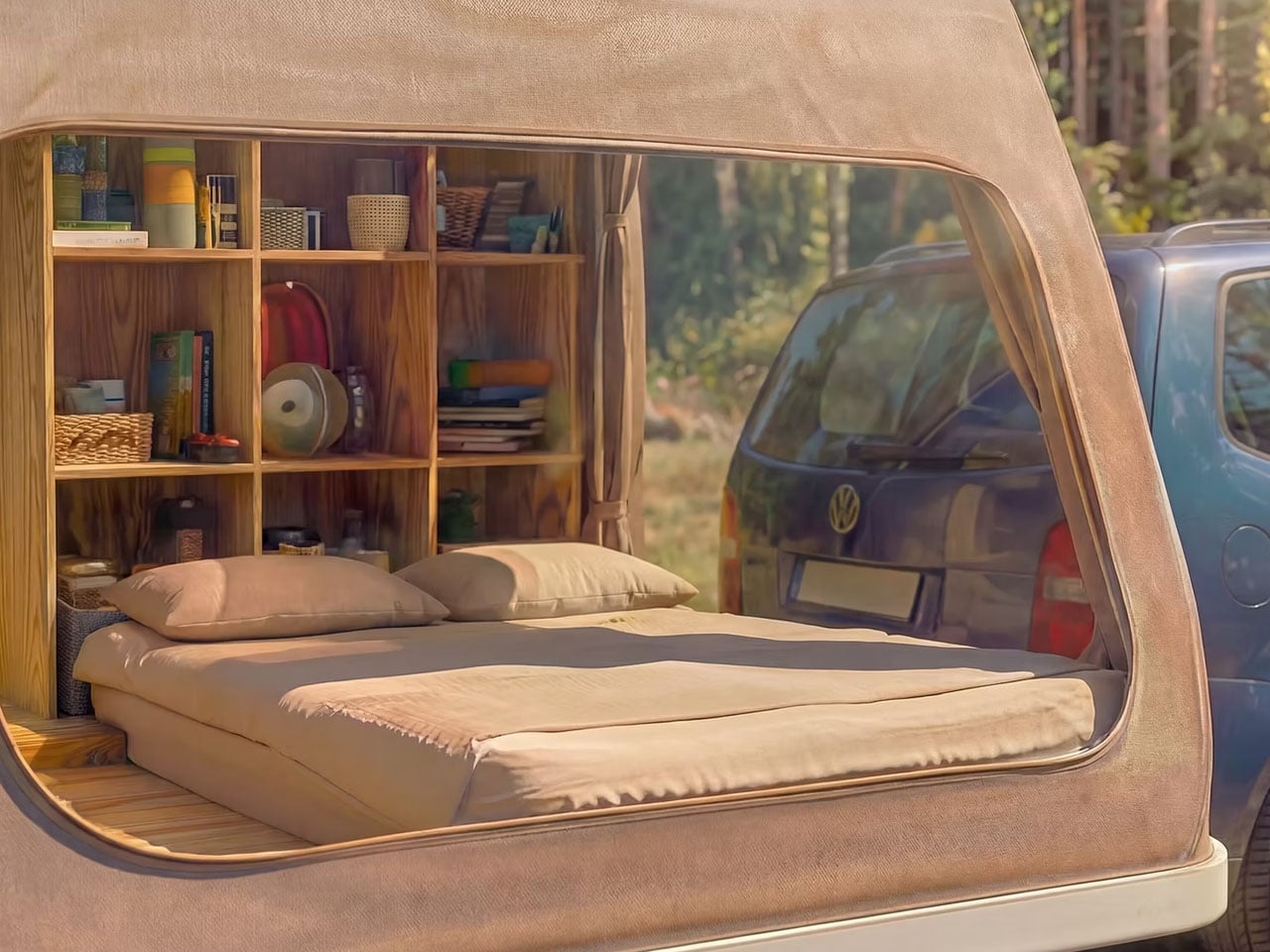
The Wingcube, interestingly, doesn’t come with an integrated trailer. If you choose to dismount the box from the trailer, the latter can be used for a range of other tasks. Similarly, the cube itself can pitch in as extra bedroom at home. In the given form factor, Wingcube, according to the makers can sleep eight people, but from the images it seems comfortable for a family or group of four. The fold-down wings on either side of a central frame (comprising storage shelves) are the two bedrooms of the Wingcube, while on one portion of the central frame, you have the outdoor kitchen with a fold-out prep area which doubles as a dining table with stackable chairs.

A small ladder is provided to climb in and out of the bedroom, each of which feature a window and a large skylight. The introductory video (above) will give you a clear picture of what to expect from the final product, but it’s fitting to reiterate that this is still a prototype and a great deal of changes can be expected in the final version.

The post Wingcube transforms from compact box trailer into spacious family camper first appeared on Yanko Design.
Apple’s Podcasts app now supports HTTP Live Streaming video technology

Apple is planning a major update for its Podcasts app. The app now supports the company's HTTP Live Streaming (HLS) video technology. Previously, it only streamed video in various formats like MOV, MP4 and M4V.

This provides several benefits for the end user. It lets people switch seamlessly between watching and listening, in addition to offering a horizontal full display option. It'll also make both video and audio streams available to download for offline viewing. This wasn't possible with the previous streaming method, which pulled content from an RSS-like feed. RSS is still available as a distribution option, but HLS definitely brings some advantages

The technology integrates picture-in-picture for multitasking on products like the iPad. Finally, the updated app will automatically adjust the picture quality to ensure smooth playback in various network conditions, including both Wi-Fi and cellular.

The update will be available on most platforms, including iOS, iPadOS, visionOS and the web. It's in beta right now, but the company plans a major rollout this spring as part of the upcoming 26.4 operating systems.

This article originally appeared on Engadget at https://www.engadget.com/apps/apples-podcasts-app-now-supports-http-live-streaming-video-technology-182605460.html?src=rss

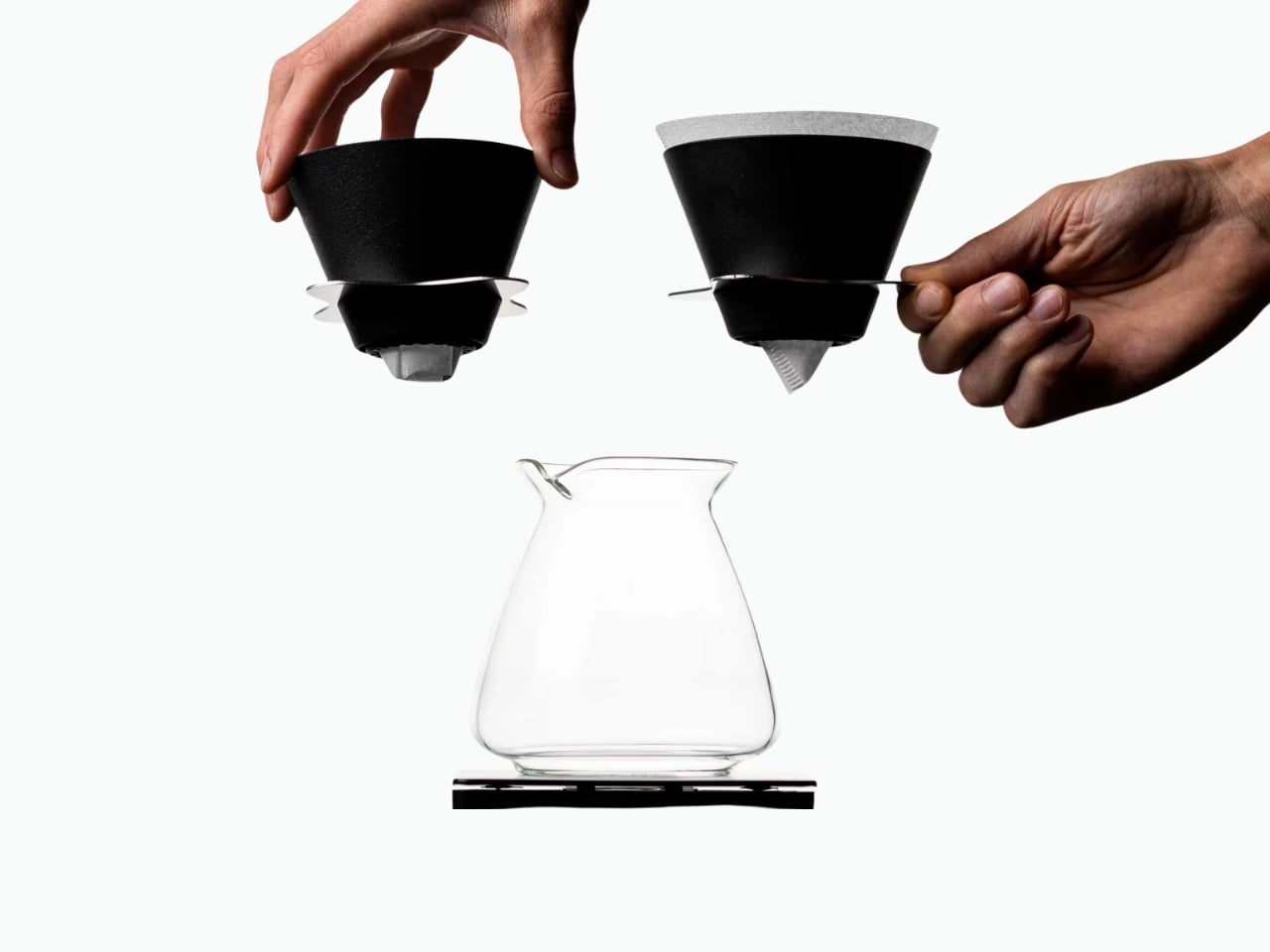
This $70 Brewer Just Beat Every $200 Pour-Over on the Market

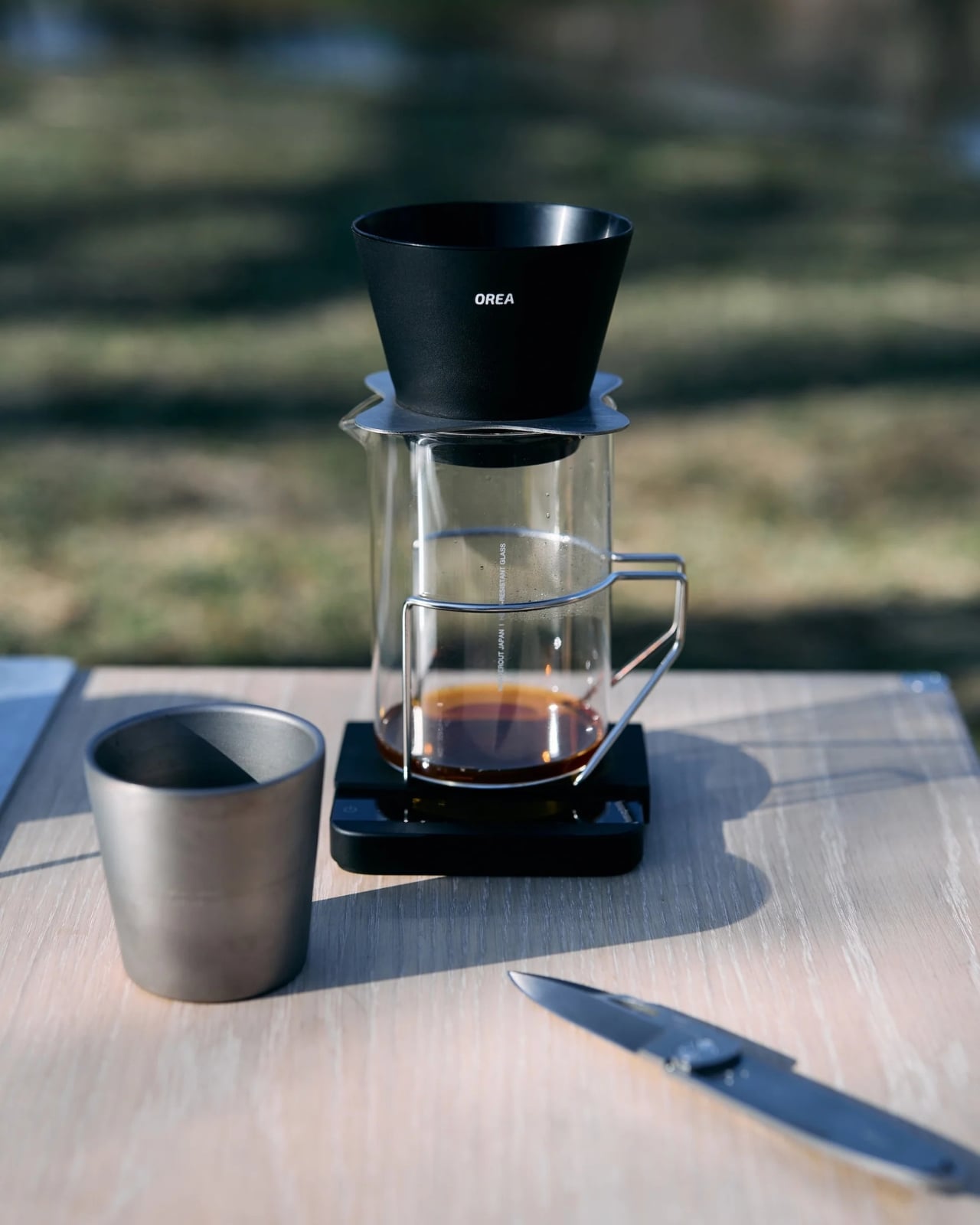
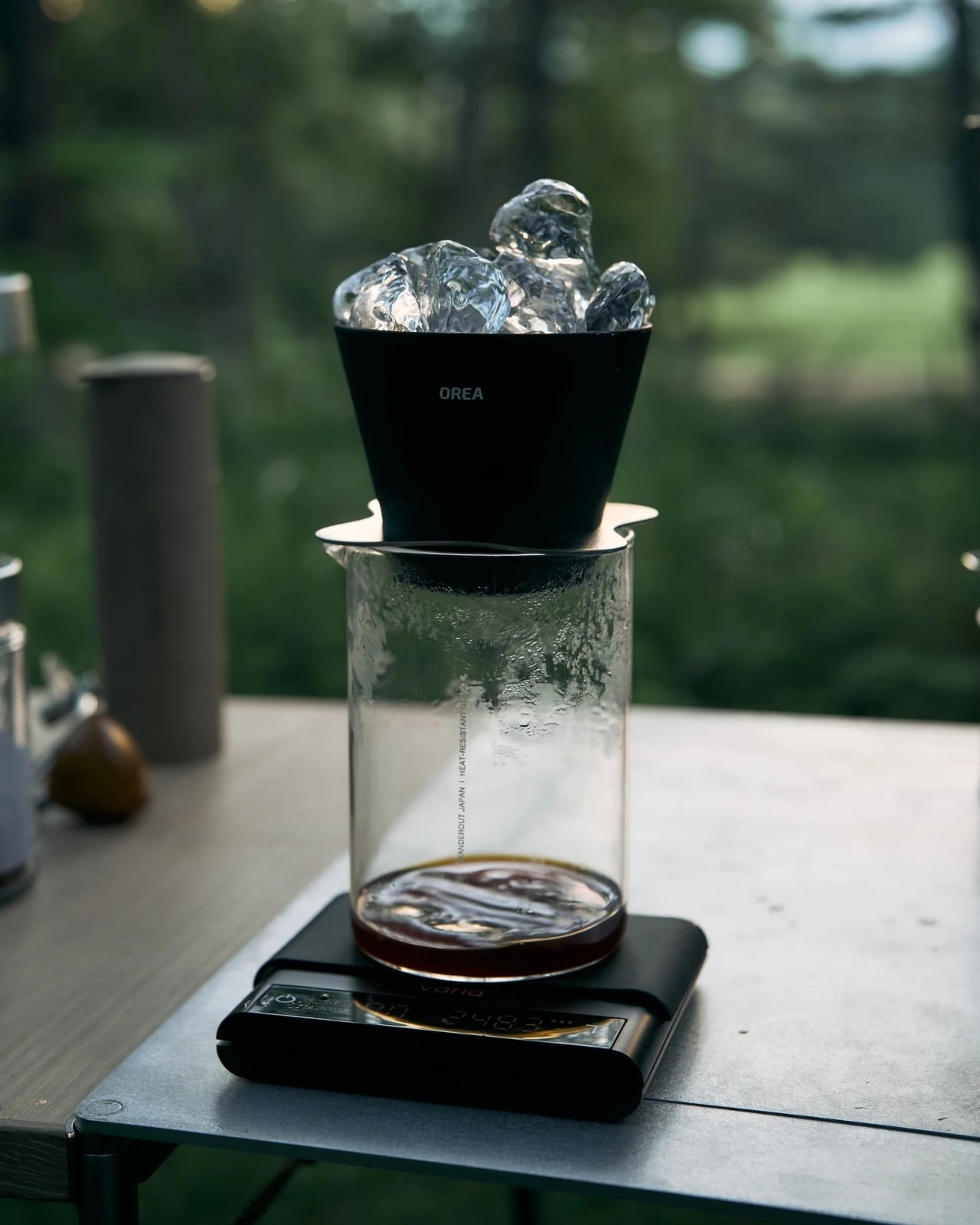
You know that friend who can’t commit to just one pair of shoes? The OREA Brewer V4 is like that, except instead of cluttering your closet, it actually makes your life simpler. This modular pour-over coffee brewer gives you four different brewing personalities in one compact design and it’s kind of genius, especially for those looking for 4-in-1 kind of devices.

The V4 comes from OREA, that scrappy British coffee brand that started when founder Horia Cernusca wanted a brewer small enough to pack into his camping gear. Working with Argentinian industrial designer Lautaro Lucero, they’ve created something that’s catching fire with everyone from home coffee nerds to world champion baristas.

Designer: Lautaro Lucer for OREA

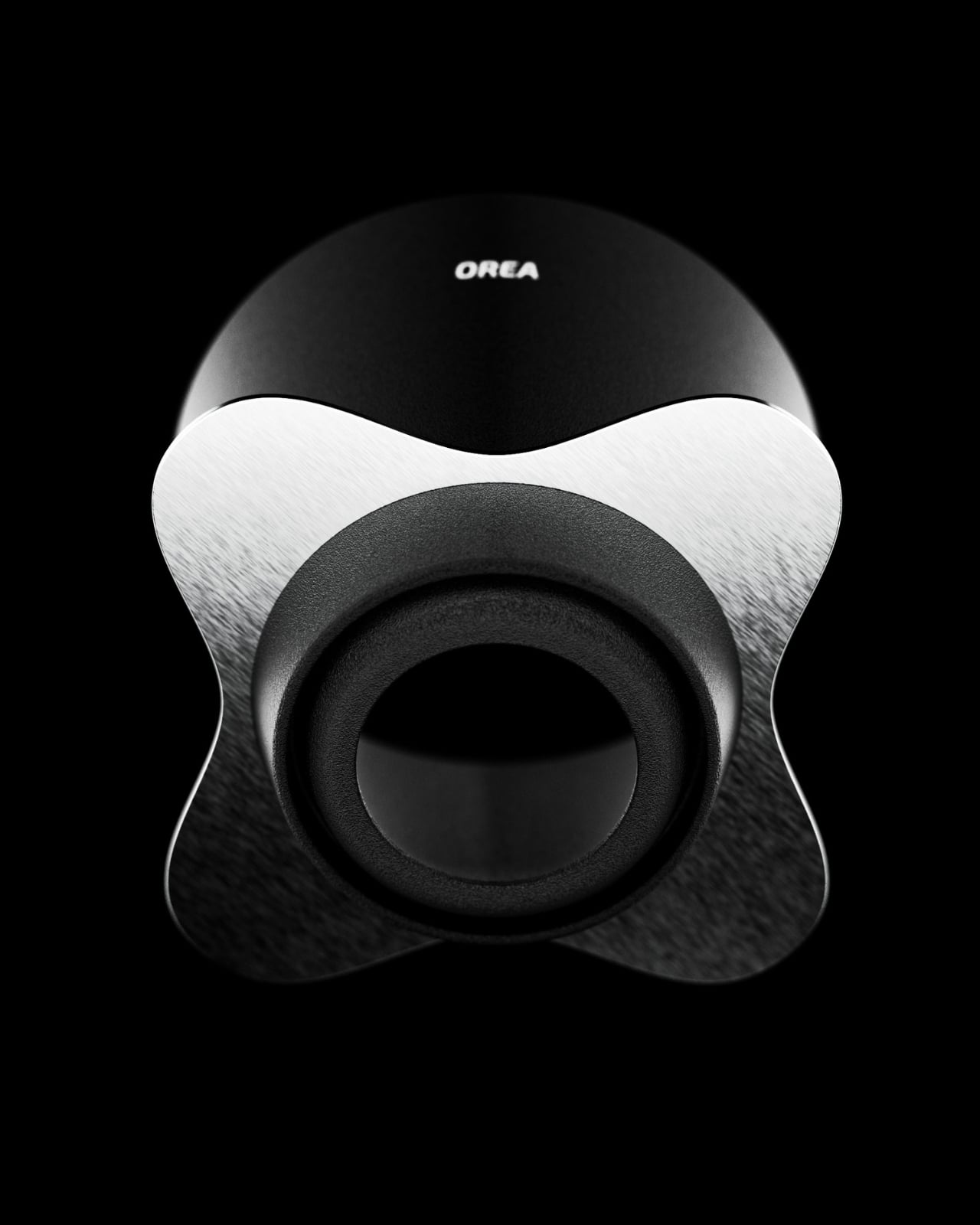
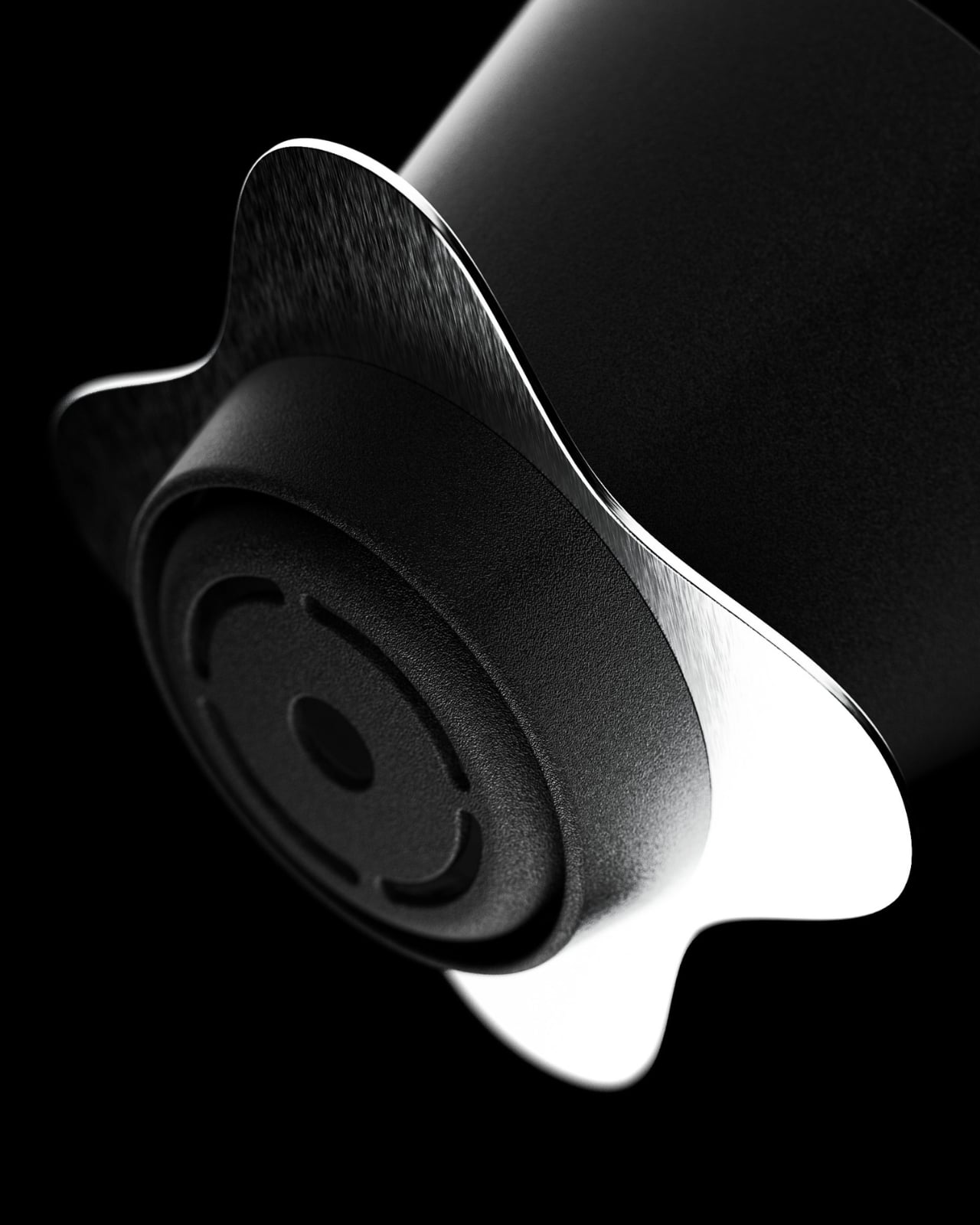
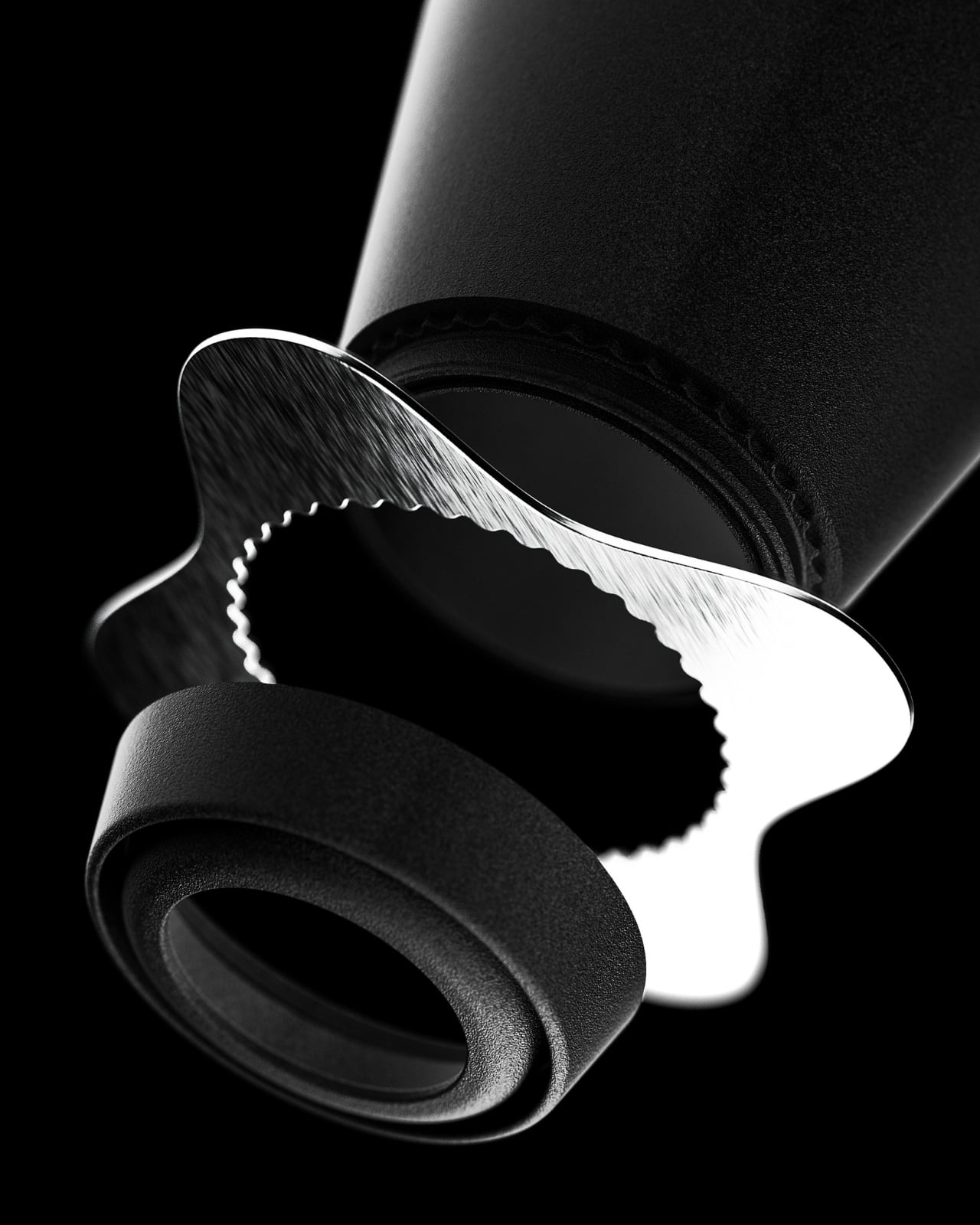
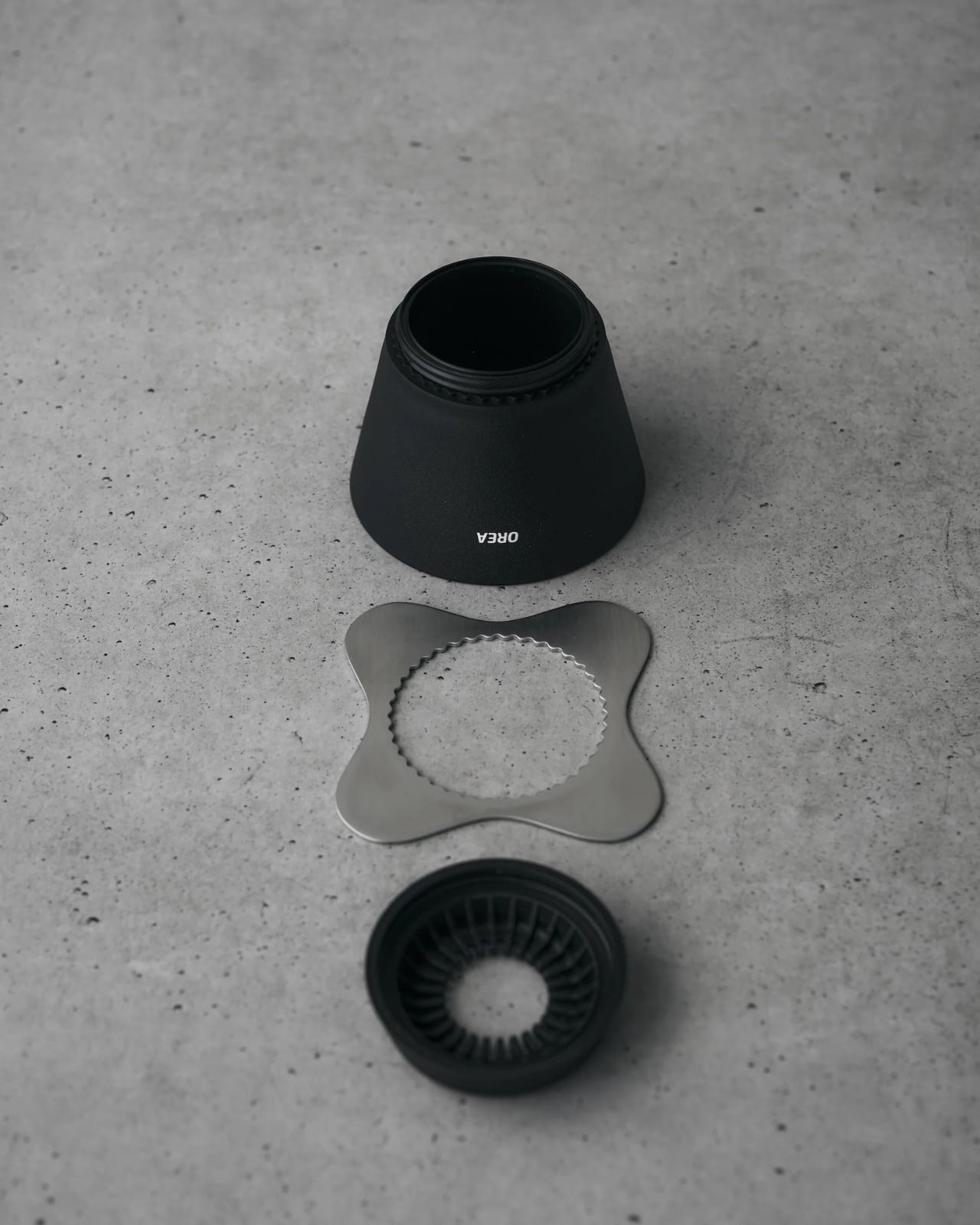
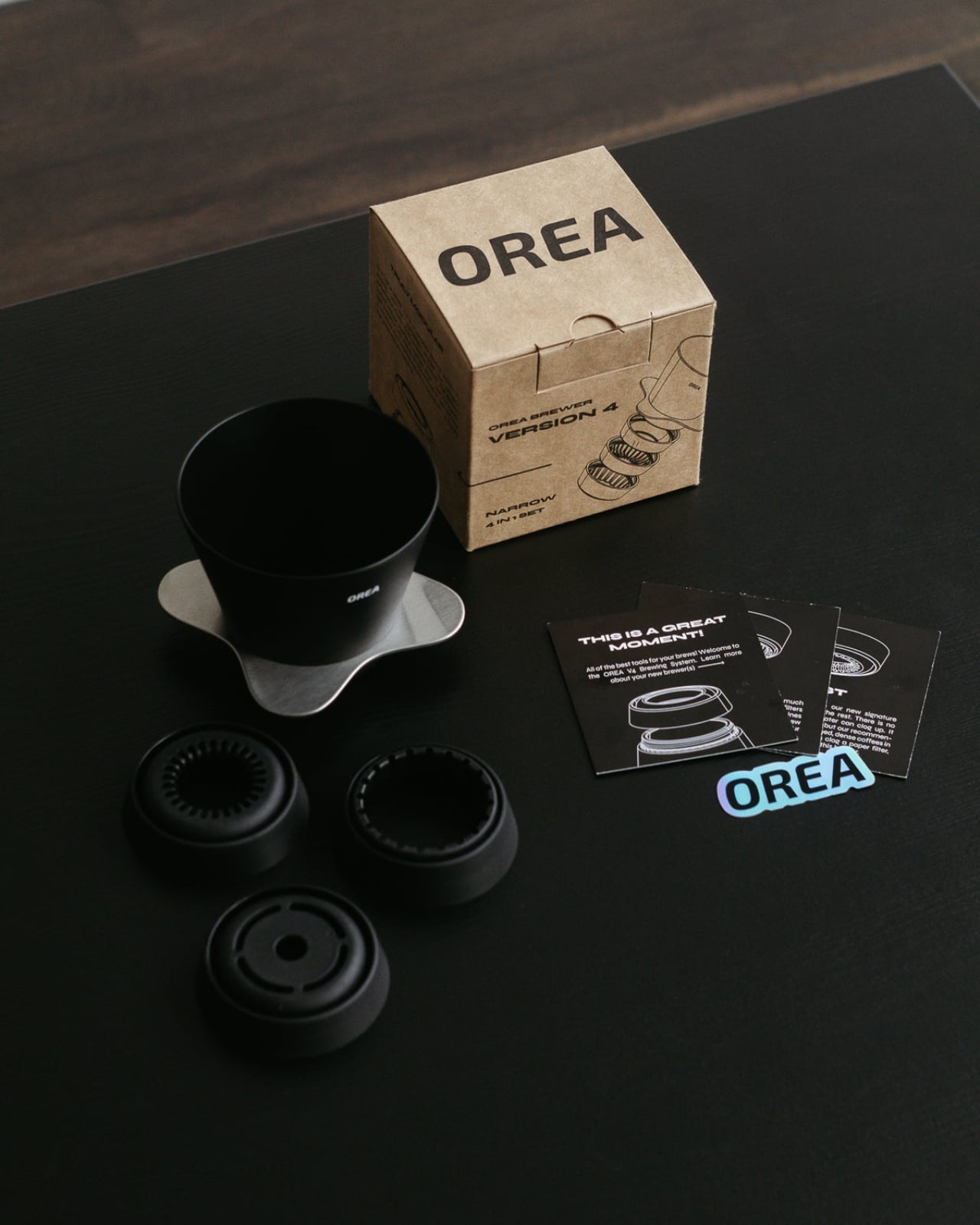
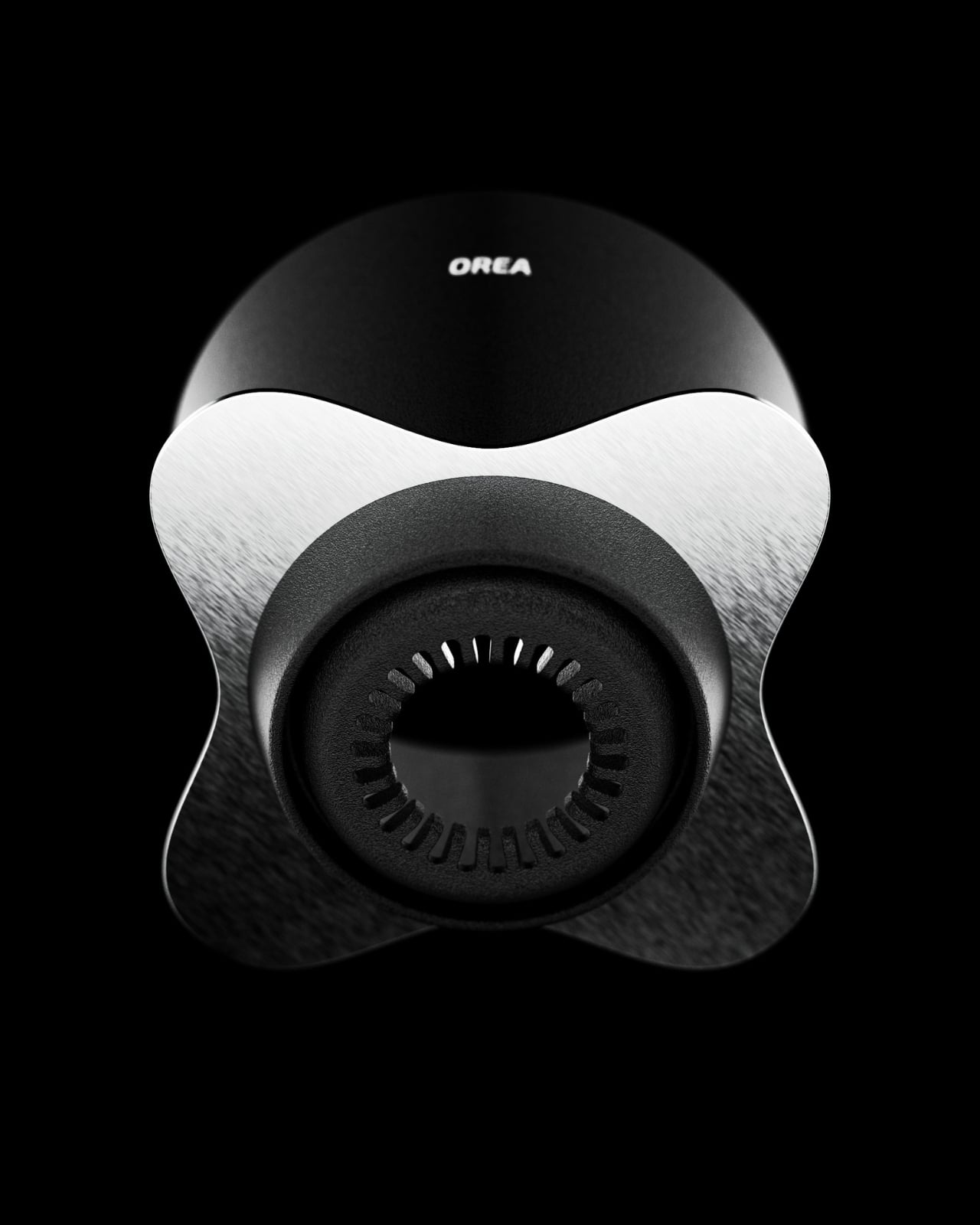
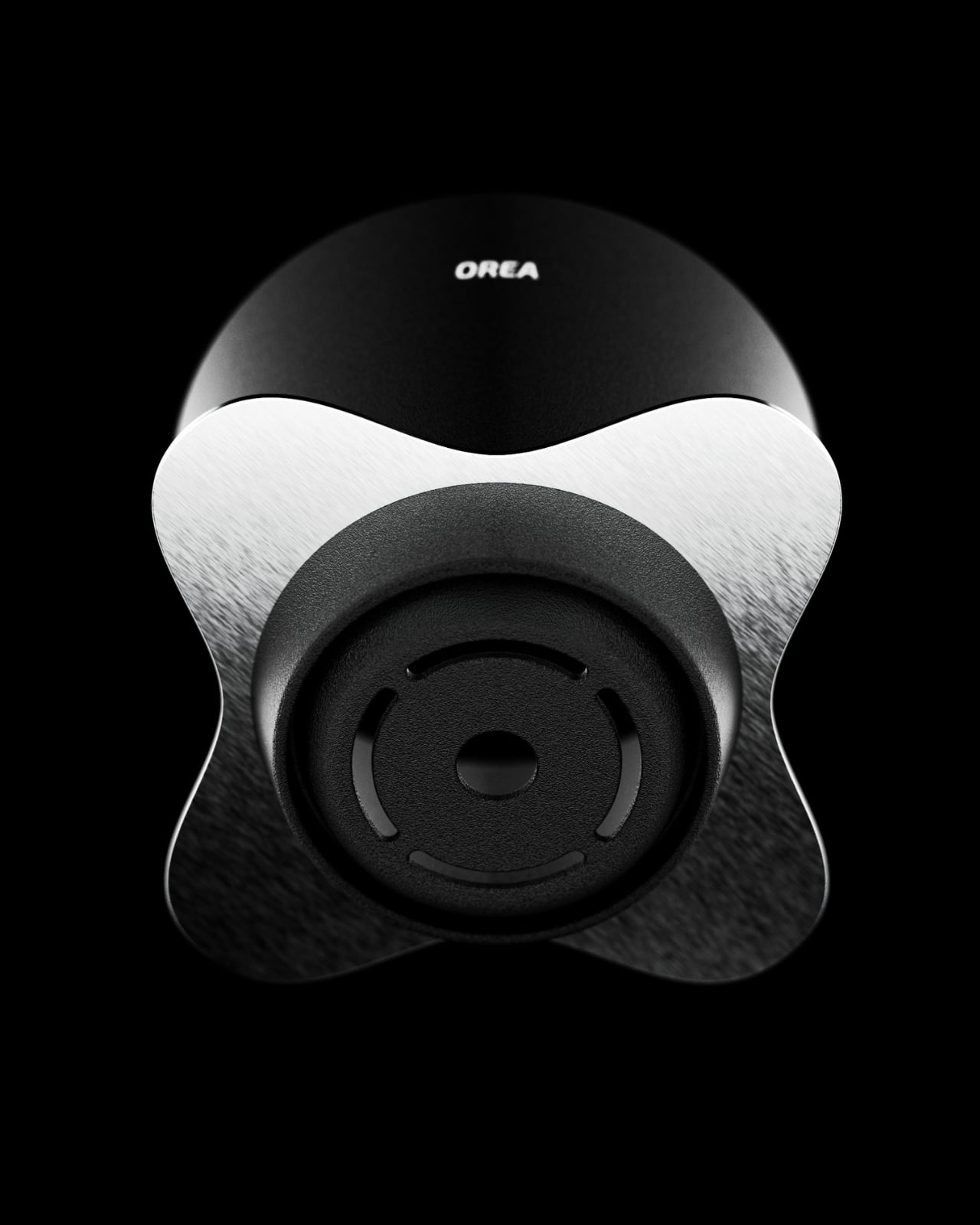
The V4 uses a modular system with four swappable bases that completely change how your coffee tastes. There’s the Classic bottom for balanced brews, the Open bottom that focuses flow centrally for a different flavor profile, the Fast bottom that’s basically uncloggable and ideal for experimenting with finer grinds, and the Apex bottom that sits somewhere between flat and conical brewing styles. Each base manipulates water flow differently, highlighting distinct characteristics from the same bag of coffee.

The brewer comes in two geometries: Narrow and Wide. Think of them as siblings with different personalities. The Narrow version uses a 73-degree angle and brews faster, emphasizing brightness and intensity in your cup. It’s perfect for single servings up to about 28 grams of coffee. The Wide version has a 65-degree angle, offers about 20 percent more volume, and can handle up to 36 grams. It draws down about 30 seconds slower and produces cups with more body and balance.

What makes the V4 special isn’t just the modularity, though. The connection point sits high on the brewer, which means those swappable bases can actually make meaningful design changes rather than cosmetic ones. OREA tested relentlessly to eliminate unnecessary parts since every component adds cost for a small business. What survived the cutting room floor represents genuinely different brewing experiences.

The results speak volumes in competition. The V4 won the European Product Design award in 2023, chosen as the winning design in the home tea and coffee brewers category. But more impressively, world champion baristas have gravitated toward OREA brewers. Martin Wölfl won the 2024 World Brewers Cup using an OREA, following in the footsteps of 2022 champion Sherry Hsu. Elite competitors like Ply Pasarj, Paul Ross, and Matteo D’Ottavio have all made it their tool of choice.

Lautaro Lucero brought his industrial design background to bear on the V4’s aesthetics and functionality. The Argentinian designer has been crafting coffee products for years, and his collaboration with OREA extends beyond the brewers to include the Sense Collection of coffee cups. His design language emphasizes clean lines and purposeful geometry that does more than look pretty on your counter.

The V4 is made from BPA-free polypropylene approved by FDA and EU standards, paired with a stainless steel base. It’s dishwasher-safe, lightweight, and durable enough for cafe use. Coffee shops are picking up on this, with roasters like Newbery Street Coffee choosing it for their pop-ups because it’s easy to clean during busy service hours and customers can replicate cafe recipes at home with the same equipment.

Using the V4 means embracing experimentation. You can switch bases mid-week to coax different notes from the same coffee. Want more clarity? Try the Fast bottom. Craving body? Swap to the Wide brewer with the Classic base. The flexibility means you’re not locked into one brewing style, which feels refreshing when so many coffee tools pigeonhole you into a specific technique.

The price point sits around £49.99 for a complete set with one geometry and all four bases, which breaks down to about £12.50 per brewer configuration. That’s pretty reasonable considering you’re getting what amounts to four different brewing experiences without needing separate equipment cluttering your kitchen.

OREA built something here that bridges the gap between hobbyist and professional. The V4 takes the consistent, full-bodied profile of traditional flat-bed brewers and adds the clarity and speed of cone brewers. It’s the kind of thoughtful design that makes you wonder why nobody did it sooner, even though you know the execution is way harder than it looks. For anyone serious about pour-over coffee but tired of commitment to a single brewing method, the V4 delivers options without the complexity.

The post This $70 Brewer Just Beat Every $200 Pour-Over on the Market first appeared on Yanko Design.
This Bedside Lamp Remembers Everything You Forget at 6 AM

We’ve all been there. You’re running late, grab your keys, rush out the door, and three blocks later realize your phone is still sitting on the nightstand. Or maybe you left every light in your apartment blazing because your brain was already at work before your body made it out the door.

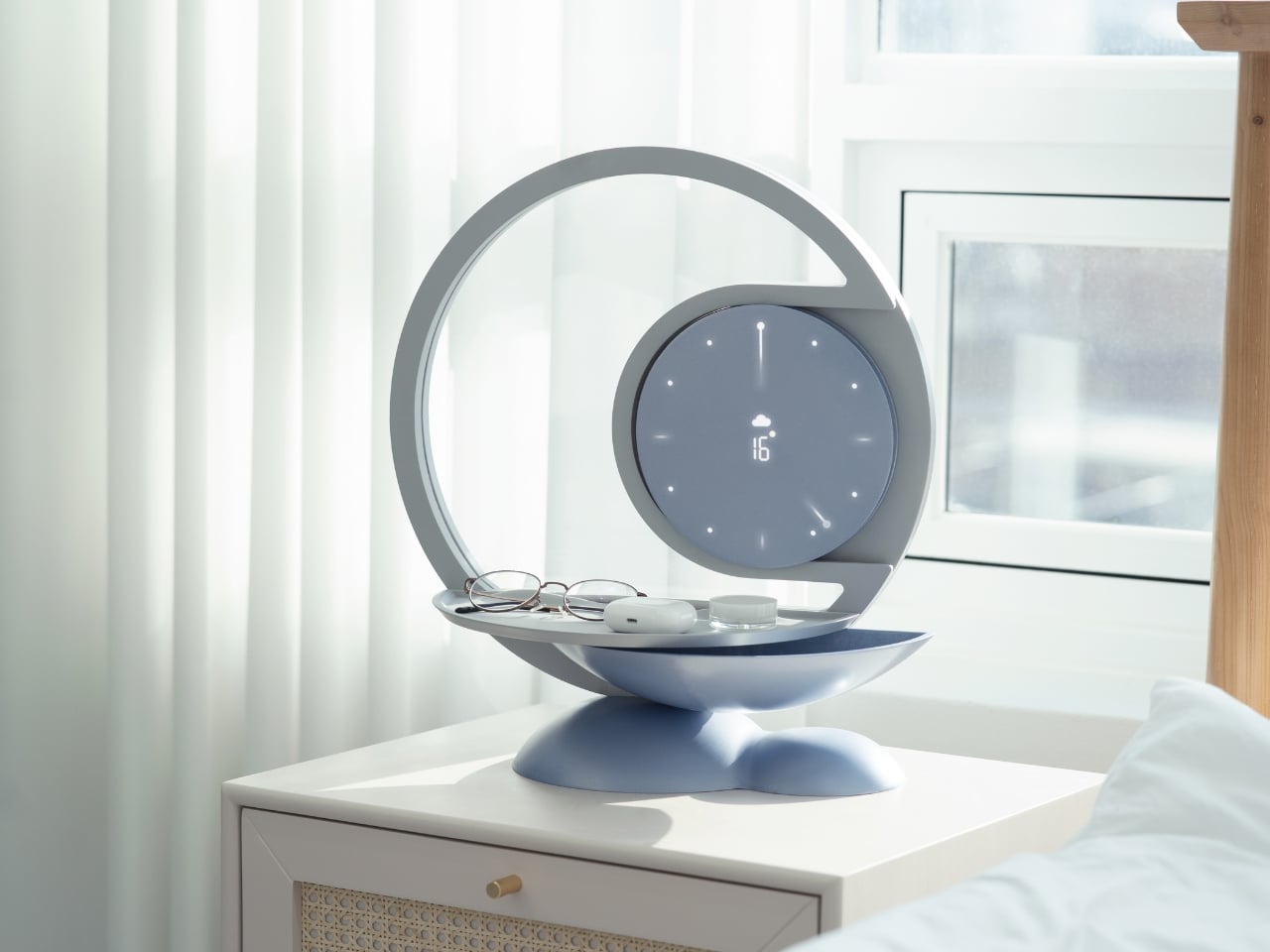
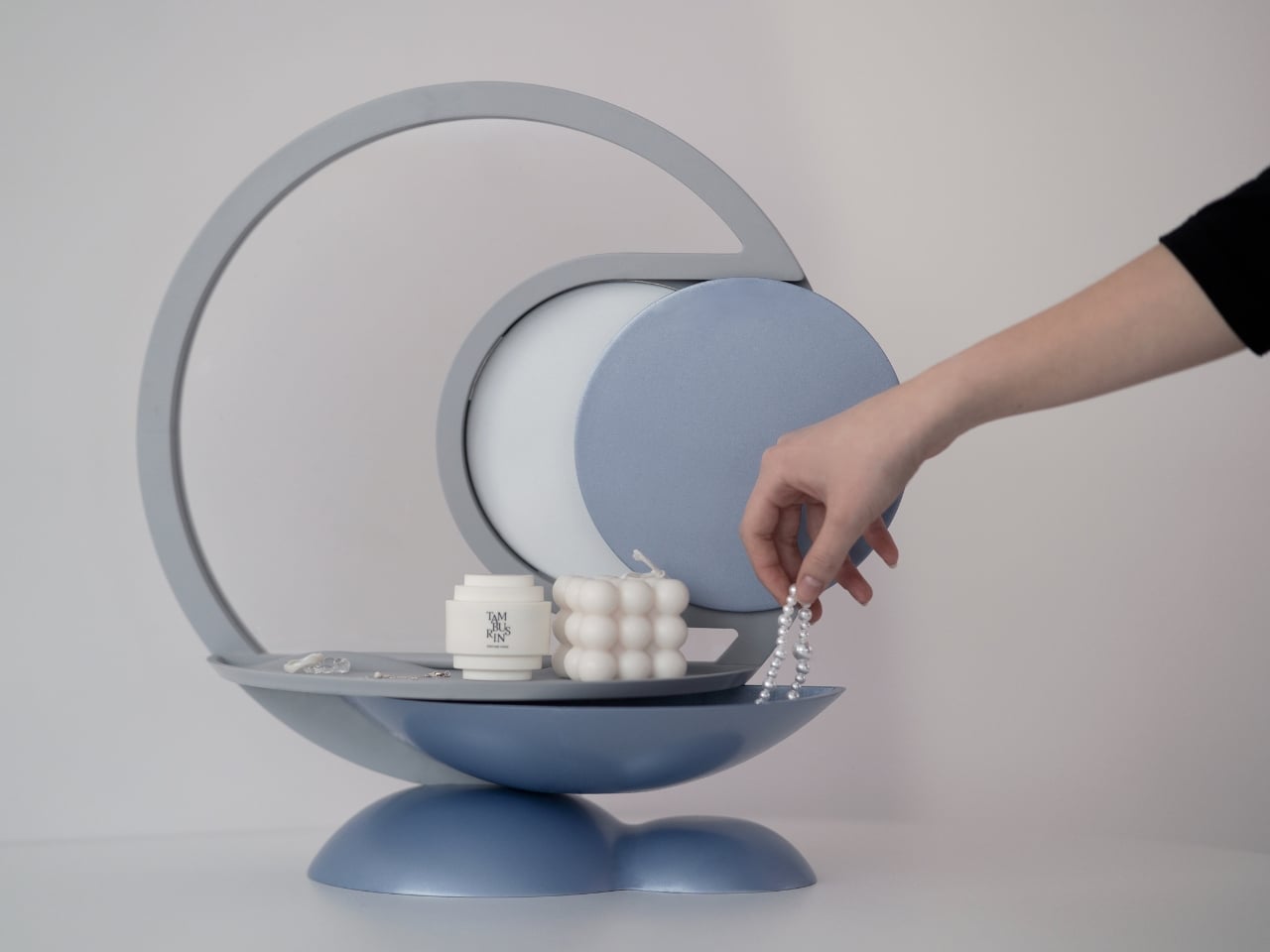
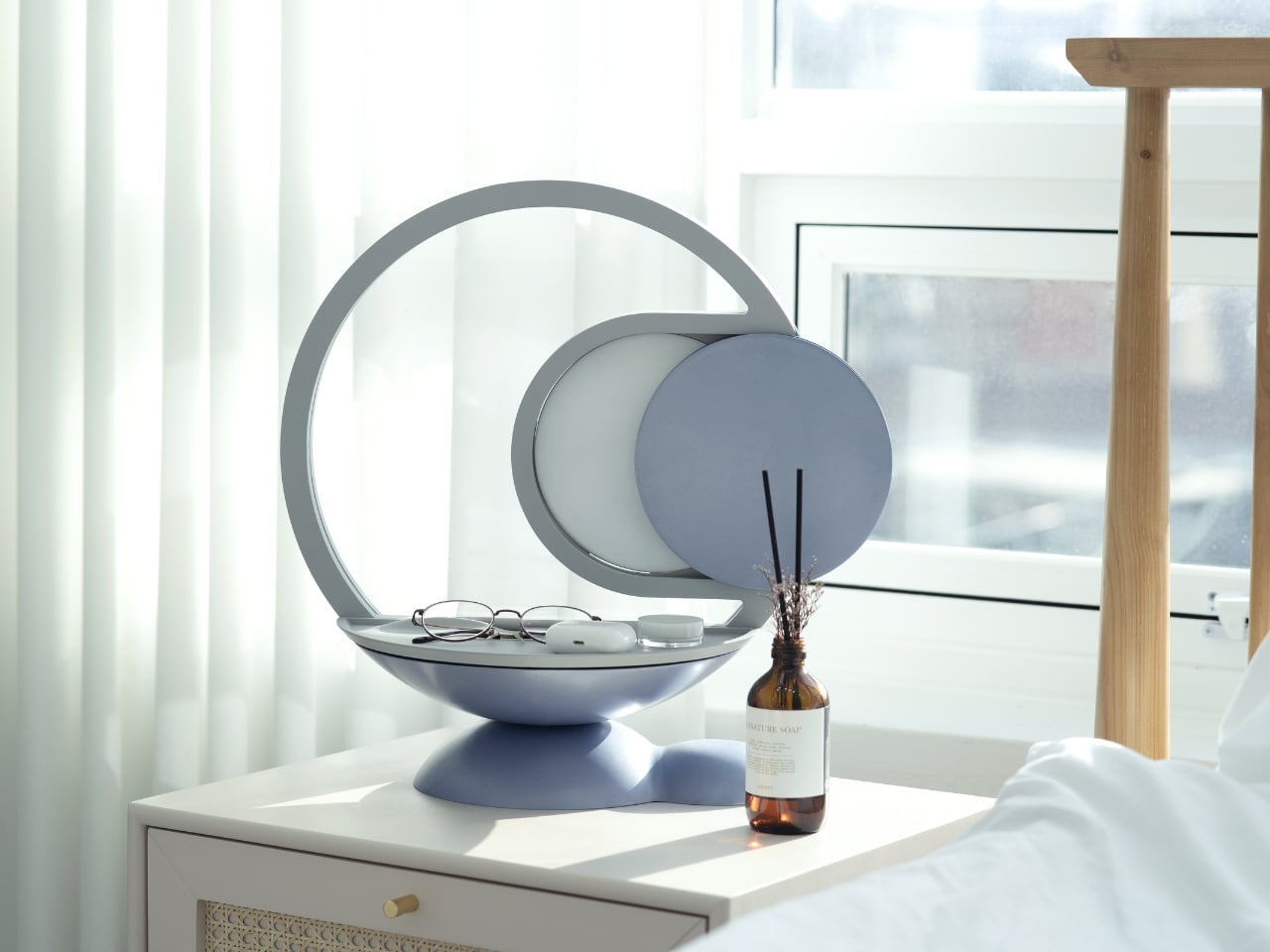
Designer YeEun Kim gets it. Her concept project, Darling, tackles the scattered morning routine with a smart bedside organizer that’s equal parts lamp, tray, and very gentle personal assistant. The design speaks to anyone who’s ever retraced their steps back home, cursing under their breath about that one essential item left behind.

Designer: YeEun Kim

The concept addresses a surprisingly common problem. According to Kim’s research, modern forgetfulness often stems from irregular sleep patterns, excessive screen time, and the kind of stress that comes with overpacked schedules. The typical advice is to take walks, get better sleep, or generally relax more. But if you’re the type of person who needs this advice, you’re probably also the type who doesn’t have time to follow it.

So Darling takes a different approach. Instead of trying to fix your entire lifestyle, it focuses on building small, sustainable habits. The kind that actually stick because they’re simple enough to do even when you’re running on four hours of sleep and too much coffee.

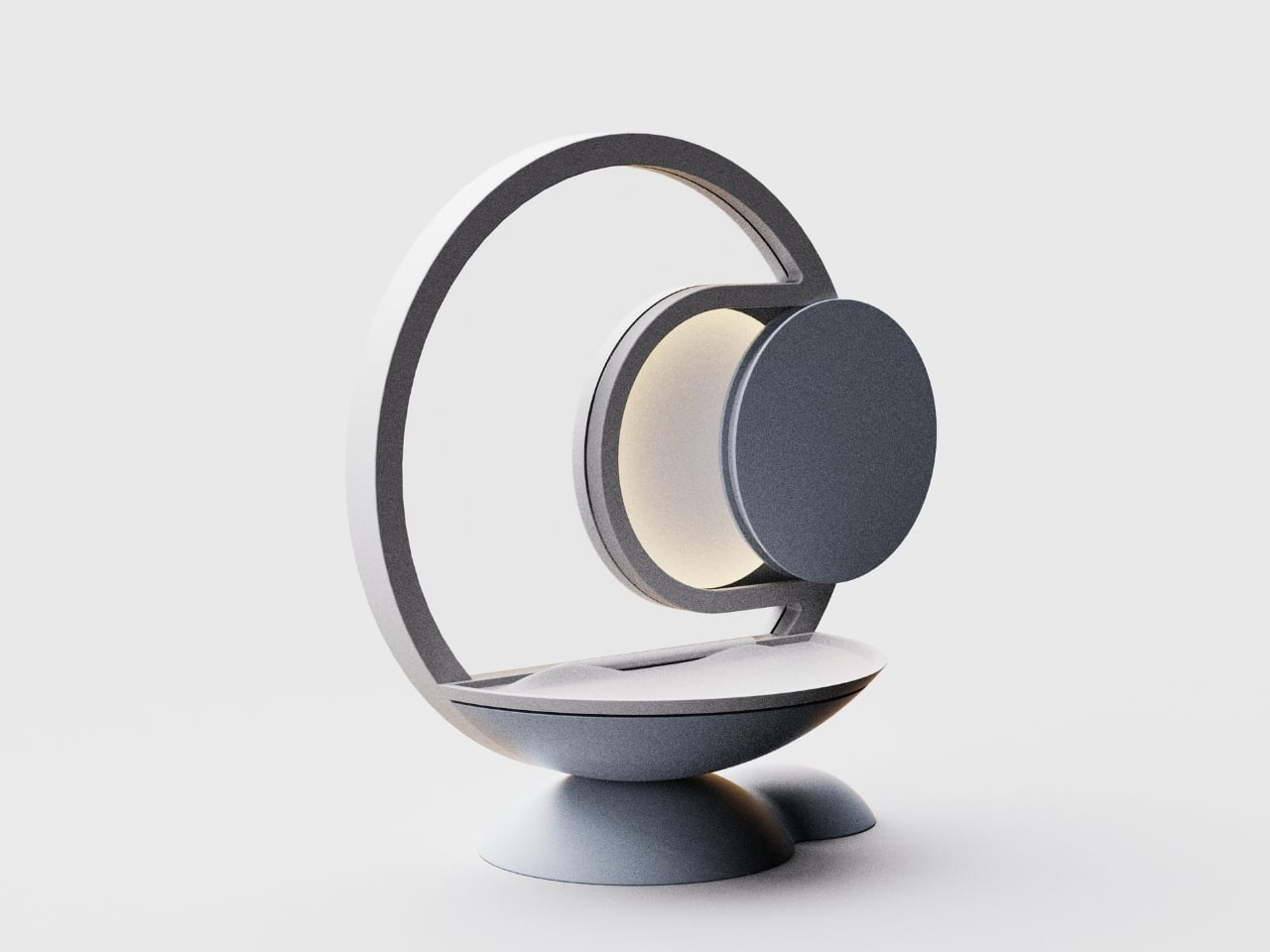
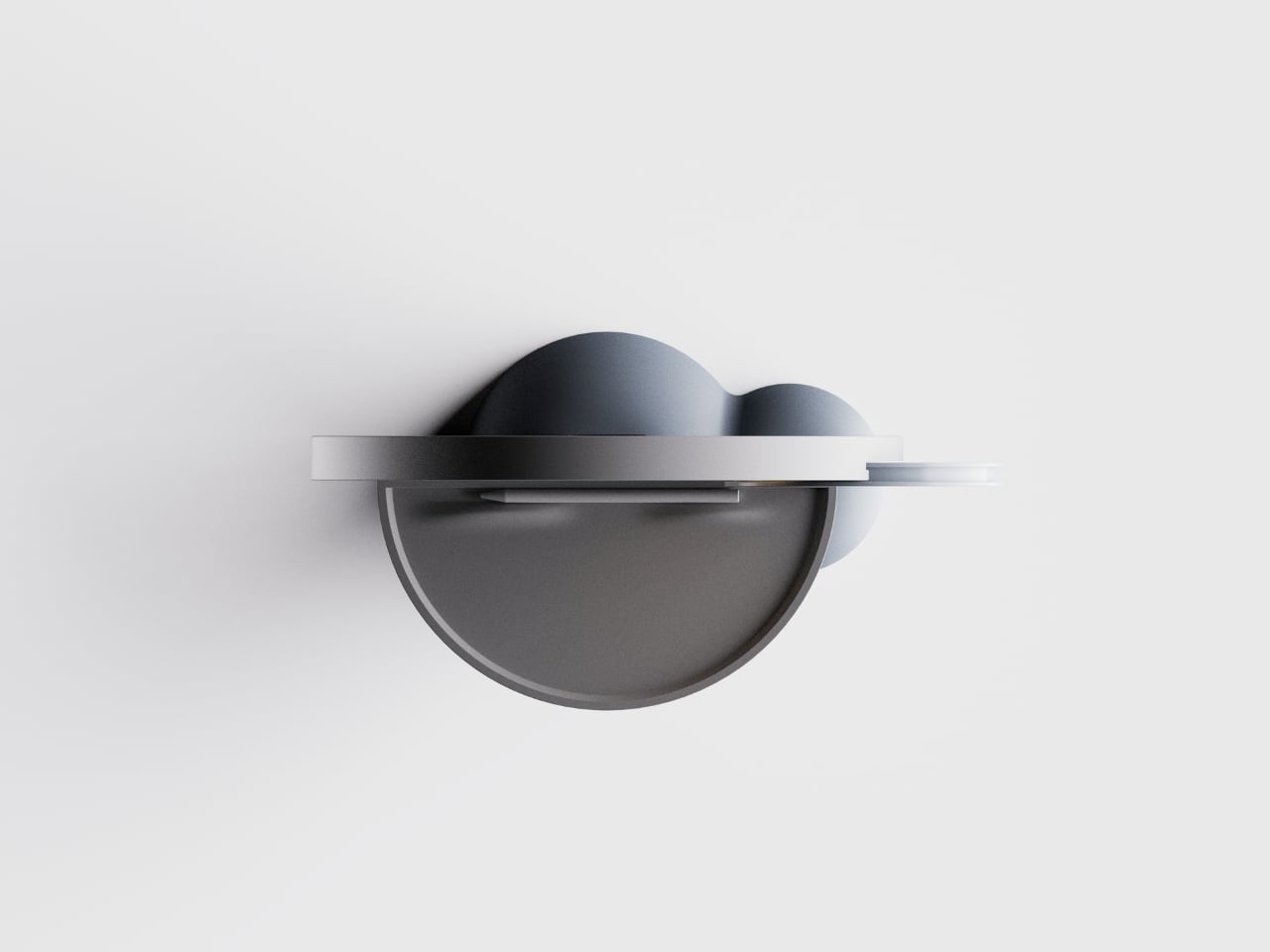
The design itself is remarkably soothing to look at. Kim built the entire aesthetic around soft curves and circular forms, which makes sense for something meant to bookend your day. The last thing you want on your nightstand is aggressive angles and harsh lines staring at you before bed or first thing in the morning. The lamp component arches over a shallow tray, creating this balanced, almost zen-like silhouette that wouldn’t look out of place in a boutique hotel or a carefully curated Instagram feed.

But the real cleverness is in how it works. Darling connects to your schedule and uses light cues to help you remember things. Place your everyday essentials in the tray before bed, and when it’s time to leave in the morning, the device uses flickering lights to remind you to grab what you need. It’s a subtle nudge rather than an alarm or notification, which feels refreshingly analog in our current era of constant pings and alerts.

The psychology behind it is solid too. Memory experts have long advocated for designated spots for frequently used items. When your keys always go in the same place, your brain doesn’t have to work as hard to remember where they are. Darling just makes that designated spot beautiful and adds a gentle technological reminder system to back up your muscle memory.

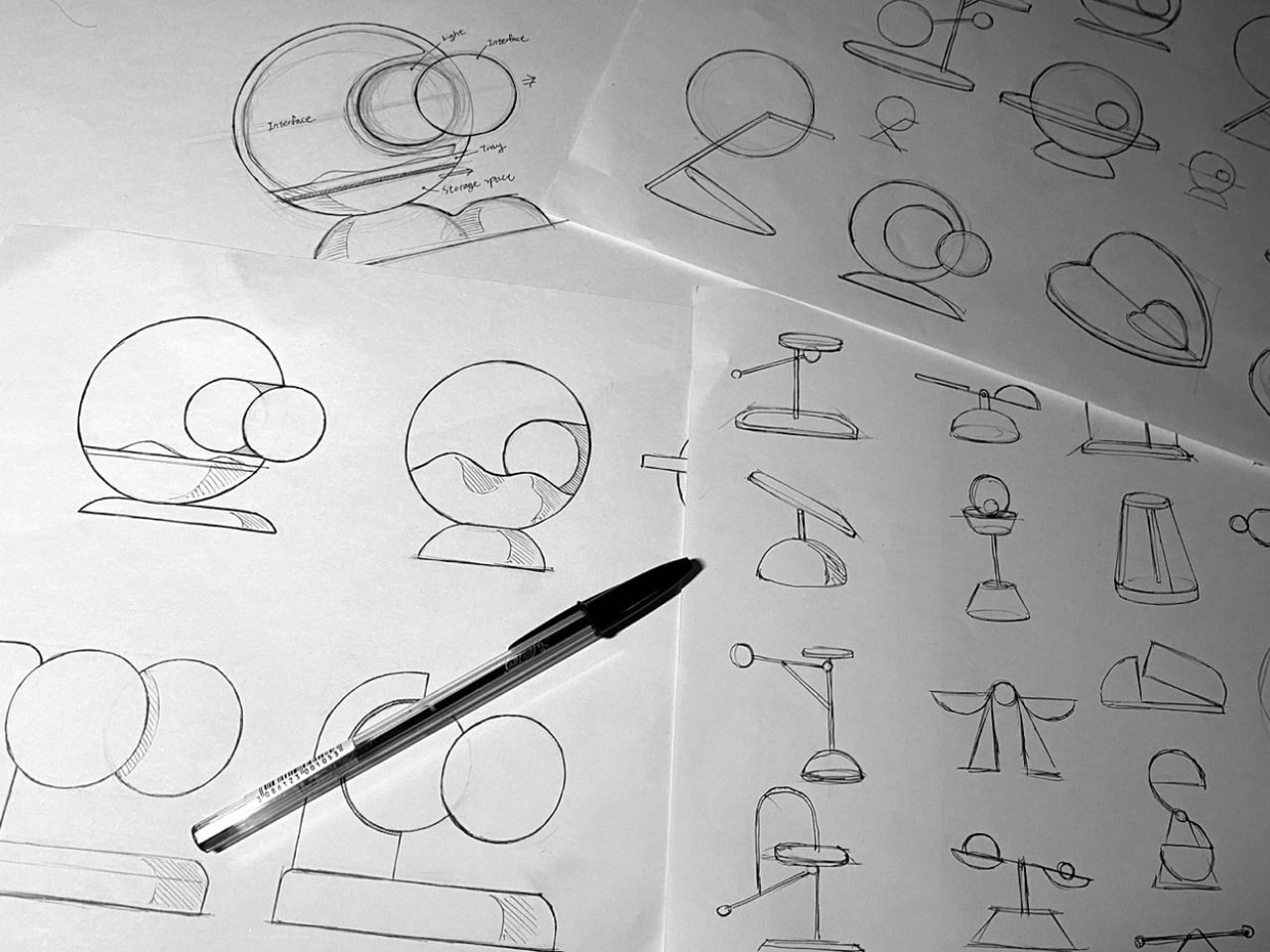
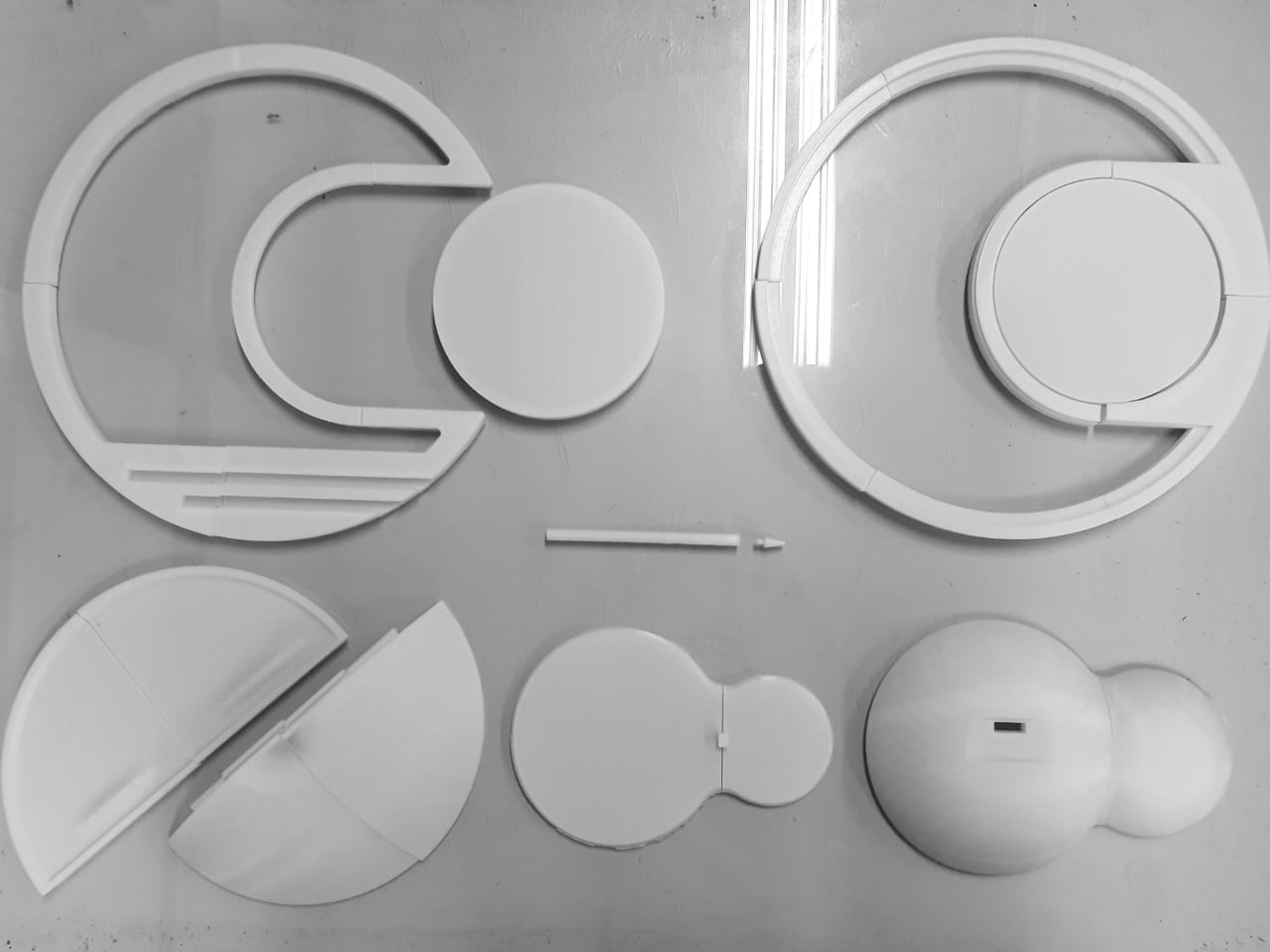
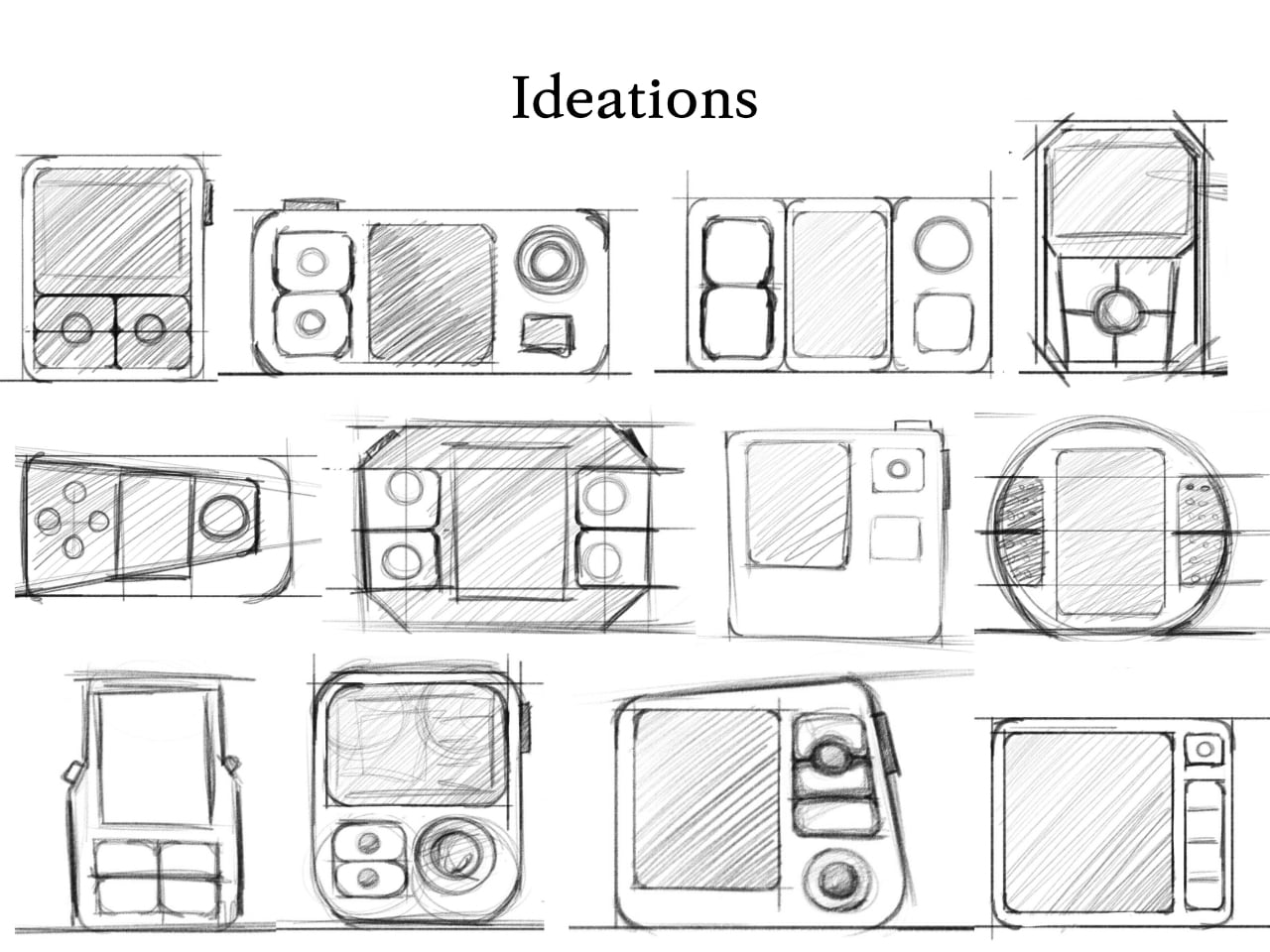
Looking at Kim’s development process, you can see the thoughtfulness that went into refining the concept. The sketches show dozens of iterations, each exploring different configurations of the circular theme. The prototyping photos reveal careful attention to how hands interact with the object, how the tray needs to be positioned, and how the lamp should cast light without being obtrusive.

What makes Darling particularly interesting in the broader design landscape is how it pushes back against the “smarter is better” mentality. We’re surrounded by devices that want to do everything, track everything, and connect to everything. Darling does exactly three things: it holds your stuff, it lights your space, and it reminds you not to forget. That restraint feels almost radical.

The concept also reflects a larger conversation happening in design circles about how technology should integrate into our most personal spaces. Bedrooms have become battlegrounds for sleep trackers, smart speakers, and charging stations for multiple devices. Darling suggests that maybe what we need isn’t more capability but more calm. A piece that helps us be slightly more organized without demanding we learn a new app or wade through settings menus.

Whether Darling makes it from concept to production remains to be seen. But as a design statement, it’s already doing important work. It reminds us that solving everyday problems doesn’t always require complex solutions. Sometimes you just need something beautiful that flickers at the right moment.
The post This Bedside Lamp Remembers Everything You Forget at 6 AM first appeared on Yanko Design.